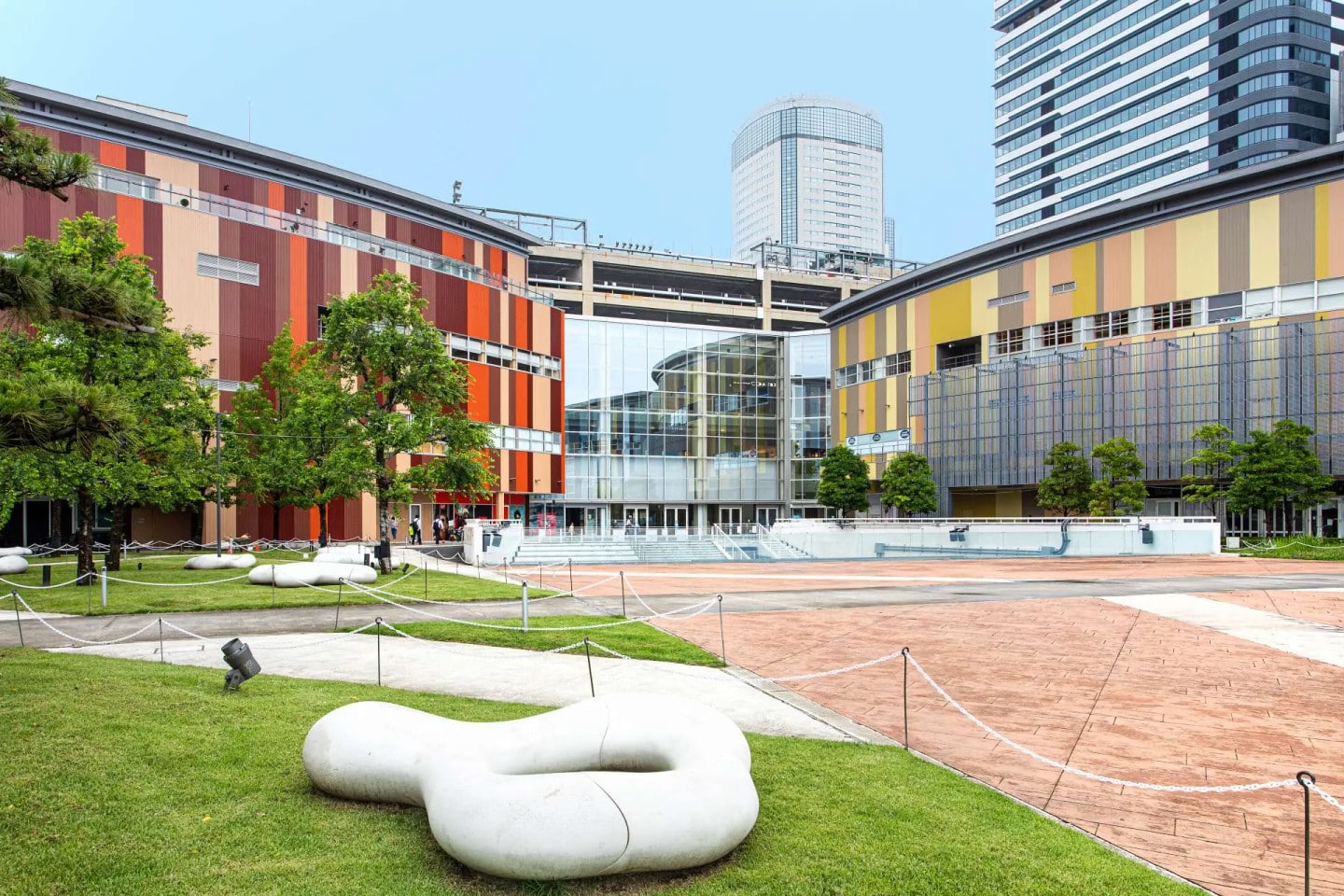

2026 Toyosu Market Complete Guide: Why Tokyo’s Newest Seafood Market Is a Must-Visit
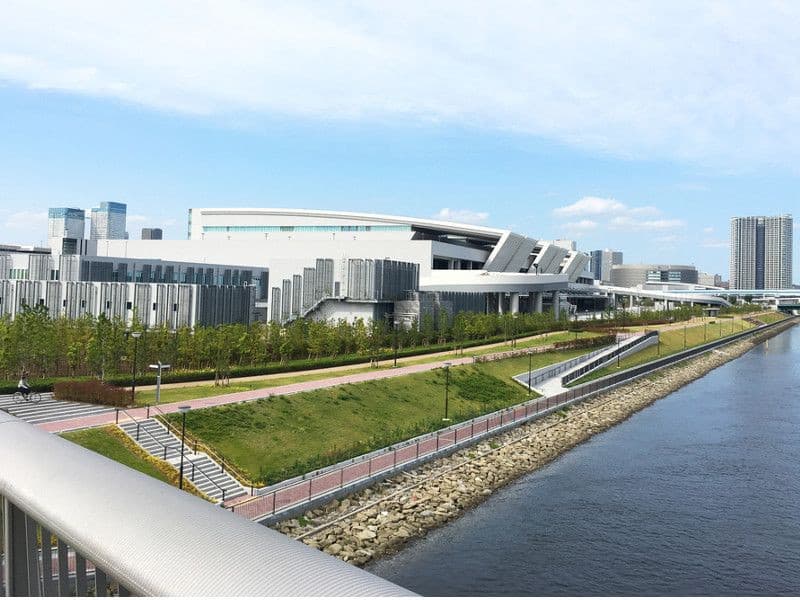
Toyosu Market is Tokyo’s largest wholesale market. It moved here from Tsukiji in 2018 and combines modern buildings with top-quality seafood, making it a must-visit for independent travelers in Tokyo.
Toyosu Market at a Glance: The Heart of Tokyo’s Seafood Wholesale
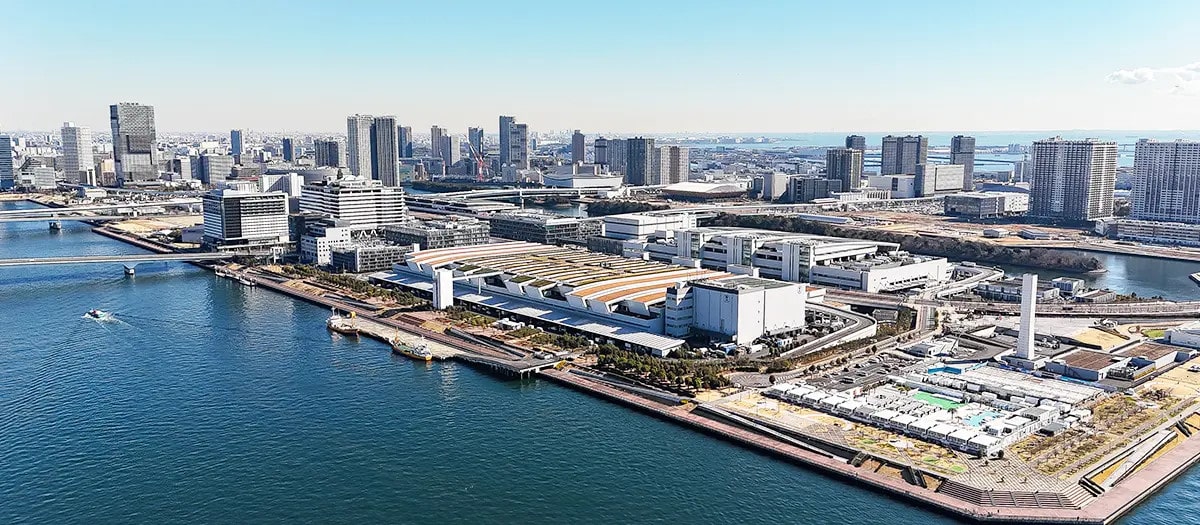
Toyosu Market (Toyosu 6-chome, Koto City) covers 40 hectares and is one of the world’s largest fish wholesale markets, made up of the Fruit and Vegetable Building, the Fisheries Intermediate Wholesale Market Building, the Fisheries Wholesale Market Building and the Management Facilities Building. The market relocated from Tsukiji in October 2018, taking over Tsukiji’s tuna auction, wholesale trade and famous long-established shops, with stricter hygiene management and visitor routes that let tourists observe how Japan’s seafood industry works up close. The exterior is modern, the interior routes are clear and air-conditioned, making it an in-depth place that combines industry tours with a feast for the taste buds.
Toyosu Market vs. Tsukiji Market: Modern Indoor Setting vs. Nostalgic Outdoor Atmosphere
Travelers often compare Toyosu Market with the Tsukiji Outer Market. Toyosu is an indoor wholesale market with carefully planned routes and a bright, modern building, suited to watching the tuna auction and having a professional-grade sushi breakfast; the Tsukiji Outer Market keeps the traditional streetscape formed after the war, with stalls lined up and a warm, human feel, suited to eating as you walk and soaking up the bustle of a local market.
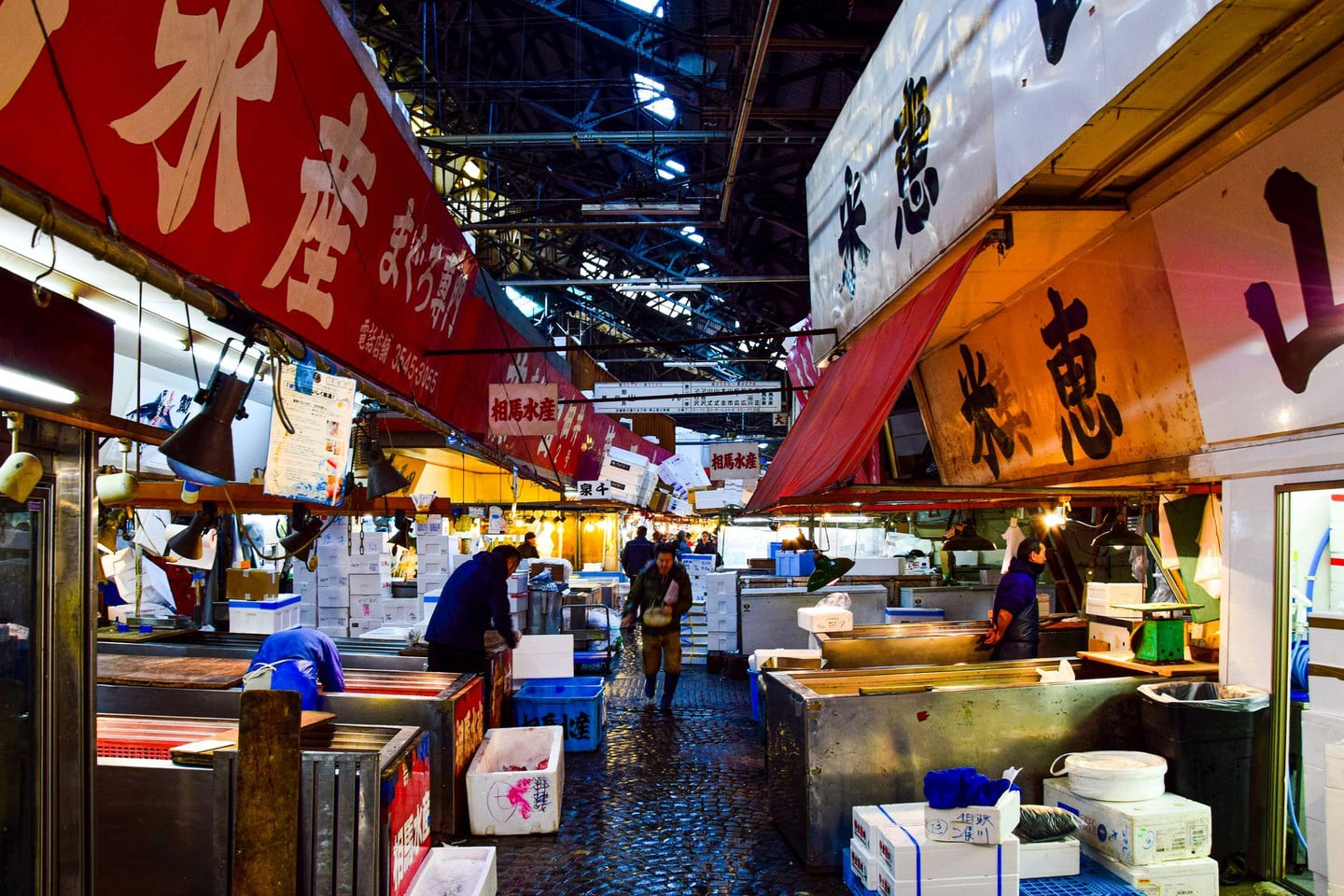
Put simply, if you want artisan sushi and an industry tour, choose Toyosu Market first; if you prefer casual strolling, a variety of snacks and souvenir shopping, the Tsukiji Outer Market is still irreplaceable. Many travelers schedule both on the same day: watch the Toyosu auction in the morning, eat lunch in the market, then head to the Tsukiji Outer Market in the afternoon to experience two very different market cultures.
Toyosu Market Building Layout: Three Main Buildings with Different Roles
Toyosu Market is divided into three blocks: Block 5 is the Fruit and Vegetable Building, with shops such as Daiwa Sushi and Tenfusa on the 1st floor; Block 6 is the Fisheries Intermediate Wholesale Market Building, where the 3rd floor has about 20 restaurants including Sushi Dai and Odayasu, and the 4th floor is the Uogashi Yokocho shopping area; Block 7 has the Fisheries Wholesale Market Building and the Management Facilities Building, where the 3rd floor of the Management Facilities Building also has restaurants such as Kagura Sushi and Yachiyo.
Because the buildings are in Blocks 5, 6 and 7, some routes require detours. Plan your dining and sightseeing order in advance to avoid running back and forth between buildings and wasting valuable queuing time.
Toyosu Market Hours and Closing Days: Make the Most of the Morning Prime Time
The visitor route at Toyosu Market is free to enter, open from 5:00 to 17:00; closed on Sundays, national holidays and most Wednesdays.
Market closing days, October to December 2026:
October 7, 11, 12, 18, 21, 25, 28
November 1, 3, 8, 11, 15, 18, 22, 23, 29
December 2, 6, 9, 13, 16, 20, 23, 31
Only the fruit and vegetable section is closed on 10/14, 11/4, 11/25 and 12/30; we also recommend going between 7:00 and 10:00.
Toyosu Market 2026 Closing Days: How to Check the Annual Calendar
Besides Sundays and national holidays, Toyosu Market is also closed on most Wednesdays; in 2026 the fisheries section is closed 114 days and open 251 days. The Tokyo Metropolitan Central Wholesale Market official site publishes a “market opening and closing days annual calendar” separately for fisheries and fruit and vegetables, with a PDF and a CSV file you can import into Google Calendar; checking before you go to confirm the market is open that day is the safest approach.
How to Get to Toyosu Market? Complete Guide to Transport and Fares
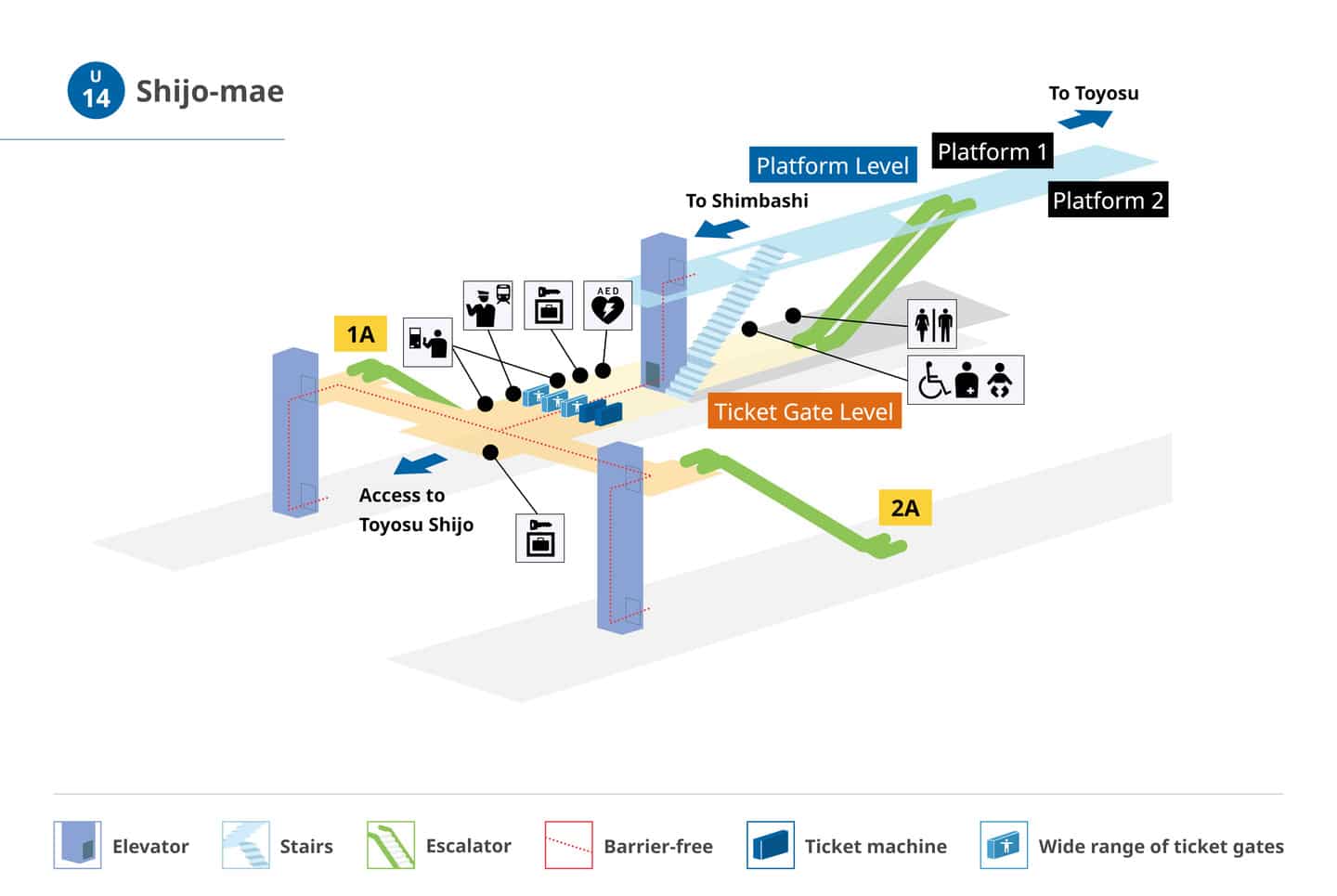
The most convenient way to reach Toyosu Market is the Yurikamome line to Shijo-mae Station, about 30-45 minutes from major stations such as Shinjuku and Tokyo Station.
How to Get to Toyosu Market? Transport at a Glance
🚃 Yurikamome Line (Shijo-mae Station): 25 minutes from Shimbashi, fare ¥380, right outside the exit, a train every 3-10 minutes.
🚋 JR Yamanote Line + Yurikamome (transfer from Shinjuku): transfer at Shimbashi, 45-50 minutes total, fare ¥570, good for first-timers.
🚄 JR Keiyo Line + Yurikamome (transfer from Tokyo Station): transfer via Shin-Kiba, 25-30 minutes total, fare ¥430, the fastest from Tokyo Station.
🎫 Toei Asakusa Line + Yurikamome (from Asakusa): transfer at Shimbashi, 45-50 minutes total, fare about ¥600, good if you are also visiting Asakusa.
🌊 Yurikamome Line (direct from Odaiba-kaihinkoen Station): 10-15 minutes, fare ¥280, good for an Odaiba and Toyosu day trip.
🎟️ Passes: Yurikamome one-day pass ¥820 for unlimited rides; Tokyo Metro 24-hour ticket ¥800, good for multi-stop itineraries.


Must-Visit Shops at Toyosu Market in 2026: Highlights and Experiences
Toyosu Market brings together over ten legendary long-established shops and new facilities around the market. Below is the must-visit list worth queuing for.
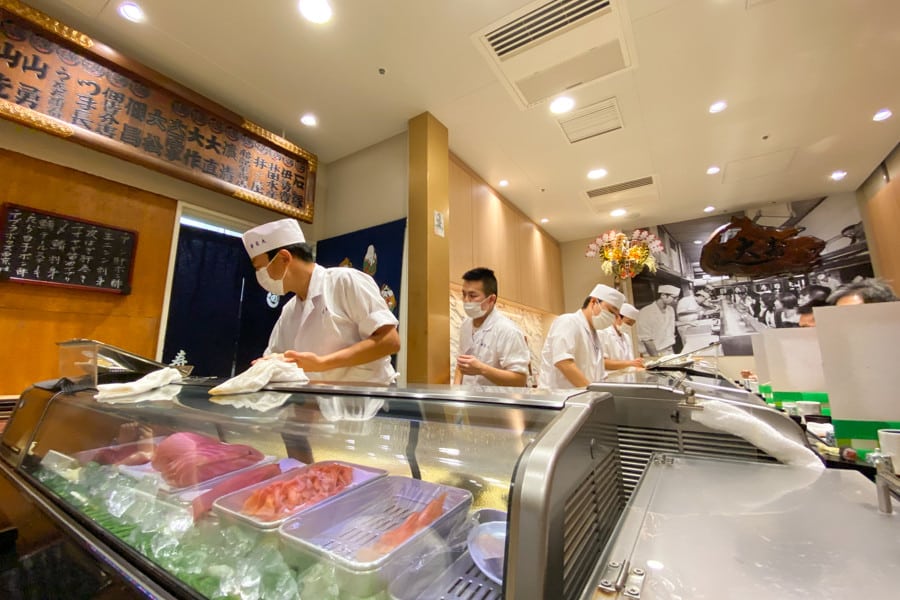
Sushi Dai: Legendary Edomae Sushi Worth the Wait
- 🍣 Must-order: chef’s choice set (omakase, 10 or more pieces of seasonal nigiri, made right in front of you)
- 💰 Price: from about ¥6,000
- 🚉 Access: 3rd floor of the Fisheries Intermediate Wholesale Market Building, about 20 seats, no reservations; open about 5:30 to 14:00, closed Sundays and market closing days. Queue 2 hours early; weekday mornings give a better chance of a seat. Cash only; lunch budget about ¥6,000 to ¥8,000

-Klook.jpg)
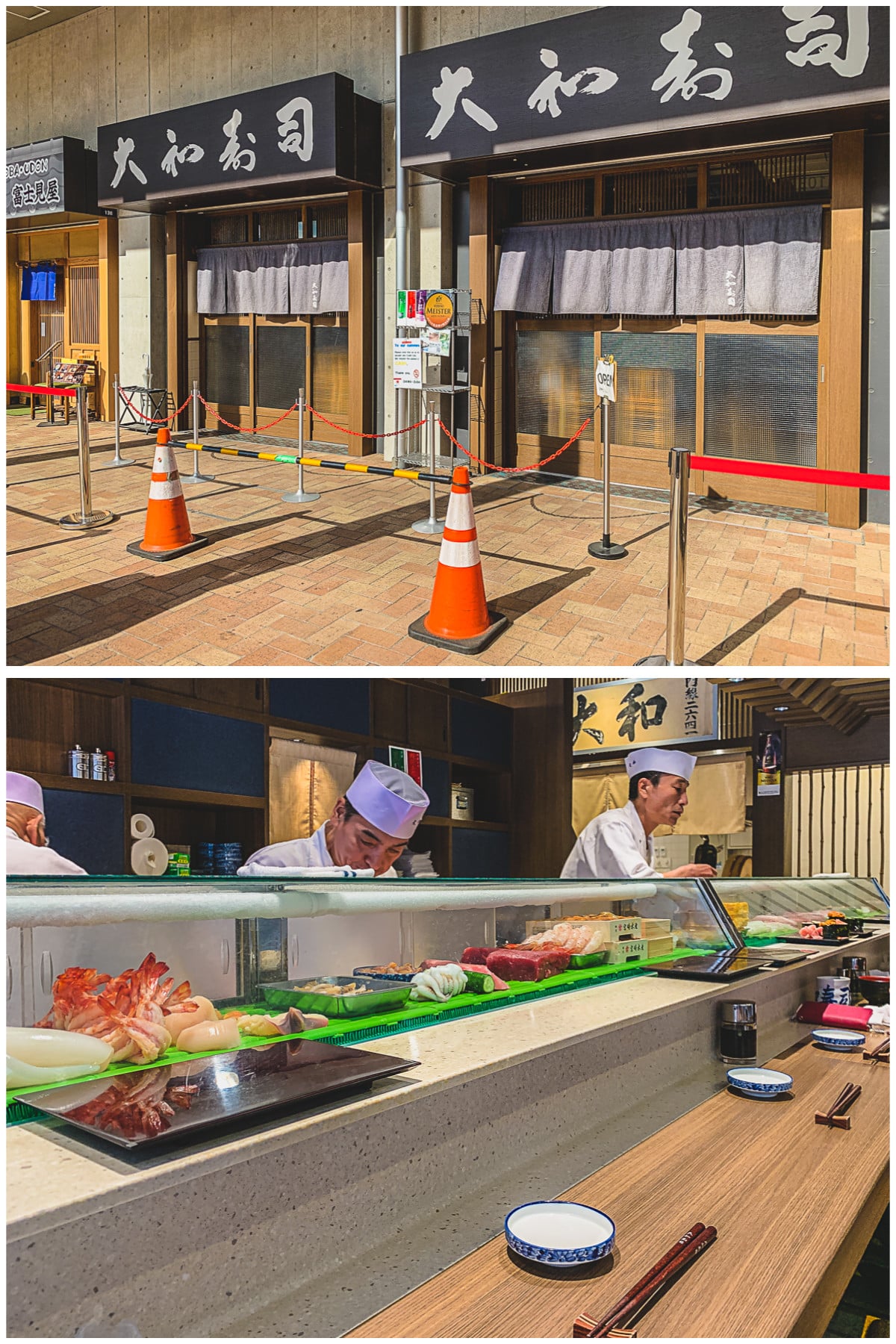
Daiwa Sushi: The First Famous Sushi Shop from the Tsukiji Days
Daiwa Sushi is on the 1st floor of the Fruit and Vegetable Building and, like Sushi Dai, is a long-established name from the Tsukiji era. Its signature chef’s set starts at about ¥6,600, and it is known for relatively large sushi rice balls with generous toppings; fatty tuna belly and sea urchin gunkan are must-orders. Compared with Sushi Dai, the queue at Daiwa Sushi is usually shorter, making it another option for those who want to save queuing time but still enjoy artisan sushi.
Daiwa Sushi has slightly more seats than Sushi Dai and turns tables faster, making it a good backup when the Sushi Dai queue is too long. It is open from about 5:30 a.m. to 1 p.m., likewise closed on Sundays and market closing days. Pay in cash, as most long-established shops do not yet accept credit cards across the board.
- 🍣 Must-order: chef’s set (fatty tuna belly and sea urchin gunkan are musts)
- 💰 Price: from about ¥6,600
- 🚉 Access: 1st floor of the Fruit and Vegetable Building
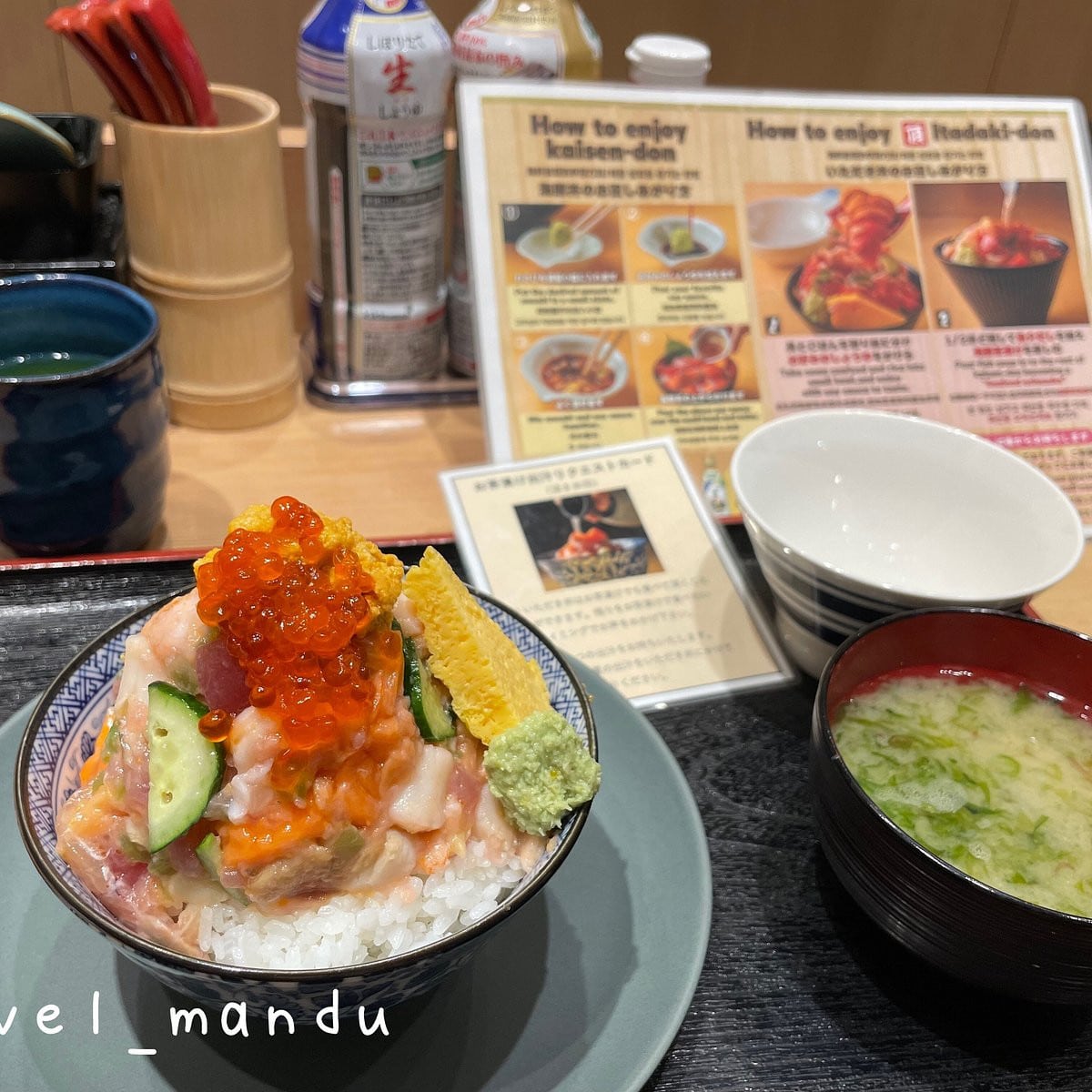
Kaisendon Oedo: A Specialist for Generous Artisan Seafood Rice Bowls
- 🍚 Must-order: signature Oedo bowl (tuna, salmon roe, sea urchin, sweet shrimp).
- 💰 Price: about ¥3,500.
- 📍 Location: 3rd floor of the Fisheries Intermediate Wholesale Market Building.
Oedo specializes in seafood rice bowls, and its signature “Oedo don” costs about ¥3,500, packed with tuna, salmon roe, sea urchin and sweet shrimp in a generous portion. If you want to taste several kinds of seafood at once without a long wait, a seafood bowl is an excellent choice. You can also add sea urchin or fatty tuna belly as an upgrade. Avoid the peak from 9 a.m. to 11 a.m. or arrive early. Closed on Sundays and market closing days.
Odayasu: A Popular Tonkatsu Shop in Toyosu Market
Odayasu is on the 3rd floor of the Fisheries Intermediate Wholesale Market Building and is the market’s most representative tonkatsu specialist. Its signature “oyster fry combination set” pairs fried oysters with pork cutlet, and the “A set” offers both fried pork tenderloin and fried pork loin, priced at about ¥1,800 to ¥2,500, with a crisp coating and tender, juicy meat that market workers love.
Since the crowds build near noon, arriving before 10:30 a.m. saves a good deal of queuing time. The shop takes no reservations and turns tables quickly at peak meal times, so you usually wait 15 to 30 minutes for a seat; closing days match most market shops: Sundays and market closing days.
- 🍽️ Must-order: oyster fry combination set / A set (fried pork tenderloin + fried pork loin)
- 💰 Price: about ¥1,800-2,500
- 🚉 Access: 3rd floor of the Fisheries Intermediate Wholesale Market Building
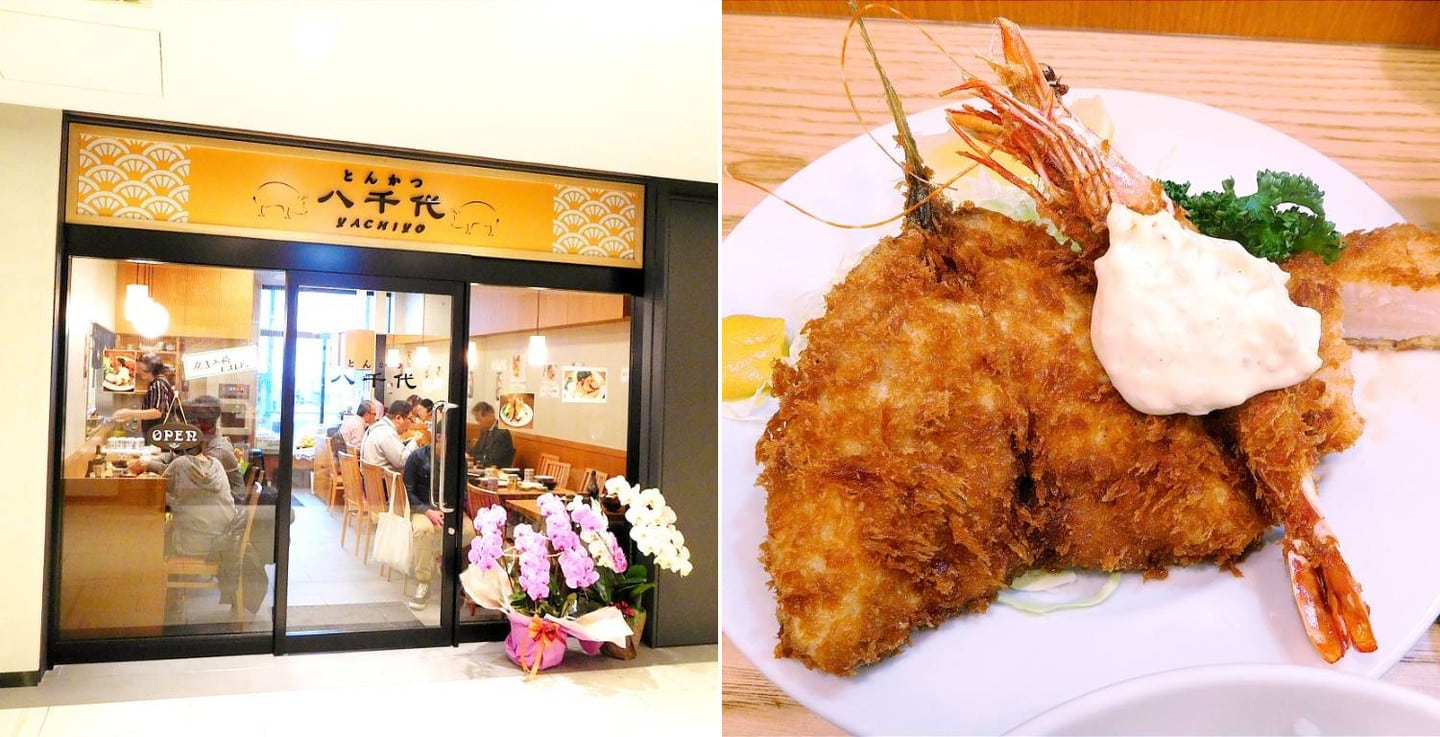
Tonkatsu Yachiyo: Don’t Miss the Hidden-Menu Char Siu Rice
Tonkatsu Yachiyo is on the 3rd floor of the Management Facilities Building. Its signature is a combination set of fried shrimp, fried horse mackerel and fried scallops for about ¥1,500-2,200, and the hidden-menu char siu rice is a favorite of regulars.
It often has a wait at peak meal times, so avoid the peak; it mainly takes cash, and is closed on Sundays and market closing days.
🍽️ Must-order: fried shrimp, horse mackerel and scallop combination set (hidden-menu char siu rice)
💰 Price: about ¥1,500-2,200
🚉 Location: 3rd floor of the Management Facilities Building
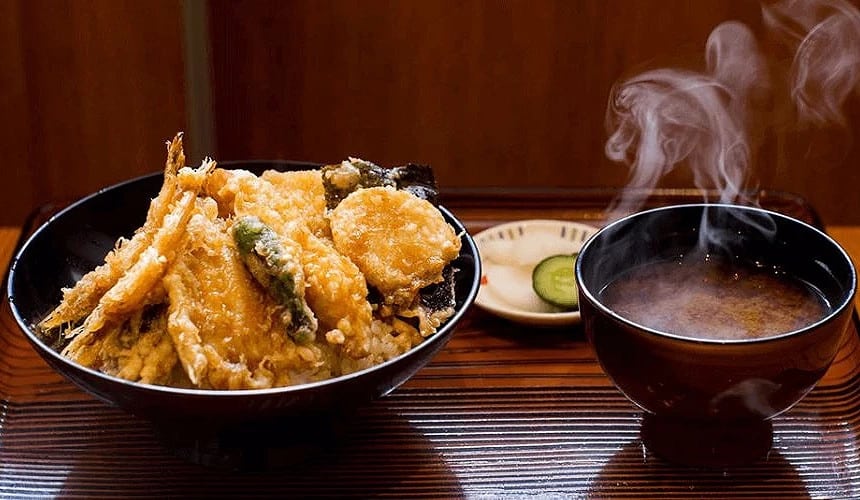
Ebi Tendon Tenfusa: A Popular Tempura Bowl Shop in the Fruit and Vegetable Building
Ebi Tendon Tenfusa is on the 1st floor of the Fruit and Vegetable Building. Its signature “ebi anago tendon” costs about ¥1,500, with freshly fried prawn and conger eel over rice with a special sauce. It is a popular queue in the Fruit and Vegetable Building, usually with a shorter wait than the famous shops in the Fisheries Intermediate Wholesale Market Building.
It is open from about 7 a.m. to 1 p.m. (closing when ingredients sell out). Avoid the 11 a.m. to 12:30 p.m. peak; visiting in the first hour after opening saves queuing time.
- 🍤 Must-order: ebi anago tendon
- 💰 Price: about ¥1,500
- 🚉 Access: 1st floor of the Fruit and Vegetable Building
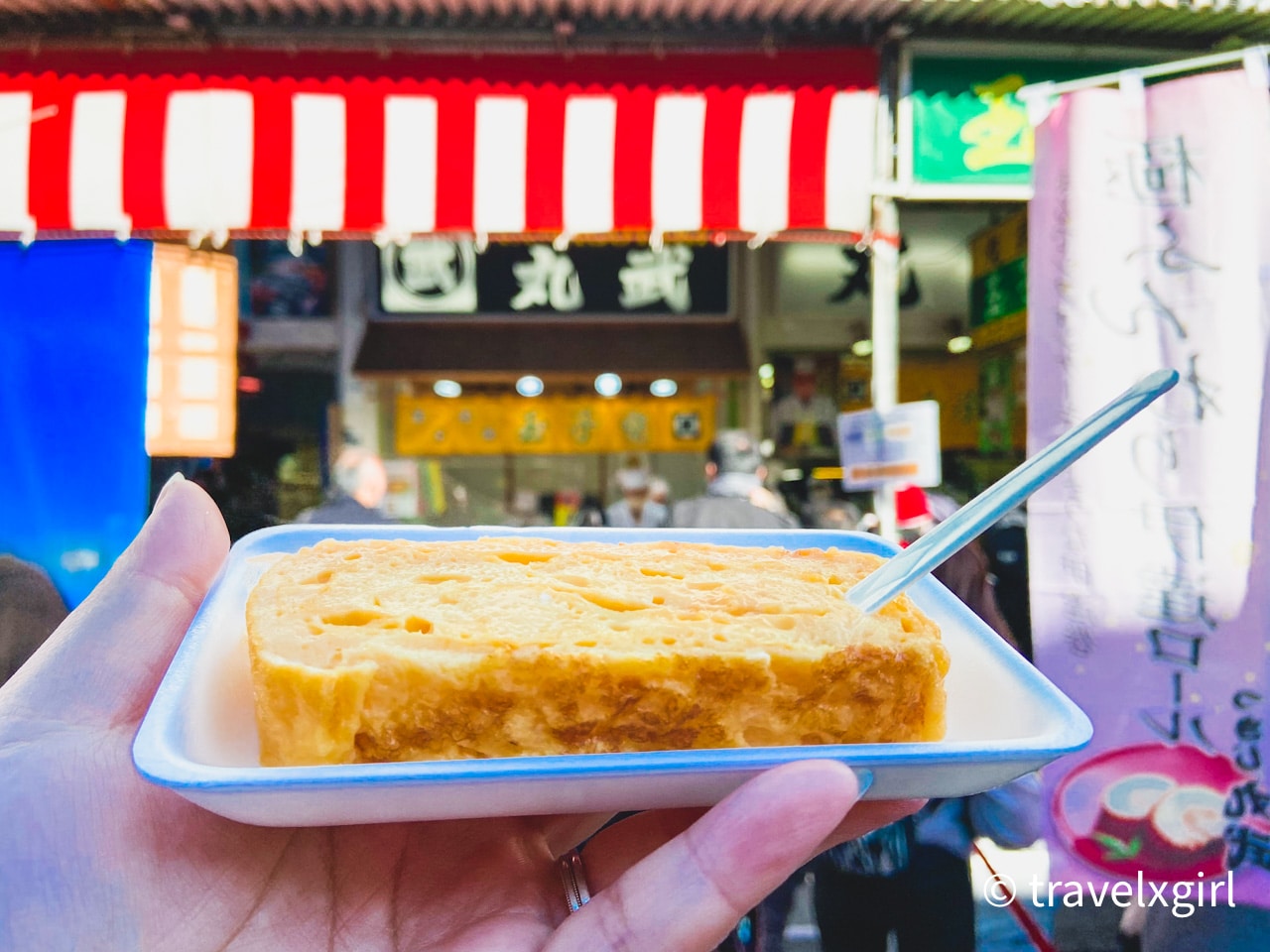
Marutake Tamagoyaki: The Sweet Taste of Handmade Grilled Egg
Marutake Tamagoyaki, a long-established shop famous since the Tsukiji days, is on the 4th floor of the Fisheries Intermediate Wholesale Market Building. Artisans cook it by hand in layers in a traditional copper pan, giving a lightly charred outside, a soft inside and a gentle sweetness. Prices are about ¥200-400 per portion, good as a quick snack or a souvenir. Vacuum packing is available for easy carrying; please eat it as soon as possible. Hours are about 05:00-15:00, and it may close on market closing days, so check the shop’s announcements before you go.
- 🍥 Must-order: handmade artisan tamagoyaki (can be vacuum-packed as a souvenir)
- 💰 Price: about ¥200-400 per portion
- 🚉 Access: 4th floor of the Fisheries Intermediate Wholesale Market Building
Kagura Sushi: A Uogashi Shop Locals Recommend Too
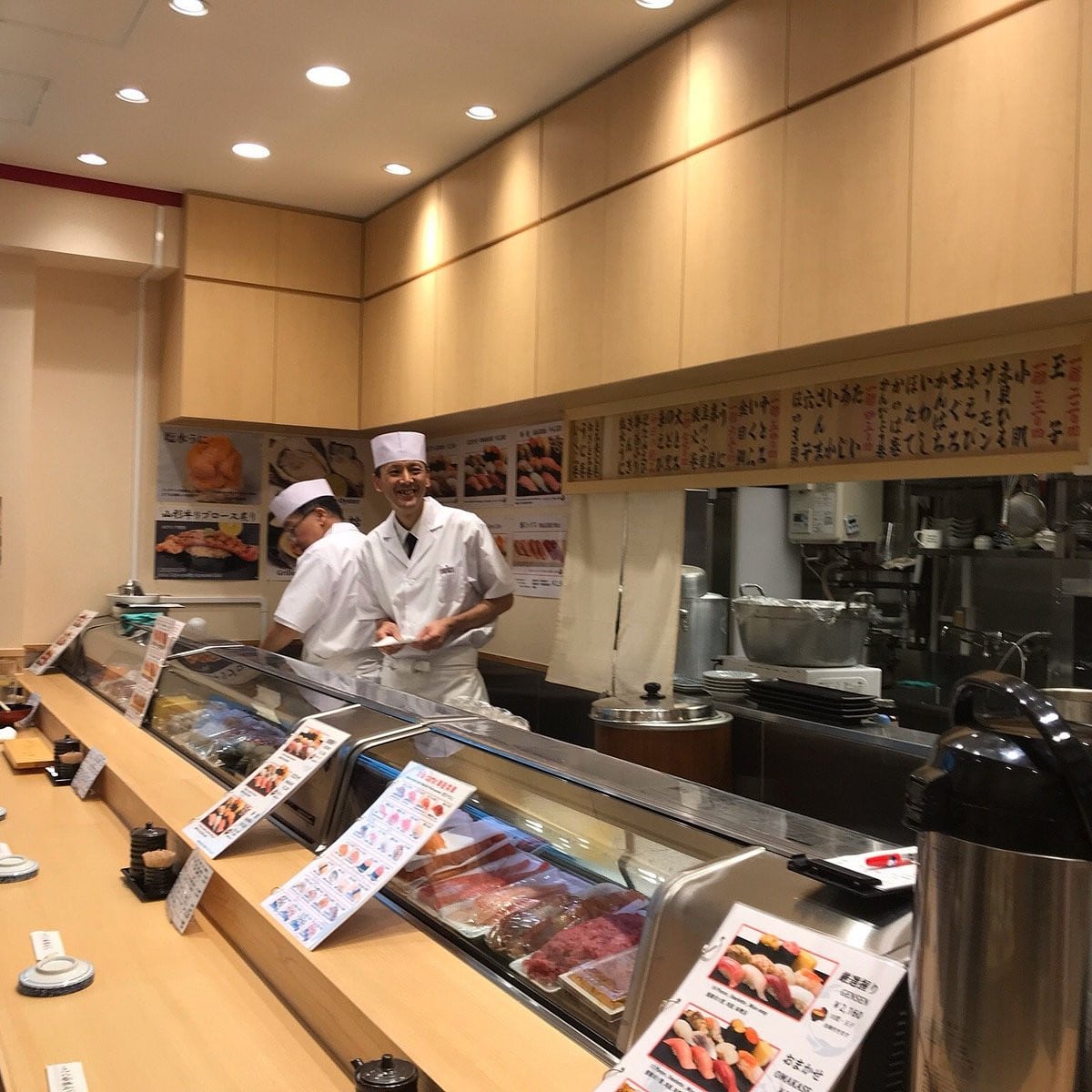
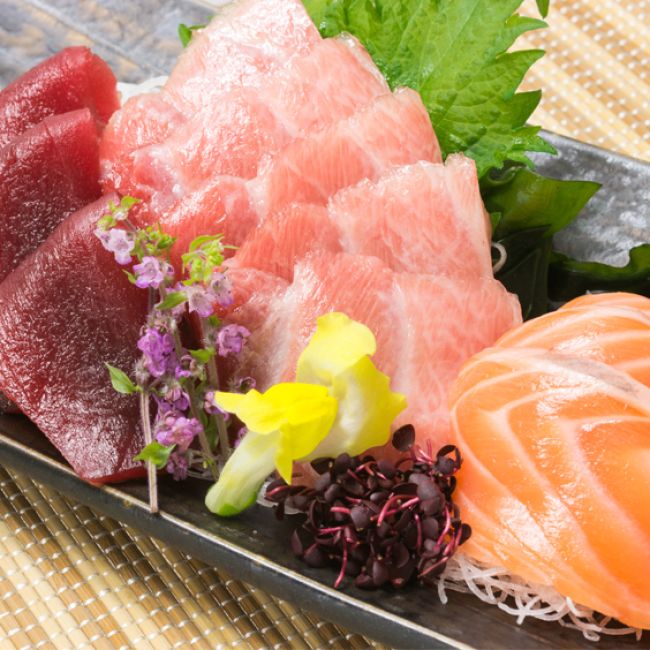
Kagura Sushi is in the food court on the 3rd floor of the Management Facilities Building and is a lesser-known pocket-list pick among tourists. Lunch averages about ¥3,000 to ¥4,000, using fish delivered straight from that day’s auction, and its value is among the best of the market’s many sushi shops, with a noticeably shorter queue than Sushi Dai and Daiwa Sushi.
Because it is on the food court floor, the dining space is roomier and more comfortable, and it also offers à la carte sushi, good for travelers who do not want a full set and just want to try a few signature pieces. Hours are about 8 a.m. to 4 p.m. (last order 15:30), and closing days match the market closing days.
- 🍣 Must-order: chef’s set or à la carte nigiri
- 💰 Price: about ¥3,000-4,000
- 🚉 Access: food court on the 3rd floor of the Management Facilities Building
Chuei Indian Curry: A Surprisingly Popular Curry Shop in the Market
Chuei Indian Curry is on the 3rd floor of the Fisheries Intermediate Wholesale Market Building and stands out in a market full of seafood shops. Its signature “Nozaki curry” and “seafood curry” blend Japanese and Indian spice flavors, rich and smooth but not spicy, priced at about ¥1,200 to ¥1,800, an excellent choice if you want a change of pace in a fish market.
The shop has been a favorite of market workers since the Tsukiji days. The curry sauce needs long simmering, so the daily supply is limited; arriving before noon gives a better chance. Hours are about 7 a.m. to 2 p.m., and closing days are likewise Sundays and market closing days.
- 🍛 Must-order: Nozaki curry / seafood curry
- 💰 Price: about ¥1,200-1,800
- 🚉 Access: 3rd floor of the Fisheries Intermediate Wholesale Market Building
Mosuke Dango: A Must-Buy Japanese Sweet in the Management Facilities Building
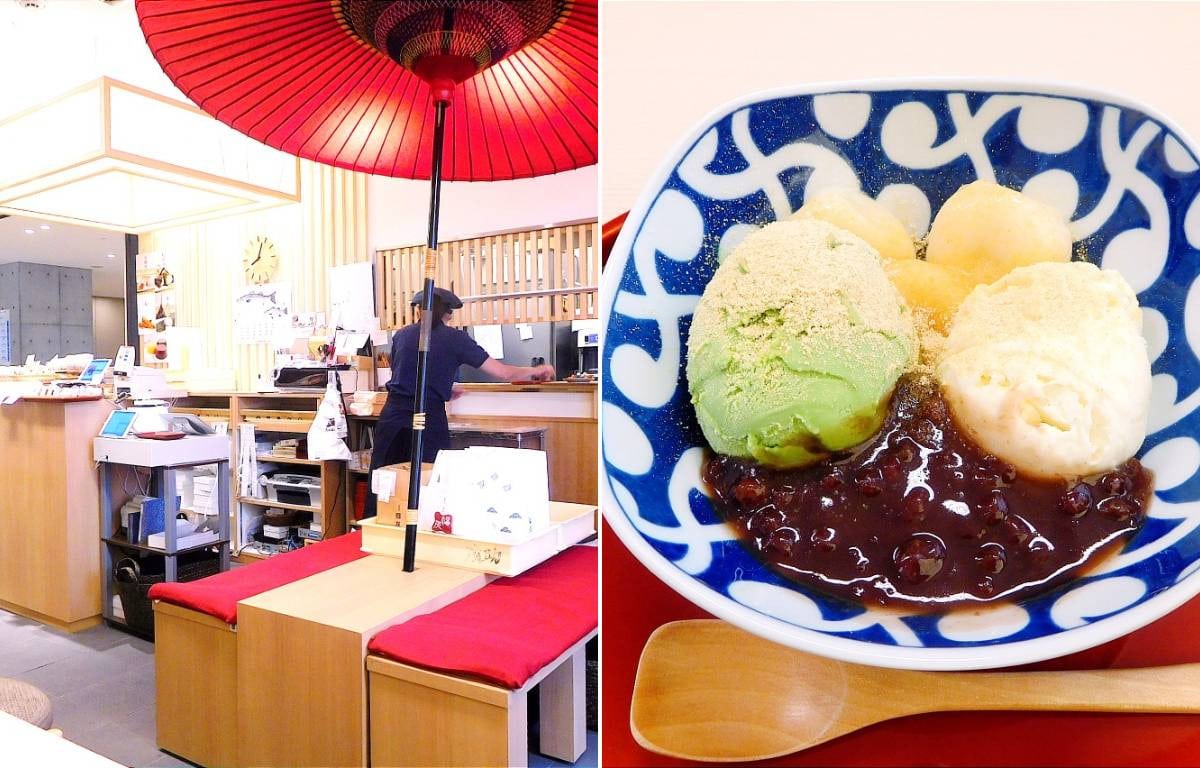
Mosuke Dango is on the 3rd floor of the Management Facilities Building and offers Japanese sweets such as grilled dango, daifuku and kusa mochi. Each skewer costs about ¥150 to ¥300, with moderate sweetness and a soft, chewy texture that goes well with hot tea. Assorted dango sets are also available to take away as souvenirs. Hours are about 05:00-15:00, closed on Sundays, national holidays and market closing days.
- 🍡 Must-order: grilled dango, daifuku, kusa mochi
- 💰 Price: about ¥150-300 per skewer
- 🚉 Access: 3rd floor of the Management Facilities Building
Toyosu Market Tuna Auction Viewing and Senkyaku Banrai Experiences
Besides eating, there are several experiences around Toyosu Market worth booking. Here are the top picks.
Tuna Auction Viewing: An Early-Morning-Only Look at the Industry’s Front Line
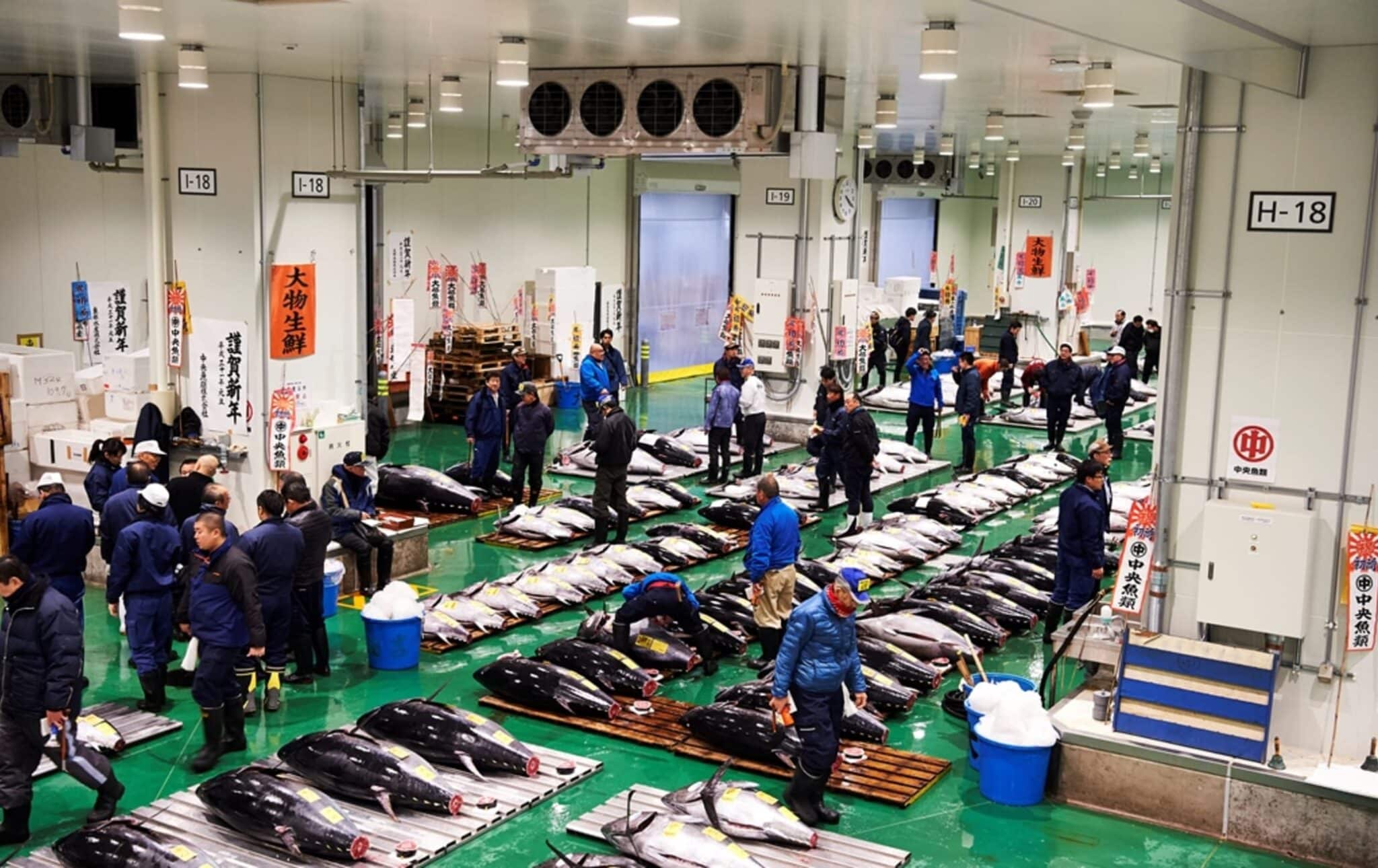
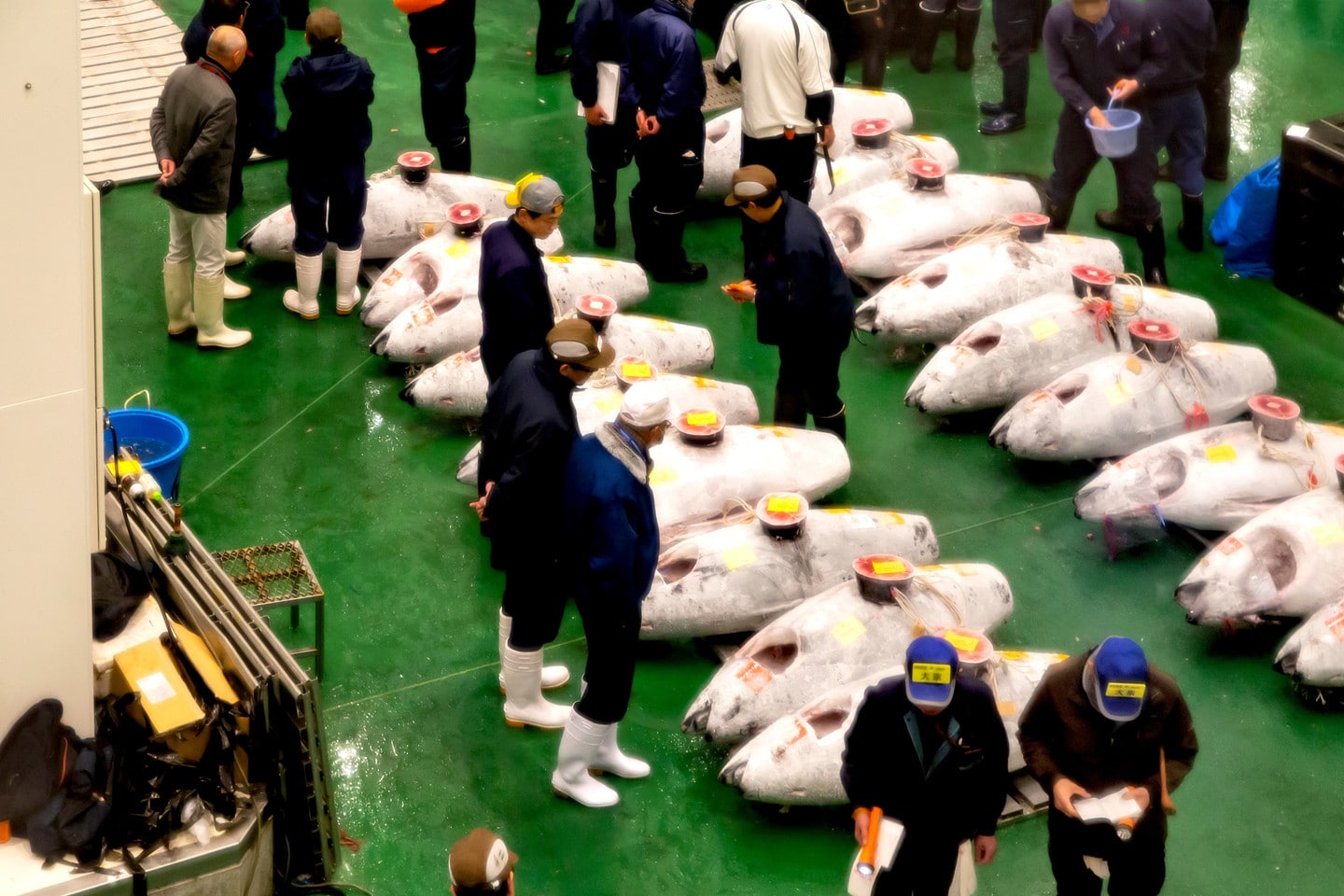
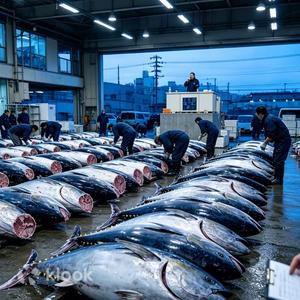
The tuna auction is Toyosu Market’s signature activity, and visitors can watch the auction floor up close through glass windows from the 2nd-floor viewing gallery. To watch up close from the viewing deck, you must apply in advance by lottery on the official site or by phone; the viewing slot is 5:45 to 6:15, with limited daily places, and applications open about one month ahead.
The auction starts at about 5:30 a.m., and the lottery-free visitor route is open from 5:00 to 17:00. Those who do not win can still watch for free from the general viewing passage and take in the atmosphere. Arrive early using an early-morning train, and leave time for a meal after the visit.
Toyosu Senkyaku Banrai: An Edo-Style Food Street and Foot Bath Facility
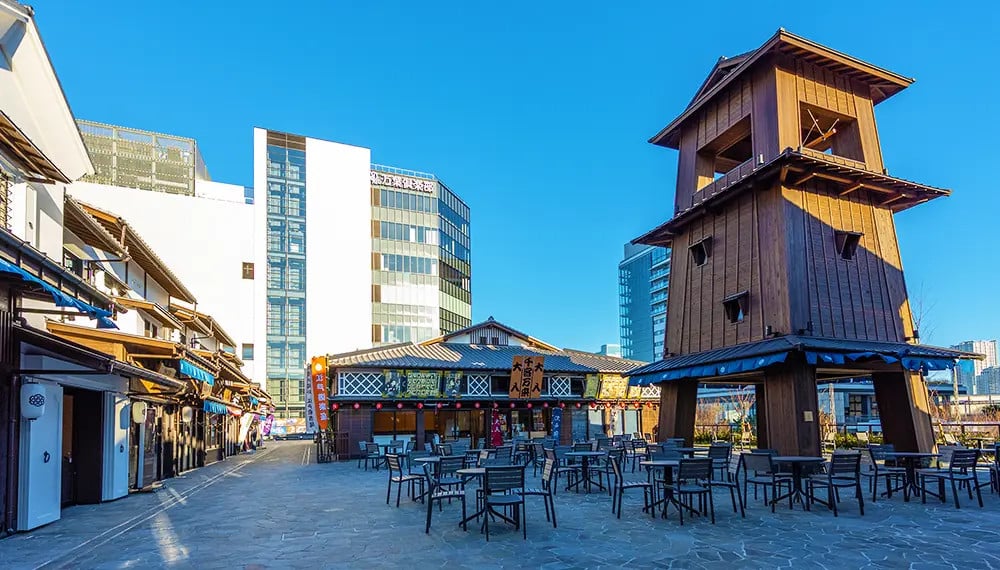
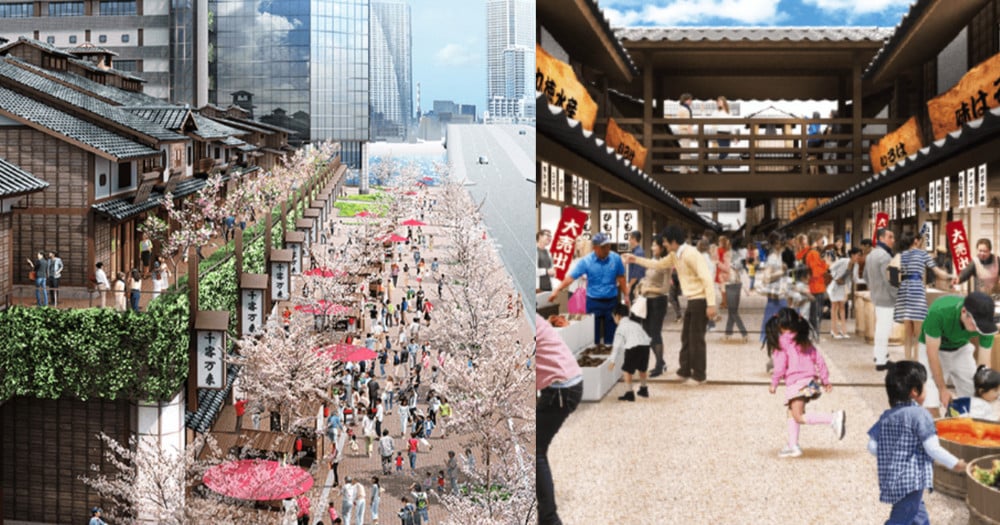
Toyosu Senkyaku Banrai opened in 2024 near Shijo-mae Station, built to resemble an Edo streetscape and split into the “Shoku-raku Building” (food) and the “Onyoku Building” (hot spring). The food building has seafood, tuna skewers and dessert shops, good for a meal after the market.
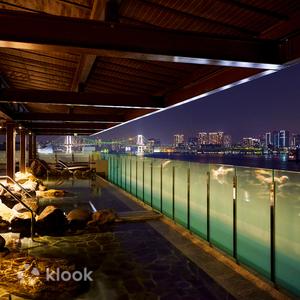
The Onyoku Building’s “Manyo Club” is a day-use hot spring that draws water from Hakone and Yugawara, with adult bathing about ¥3,850; the free foot bath area on the 8th floor can be used by buying a towel, with views of Tokyo Bay, perfect for relaxing.
Mekiki Yokocho: The Food Street of the Edomae Market’s Food Building
Mekiki Yokocho is on the 2nd floor of the Senkyaku Banrai food building and recreates an Edo-period market streetscape, with small stalls where you can eat as you walk or stand and eat. Hours are 10:00 to 18:00, handy for a meal after the market. The atmosphere is completely different from the strict wholesale market of the daytime, full of lively local bustle.
Enter before 15:00 to avoid the period close to closing time; restaurants in the food building are open until 22:00, so if you want dinner, choose a later-opening shop.
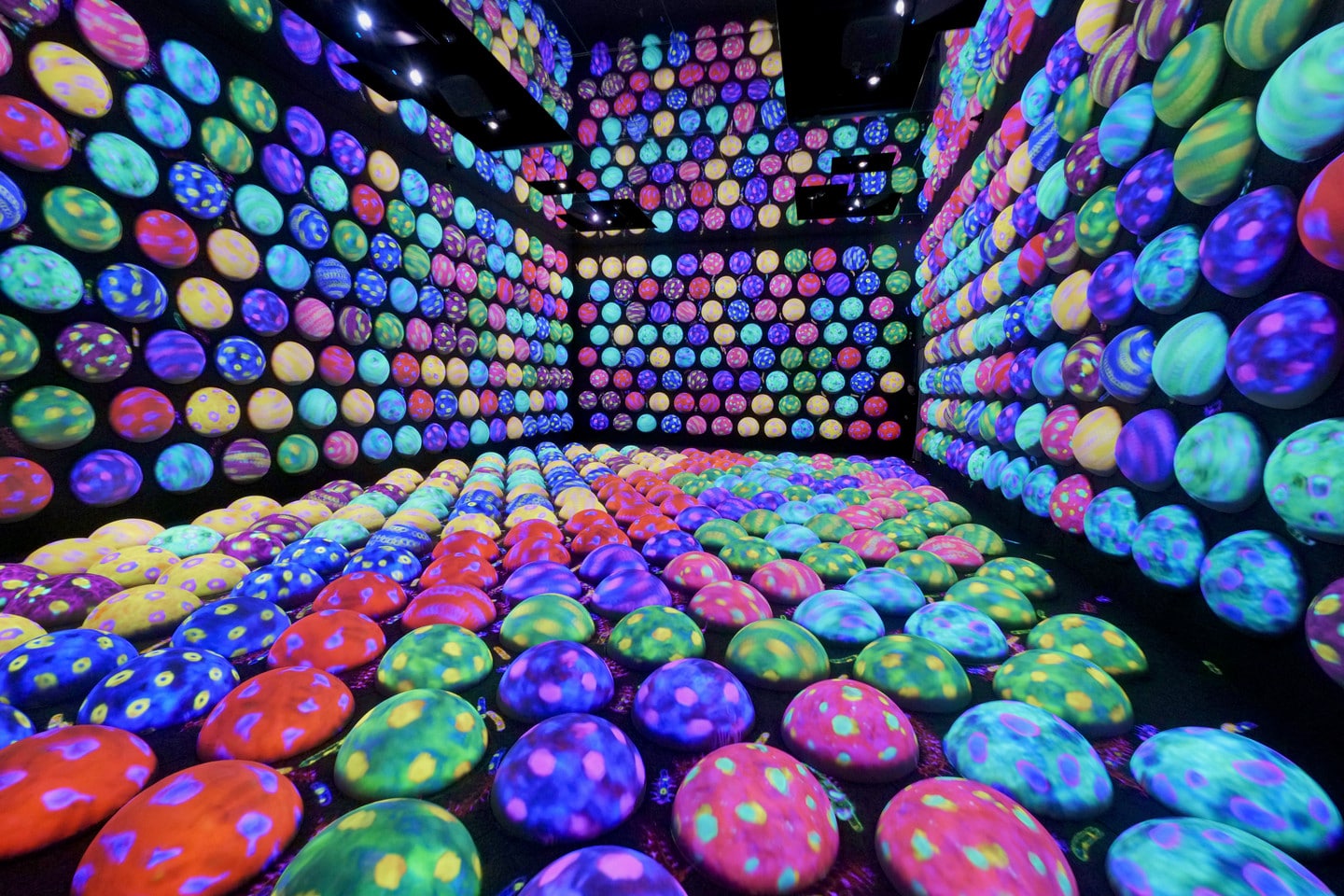
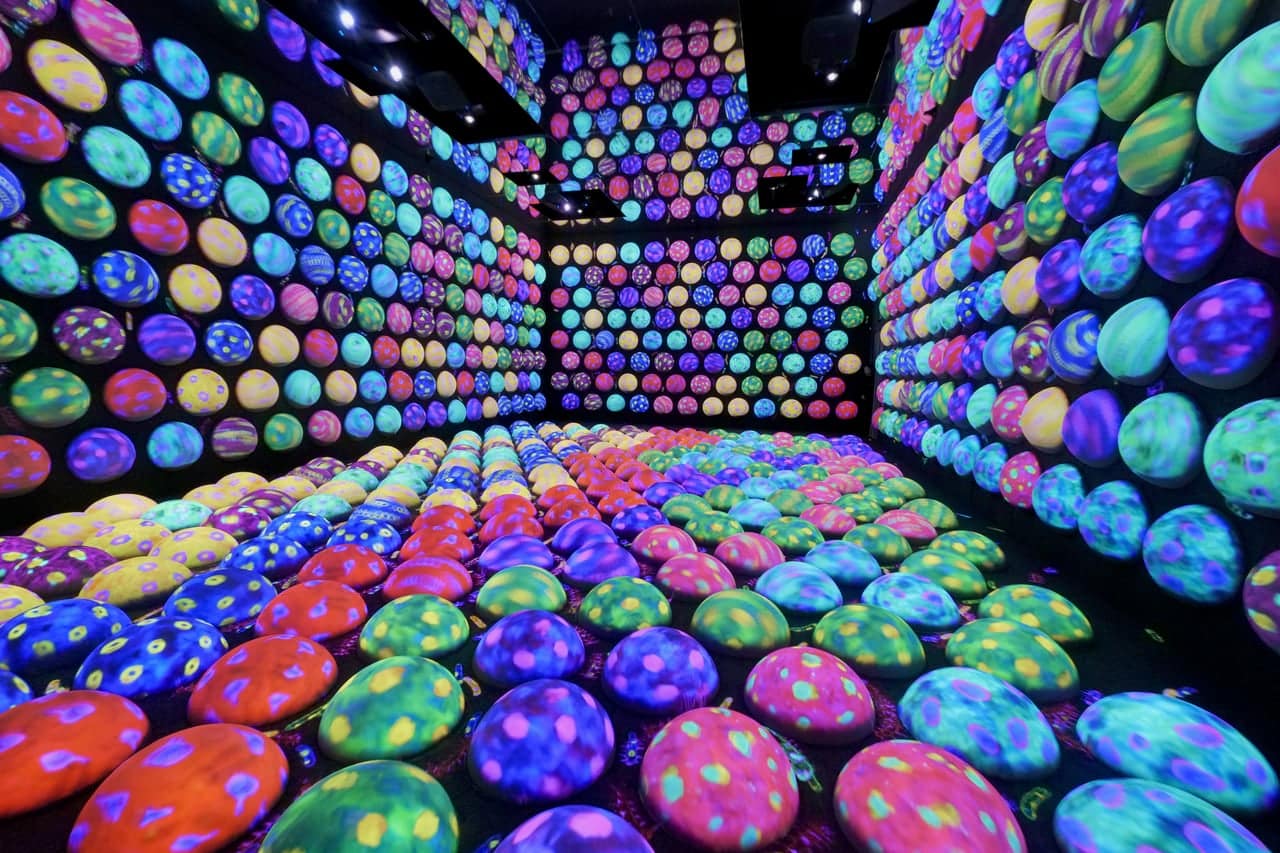
teamLab Planets TOKYO: An Immersive Digital Art Experience
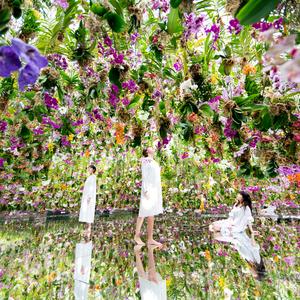
teamLab Planets TOKYO is near Shin-Toyosu Station on the Yurikamome line, just one stop from Toyosu Market. It is an immersive venue combining light, water and digital art, where you wade through water barefoot, and suits an afternoon after your market visit. Tickets must be reserved in advance on the official site, with adult tickets from about ¥3,600.
Because the venue is popular, reserve a slot at least a week ahead and allow about 1.5 to 2 hours for the visit. There are several restaurants and shopping malls nearby, so you can have dinner here to finish a full day around Tokyo Bay.
Where to Stay Nearby
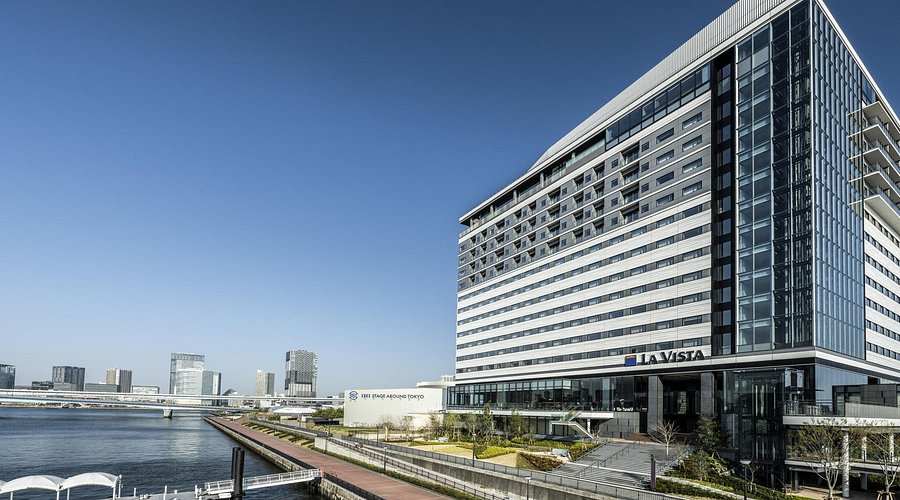
Toyosu Market opens as early as 5 a.m., so if you want to watch the tuna auction or queue for Sushi Dai, stay along the Yurikamome line in Shimbashi, Toyosu or Odaiba, and ride to Shijo-mae Station for a stop right at the exit. The night before, confirm the first train time and the market closing days, then plan your lodging dates.

FAQ
Q: What is the most convenient way to get to Toyosu Market?
Take the Yurikamome line to “Shijo-mae Station” and you are right at the exit. It takes about 25 minutes from Shimbashi Station and costs about ¥380, the most direct route and hard to get lost on.
Q: What is the best time to visit Toyosu Market?
We recommend going between 7 a.m. and 10 a.m., when ingredients are freshest and crowds have not yet peaked; some famous shops may sell out and close before noon.
Q: Can I pay by card at Toyosu Market shops?
Most long-established shops still prefer cash, and only some new facilities or Senkyaku Banrai shops accept credit cards and e-payments, so carry enough cash.
Q: Can several people share one meal at Toyosu Market?
Most shops do not recommend or allow sharing a single set, and famous shops such as Sushi Dai and Daiwa Sushi explicitly require each person to order at least one meal.
Q: How long is the usual queue at Sushi Dai?
The queue at Sushi Dai often runs 1.5 to 3 hours, even longer at peak times; we recommend arriving 2 hours before opening to register in the line.
Q: Which days of the week is Toyosu Market closed?
In principle it is closed on Sundays, national holidays and most Wednesdays, with exceptions (for example, Sunday, December 27, 2026 is open as usual). In 2026 the fisheries section is closed 114 days; see the “Hours and Closing Days” section above for full dates, or check the annual calendar on the Tokyo Metropolitan Central Wholesale Market official site.
Q: How is Toyosu Market different from Tsukiji Market?
Toyosu Market is a modern indoor wholesale market with strict routes; the Tsukiji Outer Market keeps the traditional street stalls, and the atmosphere and experience of the two are completely different.