
Osaka Charter Car Day Trip Cost 2026: A Complete Guide to 8- and 10-Seat Vehicles, Rates, Green-Plate Cars and Booking Tips
Everything you need on 2026 Osaka charter car day trip rates, vehicle choices and green-plate safety.
Osaka Charter Car Costs and Vehicle Overview: 2026 Rates
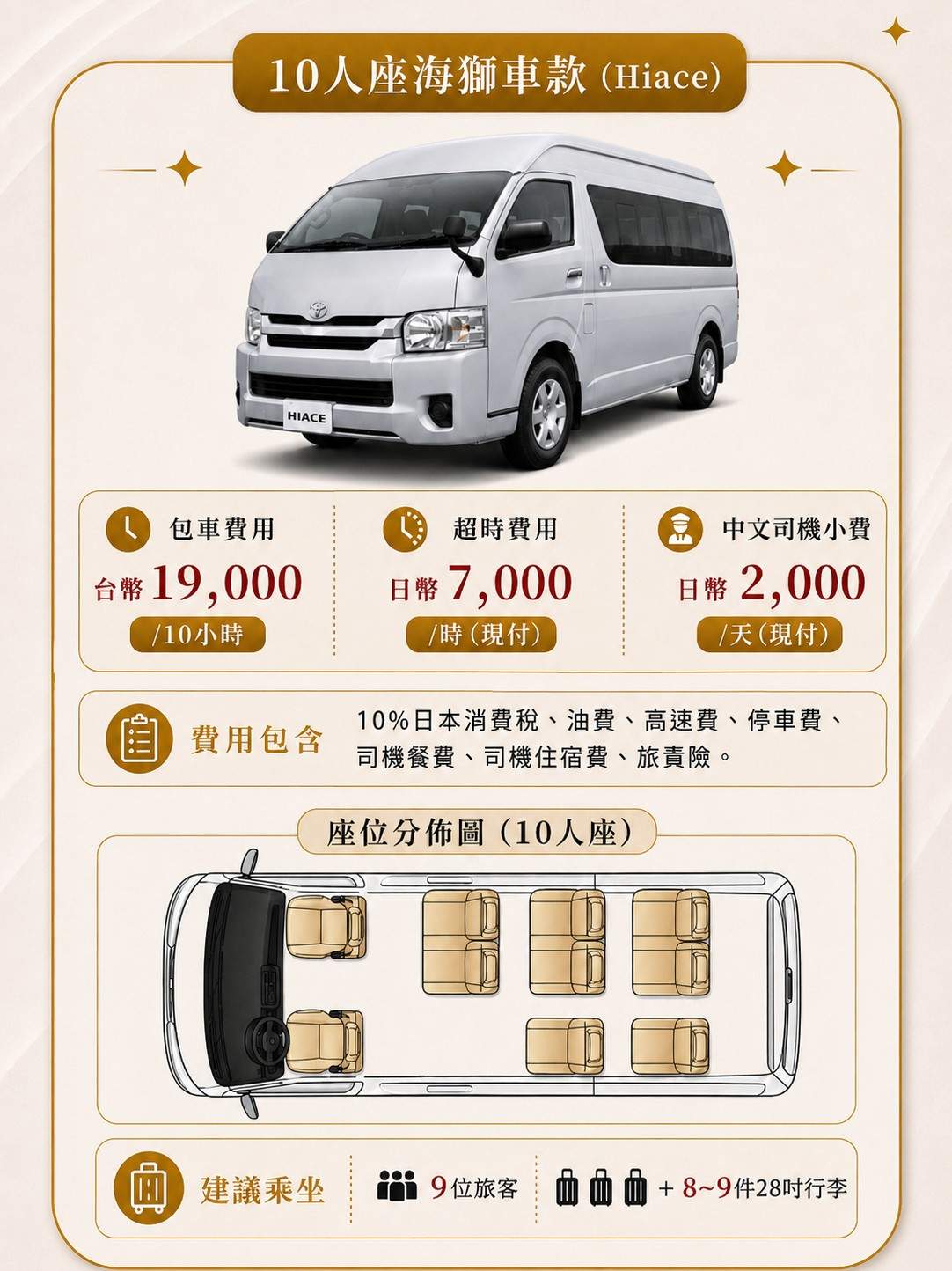
A 7-seat Toyota Alphard carries about 6-7 people, with 2026 Osaka day-charter rates from about ¥45,000. A 10-seat Toyota HIACE carries up to 9 people, from about ¥55,000. For a group of 8, we recommend the 10-seat vehicle, as an Alphard cannot fit them. 14-seat and 21-seat minibuses suit larger groups; they cost more and need a separate quote. Actual costs vary by operator, date and route, so confirm before booking.
Peak and Off-Peak Price Gaps and Booking Timing
Osaka charter prices differ clearly between peak and off-peak. Cherry blossom season (late March to April), autumn foliage season (late October to mid-November), Golden Week and the New Year holidays are all peak seasons, and some operators add a surcharge that varies by operator. In peak season vehicles and drivers are tight, so we recommend inquiring and booking early. Please confirm the exact booking deadline and surcharge rules with the operator before booking, and keep a written quote.
Green-Plate Commercial Vehicles: Always Check Before Booking
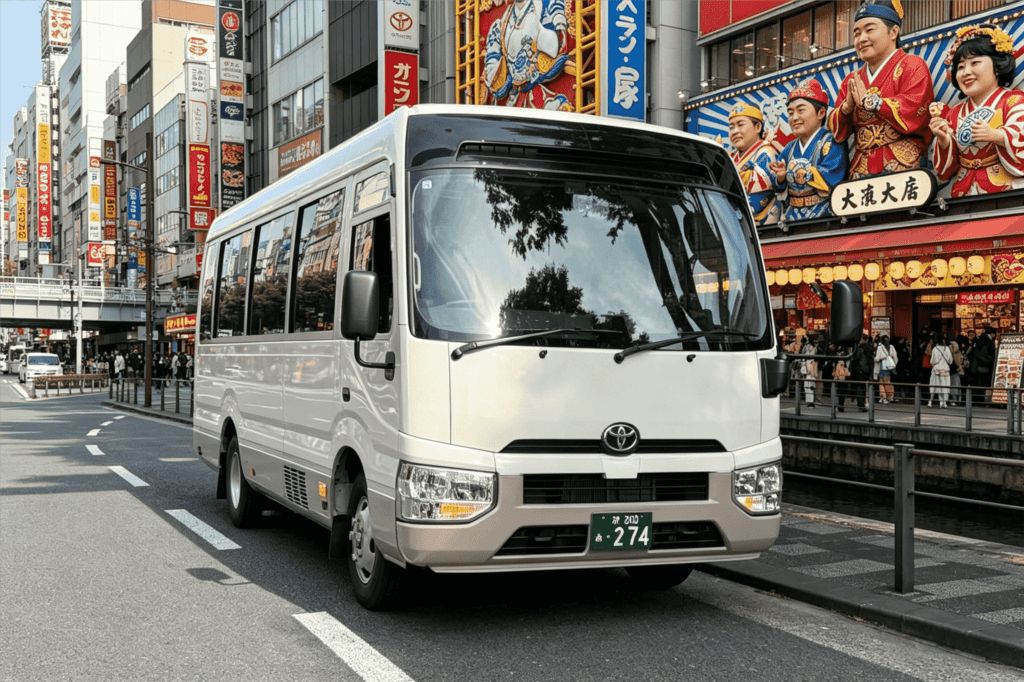
Commercial passenger vehicles in Japan mostly have green plates with white lettering, commonly called green plates, while white plates are private vehicles. According to the Japanese police and the Ministry of Land, Infrastructure, Transport and Tourism, carrying paying passengers in a private vehicle without a permit is illegal “white-plate” operation. A common legal arrangement for charters is a travel agency working with a commercial vehicle that holds a transport permit. Before booking, please confirm the vehicle’s transport permit and insurance coverage with the operator.
How to Choose Transport for an Osaka Charter Day Trip? Charter vs Self-Drive vs Taxi vs JR Pass
Charter vs Self-Drive vs Taxi vs JR Pass: Which Suits You Best?
A standard Osaka charter is about 10 hours, with costs from about ¥45,000-55,000 depending on operator and vehicle. A driver handles pickup and luggage, which suits seniors, children and large luggage, as well as trips across prefectures to Kyoto, Nara and Kobe. Self-driving is flexible but requires familiarity with driving on the left in Japan and with mountain roads. A taxi charter is flexible and mostly billed by distance and time, so long trips can be pricey. The JR Pass suits city train travel, but places like Amanohashidate and Arima Onsen have inconvenient public transport and still need a charter or car transfer.
![[Transport Pass] Kyoto-Osaka Sightseeing 1-Day / 2-Day Pass](https://travel.williamlion.tw/wp-content/uploads/sites/7/2026/10/Klook-13.jpg)

Must-Visit Sights on an Osaka Charter Day Trip: A Full Guide to Osaka, Kyoto, Nara and Kobe Routes
Popular Osaka charter routes include day extensions to Kyoto and Nara, and can link Kobe, Himeji Castle, Lake Biwa and Amanohashidate.
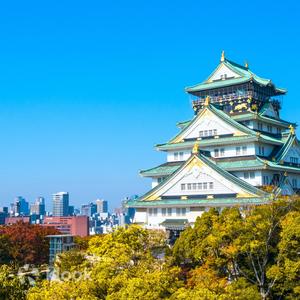
Osaka Castle: Osaka’s Landmark Keep and Historic Park
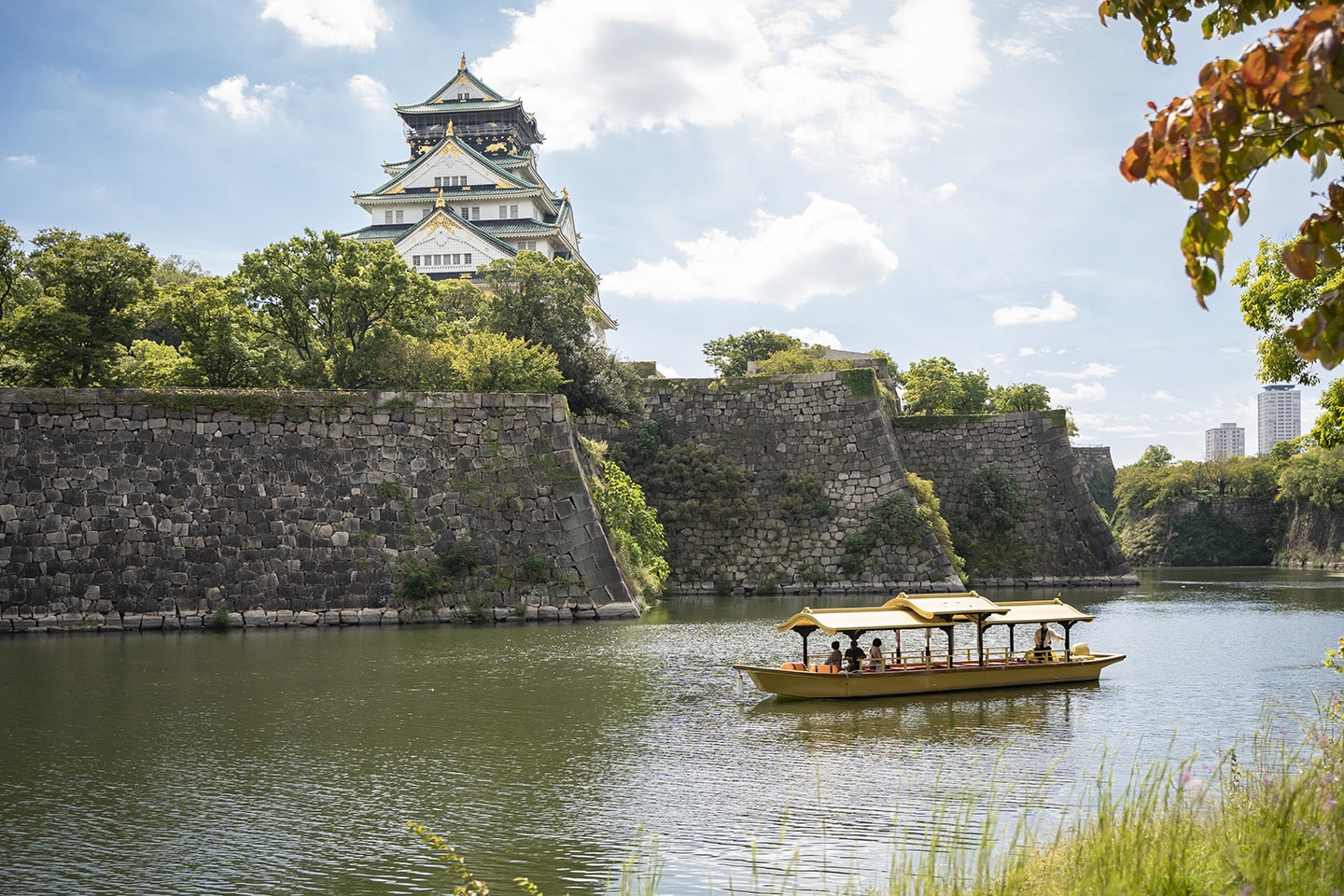
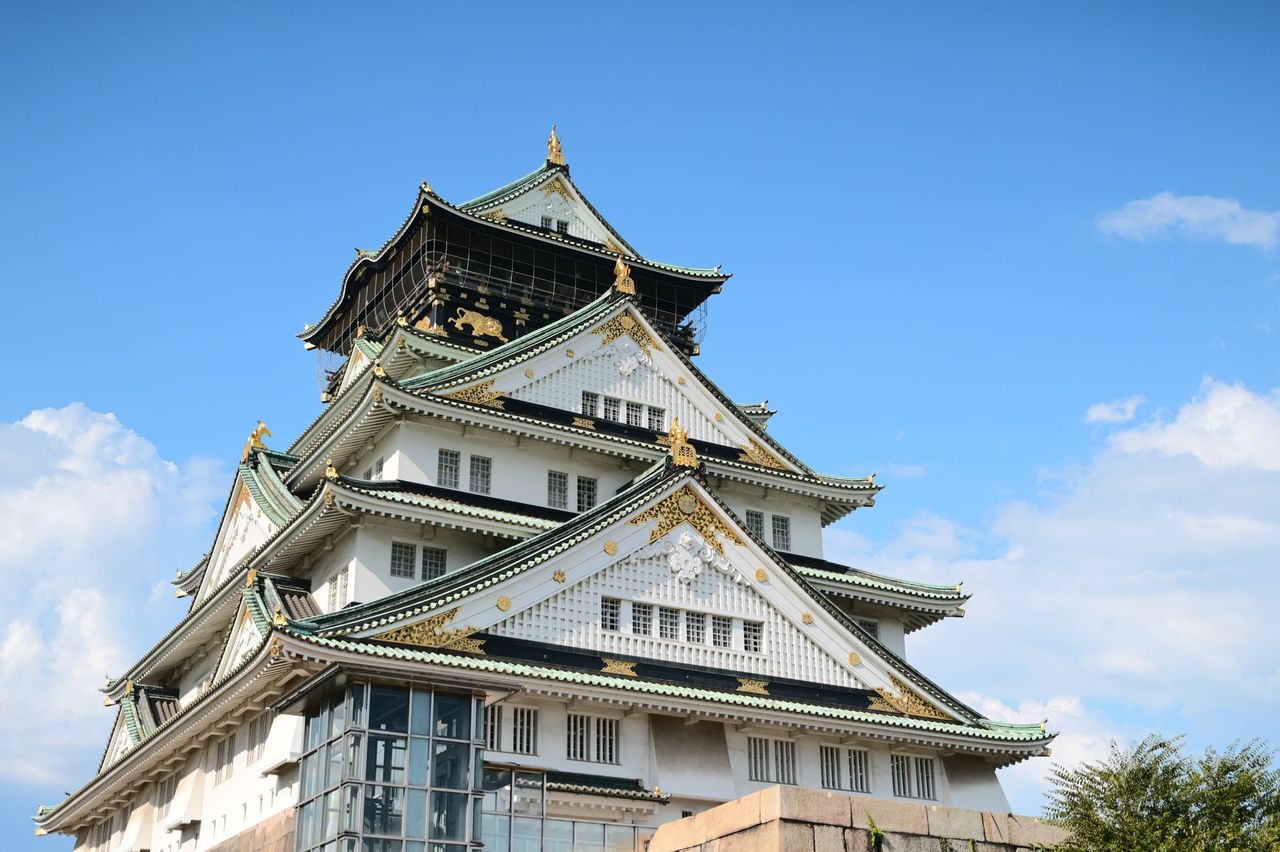
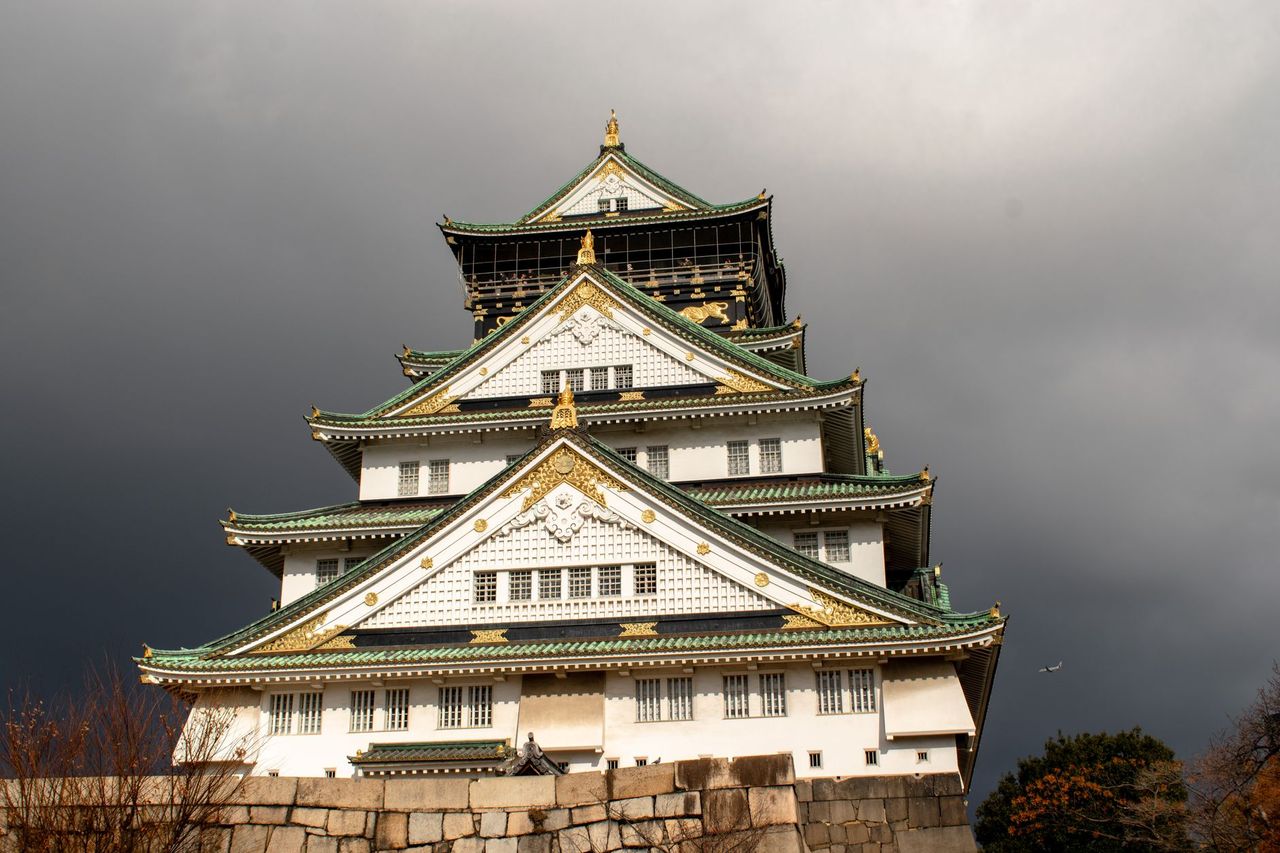
Osaka Castle was built by Toyotomi Hideyoshi in 1583 and is one of Japan’s three great castles. The present keep is a reinforced-concrete reconstruction housing a museum, and you can go to the top for views of the city and the moat. In spring the Nishinomaru Garden in the park is full of cherry blossoms, a famous viewing spot. The keep is open 9:00-18:00 (last entry 17:30), admission is ¥1,200 for adults, and online tickets can be bought on the Osaka Castle Museum official site (osakacastle.net). We suggest staying about 1.5 hours.

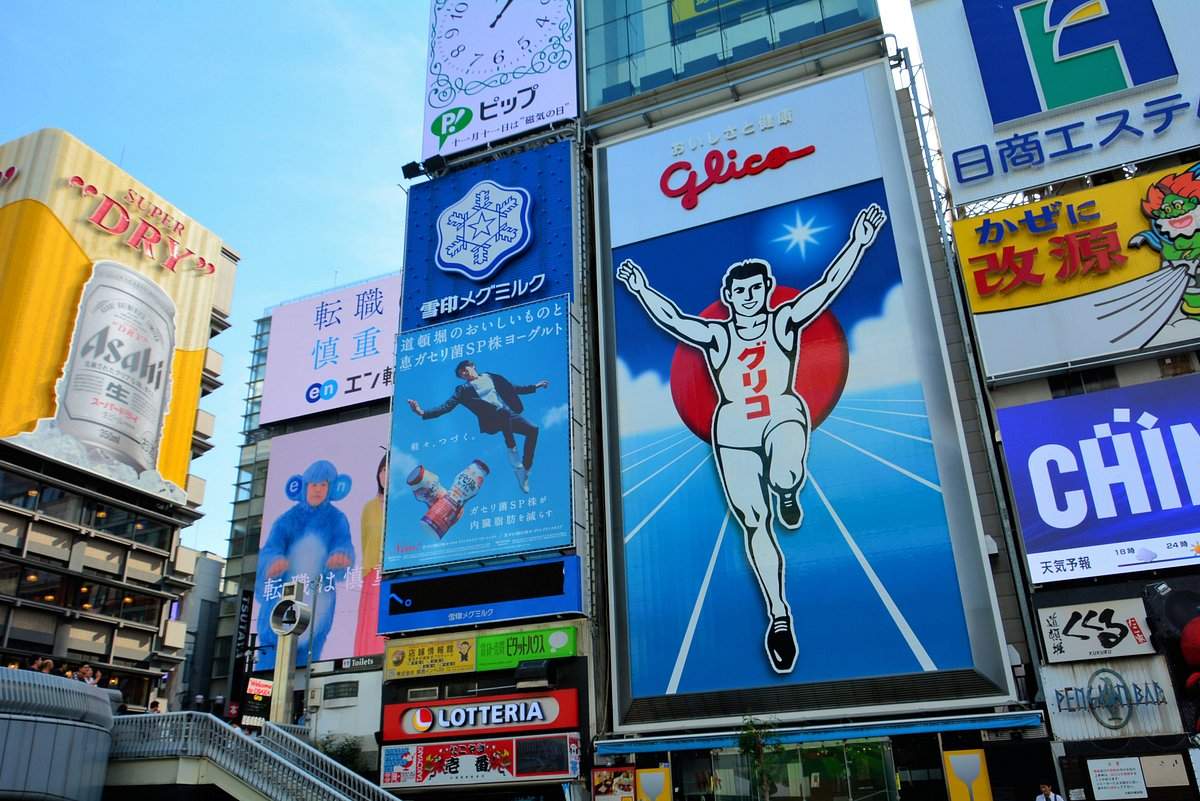
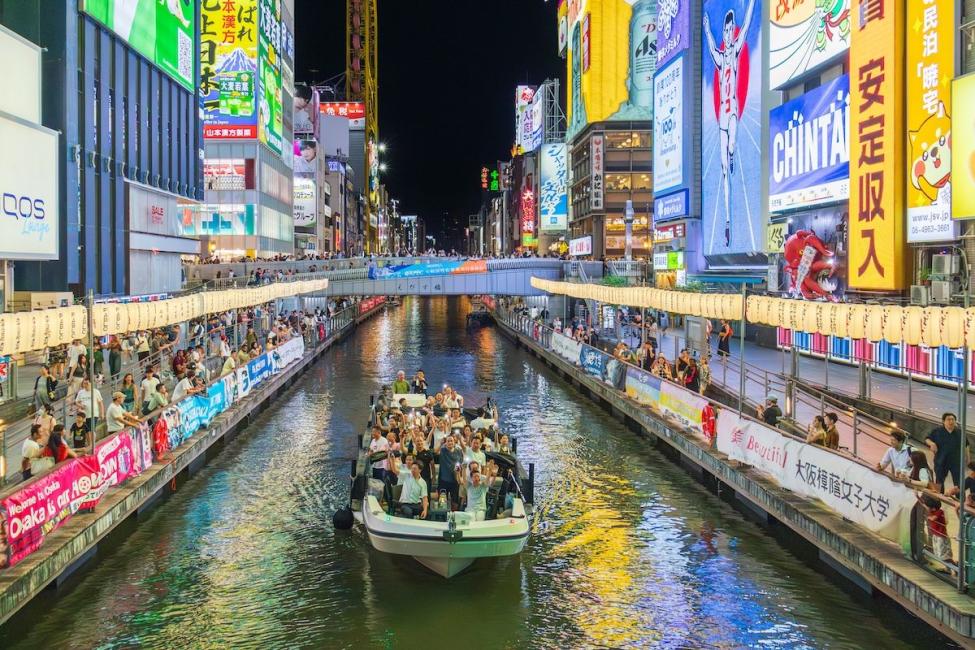
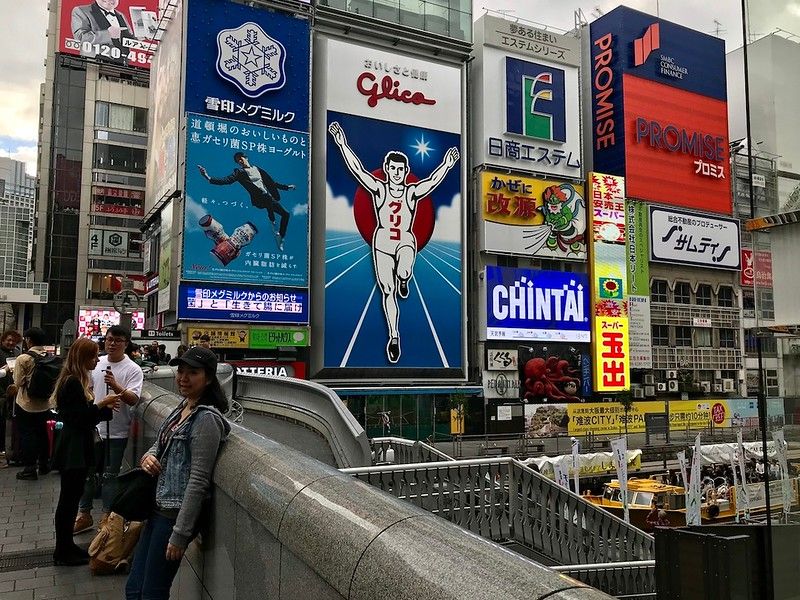
Dotonbori: The Sleepless Neon and Food Capital of Osaka
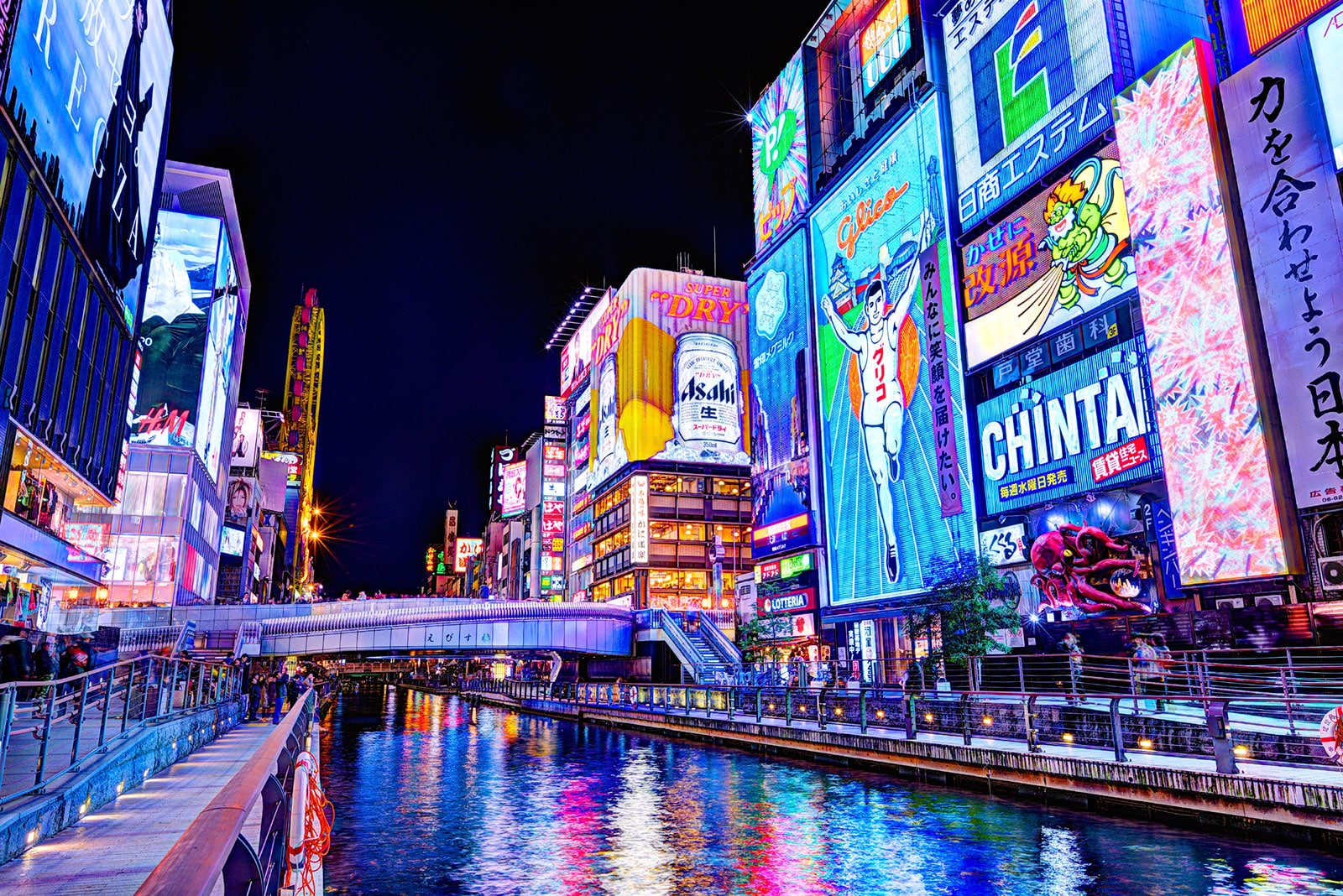
Dotonbori is Osaka’s most iconic entertainment district, lined with the Glico Running Man sign and takoyaki and okonomiyaki shops. The dazzling lights along the canal at night are a must-photograph. It is close to the Shinsaibashi-suji shopping street, so on a charter itinerary it suits the evening dining slot, and you can link nearby sights on foot to experience Osaka’s everyday food culture.

Shinsaibashi: Osaka’s Shopping Pilgrimage Spot
The Shinsaibashi-suji shopping street is about 600 meters long, lined with drugstores, fashion brands and century-old shops, one of Osaka’s largest shopping streets. It is close to Dotonbori and Ebisubashi, so a charter itinerary can include free shopping time. Some shops stay open late and tax-free services are widely available, making it the top place for travelers to buy souvenirs.
Kaiyukan: A World-Class Large Aquarium
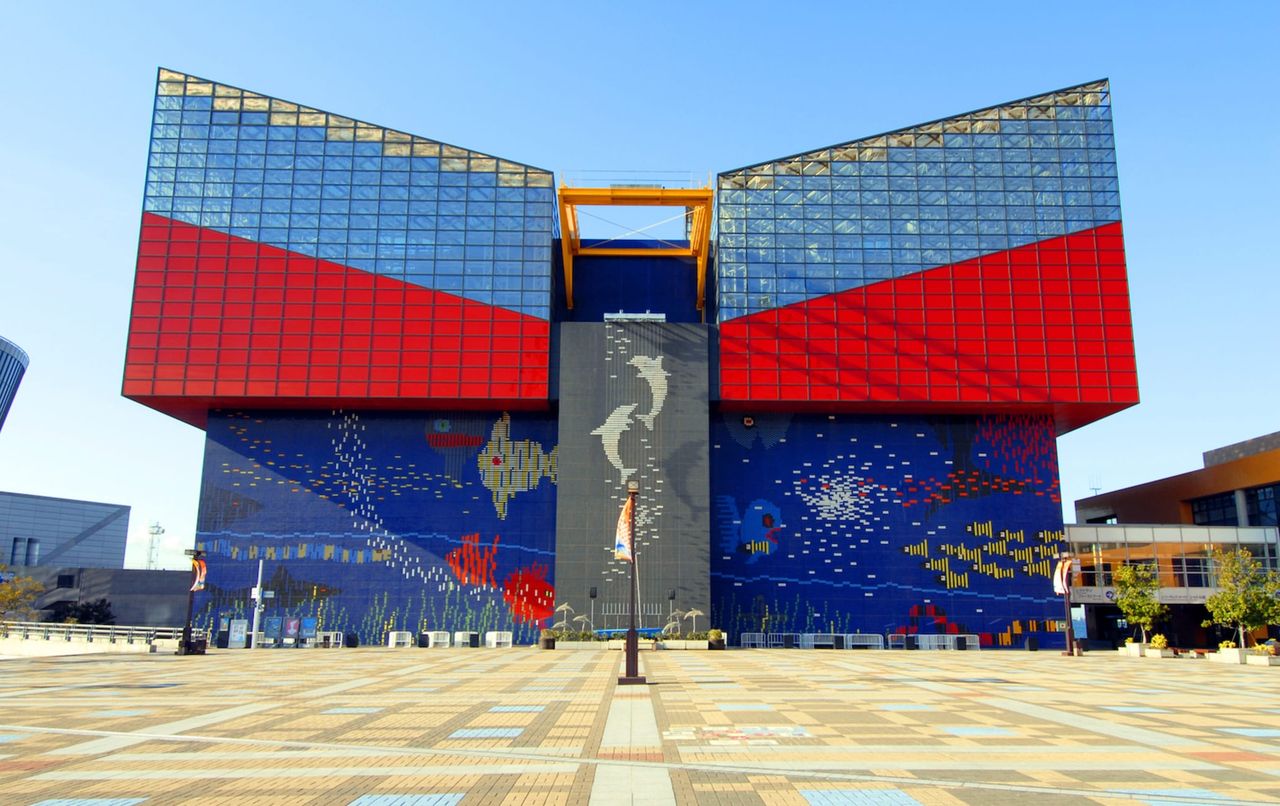
Kaiyukan is one of the world’s leading large aquariums. With the Pacific Ring of Fire as its theme, it shows about 620 species including whale sharks, otters and penguins, and its main tank is as deep as 9 meters. It is open about 10:00-20:00 (adjusted by season), and admission is about ¥2,700 to ¥3,500 for adults (varying by date; check the official price calendar). We suggest allowing 2 hours, and the nearby Tempozan Ferris wheel can be added on.
Fushimi Inari Taisha: The Path of a Thousand Torii Gates
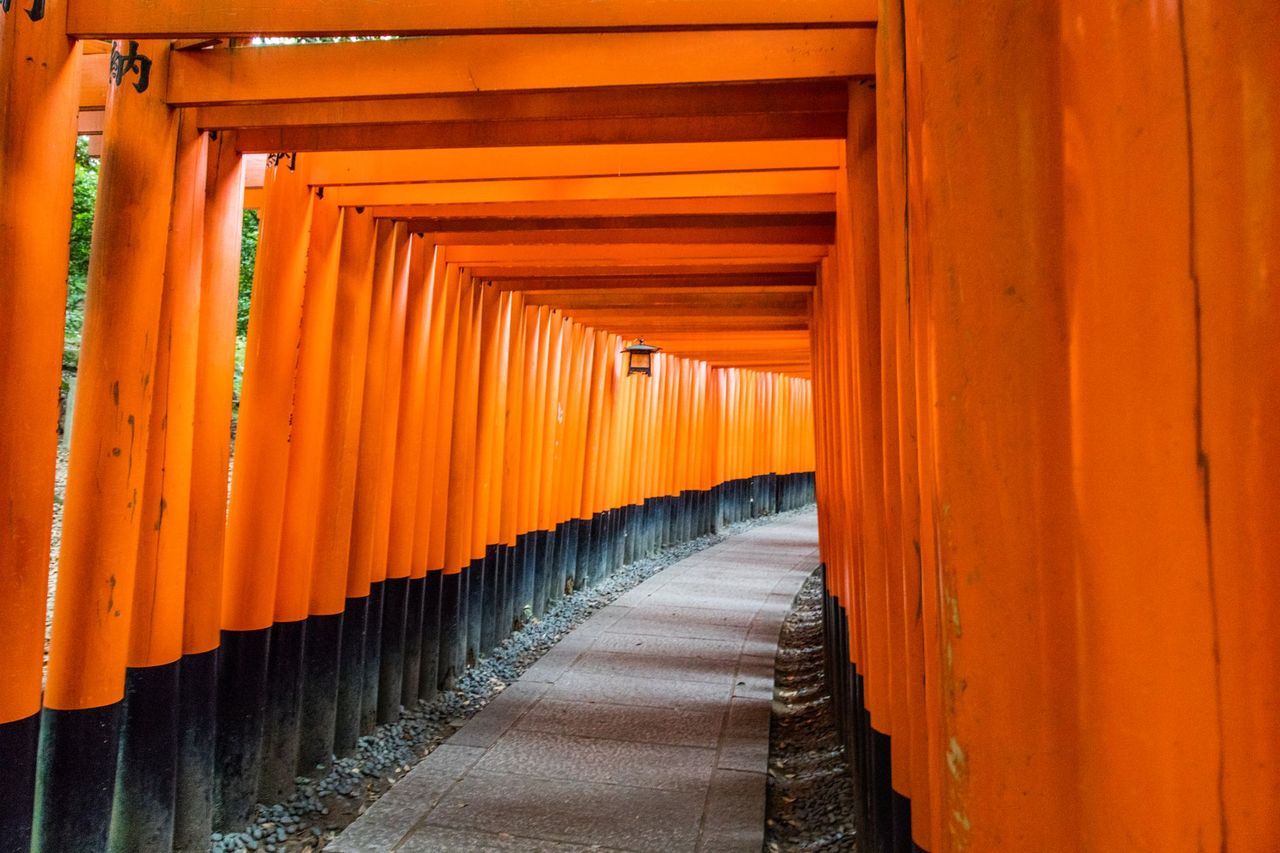
Fushimi Inari Taisha is the head shrine of all Inari shrines in Japan, dedicated to the deity of agriculture and business prosperity. The thousand torii gates built up the mountainside are its signature sight, and a round trip to the summit takes about 2 hours. It is open 24 hours a day with free admission, and the shrine office offers amulets and goshuin. We suggest going early in the morning to avoid crowds, when the light effects are also the most beautiful.
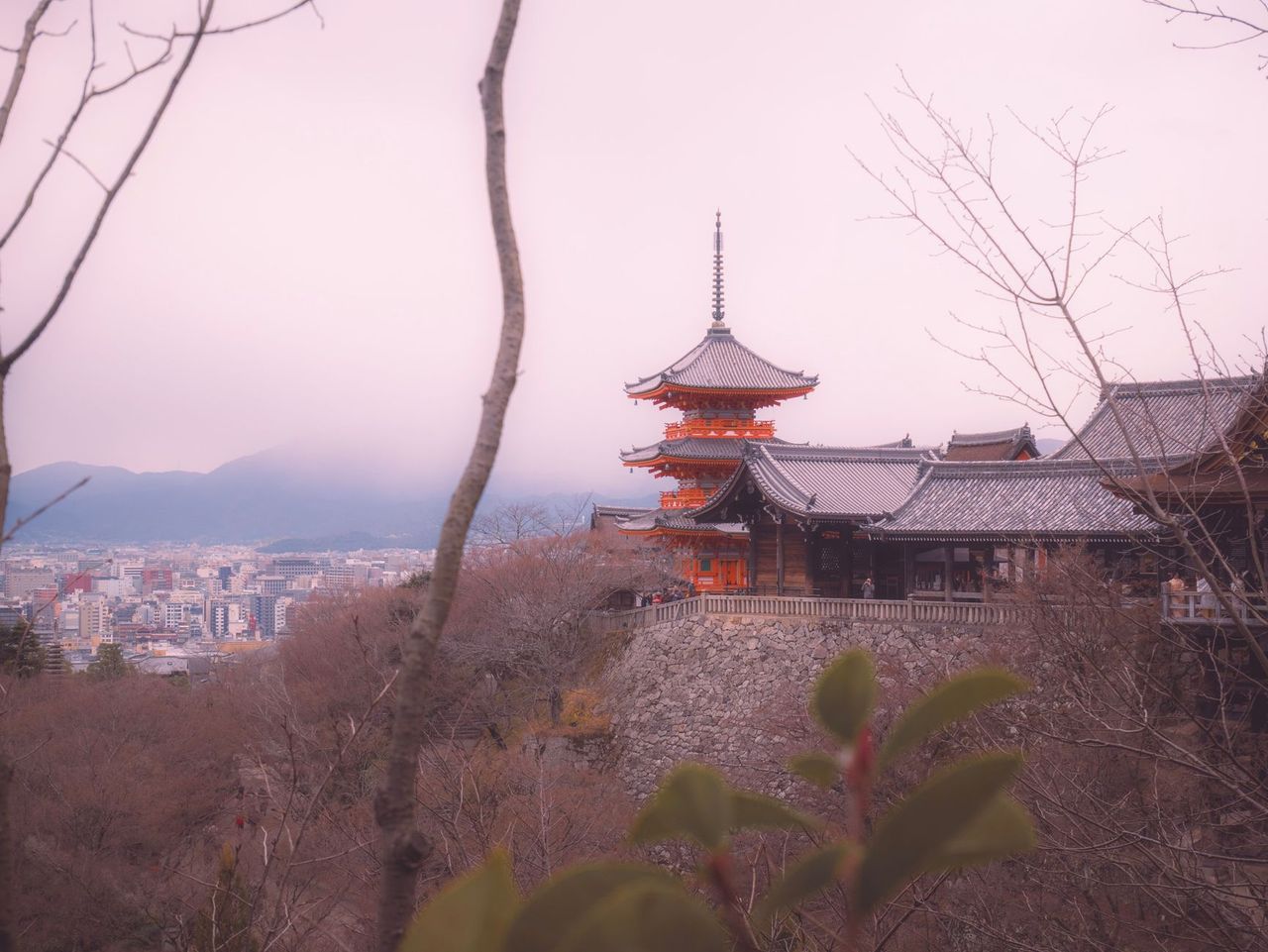
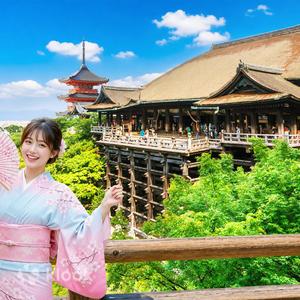
Kiyomizu-dera: Kyoto’s Oldest Wooden Stage
Kiyomizu-dera was founded in 778 and is a World Heritage Site. The Kiyomizu stage of its main hall is built with a suspended construction method without a single nail, with views far over the city of Kyoto. Cherry blossoms in spring and maple leaves in autumn make a stunning scene with the stage. It is open 6:00-18:00, admission is ¥500 for adults, and the temple offers amulets and goshuin for worshippers.
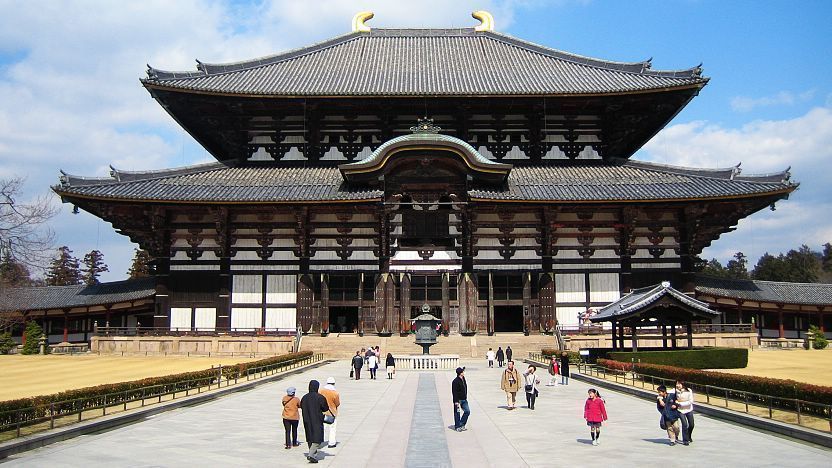
Todai-ji: Nara’s Great Buddha and World Heritage Site
Todai-ji is the head temple of the Kegon sect. Its Great Buddha Hall enshrines the 15-meter Vairocana Buddha and is one of the world’s largest wooden buildings, registered as a World Heritage Site in 1998. It is open 7:30-17:30 from April to October and 8:00-17:00 from November to March, with admission of ¥800 for adults. At the base of a pillar inside the hall is a hole the size of the Great Buddha’s nostril, and legend says crawling through it brings good luck.

Nara Park: A Natural Park Where Deer Roam
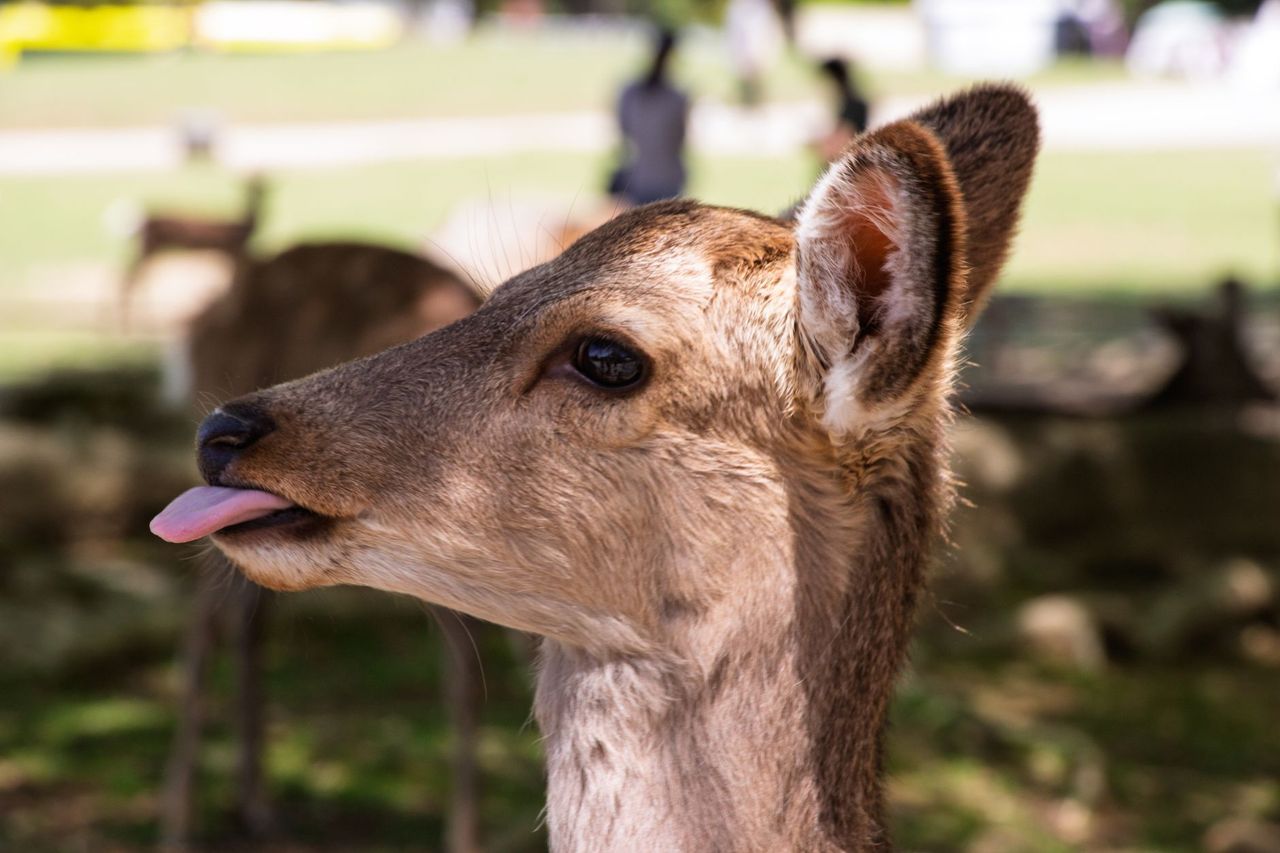
Nara Park covers 660 hectares, with about 1,200 wild deer roaming freely. They are regarded as messengers of the gods, and visitors can buy deer crackers to feed and interact with them. The park is right next to Todai-ji and Kasuga Taisha and is open year-round with free admission. We suggest 1-2 hours of wandering; the deer are more active toward dusk, which is good for photos.
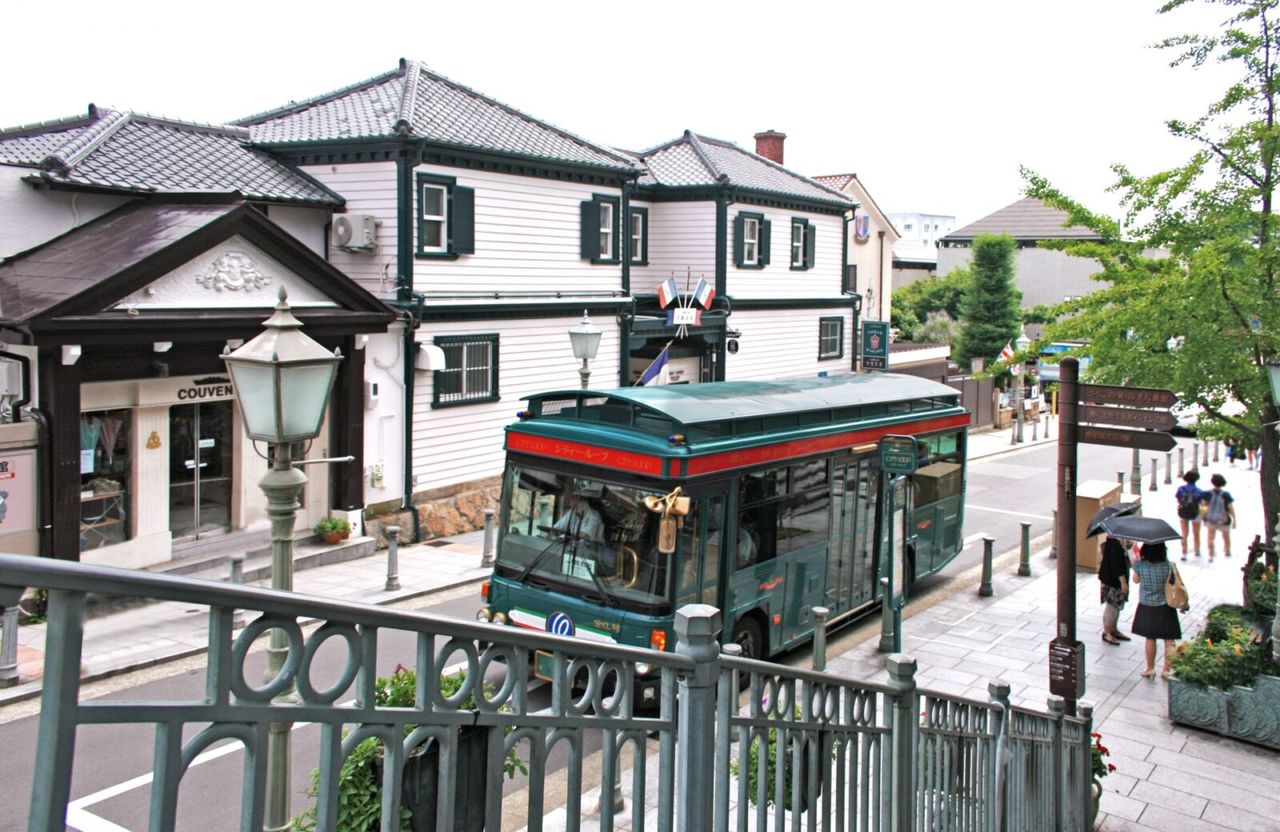
Kitano Ijinkan: Kobe’s Exotic Foreign-Residence District
Kitano Ijinkan is a cluster of Western-style houses where foreigners settled after Kobe’s port opened. The Weathercock House and the Moegi House are the most representative, showing the features of 19th-century European architecture. Hours differ slightly by house, about 9:00-18:00, and single-house admission is about ¥400-1,100. The district has sloping streets lined with cafes, suiting a half-day stroll on a charter itinerary.
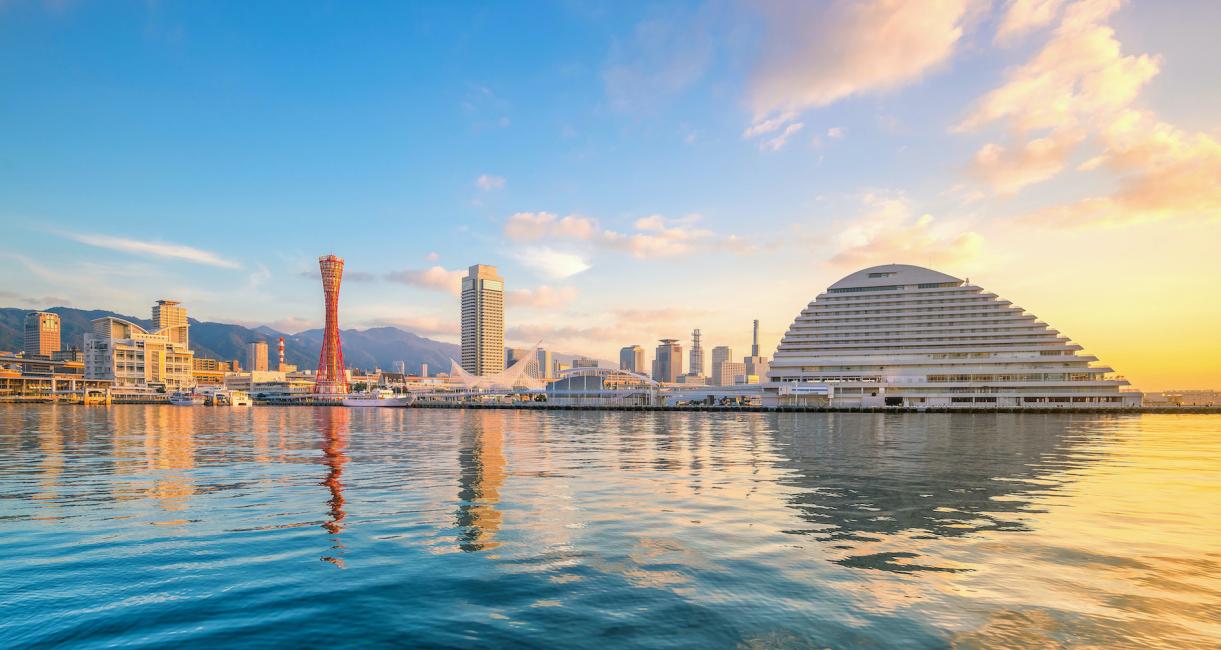
Arima Onsen: One of Japan’s Three Oldest Hot Springs
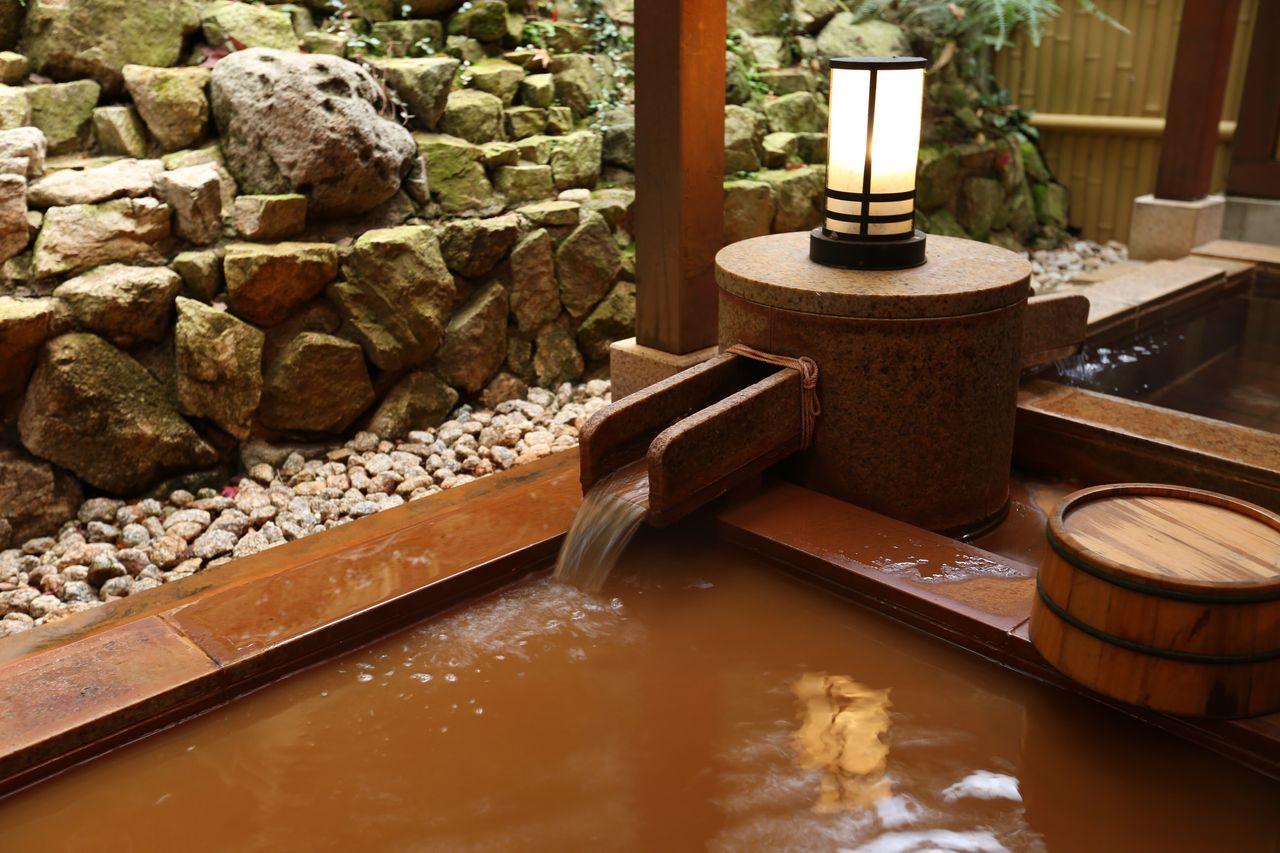
Arima Onsen, together with Dogo Onsen and Shirahama Onsen, is counted among Japan’s three oldest hot springs. Its iron-rich “Kin-sen” (gold spring) and carbonated “Gin-sen” (silver spring) are its two signature waters. The hot spring town keeps an old-fashioned charm, and admission to the Kin-no-Yu public bath is ¥650 for adults on weekdays and ¥800 on holidays. It suits an afternoon soak on a charter itinerary, and is about 40 minutes by car from Kobe’s Kitano Ijinkan.
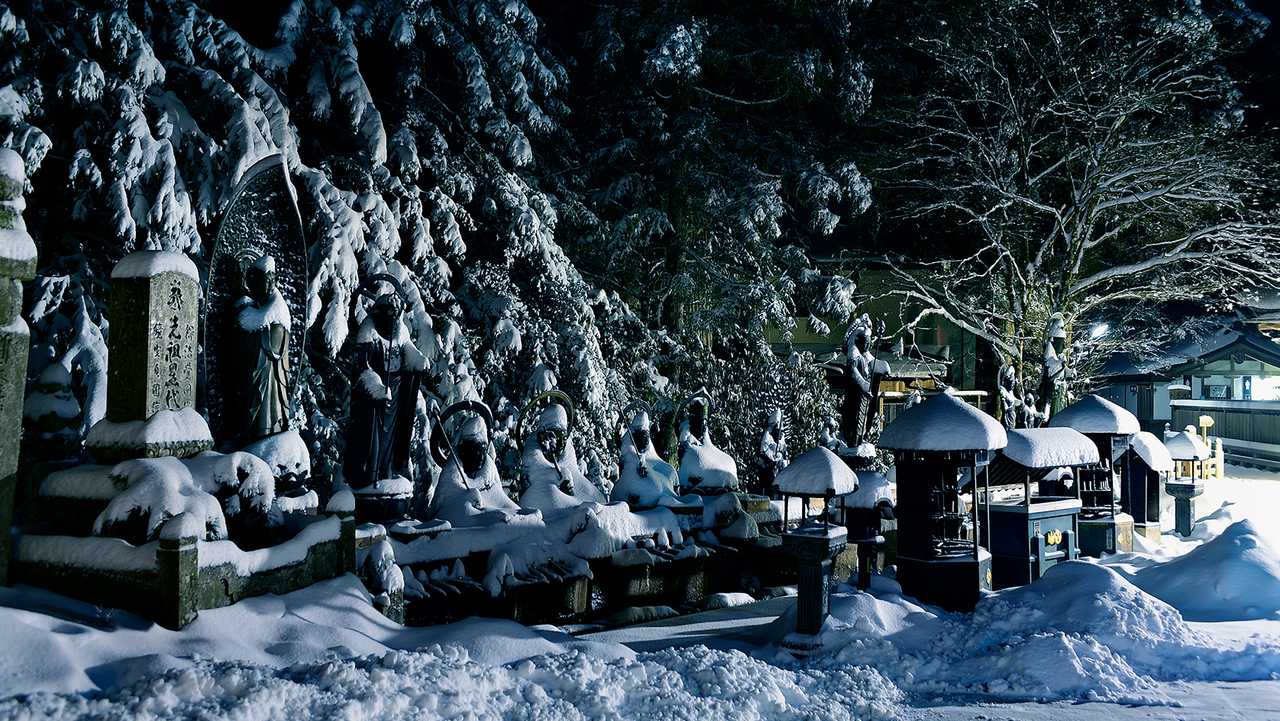
Koyasan: The Sacred Mountain Headquarters of Shingon Buddhism
Koyasan is the head temple complex of Japan’s Shingon Buddhism, founded by Kukai in 816. More than 200,000 gravestones and lanterns stand along the approach to Kongobu-ji and Okunoin. It was registered as a World Heritage Site in 2004, and the mountain climate is cool. It is a long trip, so we suggest planning two days and one night or a full-day charter, and experiencing temple lodging culture.
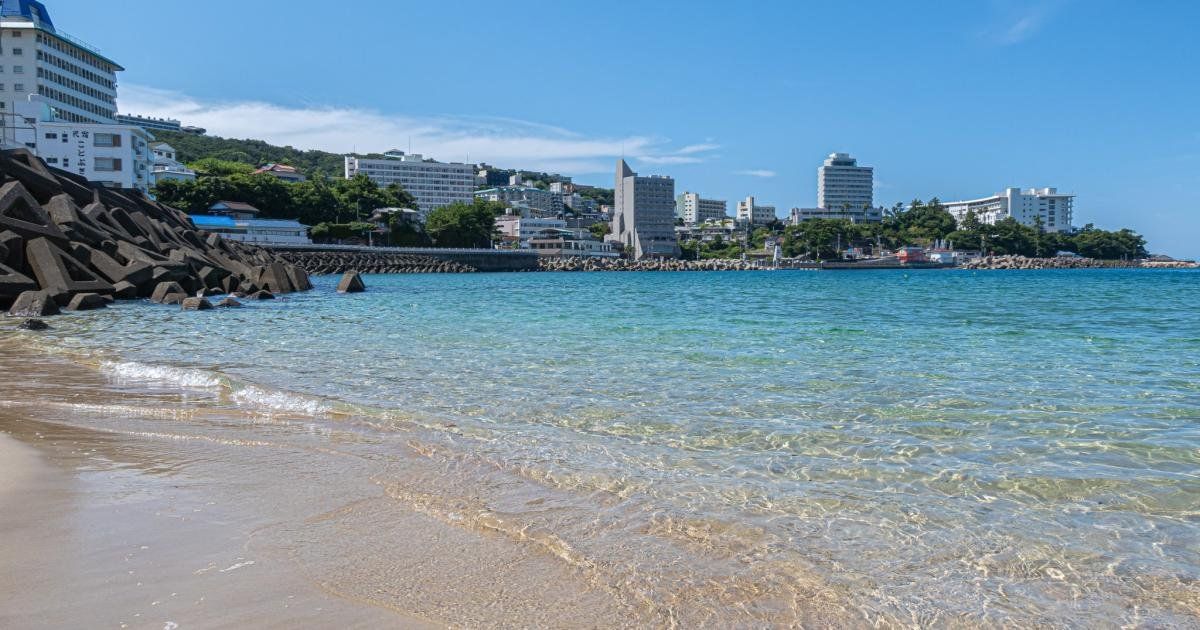
Wakayama Shirahama: A Well-Known Seaside Hot Spring Town in Kansai
Shirahama Onsen is one of Japan’s three oldest hot springs, and Shirarahama Beach has white sand and clear water, a popular swimming spot in summer, with hot spring inns all around. A charter from Osaka takes about 2.5-3 hours, so we suggest a full-day trip that can include Sandanbeki cliffs and the Kyoto University Shirahama Aquarium. Actual travel time depends on traffic and the starting point, so confirm the trip time and stops with the operator before booking.
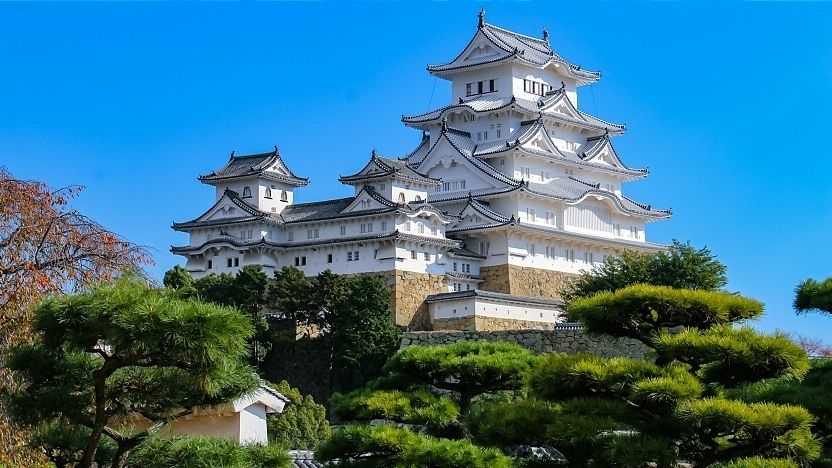
Himeji Castle: Japan’s Largest Surviving White Heron Castle
Himeji Castle is the largest and best-preserved wooden castle complex surviving in Japan, nicknamed “White Heron Castle” because its gleaming white exterior looks like a heron spreading its wings, and it was registered as a World Heritage Site in 1993. It is open 9:00-17:00 (last entry 16:00, adjusted by season). Admission for visitors aged 18 and over living outside the city is ¥2,500 (¥1,000 for Himeji residents), and under 18 is free. In spring, thousands of cherry trees around the keep bloom, a famous viewing spot. From spring 2026, electronic “Shirasagi Ticket” tickets can be pre-purchased on the Himeji City official site.
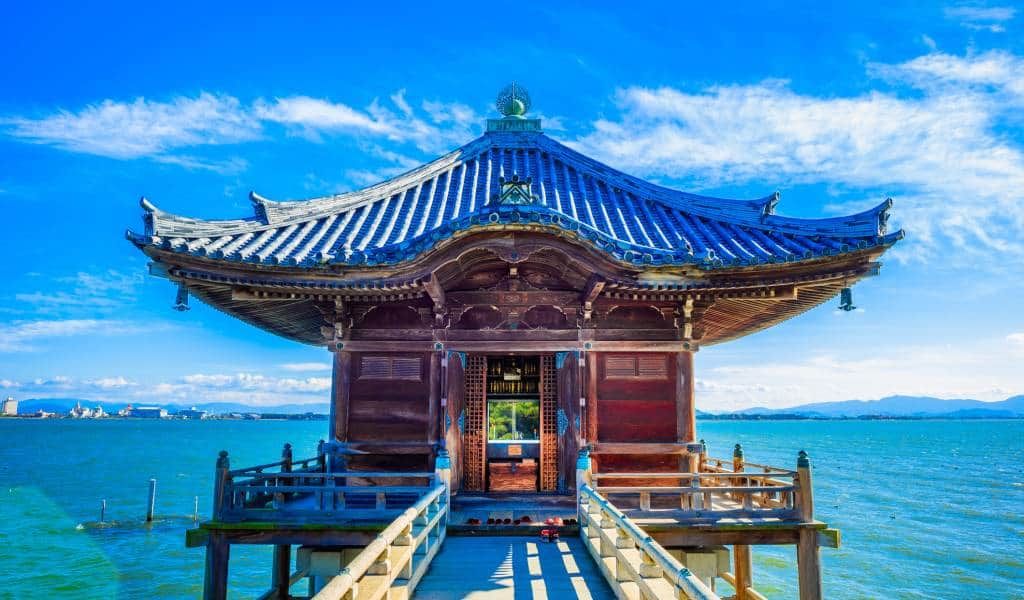
Lake Biwa: Japan’s Largest Lake and Waterfront Scenery
Lake Biwa is Japan’s largest lake by area, with a shoreline of 235 km. The Eight Views of Omi and Chikubushima are popular spots, and the lakeside roads suit a charter drive to enjoy the waterfront scenery. Nearby Himuremachi Hachimangu and the Kurokabe Glass Museum can be added, and we suggest half a day to one day. In autumn, the maple leaves paired with the lake views are especially charming.
Amanohashidate: A Sandbar Wonder, One of Japan’s Three Views
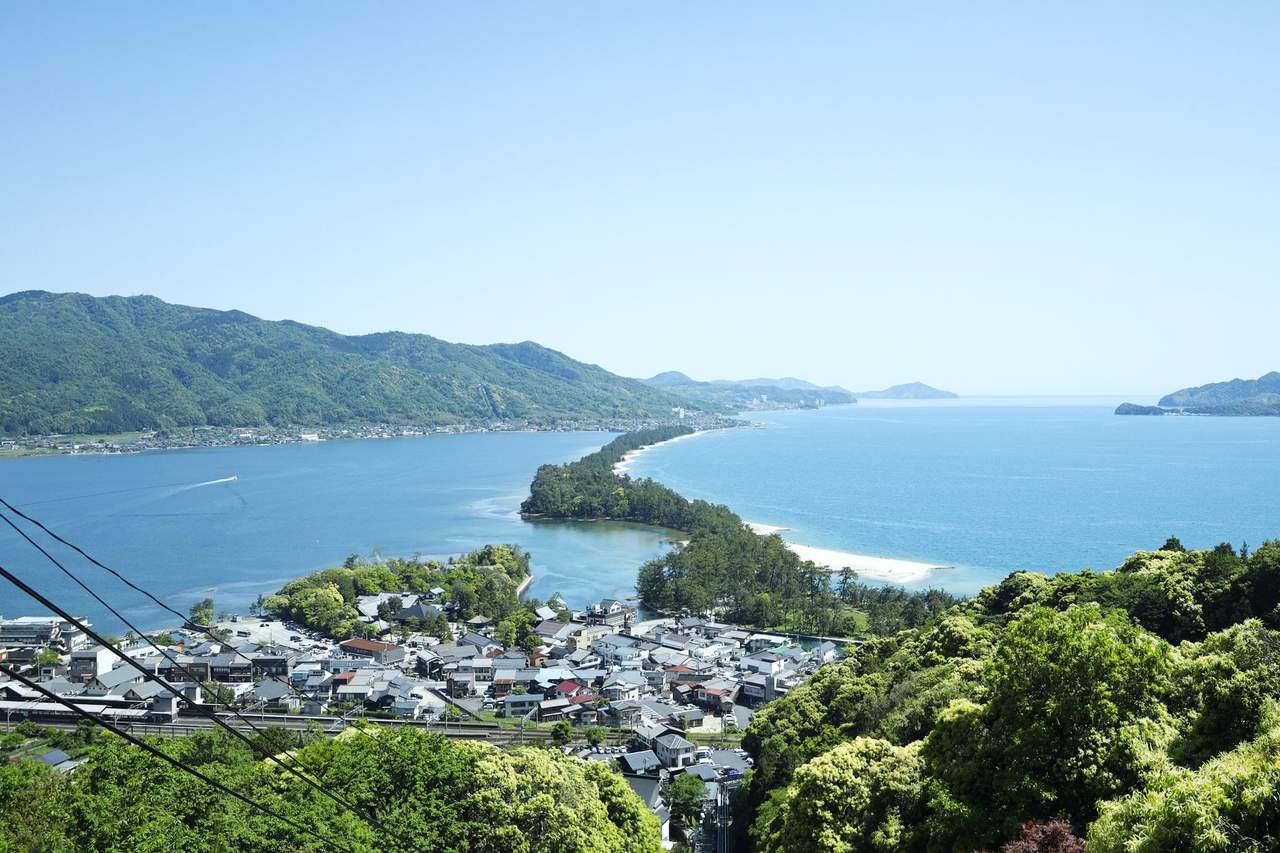
Amanohashidate, together with Matsushima and Miyajima, is one of Japan’s Three Views, a natural pine-covered sandbar about 3.6 km long. The most popular way to see it is from Kasamatsu Park in the “matanozoki” pose (bending over and looking through your legs), where it looks like a bridge to heaven. A round trip by cable car or chairlift is about ¥800. We suggest half a day, and a charter from Osaka takes about 2.5 hours.
How Much Does an Osaka Charter Day Trip Cost? Vehicle Plans and Rates Overview 2026
Osaka charter costs are calculated by vehicle, number of passengers and mileage. Below are the latest 2026 rates and booking essentials.
| Vehicle | Capacity | Osaka One-Day Charter Rate |
|---|---|---|
| 7-seat Alphard | 6-7 people | US$251-16,500 (about ¥45,000 and up) |
| 10-seat HIACE | 9 people | ¥55,000-65,000 and up (about US$345-14,000) |
| 14-seat HIACE | 11-13 people | ¥55,000-65,000 and up |
| 21-seat Coaster minibus | Up to 18 people | US$785-29,000 |
7-Seat Toyota Alphard Plan: First Choice for Small Families of 2-6
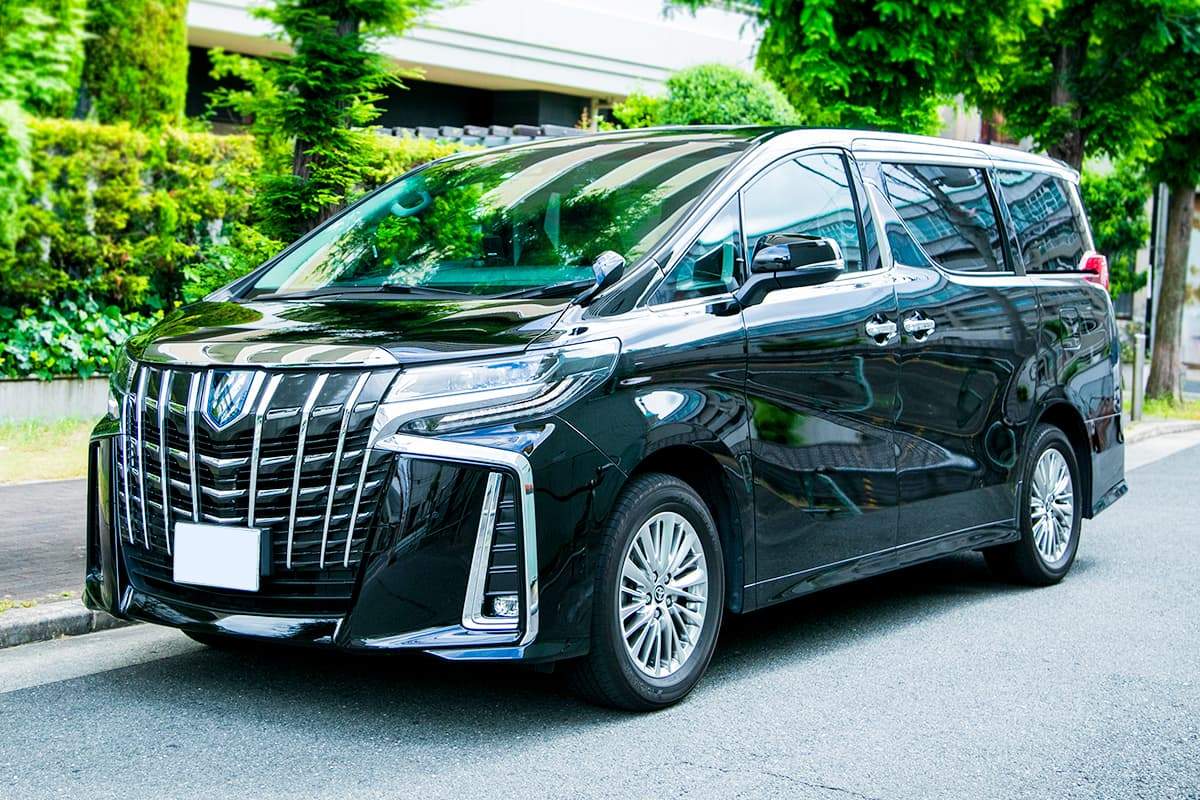
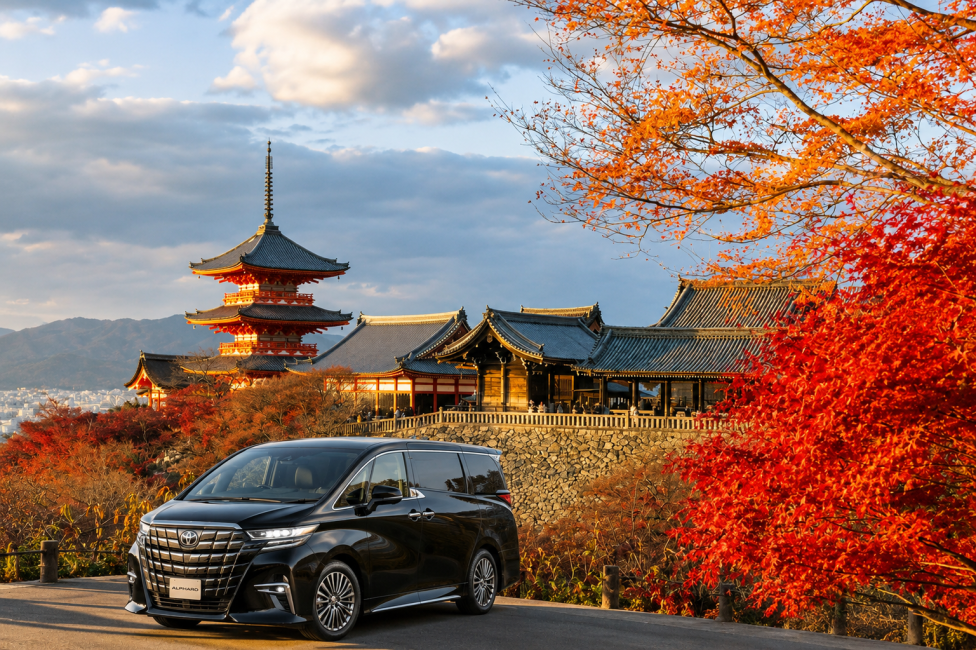
The Alphard is a luxury business vehicle with separate seats and roomy space, suiting small families of 2-6 or couples. How many pieces of luggage fit depends on the seat layout and the operator, so confirm before booking. The 2026 cost is from about ¥45,000, varying by operator, date and route. It is a common entry-level Osaka charter vehicle, suited to a city tour plus a one-day Kyoto extension.
10-Seat Toyota HIACE Plan: Best Choice for 8 Travelers in Osaka
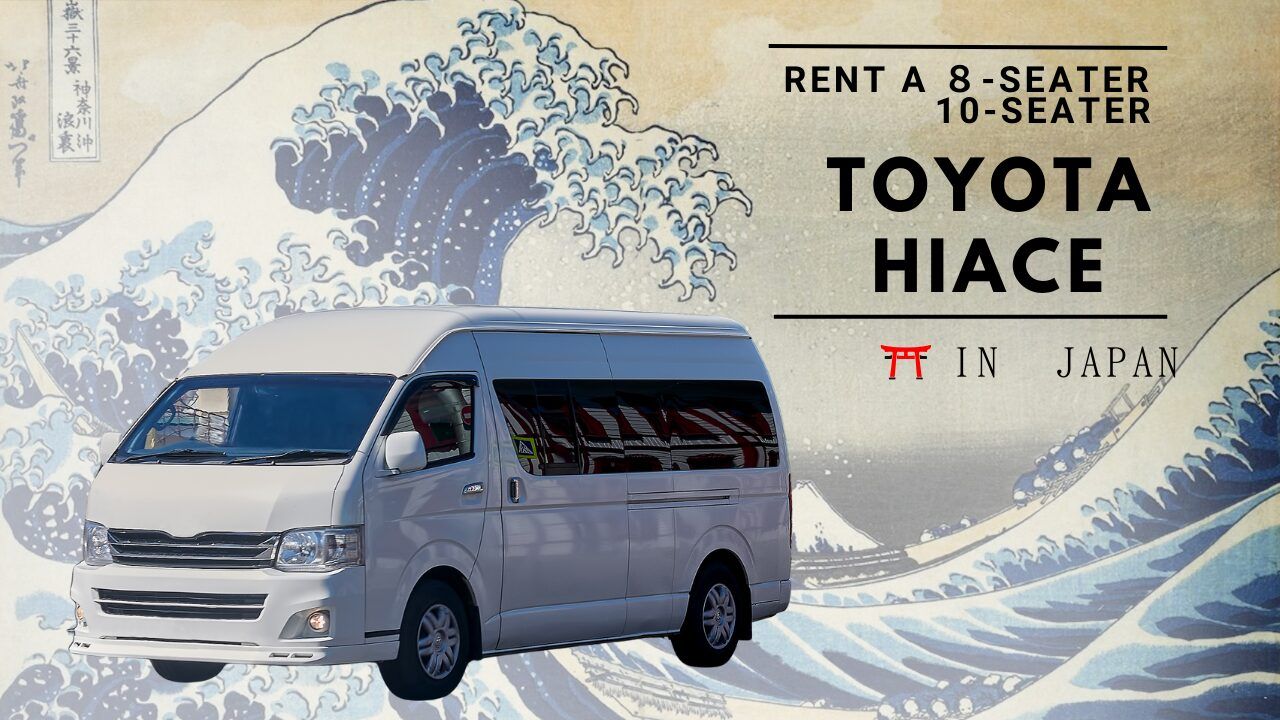
For a group of 8 we recommend the 10-seat HIACE, which can carry up to 9 people in practice; a 7-seat Alphard cannot fit them. The 2026 cost is from about ¥55,000, varying by operator and date. Luggage space is limited when full; if you carry fewer passengers you can load more luggage, which suits families with children or lots of bags. Confirm the number of pieces with the operator before booking.
14-Seat / 21-Seat Minibus Plan: For Groups of 10-16
14-seat and 21-seat minibuses suit larger groups. Costs are clearly higher than for small and medium vehicles and need an individual quote from the operator, with prices varying by operator and date. The more people and luggage you have, the more you should confirm the vehicle’s real capacity and luggage space. For group trips, confirm the headcount and luggage amount in advance so you are not refused on the day for exceeding limits.
Luggage and Child Safety Seat Rules
Luggage is counted on the basis of 24-28 inch suitcases, and strollers, wheelchairs, golf clubs and ski gear must be considered separately. If seats are not full you can load more luggage, but the actual number depends on the vehicle and operator. If luggage or headcount exceeds limits, the operator may be unable to carry you. Whether child safety seats are provided and whether there is a fee varies by operator, so note the number and children’s ages when booking.
Overtime Fees and Mileage Limits Explained
Standard vehicle time is mostly 10 hours, and whether there is a mileage limit differs by operator. Going beyond the agreed time or mileage usually incurs an overtime fee, with standards and payment methods varying by operator, and the free waiting time for airport pickup also varies. When booking, ask clearly about the standard hours, mileage cap and overtime billing, and ask for them to be written on the confirmation to avoid disputes on the day.
What to Watch for When Booking and Paying for an Osaka Charter? Process, Cancellation Policy and Lodging Tips

Before booking an Osaka charter, knowing the process, cancellation policy and lodging arrangements can save a lot of trouble.
5 Booking Steps: From Online Inquiry to Confirmed Payment
The booking process for an Osaka charter usually includes: inquiring online to choose a vehicle and headcount, entering the date and time, specifying pickup and drop-off points and sights, and confirming the quote and paying. Deposit ratio, balance deadline and payment methods differ by operator; online credit card or bank transfer are common, so confirm before booking. In peak season, we suggest booking early.
Cancellation and Refund Policy: Tiered Fees Explained
Cancellation rules vary by operator. A common practice is that the closer to the departure date, the higher the deduction, and cancelling on the day may cost the full fare. Handling of rescheduling or refunds due to force majeure such as typhoons or heavy snow also differs. Before booking, read the cancellation terms carefully and confirm how weather is handled before deciding whether to pay.
Contact and Customer Service: Confirm Before Booking
Before booking, confirm the operator’s contact channels and response times, and leave a phone number that works in Japan so the driver can reach you at short notice. If the itinerary changes or the pickup location is unclear, you can communicate promptly and avoid delays. We suggest keeping a copy of the confirmation, vehicle type, meeting time and place as text or a screenshot, so you can check it any time after arriving in Japan.
Bad Weather Policy
In force majeure conditions such as typhoons, heavy snow or strong winds, handling varies by operator and may be rescheduling, a partial refund or running as normal, and some operators require a weather warning as evidence. When booking, ask about the weather policy first, check the forecast before departure and keep your phone reachable so the operator can notify you of itinerary changes or reassignments.
Lodging Suggestions in Osaka City: Namba and Umeda Are the Most Convenient
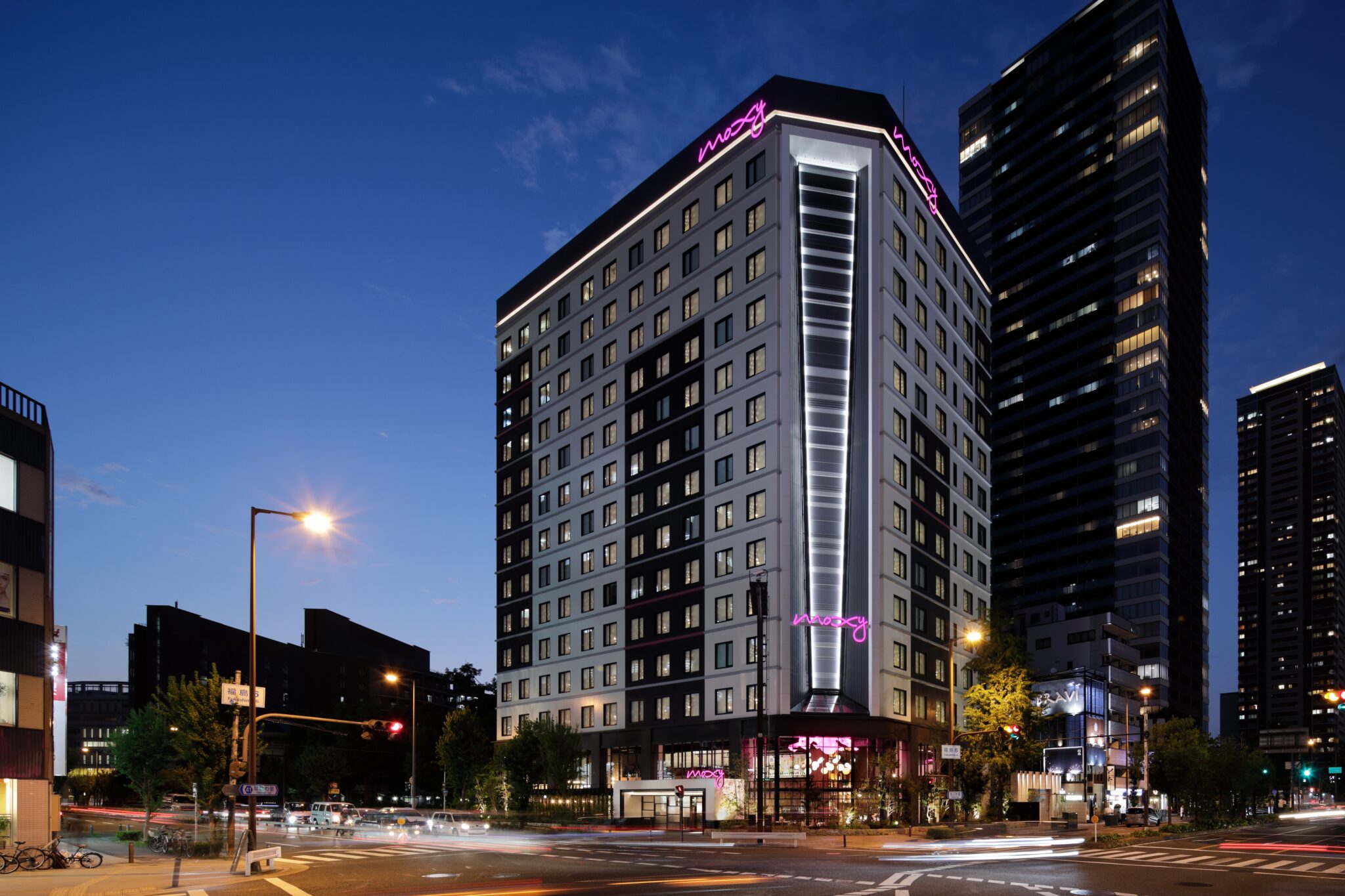
For a charter departure, we suggest hotels around Namba or Umeda stations, which are the most convenient for transport, make early-morning pickup easy for the driver and are near sights such as Dotonbori and Shinsaibashi, saving travel time. When booking, confirm the pickup point, as large vehicles may be unable to stop at the hotel entrance. This is only directional advice; for detailed hotel comparisons and room types, see our dedicated Osaka accommodation articles.
Osaka Charter Day Trip FAQ: Costs, Vehicles, Green Plates and Cancellation Policy Q&A
Q: Which vehicle should I choose for an 8-person Osaka charter?
We suggest the 10-seat Toyota HIACE, which carries up to 9 people; the 7-seat Alphard carries only 6-7, so a group of 8 will not fit.
Q: Roughly how much does an Osaka charter cost per day?
The 2026 rate for a 10-seat vehicle is from about ¥55,000. Actual cost depends on operator, date and route, so ask the operator for a quote before booking.
Q: What is a green-plate car? Why choose one?
Green plates are the license plates of commercial vehicles in Japan, green with white lettering. Carrying paying passengers in a private vehicle without a permit is illegal, so confirm the operator’s transport permit before booking.
Q: How is overtime charged on a charter?
Overtime fees differ by operator and are often billed by vehicle type and hours exceeded. Ask clearly about billing and payment methods before booking, and keep written confirmation.
Q: Is there a fee for canceling a charter?
Cancellation rules vary by operator. Usually the closer to departure, the higher the deduction, and canceling on the day may be charged in full, so read the terms before booking.
Q: Can a charter go across prefectures to Kyoto, Nara and Kobe?
Yes. Many operators can arrange extended routes to Kyoto, Nara, Kobe, Himeji Castle, Lake Biwa, Amanohashidate and more; tell them the route first so they can estimate the price.
Q: Do I need to add a child seat when traveling with children?
Whether child seats are provided and whether there is a fee varies by operator. Note the number and children’s ages when booking, and confirm with the operator.