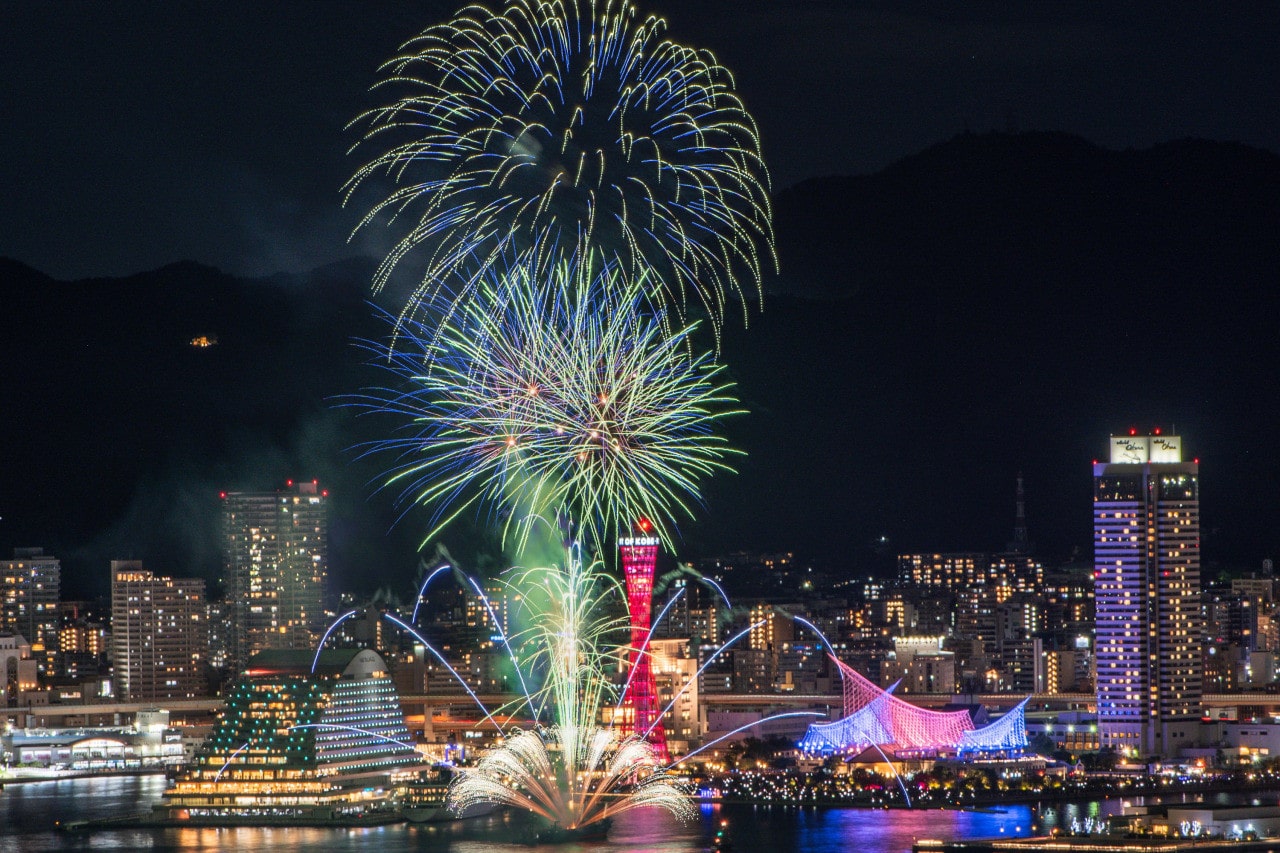

Kobe Luminarie 2027: 32nd Edition Dates, Lighting Hours and History
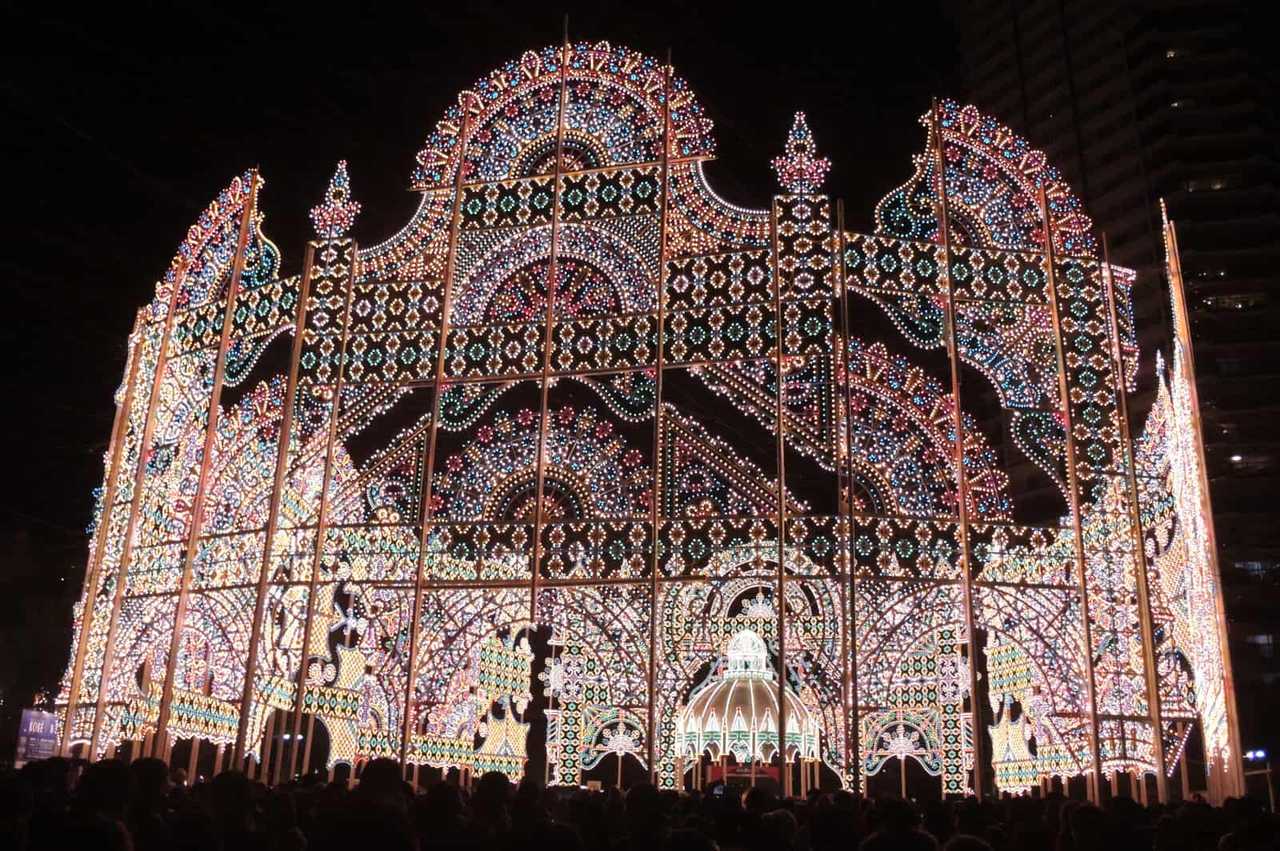
Kobe Luminarie is a winter light-sculpture festival held in memory of the Great Hanshin-Awaji Earthquake. It lights up three main sites in late January, with the next edition, the 32nd, starting on January 29, 2027. The main sites are free to enter; only Meriken Park has a paid area.
2027 (32nd Edition) Dates and Lighting Hours
The 32nd Kobe Luminarie runs from Friday, January 29 to Sunday, February 7, 2027, for 10 days in total. The 2027 lighting hours have not been announced yet. Last year (2026), the free areas were lit from dusk until 21:30. We recommend avoiding the peak crowds on Friday and Saturday evenings and checking the official website for the latest announcements.
Origins and Background
Kobe Luminarie began in December 1995 to remember the victims of the Great Hanshin-Awaji Earthquake of January 17 that year and to pray for the city’s recovery. The word “Luminarie” comes from Italian and refers to festive lighting. The festival was suspended from 2020 to 2022 because of the pandemic. It is organized by the Kobe Luminarie Organizing Committee, chaired by Kobe Mayor Kizo Hisamoto, and the official website is kobe-luminarie.jp.
Past Editions, Shifting Dates and a Preview of the 32nd
In recent years the dates have moved later each year: the 29th edition (2024) ran January 19-28, the 30th (2025) January 24 to February 2, and the 31st (2026) January 30 to February 8. The organizers have announced that the 32nd edition (2027) will run January 29 to February 7, for 10 days, and that three new “Bells of Hope” have been made to be used at the venue together with the original bell, passing on the memory of the earthquake. Please check the official website for details of the works.
Looking Back: How Entry to the Paid Area at Meriken Park Worked Last Year (31st Edition, 2026)
The 31st edition ran from January 30 to February 8, 2026. The paid area at Meriken Park was open for viewing from 17:30 to 21:30, with entry in one of 4 time slots. Advance tickets were ¥500 on weekdays and ¥750 on weekends; same-day tickets were ¥1,000 on weekdays and ¥1,500 on weekends; group tickets (16 or more people) were ¥400 on weekdays and ¥600 on weekends; elementary school children and younger were free. For the time slots and ticketing of the 32nd edition, please rely on the information the official website publishes in autumn.
How to Get to Kobe Luminarie: A Complete Guide to Transport and Costs
The venues are clustered around Motomachi and Sannomiya, and the train is the most convenient way to get there. Here are all the transport options.
Getting to Kobe Luminarie at a Glance
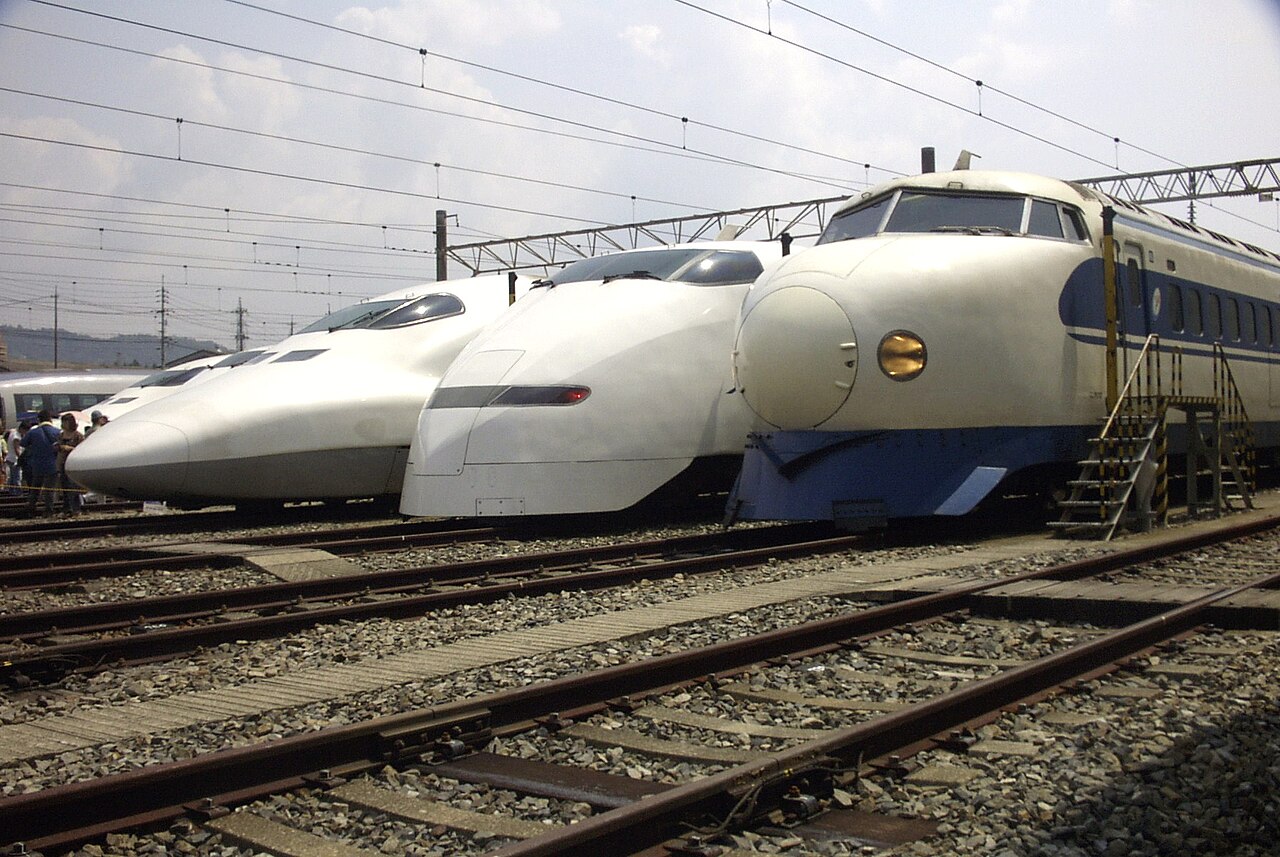
Take the JR or Hanshin train to Motomachi Station or Sannomiya Station, and the venues are a 5-10 minute walk away. By subway, the nearest stops are Kyukyoryuchi-Daimaru-mae Station or Kenchomae Station. From Osaka, the JR Special Rapid takes about 21 minutes, and from Kyoto about 52-55 minutes. From the Shinkansen, transfer to the subway to reach Sannomiya. From Kansai Airport, the Limousine Bus runs direct to Sannomiya in about 65 minutes for ¥2,200. During the event, traffic around the venues is controlled, so we recommend leaving 10-15 minutes early and using public transport as much as possible.



Must-See Spots at Kobe Luminarie: The Three Main Sites and Nearby Highlights
Here are the three core sites and the nearby spots worth adding along your route.
Higashi Yuenchi (Main Site): The Altar of Light and the Heart of the Memorial
Higashi Yuenchi is the spiritual core of the festival, and entry is free. In past years this has been the site with the strongest memorial meaning, with an Altar of Light and wall-mounted light installations. The works change every year, so please check the official website for the 2027 works. The address is 6-4 Kanocho, Chuo-ku, Kobe, Hyogo. It sits on the north side of the route and works well as a starting point or a stop along the way.

Former Foreign Settlement: A Small Theater of Light in a European-Style District
The Former Foreign Settlement is centered on the plaza in front of the Sumitomo Mitsui Banking Corporation Kobe headquarters building, where light works are displayed, and entry is free. The district keeps its Meiji-era European-style retro buildings. By day it is home to boutiques, and once the lights come on at night it takes on a cinematic feel, making it a popular spot for street photography. The address is 56 Naniwamachi, Chuo-ku, Kobe, Hyogo.
Meriken Park (Premium Zone): The Paid Palace of Light and the 75-Meter Light Corridor
Meriken Park has a paid area, and in past years the main works have been concentrated here. Please check the official website for details of the works. The paid area’s advance tickets are ¥500 on weekdays and ¥750 on weekends, and same-day tickets are ¥1,000 on weekdays and ¥1,500 on weekends. We recommend confirming how to buy tickets on the official website first. The address is 2 Hatobacho, Chuo-ku, Kobe, Hyogo.
Viewing Route and Avoiding the Crowds: The Best Route Timetable
Based on last year, the classic route is Motomachi Station, then the Former Foreign Settlement, then Higashi Yuenchi, ending at Meriken Park. The actual route and traffic controls follow that year’s official announcements. Weekend nights and the closing night are the most crowded, so we recommend going on a weekday and leaving early to avoid the crowds as the event ends.
The walking distances between the three sites are about 10 minutes from Motomachi Station to Meriken Park and about 13 minutes to Higashi Yuenchi. The venues of the 32nd edition are Meriken Park, Higashi Yuenchi and the Former Foreign Settlement, so you can plan your visiting order around where these three are.
BE KOBE Landmark: The Photo Spot Beside Meriken Park
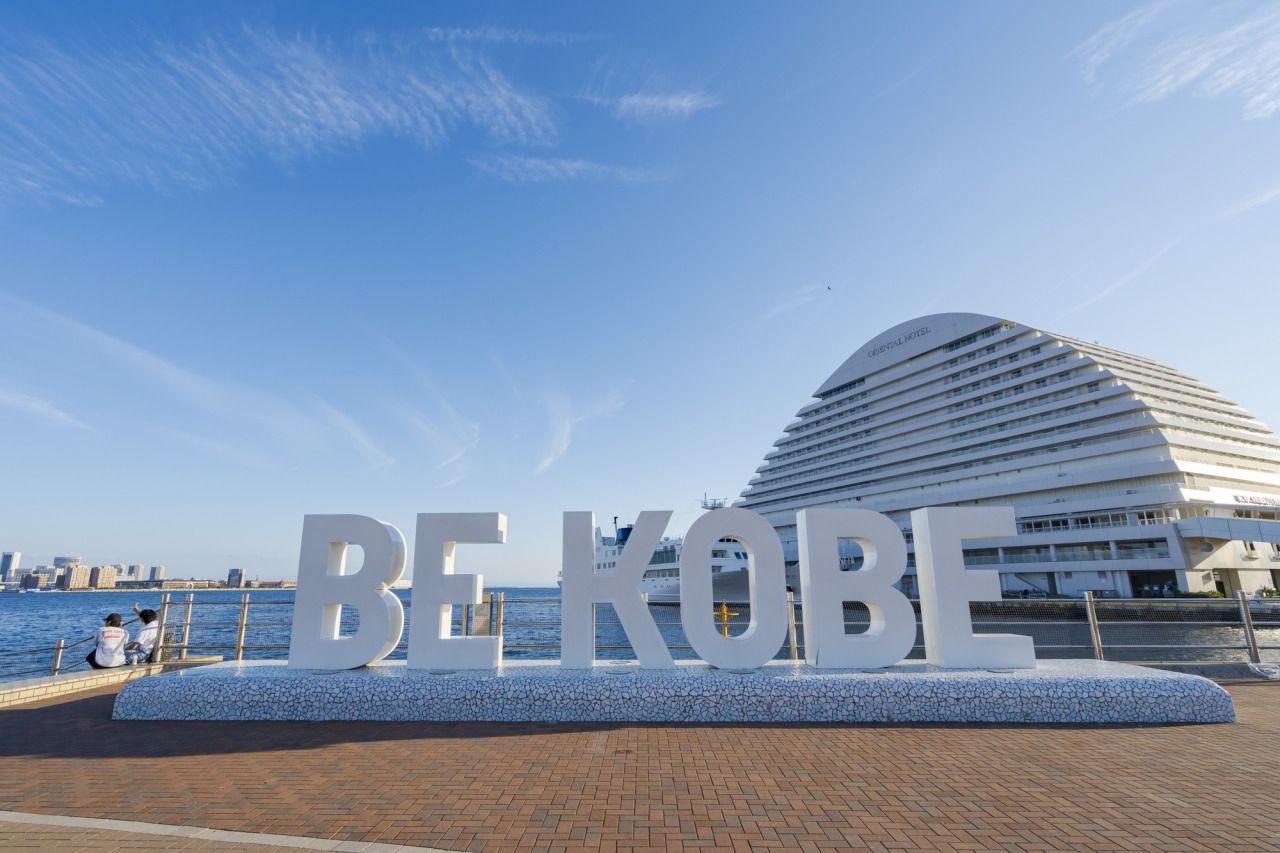
BE KOBE is a white three-dimensional lettering landmark standing on the lawn on the east side of Meriken Park. It is free to visit and open all year, and is one of Kobe’s most iconic photo spots. In the evening, the setting sun lights up the white letters against the backdrop of Kobe Port, making it a popular spot for shooting the “blue hour” night view. It works best about 20-40 minutes after sunset; arrive 15 minutes early to claim a spot and bring a tripod. The landmark is right next to the Great Hanshin-Awaji Earthquake Memorial, so you can visit both and learn about Kobe Port’s recovery from the earthquake.
Ikuta Shrine: The Thousand-Year-Old Guardian Shrine of the Port Town
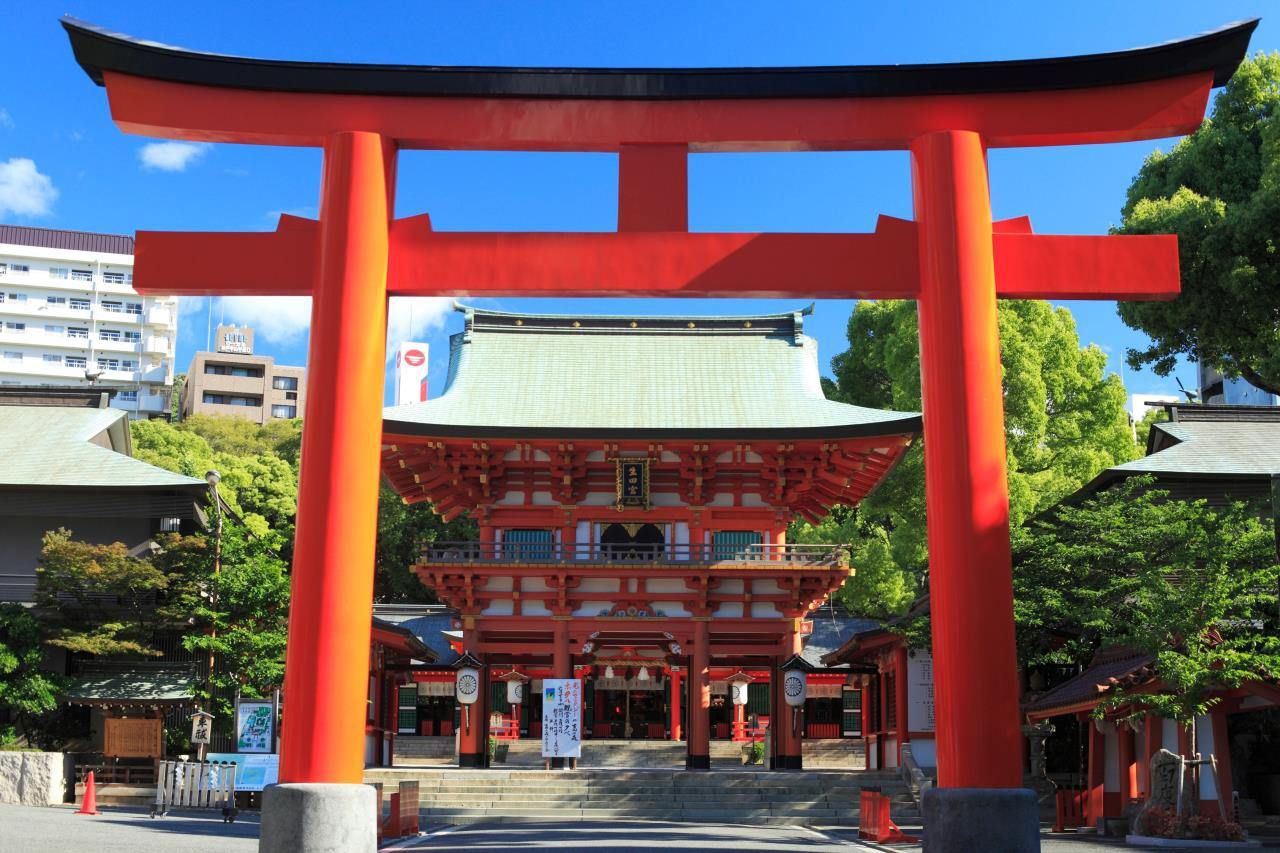
Ikuta Shrine was founded in 201 AD and enshrines the goddess Wakahirume-no-Mikoto. It is the oldest guardian shrine in the Sannomiya area of Kobe, about a 10-minute walk from Sannomiya Station. The shrine sells several limited-edition omamori charms and goshuin stamps, and its bright red main hall, the Long-Life Stone and the Ikuta Forest are well-known sights on the grounds. During the festival you can stop by to pray for safety, and linking it with the Former Foreign Settlement and Nankinmachi makes a half-day cultural walking route, an excellent starting point that combines a shrine visit with a night of light sculptures.
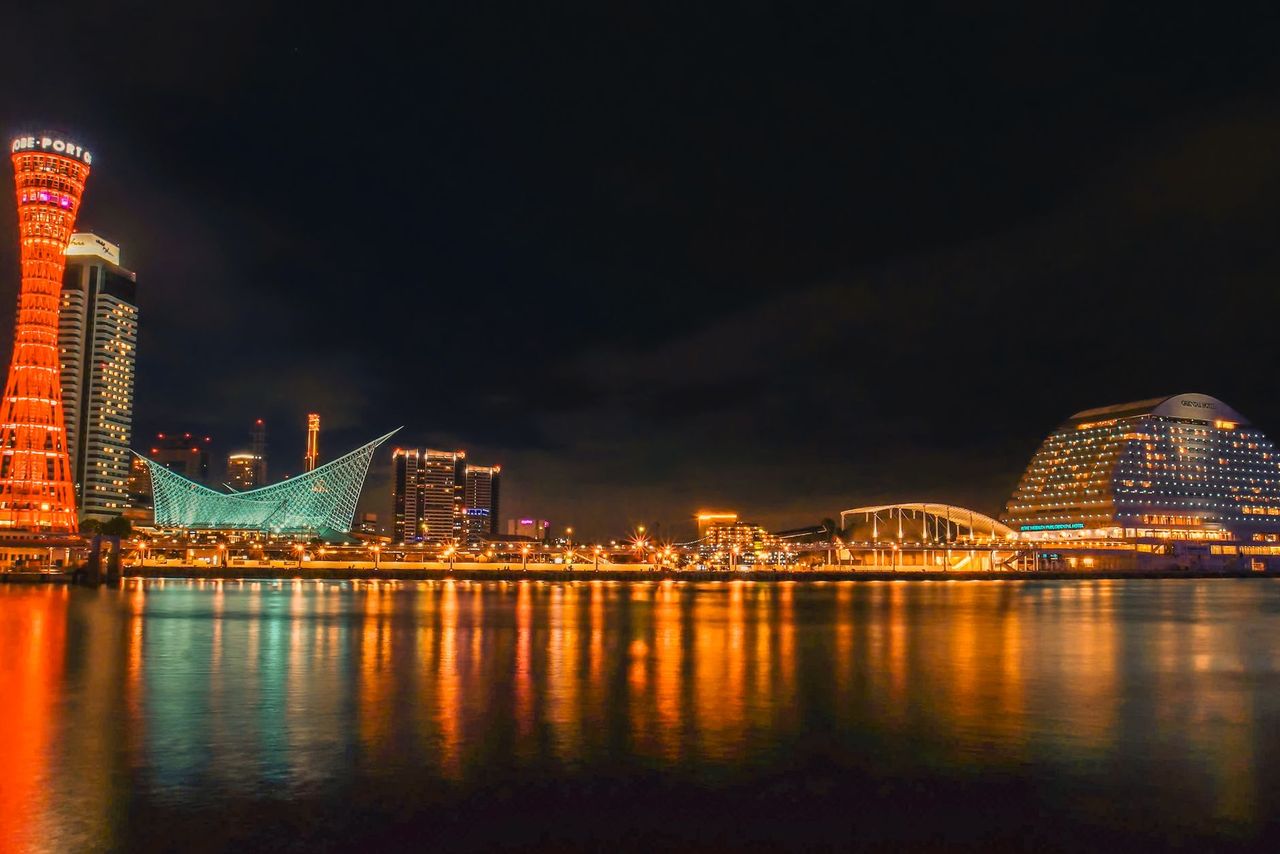
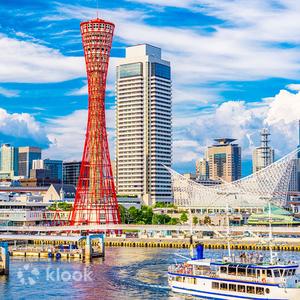
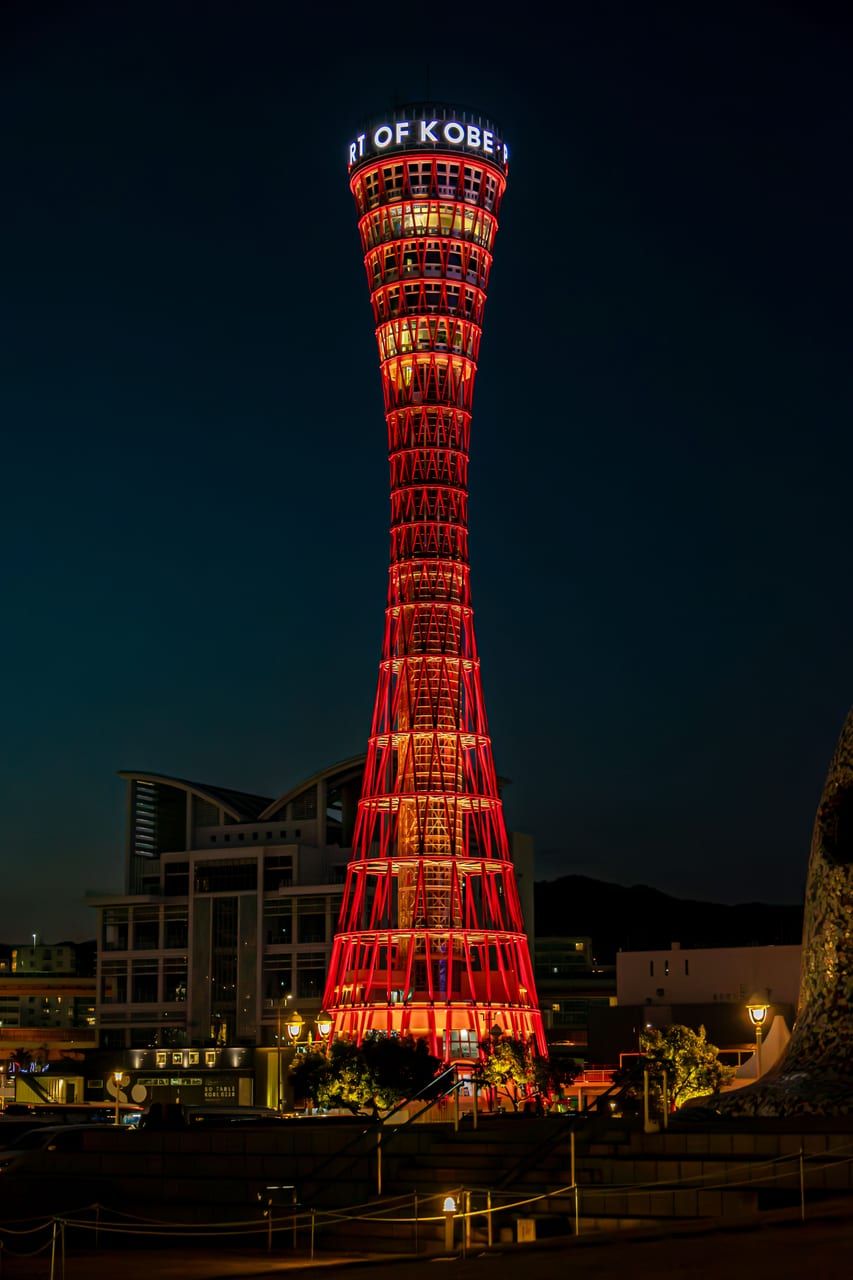
Kobe Port Tower: The Red Steel Landmark and Night-View Observation Deck
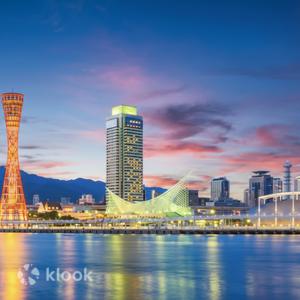
Kobe Port Tower reopened in April 2024 after renovation and is the most eye-catching night-view landmark in the Kobe port area. The observation floors cost ¥1,000 for high school students and older, or ¥1,200 including the rooftop deck; the rooftop deck is open until 23:00. Inside the tower is a rotating cafe that makes one full turn in about 30 minutes, where you can dine while looking over the port at night, a good complement to a Luminarie itinerary.
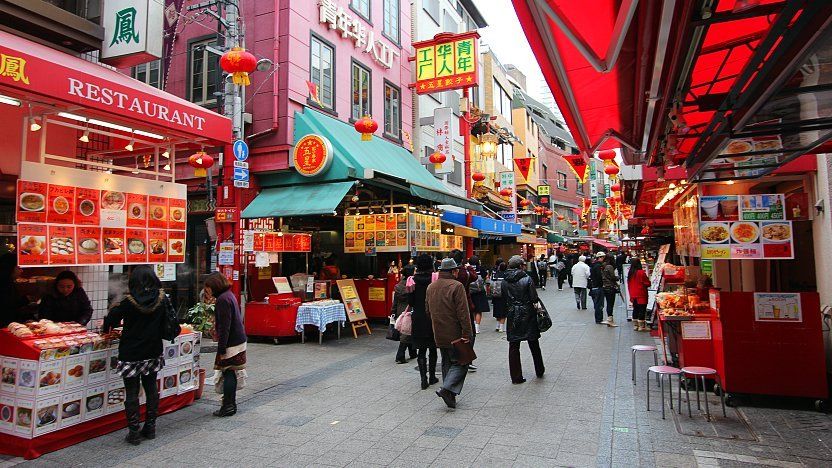
Nankinmachi Chinatown: A Street of 100 Shops and One of Kansai’s Three Great Chinatowns
Nankinmachi is one of Kansai’s three great Chinatowns, about a 3-minute walk from JR Motomachi Station. With more than 100 Chinese restaurants and snack shops, it is an excellent place to have dinner along the Luminarie route. Hot street snacks cost about ¥500-1,000 per serving, and the long-established butaman (pork bun) shops are recommended. Eat as you walk, then continue to Higashi Yuenchi and Meriken Park for the lights, with a smooth route and no detours.
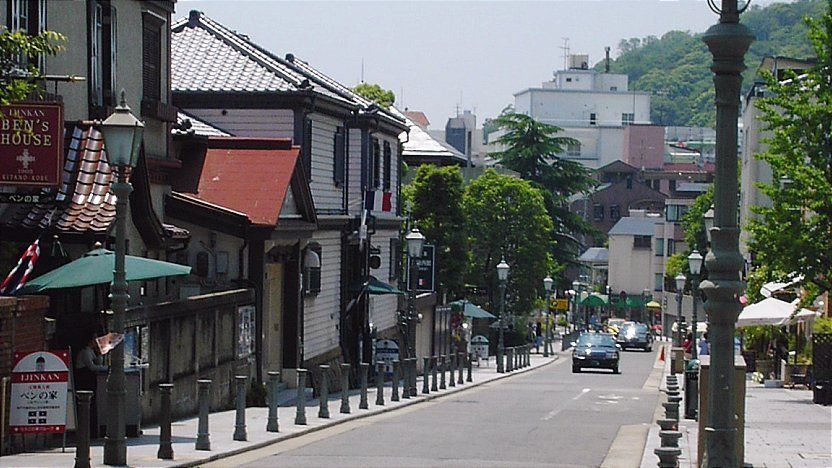
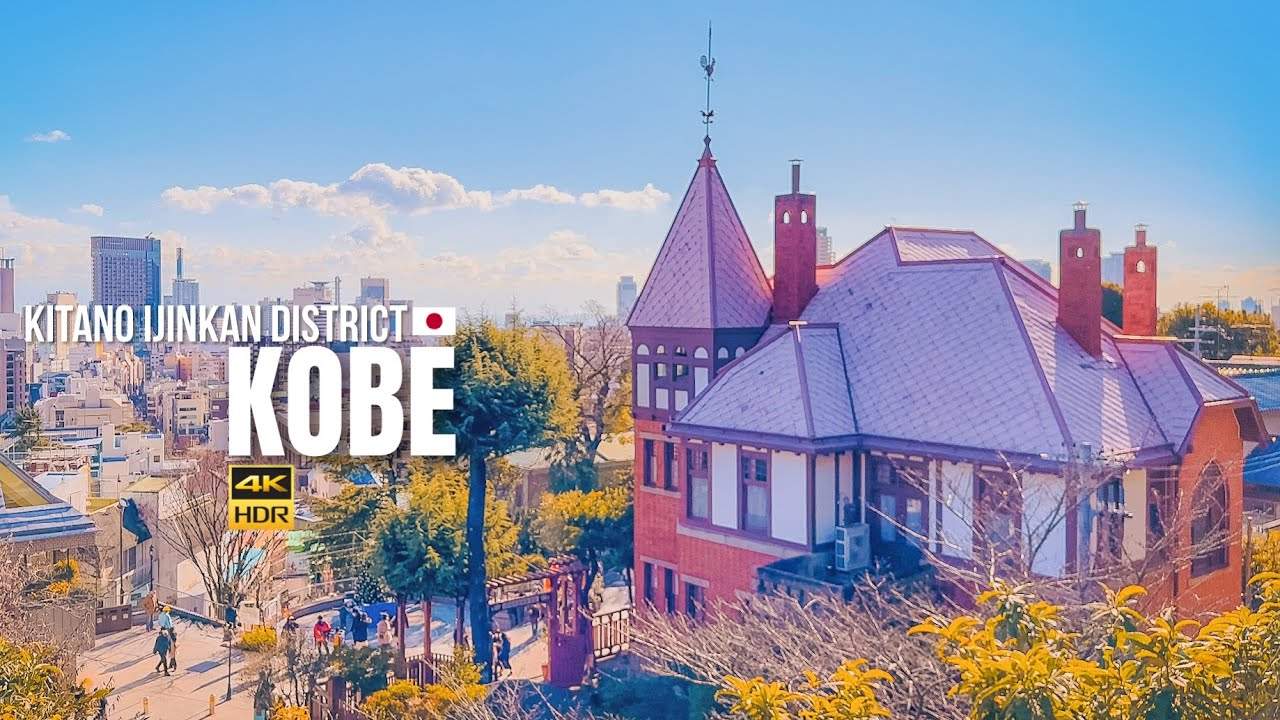
Kitano Ijinkan District: A Cluster of Meiji-Era Foreign Residences
The Kitano Ijinkan district preserves Meiji-era foreign residences such as the Weathercock House and the Moegi House. It is about a 15-20 minute walk from Sannomiya and fits well as a half-day side trip before or after the lights. Visit the museums of foreign architecture during the day, then head to the venues in the evening to see the lights, a classic one-day combination in Kobe. Some houses require an admission ticket, and we suggest allowing 1-2 hours for the visit.
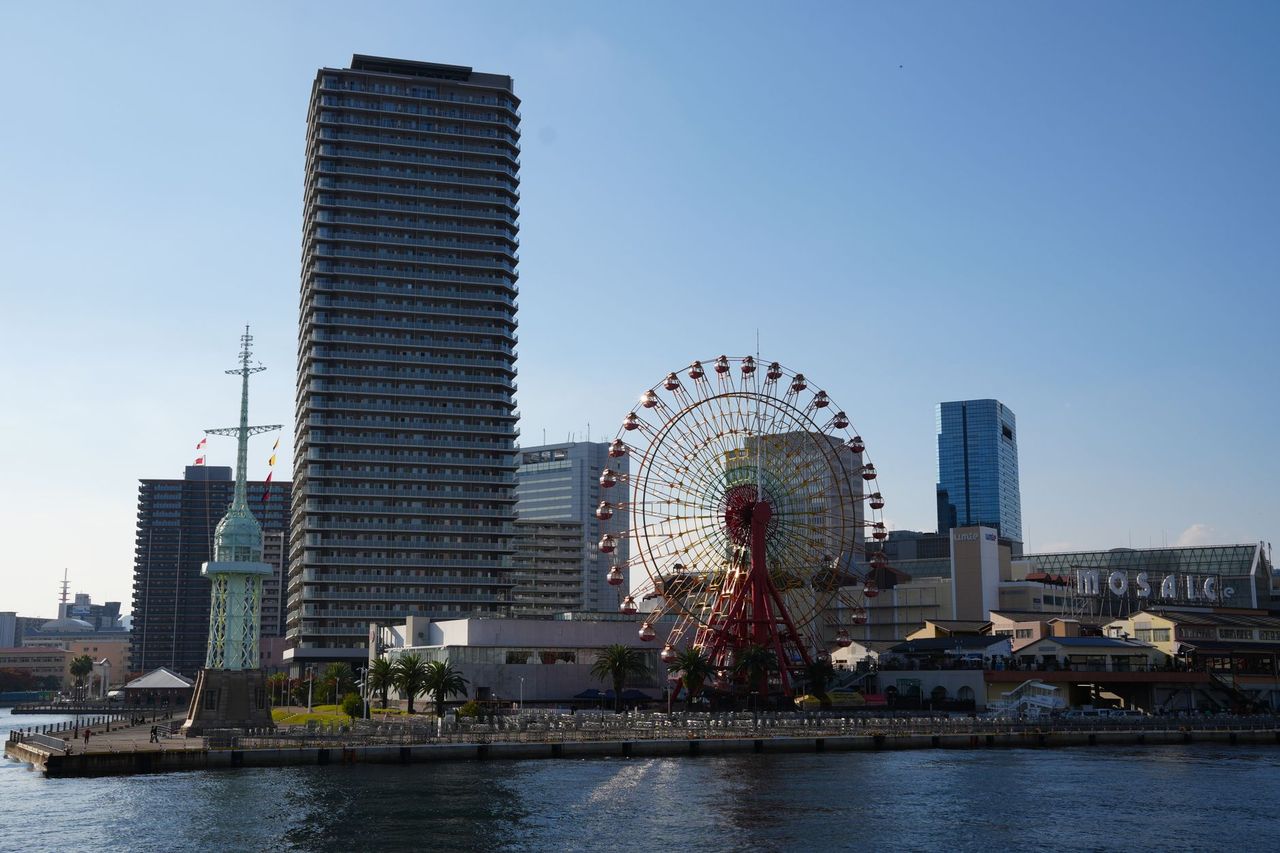
Kobe Harborland: A Shopping and Ferris Wheel Complex
Kobe Harborland is made up of two buildings, umie NORTH and MOSAIC. The MOSAIC Ferris wheel is about 50 meters tall and a ride takes about 10 minutes (¥800 per person in a standard gondola). It is about a 10-15 minute walk from Meriken Park, so it suits extending your evening with shopping or a ride for night views of the port after the lights. The buildings offer a wide range of dining and are close to JR Kobe Station, making this a good stop before taking the train home after Luminarie ends.
How Much Does Kobe Luminarie Cost? Tickets and Guided Tours
Here are the Meriken Park tickets, nearby passes and extension tours, so you can compare them in one place.
Meriken Park Premium Zone Ticket: Get Your Light Corridor Ticket in Advance
According to the official announcement, advance tickets for the paid area at Meriken Park were ¥500 on weekdays and ¥750 on weekends, same-day tickets were ¥1,000 on weekdays and ¥1,500 on weekends, and group tickets were ¥400 on weekdays and ¥600 on weekends. How to buy tickets and the advance sale start date follow the official announcement. For weekends, we recommend planning early.
The official website says details of the special viewing tickets for the paid area are scheduled to be announced in autumn, so please check the latest announcements on the official website before you go.
Kobe Luminarie + Kobe Port Tower Combo: Two Night-View Experiences
Kobe Port Tower and Luminarie can be scheduled for the same evening: the tower’s observation floors cost ¥1,000 for adults, or ¥1,200 including the rooftop deck. You can visit before or after the lights without backtracking, which suits travelers with only one night who want to see both of Kobe’s great night views.
Kobe Port Tower is open from 9:00 to 23:00 (last entry 22:30). Elementary and junior high school students pay ¥400 for the observation floors or ¥500 including the rooftop deck, and preschool children are free.
Kansai Airport to Kobe Shuttle Bus: Limousine Bus Tickets
The Limousine Bus from Kansai Airport runs direct to Sannomiya in about 65 minutes for ¥2,200 one way. From Sannomiya you can walk to the Luminarie venues around Motomachi Station, which suits travelers who want to head straight to the venues with their luggage.
On the Kansai Airport Transportation Kobe-Sannomiya line, an adult one-way fare is ¥2,200 and a child’s is ¥1,100. The direct service takes about 1 hour 5 minutes, and trips via Rokko Island take about 1 hour 15 minutes. A round-trip ticket is ¥3,700 (valid for 30 days) and a same-day round-trip ticket is ¥3,200. Please check the Kansai Airport Transportation website for boarding points and timetables.
Kyoto + Kobe 2-Day Itinerary: Extending Your Trip
Use Kyoto or Osaka as your base. During the day, visit temples such as Kiyomizu-dera and Fushimi Inari in Kyoto, then in the afternoon take the JR south to Kobe to see Luminarie and enjoy Kobe beef for dinner, returning to Kyoto or Osaka for the night. With a JR Kansai Wide Area Pass, one pass covers travel between Kyoto, Osaka and Kobe, making the itinerary better value.
Kitano Ijinkan / Nankinmachi Half-Day Walking Tour
A Chinese- or English-language tour covers the Kitano Ijinkan district and Nankinmachi Chinatown, costing about ¥1,500-3,000 (admission not included) and lasting 3-4 hours. It can be scheduled in the daytime before the lights come on, and after the tour you can walk straight to Motomachi Station to join the evening viewing route.
Where to Stay Near Kobe Luminarie: Recommended Areas

Here are the two station areas best suited for an overnight stay, ordered by transport and how close they are to the route.
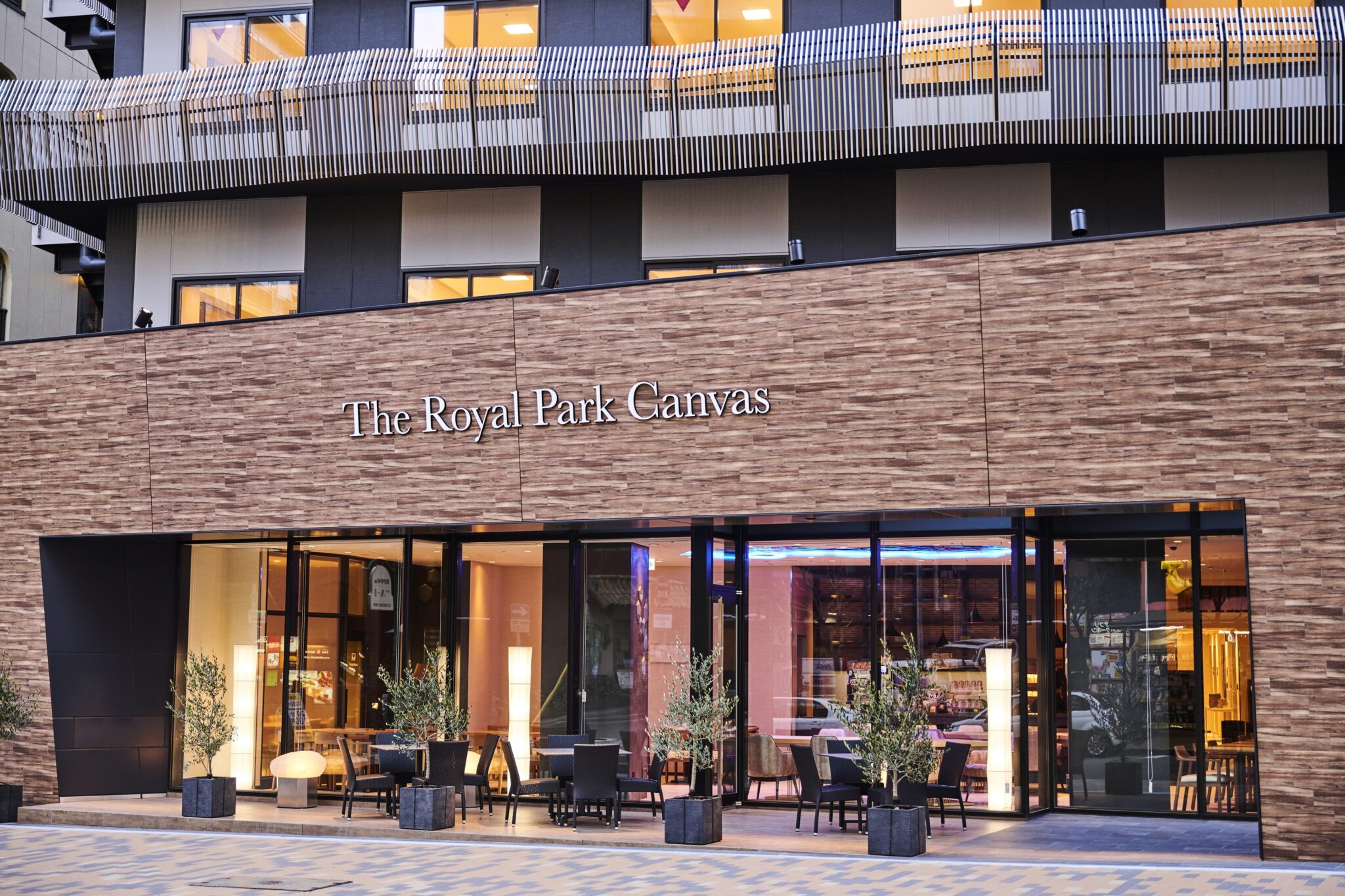
Around Sannomiya Station: The Top Choice for Transport and Luminarie Access
Sannomiya Station is where JR, Hanshin, Hankyu and the Kobe Municipal Subway meet, just one stop from Motomachi Station. It is about a 10-minute walk to the Former Foreign Settlement, and the most convenient place to return to after Luminarie ends. Hotels around Kenchomae Station and Sannomiya offer plenty of choice, suiting travelers who stay only one night in Kobe and head on to Osaka or Kyoto the next day.
Around Motomachi and Nankinmachi: Stays Within Walking Distance of All Three Sites
Motomachi Station is a short walk from the entrance to the Former Foreign Settlement and close to Nankinmachi Chinatown, so dinner and lodging can both be taken care of along the Luminarie route with no extra travel. Most hotels here are small to mid-sized business hotels, suited to independent travelers who pack light and value walking distance.
It is about 10 minutes on foot from Motomachi Station to Meriken Park and about 13 minutes to Higashi Yuenchi, so the walk back to your lodging after the event is short.
FAQ
Q: Is Kobe Luminarie 2027 free to enter?
Higashi Yuenchi and the Former Foreign Settlement are free to enter, and Meriken Park has a paid area. Same-day tickets are ¥1,000 on weekdays and ¥1,500 on weekends, and advance tickets are ¥500 on weekdays and ¥750 on weekends.
Q: Does Kobe Luminarie still go ahead in the rain?
Luminarie is an outdoor event, so please rely on the official website’s announcement on the day for any rain adjustments, and be sure to check before you set out.
Q: Where can I buy Meriken Park tickets?
Advance tickets can be bought through the channels announced on the official website, and same-day tickets are also available. How to buy and the sale start date follow the official announcement.
Q: When is Kobe Luminarie least crowded?
Generally, weekdays are less crowded, while weekend nights and the closing night are the most congested. We recommend going on a weekday and leaving early to avoid the crowds as the event ends.
Q: Can wheelchairs and strollers get through the Kobe Luminarie venues?
Access for wheelchairs and strollers and route controls differ each year. We recommend checking the official website for that year’s accessibility information before you go, and avoiding peak crowd hours.
Q: What are the exact dates of Kobe Luminarie in 2027?
The 32nd edition runs from Friday, January 29 to Sunday, February 7, 2027, for 10 days in total. Please rely on the official website for the lighting hours.
Q: Where else can I go after Luminarie?
You can extend your trip to the Kitano Ijinkan district, Kobe Port Tower and Nankinmachi Chinatown, or plan a 2-day Kyoto and Osaka itinerary to link up a Kansai winter trip.