
2026 Hakone Travel Guide: Must-Visit Natural Wonders, Art Museums and a Transport Cheat Sheet
Hakone is in Kanagawa Prefecture and is the most popular hot spring destination near Tokyo, with volcanic landscapes, Lake Ashi and many art museums, suitable for a one- to two-day trip. Please note: the well-known “Little Prince Museum” officially closed in 2023, so do not include it in your itinerary. Below are Hakone’s must-visit spots, with practical information such as opening hours, admission and the best time to visit.
Hakone Shrine / Hakone Motomiya
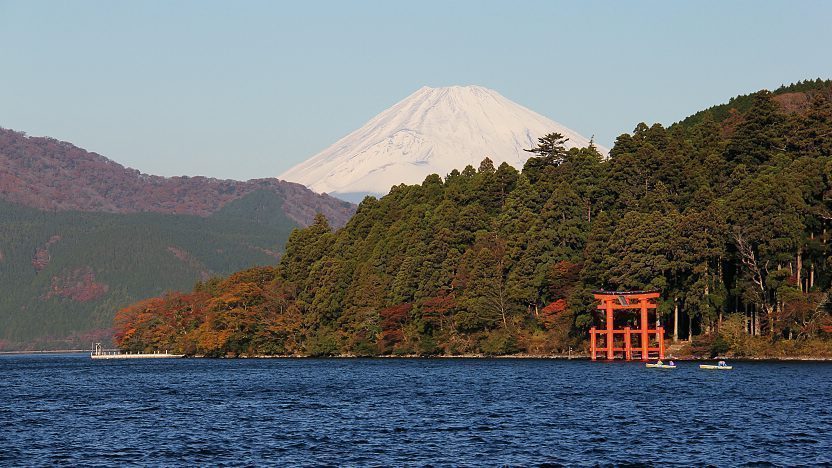
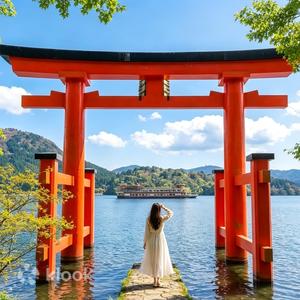
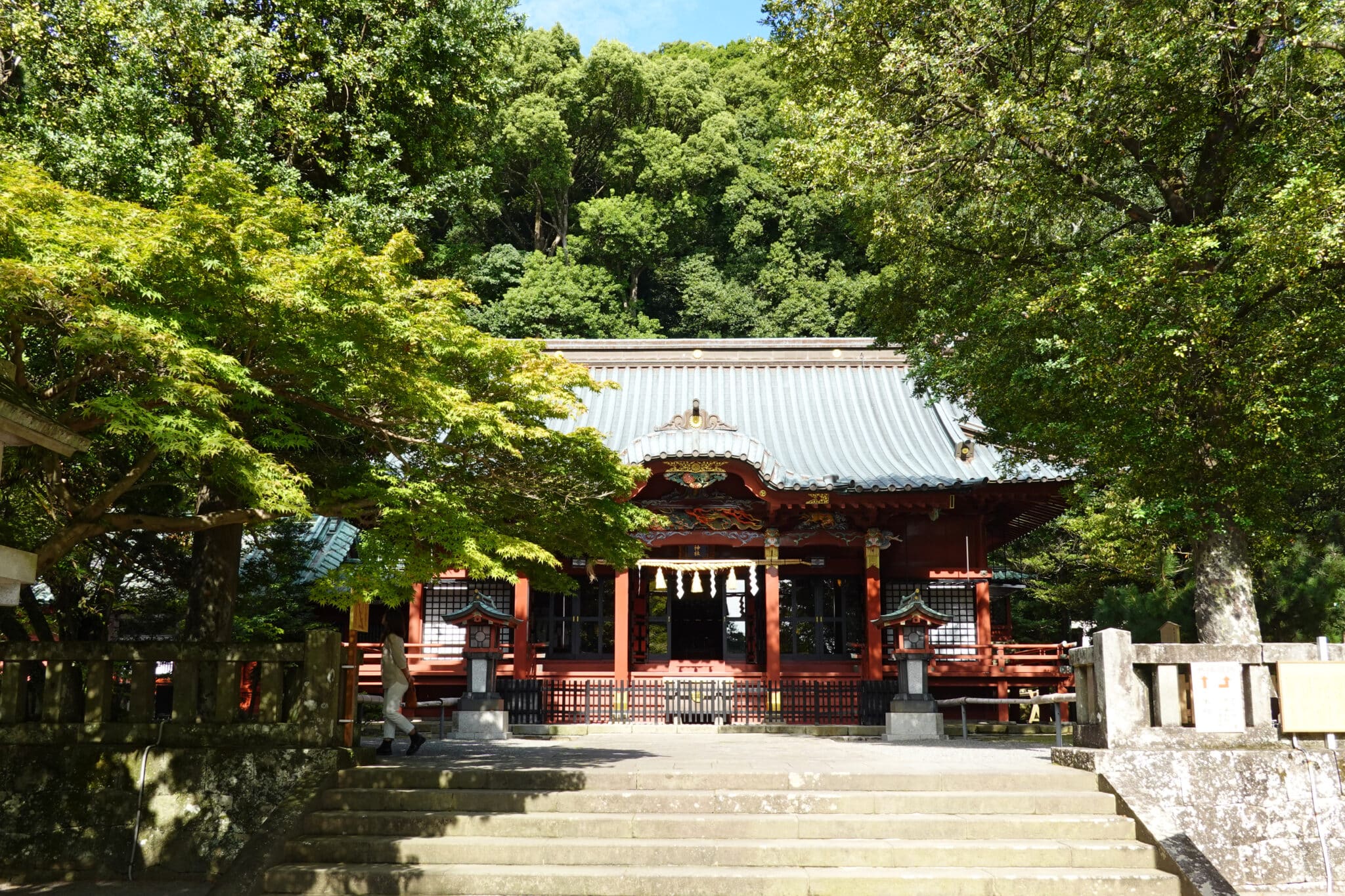
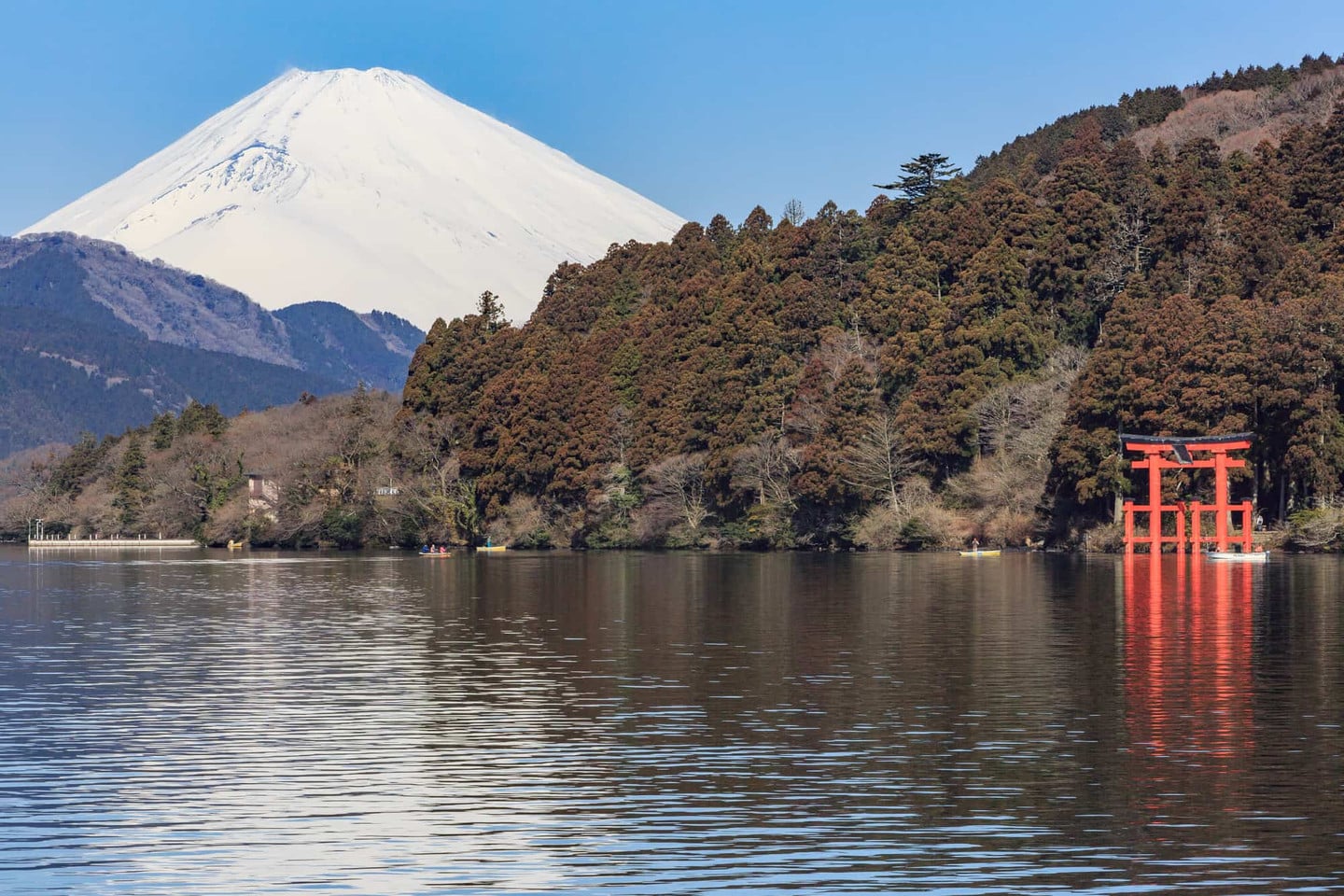
Hakone Shrine has a history of more than 1,200 years. The red “Heiwa Torii” rising from the water of Lake Ashi is Hakone’s most popular Instagram spot and a must-visit shrine sight. The main deity is the Hakone Okami, and the shrine’s inner sanctuary, “Hakone Motomiya”, sits on the summit of Mount Komagatake and is reached by ropeway.
The shrine offers omamori charms and goshuin stamps, and lines on holidays often exceed 30 minutes, so we suggest coming on a weekday morning. Visiting the grounds is free; the amulet office is open about 8:15-17:00, and the treasure hall admits visitors 9:00-16:00 (admission ¥500 for adults). Motomiya’s opening hours change with the season.

-Klook.jpg)

Hakone Open-Air Museum
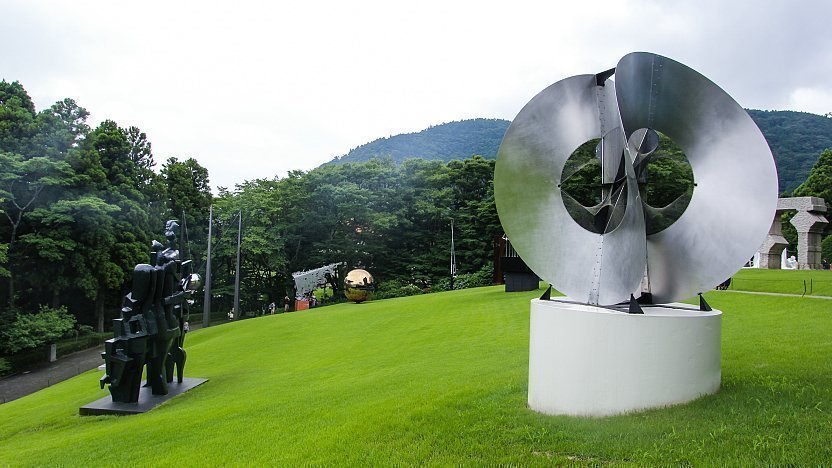
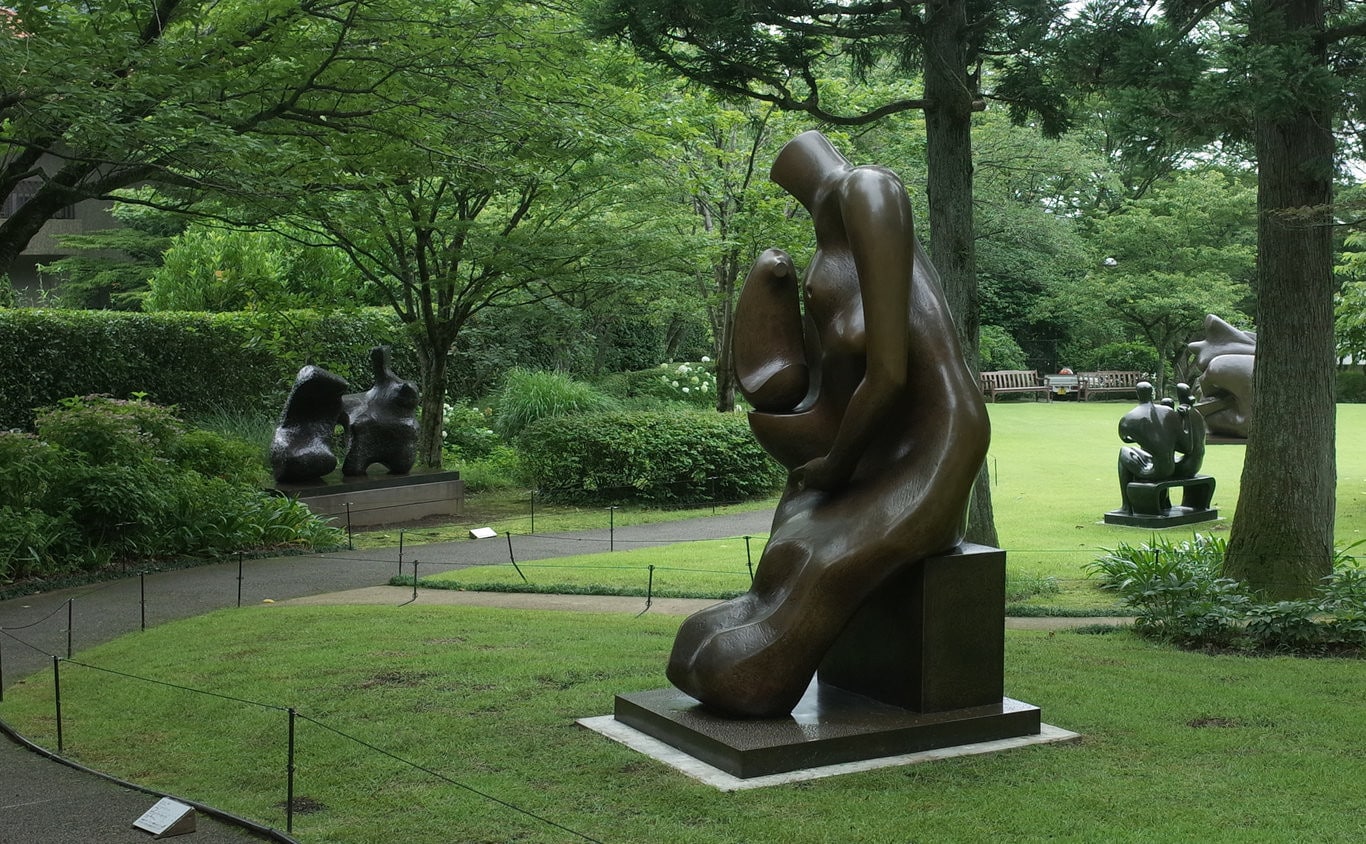
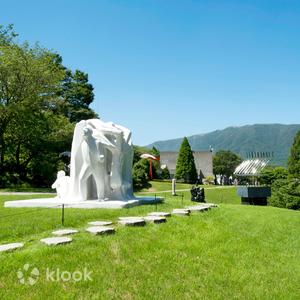
The Hakone Open-Air Museum was Japan’s first large open-air art museum, with more than a hundred masterworks of sculpture set into the natural landscape. The colorful rotating stained-glass tower (Symphonic Sculpture) is a must-photograph landmark, and there is a natural hot spring foot bath for visitors to rest.
It is a 2-minute walk from “Chokoku-no-Mori Station” on the Hakone Tozan Railway. Open 9:00-17:00; admission is ¥2,000 for adults, ¥1,600 for high school and university students and ¥800 for elementary and junior high students. We suggest allowing more than 2 hours to see it properly.
![[10-Hour Chinese-Speaking Private Car Charter | Hotel Pickup in Tokyo] Hakone Sightseeing Day Trip | Hakone Open-Air Museum + Owakudani + Lake Ashi Pirate Ship + Floating Torii, No-Shopping Small Private Tour](https://travel.williamlion.tw/wp-content/uploads/sites/7/2026/07/image-1781.jpg)

Hakone Museum of Art
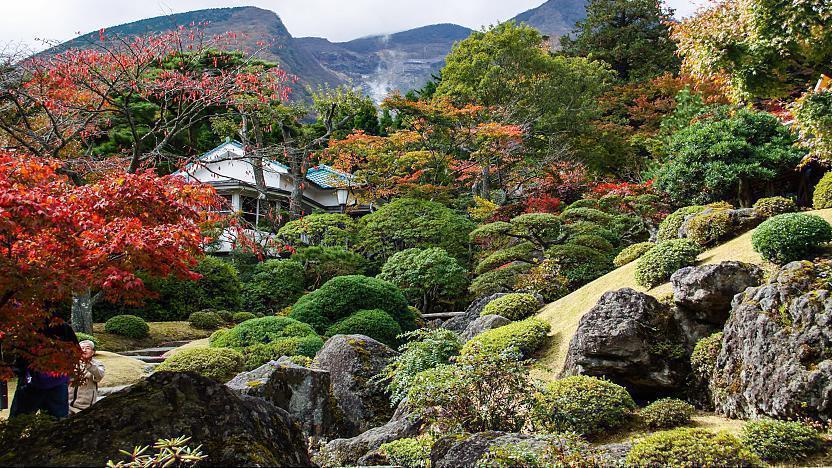
The Hakone Museum of Art is known for its beautiful Japanese garden, the “Moss Garden”, with about 130 kinds of moss and hundreds of maple trees. In November the red maples interwoven with green moss are designated a place of scenic beauty, making it Hakone’s top autumn foliage spot. The museum also exhibits a rich collection of Japanese ceramics.
It is about a 5-minute walk from Gora Park. The museum is under renovation and fully closed until October 29, 2026, with a preview opening from October 30 and the official reopening on December 23; please check the official site for admission. Usually open 9:30-16:30 (until 16:00 from December to March), closed on Thursdays.
Gora Park
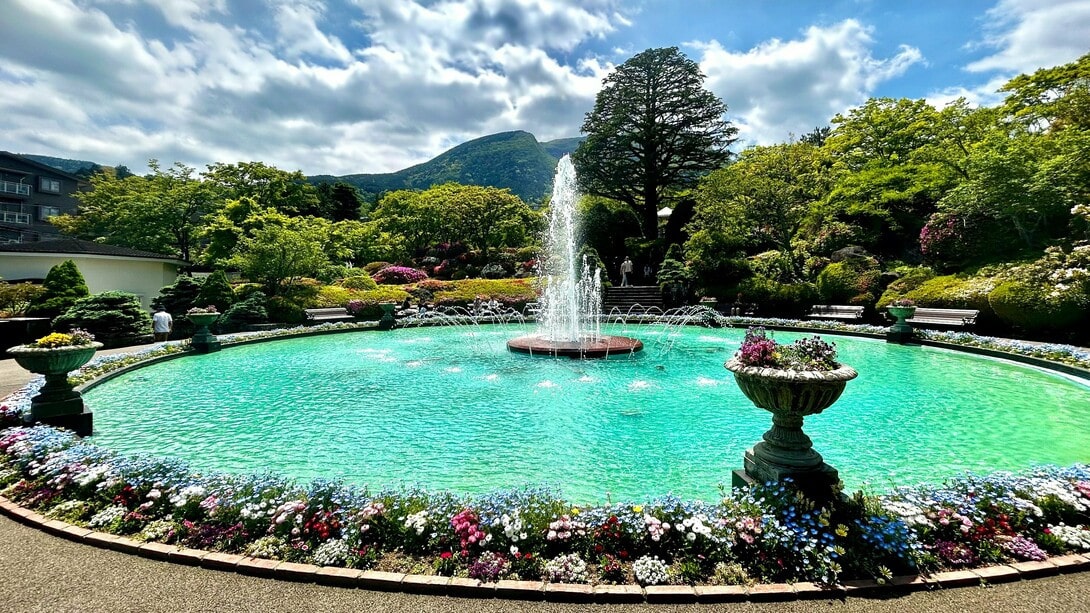
Gora Park is Japan’s first French-style garden, with a rose garden, fountain and tropical plant house that look different in every season. It also has hands-on workshops where you can try traditional crafts such as pottery, glassblowing and pressed flowers.
It is about a 5-minute walk from “Gora Station” on the Hakone Tozan Railway. Open 9:00-17:00 from March to November and 9:30-16:30 from December to February (last entry 30 minutes before closing). Adult admission is ¥650 (since April 2024), free with the Hakone Free Pass, and suitable for families.
Onshi-Hakone Park
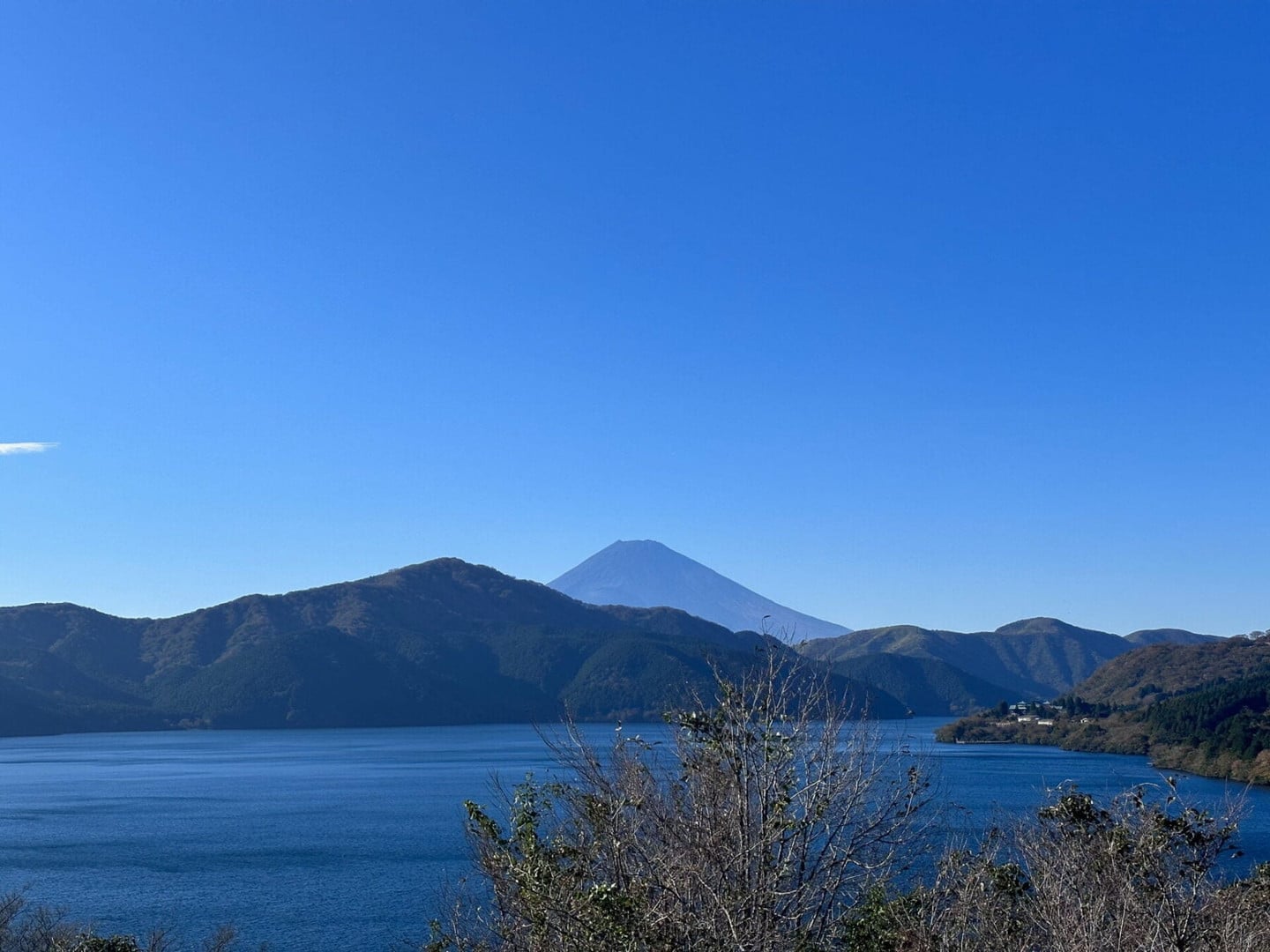
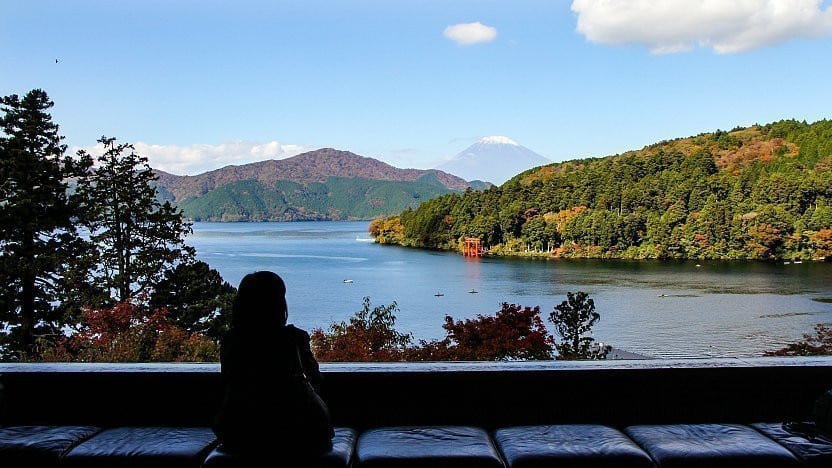
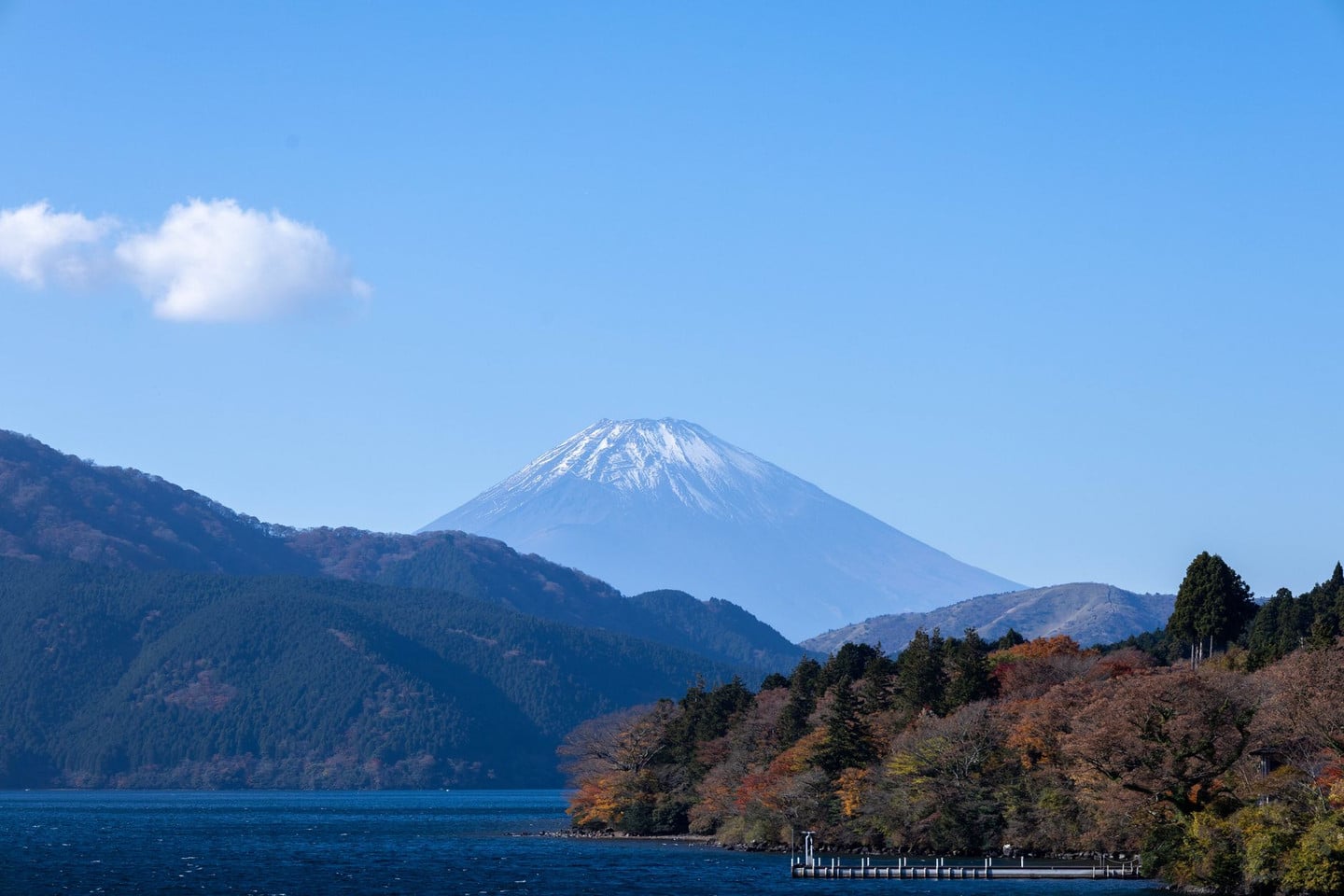
Onshi-Hakone Park was formerly an imperial villa and is now open to the public free of charge. The lakeside promenade lets you capture Lake Ashi and Mount Fuji in the same frame, a must-visit for photography lovers. The lakeside observation hall in the park overlooks the whole of Lake Ashi.
It is about a 10-minute walk from Moto-Hakone Port, open year-round with free admission. We suggest visiting before sunset to capture the golden light.
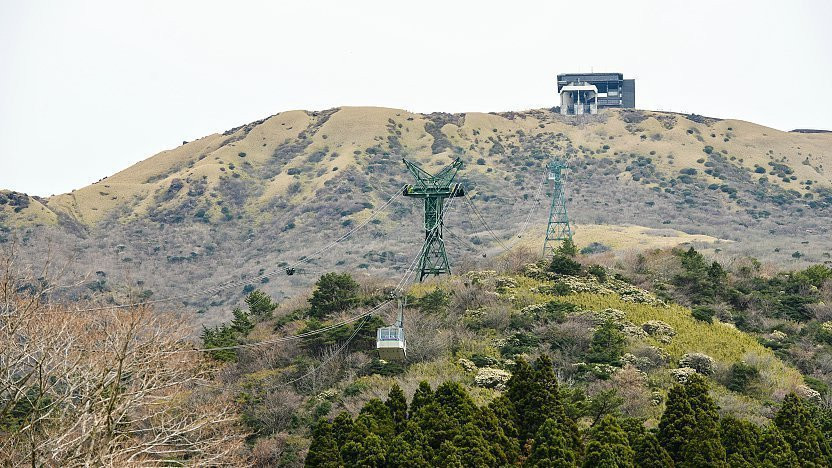
Hakone Komagatake Ropeway
The Hakone Komagatake Ropeway connects Hakone-en with the summit of Mount Komagatake in only about 7 minutes. The summit has an observation deck and Hakone Motomiya, and on clear days you get a 360-degree view of Lake Ashi, Mount Fuji and Sagami Bay, Hakone’s most spectacular aerial stroll.
The first ride is at 9:00 and the last ride up is at 16:30 (adjusted by weather and season). A round trip is ¥2,200 for adults, and we suggest going on a clear, cloudless morning.
Sengokuhara Pampas Grass Field
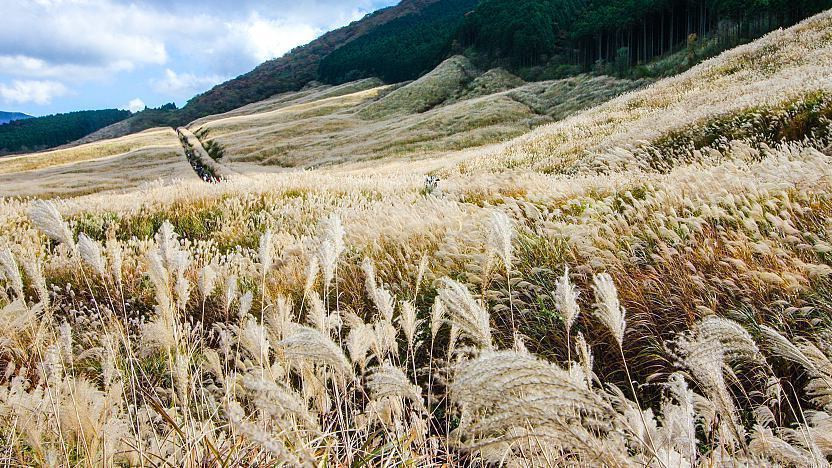
The Sengokuhara Pampas Grass Field is Hakone’s most iconic autumn scenery. From late September to early November each year, golden pampas grass sways in the wind and forms a dreamlike picture with the distant mountains, one of photographers’ favorite autumn spots.
It is about 40 minutes by bus from Hakone-Yumoto, open year-round and free to visit. We suggest coming in the evening to photograph the pampas grass in the sunset.
Hakone Kowakien Yunessun Hot Spring Resort
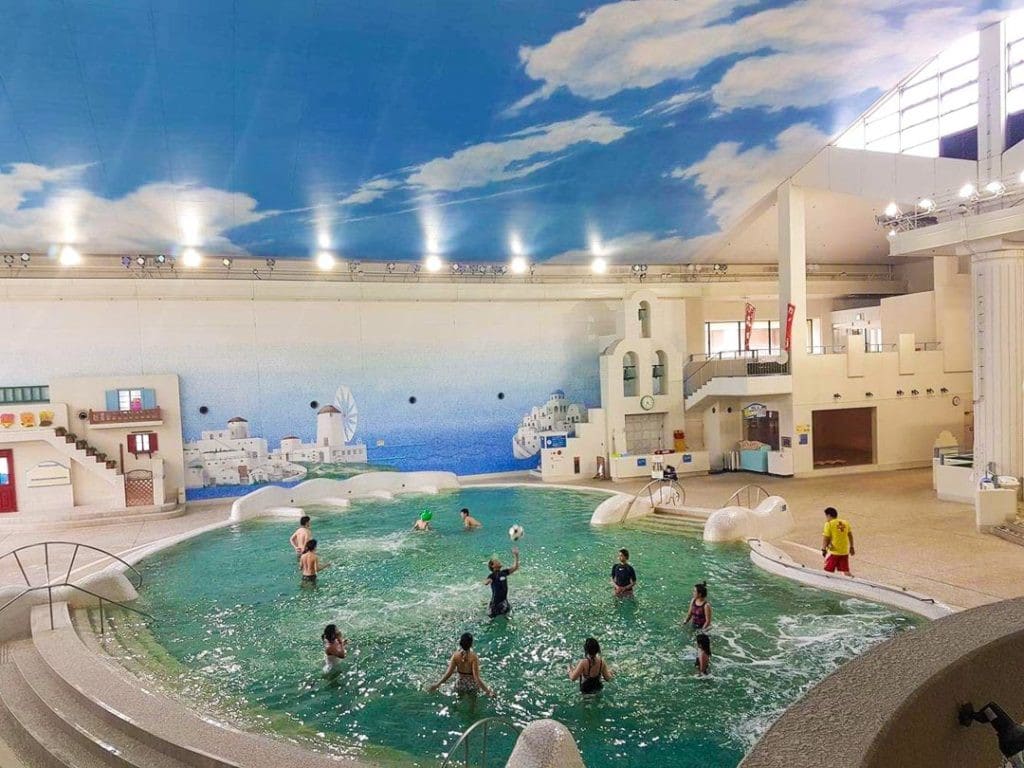
Hakone Kowakien Yunessun combines open-air hot springs with a water park, with several themed baths and water slides, suited to families or couples, and is one of the few complexes in Hakone where you can enjoy a soak even on a day trip.
Open 10:00-18:00 on weekdays and 9:00-19:00 on weekends and holidays. Prices vary by date, so please see the official site. We suggest setting aside half a day to enjoy it fully.
How to Get to Hakone? 2026 Hakone Transport and Pass Complete Guide
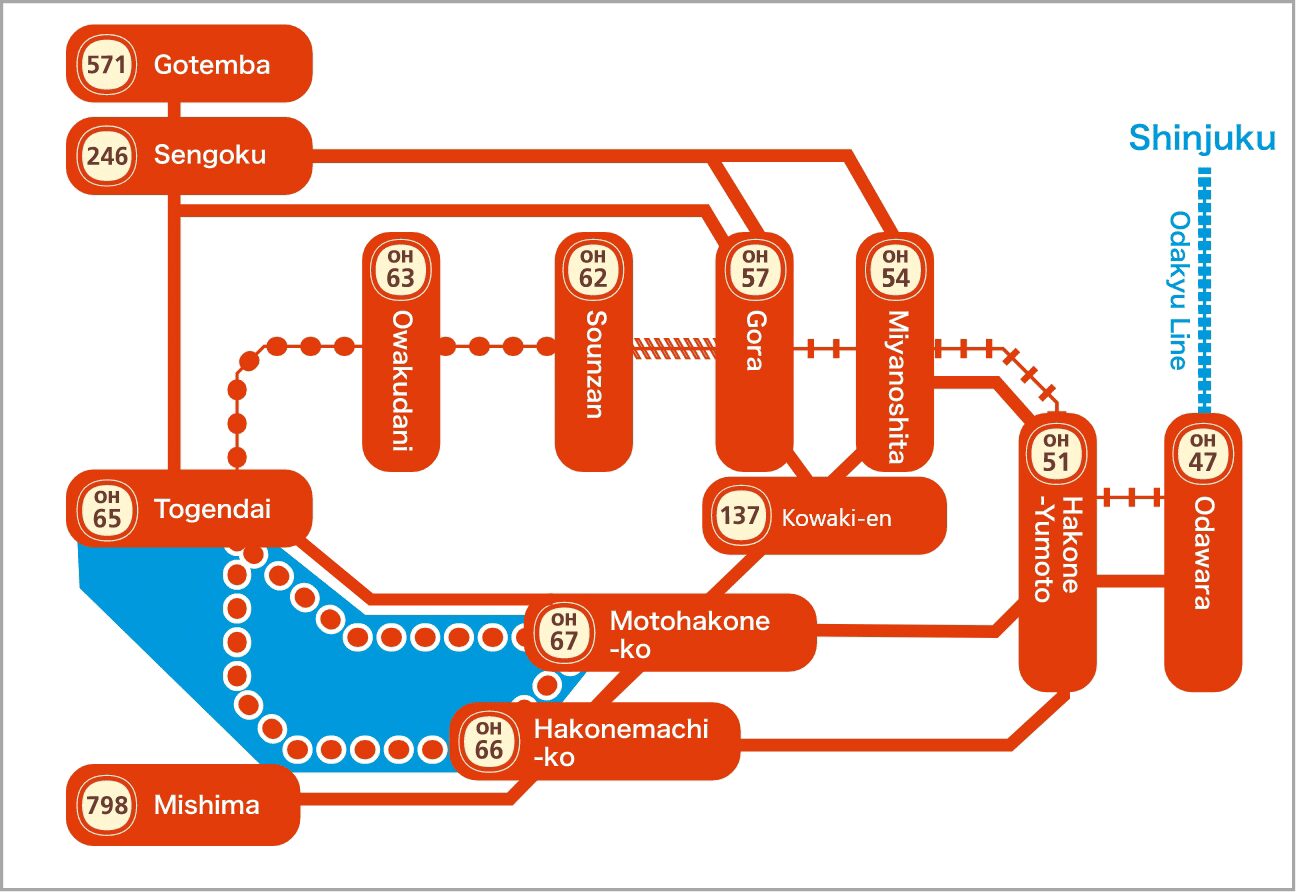
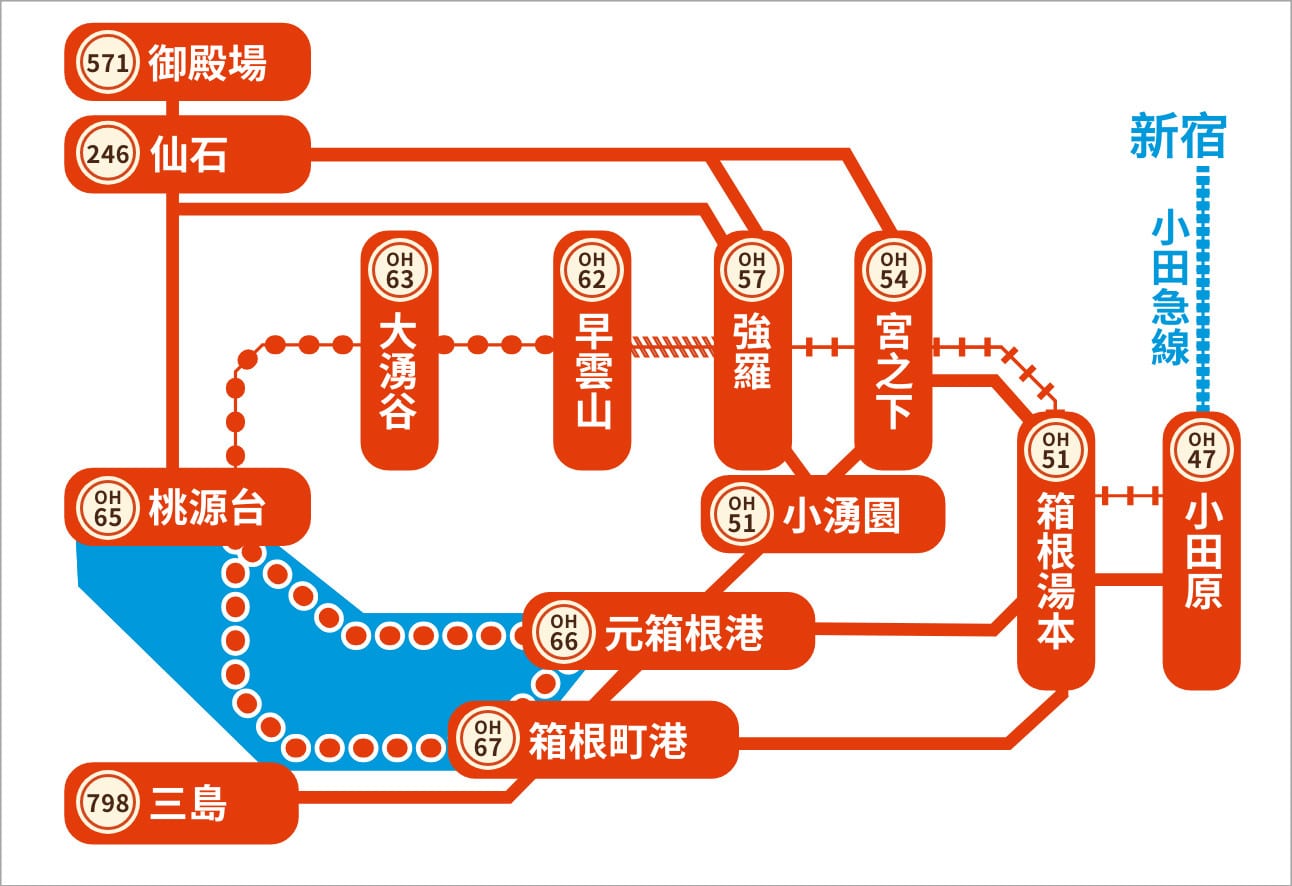
The most convenient way from Tokyo to Hakone is the Odakyu Line, and once there you tour the sights by mountain train, cable car and pirate ship. The money-saving “Hakone Free Pass” covers most transport on one ticket and is the most important step before planning your trip.
How to Get to Hakone at a Glance
🎫 Hakone Free Pass: 2-day pass ¥7,100, 3-day pass ¥7,500, with unlimited rides on the mountain train, cable car, pirate ship and buses. Tickets are available at the Shinjuku Odakyu Travel Service Center.
🚃 Odakyu Romancecar: Direct from Shinjuku to Hakone-Yumoto, about 85 minutes, limited express ticket about ¥1,200. We suggest reserving early on the official site.
🚞 Hakone Tozan Railway: Yumoto to Gora, about 40 minutes, with hydrangea views along the way, free with the pass.
🚡 Hakone Tozan Cable Car: Gora to Sounzan, about 10 minutes, with frequent service, free with the pass.
🚠 Hakone Ropeway: Sounzan to Togendai, passing Owakudani with distant views of Mount Fuji, about 4 km in total, free with the pass.
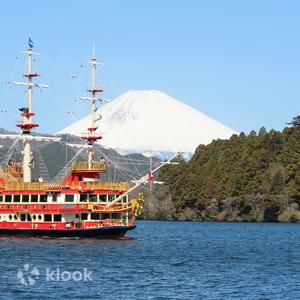
🚢 Hakone Pirate Ship: Round trips between Togendai, Hakone-machi and Moto-Hakone Port with views of Mount Fuji over Lake Ashi, one-way about ¥600-¥1,700 for adults (by section), free with the pass.

What Are Hakone’s Must-See Sights in 2026? Owakudani, Lake Ashi, Shrines and Art Museums Explained
Hakone is in the west of Kanagawa Prefecture and is the core of Fuji-Hakone-Izu National Park. Known as a hot spring town since the Edo period, it now combines volcanic terrain, lake scenery and world-class art museums, making it the most popular one- or two-day destination near Tokyo. Below are Hakone’s eight must-visit sights, from the sulfur steam of Owakudani and cruising Lake Ashi to the vermilion torii of Hakone Shrine and the outdoor art of the Hakone Open-Air Museum, helping you experience Hakone’s natural and cultural charm in one go.
Owakudani
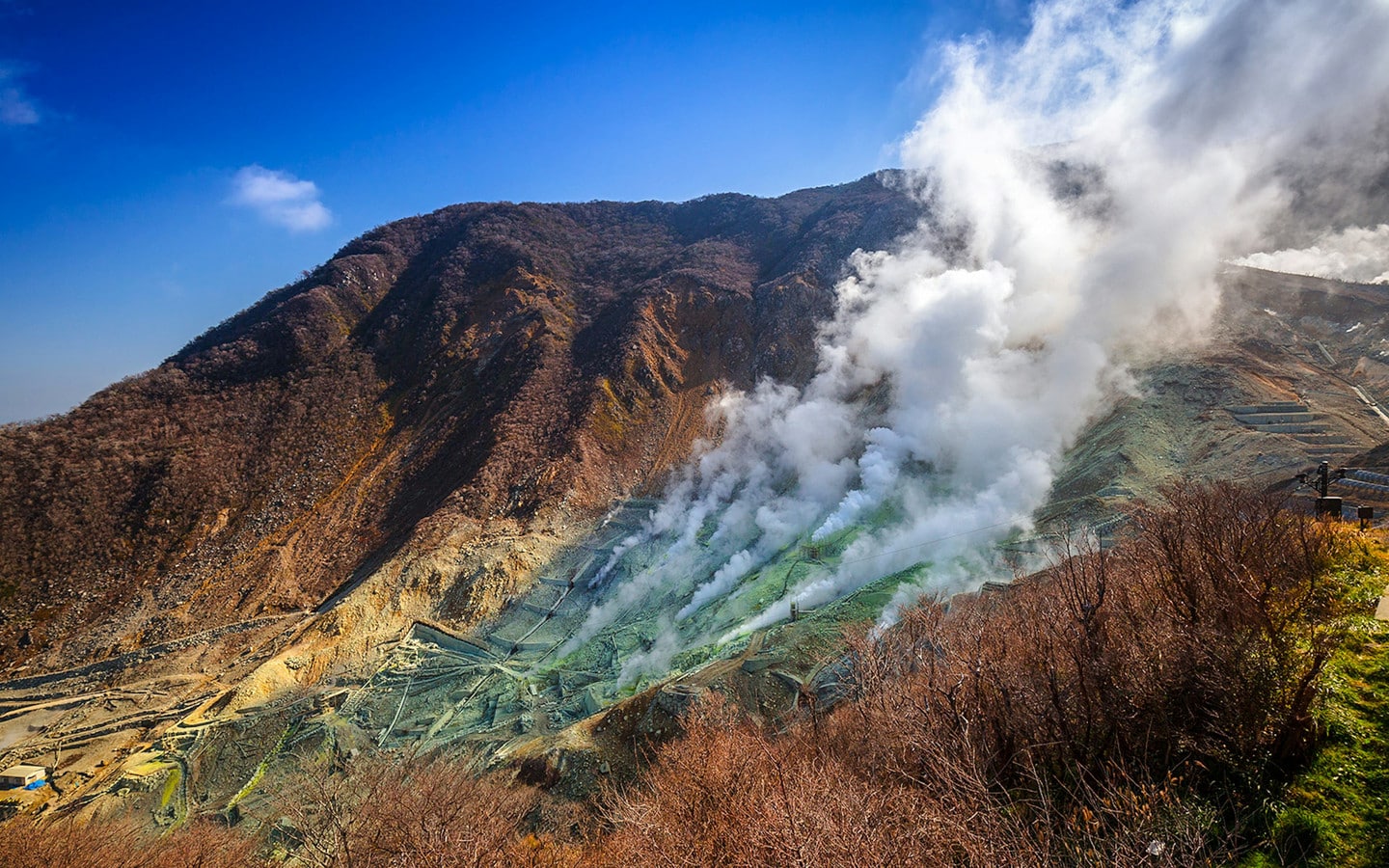
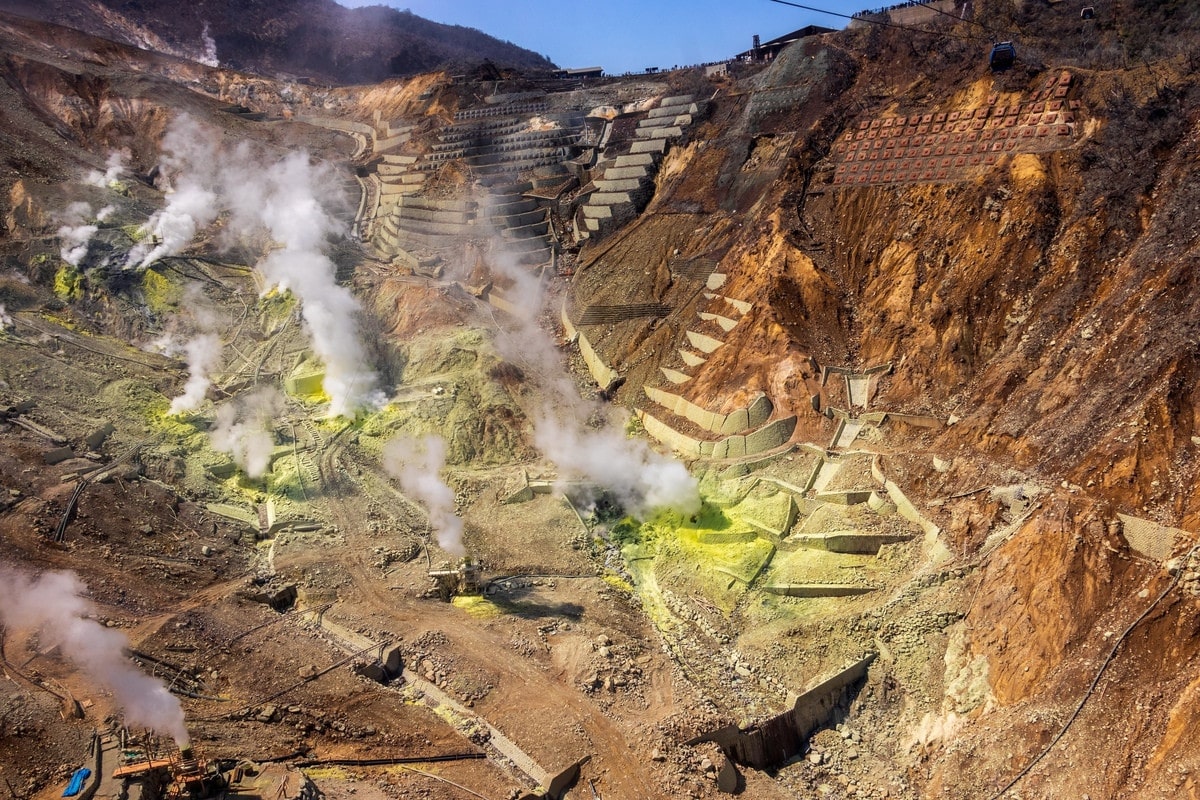
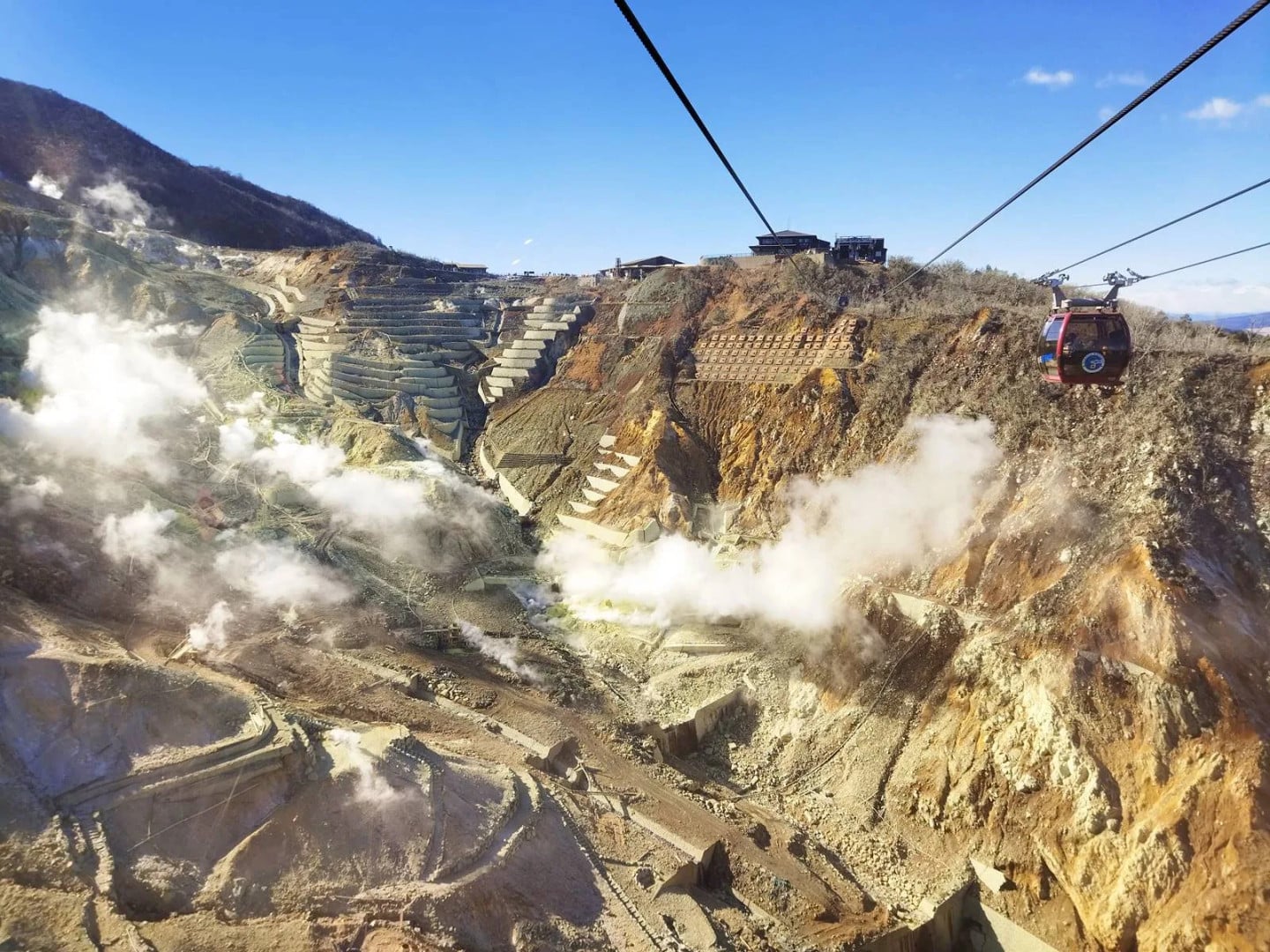
Owakudani is Hakone’s volcanic landscape, formed by an eruption about 3,000 years ago, and still emits sulfur steam. It is also a ropeway relay station, and on clear days you can see Mount Fuji in the distance.
Be sure to try the “kuro-tamago” (black eggs), steamed in 80-degree hot spring water until the shells turn black, about ¥500 per bag, sold at Tamago-chaya and accepting electronic and credit card payments only.
We suggest staying 1-1.5 hours. Open 9:00-16:00, with a free observation deck. It may close when the alert level rises, so check the official site, watch for slippery ground and the sulfur smell, and pregnant women and people with sensitive airways should shorten their stay.
Lake Ashi
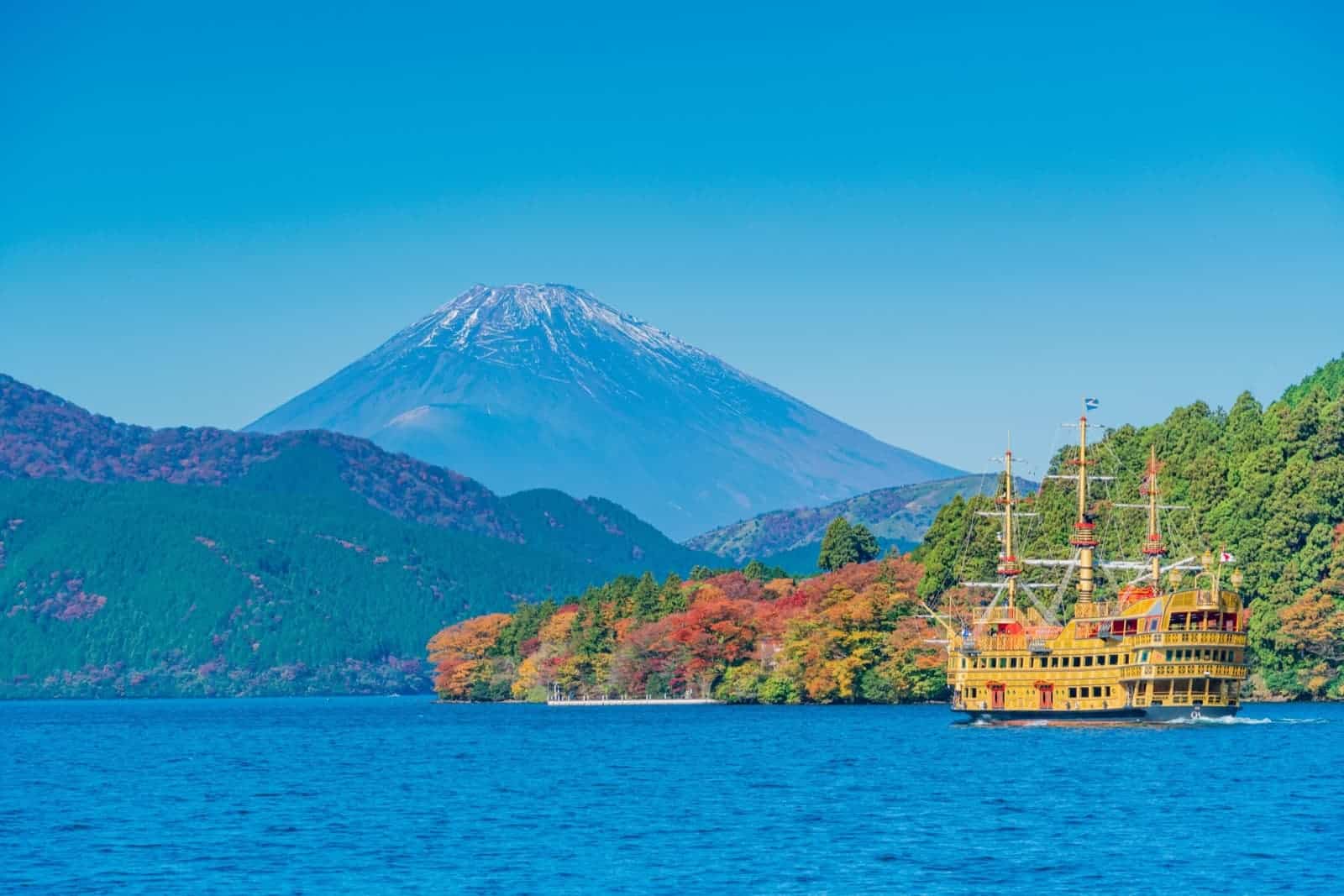
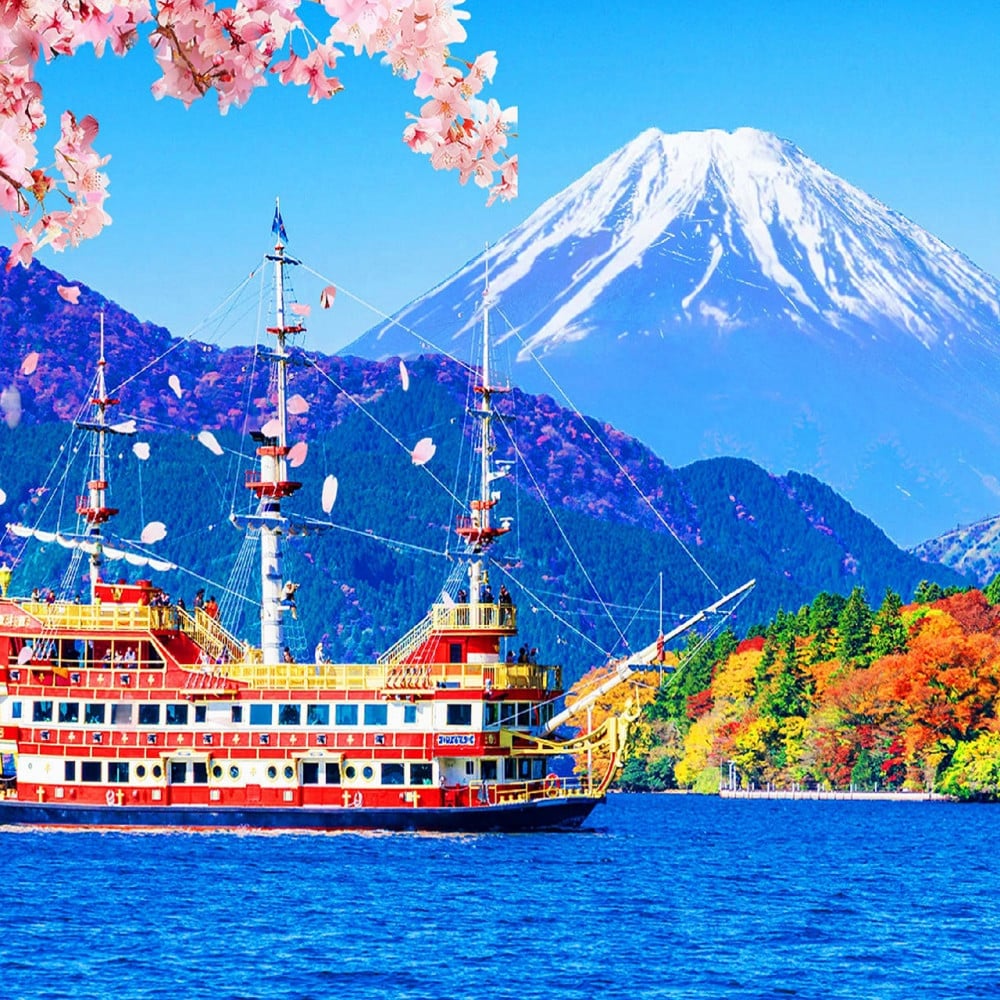
Lake Ashi is a dammed lake formed by Hakone’s volcanic eruption, with a classic view of Mount Fuji reflected on the water, and Hakone-machi Port, Moto-Hakone Port and Togendai Port around it. You can circle the lake on a sightseeing boat styled like a pirate ship, with fares of about ¥600-1,700 depending on the section and a trip of 25-40 minutes. We suggest riding in the morning when the lake is calm and visibility is high; in autumn (mid-November) the maple leaves and snow-capped Mount Fuji make a spectacular scene.
We suggest staying 2-3 hours, combining a lakeside walk with photos of Hakone Shrine’s torii in the water (the red “Heiwa Torii” on the water), a classic Hakone photo spot. Lakeside restaurants serve local cuisine, suitable for lunch.
Hakone Shrine
Hakone Shrine was founded in 757 and enshrines the Hakone Okami, a long-established power spot in the Kanto region where warriors since ancient times prayed for victory and safe travel. Cedar trees line the approach, giving it a solemn atmosphere.
The famous “Heiwa Torii” stands in Lake Ashi and is a popular photo spot. We suggest going at 7-8 a.m. to avoid the crowds and capture the lovely reflections on the lake.
The shrine’s amulet office sells traffic safety omamori (¥800), victory omamori and goshuin stamps (¥500). We suggest staying 1 hour. Visiting the grounds is free; the amulet office is open about 8:15-17:00, and the treasure hall (9:00-16:00) charges ¥500.
Hakone Open-Air Museum
The Open-Air Museum opened in 1969 as Japan’s first outdoor sculpture museum, covering about 70,000 square meters and displaying more than 120 works by sculptors from around the world, including the Picasso Pavilion, which holds about 300 of his paintings, sculptures and ceramics.
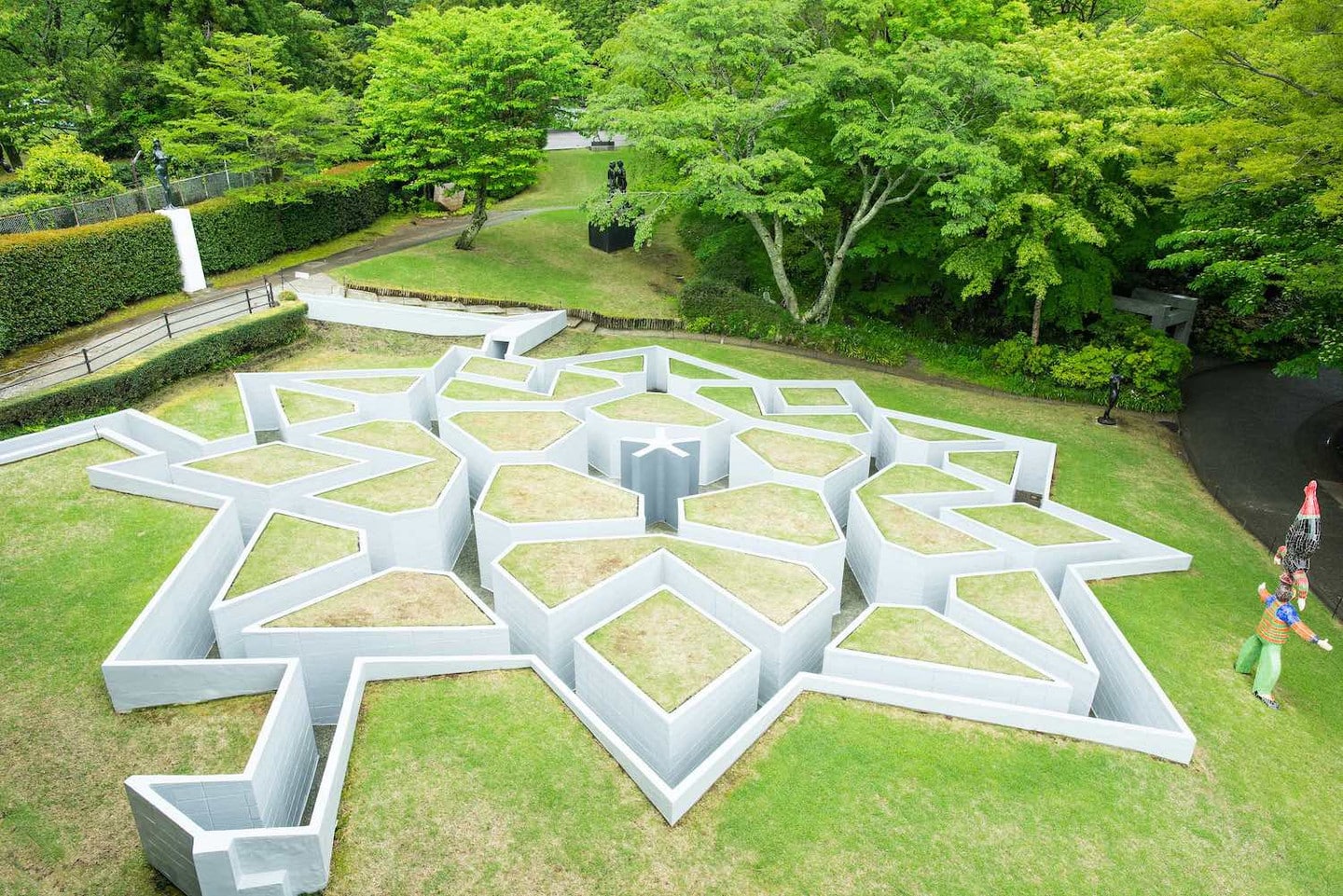
The outdoor exhibits are laid out in several themed areas following the slopes, such as “Sculptures in the Forest” and the “Children’s Kingdom net sculpture,” so adults and children can get close to art in a natural setting. There is also a hot spring foot bath where you can rest your feet when tired.
We suggest staying 2-2.5 hours. Admission is ¥2,000 for adults, ¥1,600 for high school and university students and ¥800 for elementary and junior high students, open 9:00-17:00 (last entry 16:30), at 1121 Ninotaira, Hakone-machi, Ashigarashimo-gun, Kanagawa Prefecture, close to Chokoku-no-Mori Station on the Hakone Tozan Railway and very convenient to reach.
Hakone Venetian Glass Museum
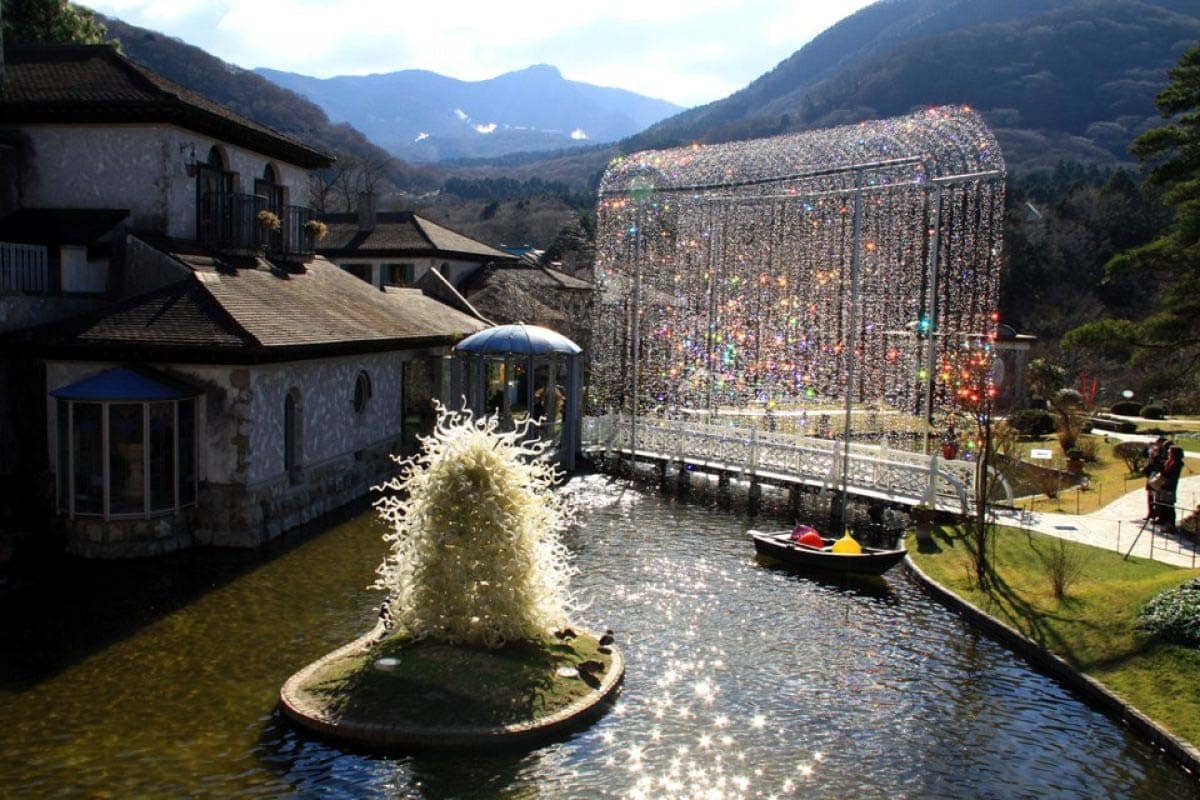
Japan’s first museum devoted to Venetian glass art, with grounds recreating the Italian water city and planted with lavender and roses. The “Corridor of Light” crystal glass bridge is a popular photo spot, and we suggest visiting before evening to capture the changing light. It is divided into two main areas, Venetian and modern glass, exhibiting craft masterpieces from the 15th to 18th centuries, and offers glass-making workshops (from about ¥2,000). Admission is ¥1,800 for adults, open 10:00-17:30 (last entry 17:00), at 940-48 Sengokuhara, Ashigarashimo-gun, Kanagawa Prefecture. We suggest staying 1.5-2 hours.
-Klook.jpg)
Hakone Kowakien Yunessun Hot Spring Resort
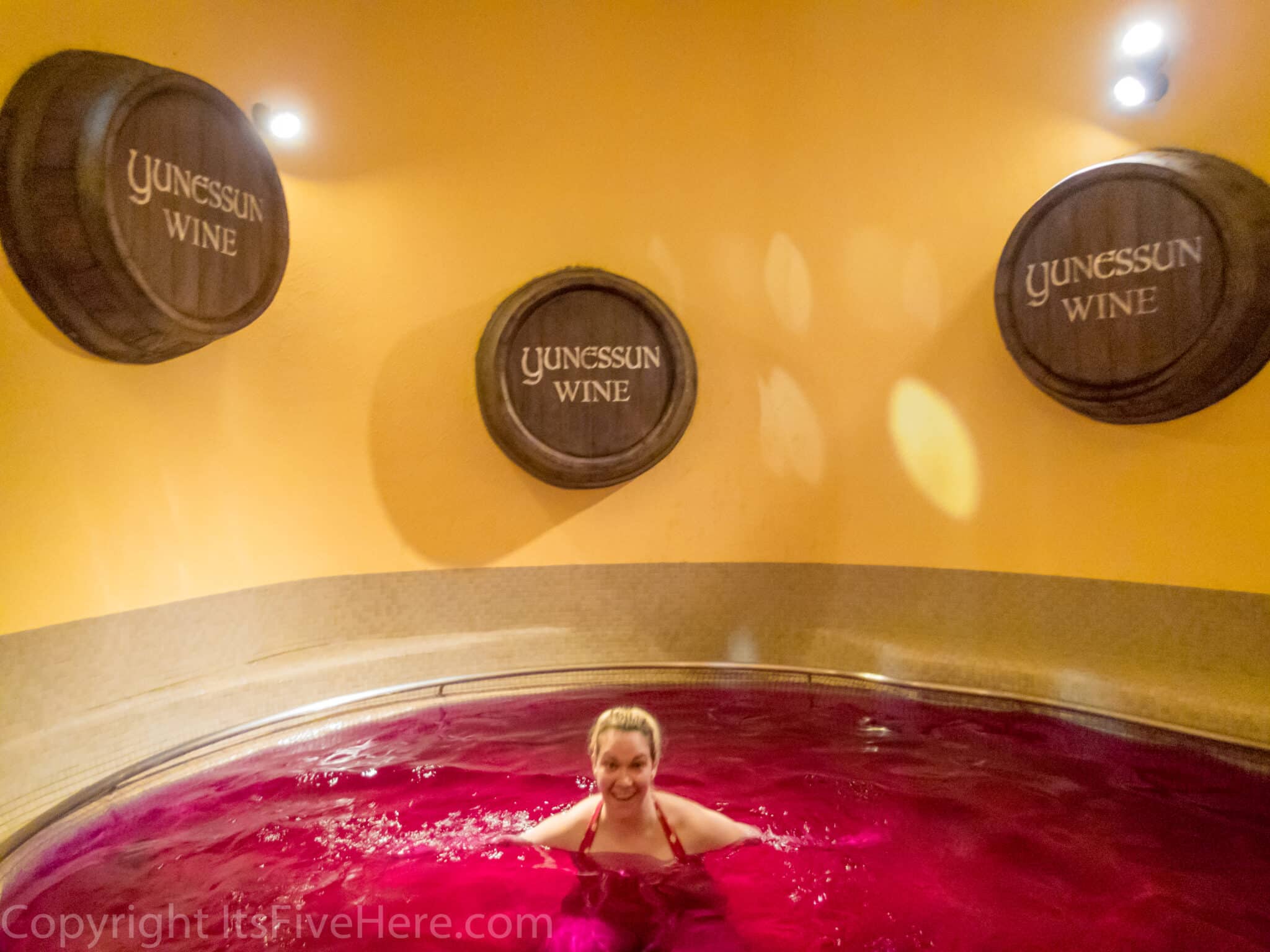
Yunessun combines swimsuit hot springs with traditional bathhouses and is known for its swimsuit-friendly red wine, coffee and sake baths, suited to families and foreign visitors. The park is divided into the swimsuit area Yunessun and the traditional nude bathing area Mori no Yu, and the two areas can be ticketed separately; prices vary by date, so see the official site. We suggest staying 2-3 hours. Yunessun is open 10:00-18:00 on weekdays and 9:00-19:00 on weekends and holidays, and Mori no Yu is open 11:00-20:00. Address: 1297 Ninotaira, Hakone-machi, Ashigarashimo-gun, Kanagawa Prefecture. We suggest bringing your own swimsuit or renting one on site.
Hakone Ropeway (箱根ロープウェイ)
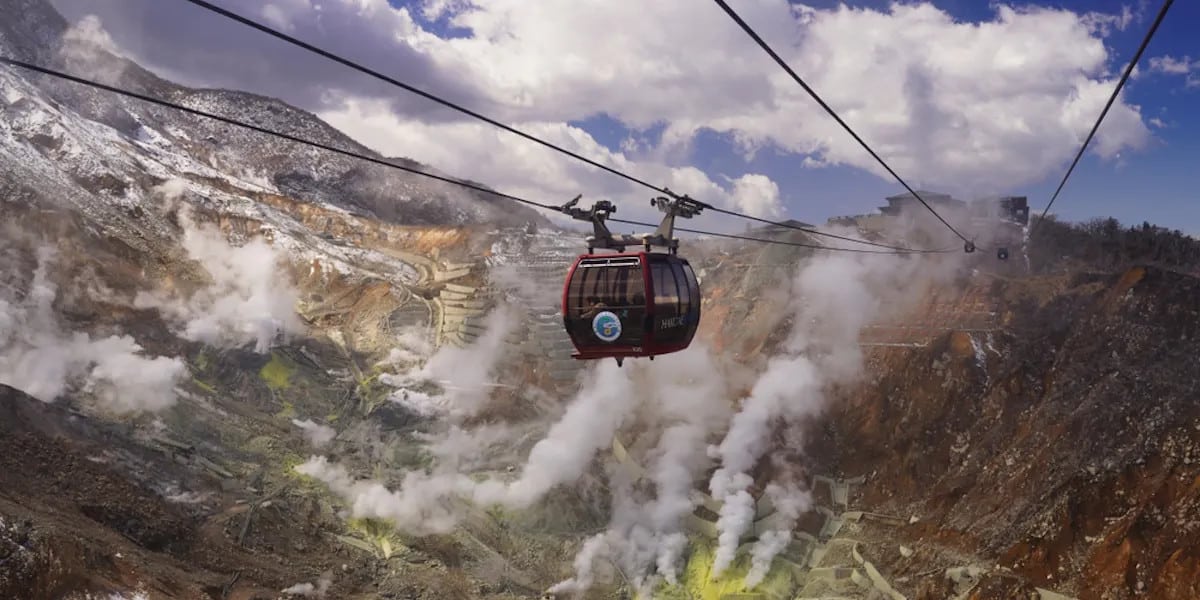
The Hakone Ropeway links Sounzan, Owakudani and Togendai over about 4 km, an excellent spot for taking in Hakone’s volcanic landscape and a full view of Mount Fuji. Passing over Owakudani, you look down on smoking volcanic vents, a stunning sight. On clear days you can see Mount Fuji, Lake Ashi and the surrounding mountains.
The whole trip takes about 30 minutes (about 10 minutes per section, with stops extra). One-way fares vary by section (announced on the official site) and are free with the Hakone Free Pass. Open 9:00-17:00 from February to November and 9:00-16:15 from December to January, and it may stop running because of strong winds or volcanic alerts.
Narukawa Art Museum
The Narukawa Art Museum is on the Moto-Hakone highlands and holds more than 500 Japanese-style paintings, including originals by masters such as Higashiyama Kaii and Hirayama Ikuo. The observation room’s floor-to-ceiling windows frame Lake Ashi and Mount Fuji like a painting, earning it the title “Hakone’s most beautiful scenic art museum.”
The museum cafe lets you sip tea while enjoying the lake and mountain scenery through the seasons. We suggest staying 1-1.5 hours. Admission is ¥1,500 for adults, ¥1,000 for high school and university students and ¥500 for elementary and junior high students, open 9:00-17:00, at 570 Moto-Hakone, Hakone-machi, Ashigarashimo-gun, Kanagawa Prefecture, close to Hakone Shrine so you can visit both.
How Much Does a Hakone Trip Cost? Admission, Experience Tours and Pass Costs
The biggest headache before planning a Hakone trip is how to estimate transport and admission costs. Hakone is large, with attractions scattered around Lake Ashi, Owakudani, Gora and Sengokuhara, and without understanding the ticket system first you could waste a lot of money buying individual tickets and entrance fees. Below we list the essential costs, including the Hakone Free Pass, the Lake Ashi pirate ship, the Owakudani ropeway and the Hakone Open-Air Museum, so you know what to expect before you go, and can book online in advance to save time queuing for tickets on site.
Hakone Free Pass
The Hakone Free Pass comes as a 2-day pass (about ¥7,100) and a 3-day pass (about ¥7,500, departing from Shinjuku), with unlimited rides on the mountain train, cable car, ropeway, pirate ship and some buses.
Pass holders get discounts at more than 70 places including the Hakone Open-Air Museum and the Hakone Museum of Art. It suits a two-day trip, and we suggest buying an e-voucher on KKday or Klook and exchanging it for a physical ticket at Shinjuku Station to avoid queuing.
For a one-day round trip, you can buy the “Hakone & Mt. Fuji Pass” instead, or a one-way ticket plus individual admission tickets, working out the cheapest combination for your number of days.
Owakudani Black Eggs and the Ropeway
The Hakone ropeway from Sounzan to Owakudani takes about 8 minutes, with views of sulfur smoke and Mount Fuji (free with the pass).
Be sure to try the black eggs (about ¥500 per bag); legend says eating one adds seven years to your life.
The Owakudani Nature Trail uses guided entry: reserve on the official site, with no on-site ticket sales, and an ¥800 safety fee (electronic payment) applies. Tours run at 10:00, 11:30, 13:00 and 14:30 daily, limited to 30 people, and you should check in at the 1st floor of Kurotamago-kan 20 minutes early. The ropeway shop is open 9:00-17:00.
Lake Ashi Pirate Sightseeing Ship
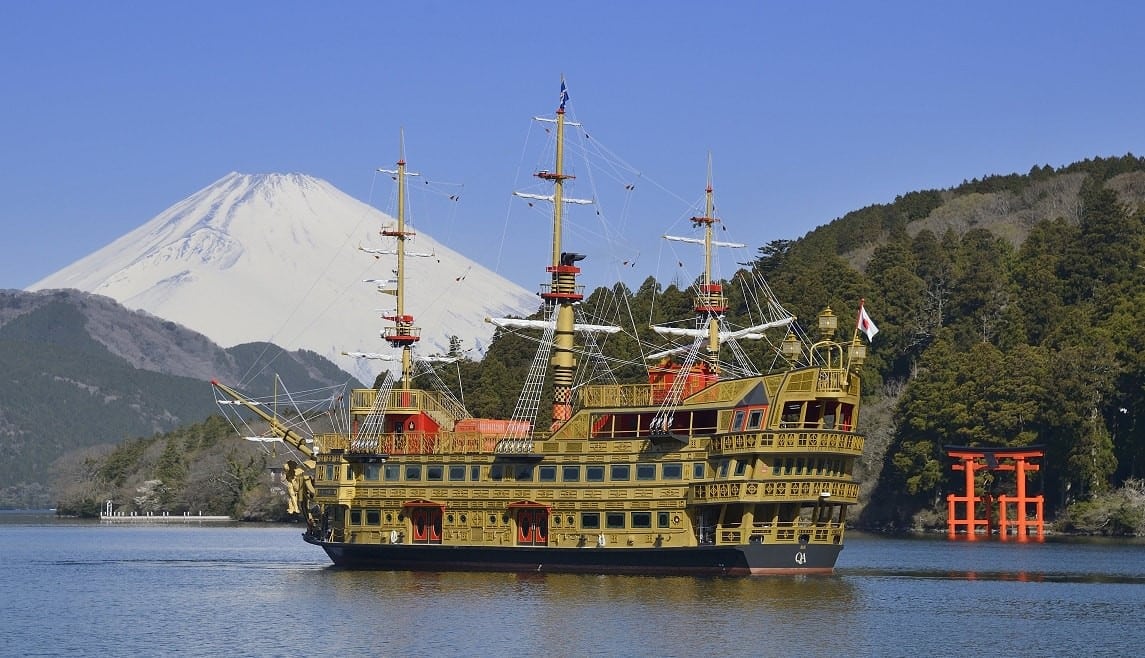
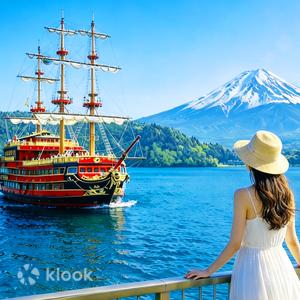
The Lake Ashi pirate ship is a popular lake transport in Hakone, styled after an 18th-century European pirate ship and running between the three piers of Togendai, Hakone-machi and Moto-Hakone. A one-way fare is about ¥600 to ¥1,700 for adults (by section, new fares from October 2025), and it is free with the Hakone Free Pass. The ride takes 25 to 40 minutes, and on clear days you can see Mount Fuji reflected on the lake. Hakone Shrine’s torii in the water on the lakeshore is also a popular photo spot. We suggest riding in the morning when visibility is high and there are fewer visitors. It operates from about 9:30 a.m. to 4 p.m. with fewer sailings in winter, so check the timetable in advance and plan connections with the ropeway and buses to avoid long waits.
Hakone Open-Air Museum Tickets
The Open-Air Museum is in Gora and is Japan’s first outdoor sculpture museum, covering about 70,000 square meters and exhibiting works by masters such as Picasso and Henry Moore. Admission is ¥2,000 for adults, ¥1,600 for high school and university students and ¥800 for elementary and junior high students, with a discount for Hakone Free Pass holders.
The park has a 3D maze, the stained-glass tunnel “Tower of Happiness Bell” and the foot bath “Forest Bath”, suited to families or couples for a half-day stroll.
Open from 9 a.m. to 5 p.m. (last entry 4:30 p.m.), open every day of the year, and we suggest allowing 2 hours for your visit.
Where to Stay in Hakone: How to Choose an Onsen Ryokan and Plan Your Ippaku Nishoku Stay

Hakone is large, with attractions scattered around Hakone-Yumoto, Gora, Sengokuhara and the Lake Ashi area. On a day trip you can see at most 2-3 core sights; staying one night lets you play more at ease and also experience Hakone’s most representative “ippaku nishoku” (one night, two meals) onsen ryokan culture, where check-in includes a refined kaiseki dinner and a Japanese breakfast, and in the evening you can soak in your room or the large public bath. Below are Hakone’s accommodation choices by area, to help you pick a base to suit your route.
Hakone-Yumoto: First Choice for Beginners, Most Convenient Transport
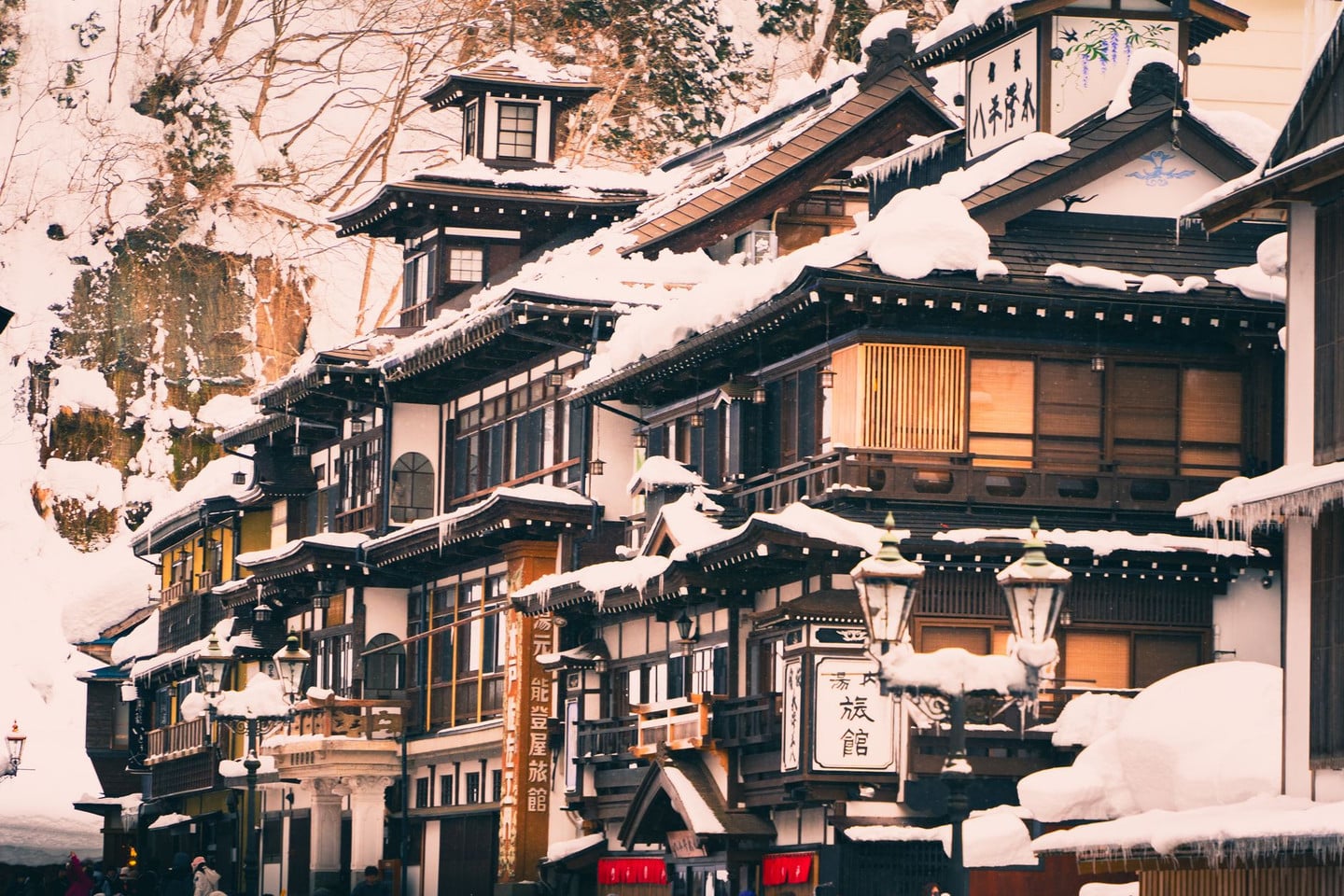
Hakone-Yumoto is the starting point of the Hakone Tozan Railway and the terminus of the direct Odakyu Romancecar, about 80-85 minutes from Shinjuku, with hot spring ryokan and shopping streets clustered nearby. It suits first-time visitors who want to arrive easily without dragging luggage through transfers.
The downside is that it is far from main sights such as Owakudani and Lake Ashi, so you still need to take the mountain train or a bus the next day; we suggest setting out early to avoid the crowds.
Gora and Sengokuhara: Close to Museums and the Pampas Grass Field
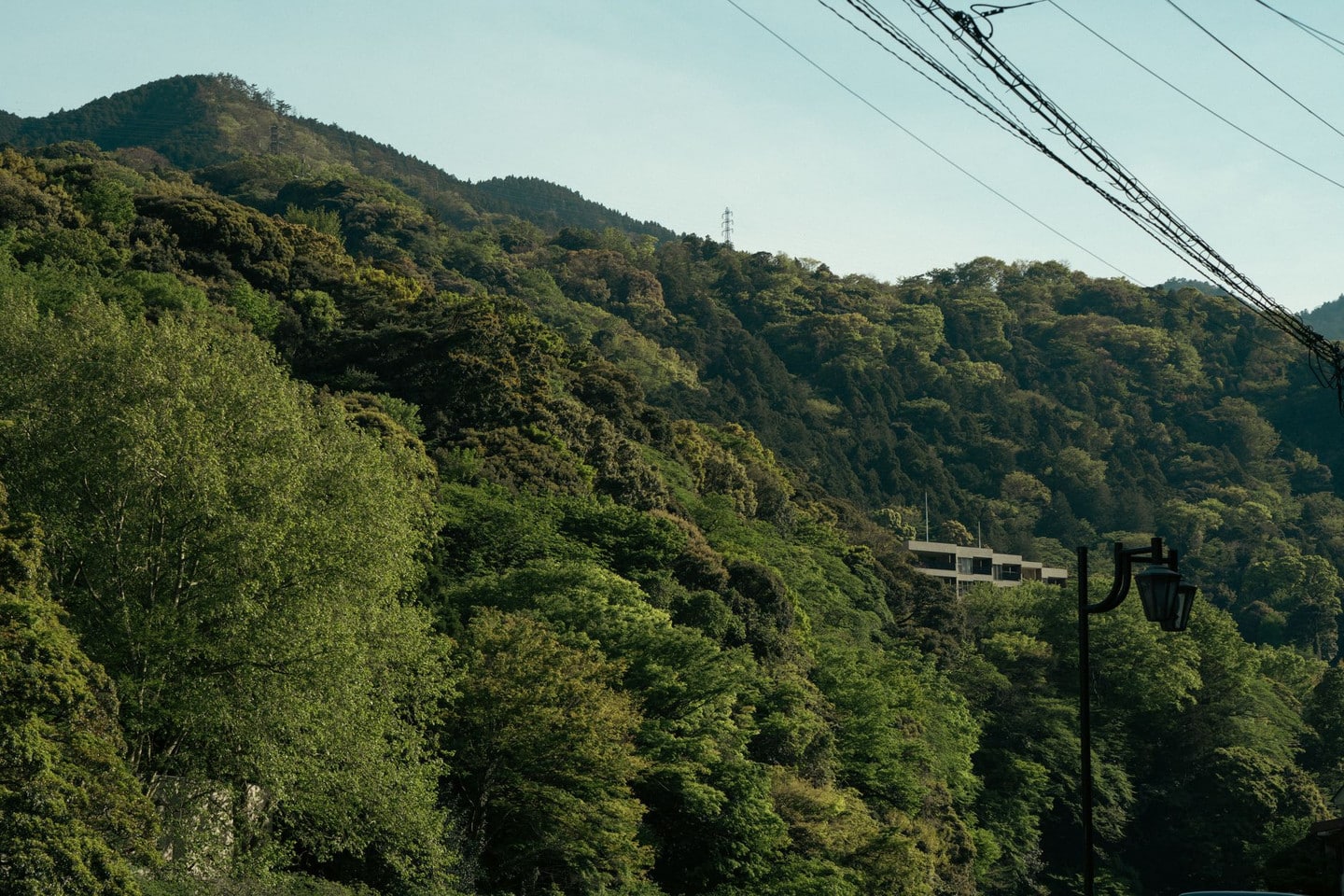
The Gora and Sengokuhara area is close to the Hakone Open-Air Museum, the Hakone Venetian Glass Museum and the Sengokuhara Pampas Grass Field. Many onsen ryokan offer open-air baths with Mount Fuji or mountain views, suiting travelers who want to tour museums, see pampas grass in autumn or hydrangeas in summer. The next day you can walk or take a bus to nearby sights, saving travel time.
Lakeside Lake Ashi: Front-Row Lake and Mount Fuji Views
The Moto-Hakone and Hakone-machi area is right on Lake Ashi. Some onsen ryokan and hotels have open-air baths with direct Mount Fuji or lake views, suiting travelers who want a view and are willing to pay a higher budget. In the evening you can enjoy the stars and reflections on the lake, and the next day you can walk to Hakone Shrine and the pirate ship pier, making connections very smooth.
From Moto-Hakone Port and Hakone-machi Port you can take the pirate sightseeing ship to and from Togendai, a trip of about 25 to 40 minutes, free with the Hakone Free Pass, making a Lake Ashi cruise easy to fit into your stay.
Ippaku Nishoku Culture and Booking Tips
Hakone onsen ryokan mostly use the “ippaku nishoku” system, where the room rate includes dinner and breakfast. Dinner is commonly kaiseki or a buffet, and some ryokan even offer free late-night ramen. In the off-season the average is from about US$126 per person per night, while in peak season (autumn foliage, year-end and New Year, Golden Week) rates often double and you need to book 1-2 months ahead. When booking, watch the check-in and check-out times (mostly 15:00 check-in and 10:00 check-out) and whether tax and the bathing tax are included, and confirm whether the room has a private bath. If you dislike crowds, prefer weekday stays.
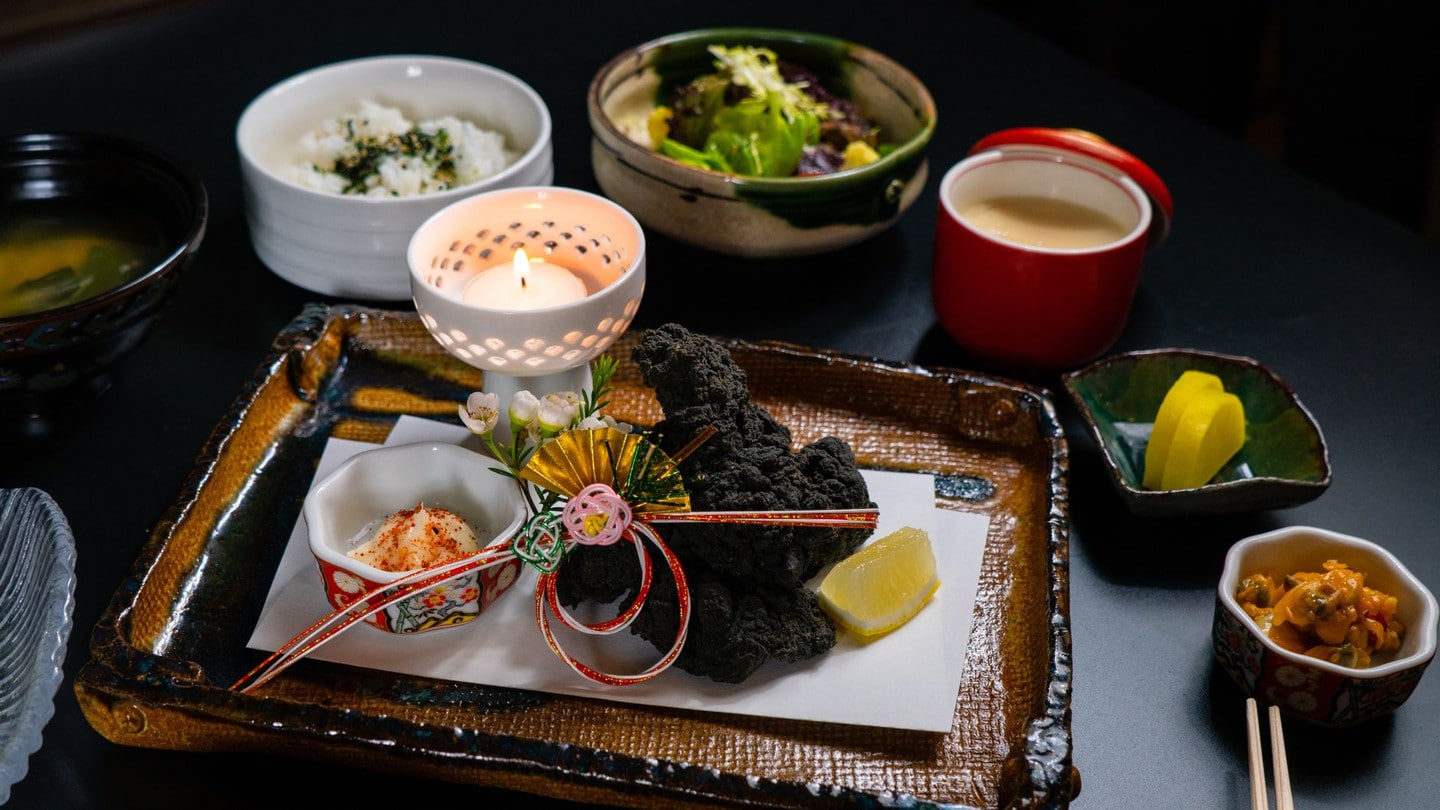
Illustration of an ippaku nishoku kaiseki meal
Hakone Day Trip vs. Two-Day Trip: Classic Route Suggestions
Hakone’s sights are spread across several transport links, and using the Hakone Free Pass to connect the mountain train, cable car and pirate ship is the most efficient way to plan your route. Below are route suggestions for a day trip and a two-day, one-night trip, which you can adjust flexibly to the length of your stay.
Classic One-Day Hakone Route
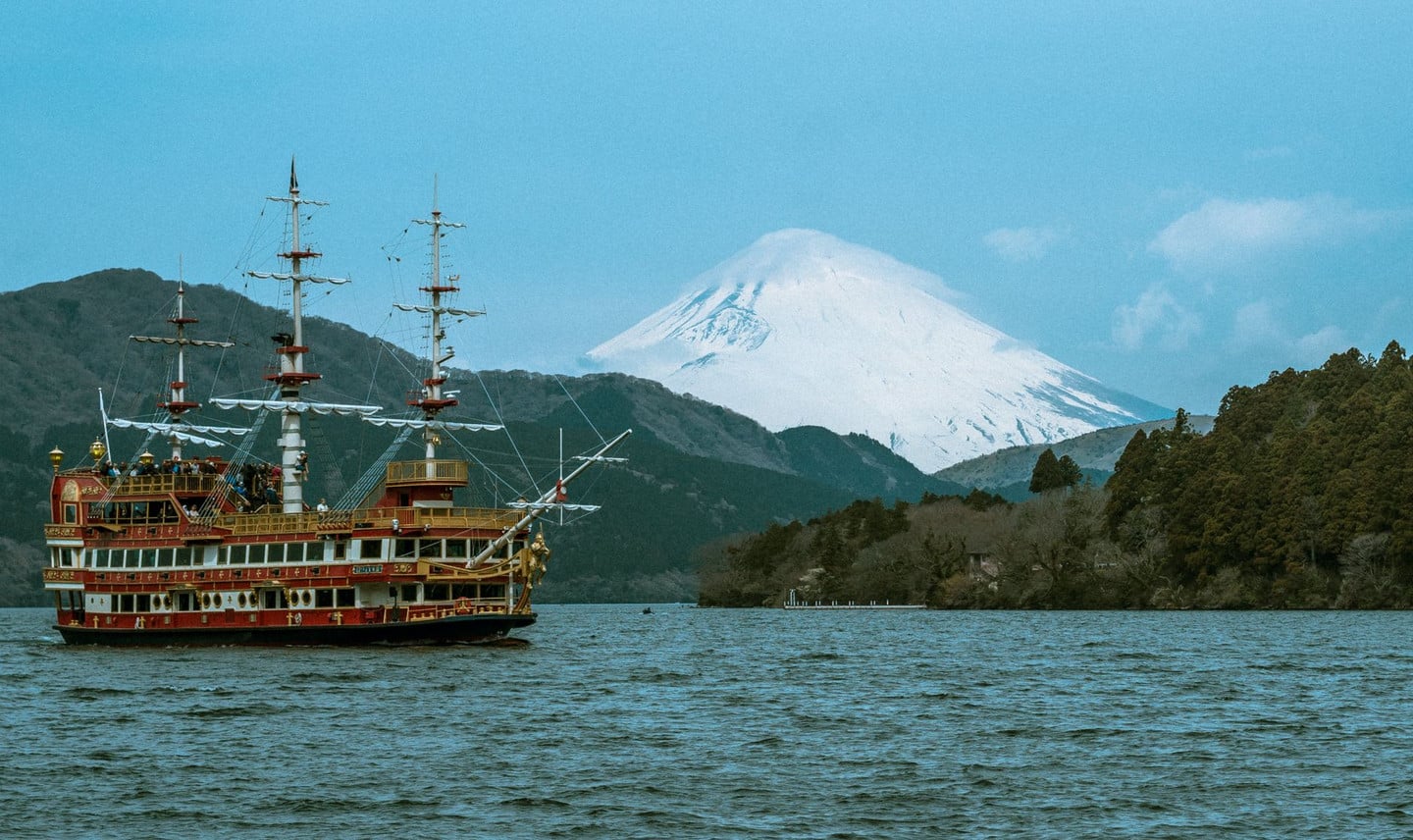
Illustration of a Hakone day trip: the Lake Ashi pirate sightseeing ship
Two-Day, One-Night Hakone Route
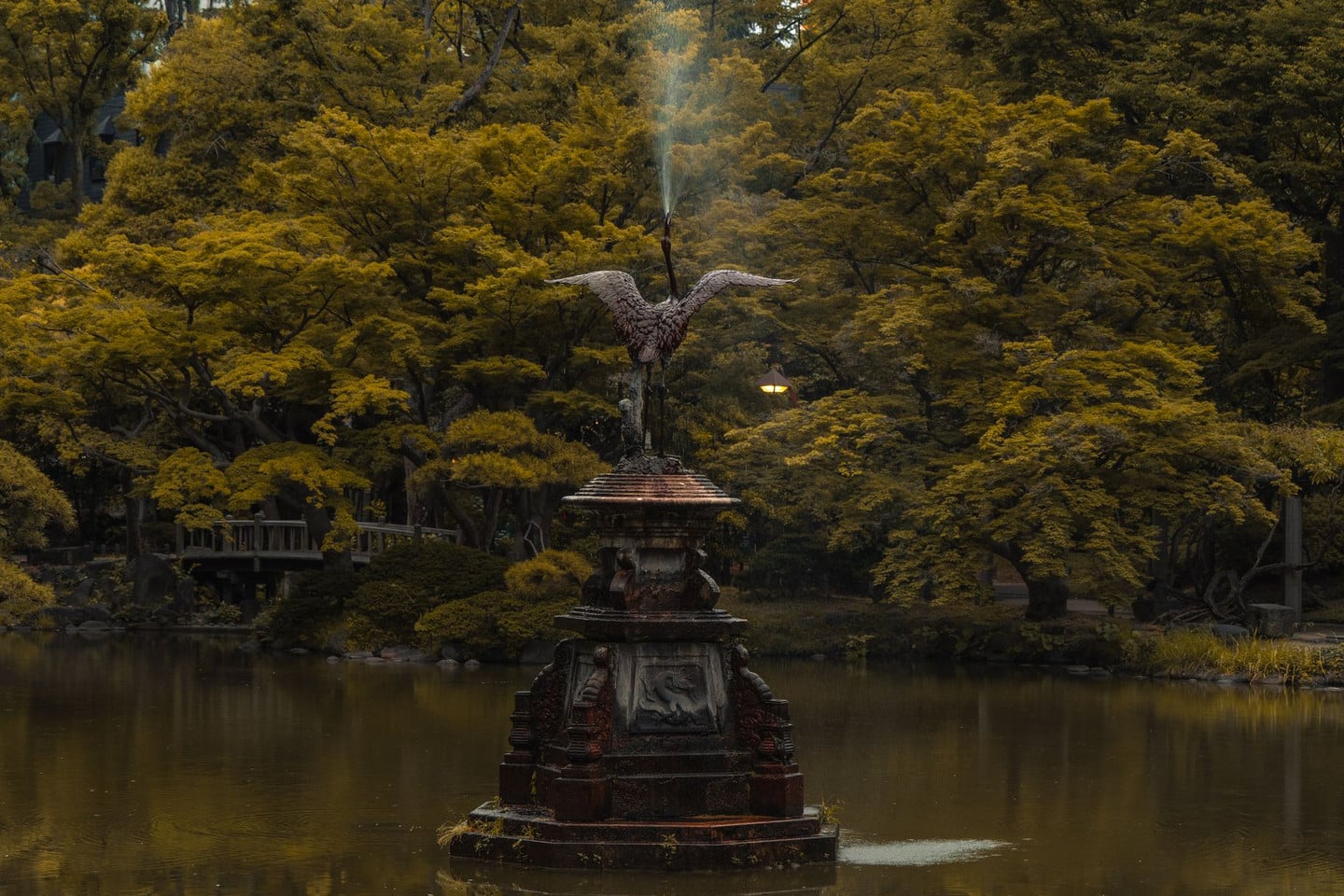
Illustration of a two-day Hakone trip: Gora Park garden
cu-mo Hakone: Free Foot Bath Observation Deck at Sounzan Station
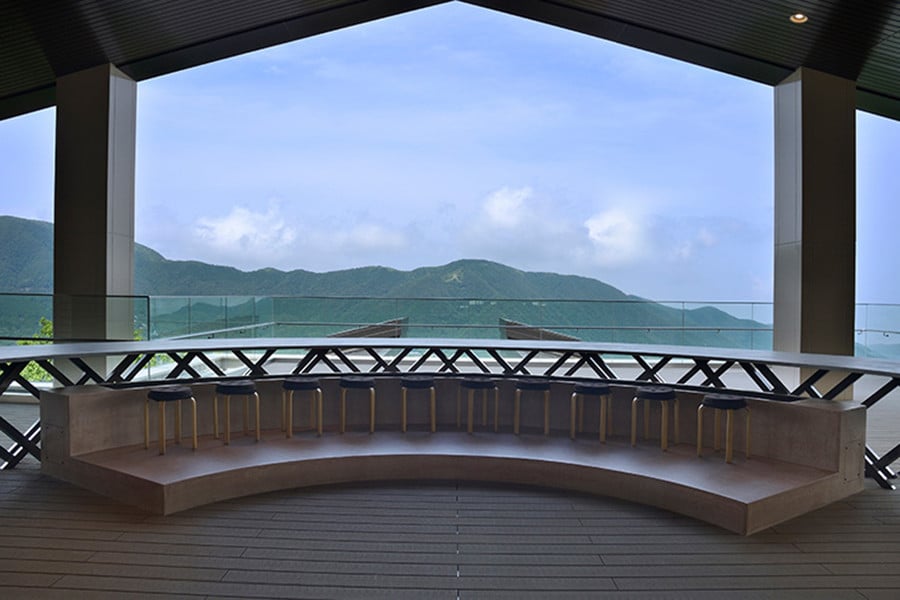
Illustration of the cu-mo Hakone foot bath observation deck
2026 Hakone Travel FAQ
Below are the Hakone questions travelers search most often, including useful information on ticket costs, transport and the best seasons to visit.
Q: How much is the Hakone Free Pass and where do I buy it?
The 2-day pass from Shinjuku is ¥7,100 and the 3-day pass is ¥7,500 (from Odawara, ¥6,000 and ¥6,400). You can buy it in advance at the Shinjuku Odakyu Travel Service Center, Hakone-Yumoto Station or online on the official site.
Q: How much does it cost to visit Hakone Shrine?
Visiting the Hakone Shrine grounds is free, and the treasure hall charges adults ¥500. Hakone Motomiya on the summit of Mount Komagatake requires a separate ride on the Komagatake Ropeway, about ¥2,200 round trip.
Q: Do I need a reservation for the Owakudani Nature Trail?
Yes. The Owakudani Nature Trail has switched to a “guided entry” system, and you must reserve a time slot in advance through the official online system (hakone.or.jp/od-booking). On-site queuing and ticket sales are not available, and each person pays an additional ¥800 safety assistance fee (electronic payment only). It also closes if the volcanic alert level is raised, so check the official announcement before you go.
Q: Can I still visit the Little Prince Museum in Hakone?
No. The Little Prince Museum in Hakone officially closed on March 31, 2023. Do not include this sight in your Hakone itinerary, or you will arrive to find it closed.
Q: When is the best season to visit Hakone?
Hydrangeas in June, autumn leaves in November and the Sengokuhara pampas grass from September to November are Hakone’s three most popular seasons, while winter offers snowy views of Mount Fuji, so each of the four seasons has its own character.
Q: Is Hakone better as a day trip or an overnight stay?
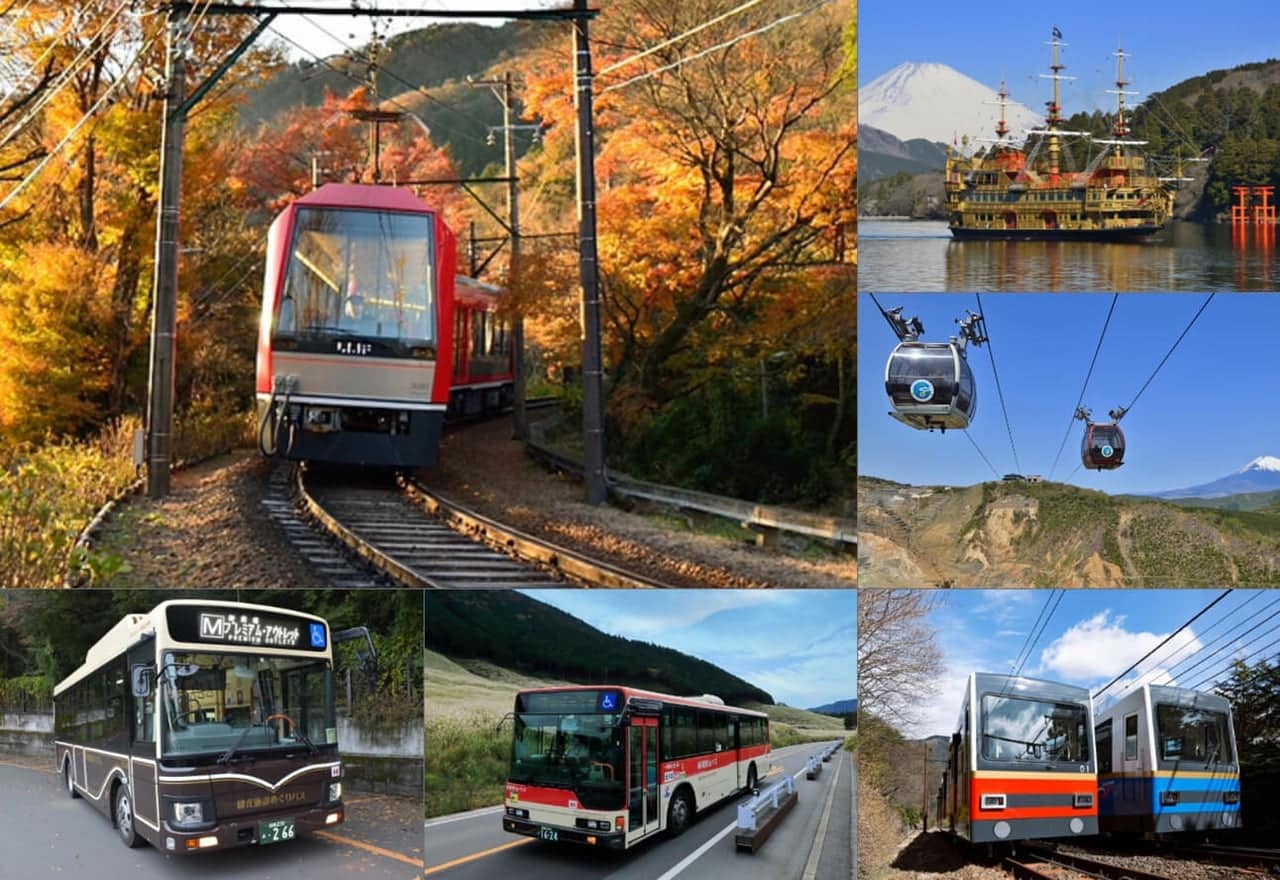
A closer look at the latest 2026 Hakone Free Pass fares
Q: How long does it take to get from Tokyo to Hakone?