
Asakusa Local Favorites 2026: A Guide to Shitamachi Charm and the Must-Visit Streets
Asakusa is the heart of Tokyo’s shitamachi culture. Around Sensoji Temple, a web of shopping streets lined with long-established shops stretches outward, and it deserves at least half a day of unhurried exploring.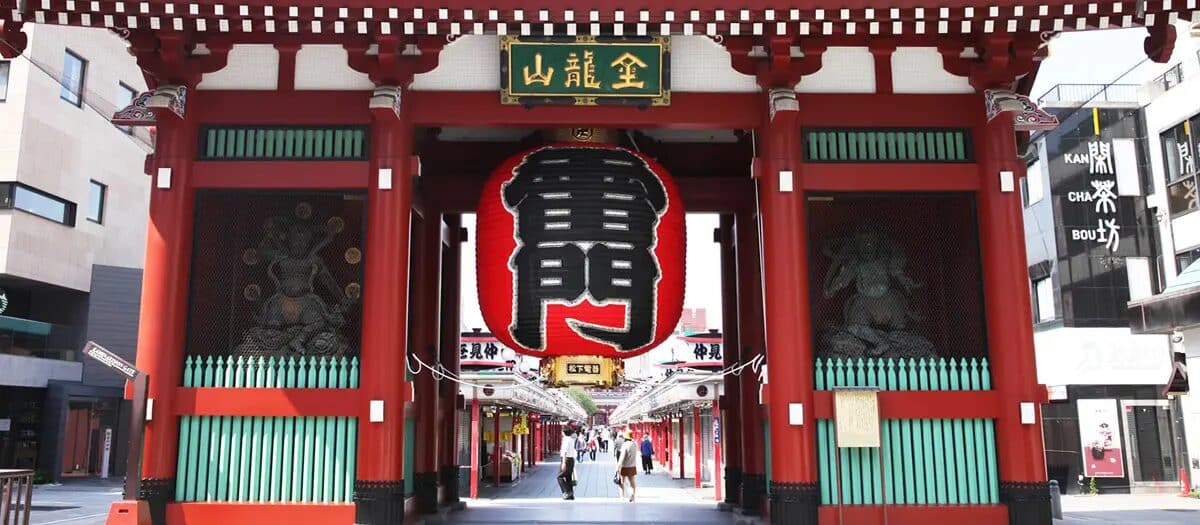
Ningyo-yaki and Imo Yokan: Kimuraya Ningyoyaki Honpo and Funawa Nakamise Branch
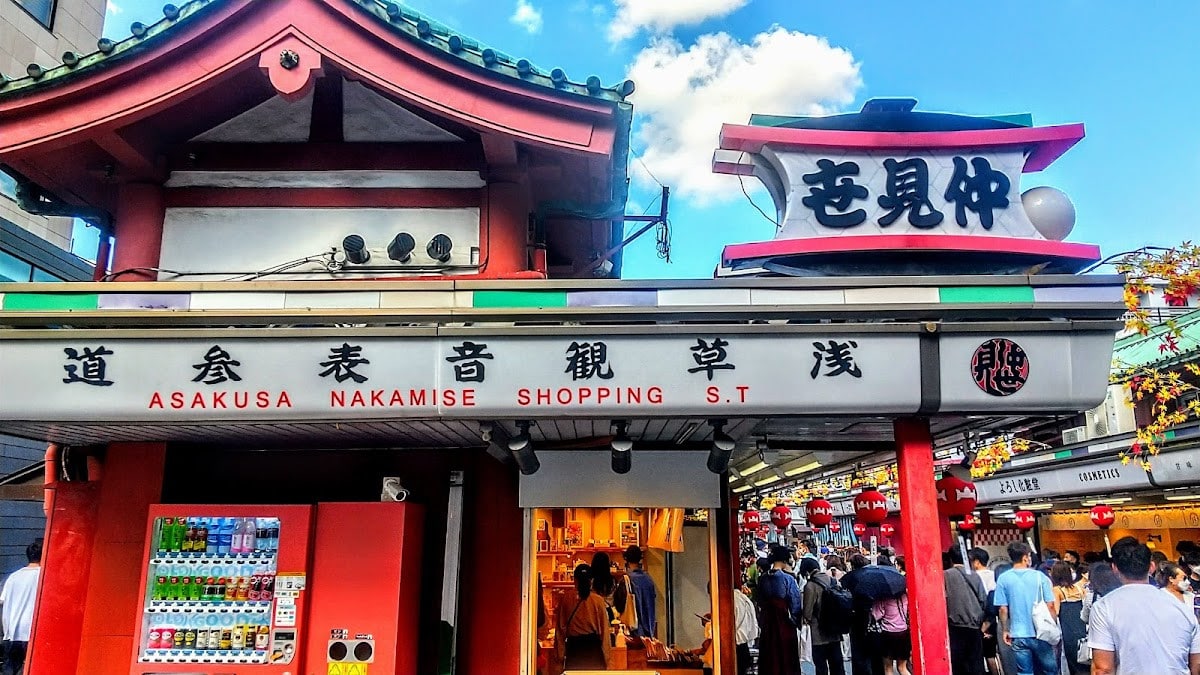
Kimuraya Ningyoyaki Honpo is the oldest ningyo-yaki shop on Nakamise Shopping Street. It fills its cakes with red bean paste made from Tokachi azuki beans from Hokkaido and bakes them in four Asakusa-themed shapes: a pigeon, the five-story pagoda, a paper lantern and the Thunder God. Funawa, on the same street, is known for its signature imo yokan (sweet potato jelly), and also serves limited-edition flavors and imo yokan soft serve that you can enjoy on the spot. Both shops stand on the century-old approach that links Kaminarimon to Sensoji, about 250 meters long and lined with nearly 90 shops on either side, making it one of the oldest shopping streets in Japan.
Eating while walking is not allowed on Nakamise Shopping Street or within the Sensoji grounds, so enjoy your food at a nearby seat or a designated rest area before heading to the temple. Most shops close around 5 p.m., so we recommend visiting during the day.
- 🍡 Must-try: Kimuraya ningyo-yaki, Funawa imo yokan soft serve
- 💰 Price: ningyo-yaki from about ¥800, imo yokan from about ¥260
- 🚉 Access: Nakamise Shopping Street, about 2 minutes on foot from Asakusa Station
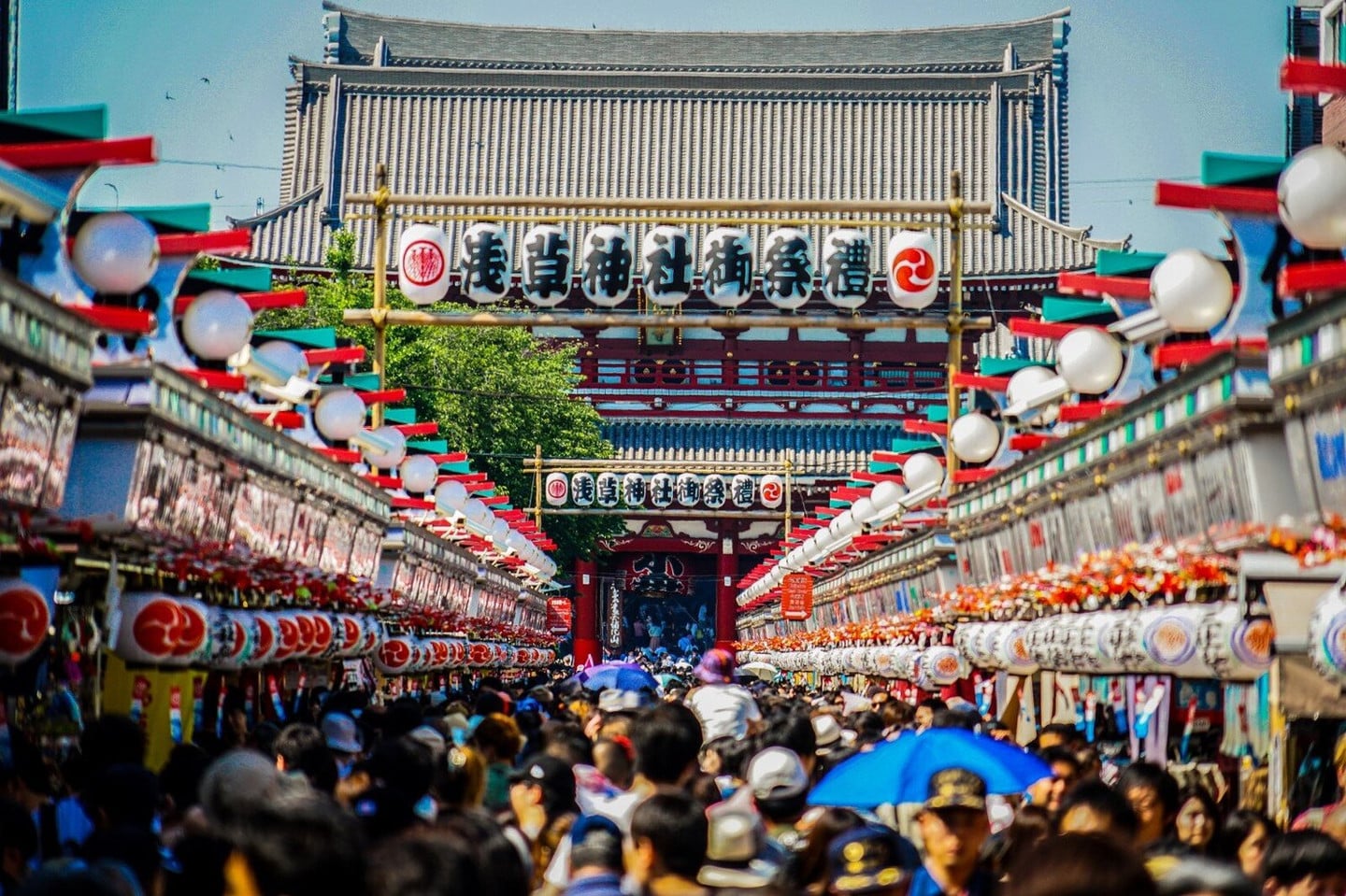
Snack Alleys Around Kaminarimon: Century-Old Shops and Showa-Era Kissaten
The alleys between Kaminarimon and Sensoji are packed with century-old shops and retro Showa-style kissaten (coffee houses). Breakfast, afternoon tea and late-night snacks are all within walking distance, including the croquette and tempura shops introduced later in this article, so you can combine your temple visit and your meals perfectly.
We suggest visiting Sensoji in the morning and drawing an omikuji fortune, then having a traditional meal such as unagi rice or sukiyaki nearby at midday. In the late afternoon, head toward Nishi-Sando or Kappabashi to discover more hidden local favorites.
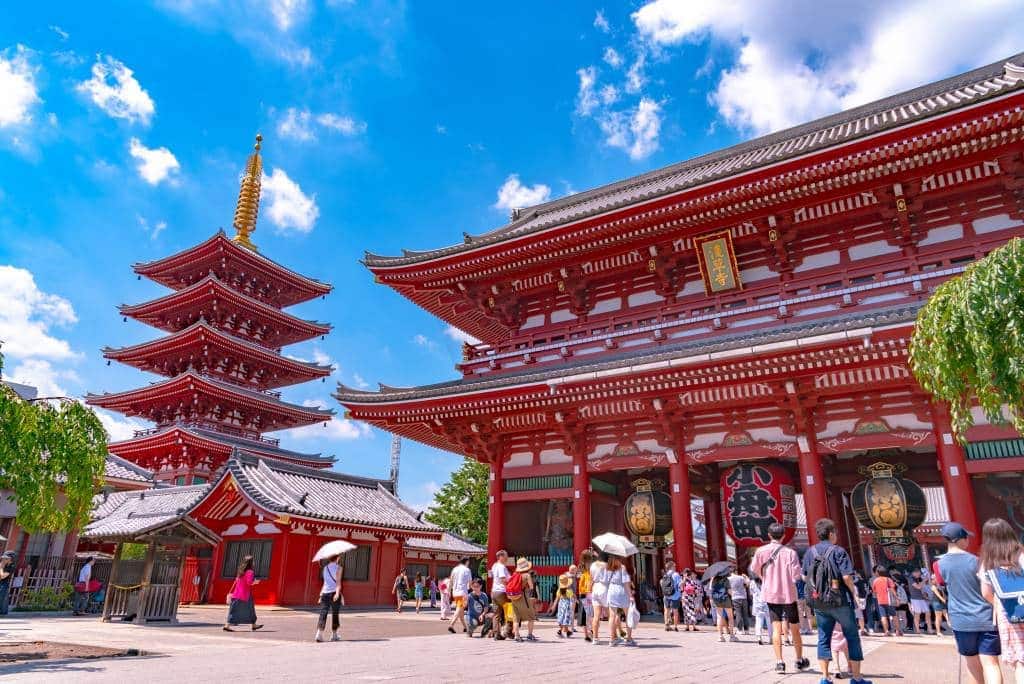
Shin-Nakamise Shopping Street: Artisan Soba and Budget Diners in a Covered Arcade
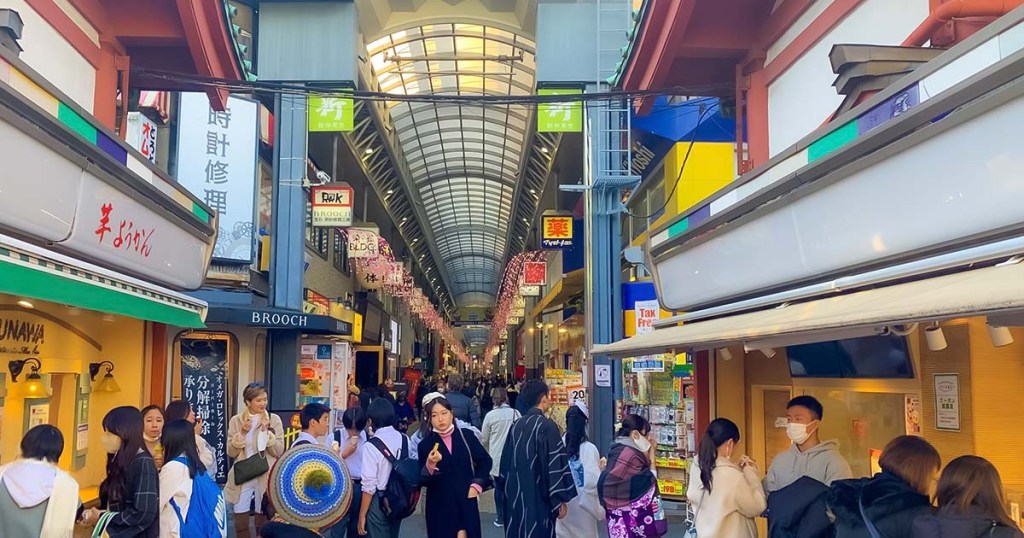
Shin-Nakamise Shopping Street crosses Nakamise Shopping Street at a right angle and is a covered arcade closer to the everyday life of Asakusa residents. About 300 meters long, its roof shelters you from wind and rain, making it a great place to visit on a rainy day. The street also has artisan hand-cut soba shops worth queuing for (see the food picks later in this article).
The area also has budget diners, ramen shops, drugstores and souvenir shops, with prices a little friendlier than in the main tourist zone. It suits a lunch after your temple visit, letting you avoid the crowds on Nakamise Shopping Street and enjoy a relatively relaxed meal.
Nordic-Style Coffee and Artisan Soba: Fuglen Asakusa
Fuglen Asakusa, a popular coffee shop from Norway, is at Asakusa 2-6-15, about 3 minutes on foot from Asakusa Station on the Tsukuba Express, and is known for specialty coffee and Nordic-style cocktails. It is close to Hanayashiki amusement park, so it works well for families: ride the nostalgic attractions, then enjoy afternoon tea.
- ☕ Must-try: specialty hand-drip coffee, Nordic-style cocktails
- 💰 Price: coffee from about ¥600, cocktails from about ¥1,200
- 🚉 Access: about 3 minutes on foot from Asakusa Station (Tsukuba Express), about 8 minutes from Asakusa Station (Ginza Line)
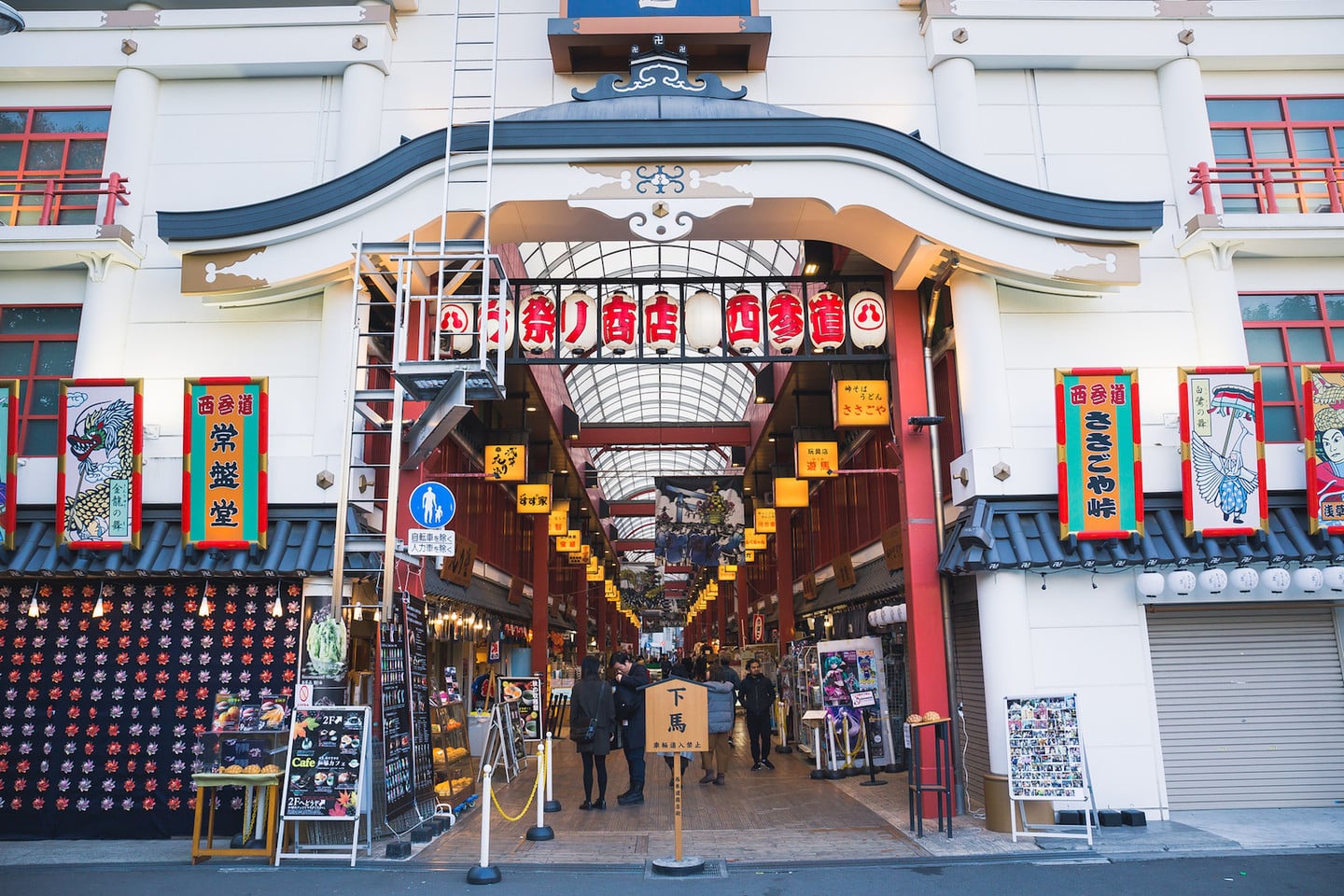
Asakusa Nishi-Sando Shopping Street: Arcade, Cypress Floors and Browsing Highlights
Asakusa Nishi-Sando Shopping Street connects the Asakusa Rokku entertainment district with Sensoji. It has an Edo-style arcade with warm-toned cypress flooring, so strolling is comfortable even in the rain. The street has about 15 shops, including stage costumes, Japanese swords, Tokyo souvenirs, and hands-on attractions such as goldfish scooping and target shooting, plus Chinese restaurants and liquor specialty stores. If you want to escape the crowds after Nakamise Shopping Street, stop by here on your way, then have a coffee at nearby Fuglen Asakusa (Asakusa 2-6-15).
Artisan Miso Soup Specialty Shop: MISOJYU
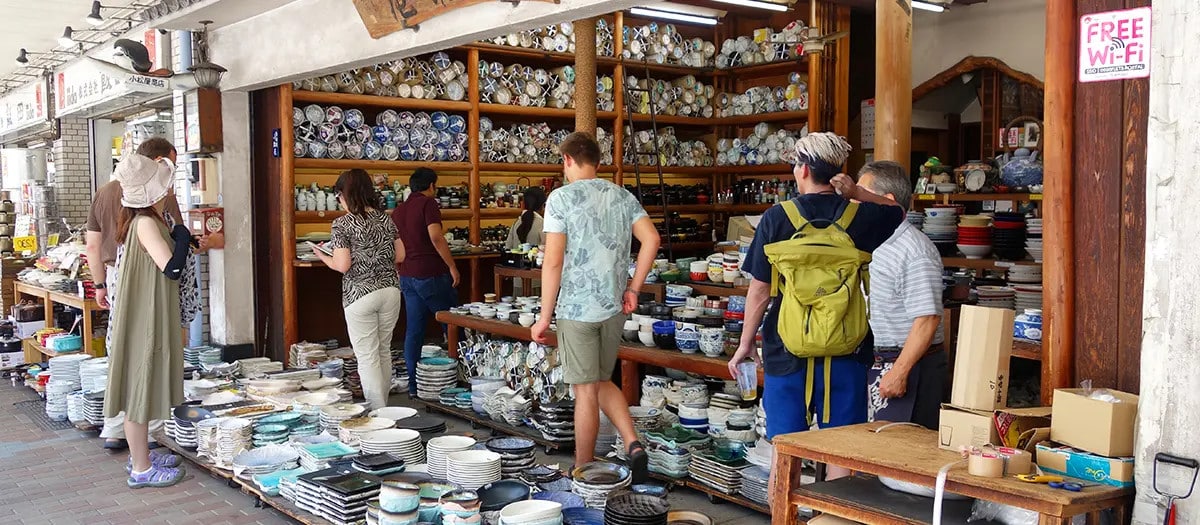
The MISOJYU Asakusa main shop is at Asakusa 1-7-5. It is a miso soup specialist that is particular about the origin of its organic vegetables, and paired with an onigiri it makes a simple yet carefully considered light meal. It is open 8:00 to 16:00. Separately, Kappabashi Kitchen Street runs about 800 meters and gathers more than 170 specialty shops for kitchenware, food samples and tableware. It is a famous wholesale kitchenware street across Japan and also draws many cooking enthusiasts who come specially to shop.
When you get tired, the area also has several budget diners and cafes where you can rest. It is a great spot to change pace midway through an Asakusa food tour. Most shops are open from 9 a.m. to 5 p.m., and some close on Sundays.
- 🍲 Must-try: miso soup with your choice of broth, served with an onigiri
- 🕗 Hours: 8:00-16:00
- 🚉 Access: about 3 minutes on foot from Exit 1 of Asakusa Station (Tokyo Metro)
Takeaway Traditional Wagashi: Kikuya
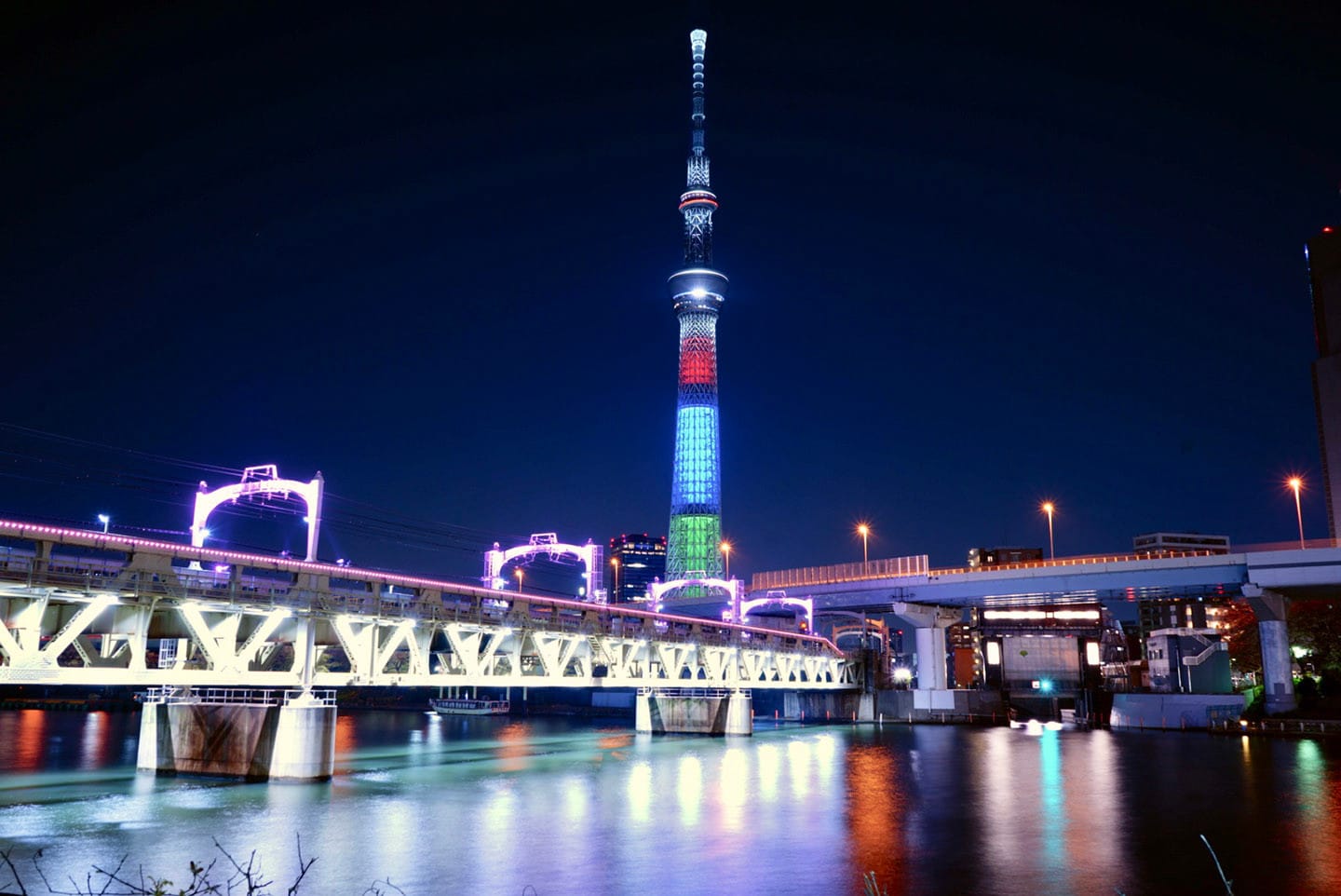
Kikuya, on Nakamise-dori, is known for grilled dango, isobe mochi and mame daifuku, all ideal to take away and enjoy while looking at the view in Sumida Park. The park runs along the Sumida River and is one of Tokyo’s famous cherry blossom spots when the sakura bloom in spring. From here you can look out toward Tokyo Skytree and Azumabashi Bridge, making it an ideal picnic spot for Asakusa snacks. The park is free to enter all year round, and in the evening you can watch the sunset and the Skytree lighting, a perfect ending to an Asakusa food tour.
- 🍡 Must-try: grilled dango, mame daifuku
- 🕙 Hours: 10:00-17:30
- 🚉 Access: Nakamise-dori, about 3 minutes on foot from Asakusa Station
Dessert and Food Information Hub: Asakusa Culture Tourist Information Center
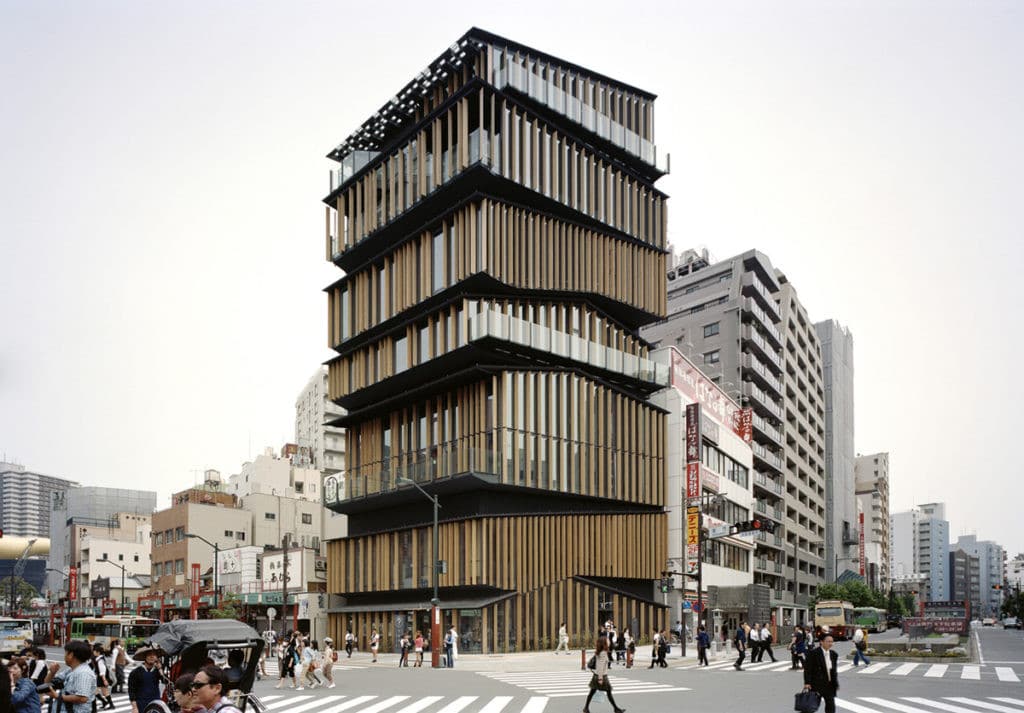
Before you browse Nakamise Shopping Street for sweets such as ningyo-yaki and imo yokan, stop by the Asakusa Culture Tourist Information Center, directly opposite Kaminarimon and designed by architect Kengo Kuma. Pick up the latest food map and discount information at the Chinese-language service counter on the 1st floor. The 8th floor also has a free observation deck overlooking all of Sensoji and the Skytree.
It is open from 9 a.m. to 8 p.m., every day of the year, with free admission. We recommend making it your first stop to get food tips before starting your Asakusa food tour.
Artisan Grilled Eel: Hanakawado Funachu
Funachu Hanakawado opened in 2018 and serves domestic eel and Hinata chicken grilled over charcoal. Its signature “Kin no Unaju” combines eel with grilled chicken, a good choice for a meal and a drink in the Hanakawado area. Hanakawado is known for wholesale leather goods and footwear, and it also hides several family-run local diners and izakaya. With few tourists and reasonable prices, it is an authentic corner for experiencing Asakusa’s shitamachi atmosphere, and we recommend going in the early evening to see everyday local life.
- 🐟 Must-try: Kin no Unaju
- 💰 Price: please refer to the restaurant’s menu
- 🚉 Access: Hanakawado, about 6 minutes on foot from Asakusa Station
How to Get to Asakusa’s Local Favorites: A Complete Guide to Transport and Costs
The easiest way to reach Asakusa is to take a subway or private railway line directly to Asakusa Station. From the station, it is only a 5-minute walk to Kaminarimon.
How to Get to Asakusa: Transport Options at a Glance
🚇 Tokyo Metro Ginza Line: just 5 minutes from Ueno, fare ¥170-240. 24/48/72-hour passes are also available, priced at ¥800/¥1,200/¥1,500.
🚈 Toei Asakusa Line: runs through to the Keisei and Keikyu lines, so you can take a through train from Narita Airport and Haneda Airport to Asakusa Station.
🚂 Tobu Railway Asakusa Station: the transfer hub for Nikko and Skytree. Nikko passes start from about ¥4,780, with Chinese-language consultation available.
🚌 Meguri-n loop bus: fare ¥100, linking Sensoji, Kappabashi and other sights, with a bus roughly every 15-20 minutes.
⛵ Sumida River Water Bus: Asakusa to Odaiba takes about 40 minutes to 1 hour, fare ¥860-1,720, with views of the Skytree.
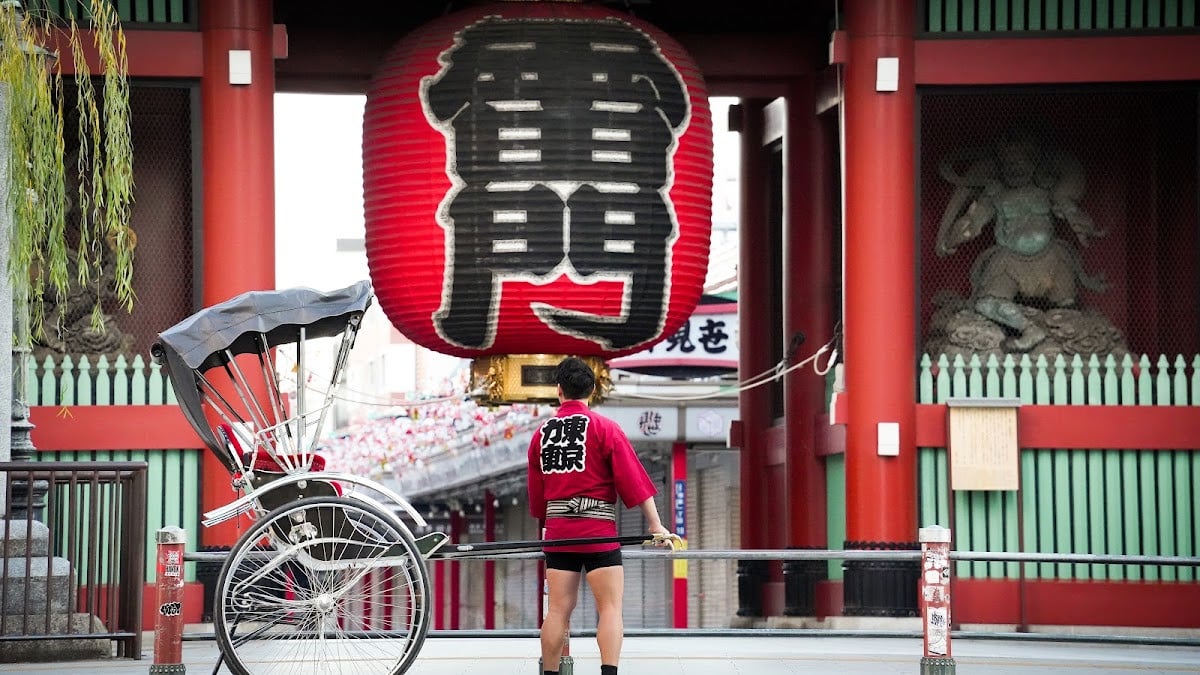
🛺 Rickshaw experience: departing from Kaminarimon, 10 minutes from about ¥4,000, suitable for those with limited mobility or older travelers.


Which Asakusa Local Favorites Should You Visit in 2026? Top Picks by Cuisine
Asakusa is home to century-old shops and buzzworthy newcomers across many styles, including sukiyaki, unagi rice, yakiniku and croquettes. Here is a must-visit list organized by type of cuisine.Asakusa Imahan: The Ultimate Experience at a Century-Old Sukiyaki Temple
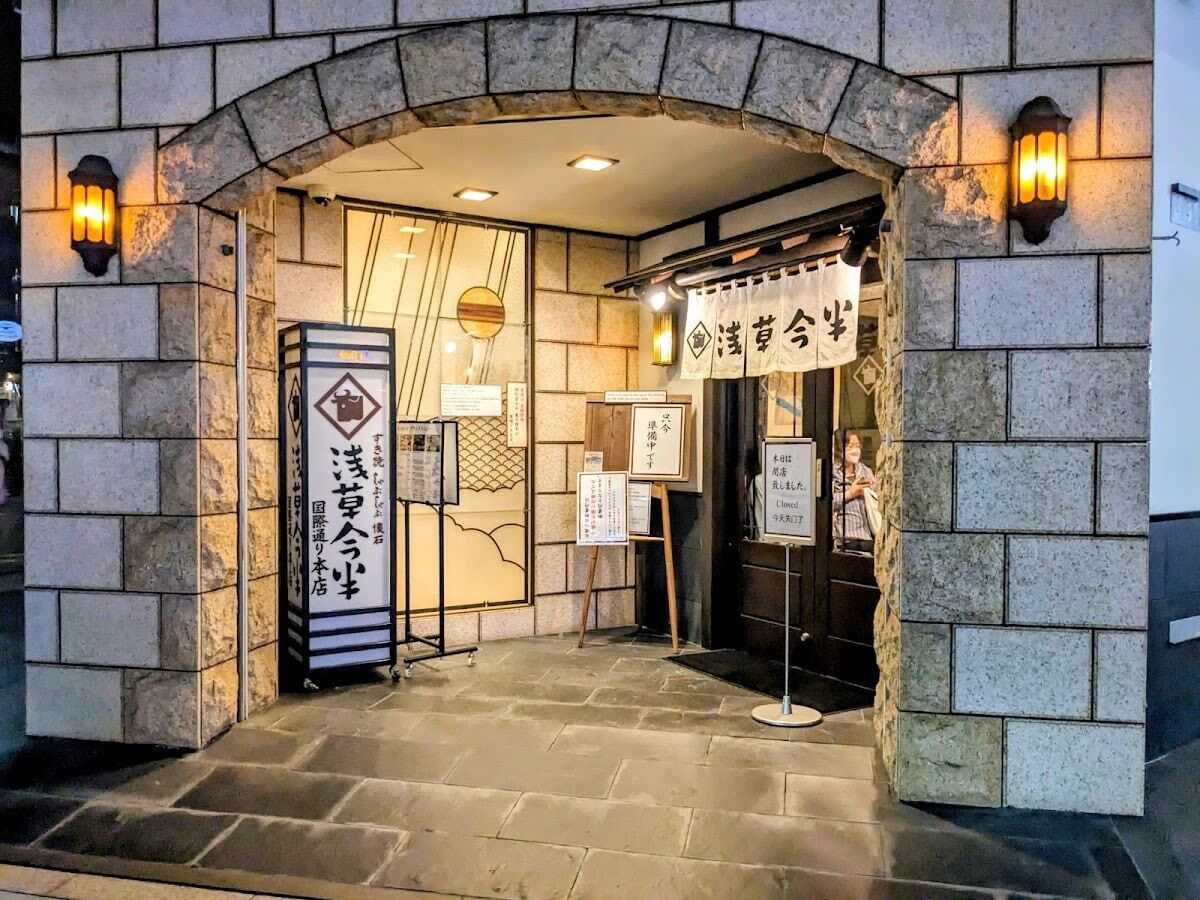
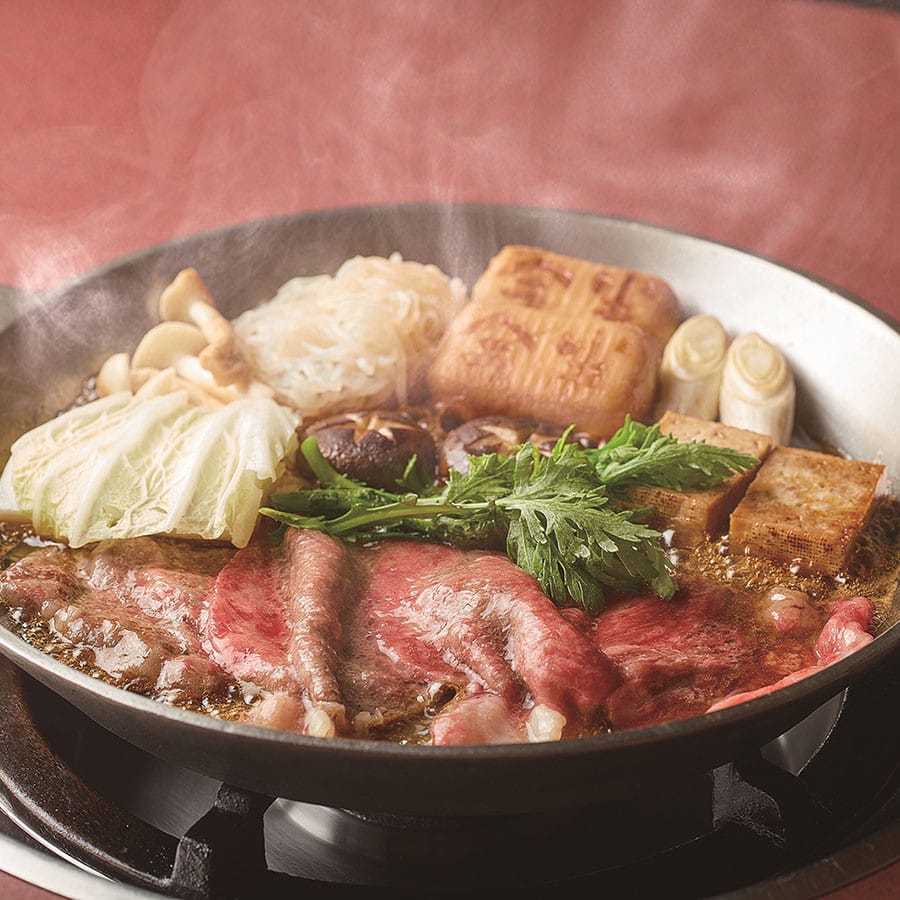
Founded in 1895, Asakusa Imahan is a famous old sukiyaki restaurant in Tokyo. It uses A5-grade Japanese Black beef cooked by artisans on the spot, with a classic Kanto-style broth made from soy sauce, mirin and sugar. The nostalgic building has Japanese-style private rooms, ideal for group meals. At lunch there is a Meiji Sukiyaki Don for about ¥2,970 and a Sukiyaki Hiru Zen for about ¥4,950, while dinner courses start from about ¥9,680. Open 11:30 to 20:30 (last order), every day of the year. Reservations are recommended.
- 🍲 Must-try: A5 Japanese Black beef sukiyaki
- 💰 Price: lunch from about ¥2,970, dinner from about ¥9,680
- 🚉 Access: about 8 minutes on foot from Asakusa Station

Unagi Irokawa: Charcoal-Grilled Eel Rice Handed Down Since the Edo Period
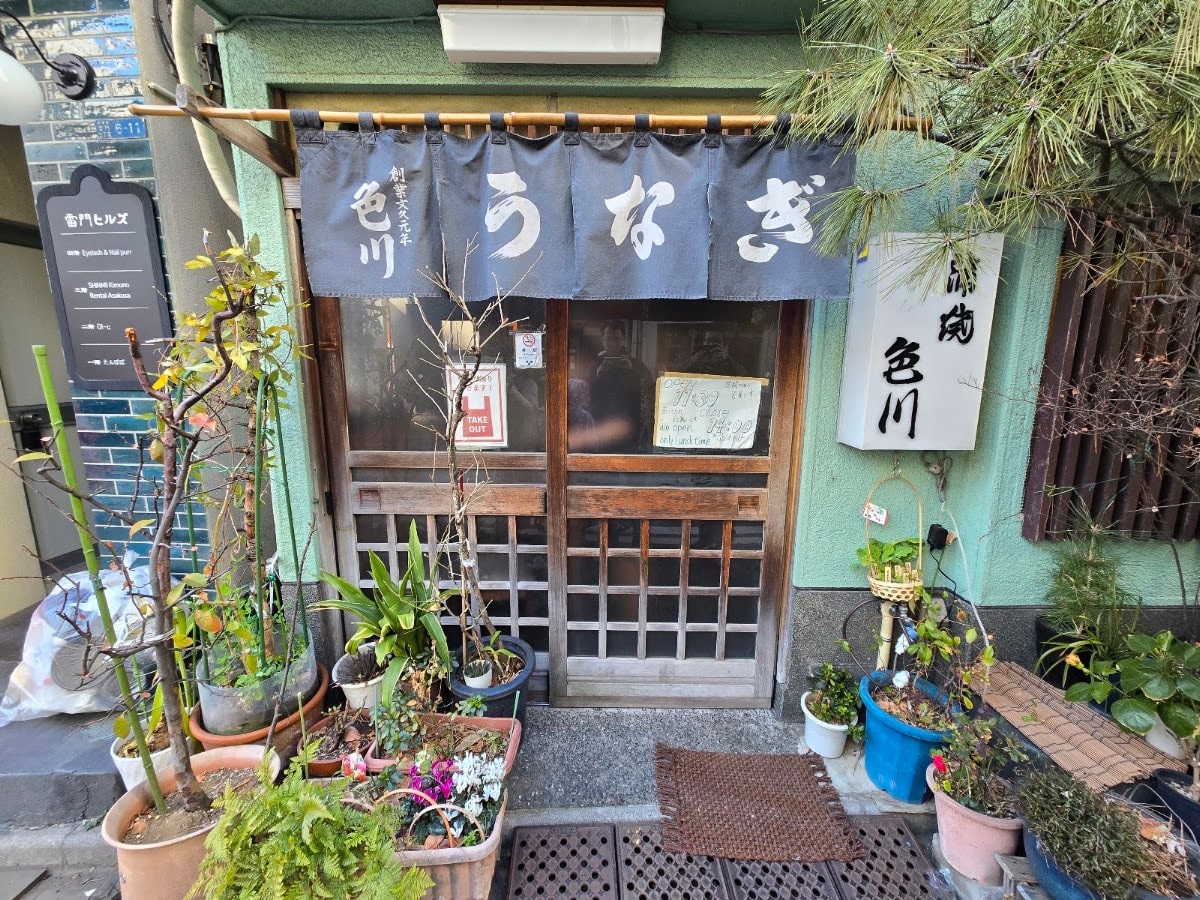
Unagi Irokawa was founded in the first year of Bunkyu (1861) and is one of the longest-established unagi rice specialists in Asakusa. It insists on grilling over binchotan charcoal, giving crisp skin and soft, juicy flesh, with a sauce simmered and passed down through generations for a rich aroma. Unaju starts from about ¥3,500. It is open 11:30 to 14:00; because the eel is prepared and grilled fresh each day, quantities are limited and the shop closes once they sell out. Closed on Sundays and national holidays.
The shop has only a few seats, and the old-fashioned, nostalgic interior has walls covered in photos from past generations, perfect for travelers who love a sense of history. We recommend arriving on a weekday and lining up before the 11:30 opening. Cash only; credit cards are not accepted.
- 🐟 Must-try: binchotan charcoal-grilled unaju
- 💰 Price: unaju from about ¥3,500
- 🚉 Access: about 2 minutes on foot from Exit A1 of Asakusa Station (Toei Asakusa Line)
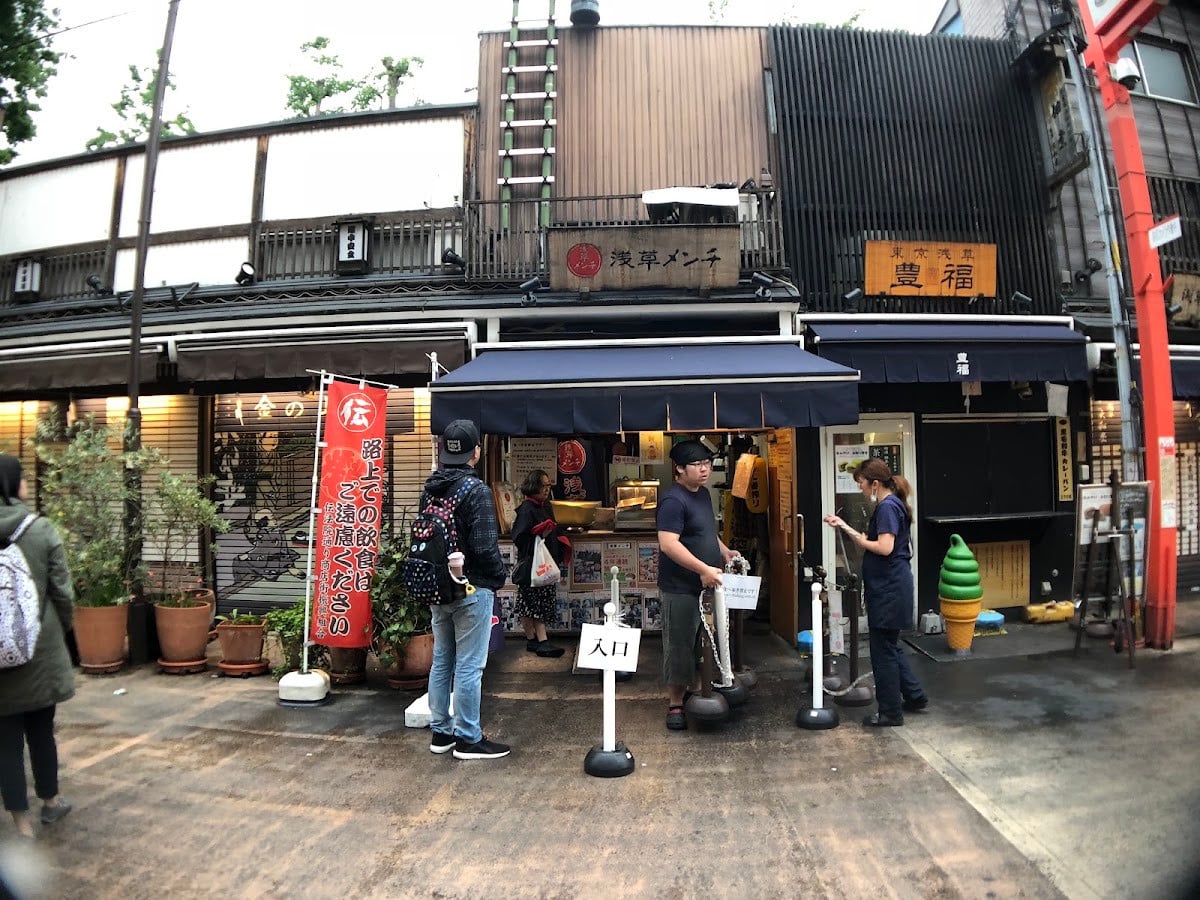
Asakusa Croquettes: The National Snack with Lines Around the Corner
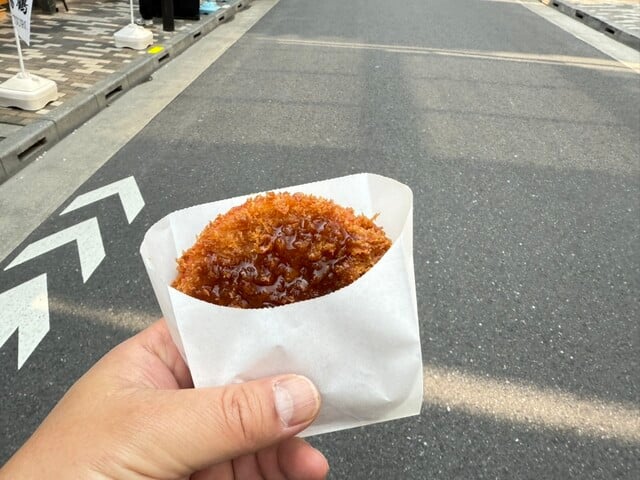
- 🍖 Recommended: Kouza pork and wagyu croquette (menchi). Made from a blend of carefully selected Kouza pork and wagyu mince, fried to order so it is crisp outside and juicy inside. It is an extremely popular walk-and-eat snack near Sensoji (to be eaten only in designated areas).
- 💰 Hours: 10:00-19:00 (open every day of the year)
- 🚉 Access: near Asakusa Station, about 5 minutes on foot to Nakamise Shopping Street. We recommend going on a weekday after the 10 a.m. opening to avoid peak times (weekend lunchtimes are crowded and the line may exceed 30 minutes), for a better experience and the freshest bite.
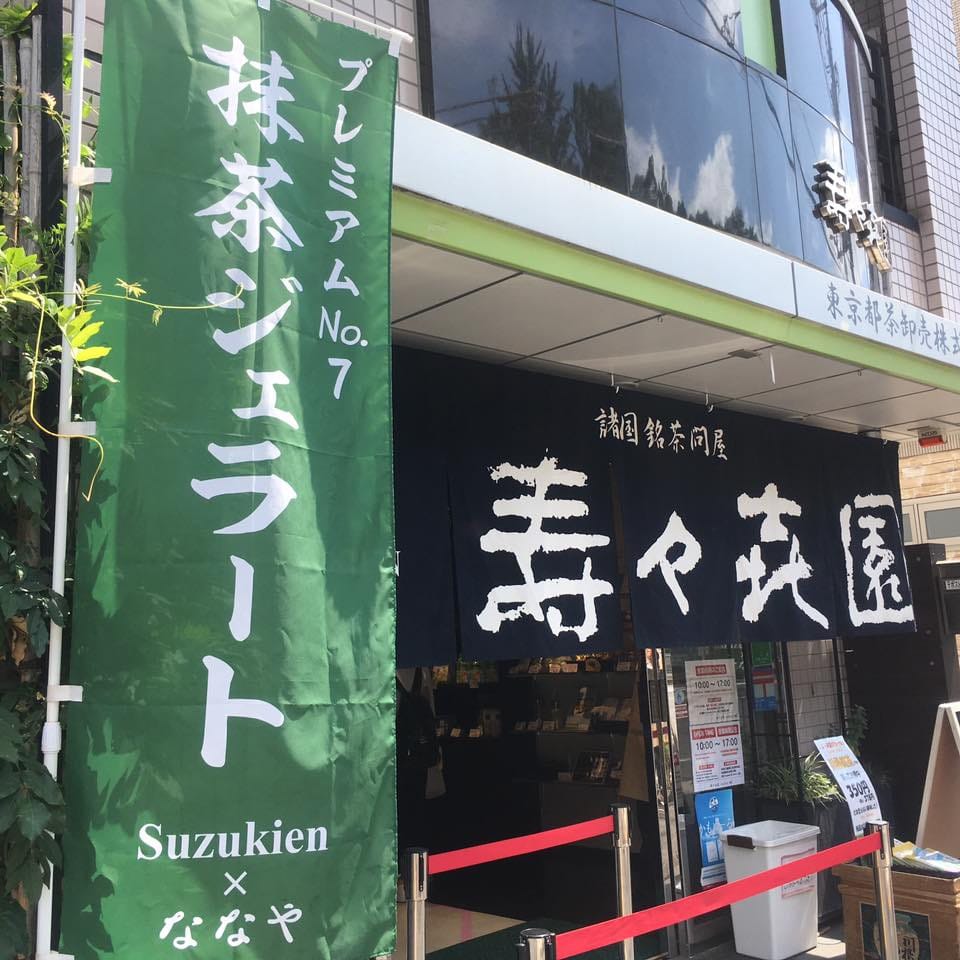
Suzukien Asakusa Main Shop: A Pilgrimage Site for the World’s Strongest Matcha Ice Cream
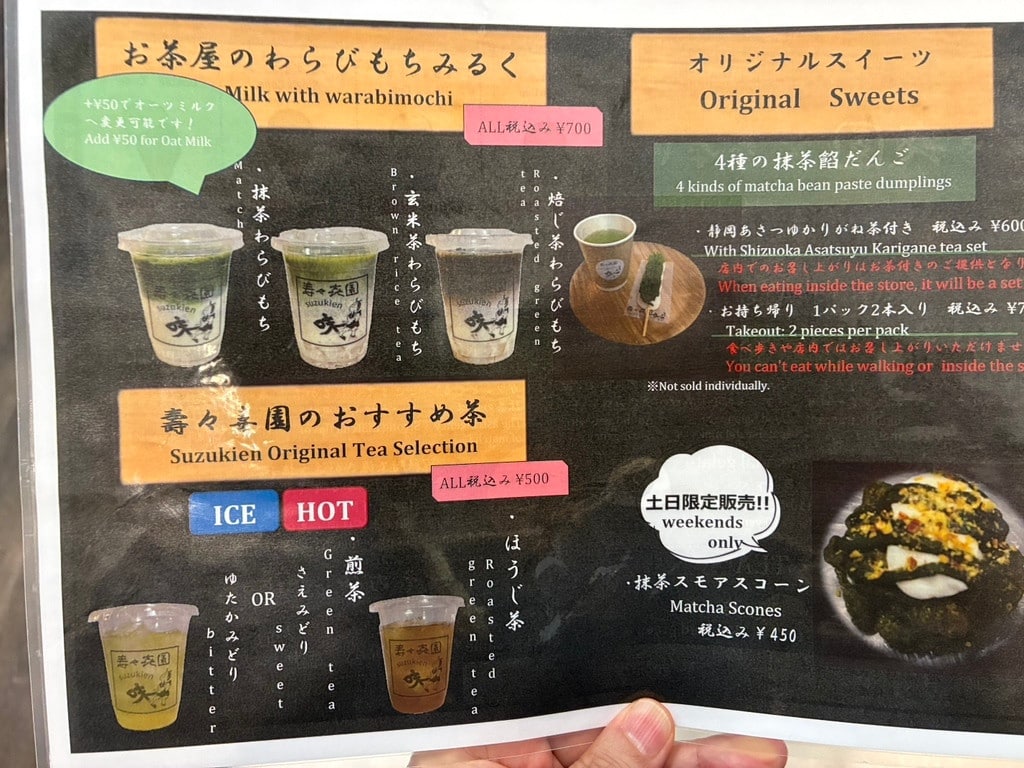
The century-old Suzukien is famous for Uji matcha grown in its own tea gardens. Its signature matcha ice cream comes in seven levels of intensity (No. 1 to No. 7), with a single scoop from ¥370 and the strongest, No. 7, at ¥560 per scoop. The shop also sells matcha cream puffs, daifuku and other sweets, making it a must for matcha lovers. Open 10:00-17:00, closed on the third Wednesday of each month. The address is Asakusa 3-4-3.
- 🍵 Must-try: seven-level matcha ice cream
- 💰 Price: single scoop from ¥370 (No. 7 is ¥560)
- 🚉 Address: Asakusa 3-4-3
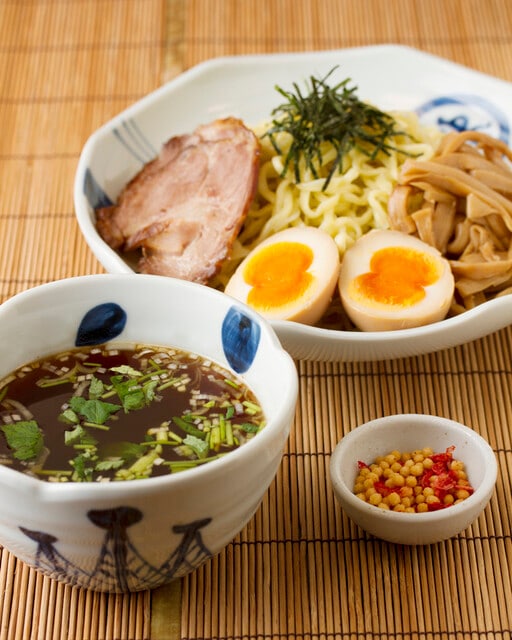
Asakusa Meidai Ramen Yoroiya: Japanese-Style Soy Sauce Broth and a Retro Showa Interior
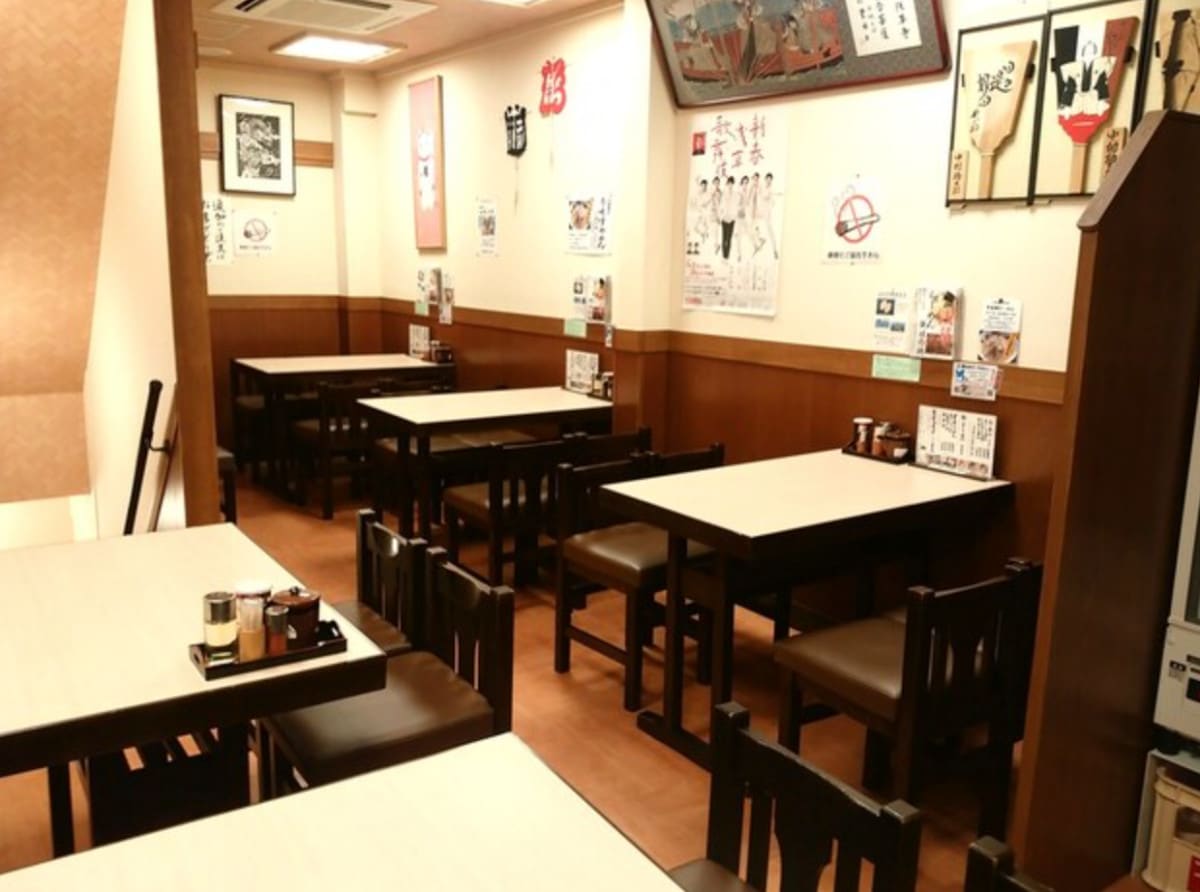
Yoroiya is known for its Japanese-style dashi shoyu ramen, simmered with bonito and kombu, with a sweet, savory broth and a hint of yuzu aroma. The retro interior is full of Showa-era atmosphere. We recommend avoiding the 12-1 p.m. lunch rush; going after 2 p.m. or in the evening saves queuing time. Open 11:00-20:30, every day of the year.
- 🍜 Must-try: Japanese-style dashi shoyu ramen
- 💰 Price: please refer to the restaurant’s menu
- 🚉 Access: about 6 minutes on foot from Asakusa Station
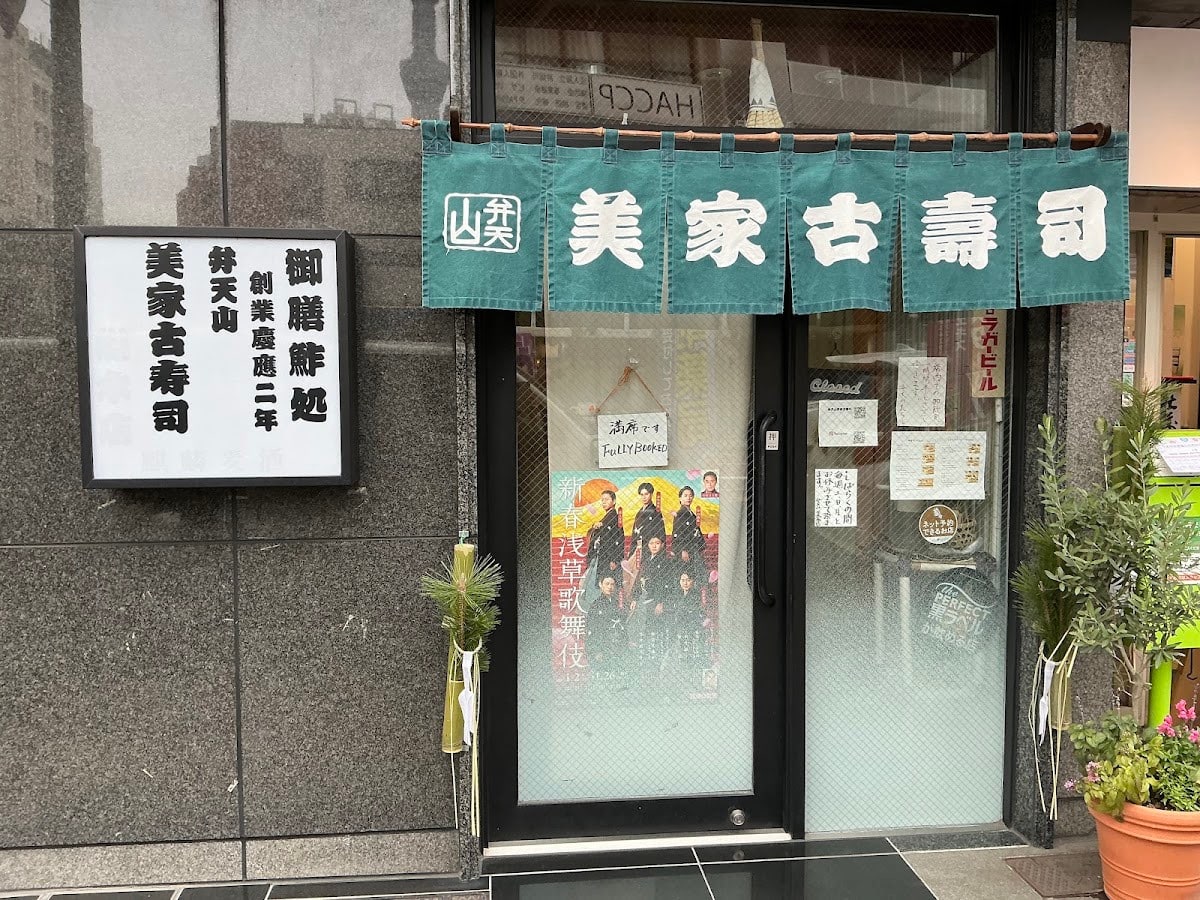
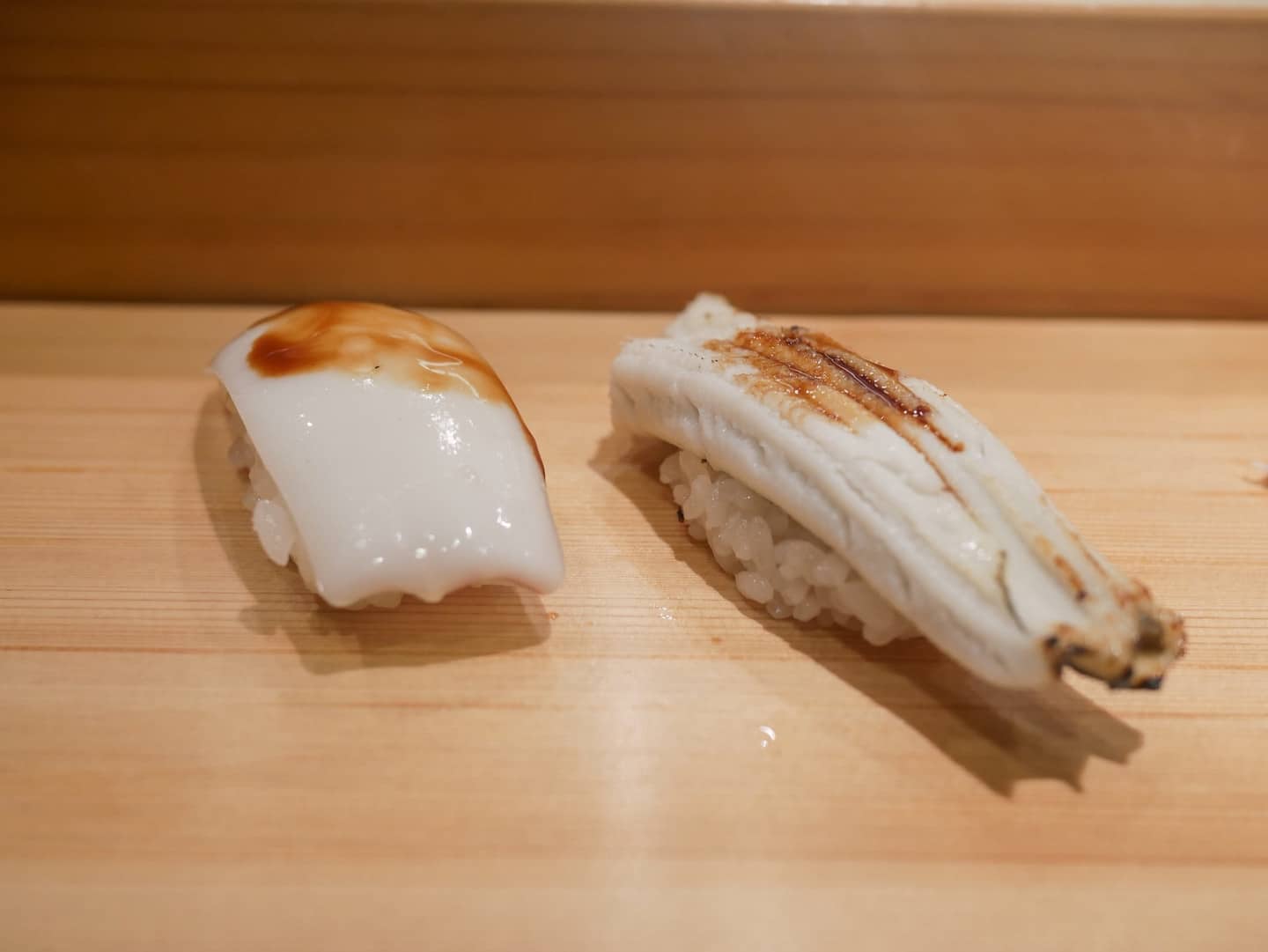
Bentenyama Miyako Zushi: An Edomae Sushi Master’s Old-School Commitment
Founded in 1866, Bentenyama Miyako Zushi is one of the longest-established Edomae sushi restaurants in Asakusa. It insists on red vinegar rice and traditional Edomae techniques such as vinegar curing and light searing. Lunchtime chirashi is about ¥3,300, and nigiri sets start from about ¥6,050.
Seating is limited, mostly counter seats where you can watch the chef’s craft up close. We recommend booking by phone in advance, especially for dinner when demand is high. Open 12:00-14:00 and 17:00-20:00 (12:00-18:00 on Sundays and national holidays), closed on Mondays. It is an excellent choice for experiencing traditional Edomae sushi.
- 🍣 Must-try: Edomae nigiri sushi
- 💰 Price: lunchtime chirashi about ¥3,300, nigiri sets from about ¥6,050
- 🚉 Access: about 5 minutes on foot from Asakusa Station
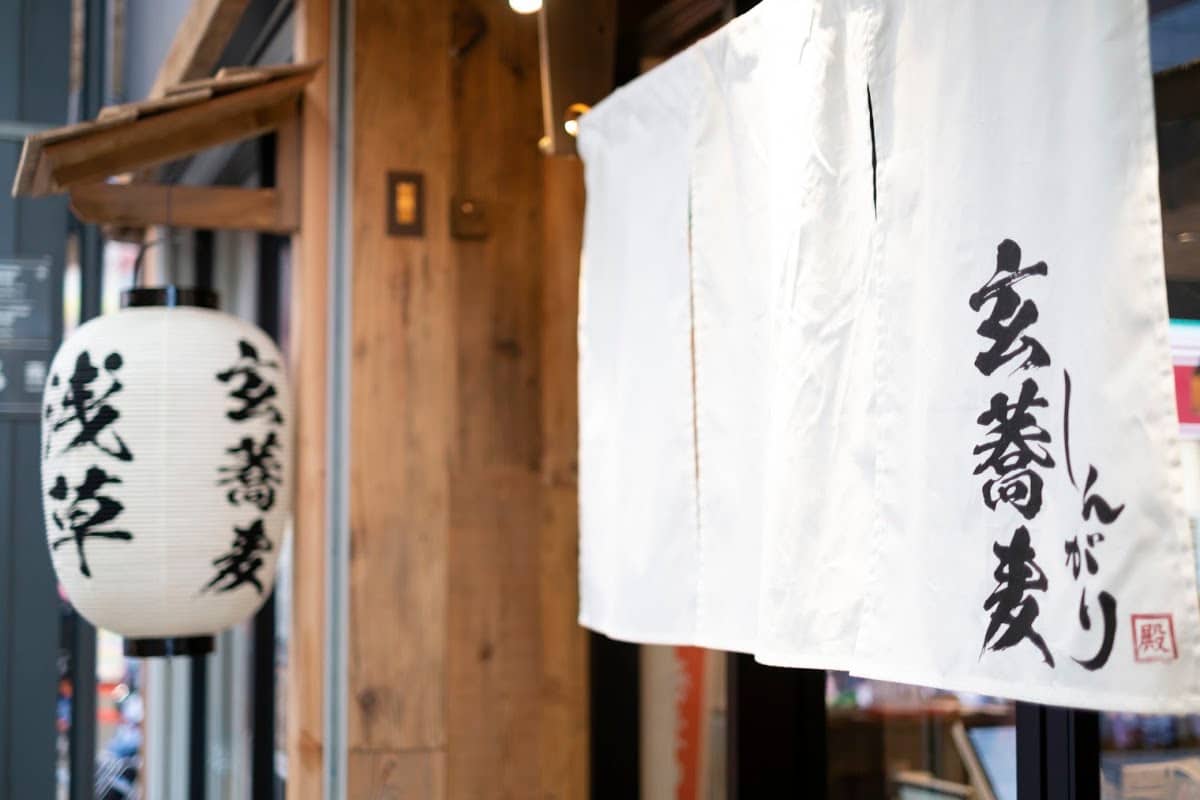
Gensoba Shingari Asakusa Main Shop: The Artisan Dedication of Handmade Soba
Gensoba Shingari grinds buckwheat flour fresh in a stone mill and makes its noodles by hand every day, offering noodles that keep the buckwheat aroma and chew, served with a dipping sauce made from bonito and kombu.
The interior is simple. It is located at Asakusa 1-19-8, with opening hours of about 10:00 to 24:00 (please refer to the shop’s announcements). Because the noodles are limited in quantity, we recommend avoiding weekend meal peaks.
- 🍜 Must-try: juwari handmade soba
- 🕙 Hours: about 10:00-24:00
- 🚉 Access: Asakusa 1-19-8, about 1 minute on foot from Asakusa Station (Ginza Line)
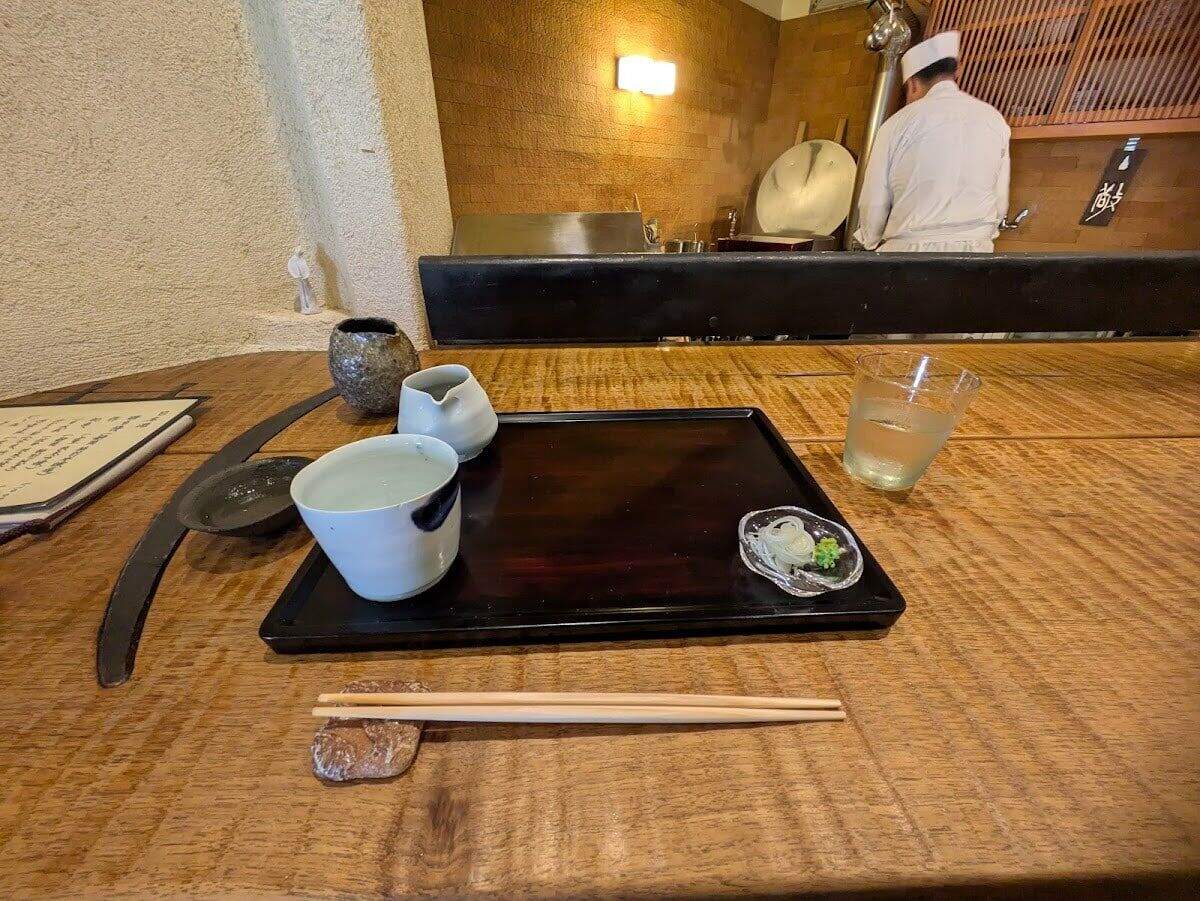
Asakusa Hirayama: A Hidden Soba Gem Recommended by the Michelin Bib Gourmand
Asakusa Hirayama is a Michelin Guide Bib Gourmand pick, known for juwari handmade soba made from house-milled flour with no binder. Open 12:00-14:00 and 18:00-20:30 (lunch only on Sundays and Tuesdays), closed on Mondays. Seating is limited, so we recommend booking in advance through the online reservation system or by phone. It is an excellent choice for experiencing Asakusa’s artisan cuisine.
🍜 Must-try: Michelin Bib Gourmand handmade soba.
🚉 Access: about 3 minutes on foot from Tawaramachi Station on the Tokyo Metro Ginza Line.
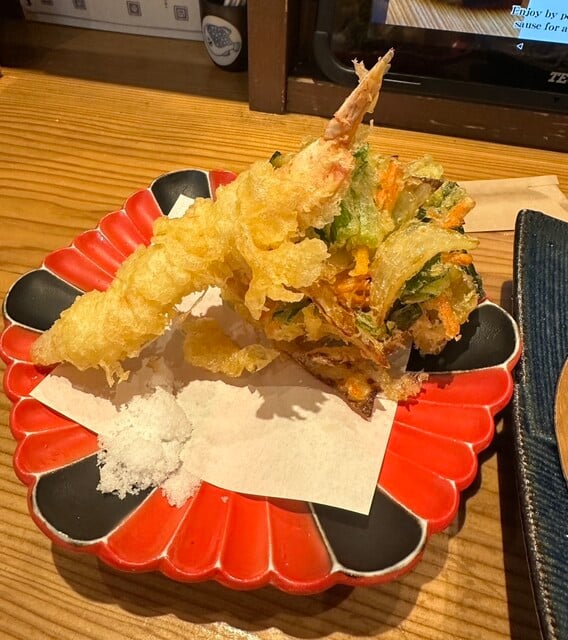
Kaminarimon Sansada: A Tempura House Founded in the Tenpo Era
Kaminarimon Sansada was founded in 1837 and is the oldest tempura specialist in Asakusa. It insists on frying to order in sesame oil, and its tendon sets are crisp without being greasy. The ebi tendon starts from about ¥2,200, making it a representative shop for tasting Edomae tempura.
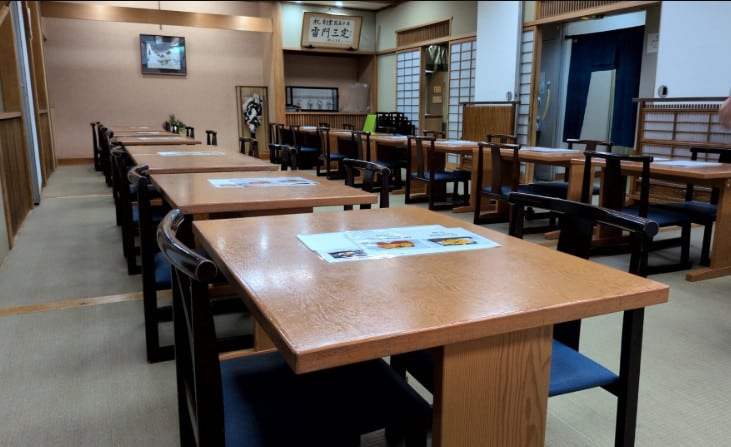
The shop stands directly opposite Kaminarimon in an excellent location, and the 2nd floor has a Japanese-style tatami dining area that suits families. Open 11:00-20:30, every day of the year. You may wait a little at peak times, but tables turn over quickly, so the wait is usually short.
- 🍤 Must-try: Edomae tendon
- 💰 Price: ebi tendon from about ¥2,200
- 🚉 Access: directly opposite Kaminarimon, about 2 minutes on foot from Asakusa Station
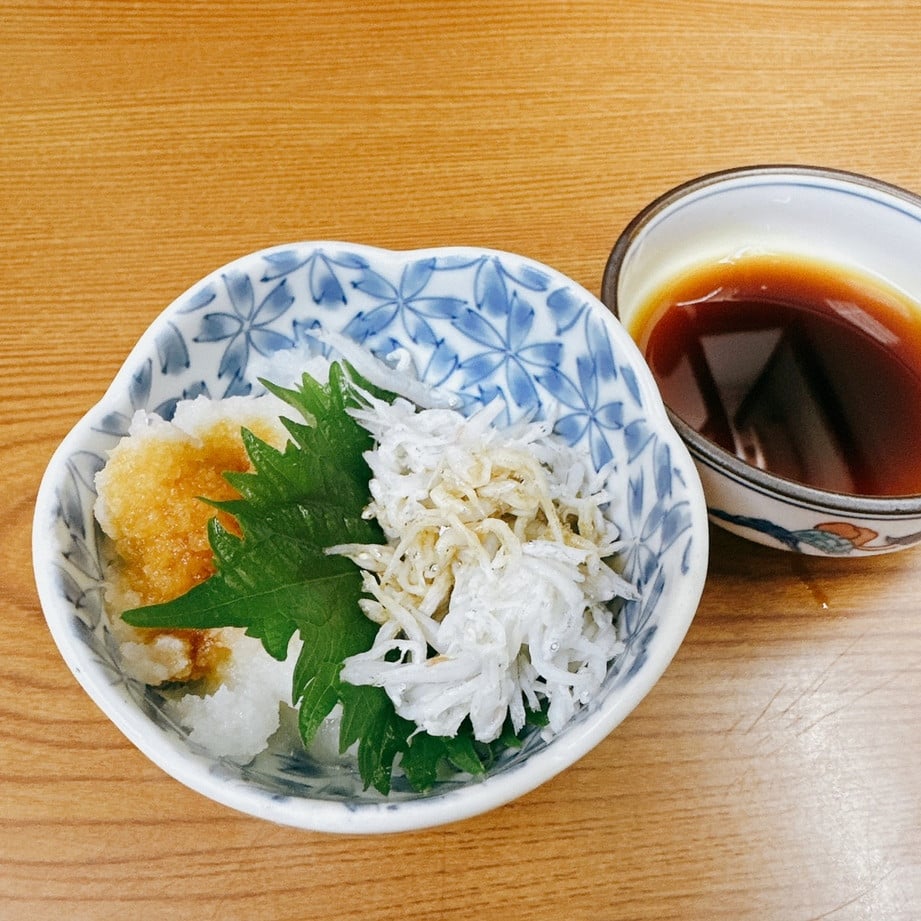
Asakusa Shokudo Genmatsu: Projection Mapping Meets Japanese Set Meals
Asakusa Shokudo Genmatsu is right next to Kaminarimon, about 30 seconds on foot. It is open 11:00 to 24:30 (last order 24:00), every day of the year, with a lunch budget of about ¥1,500 and dinner about ¥4,000.
Dining spots around Kaminarimon get crowded at mealtimes, so we recommend avoiding peak meal hours and going after 2 p.m. for a more relaxed meal.
- 🍛 Dining budget: lunch about ¥1,500, dinner about ¥4,000
- 🕛 Hours: 11:00-24:30 (last order 24:00)
- 🚉 Access: next to Kaminarimon, about 2 minutes on foot from Asakusa Station
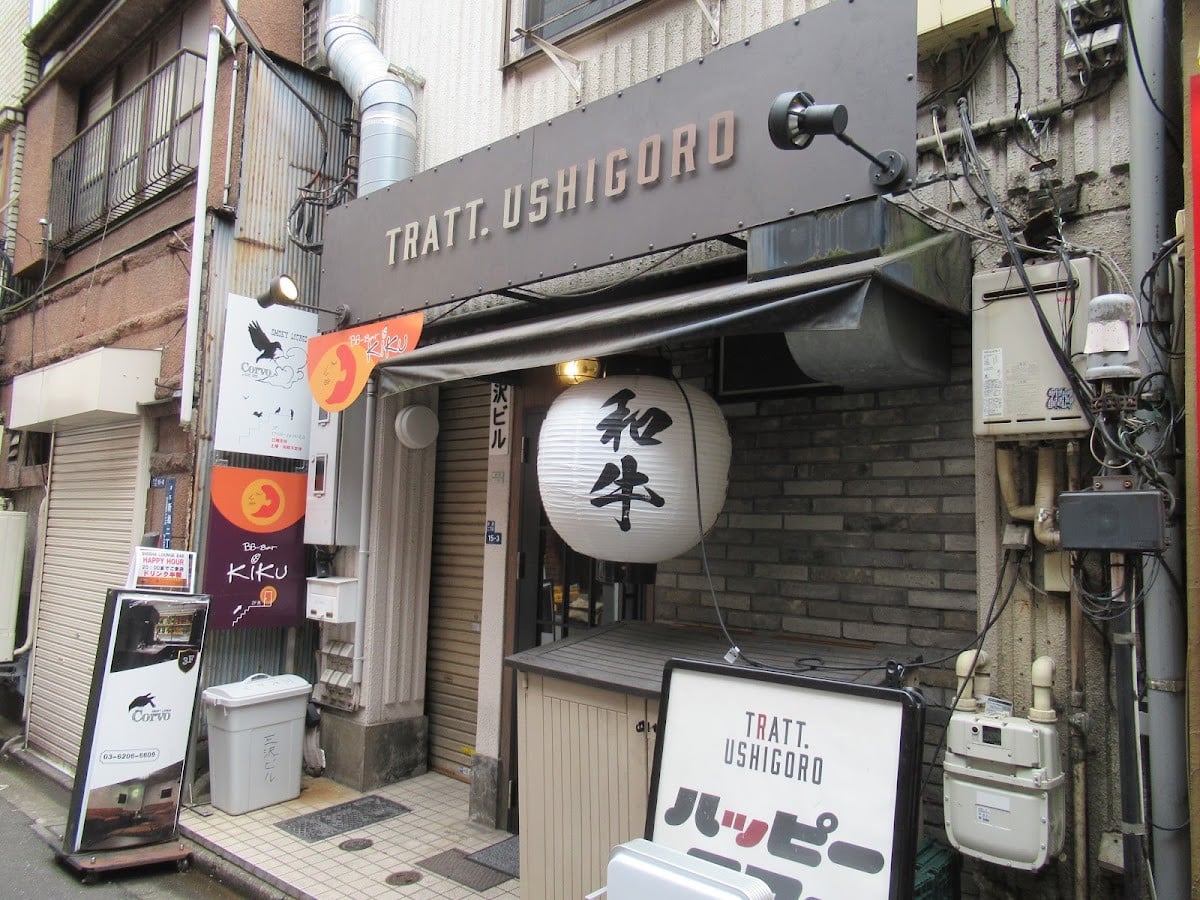
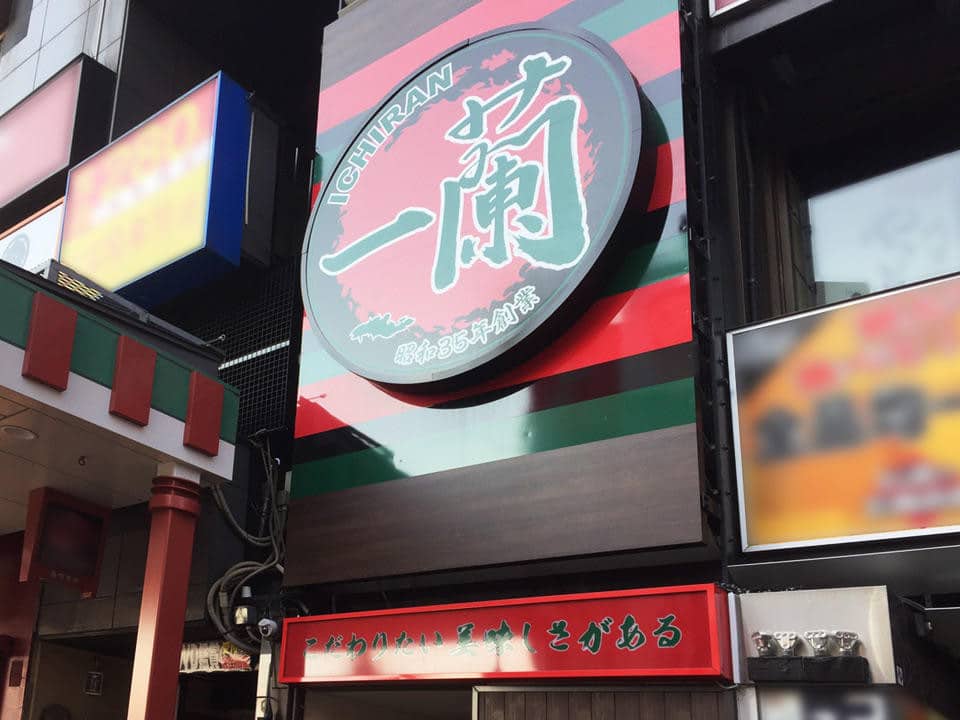
Ichiran Ramen Asakusa: Tonkotsu Broth in Private Booths
Ichiran Ramen is known for its original “flavor concentration counter” private booth seating, which lets diners focus on the perfect pairing of tonkotsu broth and thin noodles. You can customize the broth richness, noodle firmness and amount of green onion to your taste. A basic bowl of ramen starts from about ¥1,000.
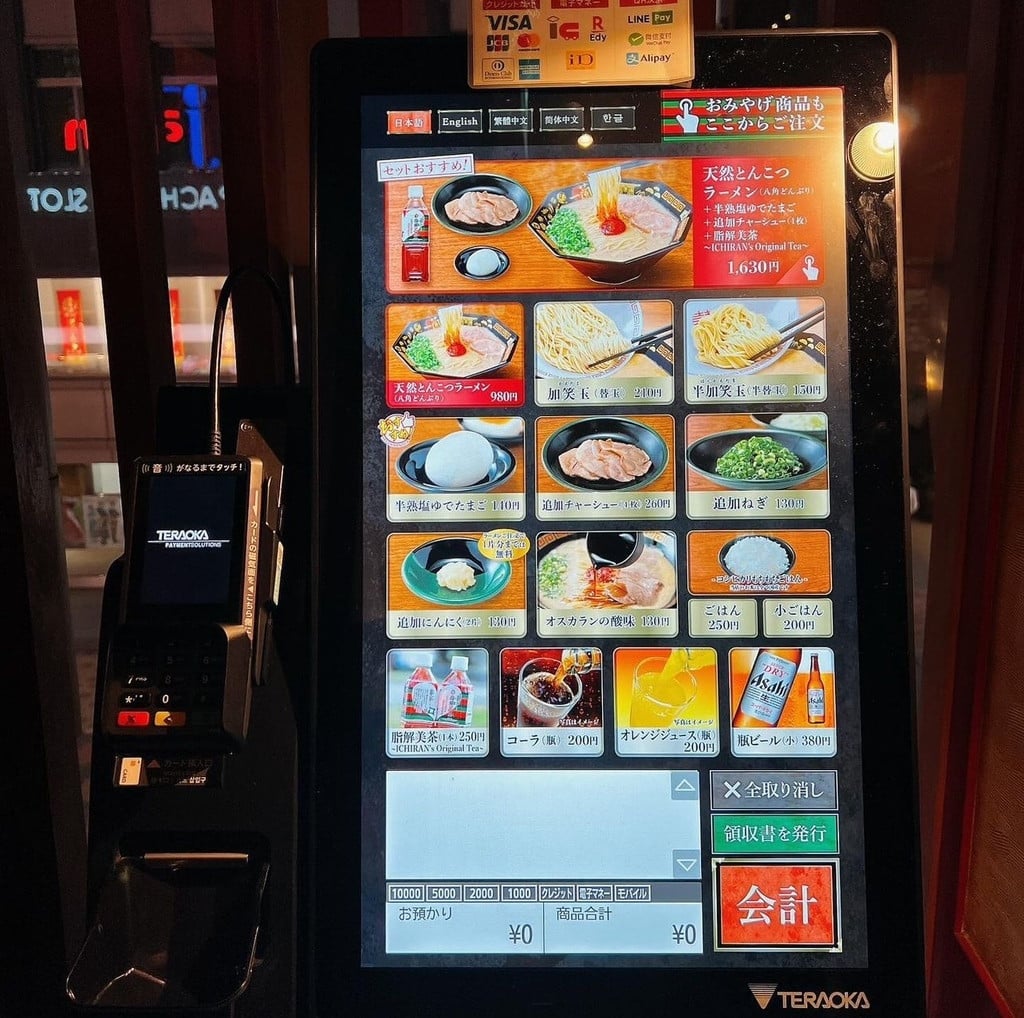
The Asakusa branch is open about 9:30 to 22:00 (last order 21:45); please check the official website for actual hours. Because of its worldwide fame, there is occasionally a line at peak meal times, so we recommend having small change ready for the in-store ticket machine to speed up ordering.
- 🍜 Must-try: tonkotsu ramen in a private booth
- 💰 Price: a basic bowl of ramen from about ¥1,000
- 🚉 Access: about 5 minutes on foot from Asakusa Station
Kameju: The Legendary Dorayaki Worth an Hour-Long Wait
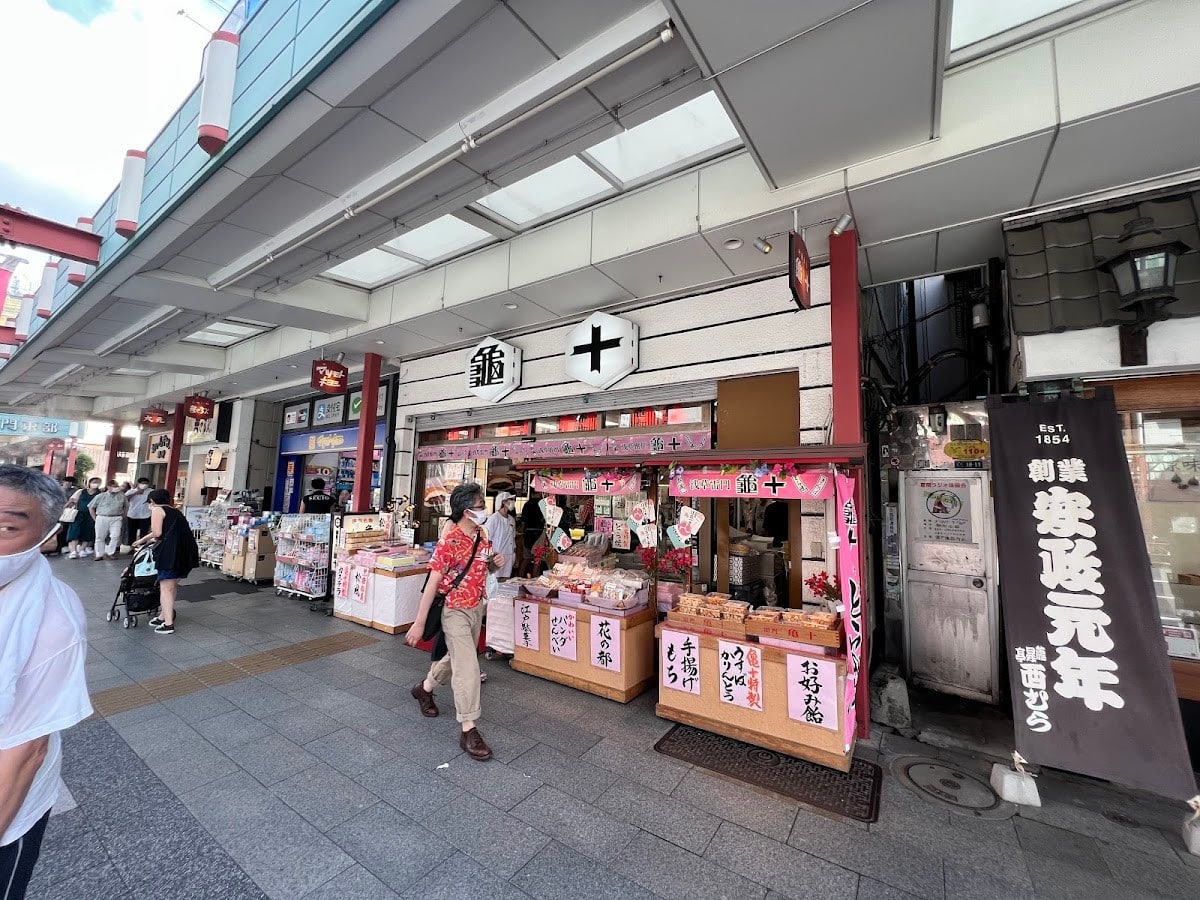
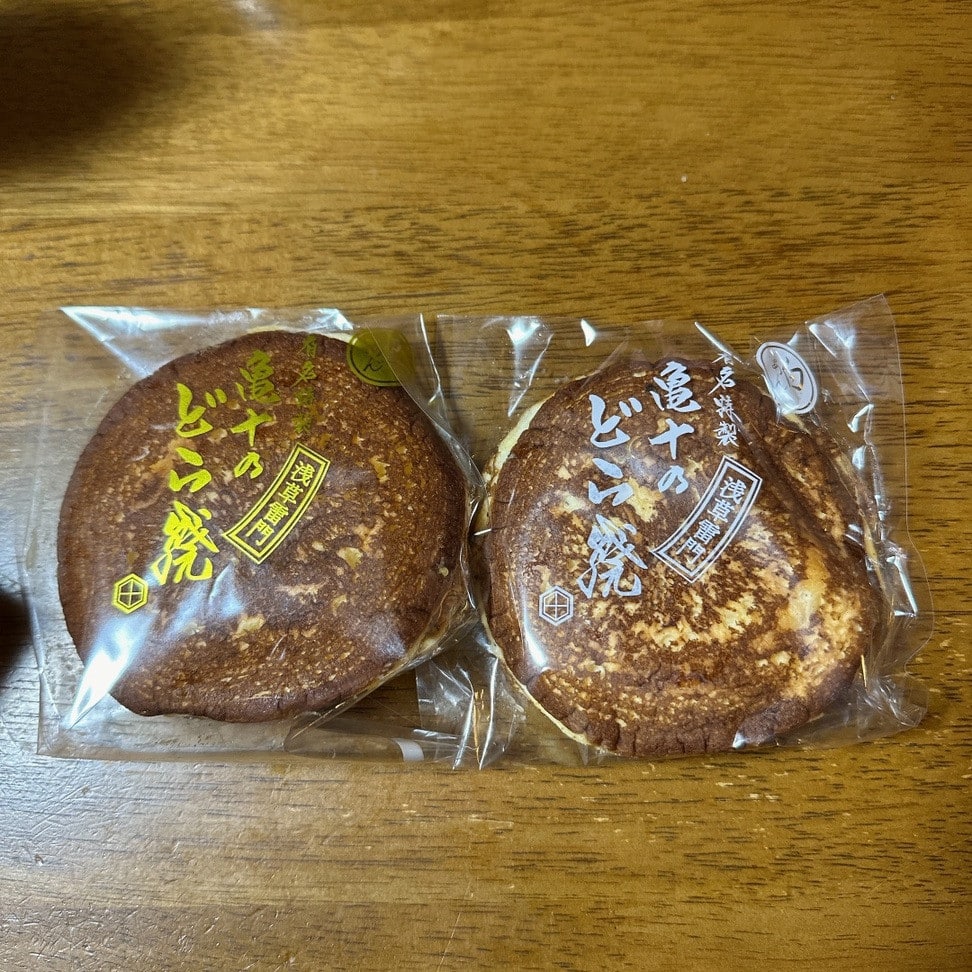
Kameju, founded in the late Taisho era, is an old dorayaki shop in front of Kaminarimon, open 10:00 to 19:00. Made fresh daily, the pancakes are soft and moist, and the smooth red bean filling is sweet without being cloying. One piece costs about ¥360 to ¥430. The shop is at Kaminarimon 2-18-11, diagonally across from Kaminarimon, and there is often a line before it opens.
- 🥮 Must-try: signature dorayaki
- 💰 Price: about ¥360-430 each
- 🚉 Access: Kaminarimon-dori, 2 minutes on foot from Asakusa Station
Recommended Asakusa Food Experience Tours: Guided and Bookable Options
On a first visit to Asakusa, faced with the dense cluster of old shops and snack stalls around Kaminarimon, it is easy to wonder where to start eating, or even to miss the hidden favorites that only locals know. A professional food tour or a reservation-based experience saves you the trial and error. A guide who knows the alleys leads the way, you can taste several popular shops in one go, and you hear the history behind each one. Below are four of the most popular food experiences in Asakusa, all bookable in advance through platforms such as KKday and Klook, suited to travelers with different amounts of time and different budgets.
Asakusa Old Town Food Walk: An In-Depth Stroll Led by a Chinese-Speaking Guide
A 3-hour half-day walking tour designed for Chinese-speaking travelers. The price varies by plan (transport not included), and the group meets at Exit 2 of Asakusa Station or in front of Kaminarimon. Led by a Chinese-speaking local guide, you explore small shops in the alleys beyond Nakamise-dori, including 4-5 tasting stops with no waiting in line, such as an old fried-food shop, a freshly grilled ningyo-yaki stand and a traditional rice cracker shop, tasting authentic Edomae snacks. The tour introduces the history and culture of Sensoji, the five-story pagoda and Denboin-dori, combining food with depth, and suits families or older groups visiting Tokyo for the first time.
We suggest booking on Klook or KKday at least 3 days ahead, and a week ahead in peak season (cherry blossom season, Golden Week).
Kappabashi Kitchen Street x Asakusa Artisan Cooking Experience: Make Wagashi or Tempura by Hand
Kappabashi Kitchen Street is near Sensoji, about a 10-minute walk. It is Japan’s wholesale hub for kitchenware, and these hands-on food experiences combine a visit to the street with an artisan cooking class. Common options include a wagashi class at a century-old shop, where you learn to make nerikiri, or a tempura-frying lesson at a specialist classroom using Edomae ingredients sourced locally in Asakusa.
Classes last about 2 to 2.5 hours, including explanation, hands-on practice and tasting, and you can take 1 to 2 of your creations home. Fees vary by class and shop, so please check the booking page. Because classes are one-on-one or small-group, spots are limited, and we recommend booking at least a week ahead.
This experience suits DIY lovers and those who want to bring back souvenirs, and it is also popular with families and couples, a rare food activity that takes you deep into Japanese artisan craft.
Asakusa Yokocho Izakaya Crawl: A Night-Only Private-Room Yatai Experience
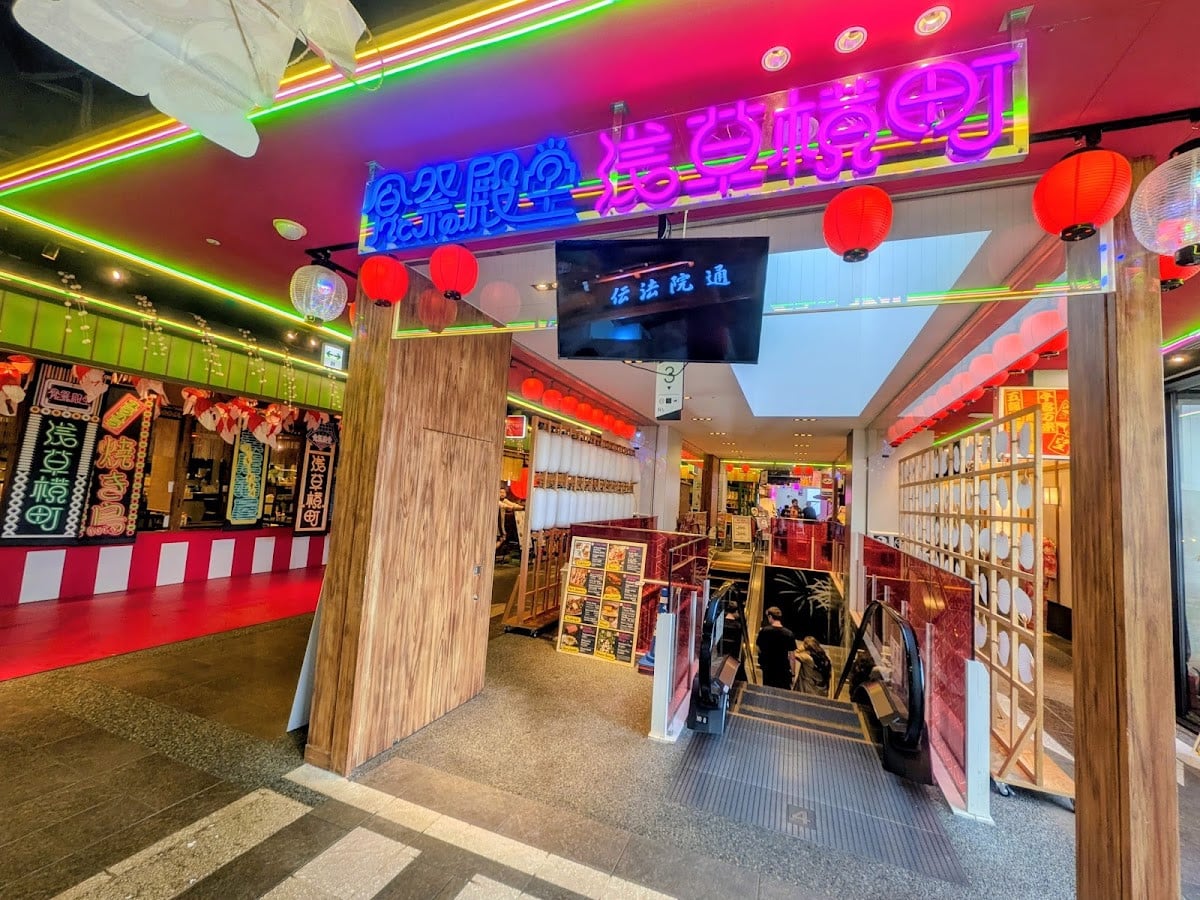
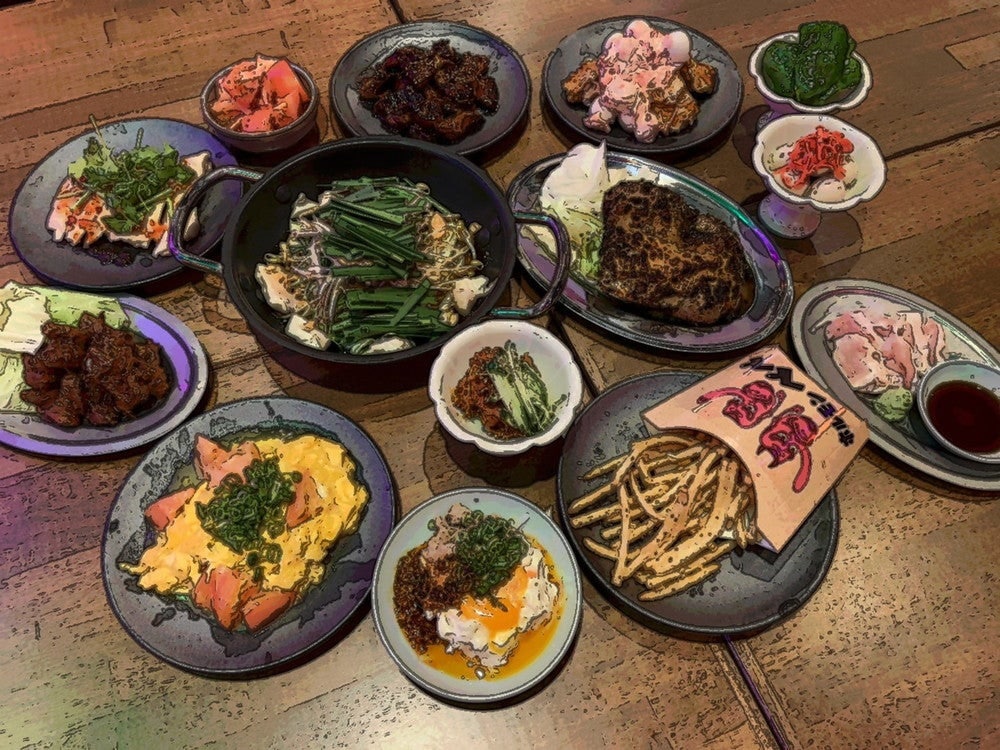
Asakusa Yokocho (Food and Festival Hall Asakusa Yokocho), which opened in July 2022, is on the 4th floor of the Rakutenchi Asakusa building and consists of 7 izakaya and specialty shops. The yatai-style stalls are open 12:00 to 23:00. The tour focuses on the evening, with the guide taking you to 3 to 4 yatai of different styles to try grilled chicken skewers, oden and the Asakusa specialty “gyu-motsu nabe” (beef offal hot pot), spending 20 to 30 minutes at each stop.
The group meets at Asakusa Station at around 17:30 or 18:00, and the whole tour takes about 2.5 hours, including 4 drinks (beer, sake or non-alcoholic) and a variety of small dishes. It suits travelers who want to experience Tokyo nightlife and love izakaya culture. Space is limited, so we strongly recommend booking through platforms such as KKday to avoid waiting on the spot. The price varies by plan, so please check the details on the booking page. For those who do not speak Japanese, a guide to help with communication brings peace of mind, making it a good evening outing for friends or couples.
Asakusa Rickshaw Food Tour: Hidden Favorites Introduced as You Ride
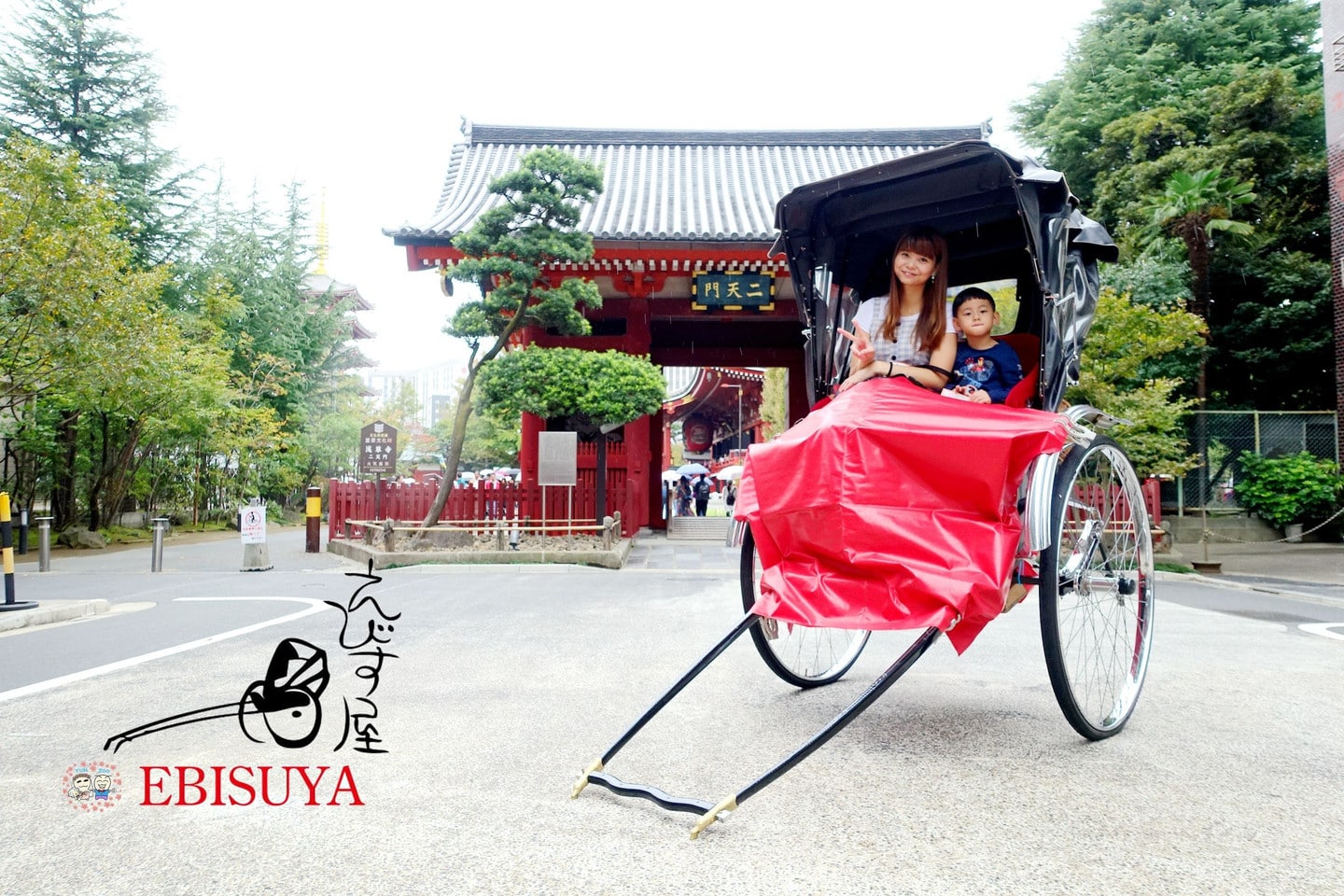
Asakusa rickshaw tours offer local food and history guidance, lasting 30 minutes to 2 hours, with routes you can adjust to your preferences to visit hidden little shops in the alleys. The pullers can explain in simple English and Japanese. Choose the “food theme” plan and you will stop at 2 to 3 popular local snack spots to try handmade senbei or grilled dango. The 30-minute plan costs about ¥4,000-6,000 per person and the 2-hour plan ¥15,000 or more, with prices varying by operator.
Rickshaw pullers often solicit customers around Kaminarimon. In peak season, we recommend booking online through KKday and requesting a Chinese-speaking puller or a food tour, which improves your chances of getting a spot and avoids language gaps.
Where to Stay Nearby
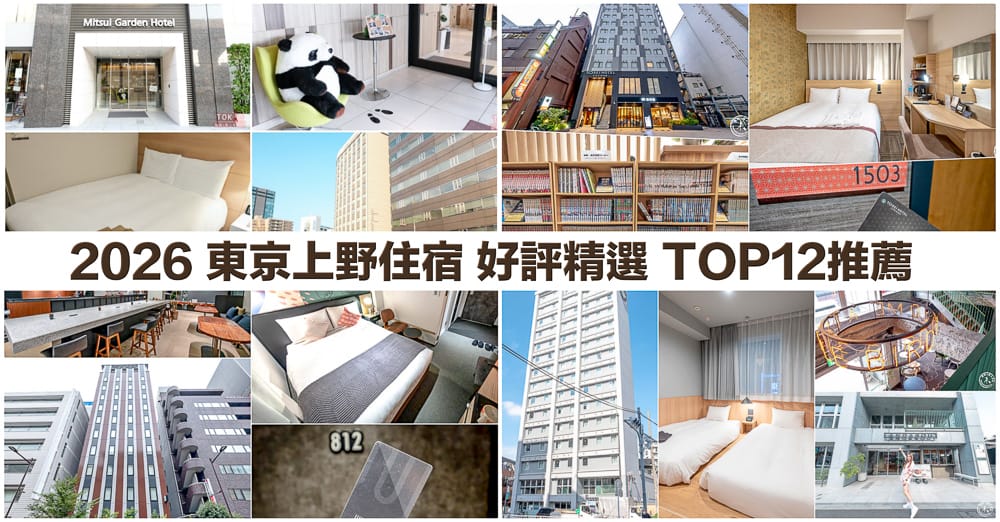
Asakusa Station is served by the Tokyo Metro Ginza Line, Toei Asakusa Line, Tobu Line and Tsukuba Express, making it easy to reach Ueno, Skytree and the airports, and Kaminarimon and Nakamise Shopping Street are within walking distance. If you want to fill a whole day with an Asakusa food tour, or stroll Nakamise early in the morning before eating, staying near Asakusa Station saves the most travel time.

FAQ
Q: How much does lunch at Asakusa Imahan sukiyaki cost?
At lunch, Asakusa Imahan offers the Meiji Sukiyaki Don for about ¥2,970 and the Sukiyaki Hiru Zen for about ¥4,950, while dinner courses start from about ¥9,680. We recommend reserving a seat in advance.
Q: What is the easiest way to get to Asakusa’s food streets?
Take the Tokyo Metro Ginza Line or the Toei Asakusa Line to Asakusa Station, then walk about 3-7 minutes from the exit to reach Kaminarimon and Nakamise Shopping Street.
Q: Can you eat while walking at Sensoji and Nakamise Shopping Street?
No. Eating while walking is explicitly prohibited within the Sensoji grounds and on Nakamise Shopping Street. Enjoy your food at a seat near the shop or in a designated rest area.
Q: What are the opening hours of Asakusa’s shopping streets?
Nakamise Shopping Street runs about 250 meters from Kaminarimon to Hozomon with about 90 shops. There are no street-wide opening hours; each shop decides its own. Most shops open during the day and pull down their shutters around the early evening, so we recommend going during the day if you want to buy souvenirs such as ningyo-yaki and senbei. After closing, you can admire the “Asakusa Emaki” murals on the shutters, and the illuminated Sensoji at night photographs beautifully. Surrounding shopping streets such as Shin-Nakamise and Denboin-dori also vary by shop. For the shops introduced in this article, see each shop’s description for opening hours, and please rely on the shop’s announcements on the day.
Q: When is the least crowded time to eat in Asakusa?
We recommend arriving on a weekday before the 10 a.m. opening, or avoiding weekends and national-holiday lunchtimes, which can greatly reduce your waiting time.
Q: Do Asakusa’s century-old shops accept credit cards?
Some long-established shops, such as Unagi Irokawa, accept cash only, so bring enough yen in cash before you set out so you are not unable to pay.
Q: Are there halal-certified restaurants in Asakusa for Muslim travelers?
Yes. Some operators in Asakusa serve halal wagyu ramen (for example “SAMURAI SOUL”). Before you go, please confirm the halal certification details and opening hours with the restaurant.
Q: How much time should I set aside for an Asakusa food tour?
We recommend half a day to a full day, which lets you fully experience Asakusa’s local favorites of every kind, from breakfast and lunch to afternoon tea and late-night snacks.