
Tokyo Winter Illumination Guide 2026: Romantic Corridors of Light in Marunouchi, Omotesando, Roppongi and Shibuya
This 2026 Tokyo winter illumination guide covers the dates, hours and access for the four big free lighting areas of Marunouchi, Roppongi, Omotesando and Shibuya. Most plans let you link two areas in one evening, making it the annual highlight for couples and night photographers.

Overview of the Four Free Illumination Areas: What Makes Each Special
Marunouchi offers an elegant champagne-gold route through the office district, Roppongi wins on scale and the chance to frame Tokyo Tower, Omotesando fits as a stop after shopping in Harajuku, and Shibuya’s Blue Cave is the most visually striking blue tunnel. All four are free and complement each other in style, so choose according to your evening plans; you do not need to visit all four.
Best Viewing Times and Tips for Avoiding Crowds
Most illuminations switch on in turn after sunset, around 16:30. Weekdays from 17:00 to 19:00 have the fewest people and are best for photos, while weekends around Christmas (December 20-25) are the most crowded. We suggest scheduling date nights on weekday evenings or arriving around 17:00 to claim a spot. Marunouchi Naka-dori is extended to 24:00 in December, so you can still see it if you go later.
When 2026 Information Is Announced and a Reminder to Check
The official dates for the 2026-27 season at most Tokyo illumination venues are usually announced between mid-October and early November. The dates listed here mostly use the 2025 results as a reference (Yomiuri Land has already announced October 29, 2026 to April 4, 2027). One to two months before you go, be sure to check the official websites or social media accounts of each organizer to confirm the final dates and hours.
How to Get to Tokyo’s Winter Illuminations: Full Guide to Transport and Costs
How to Get to the Four Illumination Areas in Marunouchi, Roppongi, Omotesando and Shibuya at a Glance
For Marunouchi, exit JR Tokyo Station at the Marunouchi side and you arrive right away. For Roppongi, use Exit 1C of Roppongi Station on the Hibiya Line, which connects directly to the venue, or Exit 3 of Roppongi Station on the Oedo Line (a 4-minute walk) or Exit 8 (directly into Tokyo Midtown); Exit 7 of Azabu-Juban Station is also a 5-minute walk.
For Omotesando, take the Ginza, Chiyoda or Hanzomon Line to Omotesando Station, or JR Harajuku Station, both within walking distance. For Shibuya, it is about a 10-minute walk from JR or subway Shibuya Station to the Koen-dori entrance. Tokyo Station to Roppongi Station takes about 15 minutes (Marunouchi Line, transfer to the Hibiya Line), and Roppongi to Omotesando about 10 minutes (Hibiya Line, transfer to the Ginza Line). We suggest buying a Tokyo Metro or Toei Subway one-day pass to link your route.

Must-See Tokyo Winter Illumination Spots: Highlights of Each Area
Below are the Tokyo illumination spots worth seeing in winter 2026.
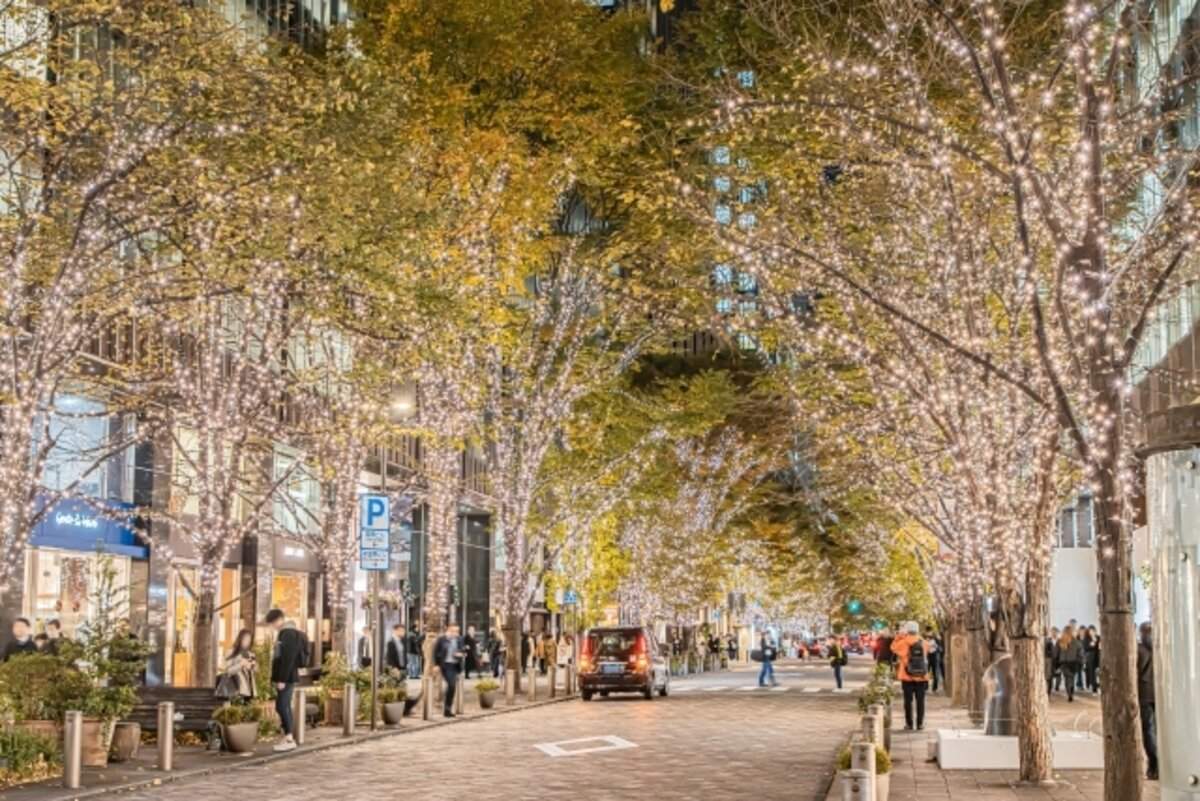
Marunouchi Naka-dori Illumination: A Champagne-Gold Corridor of Light in Front of Tokyo Station
The Marunouchi Naka-dori Illumination is Tokyo’s longest-running street lighting, turning 250 trees along 1.2 kilometers into a golden corridor of light. The 2025-26 season runs from November 13 to February 15, 2026, 16:00-23:00, extended to 24:00 in December.
The lights are about 775,000 champagne-gold LEDs, with markets, food trucks and seating areas along the way; Gyoko-dori is lit at the same time until December 25.
The photo highlight is looking back at Tokyo Station from Gyoko-dori. The nearest station is the Marunouchi side of JR Tokyo Station, and the best time to go is after 19:00.

Roppongi Hills Keyakizaka Illumination: The Best Spot for Framing Tokyo Tower
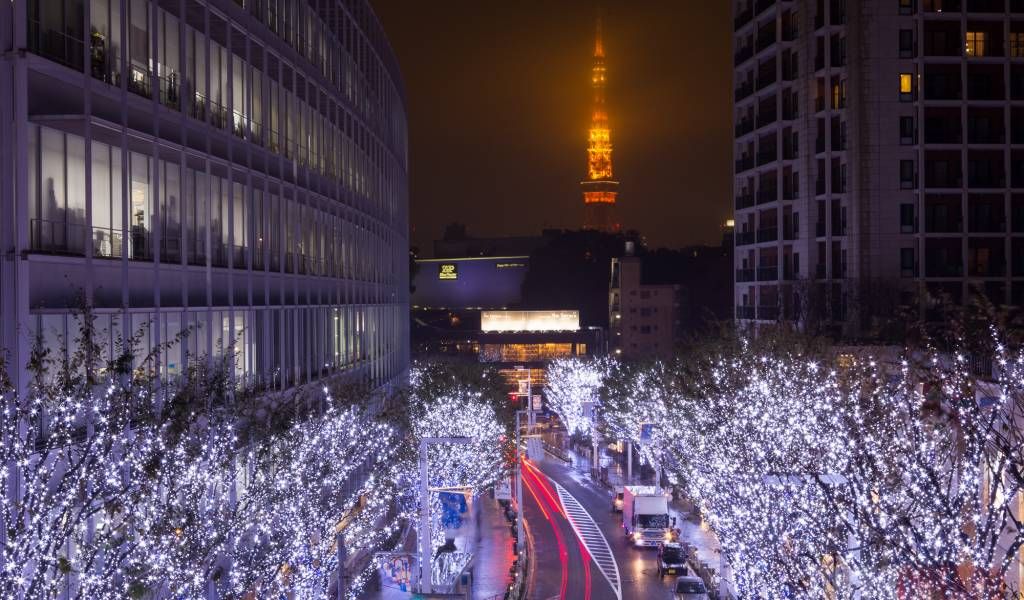
The Roppongi Hills Keyakizaka Illumination stretches about 400 meters, with the 2025 theme “SNOW & BLUE” and about 930,000 lights. It ran from November 4 to December 25, 2025, daily from 17:00 to 23:00.
The classic photo spot is the pedestrian bridge beside Tsutaya Books, where you can frame the sea of lights together with Tokyo Tower. Exit 1C of Roppongi Station on the Hibiya Line connects directly, Exit 3 of Roppongi Station on the Oedo Line is a 4-minute walk, and Exit 7 of Azabu-Juban Station is a 5-minute walk.
Tokyo Midtown MIDTOWN CHRISTMAS: A Light Show With Music and Dreamy Snowfall
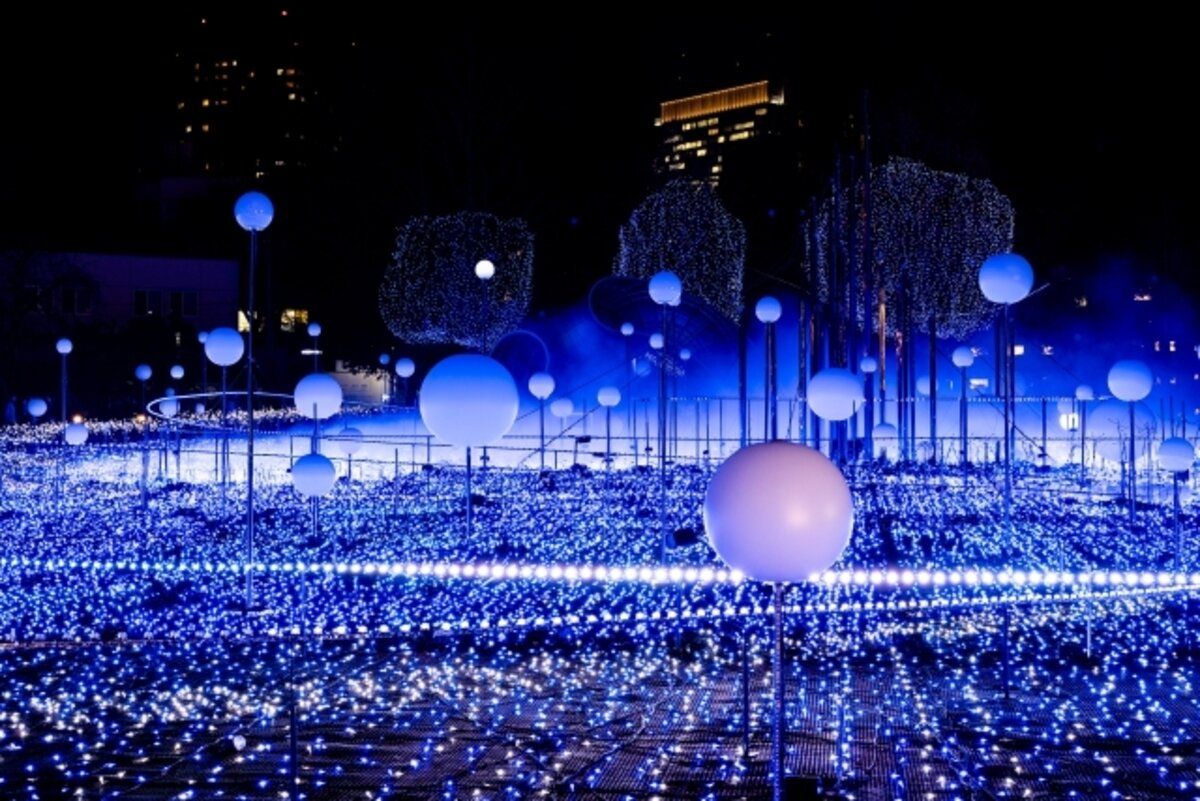
Tokyo Midtown’s “MIDTOWN CHRISTMAS” ran in 2025 from November 13 to December 25, daily 17:00 to 23:00, with a light show of about 3 minutes per round, plus bubble effects (about every 3 minutes) and snowfall effects (about every 12 minutes), a romantic date spot in Roppongi.
Crowds are large around Christmas, so we suggest going on a weekday or before mid-December. Take Exit 8 of Roppongi Station on the Oedo Line, which connects directly, or Exit 3 of Nogizaka Station on the Chiyoda Line, about a 3-minute walk.
Shibuya Blue Cave SHIBUYA: A Galaxy Tunnel Made of Blue LEDs
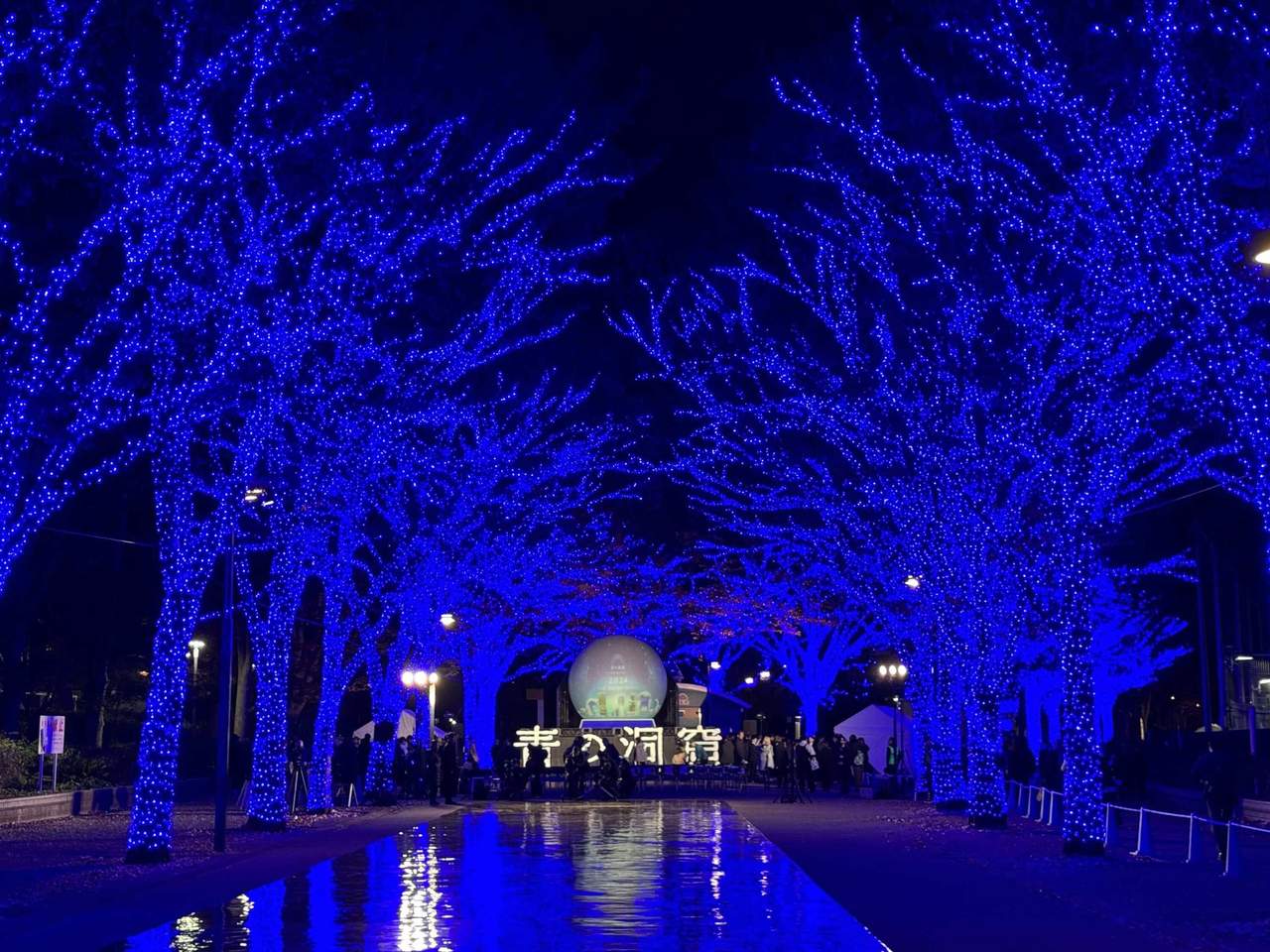
Blue Cave SHIBUYA is Tokyo’s most spectacular illumination, lighting the zelkova-lined path from Shibuya Koen-dori to Yoyogi Park with about 500,000 blue lights into a galaxy tunnel.
In 2025 it ran from December 4 to 25, 17:00 to 22:00, free entry, with the theme “Blue Cave THE SNOWMAN,” and wet ground reflections make for great photos.
From JR or Tokyo Metro Shibuya Station it is a 10-minute walk to the Koen-dori entrance. We suggest walking toward Yoyogi Park, where crowds are easier to manage, and you can also take in Yoyogi Park’s night view.
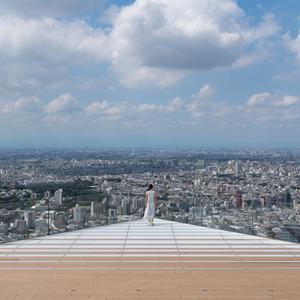
Blue Cave’s Scale: 94 Trees, About 900 Meters Long, About 500,000 LEDs
In 2025 Blue Cave SHIBUYA lit 94 trees with about 500,000 LEDs, including 39 on Shibuya Koen-dori and 55 on the zelkova avenue in Yoyogi Park, about 900 meters long in all. The theme was “Blue Cave THE SNOWMAN,” with a giant snowman balloon appearing for the first time and projections of snow, stars and aurora-like images; the previous year drew about 2.5 million visitors.
Omotesando Illumination: A December-Only Zelkova Avenue of Light
The Omotesando zelkova avenue illumination is a brand-collaboration version held each December only. In 2025 it ran from December 1 to 28, lit from sunset to 22:00, stretching from the Jingu-bashi intersection to the Omotesando intersection, with the whole zelkova avenue lit in warm gold.
Inside Omotesando Hills, decorations are also arranged beside the high-ceilinged staircase, good for photos while shopping. The nearest stations are Omotesando Station on the Tokyo Metro Ginza, Chiyoda and Hanzomon Lines, or JR Harajuku Station, and once outside you can stroll the whole avenue.
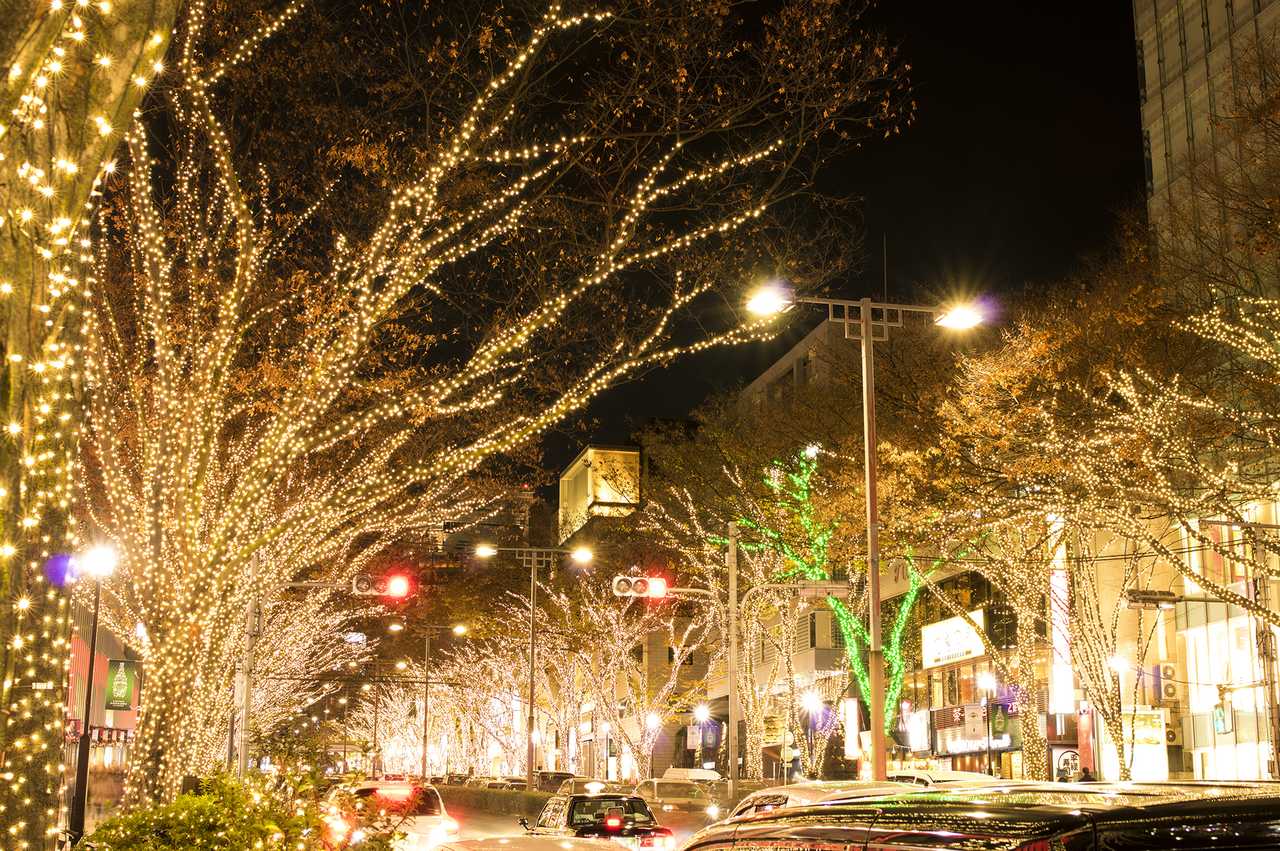
Omotesando Hills Christmas Tree: About 10 Meters Tall With a Light Show Every 20 Minutes
In 2025 the Omotesando illumination ran from December 1 to 28, covering about 1 kilometer from the Jingu-bashi intersection to the Omotesando intersection, with champagne-gold LEDs lit from sunset to 22:00. During the same period Omotesando Hills had a Christmas tree about 10 meters tall with a prism effect, with a light-and-sound show every 20 minutes.
Hibiya Magic Time Illumination: The Most Relaxed Lighting Route Near Ginza
The HIBIYA Magic Time Illumination covers areas including Tokyo Midtown Hibiya, Hibiya Naka-dori and Hibiya Chanter. The area is not large, but the lights are spread across different zones such as Hibiya Naka-dori, the plaza and high-floor terraces.
The lighting period usually continues past Christmas; confirm the exact dates in the official announcement. Both sides of Hibiya Naka-dori also have the Hibiya Godzilla Square for a photo stop.
Being close to Ginza, it works well as a combined plan of “Hibiya lights plus Ginza shopping and dinner,” at a much more relaxed pace than Roppongi or Shibuya. For access, Hibiya Station on the Tokyo Metro Hibiya and Chiyoda Lines goes direct, and you enter the shopping complex as soon as you exit.
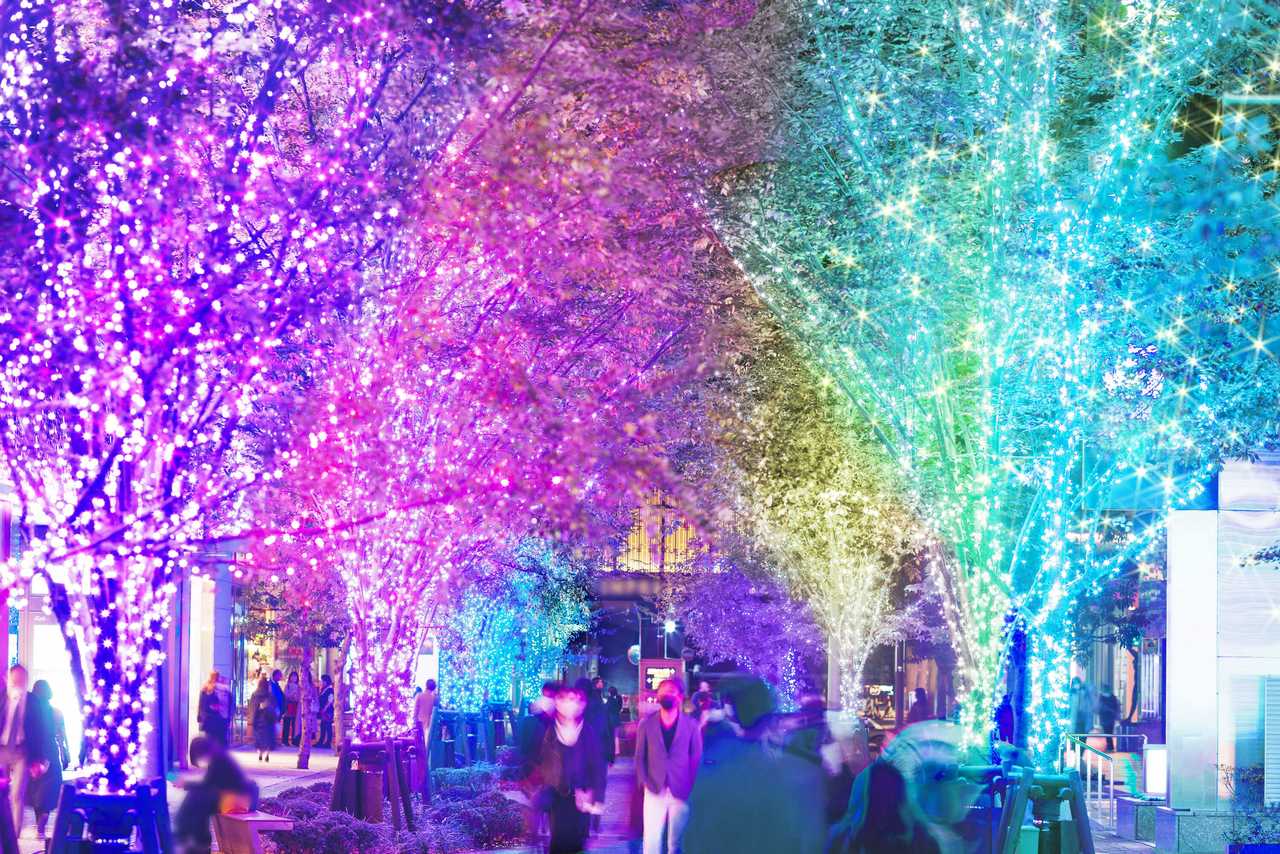
Ebisu Garden Place: The World’s Largest Baccarat Chandelier
Ebisu Garden Place shows the world’s largest “Baccarat ETERNAL LIGHTS” crystal chandelier in winter, about 5 meters tall and 3 meters wide, made of more than 8,500 crystals and 250 bulbs, lit from 11:00 to 23:00.
The previous run lasted from November 8, 2025 to January 12, 2026, daily until 23:00, with light spilling over the red-brick buildings for an elegant, romantic atmosphere, good for a walk after dinner.
From the east exit of JR Yamanote Line Ebisu Station, it is about 5 minutes by moving walkway, with easy access.
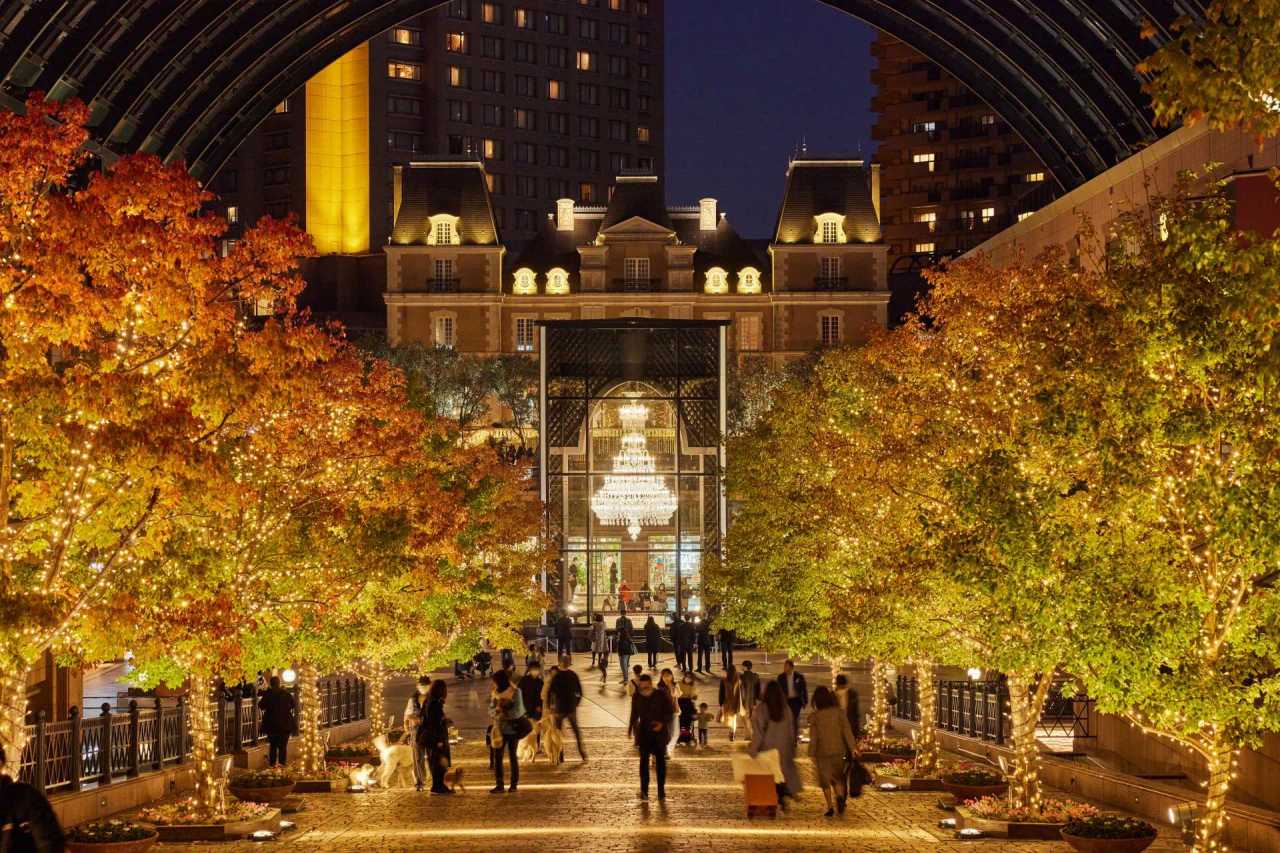
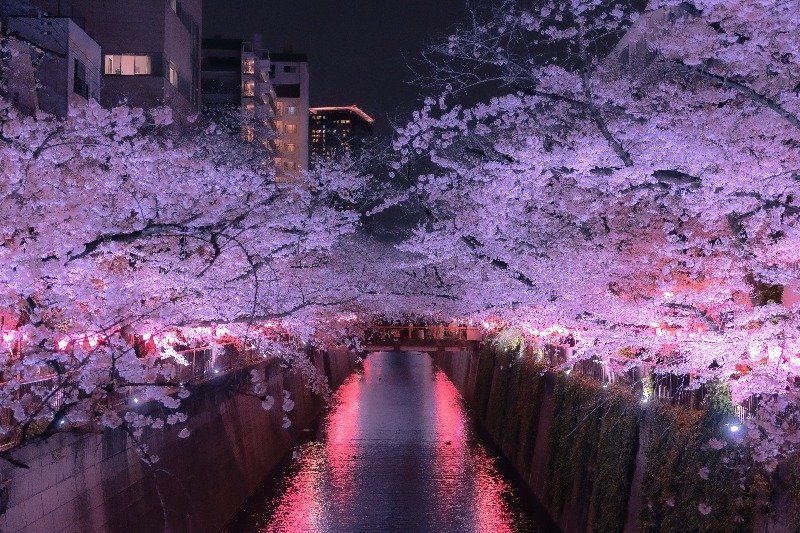
Meguro River Everyone’s Light Show: Pink “Winter Cherry Blossoms” and a Clever Use of Sustainable Power
The Meguro River “Everyone’s Light Show” recreates “winter cherry blossoms,” with the venue at the Gotanda waterside plaza in Shinagawa. The 2025 season ran from 12/5 to 1/31/2026 (17:00-22:30), 2.2 kilometers long with about 390,000 lights; follow the official announcement for the 2026 season.
The power comes from biodiesel made from cooking oil collected from nearby shops and residents, combining romance with sustainability.
We suggest going from JR Gotanda Station or Osaki Station and strolling along the Meguro River to link nearby cafes and izakaya, where crowds are more spread out.
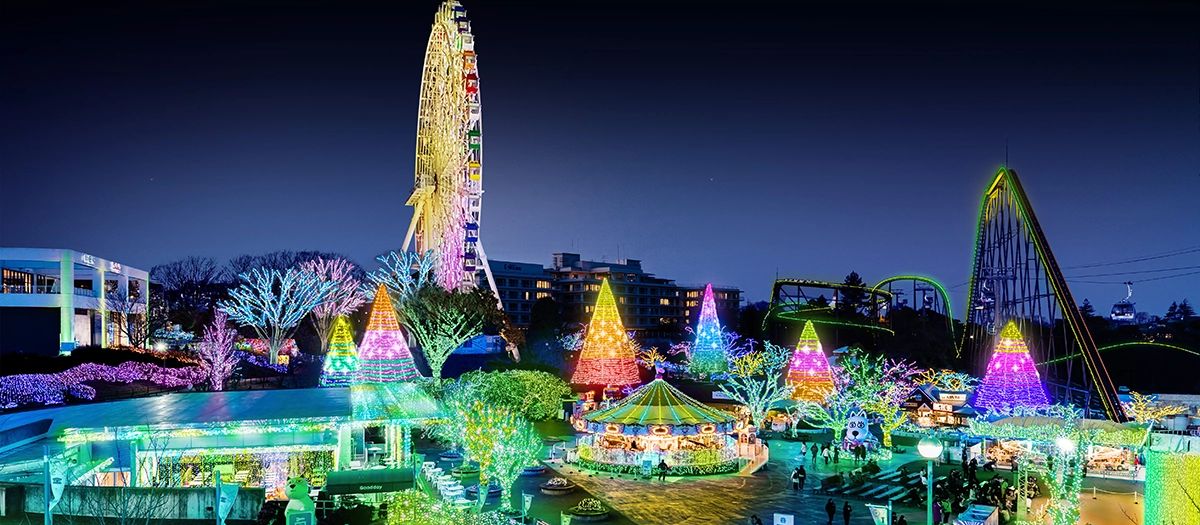
Yomiuri Land Jewel Lumination: The Only Paid but Most Dreamlike Sea of Jewel Lights
Yomiuri Land’s “Jewel Lumination” is the only illumination in this guide that requires an admission ticket. Designed by Motoko Ishii, it runs from 10/29/2026 to 4/4/2027, 16:00-20:30 (not lit on weekdays from March 1 to 12, 2027).
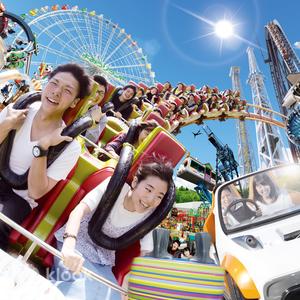
One-day pass: adults ¥5,900, junior and senior high students ¥4,700, elementary students / ages 65 and over ¥4,100, preschool children ¥2,500, with a Ferris wheel and roller coasters for a night ride over the sea of lights.
About 30 minutes by train from Shinjuku, good for family trips; we suggest checking the lighting times on the official website.
How Much Does Winter Illumination Viewing in Tokyo Cost? Tickets and Combo Passes
The good news is that all four main illumination areas, Marunouchi, Roppongi Keyakizaka, Omotesando and Shibuya Blue Cave, are free to enter, so simply strolling to see the lights costs nothing. But if you want to upgrade the experience with an observation deck night view, Christmas market food, an ice rink or the only paid illumination, Yomiuri Land’s jewel lights, there are extra costs. Below are the tickets and combo passes for 2026 that you can compare and buy in advance on KKday and Klook, to help you budget.
Yomiuri Land Jewel Lumination: The Only Paid Dreamy Sea of Lights Beyond the Four Free Areas
Yomiuri Land (4015-1 Yanokuchi, Inagi) is Tokyo’s paid illumination park, from 10/29/2026 to 4/4/2027, with over a million LEDs lighting the whole park. The 2026-27 theme is “Growing Light.”
On-site one-day pass: adults ¥5,900, junior and senior high students ¥4,700, elementary students / ages 65 and over ¥4,100, preschool children ¥2,500; KKday and Klook sell e-tickets for entry.
We suggest planning it separately from Marunouchi and Roppongi. It is about 30 minutes from Shinjuku to Yomiuri Land, so set aside half a day.
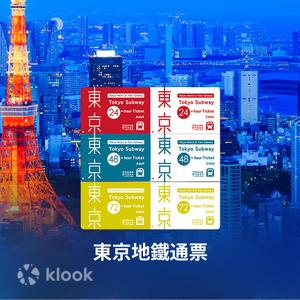
Tokyo Subway Ticket: The Transport Tool That Links Marunouchi, Roppongi, Omotesando and Shibuya
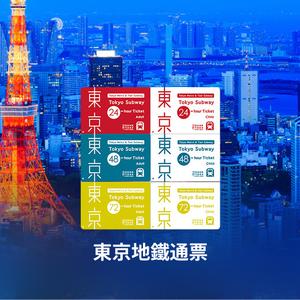
Because this illumination route goes back and forth between Marunouchi, Roppongi, Omotesando and Shibuya, buying the “Tokyo Subway Ticket” shared by Tokyo Metro and Toei Subway is better value than single tickets. The 24-hour pass is about ¥800, the 48-hour about ¥1,200 and the 72-hour about ¥1,500 (foreign visitors can buy with a passport at Haneda or Narita airports or city subway counters, and KKday and Klook also sell e-versions in advance), with unlimited rides on nine Tokyo Metro lines and four Toei Subway lines.
Based on this guide’s route, Tokyo Station to Roppongi Station takes about 15 minutes (Marunouchi Line, transfer to the Hibiya Line), and Roppongi to Omotesando about 10 minutes (Hibiya Line, transfer to the Ginza Line). If you link two or more venues in one evening, single tickets cost about ¥180 to 220 each trip, and with return trips and transfers they quickly exceed the one-day pass price, so we suggest simply buying the Subway Ticket.
This ticket is also handy for flexibly adding extras such as Marunouchi, Hibiya and Ebisu; if you suddenly want to see one more illumination area, you do not need to buy another ticket, saving a lot of time queuing for tickets.
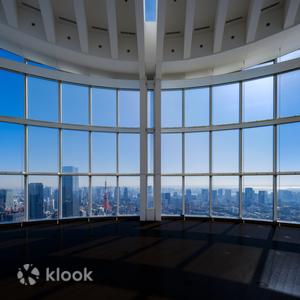
Roppongi Hills Observatory TOKYO CITY VIEW: See the Sea of Lights and the Night View All at Once
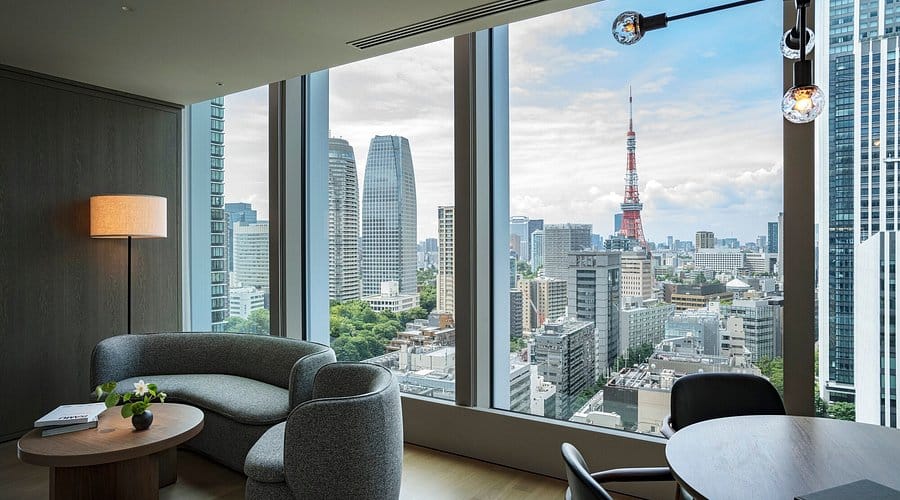
If you want to look down from above at the “SNOW & BLUE” sea of lights, about 400 meters long with nearly 930,000 LEDs on Roppongi Hills Keyakizaka, with Tokyo Tower in the same night view, the Roppongi Hills Observatory “Tokyo City View” is an add-on many travelers choose. Ticket prices vary by weekday, holiday and purchase method; booking through KKday or Klook saves queuing time.
The observatory is open 10:00 to 22:00 (last entry 21:30), with adult tickets about ¥2,000, fitting neatly with the ground-level Keyakizaka lighting hours of 17:00 to 23:00. First look down from the 52nd floor at the whole illuminated avenue and Tokyo Tower panorama, then go downstairs and walk into the sea of lights itself, with the two views echoing each other from completely different angles.
The Roppongi Hills Grand Plaza (Oyane Hiroba) also hosts a Christmas market in the Christmas season, so after the observatory you can pick up a mulled wine on the way down, keeping transport and your route within the same area without more travel.
Tokyo Midtown MIDTOWN CHRISTMAS Ice Rink Experience: An Outdoor Option Beyond the Light Show
Tokyo Midtown (9-7-1 Akasaka, Minato City) often sets up an outdoor ice rink in winter. In 2025 the “Yunth MIDTOWN ICE RINK” opened from November 21; follow the official website for ticket prices and opening dates.
The light show itself is free from 17:00 to 23:00; we suggest going on a weekday or at off-peak times before mid-December.
Exit 8 of Roppongi Station on the Toei Oedo Line connects directly to Midtown, with very convenient access, and it fits after the Roppongi Keyakizaka illumination route, fitting both free light viewing and a paid skating experience into one evening.
Where to Stay for Tokyo Winter Illuminations: Recommended Areas
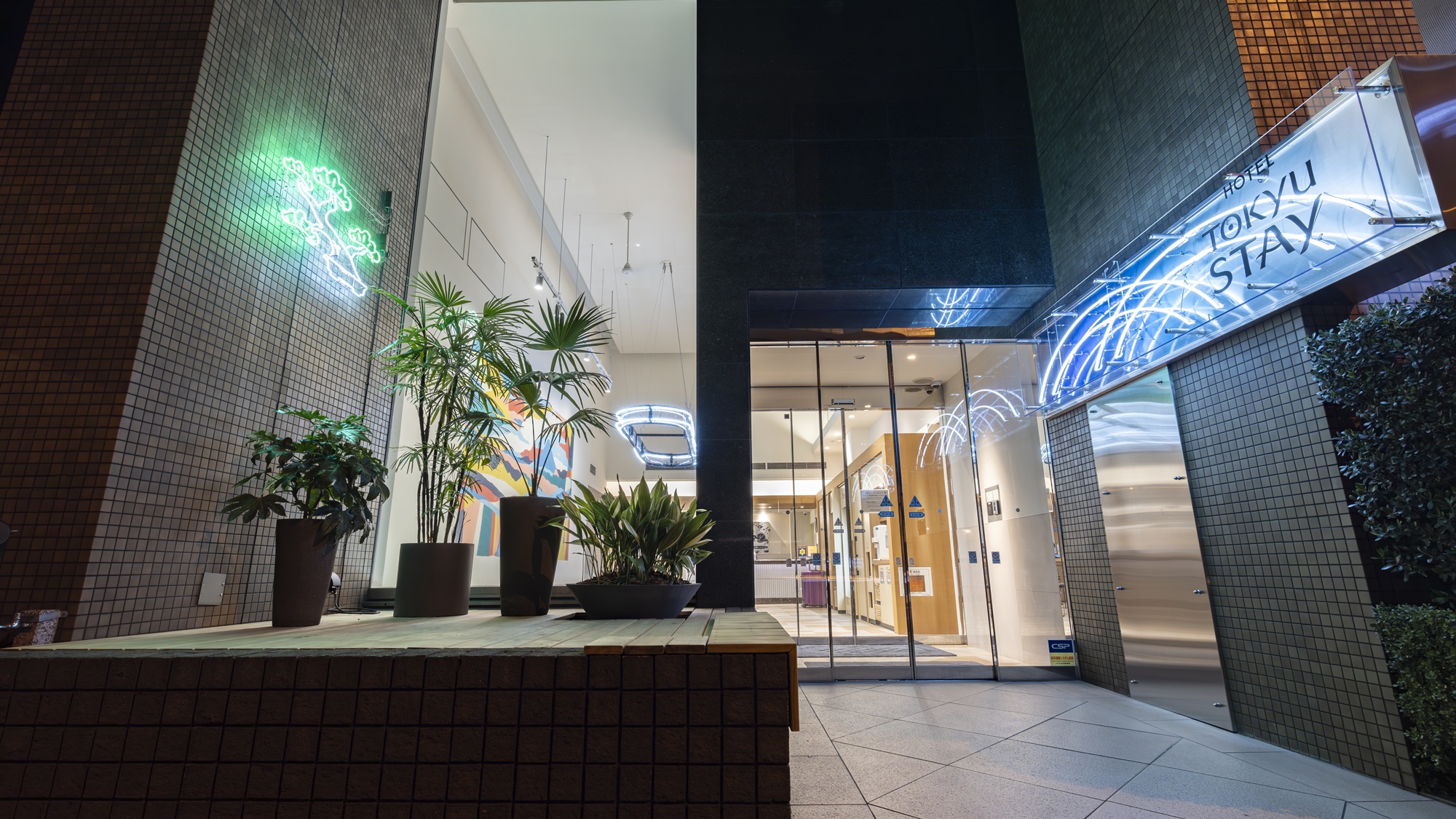
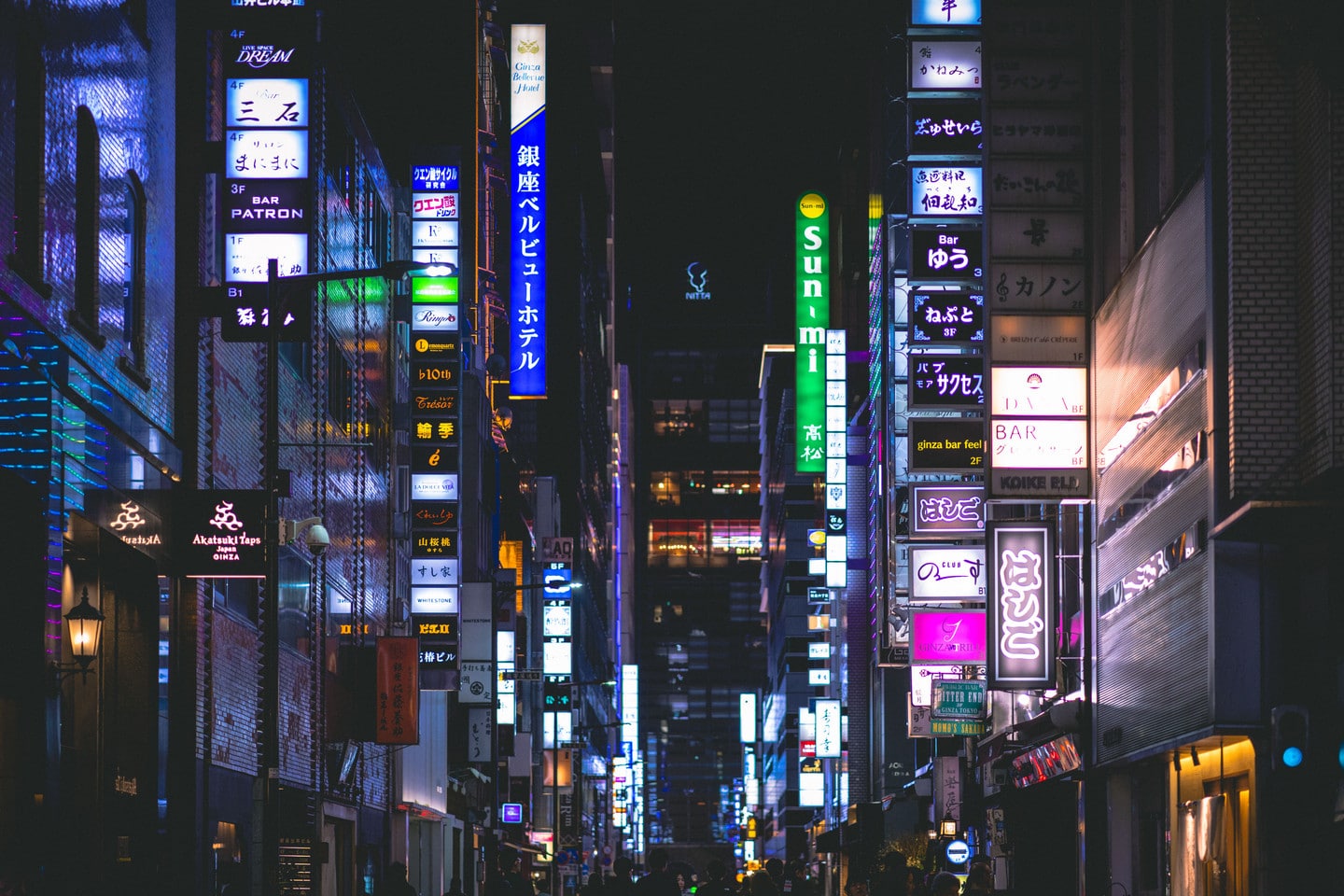
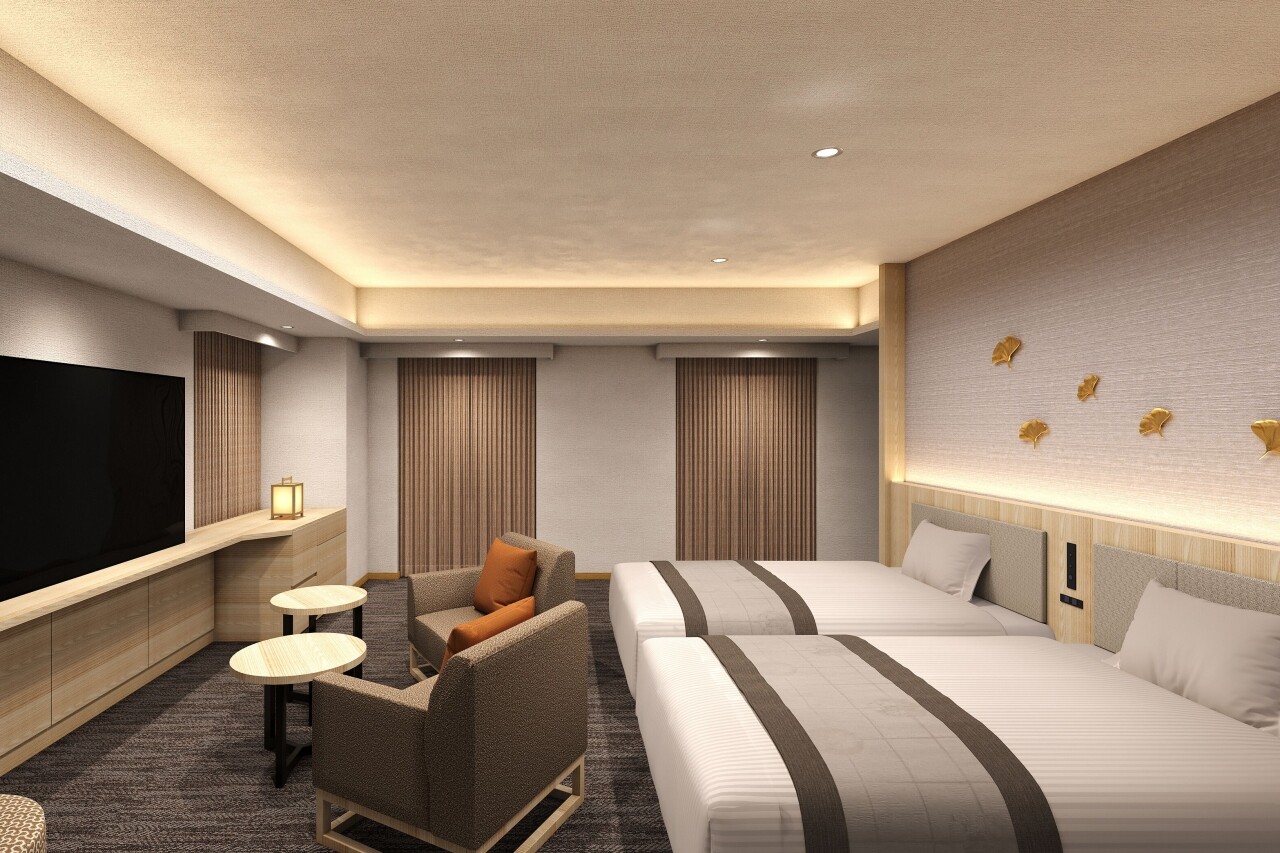
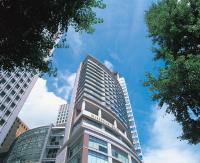
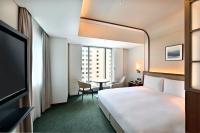
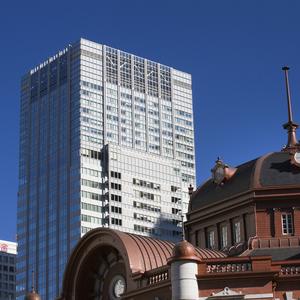
Staying Around Tokyo Station Marunouchi: A Century-Old Hotel Connected to the Station
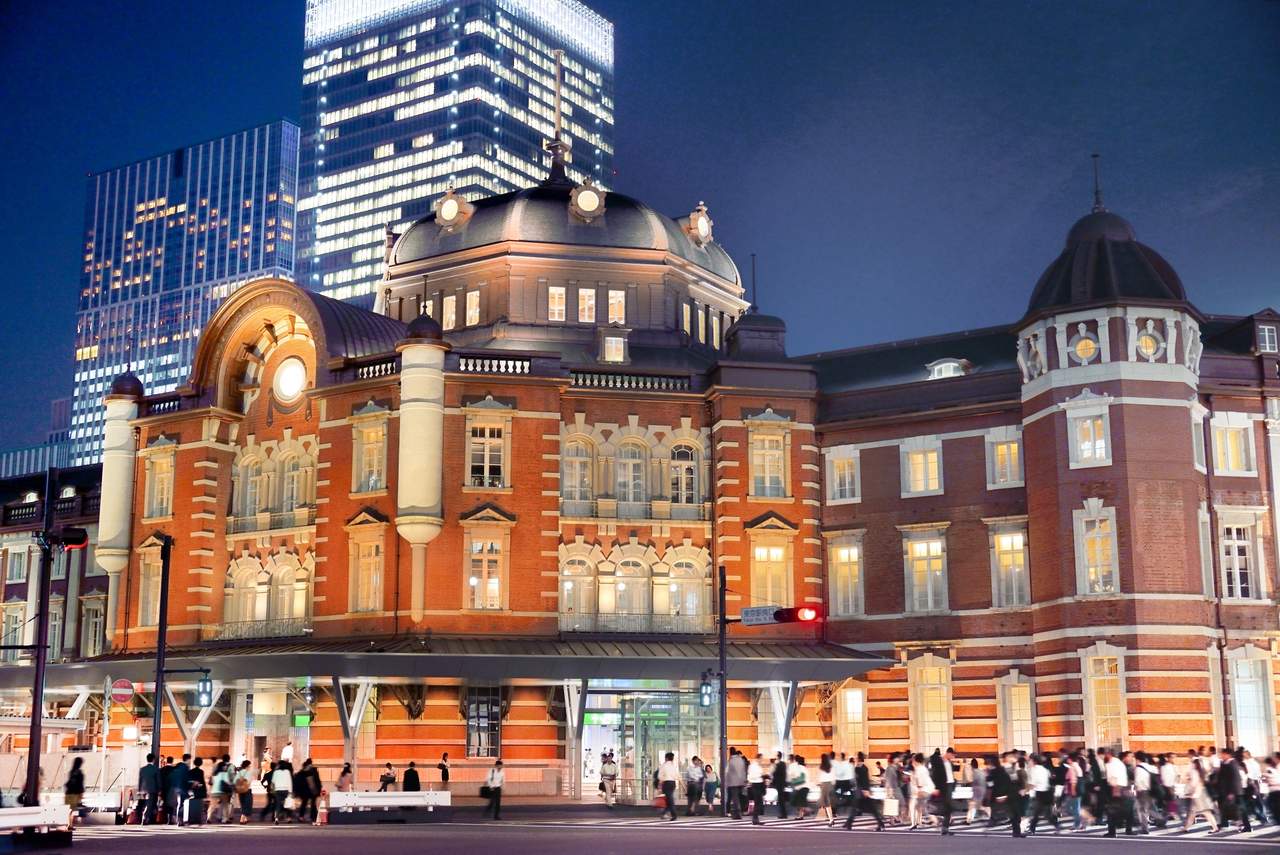
Around Marunouchi Naka-dori, consider The Tokyo Station Hotel, open since 1915 and connected directly to the Marunouchi South Exit of JR Tokyo Station. A few minutes’ walk in the evening takes you into the champagne-gold sea of lights (in 2025: November 13 to February 15, 2026, 16:00 to 23:00, to 24:00 in December), and the next day it is easy to leave Tokyo by Shinkansen. The downside is that room rates rise noticeably around the Christmas holidays.
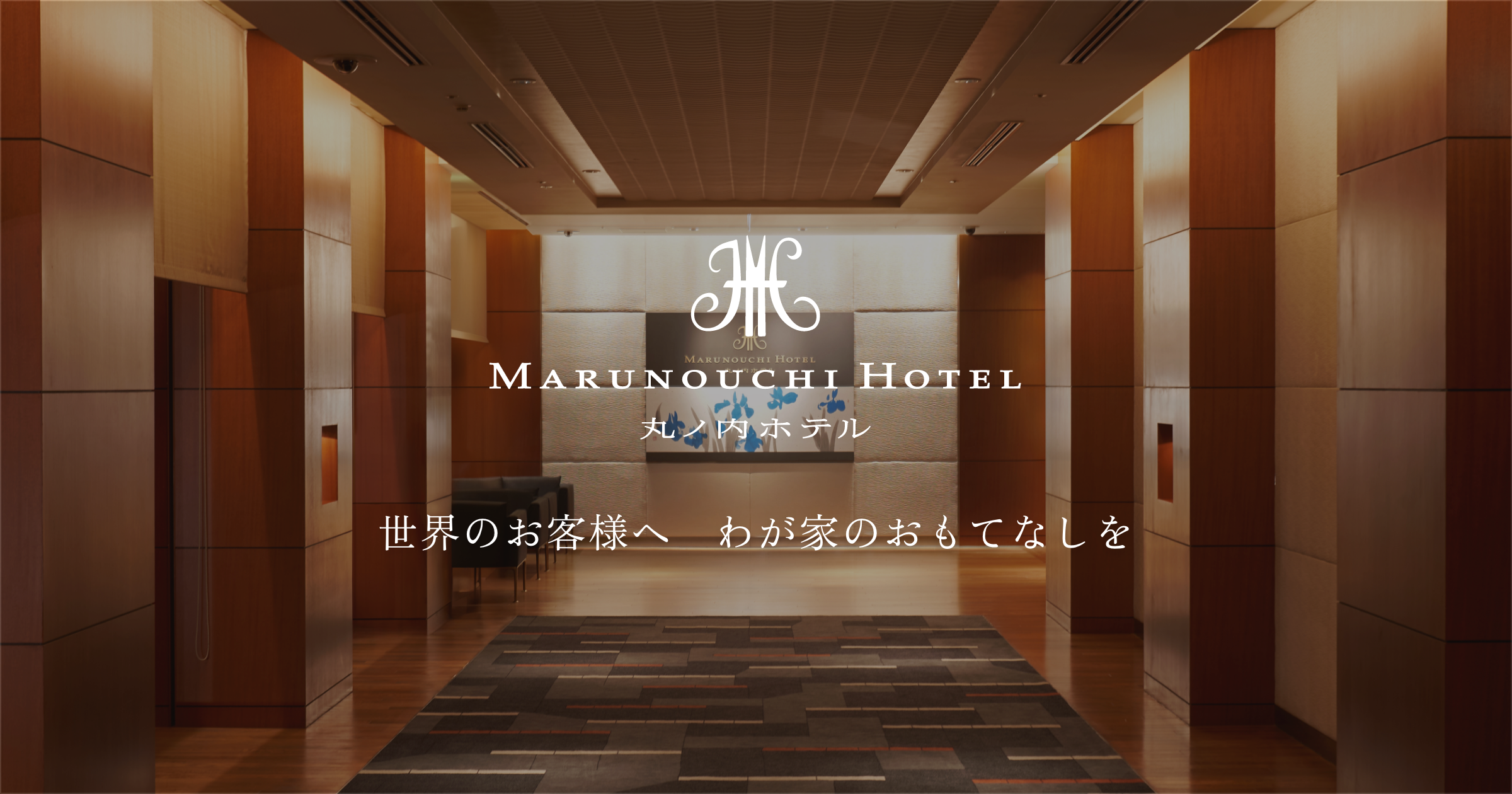

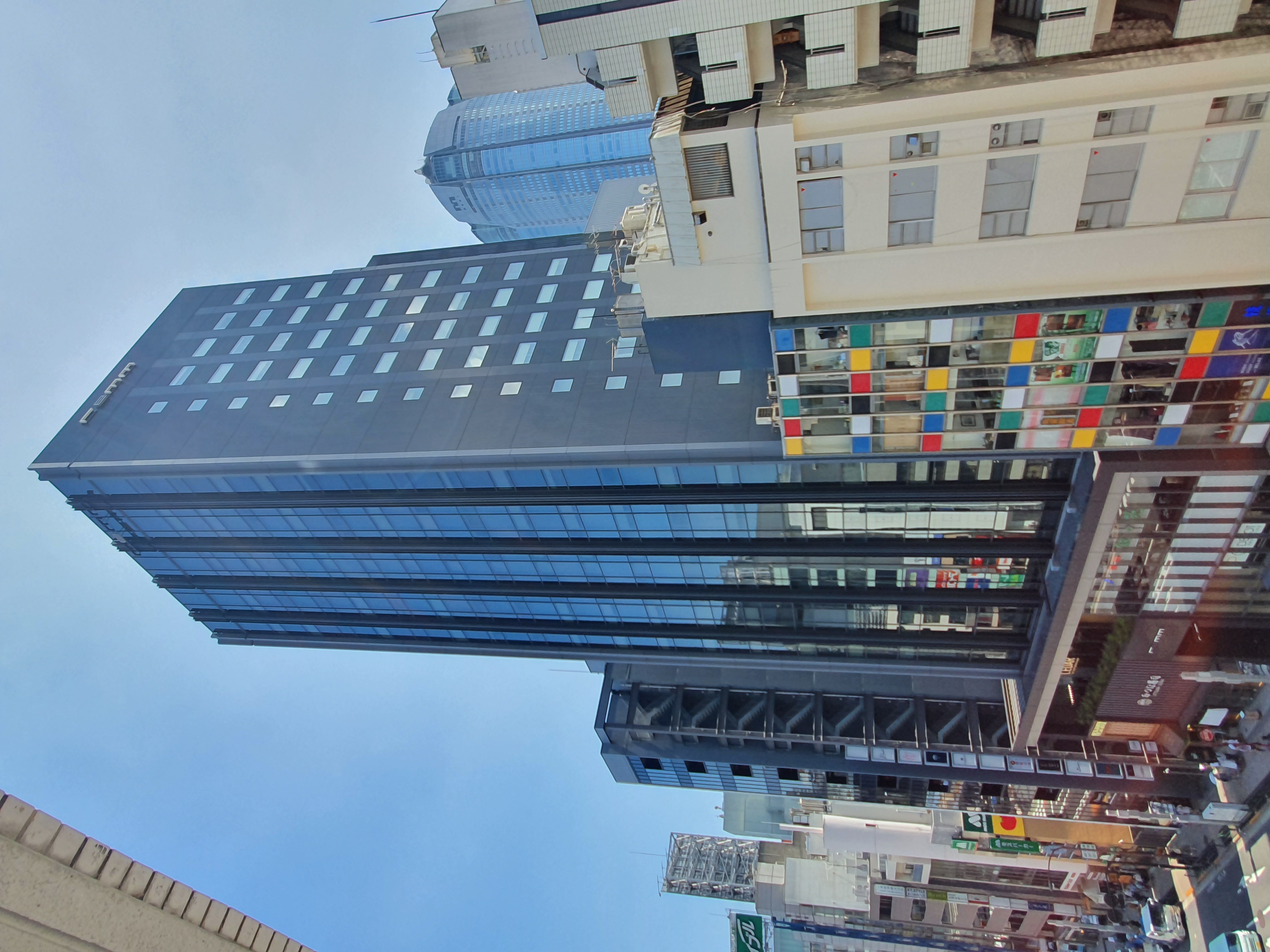
Staying in Roppongi and Akasaka: One Stop to Tokyo Midtown and Roppongi Hills
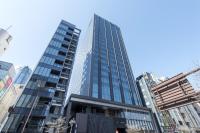
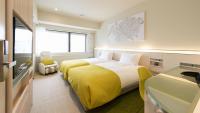
Around Roppongi Station there are options such as remm Roppongi, and you can walk straight to the two illuminations at Keyakizaka and Tokyo Midtown (in 2025, November 4 to December 25 and November 13 to December 25, respectively, daily 17:00 to 23:00). The next day, the Hibiya Line transferring to the Ginza Line takes about 10 minutes to Omotesando, good for travelers who want to concentrate their trip in Roppongi for one full night.

Staying in the Shibuya Area: Hotels Connected to Shibuya Scramble Square Save the Most Time
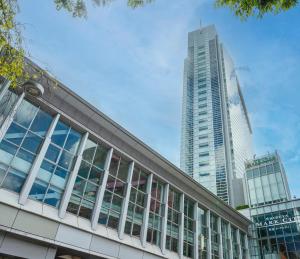
From the hotels around “Shibuya Scramble Square,” directly connected to Shibuya Station, it is a 10-minute walk to the Blue Cave entrance (in 2025: December 4 to 25, 17:00 to 22:00, about 900 meters long). After the lights you do not need to transfer on the way back, which suits putting Omotesando and Shibuya on the same night and heading straight back to the hotel to rest.


FAQ
Q: When do Tokyo’s winter illuminations start in 2026?
Most venues follow the usual pattern of lighting from early November through Christmas, and official dates are mostly announced between mid-October and early November. We suggest checking the official websites again one to two months before you go.
Q: Which Tokyo illuminations are completely free?
Marunouchi Naka-dori, Roppongi Keyakizaka, Tokyo Midtown, Shibuya Blue Cave and Omotesando are all free to enter; only Yomiuri Land Jewel Lumination requires a ticket.
Q: Do the illuminations still go ahead in the rain?
Street-type illuminations such as Marunouchi, Roppongi and Shibuya usually go ahead in wind or rain, and only extreme weather may bring a temporary notice of changes; check official social media for real-time news before you go.
Q: How many illumination spots can I see in one evening?
We suggest two areas per evening, for example Marunouchi plus Roppongi, or Omotesando plus Shibuya. Cramming in all four will slow you down with transfers and crowds.
Q: When is the Tokyo Midtown Christmas market most crowded?
Both Tokyo Midtown and the Roppongi Hills Grand Plaza have Christmas markets, and weekends before Christmas are the most crowded, so a weekday early evening or a visit before mid-December is more relaxed.
Q: How much is a Yomiuri Land Jewel Lumination ticket?
A one-day pass is ¥5,900 for adults, ¥4,700 for junior and senior high students, ¥4,100 for elementary students or those 65 and over, and ¥2,500 for children aged 3 and over; other ticket types follow the official announcement.
Q: How cold are Tokyo winter nights, and how should I prepare?
December nights are often below 5 degrees Celsius, and you will mostly be walking outdoors for a long time, so bring a warm coat, scarf, gloves and heat packs before heading out for the lights.