
Tokyo National Museum: A Palace of Japanese Culture and Art
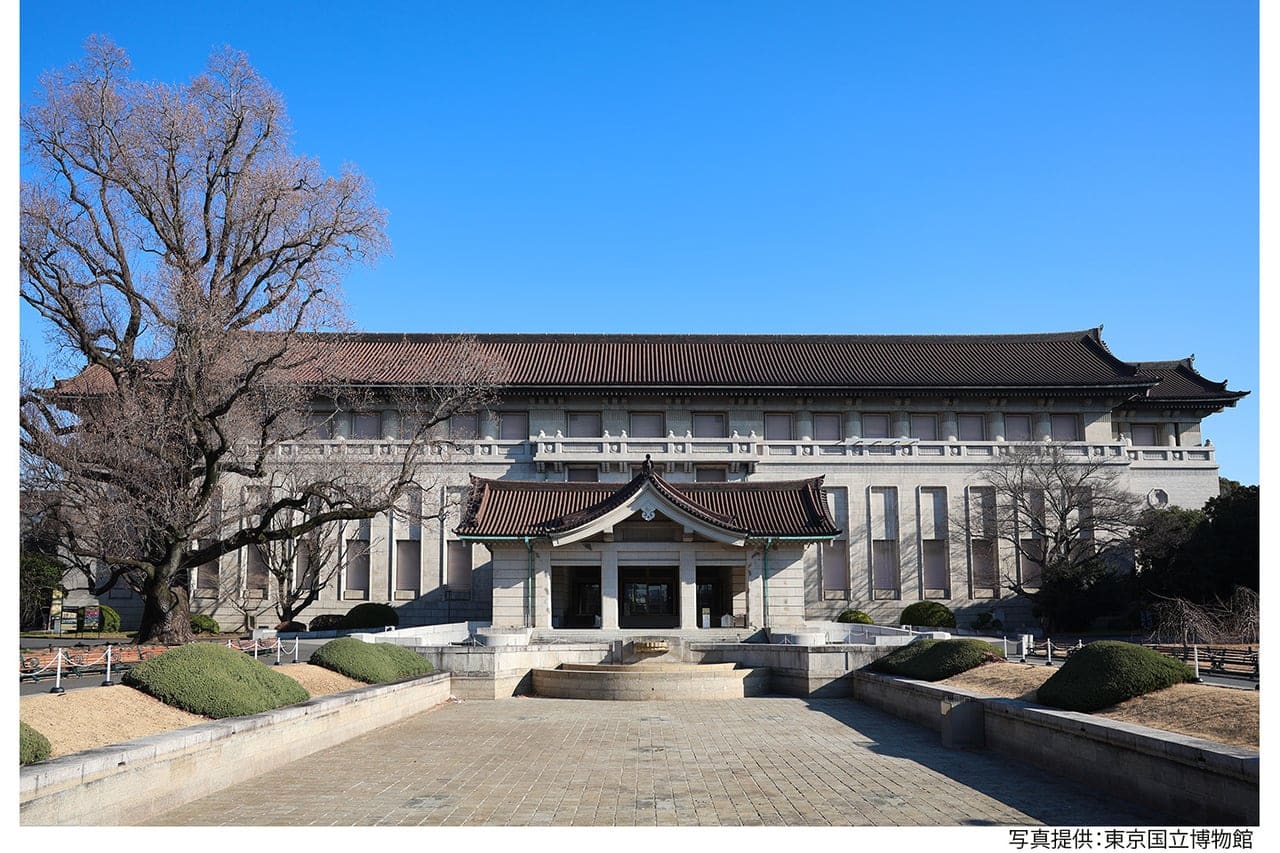
The Tokyo National Museum (TNM) is Japan’s oldest and largest museum. Located in Ueno Park, it holds a rich collection of Japanese and Asian art treasures and archaeological artifacts. Since its founding in 1872 it has been an important base for passing on Japanese culture, attracting millions of domestic and international visitors every year.
The key points first:
- 🕘 Opening hours: 9:30-17:00, extended to 20:00 on Fridays and Saturdays; closed on Mondays
- 🎫 Admission: General Exhibition (permanent exhibition) ¥1,000 for adults, ¥500 for university students; free for high school students and under, and for ages 70 and over
- 🚉 Access: about a 10-minute walk from the Park Exit of JR Ueno Station
This article gathers the must-see exhibits and visiting highlights of the Tokyo National Museum. The museum is not only a place that displays National Treasures and Important Cultural Properties but also a window into the development of Japanese history and art. Its grand group of buildings is itself a work of art, combining traditional and modern design, and gives visitors an immersive cultural experience. Whether you are an art lover or a history explorer, you will find something that moves you here.
History and Standing of the Tokyo National Museum
The history of the Tokyo National Museum goes back to the 1872 exposition at Yushima Seido, making it Japan’s first museum. It carries the historical mission of Japan since the Meiji Restoration, eagerly learning from the West while preserving its own culture, and it has witnessed the process of Japan’s modernization.
As one of Japan’s most important cultural institutions, the Tokyo National Museum is not only the guardian of National Treasures and Important Cultural Properties but also a bridge for cultural exchange between Japan and the world. Its rich collection and regular special exhibitions give it a weighty position among museums worldwide.
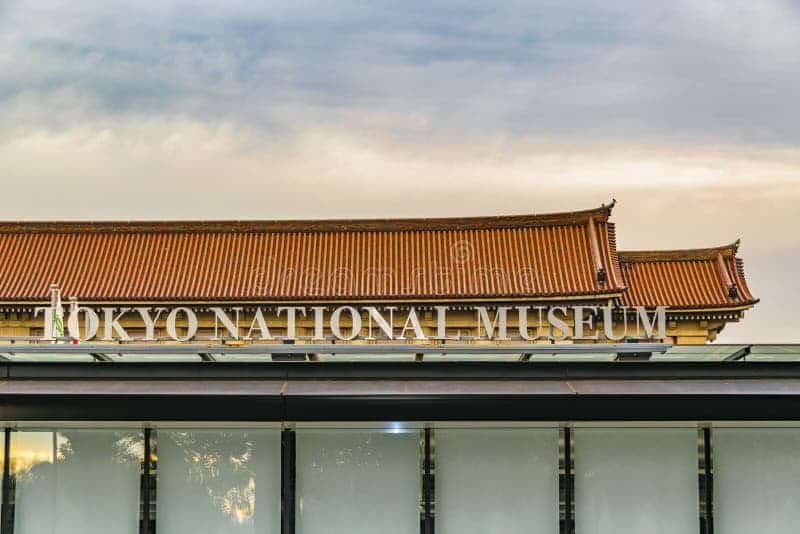

A Cultural Oasis in Ueno Park
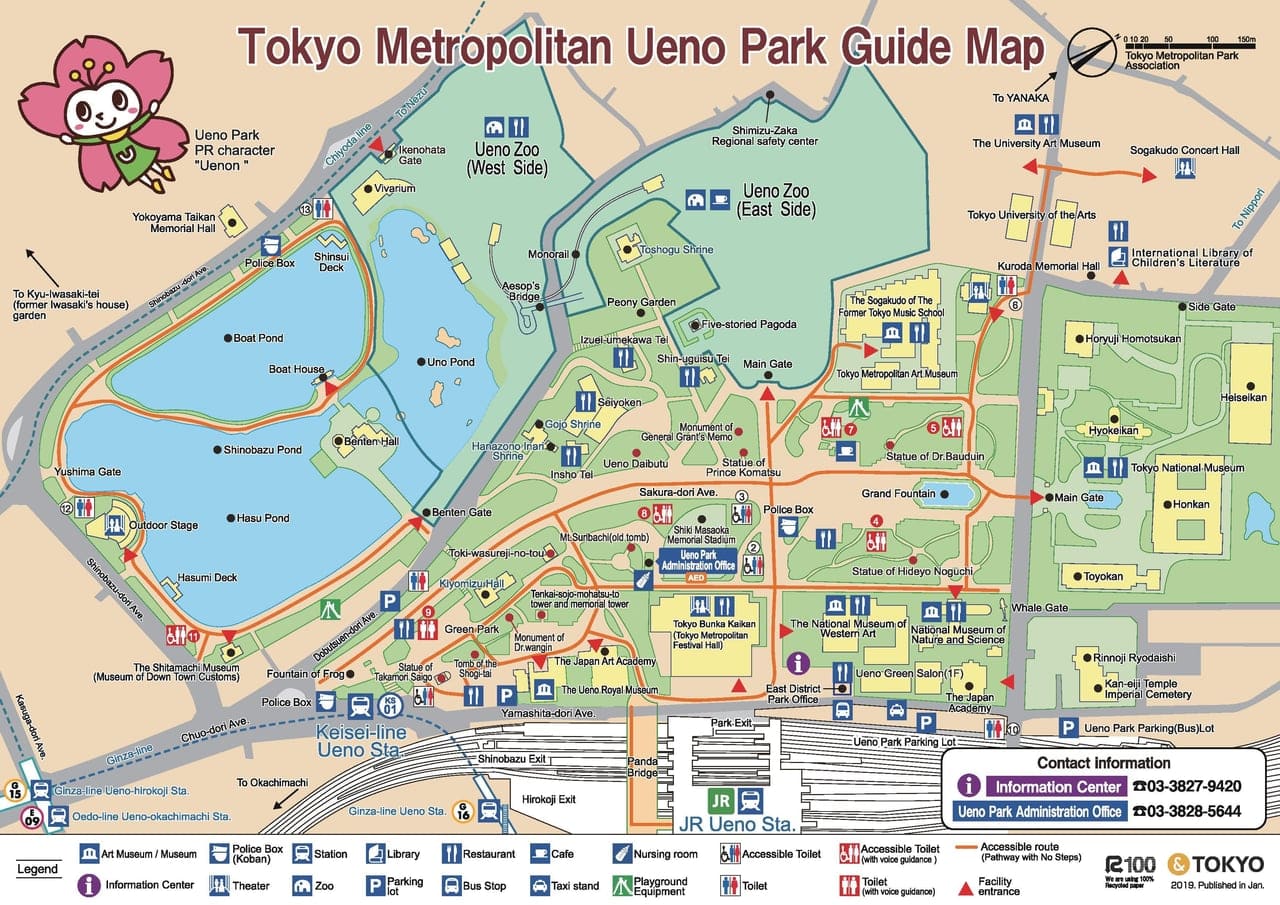
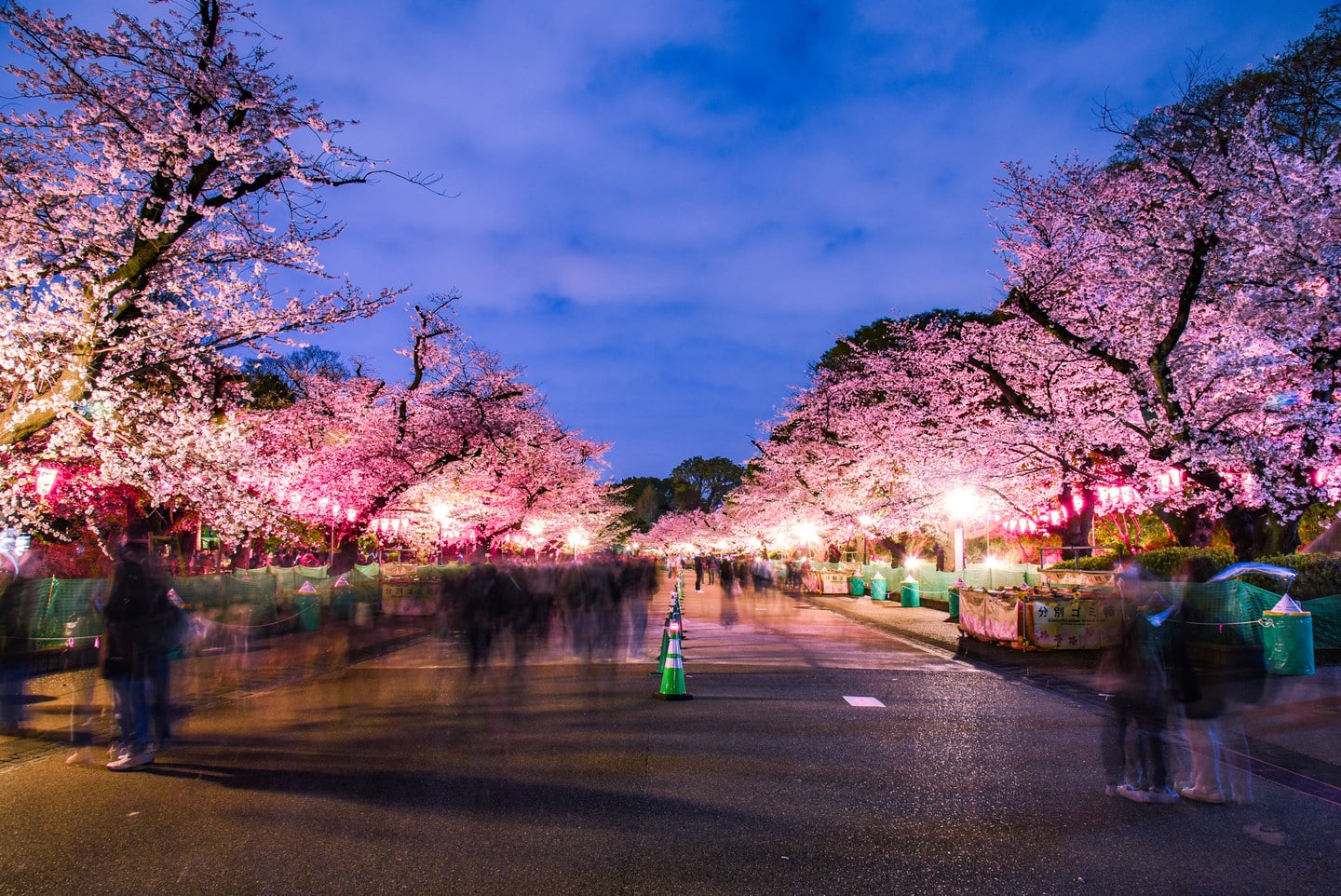
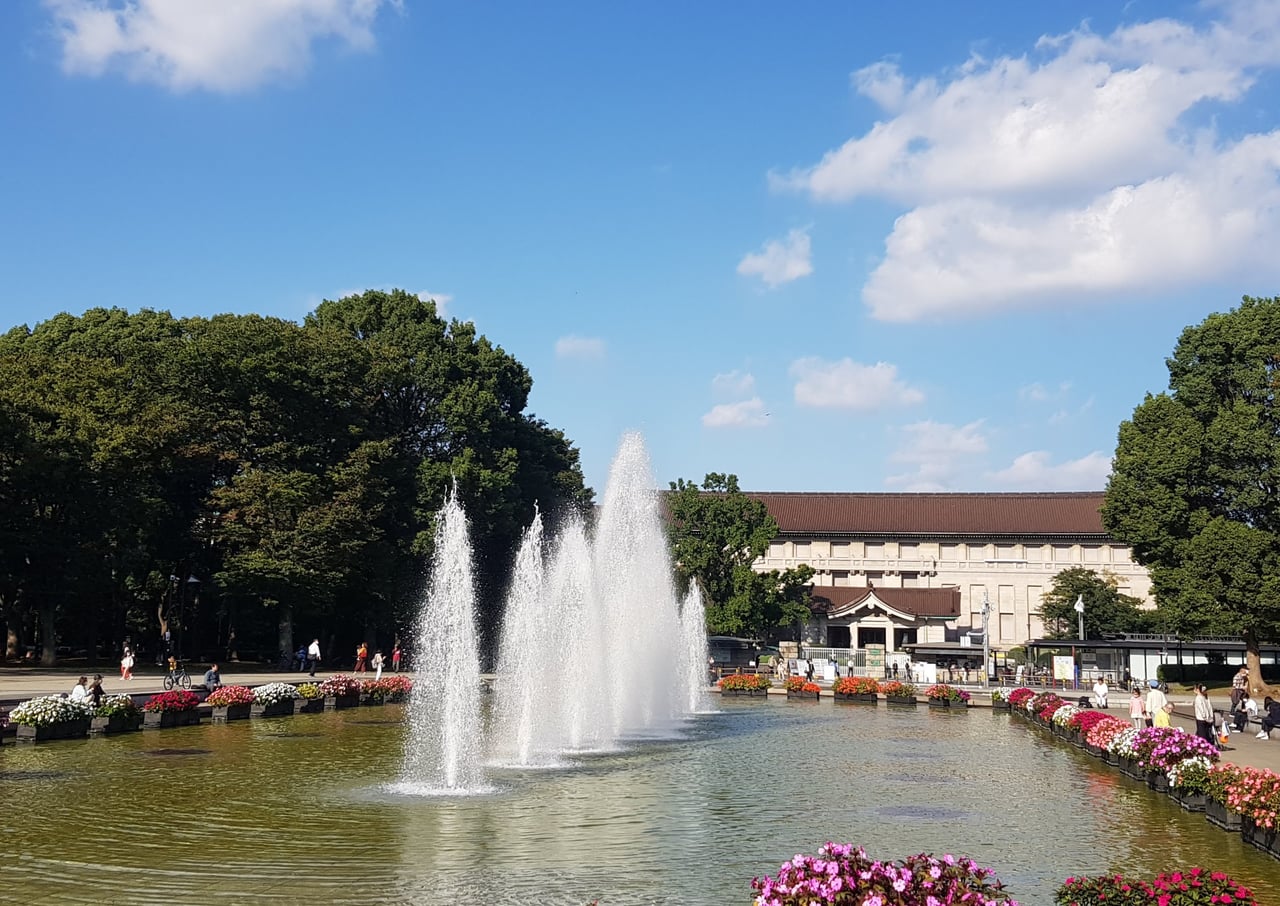
The Tokyo National Museum sits in the broad and beautiful Ueno Park, surrounded by cultural facilities such as the National Museum of Western Art, the National Museum of Nature and Science, and Ueno Zoo. This makes Ueno Park Tokyo’s premier cultural and leisure center.
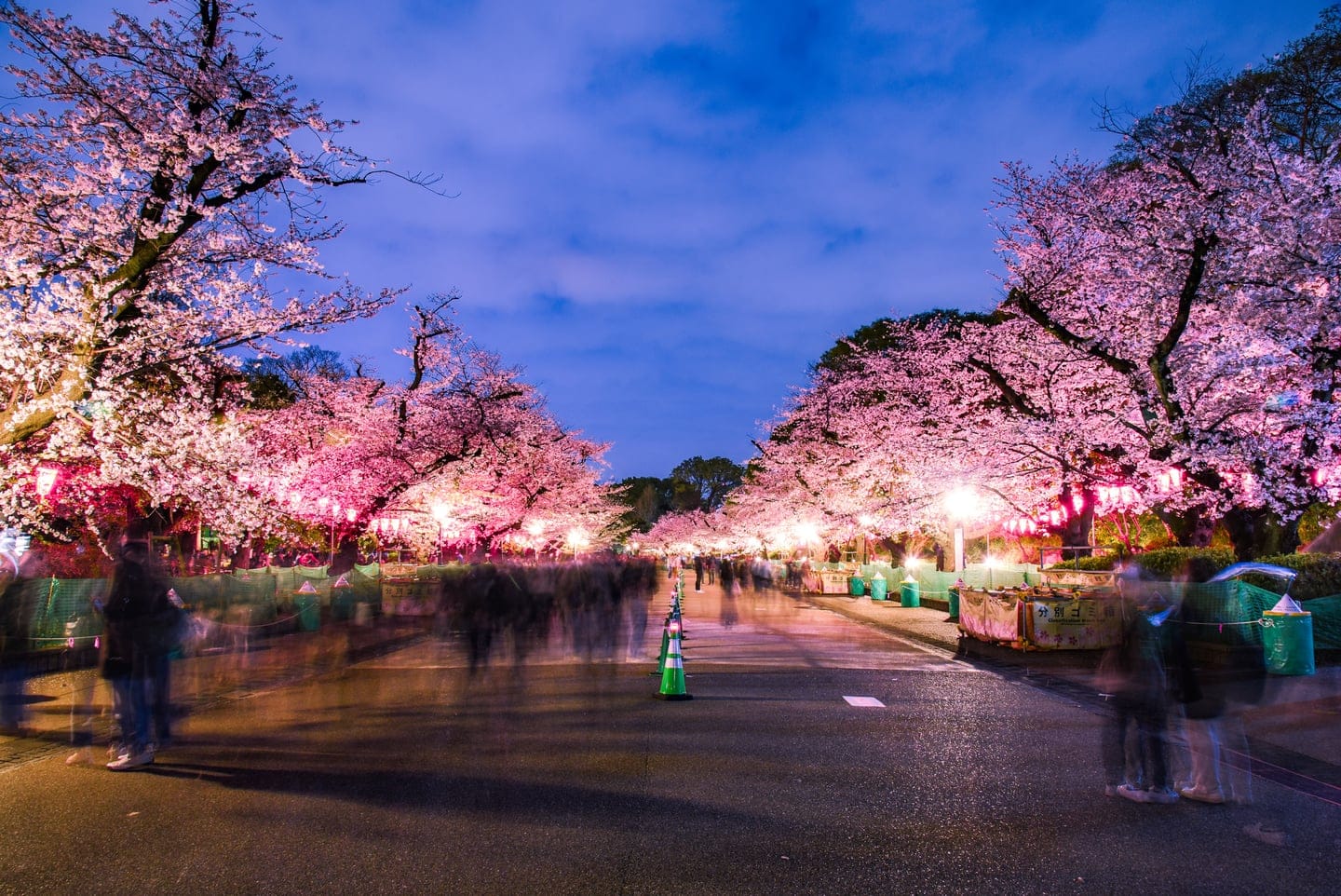
Besides visiting the museum, visitors can stroll through the park and enjoy its lush green scenery, or stop by other museums and sights. The combination of the museum and the park provides a full-day itinerary and is a stop not to be missed in Tokyo travel.
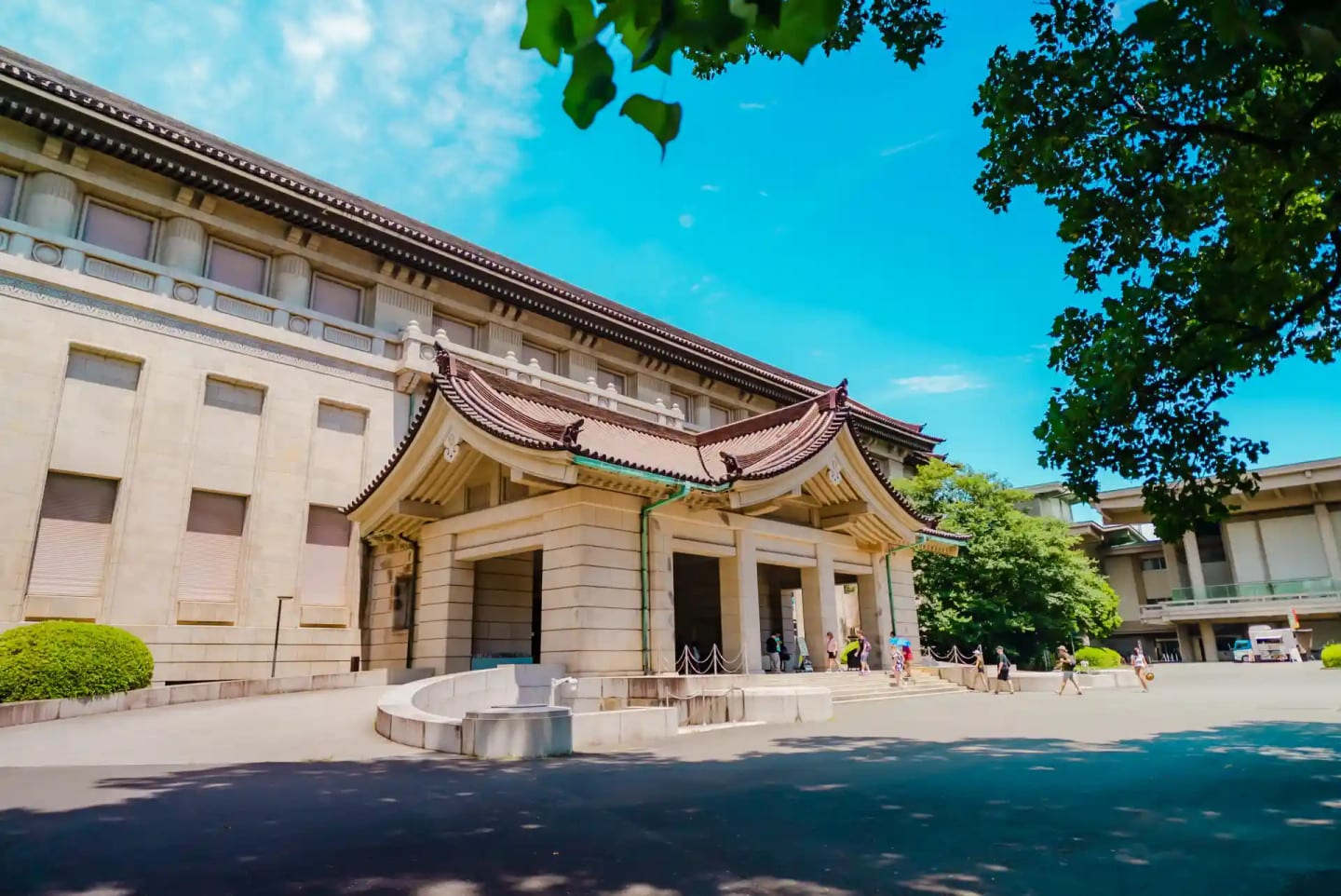
Getting to the Tokyo National Museum and Nearby Guide
The Tokyo National Museum is inside Ueno Park and very easy to reach. Take JR to Ueno Station and exit at the “Park Exit,” then follow the signs for about a 10-minute walk; take the Tokyo Metro Ginza Line or Hibiya Line to Ueno Station Exit 7 for about a 15-minute walk; from the Narita Airport direction, take the Keisei Line to Keisei Ueno Station for about a 15-minute walk. You can also walk about 10 minutes from the south exit of JR Uguisudani Station, or take the Metro Chiyoda Line to Nezu Station and walk about 15 minutes.
Nearby Attractions: A Rich Day in Ueno
There are many worthwhile attractions around the Tokyo National Museum, such as Ueno Zoo, the National Museum of Nature and Science, and the National Museum of Western Art. You can plan a full-day itinerary and cover all of these cultural facilities.
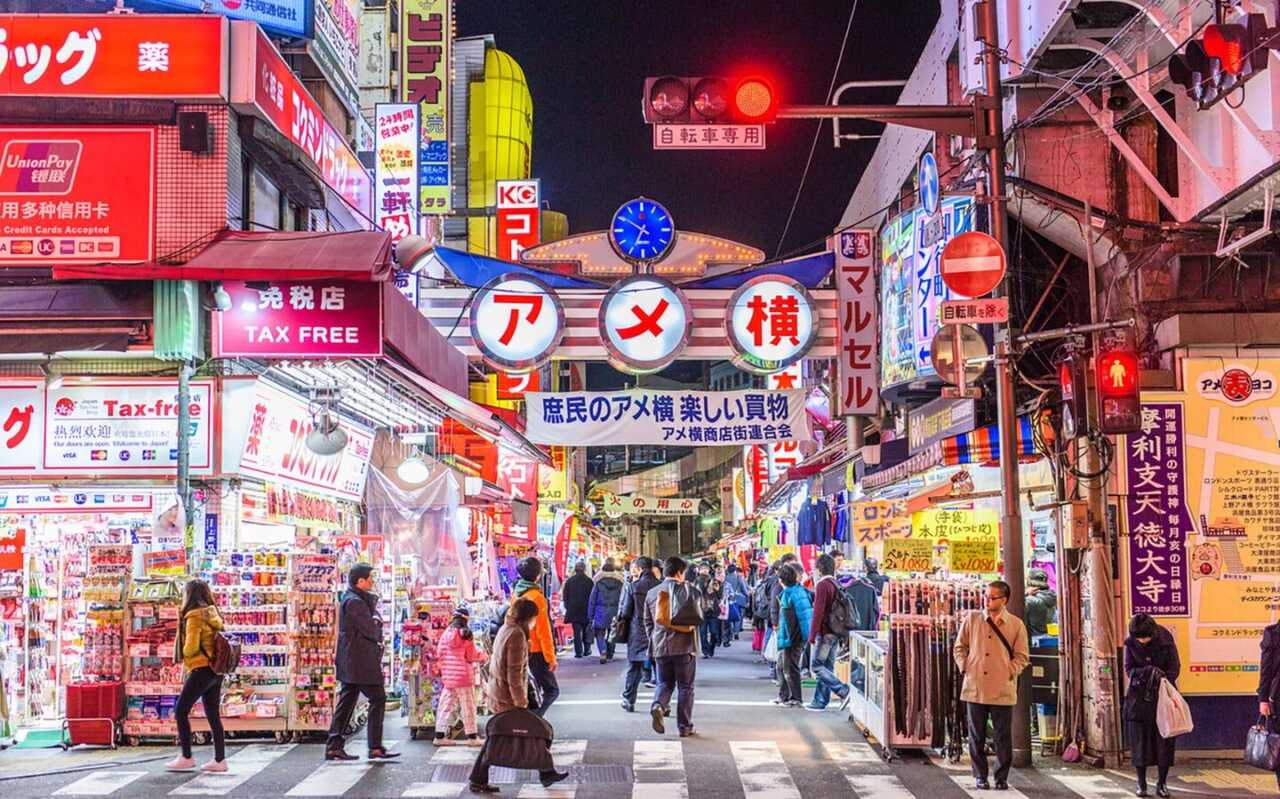
In addition, the Ueno area has lively shopping streets such as Ameyoko, offering rich shopping and dining experiences. After visiting the museum, take a stroll around the neighborhood and feel Tokyo’s distinctive down-to-earth atmosphere.
![Tokyo - [Tokyo Kimono Experience] Asakusa & Ueno Wasoukobo Miyabi Kimono / Yukata Experience](https://res.klook.com/images/w_300,h_300,c_fill,q_75/w_80,x_15,y_15,g_south_west,l_Klook_water_br_trans_yhcmh3/activities/i11n8jclsb1s6slzabs6/【東京和服體驗】淺草上野和裝工房雅和服/浴衣體驗-Klook.jpg)

Tokyo National Museum Highlights and an In-Depth Look at the Six Main Galleries
The Tokyo National Museum is known for its six main galleries, each with its own historical background and collection theme. From ancient Japanese art to treasures of Asian countries, and from Buddhist art to archaeological finds, the essence of civilizations spanning thousands of years is gathered here.
Understanding the character of each gallery will help you plan your route and not miss any precious exhibit. The museum’s rich collection is the best place to experience the deep cultural heritage of Japan and Asia as a whole.
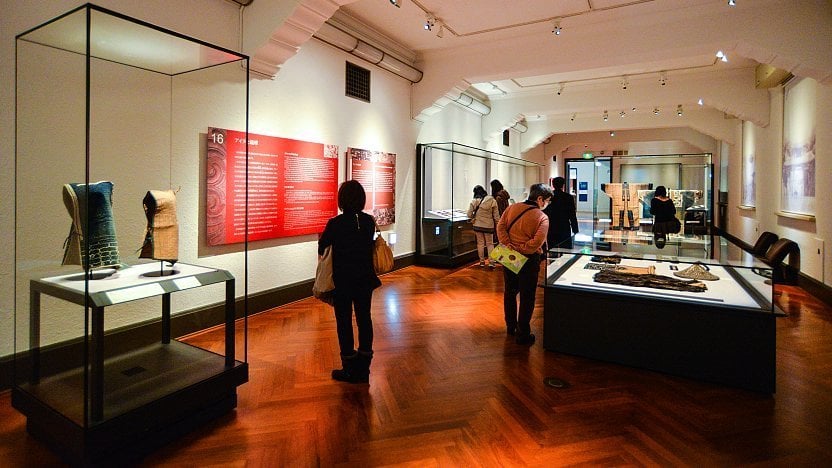
Honkan (Japanese Art): The Hall of Japanese Art’s Finest
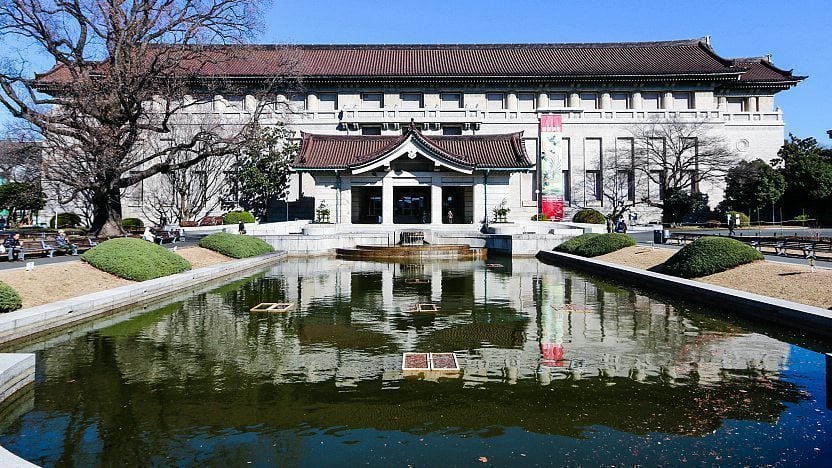
The Honkan is the core of the Tokyo National Museum, and the building itself is an Important Cultural Property in the Teikan (imperial crown) style. It mainly displays the finest of Japanese art, from Jomon pottery of prehistoric times to Edo-period ukiyo-e, samurai swords, and ceramics, and more.
The exhibits in the Honkan are arranged by period and theme, systematically presenting the evolution of Japanese art. Among them are many National Treasures, such as Hasegawa Tohaku’s “Pine Trees” folding screens and Tawaraya Sotatsu’s “Wind God and Thunder God” folding screens, a must-see for understanding traditional Japanese art.
Toyokan (Asian Art): An Art Treasury of Asian Civilizations
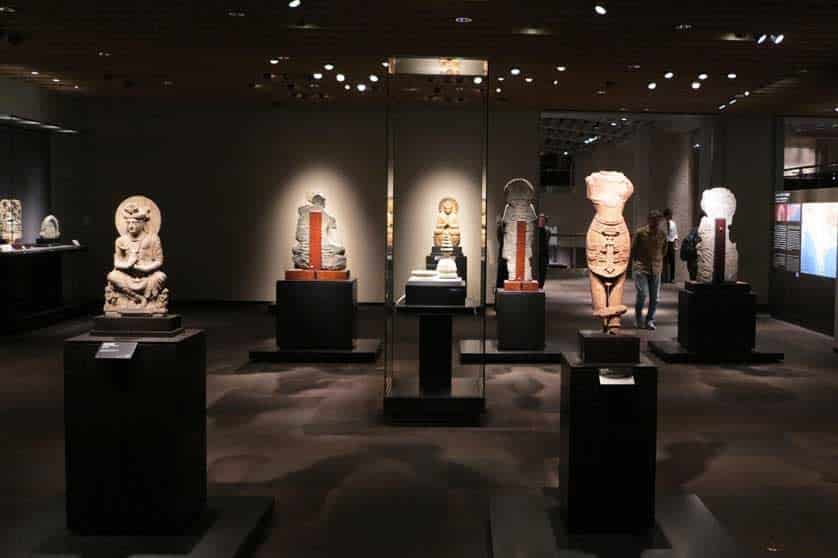
The Toyokan was designed by the renowned architect Yoshiro Taniguchi and mainly holds artworks and archaeological artifacts from Asian countries such as China, the Korean Peninsula, India, and Egypt. The exhibits are vast in number and variety, showing the diversity and depth of Asian culture.
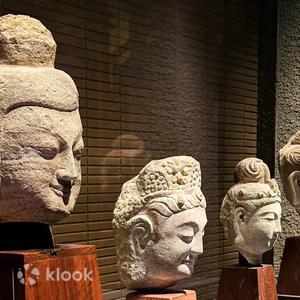
From Chinese bronzes, ceramics, and calligraphy and painting, to Indian Buddhist sculpture, and Islamic art from West Asia, the Toyokan offers a journey through Asian culture across geography and time. It is an important window into the exchange and development of Asian civilizations.
Hyokeikan (Special Exhibitions): A Masterpiece of Meiji-Era Western Architecture
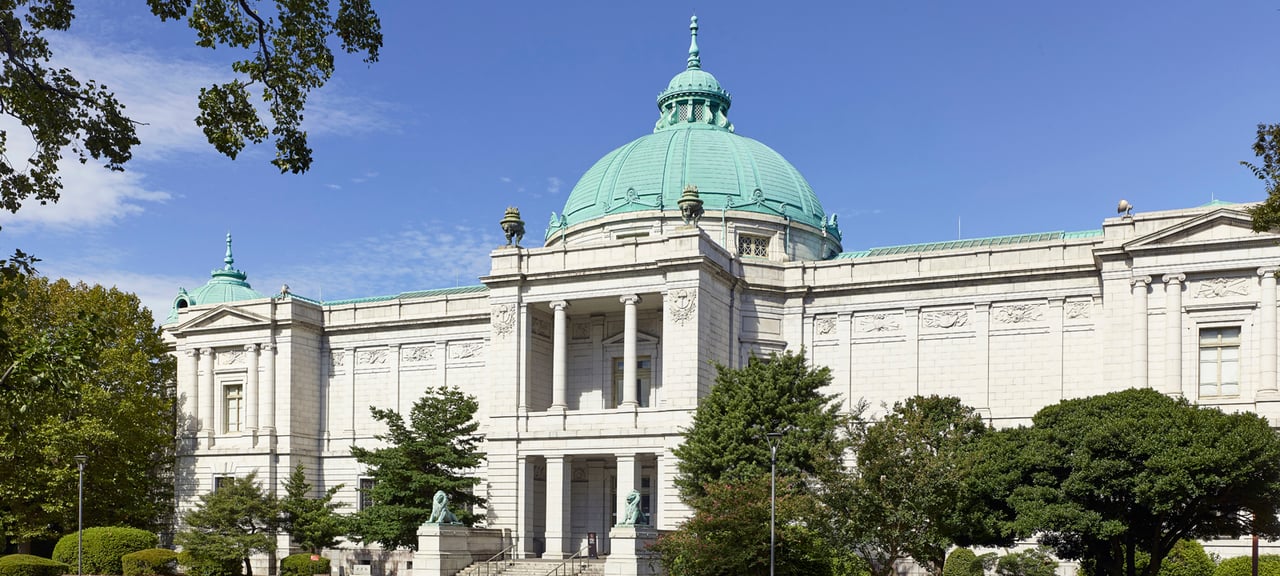
The Hyokeikan is one of the most magnificent buildings in the Tokyo National Museum. Built in 1909, it is a representative work of Meiji-era Western architecture and is designated an Important Cultural Property. Its elegant dome and refined decoration are themselves works of art.
Currently the Hyokeikan is mainly used for special exhibitions and events and has no permanent exhibition. Visitors should therefore check the official website before visiting to see whether a special exhibition is on. Even without one, its exterior is worth stopping to admire.
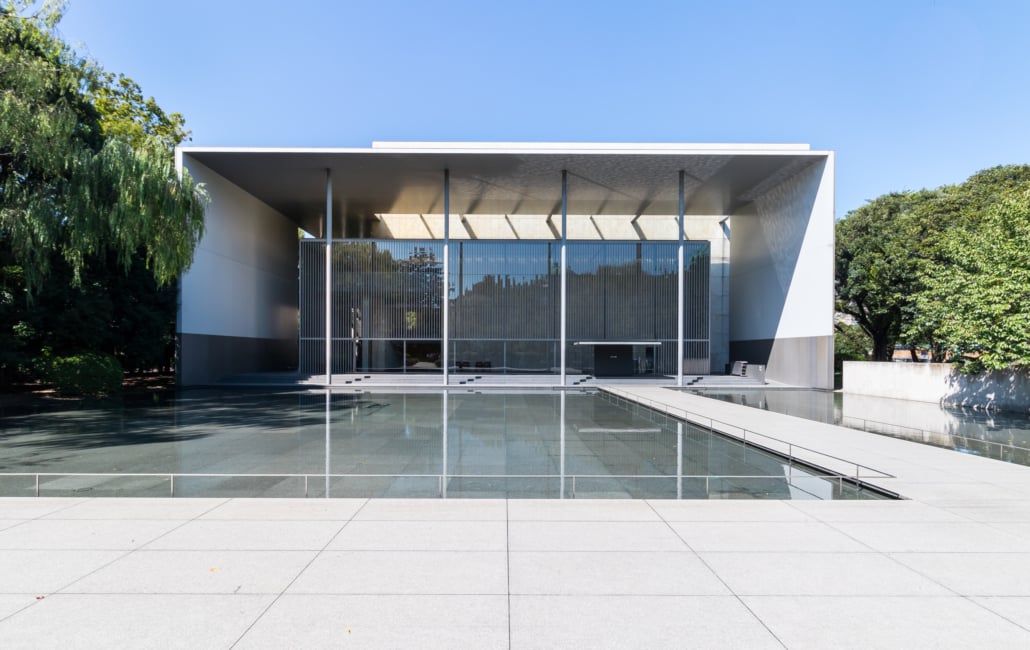
Horyuji Homotsukan (Horyuji Treasures): Buddhist Art of the Asuka Period
The Horyuji Homotsukan holds about 300 precious artifacts donated by Horyuji Temple in Nara to the Imperial Household and later transferred to the museum. Most of these treasures date from the Asuka period and include Buddha statues, Buddhist implements, and masks, important material for studying early Japanese Buddhist art.
The building was designed by Yoshio Taniguchi (son of Yoshiro Taniguchi), whose simple modern style contrasts with the ancient artifacts and creates a quiet, sacred atmosphere. Among its highlights not to be missed are the famous replica of the “Kudara Kannon” and several National Treasure Buddha statues.
Heiseikan (Archaeology and Special Exhibitions): A Treasure House of Japanese Archaeology
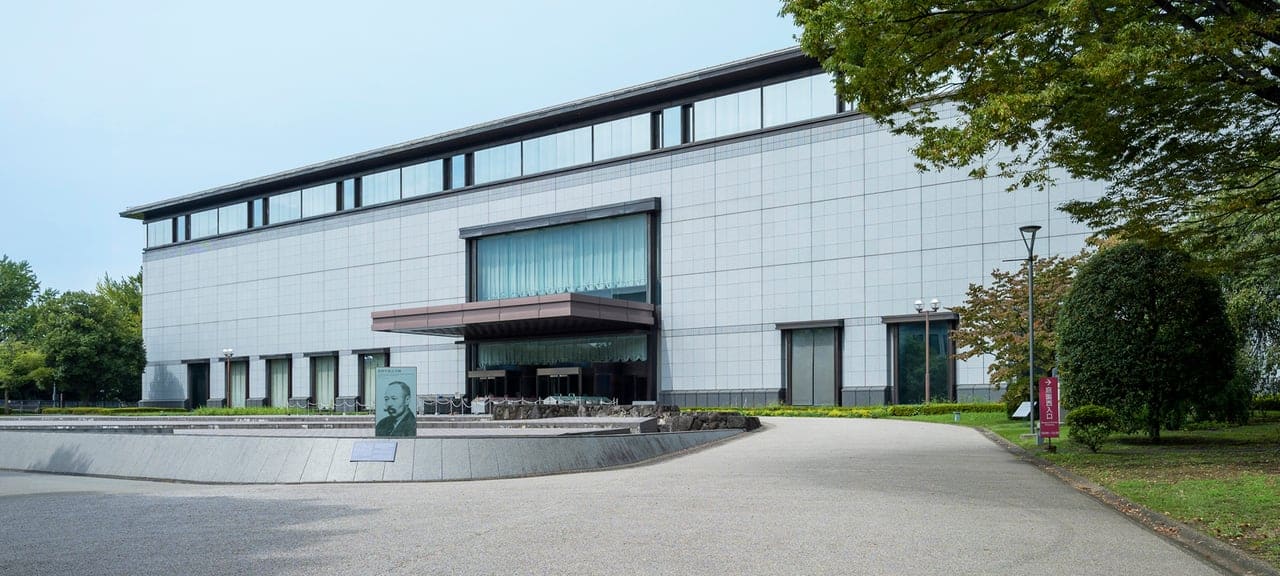
The Heiseikan is divided into two main parts: the Japanese archaeology exhibition and the special exhibition area. The archaeology exhibition systematically displays Japanese archaeological finds from the Paleolithic period to modern times, including the famous Jomon pottery and Yayoi-period bronzes.
The special exhibition area regularly holds themed special exhibitions on a wide range of subjects, from art treasures in Japan and abroad to historical and cultural topics. These special exhibitions usually require a separate ticket and run for a limited time, so we suggest checking the official website in advance for the latest information.
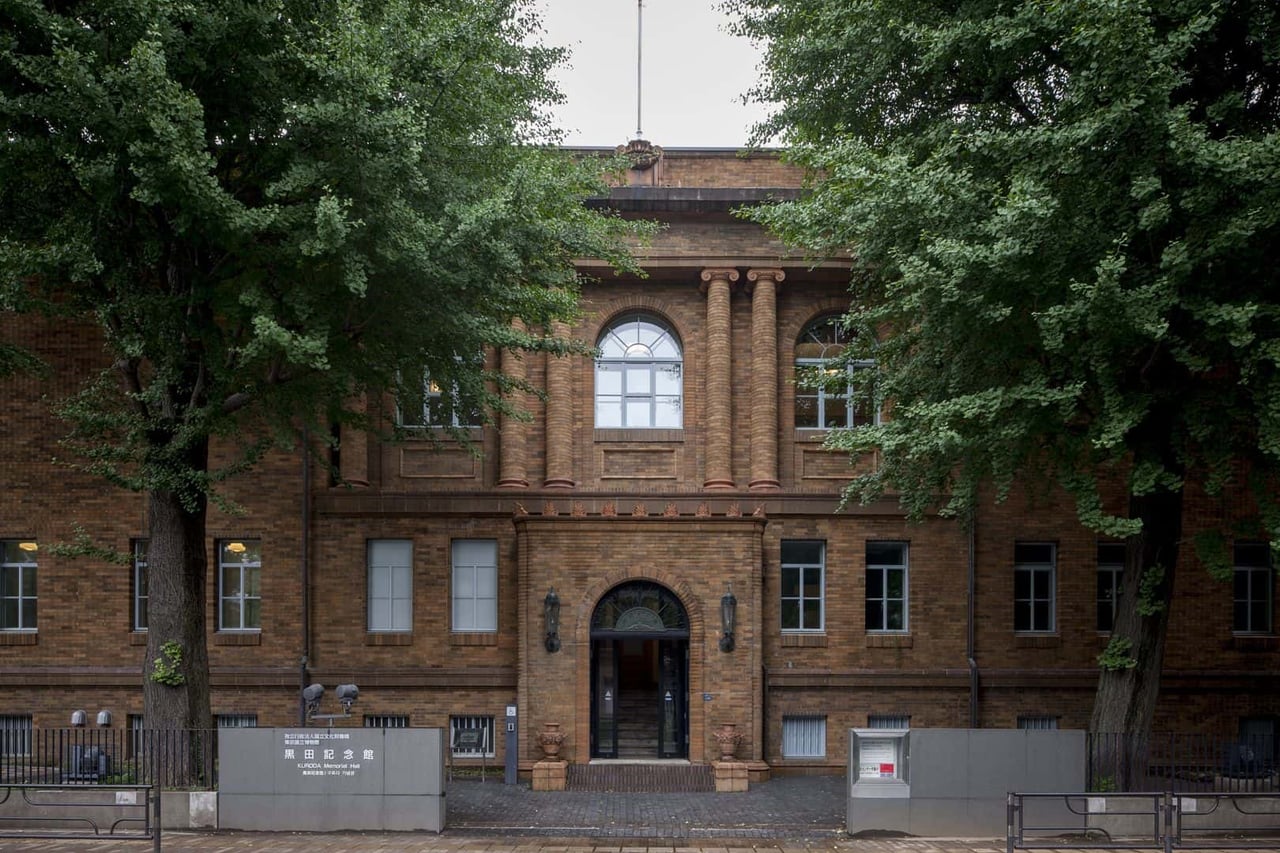
Kuroda Memorial Hall (Works of Kuroda Seiki): A Free Art Space
The Kuroda Memorial Hall was established to commemorate Kuroda Seiki, a pioneer of modern Western-style painting in Japan, and mainly displays his paintings, sketches, and related materials. Admission is free, giving more people a chance to encounter the development of Western-style painting in Japan.
The hall holds representative works by Kuroda Seiki, such as “By the Lake” and “Reading,” and is an important place for understanding the history of modern Japanese art. The memorial hall itself is an elegant building, providing a quiet space for appreciating art.
Tokyo National Museum Tickets and Guide Information 2026
Tickets to the Tokyo National Museum come in two kinds, the General Exhibition (permanent exhibition) and special exhibitions, with different prices. Knowing the ticket prices, opening hours, and possible free admission days in advance makes your itinerary more efficient.
Besides regular tickets, the museum also offers audio guide services in several languages to help visitors learn the stories behind the exhibits. Making good use of these resources will greatly improve your visit.
Tokyo National Museum Tickets and Opening Hours: A Complete Summary
The permanent exhibition of the Tokyo National Museum (called Tokyo Kokuritsu Hakubutsukan in Japanese, “Tohaku” for short; because it is in Ueno Park it is also sometimes called the “Ueno National Museum”) is now called the “Tohaku Collection Exhibition” on the official website, which is what is generally known as the General Exhibition. Below we first summarize the latest 2026 ticket information, purchase channels, and opening hours, with details in the sections that follow:
- 🎫 Ticket prices: General ¥1,000 / university students ¥500; free for high school students and under, those under 18, those aged 70 and over, and people with disabilities plus one companion (ID required)
- 🛒 Where to buy tickets: You can buy online through the official e-ticket site (operated by Asoview), valid for 2 months after purchase with no need to choose a visit date; you can also buy on site at the ticket counter at the main gate, which accepts credit cards, e-wallets, and UnionPay cards
- 🕘 Opening hours: 9:30-17:00; extended to 20:00 on Fridays and Saturdays, and on Sundays when the following Monday is a national holiday, with entry until 30 minutes before closing
- 📅 Closed days: Mondays (open if a Monday is a national holiday, closed instead on the next weekday); the 2026 year-end closure is December 26 to December 31 (on December 22-25 only the Horyuji Homotsukan and Kuroda Memorial Hall are open)
- 🧳 New rule for 2026: From August 1, 2026, suitcases (including carry-on size) are not allowed inside the museum; visitors with luggage must first leave it in lockers at the station
- 🖼️ Special exhibitions: Require a separate ticket; prices and whether reservations are needed follow each exhibition’s announcement; visiting only the Kuroda Memorial Hall requires no ticket
The above information is compiled fromthe Tokyo National Museum official website, “Access, Admission and Opening Hours”. Ticket prices and opening hours may change because of special exhibitions or events, so please check again before you go.
Tokyo National Museum Tickets: General Exhibition (Permanent Exhibition) Prices
General Exhibition tickets cover the Honkan, Toyokan, Horyuji Homotsukan, and the archaeology display of the Heiseikan. The Kuroda Memorial Hall can be visited for free.
The adult price is ¥1,000, ¥500 for university students, and free for high school students and under and those aged 70 and over.
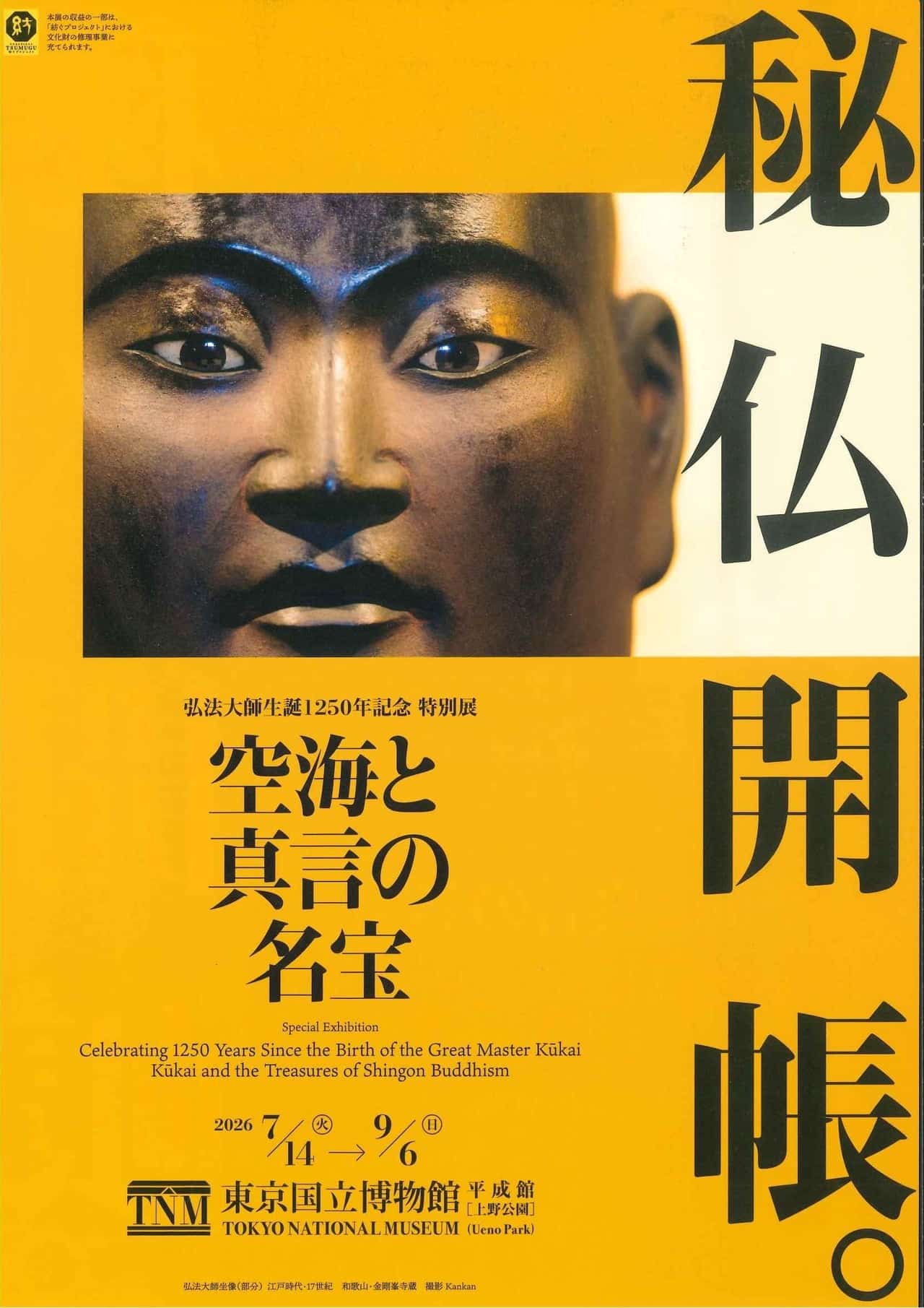
Special exhibitions require a separate ticket. However, with a special exhibition ticket you can also visit the General Exhibition on the same day. Prices vary by exhibition, so check the official website before you go.

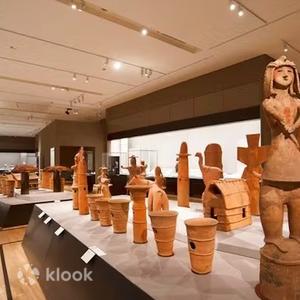
- 🎫 Ticket prices: Tohaku Collection Exhibition (regular exhibition) General ¥1,000 / university students ¥500 / free for high school students and under, those under 18, and those aged 70 and over (proof of age required)
- 🆓 2026 free admission days: May 19 (International Museum Day) / September 21 (Respect for the Aged Day) / November 3 (Culture Day)
- 🔗 Tokyo National Museum official website (admission and tickets)
Special Exhibition Tickets: Popular Exhibitions Require Reservations
The Tokyo National Museum regularly holds special exhibitions, and popular ones often require advance reservations. Special exhibitions require a separate ticket and are not included in the General Exhibition ticket; however, with a special exhibition ticket you can visit the General Exhibition on the same day.
To make sure you can see a popular special exhibition, we strongly recommend booking tickets in advance on the museum’s official website or major ticketing platforms. Some special exhibitions may have time-slot restrictions, so be sure to check the reservation details.
Tokyo National Museum Opening Hours and Closed Days (2026)
Opening hours are 9:30 to 17:00, extended to 20:00 on Fridays and Saturdays (and on Sundays when the following Monday is a national holiday), with entry until 30 minutes before closing.
The museum is closed on Mondays; if a Monday is a national holiday it opens as usual and closes on the next weekday instead. There are a few special arrangements at the end of 2026, summarized below. Please also check the official website before you go so you don’t arrive to find it closed.
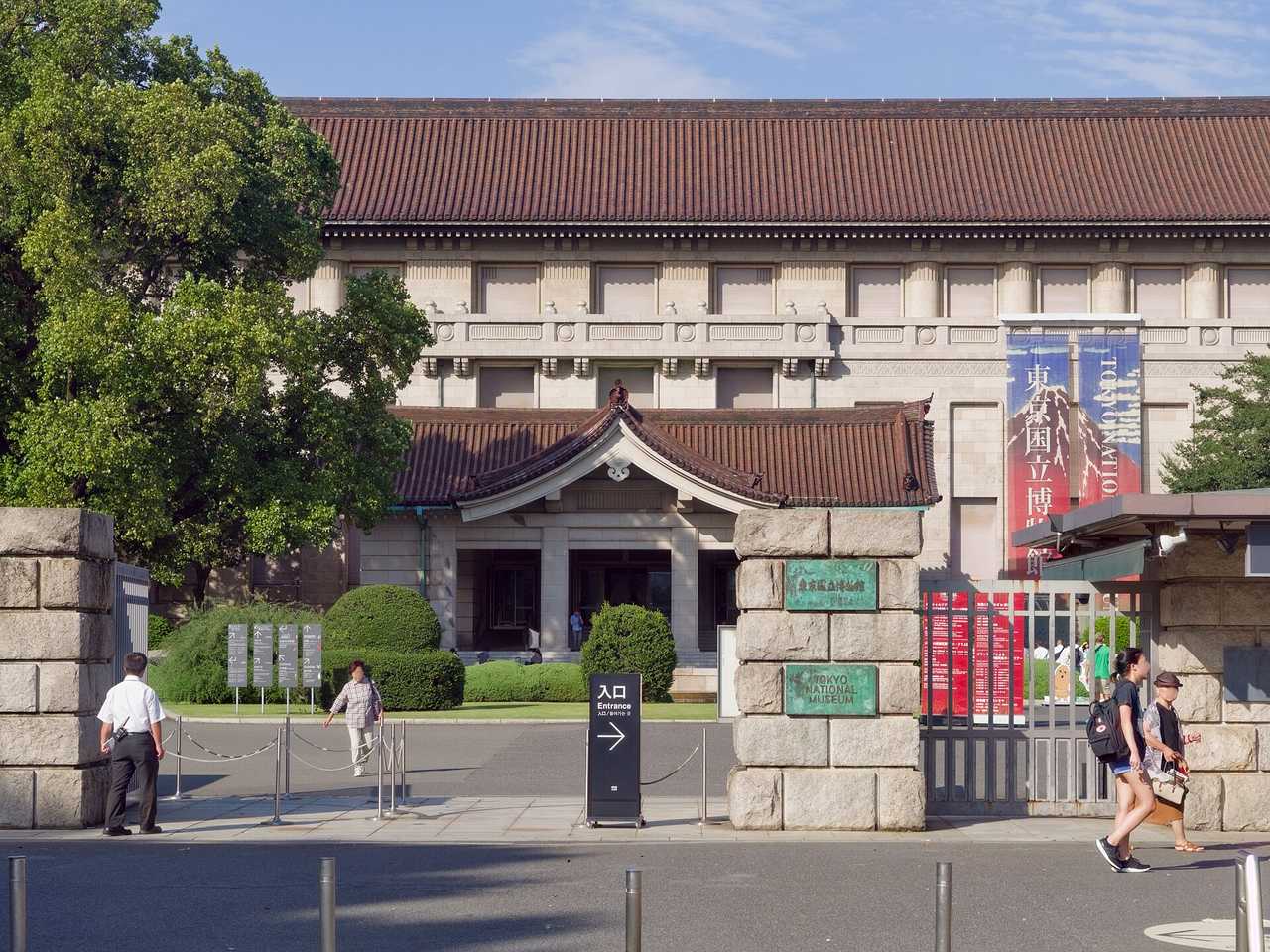
- 🕘 Opening hours: 9:30-17:00 (extended to 20:00 on Fridays and Saturdays, and on Sundays when the following Monday is a holiday; entry until 30 minutes before closing)
- 📅 Closed days: Mondays (open if a Monday is a national holiday, closed instead on the next weekday); the 2026 year-end closure is December 26 to December 31, reopening January 1, 2027
- 🚧 Year-end notes for 2026: Closed on December 15 (Tuesday) for equipment inspection; on December 22-25 only the Horyuji Homotsukan and Kuroda Memorial Hall are open; the Toyokan and Honkan Rooms 17-20 are closed for renovation from November 30 to December 31
- 🔒 Security check: From September 8, metal detection and bag inspection are set up at the main gate, so allow extra time for entry
- 🔗 Tokyo National Museum official website (access, admission and opening hours)
How Long to Spend at the Tokyo National Museum: Visit Time and Stay Suggestions
According to the visiting routes offered in the museum website’s “Recommended Course Guide,” the time needed can vary greatly: the “Introduction to Japanese Art” route, which just quickly takes in the Honkan’s masterpieces, takes about 30 minutes; the “Architecture Tour” route, which also appreciates the buildings themselves, is suggested at 60 minutes; and routes that focus on a specific theme such as Buddhist statues for in-depth appreciation may take 150 minutes (2.5 hours) or more.
Combining the official suggestions with the scale of the galleries, here are several common ways to plan your time, which you can choose flexibly according to your interests and schedule:
- ⏱️ Quick Look (Honkan Highlights Only): About 1 hour. Suitable for travelers with a tight schedule who just want to quickly see National Treasure-class exhibits (such as the “Pine Trees” screens and the “Wind God and Thunder God” screens).
- ⏱️ In-Depth Honkan Visit: About 1.5-2 hours. If you want to read the exhibit explanations carefully and appreciate the evolution of Japanese art by period, the Honkan alone deserves this much time.
- ⏱️ Honkan + Toyokan: About 3 hours. The Toyokan has a huge number of exhibits covering diverse civilizations such as China, the Korean Peninsula, and India; adding the Honkan, we suggest at least half a day (including rest and meals).
- ⏱️ All Six Galleries (including Horyuji Homotsukan, Heiseikan, Hyokeikan, and Kuroda Memorial Hall): We suggest setting aside 4-6 hours, a full day. If there is a special exhibition at the Heiseikan or Hyokeikan, or you want to relax over a meal at the museum shops and restaurants and pick out souvenirs, plan the whole day and don’t schedule other sights.
In short, if time is limited and you can only be selective, we suggest prioritizing the Honkan and Toyokan with at least 2-3 hours; if you want to see all six galleries and appreciate the collection in depth, leave the whole day for the Tokyo National Museum and Ueno Park.
Free Admission Days and Discounts: Smart Sightseeing
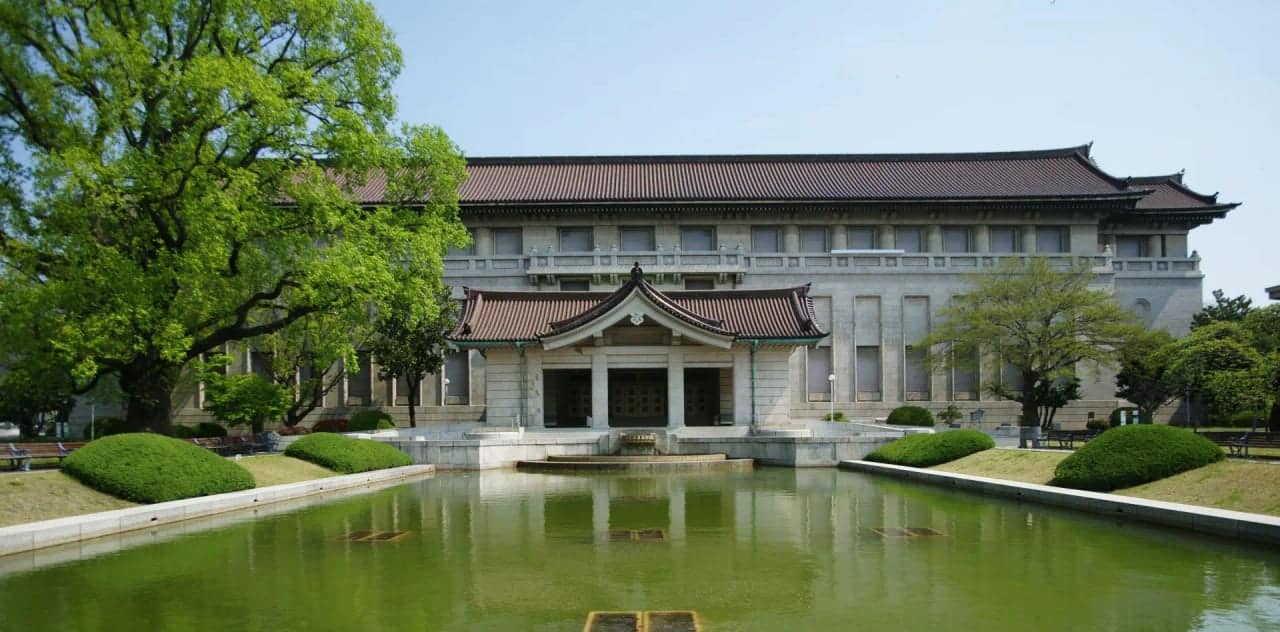
There are three free admission days for the General Exhibition in 2026: May 19 (International Museum Day, moved to the 19th because May 18 is a Monday closure), September 21 (Respect for the Aged Day), and November 3 (Culture Day).
Only November 3 remains this year. Free admission covers only the General Exhibition, not special exhibitions; it will be crowded, so we suggest arriving early.
Holders of a disability certificate and one companion can enter for free. Groups of 20 or more get a ticket discount. See the museum website for details.
Audio Guides and Multilingual Services: Understand the Artifacts in Depth
The official website offers a free guide app, “TNM Art Guide” (formerly “Tohaku Navi”), which supports four languages: Japanese, English, Chinese, and Korean, and introduces key exhibits. The paid audio guide ended at the end of March 2020.
The museum also provides Wi-Fi inside, which can be used to connect to the guide app; for the latest guide services, see the official website tnm.jp.
In addition, the museum provides multilingual guide pamphlets and signs, and the explanation placards for exhibits in the main galleries also carry English translations. These services greatly improve convenience for international visitors.

Food Near the Tokyo National Museum: Rest and Flavors in Ueno Park
Visiting the Tokyo National Museum is physically demanding, so refueling at the right time is important. The museum grounds have cafes and restaurants serving light meals and full meals, convenient for a break during your visit. The three restaurants inside the museum ended operation under their former operators in June 2026 and were renovated by new operators; the following is compiled from the official press release.
In addition, the area around Ueno Park has many distinctive restaurants and cafes, with a wide choice from traditional Japanese cooking to Western-style light meals. You can choose according to your taste to eat inside the museum or step out and experience Ueno’s varied food culture.
Japanese-Western Set Meals: THE RESTAURANT Tokyo National Museum
On the first floor of the annex building of the Toyokan, opened on August 28, 2026, replacing Hotel Okura’s former Yurinoki (tulip tree) restaurant. The space has a modern Japanese style, featuring both Japanese and Western dishes.
You need that day’s admission ticket to dine, and reservations can be made on the official website. In front of the restaurant there is also a takeout “Garden Cafe” with terrace seating, serving soft-serve ice cream (¥600) and truffle-flavored fries.
- 🍽️ Must-order dishes: Tohaku Gozen set (¥3,800), Tohaku pork cutlet sandwich (¥1,500), cold udon with condiments (¥1,500)
- 💰 Price range: about ¥1,500-3,800 per person (official sample menu, tax included)
- 🚉 Access: inside the museum, first floor of the Toyokan annex building (that day’s admission ticket required)
Sushi Kaiseki: Sushi Kaiseki Okuno (Opening September 30, 2026)
On the first floor of the Horyuji Homotsukan, replacing Hotel Okura’s former Garden Terrace restaurant, with the opening officially announced for September 30, 2026.
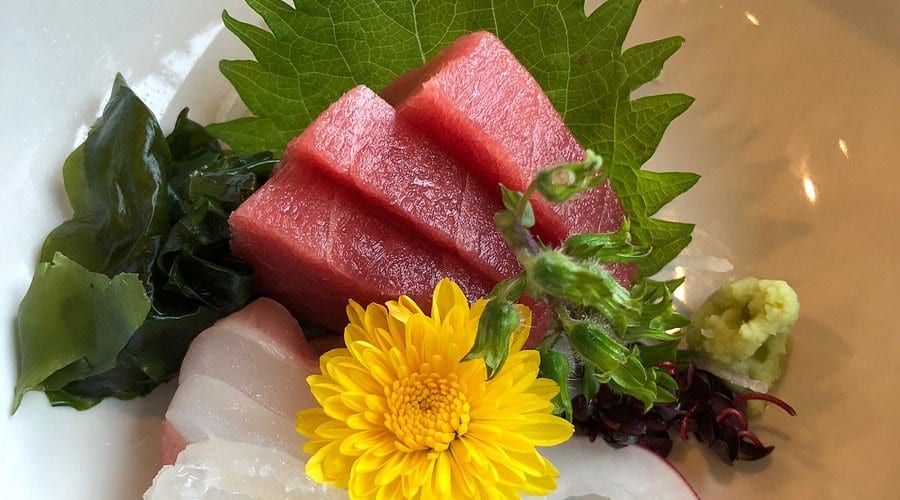
It mainly offers seasonal kaiseki paired with nigiri sushi by master chefs, with 8 counter seats and 1 private room. Lunch is 11:00-14:00, and dinner, 17:00-22:00, requires advance reservation, which can be made through the restaurant’s official website or by phone.
- 🍣 Must-order dish: the chef’s omakase sushi kaiseki course
- 💰 Price range: follow the official announcement
- 🚉 Access: inside the museum, first floor of the Horyuji Homotsukan (that day’s admission ticket required)
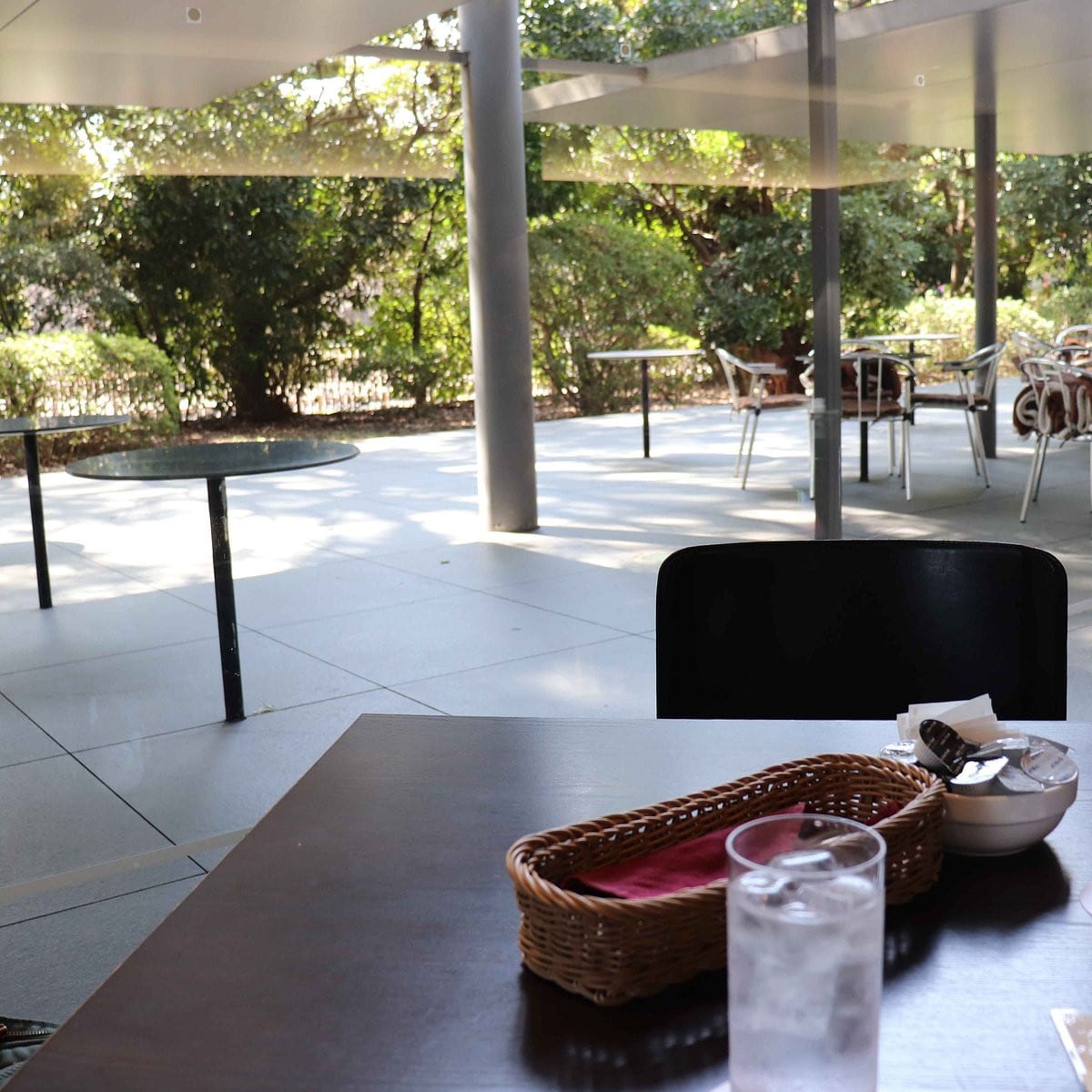
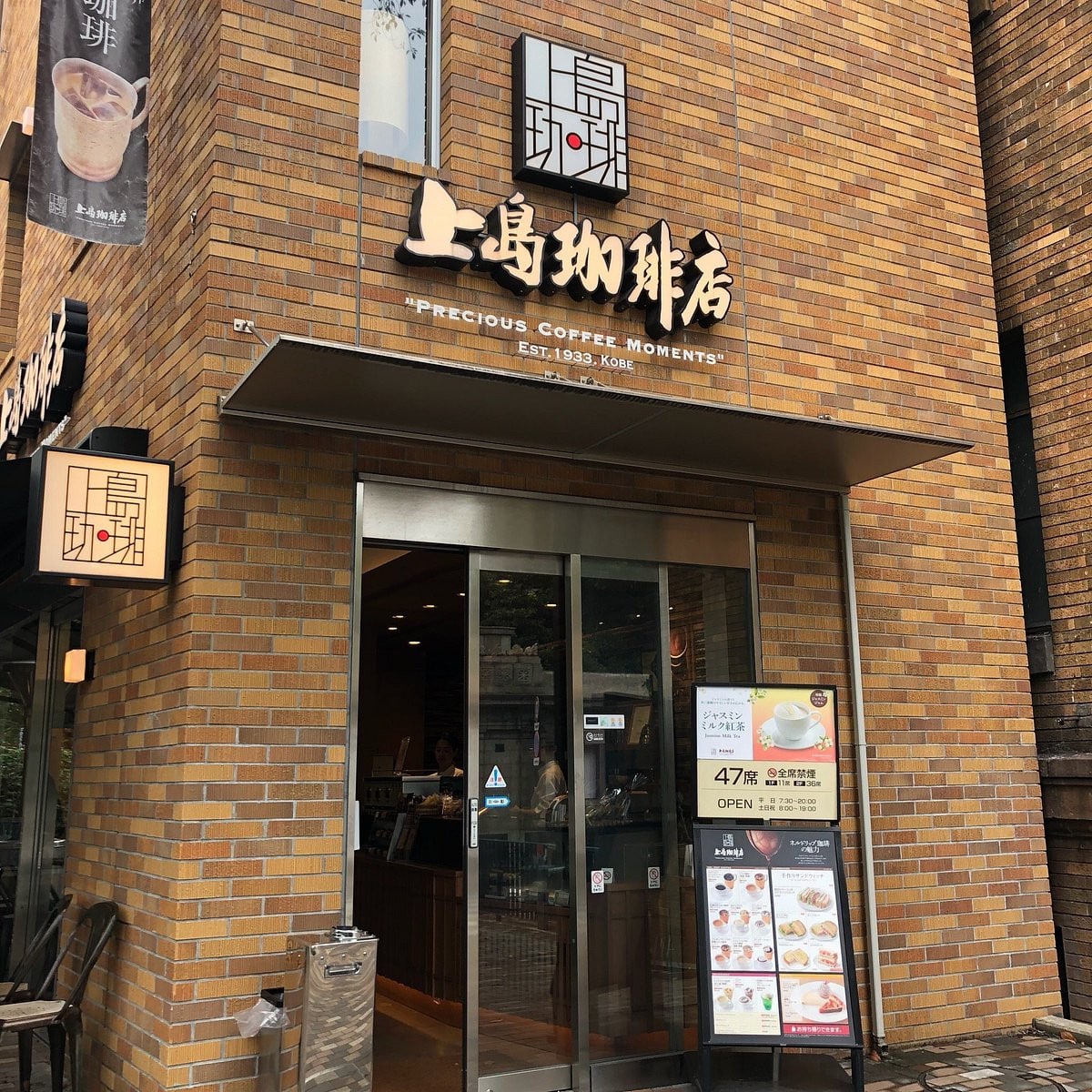
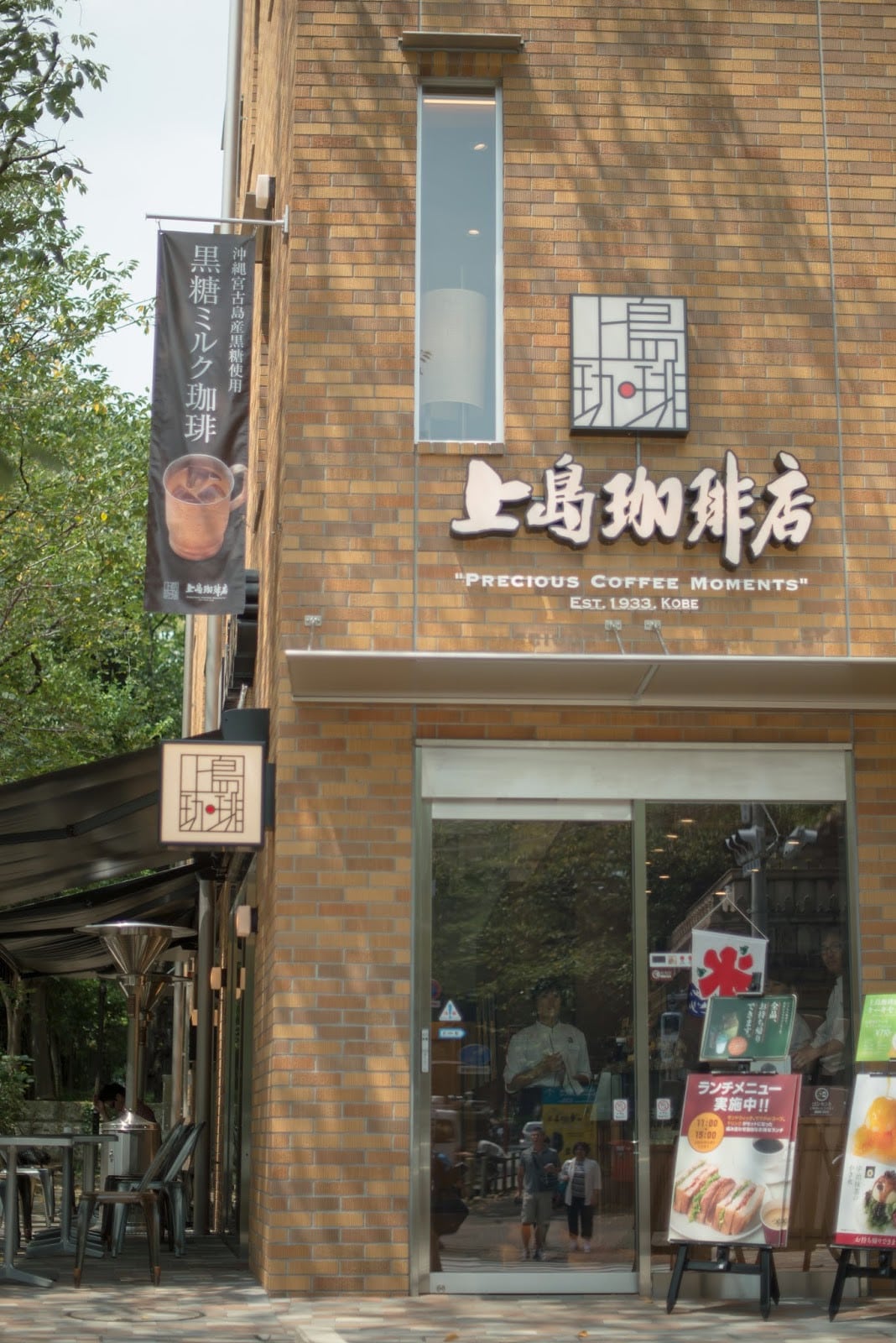
Japanese-Style Coffee: Ueshima Coffee House, Kuroda Memorial Hall Branch
Ueshima Coffee House, on the first and second floors of the Kuroda Memorial Hall annex, serves classic Japanese-style coffee and light meals. The setting is comfortable and full of artistic atmosphere, a good place to relax after visiting the Kuroda Memorial Hall.
Ueshima Coffee is known for its brown sugar milk coffee, flannel-drip filtered through double-layer cloth for a rich flavor. Besides coffee there are various breads and desserts to choose from, a resting spot many visitors love.
- ☕ Must-order dishes: brown sugar milk coffee, handmade cake
- 💰 Price range: about ¥600-1,200 per person
- 🚉 Access: on the first and second floors of the Kuroda Memorial Hall annex, directly accessible from outside, no museum ticket needed
Museum Shops: Distinctive Souvenirs and Light Bites
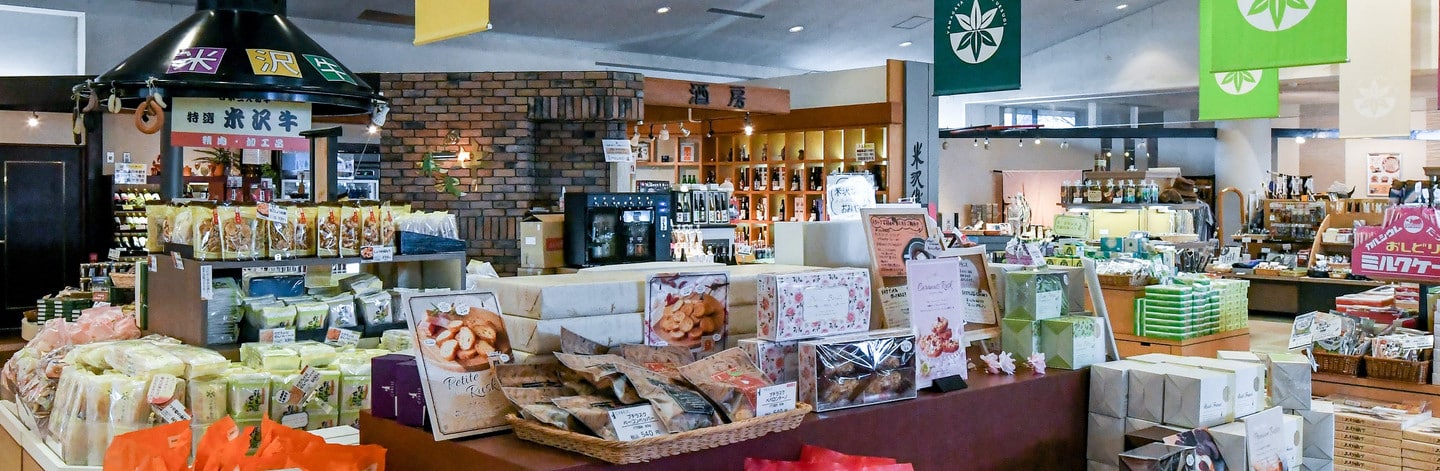
The Tokyo National Museum has several museum shops that, besides selling souvenirs, books, and creative goods related to the exhibits, also offer simple light meals and drinks at some of them. For example, there are shops on the first floor of both the Honkan and the Toyokan.
These shops are a good place to pick out unique souvenirs and, while shopping, to pick up snacks and drinks to recharge. When you’re tired of walking, come here to hunt for treasures and take home some good memories.
- 🛍️ Must-buy items: replica creative goods of artifacts, simple light meals and drinks
- 💰 Price range: light meals about ¥300-800
- 🚉 Access: inside the museum, with shops on the first floor of both the Honkan and the Toyokan
Western-Style Japanese Cuisine: Ueno Seiyoken
If you want to experience the historic flavors of the Ueno area, Ueno Seiyoken, not far from the museum, is a good choice. It is a Western-style restaurant with a century of history, known for its classic Japanese-style Western dishes such as beef stew and fried prawns.
The setting is elegant and the service attentive, and it is the first choice of many locals for celebrating special occasions. Dining here lets you not only enjoy delicious food but also feel Ueno’s unique historical and cultural atmosphere.
- 🍛 Must-order dishes: signature beef stew, hayashi rice (beef hash rice)
- 💰 Price range: about ¥2,500-5,000 per person
- 🚉 Access: about a 7-minute walk from the Park Exit of JR Ueno Station (inside Ueno Onshi Park, on the shore of Shinobazu Pond)