
Zao Snow Monsters Guide: A Rare Winter Wonder at About 1,661 Meters Above Sea Level
The Zao snow monsters (juhyo) are a rare natural spectacle found in the Zao mountain range of Yamagata Prefecture in Tohoku, Japan. You can reach them by ropeway to Zao Jizo-sancho Station at about 1,661 meters, and even if you don’t ski you can see this forest of ice-coated conifers, found almost nowhere else in the world. They appear only from late December to early March each year, and are at their most spectacular from mid-January to late February, making them a great pick for travelers who love natural wonders and snow-country scenery and want a short trip from Yamagata.
What Is Juhyo? One of Japan’s Three Great Rime Ice Sites, With Zao the Largest
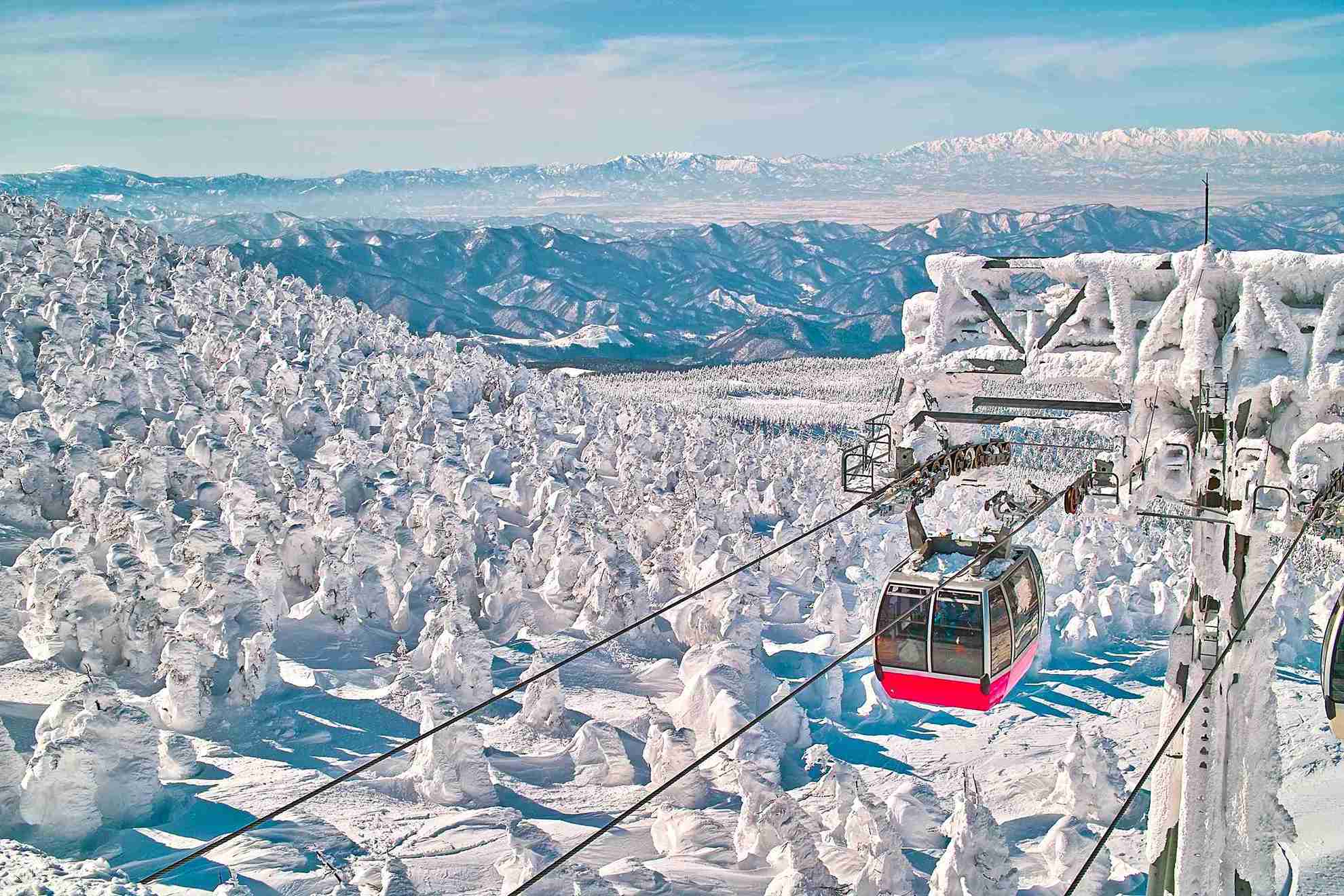
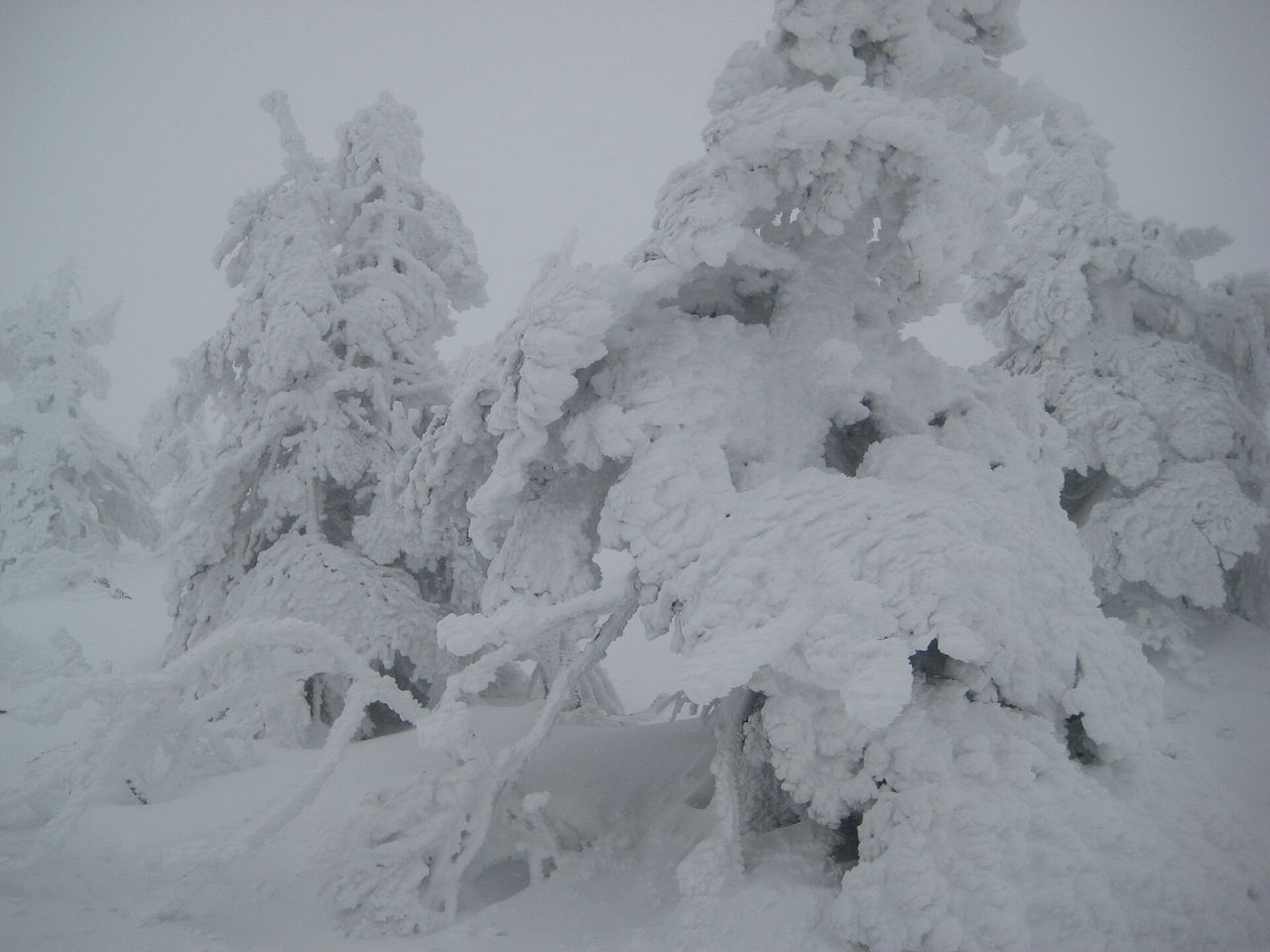
“Juhyo” (rime-ice trees) are a natural wonder unique to the Zao range. Aomori fir trees (アオモリトドマツ, Aomori todomatsu) on the summit are coated layer by layer with supercooled water droplets that freeze in the bitter, windy cold. The result is large, rounded shapes that look like a herd of white giants standing in the snowfield, which is why they are nicknamed “snow monsters” (スノーモンスター) in Japan. The landscape needs a very specific combination of terrain, climate and tree species. Japan’s three great rime-ice sites are Zao, Mt. Hakkoda and Mt. Moriyoshi in Akita, and Zao is the largest of them; smaller rime-ice formations can also be seen at Hachimantai, Nishi-Azuma and elsewhere. Zao is especially famous for its scale and for a ropeway that goes right up to the summit, making it a winter-only sight you should not miss when visiting Yamagata.
The snow monsters are mainly spread over the gentle slopes between Jizo-sancho Station and Mt. Kumano. As the ropeway passes Juhyo-kogen Station, you can already see rows of snow monsters through the windows, and once you reach Jizo-sancho Station you can walk right in among them and touch them up close, feeling a work of natural art sculpted by wind, snow and time.
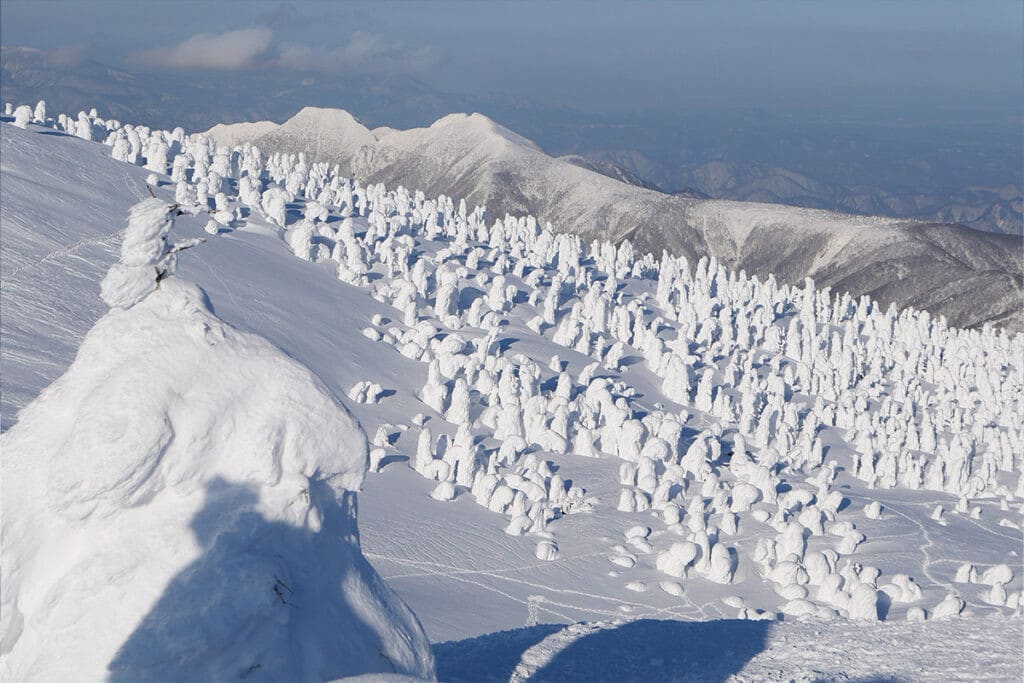
Three Ingredients of Juhyo: Low Temperatures, Strong Wind and Supercooled Droplets
Zao’s rime ice forms only when three conditions are met at once: sub-zero temperatures, strong and steady northwest monsoon winds, and moist air carrying supercooled water droplets. In winter, Siberian cold air picks up plenty of moisture crossing the Sea of Japan, and as it is lifted by the terrain at the Zao range it cools, so the droplets are blown onto the conifer branches before they freeze and instantly turn into layer after layer of “shrimp-tail” (エビの尻尾) frost. As wind and snow pile up day after day, the trees are gradually wrapped in ice and grow, eventually becoming giant snow monsters several meters tall.
The growth of the juhyo can be divided into three stages: the icing stage, the growth stage and the peak stage. From late December the trees begin to pick up a thin frost (icing stage); from mid-January the snow monsters grow quickly (growth stage); and from late January to late February is the peak stage, when the rime ice is thick and large and at its most impressive, which is also the busiest time for photographers and tourists. If temperatures rise or the wind changes, the juhyo gradually melt and collapse, so the window for seeing them each year is short and precious.
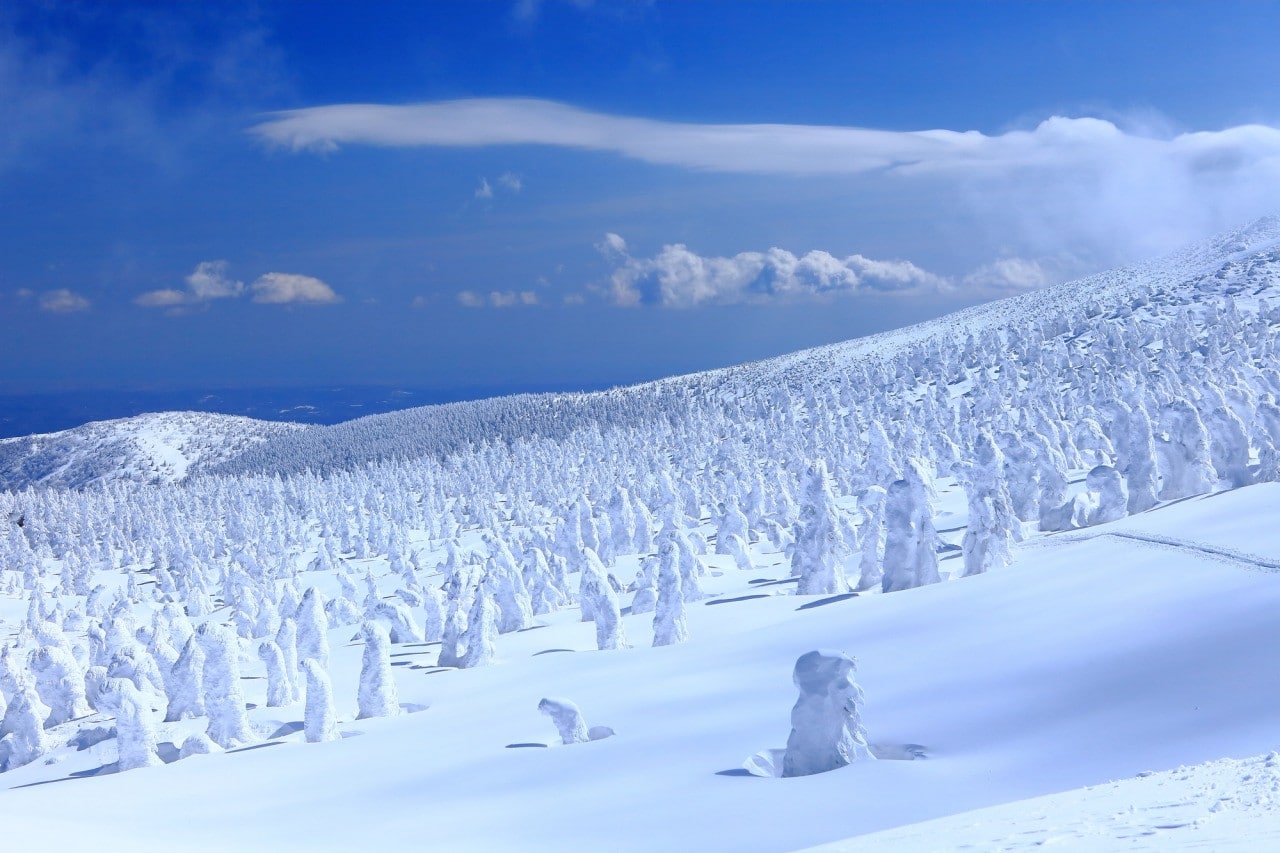
Best Time to See Zao Snow Monsters: Late December to Early March, Peaking Mid-January to Late February
The viewing season for the Zao snow monsters runs from late December to early March, with mid-January to late February widely regarded as the best time, when temperatures are steadily low, snowfall is plentiful and the juhyo are at their fullest and largest. After March, warmer weather gradually melts and shrinks them, so when planning your trip we recommend aiming for January or February for the best chance of success.
The Zao Ropeway website describes the juhyo cycle as follows: November to December is the early stage (ice and snow begin to cling), January is the growth period, February is the peak, and in March, as temperatures rise, the melting and collapsing period begins. So if you can pick only one window, February is the safest; at the very start of the season in late December the juhyo may not have grown yet, and in the 2025-26 season the “Juhyo Illusion Corridor” snow-vehicle tours were canceled entirely from December 27 to January 4 because the rime ice had collapsed.
Zao Ropeway Hours 2026: Route, Altitude, Operating Hours, Fares and Night Illumination
You do not need to buy a separate admission ticket to see the juhyo; you just ride the ropeway up the mountain during its operating hours. The following is compiled from announcements on the Zao Ropeway website:
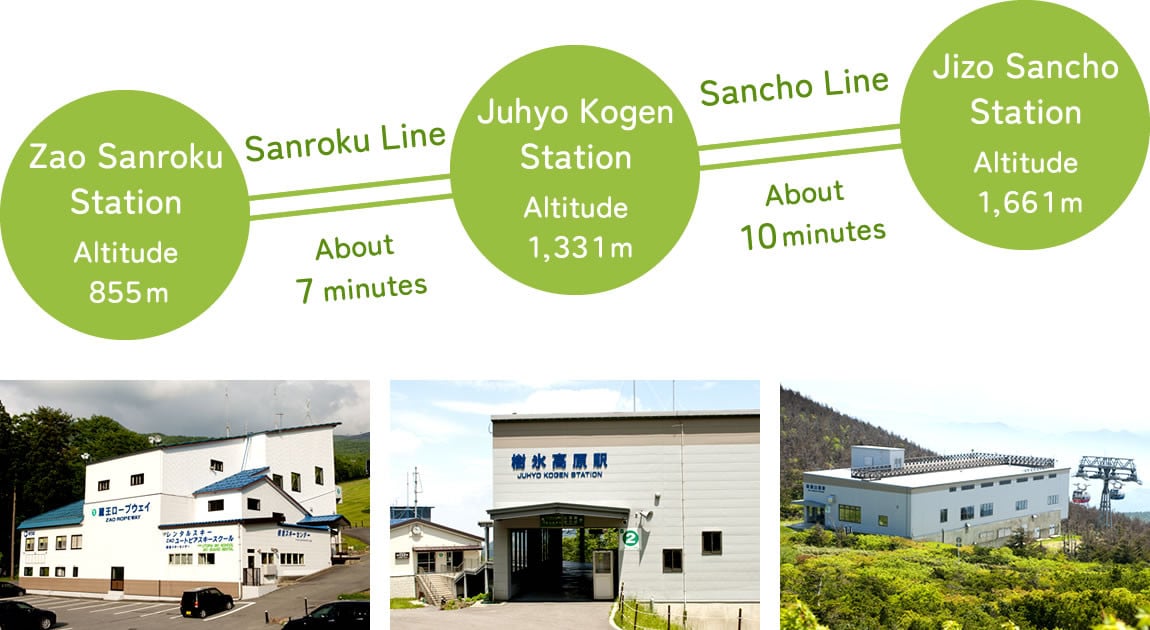
- 🚡 Ropeway route: Zao Sanroku Station → (Sanroku Line, about 7 minutes) → Juhyo-kogen Station (1,331 m) → (Sancho Line, about 10 minutes) → Jizo-sancho Station (1,661 m)
- 🕘 Operating hours: Sanroku Line 8:30-17:00, Sancho Line 8:45-16:45 (the website notes these may change); for round-trip ticket holders to Jizo-sancho Station, the last upward departure is 16:00 from Zao Sanroku Station
- 🎫 Ropeway fares: To Jizo-sancho Station, adult one way ¥2,200 / round trip ¥4,400, child one way ¥1,100 / round trip ¥2,200; to Juhyo-kogen Station, adult one way ¥1,200 / round trip ¥2,200 (junior high school students and older count as adults, elementary school students as children)
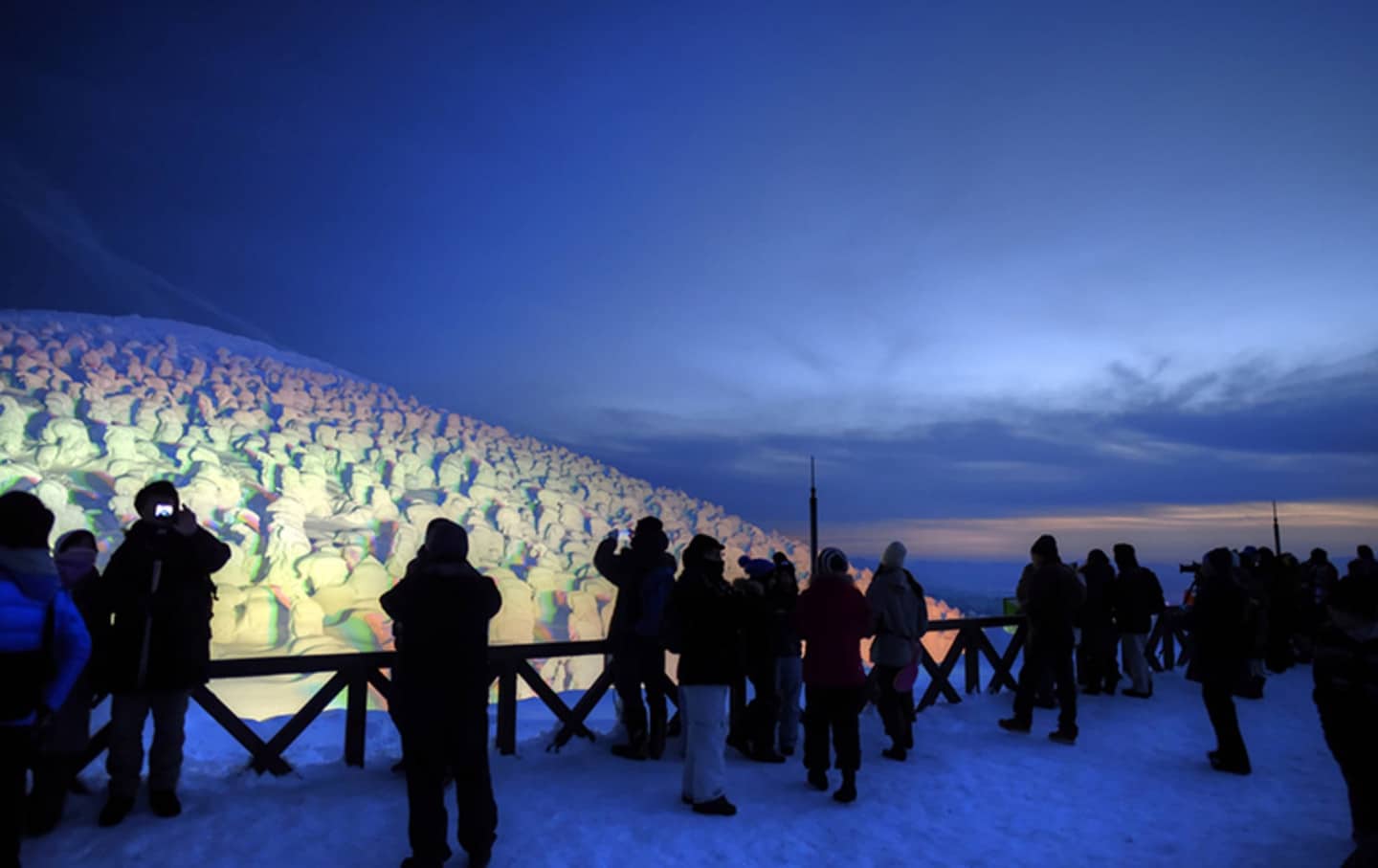
- 🌙 Juhyo night illumination (2025-26 season): On 36 designated days from December 27, 2025 to February 22, 2026, 17:00-21:00 (last upward departure 19:50 from Sanroku Station), round trip between Sanroku Station and Jizo-sancho Station adult ¥4,400, child ¥2,200
- 🔗 Zao Ropeway official fares and operating hours page
As of early October 2026, the website has not yet announced the night illumination schedule or snow-vehicle tours for the 2026-27 winter (this winter). The illumination dates above are from the 2025-26 season and are given only as a rough guide to timing. In bad weather the ropeway stops running and the illumination may be canceled, so check the operating status on the website on the day you go.
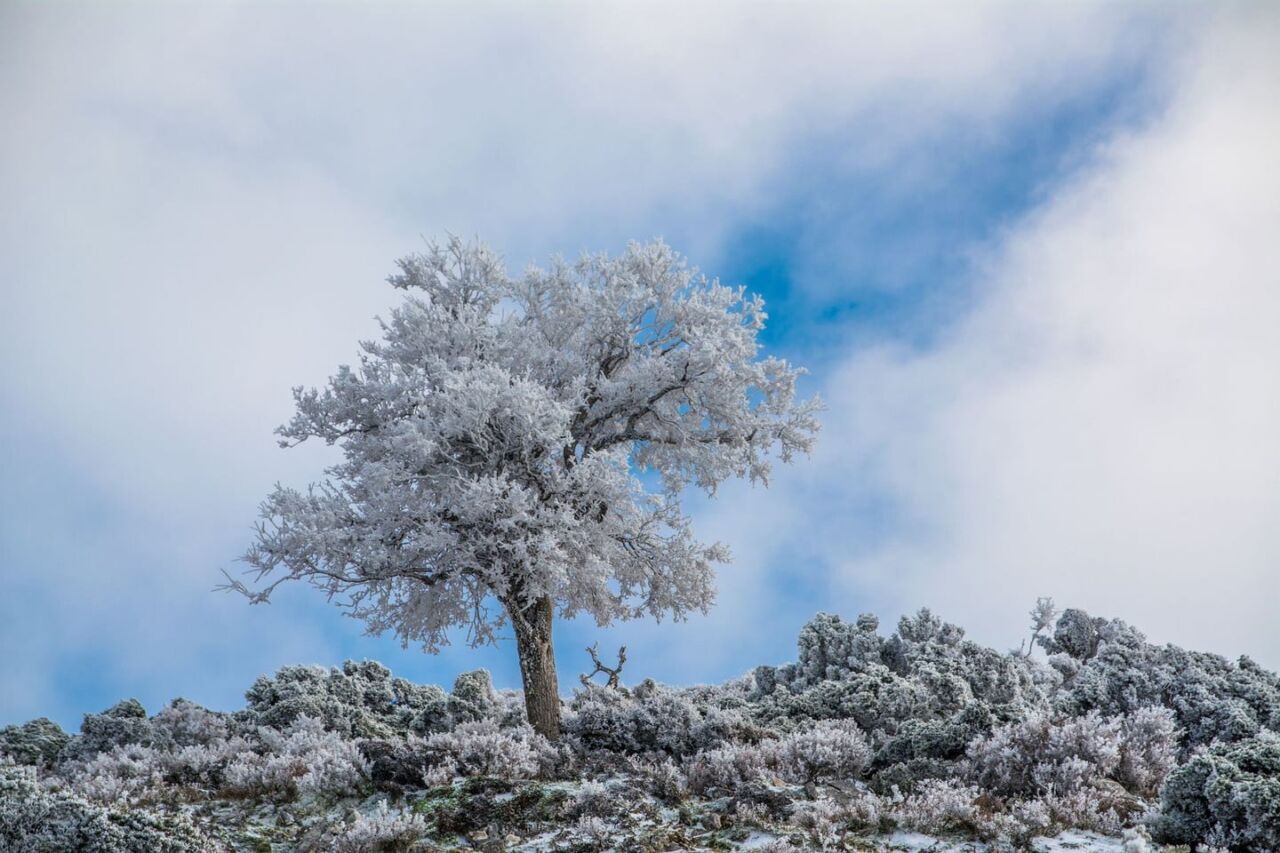
Note that seeing the juhyo depends heavily on the weather. At the Zao summit, blizzards often cut visibility to nearly zero, and strong winds can stop the ropeway, so before you set out be sure to check the live camera and operating status on the Zao Ropeway website. If the forecast shows the summit clearing, we suggest changing your plans right away and heading up first to catch the rare clear view.
How to Get to the Zao Snow Monsters: Routes and Costs from Yamagata, Sendai and Tokyo
The most common way to reach the Zao snow monsters is to arrive at Yamagata Station or Sendai Station, take a bus to the Zao Onsen Bus Terminal, and then ride the Zao Ropeway to the top. Here are the four main ways to get there and what they cost:
| Transport | Cost | Travel time |
|---|---|---|
| Yamagata Shinkansen “Tsubasa” (Tokyo → Yamagata) | About ¥11,670 (all seats reserved, regular season) | About 2.5 hours |
| Yamako Bus (Yamagata Station → Zao Onsen) | ¥1,200 one way | About 40-45 minutes |
| Sendai-Yamagata Zao Line express bus (Sendai Station East Exit, stop 76, reservation required) | ¥2,500 one way | About 60-85 minutes |
| Bus + ropeway round-trip set ticket | Adult ¥6,600 / child ¥3,300 | Depends on your itinerary |
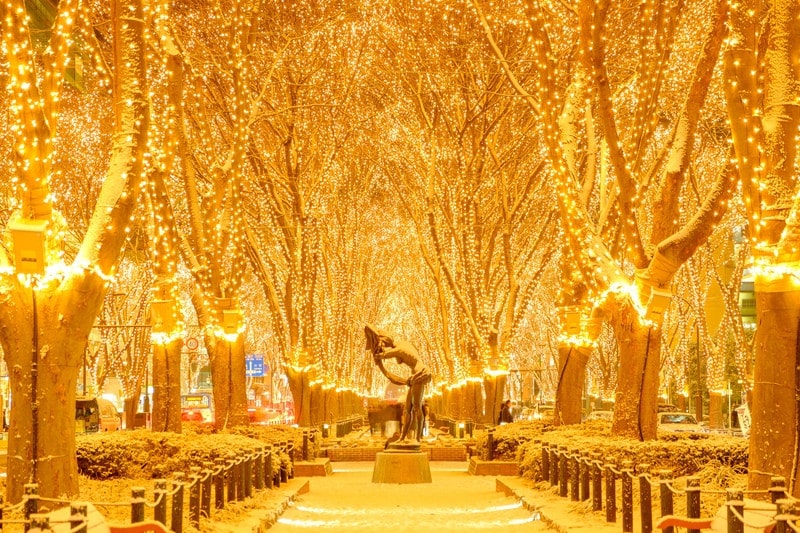
From Tokyo: Yamagata Shinkansen “Tsubasa” Direct to Yamagata Station
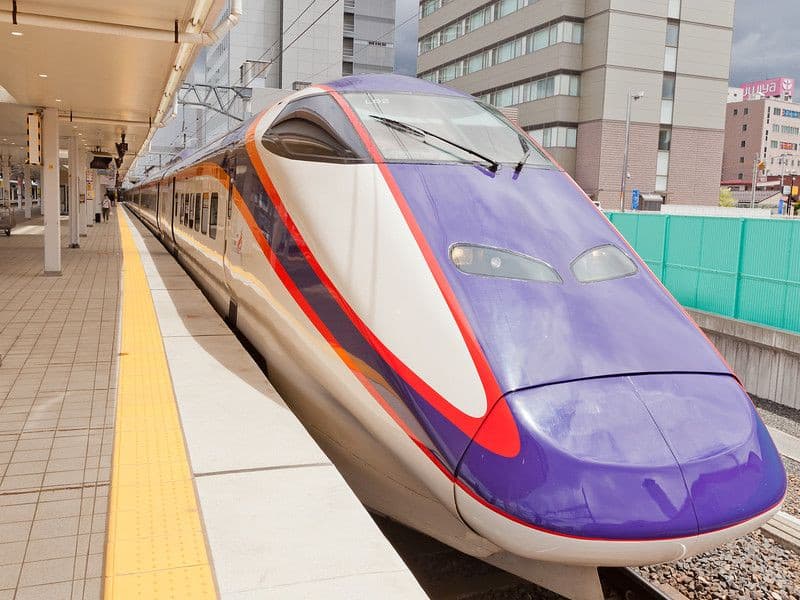
From Tokyo, the fastest way to the Zao snow monsters is the JR Yamagata Shinkansen “Tsubasa” from Tokyo Station, which runs directly to Yamagata Station in about 2.5 hours. Tsubasa has been all-reserved seating since 2022, and after the fare revision in March 2026 an ordinary-car reserved seat (regular season) costs about ¥11,670; holding a JR East pass can save quite a bit on fares. After arriving at Yamagata Station, transfer at bus platform 1 at the East Exit to the express bus for Zao Onsen and continue toward the base of Zao.
A day round trip from Tokyo to Zao is very tight: one way takes about 4 hours including the bus and ropeway, so the round trip is about 8 hours, leaving little time at the summit. We recommend at least one overnight stay so a delay doesn’t make you miss the last ropeway.
Yamagata Station → Zao Onsen: Yamako Bus, ¥1,200 One Way
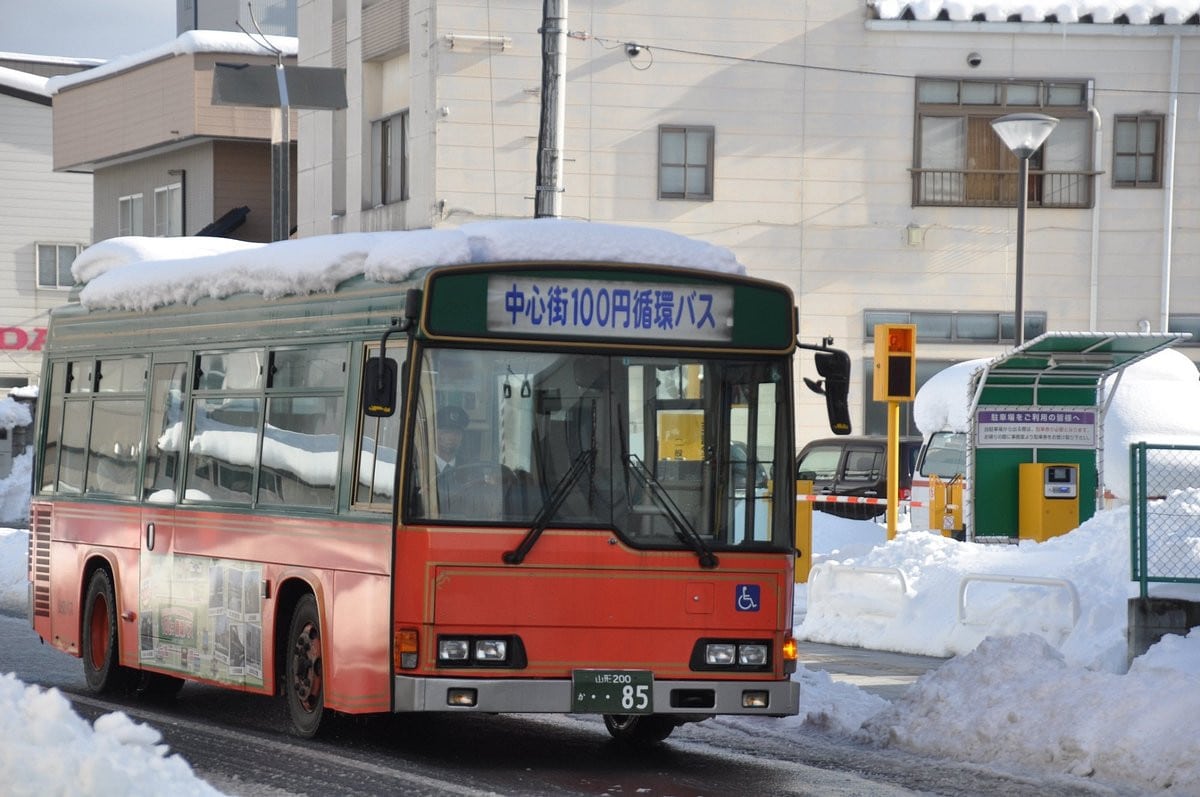
The main way to get from Yamagata Station to Zao Onsen is the “Yamako Bus.” Board the route toward Zao Onsen at the Yamagata Station East Exit bus terminal; the ride takes about 40-45 minutes one way and the fare is ¥1,200, payable by tapping an IC card such as Suica or PASMO on boarding and alighting. If you want the bus + ropeway set ticket, you must buy it first at the bus service center in front of Yamagata Station.
According to the Yamako Bus website timetable, buses run roughly once an hour during the daytime on weekdays (see the timetable summary below). At peak times we suggest arriving at the stop early to queue, so you are not wait-listed if the bus is full. From the Zao Onsen Bus Terminal, it is about a 5-10 minute walk to the Zao Ropeway Sanroku Station, passing the Zao Onsen shopping street and the Dai-Rotenburo open-air bath along the way.
Yamagata to Zao Bus Timetable 2026: Departures and Key Points
The route bus from Yamagata Station to Zao Onsen is the Yamako Bus “Z90” line, departing from stop 1 in front of Yamagata Station and terminating at the Zao Onsen Bus Terminal. According to the weekday timetable currently published on the Yamako Bus website, departures from Yamagata Station are at 6:50, 7:40, 8:40, 9:20 and 10:20, then once an hour at 20 minutes past the hour from 11:20 to 16:20, followed by 17:40 and 18:55 in the evening, roughly one bus per hour with a ride of about 40 minutes.
Saturdays, Sundays and national holidays use a separate holiday timetable, and August 13-16 and December 29 to January 3 also run on the holiday timetable. This route has a fixed number of seats, so you cannot board when it is full; on weekend mornings in peak juhyo season we suggest arriving at the stop early. Winter departures may be adjusted, so before you go please check the latest “Z90/Z91 Yamagata Station → Zao Onsen / Katta Sancho” timetable on the Yamako Bus website.
From Sendai: Miyagi Kotsu Bus Direct to Zao Onsen
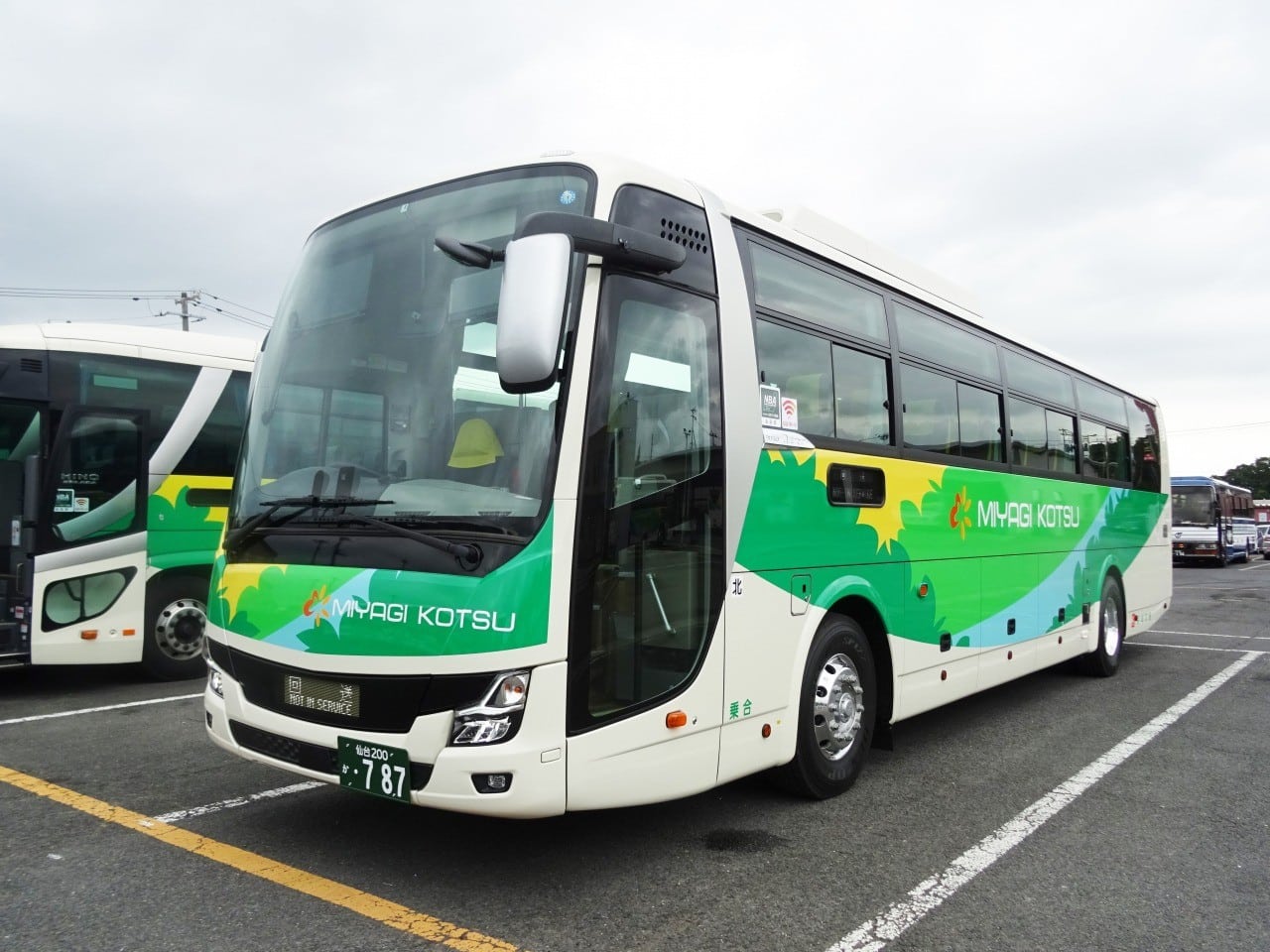
Getting to the Zao snow monsters from Sendai is also quite convenient. From stop 76 at the Sendai Station East Exit you can take the express “Sendai-Yamagata Zao Line” directly to Zao Onsen in about 1 hour; one way costs ¥2,500 for adults and ¥1,250 for children. This route uses reserved seating (toward Zao you must reserve by the previous day; toward Sendai, before 12:00 on the day), and in the 2025-26 season it ran from December 20, 2025 to March 15, 2026. For the 2026-27 season, please follow the Yamako Bus announcements. Sendai Airport also has several limousine buses connecting to Sendai Station, so you can transfer straight from the airport to Zao; the connections are smooth overall, making a “Sendai-based Zao snow monsters day trip” very doable.
Because the Sendai line has fewer departures than the Yamagata line, be sure to reserve in advance by phone or on “Hassha Oraynet” (発車オーライネット) (reservations open at 9:00 one month ahead), and leave a buffer for transfers so you don’t miss the last bus.
Zao Ropeway Set Ticket 2026: Bus + Ropeway Round Trip, ¥6,600
Starting from Yamagata Station, you can buy a “round-trip bus + round-trip ropeway” set ticket to save some fare. The current Plan B is on sale until November 3, 2026; for the winter juhyo season, follow Yamako Bus announcements. The set ticket is sold only at the bus service center in front of Yamagata Station (not at other counters or on board), open 7:00 to 19:00. The adult set is about ¥6,600 and the child (ages 7-11) set about ¥3,300; children aged 6 and under ride the bus and ropeway free.
Compared with buying a round-trip bus ticket (about ¥2,400) and a round-trip ropeway ticket (about ¥4,400) separately (¥2,400 + ¥4,400 = ¥6,800), the ¥6,600 set saves ¥200 and spares you from queuing twice. The ropeway also has online reserved tickets that you can buy ahead and pick up at the machines at Zao Sanroku Station; in peak season the line at the ticket window can be 1-2 hours, so we suggest ordering online in advance.



What Are the Must-See Spots on a Zao Snow Monsters Trip? The Ropeway Route and Snow Monster Highlights
The highlights of the Zao snow monsters are all along the Zao Ropeway and around the summit. The ropeway route runs from Zao Sanroku Station → Juhyo-kogen Station (Sanroku Line, about 7 minutes) → Jizo-sancho Station (Sancho Line, about 10 minutes), and the must-visit spots below follow that order:
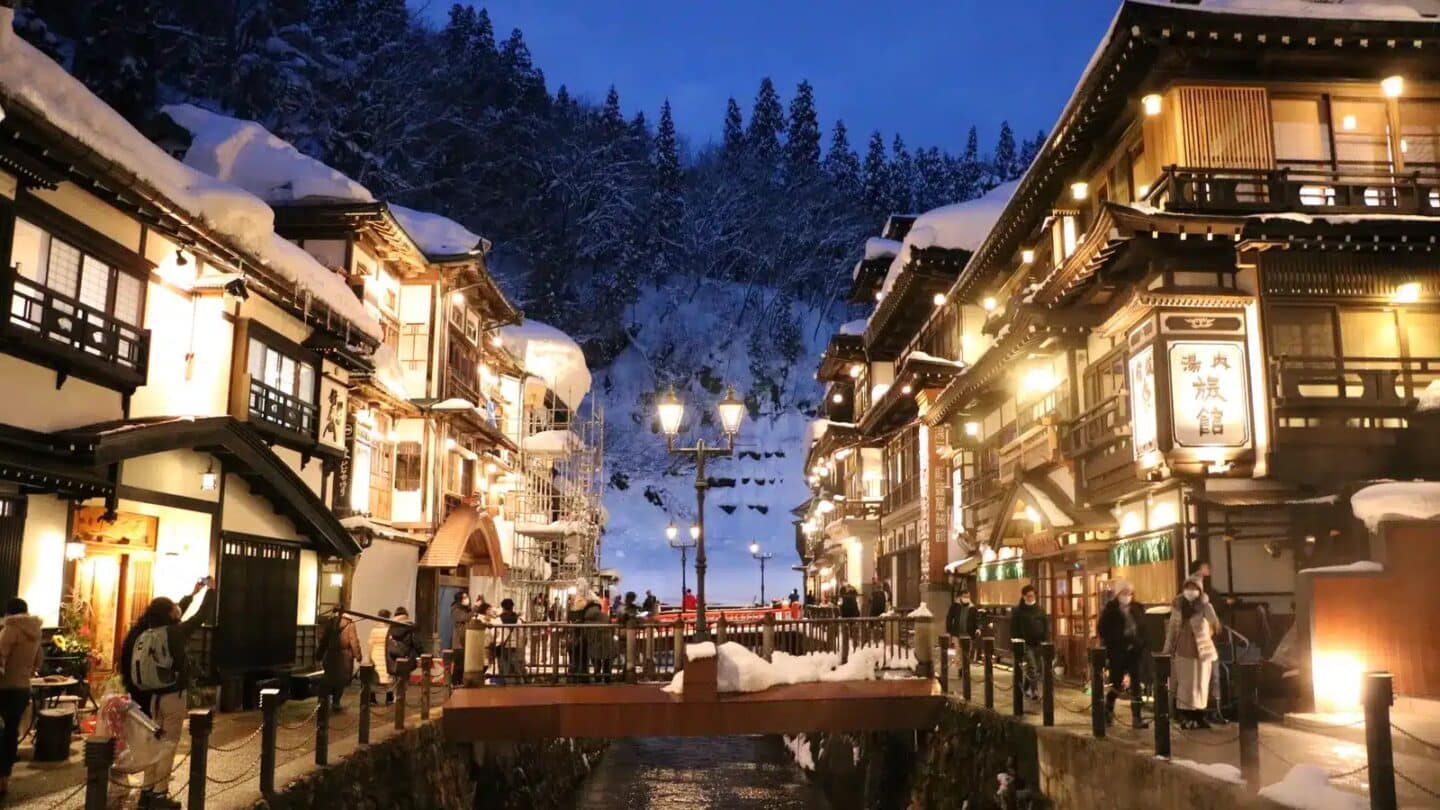
Zao Ropeway Sanroku Station: The Starting Point for Going Up Even If You Don’t Ski
Zao Ropeway Sanroku Station is the starting point for going up to see the juhyo, about a 5-10 minute walk from the Zao Onsen Bus Terminal. Even ordinary sightseers who don’t ski at all can ride the ropeway from here all the way to the summit, which is one of the biggest draws of the Zao snow monsters. The ropeway has two sections, the “Sanroku Line” and the “Sancho Line.” Sanroku Station has a ticket window, lockers and a souvenir shop, and you can buy ropeway tickets on the spot (the bus + ropeway set ticket is sold only at the bus service center in front of Yamagata Station, not at Sanroku Station). The ropeway starts running at around 8:30 each day (adjusted slightly by season); in peak season we recommend arriving early before opening to queue, avoiding both the tour groups and the steady stream of independent travelers.
The station also sells the Zao-only sweet “Juhyo Roman” (樹氷ロマン), crisp wafers sandwiching a sweet filling, a popular snack while you wait in line.
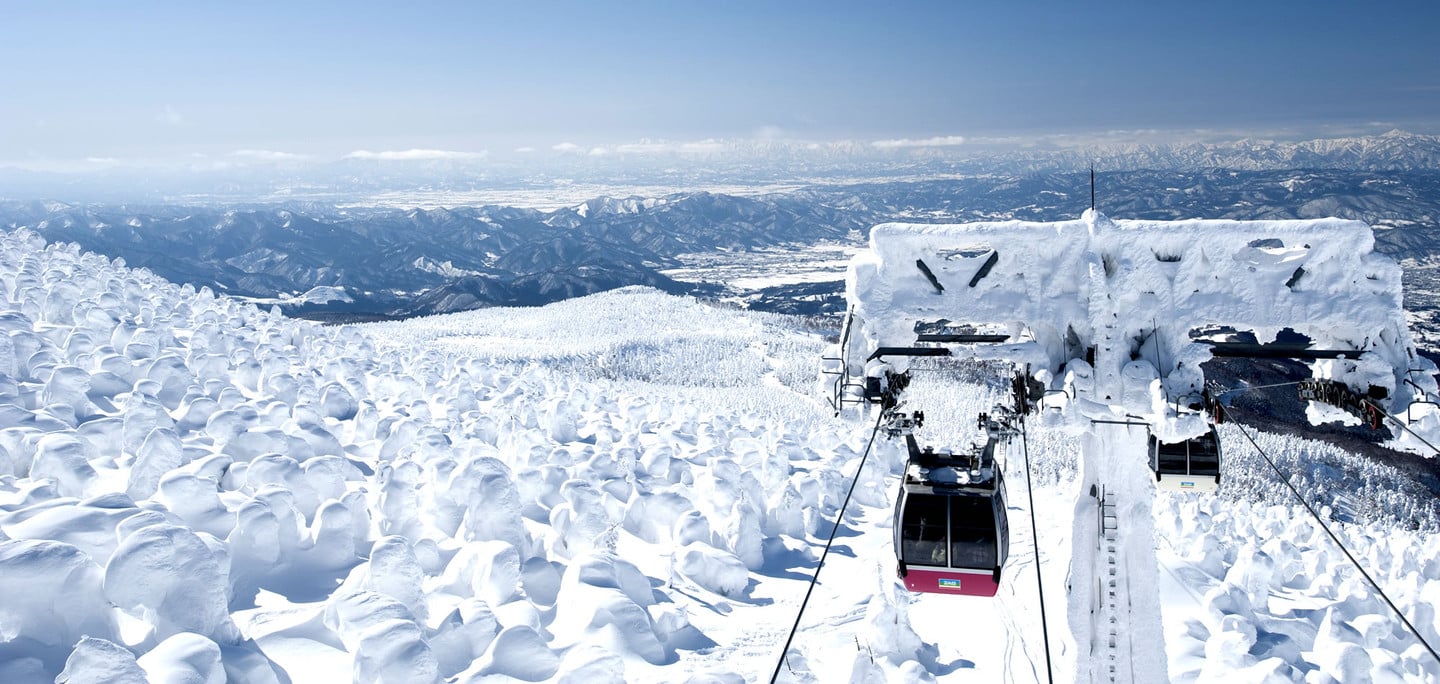

Zao Ropeway Juhyo-kogen Station (1,331 m): Transfer Hub and Tips for Beating the Queue
Juhyo-kogen Station is the transfer point between the Sanroku and Sancho lines and also one of the best places to see large stands of juhyo; as the gondola passes this stretch you can already see a spectacular view of snow monsters standing in great numbers outside the window. Local travelers say that transferring straight from Juhyo-kogen Station to the Sancho Line is the route that wastes the least time and is the most recommended, as it effectively avoids queuing twice.
Social media also notes that in peak season the Sancho Line crowds gather after noon, so we suggest going up first in the morning; if the weather clears in the afternoon and the Sancho Line is quieter, riding again to see the juhyo in different light is also worthwhile. The station has a rest area and viewing windows, good for a short stop and photos.
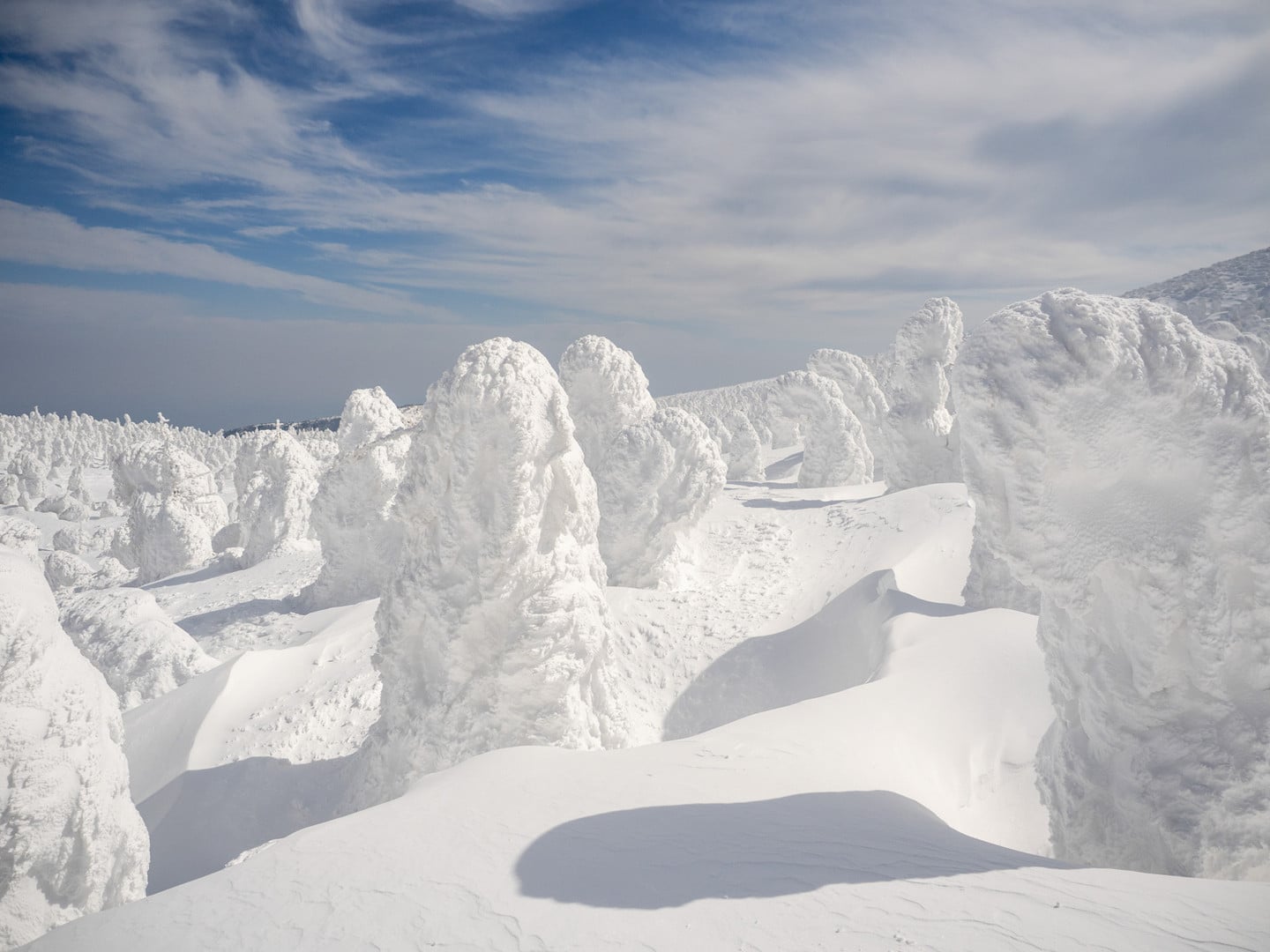
Zao Ropeway Jizo-sancho Station (1,661 m): Up Close With the Giant Snow Monsters
Jizo-sancho Station, at about 1,661 meters, is the last stop on the ropeway. As soon as you step out you can walk straight into the giant juhyo stands and touch this white forest sculpted by wind and snow up close, the most thrilling climax of the whole Zao snow monsters trip. The summit view is wide open, and on a clear day you can even look out over the Zao range and the surrounding mountains; with bad luck in a blizzard visibility can drop to nearly zero and the ropeway may pause because of strong winds, so be sure to check the live camera on the Zao Ropeway website before you go.
Skiers with beginner-to-intermediate ability can also ski down from the summit along the “Juhyo-hara course,” weaving among the juhyo; the run can be several kilometers long, an experience only skiers can have. Temperatures at the summit are often -10 to -15 degrees Celsius with fierce gusts, so be sure to dress warmly before heading out.
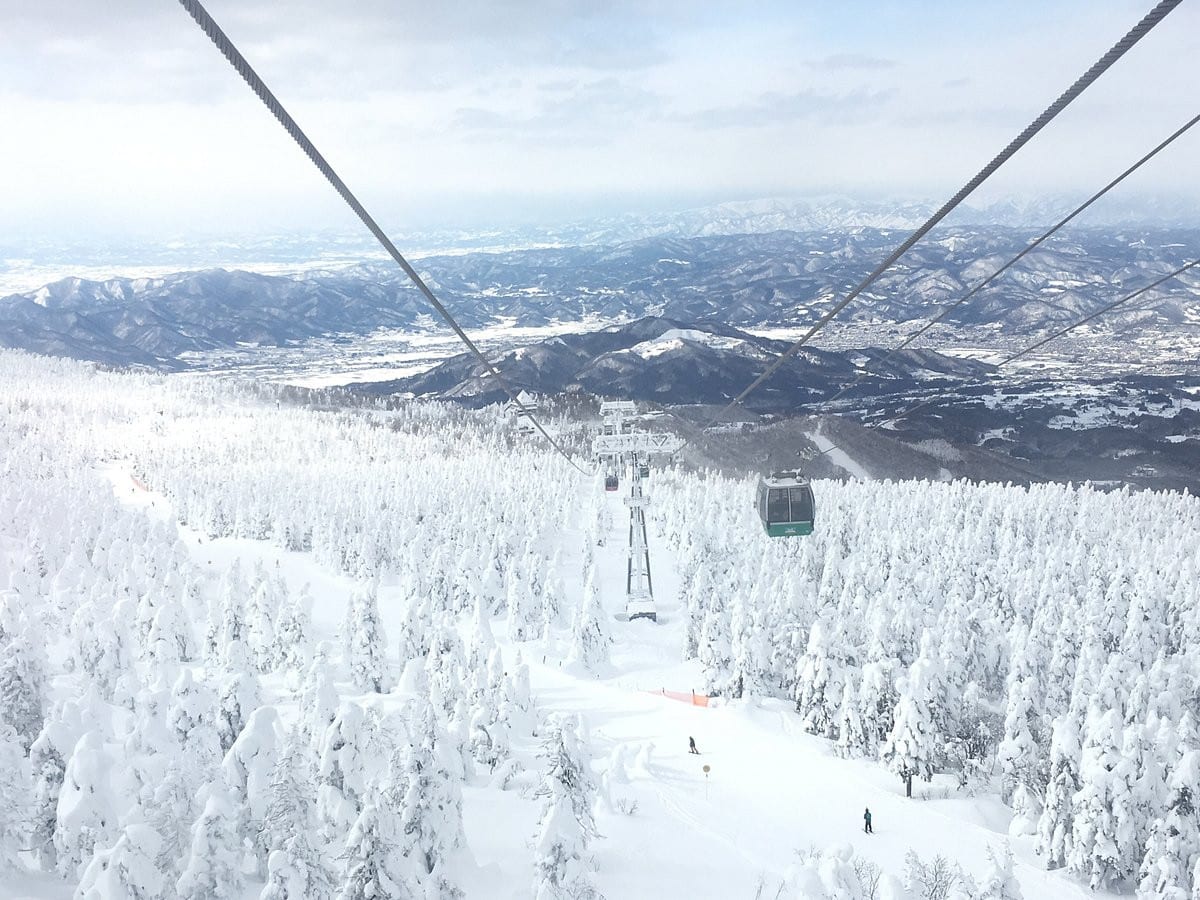
- 🕘 Operating hours: Sanroku Line 8:30-17:00, Sancho Line 8:45-16:45 (for round trips to Jizo-sancho Station, the last upward departure is 16:00 from Zao Sanroku Station)
- 🎫 Fares: Jizo-sancho Station: adult ¥2,200 one way / ¥4,400 round trip, child ¥1,100 one way / ¥2,200 round trip; Juhyo-kogen Station: adult ¥1,200 one way / ¥2,200 round trip, child ¥600 one way / ¥1,100 round trip
- 🔗 Zao Ropeway official website: fares and operating information
Zao Jizo-son: The Stone Buddha Built in 1775 and Guarding the Summit for About 250 Years
The Zao Jizo-son statue stands beside Jizo-sancho Station and is the most iconic landmark among the Zao juhyo. This stone Buddha was built in the 4th year of Anei (1775), the mid-Edo period, and has watched over travelers at the summit for about 250 years; the seated figure is 2.34 meters tall and is said to protect climbers and travelers, making it a spiritual center for many people praying for a safe journey. In winter the Jizo is covered head to toe in thick snow and frost, blending into the surrounding juhyo to form a distinctive, highly photogenic scene, one of the classic compositions photographers want.
During the night illumination, the Jizo takes on a dreamy atmosphere under the lights, quite different from daytime; Zao Jizo has long been regarded as a guardian against misfortune (yakuyoke), and as a representative power spot of Zao it draws many travelers who come to pray and take a memento.
Juhyo Illusion Corridor: A Night Snow-Vehicle Ride to the Snow Monsters’ Hidden Realm
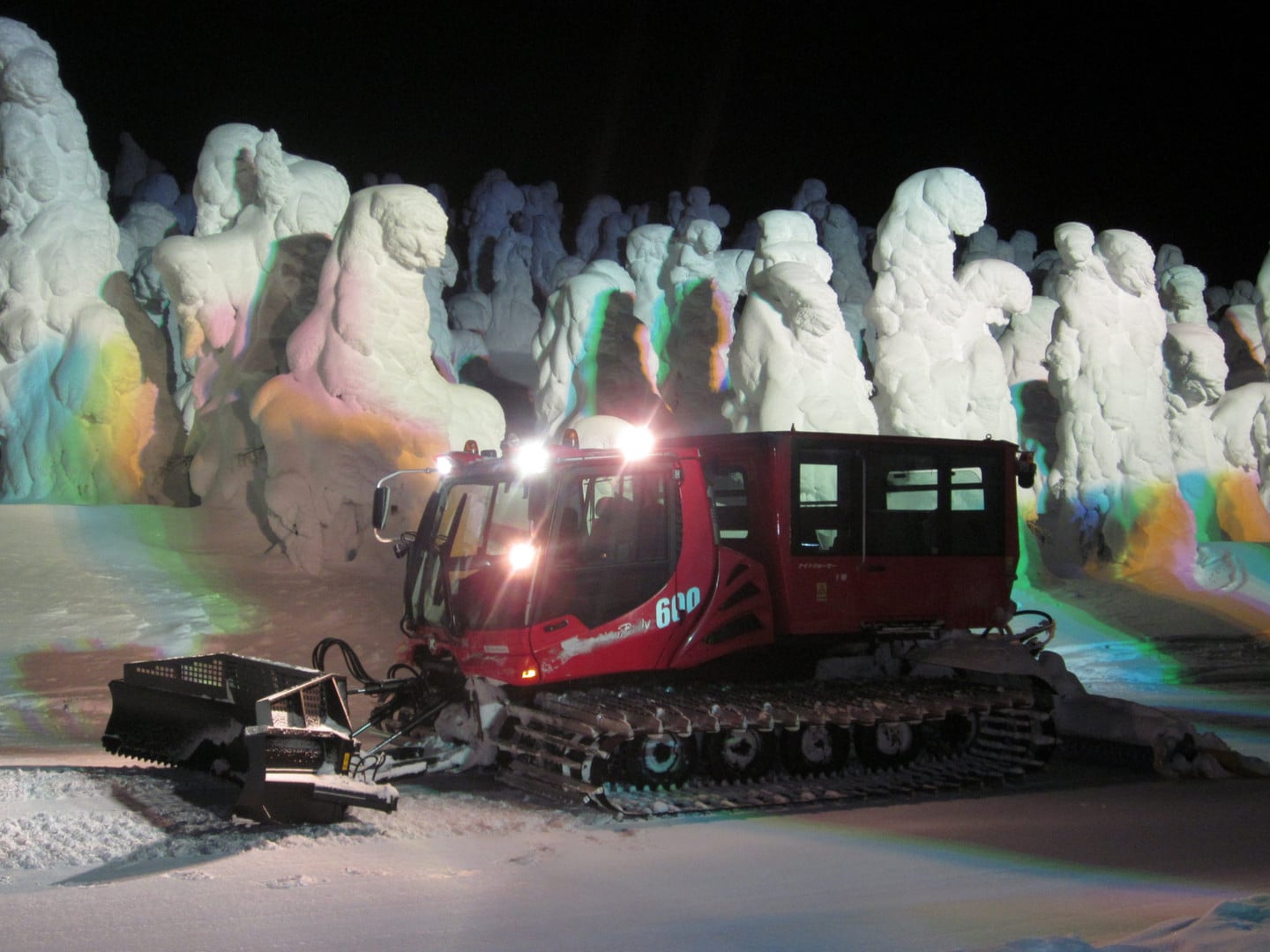
The “Juhyo Illusion Corridor” is the most distinctive night-only experience at the Zao snow monsters. In the 2025-26 season it was scheduled for designated days from December 27, 2025 to February 22, 2026 (mainly Fridays through Sundays, the year-end and New Year period and holiday weekends, not every day); the December 27 to January 4 runs were canceled because the rime ice collapsed, and operations actually began on January 9. Riders board the new heated snow vehicle “Nightcruiser” and go deep into the core of the juhyo field that the daytime ropeway cannot reach, getting close to giant snow monsters lit in colored lights, in an atmosphere as dreamy as another world.
Seats are limited, so please reserve ahead through the Zao Ropeway website.
- 🕘 Operating hours: 17:00-20:00, 4 departures daily (17:00, 18:00, 19:00 and 20:00), about 75 minutes in total (about 30 minutes on the snow vehicle)
- 📅 Reservation only: Tickets for each ride date generally go on sale at 14:00 on the release date; the route runs from Juhyo-kogen Station to above pylon 4 of the Sancho Line and turns back, and does not go to Jizo-sancho Station; departures are canceled if the rime ice collapses
- 🔗 Zao Ropeway official website: Juhyo Illusion Corridor guide
Zao Onsen Dai-Rotenburo: Strongly Acidic Sulfur Springs to Wash Away Snow-Day Fatigue
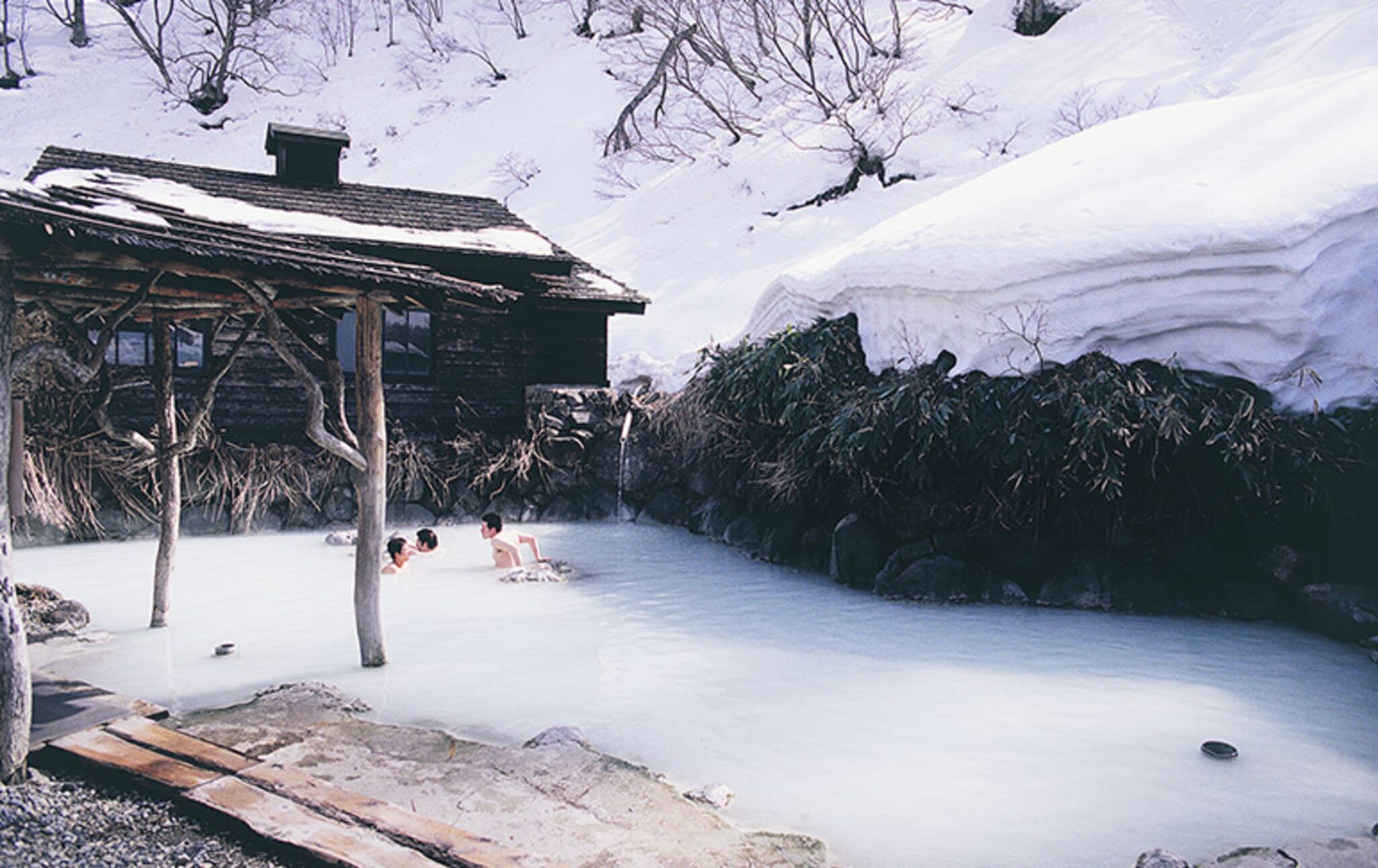
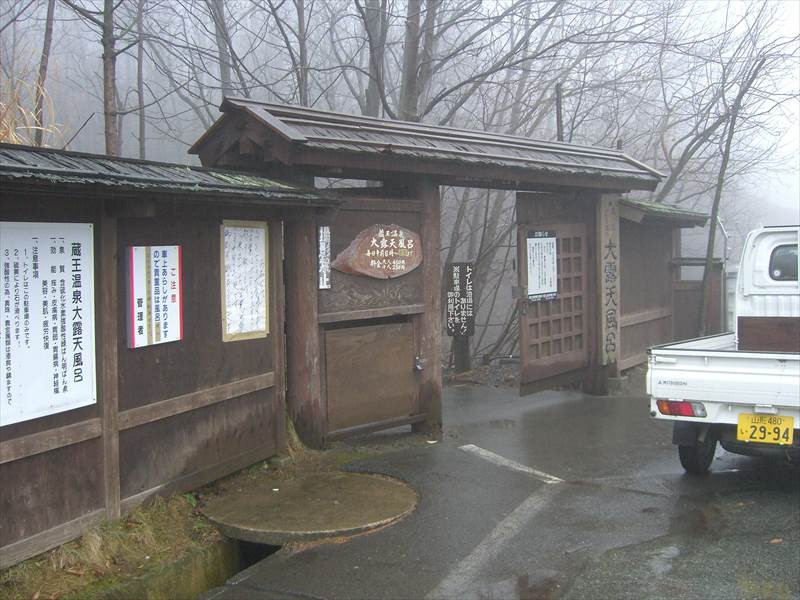
After a full day among the juhyo, relax in the public baths (Kami-no-yu, Shimo-no-yu and Kawara-no-yu) that stay open in winter. Zao Onsen is a well-known strongly acidic sulfur spring in Japan with a very high concentration, said to have more than a thousand years of history and long famed for beautifying the skin and relieving fatigue; with open-air baths ringed by snow scenery, soaking in falling snow in winter is one of the most soothing experiences of a Zao trip.
The Dai-Rotenburo is open only from about mid-April to mid-November and closes in winter because of snow, so it cannot be visited during juhyo season.
- ♨️ In winter, soak in the public baths (Kami-no-yu, Shimo-no-yu, Kawara-no-yu) or the hot springs inside your inn instead.
- 💰 Bathing fees are a few hundred yen, with separate baths for men and women.
- 🚶 About 10-15 minutes on foot from the bus terminal.
Zao Fox Village: Up-Close Encounters With Over a Hundred Foxes
Zao Fox Village is in Shiroishi, Miyagi Prefecture (on the other side of Mt. Zao). The park keeps more than a hundred foxes from around Japan, including silver foxes, white foxes and Arctic foxes, and visitors can watch them up close running freely across the snow in the open enclosure. In winter the white snow sets off the orange-red foxes beautifully, making it a popular spot for families and animal lovers.
Admission is about ¥1,500, with paid hugging experiences and feeding activities available separately.
- 🦊 Winter hours 9:00 to 16:00 (last entry 15:30), closed Wednesdays (open as usual in February and on Wednesdays that fall on national holidays).
- 🚉 About a 20-minute drive from JR Shiroishi-Zao Station.
- 🚗 From Zao Onsen on the Yamagata side, the Zao Echo Line is closed in winter, so you must detour about 90 km, around 2 hours by car.
For this reason we don’t recommend putting it on the same day as the juhyo trip; adding an extra day makes for a more relaxed schedule.

Summit Restaurant “Restaurant Sancho”: Dining With a View of the Snow Monsters
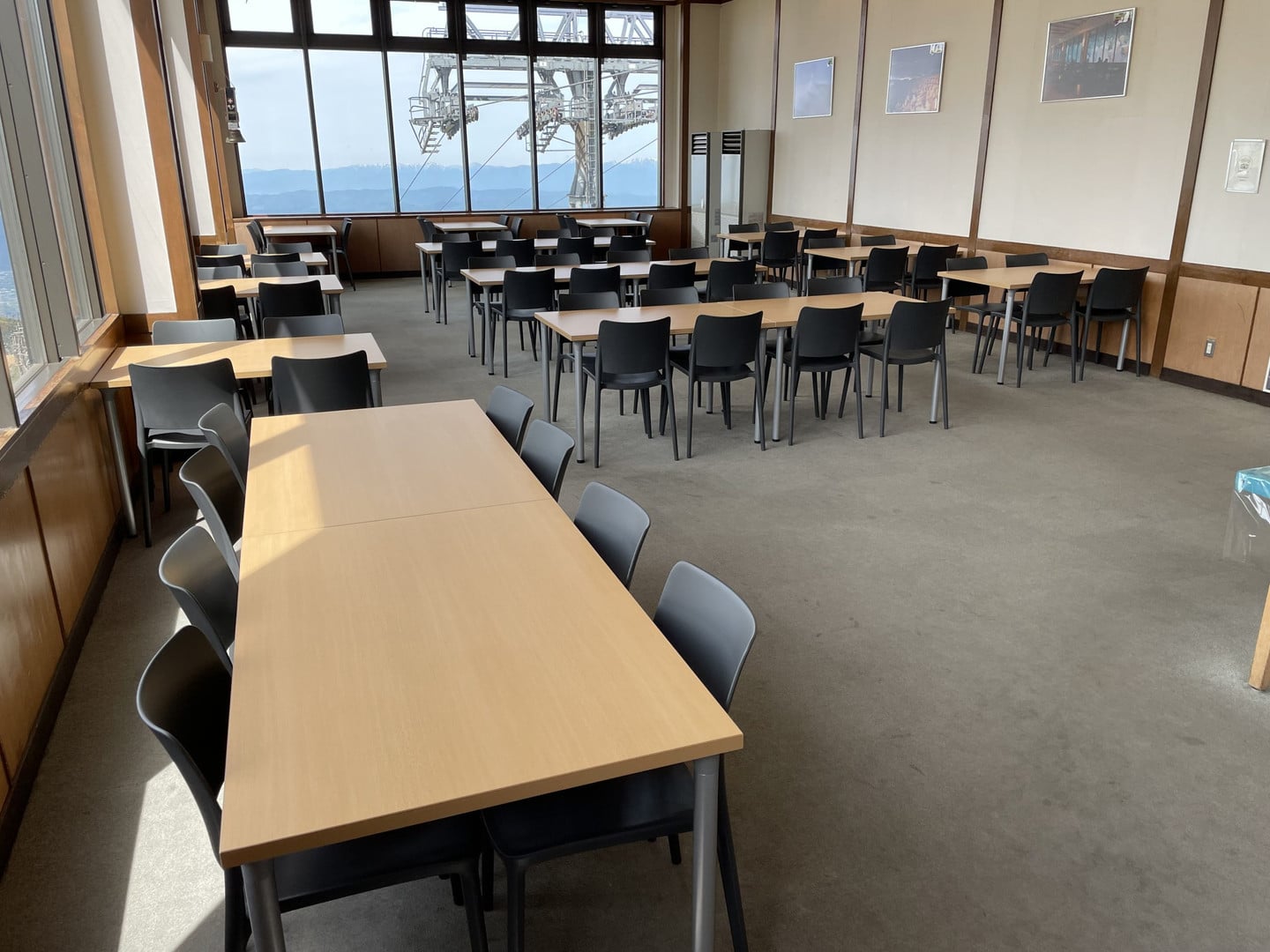
There are several restaurants and rest facilities along the Zao Ropeway. Among them, “Restaurant Sancho” (レストラン山頂) at Jizo-sancho Station is open year-round; its large windows overlook the winter juhyo stands, and a hot bowl of Yamagata local cooking is a great way to refuel in the cold. The menu has light meals such as Yamagata’s signature imoni (taro stew) with udon or soba, Sangen pork grilled dishes, takoyaki and Yonezawa beef croquettes.
Because dining times are crowded, we suggest avoiding the noon peak, or checking operating hours and seating at the ropeway station in advance, so you can enjoy a warm snow-country lunch in the limited time you have at the summit.
What to Wear and Pack for the Zao Snow Monsters: A Full Guide to -10 to -15 Degrees at the Summit
Winter temperatures at the Zao summit are often -10 to -15 degrees Celsius, usually with fierce gusts, so the wind chill can be even lower; being dressed properly is the key to enjoying the whole juhyo trip. We recommend layering like an onion: heat-generating thermal underwear as the base layer, a fleece jacket as the middle layer, and a windproof, waterproof jacket and snow pants on the outside. Even if you don’t ski, windproof pants are a good idea to withstand the strong summit wind. As for accessories, a wool hat, a windproof face mask or scarf and thick gloves are all essential; sunlight reflecting off the snow is also glaring, so we suggest bringing wind-resistant goggles or sunglasses.
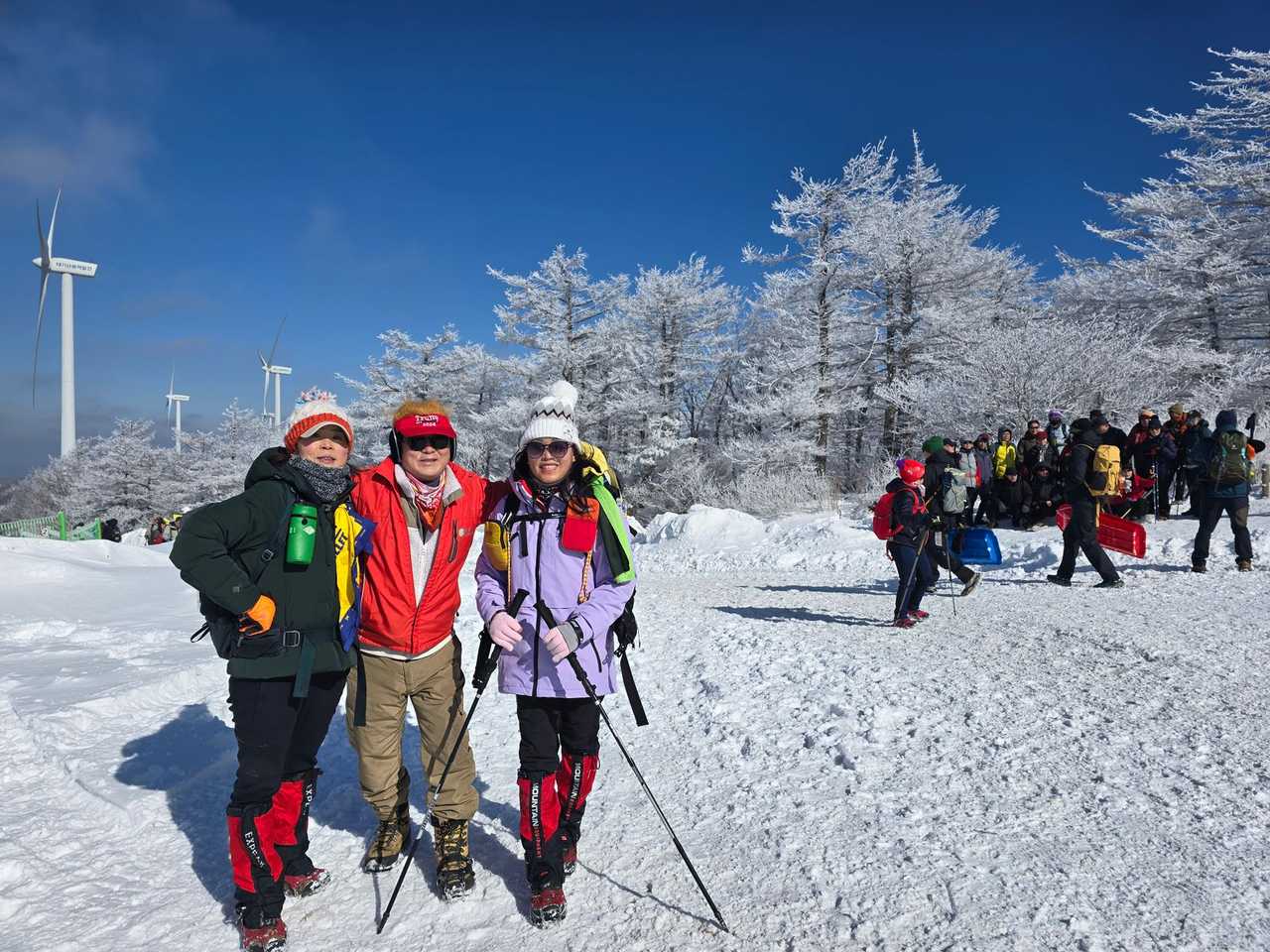
As for footwear, non-skiers should wear waterproof, non-slip snow boots, or rent slip-on ice grips at the base, to avoid slipping on icy paths. Low temperatures also drain phone and camera batteries faster, so bring a power bank and spare batteries and keep your devices close to your body for warmth. Heat packs are best used on the torso and the soles of your feet, where you stay still; their effect on exposed outdoor skin is limited.
How Much Does It Cost to See the Zao Snow Monsters? Ticket and Set Ticket Prices
Zao Ropeway Set Ticket 2026: Bus + Ropeway Round Trip, the Best Value From Yamagata
This is the most common way to buy tickets for the Zao snow monsters. It covers the round-trip bus fare between Yamagata Station and Zao Onsen plus the round-trip ropeway ticket from Zao Sanroku Station to Jizo-sancho Station. The adult set is about ¥6,600 and the child (ages 7-11) set about ¥3,300; it can be bought only at the bus service center in front of Yamagata Station, saves about ¥200 compared with buying separately, and is the option we recommend most to independent travelers.
This price is “Plan B,” announced on the Yamagata Kotsu website (on sale June 13 to November 3, 2026). For the sale period and price of the winter juhyo-season set ticket, follow the current Yamako Bus announcement.
Zao Ropeway Priority Tickets: Reserve Online and Skip the Line
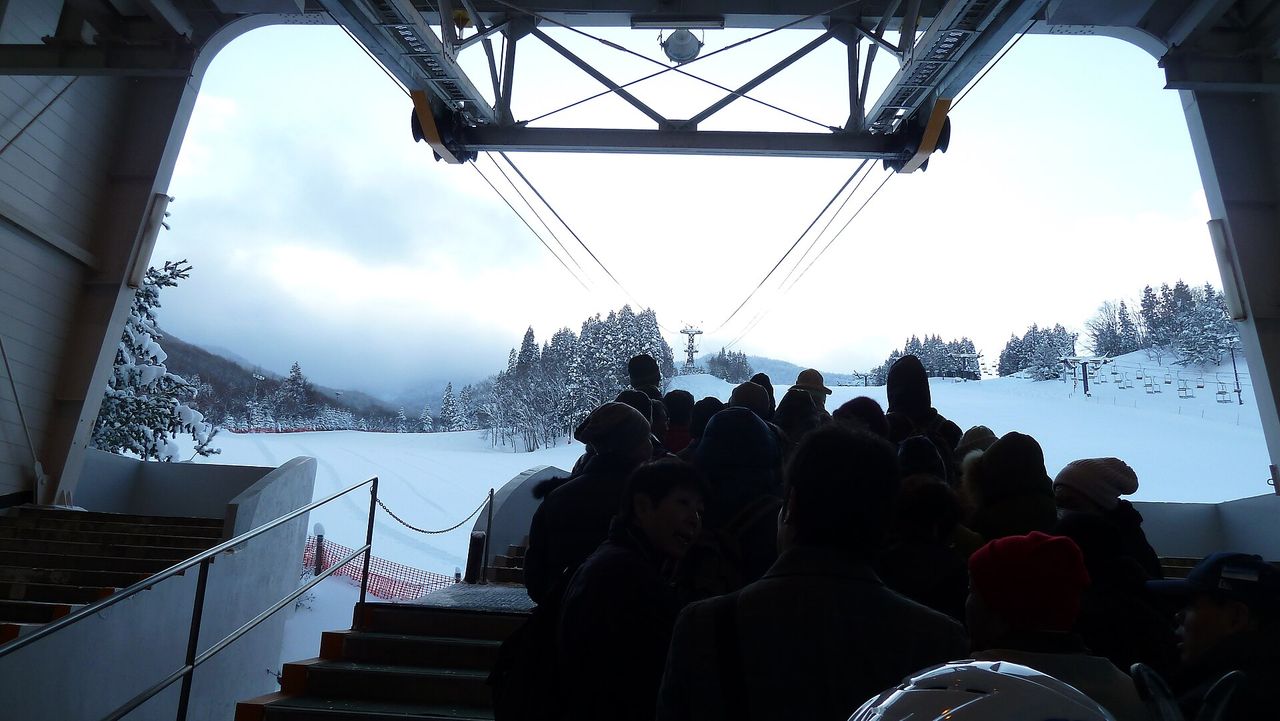
The Zao Ropeway website offers online priority ticket reservations: you choose the date and time slot in advance and, on arrival, board through the priority lane, saving the 1-2 hour wait at the on-site queue in peak season. Note that priority boarding applies only to the upward ride from Zao Sanroku Station (as far as Juhyo-kogen Station); once purchased, tickets cannot be canceled or refunded (except when the ropeway is suspended). Priority tickets open for reservation about 7 days before the ride date, and we suggest ordering online as soon as your plans are set, especially for the mid-January to late-February peak juhyo season, when priority tickets often sell out early.
Juhyo Illusion Corridor Snow-Vehicle Experience: A Night-Illumination-Only Tour
The snow-vehicle “Nightcruiser” experience offered only during the night illumination takes visitors deep into the core of the juhyo field to see the snow monsters accented with lights. It can be requested only through the tour reservation form on the Zao Ropeway website (no phone reservations), takes about 75 minutes in total (about 30 minutes on the snow vehicle), and runs from Juhyo-kogen Station → the upper part of pylon 4 on the Sancho Line → Juhyo-kogen Station, without reaching Jizo-sancho Station. The fee is ¥7,500 for adults and ¥6,000 for children (age 1 through elementary school), including the Sanroku Line round trip. Seats are limited, tickets go on sale at 14:00 seven days before the ride date and often sell out quickly, and in a warm winter the whole batch is often canceled when the rime ice collapses. We suggest applying on the day sales open so you don’t miss out.

![Yamagata - [Tohoku Day Tour] Ginzan Onsen & Zao Snow Monsters & Special Lunch | Departing Sendai](https://res.klook.com/images/w_300,h_300,c_fill,q_75/w_80,x_15,y_15,g_south_west,l_Klook_water_br_trans_yhcmh3/activities/uhctcted1xgnvo7l0rkc/【東北一日遊】銀山溫泉&藏王樹冰&特色午餐|仙台出發-Klook.jpg)
Where to Stay Near the Zao Snow Monsters: Lodging Areas for Side Trips
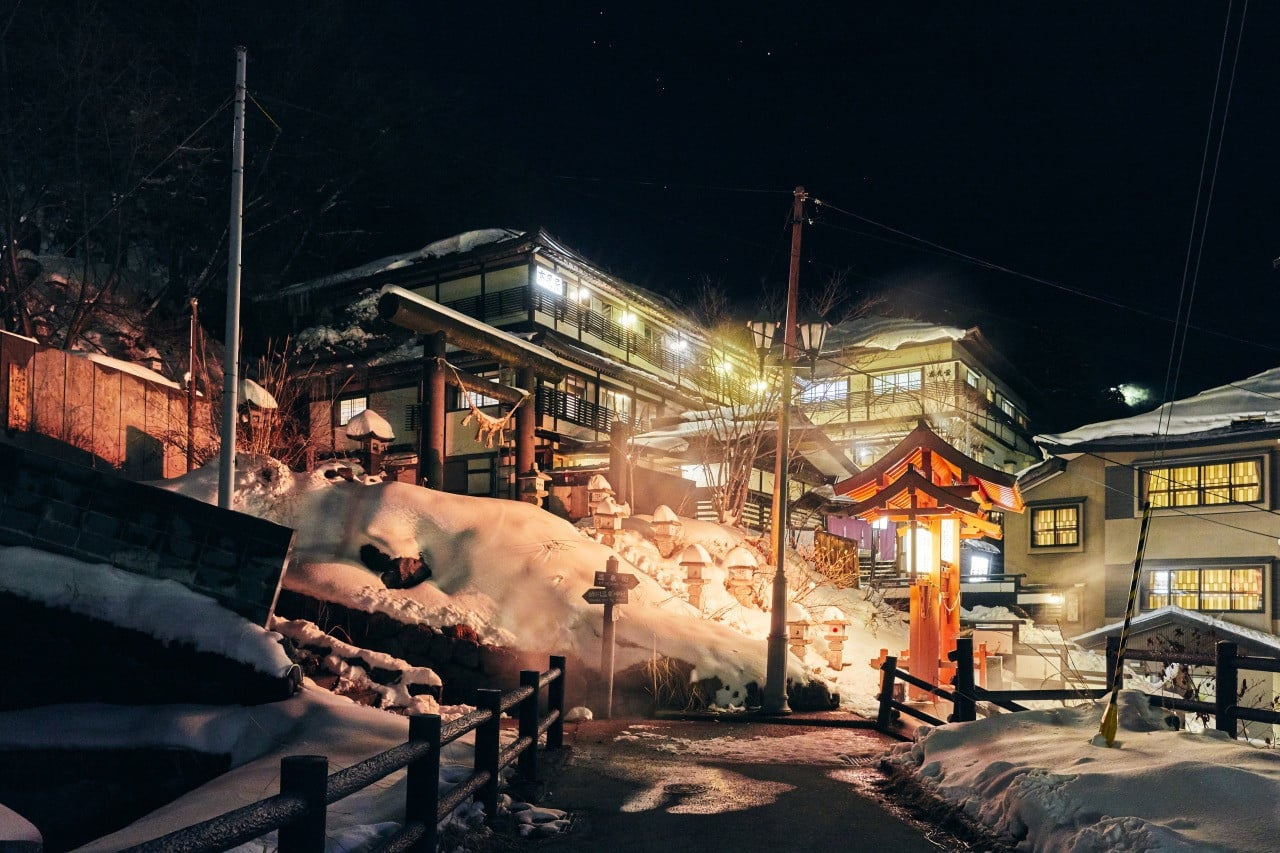
Zao Onsen, Yamagata Station and Sendai Station: How to Choose Among Three Bases
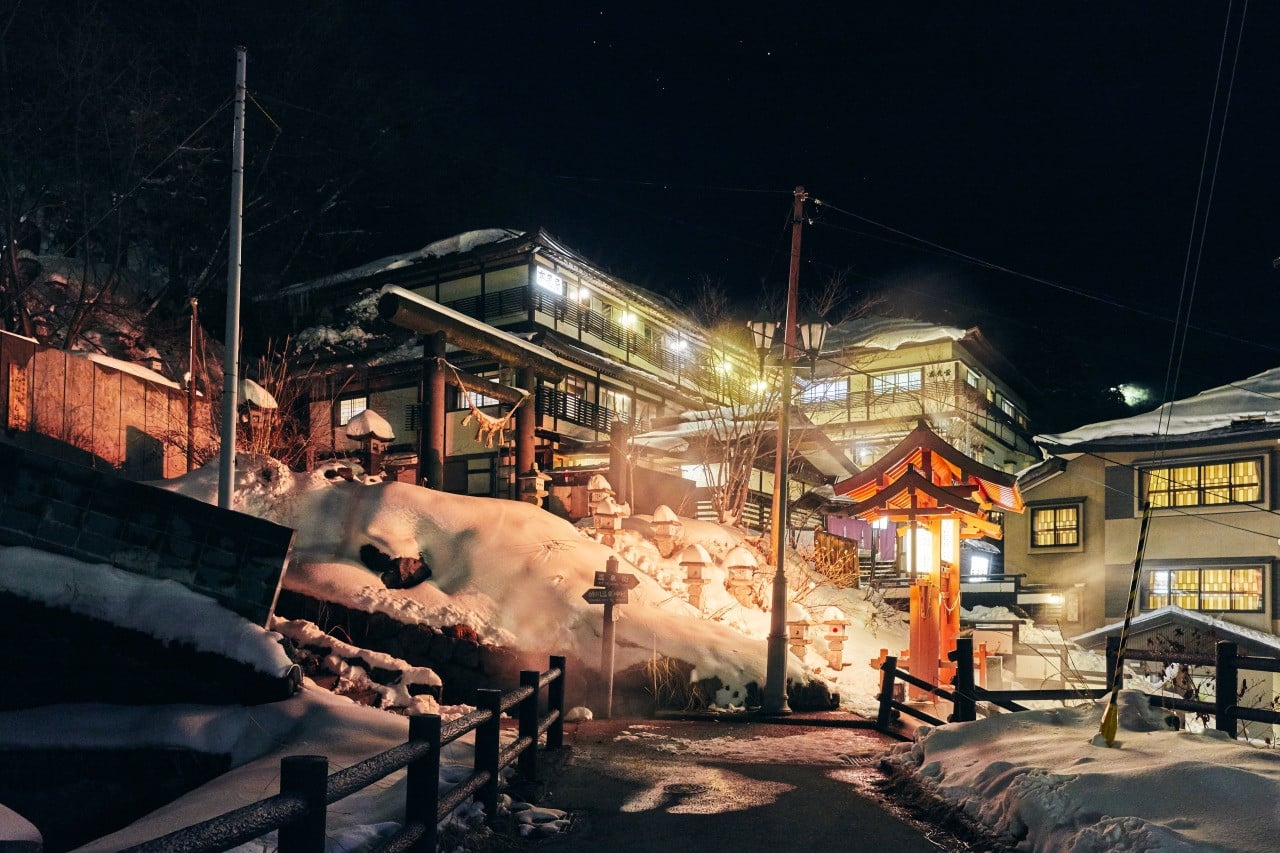
When planning a Zao snow monsters trip, lodging falls broadly into three bases. If you want to get a head start in the gap before the ropeway opens in the early morning, staying in the Zao Onsen area is ideal; most inns have their own hot springs, so you can soak right after skiing or juhyo viewing. If your itinerary also includes side-trip sights near Yamagata such as Yamadera and Ginzan Onsen, a business hotel around Yamagata Station makes it easier to link several sights and bus transfers. And for travelers heading from Sendai to and from Tokyo, staying near Sendai Station combines the convenience of a transport hub with plenty of dining and shopping. Each base has its strengths, so choose by the total length of your trip and the sights you want to add.
Zao Snow Monsters FAQ
Q: How much is a round-trip Zao ropeway ticket for the snow monsters?
A round-trip Zao Ropeway ticket for adults is about ¥4,400; combined with a round-trip bus ticket as a set, it is about ¥6,600 (the current Plan B on the Yamagata Kotsu website), the child set is about ¥3,300, and children 6 and under are free.
Q: What are the Zao snow monsters’ opening hours in 2026?
The Zao Ropeway Sanroku Line runs 8:30-17:00 and the Sancho Line 8:45-16:45 (subject to change). To reach Jizo-sancho Station and see the juhyo, the last upward departure is 16:00 from Sanroku Station. Night illumination in the 2025-26 season was 17:00-21:00 on 36 designated days; as of early October 2026 the website has not yet announced the 2026-27 schedule.
Q: How high are the Zao snow monsters?
Juhyo-kogen Station is at 1,331 meters and Jizo-sancho Station at 1,661 meters; the juhyo stands lie mainly between these two stations and up to the summit area.
Q: How long is the Zao ropeway ride?
It takes about 7 minutes from Zao Sanroku Station to Juhyo-kogen Station and about 10 minutes from Juhyo-kogen Station to Jizo-sancho Station, about 17 minutes one way in total, not counting the transfer in between.
Q: How often does the bus from Yamagata to Zao run?
The Yamako Bus Z90 line departs from stop 1 in front of Yamagata Station, on weekdays from about 6:50 to 18:55, roughly once an hour during the daytime, with a ride of about 40 minutes; the holiday timetable differs and winter departures may be adjusted, so check the Yamako Bus website timetable.
Q: Which month is the best time to see the Zao snow monsters?
The overall viewing season runs from late December to early March, and mid-January to late February is widely regarded as the best time, when the juhyo are at their largest and fullest.
Q: How do I get from Yamagata Station to Zao Onsen?
Take the Yamako Bus from the Yamagata Station East Exit; the ride takes about 40-45 minutes and costs ¥1,200 one way, payable by tapping an IC card on boarding and alighting.
Q: Can I see the Zao snow monsters without skiing?
Yes. The Zao Ropeway goes straight to Jizo-sancho Station, and as soon as you step out you can walk into the juhyo stands and see them up close, with no skiing ability needed at all.
Q: Do I need to reserve for the Zao snow monsters night illumination?
The regular night illumination needs no reservation, but the “Juhyo Illusion Corridor” snow-vehicle experience that goes deep into the juhyo field must be reserved online in advance, and tickets sell out easily in peak season.
Q: If the weather is bad at the Zao summit, will I miss the snow monsters?
Yes. Blizzards often cut summit visibility to nearly zero or stop the ropeway, so check the live camera on the website before you go; going up once the sky clears is the safest approach.
Q: Can I do the Zao snow monsters as a day trip from Tokyo?
In theory yes, but one way takes about 4 hours including the bus and ropeway, so a round trip plus time at the summit is very tight; we suggest at least one overnight stay for a more relaxed trip.