
2026 Ueno Food Guide: Popular Local Restaurants and Must-Eat Dishes
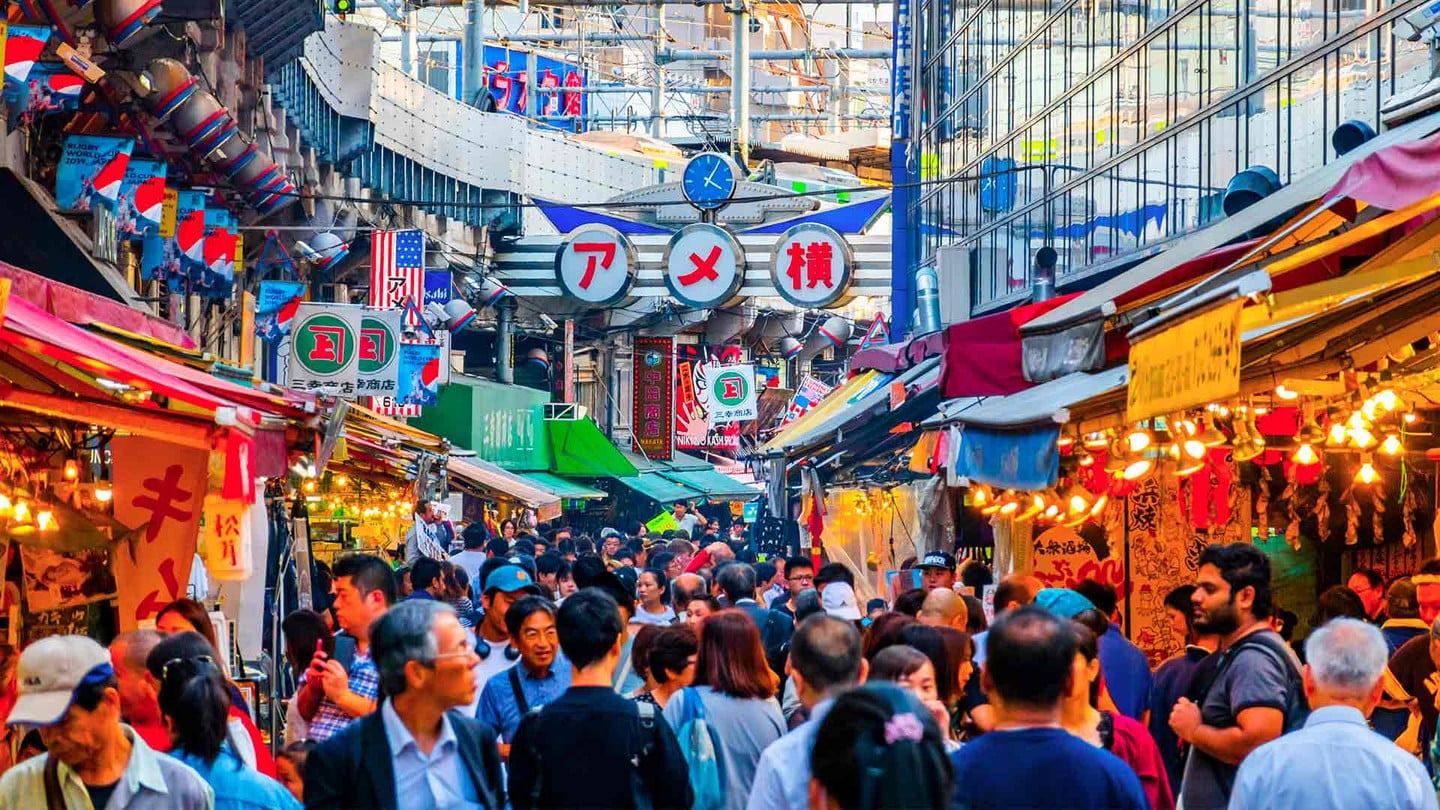
Ueno is one of Tokyo’s long-established food battlegrounds, with eel rice bowls, tonkatsu, izakaya and conveyor-belt sushi all gathered within walking distance of the station, perfect for a half-day food crawl.
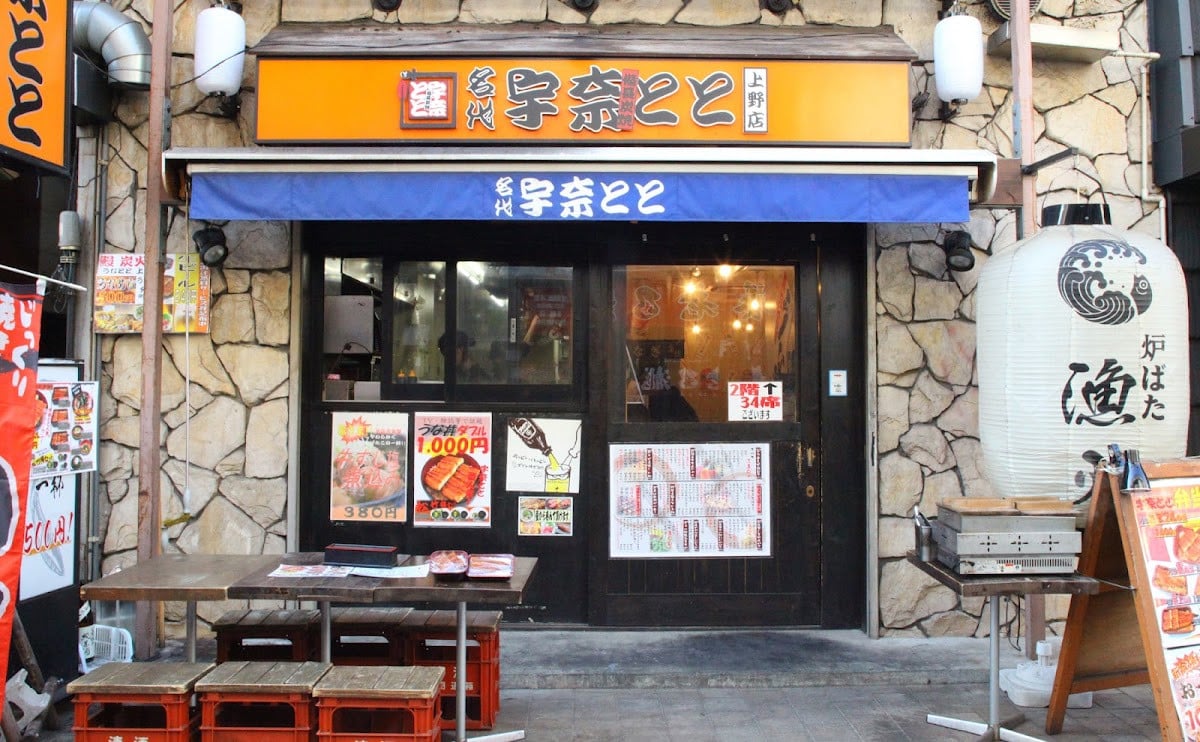
Meidai Unato Ueno (名代宇奈とと 上野店): A Budget Eel Bowl Worth Queuing For
This eel specialist is known for its friendly prices, with the cheapest eel bowl starting at about ¥640 (price announced July 2026), making it one of Ueno’s best-value eel options. There are not many seats and you often have to queue at mealtimes, but tables turn over quickly and you are usually seated after a 15-20 minute wait.
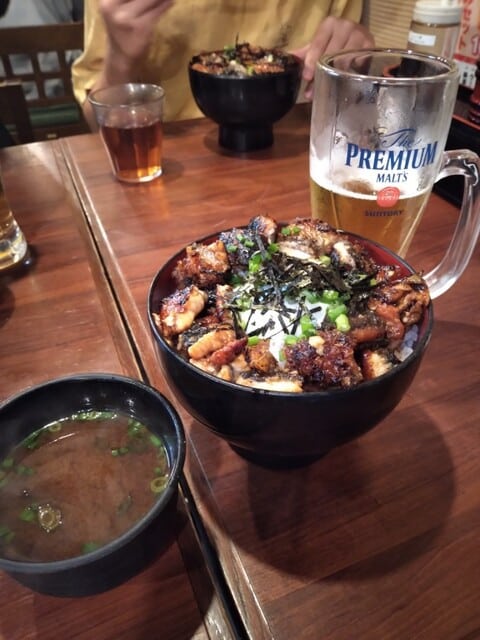
The shop grills the eel kabayaki-style until the skin is slightly charred and the flesh is tender, and the special sauce poured over it is wonderfully fragrant, a perfect match with hot rice. It is about a 3-minute walk from the Shinobazu Exit of Ueno Station and is open until 10:30 p.m., one of the few places where you can have an eel bowl as a late-night meal.
- 🍽️ Must-order: The signature kabayaki eel bowl
- 💰 Price: From about ¥640
- 🚉 Access: About a 3-minute walk from the Shinobazu Exit of Ueno Station

Isen Tonkatsu: A Century-Old Western-Style Restaurant in Okachimachi
Founded in the 1930s, Isen (井泉) is a doyen of Tokyo tonkatsu, with a crisp coating around juicy pork and frying skill that many gourmets rank among Tokyo’s top three. The signature loin cutlet set (ロースかつ定食) uses carefully selected pork loin fried to order, and the crisp-outside, tender-inside texture turns one visit into regular patronage.
The shop is about a 5-minute walk from Okachimachi Station, and the dining room keeps a nostalgic Showa-era atmosphere. Prices fall in the mid-range set-meal bracket (about ¥1,800-2,500), suiting travelers who want to taste traditional Western-style Japanese cuisine. Arrive early at peak mealtimes to wait for a table.
- 🍽️ Must-order: Loin cutlet set (ロースかつ定食)
- 💰 Price: ¥1,800-2,500
- 🚉 Access: About a 5-minute walk from Okachimachi Station
Niku no Ooyama Croquettes: A Pocket-Money Queue Snack in Ameyoko
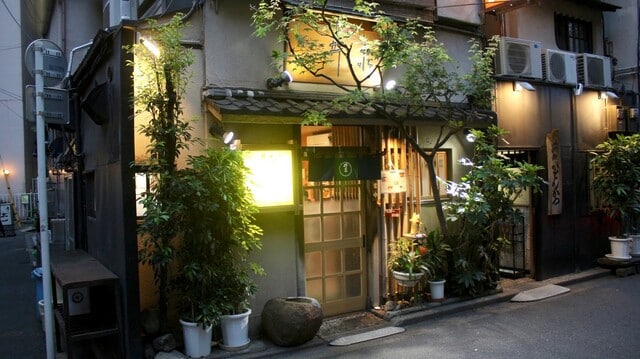
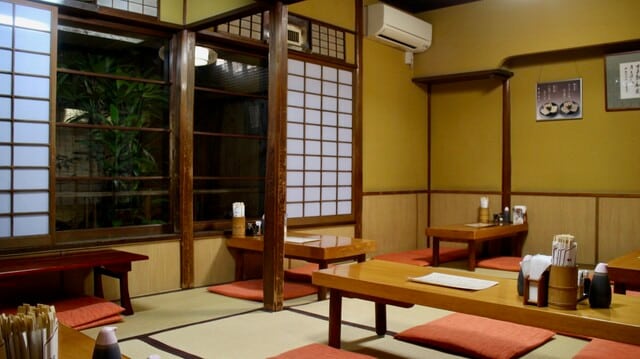
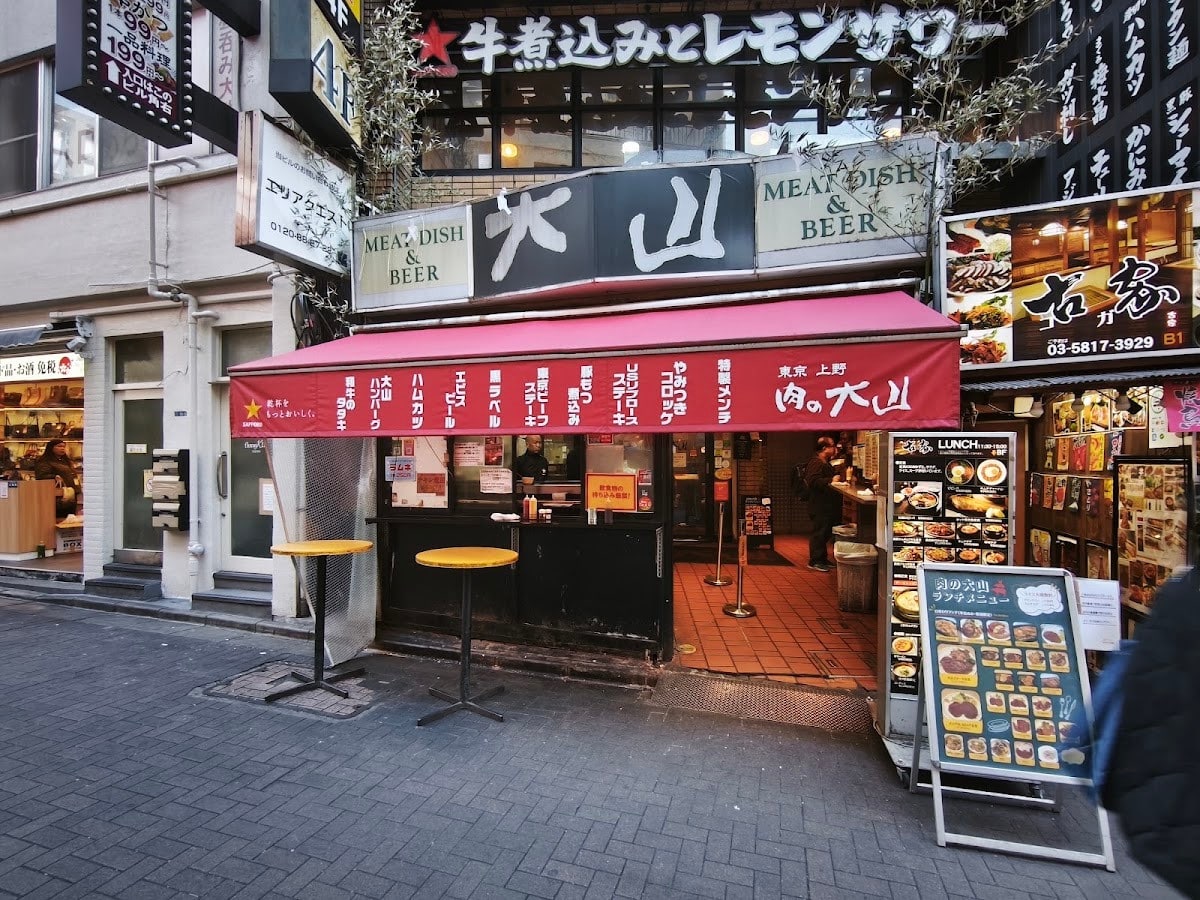
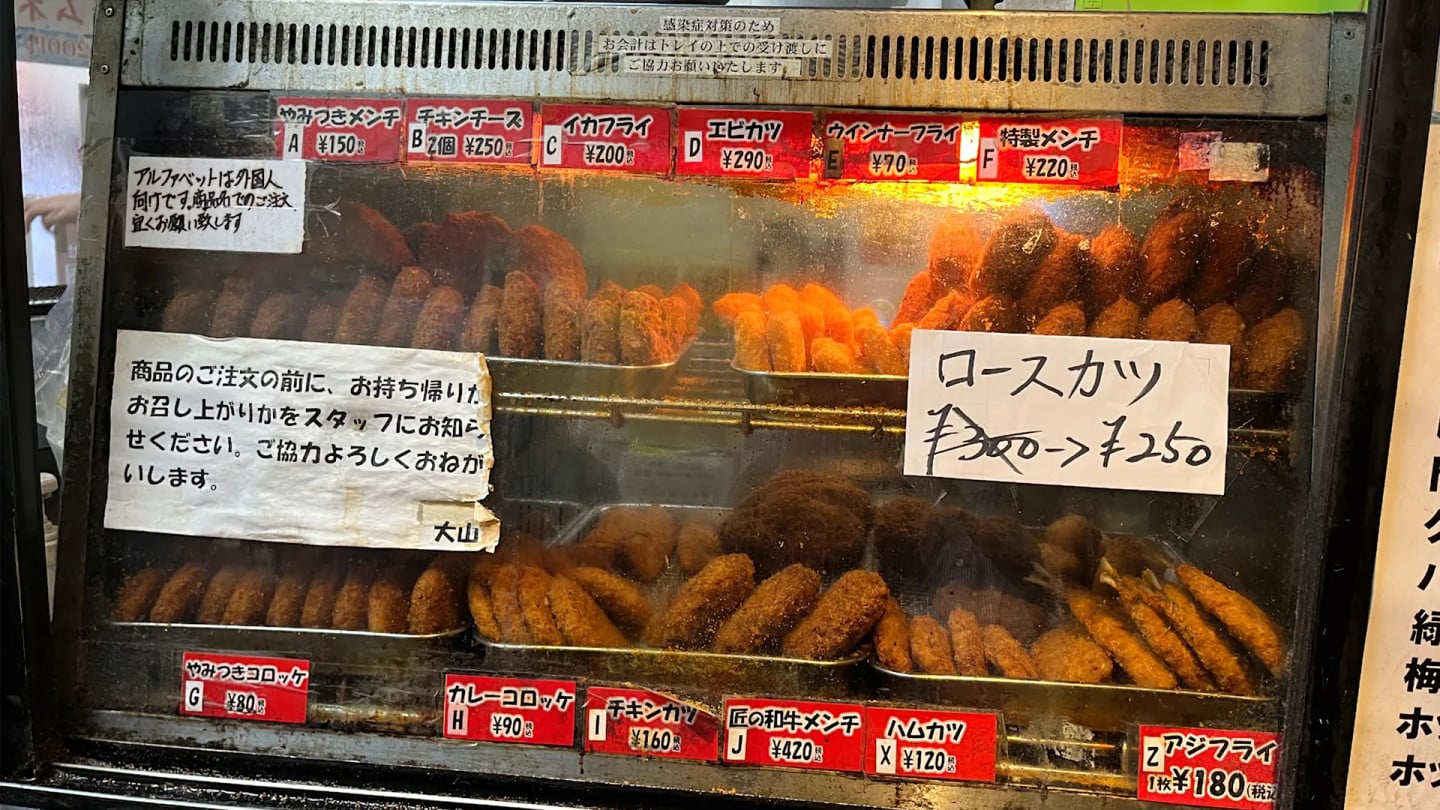
Niku no Ooyama (肉の大山) is Ameyoko’s most iconic stand-up croquette shop. One croquette costs around ¥200, with a crisp shell and rich, juicy filling, the perfect refuel while shopping. The shop is busy year-round, and the line often stretches from the storefront into the street.
Besides the classic croquette, it sells variations such as croquette burgers and fried meat patties, ideal for eating on the go. It sits in the heart of the Ameyoko shopping street, near Ueno and Okachimachi stations, so it is easy to taste on your way around the shops.
- 🍽️ Must-order: The signature wagyu croquette
- 💰 Price: About ¥200 each
- 🚉 Access: In the heart of the Ameyoko shopping street, near Ueno and Okachimachi stations
Big Takoyaki Minatoya: Pocket-Money Seafood Snacks in Ameyoko
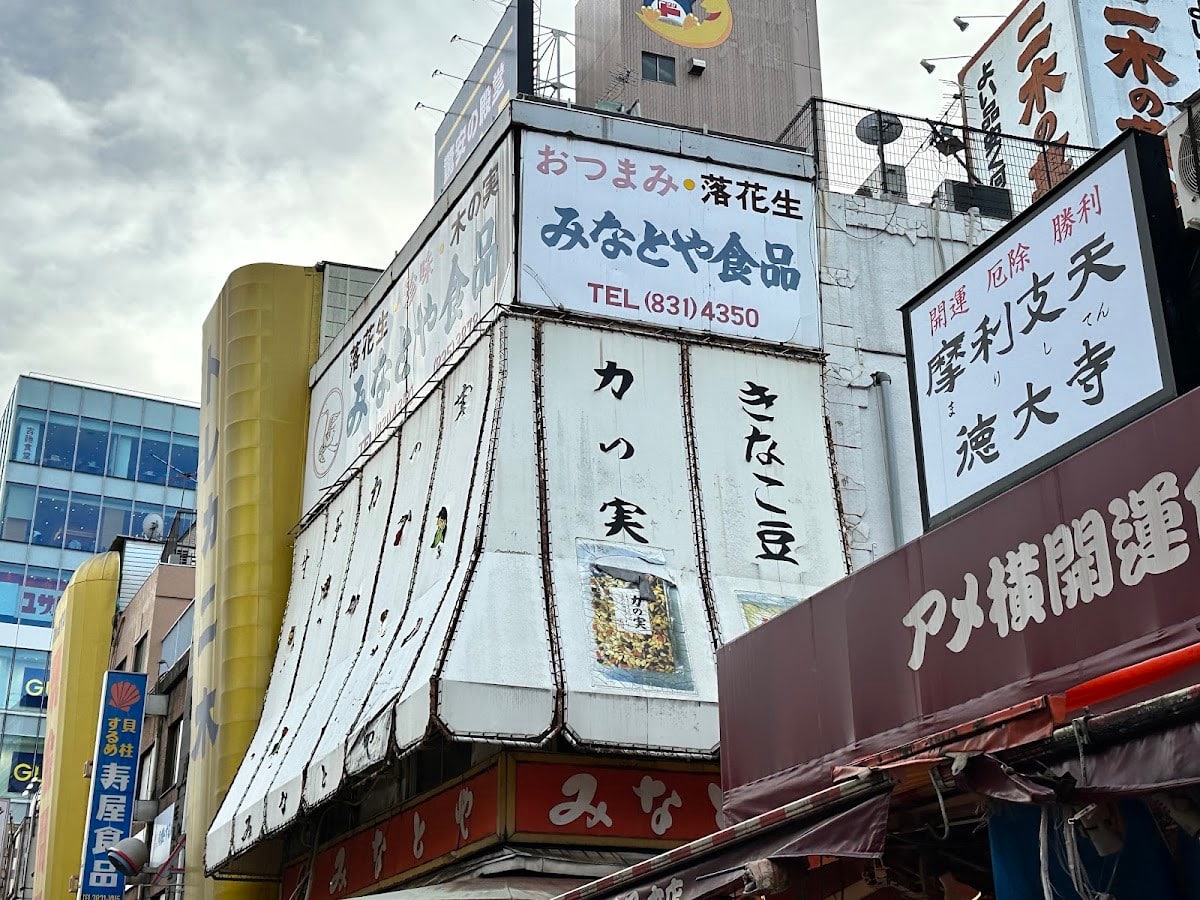
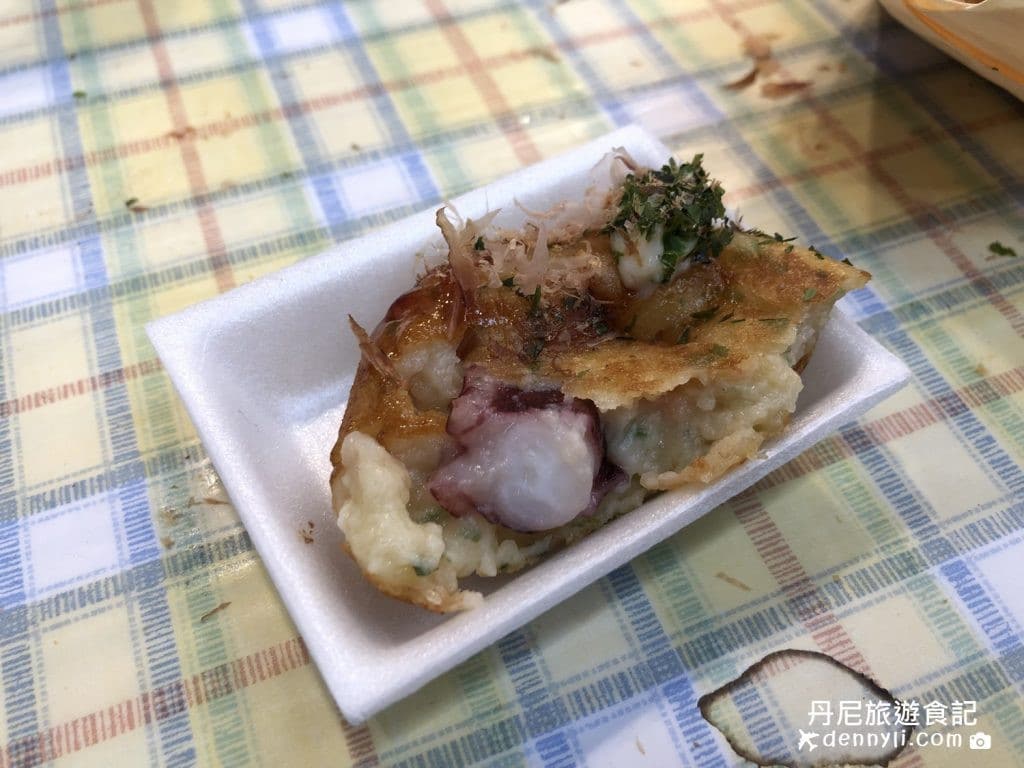
Minatoya (みなとや) is known for fresh takoyaki and a range of seafood rice bowls, with friendly prices and generous portions, one of the representative stall foods of Ameyoko. The takoyaki has a crisp shell and a soft, juicy center, and with the special sauce and bonito flakes it is full of aroma.
The shop also sells budget seafood rice bowls, good for travelers who want a quick meal and a taste of something fresh. It is in the Ameyoko market alleys, near the Shinobazu Exit of Ueno Station and Okachimachi Station, a popular stop when browsing and snacking.
- 🐙 Must-order: Freshly grilled takoyaki
- 💰 Price: Pocket change (budget snack)
- 🚉 Access: In the Ameyoko market alleys, near the Shinobazu Exit of Ueno Station and Okachimachi Station
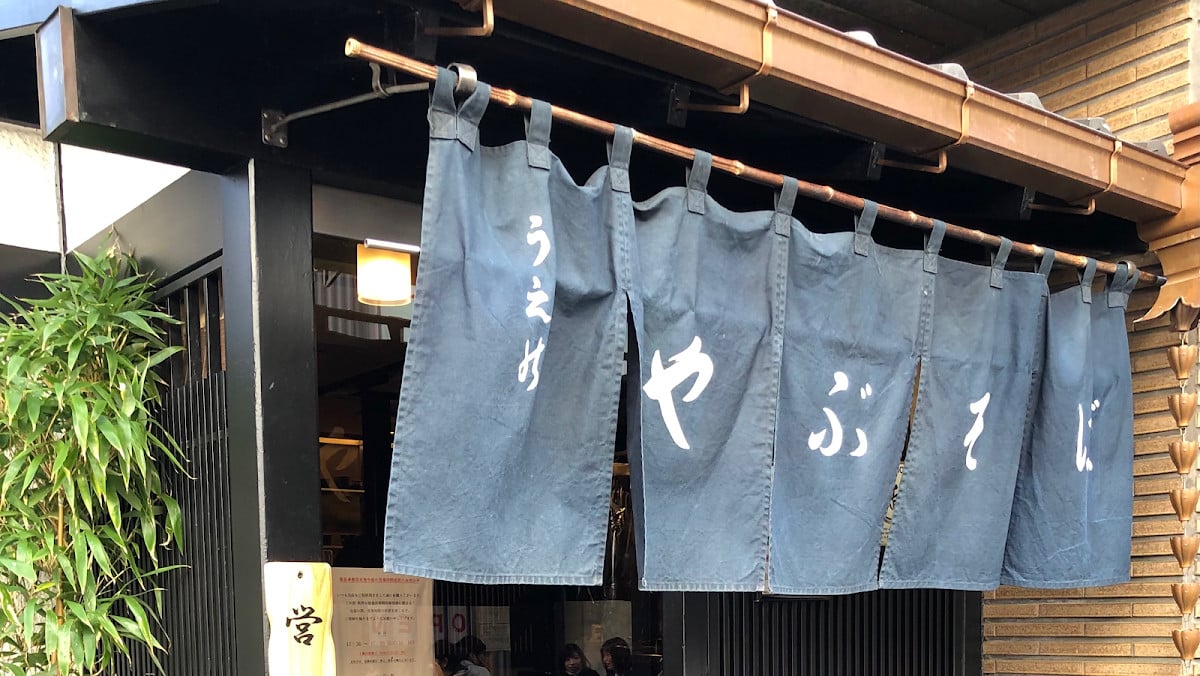
Ueno Yabusoba: A Century-Old House of Hand-Made Soba
Ueno Yabusoba (上野藪蕎麥) was founded in 1892 and carries on the “Yabu” lineage of Kanda Yabusoba, insisting on hand-cut soba made daily. The noodles are smooth and carry the aroma of buckwheat, and paired with the rich dipping sauce they are very appetizing. The interior keeps a traditional Japanese style, with wooden beams and noren curtains creating a strong old-Tokyo atmosphere.
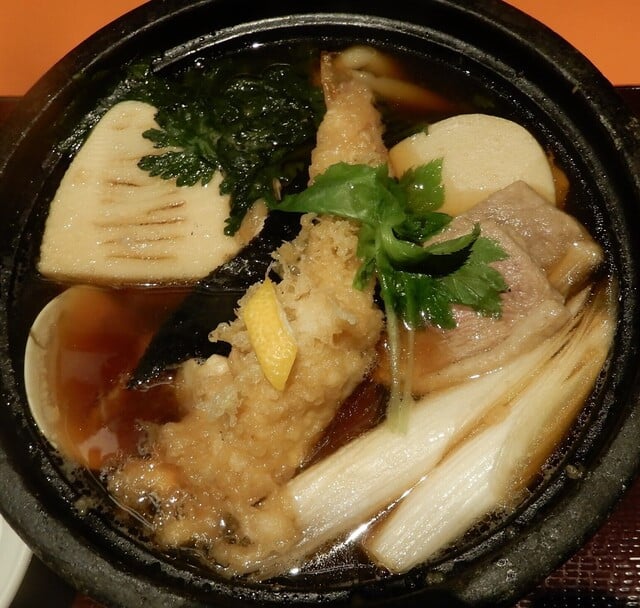
The signature zaru soba costs around ¥1,000, a mid-range choice for travelers who want to experience artisan craft. It is near Ueno Park, so after eating you can stroll to the surrounding museums and galleries and combine culture and food in a half-day route.
- 🍜 Must-order: Zaru soba (hand-made soba on a bamboo tray)
- 💰 Price: About ¥1,000
- 🚉 Access: Near Ueno Park
How to Get to Ueno for Food: Transport and Cost Guide
As a transport hub in northern Tokyo, Ueno is easy to reach from any corner of the city by several routes, and knowing them is the basic groundwork before planning a food tour.
How to Get to Ueno for Food: Transport at a Glance
🚃 JR Yamanote Line / Keihin-Tohoku Line: About 8 minutes from Tokyo Station (fare per JR East’s announcement), the best route directly to Ueno with no transfers.
🚇 Tokyo Metro Ginza Line / Hibiya Line: Exits lead directly to Ameyoko and Ueno Park, fare from about ¥180, last train around midnight.
🚄 Keisei Skyliner: As fast as 41 minutes from Narita Airport to Keisei Ueno Station for ¥2,580, ideal for heading straight to your first meal after landing.
🎫 Tokyo Metro 24-Hour Ticket: Adults ¥700. For longer stays with intensive restaurant hopping, a rechargeable IC card is more flexible.

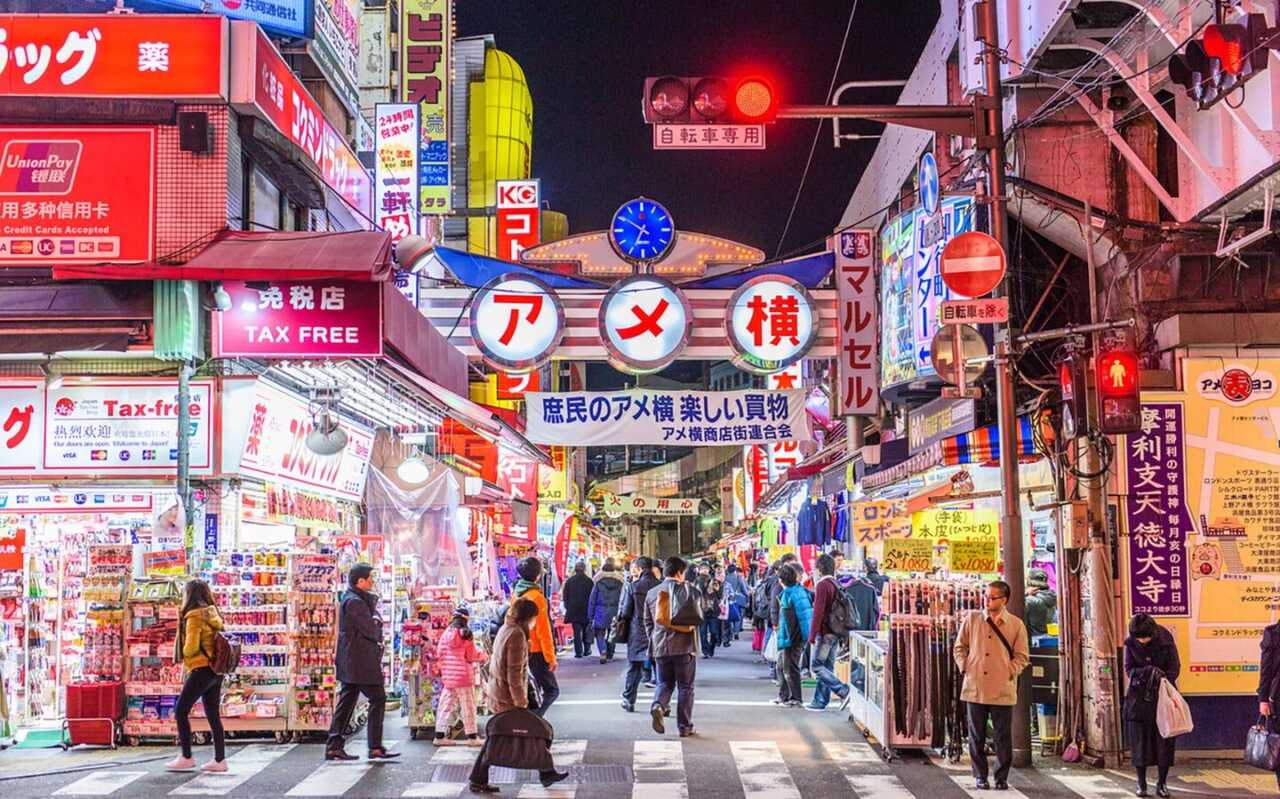
Which Old Favorites and Queue-Worthy Restaurants Should You Eat at in Ueno? A Complete Guide to Popular Local Restaurants
From izakaya and yakitori to kaiseki, Ueno has one of the highest concentrations of long-established restaurants in Tokyo, a real treasure trove of food.
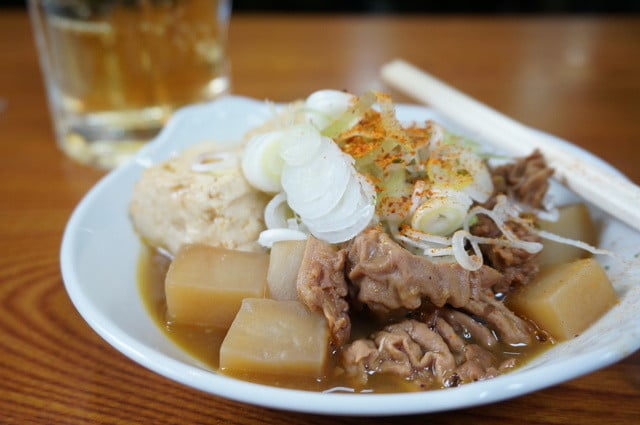
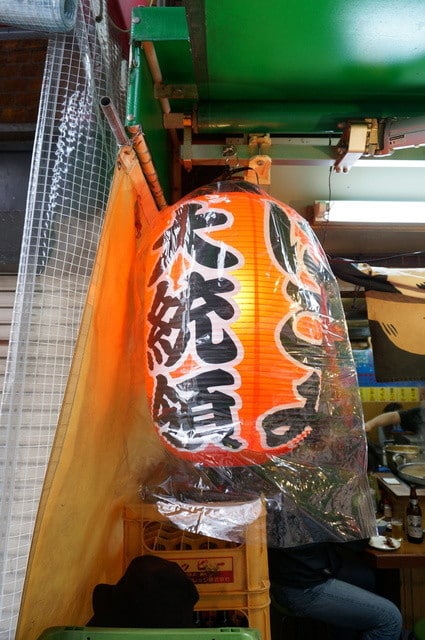
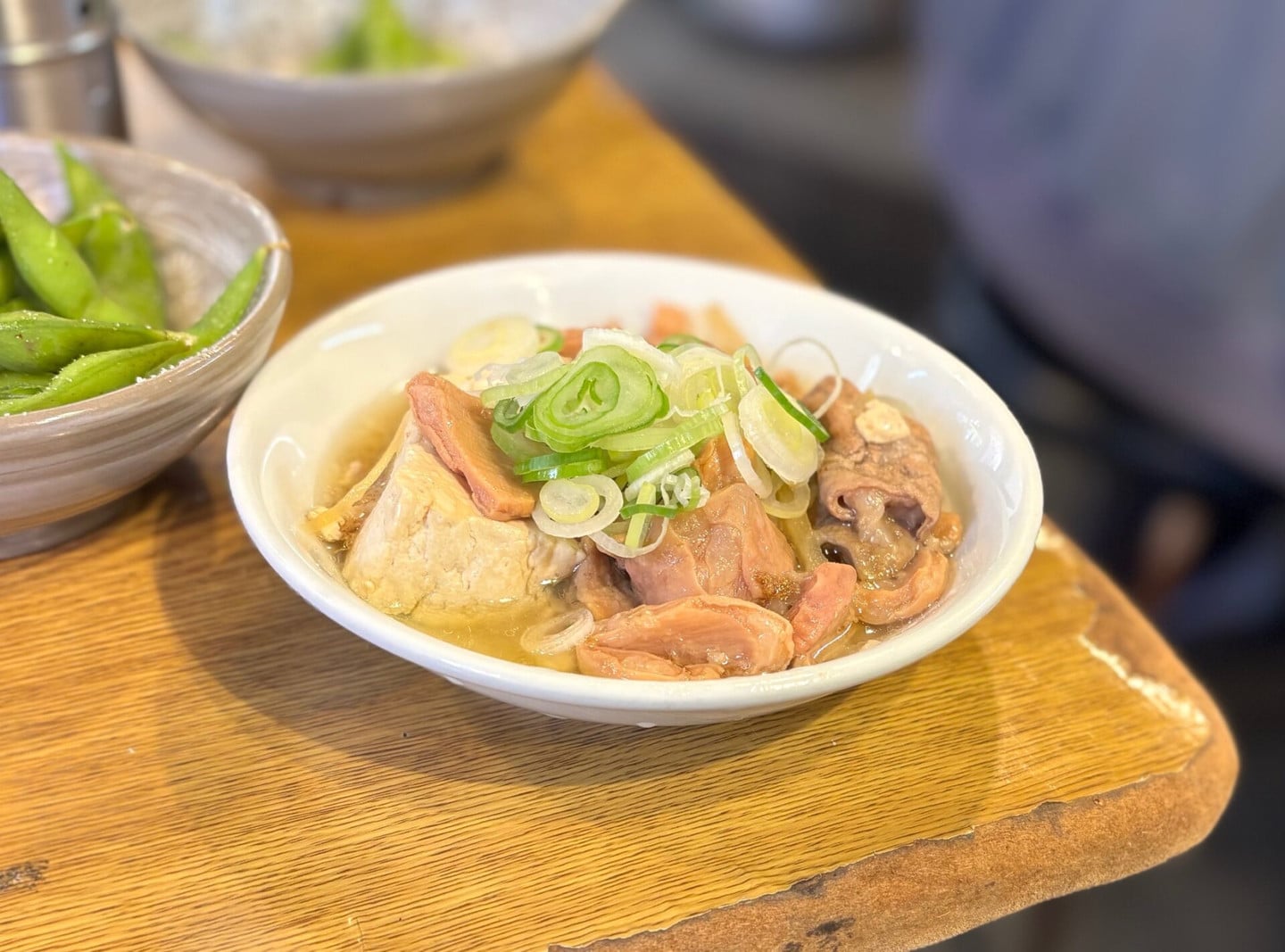
Daitoryo Izakaya: The Budget Izakaya Pioneer with Signature Stewed Offal and Showa Atmosphere
Daitoryo (大統領) has been open for more than 70 years and is one of Ueno’s most iconic stand-up izakaya, full of Showa nostalgia, with a wooden counter and weathered signs that tell of passing years. The signature stewed offal (もつ煮) is rich and well seasoned, and paired with a draft beer it is the classic after-work combination of local office workers. Prices are very friendly, with a serving of stewed offal around ¥400.
The shop is often full, especially after evening, so we suggest going early or on a weekday afternoon. It sits under the elevated tracks of Ameyoko, full of local life, an excellent choice for experiencing real Ueno izakaya culture.
- 🍽️ Must-order: The signature stewed offal (もつ煮)
- 💰 Price: About ¥400 per serving
- 🚉 Access: Under the elevated tracks of Ameyoko
Bunraku Yakitori Izakaya: Signature Charcoal-Grilled Chicken
Bunraku (文楽) is known for yakitori grilled to order over charcoal. The signature chicken skewers use carefully selected domestic chicken, grilled with a fragrant charred skin while the meat stays tender and juicy. Each skewer costs about ¥150-250, a very good-value izakaya choice. The shop also offers two ways to season your skewers, a house-blended sauce or pepper salt.
The interior follows a traditional izakaya style, good for dining and drinking with a few friends. It is near the Shinobazu Exit of Ueno Station and open until late at night, a popular spot for a late-night bite often frequented by local office workers.
- 🍢 Must-order: Charcoal-grilled chicken skewers
- 💰 Price: ¥150-250 per skewer
- 🚉 Access: Near the Shinobazu Exit of Ueno Station
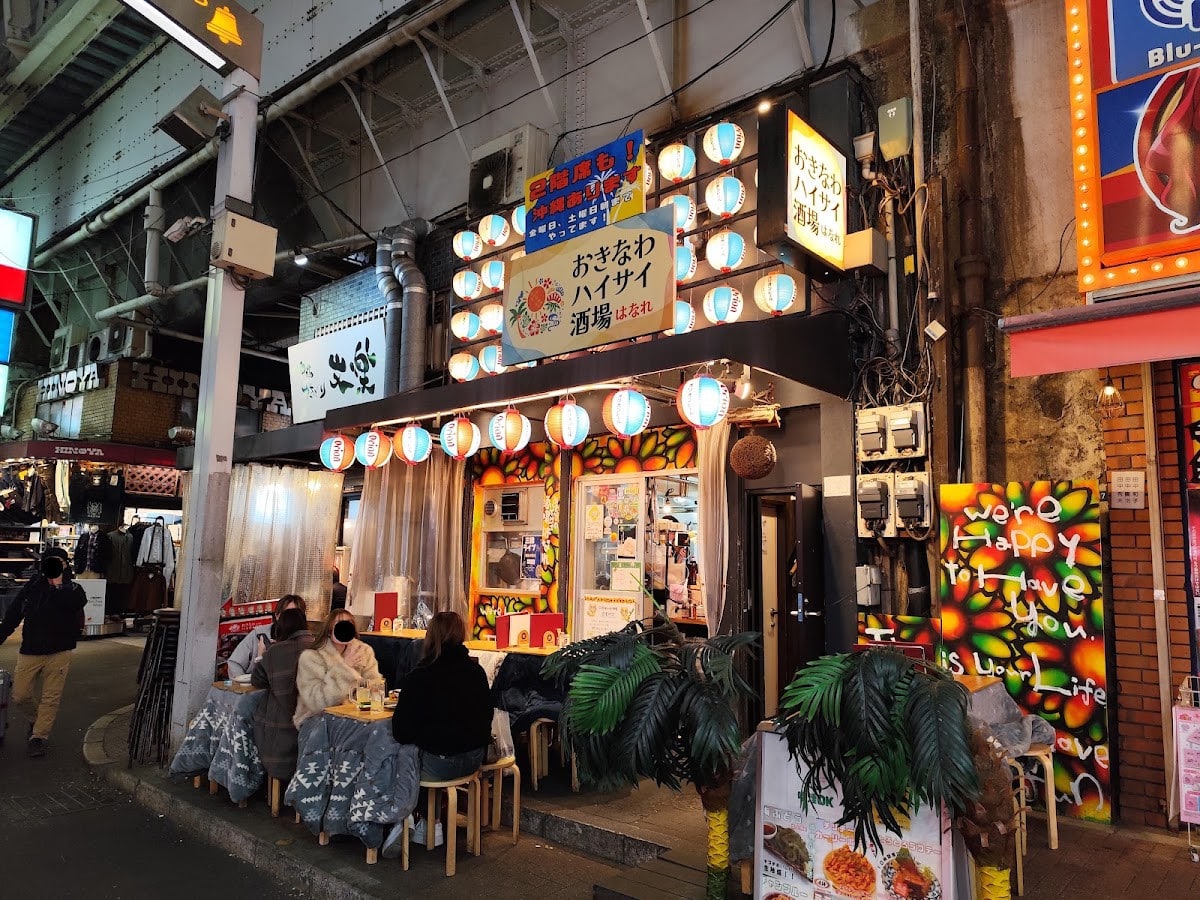
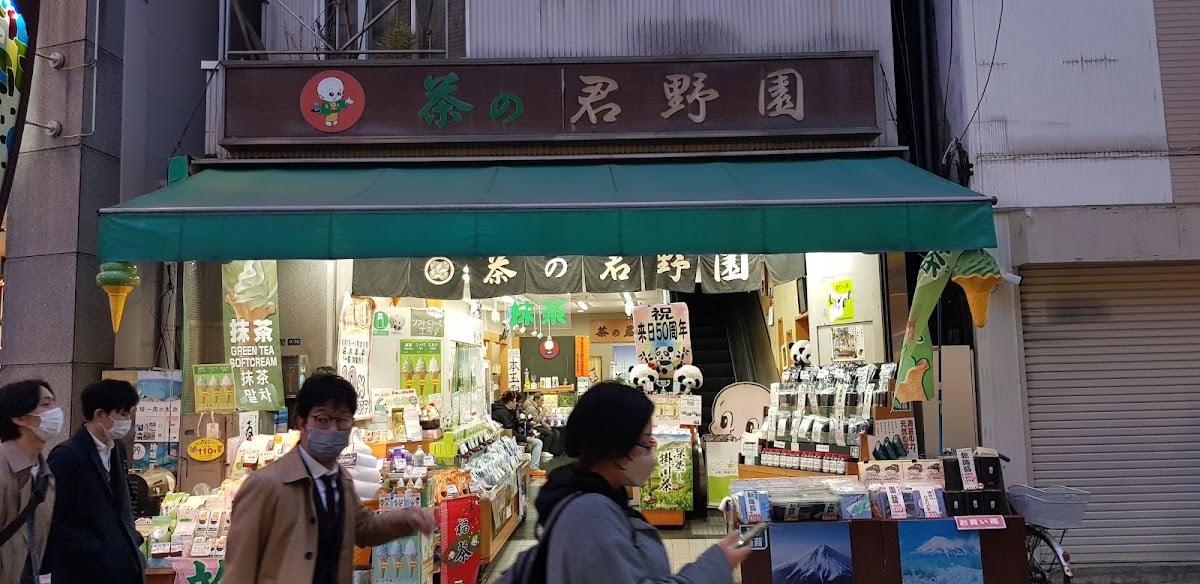
Cha no Kimino-en: Ameyoko’s Popular Matcha Ice Cream
Cha no Kimino-en (茶の君野園) is a popular queue-worthy shop in Ameyoko. Its signature rich matcha soft serve is made with high-grade Uji matcha, with a balance of bitter and sweet and a strong aroma, about ¥300 per cone, the best dessert for cooling off and cutting richness while you shop.
The shop also sells matcha powder, matcha candy and other souvenirs, convenient for travelers who love matcha flavor. The stall is in a main alley of Ameyoko. When it is crowded, avoid the weekend afternoon peak, when the wait is shorter.
- 🍵 Must-order: Rich Uji matcha soft serve
- 💰 Price: About ¥300 per cone
- 🚉 Access: A main alley of Ameyoko
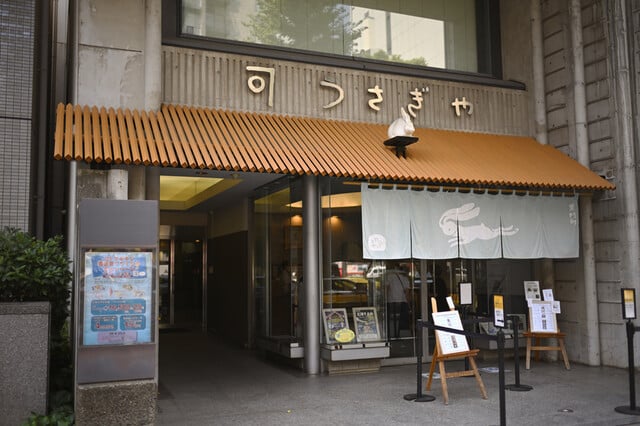
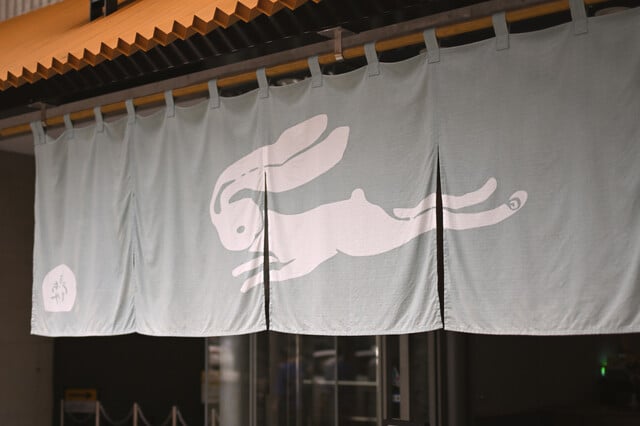
Usagiya: Artisan Dorayaki Baked Fresh
Usagiya (うさぎや) was founded in 1913 and is one of Ueno’s most iconic traditional wagashi shops. Its signature dorayaki has soft pancakes with a honey aroma and smooth red bean filling that is not cloyingly sweet. They are baked by hand fresh each day in limited quantities, sold until they run out.
A single dorayaki costs about ¥200, a friendly price for artisan-level quality, and it is often counted among Tokyo’s top three dorayaki. The shop is about a 5-minute walk from the Hirokoji Exit of Ueno Station, good for souvenirs or a snack on a stroll.
- 🥮 Must-order: Freshly baked artisan dorayaki
- 💰 Price: About ¥200 each
- 🚉 Access: About a 5-minute walk from the Hirokoji Exit of Ueno Station
Ueno Seiyoken: A Meiji-Era Western Restaurant Famous for Omurice and Beef Stew Rice
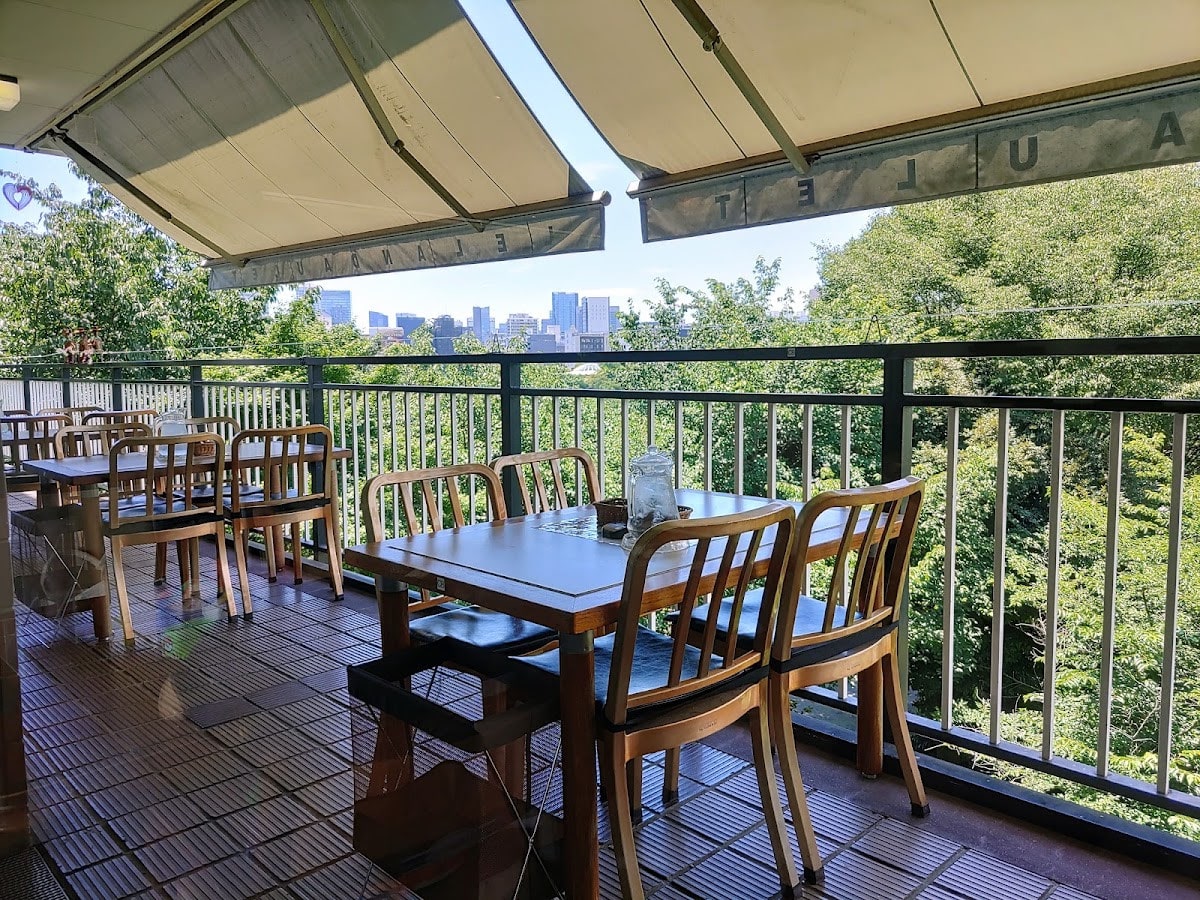
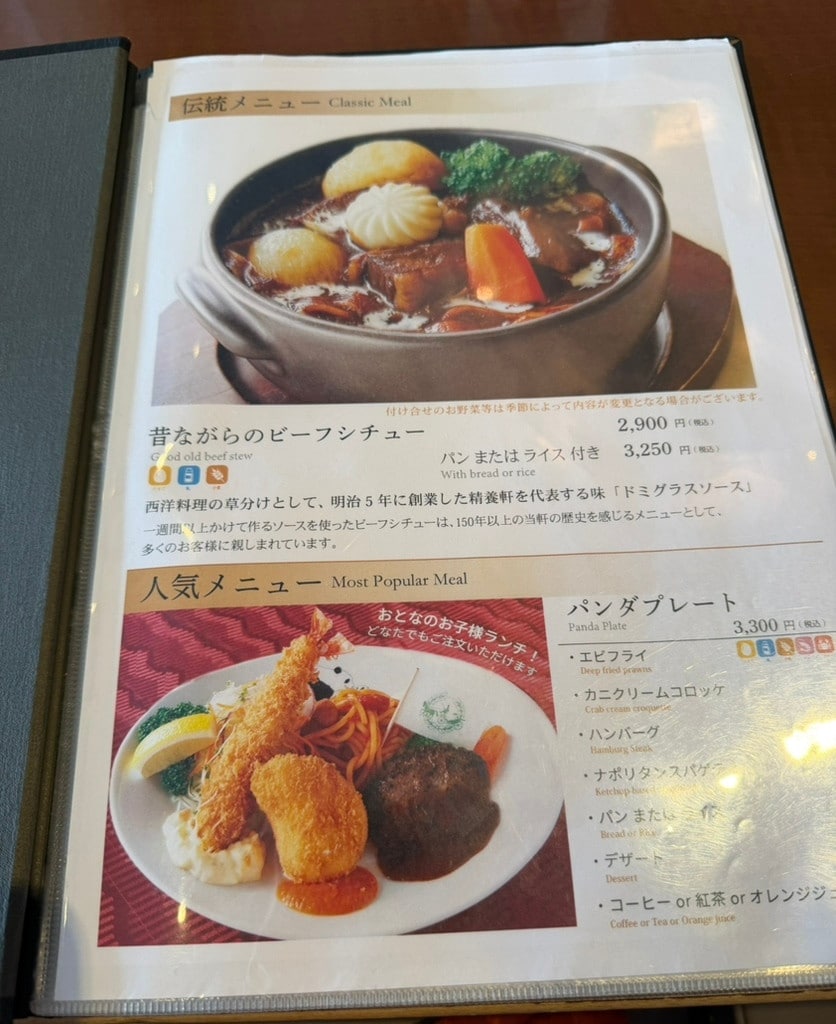
Ueno Seiyoken (上野精養軒) was founded in 1876 and is one of the pioneers of Western cuisine in Japan, blending Japanese delicacy with Western technique. Its signature omurice and beef stew rice are loved by veteran diners. The restaurant is inside Ueno Park with an elegant dining room, suited to a more formal lunch or dinner.
Set meals cost about ¥2,500-5,000, a mid-to-upper-range choice. The historic restaurant building is itself a highlight, blending classical European decor, so you can feel the Westernization trend of the Meiji era as you dine.
- 🍽️ Must-order: Signature omurice and beef stew rice
- 💰 Price: ¥2,500-5,000
- 🚉 Access: Inside Ueno Park
Unagi Kappo Izuei Umekawatei: A Long-Established Edomae Eel Restaurant
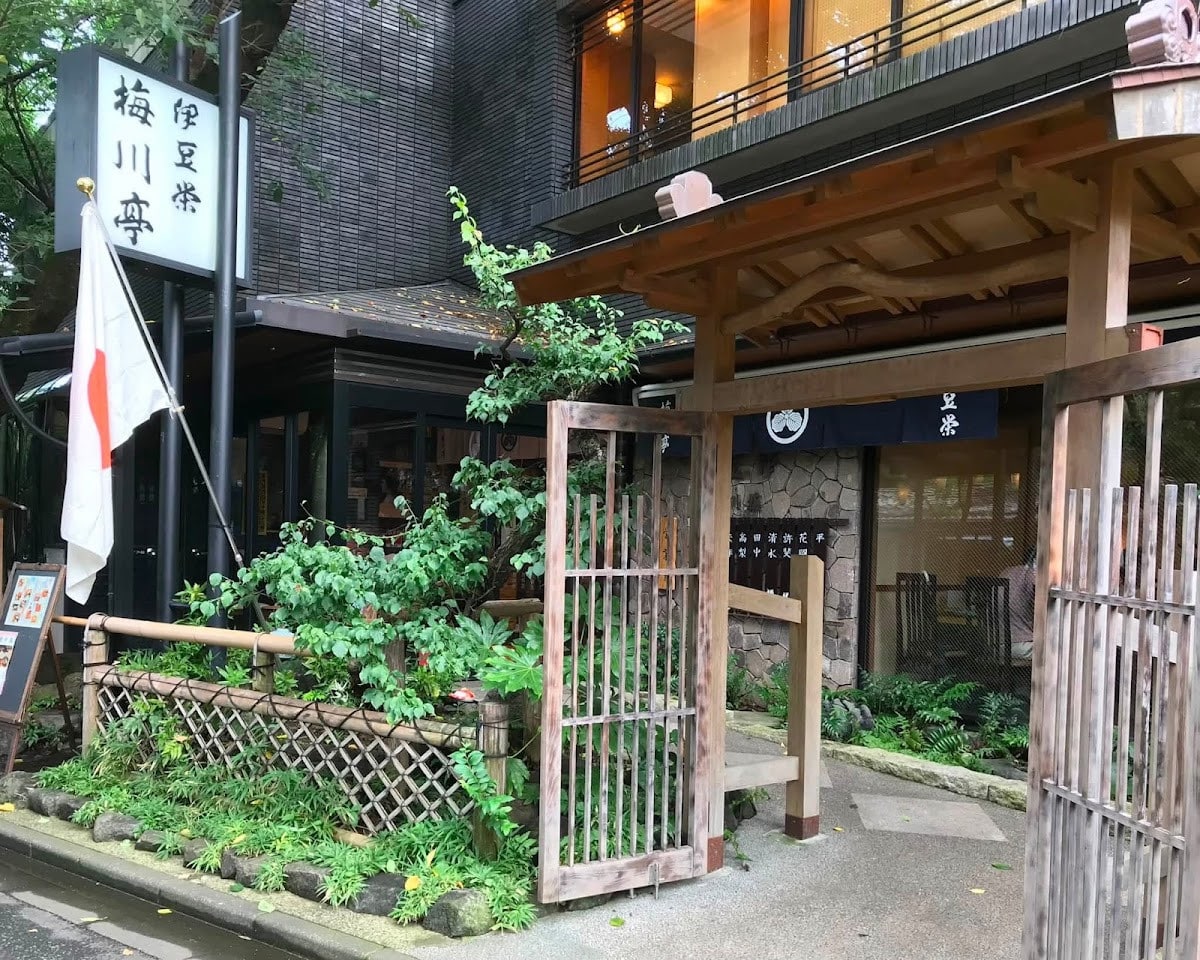
Izuei (伊豆榮) has been in business for more than 250 years and is the longest-established eel specialist beside Ueno Park. It insists on grilling over binchotan charcoal, so the eel has crisp skin and tender flesh, and the sauce, simmered according to decades of tradition, has a rich, mellow flavor.
An unaju set costs about ¥3,500-6,000, a high price but good value, suited to travelers who want authentic Edomae eel cuisine. The restaurant is right beside Shinobazu Pond, with an old-fashioned atmosphere, so you can enjoy the scenery while you eat.
- 🍽️ Must-order: Unaju set
- 💰 Price: ¥3,500-6,000
- 🚉 Access: Right beside Shinobazu Pond, inside Ueno Park
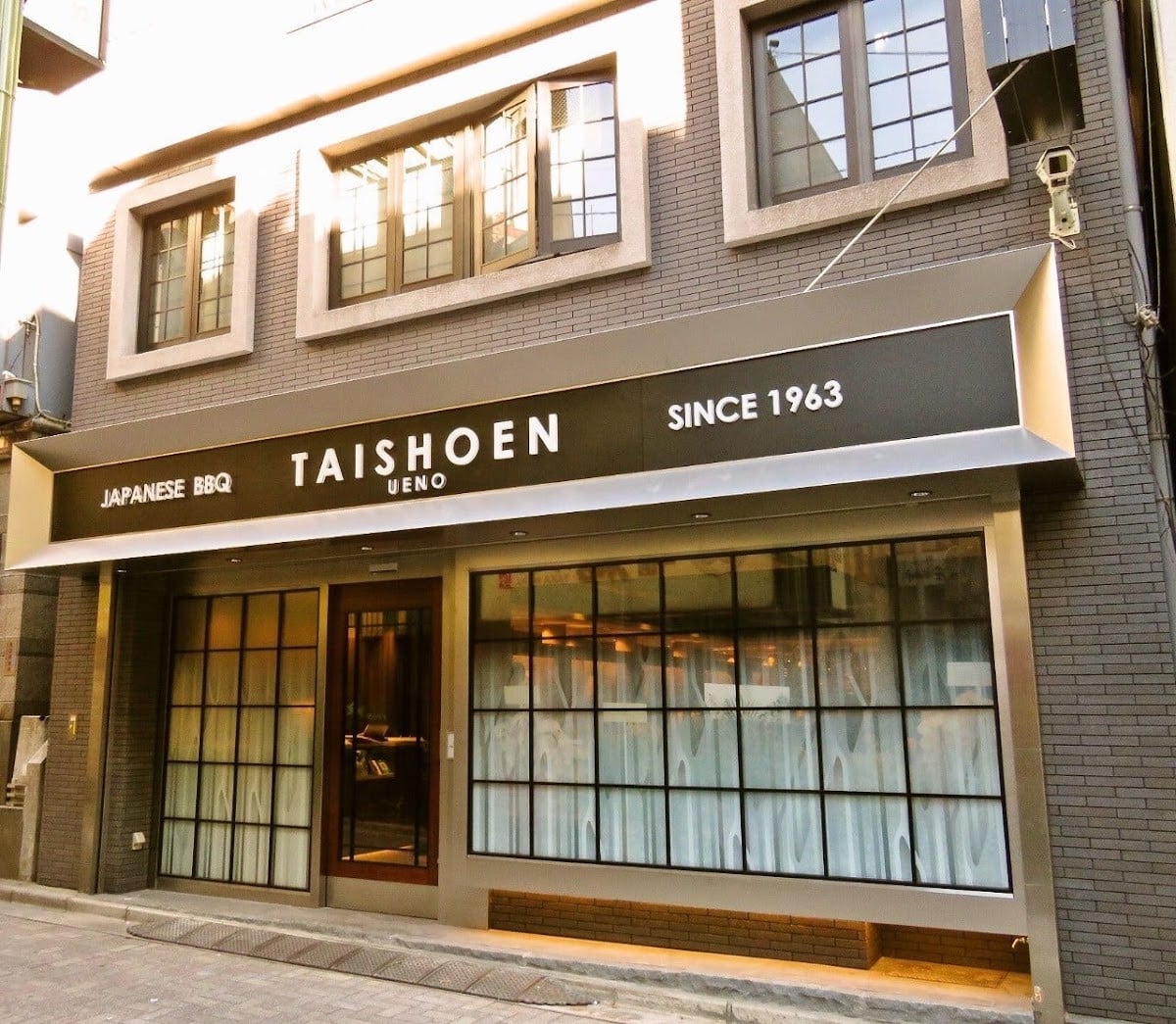
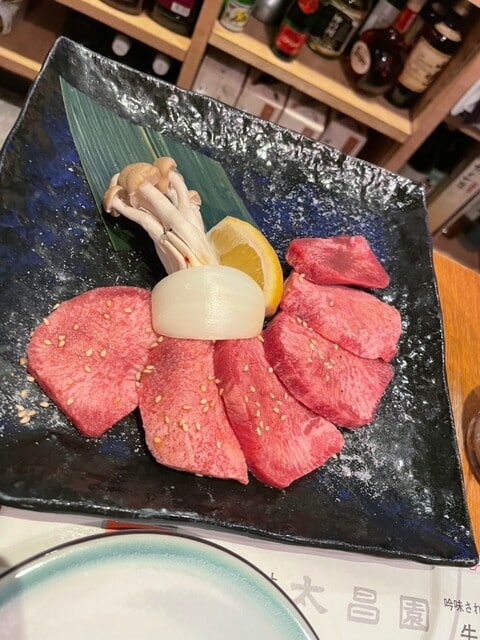
Ueno Taishoen: A Locals’ Recommended Yakiniku Restaurant
Ueno Taishoen (上野太昌園) is known for carefully selected wagyu and offal yakiniku. The signature skirt steak is tender and juicy, grilled to order over charcoal with a rich aroma, a popular choice for local gatherings and celebrations. Set meals start from ¥3,000, and there are also high-priced wagyu platters.
The restaurant offers several dipping sauces and vegetable sides, good for sharing among a group. It is in an alley about a 5-minute walk from Ueno Station and is often full at dinner time, so we suggest reserving ahead to avoid a long wait.
- 🥩 Must-order: Signature wagyu skirt steak yakiniku
- 💰 Price: Set meals from ¥3,000
- 🚉 Access: About a 5-minute walk from Ueno Station
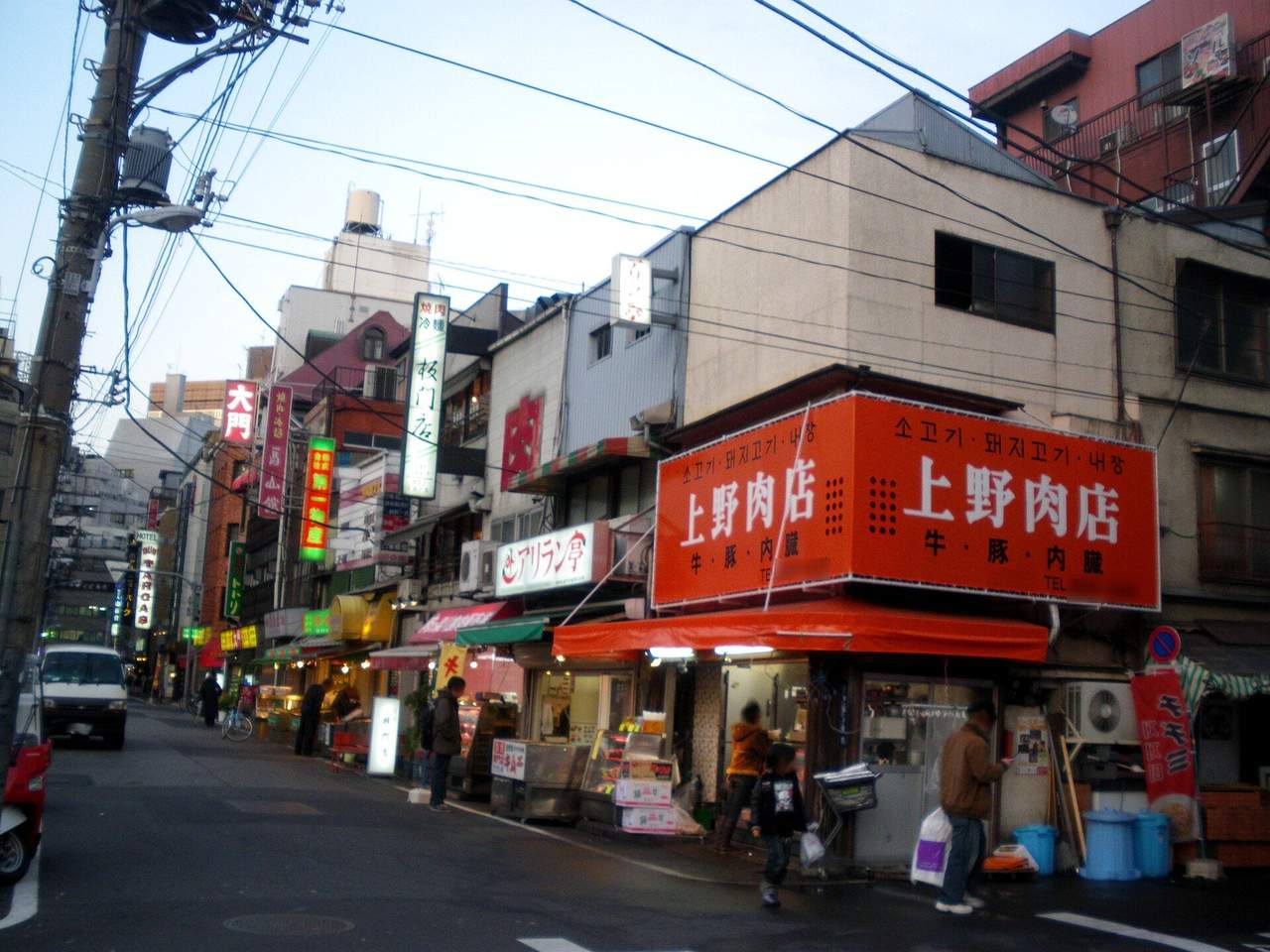
Okachimachi and Higashi-Ueno Kimchi Yokocho: One of Tokyo’s Earliest Postwar Korean Districts
Walking from Ueno Station along the JR viaduct toward Okachimachi and Naka-Okachimachi, you reach the Higashi-Ueno Koreatown known as “Kimchi Yokocho” (キムチ横丁, Kimchi Alley). It is one of the earliest Korean districts formed in postwar Tokyo, with origins traceable to the “International Friendship Market” that split off from the Ueno-Okachimachi black market around 1948. Today it gathers yakiniku restaurants, Korean grocery stores and ethnic clothing shops.
The area still has many authentic Korean yakiniku and home-cooking restaurants, as well as grocery shops specializing in kimchi, Korean seasonings and offal for yakiniku. It is worth a detour for travelers who want an international-flavor dinner and something different from the Ueno shopping district.
- 🍽️ Specialties: Korean yakiniku, Korean home cooking, kimchi stew
- 📍 Location: Around Higashi-Ueno 2-chome, near JR Okachimachi Station and Tokyo Metro Naka-Okachimachi Station
- 🚉 Access: About an 8-10 minute walk from Ueno Station, or about a 5-minute walk from Okachimachi Station
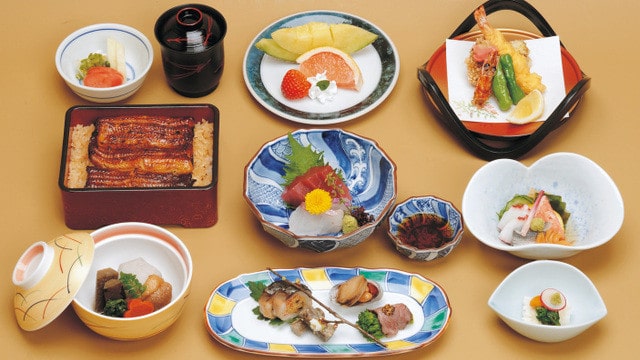
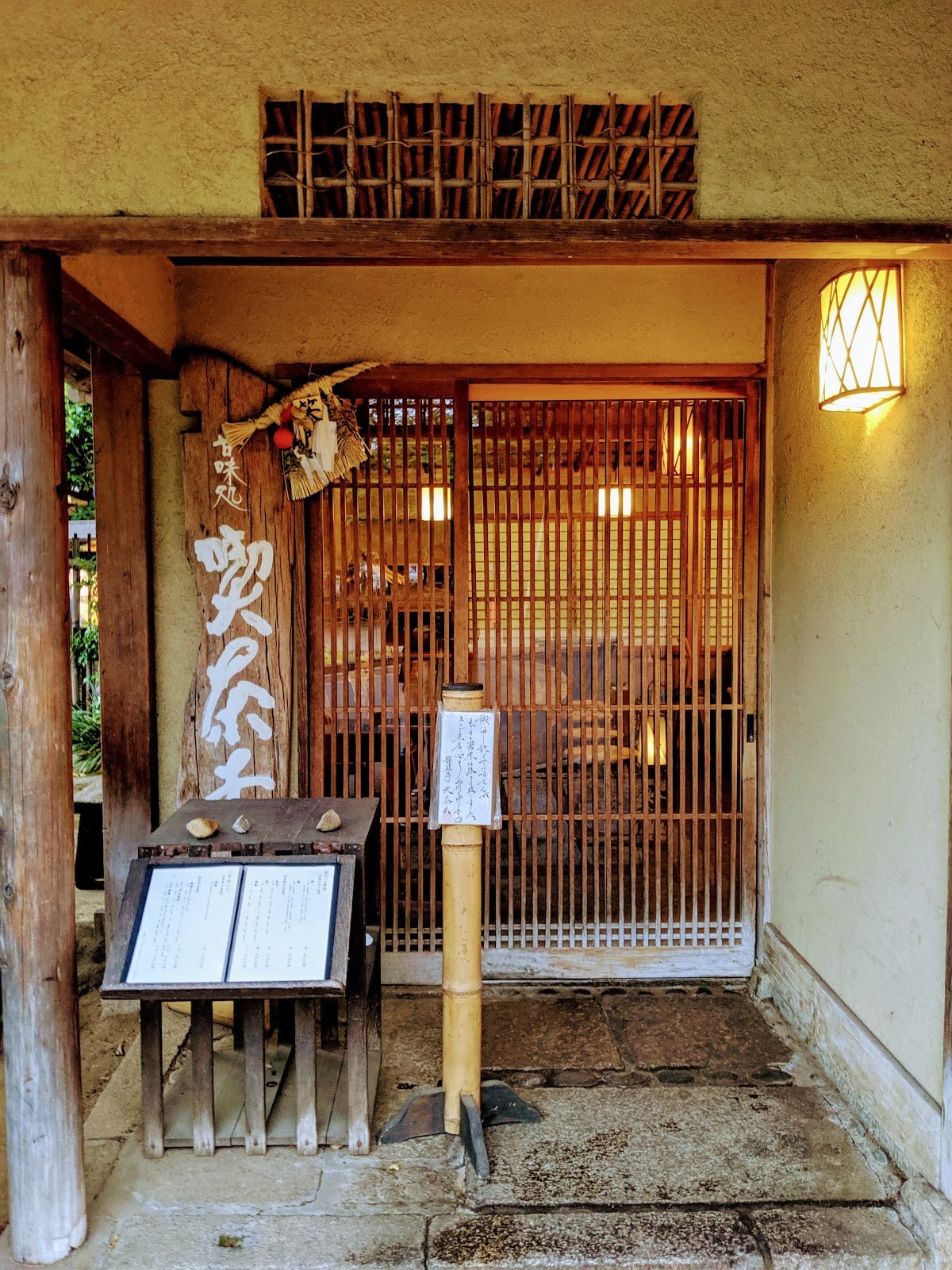
Inshotei: Century-Old Kaiseki Inside Ueno Park
Inshotei (韻松亭) was founded in 1875 and sits amid the greenery of Ueno Park, serving authentic kaiseki set meals that emphasize seasonal ingredients and refined presentation, an excellent choice for experiencing high-end Japanese cuisine. Lunch sets cost about ¥3,000-5,000, while evening kaiseki can reach over ¥10,000.
The setting is elegant and quiet, with views of the park’s seasons from the windows. During cherry blossom season in particular, a table is hard to get, so we suggest reserving more than a week ahead to avoid missing out.
- 🍽️ Must-order: Authentic kaiseki set
- 💰 Price: Lunch ¥3,000-5,000, evening kaiseki over ¥10,000
- 🚉 Access: Inside Ueno Park
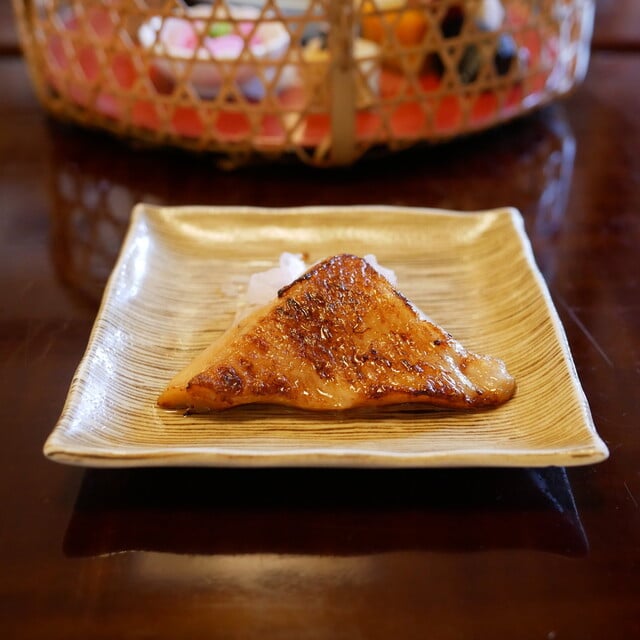
Ponta Honke: A Meiji-Era Fried Food Institution
Ponta Honke (ぽん多本家) was founded in 1905 and is a doyen of Japanese Western-style fried dishes. Its signature katsuretsu (cutlet) is slowly fried at low temperature in a special lard, giving a crisp coating with very little oil absorption and a distinctively delicate texture, highly regarded by veteran diners.
Sets cost about ¥3,000-4,500, a mid-to-upper-range price. There are not many seats, so be prepared to queue, but the century-old artisan frying craft is worth a special trip, and it is an important stop for understanding how Japanese Western-style cuisine evolved.
- 🍽️ Must-order: Katsuretsu (low-temperature lard-fried cutlet)
- 💰 Price: ¥3,000-4,500
- 🚉 Access: About a 1-minute walk from Ueno-hirokoji Station on the Tokyo Metro Ginza Line, about a 2-minute walk from the South Exit of JR Okachimachi Station (3-23-3 Ueno, Taito City)
Yamaya Tonkatsu: Ueno’s Top Budget Tonkatsu Pick
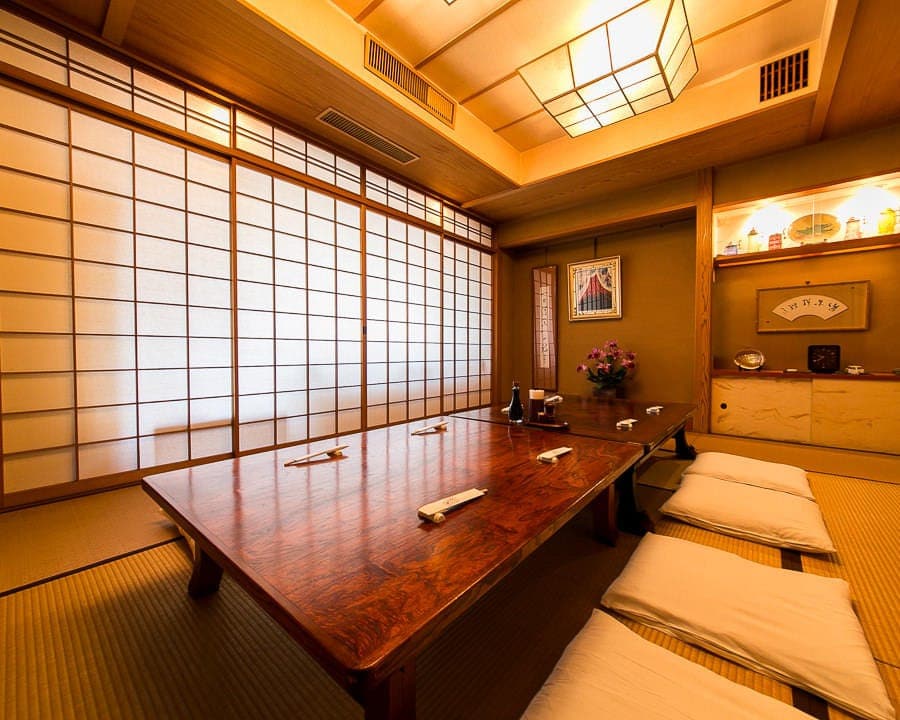
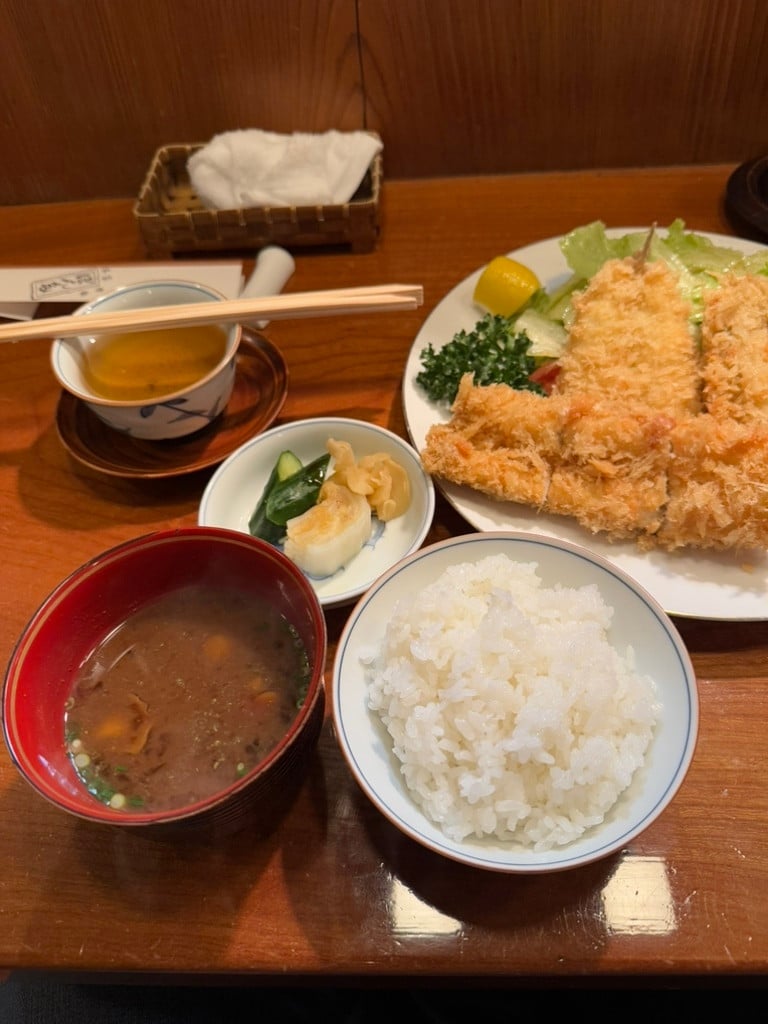
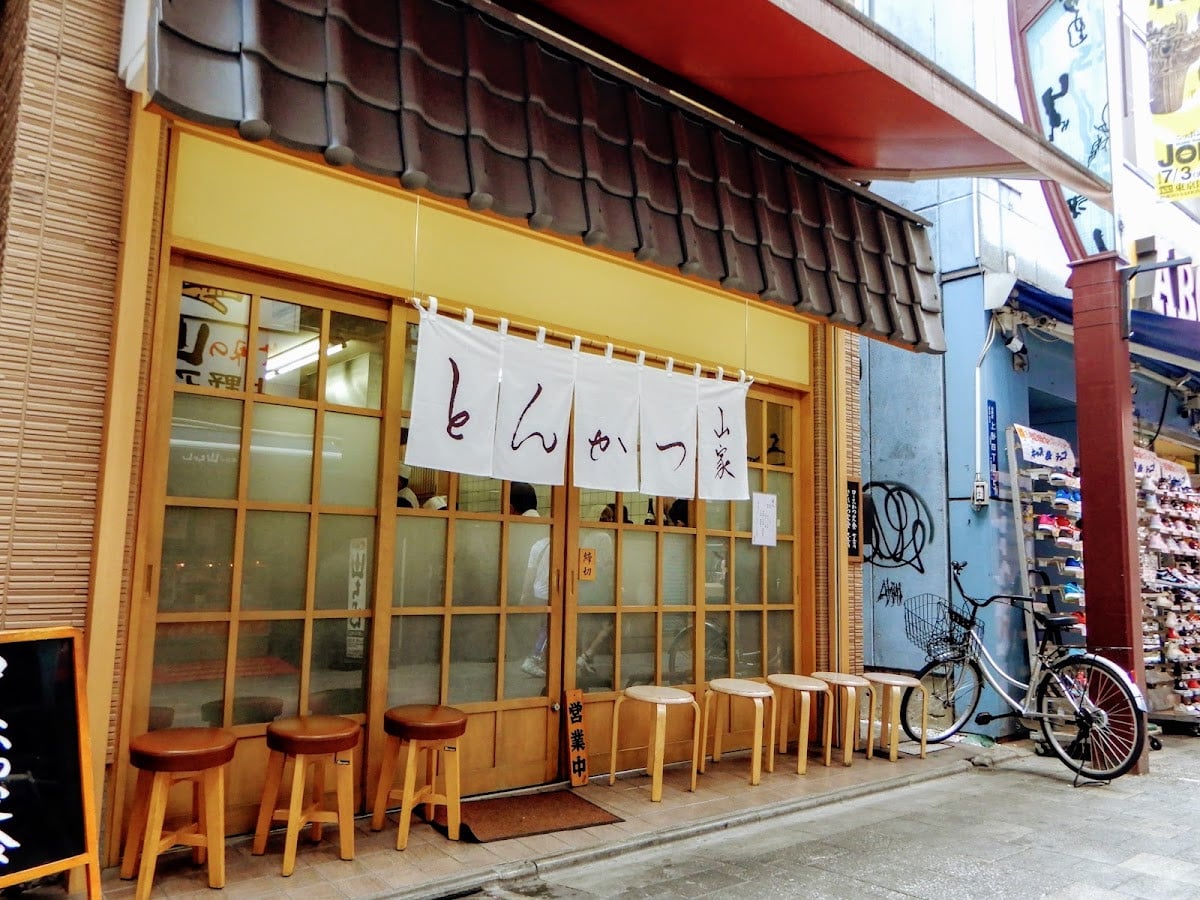
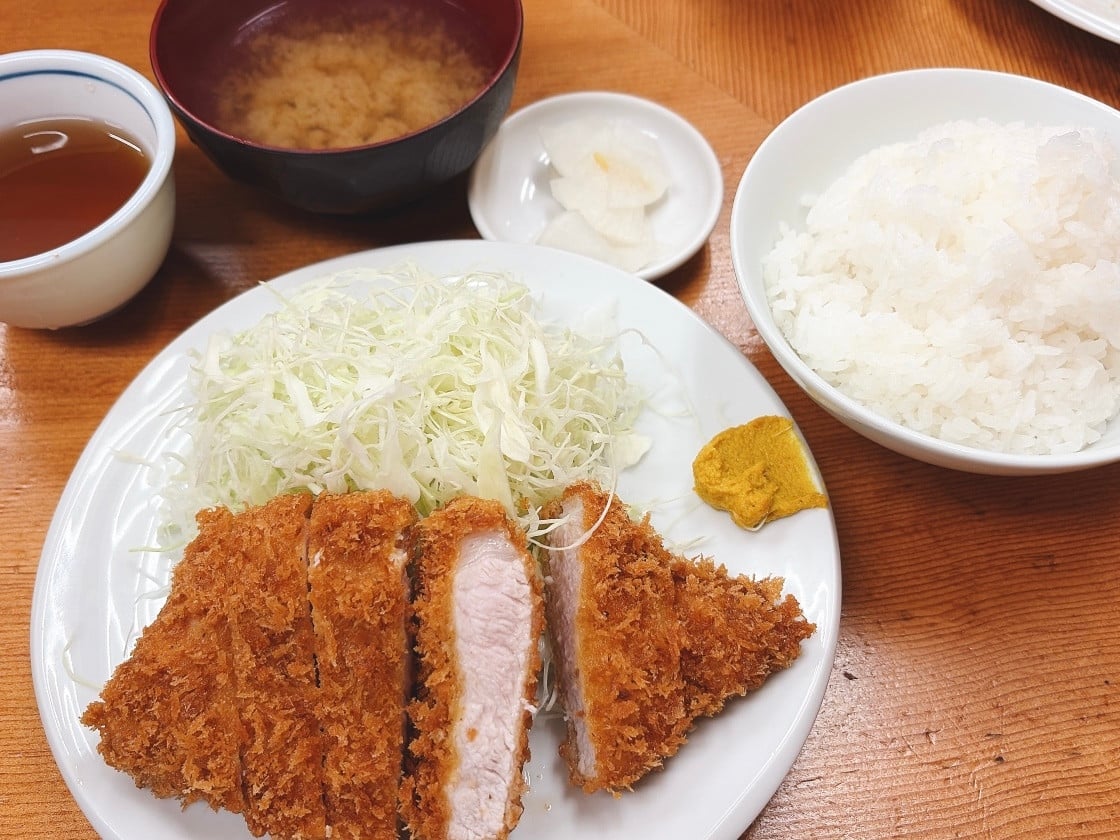
Tonkatsu Yamaya (とんかつ山家) is Ueno’s representative budget tonkatsu shop, with a set meal costing about ¥1,000-1,500, a crisp coating, juicy meat and excellent value, loved by students and office workers and the best choice for travelers on a tight budget.
The shop offers free refills of rice, miso soup and shredded cabbage, with generous portions. It is near the North Exit of JR Okachimachi Station and can also be reached from Ueno Station along Ameyoko. The atmosphere is relaxed and casual, and tables turn over quickly, so even if you queue you do not wait long.
- 🍽️ Must-order: Tonkatsu set
- 💰 Price: ¥1,000-1,500
- 🚉 Access: About a 2-minute walk from the North Exit of JR Okachimachi Station (Tonkatsu Yamaya Okachimachi branch, 6-2-6 Ueno, Taito City)
Okachimachi Food Picks: Old-Established Tonkatsu and Western-Style Restaurants Within Walking Distance of Ueno
Okachimachi lies just south of Ueno, and Ameyoko runs from JR Ueno Station all the way to JR Okachimachi Station, so you will reach it as you browse. Many people searching for “Okachimachi food” do not realize that several of the popular shops described above are in fact concentrated around Okachimachi and Ueno-hirokoji Station, so they can be arranged into a single food route.
According to the shop data registered on Tabelog: Isen’s main store is at 3-40-3 Yushima, Bunkyo City, about a 3-minute walk from JR Okachimachi Station, closed every Wednesday; Ponta Honke is at 3-23-3 Ueno, Taito City, about a 2-minute walk from the South Exit of JR Okachimachi Station, closed every Monday; Tonkatsu Yamaya Okachimachi branch is at 6-2-6 Ueno, Taito City, about a 2-minute walk from the North Exit of JR Okachimachi Station, with only 18 counter seats. Add Yoshiike Shokudo in front of Okachimachi Station, and budget tonkatsu, century-old Western-style dining and seafood set meals are all within walking distance.
Yoshiike Shokudo: A Seafood Dining Hall on the Top Floor of the Building Outside Okachimachi Station
Yoshiike (吉池) is a long-established seafood specialist in front of the North Exit of JR Okachimachi Station. On the top, 9th floor of its main building, “Yoshiike Shokudo” (吉池食堂) combines three restaurants, the Japanese and Western eatery “Hoshintei” (放心亭), the sushi shop “Sushidokoro Shun” (寿司処 しゅん) and the Japanese-style tavern “Umaidokoro Ikedaya” (うまい処 池田屋), in one open space with no partitions. You can order dishes from the other shops wherever you sit, which solves things at once when your family wants different types of food.
The dining hall is open 11:00-22:00 (last order 21:30), with about 300 seats and a banquet space with a view of Tokyo Skytree. It is one of the few seafood restaurants around Ueno and Okachimachi that is open from lunch through the evening.
- 🍽️ Must-order: Sashimi set, sushi, with local sake selected by Yoshiike
- 💰 Price: Tabelog lists a budget of ¥1,000-1,999 for lunch and ¥3,000-3,999 for dinner
- 🚉 Access: About a 1-minute walk from the North Exit of JR Okachimachi Station, 9th floor of the Okachimachi Yoshiike main building (3-27-12 Ueno, Taito City)
Ueno Dinner Picks: How to Choose Restaurants in Ueno and Okachimachi Open in the Evening
When planning Ueno dinner, note that many popular old shops have earlier last-order times in the evening than you might expect. The following is based on opening hours published on Tabelog (checked September 2026; shop hours may change, so please confirm before you go):
- 🐟 If you want to eat later: Yoshiike Shokudo is open until 22:00 (last order 21:30); Tonkatsu Yamaya Okachimachi branch serves dinner 17:00-21:30 (last order 21:00).
- 🐷 If you want old-established tonkatsu: Ponta Honke dinner starts at 16:30 Tuesday to Saturday and 16:00 on Sundays and holidays, with last order at 19:45, closed Mondays; Isen’s main store has a last order of 19:45 and is closed every Wednesday.
- ⏰ A reminder: Last orders for dinner at old shops often fall around 19:45, so we suggest arriving before 7 p.m., and popular shops often have a queue at dinner time.
If you only have time for one meal, you can choose Ueno’s must-eats by budget: if your budget is limited, have the tonkatsu set at Tonkatsu Yamaya; if you want a Meiji-era Western-style restaurant, choose the katsuretsu at Ponta Honke; and for a group meal with seafood and drinks, go to Yoshiike Shokudo.
Ueno Station Food and Lunch Picks: What to Choose Within a 5-Minute Walk of the Shinobazu Exit
To handle lunch or a light dinner near Ueno Station, start with the Shinobazu Exit area: Meidai Unato Ueno is about a 3-minute walk from the Shinobazu Exit, with eel bowls from ¥640 (price announced July 2026), open until 22:30; Bunraku Yakitori Izakaya is about a 1-minute walk from the Shinobazu Exit of Ueno Station, good for travelers who want yakitori and a drink; and for sweets to take home as souvenirs, the Kameido Ueno-hirokoji main store is open 11:00 to 19:00.
Kameido: A Long-Established Handmade Senbei Shop
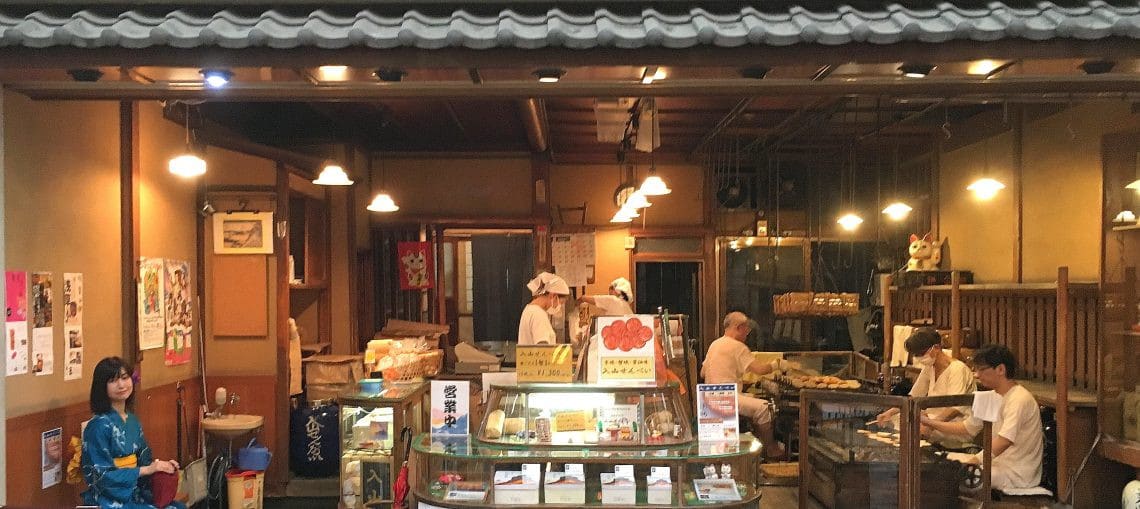
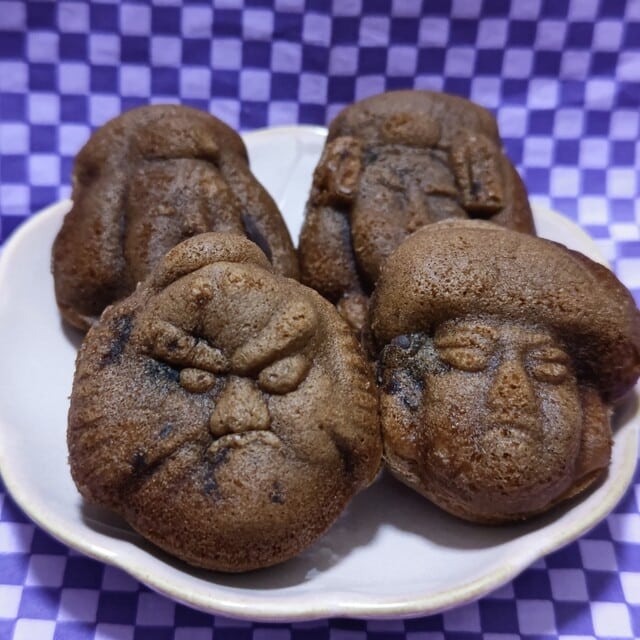
The Kameido (龜井堂) Ueno-hirokoji main store is known for its Aoi-crest kawara senbei and ningyoyaki shaped like Bunraku puppets. Eight small kawara senbei start at about ¥432, and eight ningyoyaki start at about ¥691.
They make light, easy souvenirs. The main store is in Ueno 4-chome, about a 5-minute walk from JR Ueno Station, open 11:00-19:00.
- 🍘 Must-order: Aoi-crest small kawara senbei, Bunraku ningyoyaki
- 💰 Price: Eight small kawara senbei from about ¥432
- 🚉 Access: About a 5-minute walk from JR Ueno Station (Ueno-hirokoji main store)
Rikyu Gyutan: A Tokyo Branch of Sendai’s Famous Beef Tongue
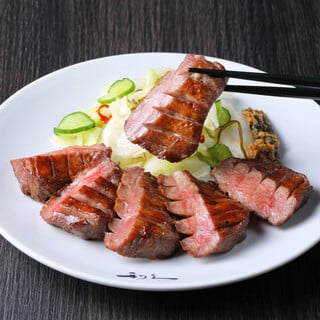
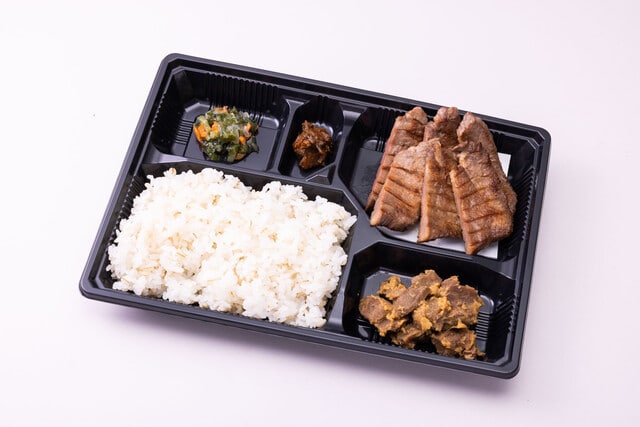
Rikyu Gyutan (利久牛舌) comes from Sendai and is known for thick-cut charcoal-grilled beef tongue, slightly charred outside and tender and juicy inside. The classic set combines it with barley rice and oxtail soup, with set prices of about ¥2,000-3,000.
The tongue is cut from specific parts, giving a thicker, chewier bite than at an ordinary yakiniku shop. This branch is inside a shopping complex around Ueno Station, convenient for a quick meal between connections.
- 🥩 Must-order: Thick-cut charcoal-grilled beef tongue set
- 💰 Price: ¥2,000-3,000
- 🚉 Access: Inside a shopping complex around Ueno Station (PARCO_ya Ueno)
Recommended Ueno Food Experiences and Guided Tours
Besides tracking down restaurants on your own, joining a professional guided tour or experience is an excellent way to learn about Ueno’s food culture. Whether you want to avoid language barriers, hear locals explain the stories behind the shops, or simply save research time, following an expert often leads you to hidden spots that even Japanese people queue for, and lets you taste a variety of foods efficiently in a short time. Below are several of the most popular food experiences and guided tours in Ueno, suited to travelers with different trip lengths and budgets.
Ueno Ameyoko Food Discovery Tour: Wind Through the Market Alleys with a Local
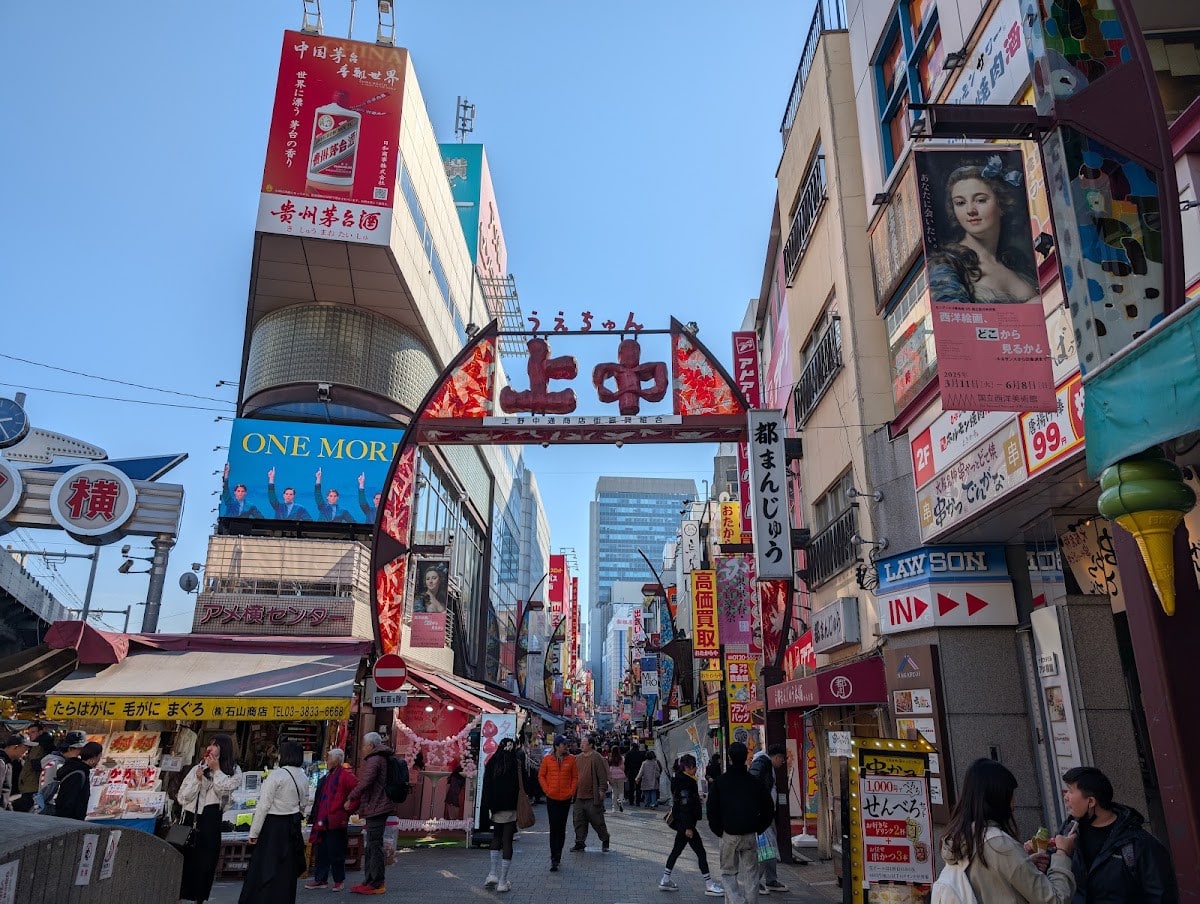
Ameyoko (アメ横) is Ueno’s signature market, running from JR Ueno Station to Okachimachi and selling dried seafood, fruit, drugstore goods and snacks. Chinese- or English-language guided tours last about 2-3 hours, with the guide leading you through the alleys, explaining the history and sampling freshly grilled scallops, skewers, fried skewers and more. Prices are as shown on the booking platform on the day, and most include 3-5 snacks, with the option to add a sashimi bowl or sushi experience. This tour suits first-time visitors to Ueno who want to experience local food in depth, and the guide will take you to discover long-established local shops.
Ameyoko is crowded on holidays, so we suggest going on a weekday morning or before evening for a more relaxed atmosphere and better photos and tasting.
Ueno Old-Established Western Restaurant and Dessert Tour: Taste a Century of Western Dining Culture
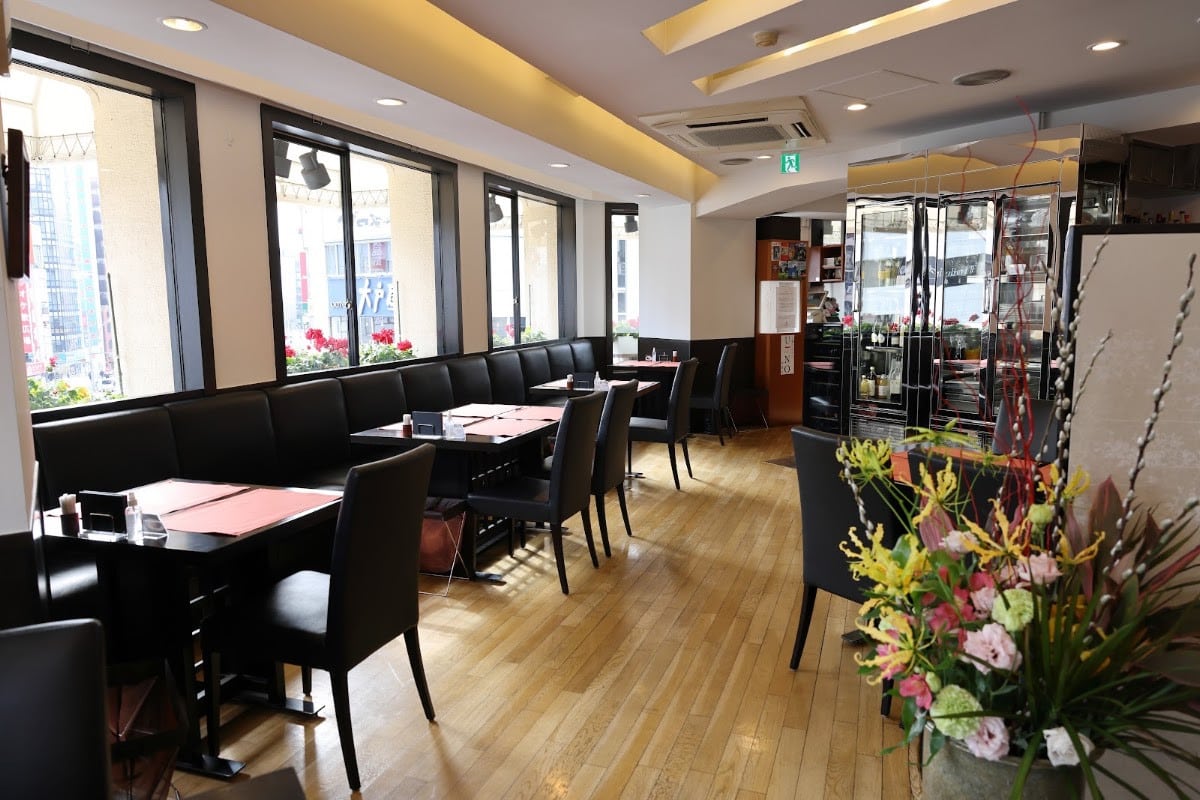
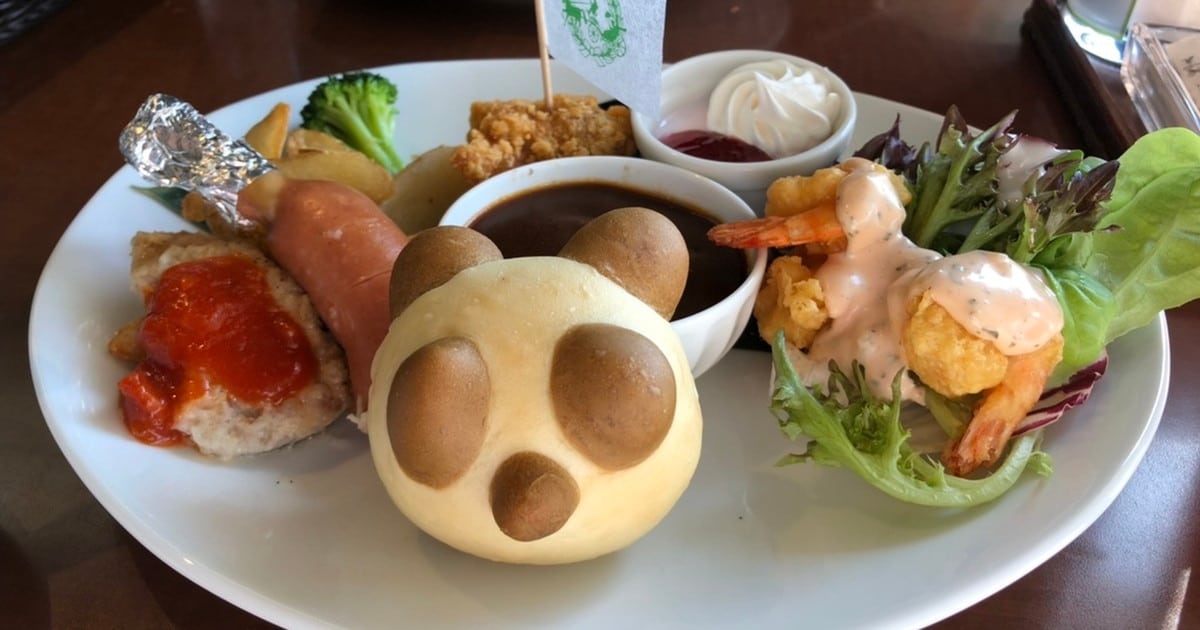
Since the Meiji era, Ueno has been the birthplace of Western cuisine in Tokyo and retains several century-old Western restaurants and kissaten. The tour focuses on 2 to 3 landmark shops, such as an old omurice house, classic pudding and a retro kissaten with siphon coffee, to experience authentic Showa-era Western food.
The experience lasts about 2.5 hours, with prices as shown on the booking platform on the day, including one main dish and one dessert. Some tours dine in the shops and come with commentary on food history, to understand their status as “modern Western dining.”
This experience suits travelers interested in food culture history, or those who want to avoid ramen and sushi tours, to feel Ueno’s quiet, nostalgic character.
Ueno Izakaya Late-Night Diner Experience: Join Tokyo’s Nightlife
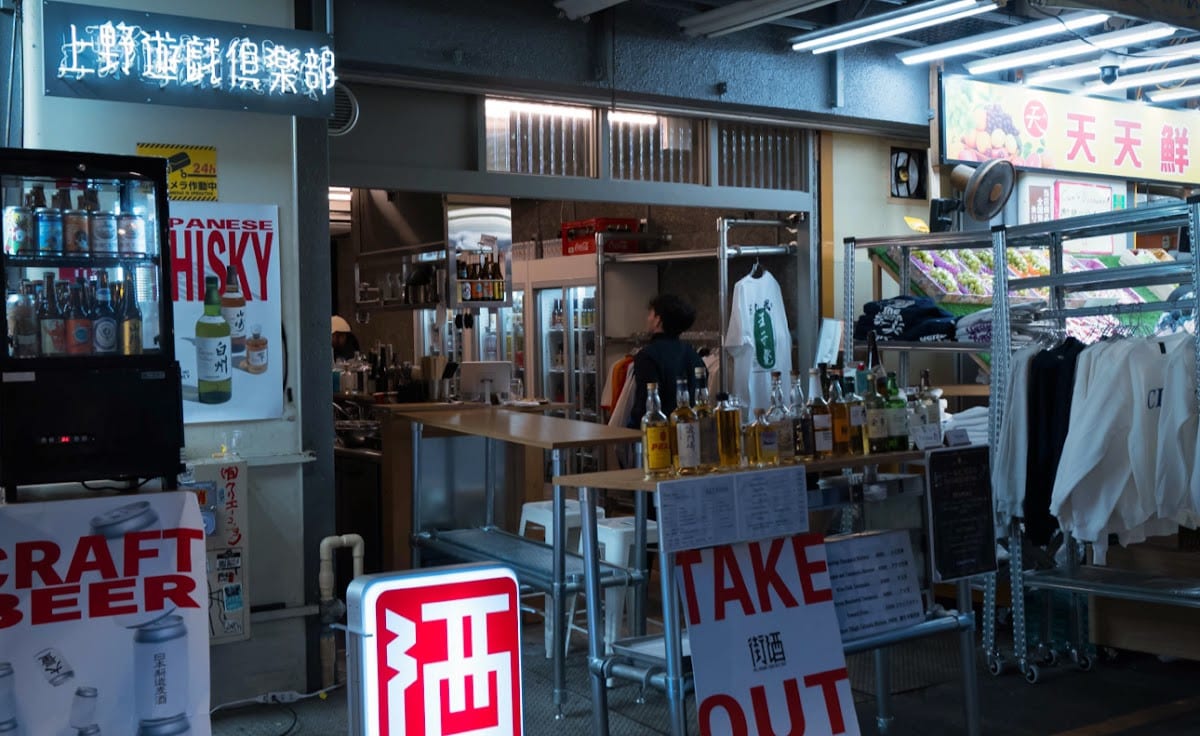
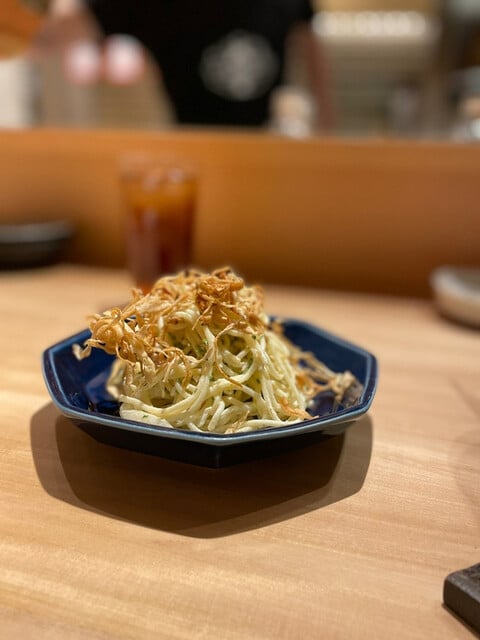
After dark, Ueno takes on a different face, with izakaya glowing under the elevated tracks and in the back alleys, an excellent place to experience Tokyo nightlife and the atmosphere of a “late-night diner.” These tours usually meet after 6 p.m. and take travelers to 2 to 3 distinctive izakaya to taste yakitori, oden, sashimi and sake or draft beer.
Prices are somewhat higher because alcoholic drinks are included, with actual prices as shown on the booking platform on the day. The tour lasts about 2.5 to 3 hours, suited to groups of friends or couples. The guide helps with ordering, explains the menu and drinking etiquette, and is especially friendly to travelers who do not speak Japanese but want to try an izakaya, with no worry about ordering the wrong thing by gesture.
Because some izakaya have limited seating, we suggest booking ahead on platforms such as KKday or Klook, especially as Friday and Saturday evening sessions often sell out, and walking in at the last minute may mean a long wait.
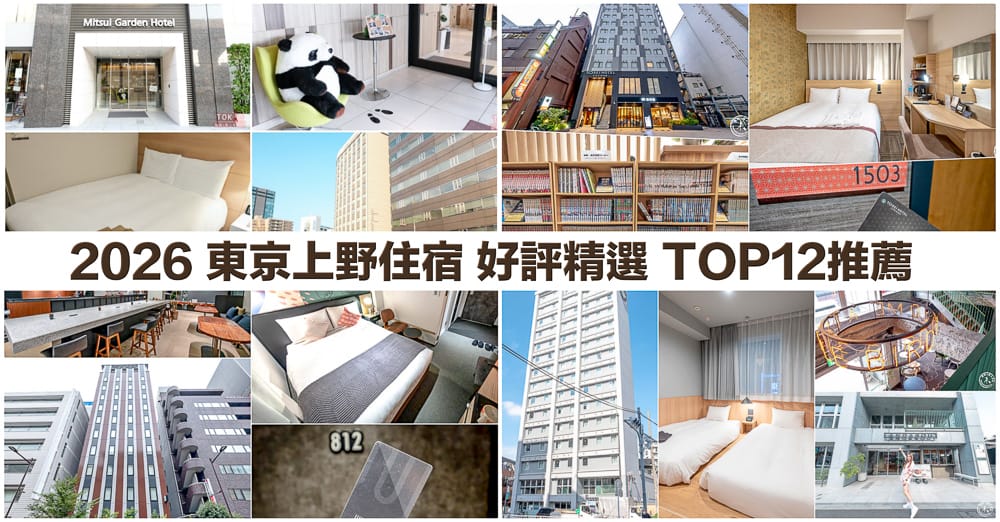
Where to Stay Nearby
Ueno Station is an important station for the JR Yamanote Line and Keisei Skyliner, and the Ameyoko and Shinobazu Exit area is lined with restaurants. Staying around Ueno or Okachimachi lets you walk back to the hotel after an evening of shopping and dining, and the next day you can go straight by train to the airport or other parts of Tokyo.

Ueno Food FAQ
Q: How much does a meal in Ueno cost?
Budget snacks such as croquettes and takoyaki cost about ¥100-300; eel rice set meals about ¥640-3,000; and higher-priced sets such as yakiniku and kaiseki range from ¥3,000-8,000. You can mix and match flexibly according to your budget.
Q: What is the easiest way to get to Ueno’s food spots?
Take the JR, Tokyo Metro or Keisei line to Ueno Station and exit via the Shinobazu Exit to reach Ameyoko and most of the nearby restaurants directly, so you can finish your food hunt within walking distance.
Q: What time do Ueno’s restaurants open and close?
Most izakaya and yakiniku restaurants stay open until around 11 p.m., eel and dessert shops close at about 8 to 10 p.m., and Ameyoko stalls mostly start closing after early evening.
Q: When is the best time to go to Ueno for food?
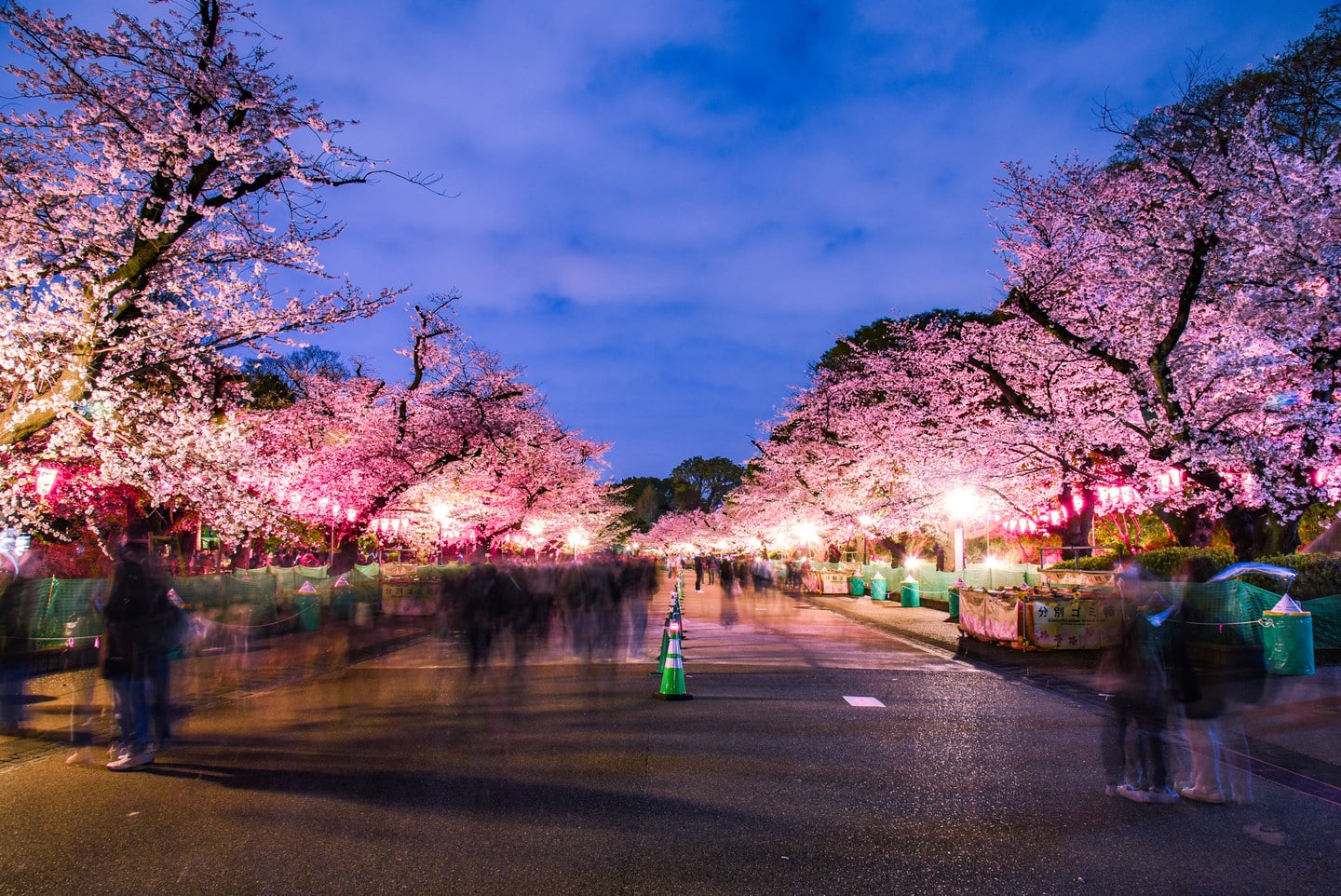
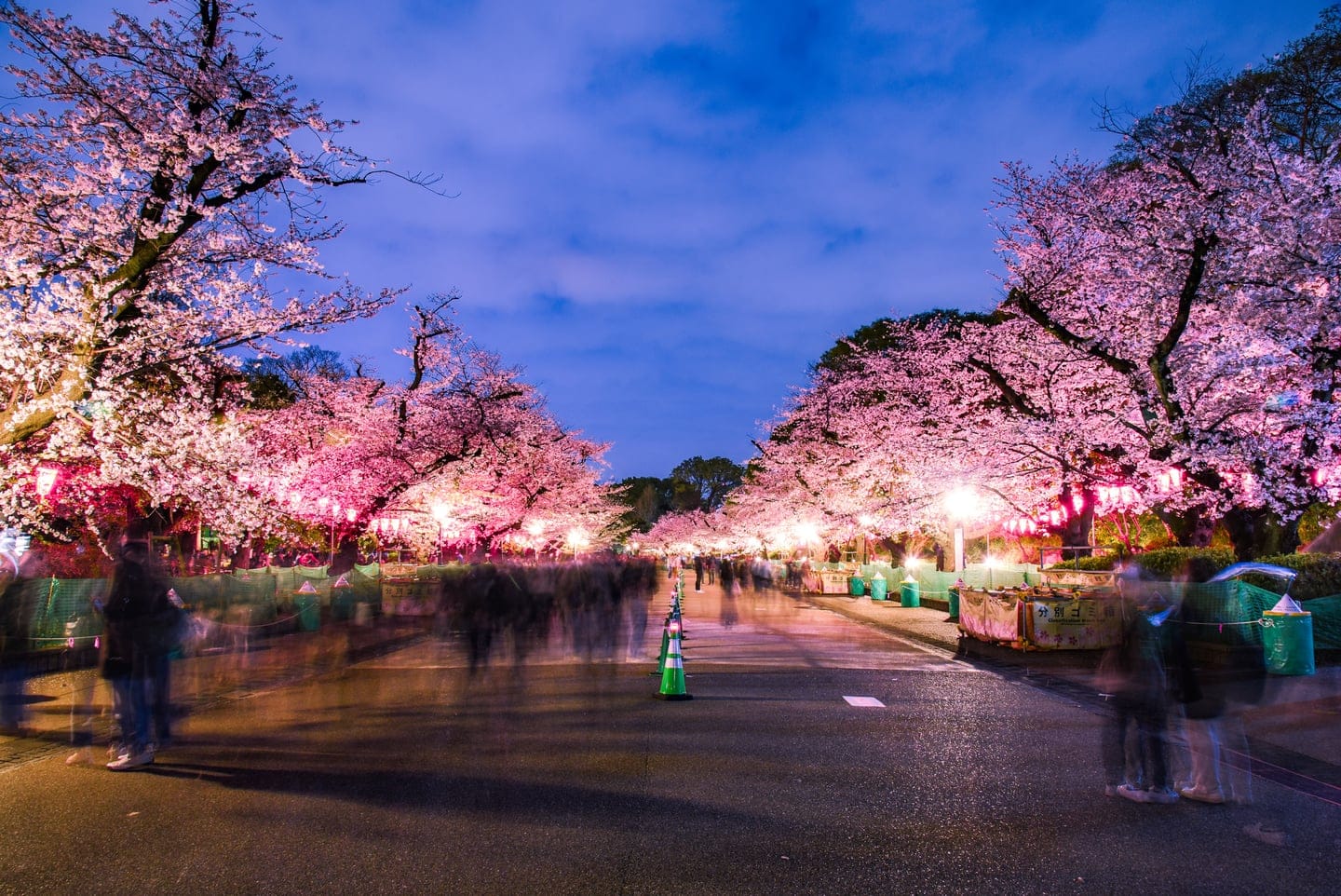
Spring (March-April) cherry blossom season is the top recommendation for both food and scenery, and weekday afternoons are less crowded, the best time to avoid the queues.
Q: Do popular Ueno restaurants with queues need advance reservations?
We suggest reserving ahead for higher-priced old shops such as Inshotei and Ueno Taishoen; Ameyoko snack stalls and budget set-meal shops are mostly walk-in with a queue and cannot be reserved.
Q: What dining etiquette should I know in Ueno?
Most izakaya and set-meal shops prohibit bringing outside food to eat inside, stand-up shops are best eaten quickly so that others behind you can have a turn, and try not to be loud while eating.
Q: How long should I plan to cover Ueno’s food?
We suggest setting aside half a day (about 4-5 hours) to taste several shops at a relaxed pace. If you only want Ameyoko street snacks, you can cover the main route in under 2 hours.