
Ashikaga Flower Park Flower Fantasy Guide 2026: Illumination Times, Tickets and Access from Tokyo
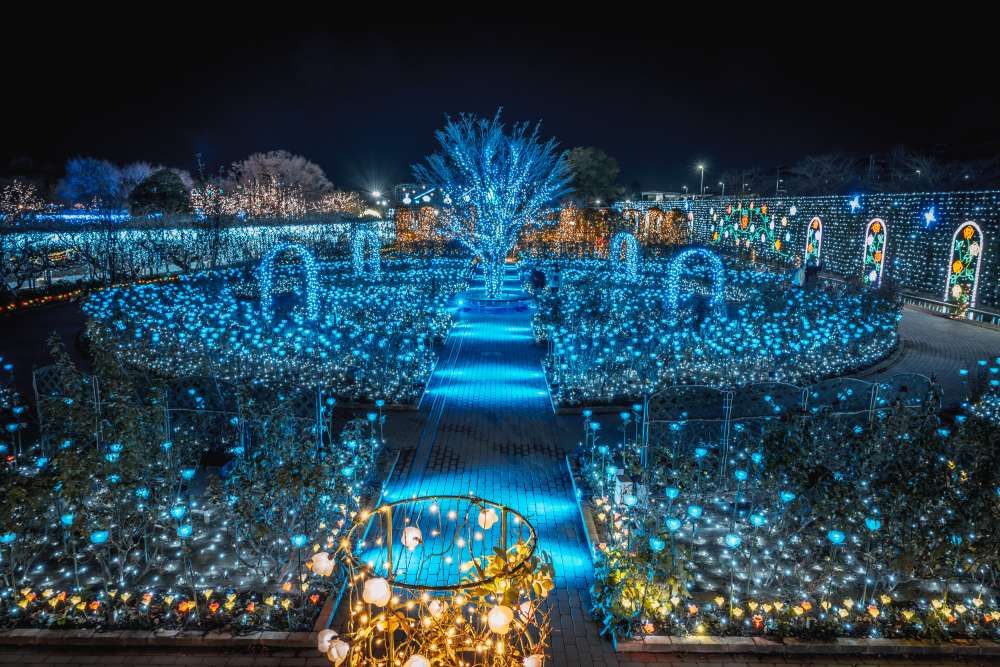
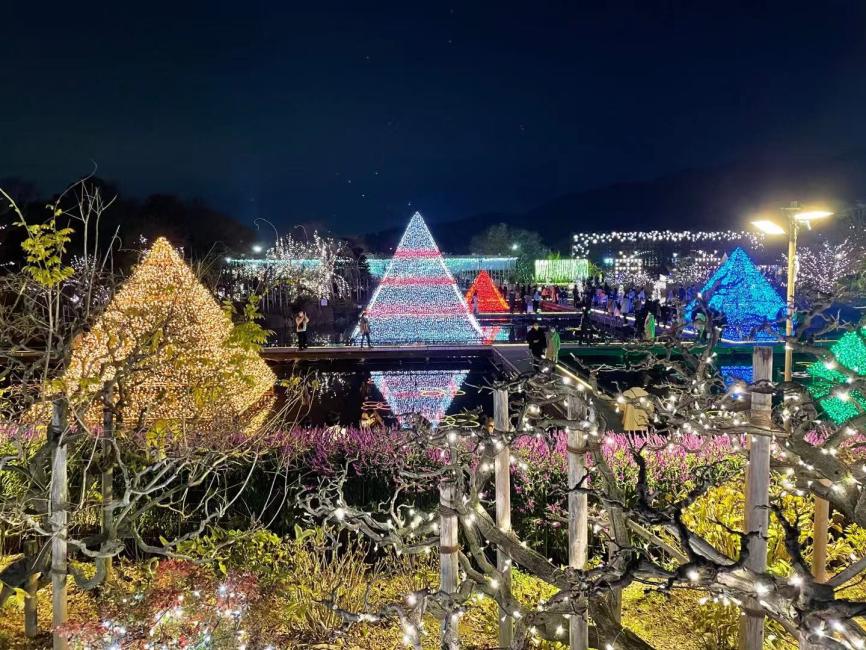
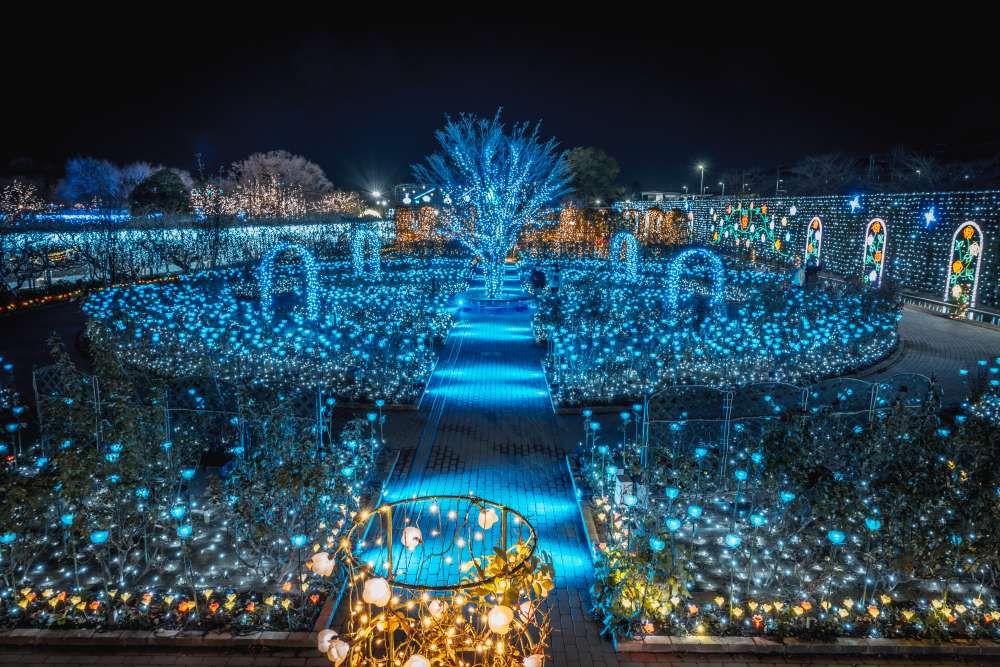
Flower Fantasy at Ashikaga Flower Park is a winter sea of lights in Ashikaga, Tochigi Prefecture. The 2026-2027 season is the 25th edition, with more than 5 million LED lights across a 100,000-square-meter park, making it the top illumination pick near Tokyo.
Flower Fantasy 2026-2027: The 25th Edition of One of Japan’s Top Three Illuminations
Flower Fantasy runs from October 17, 2026 to February 14, 2027 as the 25th edition, held inside Ashikaga Flower Park at 607 Hazama-cho, Ashikaga, Tochigi Prefecture. The park covers about 100,000 square meters and lights up more than 5 million LED bulbs at night, almost entirely LED, balancing dazzling effects with energy savings, making it one of the largest winter illuminations near Tokyo.
Three Rotating Themed Areas: Purple Sage, Christmas Fantasy and New Year Winter Peonies
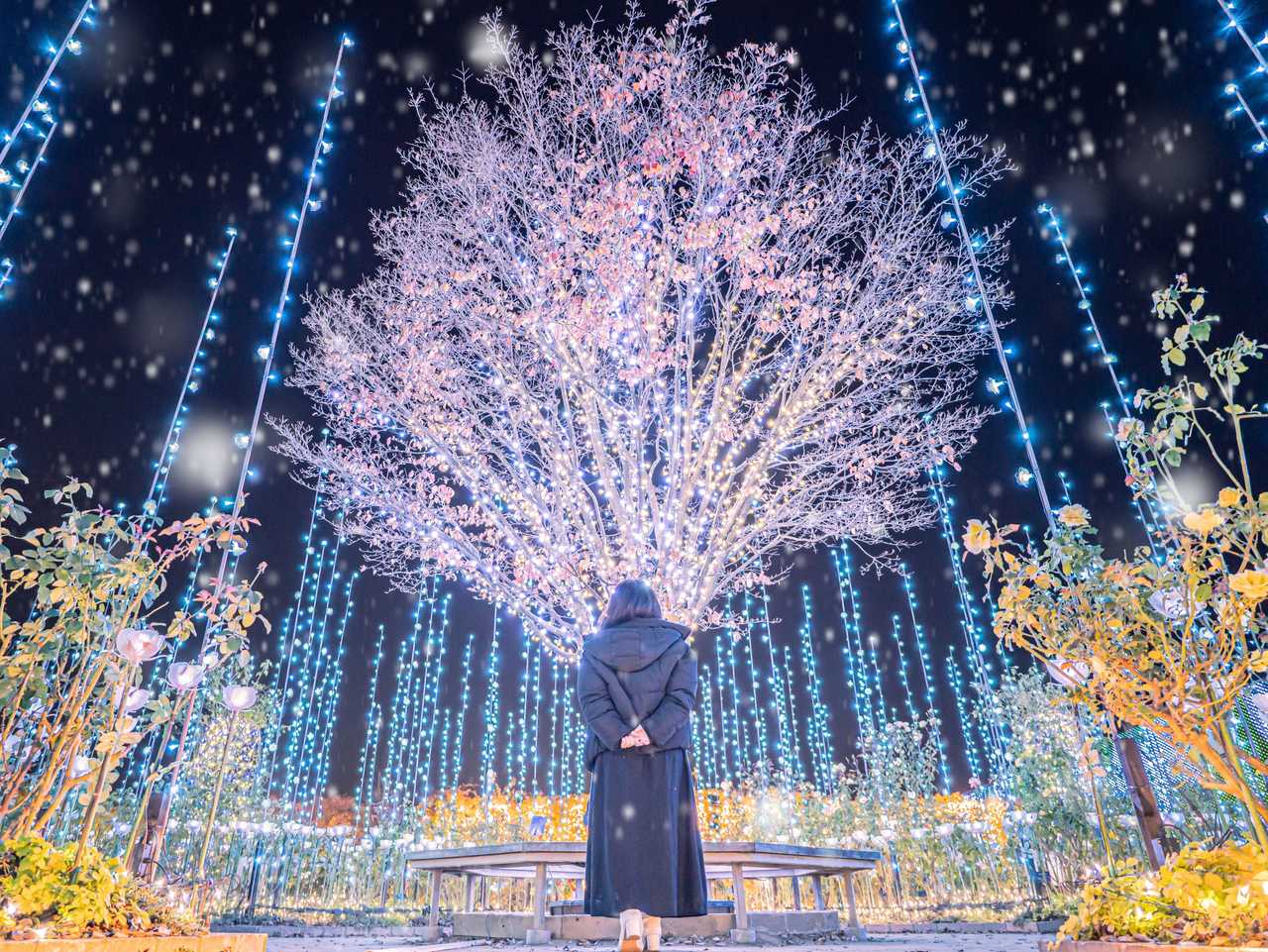
Flower Fantasy rotates through three themes: from mid-October to mid-November it is “Light and Purple Salvia Together,” with a sea of purple flowers performing alongside the lights; from late November to late December it moves into “Christmas at the Flower Park,” a Christmas fantasy style; and from New Year’s Day to mid-February it turns to “New Year Colorful Lights,” paired with blooming winter peonies. Each mood has its own character and is worth planning around the season. The theme names above are from the 2025-26 season; refer to official announcements for 2026-27.
International Illumination Awards: Top Prize in 2025
In November 2025, Flower Fantasy at Ashikaga Flower Park won the “Best Award” for outstanding facility of the year at the International Illumination Awards, the top in Japan. It has been selected for the third time as one of Japan’s “Three Great Illuminations,” and was also named one of CNN’s world’s top ten dreamlike travel destinations in 2014.
Access: From Tokyo to Ashikaga Flower Park
You can reach Ashikaga Flower Park by train or car. The train is most convenient; if driving, choose the nearest expressway exit from where you start.
Train and Driving Routes from Tokyo
By train: From Tokyo or Ueno Station, take the JR Tohoku Main Line to Oyama Station, then transfer to the JR Ryomo Line and get off at Ashikaga Flower Park Station (opened in 2018), right at the park. The whole trip takes about 1 hour 40 minutes to 2 hours, plus a 3-minute walk from the station. On the Tobu Isesaki Line, change at Tatebayashi to the Tobu Sano Line to Sano Station, then transfer to the JR Ryomo Line. Crowds are heavy after the show, so arrive at the station early. By car: about 20 minutes from Sano-Fujioka IC on the Tohoku Expressway; about 25 minutes from Ota-Kiryu IC on the Kita-Kanto Expressway, about 20 minutes from Ashikaga IC, about 17 minutes from Sano-Tanuma IC, and about 15 minutes from Izurihara Smart IC. The park provides a free temporary parking lot of about 6,000 spaces.


Must-See Illumination Areas and Nearby Attractions
Flower Fantasy has three themed illumination areas and several permanent highlights. Here are the best ones to plan around.
Light and Purple Salvia Together: A Sea of Light Flowers, Autumn Only
The first theme, “Light and Purple Salvia Together,” runs from October 17 to mid-November, combining purple salvia fields with a sea of LED lights to create a dreamy purple corridor of light. It is the earliest of the three themes and the best for enjoying autumn atmosphere. Enter before the lights come on at 16:30 to see the daytime flowers first, then stake out a spot right after lighting to photograph the whole purple sea of light. It opens at 15:30 on weekdays and stays open until 21:00 on weekends, so the schedule is relatively relaxed.

Christmas at the Flower Park: A Sea of Christmas Fantasy Lights
The limited theme from late November to late December, “Christmas at the Flower Park – Christmas Fantasy,” is a Christmas-themed light show with a lively, warm atmosphere, suited to families and couples on a Christmas-season outing. Opening hours are scheduled to extend by 30 minutes during this period, with lights on from about 16:30; visit on a weekday to avoid the peak crowds around Christmas Eve.
New Year Colorful Lights: Light and Winter Peonies Together
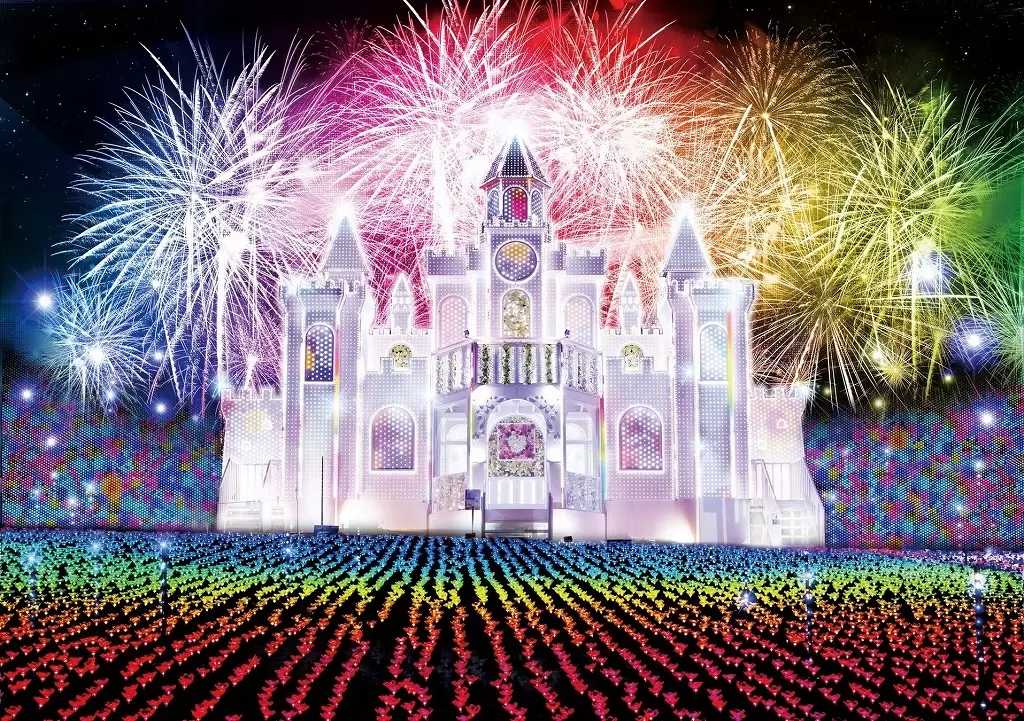
“New Year Colorful Lights,” running from New Year’s Day to February 14, welcomes the new year with light and winter peonies on one stage. It is the last of the three themes to appear and also the coldest nights of the year, so bring warm clothing. Opening hours are scheduled to extend by 30 minutes from mid-November to early January; the park is closed on December 31, so avoid that day.
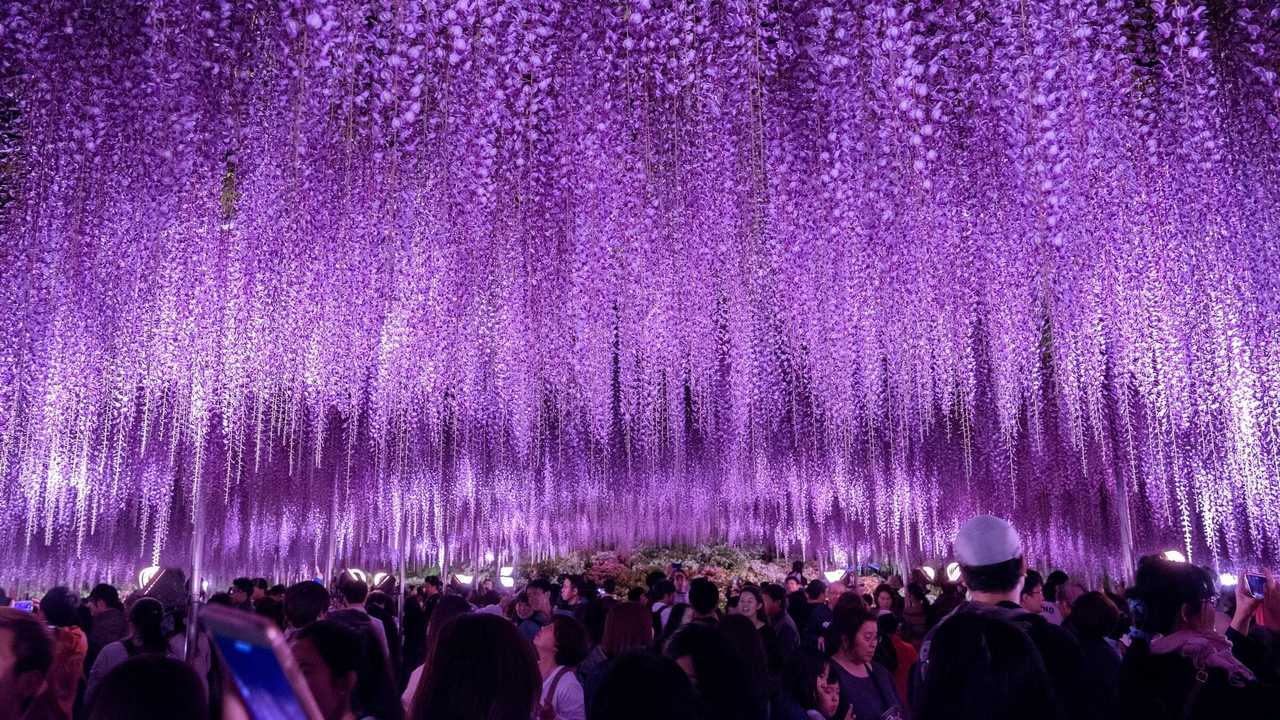
Miracle Great Wisteria: Lights Recreate the Wonder of the Great Wisteria’s Growth
“Miracle Great Wisteria” uses lights to recreate wisteria blooms swaying in the wind, with a fragrance-space presentation added from the 2025-26 season. It is one of Flower Fantasy’s most representative light areas, and the park’s great wisteria trellis is also the star of the spring Wisteria Festival. At night, the lights tint the trellis a pale lavender, ideal for photographing a spectacular sea of light flowers.
Everyone’s Earth: Dreamy Light Spheres Reflected on Water
“Everyone’s Earth” (Minna no Chikyu) takes the many companions living on Earth as its theme and uses a water-mirror effect to create an enlarged, dreamy sense of space. It is a light area well suited to reflection photos. Go on a windless night, when calm water gives the fullest reflection; crowds grow after the lights come on, so head there early after the park opens to stake out a spot.
Rose Garden of Light: Lit-Up Rose Trellises
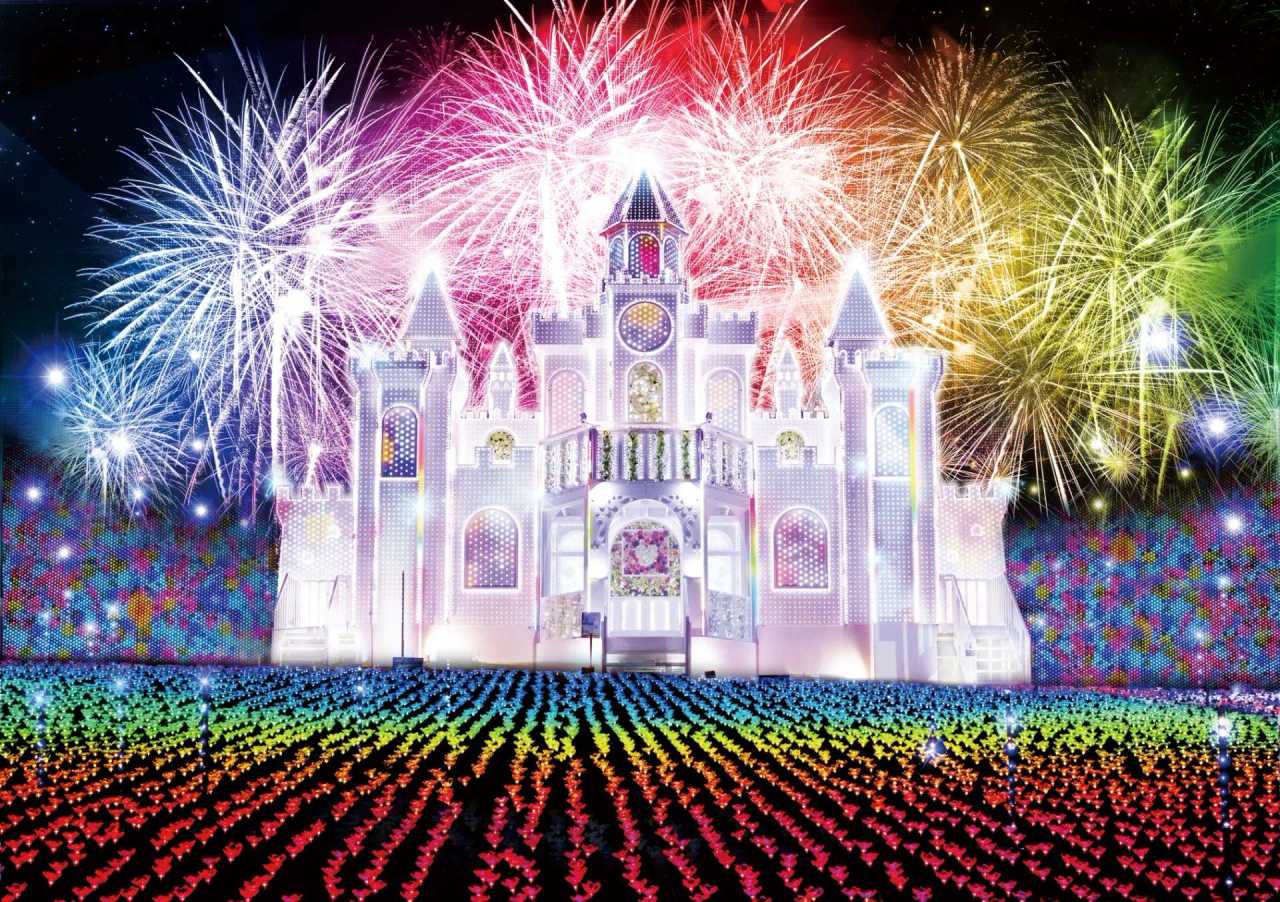
The Rose Garden of Light (Hikari no Bara-en) is inside the park’s observation area, with lights blooming in a rose theme. In the 2025-26 season, like the “Miracle Great Wisteria” and Flower Castle, it added a fragrance-space presentation. Its colors are dazzling and ideal for commemorative photos. Light area layouts change each year, so refer to that year’s official announcements for what is actually on display.
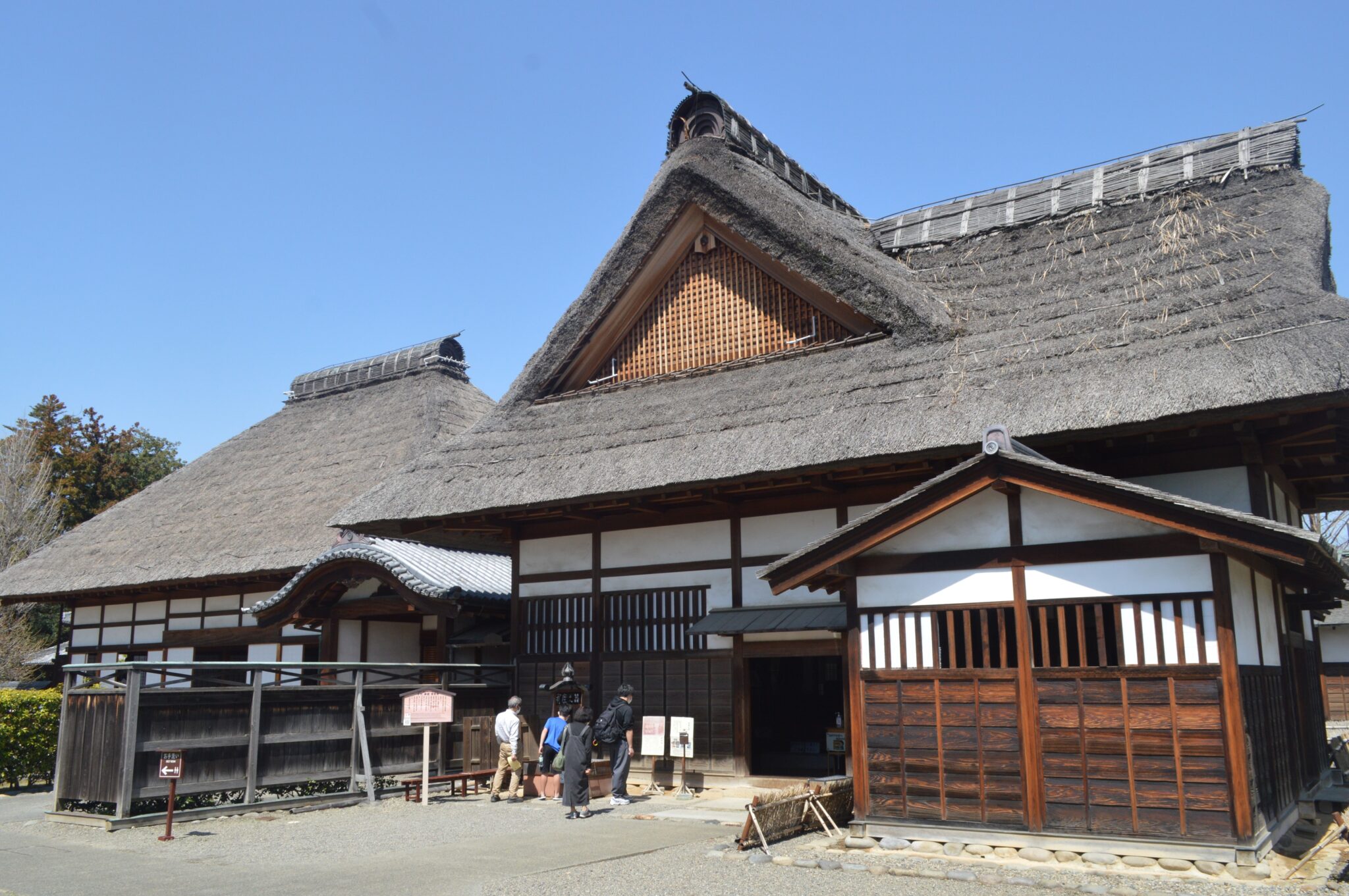
Ashikaga School: Japan’s Oldest Surviving School
The founding date of Ashikaga School is disputed, but it is regarded as one of Japan’s oldest surviving institutions of learning, holding several National Treasure-level Confucian texts, and is an important historic site for understanding education and Confucian culture in the Kanto region. The grounds preserve an Edo-period building layout and a Confucian temple, and it can be paired with Ashikaga Flower Park on the same day. Admission is ¥480 for adults, ¥240 for high school students and ¥120 for elementary and junior high students; it is open 9:00 to 16:00 from October to March. Allow about 1 hour, and feel a quiet, historic atmosphere very different from the sea of lights.
Ashikaga Orihime Shrine: A Certified Japan Night View Heritage Site
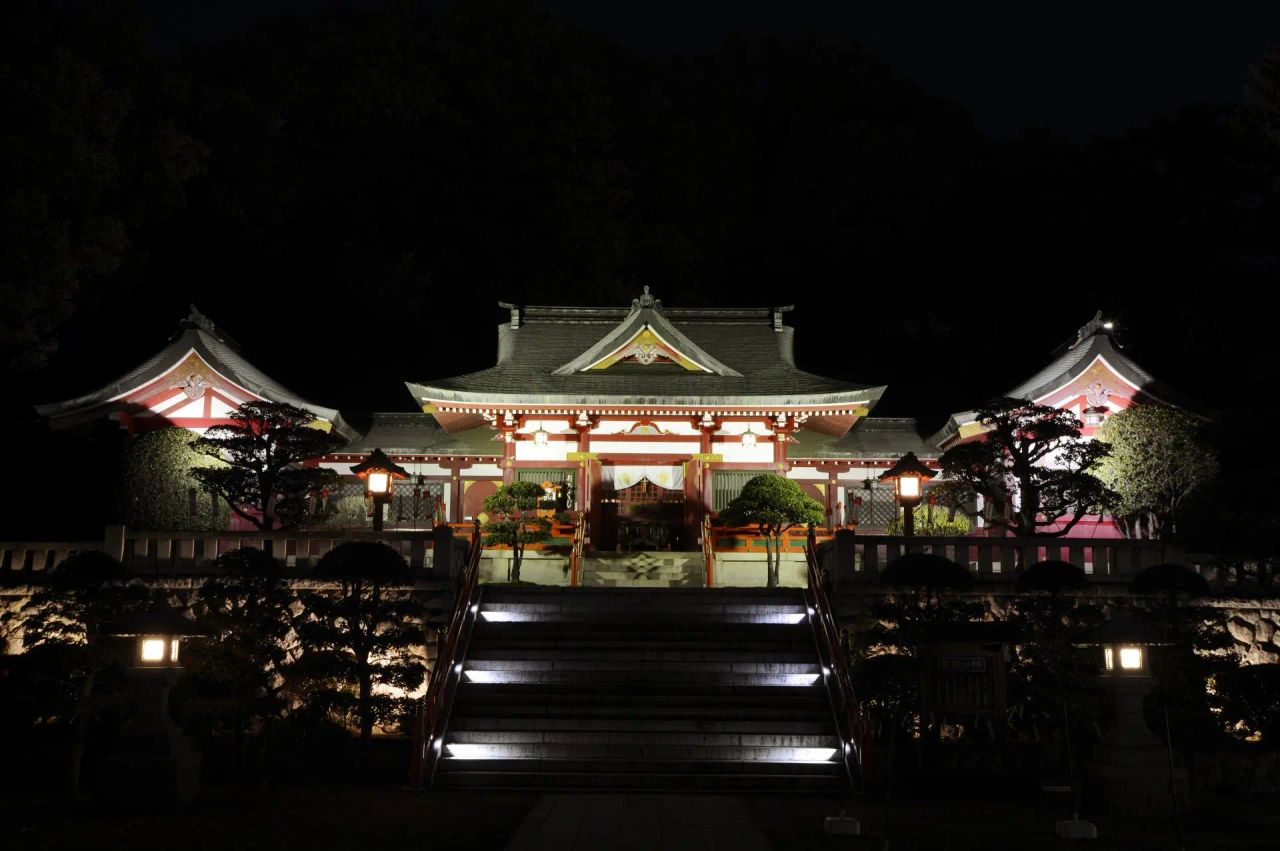
Ashikaga Orihime Shrine enshrines two guardian deities of weaving, with a founding that dates back to 1705. The shrine buildings sit on a hill overlooking Ashikaga’s night view and are certified as a “Japan Night View Heritage” site. There are 229 stone steps; the climb takes some effort, but the view of the hilltop torii gate against the city lights is well worth it, and it can be paired with the sea of lights at Ashikaga Flower Park for a “double night viewing” day.

Izurihara Bentenike: A Famous Water Site Certified by Japan’s Ministry of the Environment
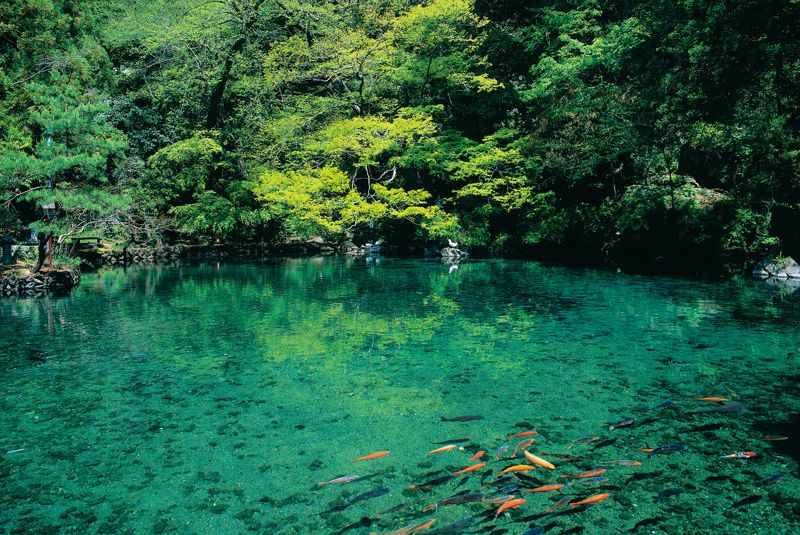
Izurihara Bentenike is one of the famous waters certified by Japan’s Ministry of the Environment and also a natural monument designated by Tochigi Prefecture. The pond water is crystal clear, and on its shore stands Isoyama Benzaiten, said to have been founded by Fujiwara no Hidesato. The clear water from a limestone cave is the source of the Izuru River. It is a rare nature-based spot near Ashikaga Flower Park, suitable for a half-day outing before the illumination.
Tickets and Itinerary: How Much Does Flower Fantasy Cost?
Winter night illumination and the spring Wisteria Festival use different ticketing systems, so be sure to understand the difference before buying.
Winter Flower Fantasy Night Admission: A Limited Ticket from ¥1,500
Night admission at the gate is ¥1,500 for adults and ¥800 for children (ages 4 through elementary school). The park sells night-only advance tickets at 7-Eleven stores nationwide, ¥1,450 for adults and ¥750 for children, letting you skip the ticket line, valid from October 17, 2026 to February 14, 2027. Final ticket sales end 30 minutes before closing, and you cannot re-enter after leaving.
Ashikaga Flower Park Full-Day Charter Tour from Tokyo
If you’re not comfortable with transfers, consider a charter or bus day tour from Tokyo that strings together the illumination, strawberry picking and nearby attractions in one day. It suits travelers who want to skip the hassle of transferring to the Ryomo Line or who are traveling with older relatives or children. Tour details follow the product page.
Food and Lodging Before and After the Illumination

Before or after the illumination, look out for limited snacks inside the park and lodging options near stations.
In-Park Food and Souvenirs: The Shopping Area Is Free to Enter
The park has dining and shopping areas, and the official site states the shopping area is free to enter, so you can refuel and pick up souvenirs before entering or before leaving. You cannot re-enter after leaving the park, so arrange meals and shopping before you go. Winter night offerings and hours change with the event, so follow the on-site announcements for the day.
Where to Stay: Around Ashikagashi Station or Oyama Station
To avoid the return-trip crowds, consider staying near Ashikagashi Station or Oyama Station on the JR Ryomo Line; both areas have business hotels, and the next day you can easily connect to nearby sights such as Ashikaga School and Ashikaga Orihime Shrine. Some travelers also stay in Tatebayashi or Kuki on the Tobu Isesaki Line, which saves on fares but requires one more transfer to the JR Ryomo Line to reach the Flower Park.
FAQ
Q: How much are tickets for Flower Fantasy at Ashikaga Flower Park in 2026-2027?
Winter night admission is ¥1,500 for adults and ¥800 for children (ages 4 through elementary school); 7-Eleven advance tickets are ¥1,450 for adults and ¥750 for children.
Q: How do I get to Ashikaga Flower Park from Tokyo?
Take the JR Tohoku Main Line to Oyama Station and transfer to the JR Ryomo Line, getting off at Ashikaga Flower Park Station right at the park. The whole trip takes about 1 hour 40 minutes to 2 hours.
Q: What time do the lights come on at Flower Fantasy?
Lights come on daily at about 16:30 to 17:00; the park is open until 20:30 on weekdays and until 21:00 on weekends and national holidays, with an additional 30 minutes scheduled from mid-November to early January.
Q: Which days is Flower Fantasy at Ashikaga Flower Park closed?
The park is closed every year on December 31. Other closure days and maintenance days are announced separately, and dates and times may also change, so check the official website for the latest information before you go.
Q: Do I need to book or buy tickets in advance?
The park sells night advance tickets at 7-Eleven stores nationwide (adults ¥1,450, children ¥750), letting you skip the ticket line. In peak season crowds are heavy and final ticket sales end 30 minutes before closing, so arrive early to avoid missing the entry window.
Q: Can I bring pets in?
Please confirm with the park before you go whether pets are allowed, as well as rules on photography, tripods and drones, and follow the official website and on-site notices; the park has designated areas where tripods may be used.