
Kyoto Ginkgo Viewing Roundup: From Old Temples in the City to Hidden Spots in the Suburbs
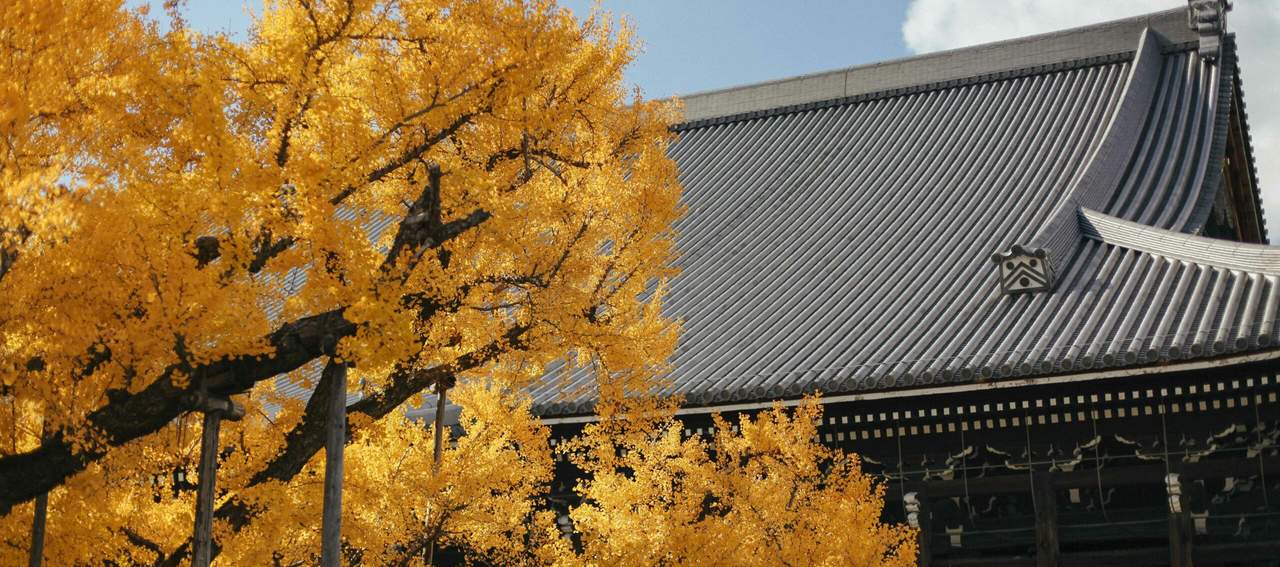
In 2026, Kyoto’s ginkgo peak color is concentrated from mid-November to early December. Nishi Honganji, Higashi Honganji and the Kyoto Gyoen can be linked on foot, making them the easiest core route for first-time ginkgo viewers.
Best Time to See Kyoto Ginkgo in 2026: Forecast
Based on past records, Nishi Honganji peaks around late November to early December, Higashi Honganji around mid-to-late November, and Kyoto Gyoen around late November to early December. With slightly different timing at each, you can order your itinerary accordingly. Weathernews’ early-September 2026 forecast has Kyoto’s ginkgo reaching peak color around November 27, though actual timing will still come early or late depending on that year’s weather.
Ginkgo vs. Maple Leaves: How to Tell Them Apart and Viewing Etiquette
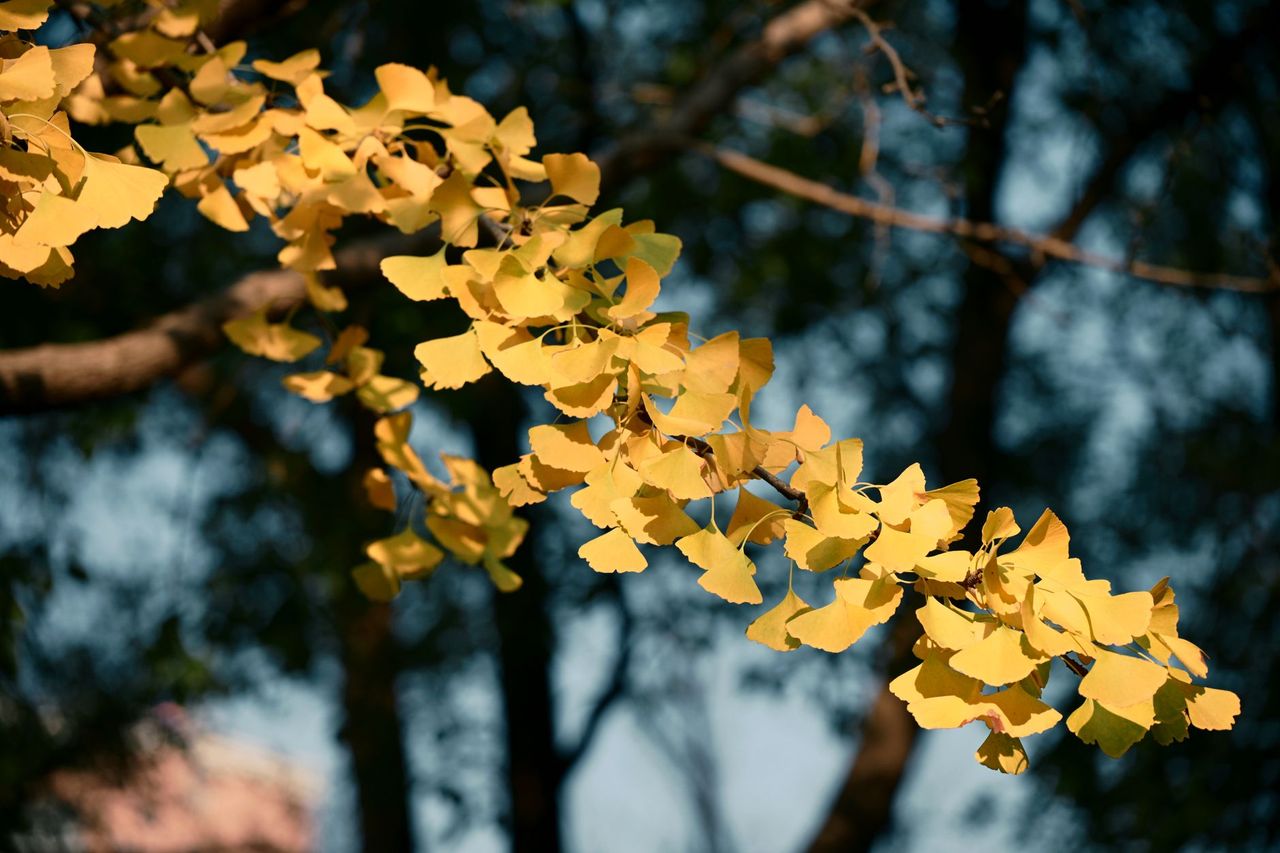
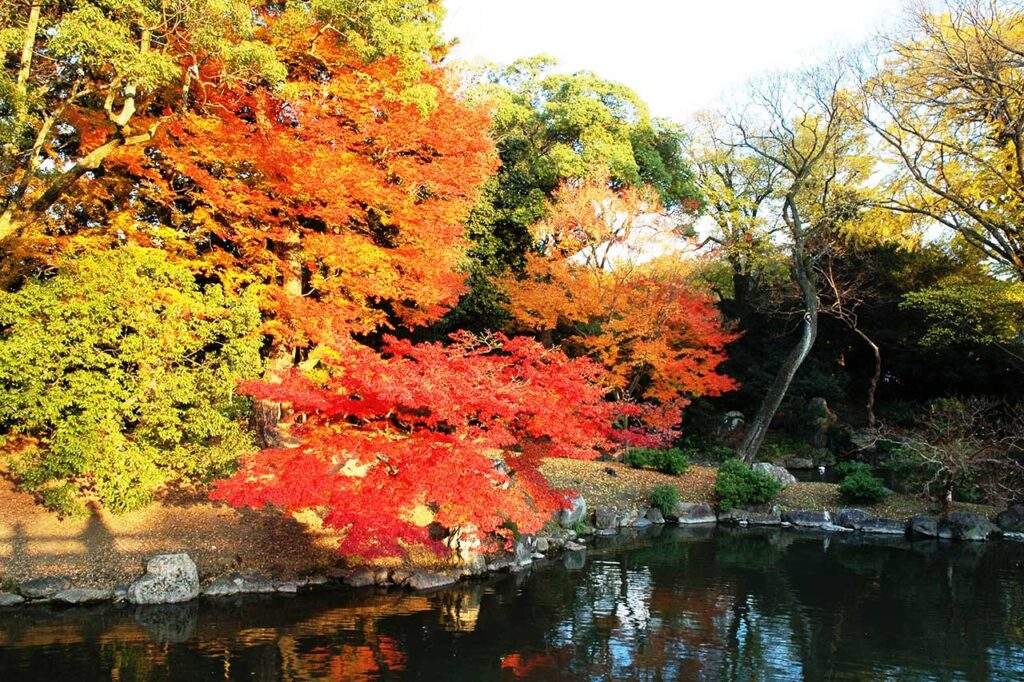
Ginkgo has only two colors, green and yellow, without the green-to-orange-to-red gradient of maple leaves, so judging peak color is relatively simple. After the leaves fall they often form a golden carpet under the trees, but this usually lasts only 1 to 3 days and disappears quickly after strong wind or rain. Ginkgo fruit has a distinctive odor when stepped on and sticks to shoe soles, so it is best to walk around ripe fruit that has fallen under the trees.
By Timing and Need: The Easiest Way to Plan Your Route
In mid-November, start with Higashi Honganji, Bukkoji, the Horikawa-dori ginkgo avenue and the suburban Iwato Ochiba Shrine; late November to early December is the prime time for Nishi Honganji, Kyoto Gyoen and Honganji Yamashina Betsuin. To avoid crowds, choose Chomyoji or Honganji Yamashina Betsuin; to see both autumn leaves and ginkgo, Chion-in, Nagaokakyo’s Komyoji and Yoshiminedera are best.
Transport Guide to Kyoto’s Ginkgo Spots
How to Get to Nishi Honganji, Higashi Honganji and Kyoto Gyoen: Transport at a Glance
Nishi Honganji: about 15 minutes on foot from the Karasuma Central Exit of JR Kyoto Station, or take bus 9, 28 or 75 to “Nishi Honganji-mae,” the most convenient access. Higashi Honganji: about 7 minutes on foot from JR Kyoto Station, or about 5 minutes from Gojo Station on the Karasuma subway line. Kyoto Gyoen: about 5 minutes on foot from Marutamachi or Imadegawa Station on the Karasuma subway line. The two temples and the garden can be linked on foot, and a Subway and Bus One-Day Pass is recommended; if you also plan to head to suburban spots such as Nagaokakyo’s Komyoji and Yoshiminedera, single fares are already good value and local buses will do, with no need for a charter.

13 Best Ginkgo Spots in Kyoto: Famous Sites in the City and Suburbs
The 13 spots below range from old temples in the city to hidden spots in the suburbs.
Nishi Honganji: The Upside-Down Ginkgo and a 400-Year Legend
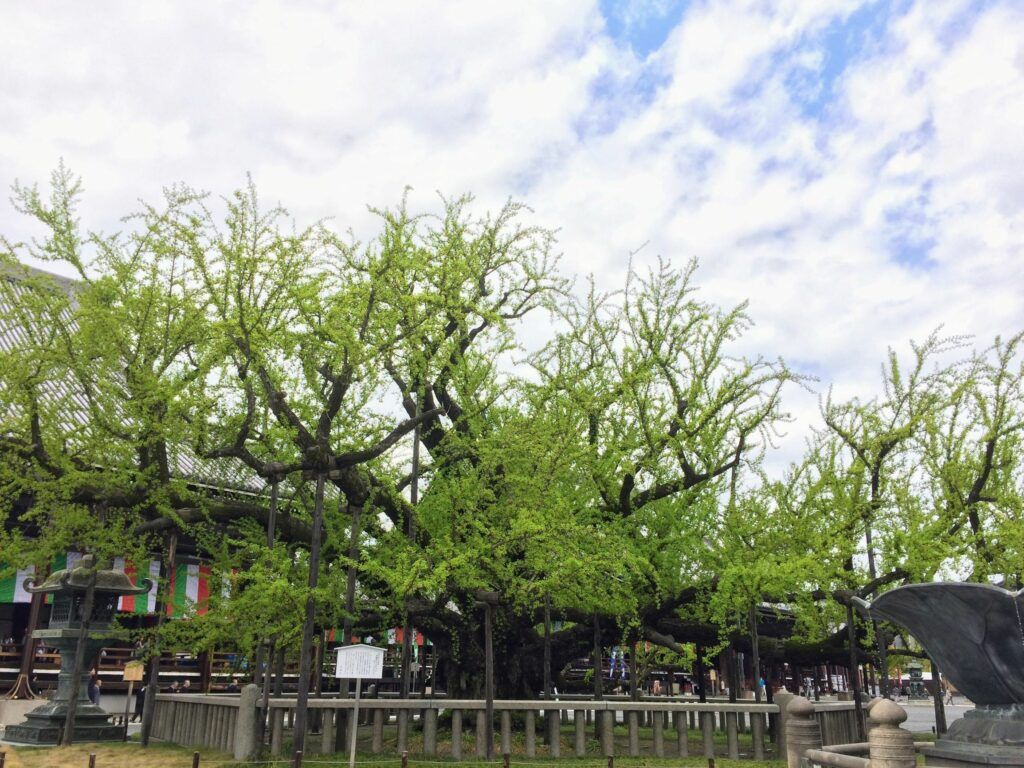
Nishi Honganji, formally Ryukoku-zan Hongwanji, is the head temple of the Jodo Shinshu Hongwanji-ha school and a World Heritage Site. The more-than-400-year-old “Sakasa-icho” (upside-down ginkgo) in front of the Goeido Hall is a Kyoto City natural monument, with branches spreading sideways about 1.5 to 3 meters above the ground so that it looks like roots pointing to the sky. Legend says it sprayed water to protect the hall during the 1788 Tenmei fire, which is why it is also called the “water-spouting ginkgo.” Another large ginkgo stands in front of the Amidado Hall and is worth a stop. Entry to the grounds is free, with opening hours 5:30 to 17:00 and peak color around late November to early December. Address: Hongwanji Monzen-cho, Horikawa-dori Hanayacho-sagaru, Shimogyo Ward, Kyoto.

Higashi Honganji: Shinshu Honbyo and Shoseien Garden
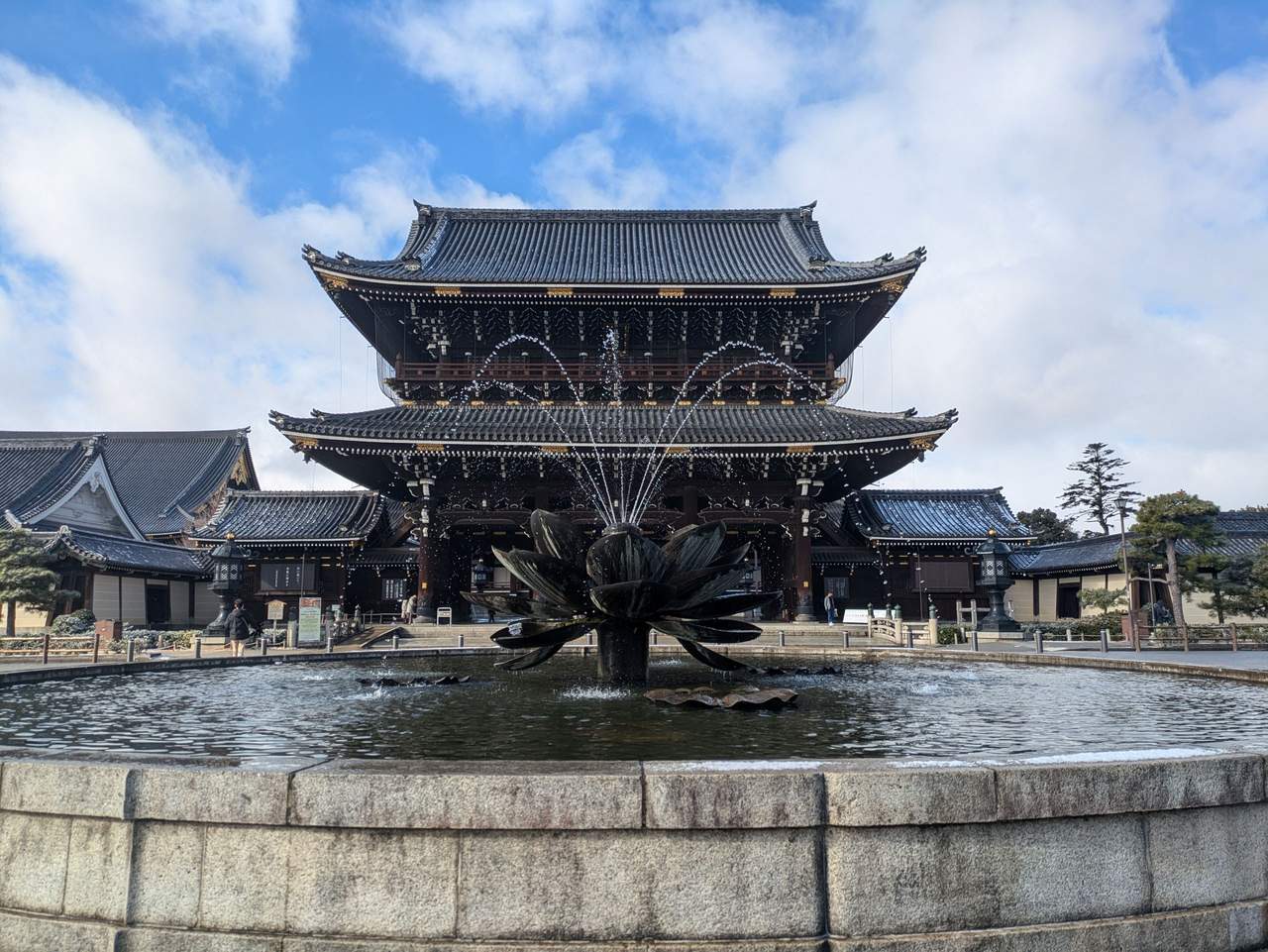
Higashi Honganji, officially “Shinshu Honbyo,” was built in 1602 and is the head temple of the Jodo Shinshu Higashi Honganji school (Otani-ha). Its Goeido Hall is one of the largest wooden structures in the world. The existing Goeido and Amidado halls were rebuilt in the Meiji era. The ginkgo trees are concentrated in front of the Goeido gate and around the fountain pond, and a classic angle frames the fountain pond, golden ginkgo and Kyoto Tower together. Entry is free; from March to October it opens 5:50 to 17:30, and from November to February 6:20 to 16:30. The affiliated garden, Shoseien, keeps a suggested donation of ¥700 or more, with peak color around mid-to-late November.

NAKED GARDEN NIGHTS: Night Illumination at Higashi Honganji and Shoseien
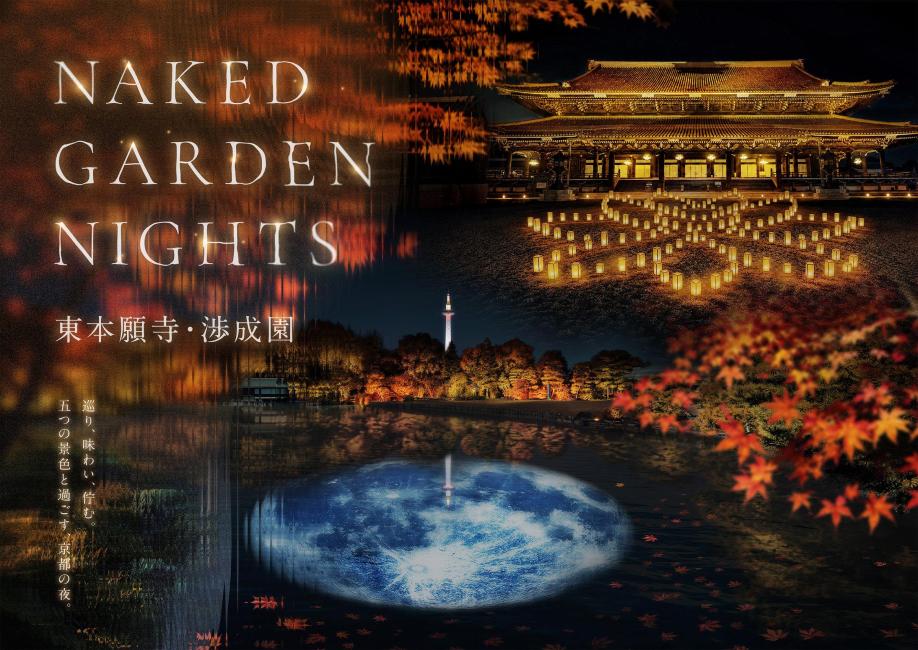
Higashi Honganji and Shoseien hold the “NAKED GARDEN NIGHTS” night illumination in 2026, running October 31 to December 6, daily from 18:00 to 22:00. At Higashi Honganji, last entry is 21:00 and viewing runs until 21:20, while Shoseien viewing runs until 22:00; on November 6-8 and 25, only Shoseien is open. Prices for the two-venue ticket include tax: ¥1,900 to ¥2,300 for junior high school students and older, and ¥1,300 to ¥1,700 for elementary school students, varying by weekday or weekend and early-bird.
Kyoto Gyoen: Konoe Residence Site and the Golden Sea at Hamaguri Gate
Kyoto Gyoen covers about 65 hectares, is free to visit at will, and is managed by the Ministry of the Environment, near the Kyoto Imperial Palace. The signature viewing spots are around Hamaguri Gate on the west side, the area around the Konoe residence site, and the large ginkgo at the Gyokaido site. The Gyokaido ginkgo stands 24 meters tall with a trunk circumference of 5.28 meters, while the ginkgo in the Mother and Child Forest is 24 meters tall with an umbrella-shaped canopy spanning 25.3 meters. Ginkgo and autumn leaves in the same frame is this place’s biggest draw, and the area around the Nakatachiuri rest house is also a spot locals recommend for seeing both. Peak color is around late November to early December, and you can check current leaf conditions on the Ministry of the Environment’s Kyoto Gyoen website.
Horikawa-dori Ginkgo Avenue: A Golden Tunnel and a Carpet of Fallen Leaves
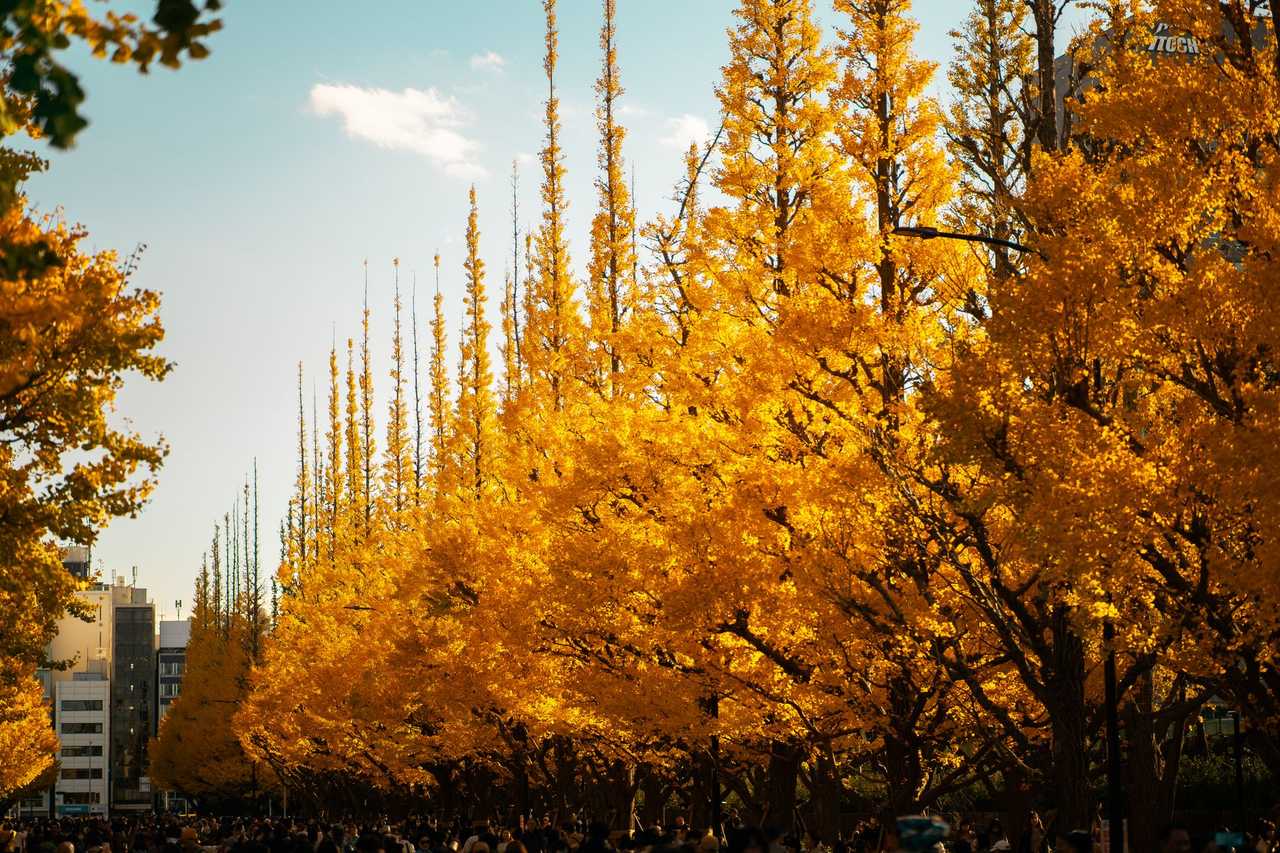
North of Imadegawa-dori on Horikawa-dori up to Shimei-dori, along Horikawa Seseragi Park, runs an avenue of ginkgo trees about 1 kilometer long. The rows of ginkgo on the median turn into a golden tunnel in late autumn, and after the leaves fall they form a golden carpet you can walk right into for photos. Seimei Shrine and the Nishijin Textile Center are within walking distance, so it suits visitors who want to browse after viewing the ginkgo. Peak color is around mid-to-late November. A suggested route is to walk north from Horikawa-Kamidachiuri to the Horikawa-Shimei intersection, then head south and finish at Suika Tenmangu; the crowds along the whole route are much smaller than at Nishi Honganji.
Kyoto University Yoshida Campus: Academic Gold, Open to All
Kyoto University’s Yoshida Campus is a university campus you can freely enter, with ginkgo trees on campus and along the surrounding roads that turn color gradually after November, adding an academic atmosphere against the red-brick buildings. Students and faculty still come and go on weekdays, so please visit quietly and avoid disturbing classes; late afternoon light is best for photos. Near Imadegawa-dori and the Hyakumanben intersection, it can be combined with Kyoto Gyoen on the same day, and the two can be linked by city bus or on foot.
Bukkoji: The Giant Ginkgo in the Grounds
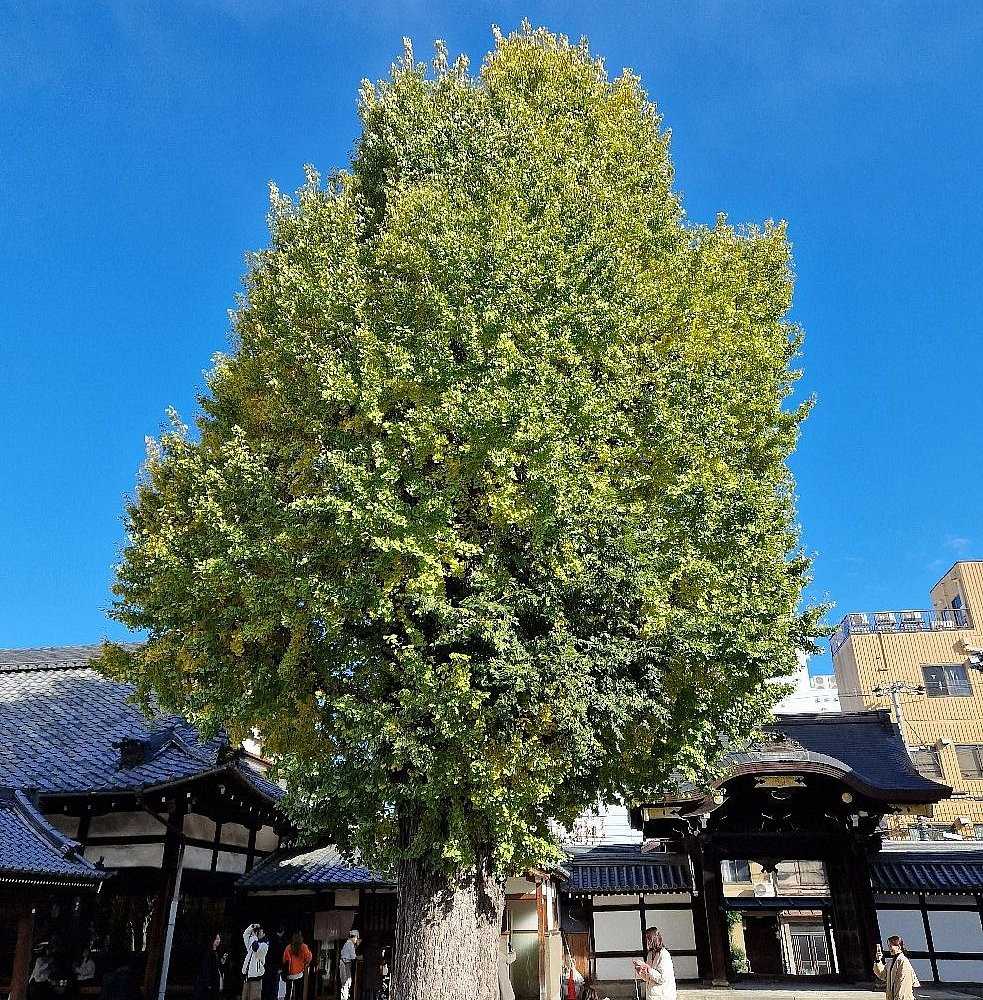
Bukkoji is near Shijo-Karasuma and is the head temple of the Shinshu Bukkoji school. The giant ginkgo in its grounds is one of the earlier ones in central Kyoto to turn yellow, possibly as early as mid-November, making it the first choice for getting an early start on ginkgo viewing. The temple also hosts a shop and restaurant run with the select shop D&DEPARTMENT KYOTO, so you can dine and shop while visiting. It is a few minutes’ walk from Shijo Station on the Karasuma subway line and Karasuma Station on the Hankyu line, with peak color around mid-to-late November.
Chomyoji: A 20-Meter Ginkgo in Front of the Main Hall
Chomyoji is in Sakyo Ward, east of Kawabata on Niomon-dori. The large ginkgo in front of the main hall, about 20 meters tall with a trunk circumference of about 2.8 meters, is the temple’s focal point, its golden crown towering high in late autumn. Visitor numbers are far lower than at Nishi Honganji and Higashi Honganji, suiting travelers who like quiet photography and want to avoid crowds. The temple is small, and a visit takes about 20 to 30 minutes. It is near Keihan Sanjo Station and can be placed on the same route as Okazaki and the Heian Jingu area.
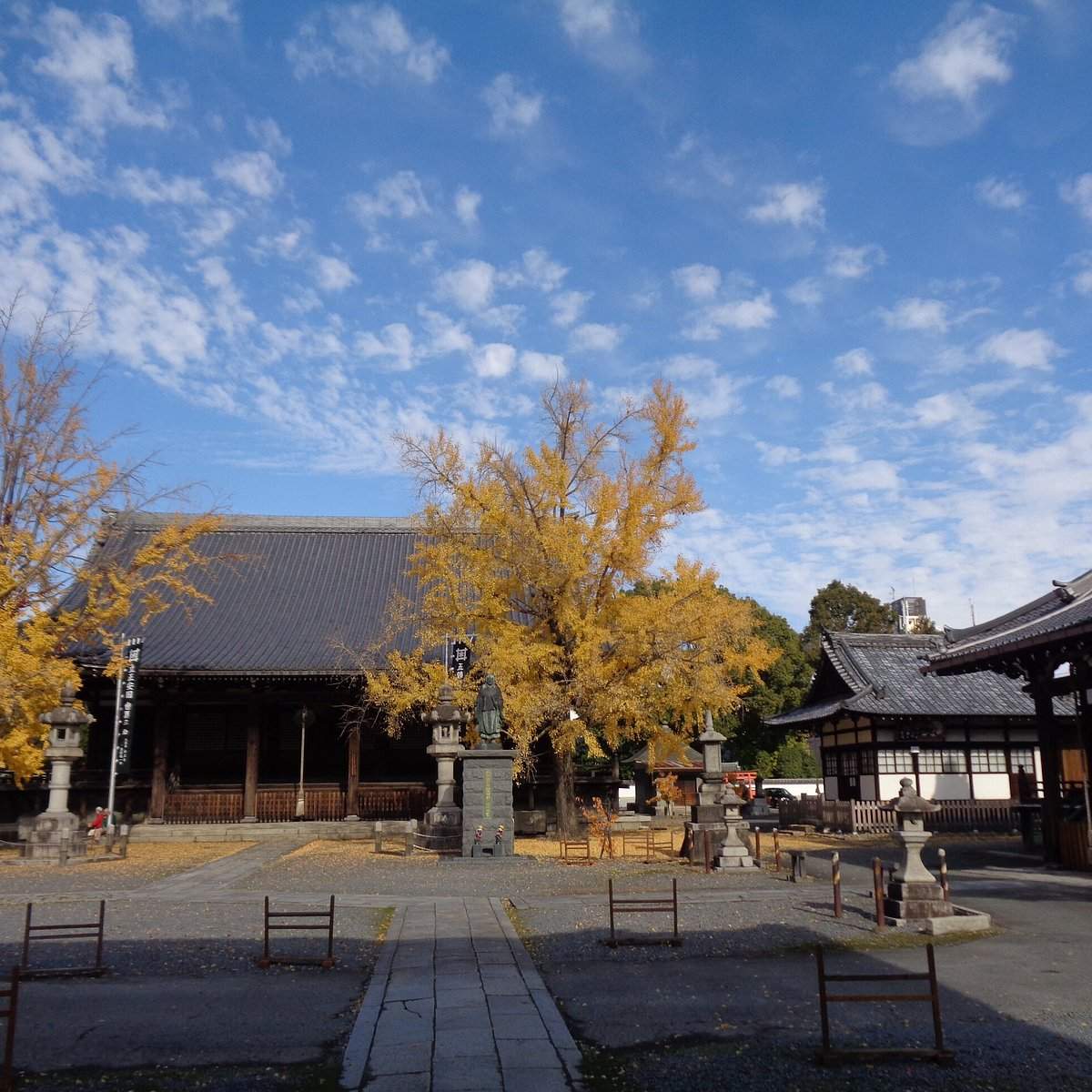
Honganji Yamashina Betsuin: A Male and Female Ginkgo Pair Planted in the Taisho Era
Honganji Yamashina Betsuin is in Yamashina Ward on the east side of Kyoto City. Its grounds hold a pair of male and female ginkgo trees planted in the early Taisho era by local children and parents, about 18 meters tall with a trunk circumference of about 3.4 meters; the ginkgo nuts harvested each autumn are shared with local residents. There are few tourists here, making it a good fit for those who want to look at big trees in peace. Peak color is around late November to early December. Take JR or the Tozai subway line to Yamashina Station and continue from there, and you can also add Bishamondo for autumn leaves.
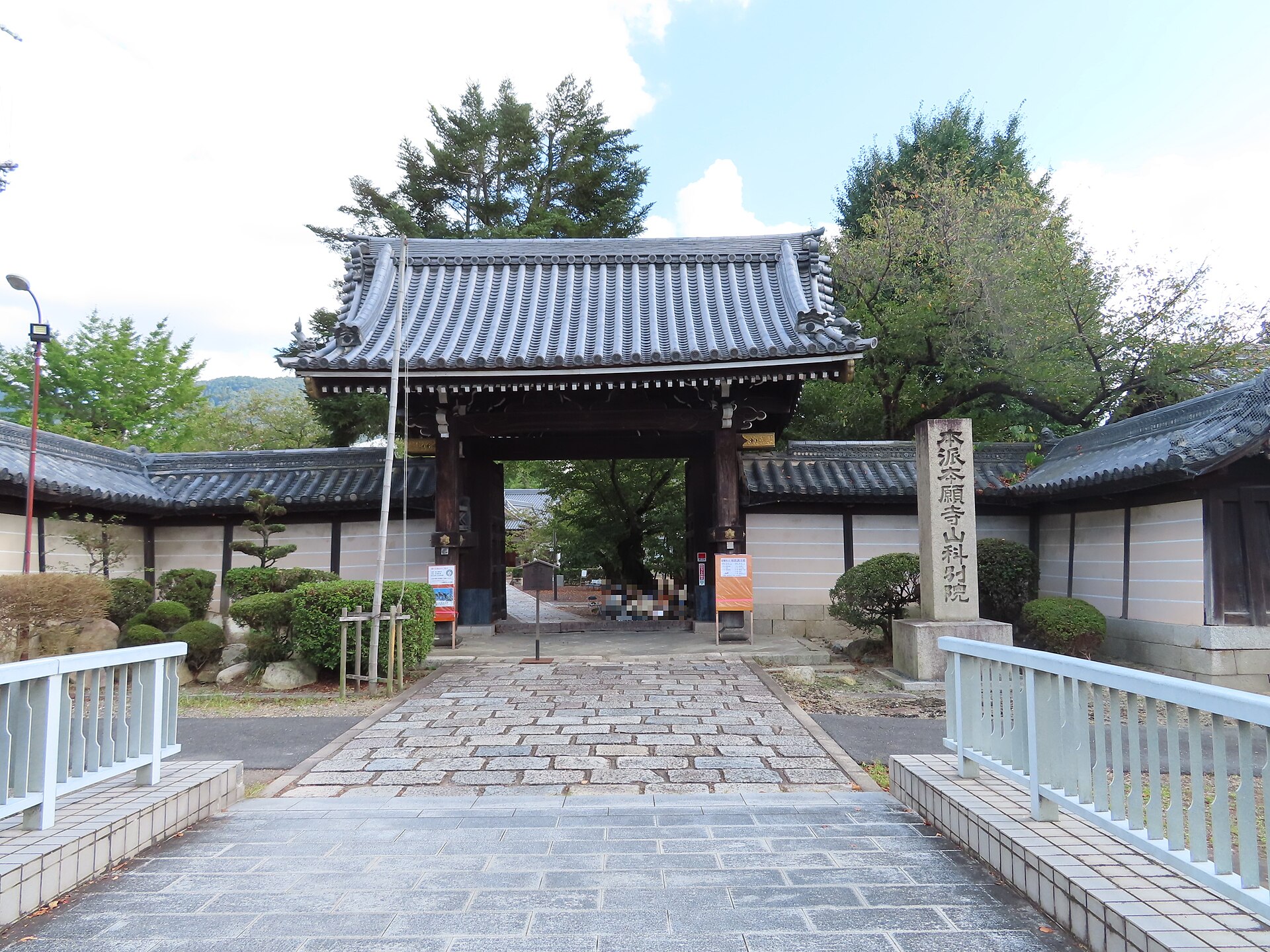
Iwato Ochiba Shrine: A Golden Hidden Spot from The Tale of Genji
Iwato Ochiba Shrine is in the mountains of Onogo in Kyoto’s Kita Ward and enshrines Princess Ochiba from The Tale of Genji. When the leaves of the several large ginkgo trees in its grounds fall, the whole shrine is covered in a golden carpet, a stunning scene that few tourists disturb. Because it is in the mountains with poor access, you can only take the JR Bus Takao-Keihoku Line and get off at “Onogo,” or drive for about 30 minutes. Peak color is around mid-November, slightly earlier than the city spots, making it the top item on photography lovers’ wish lists.
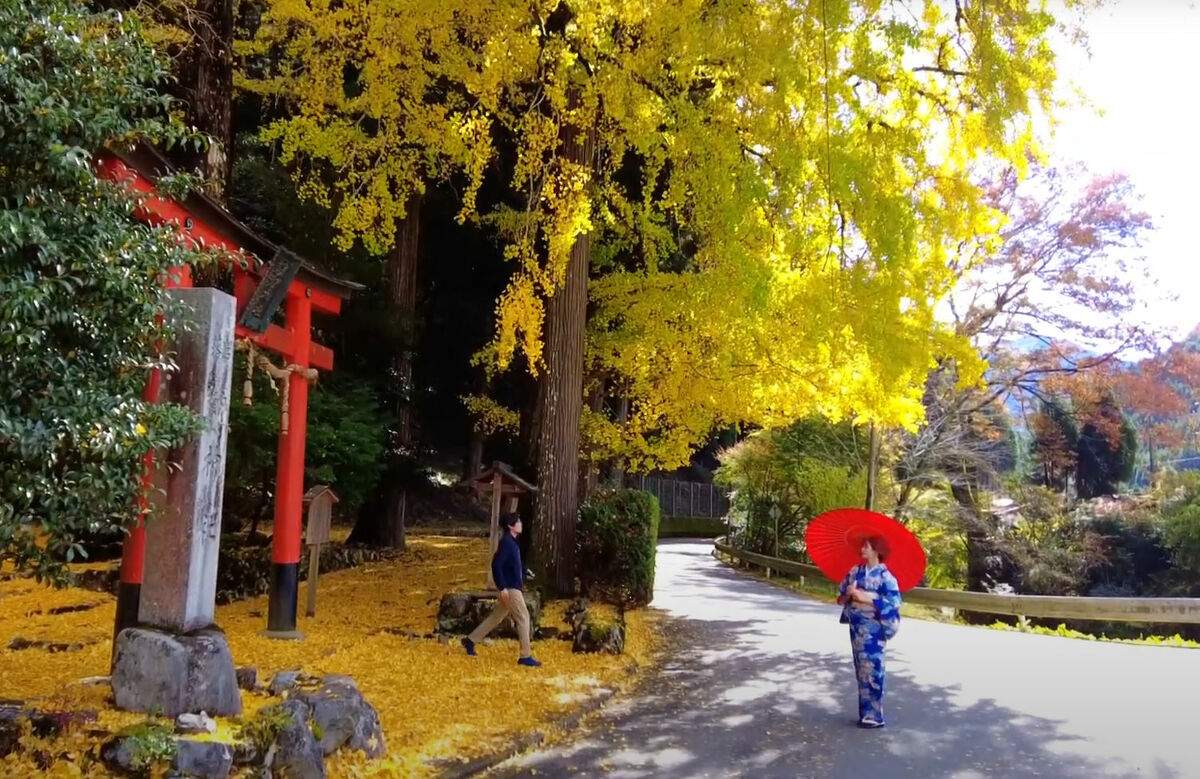
Chion-in: Where the Sanmon Gate and Autumn Colors Meet at the Head Temple of the Jodo Sect
Chion-in is the head temple of the Jodo sect, and its huge Sanmon gate is one of the largest temple gates still standing in Japan. In autumn, ginkgo and red maples intertwine around the Sanmon, giving a layered mix of gold and fiery red, unlike most single-focus ginkgo spots. Peak color is around mid-November to early December, a fairly long span, so it suits the days when you want to catch both autumn leaves and ginkgo. The temple is large, so allow 1 to 1.5 hours to see the Sanmon and main halls.
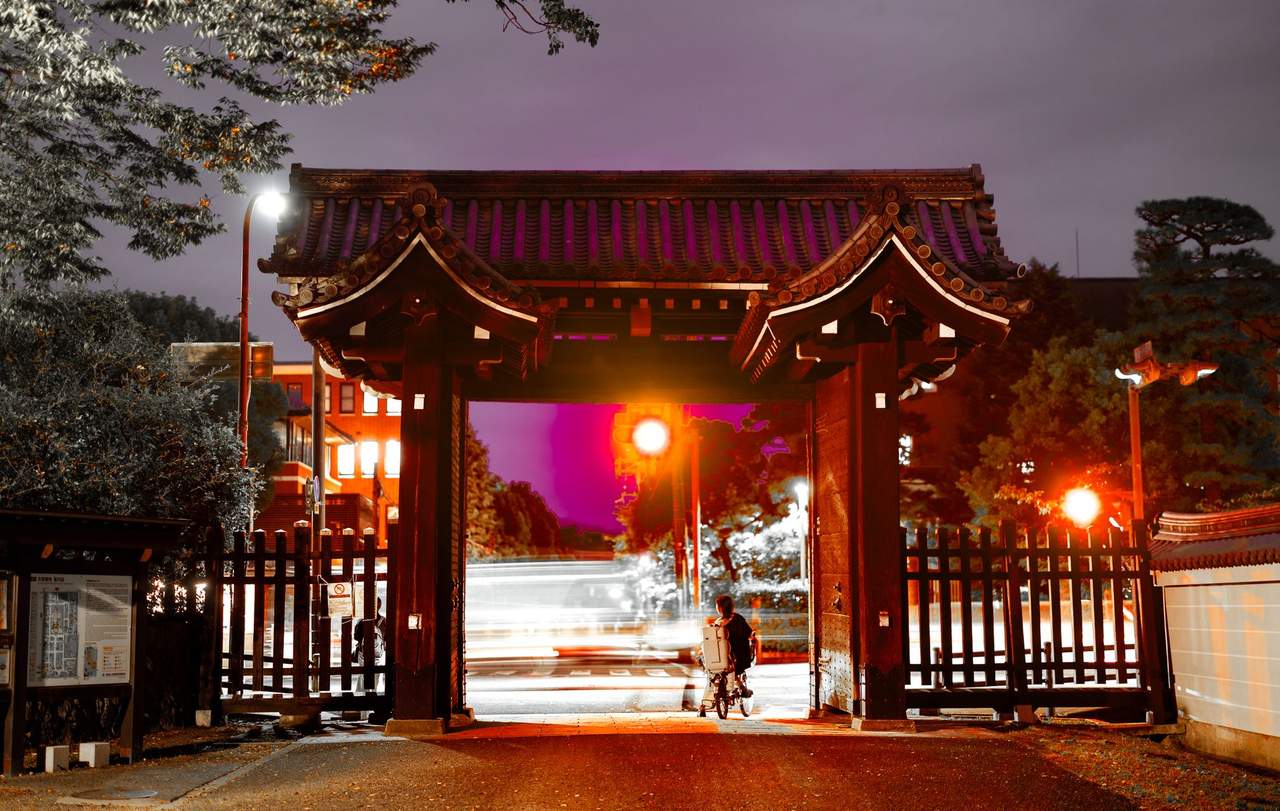
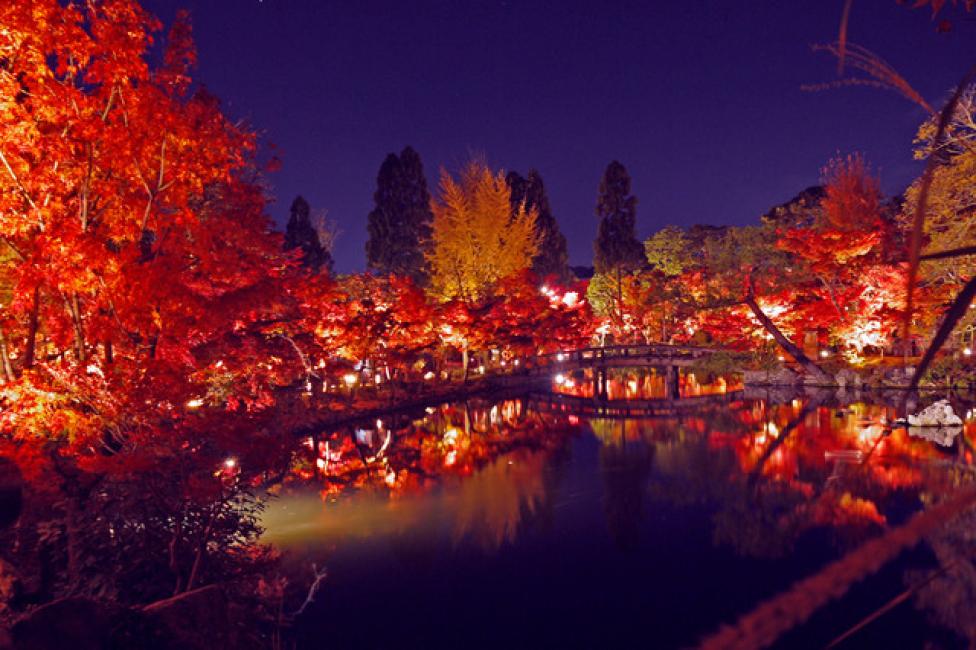
Former Kyoto Prefectural Office Main Building: Gold Against Red Brick
The Former Kyoto Prefectural Office Main Building was built in 1904 and is one of the oldest government office buildings still in use. Its Renaissance-style red-brick walls and the ginkgo in the courtyard create a strong color contrast in autumn, quite different in style from the temple spots. It is open 10:00 to 17:00 with free admission, but open days depend on events, so check the Kyoto Prefecture website in advance to confirm whether it is open that day. It is about a 10-minute walk from Marutamachi Station on the Karasuma subway line, and fits on the same route as Kyoto Gyoen.
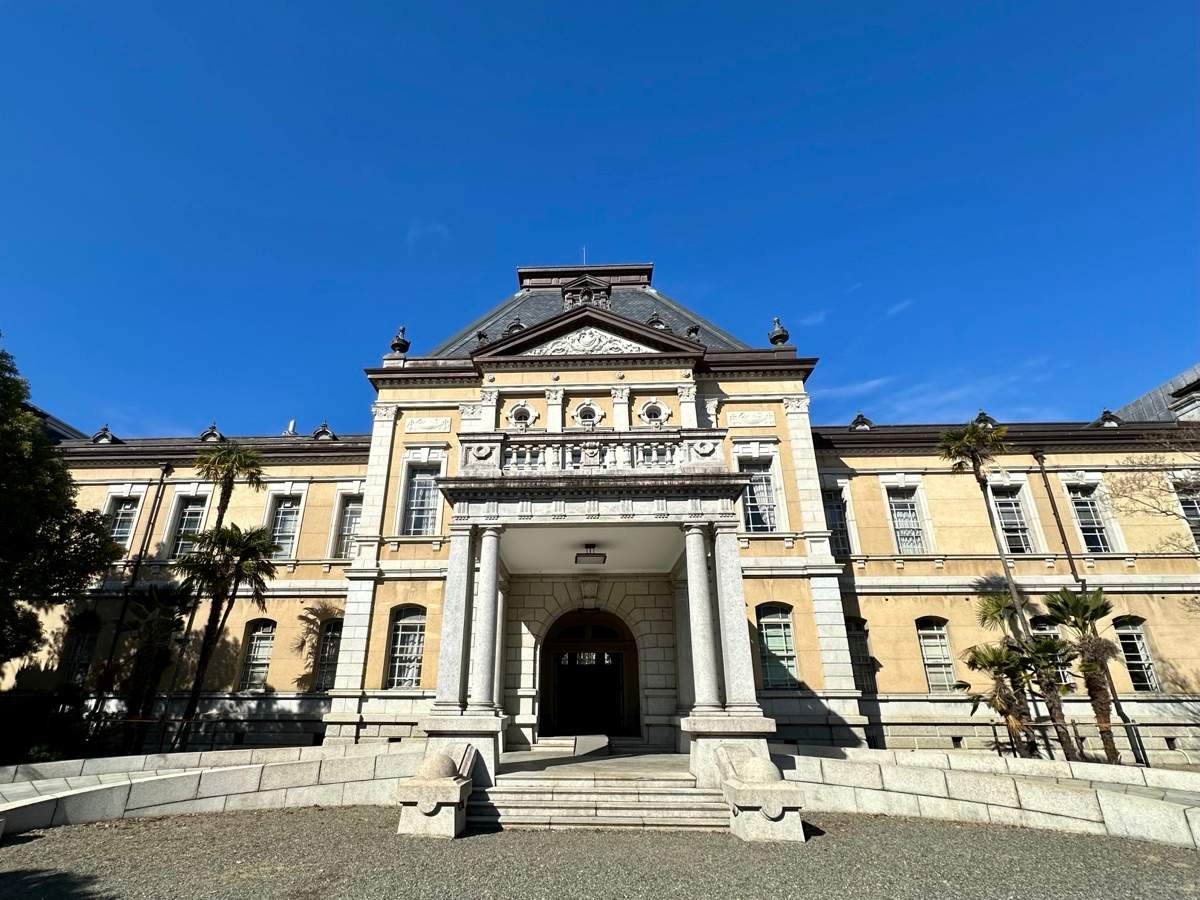
Nagaokakyo Komyoji: A Ginkgo Surprise Along the Maple-Lined Approach
Komyoji is known in the Kyoto suburbs for its “maple approach,” and ginkgo trees are in fact planted among the red maples along the way, the two colors interweaving in layers. During the special autumn-leaves opening period (November 15 to December 7 in 2025; 2026 dates are subject to the official announcement), it opens 9:00 to 16:30 (last entry 16:00), with admission of ¥1,000 for adults and ¥500 for junior and senior high school students; there is no on-site parking during foliage season. To get there, take the Hankyu line to Nagaokatenjin Station, or JR to Nagaokakyo Station, then transfer to a bus and get off at “Asahigaoka Home-mae,” about a 2-minute walk.
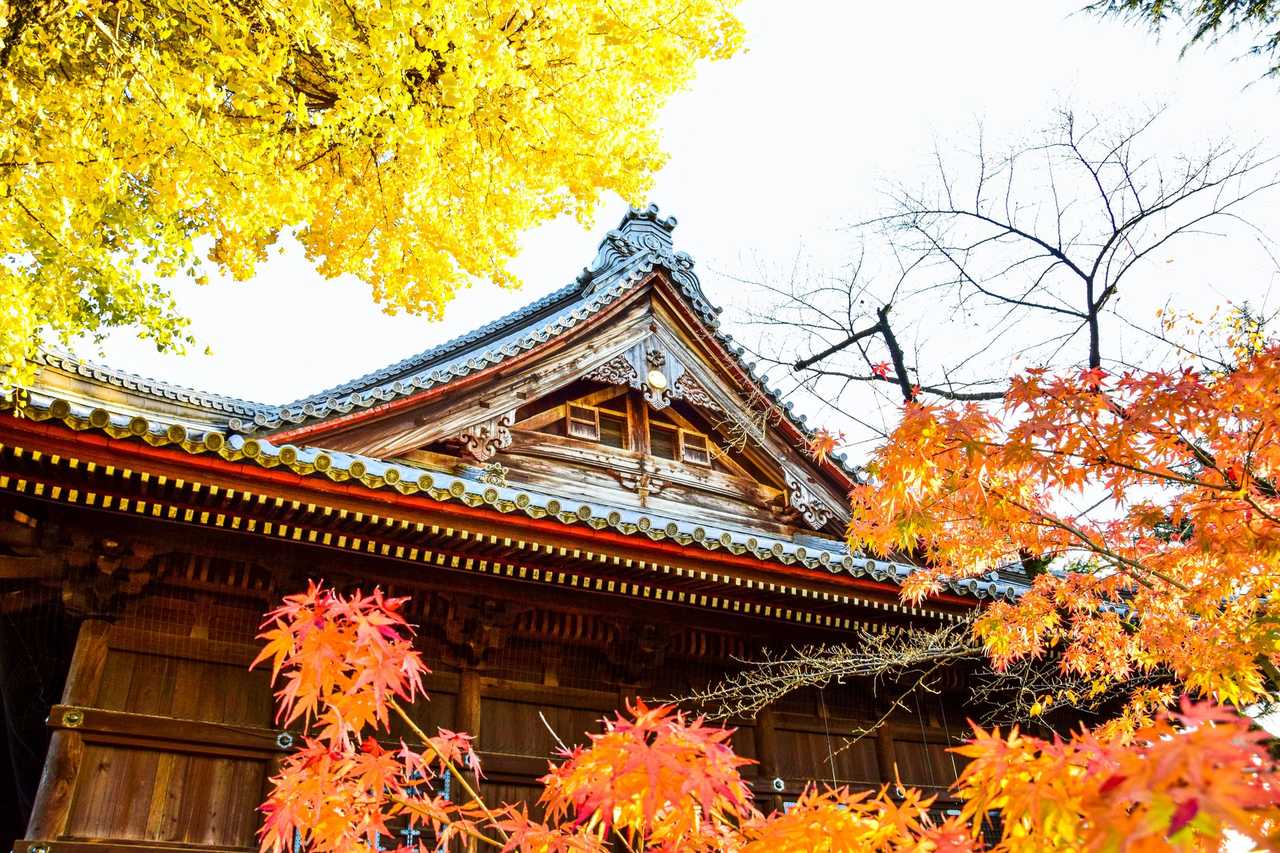
Yoshiminedera: Ginkgo Views from the Heights of a Thousand-Year-Old Temple in Nishiyama
Yoshiminedera is an old temple in the Nishiyama area, where ginkgo dots the stone steps and gardens in autumn and you can look out over the Kyoto cityscape from above. Admission is ¥500 for adults, and it opens 8:30 (8:00 on weekends and holidays) to 17:00 (last entry 16:45). To get there, take Hankyu Bus route 66 from Hankyu Higashi-Muko Station or JR Mukomachi Station to “Yoshiminedera” stop, with buses about once an hour, then walk about 15 minutes to the temple gate.
How Much Does Ginkgo Viewing in Kyoto Cost? Admission and Transport Passes
Among Kyoto’s three major ginkgo sites, Nishi Honganji, Higashi Honganji and Kyoto Gyoen are all free to visit; what really costs money is the Shoseien garden entry fee and how you get around. If you want to link the city’s ginkgo with hidden spots such as Horikawa-dori and Bukkoji in one day, a chartered car or taxi half-day tour saves more time than buying bus passes alone.
Free Entry at Nishi Honganji and Higashi Honganji: Save Your Budget for Nearby Spots
Both temples are free to enter. Nishi Honganji opens 5:30-17:00, and Higashi Honganji 5:50-17:30 from March to October and 6:20-16:30 from November to February, so you can see the upside-down ginkgo and the golden avenue by the fountain pond without spending a yen. The money saved on admission can go toward adding Shoseien or arranging a taxi transfer.
Shoseien Garden Entry: ¥700 to See Higashi Honganji’s Rear Garden in Red and Yellow
The suggested donation for Shoseien, the garden affiliated with Higashi Honganji, is ¥700 for adults and ¥300 for high school students and younger. It is open 9:00-17:00 from March to October and 9:00-16:00 from November to February (last entry 30 minutes before closing). The pond reflects ginkgo and red leaves, a paid option that avoids the crowds in front of the temple.
Kyoto Chartered Car or Taxi: Link the City’s Ginkgo Spots in One Day
Kyoto charter car services booked through KKday or Klook let you choose a plan by group size and hours (prices follow the platform’s current quote). They fit Nishi Honganji, Higashi Honganji, Kyoto Gyoen, the Horikawa-dori avenue and Bukkoji in order, saving the time of subway transfers and waiting for buses, especially suited to older travelers or those with luggage.
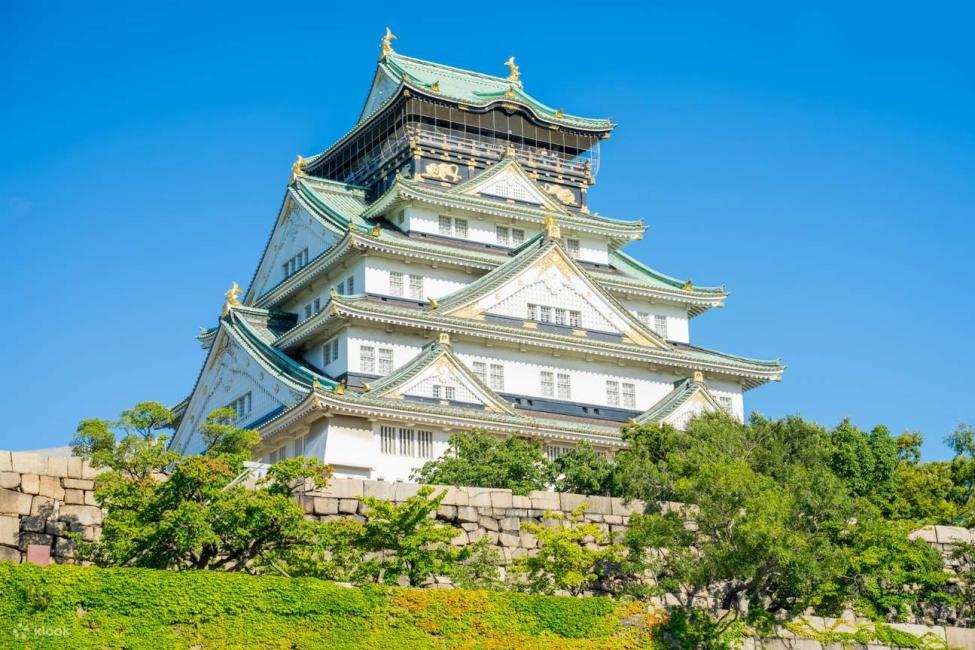
Subway and Bus One-Day Pass: ¥1,100 to Link City Spots
A single city bus ride costs ¥230; the old bus one-day pass was discontinued on September 30, 2023, and the current “Subway and Bus One-Day Pass” costs ¥1,100 for adults, with unlimited rides on city buses and the subway. It only pays off with 5 or more rides in a day, but if you extend to suburban hidden spots such as Yoshiminedera and Komyoji, it is still better to take JR or Hankyu and buy tickets separately.
Where to Stay for Kyoto Ginkgo Viewing? Lodging and Dining

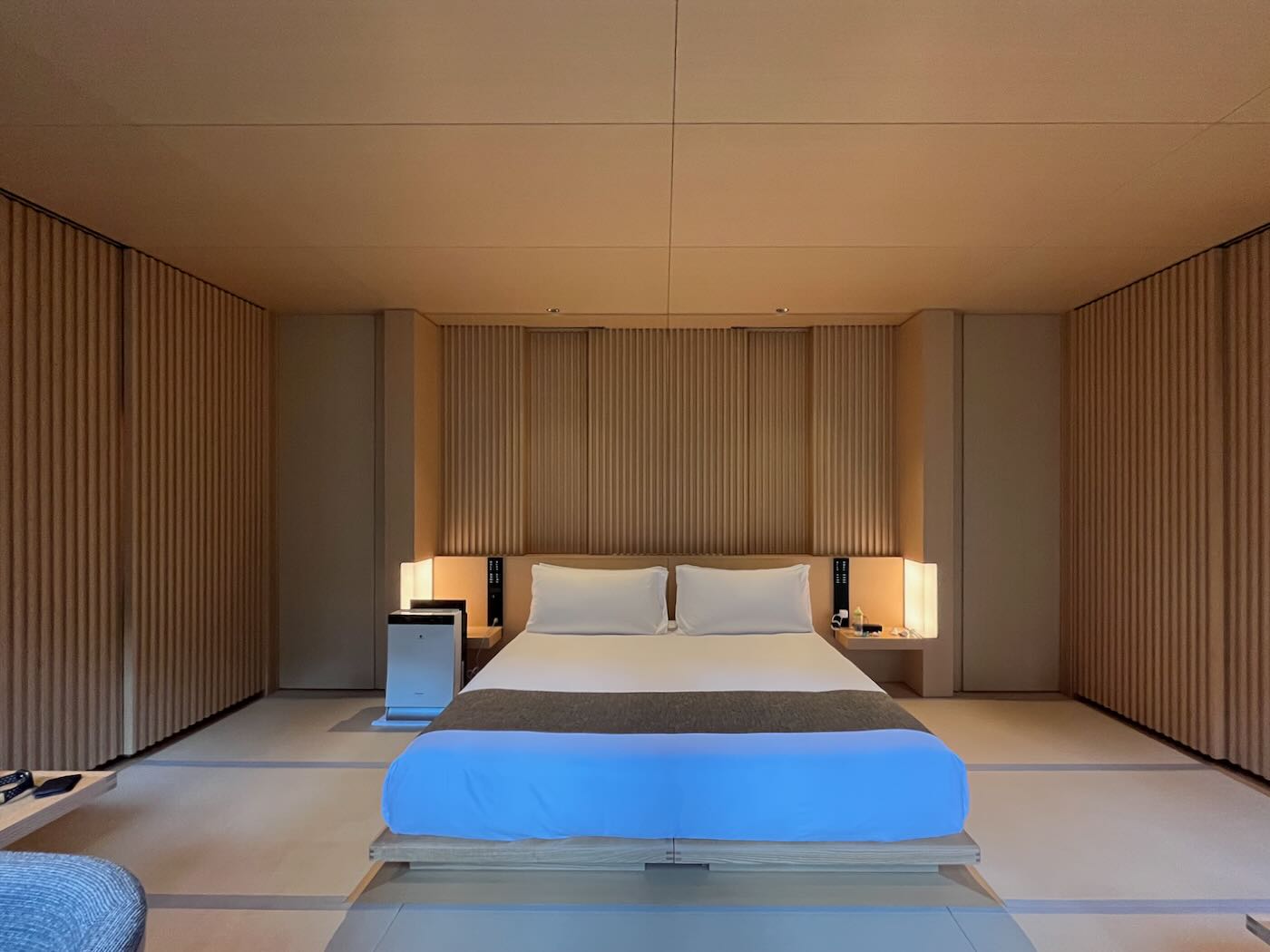
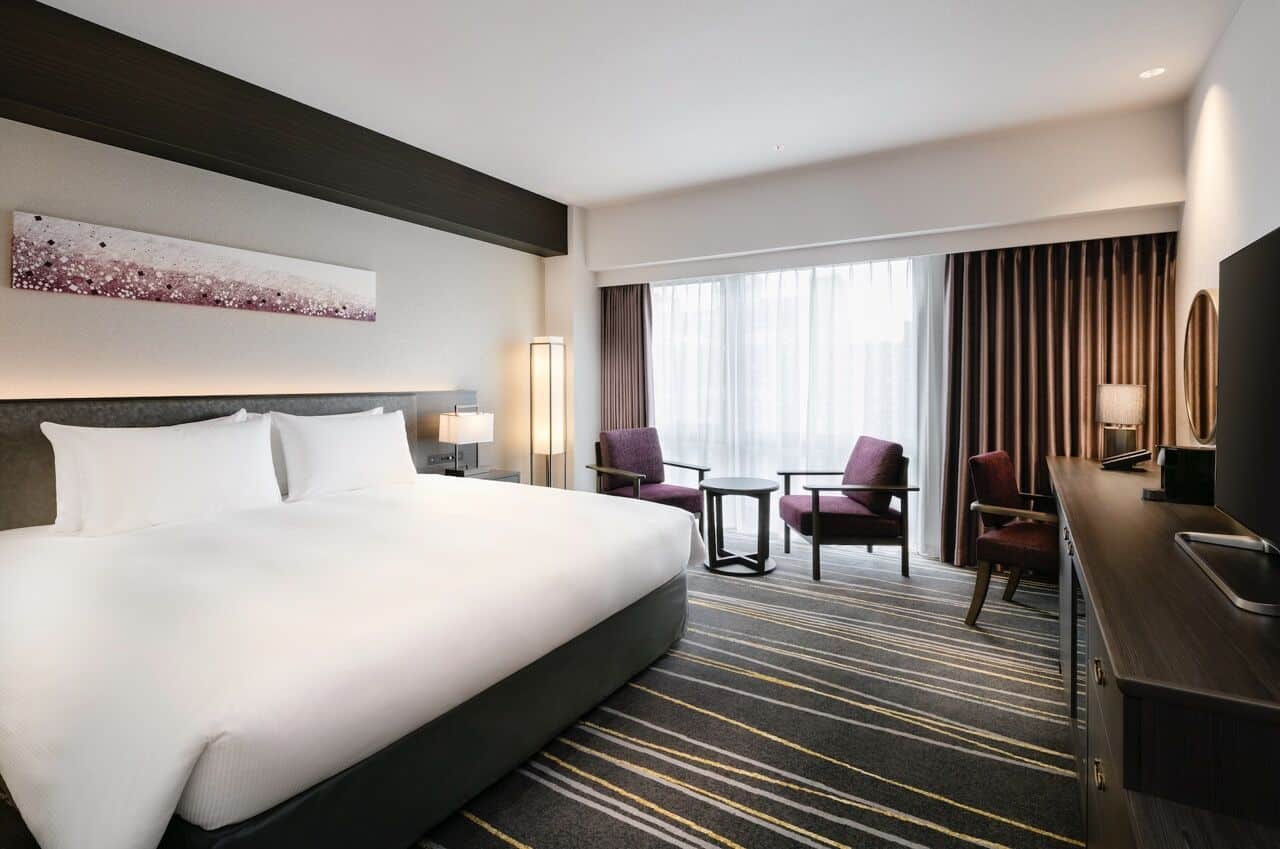
What Is the Most Convenient Place to Stay? Notes on Lodging and Dining Near Kyoto Station
Nishi Honganji and Higashi Honganji are both within a 15-minute walk of Kyoto Station. If you stay near the Hachijo Exit or Karasuma Exit of Kyoto Station, such as hotels along Karasuma-dori, you can link the two temples on foot early the next morning and then take the subway to Kyoto Gyoen, saving transfer time. Kyoto Ramen Koji on the 10th floor of the Kyoto Station building and the underground mall Porta are convenient places to eat after ginkgo viewing.
FAQ
Q: How much is admission to see the ginkgo at Nishi Honganji?
Nishi Honganji is free to enter, open 5:30 to 17:00, and you can see the upside-down ginkgo without buying a ticket; Higashi Honganji is also free to visit.
Q: Which has the better ginkgo, Higashi Honganji or Nishi Honganji?
For a 400-year-old giant tree, pick Nishi Honganji’s upside-down ginkgo; for a shot with the fountain pond and Kyoto Tower, pick Higashi Honganji. The two temples are only about 10-plus minutes apart on foot, so you can do both in one go.
Q: Does Kyoto Gyoen’s ginkgo require admission? What are the opening hours?
Kyoto Gyoen is managed by the Ministry of the Environment and is open free all year with no fixed closing days; the ginkgo around Hamaguri Gate and the Konoe residence site can be visited freely.
Q: When is the best time to see Kyoto’s ginkgo in 2026?
Nishi Honganji around late November to early December, Higashi Honganji around mid-to-late November, and Kyoto Gyoen around late November to early December; actual timing still depends on the weather.
Q: What should I watch out for when viewing ginkgo in Kyoto?
The fallen-leaf carpet usually lasts only 1 to 3 days, ginkgo drops quickly after strong wind or rain, and the fruit smells when stepped on and sticks to shoes, so avoid stepping on it.
Q: Should I take the train or the bus to Nishi Honganji, Higashi Honganji and Kyoto Gyoen?
All three are within walking distance of subway stations. Use the subway as the main mode and buses for the last stretch, which saves more time than relying on buses alone.