


Atami Attraction Opening Hours and the Best Season to Visit
Atami is in eastern Shizuoka Prefecture on Sagami Bay, and has long been a hot-spring resort and the site of imperial villas. Besides soaking, Atami has recently become popular again thanks to its sea-view ropeway, power-spot shrines and retro shopping streets, making it one of the most popular one- or two-day trip cities near Tokyo. Below are eight must-visit attractions covering natural scenery, shrines and temples and city strolls, with opening hours and the best season to visit to help you plan.
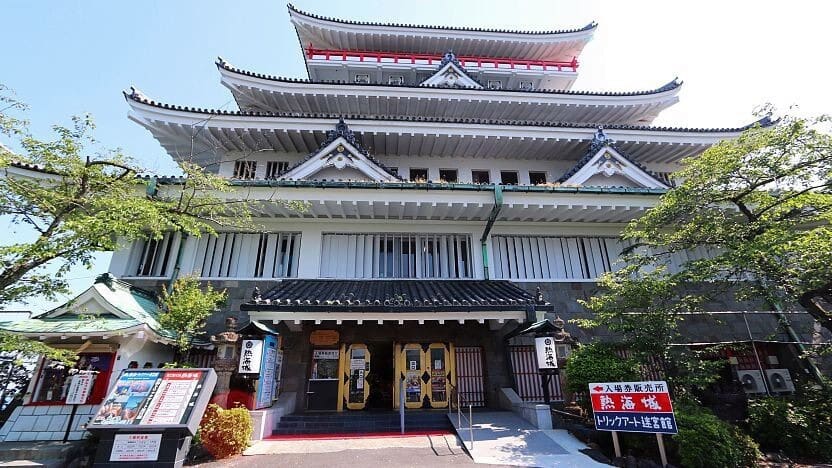
Atami Castle
Atami Castle was built in 1959 and combines a castle with an observation deck. It displays samurai swords, a ninja experience area and Edo-period materials, and the top floor looks out over Atami Bay, Hatsushima and Izu Oshima. It is open daily 9:00-17:00 (last entry 16:30) with no regular days off. Admission is ¥1,200 for adults and ¥650 for elementary and junior high school students, and we suggest allowing 1.5 hours. It is about 15 minutes by bus from Atami Station and close to the Shell Museum, so it suits families.


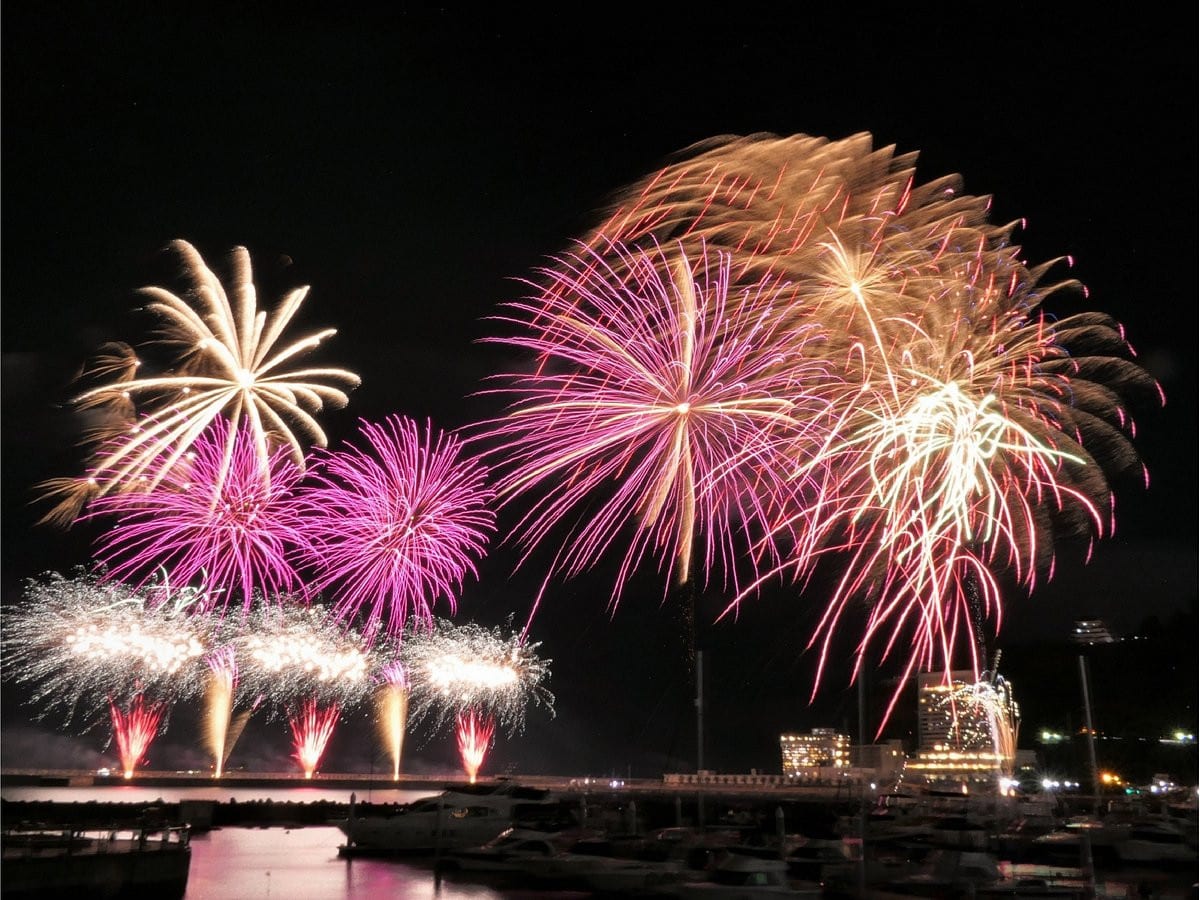
Atami Sea Fireworks Festival Venue (Waterfront Park)
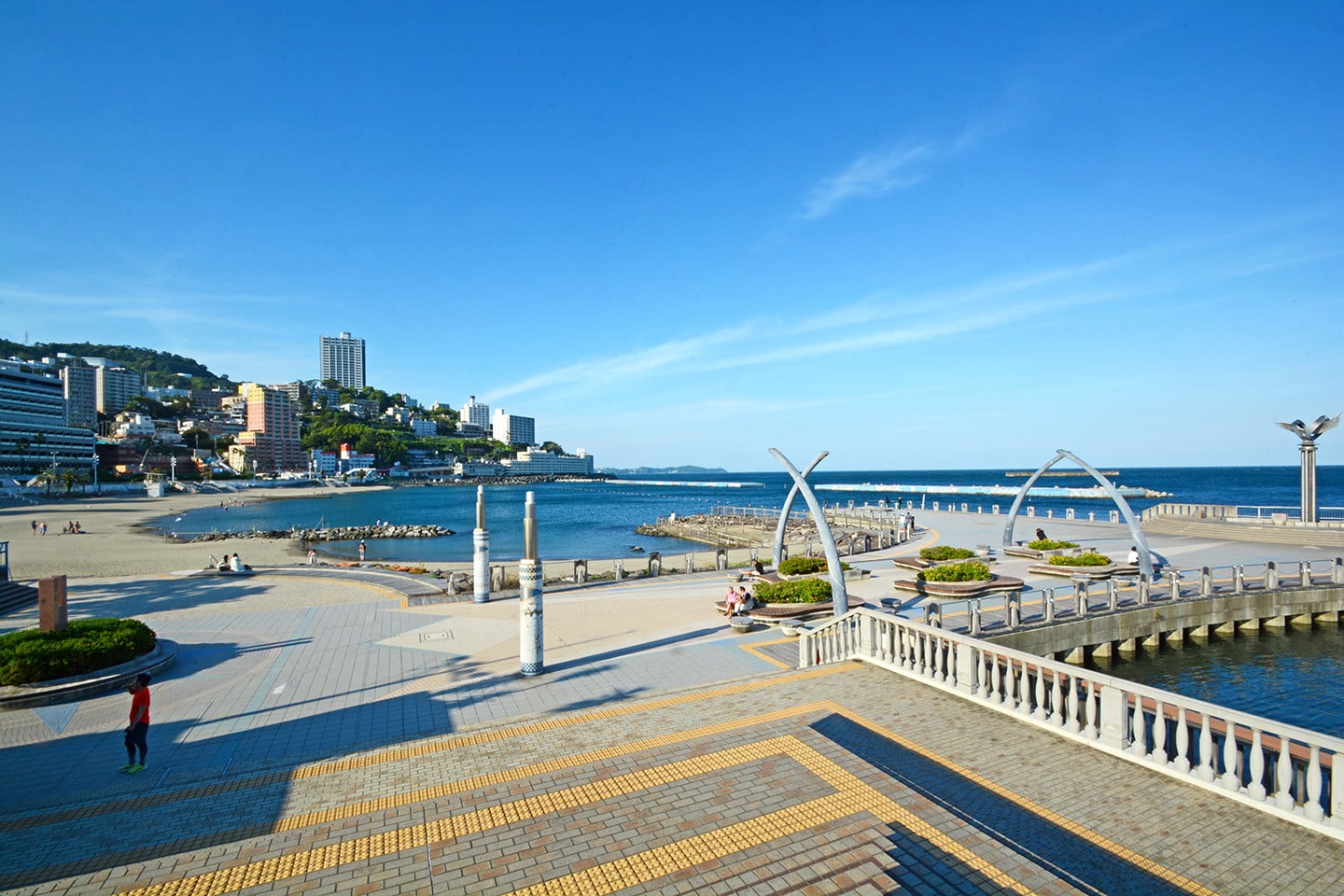
Atami Waterfront Park is a popular seaside promenade in the city and the main launch site for the Atami sea fireworks festival. About 15 fireworks events are scheduled from April to December 2026, making it Atami’s signature evening event.
The park is open all day with free entry. By day you can enjoy the sea view and seagulls, and at night the view of the fireworks is excellent. Many visitors claim a spot 2 hours early, and the fireworks last about 20 to 25 minutes.
It is liveliest in summer (July-August) alongside the swimming beach. In winter the air is dry and visibility is high, so the fireworks reflected on the water look especially clear, which photography lovers enjoy.

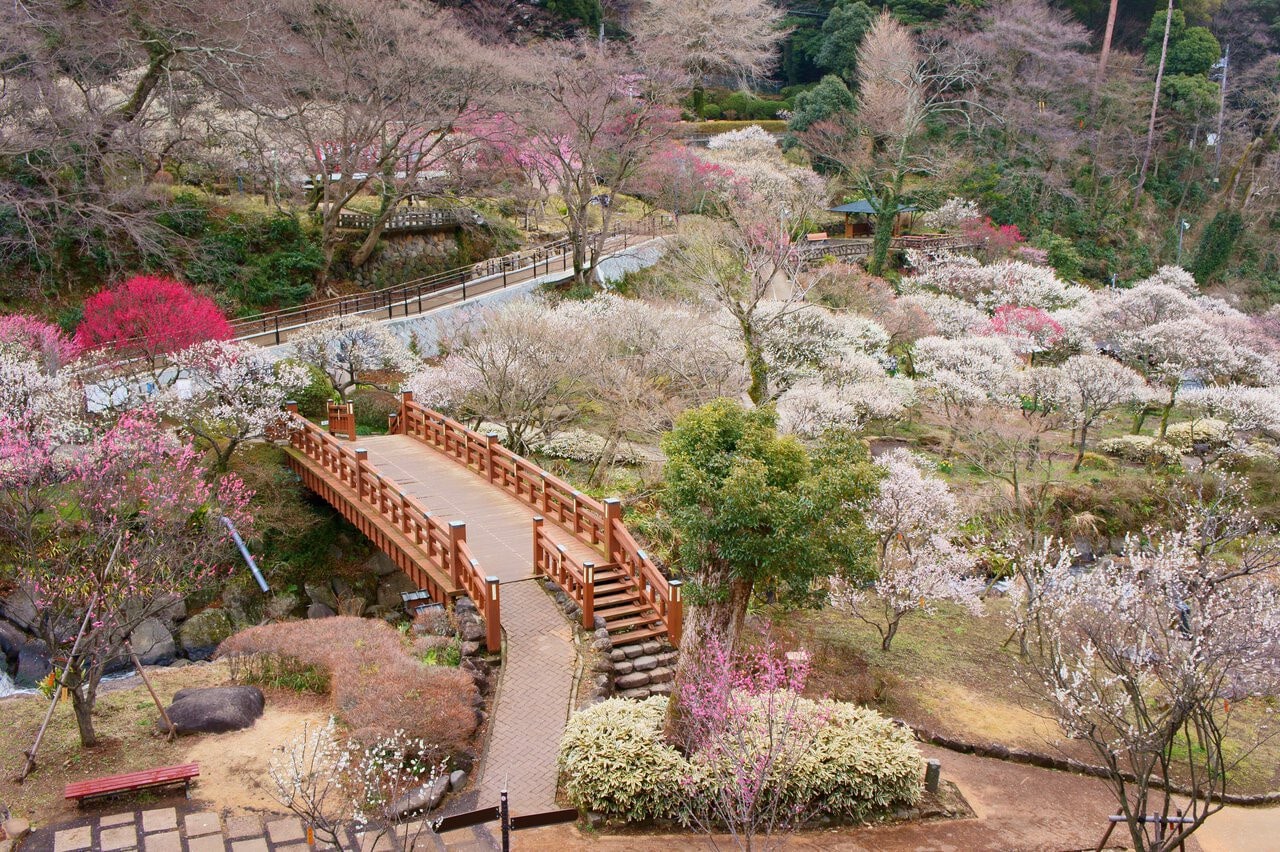
Atami Plum Garden
Atami Plum Garden is Japan’s earliest-blooming plum viewing spot. The blossoms open in early January and last until March, and the garden has about 59 varieties and 472 plum trees, with colors shifting from white to red, making it a pioneer plum-viewing spot in the Kanto region. It is open 8:30 to 16:00. During the plum festival (roughly early January to early March) adult admission is ¥300, and it is free the rest of the year. We suggest staying 1 to 1.5 hours, and you can drop by the Sawada Masahiro Memorial Museum and the Korean garden. The blooming season is earlier than elsewhere in Japan, with mid-January to mid-February the best time, and together with the free hand-soaking hot spring nearby it makes a healing winter outing unique to Atami.
Hatsushima (Hatsushima Ferry)
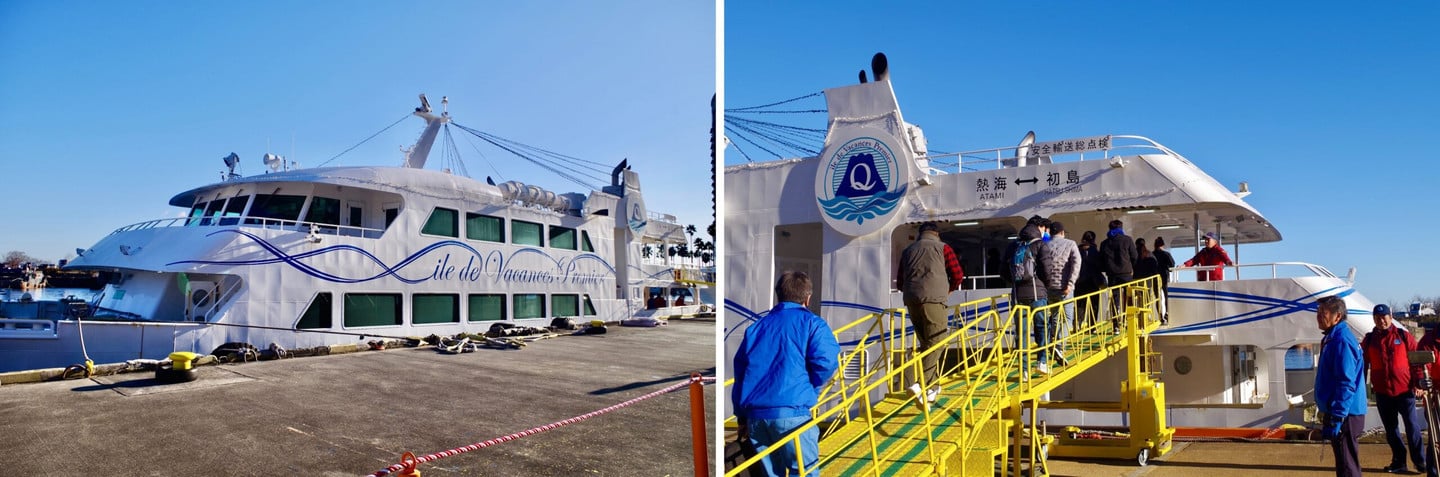
Hatsushima is the only inhabited offshore island in Shizuoka Prefecture, about 30 minutes by ferry from Atami Port. The island keeps a simple fishing-village feel and has the resort facility Papillon Hatsushima, which suits travelers who love islands and snorkeling.
A round-trip ferry ticket is about ¥2,640 to ¥2,900 for adults (depending on the vessel type). Schedules change by season, so check the timetable on the ferry company’s website before you go. We suggest spending 3 to 4 hours on the island to enjoy the beach, lighthouse and seafood restaurants.
July-August is best for swimming and snorkeling, while spring and autumn suit hiking the island trails to enjoy sea views and sunsets at the lighthouse, a rare island experience on an Atami trip.
MOA Museum of Art
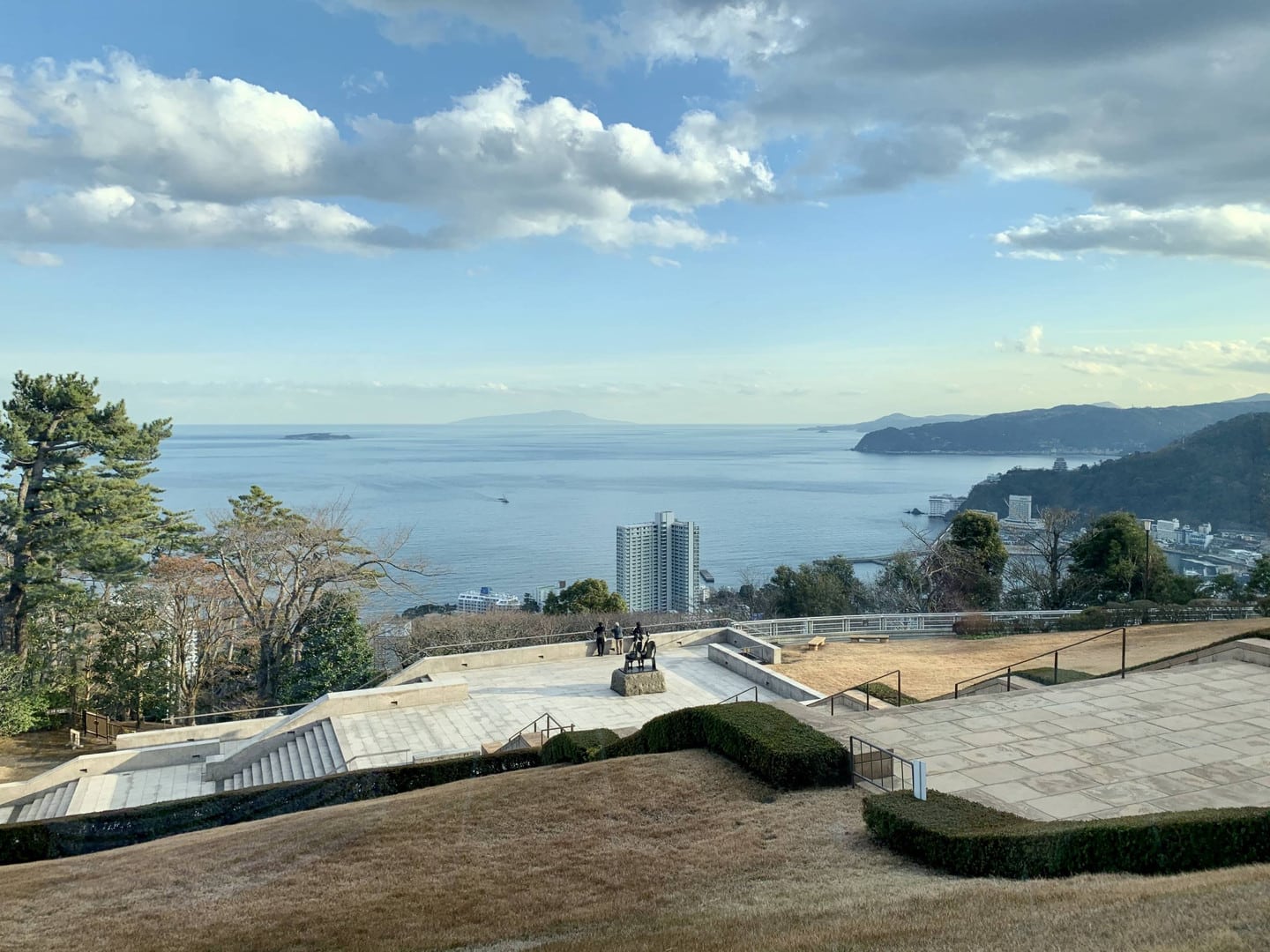
The MOA Museum of Art sits on a hillside in Atami and holds classical Japanese art such as Ogata Korin’s national treasure Red and White Plum Blossoms screens (the screens are shown only during specific exhibition periods). The building combines a modern art museum with garden design, and an escalator ride gives views over Sagami Bay. It is open 9:30 to 16:30 (last entry 16:00), closed Thursdays (the next day if it falls on a public holiday), and admission is ¥2,000 for adults and ¥1,400 for high school and university students, free for junior high school students and younger. We suggest staying 2 hours. The museum has a Noh theater and tea room, and we recommend checking the current exhibitions before you go.
-Klook.jpg)
Atami Sun Beach and Atami Ginza Shopping Street
Atami Sun Beach is the liveliest beach in the city, with an arc-shaped stretch of sand about 400 meters long and palm-tree lights at night. The nearby Atami Ginza Shopping Street keeps a Showa-era atmosphere, with many long-established souvenir shops and fried fish cake snacks.
The beach is open year-round and free. Most shops on the shopping street are open 10:00 to 18:00, and we suggest staying 2 hours to try Atami pudding and freshly fried fish-paste products.
Sea bathing is open in summer (July-August) and the lights make it romantic; in winter there are fewer visitors, which suits relaxed souvenir shopping.
Nishikigaura Cliffs and Coastal Trail
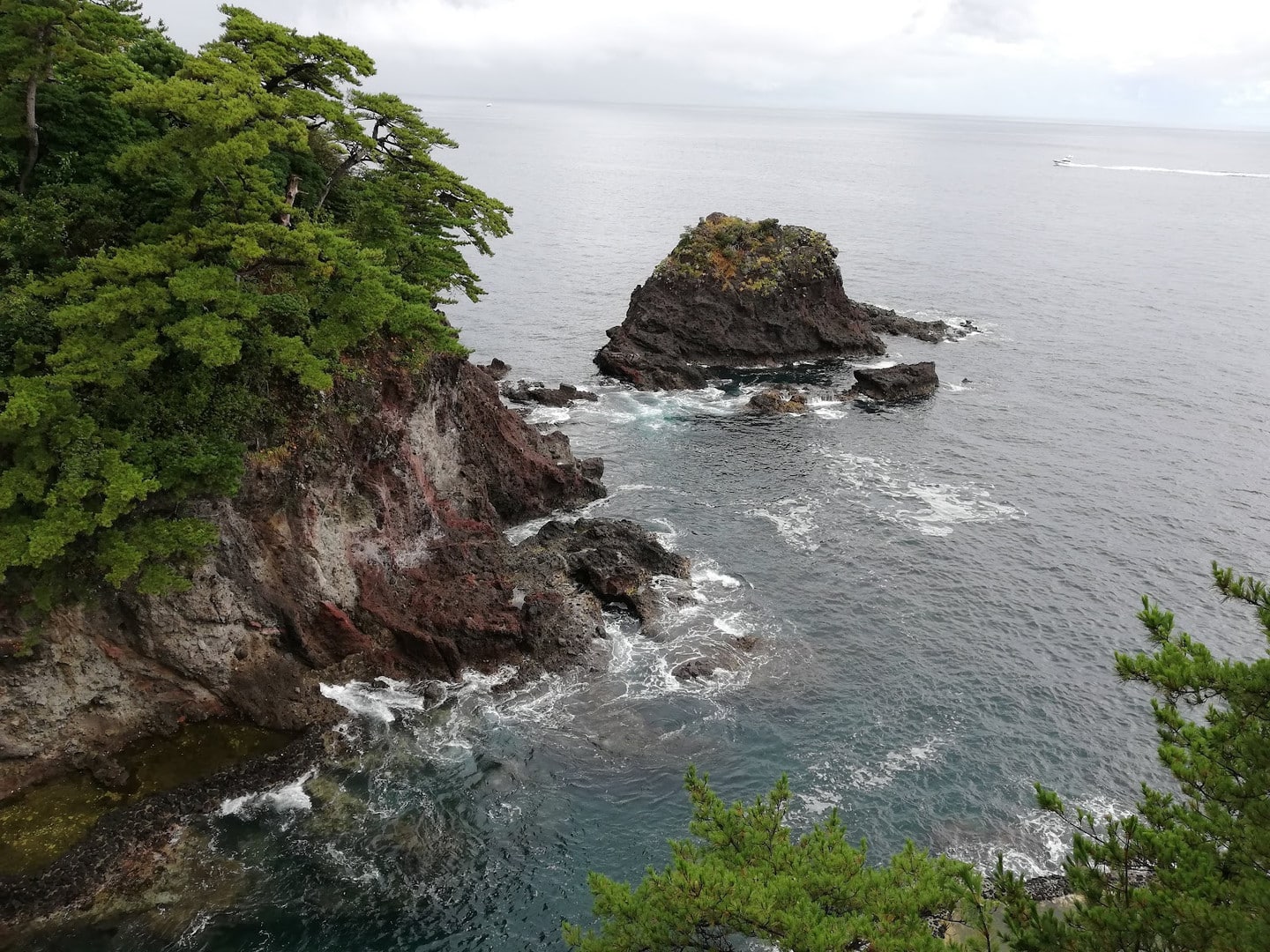
Nishikigaura is a cliff formation on the Atami coastline, where sea erosion has carved steep rock walls. Observation decks and trails run along the coast, letting you get close to the deep blue water of Sagami Bay breaking against the rocky shore.
We suggest staying 1 hour. The trail is gentle and easy to walk. If driving, you can park at a nearby car park; by public transport you need to change to a bus from Atami Station.
In autumn and winter the air is fresh, and at dusk the afterglow spills over the cliffs and the sea, which suits photography lovers.
Atami Admission, Day Trip and Pass Costs
Although Atami is a small hot-spring town, its sights are spread between mountains and sea, and getting around on foot alone is very tiring, so we recommend planning your tickets and transport in advance according to the number of days and the types of sights you want to visit. Below are the four most common costs in Atami, including Plum Garden, Kinomiya Shrine, Atami Castle and the Atami sightseeing bus pass, so you can set a budget before you leave and travel more comfortably.
Kinomiya Shrine Worship and Nearby Power Spots
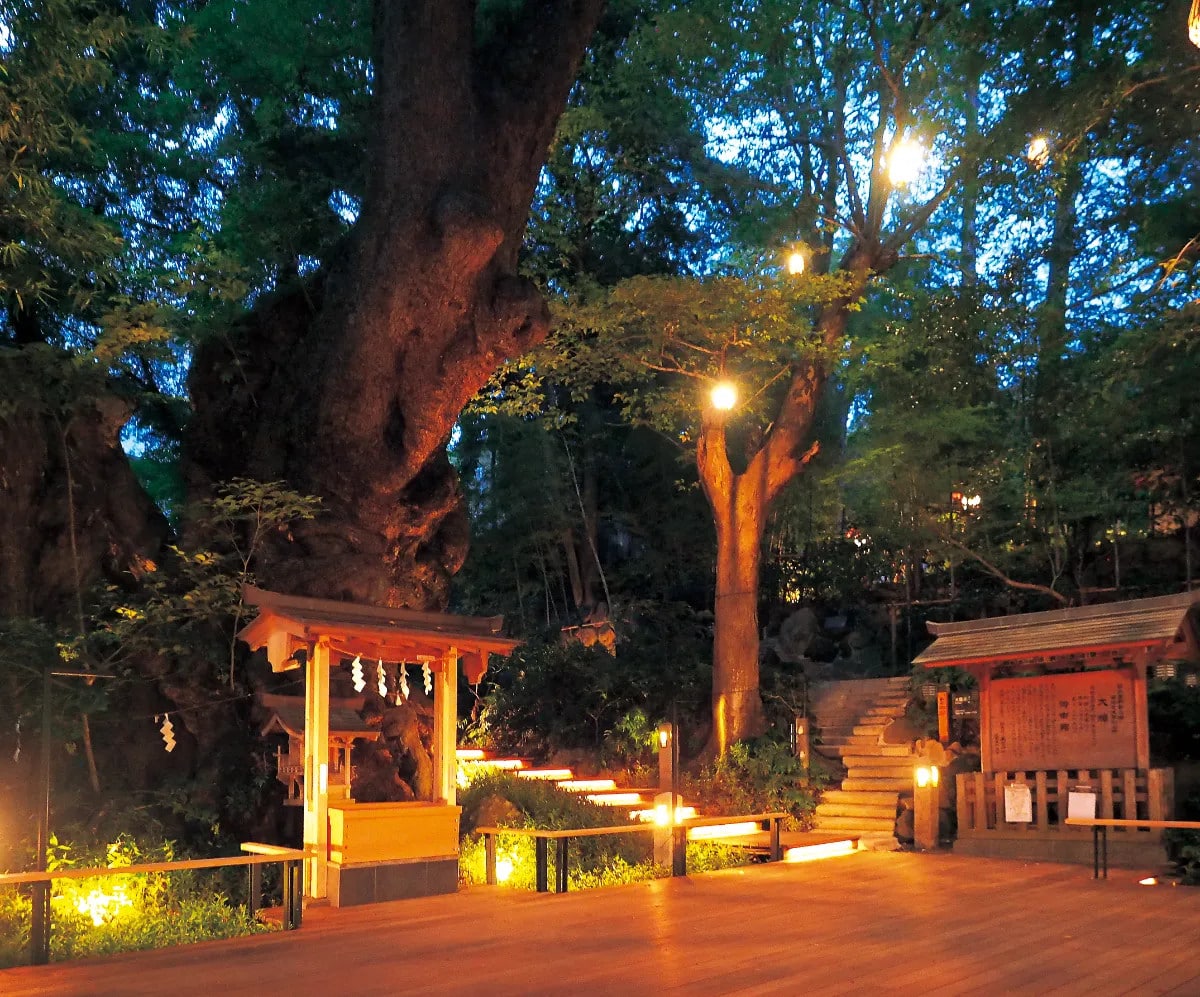
Kinomiya Shrine (43-1 Nishiyama-cho, Atami, Shizuoka) is a famous power spot in Atami, and worship at the main hall is free. Be sure to see the thousand-year-old sacred tree, the Kinomiya Great Camphor, which legend says adds a year to your life if you walk around it once. Please go by the shrine’s official announcements for worship hours. Getting there: about a 5-minute walk from JR Kinomiya Station, or take a bus from Atami Station. The main hall and the area around the camphor tree are open for free worship. Nearby tea houses and souvenir shops sell Atami-limited amulets and sweets. Holidays are crowded, so we recommend a weekday morning, taking in a forest bath along the way, and staying 1 to 1.5 hours.
Atami Castle History and Culture Experience
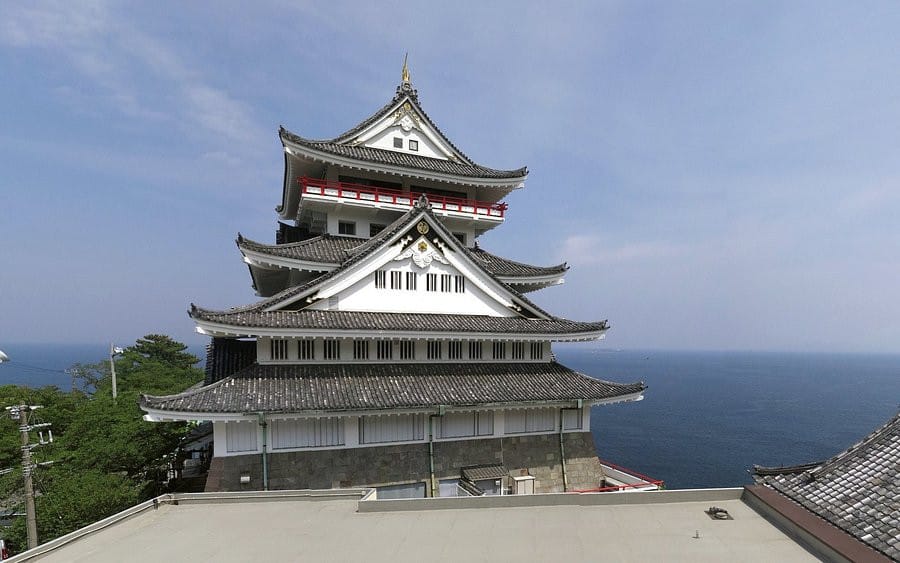
Atami Castle, at 1993 Soga-yama, Atami, Shizuoka, is built in an antique style and displays samurai armor, ninja materials and Edo culture. Admission: ¥1,200 for adults and ¥650 for elementary and junior high school students. Open 9:00-17:00 (last entry 16:30) with no regular days off.
From JR Atami Station, take a Tokai Bus to the Atami Castle stop, about 15 minutes. The top floor of the keep offers a 360-degree view of Sagami Bay and Atami’s cityscape, an excellent spot for sea photos.
There is a combination ticket with the Atami Trick Art Meikyukan for ¥2,000 for adults. We suggest allowing 1.5-2 hours, and the official website is atamijyo.com.
Atami Plum Garden Plum Blossom and Autumn Leaves Dual Admission
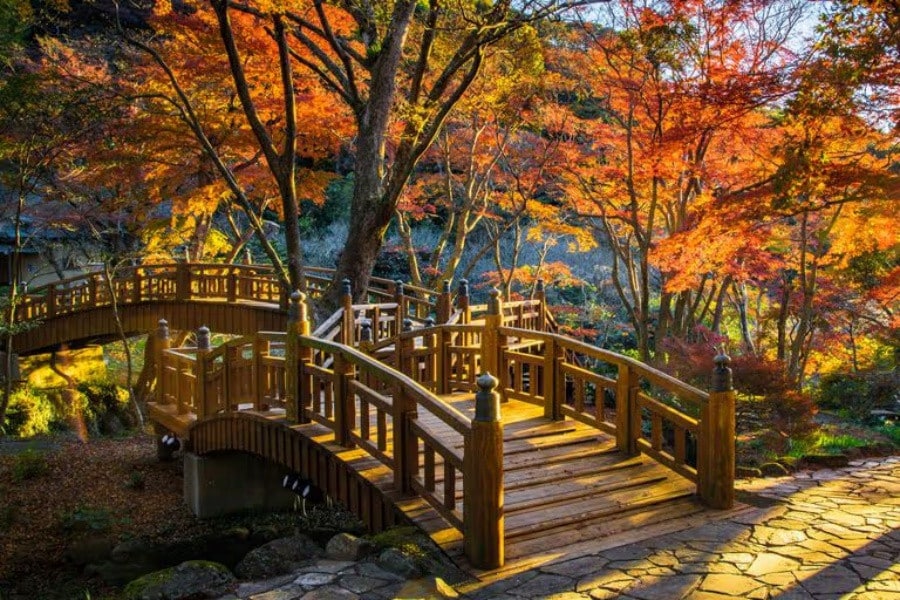
Atami Plum Garden (8-11 Baien-cho, Atami, Shizuoka) is famous for its plum festival and is one of Japan’s earliest plum viewing spots, with autumn leaves to enjoy from November to December as well. During the plum festival, admission is ¥300 for adults and free for junior high school students and younger, and entry is free in other seasons.
The garden has 59 varieties and 472 plum trees in total, and also has the Sawada Masahiro Memorial Museum and the Nakayama Shimpei Memorial Hall. It is about a 10-minute walk from JR Kinomiya Station.
We recommend going in the morning to avoid the weekend peak crowds.
Atami Sightseeing Bus Pass and Transport Cheat Sheet
Atami’s attractions are spread out across the city, so we recommend buying a Yu-Yu Bus one-day pass, about ¥800 for adults and about ¥400 for children, which allows unlimited rides on Tokai Bus routes within Atami for a day and covers sights such as Atami Castle and Kinomiya Shrine, making it the most economical option.
If you are heading to Hatsushima or Izu Kogen, consider passes such as the Tokai Bus Izu Peninsula digital pass, and compare prices in advance on platforms such as KKday and Klook, checking the routes and validity period the ticket covers before you leave.
Planning an Izu-Atami Day Trip: Atami Castle, Kiunkaku and a Seaside Walk
For an Atami day trip, take a bus from JR Atami Station to Atami Castle (9:00 to 17:00, last entry 16:30), then ride the Atami Ropeway down (one way ¥500 for adults). In the afternoon head to Kiunkaku (9:00 to 17:00, closed Wednesdays, admission ¥510 for adults), and in the evening stroll around Atami Sun Beach and Waterfront Park. If you hit an Atami sea fireworks festival, you can watch about 20 to 25 minutes of fireworks from the seafront, and depending on your energy you can add a half-day trip to Mt. Omuro or Hatsushima.
Where to Stay Nearby
There are many hot-spring inns and hotels around Atami Station and along the coast. Staying near JR Atami Station makes both Shinkansen and bus travel easy, and it is simple to arrange Atami Castle, Kiunkaku or a boat to Hatsushima the next day. If you want to see plum blossoms or the sea fireworks, we recommend checking the event dates first and booking early.

FAQ
Q: What are Izusan Shrine’s opening hours and phone number?
Izusan Shrine is open all year with no fixed closing days, and worship on the grounds is free. For the phone number, check the official website or the information desk on site.
Q: How much is admission to Kinomiya Shrine?
Worship at Kinomiya Shrine is free. Spending at facilities on the grounds such as the cafe and shops is extra, and for amulet and goshuin fees please check at the shrine office on site.
Q: When is the best season to visit Atami?
January-February suits plum blossoms and early cherry blossoms, July-August suits sea bathing and the fireworks festival, and autumn and winter suit hot springs and distant views of Mt. Fuji, so it is a good destination all year round.
Q: How long does it take to get from Tokyo to Atami, and how much is the fare?
The Shinkansen takes as little as about 40 minutes, with an unreserved seat about ¥3,740. The Odoriko limited express takes about 1 hour 20 minutes, with a reserved seat about ¥3,560.
Q: Can you drive in Atami city?
Atami has many slopes and limited parking, so we recommend taking the Yu-Yu Bus. A one-day pass is about ¥800 for adults, making it easy to tour the sights.
Q: How much is admission to Atami Castle?
Admission to Atami Castle is ¥1,200 for adults, ¥650 for elementary and junior high school students, and ¥500 for ages 3 to 6. Tickets can be bought on site or booked through online platforms.
Q: What time does the Mt. Omuro lift open?
The Mt. Omuro lift operates year-round (with a few maintenance closure days in June and December), with hours 9:00 to 17:15, and until 16:15 from October to mid-March.
Atami Must-See Attractions: A Complete Look at Each Area’s Highlights
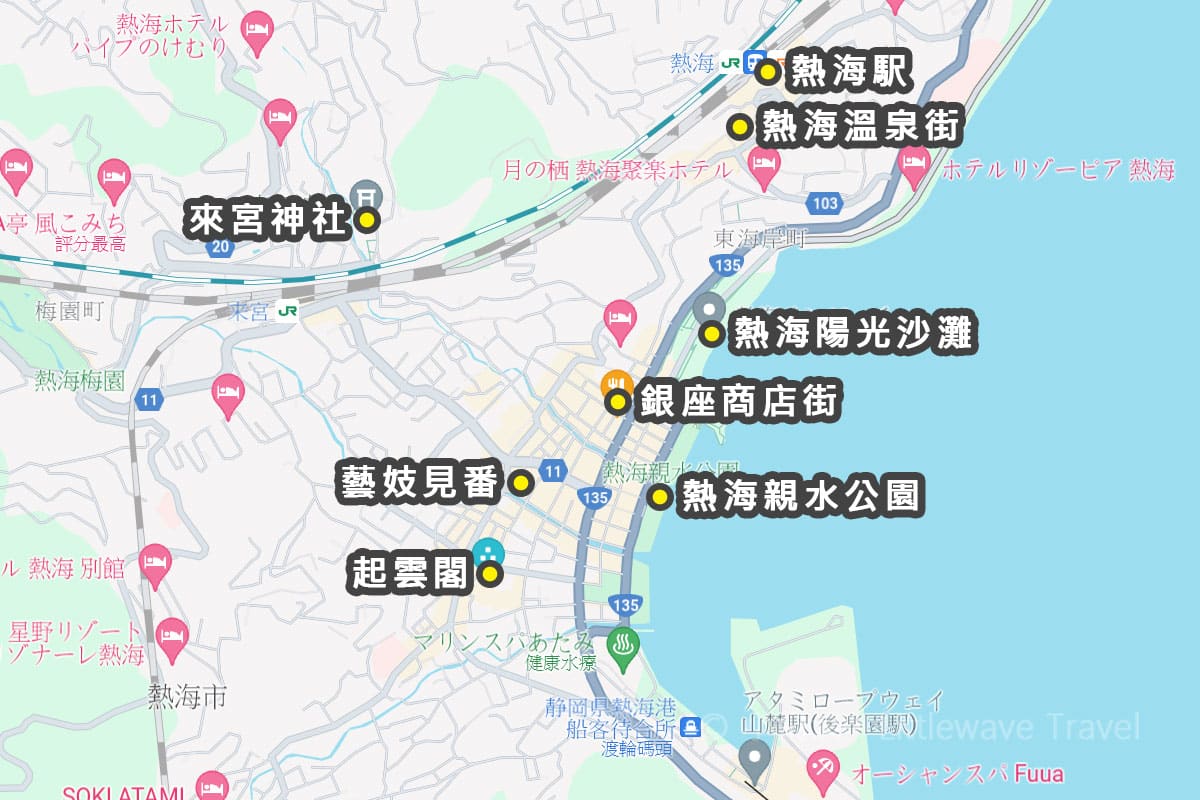
Atami is in Shizuoka Prefecture, as little as about 40 minutes from Tokyo by Shinkansen. Set between mountains and sea, it combines hot springs, power-spot shrines and beautiful sea views, making it the top choice for a day trip or one-night getaway from Tokyo.
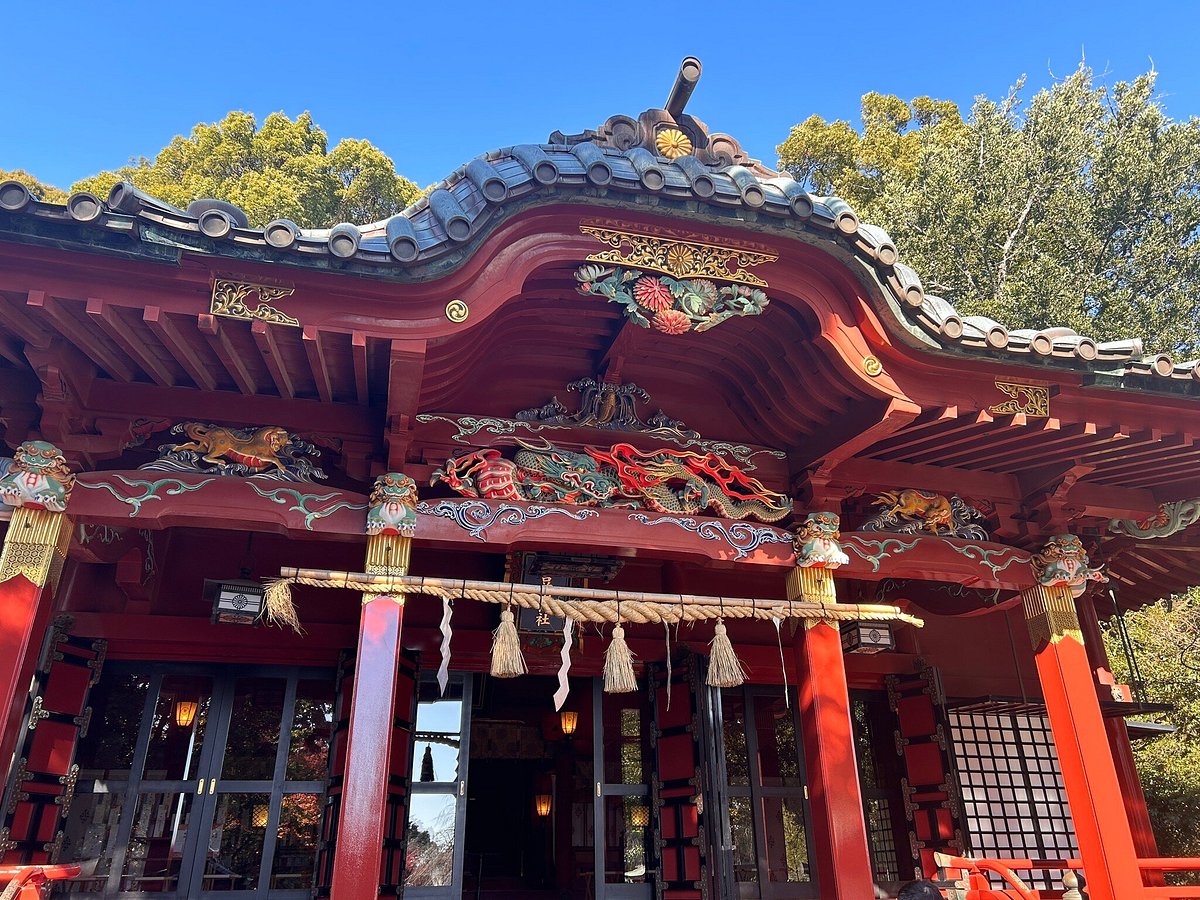
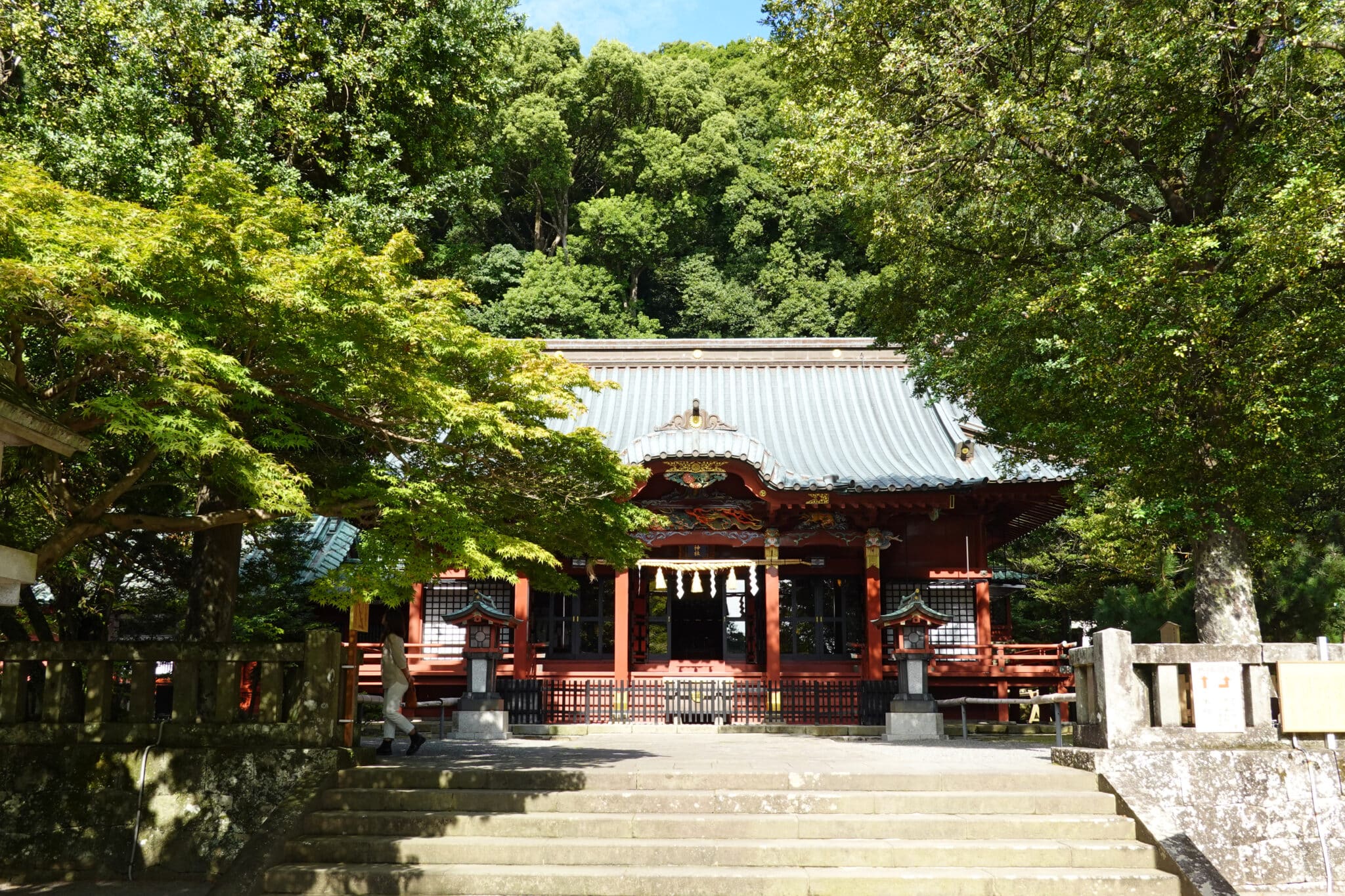
Izusan Shrine
Izusan Shrine stands on a hillside facing Sagami Bay. It is an ancient Japanese power spot (pawa supotto) that enshrines the deity of hot springs, and it is closely tied to the love story of Minamoto no Yoritomo and Hojo Masako.
The shrine has many steps, but you can look out over the sea along the way. It suits visitors who want to pray for love and good fortune, and we suggest allowing 1 hour for the climb and worship.
Atami Ropeway
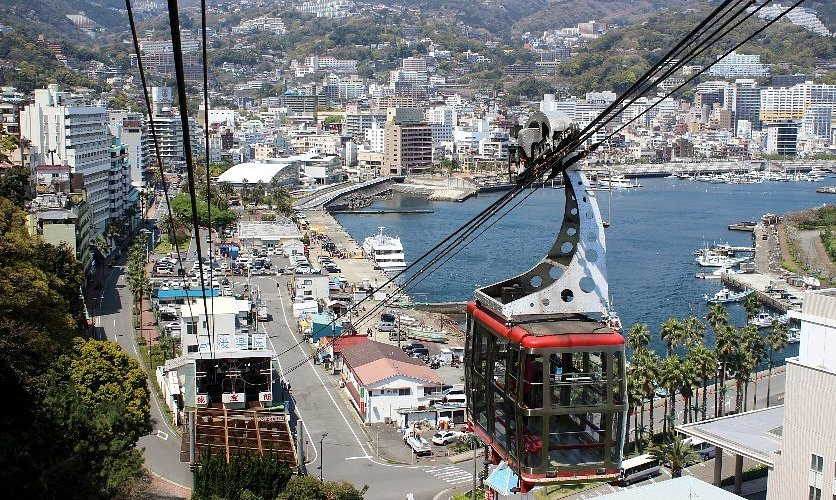
The Atami Ropeway takes about 3 minutes to reach the summit. The ride is short but gives you a full view of Atami Bay, and it is one of the popular facilities at the Atami Castle grounds.
The first uphill departure is 9:30 and the last is 17:00. A one-way ticket is ¥500 for adults and a round trip is ¥900. Service may be suspended in bad weather.
Kiunkaku
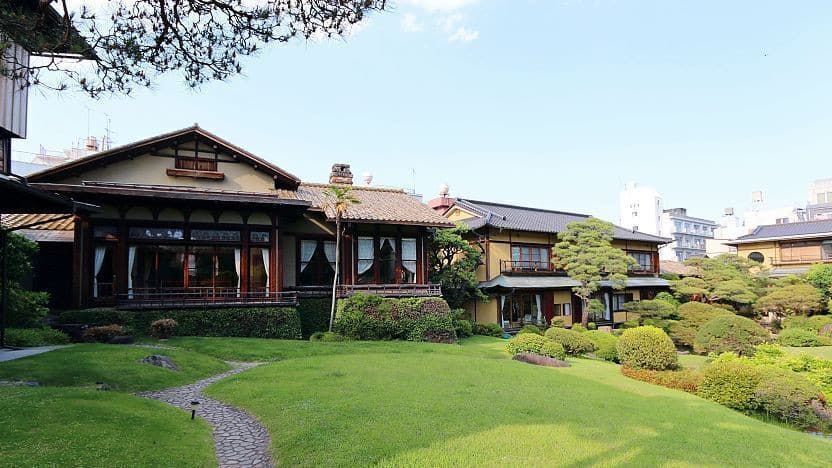
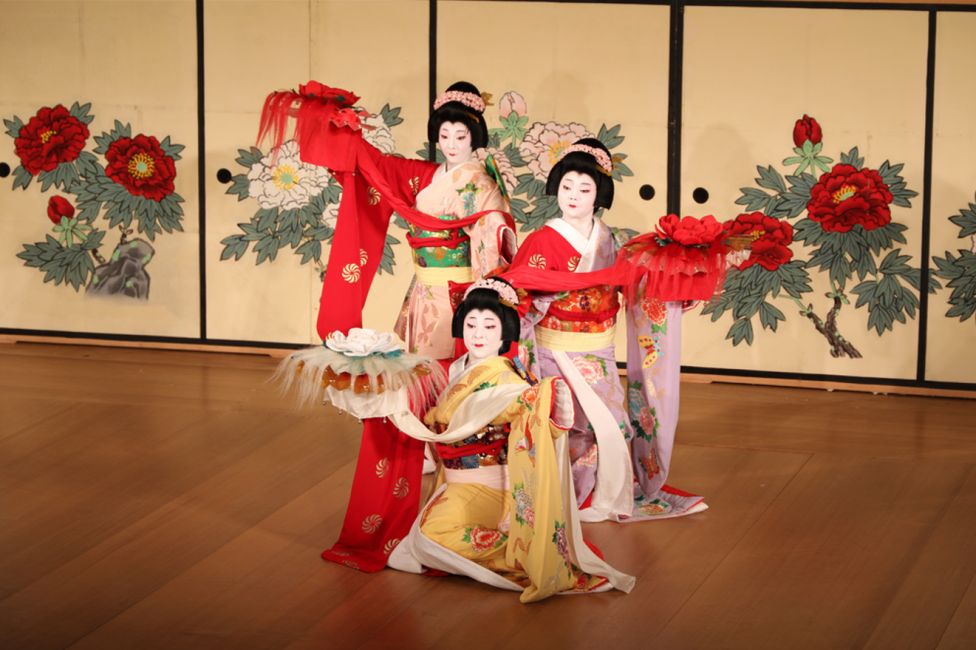
Kiunkaku is one of Atami’s three great villas, blending Japanese, Western and Chinese modern architectural aesthetics, with delicately landscaped gardens. Several literary figures also stayed here to write.
The building preserves interiors and furniture from the Taisho to Showa periods, and we suggest allowing 1 hour for a visit. It is open 9:00 to 17:00 (last entry 16:30), closed Wednesdays (open if it falls on a public holiday), and admission is ¥510 for adults.
Mt. Omuro
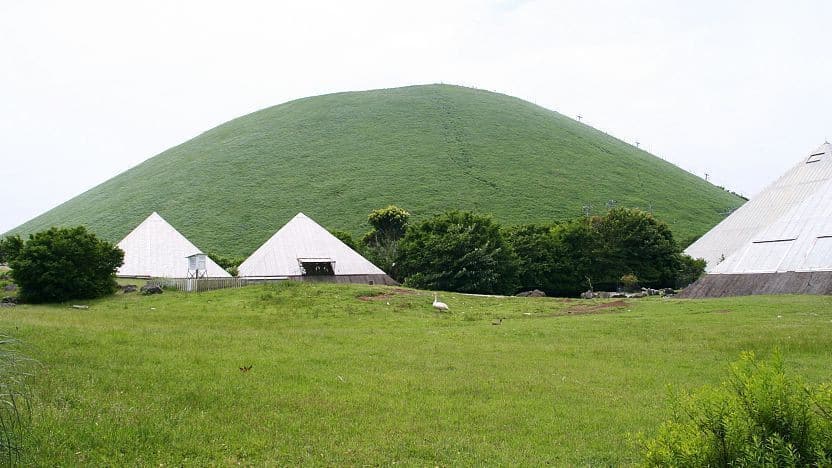
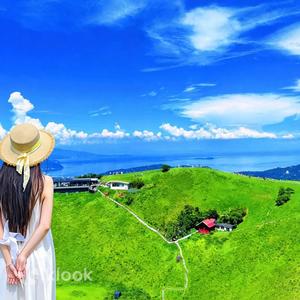
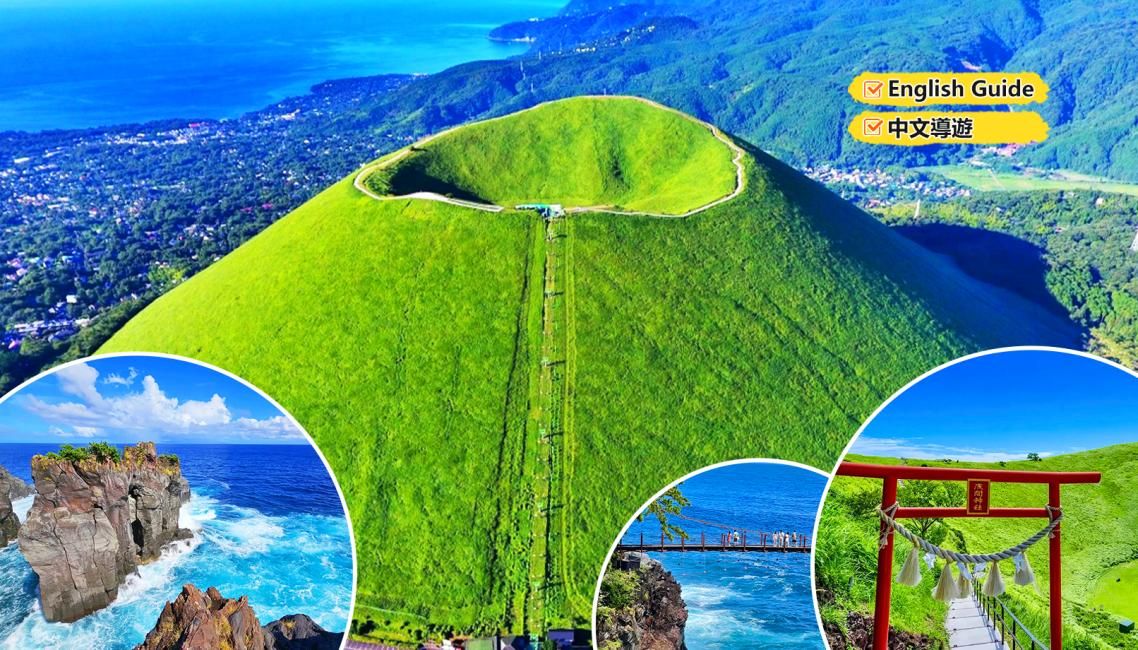
Mt. Omuro is a distinctive volcanic landscape in the Izu region. After taking the lift up the mountain, you can walk the trail around the crater rim for 360-degree views of Mt. Fuji and the islands of Sagami Bay.
There is an archery experience at the summit, and we suggest allowing 2 hours. The round-trip lift ticket is ¥700 for adults, and it is an excellent spot for photography lovers.
熱海陽光海濱線城崎海岸伊東馬琳小鎮一日遊-Klook.jpg)
Jogasaki Coast
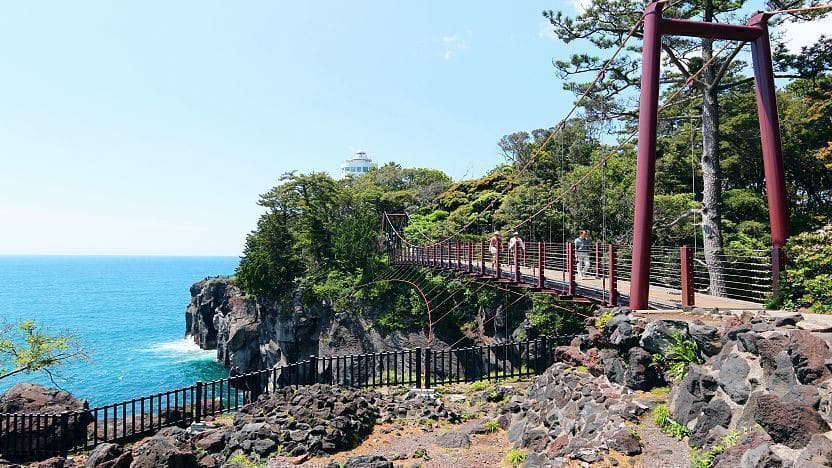
Jogasaki Coast is known for its dramatic basalt cliffs and suspension bridge. A trail along the coastline lets you get close to the powerful sight of waves crashing against the rock walls, and it is one of the Izu Peninsula’s most representative natural landscapes.
We recommend comfortable walking shoes. The full trail takes about 1-1.5 hours, and the Kadowaki Suspension Bridge is a popular photo spot with excellent views on clear days.
Hatsushima Island
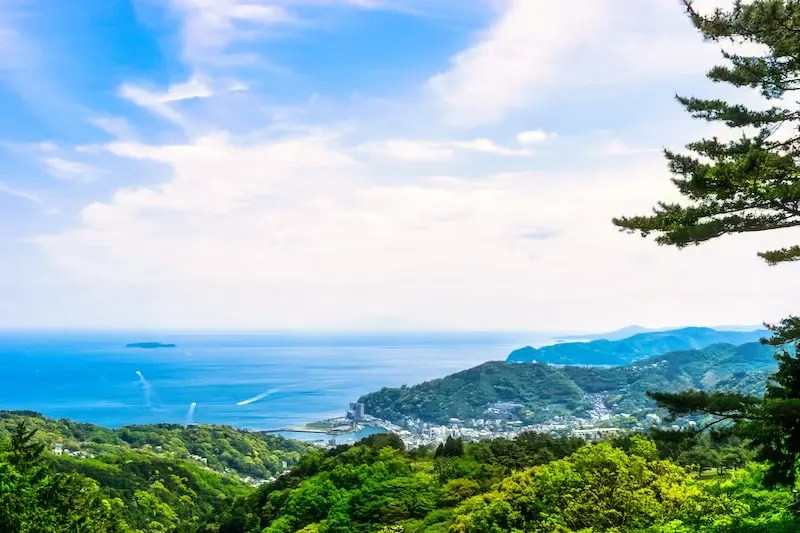
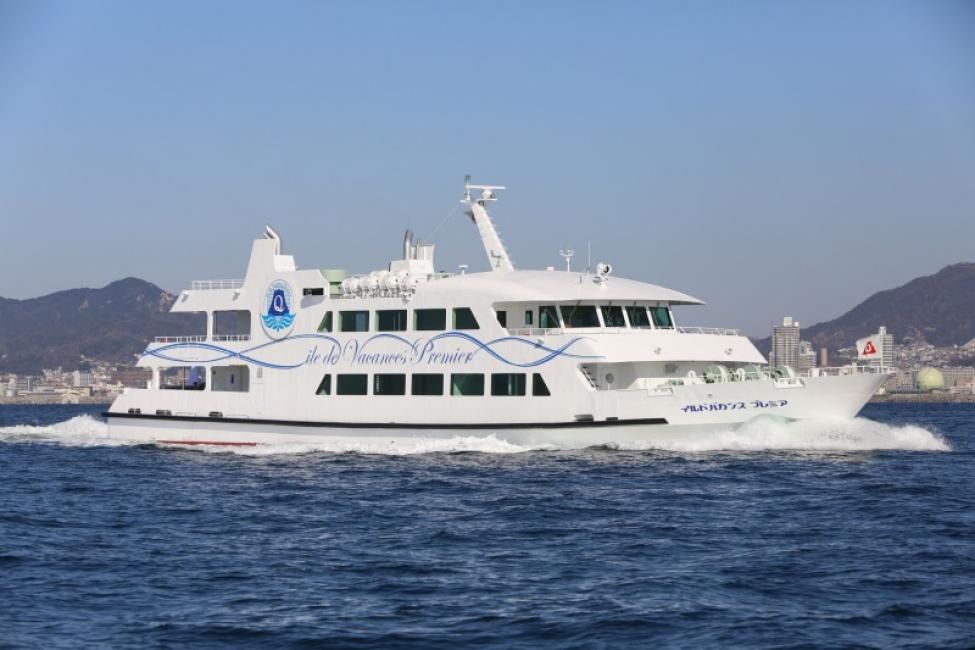
Hatsushima is a small island off Atami, about 30 minutes away by boat. It has a marine park, a botanical garden and fresh seafood restaurants, and suits a half-day or full-day light trip.
Renting a bicycle to ride around the island takes about 1 hour. In summer it is a popular spot for snorkeling and sea bathing, and we recommend checking the boat timetable early to avoid long waits.
Atami Sun Beach
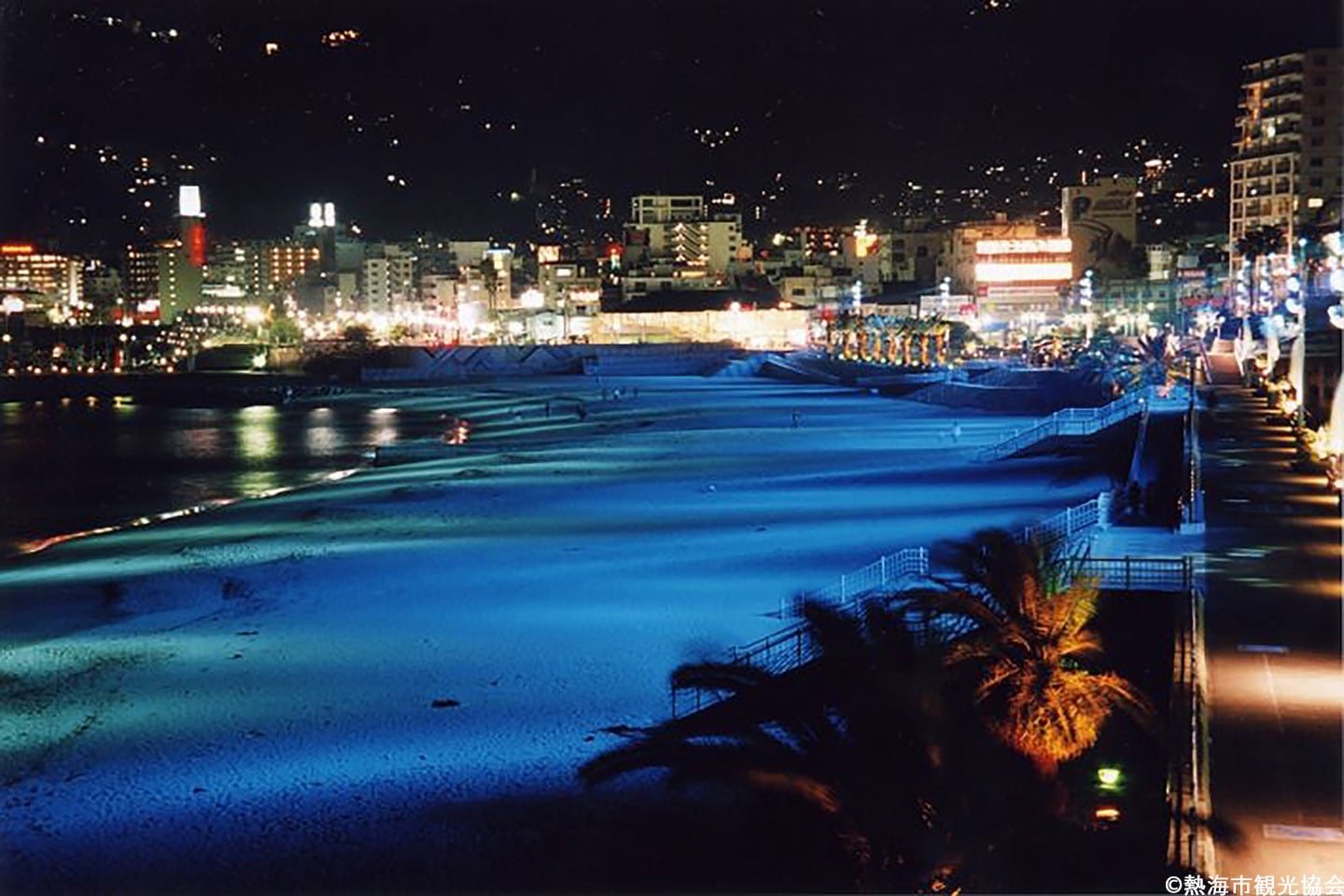
Atami Sun Beach is 400 meters long and is a rare sandy beach inside the city. It is lit with blue lights at night, and the romantic atmosphere draws many couples and photography lovers.
Summer (July-August) is the popular sea-bathing season, and it is also an excellent spot to watch the Atami sea fireworks festival. It is open all year with free entry and no ticket needed.
Atami Plum Garden
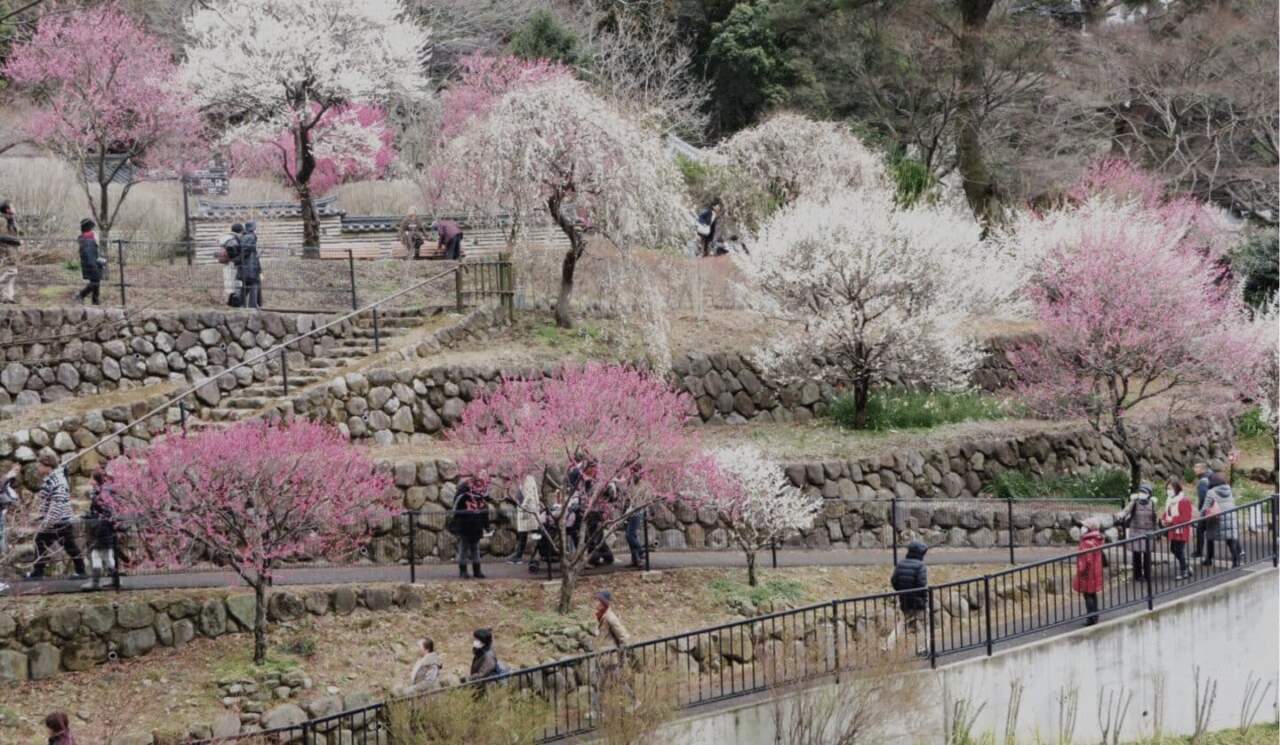
Atami Plum Garden is known for Japan’s earliest-blooming plum blossoms, which can be seen from early January. The garden has about 59 varieties and 472 plum trees, and together with its maple grove it offers different scenery in every season.
A plum blossom festival is held during the viewing season, and we recommend visiting in January-February. During the festival, adult admission is ¥300, and there is a free hand-soaking hot spring nearby for visitors to rest.
How to Get to Atami: A Complete Guide to Transport Options and Costs
Atami is in eastern Shizuoka Prefecture, right on the border with Kanagawa Prefecture, and is one of the most popular hot-spring destinations near Tokyo. From central Tokyo, whether you take the Shinkansen, a local JR train, an express bus or drive, you can arrive within 1 to 2 hours, so there are plenty of transport options.
How to Get to Atami: Transport Options at a Glance
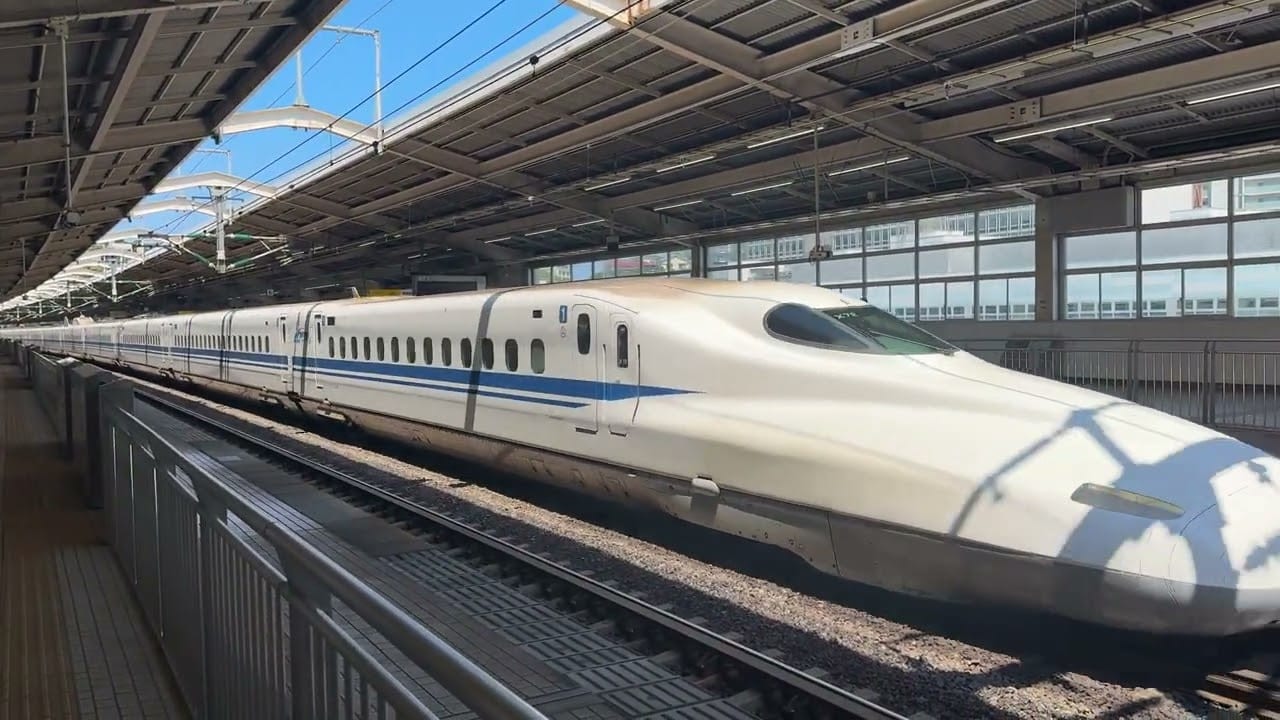
🚄 JR Tokaido Shinkansen: from Tokyo, about 40 minutes on the Hikari and about 50 minutes on the Kodama; an unreserved seat is about ¥3,740, with frequent departures.
🚃 JR Tokaido Main Line: about 1 hour 45 minutes from Tokyo Station, ¥1,980 one way, no reservation needed, suited to travelers on a budget.
🚌 Express bus: some services depart from Tokyo, Yokohama and elsewhere; please check each bus company’s website for schedules and fares.
🚗 Driving: take the Tomei Expressway and switch to the Odawara-Atsugi Road. Atami has many slopes and limited parking, so we recommend parking in a city car park and then taking a bus.


Atami Attraction Opening Hours and the Best Season to Visit
Atami is in eastern Shizuoka Prefecture on Sagami Bay, and has long been a hot-spring resort and the site of imperial villas. Besides soaking, Atami has recently become popular again thanks to its sea-view ropeway, power-spot shrines and retro shopping streets, making it one of the most popular one- or two-day trip cities near Tokyo. Below are eight must-visit attractions covering natural scenery, shrines and temples and city strolls, with opening hours and the best season to visit to help you plan.
Atami Castle
Atami Castle was built in 1959 and combines a castle with an observation deck. It displays samurai swords, a ninja experience area and Edo-period materials, and the top floor looks out over Atami Bay, Hatsushima and Izu Oshima. It is open daily 9:00-17:00 (last entry 16:30) with no regular days off. Admission is ¥1,200 for adults and ¥650 for elementary and junior high school students, and we suggest allowing 1.5 hours. It is about 15 minutes by bus from Atami Station and close to the Shell Museum, so it suits families.
Atami Sea Fireworks Festival Venue (Waterfront Park)
Atami Waterfront Park is a popular seaside promenade in the city and the main launch site for the Atami sea fireworks festival. About 15 fireworks events are scheduled from April to December 2026, making it Atami’s signature evening event.
The park is open all day with free entry. By day you can enjoy the sea view and seagulls, and at night the view of the fireworks is excellent. Many visitors claim a spot 2 hours early, and the fireworks last about 20 to 25 minutes.
It is liveliest in summer (July-August) alongside the swimming beach. In winter the air is dry and visibility is high, so the fireworks reflected on the water look especially clear, which photography lovers enjoy.
Atami Plum Garden
Atami Plum Garden is Japan’s earliest-blooming plum viewing spot. The blossoms open in early January and last until March, and the garden has about 59 varieties and 472 plum trees, with colors shifting from white to red, making it a pioneer plum-viewing spot in the Kanto region. It is open 8:30 to 16:00. During the plum festival (roughly early January to early March) adult admission is ¥300, and it is free the rest of the year. We suggest staying 1 to 1.5 hours, and you can drop by the Sawada Masahiro Memorial Museum and the Korean garden. The blooming season is earlier than elsewhere in Japan, with mid-January to mid-February the best time, and together with the free hand-soaking hot spring nearby it makes a healing winter outing unique to Atami.
Hatsushima (Hatsushima Ferry)
Hatsushima is the only inhabited offshore island in Shizuoka Prefecture, about 30 minutes by ferry from Atami Port. The island keeps a simple fishing-village feel and has the resort facility Papillon Hatsushima, which suits travelers who love islands and snorkeling.
A round-trip ferry ticket is about ¥2,640 to ¥2,900 for adults (depending on the vessel type). Schedules change by season, so check the timetable on the ferry company’s website before you go. We suggest spending 3 to 4 hours on the island to enjoy the beach, lighthouse and seafood restaurants.
July-August is best for swimming and snorkeling, while spring and autumn suit hiking the island trails to enjoy sea views and sunsets at the lighthouse, a rare island experience on an Atami trip.
MOA Museum of Art
The MOA Museum of Art sits on a hillside in Atami and holds classical Japanese art such as Ogata Korin’s national treasure Red and White Plum Blossoms screens (the screens are shown only during specific exhibition periods). The building combines a modern art museum with garden design, and an escalator ride gives views over Sagami Bay. It is open 9:30 to 16:30 (last entry 16:00), closed Thursdays (the next day if it falls on a public holiday), and admission is ¥2,000 for adults and ¥1,400 for high school and university students, free for junior high school students and younger. We suggest staying 2 hours. The museum has a Noh theater and tea room, and we recommend checking the current exhibitions before you go.
Atami Sun Beach and Atami Ginza Shopping Street
Atami Sun Beach is the liveliest beach in the city, with an arc-shaped stretch of sand about 400 meters long and palm-tree lights at night. The nearby Atami Ginza Shopping Street keeps a Showa-era atmosphere, with many long-established souvenir shops and fried fish cake snacks.
The beach is open year-round and free. Most shops on the shopping street are open 10:00 to 18:00, and we suggest staying 2 hours to try Atami pudding and freshly fried fish-paste products.
Sea bathing is open in summer (July-August) and the lights make it romantic; in winter there are fewer visitors, which suits relaxed souvenir shopping.
Nishikigaura Cliffs and Coastal Trail
Nishikigaura is a cliff formation on the Atami coastline, where sea erosion has carved steep rock walls. Observation decks and trails run along the coast, letting you get close to the deep blue water of Sagami Bay breaking against the rocky shore.
We suggest staying 1 hour. The trail is gentle and easy to walk. If driving, you can park at a nearby car park; by public transport you need to change to a bus from Atami Station.
In autumn and winter the air is fresh, and at dusk the afterglow spills over the cliffs and the sea, which suits photography lovers.
Atami Admission, Day Trip and Pass Costs
Although Atami is a small hot-spring town, its sights are spread between mountains and sea, and getting around on foot alone is very tiring, so we recommend planning your tickets and transport in advance according to the number of days and the types of sights you want to visit. Below are the four most common costs in Atami, including Plum Garden, Kinomiya Shrine, Atami Castle and the Atami sightseeing bus pass, so you can set a budget before you leave and travel more comfortably.
Kinomiya Shrine Worship and Nearby Power Spots
Kinomiya Shrine (43-1 Nishiyama-cho, Atami, Shizuoka) is a famous power spot in Atami, and worship at the main hall is free. Be sure to see the thousand-year-old sacred tree, the Kinomiya Great Camphor, which legend says adds a year to your life if you walk around it once. Please go by the shrine’s official announcements for worship hours. Getting there: about a 5-minute walk from JR Kinomiya Station, or take a bus from Atami Station. The main hall and the area around the camphor tree are open for free worship. Nearby tea houses and souvenir shops sell Atami-limited amulets and sweets. Holidays are crowded, so we recommend a weekday morning, taking in a forest bath along the way, and staying 1 to 1.5 hours.
Atami Castle History and Culture Experience
Atami Castle, at 1993 Soga-yama, Atami, Shizuoka, is built in an antique style and displays samurai armor, ninja materials and Edo culture. Admission: ¥1,200 for adults and ¥650 for elementary and junior high school students. Open 9:00-17:00 (last entry 16:30) with no regular days off.
From JR Atami Station, take a Tokai Bus to the Atami Castle stop, about 15 minutes. The top floor of the keep offers a 360-degree view of Sagami Bay and Atami’s cityscape, an excellent spot for sea photos.
There is a combination ticket with the Atami Trick Art Meikyukan for ¥2,000 for adults. We suggest allowing 1.5-2 hours, and the official website is atamijyo.com.
Atami Plum Garden Plum Blossom and Autumn Leaves Dual Admission
Atami Plum Garden (8-11 Baien-cho, Atami, Shizuoka) is famous for its plum festival and is one of Japan’s earliest plum viewing spots, with autumn leaves to enjoy from November to December as well. During the plum festival, admission is ¥300 for adults and free for junior high school students and younger, and entry is free in other seasons.
The garden has 59 varieties and 472 plum trees in total, and also has the Sawada Masahiro Memorial Museum and the Nakayama Shimpei Memorial Hall. It is about a 10-minute walk from JR Kinomiya Station.
We recommend going in the morning to avoid the weekend peak crowds.
Atami Sightseeing Bus Pass and Transport Cheat Sheet
Atami’s attractions are spread out across the city, so we recommend buying a Yu-Yu Bus one-day pass, about ¥800 for adults and about ¥400 for children, which allows unlimited rides on Tokai Bus routes within Atami for a day and covers sights such as Atami Castle and Kinomiya Shrine, making it the most economical option.
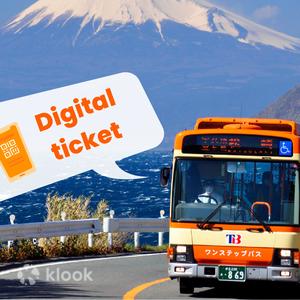
If you are heading to Hatsushima or Izu Kogen, consider passes such as the Tokai Bus Izu Peninsula digital pass, and compare prices in advance on platforms such as KKday and Klook, checking the routes and validity period the ticket covers before you leave.
Planning an Izu-Atami Day Trip: Atami Castle, Kiunkaku and a Seaside Walk
For an Atami day trip, take a bus from JR Atami Station to Atami Castle (9:00 to 17:00, last entry 16:30), then ride the Atami Ropeway down (one way ¥500 for adults). In the afternoon head to Kiunkaku (9:00 to 17:00, closed Wednesdays, admission ¥510 for adults), and in the evening stroll around Atami Sun Beach and Waterfront Park. If you hit an Atami sea fireworks festival, you can watch about 20 to 25 minutes of fireworks from the seafront, and depending on your energy you can add a half-day trip to Mt. Omuro or Hatsushima.
Where to Stay Nearby
There are many hot-spring inns and hotels around Atami Station and along the coast. Staying near JR Atami Station makes both Shinkansen and bus travel easy, and it is simple to arrange Atami Castle, Kiunkaku or a boat to Hatsushima the next day. If you want to see plum blossoms or the sea fireworks, we recommend checking the event dates first and booking early.
FAQ
Q: What are Izusan Shrine’s opening hours and phone number?
Izusan Shrine is open all year with no fixed closing days, and worship on the grounds is free. For the phone number, check the official website or the information desk on site.
Q: How much is admission to Kinomiya Shrine?
Worship at Kinomiya Shrine is free. Spending at facilities on the grounds such as the cafe and shops is extra, and for amulet and goshuin fees please check at the shrine office on site.
Q: When is the best season to visit Atami?
January-February suits plum blossoms and early cherry blossoms, July-August suits sea bathing and the fireworks festival, and autumn and winter suit hot springs and distant views of Mt. Fuji, so it is a good destination all year round.
Q: How long does it take to get from Tokyo to Atami, and how much is the fare?
The Shinkansen takes as little as about 40 minutes, with an unreserved seat about ¥3,740. The Odoriko limited express takes about 1 hour 20 minutes, with a reserved seat about ¥3,560.
Q: Can you drive in Atami city?
Atami has many slopes and limited parking, so we recommend taking the Yu-Yu Bus. A one-day pass is about ¥800 for adults, making it easy to tour the sights.
Q: How much is admission to Atami Castle?
Admission to Atami Castle is ¥1,200 for adults, ¥650 for elementary and junior high school students, and ¥500 for ages 3 to 6. Tickets can be bought on site or booked through online platforms.
Q: What time does the Mt. Omuro lift open?
The Mt. Omuro lift operates year-round (with a few maintenance closure days in June and December), with hours 9:00 to 17:15, and until 16:15 from October to mid-March.
