

Nikko Travel Guide: Exploring World Heritage Sites and Natural Beauty
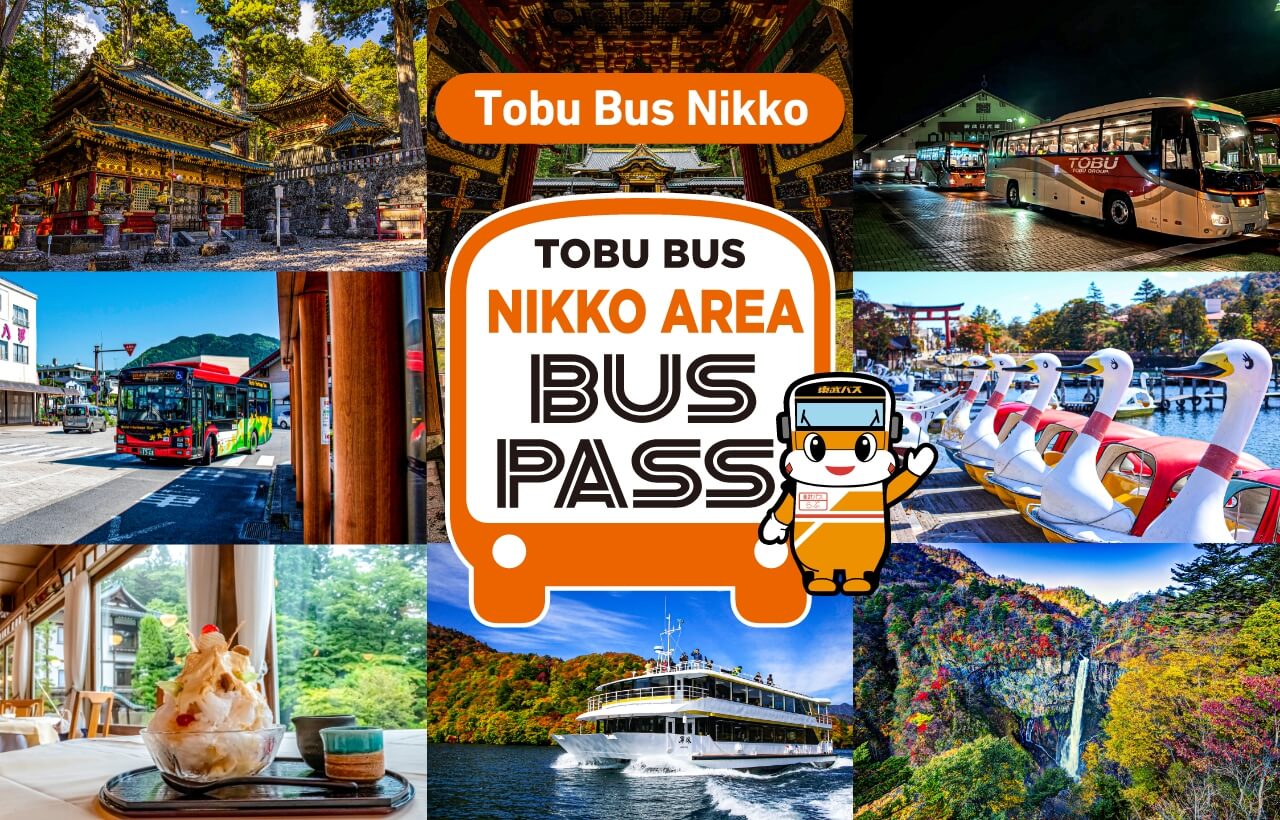
Nikko, in Japan’s Tochigi Prefecture, is a destination that combines World Heritage sites with natural beauty. Besides the “Two Shrines and One Temple” (Nikko Toshogu, Futarasan Shrine and Nikko Rinnoji Temple), which are listed as a World Heritage Site, it has breathtaking natural scenery such as Kegon Falls and Lake Chuzenji. Whether you are a history buff, a nature explorer or a traveler looking to relax, Nikko has something for you.
Nikko Travel Highlights
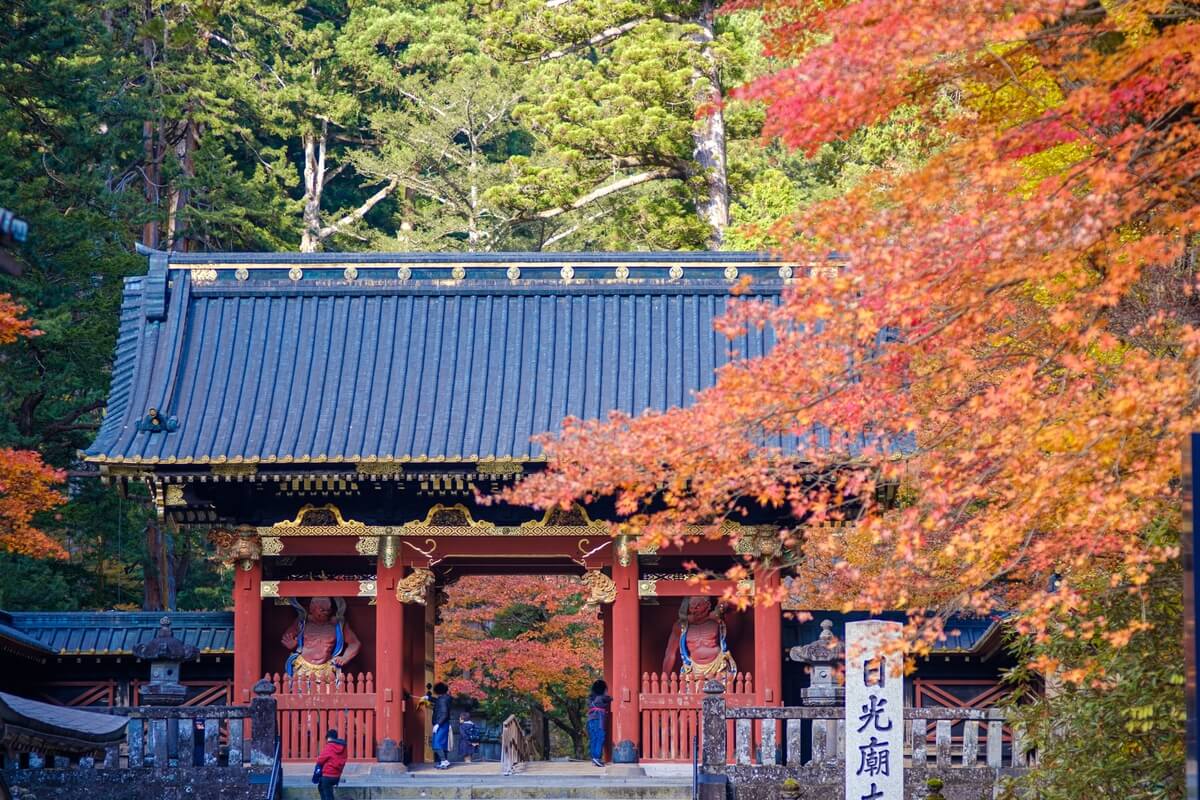
Nikko’s highlights include visiting the World Heritage building complexes, taking in magnificent natural scenery and experiencing local cultural events. Nikko’s shrines and temples were inscribed as a UNESCO World Cultural Heritage Site in 1999. Nikko Toshogu is renowned for its exquisite carvings and architecture, while Kegon Falls and Lake Chuzenji offer refreshing natural beauty.
Best Seasons to Visit
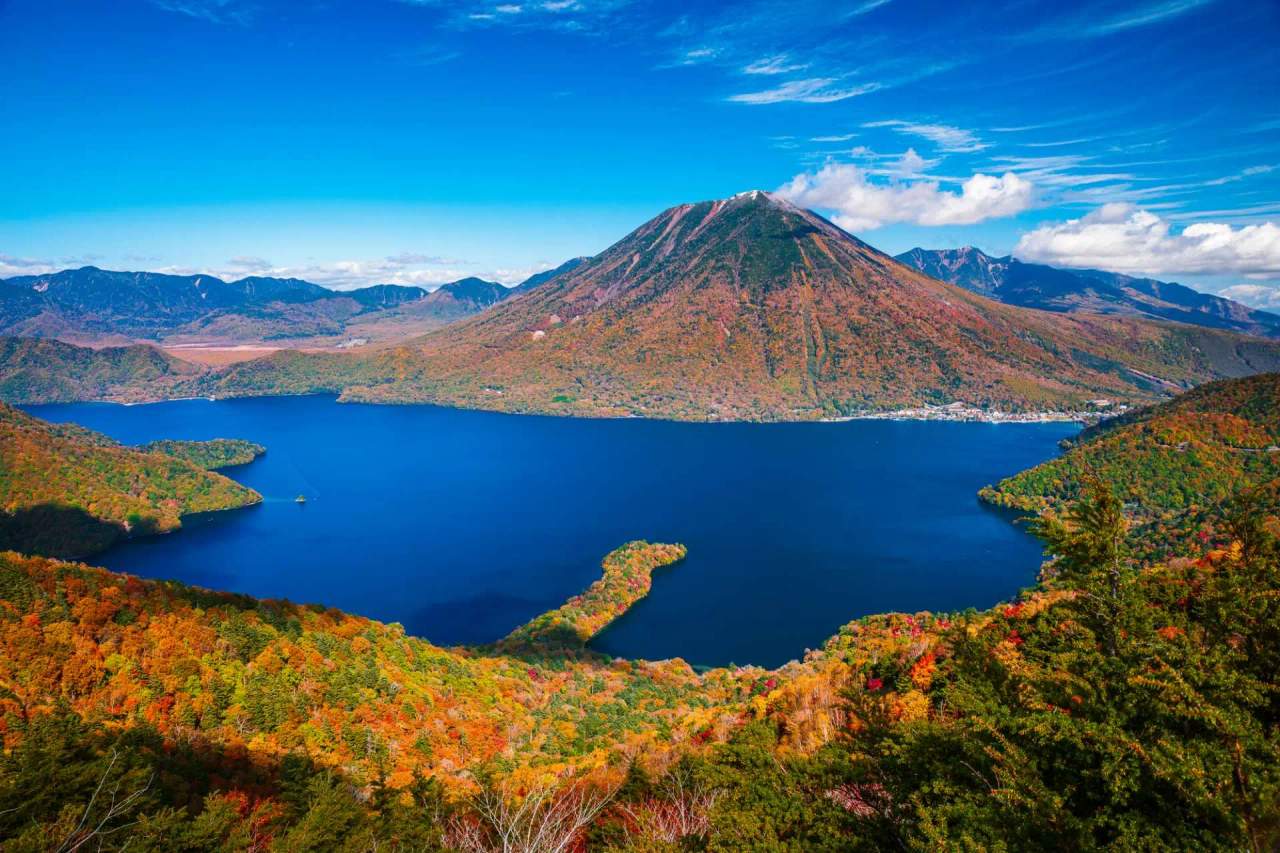
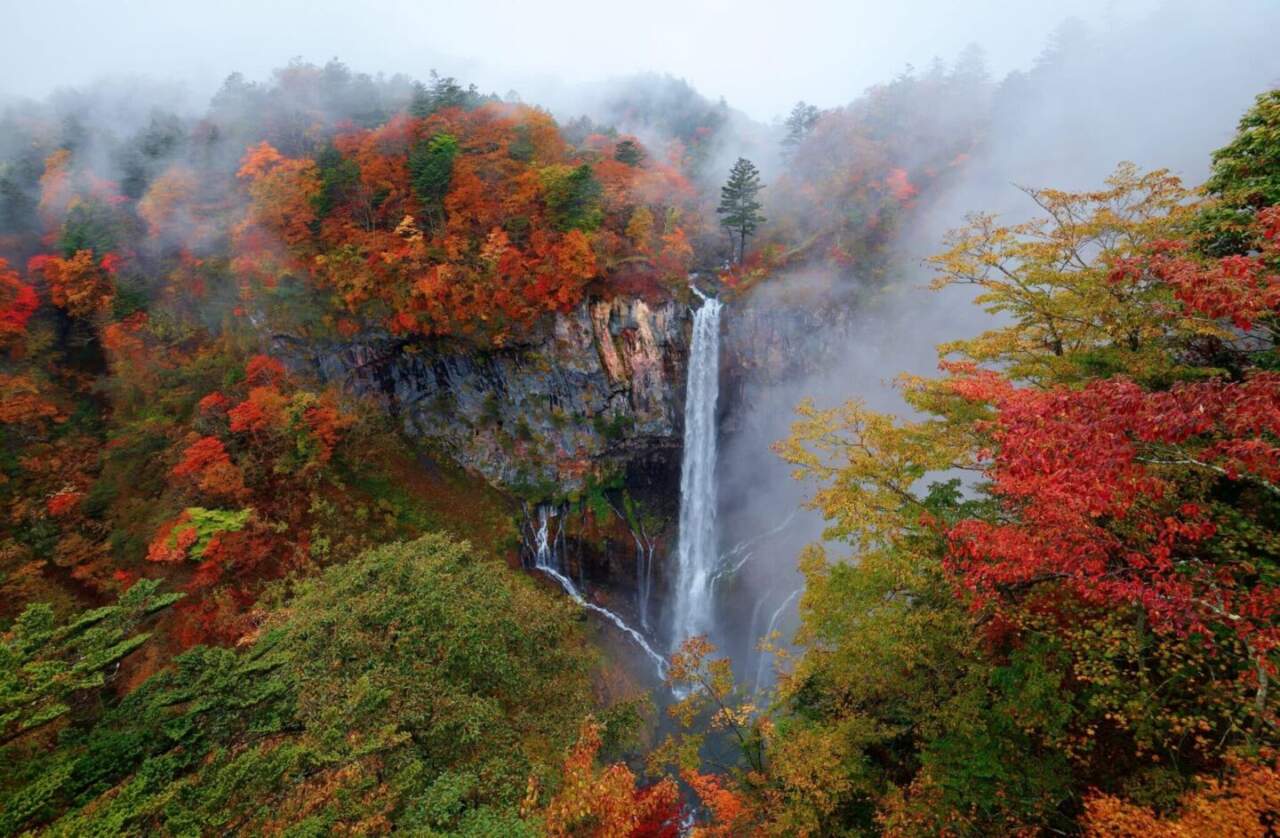
The best seasons to visit Nikko are spring and autumn. Spring cherry blossoms and autumn foliage make the scenery especially beautiful. Cherry blossoms in the Nikko area bloom from early to late April, while autumn leaves begin in early October in Oku-Nikko, in mid to late October around Lake Chuzenji, and in early to mid November in Nikko city. Winter in Nikko has its own charm too, and the frozen Kegon Falls is a unique sight.
Travel Information
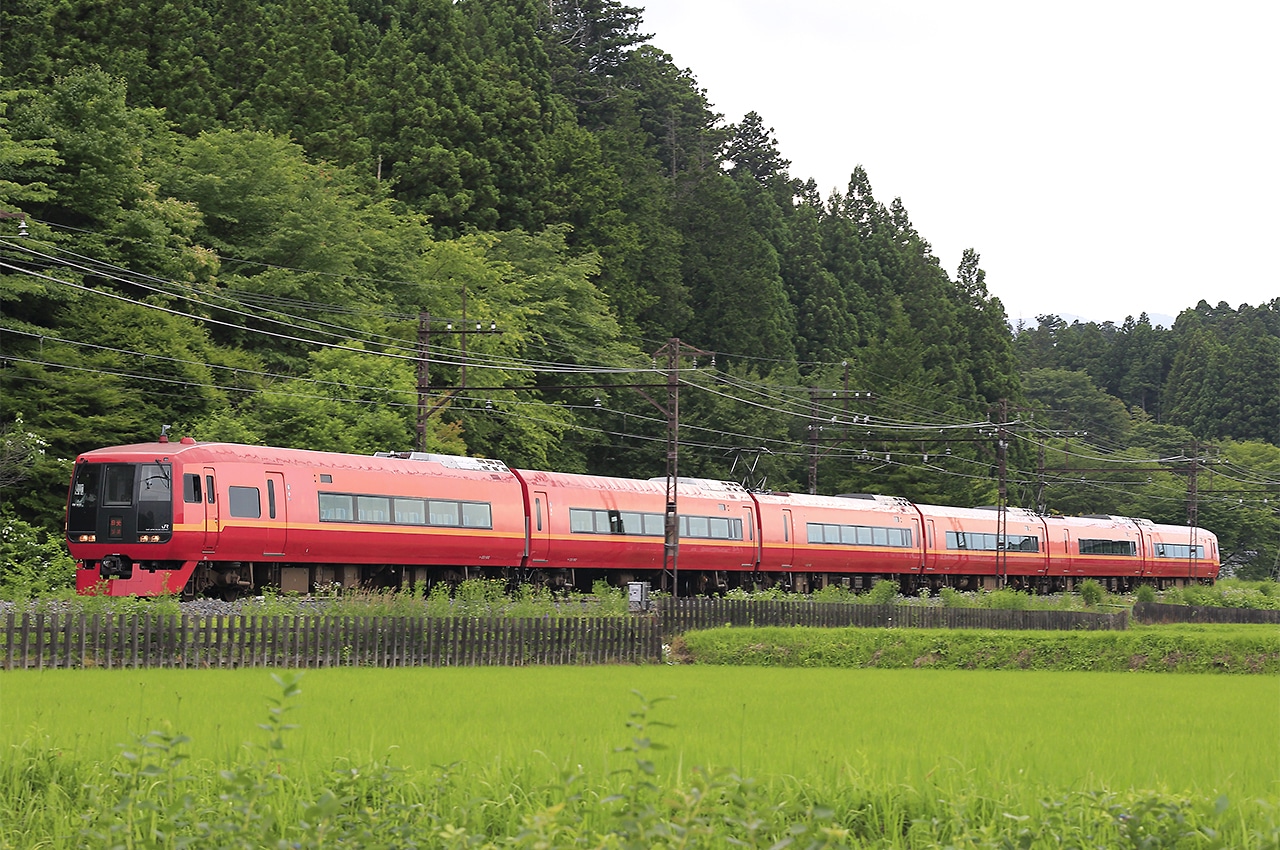
When planning your Nikko trip, we recommend booking accommodation and transport in advance to keep things running smoothly. Tobu Railway’s “NIKKO MaaS” digital pass includes round-trip train travel plus trains and buses in the Nikko and Kinugawa areas, starting from ¥3,000 from Asakusa. See the Tobu Railway official website for details; attraction admission tickets must be purchased separately.
What Are the Must-See Attractions in Nikko? World Heritage Sites and Natural Wonders
Nikko Toshogu: The Resting Place of Tokugawa Ieyasu
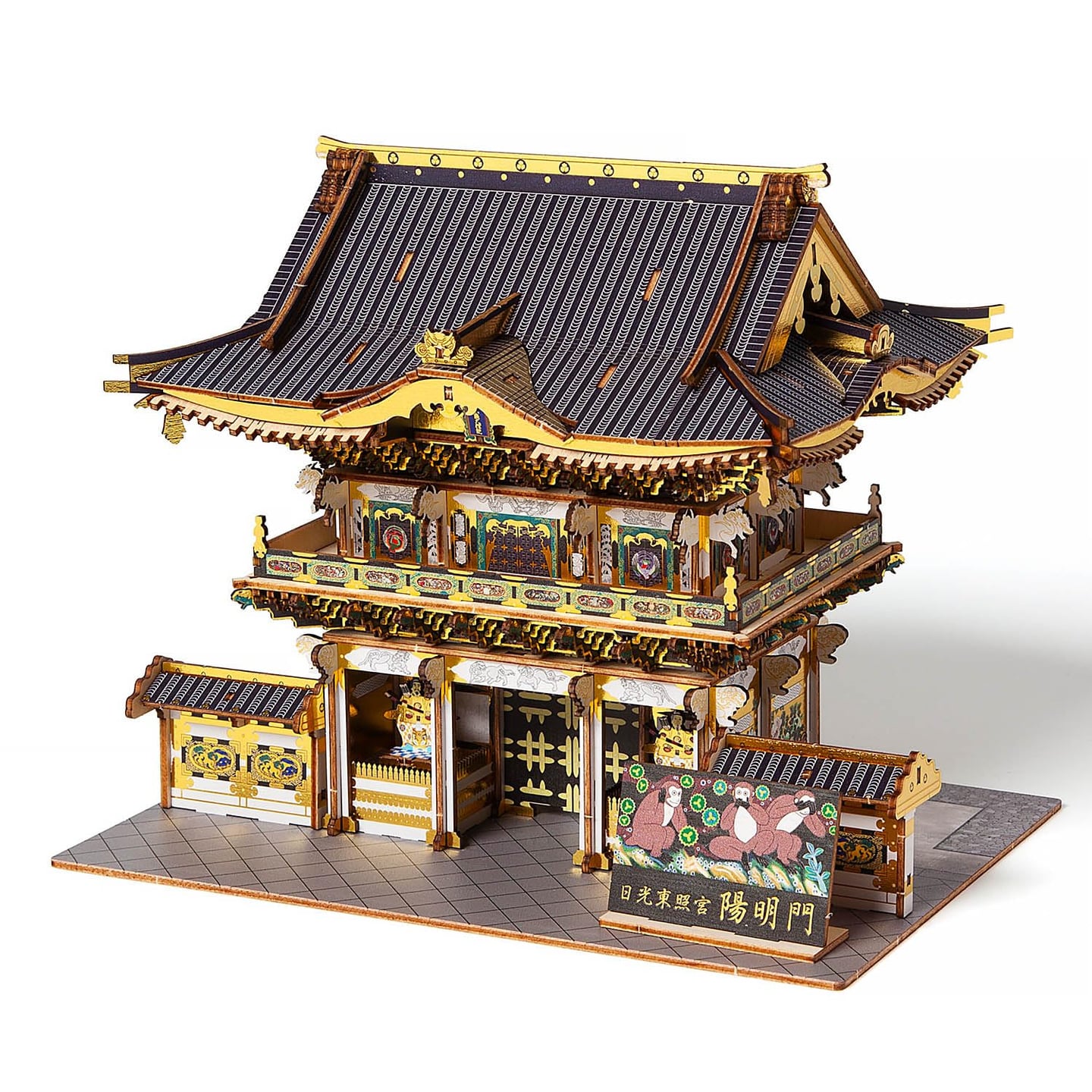

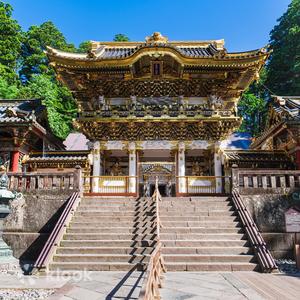
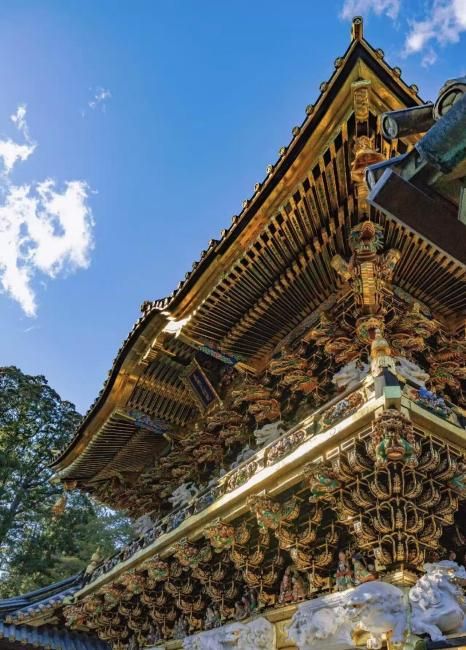
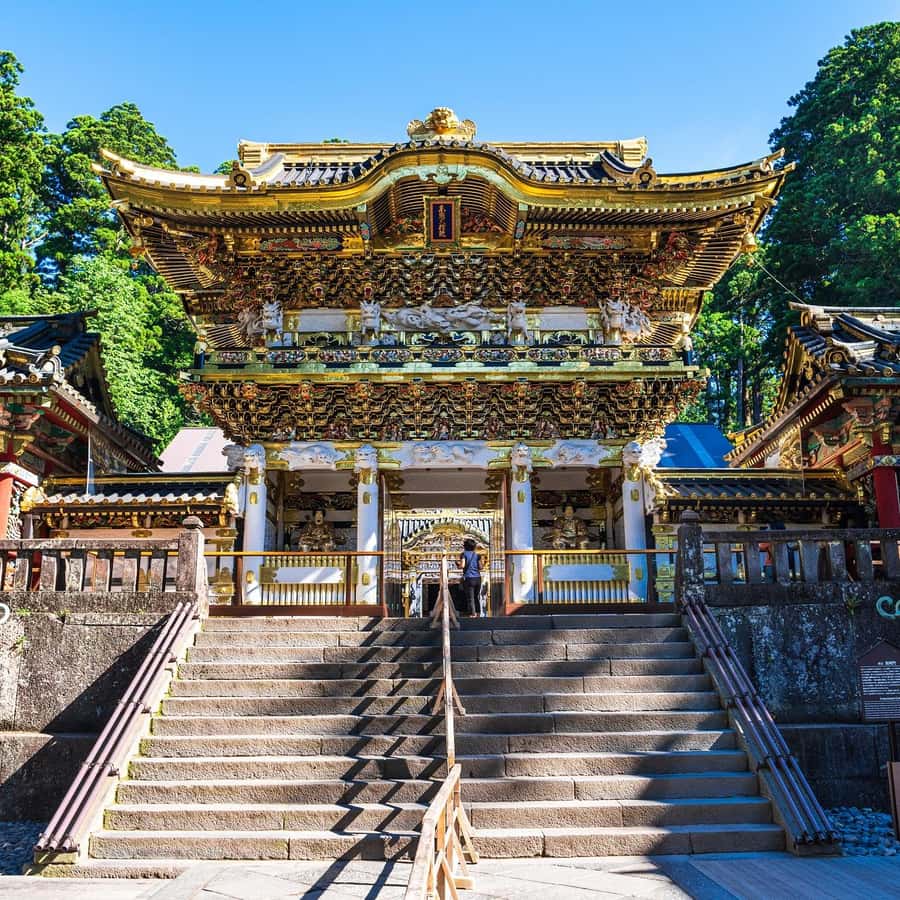
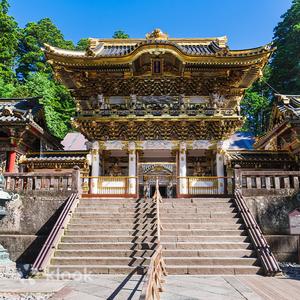
Nikko Toshogu is one of the most famous attractions in Nikko and a historic building designated a National Treasure of Japan. The shrine was built in 1617 to honor Tokugawa Ieyasu, founder of Japan’s Edo shogunate. It is renowned for its exquisite carvings and lavish architecture, and the famous “Three Wise Monkeys” and the “Sleeping Cat” carving in particular catch the eyes of countless visitors.
It is best visited in spring for cherry blossoms or autumn for foliage. Admission is ¥1,600. Hours are 9:00 to 17:00 from April to October and 9:00 to 16:00 from November to March (last entry 30 minutes before closing). See the official Nikko Toshogu website, toshogu.jp, for details.

Kegon Falls: A Natural Wonder
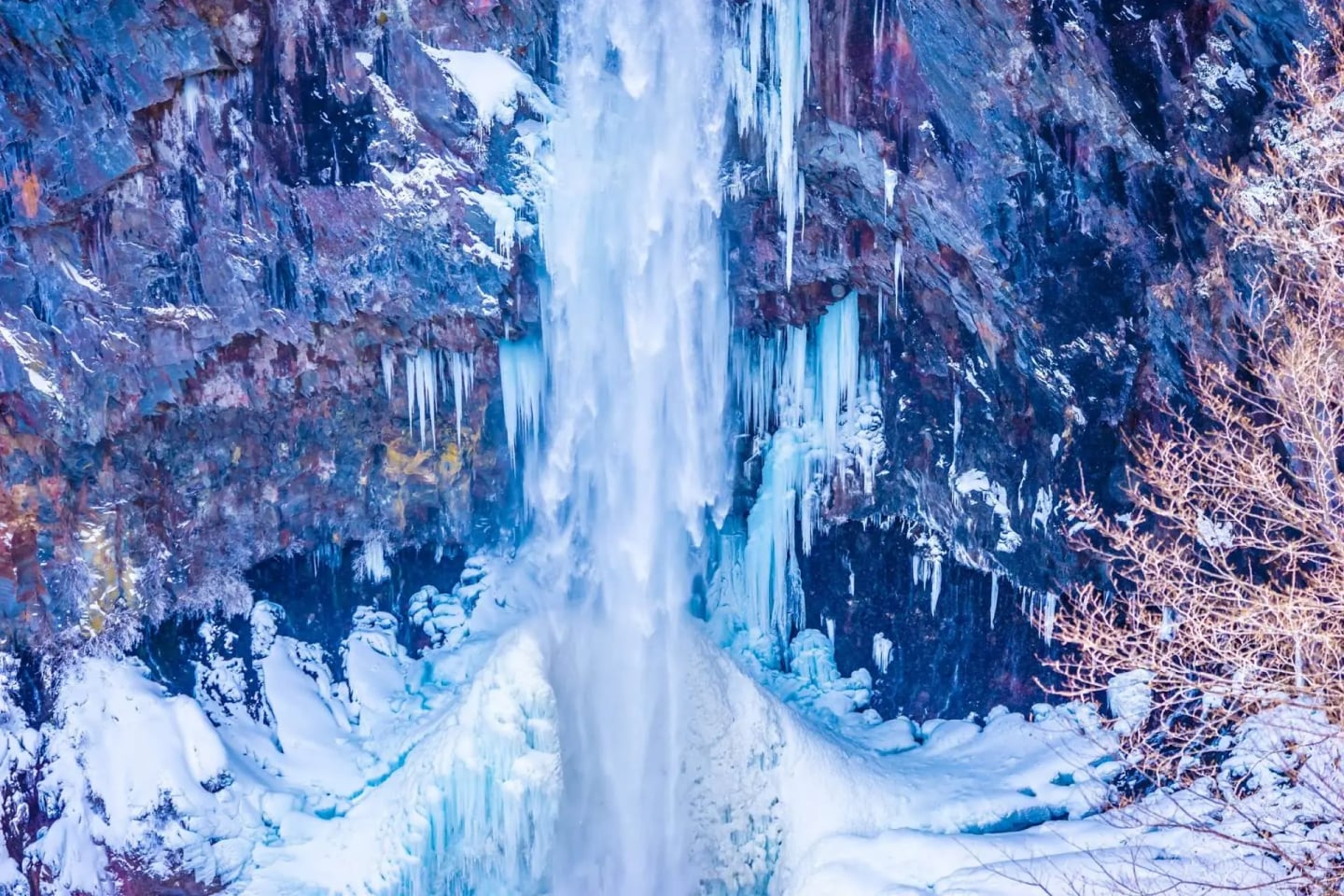
Kegon Falls is one of Nikko’s famous natural sights, located on the shore of Lake Chuzenji. The falls are 97 meters high, with the water plunging straight down from the lakeside to create a spectacular scene. Visitors can take an elevator to the observation platform to see the falls up close.
The best time to see Kegon Falls is spring and summer, when the water flow is strongest. The elevator ticket costs ¥600 (round trip). Opening hours vary by season, usually about 9:00 to 17:00, opening earlier at 8:00 in summer and 9:30 to 16:30 in winter. Please check the official announcements before you go.
Lake Chuzenji: Lake and Mountain Scenery
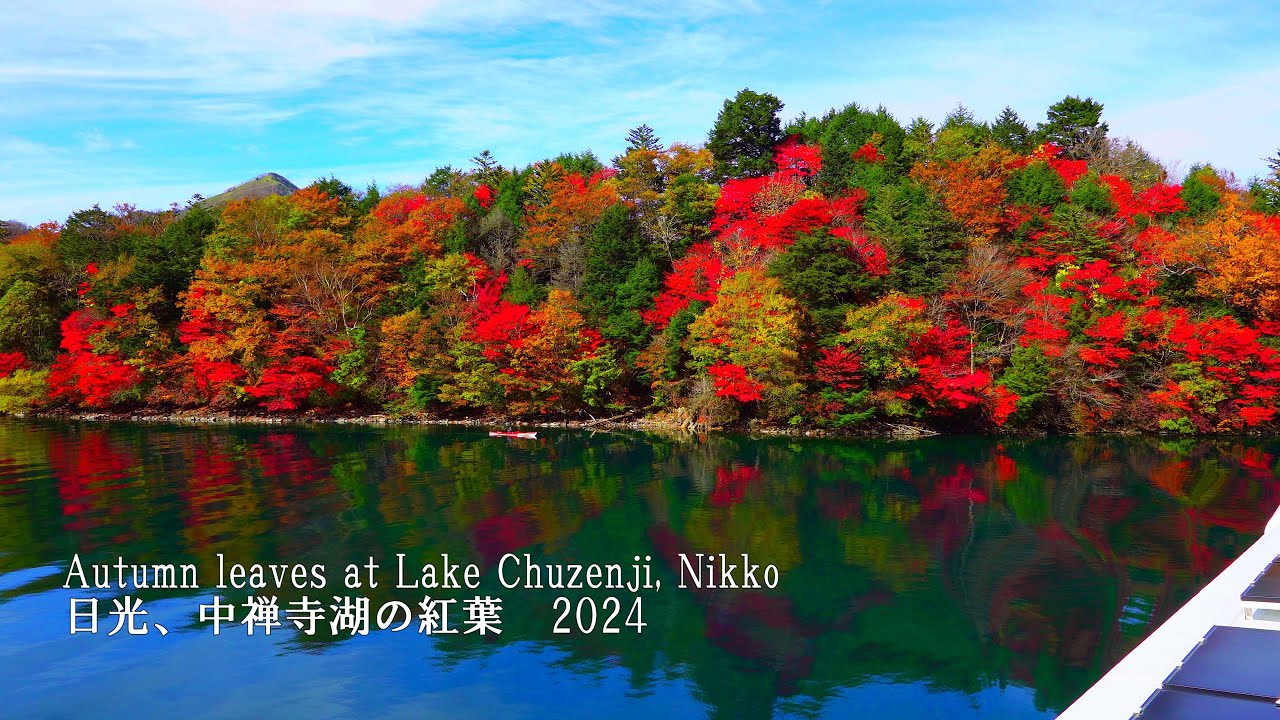
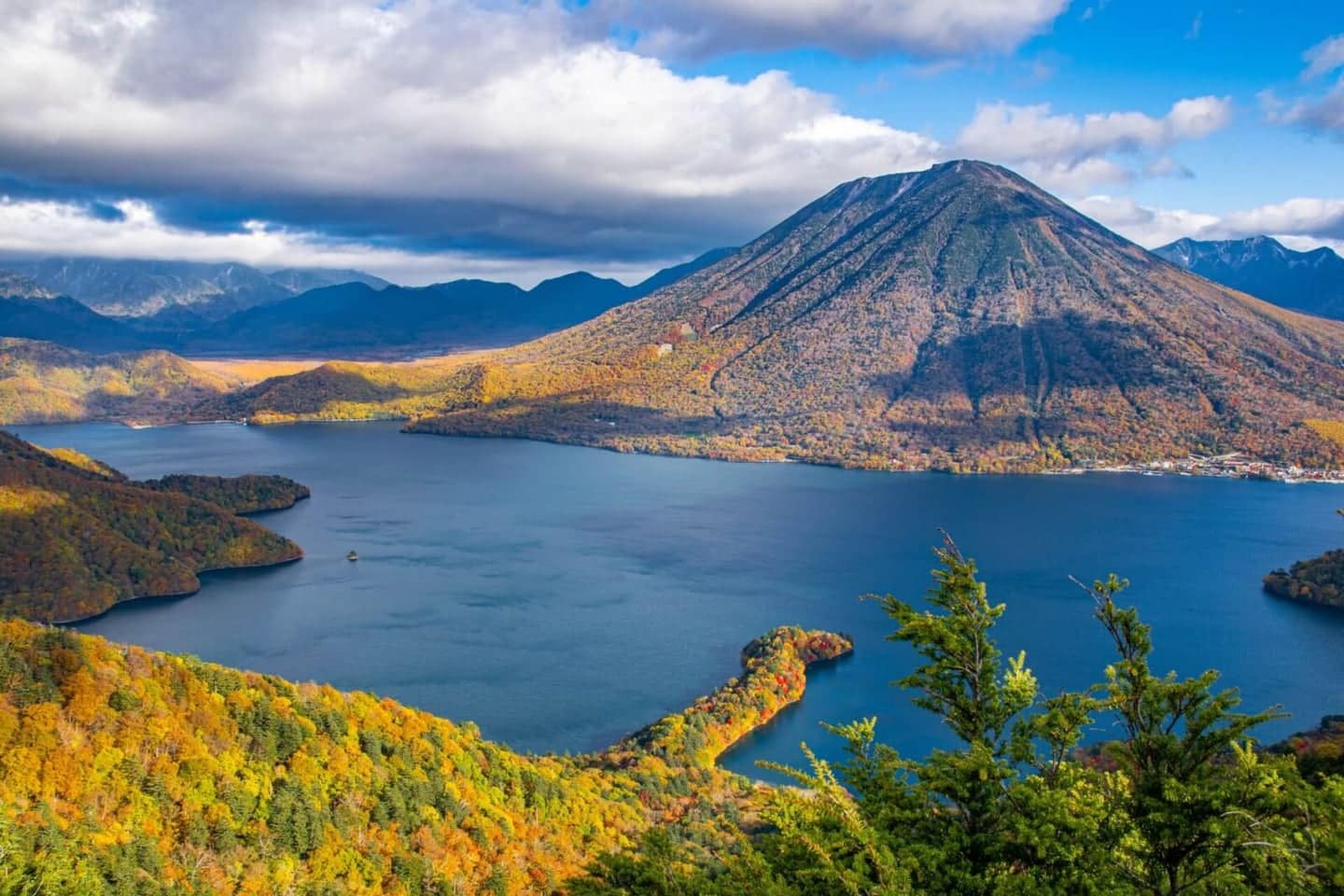
Lake Chuzenji is one of Nikko’s major natural sights, a large lake with beautiful scenery. Visitors can take a cruise to enjoy the lake views or stroll along the lakeside paths and take in the lake and mountain scenery.
The best times to see Lake Chuzenji are spring and autumn: cherry blossoms in spring and autumn leaves in fall. The lakeshore is an open space and free to visit.
Shinkyo Bridge: A Bridge Steeped in History

Shinkyo Bridge is a historic bridge in Nikko, said to have been built by the Buddhist priest Shodo Shonin in 766 and the city’s signature old bridge. The scenery on both sides of the bridge is lovely, and visitors can stroll across and enjoy the surrounding natural beauty.
The best times to see Shinkyo Bridge are spring and autumn: cherry blossoms in spring and autumn leaves in fall. The bridge crossing fee is ¥300, and the opening hours are 8:30 to 16:30 from April to October and 9:30 to 15:30 from November to March.
How to Get to Nikko’s Attractions: A Complete Guide to Transport and Costs
From Tokyo you can reach Nikko by JR or Tobu Railway trains, and using a pass is the best value. Once there, you can drive or take buses to explore in depth.
How to Get to Nikko: Transport Options at a Glance
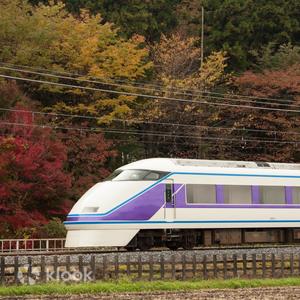
🚆 Tobu/JR through limited express: the Tobu limited express runs directly from Asakusa Station to Tobu-Nikko Station in about 2 hours; a JR limited express also runs through from Shinjuku Station to Tobu-Nikko Station.
🎫 Nikko Pass: Tobu’s “NIKKO MaaS” digital pass starts from ¥3,000 from Asakusa and includes round-trip train travel plus trains and buses in the Nikko and Kinugawa areas.
🚗 Driving: from Tokyo, take the Tohoku Expressway to the Nikko-Utsunomiya Road; National Route 120 links Nikko and Oku-Nikko, suiting travelers with scattered sights and flexible plans.
🚌 Local transport: after arriving, take a bus or walk; several bus routes in the city connect the main sights.

What to Eat Near Nikko’s Attractions? Must-Try Food and Restaurant Picks
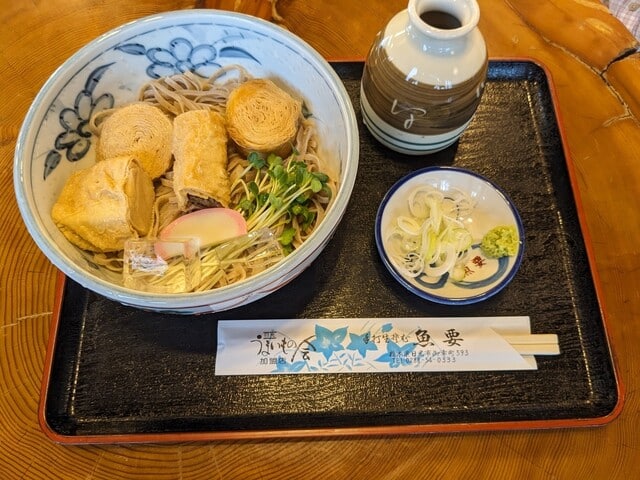
The Nikko area is rich in natural resources and distinctive culture, and its food is not only delicious but also full of local character. Here are a few restaurants and dishes worth trying, so you can taste Nikko specialties while experiencing the local culture.
Yuba Cuisine: Ganso Nikko Yuba Ryori Kappo Ebisuya
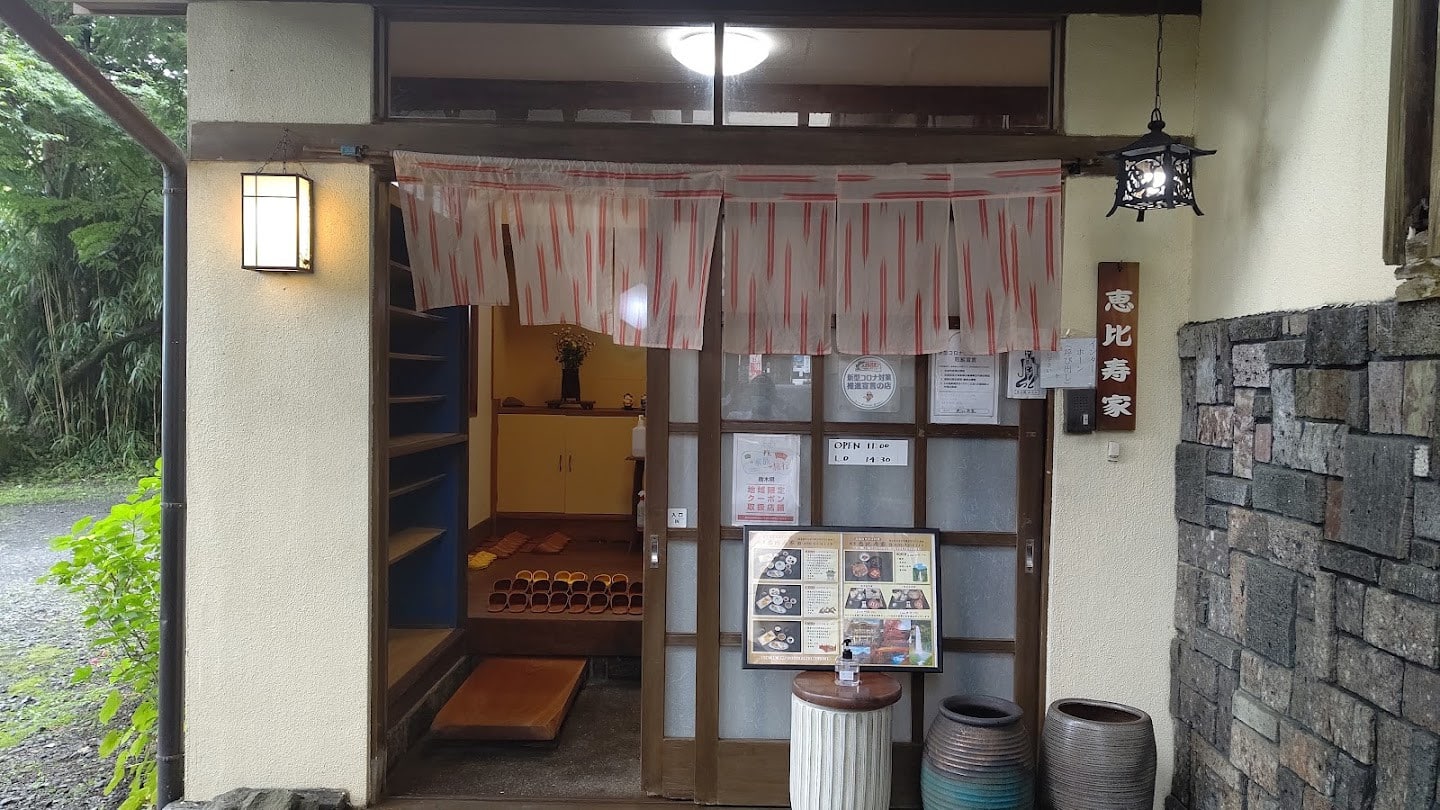
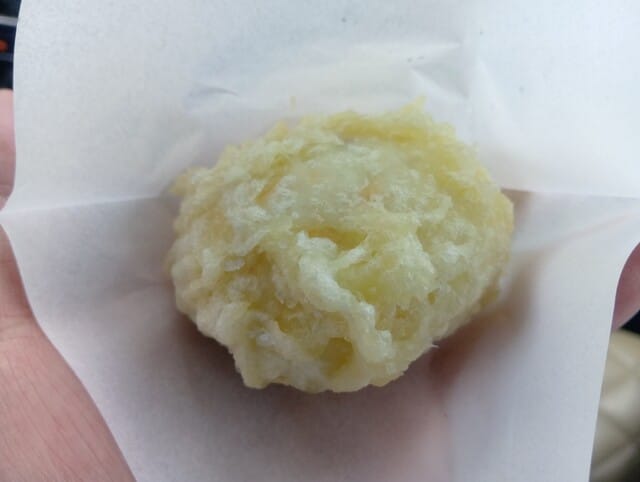
Ganso Nikko Yuba Ryori Kappo Ebisuya was founded in the late Taisho era and is a pioneering old restaurant of Nikko yuba cuisine, passing down kappo techniques for a hundred years.
- 🍽️ Must-order: yuba kaiseki set (7 yuba dishes, including fresh pulled-up yuba sashimi and rolled yuba with vegetable ankake)
- 💰 Price: Set A (7 dishes) is about ¥5,000, with Set B (4 dishes) and Set C (3 dishes) also available
- 🚉 Access: about 12 minutes on foot from Exit 2 of Tobu-Nikko Station
Address: 955 Shimohachiishi-machi, Nikko, Tochigi
Hours: 11:00-14:30 (last order). Closed: Tuesdays
Nikko Trout Cuisine: Europe Romankan Chez Hoshino
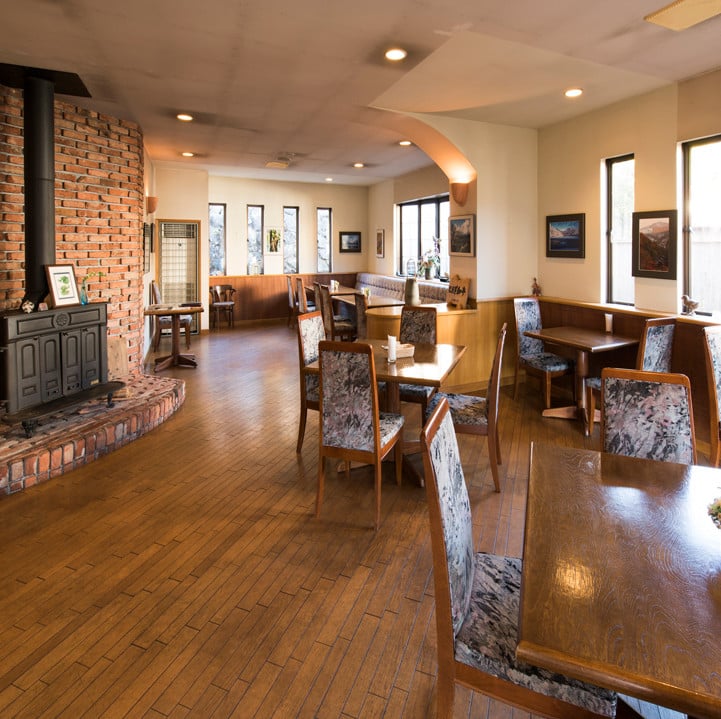
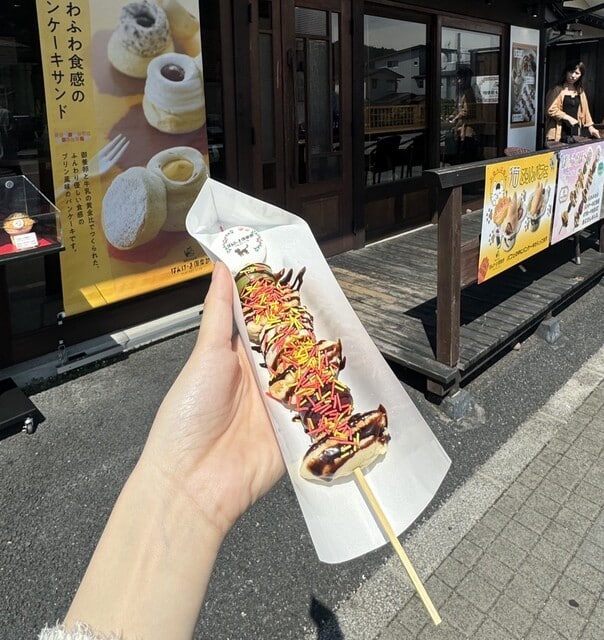
Europe Romankan Chez Hoshino stands on the shore of Lake Chuzenji and is a well-known French restaurant in Oku-Nikko. It specializes in locally farmed Nikko trout and himemasu (kokanee), and you can enjoy the lake view while dining.
- 🍽️ Must-order: Yashio trout escabeche (marinated trout) and Nikko himemasu meuniere (butter-pan-fried kokanee)
- 💰 Price: lunch sets from ¥2,530
- 🚉 Access: take a Tobu bus from Tobu-Nikko Station/JR Nikko Station to Chuzenjionsen (about 40 to 50 minutes), then walk along the lakeshore
Address: 2478 Chugushi, Nikko, Tochigi
Hours: lunch 11:30-15:00, dinner 18:00-20:00 (both last order). For closing days, see the official website chez-hoshino.jp
Nikko Kanaya Hotel: Century-Old Curry and Traditional French Cuisine
Nikko Kanaya Hotel was founded in 1873 and is Japan’s oldest surviving classic resort hotel, a different hotel from The Ritz-Carlton, Nikko on the lake. Inside you can try the “Hundred-Year Curry Rice” (Hyakunen Rice Curry), passed down through generations. Lunch sets start at about ¥5,500, and curry is served from about 11:00 to 17:00 (last order). It is about 8 minutes by Tobu bus from Tobu-Nikko Station; get off at the Shinkyo stop. Hours and prices are subject to the hotel’s official announcements.
Where to Stay Near Nikko’s Attractions? Selected Accommodation and Hotel Picks
High-End Nikko Hotel: The Ritz-Carlton, Nikko
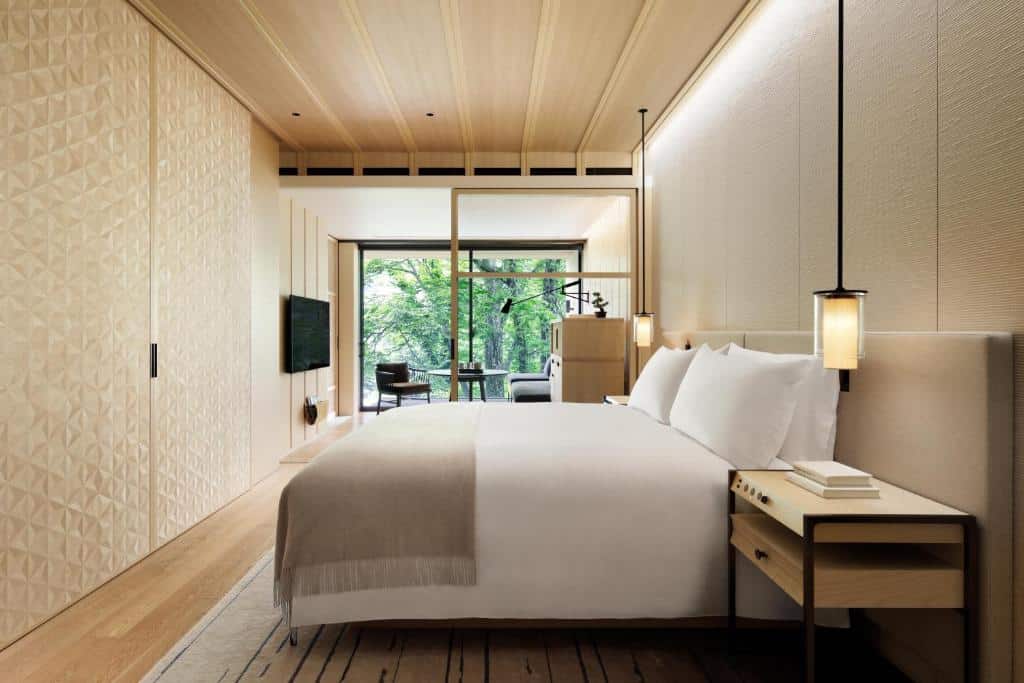
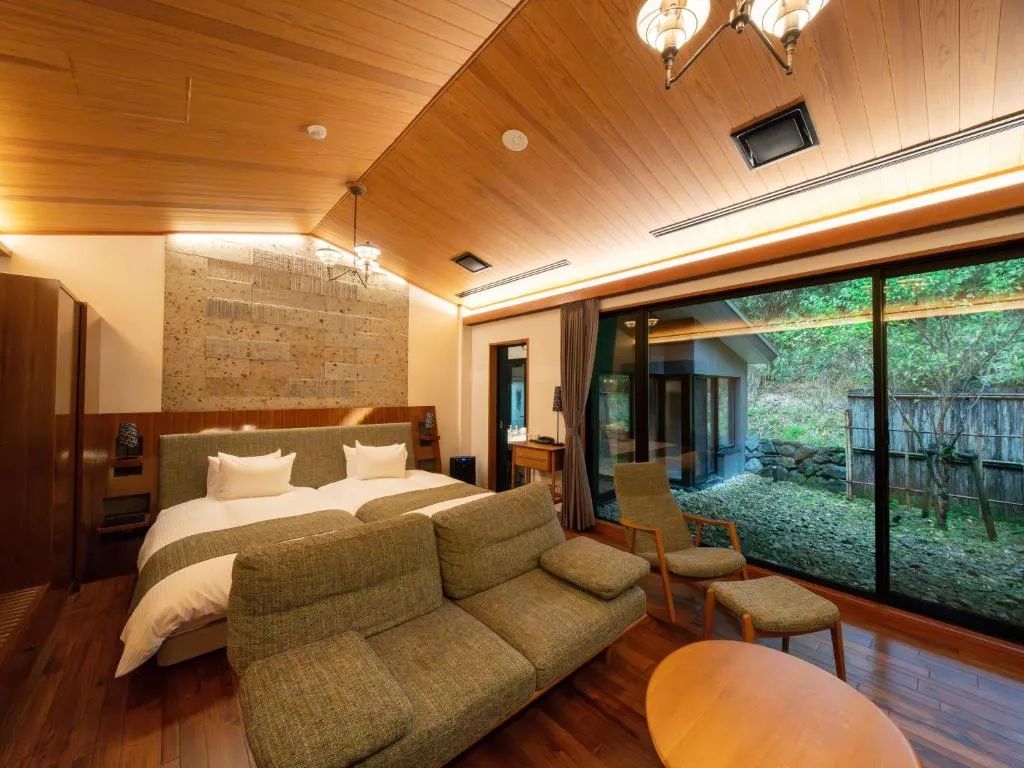
A lakeside resort hotel that opened in July 2020, with 94 rooms in all and a hot spring bath fed by Yumoto onsen water, offering high-end facilities and service.

- Access: about 40 to 50 minutes by Tobu bus from JR Nikko Station, on the shore of Lake Chuzenji
- Highlights: hot spring, spa, lakeside restaurant and bar lounge
- Best for: couples
Mid-to-High-Range Nikko Hotel: Nikko Kanaya Hotel
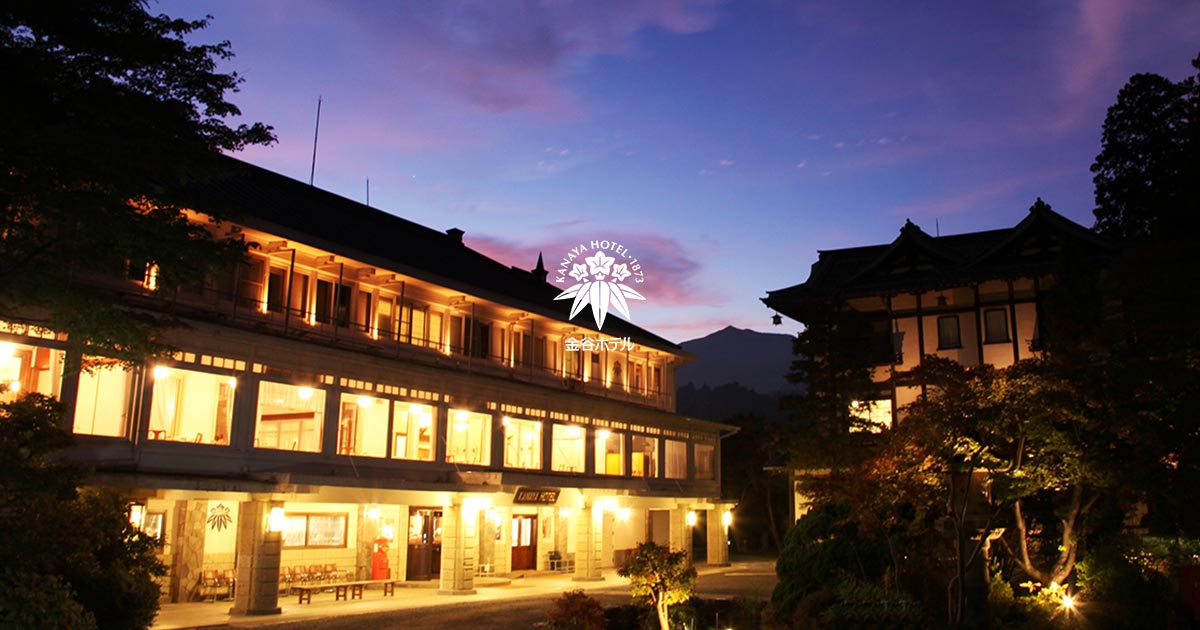
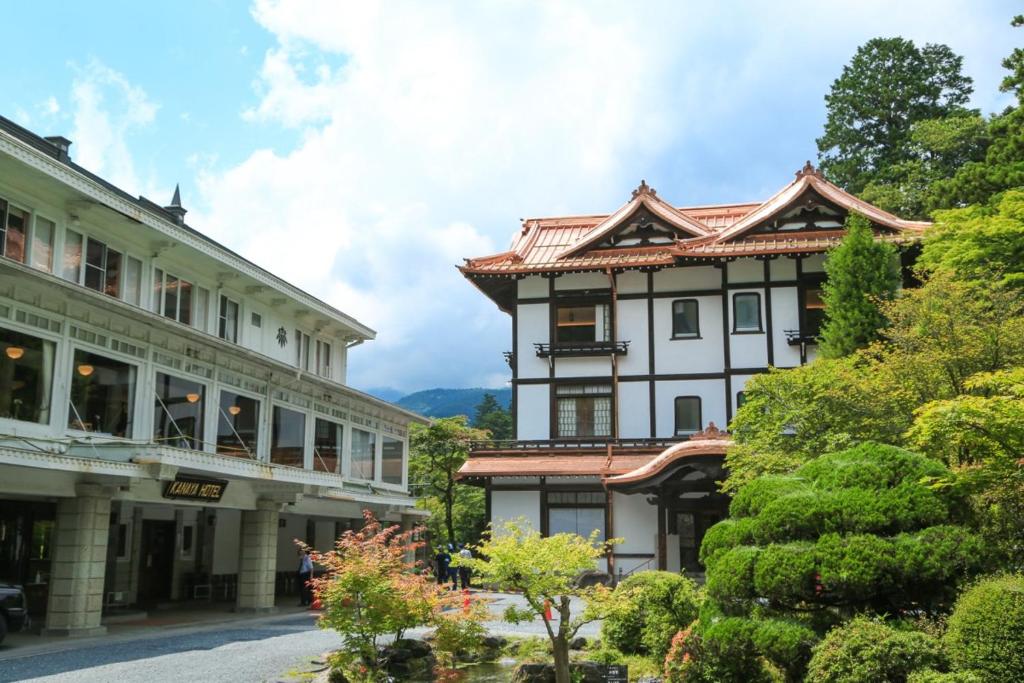
Founded in 1873, it is Japan’s oldest surviving classic resort hotel, located near Shinkyo Bridge. The rooms in the ROYAL HOUSE annex have been fully renovated, and the main dining room serves traditional French cuisine.
- Access: about 8 minutes by Tobu bus from JR/Tobu-Nikko Station, getting off at Shinkyo; there is also a free shuttle (scheduled departures) from Tobu-Nikko Station
- Highlights: classic hotel founded in 1873, main dining room with traditional French cuisine
- Best for: travelers who like classic hotel atmosphere
Mid-Range Nikko Hotel: Nikko Station Hotel Classic
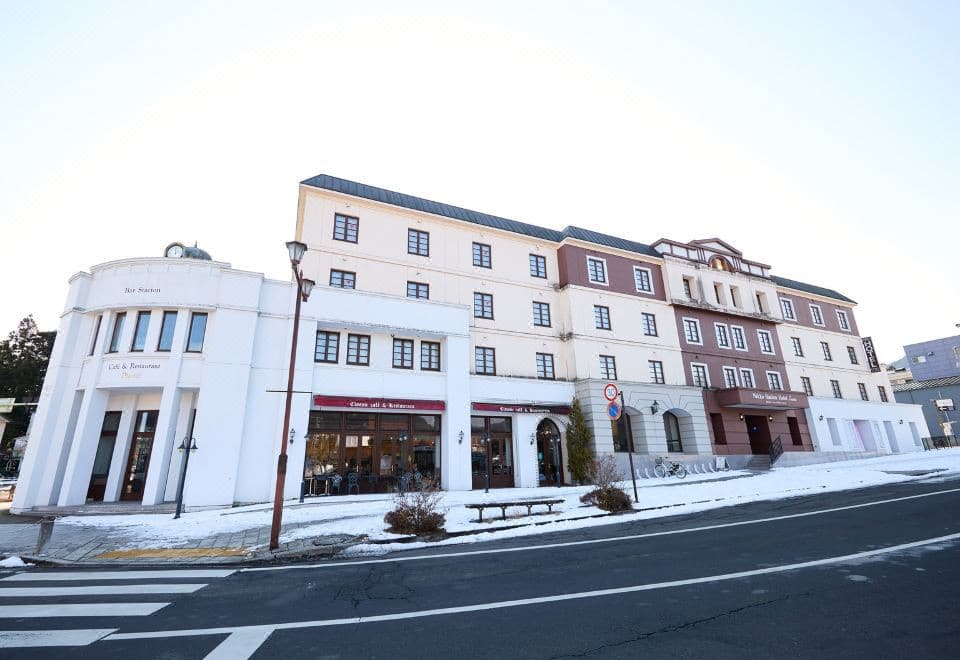
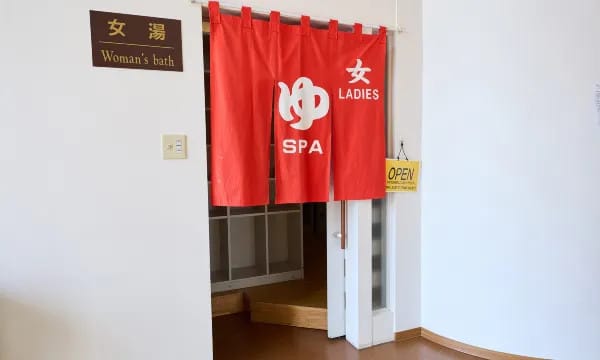
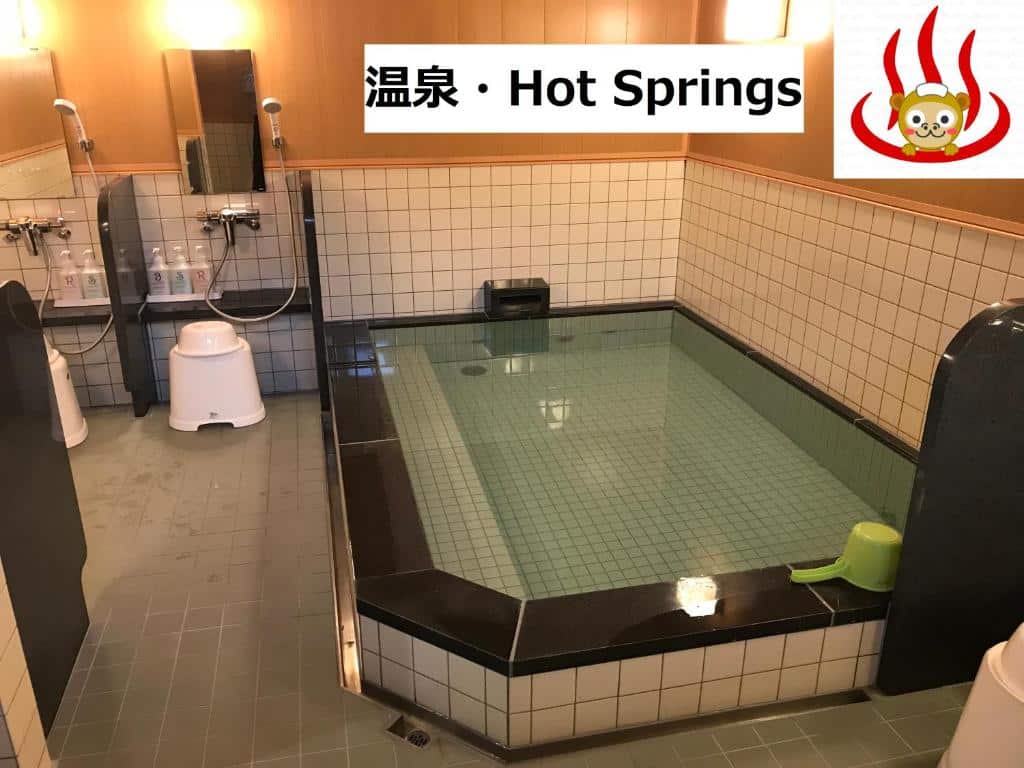
Nikko Station Hotel Classic is right across from JR Nikko Station, the most convenient mid-range choice for transport. The hotel has indoor and open-air hot spring baths where you can relax after a tiring day, and offers both Japanese and Western breakfast options.
- Access: directly across from JR Nikko Station
- Highlights: indoor and open-air hot springs, Japanese and Western breakfast, 24-hour front desk
- Best for: hot spring lovers, business travelers
Budget Nikko Inn: Nikko Tokansou
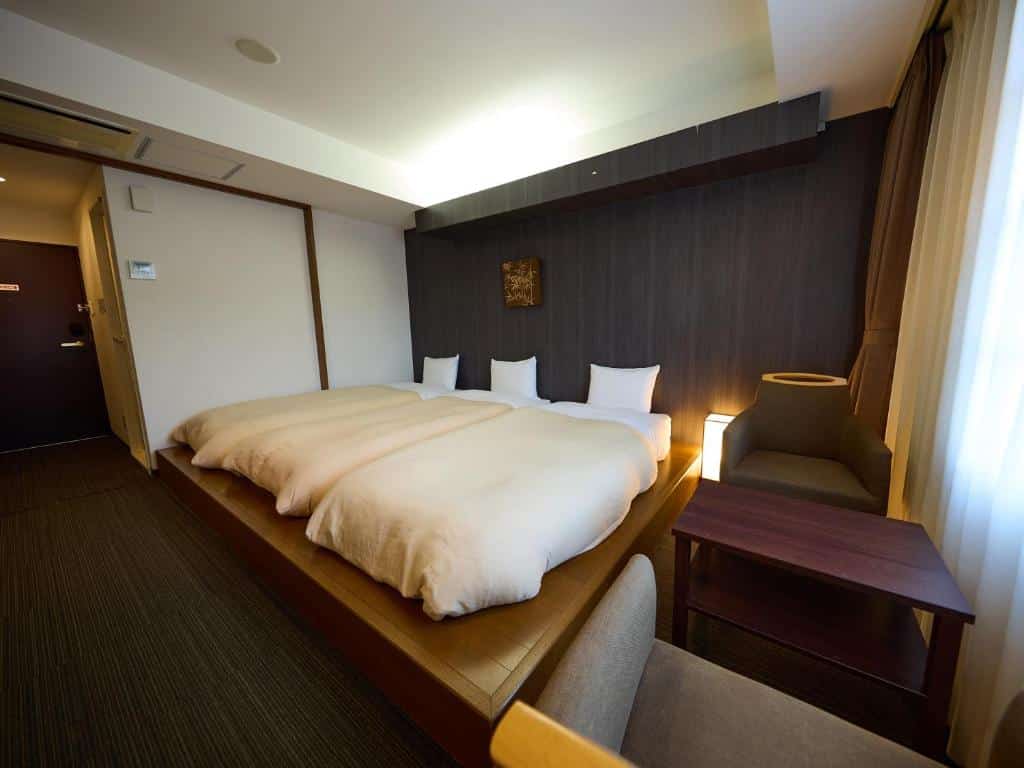
A traditional Japanese inn offering an authentic tatami experience and local culture.
- Access: about 5 minutes by car from JR Nikko Station (shuttle service requires advance booking), or take the World Heritage Tour Bus and get off at Hotel Seikoen-mae, then walk about 3 minutes
- Highlights: open-air hot spring, Japanese-style inn, yuba kaiseki cuisine
- Best for: travelers who want a hot spring soak and yuba kaiseki
Nikko Tokansou is near the center of Nikko city, close to JR/Tobu-Nikko Station, and offers a shuttle service to and from the station (advance booking required). Nikko Toshogu is about a 7-minute walk away, and Shinkyo Bridge is about 0.5 km.
Recommended Nikko Itineraries and Activities: Experience Local Culture and Nature
One-Day World Heritage Tour of Nikko
This one-day route lets you explore Nikko’s cultural heritage in depth, including the famous Nikko Toshogu, Futarasan Shrine and Rinnoji Temple. A professional guide will walk you through the history and cultural significance of these World Heritage sites and share plenty of behind-the-scenes stories. The tour includes a guided visit of the World Heritage area, a stop at Shinkyo Bridge and a local lunch featuring regional specialties.
This itinerary suits travelers interested in Japanese history and culture, letting you experience the best of Nikko in a limited amount of time.
Lake Chuzenji Cruise and Kegon Falls Tour
This itinerary combines natural beauty with cultural experience. First, you take a cruise to enjoy the magnificent views of Lake Chuzenji. Next, head to Kegon Falls and feel the grandeur of one of Japan’s three great waterfalls. The itinerary also includes a ride on the Kegon Falls elevator for a close-up view of the spectacular falls.
This itinerary suits travelers who love scenery and photography, and is an excellent way to experience Nikko’s natural beauty.
Nikko Edomura Experience Tour
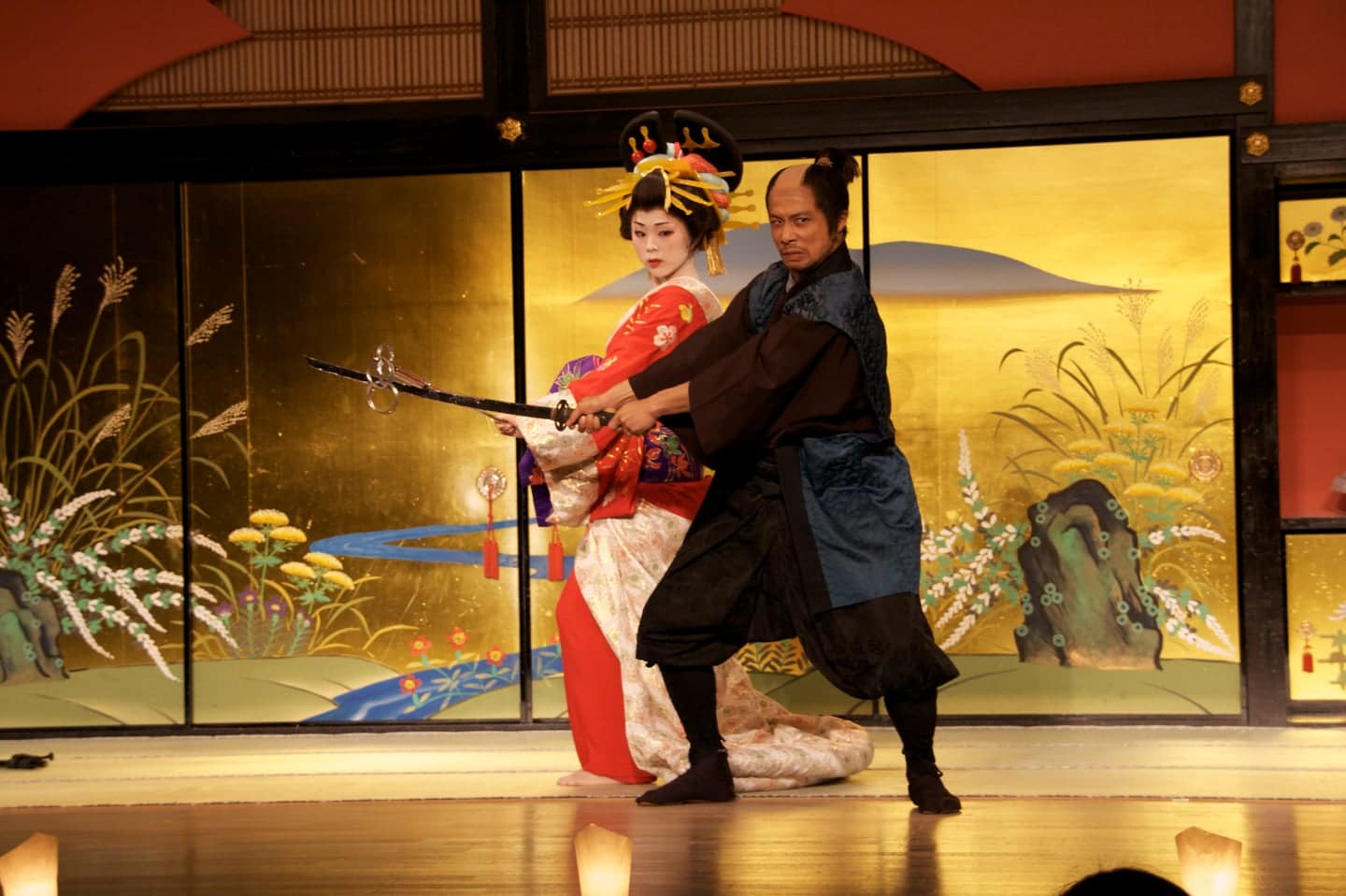
On this itinerary you enter Nikko Edomura and experience the atmosphere of the Edo period. You can join activities such as ninja shows, samurai sword experiences and Edo-period costume experiences. Admission is ¥5,800 for adults (junior high school and above) and ¥3,000 for elementary school children; see the official Nikko Edomura website for operating days and hours.
This itinerary suits families and visitors who like to experience traditional Japanese culture, letting you learn about life in the Edo period while having fun.
Akechidaira Ropeway and Senjogahara Hike
This itinerary combines the fun of transport with the challenge of a nature hike. First, you ride the Akechidaira Ropeway and enjoy magnificent views. Then you hike at Senjogahara and experience the natural beauty of Nikko National Park. A professional guide also provides commentary along the way, so you gain a deeper understanding of the local ecology and geology.
This itinerary suits travelers who love outdoor activities and exploring nature, and is another excellent way to experience Nikko’s scenery.
What to Know Before Visiting Nikko? Practical Info and Travel Tips
The Best Time to Visit Nikko
Each of Nikko’s four seasons has its own character: cherry blossoms in spring, cool escape from the heat in summer, autumn leaves in fall and snow in winter, each with its own charm. The best time depends on personal taste, but spring (March to May) and autumn (September to November) are generally considered the best seasons, with comfortable weather and fewer crowds.
In spring, Nikko’s cherry blossoms are in full bloom and the scenery is lovely; in autumn, maple leaves rule, painting the landscape in red, a paradise for photography lovers.
Getting Around Nikko
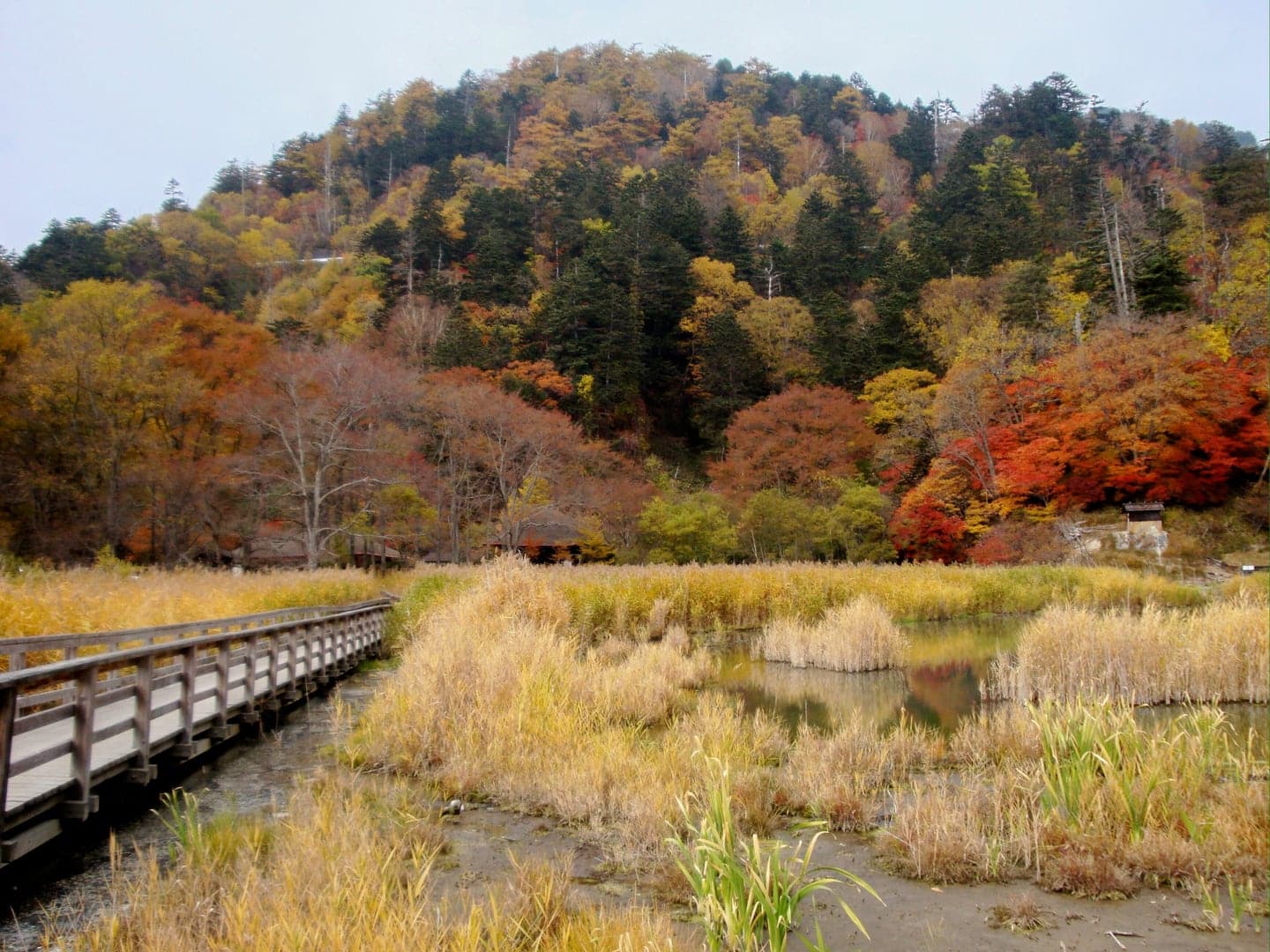
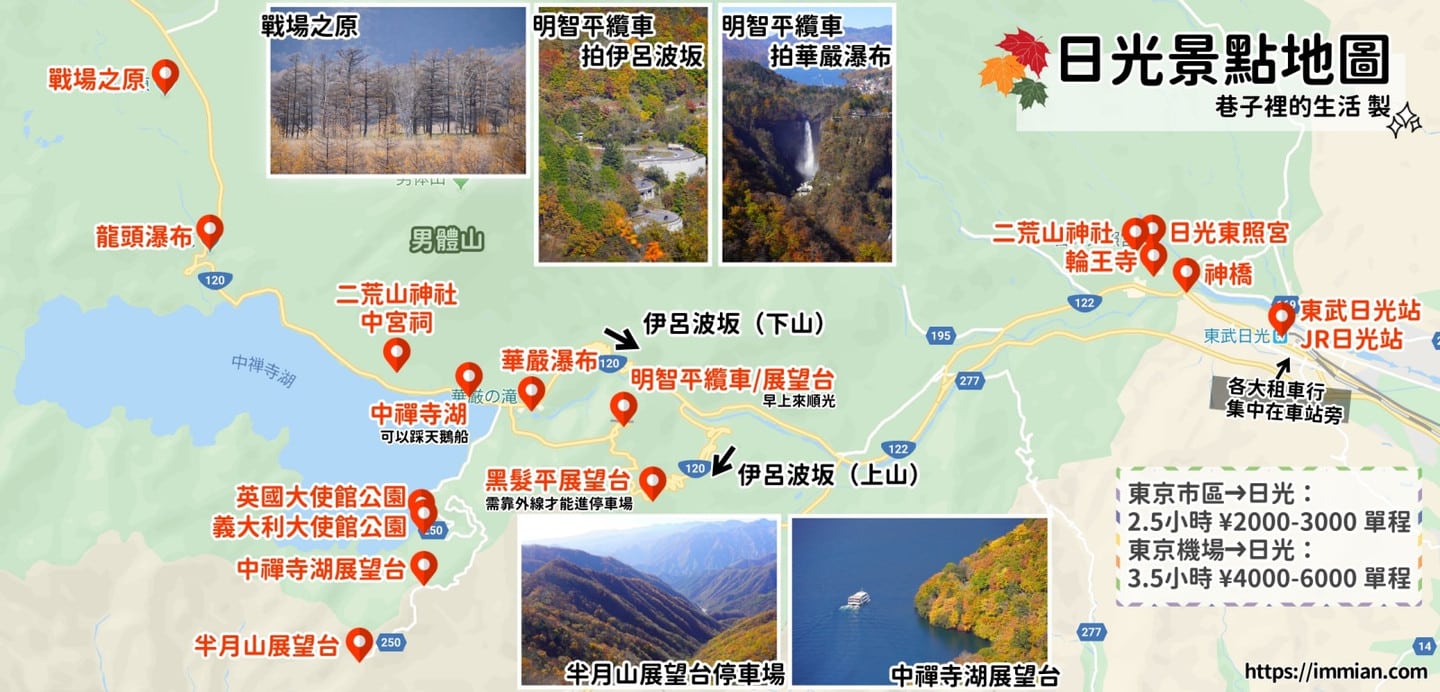
There are several ways to get from Tokyo to Nikko, including train, bus and driving. The most convenient is to take Tobu Railway’s limited express from Asakusa, which takes about 2 hours. You can also take the JR-Tobu through limited express from Shinjuku, which likewise goes straight to Tobu-Nikko Station.
After arriving in Nikko, you can use local buses or taxis to reach the sights. For travelers planning to visit several attractions, the Nikko Pass is a good choice and can save on transport costs.
Admission Tickets and Costs for Nikko’s Attractions
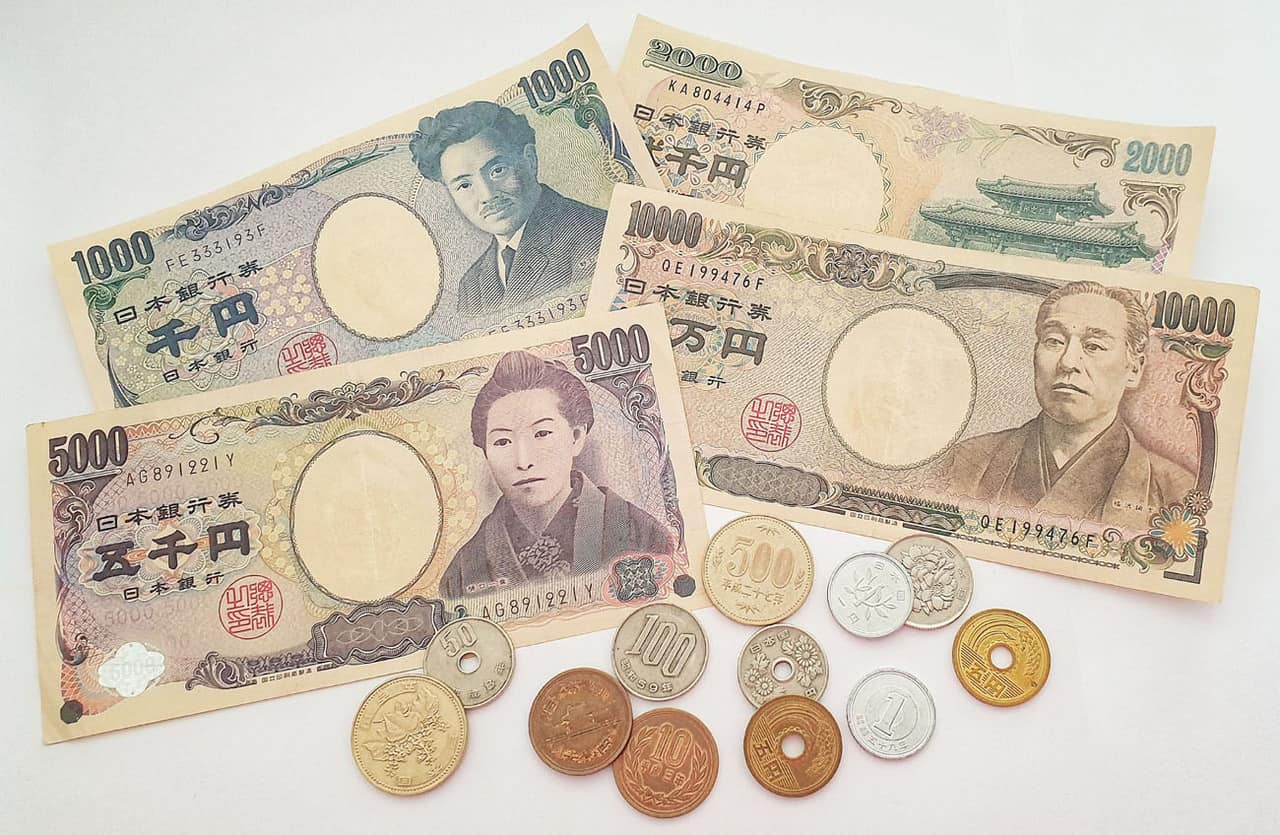
Nikko’s main shrines and temples sell tickets separately: Nikko Toshogu is ¥1,600 for adults; the Futarasan Shrine garden is ¥300 for adults; at Rinnoji, Sanbutsudo Hall is ¥400 and Taiyuin is ¥550, with a shared “Rinnoji ticket” for the two at ¥900, and a combined ticket adding the Treasure Hall and Shoyoen Garden at ¥1,000.
The elevator ticket (round trip) at the Kegon Falls observation platform must be purchased separately. Please check the official websites for ticket prices and opening hours of each shrine and temple.
Tips for Traveling in Nikko
Nikko’s natural environment is beautiful, but you also need to take care to protect it and to stay safe. When visiting mountain areas or lakesides, follow the relevant rules and avoid danger. Nikko’s weather is also changeable, so bring suitable clothing and gear for the season. Last entry at Nikko Toshogu is 30 minutes before closing, so we recommend arriving early.
When visiting temples and shrines, dress appropriately and follow local rules and customs.
FAQ: Answers to Common Nikko Travel Questions
Q: When is the best time to visit Nikko?
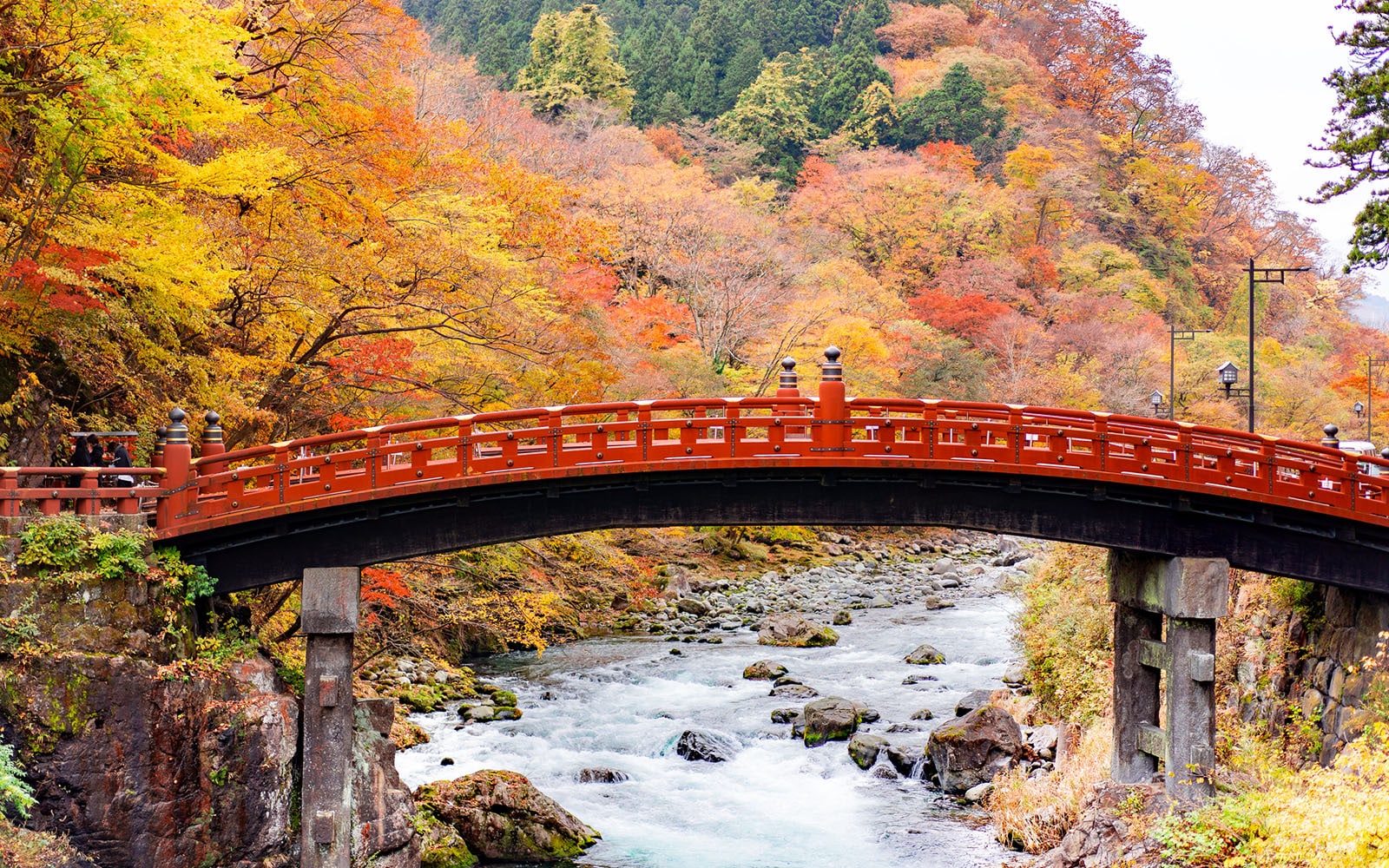
The best season depends on your interests. Spring (March to May) is ideal for cherry blossoms and spring flowers, while autumn (September to November) is the best season for viewing autumn leaves.
Q: How do I get to Nikko from Tokyo?
There are several ways to get from Tokyo to Nikko. The most convenient is to take the Tobu limited express or the JR-Tobu through limited express. From Asakusa Station, the Tobu limited express takes about 2 hours.
Q: What are the main attractions in Nikko?
Nikko’s main attractions include the World Heritage “Two Shrines and One Temple” (Nikko Toshogu, Futarasan Shrine and Nikko Rinnoji Temple), Kegon Falls, Lake Chuzenji, Ryuzu Falls and more. Nikko Edomura and Tobu World Square are also popular sightseeing spots.
Q: What accommodation options are there in Nikko?
Nikko has luxury hotels, hot spring inns and guesthouses. Well-known places to stay include The Ritz-Carlton, Nikko, Nikko Kanaya Hotel and Nikko Tokansou. You can choose according to your budget and preferences.
Q: What local foods should I try in Nikko?
Nikko’s specialties include Nikko yuba (tofu skin), Nikko trout and various local products. You can try these dishes at local restaurants or buy souvenirs to take home.
Nikko Travel Notes: Where World Heritage Meets Natural Beauty
The Unique Appeal of Nikko
Nikko is a destination that blends World Heritage sites and natural beauty perfectly. From the historic Nikko Toshogu and Futarasan Shrine to the breathtaking Kegon Falls and Lake Chuzenji, it is hard to tear yourself away. It offers not only a rich cultural heritage but also striking natural scenery, making it the best choice for an in-depth trip.
Featured Stay: The Ritz-Carlton, Nikko
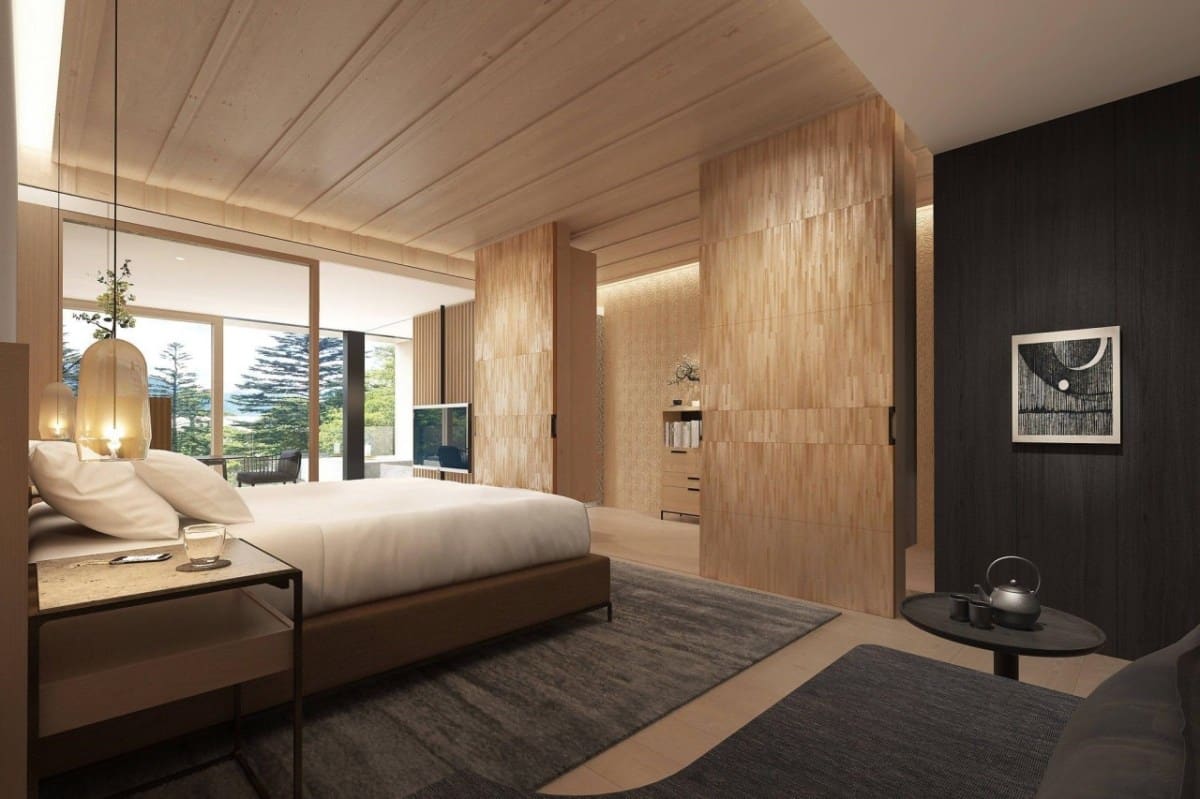
The Ritz-Carlton, Nikko is the top luxury choice in the Nikko area. The hotel stands on the shore of Lake Chuzenji with superb lake views, opened in July 2020 and has a hot spring bath fed by Yumoto onsen water. Guests can enjoy high-end rooms, refined dining and a full range of leisure facilities. Whether you want to relax or explore nearby attractions, The Ritz-Carlton, Nikko is an ideal place to stay.
Must-Do Experience: Nikko Toshogu and Rinnoji
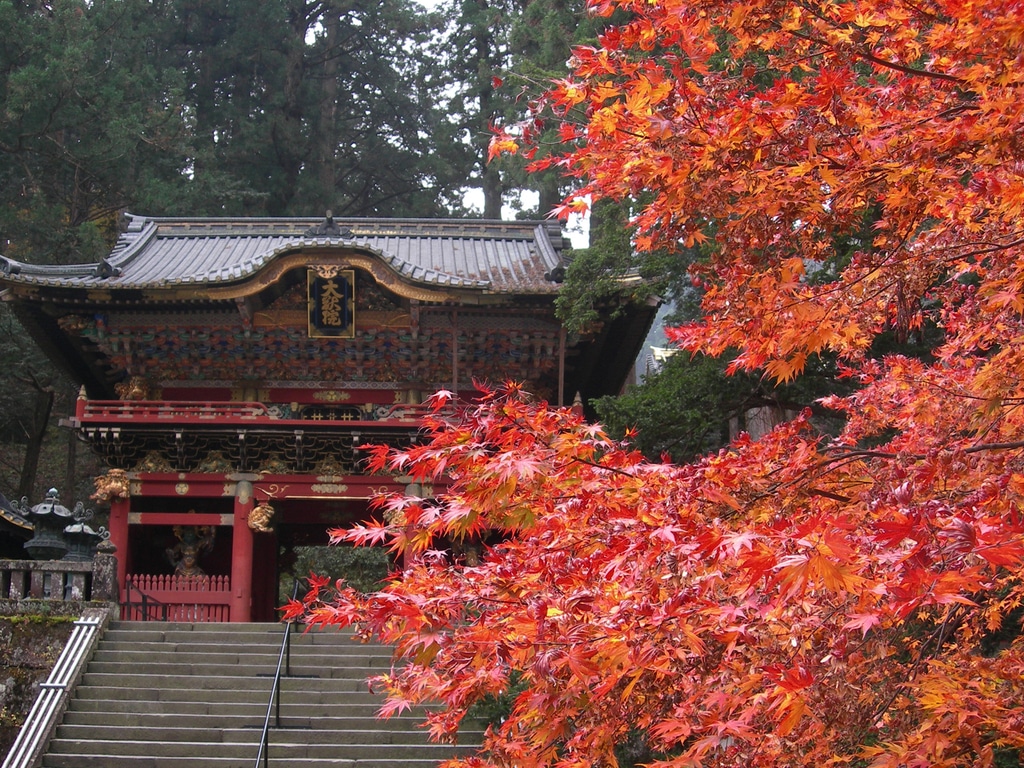
Nikko Toshogu and Rinnoji are must-visit attractions on a Nikko trip. Nikko Toshogu is famous for its exquisite carvings and historical significance, while Rinnoji draws many visitors with its tranquil atmosphere and beautiful gardens. Visiting these two World Heritage sites gives you a deeper understanding of Nikko’s history and culture and the unique charm of traditional Japanese architecture.
Exploring Nature: Lake Chuzenji and Kegon Falls
Lake Chuzenji and Kegon Falls represent Nikko’s natural beauty. Taking a cruise on Lake Chuzenji lets you enjoy magnificent lake and mountain scenery, while Kegon Falls draws visitors with its powerful flow and beautiful natural surroundings. Kegon Falls drops about 97 meters and is one of Japan’s three great waterfalls; these two spots are the best choices for experiencing Nikko’s natural scenery.
