
Tachikawa Travel Guide 2026: What Is Showa Kinen Park Like?
Showa Kinen Park (Showa Memorial Park) sits at 3173 Midori-cho, Tachikawa, Tokyo, straddling the cities of Tachikawa and Akishima. At about 180 hectares, roughly the size of 40 Tokyo Domes, it is the largest national park near Tokyo and has the richest year-round flower displays, making it a top pick for cherry blossoms in spring and autumn leaves in fall in 2026.
How Big Is Showa Kinen Park?
The park was built on the former site of the US Tachikawa air base to commemorate the 50th anniversary of Emperor Showa’s reign. Its roughly 180 hectares are divided into five zones: the Green Culture Zone, the Exhibition Facilities Zone, the Water Zone, the Plaza Zone, and the Forest Zone.
Because the grounds are so vast, first-time visitors should plan a route around the entrance gate and the current seasonal highlights to avoid wasted steps. Nishi-Tachikawa Gate is close to the Japanese Garden and the Bonsai Garden, while Tachikawa Gate is near Canal Plaza and the ginkgo avenue.
Choosing an Entrance Gate Based on the Season
The park has several entrances, and Nishi-Tachikawa Gate and Tachikawa Gate are the ones visitors use most. If the seasonal highlight is flowers (Flower Hill, Stream Plaza), enter from Akishima Gate or Nishi-Tachikawa Gate; if you are after the ginkgo trees and the canal scenery, Tachikawa Gate is the most convenient.
Check the current flower report and event notices before you go, then match them against the map to pick your entrance. This saves a lot of walking, especially in the busy spring and autumn seasons.
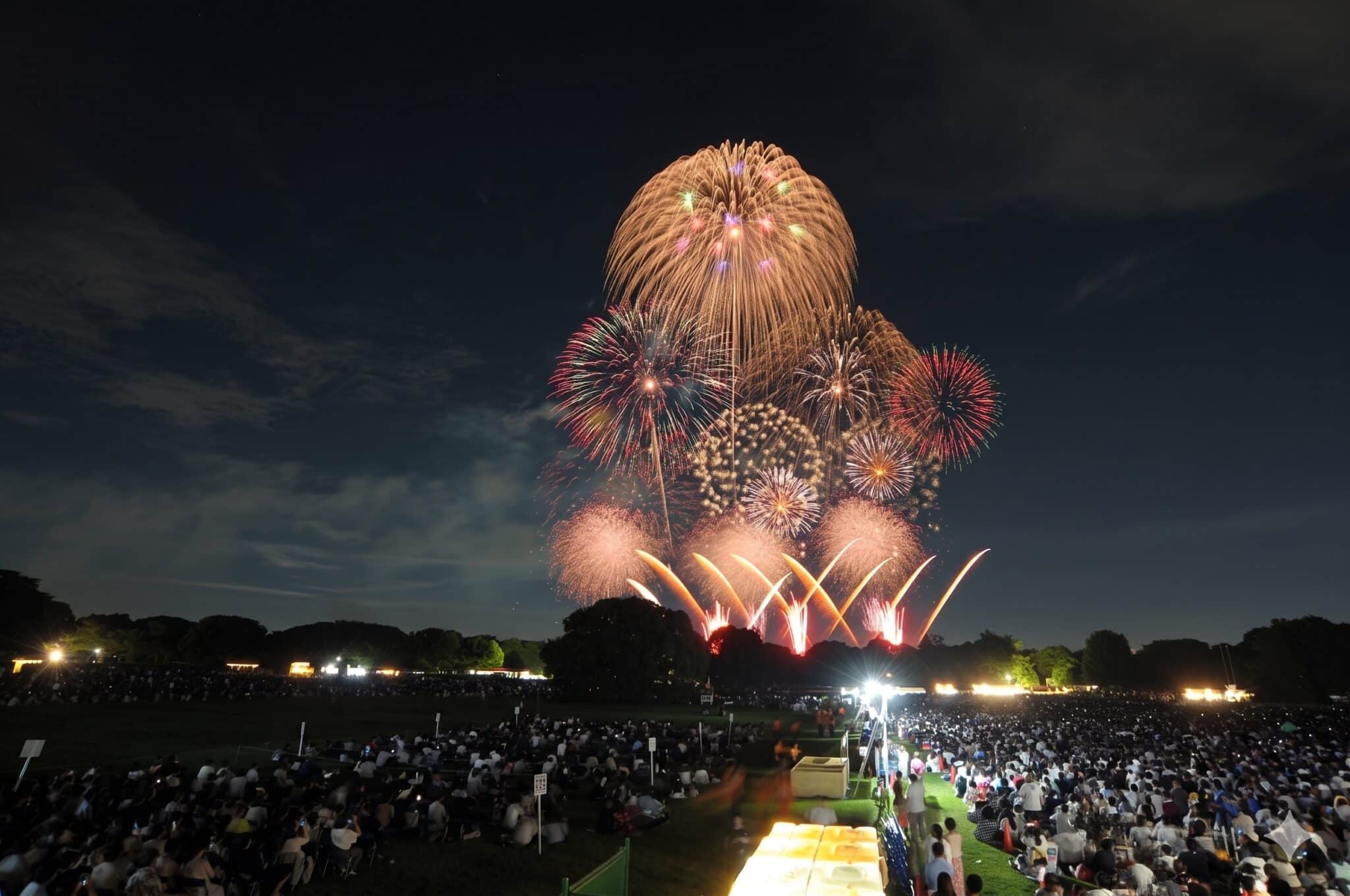
Tachikawa Festival Fireworks
The Tachikawa Festival Showa Kinen Park Fireworks Show is held every year in late July. In 2026 it takes place on Saturday, July 25, from 7:15 p.m. to 8:15 p.m., with about 5,000 shells. The venue is Minna no Hara-ppa (Everyone’s Meadow) inside the park, and from this year the main viewing area is ticketed. The 2027 date will be announced by the organizers.
Park opening hours and admission rules on the day follow the organizers’ announcements, so check the official fireworks website (hanabi.tokyo-tachikawa.org) before you go.

Aki no Yoru Sanpo 2026: Night Illumination at the Japanese Garden
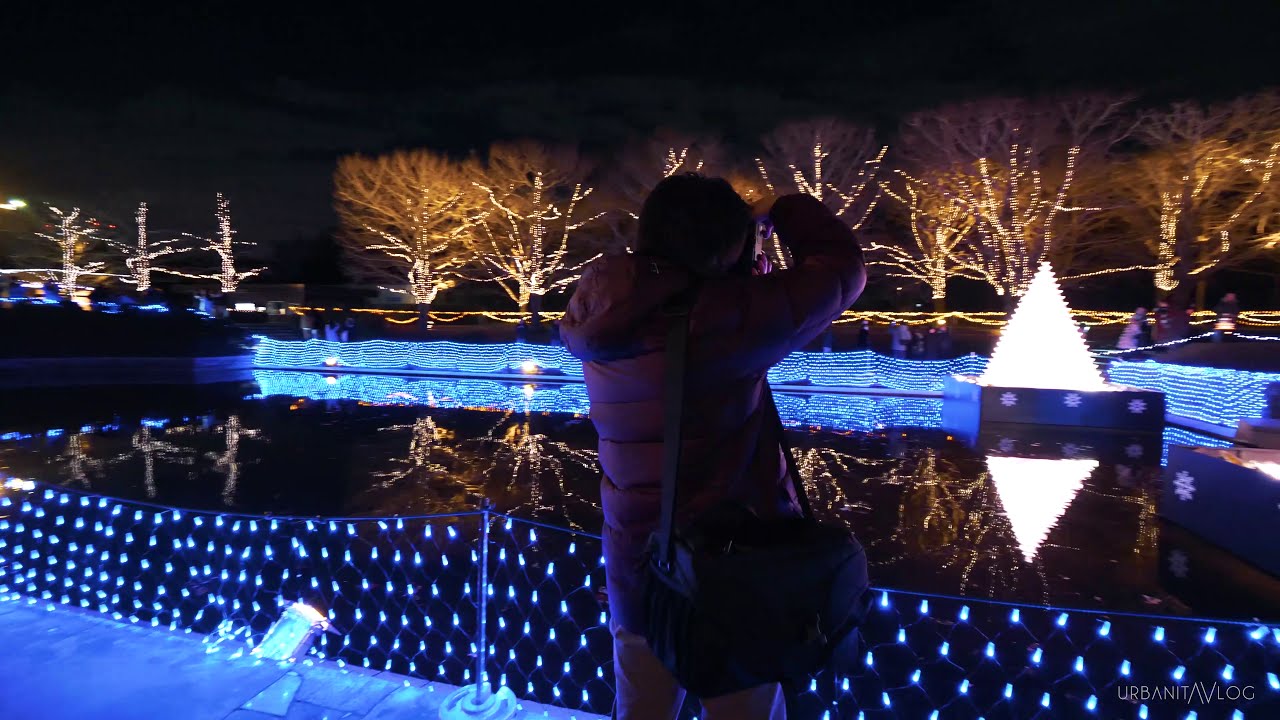
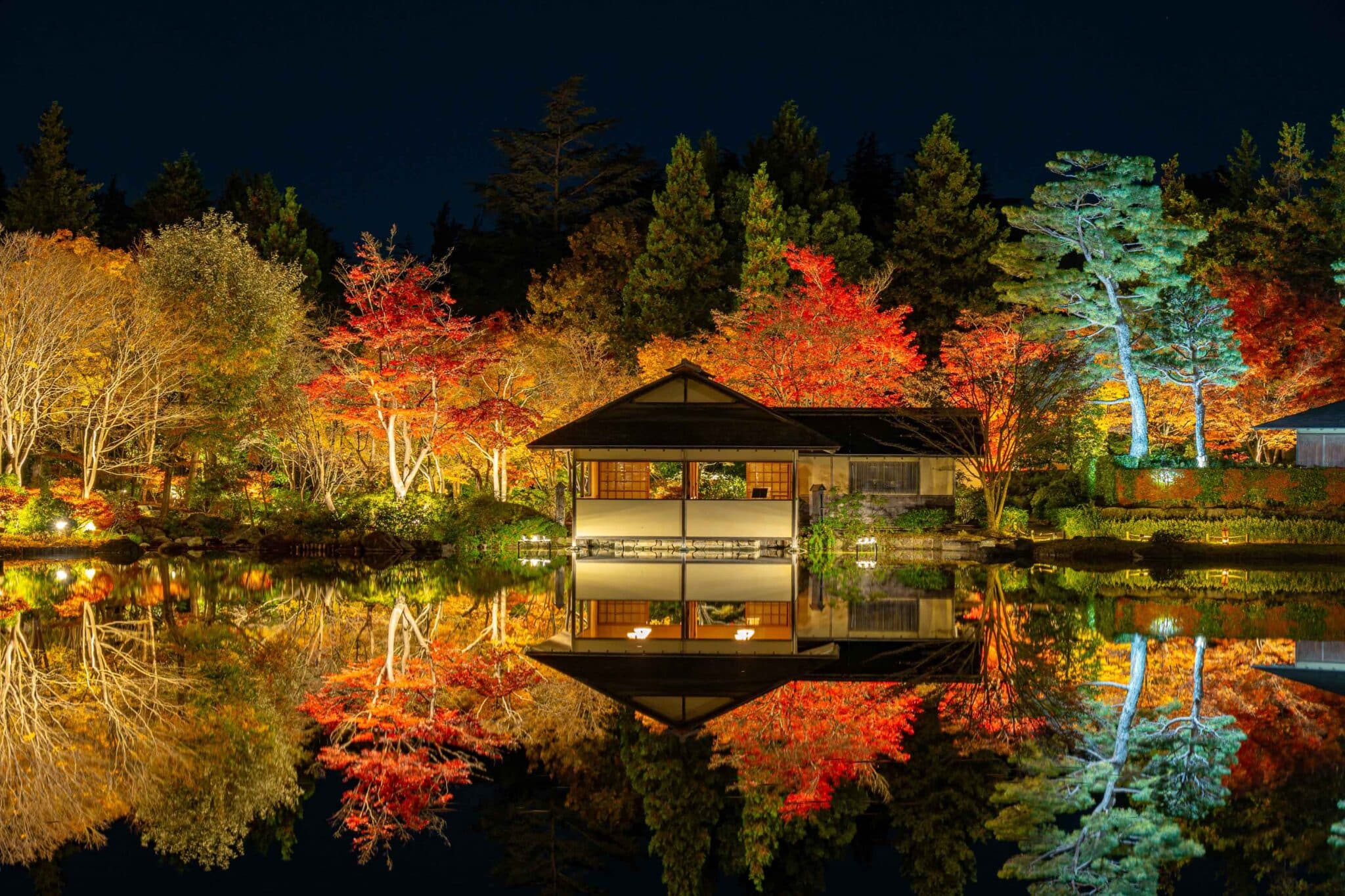
Showa Kinen Park’s “Autumn Leaves Festival and Autumn Night Walk 2026” (Koyo-Momiji Matsuri & Aki no Yoru Sanpo) runs from Thursday, October 29 to Sunday, November 29. The park stays open until 9:00 p.m., and the lights are on from 4:30 p.m. to 8:30 p.m. There are three venues: the ginkgo avenue, Canal Plaza, and the Japanese Garden.
The ginkgo avenue and Canal Plaza are included in the regular park admission; the Japanese Garden requires a separate ticket, priced at ¥1,200 for adults and ¥600 for junior high school students and younger when bought online, or ¥1,300 for adults and ¥700 for junior high school students and younger at the window on the day. See the official website for details.
How to Get to Showa Kinen Park: Transport Options and Costs
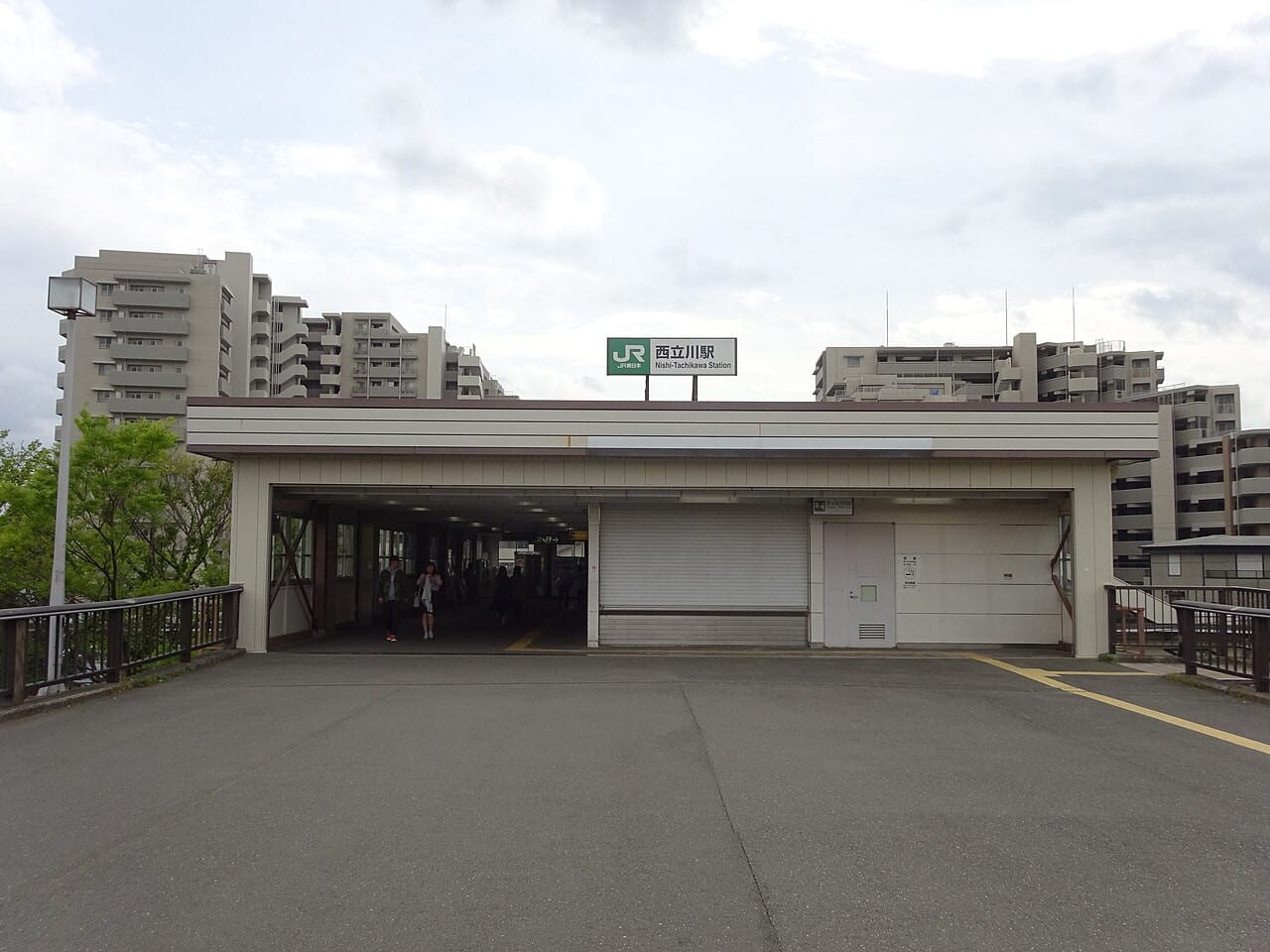
The fastest way to reach Showa Kinen Park is to take the JR line to Nishi-Tachikawa Station or Tachikawa Station, then walk 3 to 10 minutes. Here is a rundown of each transport option, plus driving information.
| Transport | Cost | Travel time |
|---|---|---|
| JR Ome Line, Nishi-Tachikawa Station (park exit) | Depends on your starting station | About 2 minutes on foot to Nishi-Tachikawa Gate |
| JR Chuo Line / Nambu Line, Tachikawa Station north exit | Depends on your starting station | About 10 minutes on foot to Akebono Gate, about 18 minutes to Tachikawa Gate |
| Tama Monorail, Tachikawa-Kita Station (park exit) | Depends on your starting station | About 8 minutes on foot to Akebono Gate, about 16 minutes to Tachikawa Gate |
| JR Ome Line, Higashi-Nakagami Station north exit | Depends on your starting station | About 10 minutes on foot to Akishima Gate |
| Seibu Haijima Line, Musashi-Sunagawa Station | Depends on your starting station | About 20 minutes on foot to Sunagawa Gate |
| Driving (Tachikawa Gate / Nishi-Tachikawa Gate / Sunagawa Gate parking lots) | ¥900 per day for a standard car | Depends on traffic |
How to Get to Showa Kinen Park: Transport at a Glance
Which route should you choose? The paid area of the park has 5 entrances. The closest is Nishi-Tachikawa Gate, right next to JR Ome Line Nishi-Tachikawa Station. The other entrances and rail routes are as follows.
🚃 JR Ome Line, Nishi-Tachikawa Station: about 35 to 40 minutes from Shinjuku. It is about a 2-minute walk from the park exit to Nishi-Tachikawa Gate, with trains every 10 to 15 minutes. This is the quickest option.
🚃 JR Chuo Line, Tachikawa Station: about 30 to 40 minutes from Shinjuku. It is about an 18-minute walk from the north exit to Tachikawa Gate (about 10 minutes to Akebono Gate in the Green Culture Zone), close to department stores and Canal Plaza.
🚃 JR Nambu Line, Tachikawa Station: direct service toward Kawasaki and Fuchu. It is about an 18-minute walk from the north exit to Tachikawa Gate. Note that the last train is relatively early.
Choosing an Entrance and the Tama Monorail Combo Ticket
To get straight into the park or see the tulips at Waterfowl Pond and Stream Plaza, JR Ome Line to Nishi-Tachikawa Station is the closest. If you want to browse the department stores around Tachikawa Station, Canal Plaza’s ginkgo avenue, or the Showa Emperor Memorial Hall, it is about a 16 to 18 minute walk to Tachikawa Gate from the Tachikawa Station north exit or Tama Monorail Tachikawa-Kita Station. If you are heading for Flower Hill, the Japanese Garden, or the Children’s Forest, take a Tachikawa Bus from stop 2 at the Tachikawa Station north exit bus terminal to “Showa Kinen Koen Sunagawa-guchi” (about 13 minutes), then walk about 2 minutes to Sunagawa Gate. Ticket machines at Tama Monorail stations sell a combo of park admission and a one-day monorail pass for ¥920 for high school students and older (¥1,340 if bought separately).
Driving, Cycling and the Park Train
🚗 Driving: take the Chuo Expressway to Kokubunji-Fuchu IC or the Ken-O Expressway to Hinode IC. The park has 3 parking lots, at Tachikawa Gate, Nishi-Tachikawa Gate and Sunagawa Gate, costing ¥900 per day for a standard car (per the official website’s 2026 information). They are often full during the busy spring and autumn seasons and cannot be reserved.
🚲 Bicycle rental: cycle centers at Tachikawa Gate, Nishi-Tachikawa Gate and Sunagawa Gate rent bikes at ¥600 for 3 hours for adults and ¥350 for junior high school students and younger (overtime is charged per 30 minutes), ideal for exploring the 180-hectare park.
🚂 Park train: it links the main sights, with a one-way fare of ¥400 and a day pass of ¥600, running every 20 to 30 minutes. Good for seniors and small children.


Must-See Spots at Showa Kinen Park: Highlights of Each Zone
Showa Kinen Park is laid out in five zones. Below are the must-visit spots and what to see at each, so you can plan a route around your interests.
Canal Plaza Ginkgo Avenue
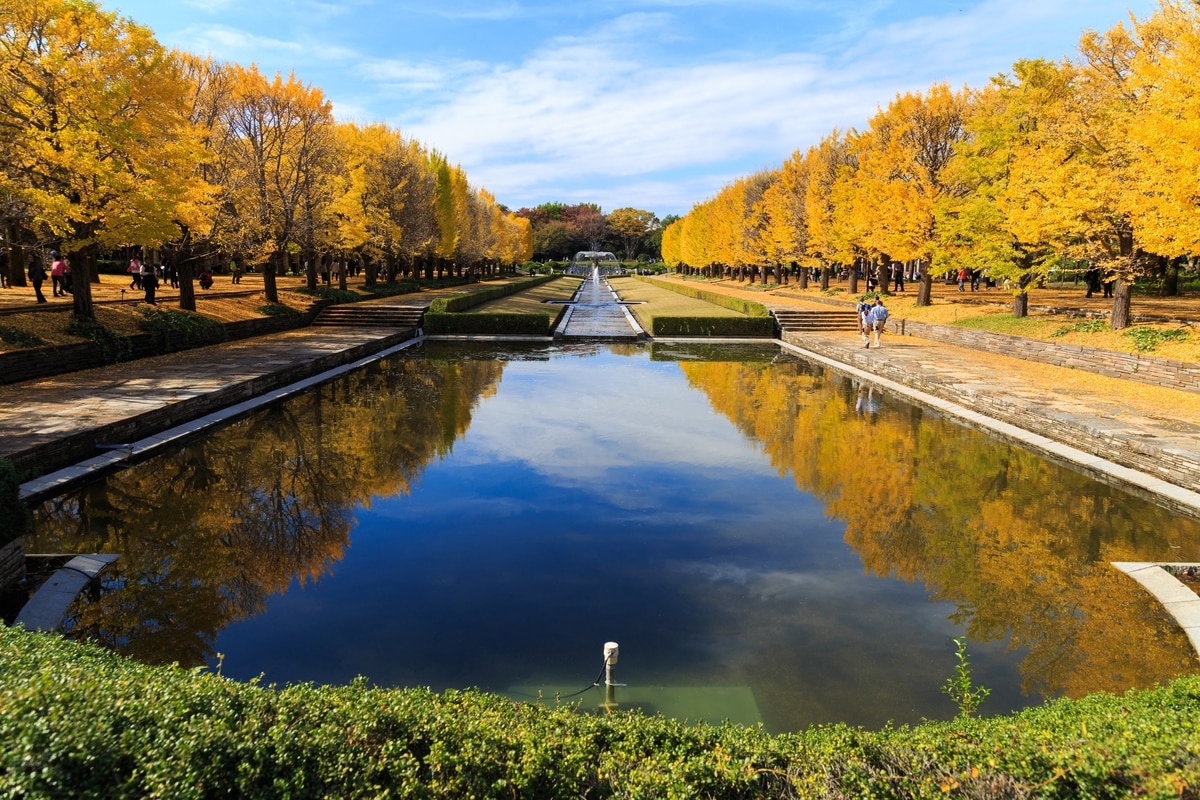
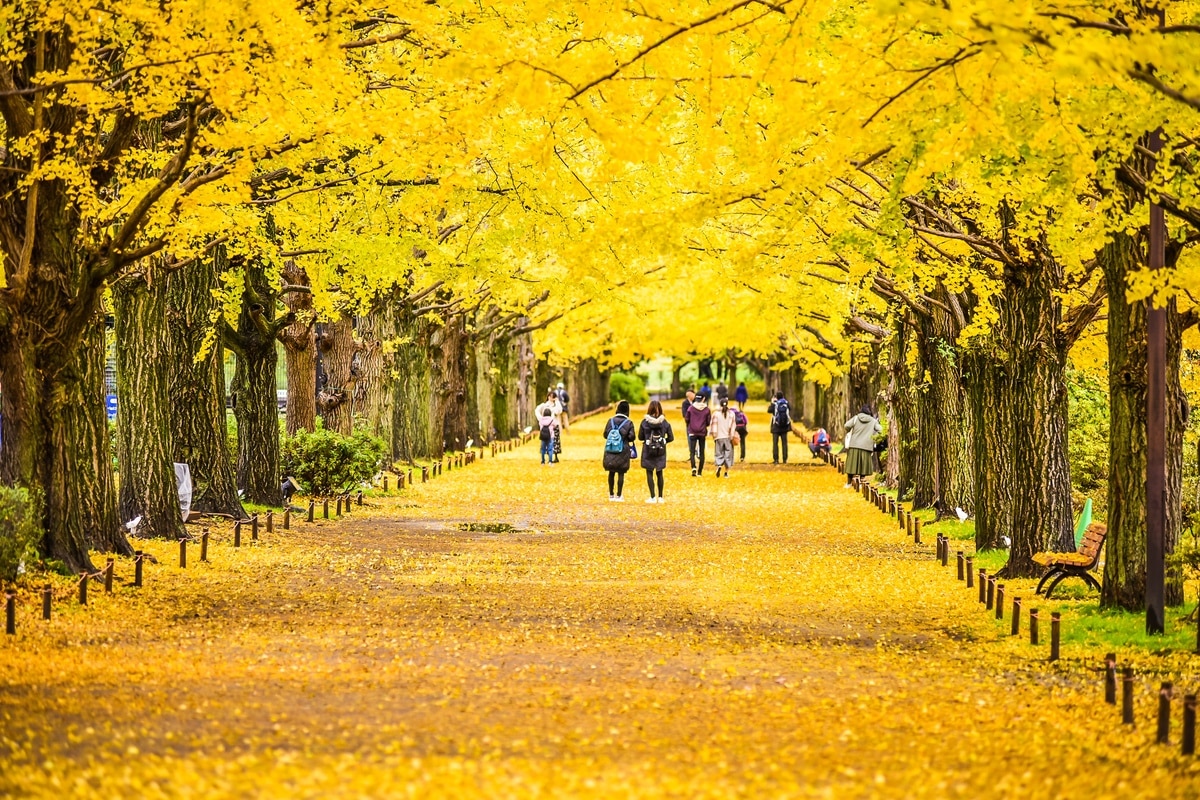
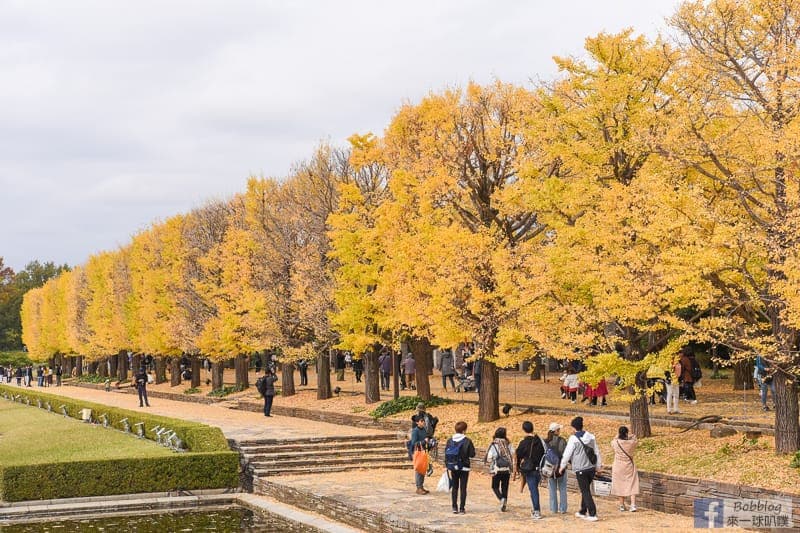
Inside Tachikawa Gate, a symmetrical double row of ginkgo trees stretches about 200 meters on either side to form a striking tree-lined avenue. It turns golden in mid to late November and is one of the classic ginkgo-viewing spots near Tokyo. It is especially dreamy when sunlight filters through the leaves in the daytime, and the soft light toward evening is the best time to photograph the silhouette of the ginkgo tunnel. Street performers often play on weekends, which adds to the lively atmosphere.
We recommend visiting on a weekday morning or before dusk for photos, avoiding the weekend peak. A walk through takes about 20 to 30 minutes. When fallen ginkgo leaves carpet the ground, it is also the best moment to shoot the “golden carpet,” and the park occasionally holds market events here.
Japanese Garden
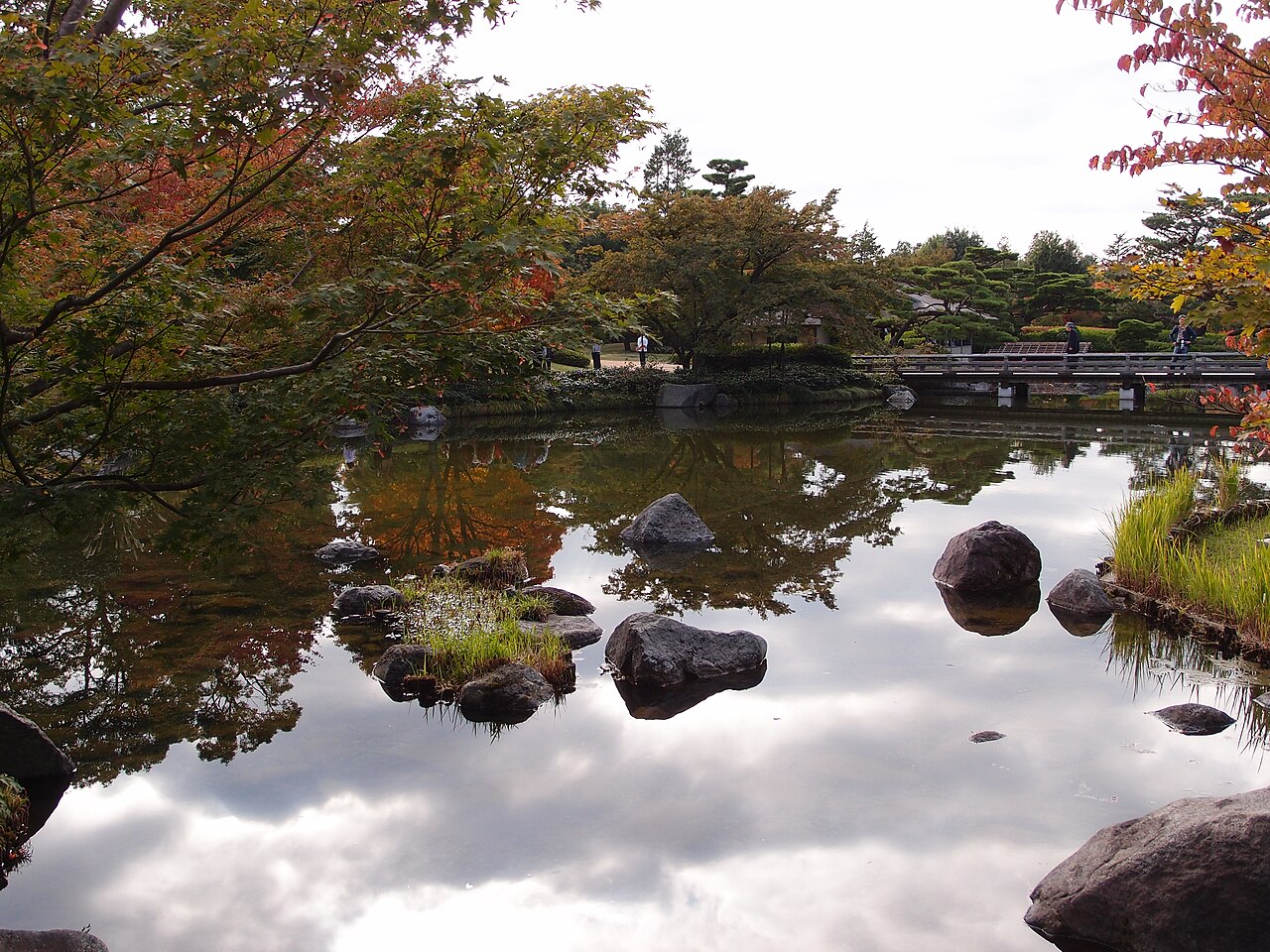
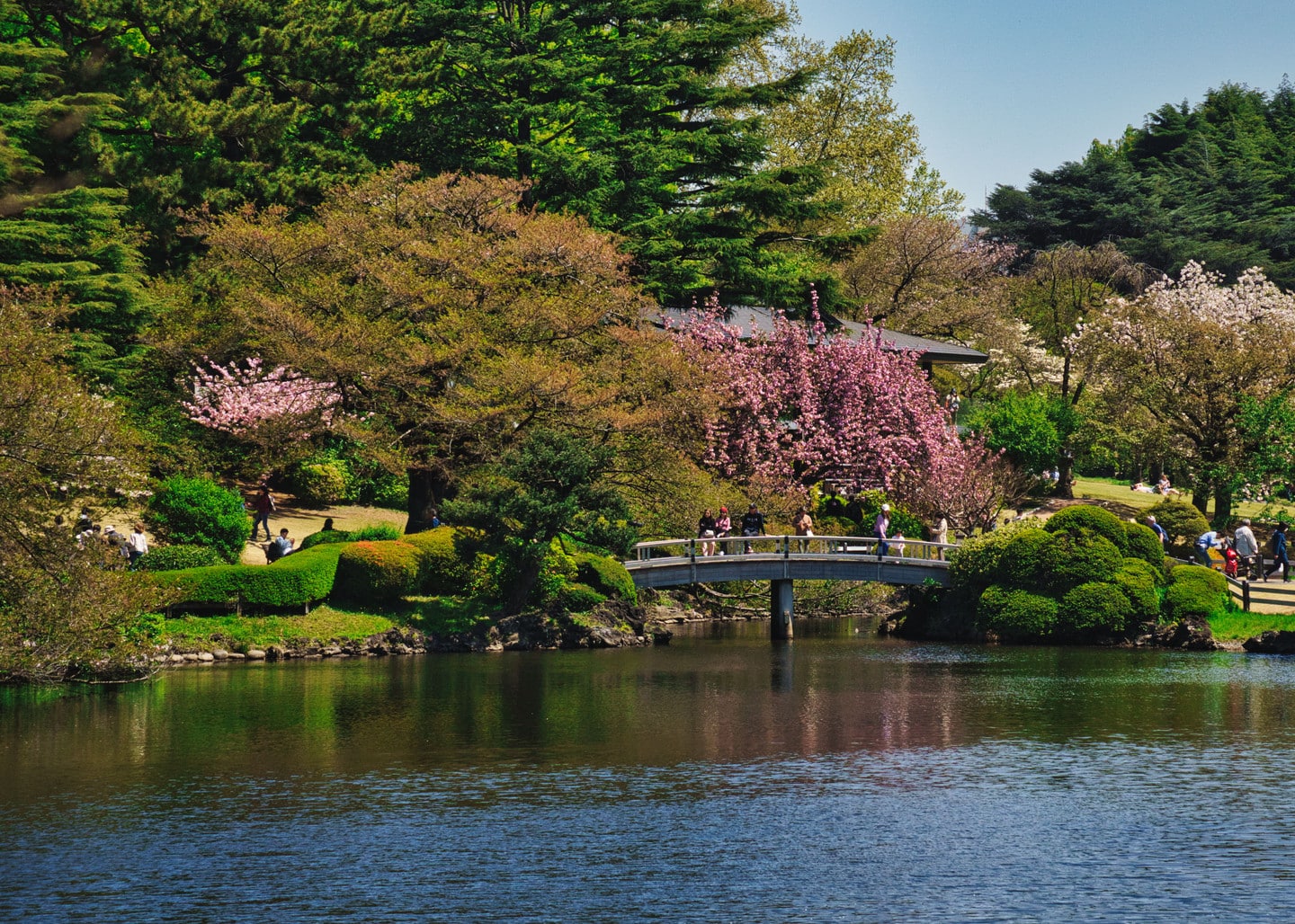
This strolling pond garden follows Edo-period landscaping techniques and looks different in every season, with fresh greenery in spring and red maples in autumn. Night illumination is held during certain periods, and it is the most distinctly Japanese corner of the entire park.
A tea house in the garden offers tea and a place to rest. Allow 30 to 40 minutes to stroll slowly along the pond path, take in the clever use of borrowed scenery, and watch the koi swimming in the pond. It is a popular spot for photographers.
Flower Hill
Covering about 15,000 square meters, Flower Hill rotates through different flowers by season. In mid-April it is a sea of blue nemophila, and in May it hands over to 1.8 million bright red poppies, a visually stunning contrast of color.
Plan about an hour for a leisurely walk. The sloping terrain is ideal for shooting the whole flower field from above. The bloom is short, so check the best viewing times on the official website before you go.
Early October Blooms: Cosmos Festival 2026
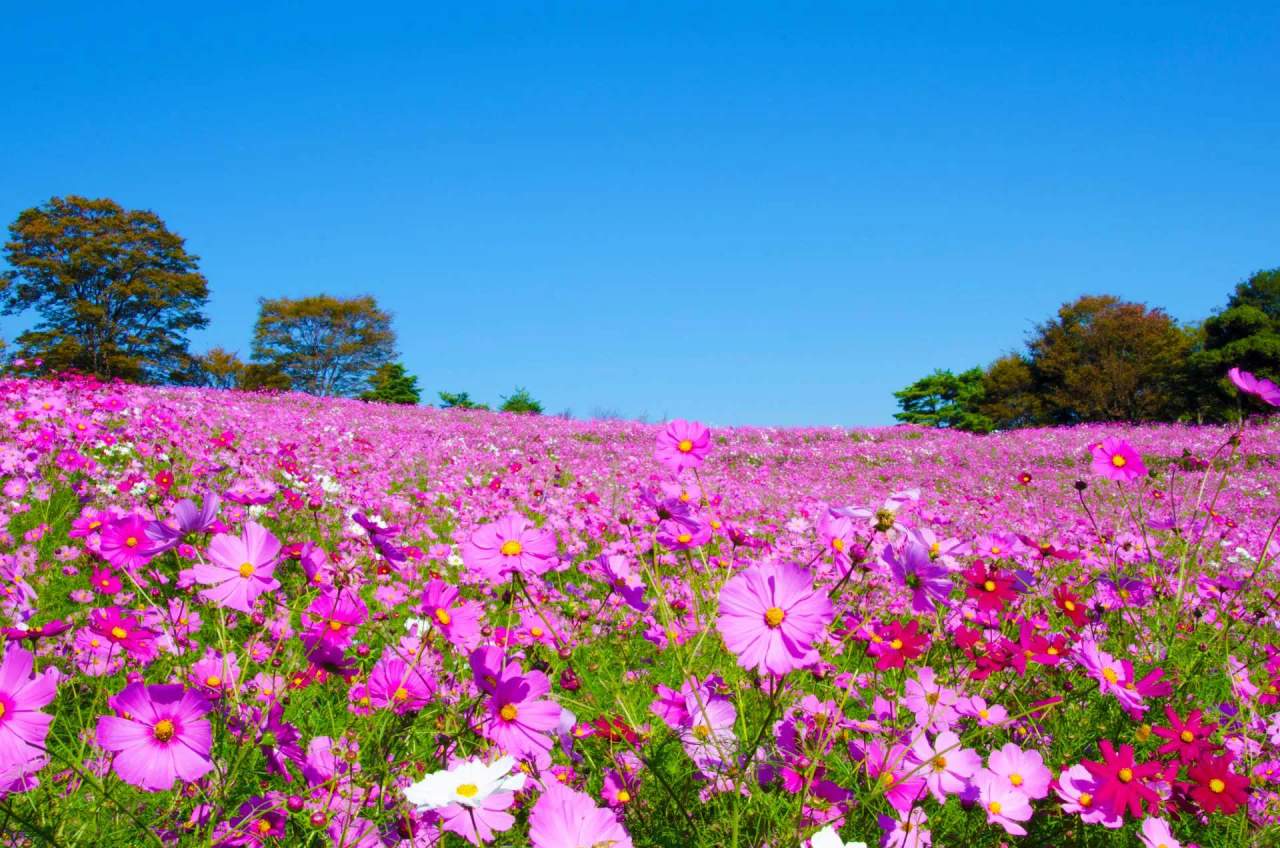
The official “Cosmos Festival 2026” (Cosmos Matsuri) runs from Saturday, September 12 to Sunday, October 25. On Flower Hill, about 4 million yellow cosmos bloom from mid-September to early October. The autumn bouquet garden in Hara-ppa South Flower Field has about 20 varieties, blooming from late August to late October, while cosmos and red buckwheat in Hara-ppa East Flower Field bloom from early to late October. Check the official website for the latest bloom status before you go.
Stream Plaza
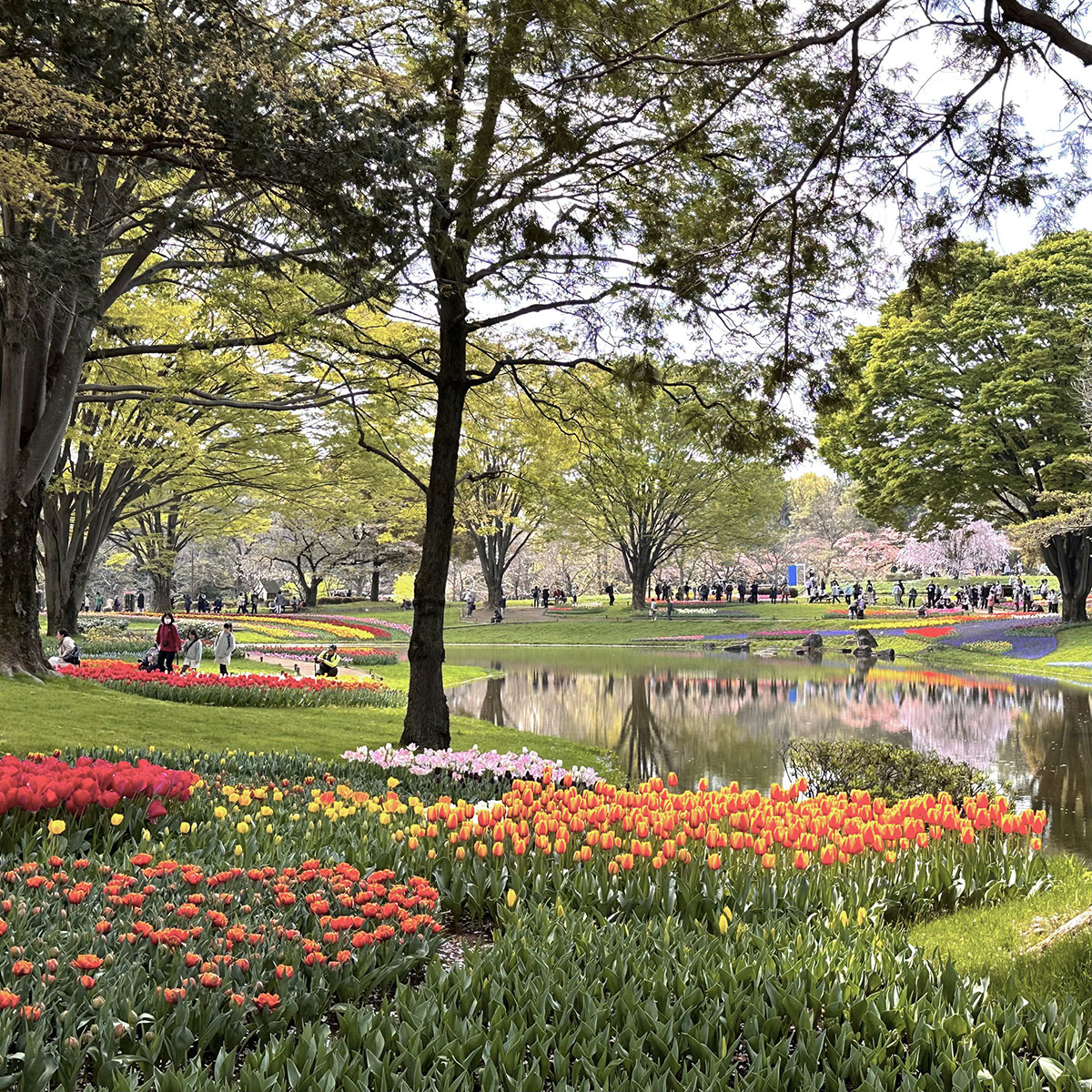
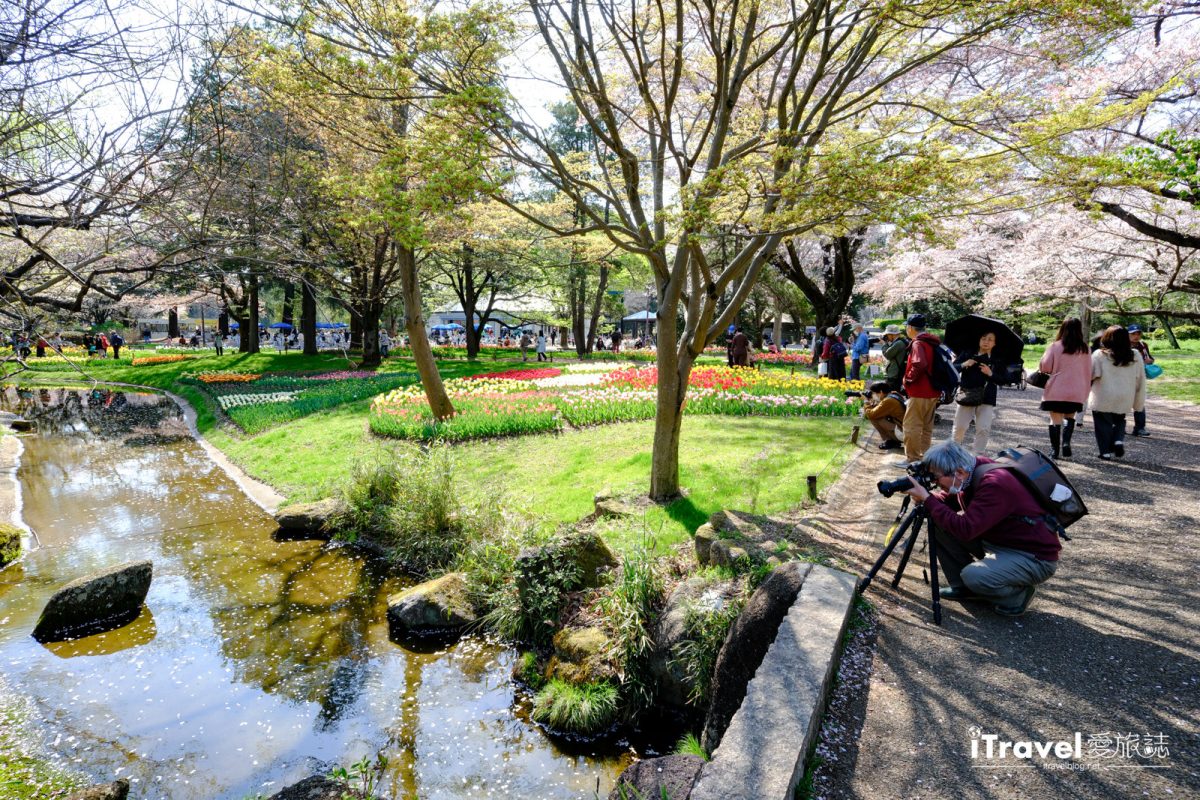
In early April, about 250,000 tulips in roughly 260 varieties are on display, planted in layers along both sides of an artificial stream like a rainbow ribbon of color. It is the most popular photo spot during the Flower Festival.
Arrive before 10 a.m. to beat the crowds. Tulips bloom for only about two weeks, and if you miss them you must wait until next year, so keep a close eye on the official bloom-status page to catch the best viewing window.
Sakura Garden
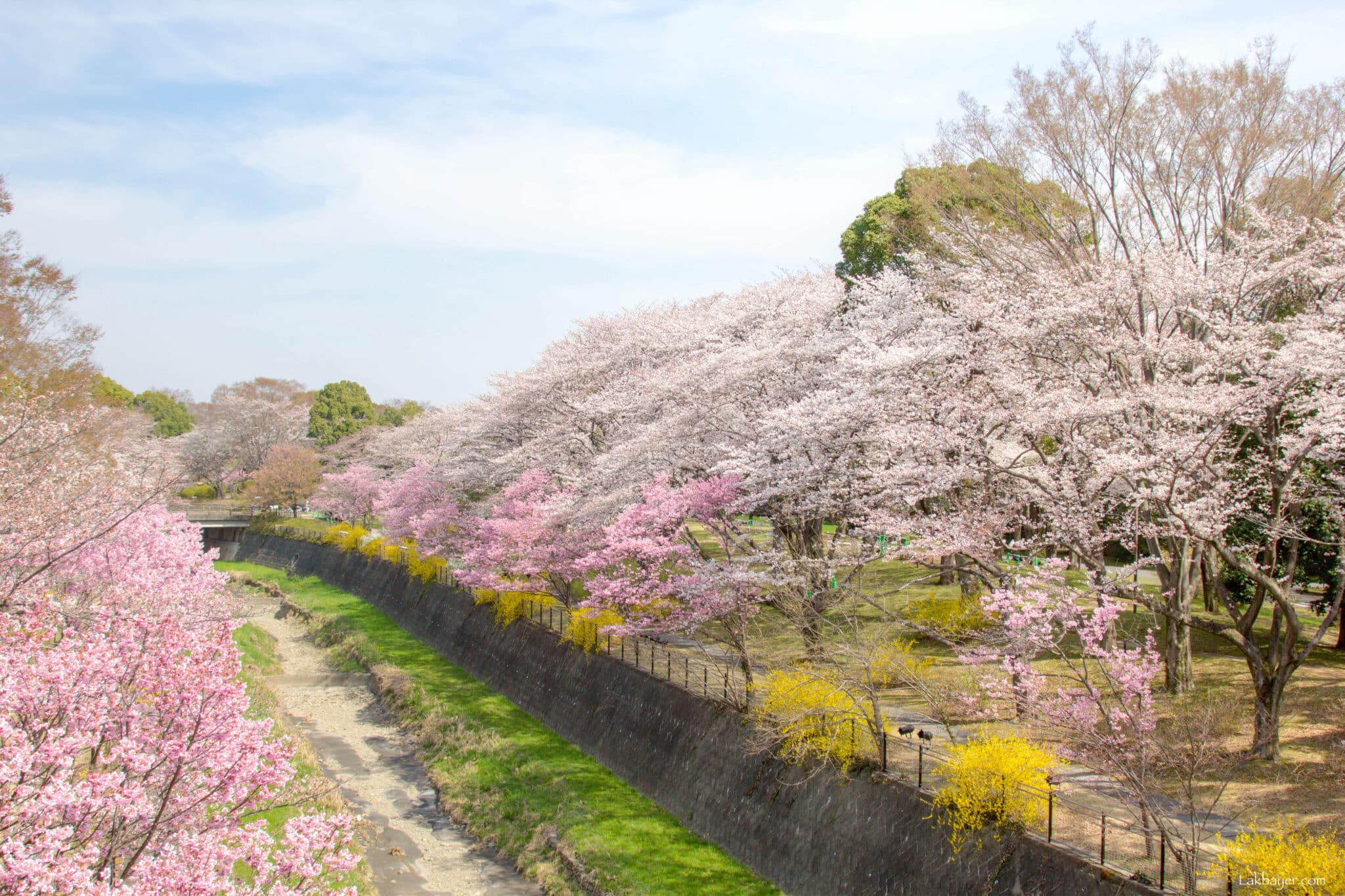
About 1,500 cherry trees in 31 varieties bloom from late March to early April, and pink blossoms alongside golden rapeseed fields make this one of the most popular picnic spots near Tokyo for cherry blossom viewing.
Bring your own picnic mat and sit in the shade of the trees. The park has plenty of benches and lawn space, and weekday mornings are quieter, a great time for portraits and family photos.
Minna no Hara-ppa (Everyone’s Meadow)
This wide lawn is the largest picnic area in the park and is also where the Tachikawa Festival fireworks are launched. On ordinary days it is good for flying kites, throwing a frisbee, or simply lying on the grass in the sun.
Bring a light snack and a picnic mat for a relaxed afternoon. Tall trees around the lawn provide natural shade, making it a versatile space for families and couples alike.

Waterfowl Pond
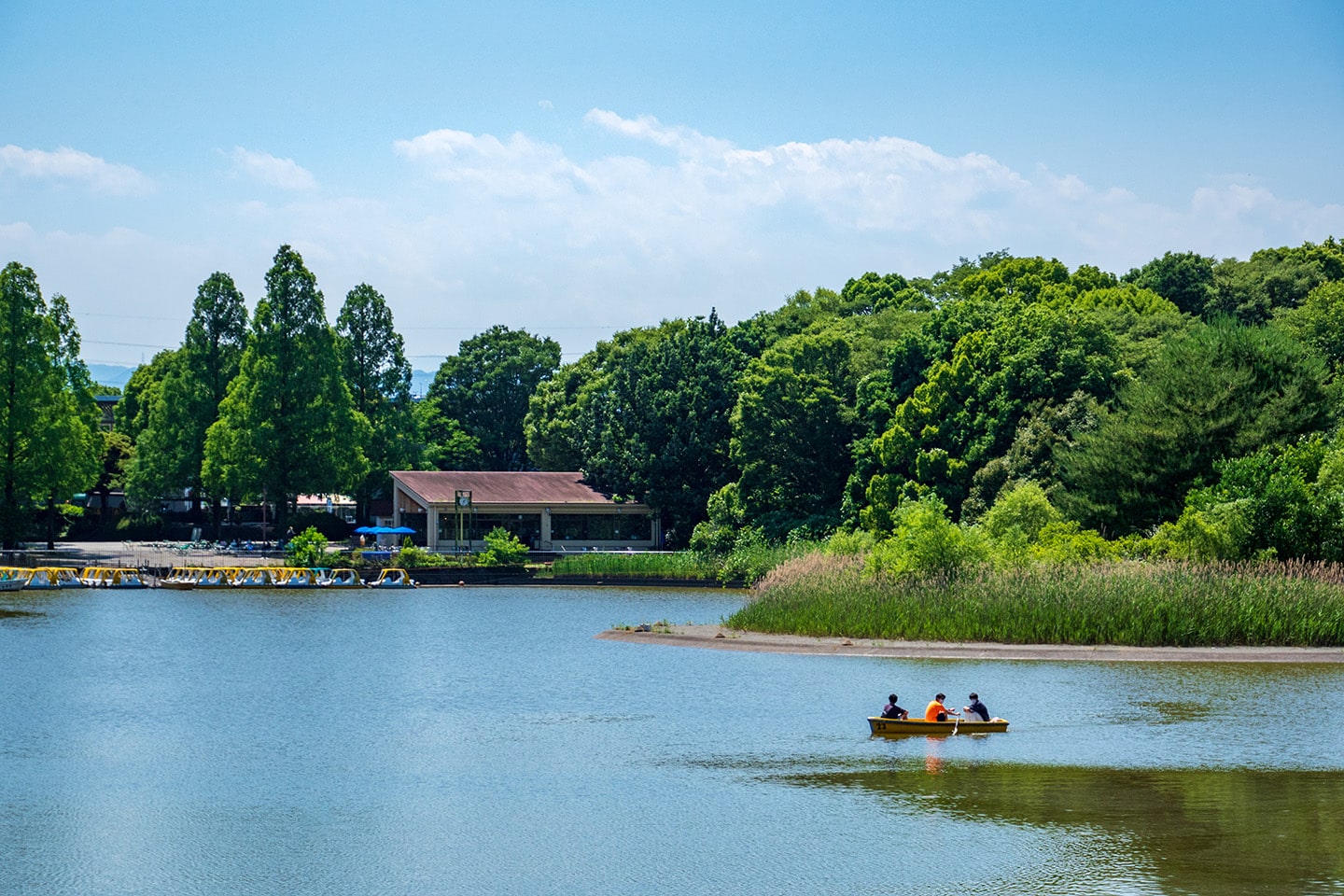
At Waterfowl Pond you can rent a two-seat pedal boat or a rowboat and take in the park’s surroundings from the calm water. Waterbirds are often seen on the pond, and it is one of the few places in the park where you can get close to the water.
Pedal boats (2 seats) cost ¥800 for 30 minutes and rowboats (3 seats) cost ¥800 for 60 minutes. Go on a clear afternoon to enjoy both the reflections on the water and the greenery around it. It suits couples well.
Children’s Forest
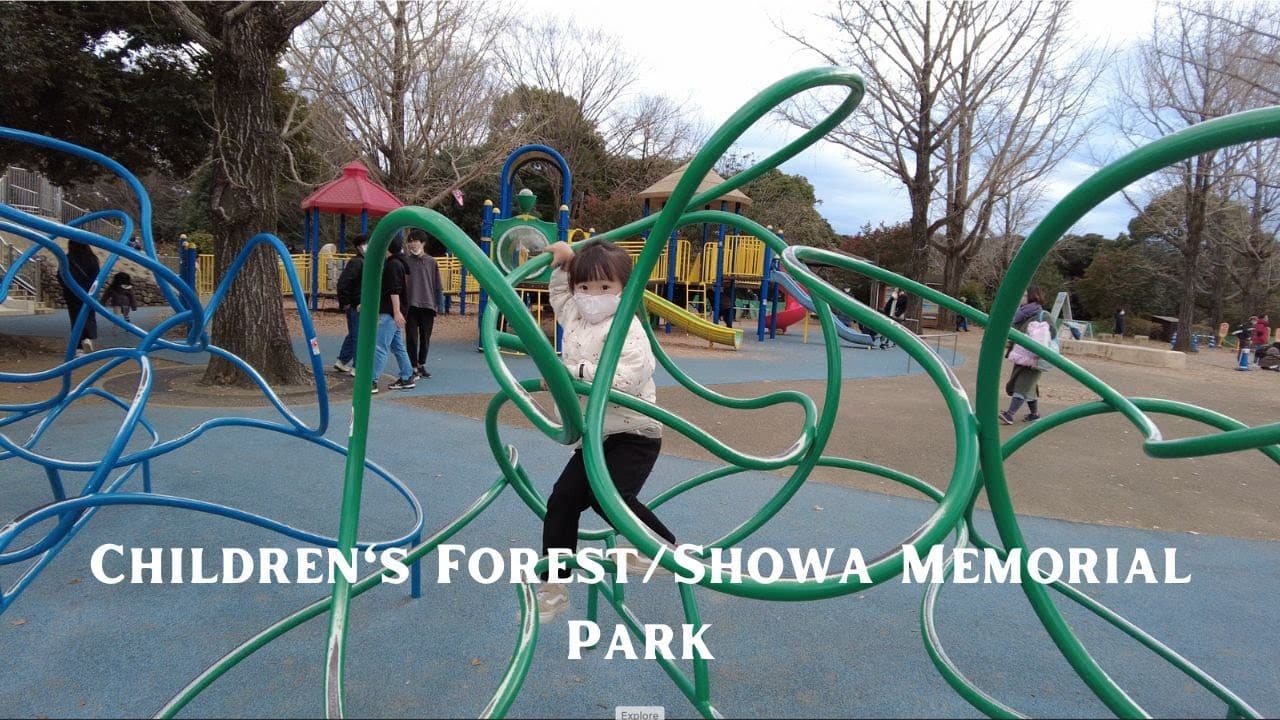
The Children’s Forest has large play structures and net climbing frames, and it is one of the favorite areas for families. Kids can run and jump to burn off energy, and the equipment is safe and suited to children of all ages.
Allow about an hour for the kids to play freely. Benches around the area make it easy for parents to keep watch, and in summer the park sometimes organizes cooling-off activities nearby.
Showa Emperor Memorial Hall
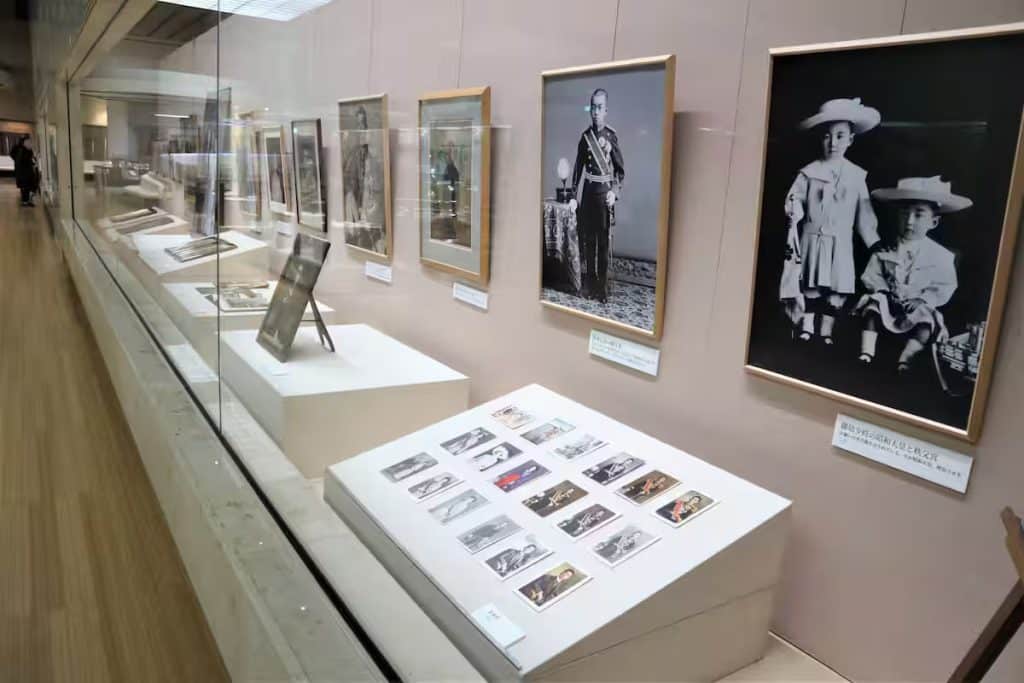
The hall displays the life story and related artifacts of Emperor Showa, using footage and exhibits to explain the historical background of the Showa era. It is an intellectual stop for learning about modern Japanese history.
Allow 30 to 40 minutes for a visit. It suits travelers interested in history and culture who want to understand how the park got its name and the context of the era. ⚠️ The memorial hall is closed for major renovation from June 1 to November 27, 2026, so keep this in mind if you visit during that period.
How Much Does Showa Kinen Park Cost? Tickets and Tours
Showa Kinen Park is located at 3173 Midori-cho, Tachikawa, Tokyo, close to JR Chuo Line Tachikawa Station and JR Ome Line Nishi-Tachikawa Station. It is one of the largest urban parks in the Kanto region, with a different flower theme in every season: tulips and rapeseed in spring, sunflowers in summer, cosmos and ginkgo in autumn, and wintersweet in winter. Because the grounds are so big, it is hard to see everything on foot, so it helps to understand the ticket types, bike rentals, the park train and combo tickets in advance to enjoy the park within limited time and on a budget. Below are some common ticket and tour options to help you plan a Tachikawa day trip.
Regular Admission to Showa Kinen Park
Park admission is ¥450 for adults, ¥210 for seniors aged 65 and over, and free for junior high school students and younger. Opening hours in 2026: March to October 9:30 a.m. to 5:00 p.m. (extended to 6:00 p.m. on Saturdays, Sundays and national holidays from April to September), and November to February 9:30 a.m. to 4:30 p.m. The park is closed on December 31, January 1, and Monday to Friday of the third week of January. We recommend buying tickets at the ticket machines at Nishi-Tachikawa Gate or Tachikawa Gate, which accept IC cards such as Suica and PASMO.
Annual pass: ¥4,500 for adults, good for those who visit several times a year.
Visit on a weekday morning and avoid Golden Week and autumn-leaf weekends to reduce crowds and enjoy the park more.
Bike Rentals and Cycling Routes in the Park
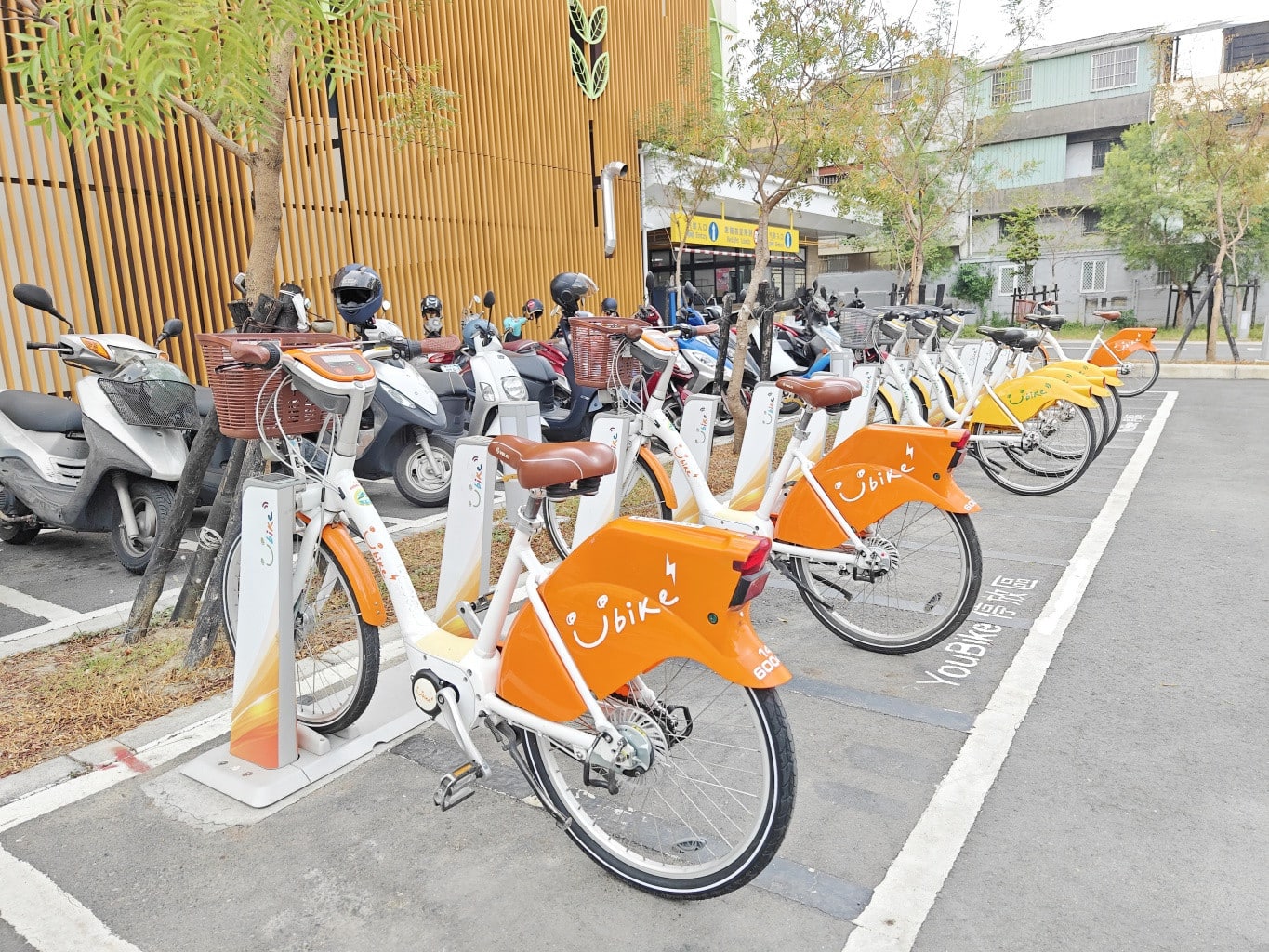
The park covers 180 hectares, so to save walking time there are bicycle rental stations at each entrance (Nishi-Tachikawa Gate, Tachikawa Gate and Sunagawa Gate). According to the official website, rental is ¥600 for 3 hours for adults and ¥350 for junior high school students and younger, with an extra charge for each additional 30 minutes (¥100 for adults, ¥50 for junior high school students and younger), which suits a quick tour of the flower gardens. Rentals are accepted from 9:30 a.m. until 1 hour before closing, and bikes must be returned to the cycle center where they were rented at least 30 minutes before closing. You cannot rent at one and return at another, so plan a route that loops back to your starting entrance.
Bikes can run out on flower-season weekends, so check availability and opening hours on the official website in advance. Arriving early gives you more certainty.
The Park Train and Sightseeing Tour Cars
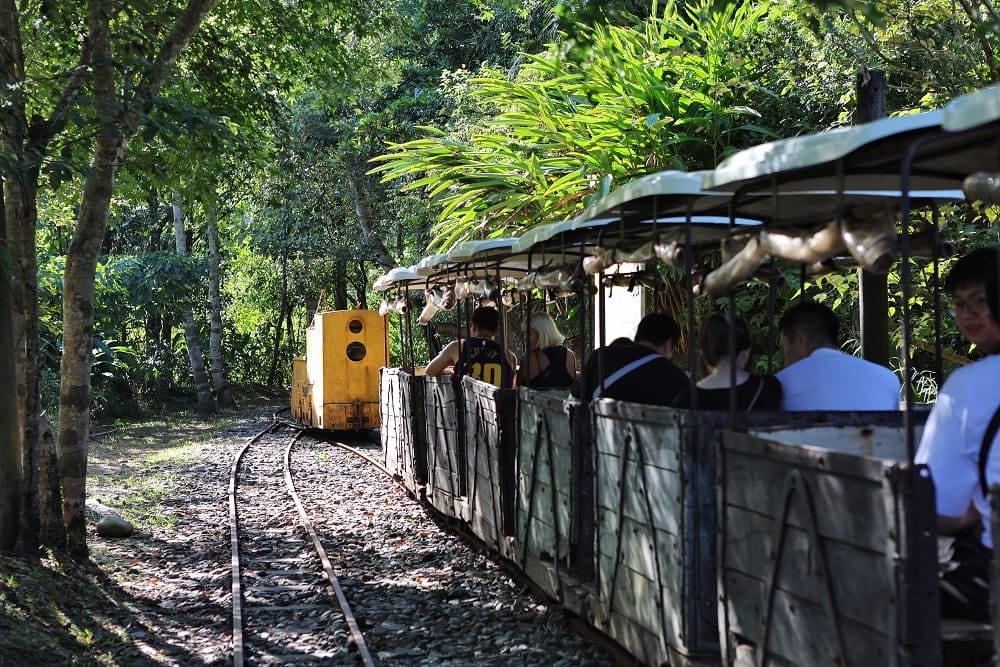
For those traveling with companions or who prefer not to cycle, the sightseeing “Park Train” costs ¥400 for adults (age 15 and up) and ¥200 for children (age 4 through junior high school). The train runs every 20 to 30 minutes, stopping at the main flower fields and lawn plazas, with several stops where you can hop on and off freely. It works well to ride the train for an overview of the whole park, then walk into specific areas. Use the park map to plan your stops to cut waiting time and keep your day flexible.
KKday / Klook Tachikawa Day Tour Packages and Transport Combos
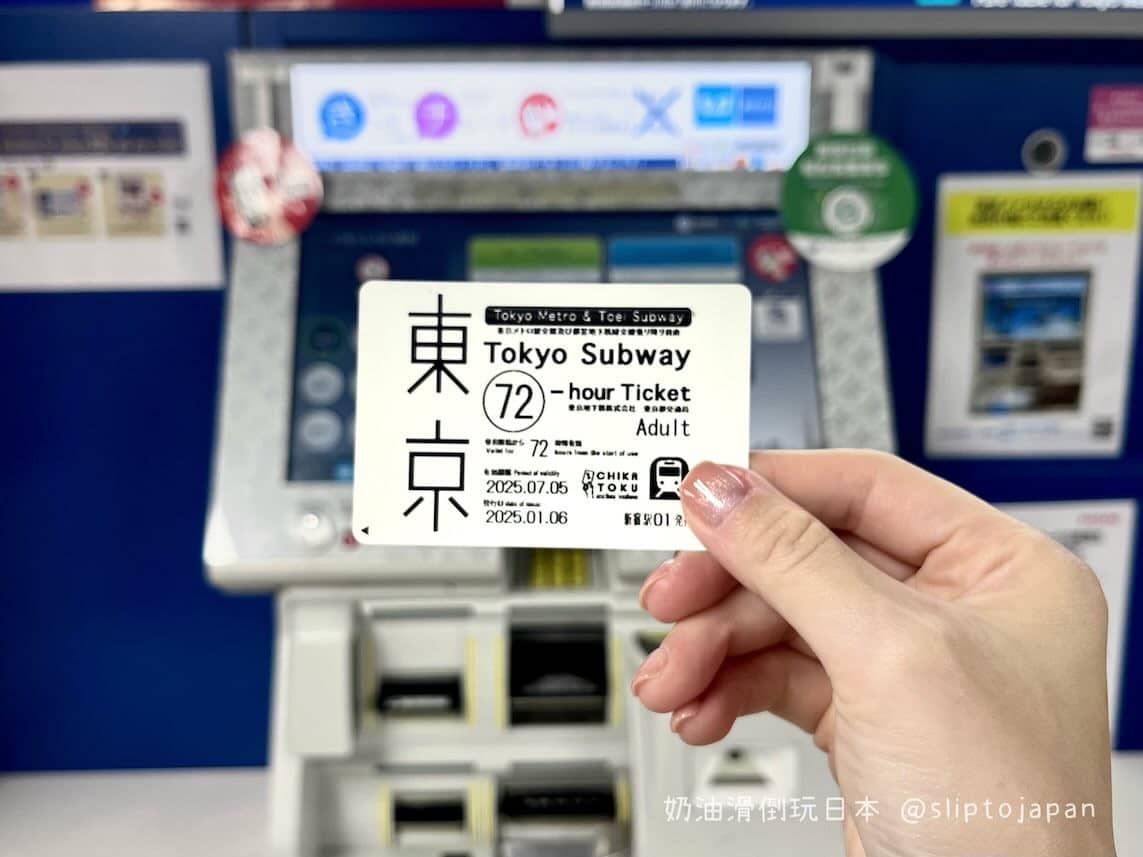
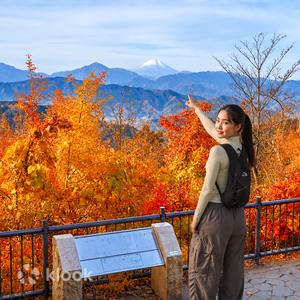
If you are starting from central Tokyo on a tight schedule, search KKday or Klook for keywords such as “Tachikawa Showa Kinen Park day tour.” Package contents vary by product, but a common setup is round-trip transport from central Tokyo plus park admission.
These packages spare you the transfers on the JR Chuo Line and the Tachikawa Bus, suit first-time visitors to Japan, and also save time buying tickets on site.
Some packages combine Granduo, IKEA or Cinema City Tachikawa, which suits a day of flower viewing and shopping. Compare platform reviews and cancellation policies before you book.
-Klook.jpg)
Where to Stay Nearby
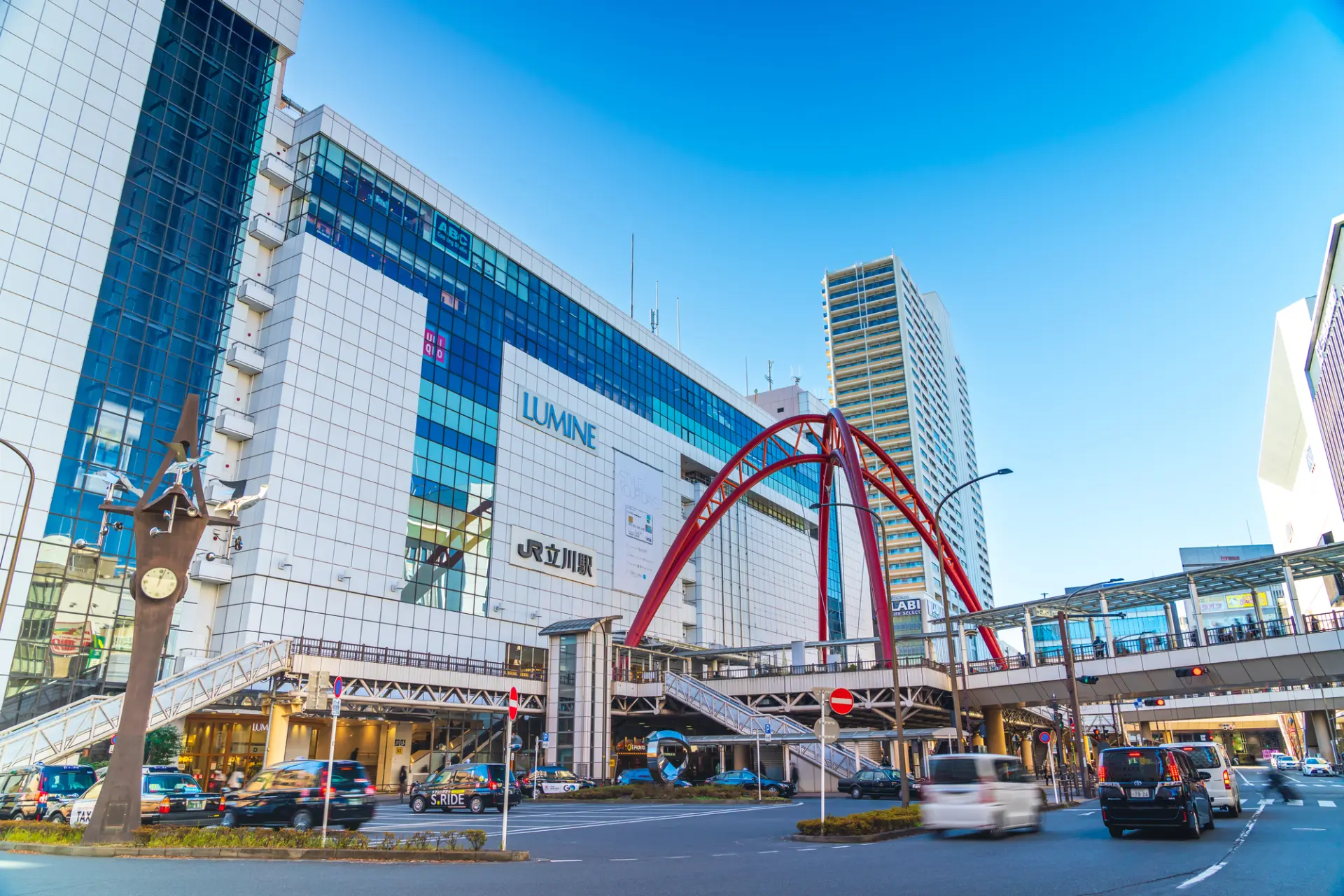
Tachikawa Station is the transfer point between the JR Chuo Line and the Tama Monorail. It takes about 25 minutes from Shinjuku on the JR Chuo Line Rapid, and from the station you can walk to Showa Kinen Park’s Nishi-Tachikawa Gate. If you want to fit flower viewing or the night illuminations into your trip, staying around Tachikawa Station is the most convenient.

Showa Kinen Park FAQ
Q: How much is admission to Showa Kinen Park?
Adult admission is ¥450, ¥210 for seniors aged 65 and over, and free for junior high school students and younger. Tickets can be bought at ticket machines or windows at each entrance.
Q: What is the easiest way to get to Showa Kinen Park?
Take the JR Ome Line to Nishi-Tachikawa Station. It is about a 2-minute walk from the station to Nishi-Tachikawa Gate, the fastest way to get there.
Q: What are the opening hours of Showa Kinen Park?
In 2026, hours from March to October are 9:30 to 17:00, extended to 18:00 on Saturdays, Sundays and national holidays from April to September, and 9:30 to 16:30 from November to February. The park is closed on December 31, January 1 and Monday to Friday of the third week of January. Hours may change during events, so check the official opening calendar before you go.
Q: What is the best month to see flowers at Showa Kinen Park?
Late March to early April for cherry blossoms and rapeseed, mid-April for nemophila, May for poppies, and mid to late November for the best ginkgo and maple leaves.
Q: Can you picnic at Showa Kinen Park?
Yes. Large lawns such as Minna no Hara-ppa and the Sakura Garden welcome visitors with their own picnic mats and light food, but open-flame barbecues are not allowed.
Q: What is the address of Showa Kinen Park?
The address is 3173 Midori-cho, Tachikawa, Tokyo. The park straddles Tachikawa and Akishima and covers about 180 hectares.
Q: Can you rent bicycles at Showa Kinen Park?
Yes. The cycle centers at Tachikawa Gate, Nishi-Tachikawa Gate and Sunagawa Gate all rent bikes, at ¥600 for 3 hours for adults and ¥350 for junior high school students and younger. Bikes must be returned to the station where they were rented.