
Kyoto Food Guide 2026: A Taste Tour of the Old Capital, from Yudofu to Matcha Sweets
Kyoto cuisine blends courtly elegance with temple shojin ryori. Yudofu and matcha, made possible by the city’s soft water, are must-try signatures, and it is worth setting aside at least three days to savor the whole city.
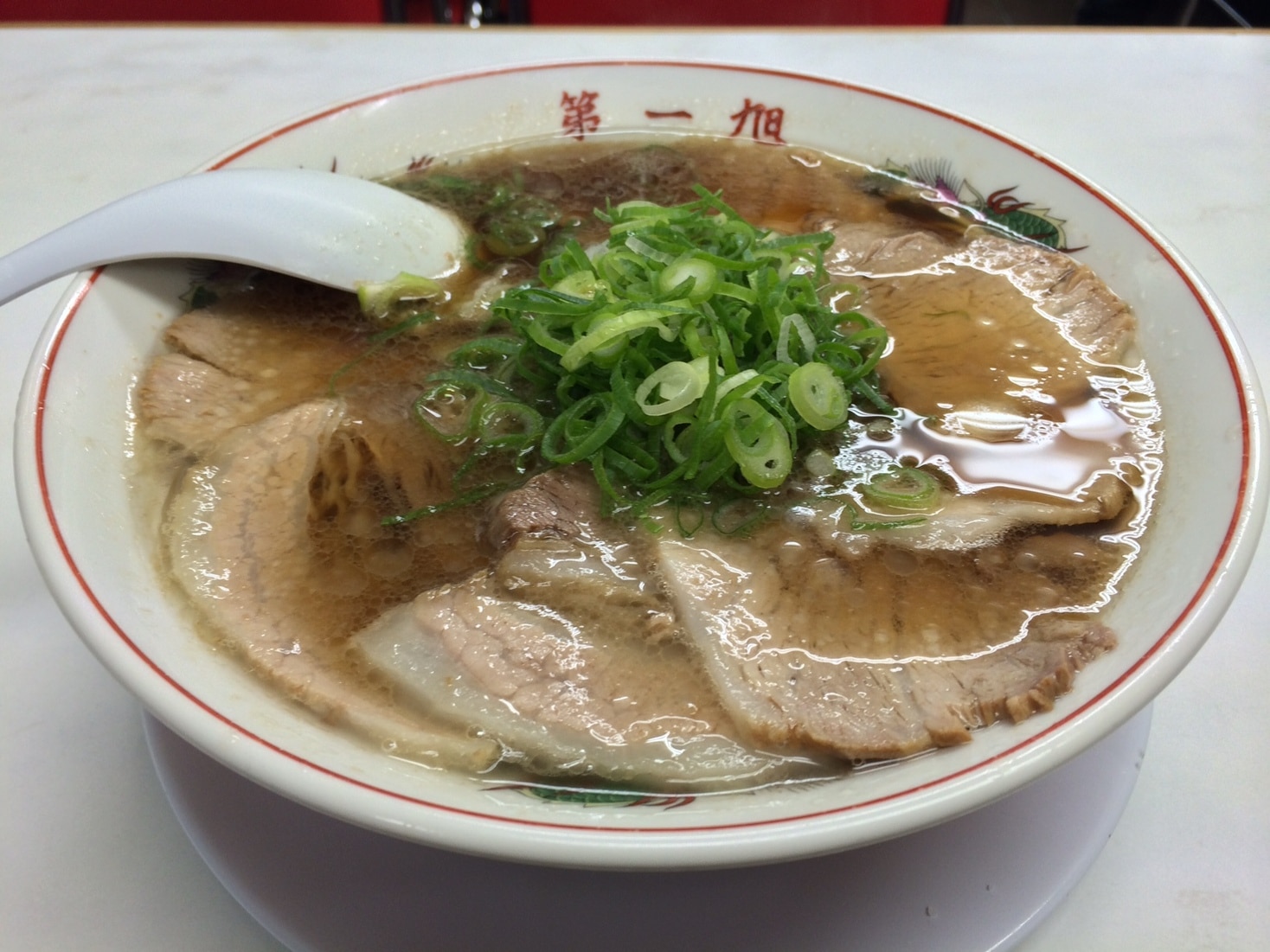
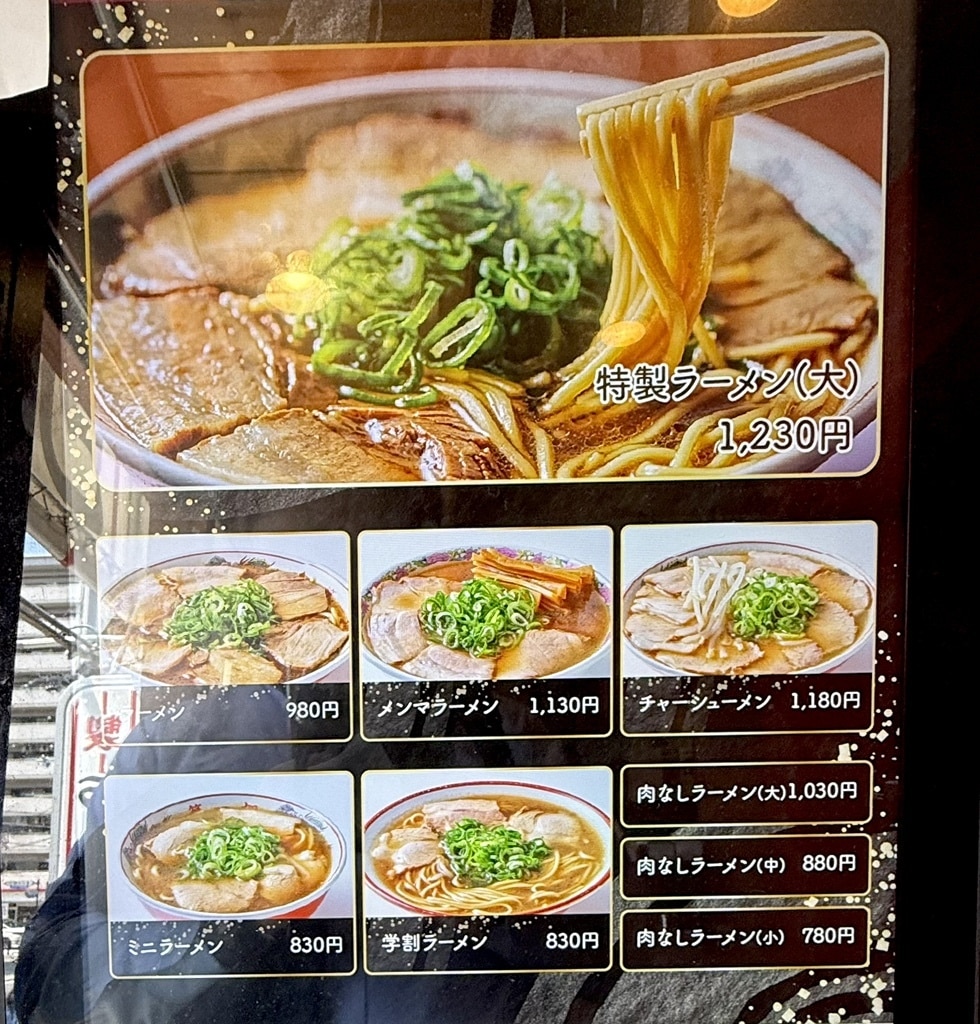
Honke Daiichi-Asahi Ramen
A soy-sauce tonkotsu ramen shop next to Kyoto Station that has drawn lines for over half a century. The broth is rich but not greasy, and it is the signature face of Kyoto ramen.
The main shop is open from 5:00 until 2:00 the next morning, with long lines even late at night, making it the first delicious stop for rail travelers stepping off the train.

Nakamura Tokichi Honten
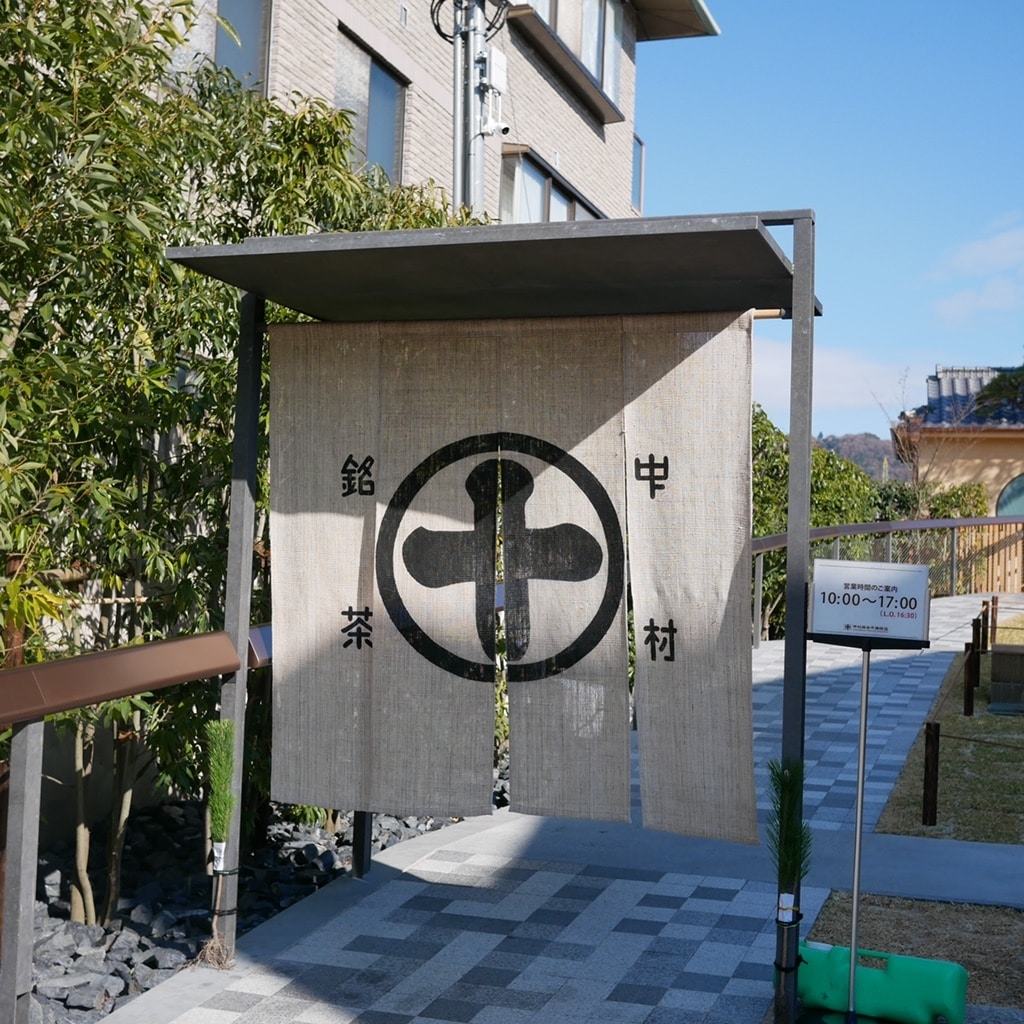
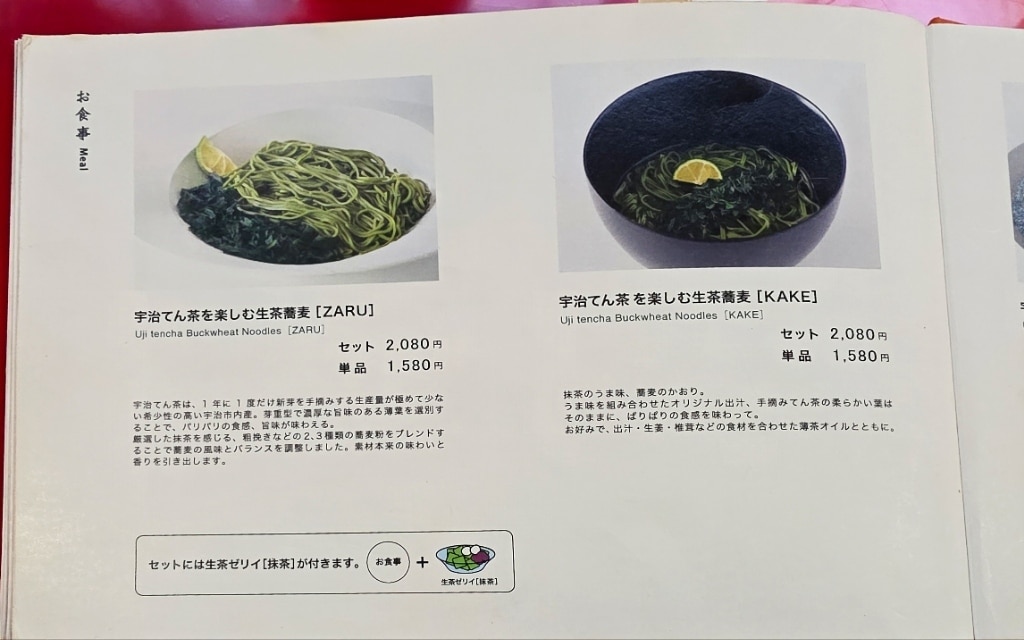
A century-old Uji matcha shop founded in 1854. Its rich matcha parfait is piled with shiratama dumplings, matcha jelly and ice cream, a pilgrimage site for Kyoto dessert lovers.
The main shop is in Uji, and there is also a branch at Kyoto Station, so travelers can easily try this deep matcha flavor along the way.
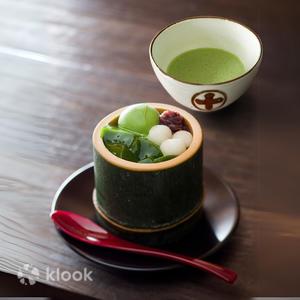茶道體驗及茶料理-京都宇治-Klook.jpg)

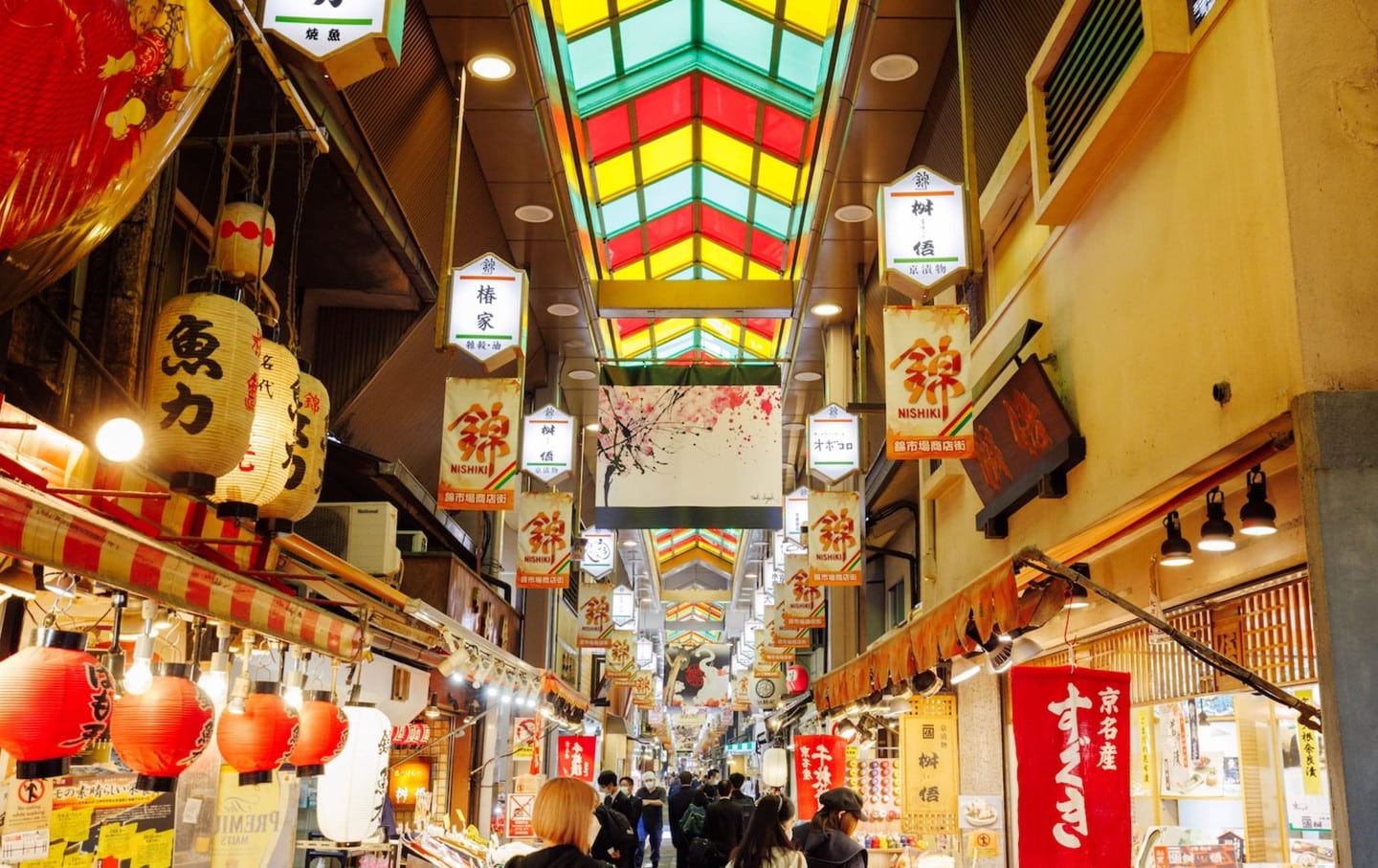
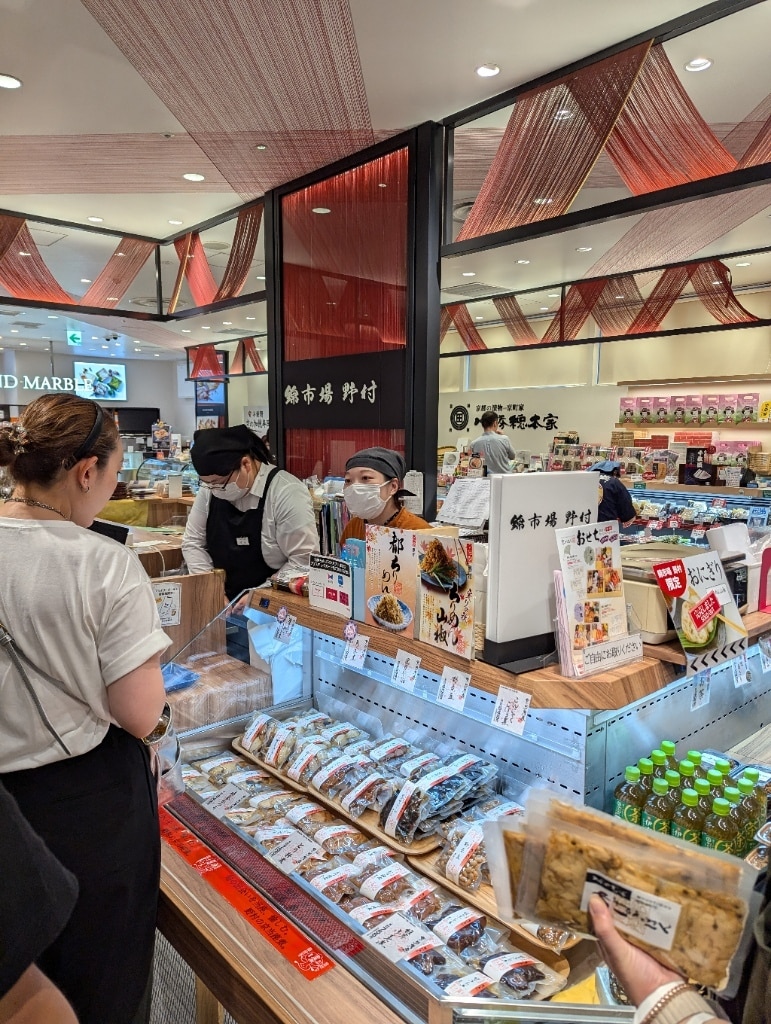
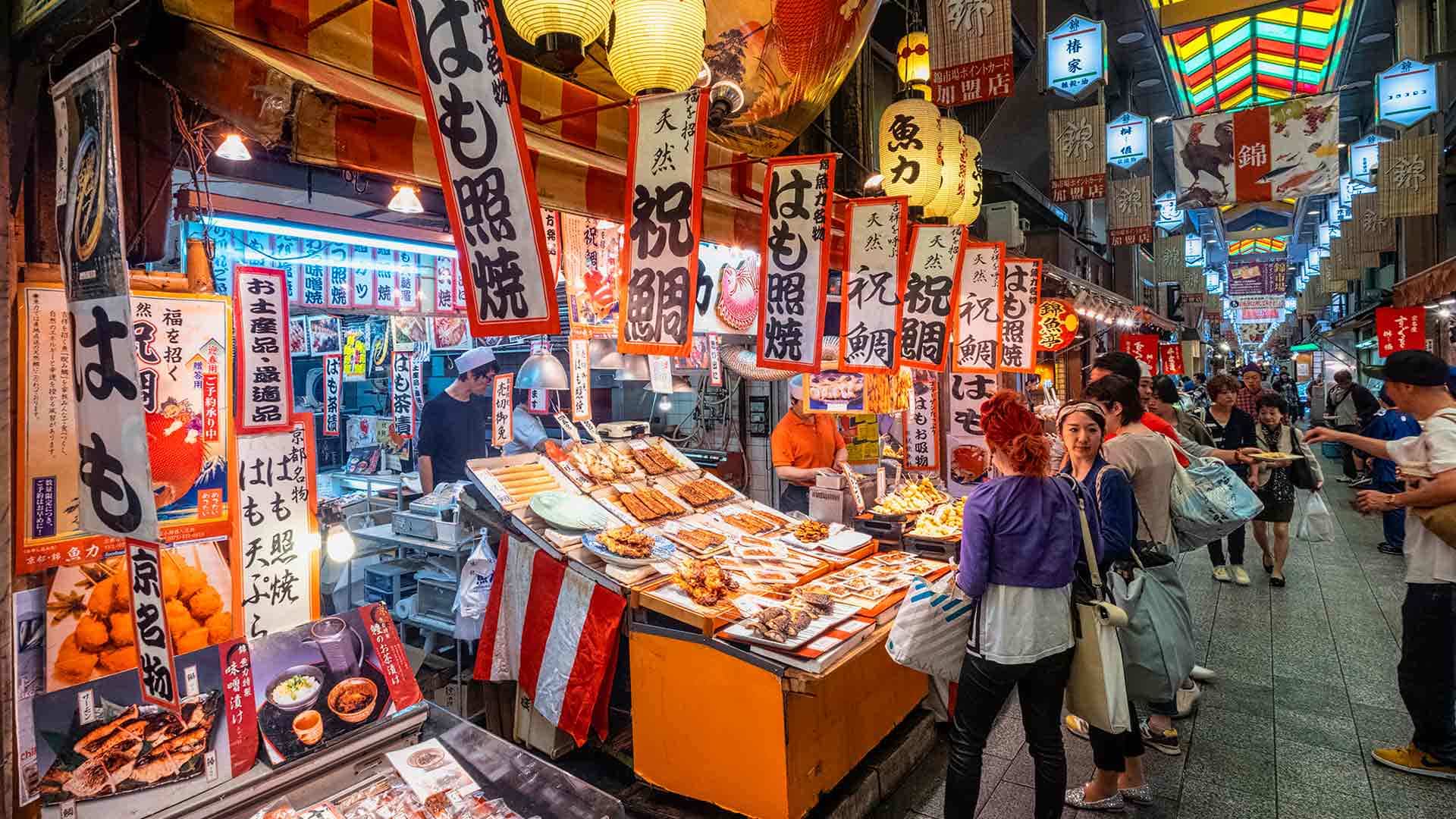
Nishiki Market
Known as “Kyoto’s Kitchen,” this 400-meter arcade holds nearly 130 shops, with everything from tamagoyaki to fresh sashimi.
While you browse, you can feel the everyday shopping life of Kyoto locals, the best starting point for understanding the local food culture.
Kyoto Must-Eat Food Top 10 for 2026: Local Favorites and Michelin Picks
As a thousand-year-old capital, Kyoto has a food culture shaped by courtly kaiseki and temple shojin ryori, with an emphasis on the natural flavor of ingredients and the changing seasons. From yudofu and Kyoto pickles to unagi rice bowls and matcha sweets, every dish carries the persistence of Kyoto artisans passed down through generations. Below are 9 must-eat restaurants praised by locals and travelers alike, ranging from Michelin-starred kaiseki to casual places with long lines, to take you through the most authentic Kyoto flavors of 2026.
Yudofu: Nanzen-ji Junsei
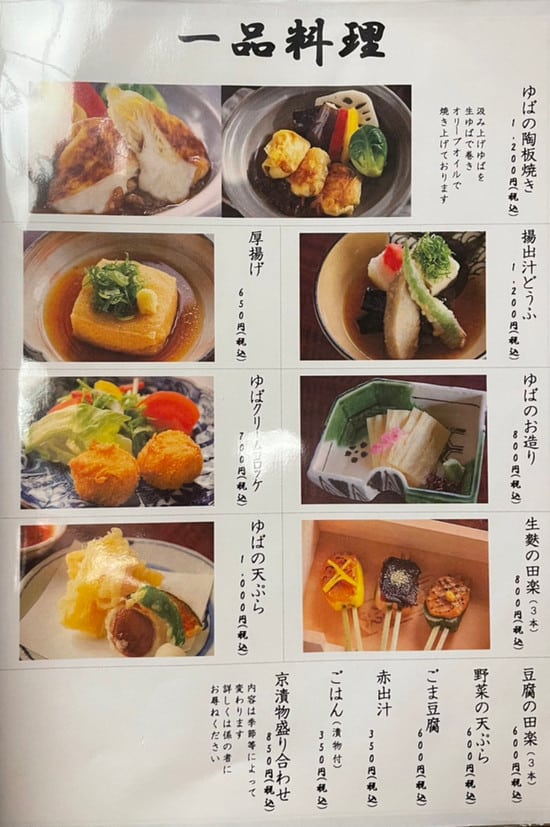
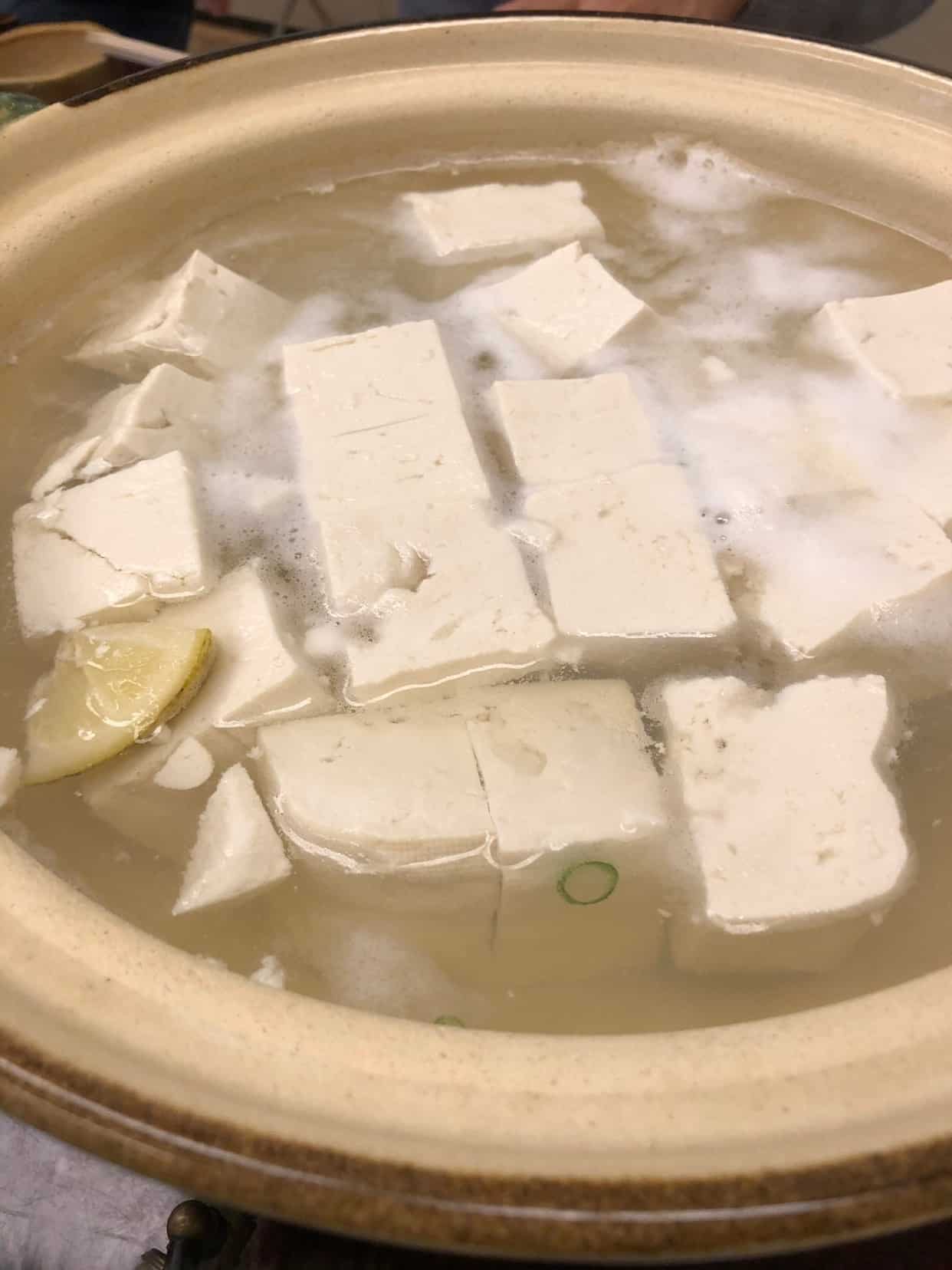
Junsei is a famous yudofu restaurant founded in the late Edo period, beside the approach to Nanzen-ji, in a converted century-old school with an elegant garden. Its signature is the yudofu set.
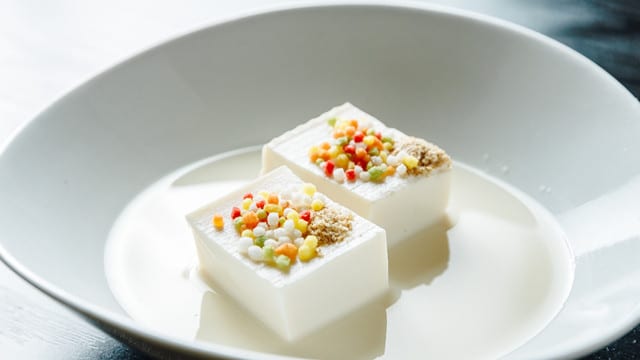
The set costs about ¥4,000-6,000 and includes yudofu, tempura, sesame tofu and seasonal vegetables. Address: 60 Nanzenji Kusagawacho, Sakyo Ward, Kyoto, near the Nanzen-ji Sanmon gate and the Suirokaku aqueduct, good for a stroll before or after your meal. Please check the official site for hours and closing days, and avoid the weekend lunch peak of 12:00-13:00. The Junsei Shoin in the garden is a nationally registered tangible cultural property, a great place to experience Kyoto’s yudofu culture.
Kaiseki: Kyoto Hyotei
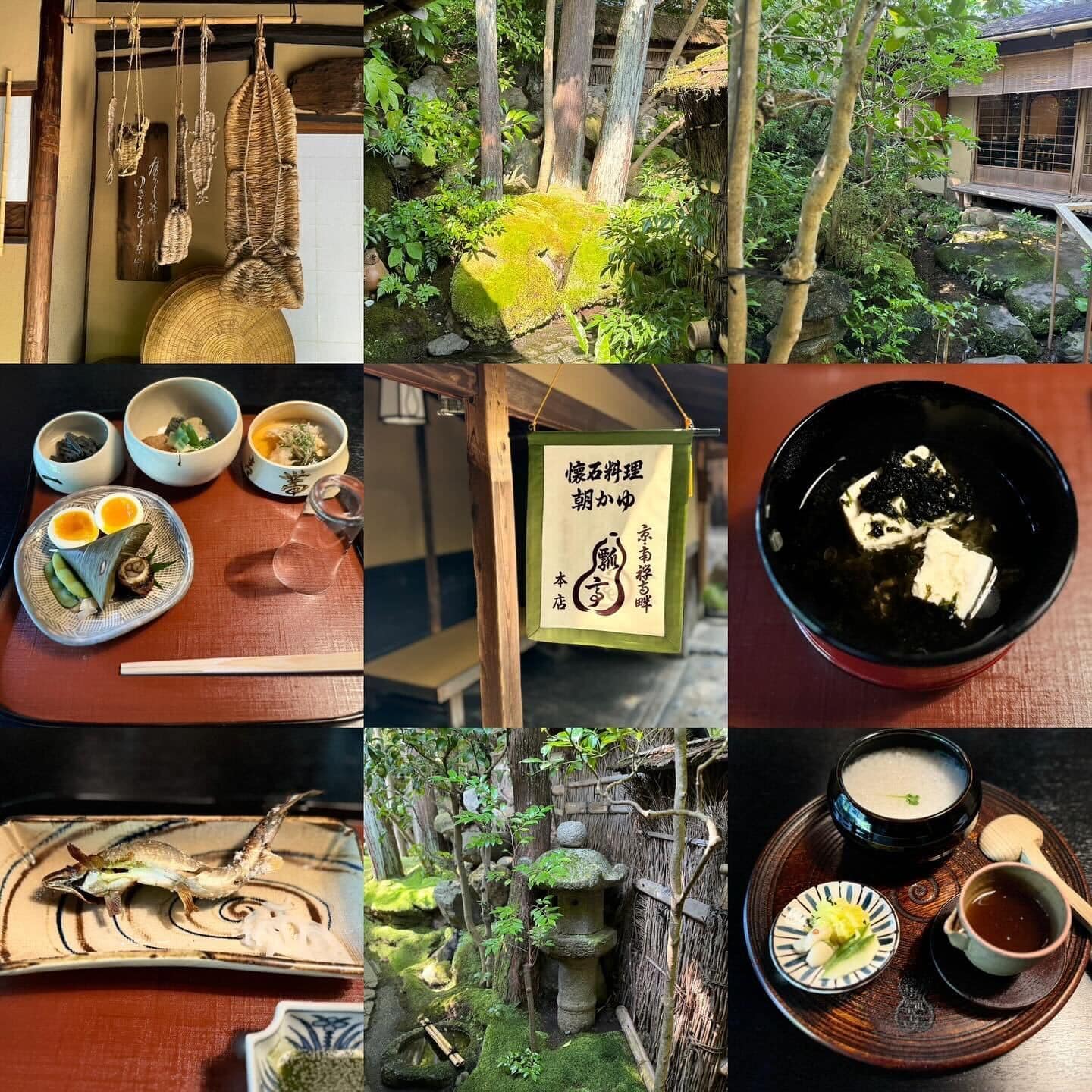
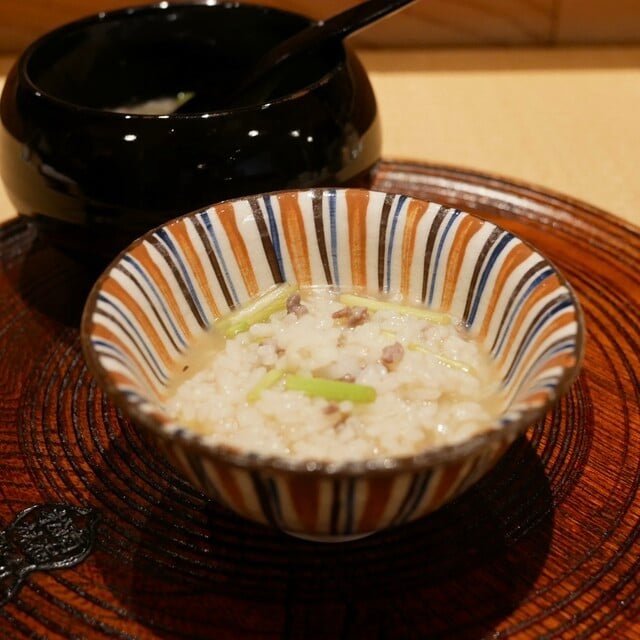
Founded more than 400 years ago, Hyotei is a leading Kyoto kaiseki restaurant that once held three Michelin stars. Its main shop (35 Nanzenji Kusagawacho, Sakyo Ward, Kyoto) is known for its signature “morning gruel,” simmered in Kyoto groundwater and served with pickled side dishes and seasonal vegetables.
A formal kaiseki course starts at about ¥25,000 and emphasizes ingredients and presentation. It is closed on Wednesdays; please check the shop’s notices for hours. Reservations by phone 1-2 months ahead are required, and same-day bookings are not accepted. A separate annex stands beside the main shop; please check the official site for its menu and prices.
Unagi Rice Bowl: Gion Matsuno
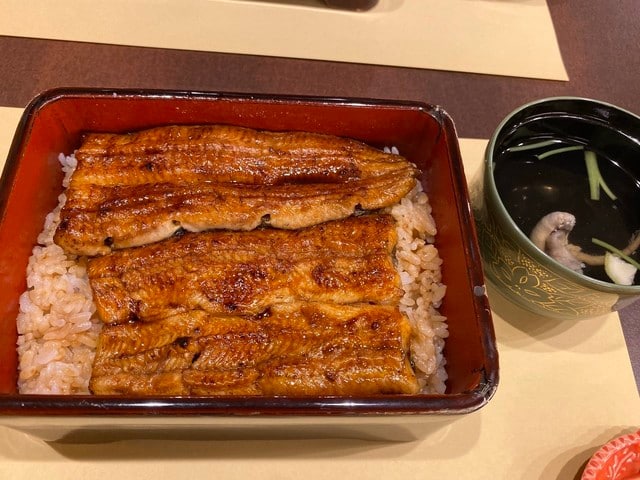
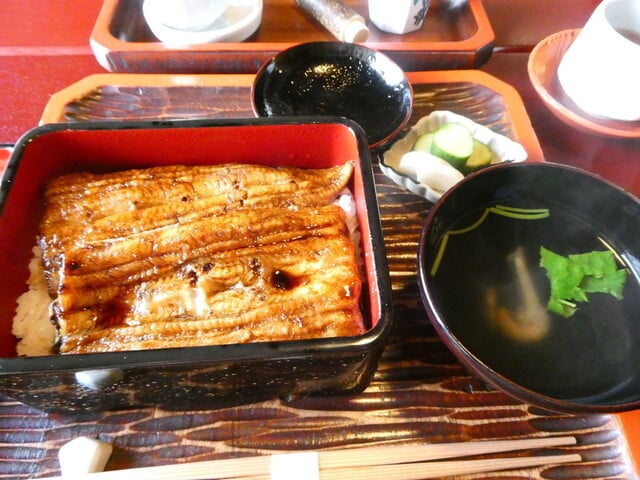
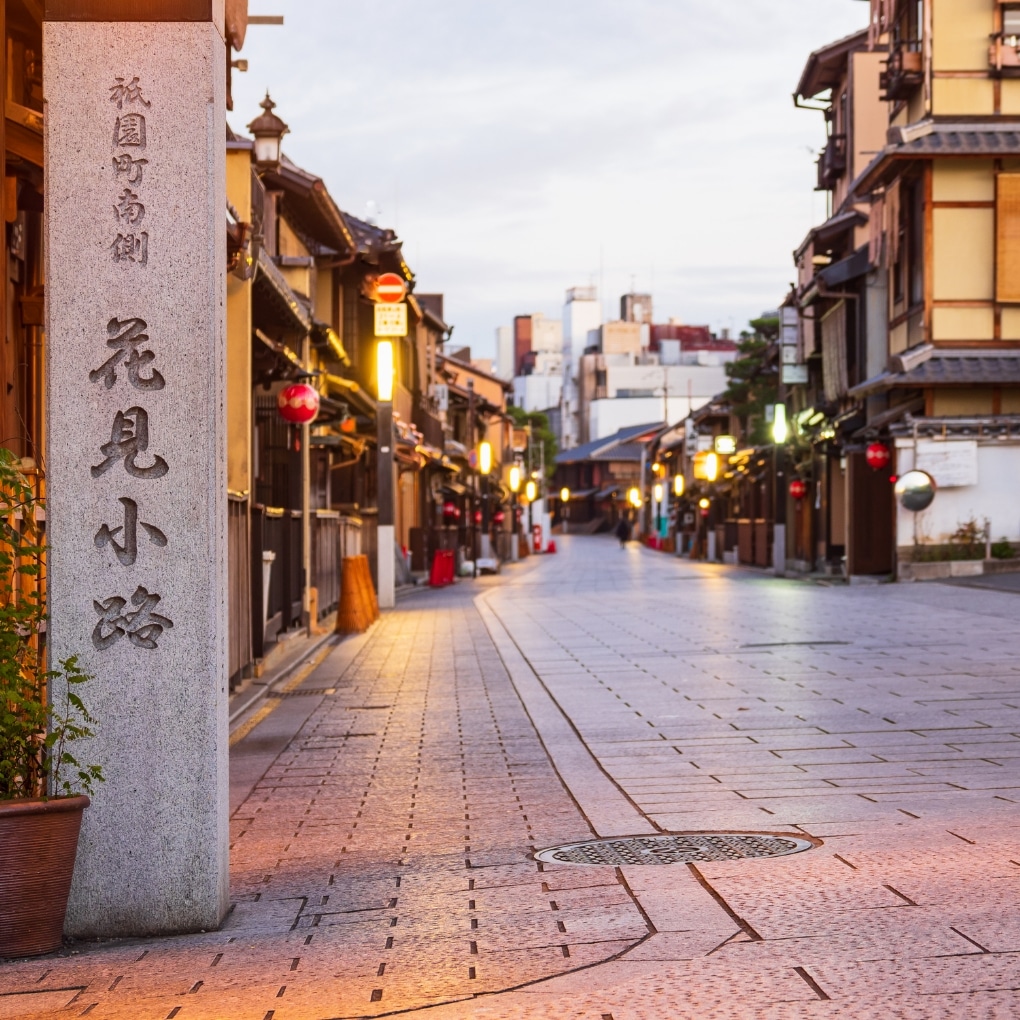
Matsuno, founded in the Meiji era near Gion’s Hanamikoji, is one of the few Kyoto shops that insists on grilling eel over binchotan charcoal. Its signature “Tokujo Unaju” covers the rice with a whole large eel, crisp outside and tender and juicy inside, with a balanced sweet-savory sauce, priced at about ¥3,500-5,500, and it also offers eel liver soup and grilled eel bones as sides, a good value. The address is 267 Gionmachi Kitagawa, Higashiyama Ward, Kyoto, near Yasaka Shrine and Hanamikoji. Please check the shop’s notices for hours and closing days; lines are common at mealtimes, so we suggest a weekday lunch.
Matcha Sweets: Saryo Tsujiri Gion Honten
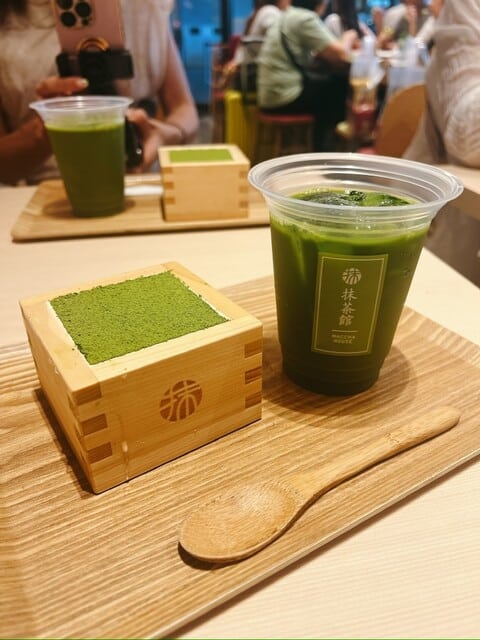
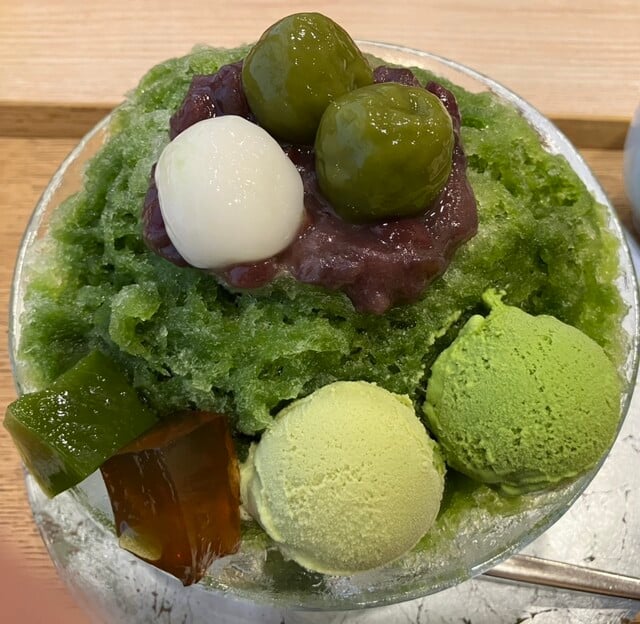
Tsujiri, run by “Gion Tsujiri,” is a leading Kyoto matcha dessert shop, and its main shop on Hanamikoji often has long lines. Its signature “Special Tsujiri Parfait” stacks matcha jelly, matcha ice cream, shiratama dumplings and sweet red bean paste, with a rich tea aroma that is not too sweet.
Prices are about ¥1,300-1,800. Address: 2F, Gion Tsujiri Honten, 573-3 Gionmachi Minamigawa, Higashiyama Ward, Kyoto, near Hanamikoji and Yasaka Shrine.
Please check the official site for hours. Waits often exceed an hour on holidays, so we suggest a weekday afternoon or arriving before opening.
Kyoto Ramen: Menya Gokkei
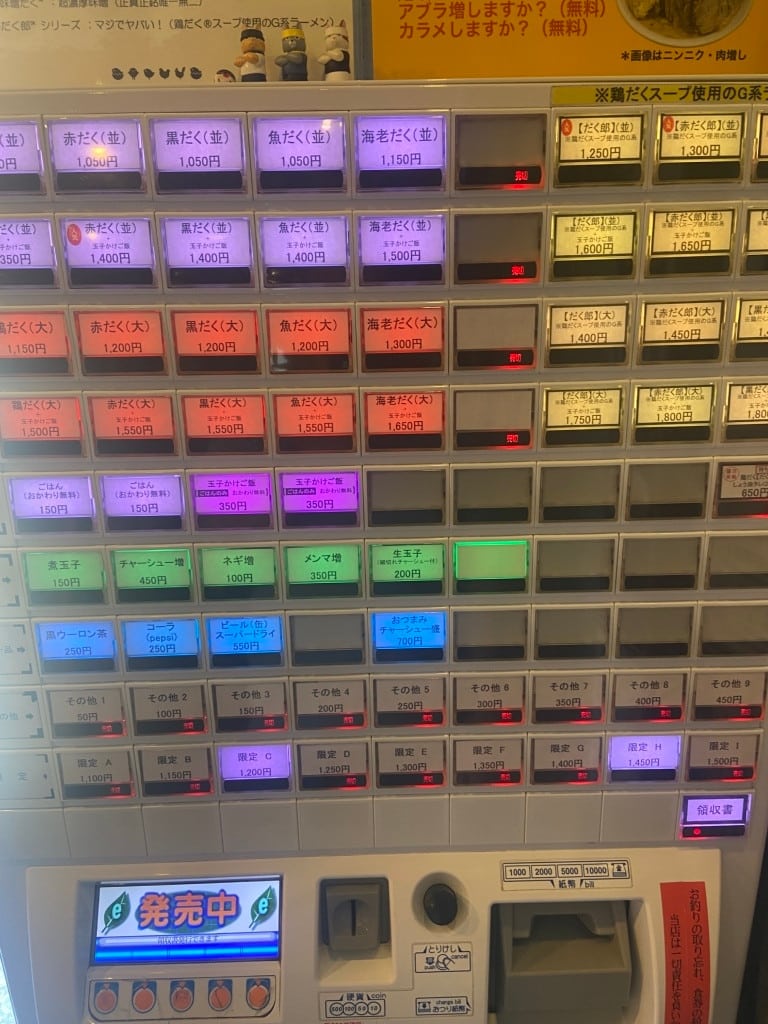
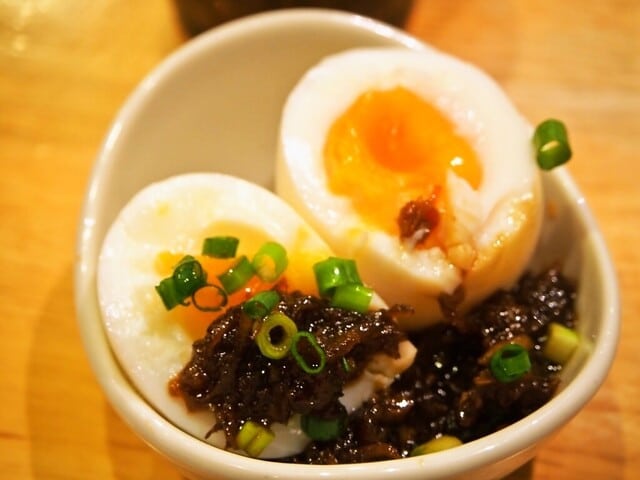
Gokkei is a popular rich chicken paitan ramen shop in Kyoto. Its signature chicken paitan ramen (about ¥900-1,300) is simmered from chicken bones and feet, light rather than greasy, with a soft-boiled egg, chashu, scallions and medium-thin straight noodles, and tsukemen and spicy options are also available.
Branches: Enmachi shop (22-2 Nishinokyo Enmachi, Nakagyo Ward, Kyoto, near JR Enmachi Station); Ichijoji main shop (29-7 Ichijoji Nishitojigawaracho, Sakyo Ward, Kyoto).
The Ichijoji main shop is open 11:30 to 22:00 and closed on Mondays; it closes once the broth sells out, so we suggest lining up early.
Kyoto Sukiyaki: Mishimatei
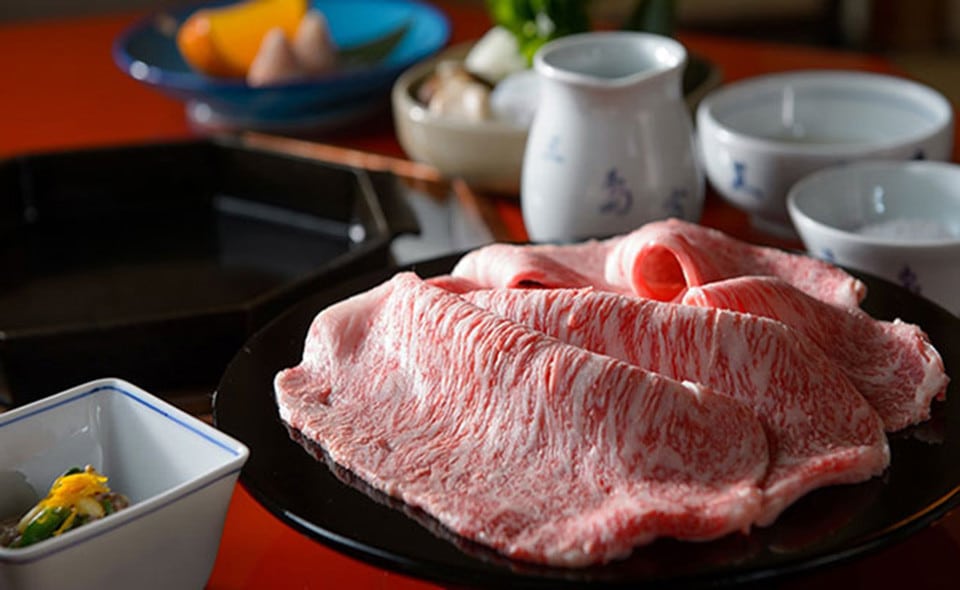
Mishimatei was founded in 1873 and is a long-established Kyoto sukiyaki and yakiniku shop. Its main shop stands on Teramachi-dori, and the wooden building has a nostalgic air. The signature “Special Mishimatei Beef Sukiyaki” uses evenly marbled Japanese black beef, seasoned and seared at the table by an artisan, rich in meat flavor and melting in the mouth.
Set prices vary by beef grade and portion. The main shop address is 405 Sakuranocho, Teramachi-dori Sanjo-sagaru, Nakagyo Ward, Kyoto, near the Kyoto Imperial Palace and the Shinkyogoku shopping street.
Open 11:00 to 21:00, closed Wednesdays (open if it falls on a holiday). As a famous long-established Kyoto shop, we suggest booking by phone or on the official site.
Kyoto Soba: Honke Owariya
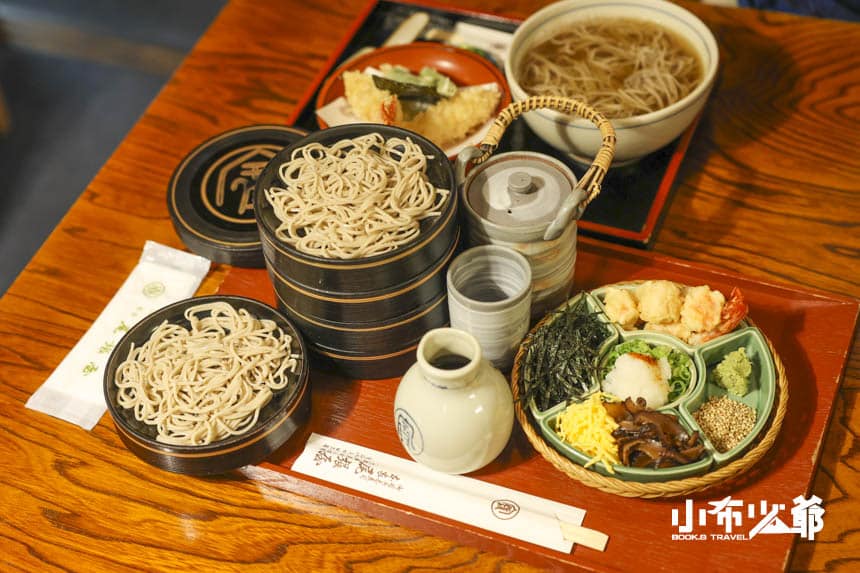
Founded in 1465, Honke Owariya is the oldest surviving soba shop in Kyoto, with its main shop on Kurumayacho-dori. Its signature “Horai Soba” is served in five stacked lacquer boxes (warigo), priced at about ¥1,500-2,500.
Address: 322 Niomon Tsukinukecho, Kurumayacho-dori Nijo-sagaru, Nakagyo Ward, Kyoto, near the Kyoto Gyoen National Garden and Karasuma Oike Station on the subway.
Open 11:00 to 19:00 (last order 18:30), closed only on January 1-2.
Kyoto Station Food: Kyoto Ramen Koji
Kyoto Ramen Koji, on the 10th floor of the Isetan department store next to JR Kyoto Station, brings together several well-known ramen shops from Kyoto and around Japan, including the old Kyoto shops “Shinpuku Saikan” and “Honke Daiichi-Asahi,” so you can compare different broth styles in one visit, one of the handiest food choices before or after a Shinkansen ride.
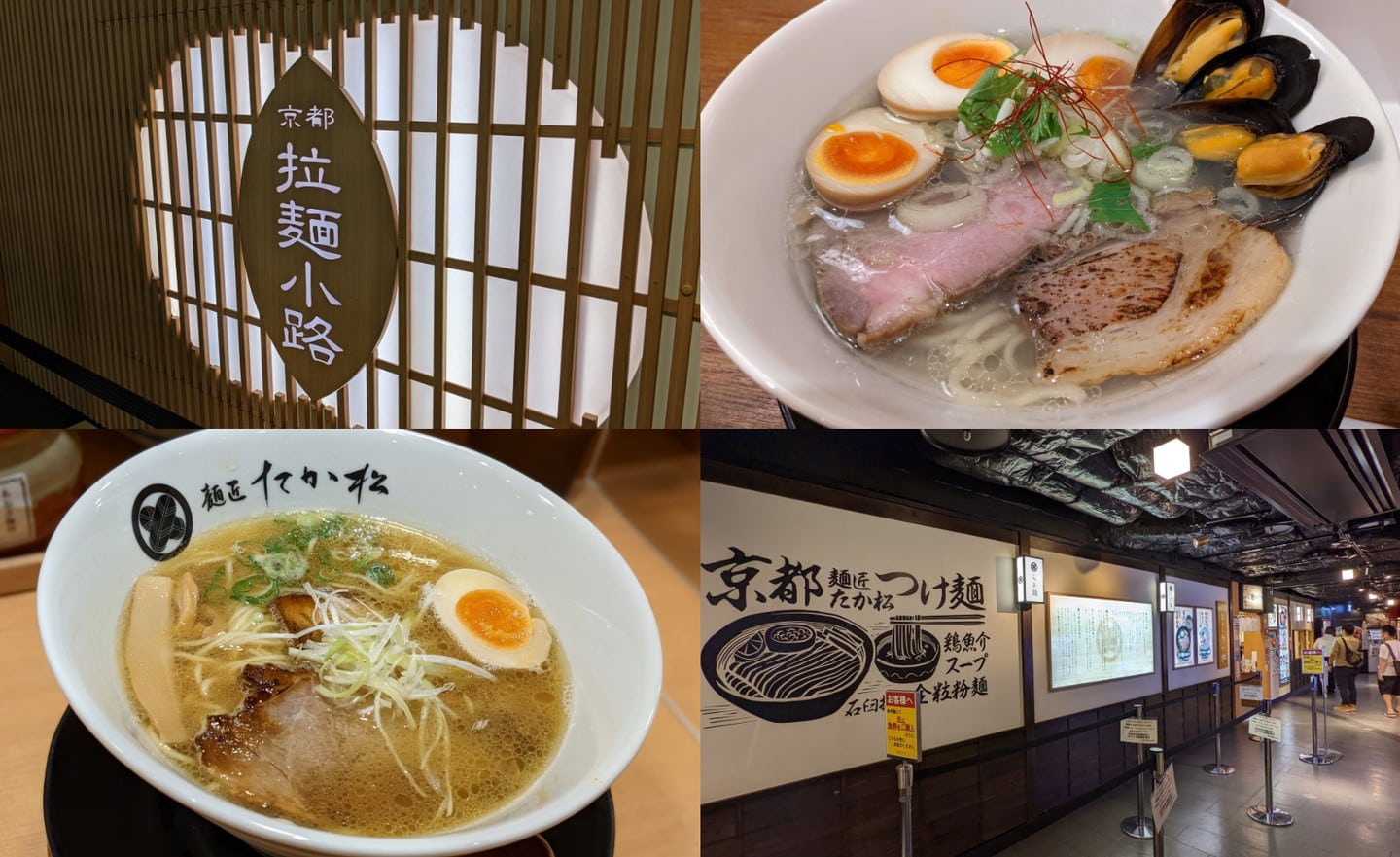
Most shops in Ramen Koji sell set meals, with a bowl of ramen costing about ¥900-1,300. At peak mealtimes (noon and evening) there are often lines at the door, so we suggest using the ticket machine outside to check the waiting groups in advance, or avoiding the rush around the top of the hour.
Because it is on a station floor, Ramen Koji is open every day of the year, and most shops stay open until about 10 p.m. (varying slightly by shop). For travelers who want a quick meal before or after a transfer without compromising on taste, it is a very practical choice.
Fushimi Inari Approach Snacks: Inari Sushi and Grilled Sparrow
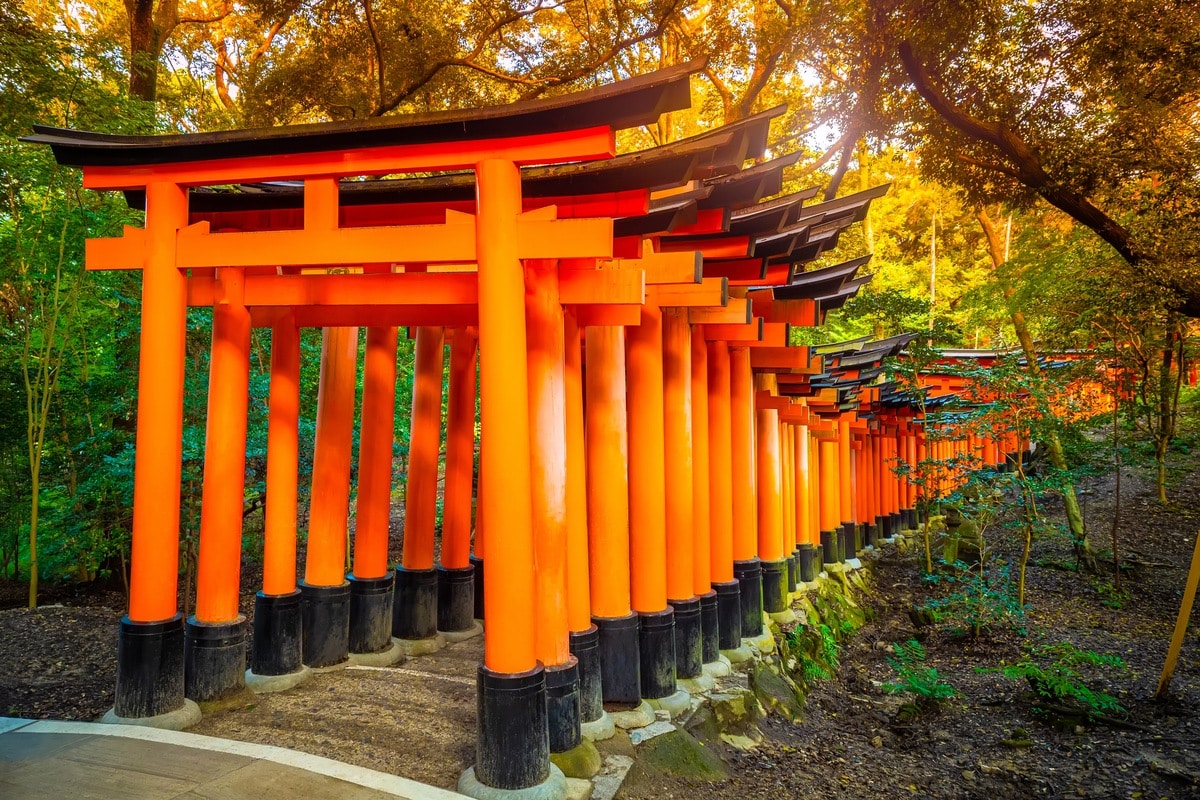
Along the approach to the Senbon Torii at Fushimi Inari Taisha stand many century-old teahouses. “Nezameya,” founded in the Edo period, is a long-established shop that keeps its traditional flavors; its signature unagi rice bowl and inari sushi are popular, and inari sushi is a must-try on a shrine visit.
Approach snacks include Fushimi Inari-limited grilled sparrow (about ¥300-500) and quail meatball skewers, as well as inari sushi and matcha soft serve.
Fushimi Inari Taisha is open 24 hours. We suggest avoiding the 10 a.m. to 2 p.m. rush and visiting early in the morning or in the late afternoon for a more relaxed meal and worship.
Kyoto Food Guide 2026: Local Must-Eat Dishes, Sweets and Popular Restaurants – Which Food Districts Should You Visit? A Guide to Famous Shops in Each Area
Kyoto is not only a synonym for old-capital charm and temples and shrines, but also one of the important birthplaces of Japanese food culture. From the century-old shops of Nishiki Market and the traditional eateries of Gion’s Hanamikoji to the century-old teahouses on the Fushimi Inari approach, every district hides real local shops you can visit. Below, the most representative real shops in each of Kyoto’s eight food districts are picked, with addresses, signature dishes and transport, so you can follow the map and eat your way through Kyoto’s neighborhoods in 2026.
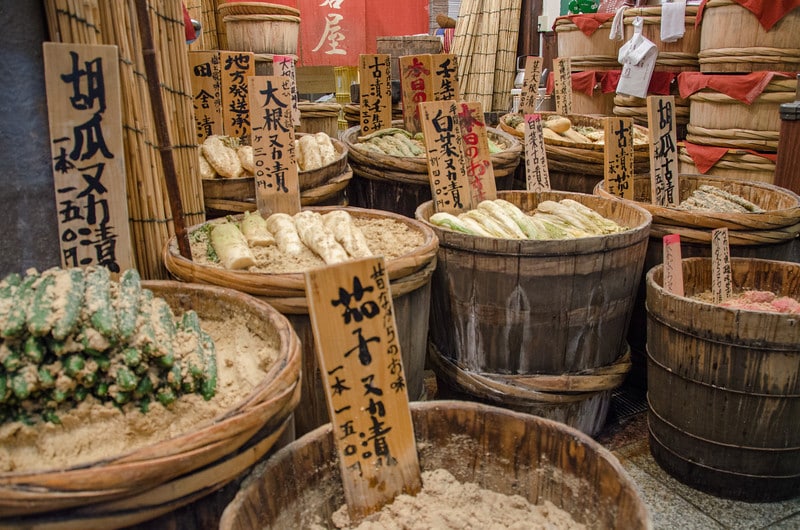
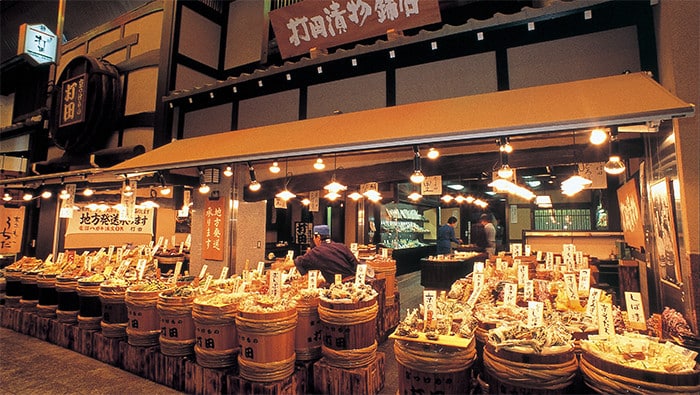
Kyoto Pickles: Uchida Tsukemono Nishiki-koji Branch
Uchida Tsukemono was founded in 1940 and is a representative Kyoto pickle specialist in Nishiki Market. Its artisans hold to the philosophy that “pickles are alive,” adjusting flavors with the seasons, and the shop carries about 75 kinds of handmade pickles.
Its signature sen-mai-zuke and shiba-zuke use vegetables from Kyoto’s own farms, about ¥480-600 per portion, good for snacking as you browse or as souvenirs.
- 🍽️ Must-order: Sen-mai-zuke and shiba-zuke assortment
- 💰 Price: about ¥480-600 per portion
- 🚉 Getting there: about 5-minute walk from Hankyu Kyoto-Kawaramachi Station
Udon and Soba: Kyoto Gion Okaru
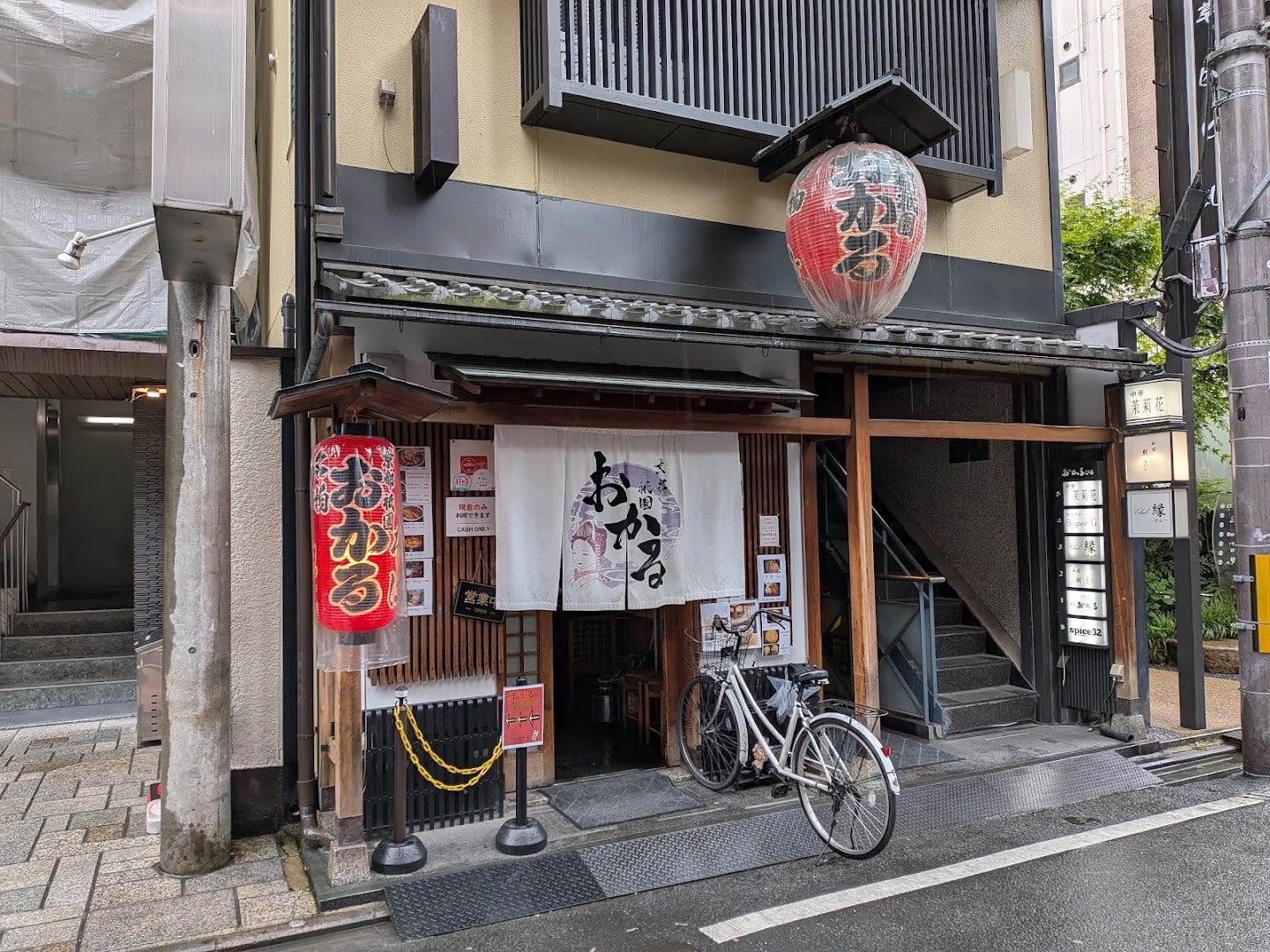
Okaru is a long-established udon and soba shop near Gion’s Hanamikoji, loved by kabuki actors and geiko and maiko. Its signature curry udon has a rich, fragrant broth, and the noodles soak up the soup for a satisfying texture.
Oyakodon and soba sets start at about ¥1,500, and it stays open until the early hours, making it a good stop after walking Hanamikoji.
- 🍜 Must-order: Curry udon, oyakodon
- 💰 Price: sets from about ¥1,500
- 🚉 Getting there: about 5-minute walk from Keihan Gion-Shijo Station
Mackerel Pressed Sushi: Izuju
Izuju was founded in the late Meiji era at the foot of the stone steps of Yasaka Shrine and is one of the leading old shops of Kyoto-style sushi culture, still keeping traditional methods handed down for a century.
Its signature mackerel pressed sushi (saba-sushi) uses Sea of Japan mackerel with slightly sweet sushi rice, about ¥2,538 per portion, the handiest stop after visiting Yasaka Shrine. Open 10:30 to 19:00, closed Wednesdays and Thursdays (open if it falls on a holiday).
- 🍣 Must-order: Mackerel pressed sushi (saba-sushi)
- 💰 Price: about ¥2,538 per portion
- 🚉 Getting there: about 5-minute walk from Keihan Gion-Shijo Station, at the foot of the Yasaka Shrine stone steps
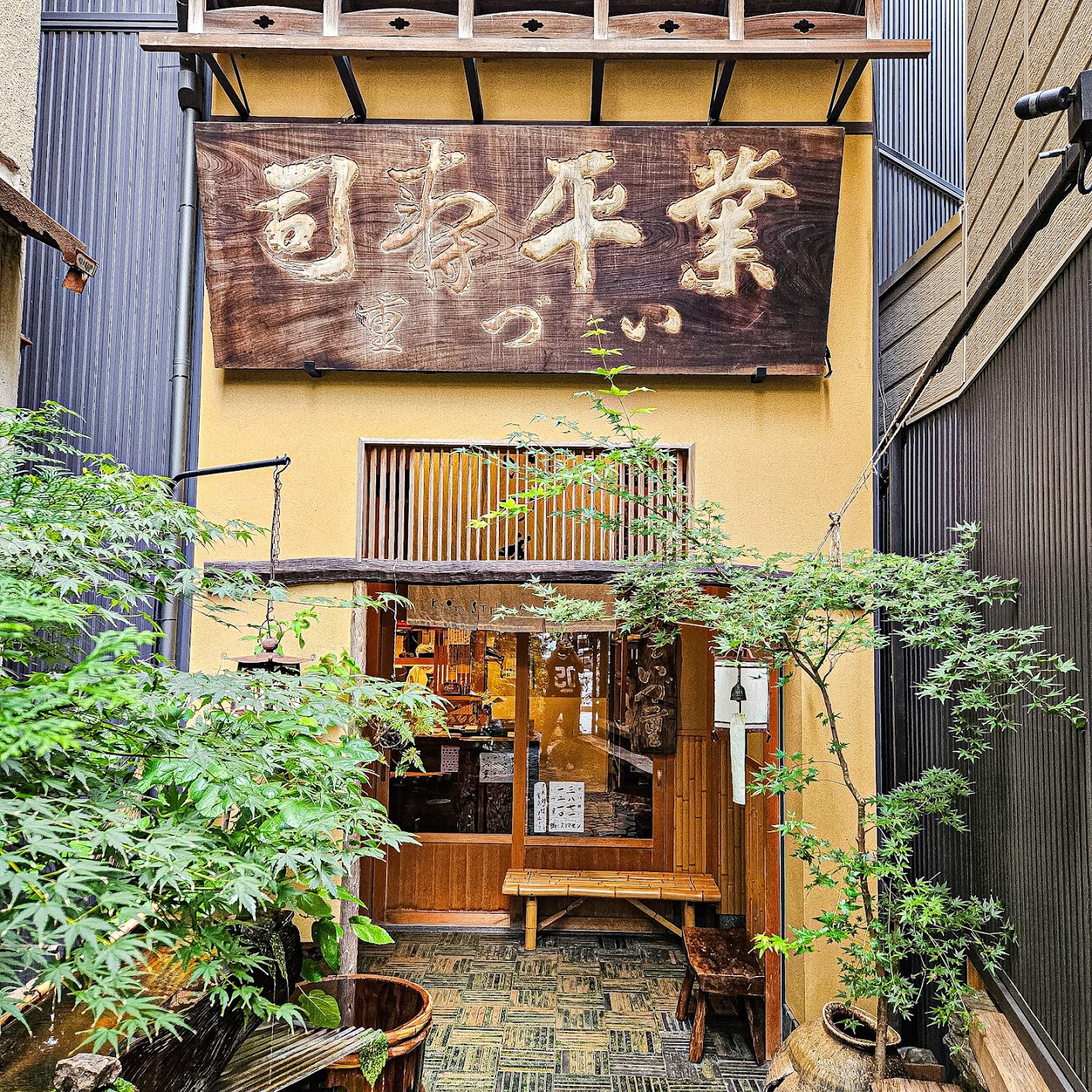
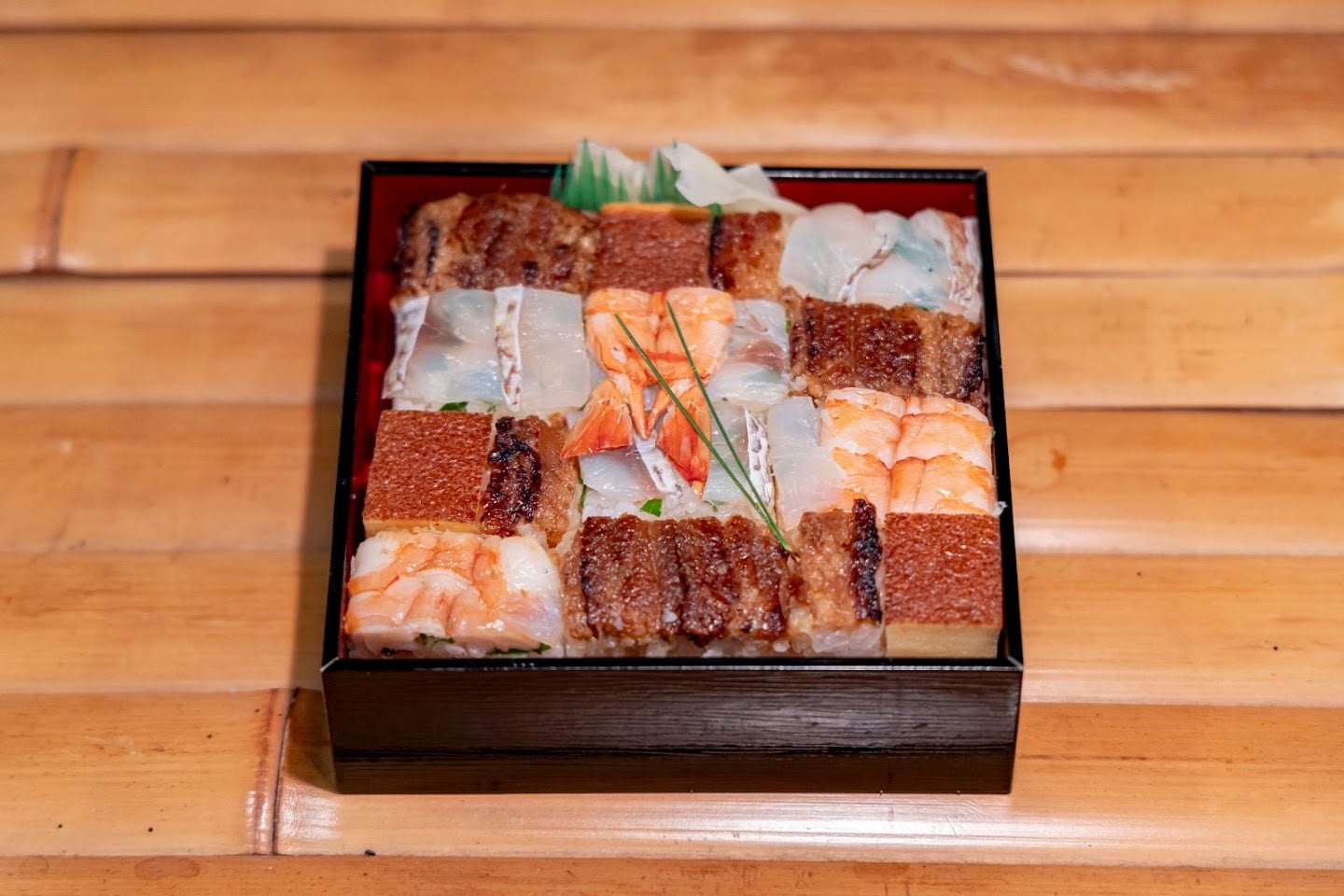
Unagi Rice Bowl: Nezameya
Nezameya is a century-old unagi shop on the Fushimi Inari Taisha approach, said to have been given its name by Toyotomi Hideyoshi, a rare traditional teahouse on the approach.
Its signature unagi bowl pairs tender eel with a rich sauce, with a set at about ¥2,300, and the approach-only inari sushi and grilled quail are also available.
- 🍱 Recommended: Unagi bowl, inari sushi
- 💰 Price: Nezameya set about ¥2,300
- 🚉 Getting there: about 1-minute walk from JR Inari Station, on the Fushimi Inari Taisha approach
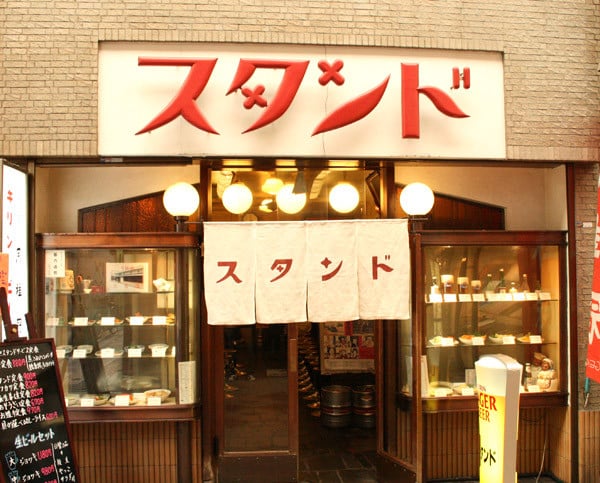
Casual Western-Style Dining: Kyogoku Stand
Kyogoku Stand was founded in 1927 and is one of the few casual diners in the Shinkyogoku shopping street to keep its early-Showa style, a good rest stop after Nishiki Market and a visit to Nishiki Tenmangu. It serves about 60 kinds of obanzai and Western-style dishes; its signature is a house-made croquette, crisp outside and soft inside, with drinking snacks such as kizushi as well.
- 🍽️ Must-order: House-made croquette, kizushi (vinegared mackerel)
- 💰 Price: single dishes about ¥300-800
- 🚉 Getting there: about 3-minute walk from Hankyu Kyoto-Kawaramachi Station, on Shinkyogoku-dori beside Nishiki Tenmangu
Creative Japanese Cuisine: Ryoriya Ushinohone Honten
Ushinohone Honten is a standalone house on Pontocho-dori Sanjo-sagaru, serving creative Japanese cuisine using seasonal ingredients, with Kamogawa noryo-yuka terrace seating from May to September where you can feel the river breeze as you dine.
Evening course meals run about ¥5,000-15,000 depending on the content, and during the noryo-yuka season a seat charge of ¥1,000 per person (¥500 at lunch) is added.
- 🍽️ Must-order: Seasonal creative kaiseki, sake with seasonal small dishes
- 💰 Price: evening course about ¥5,000-15,000
- 🚉 Getting there: about 3-minute walk from Keihan Sanjo Station, on Pontocho-dori Sanjo-sagaru
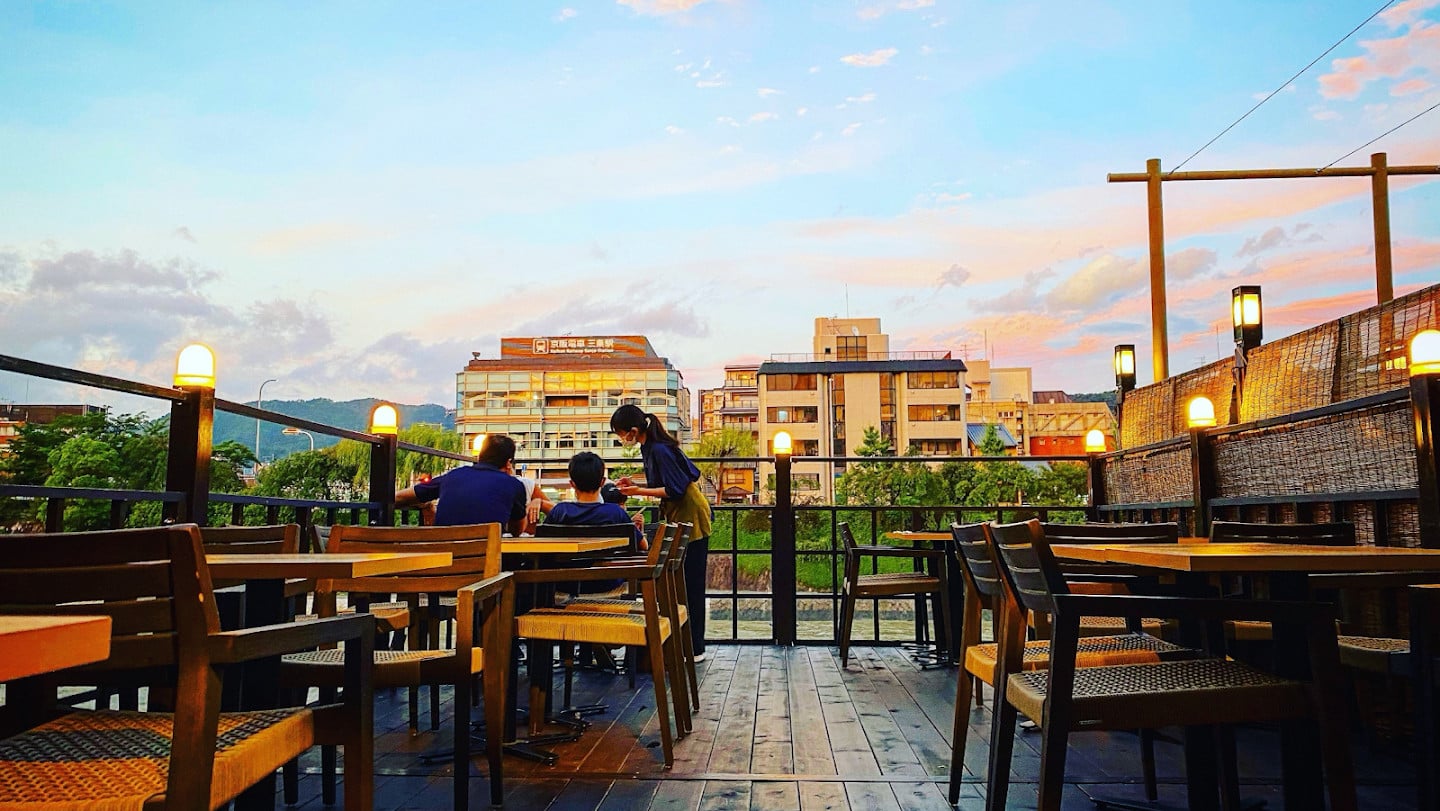
Hamo Kaiseki: Kyoryori Takara
Kyoryori Takara is an old Pontocho establishment that works with seasonal ingredients, known for hamo (pike conger) dishes in summer and fugu in winter, with Kamogawa yuka seating from May to mid-October.
The summer hamo course starts at about ¥10,800 (service charge extra), and counter and private-room seating are also available.
- 🐟 Must-order: Summer-only hamo shabu-shabu kaiseki.
- 💰 Price: hamo course from about ¥10,800.
- 🚉 Getting there: 5-minute walk from Keihan Gion-Shijo Station, inside Pontocho-dori.
The People’s Sandwich: Shizuya Sanjo Branch
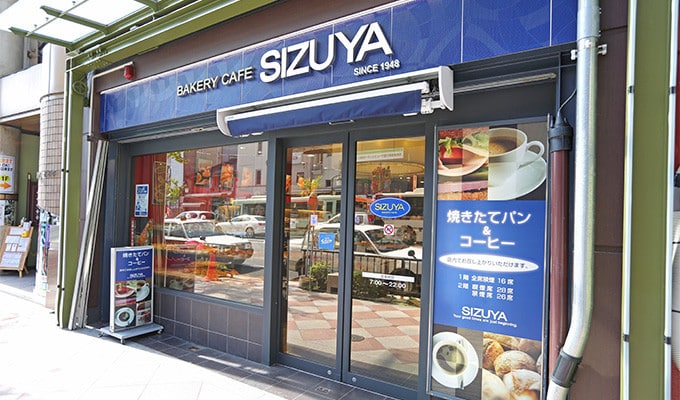
Shizuya was founded in 1948 and is a well-known Kyoto bakery chain. Its Sanjo branch is near Nishiki Market and Kawaramachi, and its signature “Carne” is a soft baguette filled with ham, onion and margarine, simple and unforgettable.
Priced at about ¥150-300, it is the people’s snack for a quick energy boost while sightseeing.
- 🥖 Must-order: Carne (ham and onion baguette)
- 💰 Price: about ¥150-300
- 🚉 Getting there: about 3-minute walk from Keihan Sanjo Station
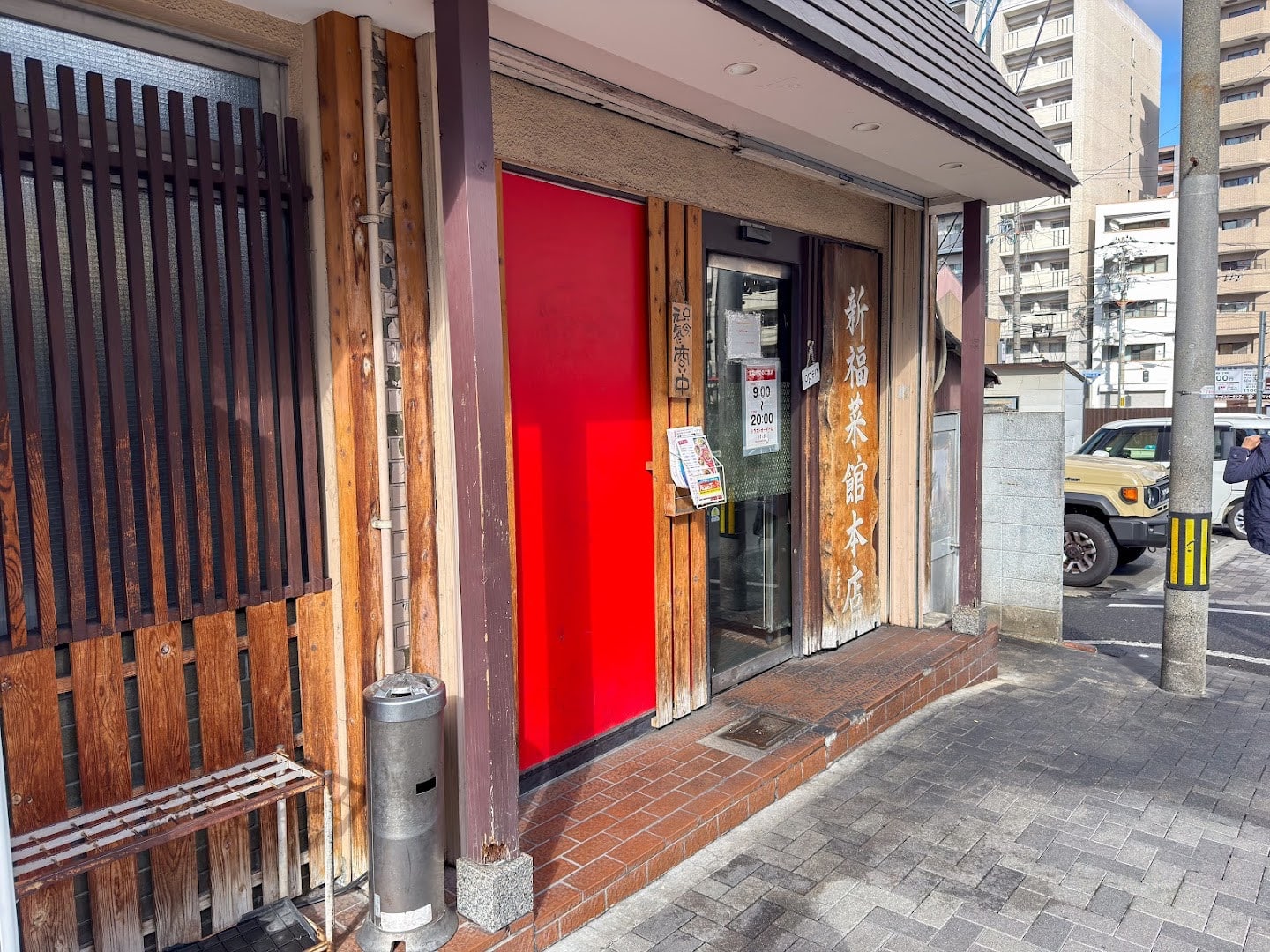
Kyoto Ramen: Shinpuku Saikan Kawaramachi Branch
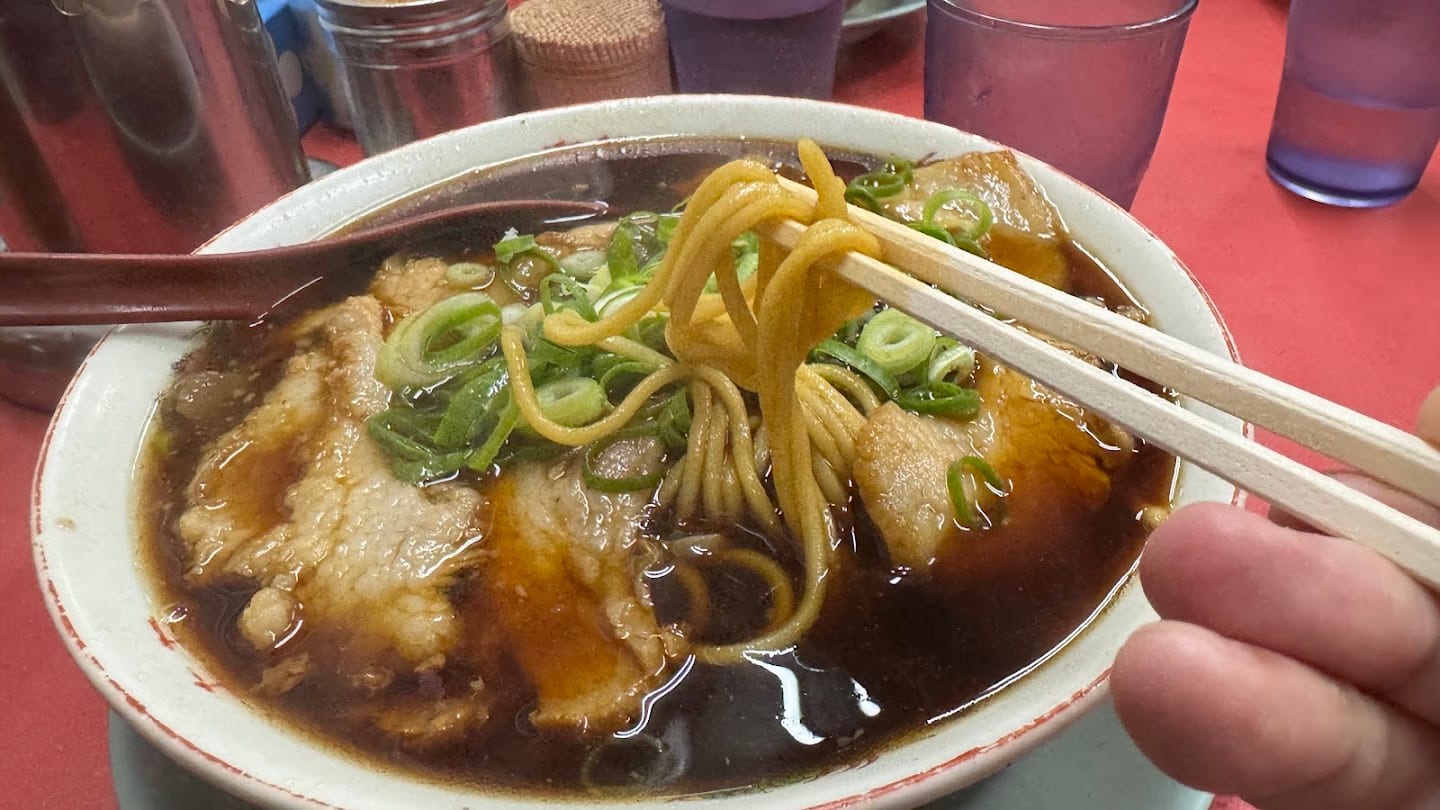
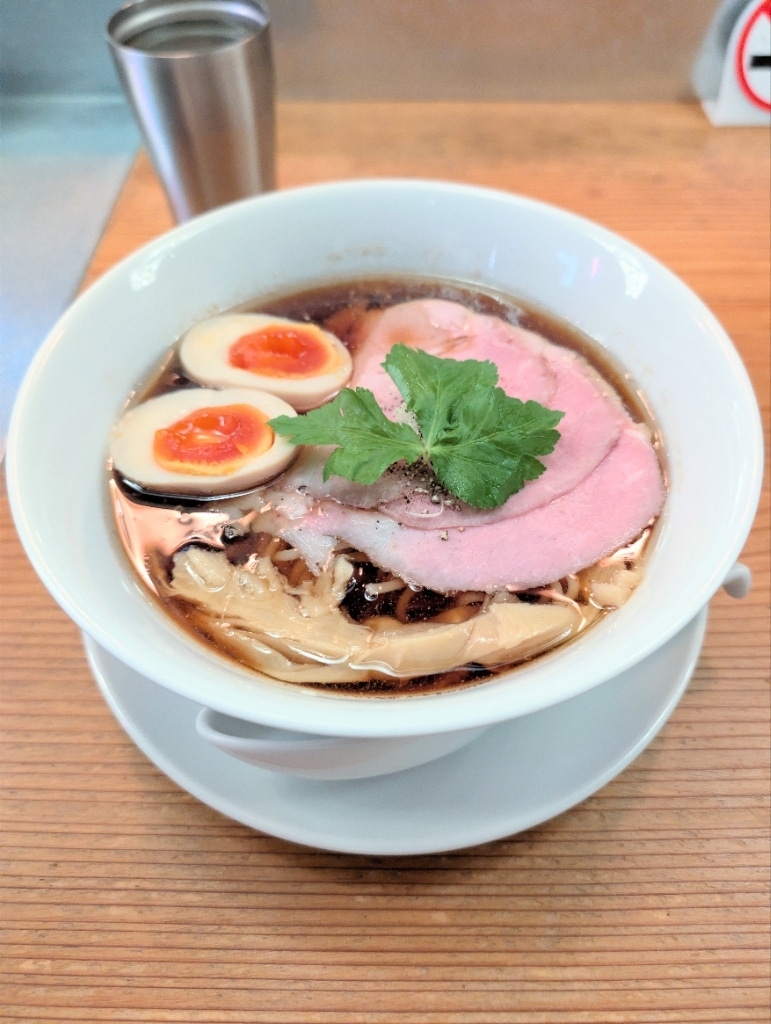
The Kawaramachi branch of old Kyoto ramen shop Shinpuku Saikan is near Kiyamachi-dori and the Takase River, known for its signature black soy-sauce ramen with a rich, smoky broth, and the fried rice set is a late-night favorite among locals.
A ramen and fried rice set is about ¥1,200, and at peak times you may wait over 20 minutes, a good choice after a night out in Kiyamachi.
- 🍜 Must-order: Black soy-sauce ramen, fried rice set
- 💰 Price: set about ¥1,200
- 🚉 Getting there: about 5-minute walk from Hankyu Kyoto-Kawaramachi Station, near Kiyamachi-dori
Kyoto’s Sukiyaki and Wagyu Yakiniku Battleground 2026: From Old Famous Shops to Popular Chains
“Kyoto sukiyaki” is one of the most-searched Kyoto food keywords. Kyoto has long been one of the birthplaces of Kansai sukiyaki culture, and with wagyu yakiniku chains expanding quickly in recent years, it has become a city that sukiyaki and yakiniku lovers cannot miss. Below are old sukiyaki shops and popular yakiniku chains, so you can pick the one that fits your budget and dining style.
Popular Wagyu Yakiniku Chain: Yakiniku Hiro
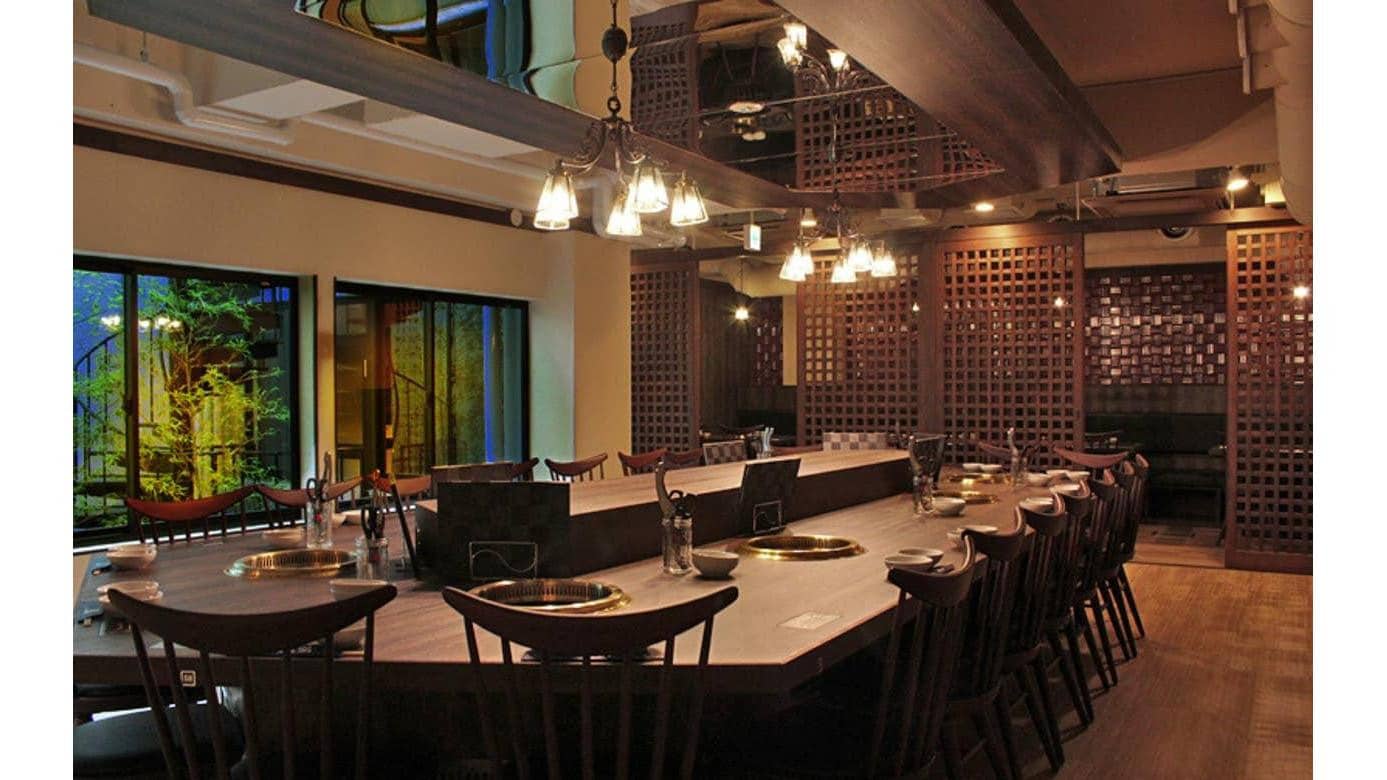
Yakiniku Hiro is a popular wagyu yakiniku chain that has expanded rapidly in Kyoto in recent years, with branches at Kyoto Station Hachijo-guchi, Gion Sanmeian and Pontocho all popular choices. It focuses on Japanese black beef assortments and charcoal-grilled cooking, at much friendlier prices than the old famous shops, the top pick for travelers on a budget who still want quality wagyu. With many branches and fast table turnover, we suggest registering in advance through the official reservation system or the on-site waitlist system at peak times to reduce waiting.
Kyoto’s Signature Omurice Restaurant: Grill Kobo
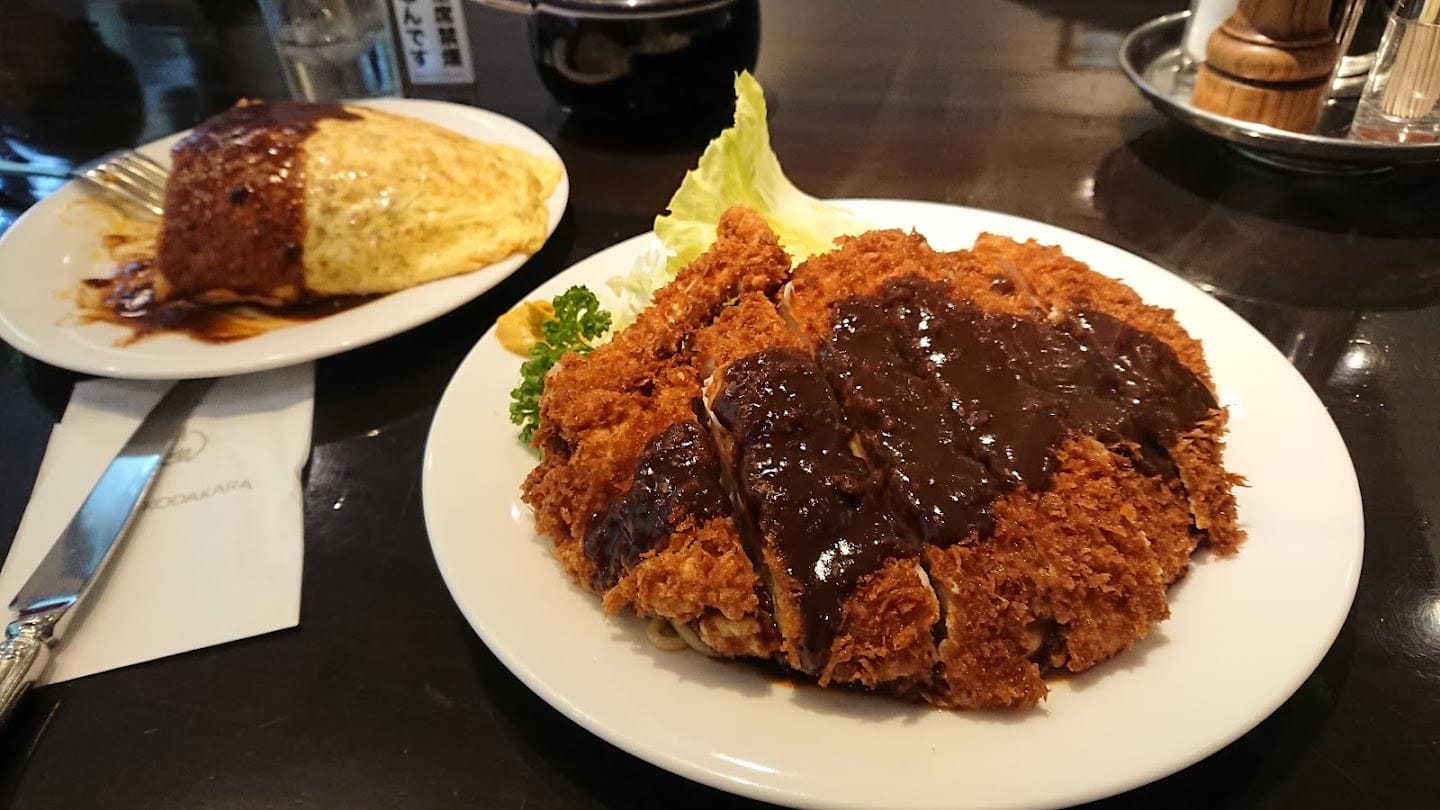
Grill Kobo is an old Kyoto Western-style restaurant in Okazaki beside Heian Jingu, famous for omurice with a rich demi-glace sauce and soft, silky eggs, recommended by food guides as a leading “Kyoto omurice” restaurant. It also serves classics such as hamburg steak, suiting travelers who want to experience Showa-era yoshoku culture. We suggest avoiding the midday peak.
Around Shijo-Kawaramachi there are budget wagyu yakiniku all-you-can-eat chains, suiting travelers on a tight budget. For more refined kappo and business-district restaurants, see our “Kyoto Karasuma Guide.”
Kyoto Station Food and Uji Day-Trip Sweets: From Ramen Koji to the Matcha Holy Land
Kyoto Station is not only a transport hub; inside and around the station building are varied food options such as Ramen Koji. Uji, only about 20 minutes away by train, is a pilgrimage site for matcha lovers. Below are the food options around Kyoto Station and the must-visit sweets for an Uji day trip.
Budget Food Around Kyoto Station
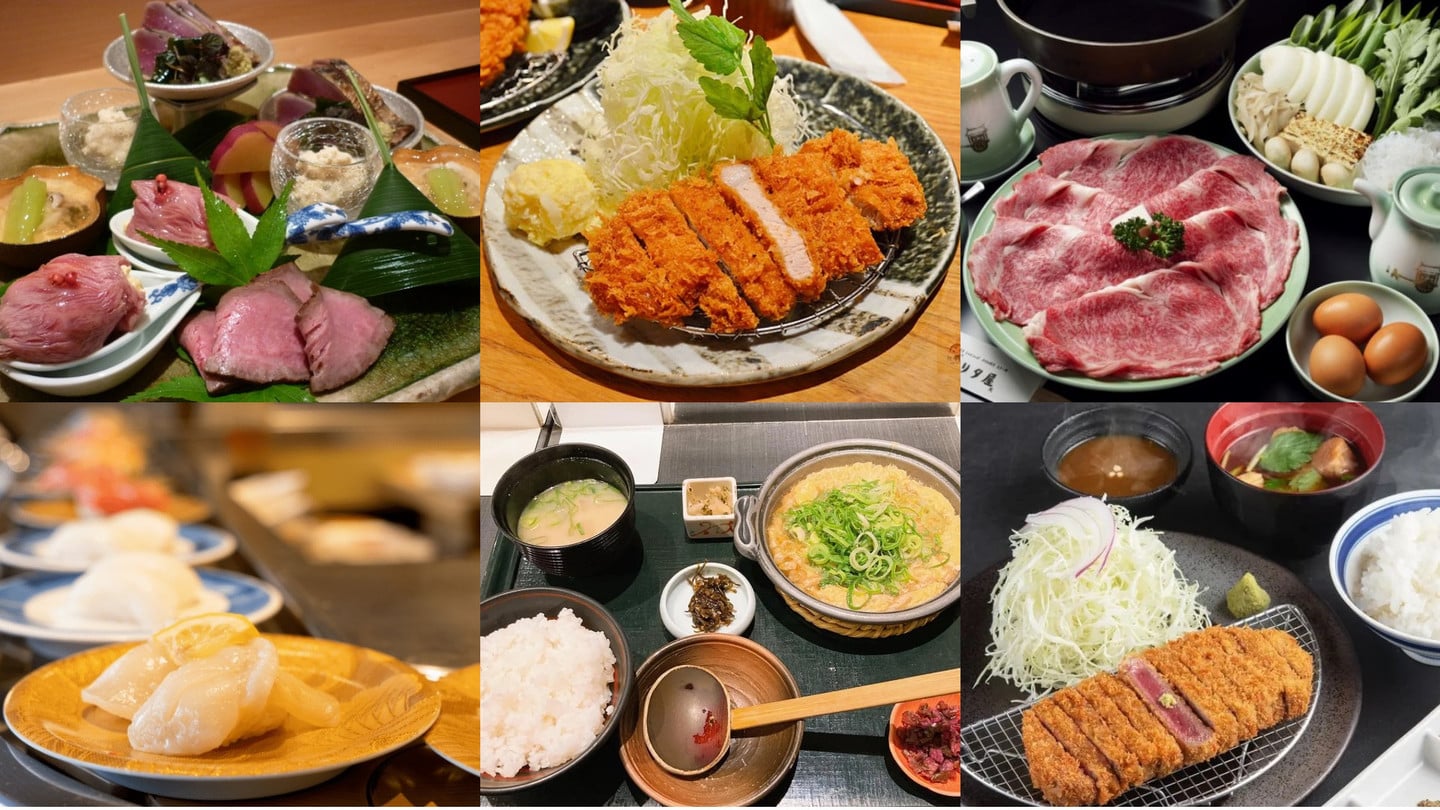
Around Kyoto Station are many options for travelers wanting a quick meal, including set meals, rice bowls and udon shops in the underground mall, and food courts in the station department stores, with prices mostly ¥800-1,500, suiting travelers on a budget or with tight transfer times. If you want to pick up souvenirs before leaving Kyoto, the Kyoto Tower food hall and underground shops in the station also offer a range of Kyoto-limited sweets and prepared foods.
Uji Matcha Pilgrimage: Nakamura Tokichi Honten and Nearby Sweet Shops
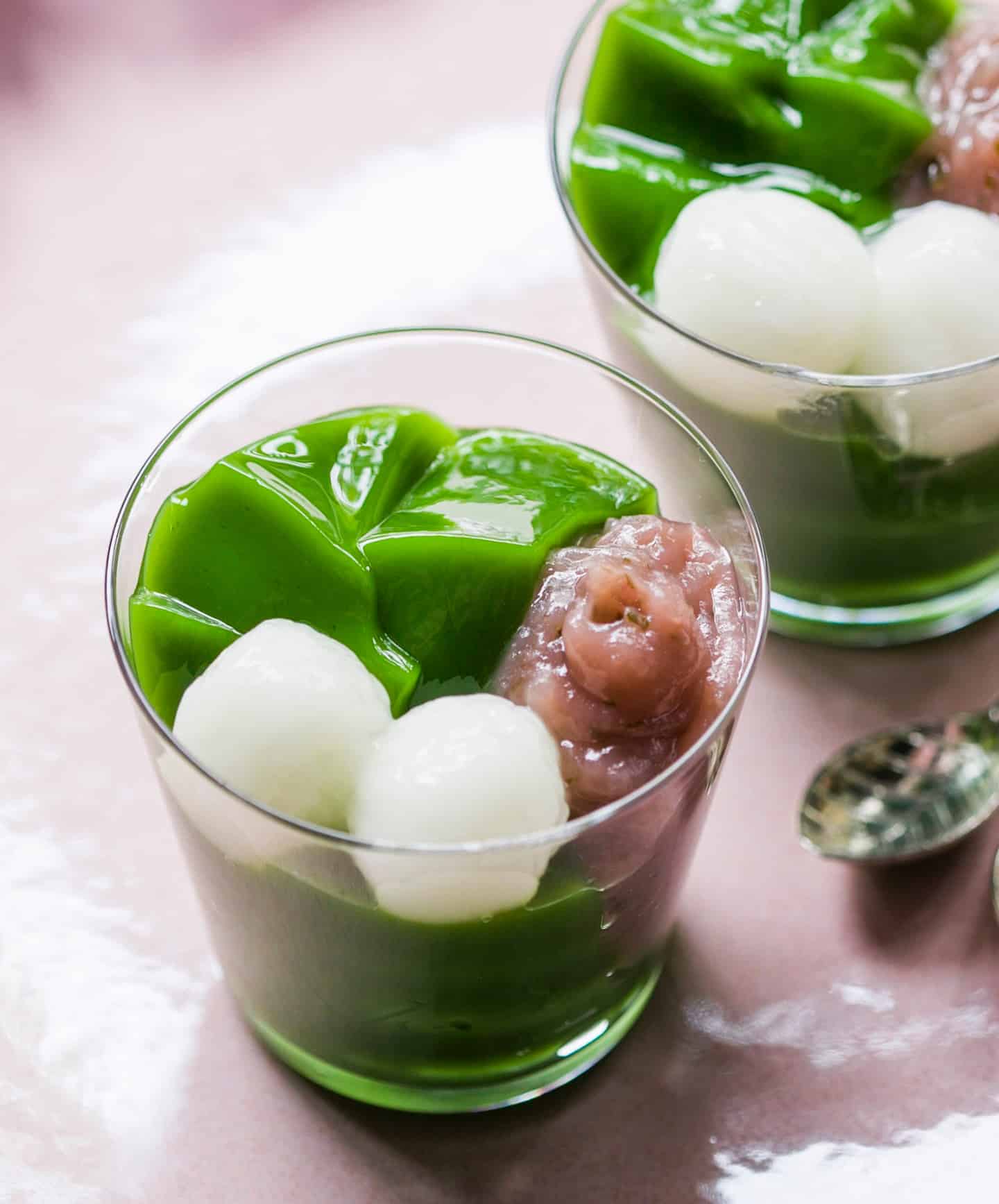
Uji is one of the birthplaces of Japanese matcha, about 20 minutes from Kyoto Station on the JR Nara Line. Century-old tea shops line the area around Uji Station, including Nakamura Tokichi Honten, plus matcha sweet shops and old tea merchants on Ujibashi-dori shopping street, serving matcha parfaits, warabi mochi, roll cakes and other seasonal items. We suggest a half-day trip, and a stop at the World Heritage Byodo-in Phoenix Hall.
Leaving in the morning lets you avoid weekends and the afternoon-tea peak at famous matcha shops (about 14:00-16:00), cutting down on waiting.
Kyoto Food Guide 2026: Local Must-Eat Dishes, Sweets and Popular Restaurants – Must-Order Street Food and Market List
Lined-up snacks at Nishiki Market, Kiyomizu-dera and Pontocho, so you can eat your way through Kyoto’s street food in one go.
Famous Tamagoyaki Shop: Miki Keiran
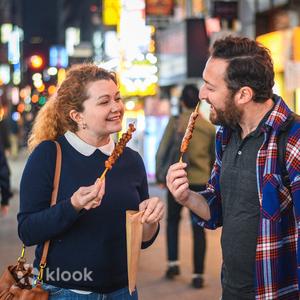
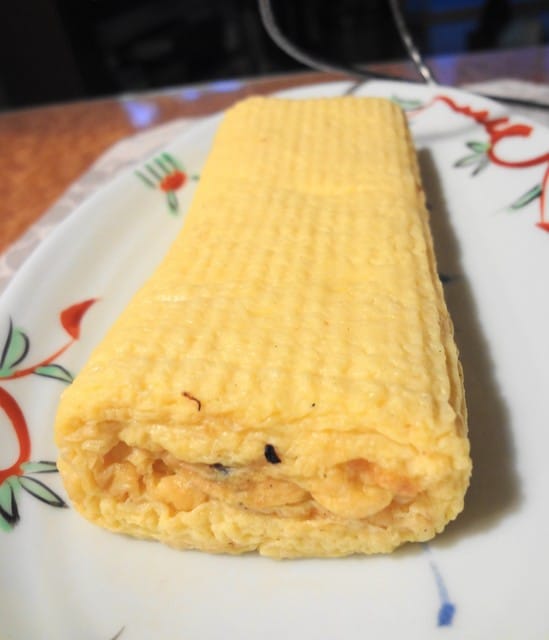
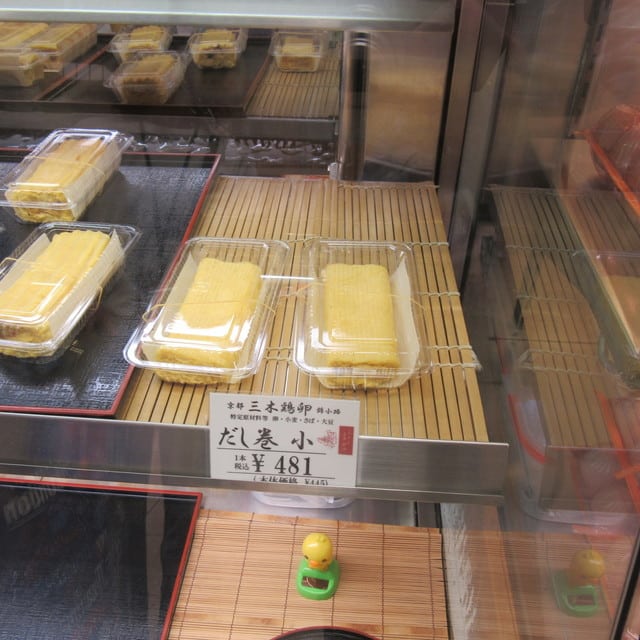
Miki Keiran was founded in 1928 and is a representative tamagoyaki shop in Nishiki Market, hand-cooking carefully chosen eggs with bonito dashi, melting in the mouth with a rich dashi aroma. A freshly grilled tamagoyaki skewer is about ¥350 and must be eaten in the area designated by the shop, a first stop for casual local food. Lines are longest from noon to 1 p.m., so we suggest avoiding that time, and bringing cash, since most stalls do not accept credit cards.
Famous Tamagoyaki Shop: Tanaka Keiran
Tanaka Keiran is as famous as Miki Keiran, offering tamagoyaki in many creative flavors, including mentaiko and yuzu pepper, and you can buy single pieces to try a little of many.
Prices are about ¥200-400 per portion, good for travelers who like to compare different shops’ flavors as they browse, and it is also one of Nishiki Market’s popular photo spots.
Opening hours follow the shop’s notices; we suggest bringing cash in case credit cards are not accepted.
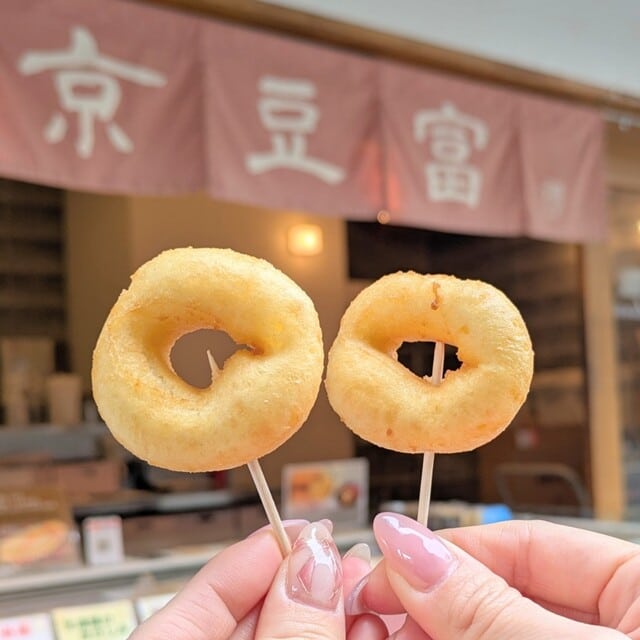
Soy Milk Sweets: Konna Monja
Konna Monja is a hugely popular soy milk sweets shop in Nishiki Market. Its freshly fried soy milk doughnuts are crisp outside and tender inside with little greasiness, paired with house-made soy milk soft serve to cool you down and cut the richness.
A portion is about ¥400-600, and the line never ends, so we suggest avoiding weekend midday to cut your wait.
Sashimi Skewers: Sengyo Kimura
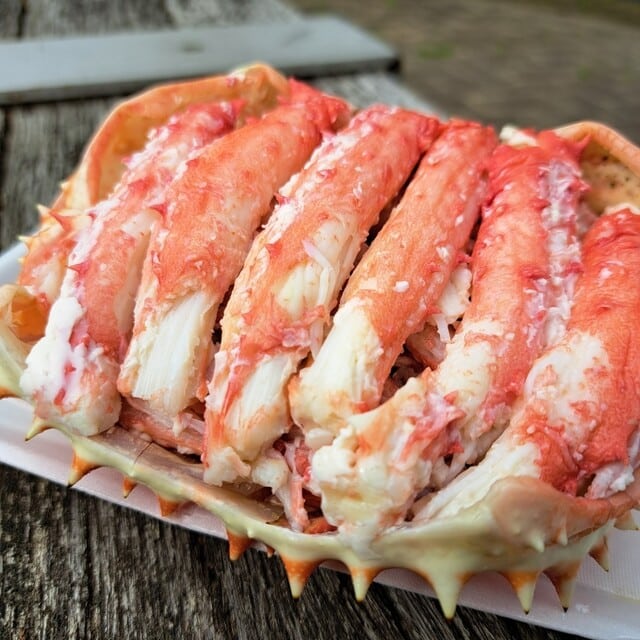
Nishiki Sengyo Kimura is a fresh fish shop in Nishiki Market, featuring seafood picked that day from the Kyoto Central Market, with sashimi cut on the spot and grilled scallops and clams; open 10:00 to 18:00, closed Sundays.
Picked and cut to order and eaten on the spot, it is a good place to experience Nishiki Market’s seafood culture.
Lunchtime (about noon to 1 p.m.) is busier, so we suggest going early or at an off-peak time, and bringing cash.
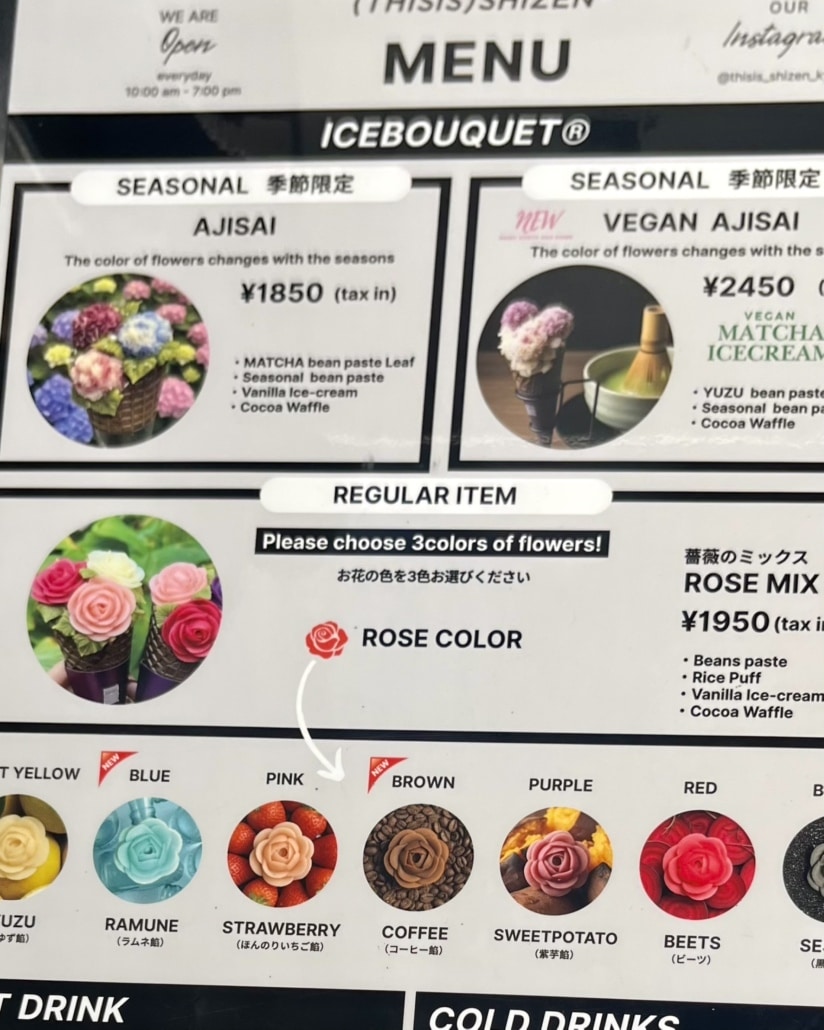
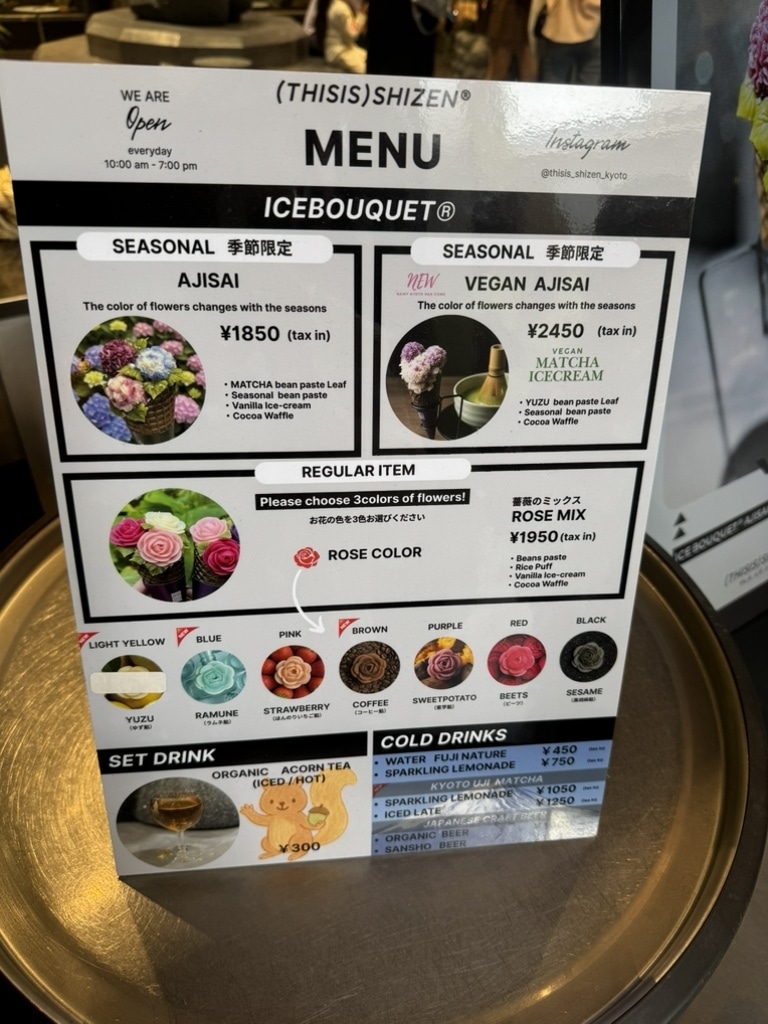
Popular Café: (THISIS)SHIZEN
(THISIS)SHIZEN is a nature-themed café in Shinpukan, with nature, art and craft as its themes, and its signature is a bouquet ice cream that recreates petals with white bean paste.
Prices vary by item. It is not to be missed by travelers who like beautiful photos and a relaxed dessert break; we suggest checking opening hours and closing days beforehand.
Back-Alley Café: CLAMP COFFEE SARASA
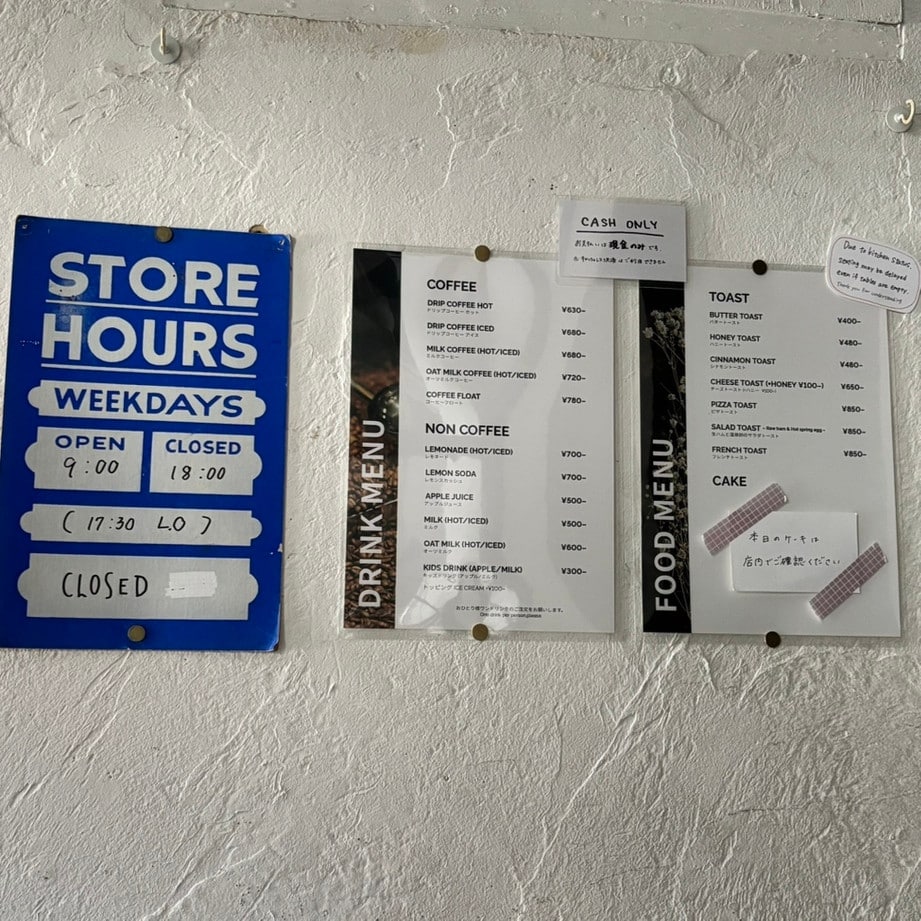
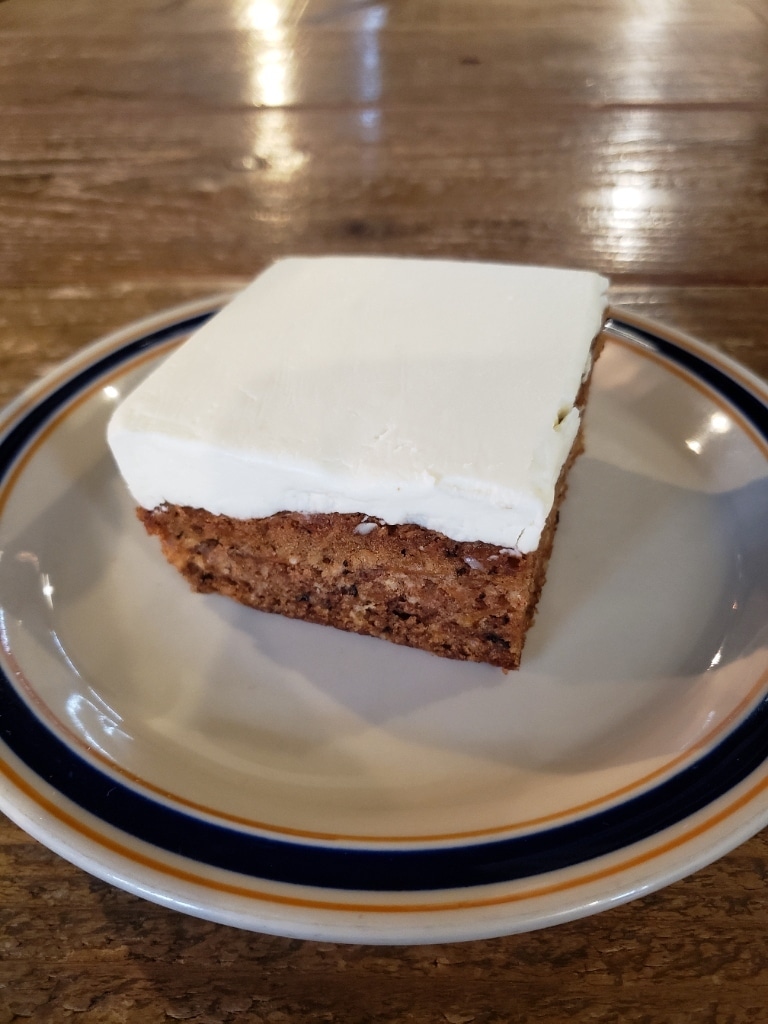
CLAMP COFFEE SARASA is tucked inside a machiya building in a Nijo back alley, focusing on hand-poured specialty coffee and baked sweets, with a quiet atmosphere good for zoning out.
A cup of coffee is about ¥600-900, and there are few seats, making it an insider pocket-list spot to escape the tourist crowds and experience Kyoto’s local pace of life.
We suggest confirming hours and closing days before you go to avoid a wasted trip.
Kiyomizu-dera Food: Hisago Gourd Oyakodon
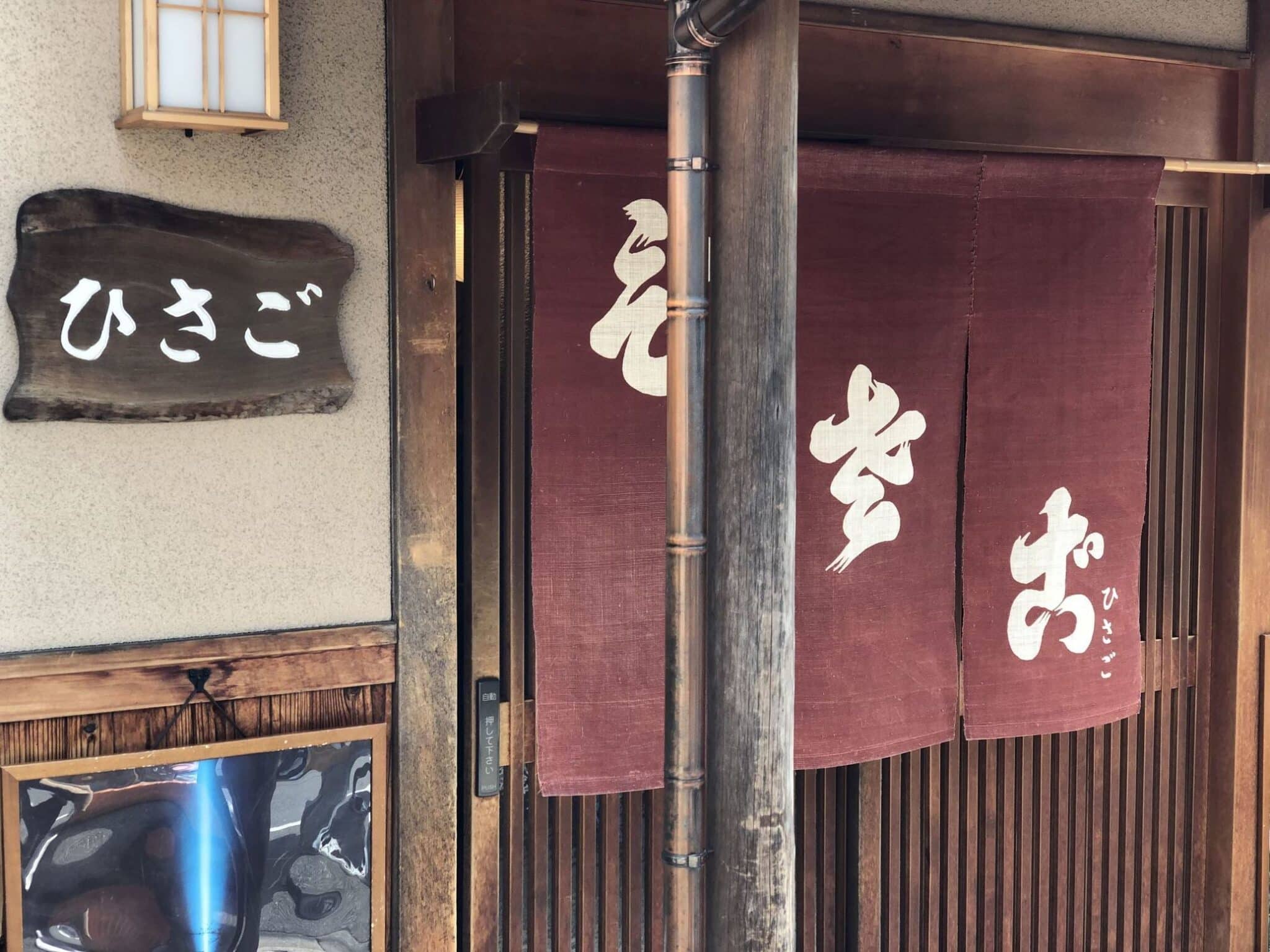
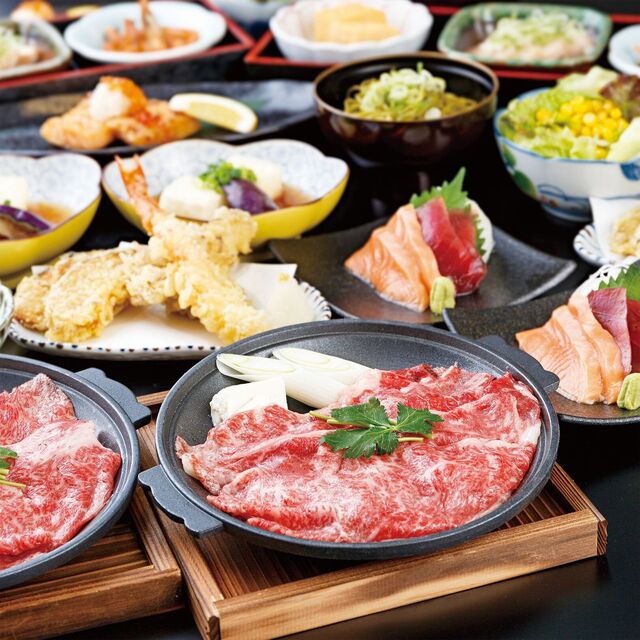
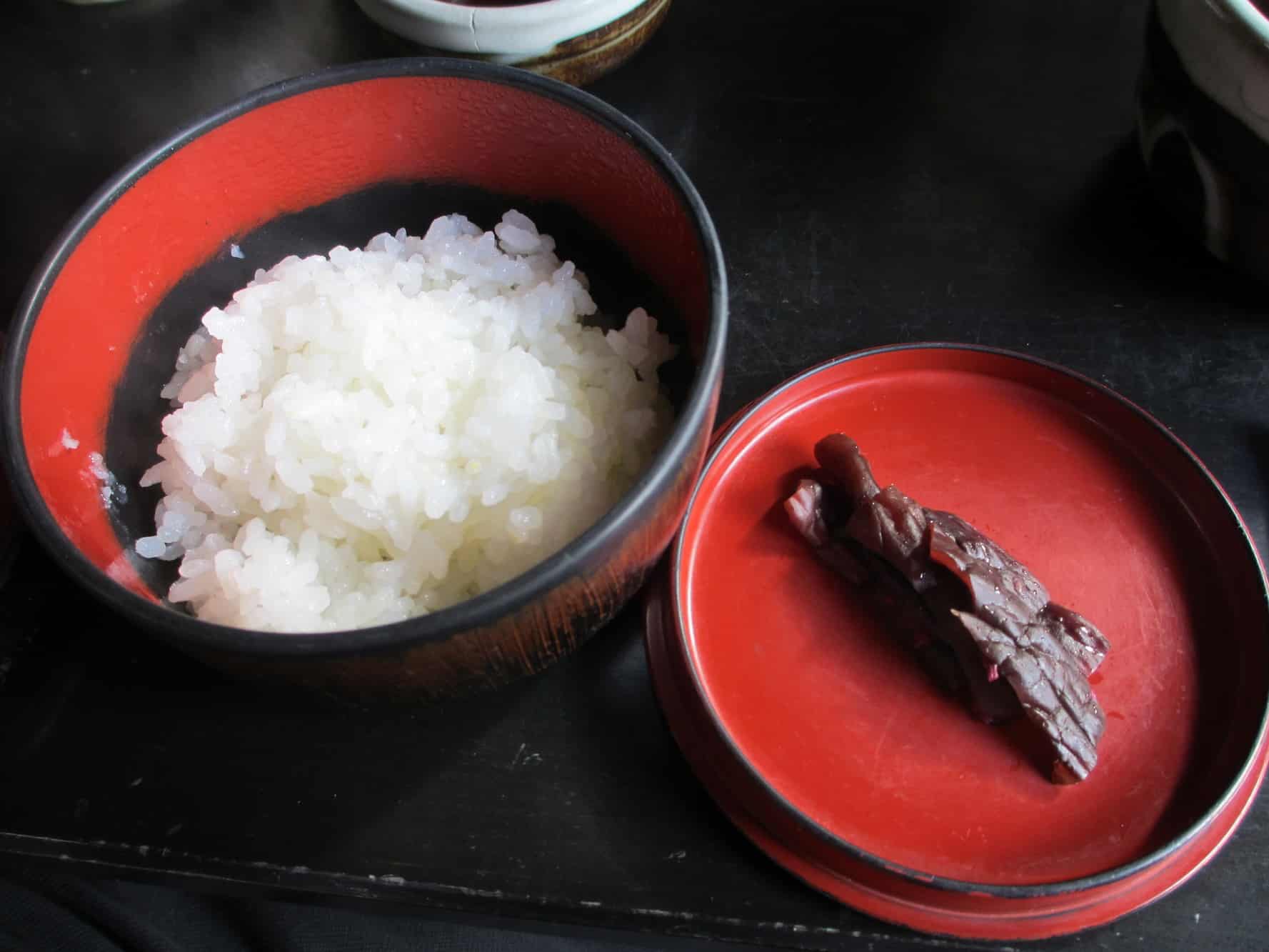
Hisago is on Shimogawara-dori in front of the Yasaka torii, a famous gourd-shaped oyakodon shop between Gion and Kiyomizu-dera, with a silky onsen egg wrapped around tender chicken and onion in a savory-sweet broth that goes well with rice. A bowl is about ¥1,000. Open 11:30 to 19:30, closed Mondays, a good choice to refuel before or after a stroll to Kiyomizu-dera. Peak time is noon to 1 p.m., and we suggest bringing cash.
Kiyomizu-dera Food: Okutan Kiyomizu Yudofu
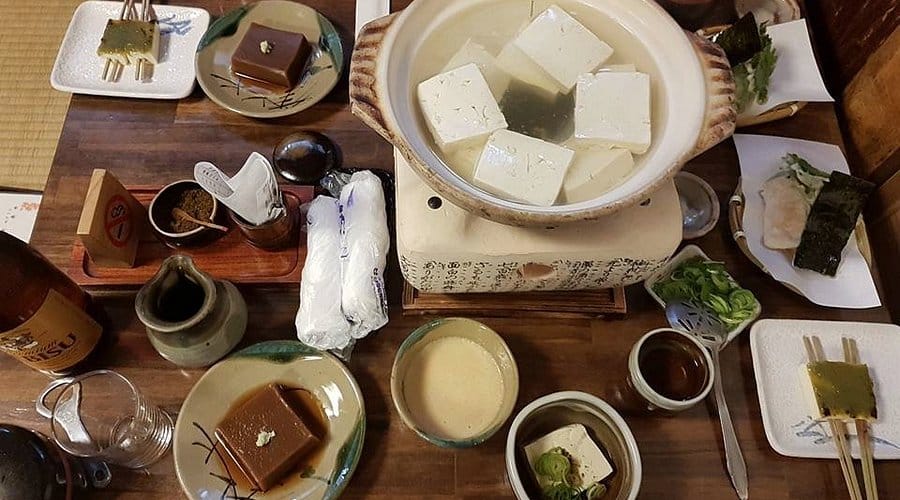
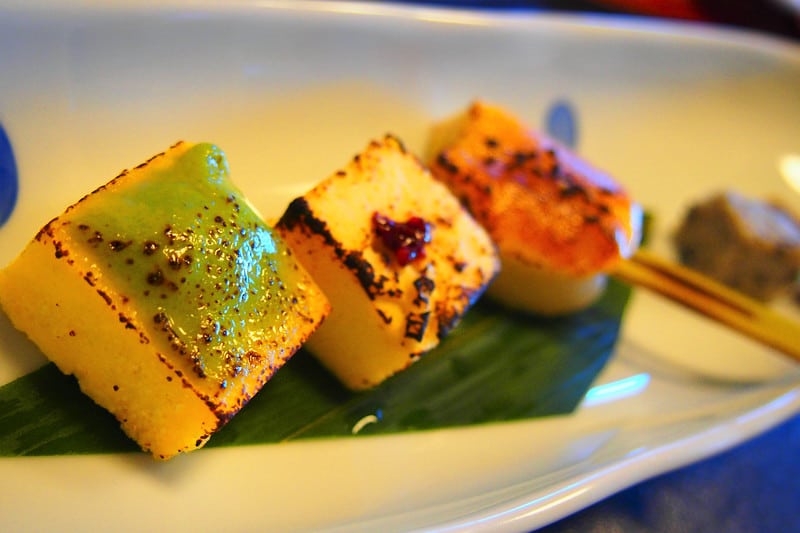
Okutan Kiyomizu is an old Kyoto yudofu shop founded about 380 years ago, set in a Japanese garden beside the approach to Kiyomizu-dera, serving sets made with natural nigari tofu and house-made miso dengaku.
Sets cost about ¥3,500-5,000, good for travelers who want to savor the beauty of Kyoto’s soft-water tofu in an old temple atmosphere.
We suggest confirming opening hours before you set out, and bringing cash in case credit cards are not accepted.
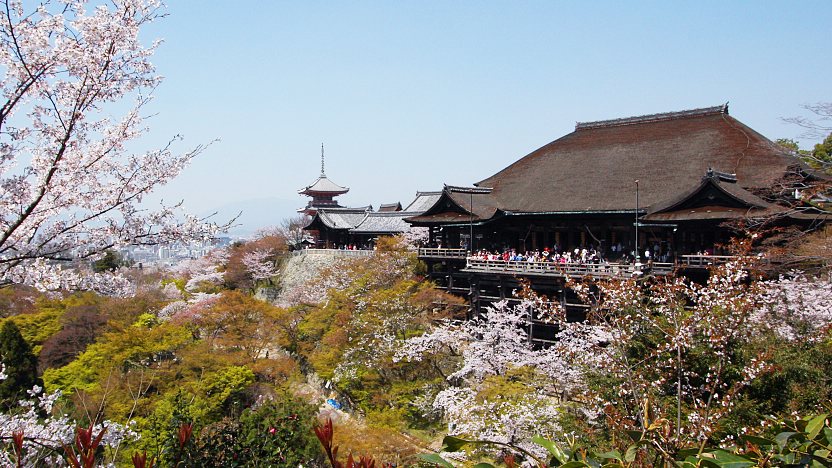
Pontocho Yakiniku: Kyoto Yakiniku enen Pontocho Honten
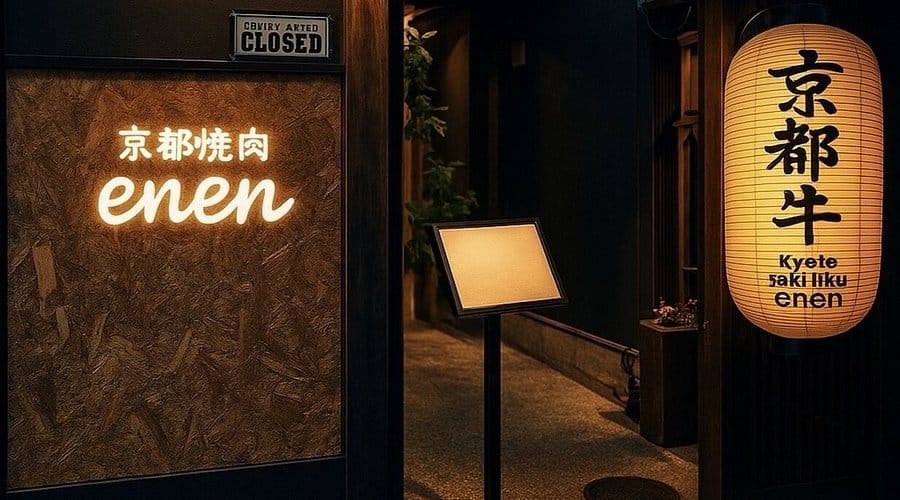
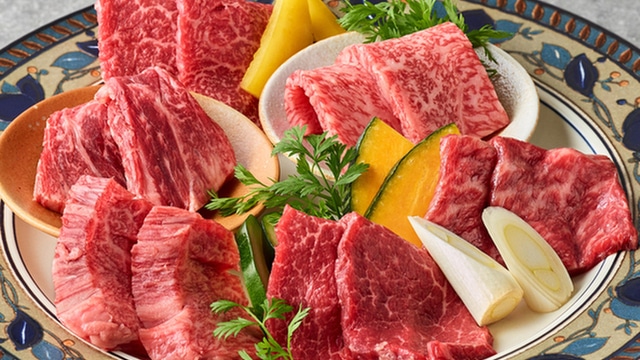
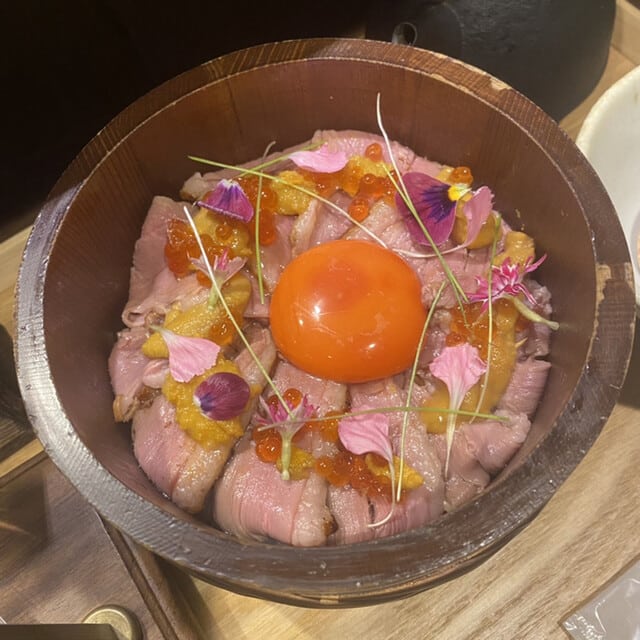
Kyoto Yakiniku enen Pontocho Honten is supervised by a French chef and focuses on creative Japanese black beef dishes such as raw beef rice bowls and wagyu steak, with refined presentation. Set prices are about ¥3,000-9,000, with a Google rating of 4.8 stars, and we suggest booking ahead. Pontocho fills with people from 6 p.m. and is busiest around 7, so we suggest booking ahead or arriving a little later, and bringing extra cash, as some small shops accept cash only.
King of Beef Cutlet: Gyukatsu Kyoto Katsugyu Pontocho Honten
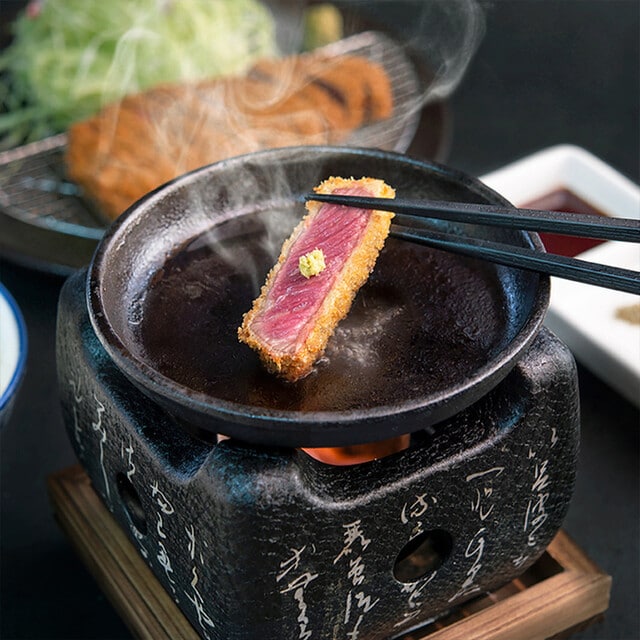
Gyukatsu Kyoto Katsugyu Pontocho Honten is the original of Kyoto’s beef cutlet chain, with a golden crisp crust and medium-rare, tender, juicy beef, which you can pair with wasabi, sansho salt or curry sauce to taste.
Sets run about ¥2,000-6,000 with a 4.8-star rating, one of Pontocho’s most popular shops with lines.
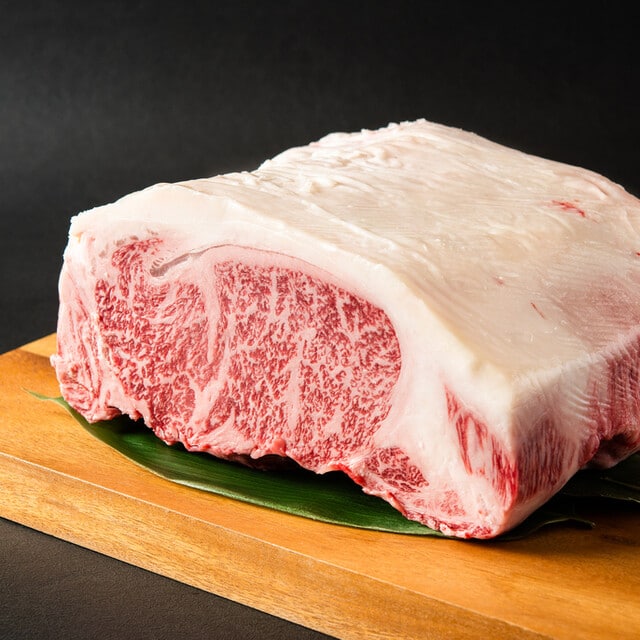
Gion Late-Night Food: Issen Yoshoku
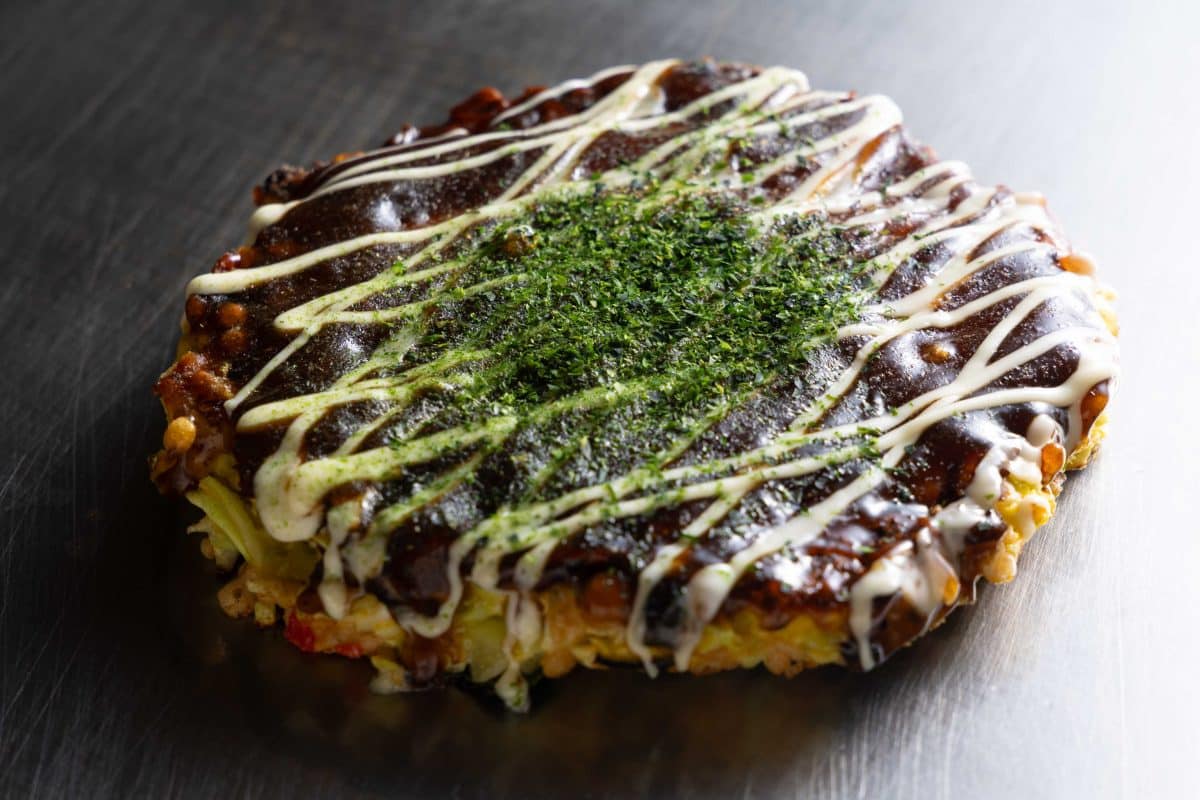
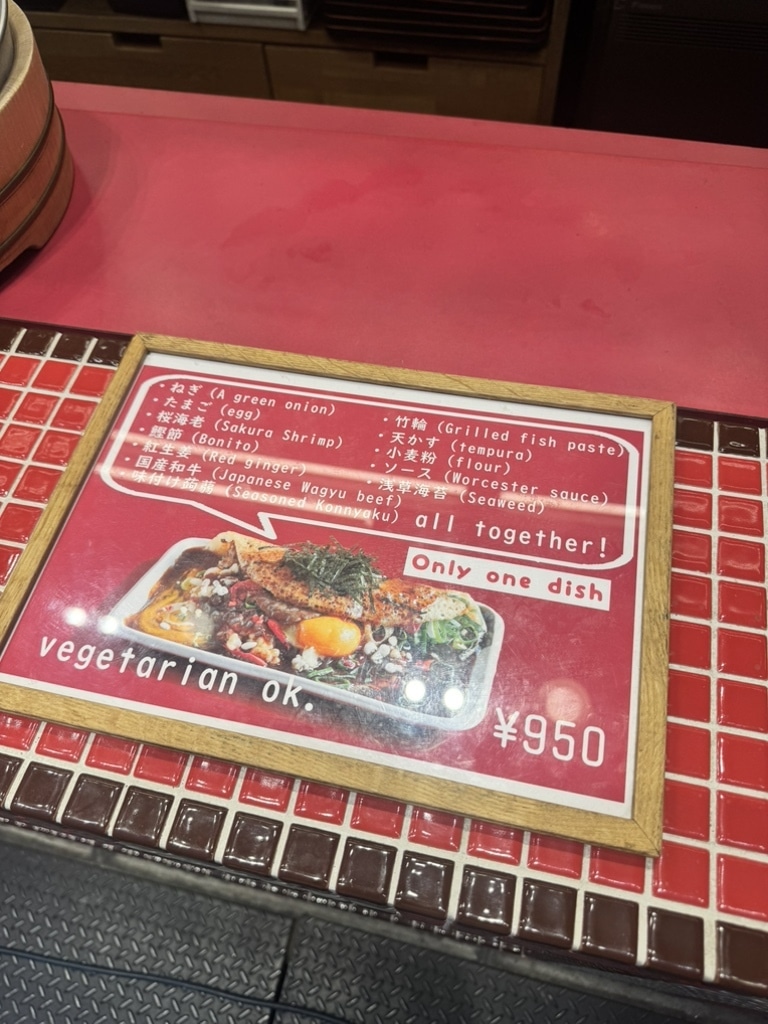
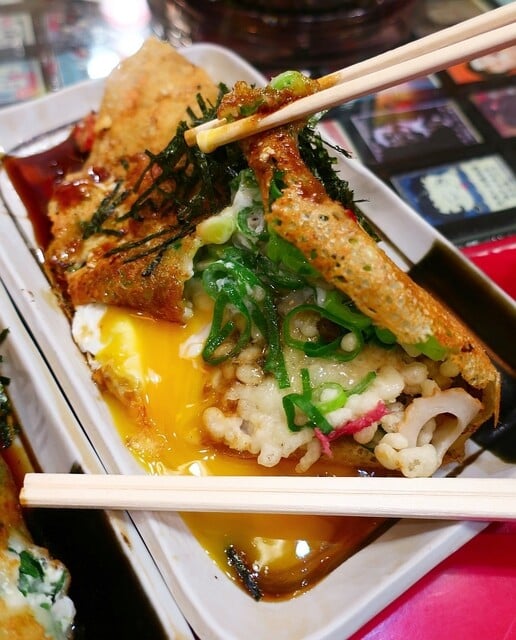
Issen Yoshoku is the soul-food late-night spot for Gion locals, specializing in old-style Japanese savory pancakes with Kujo scallions, beef tendon and konjac wrapped in the batter, topped with a special sweet-spicy sauce for a strong Showa feel.
Prices are about ¥1,000-1,500 and it is open late, a perfect finish after walking Hanamikoji.
Crowds grow rather than shrink late at night, with lines common especially from 7 to 9 p.m. We suggest checking that day’s hours before you go, and bringing cash in case of shops that do not accept credit cards.
Duck Three Ways: Gion Duck Rice
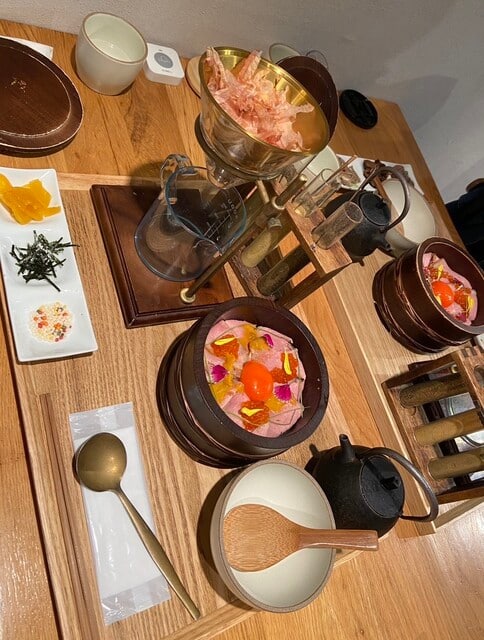
Gion Duck Rice, near Yasaka Shrine, is a hugely popular duck hitsumabushi specialist, using French-style medium-cooked duck that you can eat three ways: plain, with yuzu pepper or with grape sansho powder.
It finishes as a bonito-broth ochazuke. Prices are about ¥2,000-3,000, and online reservations are not accepted, so we suggest lining up early on the spot.
We suggest going early and checking whether the shop takes cash only.
What to Know When Eating in Kyoto 2026: Food Culture and Dining Etiquette
Understanding Kyoto’s distinctive food culture and etiquette makes a food trip smoother and more enjoyable.
Features of Kyoto Food Culture
Kyoto sits in an inland basin, where good soft water yields smooth, soft tofu and clear dashi, and courtly and temple culture nurtured the traditions of refined kaiseki and shojin ryori.
Kyoto vegetables (kyo-yasai), thanks to special sunlight and soil conditions, taste sweet and delicate and are a source of seasonal ingredients that many ryotei are proud of.
Kyoto Seasonal Specialties
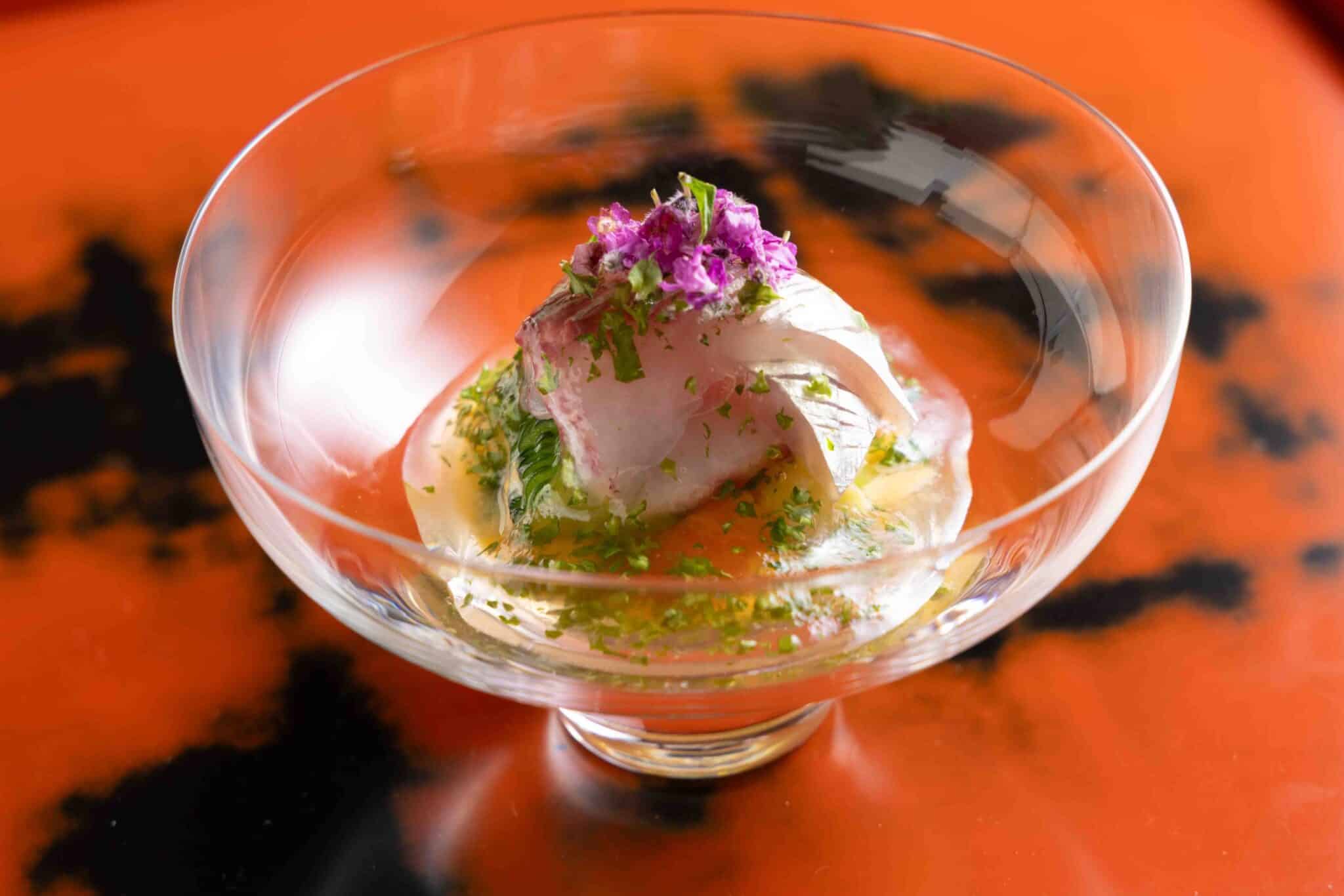
In spring you can try sakura-shaped wagashi and bamboo shoot dishes, while summer brings hamo dishes and cooling warabi mochi, signature items on Kyoto summer tables.
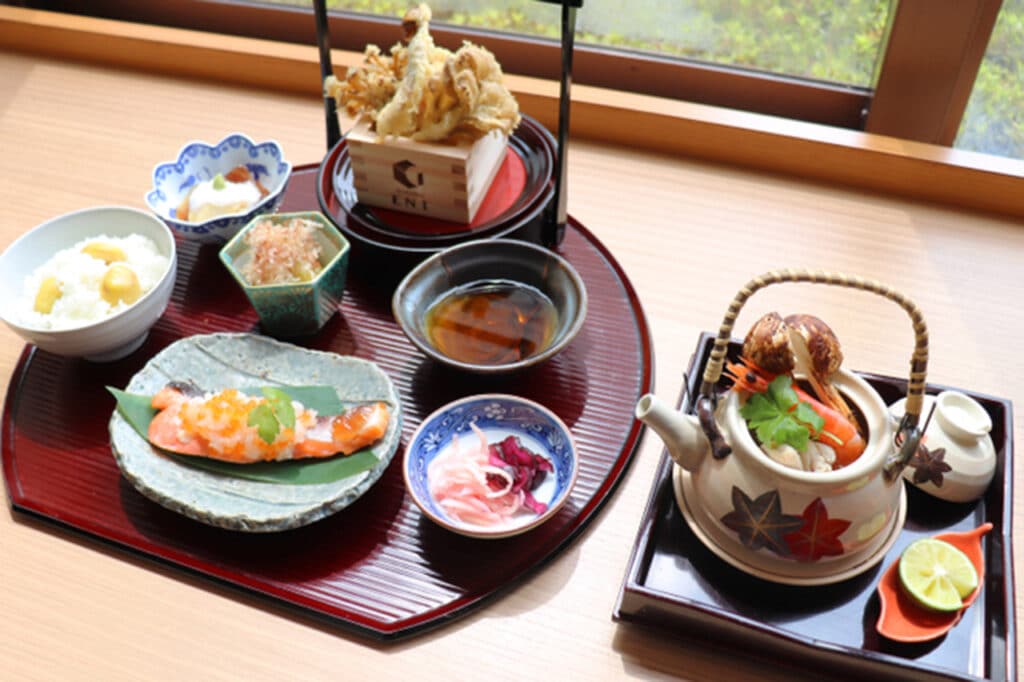
In autumn, matsutake dobin-mushi and chestnut sweets appear for a limited time, and in winter fugu hot pot and steaming yudofu warm the stomach; the clearly distinct seasonal ingredients are worth revisiting.
Dining Etiquette and Reservation Notes
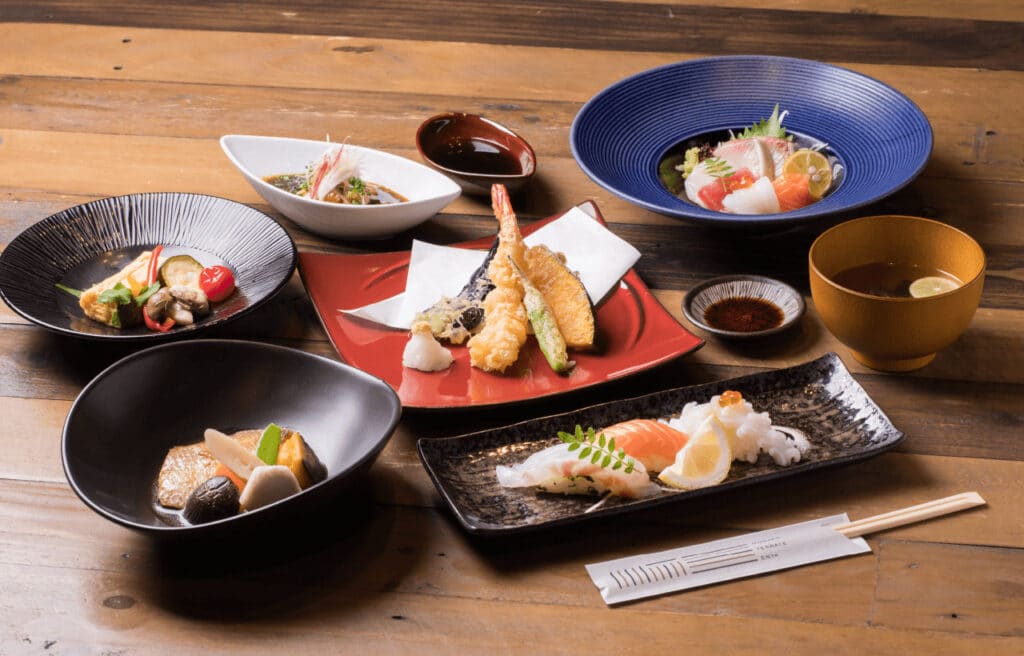
Michelin kaiseki restaurants mostly require booking weeks to months ahead by phone or the official site, and walking in often fails, so we suggest reserving first when planning your trip.
To control your budget, you can schedule your main meal at lunchtime. Check the menu and prices on the shop’s official site or on the map before deciding whether to go. For popular shops, check first whether you can reserve, to avoid a long wait.
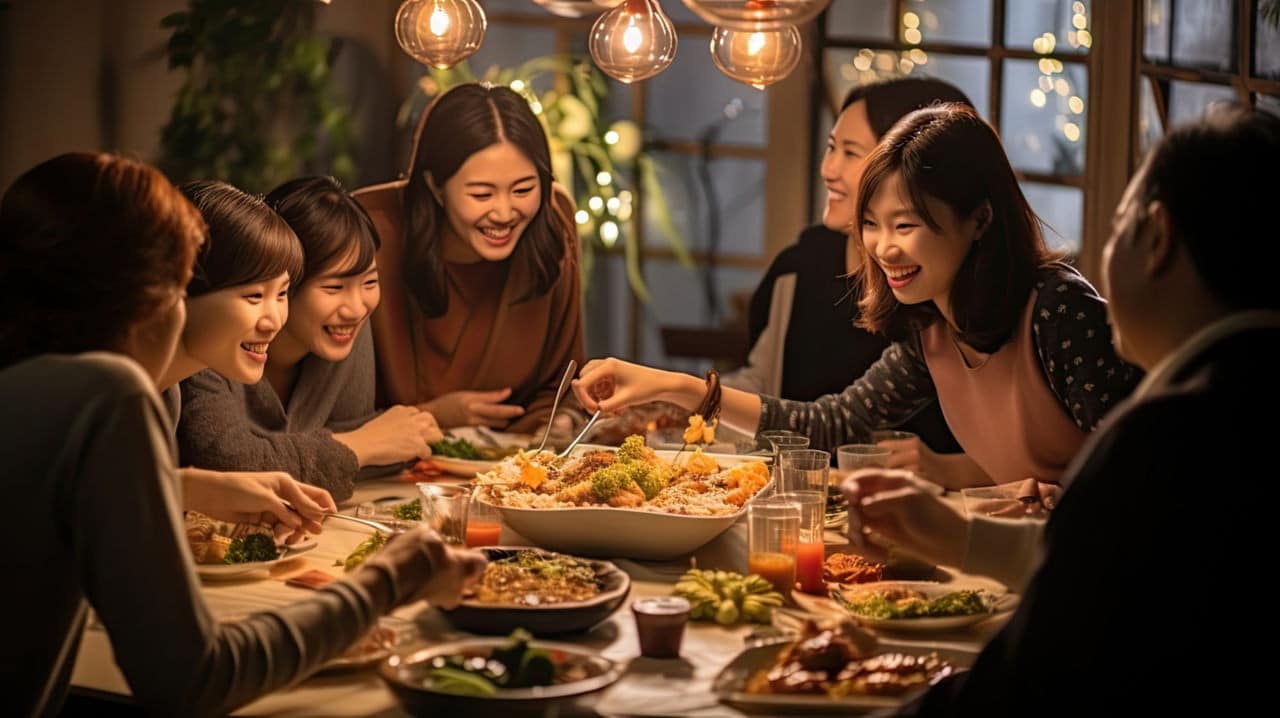
Eating while walking is strictly prohibited in Nishiki Market; you must finish in the area designated by the shop. We also recommend booking dinner in advance at popular restaurants in Pontocho and Gion to avoid long waits.
More Pocket-List Picks, Quick Version
For sweets and coffee, you can also save Omokage Terrace, Dough, WOCCA ROCCA curry and…UJI, Kumo no Cha Cafe, HISAYA CAFE, GOKAGO and % Arabica Coffee Ninenzaka.
For restaurants, keep an eye on Banjo Tempura, Kyoto Sumibi Unagi Sumikawa Gion Yasaka, Junsei Yudofu and Chikarayama Wagyu Sukiyaki, all highly rated hidden gems.
![Banqiao locals' must-eat pocket list! Herbal pork ribs with plenty of meat for 100 yuan, Bib Gourmand angelica lamb, a night-market version of Din Tai Fung with hard-to-get shrimp shumai, the best skewers on Juguang Road? | SuperTaste Taiwan | #SuperTaste #Zeng Ziyu [Online Exclusive] 20260624](https://travel.williamlion.tw/wp-content/uploads/sites/7/2026/07/unnamed-file-507.jpg)
Recommended Kyoto Food Tours and Cooking Classes
Besides visiting restaurants and markets on your own, joining a professional food tour or cooking class is a great way to understand Kyoto’s food culture more deeply. With a local guide or craftsman explaining, visitors can not only taste authentic dishes but also learn about the source of the ingredients, cooking techniques and Kyoto’s distinctive dining etiquette. Below are a few well-reviewed, substantial food experiences that fit into a half day or full day of a Kyoto trip, satisfying both your taste buds and your curiosity.
Nishiki Market Food Tour
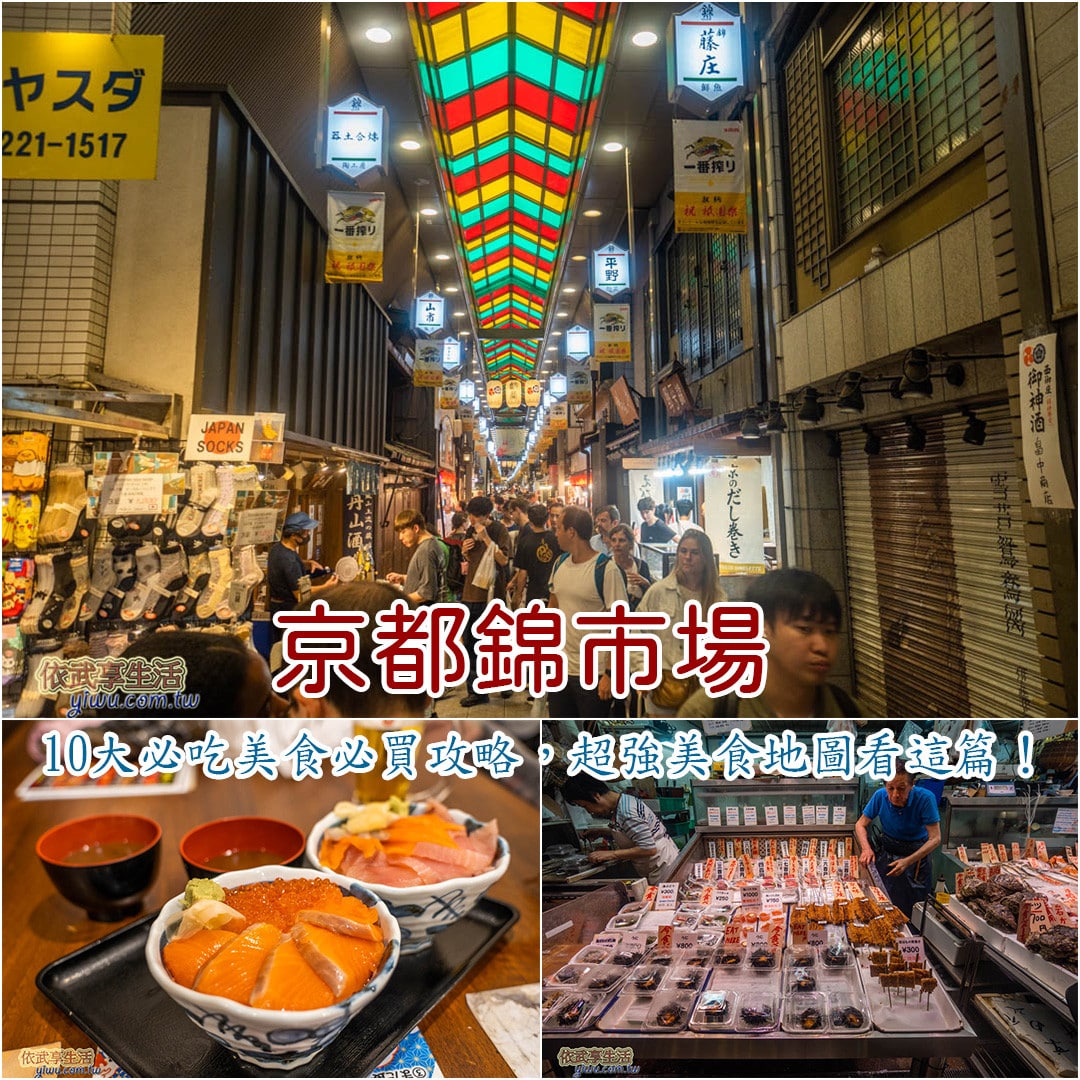
Nishiki Market, about 390 meters long, is known as “Kyoto’s Kitchen” and gathers hundreds of old ingredient stalls. A local guided tour passes through century-old shops, introduces ingredients such as pickles, fu and yuba, and includes tastings of 8 to 10 snacks. The tour takes about 2 to 2.5 hours, with prices varying by tour, and can uncover hidden delights such as yudofu and wasabi pickles.
This tour suits first-time visitors to Kyoto who are unfamiliar with Japanese ingredients, giving a quick introduction to Kyoto’s food culture, and it is also good for photographing the market’s human scenery; we suggest joining on a weekday morning to avoid crowds.
![Kyoto] Kyoto Nishiki Market Half-Day Small-Group Tour - LIVE JAPAN (Japan Travel and Cultural Experience Guide)](https://travel.williamlion.tw/wp-content/uploads/sites/7/2026/07/unnamed-file-1287.jpg)
Kyoto Home-Style Cooking Classes
Cooking classes run by local home cooks, mostly in Kyoto city machiya (such as in Nishijin and Kamigyo Ward), covering home dishes such as dashi, miso soup, tamagoyaki and seasonal simmered vegetables, taking about 3 hours in total, with a recipe handout included. Fees and content vary by class, and you eat what you make, with a chance to talk closely about Kyoto eating habits and the use of seasonal ingredients. The class is popular with families and food lovers, and through conversation you can come to understand Kyoto’s “ichiju-sansai” (one soup, three sides) food philosophy, both informative and fun.
Matcha and Wagashi Making Experiences
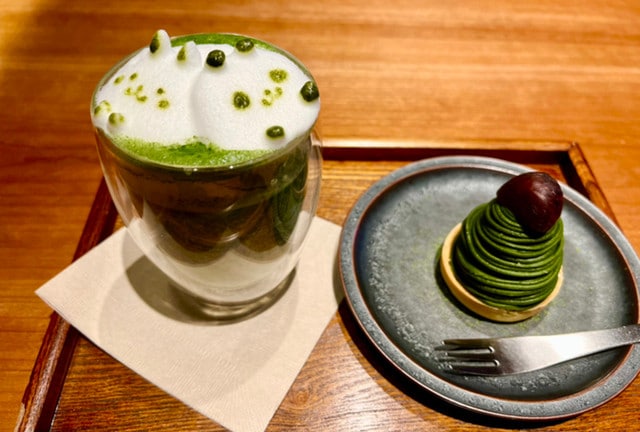
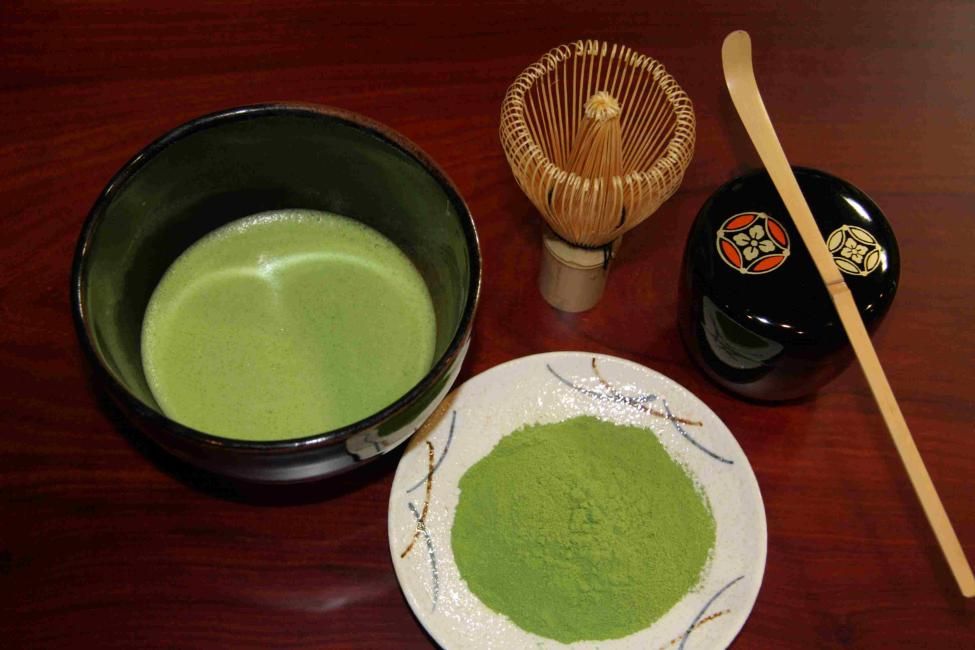
In Uji, the birthplace of Kyoto’s matcha culture, and in the city, several tea ceremony schools offer matcha whisking and wagashi-making experiences, where you learn the proper steps for whisking tea and, guided by an artisan, make nama-gashi or rakugan; classes take about 1.5 to 2 hours.
Fees vary by course, and some premium courses include rental of tea ceremony attire, matcha powder and wagashi molds as souvenirs. Locations are mostly tea rooms in Gion or near Byodo-in in Uji, with an old-fashioned setting.
Recommended for anyone interested in Japanese tea ceremony culture, to experience the spirit of “ichi-go ichi-e,” with your creations to take home or enjoy on the spot with tea, combining cultural depth and hands-on fun.

Pontocho Izakaya Food Tour
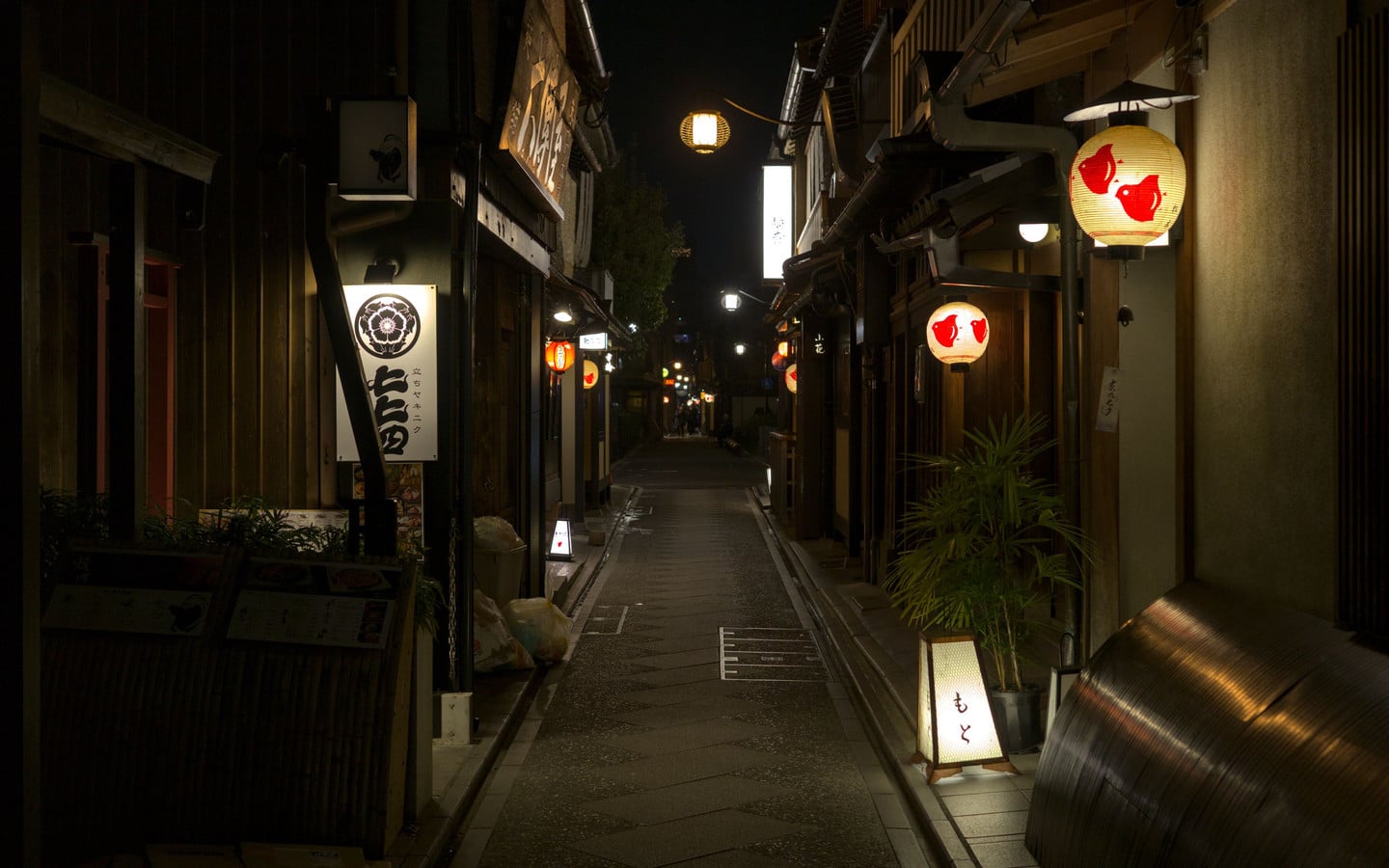
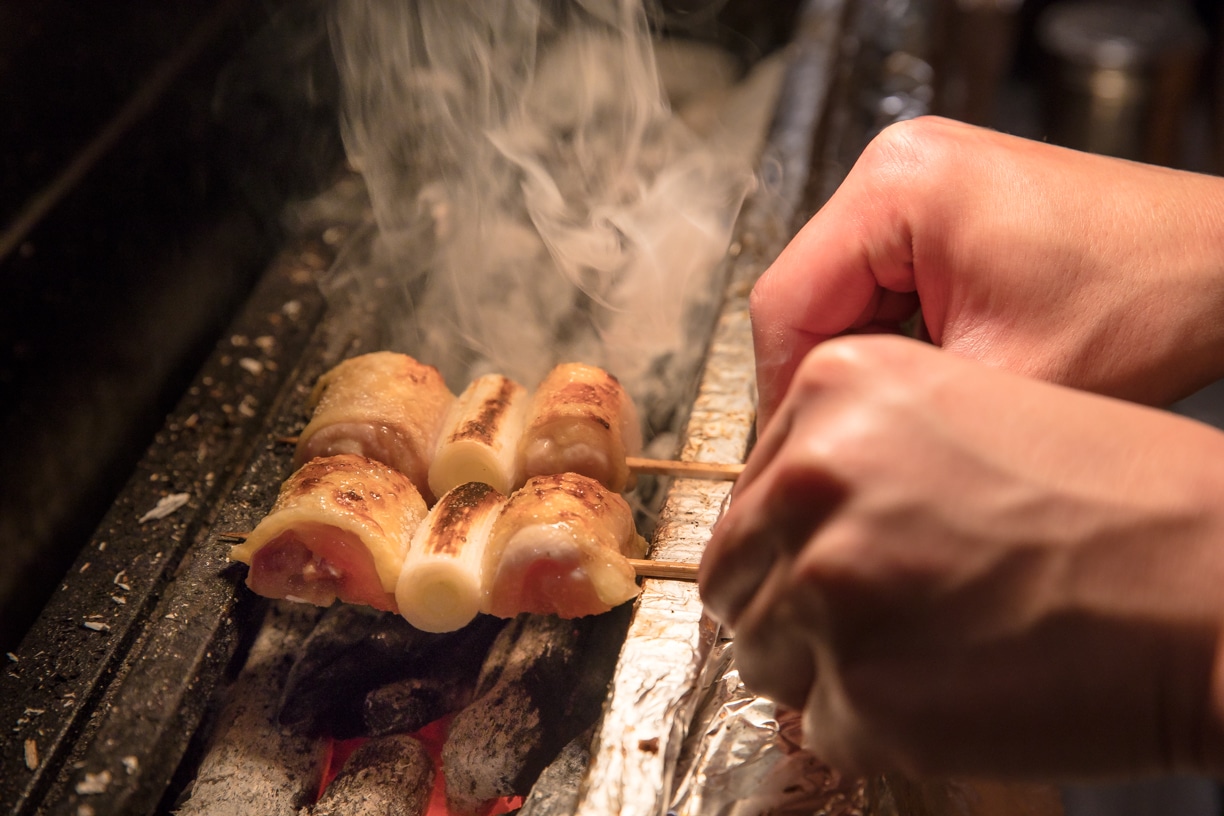
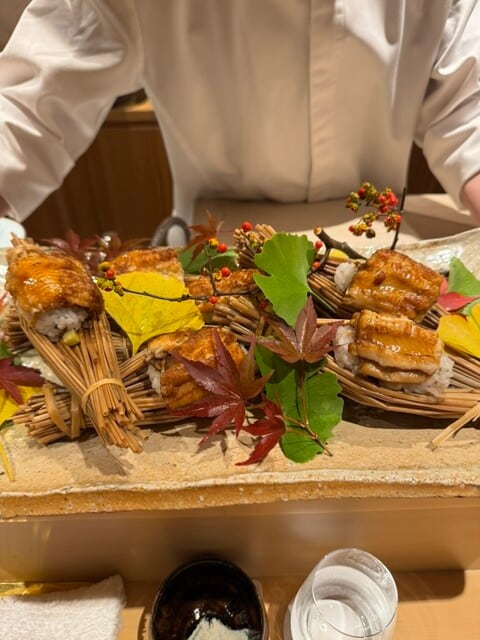
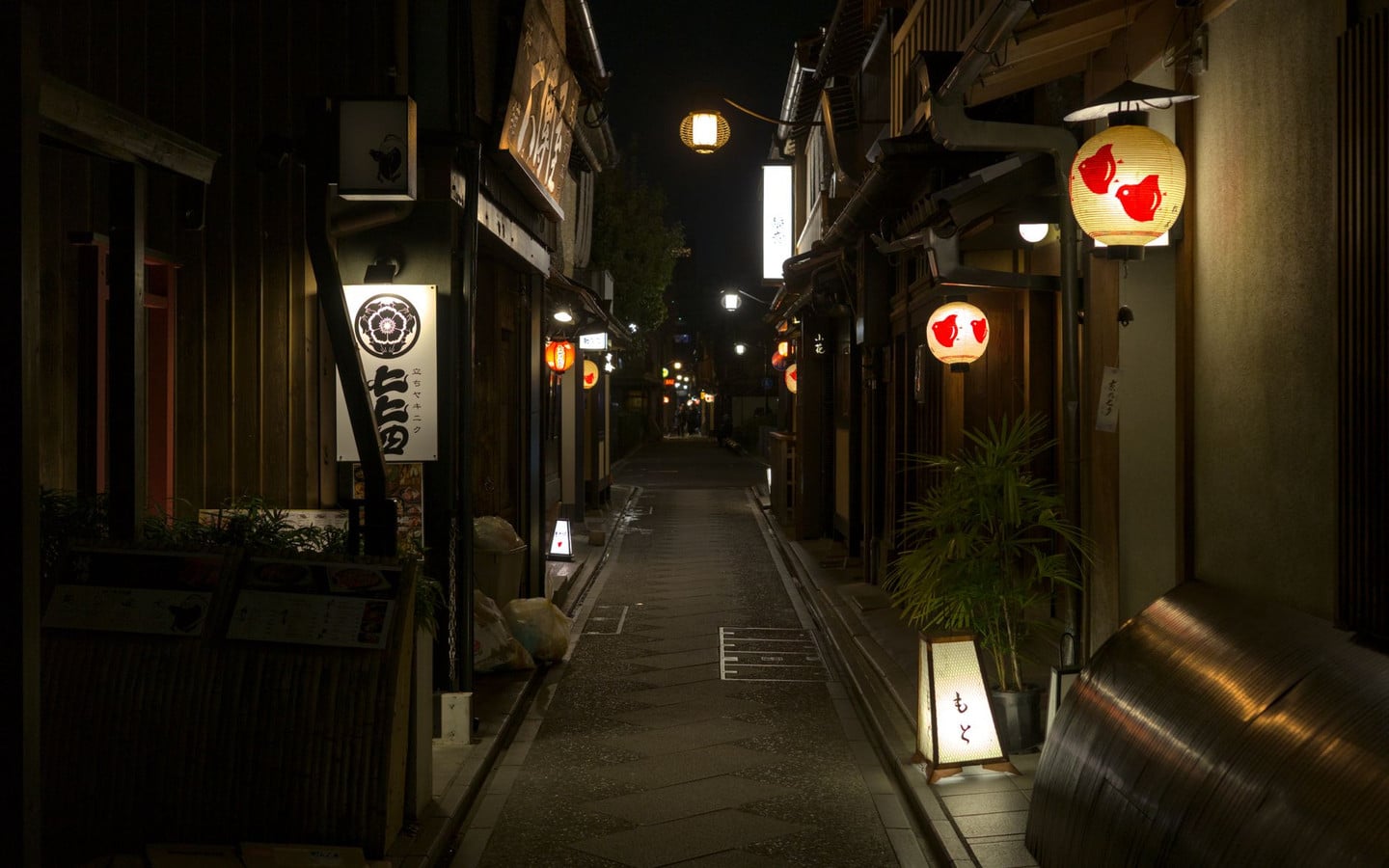
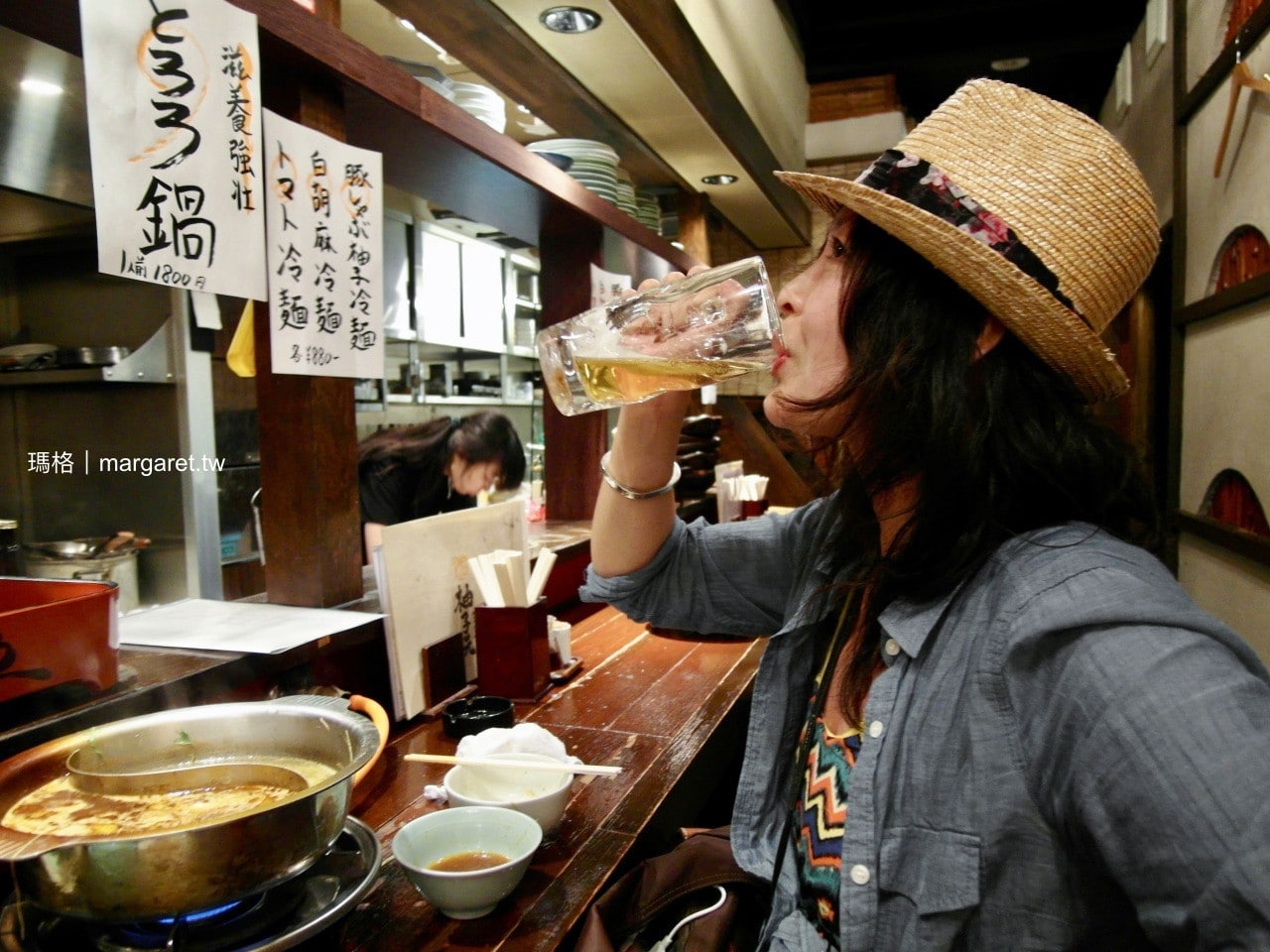
Pontocho in Kyoto is a famous geisha district and food alley, lined with izakaya in converted traditional machiya. The evening food tour takes you to 3-4 selected shops to taste charcoal-grilled chicken skewers, Kyoto black wagyu nigiri and seasonal small-bowl dishes, paired with sake or beer. The tour lasts about 3 hours, with prices and content varying by tour. Joining a tour gets you into hidden shops that are hard to book, with a guide sharing Pontocho’s history and geisha-district culture. It suits travelers who love izakaya culture and want to experience Kyoto nightlife. We suggest booking online a week ahead.
Kyoto Food Guide 2026: Local Must-Eat Dishes, Sweets and Popular Restaurants – Where to Stay Nearby? Selected Hotel Picks
Choose lodging to suit your budget to make your food trip even better.
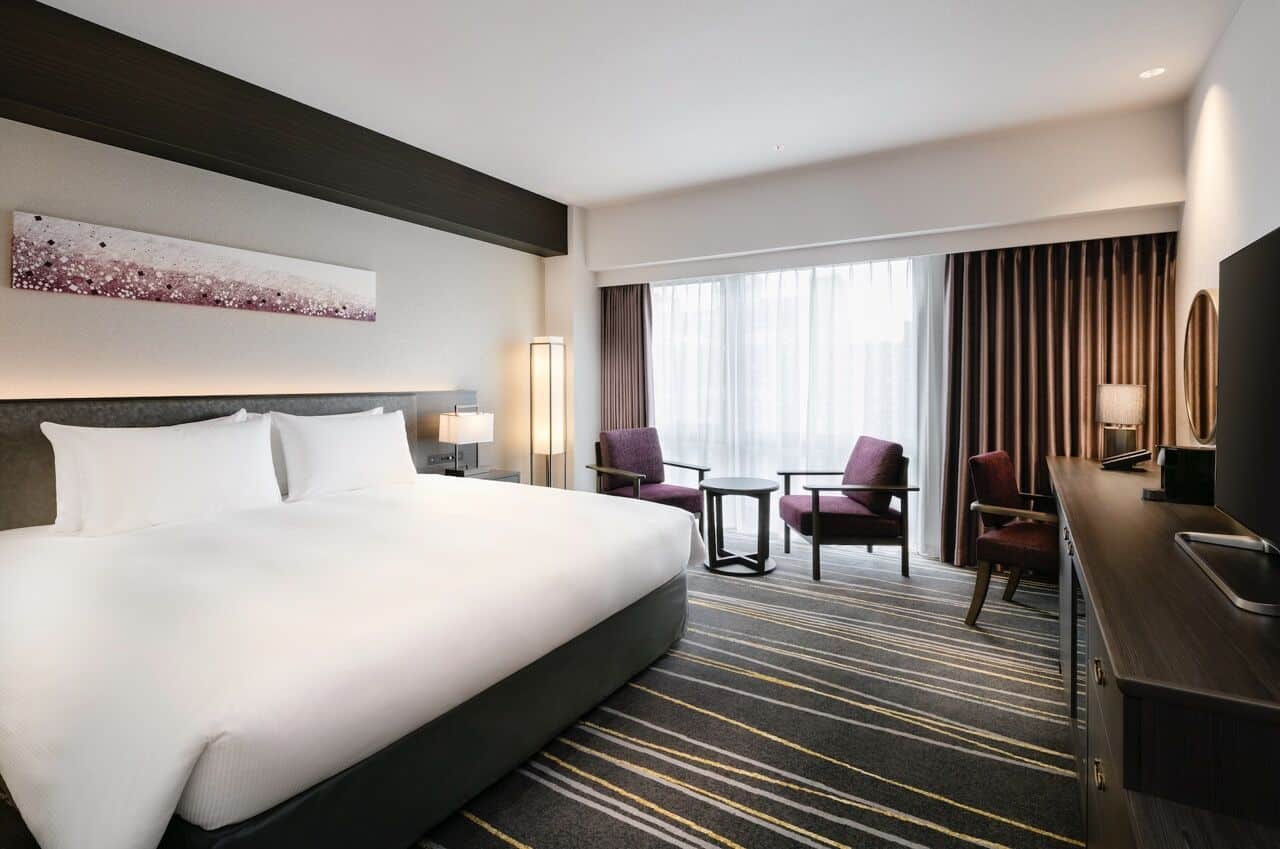
High-End Kyoto Hotel: Suiran, a Luxury Collection Hotel
With stunning views by the Togetsukyo Bridge in Arashiyama, it blends traditional Kyoto machiya aesthetics with luxury service, offering private gardens and hot spring baths.
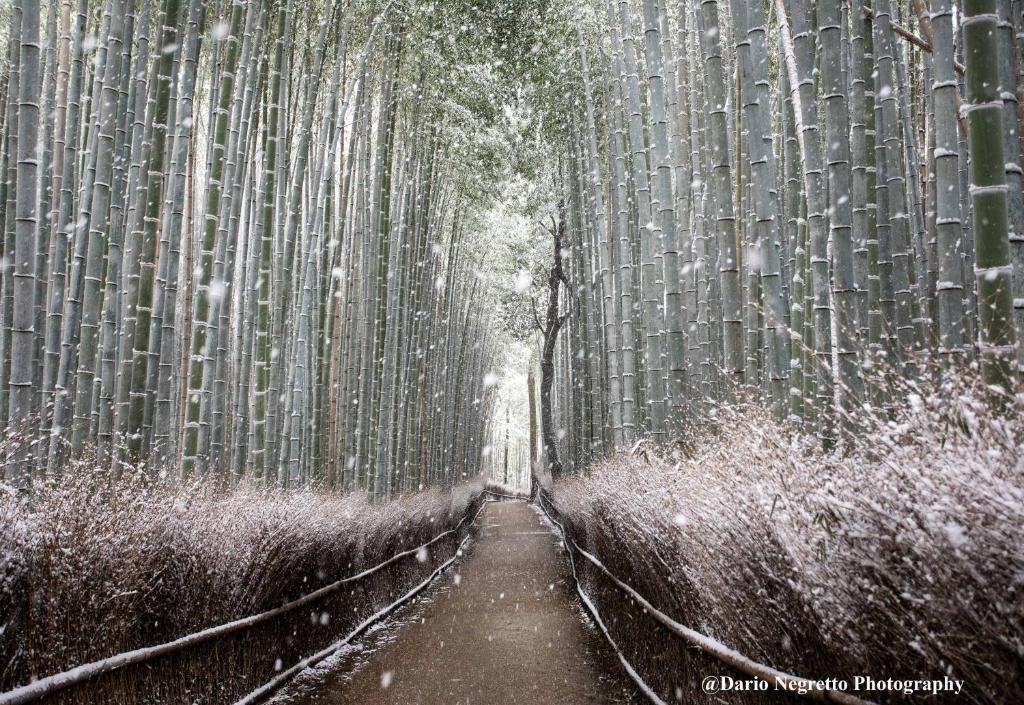


- Access: 10-minute walk from Arashiyama Station
- Highlights: private garden, hot spring bath, river-view restaurant
- Best for: couples
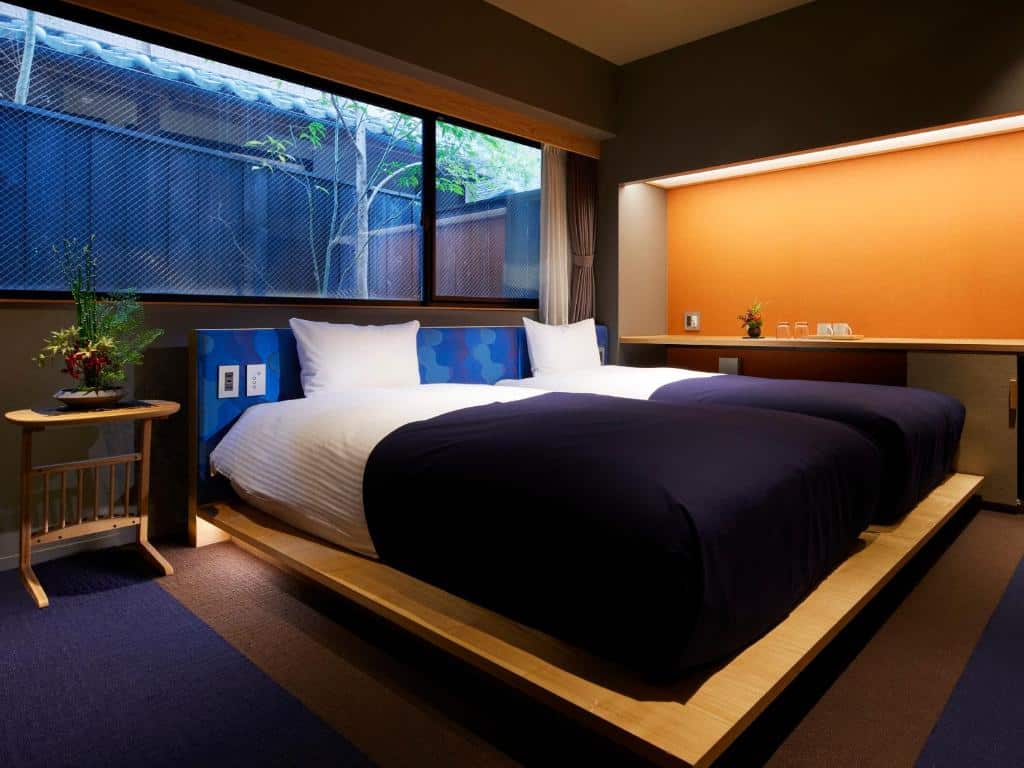
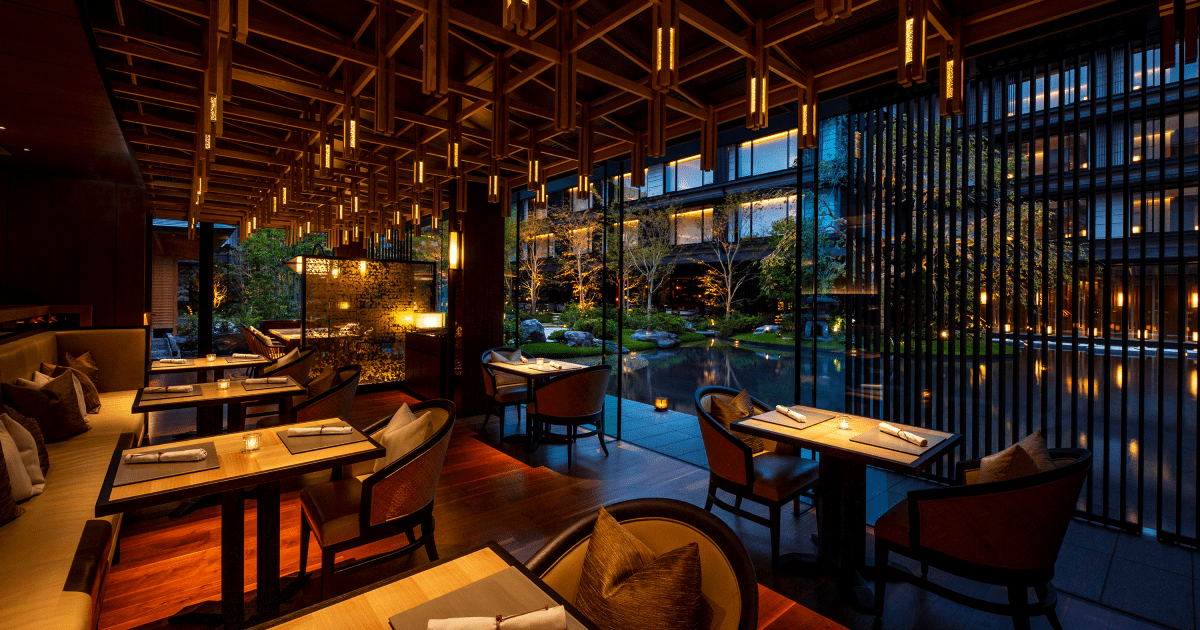
Upper Mid-Range Kyoto Hotel: HOTEL THE MITSUI KYOTO
Right next to Nijo Castle, a garden hot spring hotel that blends the remains of an Edo-period garden with modern luxury, quiet in the middle of the bustle.
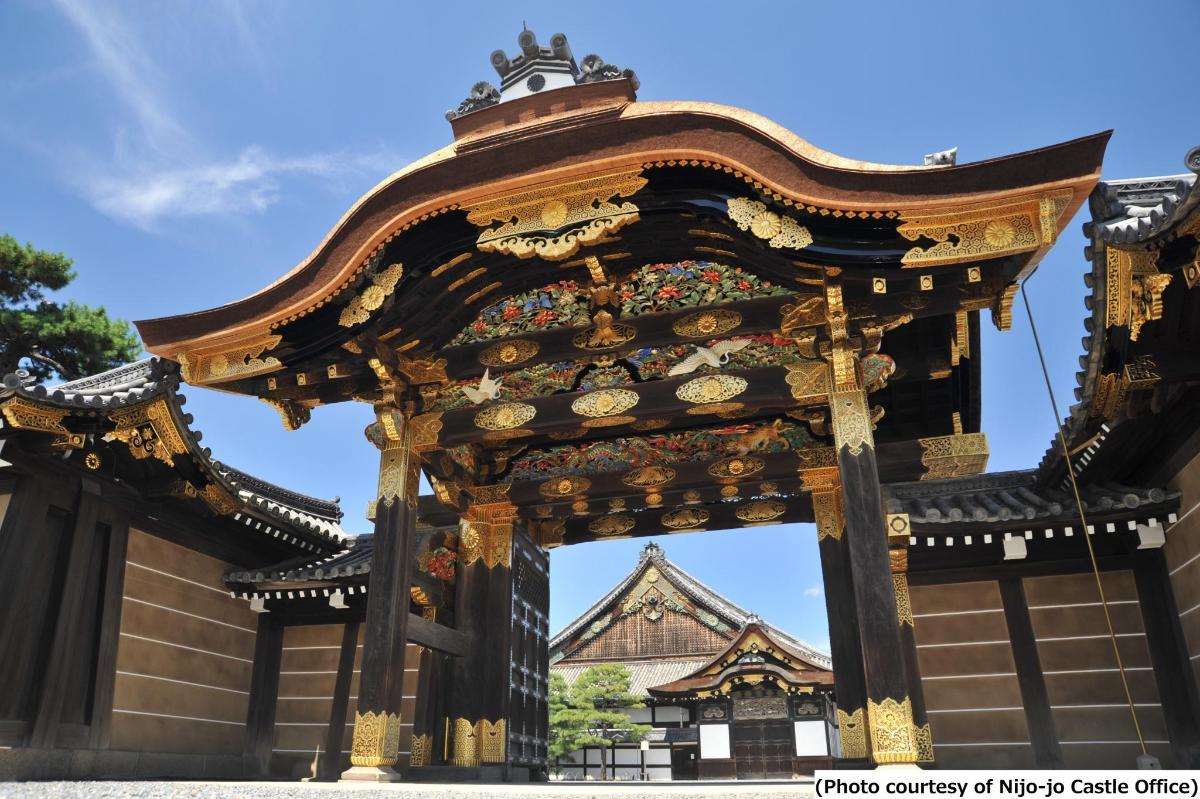


- Access: 1-minute walk from Nijojo-mae Station
- Highlights: garden hot spring, sparkling water bar, executive lounge
- Best for: couples
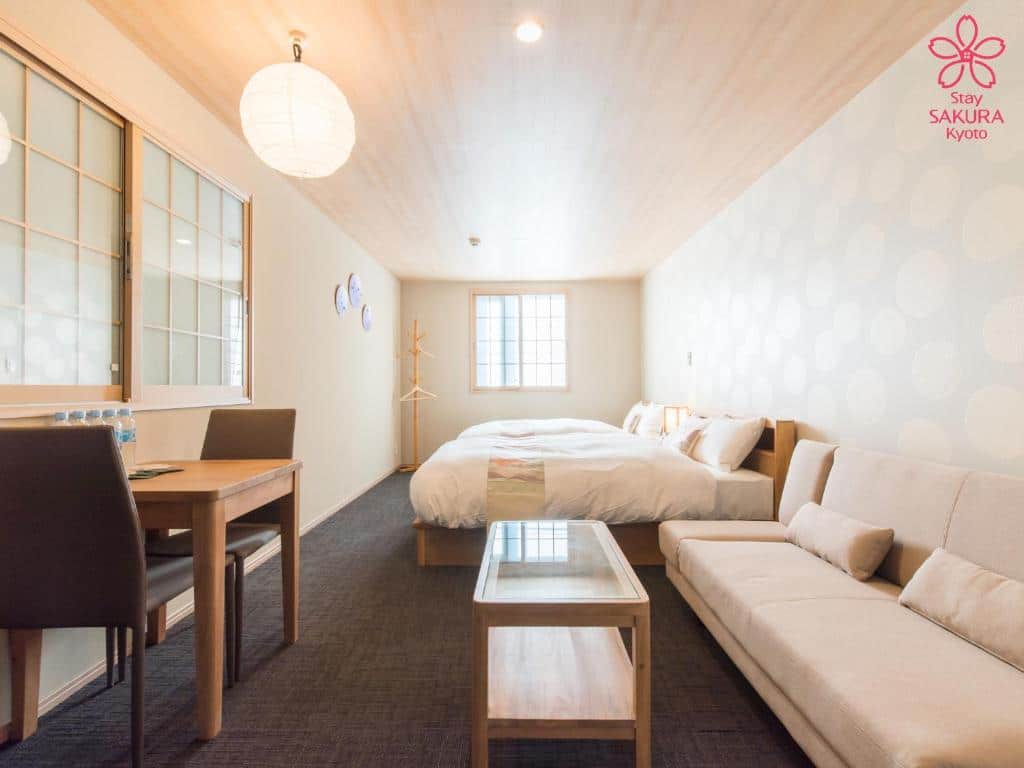
Mid-Range Kyoto Hotel: Hotel New Hankyu Kyoto
Right next to Kyoto Station at a transport hub, suited to both business and leisure, with varied room types for all kinds of travelers.
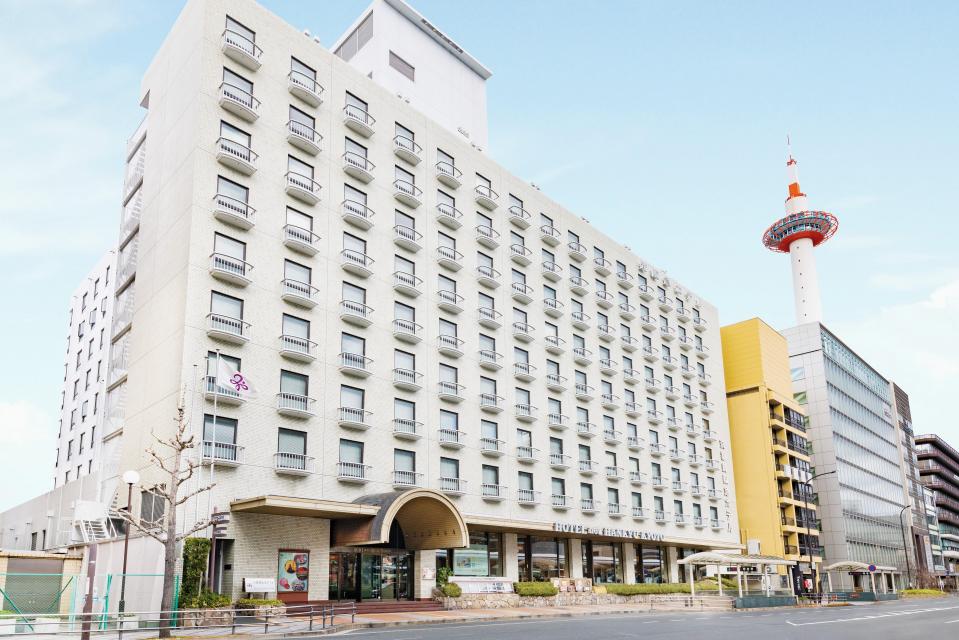
- Access: 3-minute walk from Kyoto Station
- Highlights: varied restaurants, large public bath, convenience store
- Best for: business travelers
Budget Kyoto Hotel: VIA INN Kyoto Shijo Muromachi
Quiet in the middle of the downtown bustle, near the Shijo-Karasuma business district, with simple, comfortable rooms and good value for a budget choice.
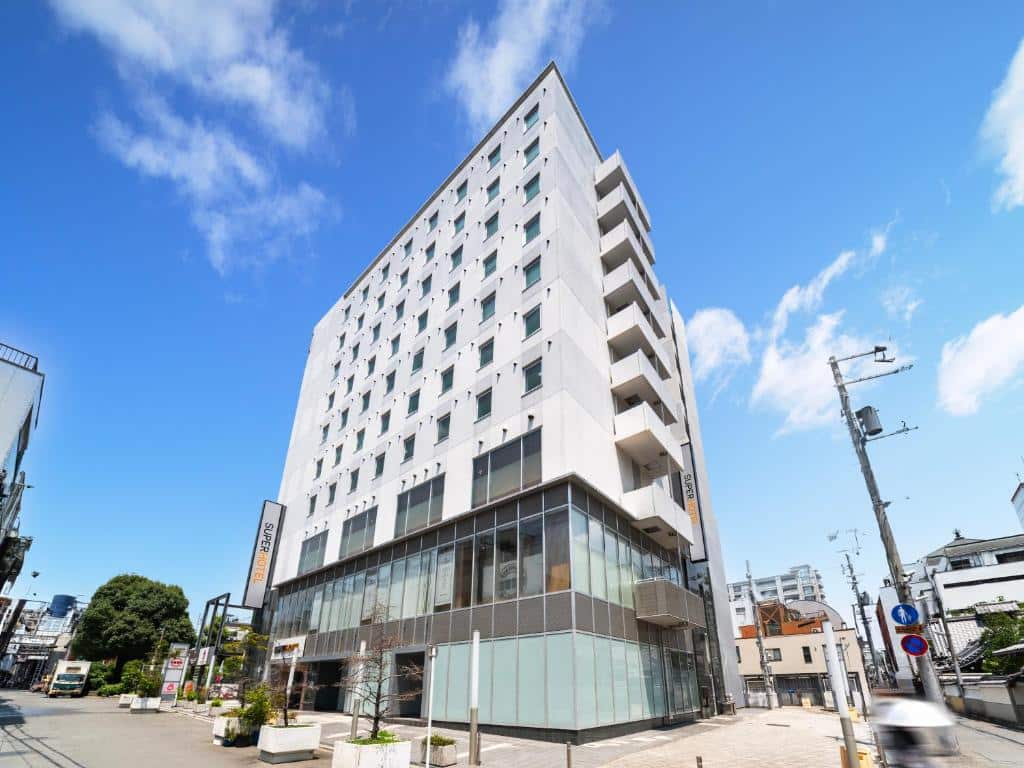
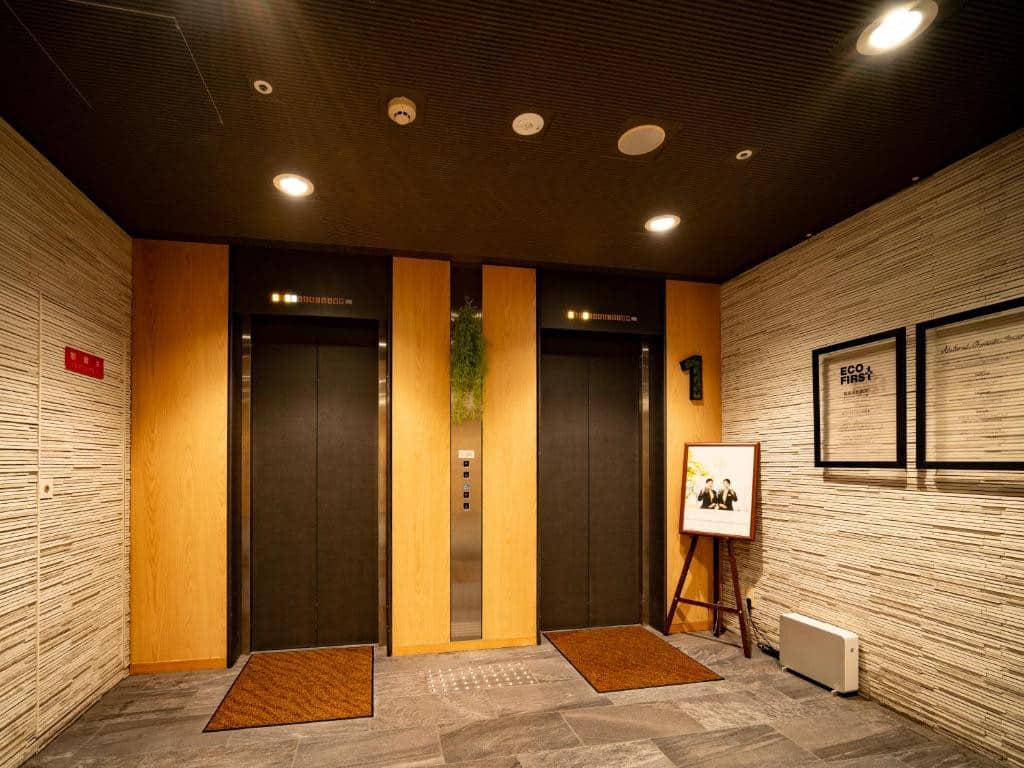
- Access: 5-minute walk from Shijo Station
- Highlights: free breakfast, large public bath, laundry facilities
- Best for: backpackers
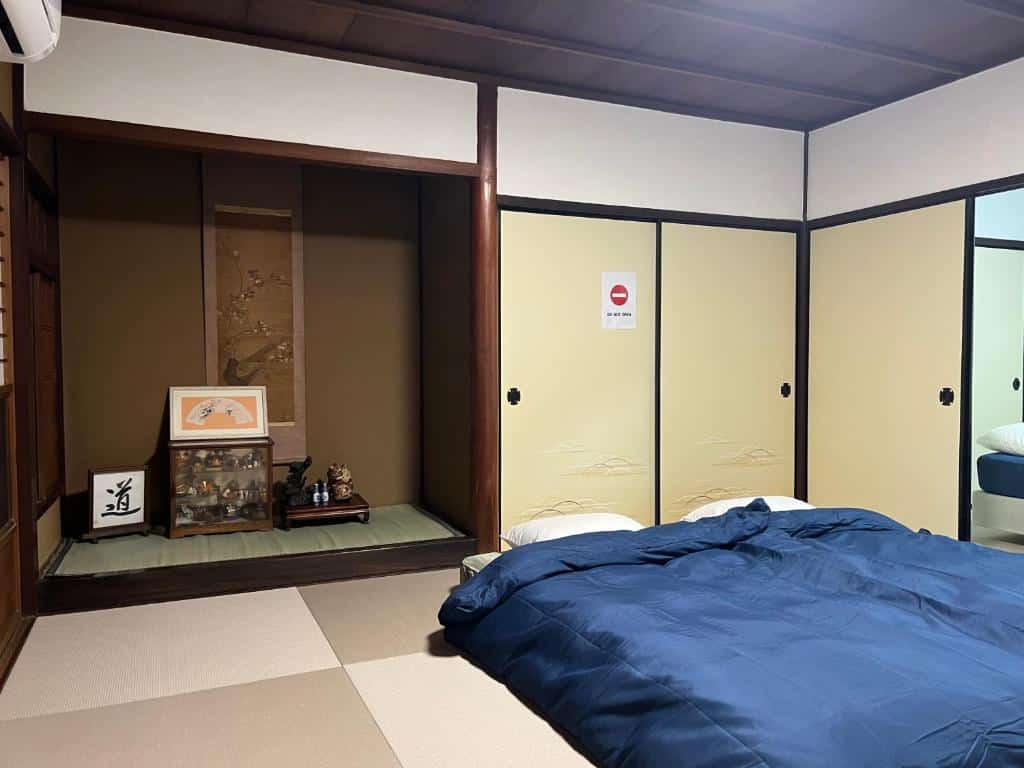
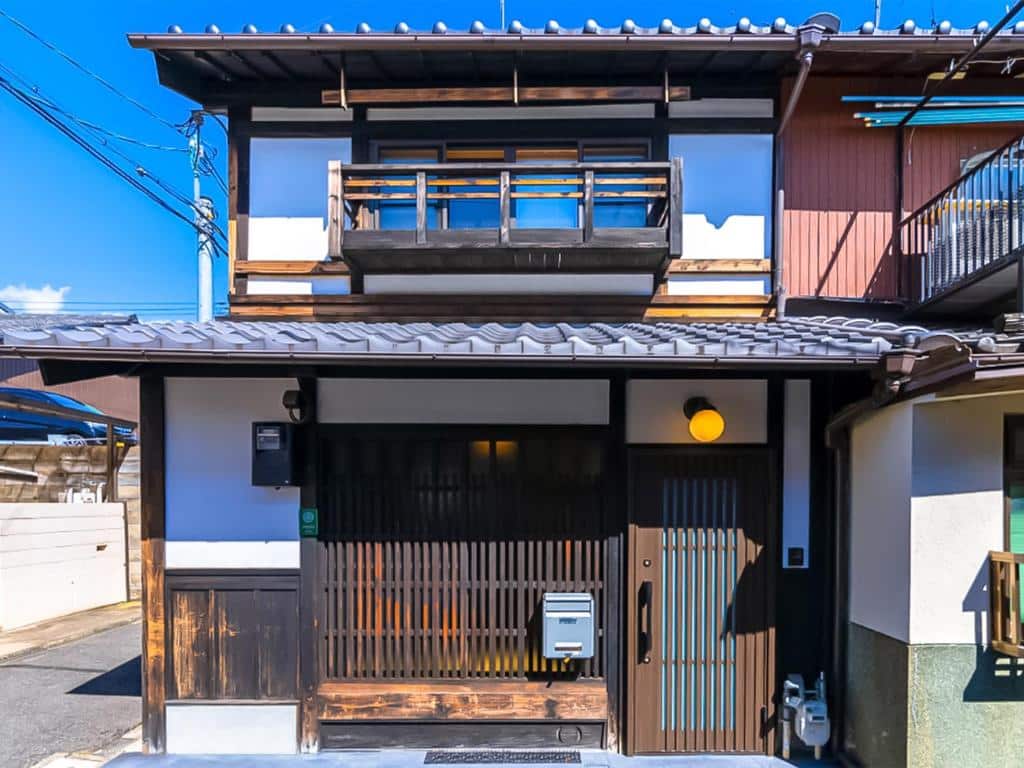
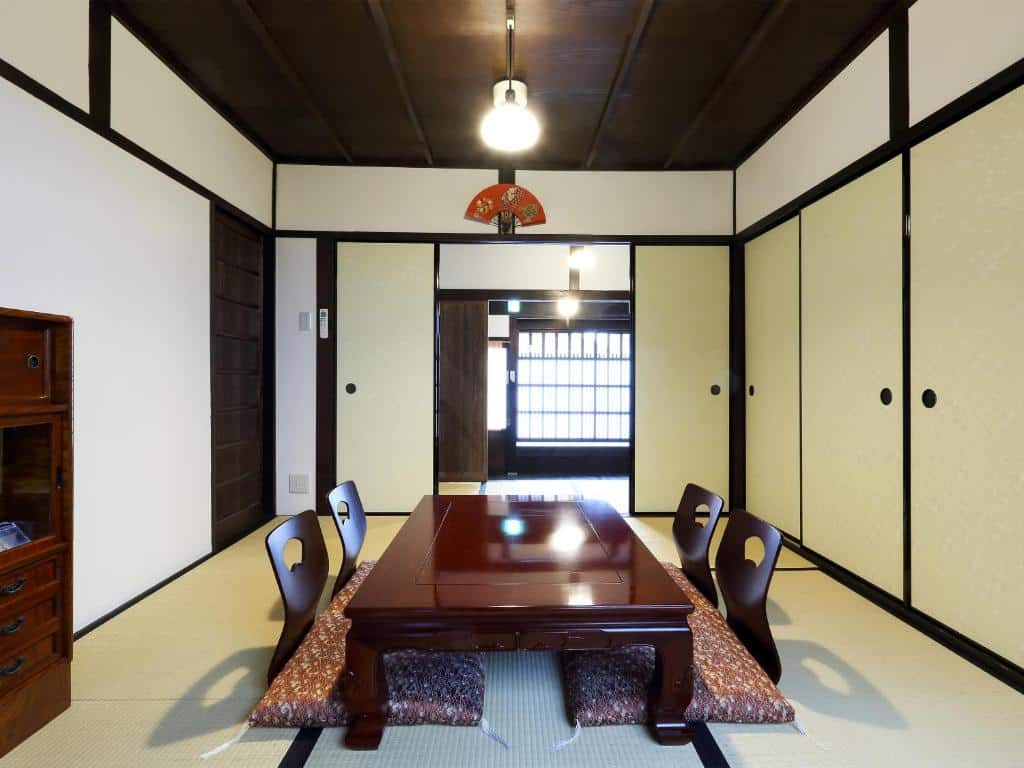
Airbnb Character Stay: RETOUR KYOTO
A converted old machiya, keeping the charm of wooden architecture and blending in modern design, for an authentic Kyoto living atmosphere.
- Access: 8-minute walk from Shijo Station
- Highlights: machiya architecture, private kitchen, garden space
- Best for: families
Rates are about ¥15,000-30,000 per night depending on room type, suited to travelers who want to feel the local atmosphere and experience a machiya stay.
Let’s Eat! Begin Your 2026 Kyoto Food Tour
Kyoto’s flavors, from the morning ramen lines to the yakiniku lanterns of Pontocho at night, are full of surprises everywhere, and this guide is your best map.
From Honke Daiichi-Asahi ramen and Nakamura Tokichi matcha parfaits at Kyoto Station, all the way to Miki Keiran and Konna Monja soy milk doughnuts at Nishiki Market, every stop is worth slowing down to savor. Hisago oyakodon and Okutan yudofu around Kiyomizu-dera are perfect ways to refuel after a scenic stroll.
Whether your budget is for three-Michelin-star kaiseki or an affordable beef cutlet in a Pontocho alley, Kyoto can meet every palate’s expectations. Plan your 2026 Kyoto food trip now, visit these famous shops in person, and remember the old capital’s deep roots through taste!

FAQ
Q: About how much should I budget per meal for Kyoto food?
Budget ramen or street snacks run about ¥700-1,500, a typical restaurant set about ¥2,000-5,000, and Michelin kaiseki ¥20,000 and up, so you can mix according to your budget.
Q: Do must-eat Kyoto restaurants need reservations?
Michelin kaiseki and popular Pontocho yakiniku shops strongly recommend advance reservations, while ramen and street snacks are mostly first-come lines with no advance booking.
Q: Can you eat while walking in Nishiki Market?
No. Nishiki Market explicitly prohibits eating while walking, and after buying you must finish in the shop’s designated eating area before moving on.
Q: What is the best season to visit Kyoto for food?
Spring cherry blossoms and autumn leaves bring food and scenery together but also the biggest crowds; summer has hamo and warabi mochi and winter has fugu and yudofu, each with its own appeal.
Q: How long does it take to get from Kansai Airport to Kyoto?
The HARUKA limited express reaches Kyoto Station directly in about 75 minutes, the fastest and most convenient way, and we suggest buying tickets online in advance for discounts.
Q: What should I eat near Kiyomizu-dera?
We recommend Hisago gourd oyakodon and Okutan Kiyomizu yudofu, both near Kiyomizu-dera, classic choices to refuel before or after your visit.
Q: Are there any dining taboos to watch for in Kyoto?
Avoid loud talking while dining; Michelin ryotei often have dress and grooming requirements, and you should politely thank the shop before and after your meal.