
Introduction to Fushimi Inari Taisha
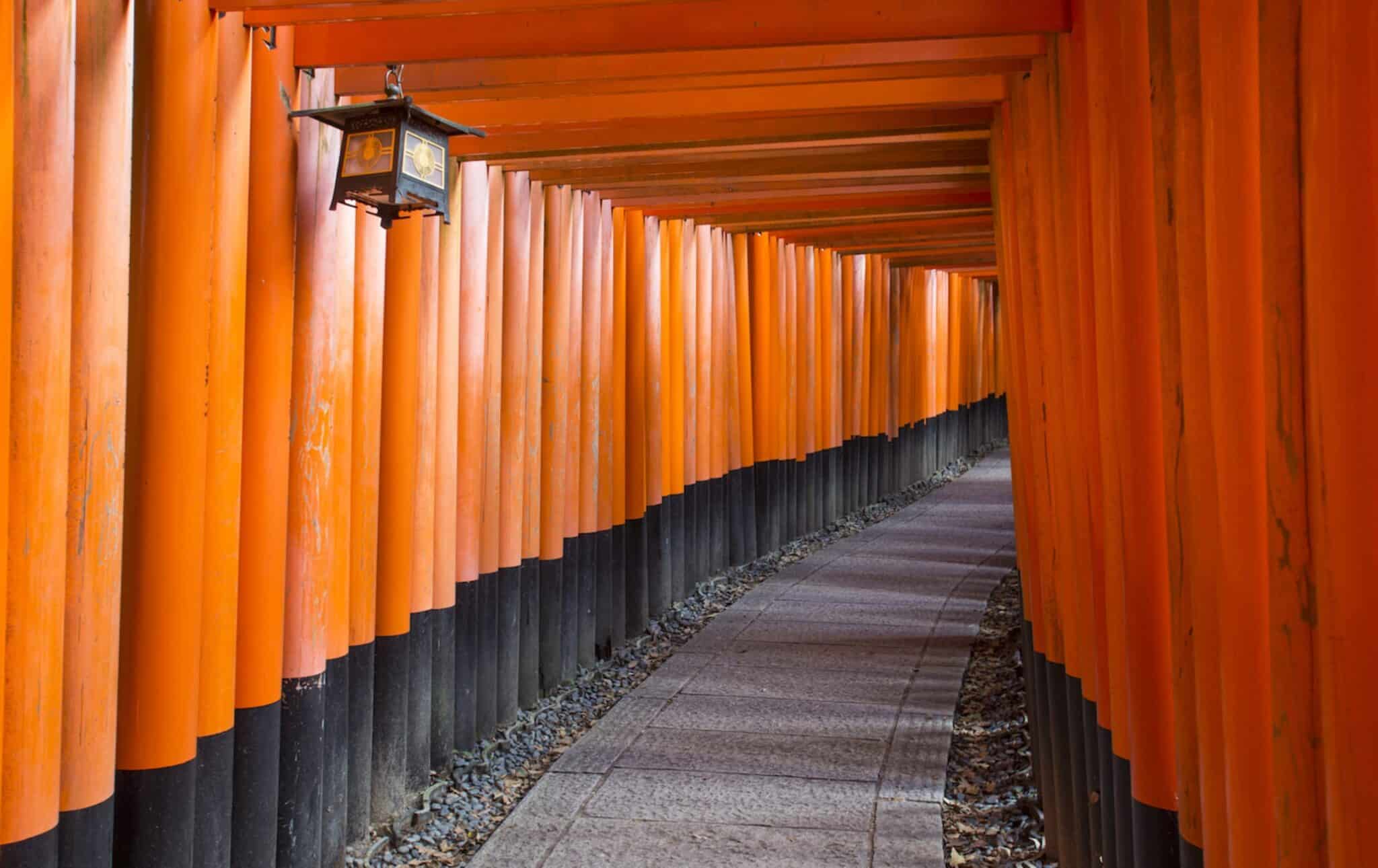
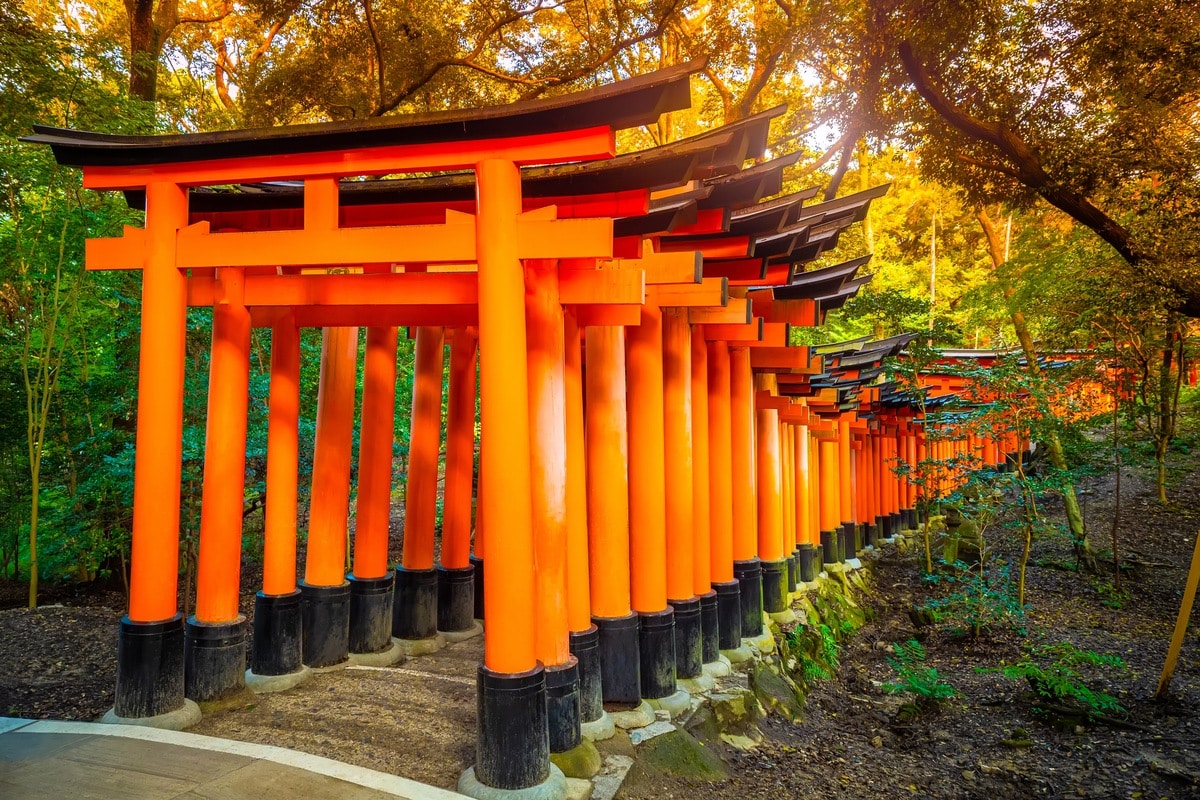
Fushimi Inari Taisha is one of Kyoto’s best-known shrines, famous for its thousands of vermilion torii gates. It is both an important piece of Japan’s cultural heritage and one of the sights visitors most want to see.
History
Fushimi Inari Taisha was founded in 711 (Wado 4) and is the head shrine of roughly 30,000 Inari shrines across Japan. According to the official website (inari.jp), the deity Inari presides over bountiful harvests, business prosperity, household safety and the fulfillment of wishes.
The shrine’s history goes back to the Nara period, and after repeated repairs and expansions it took on the size it has today.
Cultural Significance
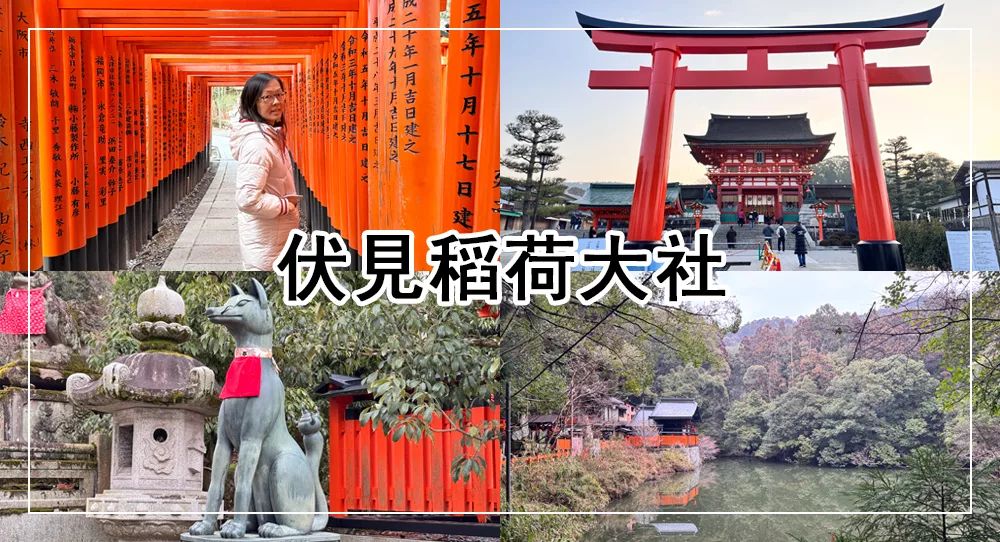
Fushimi Inari Taisha is more than a place of worship; it also carries real cultural weight. The vermilion torii gates are its most recognizable feature. They are donated by worshippers and symbolize people’s reverence and gratitude toward the deities.
Every year the shrine holds a number of festivals and events. Among them, the Inari Festival has been one of Kyoto’s important festivals since the Heian period and draws many worshippers and visitors.
Must-See Spots at Fushimi Inari Taisha
Fushimi Inari Taisha is a famous shrine in Kyoto, Japan, known for its thousands of vermilion torii gates. It draws millions of visitors every year. You can climb Mt. Inari for sweeping views and a distinctive cultural experience.
Mt. Inari Hiking Trail
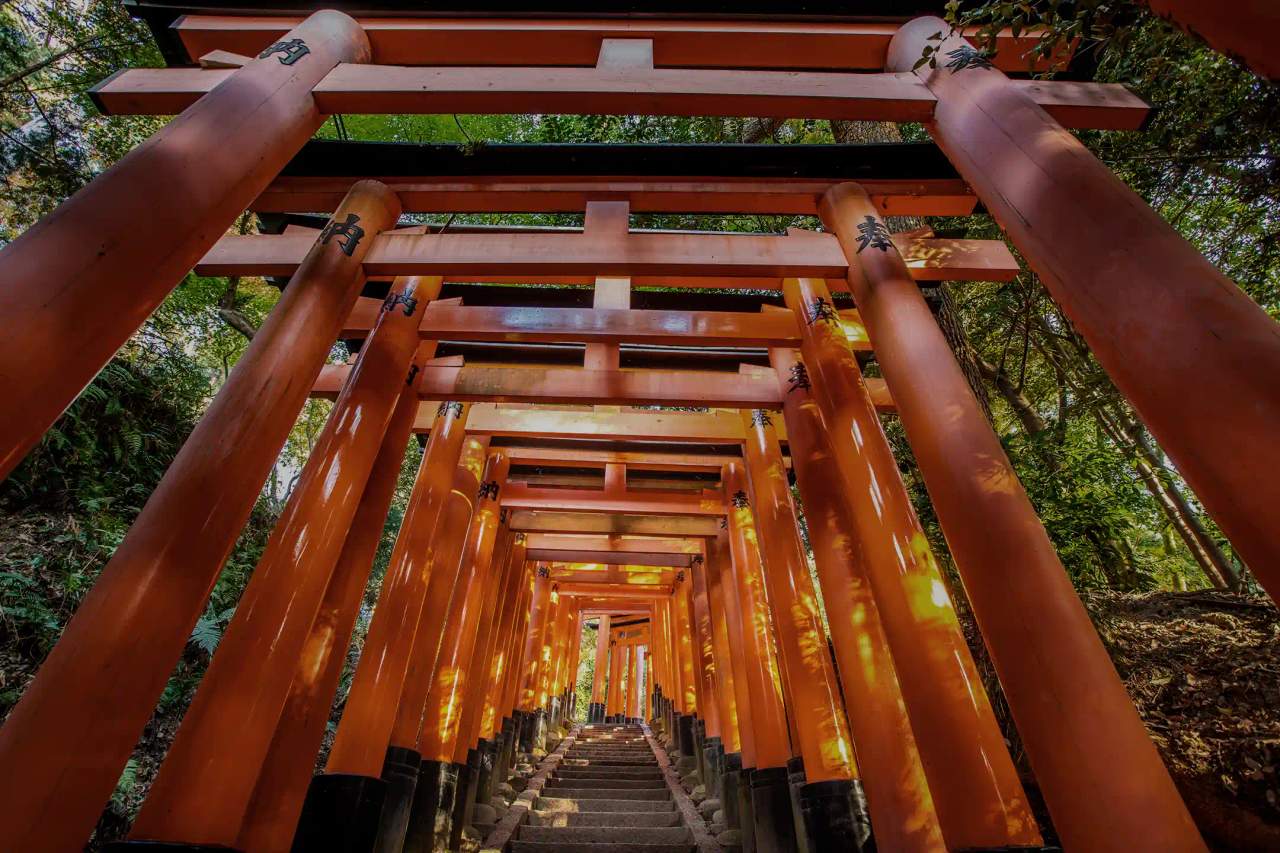

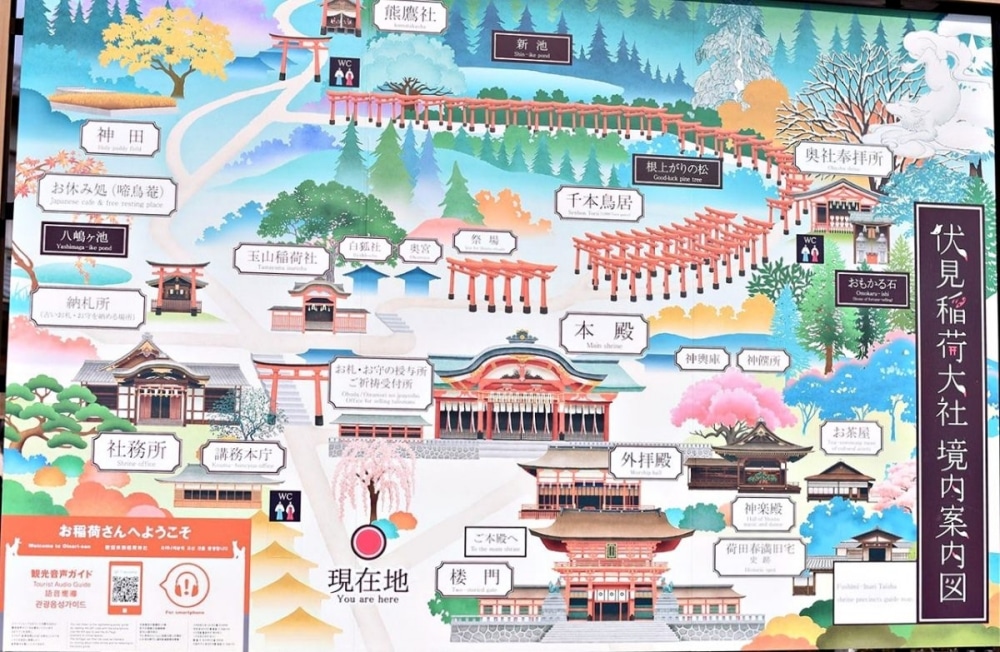
The Mt. Inari hiking trail is one of the main attractions of Fushimi Inari Taisha. It is about 4 km long and takes roughly 2 to 3 hours to walk the full loop. Countless vermilion torii line the way, forming a striking tunnel. You can follow the trail up Mt. Inari and enjoy the views from the summit.
Along the trail there are several rest areas and teahouses serving traditional Japanese snacks and drinks, where you can take a break and enjoy the scenery.
The grounds are open around the clock and free to enter. Wear comfortable shoes and bring plenty of water for the climb.
Senbon Torii (Thousand Torii Gates)
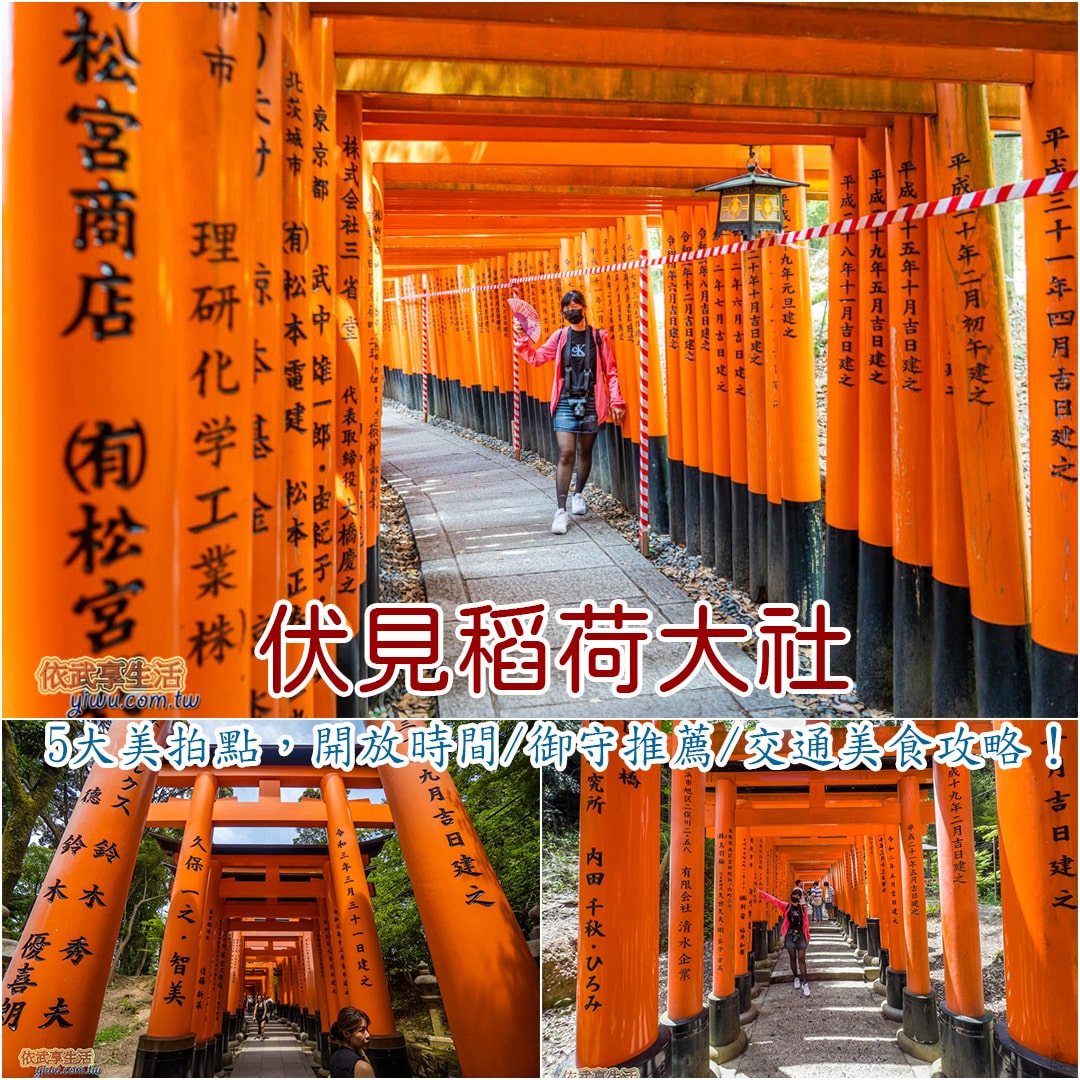
The Senbon Torii is the most iconic spot at Fushimi Inari Taisha, where thousands of vermilion torii form a spectacular sight. The gates are donated by worshippers, and each one is inscribed with the donor’s name and the date.
You can walk through the tunnel of torii and soak up its unique atmosphere. The color and shape of the gates are carefully designed to create a solemn, sacred mood.
The best times to visit are early morning or late afternoon, when the crowds are thinner and the experience is more peaceful.
![Nara - [Kyoto & Nara Day Trip] Sagano Scenic Railway, Nara Park, Fushimi Inari Taisha Senbon Torii, Togetsukyo Bridge, Bamboo Grove and Kimono Forest (Departing from Osaka)](https://res.klook.com/images/w_300,h_300,c_fill,q_75/w_80,x_15,y_15,g_south_west,l_Klook_water_br_trans_yhcmh3/activities/s6pb3etbqtx0qn06atah/【京都奈良一日遊】嵐山小火車奈良公園伏見稻荷大社千本鳥居渡月橋竹林小徑和服森林(大阪出發)-Klook.jpg)

Okusha Hohaisho: The Omokaruishi at the End of the Senbon Torii
At the end of the Senbon Torii stands Okusha Hohaisho, where a pair of stone lanterns each hold an “Omokaru-ishi” (heavy-light stone). Worshippers first make a wish in front of the lantern, then lift the stone with both hands. According to the legend, if it feels lighter than expected, the wish will come true more easily; if it feels heavier, more effort will be needed. Okusha Hohaisho is also a waypoint on the way up Mt. Inari, and those with limited stamina can turn back here.
Goshuin Office
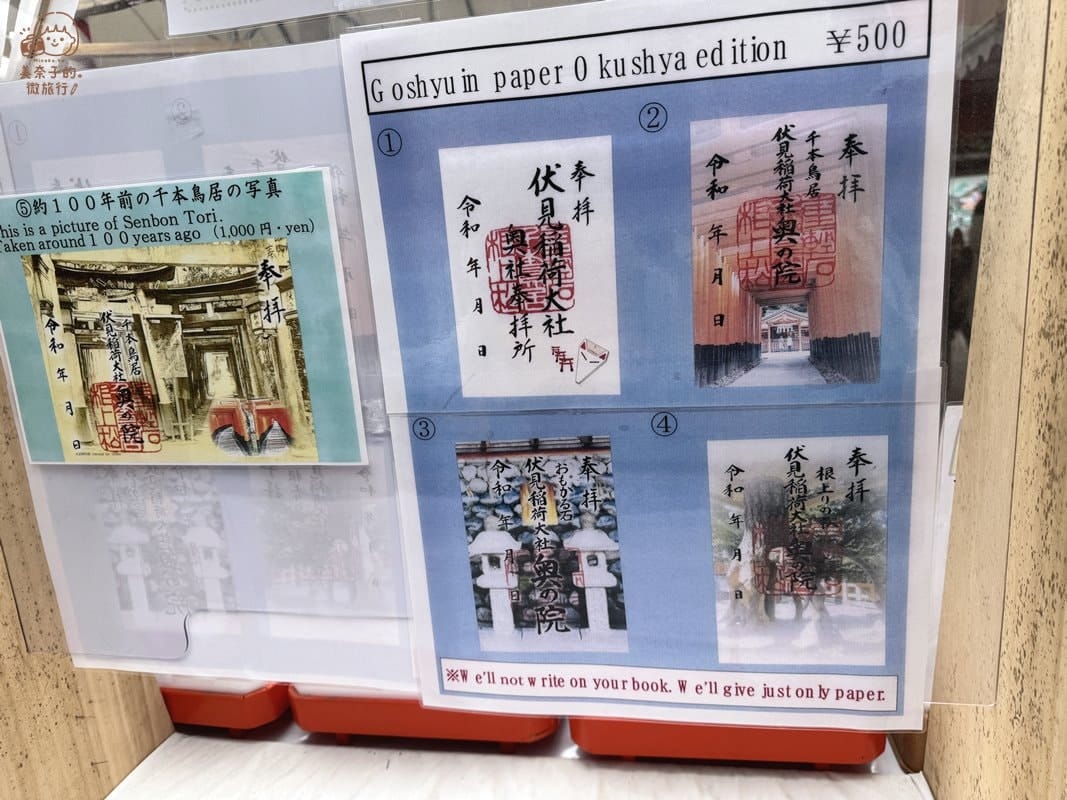
The shrine’s amulet office (shuin-sho) accepts goshuin (shrine stamp) and omamori (amulet) requests from 8:30 to 16:30 (extended on December 31). You can get the shrine’s goshuin here as a memento of your visit.
Goshuin must be requested during the office’s opening hours. Please check the notice at the office for the offering fee, and bring your own goshuin book.
It is smoother to visit the office after you have worshipped at the main hall.
Fox Statues
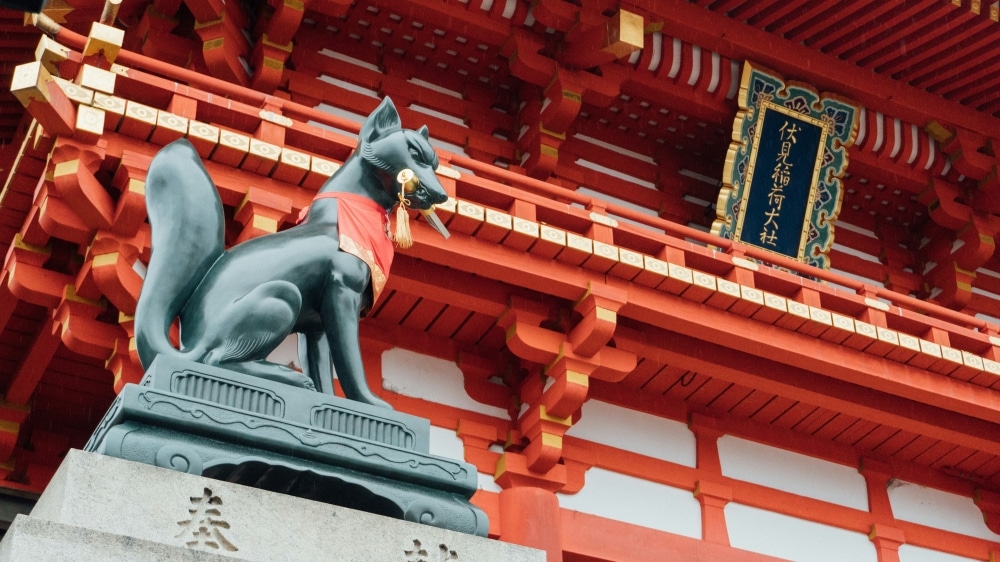
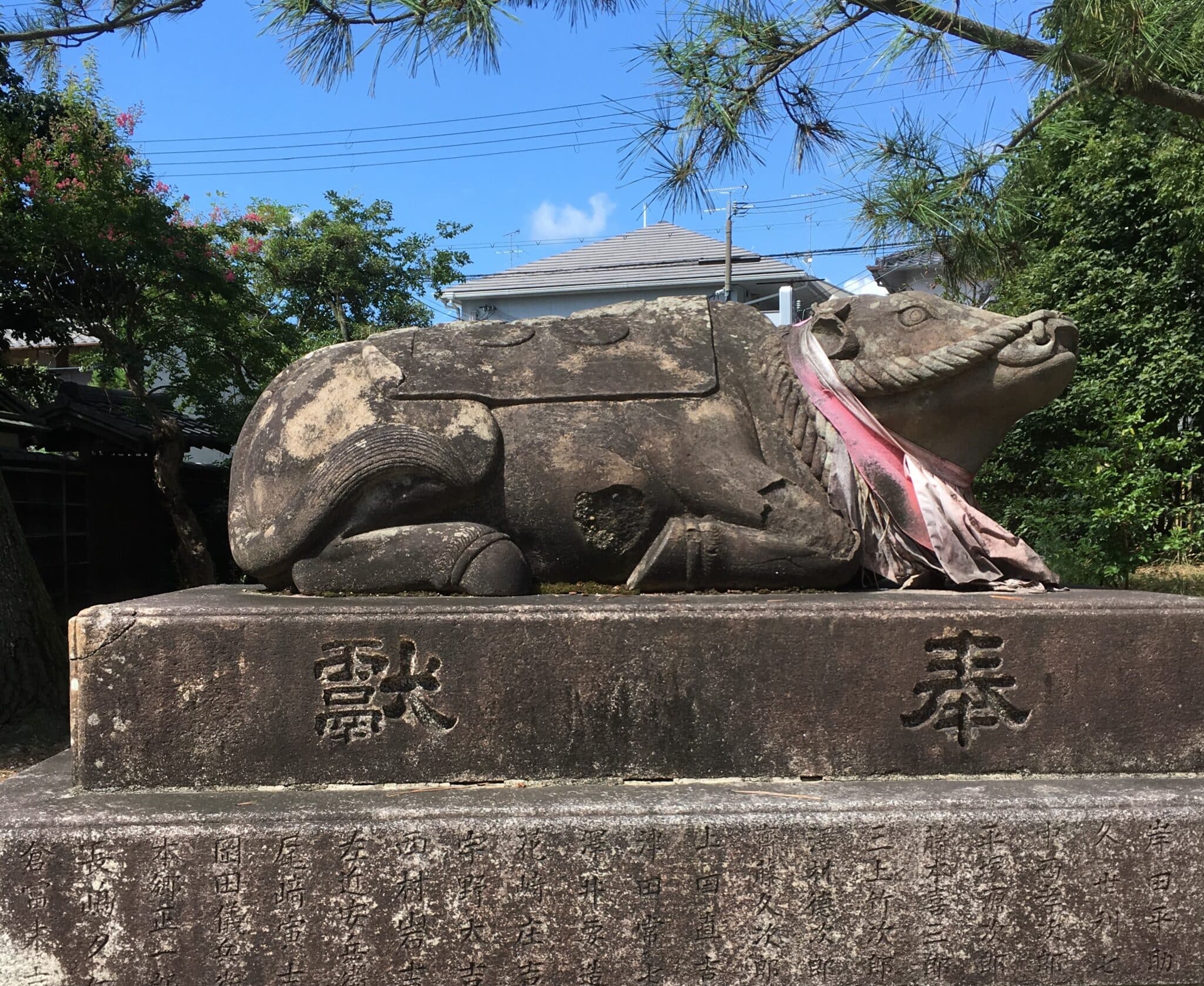
The fox statues are a distinctive feature of Fushimi Inari Taisha, as the foxes are messengers of the Inari deity. You will find fox statues in many parts of the shrine, each with a different pose and expression.
The fox statues have both visual appeal and cultural and symbolic meaning. Through them, visitors can learn about Japanese culture and mythology.
Take a close look at the details of the fox statues and appreciate their craftsmanship and artistic value.
Inari Festival
The Inari Festival is an important festival of Fushimi Inari Taisha. Since the Heian period it has ranked alongside the Aoi Festival and the Gion Festival as one of Kyoto’s famous festivals. It is usually held in spring and centers on a procession of portable shrines (mikoshi).
The portable shrines travel from the main hall to the Otabisho (temporary resting place) and return to the main hall during the return ceremony. The festival schedule differs each year, so please check the announcements on the official Fushimi Inari Taisha website before you go.
Check the festival dates and times in advance and plan your trip around them to avoid the crowds.
Tea Houses and Food
Around Fushimi Inari Taisha there are several tea houses and eateries serving traditional Japanese snacks and meals. You can rest and enjoy a bite here.
Along the approach there are many tea houses and restaurants with generally reasonable prices, so you can pick one that suits your budget. You can also stop at the teahouses along the mountain trail.
Try local specialties such as inari sushi and kitsune udon.
Souvenir Shops
The souvenir shops are an important stop around Fushimi Inari Taisha, offering a wide range of local specialties and keepsakes. You can buy gifts and souvenirs here.
The shops carry a wide variety of goods, including food, crafts and souvenirs. Choose what suits your needs and budget.
Compare prices and quality between shops to get the best shopping experience.
Worshipping at the Main Hall
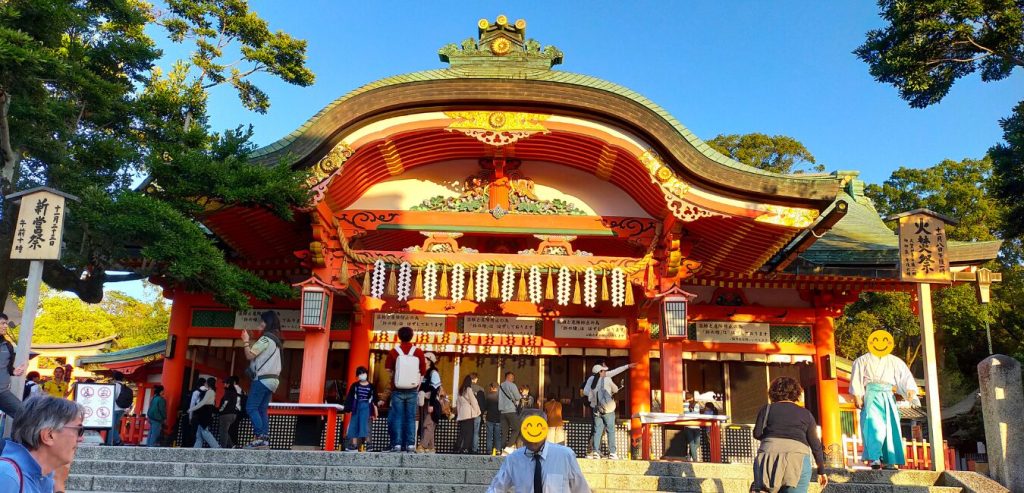
Worshipping at the main hall is an important activity at Fushimi Inari Taisha, where you can pray and make wishes. The main hall’s architecture is solemn and dignified, and by worshipping here you can experience Japan’s Shinto culture.
The grounds of Fushimi Inari Taisha are open around the clock and free to enter. For details, see the official website (inari.jp).
Please follow the shrine’s rules and etiquette when worshipping, as a sign of respect.
How to Get to Fushimi Inari Taisha: JR Inari Station and Keihan Fushimi-Inari Station
Take the JR Nara Line and get off at Inari Station, which is right in front of the shrine, about 5 minutes from Kyoto Station. If you take the Keihan Main Line, get off at Fushimi-Inari Station and walk about 5 minutes. By car, it takes about 20 minutes from the Meishin Expressway’s Kyoto-Minami Interchange. From December 30 to January 5, traffic restrictions are in place on the surrounding roads, and both parking lots and roads are extremely congested, so public transport is recommended. The grounds are open around the clock, and the amulet office is open from 8:30 to 16:30.
Food and Souvenirs Around Fushimi Inari Taisha
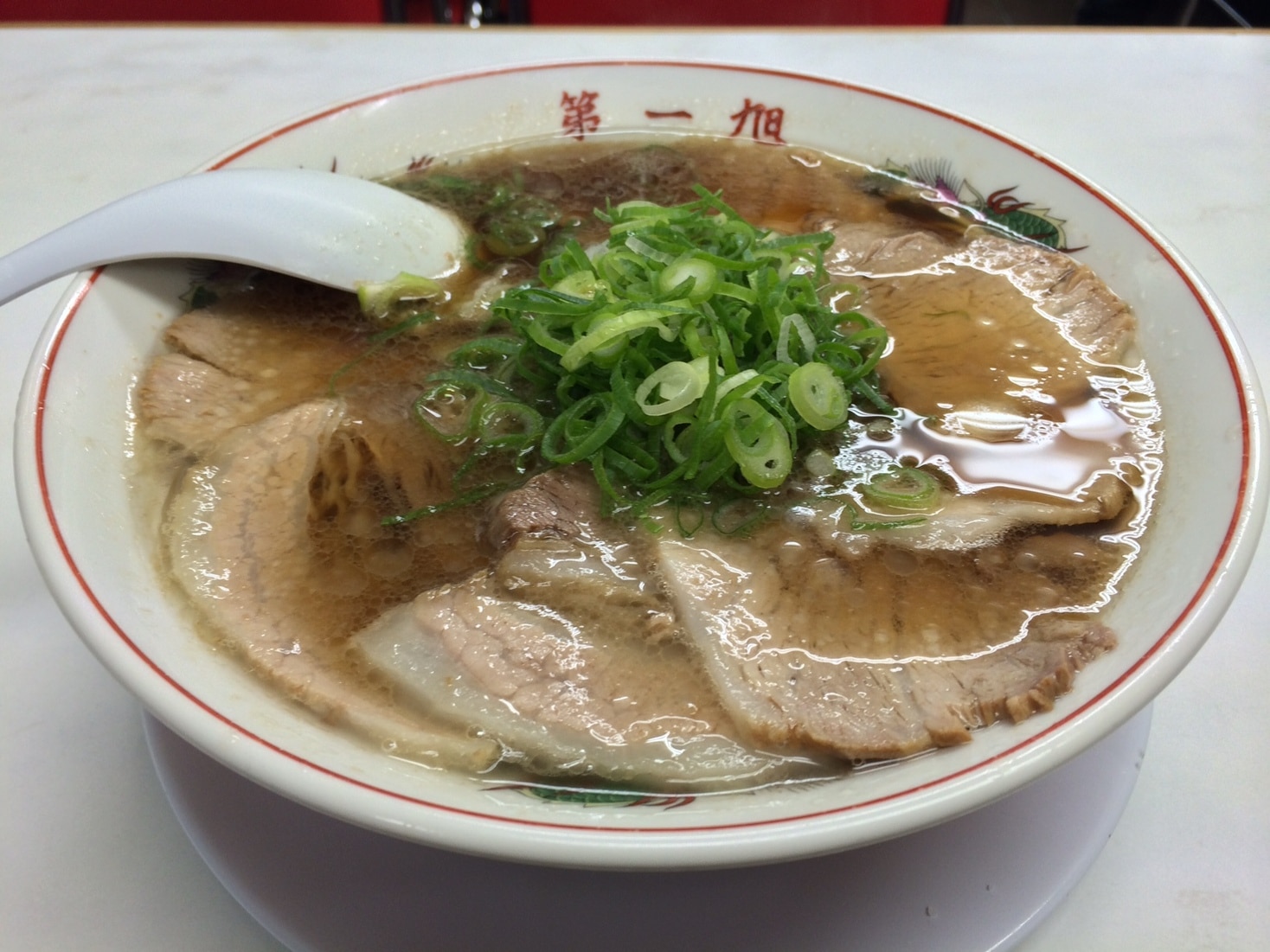
Around Fushimi Inari Taisha there is plenty of food and many souvenirs, which satisfy your taste buds and give you something to take home. In the shopping streets near the shrine you can find many traditional Japanese dishes such as inari sushi and kitsune udon. There are also distinctive souvenirs, such as the shrine’s omamori amulets, which make good choices.
Kitsune Udon
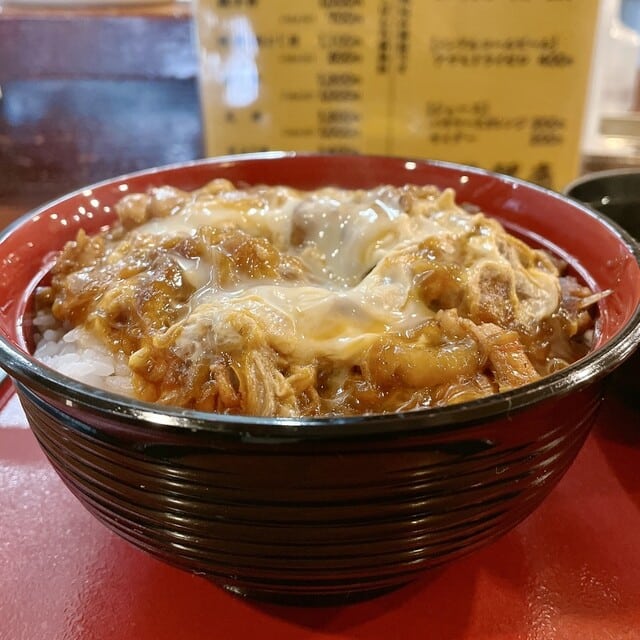

Kitsune udon is a specialty around Fushimi Inari Taisha, known for its rich broth and chewy noodles. Many nearby restaurants serve it, with prices varying by shop, and a meal takes about 30 minutes. Many restaurants also offer other Japanese set meals. It is a good choice for a hot bowl of noodles after worshipping, and also ideal for refueling after climbing Mt. Inari.
Buying Inari Shrine Omamori Amulets
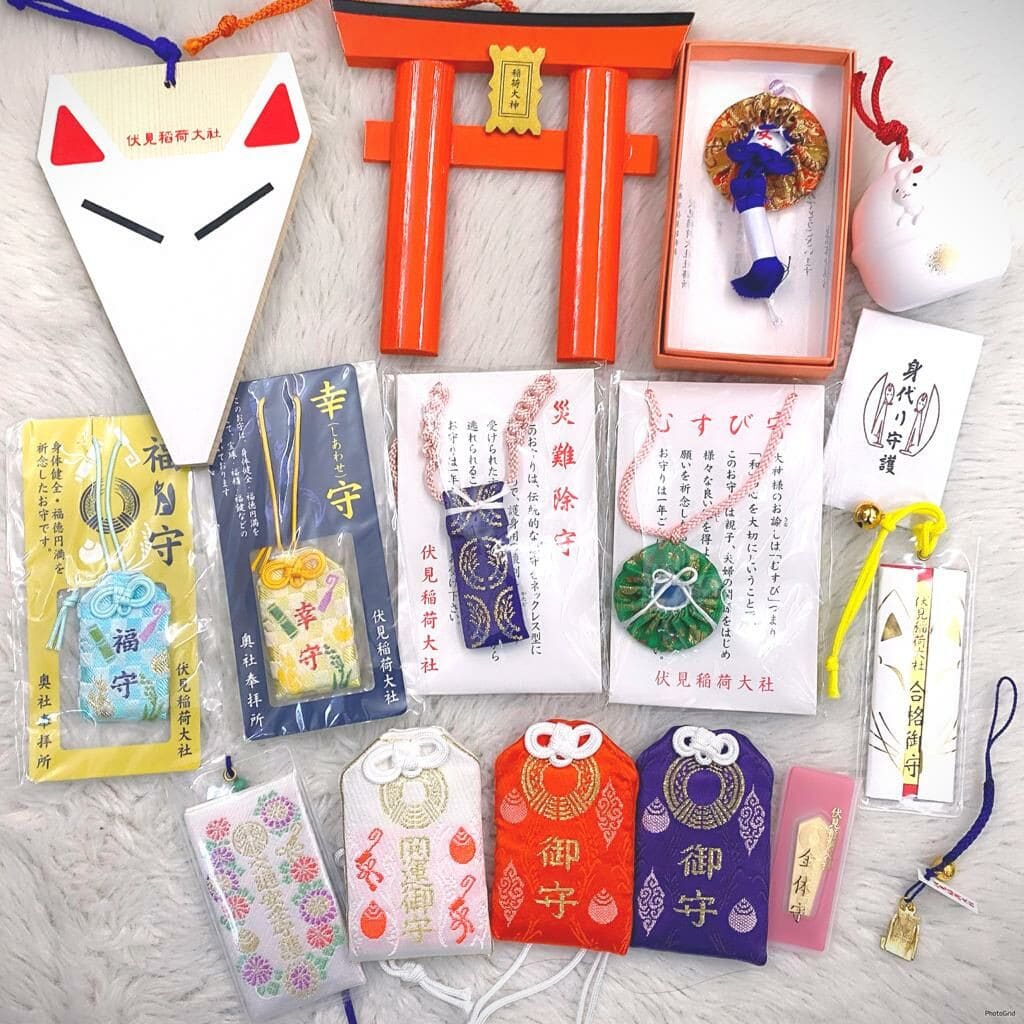
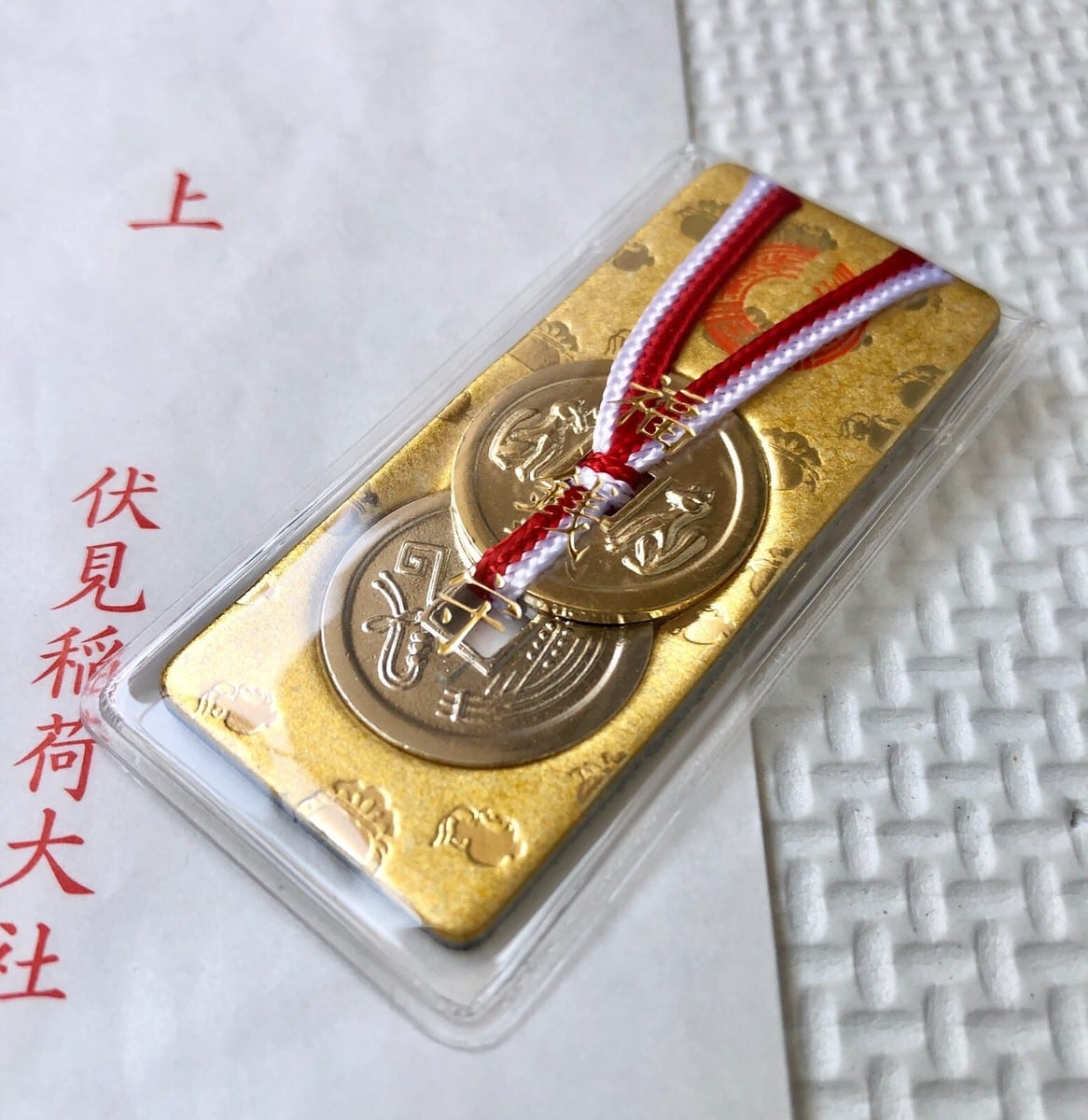
Inari shrine omamori are a distinctive souvenir around Fushimi Inari Taisha. They can be bought at the amulet office, serve as a prayer for good fortune and protection, and cost roughly ¥800 to ¥3,000 as an offering. They come in many designs, such as the Inari amulet, the business prosperity amulet, the academic achievement amulet and the misfortune-warding amulet, so you can choose by preference, and they also make nice gifts for friends and family. Because of their cultural meaning and blessings, they are a good pick for visitors looking for a distinctive souvenir.
Fushimi Inari Taisha Omamori Types and Offering Fees: Inari Amulet, Business Prosperity Amulet and Exam Success Amulet
Among the amulets listed on the official Fushimi Inari Taisha website, the Inari amulet (purple and red), the misfortune-warding amulet, the business prosperity amulet and the lucky money amulet are each ¥1,000; the academic achievement amulet and the exam success amulet are ¥800; the car amulet and the treasure amulet are ¥1,500; and the special amulet is ¥3,000. Offering fees may change, so please go by the notice at the amulet office. The office is open from 8:30 to 16:30.
Fushimi Inari Taisha Official Information: Address, Phone and Website


Fushimi Inari Taisha is located at 68 Fukakusa Yabunouchi-cho, Fushimi Ward, Kyoto. Its official website is inari.jp, where you can find festival, transport and worship information.
The shrine’s phone number is 075-641-7331. The grounds are open around the clock and free to enter, and the office for goshuin and omamori is open from 8:30 to 16:30.
If your visit coincides with a festival or the New Year period (traffic restrictions around the shrine apply from December 30 to January 5), check the official notices first and take public transport.
Where to Stay Nearby
Fushimi Inari Taisha is only about 5 minutes from Kyoto Station on the JR Nara Line. If you want to walk the Senbon Torii and Mt. Inari early in the morning, stay near Kyoto Station and take the JR Nara Line first thing the next day. It is also easy to head back to the hotel for a rest on the return trip, or continue to your next stop. To compare hotels around Kyoto Station, see our accommodation guide on this site.