
2026 Osaka Kaiyukan Guide: Tickets, Must-See Exhibits and the Whale Shark Feeding Show
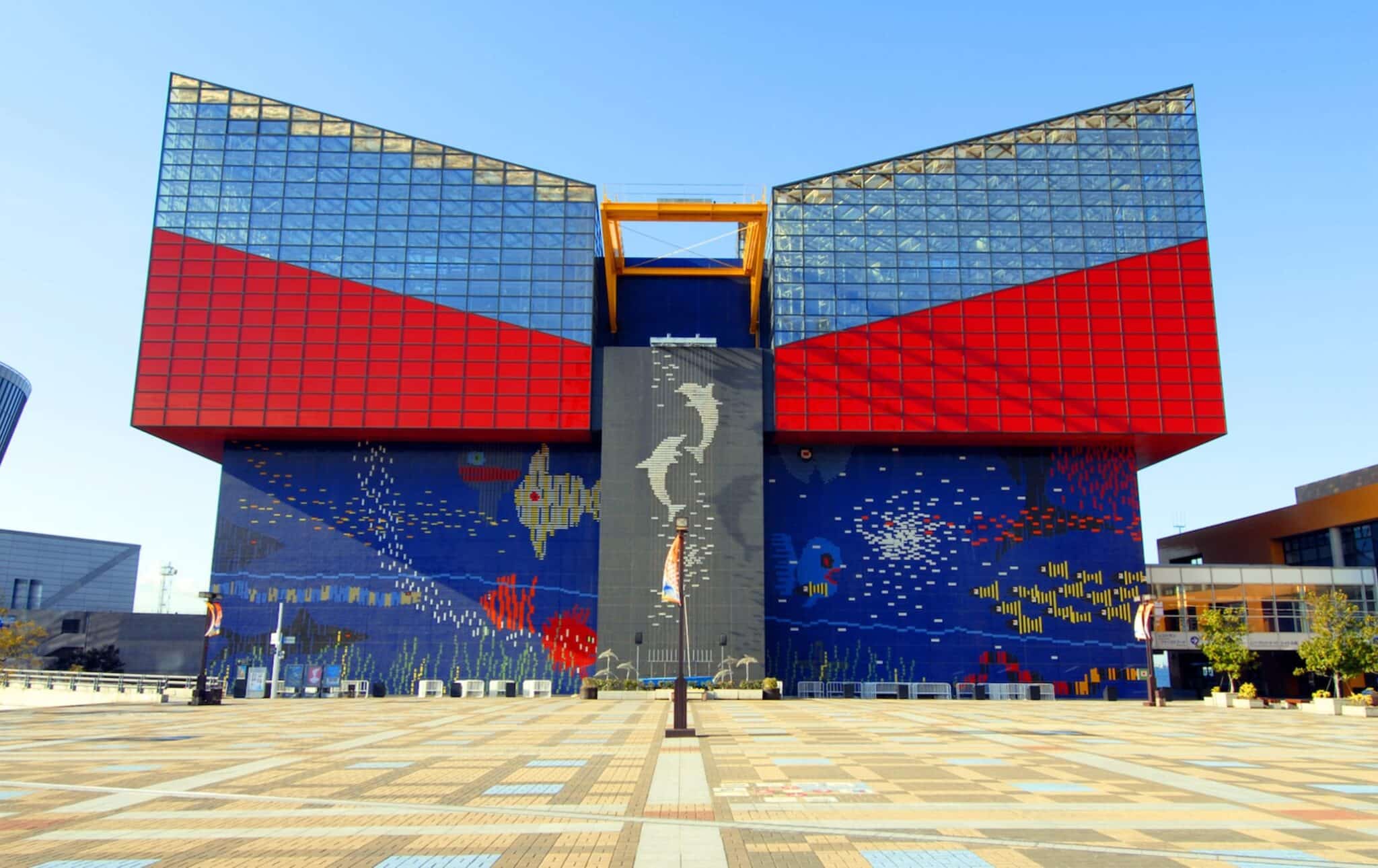
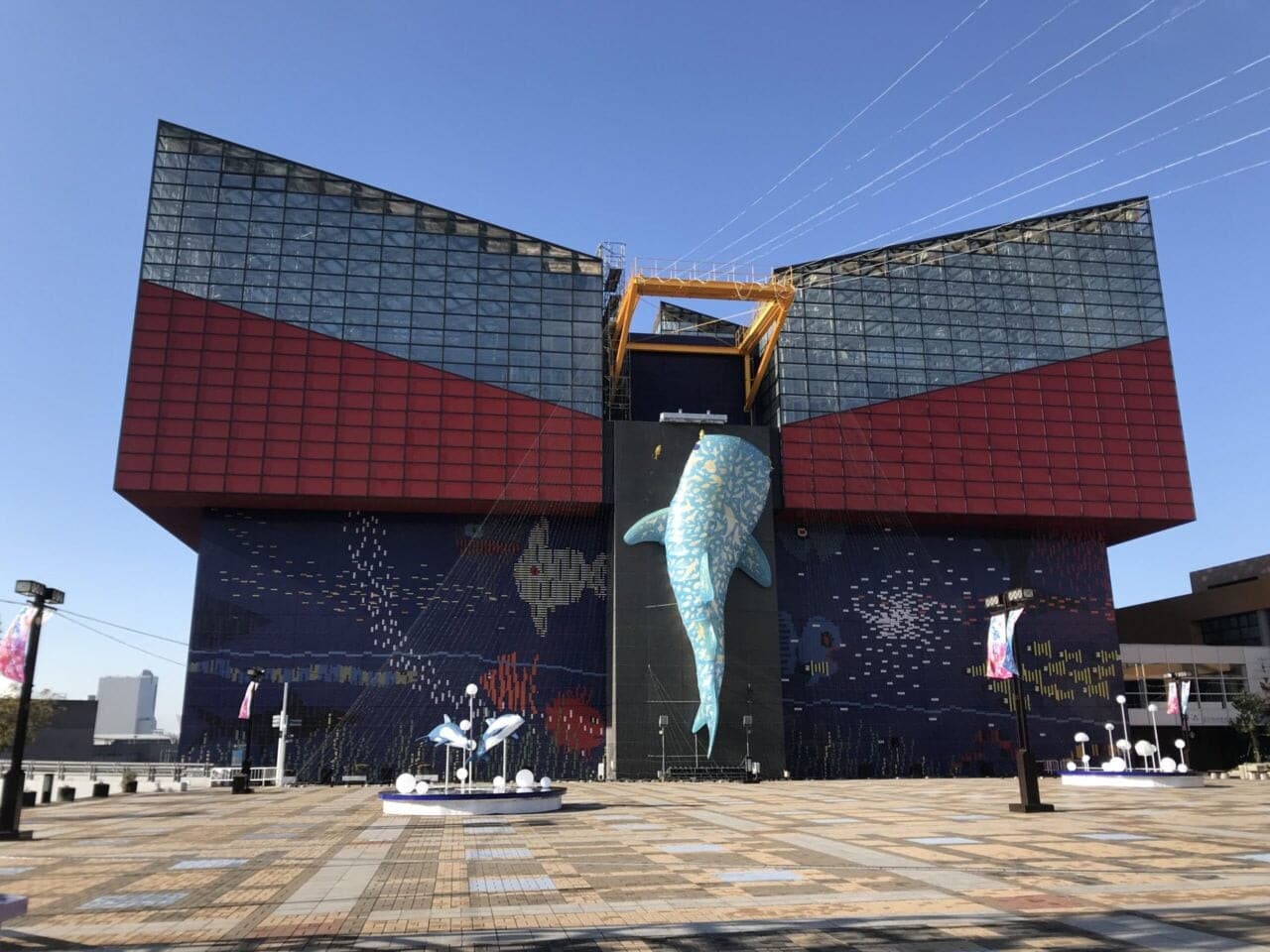
Osaka Aquarium Kaiyukan (sometimes informally called the “Osaka Ocean Aquarium”) is one of the largest aquariums in the world. Located in the Tempozan area of Osaka Port and themed on the “Ring of Fire” of the Pacific rim, it is well worth a half-day visit.
Osaka Kaiyukan Overview
Kaiyukan has 15 themed zones and keeps more than 620 species and 30,000 marine animals, with the giant whale shark in the Pacific Ocean tank as its star attraction. Inside, a distinctive spiral route winds around the central tank.
Visitors ride the escalator up to the 8th floor first and then stroll all the way down to the 3rd floor, viewing the same giant tank again and again from different heights and angles. This is Kaiyukan’s biggest design feature and a way of touring that few aquariums in the world offer.
Osaka Kaiyukan Feeding Show Schedule: What Time Is the Whale Shark Fed?
If you want to catch a feeding show, first note the feeding times for the Pacific Ocean tank, where the whale shark lives: 10:30 and 15:00. Kaiyukan’s official “Feeding Time for the Animals (生きものたちのお食事タイム)” schedule is adjusted every month, and individual sessions may change depending on the animals’ condition. The full schedule for the penguin, seal, otter and sea lion zones is listed below in “2026 Kaiyukan Feeding Show Schedule,” but please still check the official website’s announcement for the current month before you go.
Floating Prices and E-Tickets
Since 2024 Kaiyukan has used a fully floating pricing system, with adult tickets ranging from about ¥2,800 to ¥3,500 (according to the official price calendar) depending on the date and season, and prices on holidays and in summer vacation are clearly higher.
We strongly recommend booking e-tickets in advance through platforms such as KKday and Klook. At the entrance you only need to show a QR code to scan in, which effectively avoids the lines at the ticket windows, since long waits on site are common during summer vacation and long weekends.
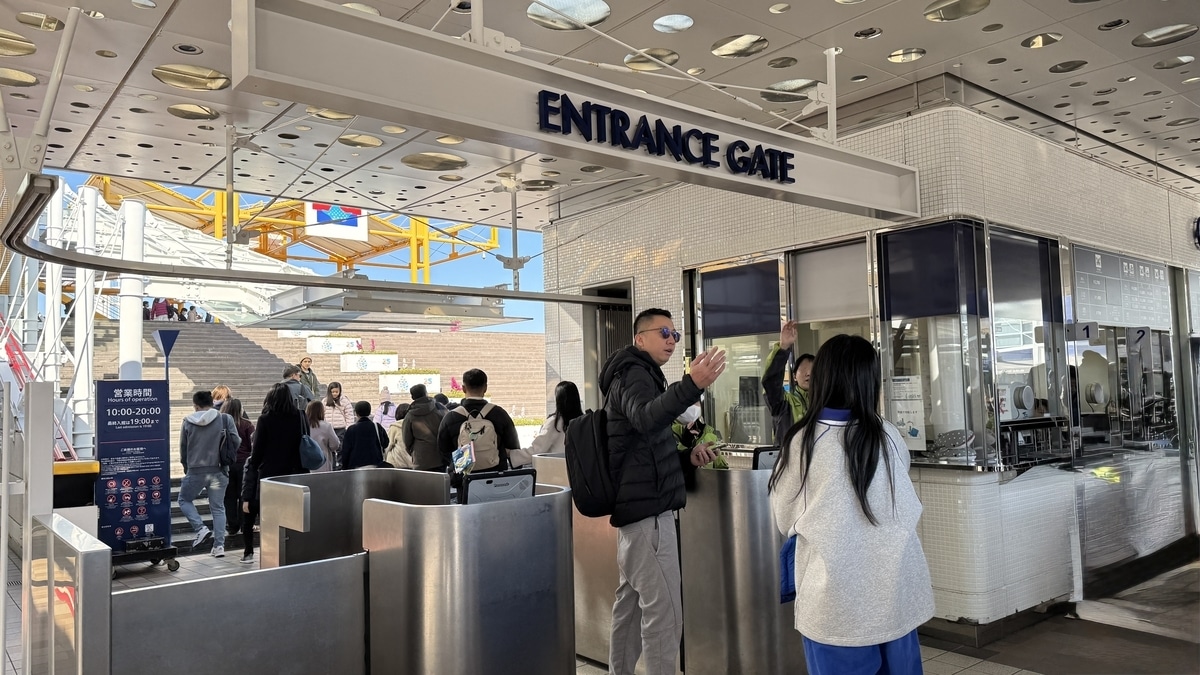
- 🕘 Opening hours: Hours float daily. In October 2026 it is 10:30-20:00 on weekdays and 9:30-20:00 on weekends, and during long holidays it opens as early as 8:30 and closes as late as 20:30 (announced monthly on the official website)
- 🎫 Admission: Floating prices. For September-October 2026, adults (16 and over) pay ¥2,800-3,500; tickets for ages 7-15 and 3-6 also float, so follow the official price calendar; free for ages 2 and under
- 🗓 Closed days: Closed days follow the official website’s announcements
- 🚉 Access: Take the Osaka Metro Chuo Line to Osakako Station, then about 5 minutes on foot from Exit 1 (see “Kaiyukan Access” below)
- 🔗 Kaiyukan Official Website (admission fees)
Recommended Length of Stay and Visiting Route
How long can you spend at Osaka Kaiyukan? The FAQ on the official website says “most visitors spend about 2 hours.” If you want to look closely at the star animals, try the touch pool and catch several feeding shows on time, we suggest allowing 3 to 4 hours, which makes for a more relaxed visit.
We suggest entering as soon as it opens, visiting the popular Pacific Ocean tank and Japanese Forest first, and then adjusting your route to the feeding show schedule, avoiding the midday crowd peak for a more comfortable experience.
Note that Kaiyukan does not allow re-entry, and the last entry (at the ticket gate) is 1 hour before closing. You can, however, return to the start after finishing a loop inside and see it a second time, but once the last entry time has passed you cannot go back to the exhibit area. After 17:00 the lights and music inside switch to the “Night Kaiyukan” version, with no separate ticket needed.
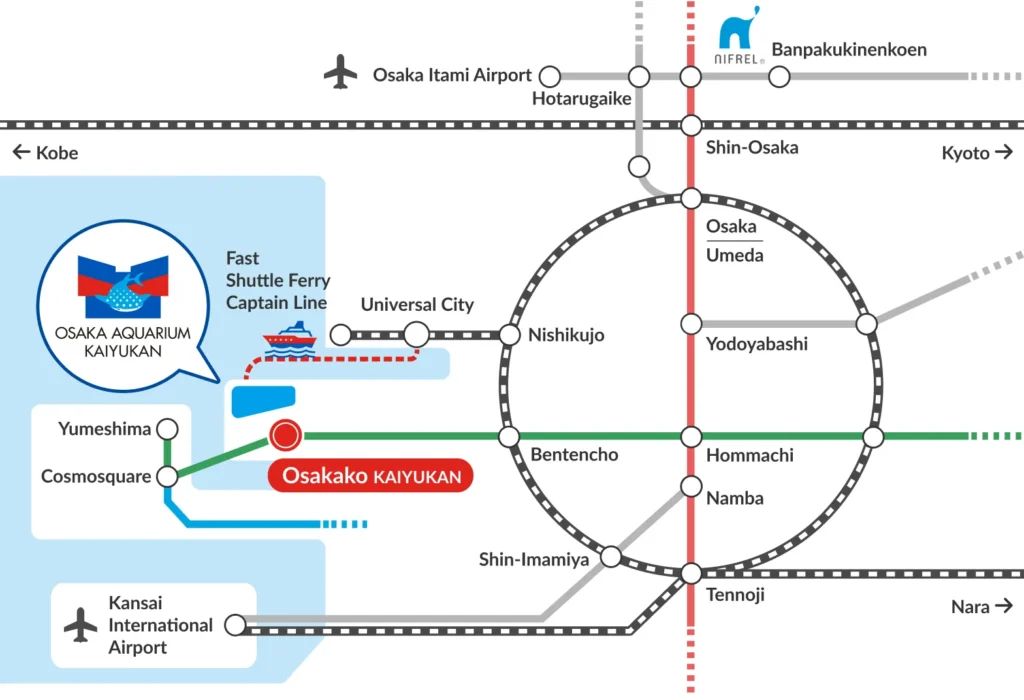
Night Kaiyukan
Every day after 17:00 Kaiyukan switches to night mode, with the lighting turning a deep blue and soft music playing, creating a romantic atmosphere very different from the daytime and well suited to couples or travelers who want to avoid crowds.
In the evening hours the aquarium is clearly less crowded, and the silhouettes of the whale shark and rays under dim blue light look especially dreamlike, also the best time for photography lovers to capture quiet scenes. We suggest entering one to two hours before closing to enjoy it.
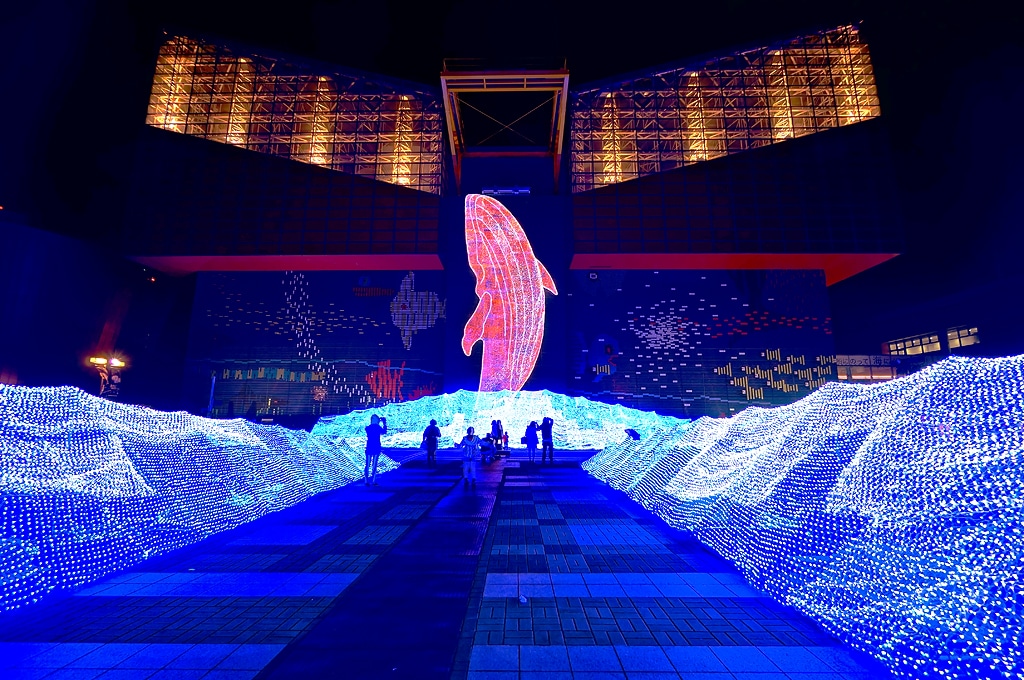
Kaiyukan Access: How to Get to Osaka Kaiyukan by Subway, Bus, Car and Shuttle Boat
The simplest way to get to Kaiyukan is the Osaka subway, but you can also choose a bus, drive, or take the USJ shuttle boat.
- 🚉 Subway (most recommended): Take the Chuo Line to Osakako Station (official station name “Osakako (Kaiyukan-mae)”), exit at Exit 1, and follow the signs for about 5 minutes on foot.
- 🚉 From Umeda, Namba or Tennoji: Take the Midosuji Line to Hommachi Station first, transfer to the Chuo Line and go to Osakako Station, about 20-30 minutes in total.
- 🚌 Bus: Osaka City Bus route 88 (from Osaka Station) or route 60 (from Namba Station), get off at “Tempozan Harbor Village”; Nankai Bus has a stop at “Kaiyukan (Tempozan)”; the Kansai Airport Limousine Bus stops at “Tempozan (Kaiyukan)”, all within walking distance.
- ⛴️ USJ shuttle boat: Take the Captain Line (キャプテンライン) from Universal City Port (ユニバーサルシティポート) directly to the “Kaiyukan Nishi Hatoba” pier, which is right where you disembark, ideal if you plan USJ and Kaiyukan on the same day.
- 🚗 By car: Take the Hanshin Expressway Bayshore Route or Osakako Route and exit at “Tempozan.” The Tempozan multi-story car park next to Kaiyukan has about 1,000 spaces.
- 💰 Parking fee: According to the official website (revised April 13, 2025), the daily maximum is ¥2,000 on weekdays and ¥2,500 on weekends and national holidays; height limit 2.00 m, length limit 5.00 m.
The car park is open 8:00-23:00 (exit allowed until 0:00). The Osaka Amazing Pass can be used on the subway to get there, but the official website states that the pass cannot be used for Kaiyukan admission.


What Are the Must-See Exhibits in the 2026 Osaka Kaiyukan Guide? Highlights of Each Zone
The soul of Kaiyukan is the giant Pacific Ocean tank, and each of the other zones has its own star animals and distinctive highlights.
2026 Kaiyukan Feeding Show Schedule: Every Zone’s “Feeding Time” at a Glance
Many people search for “Kaiyukan feeding show times,” but the official name is “生きものたちのお食事タイム” (Feeding Time for the Animals), and it is not just the whale shark session. Keepers feed the animals and run health-care training in front of each zone’s tank, and the animals swim up to the acrylic window, which is impressive to watch up close. Based on the schedule currently published on Kaiyukan’s official website, it is as follows (adjusted monthly, so please follow the official announcement for the current month):
- Pacific Ocean tank (Pacific fish, whale shark): 10:30, 15:00 (viewed from the 6th floor)
- Japanese Forest (Asian small-clawed otters): 11:30, 13:30, 15:30
- Monterey Bay (sea lions / seals): 09:50, 13:30, 15:00
- Gulf of Panama (South American coatis): 11:15, 15:30
- Antarctica (penguins): 10:00, 14:20
- Tasman Sea (Pacific white-sided dolphins): 11:40, 14:20, 16:15
- Arctic Circle (ringed seals): 10:50, 15:40 (viewed from the 4th floor)
- Falkland Islands (southern rockhopper penguins): 10:50, 15:10 (viewed from the 4th floor)
The official website notes that feeding times may be “stopped or changed without notice” depending on the animals’ condition, and some zones may not hold a session that day, so on the day of your visit we suggest checking the Kaiyukan official website’s “Feeding Time” page first. Because the route inside runs from top to bottom, you can line up several sessions by floor: for example, start in the morning with the 10:00 penguin feeding at Antarctica on the 7th floor, then go to the 6th-floor Pacific Ocean tank for the 10:30 session, and then down to the Arctic Circle on the 4th floor for the 10:50 ringed seal feeding.
Pacific Ocean Tank (Whale Shark Zone)
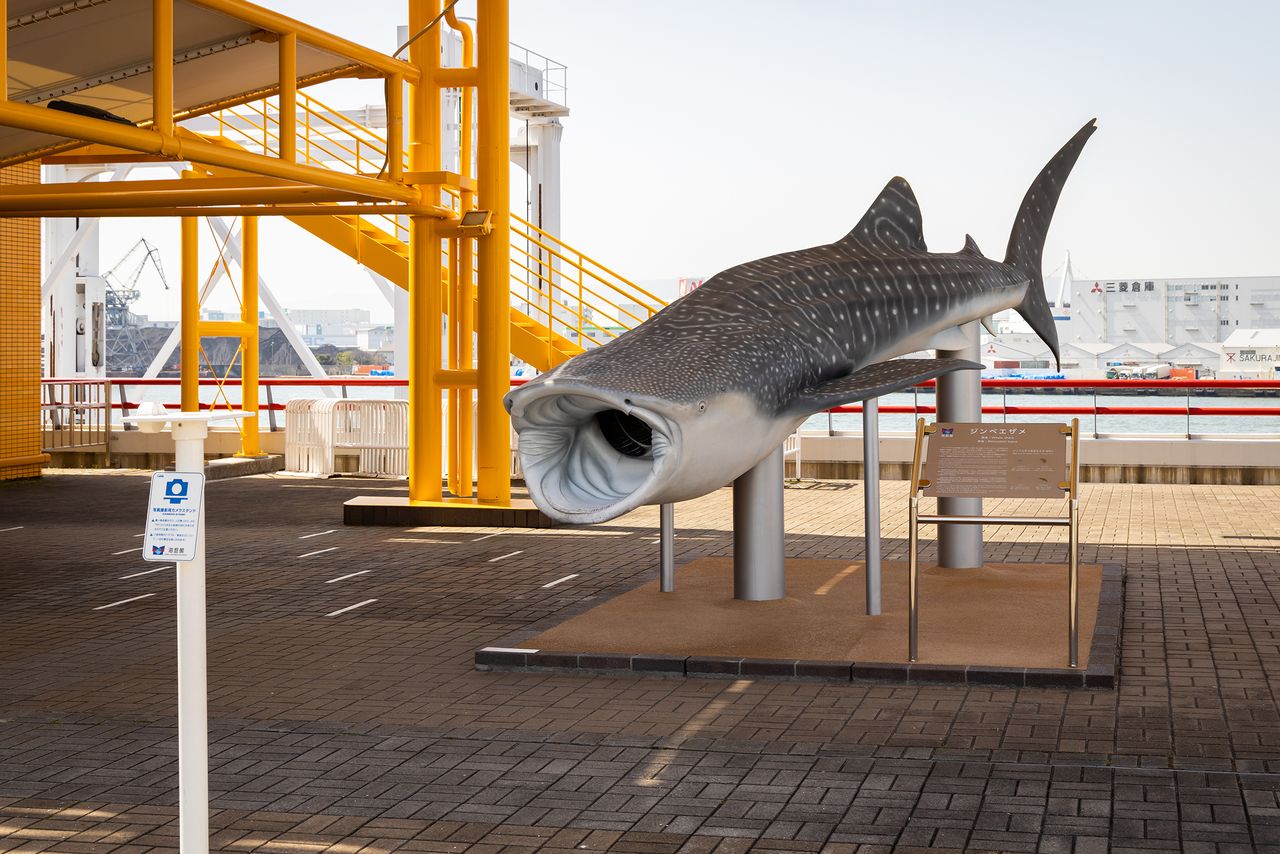
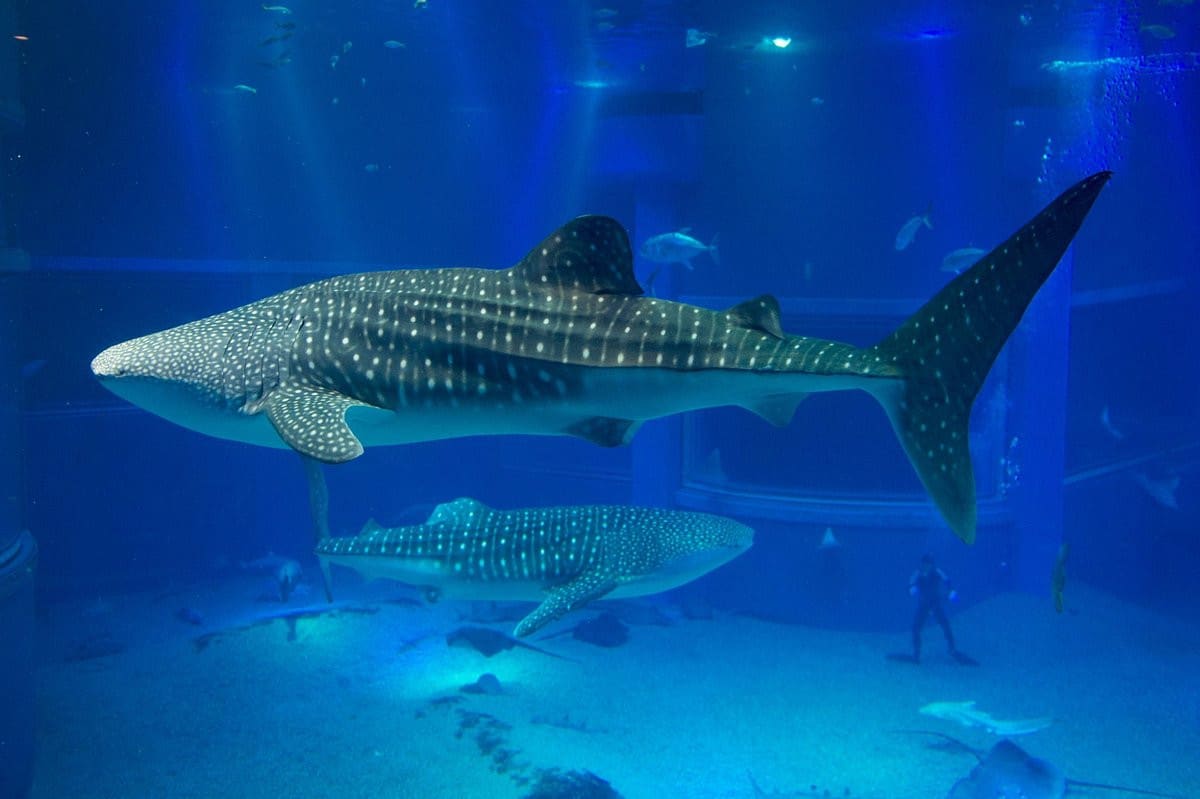
The Pacific Ocean tank is the core of the whole aquarium, several stories deep, with a giant whale shark more than 5 meters long gliding through it alongside large rays and hammerhead sharks, a visually stunning scene and a photo spot every visitor takes.
According to the official schedule, the Pacific Ocean tank feedings are at 10:30 and 15:00. You can see the dramatic sight of the whale shark standing “vertically” in the water with its mouth wide open to suck in food, and we suggest claiming a spot 15 minutes early.
Because the tank runs through several floors, you can watch the same fish again and again from different heights and angles. We suggest staying at least 20 minutes to observe slowly and enjoy the different views each angle brings.

“Aqua Gate” Underwater Tunnel
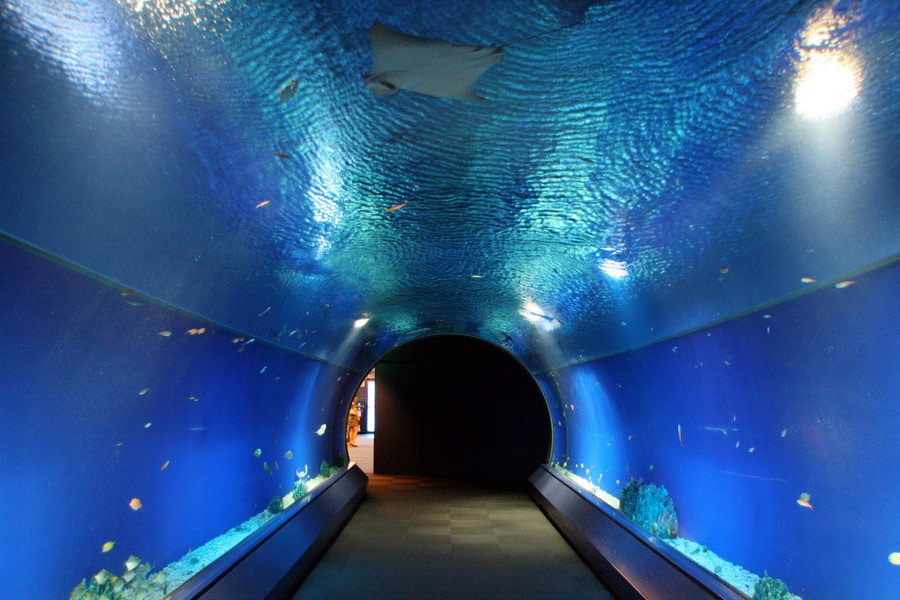
The “Aqua Gate” at the start of the route is a transparent tunnel-style tank where tropical fish and rays glide slowly overhead, as if you were stepping straight into the blue undersea world, one of the most delicately atmospheric areas in the aquarium.
The light in the tunnel is dim, so when taking photos ask your companions to pause for a few seconds while the camera focuses, to avoid a slow shutter blurring the picture. It is the easiest place in Kaiyukan to take atmospheric photos.
Crowds tend to gather in this area, so we suggest avoiding the entry peak on the hour and choosing the first slot after opening or a weekday evening, which gives you more room to watch the fish passing by at leisure.
Antarctica (Penguin Zone)
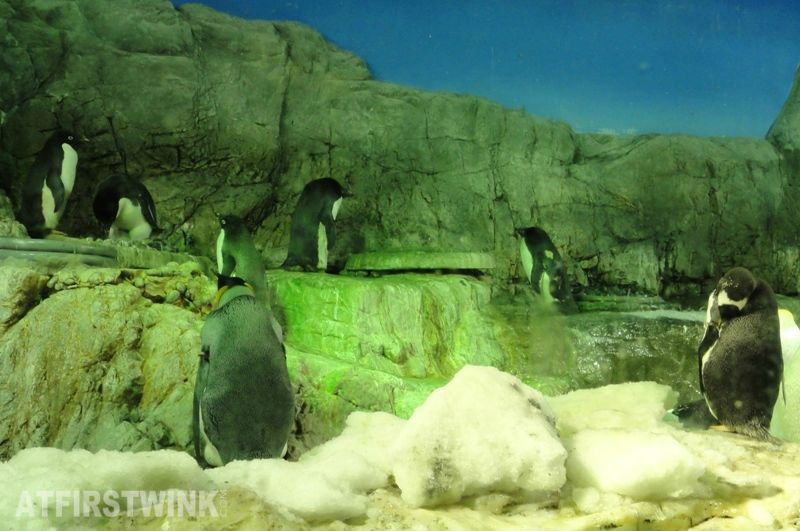
Antarctica features three star residents: king penguins, gentoo penguins and Adelie penguins. The contrast between their waddling walk on land and their fast sprints in the water is striking, and their comical ways are loved by children.
According to the official schedule, penguin feedings are at 10:00 and 14:20, where you can watch the penguins scramble for food, dive and interact naturally, and keepers explain the features and habits of each penguin species on the spot.
The zone is designed to mimic real polar rock reef terrain, with the temperature kept deliberately low. We suggest staying about 15 minutes, and note that the best photo angles are mostly at the viewing windows below the pool.
Tasman Sea (Pacific White-Sided Dolphin Zone)
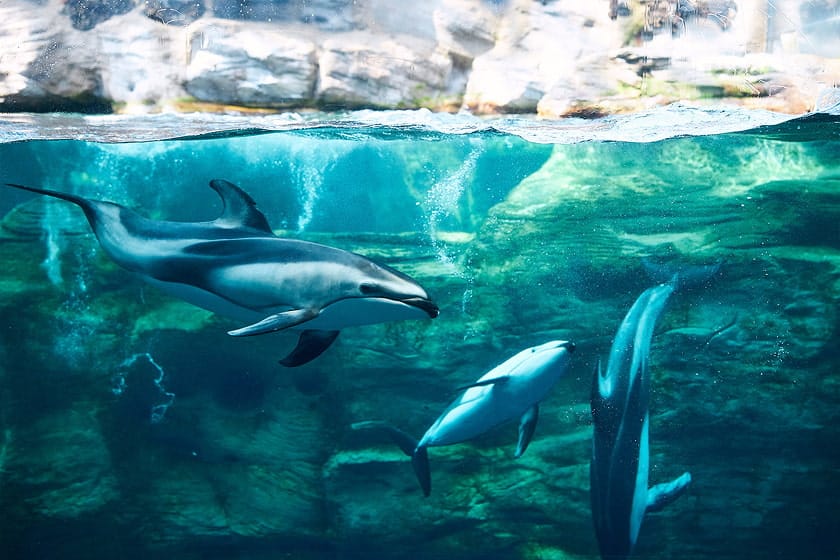
The Tasman Sea zone recreates the ecosystem of the waters around Australia’s Tasman Sea, starring the lively and agile Pacific white-sided dolphins (カマイルカ in Japanese), which dart and leap through the water, showing graceful swimming and high intelligence.
Dolphin feeding and interaction sessions are at 11:40, 14:20 and 16:15 on the official schedule, and keepers use hand signals to guide the dolphins through moves such as rolls, making it one of the most interactive zones in the whole aquarium.
We suggest arriving before a feeding session to claim a spot, because the viewing windows here are not wide and it is hard to find an ideal shooting position when crowds are large.
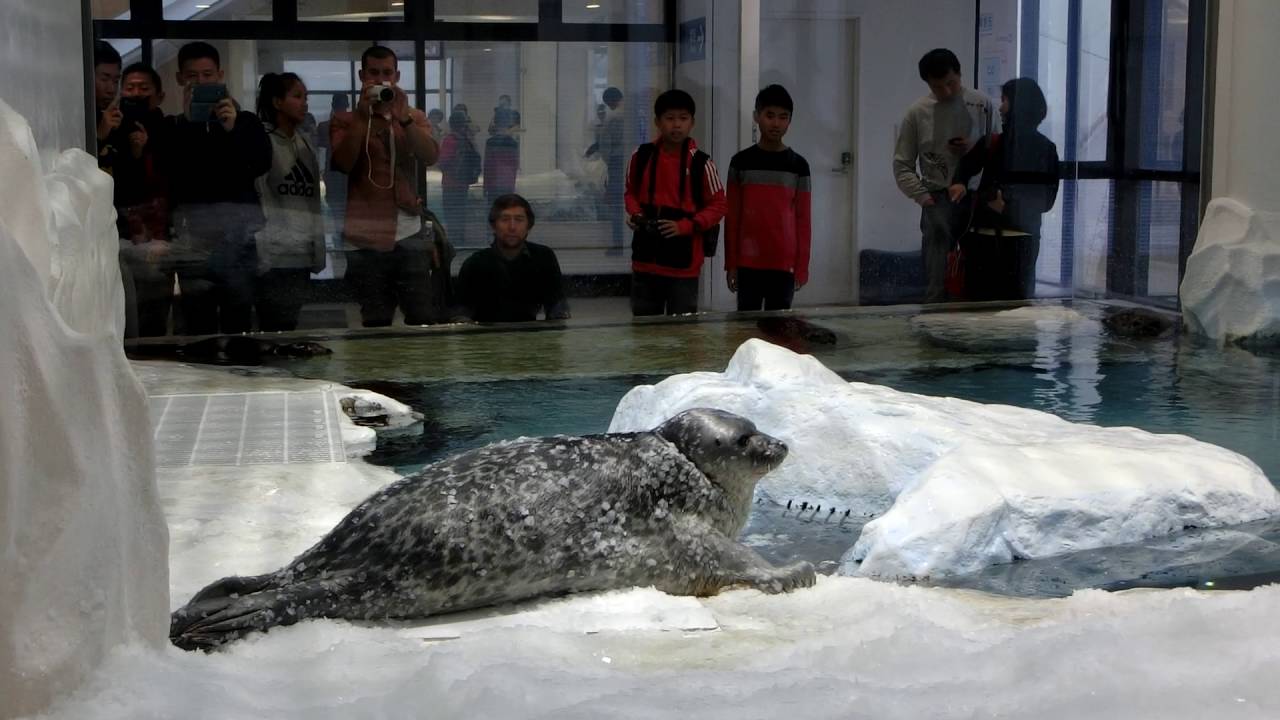
Arctic Circle (Ringed Seal Zone)
The Arctic Circle zone has one of the largest dome-shaped tanks in the world, where visitors can look up from “beneath the ice” at the round bodies of ringed seals and even hear the soothing sound of them scratching the ice with their front flippers.
According to the official schedule, ringed seal feedings are at 10:50 and 15:40, and the sight of the seals rolling in the water and chasing food is delightful, voted the cutest zone by many families.
The zone pays special attention to lighting and the texture of the ice, and we suggest arriving 15 minutes before the feeding show to get the best low-angle position for looking up and shooting.
Japanese Forest (Otter Zone)
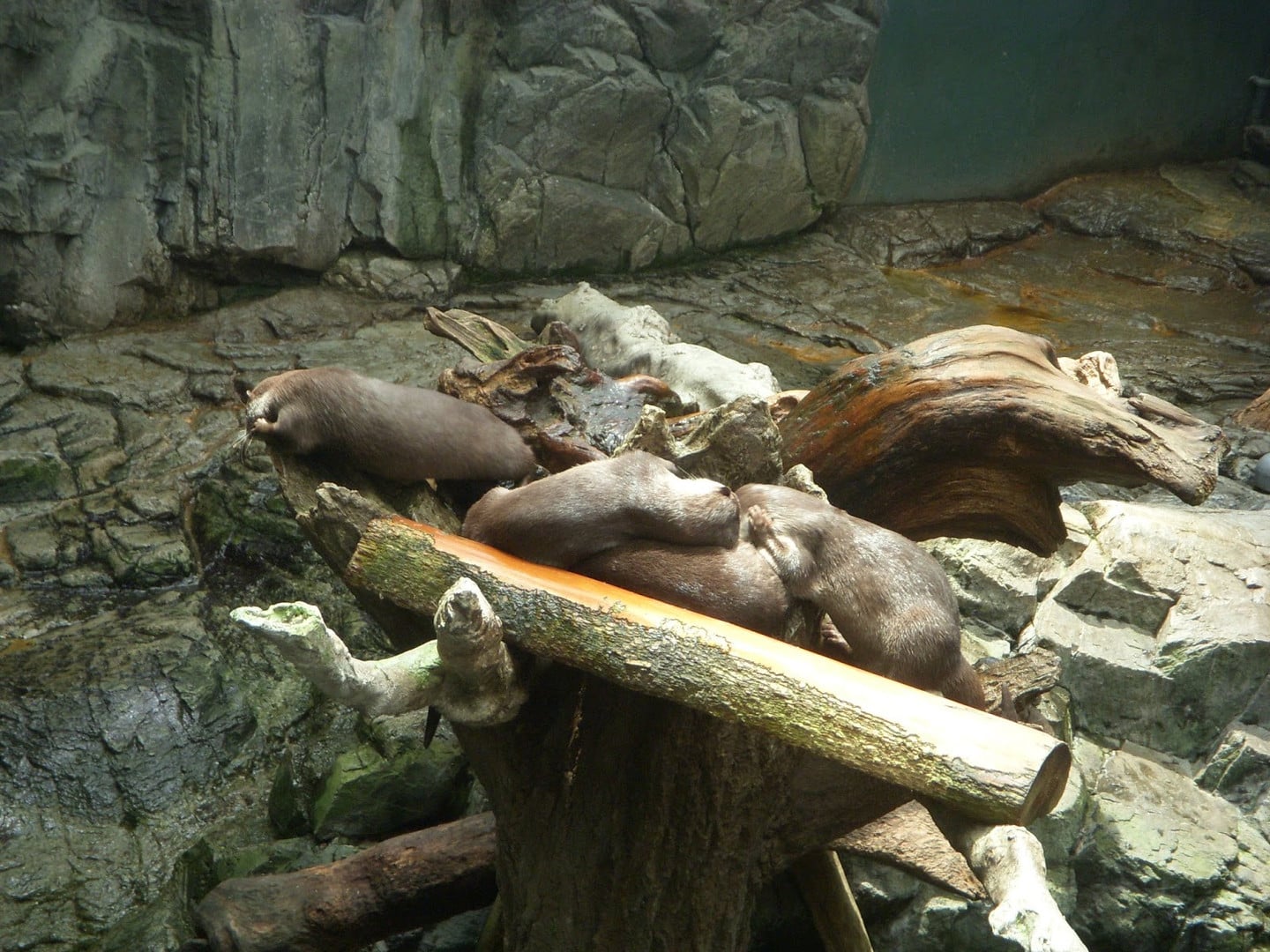
The “Japanese Forest” is early on the route, recreating Japanese mountain gorges and waterfalls so that you feel as if you were in the mountains, and it is also home to the Asian small-clawed otters.
Otter feeding shows are at 11:30, 13:30 and 15:30. The sight of the lively, playful otters turning over stones with their nimble front paws to find food makes them among the most talked-about healing stars in the whole aquarium.
We suggest stopping to watch in this zone as soon as you enter, because otters are energetic and often change position, and a few extra minutes of patient waiting often catches the liveliest scenes.
Jellyfish Galaxy
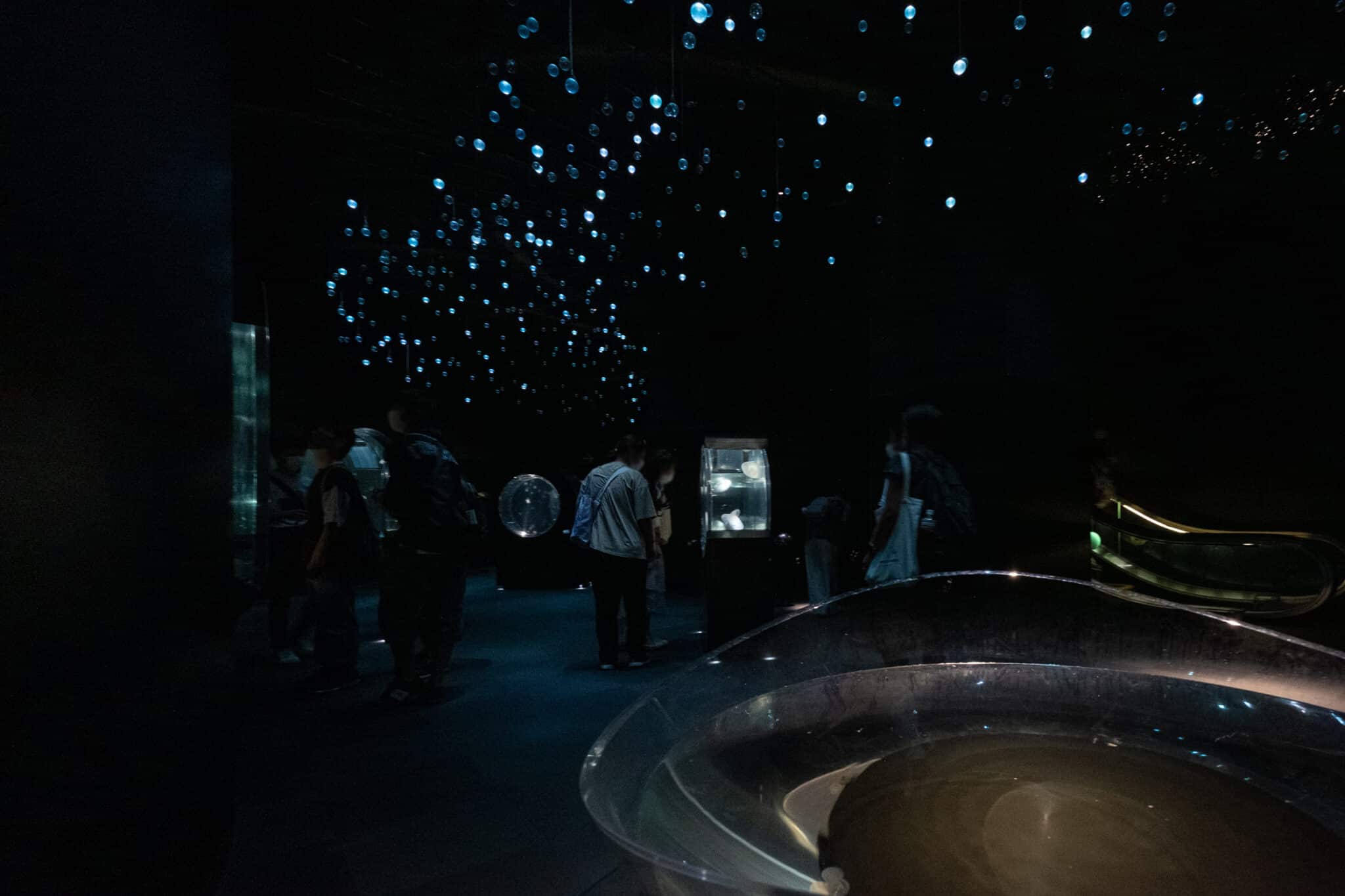
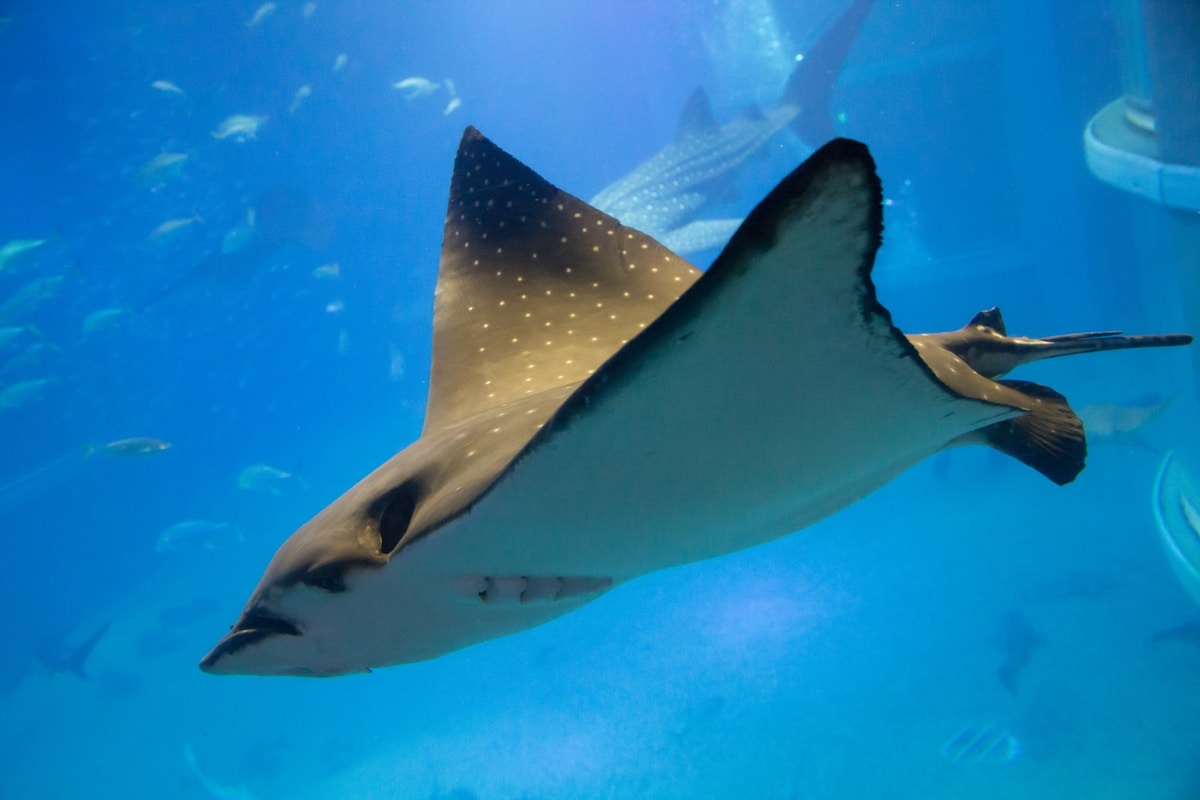
Jellyfish Galaxy is designed around the idea of wandering through a galaxy, with dim lighting setting off countless transparent jellyfish drifting slowly, creating a dreamy and mysterious visual effect. It is the best zone in the aquarium for photos.
This zone has no fixed feeding show times, but because of the beautiful lighting and atmosphere it often keeps visitors lingering to take photos, and we suggest slowing down to quietly enjoy the jellyfish drifting.
Because the zone is dimly lit, we suggest turning off the flash and holding the camera steady when taking photos, so that you capture the dreamlike floating quality of the jellyfish and avoid reflections spoiling the picture.
Monterey Bay (Sea Lion and Seal Zone)
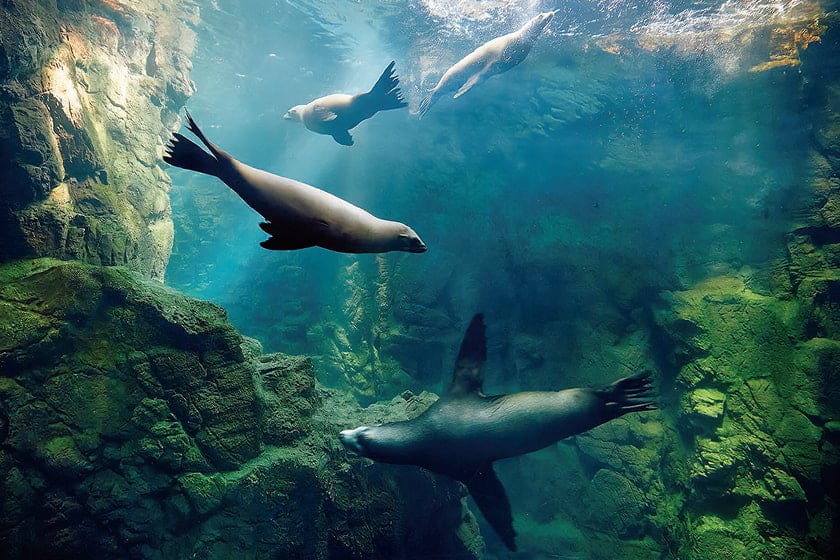
Monterey Bay recreates the ecosystem of California’s Monterey Bay in the United States, where you can watch sea lions and seals living together in the same tank, and the scenes of them lazily sunbathing or playing actively in the water are very amusing.
This zone is designed as a sunny outdoor-style environment with plenty of light, and is one of the few precious chances in the aquarium to see two similar but different species interacting up close and compare their appearances.
We suggest staying to observe the differences in how they sleep and when they are active. Around noon the sea lions are often more active, and it is easier to see them swimming at the surface.
Touch Experience Zone (Rays and Small Sharks)
The touch experience zone is an indoor touch pool of a kind rarely seen in Japan. After washing and disinfecting your hands, you can follow the staff’s instructions to touch the slippery back of a ray or the sandpaper-rough skin of a small shark.
This is the most popular interactive element among families at Kaiyukan, letting you feel the real differences in how marine animals feel up close, and staff are on hand to explain the correct way to touch and what to watch out for.
We suggest avoiding the peak crowds on the hour and going on a weekday or soon after opening, so you have more time for the experience and can take precious photos of interacting with the rays.
Falkland Islands (Southern Rockhopper Penguin Zone)
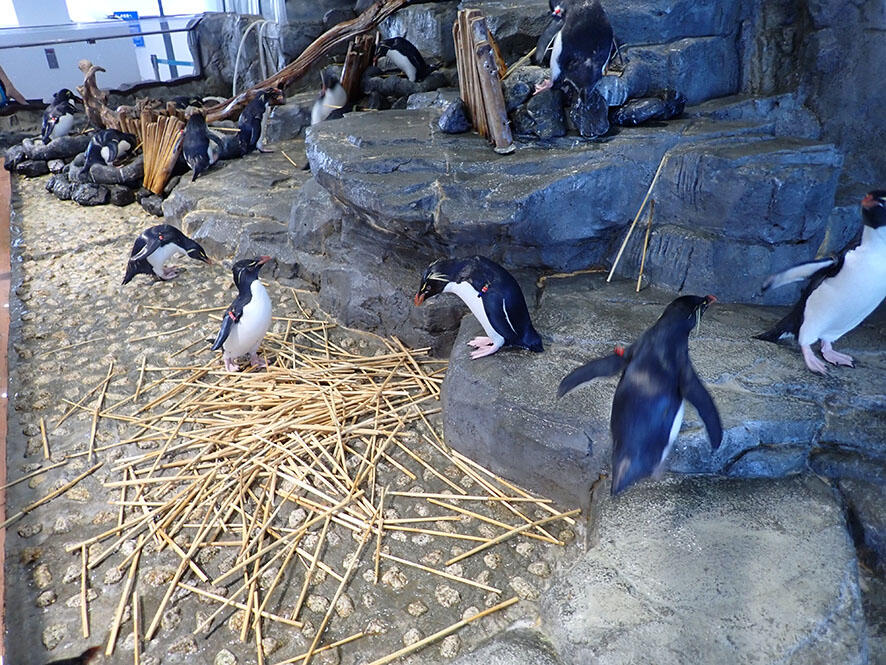
The Falkland Islands zone displays the distinctive southern rockhopper penguins, easily recognized by their yellow head feathers that look like an afro and their red eyes, and their hopping way of moving is also very cute and funny.
This zone recreates the rocky reef terrain of the Falkland Islands, where the penguins hop and dart between the rocks, showing a lively personality quite different from the Antarctic penguins, a stop that penguin behavior enthusiasts must not miss.
We suggest visiting it together with the Antarctica zone for comparison, so you can see more clearly the obvious differences in body size, plumage and behavior between penguin species.
How Much Does the 2026 Osaka Kaiyukan Cost? Tickets and Guided Combo Passes
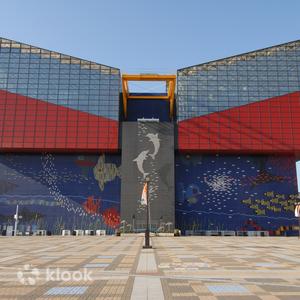
Osaka Kaiyukan is at 1-1-10 Kaigandori, Minato Ward, Osaka, near Tempozan Harbor Village. Below are the 2026 ticket and combo ticket options, comparing online advance purchase with buying on site.
Kaiyukan Standard Admission Ticket (Official Single-Attraction Ticket)
The official adult ticket (age 16 and over) is ¥2,800-3,500 per person according to the official price calendar, adjusted slightly by season and event; ages 7-15 and 3-6 also float, and children aged 2 and under enter free. For opening hours see the official information above, and we also suggest confirming that day’s time slots on the official website before you go.
Only same-day tickets are sold on site, and long holidays and weekends may involve long waits.
We suggest booking an e-ticket for a specified date and time slot in advance, which lets you scan in directly. Prices on platforms and on the official website may differ, so compare before ordering.
The single-attraction ticket suits travelers who only want to visit the aquarium and have limited time. If you plan a day around Tempozan’s other sights, this ticket is already plenty, and it lets you fully experience classic zones such as the whale shark tank, the Japan Trench and Antarctica.
Kaiyukan + Ferris Wheel Combo (Tempozan Giant Ferris Wheel Joint Ticket)
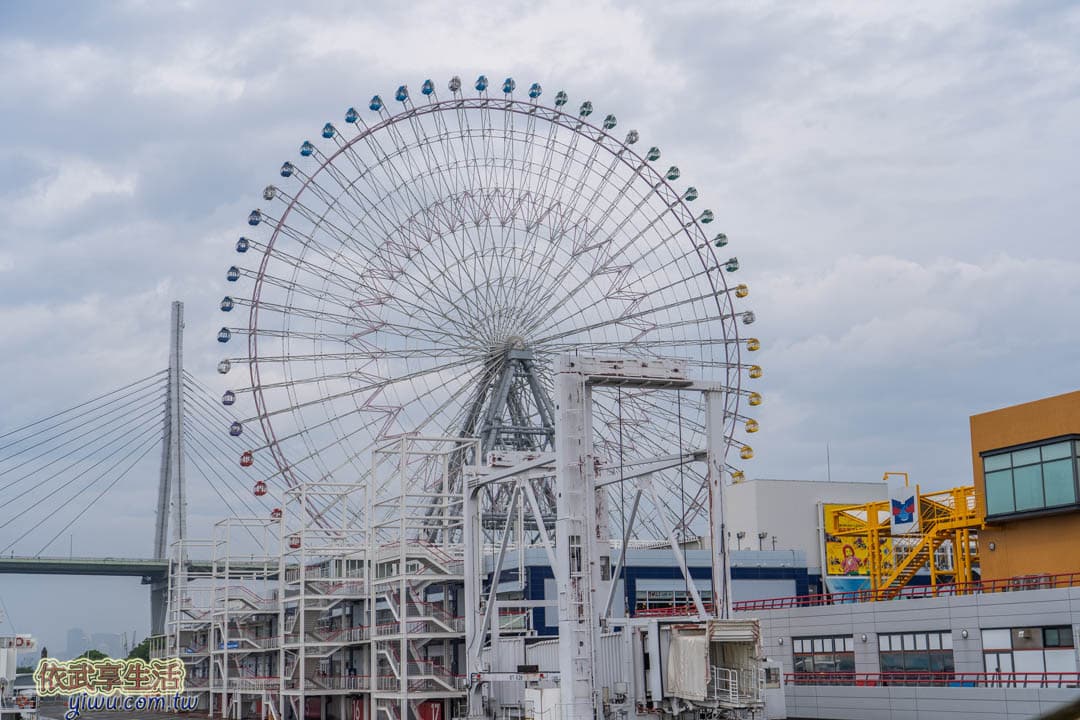
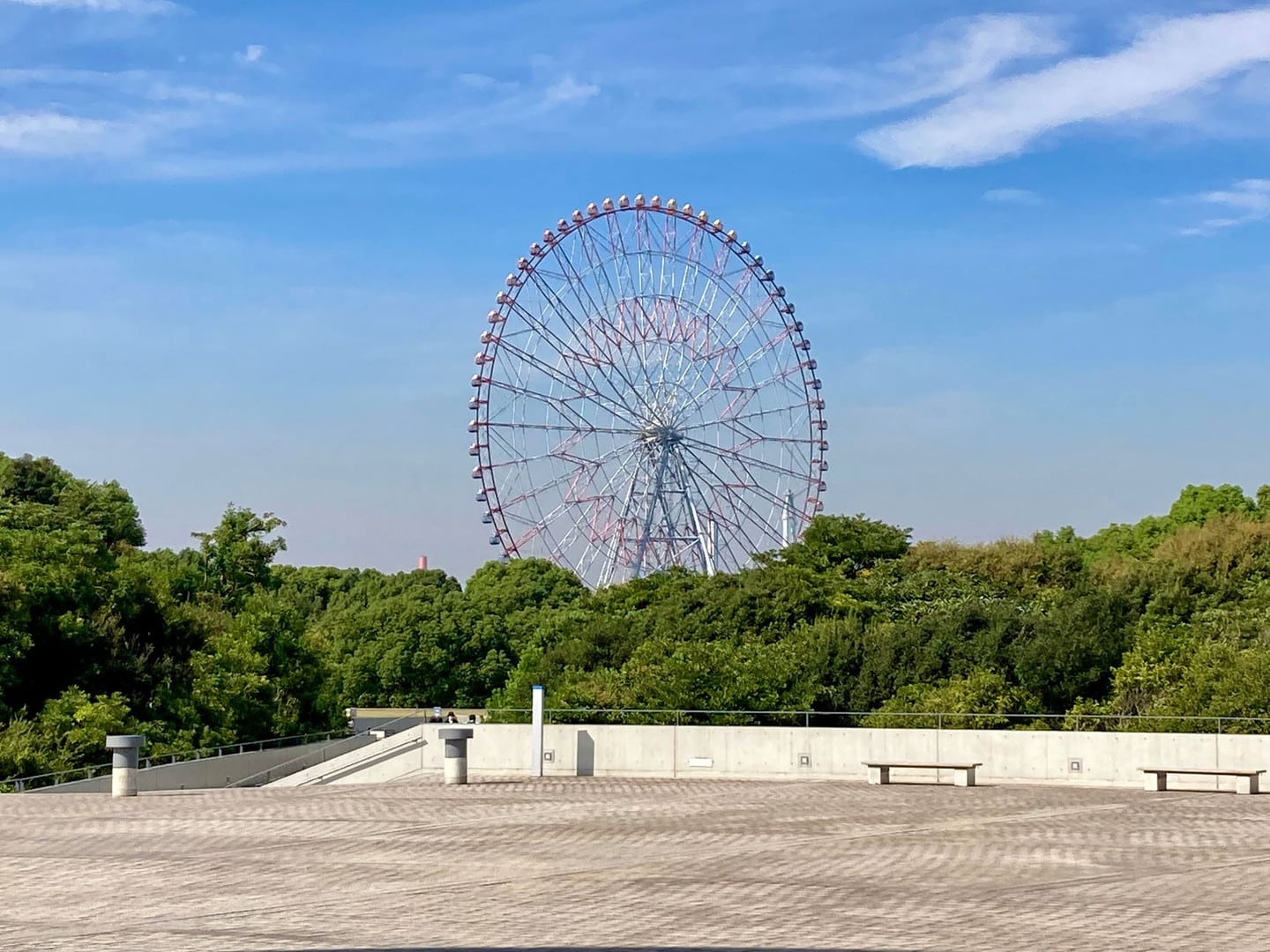
The Tempozan Giant Ferris Wheel stands right next to Kaiyukan, 112.5 meters tall, and is one of Osaka Port’s landmark sights; on a clear day you can see Osaka Bay, the Akashi Kaikyo Bridge and even Mt. Rokko in the distance. The combo tickets sold on Kaiyukan’s official website pair it with the Santa Maria, LEGOLAND Discovery Center and the Captain Line (prices float by date, so follow the official website); joint tickets for Kaiyukan plus the Ferris wheel are mostly sold by travel platforms, so confirm what the ticket includes and its price before buying.
One ride on the Ferris wheel takes about 15 minutes. After dark the lit-up wheel shows different colors depending on the weather, symbolizing the next day’s weather forecast, a rather romantic part of Osaka Port’s night view, and well suited to follow a late-afternoon visit to Kaiyukan.
This combo ticket can be found on both KKday and Klook with booking pages in Chinese, simple to use with time slots chosen in advance. We suggest entering Kaiyukan in the late afternoon so that you come out just in time for the Ferris wheel’s night view, getting both fish-watching by day and a night view by evening.
Kaiyukan + Osaka Pass Combo (Osaka Amazing Pass Joint Ticket)
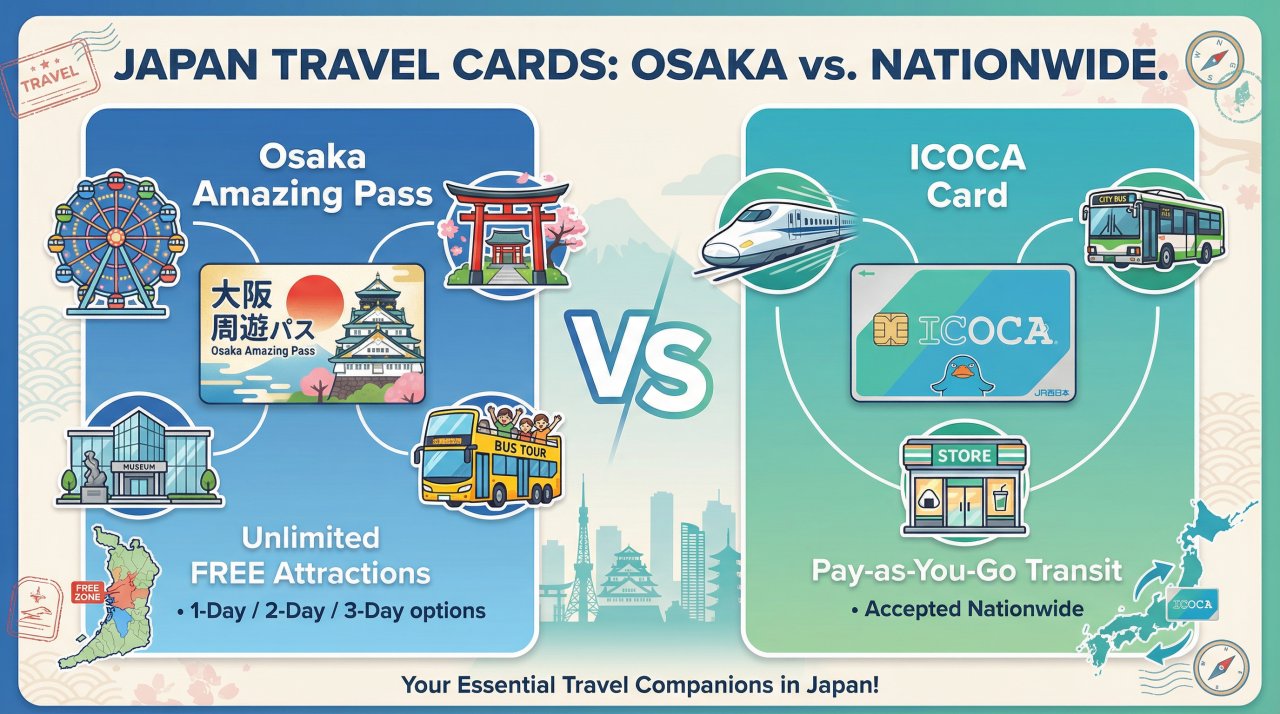
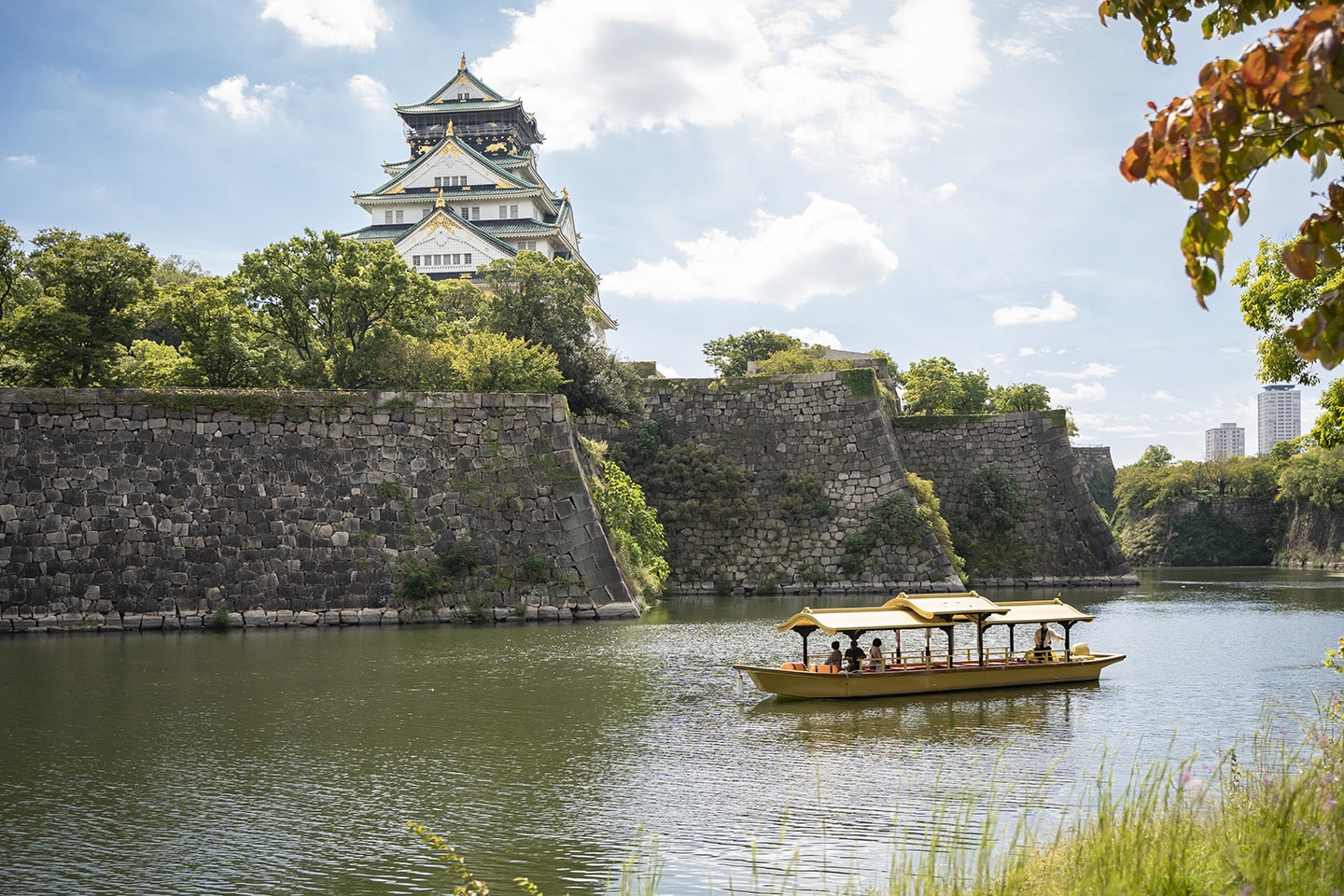
To tour sights such as Osaka Castle, Tsutenkaku and Dotonbori, we suggest buying the Osaka Amazing Pass. The 2026 edition is ¥3,500 for a 1-day pass and ¥5,000 for a 2-day pass (official sales period announced as March 25, 2026 to March 31, 2027). Besides unlimited rides on the subway and buses, it includes free entry to more than 40 attractions. Note, however, that Kaiyukan’s official website clearly states the pass “cannot be used for Kaiyukan,” so Kaiyukan tickets must be bought separately.
The pass combines transport and attraction savings, suits an in-depth trip of 3 days or more in Osaka, effectively lowers your budget, and saves you buying tickets one stop at a time.
We suggest planning your itinerary first and comparing the total of buying tickets separately with the pass price before deciding. If your schedule is tight and you visit 3 or more attractions in a day, the pass is usually better value.

Kaiyukan Night Tickets and Whale Shark Feeding Priority Viewing Tickets
Kaiyukan does not sell a separate night-only ticket. The official “Night Kaiyukan” simply means that every day from 17:00 to 20:00 (last entry 19:00, adjusted by season) the lighting and music inside switch to the night version, and you can experience it with a regular admission ticket by choosing an entry slot after 17:00.
The aquarium also does not sell a “priority viewing ticket” for the whale shark feeding show. The feeding times of the Pacific Ocean tank (10:30 and 15:00 on the official schedule) are part of the regular visit and cost nothing extra. For a deeper look, watch for the special “Jinbei Backyard (ジンベエバックヤード)” (whale shark backyard) tickets the official website releases from time to time, which let you view the Pacific Ocean tank from behind the scenes, with open dates announced on the official event page.
Whale shark feeding is the most popular moment in the whole aquarium, and on holidays the area in front of the tank fills up easily, so we suggest arriving 15 to 30 minutes early to claim a spot.
Kaiyukan Ticket Information: Official e-Ticket Purchase Rules
The most overlooked point in Kaiyukan ticket information is the “entry time slot system”: the aquarium controls entry numbers every 15 minutes, the on-site window sells only same-day tickets, and each time slot has a sales cap, so on long holidays and weekends you may wait a long time to get in. The aquarium therefore officially recommends buying the “Kaiyukan e-ticket,” which lets you specify a date and time slot. The rules below are compiled from the FAQ on the Kaiyukan official website:
- Sales start: e-tickets go on sale 30 days before the visit date.
- Entry: Show the QR code on your phone to enter, but you cannot enter earlier than the time specified on the ticket; once inside, you can stay until closing.
- Rescheduling and cancellation: You can change the date and time slot within the same price band on your Webket member page (up to 2 times); you can cancel on your own up to the day before use with no fee (except where a receipt has been issued).
- Ticket age categories: Adult (16 and over / high school students and above), Child (7-15 / elementary and junior high students), Infant (3-6); free for ages 2 and under; no senior discount.
- Note: Tickets bought from sites not officially designated for sale cannot be used for entry. When buying through platforms such as KKday and Klook, please confirm that the ticket is an officially partnered one.
Where to Stay Nearby
Kaiyukan is at Osaka Port, so you can choose to stay in an area with more convenient transport: from Umeda, Namba or Tennoji, take the Midosuji Line to Hommachi Station and transfer to the Chuo Line, about 20 to 30 minutes in total to Osakako Station. If you also plan Universal Studios Japan on the same day, you can stay near Universal Studios Japan and then take the Captain Line shuttle boat directly to the Kaiyukan Nishi Hatoba pier.

FAQ
Q: How much are Osaka Kaiyukan tickets?
Adult tickets use floating prices; for September-October 2026, adult tickets are about ¥2,800 to ¥3,500, and child and infant tickets also follow the official price calendar. We suggest buying an e-ticket for a specific time slot in advance.
Q: What is the most convenient way to get to Kaiyukan?
Take the Osaka Metro Chuo Line to “Osakako Station” and walk about 5 minutes from Exit 1; you can also take Osaka City Bus route 88 or 60 to the “Tempozan Harbor Village” stop, or take the Captain Line shuttle boat from USJ.
Q: What time is Osaka Kaiyukan open, and when should I go?
Hours float daily. In October 2026 it is mostly 10:30-20:00 on weekdays and 9:30-20:00 on weekends, and during long holidays it opens as early as 8:30 and closes as late as 20:30; last entry is 1 hour before closing.
Q: How long does Osaka Kaiyukan take, and how should I plan the stay?
According to the Kaiyukan official FAQ, most visitors spend about 2 hours; if you want to fully experience the feeding shows and touch pool, we suggest allowing 3 to 4 hours for a more relaxed visit.
Q: Can I enter Kaiyukan for free with the Osaka Amazing Pass?
No. The pass does not include Kaiyukan admission, but it gives free rides on the nearby Tempozan Ferris Wheel and the Santa Maria sightseeing ship (not valid on some peak-season dates; follow the Osaka Amazing Pass official website).
Q: What time are the Kaiyukan shows (feeding shows), and when is the whale shark fed?
According to the schedule published on the official website, the Pacific Ocean tank where the whale shark lives is at 10:30 and 15:00; penguins at 10:00 and 14:20. Individual sessions may change at short notice, so please follow the official website’s announcement for the day.
Q: What season is best for Osaka Kaiyukan?
You can visit all year round, but summer vacation, Golden Week and long holidays are the most crowded, so a weekday or an off-peak period makes for a better experience.
Sights and Food Near Kaiyukan: How to Plan a Day at Tempozan Harbor Village?
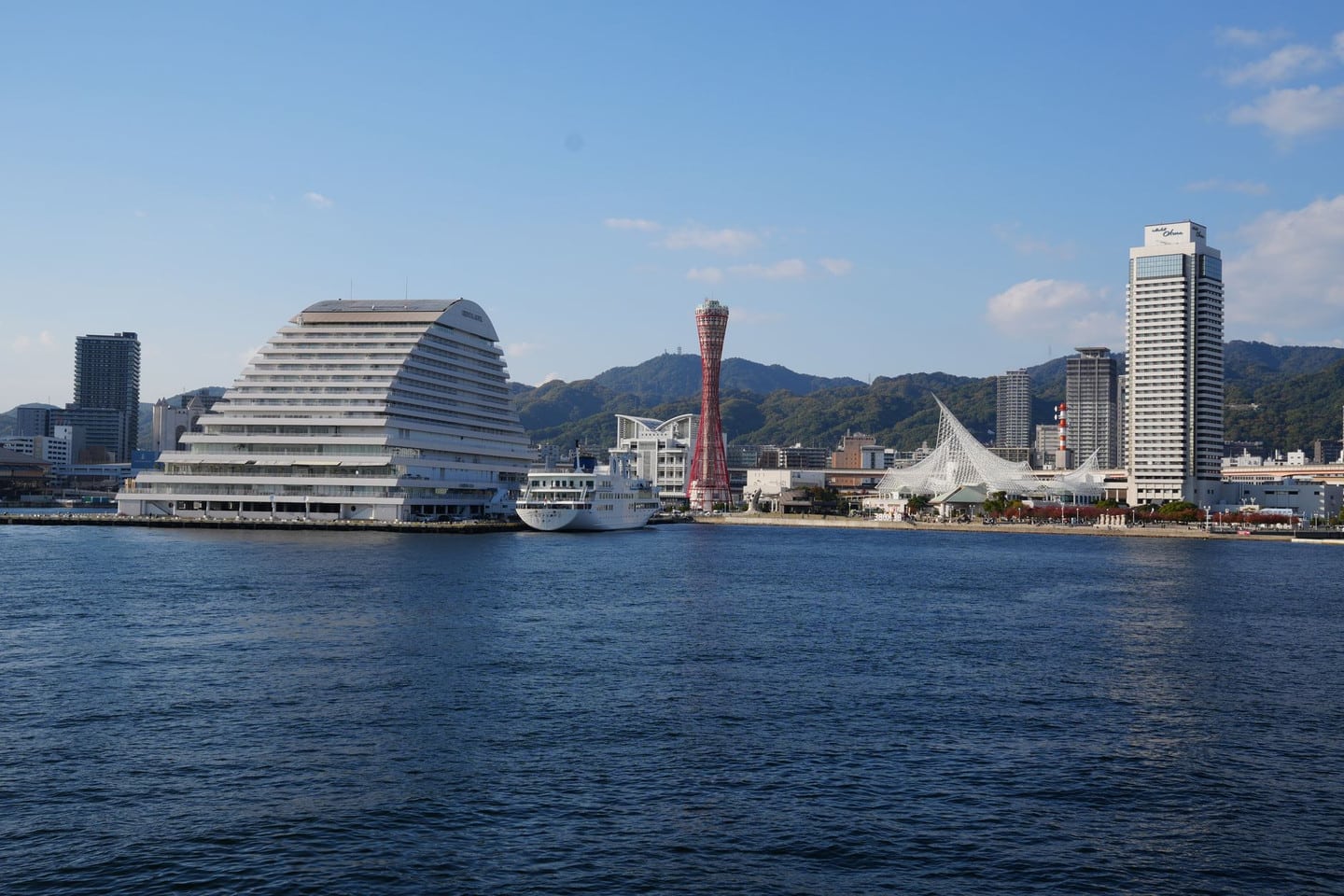
Tempozan Harbor Village (天保山ハーバービレッジ), where Kaiyukan is located, is a complex of attractions combining an aquarium, a Ferris wheel, a shopping center and a sightseeing ship, well suited to a half day to a full day, with the following facilities nearby:
- Tempozan Giant Ferris Wheel: 112.5 meters tall, with one revolution of the gondola taking about 15 minutes; on a clear day you can see the Akashi Kaikyo Bridge in the distance. Some travel platforms sell joint tickets with Kaiyukan, so compare prices.
- Santa Maria sightseeing ship: A sightseeing ship modeled on the sailing ships of Columbus’s time, cruising Osaka Bay for about 45 minutes (with a shorter 20-minute service as well), suitable for families with children.
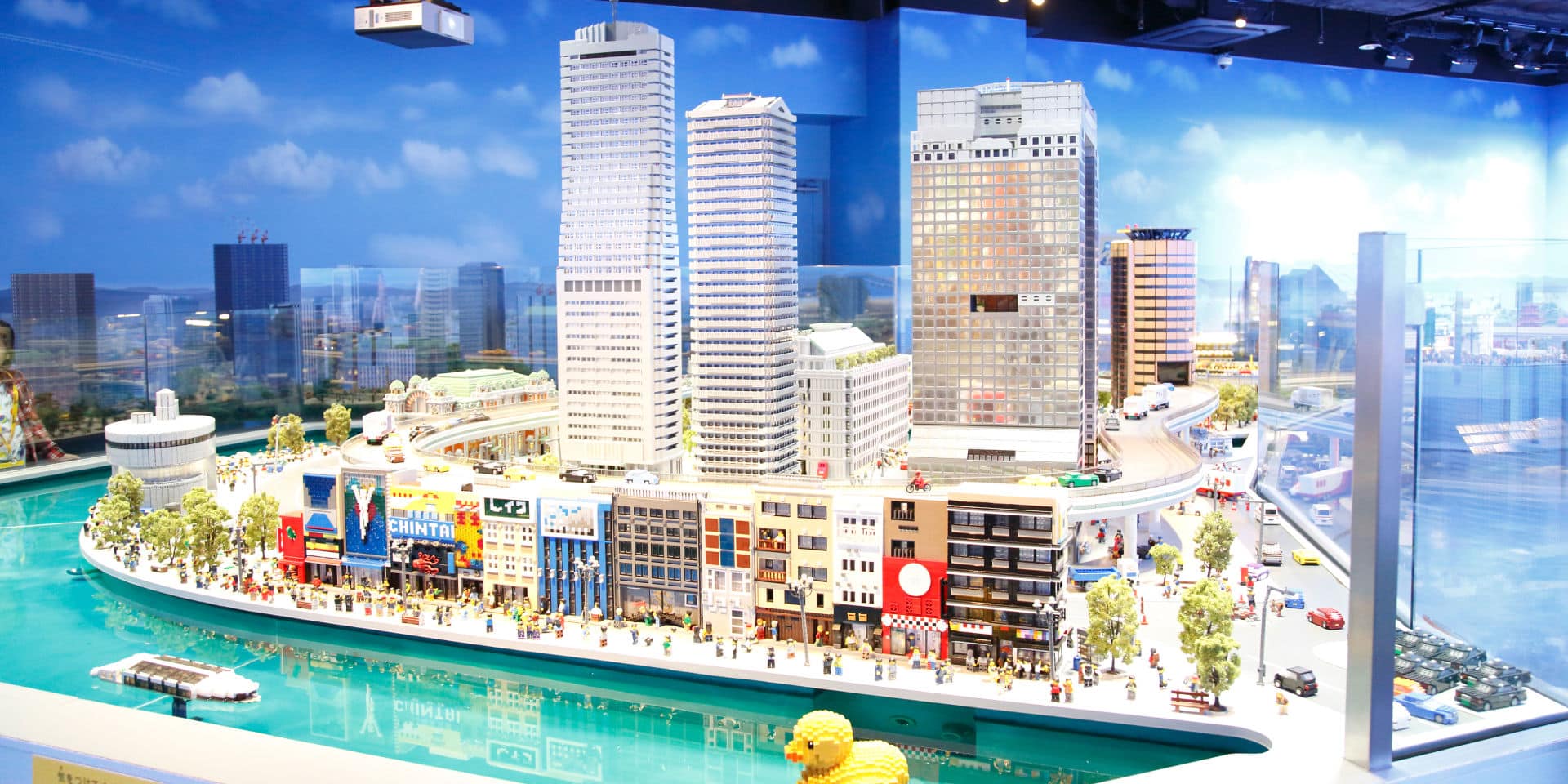
- Osaka LEGOLAND Discovery Center: On the 3rd floor of the Tempozan Marketplace, good for families; it can be scheduled on the same day as Kaiyukan, but we suggest visiting each in its own half day to avoid an overly tight schedule.
- Tempozan Marketplace food: The 2nd-floor “Naniwa Gourmet Alley” recreates a 1960s Osaka street scene with classic snacks such as takoyaki, okonomiyaki and ramen; the 2nd and 3rd floors also offer independent restaurants serving sushi, kushikatsu, tonkatsu and more.
Best Times to Visit to Avoid the Crowds
Kaiyukan’s crowd peak usually falls between about 10:30 a.m. and 2 or 3 p.m., when large tour groups and school trips are most concentrated. If you want to see the first feeding show soon after opening, you can enter right at opening; if you are not set on the feeding show times, another way to avoid the lines is to schedule your entry after 3 p.m. By then most tour groups have gradually left, the flow inside is clearly smoother, and it is easier to photograph the whale shark and tank life up close. Both plans have pros and cons, so decide based on whether you want to be first in for the feeding show that day.