
Osaka Namba Guide 2026: The Nankai Railway Hub, Nearby Sights and Food
Namba is the heart of southern Osaka and the first stop on the Nankai line from Kansai Airport, with Dotonbori, Shinsaibashi and other popular sights close by, and it deserves anywhere from half a day to a full day of exploring.
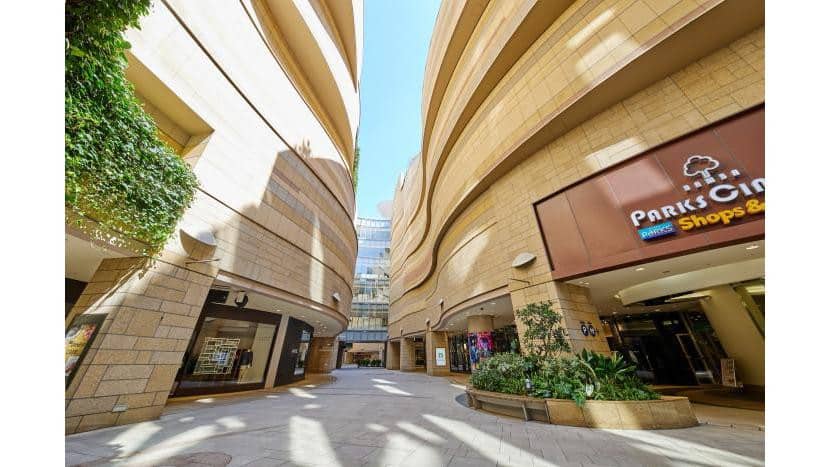
Namba Parks: A Sky Garden Built Like a Canyon
Namba Parks connects directly to Nankai Namba Station. Its signature feature is a terraced, canyon-inspired green building with a free rooftop garden that climbs from the 2nd floor to the 9th, holding about 500 kinds of plants with different flowers in every season, and it is also a popular free photo spot. The mall houses many fashion, lifestyle goods and dining brands, and when you tire of shopping you can head straight to the rooftop garden to rest and get some air.
Shops are open about 11:00 to 21:00 (restaurants until 22:00), and the sky garden is open 10:00 to 24:00. Going toward evening lets you enjoy both the sunset and the night view.

Namba City: An Underground Shopping Complex and Food Streets
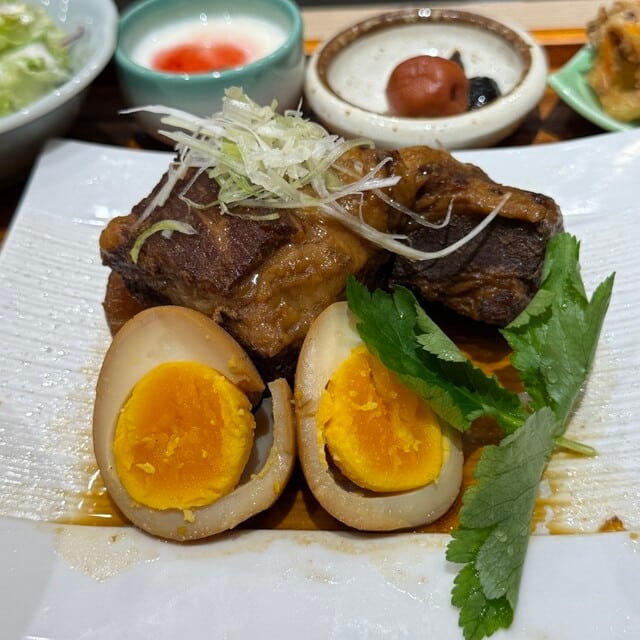
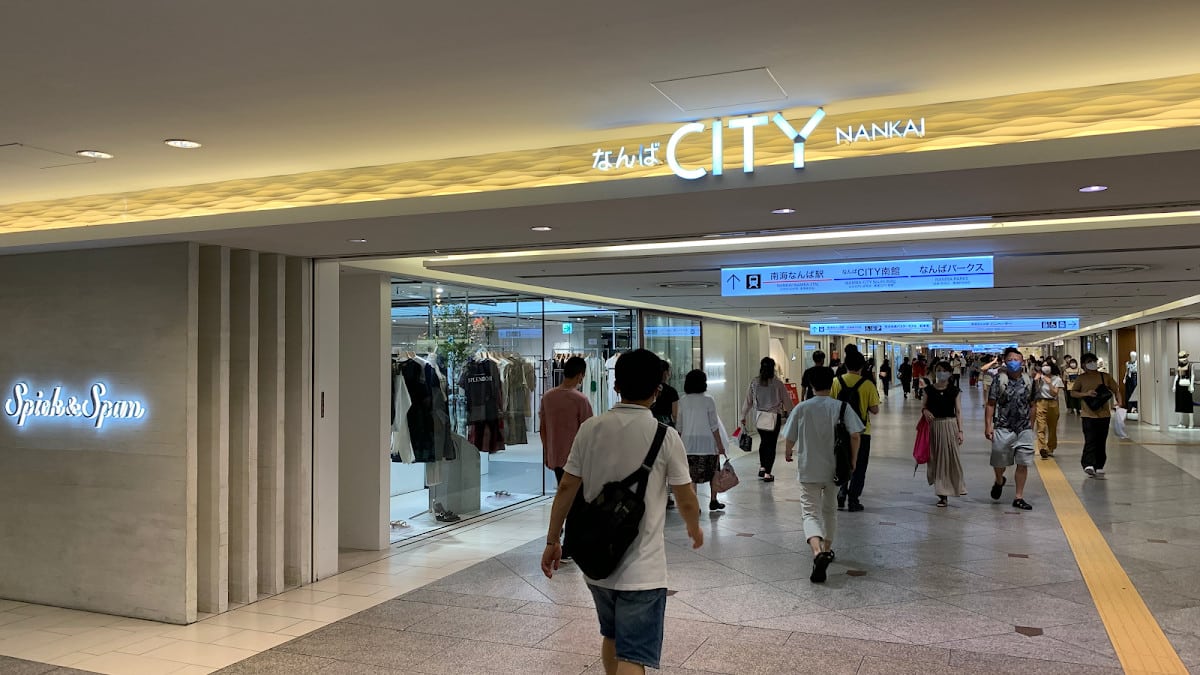
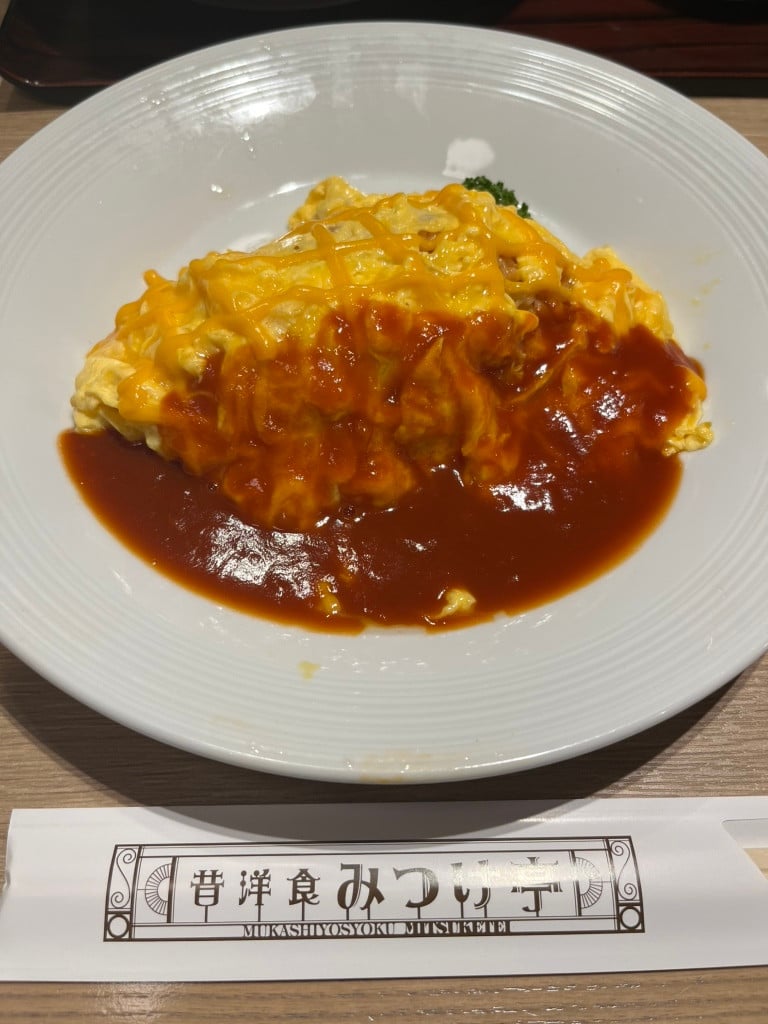
Namba City is a large underground shopping complex built together with Nankai Namba Station, split into the Main Building and South Building. It gathers many Japanese fashion labels, lifestyle goods, beauty brands and affordable restaurants, and you can shop comfortably on rainy days without worrying about the weather disrupting your plans.
Hours are 11:00 to 21:00 for shopping and 11:00 to 22:00 for restaurants (some shops differ). The underground mall connects directly to each exit of Namba Station, so it is a good way to browse between connections, and also works as a first supply stop after arriving in Osaka.
Namba Yasaka Shrine: A Hidden Spot with a Giant Lion-Head Stage
Namba Yasaka Shrine is about a 6-minute walk from Namba Station and is known for its giant “lion-head stage.” Legend says it swallows bad luck and evil spirits and brings good fortune in studies and careers, and it is a hidden spot around Namba that is often overlooked. Admission to the shrine is free, the grounds are open 6:00 to 17:00, and the shrine office is open 9:00 to 17:00 for omamori charms and goshuin stamps. The area in front of the lion-head stage is also a great photo spot.
Dotonbori and Shinsaibashi: The Glico Sign and the Shopping Street Core
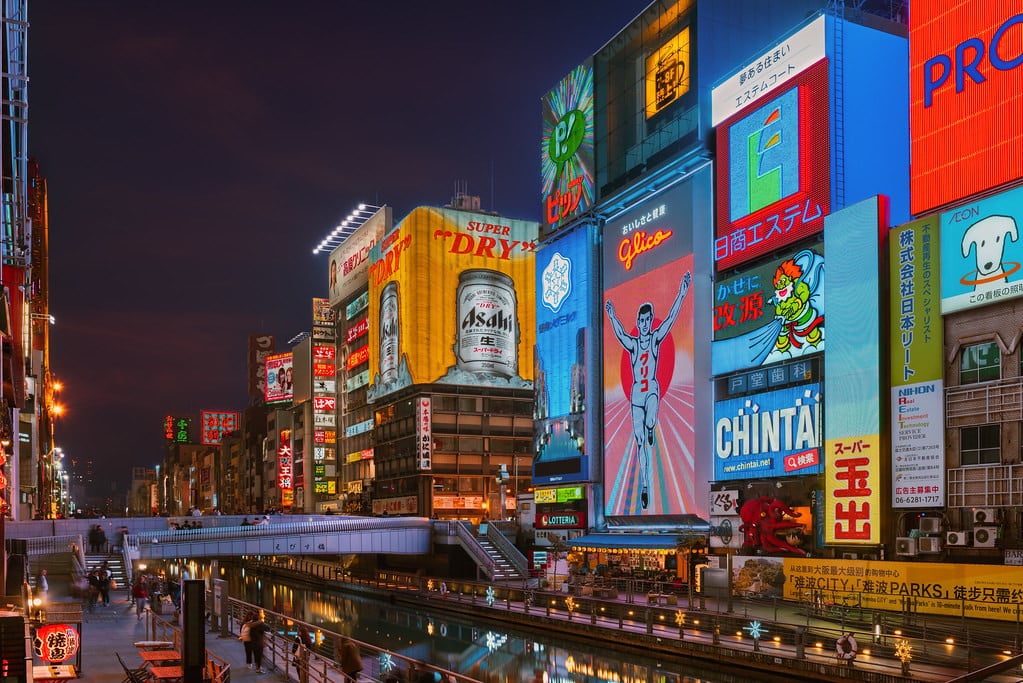
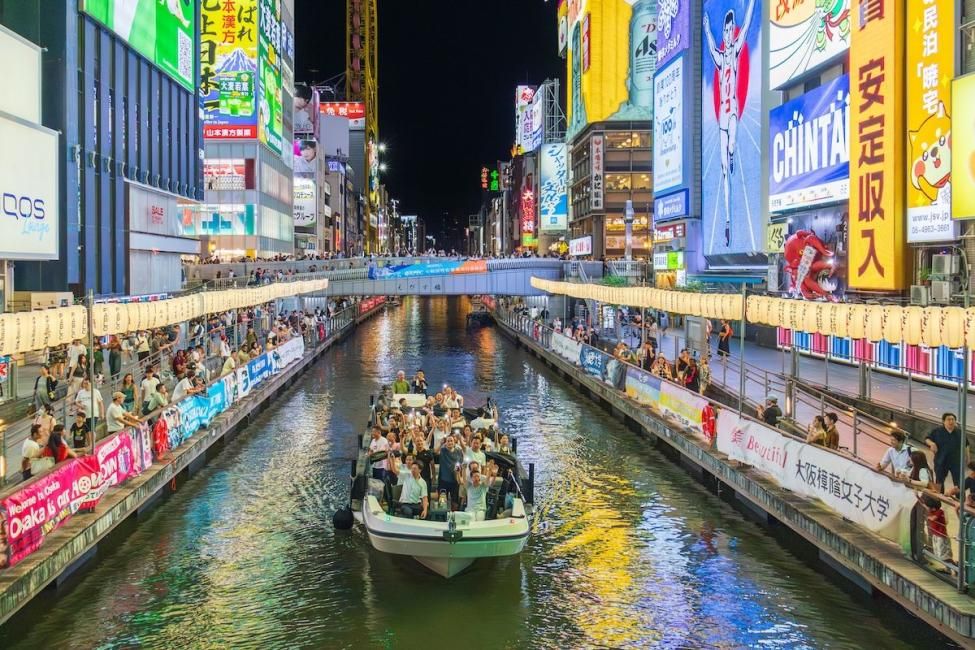
From Namba Station, it is about a 10-minute walk along the Ebisubashi-suji shopping street to Dotonbori and Shinsaibashi. This is the core district for photographing the Glico Running Man sign, riding a Dotonbori river cruise, and browsing drugstores and clothing shops, and it is one of Osaka’s most iconic tourist landmarks. The district is open all day, and the crowds and lights are liveliest from 7 p.m. to 10 p.m., so go after dusk for the best atmosphere; plenty of food with long queues is nearby too.

A Half-Day Namba Route: A Walking Order from Nankai Namba Station
Most Namba sights cluster around Nankai Namba Station and can be covered in half a day. Start with Namba City and Namba Parks, which connect to the station (shops 11:00 to 21:00, restaurants until 22:00); then walk about 6 minutes to Namba Yasaka Shrine to pay respects, stroll on toward the Dotonbori and Shinsaibashi shopping streets, and finish in the evening with the Dotonbori signboards at night.
How to Get to Namba, Osaka in 2026: Nankai Railway Hub Transport and Costs
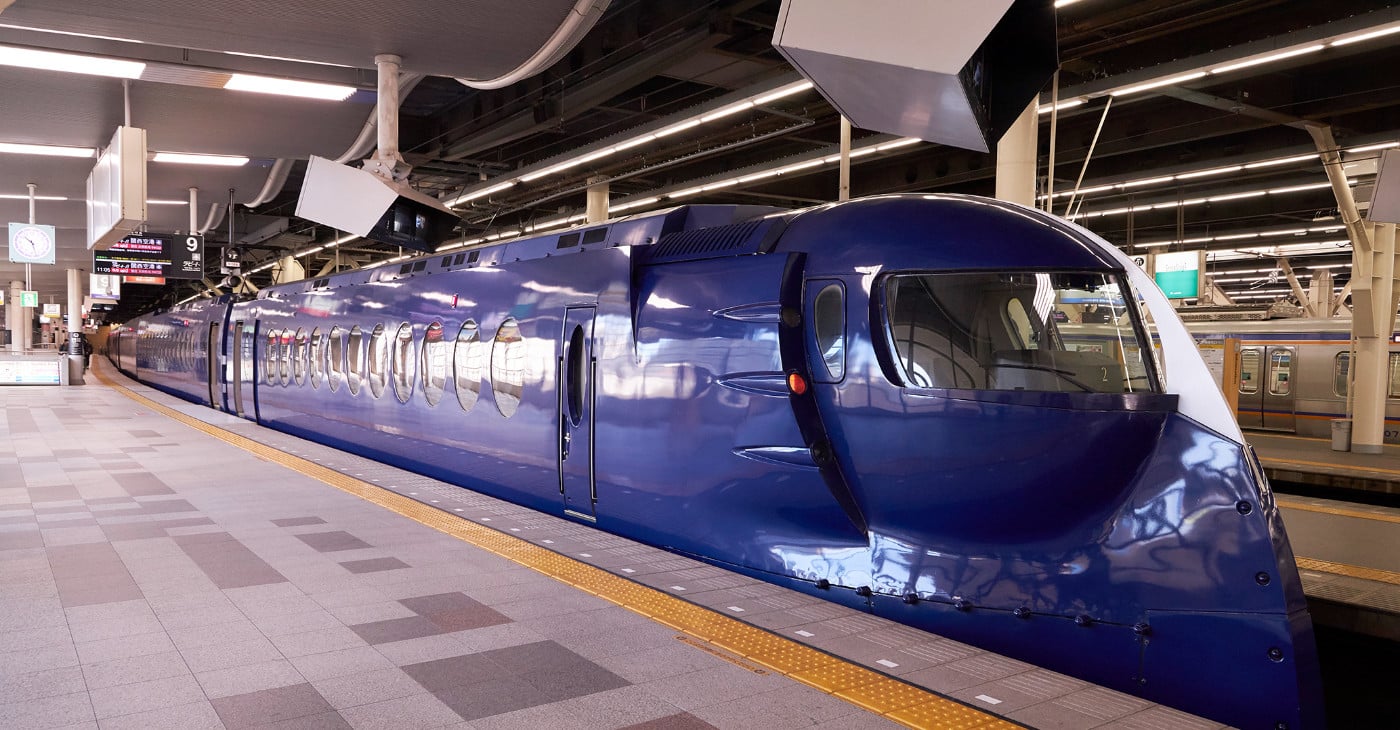
Namba is an interchange hub shared by Nankai Railway, Osaka Metro, Hanshin Railway and Kintetsu. From Kansai Airport, the Nankai “rapi:t” or the Nankai Main Line reaches Namba directly in about 35 to 45 minutes. Within the city, take the Osaka Metro Midosuji Line, which runs frequently (every 3 to 5 minutes) and reaches Umeda in only about 9 minutes.


Must-See Sights in Namba, Osaka in 2026: Highlights by Area
Around Namba you will find classic landmarks and hidden gems, from shopping streets to shrines and temples, all linked on foot into a full day’s itinerary.
The Glico Running Man Sign: Dotonbori’s Classic Photo Landmark
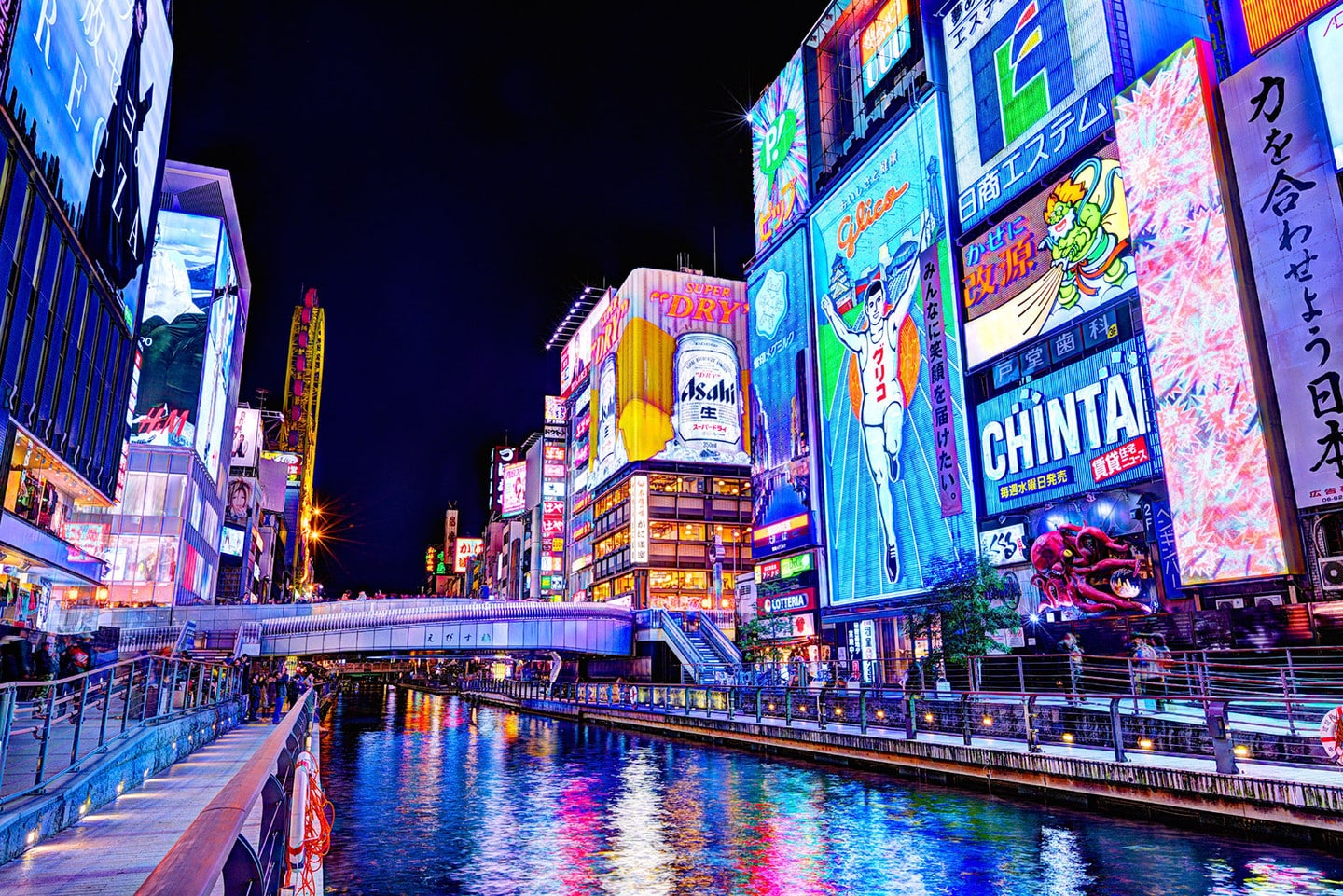
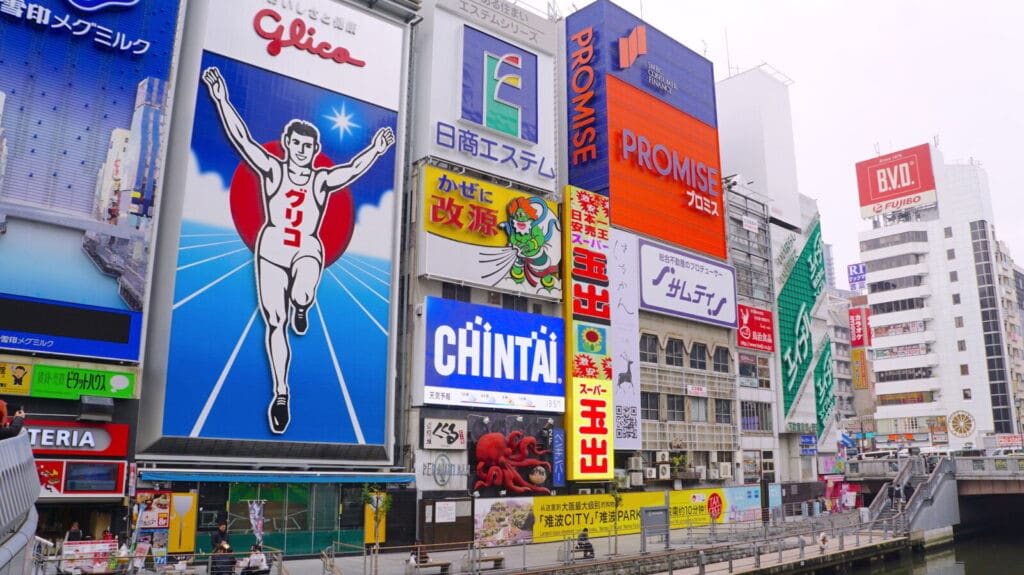
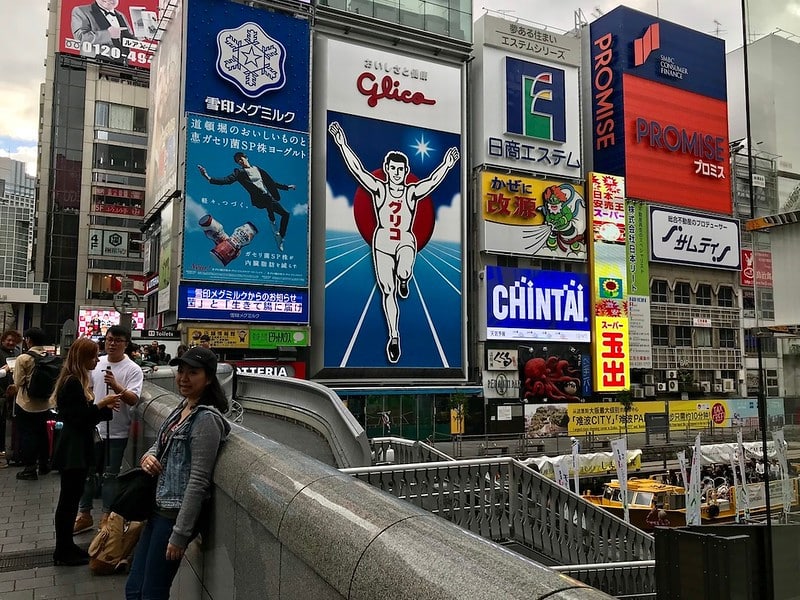
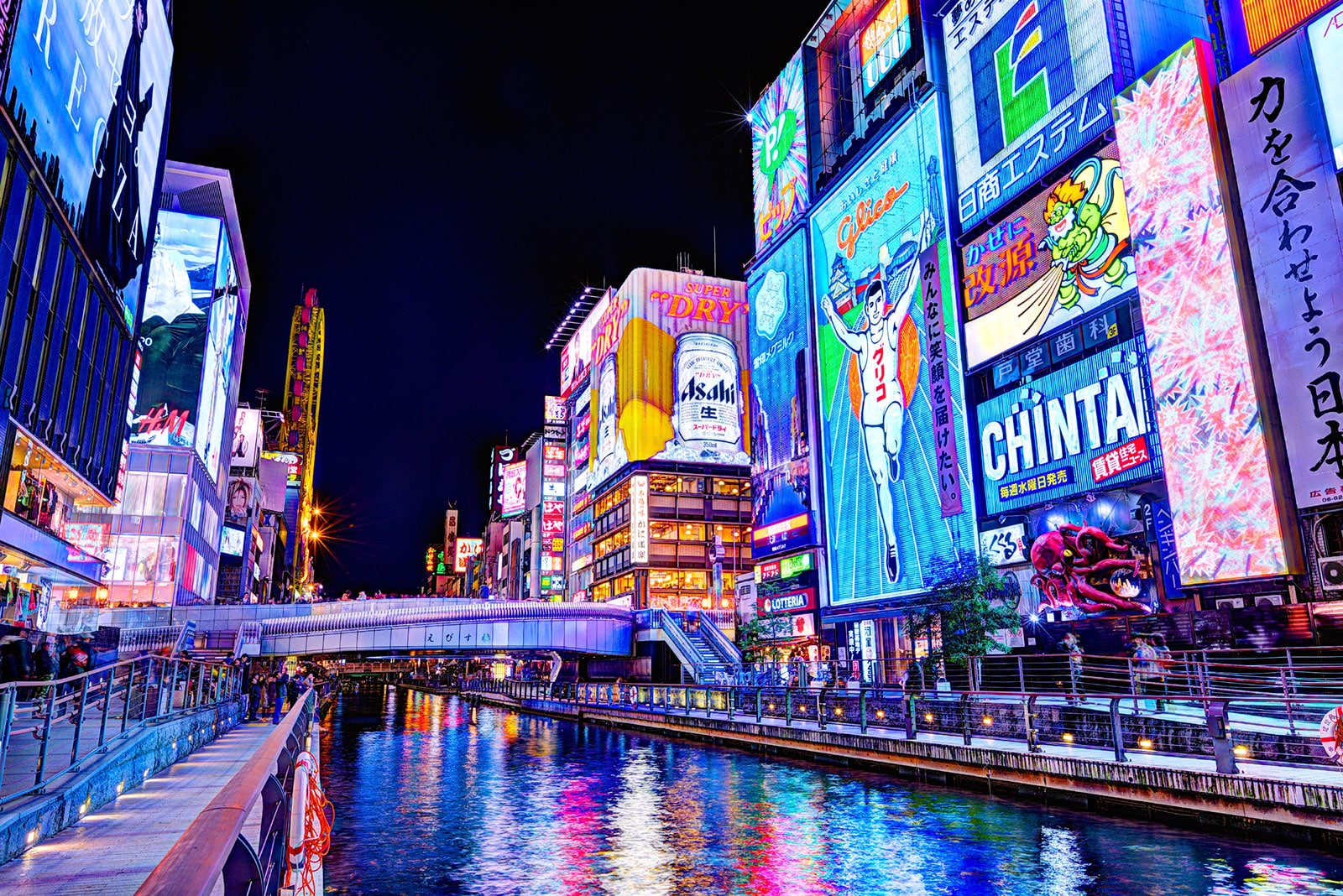
The Glico Running Man sign stands by Ebisubashi in Dotonbori. Renewed several times since 1935, it has become one of Osaka’s most representative landmarks, and nearly every visitor to Dotonbori stops here for a photo. Lit up at night, the sign stands out all the more, and together with the giant three-dimensional signs crowding the surroundings it forms Dotonbori’s most visually striking streetscape.
Go after 6 p.m., when the sky darkens and the lights come on, for the best photos. The Ebisubashi bridge is crowded, so watch your belongings and keep the walkway clear rather than occupying the bridge for long photo sessions.
Shinsaibashi-suji Shopping Street: A 600-Meter Shopping Arcade Running North to South
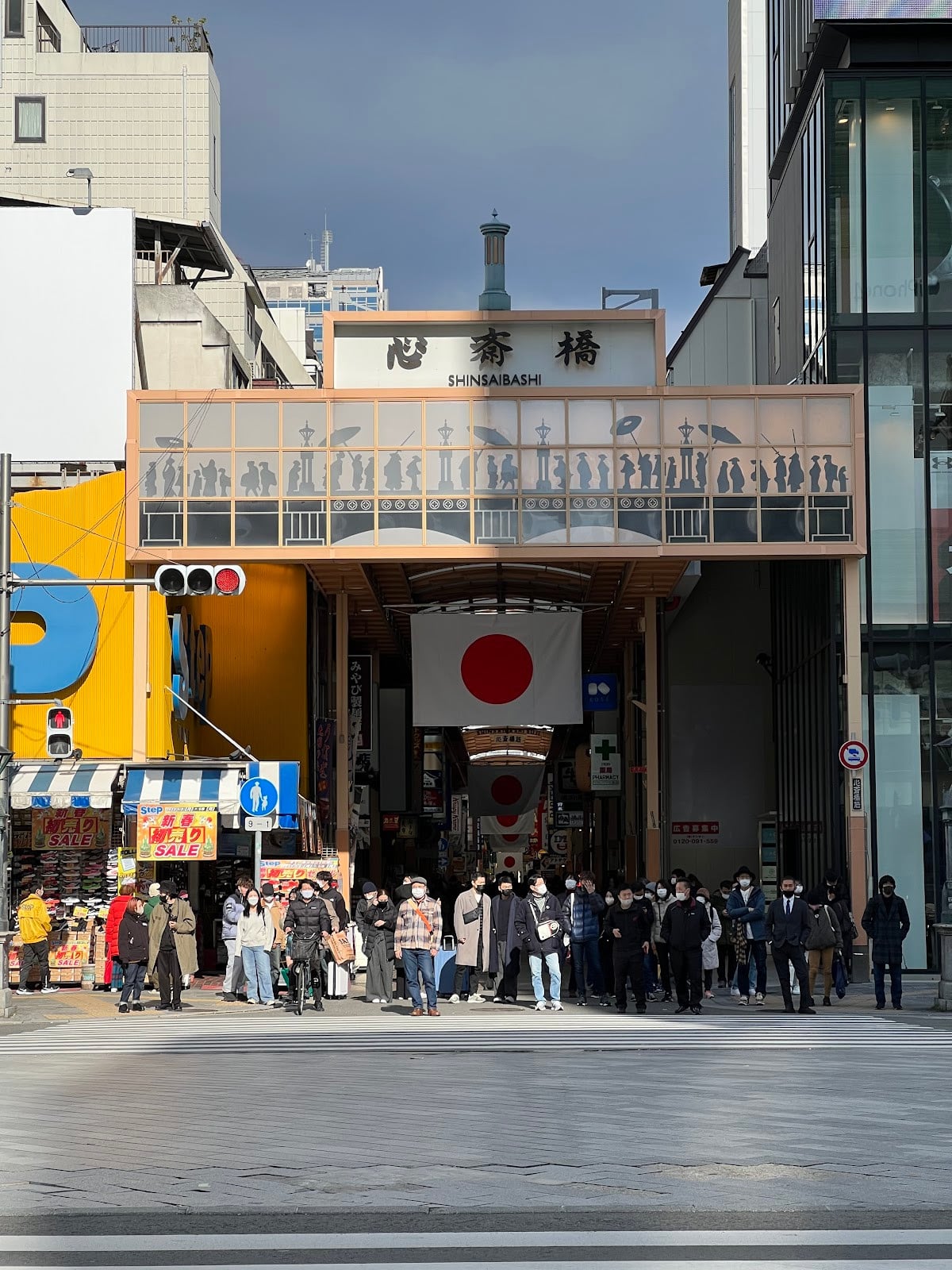
Shinsaibashi-suji is a covered shopping street about 600 meters long running north to south, lined on both sides with drugstores, fashion brands, souvenir shops and dessert shops. You can shop comfortably rain or shine, and it is one of the main shopping routes around Namba. Its north end connects directly to Midosuji Boulevard and the Daimaru Shinsaibashi store, and its south end joins Ebisubashi, which leads to Dotonbori.
Opening hours vary by shop, but most stores are open about 10:00-21:00. Allow 1-2 hours to browse at a leisurely pace. Drugstores often offer multilingual service and tax-free counters, making it easy to compare and shop.
Nipponbashi Den Den Town: Kansai’s Home of Anime and Electronics
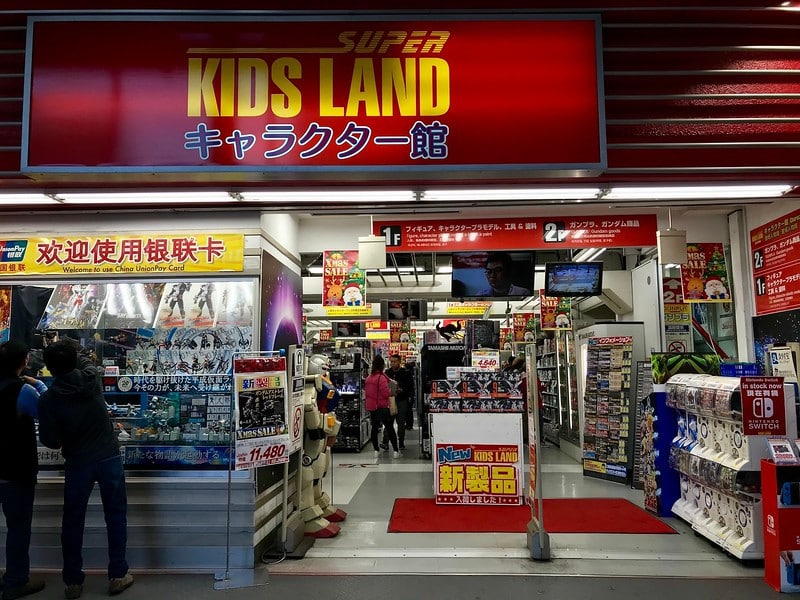
Nipponbashi, nicknamed Den Den Town, is Kansai’s hub for anime, models and electronics wholesale, often called Osaka’s Akihabara. It holds secondhand model shops such as Jungle and Surugaya, where prices are often more reasonable than in Tokyo’s Akihabara and there are relatively fewer tourists.
Most shops are open 11:00-20:00. If you like anime merchandise and figures or want to hunt for secondhand finds, allow 1-2 hours to dig through the side streets and experience an otaku culture atmosphere completely different from Dotonbori.
Kuromon Market: Osaka’s Kitchen
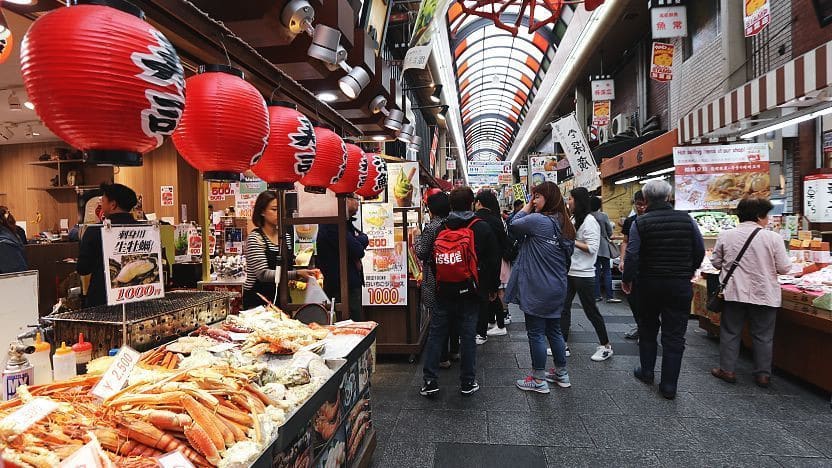
Kuromon Market runs about 580 meters and gathers roughly 150 shops selling fresh seafood, wagyu beef, fruit and all kinds of prepared foods. Known as “Osaka’s Kitchen,” it is also an excellent place to try grilled oysters, nigiri sushi and other local street food.
Most market shops are open about 9:00-18:00. Go on a weekday morning for smaller crowds, so you can eat as you walk at a relaxed pace and experience the most authentic Osaka food culture.
Sennichimae Doguyasuji: A Shopping Paradise for Craftspeople and Home Cooks
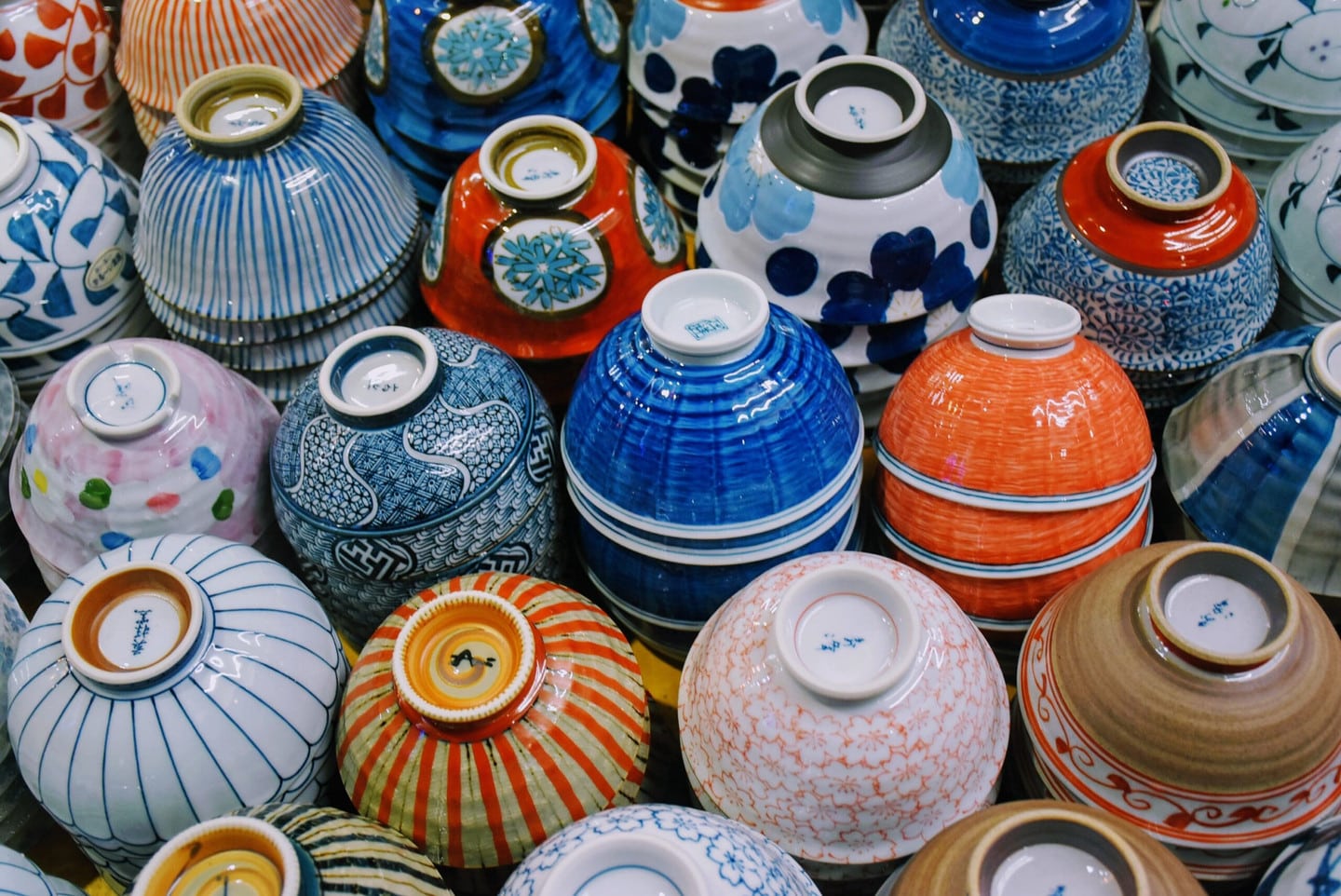
Sennichimae Doguyasuji is a specialist shopping street selling kitchen tools, restaurant equipment and food samples, from professional chef’s knives and cookware to lifelike plastic food models. It is a popular place for restaurant professionals and tourists to shop for souvenirs.
Most shops are open 10:00-18:00. Even if you don’t cook, it is well worth coming to admire the finely made food models and craftsmen’s handmade tools, a distinctive experience around Namba that is rare in other tourist districts.
How Much Does Namba, Osaka Cost in 2026? Must-Try Tours and Tickets
As the starting point of the Nankai line, Namba is also one of Osaka’s best shopping and dining districts, so when planning you shouldn’t overlook the budget for tickets and experiences alongside transport and lodging. Below are four must-try activities from or near Namba, covering a theme park, a river cruise, traditional culture and a food tour, so you can better gauge costs and time when planning your 2026 Namba trip.
Universal Studios Japan One-Day Pass: A Dream Park About 20 Minutes from Namba at Best
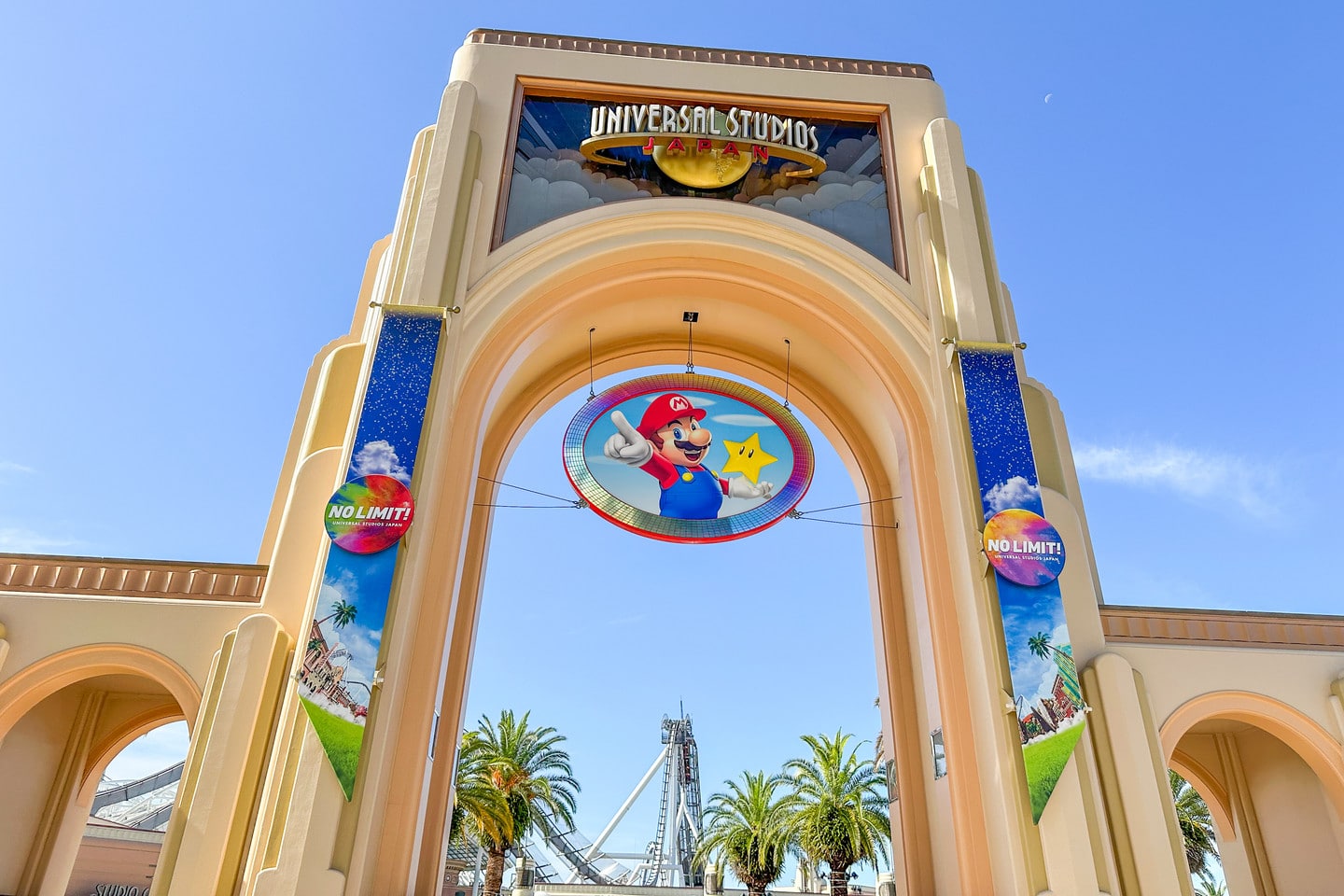
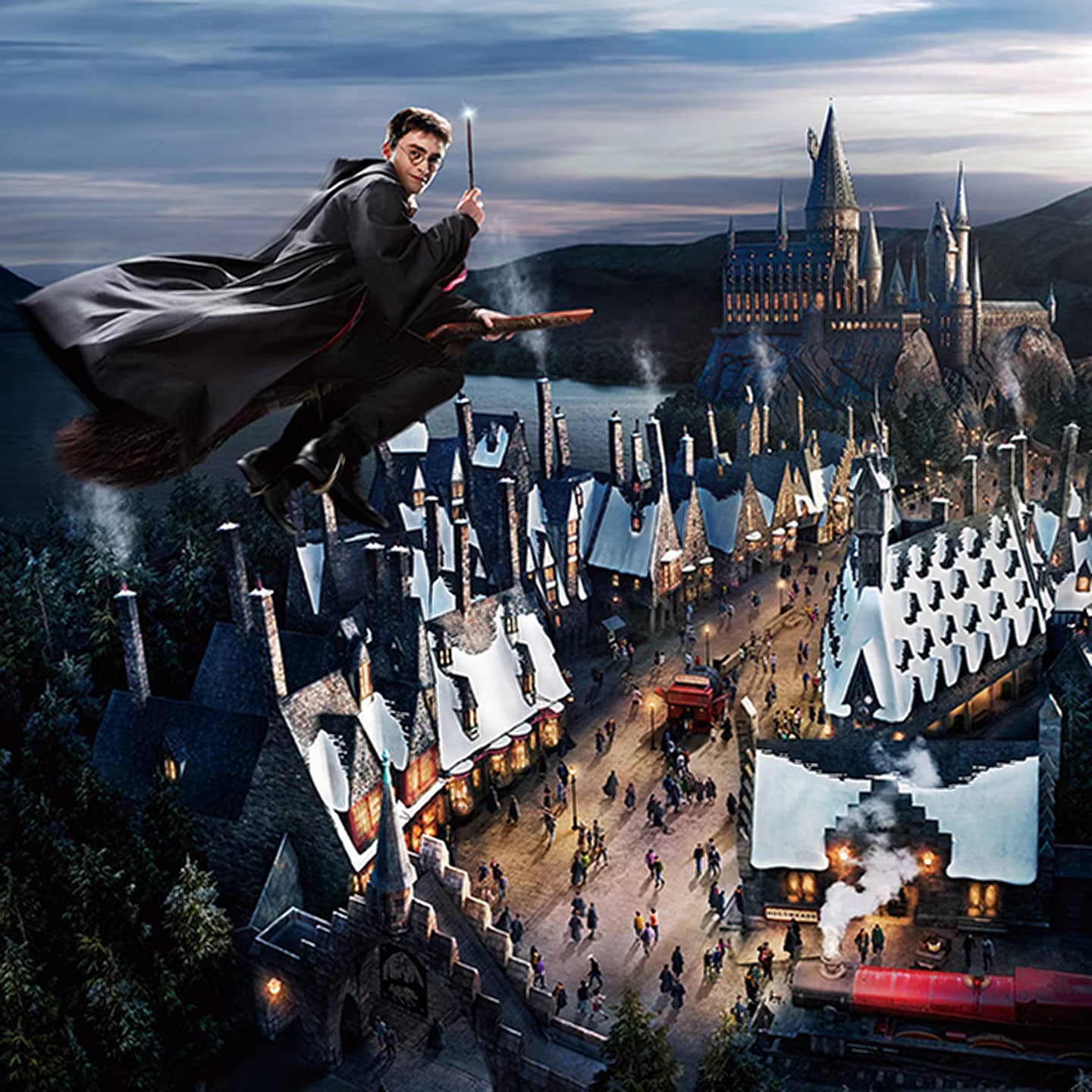
Universal Studios Japan is not in Namba, but from Osaka Namba you can take the Hanshin Namba Line to Nishikujo and transfer to the JR Yumesaki Line, reaching it in about 20 minutes at best, which makes it a popular choice for staying in Namba. Super Nintendo World and the Wizarding World of Harry Potter are the attractions with long queues, so buy e-tickets in advance to avoid waiting too long on site.
One-day Studio Pass adult prices vary by date and time of purchase, from about ¥8,400 to ¥11,900, and the earlier you buy, the lower the price. For school vacations or long weekends, plan your park entry time early.
Dotonbori River Cruise: A Romantic Night View Within Walking Distance of Nankai Namba Station
The Dotonbori river cruise is the most representative short experience around Namba. The boarding point is the Taizaemon-bashi landing, about a 10-minute walk from Nankai Namba Station. The trip takes about 20 minutes and passes classic landmarks such as the Glico Running Man sign and the Dotonbori shopping street. It suits day or night, and the riverscape is especially romantic once the lights come on after dark.
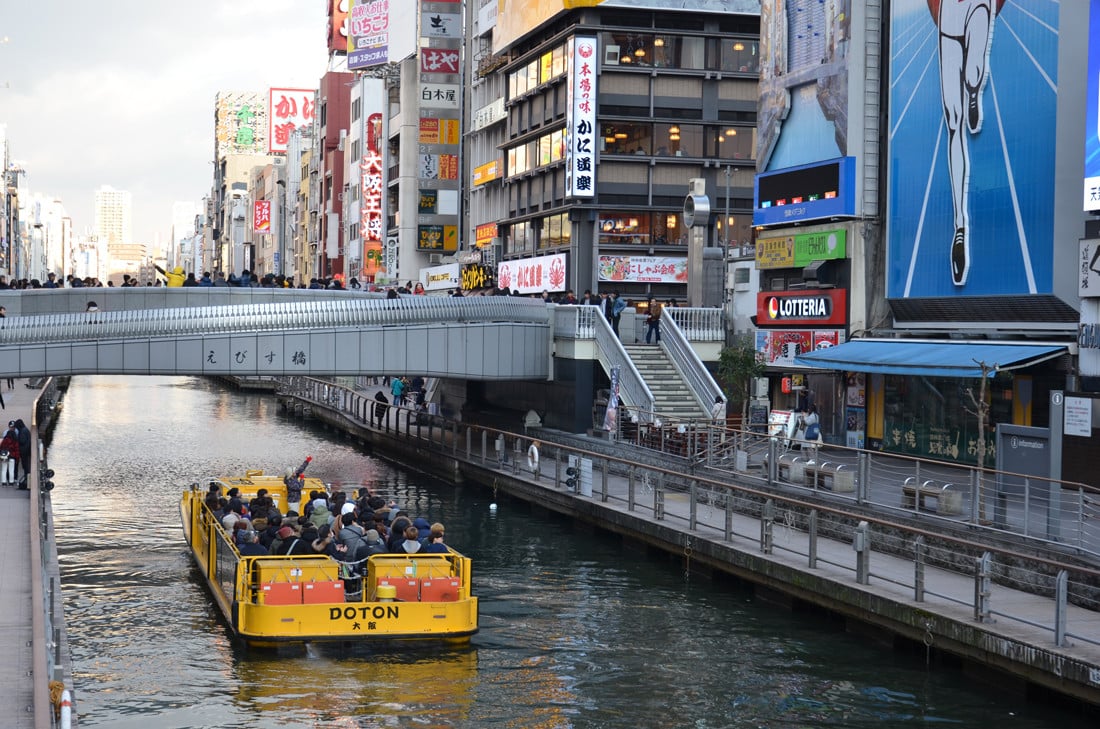
Adult fare is ¥2,000, with departures on the hour and half hour from 11:00 to 21:00 daily. Reserve in advance, and especially early in peak season to avoid missing out.
Sennichimae Doguyasuji Food Tour: Craftsmanship and Local Snacks Together
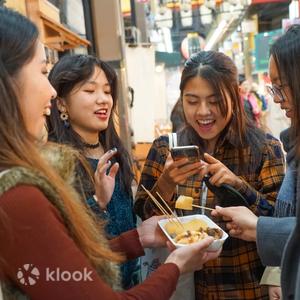
Sennichimae Doguyasuji, near Namba, is known for kitchen tools and food models, with many shops passed down for a century. In recent years food-guide experiences have also appeared, going deep into the making of local favorites such as okonomiyaki and takoyaki and tasting signature dishes at long-established shops, suited to food-culture lovers.
These food tours are led by local guides, and content, duration and cost vary by plan, with some including souvenir making. Because they depend on shop cooperation and group size limits, book through a platform such as KKday and check whether Chinese-language guiding is included.
Shitennoji and Shinsekai Tsutenkaku Half-Day Tour: Feel the Nostalgia of Old Osaka
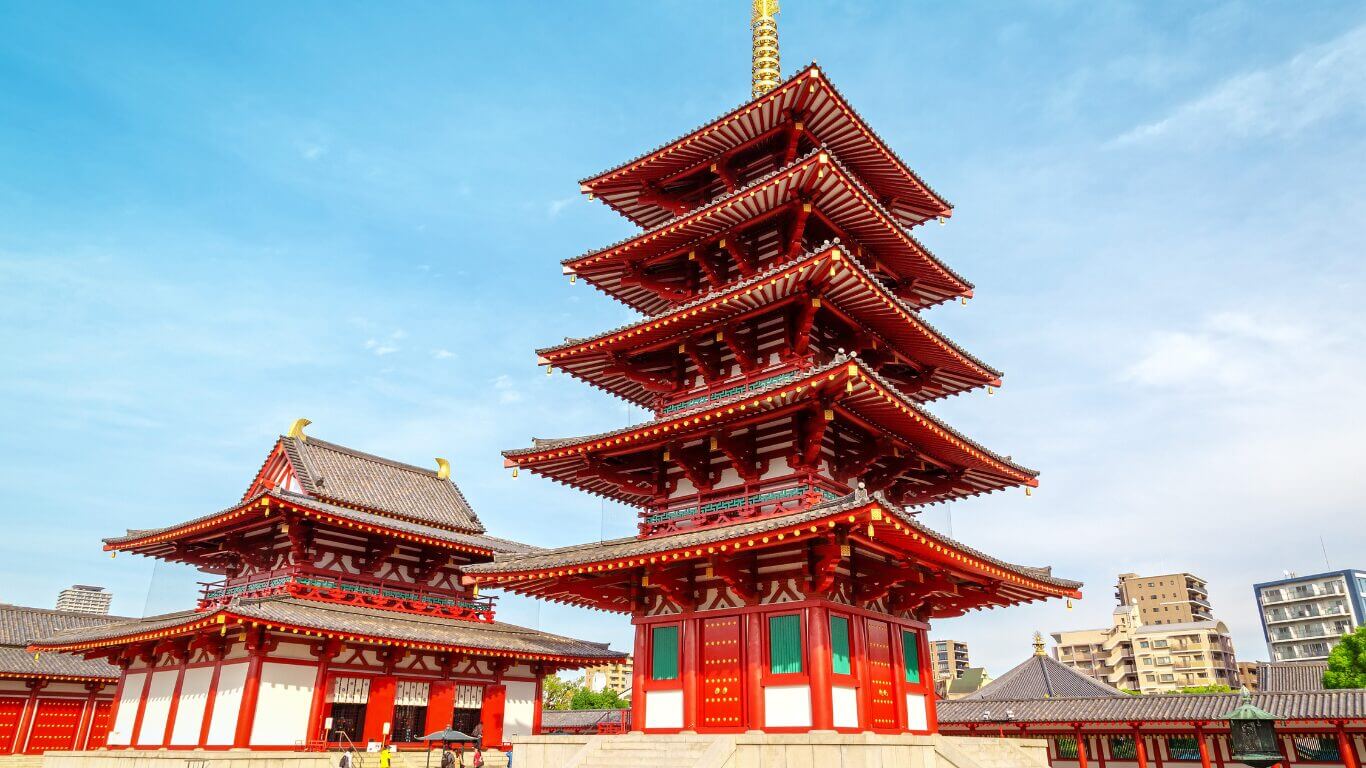
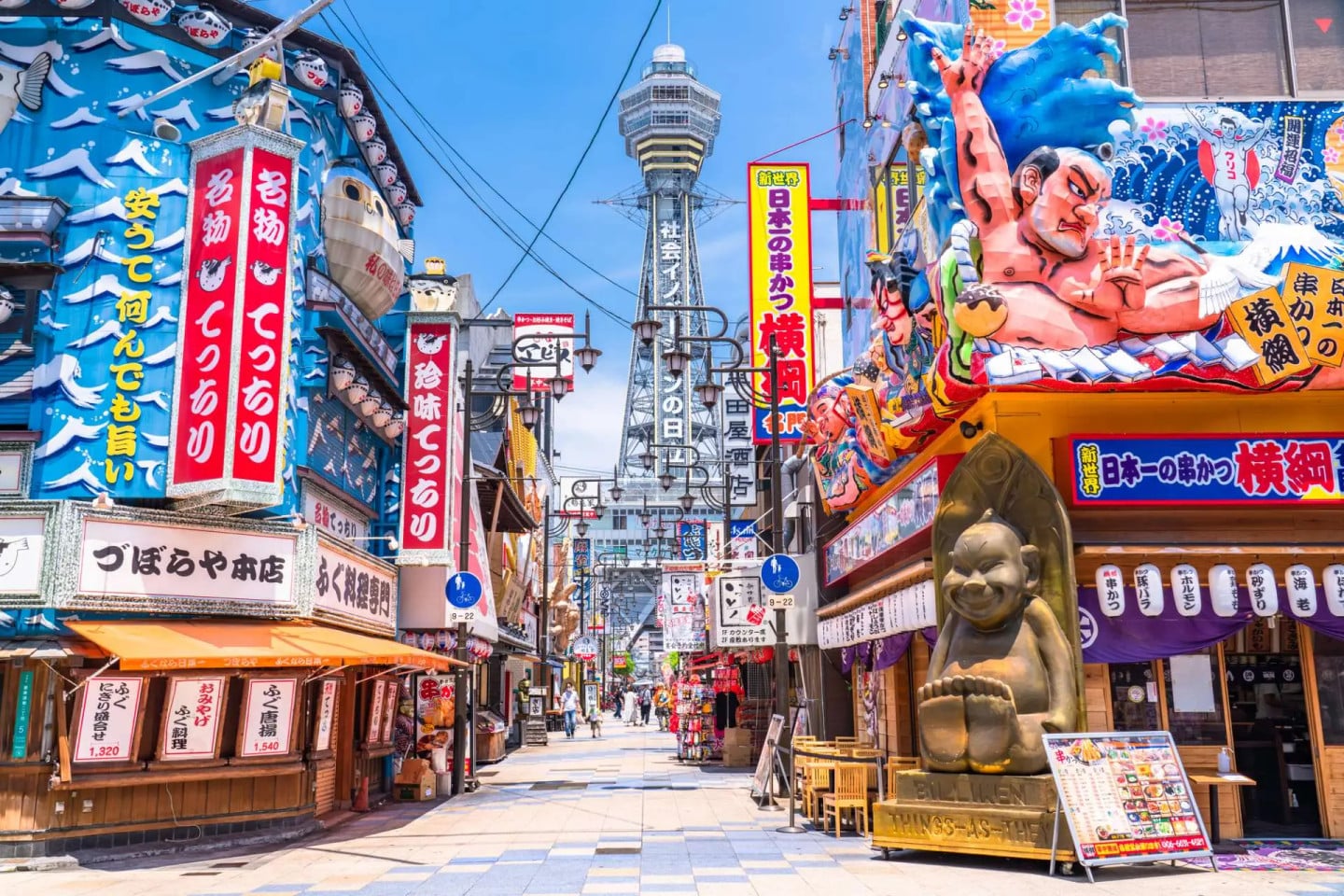
From Namba, take the Midosuji subway line (about 10 minutes) or walk to Shinsekai and feel Osaka’s Showa-era atmosphere. On a half-day tour you can visit Shitennoji, then go around Tsutenkaku to try kushikatsu. This route suits those who love historic sites and nostalgic streetscapes.
Actual prices follow what the booking platform shows on the day, and most include a private transfer and Chinese-language guide. The Tsutenkaku observation deck ticket is separate, about ¥1,500 (includes the “Tenboparadise” from April 1, 2026). The whole trip takes about 4-5 hours; go in the afternoon, since the Shinsekai lights are dazzling at dusk, making this a high-value choice around Namba.
Where to Stay
Namba is an interchange hub shared by Nankai Railway, Osaka Metro, Hanshin Railway and Kintetsu. From Namba, the Nankai rapi:t reaches Kansai Airport in about 35 minutes, and Dotonbori and Shinsaibashi are about a 10-minute walk away. Staying near Namba Station makes both morning and evening shopping and transport convenient.

FAQ
Q: How much does it cost and how long does it take to get from Kansai Airport to Namba?
The rapi:t takes about 35 minutes and costs about ¥1,670 (fare plus limited express ticket), or about ¥1,520 with an e-ticket. The Airport Express takes about 46 minutes and needs only the ¥970 fare, so choose it if your budget is tight.
Q: Are most sights around Namba free?
Most sights, such as Namba Yasaka Shrine, the Glico sign and the Namba Parks rooftop garden, are free to visit. Only experiences such as the Dotonbori river cruise require a separate ticket.
Q: Is the Osaka Amazing Pass worth it in Namba?
If you plan three or more paid attractions in a day plus city transport, the ¥3,500 one-day pass usually pays for itself, and it suits travelers packing in many sights.
Q: When is the best season to visit Namba?
Spring cherry blossoms in March-April and autumn foliage in November are most recommended, with comfortable weather; July-August is hot and humid, and it is best to avoid the peak crowds of long holiday weekends.
Q: Is transferring at Namba Station complicated? What should I watch for?
Namba Station combines Nankai Railway, Osaka Metro, Hanshin Railway and Kintetsu. There are many lines but the signage is clear, so check the exit and platform direction in a map app beforehand.
Q: When is the best time to visit Kuromon Market?
Go on a weekday morning, when crowds are smaller and the ingredients are freshest, and you can eat freshly grilled seafood as you walk, avoiding the midday and weekend tourist peaks.
Q: How does Nipponbashi Den Den Town compare with Tokyo’s Akihabara?
Den Den Town prices are often friendlier than Akihabara, with fewer tourists, and it suits travelers who enjoy leisurely hunting through secondhand models and figures in depth.