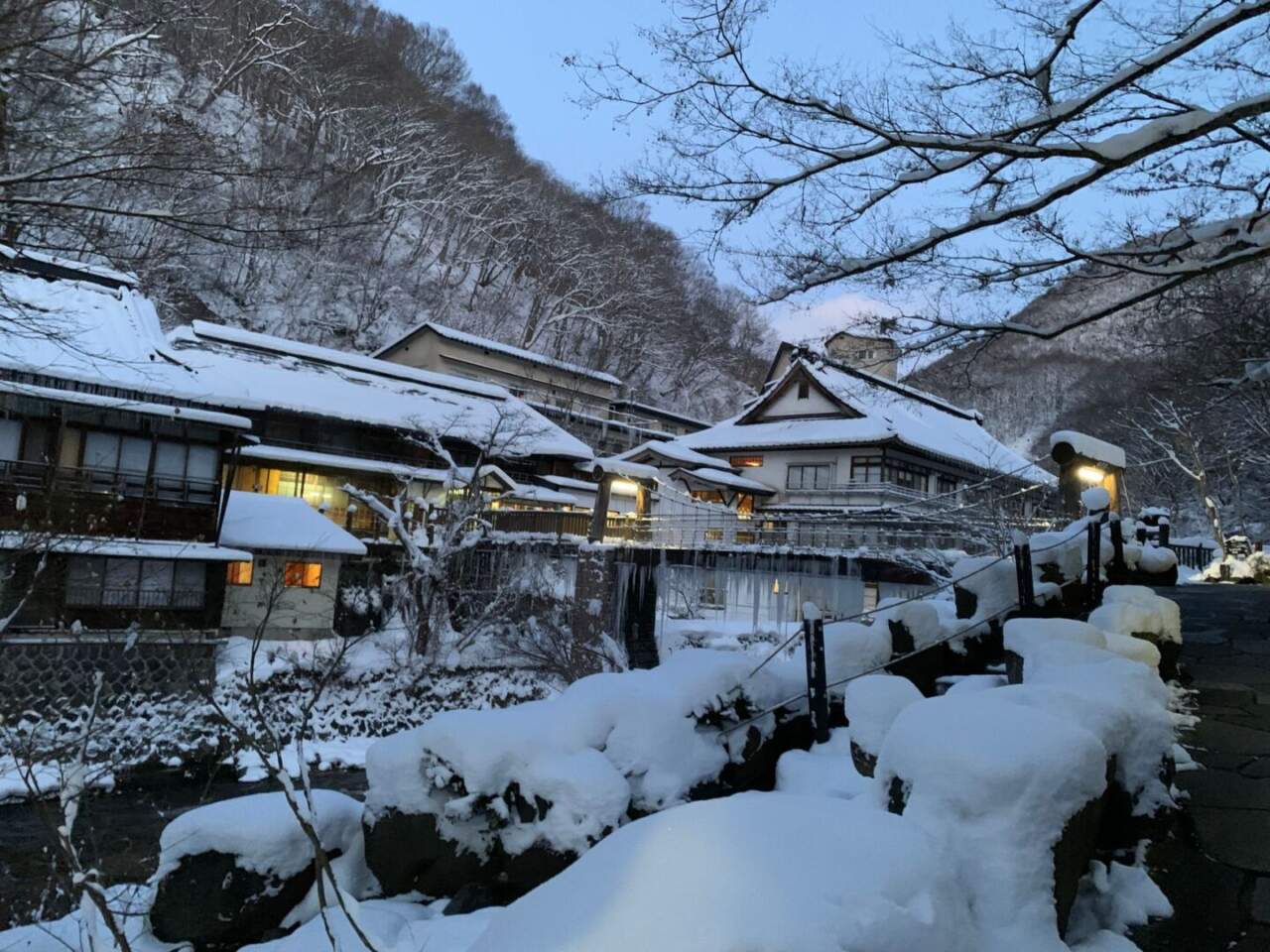

Appi Kogen Ski Resort Overview: Tohoku’s Powder Snow Paradise at 40 Degrees North
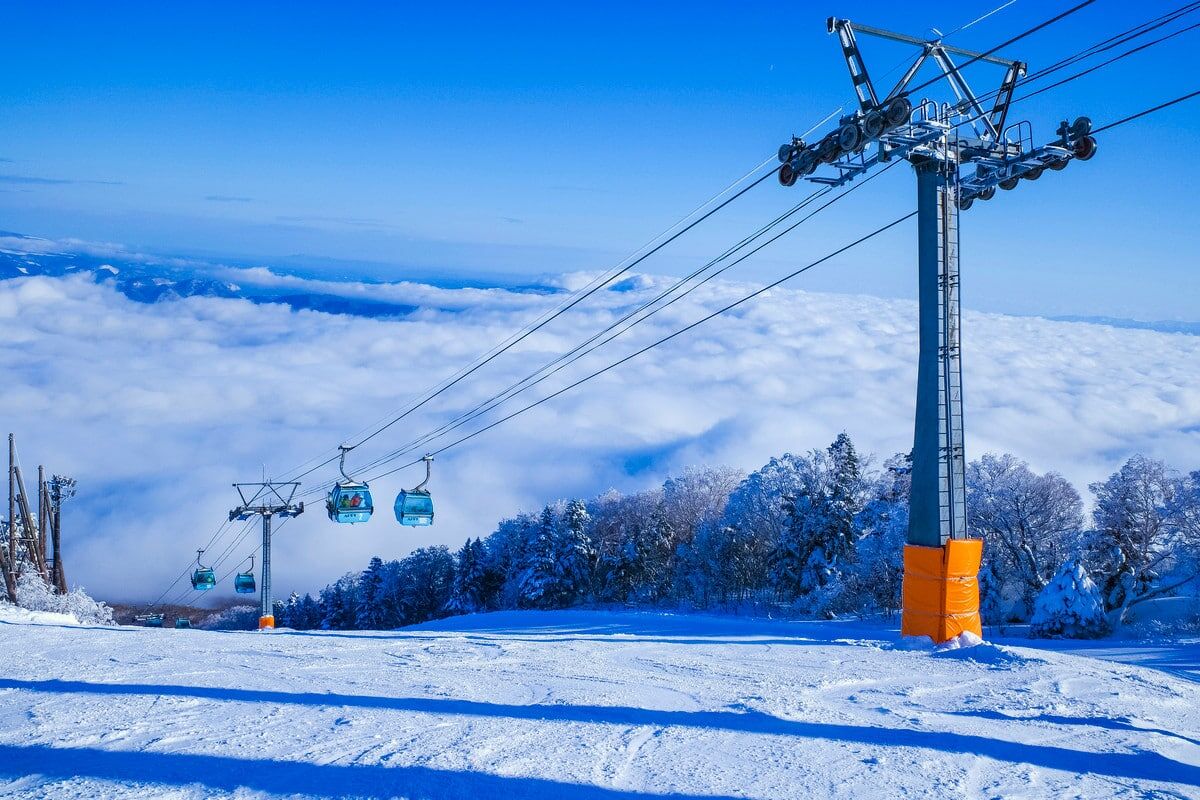
Appi Kogen is in Hachimantai, Iwate Prefecture, and is one of the largest ski resorts in Japan’s Tohoku region.
Who Is Appi Kogen For? Snow Quality Is the Selling Point
The phrase most often attached to Appi is “Aspirin Snow,” a nickname for snow so dry and loose it feels like powdered medicine. This is not marketing talk but a result of geography: the resort sits at 40 degrees north latitude, and its main slopes face north, away from the sun. With little sunshine and cold temperatures, fresh snow stays dry for longer.
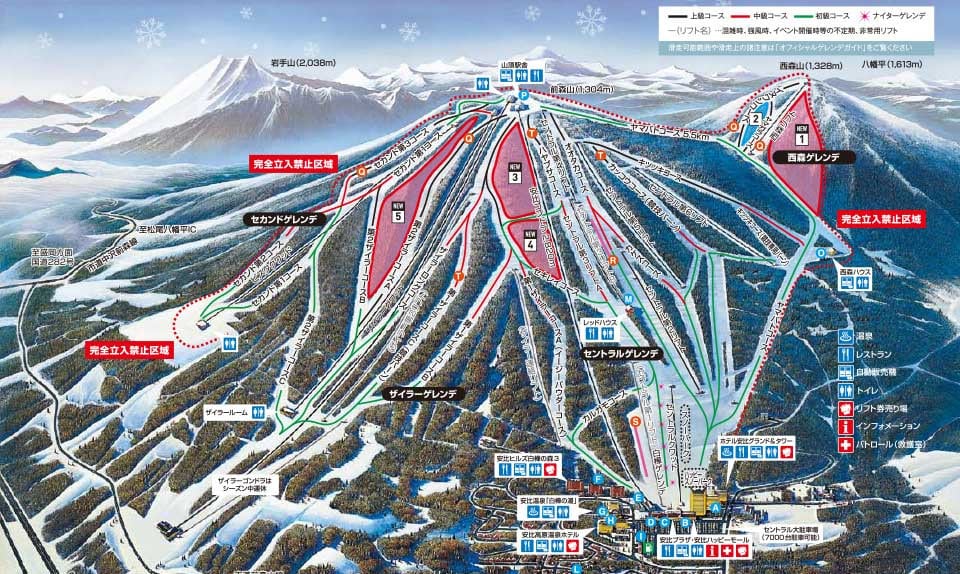
There are 21 courses in total, ranging from an ultra-gentle slope averaging just 9 degrees to off-piste terrain steeper than 30 degrees, so the range is wide. It suits people who are willing to spend extra travel time for the snow itself; if you just want the closest ski resort to Tokyo for a single day, Appi is not the answer.
Getting There Is the Deciding Factor
Appi’s hurdle is not the snow but the journey. The Tohoku Shinkansen from Tokyo Station to Morioka Station takes about 2 hours 14 minutes, then a direct bus from Morioka Station takes another 50 to 60 minutes to reach the resort. One way is roughly three and a half hours or more, and the fare is also noticeably higher than for resorts in the Niigata direction.
That means a day trip is almost out of the question; plan for at least two days and one night, and in practice three days or more to make it worthwhile. In other words, choosing Appi is a decision to trade travel cost for snow quality. If your vacation is only two or three days and you want to ski as much as possible, work out the math before you book.
What This Guide Covers
This guide covers Appi Kogen’s season and operating hours, routes from Tokyo Station and Hanamaki Airport, the two ways to connect from Morioka Station (bus and the JR Hanawa Line), the difficulty spread and signature routes among the 21 courses, and Appi’s distinctive three-tier BLUE / GOLD / BLACK lift pass system.
All ticket prices and dates are based on the 2025–26 season announcements found in August 2026. Japanese ski resorts re-announce their operating periods and prices every year; information for the 2026–27 season had not been released at the time of writing, and the official ticket pages were also offline during summer. Please treat every amount here as an approximate reference and check the official announcement for the current season.
Appi Kogen Ski Resort Transportation Guide
Getting to Appi comes down to two things: reach Morioka Station first, then decide between the bus and the Hanawa Line.
From Tokyo Station: About 2 Hours 14 Minutes by Tohoku Shinkansen to Morioka
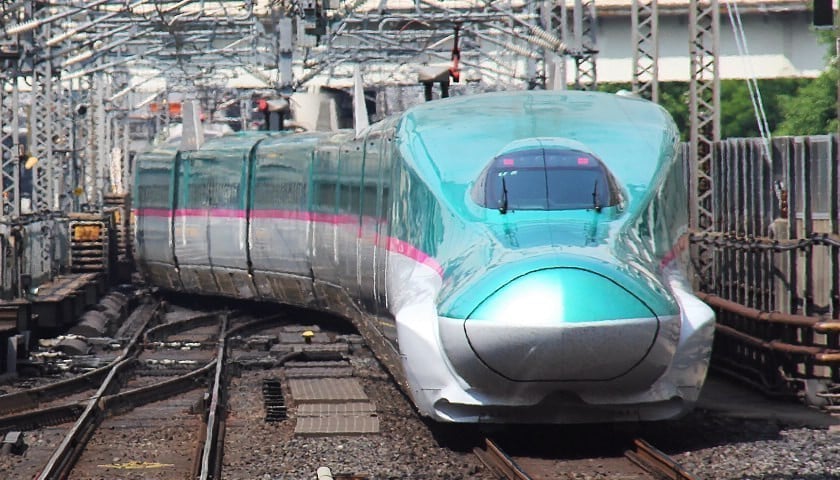
The first leg of the trip is the Tohoku Shinkansen from Tokyo Station to Morioka Station, which takes about 2 hours 14 minutes. This is the most expensive and most irreplaceable part of an Appi trip. Trains are frequent, but reserved seats on peak-season weekends sell out early, so book as soon as you settle on your dates.
If you arrive at Narita Airport, you can take the Skyliner to Ueno Station and transfer to the Shinkansen; the Tohoku Shinkansen also stops at Ueno, so you can board there directly for Morioka Station. For travelers with a JR East Rail Pass, this leg and the later JR Hanawa Line are both covered, and if your itinerary includes other Tohoku travel the pass usually pays for itself easily; before buying, add up the individual fares for your whole trip and compare.
Morioka Station West Exit, Bus Stop 26: The Recommended Direct Bus
Once you reach Morioka Station, the easiest option is the direct route bus. Board at bus stop 26 at the West Exit of Morioka Station; the ride takes about 1 hour and costs ¥1,500 one way. You can pay with a transit IC card such as Suica, and no reservation is needed. Note that this is a winter-only route bus run by Iwate Kenpoku Bus (operating dates are announced each season), so there is a gap in spring and autumn; the same stop 26 also serves a reservation-only shuttle bus for guests of the Appi hotel group, so do not mix the two up.
Not needing a reservation is its biggest advantage, but it is also a risk: in peak season the bus can fill up and you may have to wait for the next one, so arrive early and queue at the stop. Schedules and fares follow the current season’s announcement, so check Iwate Kenpoku Bus’s timetable before you leave, especially the last bus back. The last bus in the mountains leaves earlier than you would expect, and if you miss it you are left with a taxi, which costs far more. We suggest noting the return times on the day you arrive.
JR Hanawa Line to Appi Kogen Station: The Rail Fan’s Option
The other option is to take the JR Hanawa Line from Morioka Station to Appi Kogen Station, which takes about 1 hour, then transfer to a hotel or resort shuttle into the ski area. Guests staying at the Appi Kogen hotels can usually use the pick-up service from Appi Kogen Station to the hotel.
The advantage of this route is that it is covered by the JR East Rail Pass, so you do not pay extra for the bus. The drawback is that the Hanawa Line is a local branch line with very few trains, and if the timing does not match you wait a long time. In practice: if you hold a pass and the timetable happens to line up, take the Hanawa Line; otherwise the bus is simpler, especially with ski gear and a suitcase, since one fewer transfer means one less hassle.
Hanamaki Airport and Driving: Options From Kansai or Hokkaido
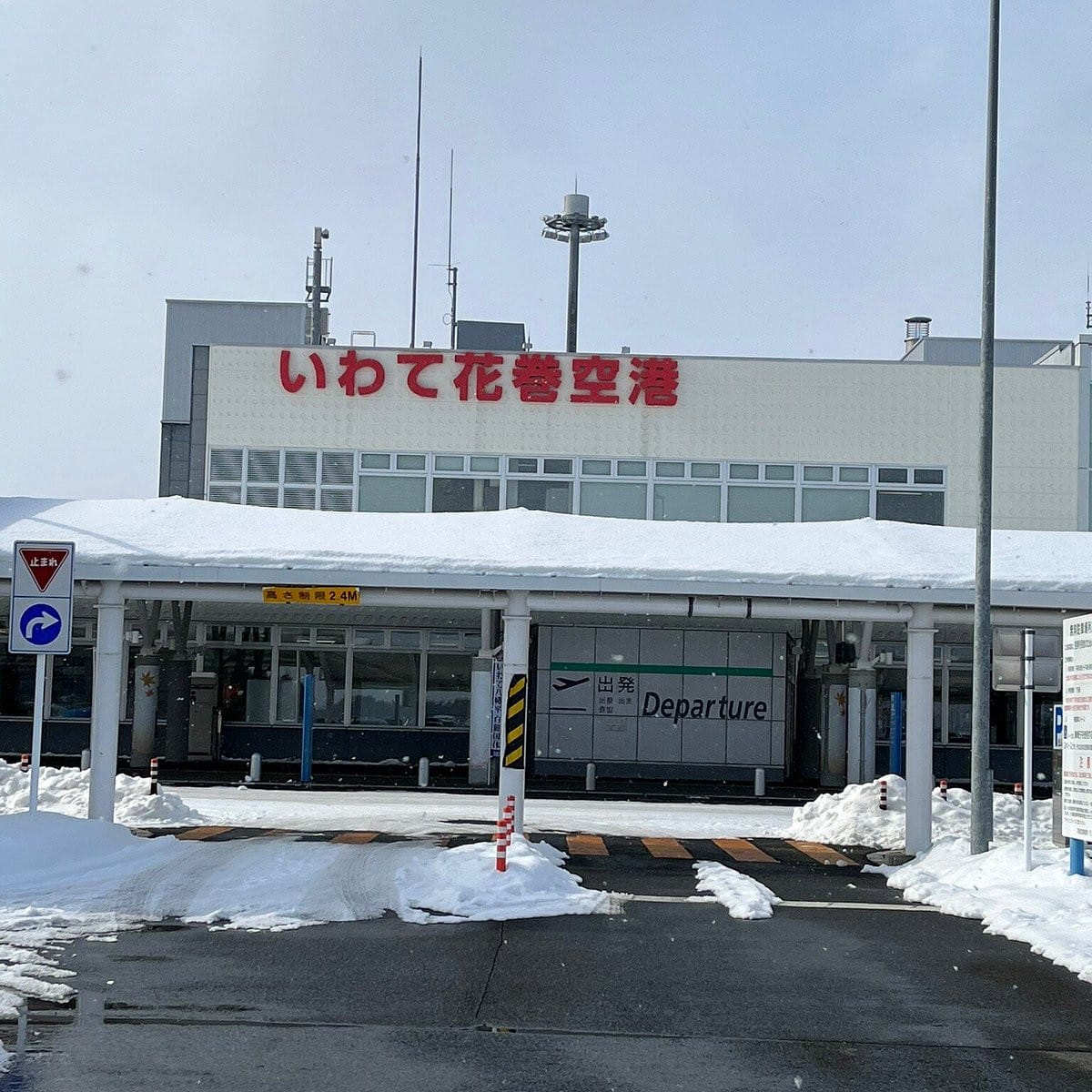
If you are coming from the Kansai area such as Osaka, flying a domestic route to Hanamaki Airport in Iwate and then taking connecting transport to Appi is much faster than riding the Shinkansen all the way north. The airport is small and easy to navigate, so even with ski gear it is not too chaotic.
For driving, Appi is near the Ashiro Interchange on the Tohoku Expressway, and the resort has parking lots. But Iwate’s winter roads have heavy snow and ice, snow tires are essential, and we do not recommend it for anyone without snow-driving experience. Overall, unless you plan to combine Hachimantai, Morioka and other Tohoku sights, public transport is the more sensible choice; with snow tires and insurance added, a rental car for four people or fewer is usually not cheaper either.



Appi Kogen Ski Resort Highlights and Experiences
Appi has 21 courses in all; here are the most representative areas and experiences.
Aspirin Snow: Appi’s Core Selling Point
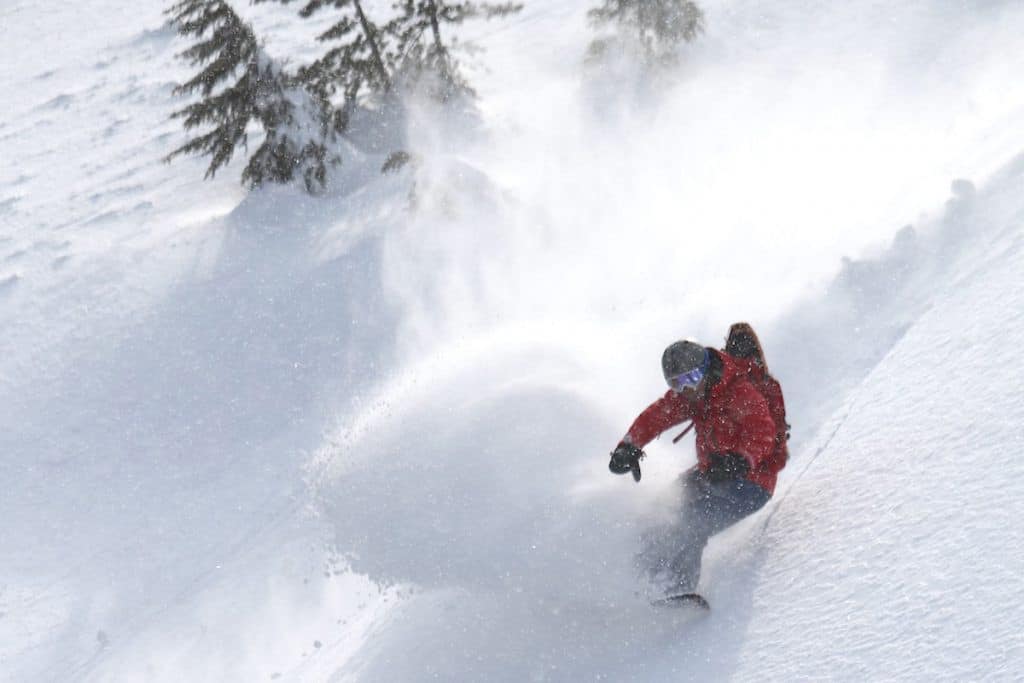
Appi’s snow is special because of two conditions combined: the cold of 40 degrees north latitude, and main slopes that face north, away from the sun, with short hours of daylight. Fresh snow is less likely to melt in the sun and refreeze, so it stays dry and loose for longer, which is where the name “Aspirin Snow” comes from.
In practice, even in the afternoon the snow surface at Appi is less likely to turn into heavy, wet slush, so skiing quality holds up more steadily through the day. The best powder falls between January and the end of February, which is also the most worthwhile window to take time off for Appi all year. Keep in mind that snow quality still varies with the weather, and not every day will give you deep powder.
Shirakaba Course: A Beginner’s Practice Ground Averaging Just 9 Degrees
For first-timers on snow, the Shirakaba course is Appi’s friendliest starting point. Its average gradient is only about 9 degrees, so wide and gentle you can barely feel the slope, which is ideal for practicing the snowplow and basic weight transfer, and falling is much less intimidating.
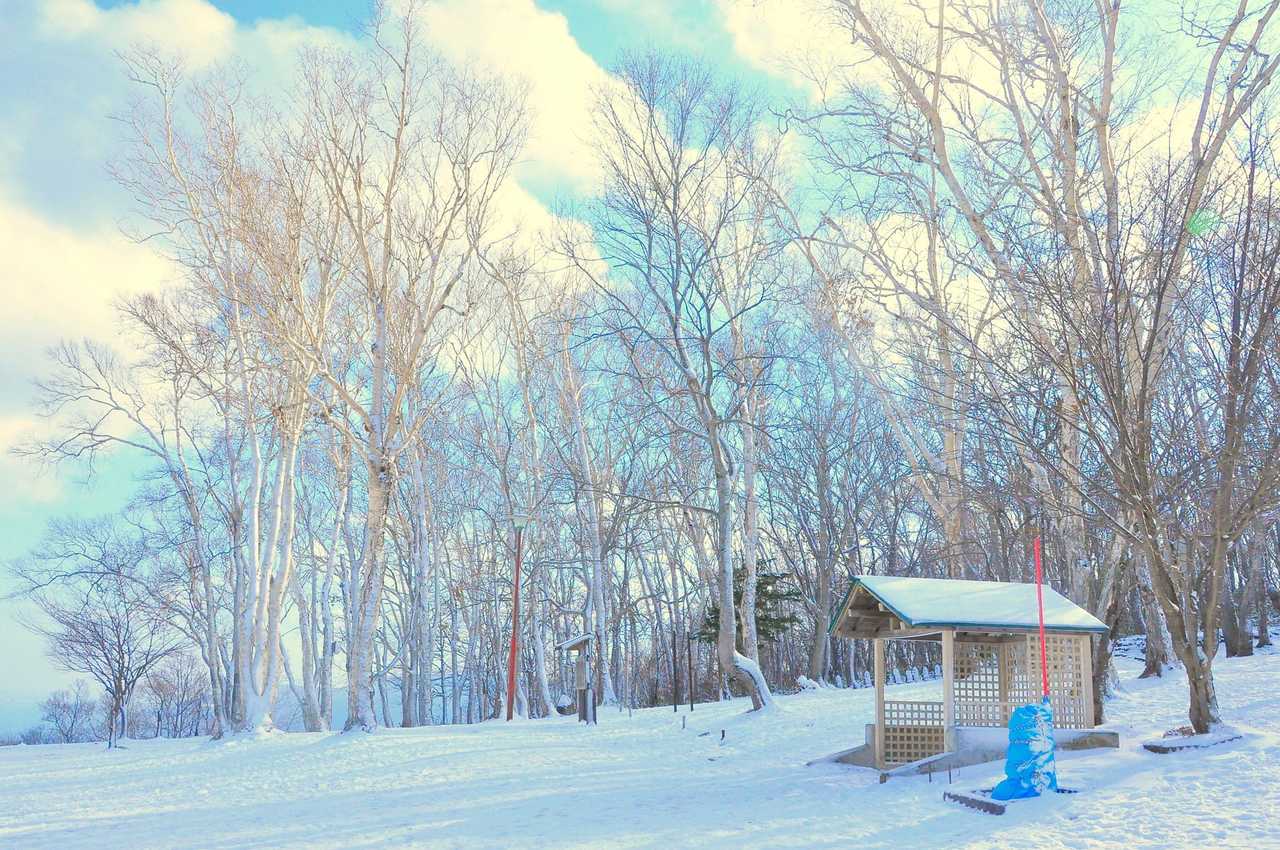
Because the slope is so gentle, this is also the area ski school group lessons use most, so it gets more crowded on peak-season mornings. Complete beginners should practice stopping here until it feels solid before moving up a level. Once you can control your speed steadily, tackling the long green course described below will feel more rewarding. There is usually a conveyor lift area nearby too, where people who cannot yet stand steadily can get used to the snow first.
Mountain-Circling Green Course: 5.5 Kilometers From the Summit of Maemoriyama
One of Appi’s signature long runs, about 5.5 kilometers in total, winding down around the foot of the mountain from the summit of Maemoriyama. Its difficulty is still in the beginner range, but because of the distance you can keep practicing while taking in the scenery, making it the best route for the stage of “I can ski, but I’m not ready for the red runs yet.”
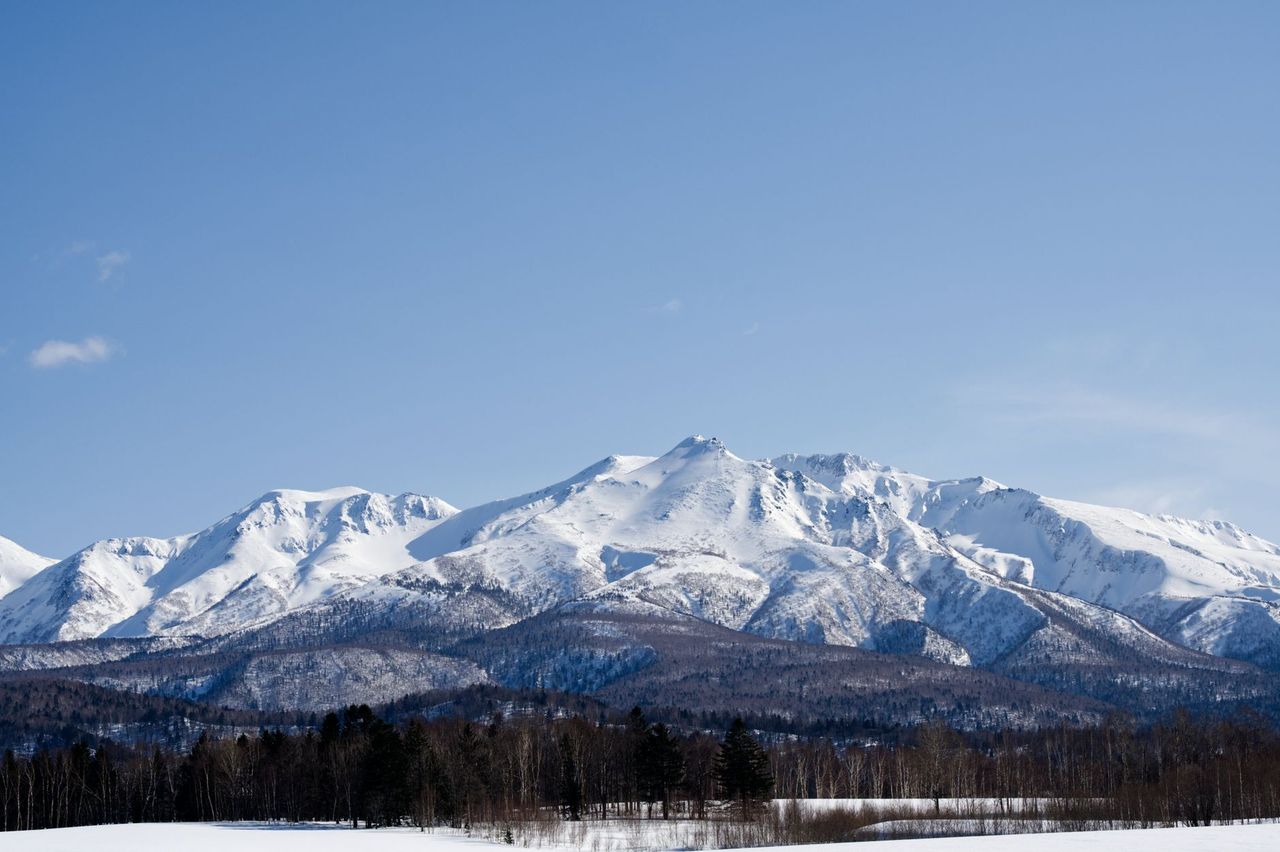
We suggest skiing it once in the morning while your legs are fresh, since 5.5 kilometers is more tiring for beginners than you might expect. The open views along the way make it one of Appi’s popular photo spots. One reminder: long green courses can get congested on busy days, so on peak-season weekends try skiing it early or around lunchtime, when crowds are noticeably thinner, it is much safer, and you will not have to queue at the rest points along the way.
Nishimoriyama Yamagara Course: A Powder Mecca Steeper Than 30 Degrees
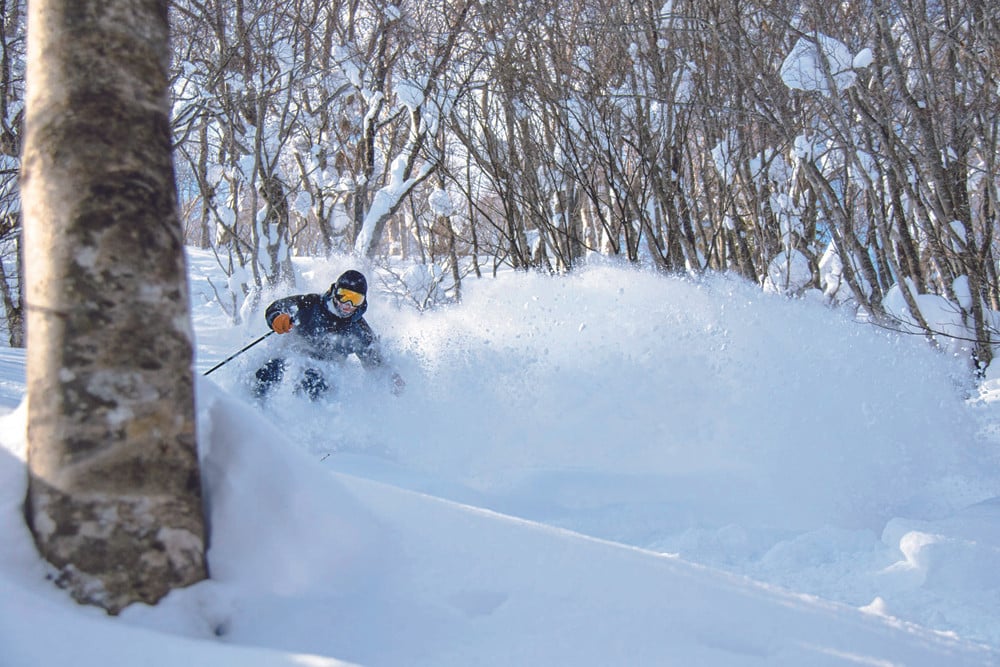
Appi’s advanced skiers do their main work on the Nishimoriyama side. The Yamagara course there is steeper than 30 degrees and is considered by many regulars to have the best natural loose snow in the whole resort. The early morning after a snowfall is the time to grab first powder, and also where Appi is most competitive.
This route is not for beginners: the steepness plus the resistance of loose snow demands a full level more control of your center of gravity. For gear, we recommend a ski or board suited to powder, and check that the area is open that day. Appi adjusts open areas according to snow conditions and weather, so check the resort’s operating information before heading out, and never enter closed areas on your own. Weather changes quickly here, and visibility drops sharply when the wind picks up, so keep listening for announcements and watching the signs.
Dai-2 Sailer-A Course: Two Kilometers of Natural Moguls
If you like moguls, you cannot miss Dai-2 Sailer-A. It is an ungroomed course about 2 kilometers long, with natural bumps carved out by skiers running one after another. It is extremely tiring but has a great rhythm, and it is one of Appi’s most distinctive routes.
Mogul runs are very hard on the knees, so ski them in sections and rest on the flatter spots instead of pushing through to the bottom in one go. The condition changes every day: softer right after fresh snow, and harder and slicker after consecutive sunny days, so the difficulty varies a lot. First-timers can watch from the side for a while to see how others choose their lines before deciding whether to go in.
Five Ungroomed Tree-Run Areas: Appi’s Off-Piste Experience
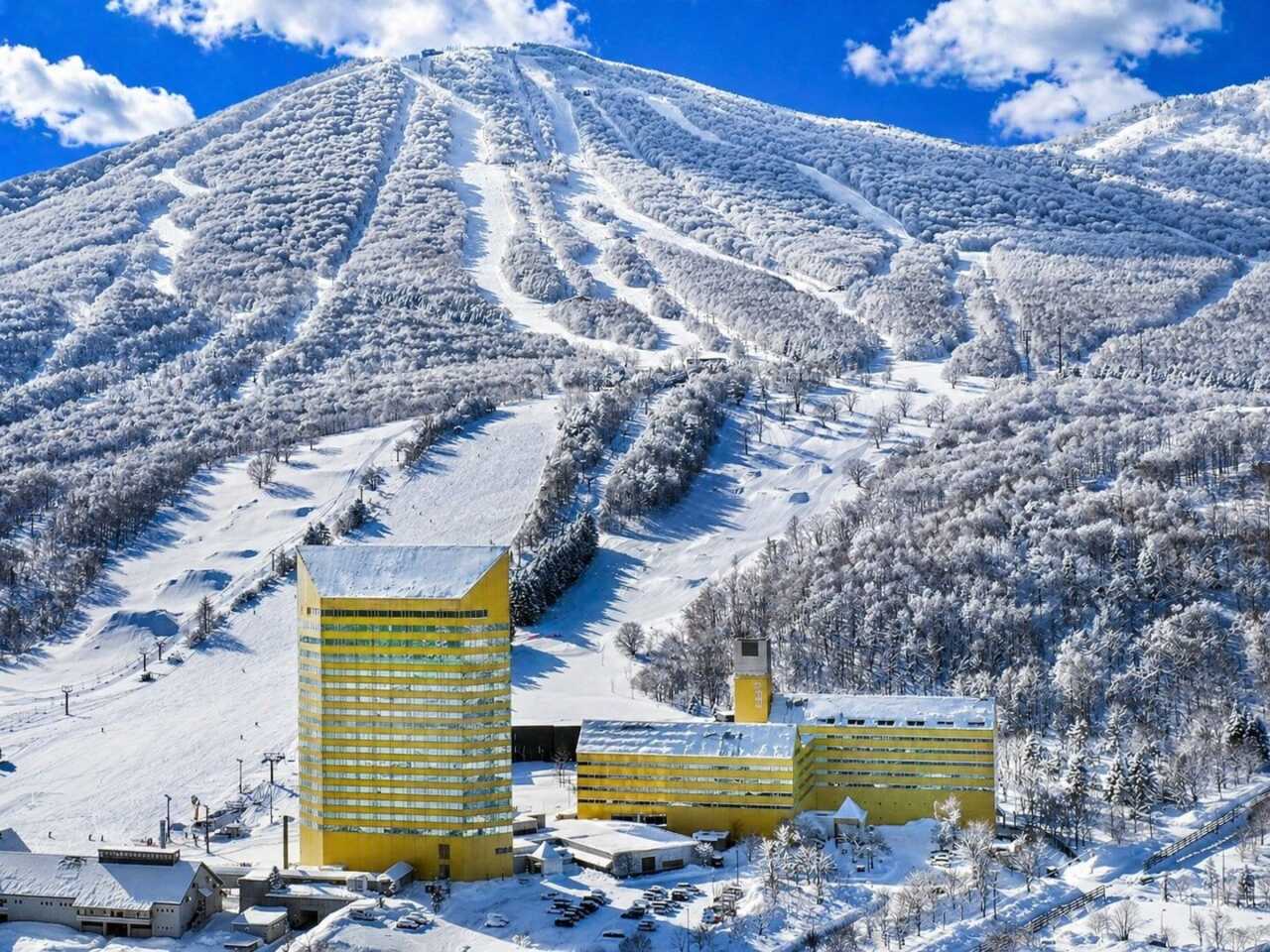
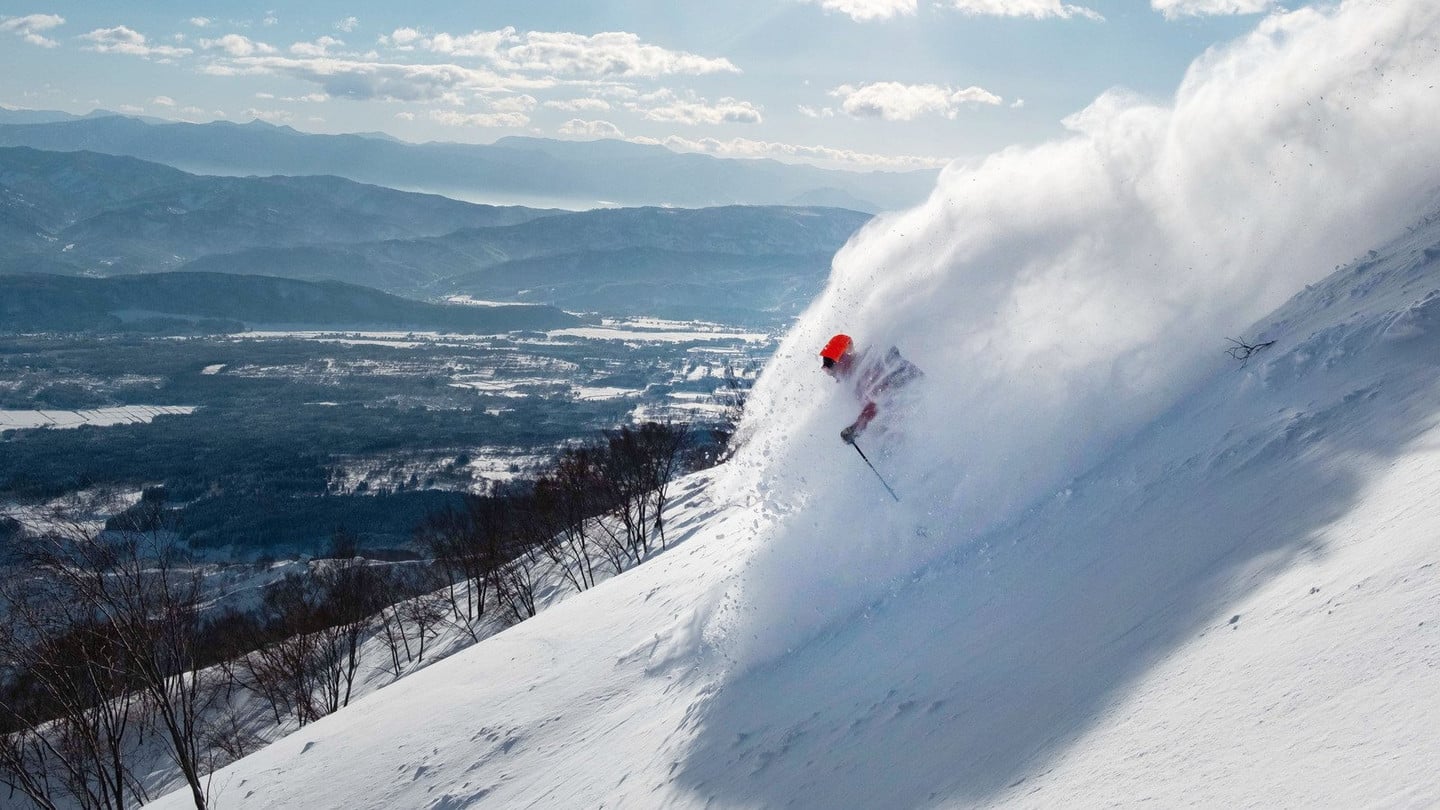
Appi has set aside five ungroomed tree-run areas, a fairly generous allocation by Japanese resort standards. Skiing loose snow among the trees after a snowfall is a major reason Appi attracts international skiers, and it is the biggest difference from the resorts near Tokyo.
But the risks of tree-run off-piste are real: visibility is limited and tree wells can swallow a person whole, so always go with at least one other person and keep eye contact at all times. Appi clearly defines the areas you may enter, so do not cross the boundary into unmanaged terrain. If you have no off-piste experience, we suggest joining a guided tour first, led by someone who knows the terrain, which makes both safety and the experience much better.
Night Skiing: Open Until 8:00 PM on Weekends and Holidays
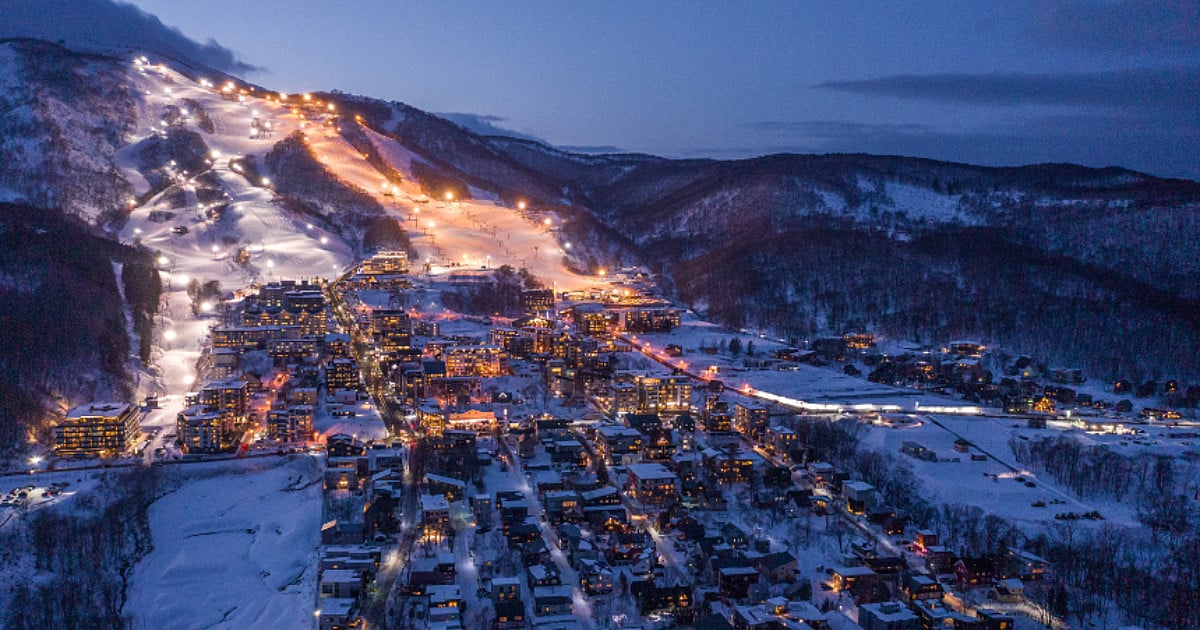
According to the official announcement, the 2025–26 night skiing period runs from December 20 to March 22 on Saturdays, Sundays and national holidays, plus designated special days such as the year-end and New Year period, from 16:00 to 20:00 (last ride), and only the Central Quad lift in the central area is open. For anyone arriving in the afternoon, this turns the arrival day into a half ski day and noticeably improves the efficiency of the trip.
Night snow is firmer because of the lower temperature and you will go faster than in the daytime, so keep your speed conservative. Also, only some courses and lifts open for night skiing, so check which routes are open that evening and the last lift time. Actual dates and hours are announced each season, so be sure to confirm before you go; operations may also be suspended at short notice in a blizzard, so it is safest to ask at the counter after you arrive whether the evening session is running as usual.
The Gondola Opens at 9:00: Plan Early Runs Accordingly
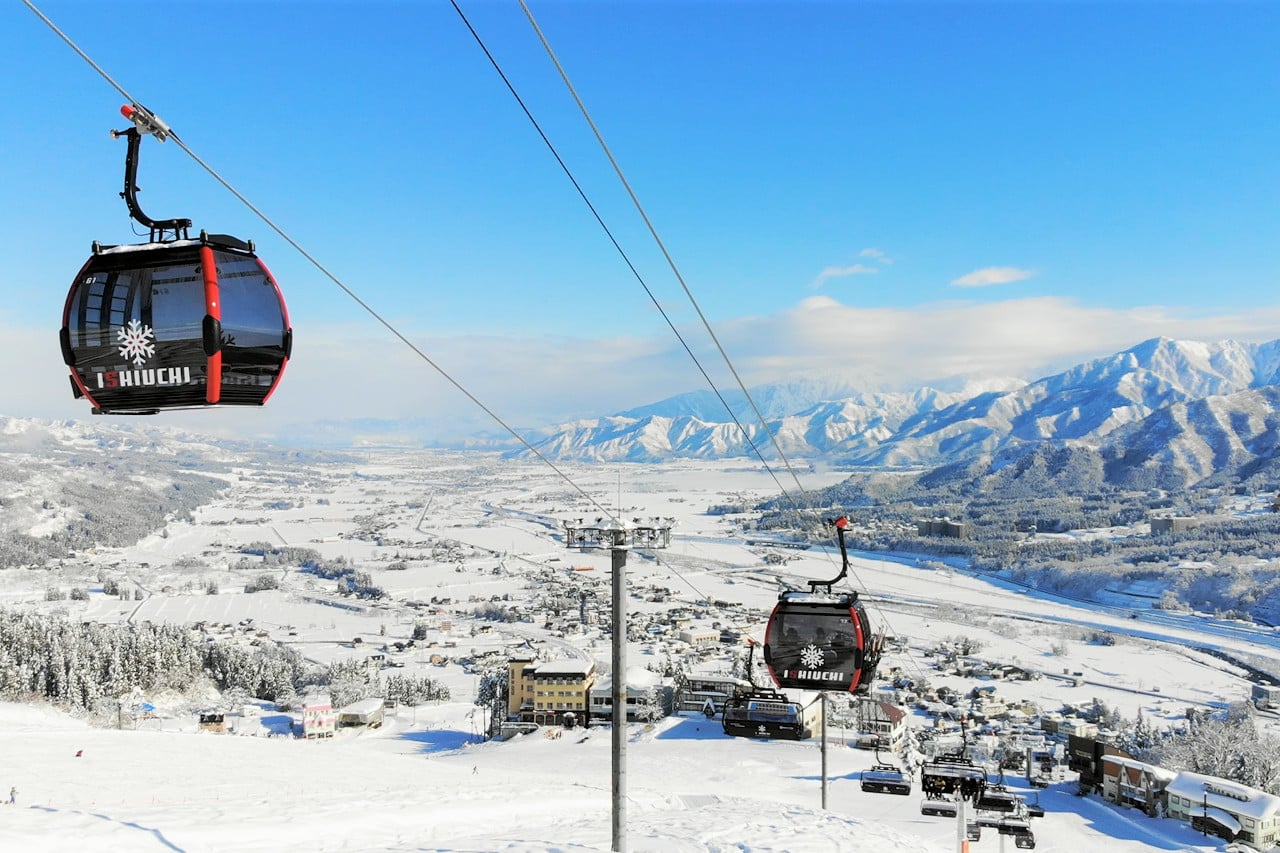
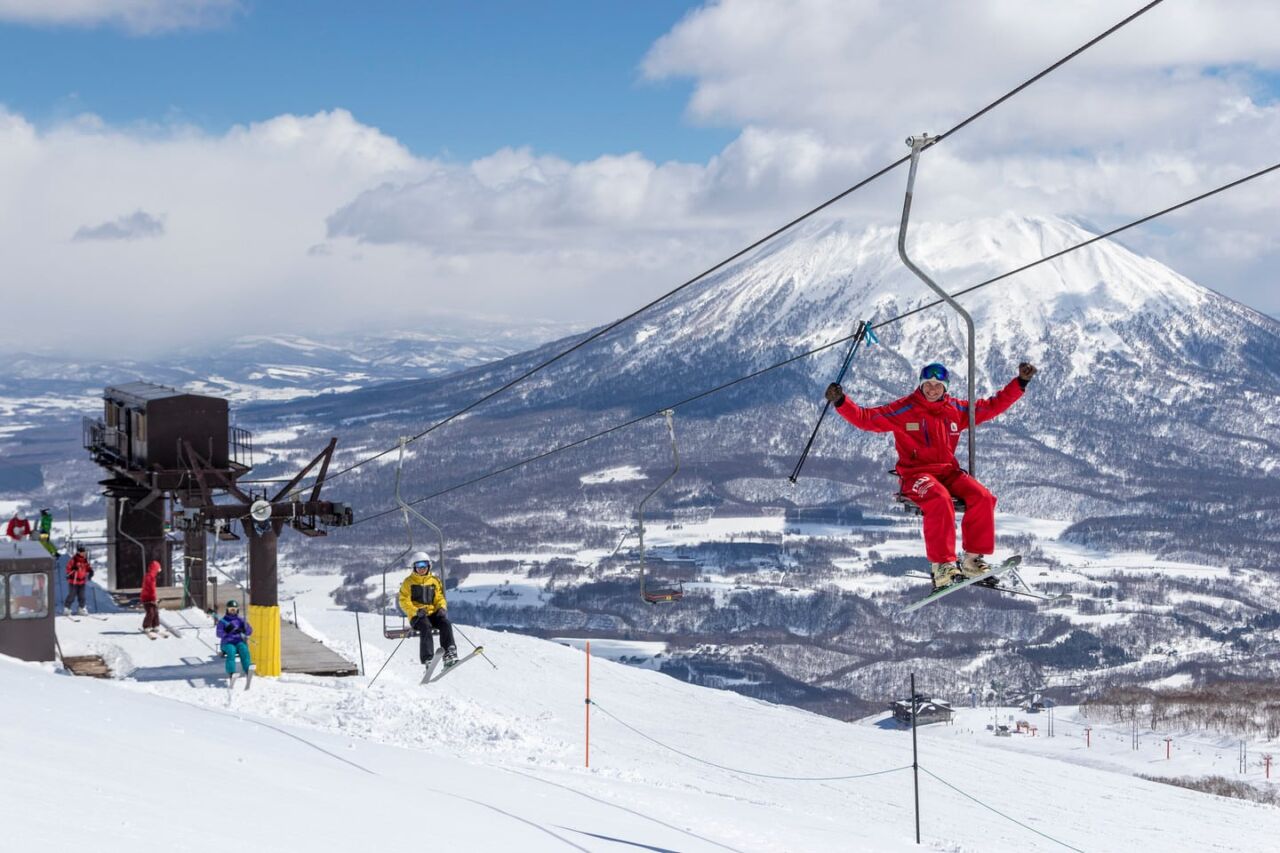
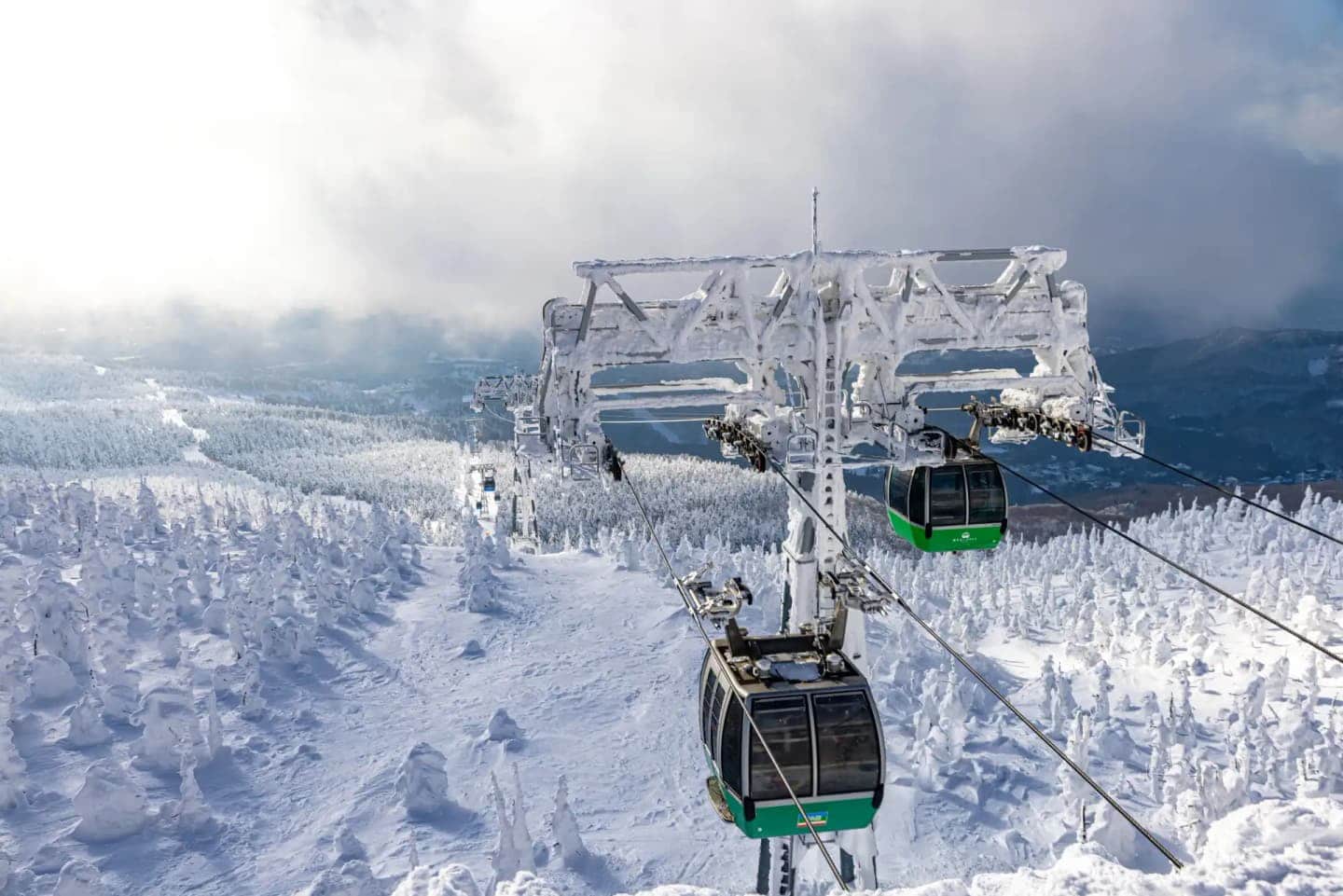
Appi’s operating hours are generally 8:30 to 16:30, but the large gondola usually does not start running until 9:00. This gap is often overlooked: if you plan to rush to the summit first thing for powder, make sure whether you are riding the gondola or a chairlift.
In practice, ride a chairlift at 8:30 to warm up on the mid-mountain, then go straight to the summit once the gondola opens at 9:00. That half hour matters especially the morning after a snowfall, because the loose snow at the summit is often mostly skied out within an hour of opening. Operating hours follow the current season’s announcement, and the resort may close early in spring, so it is safest to confirm once at the service center on the day you arrive.
Appi Ski School: High Share of International Guests, Relatively Language-Friendly
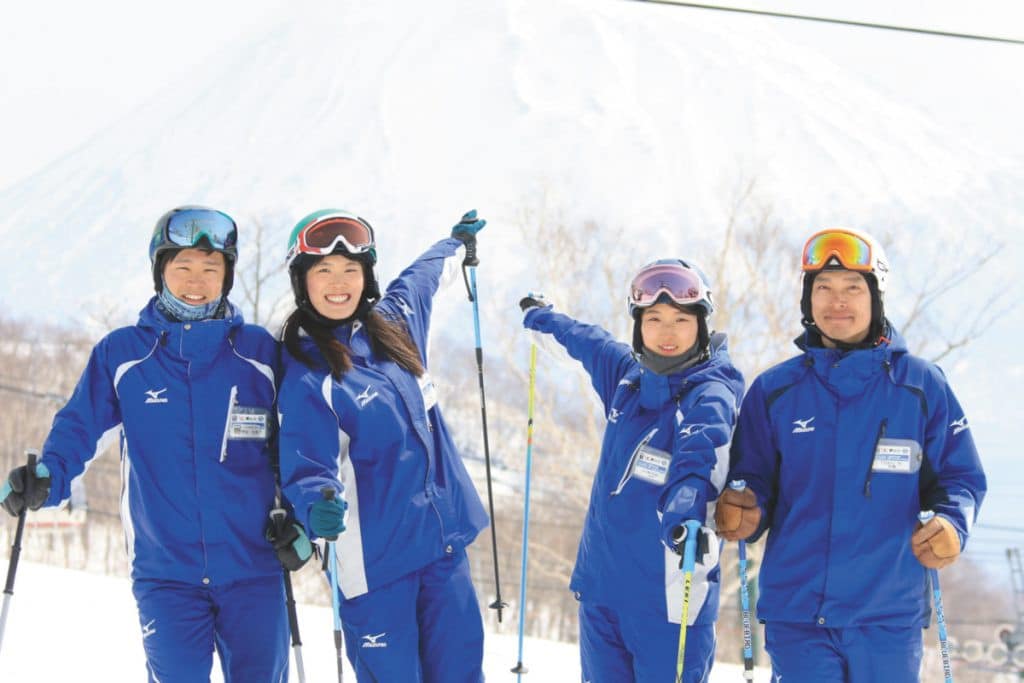
Appi has long attracted large numbers of overseas skiers, and the ski school has plenty of experience hosting non-Japanese-speaking guests, including operators that offer Chinese-language lessons. First-timers are strongly encouraged to take at least one lesson; once you have learned to stop and turn, the rest of your vacation becomes much more enjoyable.
Lessons usually come as group classes or private instruction, and private lessons can match the level and pace of everyone in your party, which suits families. Chinese-speaking instructors are in high demand in peak season, so be sure to book online in advance; on-site sign-up often leaves only Japanese classes or is fully booked. Children’s lessons have dedicated teaching areas and instructors, so families with kids can ask first about age limits and whether a parent needs to stay throughout.
Ski and Clothing Rental: Arriving Empty-Handed Is Fine
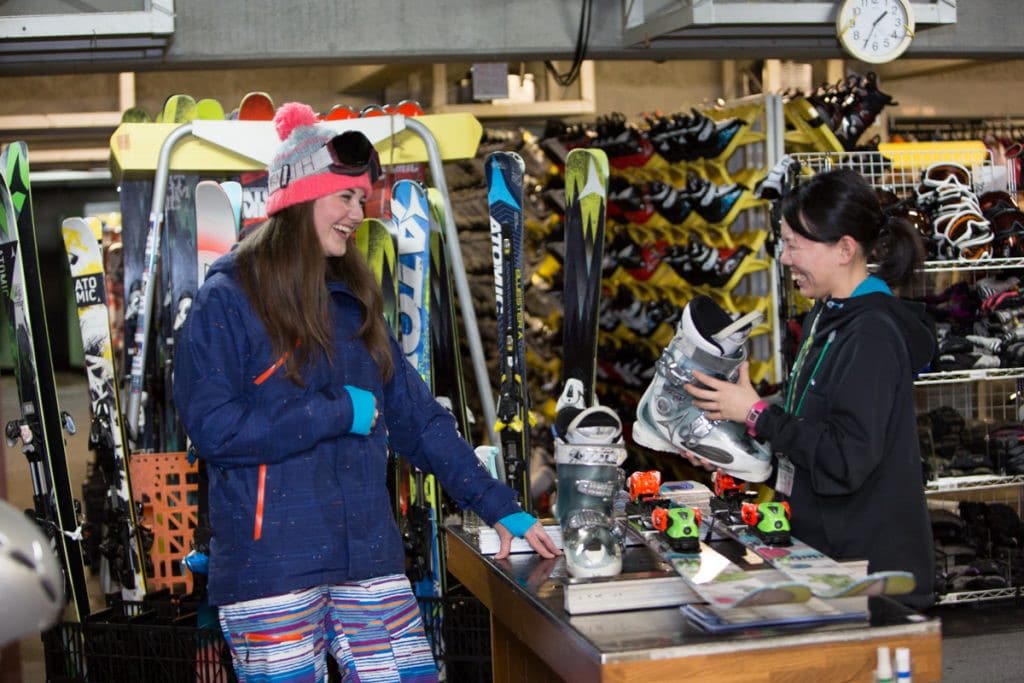
Appi’s rental service is comprehensive: skis or snowboards, boots, jackets, pants and helmets can all be sorted out on the spot, and for anyone who came a long way by Shinkansen, not having to carry gear is a big relief. Some accommodation packages also include rental discounts.
What you still need to bring is the layer next to your skin: moisture-wicking base layers, thick ski socks and waterproof gloves. Small sizes and children’s gear are the first to run out in peak season, so fill in your height, weight and shoe size when you book online. Also note that rentals have a return deadline, so do not schedule things down to the last minute, especially on the day you need to catch a bus or Shinkansen home; leaving a half-hour buffer is far more reassuring, and the walk from the resort to the bus stop takes time too.
Fun Without Skiing: Snow Activities and Nearby Hot Springs
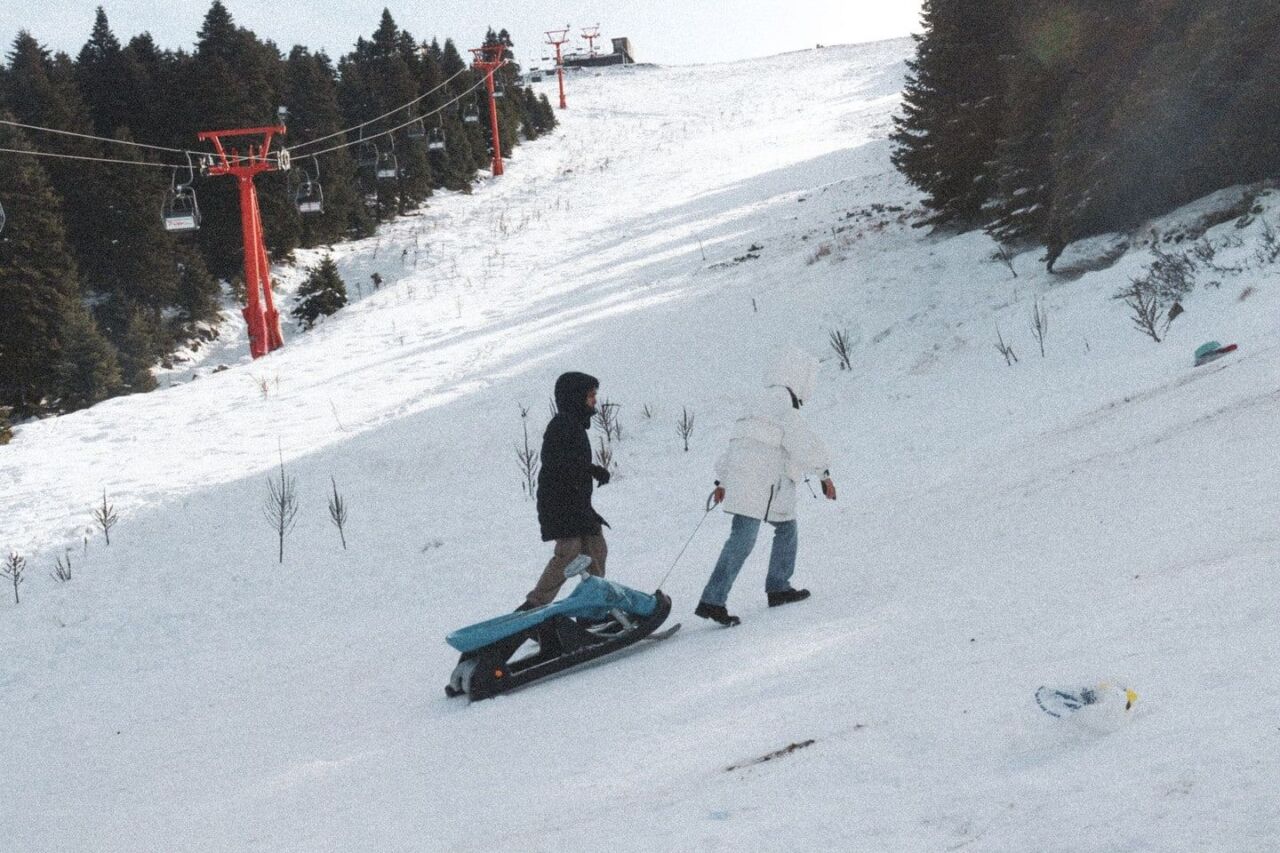
Appi is not just a ski area but a whole resort. In winter there are snow banana boat rides, snowshoe hiking, snow tubing and other experiences, plus play areas suitable for small children. If someone in your group does not ski, the trip will not be boring for them.
The nearby Hachimantai area is a well-known hot spring region, and both Appi Kogen itself and the surrounding area have hot spring facilities, so a soak after skiing is a natural way to finish the day. These activities mostly require same-day booking and depend on the weather, so it is safer to check sessions and availability at the service center after you arrive. Some activities do not necessarily run on weekdays and may be canceled if too few people sign up, so you may not get in on short notice; we suggest asking on the day you arrive.
Season and Best Time to Visit: Early December to Early May
Appi’s season is quite long. The 2025–26 season was announced as starting on December 5, 2025 and running through May 2, 2026 (ending earlier than the planned early May because of snowmelt). It is split into three periods, early, regular and spring, with different ticket prices and numbers of open courses.
Powder quality is best from January to the end of February; in early December snow is still accumulating and few courses are open; from late March the snow turns to spring snow, with pleasant weather, fewer people and noticeably cheaper tickets, which suits budget-minded travelers. The 2026–27 operating period had not been announced when checked in August 2026, so please follow the official announcement for the current season.
Appi Kogen Lift Pass System and Ticket Options
Appi’s lift tickets are not tiered by age but split into three levels by benefits, which is rare among Japanese ski resorts.
BLUE PASS: The Standard Choice for Most Visitors
The BLUE PASS is the most basic and most popular ticket type, covering regular gondolas and chairlifts and including the night skiing session. For the 2025–26 season, the adult (junior high school age and up) one-day ticket is ¥4,000 in the early period (12/5–12/19) and spring period (3/23–5/6), and in the regular period (12/20–3/22) ¥9,000 at the window or ¥8,500 when bought online, plus a ¥500 IC card deposit. The ¥4,500 and ¥9,500 figures that also circulate online are prices with the deposit included, not a separate fare schedule.
The roughly ¥500 IC card deposit is paid separately and refunded when you return the card. Prices differ by more than double between low and high season, which is the thing to watch most at Appi: scheduling your trip after late March can halve the lift ticket cost alone. Amounts follow the official announcement for the current season.
The other two tiers are sold only in the regular period and cost the same regardless of age: the GOLD PASS one-day ticket is ¥14,000; the top-tier BLACK PASS one-day ticket is ¥33,000, limited to 30 per day, and besides all gondolas and chairlifts it includes priority lanes, a summit lounge (with handmade cookies and drinks), First Track to ski before opening, a ride on the Nishimoriyama snowcat, and priority seating at the food court, among other benefits; from the 2025–26 season it is sold every day of the regular period instead of only on weekends and holidays. The BLUE PASS in the regular period also has a 2-day ticket at ¥18,000 and a 3-day ticket at ¥27,000, and ¥8,000 and ¥12,000 in the early and spring periods (all 2025–26 season prices, excluding deposit).
One-day ticket prices for the 2026–27 season were still unannounced by the resort when checked in September 2026; only season passes had been published: the “final sale” from September 1 to November 30, 2026 at ¥89,900, and the regular season pass at ¥110,000 (the same price for adults, seniors and junior and senior high school students, usable from December 6, 2026), while the cheaper early-bird rounds in March–May and July–August have already ended. Travelers planning to ski only a few days can just buy a one-day or multi-day ticket; check the official site for the new prices before the season starts.


Practical Skiing Tips and Where to Stay Nearby
How Many Days: Two Is Rushed, Three Is About Right
One-way travel alone takes over three and a half hours, so Appi is not suited to a day trip. Two days and one night is barely workable, but most of your actual ski time will be eaten by the first day’s travel; three days and two nights lets you make full use of two ski days and justifies the fare.
A better schedule is to leave before noon on day one, arrive in the afternoon and go straight to night skiing or a half-day ticket; ski all day on day two; ski half a day on the morning of day three, then take the train back to Tokyo in the afternoon. That gives you about two and a half days of skiing over three days and spreads out the travel cost considerably. For the latest lift ticket prices, operating days and snow conditions, follow the announcements on the official Appi Kogen website (appi.co.jp).
Budgeting: Transport Is the Biggest Chunk
A rough estimate of the main costs for a three-day, two-night trip: the round-trip Shinkansen fare between Tokyo and Morioka is the largest item, the bus from Morioka to the resort is about ¥1,500 one way, a regular-period BLUE PASS one-day ticket is ¥9,000 (¥8,500 online) plus the ¥500 IC card deposit, ski and clothing rental depends on the package, and then add accommodation and meals.
There are three effective ways to save: use the JR East Rail Pass to cover the Shinkansen and the Hanawa Line, schedule your dates after late March to get spring ticket prices, and make good use of bus-plus-lift-ticket packages. The amounts above are reference values as of August 2026; please check each official announcement for the current season.
Iwate Cold and Gear Preparation
Appi is at 40 degrees north, and winter temperatures are clearly lower than at most Honshu resorts, so it feels colder. Beyond the basic moisture-wicking layer and waterproof outer layer, we suggest adding a fleece mid-layer, bringing an extra pair of gloves, and a neck gaiter or face mask that covers your nose and mouth.
Be sure to bring goggles with lenses that work in low light, since snowy days are common at Appi and visibility is often poor. Hand warmers work well in pockets and boots. Also, electronics drain quickly in the cold, so keep your power bank in an inner pocket against your body rather than on the outside of your backpack.
Avoiding Crowds: Long Weekends Versus Ordinary Weekends
Because Appi is far from the big cities, weekday crowds are far more comfortable than at resorts near Tokyo, which is an underrated advantage. The days that really get crowded are the year-end and New Year period, the long weekends in February and ordinary weekends, when lift lines and restaurant waits grow noticeably.
If you can only go on a peak-season weekend, the fix is to take the earliest bus, reach the resort before opening, and consider the GOLD PASS priority lane. Avoid the 12:00 to 13:00 lunch peak and eat at 11:00 or 14:00 instead to save a lot of queuing time.
Where to Stay: In the Resort Area or Downtown Morioka
Accommodation at Appi is mostly concentrated in the resort hotels inside the ski area. The biggest advantage is being close to the courses, with most offering pick-up from Appi Kogen Station and ski storage, so you do not spend an hour commuting each morning. If your trip is purely about skiing, staying inside the resort area is almost the only sensible choice.
The other approach is to stay in downtown Morioka, which has more dining and shopping choices and usually lower room rates, but costs about two extra hours of round-trip travel every day, so it only suits people whose trip also includes sightseeing in Morioka. Accommodation options around Appi Kogen are covered in a separate article.
Appi Kogen Ski Resort FAQ
Q: How long does it take to get from Tokyo to Appi Kogen?
The Tohoku Shinkansen from Tokyo Station to Morioka Station takes about 2 hours 14 minutes, then the direct bus from stop 26 at Morioka Station’s West Exit takes about 50 to 60 minutes to the resort, for a total of roughly three and a half hours or more. You can also take the JR Hanawa Line from Morioka Station to Appi Kogen Station in about 1 hour, then transfer to a hotel shuttle.
Q: Can I visit Appi Kogen as a day trip from Tokyo?
Technically yes, but it is very poor value. One-way travel is over three and a half hours, so a round trip of seven hours means half the day is spent in transit and your actual ski time may be under four hours. We recommend at least two days and one night, and three days and two nights is ideal.
Q: How much is a lift ticket at Appi Kogen?
For the 2025–26 season, the BLUE PASS adult one-day ticket is ¥4,000 in the early and spring periods and ¥9,000 at the window / ¥8,500 online in the regular period, plus a ¥500 IC card deposit (refunded when you return the card, though the resort sets a refund deadline). The ¥4,500 and ¥9,500 figures that circulate informally include the deposit. The GOLD PASS one-day ticket is ¥14,000 and is sold only in the regular period. 2026–27 season prices had not been announced when checked in August 2026, so please follow the official announcement for the current season.
Q: How does ticket pricing work when I bring children to Appi?
Appi does not price tickets by age: junior high school students and older all use the same adult ticket, while elementary school students and younger ski free all season and only pay the roughly ¥500 IC card deposit. This is a substantial benefit for families with elementary school children, but families with junior high schoolers should watch the cost.
Q: When is Appi Kogen’s ski season?
The 2025–26 season was announced as December 5, 2025 to May 2, 2026, split into three periods: early, regular and spring. Powder quality is best from January to the end of February. The operating period is adjusted each year according to snow conditions and re-announced, so be sure to confirm the dates for the current season before you go.
Q: Is Appi Kogen suitable if I have never skied before?
Yes. The Shirakaba course averages only about 9 degrees and is wide and gentle, which is great for practice; once you progress, you can ski the roughly 5.5-kilometer mountain-circling green course. The ski school also offers Chinese-language lessons. The only hurdle is the journey: if a beginner’s vacation is very short, a resort closer to Tokyo may be better value.