
Shimogamo Shrine Guide 2026: Tadasu no Mori, Mitarashi Festival and the World Heritage Highlights
Shimogamo Shrine, formally Kamomioya Shrine (賀茂御祖神社), is one of Kyoto’s oldest World Heritage Sites. It stands in Tadasu no Mori (糺の森), an ancient forest at the confluence of the Kamo and Takano Rivers, combining spiritual atmosphere with natural beauty, and is worth a half day to a full day.
Visiting Shimogamo Shrine is free, with no admission fee. The area inside the Romon gate is open daily from 6:30 and closes at 17:00.
Omamori (amulets) and goshuin (shrine stamps) are available from 9:00 to 16:30, so the amulet office is not yet open at the 6:30 opening. Only special viewing areas such as the Oiden (kitchen hall) charge a separate viewing fee.
The meaning of an omamori varies by design: the Hime-mamori and Hiko-mamori pray for protection for women and men, and the Mizu-mamori prays for the removal of misfortune; see the omamori section below for details.
Shimogamo Shrine at a Glance: Hours, Admission and Time Needed
- 🕘 Opening hours: The area inside the Romon gate is open daily 6:30 to 17:00; Kawai Shrine is open 6:30 to 16:30 (may change during ceremonies).
- 🎫 Admission: Free inside the grounds; only the Oiden charges a separate ¥1,000.
- ⏱ Time needed: about 20 to 30 minutes for a quick visit; 1 to 1.5 hours for the standard route; about 2 to 3 hours including the Oiden.
- 🚉 Independent travel route: Demachiyanagi Station → Tadasu no Mori approach → Kawai Shrine → Aioi Shrine → Romon gate and main halls → Mitarashi Pond.
Where the Name Shimogamo Shrine Comes From
Shimogamo Shrine’s formal name is “Kamomioya Shrine,” and it is commonly called Shimogamo (“lower Kamo”) Shrine because it lies downstream of Kamigamo Shrine. “Mioya” means ancestral deity, and the shrine enshrines Kamotakeru-tsunumi-no-mikoto and his daughter Tamayori-hime-no-mikoto.
Together the two shrines are known as the Kamo Shrines, and in 1994 they were inscribed together as part of the World Heritage Site “Historic Monuments of Ancient Kyoto.” Among the oldest shrines in Kyoto, their history reaches back before the common era, some two thousand years.
Location and Surroundings of Shimogamo Shrine
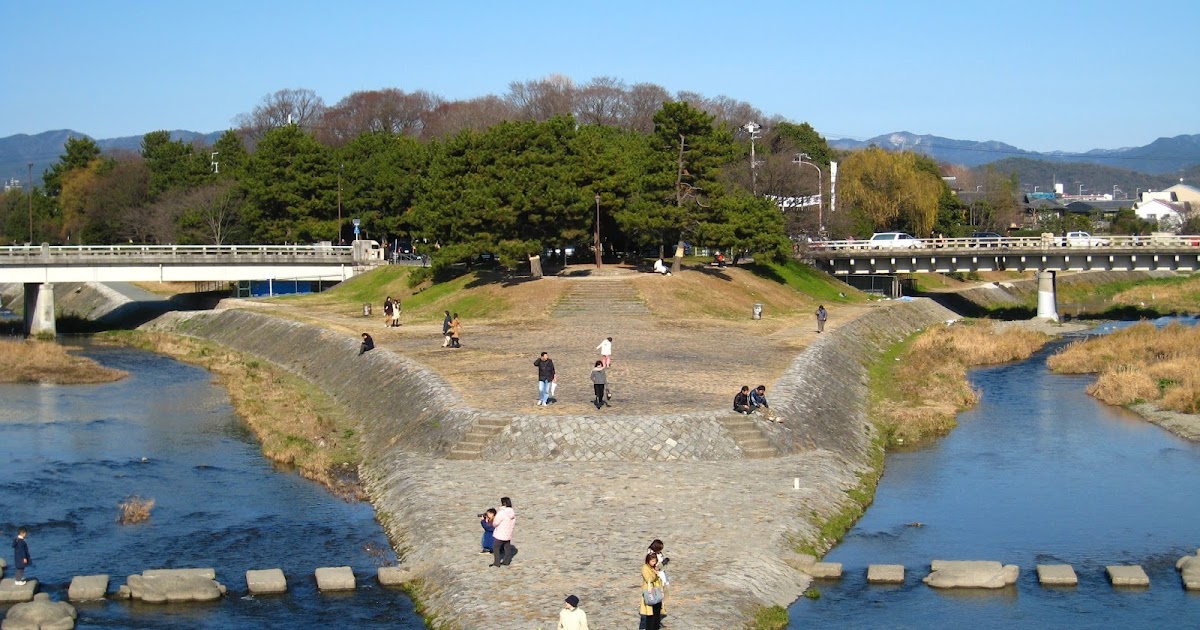
Shimogamo Shrine is at 59 Shimogamo Izumigawa-cho, Sakyo Ward, Kyoto, on the north side of the triangular delta where the Kamo and Takano Rivers meet, surrounded by the ancient forest known as Tadasu no Mori.
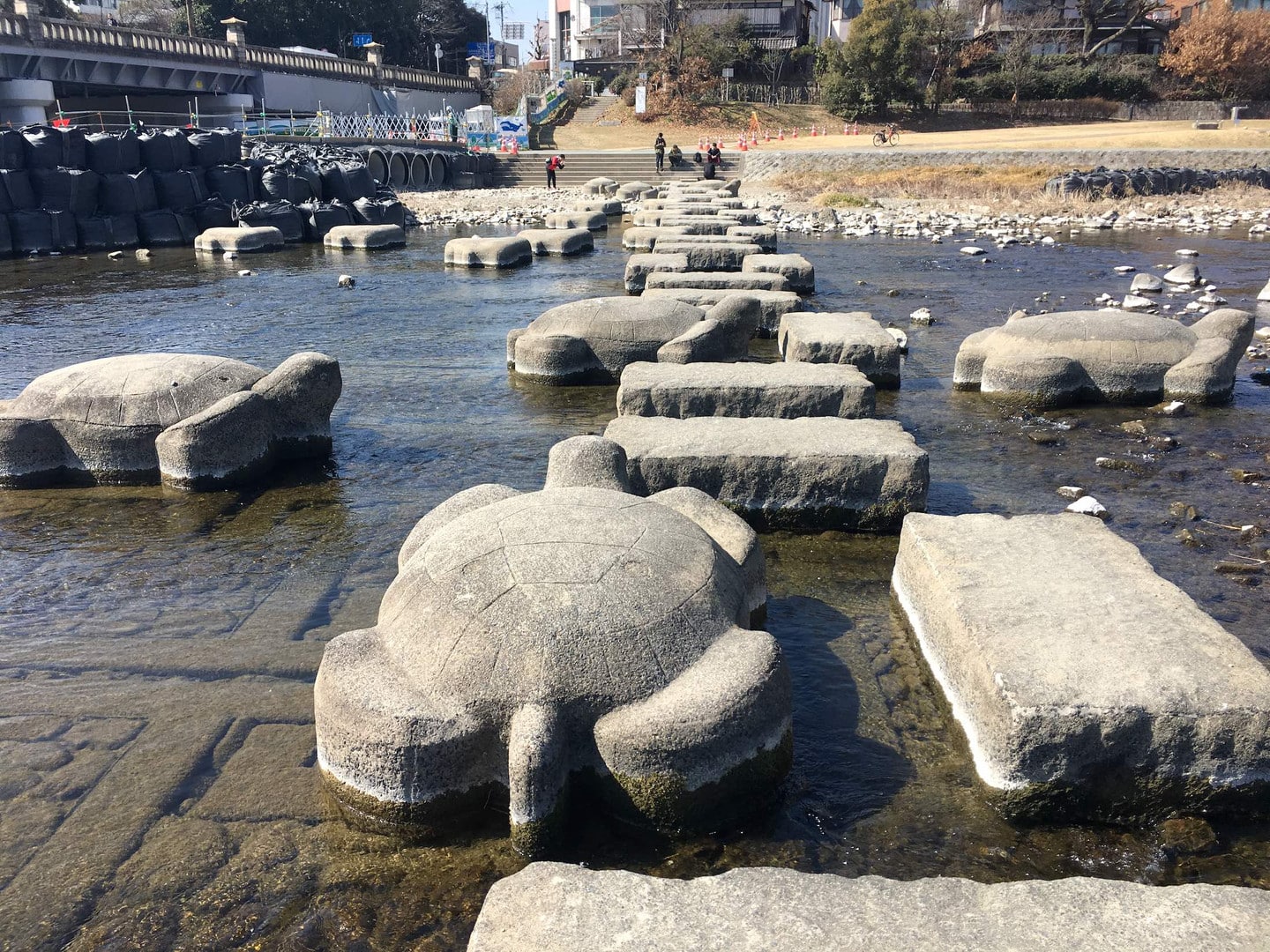
It sits right next to the Demachiyanagi shopping street, the turtle stepping stones on the Kamo River and the Kyoto Imperial Palace, a sacred area that is rare in central Kyoto for keeping its native forest and abundant groundwater, quiet yet convenient to reach.
The Deities and Blessings of Shimogamo Shrine
The main deities of Shimogamo Shrine are Kamotakeru-tsunumi-no-mikoto (East Main Hall) and Tamayori-hime-no-mikoto (West Main Hall), who govern guidance and safety, and safe childbirth, child-rearing and good matches, respectively.
Because Tamayori-hime-no-mikoto is known for beauty and fertility, Shimogamo Shrine is also regarded as an effective place to pray for good matches, safe childbirth and beauty, drawing many women to make wishes.
History and Cultural Significance of Shimogamo Shrine
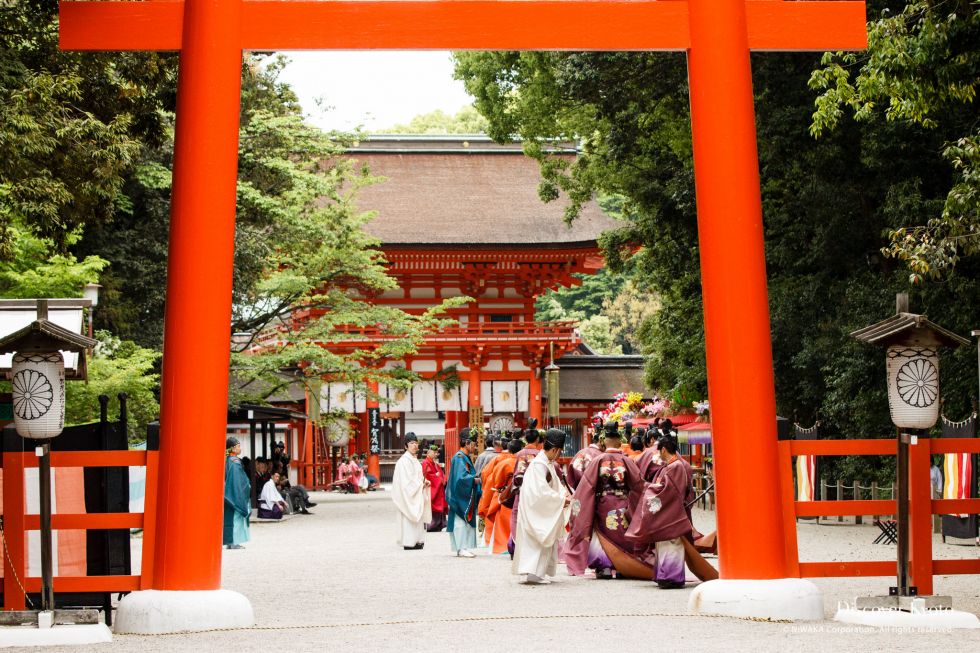
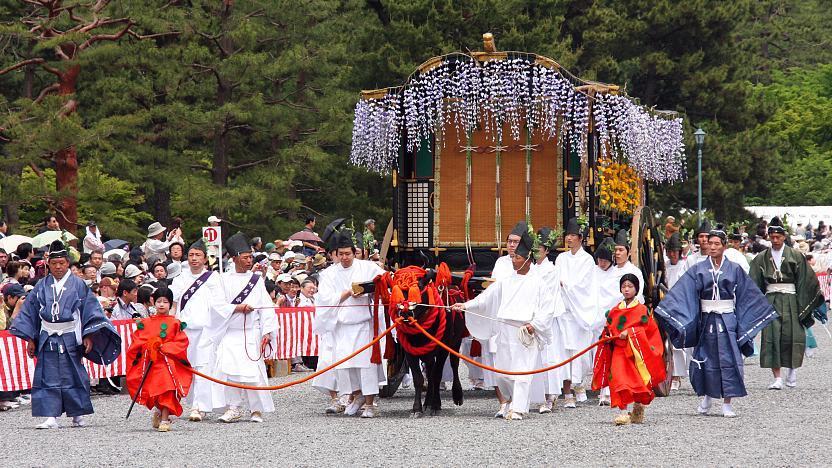
Shimogamo Shrine has long been Kyoto’s guardian shrine and, together with Kamigamo Shrine, is known as the Kamo Shrines. The Aoi Matsuri (Hollyhock Festival) held every May is one of the imperial-sponsored festivals handed down since the Heian period.
The East and West Main Halls within the grounds are designated National Treasures in the classic “nagare-zukuri” style, and together with the ancient forest of Tadasu no Mori they form an important symbol of the spirit of the old capital.
How to Get to Shimogamo Shrine: 2026 Transport Options and Costs
The fastest way to reach Shimogamo Shrine is to take the Keihan Main Line to Demachiyanagi Station, leave by Exit 2 and walk along the Tadasu no Mori approach for about 10 to 12 minutes to the Romon gate; you can also take Kyoto City Bus route 4 or 205 from Kyoto Station to the “Shimogamo-jinja-mae” stop, a ride of about 25 to 30 minutes.

What Are the Must-See Sights at Shimogamo Shrine in 2026? Tadasu no Mori and the Highlights Inside the Grounds
The grounds of Shimogamo Shrine cover 120,000 square meters, and from the ancient forest of Tadasu no Mori to the National Treasure main halls there are more than ten highlights not to be missed.
Tadasu no Mori
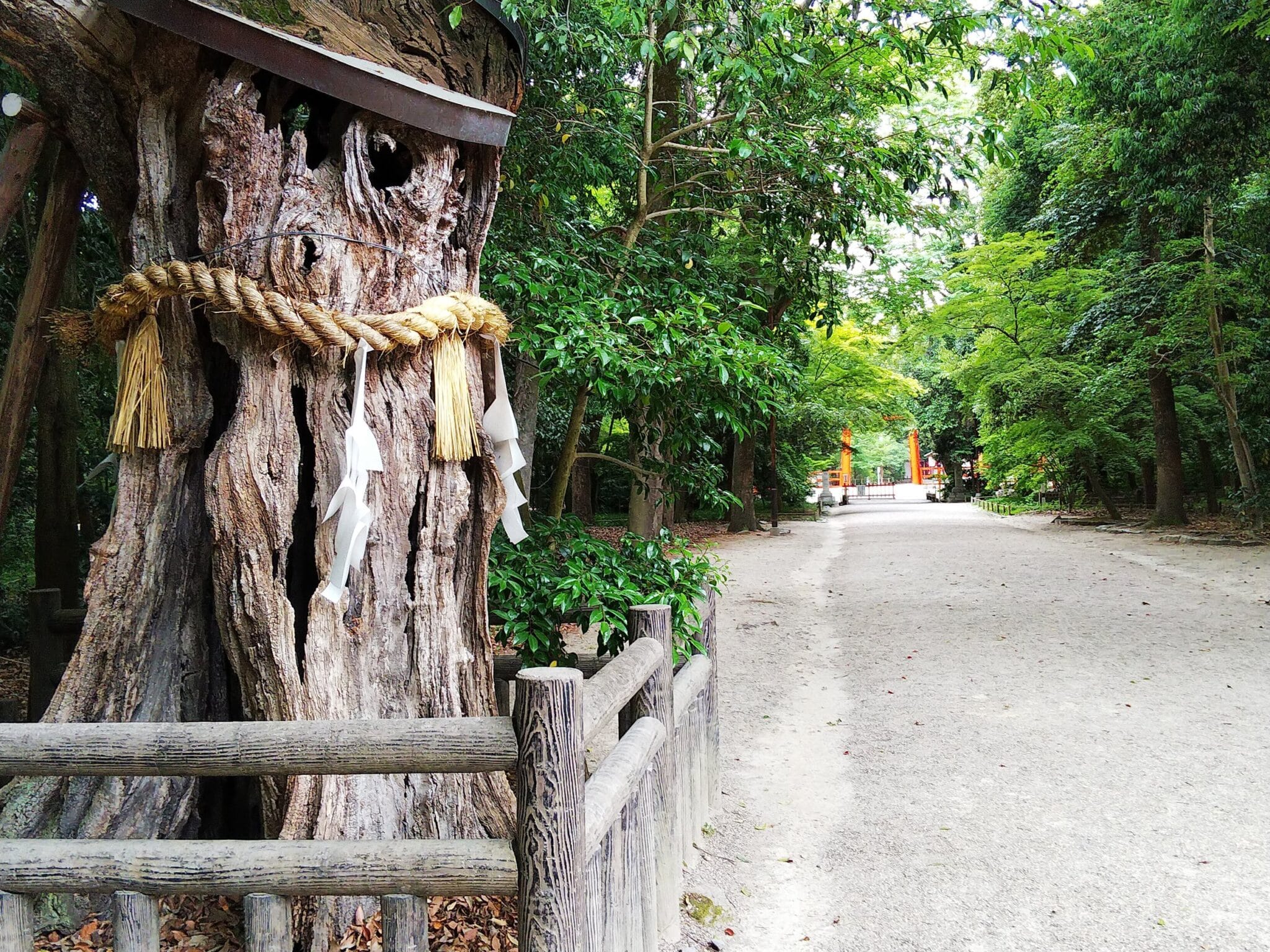
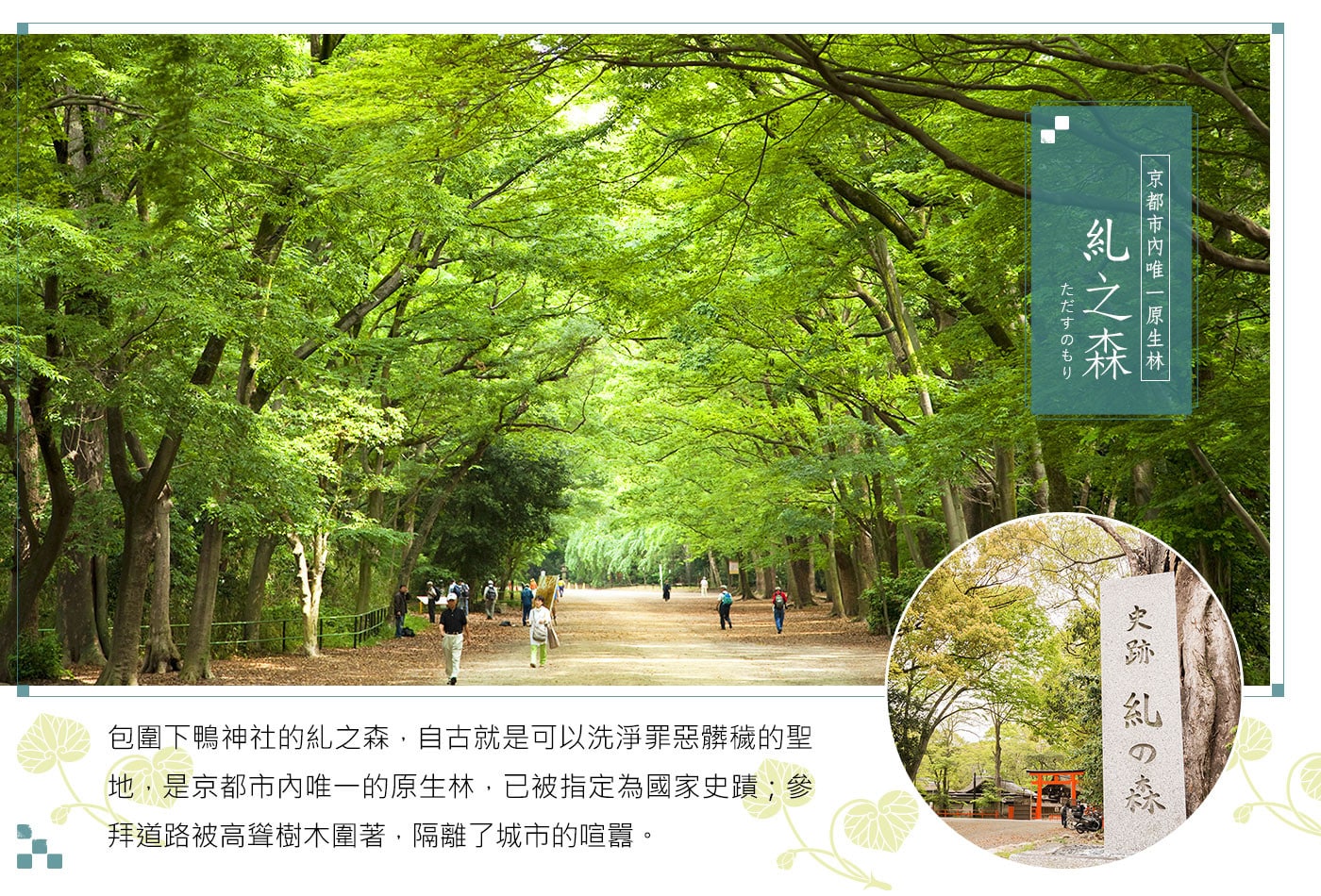
Tadasu no Mori is the last remaining ancient forest in central Kyoto, about three times the size of the Tokyo Dome, said to be a place where yin and yang meet and spiritual energy is abundant, with towering old trees.
It is lush green in spring and summer and brilliant with red maples in autumn, usually peaking from late November to mid-December. We suggest strolling the approach for 20 to 30 minutes to enjoy a forest bath. During festivals some areas may be temporarily closed or charge a fee, so leave some flexibility in your plans.

South Entrance Torii
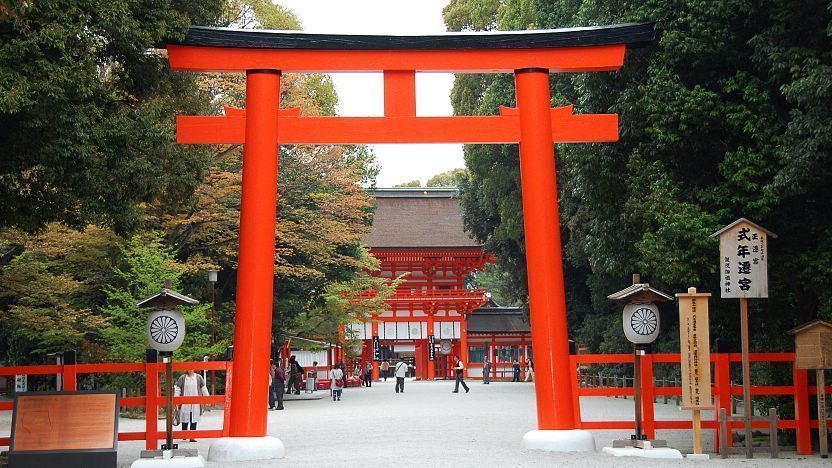
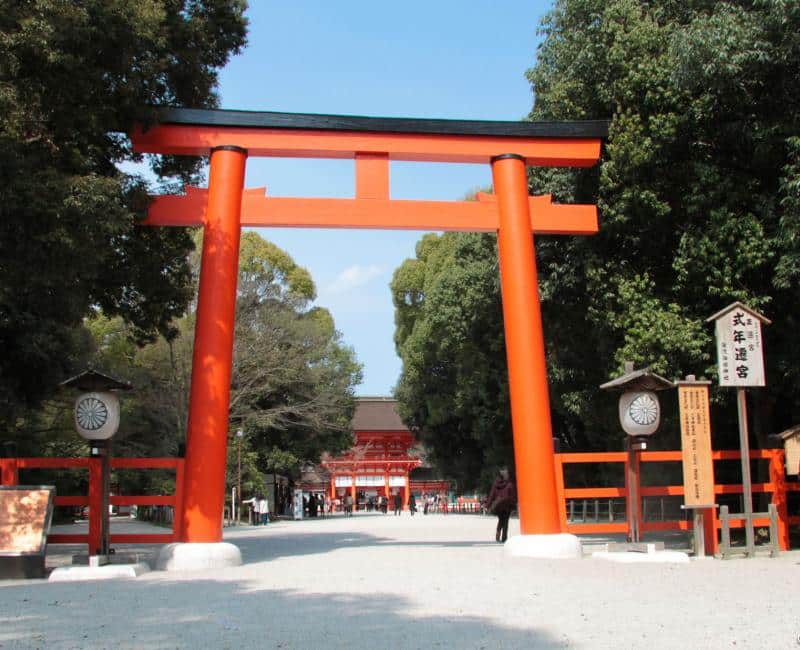
The South Entrance Torii is the landmark gateway to the Shimogamo Shrine approach. The great vermilion torii stands at the southern end of Tadasu no Mori, and passing through it puts you on the straight Tadasu no Mori approach lined with old trees on both sides, a classic photo spot.
Kawai Shrine lies just beyond the torii, and many visitors start here and pay respects at the shrines within the grounds in order. In the early morning, light filtering through the trees onto the torii makes a solemn and beautiful scene worth slowing down to enjoy.
Romon Gate
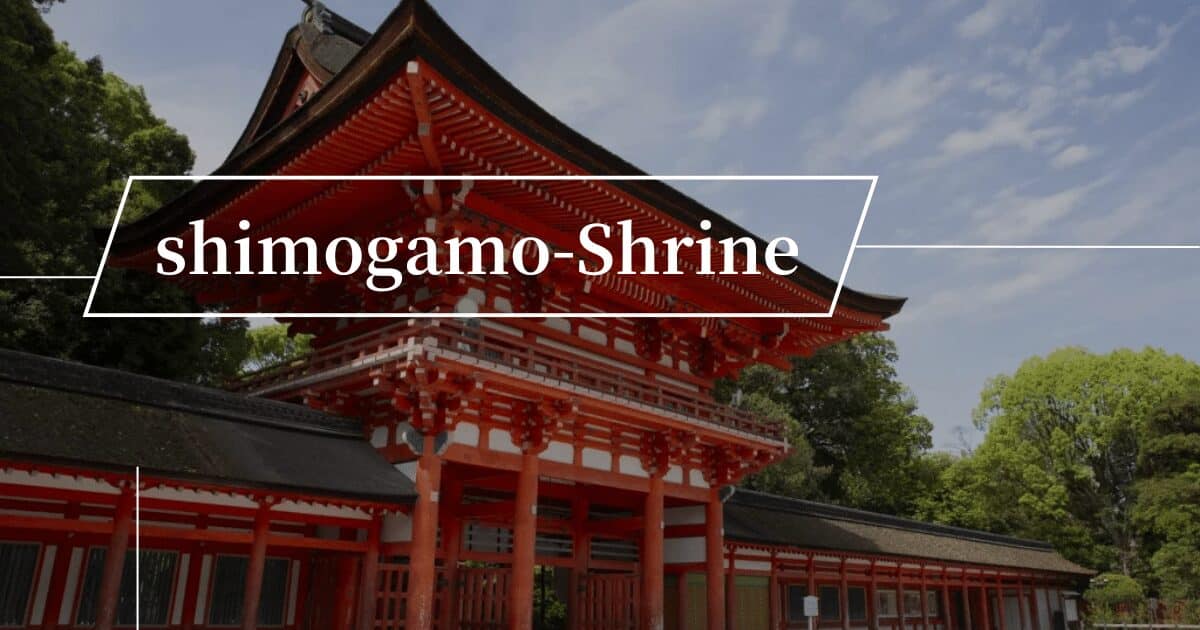
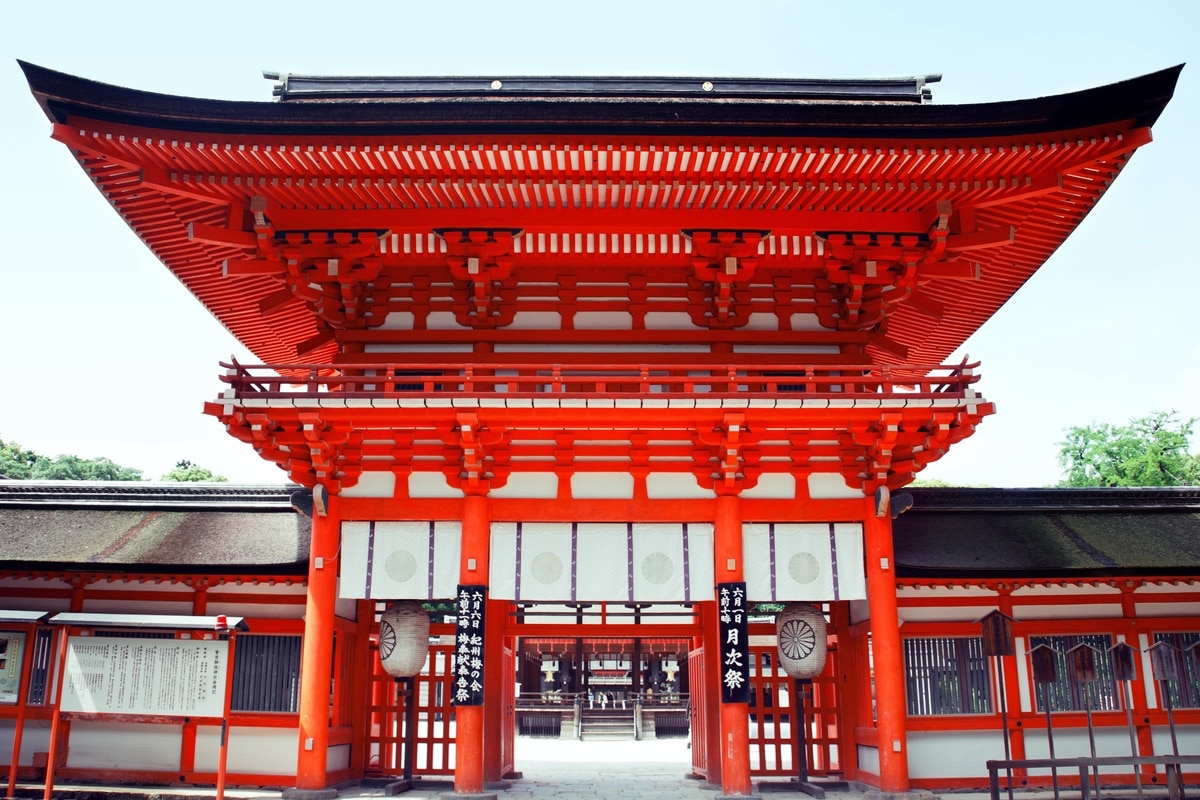
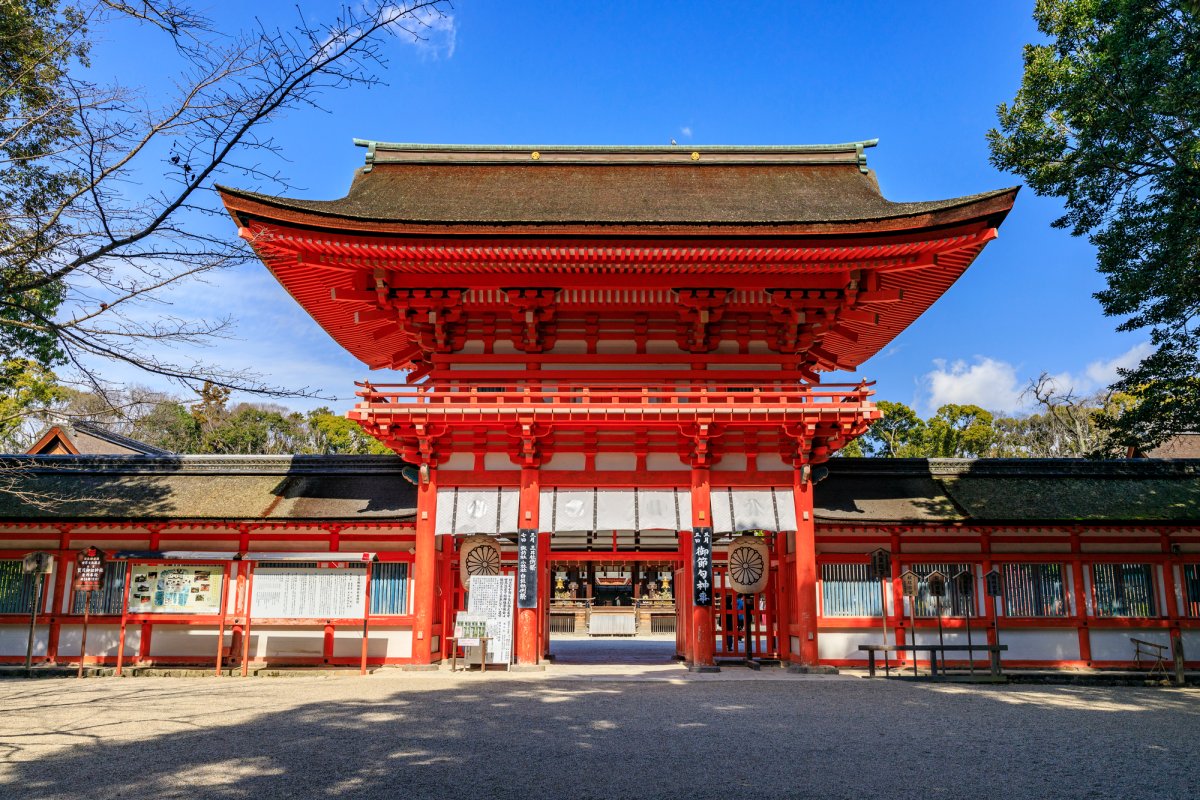
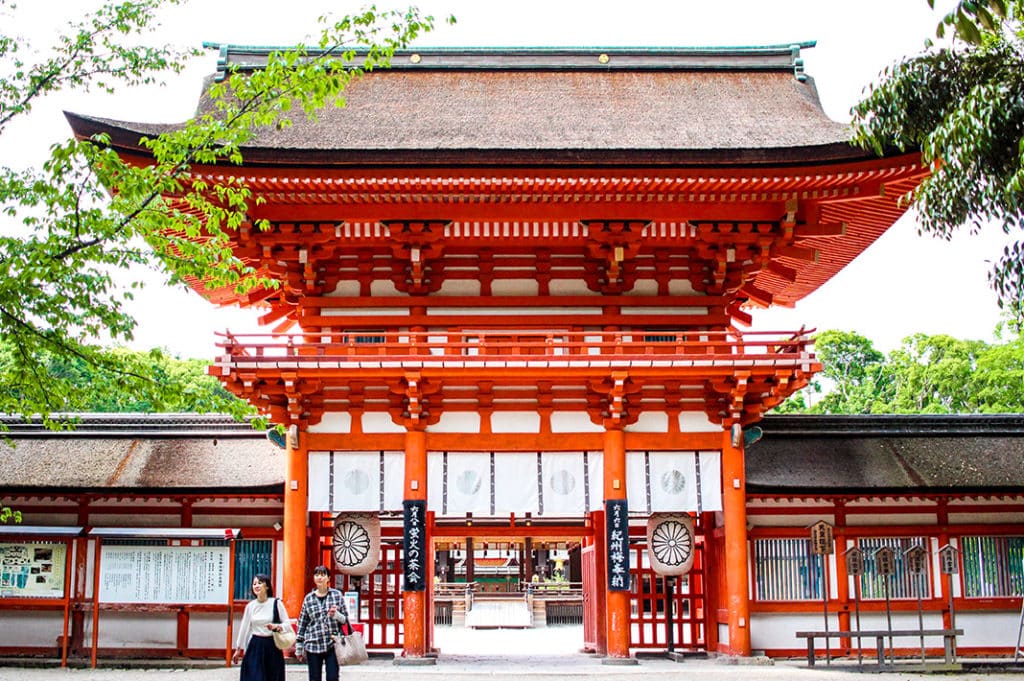
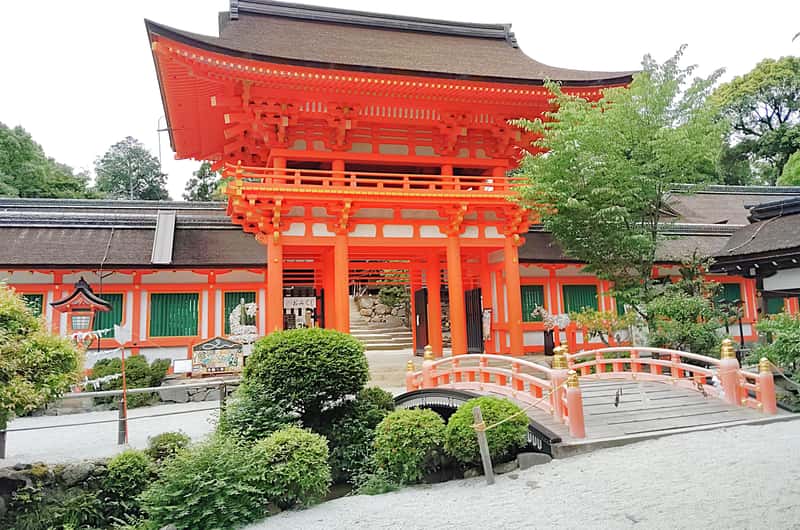
Shimogamo Shrine’s vermilion Romon (two-story gate) was built in 1628 and stands about 13 meters high. An Important Cultural Property from the early Edo period, it contrasts sharply with the deep green of Tadasu no Mori and is the signature landmark of the grounds.
Passing through the Romon takes you into the main hall worship area; it is the front gate leading from the approach to the main halls. The vermilion lacquered building set against the forest makes a popular photo spot.
Shimogamo Shrine Main Halls
The main halls are two buildings, East (Kamotakeru-tsunumi-no-mikoto) and West (Tamayori-hime-no-mikoto), both National Treasures in the elegant, flowing “nagare-zukuri” style. Normally worship is from outside only, and the interior is not open to visitors.
We suggest paying respects and making a wish with a sincere heart, feeling the solemn atmosphere of two thousand years, for about 10 minutes.
Kawai Shrine
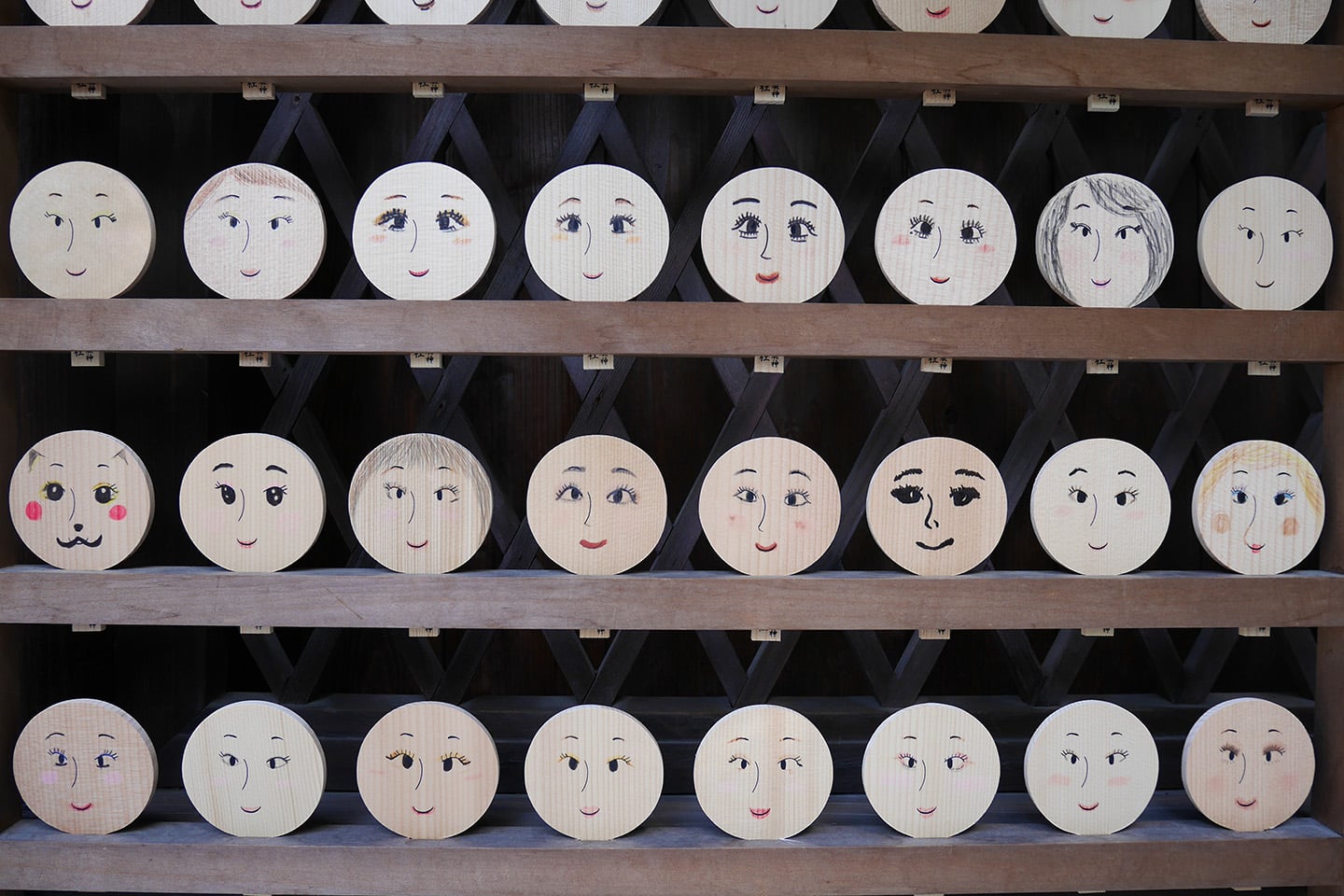
Kawai Shrine is the highly popular “shrine of beauty” within the grounds, enshrining Tamayori-hime-no-mikoto, said to be Japan’s most beautiful goddess, and is known for prayers for both outer and inner beauty, a must-visit hall for women.
You can try the famous “kagami ema” (mirror votive plaque), drawing on a hand-mirror-shaped wooden tablet with your own makeup while praying to become more beautiful. Kawai Shrine is also the site of Kamo no Chomei’s old hermitage described in the Hojoki; we suggest staying about 15 minutes.
Aioi Shrine
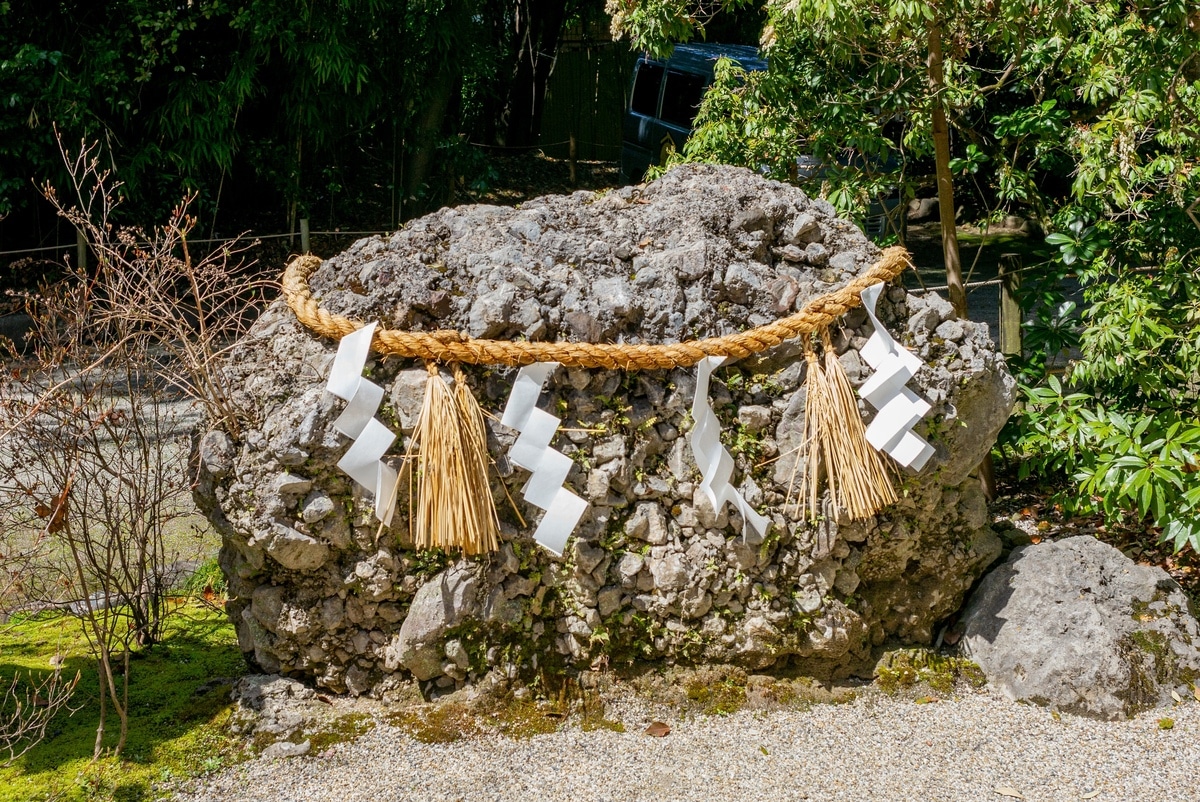
Aioi Shrine stands beside the Romon and is a highly regarded shrine for matchmaking. Next to it grows the “Renri no Sakaki,” two trees entwined into one, and it is said that walking around this tree three times while silently reciting your wish will bring a good match.
Aioi Shrine draws countless single people and couples, and the shrine office sells several matchmaking omamori, making it one of the most popular wish-making corners in the grounds; allow 10 minutes for the walk-around-the-tree ritual and enjoy the mysterious, romantic atmosphere.
Mitarashi Pond
Shimogamo Shrine’s Mitarashi Pond is an important sacred-water site, where clear water wells up, the setting of the barefoot purification ritual of the Mitarashi Festival and the origin of the name “mitarashi dango.” The dumplings are shaped to resemble the bubbles in the pond; on ordinary days the water is clear to the bottom, and we suggest staying 10 to 15 minutes to take it in quietly.
Beside the pond, Inoue Shrine (also called Mitarashi Shrine) enshrines Seoritsu-hime-no-mikoto and is a shrine for praying to ward off disaster and misfortune. The Saio-dai Misogi no Gi (purification ceremony of the festival priestess) in May and the Ashitsuke Shinji (foot-wetting ritual) around the Doyo no Ushi no Hi in summer are both held at this pond.
Niju-ni-sho Shrines
The Niju-ni-sho Shrines are a collection of deities that guard the Kamo sacred grounds, made up of many small halls in a row enshrining guardian deities from all directions. It is an area less noticed by tourists within Shimogamo Shrine but deeply meaningful in terms of faith.
Here you can pray to many deities at once, and the halls are neatly arranged, so it suits those interested in Shinto culture. We suggest combining it with a goshuin tour; about 10 minutes is enough to walk the whole area.
Zotta Shrine
Zotta Shrine is a small hall within the grounds where people pray for progress in the arts and creative work. Although the hall is small, it sees a steady stream of worshippers, and many people in art, music and other creative fields come especially to make a wish.
The surroundings of Zotta Shrine are quiet, close to the Tadasu no Mori path, and it is a good stop after visiting the main halls, showing the diverse wish-making culture within Shimogamo Shrine; allow 5 to 10 minutes for the detour.
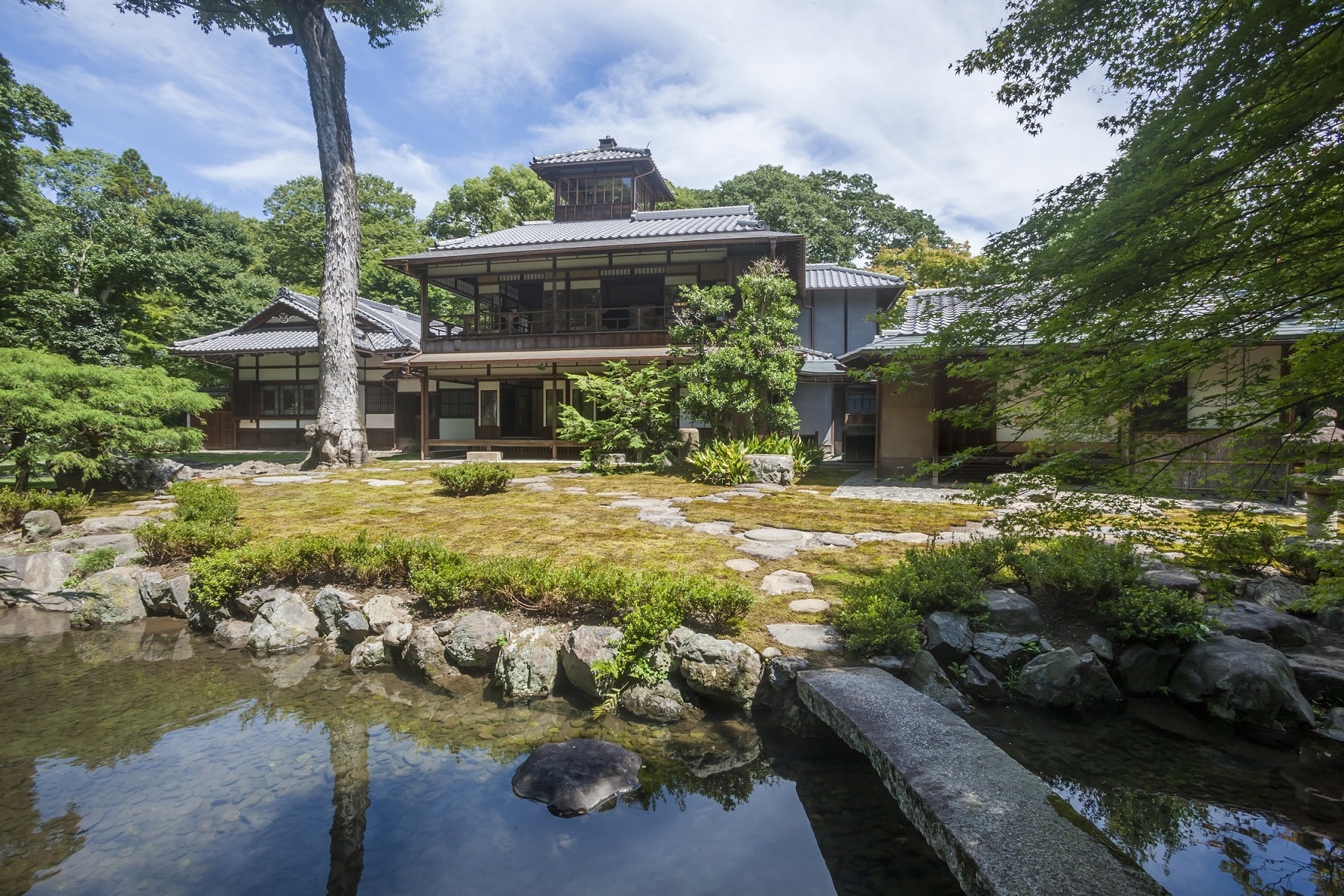
Former Mitsui Family Shimogamo Villa
Near Shimogamo Shrine, the Former Mitsui Family Shimogamo Villa was once a country house of the Mitsui family and is a nationally designated Important Cultural Property. Its beautiful garden changes with each season, making it a hidden Kyoto spot.
- 🎫 Admission: ¥500 on regular weekdays, ¥600 on weekends and holidays (¥300 for junior and senior high school students, ¥200 for elementary school students)
- 🕘 Closed: Wednesdays (the next weekday if it falls on a holiday) and December 29 to 31; open until 17:00, last admission 16:30
- ⏱ Suggested stay: 30 minutes to 1 hour, ideal for those who like Japanese architecture and gardens


How Much Does Shimogamo Shrine Cost? Omamori, Goshuin and Festival Experiences
Although Shimogamo Shrine is a World Heritage Site, visiting is completely free, which makes it one of the most popular stops for independent travelers in Kyoto. Still, after walking into Tadasu no Mori and seeing the main halls, most people want to take an omamori home, get a goshuin as a keepsake, or set aside time for a seasonal event like the Mitarashi Festival. Here are the actual costs so you can plan your budget before you go.
Shimogamo Shrine Opening Hours, Admission and Suggested Time
According to the official announcement, the hours inside the grounds are as follows.
- 🕘 Inside the Romon gate: 6:30 to 17:00
- 🕘 Kawai Shrine: 6:30 to 16:30 (may change due to ceremonies and other reasons)
- 🛍️ Omamori and goshuin: 9:00 to 16:30; arriving before 4 PM is less rushed
- 🎫 Admission: Worship at the main halls is completely free, and you can enter the grounds and Tadasu no Mori freely
- 💰 Oiden (the deities’ sacred kitchen, an Important Cultural Property): the only area that requires a separate ticket, viewing fee ¥1,000 for adults, free for junior high school students and younger, viewing hours 10:00 to 16:00 (last admission 15:30)
The nearby Former Mitsui Family Shimogamo Villa, which is not part of Shimogamo Shrine, charges separate admission (¥500 on weekdays, ¥600 on weekends and holidays), so be careful to tell them apart.
How long to spend at Shimogamo Shrine?
- Quick visit to the main halls: about 20-30 minutes
- Standard route (Tadasu no Mori, Aioi Shrine, Mitarashi Pond, Kawai Shrine): 1 to 1.5 hours
- Adding paid areas such as the Oiden: allow 2 to 3 hours
- 🕘 Opening hours: Inside the Romon gate 6:30–17:00 / Kawai Shrine 6:30–16:30 (may change due to ceremonies)
- 🙏 Prayer service reception: 9:00–16:30 (no reservation needed)
- 🔗 Shimogamo Shrine (Kamomioya Shrine) official website
Shimogamo Shrine Omamori 2026: Popular Types and Hours Available
First, the question visitors ask most often, the hours for omamori at Shimogamo Shrine: according to the official site, omamori and goshuin are available from 9:00 AM to 4:30 PM (excluding some offering points, and subject to change during festival events). Although the Romon gate opens at 6:30, omamori cannot be bought if you arrive very early, so anyone who wants one should plan to visit after 9:00 and before 16:30.
The meaning of an omamori varies by design. The official site lists the prayer purpose for each design (and there are many designs not listed), so choose according to the blessing you want:
- Hime-mamori / Hiko-mamori: The Hime-mamori uses chirimen (crepe silk) fabric and prays for protection for women; the Hiko-mamori uses denim and prays for protection for men.
- Mizu-mamori: Shaped like the bubbles welling up in the shrine’s Mitarashi Pond, it prays for the removal of misfortune and illness.
- Lace omamori: A translucent design that prays for good luck and good fortune.
- Anzan-mamori, Kamo no Ne-mamori, Toba-mamori, Shiki no Mamori: These pray for safe childbirth, beauty in singing and instrumental performance, life guidance (shaped like the wings of the Yatagarasu), and health and longevity with designs of the four seasons of Tadasu no Mori, respectively.
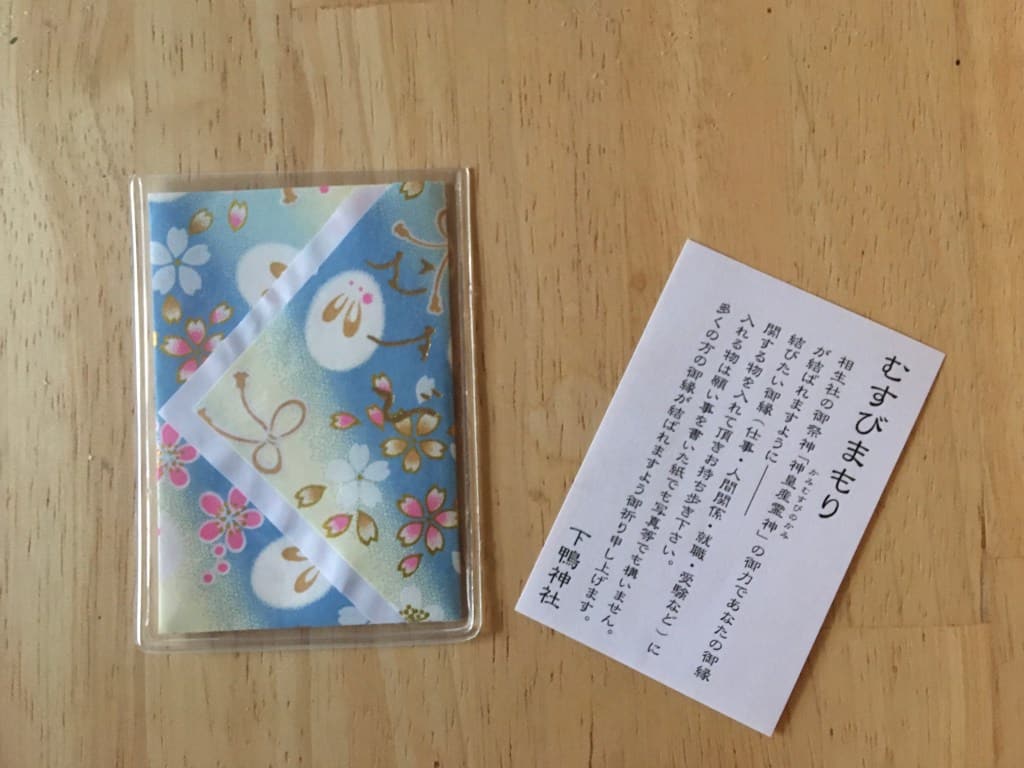
- Aioi Shrine exclusives: The matchmaking omamori “Aoi-himo” (shaped like the double hollyhock crest), the card-type “Musubi-mamori” and the matchmaking ema.
- Kawai Shrine exclusives: The “Bi-kagami-mamori” for beauty prayers (offering ¥2,000, available from September 1, 2025, with the double hollyhock crest in 7 colors), the hand-mirror-shaped “kagami ema,” and the “kagami mikuji” (offering ¥500).
- Zotta Shrine exclusive: The “Itsuki-mamori,” which prays for progress in the arts and creative activity.
2026 is the Year of the Horse, and the official site’s home page has featured a Reiwa 8 limited-edition “Umazume-mamori (horseshoe omamori),” along with the zodiac “Eto Nuriya” and “Eto Mizuhiki” for the 12 zodiac animals (whether they are still offered depends on availability on site). The official site also once announced that from the day of the Meigetsu Kangen-sai (Harvest Moon Music Festival), a moon-design version of the “Shiki no Mamori” would be offered in limited numbers while supplies last; please check on site whether it is still available. Apart from the items marked with an offering amount above, the official site does not publish prices for each omamori, so please check the actual amount at the offering office.
Shimogamo Shrine Goshuin and Goshuincho
A Shimogamo Shrine goshuin costs ¥500 and is written by hand on the spot at the offering office beside the Romon, in elegant calligraphy. During the Shikinen Sengu (periodic rebuilding) or special festivals, limited-edition goshuin with a festival-specific stamp are also available, priced at about ¥500-800.
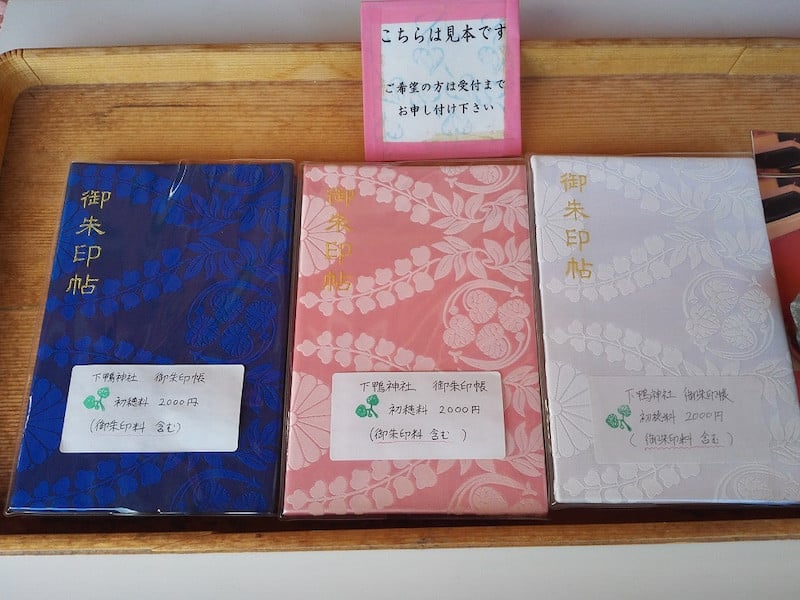
Goshuincho (stamp books) are also sold on site, ranging from ¥1,500 to ¥3,000, mostly themed on Tadasu no Mori, Mitarashi Pond or the shrine crest, and finely made. We suggest bringing your own goshuincho to save time queuing.
On weekends and holidays or during festivals, getting a goshuin takes about 15-30 minutes of waiting. We suggest collecting it right after your morning visit to avoid the afternoon crowds.
Shimogamo Shrine Mitarashi Festival 2026: Ashitsuke Shinji Dates, Hours and Cost
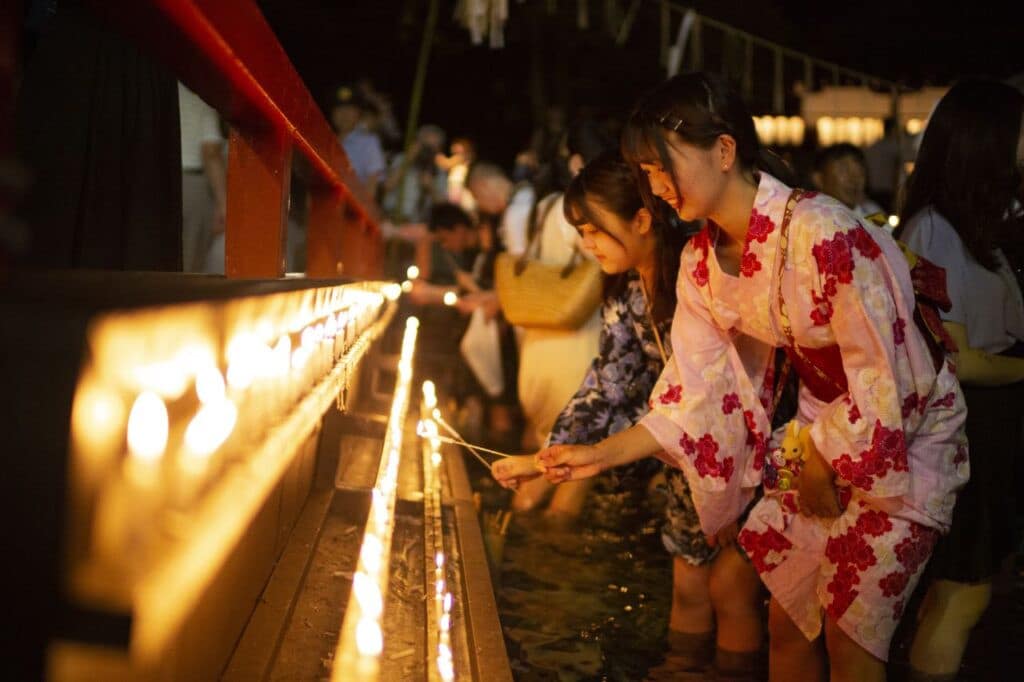
The 2026 Mitarashi Festival (Ashitsuke Shinji) at Shimogamo Shrine runs from July 18 (Sat) to 30 (Thu), open 9:00 to 20:00 (closing at 20:00, with candle offerings available for those who enter before 19:30), and the Mitarashi Shrine annual festival (Doyo no Ushi no Hi) holds its formal ceremony at 10 AM on July 26 (Sun).
Enshrined beside Mitarashi Pond is Inoue Shrine (also called “Mitarashi Shrine,” the “Mitarashi Jinja” many people search for), named because its hall was built over a well curb, and the bubbles welling up from the bottom of the pond are said to be the origin of the shape of “mitarashi dango.” Visitors can wade barefoot into Mitarashi Pond, with a candle offering of ¥500 for adults and a voluntary donation for junior high school students and younger, praying to be free of illness and misfortune.
The whole ritual takes about 10-15 minutes, and limited-period omamori and goshuin are also sold on site. Crowds are heavier in midsummer, so we suggest going on a weekday or at 9 AM when it opens.
During the festival, stalls along the Tadasu no Mori approach also sell traditional Kyoto snacks such as grilled dango, shaved ice and candied apples for about ¥300-600, offering an authentic summer experience.
- 🗓 2026 festival period: July 18 (Sat) – 30 (Thu), 9:00–20:00 (candle offerings for those entering before 19:30)
- 🎫 Fee: Candle offering Adults ¥500 / junior high school students and younger by donation
- 🔗 Shimogamo Shrine official website (Mitarashi Festival)
Shimogamo Shrine Festival Calendar: 2026 Aoi Matsuri, Mitarashi Festival, Meigetsu Kangen-sai and Other Annual Events
Shimogamo Shrine holds festivals throughout the year. To plan your trip around one, refer to the main events compiled in the official site’s “annual festival calendar” (dates are fixed each year; for exact details follow the official announcement):
- January 4, Kemari Hajime: A re-creation of Heian-period kemari (kickball) in the grounds at the start of the new year.
- February 3, Setsubun-sai / March 3, Nagashi-bina: Spring rituals for dispelling misfortune and praying for blessings.
- May 3, Yabusame Shinji; May 4, Saio-dai Misogi no Gi; May 5, Hosha Shinji; May 12, Mikage-sai: A series of preliminary rites before the Aoi Matsuri; the Saio-dai Misogi no Gi is held at Mitarashi Pond, alternating each year with Kamigamo Shrine.
- May 15, Kamo Matsuri (Aoi Matsuri): One of Kyoto’s three great festivals.
- July Doyo, Mitarashi Festival (Ashitsuke Shinji): In 2026, July 18–30, 9:00–20:00.
- Eve of Risshu, Natsukoshi Shinji (Yatori Shinji): A purification rite in which 50 sacred wooden sticks are set up in the middle of Mitarashi Pond and bare-chested men compete to seize them.
- Mid-autumn, Meigetsu Kangen-sai: In 2026, held from 17:30 on September 25 (Fri) until 21:00 (reception stops at 20:30), free to attend, with traditional performing arts such as shakuhachi, kangen (court music) and koto offered at the Hashidono.
- November 15, Shichi-Go-San visits and Kawai Shrine annual festival / December 13, Aioi Shrine festival (En-musubi Festival).
Tadasu no Mori Nature Walk and Guided Experiences
Tadasu no Mori is an ancient forest of about 120,000 square meters inside Shimogamo Shrine, open free of charge, and we suggest staying 30 minutes to 1 hour. Walking slowly along the approach lets you feel the historic atmosphere of a World Heritage Site, ideal for travelers who love traditional Japanese culture.
Independent travelers can book a Kyoto day cultural tour through KKday or Klook; for example, KKday’s Kyoto day tour covers Daitoku-ji Soken-in, Kamigamo Shrine and Shimogamo Shrine and includes a mugi-gohan and yam (tororo) set meal, but follow the booking page for the actual itinerary.
![[Kyoto Day Tour] Daitoku-ji Soken-in, Kamigamo Shrine, Shimogamo Shrine and a Mugi-gohan and Yam Set Meal](https://travel.williamlion.tw/wp-content/uploads/sites/7/2026/07/image-1795.jpg)
FAQ
Q: How much is admission to Shimogamo Shrine?
Shimogamo Shrine has no admission fee, and worship is completely free; only the special viewing area, the “Oiden,” needs a separate ticket, ¥1,000 for adults and free for junior high school students and younger. The nearby Former Mitsui Family Shimogamo Villa is a separate facility with its own admission, ¥500 on weekdays and ¥600 on weekends and holidays.
Please check the official site again before you go.
Q: What are Shimogamo Shrine’s opening hours?
According to the official site, the area inside the Romon gate opens at 6:30 and closes at 17:00 year-round, and Kawai Shrine is open 6:30 to 16:30 (may change due to ceremonies and other reasons); the Oiden viewing hours are 10:00 to 16:00 (last admission 15:30), and omamori and goshuin are available 9:00 to 16:30, so if you want an omamori we suggest going during the day.
Q: What is the easiest way to get to Shimogamo Shrine from Kyoto Station?
You can take Kyoto City Bus route 4 to the “Shimogamo-jinja-mae” stop in about 30 minutes for a ¥230 fare, or take the train to Demachiyanagi Station and walk about 12 minutes.
Q: When is the best time to see autumn leaves at Tadasu no Mori?
The best time for autumn leaves at Tadasu no Mori usually falls from late November to mid-December, when the maples peak, making it a popular hidden spot for autumn color in Kyoto.
Q: When is the Mitarashi Festival held?
The Mitarashi Festival is held every year in late July (around the Doyo no Ushi no Hi); in 2026 it runs July 18 to 30, 9:00 to 20:00, with a candle offering of ¥500 for adults. Worshippers wade barefoot into Mitarashi Pond to pray for the warding off of disaster and misfortune.
Q: How long should I spend at Shimogamo Shrine?
About 20-30 minutes is enough if you only want a quick visit to the main halls; for the standard route (including a walk through Tadasu no Mori, Aioi Shrine, Mitarashi Pond and Kawai Shrine) allow 1 to 1.5 hours; if you also add paid areas such as the Oiden or the nearby turtle stepping stones on the Kamo River, we suggest a half-day outing.
Q: Are there any taboos or things to be aware of when visiting Shimogamo Shrine?
Before entering the main halls, we suggest purifying your hands and rinsing your mouth at the temizuya (purification fountain), and within Tadasu no Mori please do not break branches off trees or make loud noise, as a sign of respect for the sacred grounds.