
Sensoji and Kaminarimon: Tokyo’s Oldest Temple and a Cultural Landmark
Sensoji’s Kaminarimon Gate is one of Tokyo’s most iconic sights, with a history of nearly 1,400 years. This guide gives you the latest 2026 plan for Sensoji and Kaminarimon, including must-see spots, transport, food picks and places to stay, to help you plan the perfect Asakusa trip.
Visiting Sensoji and Kaminarimon: Opening Hours, Access and the Best Time to Go
Before planning your Sensoji and Kaminarimon visit, it helps to know the different opening hours of the main hall, Nakamise Street and Kaminarimon, and the best times to avoid the crowds, so you can enjoy a relaxed trip.
Opening Hours at a Glance
Sensoji has two kinds of opening hours. Kaminarimon and the temple grounds are open 24 hours a day and free to visit, while the main hall (Kannon Hall) is open for worship by season: 6:00 a.m. to 5:00 p.m. from April to September, and 6:30 a.m. to 5:00 p.m. from October to March. The official website is Sensoji (senso-ji.jp). Shops on Nakamise Street keep their own hours, and most are open from about 10:00 a.m. to 6:00 p.m., so leave at least half a day of flexible time.
When the Main Hall Opens: The 6:00 Morning Service and Three Daily Ceremonies
The main hall holds three scheduled services each day: the morning service starts at 6:00 (6:30 from October to March), the midday service is at 10:00, and the evening service is at 14:00. Prayer requests and ceremony applications are accepted from opening time until 17:00, and early mornings are the quietest. For the latest opening and ceremony notices, check the official website Sensoji (senso-ji.jp).
Getting There
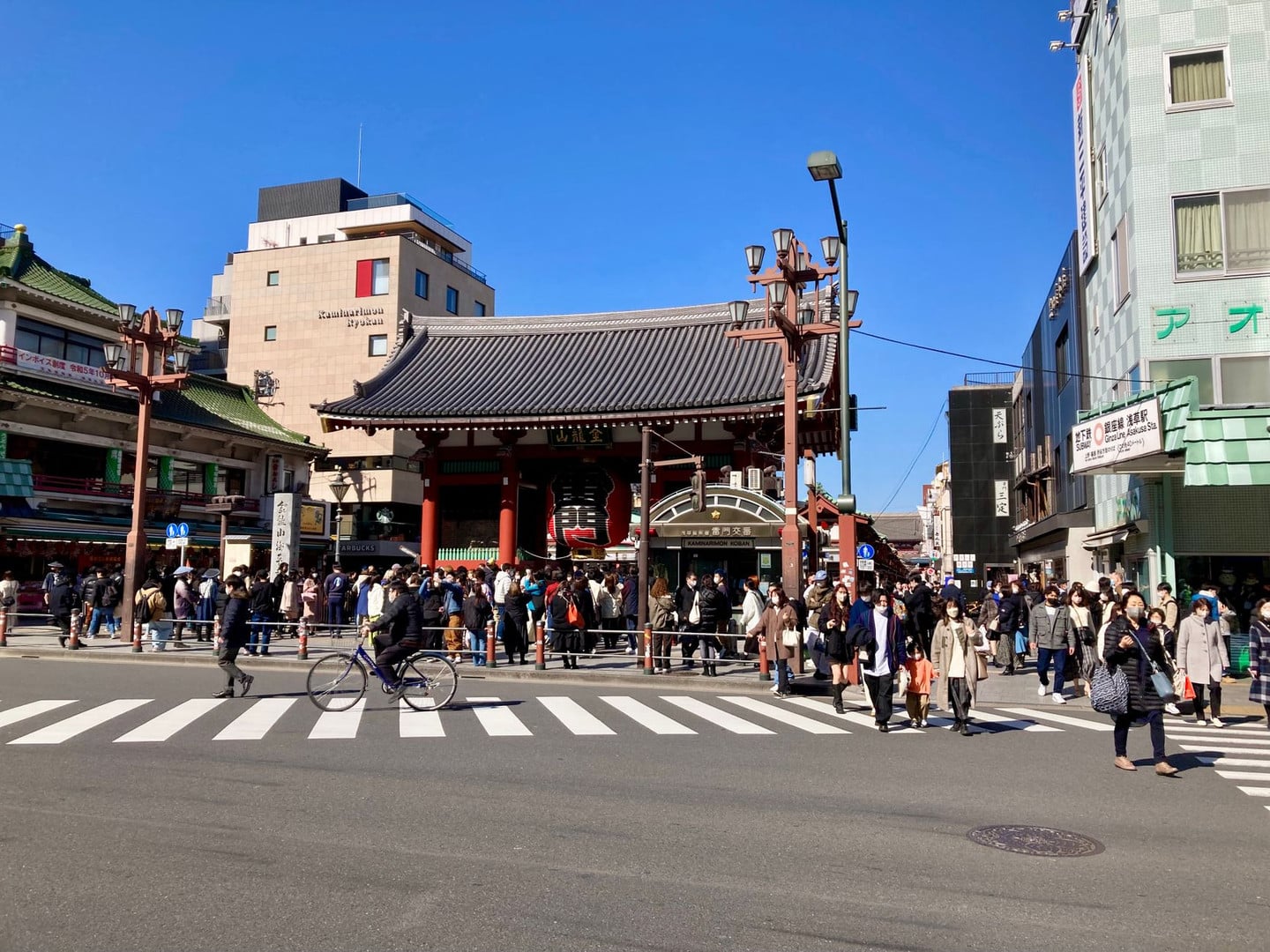
The easiest way to reach Sensoji and Kaminarimon is the Tokyo Metro Ginza Line to Asakusa Station, Exit 1, about a 1-minute walk (around 60 meters) to Kaminarimon. From Asakusa Station on the Toei Asakusa Line, take Exit A4 and walk about 2 minutes; from Asakusa Station on the Tobu Skytree Line, it is about 5 minutes on foot; and from Asakusa Station on the Tsukuba Express, take Exit A1 and walk about 5 minutes. Four lines meet at Asakusa with frequent trains, and from major Tokyo stations such as Shinjuku or Shibuya the ride is usually 30 to 40 minutes with one transfer, so access is very convenient.
Best Time to Visit: How to Avoid the Crowds
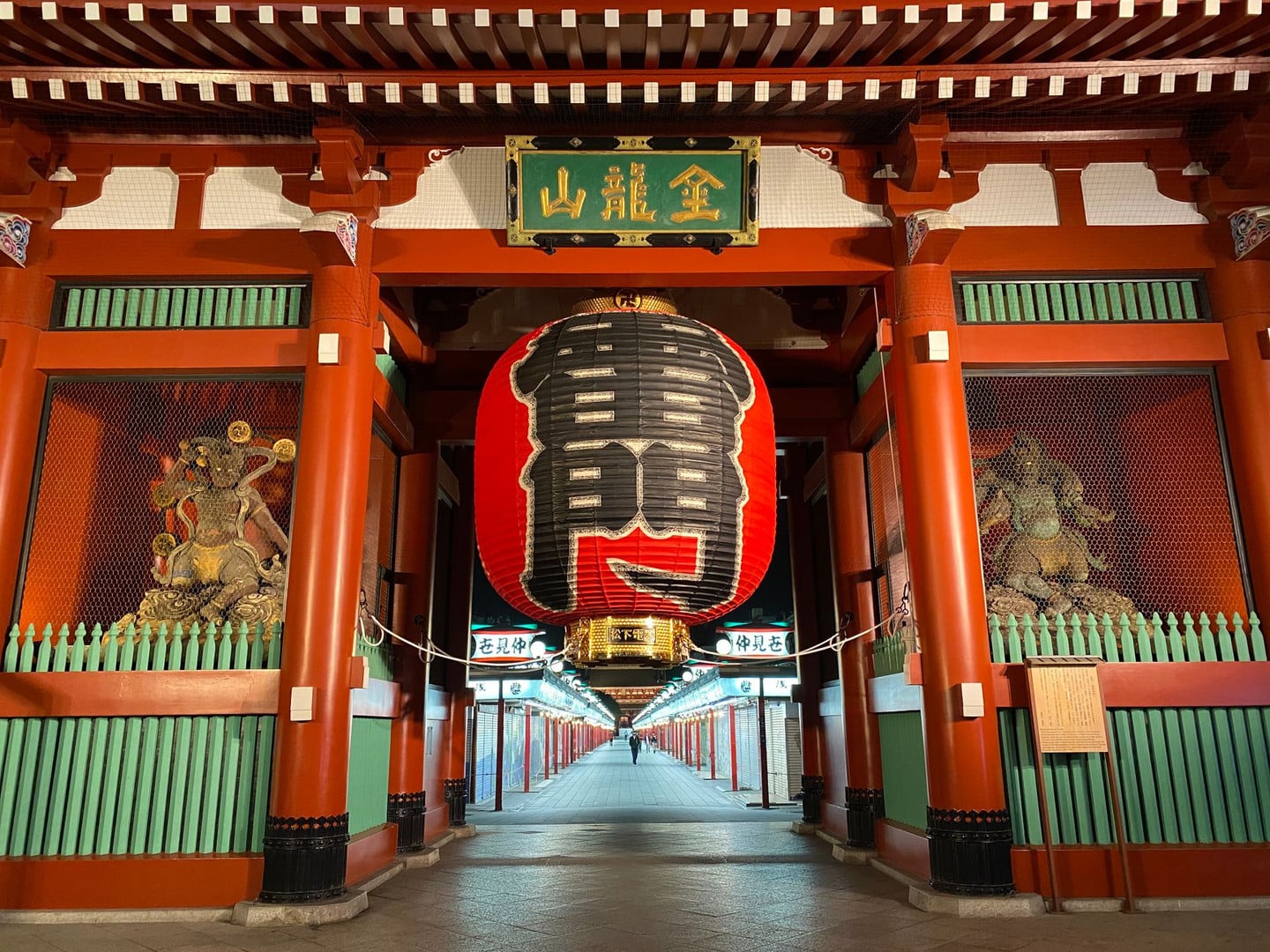
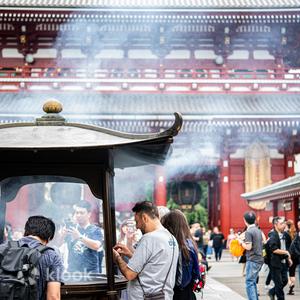
Sensoji and Kaminarimon are busy all year round. If you want a shot of the giant Kaminarimon lantern without crowds, aim for 6:00 to 8:00 a.m., when most shops are still closed. If you would rather feel the liveliest worship and shopping atmosphere, go after 10 a.m. as the Nakamise Street shops open one by one. After dark, the main hall, the five-story pagoda, Hozomon Gate and Kaminarimon are lit from sunset until 11 p.m., and the temple at night has a completely different, quiet feel, ideal for a stroll after dinner.
Must-See Sights Around Sensoji and Kaminarimon: Highlights by Area
Sensoji and Kaminarimon are among Tokyo’s most iconic sights and attract millions of visitors a year. The area has not only a historic temple and traditional Japanese culture but also many modern attractions and entertainment venues. Here are the must-see sights and highlights of each area in detail.
Kaminarimon

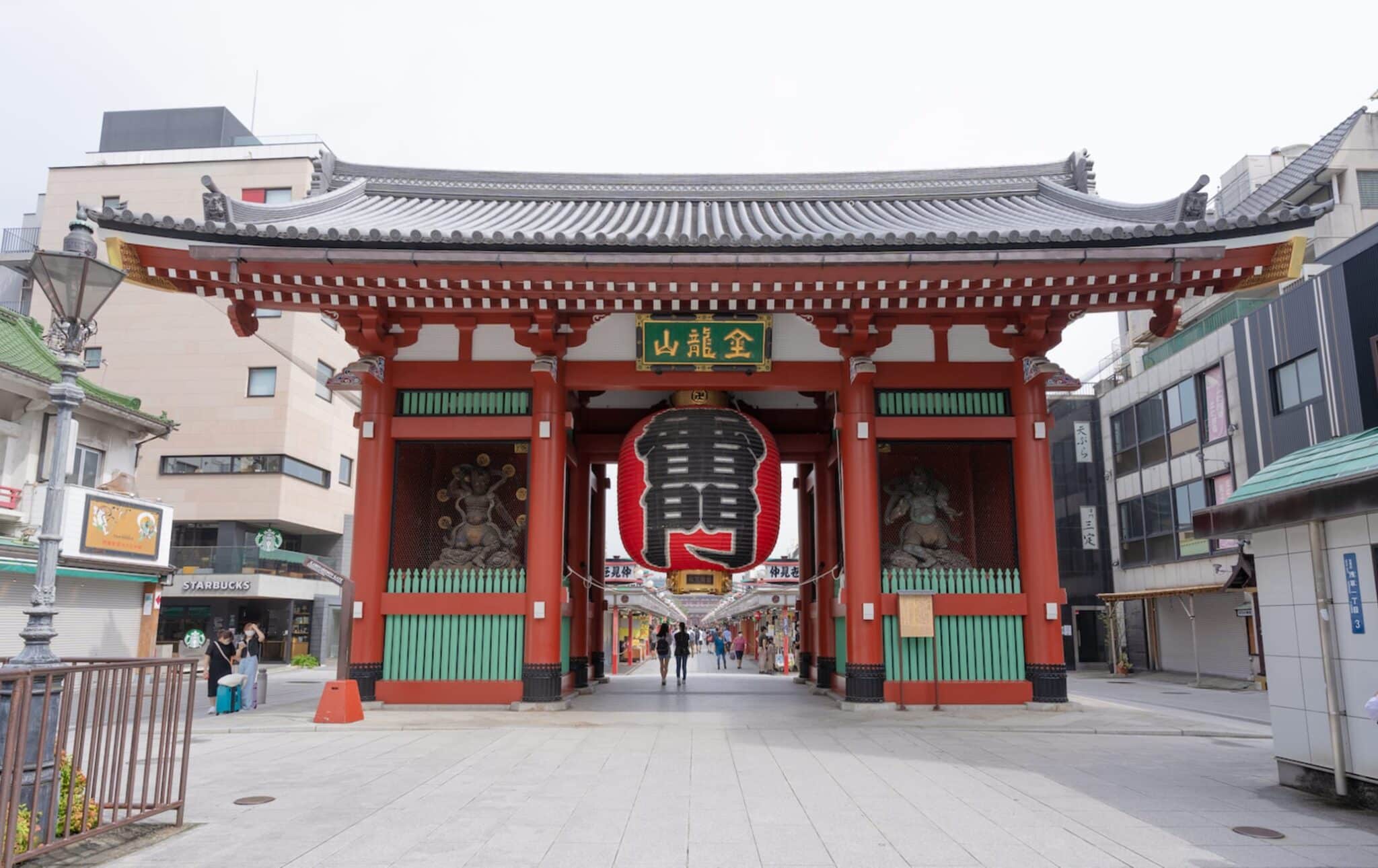
Kaminarimon is the main gate of Sensoji and a symbol of the Asakusa area. The giant lantern hanging on the gate is a must-photograph: it is 3.9 meters tall, 3.3 meters wide and weighs about 700 kilograms, and it is remade roughly every 10 years by Takahashi Chochin in Kyoto, with the current one newly made in 2020. The gate’s history goes back to the Heian period and it has burned down several times. The current reinforced-concrete structure was completed in 1960, rebuilt with a donation from Konosuke Matsushita, founder of Matsushita Electric.
Kaminarimon is open 24 hours a day and free to visit.
It is only a few minutes’ walk from Kaminarimon to Sensoji.


Sensoji Temple
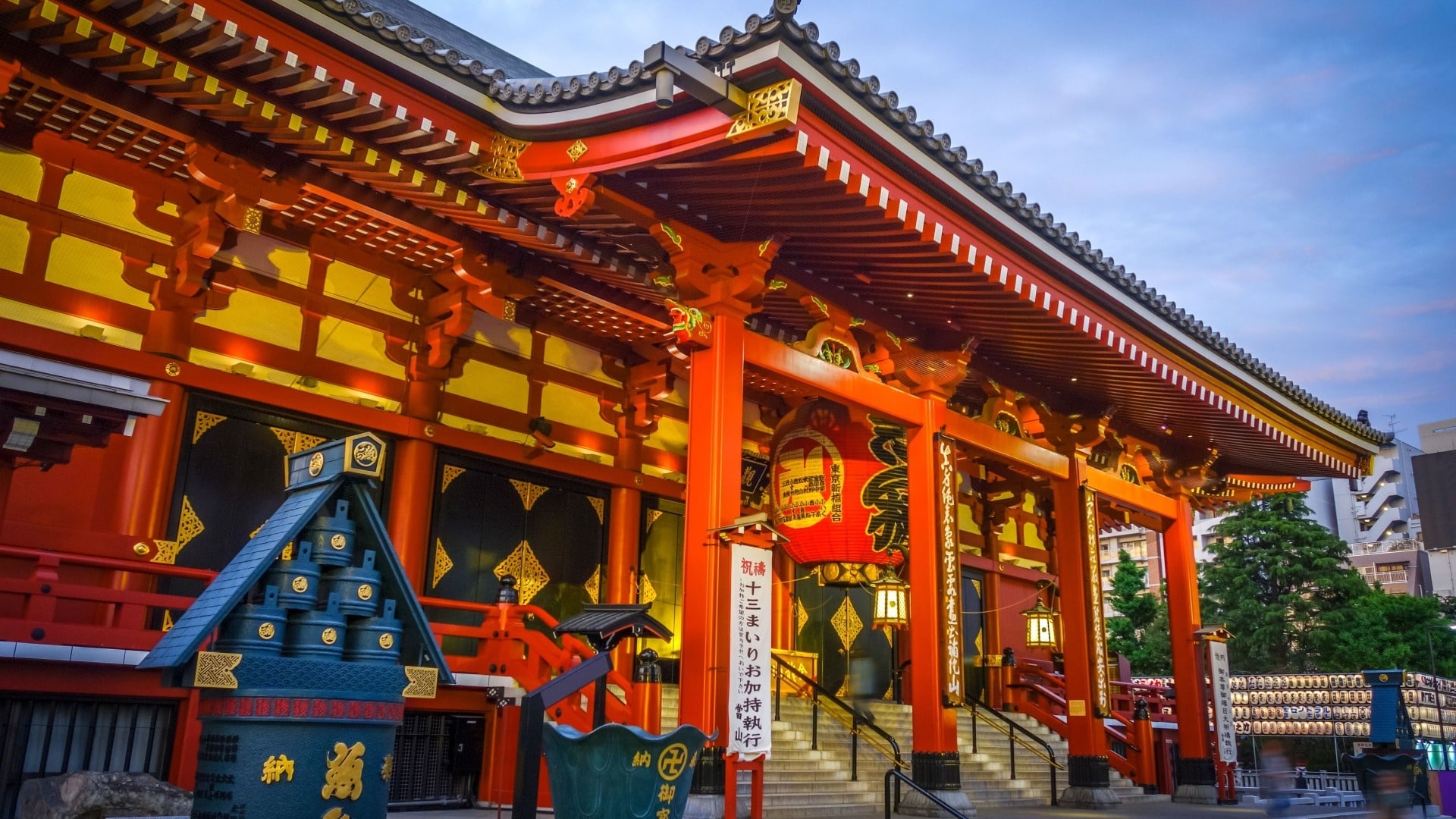
Sensoji is one of Tokyo’s oldest temples and is dedicated to the bodhisattva Kannon. Its history goes back to 628, when, according to tradition, two brothers fishing in the Sumida River found a statue of Kannon and founded the temple. The present main hall was rebuilt in 1958 (Showa 33), and the grounds also include a five-story pagoda and Hozomon Gate.
The main hall is open from 6:00 to 17:00 (from 6:30 between October and March). Entry to the grounds is free, and photography is not allowed inside the main hall.
Sensoji’s address is 2-3-1 Asakusa, Taito City, Tokyo. The official website is Sensoji (senso-ji.jp), and goshuin (temple stamps) are available at the temple.
Nakamise Street
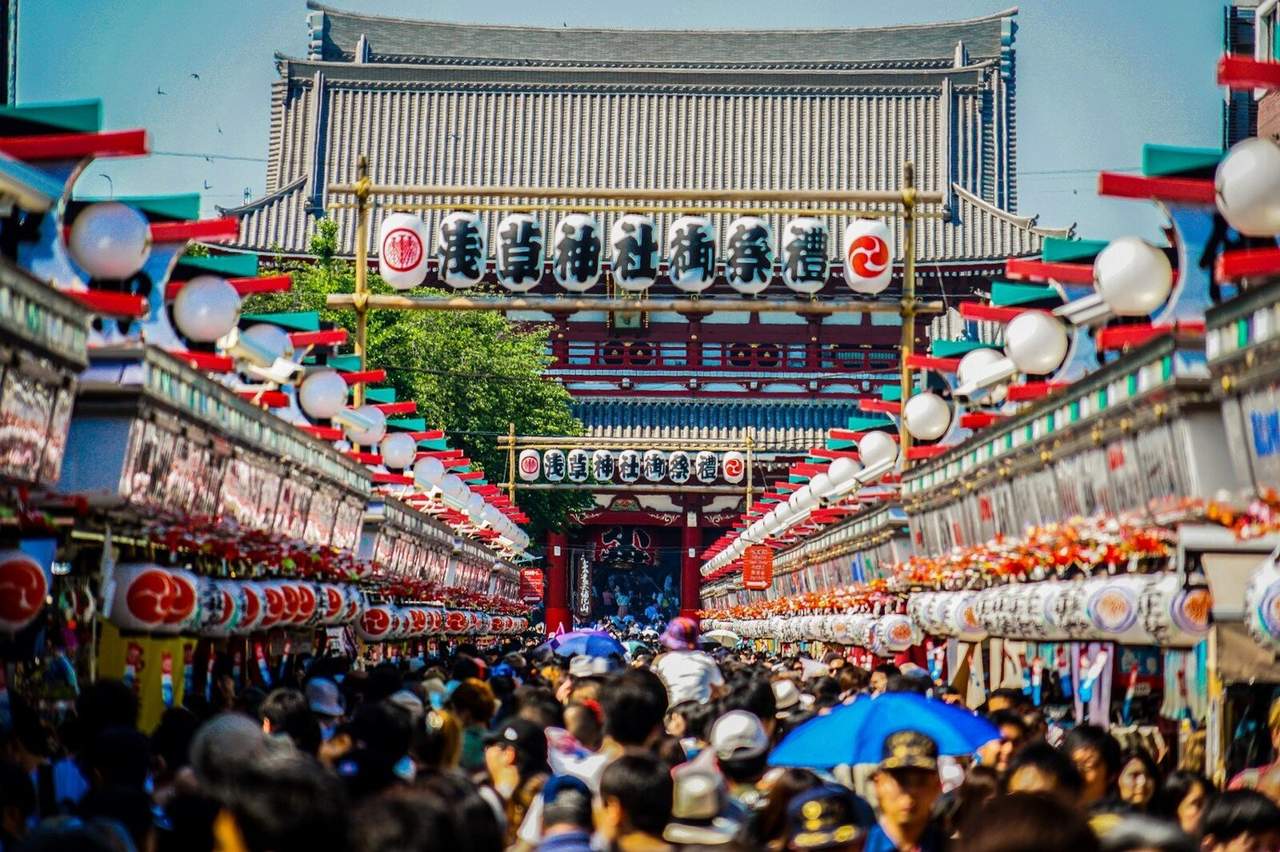
Nakamise Street is the approach connecting Kaminarimon and Sensoji, about 250 meters long and lined with shops and stalls selling traditional Japanese snacks, souvenirs and local gifts.
Shops on Nakamise Street keep their own hours, and most are open from about 10:00 to 18:00. The official website is asakusa-nakamise.jp.
Well-known snacks along Nakamise Street include Asakusa’s signature “ningyo-yaki” (cakes filled mostly with sweet red bean paste), crunchy “Kaminari-okoshi” rice crackers, freshly fried menchi-katsu (minced meat cutlets), and all kinds of senbei crackers and dango. For dessert, there are matcha soft-serve ice cream and melon bread filled with ice cream.
Asakusa’s Long-Established Restaurants: Sukiyaki and Unagi
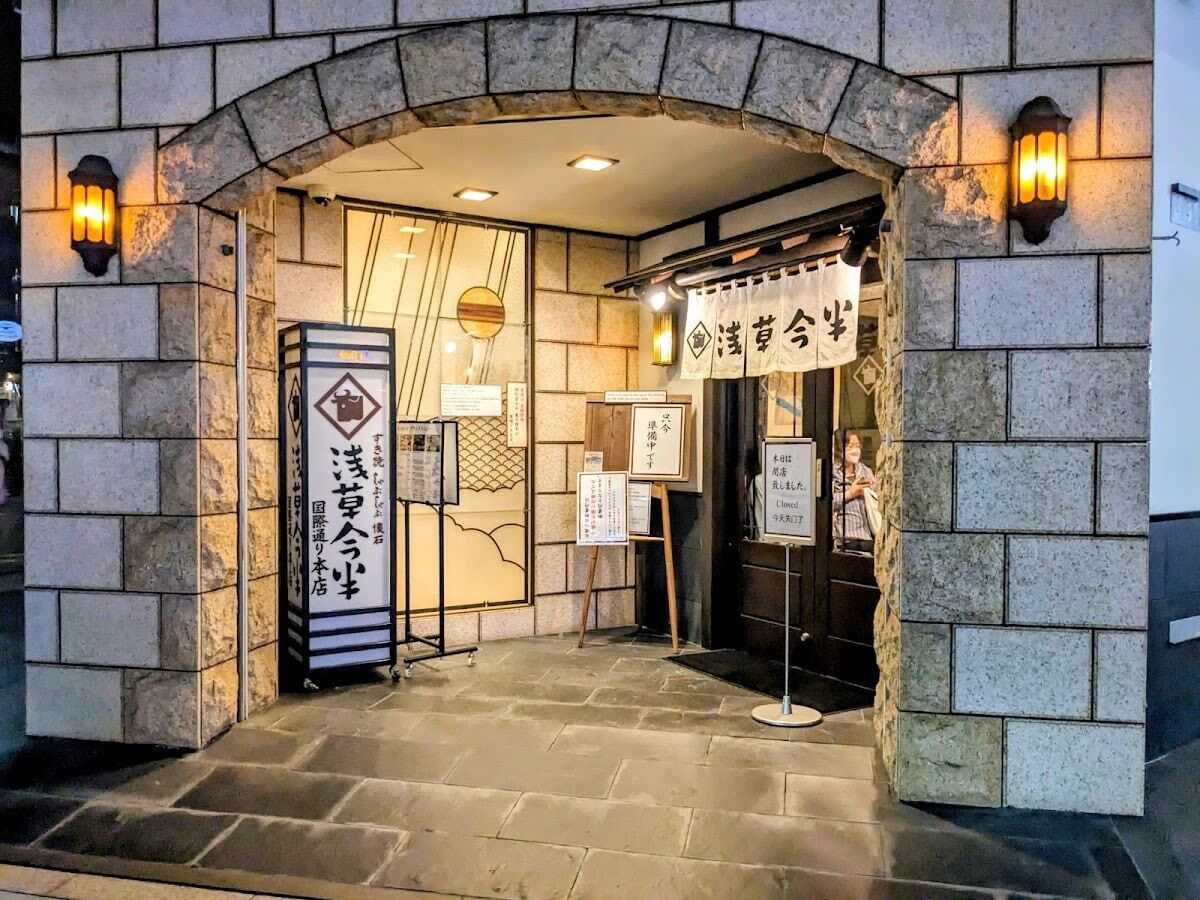
- 🍲 Asakusa Imahan (founded 1895) is known for Japanese black beef sukiyaki. The okuzashiki rooms in the main restaurant are a nationally registered tangible cultural property, and it is closed on Tuesdays.
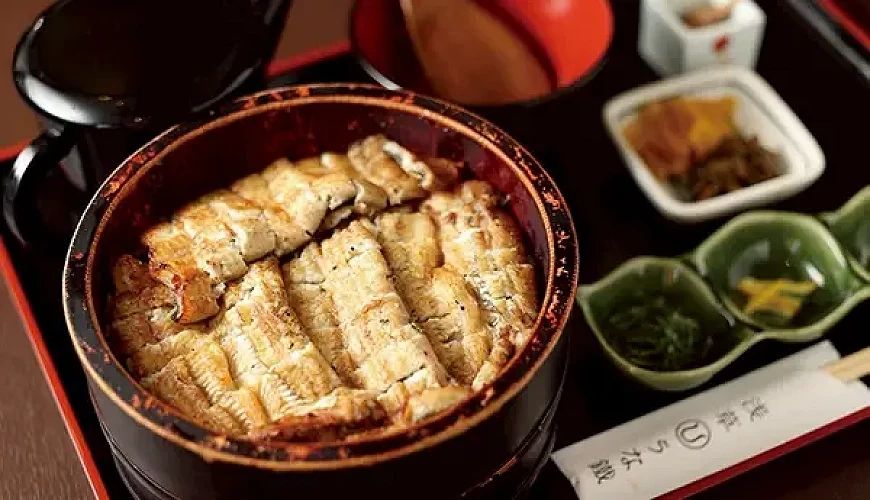
- 🐍 Unagi Iroka (うなぎ色川, founded 1861) has been handed down for more than 160 years, and its freshly grilled kabayaki eel set meal is well reviewed. It has only 12 seats, so go early.
- 💰 For prices, please refer to each restaurant’s official website.
- 🚉 Access: Iroka (2-6-11 Kaminarimon, Taito City) is a 1-minute walk from Kaminarimon and is open 11:30-14:00 (closed Sundays). The Imahan main restaurant is at 1-19-17 Asakusa and is open 11:30-20:30.
Asakusa Shrine
Asakusa Shrine stands near Sensoji and enshrines the two brothers who founded Sensoji and their master. The existing shrine buildings were donated by Tokugawa Iemitsu in 1649 and are designated National Important Cultural Properties. The Sanja Festival is held at this shrine every May.
Entry to the shrine grounds is free, and omamori charms and goshuin are available. For the hours of the shrine office, please follow the notice posted on site.
Asakusa Shrine’s address is 2-3-1 Asakusa, Taito City, Tokyo, next to Sensoji. After worshiping, it is worth browsing the nearby shops and stalls.
Five-Story Pagoda
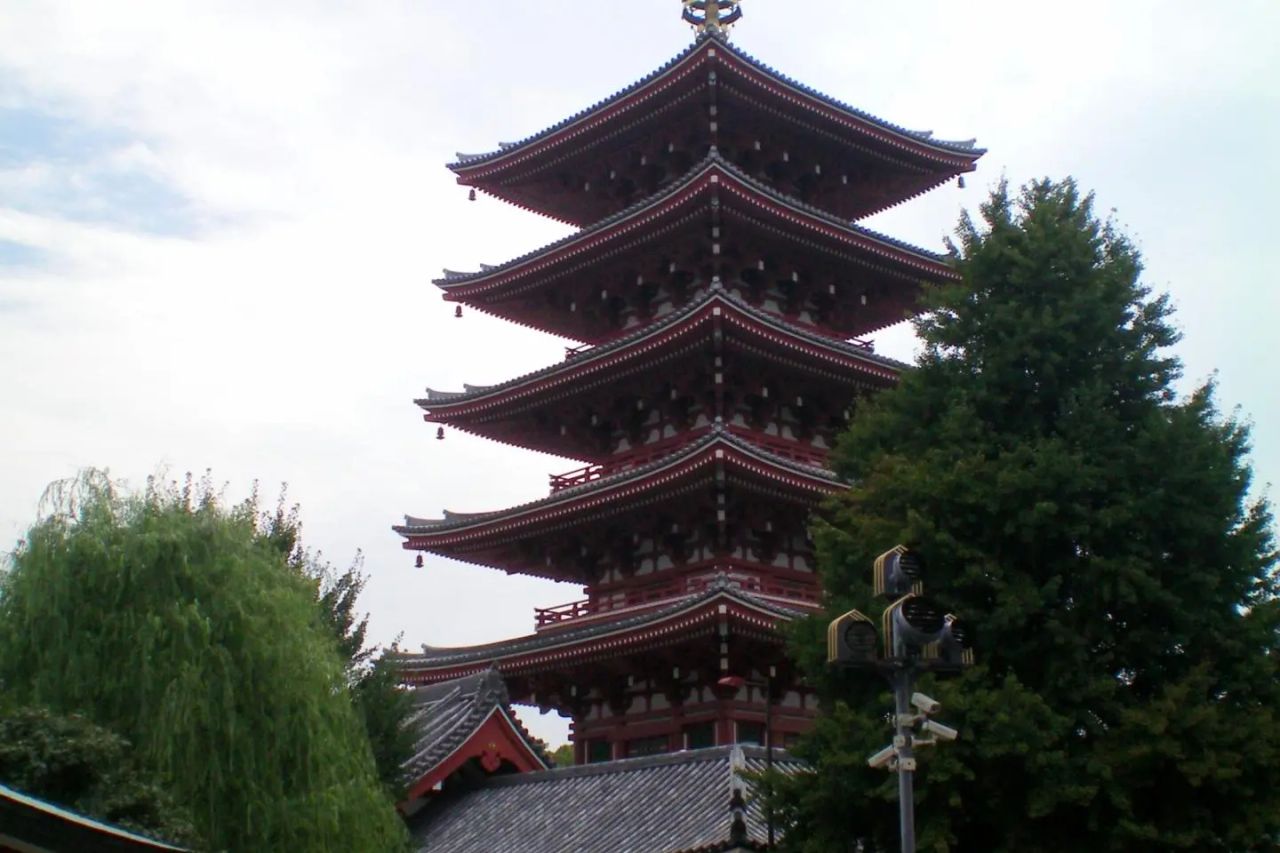
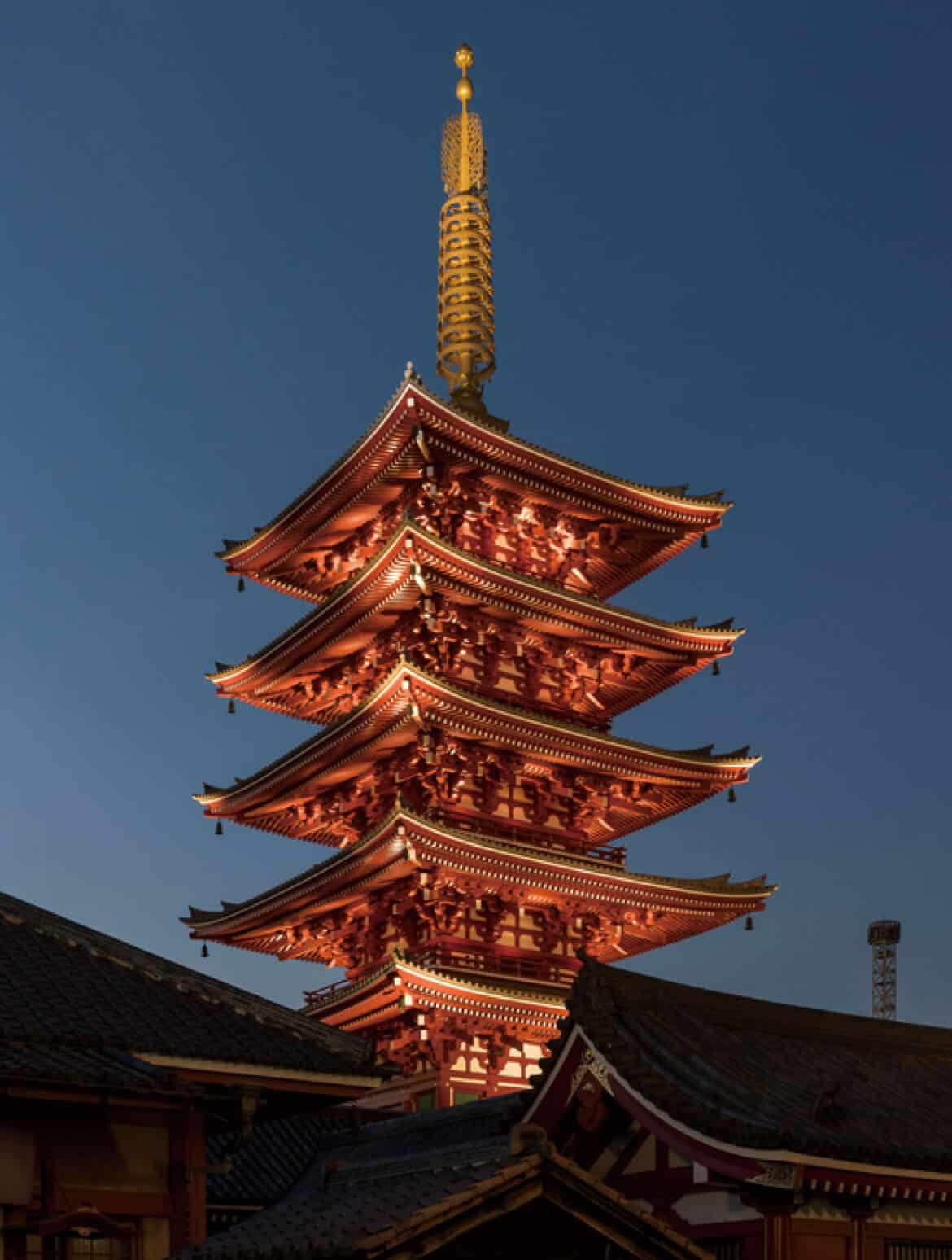
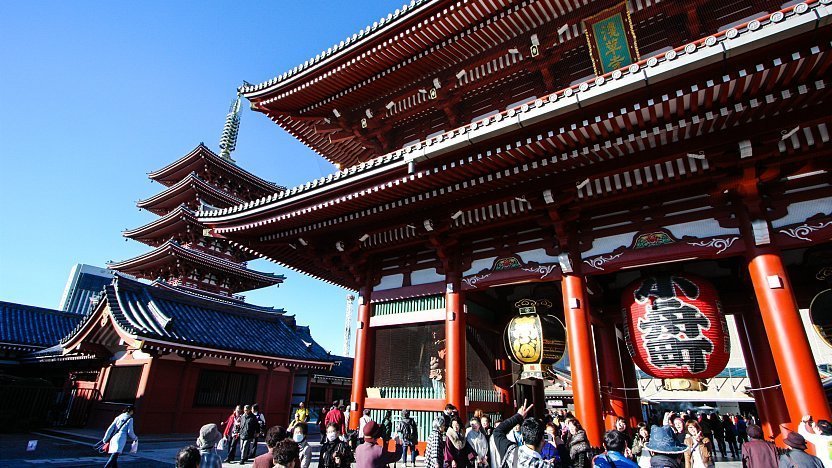
The five-story pagoda is a well-known sight within Sensoji, about 53 meters tall (including the finial), and its top level enshrines Buddhist relics brought from Sri Lanka.
The inside of the pagoda is not open to the general public. It holds a memorial hall for worshipers’ ancestral tablets and a space enshrining the Buddhist relics. Visitors can only admire and photograph the exterior from outside; no ticket is needed, and you cannot climb it for a view.
The pagoda is said to have been founded in 942, and the existing one was rebuilt in 1973 (Showa 48) as a reinforced-concrete structure. It stands out especially when lit up at night.
Hozomon Gate
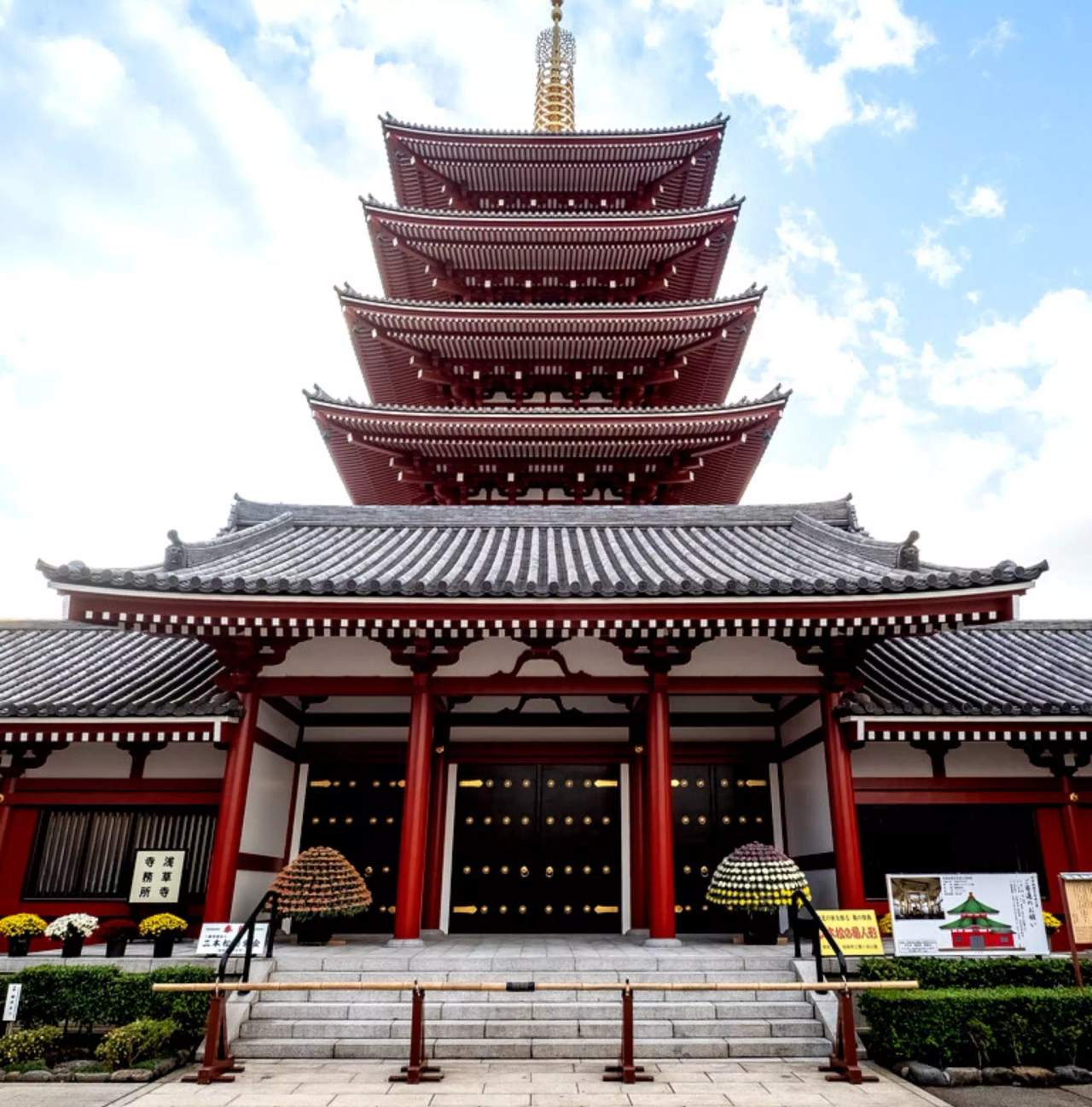
Hozomon Gate is another important entrance to Sensoji, at the far end of Nakamise Street. The carvings on the gate are exquisite and worth a closer look. The present Hozomon was rebuilt in 1964 with a donation from Yonetaro Otani and his wife of Otani Heavy Industries.
Hozomon Gate is open all day and free to visit. Visitors can take commemorative photos here and feel the solemn atmosphere of Sensoji. There are many shops and stalls near Hozomon selling traditional Japanese snacks and souvenirs.
Entering Sensoji through Hozomon, you can see the main hall and other important buildings. After visiting Sensoji, we suggest leaving through Hozomon, where you will pass many interesting sights along the way.
Denboin-dori
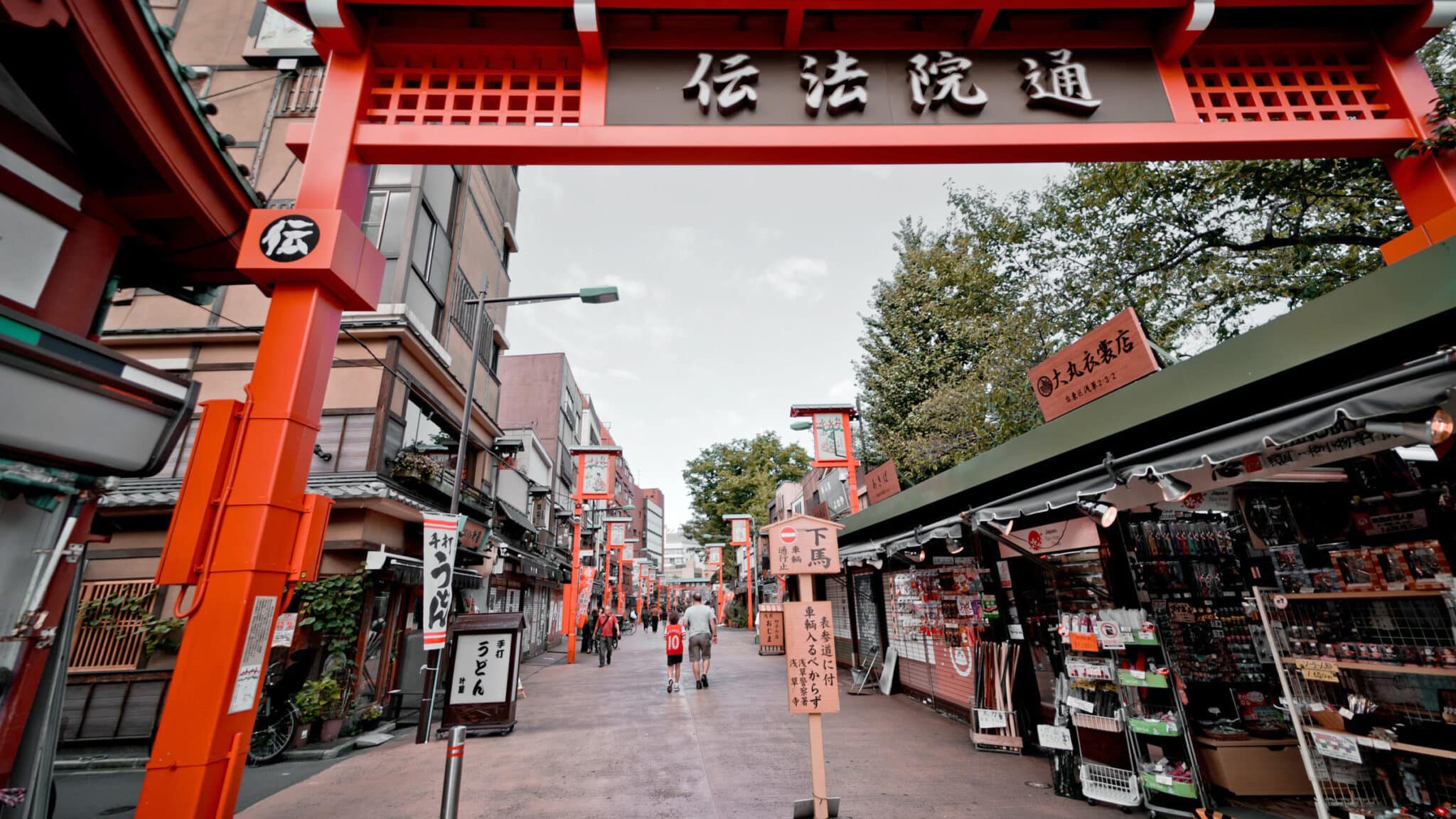
Denboin-dori is a shopping street running crosswise between Nakamise Street and Rokku-dori, about 200 meters long, with shops styled after Edo-period streetscapes, including kimono, crafts and restaurants.
Denboin-dori is a public street where you can stroll freely, and along the way you can see Edo-style wooden signs and murals. Each shop keeps its own hours.
Denboin-dori is on the west side of Sensoji, right next to Denboin, the temple’s residence hall, and leads toward the Asakusa Hanayashiki area. It is a good stop after you finish Nakamise Street.
Asakusa Public Hall
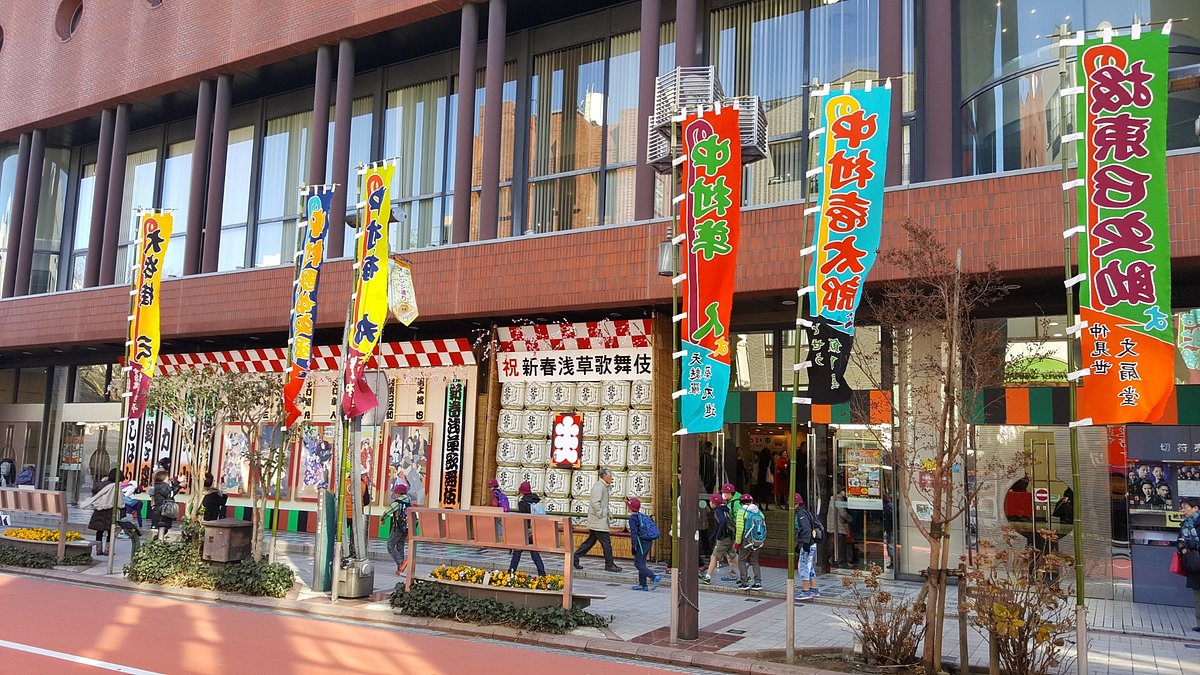
Asakusa Public Hall is a performance venue run by Taito City, with a main hall of about 1,070 seats that often hosts kabuki, Japanese dance and concerts.
Asakusa Public Hall is open from 9:00 to 21:00, with the ticket counter handling inquiries from 9:00 to 17:00. Ticket prices vary by event, and the official website is asakusa-koukaidou.net.
Asakusa Public Hall’s address is 1-38-6 Asakusa, Taito City, Tokyo, near Sensoji. Check the event schedule before your visit so you can plan ahead.
What to Do Near Sensoji and Kaminarimon: Selected Experiences and Tours
Sensoji and Kaminarimon are among Tokyo’s most iconic landmarks and draw countless visitors. Besides visiting the historic sites, there are many other places and experiences to explore around Kaminarimon. Here are a few must-try tours and experiences for a memorable time near Sensoji and Kaminarimon.
Rickshaw Ride Through Old Asakusa
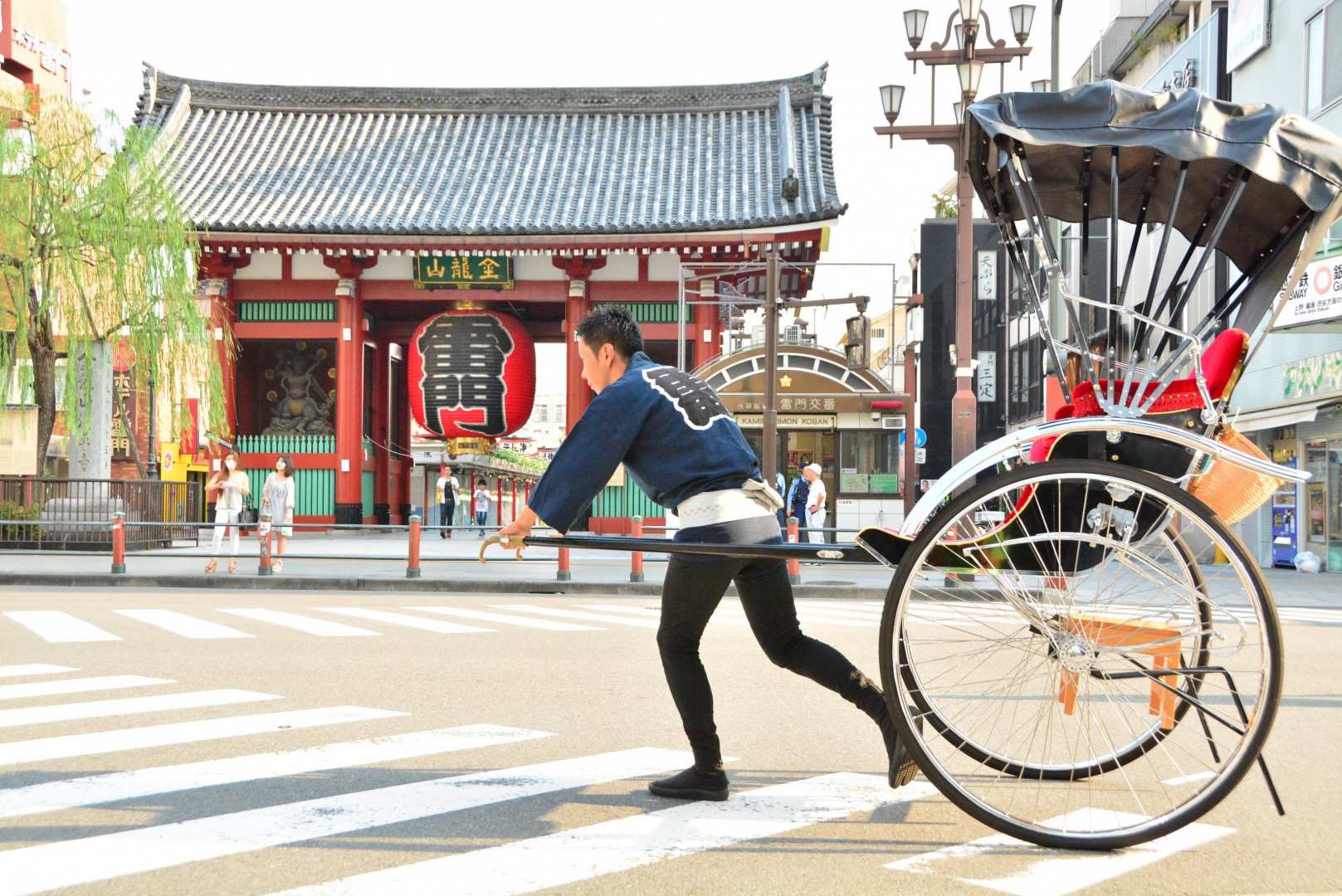
Near Sensoji and Kaminarimon, you can ride a traditional rickshaw and wander leisurely through the old-fashioned streets. The rickshaw pullers wear traditional clothing and tell you the legends of Asakusa.
Rickshaw fares depend on the number of riders and the time. At Ebisuya Asakusa, for example, a ride for 2 people costs ¥5,000 for 12 minutes, ¥10,000 for 30 minutes and ¥20,000 for 60 minutes.
The Ebisuya Asakusa boarding point is in front of Kaminarimon, and it accepts cash, credit cards and mobile payments. The official website is ebisuya.com.
Asakusa Sightseeing Cruise on the Sumida River
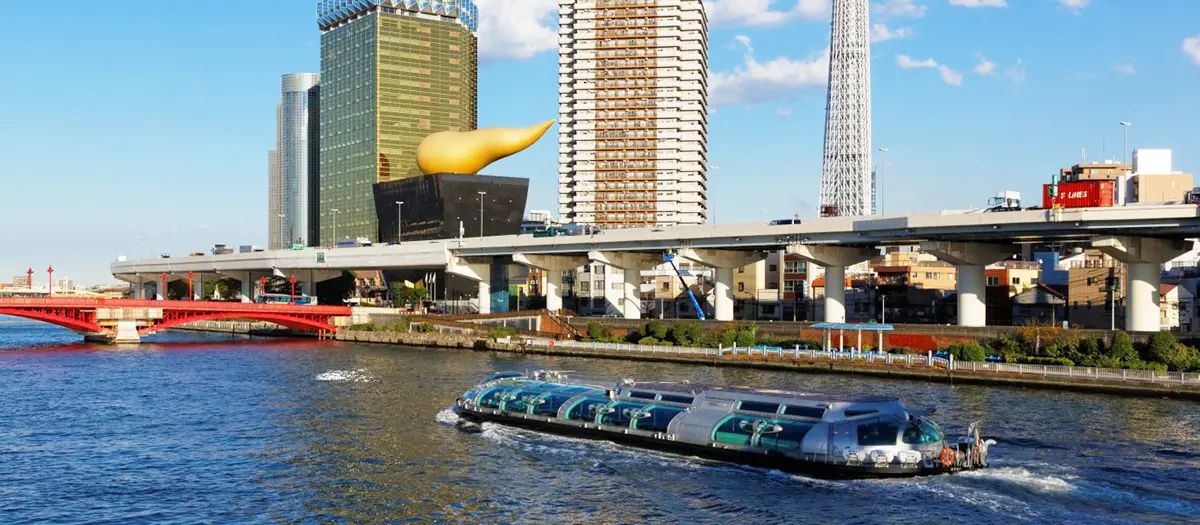
If you want to see Asakusa from a different angle, you can take a sightseeing boat along the Sumida River. From the water you can see both modern buildings and traditional scenery of central Tokyo.
On the Tokyo Cruise (Tokyo Cruise Ship Co.) service, Asakusa to Hamarikyu takes about 35 minutes and costs ¥1,180 one way for adults (including admission to Hamarikyu Gardens), and Asakusa to Hinode Pier takes about 40 minutes and costs ¥1,000 one way for adults. The official website is suijobus.co.jp.
Passengers with reservations board first. Sailings and fares may change, so check the timetable on the official website before you go.
Traditional Craft Experience: Making a Name Seal
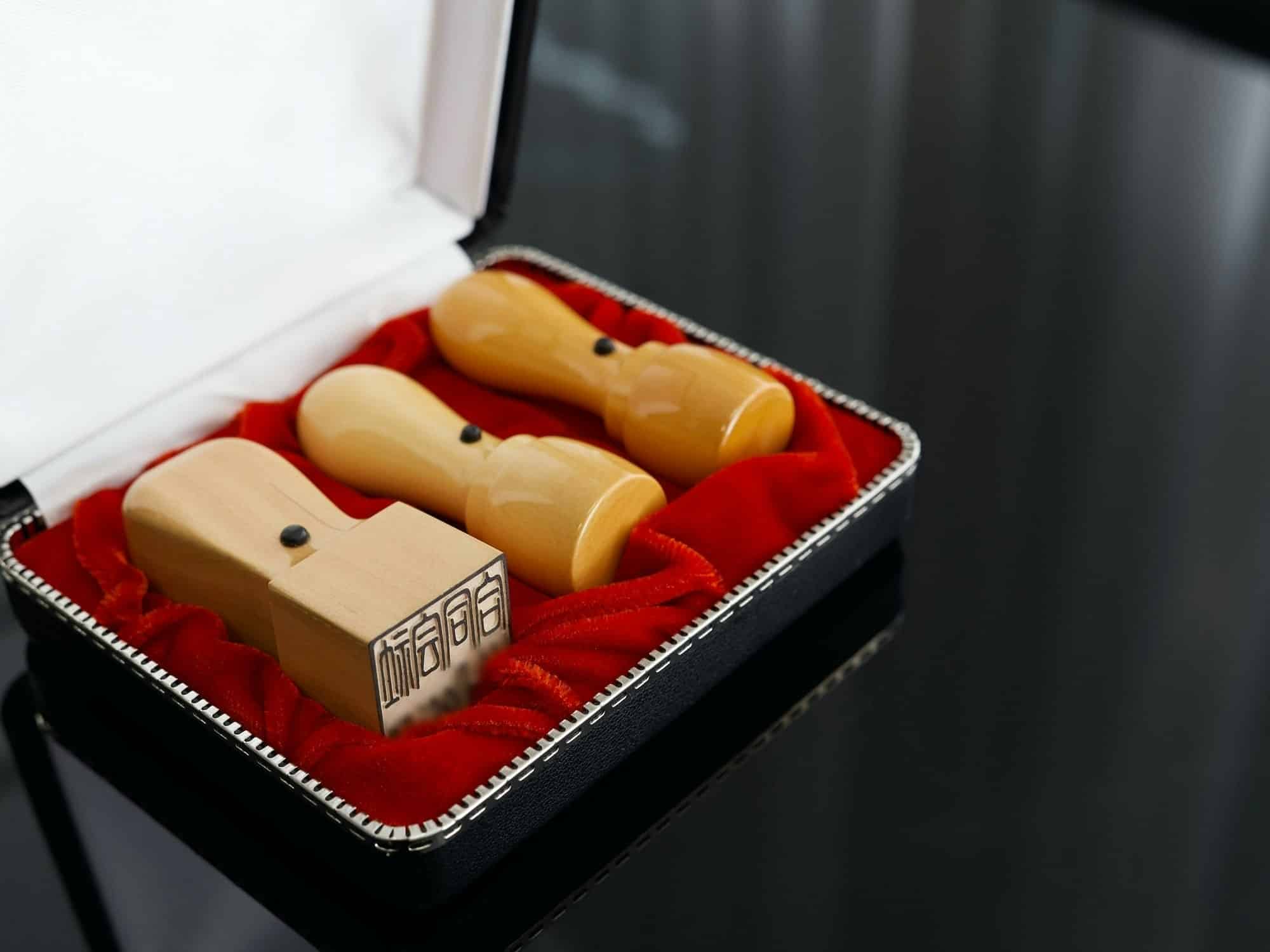
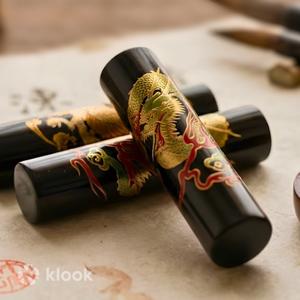
Near Sensoji and Kaminarimon, you can also join a traditional craft experience such as making your own name seal (hanko). You carve a one-of-a-kind seal by hand, which has special meaning whether you keep it as a souvenir or give it to family and friends.
The seal-making experience takes about 60 minutes. Prices and sessions vary by plan, so check the booking page for the information for your day.
A hanko is the seal used for signing and stamping in everyday Japanese life, and carving your own name makes a meaningful travel keepsake.
Asakusa Food Tour at Night
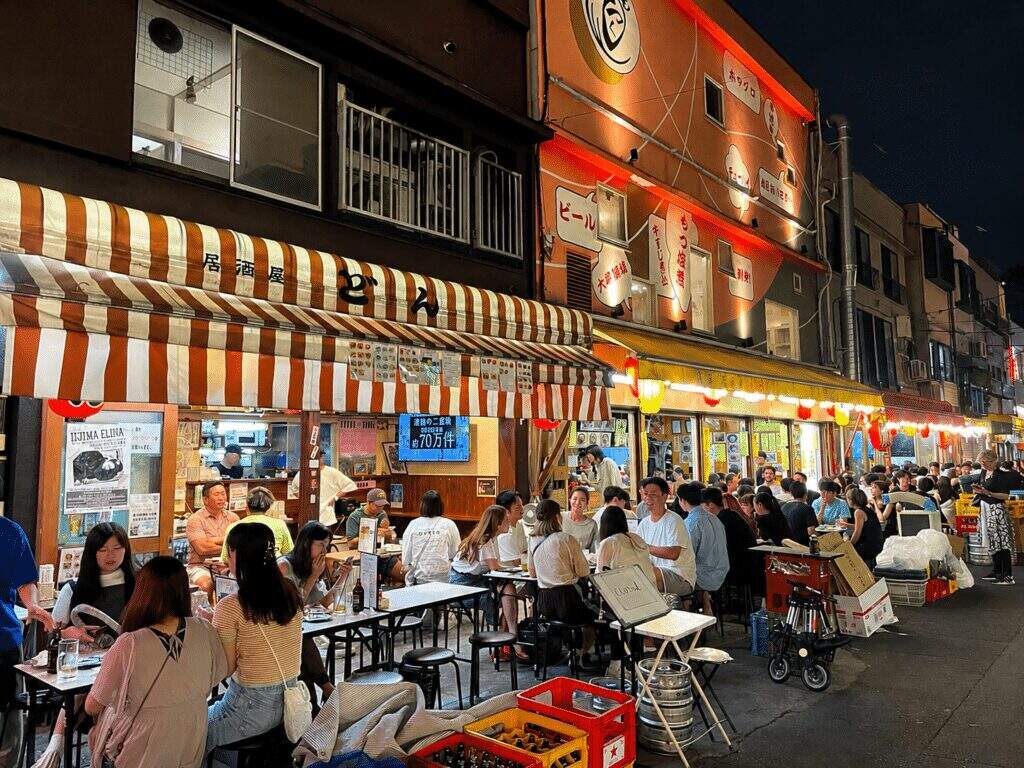
Asakusa has a charm of its own when night falls. You can join an evening Asakusa food tour to taste local specialties and street food. This lets you stroll the streets of Asakusa at night while enjoying the local food culture.
The tour time, price and the shops you taste at vary by plan, so check the booking page. A guide leads you to several shops along the way and explains the background of the food and the local food culture.
Kaminarimon and the temple grounds are lit until 11 p.m., so it is a good idea to drop by at night after the food tour.
Where to Stay
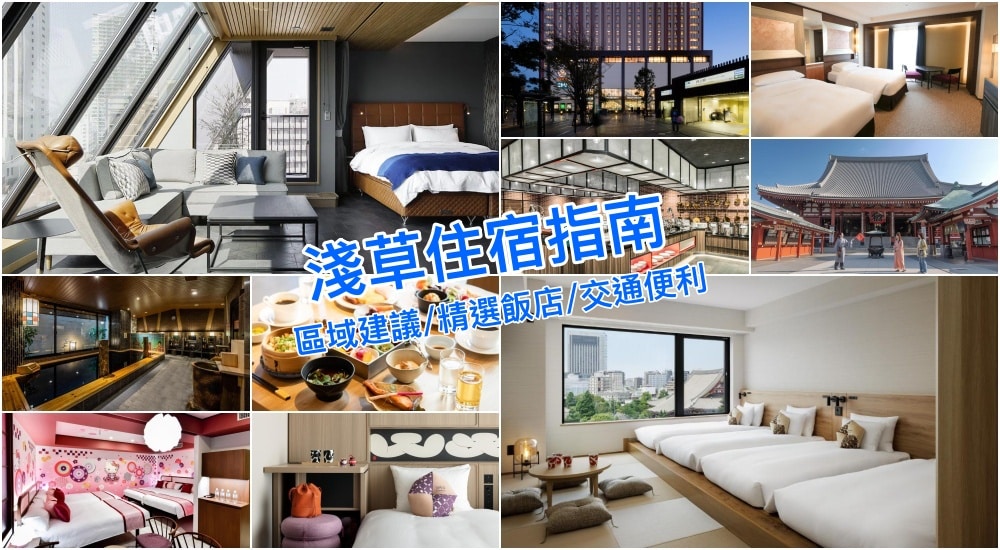
Asakusa is Tokyo’s liveliest old downtown (shitamachi) area, within walking distance of Kaminarimon and Sensoji. Staying near Asakusa Station makes it easy to catch the 6:00 a.m. opening of the main hall and the evening lighting of Kaminarimon, and the Ginza Line, Toei Asakusa Line, Tobu Line and Tsukuba Express meet here, so getting to and from central Tokyo is also easy.