

2026 Kawagoe “Little Edo” Guide: Must-Visit Old Streets, Shrines and Transport Cheat Sheet
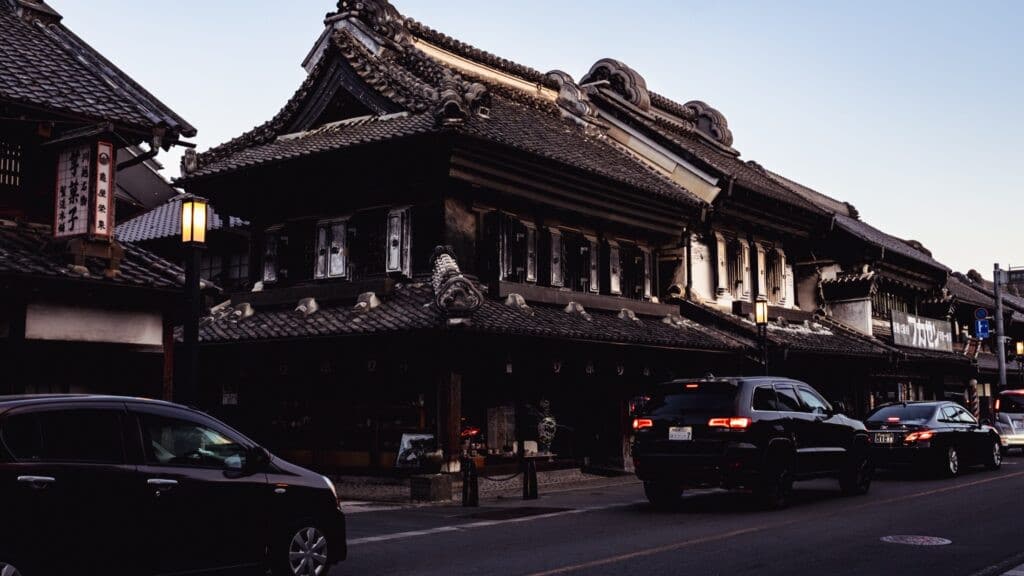
Kawagoe, in Saitama Prefecture, is nicknamed “Little Edo” for its well-preserved Edo-period architecture. It is as little as 26 minutes from Ikebukuro, making it one of the best historic small towns for a day trip from Tokyo.
Kawagoe’s History and the Origin of “Little Edo”
Kawagoe’s history goes back to 1457, when Ota Dokan built a castle here. In the Edo period it prospered as an important commercial base linked to Edo Castle, which is why so many kurazukuri-style merchant buildings survive.
The term “Little Edo” describes how Kawagoe’s streetscape still fully preserves the look of Edo. Landmarks such as the kurazukuri old street and the Toki no Kane bell tower are witnesses to that history.
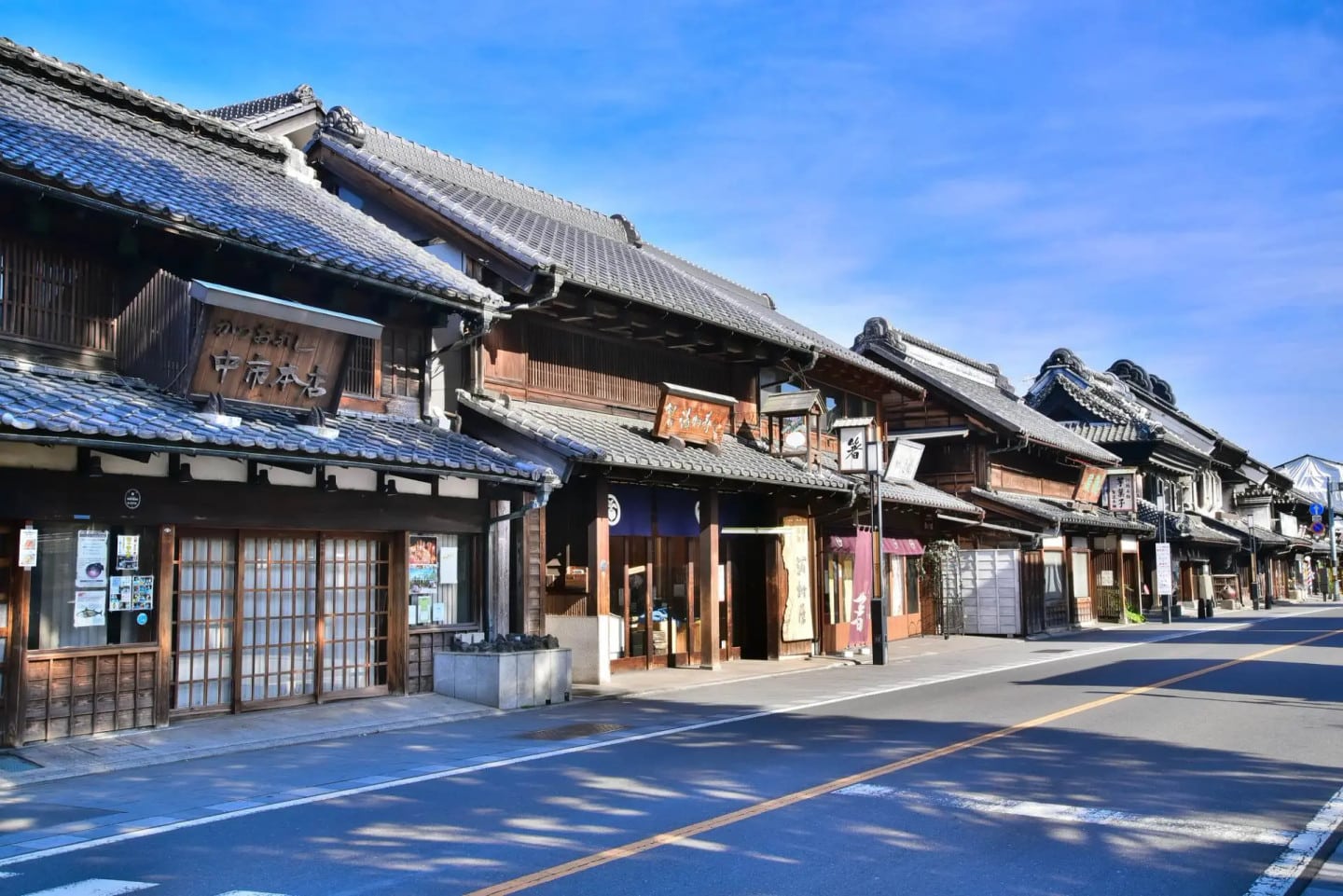
Features and Preservation Value of Kurazukuri Architecture
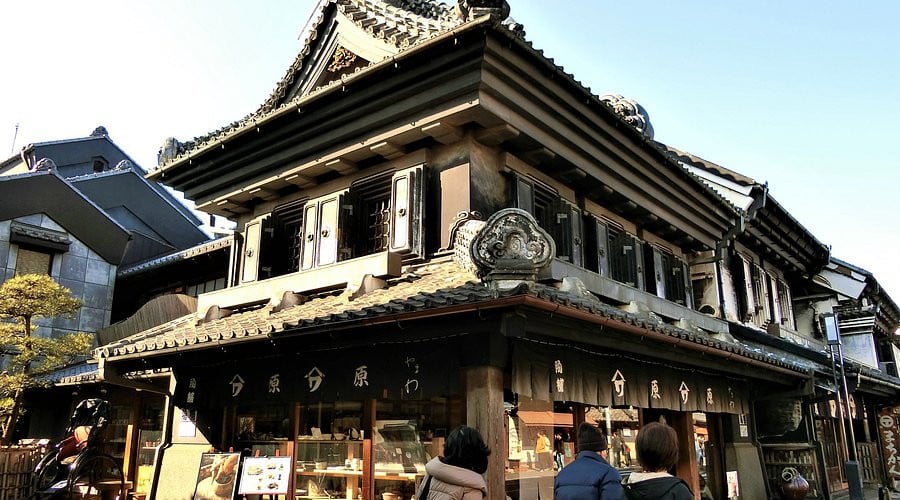
Kurazukuri is a traditional storehouse-style building that uses thick earthen walls for fire protection, with black tiles and white walls as its signature look. Kawagoe’s kurazukuri old street is one of the best-preserved areas in all of Japan.
After the great Kawagoe fire of 1893, merchants rebuilt their shops as fire-resistant kurazukuri buildings, creating the distinctive scene of today’s Ichibangai shopping street, which is also designated an Important Preservation District for Groups of Traditional Buildings.
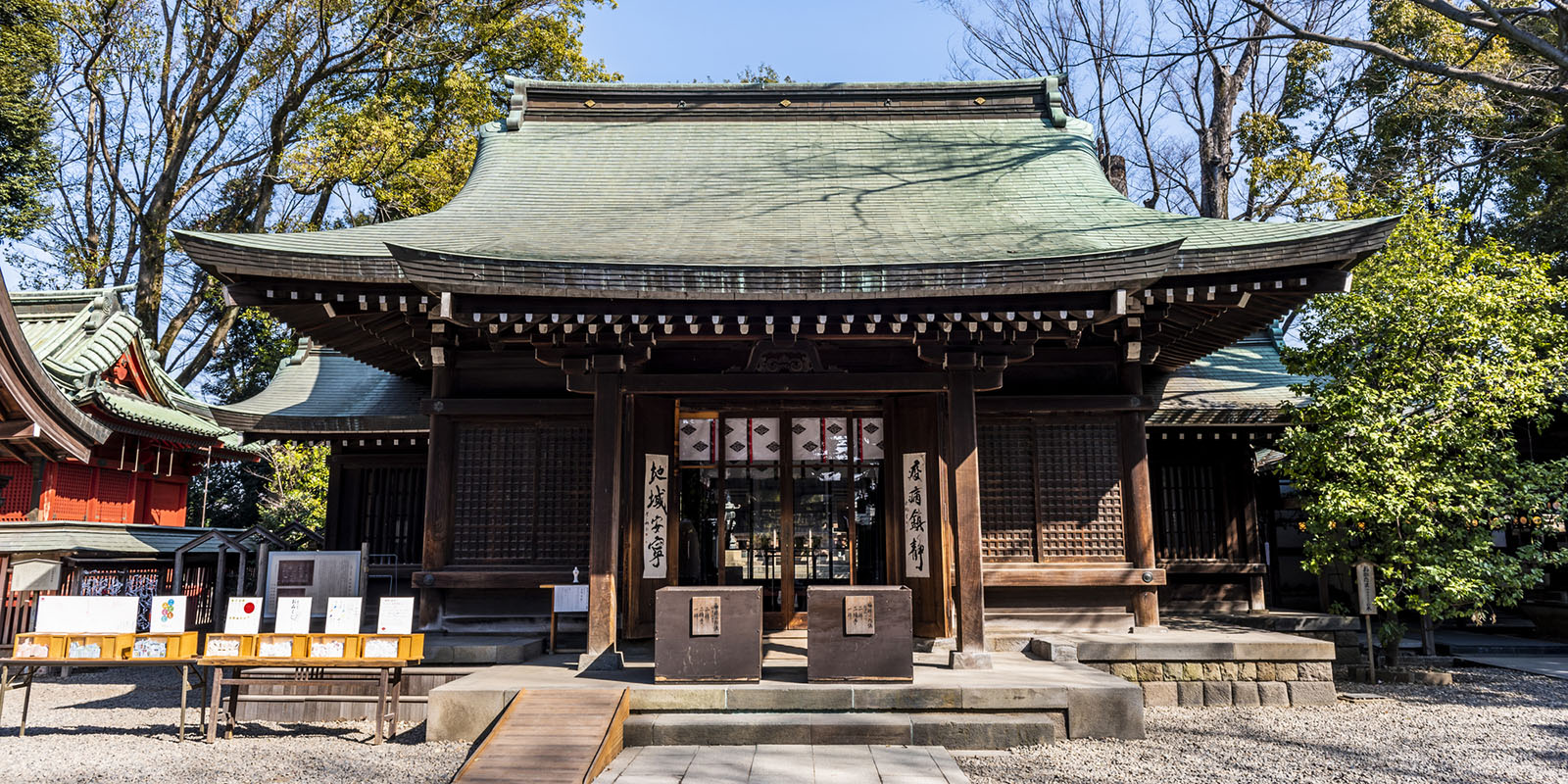
The Faith Behind Kawagoe Hikawa Shrine
Hikawa Shrine, with a history of 1,500 years, enshrines a married couple of deities and is an important sacred place for love and finding a partner. It is one of the core spots to visit on a Kawagoe day trip.
Every summer the shrine holds the “En-musubi Furin” wind chime event (June 27 to September 6 in 2026), when about 2,000 Edo wind chimes hang across the grounds, creating a dreamlike scene of prayer that draws many couples and travelers.
The Commercial History of the Kurazukuri Old Street (Ichibangai Shopping Street)
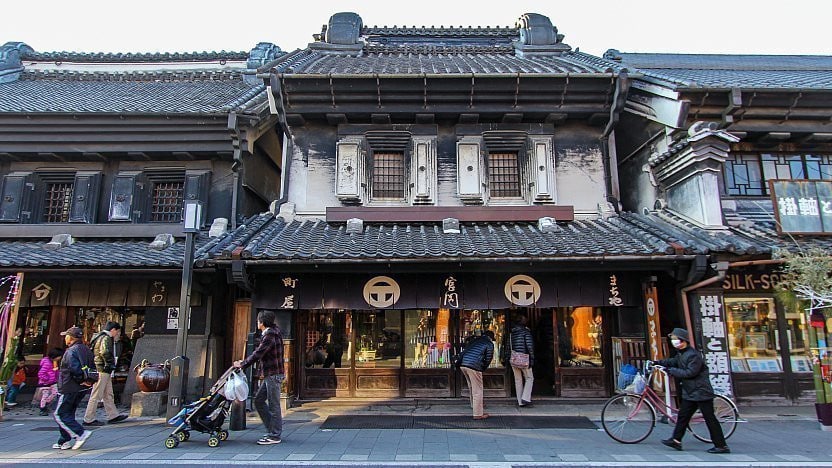
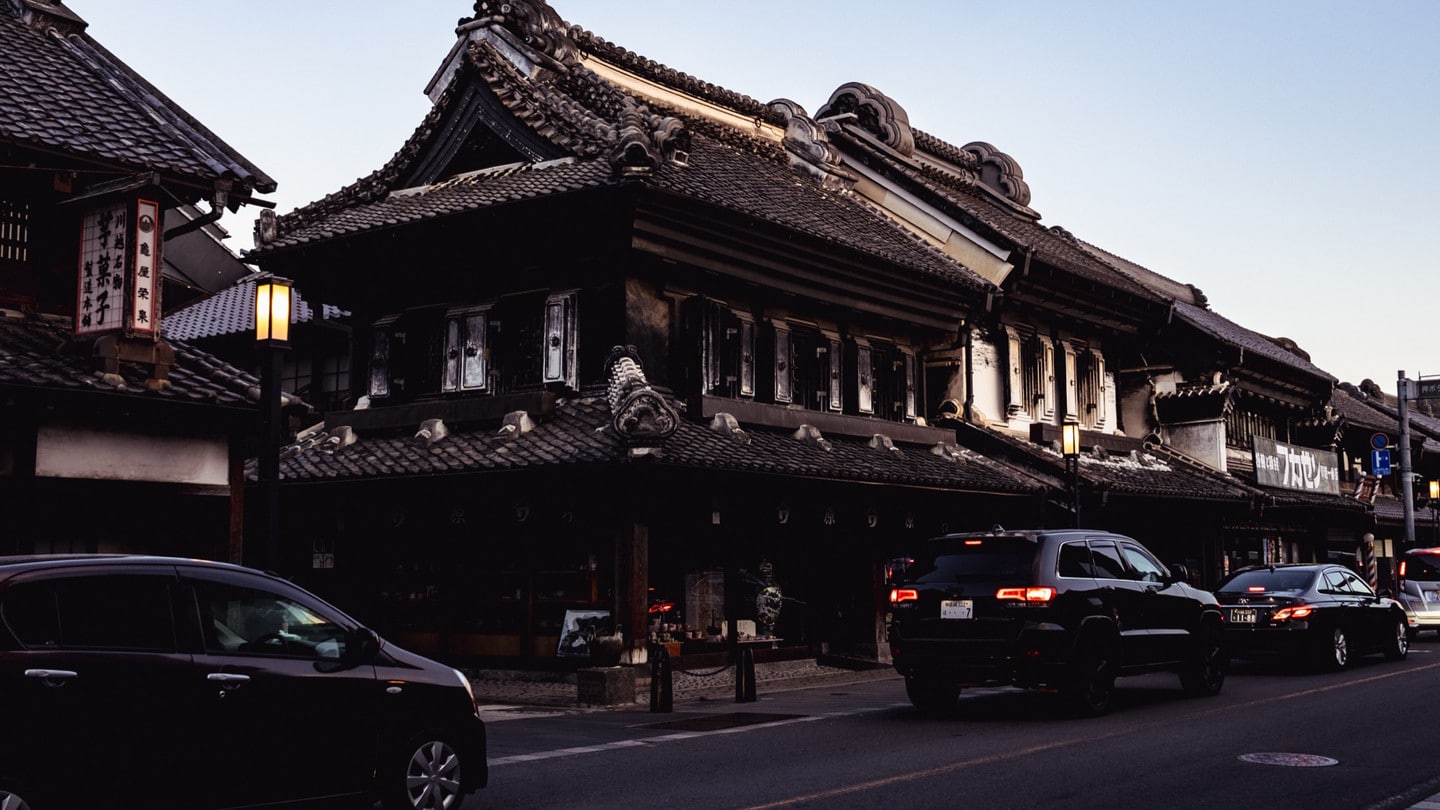
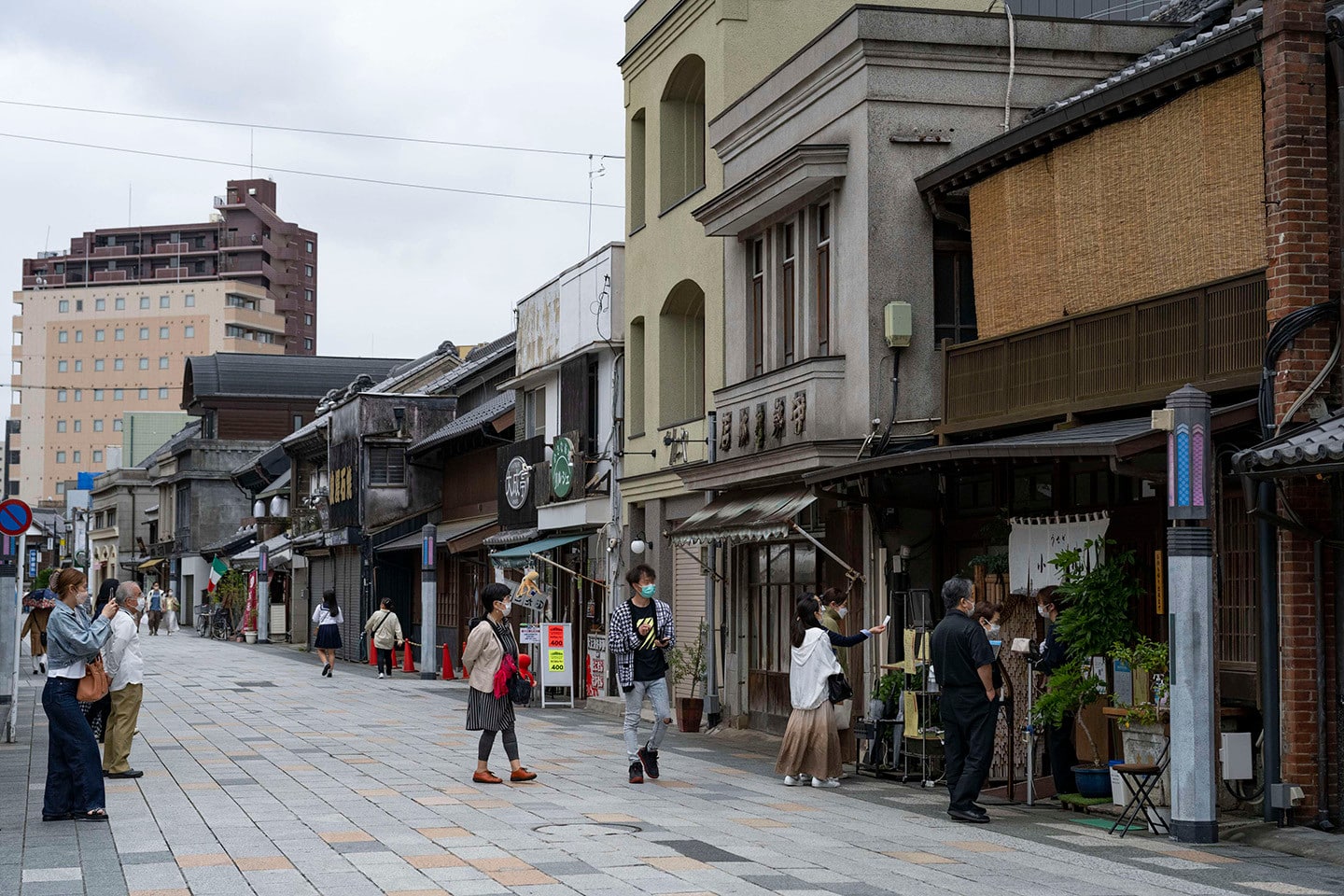
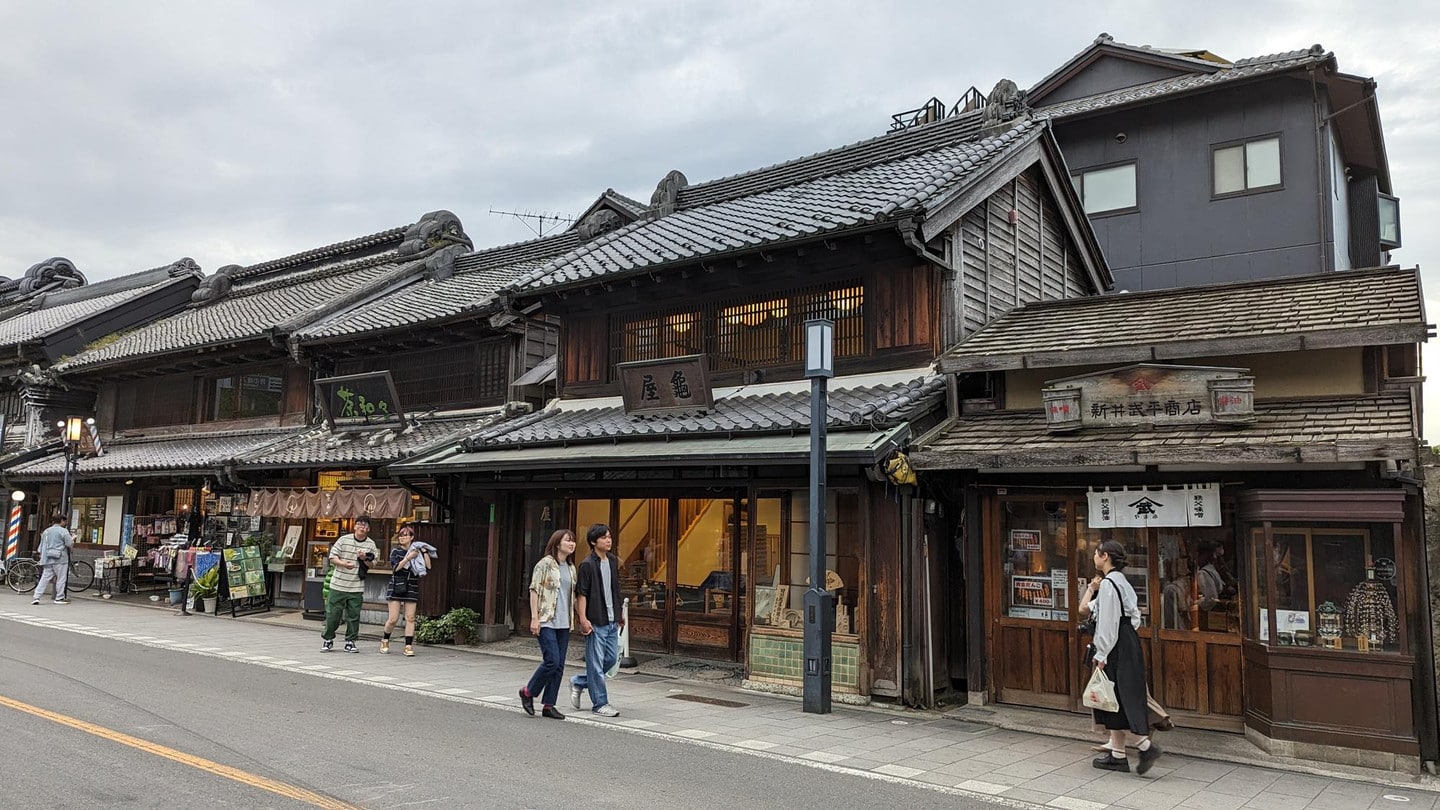
The kurazukuri old street, also called Ichibangai shopping street, is lined on both sides with black-tiled, white-walled buildings that keep the character of the Edo and Meiji periods. It is the best backdrop in Kawagoe for a kimono experience.
Both sides of the street are home to many century-old shops and souvenir stores, such as the Edo-period wagashi shop Kameya Honten and the popular souvenir shop Kashisho Umon (Ichibangai branch). Tourists stream through during the day, and after the lights come on in the evening the street takes on an even more antique charm, making it a popular photo spot.
The Time-Telling Tradition and Spiritual Meaning of Toki no Kane
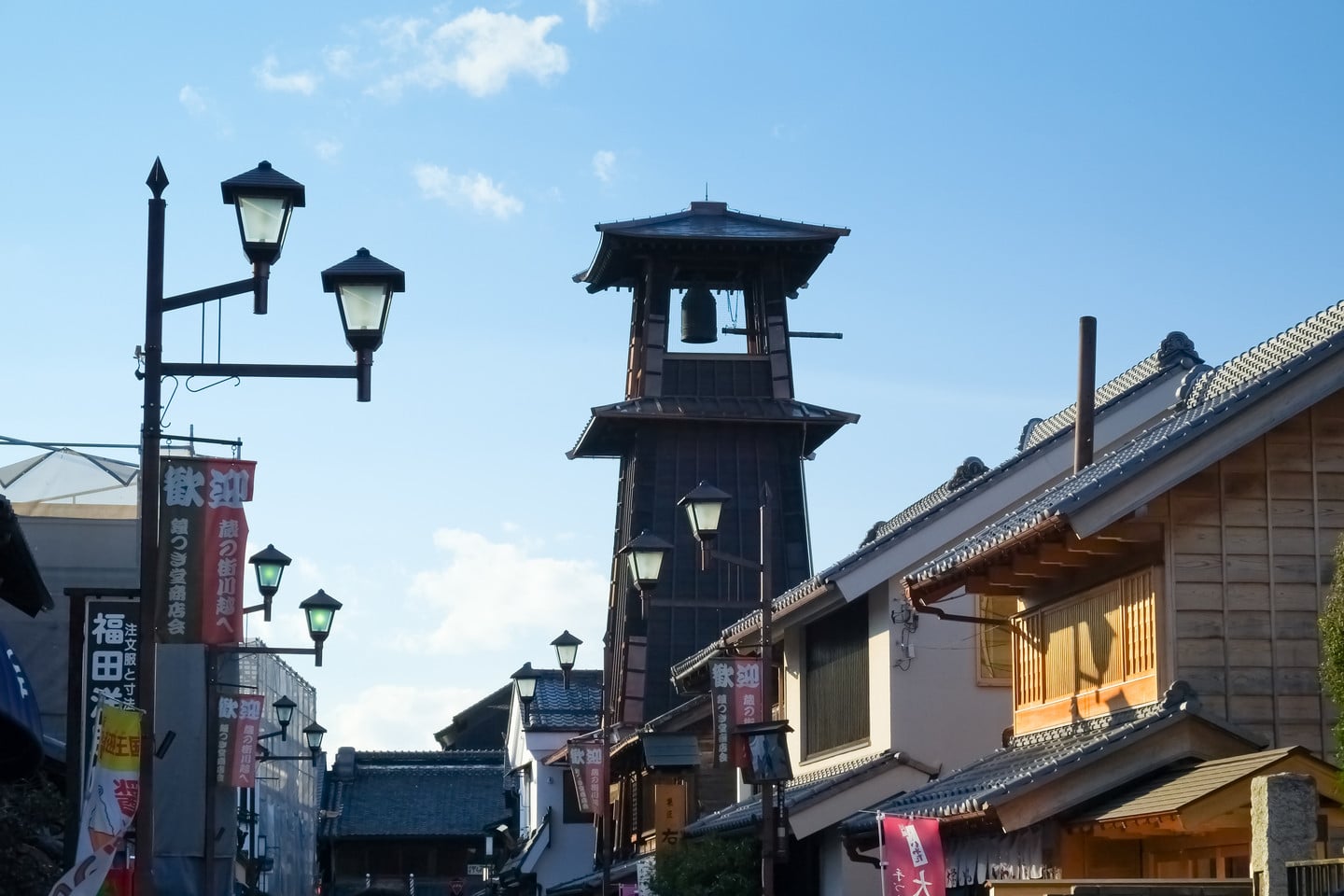
Toki no Kane is Kawagoe’s most eye-catching spiritual landmark. First built in 1627, the current bell tower was rebuilt after the 1893 fire and rings daily at 6:00, 12:00, 15:00 and 18:00.
Beneath the bell tower you can walk through to Yakushi Shrine behind it, where prayers are said to heal eye ailments. It is a hidden spot that even locals come to for a special prayer.
Kitain Temple and Its Ties to the Tokugawa Shogunate
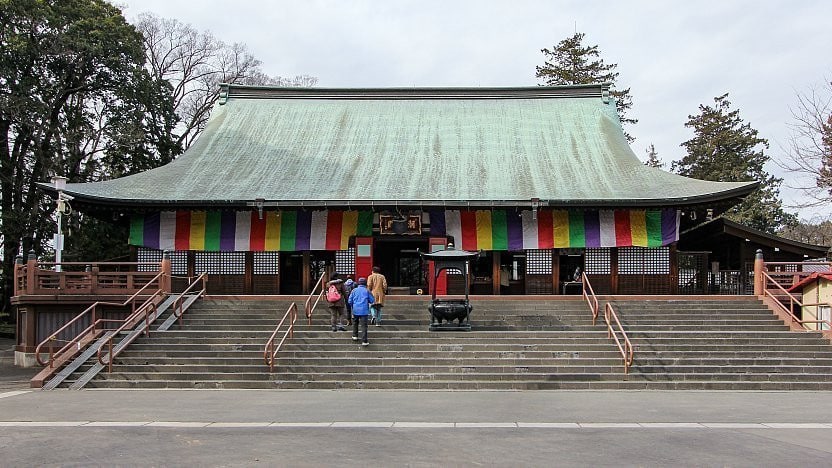
Kitain Temple was founded in 830 and has over 1,200 years of history. It enjoyed the trust of the Tokugawa shogunate in the Edo period, and the temple keeps precious shogun’s rooms moved here from Edo Castle.
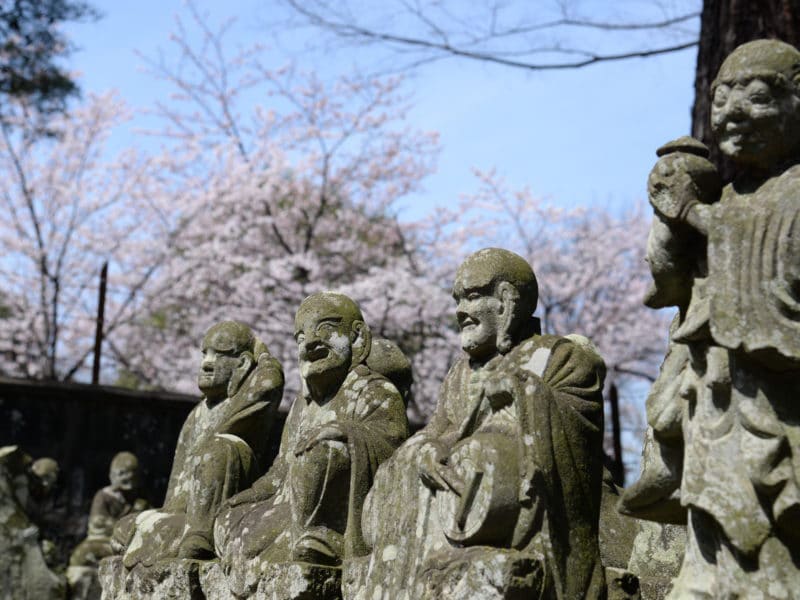
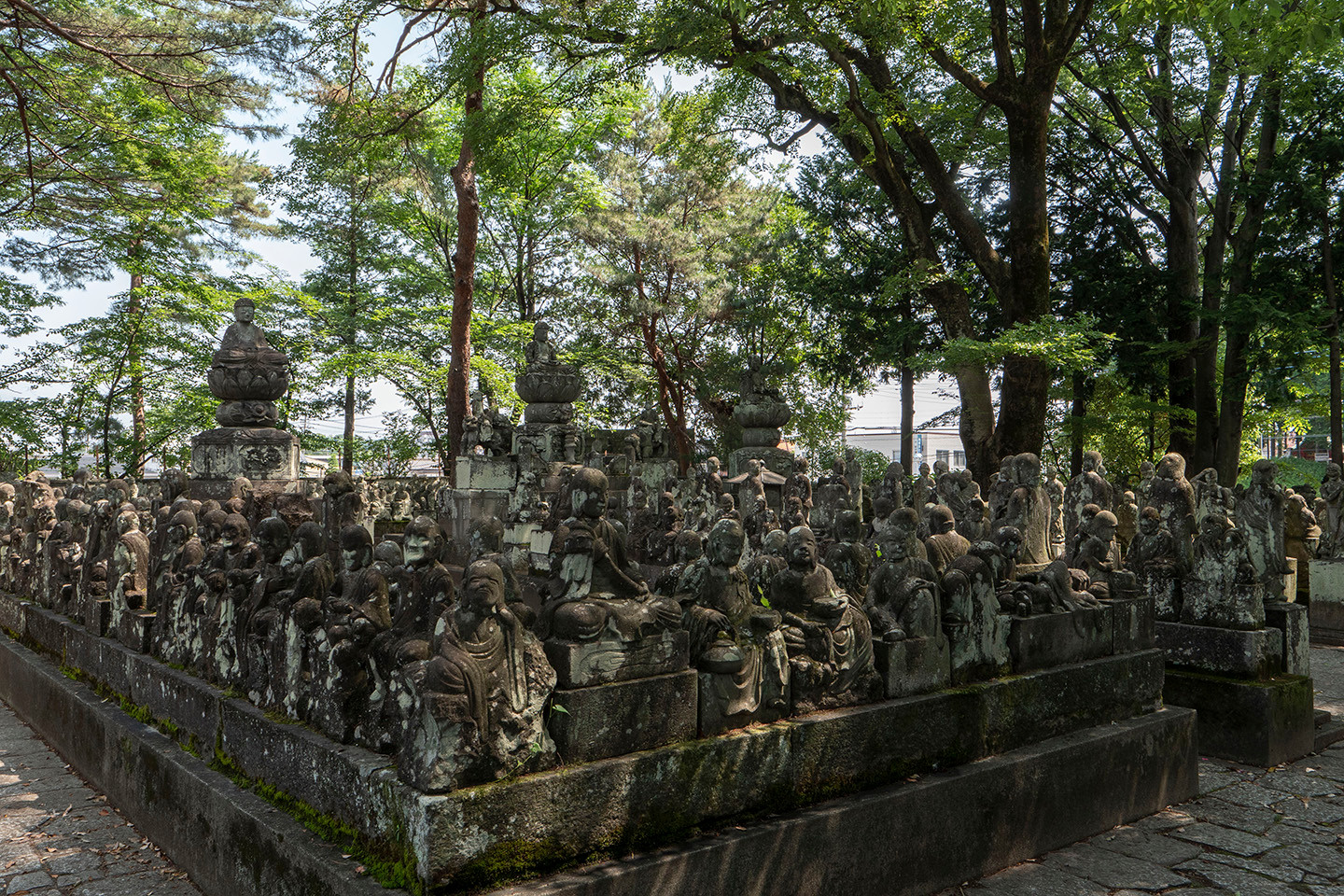
The 538 stone Gohyaku Rakan statues on the grounds all have different expressions, and it is said you can find one that resembles you. This is Kitain’s most popular highlight.
Kawagoe Kumano Shrine and Its Money-Luck Beliefs
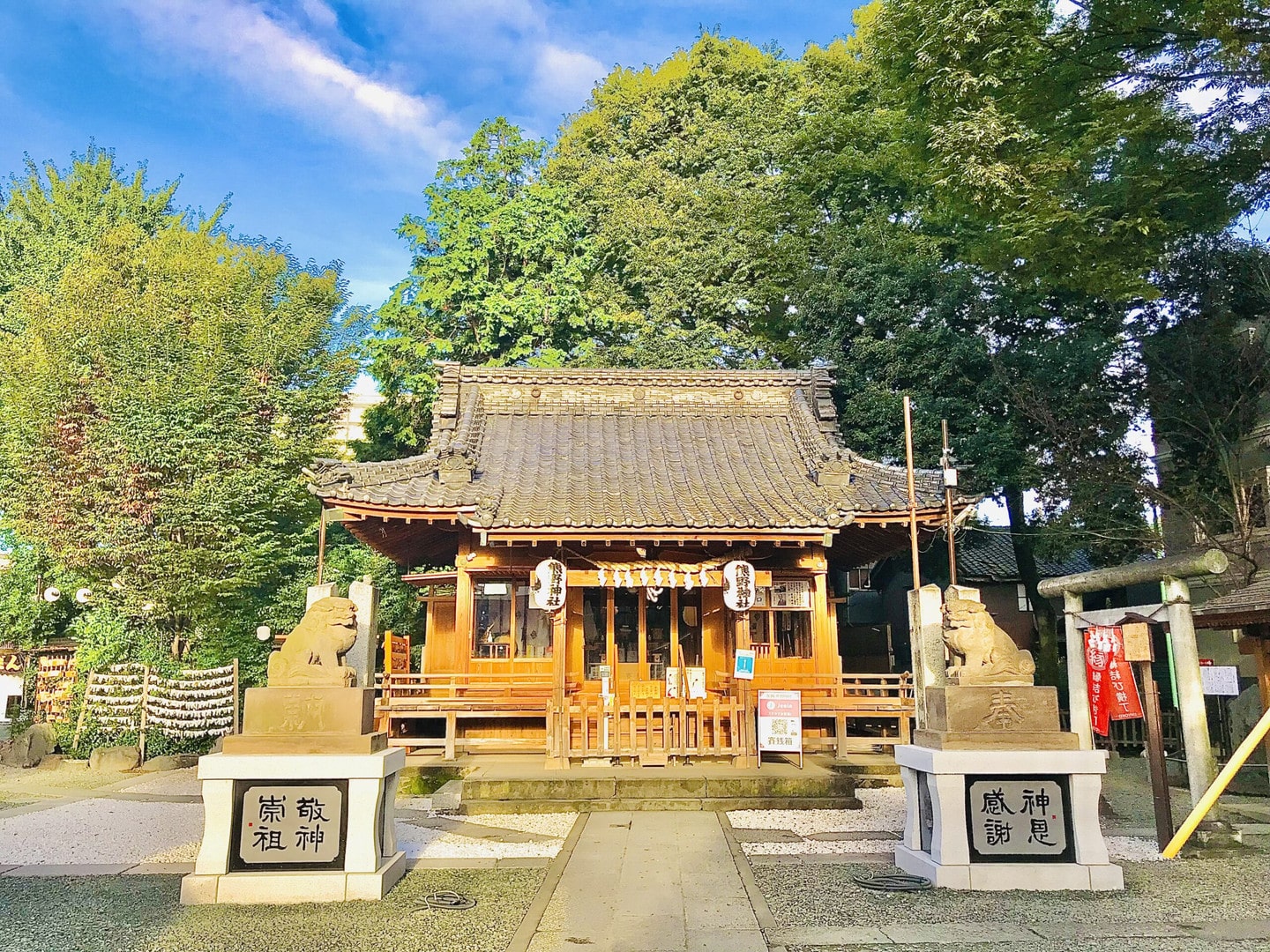
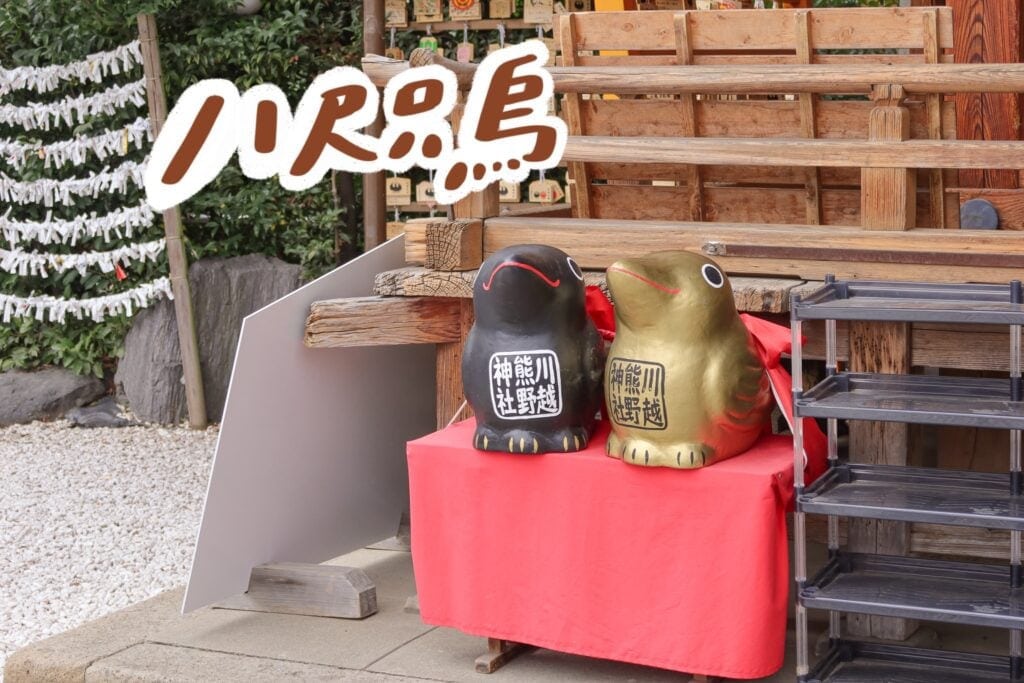
Kawagoe Kumano Shrine was founded in 1590, when Zen’yo Bun’o, the second head priest of Renkei-ji Temple, invited the deity from Kumano in Kishu. It is known for good luck, finding a partner and warding off misfortune, and on both sides of the torii gate there is a “foot-stepping health path” where walking barefoot is said to improve circulation.
The “Zeniarai Benzaiten” on the grounds is said to bring wealth if you wash your coins and then use them, and there is also a unique fortune-telling experience using a Yatagarasu crystal ball.
The Origins of the Western-Style Buildings on Taisho Roman Yume-dori
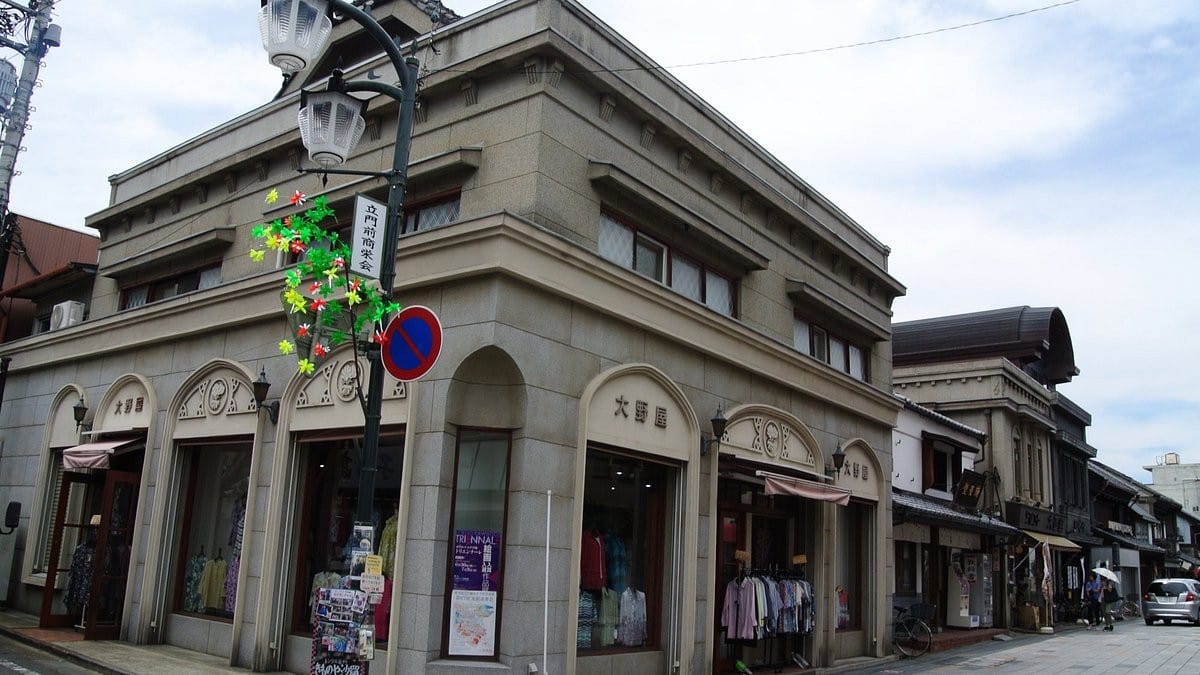
Taisho Roman Yume-dori is very different in style from the Edo-flavored old street. Along it stand retro European-style buildings blending Japanese and Western design, and a stone-brick road, full of the modern atmosphere of the Showa and Taisho eras.
The street keeps the shopfront designs of Taisho-era stores, a sharp contrast to the kurazukuri old street. It runs about 200 meters with about 30 shops between Renjaku-cho and Naka-cho, and the Kawagoe Chamber of Commerce and Industry at the north end is a Western-style building completed in Showa 3 (1928) and a nationally registered tangible cultural property.
The Nostalgic Snack Culture of Kashiya Yokocho
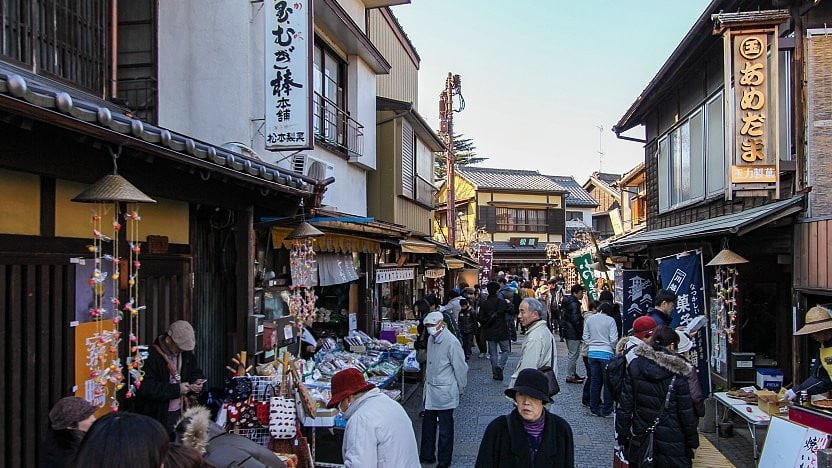
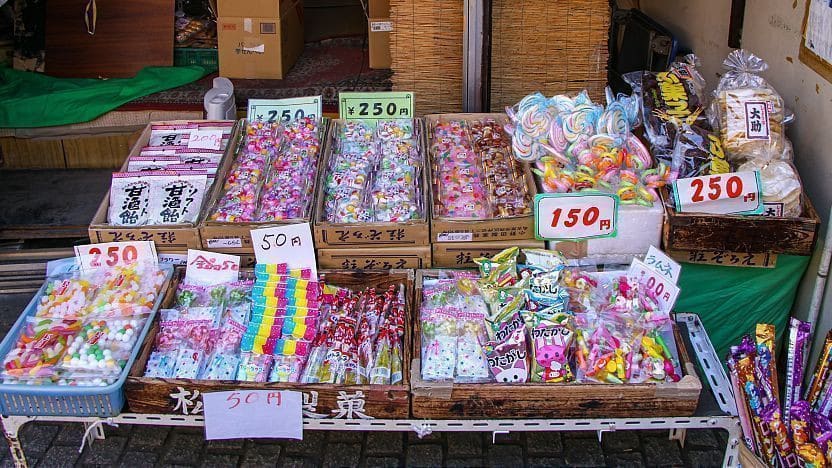
Kashiya Yokocho (Candy Alley) is a retro stone-paved lane with about 20 shops selling senbei, hard candy and nostalgic dagashi snacks, full of the childlike spirit of the Showa era.
Don’t miss the “giant brown sugar stick” and the sweet potato bun “Imo Koi.” The alley was also selected among Japan’s “100 Fragrant Landscapes,” and the aroma of roasting senbei drifts down the whole lane.
How to Get to Kawagoe: A 2026 “Little Edo” Guide to Must-Visit Old Streets, Shrines and Transport Costs
Kawagoe, nicknamed “Little Edo,” is in Saitama Prefecture, about 30 minutes to 1 hour from central Tokyo, and is one of the most popular day trips near Tokyo. There are many ways to get there, including the Tobu Tojo Line, Seibu Shinjuku Line and JR Saikyo Line, at roughly ¥490 to ¥600 one way, so you can choose the route that suits your starting point and budget.
How to Get to Kawagoe: Transport at a Glance
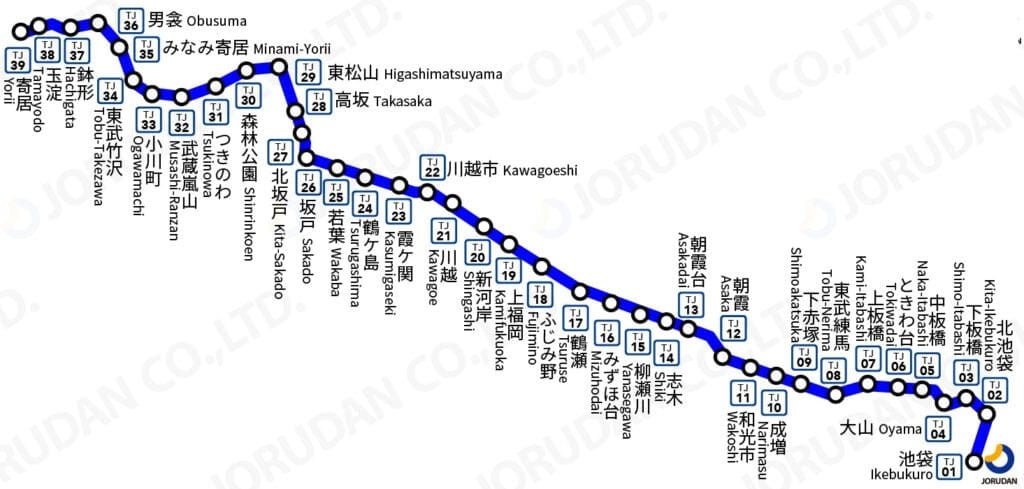
Tobu Tojo Line: as fast as 26 minutes from Ikebukuro to Kawagoe Station on the Kawagoe Limited Express (no limited-express surcharge), about ¥490. There is also the ¥1,110 “Little Edo Kawagoe Coupon” from Ikebukuro, which includes a discounted round-trip ticket and a Tobu Bus one-day pass.
Seibu Shinjuku Line: about 1 hour from Seibu-Shinjuku to Hon-Kawagoe Station, ¥600 one way. There is also the Seibu “Little Edo Kawagoe Free Coupon”; see the Seibu Railway website for its price.
JR Saikyo Line through-service to the Kawagoe Line: runs directly from Shinjuku and Ikebukuro to Kawagoe Station, IC cards accepted, with fares depending on the starting station.
Little Edo Loop Bus (Eagle Bus): ¥200 one way, ¥600 for a one-day pass, stopping at Toki no Kane, Kitain Temple and more.
Little Edo Loop Bus: Two Routes and a ¥600 One-Day Pass
The Little Edo Loop Bus (Eagle Bus) has two routes, “C01 Kitain Temple and Kashiya Yokocho Route” and “C02 Kura Town and Hikawa Shrine Route,” at ¥200 one way. The one-day pass is ¥600 for adults and ¥300 for children and can be bought on the bus and at the tourist information centers at Kawagoe and Hon-Kawagoe Stations. It pays off after 3 or more rides and comes with discounts at partner shops.
2026 Kawagoe “Little Edo” Guide: What Are the Must-See Spots? Highlights by Area
Below are the 12 best places to visit in Kawagoe, covering shrines and temples, old-street scenery and the latest photo hotspots.
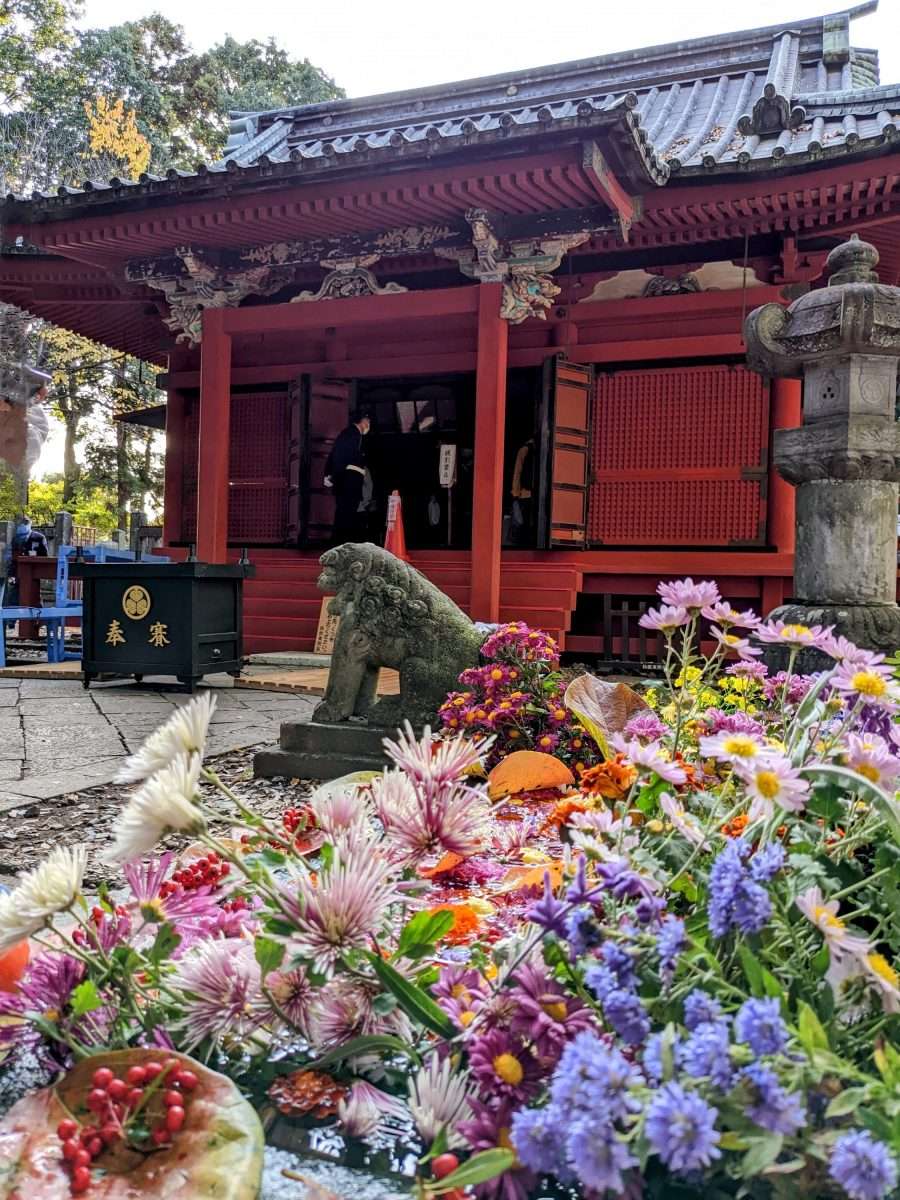
Kawagoe Hikawa Shrine
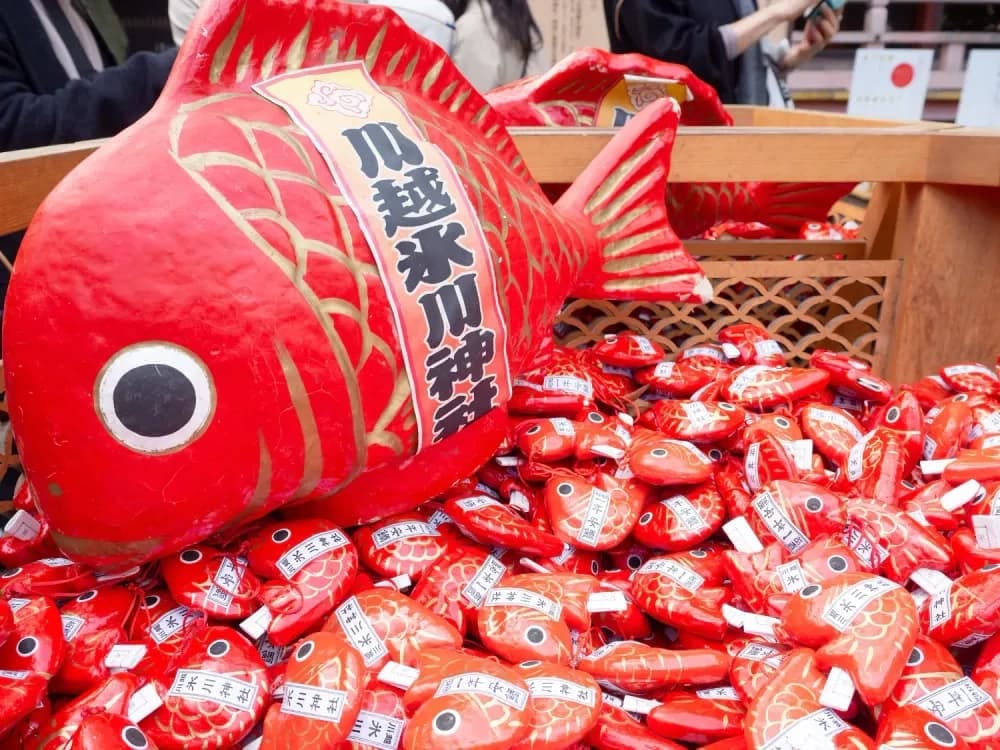
Hikawa Shrine, with 1,500 years of history, is a sacred place for love and finding a partner. On the grounds you can use a small fishing rod to catch a “love sea bream fortune,” a popular prayer experience for couples and solo travelers.
Right behind the shrine runs the Shingashi River, and when the cherry blossoms bloom in spring it is a well-known hidden cherry blossom spot near Tokyo. Allow about 40 minutes for a visit. The shrine is open year-round with free entry (official website: kawagoehikawa.jp).


Kurazukuri Old Street (Ichibangai Shopping Street)
Both sides are lined with old black-tiled, white-walled “kurazukuri” buildings that keep the character of the Edo and Meiji periods, making it a superb backdrop for a kimono experience and a gathering place for local food.
Come in the afternoon, when the soft light is good for photos. The street is about 1 km long and takes 1 to 1.5 hours to walk in full, with several kimono rental shops along the way.
Toki no Kane
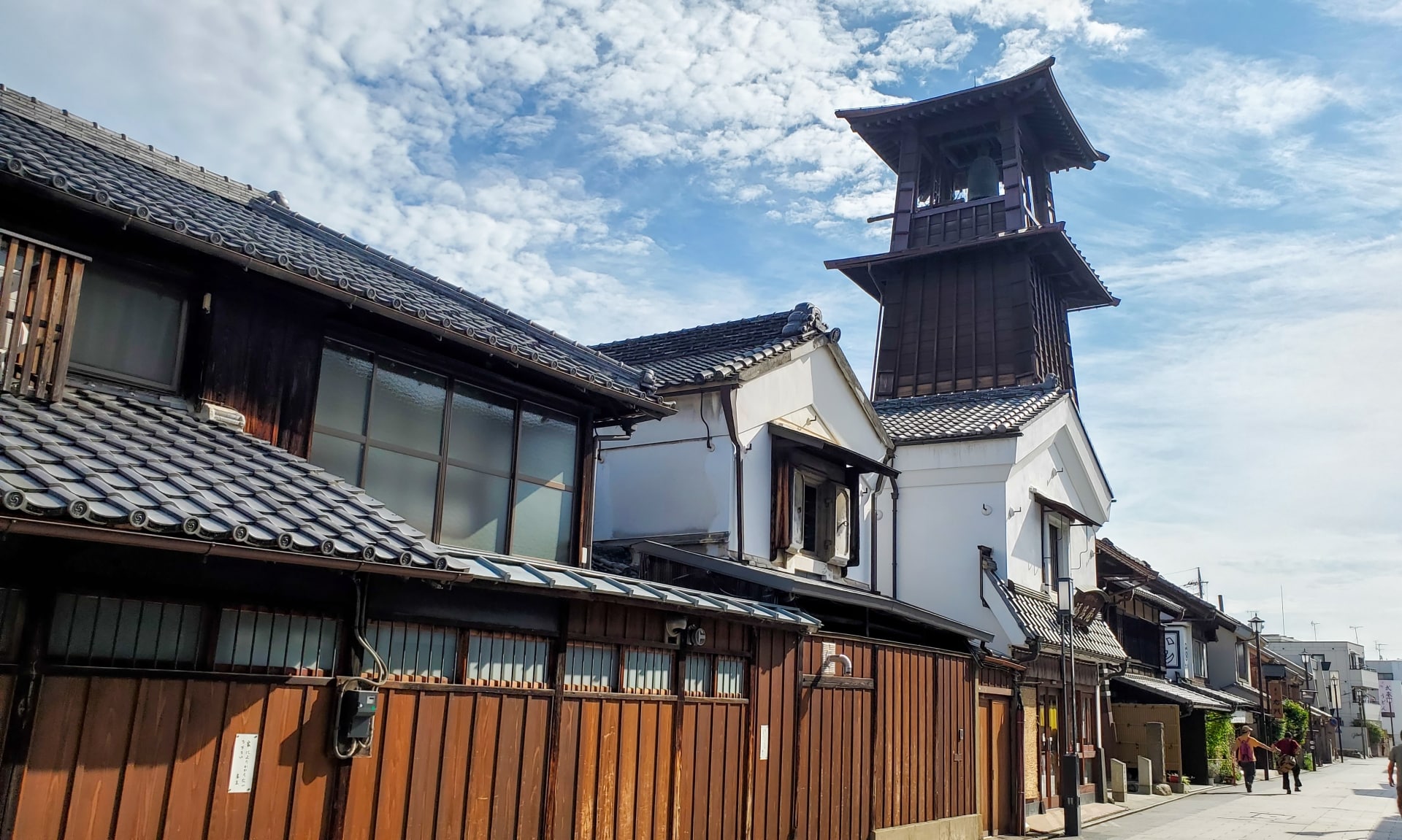
Kawagoe’s most eye-catching spiritual landmark. The bell rings mechanically at 6:00, 12:00, 15:00 and 18:00 every day, and beneath the tower you can walk through to Yakushi Shrine behind it.
Yakushi Shrine enshrines the deity of healing eye ailments. The inside of the bell tower is not open to visitors, but its exterior is the classic photo spot; allow about 15 minutes.
Kashiya Yokocho
A retro stone-paved lane with about 20 shops selling senbei, hard candy and nostalgic dagashi snacks. Don’t miss the “giant brown sugar stick” and the sweet potato bun “Imo Koi.”
Most shops are open 10:00 to 17:00. Crowds are heavier on holidays, so go on a weekday or in the morning. Walking the whole lane takes about 30 to 45 minutes.
Taisho Roman Yume-dori
Very different in style from the Edo-flavored old street, with retro European-style buildings blending Japanese and Western design and a stone-brick road, full of the modern atmosphere of the Showa and Taisho eras.
The street is lined with cafes and small variety shops and is an excellent place for exotic-looking photos. It is about 200 meters long, between Ichibangai and Clare Mall, about a 15-minute walk from Hon-Kawagoe Station. Allow 20 to 30 minutes for a leisurely stroll.
Kawagoe Kumano Shrine
Known for good luck, finding a partner and warding off misfortune (official website: kawagoekumano.jp). There is a “foot-stepping health path” on both sides of the torii gate, and on the grounds are the “Zeniarai Benzaiten” for washing money to bring wealth and a Yatagarasu crystal ball fortune-telling.
The shrine is near the entrance to the kurazukuri old street, so it is very convenient, and entry is free year-round. Allow about 20 minutes to try the foot-stepping path and the money-washing ritual.
Kitain Temple
An old temple with over 1,200 years of history that once enjoyed the Tokugawa shogunate’s trust. It keeps precious shogun’s rooms moved from Edo Castle, and its 538 stone Gohyaku Rakan statues all have different expressions.
Opening hours start at 9:00 and run until 16:30 on weekdays and 16:50 on Sundays and holidays (closing earlier from November 24 to the end of February). Adult admission is ¥400, omamori charms and goshuin stamps are available, the official website is kitain.net, and a visit takes about 1 hour.

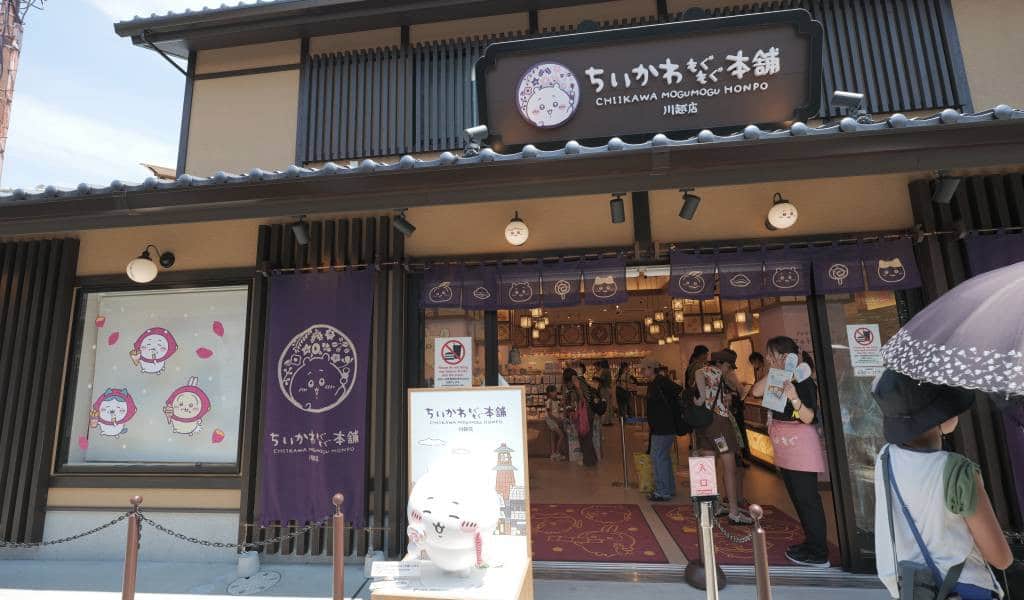
Chiikawa Mogumogu Honpo Kawagoe Store
This is the second store of “Chiikawa Mogumogu Honpo,” opened on February 20, 2025 in Kashiya Yokocho. It blends the imagery of kurazukuri and Kashiya Yokocho and sells limited-edition goods themed on Kawagoe sweet potatoes.
It is open 9:30 to 17:30. Crowds are heavier on holidays, so arrive before opening. Purchase limits on limited items follow the in-store notices.
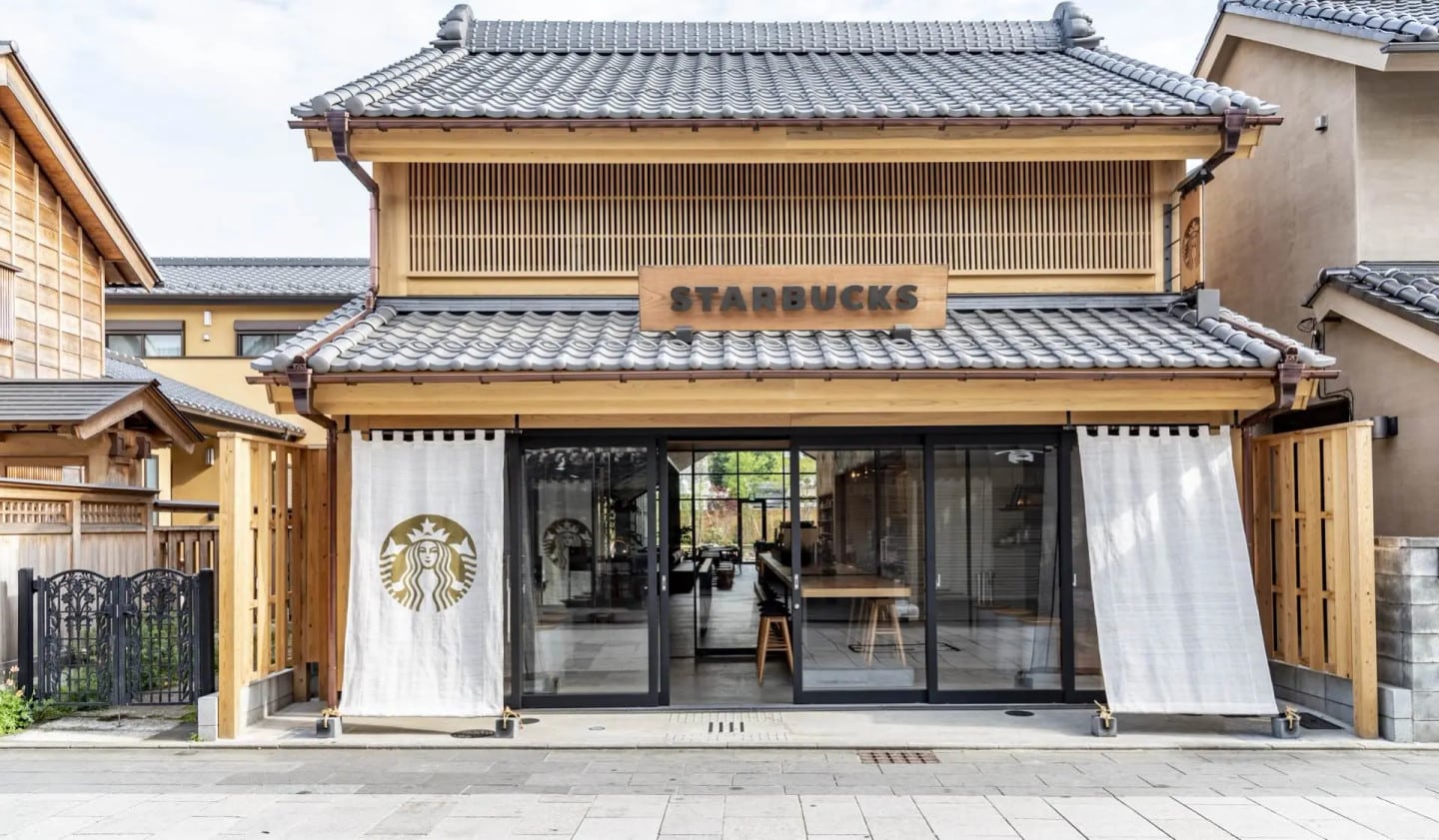
Starbucks Kawagoe Kanetsuki-dori Store
Opened in March 2018 near Toki no Kane, with an exterior of Saitama-grown cedar, benches covered in the traditional textile “Kawagoe Tozan,” plus a rooftop courtyard, a Japanese garden and terrace seating.
Avoid the holiday afternoon peak. Seating inside is limited, so you can take a drink to go and sip it as you stroll around Toki no Kane, enjoying the unique blend of Japanese and Western atmosphere.
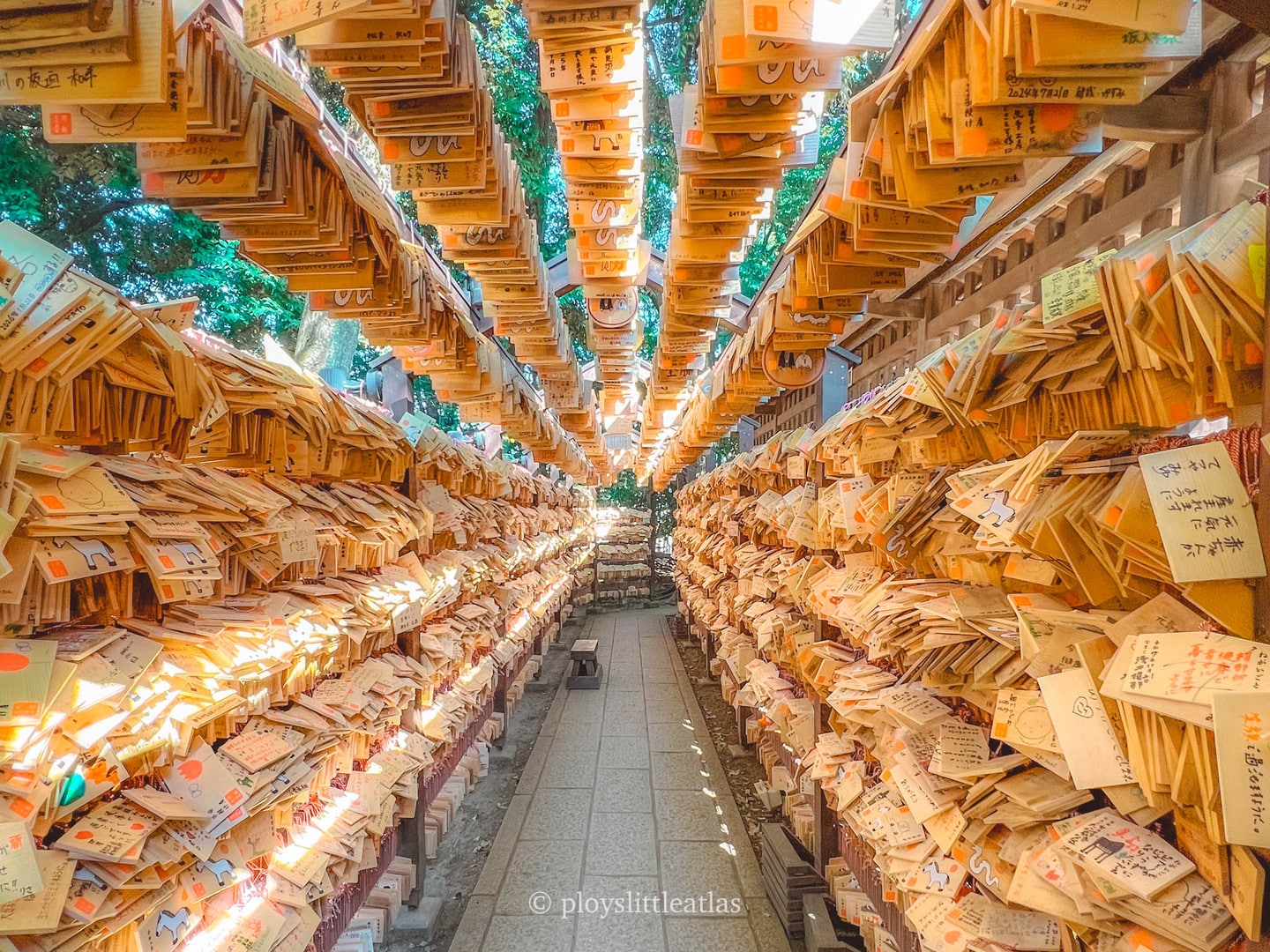
Kawagoe Hikawa Shrine Ema Tunnel
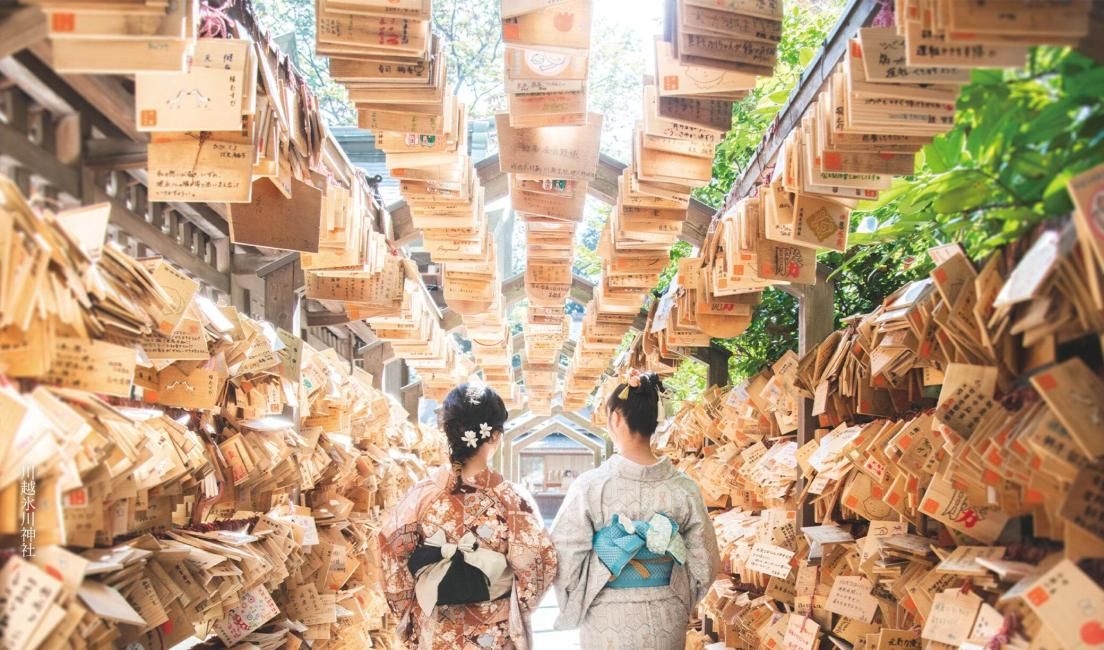
The ema tunnel on the shrine grounds is made of stacked ema plaques offered by worshippers, said to number over 30,000. It is next to Yasaka Shrine on the west side of the main hall and is a popular photo spot on social media.
The ema tunnel is within Hikawa Shrine’s grounds, so you can see it on the way. During the summer “En-musubi Furin” period (June 27 to September 6 in 2026), the grounds also have about 2,000 Edo wind chimes.
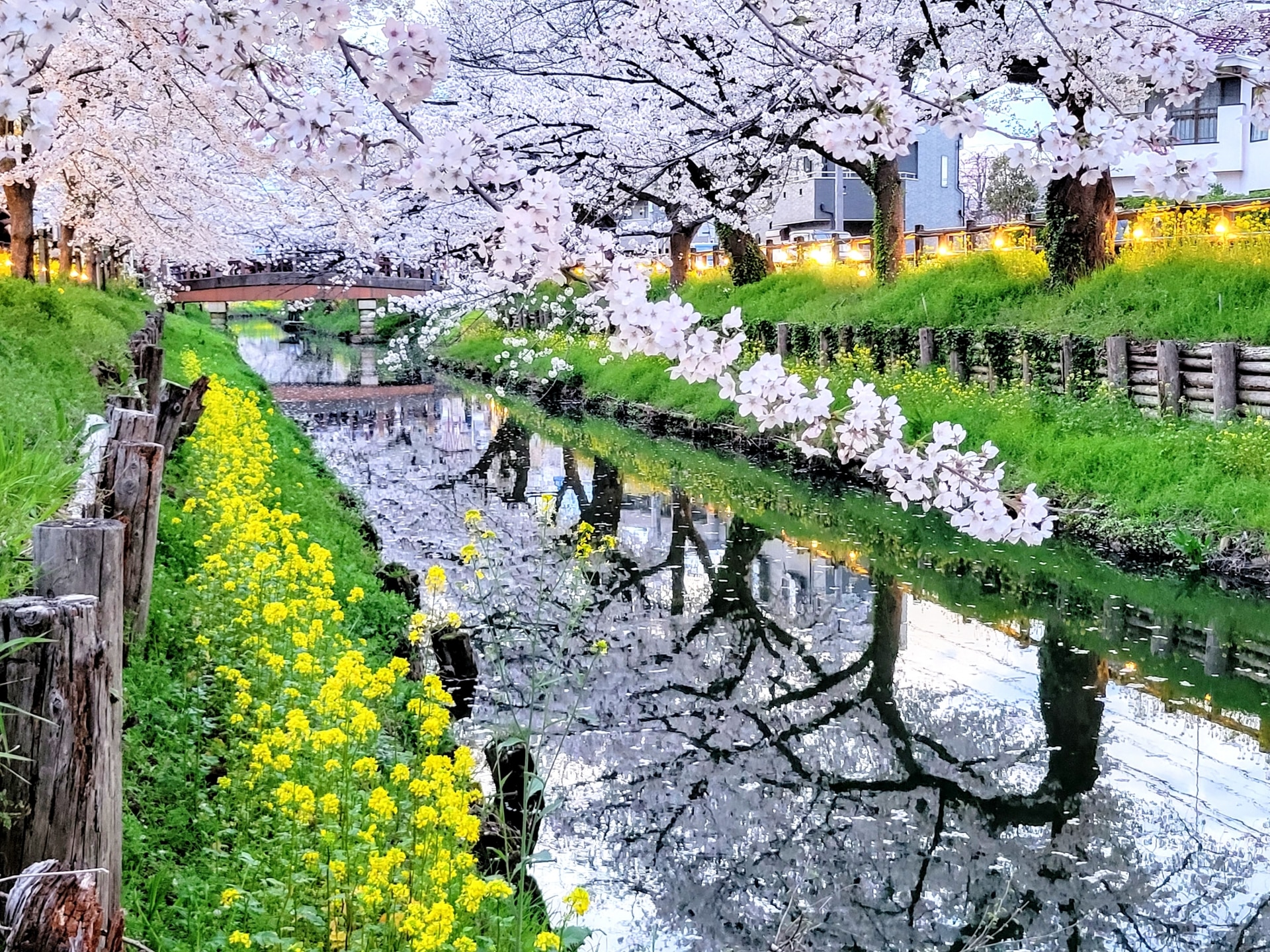
Kawagoe Shingashi River Cherry Blossom Avenue
Along the Shingashi River is an avenue of about 500 meters of Somei Yoshino cherry trees, which bloom from late March to early April. On weekends in early April the “Little Edo Kawagoe Spring Boat Ride” lets you view the blossoms from a wooden boat; the fee follows that year’s announcement.
The best viewing spot is near Hikawa Shrine, where fallen petals on the water form a “hanaikada” (blossom raft). Visit around dusk to enjoy both the sunset and the night cherry blossoms.
Senba Toshogu Shrine
Senba Toshogu Shrine, next to Kitain Temple, enshrines Tokugawa Ieyasu and has a solemn architectural style. It is at 1-21-1 Kosenba-cho, Kawagoe City, and the grounds are calm and dignified.
It is usually open for visits only on Sundays and holidays from 10:00 to 17:00. Entry is free, and the inquiry number is 049-222-5556. Visit it together with Kitain Temple and the Gohyaku Rakan on the same route to save travel time.
How Much Does a 2026 Kawagoe “Little Edo” Trip Cost? Tickets and Recommended Experiences
Although Kawagoe is called “Little Edo” and prices are noticeably friendlier than in central Tokyo, you still need a budget if you want to go deeper, try a kimono rental and visit specialty sights. Below are the most worthwhile paid activities and tickets, from transport passes and kimono experiences to temple and shrine visits and nearby side trips, so you can plan your 2026 Kawagoe costs more precisely. Generally, a budget of ¥5,000 to ¥8,000 per day (including transport and experiences) is enough for a full day.
Tobu Railway “Little Edo Kawagoe Pass” Transport Package
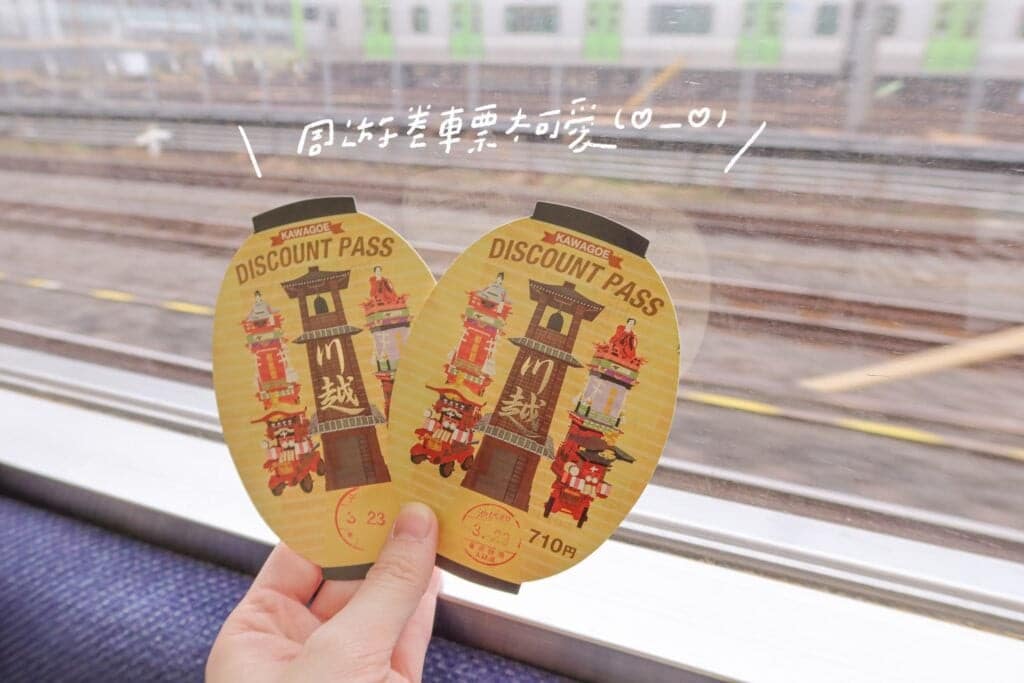
For getting from Ikebukuro or Shinjuku to Kawagoe, the Tobu Railway “Little Edo Kawagoe Pass” is recommended. From Ikebukuro it costs ¥1,110 and includes a discounted round-trip ticket between Ikebukuro and Kawagoe plus a one-day pass for the Tobu Bus “Little Edo Sightseeing Loop Bus.” It is valid for 10 days (use one of them) and is sold at windows and ticket machines at Tojo Line stations.
You can ride the Little Edo Sightseeing Loop Bus on all lines without limit, and the pass comes with partner shop discounts. It cannot be used on the day of the Kawagoe Matsuri or from December 31 to January 3.
The pass is not sold at Kawagoe or Kawagoe-shi Stations, so buy it at your departure station.
Kawagoe Matsuri 2026: October 17 and 18, and Pass Usage Reminders
The Kawagoe Matsuri (the float festival of Kawagoe Hikawa Festival) is on UNESCO’s Intangible Cultural Heritage list and takes place on Saturday, October 17 and Sunday, October 18 in 2026. Tobu’s “Little Edo Kawagoe Coupon” cannot be used on the days of the Kawagoe Matsuri, and sales of Seibu’s “Little Edo Kawagoe Free Coupon” are also suspended on festival days, so please check the official announcements before you go.
Kimono Dress-Up Experience on Kawagoe Ichibangai
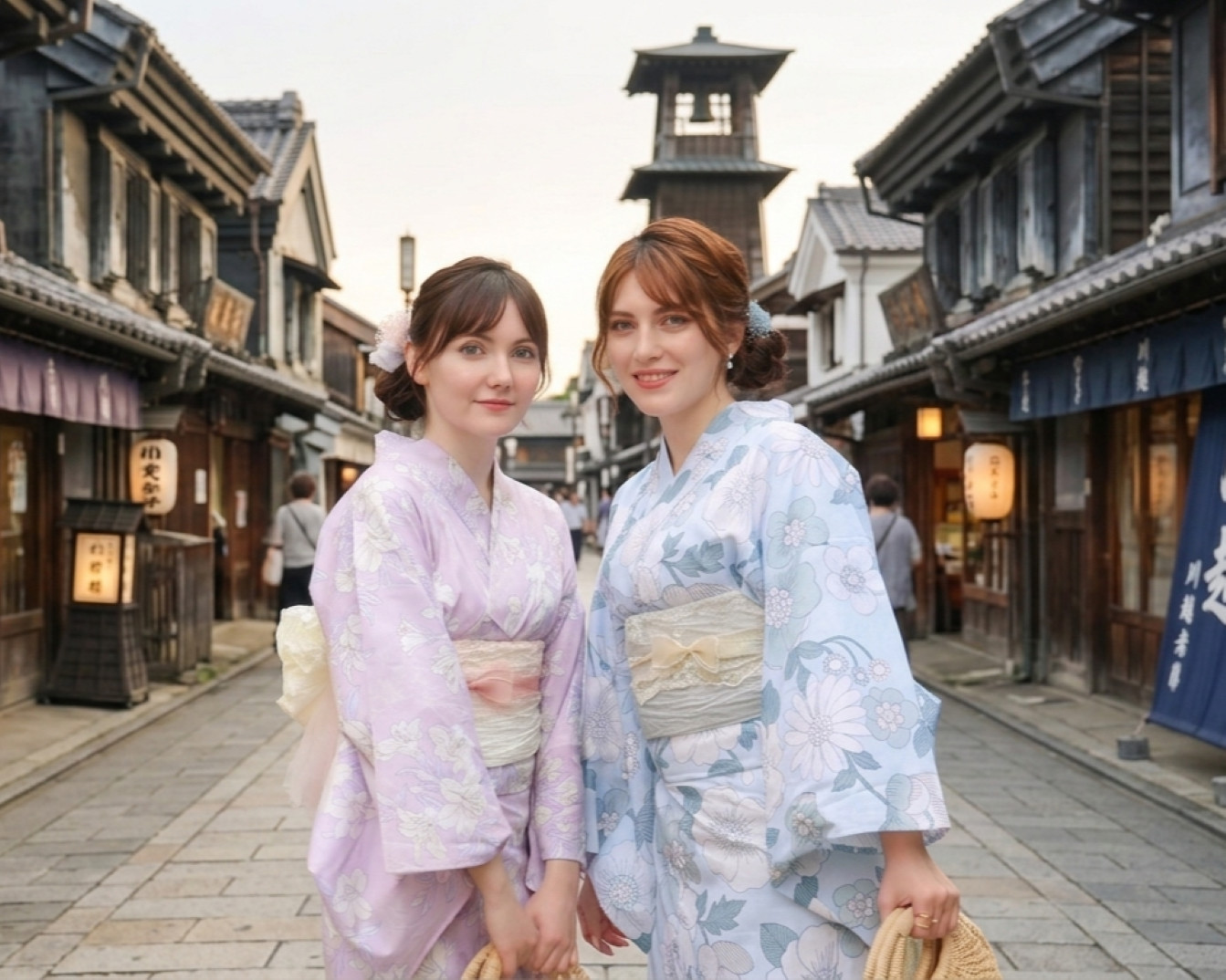
For a Kawagoe kimono experience we recommend Kimono Rental VASARA Kawagoe, whose plan includes the kimono, obi, hair ornament and hairstyling, so you can visit Toki no Kane, Kashiya Yokocho and the kurazukuri old street. Service is offered in Chinese and English, just show your reservation screen, and changing takes 20 to 30 minutes. Book ahead through KKday or Klook, and in peak season reserve several days early.
Visiting Kitain Temple and the Gohyaku Rakan Tour
Kitain is an important Tendai temple in Kawagoe, founded in the Heian period and a key prayer site in the time of Tokugawa Ieyasu and Iemitsu. The main hall and guest hall keep remains of buildings moved from Edo Castle. The “Gohyaku Rakan” stone statues are a must-see, each with a different expression so you can look for one that resembles you, and there are also painted guest-hall decorations and garden views. Adult admission is ¥400, open from 9:00 and until 16:30 on weekdays (closing earlier in winter), and a visit takes 1 to 1.5 hours. It is about a 15 to 20 minute walk from Ichibangai, or about 10 minutes by Little Edo Loop Bus. Visit Kitain in the morning before heading to Ichibangai to avoid the crowds.
Kashiya Yokocho Nostalgic Snack Experience and Nearby Street Food
Kawagoe’s must-visit Kashiya Yokocho has over 20 traditional snack shops selling fu-gashi, sweet potato treats, brown sugar candy and other Showa-era snacks, at about ¥100 to ¥500 each. The red-brick path and old wooden signs are full of nostalgia, and it is a popular spot for kimono wearers and photos.
Popular food nearby includes sweet potato dessert shops, where a roasted sweet potato or sweet potato soft serve is about ¥400 to ¥600, and the long-established eel restaurant Ogawakiku, which offers set meals at about ¥3,000 to ¥4,000, with the craftsmanship of the Edo period.
Allow 1 to 1.5 hours to browse and buy affordable snack souvenirs with local character. It is great value and suits family travel.
What to Eat in Kawagoe: A Full Guide to Eel Rice, Sweet Potato Sweets and Old-Street Snacks
Kawagoe has been a thriving commercial town rich in local products since the Edo period. Eel rice and sweet potato (satsuma-imo) dishes are long-standing signature foods, and together with the nostalgic snack shops lining the old street, eating is also a highlight you can’t miss when planning a Kawagoe day trip.
Kawagoe Eel Rice: Craftsmanship from Long-Established Shops
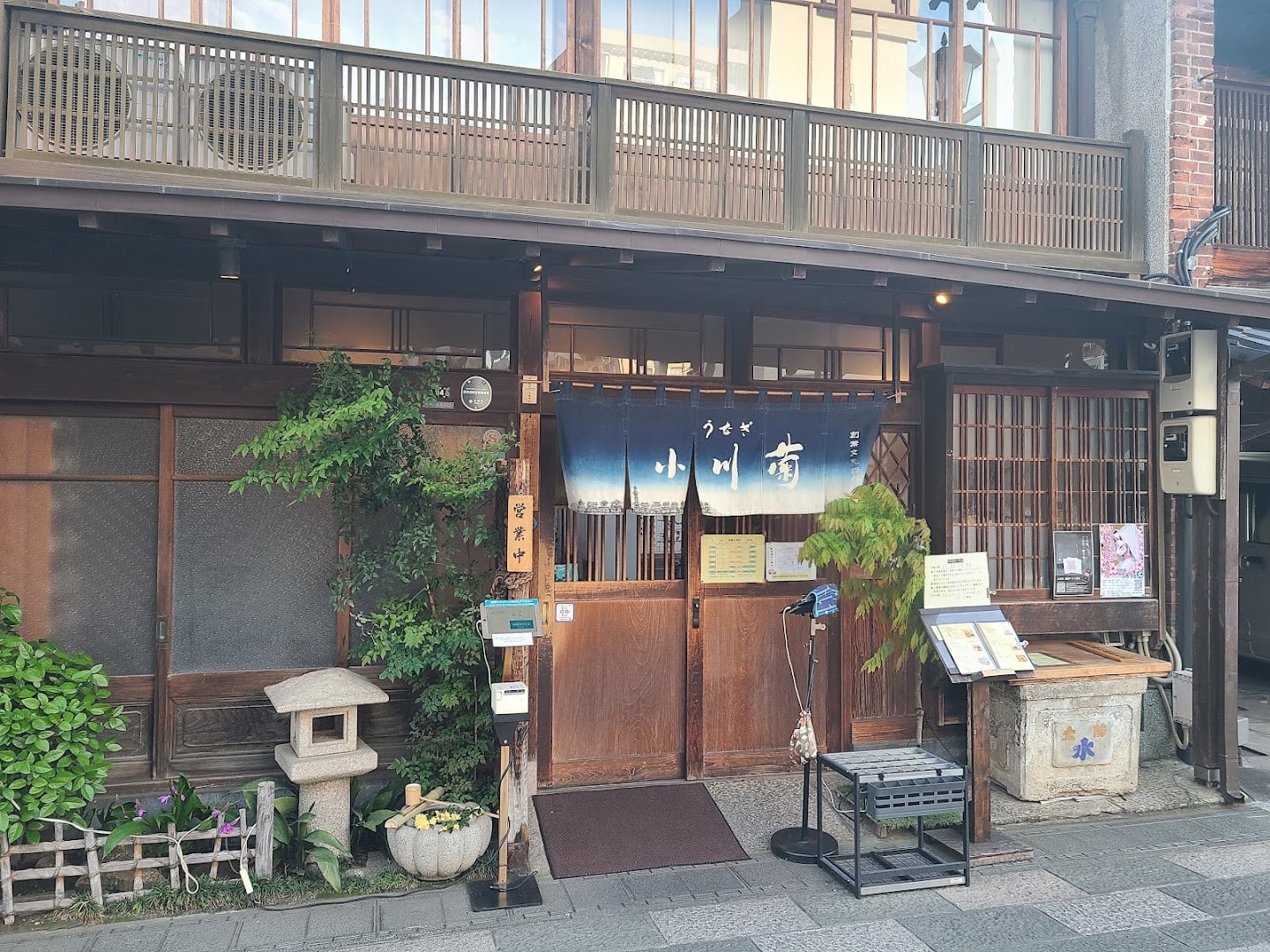
Thanks to its developed water transport, Kawagoe has long been known for eel dishes. Several long-established eel restaurants around the old street are famous for charcoal-grilled eel with a special sauce. There are often queues at mealtimes, so avoid the midday peak or arrive early.
🍽️ Must-order: Ogawakiku, a long-established shop founded in 1807, is known for charcoal-grilled eel rice seasoned with a secret sauce
💰 Price: eel rice set meals at about ¥3,000 to ¥4,000
🚉 Access: about 9 minutes’ walk from Hon-Kawagoe Station, near Taisho Roman Yume-dori
Sweet Potato Sweets: Kawagoe’s Signature “Imo” Dishes
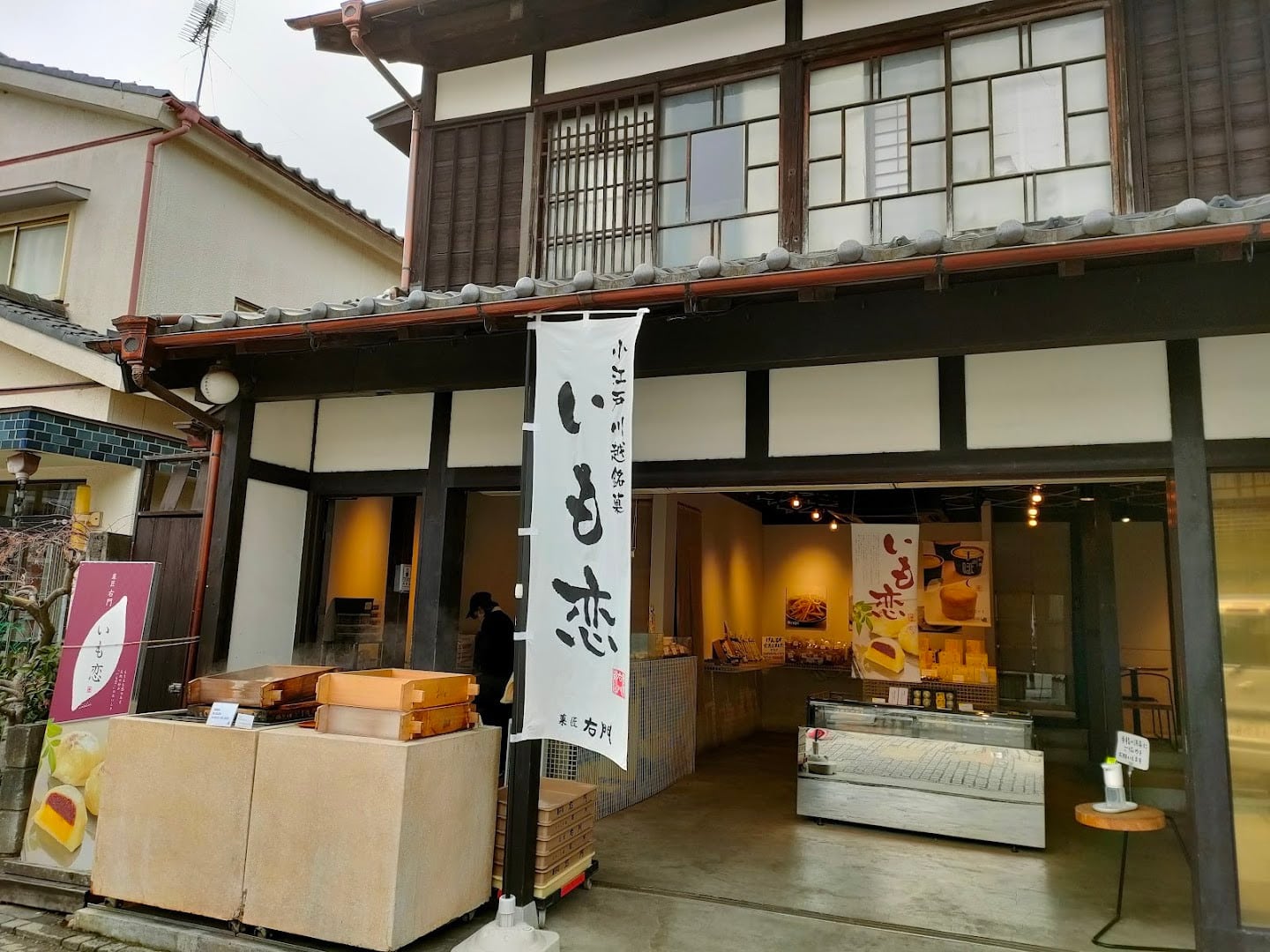
Kawagoe has long been famous for producing quality sweet potatoes (Kawagoe-imo), and sweet potato sweets are everywhere on the old street, including roasted sweet potatoes, sweet potato soft serve, sweet potato yokan and the sweet potato bun “Imo Koi.” They are the souvenirs and snacks that best represent Kawagoe’s local character, and are perfect to hold and eat as you stroll the old street.
- 🍠 Must-order: Kashisho Umon’s signature sweet potato bun “Imo Koi,” made by steaming sweet potato and red bean paste wrapped in a yam mochi skin
- 💰 Price: about ¥150 to ¥300 each
- 🚉 Access: about 6 minutes’ walk from the east exit of Hon-Kawagoe Station, inside Ichibangai shopping street
Tamagoyaki and Senbei: Handmade Snacks from Old-Street Craftsmen
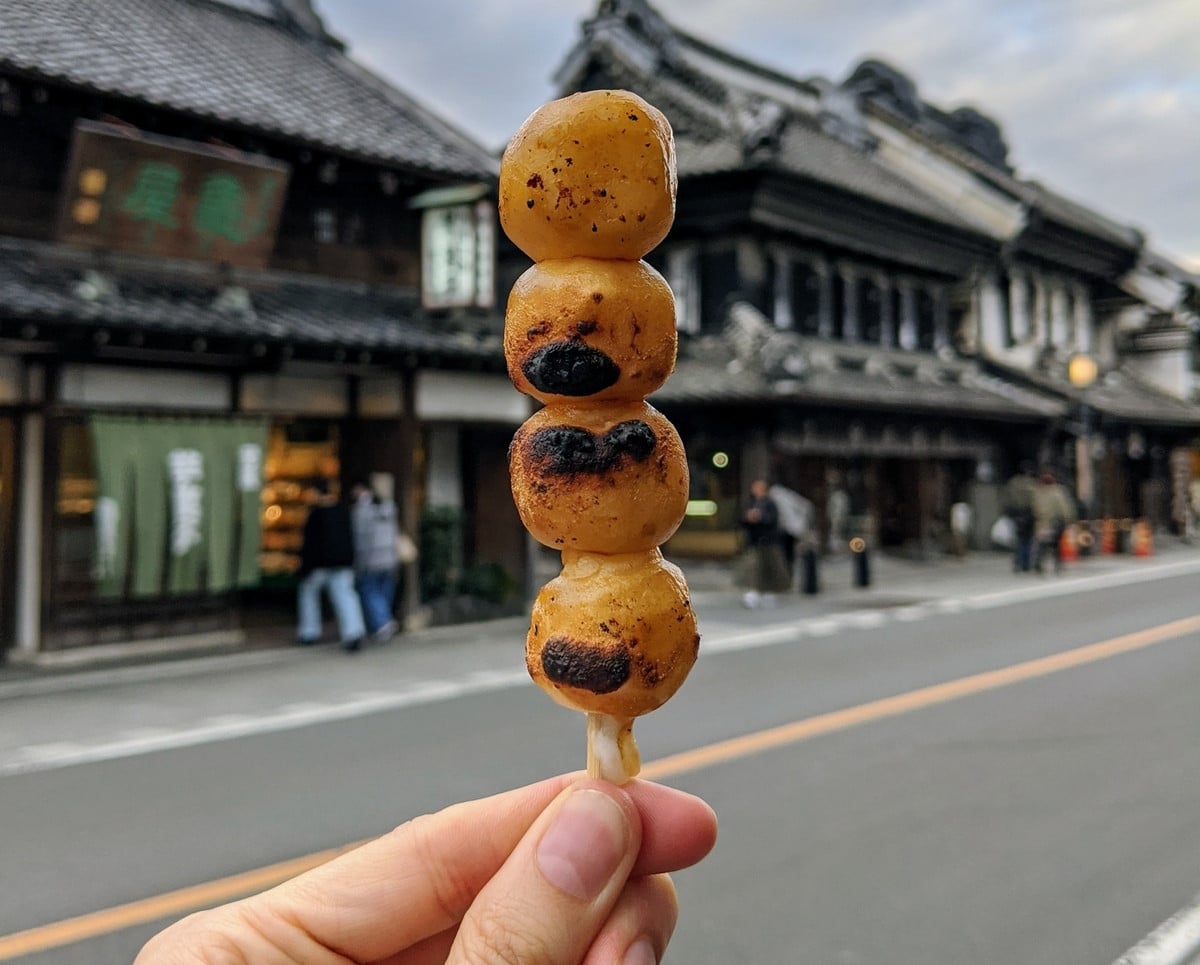
Besides eel rice and sweet potato sweets, the area around the kurazukuri old street and Kashiya Yokocho also has several small shops specializing in freshly grilled tamagoyaki, handmade senbei and grilled dango. Craftsmen make them by hand on the spot with an enticing aroma, making them popular grab-and-go bites on the old street and a good way to refuel between kimono experiences.
- 🍡 Must-order: freshly grilled tamagoyaki, handmade senbei and charcoal-grilled dango
- 💰 Price: about ¥100 to ¥500 per serving
- 🚉 Access: shops line the kurazukuri old street and Kashiya Yokocho, so you can get there on foot
Hotel Tips for Your Trip
A Kawagoe day trip can mostly be done as a round trip from Tokyo. If you want to stay an extra night and stroll the old street in the early morning or evening, choose a hotel near Kawagoe or Hon-Kawagoe Station. Kawagoe Station has the Tobu Tojo Line and the JR Kawagoe Line, and Hon-Kawagoe Station is on the Seibu Shinjuku Line, about 30 minutes to 1 hour from central Tokyo.

FAQ: Practical Information for a Kawagoe Day Trip
Here are the Kawagoe travel questions readers search for most, to help you grasp the key points quickly.
Q: How much budget should I prepare for a Kawagoe day trip?
Round-trip transport is about ¥1,000 to ¥1,500, admissions and experiences about ¥1,000 to ¥3,000, and meals about ¥2,000, so a total budget of ¥5,000 to ¥8,000 is comfortable.
Q: What is the fastest way from Ikebukuro to Kawagoe?
The Tobu Tojo Line “Kawagoe Limited Express” gets to Kawagoe Station directly in as little as 26 minutes (no limited-express surcharge), the fastest and most convenient route from Tokyo to Kawagoe.
Q: What are the opening hours of Kitain Temple and Hikawa Shrine?
Kitain Temple is open 9:00 to 16:30 (varying by season and day of the week), while Hikawa Shrine’s grounds are open 24 hours year-round, with the shrine office open 8:00 to 18:00.
Q: When is the best season to visit Kawagoe?
Late March to early April for cherry blossoms and late June to early September for the En-musubi Furin wind chimes are most recommended. Autumn leaves in November are also beautiful, and each season has its own charm worth visiting.
Q: Are there any photo etiquette rules on the kurazukuri old street?
Some shops on the old street prohibit photographing their interior goods without permission. When wearing a kimono, watch your steps to avoid tripping, and avoid taking photos for long in the middle of the road where it blocks traffic.
Q: Which is better value, the Tobu pass or the Seibu pass?
From Ikebukuro you can choose Tobu’s “Little Edo Kawagoe Coupon” (¥1,110), and from Seibu-Shinjuku you can choose Seibu’s “Little Edo Kawagoe Free Coupon.” Just choose according to your starting point.

Q: Is Kawagoe better as a half-day or full-day trip?
A full-day trip is recommended. The sights are spread out, and Kitain Temple, Hikawa Shrine and the old street all need walking and visiting time, so a half day tends to be rushed and unsatisfying.
