

Lake Kawaguchiko Momiji Corridor Autumn Leaves Guide 2026: Mount Fuji’s Best Fall Scenery
The Appeal of the Lake Kawaguchiko Momiji Corridor
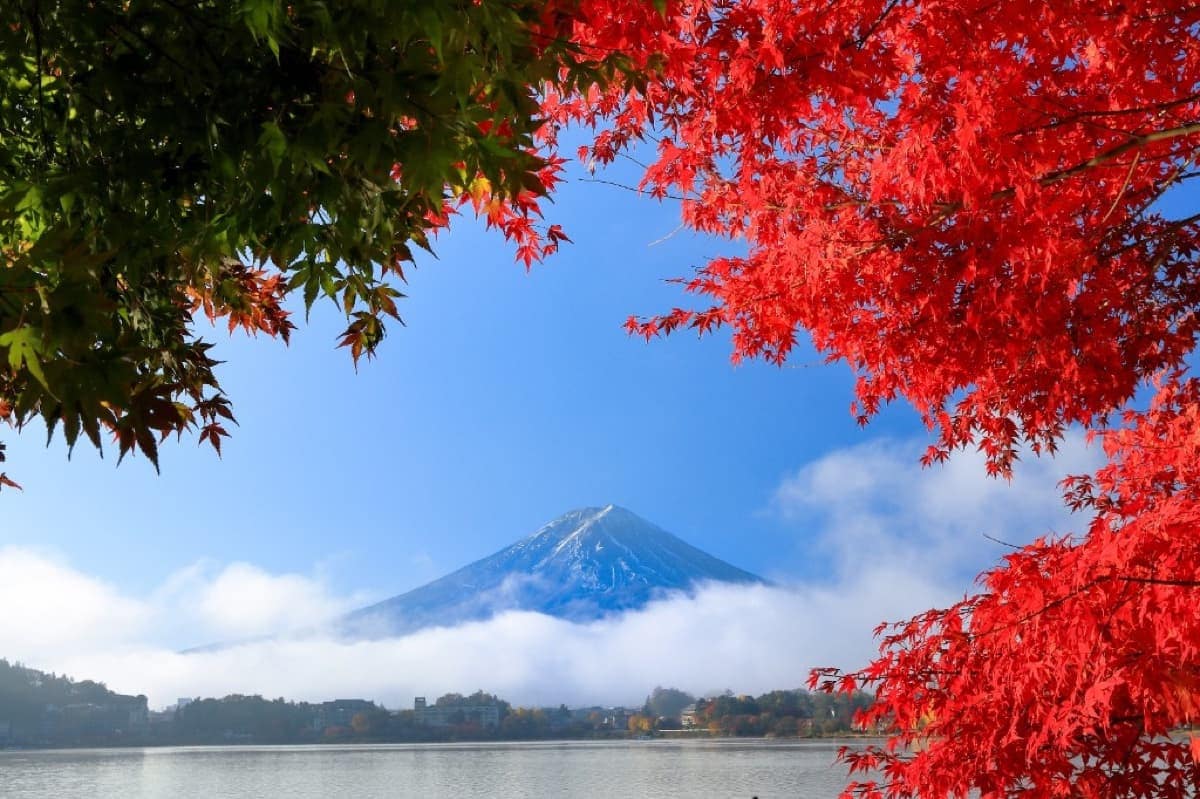
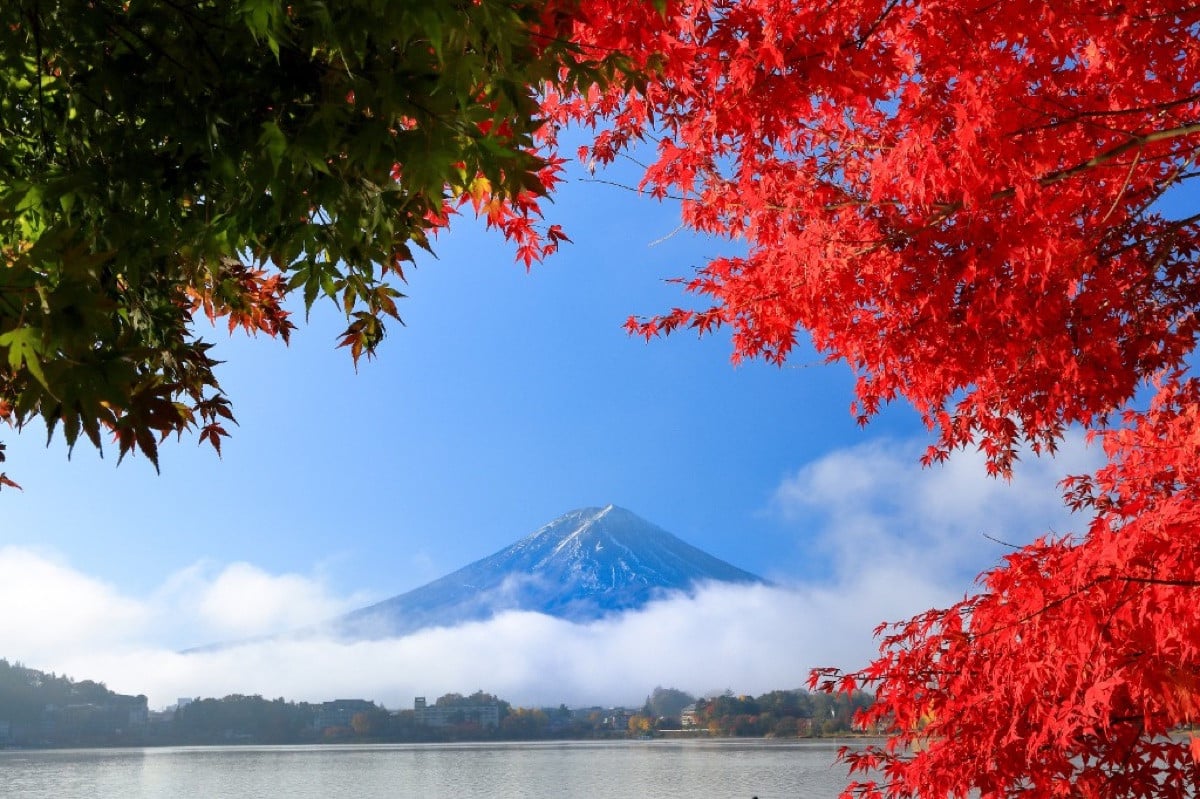
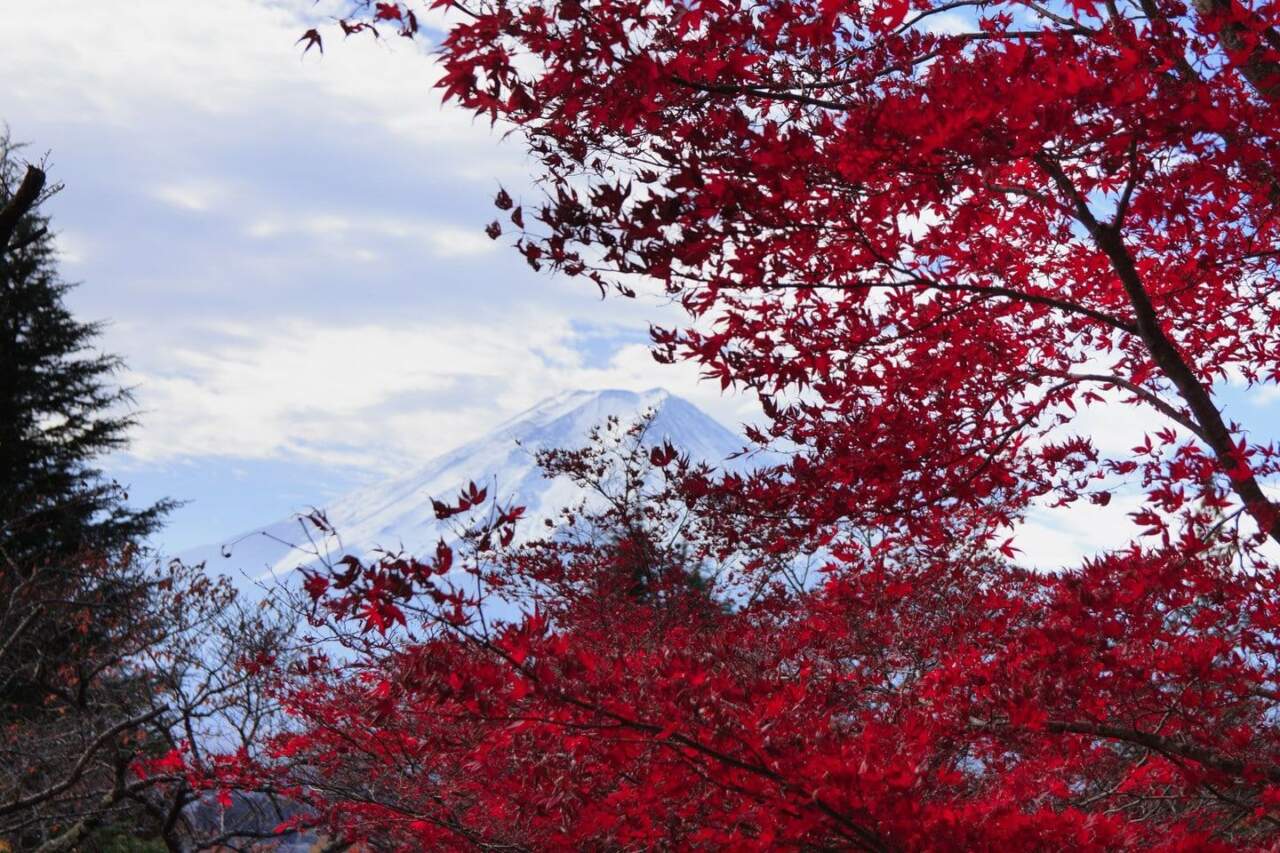
The 2026 Fuji Kawaguchiko Autumn Leaves Festival runs from November 7 to 29. Peak color is from early to mid-November, when roughly 400 to 500 maple trees line the lakeshore and frame the snow-capped summit of Mount Fuji in a spectacular autumn view.
The average date of Mount Fuji’s first snowcap is October 2, and over the past 11 years it has ranged from September 26 to November 7.
Note: In 2026 the illumination runs from sunset to 21:00. Actual color change still depends on temperatures, so check the latest announcements on the official website (fujisan.ne.jp) before you go.
The Main Highlight: Momiji Corridor (Momiji Kairo)
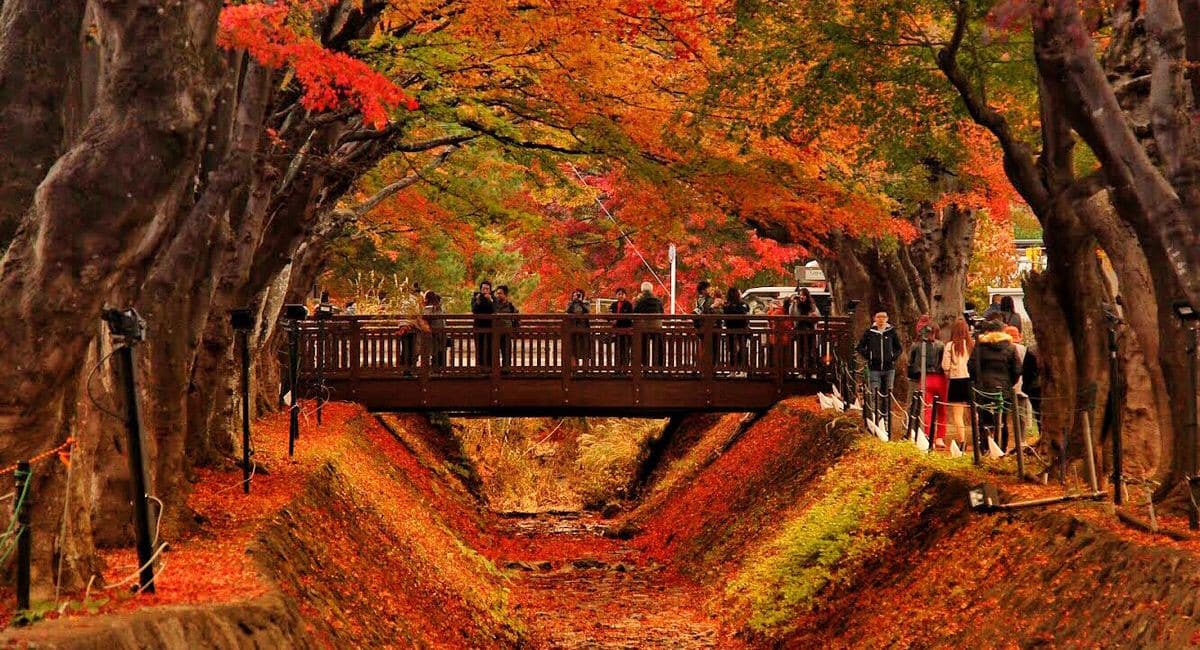
The Momiji Corridor (Momiji Kairo) in the Nashigawa area of Lake Kawaguchiko is the main venue of the Autumn Leaves Festival. Along about 1.5 km of lakeshore, the maples weave into a dreamy orange-red tunnel in autumn, making it the most popular fall foliage spot in the entire Mount Fuji region.
During the festival, the trees are illuminated every day from sunset until 9:00 p.m. (per the 2026 official announcement), and the lit-up night maples have a hypnotic, romantic mood that is completely different from daytime. Next to the main venue are certified local food stalls and an artisan craft market, so you can enjoy the foliage while tasting Yamanashi specialties such as hoto noodles.
Lake Kawaguchiko Momiji Corridor 2026: Peak Color and Festival Dates
According to the Fuji-Kawaguchiko Tourist Association, the Momiji Corridor has about 150 maple trees, and peak color usually falls between late October and mid-November. The 2026 Fuji Kawaguchiko Autumn Leaves Festival runs from November 7 (Sat) to November 29 (Sun), with illumination from sunset to 21:00. The festival may open when peak color is already nearing its end, and actual color depends on that year’s temperatures, so please rely on the latest information on the official website of the Fuji-Kawaguchiko Tourist Association (fujisan.ne.jp).
Photo Tips: The Upside-Down Fuji Reflection
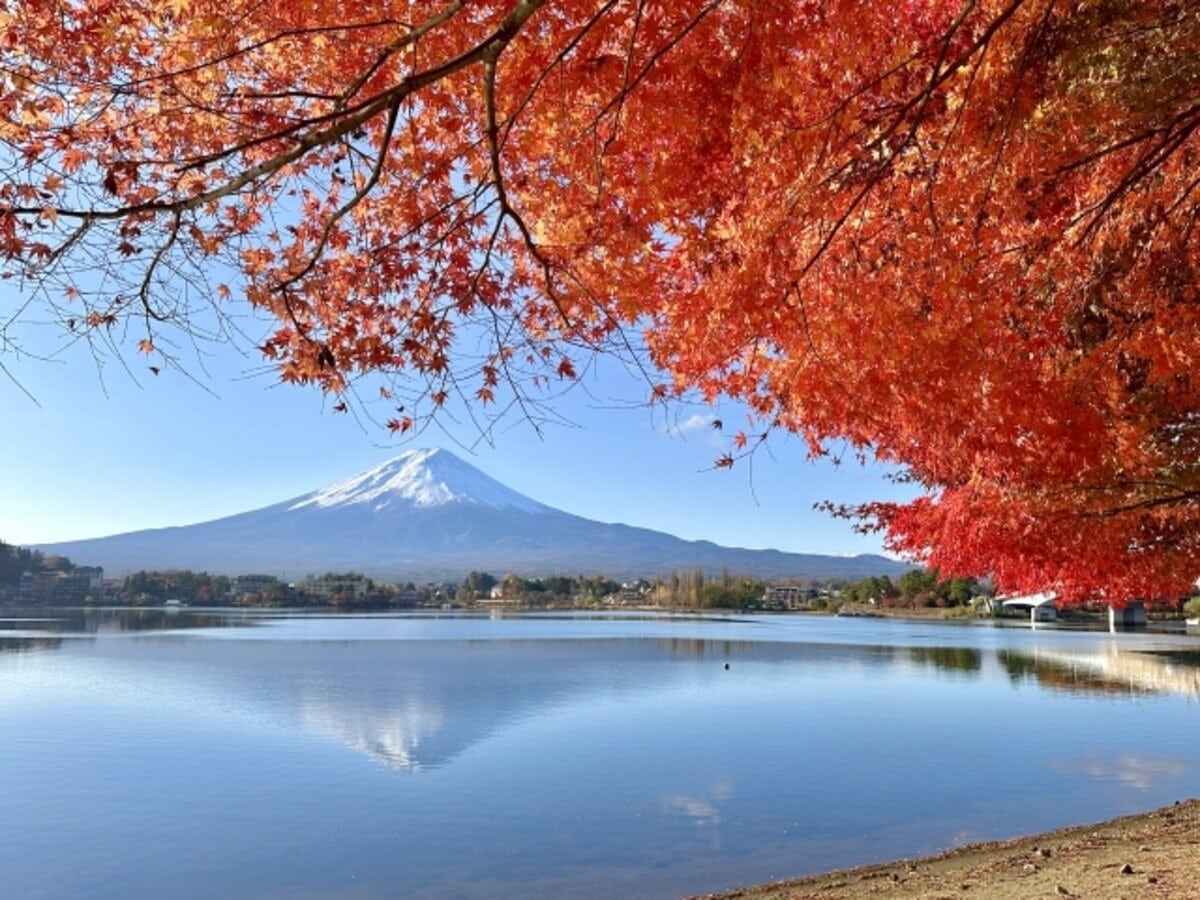
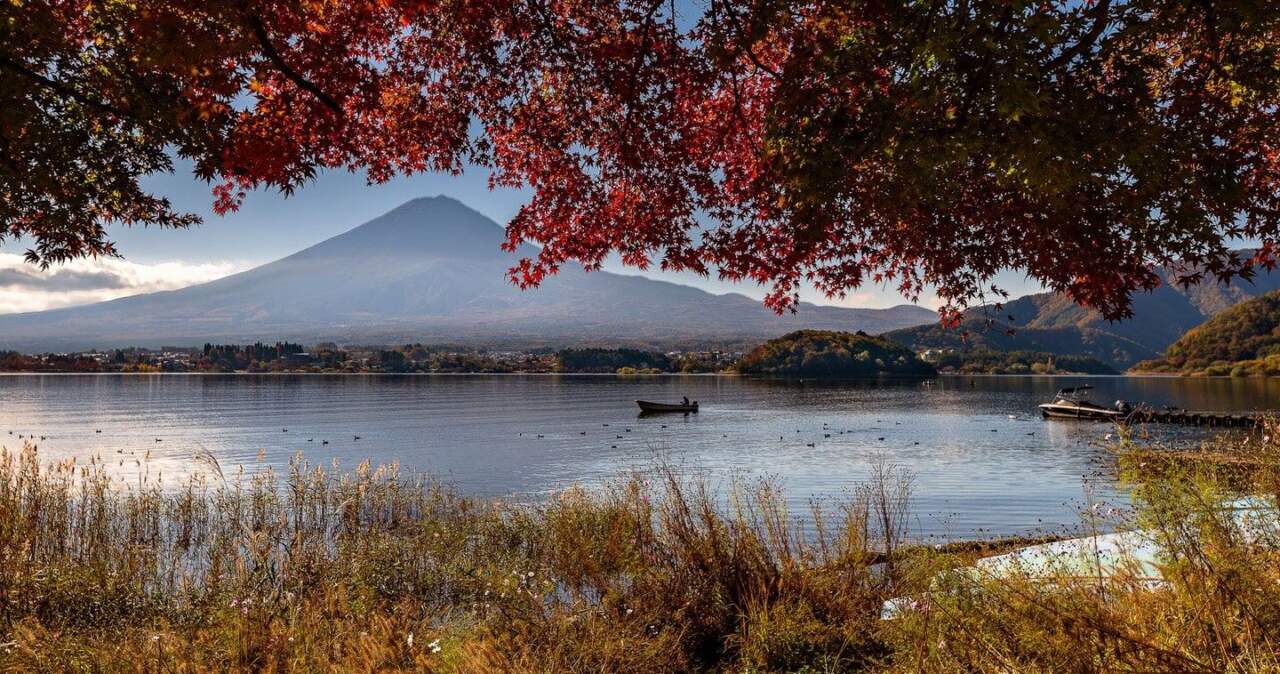
We recommend coming early on a clear morning, when the air is at its clearest and the lake surface is calm, making it easiest to capture the classic “autumn leaves + Upside-Down Fuji reflection” shot, which is the main reason photography fans make the trip.
To find out whether snow has already settled this year, check the Mount Fuji summit snow conditions published by the Japan Meteorological Agency.
Mount Fuji is easily hidden by clouds, and haze often builds in the afternoon. Going in the morning for the shots that depend most on the weather is the key to raising your success rate, and it also helps you avoid the crowds that arrive in the afternoon.
We suggest bringing a polarizing filter to cut down on glare from the water. If you can capture both the lake reflection and the layers of autumn color, it will be the most treasured image of your foliage trip.
Getting to the Lake Kawaguchiko Momiji Corridor
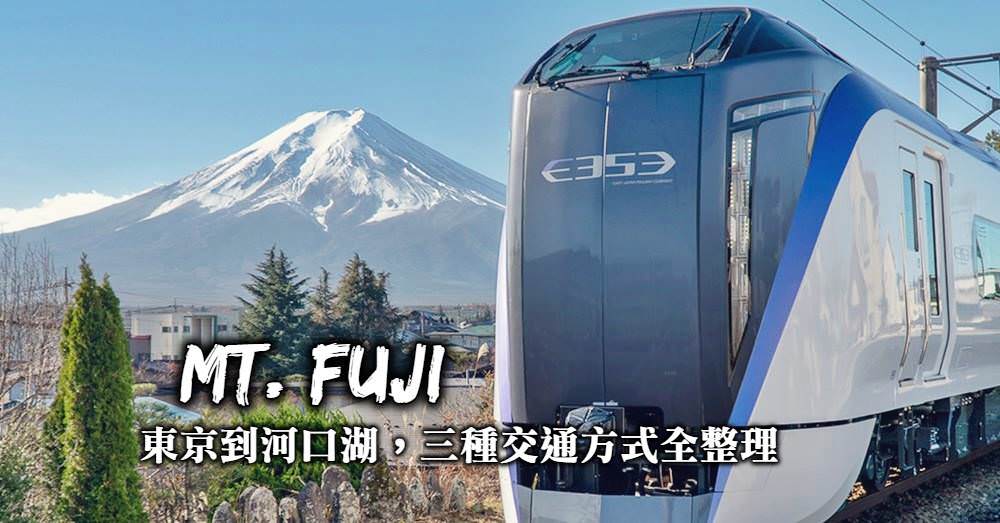
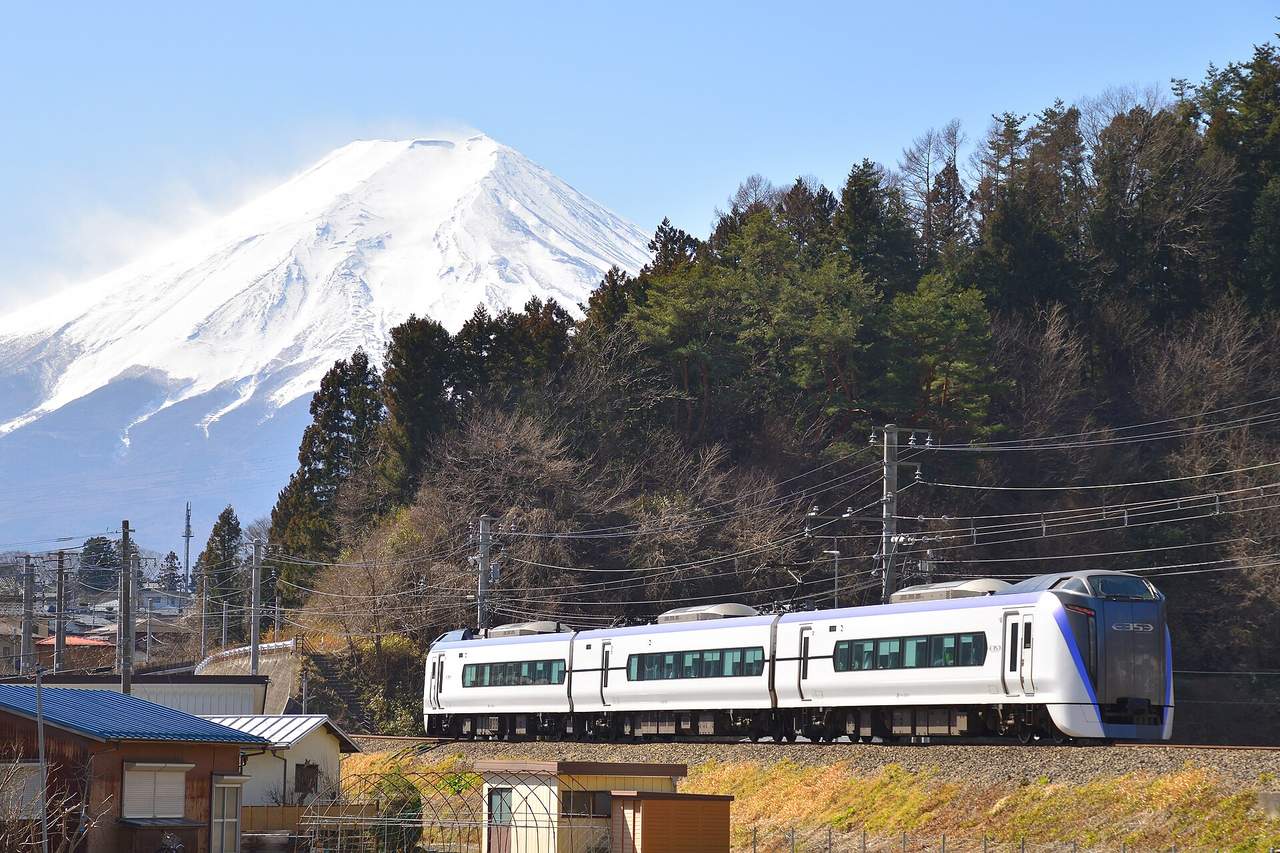
Fuji Excursion: Direct from Shinjuku to Kawaguchiko
The Fuji Excursion runs directly from Shinjuku Station to Kawaguchiko Station in about 1 hour 55 minutes. All seats are reserved, there are no transfers and no surprises. Travelers with a JR Pass need to exchange for a reserved-seat ticket before boarding.
Trains are popular in foliage season, so reserve your seat online or at a station counter well in advance. Weekends in particular are hard to get a seat on.
The cars are comfortable and you can enjoy views of the Mount Fuji area along the way. It suits travelers with luggage or older companions, who won’t have to worry about the physical strain of transfers.
Direct Express Bus: Departing from Busta Shinjuku
The direct express bus departs from Busta Shinjuku (Shinjuku Expressway Bus Terminal) and takes about 1 hour 45 minutes. It is good value, with a minimum one-way fare of about ¥2,200, making it a popular choice for travelers on a budget.
Traffic jams and sold-out buses are very common in foliage season. We strongly recommend booking online in advance, as standby seats are almost impossible to get on peak-season weekends.
Bus seats are roomier than those on regular city buses and relatively comfortable on a long ride, suiting budget travelers who want to save on transport and spend the money elsewhere.
Kawaguchiko Sightseeing Bus: Getting Around the Lake Area
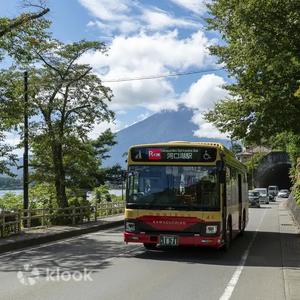
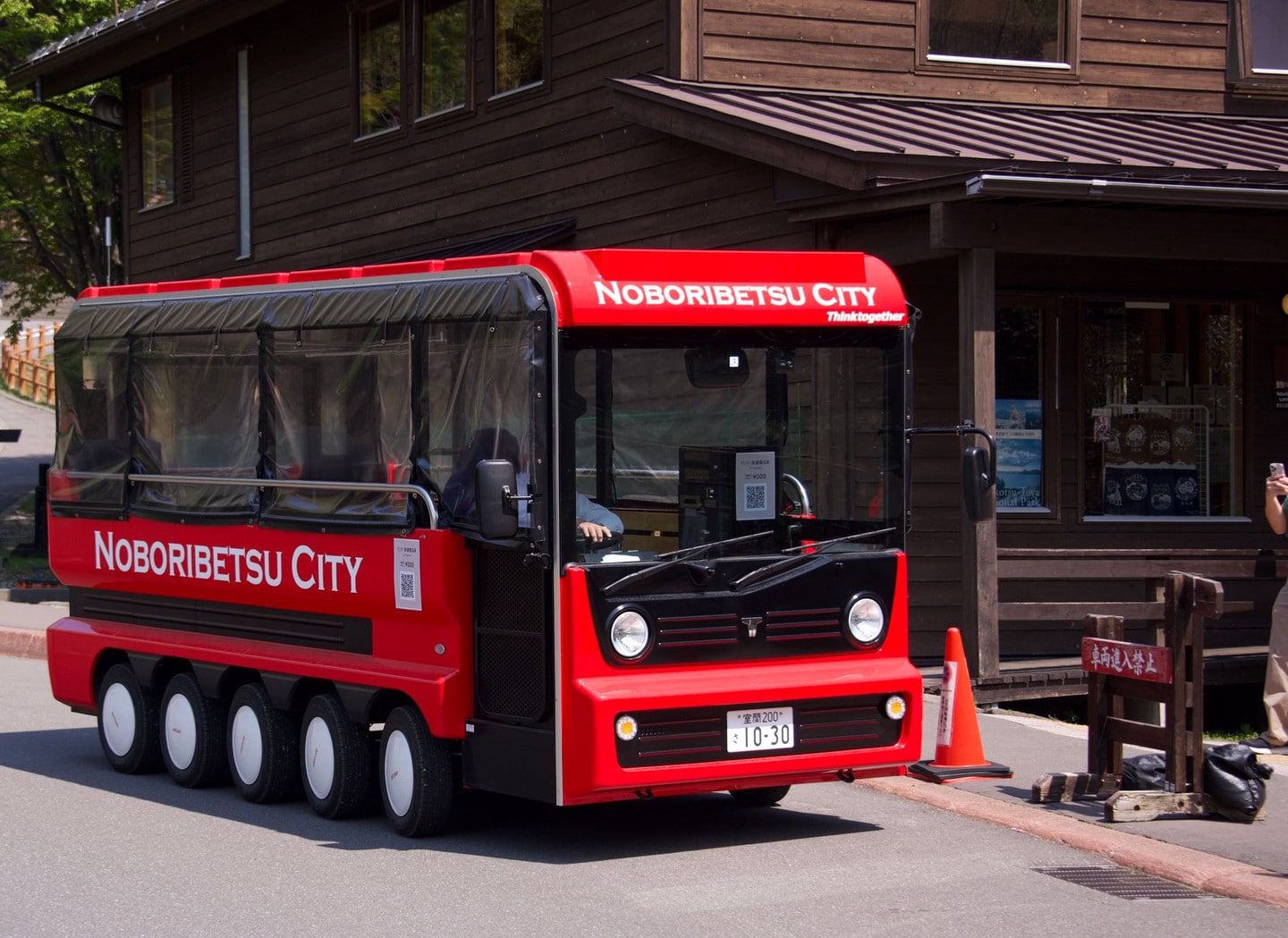
After arriving at Kawaguchiko Station, the most recommended option is the Kawaguchiko Sightseeing Bus (Red Line). Get off at the “Itchiku Kubota Art Museum” stop, and the main Momiji Corridor venue is about a 5-minute walk away. The normal ride takes about 20 to 25 minutes.
On foliage-season weekend afternoons the queues are very long and buses are often too full to board, so we strongly recommend leaving in the morning. If you will take more than 2 to 3 bus rides that day, a one-day pass is better value than buying single tickets for each leg.
The bus stops at many lakeside attractions along the way, so even without planning a special itinerary, following the sightseeing bus route will take you to the highlights of Lake Kawaguchiko, which suits first-time visitors.
-Klook.jpg)
Routing Tips to Avoid the Crowds
For weather-dependent spots such as Oishi Park and the Mount Fuji viewpoints, go first thing in the morning. On calm early mornings the lake is smoother and Mount Fuji is less likely to be hidden by clouds. Haze often builds in the afternoon, and once Fuji hides, the lake reflection disappears with it.
If you can take time off, avoid peak-color weekends. On peak-color Saturdays and Sundays, the bus queue at Kawaguchiko Station, the Oishi Park parking lot and the lakeside restaurants are all packed, and a weekday visit feels much easier.
If time allows, schedule the spots most affected by weather at the very start of the itinerary, and leave the indoor or weather-proof spots for later, where you have more flexibility.
A Complete Guide to Autumn Leaves Spots at Lake Kawaguchiko
Below are 8 top autumn foliage spots at Lake Kawaguchiko, covering the lakeshore corridor, a hidden roadside spot, parks and shrines. Combine them flexibly according to your interests and time.
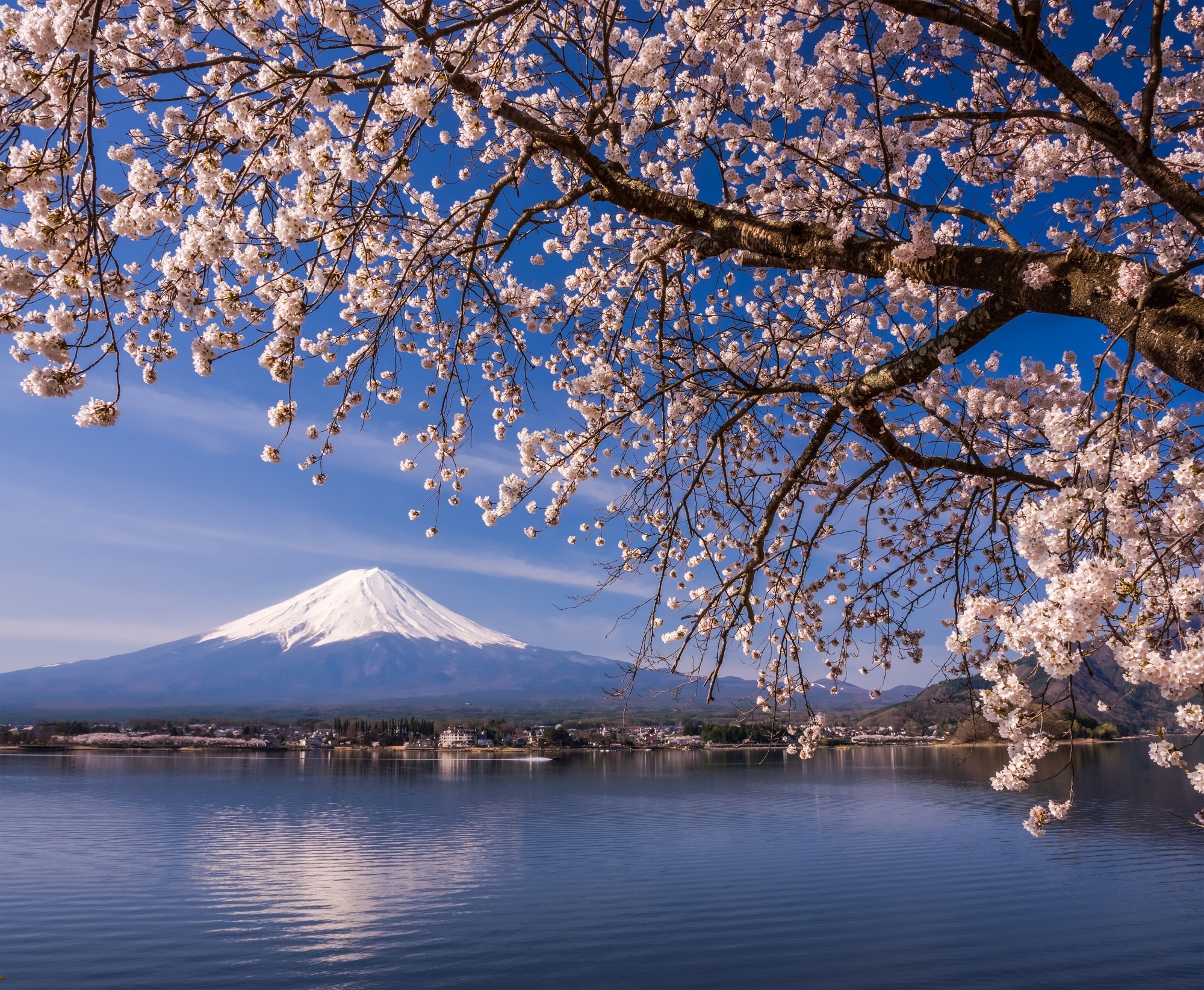
Lake Kawaguchiko Momiji Corridor: Momiji Kairo
The Momiji Corridor is the main venue of the Autumn Leaves Festival. About 1.5 km of maples along the lakeshore weave into a dreamy orange-red tunnel. According to the Fuji-Kawaguchiko Tourist Association, the Momiji Corridor has about 150 maple trees, and together with the snow-capped summit of Mount Fuji they make a stunning autumn scene.
We suggest allowing 1 hour. Admission is free, and during the festival the trees are illuminated every day from sunset to 21:00. Next to the main venue are local food stalls and an artisan craft market. Come early on a clear morning to photograph the Upside-Down Fuji reflection.
The paths around the venue are gentle and easy to walk, suitable for older companions or children, and there are benches for a short rest, so the foliage outing doesn’t have to be strenuous.
|東京出發-Klook.jpg)

 KKdayLake Kawaguchiko Autumn Leaves Festival ticket
  KLOOKLake Kawaguchiko Autumn Leaves Festival ticket
Autumn Leaves Tunnel (Momiji Tunnel): The Rusuiwa Scenic Photo Spot
Located along Prefectural Route 21 on the north shore of Lake Kawaguchiko, the maples on both sides of the road drape naturally over the street, making it a top photo spot for shooting Mount Fuji framed by autumn leaves. There is a free parking lot on site.
We suggest allowing 30 minutes. Admission is free, and the best viewing is around mid-November. Choose a weekday, early morning or evening to avoid the constant flow of photographers.
Watch for safety by the roadside when taking photos. This is still an active road, so stand in the safe shoulder area to frame your shots, to avoid blocking traffic or putting yourself in danger.
Oishi Park: A Double Dose of Autumn Color with Maples and Kochia
Famous for kochia (summer cypress) that turns fiery red in autumn, it lets you capture autumn leaves, kochia, Lake Kawaguchiko and Mount Fuji in one frame, and is one of the most shared autumn images of Lake Kawaguchiko on social media.
We suggest allowing 1 hour. Admission is free. ⚠️ Peak kochia color is from mid- to late October, which is 2 to 3 weeks apart from the autumn leaves bloom, so check that year’s conditions before deciding when to visit.
The park grounds are spacious, so it doesn’t feel overly crowded even when there are many visitors. It is well suited to a longer, leisurely stroll to take photos and enjoy the open lakeside autumn air.
Arakurayama Sengen Shrine and Park: The Classic Five-Story Pagoda, Autumn Leaves and Mount Fuji View, Amulets and Goshuin
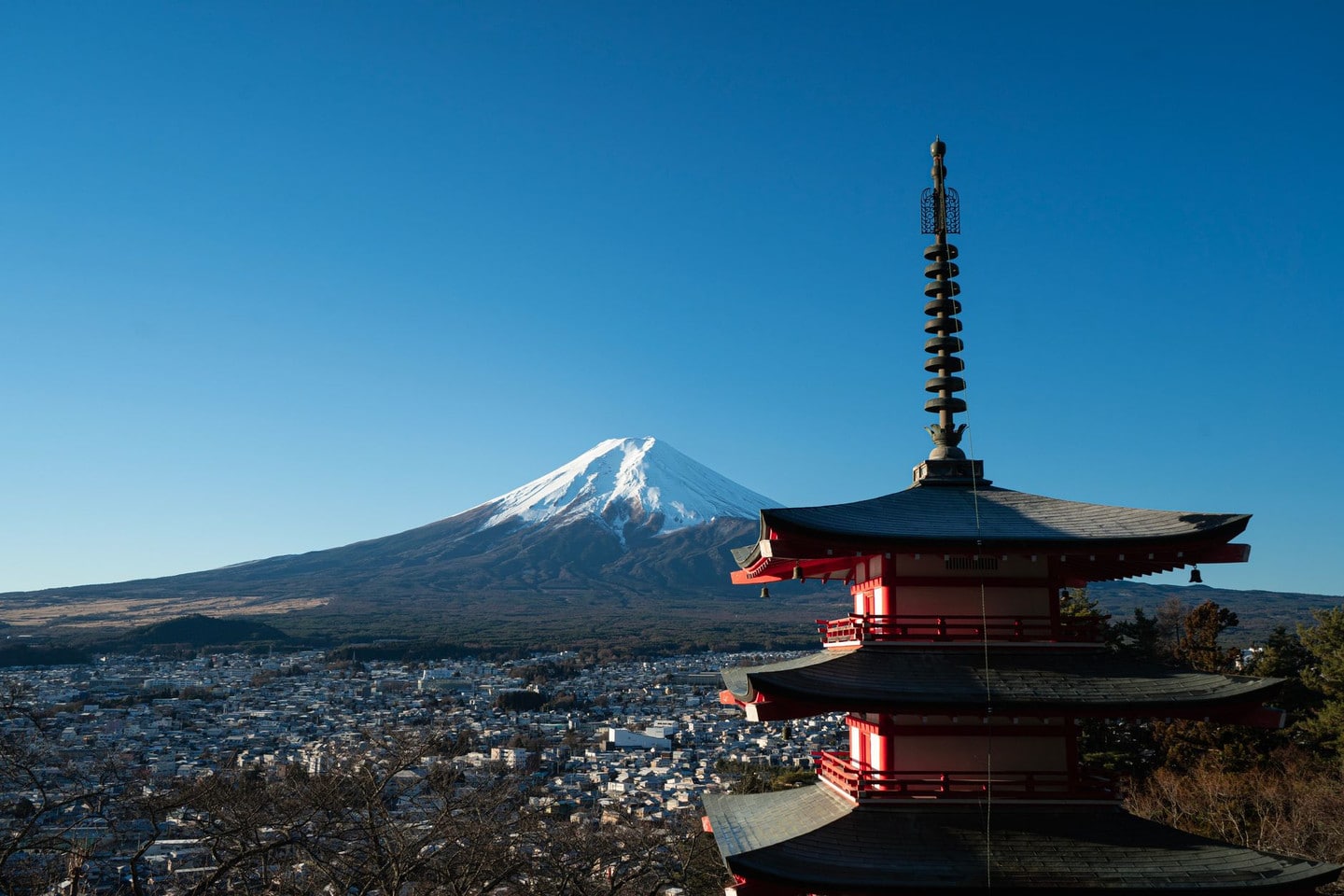
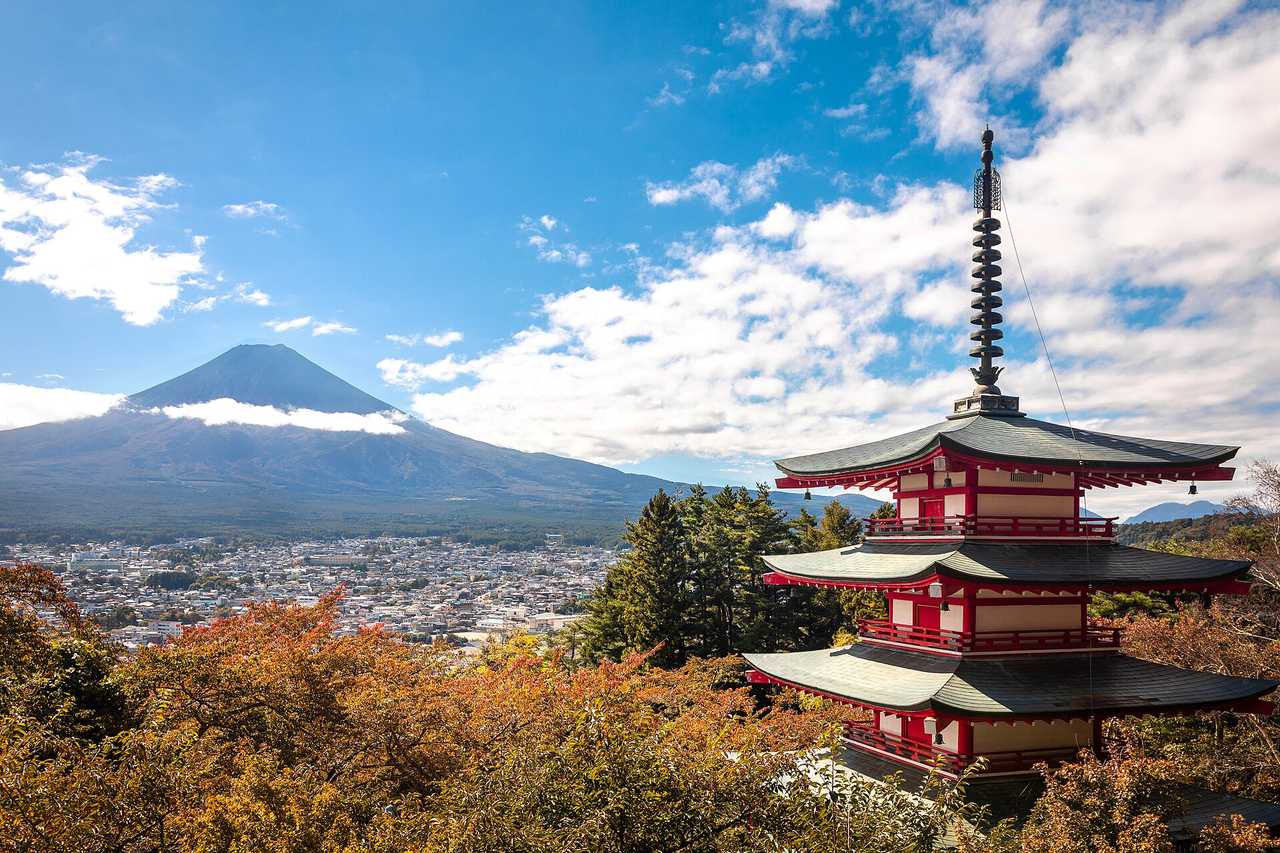
Arakurayama Sengen Shrine has a long history, and its office on the grounds offers amulets and goshuin (shrine stamps). After climbing the steps along the approach you reach Arakurayama Sengen Park, where you can take in the classic “five-story pagoda + autumn leaves + Mount Fuji” view.
We suggest allowing 1 to 1.5 hours. Park admission is free. Go earlier in the morning to avoid the crowds on the steps and improve your chances of a clear view of Mount Fuji.
There are about 400 steps, so less athletic travelers should take it slowly and rest in stages. There is also a shopping street at the foot of the hill where you can pick up souvenirs on the way.
Tenjozan Panorama Ropeway: A Panoramic View of the Lakeside Autumn Colors
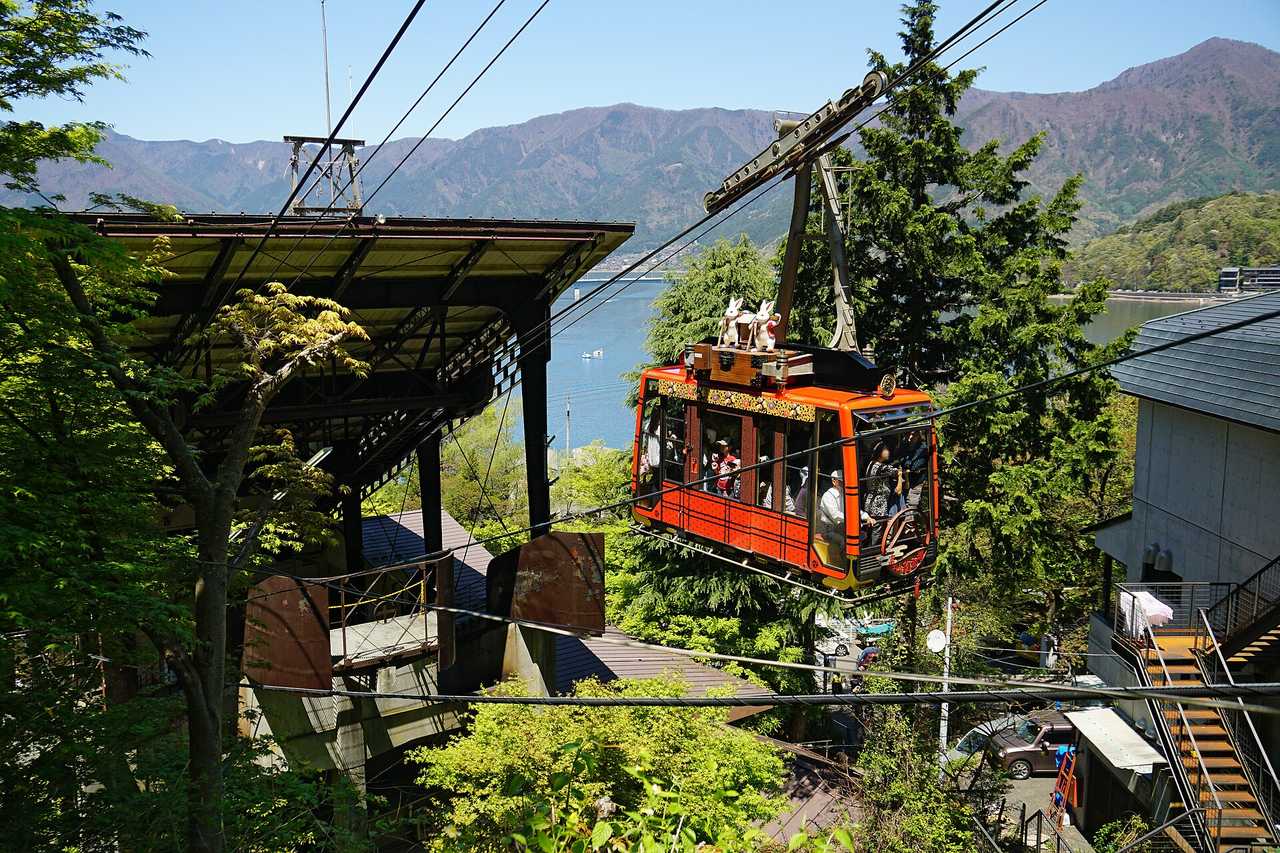
The Tenjozan Panorama Ropeway takes only 3 minutes to carry you up, giving a panoramic view of the entire Lake Kawaguchiko shore drenched in red and yellow autumn color. The summit observation deck is also an excellent angle for viewing Mount Fuji.
We suggest allowing 1 hour. A round-trip ropeway ticket is about ¥1,000 for adults. The summit has a rest teahouse and a souvenir shop, so you can rest a while before taking the ropeway back down.
The spot is also known as the setting of the Japanese folktale “Kachi-Kachi Yama,” and the summit has small themed art installations that add to the fun.
Kawaguchiko Music Forest Museum: Note the Tuesday and Wednesday Closures in Foliage Season
The museum gardens are also decorated with autumn leaves in the fall, and the maples around the round concert hall are a spot recommended by local visitors for photographing Mount Fuji together with autumn color. Inside, the museum holds a collection of antique European music boxes.
We suggest allowing 1 to 1.5 hours. Admission is about ¥1,500 for adults. ⚠️ The museum is in principle closed every Tuesday and Wednesday, so be sure to check that week’s opening status before planning, to avoid a wasted trip.
Music box performances are held at scheduled times inside. If time allows, they are well worth staying for, as the gentle music blends with the autumn leaves outside the window.
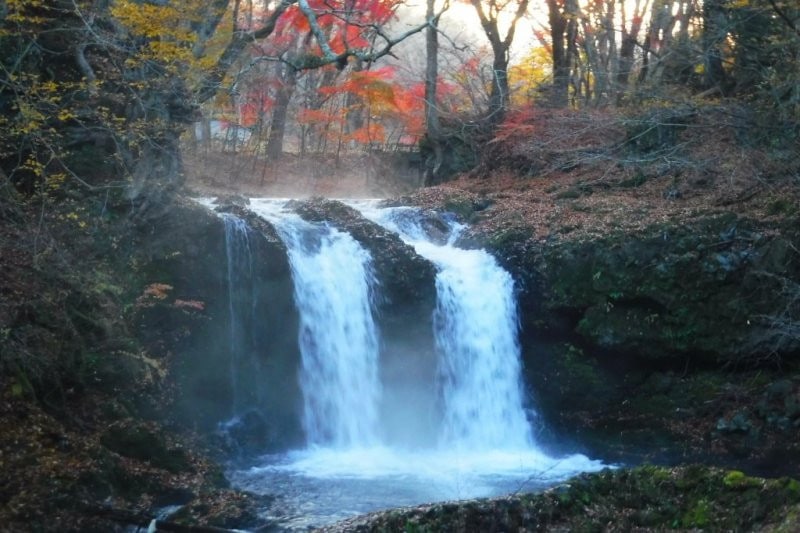
Fujiyoshida Kaneyama Falls: A Hidden Autumn Waterfall with Earlier Peak Color
Fujiyoshida’s “Yoshida Autumn Leaves Festival” usually reaches peak color earlier than Lake Kawaguchiko or Lake Yamanakako, and the combination of Kaneyama Falls and autumn leaves is described by local visitors as a scenic marvel.
We suggest allowing 30 minutes. Admission is free. The waterfall is not large, but surrounded by autumn color it has its own character, and there is illumination after sunset, making it a good early-season visit at the start of foliage season.
The area is relatively quiet, suiting travelers who prefer peaceful viewing and want to avoid the main tourist routes, and it is also a little-known insider spot among photography fans.
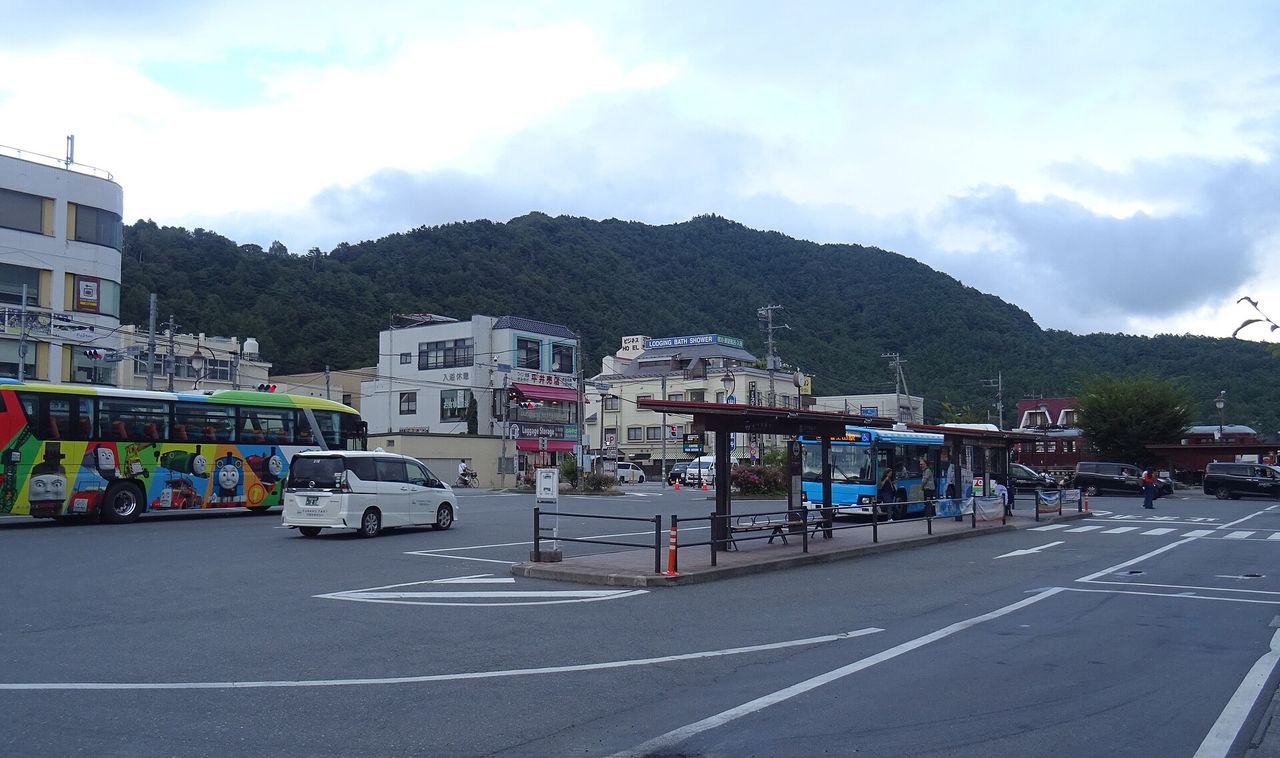
Kawaguchiko Town Streets: Souvenirs and Food on the Way
The town streets around Kawaguchiko Station are lined with souvenir shops and restaurants, so alongside foliage viewing you can pick up Yamanashi specialties such as grape products and sweets like Mizu Shingen Mochi.
We suggest allowing 1 hour. Browsing is free. In the evening it is a pleasant place to stroll while waiting for sunset, watching Mount Fuji turn red in the evening light, before heading to the Momiji Corridor for the night illumination.
Tickets and Tours
Below are the most useful tickets and experiences for foliage viewing at Lake Kawaguchiko. Booking in advance saves you from on-site queues and last-minute standby.
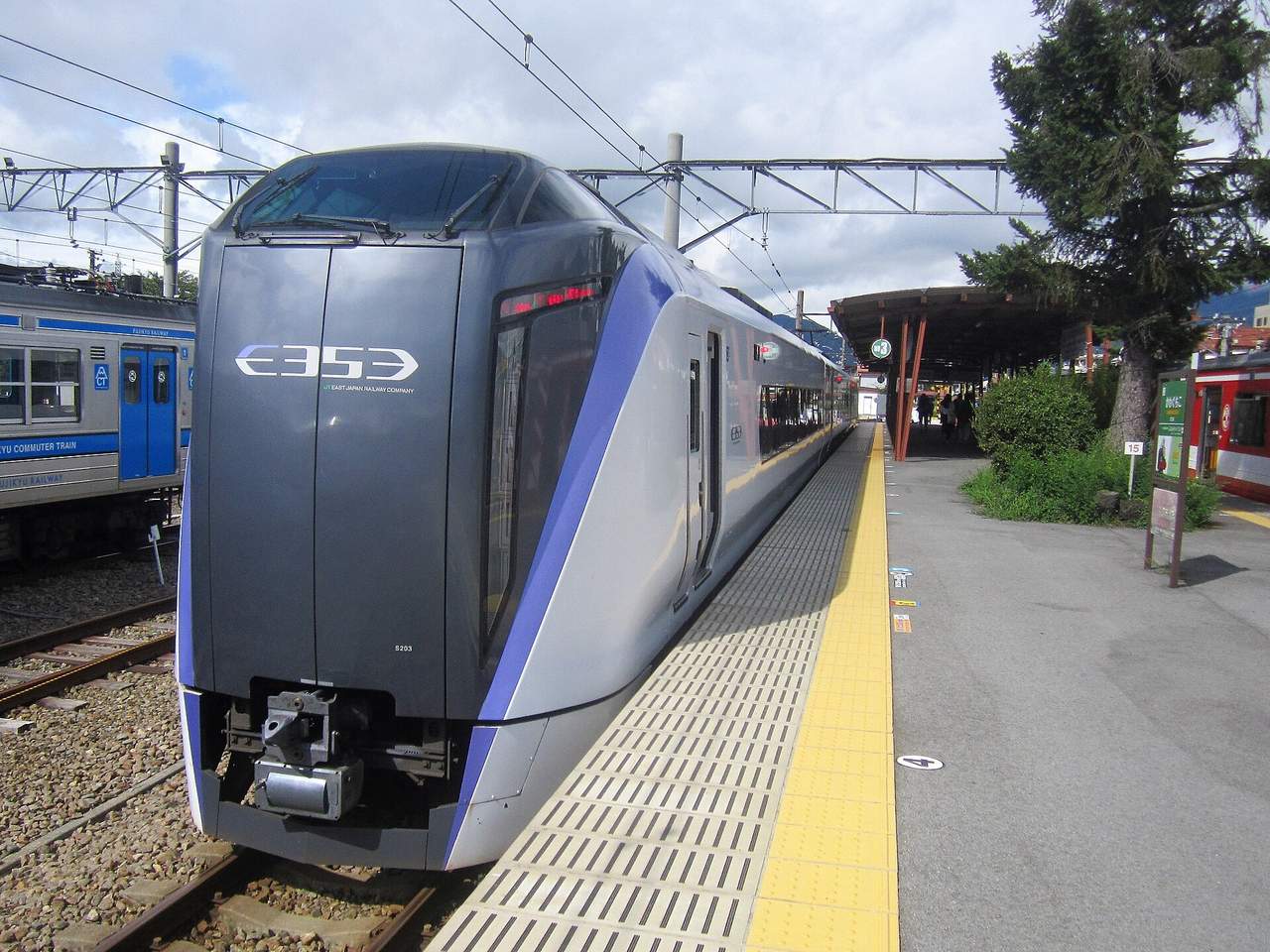
Fuji Excursion Ticket: Direct from Shinjuku, the Easiest Option
Direct from Shinjuku Station to Kawaguchiko Station with all seats reserved, the ride takes about 1 hour 55 minutes. There are no transfers and no risk of getting lost, which makes it the most recommended way to get from Tokyo to Lake Kawaguchiko.
In foliage season, reserve your seat online or at a station counter well in advance. Weekends in particular are hard to get a seat on, so we suggest checking availability at least a week ahead.
Tickets can be booked through the JR East website or a travel agency. Remember to print or save the e-ticket before departure so you can pass the ticket gates quickly.
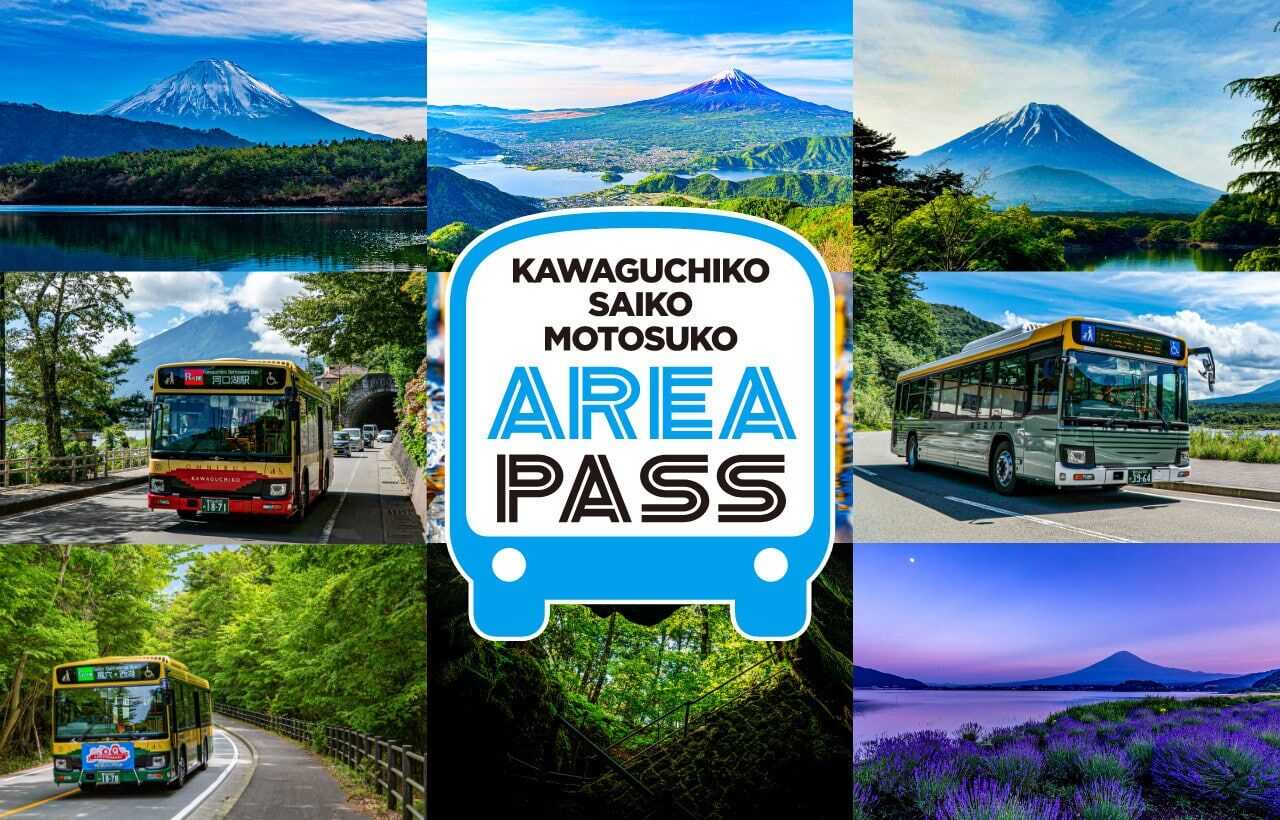
Kawaguchiko Sightseeing Bus One-Day Pass: Best Value for Linking Several Spots
If you will take more than 2 to 3 bus rides that day or plan several trips around the lake area, a one-day pass is better value than buying tickets one stop at a time, and it saves the time of fumbling for coins at each stop.
Passes can be bought at the bus counter at Kawaguchiko Station. For the specific timetable, check the latest information on the Fujikyu Bus website before you go.
With a one-day pass you don’t need to pay each time you board or exit; just show the pass, which saves a lot of waiting and payment time.
Climbing Arakurayama Sengen Park: The Steps and the Gentle Slope Path
Travelers who don’t want to climb the steps can take the paved, gently sloped path along the park’s service road to the viewing platform and enjoy the classic view of the five-story pagoda and Mount Fuji.
The 398-step Sakuya-hime staircase takes about 15 to 20 minutes from the park entrance to the Chureito Pagoda viewing platform, with several rest points along the way so you can climb in stages according to your stamina.
The viewing platform is crowded in peak foliage season, so we suggest arriving early in the morning.
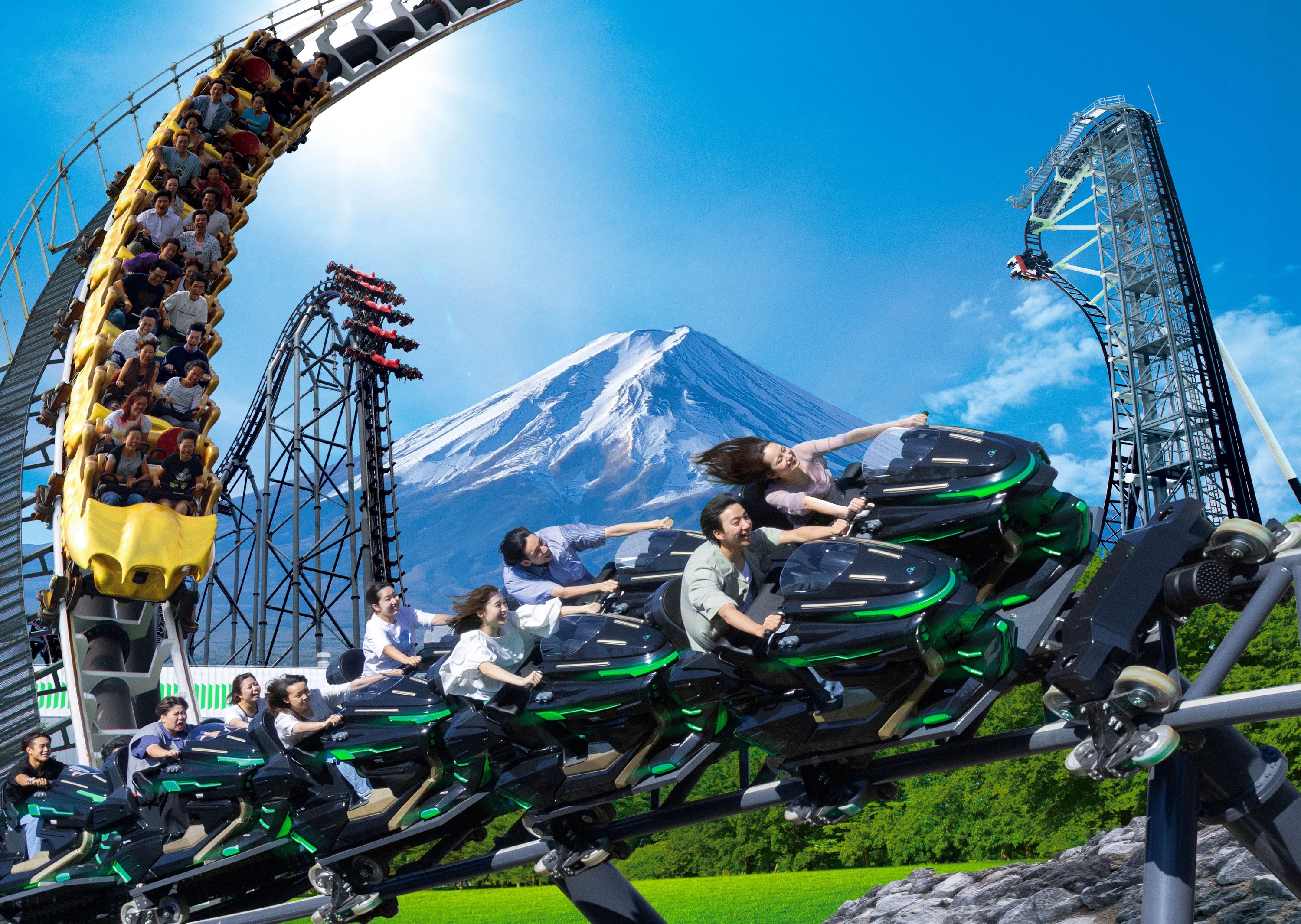
Fuji-Q Highland Tickets: A Family-Friendly Extension
Fuji-Q Highland is in Fujiyoshida City and can be reached from Kawaguchiko Station on the Fujikyuko Line. It suits travelers with children or roller coaster fans for half a day to a full day, with plenty of attractions for both thrill and relaxation.
Tickets use dynamic pricing, so peak-season prices fluctuate. Check the day’s ticket price online in advance, and consider whether to add a fast pass to save queuing time.
The park also has rides and character-themed areas suited to families, not just thrill rides, so everyone in the family can find something to enjoy.
Suggested Places to Stay
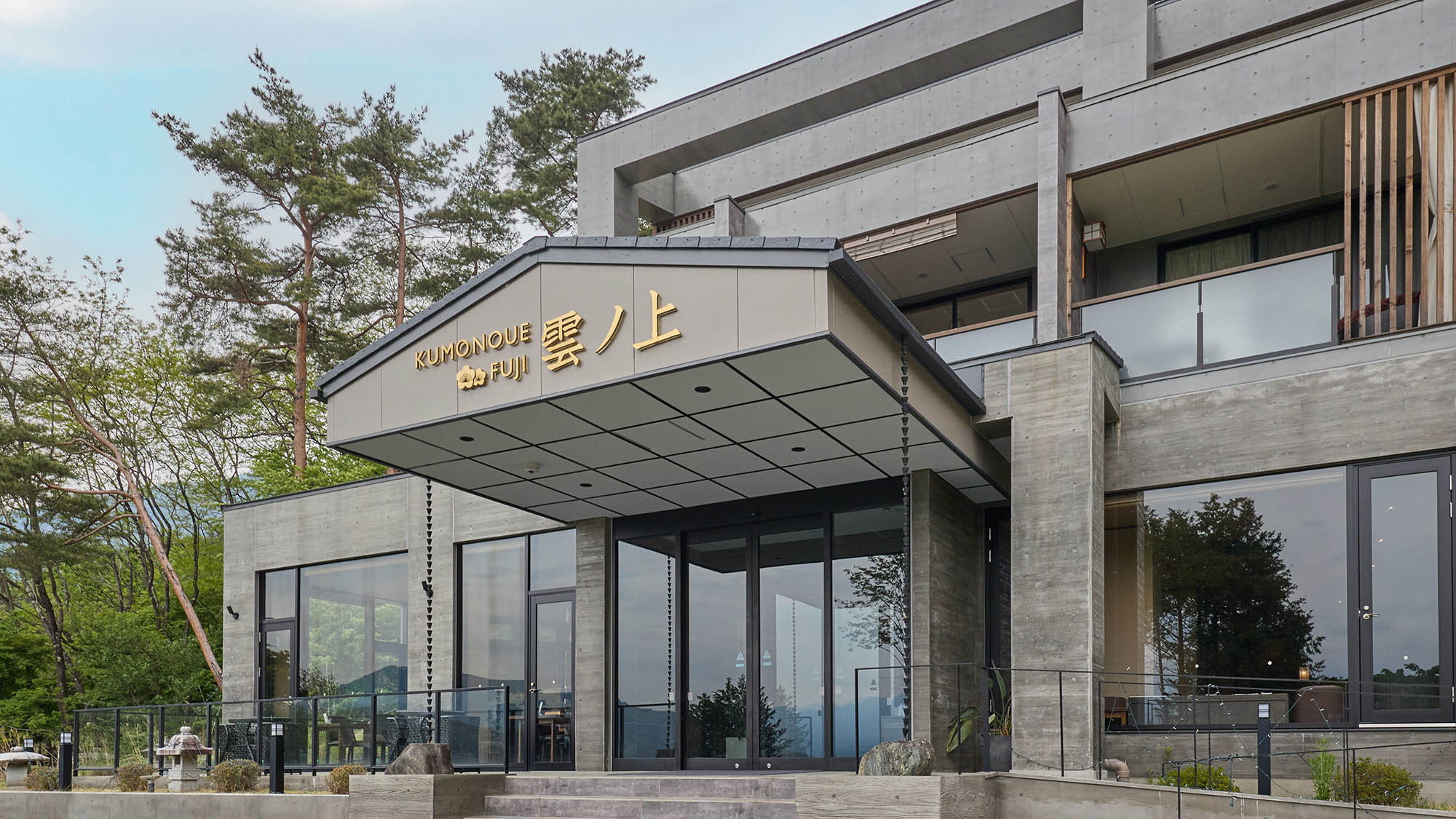

Where to Stay in Lake Kawaguchiko in Foliage Season: Lakeside Hotels and Private Onsen Villas
Along Lake Kawaguchiko there are many resorts and villa-style stays with direct views of Mount Fuji, and some even have private hot springs, a major selling point in foliage season. After the evening illumination ends you don’t have to rush for a ride and can enjoy the lakeside night at leisure.
Suggested Areas to Stay Around Lake Kawaguchiko
The north shore is close to the Momiji Corridor and the Music Forest Museum, giving the smoothest transport and foliage itinerary. The south shore and the area around Kawaguchiko Station have better amenities, with more restaurants and souvenir shops, and suit travelers on a two-day, one-night trip who want both convenient transport and a lake view.
For detailed hotel comparisons, price ranges and booking advice, see our separate Lake Kawaguchiko accommodation guide for the pros and cons of each area.
Lake Kawaguchiko Autumn Leaves FAQ
When is the best time to see autumn leaves at Lake Kawaguchiko?
The overall best viewing period is expected to fall in early to mid-November. The Autumn Leaves Tunnel peaks around mid-November, the Momiji Corridor usually runs from late October to mid-November according to official information, and the kochia at Oishi Park peaks around mid- to late October, so peak times differ slightly between spots.
What are the exact dates of the 2026 Fuji Kawaguchiko Autumn Leaves Festival?
According to the July 2026 announcement from the Fuji-Kawaguchiko Tourist Association, the 2026 Fuji Kawaguchiko Autumn Leaves Festival runs from November 7 (Sat) to November 29 (Sun), with the Momiji Corridor illuminated from sunset to 21:00.
How should I plan a one-day autumn leaves trip to Lake Kawaguchiko?
We suggest starting at Oishi Park early in the morning for the Mount Fuji view, then taking the sightseeing bus to other spots on the north shore (including the Music Forest Museum, which is closed Tuesdays and Wednesdays), and finishing at the Momiji Corridor in the evening for the night illumination.
How do I get from Tokyo to Lake Kawaguchiko?
We recommend the Fuji Excursion from Shinjuku directly to Kawaguchiko Station in about 1 hour 55 minutes, or the direct express bus in about 1 hour 45 minutes with a minimum one-way fare of about ¥2,200. Book early in foliage season.
How do I avoid the crowds when viewing autumn leaves at Lake Kawaguchiko?
Go early to the weather-dependent spots (Oishi Park, the Autumn Leaves Tunnel), and if you can take time off, avoid peak-color weekends. Weekday crowds are noticeably smaller, and the bus queues at Kawaguchiko Station are much easier too.
Can I see autumn leaves and kochia at the same time at Oishi Park?
Not necessarily. Kochia peaks in red from mid- to late October, which is 2 to 3 weeks apart from the mid-to-late November color of the Momiji Corridor and Autumn Leaves Tunnel, so check that year’s conditions before planning your visit.
