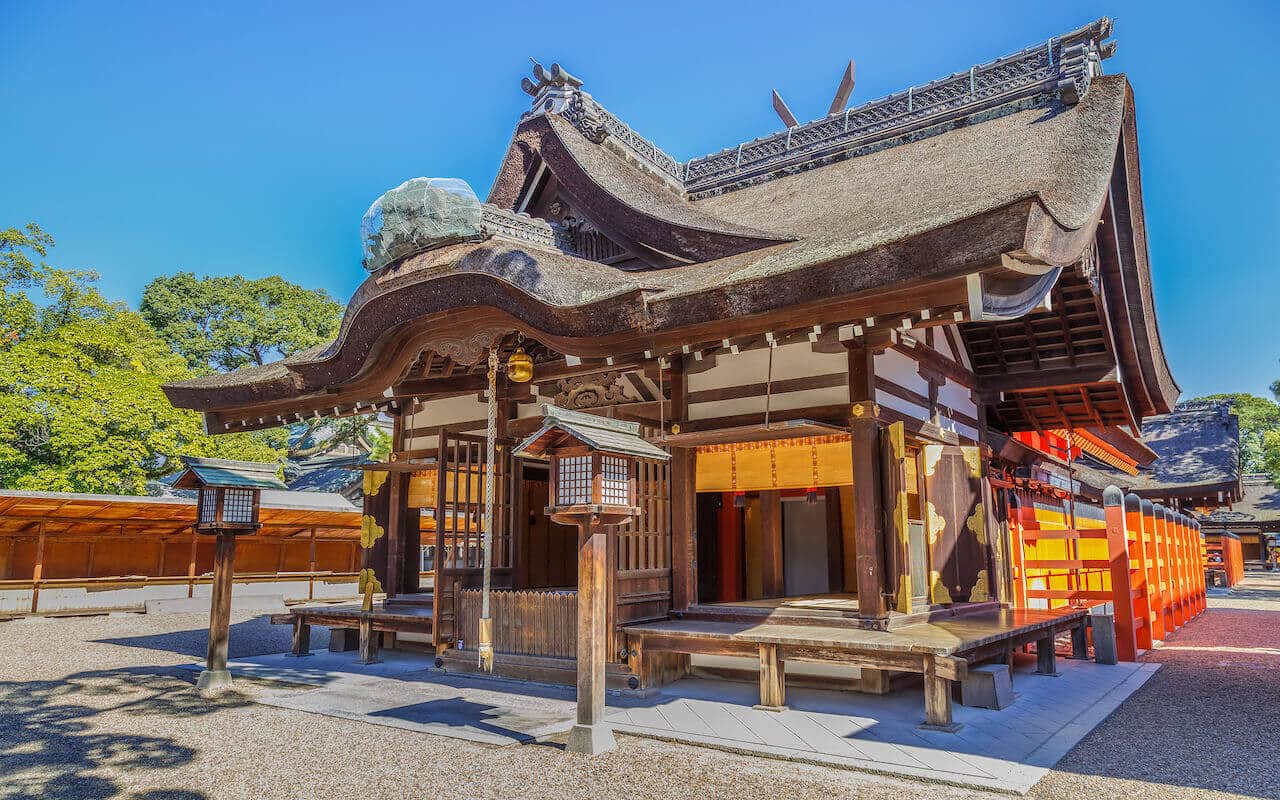

2026 Shinsaibashi and Dotonbori Shopping Guide: Must-Visit Districts, Transport and Top Attractions in Kansai’s Best Shopping Area
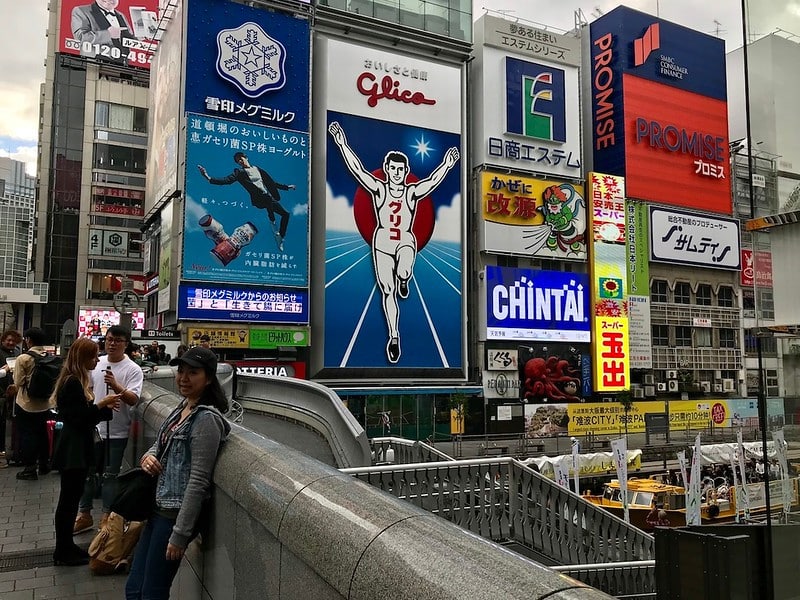
Shinsaibashi and Dotonbori form the core shopping district of Osaka’s Minami area. With Ebisu Bridge as the dividing line, the northern stretch is for shopping and the southern stretch is for food, and it is worth setting aside a whole day just for shopping here.
Shinsaibashi-suji Shopping Street: An All-Weather Covered Shopping Promenade
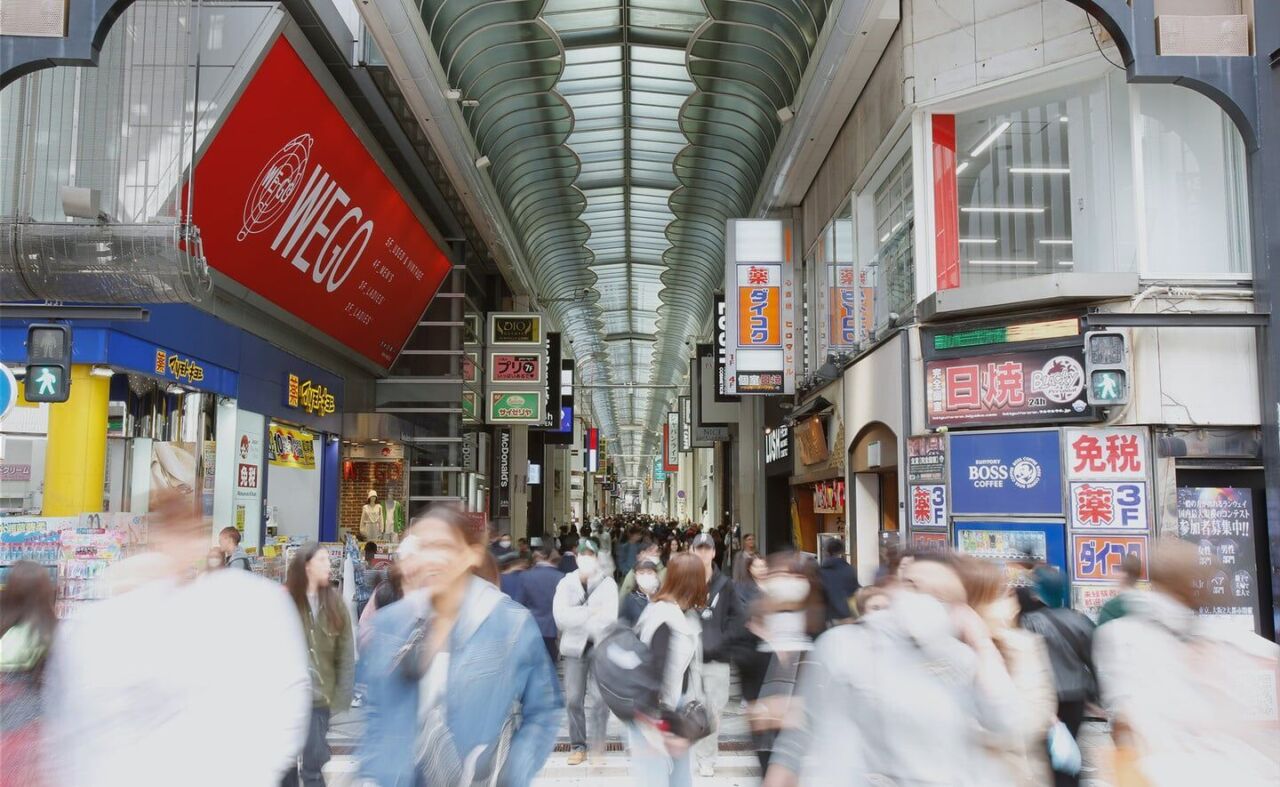
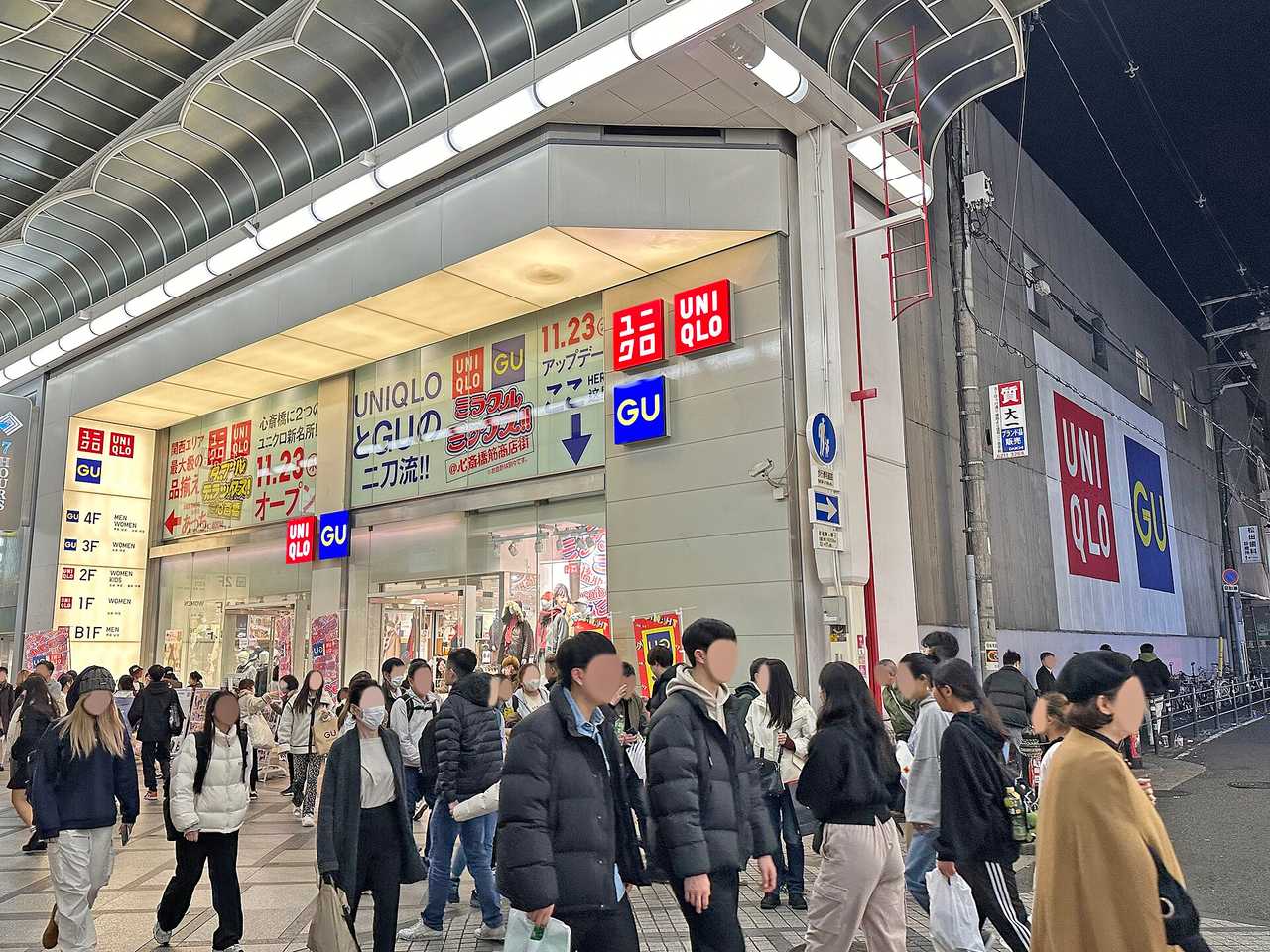
Shinsaibashi-suji Shopping Street runs about 600 meters and has a transparent canopy, so you can shop comfortably rain or shine. Both sides of the street are packed with flagship stores of affordable fashion brands such as UNIQLO, GU and ZARA, plus drugstore chains such as Daikoku Drug and Matsumoto Kiyoshi, making it the first stop for travelers buying daily necessities and souvenirs.
Shinsaibashi-suji Shopping Street is a covered open-air street, so there are no “opening hours” as such when you walk along it.
Individual shops do have different hours, though, so if you want to visit a particular store it is best to check that store’s information first. The major department stores open at 10 a.m., so we suggest starting after 10; the crowds are also smaller than in the afternoon.
Every spot in this article has a Google Map below it, so you can tap it to navigate.
Shinsaibashi Opening Hours at a Glance: When Do Things Open and Close? (Including Dotonbori)
The short answer: department stores and fashion shops in Shinsaibashi mostly open at 10:00 and close around 20:00.
Shinsaibashi and Dotonbori are districts made up of many separate shops, with no single opening or closing time. As a rough guide:
- Shinsaibashi is mainly department stores and fashion shops, opening around 10:00 and closing around 20:00.
- Dotonbori is mainly restaurants, open later, and some places operate 24 hours.
When Does Shinsaibashi Open and Close? Daimaru and PARCO Hours
The following are representative opening hours checked on the official websites in September 2026:
- Daimaru Shinsaibashi: whole store 10:00-20:00, restaurant floors on the 10th floor of the main building 11:00-22:00; open year-round except January 1 and 2
- Shinsaibashi PARCO: shops and services 10:00-20:00, 13th-floor restaurants 11:00-22:00, B2 “Shinsaibashi Neon Shokudogai” food hall 11:00-23:00, B1 STARBUCKS RESERVE Cafe 8:00-22:30
- Pokemon Center Osaka DX (9th floor, Daimaru Shinsaibashi main building): 10:00-20:00
How Late Is Dotonbori Open? Don Quijote, Ichiran and the Water Cruise
- Don Quijote Dotonbori and Dotonbori Midosuji stores: open 24 hours, every day of the year
- Ichiran Ramen Dotonbori main building: open 24 hours, every day of the year
- Dotonbori River Cruise (Tombori River Cruise): departs on the hour and half hour from 11:00 to 21:00
In short, we suggest finishing your Shinsaibashi shopping before 8 p.m.
After the department stores and most fashion shops close, you can walk south to Dotonbori for dinner and the night view of the Glico sign. If you want drugstore items and snacks, Don Quijote is also open late at night.
Many shops adjust their hours around the New Year holidays (especially around January 1), so it is safest to check each shop’s announcements before you go.


Shinsaibashi UNIQLO Opening Hours: UNIQLO SHINSAIBASHI and the Shopping Street Store
There are two UNIQLO stores around Shinsaibashi, “UNIQLO SHINSAIBASHI” and the “Shinsaibashi-suji Shopping Street store.” According to the store information on UNIQLO Japan’s official website, both are currently open 11:00-21:00, the same Monday through Sunday and on national holidays.
That is about an hour later than most department stores, which open at 10:00 and close at 20:00, making it handy for shopping on your way after the department stores. Hours may change, so please check the store page on the official website before you go.
Dotonbori: Osaka’s Most Iconic Food Street
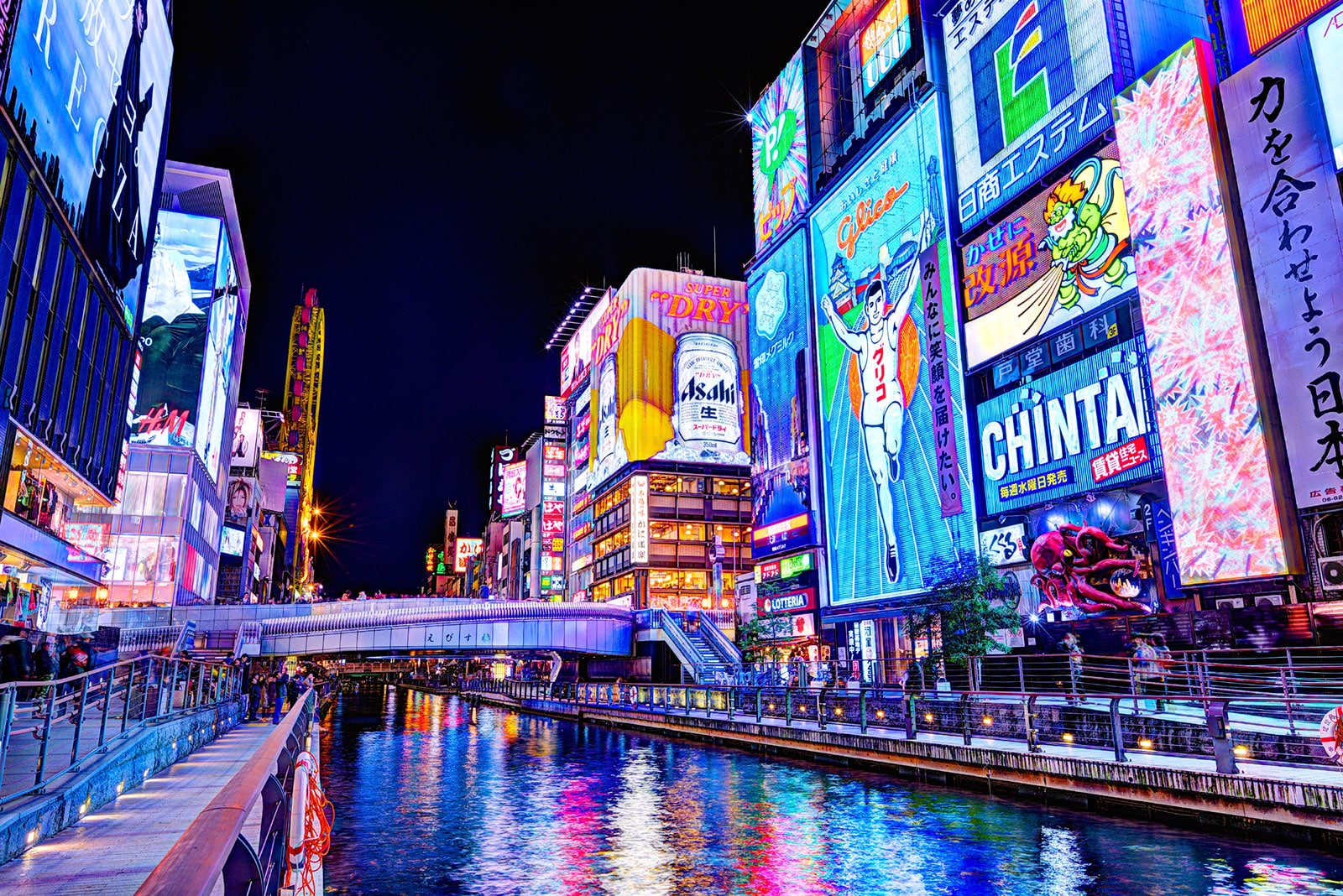
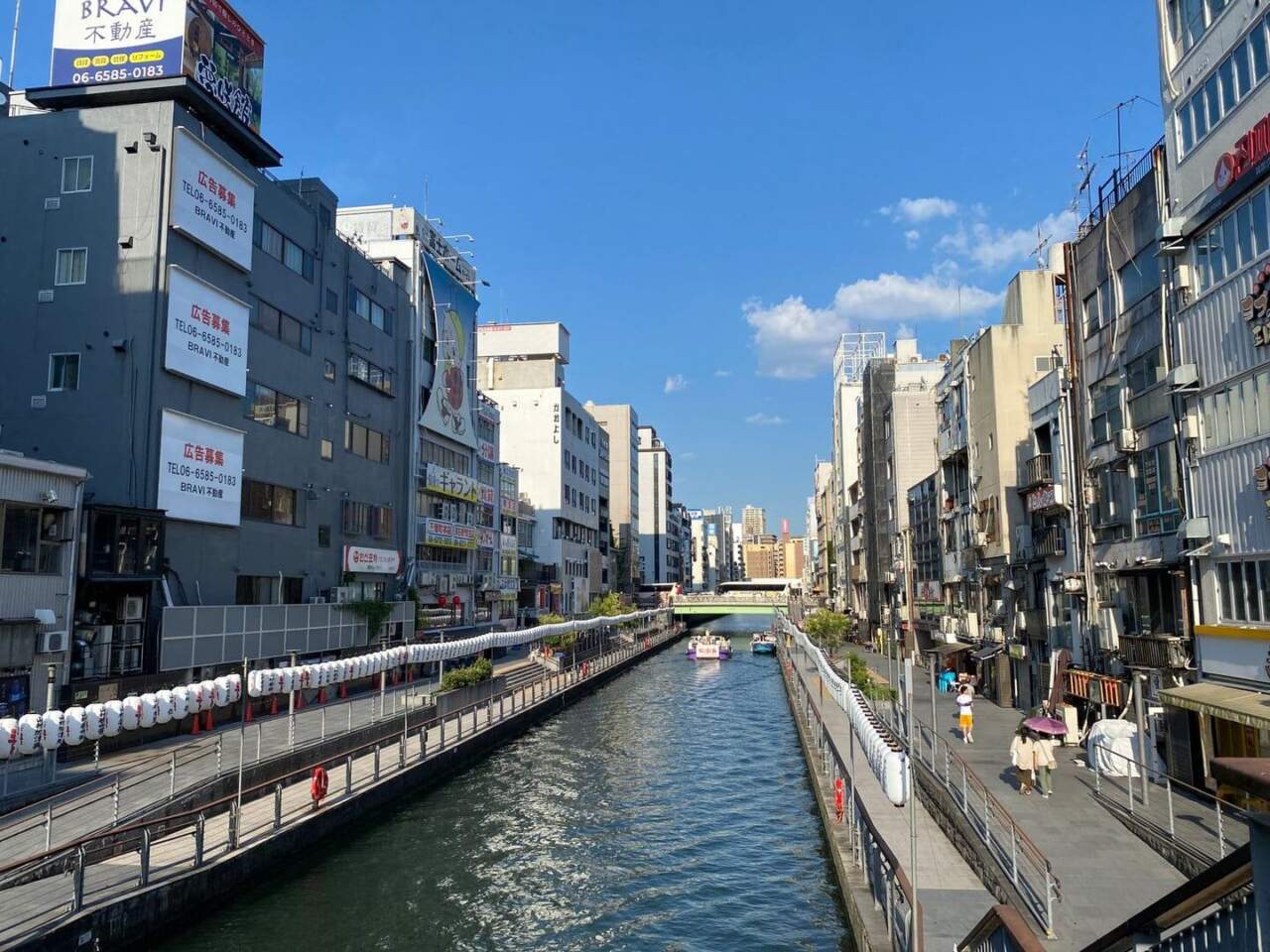
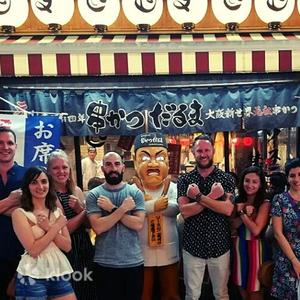
Dotonbori runs along the canal and is famous for its huge three-dimensional signs; it is the core area for experiencing Osaka’s “kuidaore” (eat-till-you-drop) culture. The street is home to famous queue-worthy places such as Ichiran Ramen, Kani Doraku and Kushikatsu Daruma, and the atmosphere is liveliest after the neon lights come on in the evening.
We suggest going around dusk, so you can see the Glico sign lit up and have dinner at the same time, the classic Dotonbori experience.

Amerikamura: Osaka’s Hub for Young Trends
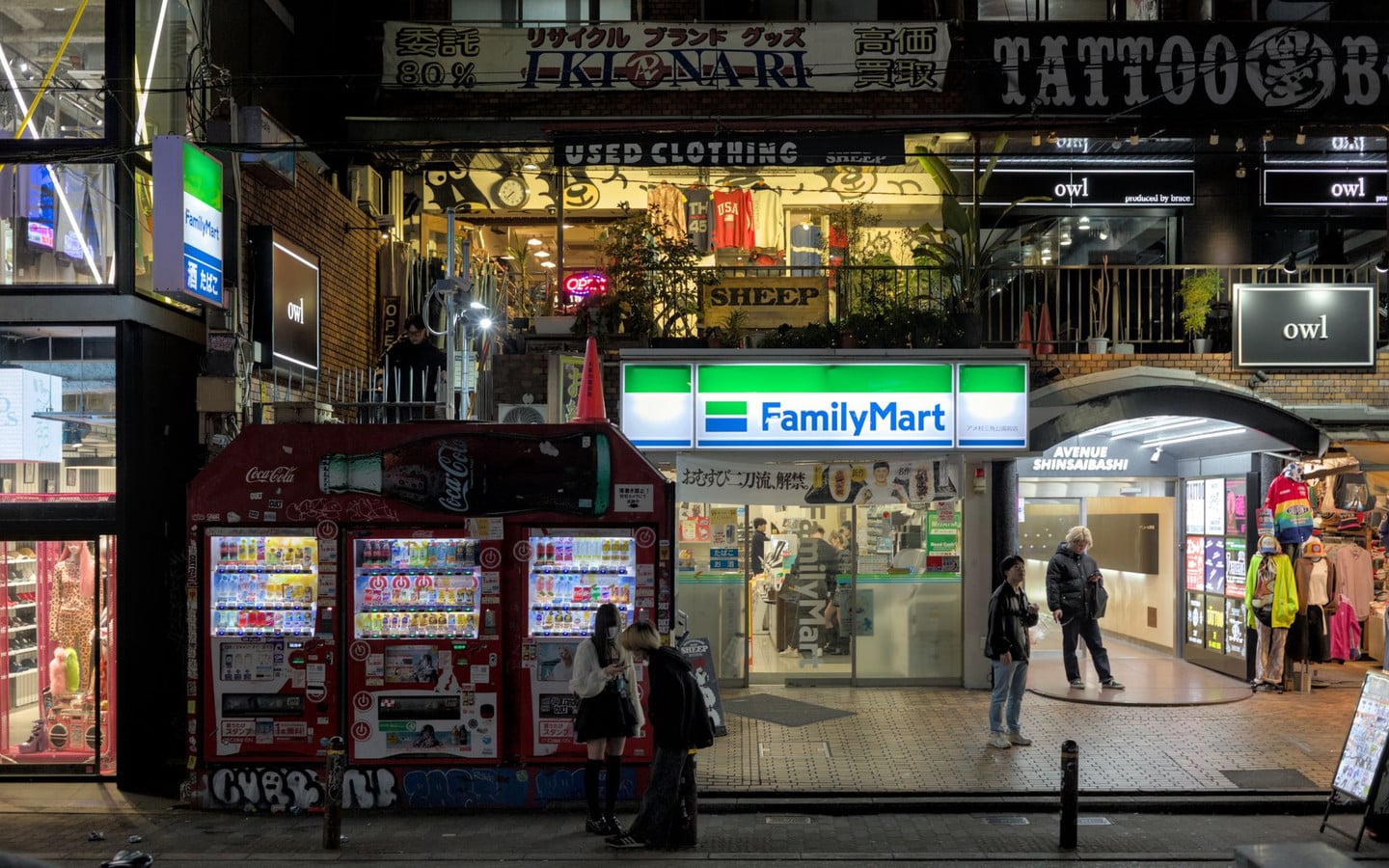
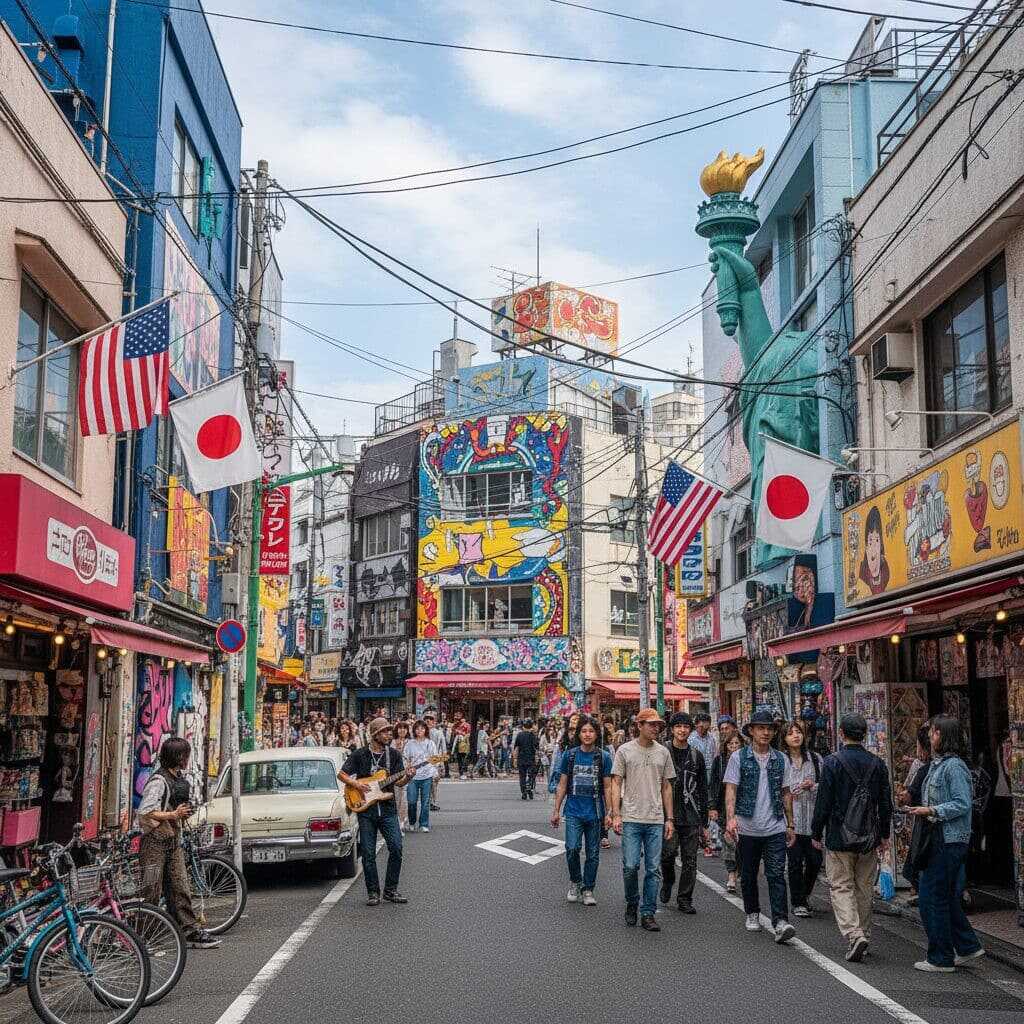
Amerikamura (America-mura) is just west of Shinsaibashi, centered on Triangle Park and surrounded by vintage shops, streetwear select shops and graffiti walls, with a strong retro American feel; it is a pilgrimage site for young people and street-fashion fans.
The area also has many characterful cafes and second-hand clothing stores, a good place for treasure hunters to spend half a day wandering and feel an atmosphere completely different from Shinsaibashi’s main street.
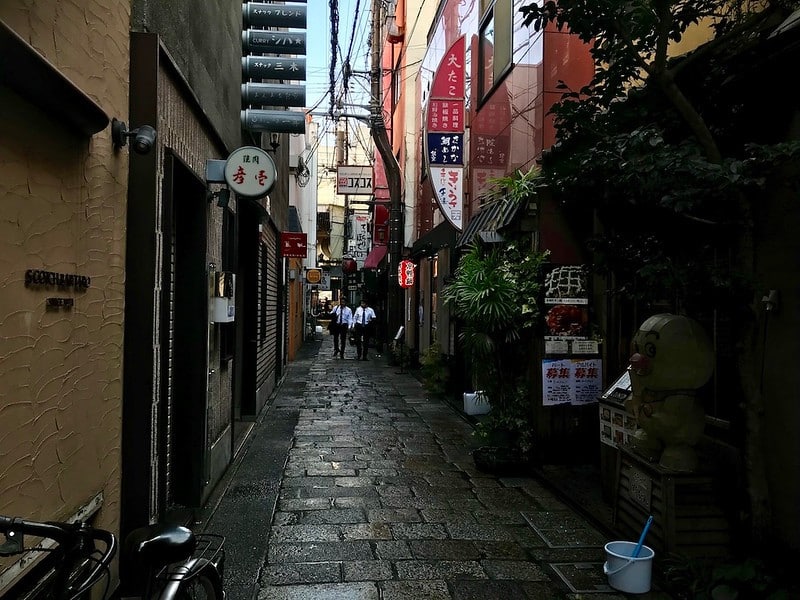
Hozenji Yokocho: A Nostalgic Flagstone Alley
Hozenji Yokocho, tucked beside the busy Dotonbori area, is paved with retro cobblestones, and the alley enshrines the moss-covered Mizukake Fudo statue, with a quiet, nostalgic atmosphere.
Most of the alley is made up of high-quality old Japanese restaurants and izakaya, a good place to turn into after the bustle of Dotonbori and feel the nostalgic Showa-era atmosphere; it is also a popular spot for photos with an old Japanese flavor.
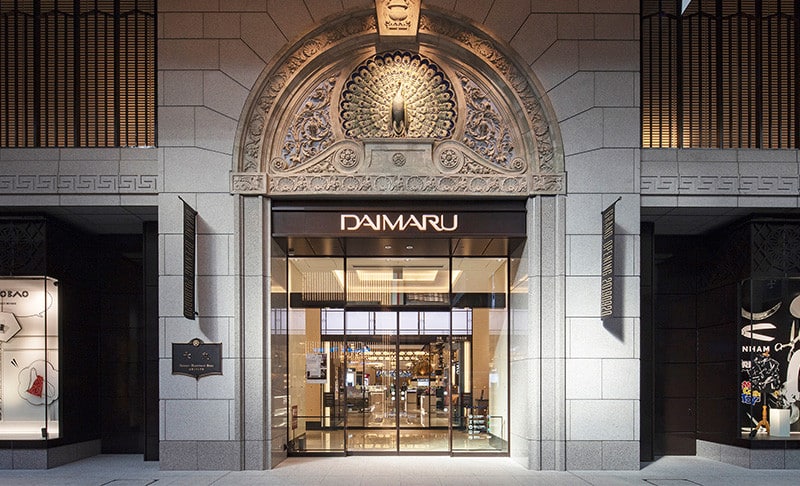
Daimaru Shinsaibashi: Kansai’s Long-Established Flagship Department Store
Daimaru Shinsaibashi’s main building underwent a major renovation after 86 years and is the best place to shop while escaping sun and rain. The store gathers luxury fashion, cosmetics counters and a B1 food hall, suitable for buying high-priced items in one go.
- 🛍️ There is a tax-free counter (4th floor, South Building); with a passport you can get a 5%-off coupon at the service desk.
- 💰 From November 1, 2026, Japan’s tax-free system changes to “pay the tax at the register first, then get a refund after leaving the country”; for how it will actually be handled, please follow the store’s announcements.
Opening hours are 10:00-20:00, making it an important base for Shinsaibashi shopping.
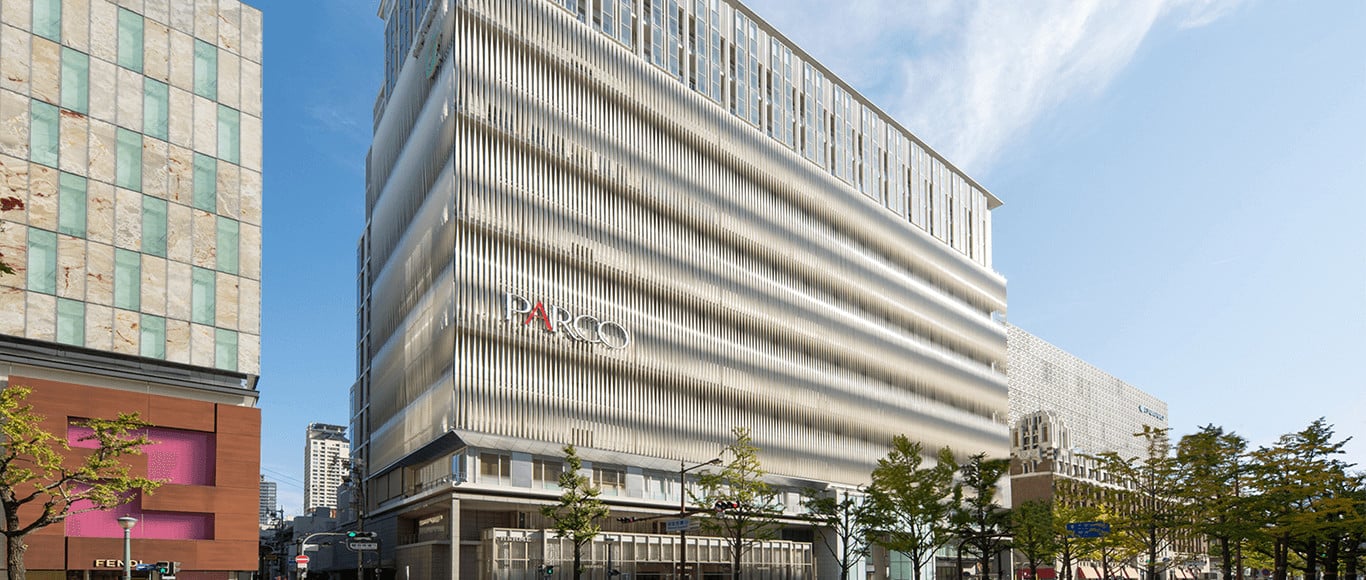
Shinsaibashi PARCO: A Mall of Trends and Anime Goods
Shinsaibashi PARCO is next to Daimaru and connected on the lower floors; the “POP CULTURE” floors on the 5th and 6th floors gather many anime and game character goods stores, a pilgrimage site for anime fans; Pokemon Center Osaka DX is on the 9th floor of the neighboring Daimaru Shinsaibashi main building.
The building also has a number of buzzworthy cafes and trendy fashion brands, and when you are tired you can rest in the rest areas before continuing to explore the premium counters on other floors.
-Klook.jpg)
Don Quijote (Donki): The 24-Hour Store of Surprises
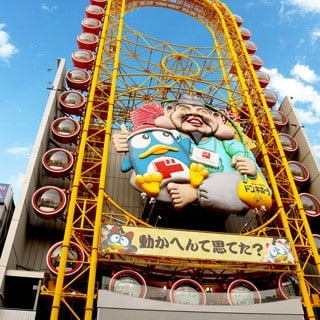
Don Quijote is a 24-hour general store, with everything from snacks and drugstore goods to electronics, at good prices and with frequent coupons, so you will not find it closed when you shop late at night.
The Dotonbori store building also has the Ebisu Tower Ferris wheel, where you can ride up and enjoy the Minami night view when you are tired, a complex that combines shopping and entertainment.
BIGSTEP: A Youth Trend and Entertainment Mall
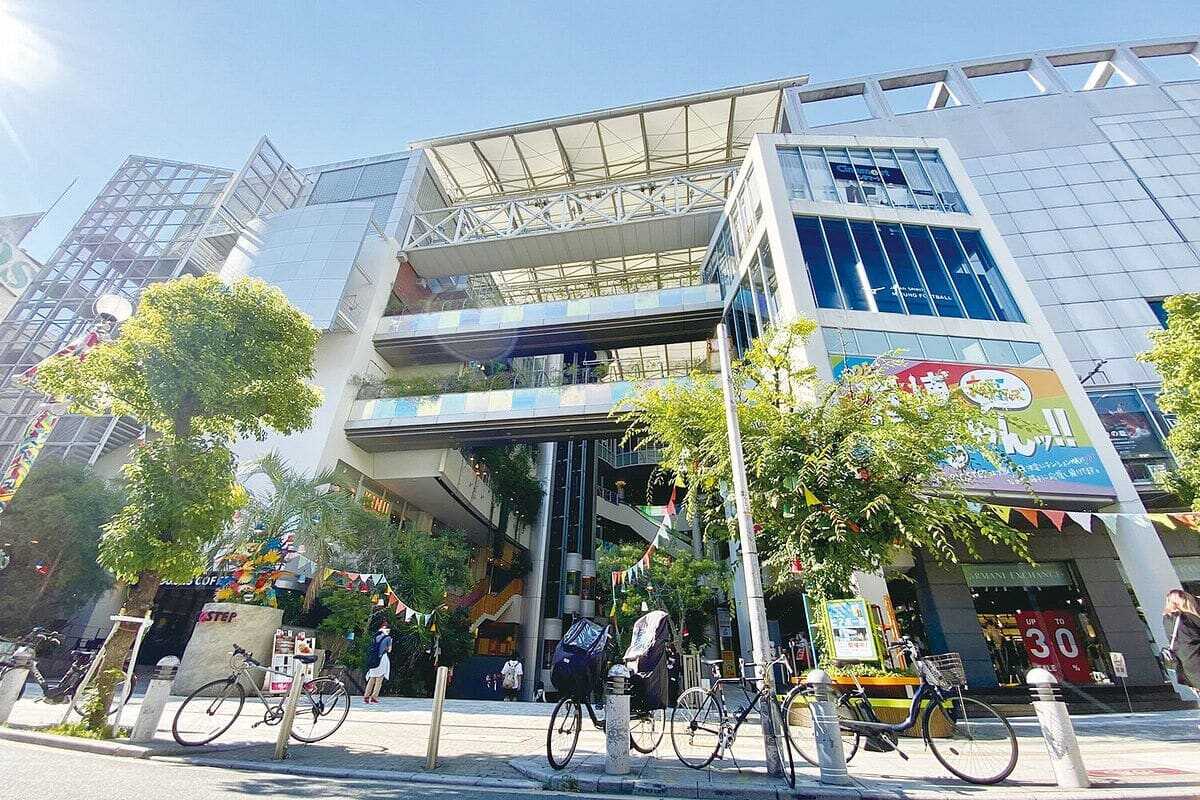
Shinsaibashi BIGSTEP is known for subculture and entertainment facilities, with a skate park on the second basement floor, video game arcades and a gashapon (capsule toy) zone, a popular spot for anime goods and capsule toy collectors.
The mall has a more relaxed, youthful atmosphere, suitable for families or friends traveling together; after finishing the main street, drop in and enjoy a kind of shopping fun completely different from a traditional department store.
How to Get to Shinsaibashi and Dotonbori: Transport and Cost Guide
Shinsaibashi and Dotonbori are in Osaka’s central Minami district, the “Namba” commercial area, with a very dense transport network; whether you arrive from Kansai Airport or move over from other Osaka attractions, there are several ways to choose from.
How to Get to Shinsaibashi and Dotonbori: Transport at a Glance
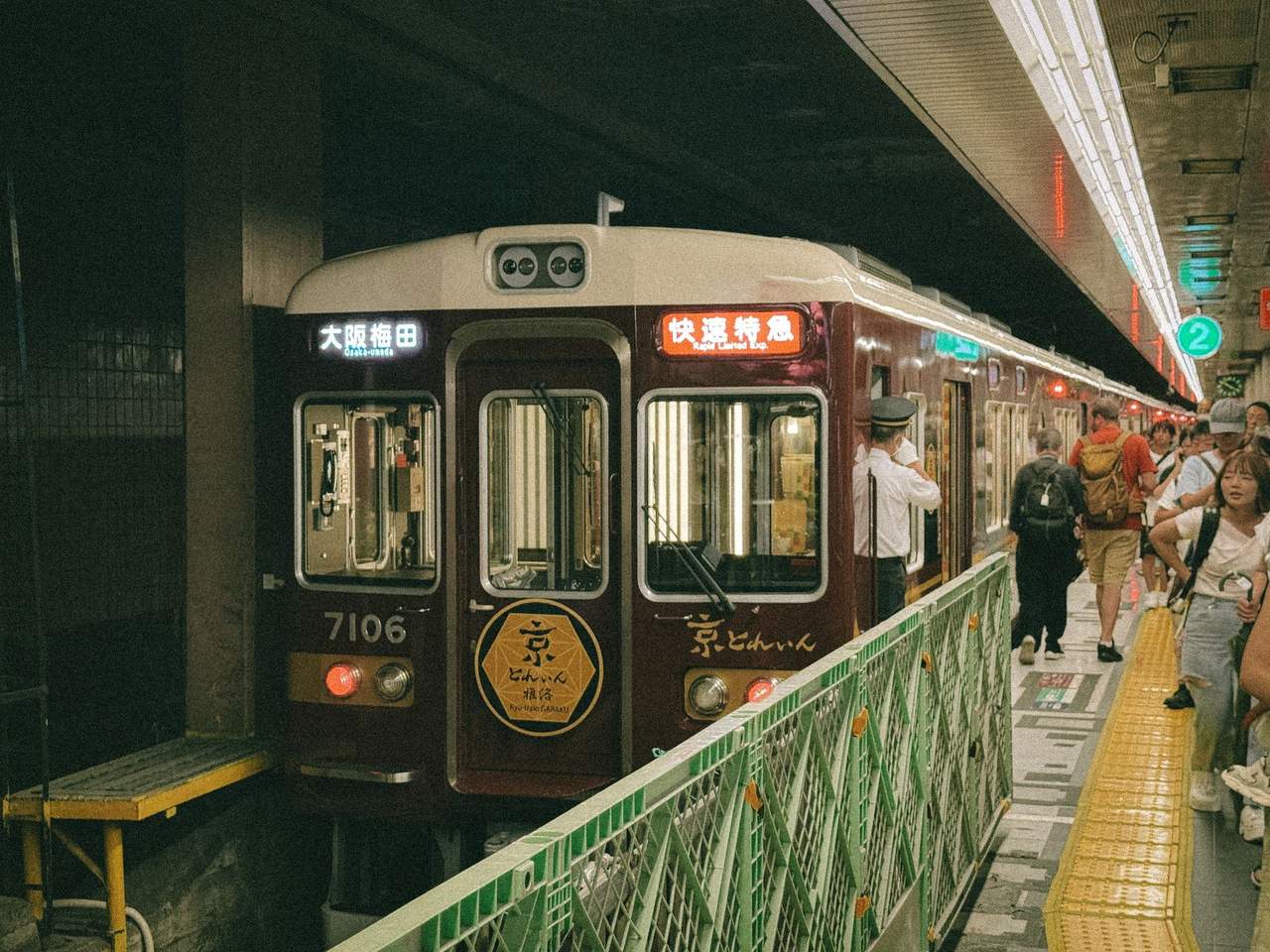
- 🚇 Osaka Metro Midosuji Line: both Shinsaibashi and Namba stations are on this line; from Umeda Station it takes about 5 minutes, about ¥180-240 one way, the most direct and convenient, with frequent trains and no waiting.
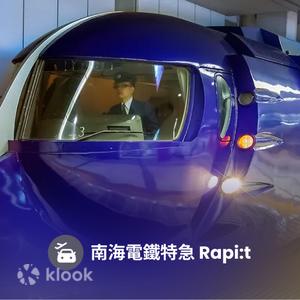
- 🚄 Nankai Electric Railway (from Kansai Airport): the Rapi:t limited express takes about 38 minutes and costs about ¥1,490 with a reserved seat, or the Airport Express takes about 45 minutes and costs about ¥970, which is more economical; from Namba Station it is a 5-10 minute walk to Dotonbori.
- 🚆 JR Osaka Loop Line (from Osaka Station or the Tennoji direction): the fare to Namba Station is about ¥180-210 and the ride takes about 10-20 minutes; after getting off, we suggest transferring to the subway for one stop to Shinsaibashi Station, which is closer to the shopping area.
- 🚕 Taxi / city bus: when the subway has stopped late at night or you have large luggage, a taxi from Osaka Station takes about 15-20 minutes and costs about ¥1,500-2,000; the city bus has a flat ¥210 fare one way but runs less frequently.

What Are the Must-See Attractions at Shinsaibashi and Dotonbori? Highlights by Area
Shinsaibashi and Dotonbori are the most representative sightseeing core of Osaka’s Minami area, where within a short walk you can experience shopping, food and traditional cultural sites all at once. Below are nine must-visit landmarks, from signature signs and century-old shops to a hidden shrine, to help you take in everything this area has to offer.
Glico Running Man Sign: Dotonbori’s Most Classic Photo Landmark
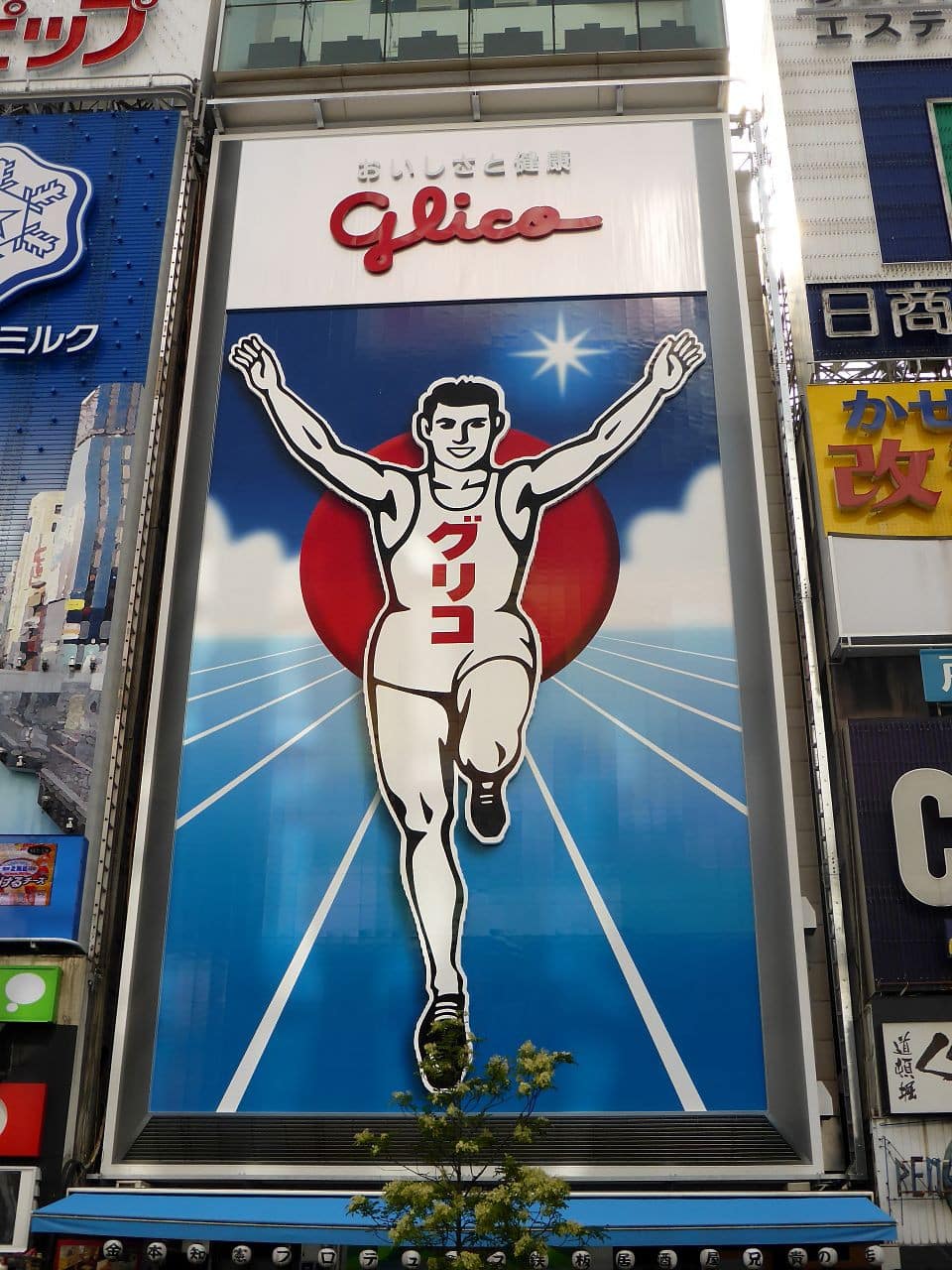
The Glico Running Man sign stands on the bank of the Dotonbori River next to Ebisu Bridge. Since it was first erected in 1935 it has been redesigned several times, and the current version is the LED one updated in 2014, which puts on a dazzling light show at night. It is almost a must-photograph sight for every visitor to Osaka, and posing in the Running Man pose on Ebisu Bridge has become a classic ritual.
We suggest going after 5 p.m., when the lights come on and the sign and the neon of the surrounding shops combine into Dotonbori’s most representative night view. The sign itself is open every day and free to see; allow 20-30 minutes for photos, and if you want to avoid the crowds, go on a weekday afternoon.
Dotonbori Imai Honten: A Long-Established Udon Shop with Osaka Home-Style Flavor
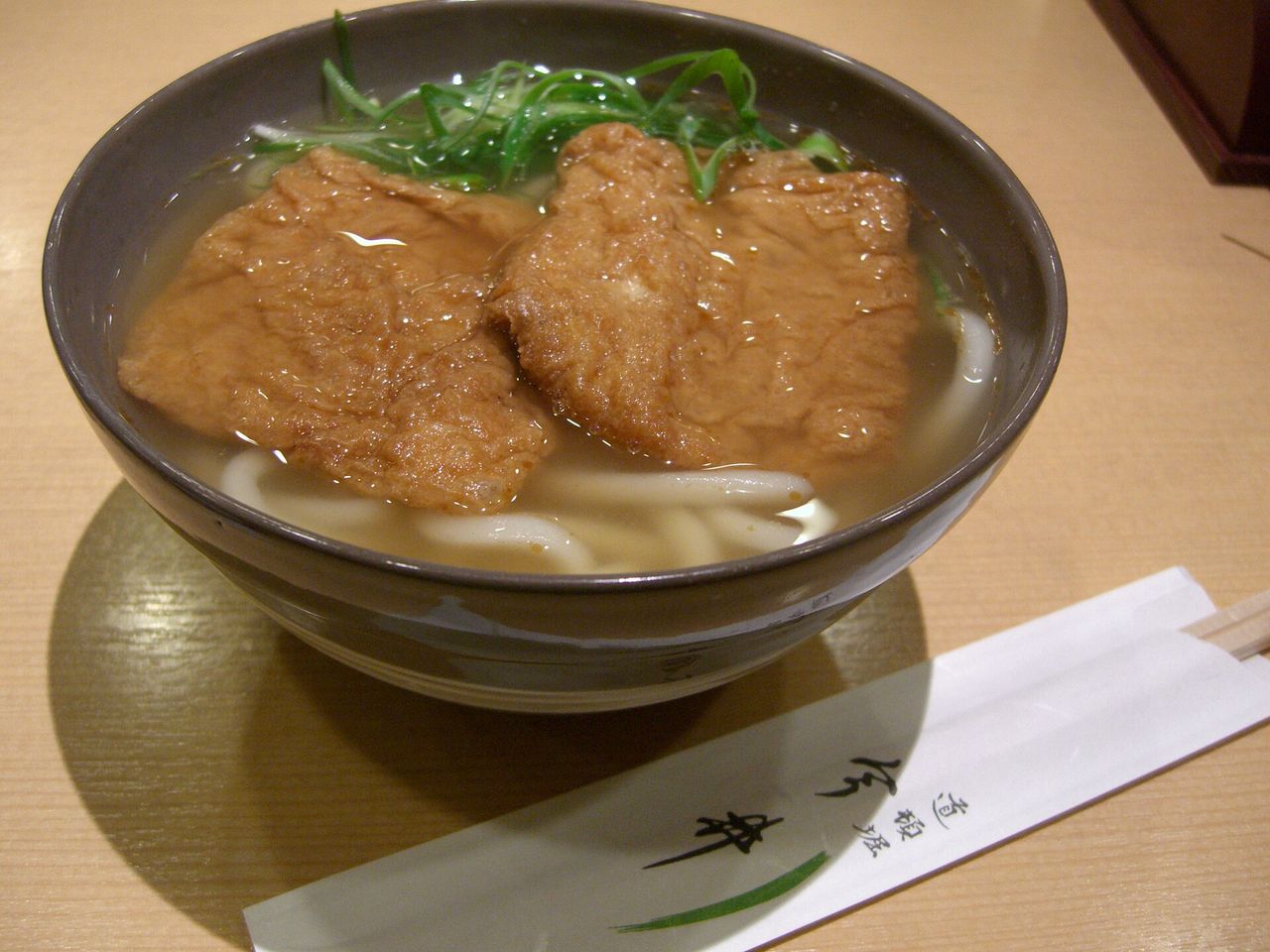
Imai Honten was founded in 1946 and is a famous udon shop that Dotonbori locals also recommend; the interior keeps the style of a wooden machiya townhouse.
- 🍽️ The signature is kitsune udon (fox udon), with a broth made from Hokkaido kombu and bonito, light and slightly sweet.
- 💰 The official website lists kitsune udon at ¥930 (tax included).
- 🚉 Address: 1-7-22 Dotonbori, Chuo Ward.
According to the official website, opening hours are 11:30-21:30 (last order 21:00); closed on Wednesdays (open as usual if it falls on a national holiday) and on the 4th Tuesday of each month (except December).
We suggest arriving when it opens at 11:30 to avoid the line, and staying about an hour for a proper meal.
Shinsaibashi-suji Shopping Street: A 600-Meter Shopping Promenade Running North to South
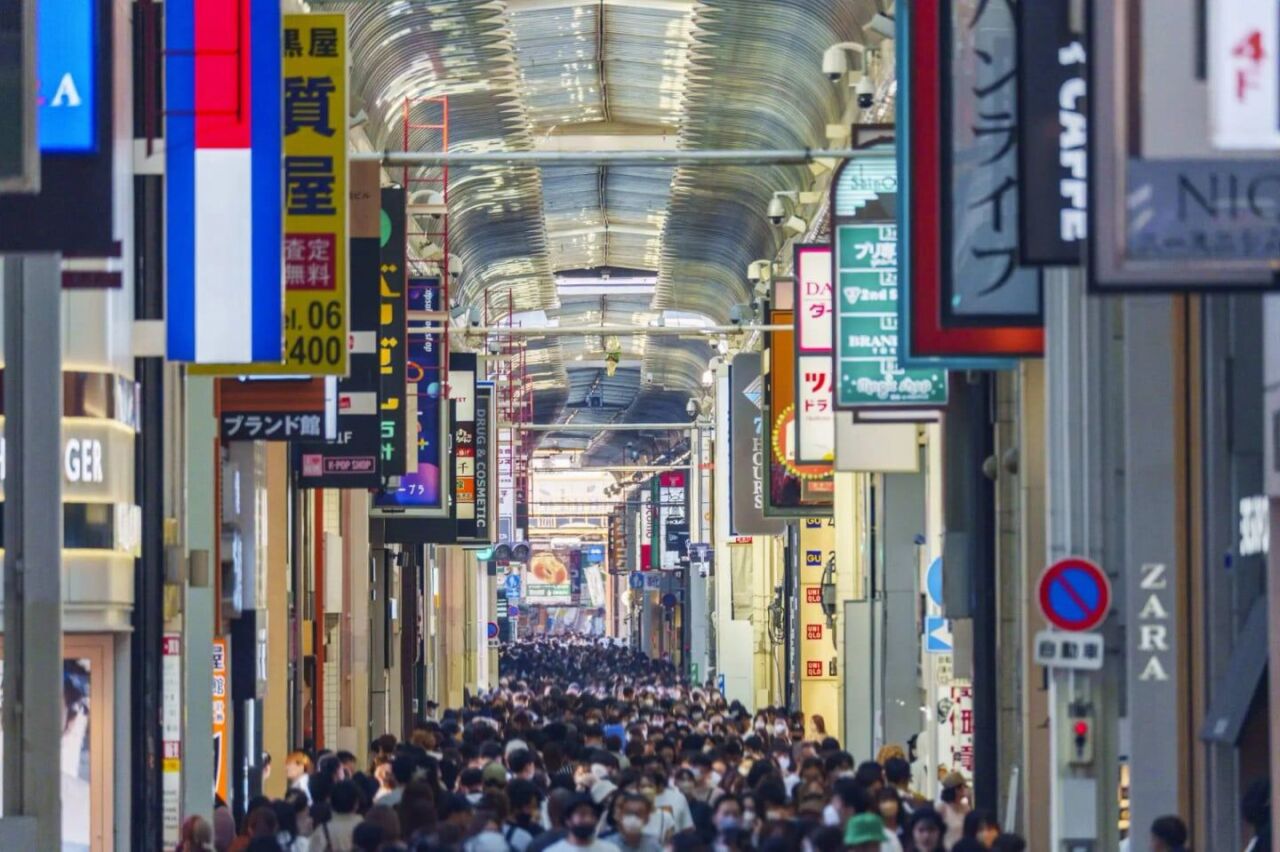
Shinsaibashi-suji Shopping Street runs about 600 meters, with a glass arcade roof so you can shop comfortably rain or shine, and both sides are lined with drugstores, fashion brands, souvenir shops and century-old stores, one of the densest shopping streets in Osaka.
Opening hours vary by shop; see the opening hours summary above.
We suggest allowing 2-3 hours to wander, walking from the Namba side to the Daimaru Shinsaibashi end. Along the way you can drop in on well-known drugstore chains and the Daimaru Shinsaibashi main building, and enjoy a streetscape where old and new architecture blend.
Hozenji Yokocho and Mizukake Fudo: A Temple Said to Answer Prayers for Love and Business
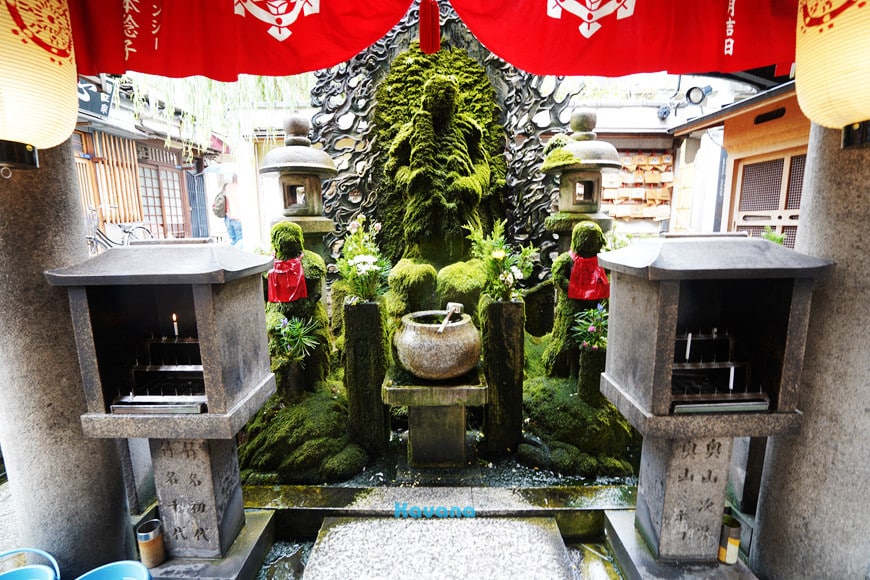
Hozenji is at 1-2-16 Namba, Chuo Ward, and its flagstone alley has a nostalgic Showa-era atmosphere. The Mizukake Fudo statue in the temple is covered in moss from years of worshippers pouring water on it as they pray, creating a unique sight. To pay your respects, first put your hands together and make a wish, then scoop water and pour it over the statue.
The temple’s amulet office offers omamori charms and goshuin stamps. The grounds are open for worship 24 hours (amulet office 10:00-18:00), free to visit, and we suggest staying about 30 minutes. On the way you can try the red bean soup at Meoto Zenzai main shop in the alley (founded in 1883).
Namba Yasaka Shrine: A Power Spot Famous for Its Giant Lion Head Stage
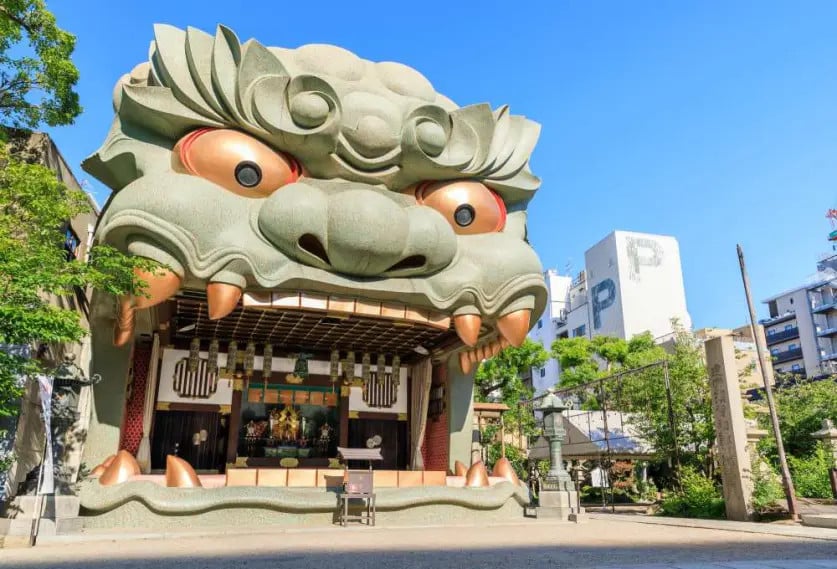
Namba Yasaka Shrine is at 2-9-19 Motomachi, Naniwa Ward, and its most distinctive feature is the giant lion head stage on the front of the shrine hall, 12 meters tall and 11 meters wide; its open-mouth design symbolizes swallowing all bad luck and evil spirits, and it is a popular Instagram spot.
The shrine offers several omamori charms such as victory charms and good-luck charms (about ¥500-800 each) and goshuin stamps (about ¥500); the shrine office handles requests at about 9:00-17:00. It is open for worship all year and free to enter, and we suggest staying 30-40 minutes; the Tsunahiki Shinji rope-pulling ritual each January is also a local traditional festival that visitors who love shrine culture should not miss.
Shinsaibashi PARCO: A Complex Department Store Combining Shopping and Culture
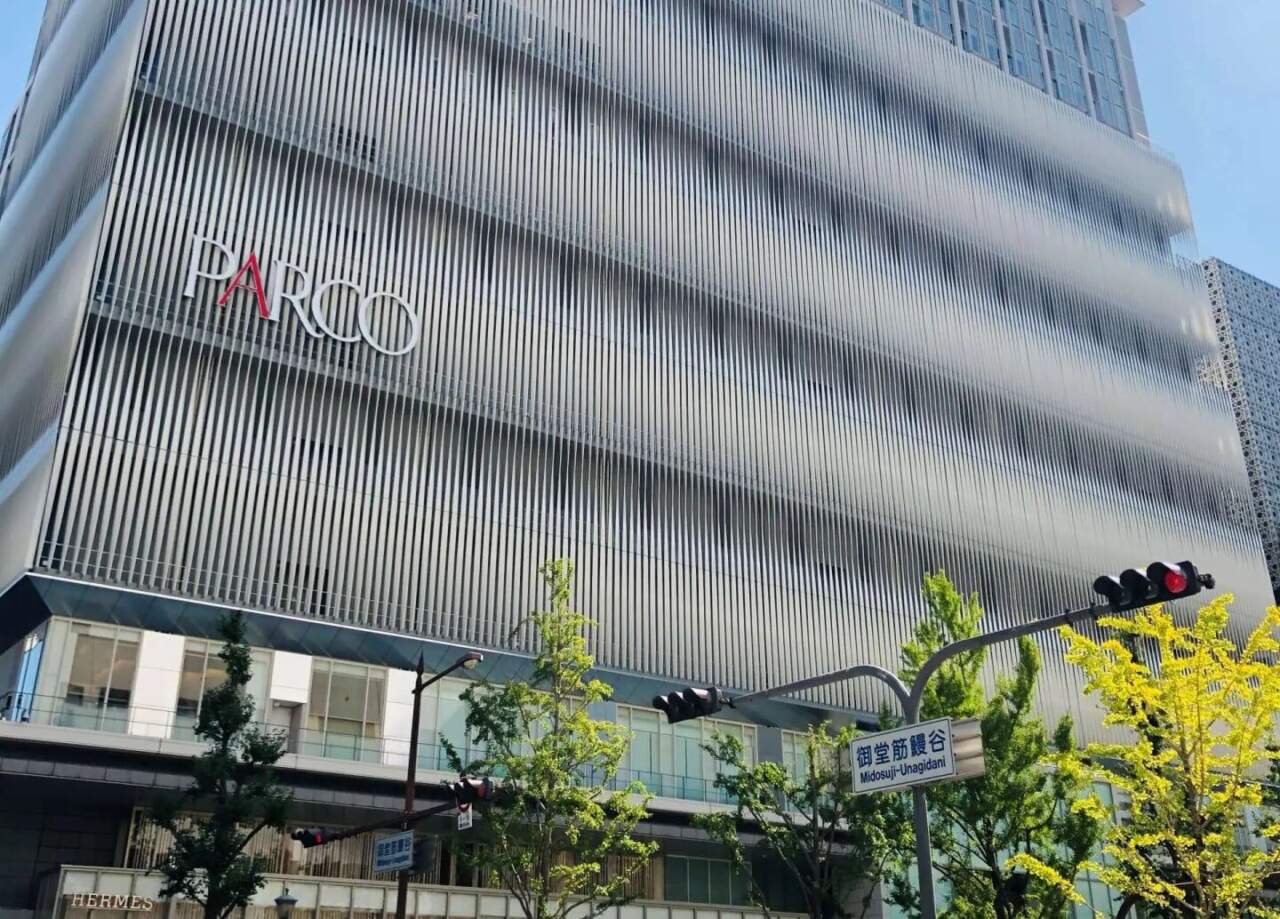
Shinsaibashi PARCO, which opened in 2020 at 1-8-3 Shinsaibashisuji, Chuo Ward, has floors that combine trendy fashion, lifestyle goods and buzzworthy pop-up shops; B2 is the “Shinsaibashi Neon Shokudogai” food hall and B1 has a STARBUCKS RESERVE Cafe, good for travelers who like novel experiences.
Shop hours are 10:00-20:00 (13th-floor restaurants until 22:00 and the B2 food hall until 23:00; the official site lists irregular closing days), and the 5th and 6th floors concentrate a number of anime character goods stores; Pokemon Center Osaka DX is on the 9th floor of the connected Daimaru Shinsaibashi main building and often has a line to get in, so going around opening time helps you avoid the crowds. Overall we suggest allowing 1.5-2 hours to look around and shop.
Dotonbori’s Theater District Then and Now (Nakaza, Kadoza): The Birthplace of Popular Performing Arts
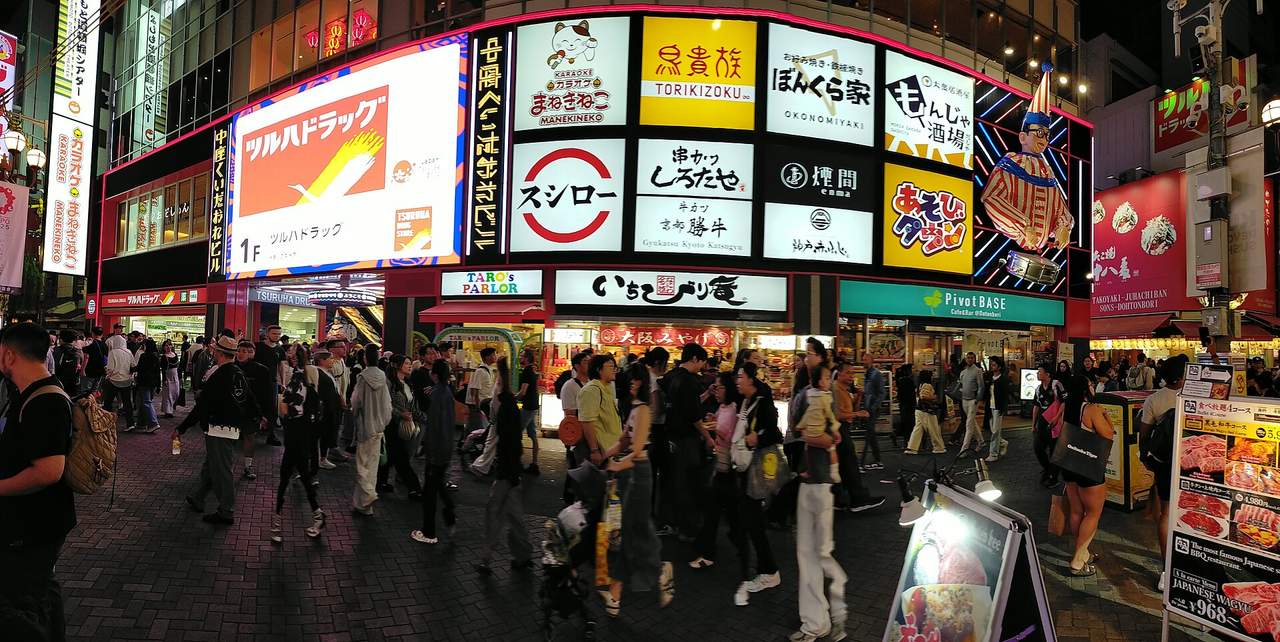
Dotonbori has been a center of Osaka theater culture since the Edo period; the former “Five Theaters” were Nakaza, Kadoza, Asahiza, Bentenza and Naniwaza, and since Nakaza closed in 1999 all five theaters have disappeared, leaving only the district itself to keep the memory of Kamigata performing arts.
The theater buildings have been rebuilt as commercial facilities, and as you stroll along the Dotonbori River you can imagine the glory days of performance; it is free to see, and we suggest combining it with the nearby restaurants, staying only about 20-30 minutes.
Kuromon Market: Osaka’s Kitchen, Seafood and Snacks All in One Place
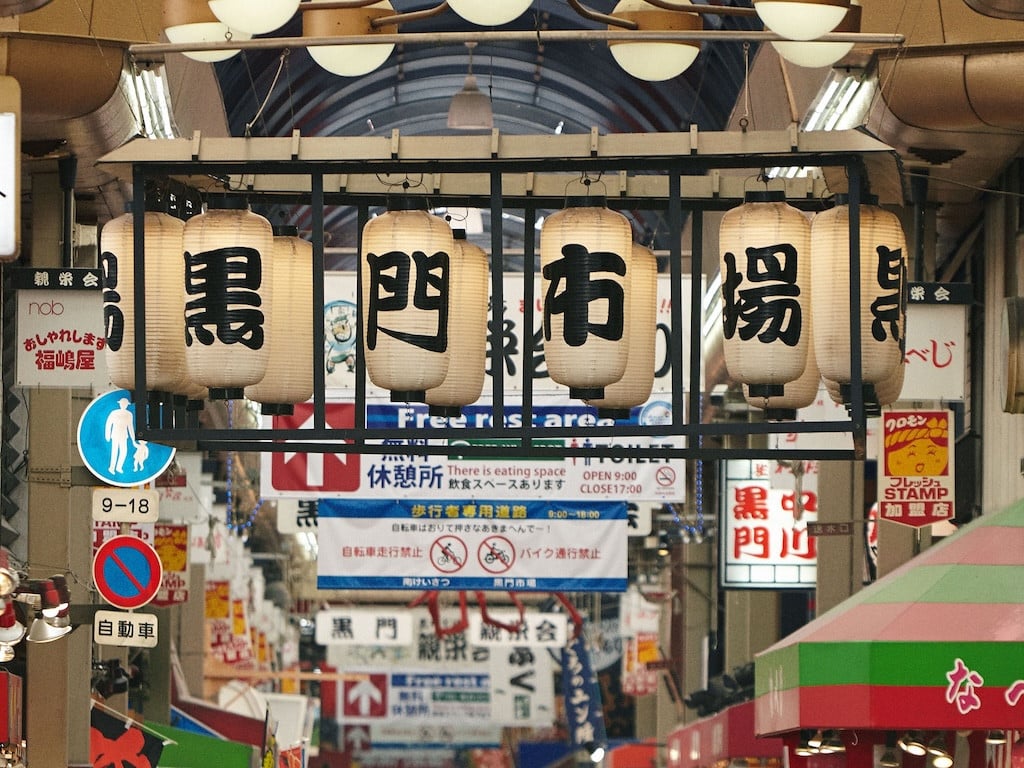
Kuromon Market is near Nippombashi Station, about 580 meters long with some 150 shops, famous for fresh seafood, wagyu skewers and fruit; ready-to-eat snacks such as pufferfish, oysters and king crab legs cost about ¥500-2,000, the best place to try Osaka seafood.
Market hours are about 9:00-18:00 (varying slightly by shop), and some shops close on Wednesdays; we suggest allowing 1-1.5 hours to eat as you walk, and arriving before 10 a.m. means fewer people and a more relaxed time chatting with vendors and choosing fresh ingredients.
How Much Will a Shinsaibashi and Dotonbori Trip Cost? Tickets and Recommended Tours
Walking around Shinsaibashi and Dotonbori itself needs no ticket, but if you want to go deeper and save time, we suggest combining it with a few common paid experiences, including transport passes, river cruises, special guided tours and tickets to nearby attractions. Below are several good-value options that can be booked in advance on platforms such as KKday and Klook, so travelers can mix and match flexibly according to budget and itinerary.
Osaka Amazing Pass: One Pass for Attractions and Transport Around Shinsaibashi
According to its official website, the Osaka Amazing Pass is ¥3,500 for a 1-day pass and ¥5,000 for a 2-day pass, with unlimited rides on Osaka Metro subways and buses and entry to about 40 attractions and facilities, such as Osaka Castle Tenshukaku, the Dotonbori River Cruise and the Umeda Sky Building observatory. It is quite a good deal for a one-day itinerary of Shinsaibashi and Dotonbori plus Osaka Castle and Tsutenkaku.
With the pass you also get shopping and dining discounts at many partner shops, including some drugstores and souvenir shops on Shinsaibashi-suji Shopping Street. The pass is a mobile digital ticket (QR code), and we suggest buying it in advance on KKday or the official website; it can be used right after purchase, saving the time of queuing on site.
If you only plan one intensive day of shopping and sightseeing, the 1-day pass is plenty; if you plan two consecutive days of in-depth Osaka sightseeing, the 2-day pass works out better on average, suitable for first-time visitors who want to hit the popular attractions in one go.
Dotonbori River Cruise (Tombori River Cruise): See the Glico Running Man and the Riverside Night View from the Water
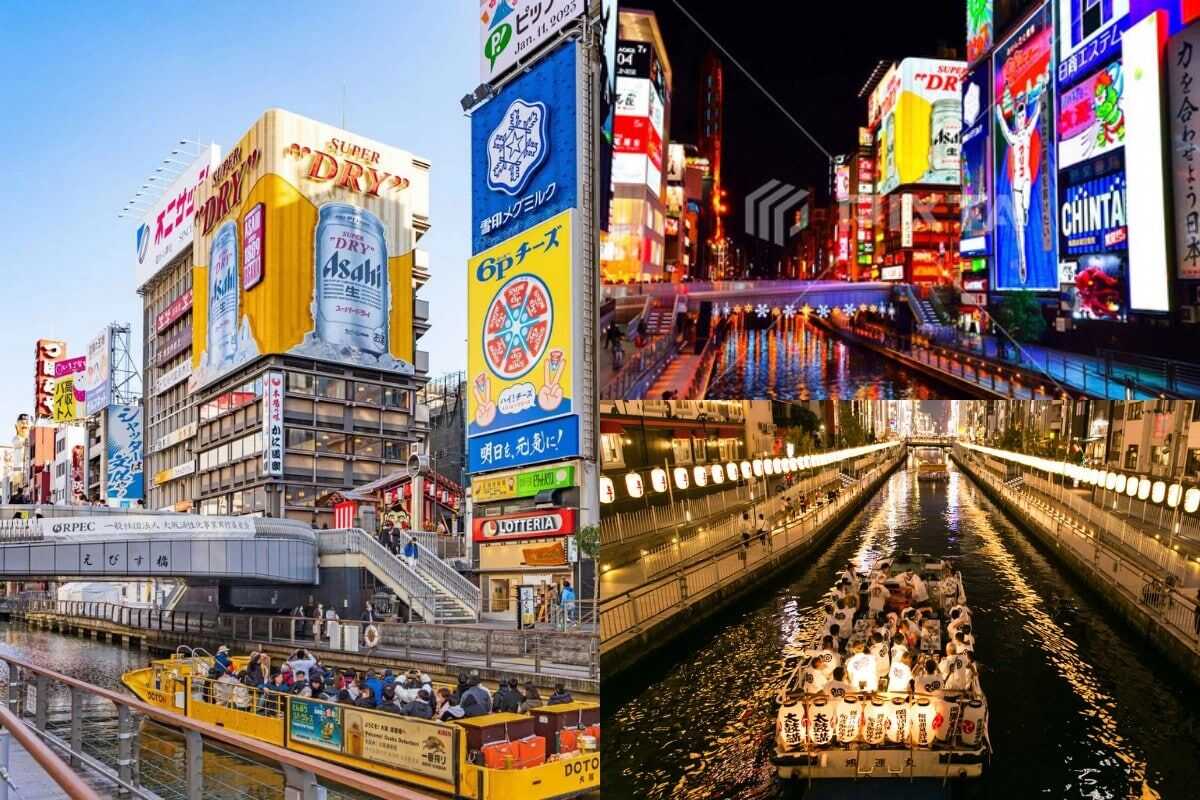
The Dotonbori River Cruise has become a popular experience in recent years. According to the operator Ipponmatsu Kaiun’s official website, fares are ¥2,000 for adults, ¥1,000 for junior high, high school and university students and ¥500 for elementary school students; the cruise lasts about 20 minutes, departs from the Taizaemon Bridge landing next to Don Quijote Dotonbori, and sails on the hour and half hour from 11:00 to 21:00, passing classic landmarks such as the Glico Running Man and Kani Doraku close up along the Dotonbori River.
Guides are provided in Japanese or simple English on board, introducing the shops and history. The evening departures are recommended, with the neon lights reflected on the water, a great moment for photos. Departures are about every 30 minutes, and in peak season we suggest booking through Klook to avoid a long wait on site.
This experience suits the whole family, giving you a new perspective on Dotonbori without much walking, and is good for relaxing after shopping.
Shinsaibashi and Dotonbori Local Food and Shopping Walking Tour: Eat Your Way Through with a Local Expert
This half-day walking tour costs about ¥3,000-5,000 and lasts 3-4 hours, with a guide taking you through Shinsaibashi-suji Shopping Street, Amerikamura and the Dotonbori alleys to try snacks such as takoyaki, okonomiyaki and kushikatsu, and explaining the shops’ histories and tips for choosing souvenirs. The tour goes deep into local back-alley shops, such as long-established izakaya in Hozenji Yokocho and hidden dessert shops, offering a more authentic food experience than going on your own.
Good for first-time visitors to Osaka and those who do not speak the language; it saves research time, and through the guide’s translation you can interact with shops, shop with confidence, haggle or ask about ingredients.
LEGOLAND Discovery Center Osaka Ticket: A Rainy-Day Backup for a Family Trip to Tempozan
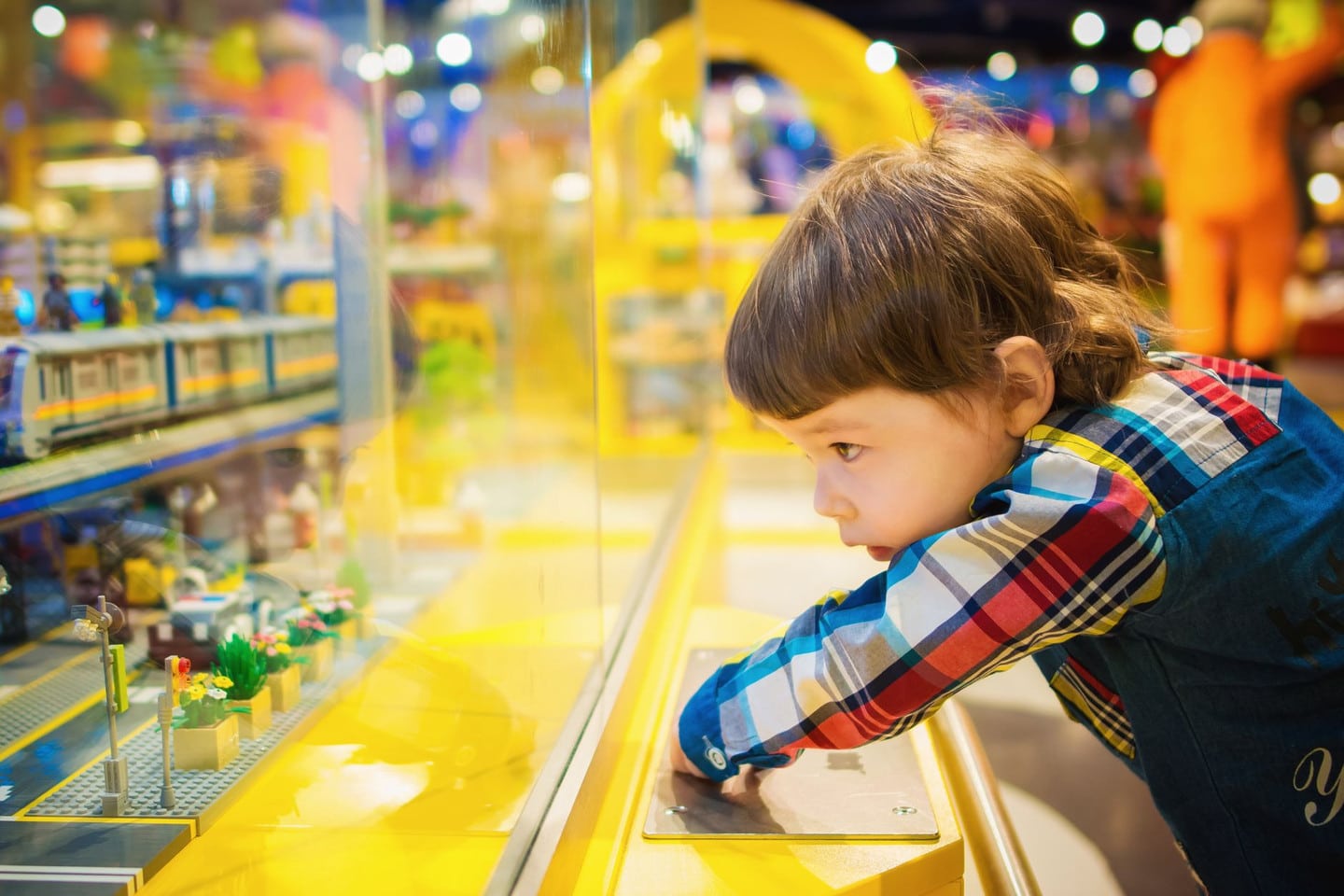
LEGOLAND Discovery Center Osaka is on the 3rd floor of Tempozan Marketplace in Osaka’s port area; reaching it from Namba by subway requires a transfer, so it suits a separate half-day family outing; tickets bought online on the official site start from ¥2,200, and opening hours differ between weekdays and holidays. Inside are a 4D cinema, a brick-building area and a LEGO model of Osaka city; it is indoors and air-conditioned with a clear flow, a good summer or rainy-day backup. We suggest buying tickets in advance on the official site or Klook or KKday and choosing a time slot, to avoid peak-season lines.
Where to Stay Nearby
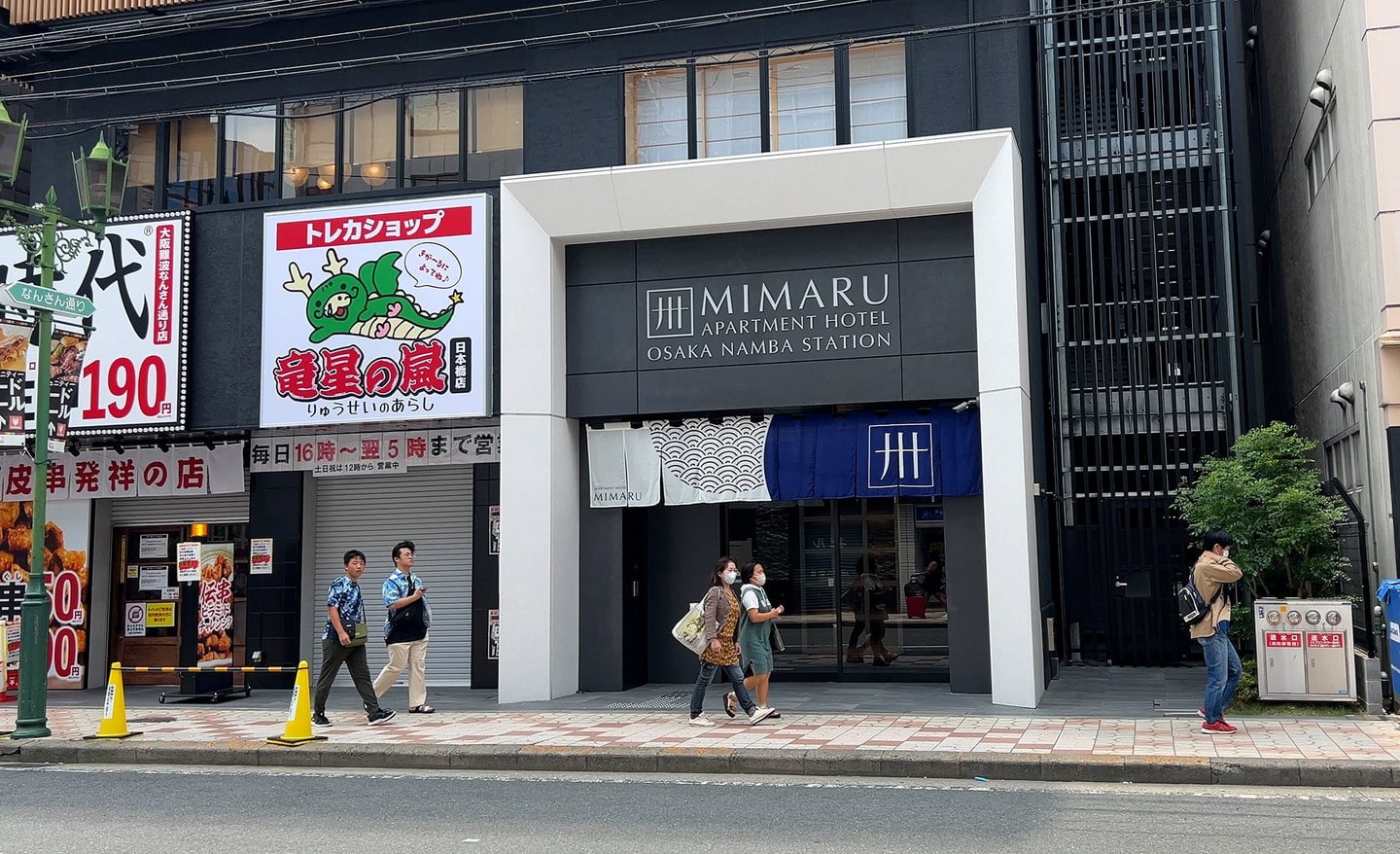
Shinsaibashi and Dotonbori are in central Osaka, within walking distance of Namba Station; staying around Namba, Shinsaibashi or Nippombashi makes shopping, food and Kansai Airport access all very convenient, with Nankai trains running directly from Namba to the airport.

FAQ
Q: Can you get a proper meal on Shinsaibashi Shopping Street?
Shinsaibashi Shopping Street is mainly drugstores and fashion, with few choices for proper meals, mostly dessert cafes; if you want ramen or okonomiyaki, we suggest walking south to Dotonbori.
Q: How late are Shinsaibashi and Dotonbori open?
Daimaru Shinsaibashi and the retail floors of Shinsaibashi PARCO both close at 8 p.m. (PARCO’s restaurant floors stay open until 22:00-23:00), and shops on the shopping street vary; Dotonbori restaurants mostly stay open later, and Don Quijote Dotonbori and the Ichiran Dotonbori main building are open 24 hours. If you want to visit department stores and fashion shops, we suggest finishing before 8 p.m.
Q: How much is a Dotonbori River Cruise ticket?
According to Ipponmatsu Kaiun’s official website, adults ¥2,000, students ¥1,000, elementary school students ¥500, departing every 30 minutes from 11:00 to 21:00; the Osaka Amazing Pass also lists the Tombori River Cruise as a free ride, for which you first need to exchange for a boarding ticket for a specific departure at the ticket office, and departures after evening fill up easily.
Q: How long does it take from Kansai Airport to Shinsaibashi?
The Nankai Rapi:t limited express takes about 38 minutes to Namba Station, then a transfer to the subway takes about 5 minutes to Shinsaibashi, about 50 minutes in total.
Q: When is Shinsaibashi and Dotonbori most crowded?
Crowds are densest from 2 p.m. to 8 p.m., and we suggest going in the morning or after 10 p.m., when shopping and taking photos are both easier.
Q: Are there restrooms near Shinsaibashi?
The shopping street itself has no public restrooms; we suggest going straight to department stores such as Daimaru or Shinsaibashi PARCO to use their restrooms.
Q: Can you get a tax refund at Don Quijote?
Spending ¥5,000 or more (before tax) at the same store on the same day qualifies for a tax refund, with a passport required, and some items have coupons that can be stacked.
Note: From November 1, 2026, Japan’s tax-free system changes to paying the tax at the register first and getting a refund after leaving the country; before you arrive, please check the store’s latest procedure.