
Nozawa Onsen Ski Resort Guide: Powder Snow and Hot Spring Legends at One of Japan’s Largest Ski Areas
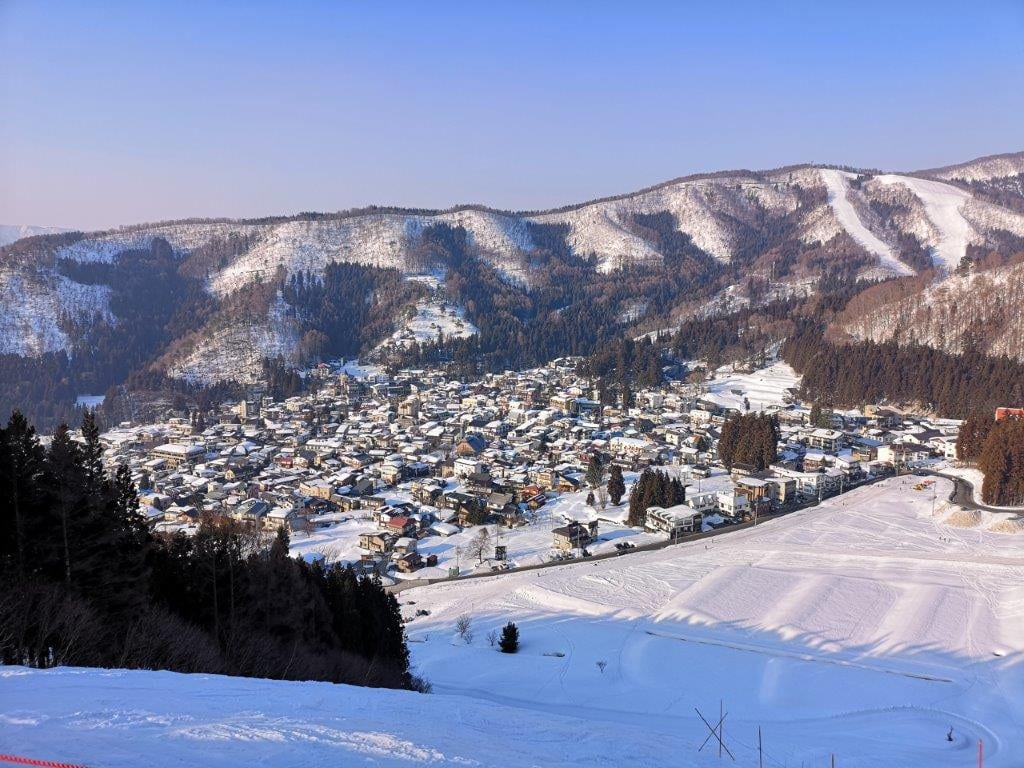
Nozawa Onsen Ski Resort is in Nozawaonsen Village, Shimotakai District, Nagano Prefecture. At 297 hectares it is one of Japan’s largest single ski areas, famous for quality powder snow and a century-old hot spring town, with runs for beginners and experts alike.
Scale of Japan’s Largest-Class Ski Area and Run Grading
Nozawa Onsen Ski Resort lies in Shimotakai District, Nagano, covering 297 hectares, one of the largest single ski areas in Japan, with more than 40 runs and several lifts. The difficulty split is 40% beginner, 30% intermediate and 30% advanced, and the ratio of skiers to snowboarders is about 70% to 30%.
Whether you are a beginner who has just learned the snowplow or an expert chasing steeps and tree runs, you will find runs to match your level, one of the main reasons Nozawa Onsen has long been recommended by international travelers.
Nozawa Onsen Ski Resort Map: How to Read the Nagasaka, Hikage and Uenotaira Run Zones
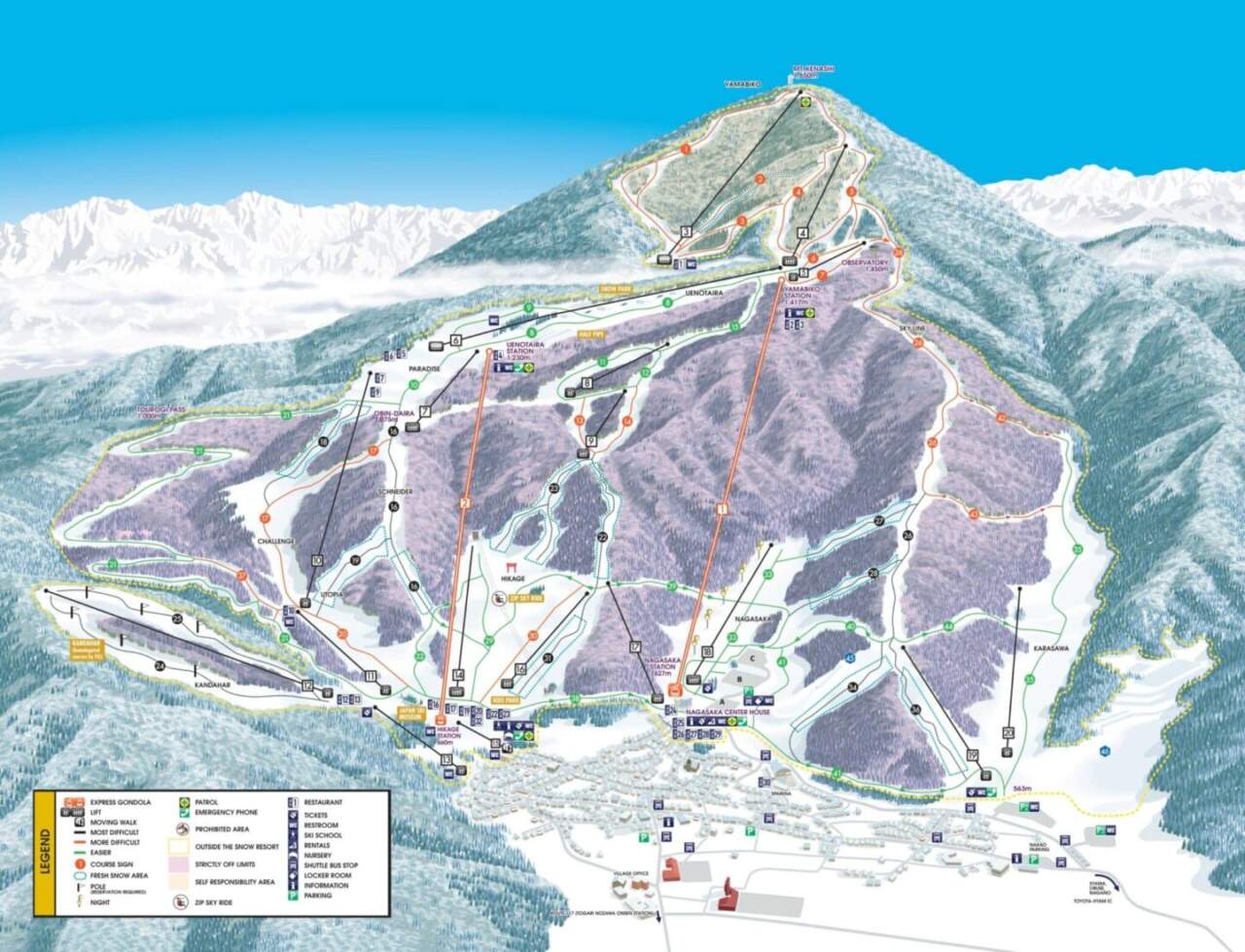
The mountain information page on the official website (en.nozawaski.com) is organized by areas including Nagasaka, Uenotaira and Hikage, and provides weather information for the Nagasaka gondola, the Nagasaka Center House and Hikage. The runs covered in this article are also arranged by these areas: the Nagasaka side has the Uenotaira Paradise run, and the lifts in the Karasawa area run only on holidays or at specific times, so before you go confirm the day’s open lifts and runs against the official announcement for the season.
Powder Snow Features and Elevation Terrain
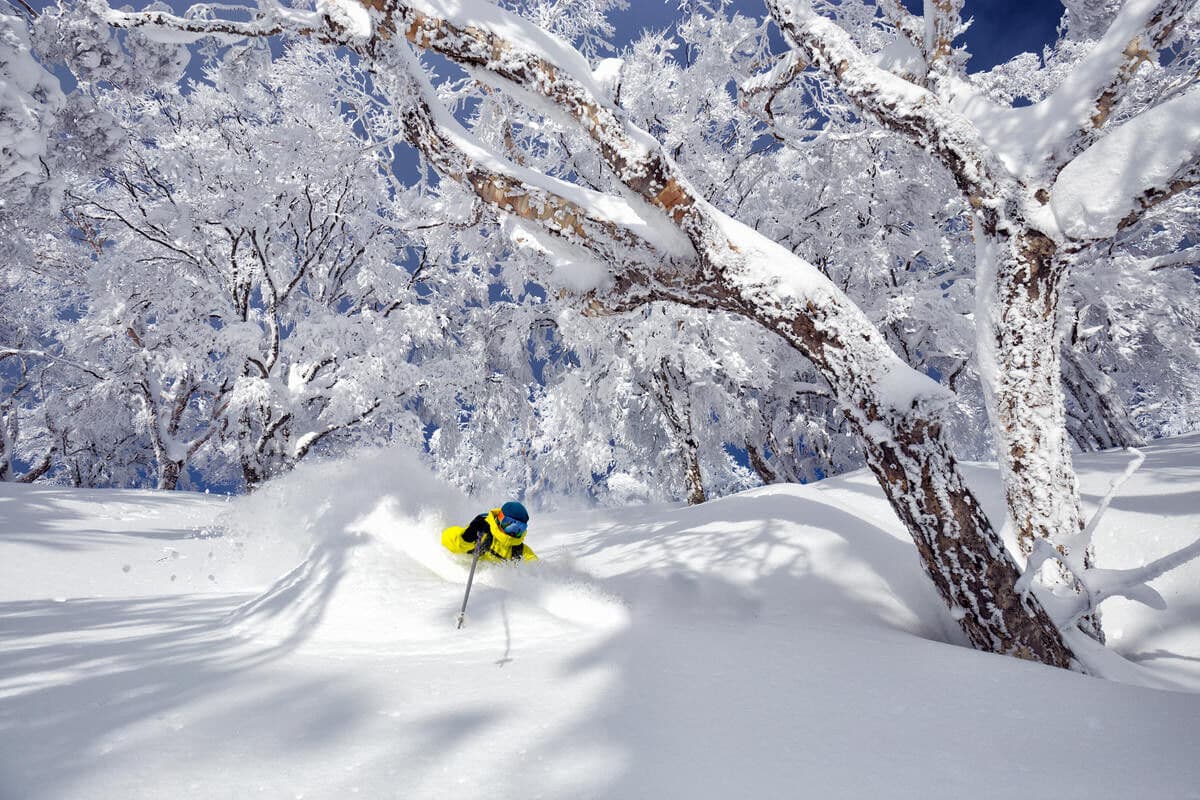
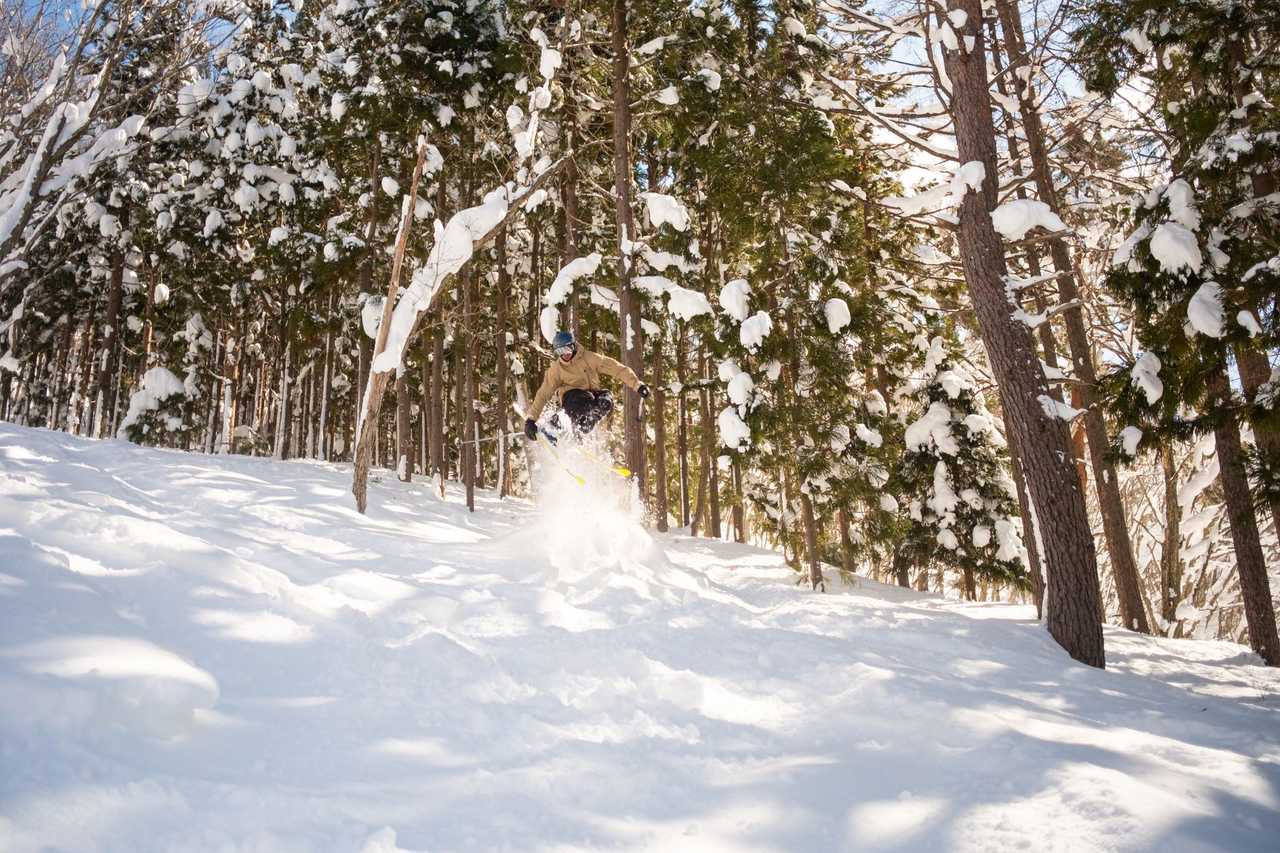
Nozawa Onsen Ski Resort sits close to the Sea of Japan side, where winter monsoon winds bring large amounts of moisture, producing light, fluffy, dry natural powder with low water content. The peak powder season runs from late December to late February. The highest point, the summit of Mt. Kenashi, is about 1,650 meters above sea level, while Nozawaonsen Village at the foot is about 565 meters, a vertical drop of more than 1,000 meters.
Combined with a very long run of 10 km, skiers can ski all the way from the summit to the entrance of the hot spring town, with varied terrain along the way from gentle slopes to steep ridgelines, making it an excellent resort for experiencing diverse terrain.
Who It Suits and Ski Season Dates
Nozawa Onsen’s season normally opens from late November to early May the following year. According to the official announcement, the 2026-2027 season is scheduled to operate from Saturday, November 28, 2026 to Wednesday, May 5, 2027, with the actual opening depending on snow cover.
Lift and run operating hours differ each season. Before heading up the mountain, confirm your route back down for the day, and rely on the official announcement for the season for timetables.
Night skiing is open only on some dates (rely on the official announcement for the season for dates). The 2026-27 night ski ticket is ¥2,850 for adults and ¥1,700 for children, and the day ticket does not include night skiing and must be bought separately. The biathlon venue of the 1998 Nagano Winter Olympics was located here.
How to Get to Nozawa Onsen Ski Resort: Complete Guide to Transport Options and Costs
The most recommended way to reach Nozawa Onsen Ski Resort is the “Shinkansen + shuttle bus” combination, with a compact journey and reliable service.
Nozawa Onsen Ski Resort transport options at a glance
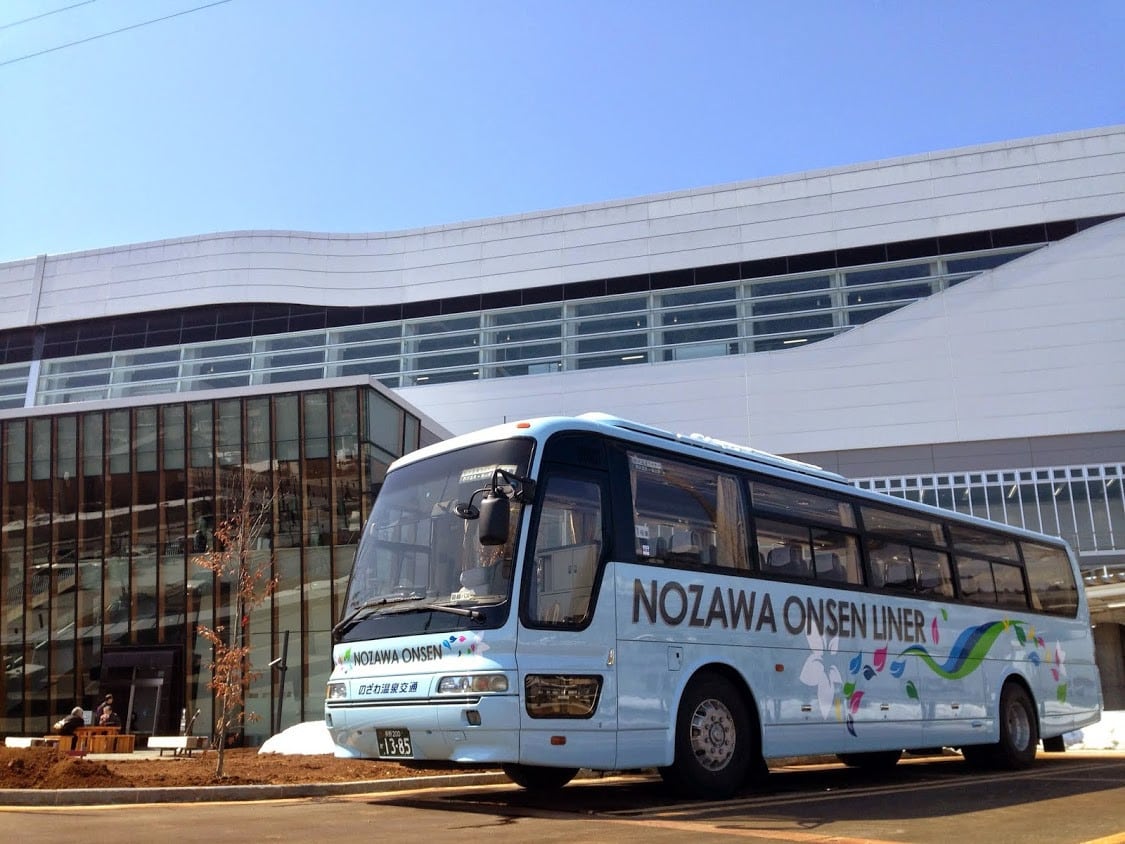
- JR Hokuriku Shinkansen + Nozawa Onsen Liner: Take the “Hakutaka” from Tokyo Station to Iiyama Station, about 100 minutes, then transfer at Iiyama Station’s Chikuma River exit bus stop 4 to the direct shuttle bus “Nozawa Onsen Liner,” arriving in Nozawaonsen Village in about 20 to 25 minutes. The one-way fare is ¥600 for adults and ¥300 for children (operated by Nozawa Onsen Kotsu; no reservation needed, board on site).
- Nagano Snow Shuttle: During the snow season, long-distance ski buses run directly to Nozawa Onsen from both Narita Airport (NRT) and Haneda Airport (HND), taking about 4 to 6 hours. It suits travelers with lots of luggage, and seats must be booked online in advance.
- Driving and parking: Driving from Tokyo takes about 3.5 to 4 hours. Winter roads ice over easily, so a 4WD vehicle with snow tires is recommended. There are several paid parking lots around the ski area, about ¥1,000 to ¥2,000 per day.
- Free village shuttle bus: A free loop bus within Nozawaonsen Village runs between the onsen inns and the resort entrances, convenient for travelers without cars to get between their lodging and the lift stations.



Nozawa Onsen Ski Resort Guide: What Are the Must-See Spots and Signature Runs?
Nozawa Onsen Ski Resort covers a wide area. Below are 12 selected run photo spots, hot spring public baths and cultural attractions.
Skyline Run: A 4.5 km Intermediate-to-Advanced Ridge Run
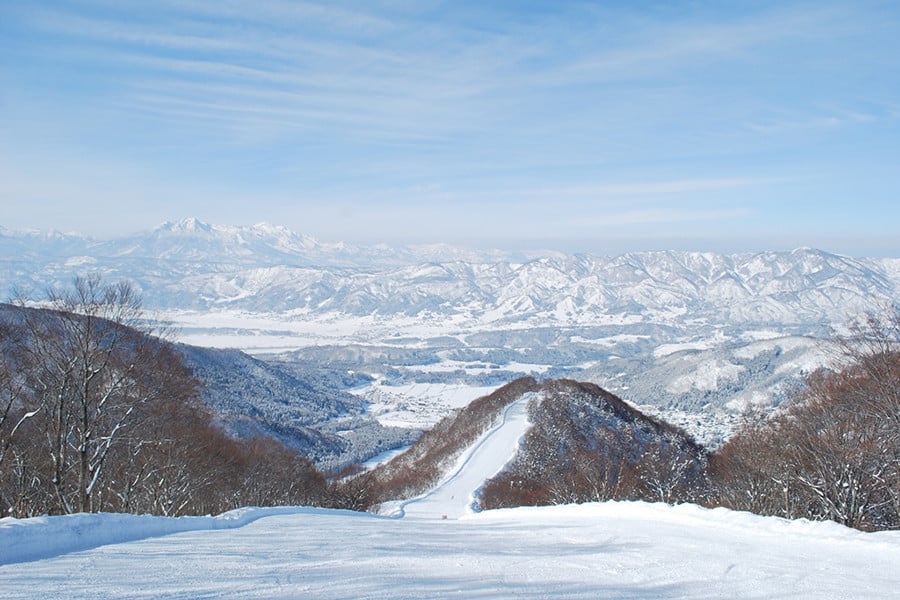
The Skyline run is Nozawa Onsen’s most famous signature run, stretching 4,500 meters along the ridgeline (the resort’s longest single run is the 5,000-meter tree run, and the longest descent is 10 km), one of the longest red runs in the resort. There is almost no mid-run escape route, so skiers must complete it in one go, and along the way you can look down on all of Nozawaonsen Village and the Shiga Kogen mountains in the distance, a wide and striking view.
Because the slope varies a lot and winds are strong, it is recommended for skiers of intermediate-to-advanced level and above. The best time to go is a clear morning, when visibility is best and crowds are thinner. Allow at least 30 to 40 minutes to ski the whole run and stop for photos.

Mt. Kenashi Summit: A 360-Degree Snow Country Panorama at 1,650 Meters
Mt. Kenashi is the highest point of Nozawa Onsen Ski Resort, about 1,650 meters above sea level, and the summit platform is reached by taking the Nagasaka gondola and connecting several more lifts. The summit has a sign board with clear place names and elevation, one of the must-photograph landmarks for skiers, and on a clear day you can look out over the grand snow scenery of the Northern Alps and the Myoko mountain range.
The summit is windy and much colder than the base, so wear enough warm gear and keep your stay short. Usually after a short rest and photos at the summit, you can take on the Skyline run or ski back down the gentle slopes of the Nagasaka area, making it an important waypoint when planning a day.
Nozawa Signpost: The Classic Photo Landmark Every Skier Shoots
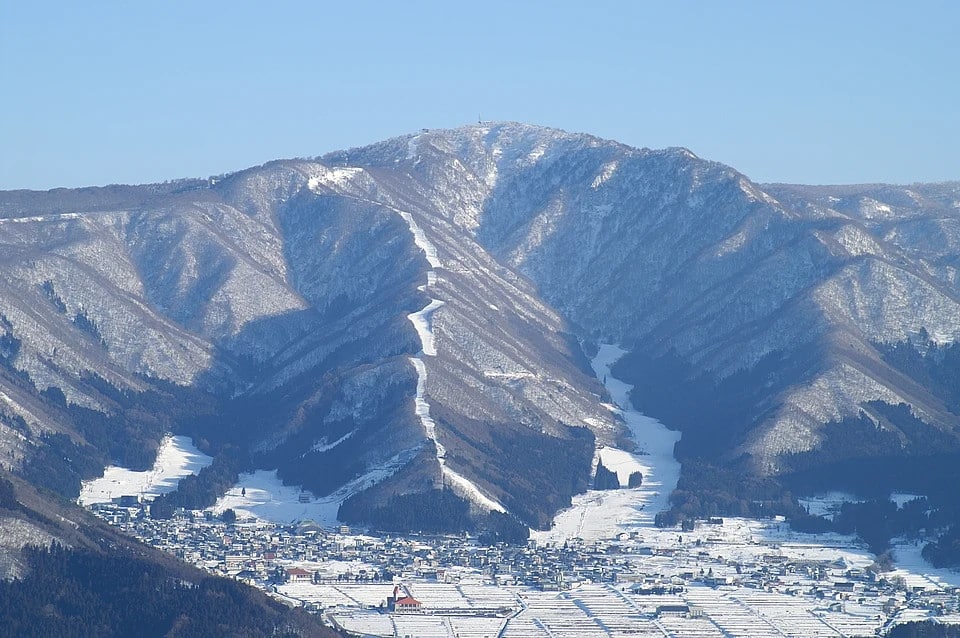
The Nozawa signpost stands near where the Nagasaka and Hikage areas meet. It is a wooden marker covered in directions to the various runs and one of the most-shared photo landmarks on social media at Nozawa Onsen Ski Resort. Because the resort is so large, many skiers move back and forth between the Hikage and Nagasaka areas, so this signpost is an important reference point for finding your bearings and confirming where you are.
Stop briefly while skiing and use your phone or action camera to take a photo of the signpost with the snowy background. It is one of Nozawa Onsen’s three great photo landmarks (summit sign, signpost and Skyline run) and a must-visit on any plan.
Uenotaira Paradise Run: The Beginners’ Favorite Wide Practice Ground
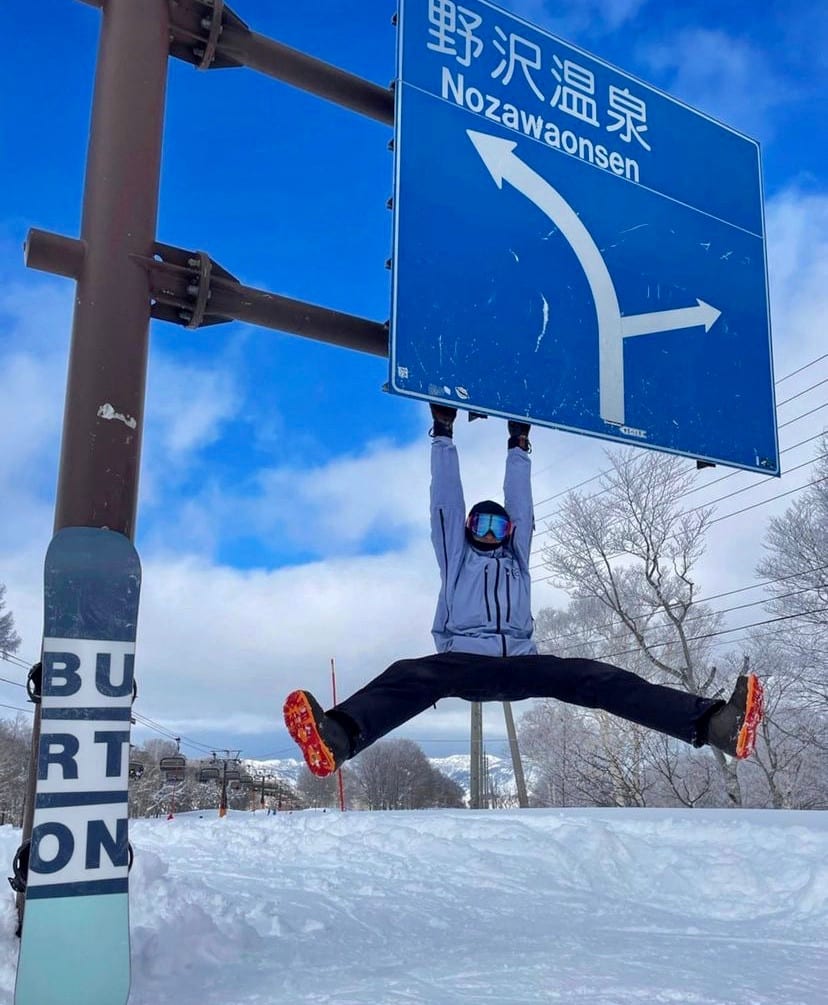
Uenotaira and Paradise are two separate beginner runs on the “Uenotaira Plateau” at the top of the Nagasaka gondola (not in the Hikage area), recognized as the best routes for beginners at Nozawa Onsen. The runs are wide and gentle, suited to snowboard beginners practicing basics like the “falling leaf” and S-turns. Because the runs are so wide and the slope changes are subtle, beginners can easily mistake them for steeper than they are through visual illusion, so slow down and watch the snow surface undulations before proceeding.
This run also connects to the Nagasaka gondola summit station, letting you ski gently down while enjoying the mountain view. It is the first choice for beginner practice trips, and there are rest benches nearby to catch your breath mid-run.
Karasawa No. 35 Run: A Quiet, Gentle Practice Haven
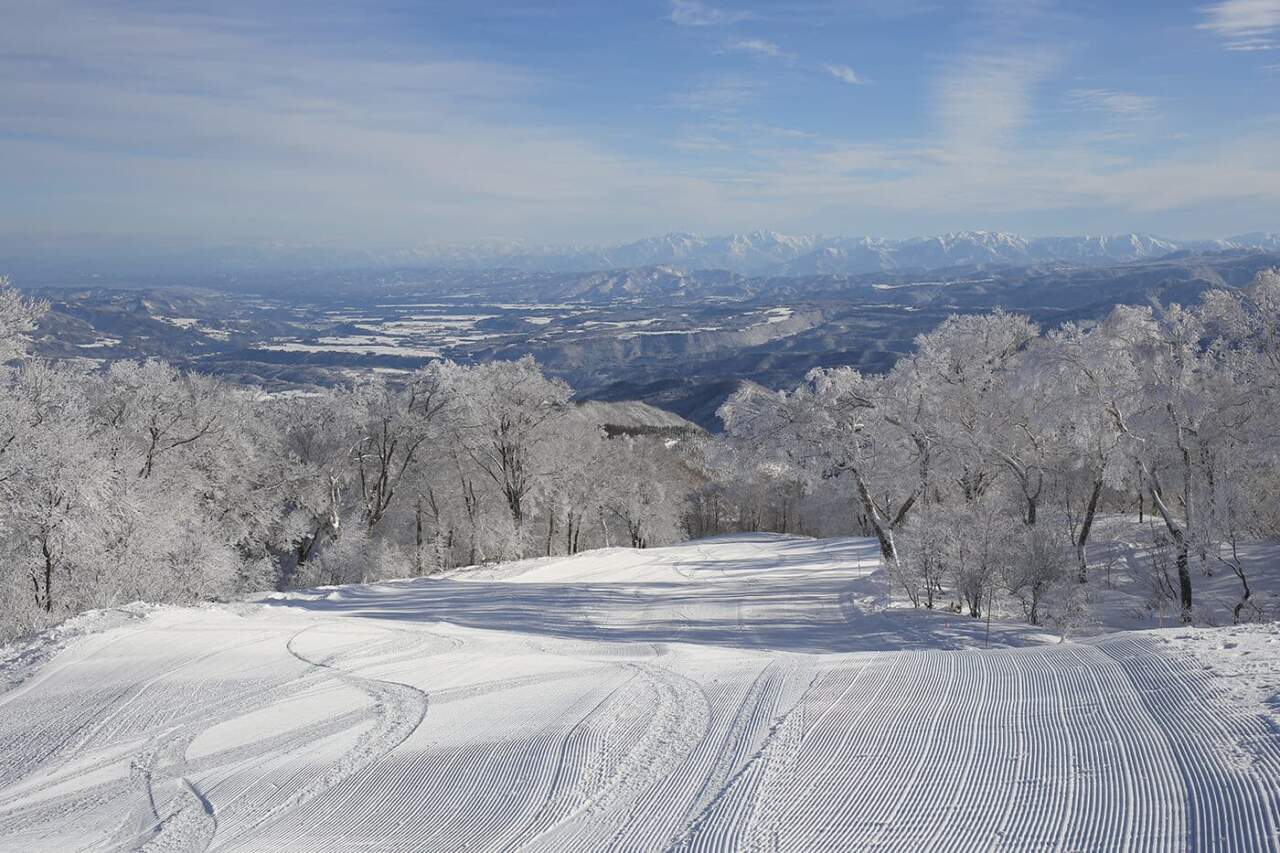
The Karasawa No. 35 run is in the less-visited Karasawa area, with a gentle slope and fine snow, an ideal choice for skiers who want to get away from crowds and practice basic moves quietly. Its biggest feature is how few people use it; even on holidays lift queues are rare, which makes it ideal for families with children or beginner companions practicing together.
Note, however, that the Karasawa area’s lifts run only on holidays or at specific times. On weekdays, check the day’s lift schedule before going, to avoid a wasted trip or extra time walking back to the main resort area.
Hidden Powder Zones: Yamabiko, Grand Prix and the 39-Degree Challenge Wall
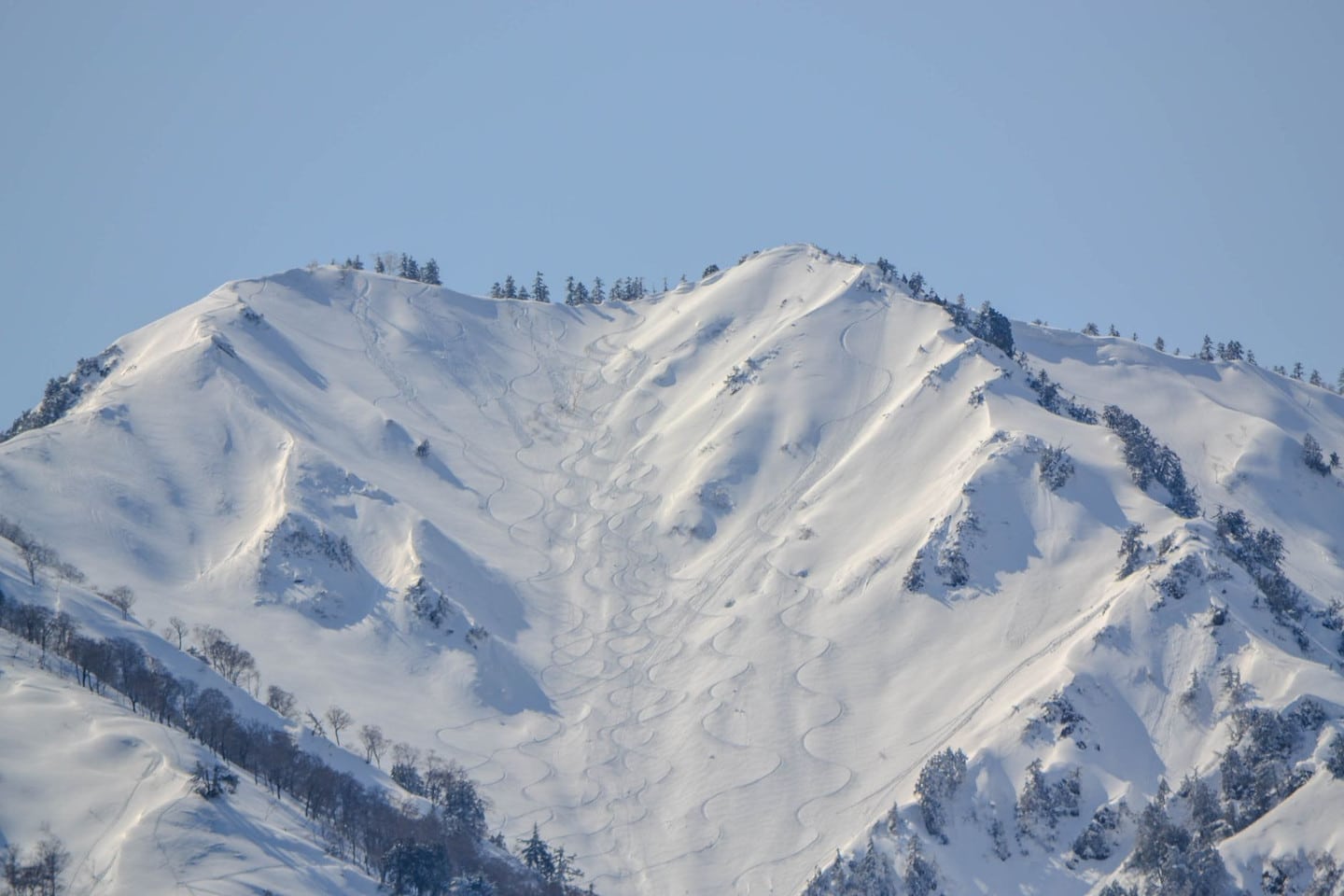
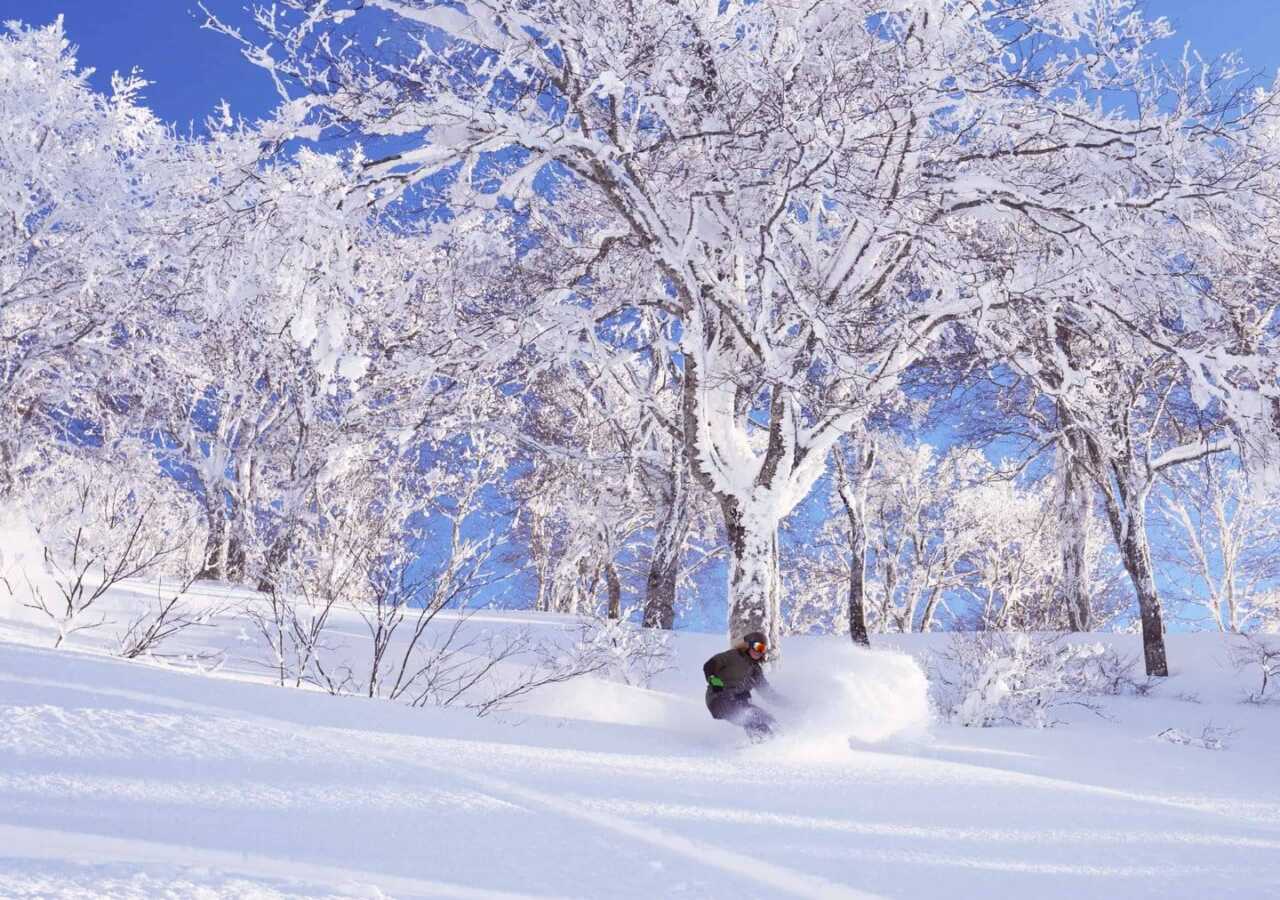
Nozawa Onsen is famous for quality powder, and the Yamabiko area, the Grand Prix/Jumping area, the Mukobayashi/Hachiman area and the Challenge 39° Wall are recognized by seasoned skiers as hidden powder zones. The Yamabiko area has natural terrain with thick snow that is groomed less often, so you can enjoy the soft feel of untouched powder.
The Grand Prix and Jumping areas have steeper terrain and are challenging, suited to experts who want speed. The Challenge 39° Wall has a slope close to 39 degrees and is one of Nozawa Onsen’s steepest runs, recommended only for expert skiers. Go early the morning after a snowfall to get the freshest powder first.
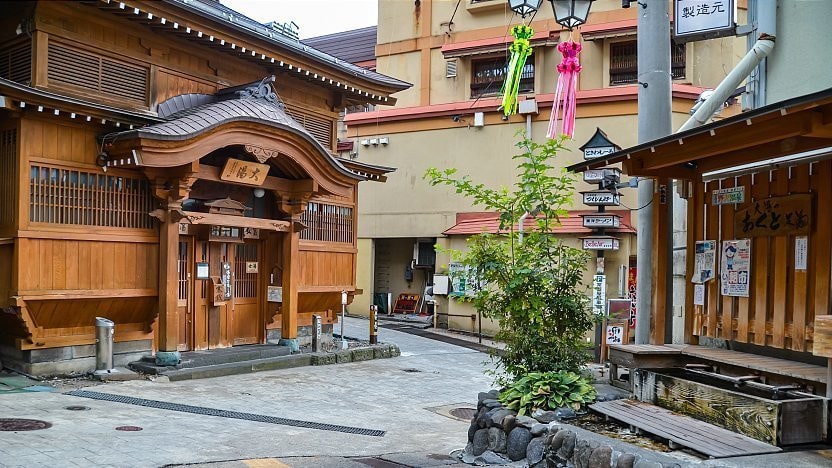
Oyu: The Most Representative Wooden Public Bathhouse in Nozawa Onsen Town
Oyu is the most representative of Nozawaonsen Village’s 13 free public baths, located in the heart of the hot spring town, with a quaint and elegant wooden building that is a landmark bathhouse visited by travelers and locals alike. The bath runs on voluntary donations, with an offering box at the entrance for travelers to give toward local upkeep.
The water comes from natural underground springs, usually at 43 to 45 degrees C or higher, a fairly hot spring. For your first soak, scoop water with the ladle to get used to the temperature first, and never jump straight into the pool. Stay quiet and follow local bathing etiquette, the best window into local life and culture.
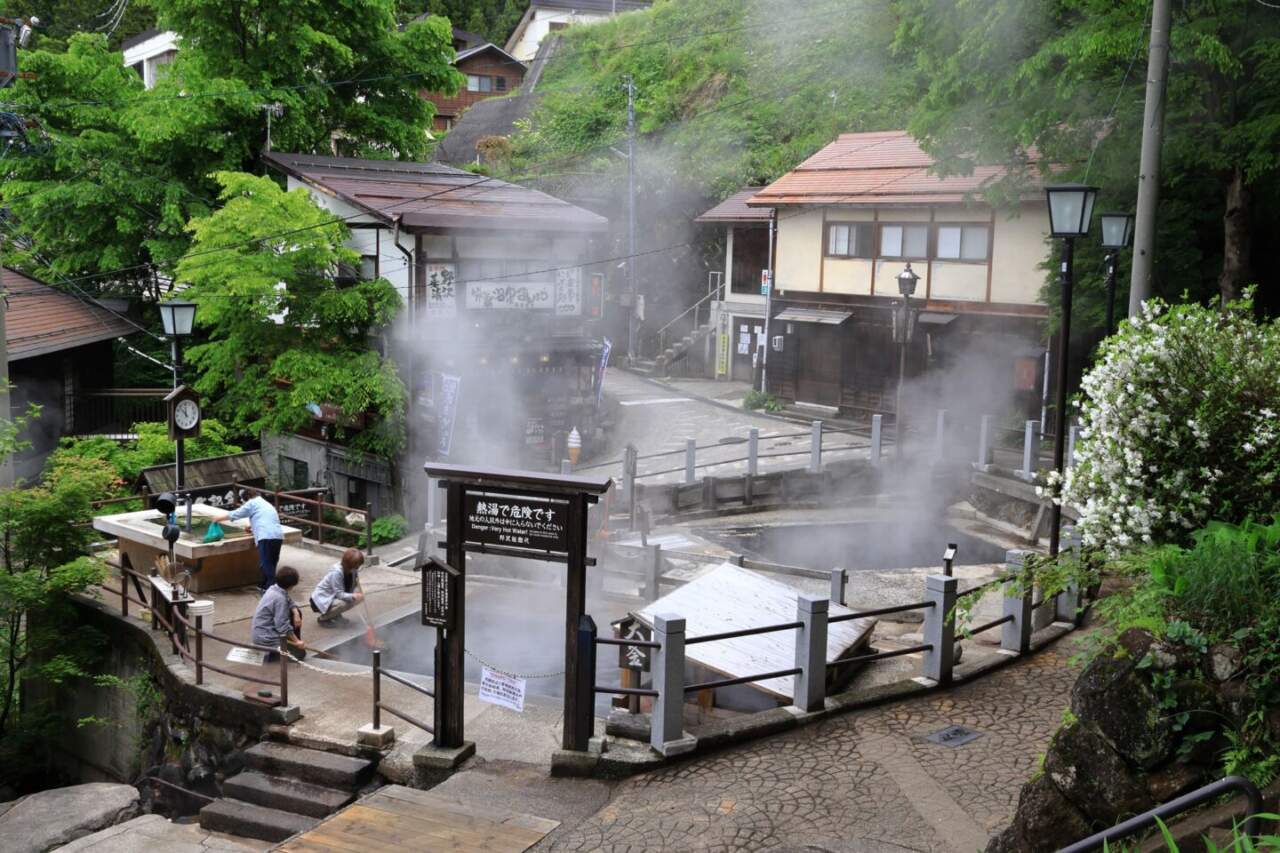
Ogama: A Living Landscape of 90-Degree Natural Boiling Source Water
Ogama is one of Nozawaonsen Village’s most distinctive natural sources, with water around 90 degrees C that sends up white steam all year. It is where villagers blanch vegetables and boil hot spring eggs in daily life, and for this reason it is nicknamed the village’s “kitchen.”
Ogama is for villagers’ use only, and tourists are not allowed inside the fence. Visitors can only watch from outside as residents place food in bamboo baskets and lower them into the boiling water, a traditional scene that gives the truest sense of hot spring village life. Because the water is extremely hot and can scald, keep a safe distance from the pool, do not touch the water, and do not put your own belongings in to cook.
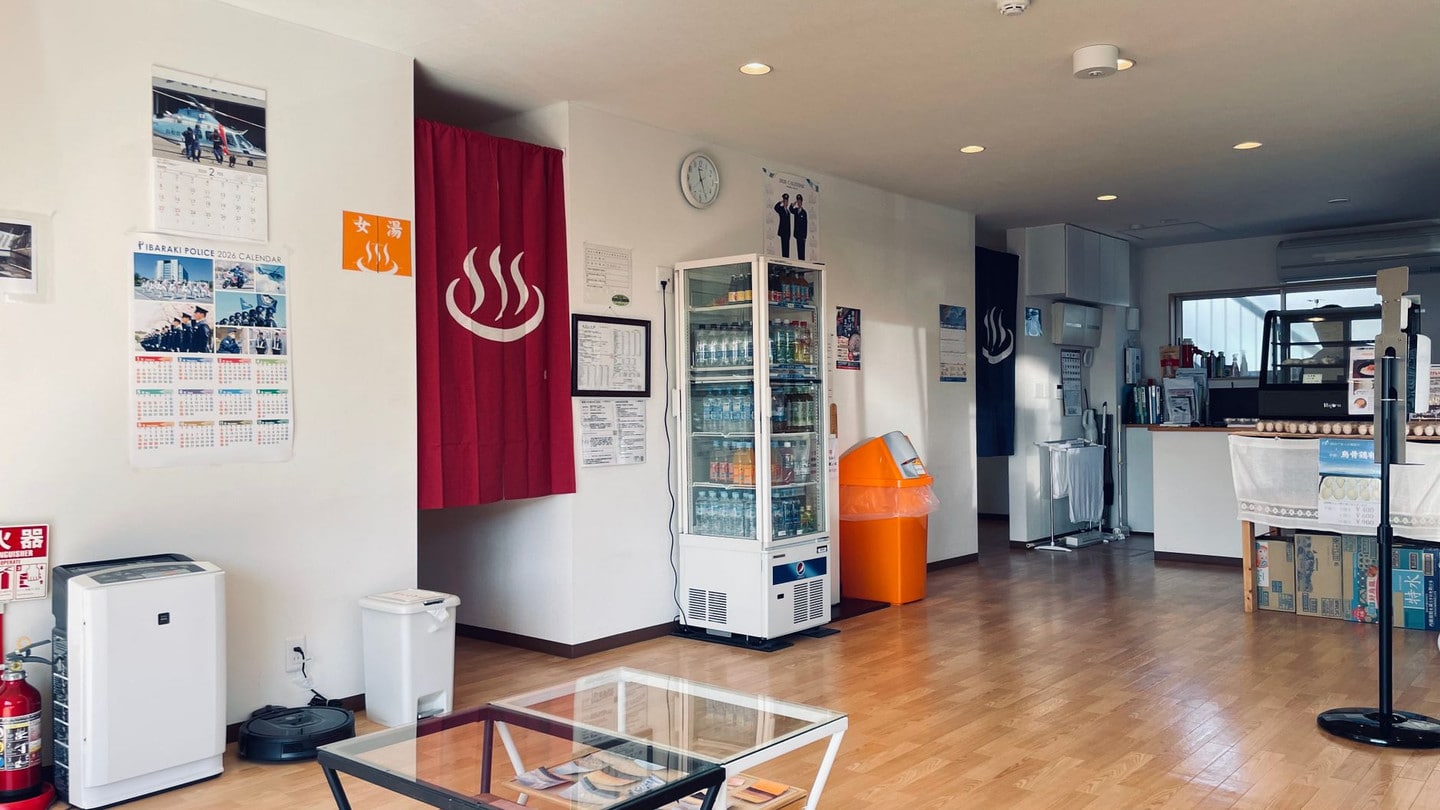
Kuma no Te Arai-yu: A Quaint Public Bath Hidden in the Alleys
Kuma no Te Arai-yu is one of the 13 free public baths in Nozawaonsen Village. Compared with the always-busy Oyu, this bath is tucked away and mostly used by travelers and residents who know the local alleys, so the bathing atmosphere is quieter and more authentic. The building is small, with just a simple wooden changing area and a bath inside.
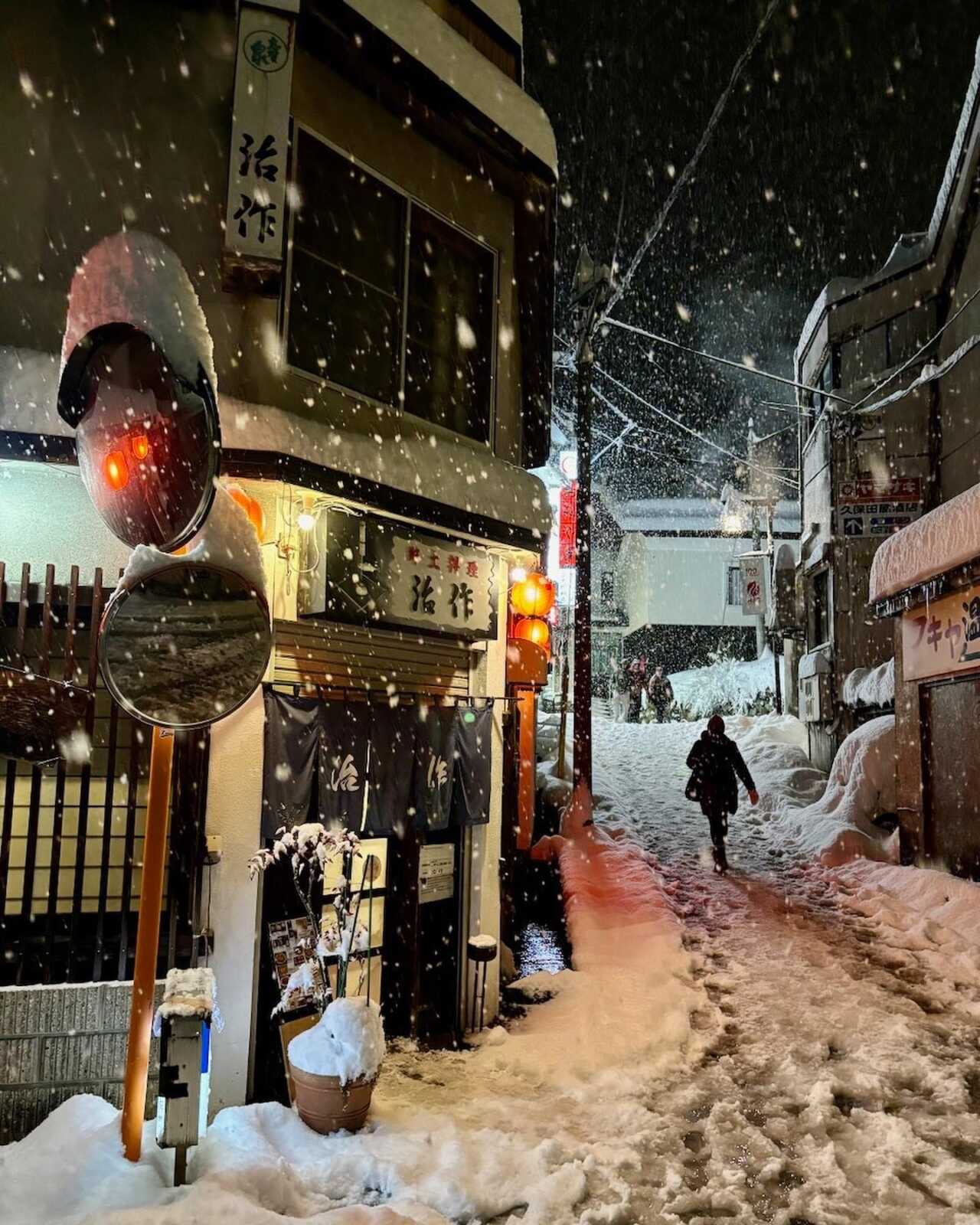
The water comes from the same natural underground springs as Oyu, at a relatively milder temperature, and it is again recommended to scoop water with the ladle first before entering. Besides the bath itself, walking through the well-preserved wooden old alleys of Nozawaonsen Village on the way is an excellent stroll for feeling the traditional hot spring town, and it suits an early-evening visit after skiing.
Nozawa Onsen Dosojin Fire Festival: A Centuries-Old Tradition Among Japan’s Three Great Fire Festivals
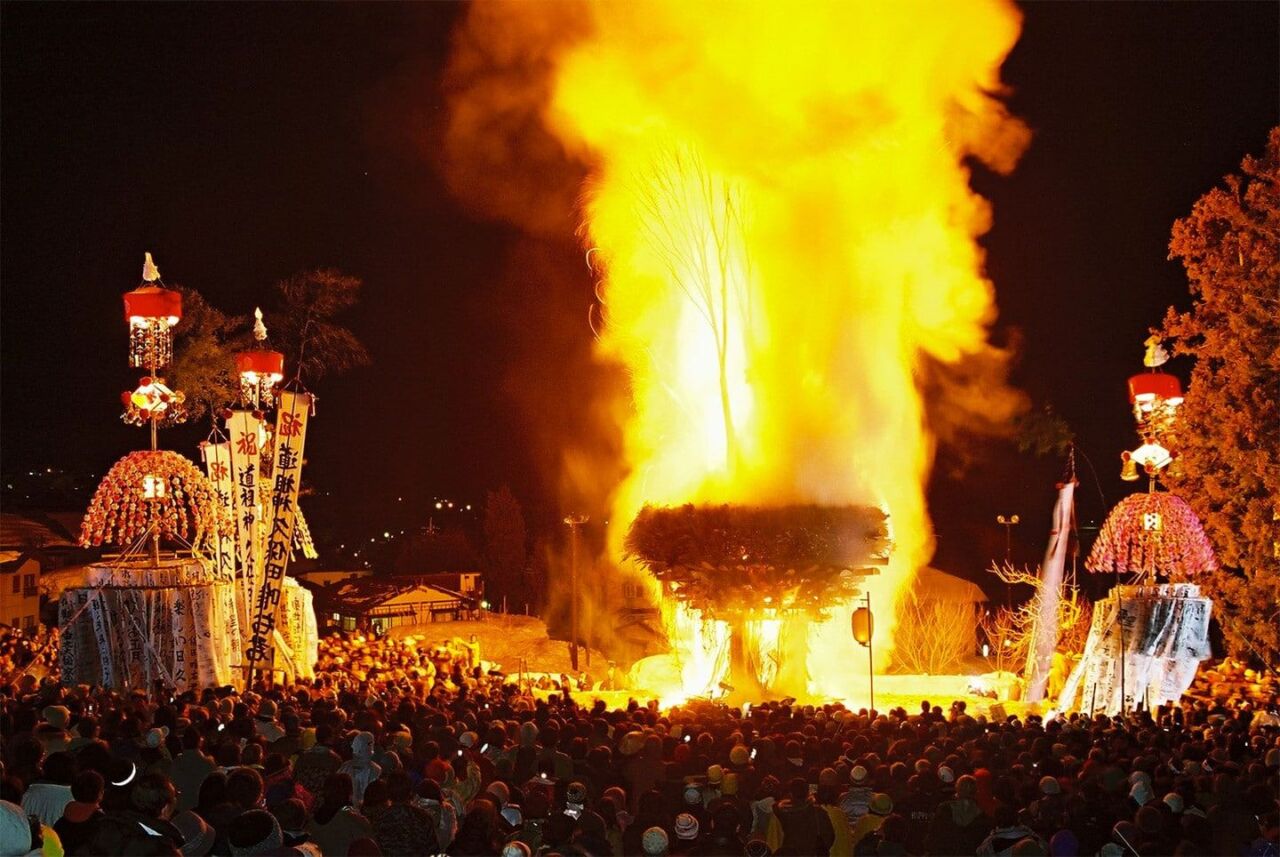
The Nozawa Onsen Dosojin Fire Festival is held every year on January 15, and ranks with Kyoto’s Kurama Fire Festival and Wakayama’s Nachi Fire Festival as one of Japan’s three great fire festivals. It is designated a nationally important intangible folk cultural property, dates from the late Edo period and is about 200 years old. The date is fixed each year, and in 2027 it is again January 15. On the day, villagers build a huge shrine hall in the village square, and men aged 42 and 25, the “unlucky years,” play the leading roles in the rite.
Villagers and visitors then try to storm the shrine hall holding burning torches, a spectacular and thrilling scene symbolizing warding off evil, praying for blessings and welcoming a safe, smooth new year. If your ski trip happens to fall in mid-January, it is highly recommended to arrange an overnight stay to take part in this stirring traditional festival.
Kids’ Park Magic Carpet: A Family-Friendly Starting Point for Skiing
Nozawa Onsen Ski Resort has a dedicated kids’ park area equipped with a “Magic Carpet” conveyor belt in place of a traditional lift, letting younger children or first-timers safely and easily repeat basic moves without worrying about the difficulty of riding a regular lift.
The area is flat and open with clearly separated safety fencing around it, so parents can keep a close eye, and resort instructors often run children’s ski experience lessons here. Go on a weekday or early in the morning, when it is less crowded and kids have more room to practice.
Kenmyoji Temple: An Old Temple Witnessing Nozawa Onsen’s Faith and Festival Culture
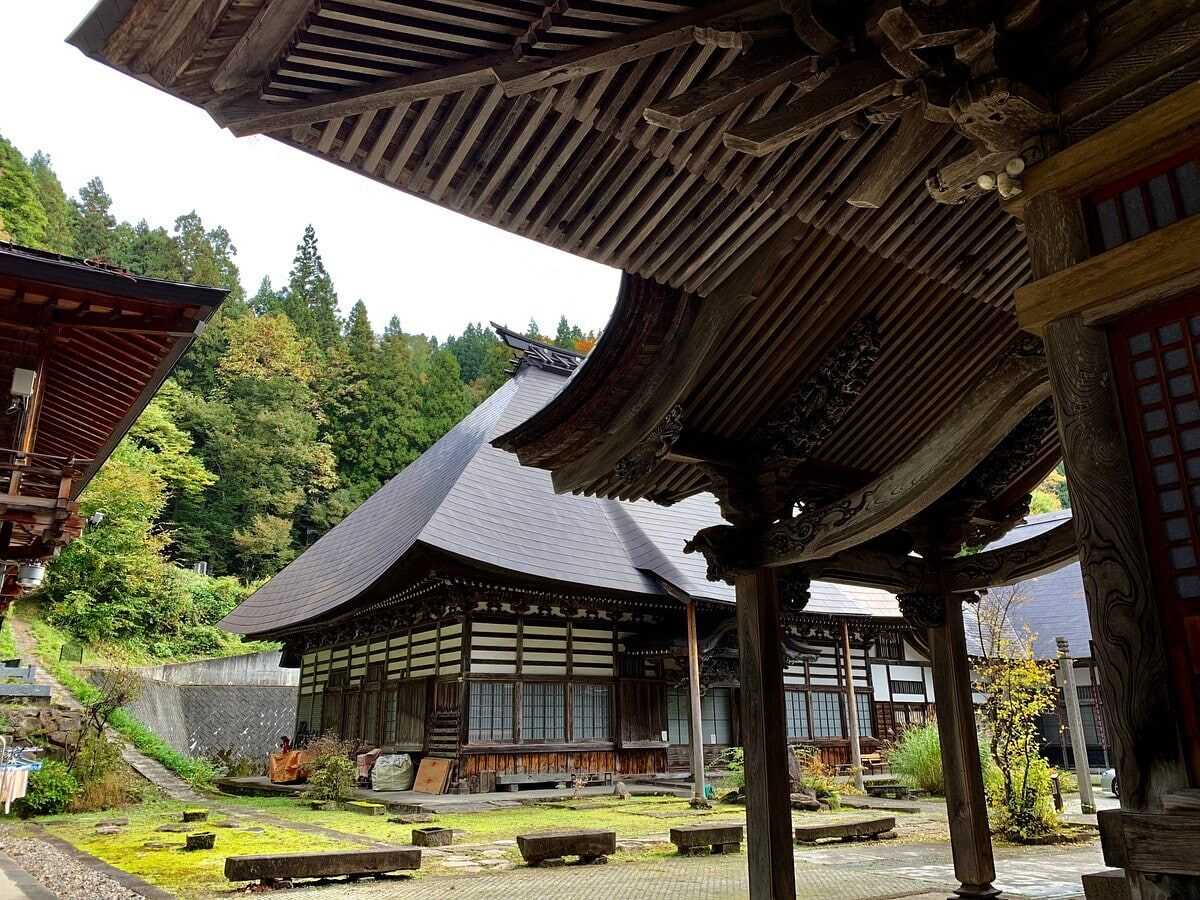
Kenmyoji is a historic Buddhist temple in Nozawaonsen Village and the birthplace of nozawana greens. It is said that the eighth abbot, Kotenen Zui, brought turnip seeds from Kyoto and cultivated them, and the temple has a monument marking the origin of nozawana, making it an important place for understanding the spiritual life of the village.
The temple buildings keep a traditional Japanese wooden style in a quiet setting, a sharp contrast to the lively hot spring town and ski resort. While you visit, look for the omamori charms and goshuin stamps the temple offers as souvenirs of your Nozawa Onsen trip. It is especially recommended to visit around the Dosojin Fire Festival to better sense the inseparable bond between the temple and the village’s festival culture.
How Much Does a Nozawa Onsen Ski Trip Cost? Lift Tickets and Guided Tour Summary
Nozawa Onsen Ski Resort is in Nozawaonsen Village, Shimotakai District, Nagano Prefecture, one of Japan’s oldest and largest ski resorts, with more than 40 runs and a longest descent of 10 km. Right beside the slopes is the Nozawa Onsen hot spring town with its own charm, and transport and lodging choices are very varied. For first-time planners, the biggest headache is often not “whether to go” but “how much it will cost”: lift tickets, lessons, transfers and lodging-with-onsen packages are all priced in different ways. Below are the common ticket types and popular guided tours for Nozawa Onsen Ski Resort with rough price ranges to help you set a budget.
The official Nozawa Onsen Ski Resort website (nozawaski.com, English version en.nozawaski.com) announces the season’s operating days, lift hours and fares. Lift tickets can also be bought on the official site or at the base ticket windows, and it is safest to check before you go.
Nozawa Onsen Ski Resort One-Day Lift Ticket: The Basic Entry Fee for a Ski Trip
The one-day lift ticket is the basic ticket every visitor to Nozawa Onsen must buy. For the 2026-27 season the official regular period (Dec 19, 2026 to Mar 28, 2027) is ¥7,800 for adults, ¥4,700 for junior high students and younger, and ¥6,300 for ages 60 and over. Early-season and spring-snow periods are cheaper, and actual amounts rely on the official announcement for the season.
Tickets can be bought at the ticket windows at the resort’s base stations, or booked in advance as e-tickets through platforms such as KKday and Klook, then tapped through the gates after redeeming, saving queue time on site. Winter holidays and the Lunar New Year period are especially crowded, so buy online ahead of time.
If you plan more than one day, the resort also offers 2-day and 3-day consecutive tickets (2026-27 regular period: adult 2-day ¥14,500, 3-day ¥21,200), about 7 to 9% cheaper per day than buying one-day tickets, suited to in-depth travelers skiing several days in a row.
Beginner Ski Lesson Experience: Start From Zero With Confidence
Nozawa Onsen’s ski school (Nozawa Onsen Ski School) offers multilingual instruction, including group and private lessons taught in Japanese and English, and is the most recommended way in for travelers with no ski experience. Lessons usually cover basic gliding, braking and turning technique, and for fees please rely on the ski school’s official announcement.
Private lessons cost more but let the pace be customized to the student’s level, especially suited to travelers with children or who want to improve fast. Some lessons can also be booked with a Chinese-speaking instructor through online travel platforms, making communication easier.
Note that most lessons do not include lift tickets or equipment rental, which must be bought separately. Be sure to include both when planning your budget to avoid overspending on the day.
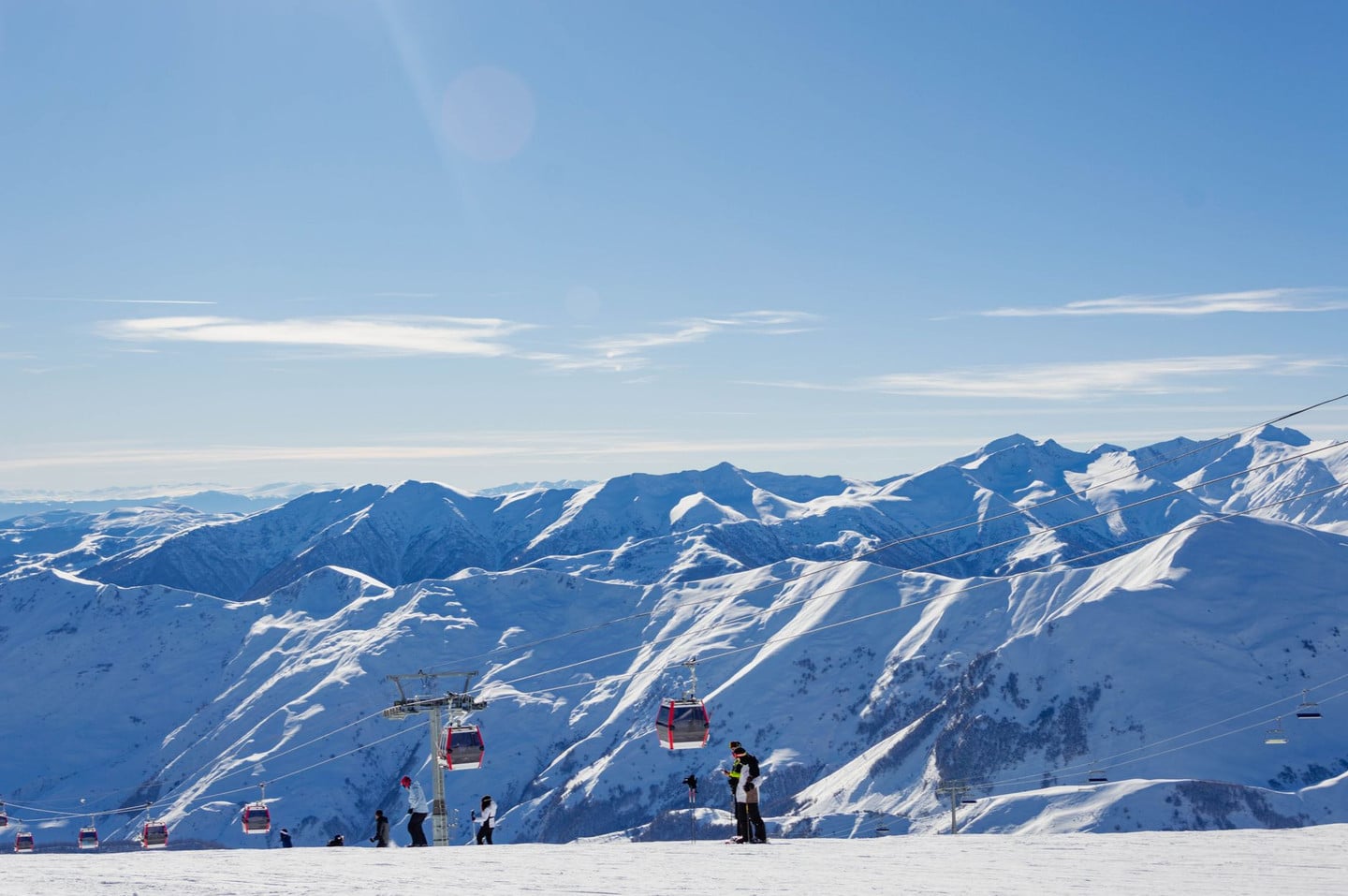
One- or Two-Day Nozawa Onsen Ski Tour From Tokyo/Osaka: The Easy Choice That Skips Transport Planning
For travelers who don’t plan to drive or research complicated transfers, platforms such as KKday and Klook offer several one-day or two-day-one-night Nozawa Onsen ski tours departing from Tokyo and Osaka. Prices and inclusions vary by departure city; please rely on the booking page.
The biggest advantage of these tours is that a Chinese- or Japanese-speaking leader accompanies you the whole way, and the bus goes straight to the resort’s base station, skipping the complicated Shinkansen-plus-bus route and waiting time, especially suited to families or first-time ski travelers to Japan.
Some tours add a “yumeguri” (public bath tour) experience in Nozawa Onsen town, so after skiing you can soak and relax in one of the 13 free public hot springs, meeting both the ski and bath needs in one trip.
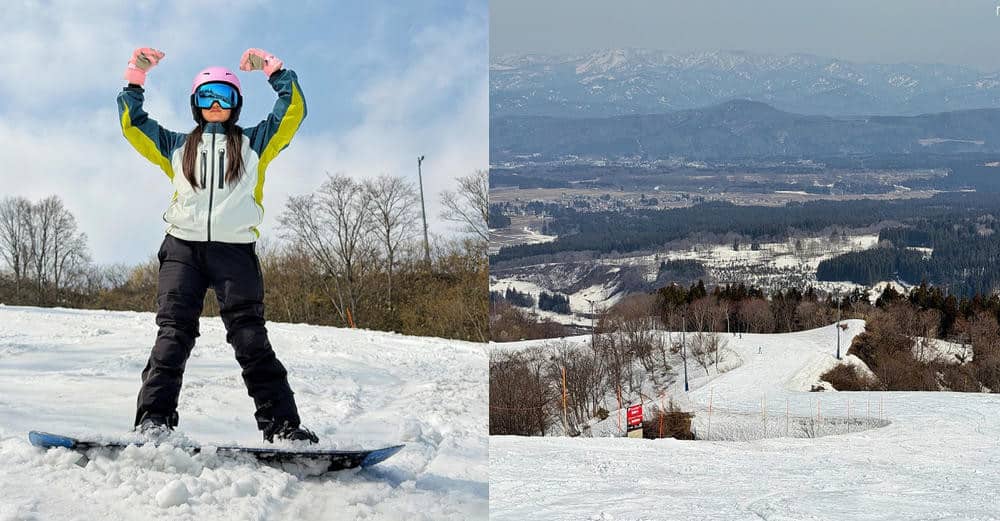
Nozawa Onsen Ski Resort + Equipment Rental Package: One-Stop Is Easiest
If you don’t have your own gear, it is strongly recommended to choose a “lift ticket + equipment rental” package. Officially listed rental shops around the resort such as Salomon Station, Kanamori Sports and Compass Rental Base offer package deals, usually including a full rental of skis or snowboard, boots, poles and warm jacket and pants. Prices rely on each rental shop’s announcement.
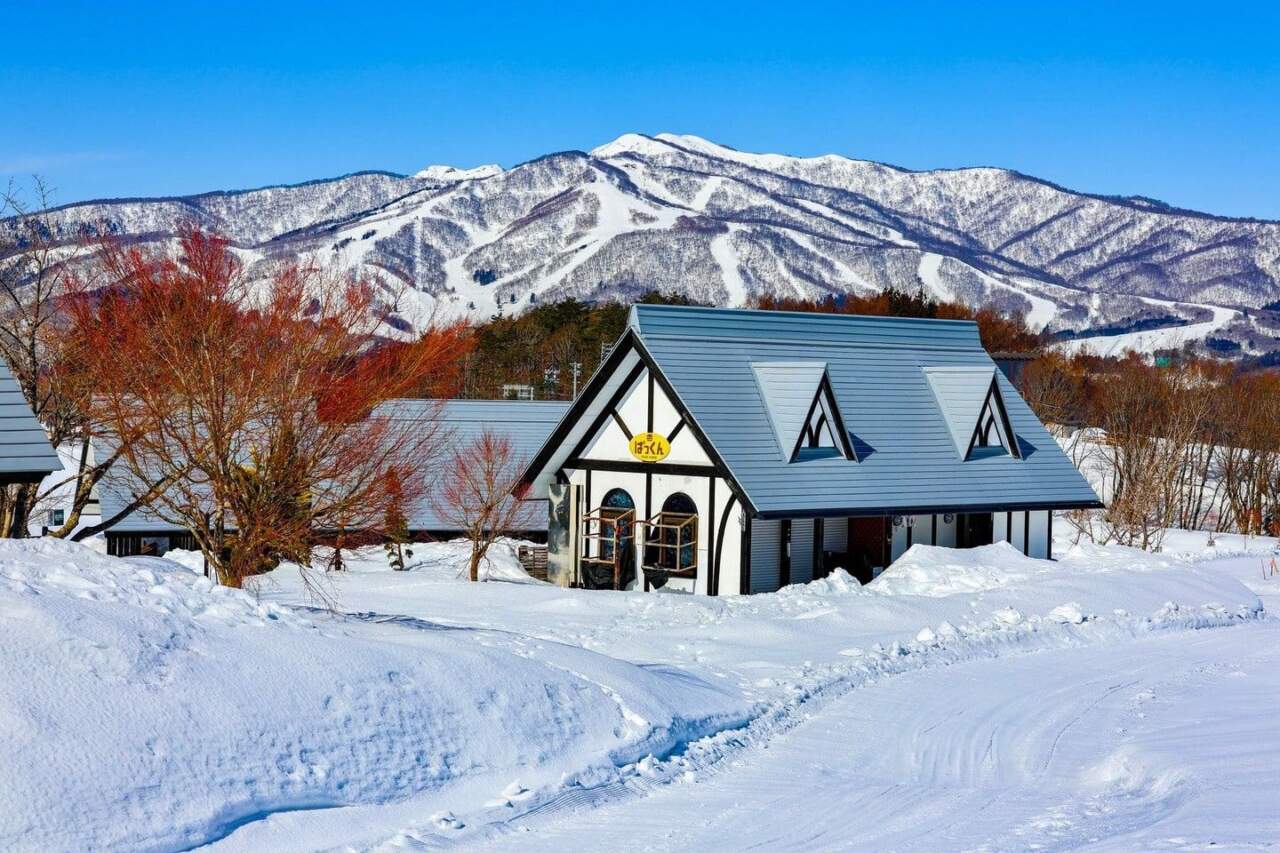
Rental shops are concentrated around the Nozawa Onsen bus terminal and the hot spring town, within walking distance of the resort entrance, with Chinese or simple English signs on site, so first-time renters need not worry about communication.
Booking packages through platforms such as KKday and Klook usually gets better prices than adding on at the counter, and some plans also include locker use or luggage delivery service, making the whole ski trip smoother.
Nozawa Onsen Ski Resort Guide: Where to Stay Nearby, and Lodging Suggestions
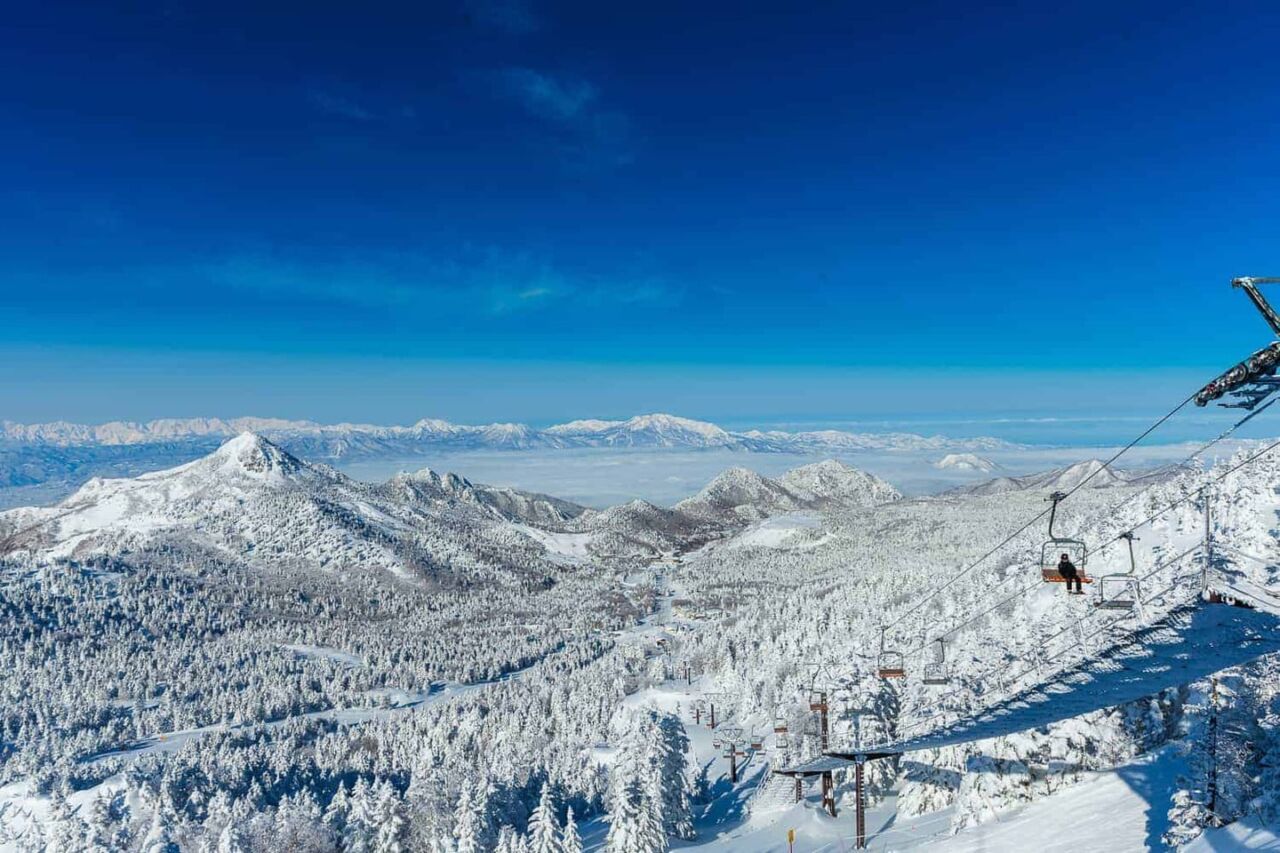
How to Choose Nozawa Onsen Lodging: Old Onsen Inns vs. Ski Lodges
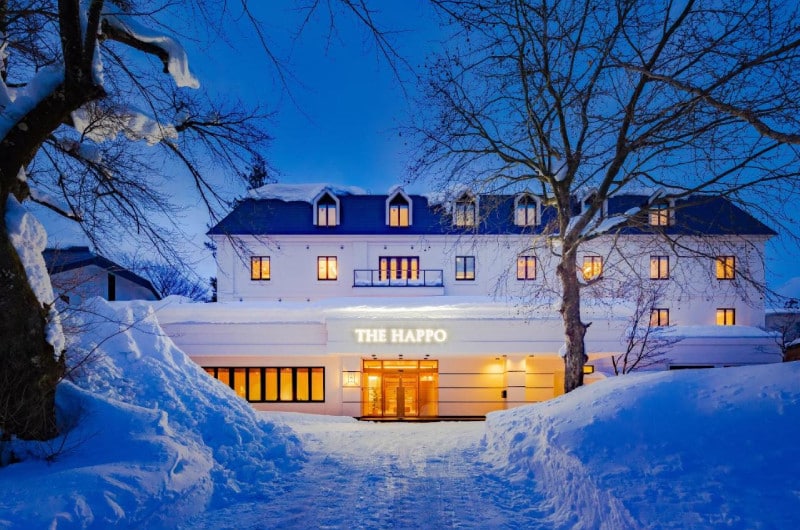
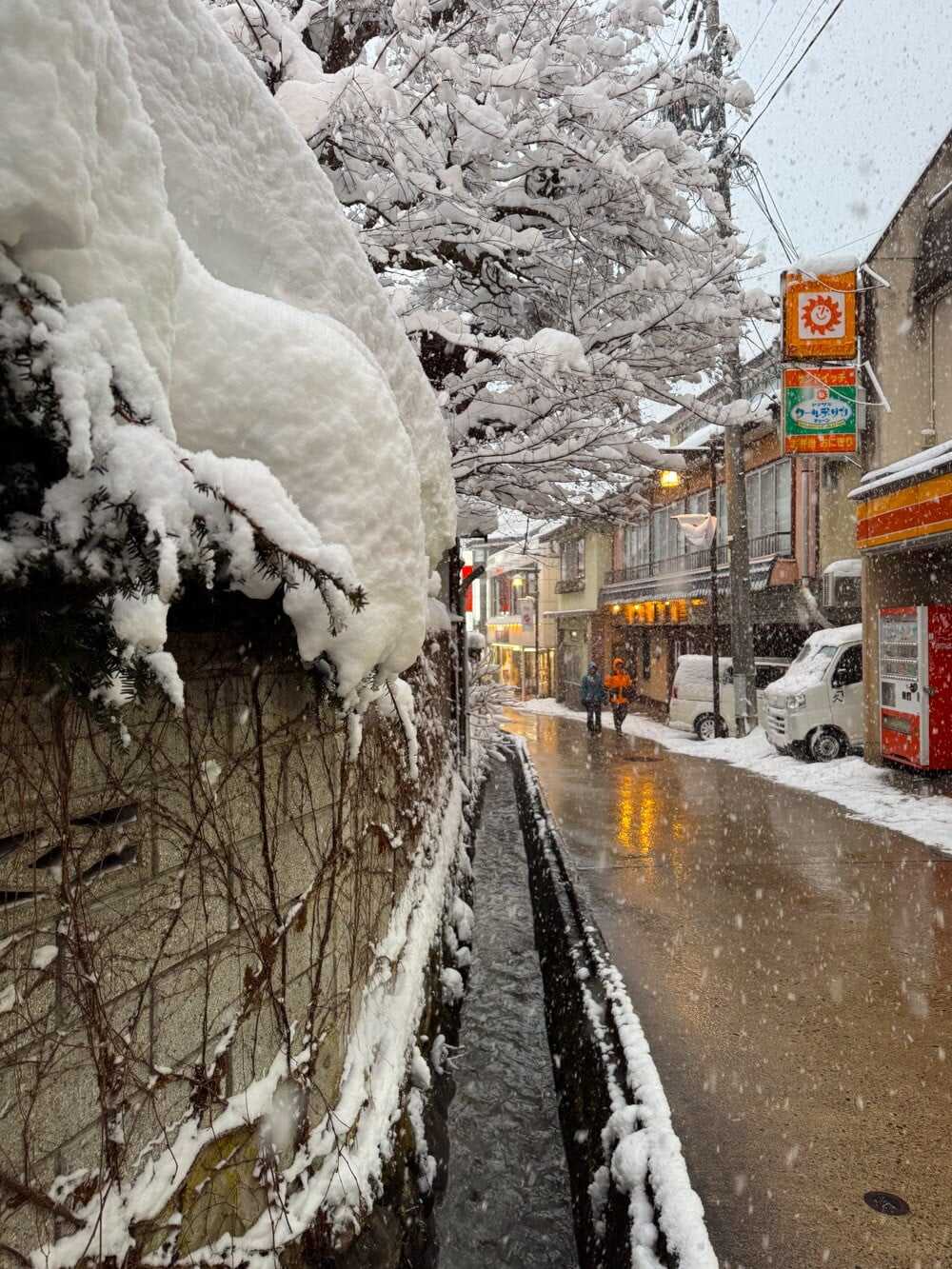
Lodging in Nozawaonsen Village is mostly family-run traditional onsen inns (ryokan) and ski resort-style guesthouses, small with limited beds and hard to book in peak season, so reserve at least 2 to 3 months ahead.

Travelers who like to soak at all 13 public baths on foot and feel the authentic hot spring town atmosphere suit inns in the center of the hot spring town. If convenient ski access matters most and you want a ski-in/ski-out experience, consider ski lodge-style lodging near the Nagasaka or Hikage lift stations first, where you step straight onto the runs and skip hauling gear back and forth.
Nozawa Onsen Ski Resort Guide FAQ
Q: How much is a one-day lift ticket at Nozawa Onsen Ski Resort?
In the 2026-2027 regular period (December 19 to March 28), an adult one-day ticket is ¥7,800, seniors 60 and over ¥6,300 and children ¥4,700, and 2-day and 3-day tickets are better value.
Q: What is the easiest way to get to Nozawa Onsen Ski Resort?
Take the JR Hokuriku Shinkansen from Tokyo Station to Iiyama Station and transfer to the shuttle bus “Nozawa Onsen Liner,” arriving in about 20 to 25 minutes. This is the most recommended way.
Q: Is Nozawa Onsen Ski Resort suitable for ski beginners?
Very much so. 40% of the runs are beginner grade, and there are wide, gentle routes such as the Uenotaira Paradise run and the Karasawa No. 35 run, suited to beginners practicing step by step.
Q: Which months is Nozawa Onsen Ski Resort open? What is the best season to visit?
The season normally runs from late November to early May the following year, and the peak powder season falls from late December to late February, the best time to visit.
Q: Do the Nozawa Onsen public baths charge a fee?
All 13 public baths in the village are free, run on voluntary donations, with an offering box at the entrance; a donation is recommended to help with local upkeep.
Q: Does Nozawa Onsen Ski Resort have night skiing?
Yes, but only on some dates; for the 2026-27 season’s dates, rely on the official announcement. Night tickets are valid only 17:00 to 20:00 on the day. They must be bought separately, and regular day tickets do not include the night skiing period.
Q: When is the Nozawa Onsen Dosojin Fire Festival held?
It is held every year on January 15 and is one of Japan’s three great fire festivals. In 2027 it is again set for January 15, and it is worth a special trip even if you miss the ski season.