
Obihiro and Tokachi: Hokkaido’s Great Farming Plain and the Birthplace of Sweets
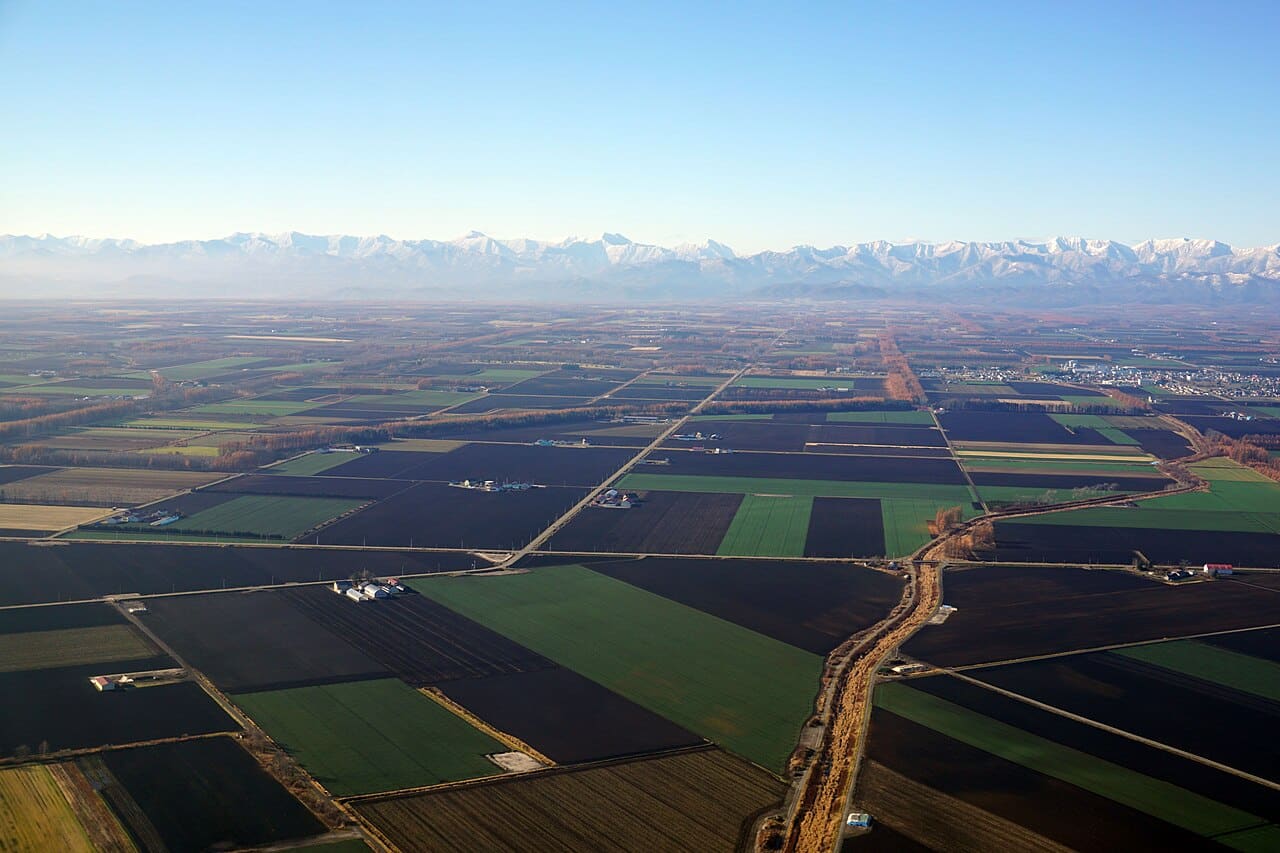
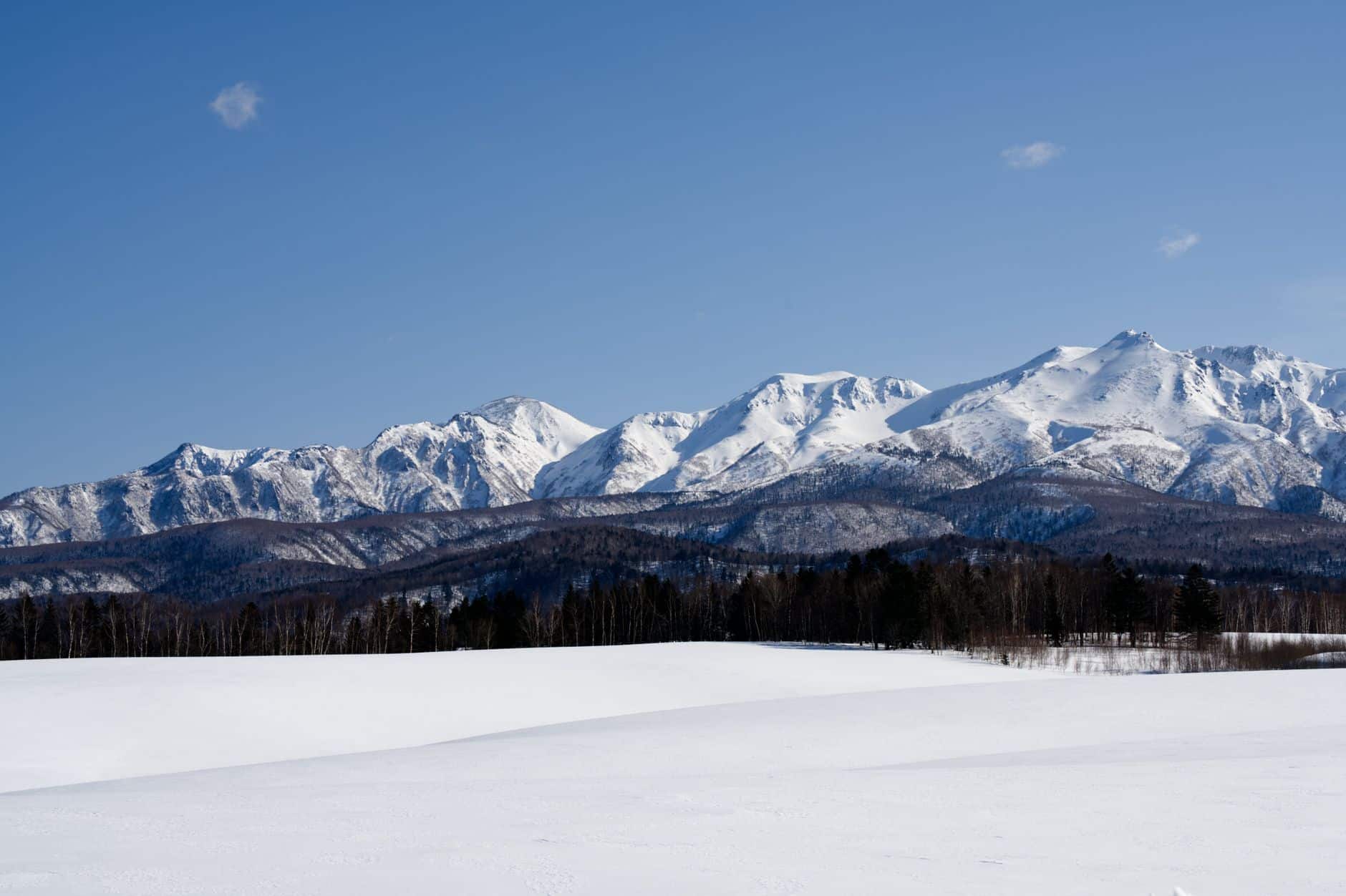
Tokachi lies in eastern Hokkaido and is made up of nineteen cities, towns and villages including Obihiro. It is a vast plain ringed by the Hidaka Mountains, where agriculture and dairy farming are so developed that food self-sufficiency far exceeds 100 percent, making it Hokkaido’s true granary.
How Are Tokachi and Obihiro Related? Getting the Geography Straight
“Obihiro” and “Tokachi” are often used interchangeably, but they are not on the same level: Tokachi is a wide region covering nineteen municipalities that takes hours to cross by car, while Obihiro is Tokachi’s central city and the hub for JR trains and buses.
In practice, most travelers stay in Obihiro, while the sights are scattered across surrounding towns and villages such as Otofuke, Nakasatsunai, Shimizu and Shikaoi. They are not within walking distance of each other, so almost every Tokachi itinerary calls for a rental car. Understanding this makes the rest of the planning clearer.
What Is Tokachi Famous For? Hot Springs, Gardens and Farm Produce
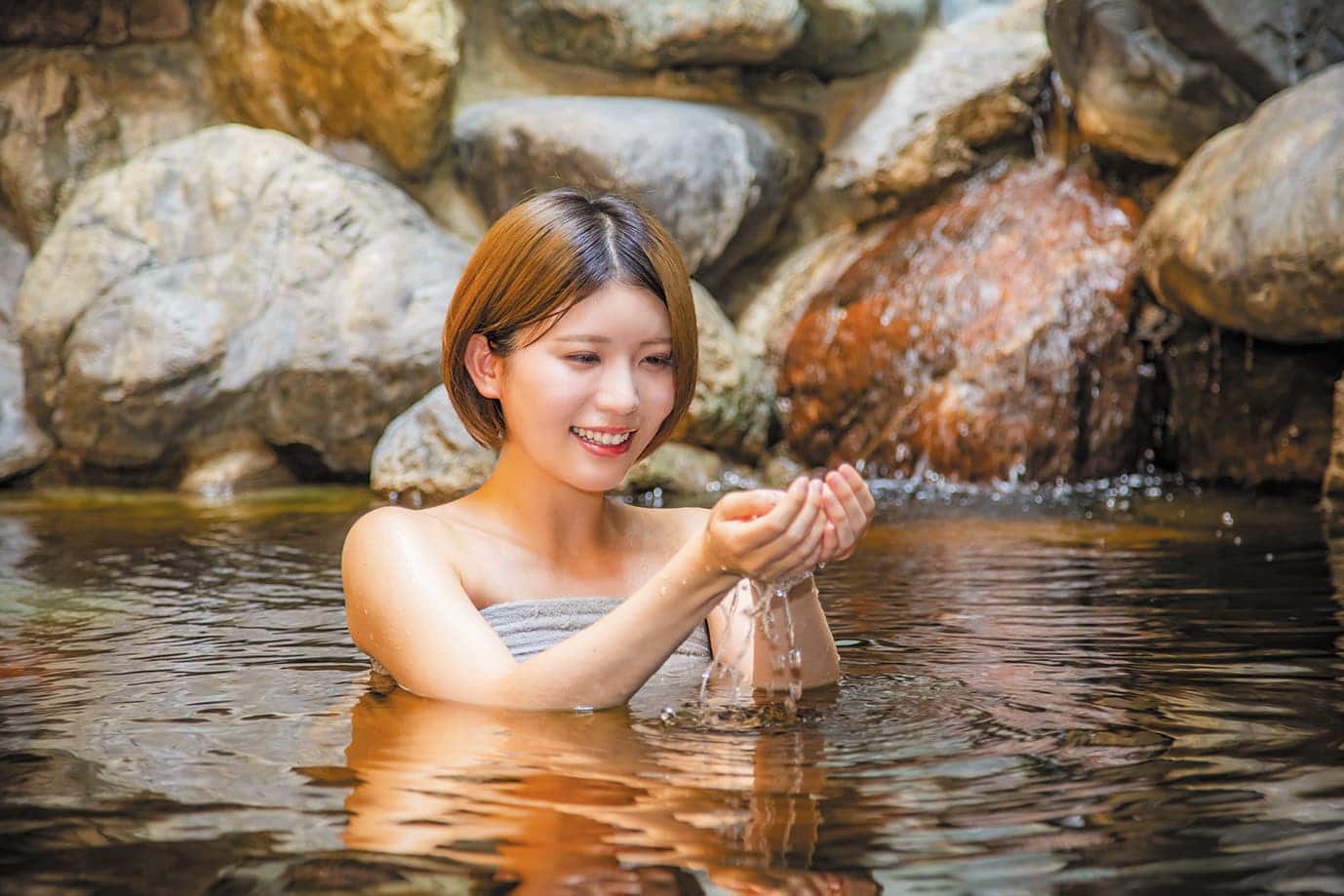
Tokachi has three hard-to-replace trump cards. First is Tokachi River Onsen, whose amber-colored water is a rare plant-based lignite (moor) hot spring, called “moor onsen” in Japanese. Your skin becomes noticeably smooth after a soak, and it is known as a beauty bath.
Second is gardens. Tokachi has several highly rated gardens, which together form what is called the Hokkaido Garden Road. Third is produce and sweets: Rokkatei and Ryugetsu, Hokkaido’s two most iconic confectionery brands, both began in Tokachi, and downtown Obihiro is the birthplace of butadon (pork bowl). These three things form the backbone of a Tokachi trip.
Who Is It For? How Many Days to Plan
Tokachi suits travelers who love open scenery, gardens and food, and is also great for families with children, since most sights are outdoor spaces without a crowded, queuing feel. By contrast, if you expect lively streets and shopping, Tokachi is not a good choice.
For days, two days and one night is enough for just downtown Obihiro and Tokachi River Onsen. If you want to add several gardens, sights toward Nakasatsunai and the lakes of Kamishihoro, three days and two nights is more relaxed. Winter has the Sairinka illuminations and summer has hot air balloon events, so the seasonal themes differ greatly.
What This Article Will Tell You
This article breaks Tokachi into three layers: transport, eleven key sights, and costs and pitfalls. The sights cover downtown Obihiro, the Tokachi River Onsen area in Otofuke, the gardens along the Garden Road and the natural scenery toward Kamishihoro.
Kofuku Station, Aikoku Station and Hanabatake Farm lie on a different route through Nakasatsunai and south of Obihiro and are covered in a separate article, and food themes like butadon and Rokkatei will also be written separately. All fares and schedules are marked as subject to each operator’s same-day notices, because seasonal adjustments in eastern Hokkaido are frequent, and winter in particular often brings reduced or suspended service.

How to Get to and Around Obihiro and Tokachi: Limited Express Train, Express Bus and Driving Compared
The Tokachi plain is very wide, and your choice of transport directly decides how many sights you can see. Here are the four ways compared at a glance.
JR Limited Express to Obihiro: The Most Reliable Way In and Out
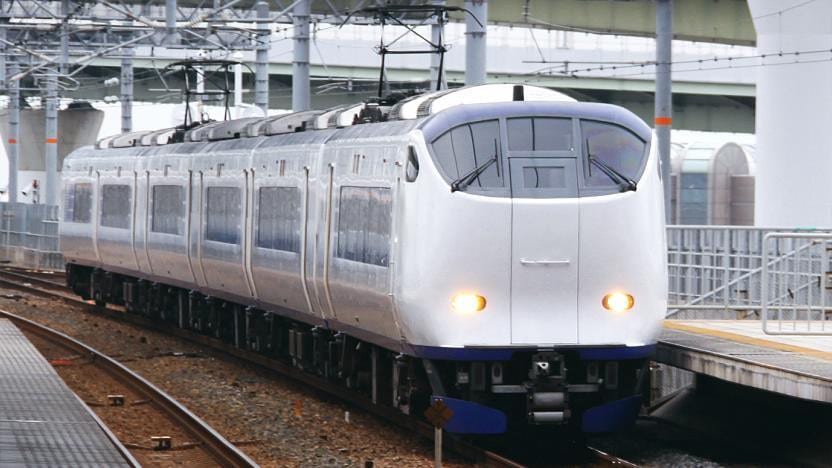
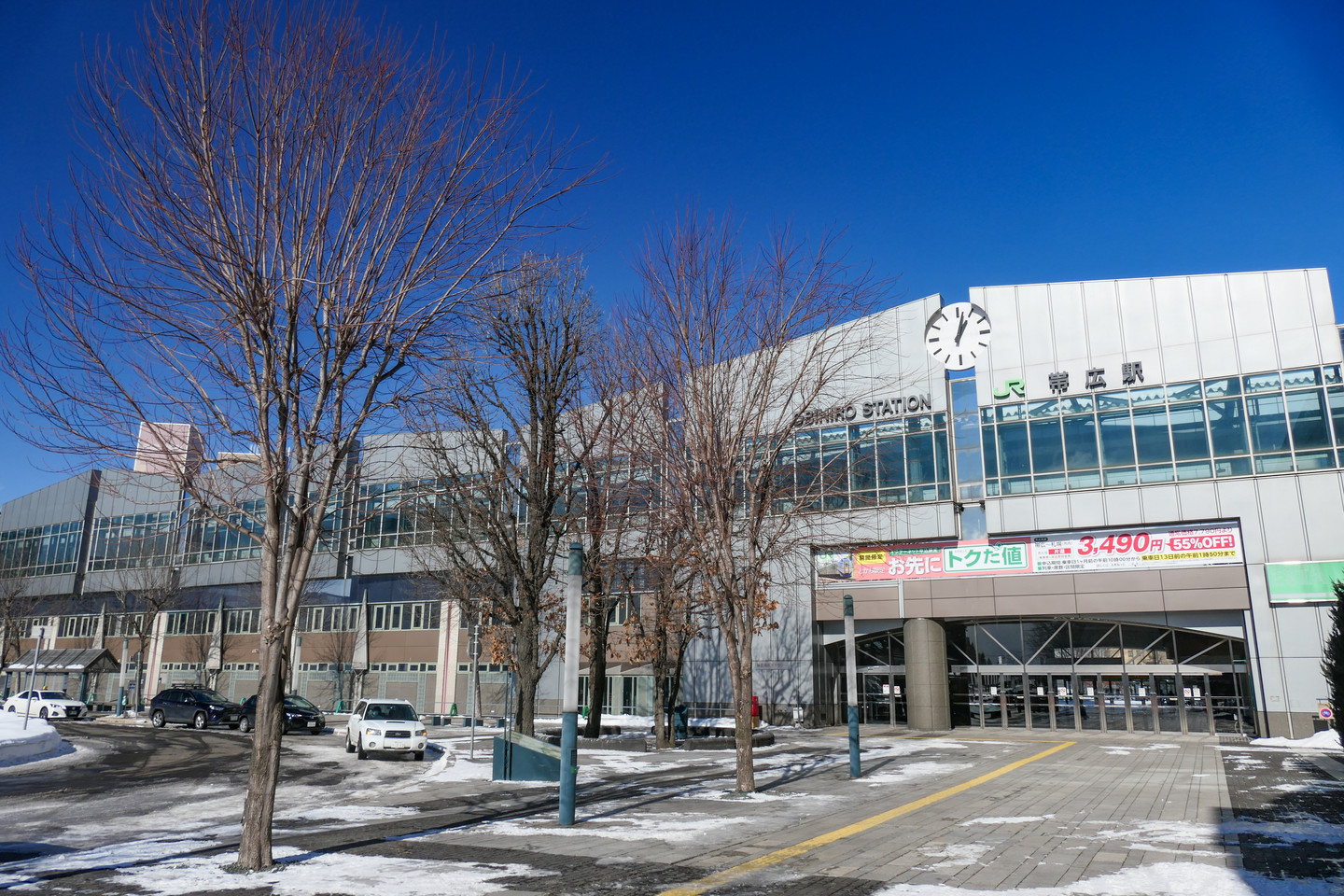
From Sapporo, a JR limited express goes directly to JR Obihiro Station in about 2 hours 40 minutes. The one-way fare plus limited express fee is about ¥8,120, all seats reserved, the most reliable and worry-free way in and out of Tokachi. The station is in the center of the city, and the bus terminal and hotels are right outside the exit.
Obihiro Station is an elevated complex station with a souvenir shopping area and dining area, where Rokkatei and Ryugetsu products can both be bought, so if you are short on time you can shop right at the station. Limited express trains are not frequent, and in winter blizzards easily cause delays or cancellations, so leave a buffer for transfers. Actual schedules and fares follow JR Hokkaido’s same-day notices.
Express Bus from New Chitose Airport: No Need to Enter Sapporo
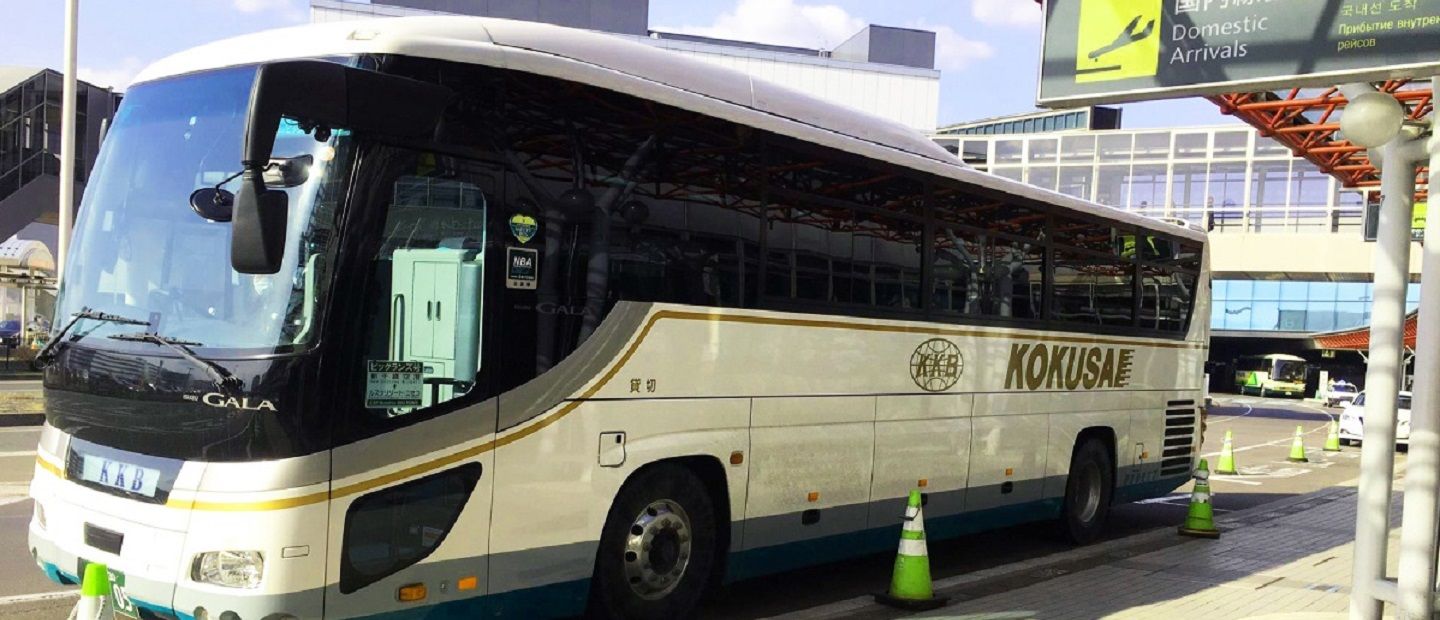
From New Chitose Airport you can take the direct express bus “Tokachi Milky Liner” to Tokachi, about 2 hours 30 minutes. All seats are reserved and booking is required, and the one-way adult fare is ¥4,000 to ¥4,500 (depending on boarding point; check before departure). The advantage is no transfer in Sapporo, saving time.
However, there are few runs and few stops, and missing one means a long wait. Travelers with lots of luggage or children should first check luggage storage and the rest-stop times. Actual schedules, fares and reservations follow the bus operator’s notices.
Renting a Car: The Standard Answer for Tokachi
Tokachi’s sights are spread across nineteen municipalities, and gardens, lakes and ranches almost all lack public transport, so driving is the only way to link the whole trip. There are rental offices in front of Obihiro Station and at Obihiro Airport, and the Doto Expressway can be entered and exited at the Otofuke-Obihiro interchange.
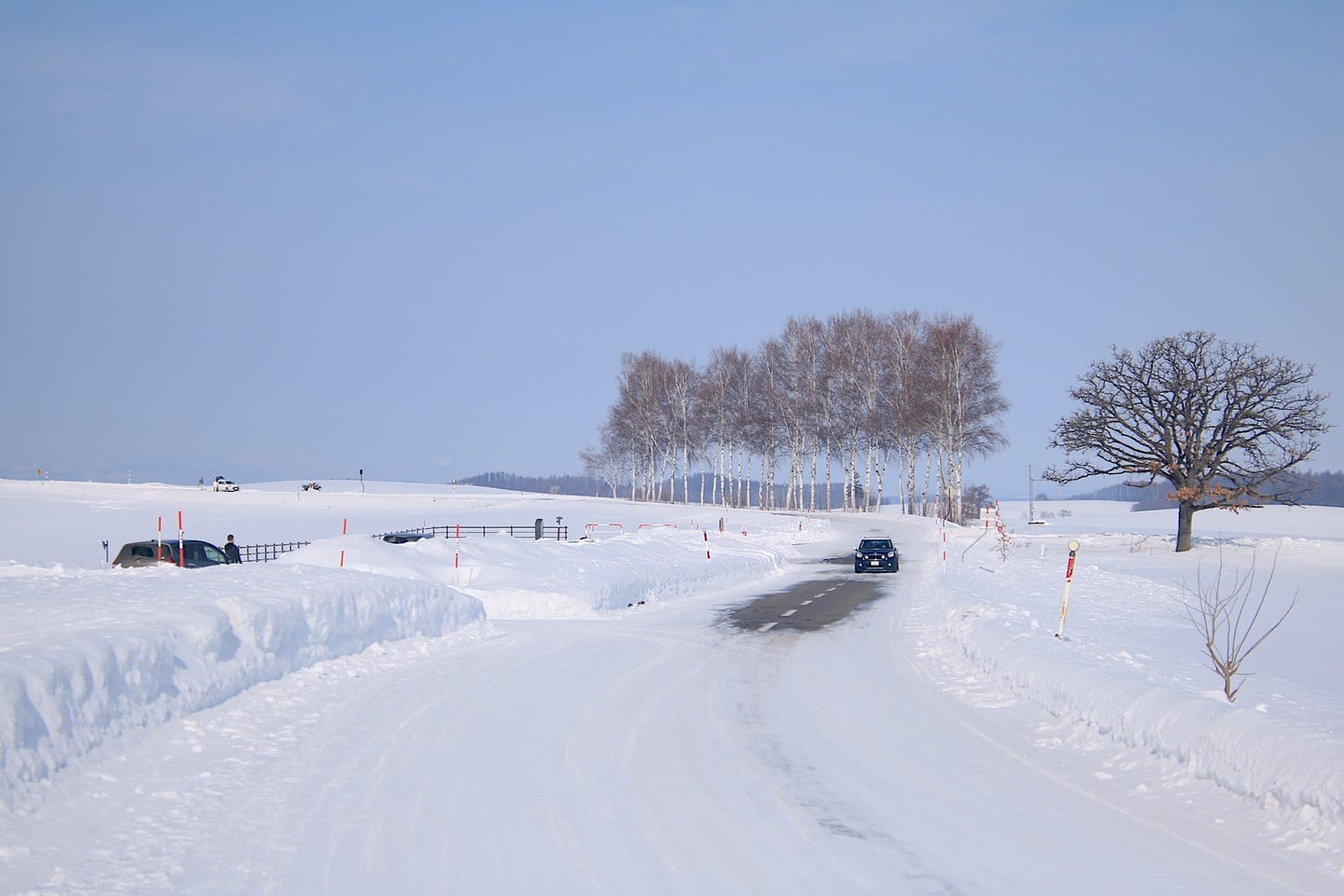
On the roads, Tokachi’s roads are wide and straight with little traffic and easy to drive, but winter snow and ice are severe, so make sure you have snow tires and allow extra time for each leg. Rural gas stations also have short hours, so refuel when the gauge reads half rather than waiting until empty.
How to Get Around Without Driving: Route Buses and Money-Saving Passes
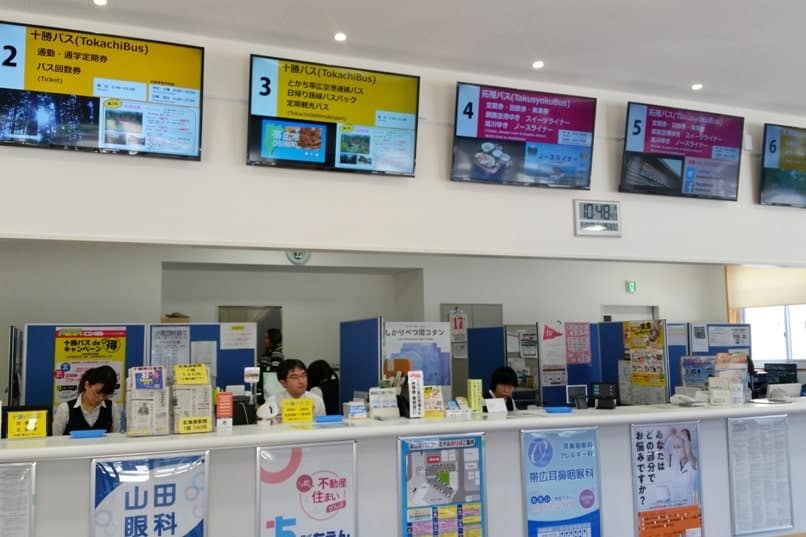
Travelers without a car should use JR Obihiro Station as their hub. To reach Manabe Garden, take a local route bus, about 10 to 15 minutes, getting off at the stop near the garden and walking a few minutes. There are also route buses toward Tokachi River Onsen, and most hot spring hotels offer a free shuttle to and from Obihiro Station, but it must be reserved in advance when you book.
If you rely on buses for the whole trip, ask at the tourist information desk at Obihiro Station about passes issued by local bus operators, which allow unlimited rides within the validity period and are much better value than buying single tickets. In winter bus services are often greatly reduced or even suspended, so check before departure. Actual routes, schedules and fares follow Tokachi Bus’s same-day notices.


Top Sights in Obihiro and Tokachi: 11 Highlights of Hot Springs, Gardens and Ranches
Tokachi’s sights fall into four areas: downtown Obihiro, the hot spring area in Otofuke, along the Garden Road, and the natural scenery toward Kamishihoro and Shikaoi. The following eleven Tokachi sights are the most worth making a special trip for. The Tokachi Millennium Forest has announced that its tourist garden will close on October 12, 2026, so it is no longer included in this article.
Tokachi River Onsen: A Rare Plant-Based Lignite Hot Spring
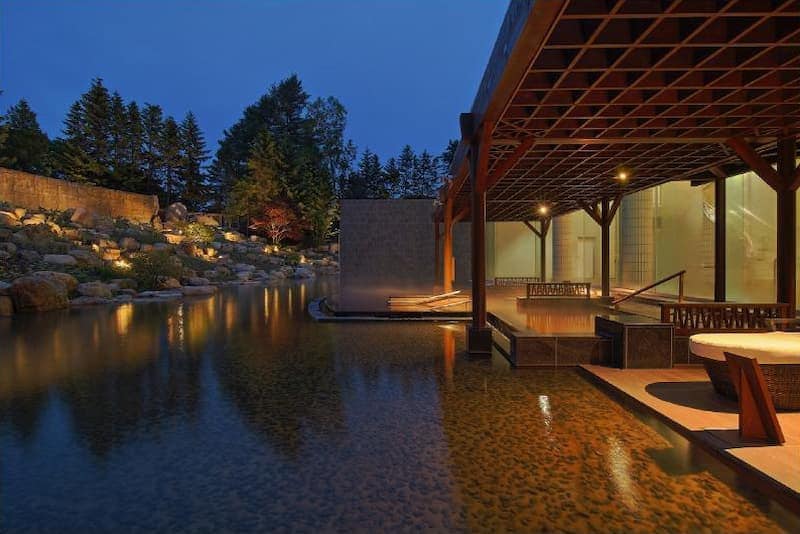
This hot spring area in Otofuke, right beside the Tokachi River, is Tokachi’s most representative place to soak. The water has a distinctive amber color and is a plant-based lignite hot spring found in only a few places in the world, called “moor onsen” in Japanese.
What makes it special is that the water seeps through strata formed from ancient plant deposits and carries abundant organic matter, with very high moisturizing power, so the skin becomes noticeably smooth after a soak, hence the name beauty bath. Several inns on the hot spring street offer day-use bathing plans, so you can try it without staying overnight. Actual bathing hours and fees follow each inn’s same-day notices.

Tokachigaoka Lookout: See the Tokachi River and Hidaka Mountains in One View
A high-ground lookout only about five minutes by car from the Tokachi River Onsen area, with a view of the winding Tokachi River and the distant ridgeline of the Hidaka Mountains, the most open viewpoint in this area.
By day you can see the patchwork of farmland across the Tokachi plain, at dusk it is an excellent place to watch the sunset, and after dark you can look down on the lights of the hot spring area. Because it is on a hill with no shelter around, the wind is clearly stronger than on flat ground, so dress warmly in winter. There is no direct public transport, so you need to drive.
Tokachigaoka Park: An 18-Meter Giant Flower Clock and a Free Foot Bath
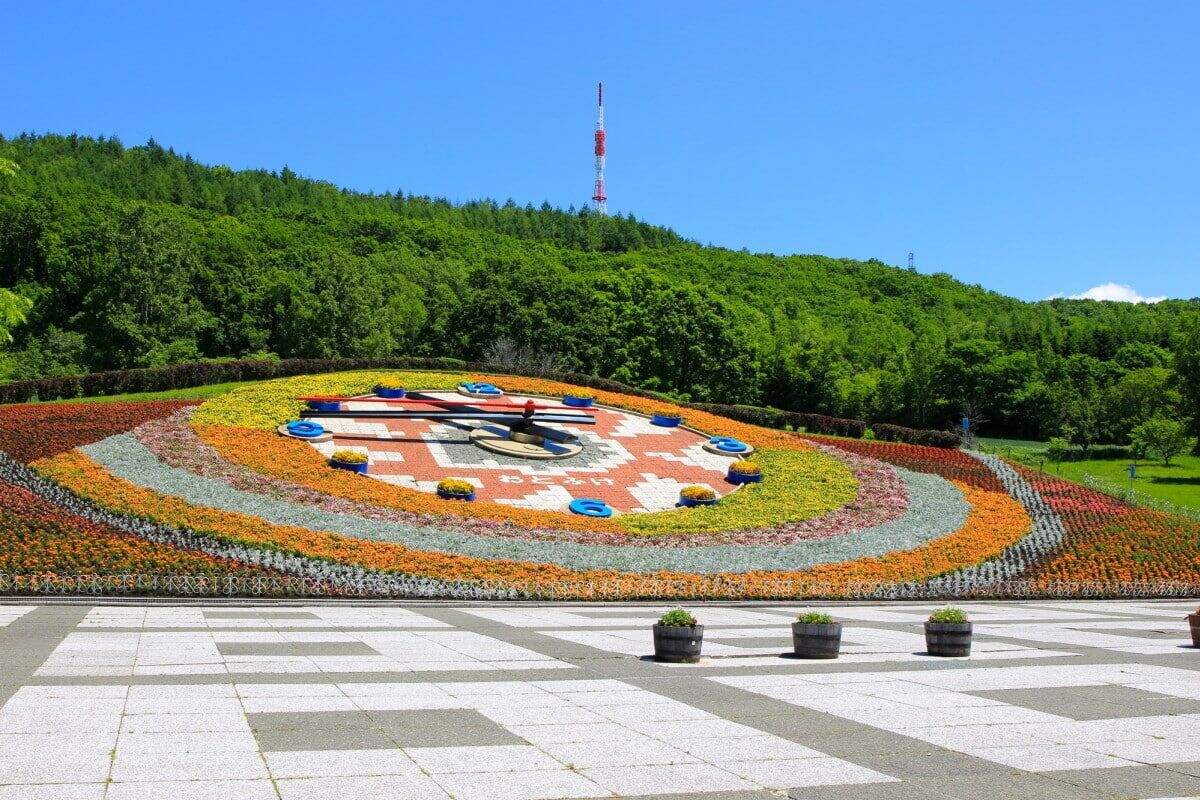
In the large park below the lookout, the signature is the 18-meter-diameter giant flower clock “Hanack,” whose face is laid out in seasonal flowers, the most recognizable landmark in Tokachi. The flowers change with the seasons, so winter and summer look different.
The park also has a free hot spring foot bath (flowing directly from the source, moor spring), open from late April to late October 9:00 to 17:00 and closed in winter, good for families to rest their feet. The grounds are large with play equipment and lawns, suiting one to two hours of leisurely wandering. Actual opening hours follow the park’s notices.
Manabe Garden: A Garden Themed on Conifers
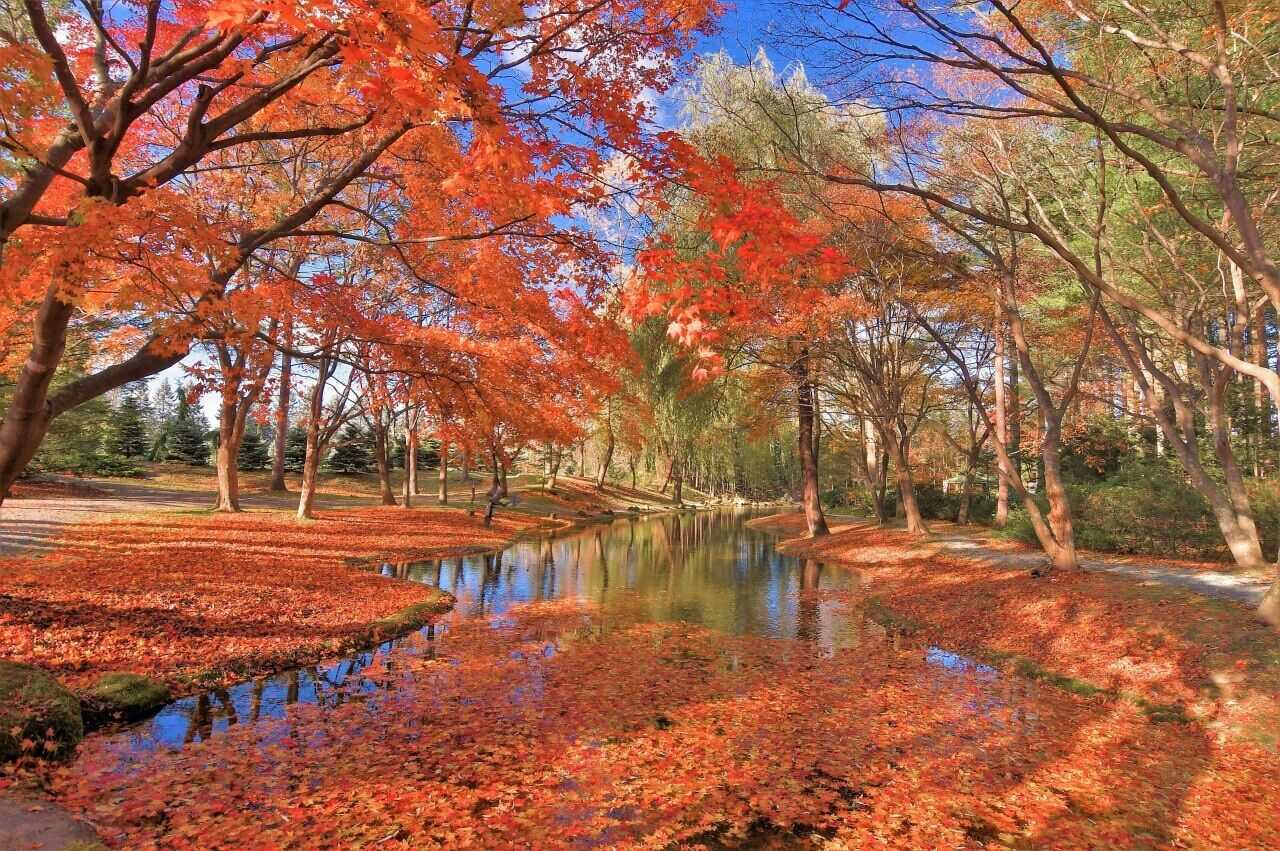
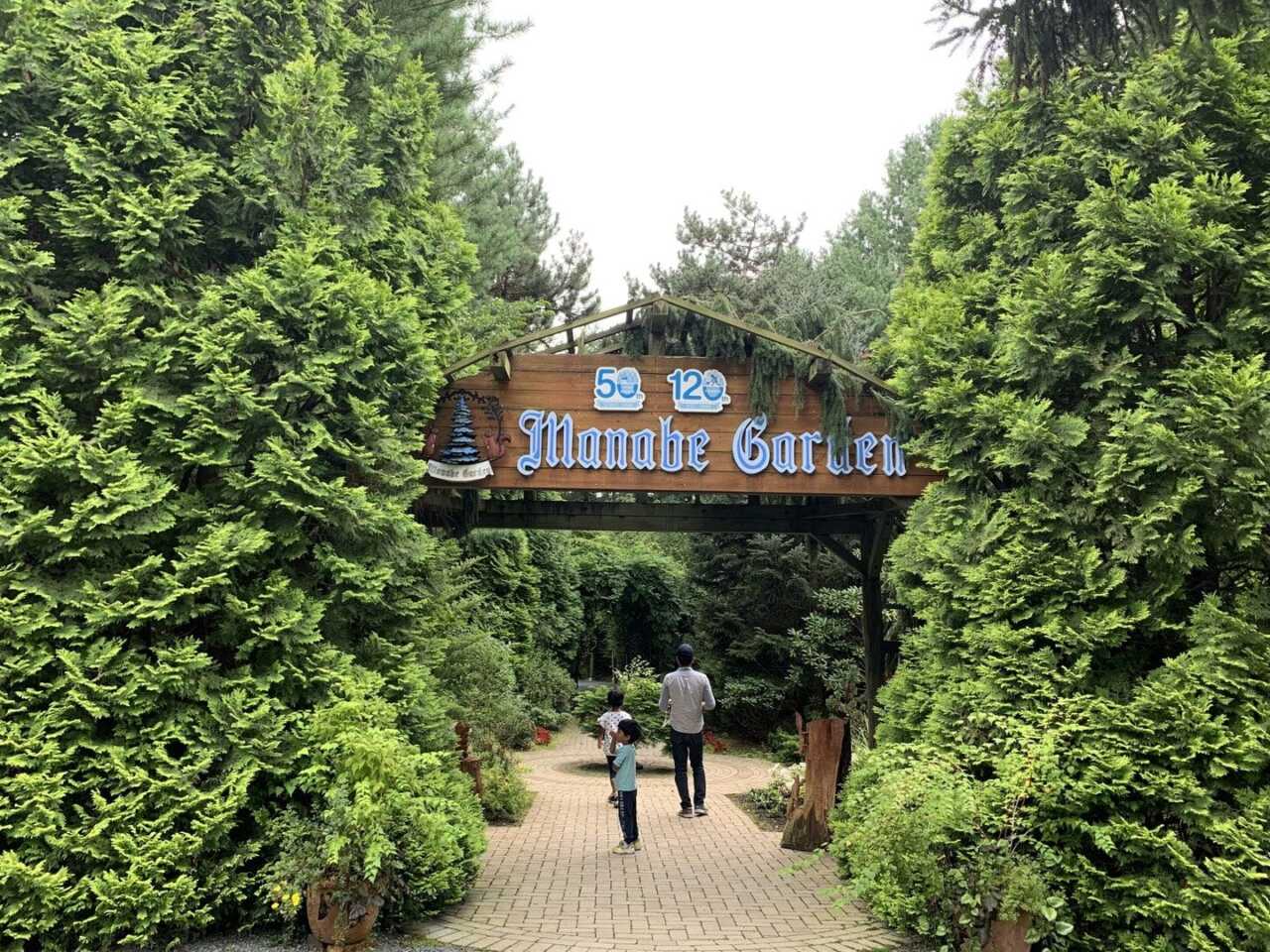
A conifer garden on the west side of downtown Obihiro, covering about 25,000 tsubo, blending Japanese, Western and landscape styles, like a Nordic fairy-tale forest.
The grounds are habitat for wild Ezo squirrels, which you may see up close with luck. Admission is ¥1,200 for adults and ¥200 for elementary and junior high students. It is open from late April to late November (April 25 to November 23 in 2026) and closed in winter. It is about 10 to 15 minutes by bus from Obihiro Station, one of the few sights in the city reachable without a car.
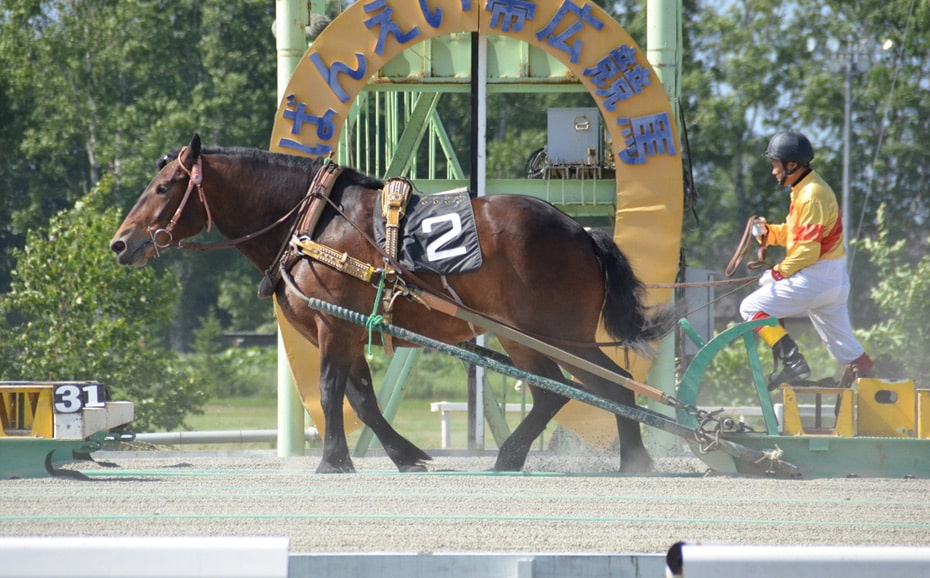
Obihiro Racecourse: The World’s Only Draft Horse Racing
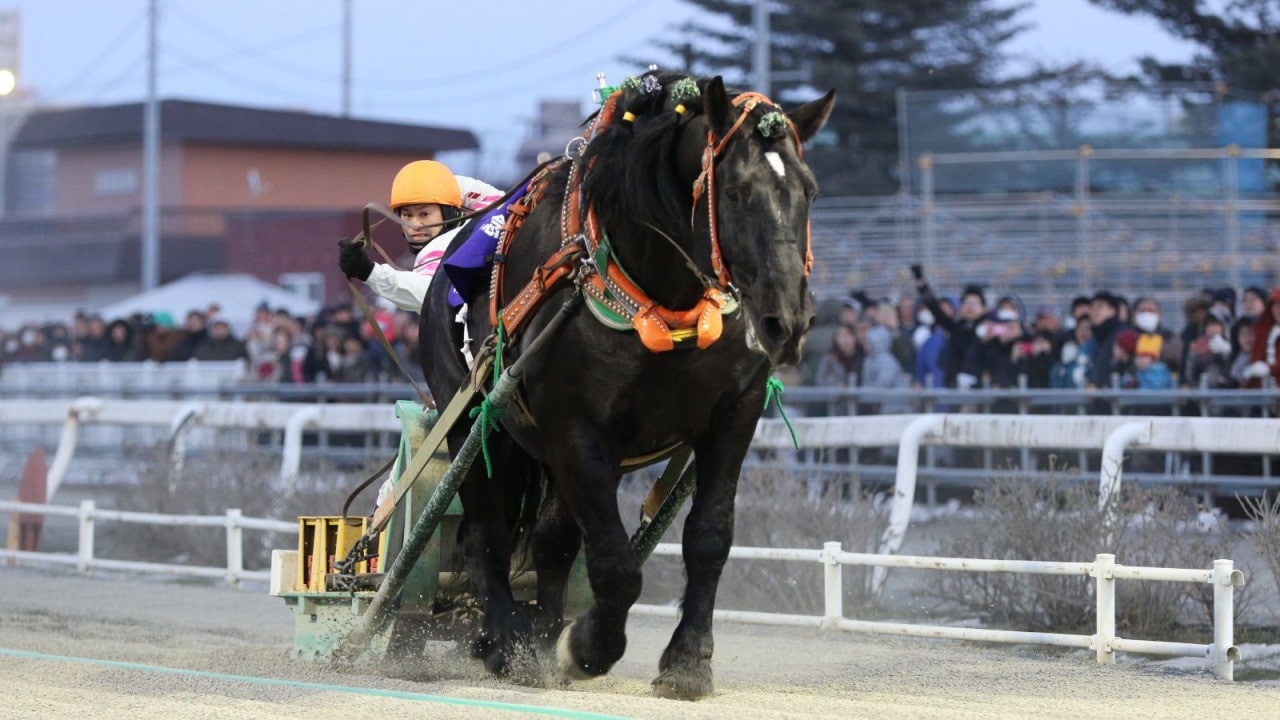
Banei draft horse racing at Obihiro Racecourse is a one-of-a-kind sport in the world: horses pulling heavy iron sleds climb two obstacle slopes (the first 1 meter high, the second 1.6 meters high) on a 200-meter straight track, and the sight of huge draft horses straining forward is thrilling.
The sport grew out of Tokachi’s farming history and is the formalized descendant of old contests of farm horse strength. The venue has an area for interacting with horses and a market of local ingredients, so it is worth a visit even if you do not bet. Race days follow the race calendar, and admission and times follow the organizer’s notices.
Obihiro Shrine: A Green Approach in the City
A shrine on the north side of downtown Obihiro, a center of faith that locals visit in every season. Tall trees line both sides of the approach, the city noise fades noticeably once you walk in, and the grounds are lush green in summer and pure white in winter.
The atmosphere on the grounds is quiet and unpretentious, without touristy crowding, and it suits a break between stops. Over the New Year many locals come to pray, a good time to feel everyday life in Tokachi. Actual reception hours and items offered follow the shrine’s notices.
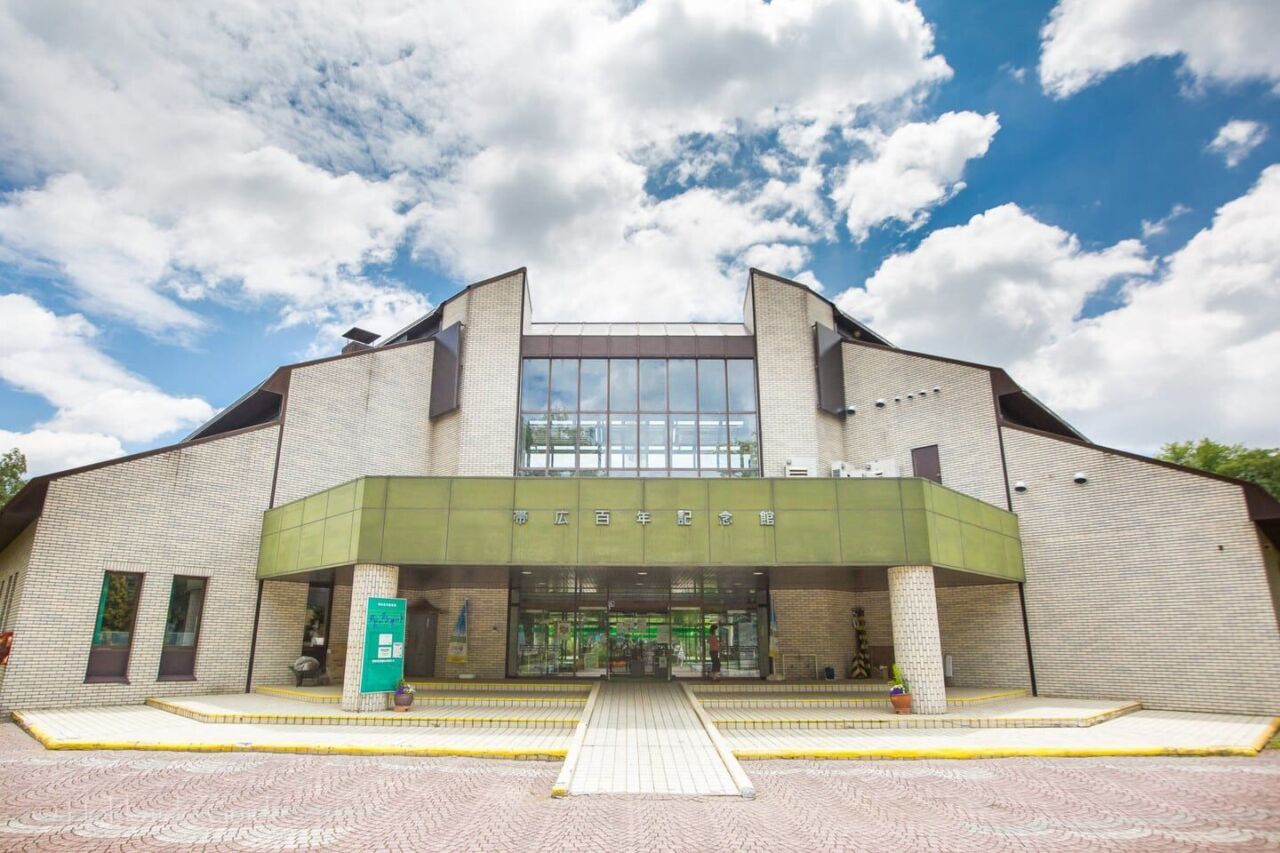
Midori-ga-oka Park and Obihiro Centennial Museum: A Rainy-Day Backup
Midori-ga-oka Park is the largest urban park in Obihiro, with dense trees, walking paths and lawns, where locals stroll and picnic. Spring cherry blossoms and autumn leaves are both quite impressive.
The Obihiro Centennial Museum in the park displays materials on Tokachi’s pioneering history, natural environment and Ainu culture, an entry point to understanding how this plain was cultivated. The museum is small but clearly organized, a handy backup in bad weather. Actual admission and opening hours follow the museum’s notices.
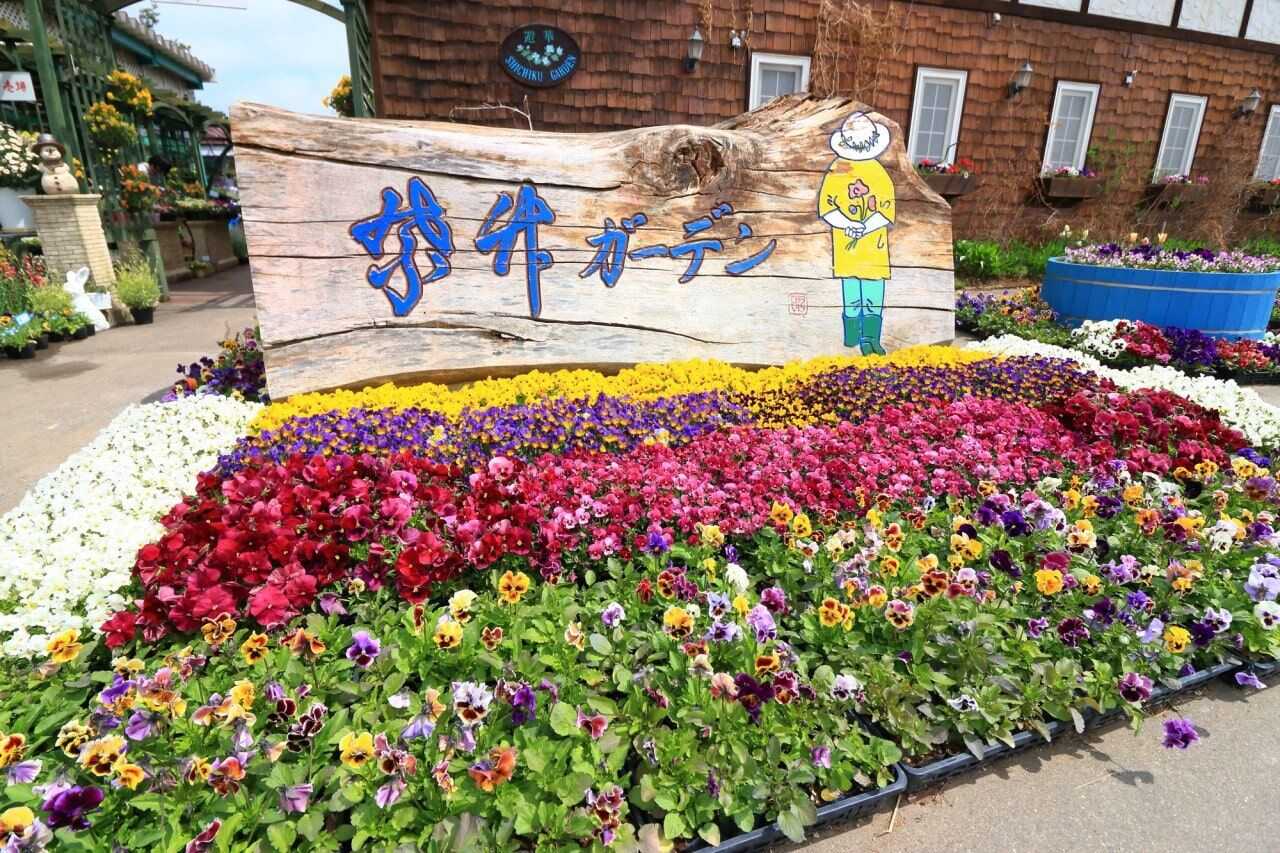
Shichiku Garden: A Private Garden with Flowers All Year
A private garden on the outskirts of Obihiro, covering about 18,000 tsubo and growing about 2,500 kinds of flowers, with something in bloom from opening to closing.
Because of its founder, locals nickname it “Grandma Shichiku’s Garden,” and the atmosphere is gentle. There is a restaurant where you can dine among the flowers. It is open from the third Saturday of April to late October, 8:00 to 17:00 with no closing days, and closed from November to mid-April. Admission is ¥1,000 for adults and ¥200 for elementary and junior high students; follow the garden’s notices for actual details.
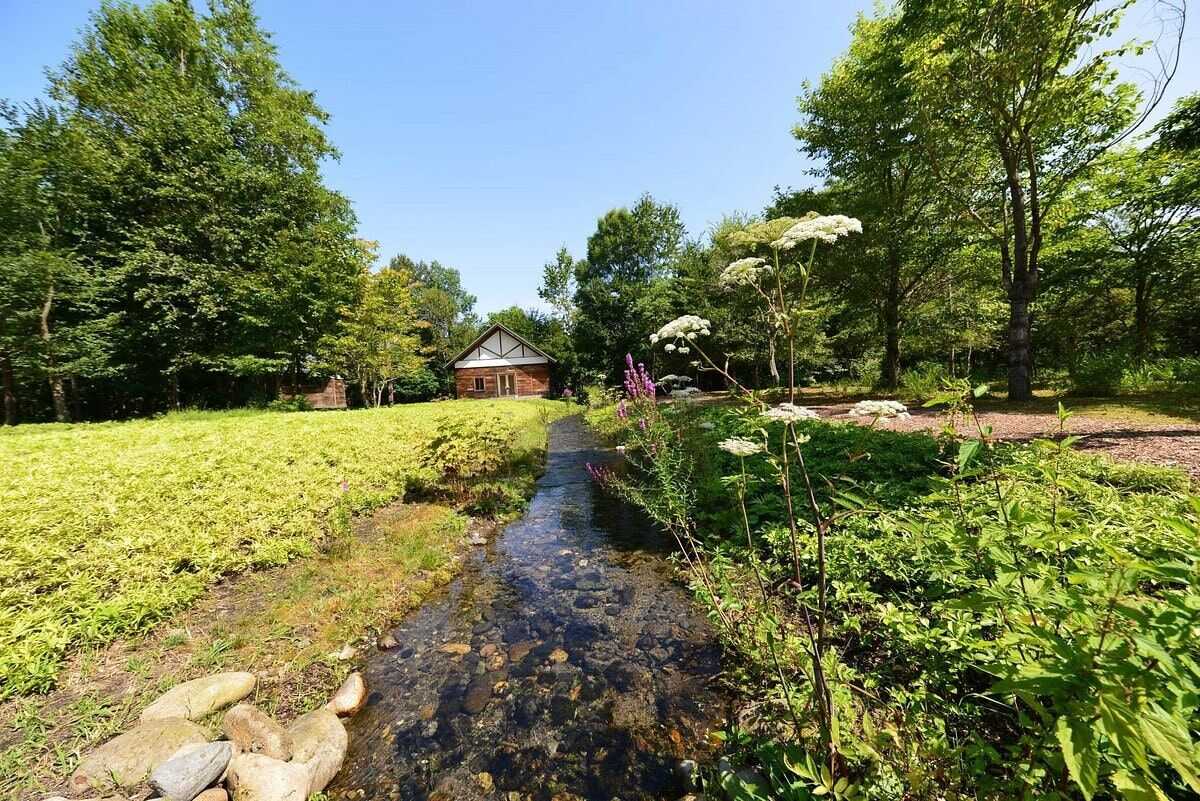
Rokkanomori: Planting the Flowers from the Wrapping Paper in a Forest
A forest garden in Nakasatsunai run by Hokkaido’s most iconic confectionery brand. The garden plants the hand-drawn Hokkaido wildflowers from the brand’s wrapping paper in a whole birch forest, so you are effectively walking into the wrapping paper.
Scattered around the garden are several relocated and preserved old buildings converted into small museums and exhibition spaces, and the overall atmosphere is quiet. It can be scheduled on the same day as other sights toward Nakasatsunai. It is open from late April to mid-October (April 24 to October 12 in 2026) and closed in winter, with admission of ¥1,200 for adults and ¥800 for elementary and junior high students.
Tokachi Ranch Birch Avenue: A Straight Tunnel of Birch Trees
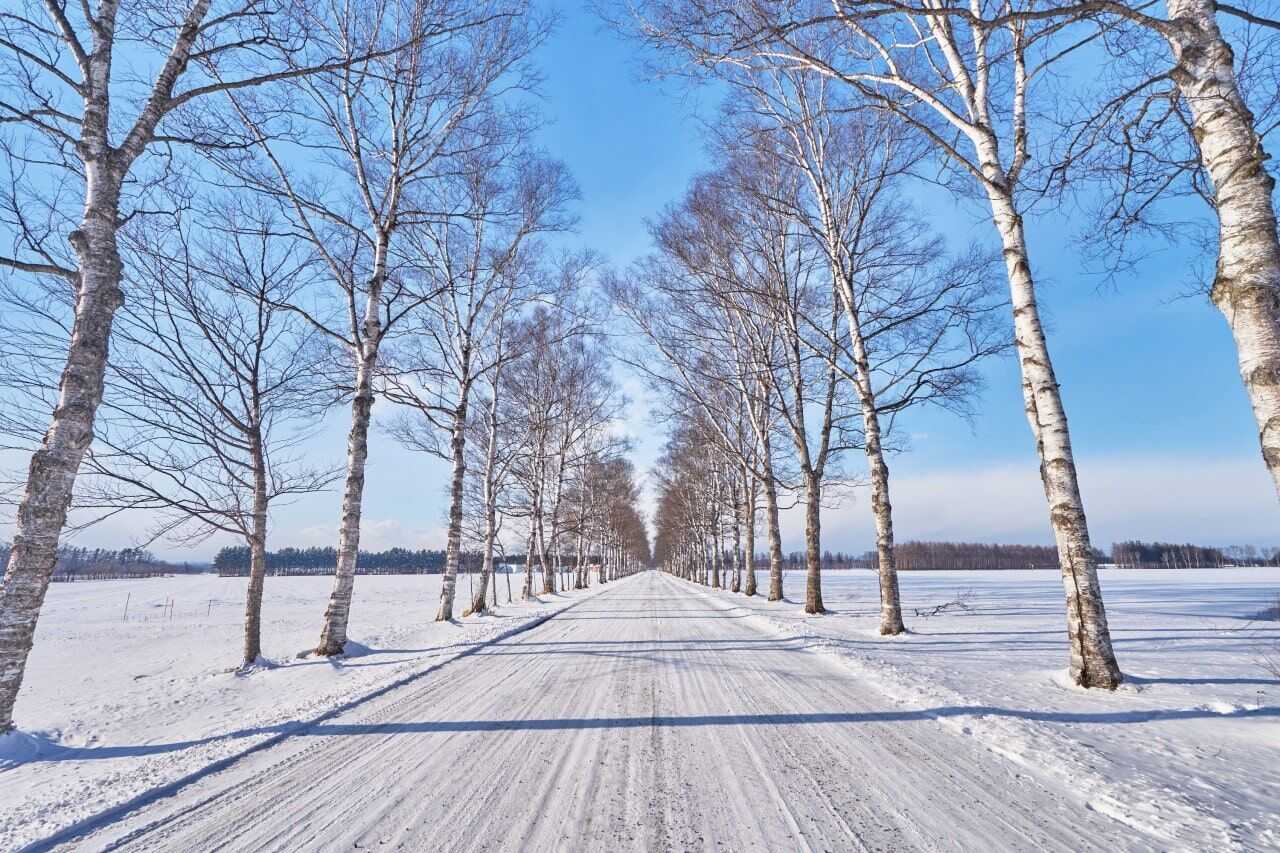
At the entrance of a large ranch in Otofuke is a long avenue of birch trees, two rows of straight trunks stretching ahead, forming one of Tokachi’s most classic photos. In summer it is a mix of white and green, and in winter the whole road is covered in snow and becomes a pure white tunnel.
This is a working ranch facility, not a tourist park, so be sure to follow on-site instructions and do not enter restricted areas or disturb operations. Parking and access rules change by season, so check before departing. There is no public transport nearby, so you need to drive.
Lake Nukabira and the Old JR Shihoro Line Arch Bridges: Bridges That Disappear Underwater
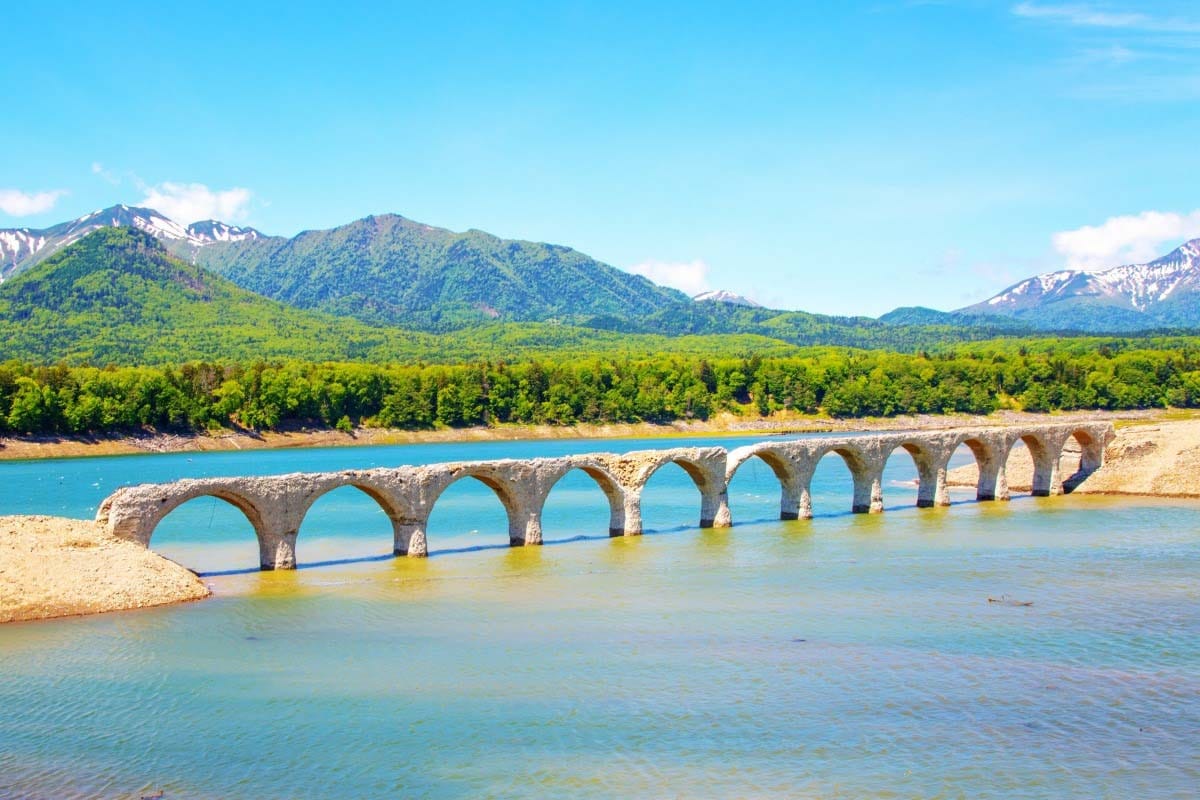
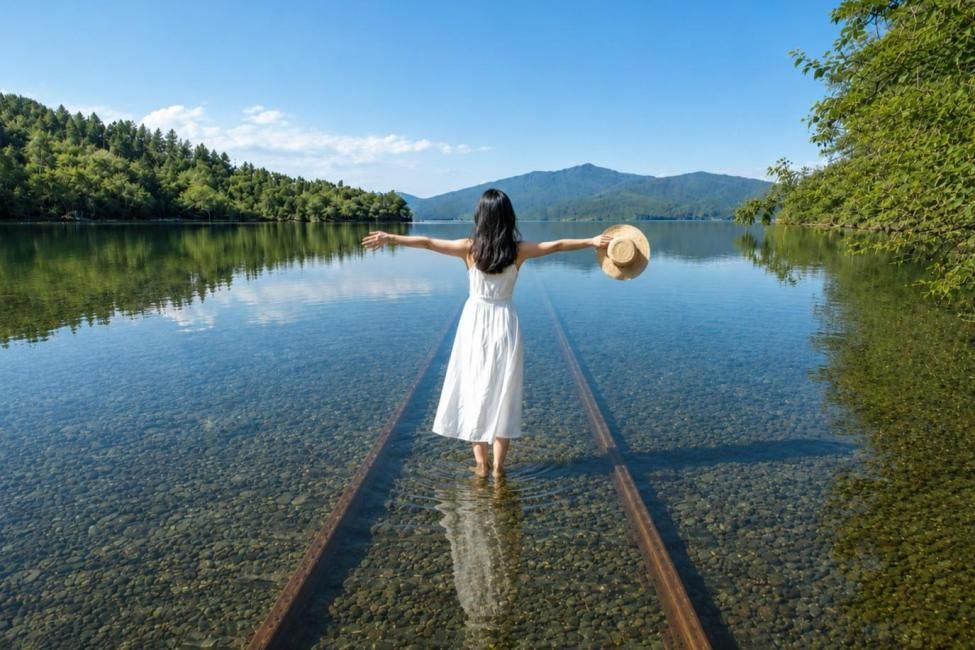
An artificial lake in Kamishihoro, where concrete arch bridges left behind by the abandoned old JNR Shihoro Line remain in the water. Because the lake level changes with the seasons, the bridges are fully exposed at low water and sink out of sight when the lake is full, earning the name phantom bridges.
Note that the railway line was abolished long ago, the bridges themselves keep weathering, and there is a restricted zone around them, so getting close usually requires joining a local guided tour. It is a drive from Obihiro, and we suggest combining it with the direction of Lake Shikaribetsu. Actual visibility and guiding arrangements follow local notices.
Tickets and Tours
Paid items in Tokachi are mostly garden admission, race entry and experience tours, and transport passes matter for travelers without a car. Here are the five most commonly scheduled items, with prices always subject to each operator’s same-day notices.
Manabe Garden Admission: The Easiest Garden to Reach from the City
Admission is ¥1,200 for adults and ¥200 for elementary and junior high students (¥1,000 for groups of 10 or more). The grounds cover about 25,000 tsubo, and a full loop takes about one to one and a half hours.
It is open from late April to late November (April 25 to November 23 in 2026) and closed in winter, so be sure to check that year’s opening schedule before you go. Actual prices, hours (8:30 to 17:30 from April to September, until 16:30 in October and until 15:30 in November) and the opening period follow the notices on the Manabe Garden official site (manabegarden.jp).

Banei Racing Entry and Viewing: A One-of-a-Kind Experience
Obihiro Racecourse currently has free admission, so the main cost is actually scheduling your time, since races are held almost all year on Saturdays, Sundays and Mondays. There are gaps between races, so allow at least two hours.
The grounds have an area where you can see draft horses up close and a market selling local ingredients, so it is fun even if you know nothing about horse racing. Actual race schedules, admission methods and fees follow the organizer’s notices for that year.
Local Bus Pass: A Money-Saving Option Without a Car
If you rely on public transport for the whole trip, ask at the tourist information desk at Obihiro Station about passes issued by local bus operators, which allow unlimited rides on route buses within the validity period, and you break even after more than two or three rides a day.
When buying, it is best to also get a route map and timetable and check the last bus that day, because rural routes in Tokachi have few runs and are greatly reduced in winter. Actual pass types, coverage and prices follow Tokachi Bus’s same-day notices.
Day-Use Bathing at Tokachi River Onsen: Soak Without Staying
Several inns in the Tokachi River Onsen area offer day-use bathing without an overnight stay, the cheapest way to experience the amber moor spring. Fees run roughly ¥500 to ¥2,000, with public-bath types cheaper and high-end inns higher, and some places include a towel.
Note that day-use hours usually avoid guests’ meal and cleaning times and may be suspended in peak season. Call or check the website before you go to confirm whether it is open that day. Actual hours and fees follow each inn’s notices.
How Much Does a Trip to Obihiro and Tokachi Cost? Transport, Tickets and Car Rental
The cost structure in Tokachi is simple: transport is the biggest item, tickets second, and lodging shows a clear gap between hot spring inns and business hotels. Here are the main expenses broken down.
Getting In and Out of Tokachi: Train vs. Express Bus
From Sapporo the limited express train to Obihiro takes about 2 hours 40 minutes and is the most reliable way. From New Chitose Airport the express bus takes about 2 hours 30 minutes directly, saving the trouble of transferring. The price gap is not large, and the deciding factors are your starting point and amount of luggage.
If you hold a rail pass covering this route, the marginal cost of the limited express is much lower. Actual fares follow JR Hokkaido’s and each bus operator’s same-day notices, and booking early is advised in peak season.
Car Rental Costs: Always Worth It for Three or More
Tokachi’s sights are spread out, so renting a car is almost a necessary investment. Besides the daily rental fee, count fuel and Doto Expressway tolls, and gas prices in rural areas are usually a bit higher than in the city.
For three or more people, the rental split per person is cheaper than everyone buying bus tickets, and you can reach ranches, lakes and outlying gardens. Solo travelers are the reverse: focusing on downtown Obihiro and Manabe Garden with route buses makes more sense. Actual costs follow the rental operator’s notices.
Ticket Spending: Gardens Are the Main Expense
Tokachi’s ticket spending is concentrated in gardens. Manabe Garden is ¥1,200 for adults, and other large gardens are mostly a few hundred to just over a thousand yen, so visiting two or three in a day adds up to a noticeable expense.
By contrast, Tokachigaoka Park, Tokachi Ranch Birch Avenue, Obihiro Shrine and Midori-ga-oka Park are all free and can balance the budget. Banei racing currently has free admission. Actual prices follow each facility’s same-day notices.
Hot Springs and Dining: Controllable and Expandable
Day-use bathing at Tokachi River Onsen is mostly ¥500 to ¥2,000, a relatively good-value experience. What really raises the budget are hot spring inn plans with one night and two meals, and high-end wagyu and seafood restaurants in the city.
That said, everyday dining in Tokachi is actually very affordable: butadon, local curry and sweets shops are not expensive, so saving money is entirely possible. For souvenirs, Rokkatei and Ryugetsu products can all be bought at Obihiro Station, so no extra trip is needed.
Lodging: The Price Gap Between Hot Spring Inns and City Business Hotels
Around Obihiro Station business hotels dominate with modest prices, while the Tokachi River Onsen area has hot spring inns, especially one-night-two-meal plans that cost considerably more, but in return you get amber beauty baths and a full dinner.
Peak season is concentrated in summer and long holidays, and the hot spring area also becomes popular during the winter Sairinka illuminations. Book at least one to two months ahead, and earlier for long holidays. Actual room rates follow what each lodging operator and booking platform show on the day.
What to Watch Out for in Obihiro and Tokachi: Distance, Season and Lodging Tips
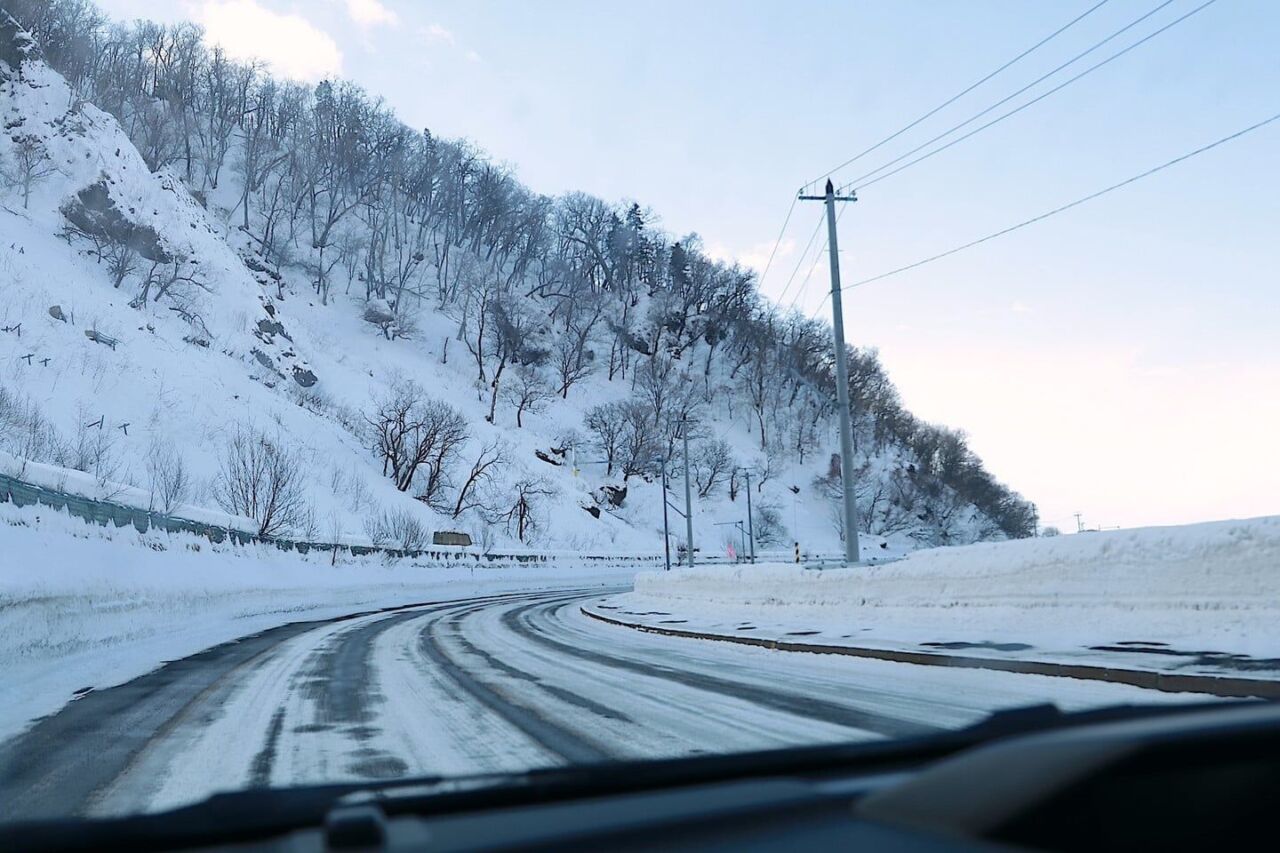
The risk in a Tokachi itinerary is not the difficulty of the sights but distance and season. Think through these three things first and the trip will go much more smoothly.

The Easiest Thing to Misjudge: Distances Between Sights
Two points that look close on a Tokachi map often take more than forty minutes by car. Many people line up six sights in a day by the map and end up driving all day, spending only twenty minutes at each place.
A more reasonable approach is to focus on one direction per day: for example, the hot springs and lookout in Otofuke one day, and the gardens in Nakasatsunai and Shimizu the next. Allow at least an hour and a half at each garden, and with travel time three or four stops a day is quite full. Without a car, cut further and build the plan around route bus schedules.
Seasons Differ Hugely: Many Places Close in Winter
Almost all of Tokachi’s gardens have clear opening periods and usually close in winter, the most commonly overlooked point. Flower-focused gardens like Shichiku Garden and Rokkanomori are a wasted trip in winter.
On the other hand, winter has its own themes: the Sairinka illuminations around Tokachi River Onsen, snowfield scenery and the snow tunnel of the birch avenue can only be seen in this season. Summer has hot air balloon events and gardens in full bloom. Once you decide the season, the itinerary is basically set, so be sure to confirm each facility’s operating period for that year before departure.
Which Area to Stay In? Nearby Lodging Tips
Travelers without a car should prioritize the area around JR Obihiro Station, where business hotels are concentrated, route buses and limited express trains connect right outside the exit, and finding dinner is easy. Most free shuttles from Tokachi River Onsen inns also depart from Obihiro Station.
If you want the lodging itself to be part of the trip, stay directly in the Tokachi River Onsen area in Otofuke, soak in the amber moor spring, have a one-night-two-meal stay, and move on to the lookout and flower clock park the next day. Note that the shuttle must be reserved when booking, and walk-ups usually find no seats. For a full comparison of lodging in Obihiro and Tokachi River Onsen, see our separate article.
Obihiro and Tokachi FAQ
Q: What is the difference between Obihiro and Tokachi?
Tokachi is a wide region made up of nineteen municipalities including Obihiro. Obihiro is the central city and transport hub, with most sights in surrounding areas such as Otofuke and Nakasatsunai, requiring a car to reach.
Q: Can I see Tokachi without a car?
Yes, but the range shrinks: with JR Obihiro Station as a hub, Manabe Garden, Obihiro Shrine, Midori-ga-oka Park and Obihiro Racecourse can be reached by bus or on foot, and Tokachi River Onsen has shuttles. Ranches and lakes require driving or a tour.
Q: What is the moor onsen at Tokachi River Onsen?
The water seeps through ancient plant deposit layers and is rich in organic matter, amber in color and highly moisturizing, leaving skin smooth after a soak and known as a beauty bath. Inns offer day-use bathing to try it.
Q: What is the best season to visit Obihiro and Tokachi?
Summer to early autumn is the gardens’ main season, when Shichiku Garden and Rokkanomori are open. Winter has snowfields, the birch avenue snow tunnel and illuminations, but most gardens are closed. For spring and late autumn, check operating periods first.
Q: How should I plan a one-day trip to Obihiro?
Without a car: Manabe Garden in the morning, back downtown for butadon at noon, Obihiro Racecourse or Midori-ga-oka Park in the afternoon, and souvenirs at Obihiro Station in the evening. By car, switch to downtown in the morning and Tokachigaoka plus a day-use bath in the afternoon.
Q: Are Kofuku Station and Hanabatake Farm also in Tokachi?
Yes, but they are on a different route south of Obihiro toward Nakasatsunai and are usually not scheduled the same day. Kofuku Station and Aikoku Station are remains of the old JNR Hiroo Line, and only the station buildings and platforms remain, with no trains running.
Q: What souvenirs should I buy in Tokachi?
Sweets are the star: Rokkatei and Ryugetsu both began in Tokachi, and their products can be bought at the Obihiro Station shops. Dairy and cheese are also high quality, and some items need refrigeration, so check storage and shelf life before buying.