

Shikoku 5-Day Itinerary: A Highlights Route Through All Four Prefectures
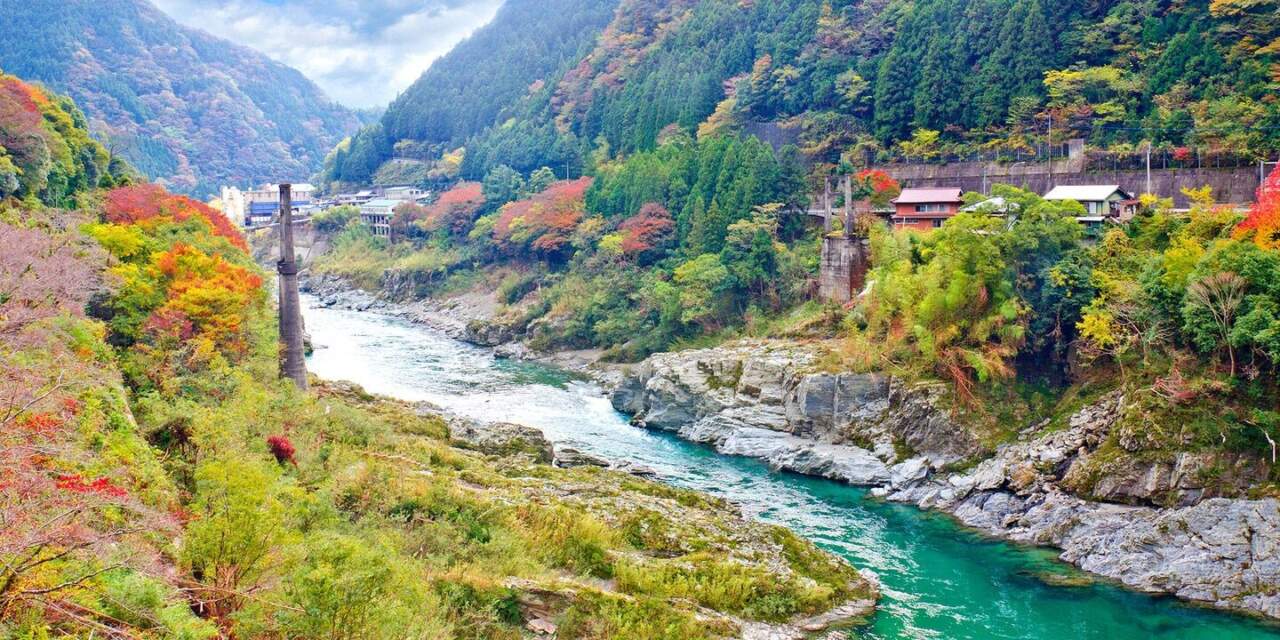
Shikoku is made up of four prefectures, Kagawa, Tokushima, Kochi and Ehime, and the four prefectural capitals sit in the four corners of the island. Covering the full loop in five days and four nights is a “highlights” itinerary, with an average of one and a half to two and a half hours in transit each day.
It is doable, but you need to accept the pace first. Below we explain the overall structure and transport choices, then break down each day, and finally offer lighter variations. All drive times and fares are reference values checked in August 2026; please rely on the official announcements on the day.
How Demanding Is It? One and a Half to Two and a Half Hours in Transit Each Day
The four legs between cities add up to about 540 kilometers. Driving on expressways, the four legs take 1 hour 15 minutes, 2 hours 15 minutes, 2 hours 20 minutes and 2 hours. Rail is generally slower, and both Tokushima to Kochi and Kochi to Matsuyama require a transfer.
In practice, four of the five days follow a “travel in the morning, sightsee in the afternoon” rhythm. This suits travelers who want to see the highlights of all four prefectures in one trip. If you prefer a slower pace, drop either Kochi or Tokushima and use the saved time in the remaining places. The test is simple: can you handle four early check-outs in a row?
Why Counterclockwise: Takamatsu to Tokushima Is the Smoothest Start
Shikoku’s geography is simple: Kagawa is in the north, Tokushima in the east, Kochi in the south and Ehime in the west. Starting from Takamatsu and circling southeast and back is a counterclockwise loop, with no crossing or backtracking along the way.
Clockwise (Takamatsu – Matsuyama – Kochi – Tokushima – Takamatsu) works too, but it puts the shortest leg, Takamatsu to Tokushima, at the very end. The advantage of counterclockwise is that the first day has the shortest transit (only 1 hour 15 minutes), which makes a good warm-up and keeps you from being too tired on arrival day. If you fly in and out of Matsuyama Airport, just rotate the whole order by one stop; the principle is the same.
The First Decision: Self-Drive or the Shikoku Rail Pass
Shikoku’s train services are much sparser than on Honshu. The Tokushima to Kochi section requires a transfer at Awa-Ikeda, and Kochi to Matsuyama requires a transfer at Tadotsu with few services. If you rely on trains alone, your itinerary will be tightly bound to the timetable.
Driving is clearly more flexible, and stops along the way such as Oboke and the Niyodo River can only be reached by car. But Shikoku’s narrow mountain roads are difficult, and expressway tolls are not cheap. The practical advice: if you want the mountains and gorges, drive; if you only visit the four cities and main sights, trains plus a rail pass are fully sufficient and you avoid worrying about parking.
Where to Sleep: Four Nights in Four Cities or Three
The standard split is one night each in Tokushima, Kochi, Dogo Onsen and Takamatsu. The advantage is that you never backtrack; the downside is changing hotels and dragging luggage every day.
Another split puts the last two nights both in Takamatsu (back to Takamatsu on day 4, then the city on day 5), so you do not move luggage on the final two days and the airport is on the same side. Of the four nights, the one most worth spending on is the night at Dogo Onsen, one of Japan’s oldest hot springs. Soaking at the main bathhouse and then strolling the onsen street in a yukata is the emotional high point of the trip. When booking, prioritize places within walking distance of the station or shopping arcade.
How Far Apart Are Shikoku’s Cities? A Full Comparison of the Four Legs
Before building the itinerary, look closely at the distance and travel time of each leg. The figures below are estimates for driving on expressways and for JR limited express trains.
Times vary with traffic, train frequency and transfers; please rely on the actual timetable on the day you check.
Takamatsu to Tokushima: About 75 km, the Shortest Leg
This is the shortest of the four legs, about 75 kilometers. Driving on the expressway takes about 1 hour 15 minutes, and the Kōtoku Line limited express takes about 1 hour 10 minutes, so the two are about the same. Services are relatively frequent, one of the few stretches in Shikoku where you do not need to worry much about the timetable.
Because the distance is short, this leg is ideal for the first day. Land at Takamatsu Airport, pick up a car or take a train into the city, set out before noon, and you can watch the whirlpools at Naruto in the afternoon. A same-day round trip from Tokushima to Takamatsu is possible, but since you are heading south anyway, staying in Tokushima is smoother.
Tokushima to Kochi: About 155 km, With a Rail Transfer
About 155 kilometers. Driving on the expressway takes about 2 hours 15 minutes, while the train requires a transfer at Awa-Ikeda and clearly takes longer than driving; please check the JR Shikoku timetable. This leg runs through the Yoshino River basin, where Oboke and Koboke are located.
The advantage of driving is obvious here: you can leave the expressway midway to take the Oboke Gorge sightseeing boat and then continue south, without giving it a day of its own. By train, the Dosan Line passes Oboke Station itself and the window views are lovely, but getting off to sightsee and waiting for the next train eats up a lot of time, so check the intervals first.
Kochi to Matsuyama: About 160 km, the Leg With the Fewest Trains
About 160 kilometers. Driving on the expressway takes about 2 hours 20 minutes, while the train requires a transfer at Tadotsu, with search results of about 4 hours 50 minutes (including two transfers), and it also has the fewest services of the four legs. This is the leg most likely to trip up a rail-only itinerary.
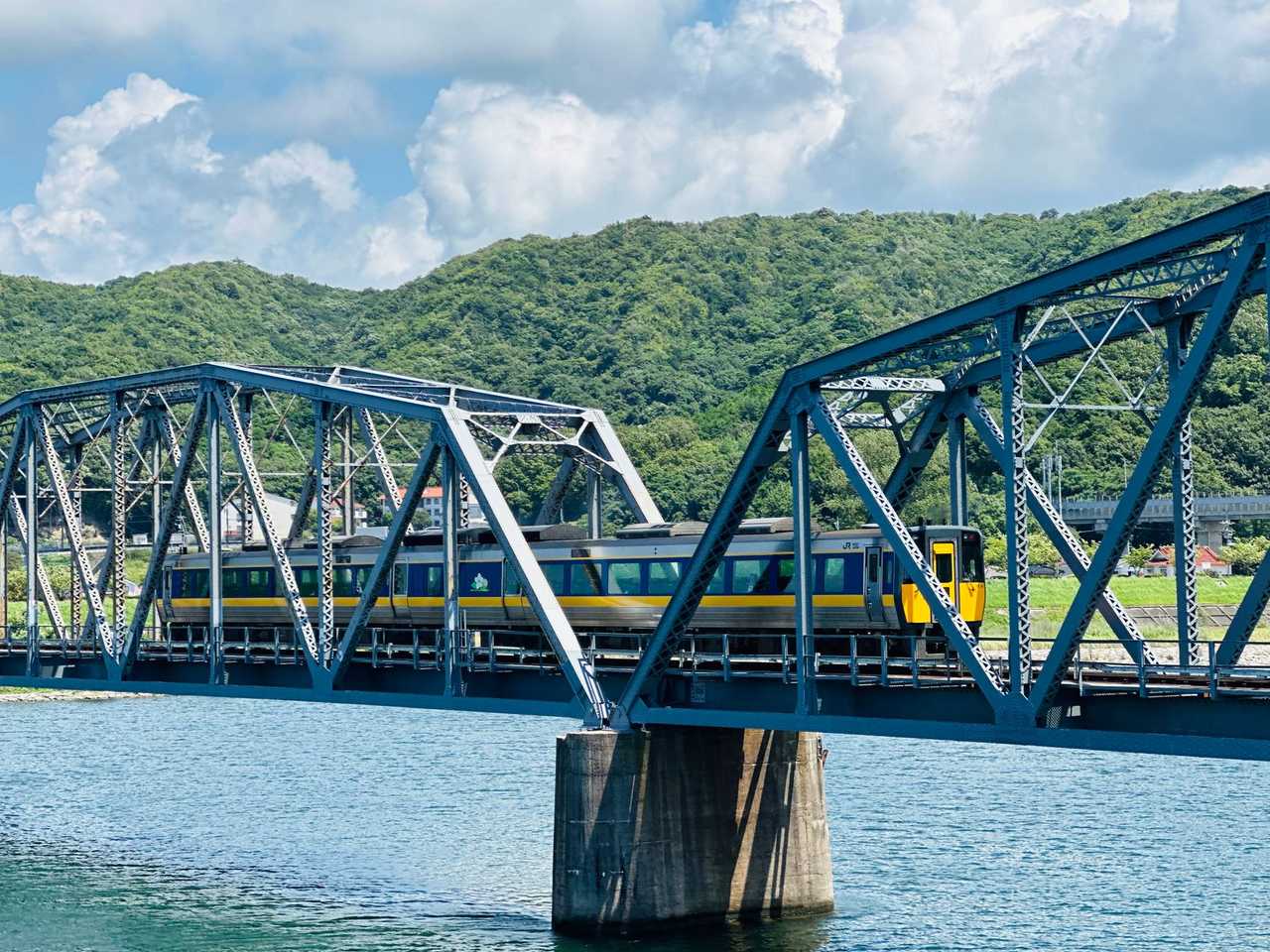
Drivers can detour to the Niyodo River, known as Japan’s clearest stream, where the water color at Yasui Gorge and Mizugafuchi is the famous “Niyodo Blue.” Note that this stretch consists of prefectural roads and mountain roads, and the navigation may steer you onto narrow lanes, so stick to the main roads. By train it is hard to include the Niyodo River; instead, you can join a local half-day tour from Kochi.
Matsuyama to Takamatsu: About 150 km, Back Along the Seto Inland Sea
About 150 kilometers. Driving on the expressway takes about 2 hours, and the Yosan Line limited express takes about 2 hours 30 minutes. This leg follows the Seto Inland Sea and is one of Shikoku’s most pleasant routes, and the seaside stretch by rail is especially beautiful.
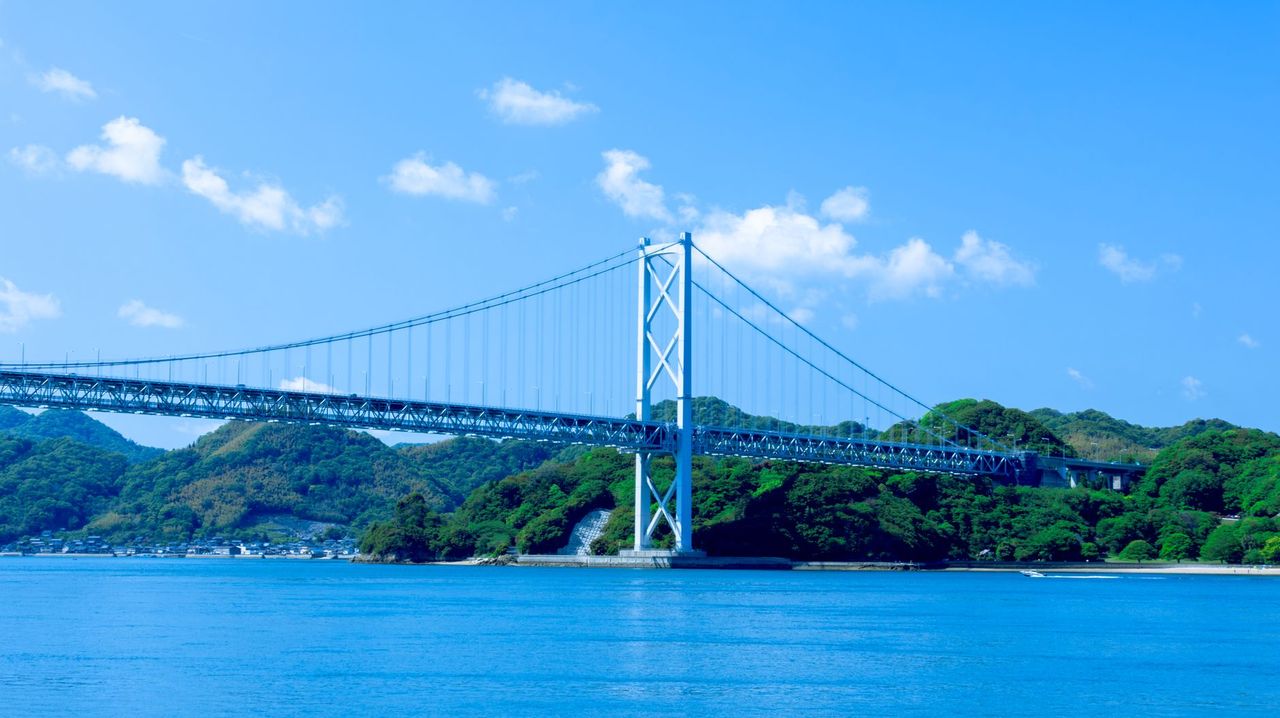
The easiest stop on the way back is Kotohira-gu (Kotohira), reachable by leaving the expressway or by JR or Kotoden. Drivers can also detour to Chichibugahama for the sunset, though that depends on tides and weather. This day has the most flexibility and is the best one to adjust to your energy level.
Entering Shikoku From Okayama or Kansai: Three Routes Across the Sea
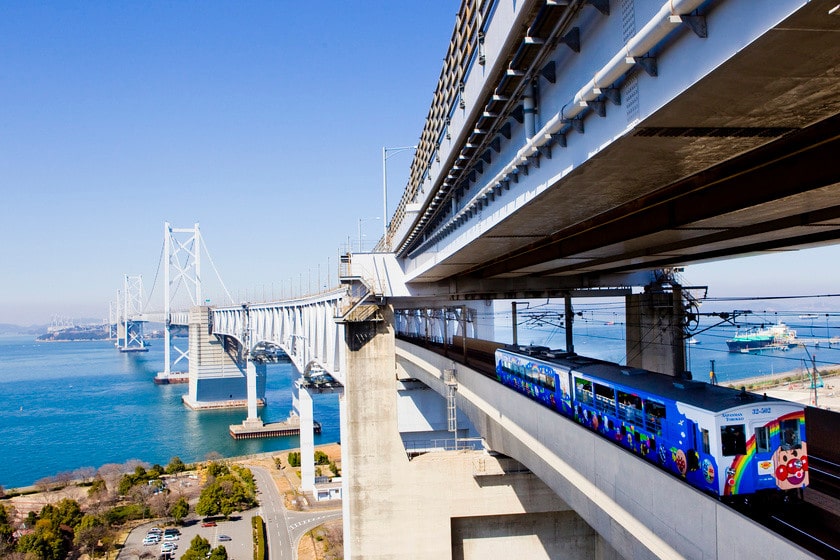
There are three cross-sea routes into Shikoku from Okayama or Kansai: the Seto-Ohashi Bridge (Okayama – Kagawa, with rail), the Akashi Kaikyo Bridge (Kobe – Awaji Island – Tokushima, road only) and the Shimanami Kaido (Onomichi, Hiroshima – Imabari, Ehime, road and cycling path). By rail, only the Seto-Ohashi Bridge is available, taking about one hour from Okayama to Takamatsu, and the Shikoku Rail Pass does not cover the Honshu section, so a separate ticket is needed. For driving, all three bridges belong to the Honshu-Shikoku Expressways, and bridge-section tolls are not included in the SEP Expressway Pass (the interchanges at both ends are covered by it); they are settled separately when you return the car.


How to Plan Each of the Five Days: Day-by-Day Itinerary and Variations
Below is the day-by-day counterclockwise plan, with the travel load and main activities for each day, followed by two variations and the most common planning mistakes.
Opening hours and admission at each sight may change; please rely on official announcements before you go.
Day 1: Takamatsu to Tokushima, Naruto Whirlpools and Awa Odori
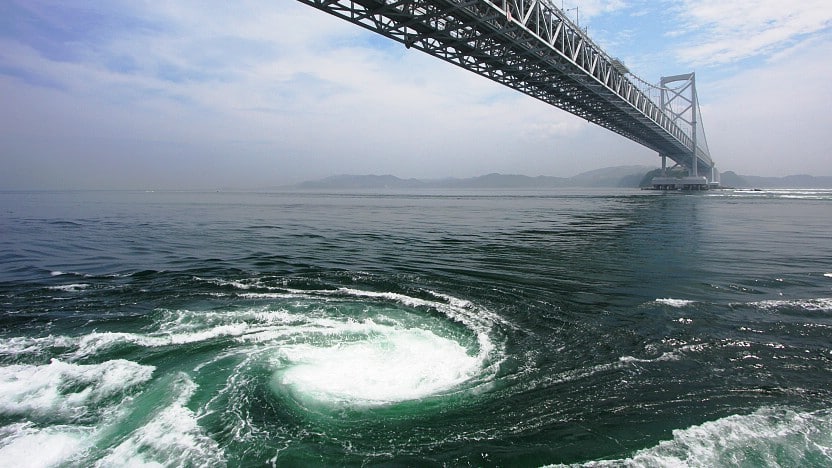
About 1 hour 15 minutes of driving. Leave Takamatsu in the morning for Tokushima Prefecture and reach Naruto Park in the afternoon to see the whirlpools. You can take a sightseeing boat to get close from the water, or walk the Uzu-no-Michi walkway under the bridge to look down.
The key is tide timing: the whirlpools are noticeable only at a few times a day, and their scale differs greatly between spring-tide and neap-tide days. Check that day’s tide table before deciding what time to arrive, or you may miss them. In the evening, return to central Tokushima for Tokushima ramen and watch a traditional dance performance at the Awa Odori Kaikan (there are regular shows outside festival season too). Stay in Tokushima City.
Day 2: Tokushima to Kochi, Oboke Boat Ride and Hirome Market
About 2 hours 15 minutes of driving. In the morning head south through the Tokushima-Kochi border and take the gorge sightseeing boat at Oboke in the Yoshino River basin to see the crystalline schist on both banks; the ride takes about 30 minutes.
In the afternoon, arrive in Kochi City and visit Kochi Castle, one of Japan’s twelve surviving original keeps and one of the few where both the keep and the Honmaru Palace survive. In the evening go to Hirome Market, a building packed with stalls and communal long tables, where you must try freshly seared bonito (katsuo no tataki). Note: if you are driving and want sake in the evening, book a hotel within walking distance, as Japan has zero tolerance for drunk driving.
Day 3: Kochi to Matsuyama, Niyodo Blue and Dogo Onsen
About 2 hours 20 minutes of driving. Drivers can first detour to Niyodo River’s Yasui Gorge or Mizugafuchi to enjoy the almost fluorescent blue-green water, one of Shikoku’s most photogenic natural sights; by rail you travel straight across the prefecture to Matsuyama. In the afternoon, arrive in Matsuyama and ride the retro Botchan Train around the city, operated by Iyotetsu and requiring a separate ticket. In the evening stay near Dogo Onsen, soak at the main bathhouse and stroll the onsen street in a yukata. The main building’s restoration work and bathing plans have changed in recent years, so please follow on-site notices.
Day 4: Matsuyama Castle and Kotohira-gu, Honetsukidori for Dinner
About 2 hours of driving. In the morning, go up Matsuyama Castle, taking the ropeway or chairlift partway and walking the rest; from the keep you can look over Matsuyama and the Seto Inland Sea. Set off back to Kagawa before noon.
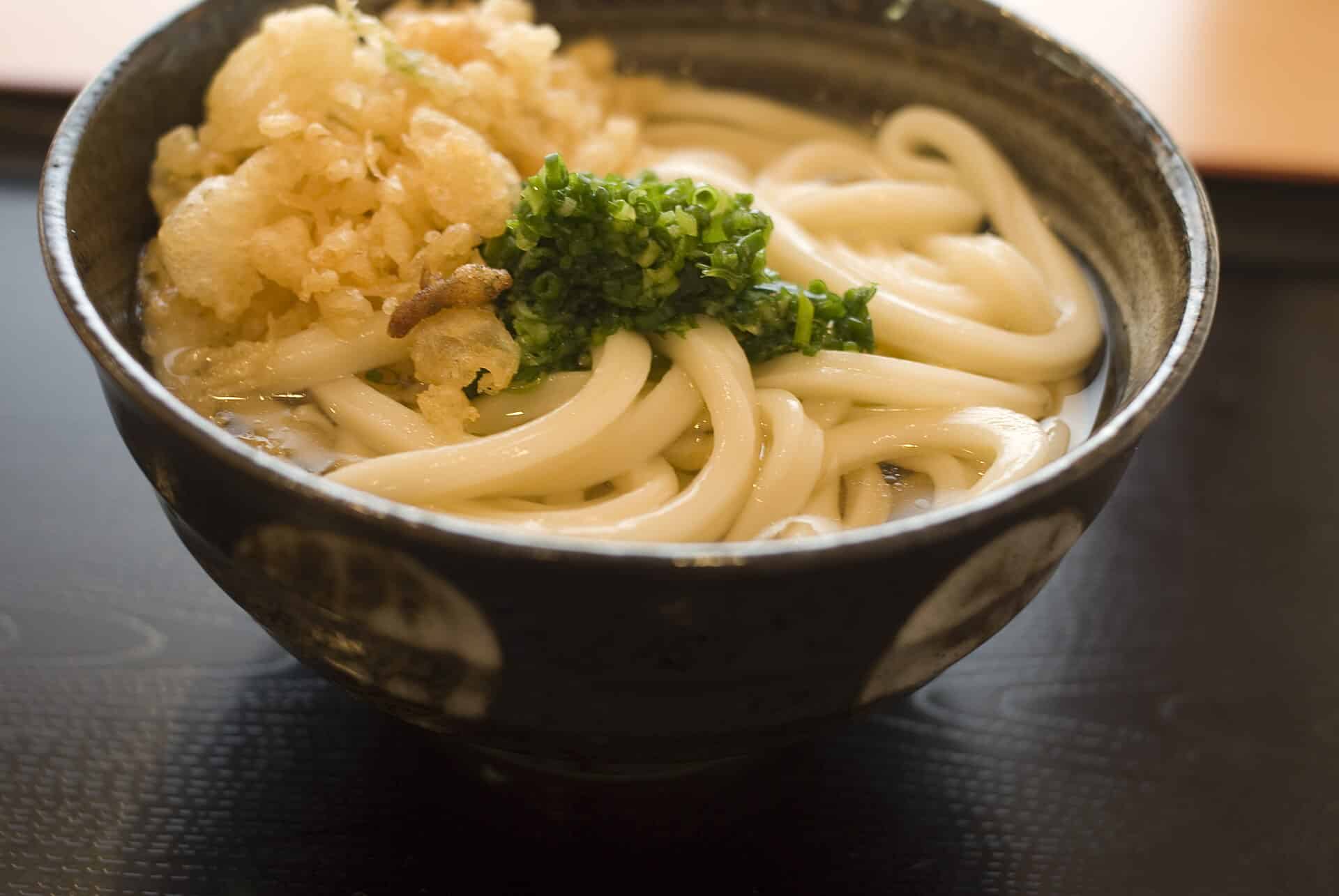
The afternoon highlight is Kotohira-gu. Be prepared: from the approach entrance to the main shrine is 785 stone steps, about 2 hours round trip; going on to the inner shrine makes 1,368 steps in total, and most people turn back at the main shrine. After the climb, have a bowl of udon or gold-leaf soft serve along the approach. In the evening, return to Takamatsu for Kagawa’s specialty “honetsukidori” (bone-in roast chicken leg). Stay in Takamatsu City.
Day 5: Ritsurin Garden and Kitahama Alley, a Relaxed Finish
On the last day there is no more long-distance travel. In the morning, visit Ritsurin Garden, an Edo-period daimyo garden that borrows the scenery of Mt. Shiun behind it; at the Kikugetsu-tei teahouse in the garden you can sit down for matcha and a view of the pond, a place well worth walking slowly.
In the afternoon, go to Kitahama Alley next to Takamatsu Port, a cluster of cafes and select shops converted from old warehouses, good for last-minute shopping. If your flight is in the evening, you can also take the Kotoden to Kawaramachi for a stroll. Remember that the bus from Takamatsu Airport to the city takes 40 to 50 minutes, so leave extra time on the way back and avoid rushing at the last minute.
Variation A: Drop Kochi for a Relaxed Three-Prefecture Version
If you do not want to rush every day, the most effective cut is to drop Kochi. Change the route to “Takamatsu – Tokushima – (Oboke and Iya) – Matsuyama – Takamatsu,” put the saved time into the Iya Valley and Dogo Onsen, and stay one night in each.
This variation suits families with older relatives or young children, and first-time visitors to Shikoku. Iya’s vine bridge and onsen inns, plus Dogo Onsen, actually give a higher density of experience than forcing all four prefectures. The downside is missing Kochi’s seared bonito and Kochi Castle, which you can leave for the next trip.
Variation B: Add Shodoshima to Include the Seto Inland Sea
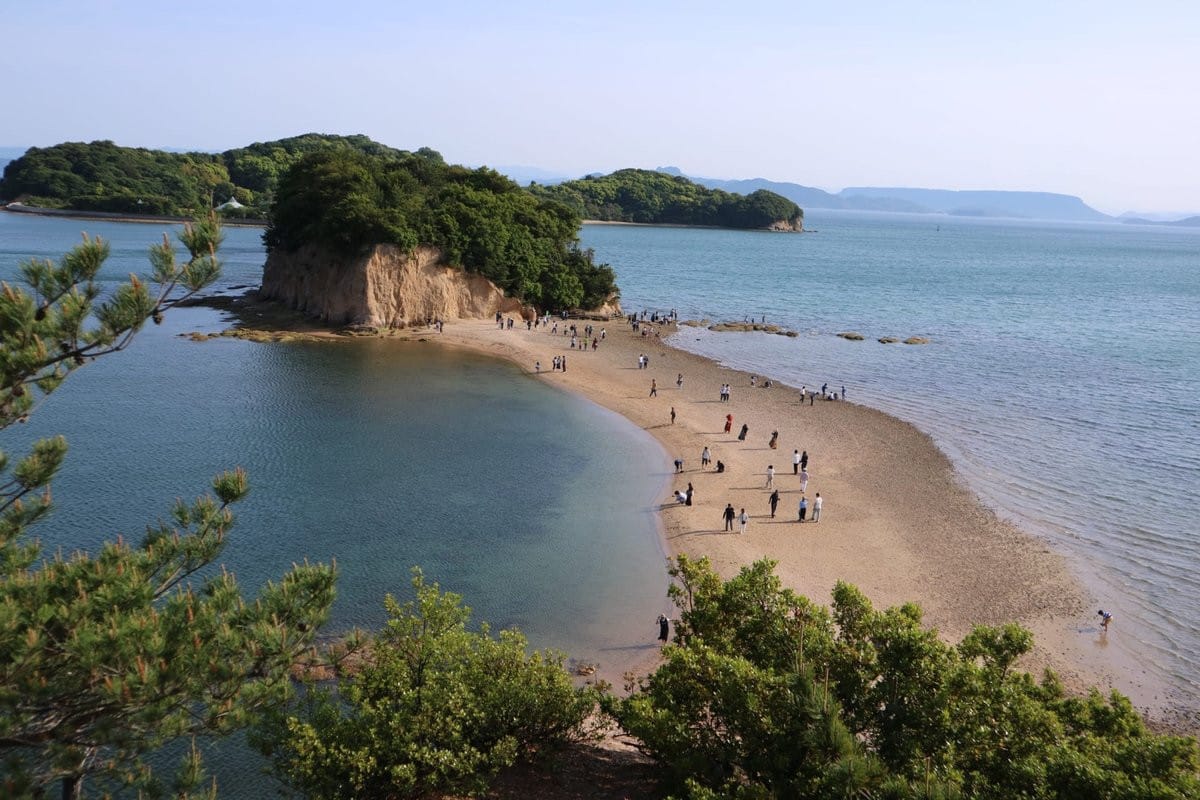
If you are more interested in islands than mountains, swap the Kochi leg for Shodoshima. The regular ferry from Takamatsu Port to Tonosho Port takes about one hour, and the island has Angel Road (a sandbar that appears at low tide), Kankakei Gorge and the soy sauce heartland.
This variation is especially good value for Shikoku Rail Pass holders: the regular Takamatsu-Tonosho ferry and the island’s Olive Bus are covered by the pass, so a whole day of transport costs nothing extra (the high-speed boat is not included). Note that island buses run infrequently, so pick up a timetable on arrival and work backward from your return ferry. Angel Road can be walked only at low tide, so check the tide table first.
Takamatsu Port to Shodoshima: About 60 Minutes by Ferry, ¥700 One Way for Adults
The ferry from Takamatsu Port to Tonosho Port on Shodoshima takes about 60 minutes, ¥700 one way for adults and ¥350 for children, and it can also carry cars. On the island, the “Olive Bus” route buses connect the ports and sights, but services are limited, so check the timetable first and work backward from your return ferry. Ferry schedules and fares may change; please rely on the ferry company’s official website before you go.
The Most Common Planning Mistake: Iya and Shimanto on the Same Day
This is the classic Shikoku itinerary mistake. The Iya Valley is in the mountains of western Tokushima and the Shimanto River is in southwestern Kochi. They are very far apart, with Kochi City in between, and driving takes more than four hours, all on mountain roads and narrow lanes that require slow driving.
A five-day trip can usually fit only one of the two, and Shimanto actually suits a loop of seven days or more. Similar mistakes include squeezing Cape Ashizuri into a five-day trip (it is at Kochi’s far south and the round trip alone takes a full day) and making Dogo Onsen a same-day round trip from Takamatsu (five hours round trip). The principle stays the same: draw the travel times first, then fill in the sights.
The Tide-Timing Trap: Whirlpools Are Not Visible at Any Time
Many people drive two hours to Naruto and see only calm water. The reason is that the whirlpools depend entirely on the tides: noticeable whirlpools appear only in a few windows around high and low tide, and spring-tide days (around full and new moons) are far more spectacular than neap-tide days.
The right approach is to check the “best viewing times” published by the sightseeing boat operators, then work backward to decide when to leave Takamatsu. If your dates are flexible, you can even pick a spring-tide day. The two ways of viewing, Uzu-no-Michi (the walkway under the bridge) and the sightseeing boat, each have pros and cons: the former is free of seasickness, while the latter is more thrilling. Please rely on on-site notices for admission and boat fares.
Uzu-no-Michi: Hours and Admission for the 450-Meter Walkway Under the Ohnaruto Bridge
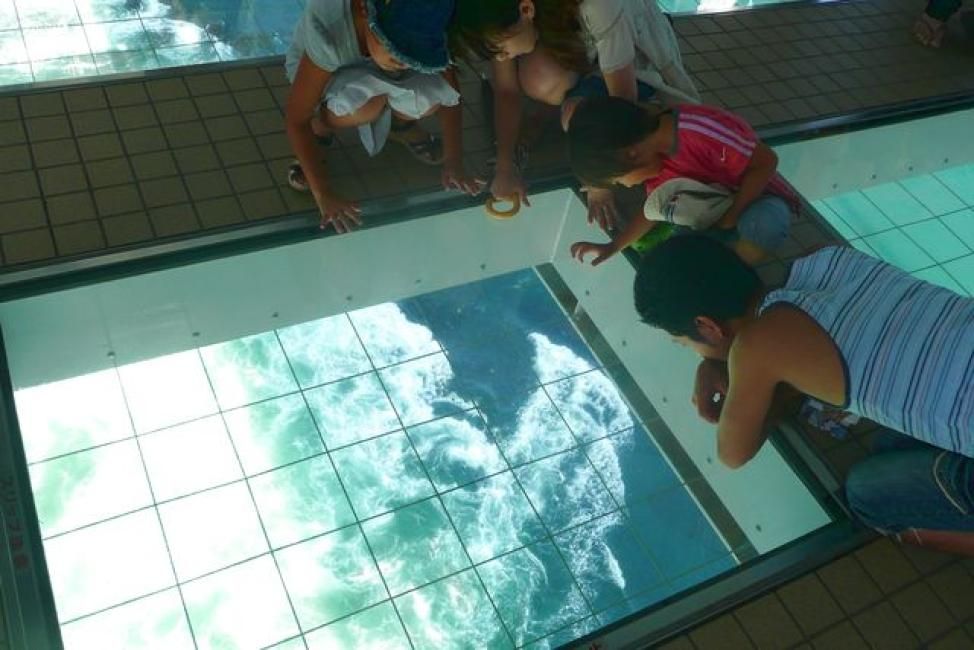
“Uzu-no-Michi” is a 450-meter walkway built inside the girders of the Ohnaruto Bridge, with a glass-floored observation room at the end where you can look down on the Naruto whirlpools from about 45 meters up. It is open 9:00-18:00 from March to September and 9:00-17:00 from October to February; admission is ¥510 for adults, ¥410 for junior and senior high students and ¥250 for elementary students. Large whirlpools are more likely during spring tides from late March to late April and from late September to late October.

Latest Change: Iyotetsu Has Left the Rail Pass Coverage
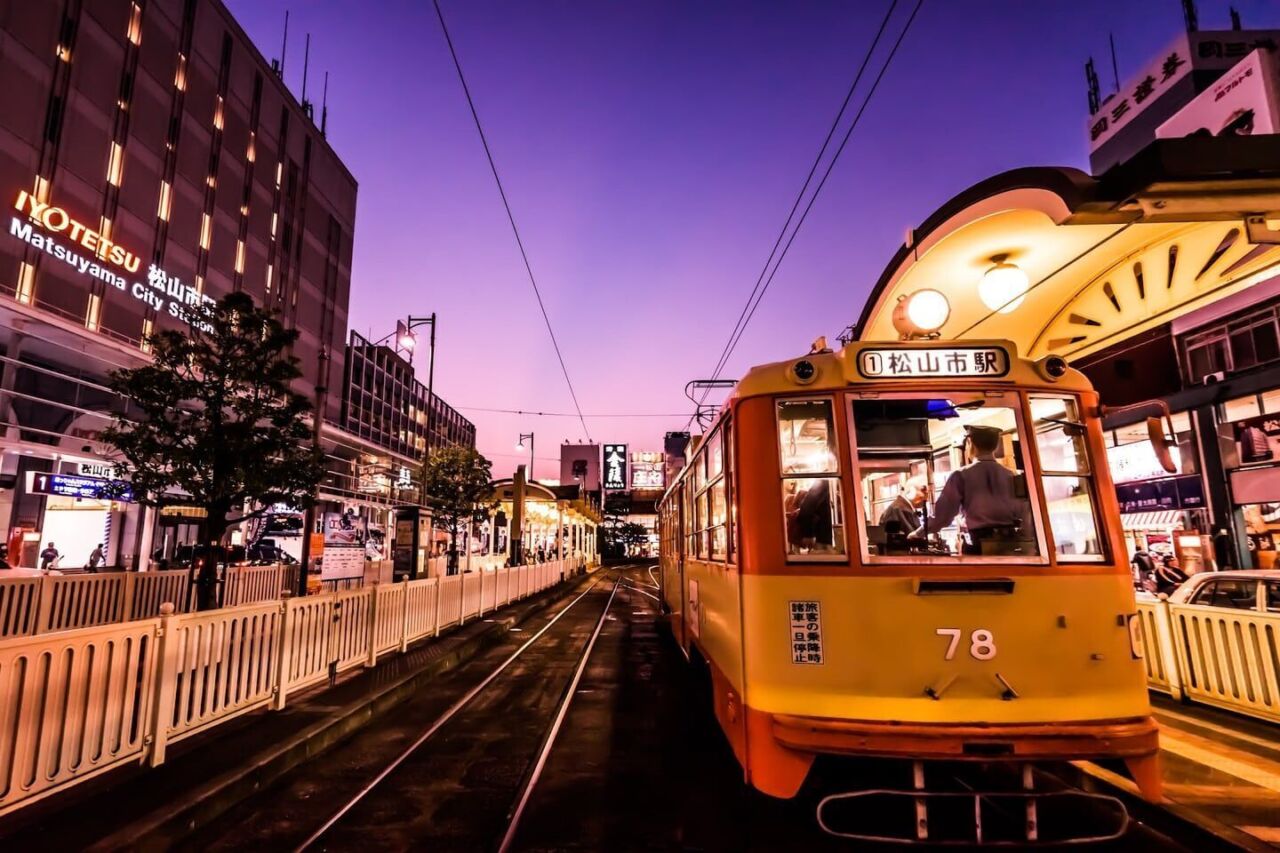
Note when planning the Matsuyama section: from March 7, 2026, Iyotetsu is no longer covered by the Shikoku Rail Pass, so the streetcar from JR Matsuyama Station to Okaido and Dogo Onsen must be paid for separately.
Many online guides still say “Iyotetsu included,” and relying on them may get you asked to pay at the station. We suggest buying an Iyotetsu city streetcar one-day ticket instead; if you visit three or more sights in Matsuyama on a day, the one-day ticket is usually better value than single rides. The Botchan Train has always required a separate ticket. Coverage may change again, so please rely on the latest official announcement.
How Much Does Transport Cost for Five Days in Shikoku? Rail Pass vs. Self-Drive Compared
The transport cost of five days in Shikoku depends on whether you choose rail or driving. Below we lay out the logic of both options, then cover a few fill-in alternatives.
All amounts are reference values checked in August 2026; please rely on official or platform announcements on the day.
Option A: The Shikoku Rail Pass Pays for Itself in Two Cross-Prefecture Trips
A five-day loop with the 5-day pass (overseas advance price about ¥17,000) is the most intuitive combination. It covers six rail operators, the Shodoshima ferry and the Olive Bus, and cross-prefecture limited express trips often cost several thousand yen one way, so covering the four legs usually comes out well ahead.
Two limits to remember: first, it covers only non-reserved seats, and reserved seats require buying separate “reserved-seat coupons” (a set of four for about ¥1,200); second, Iyotetsu has left the coverage, so the Matsuyama streetcar must be paid for separately. Also, if your itinerary uses rail on only three days (for example, the first and last days are in the same city), buying a 3-day pass and adding single tickets may be cheaper.
Option B: Self-Drive With the SEP Expressway Pass
Driving is highly flexible and suits sights such as Oboke, the Niyodo River and Chichibugahama; we recommend adding the SEP Expressway Pass for foreign visitors to save on tolls. SEP is charged by calendar day, not 24-hour periods. For example, renting from 3 p.m. Monday to 3 p.m. Thursday is only three days but spans four dates, so you need the 4-day version, which is easy to miscalculate. In addition, tolls for the three cross-sea bridges (Seto-Ohashi, Akashi Kaikyo and Shimanami Kaido) are not included in SEP and are settled separately; kei cars (yellow plates) can also apply for SEP, but officially their fees are calculated the same as regular cars, so the usual kei-car discount does not apply.
Option C: Trains Between Cities, Partial Car Rental in the Mountains
A third option is often overlooked: mainly use the rail pass for trains and rent a car only for the one or two days you need it. For example, rent a car for a day in Tokushima to cover Iya and Oboke, or in Kochi for a day to the Niyodo River, and take limited expresses between the other cities as usual.
This avoids long-distance driving beyond the hardest mountain roads and spares you rental fees and parking for the full five days. The downside is that renting and returning takes time, and you must plan the pass days carefully (you may not use the pass on the day you rent a car). If your list has only one or two places that require a car, a mix is often the lowest total cost.
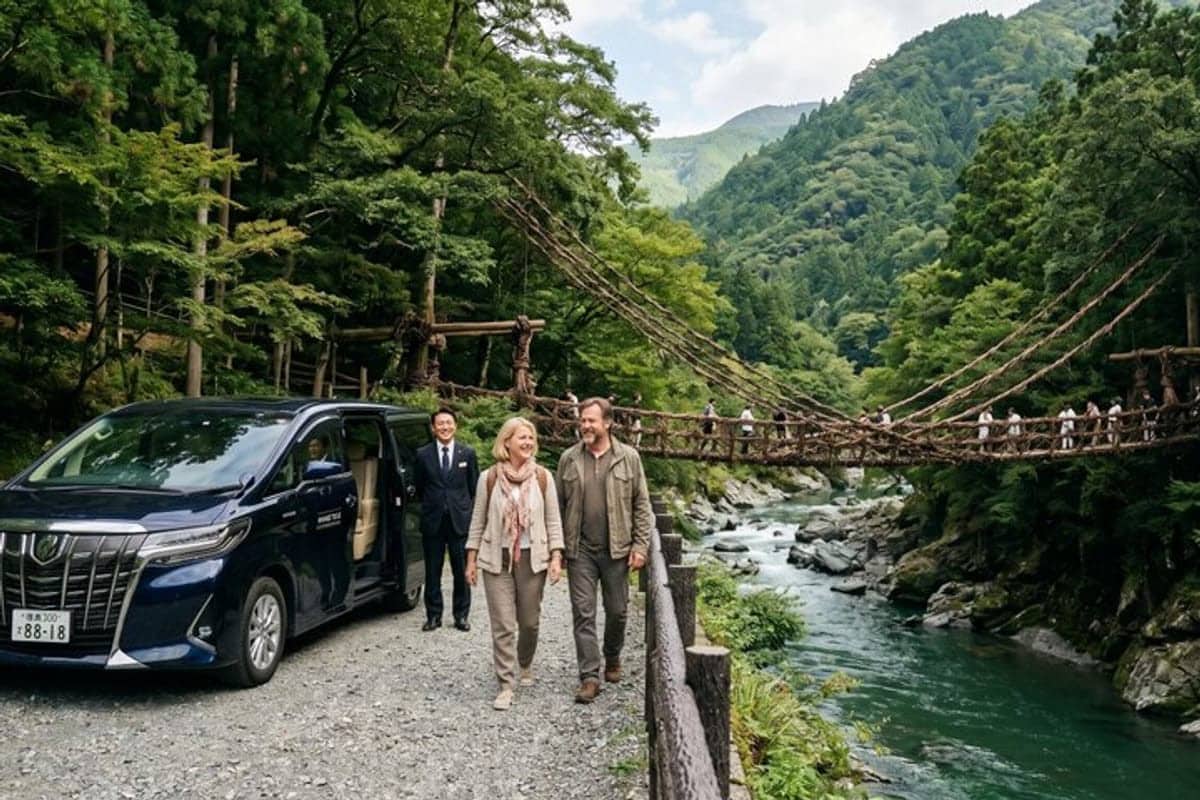
Private Charter: A Third Way to Iya and the Niyodo River
The single-lane two-way stretches of the Iya Valley and the submersible bridges of the Shimanto are very stressful for drivers with no mountain-road experience. If you want to go but do not want to drive yourself, a private charter or a local sightseeing bus tour is the most practical fill-in.
The approach is to use the rail pass for the cities and hand only the mountain day to a driver who knows the roads. Prices depend on the vehicle and hours, and splitting among four or more people is usually acceptable, with no worries about passing on narrow roads or parking. When booking, confirm whether tolls and parking are included and whether pickup can match your accommodation.
(徳島市出發)-Klook.jpg)
Day Options From Takamatsu: Shodoshima and Kotohira-gu
If you still have energy on the last day, Takamatsu is a great base. A same-day round trip to Shodoshima is entirely doable (about one hour each way by ferry), and Kotohira-gu by JR or Kotoden is a half-day trip.
If you do not want to look up ferry and bus times yourself, there are day tours that link the main sights, and on Shodoshima, where buses run infrequently, joining a tour is actually more efficient. Note that the Kankakei ropeway and the admission fees for the sights on Shodoshima are not covered by the pass and must be bought separately.
(行程自由搭配)-Klook.jpg)
The Dogo Onsen Night: Dinner-and-Breakfast Stay and a Yukata Stroll
Of the four nights, the one most worth upgrading is the night at Dogo Onsen. Inns here mostly offer stays with two meals, with a dinner of Seto Inland Sea seafood kaiseki, so you do not need to go out for food after your bath. Walking to the main bathhouse and the nearby shopping arcade in a yukata is the most memorable scene of the trip.
Three things to note when booking: whether there is a shuttle or parking, the dinner start time (most inns require you to be seated by 6:30 p.m.), and whether a bathing ticket for the main bathhouse is included. Also note that staying in Dogo means riding the Iyotetsu streetcar into the city every day, and it is no longer covered by the pass, so budget for that fare separately.
What to Watch Out For on a Five-Day Shikoku Trip: Season, Train Frequency and Pre-Trip Reminders
Once the route is set, a few things directly affect your experience: train frequency, season, luggage and budget.
Very Sparse Services: The Timetable Is the Backbone of the Trip, Not a Reference
Shikoku’s train services are far sparser than on Honshu. On the Kochi to Matsuyama section only a few limited expresses run a day, and local trains in some sections come less than once an hour. This means a rail-based trip cannot be planned around “roughly what time we arrive.”
The right approach is to first decide which trains you will take each day, then fill in the sights around them. The last trains also leave earlier than you might expect; rural lines often stop by seven or eight in the evening. Screenshot the key trains of the day before heading out so you will not panic when there is no signal in the mountains. Drivers should note that gas stations and restaurants also close early.
Season: Typhoons and the Rainy Season Can Rewrite Your Itinerary
Shikoku’s rainfall is among the highest in Japan, especially around Kochi. During the summer-autumn typhoon season, mountain roads may close due to rockfalls, and both the Oboke gorge boats and the whirlpool sightseeing boats suspend service. The rainy season (mid-June to July) means preparing for all-day rain.
The spring cherry blossom season and the November foliage season are the prettiest, but accommodation prices and crowds rise with them. In winter the lowlands are mild, but the mountains (Ishizuchi range, Iya) may freeze, so drivers should confirm snow tires. Overall, mid-to-late April through May and October are the periods when weather and crowds are both relatively friendly. It is best to keep one rainy-day backup.
Luggage: No Lockers at Small Stations, So Delivery Services Help
JR Takamatsu Station and JR Matsuyama Station have coin lockers, but the large ones are often full; away from the main stations, Shikoku’s small and unmanned stations have almost no storage facilities. On an itinerary that changes city every day, luggage will be the most tiring part.
Two solutions: first, use a luggage delivery service to send big bags directly to your hotel for the last two nights and carry only a small bag in between; second, make good use of hotel luggage storage, leaving bags after check-out and picking them up after sightseeing. Note that delivery takes longer to some rural parts of Shikoku, so ask for the arrival date before sending across prefectures.
Budget: Fixed Costs Beyond the Rail Pass
The most underestimated items are those the pass does not cover: Iyotetsu streetcars in Matsuyama (no longer covered), the Kankakei ropeway on Shodoshima, admission to sights, fares for the whirlpool boats and Oboke gorge boats, and highway buses.
In addition, reserved-seat coupons (a set of four for about ¥1,200) are almost a necessary expense in peak season. For driving, add rental fees, fuel, SEP, cross-sea bridge tolls and parking. We suggest budgeting “transport between cities” and “local small transport and admission fees” as two separate lines so you do not underestimate. Please rely on the official announcements you find before departure for all amounts.
Nearby Accommodation Suggestions
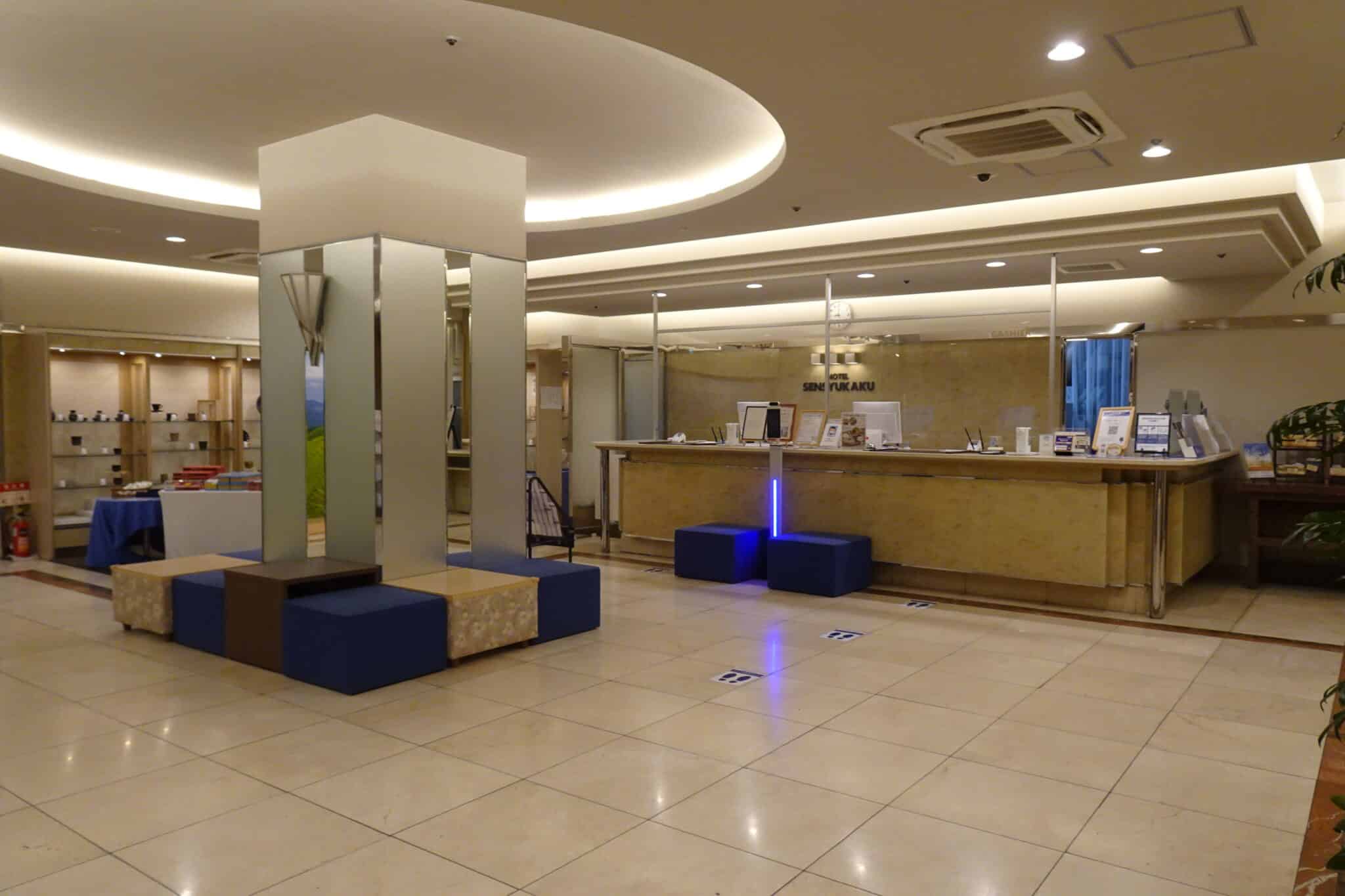
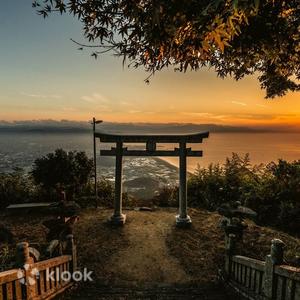
The Kami-no-Yu bath at Dogo Onsen Honkan is open 6:00-23:00 (last entry 22:30), and from JR Matsuyama Station the Iyotetsu streetcar takes about 25 minutes to Dogo Onsen. If you leave one night of your five-day Shikoku trip for Dogo, you can soak right after arrival, stroll the onsen street in a yukata, and head to Matsuyama Castle or back to Takamatsu the next day.

Five-Day Shikoku Itinerary FAQ
Below are the questions travelers most often ask when planning a five-day Shikoku itinerary.
Q: Can you really cover four prefectures in five days and four nights?
Yes, but it is a highlights-style trip, averaging one and a half to two and a half hours in transit a day, with four early check-outs in a row. If you prefer a slower pace or travel with older relatives or young children, drop either Kochi or Tokushima and put the time into Iya and Dogo Onsen.
Q: Should I drive or take the train for five days in Shikoku?
If you only visit the four cities and main sights, trains plus the Shikoku Rail Pass are fully enough and you avoid parking worries. But for places along the way or in the mountains such as Oboke, the Niyodo River, Iya and Chichibugahama, driving is clearly more flexible. You can also mix: trains between cities and a rental car only on the one or two days you need it.
Q: How many days should the rail pass be for a five-day trip?
For a four-prefecture loop you usually buy the 5-day pass (overseas advance price about ¥17,000). But if the first and last days are in the same city with no cross-prefecture travel, a 3-day pass (about ¥12,000) plus single tickets may be cheaper. The pass counts consecutive days and cannot be used on separate days, so line up the start date with your long-distance travel days.
Q: Why do some people go to Naruto and not see the whirlpools?
Because they missed the tide timing. The whirlpools are noticeable only at a few times a day, and spring-tide days (around full and new moons) are far more spectacular than neap-tide days. Check the best viewing times published by the boat operators first, then work backward to your departure time. If your dates are flexible, you can even pick a spring-tide day.
Q: Can Iya and Shimanto be done on the same day?
No. The two are very far apart, with Kochi City in between, and driving takes more than four hours on narrow mountain roads. A five-day trip can fit only one of them, and Shimanto suits a loop of seven days or more. We also advise against squeezing Cape Ashizuri into a five-day trip, since the round trip alone takes a full day.
Q: Can the Matsuyama streetcar still use the Shikoku pass?
No longer. Since March 7, 2026, Iyotetsu has left the Shikoku Rail Pass coverage, and both the streetcars in Matsuyama and the suburban trains must be paid for separately. If you visit three or more sights in the city that day, consider Iyotetsu’s own city streetcar one-day ticket. The Botchan Train has always required a separate ticket.
Q: Do I need to buy separate tickets when entering Shikoku from Osaka or Okayama?
Yes. The Shikoku Rail Pass does not cover the Honshu section, so the Seto-Ohashi Line from Okayama to Takamatsu requires a separate ticket. However, you can exchange your pass first at the JR Shikoku Travel Agency Umeda branch (Osaka) or the Nippon Travel Agency TiS Okayama branch, and use it directly on arrival in Takamatsu. For driving, tolls for the three cross-sea bridges are not included in SEP.
