
Suica IC Card: The Essential Smart Payment Tool for Travel and Life in Japan
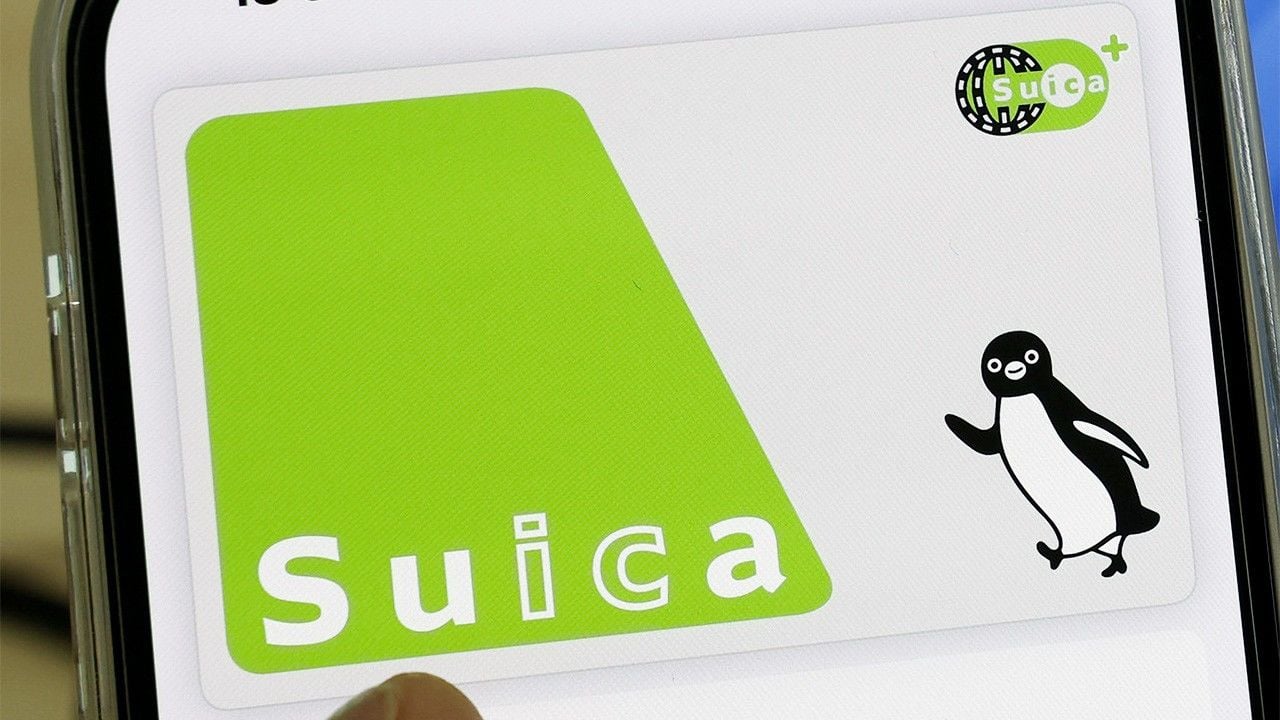
The Suica IC card, nicknamed the “watermelon card” in Chinese, is a contactless smart card issued by JR East and widely used across Japan’s transport network and for everyday purchases. It lets you ride trains and buses with ease and also pay at convenience stores, vending machines and more, greatly improving convenience when traveling or living in Japan. This guide breaks down the latest 2026 information on Suica, from card types and where to buy to mobile setup and top-ups, so you can master this indispensable tool.
The Origin and Meaning of the Suica Name
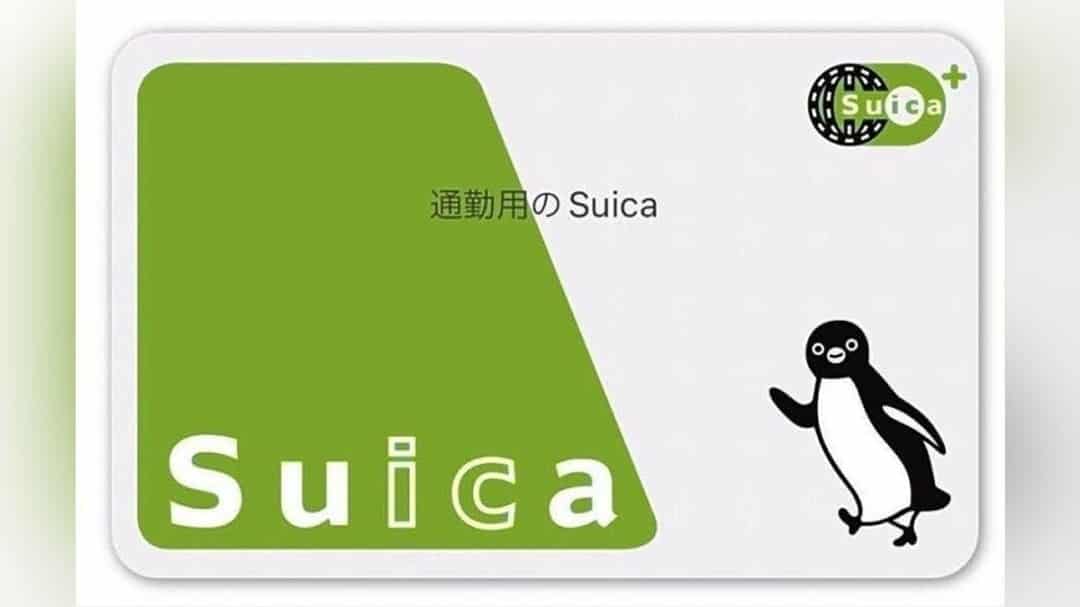
The name Suica is short for “Super Urban Intelligent CArd,” and in Japanese it also sounds like suika (watermelon), which is why it is fondly called the “watermelon card” in Chinese. The name also evokes “smooth travel” (suisui ikeru), symbolizing that with Suica you can get around Japan without a hitch. Since its launch in 2001, Suica has spread quickly thanks to its convenience and become one of Japan’s most popular transport IC cards.
Suica was designed to simplify payment for travelers, sparing them from preparing coins every time they ride transport or shop. Its contactless technology needs only a light tap, greatly cutting waiting time in queues. This efficient payment experience is a key reason Suica has been so widely accepted across Japanese society.
Where Suica Is Accepted and How Widely It Is Used
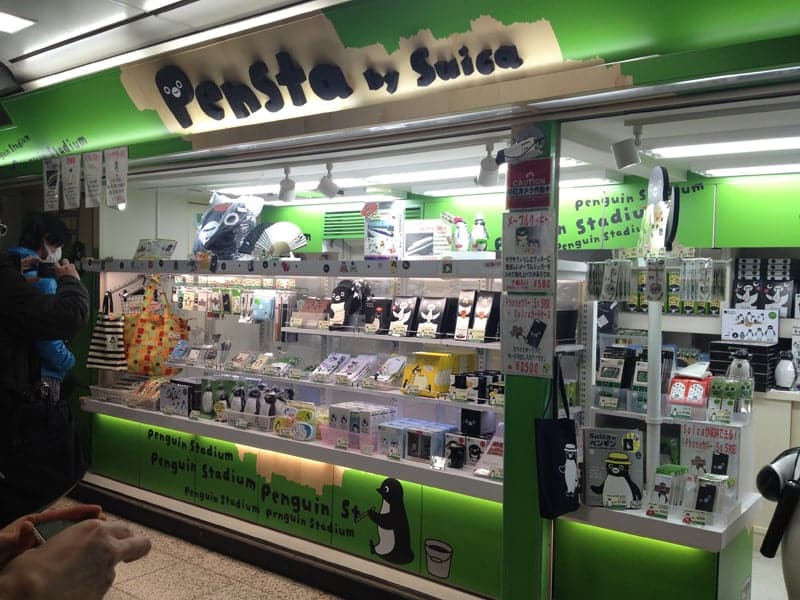
Suica is not limited to JR East lines. Through mutual-use services with other transport IC cards, it can be used on most railways, buses and subways across Japan. Its e-money function is also very capable, accepted at over a million shops, restaurants, vending machines, taxis and other places nationwide. This breadth makes it an indispensable payment tool in everyday Japanese life.
Whether you are riding the Shinkansen (limited express tickets are bought separately), buying a station bento, shopping, or even paying at some hot spring facilities, Suica offers a convenient way to pay. Its usefulness goes beyond a simple transport card to a multi-purpose electronic currency. For short-term visitors to Japan, Suica is the best way to avoid changing coins and working out fares.
Getting Around
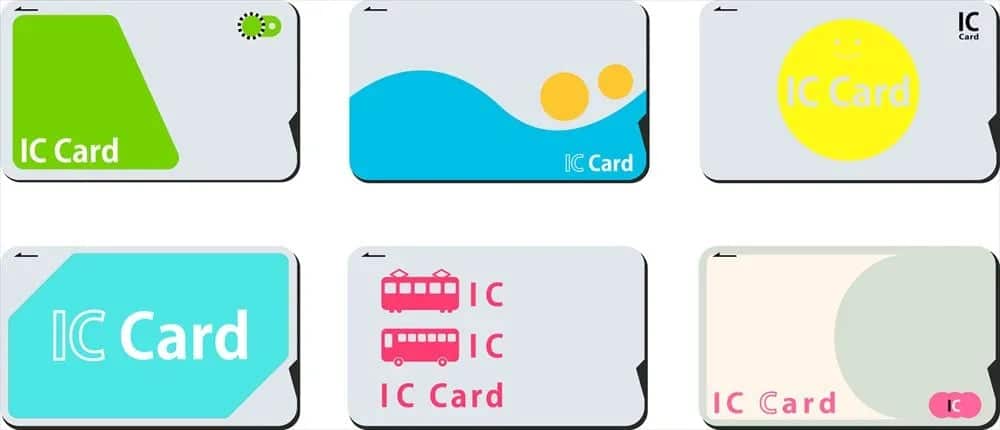
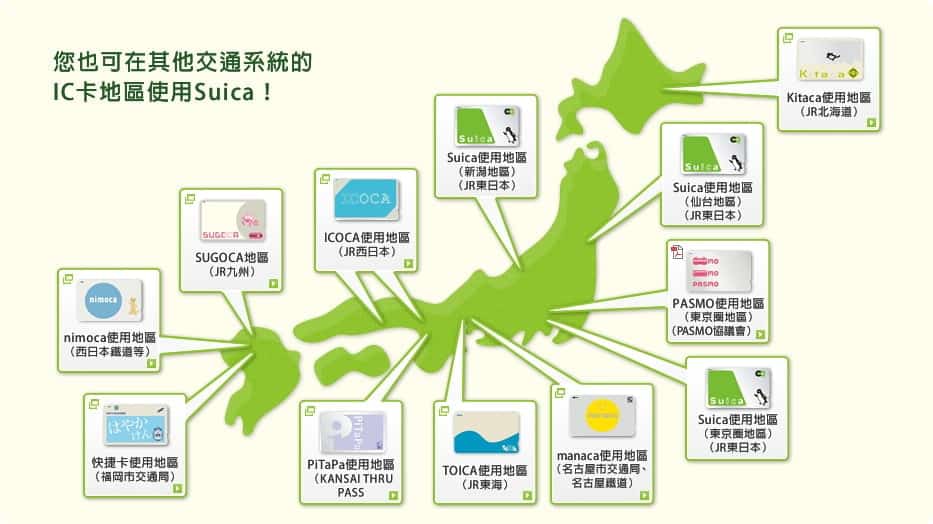
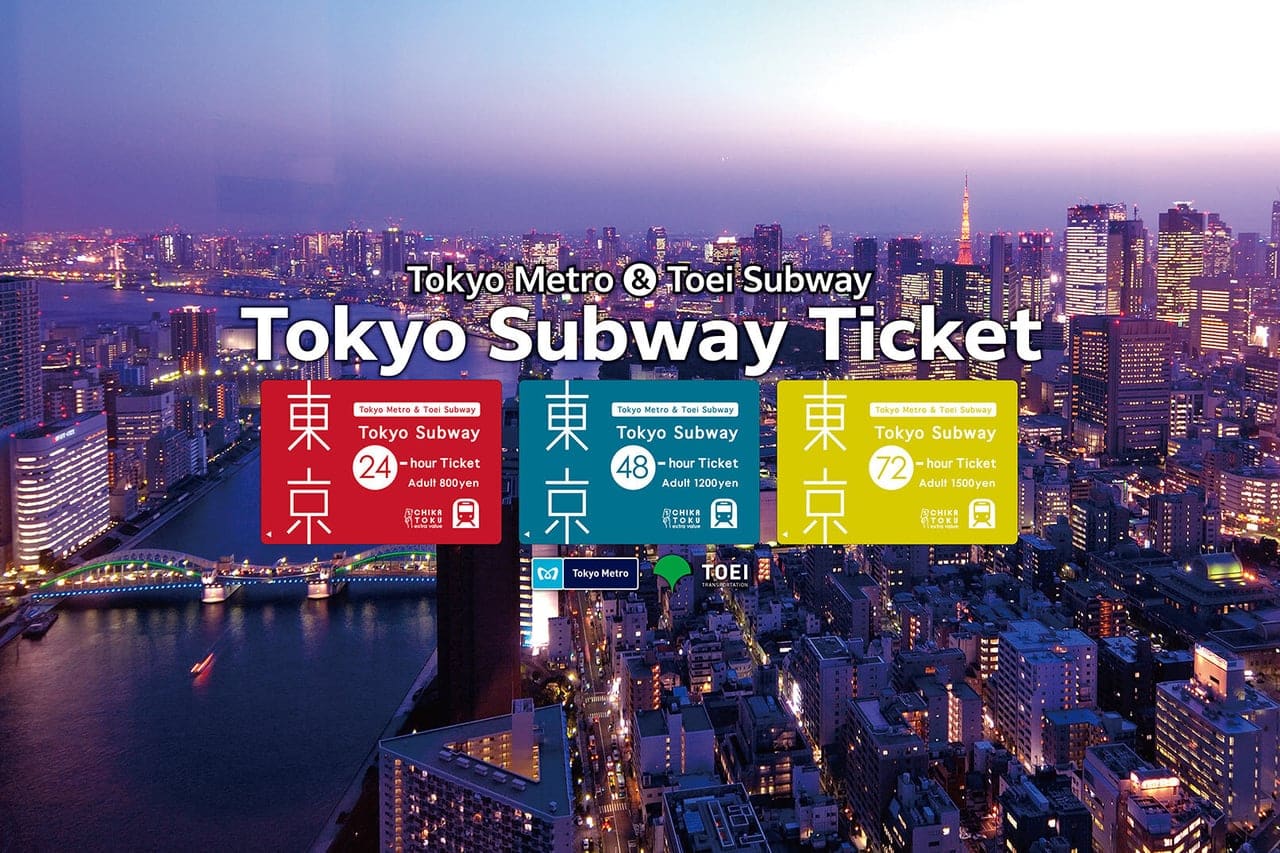
Suica works on almost all major railways, subways and bus systems across Japan, including JR East, Tokyo Metro, Toei Subway, private lines such as Keikyu, Odakyu and Tokyu, and local buses. Just tap the card on the reader at the ticket gate or at the front of the bus, and the fare is deducted automatically as you exit, with no need to work out fares or queue for tickets in advance, which greatly simplifies transfers. Suica is also interoperable with PASMO, ICOCA and the other nine major nationwide transport IC cards, so one card lets you ride public transport in most parts of Japan.


Highlights and Experience
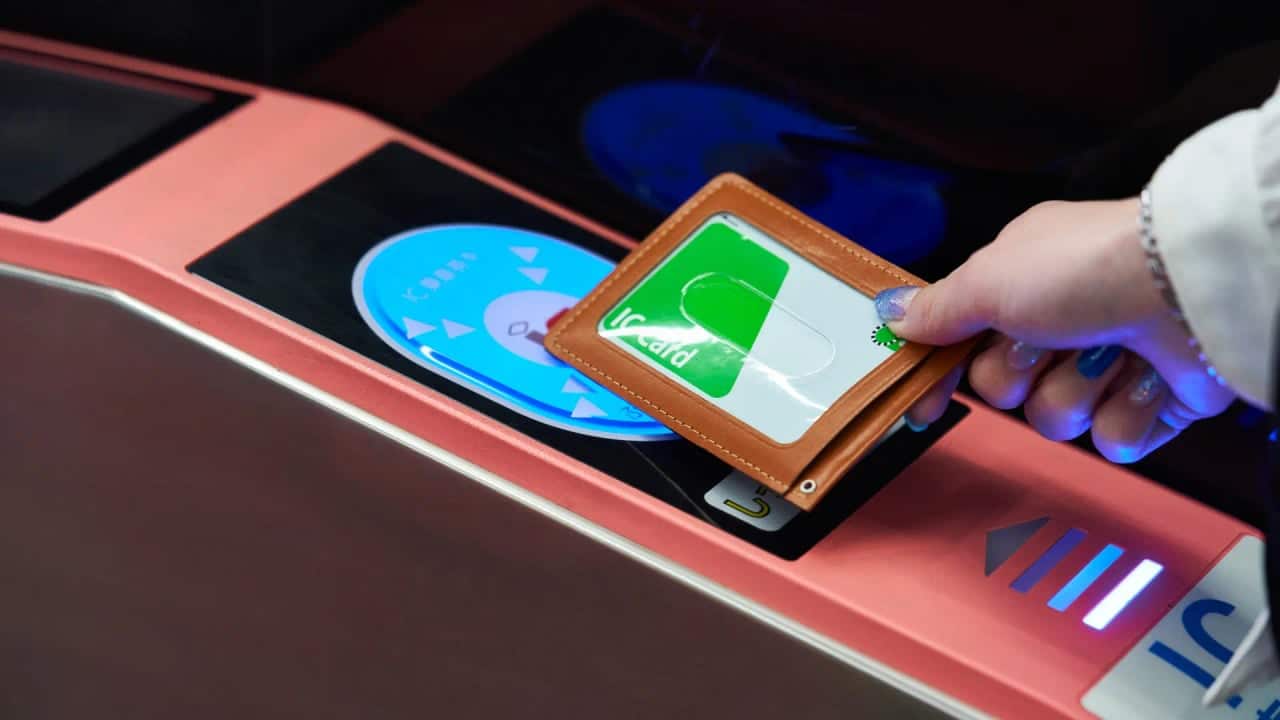
The biggest highlight of using Suica is the smooth “tap and go” experience: whether you are entering and leaving stations, transferring between lines, or paying at a convenience store or vending machine, a light tap is all it takes, saving the time spent digging for coins and buying tickets. With the mobile version, Mobile Suica, you can also top up and pay directly with Apple Pay or Google Pay and earn points through JRE POINT. For travelers, this queue-free, cash-free way of getting around is the key to Suica’s popularity.
Tickets and Tours
If you want to plan your transport card before arriving in Japan, you can also book Japan transport card products on the platform below and have everything ready before you leave:

![Tokyo - [Tokyo Travel Essential] Suica Card | The Most Convenient Transport Card](https://res.klook.com/images/w_300,h_300,c_fill,q_75/w_80,x_15,y_15,g_south_west,l_Klook_water_br_trans_yhcmh3/activities/umbkzsnq3ftwmq5zcdrx/【東京旅遊必備】Suica西瓜卡|最便利的交通卡-Klook.jpg)
Suica IC Card Types and Choices: Which One Suits You Best?
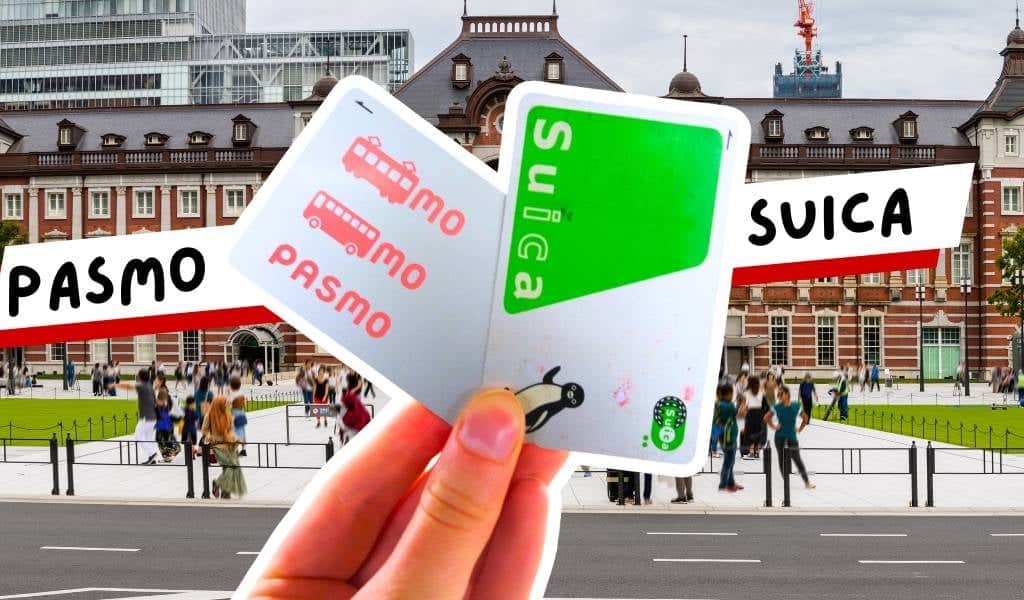
Suica IC cards come in several forms to meet different users’ needs. Knowing the characteristics of each helps you choose the Suica that suits you best. From the traditional physical card to convenient mobile payment, each has its own advantages and situations where it fits. For short-term foreign visitors in particular, JR East also offers the dedicated Welcome Suica, which provides more flexible use.
Physical Suica Cards: Anonymous Suica and My Suica
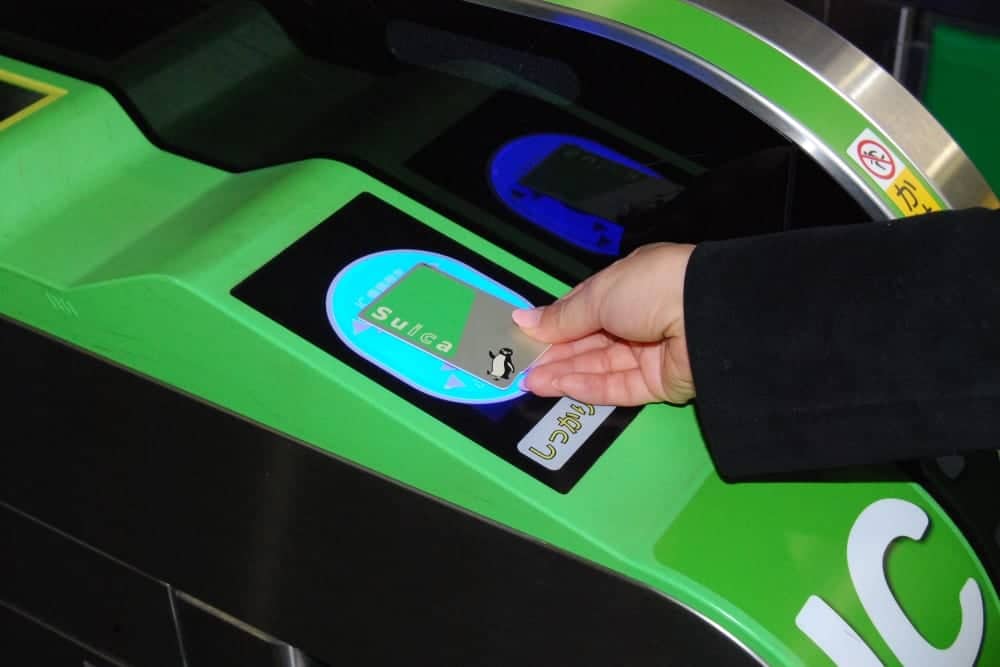
Physical Suica cards come in two types: the “anonymous Suica” and the “My Suica (registered Suica).” The anonymous Suica is easy to buy and requires no personal information, but a lost card cannot be reissued or refunded. My Suica requires registering personal details such as your name and date of birth; if lost, it can be reissued and the balance transferred, offering greater security. Both require a ¥500 deposit and can be loaded with up to ¥20,000.
Because of a chip shortage, sales of physical Suica cards were once suspended, but sales resumed on September 1, 2024 (My Suica) and March 1, 2025 (anonymous Suica). After arriving in Japan, you can buy one from the ticket machines or Green Window at a JR station. For people who live in Japan long-term or visit often, My Suica is the safer choice because it offers protection if the card is lost.
- 🎫 Price: Issued in amounts of ¥1,000 / ¥2,000 / ¥3,000 / ¥4,000 / ¥5,000 / ¥10,000 (all including a ¥500 deposit)
- 💰 Top-up and card return: Maximum balance ¥20,000; returning the card costs a ¥220 fee, and the ¥500 deposit is refunded in full
- 🔗 JR East official website (Suica)
For Visitors to Japan: Welcome Suica and Welcome Suica Mobile
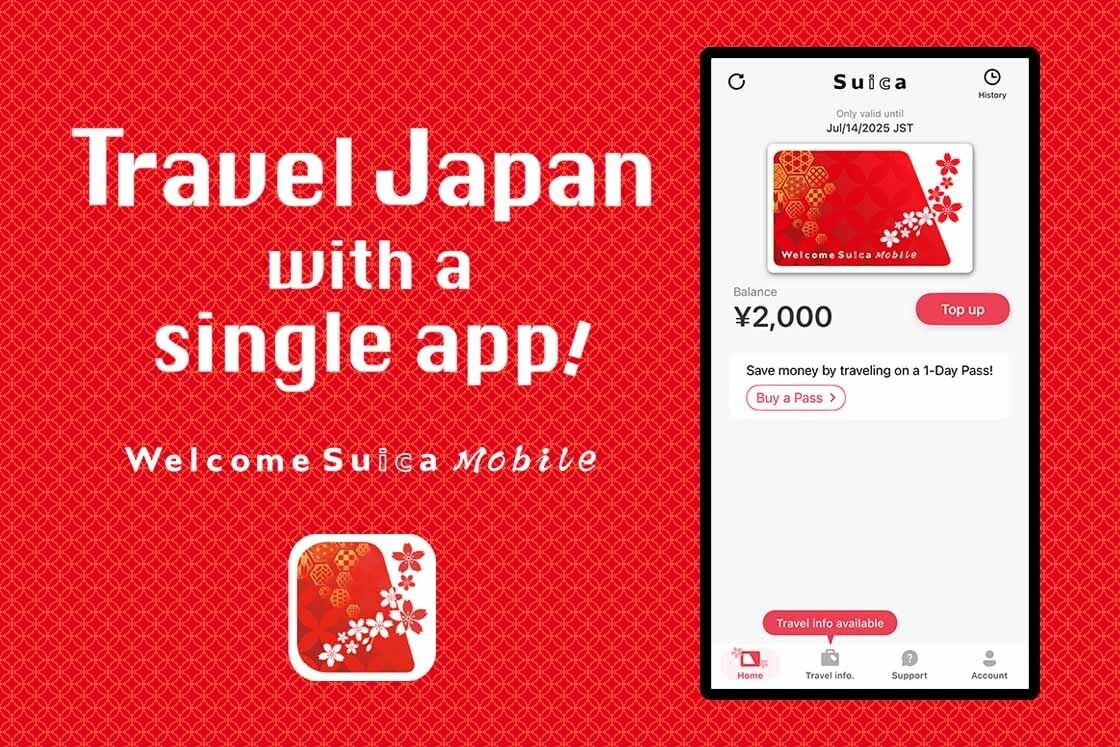
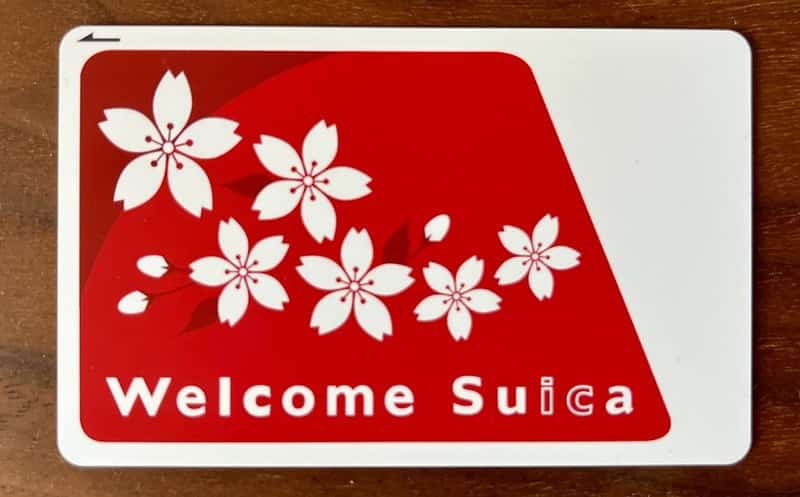
“Welcome Suica” is a physical card designed for short-term foreign visitors, and its main features are “no deposit” and “no need to return the card.” The card is valid for 28 days; after that it expires and any remaining balance cannot be refunded. Its red background with a cherry blossom pattern makes it a nice keepsake. It is issued in the same six amounts from ¥1,000 to ¥10,000 and can later be topped up with cash to a maximum of ¥20,000.
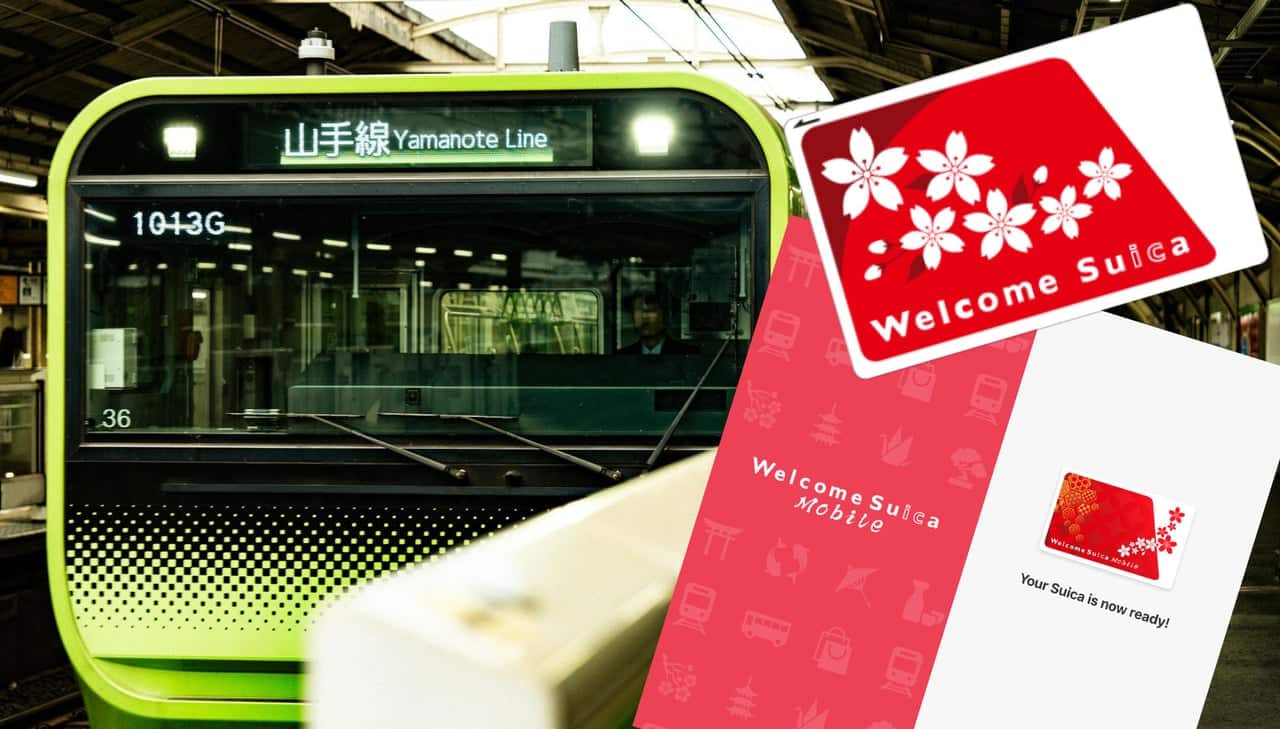
JR East also offers “Welcome Suica Mobile,” a virtual card that can be added directly to an iPhone or Apple Watch. It also has no deposit, is valid for 180 days and has a multilingual interface. Its advantage is that you do not need to carry a physical card, and you can top up directly with Apple Pay, which is very convenient for travelers used to mobile payment. At present this service supports iPhone and Apple Watch.
- 🎫 Price: Issued in amounts of ¥1,000 / ¥2,000 / ¥3,000 / ¥4,000 / ¥5,000 / ¥10,000, no deposit
- 🗓 Validity period: 28 days from the date of purchase; the balance can never be refunded (you can keep the card as a souvenir)
- 🔗 JR East official website (Welcome Suica)
Reading the Suica Card Design: The Penguin Design vs. Welcome Suica
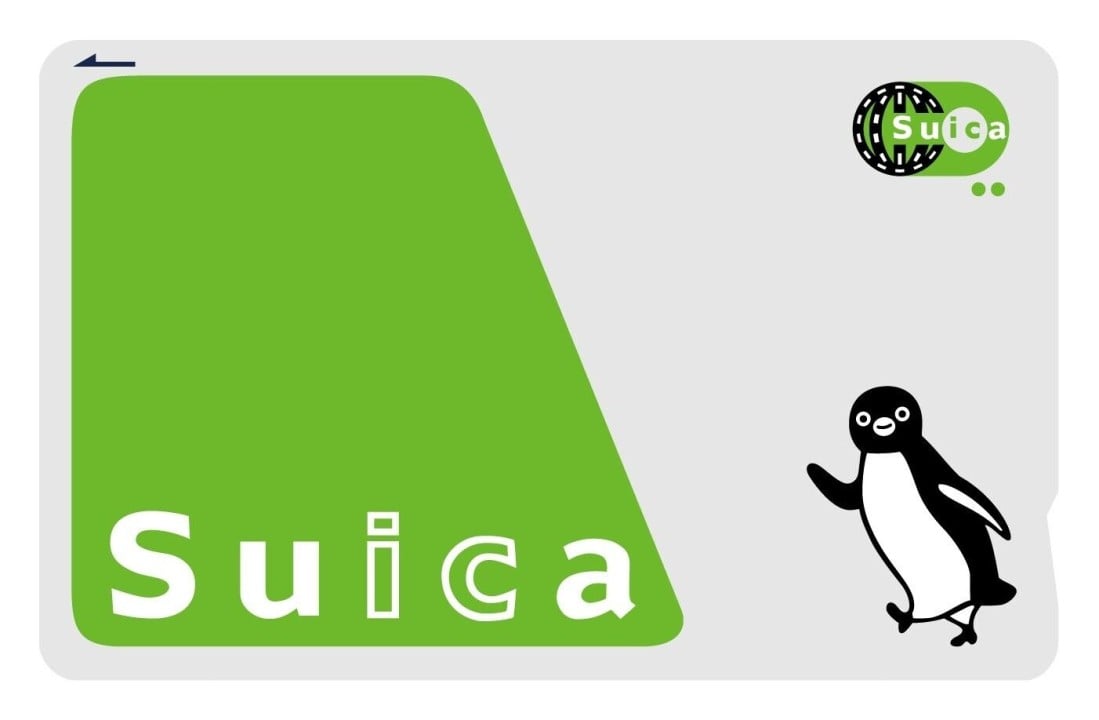
Suica cards have long featured the penguin mascot as their main visual, while Welcome Suica uses its own design of a red background with cherry blossoms. Besides the look, the two also differ in deposit and validity period. JR East has announced that the penguin will “graduate” at the end of fiscal 2026 (Suica’s 25th anniversary), with a successor chosen from three candidates: a squirrel, a rabbit and a mole. Please check official announcements for whether the card design will change afterward.
Mobile Suica: Mobile Suica and Apple Pay Suica
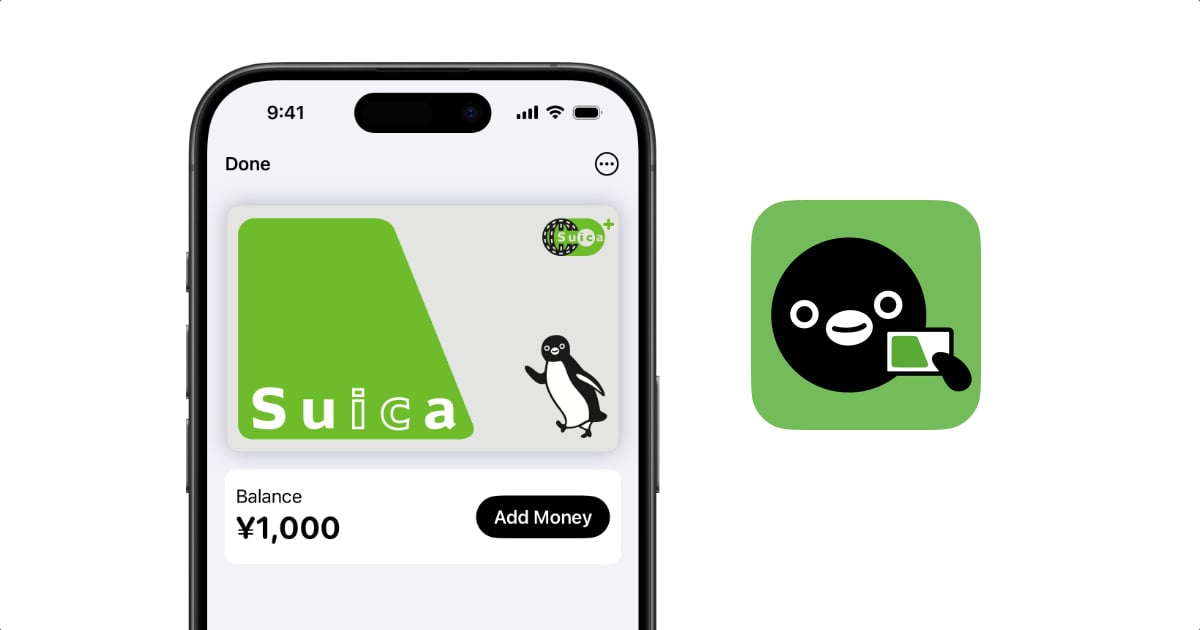
“Mobile Suica” integrates Suica functions into a smartphone and comes in an Android version and an iPhone/Apple Watch version. iPhone users can add a Suica card directly through Apple Pay, which is simple and lets you top up with a credit card anytime, anywhere. This saves the trouble of carrying a physical card and the time spent queuing to top up.
Android users can download the Mobile Suica app if their phone is a model sold in Japan that supports FeliCa. For Android phones bought overseas, however, FeliCa chips are uncommon, so Mobile Suica usually cannot be used. That said, Google Pay also supports Suica in Japan, so some Android users can try it. Suica itself has a top-up limit of ¥20,000; JR East plans to launch a new barcode payment service, “teppay,” in the Mobile Suica app in autumn 2026, with a balance managed separately from Suica and a limit of ¥300,000. The start date is subject to official announcement.
Suica Compatibility with Other Transport IC Cards
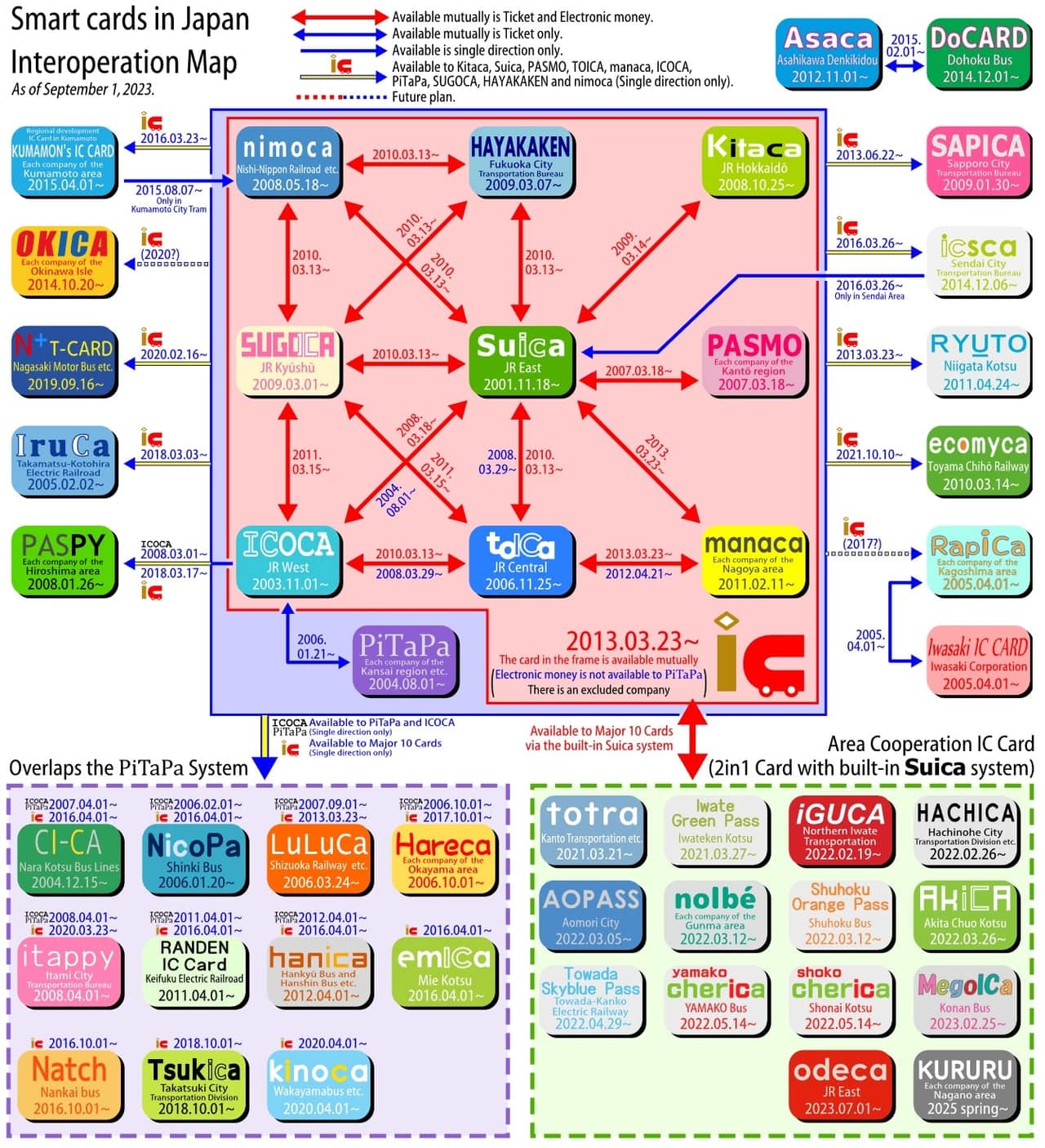
Japan has more than ten major transport IC cards, including Suica, PASMO, ICOCA, Kitaca, TOICA, manaca, PiTaPa, SUGOCA, nimoca and Hayakaken. These cards offer “nationwide mutual use,” meaning you can ride trains in PASMO areas with Suica, or pay in Suica areas with ICOCA. This greatly simplifies travel across regions, since you do not need to buy a different transport card for each area.
However, mutual use mainly applies to transport rides and electronic payment, and some services still have regional limits. For example, when traveling across areas on JR conventional lines, you cannot tap in directly from a Suica area into an ICOCA area; you must exit at the border between the two areas and buy a new ticket. Card refunds can also only be handled in the area that issued the card. So although the cards are interoperable, you should keep these details in mind when planning long trips.
How to Buy, Top Up and Use a Suica IC Card: A Beginner’s Guide
Using a Suica IC card for the first time may raise a few questions, but the process is actually very intuitive. From buying the card and topping up to using it for transport and shopping, mastering these basic steps will make your trip to Japan smoother. This section gives detailed steps so you can get started easily.
Where and How to Buy a Physical Suica Card
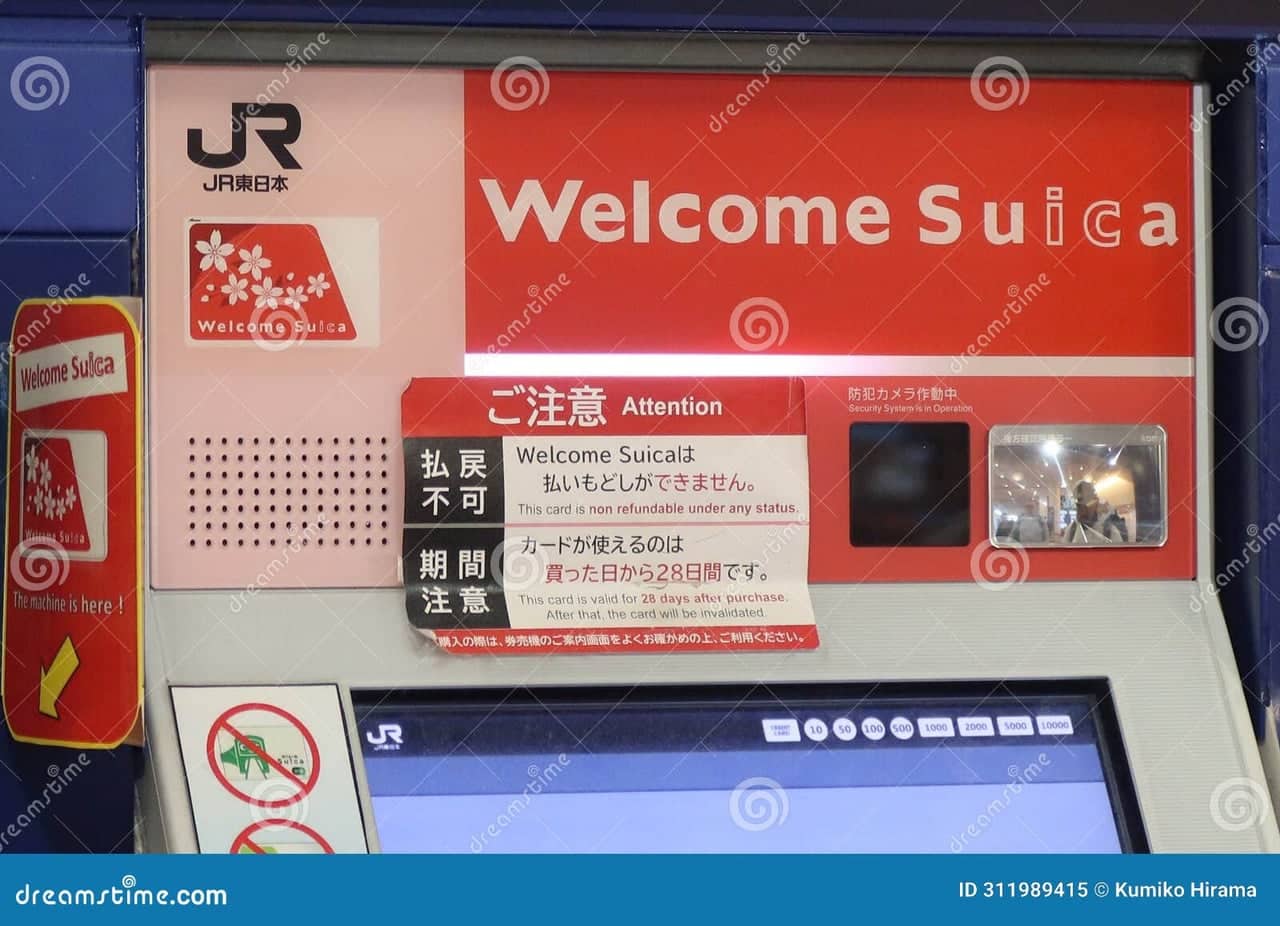
Physical Suica cards (both anonymous Suica and My Suica) can be bought at ticket machines or the Green Window (Midori no Madoguchi) at stations in the JR East area. On the machine, choose the “IC Card” or “Suica purchase” option, then choose “anonymous Suica” or “registered Suica.” Cards are issued in six amounts: ¥1,000, ¥2,000, ¥3,000, ¥4,000, ¥5,000 and ¥10,000, all including a ¥500 deposit (for example, a ¥1,000 card has a usable balance of ¥500). Welcome Suica can be bought at dedicated ticket machines or JR East Travel Service Centers at major stations such as Narita Airport, Haneda Airport and Tokyo Station (sales locations and quantities are subject to official announcements). The minimum load is ¥1,000, with no deposit.
Note that some ticket machines may not offer an English interface, so look for a machine with an “English” button or go straight to the Green Window for help. When buying Welcome Suica, you usually need to show your passport to prove you are a short-term visitor. We suggest buying one while you wait for your luggage after arriving at the airport, so it is ready to use as you head into the city. If physical cards are in short supply, you can also set up Mobile Suica directly on your phone.
Ways to Top Up a Suica IC Card: Many Options
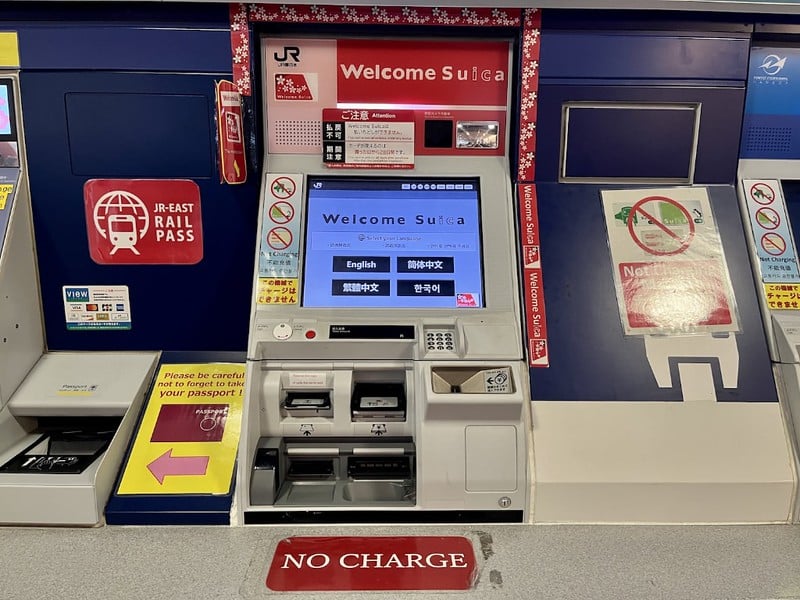
There are many ways to top up a Suica IC card, so you can add balance whenever you need. The most common is at a ticket machine in a JR station: choose the “Charge” option, insert your Suica card, select an amount (¥500, ¥1,000, ¥2,000, ¥3,000, ¥5,000 or ¥10,000) and insert cash. Some machines also support credit card top-ups.
In addition, major convenience stores in Japan (such as 7-ELEVEN, FamilyMart, Lawson and MINISTOP) also offer Suica top-ups: simply hand your card to the clerk, say “charge,” and pay in cash. Mobile Suica users can top up online by linking a credit card through Apple Pay or the Mobile Suica app, which is without doubt the most convenient way, letting you add money anytime, anywhere without queuing.
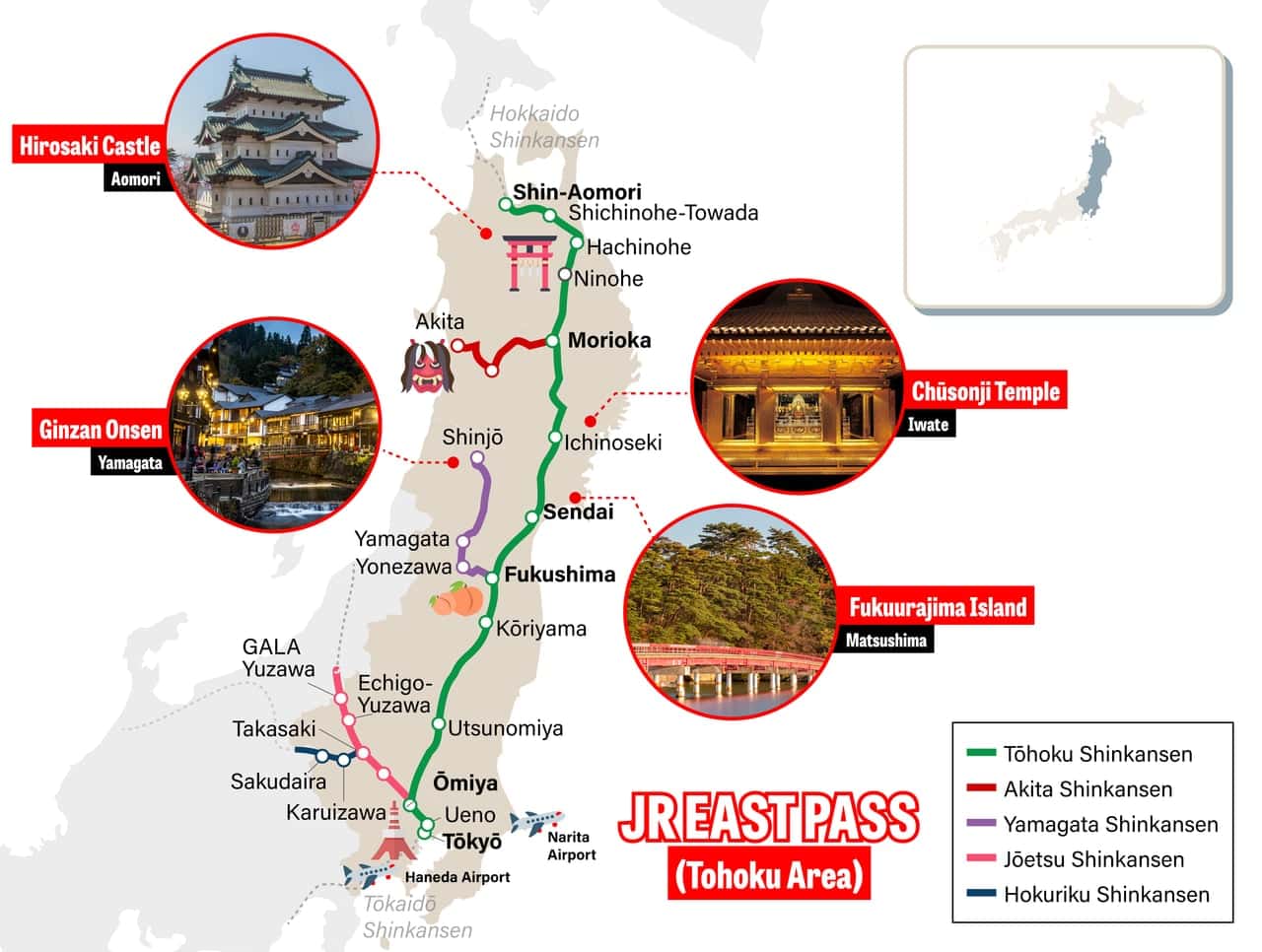
Using Suica for Transport and Shopping
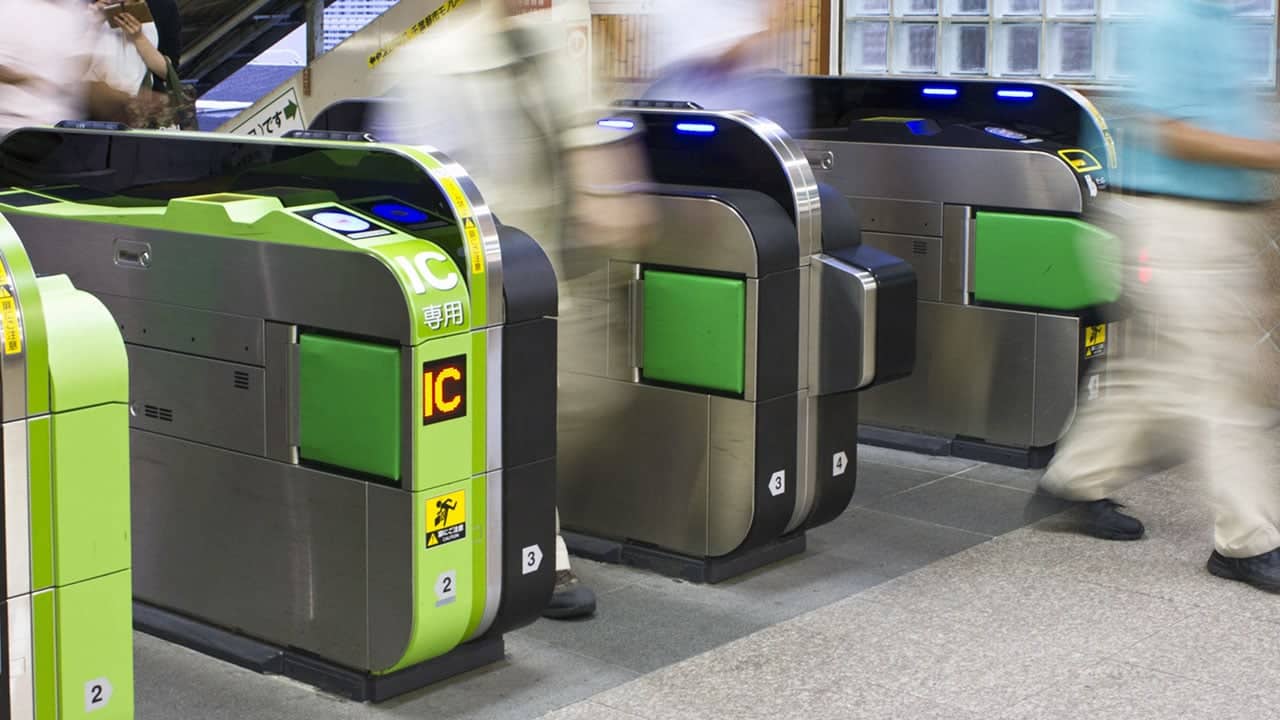
Riding transport with a Suica IC card is very simple: just touch the card to the reader at the gate when entering and leaving a station. When the tap succeeds, the gate opens and displays the fare deducted and your balance. On buses, tap the reader when boarding or getting off (depending on the bus company’s rules). Be sure to confirm the tap went through to avoid forgetting to tap or tapping twice.
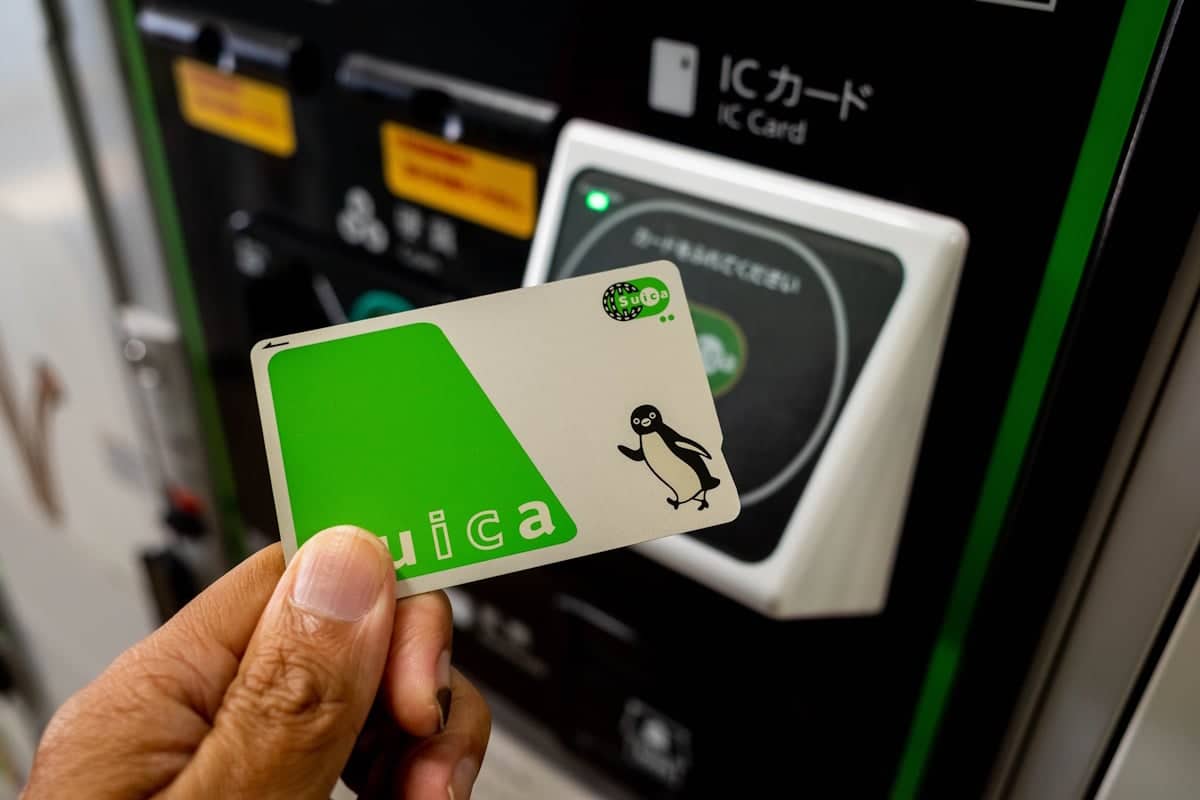
When shopping, tell the clerk at checkout that you want to pay with “Suica,” then touch the card to the reader to complete the transaction. Many vending machines and coin lockers also accept Suica; look for the Suica logo on the reader. Suica’s e-money function makes spending in Japan more seamless, saving you the trouble of making change and the risk of carrying lots of cash.
Returning a Suica Card and Getting a Refund
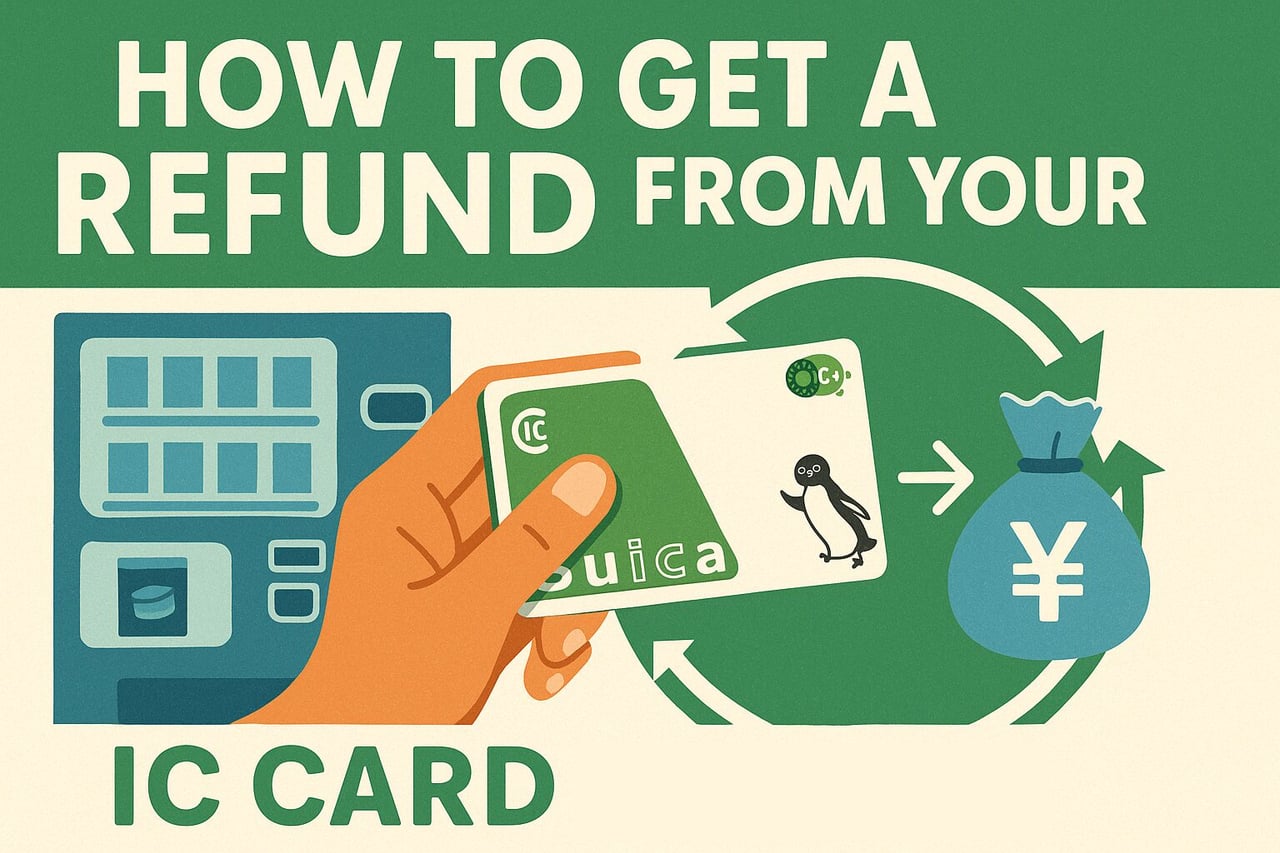
Physical Suica cards (anonymous and My Suica) can be returned at a Green Window in the JR East area. On a refund, the balance on the card is returned minus a ¥220 fee, together with the ¥500 deposit. If the balance is less than ¥220, only the deposit is returned. Note that Welcome Suica cannot be refunded, since it has no deposit and has an expiry date.
The refund process for Mobile Suica is slightly different. iPhone users can request a refund through the Wallet app or the Suica app, and the money is returned to the linked credit card or a Japanese bank account. Android users need to apply through the Mobile Suica app. A ¥220 fee is also deducted. For non-residents of Japan, Mobile Suica refunds can be complicated, so it is best to use up your balance before leaving the country.
Where to Stay Along the Way
For first-time Suica users, staying near stations where JR and subway lines converge, such as Tokyo Station, Shinagawa or Shinjuku, makes airport trips and transfers the most direct. Suica works on JR East, Tokyo Metro and the Toei Subway, so a single card links these transport hubs. Before booking, check the walking time from the hotel to the nearest station.

Suica Tips and Frequently Asked Questions
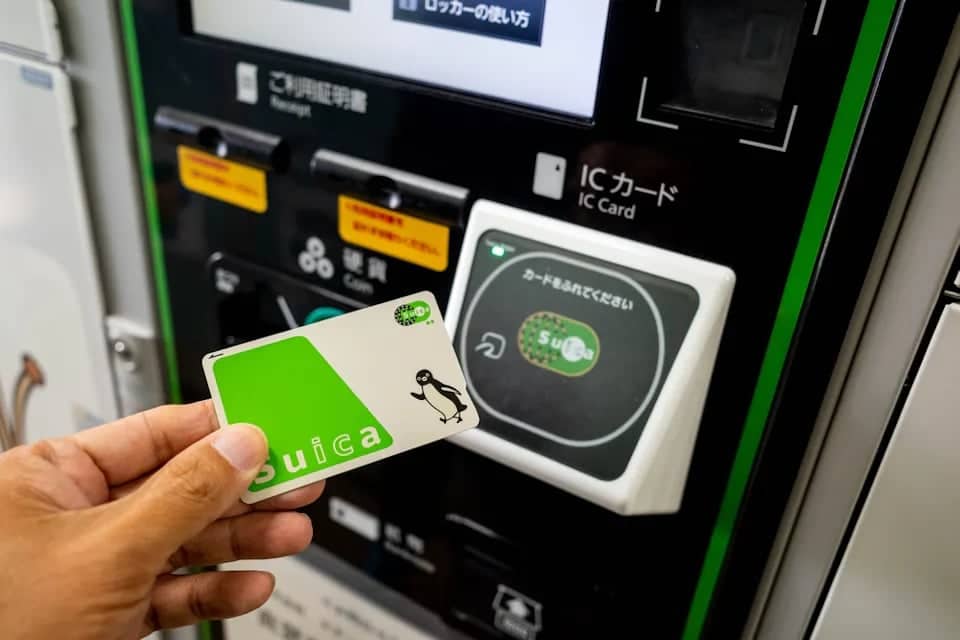
To help you use your Suica more effectively, this section collects some practical tips and answers to common questions. From checking your balance to handling a lost card, this information will help you avoid unnecessary trouble and keep your trip in Japan running smoothly. Master these details and let Suica be a capable helper on your journey.
How to Check Your Suica Balance and Usage History
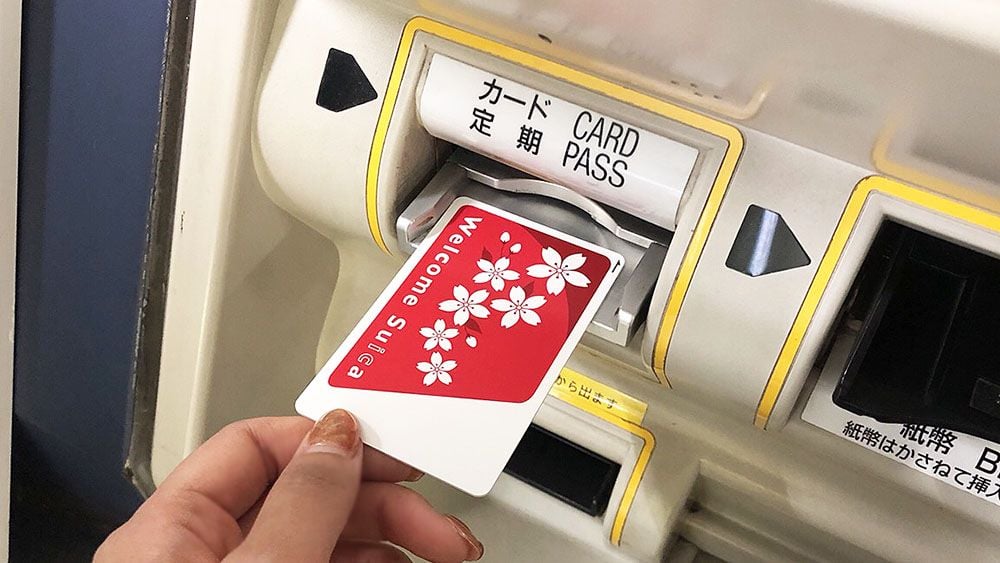
Checking your Suica balance is very easy. Physical card users can check at a station ticket machine, fare adjustment machine or a card reader at a convenience store. Insert or touch the card to the reader and the screen shows the current balance. At some stations the gate also displays your balance as you pass through. Many checkout machines at convenience stores and supermarkets can show it as well.
For Mobile Suica users, checking the balance is even more immediate. Just open the Wallet app (iPhone) or the Mobile Suica app (Android) to see your card balance and recent usage history at any time. Some third-party apps, such as JapanTravel by NAVITIME, also offer Suica balance checks; simply hold your phone near the physical card to read it. Checking your balance regularly helps you avoid the embarrassment of running short when riding or shopping.
What to Do if a Suica Card Is Lost or Malfunctions
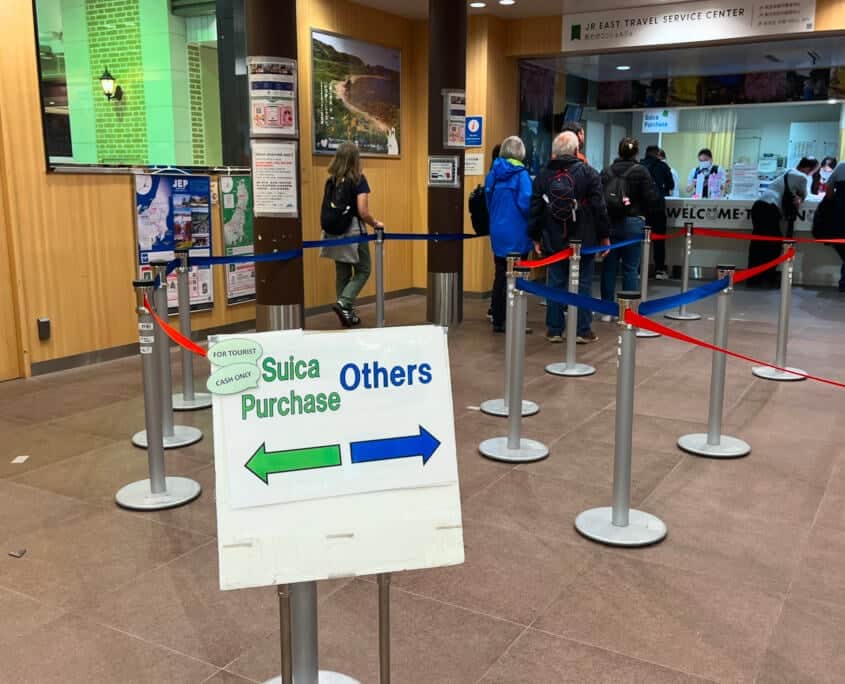
If your “anonymous Suica” is lost, unfortunately it cannot be reissued or refunded, because the card holds no personal information. We therefore suggest considering a “My Suica (registered Suica)” or “Mobile Suica” to lower the risk of loss. If a My Suica is lost, you can apply to JR East to have it suspended and a new card issued; the balance on the old card is transferred to the new one, but you must pay a reissue fee and a new card deposit.
Mobile Suica users enjoy greater security. If your phone is lost, you can lock it remotely or erase its data, then sign in to your Mobile Suica account on a new phone to restore the original card data and balance. If a Suica card malfunctions, whether physical or mobile, go to a JR East Green Window as soon as possible for help. Staff will check the card and offer a solution, such as replacing it with a new card or processing a refund.
Suica Validity Period and Things to Note
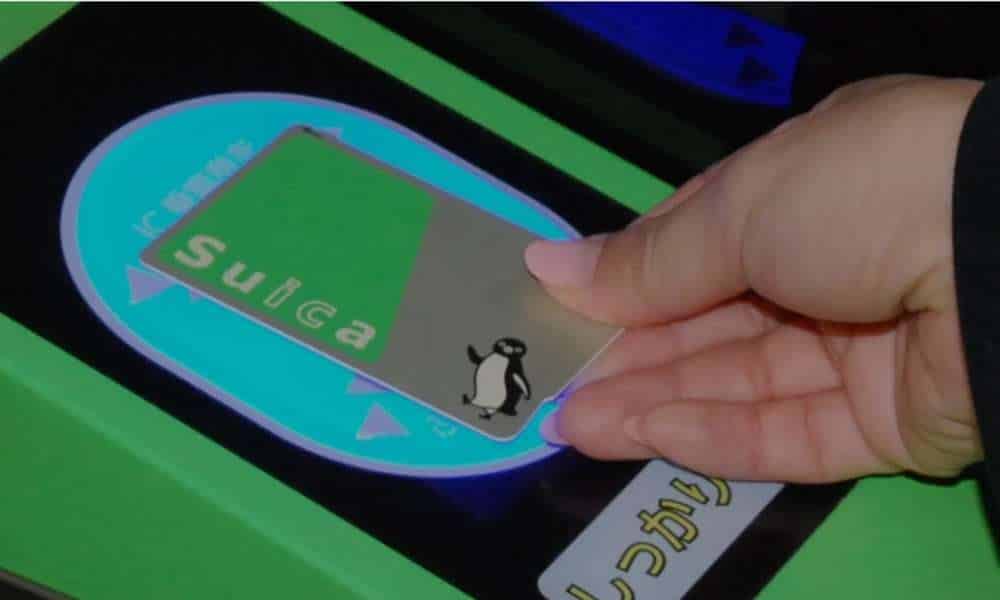
Physical Suica cards (anonymous and My Suica) are valid for 10 years after the last use. As long as the card is used at least once within 10 years (including for a ride or a purchase), its validity is automatically extended. So if you use it regularly, the card is effectively valid indefinitely. Welcome Suica, on the other hand, has a clear validity of 28 days (180 days for the Mobile version), after which the card expires and the balance cannot be refunded.
When using Suica, note the rule against “cross-area fare settlement.” For example, you cannot tap in from the Tokyo Suica area into the Osaka ICOCA area; you must exit at the border between the two areas. Also, on the Shinkansen or limited express trains, Suica only pays the basic fare, and you still have to buy a limited express ticket or Shinkansen ticket separately. For child travelers, JR East also offers a “Child Suica” with half-price fares, but it must be obtained at a Green Window with identification.
The Suica Penguin Mascot and Souvenir Goods
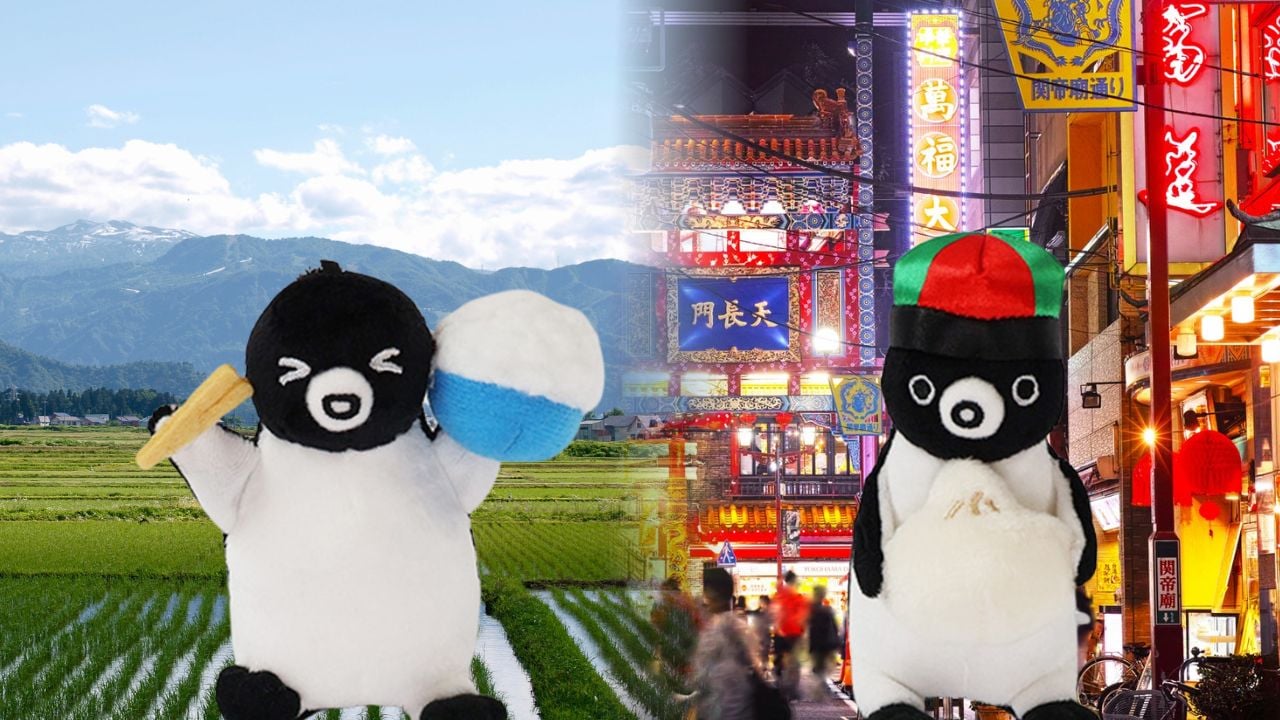
The Suica mascot is a cute penguin designed by the well-known Japanese illustrator Chiharu Sakazaki. The penguin appears not only on the Suica card but also on a wide range of souvenir goods and promotions, and is much loved. Many shops inside JR stations (such as NewDays) and railway museums sell Suica penguin merchandise, including plush toys, stationery and clothing.
It is worth noting that JR East has announced that the Suica penguin mascot will “graduate” at the end of fiscal 2026 (Suica’s 25th anniversary) and has named three successor candidates: a squirrel, a rabbit and a mole. For fans of the penguin, this is a last chance to collect souvenirs. These goods are not only travel mementos but also carry the convenience and happy memories Suica has given people.
Suica Compared with Other Payment Methods
In Japan, besides the Suica IC card, there are many other ways to pay. Understanding the pros and cons of Suica versus cash, credit cards, other transport IC cards and barcode payments helps you make the payment decision that suits you best. Each method has its conveniences and limits, and choosing the combination that best fits your needs will make life in Japan more efficient.
Suica vs. Cash: Pros and Cons
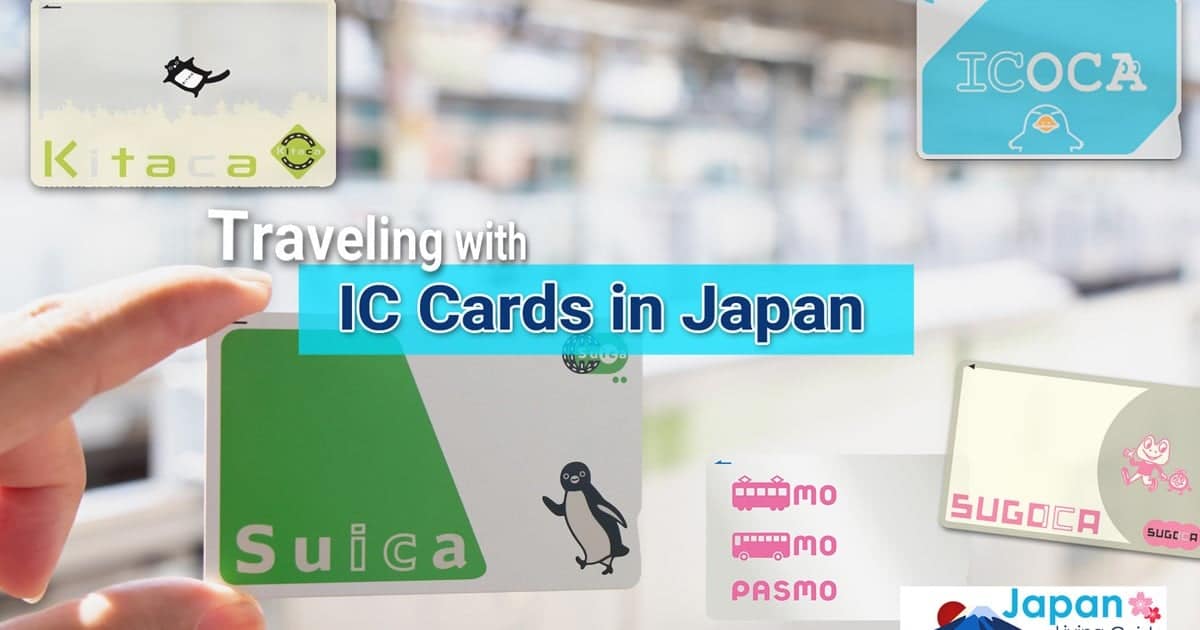
Compared with cash, Suica’s biggest advantages are convenience and speed. There is no change to count, and a light tap completes payment, saving considerable time, especially at stations or convenience stores at peak hours. Using Suica also avoids the risk of carrying lots of cash and the hassle of handling coins.
However, cash is still irreplaceable in Japan. Some small shops, traditional markets and shrines or temples may accept only cash. For travelers on a strict budget, cash gives a more direct sense of spending. Overall, though, Suica’s range of use in modern Japan is now very broad and enough for most everyday purchases, so carrying a little cash alongside Suica is the best choice.
Suica vs. Credit Card Payment
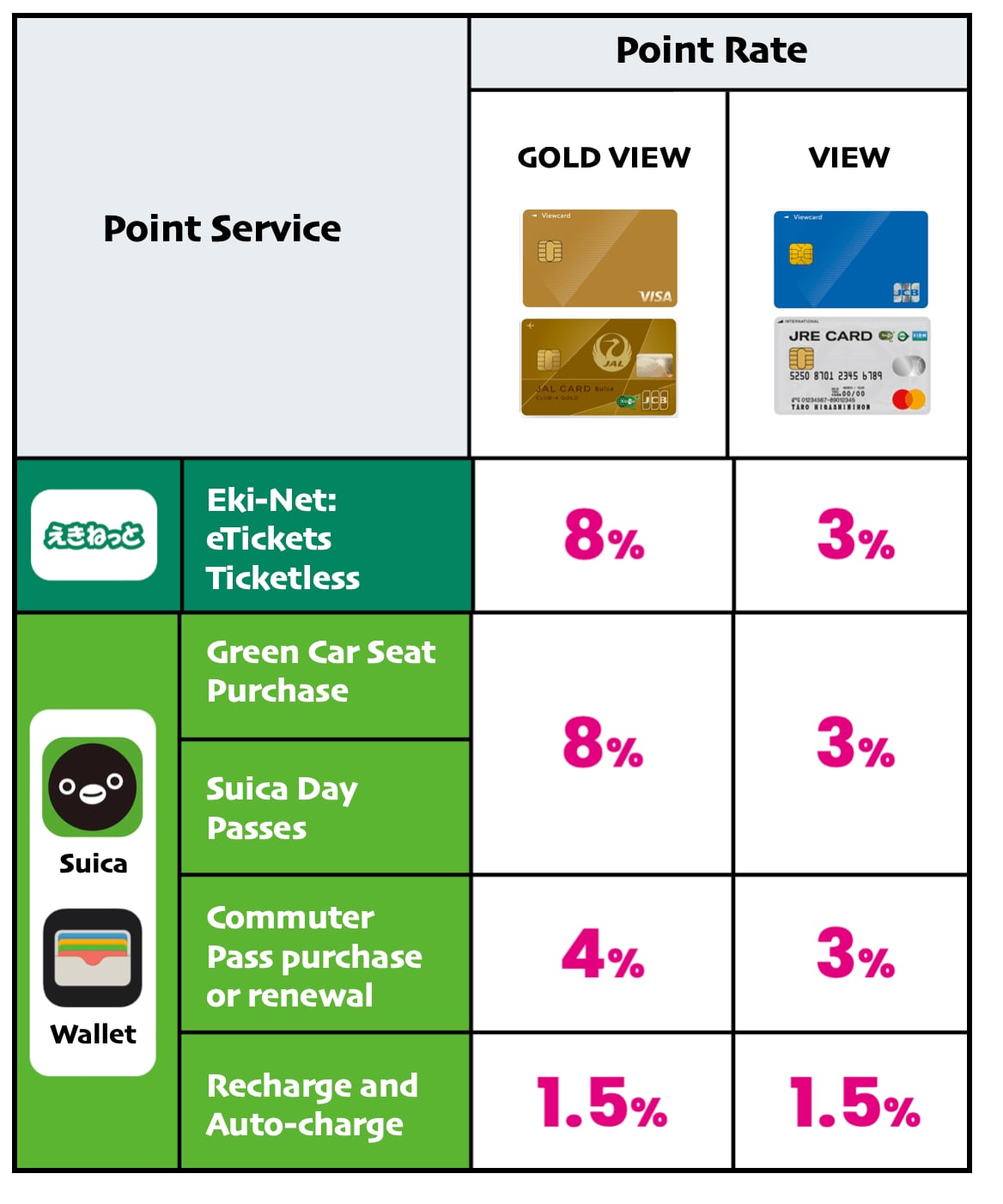
Credit cards are very common at large stores, department stores and hotels, and usually earn points or offer foreign-transaction perks. However, on public transport or at small shops and vending machines, credit cards are not as widely accepted as Suica. Many station gates and buses do not support tapping a credit card directly, while Suica works without any problem.
A major advantage of Suica is its offline payment ability: even if your phone has no data or poor signal, Mobile Suica works normally as long as there is battery. Credit cards, on the other hand, need a network connection to complete a transaction. For users who ride transport often or pay at small-value places, Suica is far more convenient than a credit card. Some credit cards can be linked to Mobile Suica for top-ups, combining the strengths of both.
How Suica Differs from Other Transport IC Cards
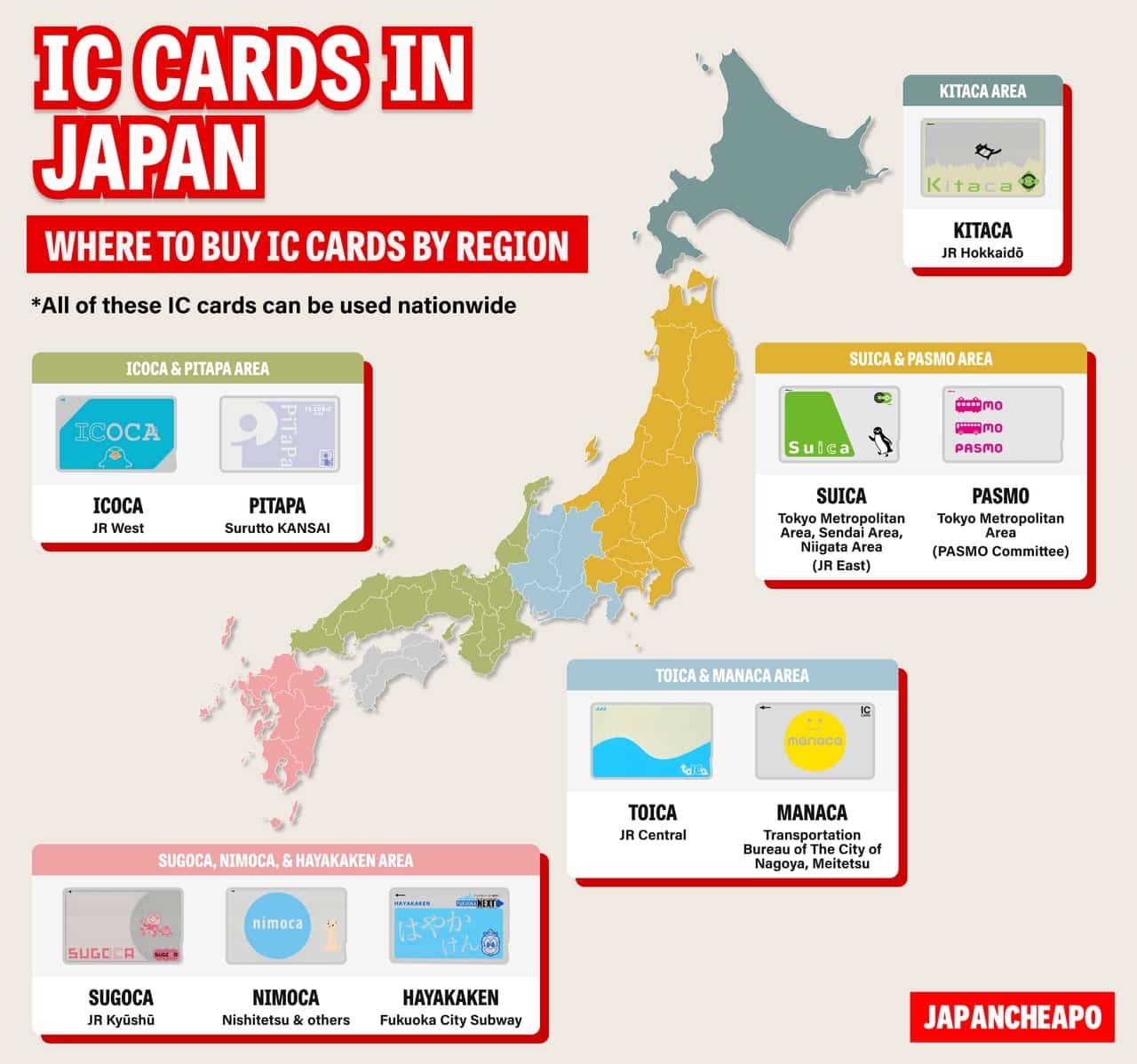
Although Japan’s major transport IC cards (such as PASMO and ICOCA) are interoperable nationwide, they still differ in purchase, return and certain services. For example, PASMO is mainly issued by Tokyo’s subways and private railways, while ICOCA is issued by JR West. Incidentally, people often ask how to pronounce ICOCA: in Japanese it is read “i-ko-ka” (イコカ), and the name comes from “IC Operating CArd” while also being a pun on the Kansai dialect “ikoka” (meaning “shall we go?”), a naming approach similar to Suica’s watermelon wordplay; ICOCA service began in November 2003. If you mainly move around Tokyo and the Kanto region, Suica or PASMO is the first choice; in the Kansai region, ICOCA is more convenient.
In addition, the cards differ in how well they support phone linking. For example, Mobile PASMO and Mobile ICOCA also support Apple Pay, but for Android phones support depends on the model and region. Which IC card to choose mainly depends on where you will be in Japan and personal preference. For short-term visitors, Welcome Suica is a good no-deposit option.
Suica and the Future of Barcode (QR Code) Payment
In recent years, barcode payments in Japan (such as PayPay, LINE Pay and d-barai) have risen quickly and are especially popular with younger people. Barcode payments usually offer more discounts and point rewards and need no physical card, only a phone. However, they require a stable network connection and are still less widely used than IC cards in transport systems.
In the future, the Mobile Suica app will add the barcode payment service “teppay,” which JR East plans to launch in autumn 2026, with the start date subject to official announcement. This will make Suica’s functions more diverse, letting users freely choose between tap payment and barcode payment in transport and retail settings. This integration will further raise Suica’s convenience and competitiveness, keeping it ahead in a changing payments market. For users, it means more payment choices and a more seamless spending experience.
Conclusion: Master Suica and Travel Japan Worry-Free
As Japan’s most widely used and capable smart payment tool, the Suica IC card is an indispensable companion for both short-term visitors and long-term residents. With the detailed explanations in this guide, you should now have a full understanding of Suica’s types, how to buy and top up, usage situations and points to note. From physical cards to phone linking, Suica keeps evolving to offer more efficient and secure payment.
2026 Suica IC Card Highlights Recap
In 2026, the Suica IC card market continues to develop, and the supply of physical cards has gradually returned to normal, making them easy for more travelers to get. Mobile Suica on iPhone and Apple Watch is increasingly mature and offers a seamless mobile payment experience. For Android users, overseas models still face compatibility challenges, but support for Japan-market models and Google Pay keeps improving. Most anticipated is the barcode payment service “teppay” (balance limit ¥300,000), expected in autumn 2026, which will broaden Suica’s use cases and meet more varied needs.
Welcome Suica and its Mobile version continue to give short-term visitors a no-deposit, convenient payment option, and the validity period suits short trips. These developments show Suica constantly adapting to market changes and user needs in pursuit of better service. Knowing this latest information will help you make the best payment choices on your trip in Japan.
Looking Ahead: Continued Innovation for Suica
The history of the Suica IC card is full of innovation, expanding from an initial transport card into a multi-function e-wallet and actively embracing the mobile payment trend. In the future, with advances in the Internet of Things (IoT) and smart-city technology, Suica may play a role in more fields, such as integration with shared mobility and smart parking services. Its data analysis capability could also provide valuable input for urban planning and traffic management.
In addition, as Japan’s tourism industry recovers and grows, Suica will continue to play a key role in improving the experience of foreign visitors. Whether through multilingual support, a simpler purchase process or richer travel information integration, Suica will keep working so that every visitor to Japan can feel the convenience and warmth technology brings. Let us look forward to more surprises and conveniences from Suica in the future.