
Tokyo Subway Ticket: Your Transport Tool for Exploring Tokyo
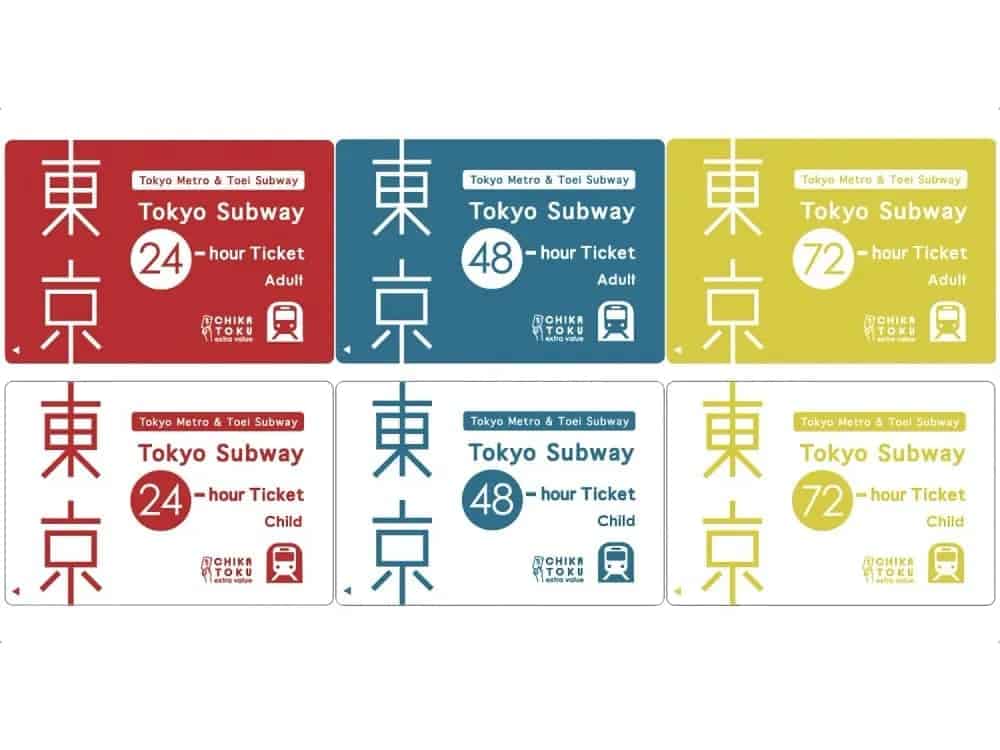
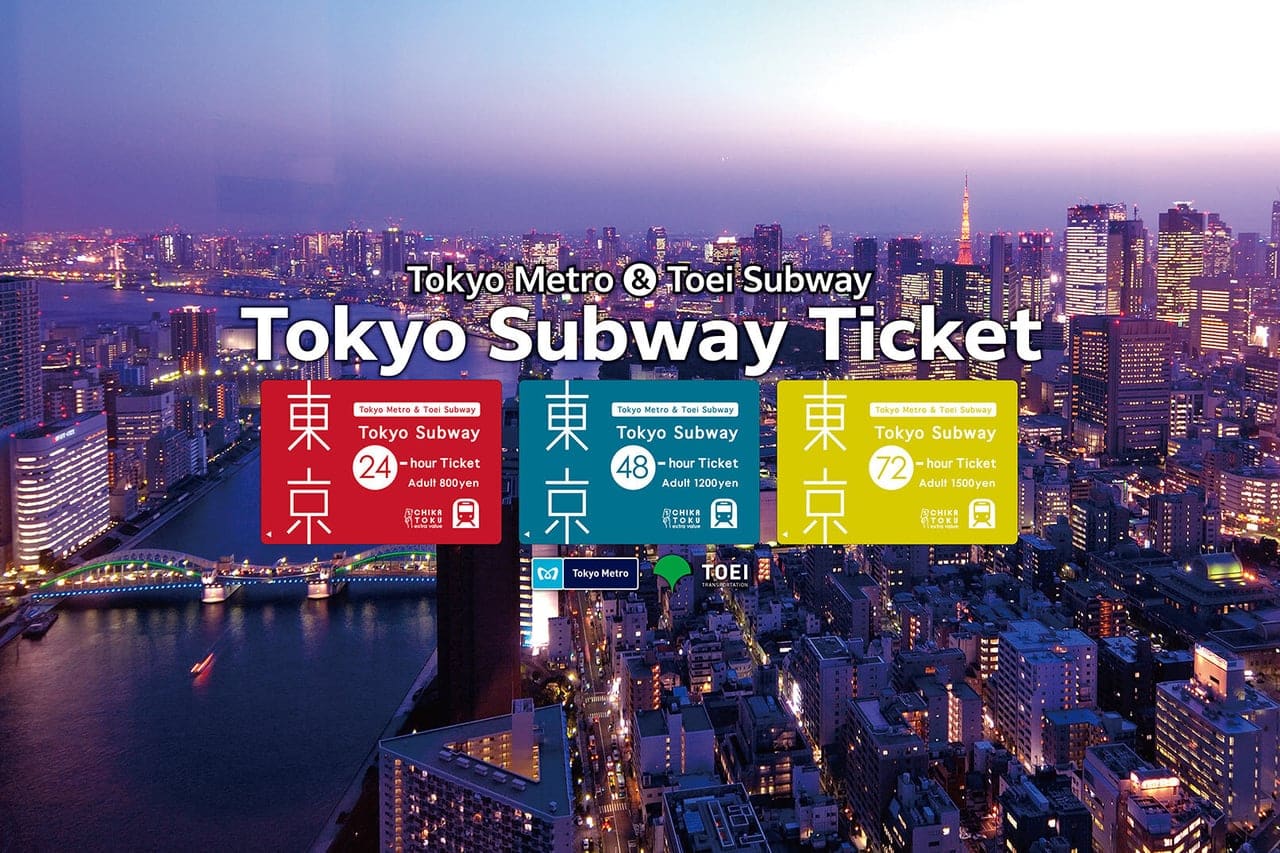
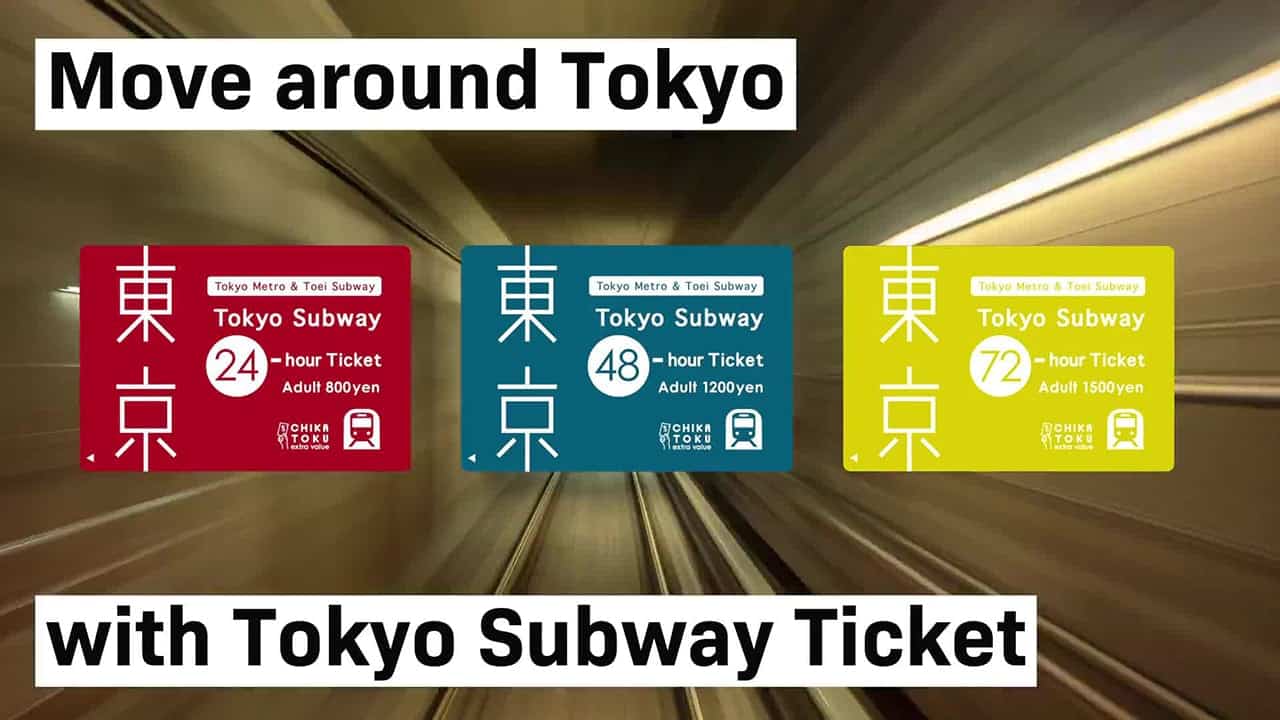
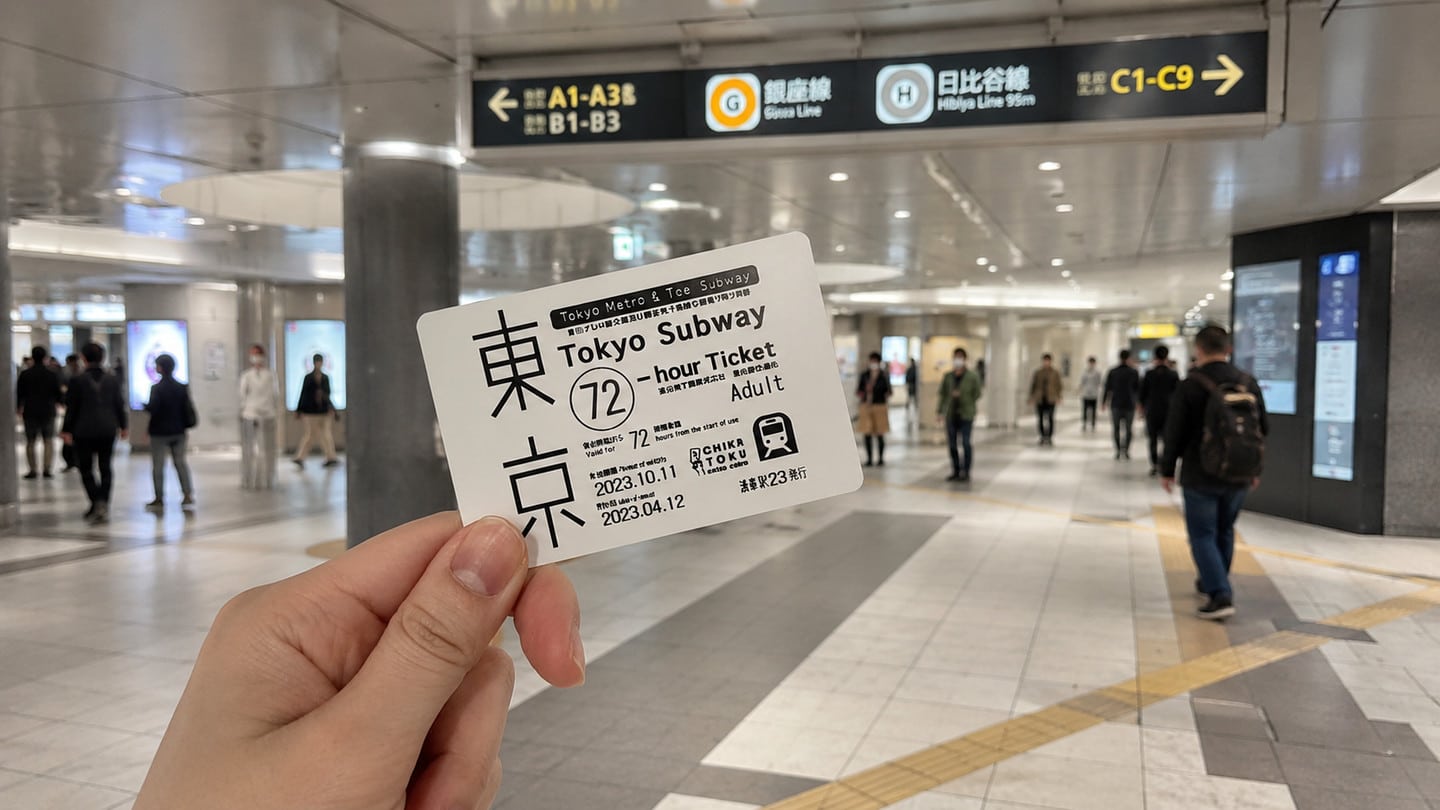
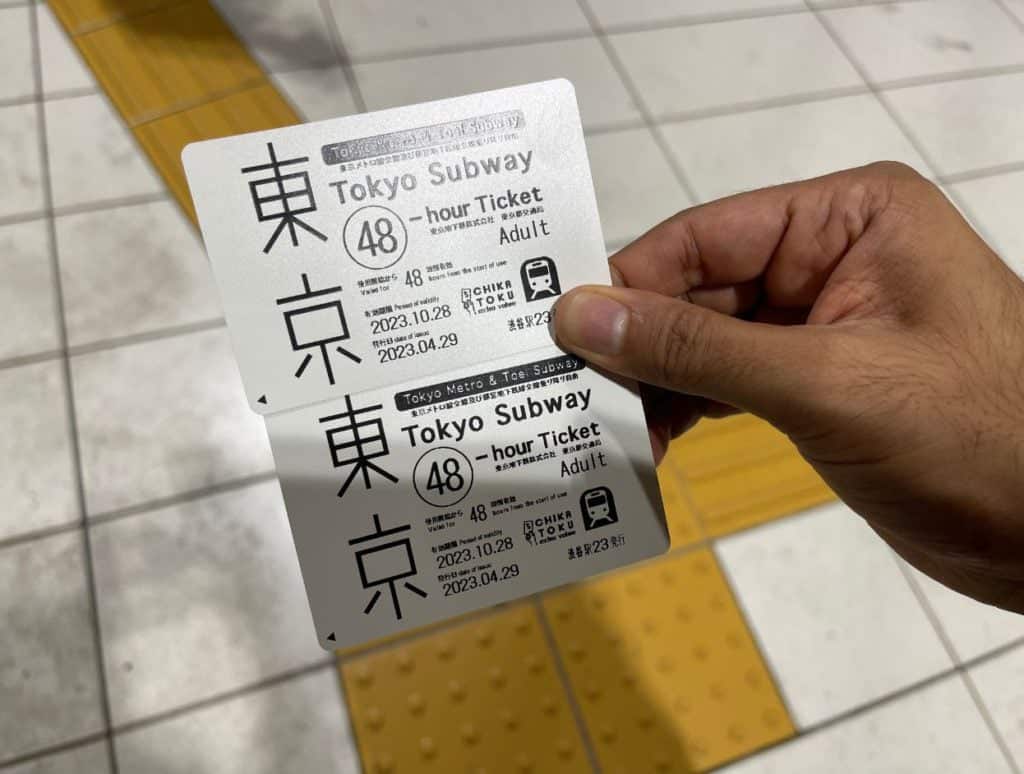
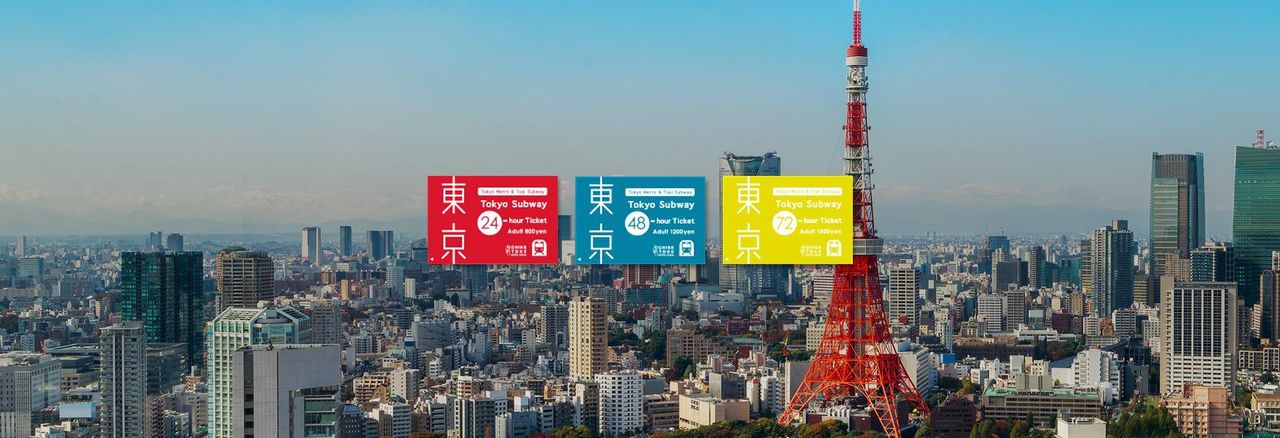
The Tokyo Subway Ticket is a discounted transport pass designed for foreign visitors to Japan. It covers all Tokyo Metro and Toei Subway lines and comes in three options: 24, 48 and 72 hours. Within its validity period you can ride the subway in central Tokyo an unlimited number of times, making it an excellent choice for exploring Tokyo’s major attractions and shopping districts in depth, saving on transport costs and making travel more convenient.
Compared with buying a ticket for every ride or using a stored-value card, the subway pass makes the trip smoother, and it especially suits travelers with packed itineraries who ride the subway often. With the 2026 fare change, knowing the latest information and how to break even matters more, so your Tokyo trip stays both economical and efficient.
Introducing the Tokyo Subway Ticket
The Tokyo Subway Ticket is a discounted pass exclusively for foreign visitors, intended to encourage in-depth exploration of Tokyo. It combines the Tokyo Metro and Toei Subway systems, covering almost all the main sightseeing areas in central Tokyo with seamless connections.
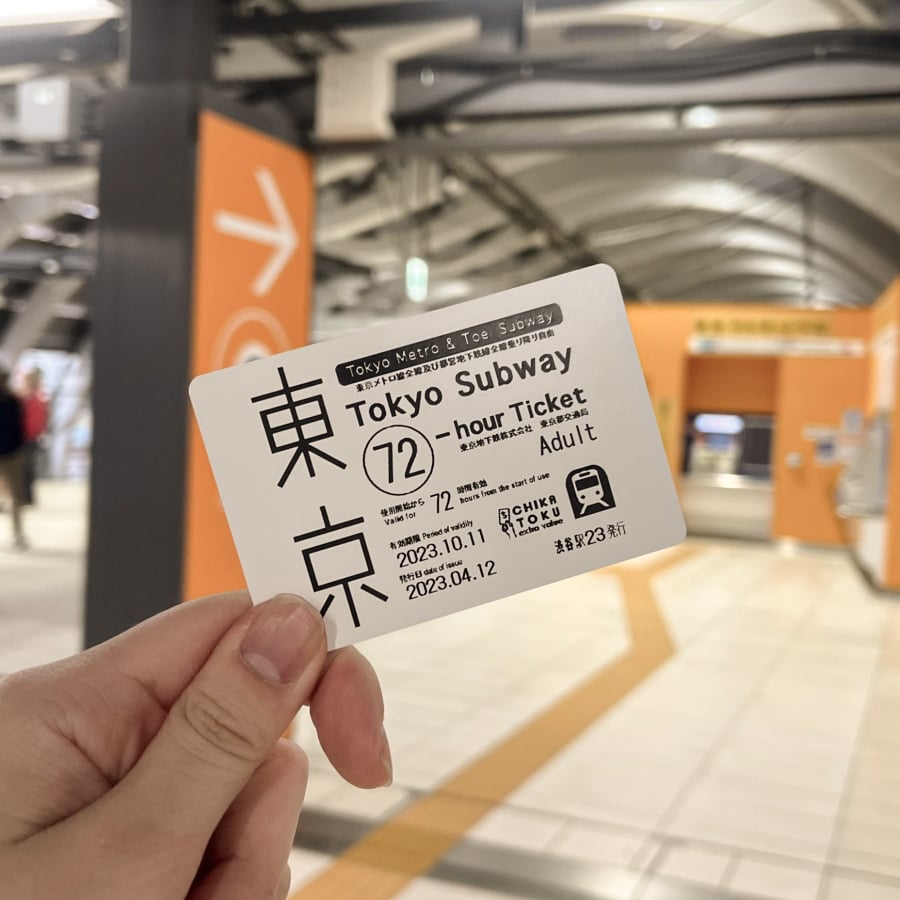
Its advantage is time-based validity: the 24, 48 or 72 hours start counting from your first tap through a gate, not by calendar day, which adds a lot of flexibility. You can choose the pass that best fits the length of your trip and get the most savings on transport.
Overview of the 2026 Fare Change
Tokyo Subway Ticket prices were adjusted on March 14, 2026, so please calculate with the new prices when planning your trip. The pass is still a good deal and remains an economical way to explore Tokyo.
After the change, the 24-hour pass went from ¥800 to ¥1,000, the 48-hour pass from ¥1,200 to ¥1,500, and the 72-hour pass from ¥1,500 to ¥2,000. Compared with buying single tickets, the pass still saves a considerable amount when you ride many times, especially for travelers planning to move around a lot.
Getting Around
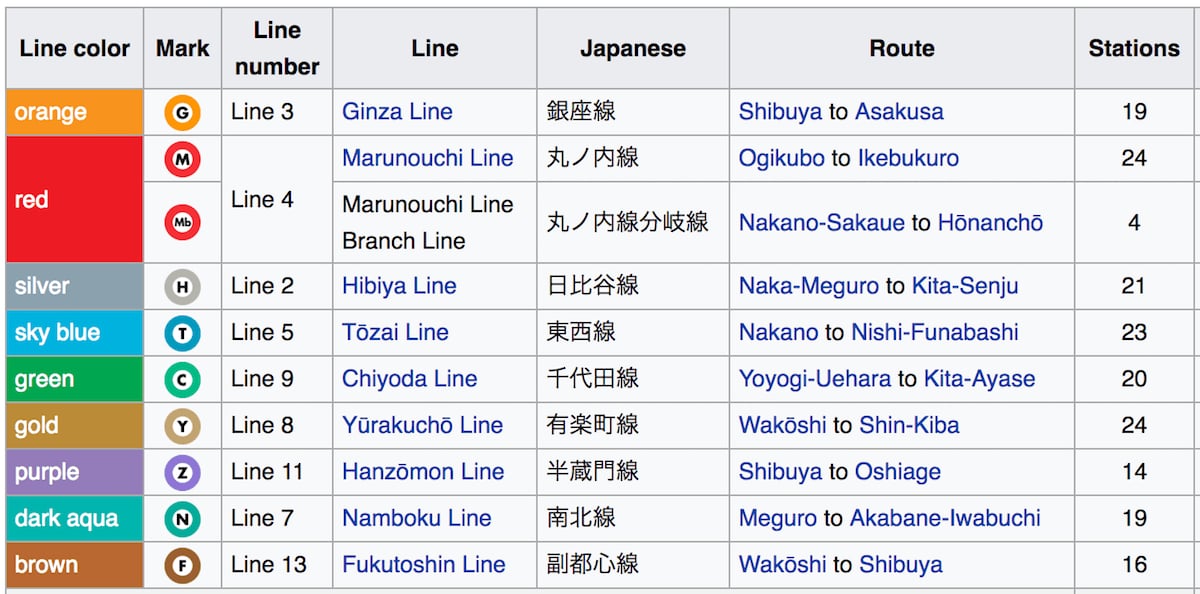
The Tokyo Subway Ticket allows unlimited rides on 13 lines in total: 9 Tokyo Metro lines and 4 Toei Subway lines, linking almost all of central Tokyo’s popular sights. After arriving at Narita or Haneda Airport, you can take the airport rail line to a subway-connected station such as Keisei Ueno or Nihombashi to exchange for the pass, then head straight to Asakusa, Ueno, Ginza, Roppongi and more. Because the pass does not cover JR lines and some private railways, if your itinerary includes areas such as Shinjuku and Shibuya, where the JR Yamanote Line is the main transport hub, check your transfer route in advance or pair the pass with an IC card (such as Suica or PASMO) to cover non-subway sections, keeping your whole Tokyo subway trip smooth.


Sights and Experiences
With a Tokyo Subway Ticket you can easily link several classic sights: take the Ginza Line or Asakusa Line directly to Asakusa to visit Kaminarimon and the Nakamise shopping street; change to the Hibiya Line or Ginza Line for Ueno to explore Ueno Park, Ueno Zoo and the Ameyoko market; travelers who love fashion and night views can take the Hibiya Line or Oedo Line to Roppongi and go up the Roppongi Hills observatory for a night view of Tokyo Tower; and Ginza Station on the Ginza Line is a gathering place for luxury shopping and Michelin-starred dining. Because the pass allows unlimited rides, you can freely move between areas within a day and fit both Asakusa’s old Tokyo atmosphere and Roppongi’s modern cityscape into one itinerary.
Tokyo Subway Ticket Types and Latest 2026 Prices
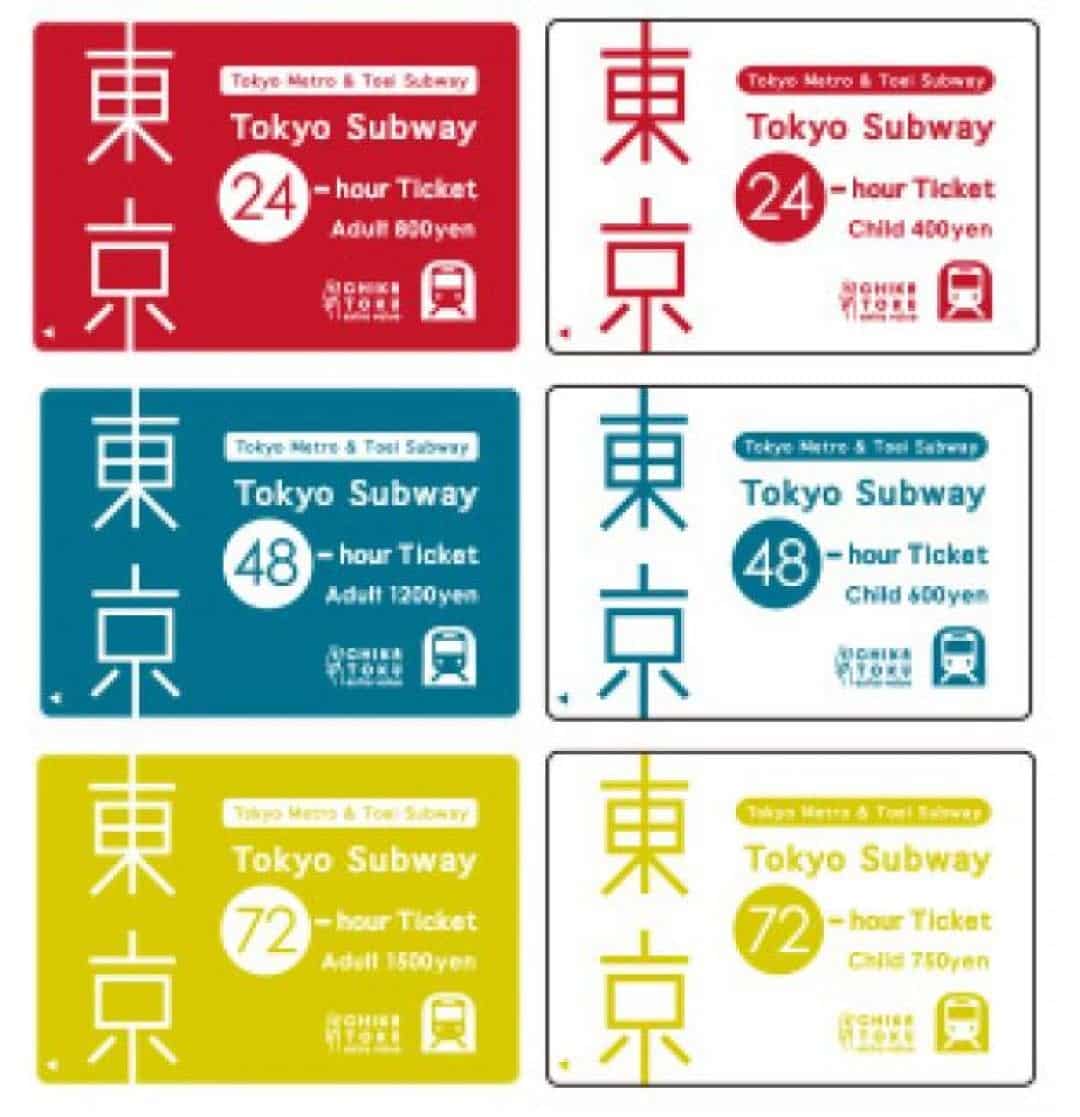
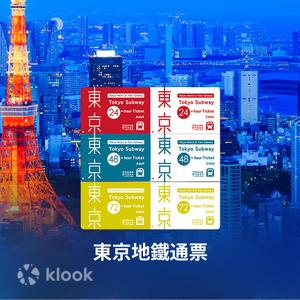
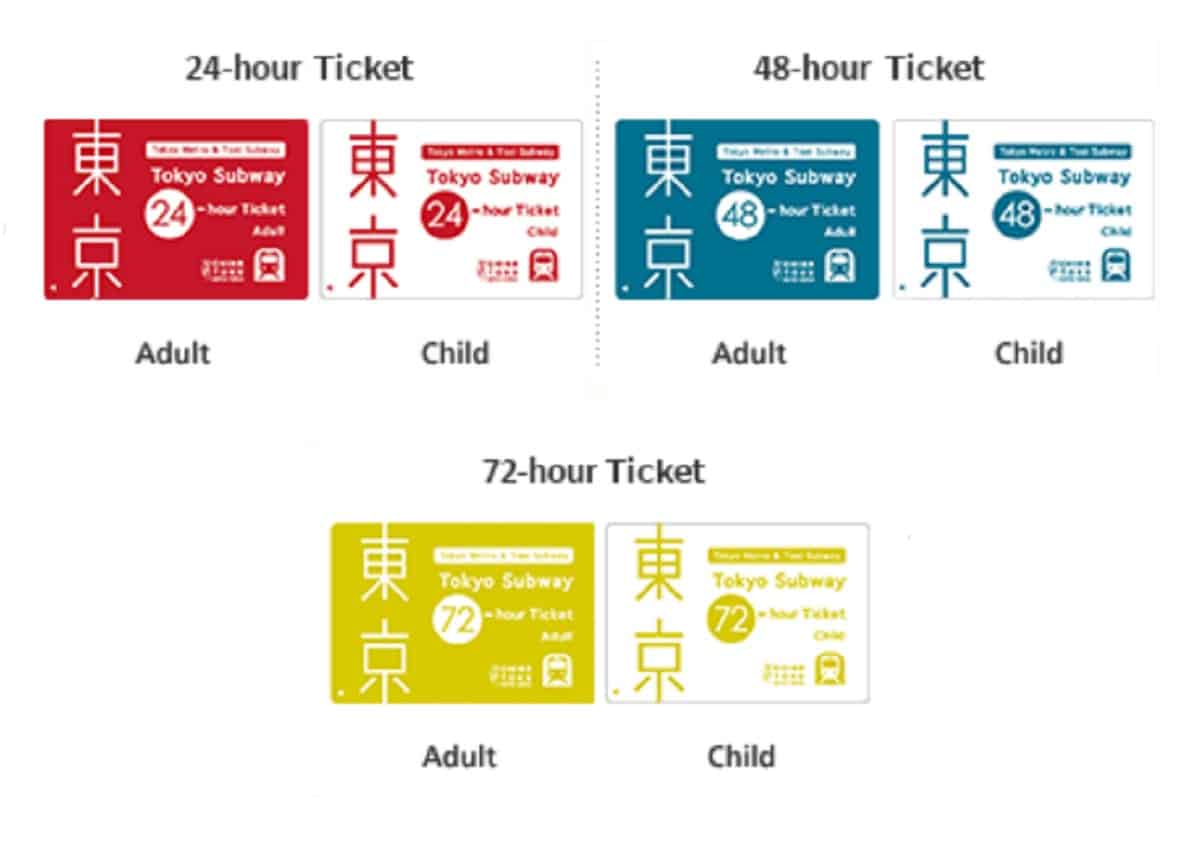
The Tokyo Subway Ticket comes mainly in 24-hour, 48-hour and 72-hour versions to suit different trip lengths. Knowing each pass’s exact price and coverage is the key to choosing the one that best fits your trip. Below are the latest prices effective after March 14, 2026; please be sure to refer to them.
All of these passes allow unlimited rides on all Tokyo Metro and Toei Subway lines within the specified time, letting you move easily around every corner of Tokyo. Choosing the pass that best matches your travel time will maximize its value.
Tokyo Subway Ticket: Latest Prices
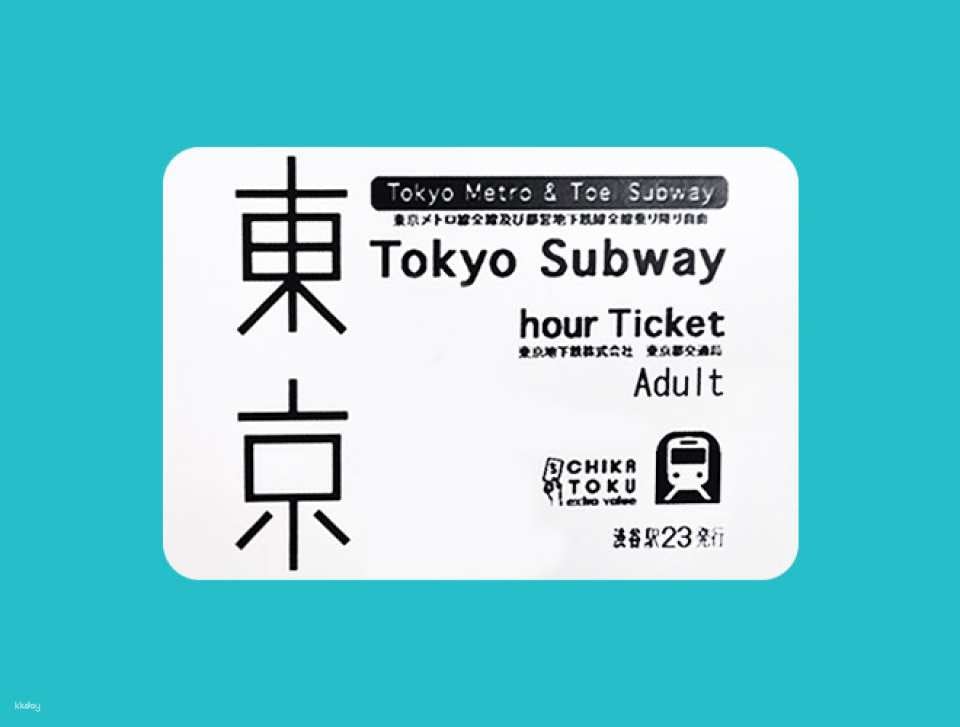
From March 14, 2026, Tokyo Subway Ticket adult prices are: 24-hour ¥1,000, 48-hour ¥1,500, 72-hour ¥2,000. Child prices are half the adult price: ¥500, ¥750 and ¥1,000 respectively.
Note that these are discounted prices for foreign visitors and cannot be purchased by residents of Japan. You may need to show your passport or proof of temporary visitor status to confirm you are a foreign visitor.

Tokyo Metro & Toei Subway Common One-Day Ticket
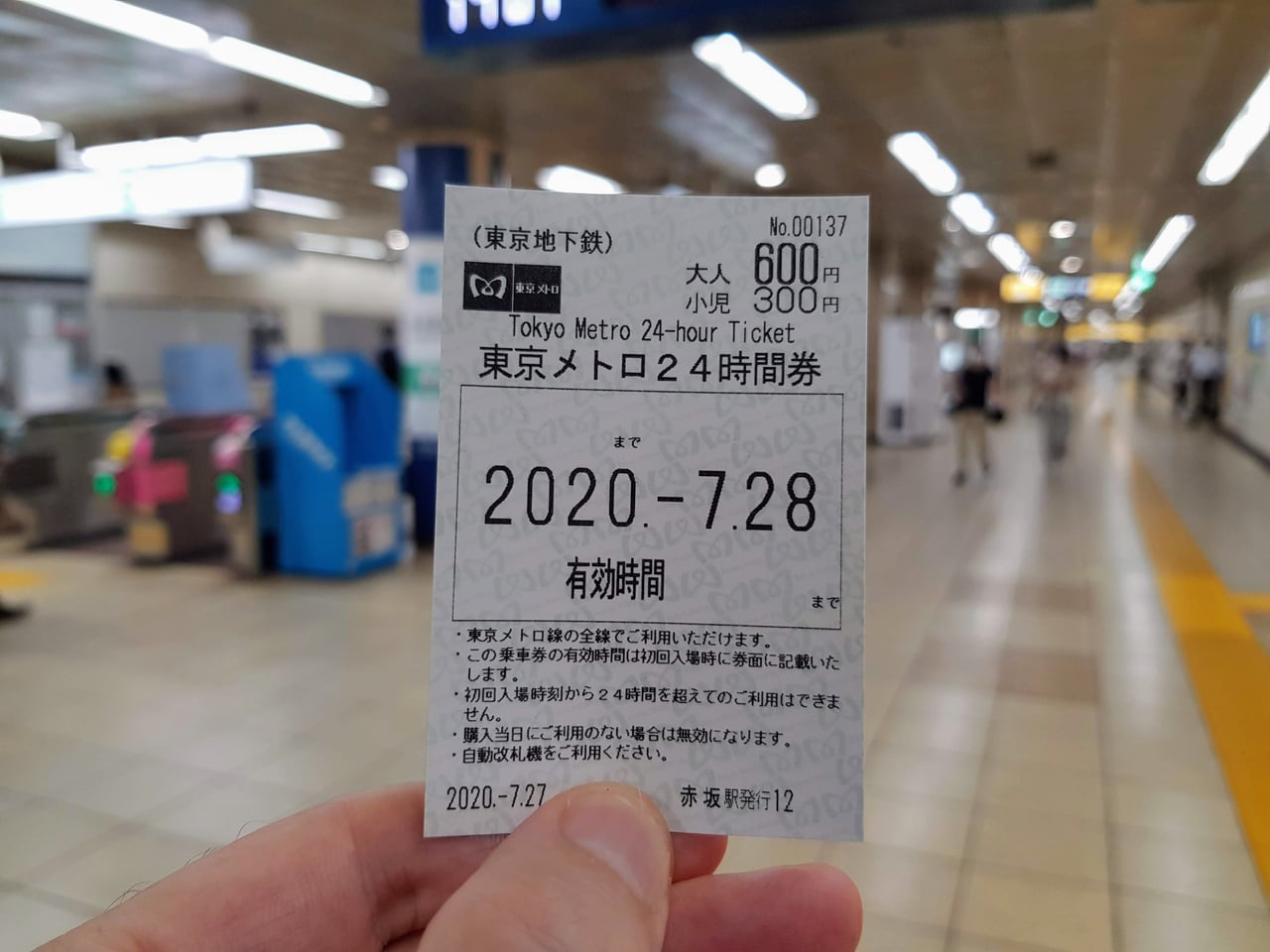
This ticket allows unlimited rides on Tokyo Metro and Toei Subway within one day, but unlike the Tokyo Subway Ticket, it runs by “calendar day” rather than 24 hours.
From March 14, 2026, the adult price rose from ¥900 to ¥1,100.
This ticket suits travelers who ride the subway a lot in one day and whose itinerary stays within the Tokyo Metro and Toei Subway network; if you ride only a few times that day, single tickets may be cheaper.
Tokyo Free Pass (Tokyo 1-Day Ticket)
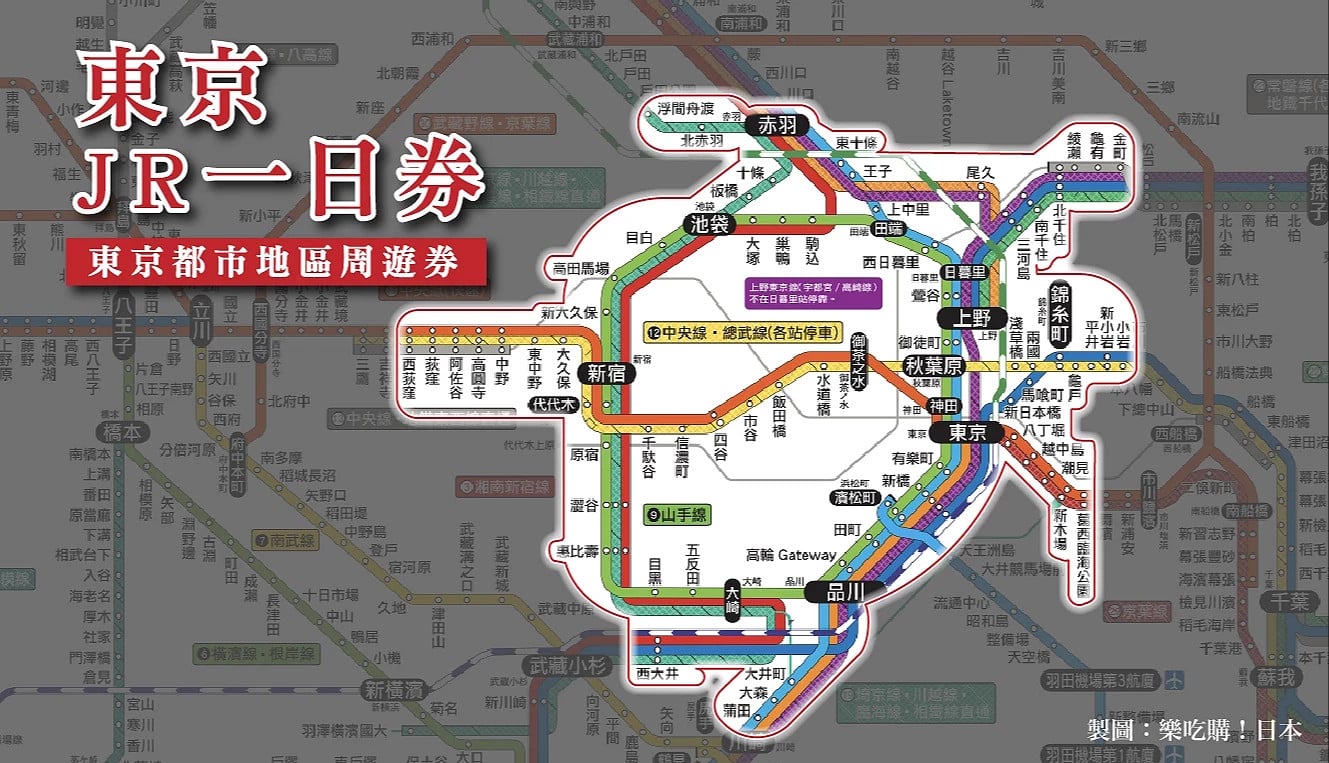
The Tokyo Free Pass (Tokyo 1-Day Ticket) has the widest coverage: besides Tokyo Metro and Toei Subway, it includes JR lines (within Tokyo), Toei Streetcar (Tokyo Sakura Tram), Toei Bus and the Nippori-Toneri Liner.
This ticket is also counted by “calendar day.” From March 14, 2026, the adult price rose from ¥1,600 to ¥1,720. If you plan to ride JR lines or other Toei transport often in one day, this ticket is the more convenient choice.
Validity Period and How It Is Counted
The Tokyo Subway Ticket is valid for 24, 48 or 72 hours counted from your first tap into a station gate. For example, if you first use a 24-hour pass at 10 a.m. on Monday, it expires at 10 a.m. on Tuesday, which differs from the traditional calendar-day method.
This time-based counting gives travelers more flexibility, and especially suits those arriving in Tokyo in the evening, who can use every minute of the pass.
Nearby Food
![[Tokyo Transport] Tokyo Subway Ticket 3-Day, ¥500 a Day in Tokyo ...](https://travel.williamlion.tw/wp-content/uploads/sites/7/2026/04/1775299469170-73hicbo9.jpg)
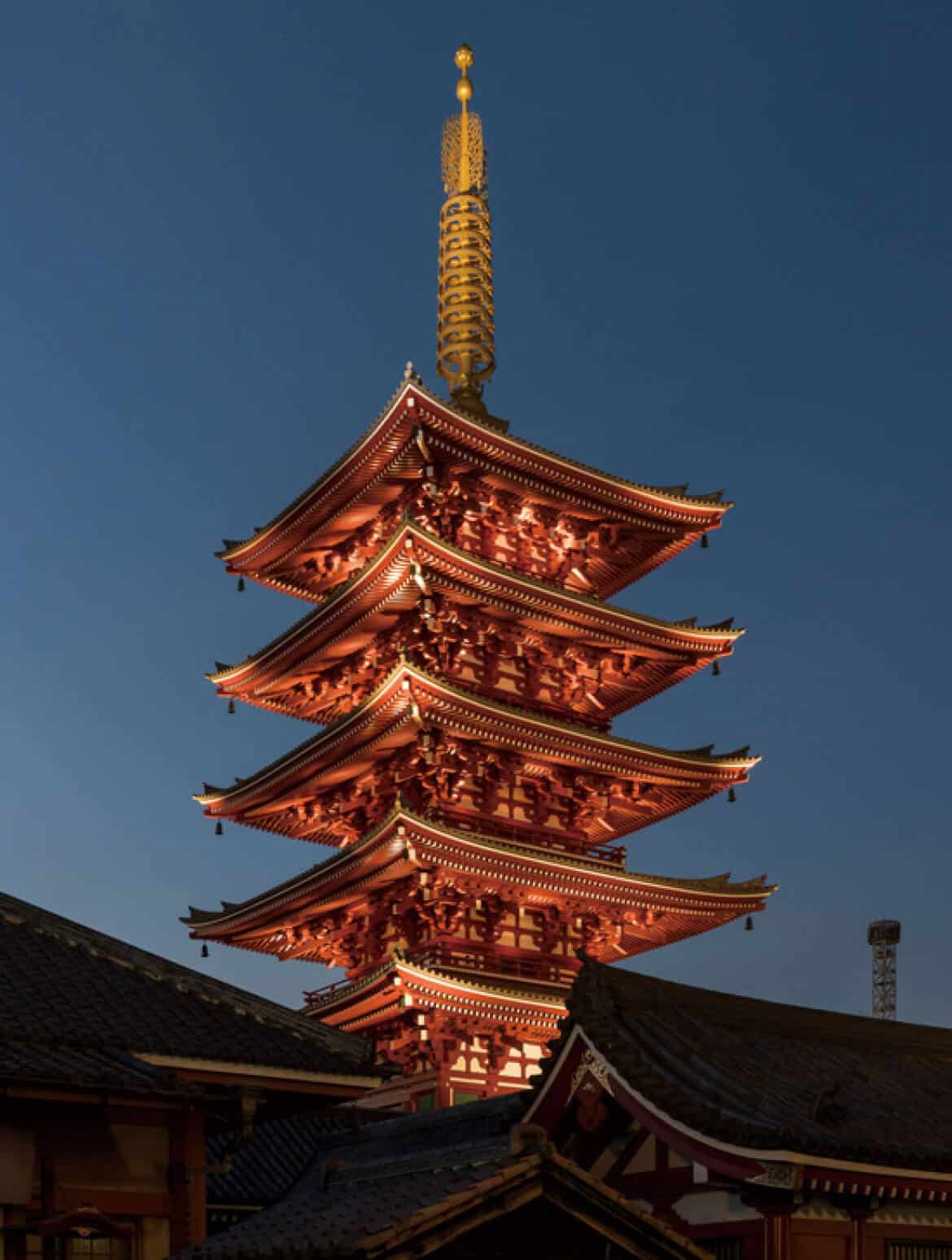
The Tokyo Subway Ticket covers all Tokyo Metro and Toei Subway lines. Asakusa is one of the most popular and easiest-to-reach shitamachi (old downtown) areas, with many long-established shops around, ideal for taking the subway to taste authentic food. Here are a few restaurants and cafes in the Asakusa area worth a visit.
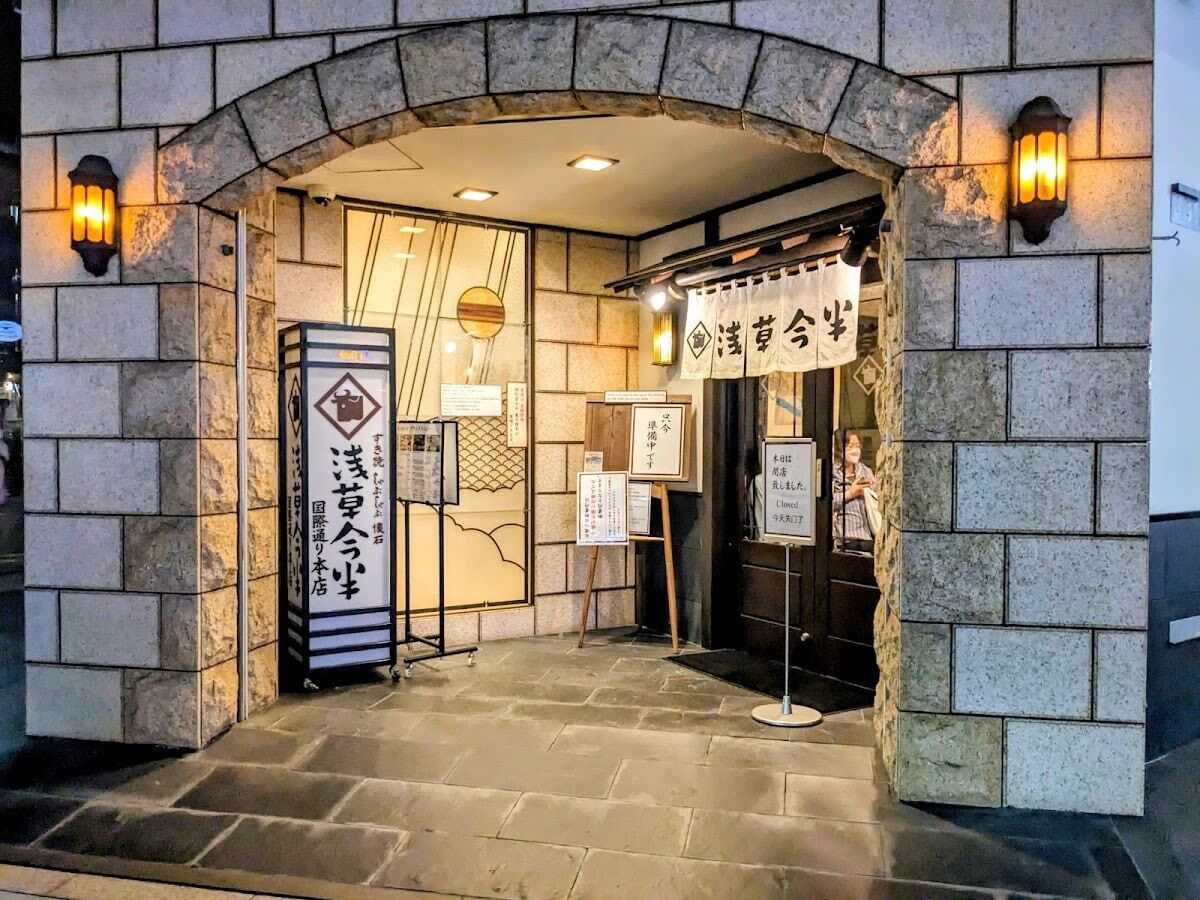
Sukiyaki: Asakusa Imahan Main Branch
Founded in Meiji 28 (1895), Asakusa Imahan is one of the oldest sukiyaki restaurants in Asakusa, using carefully selected Kuroge Wagyu (female cattle only) with a special sauce for tender, juicy meat. The restaurant keeps traditional Japanese-style seating with an elegant atmosphere, an excellent place to experience authentic Edo-style sukiyaki.
- 🍲 Must-order: Kuroge Wagyu sukiyaki set meal
- 💰 Price: Mid to high range; the daytime “Sukiyaki Hiru-zen” lunch set is about ¥4,950, and evening prices vary with the set and the grade of wagyu
- 🚉 Access: About a 7-minute walk from Tawaramachi Station on the Tokyo Metro Ginza Line

Eel Rice: Unagi Irokawa (うなぎ色川)
Founded in Bunkyu 1 (1861), Unagi Irokawa is tucked into an old neighborhood south of Asakusa’s Kaminarimon. It insists on grilling each eel over charcoal, paired with a secret sauce handed down for over 150 years, producing soft, well-seasoned eel; it is a century-old eel rice restaurant favored by locals and food lovers alike.
- 🍱 Must-order: Unajuu (eel rice box)
- 💰 Price: Mid to high range; unajuu about ¥3,500 to ¥4,800 (varies with portion size)
- 🚉 Access: Walkable from Asakusa Station on the Toei Asakusa Line; open Monday to Saturday 11:30 to 14:00, closed Sundays, while supplies last, so go early
Old-Style Kissaten: Coffee Tengoku (珈琲 天国)
Coffee Tengoku is a well-known Showa-nostalgia kissaten in Asakusa. Its signature is the copper-plate hotcake grilled to order, each one made fresh and branded with the word “Tengoku.” The wood interior and retro counter give off a strong nostalgic air, a good place to find a quiet corner and rest after visiting Sensoji and Nakamise.
- 🥞 Must-order: Signature copper-plate hotcakes (ホットケーキ)
- 💰 Price: Hotcake set about ¥1,100
- 🚉 Access: About a 3-minute walk from Tobu Asakusa Station; open 12:00 to 18:30 (last order), closed Tuesdays
How and Where to Buy the Tokyo Subway Ticket
There are several ways to buy the Tokyo Subway Ticket, including online booking, buying at the airport, buying at designated locations in the city, and combo tickets with other transport. Choosing the most convenient way makes your Tokyo trip smoother. Plan how to buy according to your itinerary, and do it in advance.
Whether you like to arrange everything in advance by buying online, or prefer to buy in person after arriving in Japan, the Tokyo Subway Ticket offers a variety of options. Knowing the pros and cons of each channel will help you make the best decision.
Buying Online Before You Travel (Klook/KKday)
Buying the Tokyo Subway Ticket online before you leave, through travel platforms such as Klook or KKday, is one of the most popular ways. These platforms usually provide a QR code voucher; after arriving in Japan, scan the QR code at a ticket machine or counter at a designated subway station to exchange it for a physical ticket.
The advantage of buying online is that the price may be better than buying on the spot, and you can plan ahead and avoid wasting time on language barriers or queues after arriving in Japan. These platforms also often offer bundles with other attraction tickets or transport passes.
Buying Online on the Official Website
Tokyo Metro runs an official ticket website for the Tokyo Subway Ticket. From March 25, 2026, QR code tickets can be bought there, so everything from purchase to use can be done on a smartphone, with official information directly available.
A QR code ticket can be activated any time within 90 days of the purchase date. The clock starts only after you tap “Start Using” on the ticket screen and pass through a gate. Travelers who prefer to deal directly with official channels may consider this option.
Buying in Person in Japan: Airports and City
After arriving in Japan, you can buy combo tickets that include airport transport at the Skyliner ticket counter at Narita Airport, the Keisei Electric Railway ticket counter, and the Keikyu tourist information center at Haneda Airport Terminal 3, suited to travelers who decide to buy on the spot.
There are also sales points in central Tokyo; check the Tokyo Metro website for actual locations. Tickets bought in person are ready to use immediately, but there may be queues and opening hours vary by location. You need to show your passport to confirm temporary visitor status when buying.
QR Code Tickets
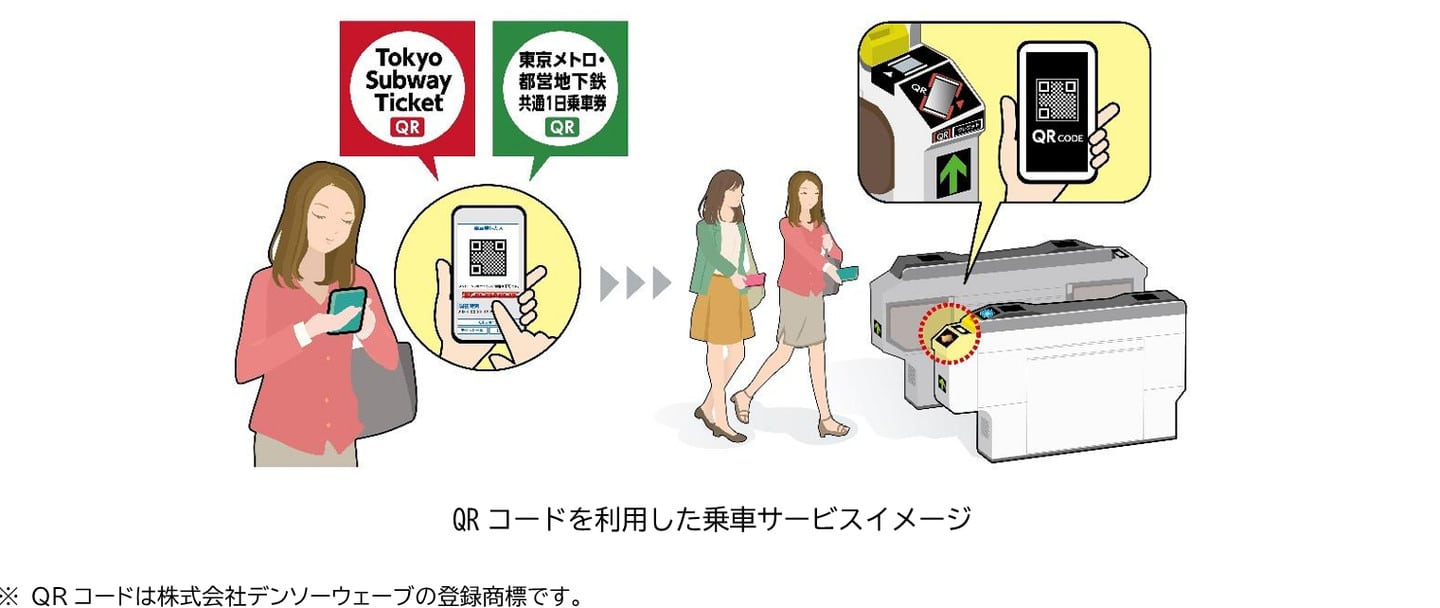
From March 25, 2026, the Tokyo Subway Ticket (24 / 48 / 72 hours) and the Common One-Day Ticket are available as QR code versions, with everything from purchase to use done on a smartphone. They can be activated on any day within 90 days of purchase; the clock starts only after you tap “Start Using” and pass through the gate with the QR code held to the reader.
The QR code version saves the step of exchanging for a physical ticket and can be scanned straight through the gate.
Combo Tickets (Skyliner & Subway Ticket, etc.)
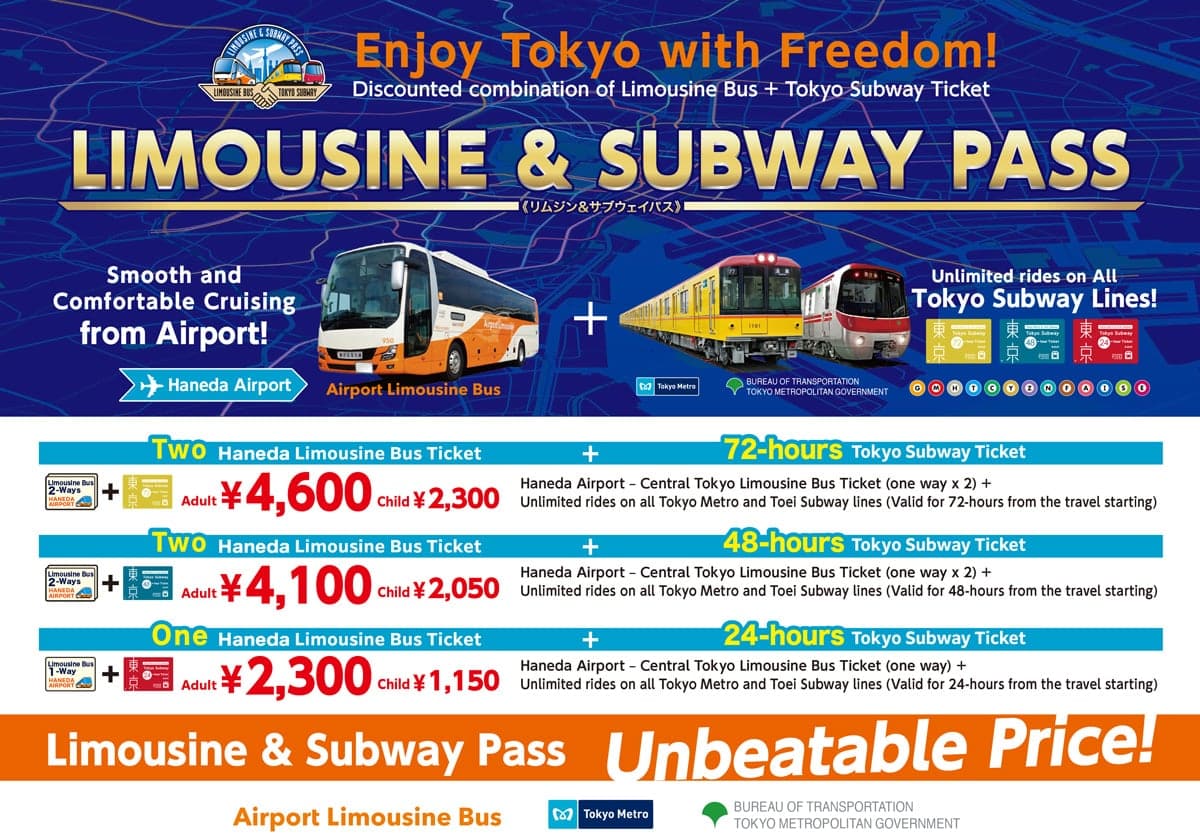
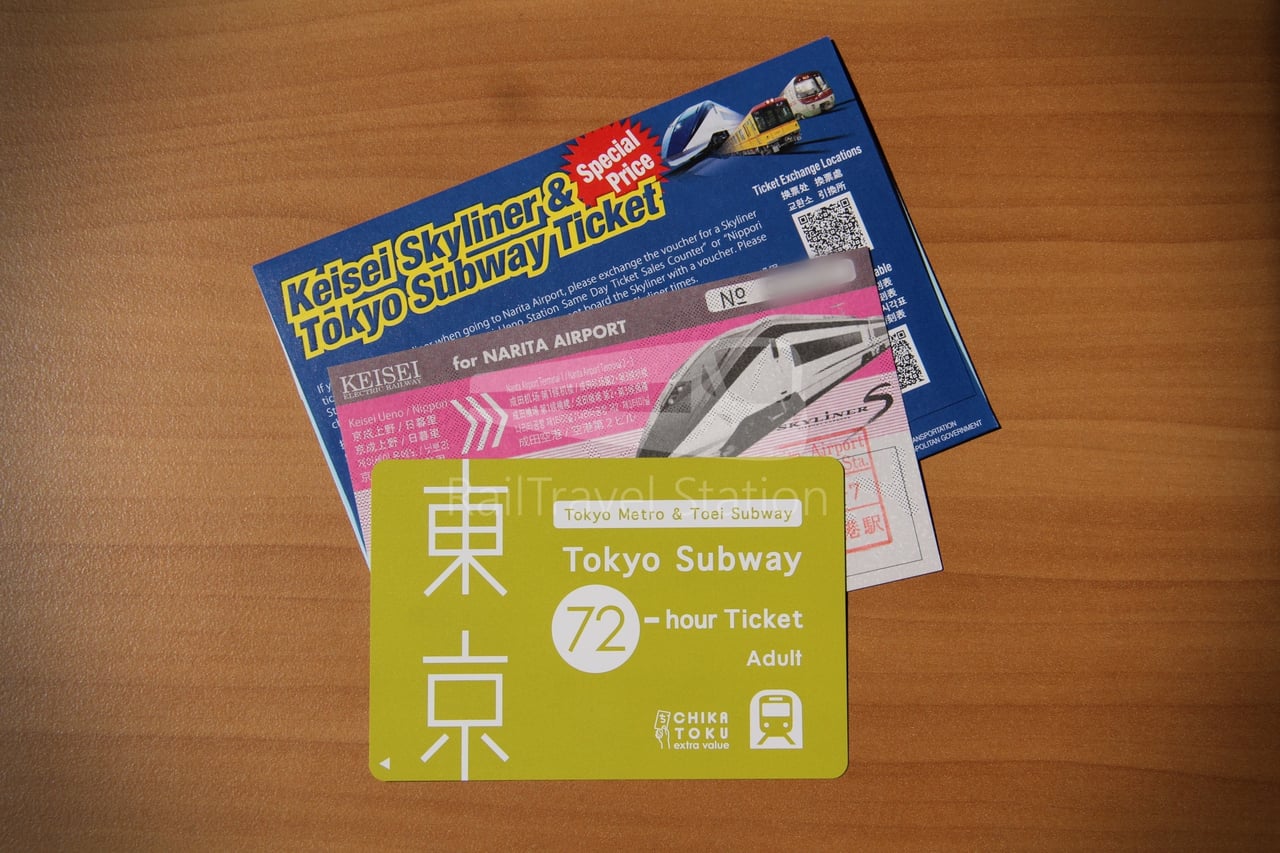
The Tokyo Subway Ticket is also often sold in combos with other transport, such as the “Keisei Skyliner & Tokyo Subway Ticket” (a combined Keisei Electric Railway and subway pass, for trips to and from Narita Airport) and the “WELCOME! Tokyo Subway Ticket” (a combined Keikyu Railway and subway pass, for trips to and from Haneda Airport).
These combos usually cost less than buying separately, and especially suit travelers going between the airport and the city.
Tokyo Subway Ticket Break-Even Analysis and Usage Strategy
![2026 Update] Complete Guide to the Tokyo Metro 24-Hour Ticket: Enjoy Unlimited Rides and Explore Tokyo! Summary of Cost-Effective Tourist Spots, Recommended Routes, and How to Purchase | Japan Travel by NAVITIME -](https://travel.williamlion.tw/wp-content/uploads/sites/7/2026/04/unnamed-file-35.jpg)
The whole point of buying a Tokyo Subway Ticket is to save on transport costs during your trip, so it is important to know how to work out the break-even point and plan the best way to use it. This will help you judge whether the pass suits your itinerary and get the most from it.
In general, a single Tokyo subway fare ranges from about ¥180 to ¥320, averaging about ¥210. With a break-even analysis, you can see how many rides a day you need for the pass to pay off, and decide whether to buy it.
Calculating the Subway Pass Break-Even Point
Using the latest 2026 adult prices and an average single fare of ¥210, the break-even points are: the 24-hour pass at ¥1,000 needs about 5 rides (1,000/210 ≈ 4.76); the 48-hour pass at ¥1,500 needs about 8 rides (1,500/210 ≈ 7.14, rounded up), or 4 a day on average; and the 72-hour pass at ¥2,000 needs about 10 rides (2,000/210 ≈ 9.52), or about 3.3 a day on average.
Itineraries That Suit the Subway Pass
The subway pass is best for travelers whose itinerary centers on sights along Tokyo Metro and Toei Subway lines. For example, visitors planning to see Shinjuku, Shibuya, Ginza and Asakusa in one day will save a lot of travel time and money with the pass, since these places are far apart and subway trains are frequent.
In addition, for travelers who like to explore spontaneously and are unsure how many subway rides they will take each day, the pass offers peace of mind: with no need to worry about the fare for each ride, you can adjust your plans freely and enjoy the trip.
Itineraries That Don’t Suit the Subway Pass
If your itinerary centers on the JR Yamanote Line, or you plan to go to the Tokyo suburbs (such as Hakone, Kamakura or Mt. Fuji), the Tokyo Subway Ticket may not be the best choice. The pass does not include JR lines, so if you ride JR often you have to pay separately, which may raise rather than lower your total transport cost.
For travelers who ride the subway only once or twice a day, or who mainly walk or take buses, the pass may also not be worth it. In that case, an IC card such as Suica or Pasmo, paying per ride, is a more economical and flexible choice.
Strategy for Using It with an IC Card
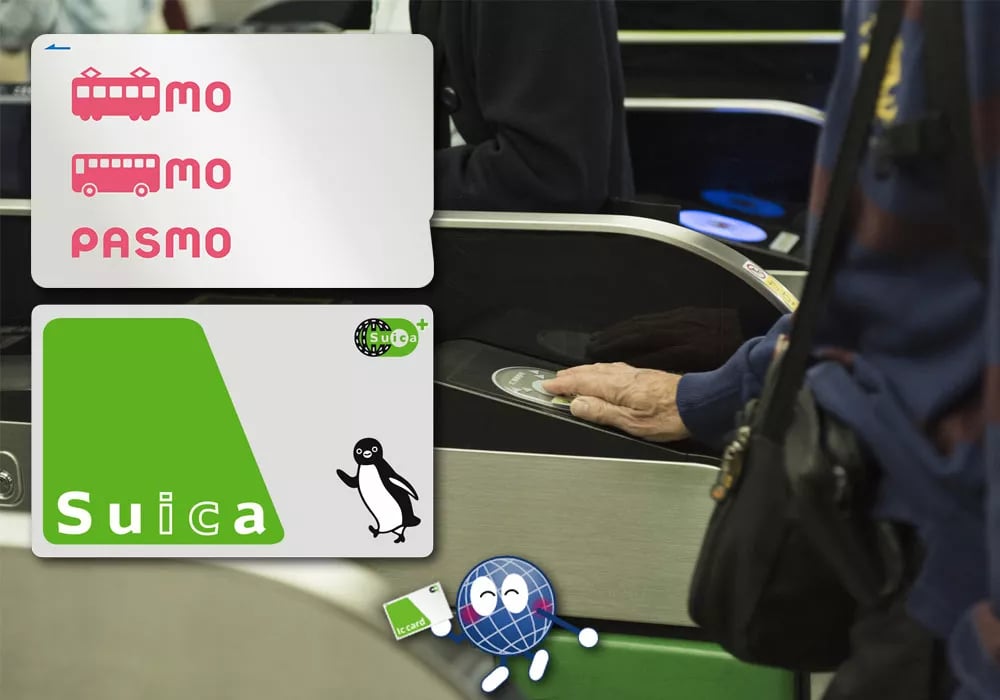
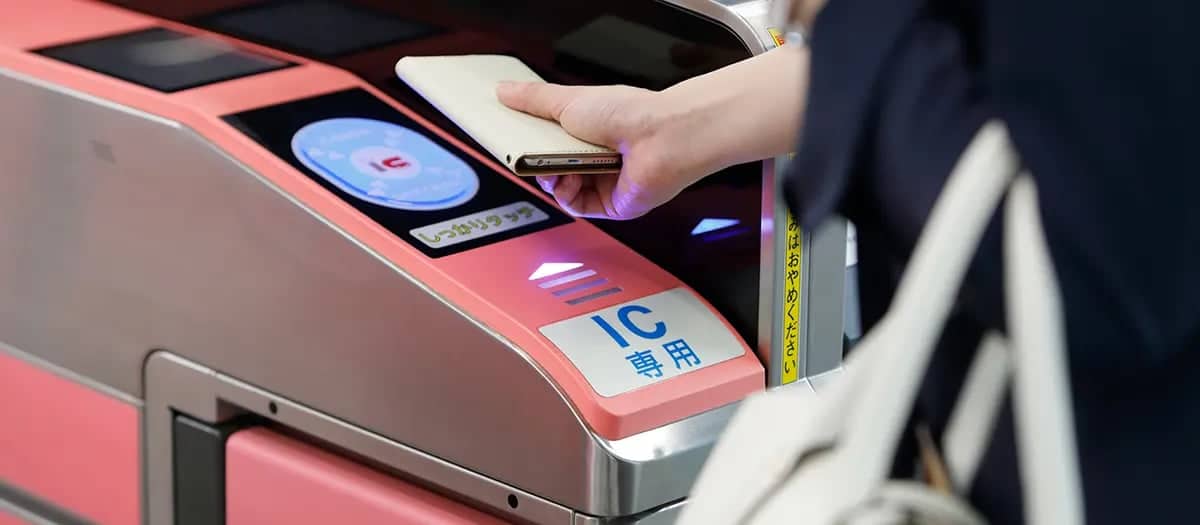
Even if you buy the Tokyo Subway Ticket, carrying an IC card such as Suica or Pasmo is still highly recommended. An IC card can be used on JR lines, private railways and buses that the pass does not cover, and for purchases at convenience stores and vending machines, offering great convenience.
The best strategy is to use the subway pass for your main subway travel and the IC card as a supplement for other transport or small payments. That way you enjoy the pass’s discount while covering every transport need, keeping your Tokyo trip trouble-free.
Tokyo Subway Ticket Route Map and Coverage
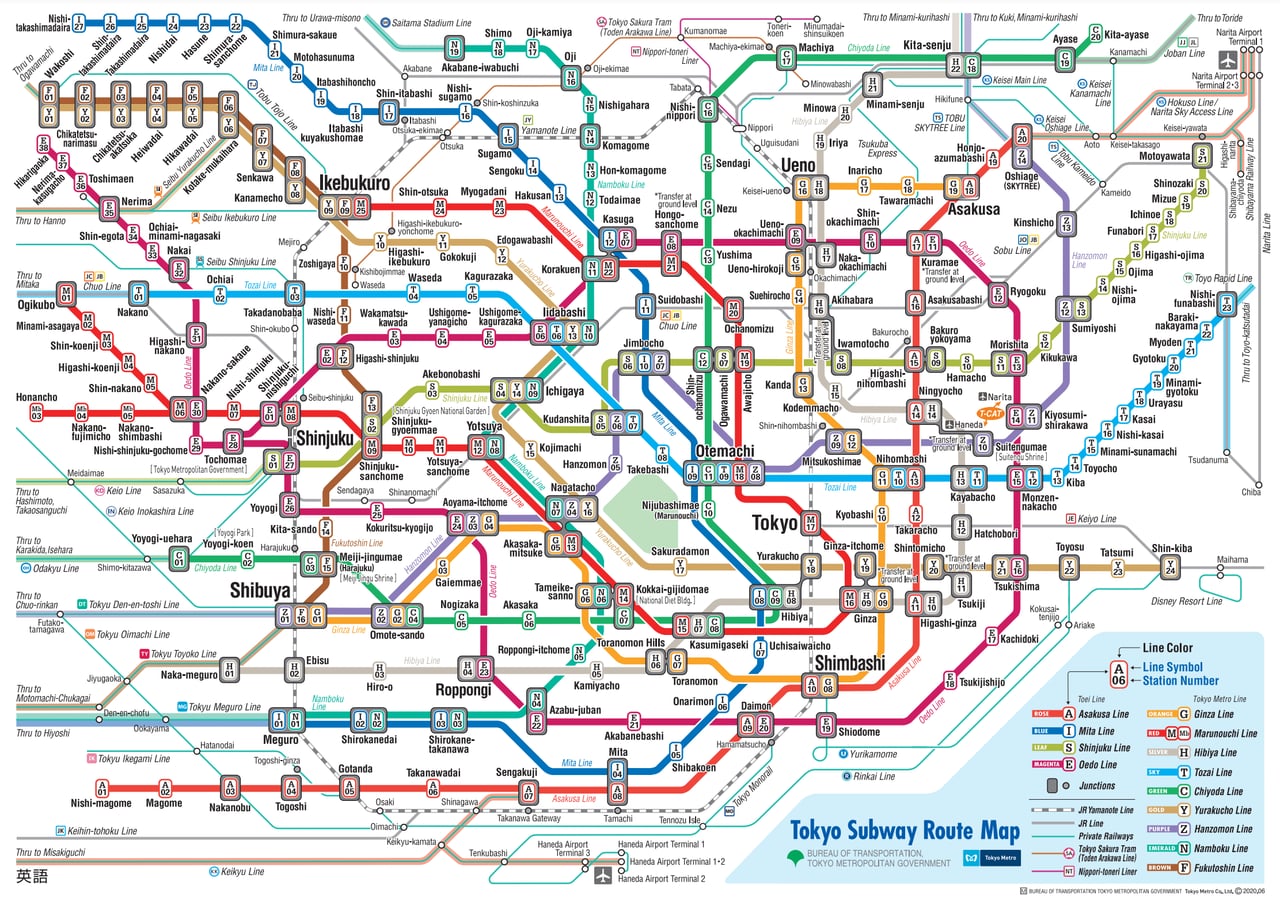
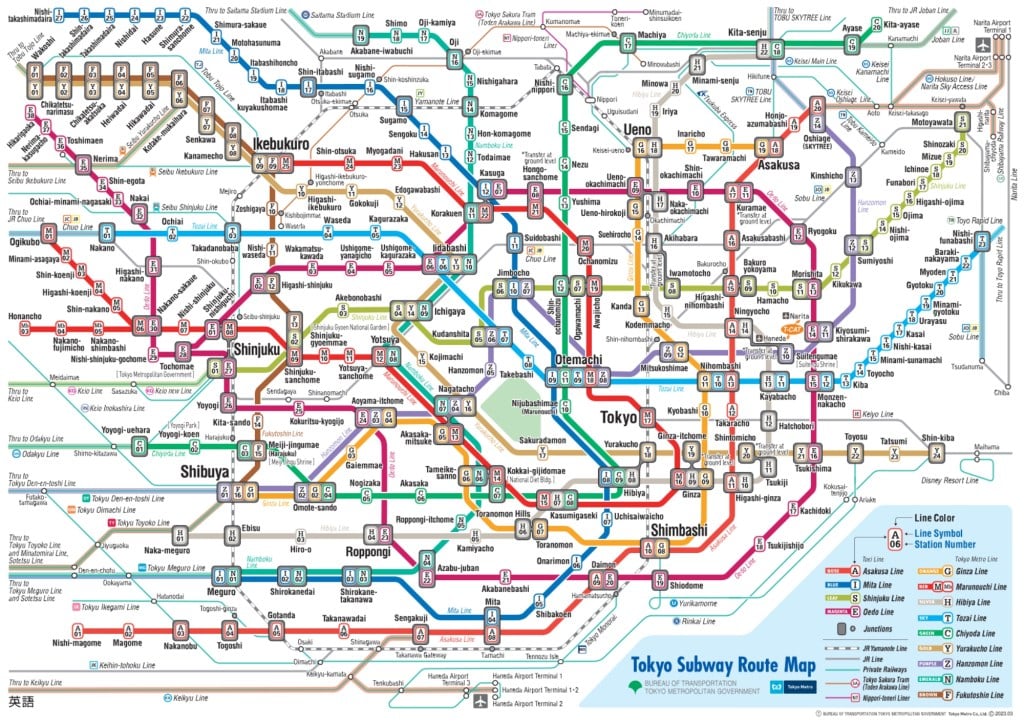
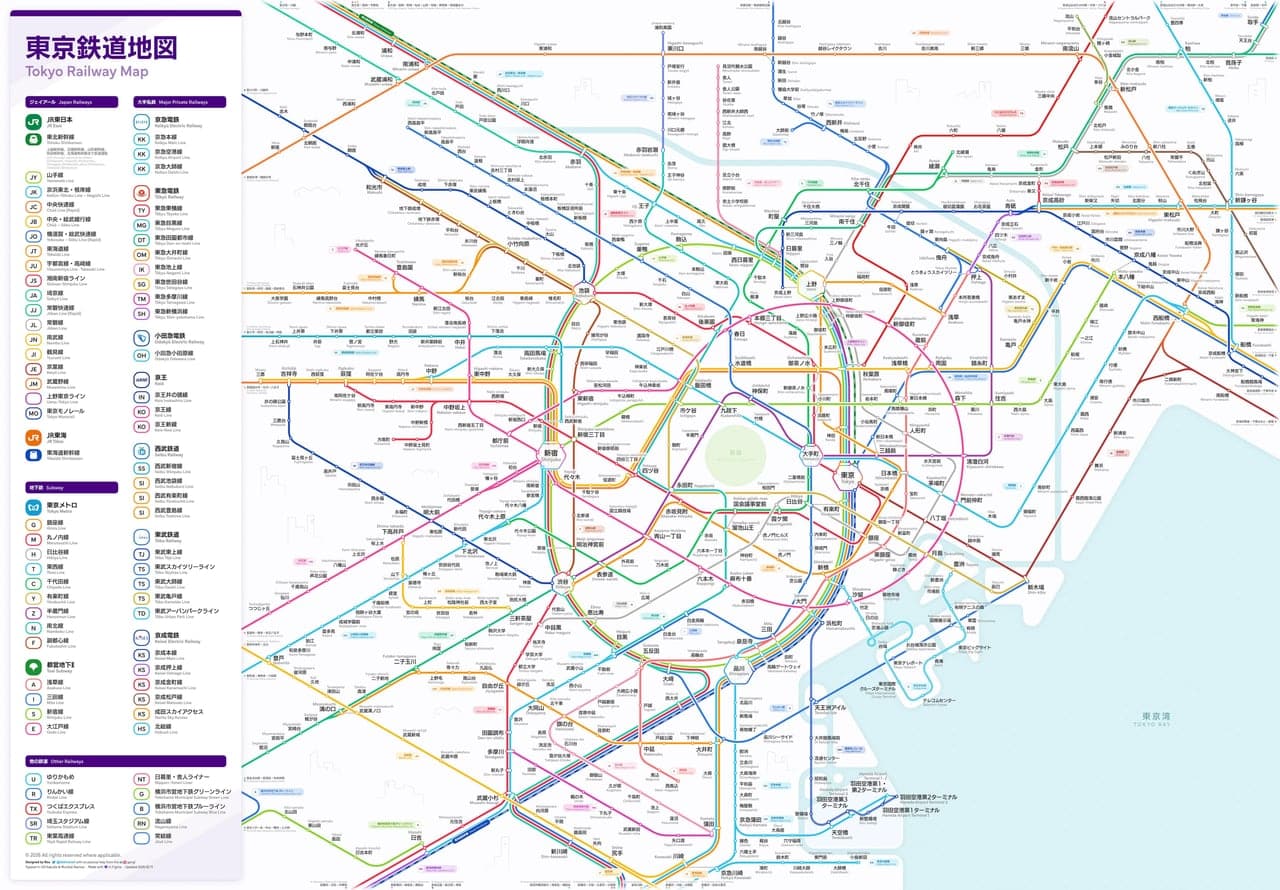
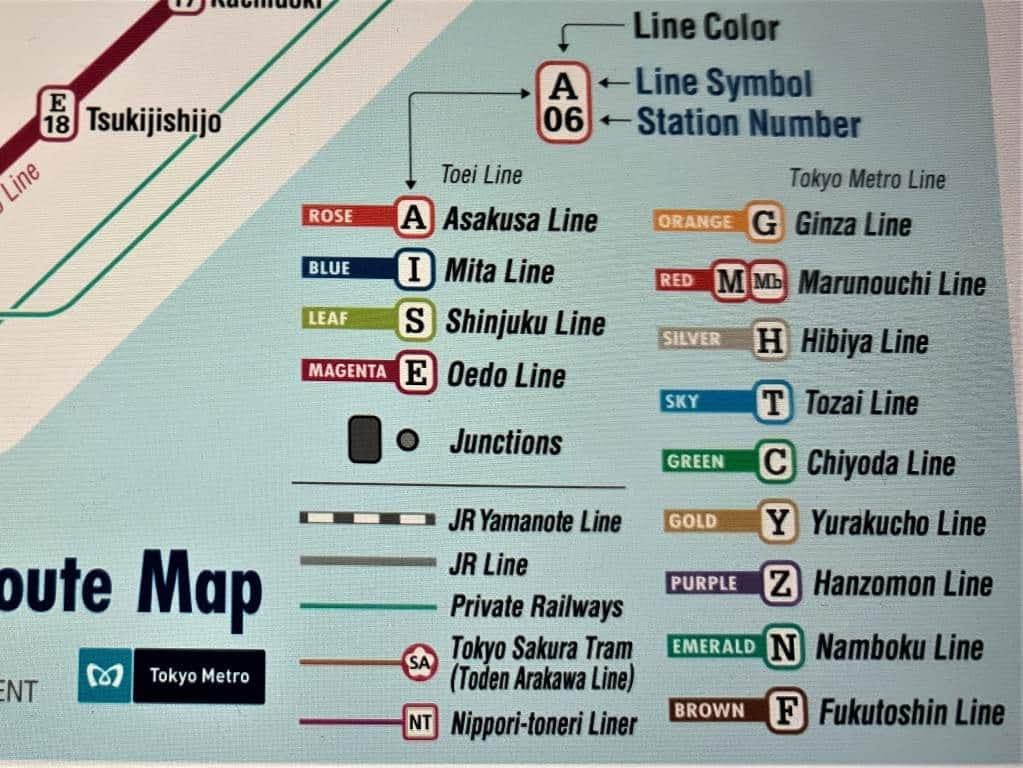
The Tokyo Subway Ticket covers 9 Tokyo Metro lines (Ginza, Marunouchi, Hibiya, Tozai, Chiyoda, Yurakucho, Hanzomon, Namboku and Fukutoshin) and 4 Toei Subway lines (Asakusa, Mita, Shinjuku and Oedo), 13 lines in total.
These lines form a large, efficient subway network covering almost all the major sights, business districts and transport hubs in central Tokyo. When planning your trip, refer to the latest Tokyo subway map to make sure your destinations are within the pass’s coverage, so you get full use of the ticket.
Where to Stay Nearby
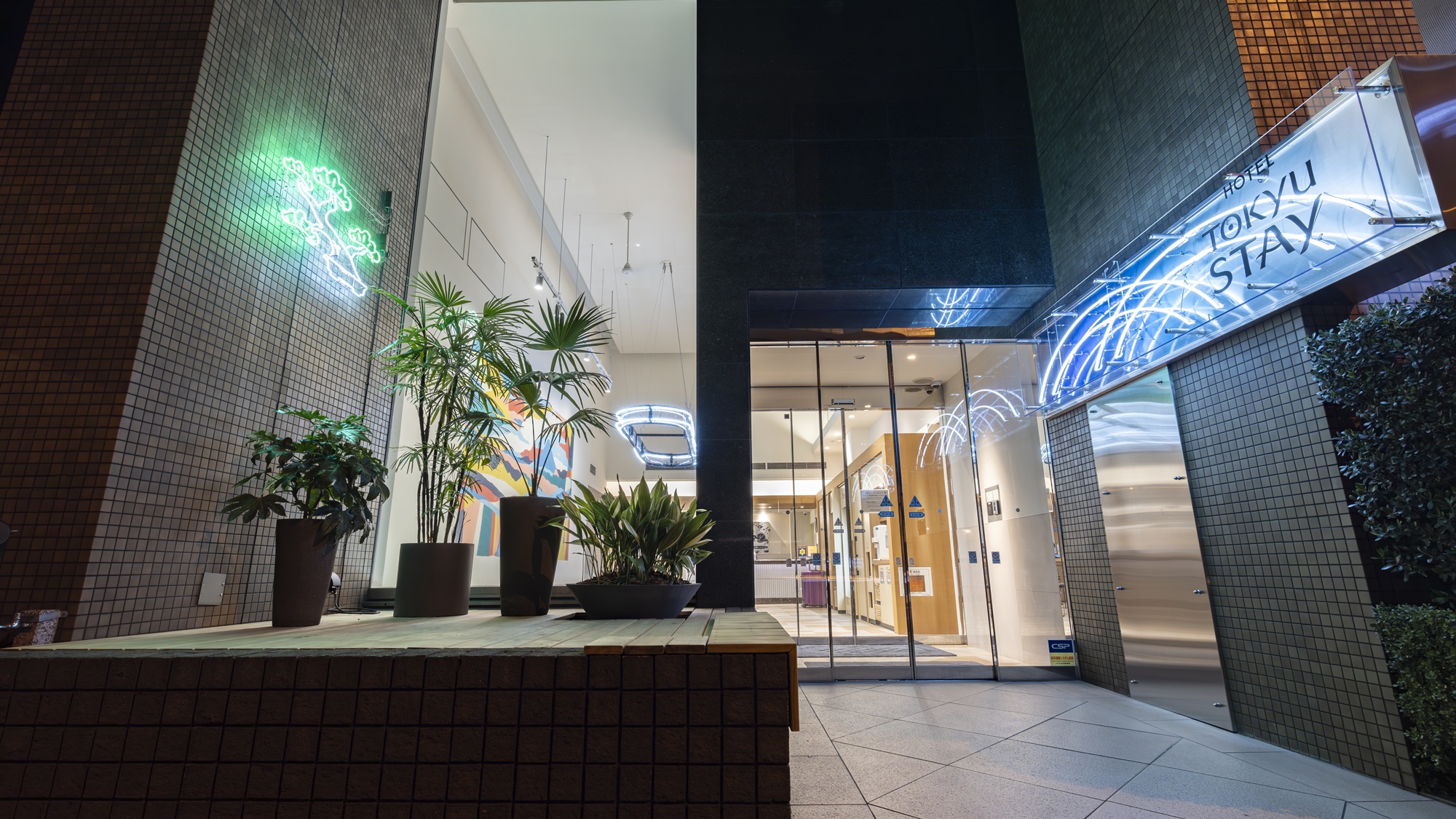
The Tokyo Subway Ticket covers 13 Tokyo Metro and Toei Subway lines. Stay around Marunouchi or Yaesu near Tokyo Station and you can take the Marunouchi Line to Ginza, Asakusa, Ueno and Roppongi; Tokyo Station is also a JR and Shinkansen hub, convenient for connecting to the airport and day trips.

Tokyo Subway Ticket: Usage Notes and FAQ
To use the Tokyo Subway Ticket smoothly and avoid trouble, travelers should be aware of some important notes. From how the pass is activated to limits on where it applies, knowing these details in advance will make your trip smoother.
Many first-time users have questions, such as whether they need to show a passport or what to do if the ticket is lost. This section collects the common questions and gives detailed answers, so you understand the Tokyo Subway Ticket more fully.
Passport or Proof of Temporary Stay Required at Purchase
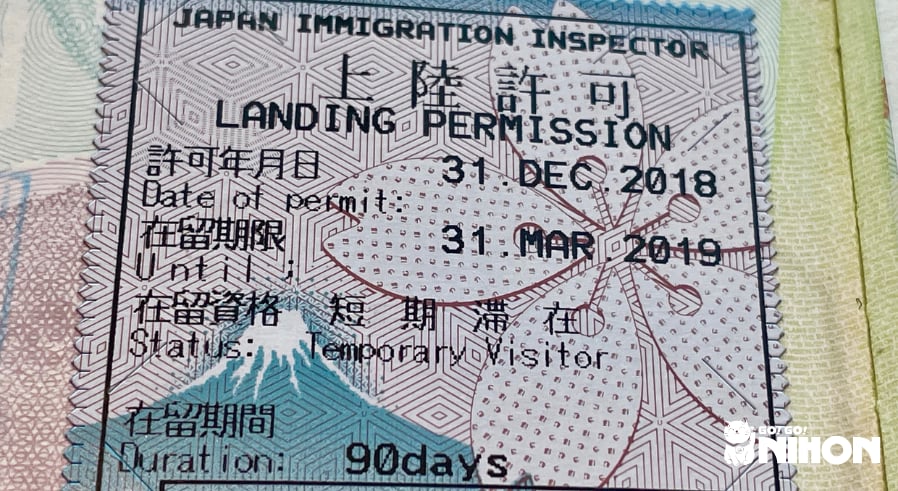
The Tokyo Subway Ticket is a discounted pass designed for foreign visitors to Japan, so whether you exchange after booking online or buy on the spot, you may need to show your passport to prove your “temporary visitor” status. Some sales points may not check strictly, but to avoid inconvenience, carry it with you.
This rule aims to ensure the pass goes to eligible travelers and preserves its discounted nature. Have the relevant documents ready so you can complete the purchase or exchange smoothly.
Lost or Damaged Tickets
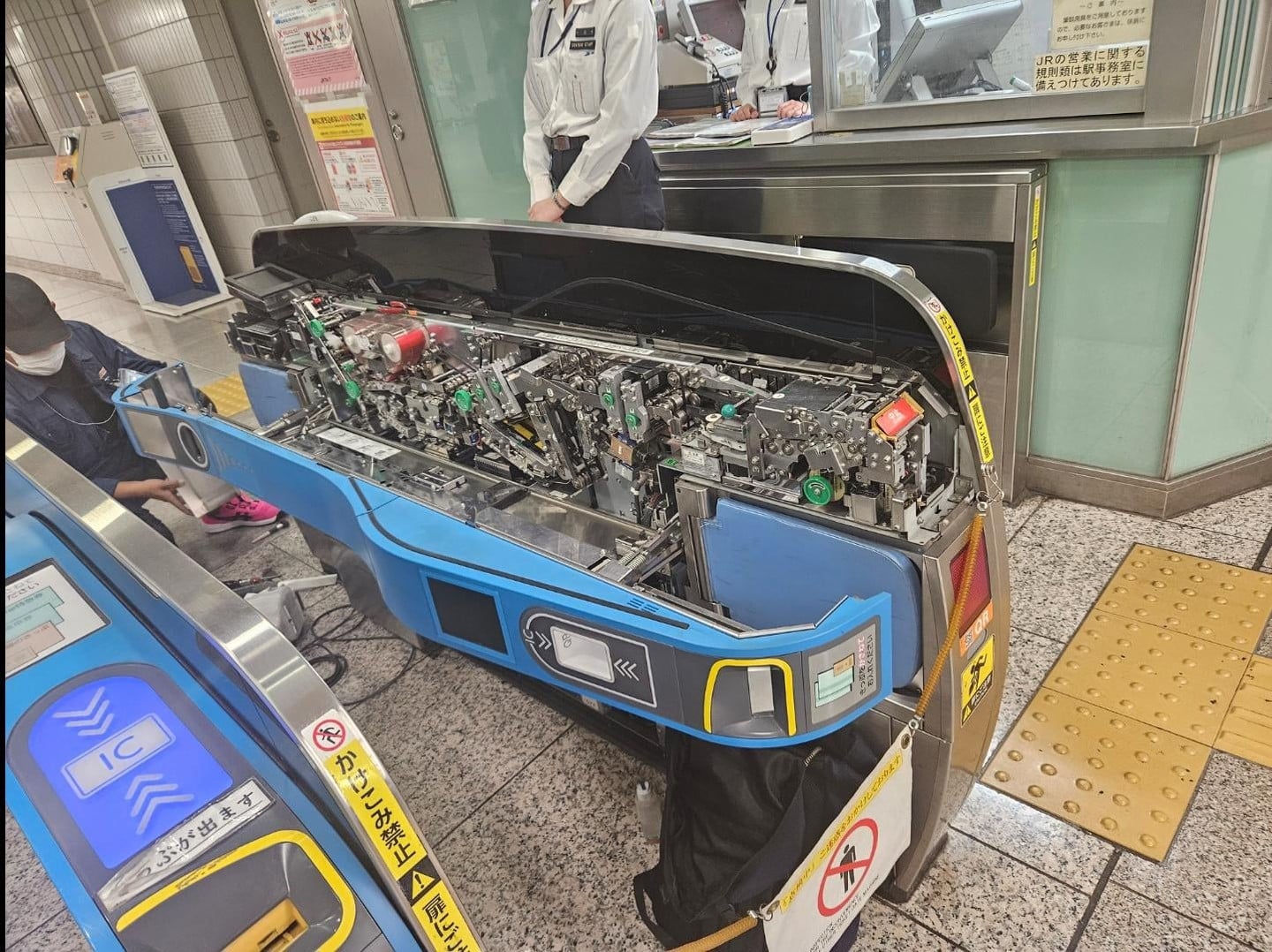
A lost or damaged Tokyo Subway Ticket cannot, in principle, be reissued or refunded. This differs from IC cards (such as Suica or Pasmo), which can be reported lost and reissued. Keep your pass safe during use and avoid losing it.
Keep the ticket somewhere safe and easy to reach, such as a wallet or a dedicated ticket holder. If you lose it, you will need to buy single tickets or a new subway pass, which adds extra cost.
Lines Not Covered and Transferring to JR Lines
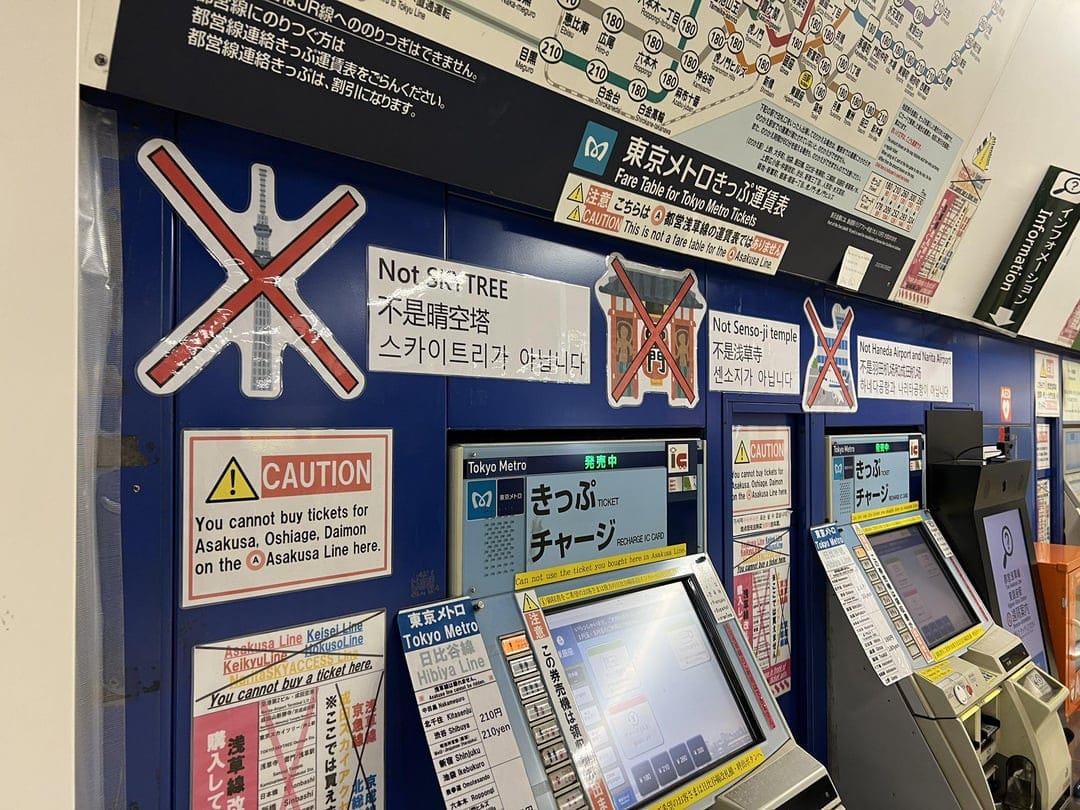
The Tokyo Subway Ticket is valid only on all Tokyo Metro and Toei Subway lines. It does not include JR lines, private railways (such as Tokyu, Keio and Odakyu), the Yurikamome, or streetcars. To ride these you need to buy separate tickets or use an IC card.
In particular, the JR Yamanote Line, although it loops around central Tokyo, is not covered by the pass. If your itinerary includes JR travel, plan ahead and budget extra transport costs or use an IC card alongside.
Handling Through-Service Sections
Some Tokyo Metro and Toei Subway lines have through-running service with other private railways, for example the Tokyo Metro Fukutoshin Line through to the Tokyu Toyoko Line, and the Toei Asakusa Line through to the Keikyu Line. In these through-service sections, if you ride beyond the pass’s coverage, you must pay the fare for the extra section.
For example, if you take the Tokyo Metro Fukutoshin Line from Shibuya through to the Tokyu Toyoko Line for Yokohama, once the pass’s coverage ends you must pay the Tokyu fare from that terminal station to Yokohama. Be sure to watch the station signs or check the route map in advance.
Subway Pass and Attraction Deals
Some attractions and shops offer discounts when you show a Tokyo Subway Ticket; see the partner discount information on the Tokyo Metro website for the full list.
When planning your trip, keep an eye on these attraction deals, especially if you plan to visit these popular sights. Buying a combo not only saves money but also simplifies ticket buying, making your sightseeing more convenient.

Conclusion: The Tokyo Subway Ticket, Your Helper for Touring Tokyo
The Tokyo Subway Ticket is without doubt an excellent way to explore the metropolis of Tokyo. Through this article’s detailed introduction, we hope you now have a full picture of the latest 2026 prices, the many ways to buy, and how to calculate the break-even point precisely. This pass not only saves you a considerable amount on transport, it also offers the convenience of unlimited rides, letting you experience Tokyo’s charm more freely and deeply.
Whether you are visiting Tokyo for the first time or are an experienced traveler, making good use of the Tokyo Subway Ticket, with proper itinerary planning and an IC card as backup, will make your Tokyo trip smoother, more economical and more fun. Choose the pass that best fits your actual itinerary and start a great subway adventure in Tokyo!