
Introducing the Shikoku Rail Pass: One Ticket for Many Operators
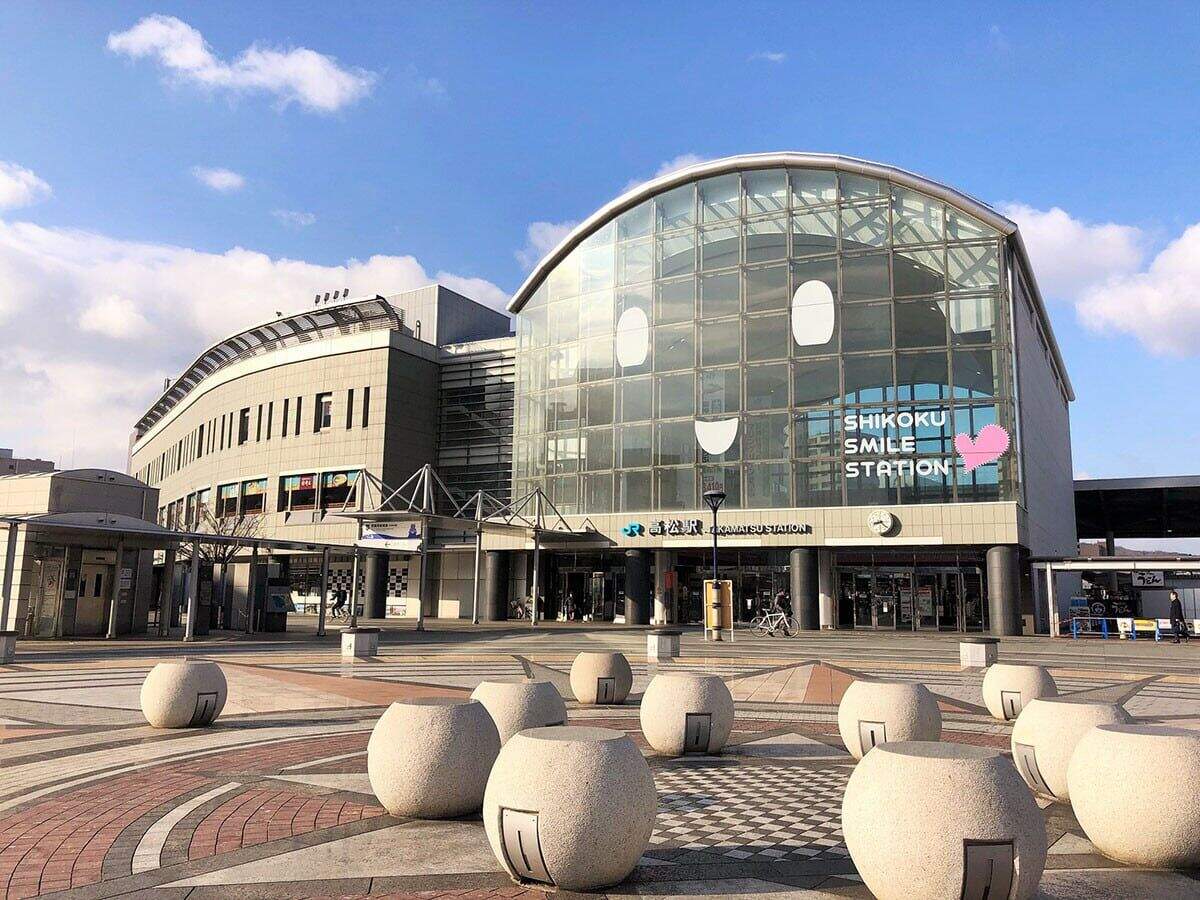
Shikoku’s railways are unusual: besides JR Shikoku, there are local operators such as Tosa Kuroshio Railway, Asa Seaside Railway, Kotoden and Tosaden, each guarding a short stretch of line. If you buy tickets one segment at a time, just working out which company runs where can take half a day.
The ALL SHIKOKU Rail Pass ties these operators together into one ticket, and in the past it also included the Shodoshima ferry and island buses, which is quite rare among regional passes in Japan (but passes issued from October 1, 2026 no longer include them, as explained in detail below). Below we first lay out eligibility, validity and the major 2026 changes, and then move on to buying and coverage. Amounts in this article follow JR Shikoku’s announcement of August 6, 2026; please check the official announcement of the day.
According to JR Shikoku’s announcement of August 6, 2026, passes issued from October 1, 2026 are available only as 3-day and 7-day passes, and the 4-day and 5-day passes have been discontinued. The 3-day pass is ¥12,000 and the 7-day pass ¥20,000 (children half price), and the domestic Japan price has been reduced to match the overseas price.
Which Pass Are People Searching for as “JR Pass Shikoku”?
Many people search for tickets using “JR Pass Shikoku,” “Shikoku JR Pass,” “JR Shikoku Pass” or “Shikoku Pass,” and these usually refer to the ALL SHIKOKU Rail Pass issued by JR Shikoku for foreign visitors, which is the Shikoku Rail Pass this article introduces. It covers not only JR Shikoku but also local operators such as Kotoden and Tosaden, which sets it apart from passes that cover only JR lines.
JR Shikoku’s official site for foreign visitors used to offer another pass, the “KAGAWA Mini Rail & Ferry Pass,” valid for 2 consecutive days at ¥6,000 for adults and ¥3,000 for children, covering only some JR sections within Kagawa Prefecture (the Yosan Line Takamatsu to Kanonji, the Kotoku Line Takamatsu to Hiketa, and the Dosan Line Tadotsu to Kotohira), the entire Kotoden network, the Shodoshima Ferry Takamatsu to Tonosho route, and Olive Bus. That pass went off sale on September 30, 2026, so the ALL SHIKOKU Rail Pass is now the only option; travelers who only visit Kagawa can buy a Kotoden one-day ticket or single-ride tickets instead.
Who Can Buy It: Short-Stay Visitors Only
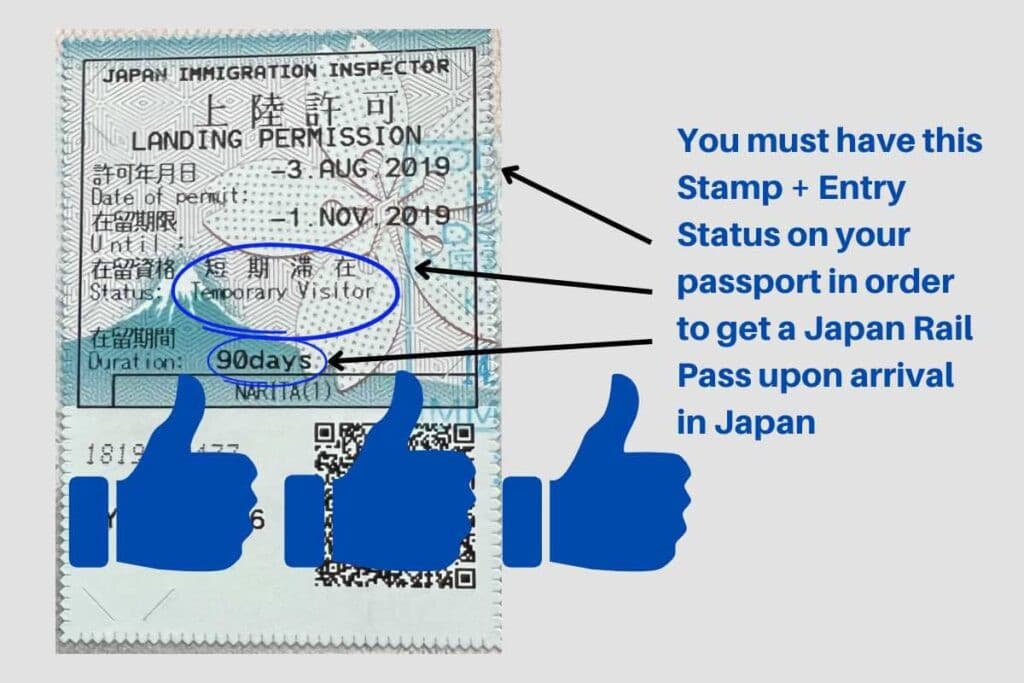
Like JR Passes elsewhere in Japan, this pass is sold only to foreign visitors who entered with “temporary visitor” status. When exchanging it, you must show your passport, and the passport must carry proof of temporary visitor status for this entry (an entry stamp or electronic entry record).
People living in Japan on work, student or permanent resident status are not eligible, and Japanese nationals cannot buy it. Travelers from Taiwan and Hong Kong who enter visa-free as tourists have no eligibility problem at all. Note that the exchange must be done in person with your own passport, and a travel companion cannot collect it for you, which is strictly checked at the counter.
One Ticket Across Many Operators: The Most Special Thing About Shikoku’s Pass
Shikoku’s rail map is cut into many small pieces. JR Shikoku runs the main lines, but the most convenient way from downtown Takamatsu to Kotohira-gu Shrine is Kotoden, downtown Kochi relies on Tosaden’s streetcars, and the way toward Shimanto requires connecting to Tosa Kuroshio Railway.
The value of this pass lies in “not having to care who is who”: just show the pass when you board, with no need to buy a new ticket at transfer stations. For travelers whose trip covers all four prefectures of Kagawa, Tokushima, Ehime and Kochi, what you save is not only money but also the time spent checking fares and buying tickets. Because it also includes private railways and streetcars, it is fundamentally different from Kyushu-style passes that cover only JR’s own lines.
How Validity Works: Consecutive Days, No Skipping
The current 3-day and 7-day passes (the 4-day and 5-day passes have been discontinued) are both consecutive-day passes: counting from the first day of travel, you must use it for three or seven days in a row, with no breaks or skipped days. Even if you spend a whole day soaking at Dogo Onsen without riding a train, that day still counts.
There is another deadline that is easy to overlook: for exchange vouchers (MCOs) obtained through overseas advance purchase, the official announcement says validity is three months from the purchase date, after which they expire. So don’t buy too early just to catch a discount code, and work it out carefully for trips that cross seasons. The start date is specified at the time of exchange and usually cannot be changed afterward.
2026 Change: Iyotetsu Leaves the Pass
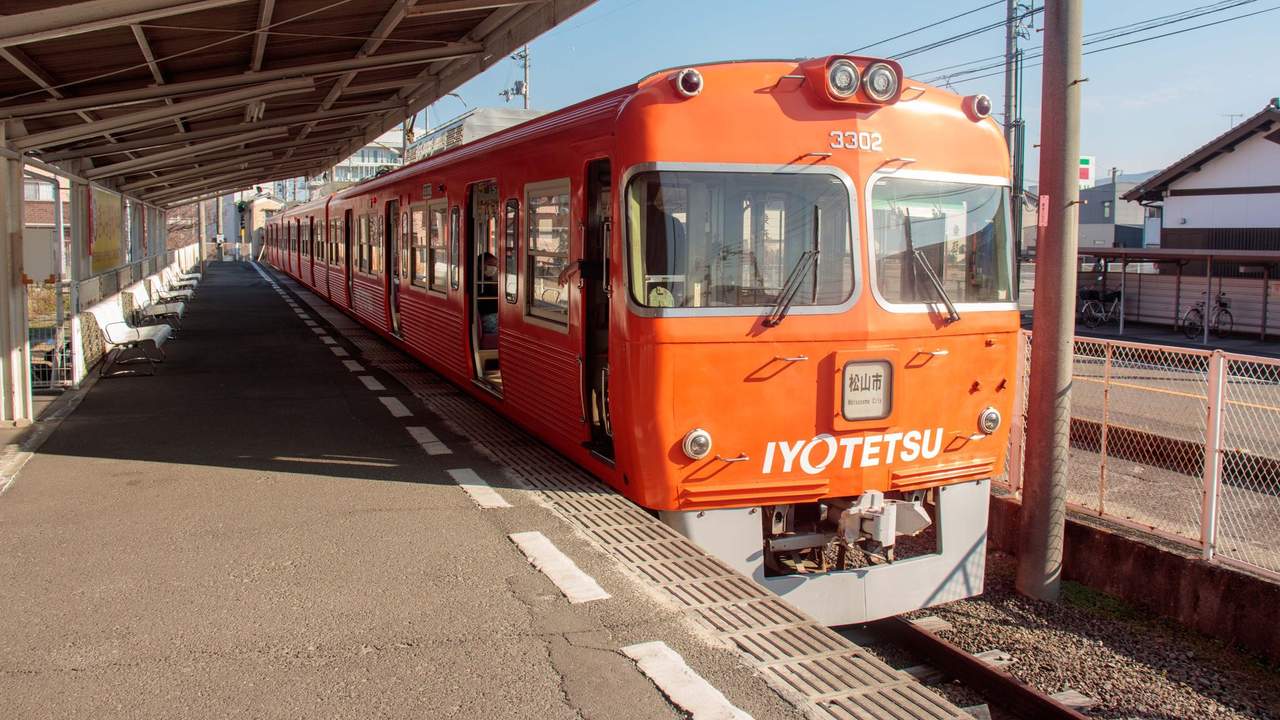
This is the most important update in this article: Iyotetsu (the streetcars and suburban trains of Matsuyama, Ehime) has no longer been covered by the Shikoku Rail Pass since March 7, 2026. The vast majority of guides online still say “includes Iyotetsu,” and following them will get you asked to pay a supplementary fare on the spot in Matsuyama.
In addition, according to JR Shikoku’s announcement of August 6, 2026, passes issued from October 1, 2026 no longer include the Shodoshima ferry and Olive Bus, and the 4-day and 5-day passes have been discontinued, leaving only the 3-day and 7-day passes.
In practice, this means that in downtown Matsuyama the streetcars from JR Matsuyama Station to Okaido and Dogo Onsen now have to be paid for separately. Iyotetsu also sells its own one-day pass in the city, and if you will visit several places in Matsuyama in a day, buying it separately is better value. Coverage may change again at any time, so be sure to check the latest official announcement before you leave.
How to Buy the Shikoku Rail Pass? The Full Process for Overseas Advance Purchase, On-Site Purchase and Exchange
Buying this pass is simpler than for Kyushu: there are two routes, overseas advance purchase and purchase on site in Japan, and from October 1, 2026 the prices are the same on both. What really needs attention is that exchange locations are limited and the exchange voucher is valid for only three months.
Below we explain, in order, where to buy, where to exchange and how, and how to choose your start date.
Overseas Advance Purchase: Same Price, but the Voucher Is Valid for Only Three Months
Buying in advance through platforms such as Klook and Trip.com is the mainstream approach. From October 1, 2026 the domestic Japan price is the same as the overseas price, and the only difference is promotions and whether you need to exchange the ticket. After payment you receive an electronic voucher or QR code.
Watch the exchange deadline closely: the official announcement says the voucher is valid for three months from the purchase date. The English name you enter when booking must match your passport exactly, which is the first thing the exchange counter checks. QR e-tickets from Klook and Trip.com must be activated within 90 days of purchase.
-Klook.jpg)

Buying on Site in Japan: Same Price, Decide at the Last Minute
It’s fine to decide to buy only after you reach Shikoku, and you can buy directly at the JR Shikoku Travel Service Center (Warp) at designated stations. From October 1, 2026 the on-site price is ¥12,000 for the 3-day pass and ¥20,000 for the 7-day pass (children half price), the same as the overseas advance price; the 4-day and 5-day passes have been discontinued.
This route suits people whose itinerary isn’t settled: play for a day first, and buy once you’ve confirmed you’ll really be moving between prefectures. The downside is that counters have lines at busy times, and not every station sells it, so if you decide on the spur of the moment, check first whether there is an outlet nearby. Prices may change, so please follow the on-site announcement.
Where to Exchange: Shikoku’s Five Main Stations, Plus Counters in Osaka and Okayama
There are fewer exchange points than you might expect, so confirm them when planning. On Shikoku itself they are mainly Takamatsu Station, Matsuyama Station, Tokushima Station, Kochi Station and Kotohira Station (Kotohira Station accepts cash only), and the Takamatsu, Matsuyama, Tokushima and Kochi branches of the JR Shikoku travel agency (Warp) can also handle it.
Especially useful are the two outlets off the island: the JR Shikoku travel agency Umeda branch (Osaka) and the Nippon Travel Agency TiS Okayama branch. If you are entering Shikoku from Kansai or Okayama, you can exchange your pass before you leave and use it right away on arrival in Takamatsu, saving the line on arrival day. At exchange you show your passport and voucher and specify the start date, and the process takes about five to ten minutes.
E-Ticket or Physical Ticket: The Spread of QR Codes and Things to Watch
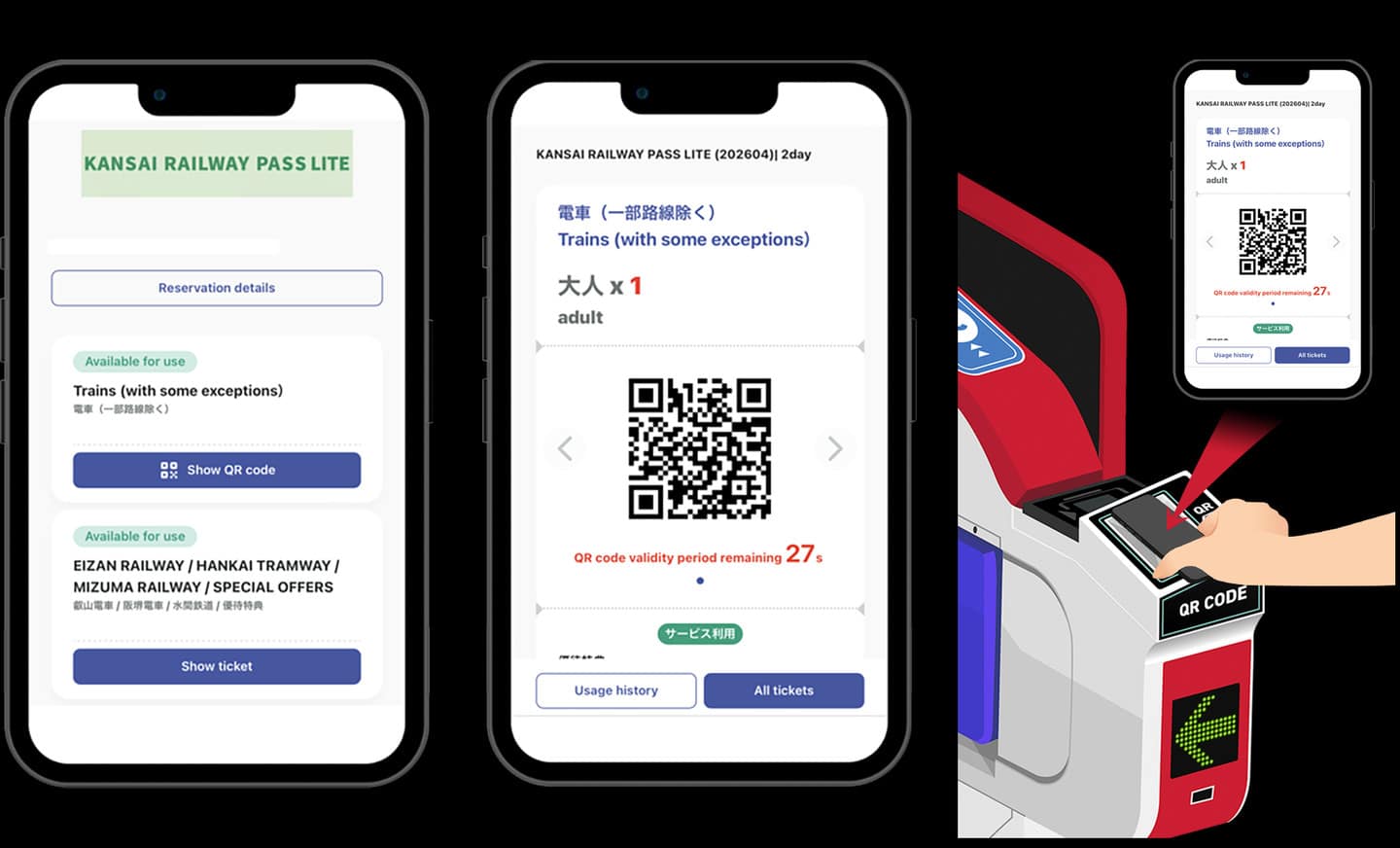
In recent years some platforms have launched e-tickets that need no exchange, letting you ride by showing the QR code on your phone and saving the time of lining up to exchange. But note that Shikoku has many unstaffed stations and single-car trains where only the driver collects tickets, so when using an e-ticket, be clear about whom to show it to when you get off.
The advantage of a physical ticket is reliability: a dead phone battery or poor signal doesn’t matter, and showing it is more intuitive at small stations and on streetcars. If you are traveling with older relatives, a physical ticket usually causes fewer problems. Either way, show it proactively when boarding and alighting, since many Shikoku lines have no automatic ticket gates and rely entirely on manual checks.
How to Choose the Start Date: Fit the Long-Distance Travel Into the Validity Period
Shikoku’s four prefectural capitals are not close to one another, and Takamatsu to Kochi or Matsuyama to Kochi each takes more than two hours by limited express. The pass’s validity should line up with these long-distance travel days, not with the whole trip.
A common waste is spending the first two days walking around downtown Takamatsu and eating udon while the pass sits idle. A better plan is to spend a day in Takamatsu after arrival (without activating), and activate on the second day to start moving between prefectures. Likewise, if the last day is just a bus from Takamatsu to the airport, it doesn’t need to be inside the validity period. This small adjustment can sometimes squeeze an itinerary into a 3-day pass.

What Does the Shikoku Rail Pass Cover? The Five Railway Operators and Coverage Explained
The coverage is this pass’s biggest selling point and also the most misunderstood part. Below we break down where you can ride with each operator, and flag two common misconceptions: Iyotetsu, which has already left the pass, and the Botchan Train and Sunrise Seto, which were never included.
Coverage may change at any time, so please follow the official page announcement before you leave.
JR Shikoku: All-You-Can-Ride Limited Express Non-Reserved Seats, Including the Anpanman Trains
The backbone of the pass is the whole JR Shikoku network, including non-reserved ordinary-car seats on limited express, rapid and local trains. Shikoku’s cities are almost all linked by limited express, and this alone accounts for most of the pass’s value.
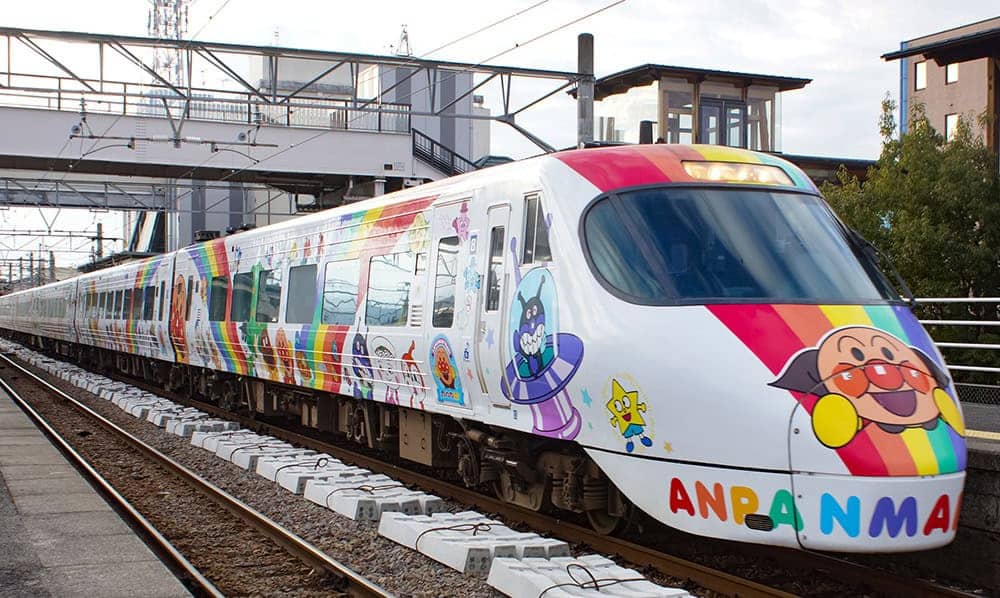
The Anpanman Trains that children love are also covered, and you can ride in non-reserved seats. The key term to remember is “non-reserved seats”: the pass itself does not include reserved seats, and if you want an assigned seat you must arrange it separately (reserved-seat ticket sets are explained below). In addition, riding in the Green Car (first class) also costs extra, and you cannot sit there on the pass alone.
Tosa Kuroshio Railway: The Extension Toward Shimanto and Nakamura
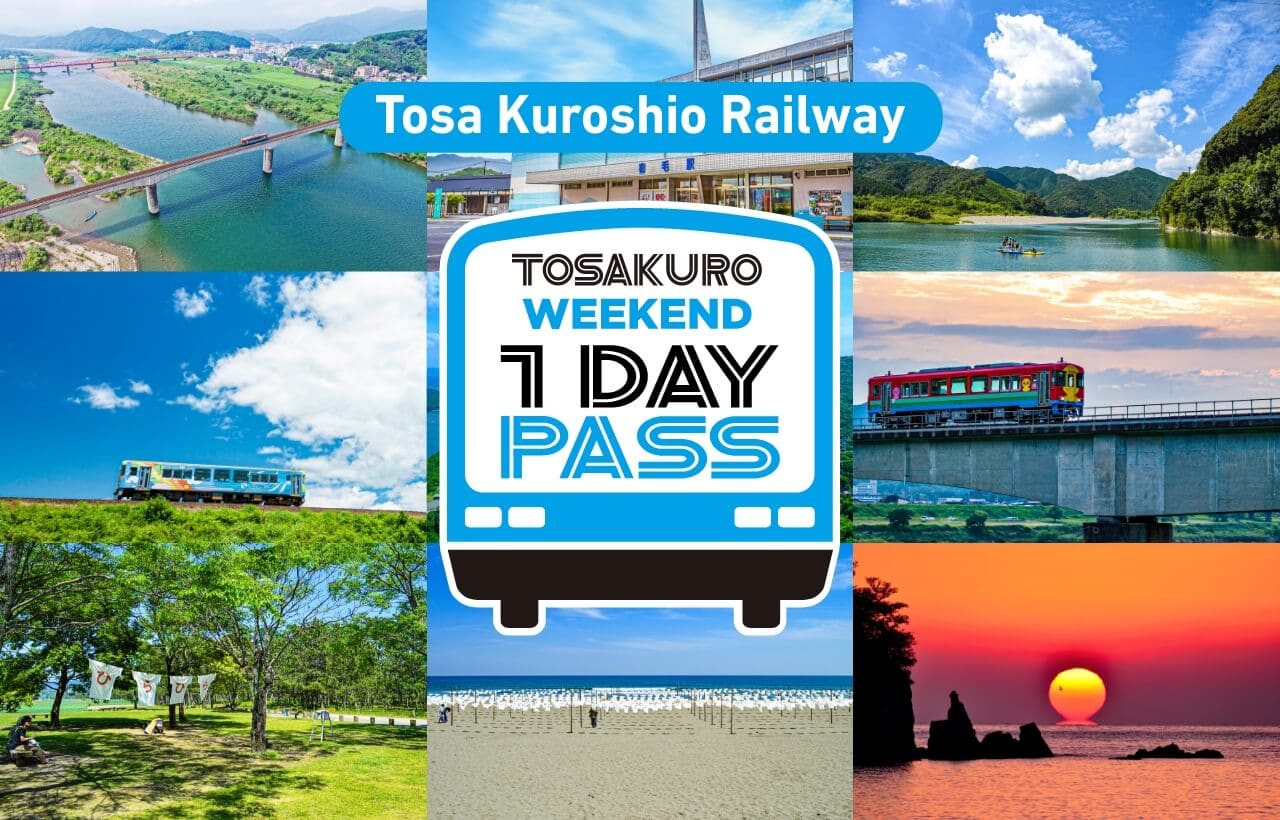
Tosa Kuroshio Railway connects after the JR Dosan Line and extends the network to Nakamura and Sukumo in western Kochi Prefecture, and it is the main way to reach the Shimanto River basin. The pass covers non-reserved seats on all of its limited express and local trains.
For travelers who want to see the submersible bridges on the Shimanto River, this section is the only way. Note that after arriving at Nakamura Station you need another bus or taxi to reach the submersible bridges, with very sparse service, so it is best to check the timetable in advance. Along Tosa Kuroshio Railway are several unstaffed stations facing the sea, with few cars and long one-way travel times, so we suggest planning it as a half-day itinerary.
Asa Seaside Railway: The DMV Amphibious Vehicle, Rare in the World
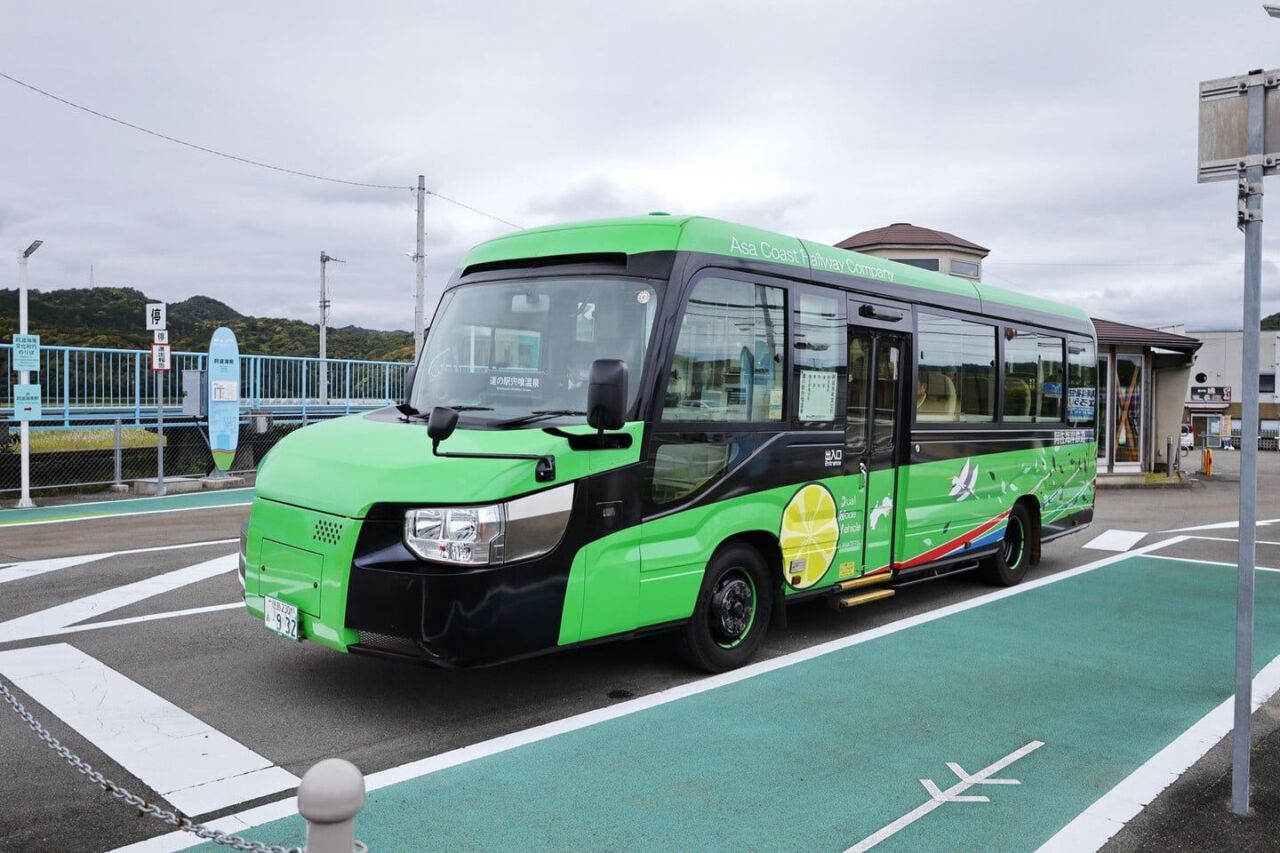
The Asa Seaside Railway is at the southern end of Tokushima Prefecture, and its most famous feature is the DMV (Dual Mode Vehicle), a vehicle that looks like a minibus and can drive on roads or lower steel wheels to run on rails. The switch takes only ten-odd seconds, a form of service very rare in the world.
The pass covers this line, and for rail fans the ride is worth a special trip in itself. According to JR Shikoku’s official announcement, riding the DMV with the pass requires no extra fee, but there are two clear conditions: first, trips toward Muroto on Saturdays, Sundays and national holidays are outside the pass’s coverage; second, whether you can board depends on the remaining seats that day, and when it is full you cannot board even with the pass, as the pass itself does not guarantee a seat. With only a few runs a day and a remote location, be sure to reserve a whole day and check the timetable first. Please follow the operator’s latest announcement for the actual rules.
Kotoden: The Most Convenient Link from Downtown Takamatsu to Kotohira-gu
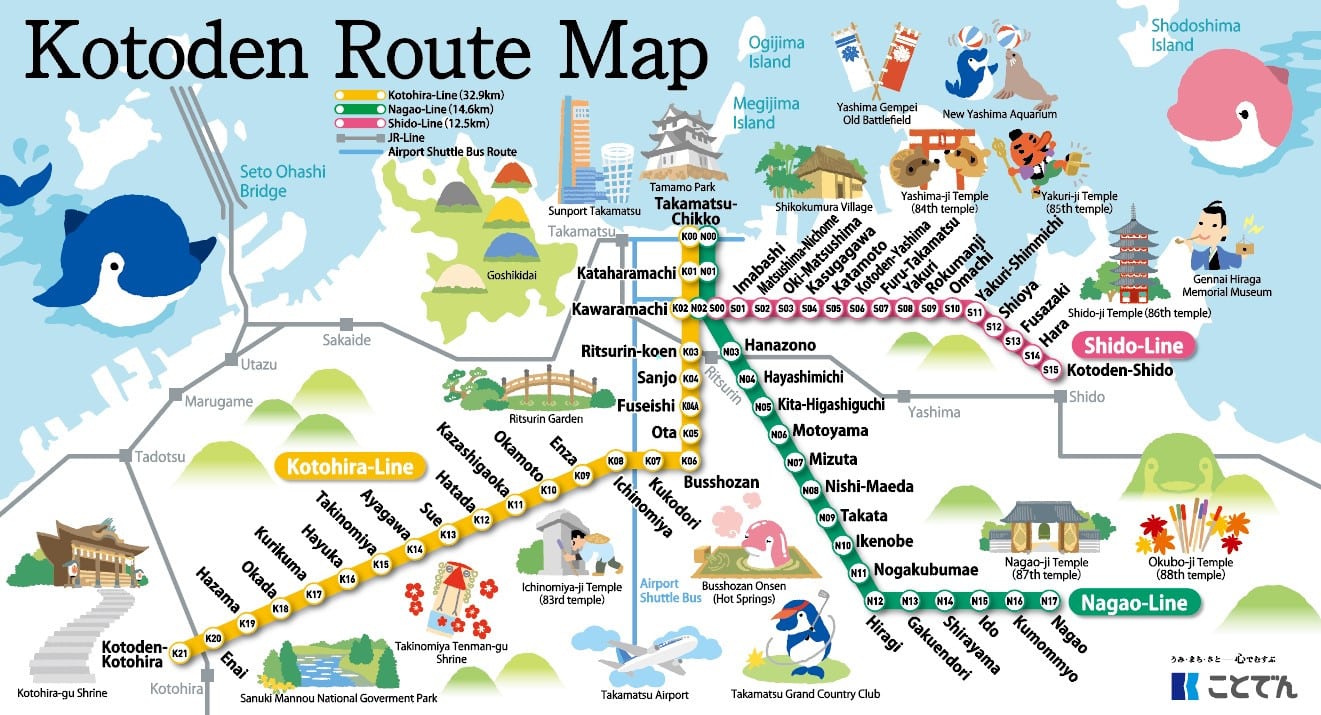
All of Takamatsu-Kotohira Electric Railroad’s (Kotoden) Kotohira Line, Nagao Line and Shido Line are covered. Kotoden is the everyday transport of downtown Takamatsu, with more frequent service than JR and stops closer to daily city life.
The most practical use is going to Kotohira-gu Shrine: Kotoden Kotohira Station is very close to the entrance of the approach, more convenient than JR Kotohira Station. In addition, Kotoden Kawaramachi Station is in one of Takamatsu’s liveliest commercial districts and is very handy for trips between downtown and your lodging. Riding Kotoden with the pass needs no separate ticket, but because Kotoden has its own gate system, how you show the pass varies by station, so it’s safest to confirm with station staff.
If You Haven’t Bought the Pass, Buy a Kotoden One-Day Ticket Instead. If you only move between Takamatsu and Kotohira, Kotoden’s own “1-Day Free Ticket” (1日フリーきっぷ) may be better value than the pass. According to the Kotoden website, from April 1, 2026 this ticket costs ¥1,600 for adults and ¥800 for children, is valid for the day and covers all Kotoden trains (Kotohira, Nagao and Shido lines), and is bought at staffed Kotoden stations and shown to station staff or the conductor at unstaffed stations. There is also a mobile version, “Kotoden Digital Ticket” (ことでんデジタルきっぷ): a 24-hour ticket at ¥1,500 for adults and a 48-hour ticket at ¥2,800 for adults, neither of which covers Kotoden buses. If you will make a round trip to Kotohira-gu in a day and also get on and off several times in the city, use the fare lookup on the Kotoden website to work out whether it pays off before buying.
Tosaden: The Whole Streetcar Network in Downtown Kochi
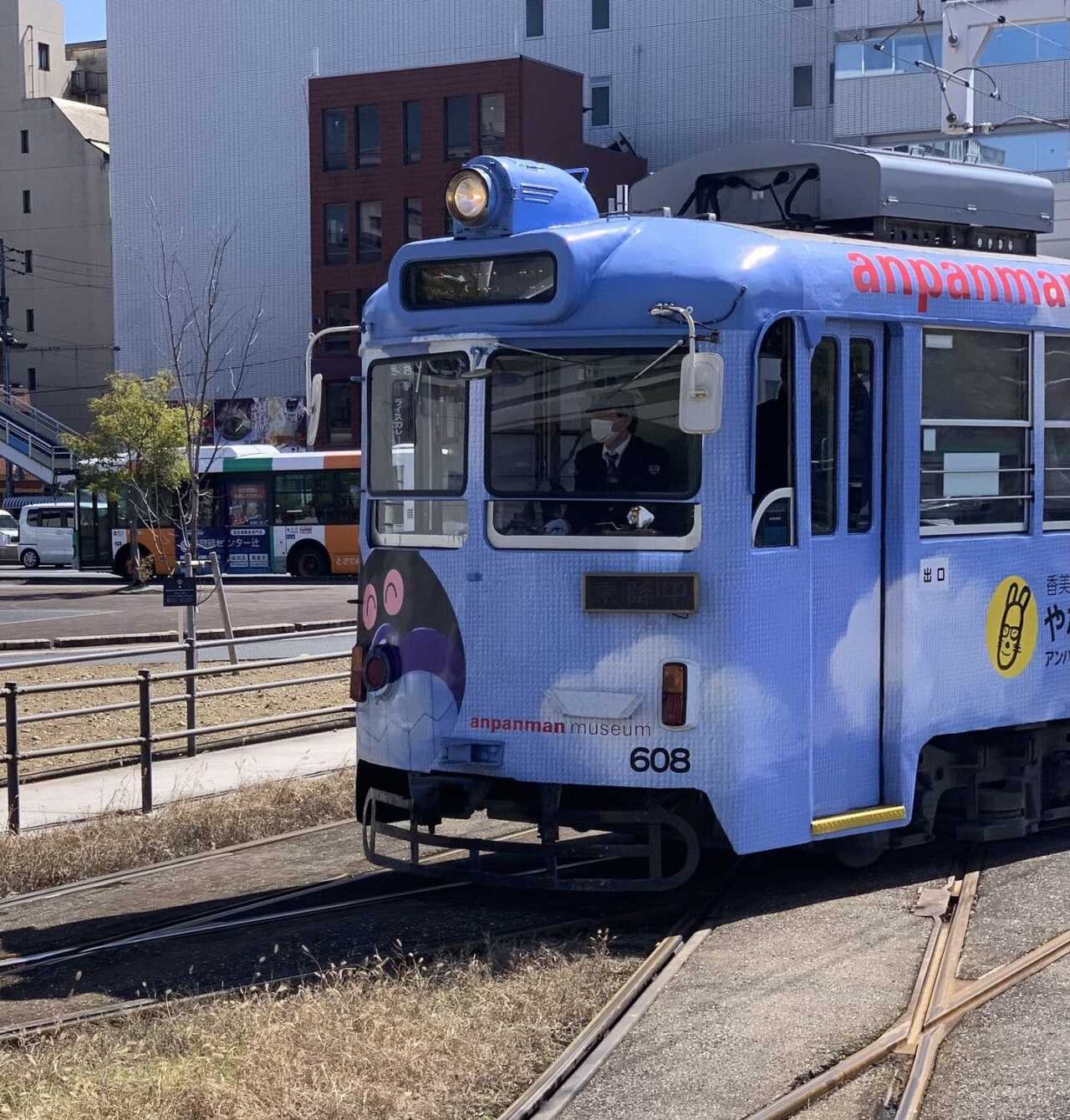
The main way to get around downtown Kochi is the streetcars of Tosaden Kotsu, and the whole network is covered by the pass. From JR Kochi Station to major sights such as Harimayabashi, Kochi Castle and Hirome Market, the streetcar is the most direct.
The streetcars are boarded by the rear door and exited by the front door where you pay, and with the pass you simply show it to the driver when getting off. Kochi’s streetcars have two main axes, east-west and north-south, which cross at Harimayabashi, a rare cross-shaped network in Japan. If you go to Hirome Market at night for seared bonito, taking the streetcar is far less tiring than walking, and this free stretch is a real help to your itinerary.
Shodoshima Ferry: Takamatsu Port to Tonosho Port, but Not the High-Speed Boat
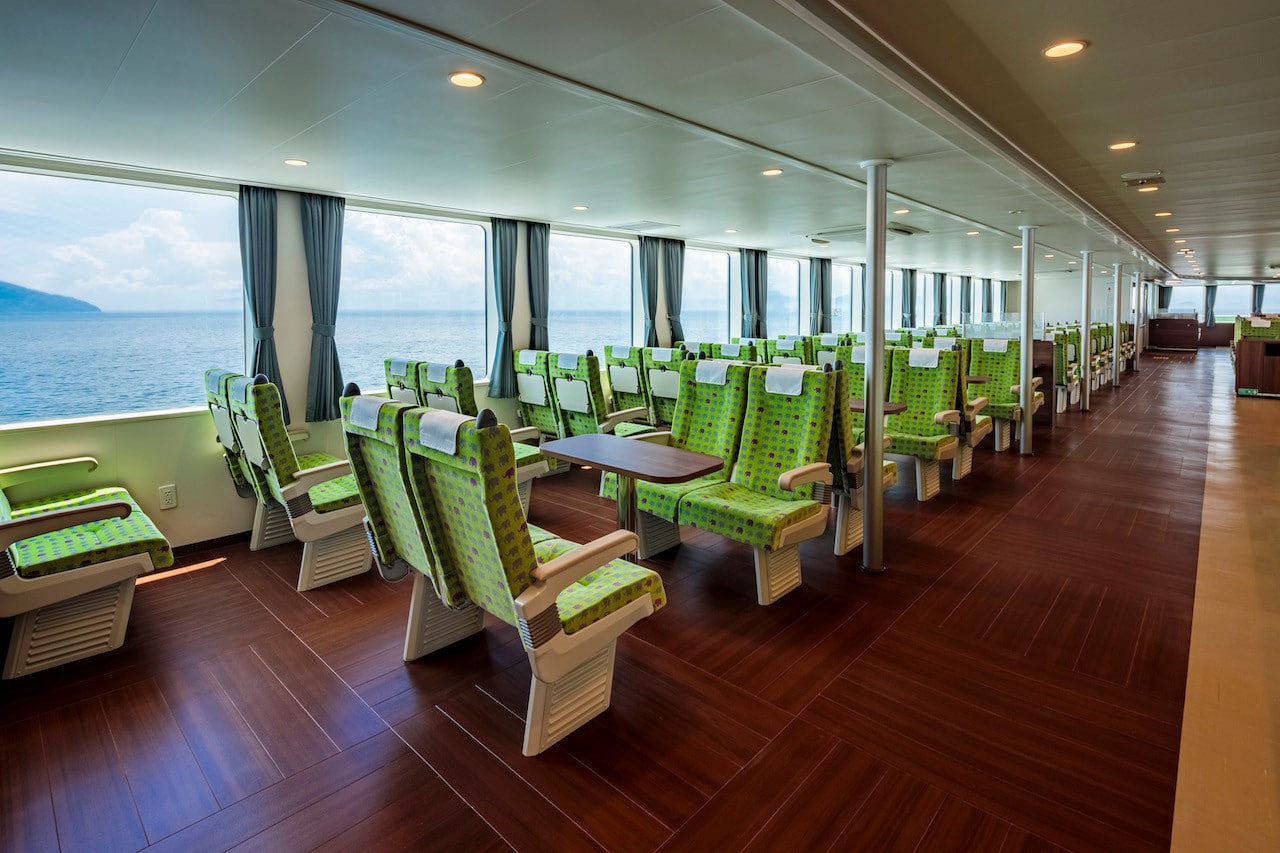
The best-value item on passes bought before September 30 was the Shodoshima ferry, but the scope is very specific: only the regular ferry between Takamatsu Port and Tonosho Port, a trip of about one hour. This is the route most commonly taken by visitors from Taiwan going to Shodoshima.
The key limitation is that the high-speed boat is not allowed. Although the high-speed boat takes only thirty-odd minutes, it is outside the pass’s coverage and requires a separate ticket. Also, the Takamatsu Port to Ikeda Port route and other routes departing from the Okayama side are not included. Before boarding, remember to show the pass at the ticket office to exchange it for a boarding ticket, rather than walking straight onto the boat. Sailing times change by season, so please follow the ferry company’s announcements.
Important change in October 2026:The JR Shikoku official website announced that from October 1, 2026, the ALL SHIKOKU Rail Pass can no longer be used on the Shodoshima ferry and the Shodoshima Olive Bus, while passes purchased before September 30, 2026 can still be used. For those who buy after October, the boat ticket to Shodoshima must be paid for separately; the KAGAWA Mini Rail & Ferry Pass, which also included the ferry, also went off sale on September 30, 2026. With the ferry and bus removed, from October 1 the 3-day pass was reduced to ¥12,000 and the 7-day pass to ¥20,000 (the domestic Japan prices were previously ¥12,500 and ¥20,500).

Olive Bus: Only Passes Bought Before September 30 Can Ride
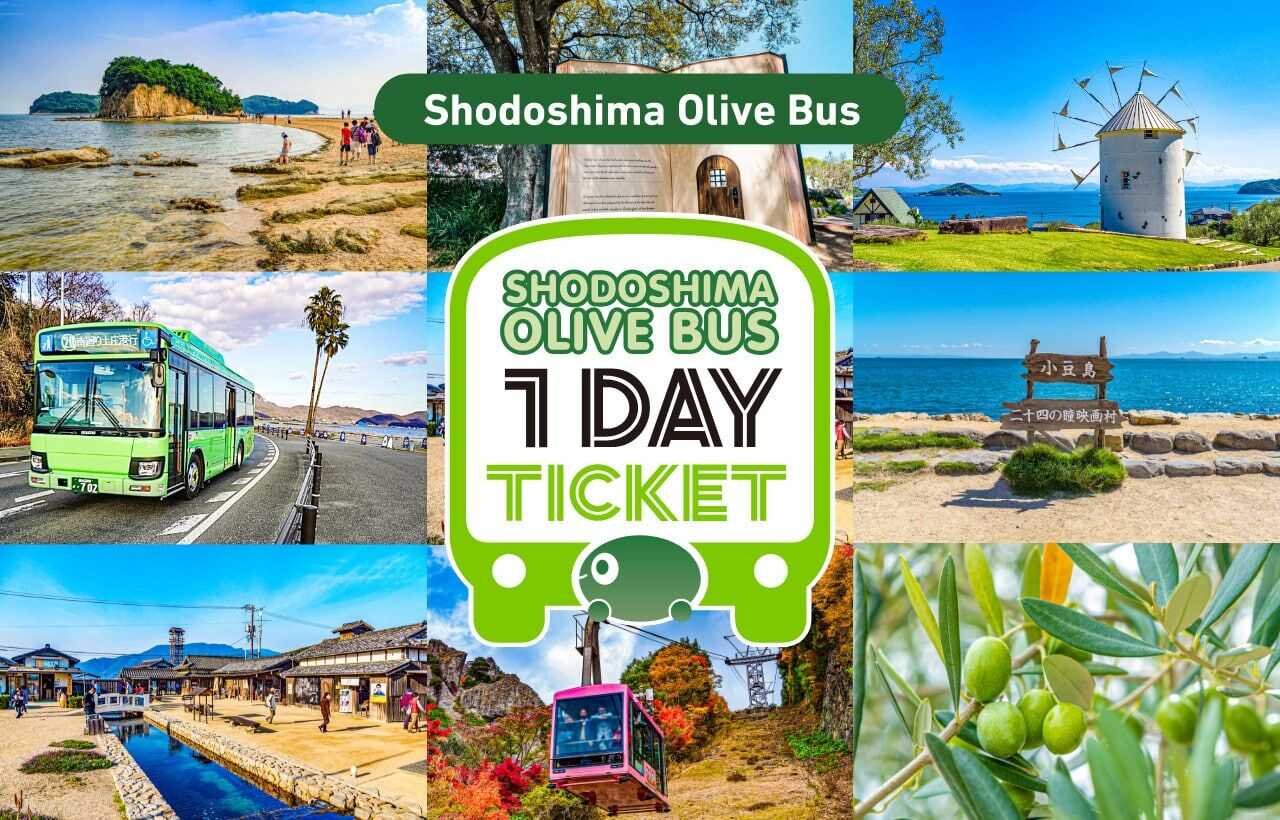
For passes bought before September 30, 2026, in addition to the ferry, all Shodoshima Olive Bus routes on the island were also covered, and passes issued from October 1 no longer include it. This meant you could cover the Angel Road, the lower station of the Kankakei Ropeway, Olive Park and the soy sauce town without renting a car.
In practice, watch the timetable: island buses may run only once an hour, and if you miss one you wait a long time, and some routes have seasonal reductions. We suggest that the first thing you do after reaching the island is to pick up a timetable at the service desk at Tonosho Port and plan backward from your return ferry. The Kankakei Ropeway and admission tickets at various facilities are not included in the pass and must be bought separately.
Also note that according to JR Shikoku’s official announcement, from October 1, 2026 the ALL SHIKOKU Rail Pass is no longer valid on Olive Bus (except for passes bought before September 30), so before buying please confirm when the pass you are getting was purchased.
No Longer Usable: Matsuyama Streetcars Leave the Coverage
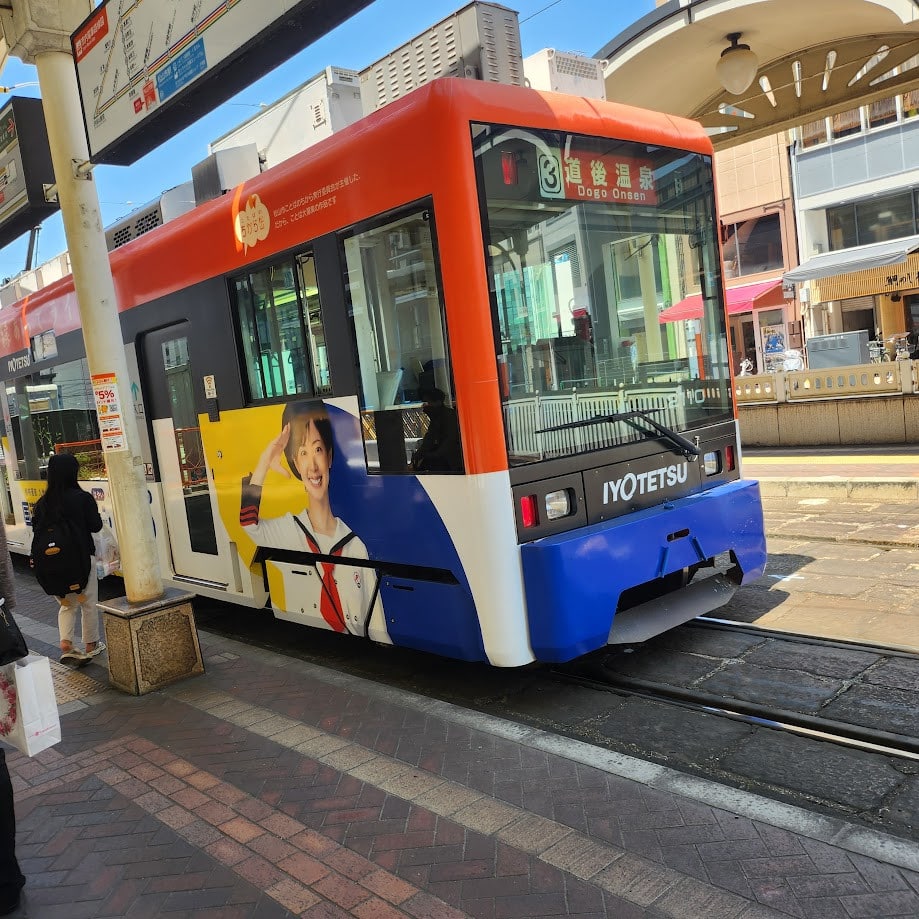
Let us stress this latest change once more: Iyotetsu has no longer been covered by the pass since March 7, 2026. The streetcars and suburban trains in downtown Matsuyama must now be paid for yourself.
The biggest impact is on Dogo Onsen trips: from JR Matsuyama Station or Okaido to Dogo Onsen you used to be able to just show the pass, and now you must buy a separate ticket. The alternative is to buy Iyotetsu’s own city tram one-day pass, which is usually better value than single tickets if you will visit three or more spots in downtown Matsuyama in a day. If you see an old guide that still says “includes Iyotetsu,” just ignore it.
What Else Can’t You Ride: Sunrise Seto and the Botchan Train
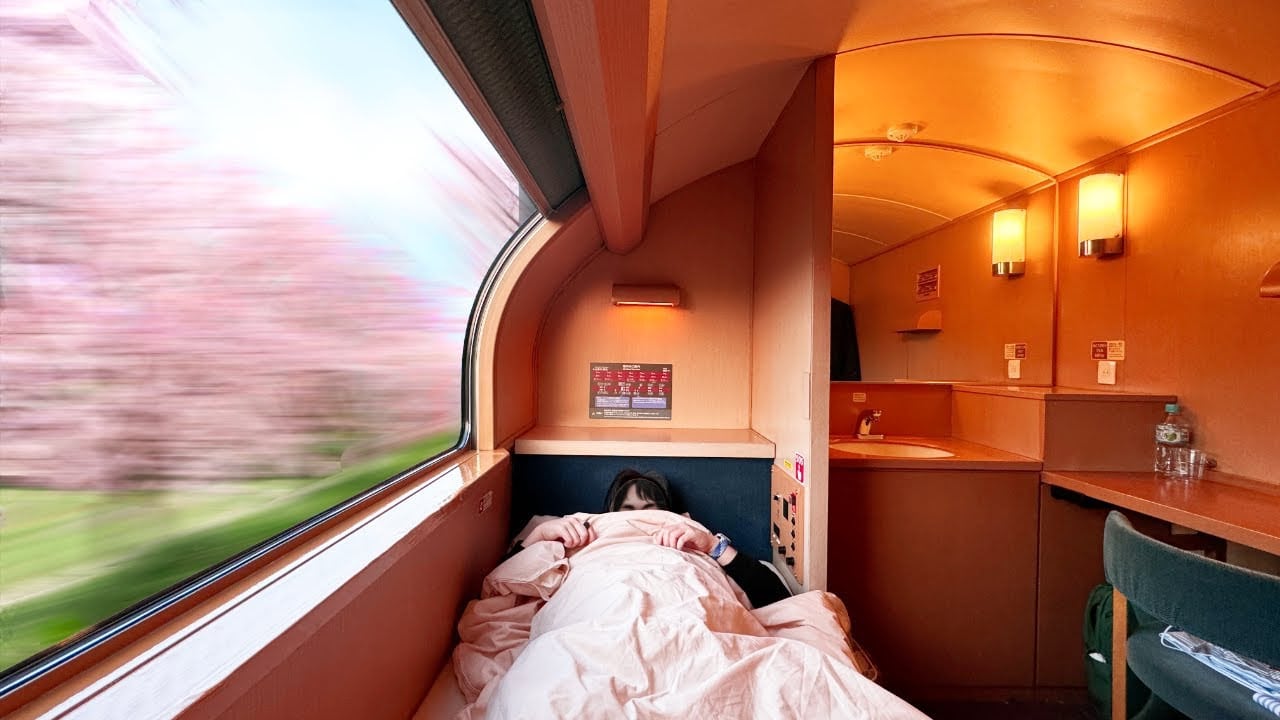
Besides Iyotetsu, there are two other common exceptions. The first is the Sunrise Seto, a sleeper limited express running directly from Tokyo to Takamatsu, a special cross-region train that the pass cannot be used on at all, requiring a separate ticket that is very hard to get.
The second is Matsuyama’s Botchan Train (坊っちゃん列車), a retro steam-style sightseeing tram operated by Iyotetsu, which always required a separately purchased special ticket, and now that Iyotetsu has left the coverage this is even more so. In addition, Green Car (first class) on all trains costs extra. Remember these three things first and you will avoid ninety percent of on-the-spot disputes.
How to Choose the Number of Days: Itineraries for the 3-Day and 7-Day Passes
The 3-day pass (¥12,000) suits short trips that cover only Kagawa and Ehime, or Takamatsu in and out plus Kotohira-gu; from October 1, 2026 the Shodoshima ferry is no longer included. The 4-day and 5-day passes have been discontinued, so if your trip needs four days or more you can only choose the 7-day pass.
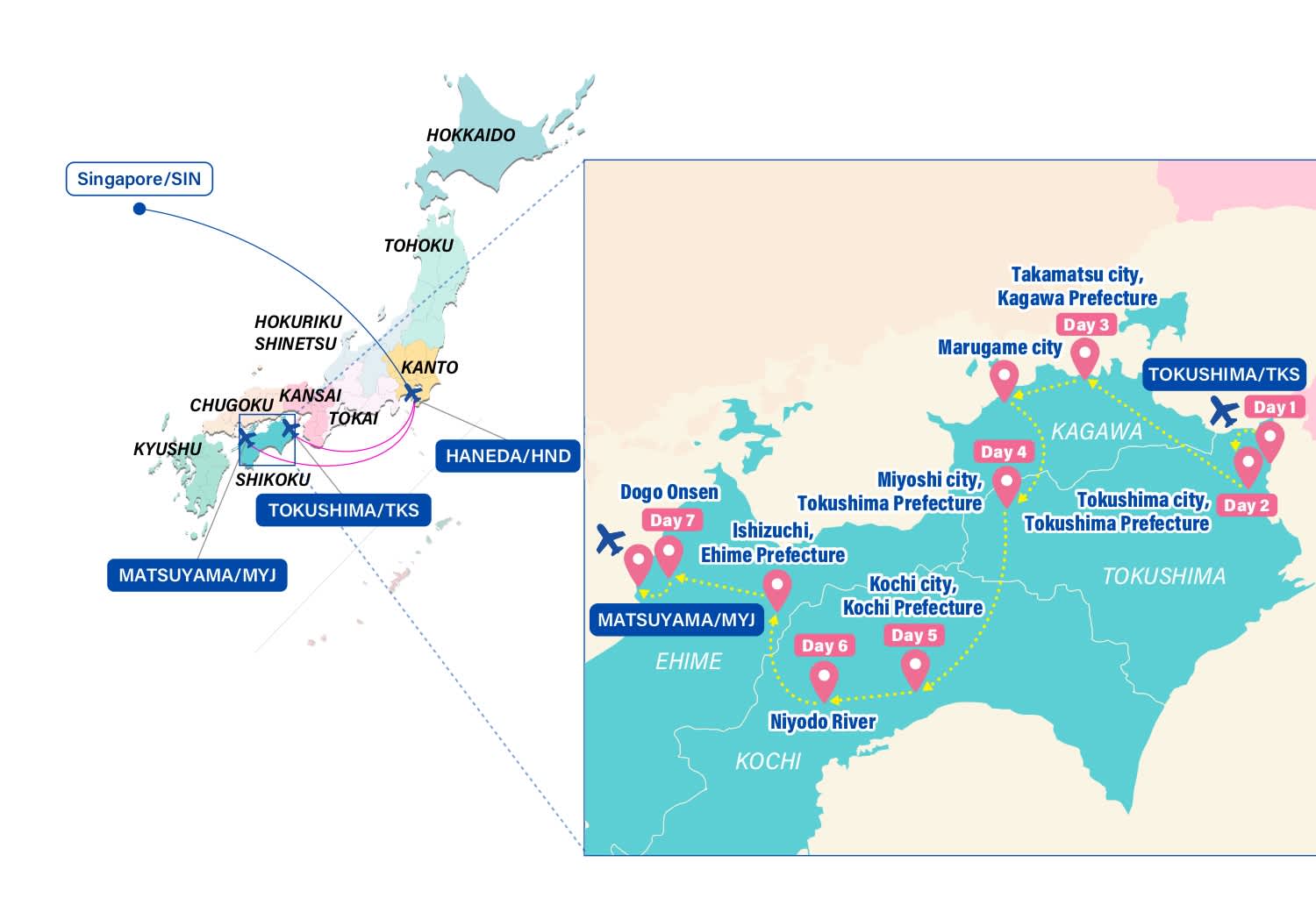
A loop around the four prefectures, Takamatsu – Tokushima – Kochi – Matsuyama – Takamatsu, now requires the 7-day pass (¥20,000), and it also suits people who want to go deep into remote lines such as Shimanto, Iya or the Asa Seaside Railway. The difference between 3 and 7 days is only ¥8,000, and if your trip is longer than three days, the 7-day pass is the only choice.
Is the Shikoku Rail Pass Worth It? Reserved-Seat Ticket Sets and Add-On Suggestions
One-way limited express fares in Shikoku are not low, and the pass usually starts to pay off after just two inter-prefecture trips. But the fact that it covers only non-reserved seats directly affects your experience in peak season, so think it through first.
The amounts below are reference values checked in August 2026, and please follow the official or platform announcement of the day for actual prices.
How to Tell If It’s Worth It: Work Back from One-Way Limited Express Fares
Between Shikoku prefectures, a one-way limited express trip (ticket plus limited express charge) easily costs several thousand yen, and Takamatsu to Matsuyama and Takamatsu to Kochi are both in that range. As a rough guide: if you make two inter-prefecture limited express trips within three days, the 3-day pass roughly breaks even; with three or more, you are sure to come out ahead.
Conversely, if your itinerary only goes back and forth between Takamatsu and Kotohira, or stays entirely within downtown Matsuyama, buying the pass actually loses money. Especially now that Iyotetsu has left the coverage, the pass is worth much less for a Matsuyama-only trip. Before calculating, list the lines and operators you will ride on each segment, then check them against the official fare lookup, which is more reliable than other people’s reviews.
Reserved-Seat Ticket Sets: Four Tickets Per Set, About ¥300 Per Seat Reservation
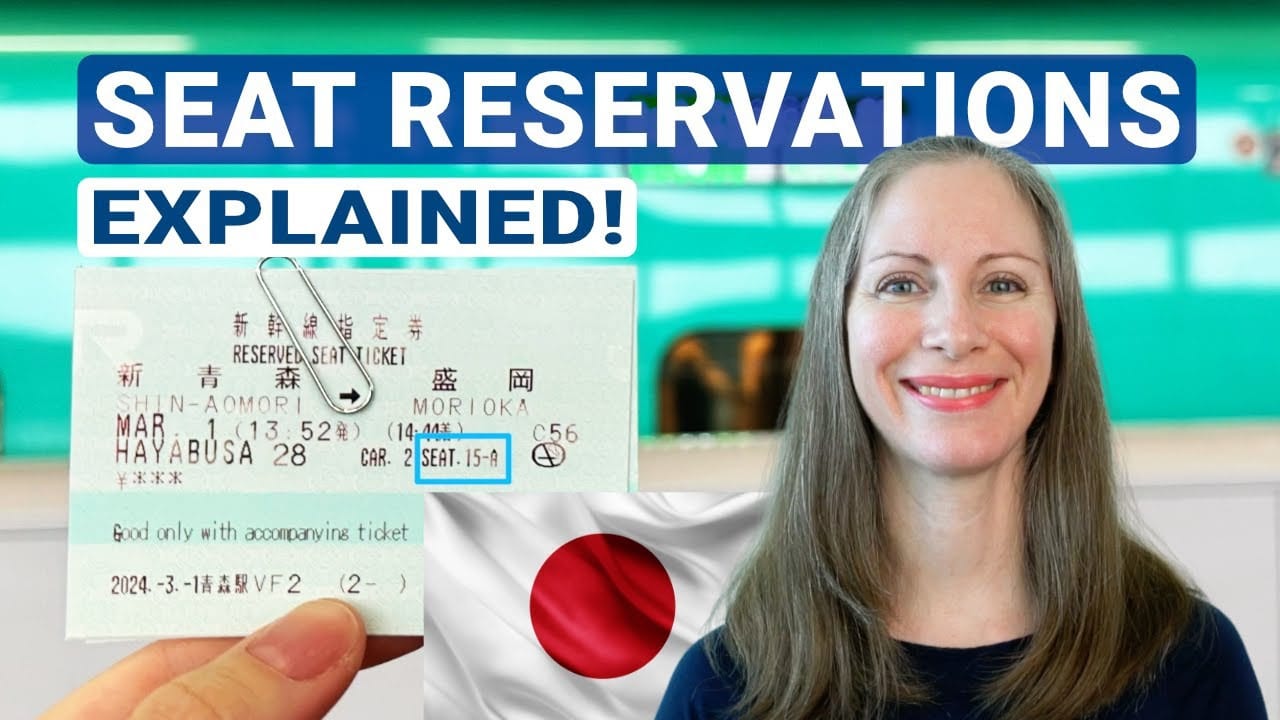
This is the biggest difference between the Shikoku pass and Kyushu’s: it includes only non-reserved seats and cannot reserve assigned seats for free. If you want an assigned seat, you must buy a “reserved-seat ticket set” separately on site in Shikoku, four tickets per set at ¥1,200 for adults and ¥600 for children, which works out to about ¥300 per reservation. Note that Kotohira Station and the Nippon Travel Agency TiS Okayama branch do not sell these ticket sets.
After buying the ticket set, take it and the pass to the Green Window or travel service center to make the reservation. When is it worth buying? On Golden Week, summer vacation and weekends, the non-reserved cars of popular limited express trains are often full, and standing for two hours is torture; if you travel with older relatives or children, ¥300 for a guaranteed seat is great value. On weekday off-peak times it is usually unnecessary.
Sightseeing Trains: Make the Ride Itself Part of the Trip
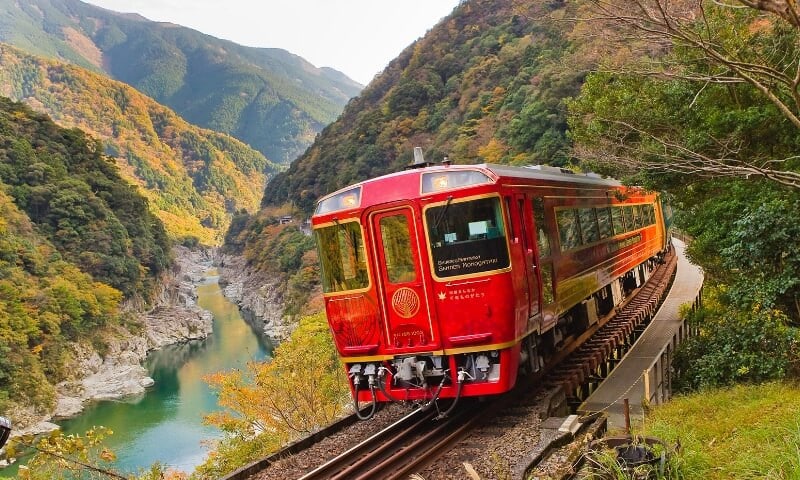
Shikoku has several lines that put scenery first: the Yosan Line’s coastal section along Iyo-nada, the Dosan Line’s gorge section through Oboke and Koboke, and the Asa Seaside Railway’s DMV. These sections are destinations in themselves, not just a means of transport.
The trick to planning is to check the sightseeing trains’ operating days first (most run only on weekends and specific days), and then fit your lodging and other sights around them. Most sightseeing trains are all reserved seating, so even with the pass you need to arrange seats separately. If your focus is the train experience, a 7-day pass plus a few seat reservations will be more enjoyable than driving the whole way, and you won’t have to worry about narrow mountain roads.

Iya and Shimanto: Where the Rails Don’t Reach, Charter a Car
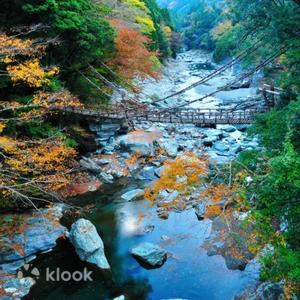
Shikoku has two major sights that rail cannot solve: Tokushima’s Iya Valley (the Kazura Bridges and the Iya Valley’s Peeing Boy statue) and Kochi’s Shimanto River submersible bridges. Both require another bus with very few runs from the nearest station, and relying on public transport will use up almost a whole day.
The more efficient approach is to group these spots together and use a chartered car or a local sightseeing bus. The pass handles the long-distance backbone between cities and the charter handles the last mile in the mountains, and the total cost of the combination is often lower than renting a car for the whole trip, while also sparing you the stress of passing oncoming cars on Iya’s narrow roads. When booking, remember to confirm whether the fee already includes tolls and parking.
(徳島市出發)-Klook.jpg)
Setouchi Island Hopping: How to Plan a Shodoshima Trip
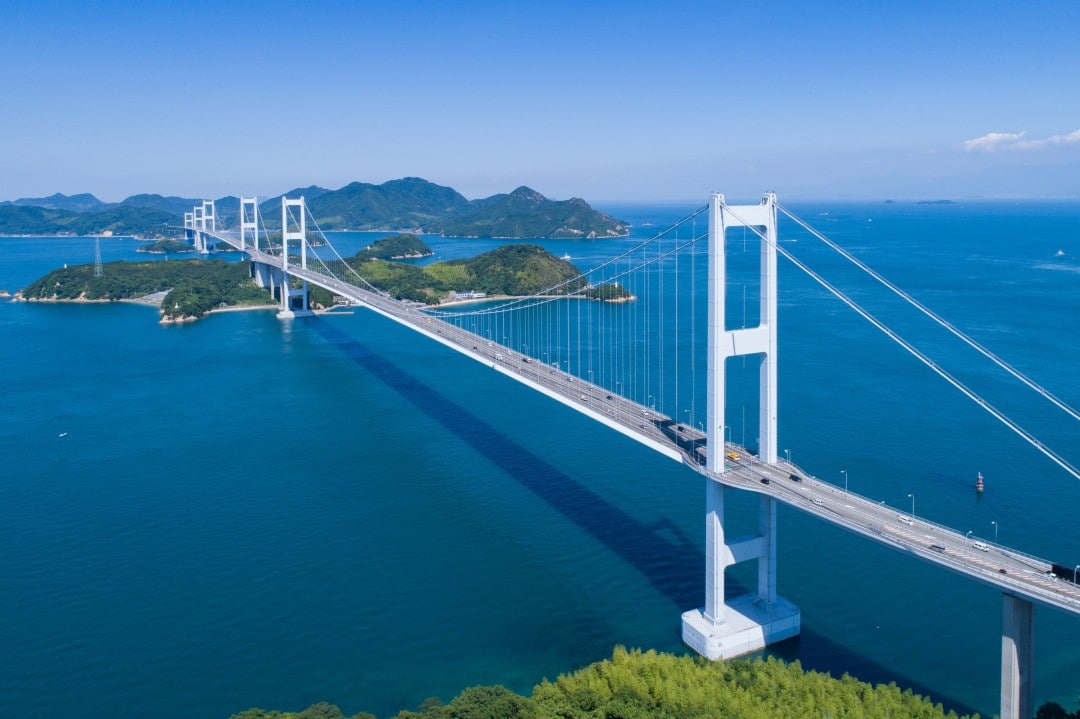
Passes bought before September 30, 2026 include the Takamatsu to Tonosho ferry and the island buses, which covers all of a day’s transport on Shodoshima and is the pass’s most easily underrated value. Using Takamatsu as a base, a day trip with the first boat in the morning and the return in the evening is entirely feasible.
If you want to hop to a few more islands (Naoshima, Teshima), those routes must be bought separately. During the Setouchi Triennale, extra sailings are added but it is also more crowded, so you need to line up early. Practical advice: put Shodoshima on one of the days within the pass’s validity and arrange the other islands separately, so you get full value from the pass without being tied down by ferry schedules.
The above applies only to passes bought before September 30, 2026. According to JR Shikoku’s official announcement, ALL SHIKOKU Rail Passes bought from October 1 no longer include the Shodoshima ferry and Olive Bus, so transport costs for a Shodoshima trip must be budgeted separately.
What to Watch When Using the Shikoku Rail Pass: Lodging and Pre-Trip Reminders
Shikoku’s service frequency is much lower than Honshu’s, and the success of a trip often depends on whether you check the timetable. The following four things are the most worth handling first.
Where to Stay to Minimize Travel Time: Takamatsu and Matsuyama as Two Bases
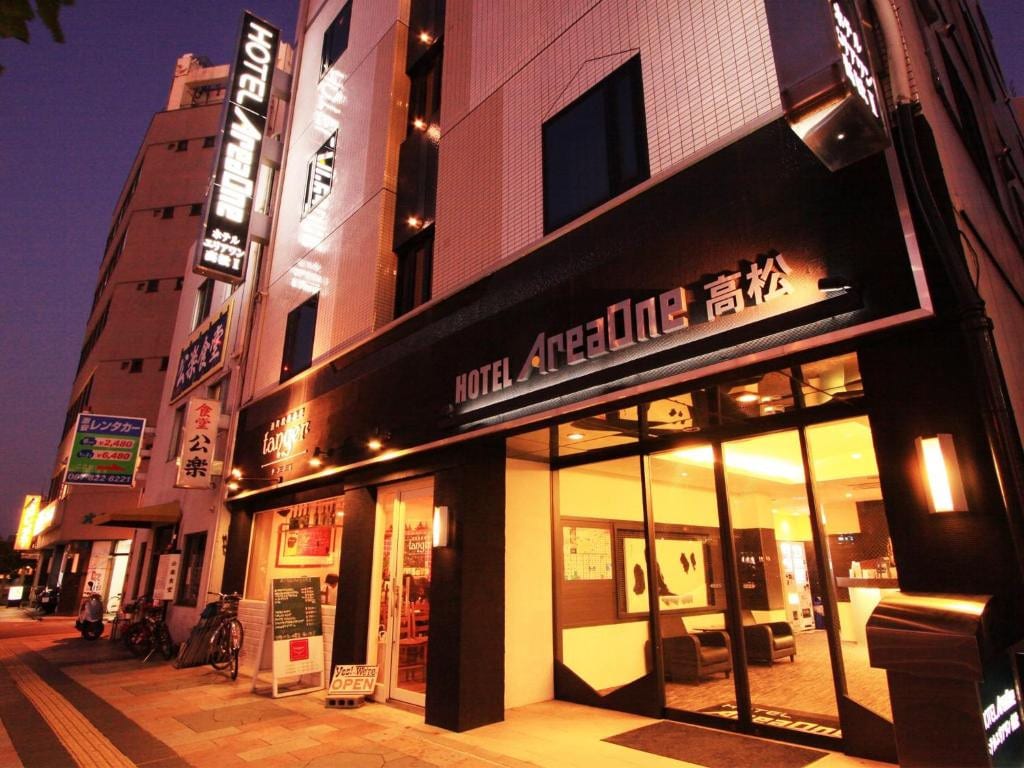
The most common setup for a Shikoku loop is two bases, Takamatsu and Matsuyama: Takamatsu covers Kagawa, Shodoshima and the Tokushima direction, while Matsuyama covers Ehime and travel toward Kochi. Staying two to three nights in each, linked by limited express, is much easier than changing hotels every night.
When choosing hotels, prioritize being near a JR station, especially around Takamatsu Station and Matsuyama Station where there are many options at reasonable prices. Note that the Dogo Onsen area in Matsuyama is some distance from JR Matsuyama Station, and since Iyotetsu is no longer covered by the pass, staying in Dogo means paying your own transport into the city every day. If your itinerary is mostly train travel, staying in front of a JR station is easier than staying in the onsen district.
Sparse Service: Treat the Timetable as the Skeleton of Your Itinerary
Shikoku’s local trains run once an hour or even less on some sections, and Tosa Kuroshio Railway and Asa Seaside Railway are sparser still. This means you can’t plan with “roughly what time we’ll arrive” and must work backward from the timetable.
The recommended approach is to first decide which last train you will take each day, then fill in the daytime itinerary backward. Last trains are usually earlier than you expect, and rural lines often stop running by seven or eight in the evening. Transfer-guide apps work just as accurately in Shikoku, and before you go out, take screenshots of the day’s key trains so you won’t panic when there is no signal in the mountains.
Winning Non-Reserved Seats: Line Up Early and Know the Car Position
Because the pass covers only non-reserved seats, competition for seats in peak season is real. Shikoku’s limited express trains are short, non-reserved seats may be only one or two cars, and on weekends the Takamatsu to Matsuyama and Kochi trains are often full.
A few practical tips: first, get to the platform fifteen minutes early and line up at the non-reserved car position (marked on the platform floor); second, avoid the return peak on Friday evenings and Sunday afternoons; third, board at the starting station, since at intermediate stations there is almost no chance of a seat. If you truly must sit, spend ¥300 on a reserved-seat ticket set to get a guaranteed seat.
Other Costs: Ropeways, Admission Tickets and Iyotetsu
When budgeting, remember there are a few fixed expenses beyond the pass. Iyotetsu in downtown Matsuyama must now be paid for yourself; Shodoshima’s Kankakei Ropeway, admission tickets at various attractions, and the high-speed boat are not covered by the pass.
In addition, Shikoku’s long-distance express buses (for example Takamatsu to Tokushima or to Kansai) are also outside the coverage. These buses are sometimes faster than the railway, but cost extra, so don’t conflate them when planning. All fares and coverage have been adjusted in recent years and old articles online often contain outdated information, so we suggest checking the official page directly before you leave.
Shikoku Rail Pass FAQ
Below are the questions visitors from Taiwan most often ask when buying and using the Shikoku Rail Pass.
Q: Can I reserve assigned seats for free with the Shikoku Rail Pass?
No, the pass includes only non-reserved seats. If you want an assigned seat, you must buy a “reserved-seat ticket set” separately on site in Shikoku, four tickets per set for about ¥1,200, which works out to about ¥300 per reservation, and take it to the Green Window or travel service center to make the reservation. It is well worth buying in peak season and when traveling with older relatives.
Q: Can I still use the pass on Matsuyama’s streetcars?
No longer. Iyotetsu has left the pass’s coverage since March 7, 2026, and the streetcars and suburban trains in downtown Matsuyama must be paid for yourself. If you will visit several places in downtown Matsuyama in a day, consider buying Iyotetsu’s own city tram one-day pass. Ignore old articles that say “includes Iyotetsu.”
Q: I bought an e-voucher but haven’t gone to Japan yet. How long can I keep it?
For exchange vouchers (MCOs) from overseas advance purchase, the official announcement says validity is three months from the purchase date, after which they expire. So don’t buy too far ahead just to catch a discount, especially for trips that cross seasons. The actual deadline follows the purchasing platform’s announcement, so be sure to confirm before ordering.
Q: Can I ride the Shodoshima high-speed boat with the pass?
No. The pass covers only the regular ferry between Takamatsu Port and Tonosho Port (about one hour), and the high-speed boat, though much faster, requires a separate ticket. Other routes such as Takamatsu to Ikeda Port, or routes departing from Okayama, are also not included. Before boarding, go to the ticket office and show the pass to exchange it for a boarding ticket. Also note that, according to JR Shikoku’s official announcement, passes bought from October 1, 2026 no longer cover even the regular ferry, while those bought before September 30 are not affected.
Q: How much is the Kotoden one-day ticket in 2026? Do I still need it if I have the pass?
Kotoden’s “1-Day Free Ticket” (1日フリーきっぷ) is ¥1,600 for adults and ¥800 for children from April 1, 2026, with unlimited rides on all Kotoden trains for that day, bought at staffed Kotoden stations; the mobile 24-hour ticket is ¥1,500 for adults. If you already hold the ALL SHIKOKU Rail Pass, the whole Kotoden network is already covered, so you don’t need to buy a one-day ticket separately.
Q: Is the 3-day pass enough for a loop around Shikoku?
Covering all four prefectures of Kagawa, Tokushima, Kochi and Ehime in three days would be very rushed; the 4-day and 5-day passes have been discontinued, so we recommend the 7-day pass. The 3-day pass suits short trips in and out of Takamatsu that cover only Kagawa and Ehime. The difference between 3 and 7 days is only ¥8,000.
Q: How are children’s fares calculated?
Ages six to eleven qualify for the child fare, about half the adult fare; children under six who don’t take a seat are usually free. Age is counted on the day of travel, and you may need to show your passport as proof at exchange. Please follow the official or purchasing platform’s announcement of the day for actual rules and amounts.
Q: If I’m entering Shikoku from Kansai or Okayama, how do I connect the tickets?
The Shikoku Rail Pass does not cover the Honshu section, and the Seto-Ohashi Line from Okayama to Takamatsu requires a separate ticket. But you can exchange your pass first at the JR Shikoku travel agency Umeda branch (Osaka) or the Nippon Travel Agency TiS Okayama branch and use it immediately on arrival in Takamatsu, saving the line. If your itinerary includes a lot of Honshu travel, evaluate a cross-region pass separately.