
Takamatsu and Matsuyama Airports: The Two Main Gateways to Shikoku
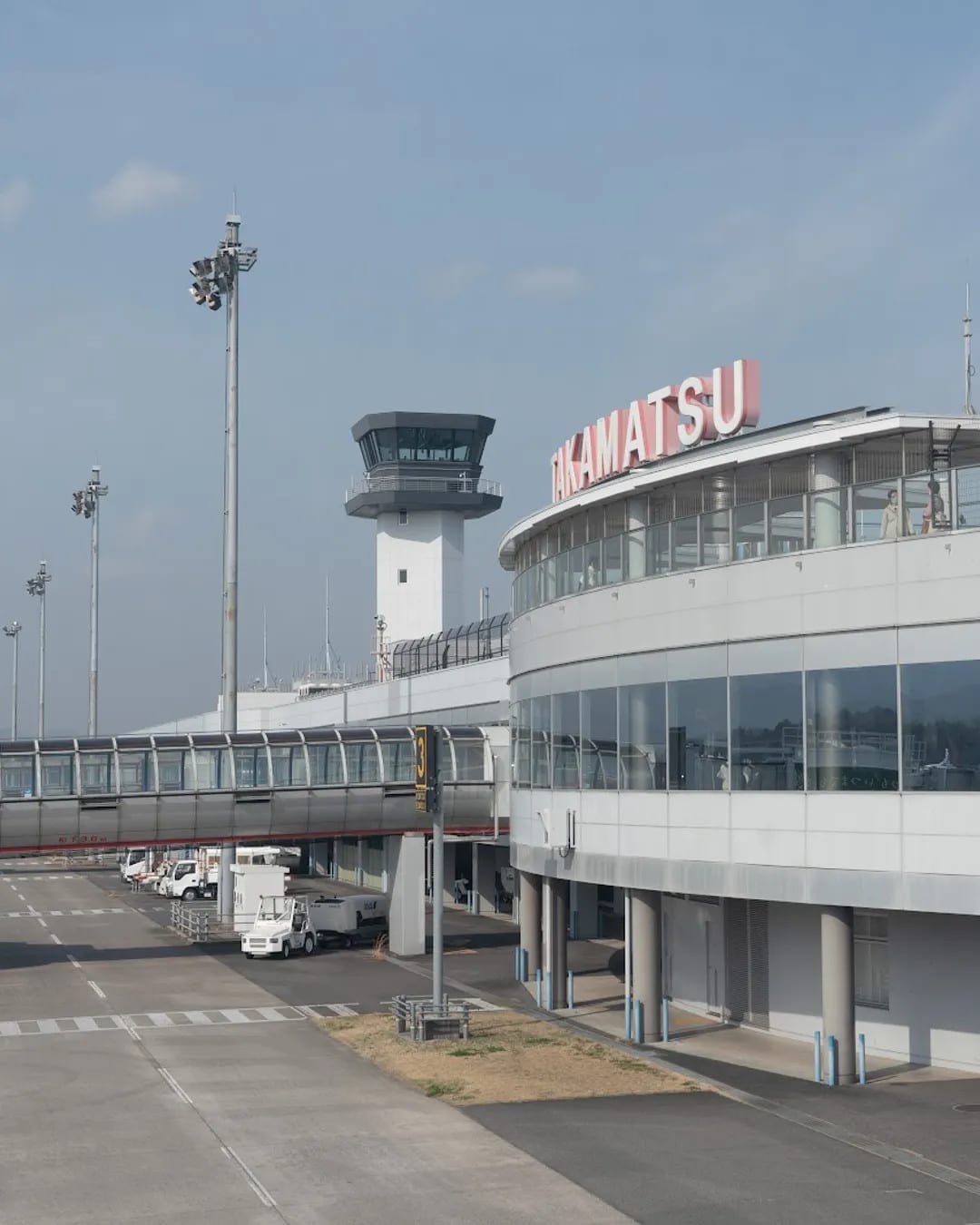
Shikoku has no very large international airport. Visitors from overseas mainly fly in and out through Takamatsu Airport in Kagawa and Matsuyama Airport in Ehime (Kochi and Tokushima airports are mostly domestic). Both airports are small and simple to navigate, so finding your bus after arrival is easy, which is a real plus.
Two things are worth knowing up front. There is no direct bus between the two airports, so getting from Takamatsu to Matsuyama always means going into the city first and then taking an intercity bus or JR train. And the distance to the city differs a lot: Matsuyama Airport is very close to town, while Takamatsu Airport is more than 40 minutes away. Below we first lay out how the two airports are positioned and how costs are structured, then break down each route. All fares in this article are reference values checked in August 2026; please rely on the official announcement of the day.
Positioning: Takamatsu in the East, Matsuyama in the West
Takamatsu Airport is in Kagawa Prefecture, the gateway to northeastern Shikoku. It suits itineraries centered on Kagawa, Tokushima and Shodoshima, and it is the best-placed airport for connecting to Honshu via the Seto Ohashi Bridge. Matsuyama Airport is in Ehime Prefecture on the western side of Shikoku. It suits itineraries focused on Matsuyama, Dogo Onsen, Uchiko and Ozu, and it is also the starting point for the Shimanami Kaido.
If you plan to loop around Shikoku, the ideal combination is to fly into Takamatsu and out of Matsuyama, or the reverse, to avoid backtracking. Note that if you pair this with a rental car, you will pay a one-way drop-off fee; public transport has no such issue. Takamatsu Airport has more direct flights to Taiwan, but check the airlines’ announcements for actual routes and flights.
Size and Facilities: Small and Simple, but Watch the Opening Hours
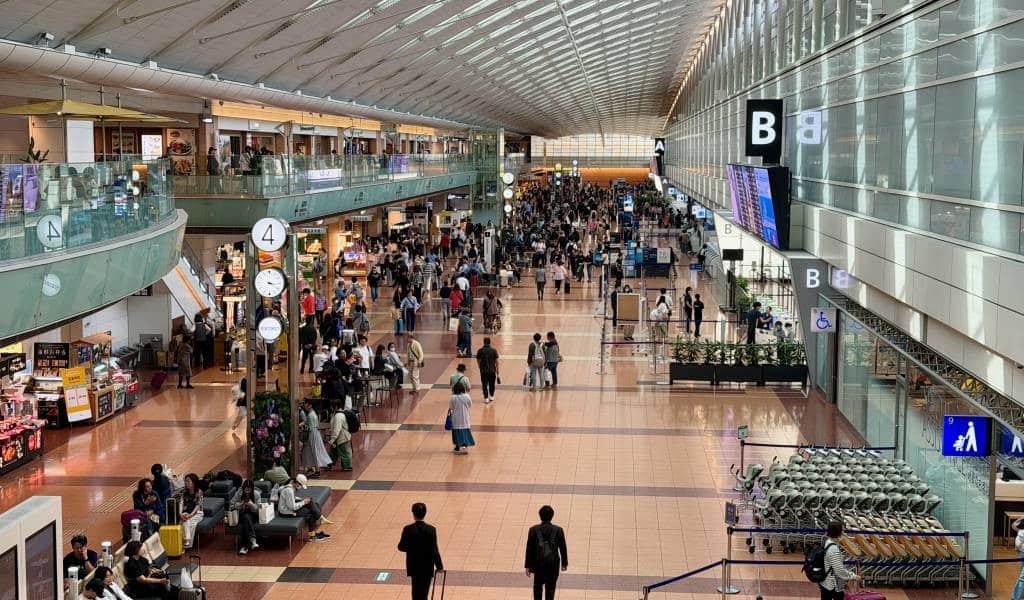
Both airports have a single terminal building with international and domestic flights under one roof, so there is no shuttle between terminals, which is much simpler than Fukuoka Airport. As you walk out of the arrivals hall you can see the bus stops, the taxi stand and the car rental counters.
Watch the opening hours, though. These are small airports, and most restaurants and shops open to match flight times, so many are closed late at night and early in the morning, and the airports are not suitable for sleeping overnight. If you arrive on a late flight, book a hotel in the city in advance and confirm its check-in deadline rather than counting on finding dinner at the airport. For actual facilities and hours, please check the airport’s official website.
Choosing Where to Fly In and Out: Two Ways to Think About It
If this trip covers only Kagawa and Tokushima (Ritsurin Garden, Kotohira-gu, Shodoshima, Naruto), flying in and out of Takamatsu is easiest, with no long intercity travel at all. If you only visit Ehime (Matsuyama Castle, Dogo Onsen, Uchiko), the same logic applies to Matsuyama Airport.
If you want to loop around Shikoku or cover all four prefectures, it is worth considering different airports for arrival and departure. By public transport, flying into Takamatsu and out of Matsuyama lets you travel the circuit Takamatsu, Tokushima, Kochi, Matsuyama without doubling back. For a self-drive trip you need to factor in the one-way drop-off fee, and sometimes returning the car to the same airport turns out cheaper. Run the numbers both ways before you decide.
Cost Structure: Airport Buses Are Cheap, Crossing Prefectures Is Where the Money Goes
Getting from the airport into the city is actually inexpensive: ¥1,000 from Takamatsu Airport to JR Takamatsu Station, and ¥1,000 from Matsuyama Airport to JR Matsuyama Station. What really inflates transport costs is travel between Takamatsu and Matsuyama: the express bus is ¥4,400 one way, and the JR limited express reserved seat is about ¥6,700.
This is why the Shikoku Rail Pass gets so much discussion: with just two intercity trips, the pass starts to pay off. When planning your budget, separate “airport to city” from “travel between cities” and it becomes easier to see whether a pass is worth buying. The amounts above were checked in August 2026; please rely on official announcements.
How to Get From the Airport Into the City: Bus, Taxi and Rental Car Compared
The two airports offer very similar ways into the city: a limousine bus, a taxi or a rental car. The differences are distance and fare. Below we explain where to board, how to pay and when each option fits.
Fares are reference values checked in August 2026; please rely on the announcements on site.
Takamatsu Airport Bus: About 40 to 50 Minutes to JR Takamatsu Station, ¥1,000
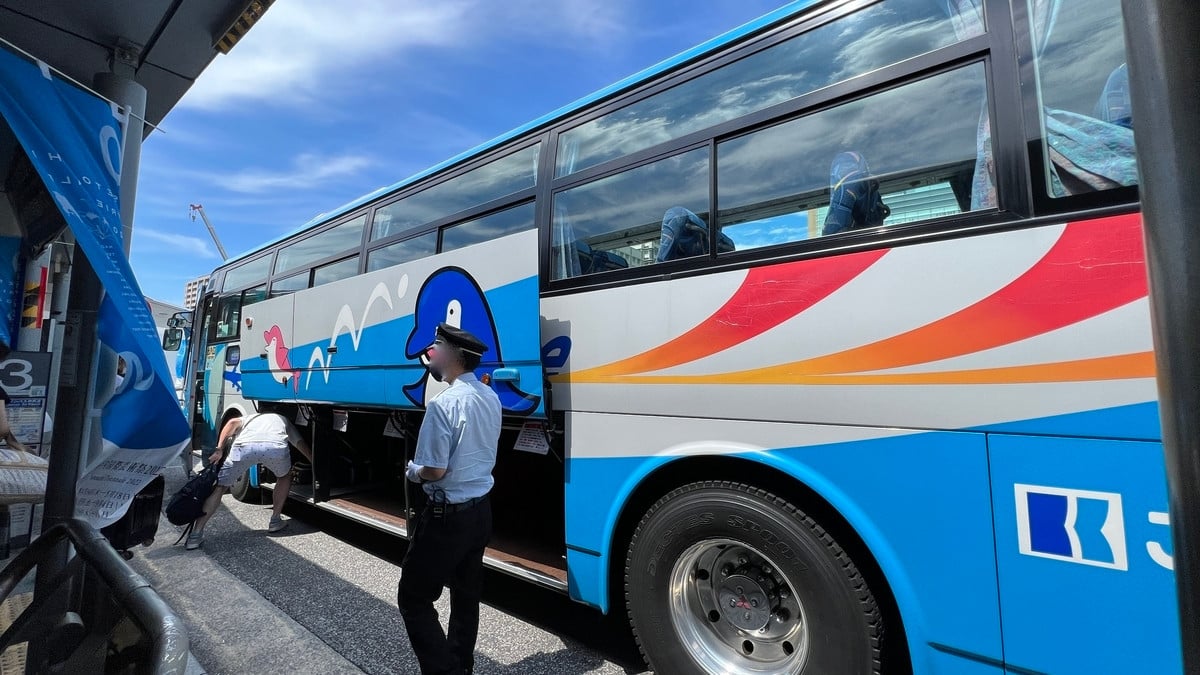
From Takamatsu Airport, the most convenient way into the city is the airport limousine bus. Departures are timed to flights, the terminus is JR Takamatsu Station, the ride takes about 40 to 50 minutes and the one-way fare is ¥1,000. The bus also stops at several points in the city, so if you are staying around Kawaramachi you can get off earlier.
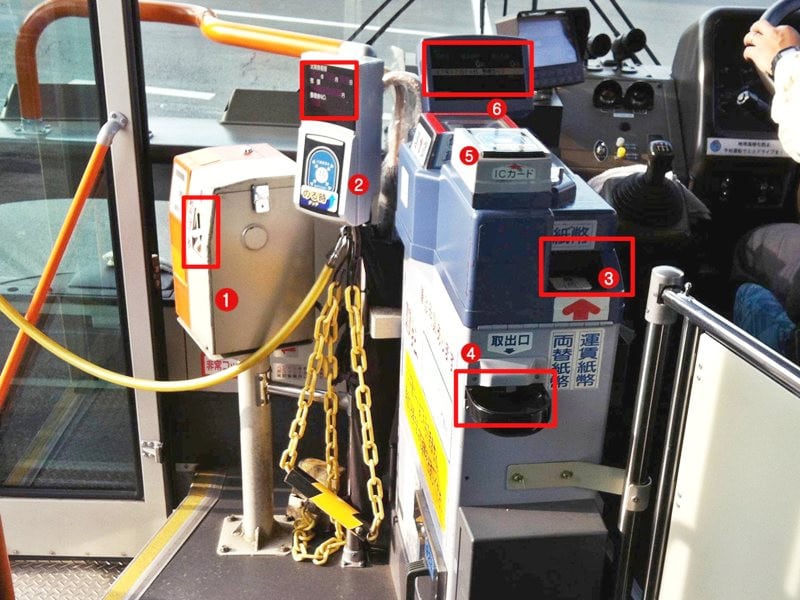
You can pay in cash or tap a transport IC card (ICOCA, Suica, or Kagawa’s local IruCa and others). Luggage goes in the hold under the bus, so you do not need to hold it on your lap. Note that these are buses timed to flights, so if your flight is badly delayed the last bus may already have left; if you arrive late at night, check the day’s last departure time first.
Matsuyama Airport Bus: Just 15 Minutes to JR Matsuyama Station
Matsuyama Airport is very close to the city, which is its biggest advantage. The airport limousine bus boards outside the first-floor departures hall and takes about 15 to 20 minutes to JR Matsuyama Station, at ¥1,000 (cash) or ¥980 (electronic payment). Iyotetsu raised the fare on this route on July 1, 2025, so any website quoting ¥640 or ¥460 is out of date.
The route stops in order at JR Matsuyama Station, Matsuyamashi Station, Okaido, and finally Dogo Onsen Station, so a single bus links Matsuyama’s main lodging areas with no transfers. Paying with a nationwide transport IC card or the Iyotetsu app takes ¥20 off, so have one ready before boarding. Reservations are not accepted on this route; you pay when you get off. For detailed fares and stops, please rely on the notices on board.
Taxi: Worth It in Matsuyama Because It’s Close; Consider Distance in Takamatsu
Both airports have a taxi stand outside the arrivals hall. From Matsuyama Airport to JR Matsuyama Station the ride takes only about 15 minutes, and split among four people the fare is not much more than four bus tickets, which is well worth it if you have a lot of luggage.
Takamatsu Airport is different: it is more than 40 minutes from the city, so the taxi fare is clearly higher than the bus. Unless you are a large group, have a lot of luggage or are in a hurry, the bus is still the first choice. Japanese taxis run on the meter with no bargaining, and there is a surcharge late at night. The safest approach is to show the driver a screenshot of your hotel’s name and address in Japanese, since drivers in Shikoku generally do not speak much English.
Airport Car Rental: Counter in the Hall, Then a Shuttle to the Pickup
Both Takamatsu and Matsuyama airports have service counters for the major rental companies in the arrivals hall, commonly Toyota Rent-a-Car, Times Car Rental, Orix Rent-a-Car and Nissan Rent-a-Car. After the paperwork, the company’s shuttle takes you to a nearby office to pick up the car.
Note that “the counter is not the pickup point”: the shuttle and pickup procedures together usually take more than 30 minutes, so do not schedule too tightly. A typical compact car costs about ¥6,000 to ¥9,000 per day depending on the model and insurance. To drive in Japan with a Taiwanese license you need a Japanese translation of it, not an international permit, so be sure to arrange this before you leave.
Payment: IC Cards Are Easiest, but Keep Some Cash
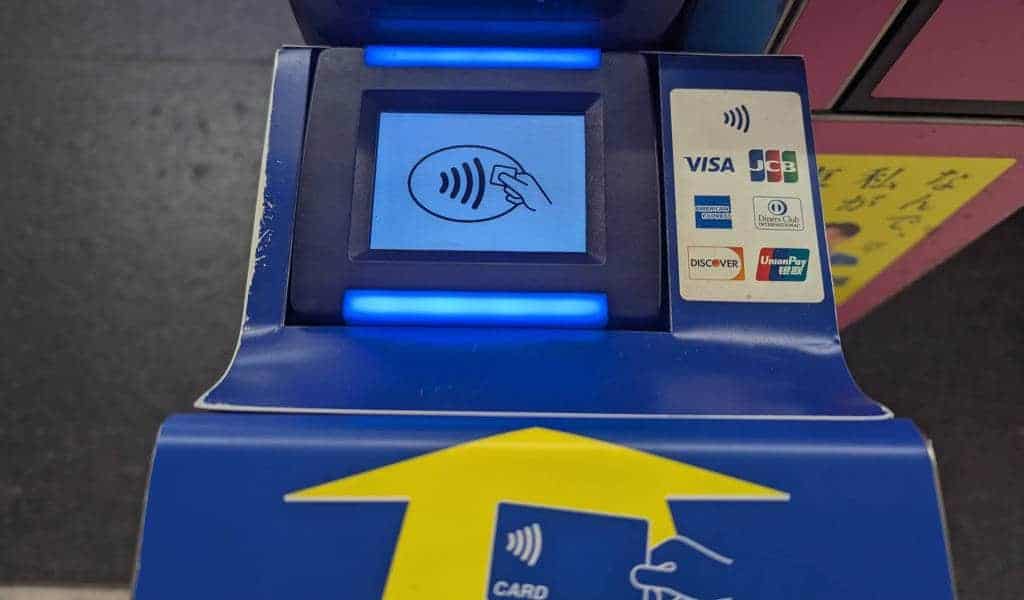
Airport buses in Shikoku generally accept nationwide transport IC cards (Suica, ICOCA, PASMO and others), and Kagawa also has the local IruCa. On Matsuyama Airport’s bus, paying electronically is slightly cheaper than cash.
Once you leave the airports, though, not every rural route bus or small station in Shikoku takes cards. Some accept cash only and give no change (you drop in the exact amount, and there is a change machine on board). Keep some ¥100 coins and ¥1,000 bills with you at all times. IC cards can also be topped up at convenience stores, so it is reassuring to load plenty on the day you arrive. For the payment methods actually available, please rely on the signs on board.


Route by Route: Airport to City and Intercity Travel
This section lays out every route you are actually likely to use: travel time and fares from the airports to each lodging area, and the three ways to travel between Takamatsu and Matsuyama.
All figures are reference values checked in August 2026. Travel times depend on traffic, so please rely on the day’s announcements and on-site information.
Takamatsu Airport to JR Takamatsu Station: The Main Base for City Lodging
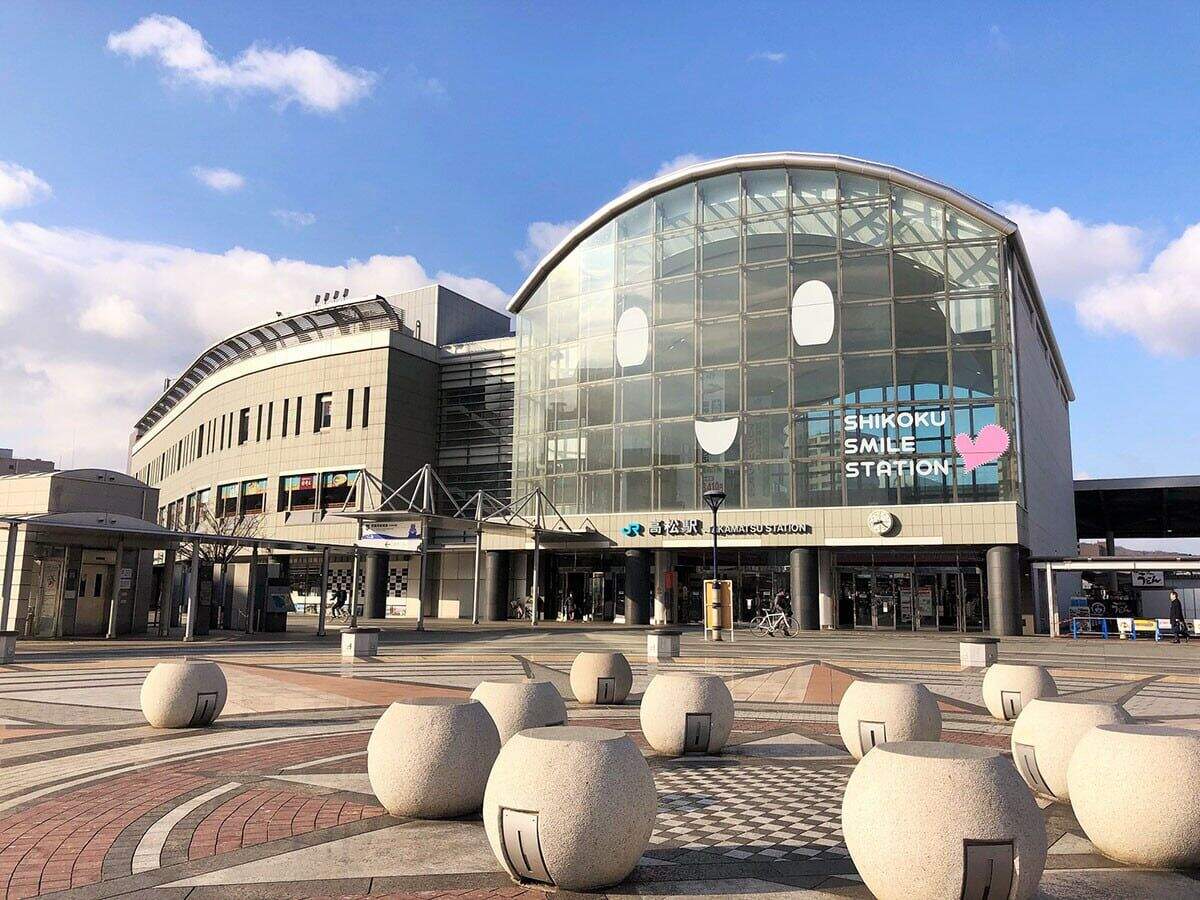
JR Takamatsu Station is the hub of a Kagawa trip: limited expresses to Tokushima, Matsuyama and Kochi all depart from here, and Takamatsu Port (the ferry terminal for Shodoshima) is next door, about a 10-minute walk. The airport bus terminates here, which is the most convenient option for public transport travelers.
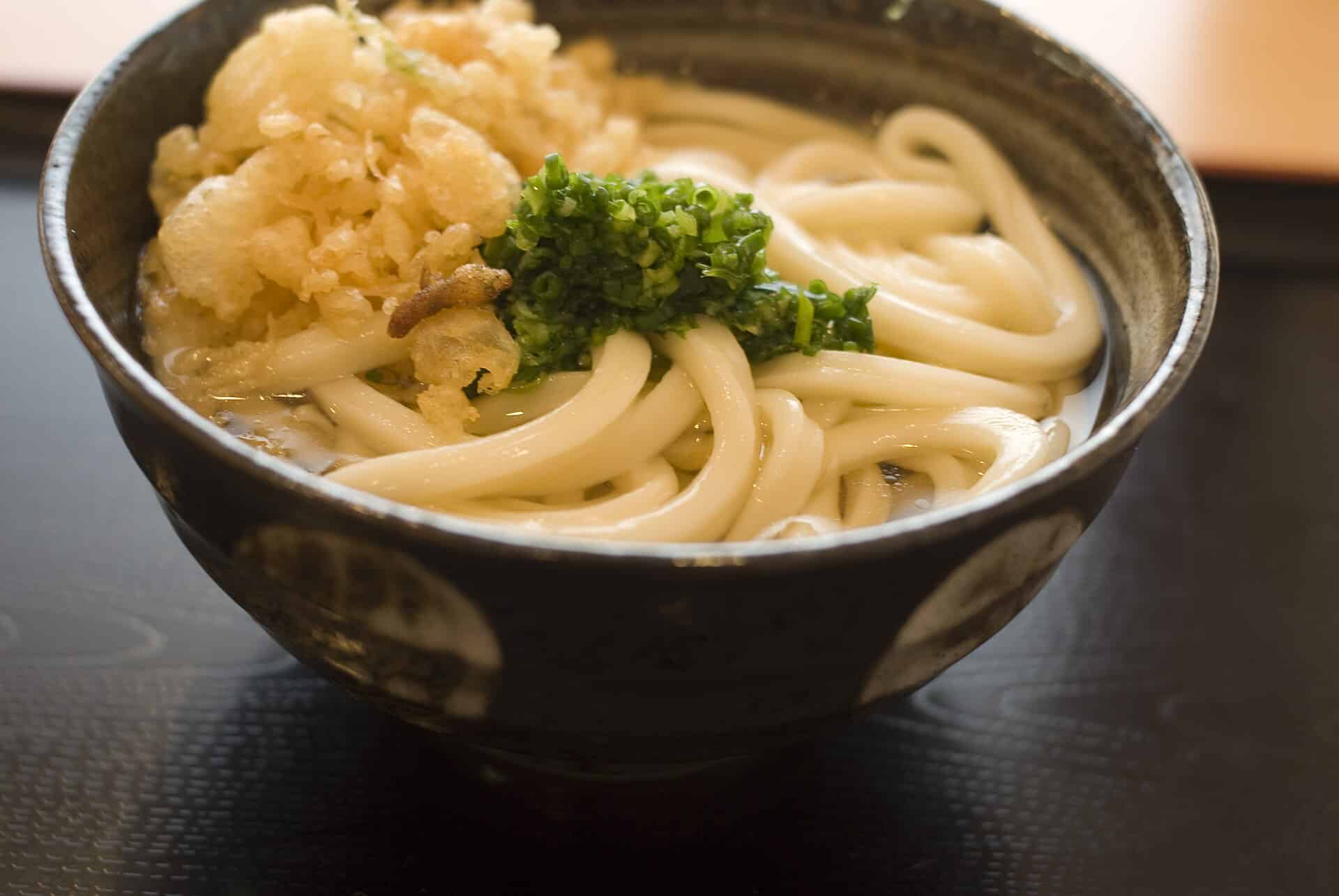
The ride takes about 40 to 50 minutes and costs ¥1,000 one way. A practical tip is to book your first night near Takamatsu Station or Kawaramachi, which makes it easy to catch a boat to Shodoshima or a limited express to Tokushima the next day. If your flight lands in the late afternoon, you can still fit in a bowl of udon after getting off, but note that most udon shops in Kagawa close early.

Takamatsu Airport Taxi: For Larger Groups and After the Last Bus
If your flight is delayed and you miss the last bus, or you are four or more people with large luggage, a taxi is the main backup. The distance from Takamatsu Airport to the city is considerable, and the fare is well above the bus, but the gap narrows when split four ways.
Another option is a pre-booked transfer service: the driver waits in the arrivals hall and takes you straight to your hotel door. This is especially handy if you are traveling with older relatives or a stroller, or staying at a suburban hot spring inn on your first night. When booking, give your flight number so the driver can adjust if the flight is delayed. Prices vary by operator and vehicle type; please rely on the booking platform’s announcement.
Beyond Takamatsu Airport: Thinking About Shodoshima and Kotohira
Neither direction has a simple direct route from the airport. The standard approach is to take the airport bus to JR Takamatsu Station first, then transfer depending on your destination.
To Shodoshima: walk from Takamatsu Station to Takamatsu Port and take the ferry to Tonosho Port, about an hour (a Shikoku Rail Pass purchased before September 30 can be used on regular ferries on this route; passes issued from October 1 no longer include the ferry). To Kotohira-gu: take JR from Takamatsu Station or the Kotoden from Kawaramachi to Kotohira; Kotoden Kotohira Station is closer to the start of the approach. Timetables change with the season, so check the day’s last boat and last train before you land.
Matsuyama Airport to JR Matsuyama Station: About 15 to 20 Minutes, ¥1,000
JR Matsuyama Station is the starting point for limited expresses toward Takamatsu, Okayama and Kochi. The limousine bus from Matsuyama Airport takes about 15 to 20 minutes and costs ¥1,000 (cash) or ¥980 (electronic payment), the fastest airport-to-city link among Shikoku’s airports.
Note that Ehime has two “Matsuyama Stations” that are easy to confuse: JR Matsuyama Station is the JR station, while Matsuyamashi Station is an Iyotetsu station, and the two are about 1.5 km apart, not the same place. If your plan is mainly intercity travel by JR limited express, staying near JR Matsuyama Station is smoother; if you mainly want to shop and wander in the city, the area around Matsuyamashi Station is livelier.
Matsuyama Airport to Matsuyamashi Station and Okaido: Bases for City Shopping
The same limousine bus stops in order at Matsuyamashi Station and Okaido. To Matsuyamashi Station takes about 20 minutes at ¥1,000 (cash) or ¥980 (electronic payment); to Okaido takes about 25 minutes at ¥1,200 (cash) or ¥1,180 (electronic payment).
Okaido is Matsuyama’s liveliest covered shopping arcade, with restaurants, drugstores and souvenir shops all concentrated here, and it is also where you board the ropeway up to Matsuyama Castle. If your trip centers on shopping, eating and Matsuyama Castle, staying around Okaido saves the most walking. Matsuyamashi Station has department stores and Iyotetsu transfer functions; each has its advantages.
Matsuyama Airport to Dogo Onsen Station: About 40 to 50 Minutes on One Bus
This is Matsuyama Airport’s most useful route: the limousine bus goes directly to Dogo Onsen Station in about 40 to 50 minutes, at ¥1,200 (cash) or ¥1,180 (electronic payment), with no transfers at all.
For travelers planning to stay in Dogo Onsen on the first night, this route saves the hassle of dragging luggage through a transfer. Note that from March 7, 2026, Iyotetsu is no longer covered by the Shikoku Rail Pass, so the streetcar you ride in and out of the city from Dogo every day will be at your own expense. If you plan to stay in Matsuyama for several days and move around often, consider Iyotetsu’s own one-day pass.
Special Note: Some Direct Flights Have Limited Free Shuttles
To promote tourism, Ehime Prefecture has in the past provided limited free shuttle buses taking passengers straight to Dogo Onsen, tied to direct flights of specific airlines (for example EVA Air). Such schemes are not permanent and change with the season and route.
If you are on a direct flight to Matsuyama, it is worth checking Ehime’s tourism website or the airline’s page before you leave to see whether the service is running this season, which could save you the fare. Note that these shuttles usually have eligibility rules (for example, showing a boarding pass for that day’s flight) and limited seats. Whether it is offered and how to ride it should always be confirmed against the current official announcement.
Takamatsu to Matsuyama: Choosing Between Bus, Limited Express and Driving
Takamatsu and Matsuyama are two prefectures apart, with no direct airport link, so you go into the city first and then transfer. The express bus takes about 2 hours 25 minutes to 2 hours 50 minutes, ¥4,400 one way, all seats reserved; the JR limited express Ishizuchi takes about 2 hours 30 minutes, about ¥6,700 one way for a reserved seat; driving takes about 2 hours, but a one-way drop-off requires a separate fee. Choose the bus on a limited budget, the limited express if you are short on time or want a reserved seat, and driving if you have lots of luggage and want to stop in the countryside.
Intercity Option 1: Express Bus, About 2 Hours 50 Minutes, ¥4,400
There is no direct bus between the two airports, so going between prefectures always means going into the city first. The cheapest intercity option is the express bus “Botchan Express,” which departs from Takamatsu Station or You Me Town Takamatsu and stops at Okaido, Matsuyamashi Station and JR Matsuyama Station.
- 🚌 Travel time: about 2 hours 50 minutes on regular departures, about 2 hours 25 minutes on departures with fewer stops
- 💰 Fare: adults ¥4,400 one way, ¥8,400 round trip (fares unchanged after the October 1, 2026 timetable revision)
- 📝 Reservations: all seats are reserved and must be booked in advance; you cannot just board; tickets go on sale one month and one day before the travel date
When booking, check how many stops each departure makes; departures with fewer stops are faster. The advantage is that most departures stop at Okaido (some of the fewer-stop departures do not), which is closer to Matsuyama’s shopping and lodging areas than JR is. The downside is fewer departures than the railway, and the bus is affected by expressway conditions. For booking methods and fares, please rely on the bus operator’s announcement of the day.
Intercity Option 2: Limited Express Ishizuchi, About 2 Hours 30 Minutes, About ¥6,700
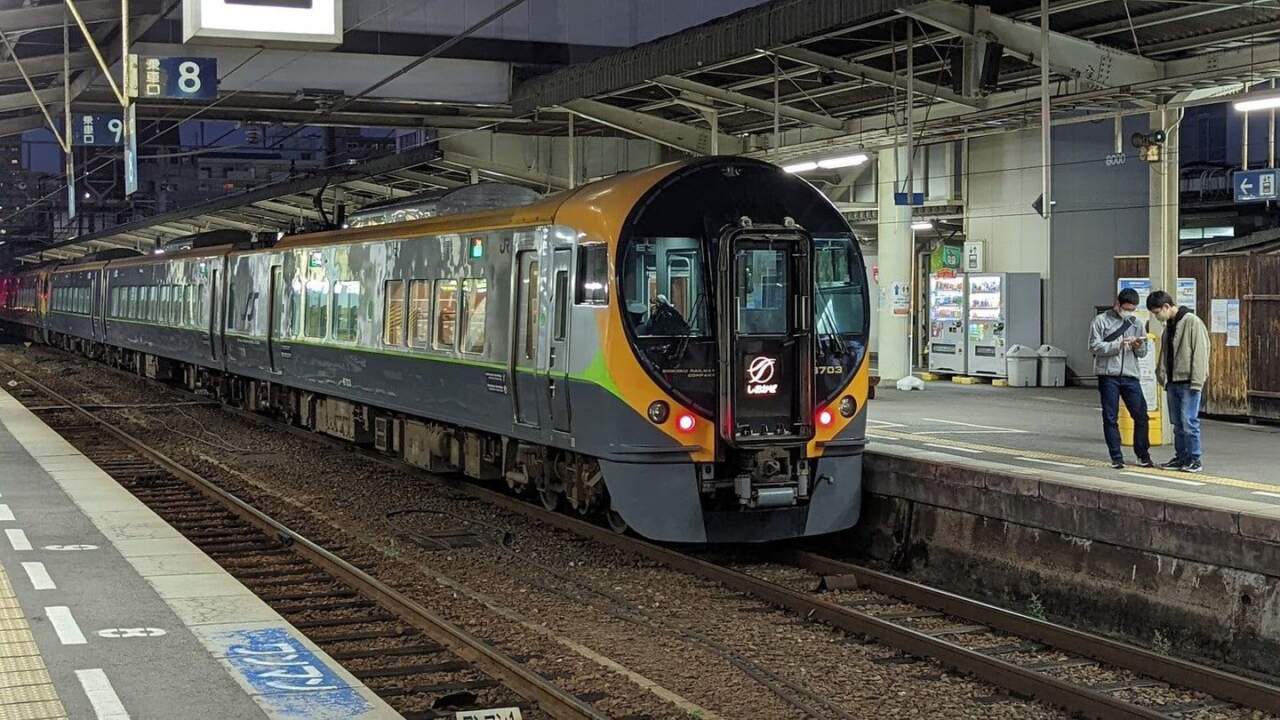
The rail option is the JR limited express “Ishizuchi,” from JR Takamatsu Station to JR Matsuyama Station, about 2 hours 30 minutes, with a one-way reserved-seat fare (basic fare about ¥3,960 plus limited express fee about ¥2,730, about ¥6,700 in total). JR Shikoku also has online-only discount tickets at clearly lower prices, worth checking before you go. Departures are more frequent than the express bus and unaffected by road traffic, so timing is easier to predict.
With a Shikoku Rail Pass you can ride this section directly, but remember that the pass covers only unreserved seats; to sit in a reserved seat you must buy a separate “reserved seat ticket set” (check purchase method and price with JR Shikoku). For this section alone, the pass starts to pay off with two or more intercity trips. For fares and timetables, please rely on JR Shikoku’s announcements.
Intercity Option 3: Driving, About 2 Hours, but Factor In the One-Way Drop-Off Fee
Driving is the fastest and most flexible, taking about 2 hours via the Takamatsu Expressway and Matsuyama Expressway, and you can stop in Niihama, Saijo or Uchiko along the way. For the one-way ETC toll, please use NEXCO West Japan’s official toll search for the day’s estimate; there is no officially announced fixed amount for this stretch, and figures circulating online vary widely.
But if you pick up the car at Takamatsu Airport and return it at Matsuyama Airport, you will pay a “one-way drop-off fee” (norisute fee), which for intercity runs is typically in the range of ¥10,000 or more and wipes out the cost advantage of driving. There are two fixes: return the car to the same airport, or shorten the rental period and rent only for the days you truly need a car. Always confirm the actual drop-off fee with the operator before booking.
What to Prepare for Shikoku Transport: Tickets, Internet and Transfers
After you land, the three things you most often need to sort out are whether to buy a rail pass for intercity travel, how to get online, and whether to arrange a transfer. Here are the options and how to decide.
Prices and plan contents change often; please rely on the official or platform announcement at the time of purchase.
Whether to Buy a Rail Pass: Two Intercity Trips Is the Tipping Point
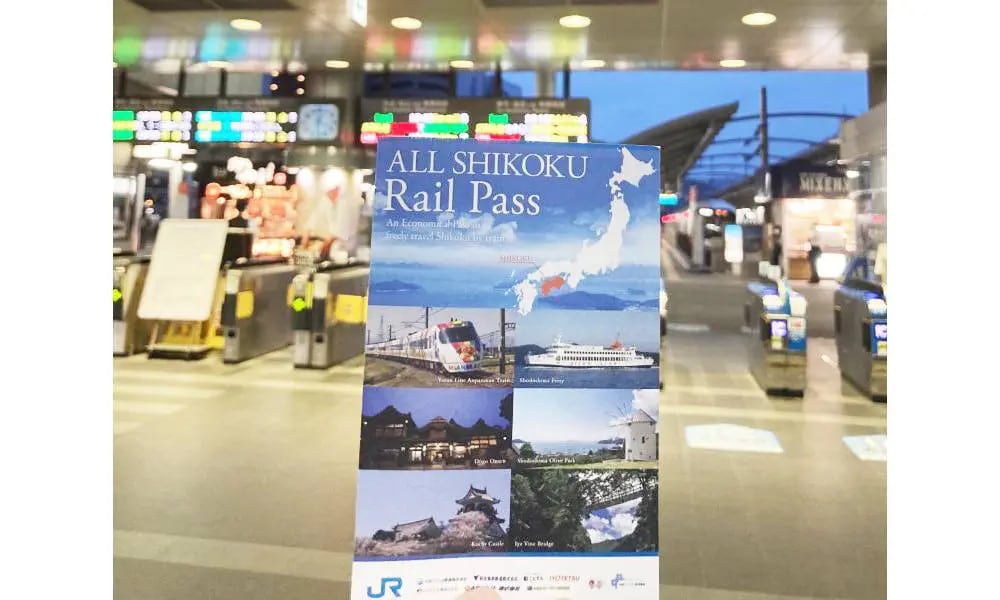
The Shikoku Rail Pass gives unlimited rides on five railway operators. From October 1, 2026, only the 3-day and 7-day passes remain (the 4-day and 5-day passes are discontinued), and newly issued passes do not include the Shodoshima ferry. Add up the intercity limited express fares and compare with the pass price.
For Takamatsu to Matsuyama alone, a reserved limited-express seat costs about ¥6,700 one way, over ¥13,000 round trip, while the 3-day pass is ¥12,000, so a single round trip already pays for itself. Note that the pass covers only unreserved seats and that Iyotetsu has left the pass’s coverage, so streetcars in Matsuyama city are at your own expense.
Within Matsuyama: When to Use the Iyotetsu One-Day Pass
Because Iyotetsu is no longer covered by the Shikoku Rail Pass, getting around Matsuyama city costs extra. Iyotetsu issues its own one-day pass for city trams, covering the whole streetcar network.
When is it worth buying? If in one day you go from Dogo Onsen to Okaido, then to Matsuyamashi Station, and back to Dogo in the evening, that is already three to four rides, and the one-day pass is usually worth it. Conversely, for a single trip from JR Matsuyama Station to Dogo, a single ticket is enough. The Botchan Ressha (Botchan steam-style train) requires a separate dedicated ticket and is not included in the regular one-day pass, which is a common misunderstanding.
Pre-Booked Transfers: The Fix for Late Arrivals and Suburban Lodging
Shikoku’s airport buses depart to match flights, but if your flight is badly delayed or your lodging is at a suburban hot spring inn the bus does not reach, a pre-booked transfer is very valuable. The driver waits in the arrivals hall and takes you straight to the door.
It is especially suited to several cases: traveling with older relatives or a stroller, more than four pieces of luggage, a first night in the mountains, or an arrival late at night. Enter the correct flight number when booking so the driver can adjust if the flight is delayed. Shikoku has fewer taxi and transfer operators than big cities, so book early in peak season. Prices depend on vehicle type and distance; please rely on the platform’s announcement.

Internet: Mountain Signal in Shikoku Is Much Worse Than in the City
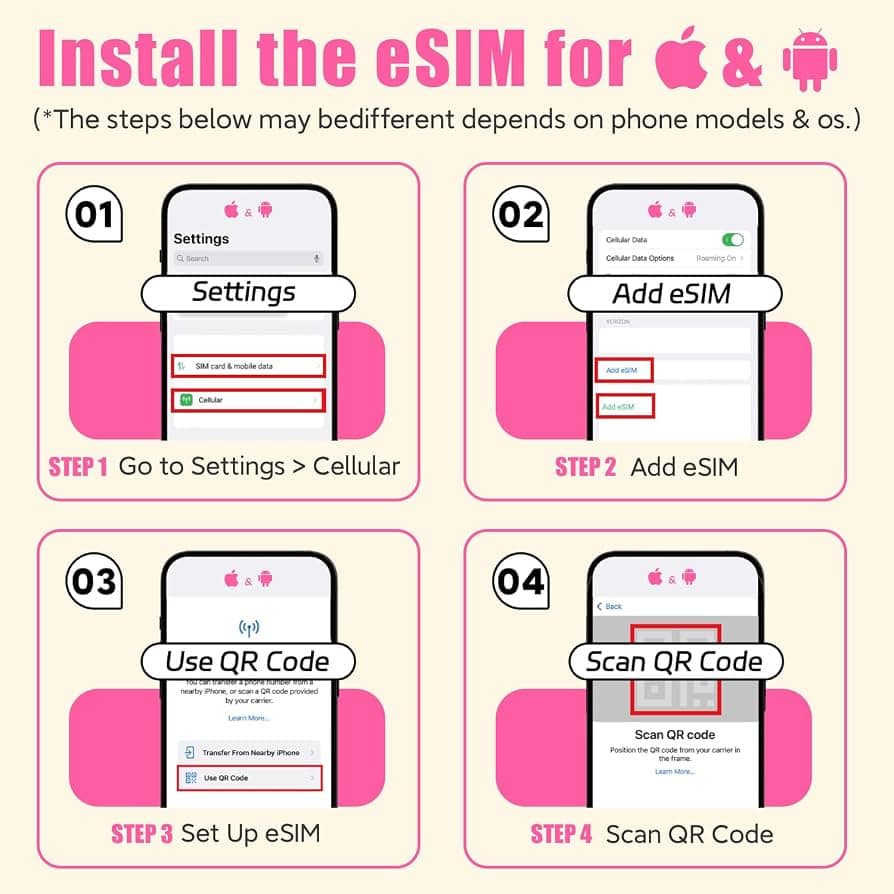
Checking bus timetables, reading maps and confirming ferry schedules all need data. The main options are an eSIM set up before you leave, a pocket Wi-Fi rented in advance, or a physical SIM card bought after landing. Shikoku’s airports are small and have few places to buy on site, so it is best to sort this out before departure.
Pay special attention to coverage: signal in Shikoku’s cities is fine, but mountain and coastal areas such as Iya, Shimanto and Cape Ashizuri have clear dead zones. If your trip includes these places, save important maps, ticket QR codes and lodging addresses offline in advance rather than depending entirely on a live connection.
What Else to Watch for With Shikoku Airport Transport: Luggage, Timetables and Pre-Trip Reminders
Shikoku’s service frequency is far lower than in Honshu’s metropolitan areas, and this affects every part of the trip. The following four points are the most worth confirming first.
Last Services Are Early: Check the Day’s Final Departure
Airport buses are timed to flights, but city route buses and JR local trains in Shikoku stop running quite early, and it is common for rural routes to have no service after 7 or 8 pm. Intercity express buses and limited expresses also do not run all day.
The practical approach: once your flights are booked, look up the key departures for your arrival and departure days and take screenshots. If you arrive at Takamatsu on a late flight in particular, be sure to confirm the airport bus’s last departure time, and have a taxi backup in case you miss it. Japanese timetables differ between holidays and weekdays, so choose the correct date when searching.
Luggage: Small Stations Have No Lockers, So Plan Where to Leave It
JR Takamatsu Station and JR Matsuyama Station both have coin lockers, but large ones are limited and often full in peak season. Beyond these two big stations, Shikoku’s small and unstaffed stations almost never have lockers.
If you plan to go from the airport straight to a sight with your luggage (for example, straight to Ritsurin Garden after landing), it is best to leave it at a station first or use your hotel’s luggage storage; most hotels will hold your bags before check-in. For intercity moves, courier delivery is also an option, but in some rural parts of Shikoku delivery takes longer, so factor that in.
Common Mix-Up: JR Matsuyama Station and Matsuyamashi Station Are Not the Same
The easiest thing to get wrong in Ehime: JR Matsuyama Station and Matsuyamashi Station are two different stations about 1.5 km apart. JR Matsuyama Station is run by JR Shikoku and is where limited expresses depart; Matsuyamashi Station is run by Iyotetsu and has stronger commercial functions around it.
If you see only the words “Matsuyama Station” when booking a hotel, make sure which one it is, or you will have a miserable 20-minute walk with luggage. Likewise, choose the right station name when searching routes. There is another, more distant source of confusion: Taipei also has a Matsuyama Airport, so add “Ehime” or “Japan” when searching for “Matsuyama Airport” to avoid finding the wrong information.
Departure: Even Small Airports Need 2 Hours or More
Although Takamatsu and Matsuyama airports are small and simple to navigate, international check-in counters usually open only during a fixed window before departure, so arriving too early you cannot get in and too late you will miss it. Arrive 2 to 2.5 hours before takeoff.
When taking the airport bus back, factor in traffic, especially on the longer Takamatsu Airport ride. If you are returning a rental car, leave time for refueling, the return inspection and the shuttle back to the terminal, at least 30 to 40 minutes extra. Dining options in the airports are limited, so if you want a proper meal, eat in the city and save souvenir shopping for the airport.
Where to Stay Nearby
The airport bus terminates at JR Takamatsu Station, and staying the first night near Takamatsu Station or Kawaramachi makes it easy to take a boat to Shodoshima or a limited express to Tokushima or Matsuyama the next day. If your trip centers on Dogo Onsen, stay in Matsuyama city or Dogo, where the airport bus goes directly to Dogo Onsen Station.

FAQ: Takamatsu and Matsuyama Airport Transport
Here are the questions travelers most often ask when flying in and out of Shikoku’s airports.
Q: Is there a direct bus between Takamatsu Airport and Matsuyama Airport?
No. There is no direct link between the two airports; you must take the limousine bus into the city first, then transfer to an express bus or JR limited express to cross prefectures. The express bus takes about 2 hours 25 minutes to 2 hours 50 minutes (depending on the number of stops), is ¥4,400 one way, and is fully reserved; the JR limited express Ishizuchi takes about 2 hours 30 minutes, about ¥6,700 for a reserved seat. Driving takes about 2 hours.
Q: Can I go directly from Matsuyama Airport to Dogo Onsen?
Yes. The airport limousine bus goes directly to Dogo Onsen Station in about 40 to 50 minutes, at ¥1,200 (cash) or ¥1,180 (electronic payment), with no transfers. It passes JR Matsuyama Station, Matsuyamashi Station and Okaido on the way, so guests staying in those areas ride the same bus.
Q: How long does it take and how much does it cost from Takamatsu Airport into the city?
The airport limousine bus to JR Takamatsu Station takes about 40 to 50 minutes and costs ¥1,000 one way, payable in cash or by transport IC card (ICOCA, Suica, IruCa and others). Departures are timed to flights, so if your flight is badly delayed, check the last departure time first and take a taxi if necessary.
Q: Can the Shikoku Rail Pass be used on the airport bus?
No. The airport limousine bus is not covered by the Shikoku Rail Pass and costs extra. The pass covers five railway operators; passes issued from October 1, 2026 no longer include the Shodoshima ferry or the Olive Bus, and Iyotetsu also left the pass’s coverage from March 7, 2026.
Q: Can I fly into Takamatsu and out of Matsuyama?
Yes, and for a loop around Shikoku this is the smoothest arrangement, with no backtracking. If you pair it with a rental car, though, watch for the one-way drop-off fee (norisute fee), which for intercity runs is typically ¥10,000 or more and noticeably raises the cost. Public transport has no such problem, and pairing it with a rail pass is even better value.
Q: Is Japan’s Matsuyama Airport related to Taipei’s Matsuyama Airport?
Not at all; they just share a name. Japan’s Matsuyama Airport is in Matsuyama City, Ehime Prefecture, the gateway to western Shikoku. When searching, add “Ehime” or “Japan,” or you will find lots of information about Taipei’s Matsuyama Airport. Likewise, Ehime has two different stations, JR Matsuyama Station and Matsuyamashi Station, so read carefully when booking a room.
Q: Can I stay overnight at Takamatsu or Matsuyama Airport?
Not recommended. Both airports are small and not open 24 hours; most areas close late at night, and restaurants and shops open to match flight times. For an early-morning flight, it is more practical to stay at a business hotel in the city or near the airport and take a taxi or the first bus in the morning. Please check the airport’s official website for opening hours.