
Driving in Shikoku: An Island of Steep Mountains and Fast Rivers That Is Best Explored by Car
Shikoku has the smallest population of Japan’s four main islands, with a sparse rail network and few bus services, and its most beautiful scenery is almost all in the mountains. Under those conditions, driving in Shikoku is not just convenient but often the only practical way to get around.
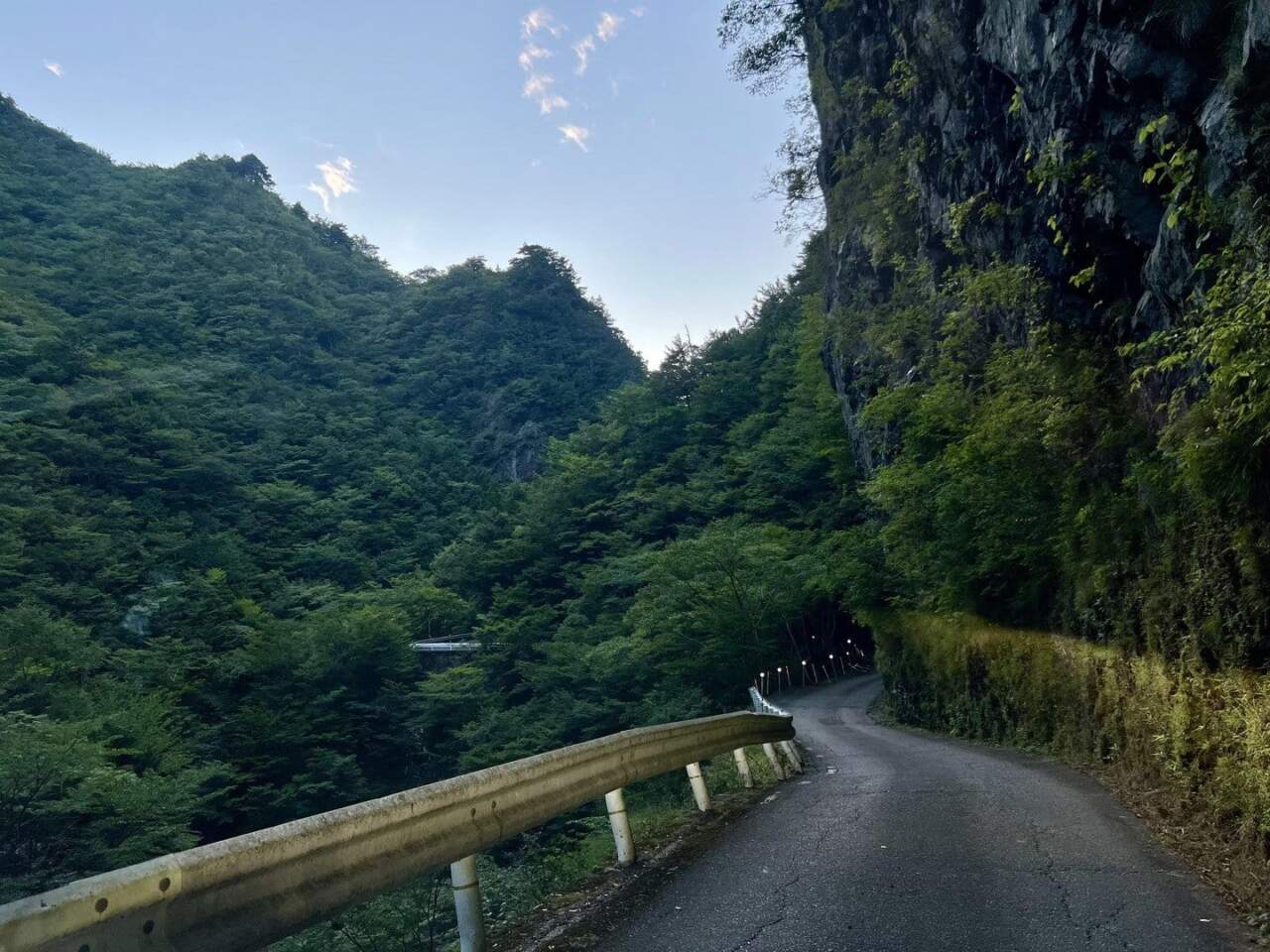
But driving in Shikoku is also among the most challenging in Japan. The prefectural roads in the Iya Valley have many single-lane stretches carrying two-way traffic, the submersible bridges on the Shimanto River have no guardrails, and the mountains have no street lights at all after dark. Below we first explain the terrain, the difficulty and the cost structure, then move on to documents, the SEP pass and routes. All amounts in this article are reference values checked in August 2026; please rely on official announcements on the day.
Steep Mountains and Fast Rivers: The Outer Expressways Are Easy, the Central Mountains Are the Real Thing
Shikoku’s road network is like a doughnut. Around the outside, a complete expressway along the coast links the four prefectural capitals of Takamatsu, Tokushima, Kochi and Matsuyama, with wide roads and light traffic that are very easy to drive. But the central Shikoku mountains have almost no expressways, only winding national and prefectural roads.
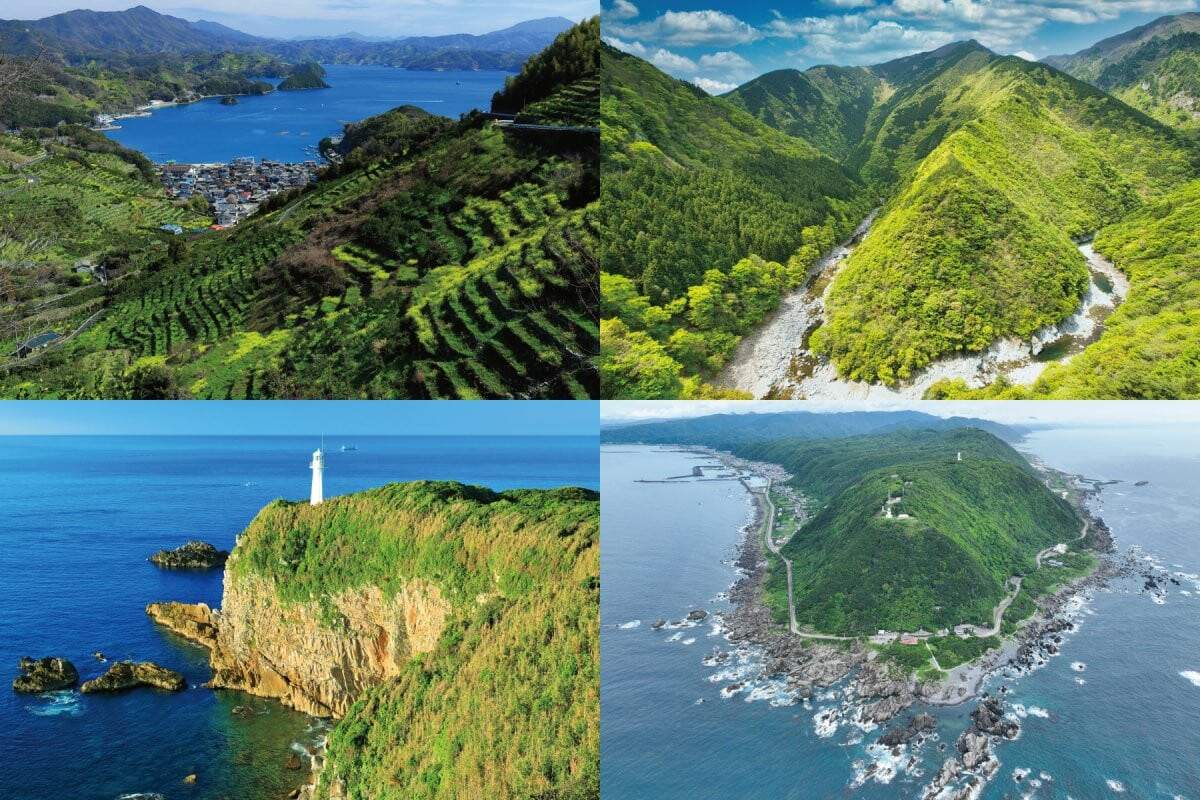
The catch is that the Iya Valley, Oboke and the Shimanto River, Shikoku’s most representative sights, all happen to lie in the central mountains. In other words, an itinerary on the outer expressways alone is easy but misses the highlights, and to see the highlights you have to face the mountain roads. Understanding this structure explains why preparing to drive in Shikoku is completely different from Kyushu or Hokkaido.
When You Should Rent a Car: Two Sights Away from Stations Is Enough
Shikoku has rail passes such as those from JR Shikoku (from October 2026 only 3-day and 7-day passes are sold), which make travel between cities very convenient. The dividing line is whether your list includes places stations cannot reach, such as the Iya Valley, the Shimanto River and Cape Ashizuri.
With two or more such places, driving beats public transport for efficiency: in one day by car you can cover the vine bridge, Oboke and a hot spring inn. If your trip is the three cities of Takamatsu, Matsuyama and Kochi, a rail pass is easier (from October 2026 the pass no longer includes the Shodoshima ferry and buses). Take trains between cities and rent a car for three days for the mountain section.
How Many Days for a Full Loop: Eight to Ten Days Without Constant Rushing
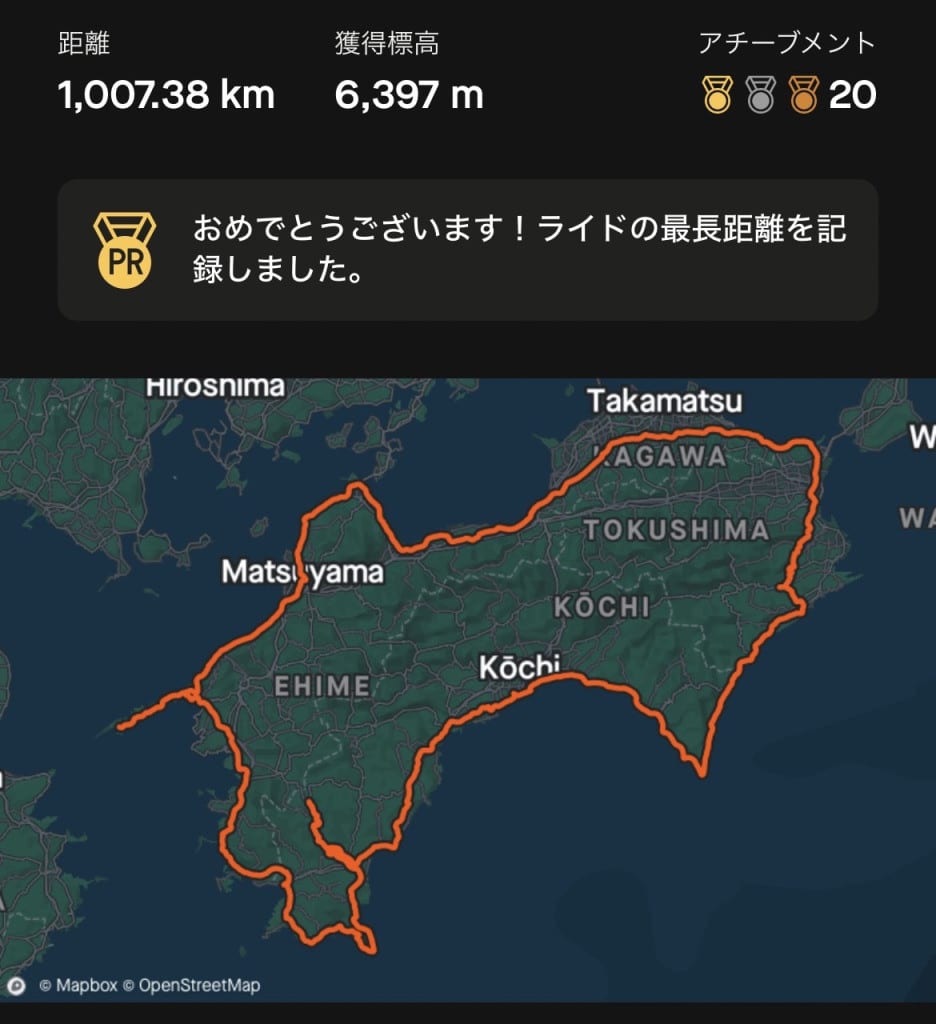
A loop around the edge of Shikoku is roughly 1,000 to 1,200 kilometers. That number does not sound frightening, but because mountain roads are mixed in, the real average speed is far below expressway figures.
From experience, 8 to 10 days is most comfortable and lets you cover all four prefectures and the hidden mountain areas. With 6 to 7 days you have to make trade-offs, usually dropping either Cape Ashizuri or the Shimanto River. With 3 to 5 days you can only keep driving expressways in a rush, and the mountain section has to be cut entirely. If you have only five days off, it is better not to force a full loop but to choose half, for example Kagawa plus Tokushima plus the Iya Valley, or Kochi plus Ehime, and leave the rest for the next trip.
Where the Money Goes: Rental, Tolls and the Sea Bridges
One item in the cost structure of driving in Shikoku does not exist elsewhere: the sea bridges. The Seto Ohashi Bridge, the Akashi Kaikyo Bridge and the Shimanami Kaido belong to the Honshu-Shikoku Bridge Expressway, with fairly high tolls that are not included in the SEP pass for foreign visitors.
The other items are similar to the rest of Japan: rental (plus optional insurance), fuel, ordinary expressway tolls and parking. The good news is that outside central Takamatsu and Matsuyama, parking in Shikoku is generally cheap, and at many sights it is even free. What really needs careful calculation is tolls, which is why we explain SEP in its own section below.
What to Prepare for Driving in Shikoku: Japanese Translation and the Full Car Rental Process
The most common reason Taiwanese travelers fail to rent a car in Japan is incomplete documents. Taiwan is not a party to the Geneva Convention, so you cannot rent a car in Japan with an international driving permit; what you need is a Japanese translation of your license.
Below we go through the four essential documents, how to get the translation, and the booking, pickup and return process in order.
Four Documents: Original License, Japanese Translation, Passport and Reservation Confirmation
You need four things at the rental counter: your original Taiwan car driver’s license, the original Japanese translation of the license, your original Republic of China (Taiwan) passport (preferably valid for at least six months), and the rental reservation confirmation (a printout or a copy on your phone both work).
A special note on the status of your license: if the expiry date shown on the license has passed, some Japanese rental shops will refuse to release a car, so before departure go to a motor vehicles office to get the new version of the license with no expiry date, then apply for the translation. Also, because Taiwan is not a Geneva Convention country, international driving permits are not valid in Japan, which is the opposite of what many people assume, so be sure to remember it.
Getting the Translation: In Person at the Motor Vehicles Office, Fee Is About US$3
The Japanese translation can be obtained at motor vehicles offices (regional and branch) across Taiwan. Apply in person with your original license and ID card; the fee is about US$3 and it is usually issued on the spot. Some offices also accept online applications with delivery by mail, which takes longer.
There are two things you must never do: translate it yourself, or alter the translation in any way, either of which invalidates the document. The translation is valid only when shown together with the original license, so bringing only the translation without the original will also get you refused a car. After you get a replacement license the old translation is void and you must apply again. Please rely on the motor vehicles office’s announcements for actual fees and validity.
Booking: Don’t Be Stingy on a Mountain Trip, and Choose the Right Car
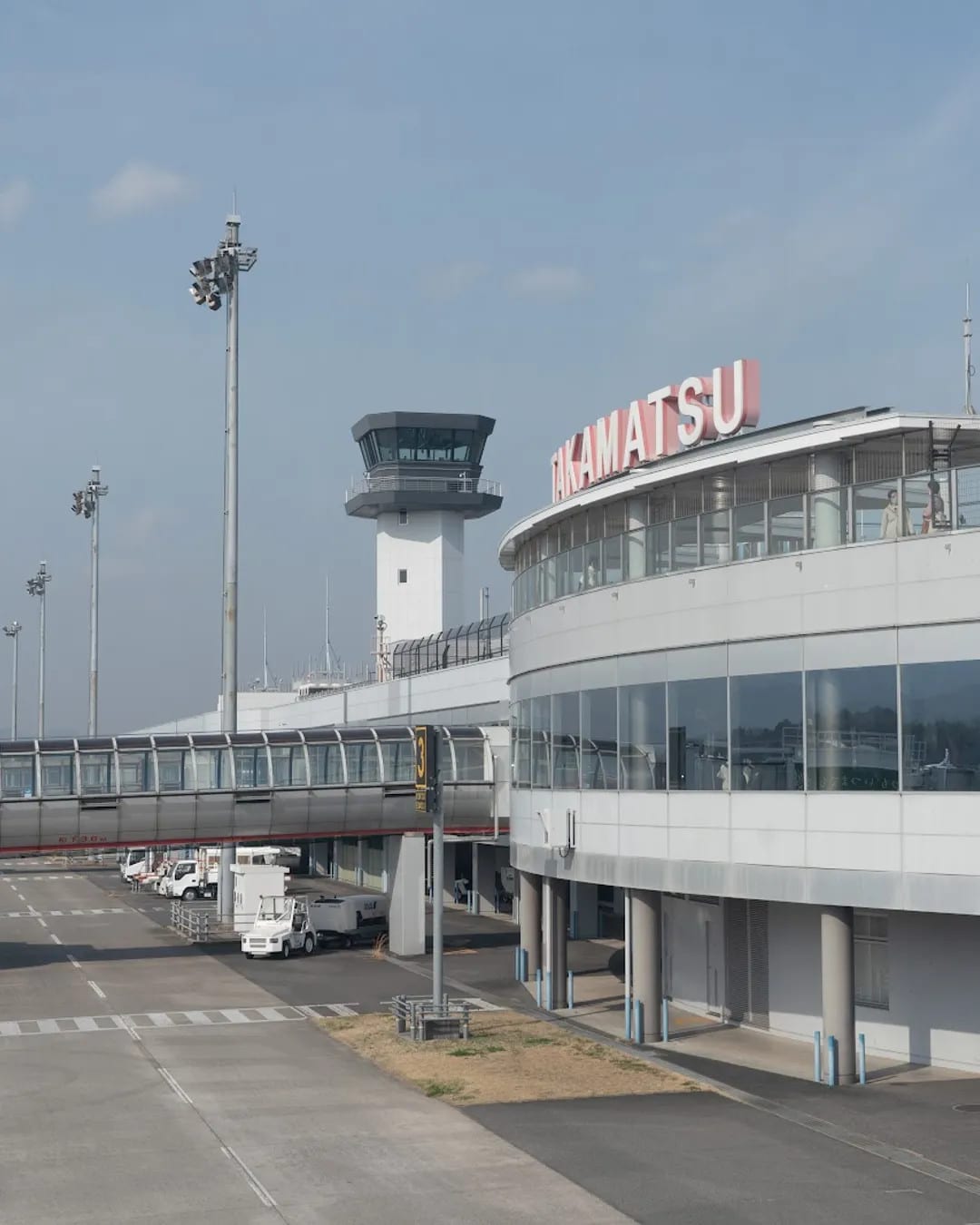
You can book through Japanese car rental comparison sites that offer a Chinese-language interface, or directly with a large chain. Rental locations in Shikoku are concentrated at Takamatsu Airport, Takamatsu Station, Matsuyama Airport, Kochi Airport and Tokushima Station, and are much sparser elsewhere.
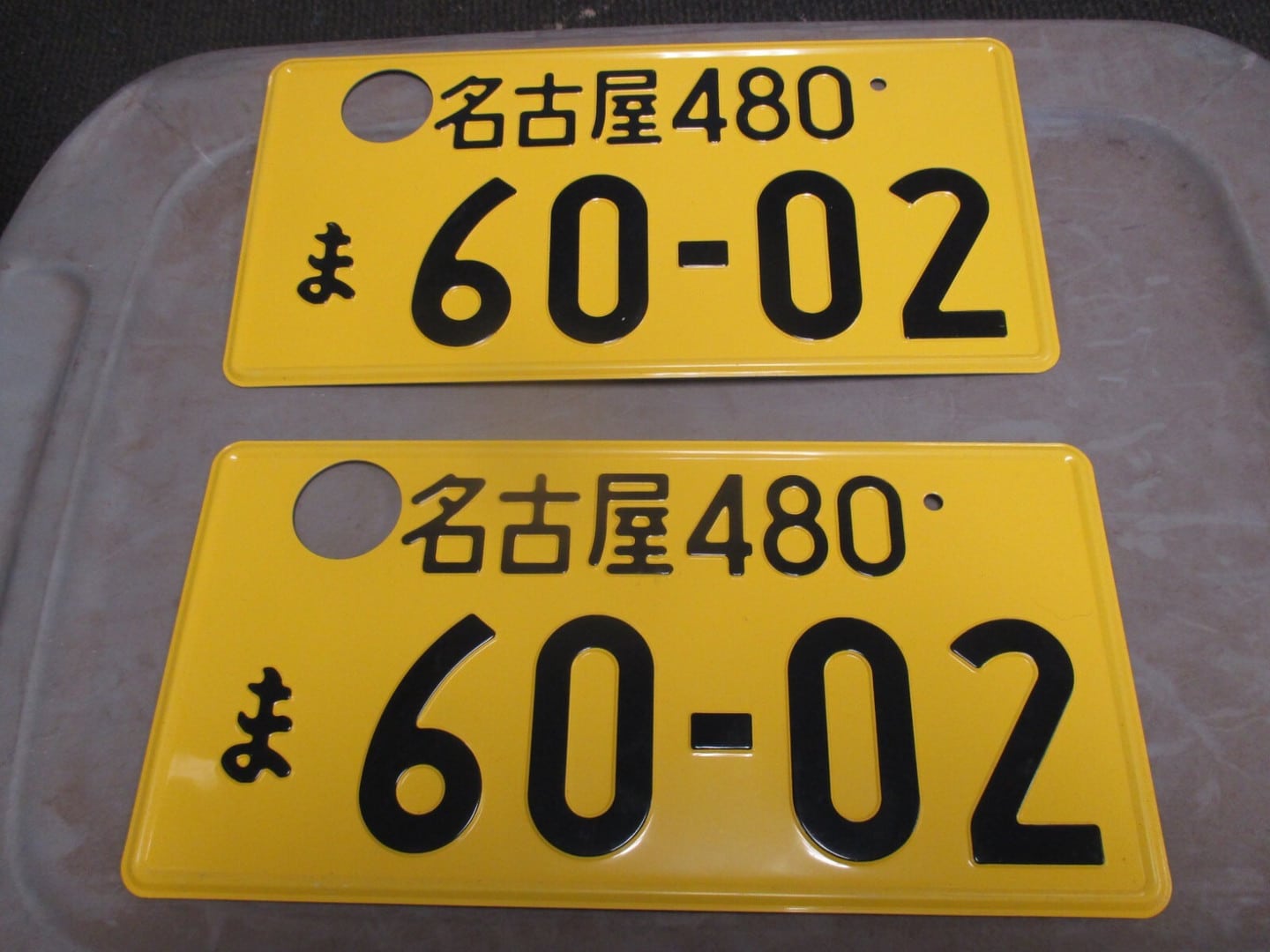
The choice of car matters especially in Shikoku, with two considerations pulling in opposite directions. A small car is less stressful on narrow mountain roads, but whether a kei car (660 cc or under, yellow plates) can be used with SEP must be confirmed with the rental company first (SEP is aimed at standard cars), and if it cannot, you will not get the SEP discount. If your trip involves a lot of expressway driving and you want SEP to pay off, a regular white-plate passenger car usually offers better value; if you will mostly drive in the mountains, the kei car’s slim body wins out.
At Pickup: Set Up MapCode and the Navigation Language First
The pickup process is the same as anywhere in Japan: document check, signing the contract, confirming insurance, walking around the car to check the exterior, and an explanation of the controls. Take photos of all four sides of the car with your phone, and have the staff record any existing scratches on the spot.
What takes extra time in Shikoku is the navigation. The in-car GPS supports searching by MapCode or phone number, and MapCode is the most accurate for small sights in the mountains. It is also a good idea to keep Google Maps on your phone running to cross-check, but remember the navigation trap described later: both systems may guide you onto industrial roads for the sake of the “shortest distance.” Before setting off, enter all of the day’s destinations once and confirm the route uses national roads or main prefectural roads.

Before Returning the Car: Mountain Gas Stations Close Early, So Don’t Leave It Until the End
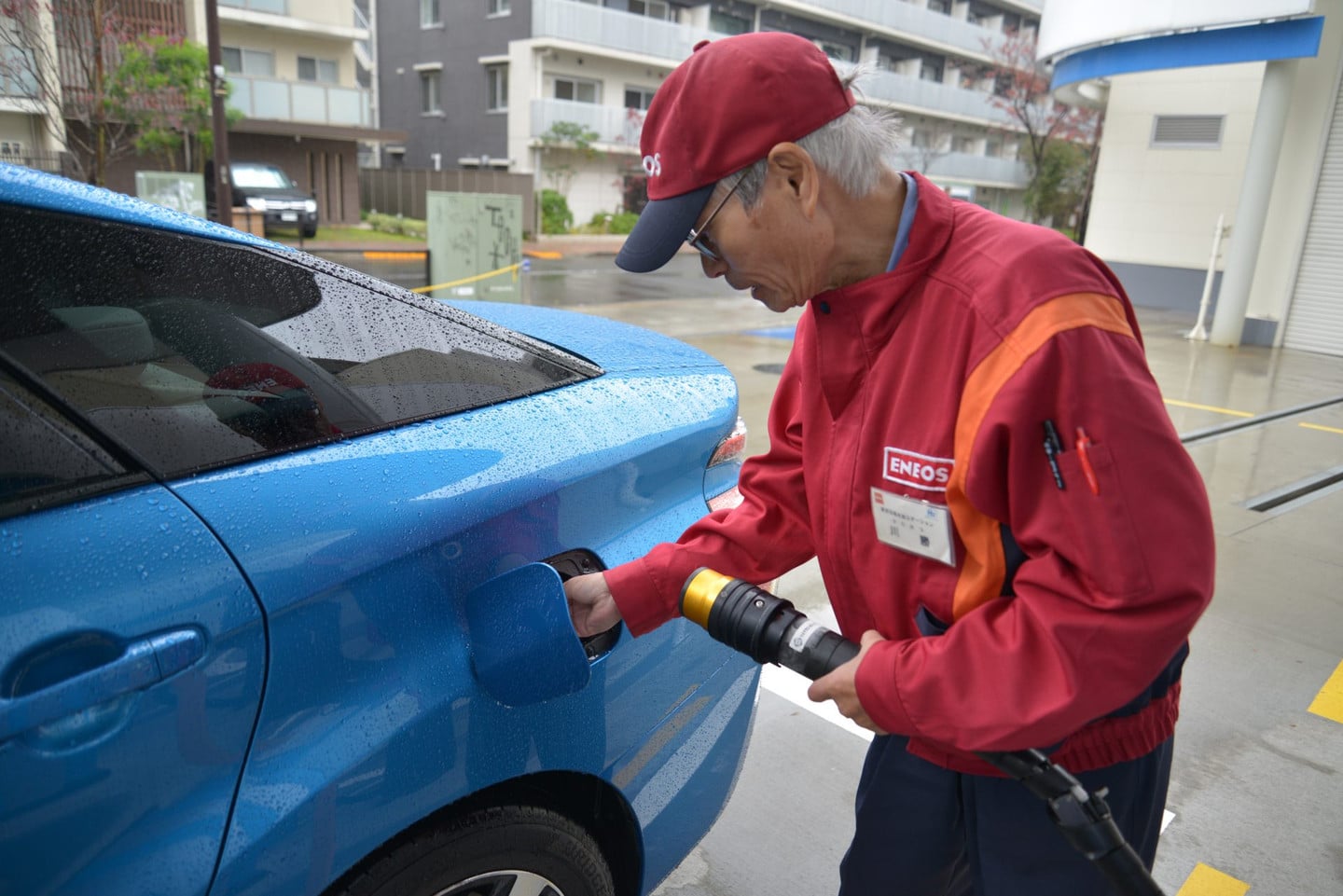
Rental cars in Japan are always lent with a full tank and must be returned full, so fill up before returning and keep the receipt. The issue in Shikoku is where gas stations are: they are easy to find in Takamatsu and Matsuyama, but sparse around the Iya Valley, the Shimanto River and Cape Ashizuri, and many close by the evening, with Sunday closures also common.
The safe approach is to find a station when the gauge drops to half, rather than waiting until a quarter is left while still in the mountains. At self-service stations, regular gasoline is “レギュラー” (red nozzle) and diesel is “軽油” (green), so be careful not to mix them up. When you return the car, staff will check its condition and settle the ETC tolls, and the sea bridge toll is usually paid then too.

Must-Drive Roads in Shikoku: An Eight-Day Loop Route and Mountain Driving in Practice
This section is the core of driving in Shikoku. We first give an eight-day loop route in and out of Takamatsu Airport as a skeleton, then break down the stretches that really need skill, such as the Iya Valley and the Shimanto River.
Road conditions change with weather, construction and season, so be sure to check road closure information for the day before you set out.
Eight-Day Loop Route: In and Out of Takamatsu, Avoiding Long Mountain Drives on Consecutive Days
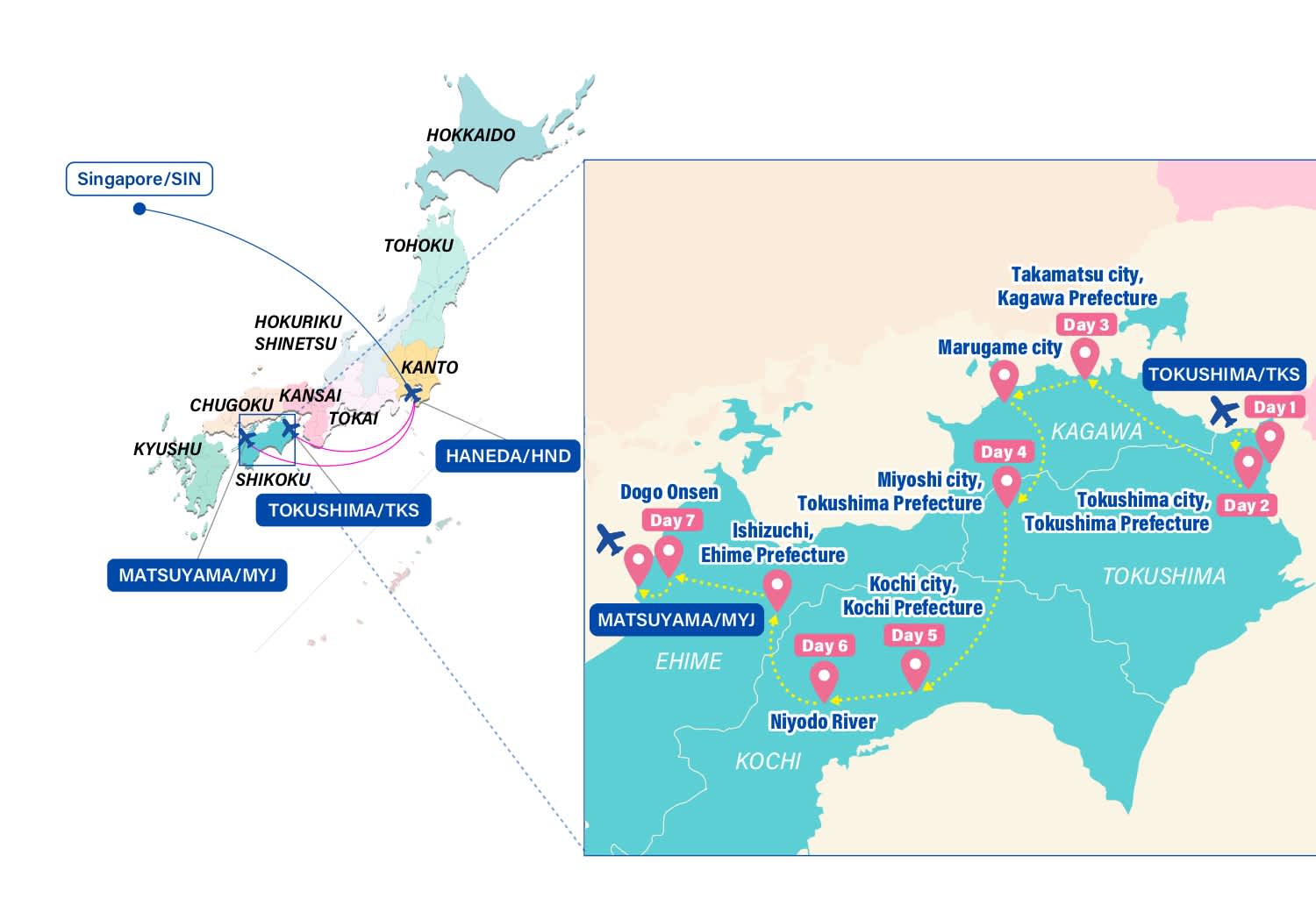
The design principle of this route is to separate the mountain roads and never have them on two consecutive days. On Day 1, pick up the car in Takamatsu and visit Ritsurin Garden and tour udon shops. On Day 2, head to Tokushima for the Naruto whirlpools and the Awa Odori Kaikan. On Day 3, go into the Iya Valley to see the vine bridge and Oboke, and stay that night at a hot spring inn in the mountains so you do not drive again.
On Day 4, come down to Kochi to see Katsurahama and the Hirome Market. On Day 5, follow the Shimanto River to its submersible bridges and stay in Shimanto City or at Cape Ashizuri. On Day 6, head north via Uwajima to Matsuyama for Matsuyama Castle and Dogo Onsen. On Day 7, follow the Seto Inland Sea coast back to Kagawa, visit Kotohira-gu Shrine and watch the sunset at Chichibugahama in the evening. On Day 8, return the car at Takamatsu Airport. Each day’s travel is kept within three hours, and mountain roads are concentrated only on Days 3 and 5.
Iya Valley: Single-Lane Two-Way Traffic on National Route 439 and Prefectural Route 32
The roads in the Iya Valley are cut along the gorge, with a great many blind curves and narrow widths, and Japanese netizens classify National Route 439 and Tokushima Prefectural Route 32 as especially difficult “kyodo” (rough roads). Some stretches are single-lane two-way: only one lane wide, but with traffic coming from both directions.
When a large bus or truck comes the other way, you have to back up to a passing place and let it through. Three practical tips: before a blind curve, check the round mirror at the roadside to see whether anything is coming; give a light tap of the horn before entering the curve; and if a local car is close behind you, pull over at an open passing place and let it go first rather than speeding up under pressure.
![[Shikoku Private Car Day Tour] Start and End in Takamatsu, Kagawa / Tokushima City, Tokushima | Konpira-gu / Takaya Shrine / Naruto Whirlpools / Iya Kazurabashi / Iya Valley / Oboke Gorge | Flexible Itinerary](https://travel.williamlion.tw/wp-content/uploads/sites/7/2026/08/image-90.jpg)


Iya Kazurabashi and Oboke: Two Spots to Park the Car Before You Explore
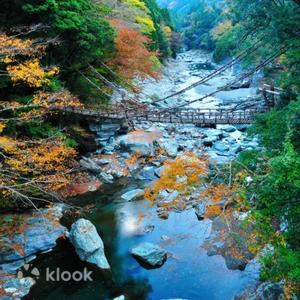
The Iya Kazurabashi is a suspension bridge woven from vines, with the stream directly beneath your feet as you walk across, and gaps between the planks wide enough to make your knees go weak. It is one of Shikoku’s most famous experiences. There is a paid car park nearby, which can have queues in busy season.
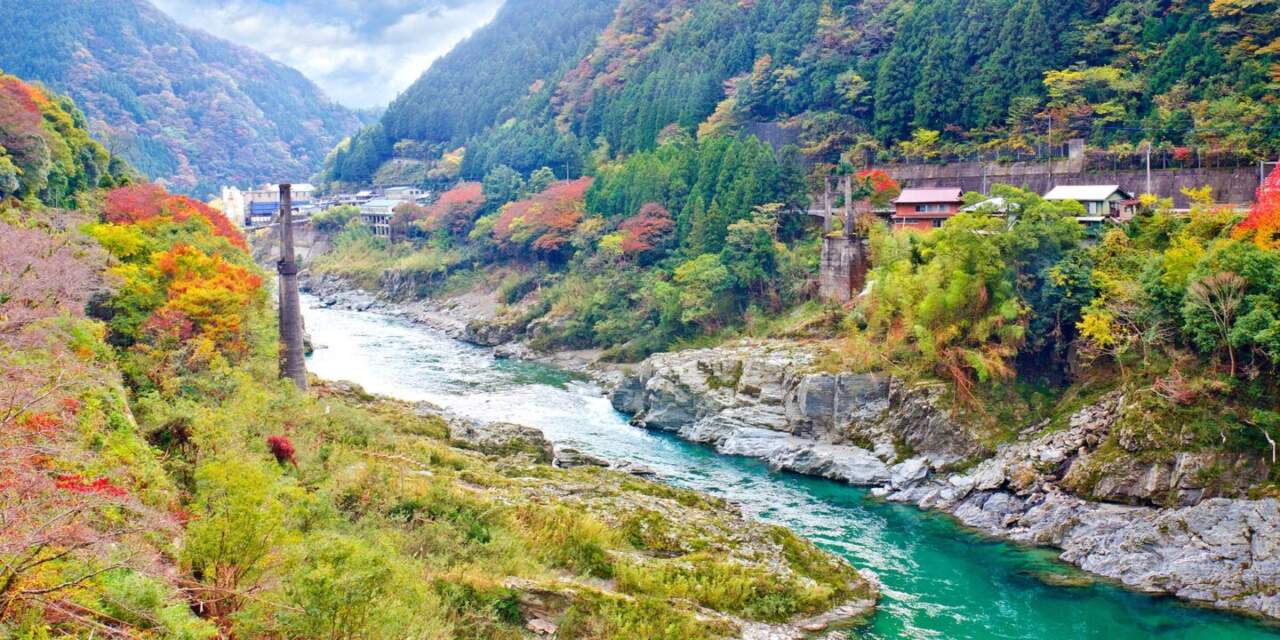
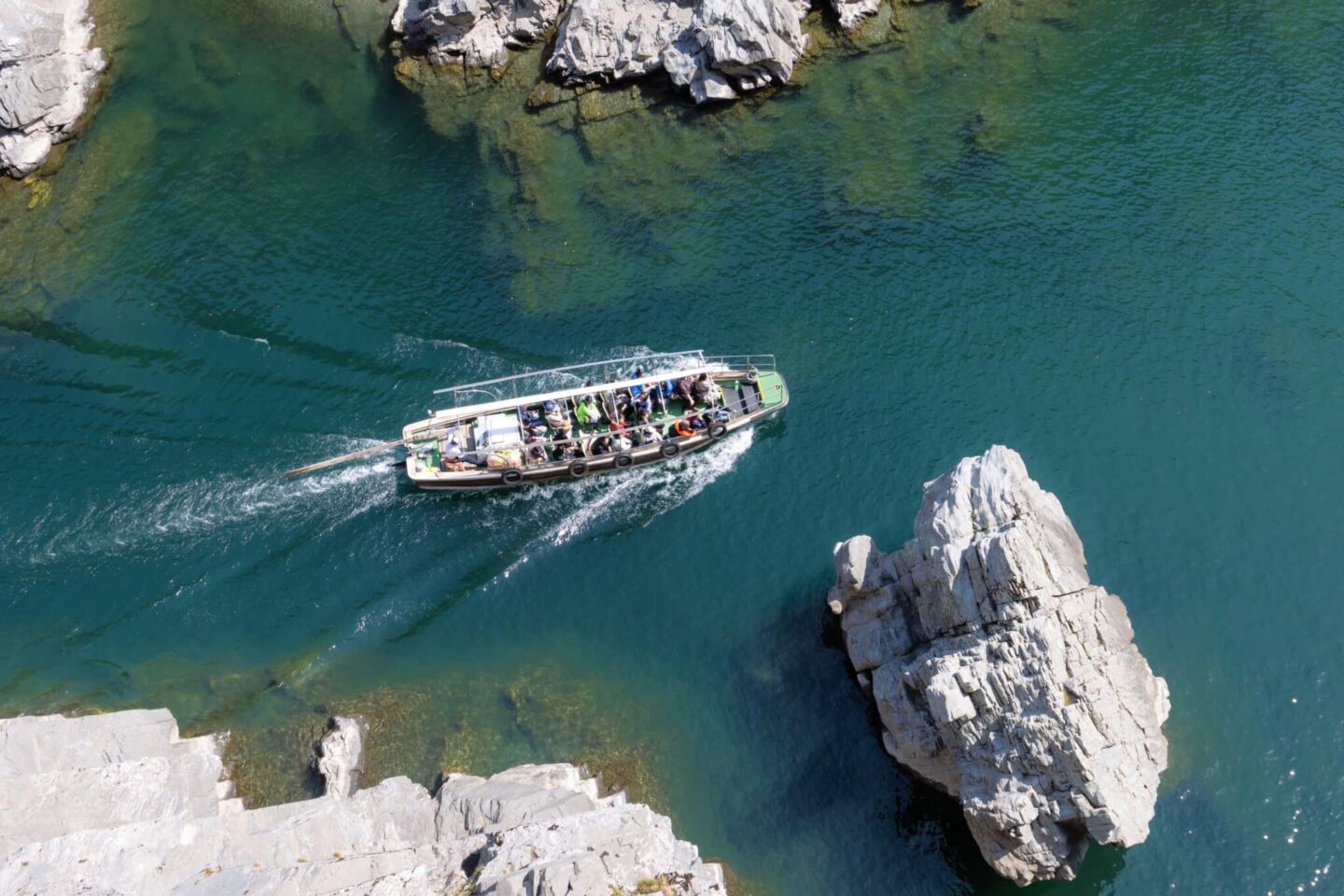
At Oboke Gorge you take a sightseeing boat to see the crystalline schist on both banks from the water, a ride of about 30 minutes. The two sights are about 20 minutes apart by car, so they fit smoothly into the same day. Note that admission and boat fares may change, and the boats do not run in heavy rain or at high water, so check that day’s operations before you go. Mobile signal in this area also comes and goes, so save your navigation route offline in advance.
![[Departing from Kotohira, Kagawa] Hidden Oboke and Kazurabashi Half-Day Bus Tour](https://res.klook.com/images/w_300,h_300,c_fill,q_75/w_80,x_15,y_15,g_south_west,l_Klook_water_br_trans_yhcmh3/activities/k2mxtgxjq5zf5dmluj5w/[Departing from Kotohira, Kagawa] Hidden Oboke and Kazurabashi Half-Day Bus Tour-Klook.jpg)
Shimanto Submersible Bridges: No Guardrails, and Never Pass Another Car on the Bridge
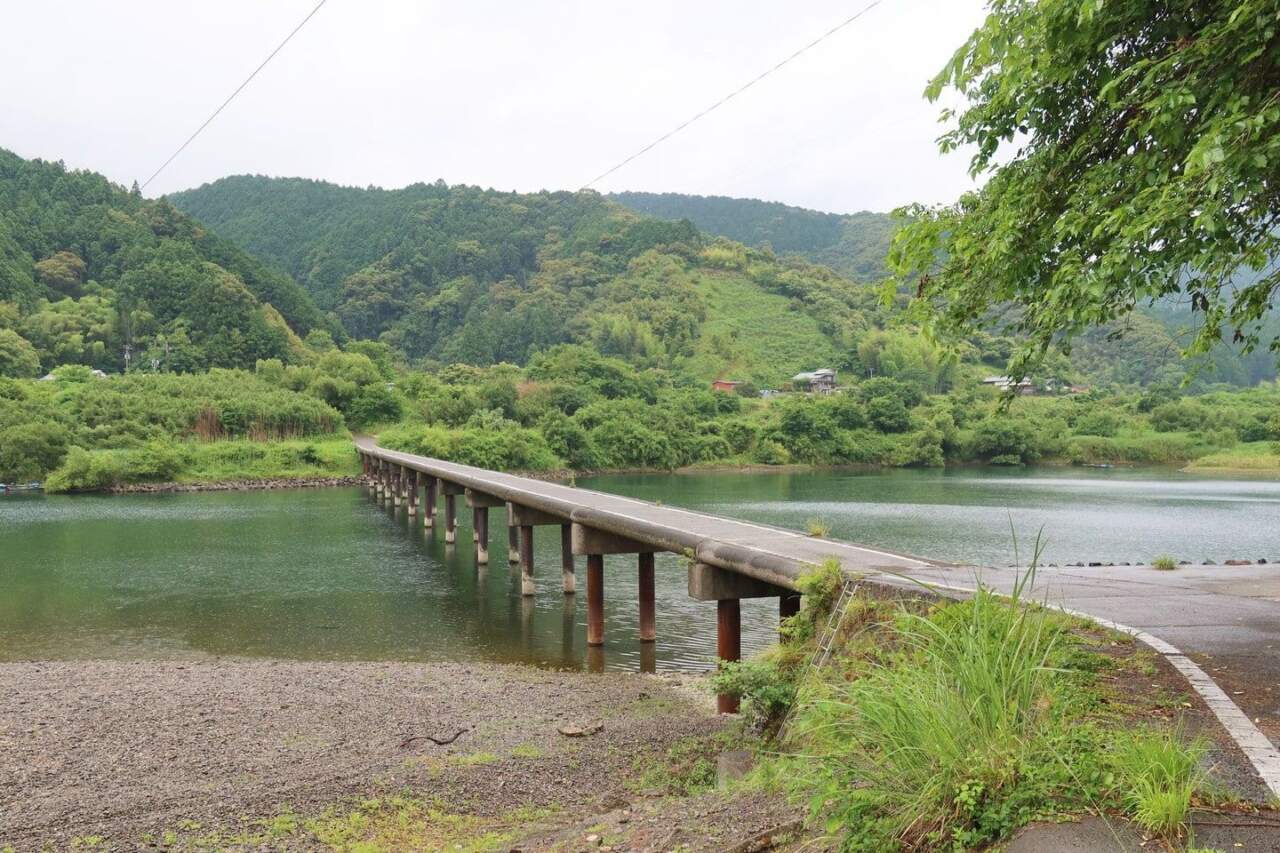
Submersible bridges (chinkabashi) are designed to let floodwater flow directly over them, so they have no guardrails at all. There are dozens along the Shimanto River, the most famous being the Sada and Iwama submersible bridges. Driving across one is Shikoku’s signature self-drive image, but it is also the stretch that demands the most discipline.
There is only one iron rule: never pass another vehicle on the bridge. Before crossing, make sure no vehicle at all is about to enter from the other side, and if there is, wait at the open area at the bridge end. Roll down the windows on both sides when crossing, both to see clearly how far your tires are from the edge and so you can get out quickly if something goes wrong. Keep to 10 km/h and drive slowly down the exact middle, and it is actually very safe. If you are not confident, parking at the bridge end and crossing on foot to take photos is perfectly fine.
The Navigation Trap: Take the Longer Route Rather Than Cut Through Industrial Roads
This is where things most often go wrong when driving in Shikoku. To compute the “shortest distance,” Japanese in-car navigation and Google Maps sometimes guide cars onto deep-mountain industrial roads less than two meters wide, where even the side mirrors brush against branches. These roads have no room for passing, and reversing out of trouble is almost impossible.
The rule is to stick to main roads: national roads or major prefectural roads. If, when setting up navigation, you see the route cut into an unnumbered small road, manually change it to a longer route on a larger road; driving an extra 30 minutes is far better than getting stuck in the mountains. The test is simple: any hairline-thin, unnamed line on the map, never take it.
Mountain Roads at Night: No Street Lights in the Shikoku Mountains, So Be at Your Hotel by 17:00
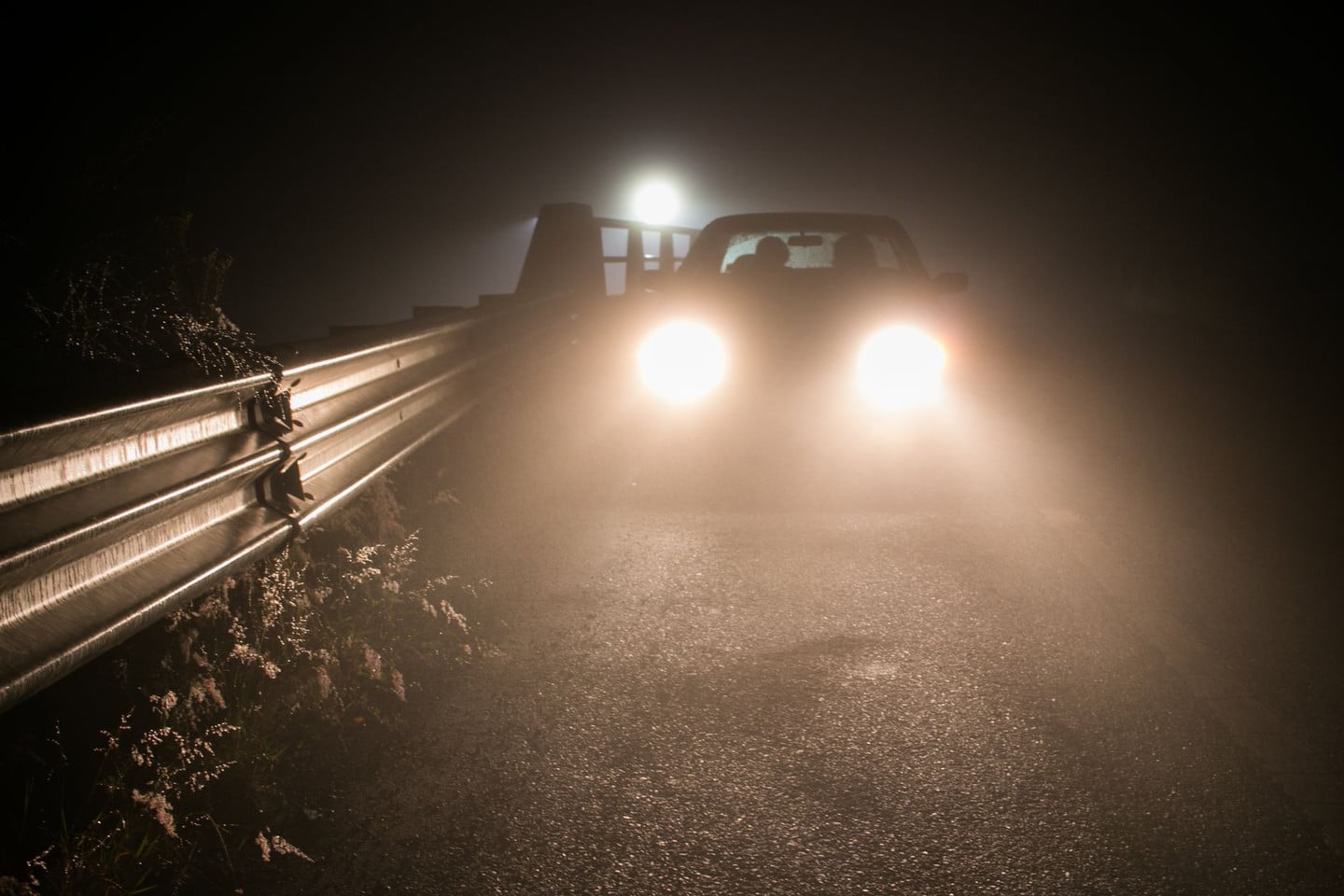
Thick fog forms very easily in the Shikoku mountains in the afternoon, and visibility can drop to only a dozen or so meters within minutes. When that happens, turn on your front and rear fog lights and hazard lights immediately and slow down to a speed at which you can stop at any moment.
More important is time planning: the Shikoku mountains have no street lights at all, and the difficulty of narrow roads and blind curves multiplies after dark. We strongly recommend scheduling all mountain driving in daylight and arriving at that night’s hot spring inn or hotel before 5 p.m. This is also why the eight-day route puts the Iya Valley night’s lodging up in the mountains, so that once you check in you do not have to drive down at night.
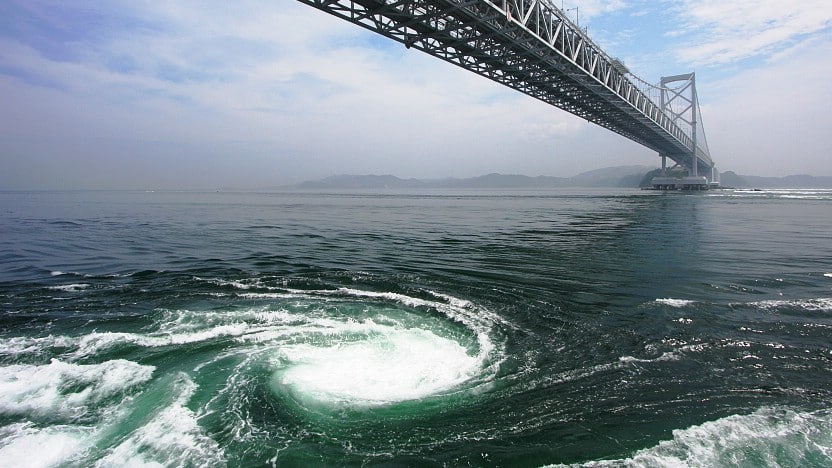
Naruto Whirlpools: Easy Expressway Driving, but You Need the Right Tide Time
The stretch from Takamatsu to Tokushima is almost entirely expressway, with easy conditions, making it a good warm-up. The Naruto whirlpools are in the Naruto Strait; drive to the Naruto Park car park and walk to Uzu-no-Michi, or go to the port to take a whirlpool-viewing boat.
The key is that the whirlpools depend on the tide: only a few times a day produce a big whirlpool, and spring-tide days and neap-tide days differ greatly. Always check that day’s tide table before deciding what time to arrive, otherwise you will drive for two hours and see only calm water. The car park tends to fill up in busy season and on long weekends, so set out early. Please rely on on-site notices for admission and boat fares.
Kochi City: Parking at Katsurahama and the Drinking Problem at Hirome Market
Katsurahama is Kochi’s signature beach, with a statue of Sakamoto Ryoma standing on the cliff facing the Pacific. It is about a 30-minute drive from central Kochi, with paid car parks nearby that are tight on holidays.
In the evening the Hirome Market is the core of Kochi’s food scene, with charcoal-grilled seared bonito (tataki) and local sake as the signatures. Here is a problem a driving trip has to face: Japan has zero tolerance for drunk driving, so if you will drive that night you cannot drink at all. The practical solution is to book a hotel within walking distance in the city, park the car at the hotel that night and walk to eat. This is the night of the whole trip most worth adjusting your lodging location for.
Shimanto to Matsuyama: Allow Three Hours for the Drive North via Uwajima
From Shimanto City to Matsuyama you head north along the southwest side of Ehime via Uwajima. The distance is long and some stretches are not expressway, so the actual drive is usually around three hours. This is the day on the eight-day route most easily underestimated, so do not squeeze in more sights.
After arriving in Matsuyama, Matsuyama Castle sits on a hilltop in the city center and can be reached by ropeway or chairlift, and Dogo Onsen Honkan is one of Japan’s oldest hot springs. Parking in central Matsuyama is expensive by Shikoku standards, so confirm hotel parking when booking. If you stay in Dogo Onsen that night, most inns have their own car parks, which is easier than parking in the city.
Back to Kagawa: The Steps of Kotohira-gu and the Sunset at Chichibugahama
The return follows the Seto Inland Sea coast, and the two highlights of the day back in Kagawa are one active and one calm. The approach to Kotohira-gu has 785 stone steps up to the main shrine, about two hours round trip, so wear comfortable shoes; there are several paid car parks near the start of the approach.
Chichibugahama is a beach that went viral in recent years as a “mirror of the sky”: at low tide with no wind, the water reflects the sky, and it is most beautiful at sunset, so check the tide table before you go. The car park is free but fills up in the evening, so arrive an hour early. The two places are about an hour apart by car, which fits neatly into one day.
How Much Does Driving in Shikoku Cost? SEP Expressway Pass and Insurance Costs Explained
In the cost structure of driving in Shikoku, the part that needs the most thought is the SEP expressway pass, which has a billing rule that is very easy to get wrong.
All amounts below are reference values checked in August 2026; please rely on the rental company’s and NEXCO West Japan’s announcements on the day for actual figures.
The official source of information is NEXCO West Japan’s SEP page (global.w-nexco.co.jp/en/sep/, in English).
SEP: All-You-Can-Drive Expressways Across Shikoku, the Seto Inland Sea Area and San’in
SEP stands for the San’in-Setouchi-Shikoku Expressway Pass, a flat-rate toll plan designed for foreign visitors. It runs from 3 to 10 days, and for one fixed fee you can use the designated expressways in all four Shikoku prefectures, plus Hyogo, Okayama, Hiroshima, Tottori, Shimane, Yamaguchi and other areas, without limit. The standard-car prices announced by NEXCO West Japan are ¥10,700 for 3 days, ¥11,700 for 4 days, ¥12,700 for 5 days, ¥13,700 for 6 days, ¥14,700 for 7 days, ¥15,700 for 8 days, ¥16,700 for 9 days and ¥17,700 for 10 days, with a flat ¥1,000 added for each extra day.
It must be arranged together with the car rental and is tied to the ETC card supplied by the rental company; it cannot be bought separately. On a loop trip, expressway tolls add up considerably and SEP usually pays off; if you mostly drive national roads in the mountains, its value drops sharply. Please rely on official announcements for actual prices and coverage.
SEP Standard-Car Prices: 3 to 10 Days at a Glance
The standard-car prices announced by NEXCO West Japan are ¥10,700 for 3 days, ¥11,700 for 4 days, ¥12,700 for 5 days, ¥13,700 for 6 days, ¥14,700 for 7 days, ¥15,700 for 8 days, ¥16,700 for 9 days and ¥17,700 for 10 days, with a flat ¥1,000 added for each extra day. Please rely on official announcements for actual prices.
Where People Most Often Miscalculate: SEP Counts Calendar Days, Not 24 Hours
This is SEP’s most treacherous rule, and the official page itself states it clearly: a SEP “day” means the calendar day from 0:00 to 23:59, not 24 hours. For example, if you rent from 3 p.m. Monday to 3 p.m. Thursday, the rental is three days and 72 hours, but the period spans four dates, Monday, Tuesday, Wednesday and Thursday, so you must buy the 4-day SEP.
Many people buy according to the number of rental days, and on the last day when they exit the expressway the system judges them out of range, the full toll is charged to the ETC card, and the whole amount has to be paid when returning the car. When booking, always count by “how many dates the rental spans” rather than how many 24-hour periods. Be especially careful with red-eye pickups or late-night returns that cross midnight.
Three Sea Bridges: Honshi Expressway Tolls Are Not Included in SEP
The three routes connecting Honshu and Shikoku, the Seto Ohashi Bridge, the Akashi Kaikyo Bridge (Kobe-Awaji-Naruto Expressway) and the Shimanami Kaido, belong to the Honshu-Shikoku Bridge Expressway (Honshi Expressway), and their tolls are not included in SEP. Note that the connecting interchanges at both ends (Naruto IC, Sakaide IC, Hayashima IC, Kobe-Nishi IC and others) are themselves covered by SEP, and what you actually pay extra for is the sea-bridge section. The actual amount varies by section and by weekday or holiday, so please rely on the Honshi Expressway’s official announcements.
In practice, you cross the bridge on ETC, the fee is recorded on the card and paid at the counter when you return the car, so budget for it separately. You will definitely encounter it when driving into Shikoku from Osaka or Okayama; if you fly directly to Takamatsu, Matsuyama or Kochi and pick up a car there, you will not.
Kei Cars and SEP: A Cheaper Car Does Not Mean Savings
Whether a kei car (660 cc or under, yellow plates) can use SEP depends on the rental company’s rules (SEP is aimed at standard cars), and even if it can, it does not get cheaper because the car is smaller. This is a real dilemma for driving in Shikoku: a kei car’s narrow body is much easier on roads like those in the Iya Valley, and its rental and ordinary tolls are cheaper too, but once you buy SEP you lose that toll advantage.
How to choose? If your trip is mostly in the mountains with little expressway mileage, renting a kei car, skipping SEP and paying tolls by actual distance can give a lower total cost. If you are doing the full loop and using the outer expressways heavily, SEP is worth buying, and if the kei car cannot be used with SEP and space is tight, a regular white-plate car usually makes more sense. Estimate your expected expressway mileage before deciding.
Insurance and Price Comparison: CDW Plus NOC Matters More Than the Daily Rate
The risk of scrapes on Shikoku’s mountain roads is higher than on flat ground, so never skimp on insurance. What you should add are the Collision Damage Waiver (CDW, which reduces your out-of-pocket accident excess to zero) and Non-Operation Charge (NOC) coverage, which compensates the rental company for its losses while the car is being repaired. You need both together to be fully covered.
When comparing prices, do not look only at the daily rate: some plans already include full insurance and an ETC card, while with others everything is an add-on, and car class, one-way drop-off fees and child seats are also variables. The suggested order is to choose the car class first, then check whether full insurance is included, and compare total prices last. Also note that if a driver not named in the contract drives, all insurance is void, so if several people will take turns driving, register them in advance.
(徳島市出發)-Klook.jpg)
What to Watch Out for When Driving in Shikoku: Lodging, Seasons and Pre-Trip Reminders
Half of whether a Shikoku driving trip succeeds depends on where you place your lodging and whether you keep mountain driving to daylight. The four points below are the ones most worth sorting out first.

Where to Stay: Spend the Mountain Night in the Mountains
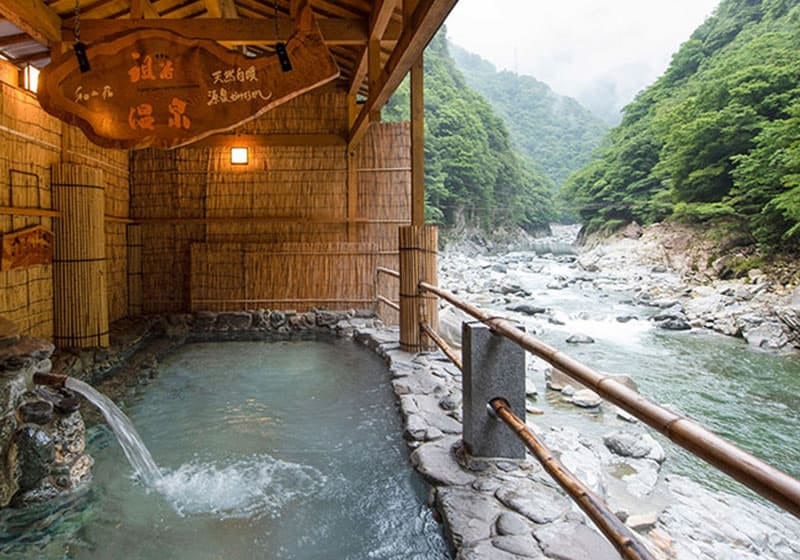
The lodging logic for driving in Shikoku has one core: on the day you drive the mountains, spend the night in the mountains and do not come down. Hot spring inns in the Iya Valley cost a bit more, but what you save is the risk of driving narrow roads in the dark for two hours, and that money is well spent.
On other days, use the prefectural capitals as bases: business hotels in Takamatsu, Tokushima, Kochi and Matsuyama are reasonably priced and easy to park at. Note that parking at city hotels usually costs extra and is limited in number, so when booking confirm whether the car park (駐車場) is free, paid or needs a reservation, and whether there is a height limit. For the Kochi night, choose a location within walking distance of the Hirome Market.
Seasons: Typhoons and Winter Road Closures Can Rewrite Your Plans
Shikoku’s rainfall is among the highest in Japan, especially around Kochi. During the summer and autumn typhoon season, mountain roads may close because of rockfalls or landslides, and the Oboke boats also stop running. In winter, snow and ice may form in the Ishizuchi range and the interior of the Shikoku mountains, and winter tires are needed.
Practical preparation comes down to three things: check road closure information for the day before you set out; keep a backup in your itinerary (for example, if you cannot reach the Iya Valley, switch to central Kochi); and when renting, ask according to the season whether you need to add snow tires. Also, mountain roads often have fallen rocks and debris during the rainy season and after typhoons, so watch the road surface more closely in curves.
Supplies in Rural Areas: Convenience Stores Are Rarer Than You Think
The density of convenience stores in central Shikoku’s mountains and the southwest is far lower than in urban areas, and sometimes you will not see one for an hour of driving. Restaurants also often take a break at 2 p.m. and close at 6 p.m., and if you miss them you can only eat instant noodles.
The way to cope is to treat “Michi-no-Eki” (道の駅, roadside stations) as supply points and mark on the map which ones lie along that day’s route. Michi-no-Eki usually have restrooms, local produce and light meals, and some even have hot springs. Also buy water and snacks at a supermarket or convenience store in the city before setting off, and you will be glad you did if the mountains have a traffic jam or a road closure.
Rules: Come to a Full Stop at 止まれ, and Zero Tolerance for Drunk Driving
In Japan you drive on the left with the steering wheel on the right (right-hand drive), and the wiper and turn signal stalks are the opposite of Taiwan’s, so do a couple of laps of the car park to get used to it before setting off. At a red “止まれ” (stop) sign you must come to a complete stop, not just slow down.
Drunk driving is met with zero tolerance, and passengers in the same car may also be penalized, which matters especially for anyone who wants to drink sake in Kochi. Also, Japan enforces illegal parking strictly, and the rental company will bill you directly for any ticket. There is also a local custom on mountain roads: when a vehicle is close behind you, pulling over at a passing place to let it by is normal, and you need not feel offended.
Shikoku Self-Drive FAQ
Below are the questions Taiwanese travelers most often ask before renting a car and driving in Shikoku.
Q: Can I rent a car in Shikoku with an international driving permit?
No. Taiwan is not a party to the Geneva Convention, so you cannot rent a car in Japan with an international driving permit. What you need are four things: your original Taiwan driver’s license, the original Japanese translation of the license, your original passport and the rental reservation confirmation. The translation is obtained in person at motor vehicles offices across Taiwan for about US$3, and it must not be translated yourself or altered.
Q: How should I count SEP days so I don’t buy the wrong one?
Count by how many dates the rental spans, not how many 24-hour periods. SEP is billed by calendar day (from 0:00 to 23:59). If you pick up at 3 p.m. Monday and return at 3 p.m. Thursday, the rental is three days and 72 hours but spans four dates, so you must buy the 4-day version, otherwise the last day’s tolls will be charged in full separately.
Q: Is the Seto Ohashi Bridge toll included in SEP? What about the Akashi Kaikyo Bridge?
No. These three sea routes (the Seto Ohashi Bridge, the Akashi Kaikyo Bridge and the Shimanami Kaido) belong to the Honshu-Shikoku Bridge Expressway and are outside SEP. The tolls are recorded on the ETC card and paid at the counter when you return the car. If you fly directly to Takamatsu, Matsuyama or Kochi and pick up a car there, you will not encounter this charge.
Q: Is driving in Shikoku difficult? Can a beginner take on the Iya Valley?
Yes, but with preparation. The key points are to drive in daylight, stick to main roads, back up to a passing place yourself when you meet a large vehicle, and reach your lodging before 5 p.m. If you have no mountain driving experience at all, or are traveling with elderly relatives or small children, switching the Iya Valley day to a chartered car or a local sightseeing bus tour will be much more reassuring, and you can drive yourself on the other days.
Q: Do I have to drive across the submersible bridges?
Not necessarily. Parking at the bridge end and walking across to take photos is perfectly workable, and you can enjoy the scenery better. If you do drive across, the iron rule is never to pass another car on the bridge: check that nothing is coming the other way before crossing, then roll down both side windows and drive slowly down the exact middle at 10 km/h. Submersible bridges have no guardrails, so it is better to be slow than to show off.
Q: Can I loop around Shikoku in five days?
A full loop is about 1,000 to 1,200 km, and in five days it turns into rushing along expressways with almost all of the mountain section cut. Eight to ten days is recommended to be comfortable. If you have only five days off, it is better to choose half a loop, for example Kagawa and Tokushima plus the Iya Valley, or Kochi and Ehime plus the Shimanto River, leaving the rest for the next trip.
Q: Is a kei car (K-car) a good choice in Shikoku?
It depends on your itinerary. A kei car’s narrow body makes narrow roads in the Iya Valley and Shimanto much easier, and its rental and ordinary tolls are cheaper too; but SEP is aimed at standard cars, so you must check with the rental company whether you can apply for it, and you would also miss out on the toll advantage. If your trip is mostly in the mountains with little expressway mileage, renting a kei car and not buying SEP is usually cheaper; if you are doing the full loop with lots of expressway driving and need SEP, a regular white-plate car makes more sense for space and comfort. For four people plus luggage, we suggest going straight to a regular sedan.