
Introducing the Shimanto River: The Long River Known as Japan’s Last Clear Stream
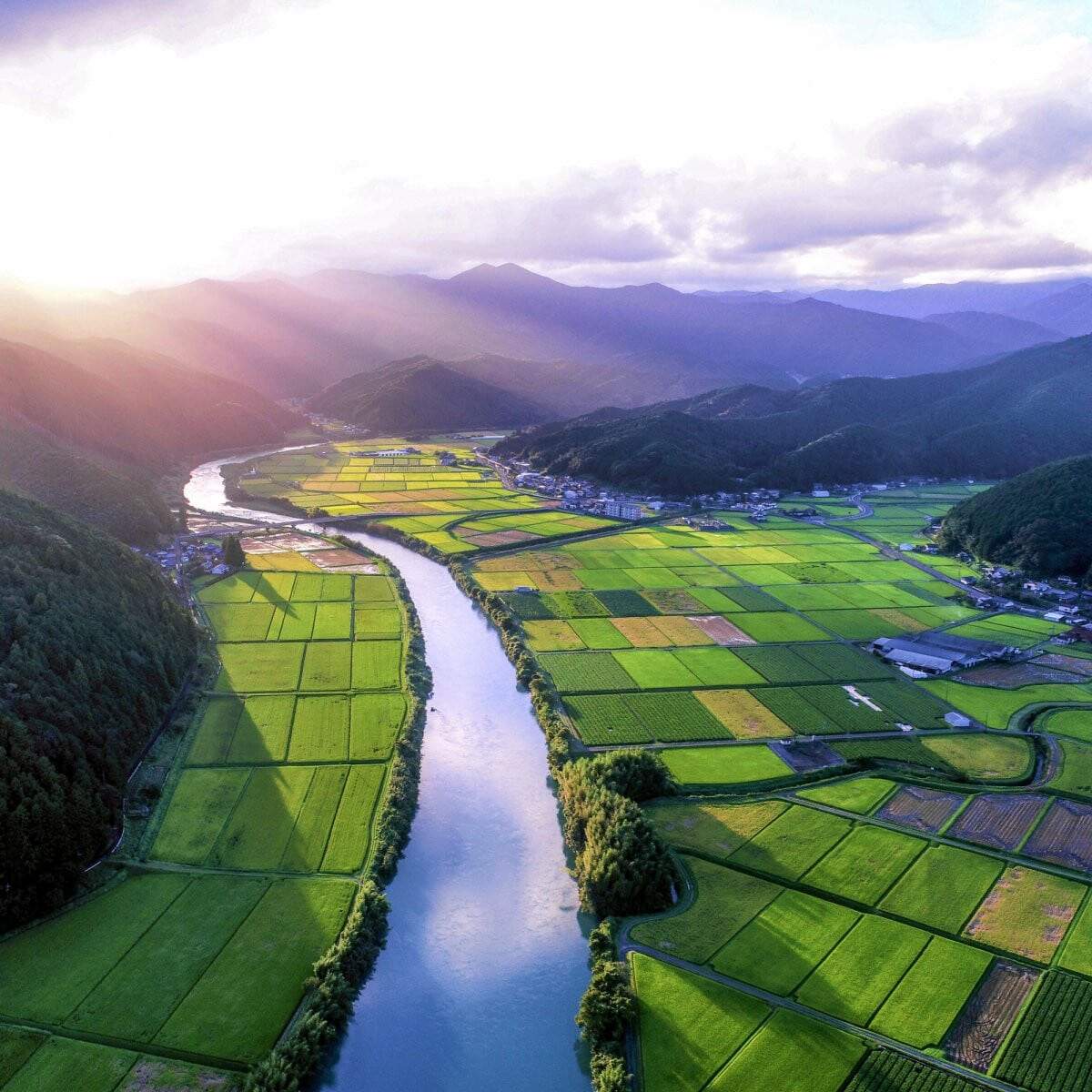
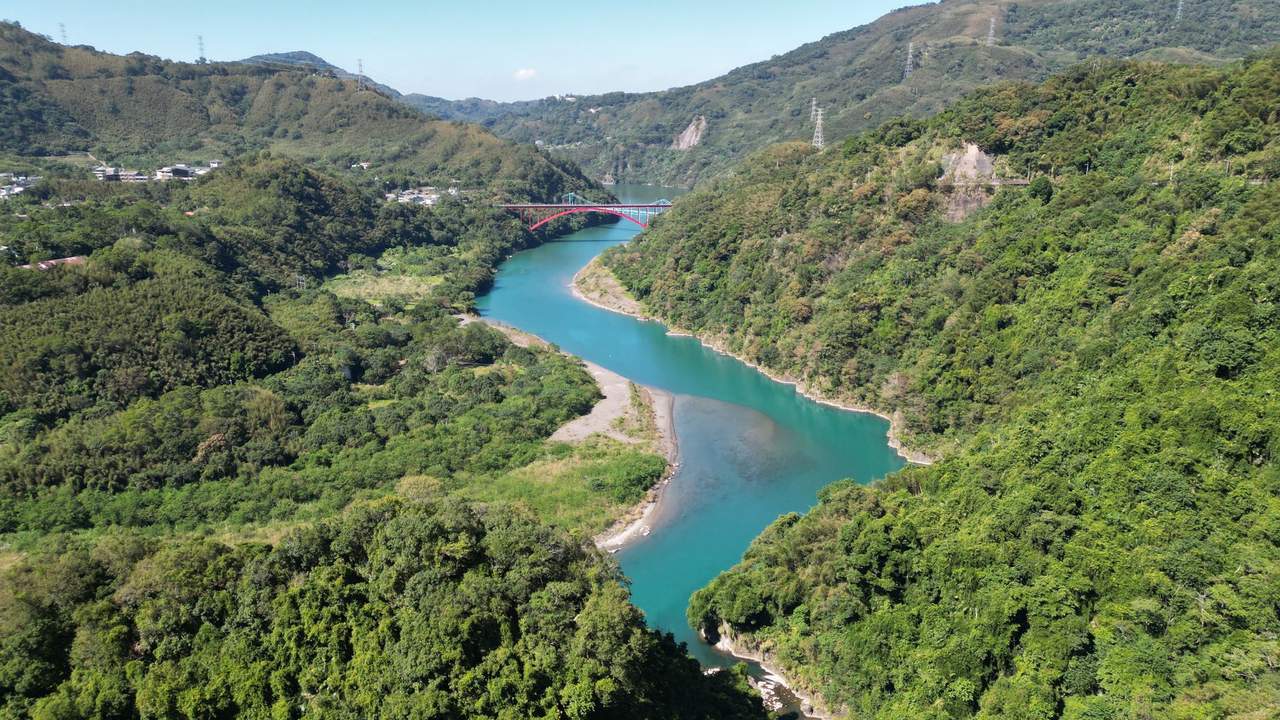
The Shimanto River flows through western Kochi Prefecture and is the longest river in Shikoku, at nearly 200 kilometers. It winds from the mountains all the way to the Pacific Ocean, with almost no large dams interrupting the main stream, and its water quality has stayed remarkably good over the years, hence the common saying that it is Japan’s last clear stream.
For travelers, the most iconic sight on the Shimanto River is the low bridges without railings, known as chinkabashi (submersion bridges). They are designed so that floodwater washes directly over the deck, reducing resistance to the current, which is why each bridge is stripped down to just a deck and piers.
Note that the river’s basin is very long, with attractions spread across dozens of kilometers, so it is impossible to see them all in one day. This guide lays out transport, activities and the highlights of each section so you can choose which stretch to explore first.
Where Is the Shimanto River? A Long Basin in Western Kochi Prefecture
The Shimanto River rises in the mountains of western Kochi Prefecture, flows south and then west, and empties into the Pacific Ocean downstream of Shimanto City. At nearly 200 km, it is the longest river in Shikoku, and its basin covers Shimanto City, Shimanto Town and the surrounding mountain villages.
Tourists most often visit the lower to middle reaches, the area centered on Shimanto City, where Nakamura Station is located, and extending upstream. Submersion bridges are concentrated here and the river is wide, making it the main base for yakatabune boats and bicycle rental.
Further upstream into the deep mountains the scenery is wild but access is inconvenient, and it is mostly the territory of canoeists and campers. For a first visit, focus on the lower stretch.
Why Is It Called the Last Clear Stream? A Main Stream Without Large Dams
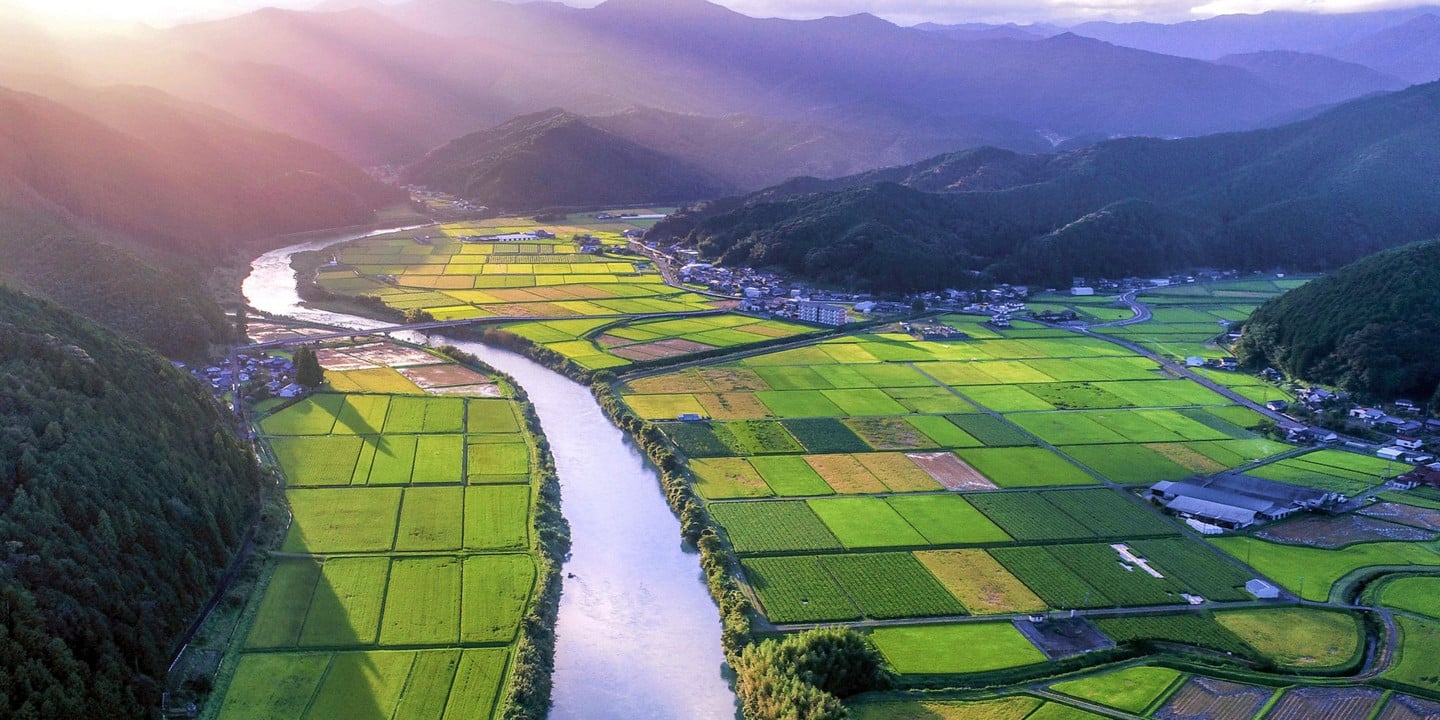
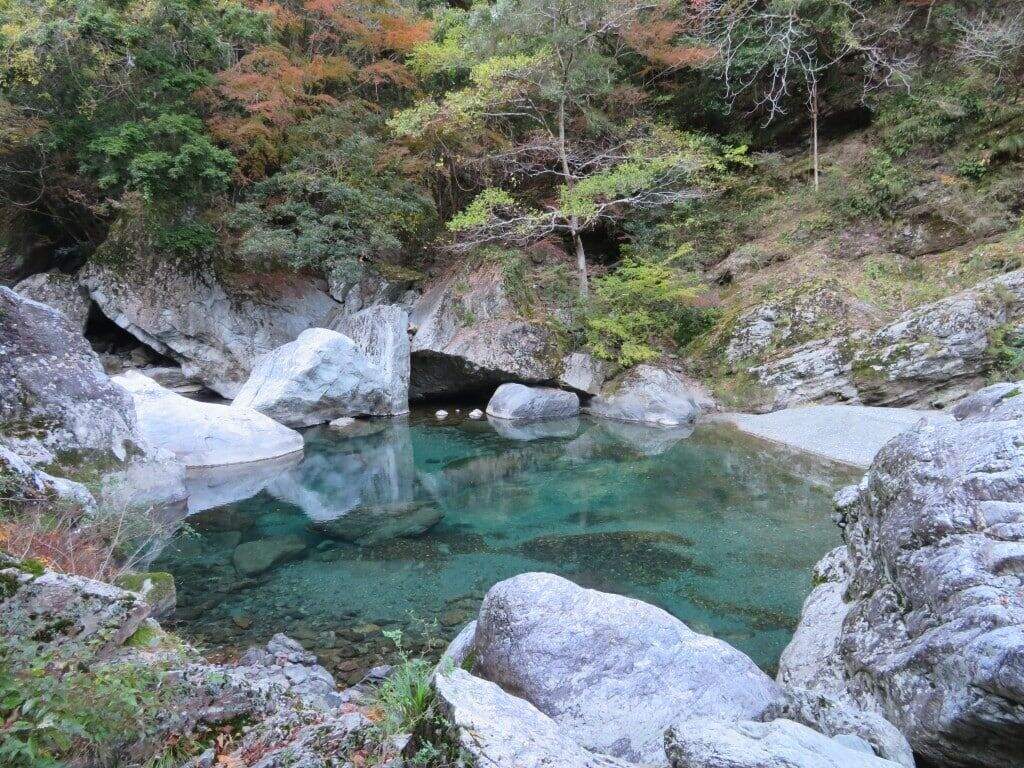
Japan’s last clear stream is not an official title but a saying passed down over many years, stemming from the fact that no large dam has been built on the Shimanto’s main stream, so the water keeps its natural flow and the riverbed gravel and ecology remain relatively intact. On site you can see the water look greener in deep pools and crystal clear over the shallows, where stones and fish are visible; water quality changes with weather and season, and turbidity after heavy rain is natural. Precisely because the river is still alive, local fishing and traditional catching methods continue along its banks, and you can often see locals working on the river during your trip, which is part of the Shimanto scenery too.
Submersion Bridges: Bridges Built Without Railings So Floods Can Pass Over
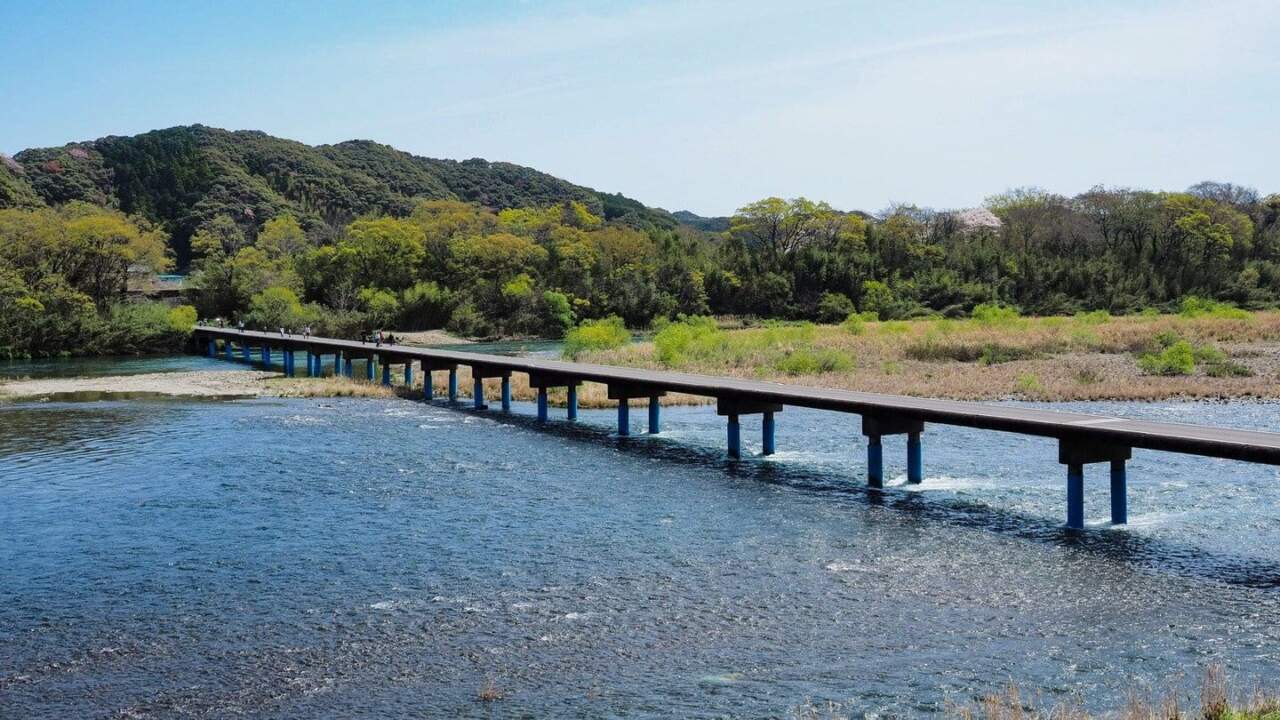
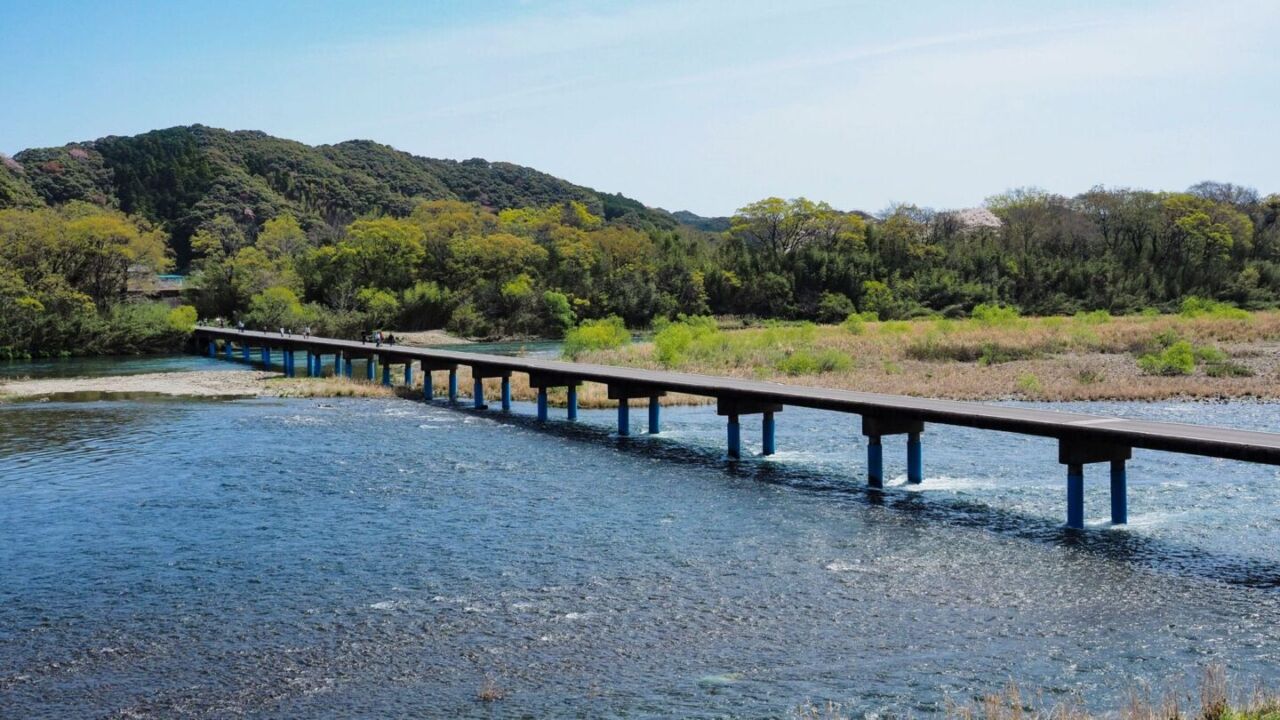
The submersion bridge is the most representative structure on the Shimanto River, low and close to the water with no side railings: when the river swells, the water can pass directly over the deck, reducing impact and preventing driftwood from catching on railings and tearing the bridge apart. With no railings in the way, the deck, the water and the distant mountains line up in one view, which is the most charming thing for photos. There are dozens of submersion bridges in the basin, each with a different length and atmosphere. But for the same reason there is no protection at all on the bridge, the deck is narrow and vehicles occasionally pass, so be sure to walk in the middle, watch for cars, and never play at the edge or sit on the bridge edge.
How to Start Your Trip: Pick One Stretch, Do Not Try to See It All
Shimanto River attractions are spread over dozens of kilometers along the river, so it is best to pick one section first and then decide how to get around.
The main stretch is the lower reaches: use Nakamura Station as a base, rent a bicycle or drive upstream along the river, and link the submersion bridges and yakatabune boats around Sada and Misato; half a day to a full day is just right. The canoe bases are upstream and need to be arranged separately.
Places to eat and stay along the river are scarce, so if you extend the trip, book meals and overnight stays in advance.
How to Get to the Shimanto River: Nakamura Station, Driving and Bicycle Rental Compared
For travelers who do not drive, the base camp for the Shimanto River is Nakamura Station, reached by the Nakamura Line of Tosa Kuroshio Railway, and from Kochi City you can take a limited express straight through with no transfer. Once you arrive, there is a bicycle rental service right next to the station.
Driving offers the most flexibility: you can follow the prefectural road along the river upstream and stop to look at bridges at any time. Below are the travel times, distances and cautions for each method.
By Rail: About Two Hours on a Limited Express from Kochi Straight to Nakamura Station
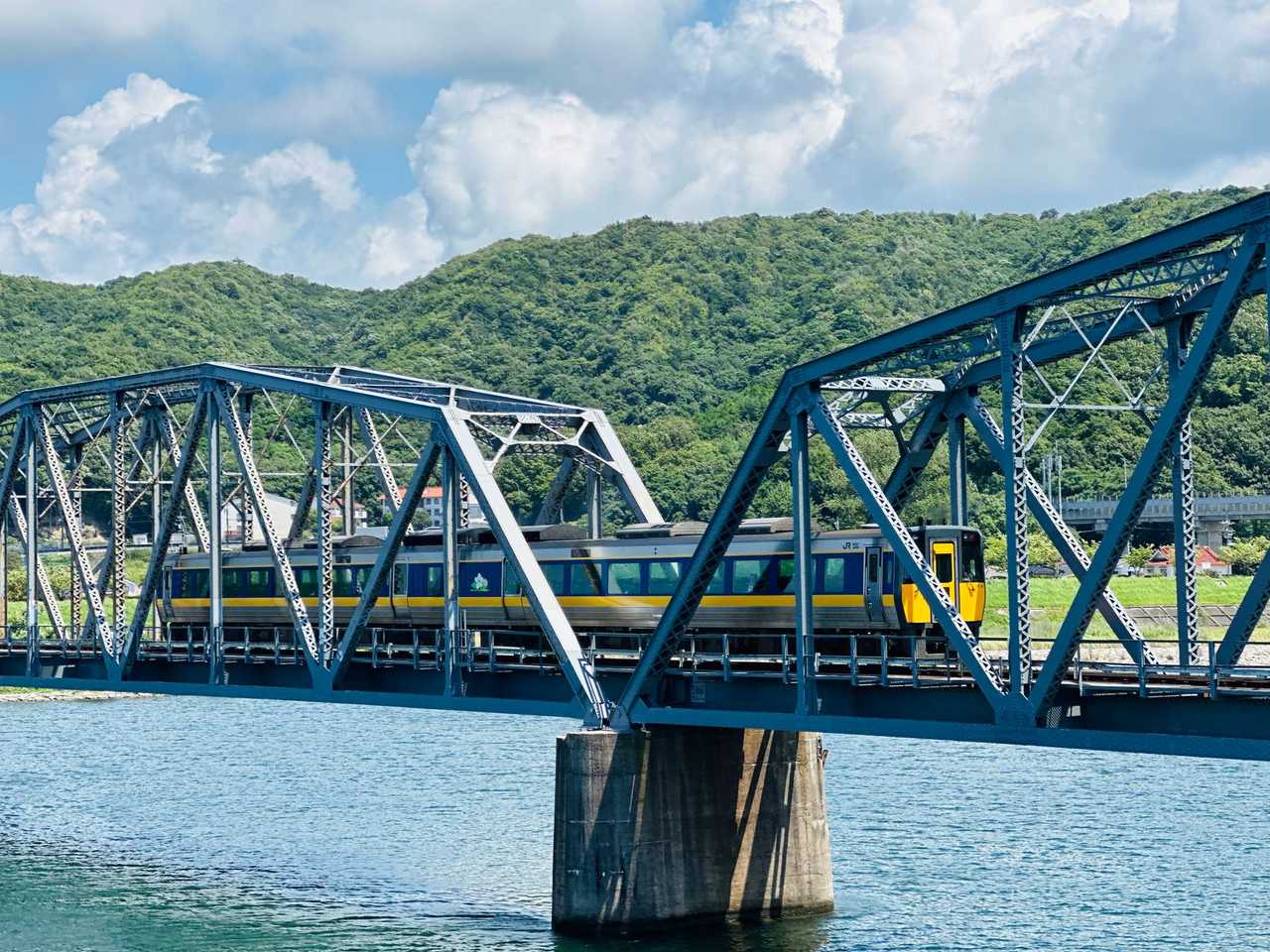
From Kochi City you can take a limited express on the JR Dosan Line that runs directly onto the Nakamura Line of Tosa Kuroshio Railway, reaching Nakamura Station with no transfer in about two hours. This is the standard route for travelers who do not drive and the one with the most reliable service.
If you are coming from the Takamatsu or Okayama direction, you usually have to go to Kochi Station first and then change to a limited express to Nakamura, bringing the total time to over three hours, so plan it as a full travel day.
Limited express service is not frequent, and some time slots have long gaps. Be sure to check the timetable for both directions before you go, and note that the last train on this route is earlier than you might expect. Also, the unreserved cars on some trains fill up in peak season, so reserve a seat if you can.
Bicycle Rental: Borrow One at the Tourist Association Next to the Station
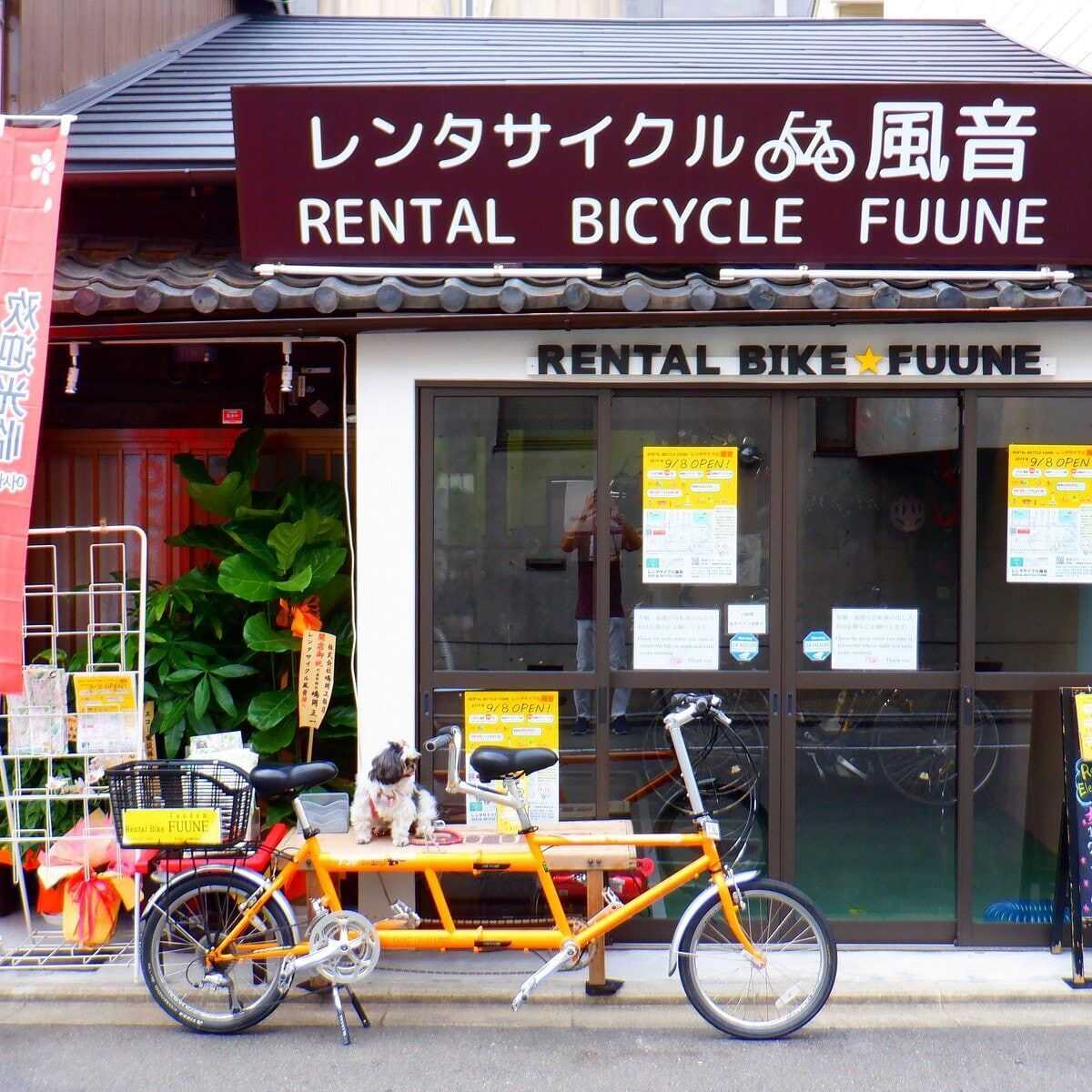
After arriving at Nakamura Station, the Shimanto City Tourist Association rents bicycles, with city bikes, geared off-road bikes and electric-assist bikes, charged by the hour or the day, the most practical way to explore the Shimanto River without a car.
The riverside road is flat with little traffic, so it is pleasant to ride, and you can stop and take photos of any view you like; this freedom is something tour buses and driving cannot match. Electric-assist bikes cost more, but the difference is clear in a headwind or when you want to ride farther.
Return times, the number of bikes available and whether a reservation is needed depend on the season and the day, so in peak season arrive early or check with the Tourist Association beforehand.
How Far to Ride: 30 to 50 Minutes to the Farthest Downstream Bridge
Starting from the Tourist Association at Nakamura Station, the farthest downstream bridge, also the most famous submersion bridge, takes an average rider thirty to fifty minutes to reach. This stretch has a gentle surface and good scenery and is the entry route most people choose.
To go further upstream to another submersion bridge or a yakatabune boarding point, count on more than an hour one way. Round trip plus stops for photos adds up to a whole afternoon, so work out your stamina and time first.
There are few places to resupply along the way, so buy water and simple food before you set out. In summer there is almost no shade along the river and riding at midday is quite tough, so avoid the hottest hours.
Driving: Follow the Prefectural Road Along the River Upstream
Driving is the best way to link multiple submersion bridges: drive upstream along the riverside prefectural road, passing several bridges, each with its own character, and stop whenever you can. The riverside roads are mostly one or two lanes, with some sections narrowing to a single lane where oncoming traffic must be given way. You can drive across the submersion bridges, but the decks are narrow and have no railings, so do not force yourself onto a bridge if you are unsure. Parking beside each bridge is small and holds only a few cars; do not block residents’ access or the bridge approach. There are almost no gas stations along the river, so fill your tank before setting out, especially if you plan to drive to the middle and upper reaches.


Upstream: Getting Around by the Yodo Line and Egawasaki Area
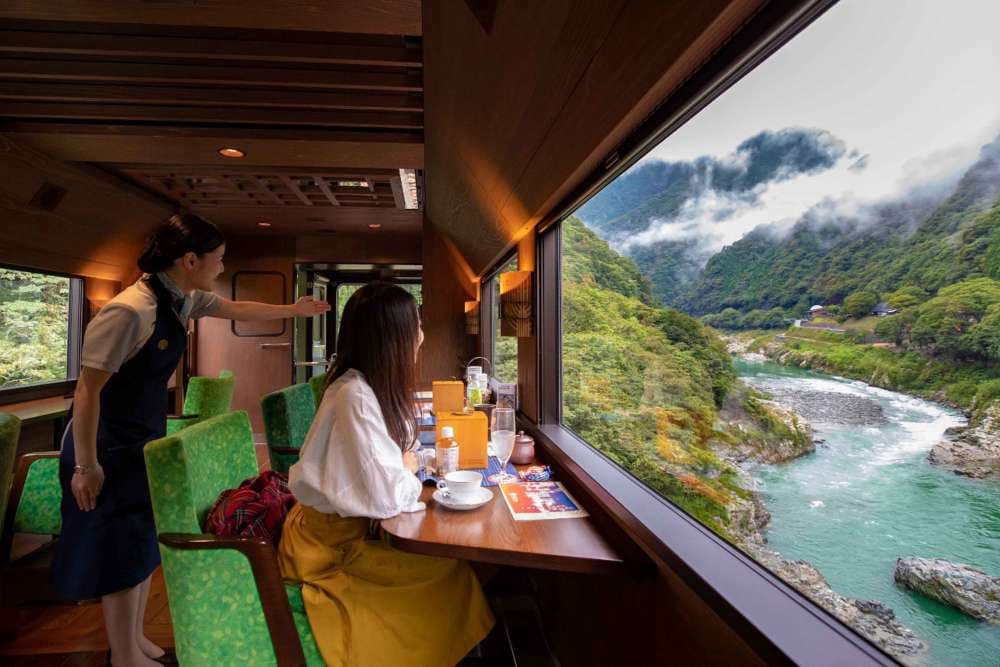
The Yodo Line runs along the middle and upper Shimanto River, connecting Kochi and Ehime, and passes small riverside stations such as Egawasaki. Connecting to the Yodo Line from the Nakamura direction usually requires a transfer at Kubokawa, so the route is indirect with infrequent service, and exploring the upper stretch means following the timetable completely. Sightseeing train operating days are adjusted each season and some require reservations, so check the current operating calendar first. Mountain signal is unreliable, so save a screenshot of the timetable.
What Are the Must-Sees on the Shimanto River? Submersion Bridges, Yakatabune Boats, Canoes and Local Ingredients Explained
There are three ways to enjoy the Shimanto River: walk onto a submersion bridge, ride a boat to see it from the water, and get in the water and paddle yourself. The river looks completely different from each of the three viewpoints, so if you have time it is worth trying all of them.
Below are the main bridges, boats and activity facilities, plus roadside stations and local ingredients along the river, with the location and cautions for each.
Sada Submersion Bridge: The Longest and Most Famous
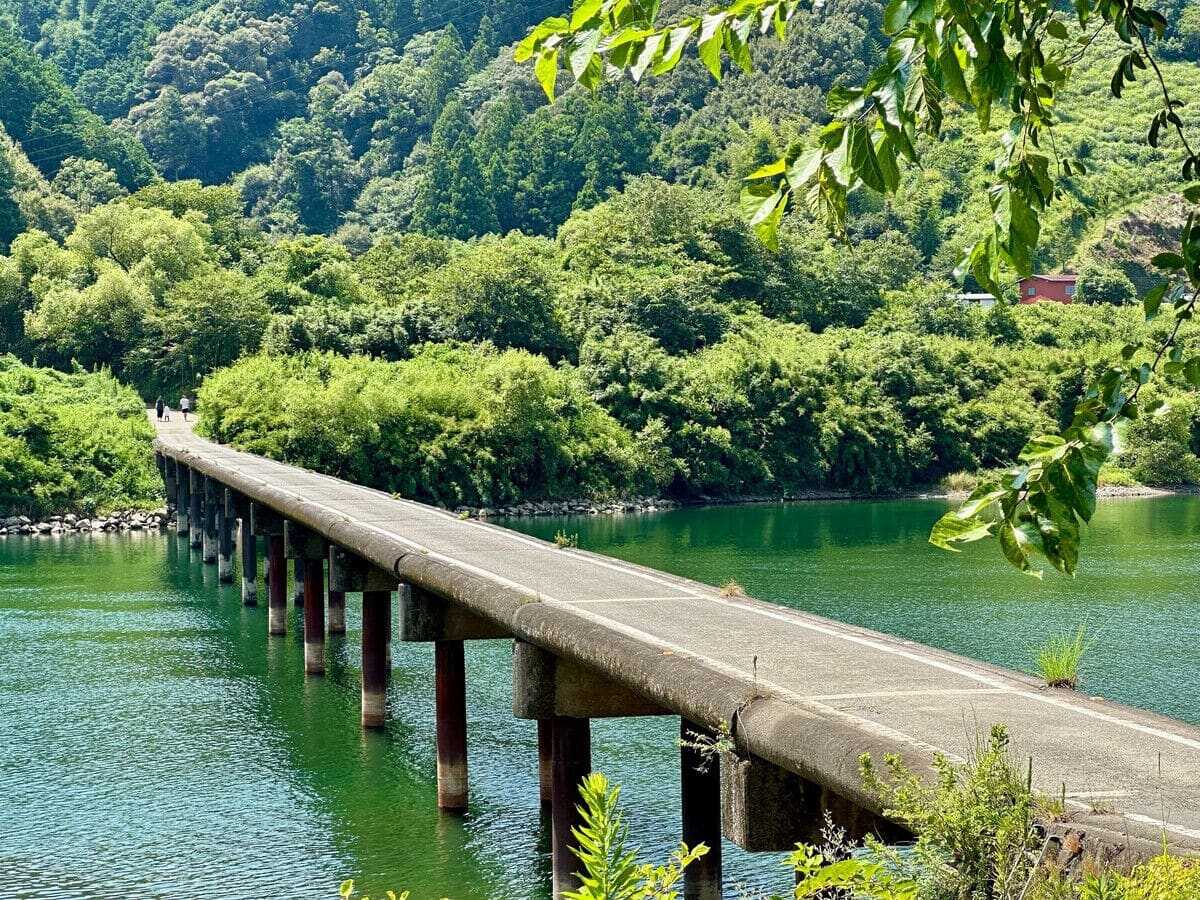
Sada Submersion Bridge is at the farthest downstream point of the Shimanto River, nearly 300 meters long, the longest in the basin and the one closest to the water surface, the most popular and the landmark of the Shimanto River. The deck is wide, with open views from the center, and the water is almost level with the deck. Small parking lots and river banks at both ends let you get out and take photos. The deck has no railings and is narrow, and on holidays there are many people and cars, so please give way to each other, avoid lingering for photos, and hold small children firmly. There are information boards and restrooms at the bridge approach, one of the few places on this stretch with basic facilities, where cyclists can rest.

Misato Submersion Bridge: Calm Water and the Prettiest Reflections
Misato Submersion Bridge, a little further upstream than Sada, sits on a calmer section of the river, where on windless days the water is almost like a mirror and you can capture the whole bridge and the mountains reflected in it, a favorite of photography enthusiasts.
Visitors here are usually fewer than at the farthest downstream bridge and the atmosphere is much quieter, so you can spend some real time here. Some yakatabune routes also pass through this area, and looking up at the bridge from the boat gives yet another view.
For reflections, early morning and evening when there is no wind are ideal. After rain, when the water rises, the deck may be submerged or closed, so check conditions before you go.
Katsuma Submersion Bridge: The Distinctive Three-Pier Design
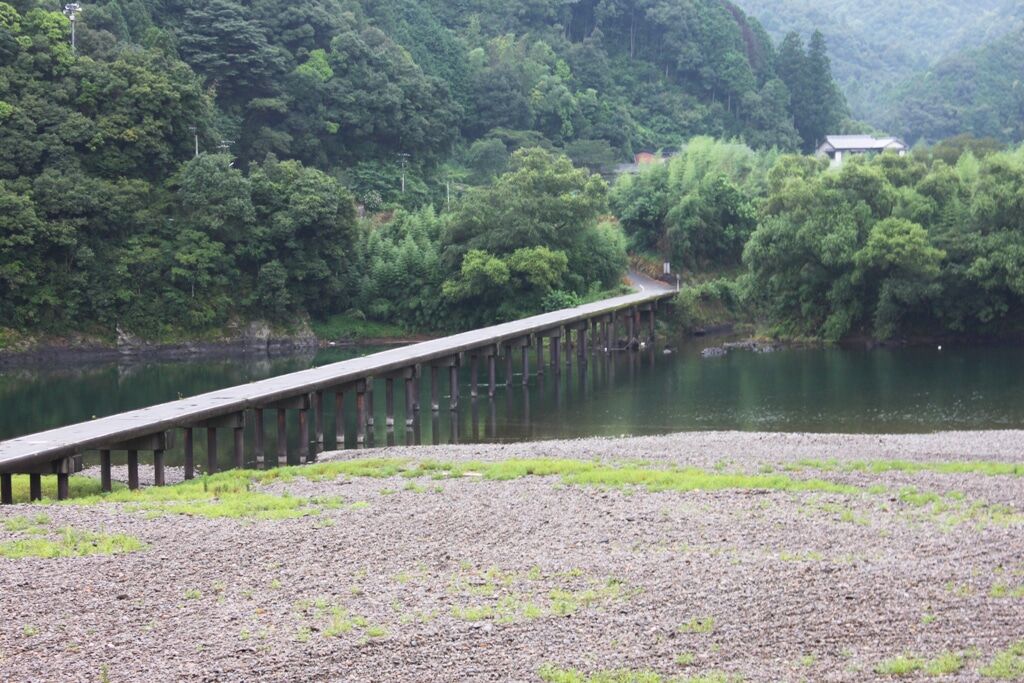
Katsuma Submersion Bridge is about 171 meters long, with a rare steel-pipe tripod pier design on the main stream of the Shimanto River, and is known for having been a filming location for the movie Tsuribaka Nisshi (Free and Easy). The surrounding banks are open, suitable for going down to the riverbed for photos. It is upstream of Misato, about thirty minutes by car from Nakamura Station, and drivers and cyclists often stop on the way; the tourist atmosphere is lighter and it feels closer to residents’ everyday use. The deck has no railings and vehicles pass, so walk in the middle and watch for cars, and the stones on the riverbed are slippery, so take care near the water. The nearby hamlet is small with no shops or vending machines, so stock up in town or at a roadside station beforehand.
Yakatabune: Look Up at the Submersion Bridges from a Traditional Wooden Boat
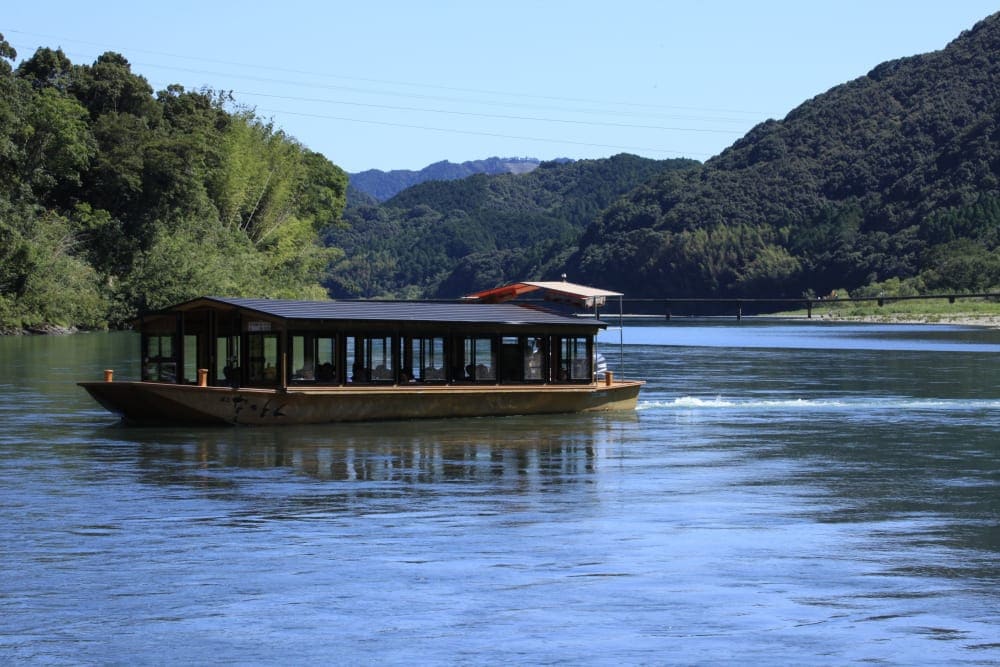
The yakatabune is a traditional wooden pleasure boat with a roof that glides slowly along the river, letting passengers appreciate submersion bridges from water level, with the bridge stretching almost flush with the water, a very different feeling from standing on it.
Boat operators along the river run different routes, for example a roughly 60-minute trip departing from the Misato boarding point, passing under Misato Submersion Bridge and continuing to Sada Submersion Bridge; some offer meals on board, so check which bridges the route passes.
Sailings are affected by water level and weather, and may be suspended after heavy rain or during typhoon season. The trip takes a few dozen minutes, and the boat has a roof but open sides, so it is colder in winter. Most boarding points have parking lots, and you can buy drinks or souvenirs.
![[Shimanto City, Kochi Prefecture] Relaxing Cruise on a Regular Boat! Enjoy the Magnificent Scenery of the Shimanto River](https://travel.williamlion.tw/wp-content/uploads/sites/7/2026/08/image-3483.jpg)
Canoeing: The Most Hands-On Way to Experience the River
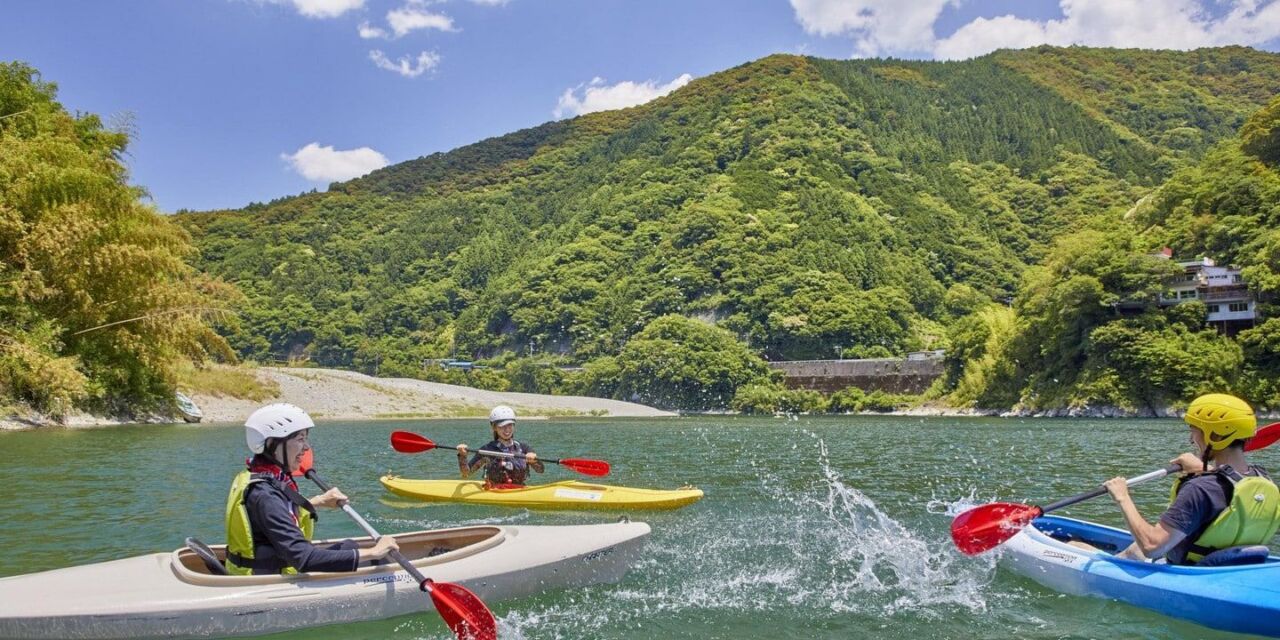
To get close to the Shimanto River, canoeing is the most direct, and bases in the middle and upper reaches offer half-day and full-day tours with instructors, so beginners can join too.
While paddling your eyes are level with the water, you can see stones and fish on the riverbed, the mountains on both sides look taller, and you often pass under bridges along the way, a view only paddling gives.
Before joining, confirm age and physical restrictions and bring waterproof changes of clothes; tours depend on the day’s water level and weather and are often cancelled after rain. Use a waterproof bag and a strap for your phone or camera, as they are almost impossible to recover if they fall in the water; in summer the glare off the water is strong, so bring sun protection and a hat.
River Station: Rentals, Lodging and Information All in One Place
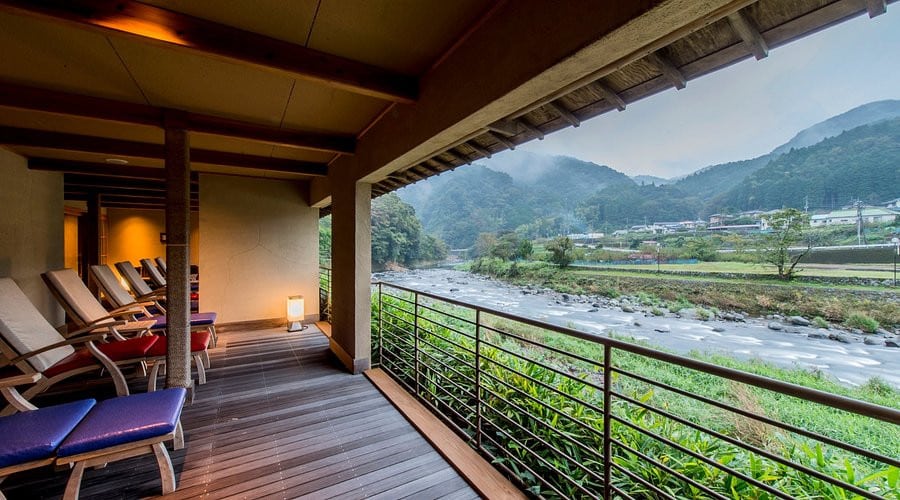
River-station-type facilities in the middle and upper reaches provide canoe rental and instruction, lodging, dining and activity information, with a riverbank right next door for easy launching, the most useful base on the upper stretch.
They often also offer bicycle rental, campgrounds and water equipment, suited to itineraries of two days or more for those who want to take their time by the river.
The operating periods and days off for canoes and facilities vary by operator, so check opening status and reservation requirements first. This area is a drive from town, so plan the whole day nearby, and guests staying overnight should also confirm dinner arrangements.
Roadside Stations (Michi-no-Eki): A Base for Resupplying, Dining and Buying Local Produce
The roadside stations (michi-no-eki) along the river road are among the few complete bases combining parking, restrooms, dining and shops, selling local vegetables and fruit, processed river fish and specialty products, and serving set meals made from local ingredients.
Convenience stores along the river are very rare, so the roadside stations are almost the only place to resupply; drivers and cyclists should include one in their plan and take care of lunch and drinking water there.
Business hours vary by season and shop, and in winter and on weekdays they may close early; some facilities have regular days off, so check first. Some roadside stations have river-view seating where you can eat while watching the river, and they also serve as resupply and restroom stops on a drive.
Local Ingredients: Wild Eel, River Shrimp and Aonori Seaweed
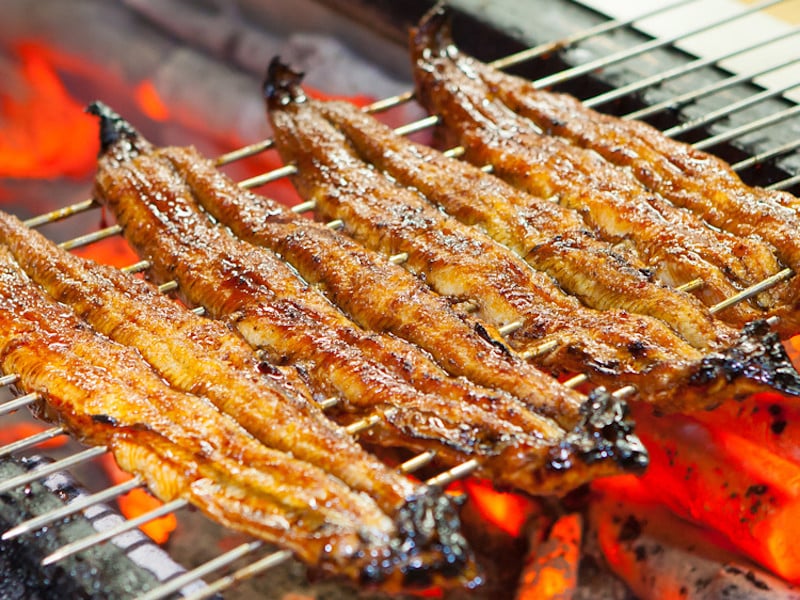
The most representative ingredient of the Shimanto River is wild eel, whose flesh is firmer and more fragrant than farmed eel and which costs more, served at restaurants mostly as kabayaki or on rice in a donburi.
There are also river shrimp and ayu sweetfish, and aonori (green laver) from the brackish waters downstream, intensely fragrant and often used in tempura, miso soup and processed products, a popular souvenir.
Wild ingredients are affected by seasonal catches and supply is unstable, so wild eel often requires a reservation. Aonori and processed river fish products are sold at roadside stations and shops in town, light and easy to carry.
River Banks: The Most Comfortable Place to Enjoy the Water in Summer
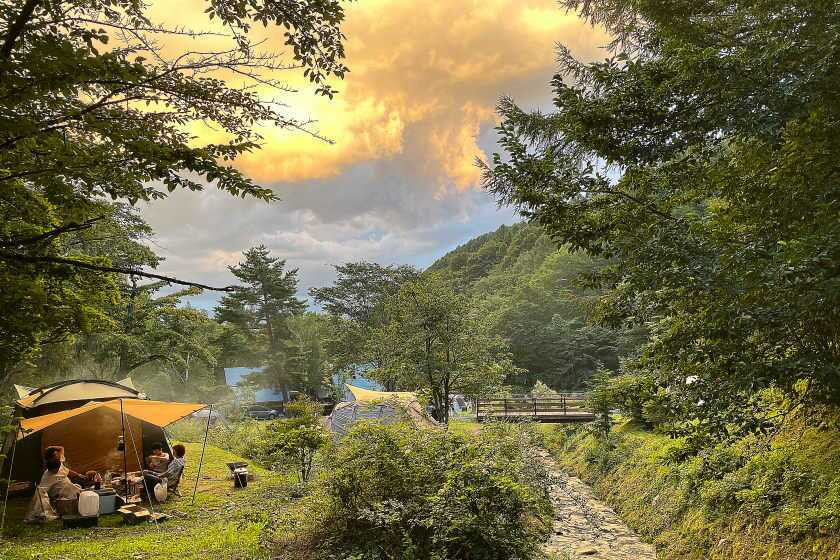
There are plenty of river banks along the river for playing in the water, picnicking or camping, with clear water and a moderate temperature, one way to experience the Shimanto River. But water depth changes a lot, and it can suddenly become deeper below the surface or have undercurrents, so choose areas with other people when playing in the water, avoid going alone, and accompany children throughout. Camping and fires are mostly restricted to designated areas, so do not set up camp or barbecue at random, and take all your trash with you. In summer the stones on the river banks get very hot and barefoot walking can injure you, so wear shoes that can get wet.
Nature Learning Center: Getting to Know the Creatures of This River
Shimanto City has a learning center themed on river nature, displaying insects and freshwater fish of the basin, best known for its dragonfly collection, with an aquarium area where you can see the various fish living in this river. It suits families as an add-on, and especially fills time on rainy days or when water activities are cancelled, letting children learn about the river’s ecology. The building is indoors; for opening hours and closing days please refer to official announcements, and some periods may be adjusted for renovation. Admission is inexpensive, and the air-conditioned seating suits escaping the midday summer heat or resting after cycling or paddling.
Yodo Line Trains: Putting Trains and the River in the Same Frame
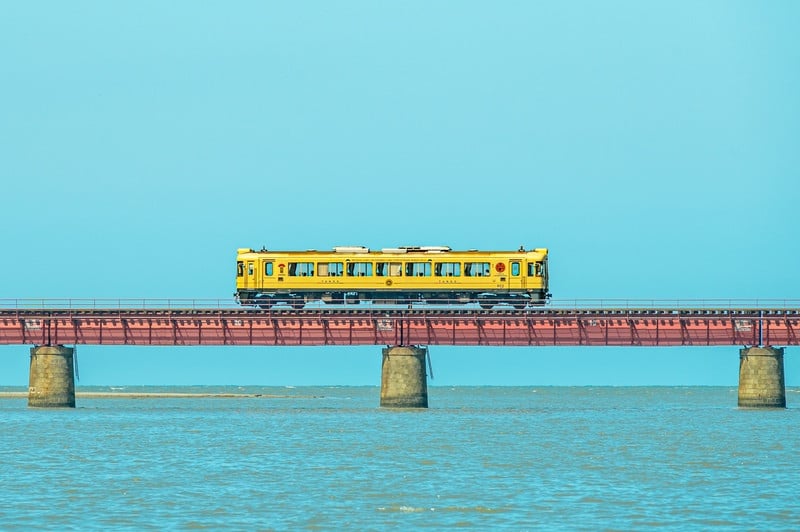
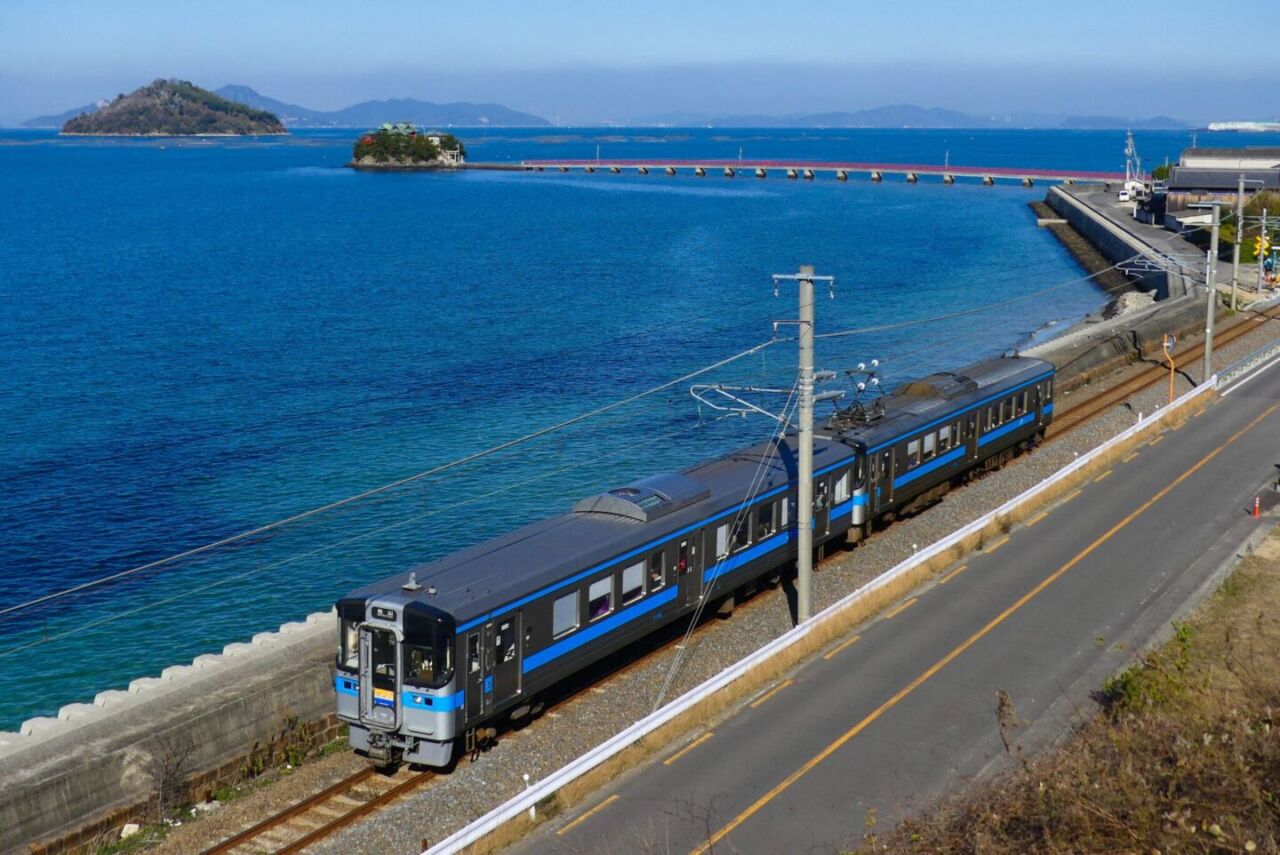
The Yodo Line, which runs along the middle and upper Shimanto River, is a popular local railway for rail fans, with sightseeing trains featuring open-air cars, special liveries and themed interiors.
Along the line there are several photo spots where you can frame a train, an iron bridge and the river together, popular with drivers chasing trains; because service is very infrequent, check train passing times before shooting.
Sightseeing train operating days, models and reservation requirements differ each season, and winter service may be reduced, so be sure to check current operating information in advance. If you plan to ride, missing a train may mean waiting several hours because of the sparse service, so confirm the return train in advance.
Side Trip to Nakamura Town: A Little-Kyoto-Style District
The town where Nakamura Station is located is called Little Kyoto because its street layout was modeled on Kyoto, preserving a grid of streets and a few historic spots. It is small, and a stroll of an hour or two covers it; it is also a good base for an overnight stay.
Pick up a map and the latest information at the station tourist information desk first. There are convenience stores around the station, making resupply easier than along the river.
How Much Does a Shimanto River Trip Cost? Boat Fares, Activity Fees, and Car and Bicycle Rental
The Shimanto River itself charges no admission, and the submersion bridges and river banks are all free, with costs concentrated in transport and the various activities. If you only cycle to see bridges, a few hundred to a little over a thousand yen a day will do.
Here are the common cost items. Actual amounts differ by operator and season; please refer to official announcements.
Yakatabune Fares: Vary by Route and Whether Meals Are Included
Basic yakatabune fares start at about ¥2,000 for a trip of about 60 minutes, varying by route length and operator; meal plans cost a step more, mostly set meals of local ingredients.
Outside peak season tickets can mostly be bought on the spot; groups and meal plans need advance reservations, and during peak-season holidays book ahead to avoid long waits.
Sailings are adjusted by water level and weather, and suspended sailings can mostly be refunded or rescheduled, so check the day’s operating status and the last departure time before you go. The boats have cushions and tables and are safe for older people and children, but boarding requires walking on a floating ramp, so let the operator know in advance if mobility is limited.
Canoe Fees: The Price Gap Between Half-Day and Full-Day Tours
Canoe tours come in half-day and full-day versions, priced from several thousand to over ten thousand yen, mostly including rental of the boat, life jacket, paddle and other equipment and an instructor, with some full-day tours including lunch.
For a first experience, a half-day beginner route is recommended, with gentle current and short distance that make it less likely to exhaust you; only experienced paddlers should try the longer routes.
Operators mostly require advance reservations and decide by the day’s water level whether a tour can run, so read the cancellation, refund and rescheduling rules before signing up. Some operators offer showers and changing space, which you can confirm as well; leave valuables in on-shore storage.
Bicycle Rental: Charged by the Hour or Day, Electric Bikes Cost More
Bicycle rental is charged by model and hours, with the electric-assist 5-hour plan from ¥2,500 and ordinary city bikes cheaper; for detailed rates contact the Shimanto City Tourist Association. It is the best-value way to stop and go freely along the river.
If you only ride round trip to the downstream submersion bridges, a few hours of rental is enough; to cover more upstream bridges, rent for a full day and pay extra for an electric-assist bike.
Return times, one-way drop-off and rainy-day policies differ, so confirm them when renting. In this area bicycles share the road with traffic, with no dedicated bike lane, so ride on the left and give way at intersections.
Transport Costs: Rail Fare Versus Car Rental
A round trip on a limited express from Kochi to Nakamura Station, including the limited express surcharge, costs several thousand yen; if you travel in a group or want to cover many submersion bridges, renting a car is usually better value and saves time.
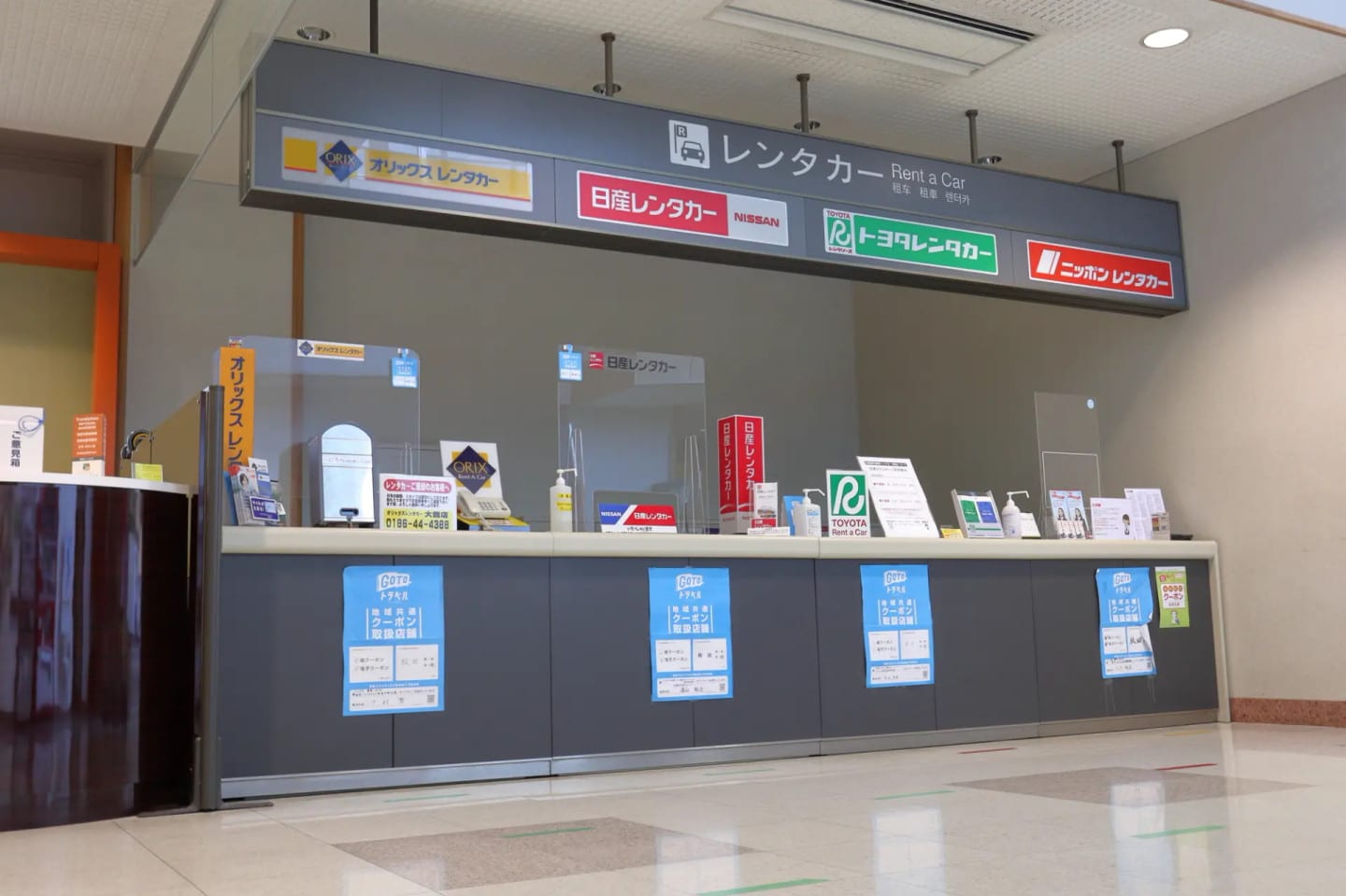
Cars can be picked up in Kochi city, at the airport or near Nakamura Station; if you plan to move between several places in the prefecture, renting from Kochi is more flexible.
If you use a rail pass, note that Tosa Kuroshio Railway is a different operator, so check the coverage first; if you pick up a car at Nakamura Station, vehicles are limited in peak season, so book online as early as possible once your plans are set.
Package Tours: Bundle the Boat and Bicycle Together
There are packages combining a yakatabune boat and bicycle rental, as well as tours departing from Kochi city and returning the same day, suited to people short on time who do not want to check timetables.
The advantage is that transport and experiences are all taken care of at once; the drawback is a fixed length of stay, so you cannot linger at any one bridge.
These plans mostly require advance reservations, with minimum participant numbers and seasonal limits, so confirm whether meals and admission are included before signing up.
What to Watch Out For on the Shimanto River: Accommodation Advice and Pre-Trip Reminders

Whether a Shimanto River trip succeeds depends largely on weather and water level. Below are accommodation directions, things you must check and on-site safety reminders.
Where to Stay: Nakamura Town, Riverside Guesthouses or Kochi City Each Have Trade-Offs
The most convenient is to stay near Nakamura Station, where dining, convenience stores and rental locations are all close, with mostly business hotels and small hotels at moderate prices.
To be close to river views, choose a riverside guesthouse or small onsen lodging, where you can see the river free of tourists morning and evening, but choices are few and must be booked early, and dinner mostly depends on the lodging.
If your main focus is Kochi city, you can also make a day trip, but the round trip drive of over four hours squeezes your time on site, so it is not recommended unless you are short on time. Lodging in this area is scarce and fills up early in the autumn foliage season and summer vacation, so book as soon as your plans are set.
Must-Check Before You Go: Water Level, Weather and Each Operator’s Operating Status
Shimanto River activities almost completely depend on the weather. After heavy rain the water level rises, yakatabune boats and canoes stop operating, and submersion bridges may be flooded and closed to passage, which is common in the rainy season and typhoon season. Before you set out, check the weather forecast, river water level and operators’ operating announcements, and if heavy rain or a warning is issued, reschedule rather than risk going to the river. Service and business hours in this area are limited, so check the last train, the car return time and roadside station closing times beforehand; finding a place to eat at the last minute often ends in disappointment. Save the Tourist Association and operators’ announcement pages on your phone first, because signal is weak in some areas along the river and information may not load on the spot.
On-Site Safety: No Railings on the Bridges, and the River Is Deeper Than It Looks
Submersion bridges have no railings at all, and the decks are narrow with vehicles passing. When you walk onto one, stay in the middle, watch for cars from both directions, do not sit on the edge or let your feet hang off the bridge, hold children firmly the whole time, and be especially careful in wind.
When playing in the river, remember that seemingly calm water varies greatly in depth below the surface and may hide undercurrents. Avoid entering the water alone, stay in areas where other people are present, and always wear a life jacket when joining water activities.
In summer there is almost no shade along the river, so always bring a hat, sun protection and drinking water. Riverside roads have no streetlights at night, so finish your trip before dark.
Shimanto River FAQ
Here are the questions travelers ask most often; check them once before you go.
Q: How long should I plan for the Shimanto River?
If you only visit a few submersion bridges in the lower reaches, half a day to a full day is enough. Adding a yakatabune boat or canoe, plan for a full day to be comfortable. If you want to take in the upper reaches too, plan two days and one night, staying overnight locally.
Q: Can I enjoy the Shimanto River without a car?
Yes. Take the train to Nakamura Station, rent a bicycle next to the station, and you can ride along the river to the farthest downstream submersion bridge. The drawback is that the reachable range is limited, and attractions further upstream still depend on driving or local pickup services and tours.
Q: Should I choose a yakatabune boat or a canoe?
If you want to enjoy the scenery easily or are traveling with older people and children, choose the yakatabune: it has a roof, you will not get wet, and the trip is short. If you want to actually touch the water and your fitness allows it, choose a canoe: the viewpoint is closest to the water, but it requires a reservation and you will get wet all over.
Q: What is the best season to visit the Shimanto River?
Early summer to autumn is best, with the full range of water activities and deep greenery. In the rainy season and typhoon season, watch for suspended sailings and closed bridges. Winter scenery is quiet but some activities are suspended and the river wind is quite cold, suited to those who only want to take photos.
Q: Can I walk onto the submersion bridges?
Yes, most submersion bridges are open to traffic, and some can even be driven across. But the decks are narrow, there are no railings at all, and local vehicles pass, so walk in the middle and watch for cars at all times; when the water level is high, passage is prohibited.
Q: Is it suitable to go with children?
Yes, yakatabune boats and playing in the river are both popular with children. But submersion bridges have no railings and the river’s depth varies a lot, so an adult must stay close throughout. Canoes mostly have age limits, so confirm before signing up.
Q: How do I plan the Shimanto River together with Kochi city?
It is about two hours one way between the two, so a same-day round trip would be rushed. Stay one night in Shimanto, or place it on your way toward Ehime. If you can only make a same-day round trip, focus on the few bridges in the lower reaches.