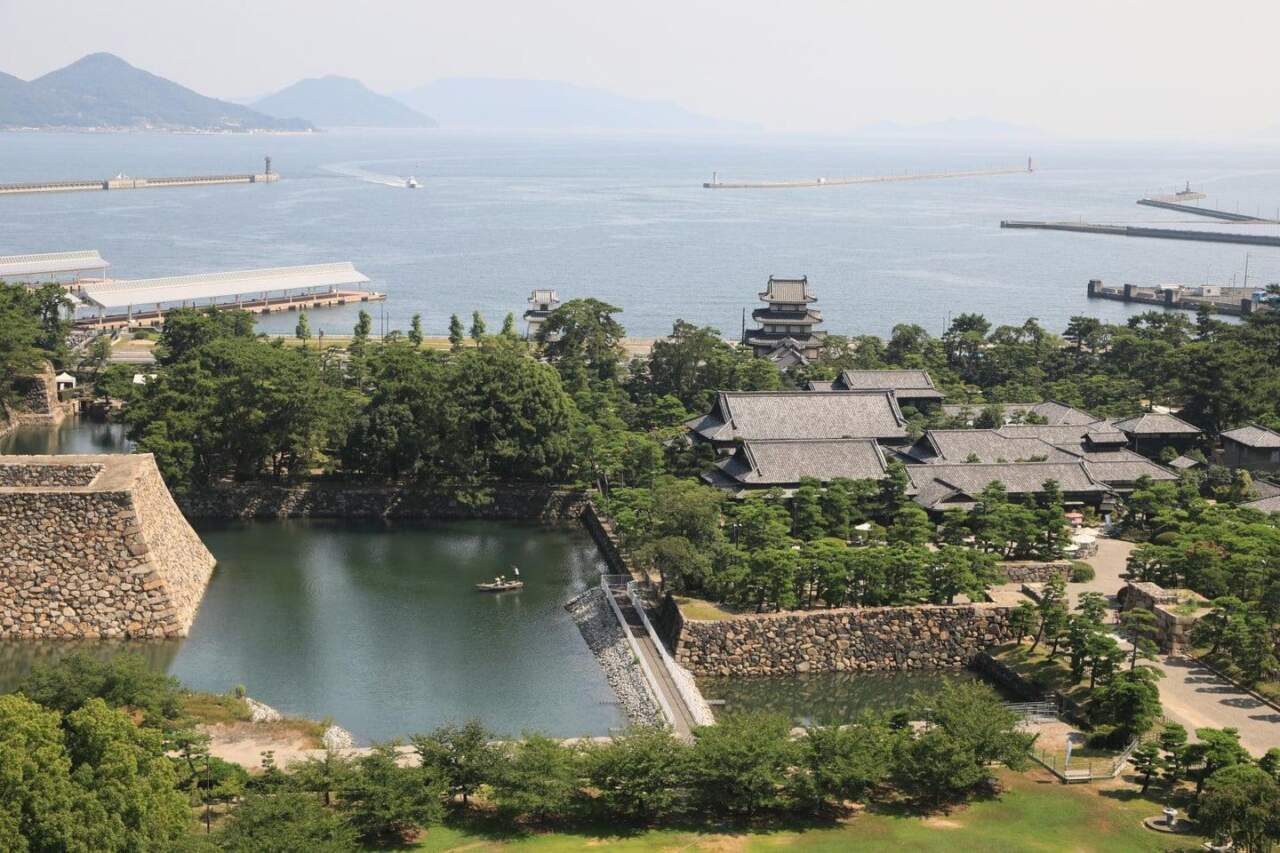

Kochi Castle Guide: The Only Castle in Japan Where the Keep and the Honmaru Palace Both Survive
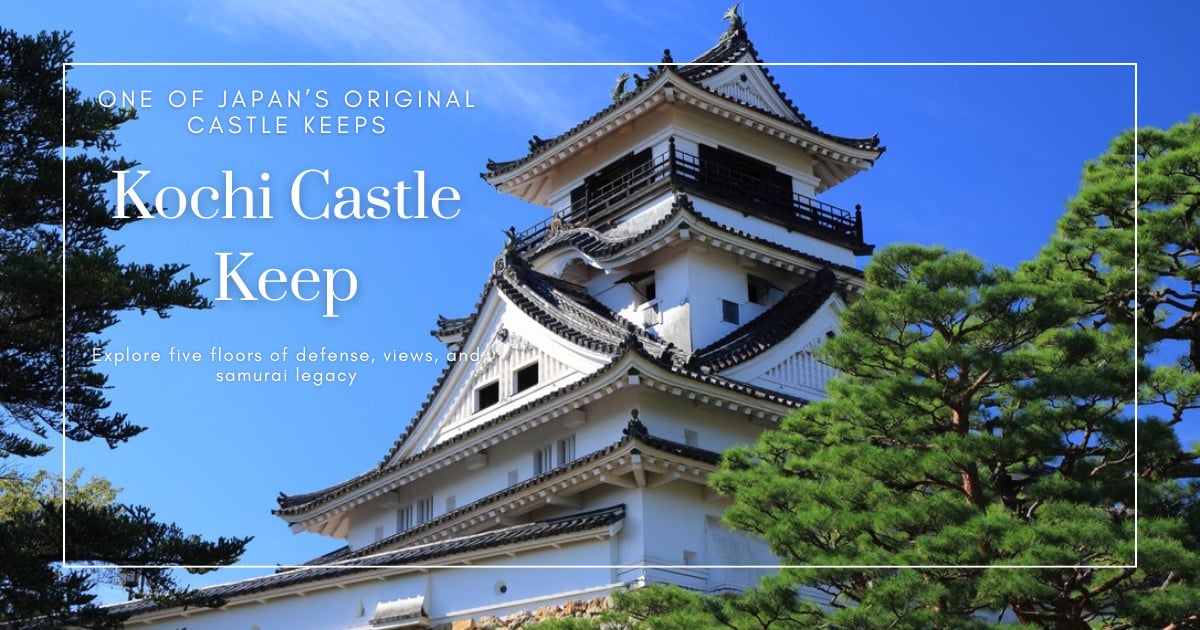
Kochi Castle sits in the center of Kochi City; walk in from the main street Otesuji and you will see the castle gate and the keep. It is one of Japan’s twelve surviving original keeps, meaning the keep still has its Edo-period wooden structure.
What makes Kochi Castle truly special is that it is the only castle in Japan that preserves both its keep and its Honmaru Palace. At other castles with surviving keeps, almost all the residential buildings within the main enclosure are gone; only at Kochi Castle can you see, in a single day, both the palace where the lord worked and lived and the keep built for military use.
Even better, it sits on the same street as the Hirome Market food hall and the Sunday-only Nichiyoichi market, all within walking distance of each other. This guide covers admission, routes, rules and what to eat at all three.
One of the Twelve Surviving Keeps: This Keep Is the Real Edo-Period Original
Only twelve castles in Japan still have their original wooden keeps, and Kochi Castle is one of them; inside you will find real old wooden floorboards and steep stairs.
The current keep was rebuilt after a mid-Edo-period fire, following the original style and keeping the old watchtower-type look; inside are exhibits of historical records of successive lords and explanations of castle architecture.
At the top floor you can walk the outer veranda all the way around for 360-degree views of Kochi City and the surrounding mountains. The veranda is narrow, so move in order when it is crowded.
Honmaru Palace: The Only Palace in Japan Preserved Together with Its Keep
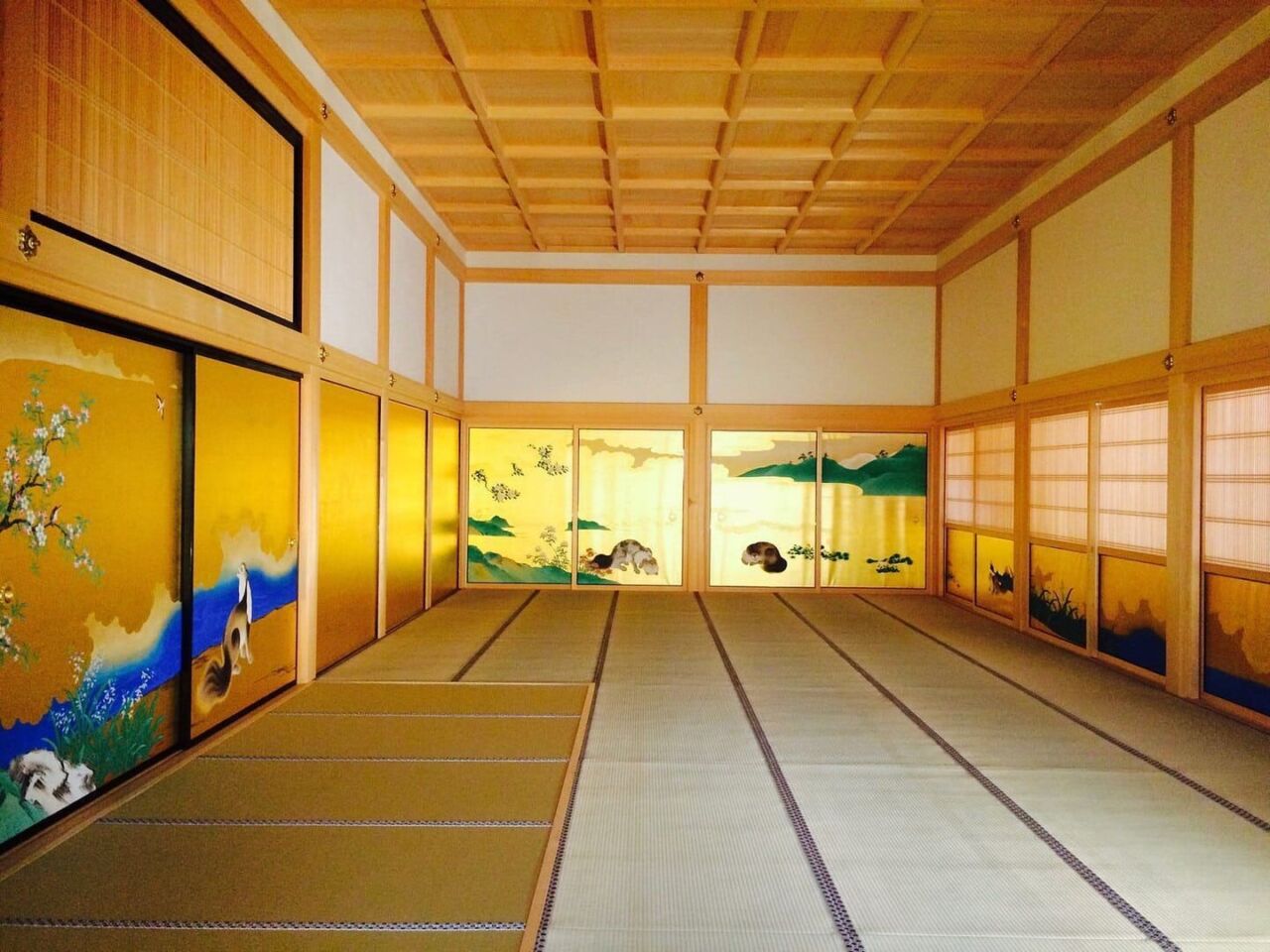
The most precious thing about Kochi Castle is that the main enclosure’s buildings are almost completely preserved: besides the keep, the palace used for the lord’s administration and receptions also survives, the only such case among the twelve castles with surviving keeps.
Inside the palace you can take off your shoes and walk on tatami, admiring the shoin-style layout, the raised upper room and the defensive partitions, showing a side of daily life that differs from the keep’s military feel.
Eating and drinking are forbidden inside, photography is restricted in some areas, and you should tread lightly; the areas open to visitors follow on-site notices. The palace connects directly to the keep with no detour, a continuous route that other castles lack.
Hirome Market: An Indoor Food Hall in Yatai-Village Style
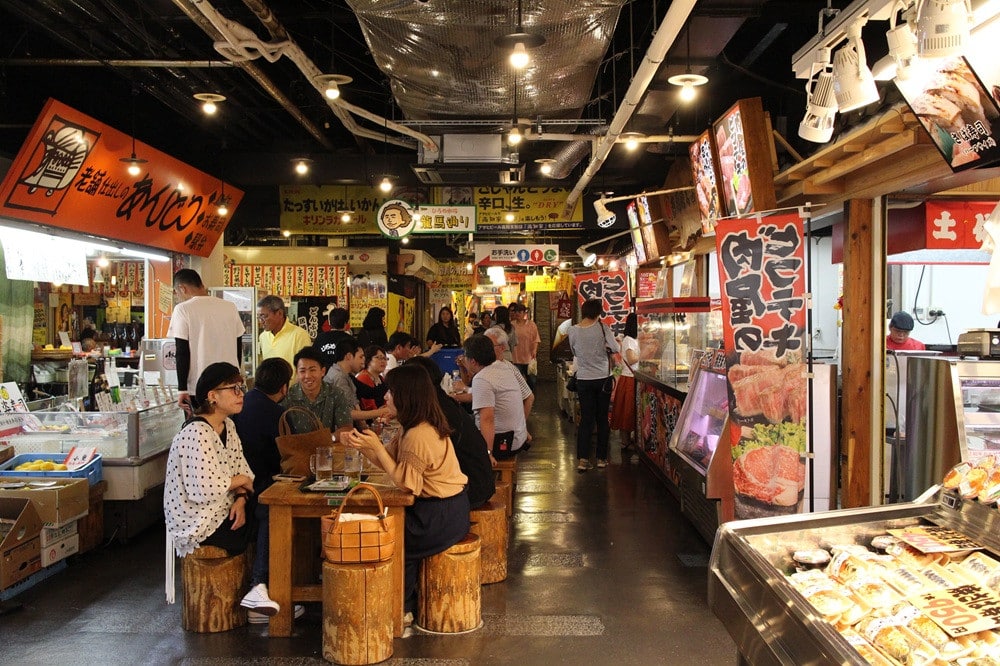
Walk east from Kochi Castle’s Otemon Gate to reach Hirome Market, where dozens of small shops cluster in an indoor yatai-village style with shared tables and chairs. Hours are 10:00 to 23:00 Monday to Saturday, and from 9:00 on Sundays.
It is best known for bonito dishes, and also has gyoza, tempura, sushi, Chinese food and desserts, and sells local sake, a popular spot where Kochi people socialize over drinks after work.
Dining works by grabbing a seat first and then ordering separately, unlike a regular restaurant. Toilets and ATMs inside are limited, with queues at peak times, so use them early.
An Easy Route: The Castle, Market and Street Market Are All on Otesuji
Kochi City’s sights cluster along Otesuji avenue: the west end is Kochi Castle’s Otemon Gate, a short walk east leads to Hirome Market, and on Sundays the whole street becomes an open-air market over a kilometer long.
Note that the Sunday market takes over the road, affecting car traffic and parking, so drivers should check parking locations first. Many shopping arcades in this area have roofs, so you stay mostly dry going between the castle and the market in rain, which makes planning friendly.
How to Get to Kochi Castle: Streetcar, Walking and Driving Compared
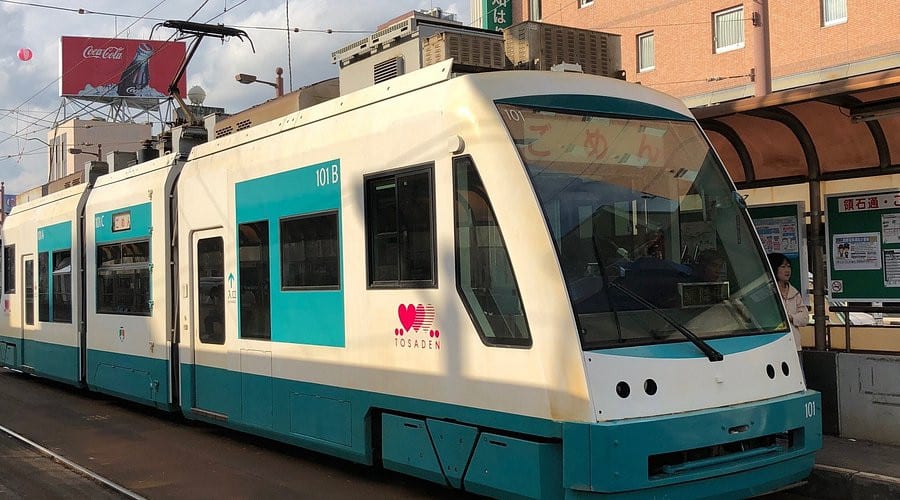
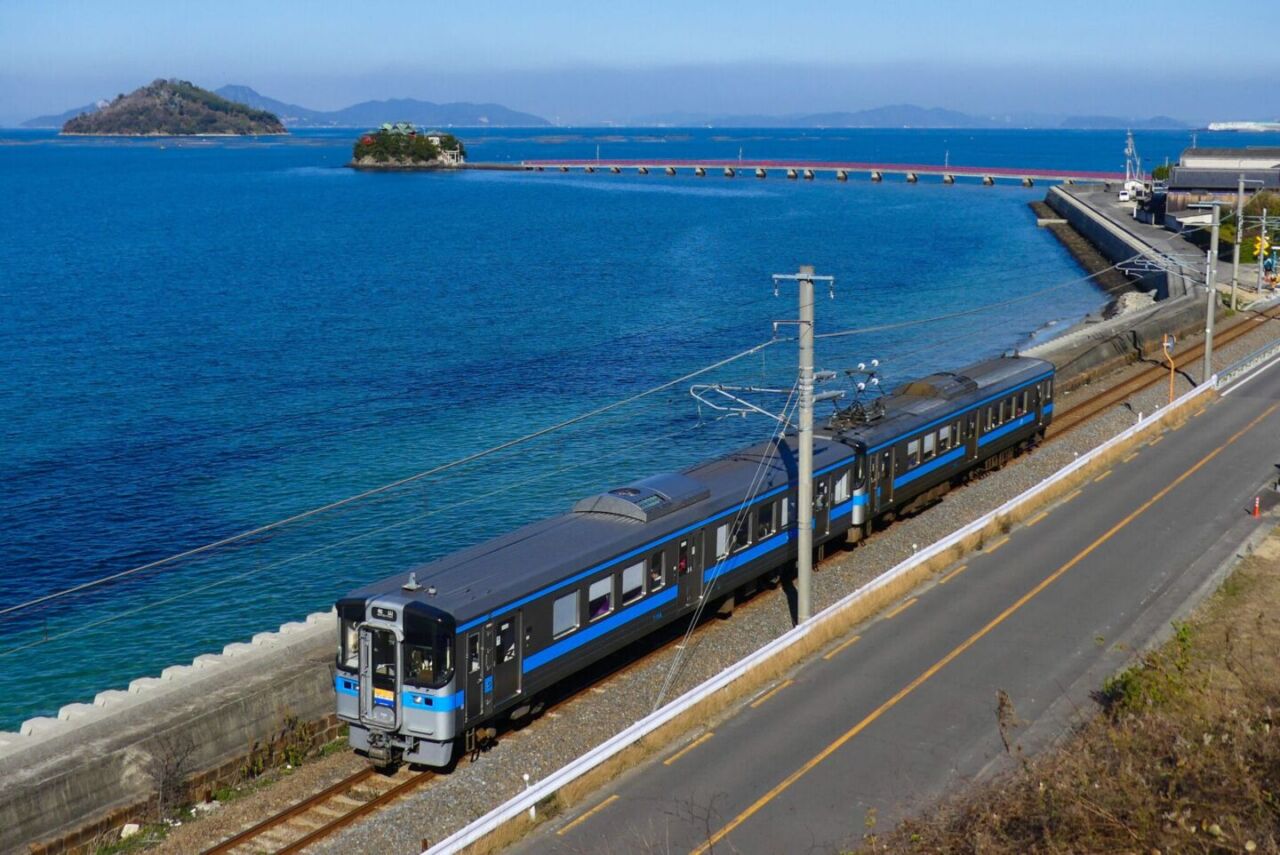
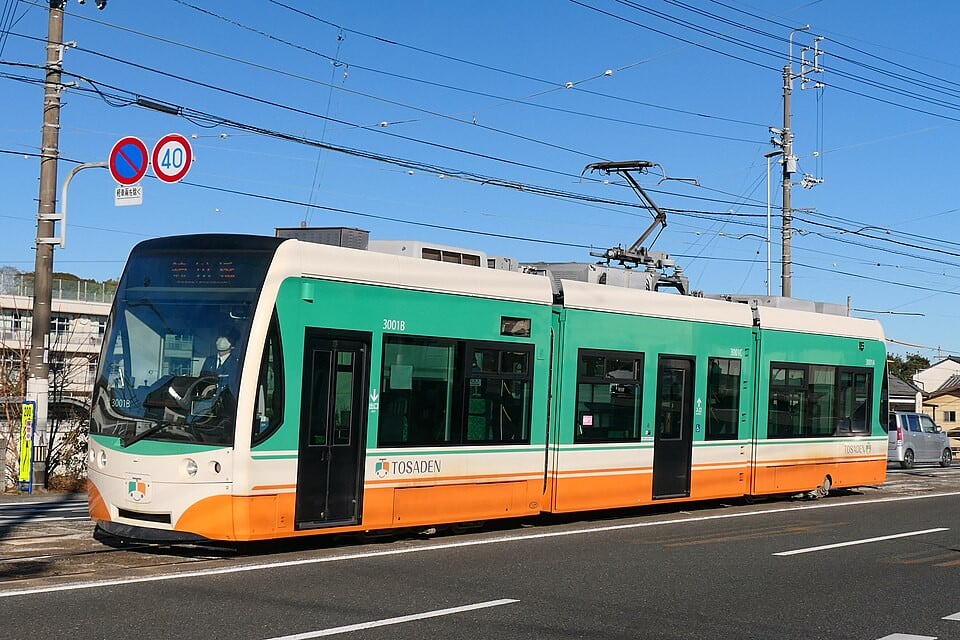
Kochi has a streetcar, and from JR Kochi Station to the castle area takes just a few minutes, the least tiring way. If you are not in a hurry, walking along the shopping arcade is not far either.
Below are the streetcar, walking, driving and airport options, with route suggestions. Fares and schedules may change, so go by on-site notices.
Streetcar: Kochijo-mae or Ohashi-dori Station
Take the streetcar from in front of JR Kochi Station, heading south then west, and get off at Kochijo-mae Station for the Otemon Gate area. For Hirome Market or the Sunday market, get off at Ohashi-dori Station and walk about three minutes.
The streetcar charges by zone with a flat fare within the city center: take a ticket when boarding and pay when getting off, and IC cards may also be accepted. If you ride several times in one day, a one-day pass is better value.
Service is frequent, making it the most reliable way to get around town, but it shares the road with cars and may be delayed at peak hours. The cars are small, so large luggage is hard to manage and is best left somewhere first; some older cars are not low-floor, so there are steps to board.
Walking: About 15 to 20 Minutes from Kochi Station Along the Shopping Arcade
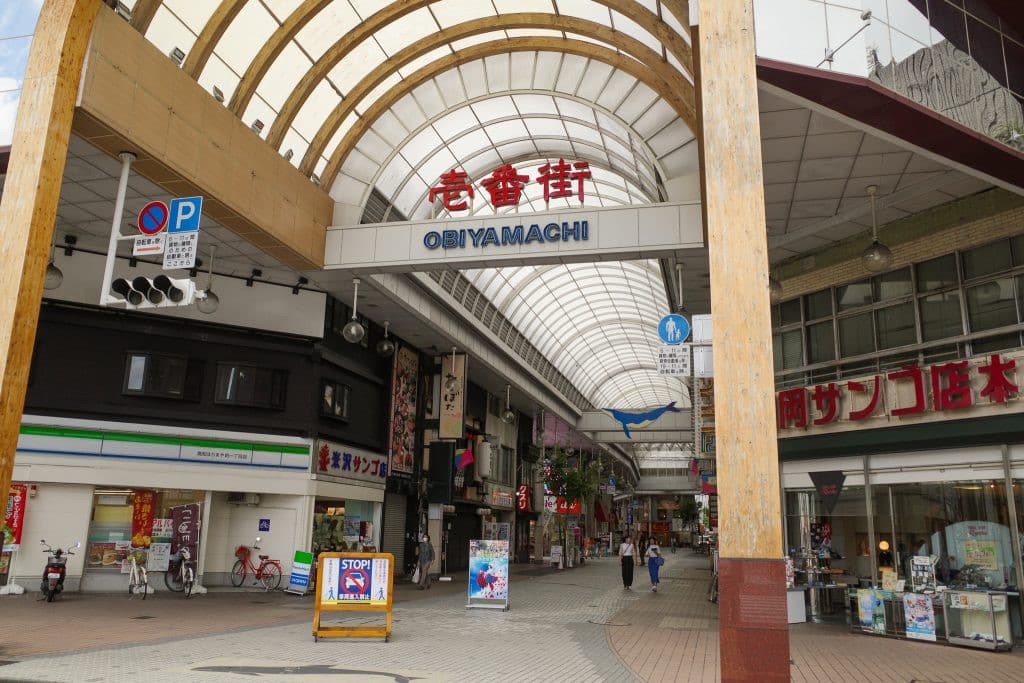
Walk straight south from JR Kochi Station, mostly along roofed shopping arcades; it takes about 15 to 20 minutes to Hirome Market and about 25 minutes to Kochi Castle, so even rain is not too bad.
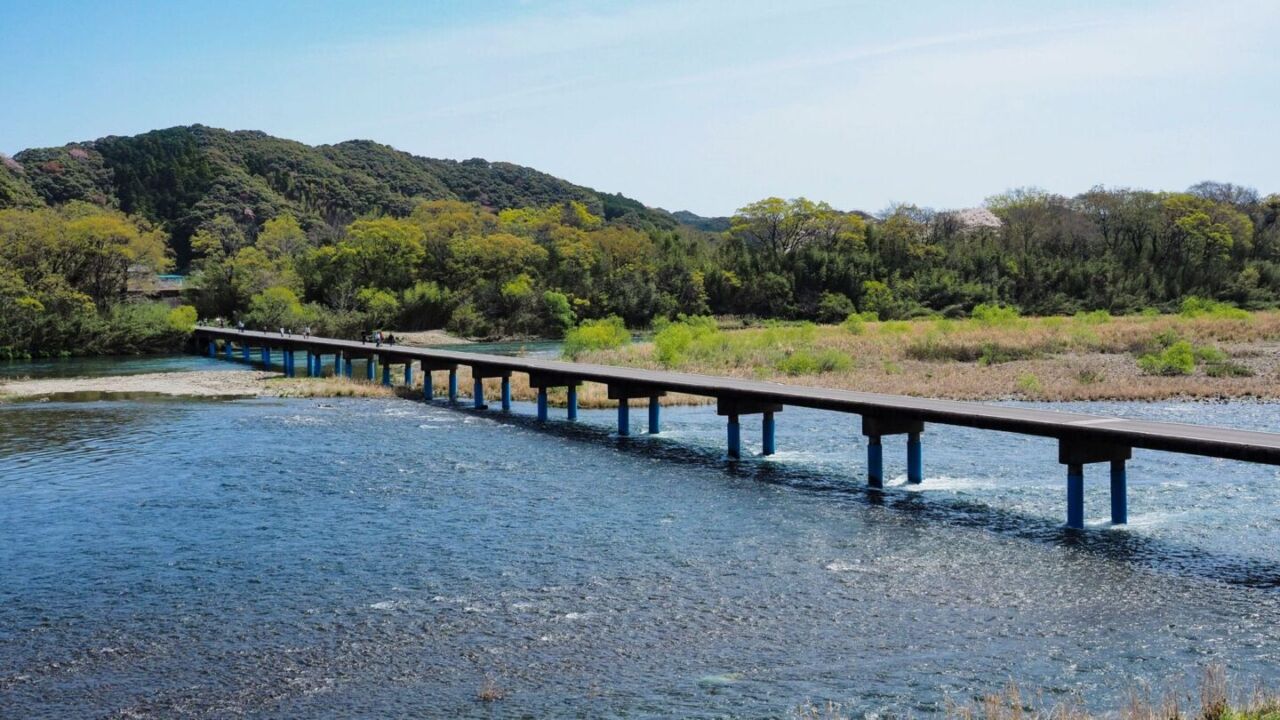
Along the way you pass famous Kochi bridge landmarks and lively shopping streets, good for browsing and snacking, and a nice way to feel the atmosphere of the city.
Kochi is hot in summer, so avoid midday and carry drinking water; large luggage can be left in a station locker or at your hotel first. Shops along the way offer rest stops, and if you get tired you can switch to the streetcar back to the station.
Driving: Market Parking Lots and Nearby Paid Spaces
There are several paid parking lots around Hirome Market, and some shops offer parking fee discounts with a purchase; check the exact terms with the shop. There is also paid parking in the park area next to Kochi Castle, a short walk to Otemon Gate.
Spaces in the city center fill up easily on holidays, at mealtimes and during the Sunday market, so arrive early or park in an outlying monthly lot and walk in.
Discount amounts and hours may change, so go by on-site notices and machine instructions. The Sunday market takes over the road, and some parking lot entrances are rerouted or closed, so check that day’s traffic controls and alternate routes before driving so you do not get stuck.
From the Airport: Shuttle Bus to Kochi Station, Then the Streetcar
Kochi Airport is east of the city. The shuttle bus takes about 25 minutes to JR Kochi Station, then you transfer to the streetcar or walk to the castle area, about 40 minutes to an hour in total. If your trip covers other parts of the prefecture, renting a car at the airport is more efficient, but parking in town is inconvenient; for just the city center, bus plus streetcar is easier.
The shuttle bus is timed to flights but does not run on demand, and late-night and early-morning departures are limited; if you arrive late, check the last departure time or arrange a taxi. Luggage storage and car rental counters are mostly inside the terminal, so for a day in town, leave your bags first or send them straight to your hotel.
Planning the Day: Sunday and Non-Sunday Routes Are Completely Different
On a Sunday, browse the market and have breakfast early, then walk into Kochi Castle to see the palace and keep, and head to Hirome Market at noon to find a seat for bonito, just missing the market’s busiest peak.
On other days, climb the castle in the morning to avoid crowds, reach the market near noon when seats are easier to find just after opening, then in the afternoon visit the museum across the road or take the streetcar toward Katsurahama.
At Hirome Market, avoid the 12:00 to 13:00 peak; the last admission to Kochi Castle is 16:30, so leave time to climb the castle.


What Are the Must-Sees and Must-Eats at Kochi Castle and Hirome Market? Castle Details, Market Rules and the Sunday Market Explained
Kochi Castle’s appeal lies in how fully it has been preserved: from the gates, stone walls and drainage to the palace and keep, you can see how an Edo-period castle worked. Hirome Market is the complete opposite experience: lively, casual and full of voices.
Below are the highlights of both and the Sunday-only market, including photo angles, visiting order and the actual rules on site.
Otemon Gate and Keep in One Frame: A Photo Rare in Japan
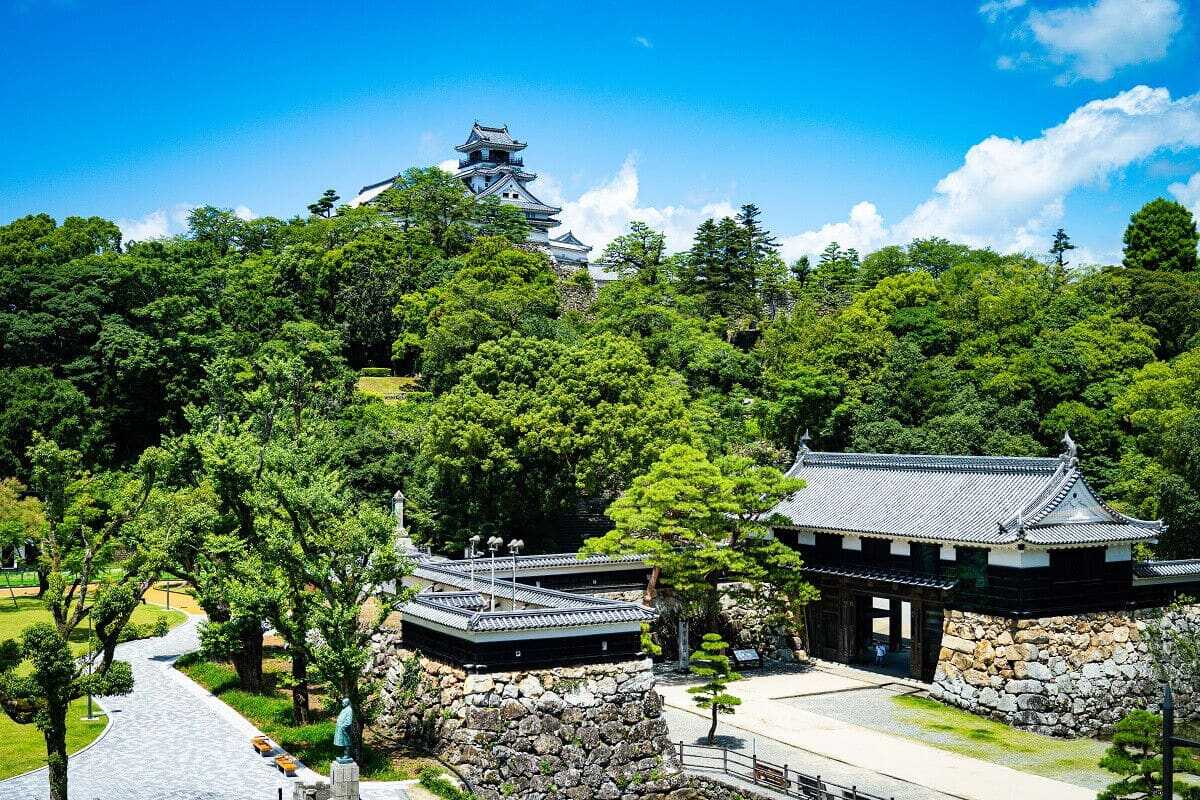
Kochi Castle’s classic photo spot is at the entrance: stand in the plaza in front of Otemon Gate and look up, and the gate and keep fit in the same frame, which is quite rare among Japanese castles.
Crouch low so the gate’s eaves frame the keep for a better shot; the gate is an Edo-period original, and its wood and ironwork details are worth a close look.
It gets many visitors here, so do not block the path for long when taking photos; morning and evening slanting light best shows the layers of the stone walls and white walls, while midday overhead light makes the picture flatter.
Inside the Keep: Steep Wooden Stairs and the Top-Floor Veranda
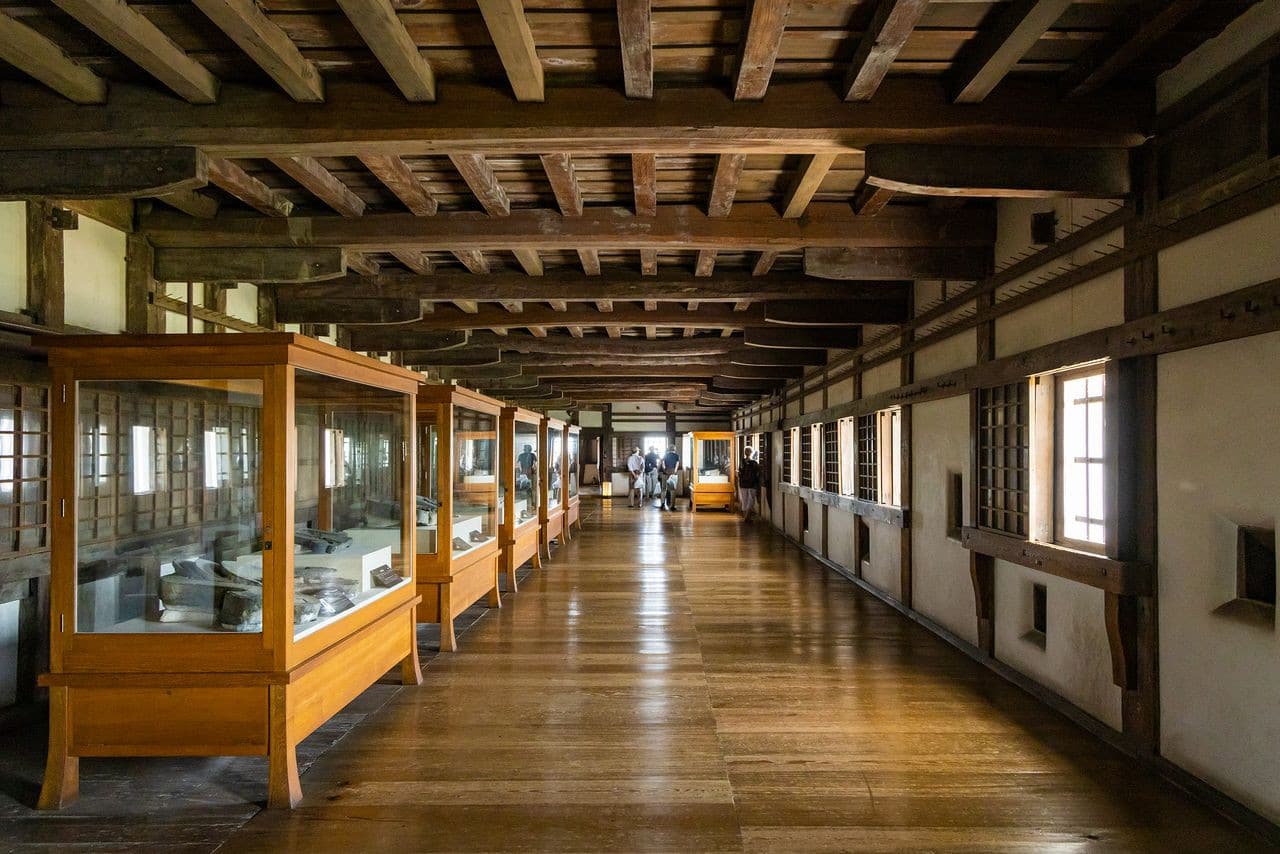
The keep’s interior keeps its original wooden form, with stairs so steep and narrow they are nearly vertical, so hold the handrail going up and down. Each floor displays the castle’s history, architectural structure and records from the domain era, and you can see traces of defensive features for shooting arrows and dropping stones.
The top floor has an outer veranda where you can step outside and walk all the way around for 360-degree views of Kochi City, the surrounding mountains and the distant sea, one of the best viewpoints in the city center.
Eating and drinking are forbidden inside the wooden building, you may need to remove your shoes, and there is no elevator, so you must climb many steps to reach the top floor. The veranda is windy and unsheltered, so secure hats and light items, and bring a jacket in the cold winter.
Kaitokukan: Step into the Space Where the Lord Really Lived and Worked
The Honmaru Palace connected to the keep is the part of Kochi Castle most worth examining closely. Inside is a shoin-style layout with a large reception hall, a raised upper room and guard partitions.
Walking on the tatami, you feel a spatial scale completely different from the keep: one is a defensive structure, the other a place of daily life and governing, and their connection is exactly what makes Kochi Castle valuable.
Remove your shoes to enter and keep your belongings safe; photography or flash is prohibited in some areas, and the actual open areas follow on-site instructions. The interior relies mostly on natural light and is dim on cloudy days, so visit on a sunny morning when light enters from the side for better photos.
Tsumemon: The Defensive Passage That Connects the Two Buildings
Between the Ninomaru and the Honmaru is a building that serves as both storehouse and passage, with a long, narrow wooden corridor inside connecting the enclosures on either side, its entrances deliberately offset to strengthen defense. The floors and beams are thick, and light enters through small windows, giving an atmosphere completely different from the open castle grounds, the stretch that feels most like a castle.
The passage is narrow and one-way when crowded, so follow the visiting route and do not go against the flow or linger. The passage is dim and the floor has level changes, so watch your step, and avoid using flash in the dark.
Ishidoi: Drainage Designed for Kochi’s Heavy Rain
Kochi gets a lot of rain, and the castle has drainage facilities: you can see projecting stone water spouts on the stone walls, with stones laid below to cushion the flow so water does not scour the wall base. This method is rare among Japanese castles and was born from the local climate, so look out for these details. Visiting in the rain shows how they work even better, but the stone steps are slippery, so slow down. The castle’s information boards explain this method specifically; read them before looking at the real thing and you will get more out of it.
Statues in the Castle: Things to See from Otemon Gate to the Honmaru
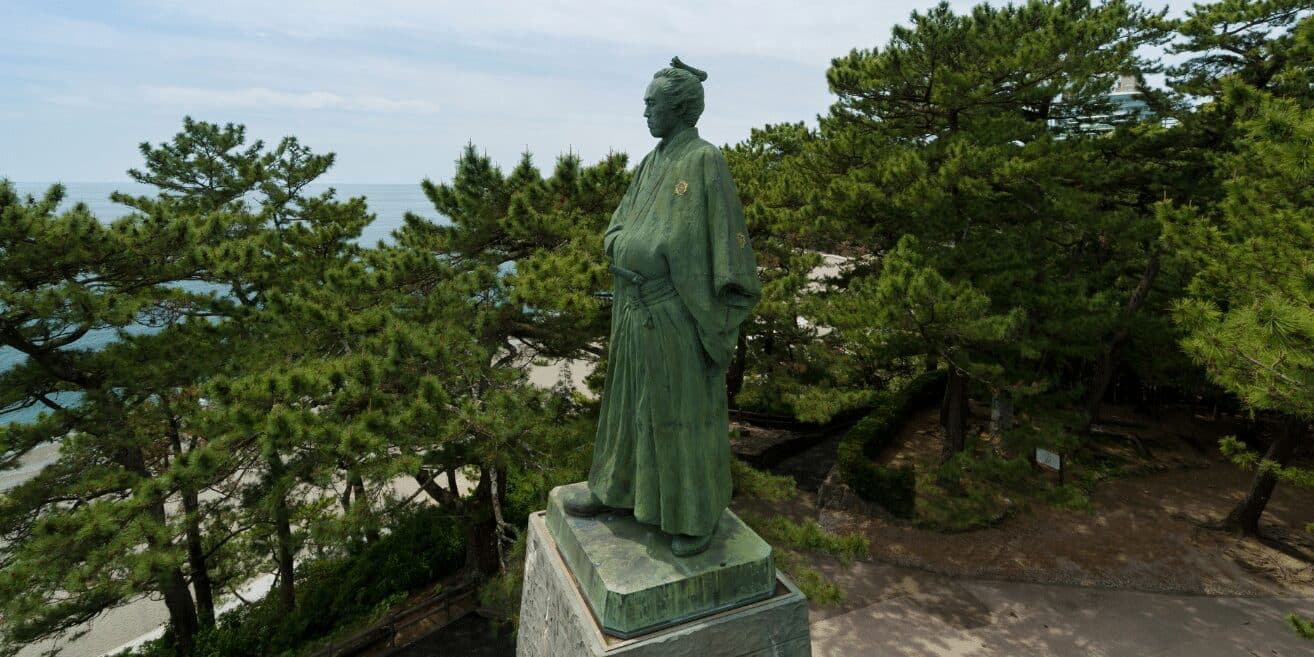
On the uphill path from Otemon Gate to the Honmaru, there are several bronze statues related to Kochi’s history, including a politician who drove the Freedom and People’s Rights Movement and figures related to the castle’s builders, each with an information plate.
This stretch alternates stone steps and slopes with towering stone walls on both sides, letting you feel the castle’s layered defenses as you walk. There are several platforms along the way for resting, and they are also good spots to look back over the castle town.
The slope is not steep but the distance is considerable; if you are with older relatives, leave time for rests, and take extra care to drink water in summer.
Kochi Castle Museum of History: See the Exhibits First and the Castle Makes More Sense
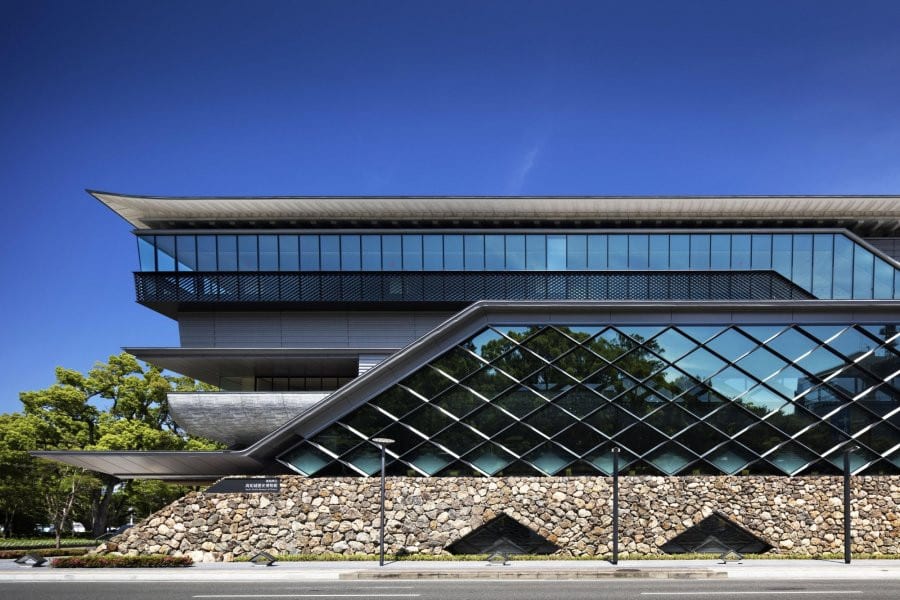
The history museum opposite Otemon Gate focuses on records and art crafts of the Tosa Domain, with clear, easy-to-understand displays and multilingual information. Inside is a viewing space facing Kochi Castle where you can see the keep through the glass, a place to rest when it is rainy or hot. Admission is separate; a combined ticket with Kochi Castle is available all year and is better value. Opening hours are 9:00 to 18:00 (on Sundays it opens early at 8:00 to coincide with the Nichiyoichi market), and it is closed December 27 to January 1. The official website is the Kochi Castle Museum of History (kochi-johaku.jp), where opening and exhibition information can be found.
![[Official Sale] Kochi Castle Museum of History Ticket (Kochi City, Kochi Prefecture)](https://travel.williamlion.tw/wp-content/uploads/sites/7/2026/08/image-662.jpg)

How to Eat at Hirome Market: Grab a Seat First, Then Split Up to Order
Hirome Market works by finding a seat first and then each person ordering at the stalls, like a food court. When it is crowded, have one person stay to hold the seat and remember the table number while the others buy food separately.
Most stalls take cash only, so have small change ready. Some freshly cooked dishes are delivered by table number, so do not move seats at random.
After eating, return your dishes to the stall or the return point and give up your seat quickly; seats are hard to find at peak times. The whole building is non-smoking.
Straw-Grilled Bonito: Kochi’s Soul Food
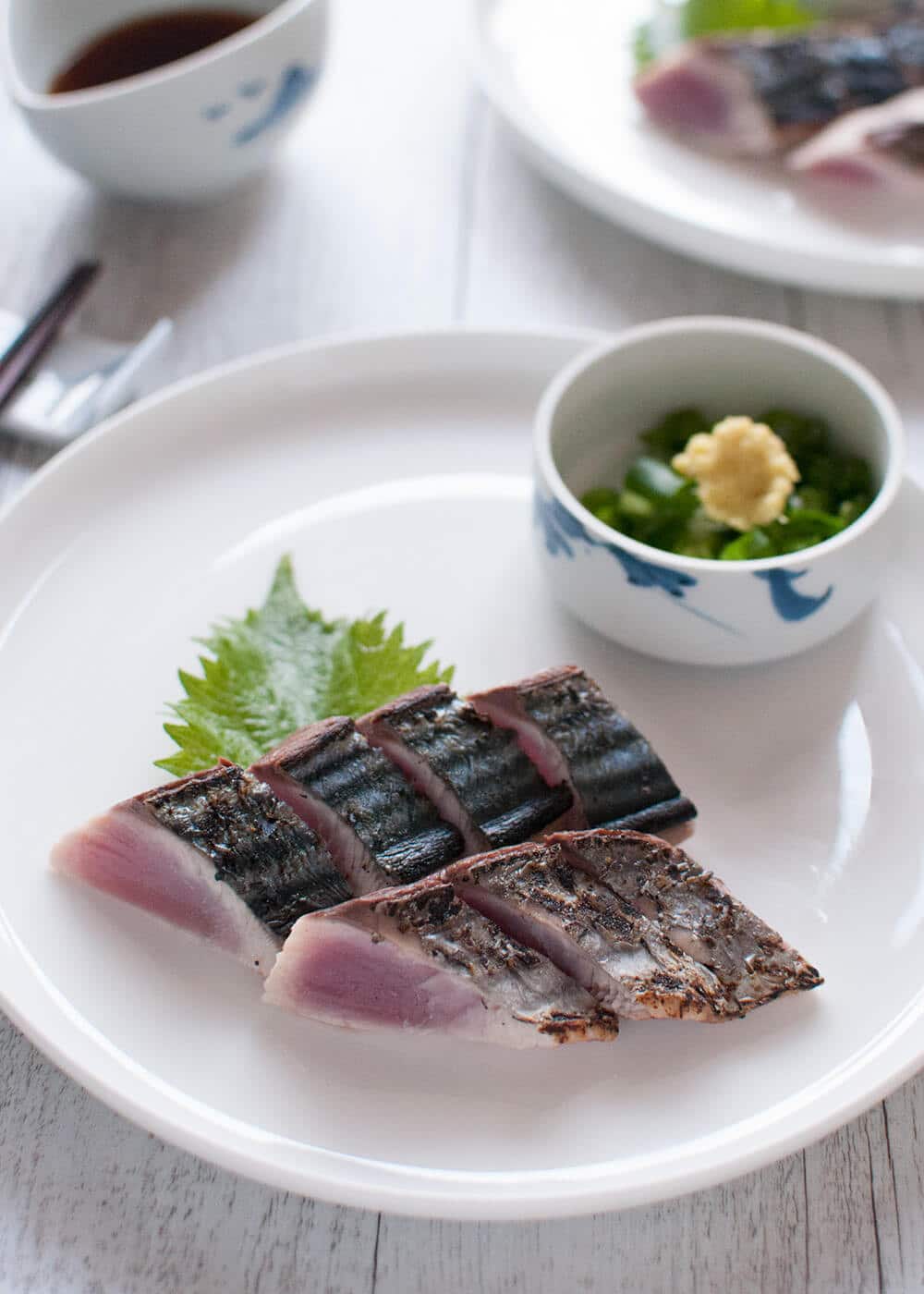
When in Kochi you must eat bonito tataki: skewered bonito is quickly seared over a high straw fire, left raw inside, and sliced and served with garlic, green onion and shiso, with the straw aroma as its soul.
Myojinmaru in the market is famous for on-site straw grilling, done in front of customers; you can eat it dipped in soy-vinegar sauce or sprinkled with salt, and locals mostly recommend salt.
Prices vary by portion and cut, and there is often a queue at peak times. Bonito has spring and autumn seasons with slightly different textures. If you want to see the live straw-grilling show, check the stall’s demonstration times first.
Not Just Bonito: Yatai Gyoza, Tempura and Local Sake
Hirome Market is not just bonito: pan-fried gyoza, fried food, nigiri sushi, skewers and Chinese dishes are all there, along with desserts and ice treats, and you can each buy your own and share at one table, part of the fun of browsing the market.
Kochi has a thriving sake culture, and in the market you can drink sake from breweries around the prefecture; non-drinkers can choose juice and local drinks.
Stall hours vary, and some close in the afternoon and reopen in the evening, so if you want a particular shop, check its hours first. Seating is shared and sitting with strangers is common, so if you want a quiet meal, avoid the evening peak.
Nichiyoichi: A 300-Year-Old Market Stretching Over a Kilometer
Every Sunday, Otesuji becomes an open-air market stretching from in front of Kochi Castle’s Otemon Gate, more than a kilometer long. Its history goes back to the Edo period and has continued for over three hundred years.
The stalls sell all kinds of things: seasonal fruit and vegetables, dried goods, potted plants, antiques and freshly made snacks. Most stall owners are the producers themselves, so you can chat directly about where things are from and how to eat them, a very local atmosphere.
Hours differ by season: April to September from 5:00 to 17:00, and October to March from 5:30 to 16:00; the market is closed on January 1-2 and August 10-12. To find the widest selection, go early.

Nichiyoichi Must-Eats: Imoten, Inaka Sushi and Tosa Knives
The market’s best-known snack is sweet potato tempura, crisp outside and soft and slightly sweet inside, fried and eaten on the spot; the stalls with queues are usually the best. Another classic is inaka sushi, vinegared rice wrapped around mountain ingredients such as pickled konjac, shiitake and bamboo shoots, a traditional method from the Kochi mountains. Old-style local ice treats are refreshing and almost everyone has one in summer. The market also sells traditional Tosa forged knives and crafts; knives must be checked in and cannot be carried into the cabin.
How Much Does Kochi Castle Cost? Admission, Market Budget and Transport Tickets
Admission to Kochi Castle is very cheap, and at the market you spend as much as you eat. Overall, this is a trip with very flexible costs that is easy to keep within budget.
Below are the common cost items. Amounts may change, so go by on-site notices at each facility.
Kochi Castle Admission: About ¥500 for Adults, Free for Most Minors
Entering the keep and Honmaru Palace requires a ticket: ¥500 for ages 18 and over, free for under 18 (ID required). Being able to see both the surviving keep and the palace makes the price a great value. The park and the Otemon Gate area are free; only the Honmaru buildings need a ticket, so if you only want the photo of the gate and keep in one frame, you can get it without going in. Hours are 9:00 to 17:00, last admission 16:30, closed December 26 to January 1.
History Museum: Watch for the Combined Ticket with Kochi Castle
The history museum across from Otemon Gate charges separately: ¥500 for ages 18 and over and ¥800 for special exhibitions. The combined ticket with Kochi Castle is sold all year, ¥800 without a special exhibition and ¥1,040 with one, so the set is better value.
There are air-conditioned seats inside, so in summer or rain you can wait here for the weather to improve before climbing the castle, and the exhibits fill in the domain-era background the castle mentions less.
Prices and closed days change by year, so check the combined ticket before buying. It is only a minute or two on foot from Otemon Gate, convenient for a last-minute change of plan, and the museum has a photo angle overlooking Kochi Castle.
Hirome Market Budget: Plan on ¥1,500 to ¥3,000 Per Person
A meal at Hirome Market with a bonito dish plus side dishes and a drink comes to about ¥1,500 to ¥3,000 per person. Each stall is ordered from separately, so it is easy to buy too much; walk around once before deciding. Most stalls take cash only and may not have change for large bills, so bring plenty of coins and ¥1,000 notes; some stalls may support electronic payment. The Hirome Market official website is hirome.co.jp (ひろめ市場), where you can check closed days. To control your budget, pick one bonito dish as the main and fill out the rest with small side dishes, which is better value than buying a dish at every stall.
Transport Costs: Streetcar One-Day Pass and Parking Discounts
The flat streetcar fare within the city is ¥230. If you ride three or more times a day or head out of town, a one-day pass is better value: ¥500 for adults for the city-zone version and ¥1,000 for adults for the whole-line version (streetcar only, buses not included). For drivers, there are paid parking lots around Hirome Market, and some shops let purchases offset parking fees (check with the shop); most nearby lots charge by time, so long stays add up fast. Fares and discount terms may change, so go by on-site explanations. During the Sunday market some road sections are closed; streetcars are unaffected, but bus and car routes may be diverted, so check before heading out.
What to Buy to Take Home: Yuzu Products, Dried Goods and Tosa Knives
Yuzu products are Kochi’s best-known souvenirs, including seasonings, juice and sweets, light and long-lasting. There are also processed bonito products, aonori seaweed and sweet potato snacks, sold at the market and at the Sunday market. Traditional Tosa forged knives and ironware are especially recommended, solidly made and well reviewed, and at the Sunday market you can talk directly with the craftspeople when choosing. Note that knives must be checked in and cannot be taken onto the plane, and liquid seasonings are limited by carry-on rules, so plan how you will carry things before buying.
What to Know Before Visiting Kochi Castle: Where to Stay and Pre-Trip Reminders

Kochi City’s itinerary has a low barrier to entry; the main things to watch are the season, opening hours and the market’s cash-only payment. Here are three key points.
Where to Stay: In Front of the Station or the Shopping Arcade Area Are Both Convenient
Accommodation in Kochi clusters in front of JR Kochi Station and in the downtown shopping arcade; the former has convenient transport, the latter is near the market and izakaya, convenient for late-night food and breakfast.
Most rooms are business-hotel types, with prices friendlier than elsewhere in Shikoku, and some have a public bath; drivers can save on parking by choosing a lodging with a parking lot.
During the Yosakoi Festival each summer, rooms are tight and prices go up, so book early; streetcar service in town is reduced at night, so choose lodging within walking distance so you can eat at the market in the evening.
Check Before You Go: Closed Days, Market Hours and the Sunday Market
Before leaving, confirm the opening hours and closed days of Kochi Castle and the museum, Hirome Market’s hours, and whether the Sunday market is going ahead as usual, all of which affect your route.
The market may be cancelled or shrink in bad weather or on holidays, so watch out in typhoon season; Kochi’s rainfall is among the highest in Japan, so carry rain gear.
The last admission time is earlier than closing time, so you may not make it if you climb the castle in the late afternoon; enter at least an hour and a half before closing to see the keep and palace in full. Network connections at the market can be slow, so save the official pages first.
On Site: Bring Cash, Wear Comfortable Shoes, Avoid Meal Peaks
Stalls at Hirome Market and the Sunday market mostly take cash only, so bring enough small change; there may not be an ATM in the market. From Otemon Gate to the top of the keep at Kochi Castle there are many stone steps and steep wooden stairs, so wear comfortable shoes and save your energy; it is stuffy in summer and the stone steps are slippery in winter. Avoid the 12:00 to 13:00 peak at mealtimes; dinner is lively but tables turn over quickly, and you will find a seat after a short wait. Market and street stalls mostly cook to order, so waits are longer than at chain stores; keep your schedule flexible and do not pack it too tightly.
Kochi Castle and Hirome Market FAQ
Here are the questions travelers ask most; check them once before you go.
Q: How long should I allow for Kochi Castle?
Walking from Otemon Gate to the top of the keep and back down, including the palace, takes about an hour and a half to two hours. Adding the history museum across the road and a meal at Hirome Market, half a day to a full day in the city center is quite reasonable.
Q: How is Kochi Castle different from the other surviving keeps?
The biggest difference is that it preserves both the keep and the Honmaru Palace, the only one among the twelve surviving keeps. In addition, Otemon Gate and the keep can be framed together, and the stone drainage designed for the rainy climate is a feature you will not see elsewhere.
Q: How do I order at Hirome Market?
Find a seat, leave someone to hold it and remember the table number, then the others split up to order at the stalls. Most stalls take cash only, and some deliver by table number. When you finish, return your dishes and give up your seat.
Q: What time does Nichiyoichi start, and is there a market on other days?
It is held only on Sundays, roughly from early morning to the afternoon, with stalls setting up earlier in summer. Many stalls start packing up after noon, so go in the morning to see everything. On other days there are smaller markets at other places in the city.
Q: Is it still worth coming when it rains?
You can still visit Kochi Castle, but be careful on the slippery stone steps; Hirome Market and the history museum are both indoors and completely unaffected. The roofed shopping arcade on the way from the station to the city center makes the walk fine too.
Q: Is Kochi Castle easy for older relatives?
There is no elevator, and from the gate to the top of the keep there are many stone steps and steep wooden stairs, which is hard for those with limited mobility. Strolling only in the park below the castle and the Otemon Gate area is no problem, and the palace section is also gentler.
Q: Can Kochi Castle and Katsurahama be combined in one day?
Yes. They are about 30 minutes apart by car, and a common plan is the city in the morning and Katsurahama in the afternoon, or the reverse. If you take the bus, check the last return departure first, especially if you schedule Katsurahama for the evening.