
Takamatsu Attractions Guide: Gardens, a Water Castle and Art Islands on the Seto Inland Sea
Takamatsu is the prefectural capital of Kagawa and Shikoku’s gateway to the Seto Inland Sea. Its appeal is density: a feudal-lord garden rated three Michelin stars, a water castle that draws seawater into its moat, and one of Japan’s longest covered shopping arcades, all within reach of the Kotoden line and a short walk. And from Takamatsu Port, a 20-minute boat ride lands you on islands with completely different personalities.
Put differently, Takamatsu suits two kinds of travelers: those who want to stroll historic sites and old streets can finish the city in a day, while those who want to island-hop for art and nature can use Takamatsu Port as a base and fan out to Megijima, Ogijima, Naoshima and Shodoshima. Below, we start with four core highlights, then cover transport, costs and itinerary planning.
Ritsurin Garden: A Three-Michelin-Star Feudal Garden
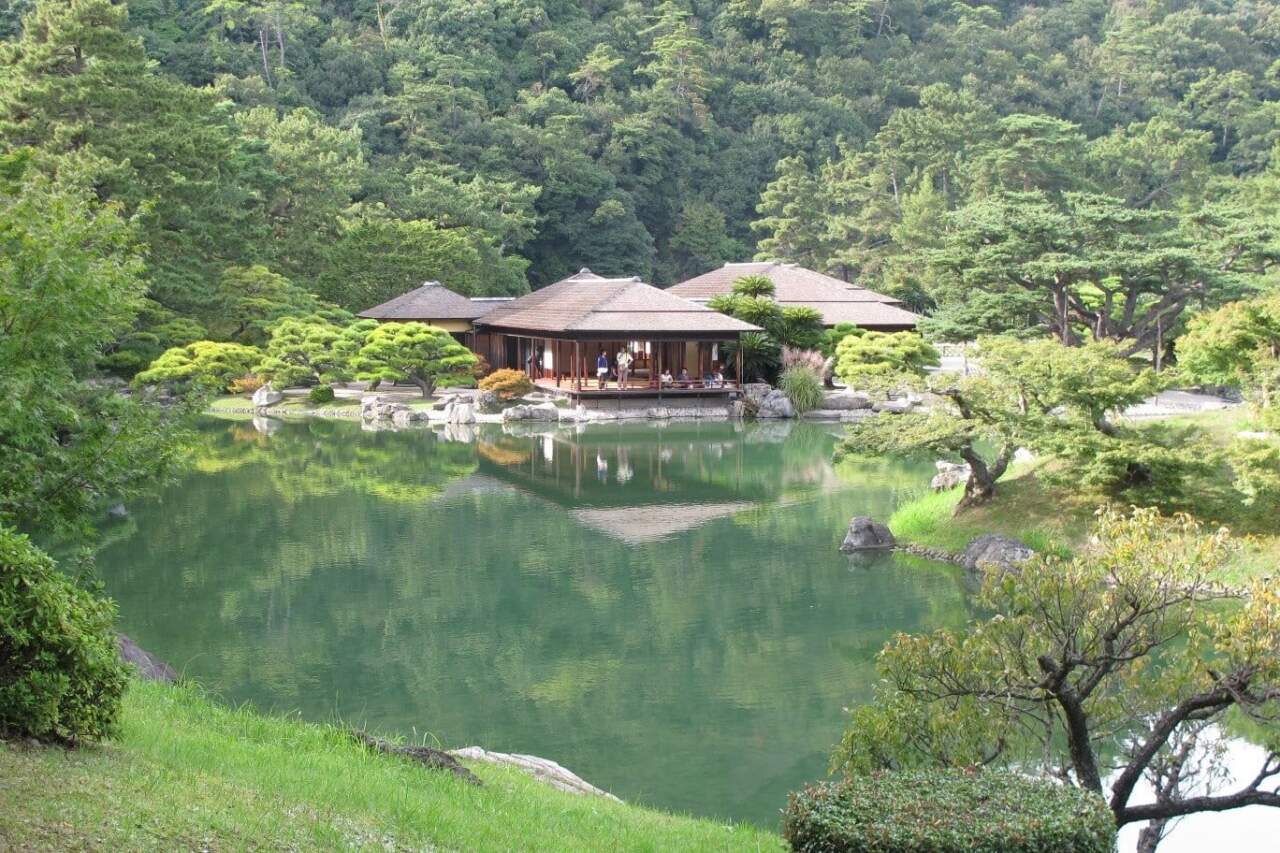
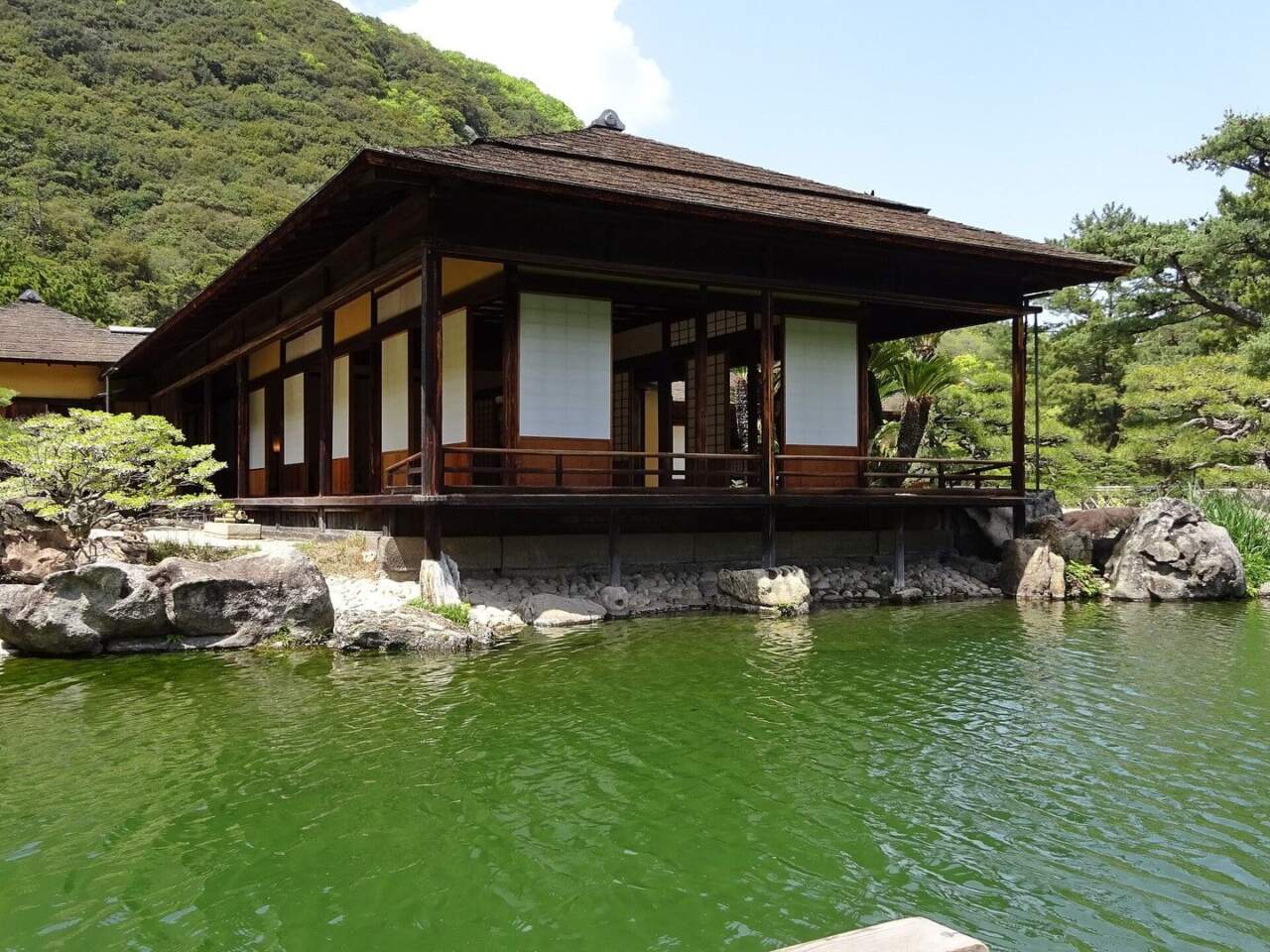
Ritsurin Garden is Takamatsu’s signature attraction. It is a nationally designated Special Place of Scenic Beauty and the largest garden in Japan with that status. Using the Shiun-zan mountain behind it as borrowed scenery, the garden is built around “six ponds and thirteen artificial hills,” offering a new view at every step.
The Michelin Green Guide Japan awarded it the highest three-star rating. At Kikugetsu-tei in the garden, you can sip matcha while looking out over Nanko Pond, and the pond also has a separately paid tour boat (a traditional wooden boat). Seeing the garden from the water is a completely different angle.

Takamatsu Castle Ruins (Tamamo Park): One of Japan’s Three Great Water Castles
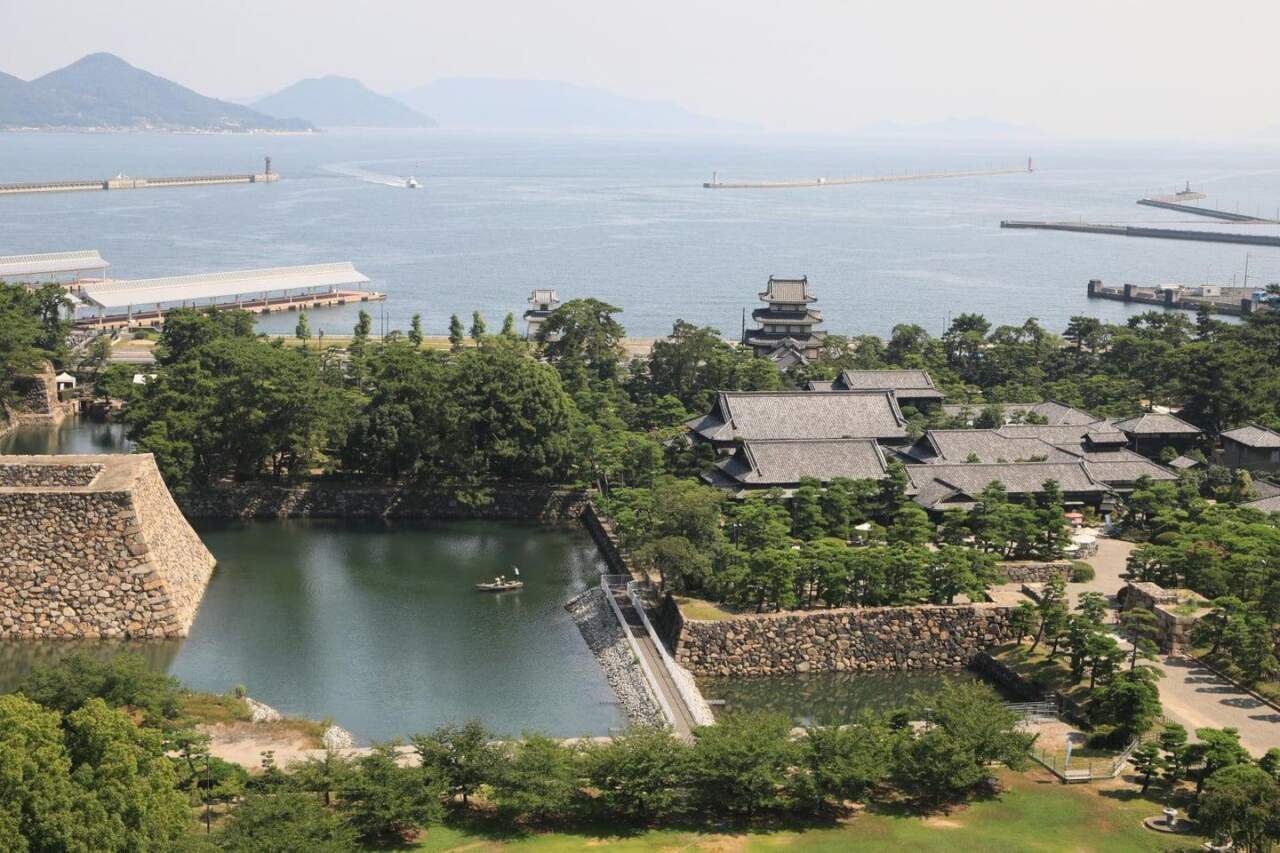
The Takamatsu Castle site is now Tamamo Park, and it ranks alongside Imabari Castle in Ehime and Nakatsu Castle in Oita as one of Japan’s “Three Great Water Castles.” Its best-known feature is a moat fed directly with Seto Inland Sea water, so the fish swimming in it are sea bream, not carp.
In the park you can buy feed for the sea bream, which is said to make a wish come true (a pun on “tai,” the Japanese word for sea bream). The Important Cultural Property Tsukimi-yagura and Ushitora-yagura turrets preserve the look of a castle by the sea. From around Tsukimi-yagura you can see both the harbor and Kotoden trains passing by, a classic photo spot for photographers.
Yashima: Site of the Genpei War and a Curving Building on the Summit
Yashima is a flat-topped lava plateau, named for its resemblance to a roof (“ya”). It was the setting of the Battle of Yashima in the Genpei War as told in The Tale of the Heike, and the mountain still holds many place names and legends tied to that battle.
At the summit are Yashima-ji, Temple No. 84 of the Shikoku 88 Temple Pilgrimage, the Shishi-no-Reigan lookout over the Seto Inland Sea, and Yashimaru, a community hub facility that opened in August 2022. From the city, take the Kotoden to Yashima Station and transfer to the mountain shuttle bus.
Island-Hopping from Takamatsu Port: The Most Convenient Starting Point on Shikoku
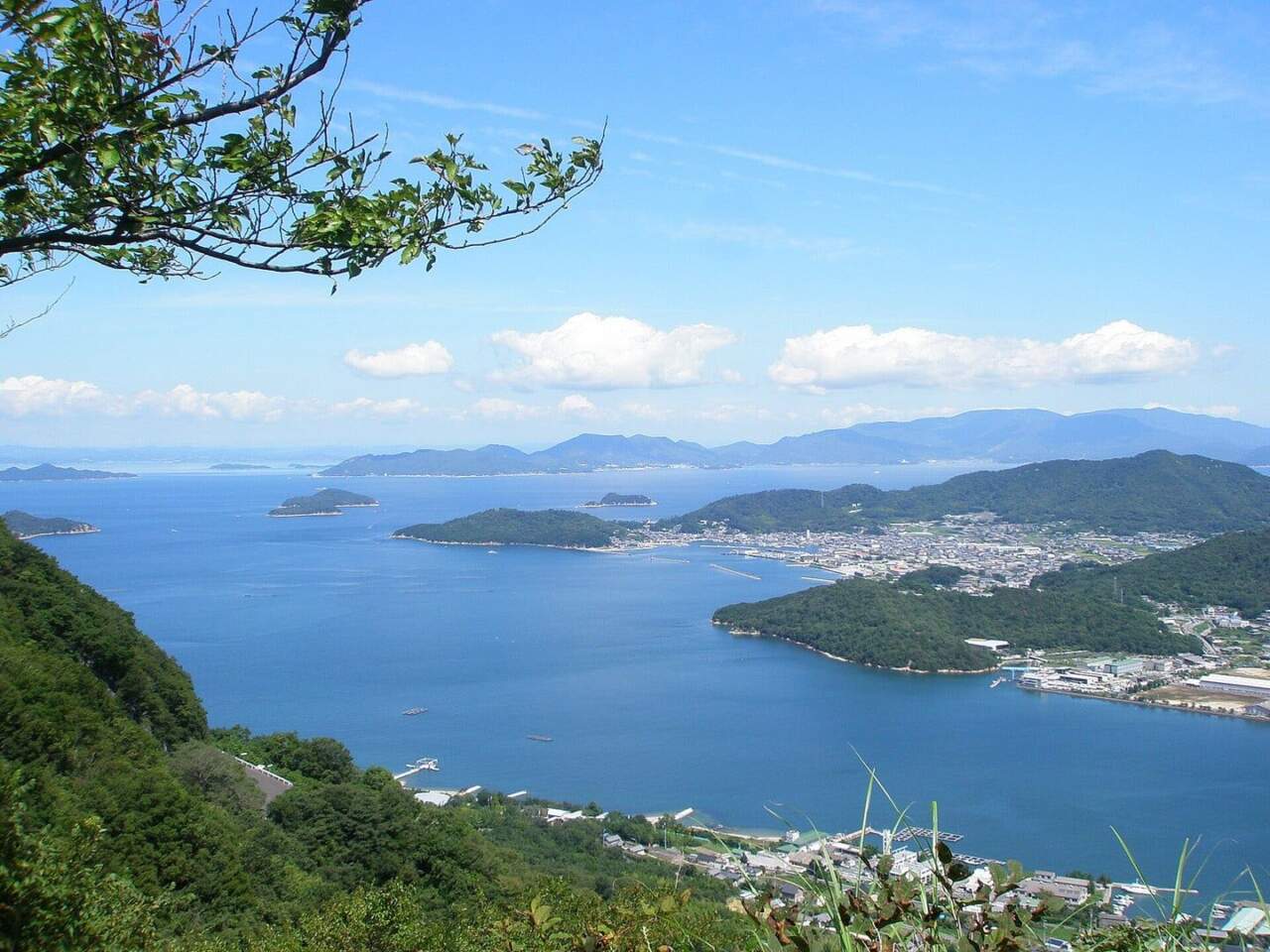
Takamatsu Port is the most convenient starting point for island-hopping in the Seto Inland Sea. The shortest crossing is to Megijima, about 20 minutes. Beyond it is Ogijima, known as Cat Island; to the east is Shodoshima, home to the Angel Road and Olive Park; and to the north is Naoshima, a mecca of contemporary art.
Sailings on these routes are not frequent. In particular, Megijima and Ogijima are linked by the same ferry, the “Meon,” and missing one sailing often means a wait of an hour or two. When planning an island trip, check the outbound and return timetables first and then decide how long to stay; it goes far more smoothly than deciding on the spot.
How to Get to and Around Takamatsu: Airport Bus, Seto-Ohashi Line, Kotoden and Ferry Compared
Takamatsu transport breaks into two parts: how to get to Takamatsu, and how to get around once you are there. The first depends on where you are coming from; the second is handled almost entirely by the Kotoden, bicycles and ferries.
From Takamatsu Airport to the City: Limousine Bus Direct to the Station and Port
Takamatsu Airport has international flights and is the main gateway for direct flights from Taiwan to Shikoku. After clearing arrivals, take the limousine bus outside the terminal; in about 40 minutes it reaches JR Takamatsu Station and the Takamatsu-Chikko area, which is where the Kotoden, the ferry terminals and most hotels are concentrated.
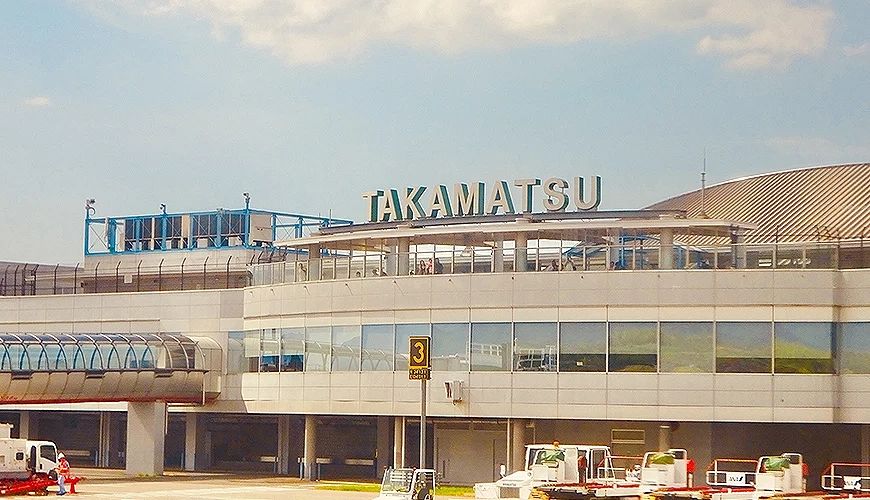
Bus schedules are generally timed to flights, but for late-night or delayed arrivals there may be no connecting bus, in which case you will need a taxi. Actual timetables, fares and whether a reservation is required follow each operator’s announcements on the day, so be sure to check again before you go.
From Honshu: The Seto-Ohashi Line Rapid Marine Liner Takes About an Hour
If you are entering Shikoku from Honshu, the classic route is the Rapid “Marine Liner” from JR Okayama Station, which crosses the Seto-Ohashi Bridge and runs directly to JR Takamatsu Station in about an hour. Trains run quite frequently, making this the most flexible option.
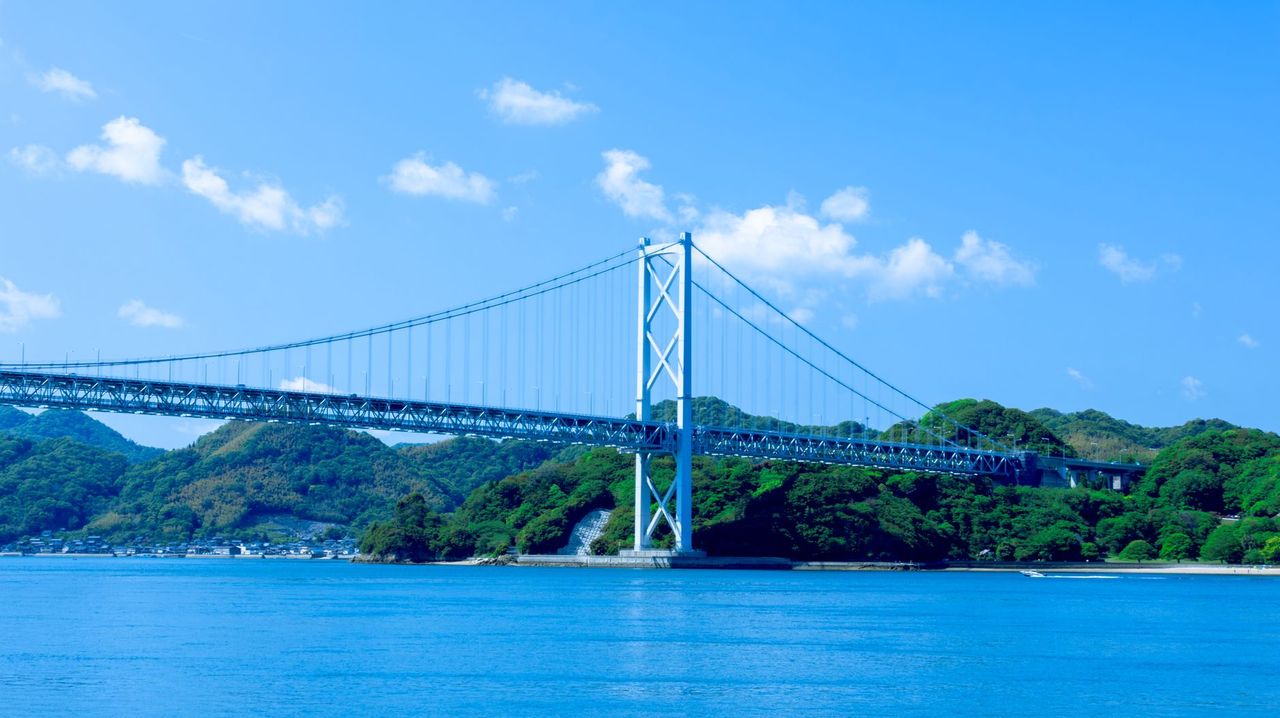
The selling point of this train is the scenery: on the bridge section you can look down from the window over the Seto Inland Sea and its islands, and some services have a panoramic car that requires a separate reserved seat. Travelers holding JR-series passes can usually board directly; details follow JR’s rules on the day.
Getting Around the City: Three Kotoden Lines and Rental Bicycles
The Takamatsu-Kotohira Electric Railroad (nicknamed “Kotoden”) has three lines: the Kotohira Line, the Nagao Line and the Shido Line, with Kawaramachi Station as the transfer hub where all three meet. Take the Kotohira Line for Kotohira-gu and the Shido Line for Yashima; almost every attraction in the city can be linked by it.
Another favorite among Takamatsu locals is renting a bicycle. The city is flat and has a well-planned network of cycle paths, with multiple shared rental stations where you can pick up in one place and return in another. Riding from Takamatsu Station to Ritsurin Garden or Kitahama Alley takes only ten-odd minutes.
Island Transport: Choosing Between Ferries and High-Speed Boats at Takamatsu Port
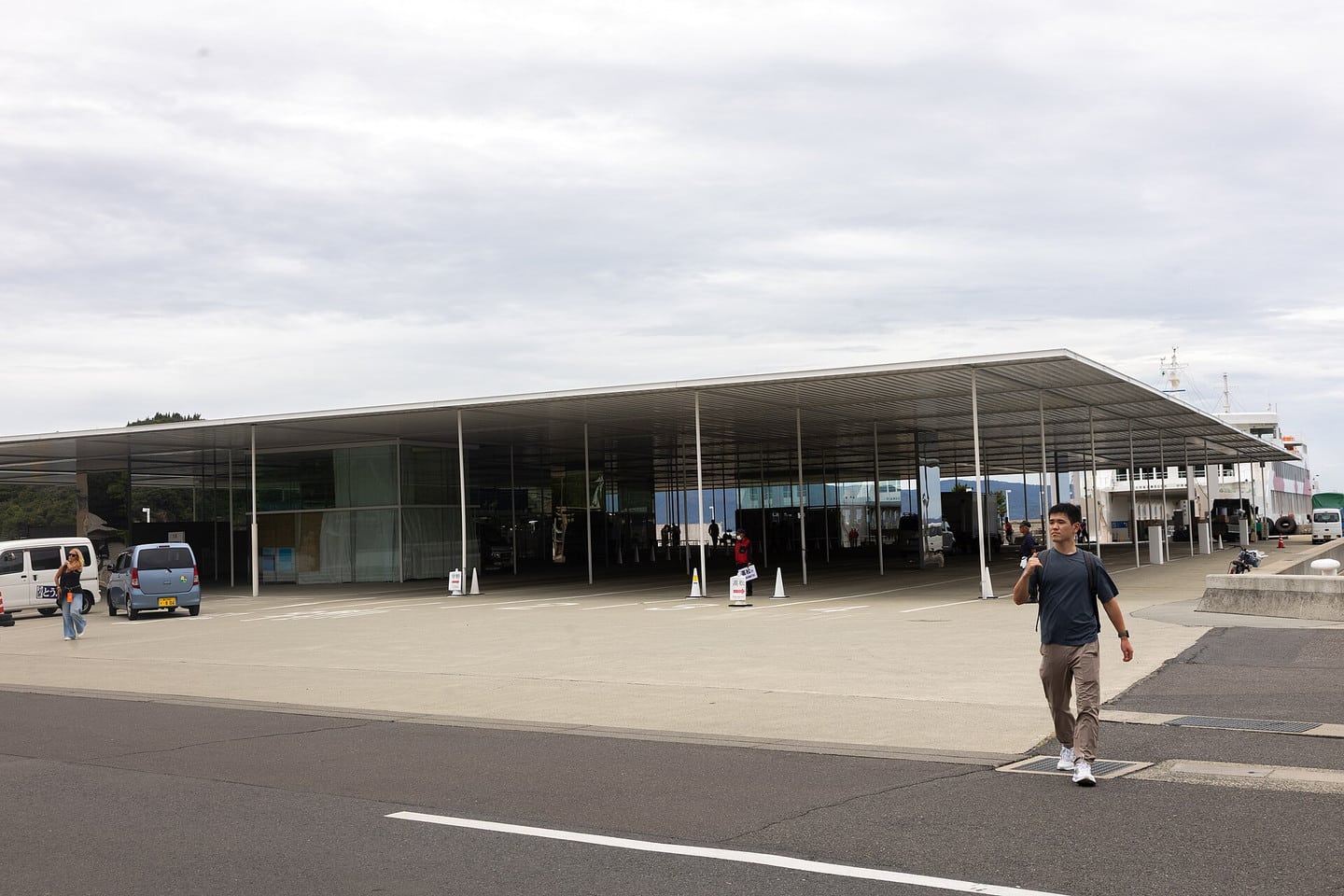
Takamatsu Port’s piers are spread across different landings by route, so check which boarding point your boat leaves from before you set out. Megijima and Ogijima are served by the “Meon,” while Naoshima and Shodoshima have both ferry and high-speed boat options.
Ferries are slower but cheaper and can carry vehicles; high-speed boats are fast but cost more and run less often. If you plan to visit two islands in one day, note the last return sailing in advance, because on the Seto Inland Sea islands, missing the last boat means staying overnight.
Express Buses and Driving: For Those Linking Shikoku in One Line
Direct express buses to Takamatsu run from Osaka, Kobe, Tokyo and other cities, and overnight services can save you a night’s accommodation. The drop-off is mostly at the express bus terminal in front of JR Takamatsu Station, where you can connect straight to city transport, which is very friendly for travelers with a lot of luggage.
The advantage of driving is maximum flexibility for reaching Yashima and Shikoku-mura, or for extending to Tokushima and Ehime, and Takamatsu has plenty of parking. Note, however, that the areas around Ritsurin Garden and the shopping arcades are prone to traffic jams on holidays; if your itinerary stays within the city, the Kotoden plus a bicycle is actually easier.



Must-See Attractions in Takamatsu: City Gardens, Yashima’s Summit and the Seto Inland Sea Islands
Below, Takamatsu’s attractions are divided into three rings: the walkable city center, the suburbs half an hour away by train, and the islands reachable only by boat. If time is short, finishing the city ring alone is already very rewarding.
Ritsurin Garden’s Nanko Pond: Riding a Wooden Boat and Sipping Matcha at Kikugetsu-tei
Ritsurin Garden is divided into a south garden and a north garden, and the highlights are concentrated around Nanko Pond in the south garden. There are two ways to enjoy it. The first is to pay for a tour boat, where a boatman sculls you around Nanko Pond, and looking up at the artificial hills and pines from the water gives a very different view from the shore.
The second is to step into Kikugetsu-tei by the pond. This Edo-period sukiya-style building was once the tea room of successive feudal lords, and you can now enter for a separate fee and sit on tatami while enjoying matcha and Japanese sweets with a view of Nanko Pond. Hours and fees for both follow the garden’s announcements on the day.
Ritsurin Garden’s Hiraiho: The Spot Where the Postcard Photo Is Taken
If you have seen Ritsurin Garden’s signature photo online, with the arched Engetsu-kyo bridge spanning the pond and layers of pines and Mount Shiun behind it, that angle is shot from Hiraiho, an artificial hill in the south garden, which is widely considered the best viewpoint in the whole garden.
From the entrance, head toward the south garden and climb the stone steps up Hiraiho in just a few minutes; it is not high, but the view is open. Shortly after opening in the early morning there are the fewest people and the light is soft, the golden hour for photos; the layers of autumn leaves and spring greenery are especially beautiful.
Tamamo Park’s Tsukimi-yagura and Ushitora-yagura: The Sea Castle’s Surviving Important Cultural Properties
Takamatsu Castle’s keep no longer exists, but the surviving Tsukimi-yagura, Mizunote-gomon gate and Ushitora-yagura are all nationally designated Important Cultural Properties, the most direct physical examples for understanding the structure of a “sea castle.” Tsukimi-yagura once faced the sea directly, and the lord’s boat could enter and leave straight through Mizunote-gomon.
Today, the Kotoden Takamatsu-Chikko Station tracks run just outside the turrets, and from the moat’s edge you can often photograph a train and the turret in the same frame. The park also has Hiunkaku, a Taisho-era Japanese-Western hybrid building that is likewise designated an Important Cultural Property; its opening status follows the announcement on the day.
Yashimaru: A 200-Meter Curving Corridor on Yashima’s Summit
“Yashimaru” is a community hub facility on the summit of Yashima in Takamatsu. It opened in August 2022 and is also one of the works of the Setouchi Triennale. The building follows the undulations of the terrain as a curving corridor about 200 meters long, with glass curtain walls leaving almost no boundary between inside and outside.
The roof is laid with Aji stone tiles, a Kagawa specialty that change color with the angle of the light. Inside are a panoramic exhibition room themed on the Genpei War and a cafe space, and one lap lets you take in the directions of the Seto Inland Sea and the Takamatsu cityscape at once.
Shishi-no-Reigan Lookout: Yashima’s Classic Panorama of the Seto Inland Sea
Shishi-no-Reigan is the most popular viewpoint on Yashima, named for a rock shaped like a crouching lion. Looking west from here, the Takamatsu cityscape, the Seto Inland Sea and distant island silhouettes all fall into one frame, and the sunset direction in the evening also lands on this side.
The traditional activity here is “kawarake-nage,” throwing a small unglazed clay dish toward a ring below the cliff as a prayer. The lookout is right next to Yashimaru so you can walk on from one to the other, and the mountain also has Yashima-ji and the New Yashima Aquarium, so half a day is more than enough.
Yashima-ji: Temple No. 84 of the Shikoku 88 Temple Pilgrimage
Yashima-ji is Temple No. 84 of the Shikoku 88 Temple Pilgrimage and sits on Yashima’s summit. Its vermilion main hall and Shitenmon gate stand out in the dense forest, and the grounds are quiet, a completely different rhythm from the open feel of the lookout side.
The most popular figure in the temple is Mino-yama Daimyojin, known as “Taisaburo Tanuki,” said to be one of Japan’s three great tanuki and to watch over marital harmony and family safety, and the rows of tanuki stone statues are easy to recognize. The treasure hall houses Genpei War relics, with opening hours following the temple’s announcements.
Kitahama Alley: A Seaside Creative Enclave Converted from Old Warehouses
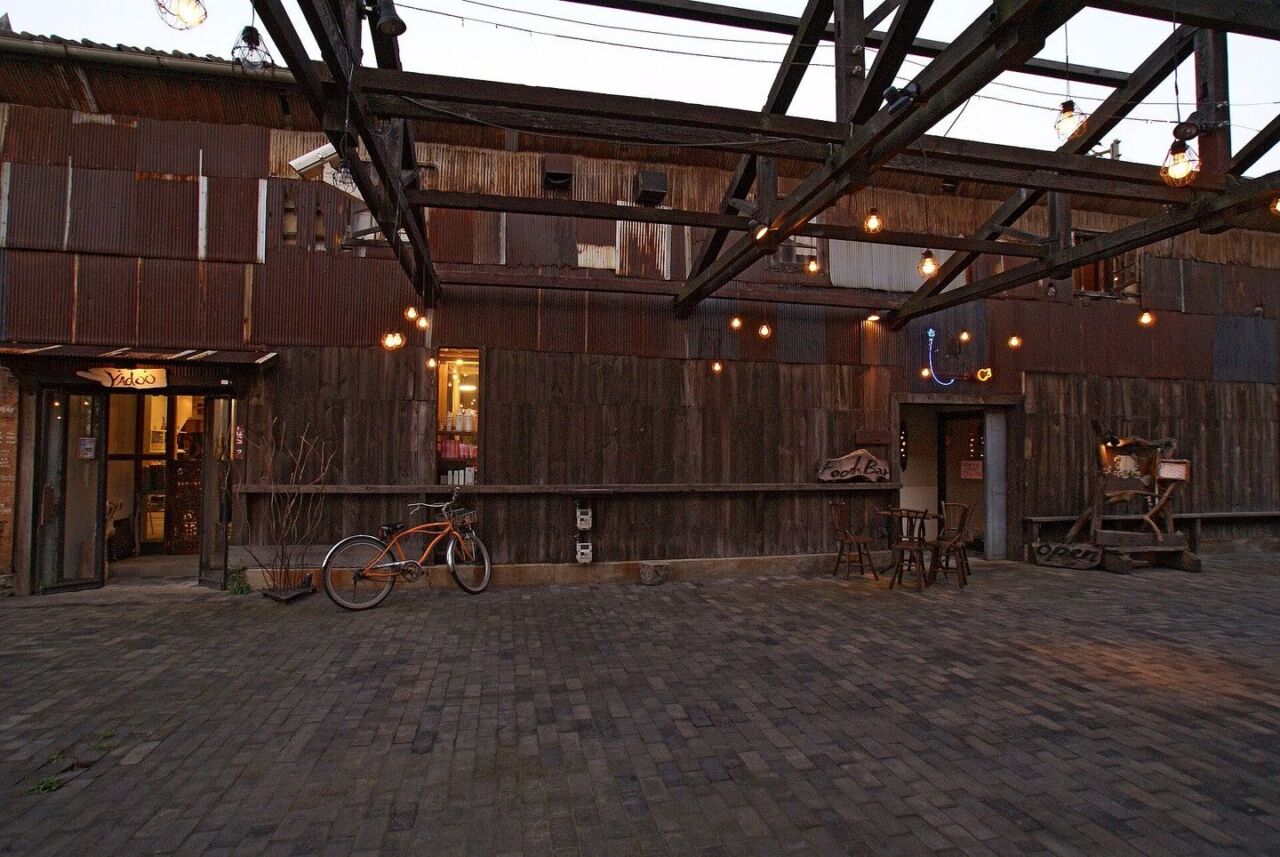
Kitahama Alley sits just east of Takamatsu Port and was formerly a group of Showa-era waterfront warehouses. In the conversion, the rusted sheet metal, weathered wooden beams and old signs were deliberately kept, and the buildings were filled with cafes, curated goods shops, vintage clothing stores and galleries, forming a low-key seaside enclave.
The right way to enjoy it here is to take your time: sit down in a cafe facing the sea and watch cargo ships come and go from Takamatsu Port. In the evening the light slanting into the warehouse lanes is especially photogenic, and it is one of the few areas in Takamatsu worth strolling into the night. Closing days vary by shop, so check first.
Takamatsu Central Shopping Street: One of Japan’s Longest Covered Arcades
The Takamatsu Central Shopping Street is formed by linking several streets, including Marugame-machi, Hyogo-machi and Katahara-machi, and its total length is often described as the longest in Japan. It is covered by arched roofs throughout, with everything from luxury brands, drugstores and 100-yen shops to long-established local stores, making it the most reliable backup plan for rainy days.
The most modern section is the Marugame-machi Shopping Street, where the glass-domed plaza at the entrance is a landmark, and the nearby complex Marugame-machi Green has a green courtyard for resting. The north end of the arcade connects to Takamatsu-Chikko and the south end to Kawaramachi, so walking its full length links up the city center.
Takamatsu Port’s Red Lighthouse Seto-shirube: A Glass Lighthouse That Glows at Night
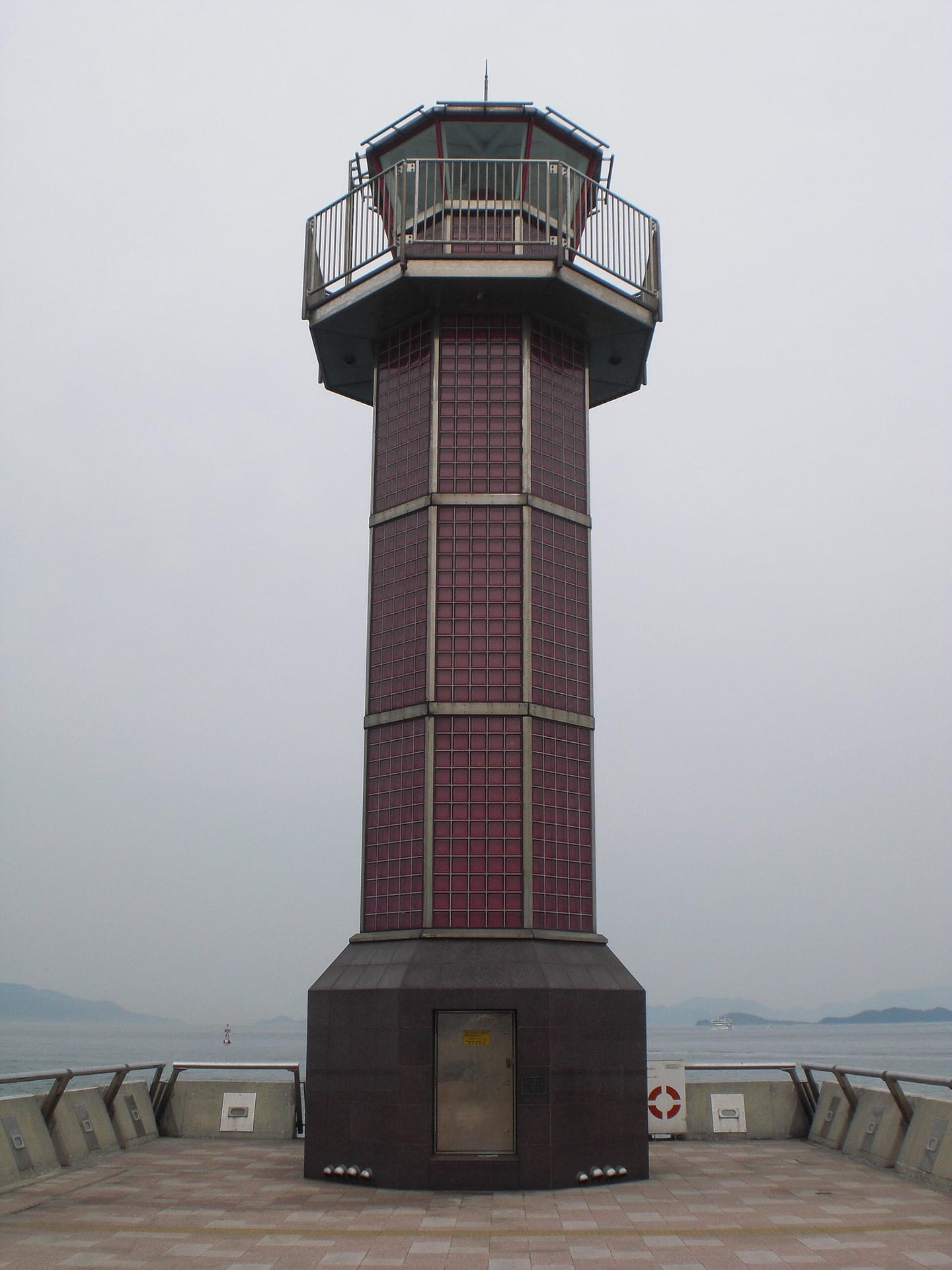
The red lighthouse at the end of Takamatsu Port’s breakwater is nicknamed “Seto-shirube.” What makes it special is that the tower is built of glass bricks, and after dark the whole lighthouse glows red from within, making it a rare glass lighthouse by world standards.
It is a walk of about ten-odd minutes along the breakwater promenade from Sunport Takamatsu, with views of the whole Seto Inland Sea along the way. This is Takamatsu’s recognized spot for sunsets and night views and is often used as a couples’ walking route, while in the daytime it is mostly anglers and jogging locals.
Megijima: The Demon Island and Great Cave of the Momotaro Legend
Megijima is about 20 minutes by boat from Takamatsu Port and is the easiest island for a day round trip. It is popularly known as “Onigashima” (Demon Island): a large cave discovered near the summit in 1914 is believed to be linked to the demons’ lair in the Momotaro legend, and it is now developed and open to the public as the “Onigashima Great Cave.”
Inside, the cave is damp and cool, with demon statues and legend explanations set along the route. The summit lookout gives views over the islands of the Seto Inland Sea, and on the coast there are stone walls called “oote,” built to block the sea wind, and works left by the art festival. Cave hours and tickets follow the island’s announcements.
Ogijima: The Cat Island on a Slope and a White Art Landmark
Ogijima lies farther out than Megijima, about 40 minutes from Takamatsu Port on the same route. The island’s village climbs up a steep slope in layers, with lanes so narrow they can only be walked, and because it has so many cats, travelers call it “Cat Island.”
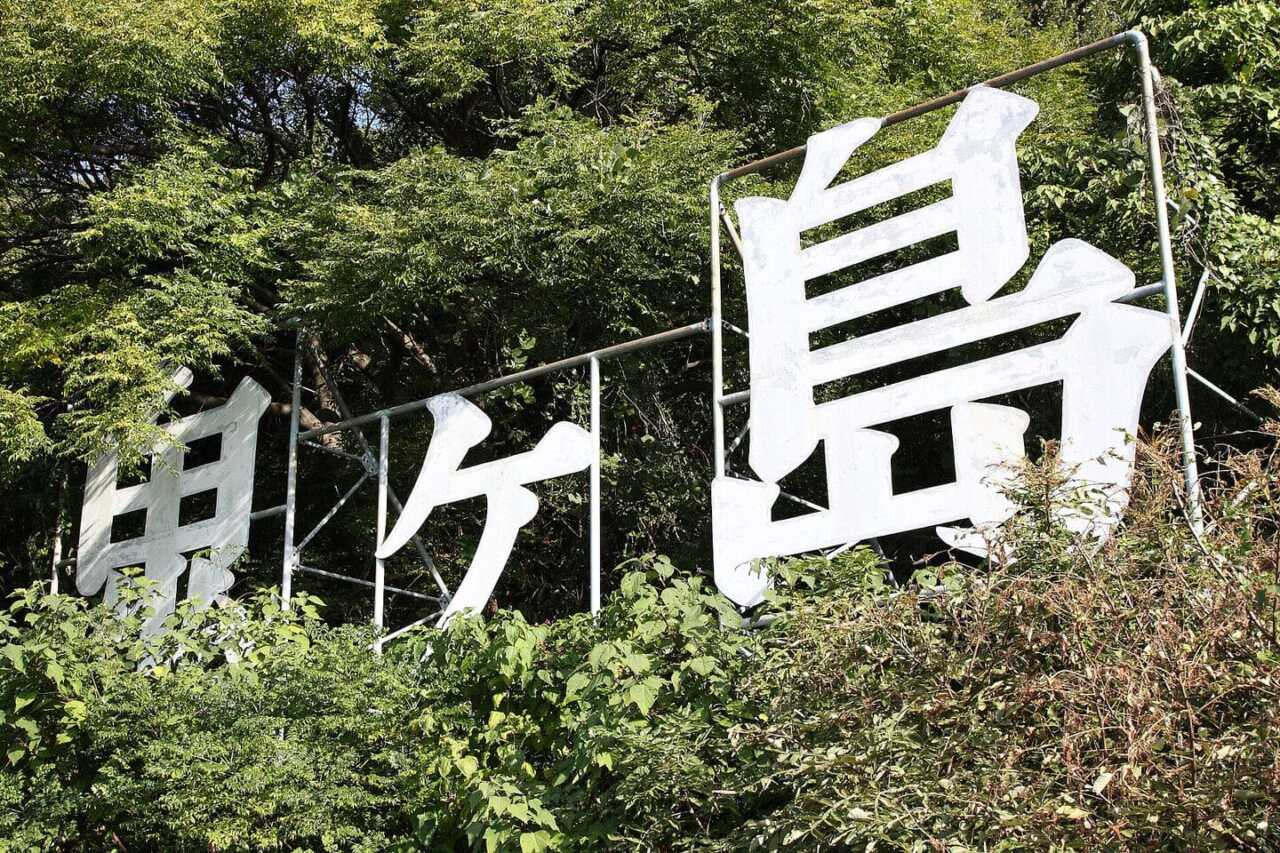
The first thing you see on landing is the art festival work “Soul of Ogijima,” a white thin-shell roof engraved with characters from many countries that also serves as the ferry waiting room. At the island’s north end there is also a rare Ogijima lighthouse, unpainted and built directly of granite. The island has many slopes, so wear comfortable shoes.
Yadon Park (Hidamari Park Ayagawa): A Kagawa-Exclusive Slowpoke Paradise
Because “udon” and “Yadon” (Slowpoke) sound similar in Japanese, Kagawa Prefecture has partnered with Pokemon since 2018, making Slowpoke the ambassador for the “Udon Prefecture,” and as a result Slowpoke-themed parks have appeared around the prefecture.
The most representative is Hidamari Park Ayagawa in Ayagawa Town, which opened in April 2023. It has six Slowpoke-shaped play structures and is about a 5-minute walk from Kotoden Ayagawa Station. You can get off on the way to Kotohira-gu on the Kotohira Line, and it is a detour especially worth making for families with children.
Shikoku-mura Museum: An Open-Air Old-House Museum at the Foot of Yashima
Shikoku-mura sits at the foot of Yashima and is an open-air museum where old farmhouses, rural stages and everyday facilities from across Shikoku have been relocated. It was renamed “Shikoku-mura Mi-Museum” in 2022. One lap is like seeing Shikoku country life from the Edo to the Taisho period.
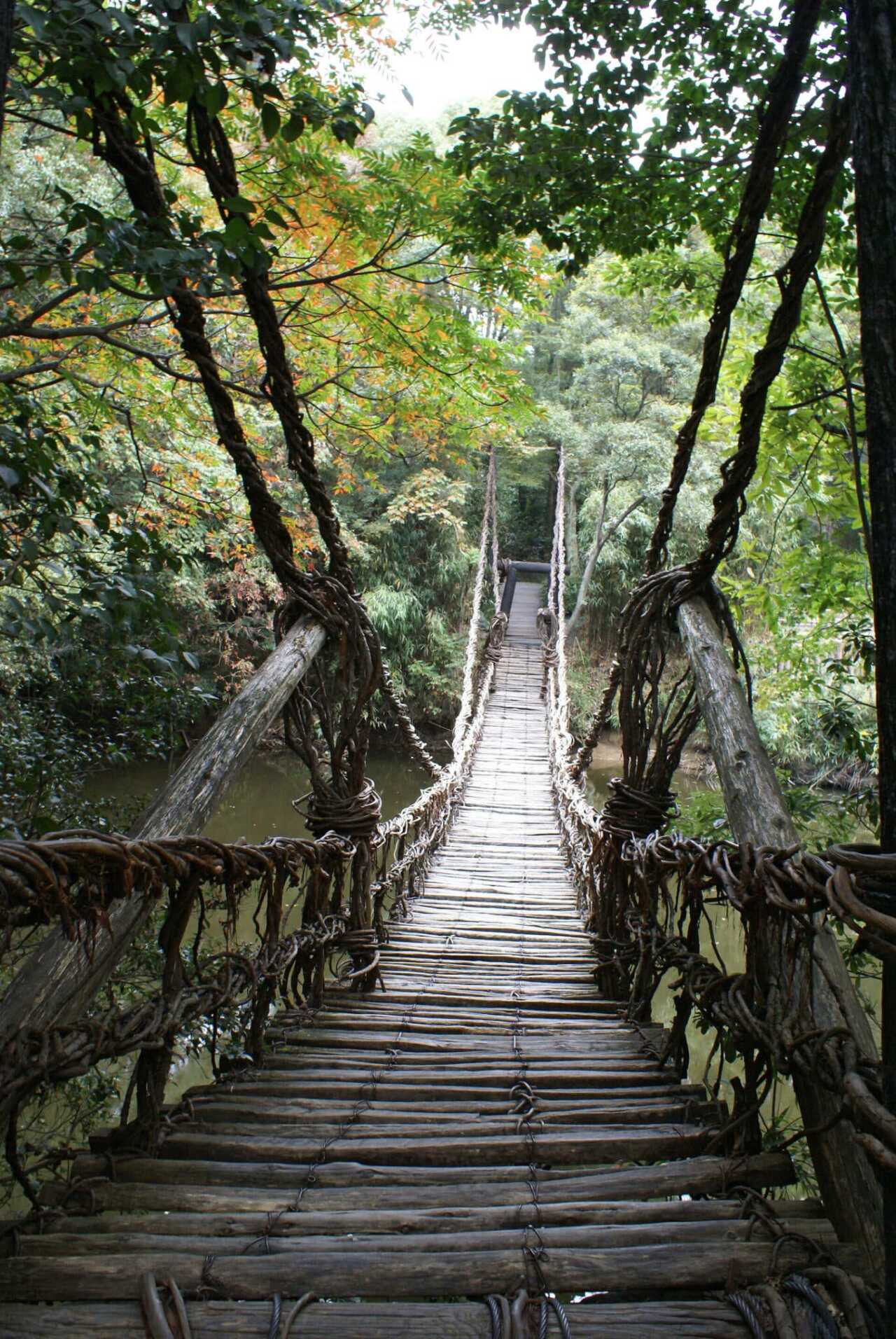
The vine suspension bridge at the entrance is modeled on the Iya Valley’s vine bridges and is a classic photo spot. The grounds rise and fall with the hillside, so the walking route is long and sloped. The grounds also include the Shikoku-mura Gallery designed by Tadao Ando; hours and tickets follow the park’s announcements on the day.
How Much Does Takamatsu Cost? Admission, Tickets and Island Ferry Fares
Takamatsu’s cost structure is simple: attraction admission is on the cheap side, and the real spending is on island ferry tickets and meals. Below are the common costs; please check each operator’s announcements on the day for actual amounts.
Ritsurin Garden Admission, Wooden Boat and Kikugetsu-tei Matcha
Ritsurin Garden charges admission at a very reasonable price, and there is also an annual pass for frequent visitors. The garden’s tour boat and the matcha service at Kikugetsu-tei are both paid for separately after entry, and need to be settled separately.
The wooden boat must be requested through the reservation system on the official site “Special Place of Scenic Beauty Ritsurin Garden,” and it does not run in bad weather or at abnormal water levels; Kikugetsu-tei may also be closed for private events. Opening hours change by season, and early spring and early autumn hours differ considerably, so please check the official announcements before you go.

(行程自由搭配)-Klook.jpg)
Tamamo Park Admission and Sea Bream Feed
Admission to Tamamo Park (the Takamatsu Castle site) is the cheapest among the city’s attractions, just a few coins to get in. The park’s signature experience, feeding the sea bream, requires buying feed separately, available at the stand by the moat.
Opening hours change by season, and the morning opening is earlier than at most attractions, so it fits well at the very start of a day’s itinerary. Some buildings in the park (such as Hiunkaku) have their own opening days and use restrictions, and private bookings are common, so check the announcement for the day first.
Kotoden One-Day Pass: A Money-Saving Way to Cover the City and Kotohira-gu
The Kotoden sells a one-day free ride ticket (Kotoden Ichinichi Free Kippu) that allows unlimited rides on the Kotohira, Nagao and Shido lines within its validity. If you plan a round trip to Kotohira (Kotohira-gu) or toward Yashima that day, it almost always pays for itself.
Tickets can be bought at the Kotoden’s main stations, and there are also discounted versions bundled with nearby facilities, with contents adjusted from time to time. If you will only make short trips within the city that day, single tickets may be better value, so it is safer to estimate your number of rides before buying.
Island Ferry Fares and the Setouchi Triennale Artwork Viewing Passport
Megijima and Ogijima are on the same route (the Meon ferry), and the adult one-way fare from Takamatsu to Ogijima is ¥510; Naoshima and Shodoshima take longer to reach, with a clear price gap between ferry and high-speed boat tickets, so choose the high-speed boat only if you are in a hurry.
If your visit falls in a Setouchi Triennale year, the organizers issue an “Artwork Viewing Passport” covering works across multiple islands, which is far better value than buying tickets one by one. The festival years, the islands and facilities covered, the price and whether specific museums are included differ with each edition, so please follow the festival’s official announcements; in non-festival years, you buy admission at each facility individually.
Yashima Summit Shuttle and Yashimaru Costs
There are three ways up Yashima: transfer to the mountain shuttle bus from Kotoden Yashima Station or JR Yashima Station, drive up the Yashima toll road, or walk up the henro pilgrimage path. The shuttle does not run frequently, so check the timetable before you set out.
Yashimaru itself is positioned as a free public facility, with the in-house cafe and some special exhibitions charged separately; the New Yashima Aquarium and the Yashima-ji treasure hall each charge admission separately. Closing days differ among facilities, so check first especially when going on a Monday.
Food Budget: How to Plan for Bone-in Chicken and Sanuki Udon
The two things you most need to eat in Takamatsu are Sanuki udon and honetsukidori (bone-in grilled chicken leg). At self-service noodle-shop style restaurants, a bowl of udon costs just a few coins, the best-value meal in all of Japan; at regular shops, even with tempura it rarely goes over ¥1,000.
Honetsukidori comes in two kinds: the tender “hinadori” (young chicken) and the “oyadori” (mature chicken) that grows more flavorful the longer you chew, at around ¥1,000 per piece and usually served with cabbage and beer. Budgeting ¥3,000 to ¥5,000 per person per day for food is already enough to eat very well in Takamatsu.
What to Watch Out for in Takamatsu: Where to Stay and Pre-Trip Reminders

Two last things: which area is the most convenient to stay in, and what to confirm before you go.
Near Takamatsu Station or Kawaramachi? Where to Stay
If your itinerary centers on island-hopping and trips to and from Honshu, the area from JR Takamatsu Station to Takamatsu-Chikko is the easiest: the Marine Liner connecting with the Shinkansen, the airport bus, express buses and the ferries to the islands are all within walking distance, with no struggle with luggage, and the hotels around Sunport are mostly newer.
If you care more about having places to eat and drink at night, the Kawaramachi area is a better fit. It is where the three Kotoden lines meet, the station exit connects right to the south section of the Central Shopping Street, and it has the highest density of honetsukidori and izakaya. The two areas are not far apart, just a few minutes by Kotoden, so choose based on your travel rhythm.
Three Things to Check Before You Go: Ferry Times, Closing Days and Stamina
First, ferry times. Island routes have limited sailings and can be suspended due to sea conditions, so check outbound and return times and note the last boat; during Setouchi Triennale periods sailings and crowds both increase greatly, while outside those periods the opposite is true, and the planning logic differs for each.
Second, closing days. The days off of the facilities on Yashima’s summit, Shikoku-mura and the island museums are not the same, with Monday the riskiest day to travel, and when a national holiday falls they mostly move to the next day. Third, stamina: Ogijima is all steep slopes, and Yashima and Shikoku-mura also have elevation changes, so wear comfortable shoes.
Season and Weather: The Seto Inland Sea’s Low Rainfall and Summer Sun
The Seto Inland Sea area is one of the regions in Japan with lower rainfall, so it is easy to plan for all year, but for the same reason summer sunshine is intense and shade on the islands is limited, so sunscreen, a hat and drinking water are all essential when island-hopping, and vending machines and shops on the islands are few.
Ritsurin Garden’s cherry blossoms in spring and autumn leaves in fall are the two loveliest times for the garden; winter scenery is plainer, but with few visitors and clear light, photos come out crisp instead. The wind over the sea in winter makes it feel cold, so bring a windproof jacket for boat rides.
Takamatsu Attractions FAQ
Q: How many days should I plan for Takamatsu attractions?
One day is plenty if you only see the city: Ritsurin Garden, Tamamo Park, the Central Shopping Street and Kitahama Alley fit together into one loop. Allow two days to add Yashima or Megijima; if you also want Naoshima, Shodoshima or Kotohira-gu, leave three days or more, because ferry times and transfers eat up a lot of time.
Q: How long does Ritsurin Garden take?
Walking only the south garden highlights takes about an hour; to see both the south and north gardens, plus matcha at Kikugetsu-tei and a tour boat ride, allow two to three hours. The garden is very large, so if time is limited, prioritize the south garden and Hiraiho, where the signature views are on that side.
Q: Can I do Megijima and Ogijima on the same day?
Yes, the two islands are on the same route, and many people go first to the farther Ogijima in the morning, get off at Megijima on the way back at midday to see the Onigashima Great Cave, and return to Takamatsu in the evening. But this itinerary is completely tied to ferry times, so plan the whole day’s timetable before you leave.
Q: Can I enjoy Takamatsu well without renting a car?
Absolutely. Takamatsu’s attractions are concentrated, and the three Kotoden lines plus a rental bicycle cover Ritsurin Garden, Tamamo Park, the shopping streets and Yashima; the islands are reached entirely by ferry, so a car is not needed at all. Only if you want to explore other corners of Kagawa does a rental car clearly add value.
Q: How do I combine Takamatsu, Naoshima and Shodoshima in one itinerary?
The smoothest approach is to use Takamatsu as your accommodation base and head out each day to one island and come back, which saves moving luggage. Naoshima suits those who like contemporary art, and remember that most museums require reservations and close on Mondays; Shodoshima focuses on natural scenery such as the Angel Road and Kankakei, with a more relaxed pace.
Q: What must I eat in Takamatsu?
Two things: Sanuki udon and honetsukidori. For udon, we suggest trying a self-service noodle-shop style restaurant at least once, where you boil your own noodles, add broth, pick up tempura and then pay; honetsukidori is a Takamatsu dinner staple. Note that many famous udon shops sell out and close around midday.
Q: What are the ways up Yashima? Is the cable car still there?
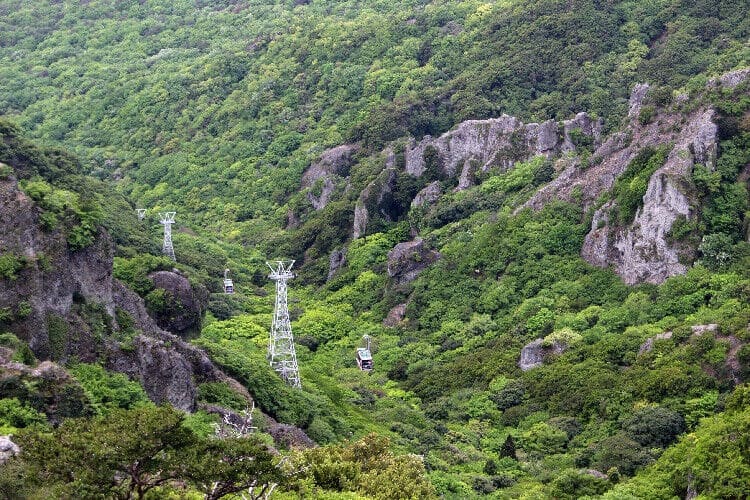
Today you get up Yashima mainly by the mountain shuttle bus, by driving the Yashima toll road, or by walking the henro path; the old Yashima mountain cable car has stopped operating, though old information online still often mentions it, so please rely on current bus and road information when planning.