
How to Get to Nyuto Onsenkyo: Tsurunoyu Snow-Season Transport and Transfers at Tazawako Station
To reach Nyuto Onsenkyo you first travel to Tazawako Station and then transfer to a route bus or an inn shuttle. In winter, allow extra buffer time.
How to Get to Nyuto Onsenkyo: Transport Options and Costs at a Glance
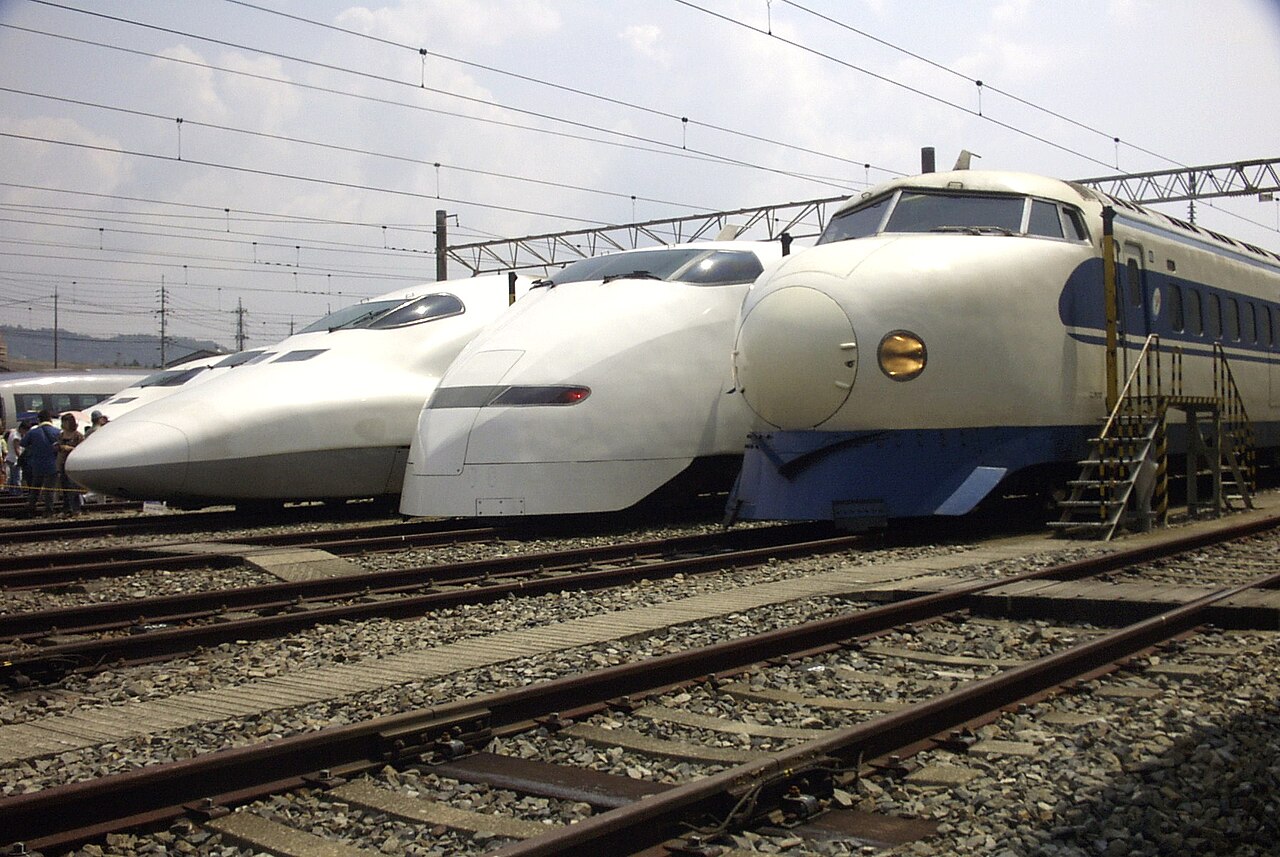
Shinkansen: take the Akita Shinkansen from Tokyo to Tazawako Station, about 2 hours 50 minutes to 3 hours.
Route bus: transfer at Tazawako Station to the “Nyuto Line”, about 45 to 50 minutes. Fares and last departures follow the current Ugo Kotsu announcements.
Airport option: a reserved shared taxi from Akita Airport goes direct in about 2 hours 10 minutes, or go to Akita Station and take the Shinkansen.
Tsurunoyu shuttle: transfer to the pickup car at the “Alpa Komakusa” stop and reserve by phone at 0187-46-2139.
Winter note: bus runs are reduced, driving requires snow tire experience, and we suggest leaving luggage in a station locker.


Must-See Spots at Nyuto Onsenkyo: The Seven Baths and Nearby Highlights
Tsurunoyu Onsen: The Oldest Hidden Hot Spring in Nyuto Onsenkyo
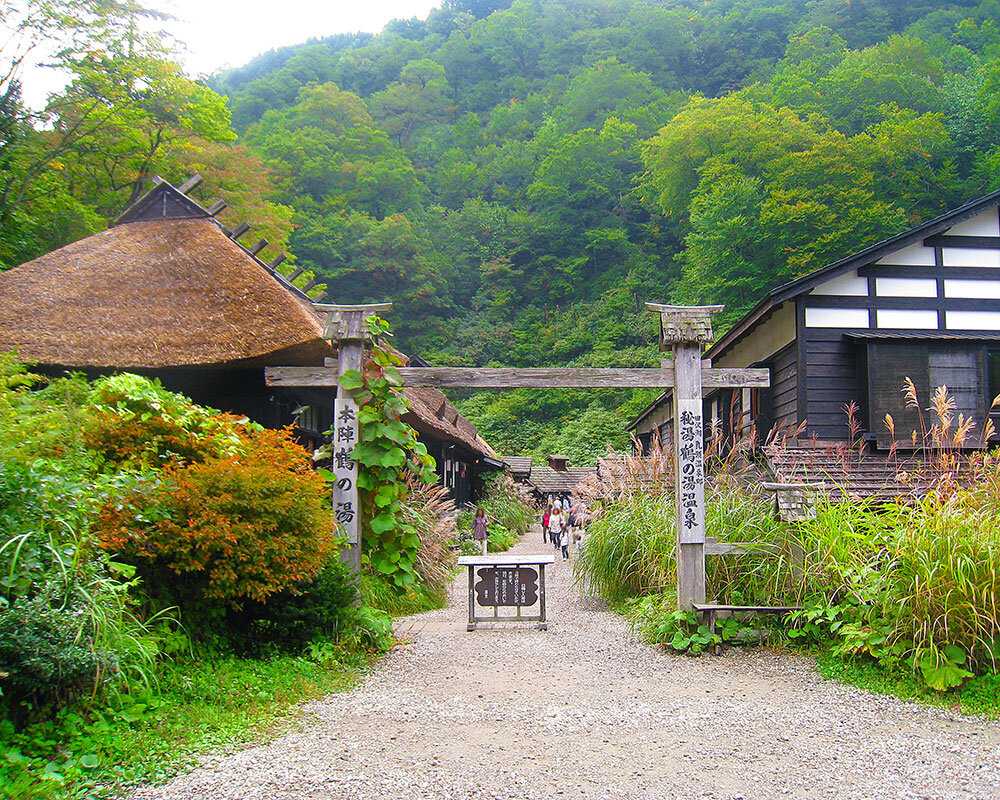
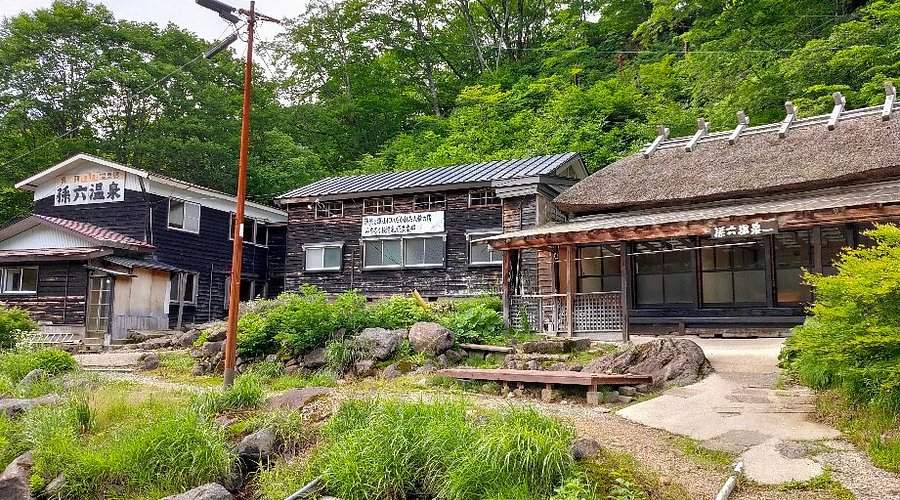
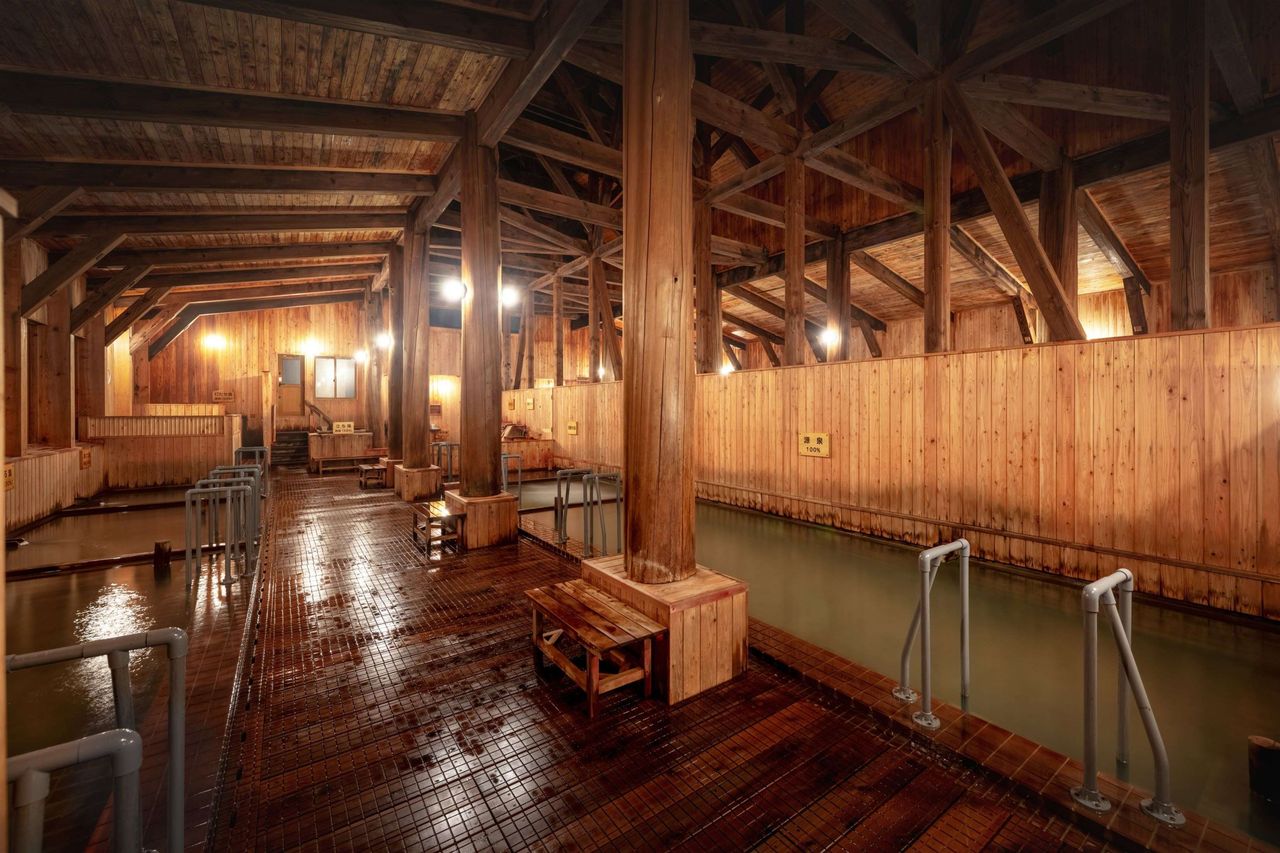
Tsurunoyu has a record of the Akita domain lord Satake Yoshitaka taking a hot spring cure there in 1638. Its thatched-roof “Honjin” is a member of the Association to Protect Japan’s Hidden Hot Springs, and its signature is the milky-white sulfur-spring mixed-gender open-air bath “Shiroyu”. One night with two meals (per person, two guests sharing): Honjin about ¥15,550, Building 2 ¥11,700, Shin-Honjin and Higashi-Honjin ¥17,750 to ¥24,350. Reserve by phone or through the Tsurunoyu website (tsurunoyu.com). Day-use bathing is ¥700, 10:00 to 15:00, closed Mondays (moved to the next day if a national holiday).

Tsurunoyu Annex Yamanoyado: A Secluded Retreat in a Relocated Old Farmhouse
Yamanoyado was built from a traditional Tohoku farmhouse moved to the site and stands in front of the Tsurunoyu main building. It has 10 rooms in all, with private baths, and guests can use the main building’s baths during their stay. Rates are ¥18,850 to ¥25,450 (including two meals, service charge and tax), with a winter heating fee of ¥1,100 per room. Reservations are by phone only, yukata and toothbrushes are provided, and Visa and Mastercard are accepted.
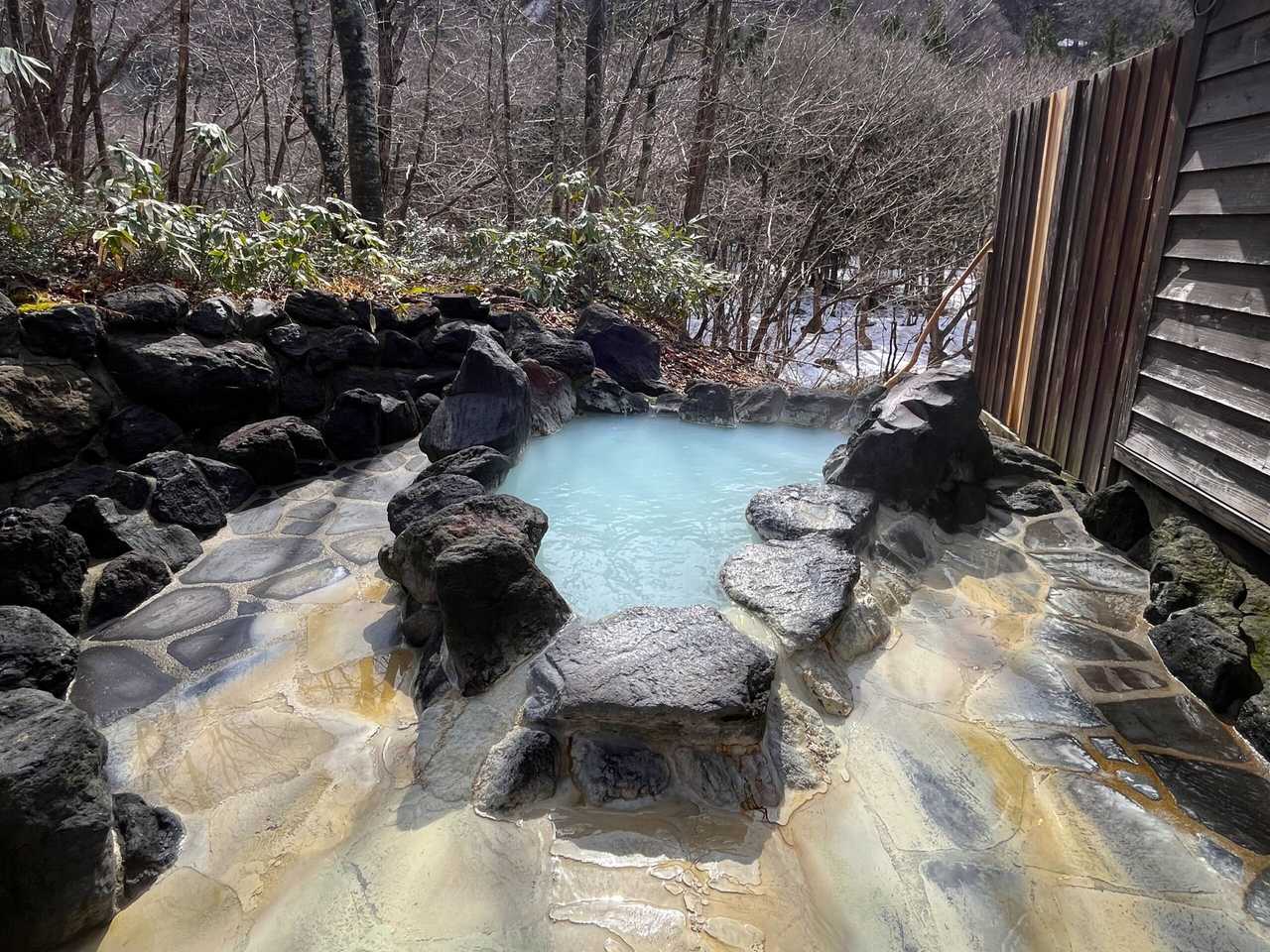
Taenoyu Onsen: Gold and Silver Springs and a Waterfall-View Open-Air Bath
Taenoyu has two sources: the Gold Spring (magnesium-calcium sulfate) and the Silver Spring (simple spring). Its mixed-gender open-air bath “Myoken-no-yu” faces the Sendatsu River gorge with a view of a small waterfall. Creative kaiseki cuisine is served. Get off at the “Taenoyu Onsen” bus stop and you are there. Guests can use the private baths for free, and day-use bathing is ¥1,000; check the official website for opening hours.
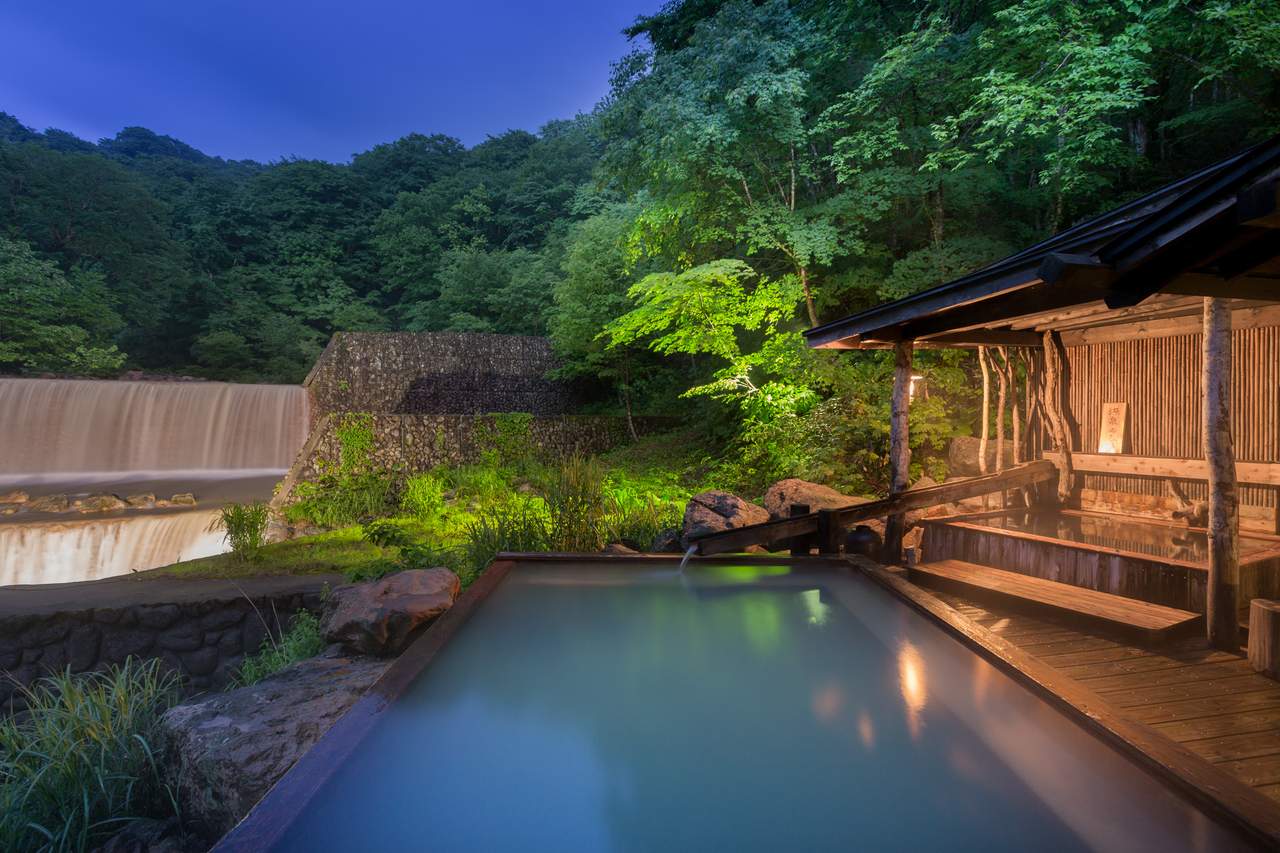
Kuroyu Onsen: The Black Hidden Spring at the Foot of Mt. Nyuto
Kuroyu’s water is milky white, a simple hydrogen sulfide spring, with indications that include neuralgia and joint pain. Its thatched roof keeps a strong hidden-bath atmosphere, and it has two sources, Kamiyu and Shimoyu; the Kamiyu has a mixed-gender open-air bath. Please check the official website for opening dates. It closes in winter from mid-November to mid-April, the only one of the seven inns not open in winter.
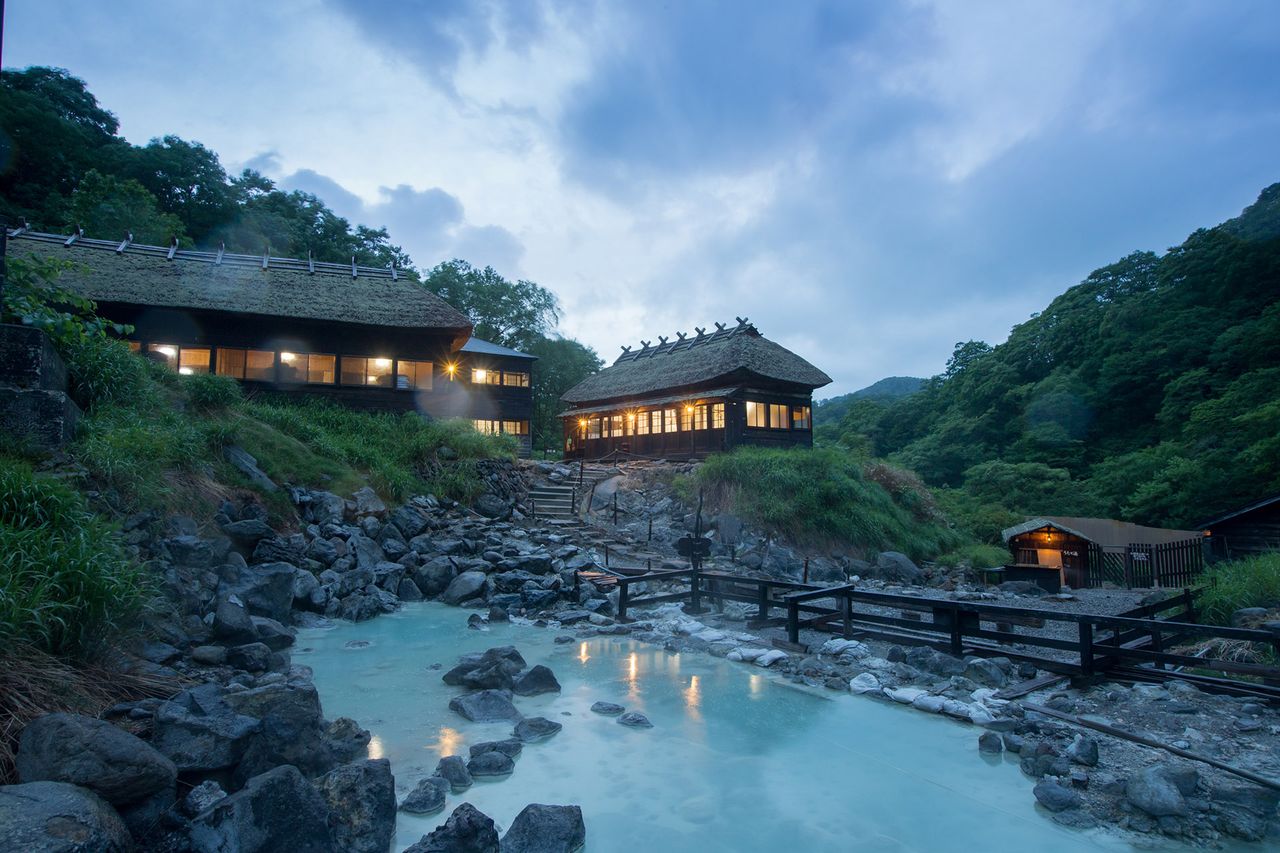
Kanisaka Onsen: A Mixed-Gender Hidden Bath Deep Down a Forest Road
Kanisaka Onsen has a sodium bicarbonate (hydrogen carbonate) spring. From the main building you need to walk about 50 meters along a forest road to reach the large mixed-gender open-air bath. In a snowstorm the walk feels especially cold, so wear non-slip snow boots. It serves local wild-vegetable dishes and is open all year with no winter closure, one of the few of the seven baths you can confidently plan for in winter.
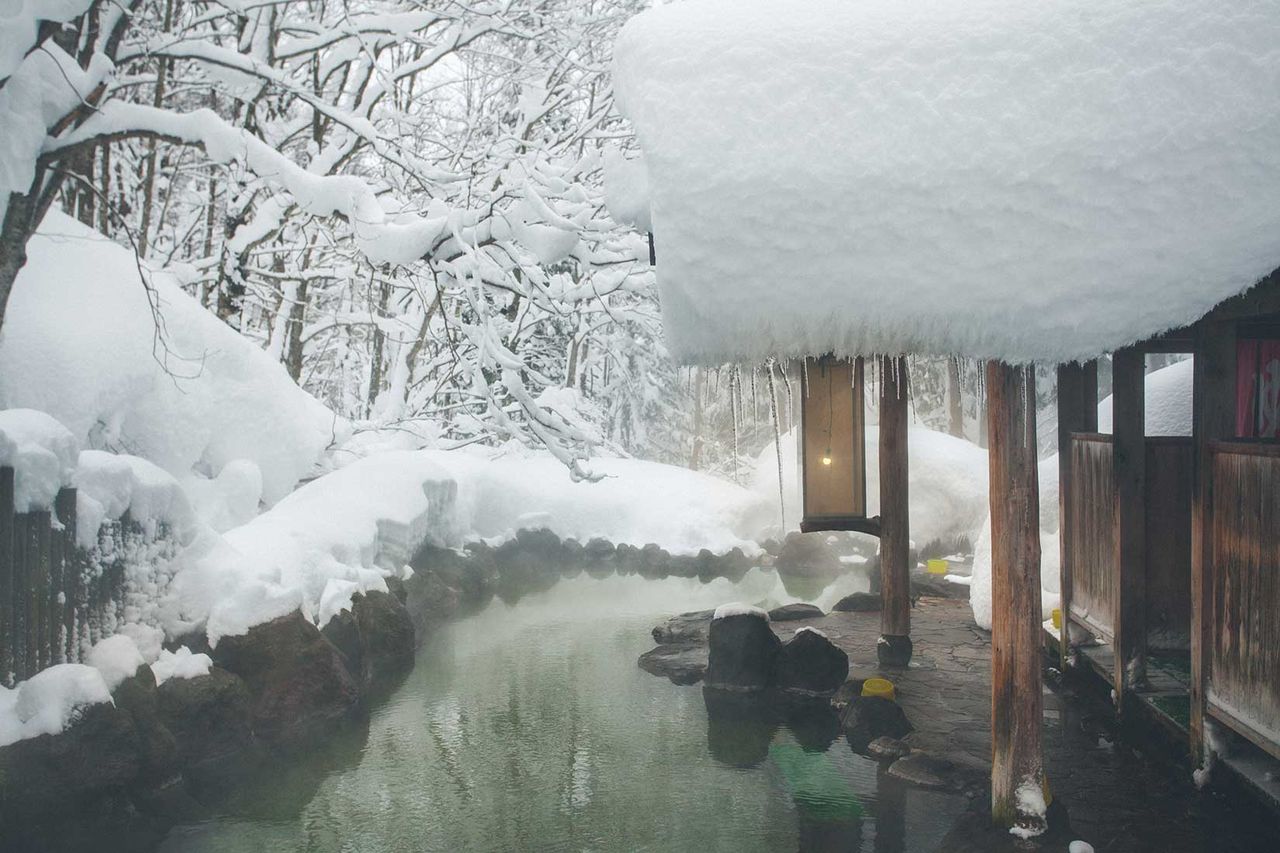
Ogama Onsen: A Showa-Era Nostalgic Hot Spring in a Converted School
Ogama Onsen was converted from an abandoned old elementary school building and still keeps a “staff room” door sign, with a strong Showa-era nostalgic atmosphere. The water is an acidic spring. Get off at the “Ogama Onsen” bus stop and you are there; the stop is at the front door. An official announcement says overnight stays are suspended from January 1, 2026, and it is currently open for day-use bathing only, 9:00 to 16:00 (last entry 15:30), closed Thursdays, adults ¥700, children ¥350.
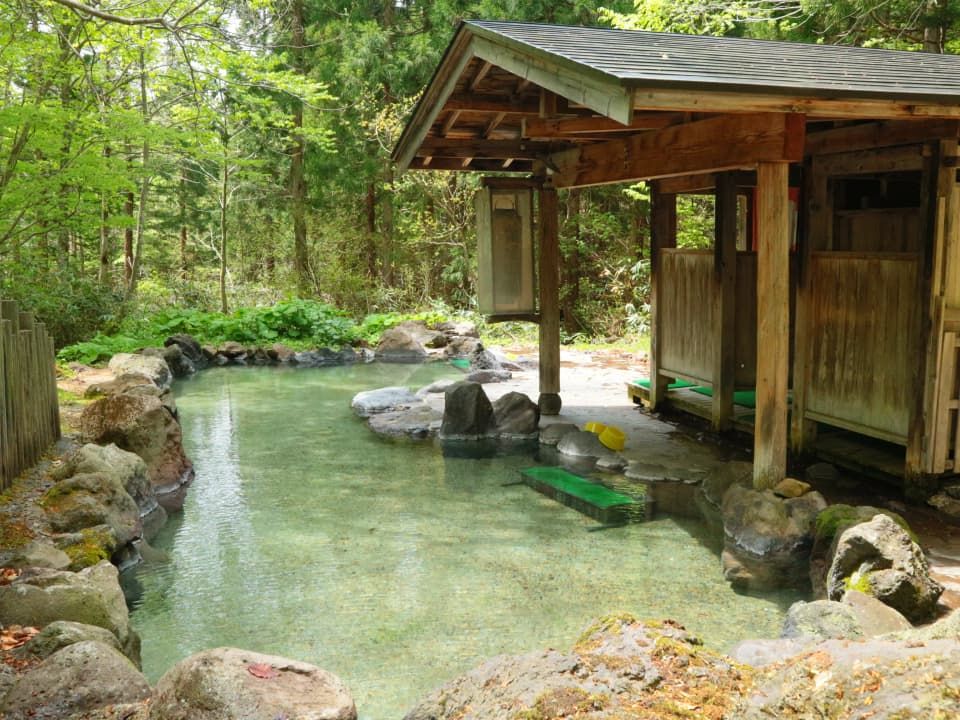
Magoroku Onsen: A Radium Spring and Mountain Stream Hidden Bath
Magoroku Onsen is the deepest single-inn spot in Nyuto Onsenkyo, a hidden hot spring that has carried on for over a hundred years, with a mixed-gender open-air bath. The rooms in the new building “Rokuan” have been renovated and are more modern. You reach it by walking about 15 minutes along a mountain path from the “Nyuto Onsen” stop, so access is the least convenient. We suggest leaving large luggage in a locker at Tazawako Station and bringing only a light backpack.
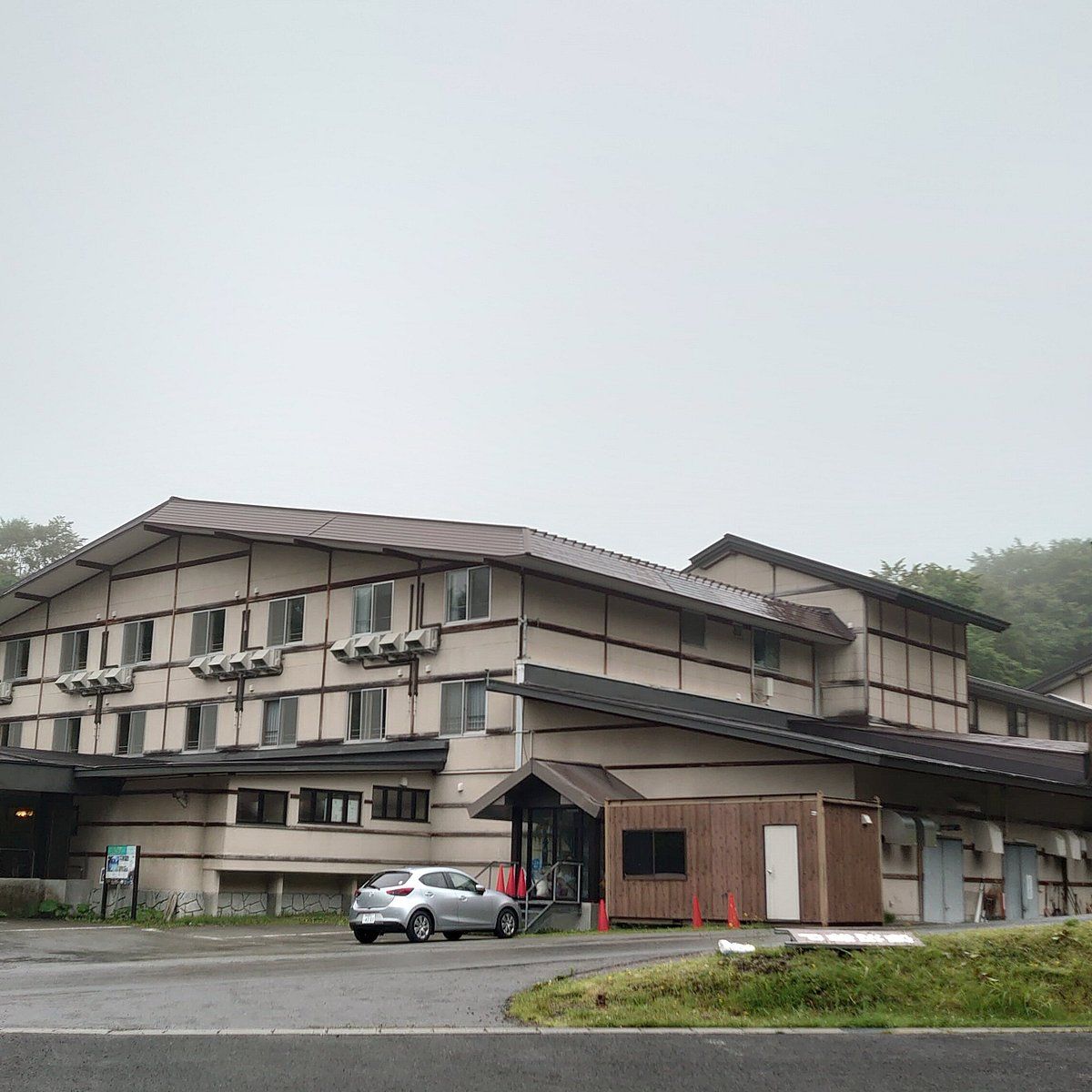
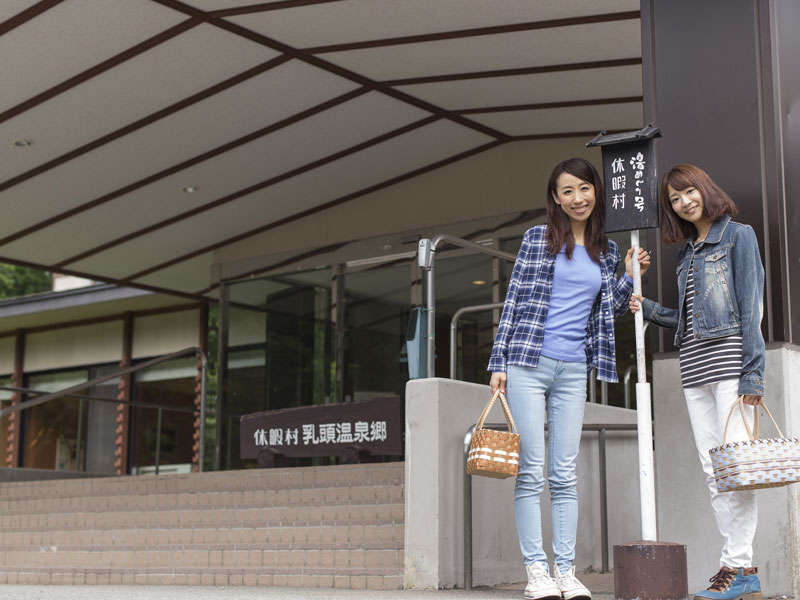
Kyukamura Nyuto Onsenkyo: A Family-Friendly, Modern Hidden-Spring Inn
Kyukamura Nyuto Onsenkyo has modern facilities and serves buffet-style meals including Akita local dishes. Get off at the “Kyukamura” stop and you are there. It suits families and older guests but has relatively less of a hidden-bath atmosphere.
Lake Tazawa: The Deep Blue Legend of Japan’s Deepest Lake
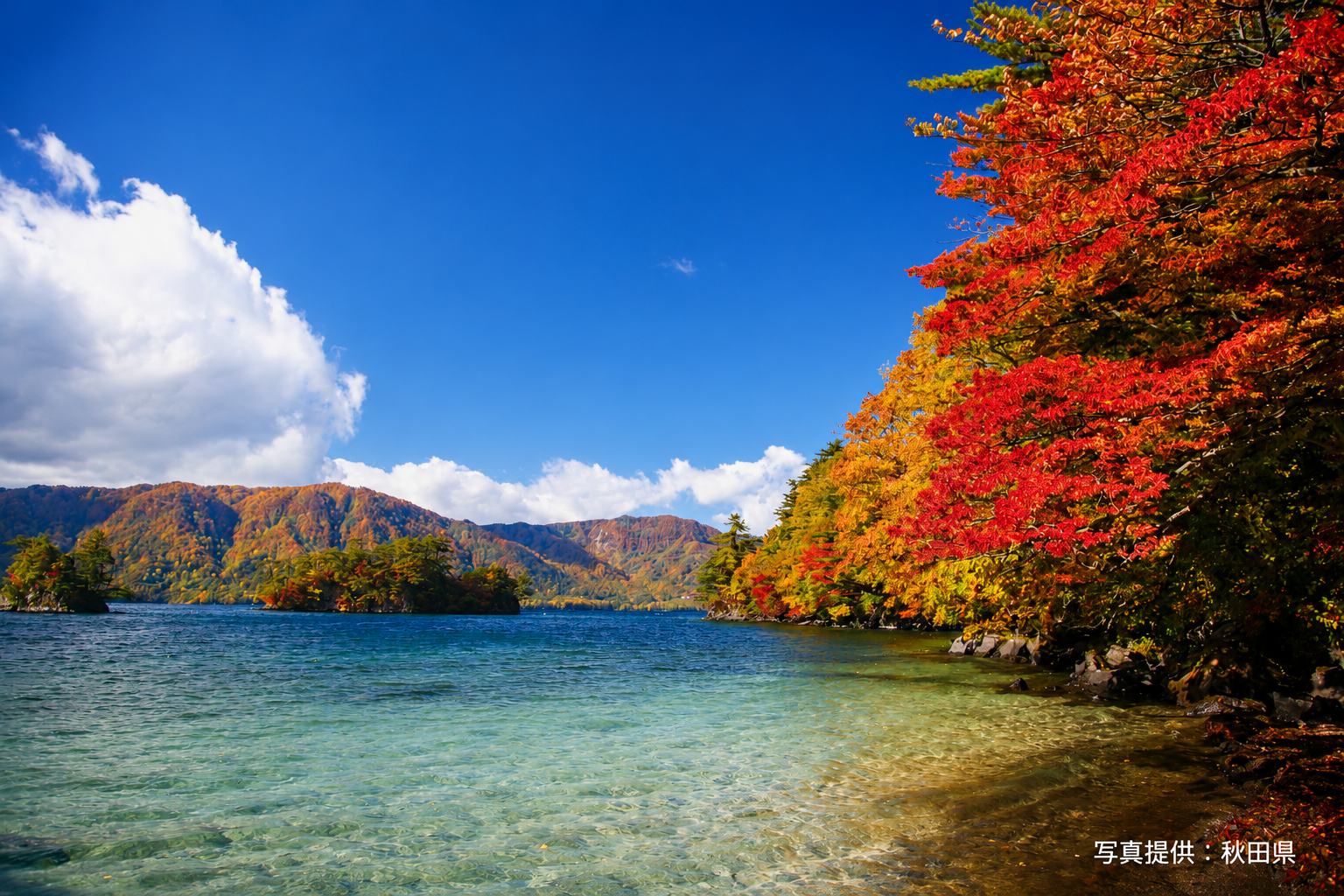
Lake Tazawa is Japan’s deepest lake, at 423.4 meters at its deepest point, and its water glows a clear deep blue in sunlight. A golden statue of Tatsuko stands on the shore, and legend says the maiden Tatsuko prayed for eternal youth and became the dragon god of the lake. From Tazawako Station it takes about 12 minutes by Ugo Kotsu bus to the lakeshore, so it works as a stop on the way to or from Nyuto Onsenkyo. The lake does not freeze in winter, and you can still enjoy snowy scenery reflected in the water.
Gozanoishi Shrine: A Lakeside Shrine of the Tatsuko Legend
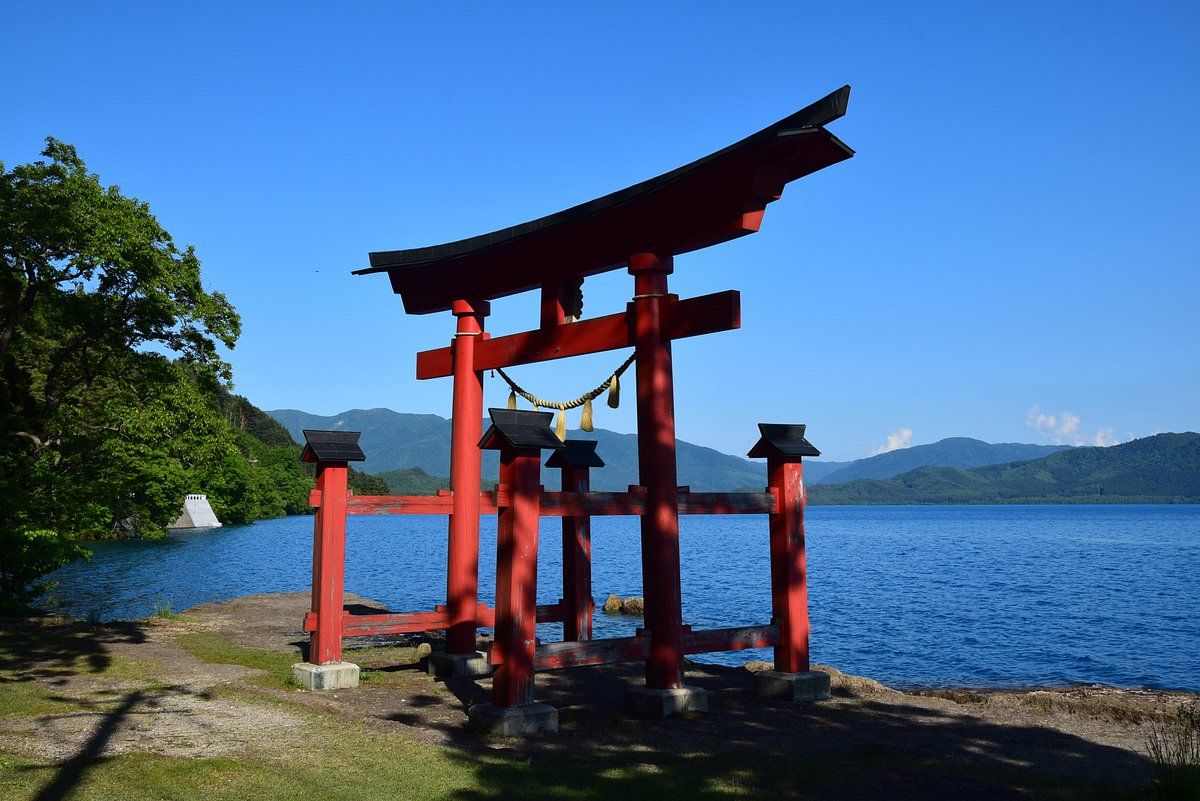
Gozanoishi Shrine stands on the shore of Lake Tazawa and mainly enshrines Princess Tatsuko, who became a dragon god; it is known for prayers for beauty and long life. Legend says Tatsuko once sat on a stone near the shrine to do her makeup, giving the place the name “Goza-no-ishi” (seat stone). The grounds have a sacred tree about 450 years old, and it is worth stopping by when you plan a trip around the lake.
Kakunodate Samurai Residences: Samurai Houses of the “Little Kyoto of Tohoku”
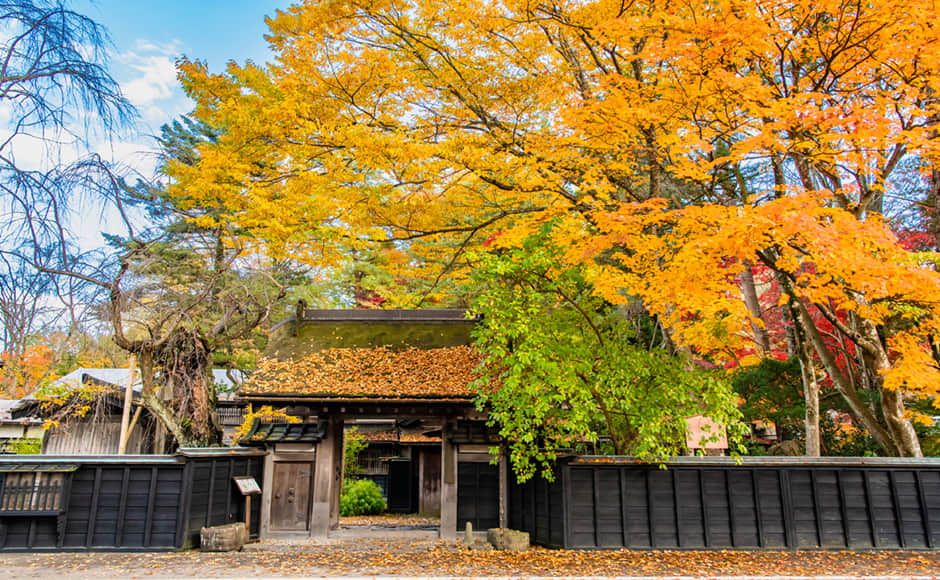
Kakunodate is called the “Little Kyoto of Tohoku”. Along both sides of Bukeyashiki-dori street stand Edo-period homes of low- and mid-ranking samurai, with black wooden walls set beside weeping cherry trees. The Aoyagi and Ishiguro residences and others are open to visitors, with admission of about ¥400 to ¥500. The JR Tazawako Line runs between Kakunodate and Lake Tazawa, so it fits before or after your hot spring trip; the most visitors come in late April when the weeping cherries bloom.
Tamagawa Onsen: A Strongly Acidic Hidden Spring and a Home of Bedrock Bathing
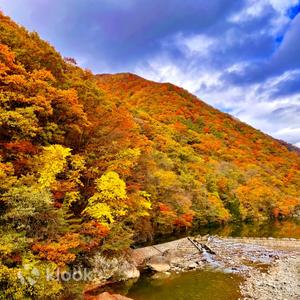
Tamagawa Onsen is known for having Japan’s largest flow of strongly acidic hot spring water, with a pH close to 1.2. The naturally formed “hokutolite” has a trace of radioactivity and draws many visitors seeking cures through bedrock bathing. In winter, traffic restrictions are in force on National Route 341, so you must take the route bus, with fewer runs in winter; check the current Ugo Kotsu timetable before leaving. When bathing, be aware that the strongly acidic water can irritate skin and metal jewelry.
Mt. Akita-Komagatake: Alpine Flower Fields and Hiking Routes in Summer
Mt. Akita-Komagatake stands 1,637 meters high. Around July the summit area blooms with alpine plant communities such as Komakusa, making it a well-known summer hiking route in Tohoku, while winter snow makes it unsuitable for hiking. From Tazawako Station, take the Ugo Kotsu Komagatake Line to the 8th-station trailhead. It fits into a summer itinerary before or after a stay at the hot springs; on a winter trip to the hot springs you cannot hike it.
The Yumeguri Pass and Yumeguri Map: How to Buy and Use Them
Yumeguricho (Yumeguri Pass): A Seven-Bath Tour for Overnight Guests Only
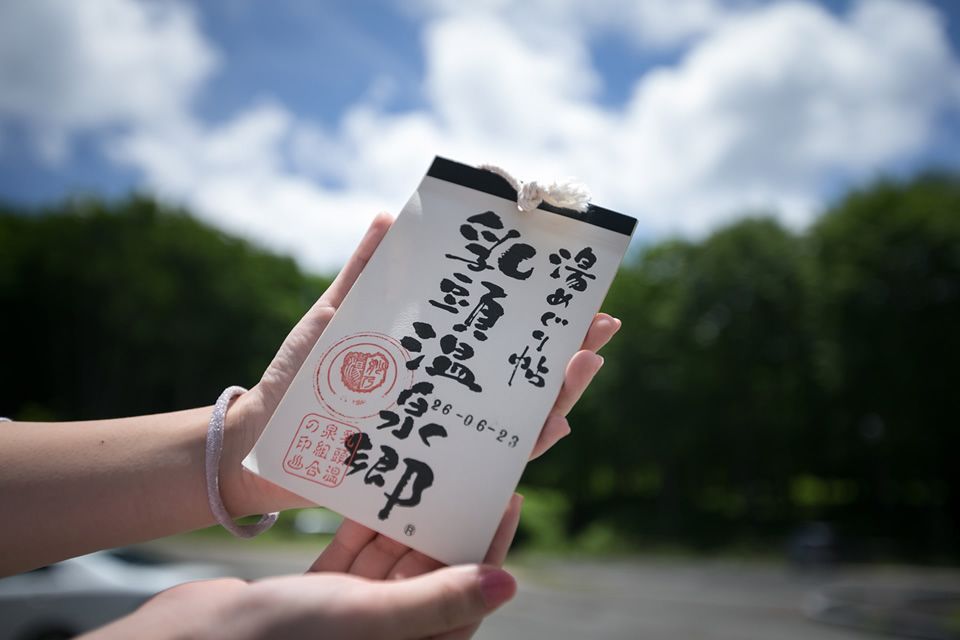
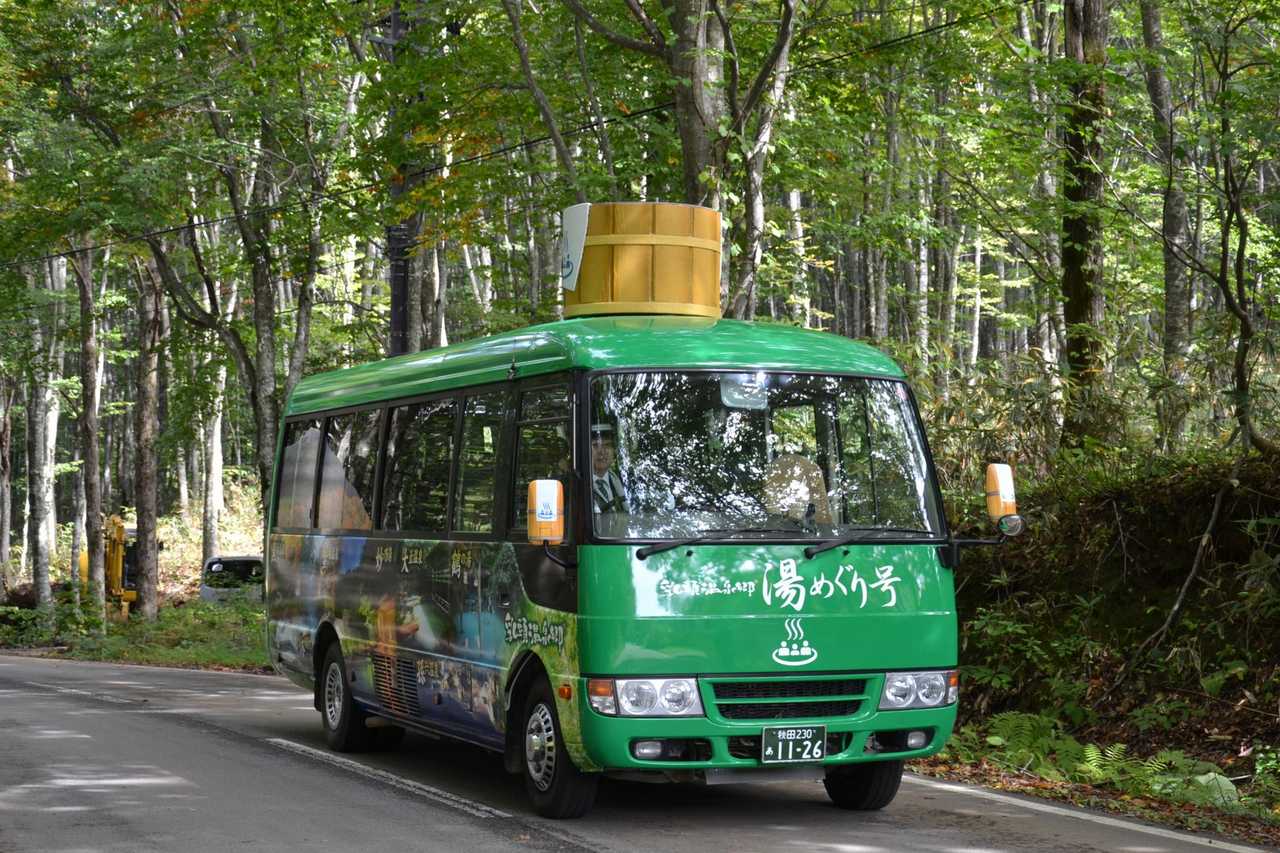
The Yumeguri Pass (Yumeguricho) is a seven-bath pass for guests staying at Nyuto Onsenkyo inns only, ¥2,500 for adults and ¥1,000 for children. Buy it at the front desk of your inn by saying “Yumeguricho kudasai” in Japanese. It is valid for one year from the day of purchase, lets you bathe once at each of the seven baths and ride the loop bus “Yumeguri-go” free of charge, and cannot be bought by day-trip visitors returning the same day.
Yumeguri Map and the Yumeguri-go Bus: A Bathing Plan for Day Visitors
The Yumeguri Map (available to both overnight guests and day visitors) costs ¥1,000 and, like the Yumeguri Pass, lets you ride the Yumeguri-go to connect the seven baths. It does not include bathing fees, which are paid separately. The Yumeguri-go timetable comes in a regular-season version and a winter version; in winter it does not stop at Kuroyu or Magoroku, so check the current timetable before you go.
Day-Use Bathing: Fees and Hours at Tsurunoyu, Ogama and Taenoyu
Day-use bathing fees and hours vary by inn. Tsurunoyu is ¥700 for adults, 10:00 to 15:00, closed Mondays. Ogama Onsen is ¥700 for adults and ¥350 for children, 9:00 to 16:00 (last entry 15:30), closed Thursdays, and currently takes no overnight guests. Taenoyu is ¥1,000 for adults; check the official website for hours and closing days. For the other inns, call first to confirm, then plan the order of your moves for the day.
Where to Stay near Nyuto Onsenkyo: Suggestions for Combined Itineraries

Stays near Tazawako Station: A Waypoint Before Transferring
Tazawako Station is a stop on the Akita Shinkansen, with lockers and a bus transfer point in front of the station. The Nyuto Line bus leaves from the station forecourt and reaches the hot spring area in about 45 to 50 minutes. Spending one night here gives you a buffer against winter bus delays: choose a lakeside or station-front budget inn near Lake Tazawa for your arrival night, then take the first Nyuto Line bus the next morning, saving you from dragging large luggage along snowy roads.
Around the Kakunodate Samurai Residences: One Night in Kakunodate Saves Rushing Back
The JR Tazawako Line runs between Kakunodate and Lake Tazawa, and near Bukeyashiki-dori there are lodgings converted from townhouses. Putting Kakunodate cherry blossoms or a stroll the night before or after your Nyuto Onsenkyo trip avoids a rushed same-day round trip. On Bukeyashiki-dori, admission is ¥400 for the Ishiguro residence and ¥500 for the Aoyagi residence.
Nyuto Onsenkyo FAQ
Q: How do I get to Nyuto Onsenkyo? What transport options are there?
Take the Akita Shinkansen to Tazawako Station (about 2 hours 50 minutes), then transfer to the Ugo Kotsu “Nyuto Line” bus for about 45 to 50 minutes. Fares follow the Ugo Kotsu announcements.
Q: What is the Yumeguri Pass? How much is it?
The Yumeguri Pass is a seven-bath pass for overnight guests only, ¥2,500 for adults and ¥1,000 for children, valid for one year, and it includes free rides on the Yumeguri-go shuttle bus.
Q: How do I arrange day-use bathing at Nyuto Onsenkyo?
Tsurunoyu day-use bathing is ¥700, open 10:00 to 15:00 and closed every Monday. For the other six baths, confirm the day-use rules individually by phone.
Q: What should I watch for when visiting Nyuto Onsenkyo in winter?
From December to March there is deep snow and fewer bus runs. We suggest using public transport and leaving large luggage in a locker at Tazawako Station; driving requires snow tires and snow-driving experience.
Q: How do I reserve a stay at Tsurunoyu?
Rooms such as Honjin and Shin-Honjin can be reserved by phone (0187-46-2139, 7:00 to 22:00) or through the website of the Association to Protect Japan’s Hidden Hot Springs.
Q: Is Kuroyu Onsen open in winter?
Kuroyu Onsen closes in winter, roughly mid-November to mid-April. Kanisaka Onsen and Tsurunoyu are open all year, and Ogama Onsen is currently open for day-use bathing only.
Q: Which Nyuto Onsenkyo inn is best for families or older guests?
Kyukamura Nyuto Onsenkyo has modern facilities, is right at the “Kyukamura” bus stop, and serves buffet-style meals, which suits families and older guests.
Nyuto Onsenkyo Guide 2026: The Charm of Akita’s Seven Hidden Hot Springs
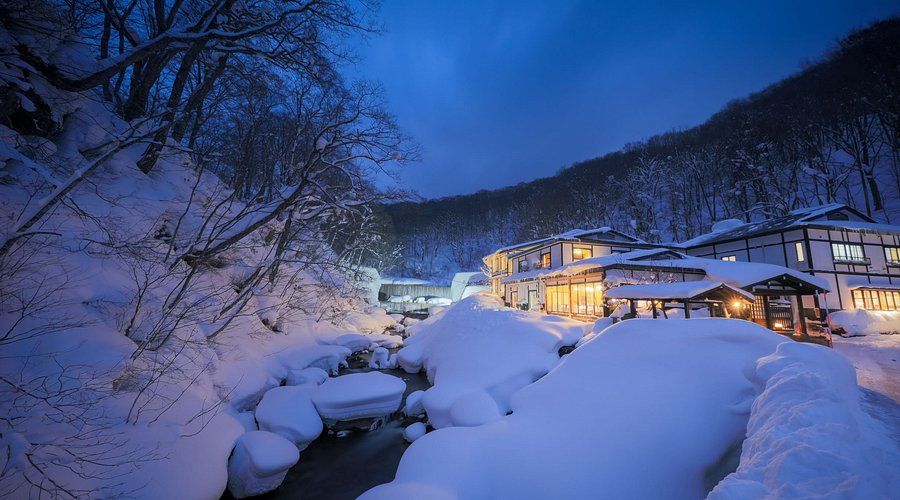
Nyuto Onsenkyo lies at the foot of Mt. Nyuto in Senboku City, Akita Prefecture, and is made up of seven secluded inns of very different character. Winter snow scenes and traditional mixed-gender open-air baths are its biggest draws, and it suits travelers who love hidden hot springs, do not mind shared facilities and can plan a stay of at least one night.
What Is Nyuto Onsenkyo? The Charm of the Seven Hidden Hot Springs
Nyuto Onsenkyo sits at the foot of Mt. Nyuto in Towada-Hachimantai National Park in Senboku City, Akita Prefecture. It is made up of seven hot spring inns, each with its own character: Tsurunoyu, Taenoyu, Kuroyu, Kanisaka, Ogama, Magoroku and Kyukamura. They are linked by forest trails and shuttle buses, and it is one of the few hot spring areas in Japan that still keeps an original hidden-bath atmosphere.
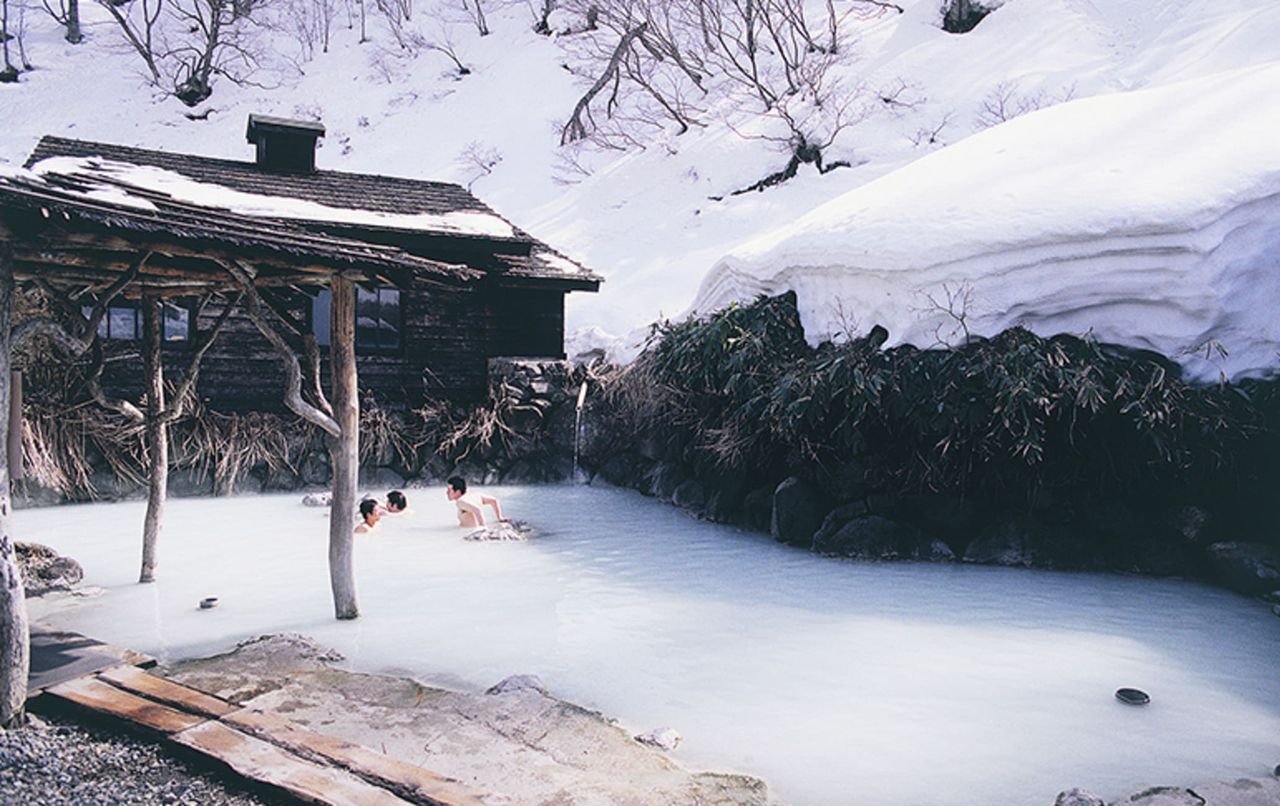
Tsurunoyu’s Bubbling-Up-from-Beneath-Your-Feet Bath: A Rare Natural Spring Experience in Japan
Tsurunoyu’s white-water open-air bath is a rare “ashimoto yushutsu” (water rising from beneath your feet) bath: the hot spring wells up directly from the bottom of the pool and the water is fresh, not recirculated. This makes Tsurunoyu the most talked-about of the seven baths at Nyuto Onsenkyo. Tsurunoyu has 4 sources of different water types, and day visitors can bathe from 10:00 to 15:00 for ¥700, closed on Mondays.
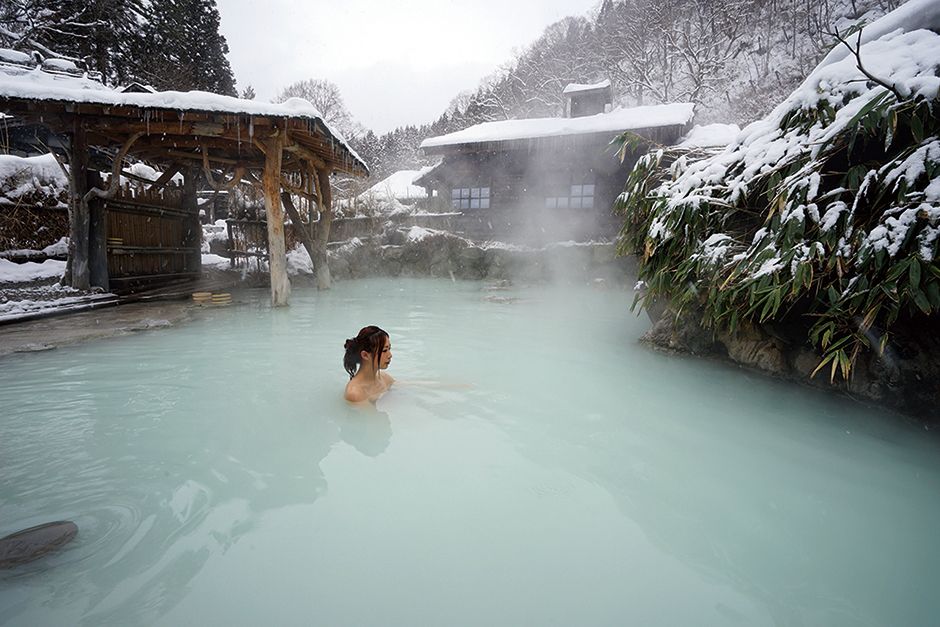
Winter Snow-Viewing Baths: A Dreamy Scene Available Only from December to March
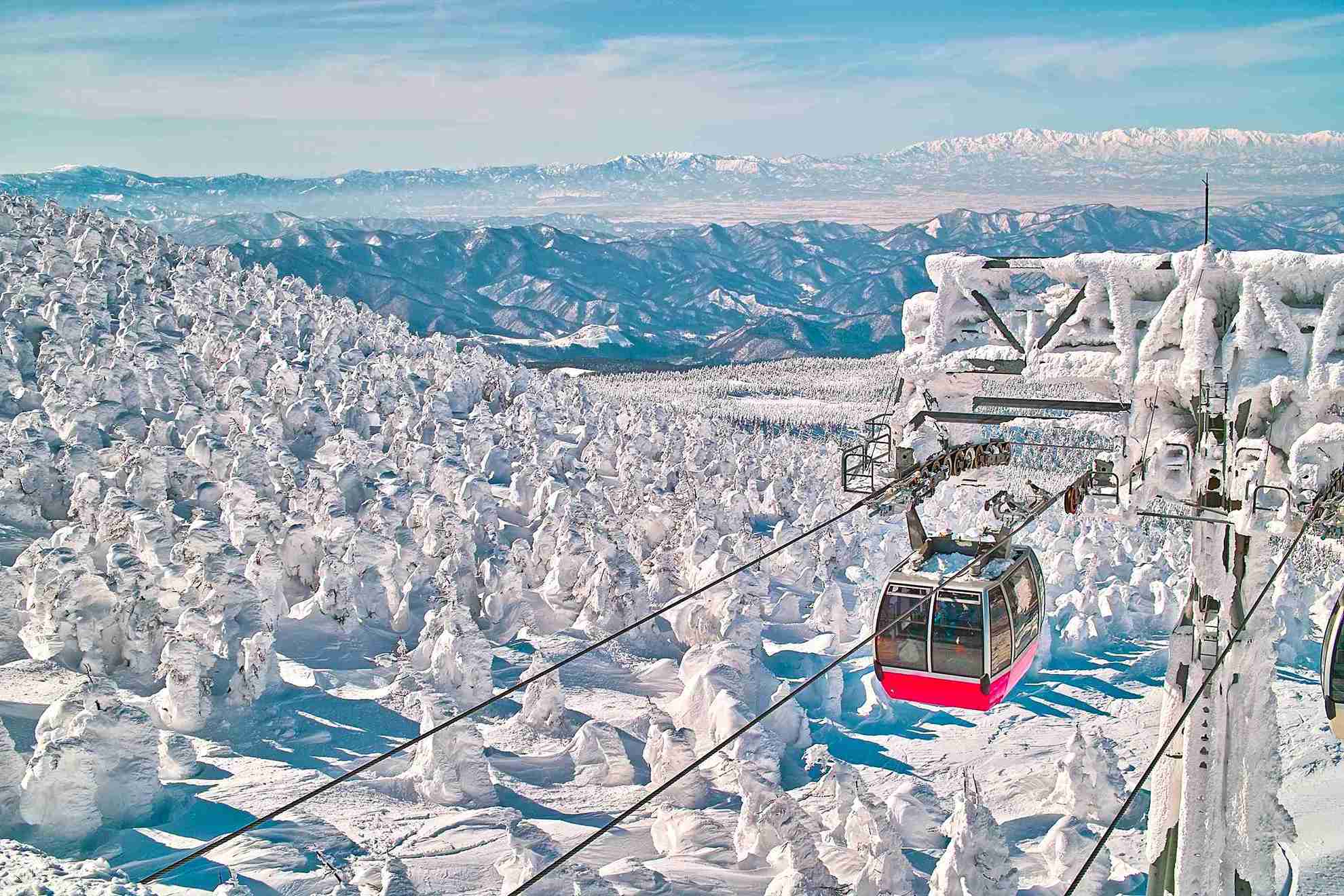
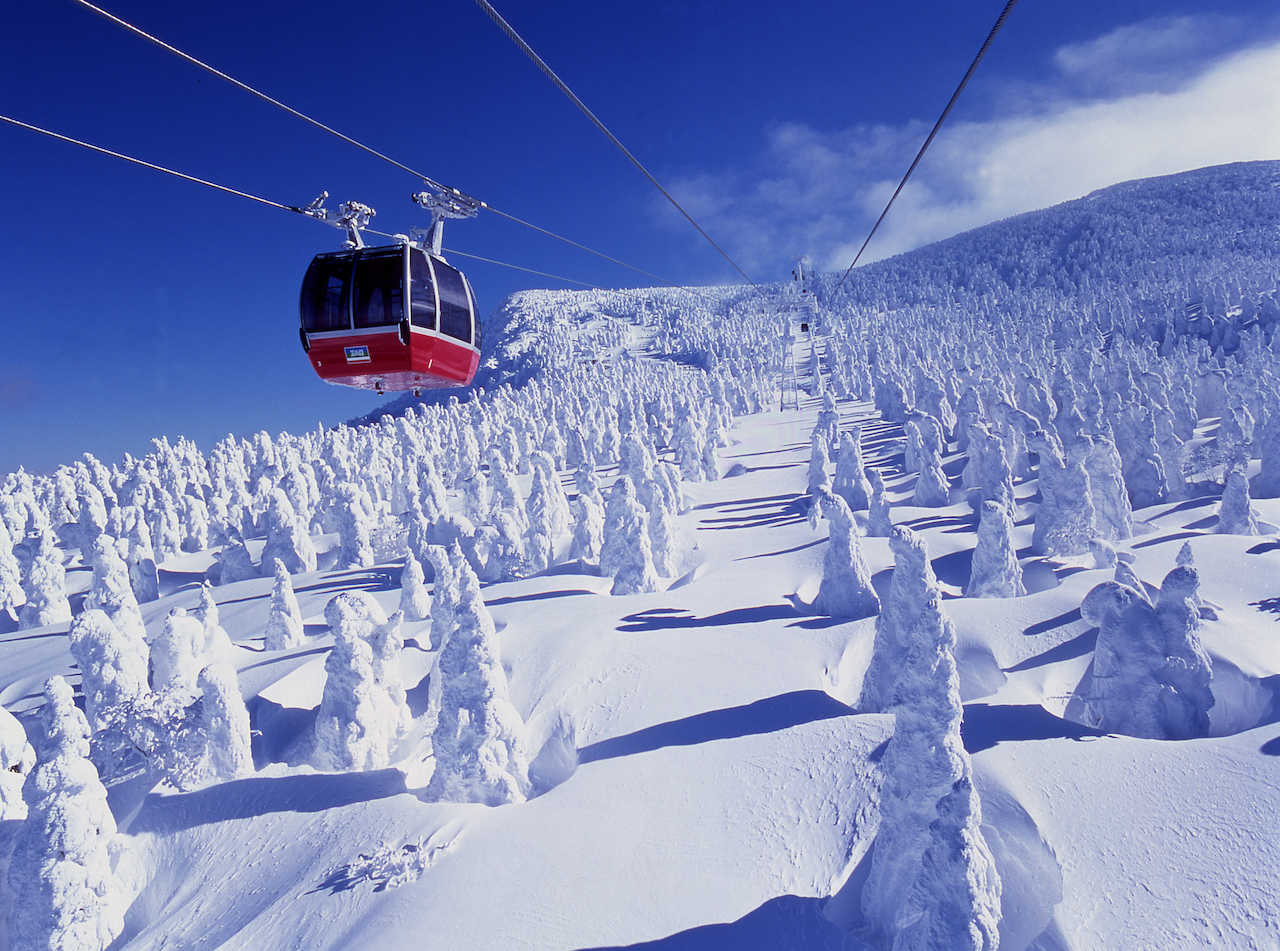
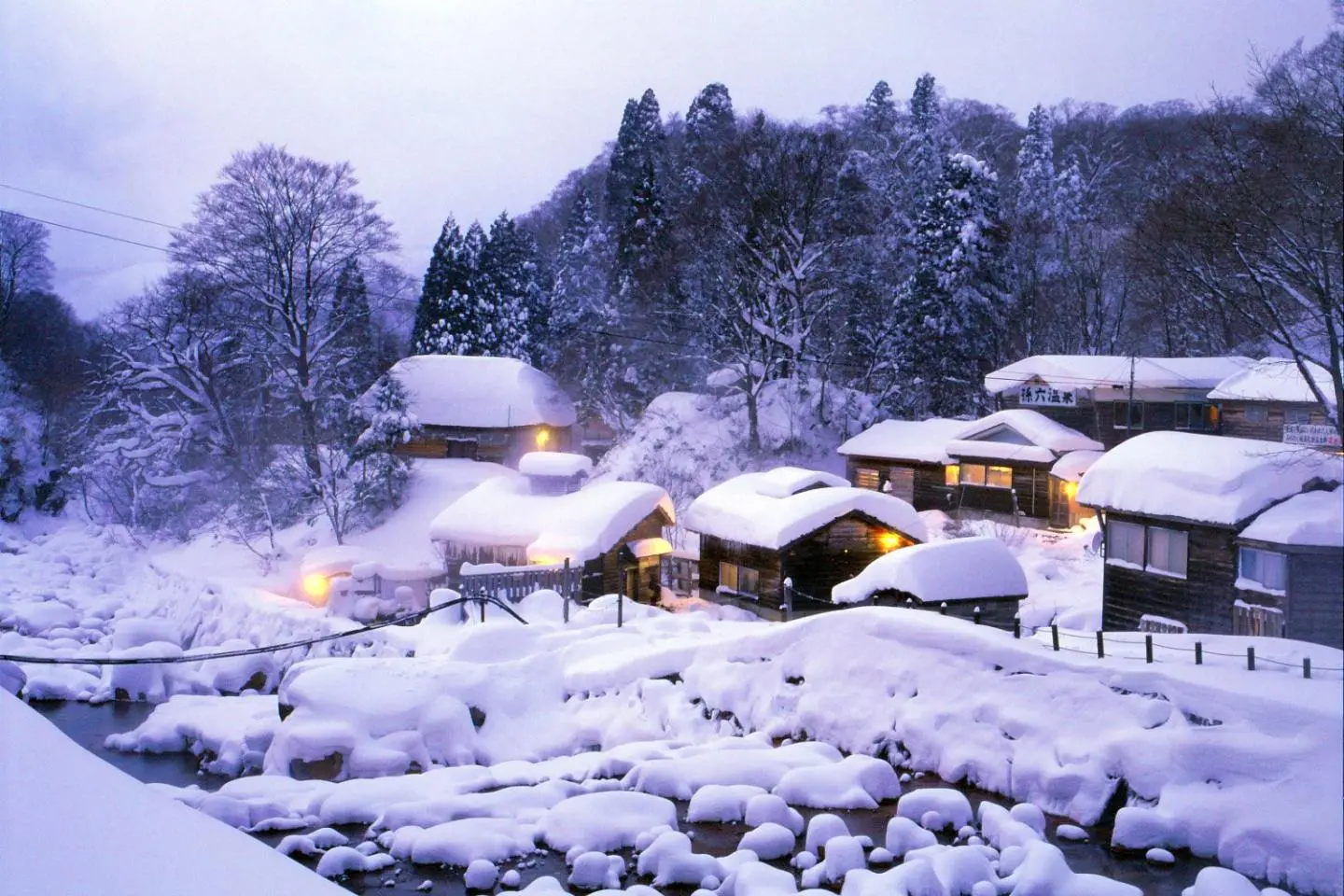
Every year from December to March the Mt. Nyuto area gets deep snow, and the sight of snow covering the thatched roofs and open-air baths is the most iconic seasonal scene in Nyuto Onsenkyo. It also means fewer bus runs, and some inns such as Kuroyu close in winter, so confirm transport and opening status before planning your trip.
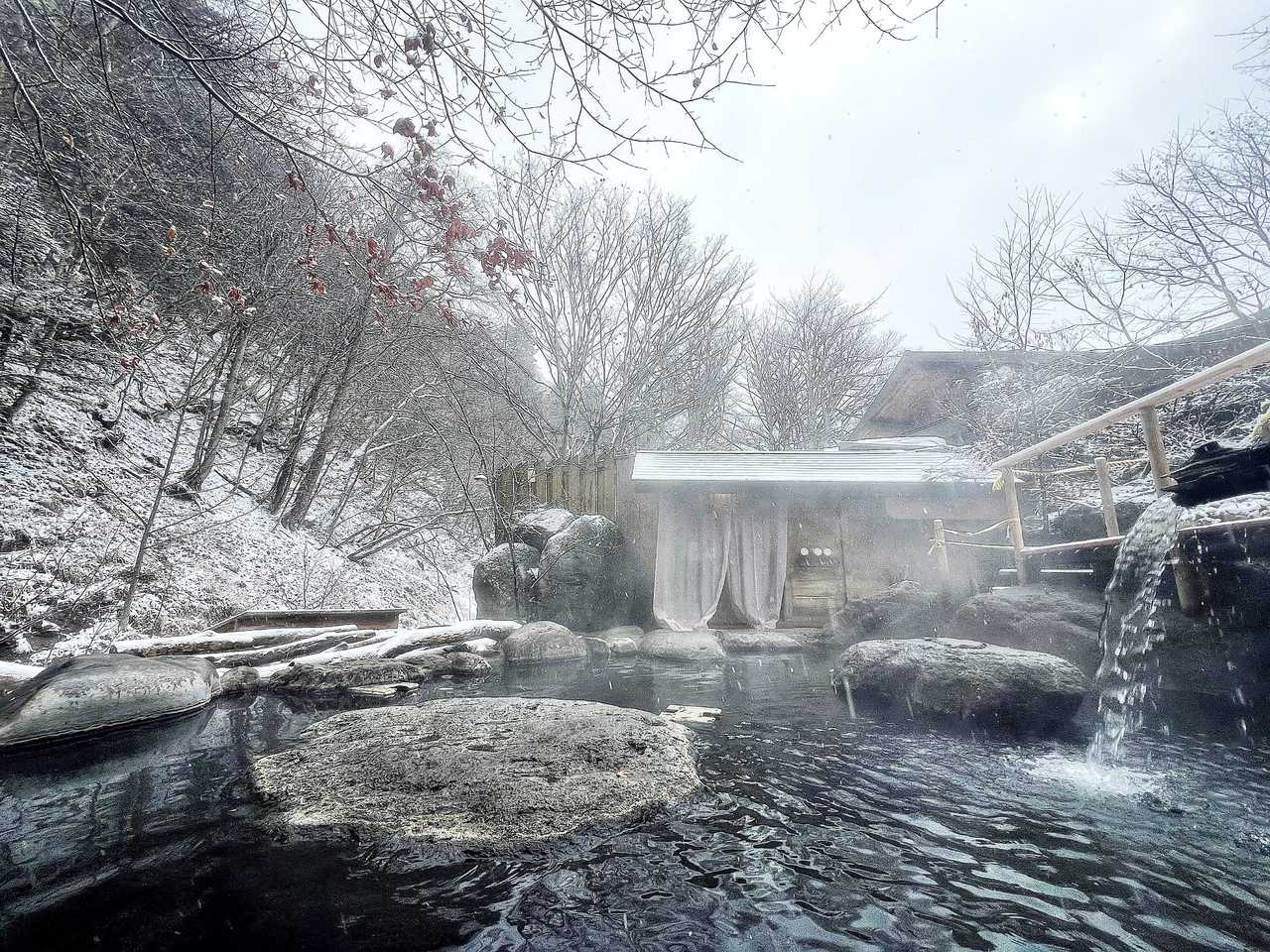
How to Get to Nyuto Onsenkyo: Tsurunoyu Snow-Season Transport and Transfers at Tazawako Station
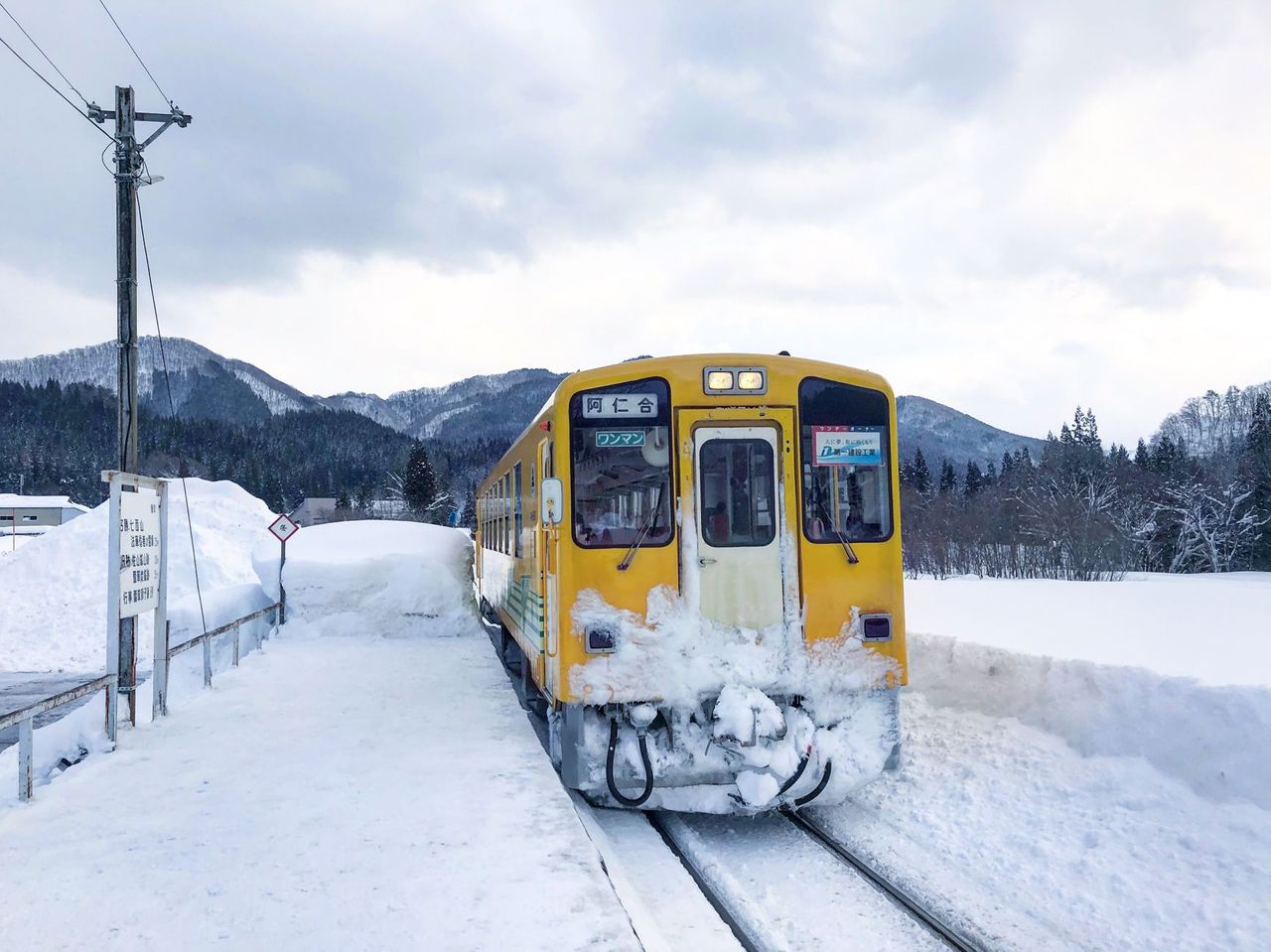
To reach Nyuto Onsenkyo you first travel to Tazawako Station and then transfer to a route bus or an inn shuttle. In winter, allow extra buffer time.
How to Get to Nyuto Onsenkyo: Transport Options and Costs at a Glance
Shinkansen: take the Akita Shinkansen from Tokyo to Tazawako Station, about 2 hours 50 minutes to 3 hours.
Route bus: transfer at Tazawako Station to the “Nyuto Line”, about 45 to 50 minutes. Fares and last departures follow the current Ugo Kotsu announcements.
Airport option: a reserved shared taxi from Akita Airport goes direct in about 2 hours 10 minutes, or go to Akita Station and take the Shinkansen.
Tsurunoyu shuttle: transfer to the pickup car at the “Alpa Komakusa” stop and reserve by phone at 0187-46-2139.
Winter note: bus runs are reduced, driving requires snow tire experience, and we suggest leaving luggage in a station locker.
Must-See Spots at Nyuto Onsenkyo: The Seven Baths and Nearby Highlights
Tsurunoyu Onsen: The Oldest Hidden Hot Spring in Nyuto Onsenkyo
Tsurunoyu has a record of the Akita domain lord Satake Yoshitaka taking a hot spring cure there in 1638. Its thatched-roof “Honjin” is a member of the Association to Protect Japan’s Hidden Hot Springs, and its signature is the milky-white sulfur-spring mixed-gender open-air bath “Shiroyu”. One night with two meals (per person, two guests sharing): Honjin about ¥15,550, Building 2 ¥11,700, Shin-Honjin and Higashi-Honjin ¥17,750 to ¥24,350. Reserve by phone or through the Tsurunoyu website (tsurunoyu.com). Day-use bathing is ¥700, 10:00 to 15:00, closed Mondays (moved to the next day if a national holiday).
Tsurunoyu Annex Yamanoyado: A Secluded Retreat in a Relocated Old Farmhouse
Yamanoyado was built from a traditional Tohoku farmhouse moved to the site and stands in front of the Tsurunoyu main building. It has 10 rooms in all, with private baths, and guests can use the main building’s baths during their stay. Rates are ¥18,850 to ¥25,450 (including two meals, service charge and tax), with a winter heating fee of ¥1,100 per room. Reservations are by phone only, yukata and toothbrushes are provided, and Visa and Mastercard are accepted.
Taenoyu Onsen: Gold and Silver Springs and a Waterfall-View Open-Air Bath
Taenoyu has two sources: the Gold Spring (magnesium-calcium sulfate) and the Silver Spring (simple spring). Its mixed-gender open-air bath “Myoken-no-yu” faces the Sendatsu River gorge with a view of a small waterfall. Creative kaiseki cuisine is served. Get off at the “Taenoyu Onsen” bus stop and you are there. Guests can use the private baths for free, and day-use bathing is ¥1,000; check the official website for opening hours.
Kuroyu Onsen: The Black Hidden Spring at the Foot of Mt. Nyuto
Kuroyu’s water is milky white, a simple hydrogen sulfide spring, with indications that include neuralgia and joint pain. Its thatched roof keeps a strong hidden-bath atmosphere, and it has two sources, Kamiyu and Shimoyu; the Kamiyu has a mixed-gender open-air bath. Please check the official website for opening dates. It closes in winter from mid-November to mid-April, the only one of the seven inns not open in winter.
Kanisaka Onsen: A Mixed-Gender Hidden Bath Deep Down a Forest Road
Kanisaka Onsen has a sodium bicarbonate (hydrogen carbonate) spring. From the main building you need to walk about 50 meters along a forest road to reach the large mixed-gender open-air bath. In a snowstorm the walk feels especially cold, so wear non-slip snow boots. It serves local wild-vegetable dishes and is open all year with no winter closure, one of the few of the seven baths you can confidently plan for in winter.
Ogama Onsen: A Showa-Era Nostalgic Hot Spring in a Converted School
Ogama Onsen was converted from an abandoned old elementary school building and still keeps a “staff room” door sign, with a strong Showa-era nostalgic atmosphere. The water is an acidic spring. Get off at the “Ogama Onsen” bus stop and you are there; the stop is at the front door. An official announcement says overnight stays are suspended from January 1, 2026, and it is currently open for day-use bathing only, 9:00 to 16:00 (last entry 15:30), closed Thursdays, adults ¥700, children ¥350.
Magoroku Onsen: A Radium Spring and Mountain Stream Hidden Bath
Magoroku Onsen is the deepest single-inn spot in Nyuto Onsenkyo, a hidden hot spring that has carried on for over a hundred years, with a mixed-gender open-air bath. The rooms in the new building “Rokuan” have been renovated and are more modern. You reach it by walking about 15 minutes along a mountain path from the “Nyuto Onsen” stop, so access is the least convenient. We suggest leaving large luggage in a locker at Tazawako Station and bringing only a light backpack.
Kyukamura Nyuto Onsenkyo: A Family-Friendly, Modern Hidden-Spring Inn
Kyukamura Nyuto Onsenkyo has modern facilities and serves buffet-style meals including Akita local dishes. Get off at the “Kyukamura” stop and you are there. It suits families and older guests but has relatively less of a hidden-bath atmosphere.
Lake Tazawa: The Deep Blue Legend of Japan’s Deepest Lake
Lake Tazawa is Japan’s deepest lake, at 423.4 meters at its deepest point, and its water glows a clear deep blue in sunlight. A golden statue of Tatsuko stands on the shore, and legend says the maiden Tatsuko prayed for eternal youth and became the dragon god of the lake. From Tazawako Station it takes about 12 minutes by Ugo Kotsu bus to the lakeshore, so it works as a stop on the way to or from Nyuto Onsenkyo. The lake does not freeze in winter, and you can still enjoy snowy scenery reflected in the water.
Gozanoishi Shrine: A Lakeside Shrine of the Tatsuko Legend
Gozanoishi Shrine stands on the shore of Lake Tazawa and mainly enshrines Princess Tatsuko, who became a dragon god; it is known for prayers for beauty and long life. Legend says Tatsuko once sat on a stone near the shrine to do her makeup, giving the place the name “Goza-no-ishi” (seat stone). The grounds have a sacred tree about 450 years old, and it is worth stopping by when you plan a trip around the lake.
Kakunodate Samurai Residences: Samurai Houses of the “Little Kyoto of Tohoku”
Kakunodate is called the “Little Kyoto of Tohoku”. Along both sides of Bukeyashiki-dori street stand Edo-period homes of low- and mid-ranking samurai, with black wooden walls set beside weeping cherry trees. The Aoyagi and Ishiguro residences and others are open to visitors, with admission of about ¥400 to ¥500. The JR Tazawako Line runs between Kakunodate and Lake Tazawa, so it fits before or after your hot spring trip; the most visitors come in late April when the weeping cherries bloom.
Tamagawa Onsen: A Strongly Acidic Hidden Spring and a Home of Bedrock Bathing
Tamagawa Onsen is known for having Japan’s largest flow of strongly acidic hot spring water, with a pH close to 1.2. The naturally formed “hokutolite” has a trace of radioactivity and draws many visitors seeking cures through bedrock bathing. In winter, traffic restrictions are in force on National Route 341, so you must take the route bus, with fewer runs in winter; check the current Ugo Kotsu timetable before leaving. When bathing, be aware that the strongly acidic water can irritate skin and metal jewelry.
Mt. Akita-Komagatake: Alpine Flower Fields and Hiking Routes in Summer
Mt. Akita-Komagatake stands 1,637 meters high. Around July the summit area blooms with alpine plant communities such as Komakusa, making it a well-known summer hiking route in Tohoku, while winter snow makes it unsuitable for hiking. From Tazawako Station, take the Ugo Kotsu Komagatake Line to the 8th-station trailhead. It fits into a summer itinerary before or after a stay at the hot springs; on a winter trip to the hot springs you cannot hike it.
The Yumeguri Pass and Yumeguri Map: How to Buy and Use Them
Yumeguricho (Yumeguri Pass): A Seven-Bath Tour for Overnight Guests Only
The Yumeguri Pass (Yumeguricho) is a seven-bath pass for guests staying at Nyuto Onsenkyo inns only, ¥2,500 for adults and ¥1,000 for children. Buy it at the front desk of your inn by saying “Yumeguricho kudasai” in Japanese. It is valid for one year from the day of purchase, lets you bathe once at each of the seven baths and ride the loop bus “Yumeguri-go” free of charge, and cannot be bought by day-trip visitors returning the same day.
Yumeguri Map and the Yumeguri-go Bus: A Bathing Plan for Day Visitors
The Yumeguri Map (available to both overnight guests and day visitors) costs ¥1,000 and, like the Yumeguri Pass, lets you ride the Yumeguri-go to connect the seven baths. It does not include bathing fees, which are paid separately. The Yumeguri-go timetable comes in a regular-season version and a winter version; in winter it does not stop at Kuroyu or Magoroku, so check the current timetable before you go.
Day-Use Bathing: Fees and Hours at Tsurunoyu, Ogama and Taenoyu
Day-use bathing fees and hours vary by inn. Tsurunoyu is ¥700 for adults, 10:00 to 15:00, closed Mondays. Ogama Onsen is ¥700 for adults and ¥350 for children, 9:00 to 16:00 (last entry 15:30), closed Thursdays, and currently takes no overnight guests. Taenoyu is ¥1,000 for adults; check the official website for hours and closing days. For the other inns, call first to confirm, then plan the order of your moves for the day.
Where to Stay near Nyuto Onsenkyo: Suggestions for Combined Itineraries
Stays near Tazawako Station: A Waypoint Before Transferring
Tazawako Station is a stop on the Akita Shinkansen, with lockers and a bus transfer point in front of the station. The Nyuto Line bus leaves from the station forecourt and reaches the hot spring area in about 45 to 50 minutes. Spending one night here gives you a buffer against winter bus delays: choose a lakeside or station-front budget inn near Lake Tazawa for your arrival night, then take the first Nyuto Line bus the next morning, saving you from dragging large luggage along snowy roads.
Around the Kakunodate Samurai Residences: One Night in Kakunodate Saves Rushing Back
The JR Tazawako Line runs between Kakunodate and Lake Tazawa, and near Bukeyashiki-dori there are lodgings converted from townhouses. Putting Kakunodate cherry blossoms or a stroll the night before or after your Nyuto Onsenkyo trip avoids a rushed same-day round trip. On Bukeyashiki-dori, admission is ¥400 for the Ishiguro residence and ¥500 for the Aoyagi residence.
Nyuto Onsenkyo FAQ
Q: How do I get to Nyuto Onsenkyo? What transport options are there?
Take the Akita Shinkansen to Tazawako Station (about 2 hours 50 minutes), then transfer to the Ugo Kotsu “Nyuto Line” bus for about 45 to 50 minutes. Fares follow the Ugo Kotsu announcements.
Q: What is the Yumeguri Pass? How much is it?
The Yumeguri Pass is a seven-bath pass for overnight guests only, ¥2,500 for adults and ¥1,000 for children, valid for one year, and it includes free rides on the Yumeguri-go shuttle bus.
Q: How do I arrange day-use bathing at Nyuto Onsenkyo?
Tsurunoyu day-use bathing is ¥700, open 10:00 to 15:00 and closed every Monday. For the other six baths, confirm the day-use rules individually by phone.
Q: What should I watch for when visiting Nyuto Onsenkyo in winter?
From December to March there is deep snow and fewer bus runs. We suggest using public transport and leaving large luggage in a locker at Tazawako Station; driving requires snow tires and snow-driving experience.
Q: How do I reserve a stay at Tsurunoyu?
Rooms such as Honjin and Shin-Honjin can be reserved by phone (0187-46-2139, 7:00 to 22:00) or through the website of the Association to Protect Japan’s Hidden Hot Springs.
Q: Is Kuroyu Onsen open in winter?
Kuroyu Onsen closes in winter, roughly mid-November to mid-April. Kanisaka Onsen and Tsurunoyu are open all year, and Ogama Onsen is currently open for day-use bathing only.
Q: Which Nyuto Onsenkyo inn is best for families or older guests?
Kyukamura Nyuto Onsenkyo has modern facilities, is right at the “Kyukamura” bus stop, and serves buffet-style meals, which suits families and older guests.