
2026 Shirogane Blue Pond and Shirahige Falls Guide: Access, Best Photo Times and Winter Illumination, Where Biei Blue Meets Snow-Country Light
The Shirogane Blue Pond and Shirahige Falls are the most iconic dreamlike-blue sights in Biei, Hokkaido. They are only a 5-minute drive apart, so you can fit them into anything from half a day to a full day. They suit any season, and in winter there is a special light-up, making them a top pick for independent trips to Hokkaido.
- 💡 Blue Pond illumination 2026: October 22, 2026 to April 21, 2027, every night until 21:00 (start time depends on the month; see the Blue Pond section below)
- 💡 Shirahige Falls illumination: year-round, from sunset until 21:00
- 🚉 Getting to Shirahige Falls: By car, park at the free lot in front of the Shirogane Tourist Center; by bus, get off at “Shirogane Onsen” stop; see the access section for details
- ⏱️ Time to spend at the Shirogane Blue Pond: about 30-40 minutes at the Blue Pond, 1 to 1.5 hours for both sights together
- 🎫 Admission: Both are free; only the Blue Pond parking lot charges a fee
2026 Blue Pond Illumination Times and Dates: Shirahige Falls Light-Up, Seasons and Winter Overview
According to the official Biei Town announcement, this season’s illumination runs from October 22, 2026 to April 21, 2027 and covers the Shirogane Blue Pond and the Birke Forest. Shirahige Falls is a permanent display, lit year-round from sunset until 21:00.
- The Blue Pond and the Birke Forest are lit at fixed times by month; see the sections below.
- The Blue Pond’s lights run through one cycle of changing light effects about every 15 minutes.
- When the water freezes over and snow settles, the lighting switches to a different program.
- We suggest staying at the pond for at least 15 minutes to see a full cycle.
A reminder: the “starts in December 2026 and ends in late March 2027” on the same page of the Biei Town website refers to the street illuminations in the town center, such as in front of Biei Station and the town office; they are not the Blue Pond illumination dates, so don’t mix them up.
| Month | Illumination hours |
|---|---|
| October, November | 17:00–21:00 |
| December | 16:30–21:00 |
| January | 17:00–21:00 |
| February | 17:30–21:00 |
| March | 18:00–21:00 |
| April | 18:30–21:00 |
The Shirahige Falls lights come on according to that day’s sunset.
The Blue Pond and Shirahige Falls: A Golden Combination Just 5 Minutes Apart
The Shirogane Blue Pond and Shirahige Falls are very close to each other, only about 5 minutes by car, and during the winter illumination both have lights to see in the evening (the Blue Pond is lit at seasonal hours, while Shirahige Falls is lit after sunset year-round), making them the most time-efficient pairing when planning a trip. We suggest setting aside 1 to 1.5 hours for both: see the color of the pond by day, then return for the illumination at night, to enjoy two very different visual experiences.
Both sights are in the Shirogane Onsen area of Biei Town, with the Birke Forest, the Shirogane Onsen street and the roadside station nearby for easy add-ons. Linked together, they make a full “Biei Blue” half-day or full-day outing, ideal for travelers who drive or join a local bus tour.
Who Should Come: Great for Families, Couples and Photographers
The Shirogane Blue Pond has a mirror-calm surface and dreamy color, a popular backdrop for family photos and couples’ dates; Shirahige Falls draws many photographers who use long exposures to capture its silky flow, thanks to the rushing water and the blue pool below. The winter illumination adds a romantic mood, making it a double favorite for couples and photography enthusiasts.
Because the paths are gentle and the stay is short, it also suits older relatives and young children, but winter paths ice over easily, so pay special attention to warm clothing and non-slip gear to enjoy this northern-only scenery safely.
How to Get to the 2026 Shirogane Blue Pond and Shirahige Falls: Transport, Parking Fees and Bus Schedules
From JR Biei Station to the Shirogane Blue Pond and Shirahige Falls, driving is the fastest, while buses need careful attention to the timetable.
Getting to Shirahige Falls and the Shirogane Blue Pond: Options at a Glance
| Transport | Cost | Travel time |
|---|---|---|
| Driving (from JR Biei Station) | Car rental extra; Blue Pond parking ¥1,000 per visit | About 20 minutes |
| Dohoku Bus routes 39 and 42 | Fare depends on the section | About 25–30 minutes |
| Biyu Bus (Biei sightseeing loop bus) | From about ¥1,000 (day pass) | About 30–40 minutes depending on the route |
| Day-tour bus from Sapporo / Asahikawa | About ¥4,000–8,000 | About 9–10 hours including Asahiyama Zoo and more |
Driving is the most recommended way, about 20 minutes from JR Biei Station.
- 🚗 Blue Pond: MapCode 349 568 888 (announced by the Biei Town Tourism Association), which you can enter directly in your navigation. The Blue Pond has a paid parking lot, ¥1,000 per visit for a regular car from July 1, 2026.
- 🚗 Shirahige Falls: You can park at the free “Shirogane Tourist Center public parking lot” and walk up to the bridge to see the falls.
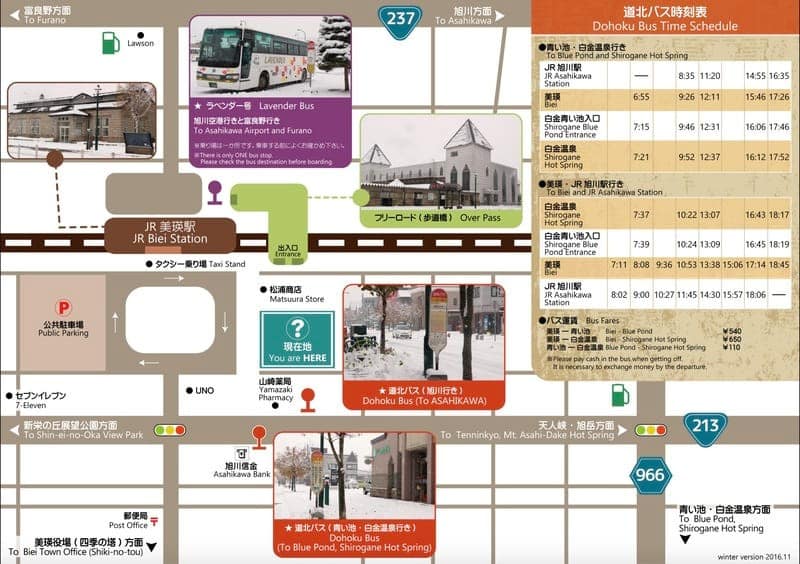
- 🚌 Dohoku Bus: From in front of JR Biei Station take route 39 or 42 toward Shirogane Onsen. For the Blue Pond, get off at “Shirogane Blue Pond Entrance” stop and walk about 7 minutes; for Shirahige Falls, get off at “Shirogane Onsen” (Biei Shirogane Onsen) stop and walk about 3 minutes.
- ⚠️ Buses are infrequent, so check the website timetable in advance.
- 🎫 If you don’t want to drive: Take a taxi instead, or book a day tour from Sapporo or Asahikawa (often combined with Asahiyama Zoo and the Ningle Terrace).
Shirahige Falls Parking, Blue Pond Parking and Last-Bus Reminders
Shirahige Falls parking:
- Biei Town officially designates the “Shirogane Tourist Center public parking lot,” which is free.
- The public restrooms in the tourist center are open 24 hours.
- It is only a few minutes’ walk from the parking lot to the falls viewing bridge.
- The Biei Town Tourism Association also announced in August 2026 that, with help from Hotel Park Hills, the parking lot of the former Shirogane Park Hill Valley ski area is also open for free parking (you are responsible for any accident or theft).
- In peak season, when the spaces in front of the tourist center are full, park here instead.
Blue Pond parking:
- There are 220 spaces for regular cars.
- Fees: regular car ¥1,000, motorcycle ¥300, vehicles over 6 meters long ¥6,000.
- Opening hours: May to October 22, 7:00–19:00; October 23 to April, 8:00–21:30, and there is still time to retrieve your car after the winter illumination ends.
- The town road in front of the parking lot entrance has a divider, so you cannot turn right into the lot from the nearby intersection.
- The official advice is to follow Doo Route 966 (Tokachidake Onsen Biei Line), turn into the town road Bibogahara Birke Line at the intersection near Kaikuugama, then turn left into the parking lot.
- Coming from the Shirogane Onsen direction, you also need to turn at the intersection near Kaikuugama.
Bus times and fares: According to the Dohoku Bus “Biei–Shirogane Line” timetable (revised edition effective October 1, 2026):
- 🚌 There are 10 departures a day from Biei Station toward Shirogane, the first at 06:55 and the last at 17:15.
- It takes about 22 minutes to Shirogane Blue Pond Entrance and about 26 minutes to Shirogane Onsen.
- 💰 One way: Biei → Shirogane Blue Pond Entrance ¥800, Biei → Shirogane Onsen ¥900, and direct from Asahikawa Station to Blue Pond Entrance ¥1,600.
- ⚠️ Last return bus: The last bus from Shirogane Onsen to Biei Station leaves at 18:02 (18:05 from Shirogane Blue Pond Entrance) and reaches Biei Station at 18:30; there is no return bus after this one. The illumination runs until 21:00, so travelers without a car who want to see the whole light show should take a taxi, stay in Shirogane Onsen, or join an illumination tour.
- 💰 For several stops, you can buy the “Biei–Shirogane Area One-Day Free Ride Pass,” available online on the Dohoku Bus website.
By the distances published by Biei Town, it is about 15.3 km from JR Biei Station to the Birke Forest, 1.8 km from the Birke Forest to the Blue Pond, and 2.5 km from the Blue Pond to Shirahige Falls, so all three can be visited in one run.



What Are the Must-See Spots Around the 2026 Shirogane Blue Pond and Shirahige Falls? A Full Guide to Biei Highlights
Here are the 15 spots most worth visiting around the Shirogane Blue Pond and Shirahige Falls.
Shirogane Blue Pond: A Dreamy Blue Wonderland and a Water Color That Changes With the Seasons
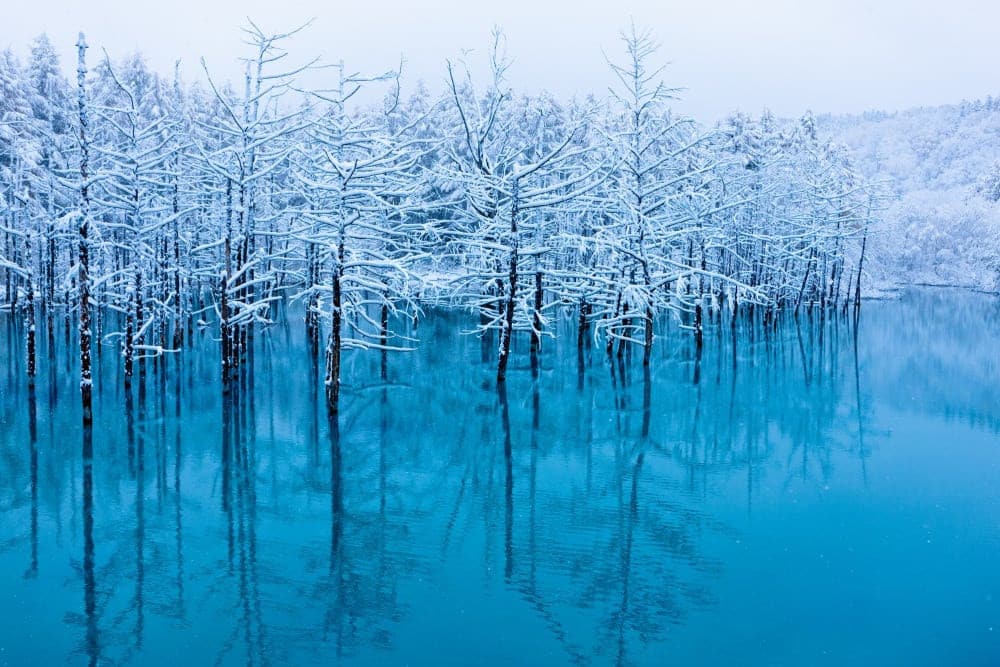
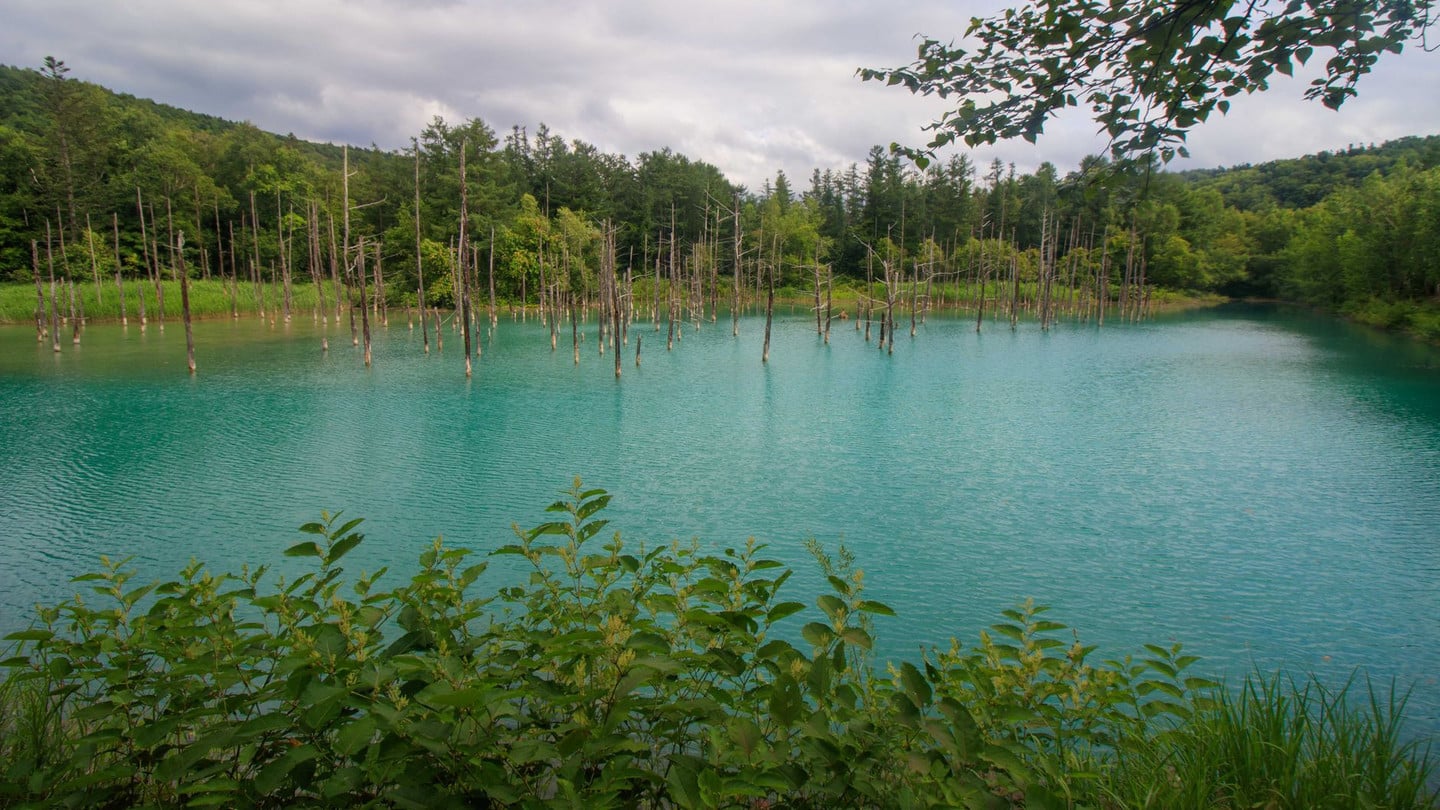
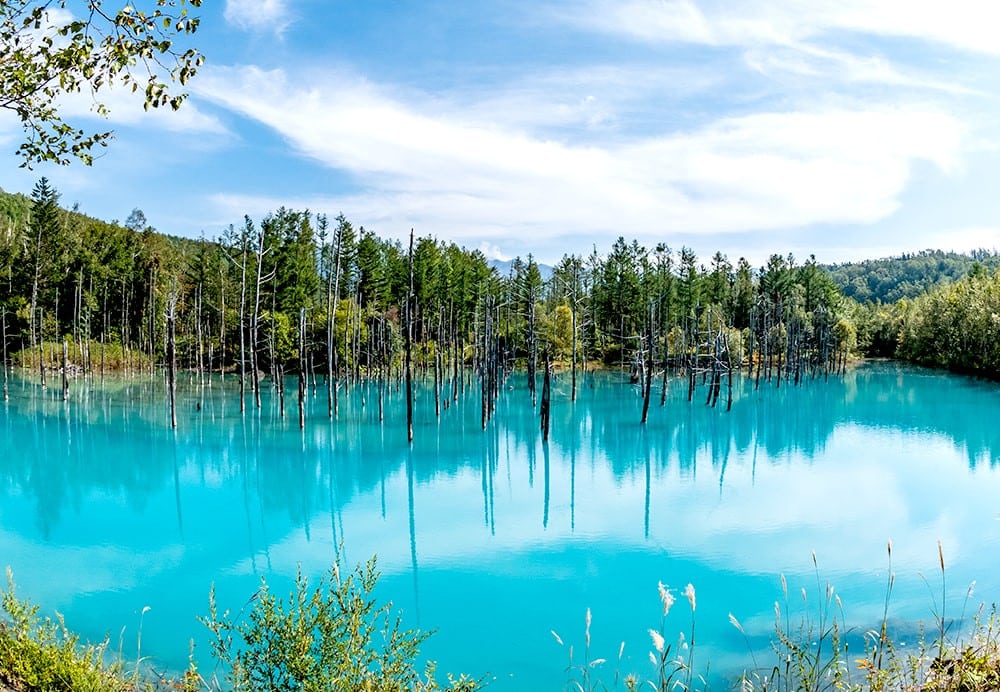
The Blue Pond’s Tiffany blue comes from the mixing of the aluminum-bearing Iou-sawa River and the Biei River; colloidal particles in the water scatter light and give it a blue tint, while the dead larch trees standing in the water create a ghost-forest atmosphere. The blue is most vivid from late May to early July, and we recommend visiting in mid-morning (9:00–11:00) or early morning, when light falling directly on the water is most magical and crowds are thin. For photos, use a tripod with panorama mode to capture the mountain reflections (on cloudy days the water looks greener). In winter the pond freezes and snow settles, the blue lake disappears, and bare branches and white snow combined with the night illumination show a dreamy beauty unlike summer’s.

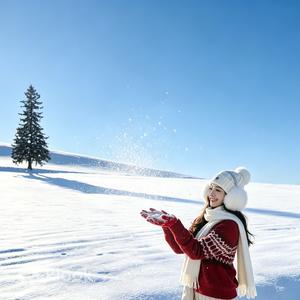
- 🕘 Illumination hours: October 22, 2026 to April 21, 2027; October, November and January from 17:00 / December from 16:30 / February from 17:30 / March from 18:00 / April from 18:30, all until 21:00
- 🎫 Admission: Free
- ⚠️ Note: May be canceled in bad weather; in winter, when the water freezes and snow settles, you cannot see the blue water
- 🔗 Biei Town official website (Blue Pond and Shirahige Falls illumination)
Shirahige Falls Illumination and Scenery: A Rare Underground-Flow Waterfall
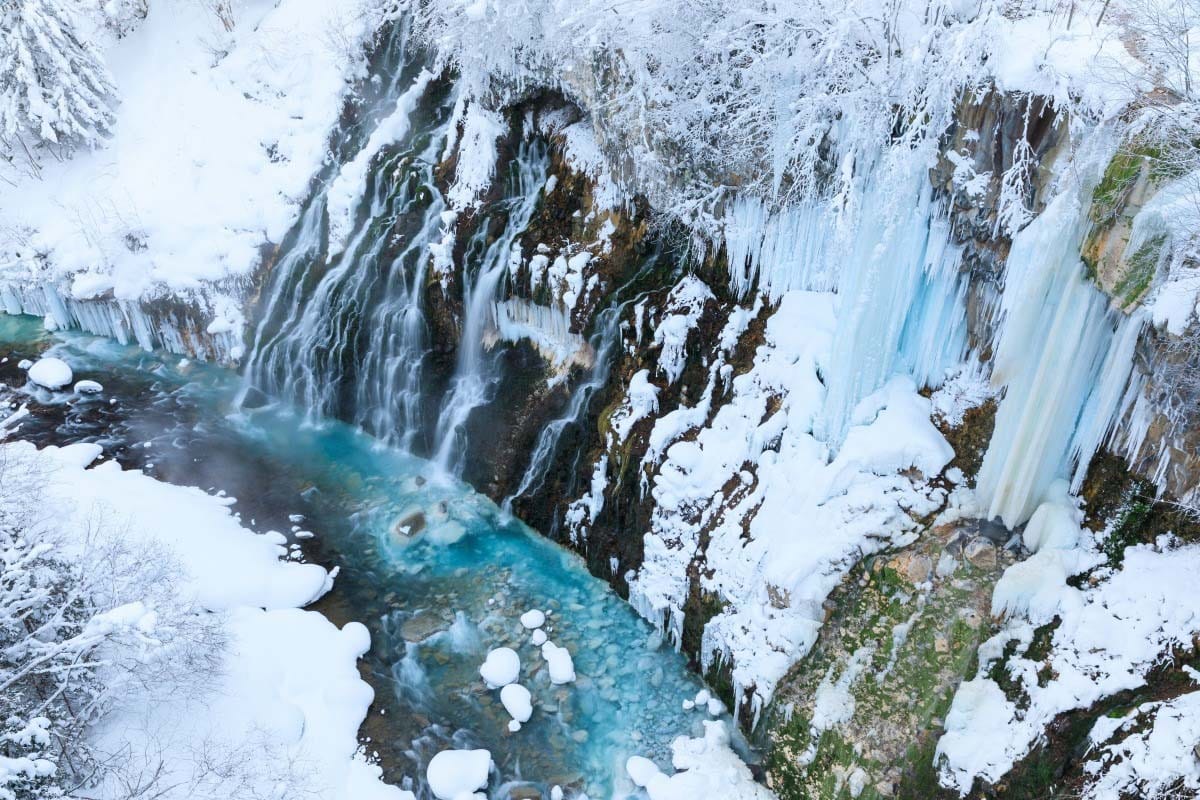
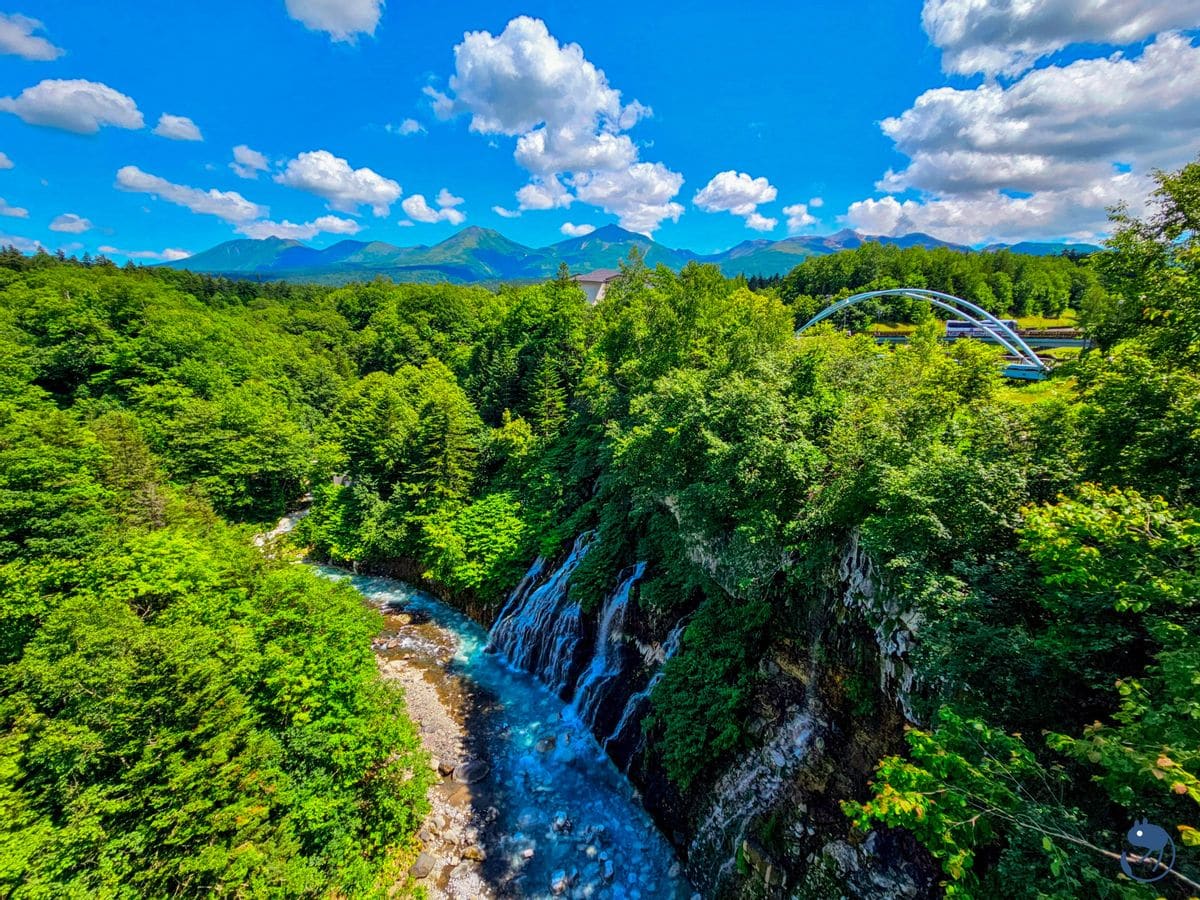
Shirahige Falls is a rare “underground-flow waterfall”: spring water from underground gushes out of cracks in the cliff and pours into the cobalt-blue Biei River, with a drop of about 30 meters. Day and night views differ greatly: by day it suits slow-shutter shots of silky water, and in winter the icicles, white snow and bare branches around the falls weave together a silver-white, aurora-like scene.
The best viewpoint is the bridge beside Shirogane Onsen commonly called “Blue River,” which looks down on the whole falls and valley and yields plenty of good shots. During the illumination, the water of the falls and the lights interweave into a cold, dreamy blue-and-white palette, a very different experience from daytime, so we suggest a second visit during the illumination hours.
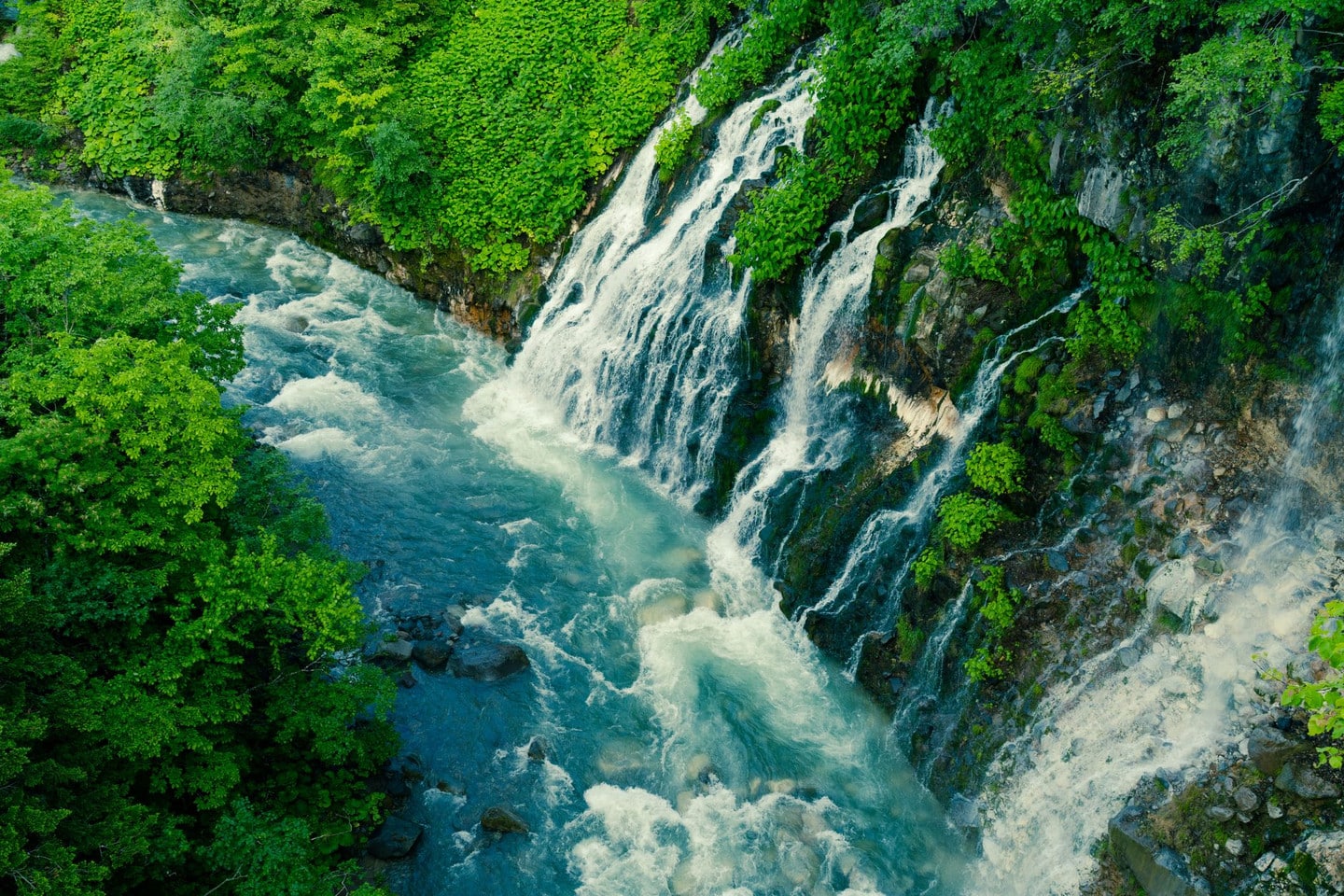
- 🕘 Illumination hours: Permanent display, year-round from sunset until 21:00
- 🎫 Admission: Free
- 🔗 Biei Town official website (Blue Pond and Shirahige Falls illumination)
Birke Forest: A Glowing Snow Forest Lit Only During the Illumination Season
The Birke Forest is the third highlight lit up in winter along with the Shirogane Blue Pond and Shirahige Falls; its birch and pine trees, with light falling among the treetops, turn into a glowing path. The illumination period and hours are the same as the Blue Pond (lit at fixed times by month, until 21:00), while Shirahige Falls is lit year-round from sunset until 21:00.
Since it is a walk through snow, we suggest wearing non-slip snow boots and bringing a flashlight as a backup. The light in the park is soft and not glaring, and the design deliberately preserves the forest’s stillness, suiting travelers who like strolling and shooting long night exposures; it is also the quietest of the three illuminated sites, the best stop for a peaceful walk.
Shirogane Onsen: A Hidden Hot Spring Village for Soaking and Snow Viewing
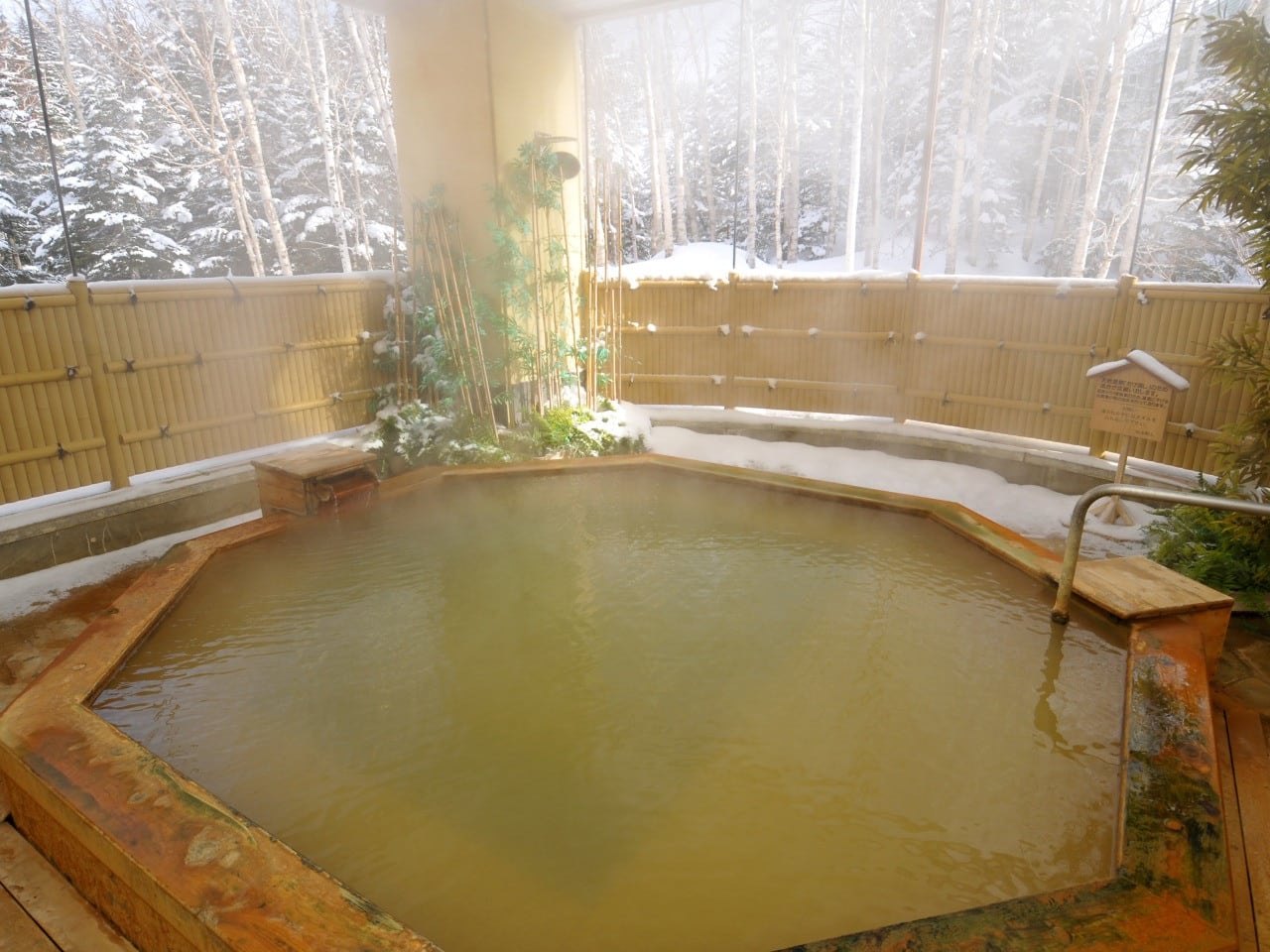
Shirogane Onsen is the hot spring village where Shirahige Falls and the Blue Pond are located. The water is a sodium-magnesium sulfate chloride spring, and while soaking you can look out over the Tokachidake range, making it the best place to unwind after sightseeing. The spring street is small but gathers several hot spring inns and day-bath facilities, and winter snow scenes with the steam from the springs are especially poetic.
Several inns and the National Recuperation Center in the Shirogane Onsen area offer day bathing for about ¥300 to ¥1,200, ideal for a quick soak after a half-day outing. The spring street is within walking distance of the Shirahige Falls viewing bridge, making it an ideal base for lodging or a short rest.
Biei River: The Lifeline That Gives Biei Its Blue
The Biei River runs through the whole Shirogane Onsen area, and its mineral-rich water has a distinctive blue-white color; it is the shared water source of Shirahige Falls and the Blue Pond. The riverside path is gentle and easy to walk, good for a leisurely stroll to enjoy the changing water color, especially on afternoons when the sun is at a moderate angle and the river reflects a gem-like blue.
Viewing platforms and paths along the banks let you see the rushing water and the texture of the riverbed rocks up close, an extra stop not to be missed by travelers who like nature and geology, and also an important walking route linking Shirahige Falls and the Shirogane Onsen street.
Michi-no-Eki Biei “Shirogane Biruke”: The Last Supply Stop for Shopping and Rest
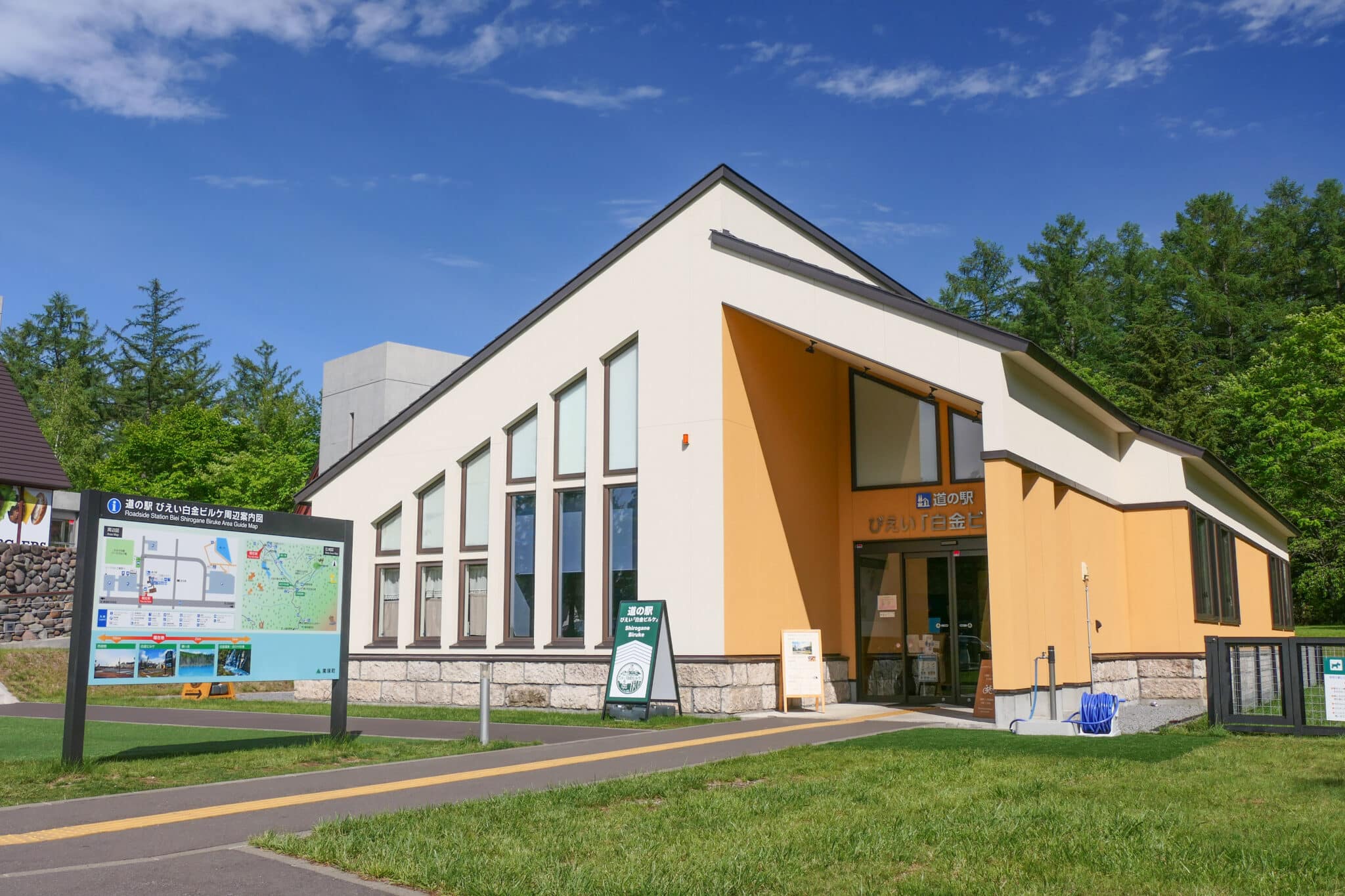
Michi-no-Eki Biei “Shirogane Biruke” is the most important rest stop on the way to the Blue Pond and Shirahige Falls, offering parking, restrooms, food and souvenir shopping, and in summer it is also a bicycle rental base. It sells many Blue Pond-themed limited items and is a must-stop for visitors buying souvenirs.
In the shop you can buy limited souvenirs such as Blue Pond manju, Blue Pond sable cookies and Blue Pond soda, as well as Biei-only Mokeke goods, mostly priced at a few hundred yen, great for gifts or keepsakes. It is busier in peak season, so allow 20–30 minutes for shopping and a rest.
Shikisai no Oka: Biei’s Signature Flower-Field Paradise
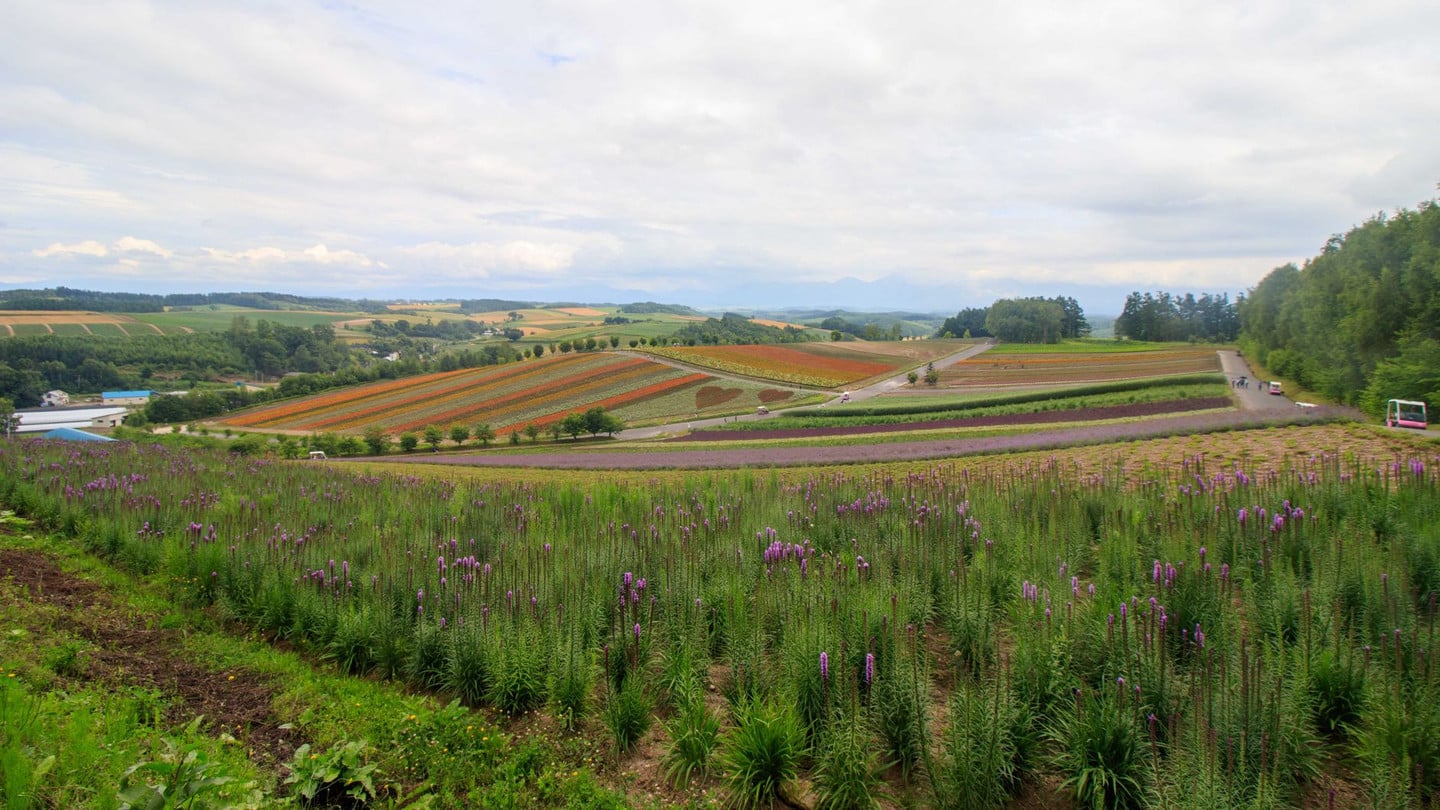
Shikisai no Oka is one of the largest flower-field paradises in the Biei area, spread over a wide expanse where different flowers bloom in turn through the seasons, from lavender and salvia to sunflowers; its colorful rolling hills are a postcard-worthy backdrop. Admission is ¥800 for high school students and older, and the tractor bus inside costs ¥500 (running from late April to late October), making it easy for visitors with limited walking ability to tour the whole park.
The park has a restaurant and dessert stands, with lavender and melon soft serve especially popular. Summer weekends are crowded, so we suggest entering soon after opening in the morning for the cleanest views of the flower fields and a more comfortable stroll.
Patchwork Road: Rolling Hills Laid Out Like a Patchwork Quilt
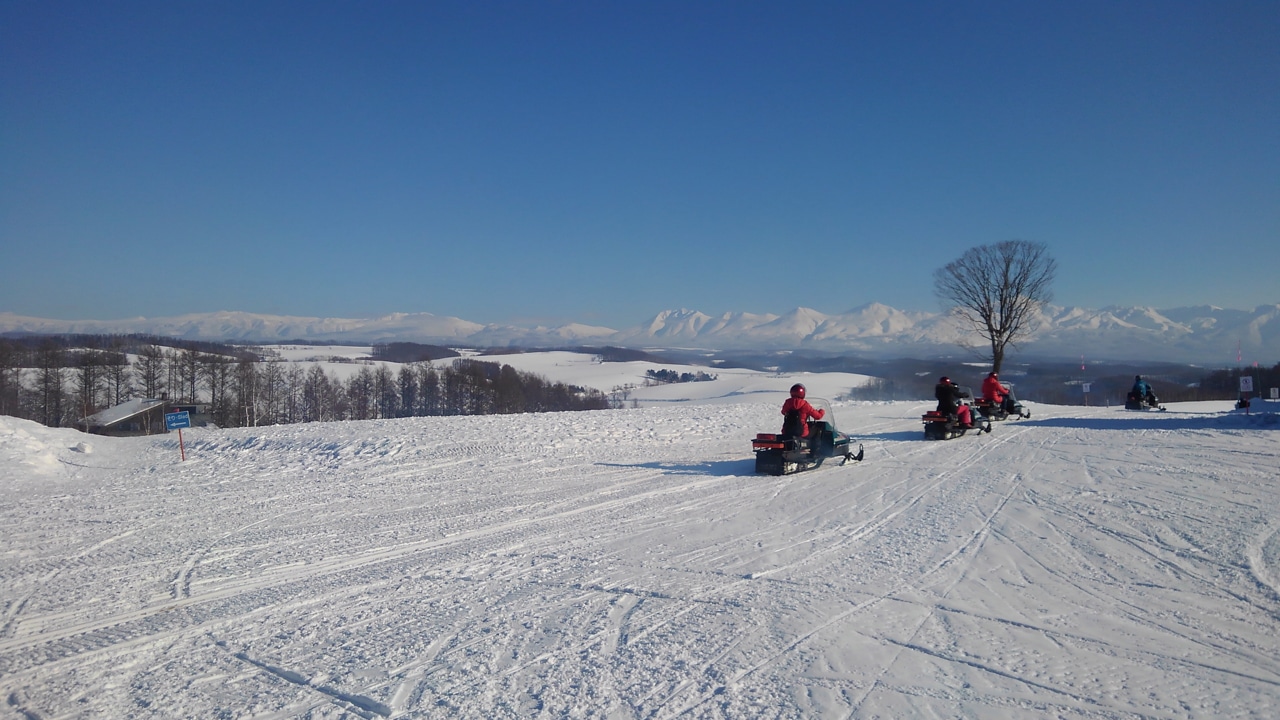
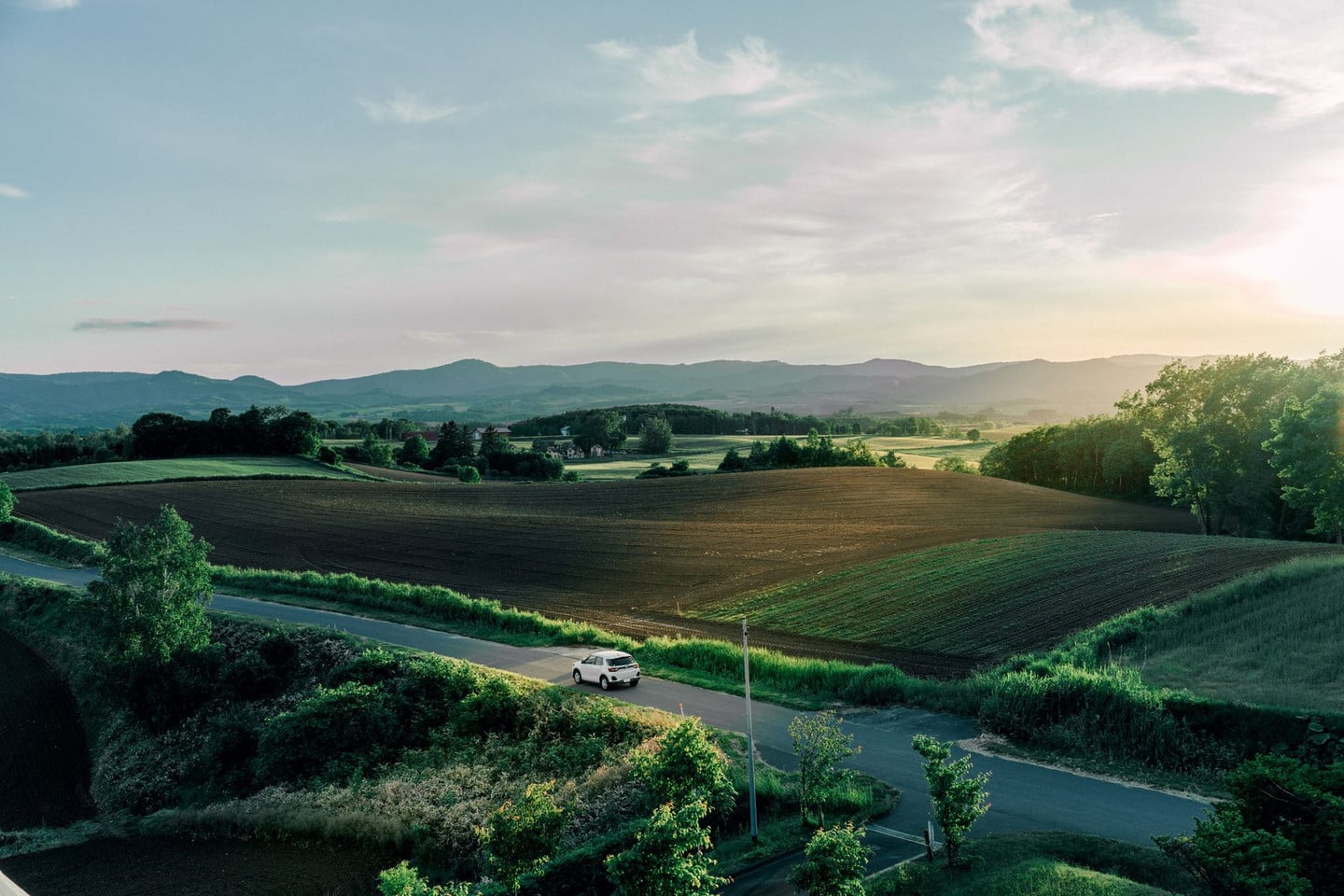
The Patchwork Road is a scenic drive linking the hilly fields of Biei, named for the blocks of farmland that lie scattered like a patchwork quilt. Along the way you can enjoy gentle slopes dotted with potato fields, wheat fields and trees, and it is one of the classic routes for touring Biei by car or rented bicycle. There are several viewpoints and lone-tree landmarks along it, suited to a half-day drive.
We recommend driving slowly and stopping for photos whenever you like; summer, when the crops ripen, has the richest layers of color, while autumn turns to golden and ochre tones with a charm of its own, a route not to be missed by those who love countryside scenery and photography.
Ken and Mary Tree: A Romantic Landmark on the Patchwork Road
The Ken and Mary Tree is a lone poplar standing on a hill, made famous when a Nissan car commercial in the 1970s was filmed here, and it became one of the most representative landmarks of the Patchwork Road. A single big tree standing in the middle of wide fields photographs well in every season, and the image is especially striking against a blue sky.
Because it sits at the edge of private farmland, please take photos only within the designated viewing area and do not step into the fields, to respect local farmers and keep the view available to later visitors.
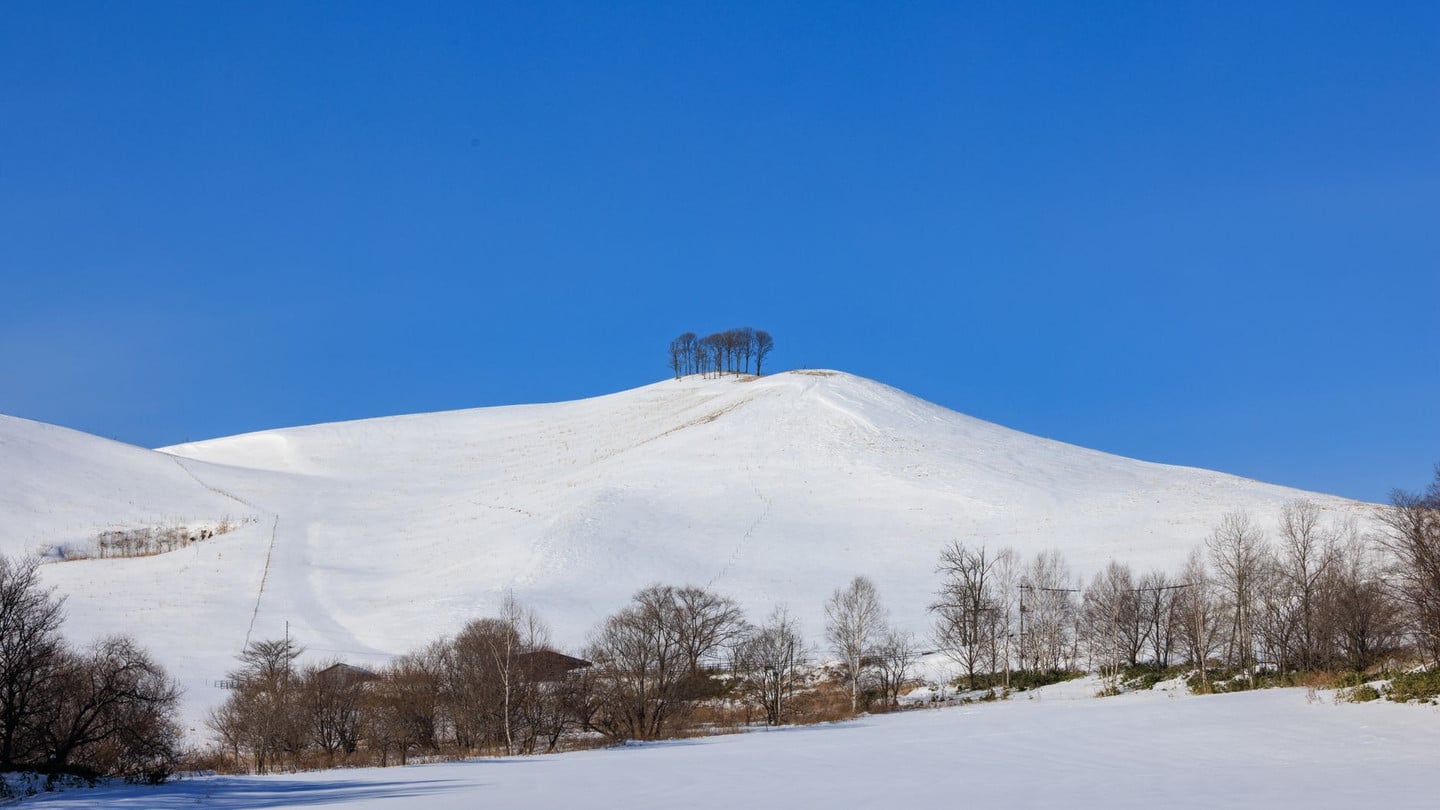
Seven Stars Tree: The Lofty Beauty of a Lone Oak
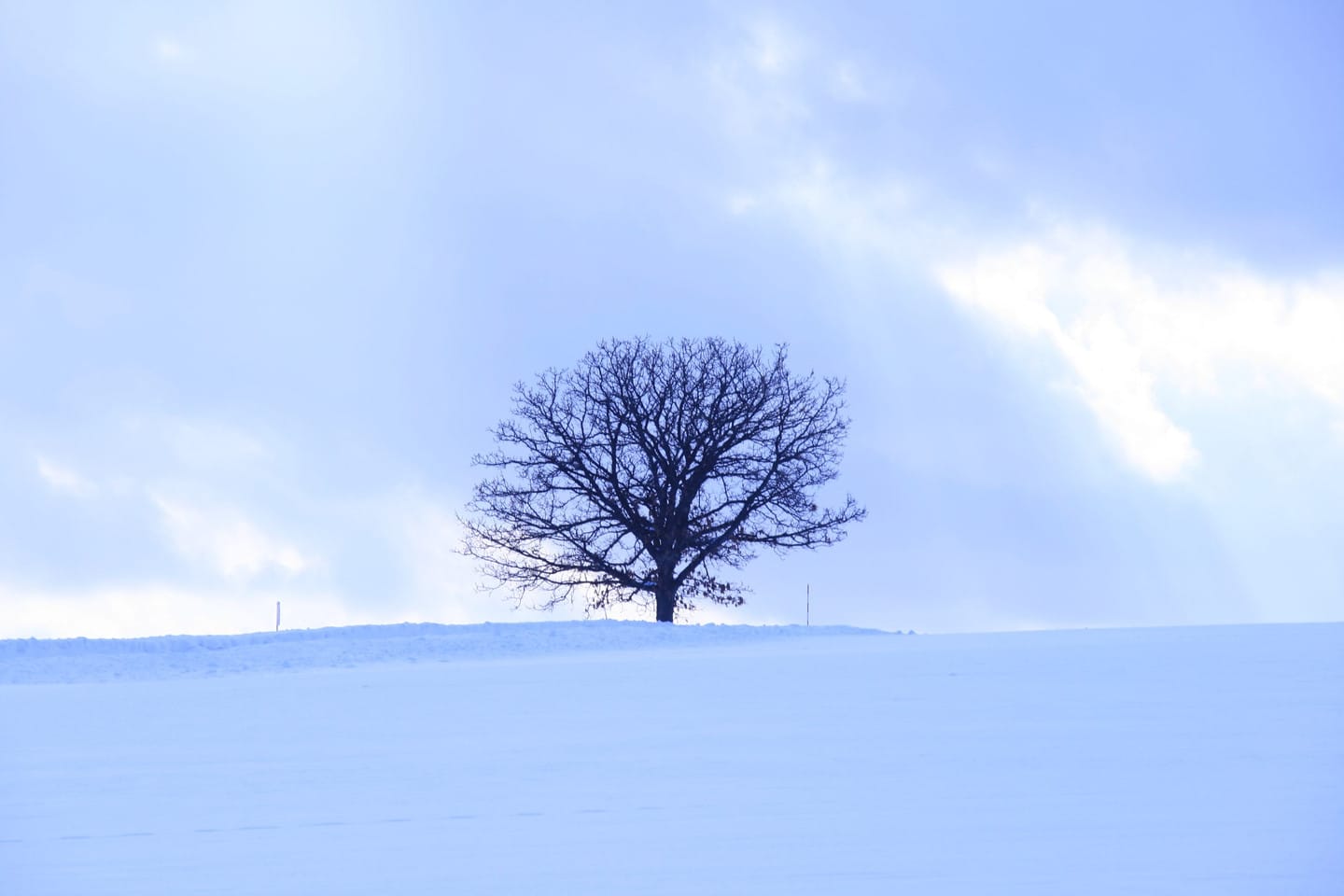
The Seven Stars Tree is a Japanese emperor oak (kashiwa) standing at the top of a hill, made famous when the Japanese cigarette brand “Seven Star” once used it on its packaging; its lofty, solitary stance has become a classic image of Biei’s countryside. Whether against a clear blue sky or a snowy field, it yields postcard-like pictures.
This tree and the Ken and Mary Tree are both stops along the Patchwork Road, so we suggest visiting them on the same drive; they are only a few minutes apart by car, ideal for photographers who like collecting Biei’s landmark trees.
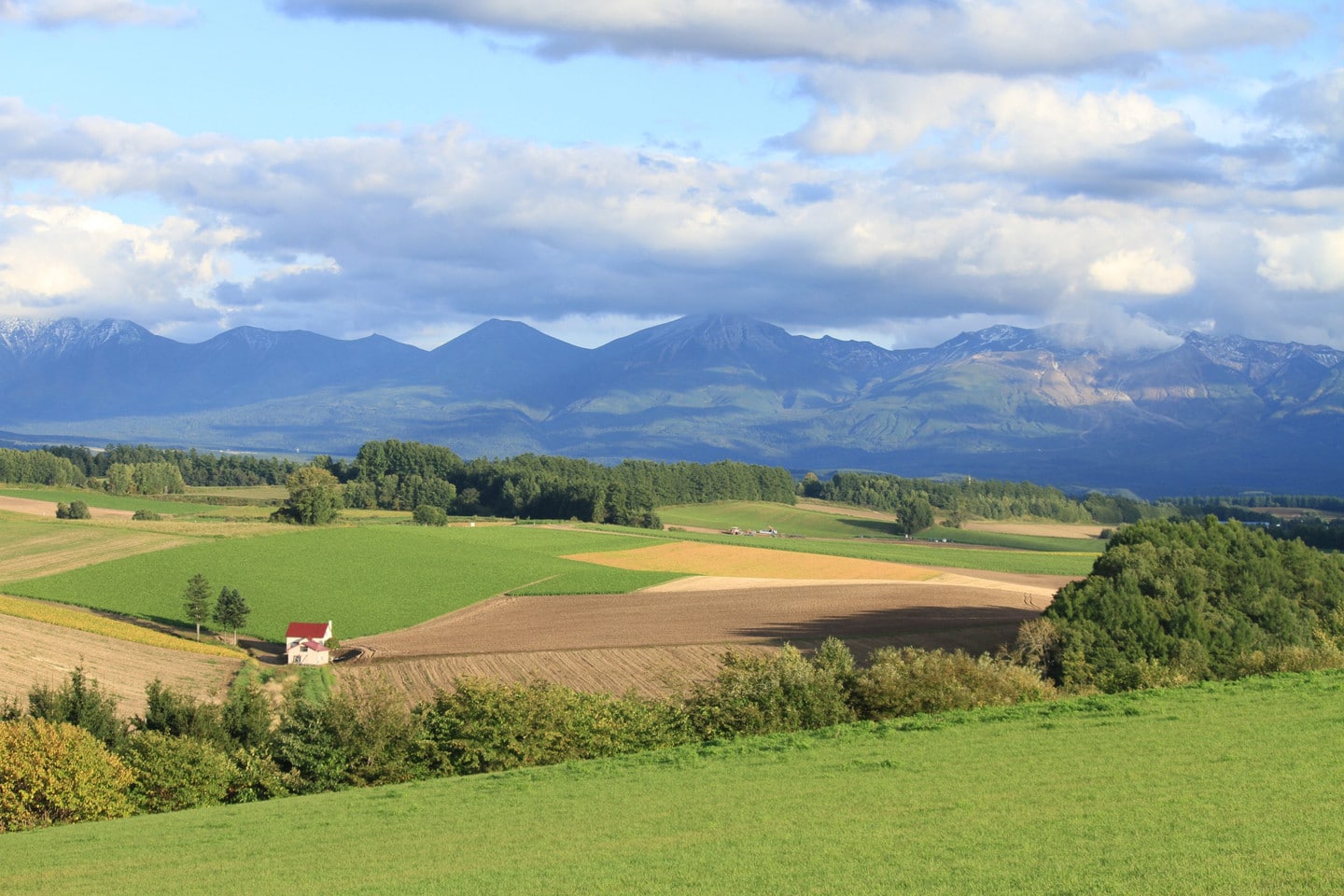
Shinei Hill Observation Park: A 360-Degree Panoramic Viewpoint
Shinei Hill Observation Park sits on high ground east of central Biei and is an excellent lookout for the Tokachidake range and the whole Biei countryside; its unobstructed 360-degree view takes in the entire Biei basin. If a sea of clouds appears in the early morning, the scene is even more spectacular and dreamy.
The park is free and open year-round. We suggest going around sunrise or at dusk, when the light is softest and most moving; it is also a popular insider spot for photographers shooting Biei’s panoramic countryside and sunsets.
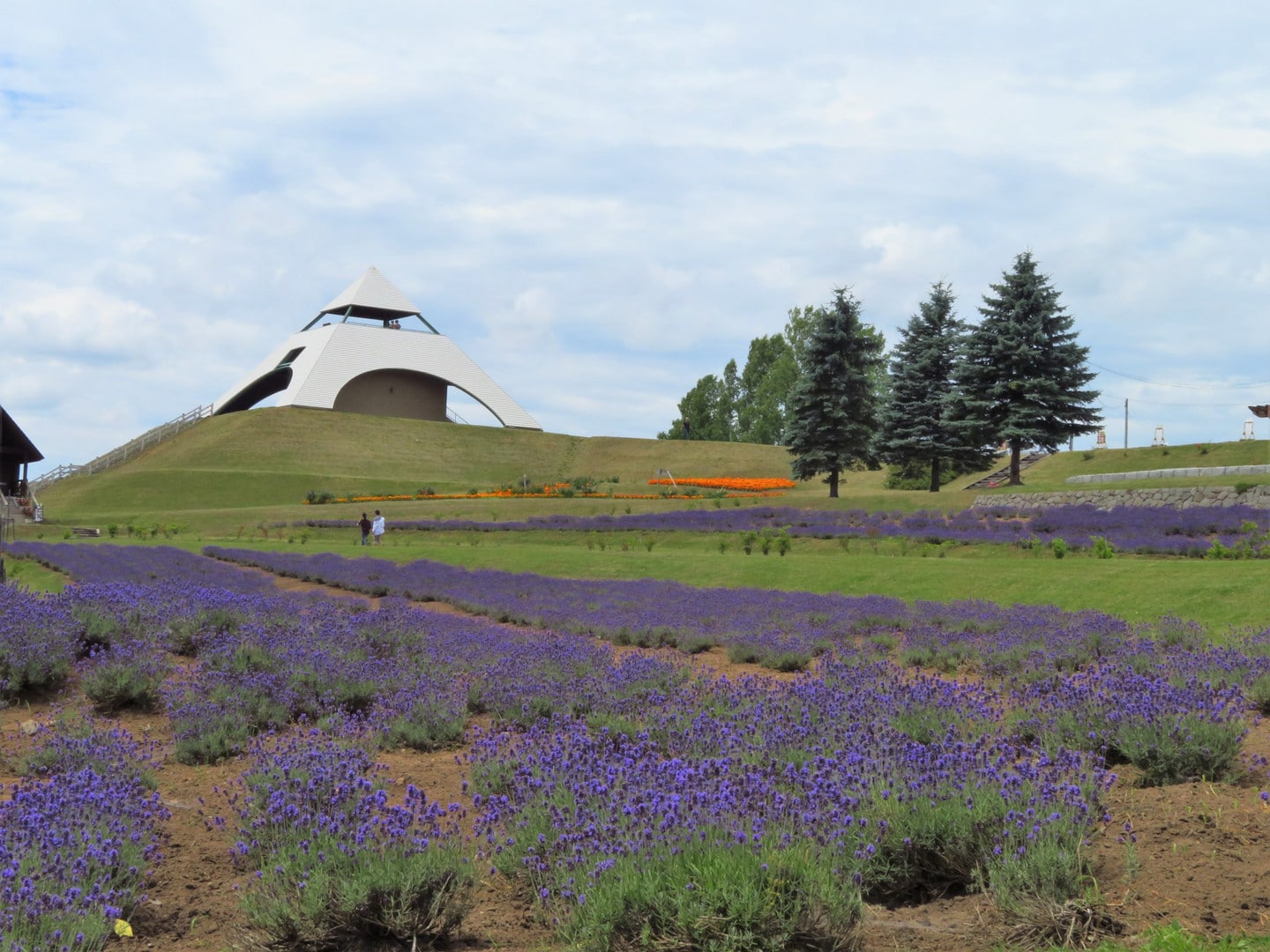
Hokusei Hill Observation Park: A Pyramid Lookout and Lavender Fields
Hokusei Hill Observation Park is marked by a white pyramid-shaped observation tower; climbing it gives a view over the hilly fields around the Patchwork Road, and the summer lavender fields in bloom are especially beautiful. It is one of the easiest lookouts to reach near central Biei.
The park has rest facilities and a small souvenir shop, good for a short stop for photos and gifts. In summer peak season we suggest avoiding the midday hours, when the light is softer and there are fewer visitors, for cleaner pictures.
Tokachidake Bogakudai: The Viewpoint Closest to an Active Volcano
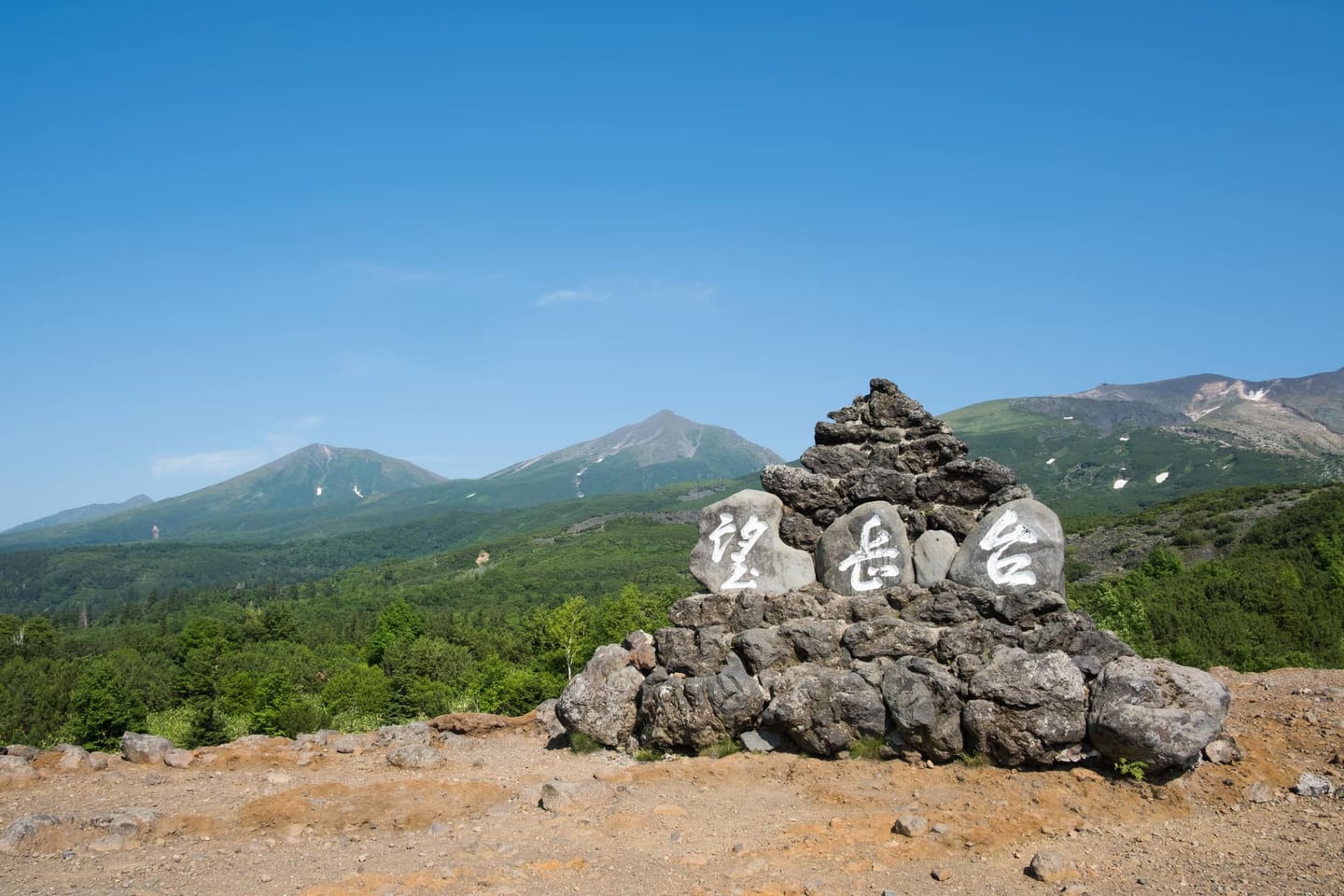
Tokachidake Bogakudai is one of the few lookouts in Hokkaido from which you can view an active volcano up close; high in altitude with a wide view, it takes in the magnificent terrain of the Tokachidake range on a clear day. A sea of clouds often appears on early mornings in September and October, a favorite for photographers shooting at dawn.
It is also one of the starting points for hiking, with paths and rest facilities. Bring warm clothing, because the higher altitude makes it noticeably colder than in town, and even summer mornings can be quite chilly.
Farm Tomita: The Birthplace of Lavender and Dreamy Flower Fields
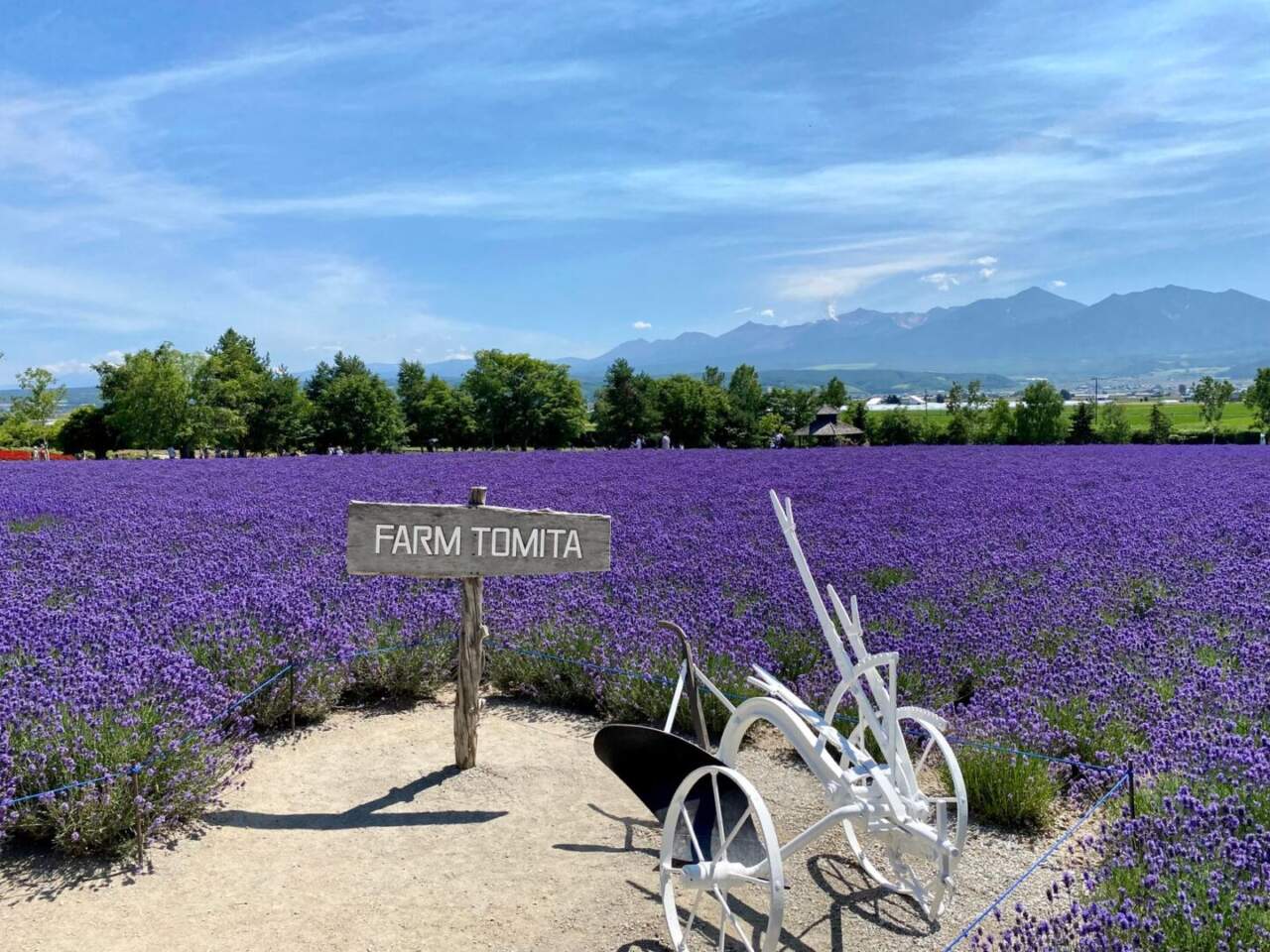
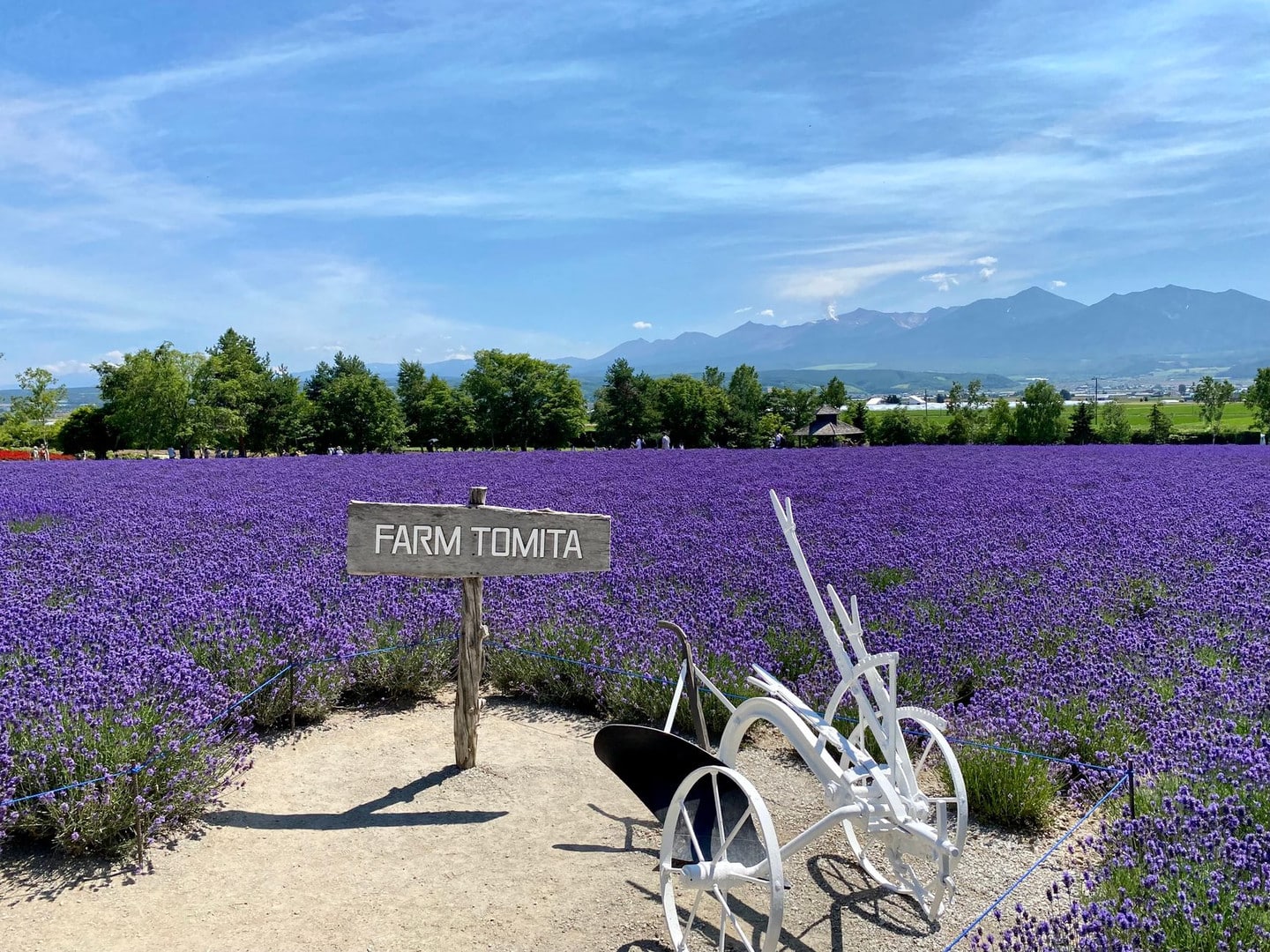
Farm Tomita is the birthplace of lavender sightseeing in Hokkaido, in Naka-Furano Town next to Biei. The park is famous for its rainbow flower fields, and when the lavender blooms in early July the whole hillside turns purple, one of the signature flower sights of a Hokkaido summer.
Entry is free, with a restaurant and shops, and lavender soft serve and related goods are souvenirs visitors always buy. We suggest fitting it into the same-day flower-themed day tour with the Biei sights; it is about 30 minutes away by car.
Biei Shrine: A Tranquil Countryside Center of Faith
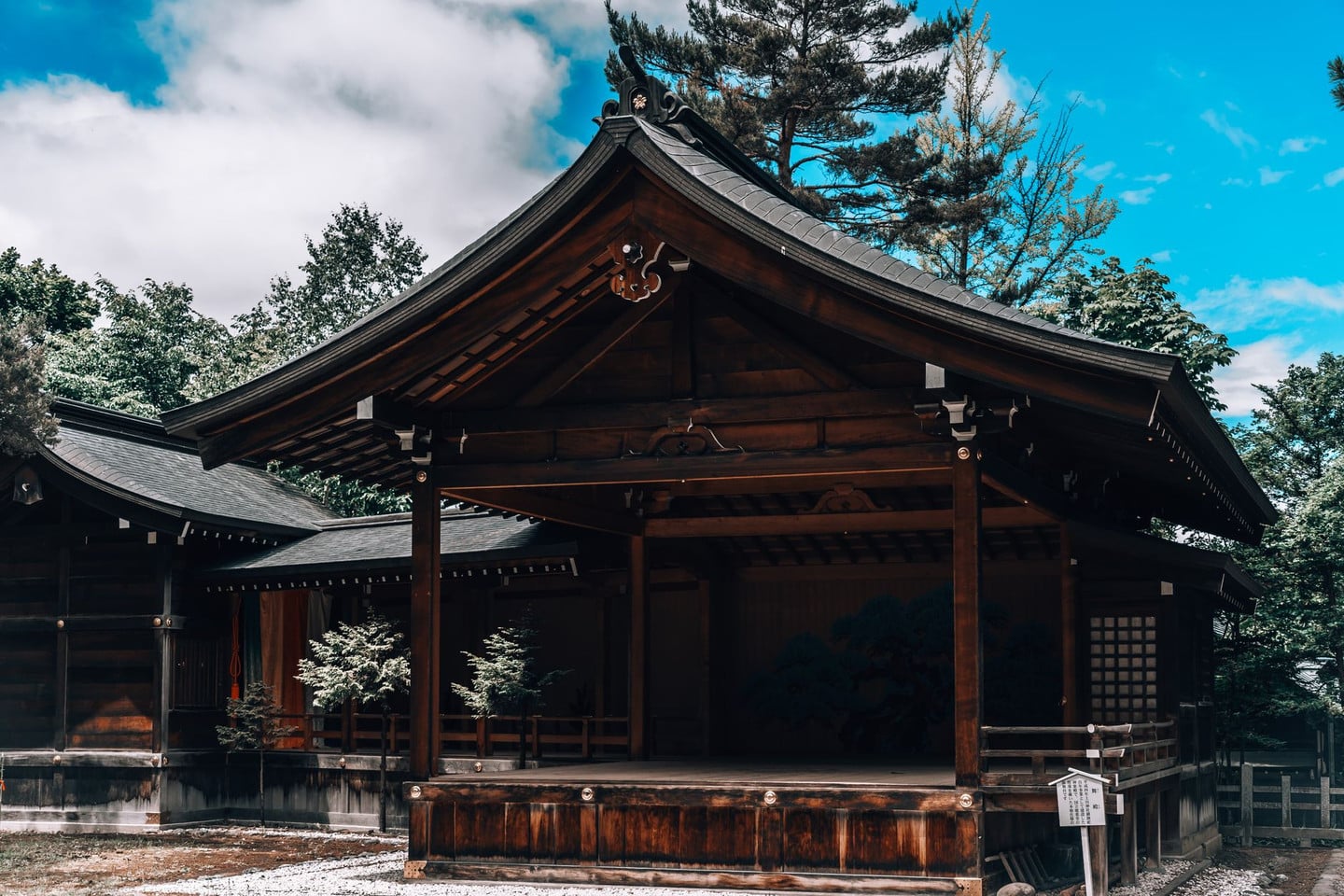
Biei Shrine sits in quiet woodland near central Biei and is an important spiritual center for local residents; its grounds are lush and solemn, a sharp contrast to the busy sightseeing hills around, and suit travelers who want a feel for local life.
The shrine is not large but keeps traditional worship etiquette and an amulet office. When visiting, follow ordinary shrine etiquette and be quiet and respectful of local faith, which adds some cultural depth to your trip.
How Much Does the 2026 Shirogane Blue Pond and Shirahige Falls Trip Cost? Admission, Tours and Rail Passes
First the bottom line: the Shirogane Blue Pond itself is completely free to enter, and Shirahige Falls can be viewed from the roadside at no cost, so the real budget items are “transport” and “whether to join a tour.” Winter buses around Biei and Furano are infrequent, and driving raises worries about snowy roads, so most travelers weigh four options: independent-travel transport, a day tour, a rail pass and a chartered car. Below are the common 2026 cost combinations to help you set a budget.
Independent Travel Options in Biei: Bus, Taxi and Rental Car Compared
From JR Biei Station to the Shirogane Blue Pond, the most convenient transport is the Dohoku Bus “Shirogane Line,” about 22 minutes to Shirogane Blue Pond Entrance and ¥800 one way (¥900 to Shirogane Onsen). By the official timetable there are about 10 departures a day, and the last bus back leaves Shirogane at around 18:00, so be sure to confirm the return time in advance. For two or more people, a taxi is better value; a round trip from Biei Station to the Blue Pond and Shirahige Falls takes about 2 hours and is charged by the meter, and you can ask in advance whether the driver can detour to Shikisai no Oka.
For winter self-drive, you need to add snow tires and a four-wheel-drive model; a daily rental (with insurance) is about ¥7,000–12,000, suitable for those with snow-driving experience. Beginners are advised to take a bus or join a tour instead, to avoid skidding on Biei’s mountain roads.
Furano and Biei Day Tours: The Most Hassle-Free Choice From New Chitose
Booking a “Sapporo / New Chitose departure Furano and Biei day tour” through KKday or Klook offers the best value. The tour covers the Shirogane Blue Pond, Shirahige Falls, Shikisai no Oka, the Patchwork Road and more, with a Chinese- or English-speaking guide throughout. Actual prices follow what the booking platform shows on the day and vary by season, vehicle type and whether lunch is included.
The advantage is that you avoid winter bus connections and parking worries, the coach goes straight to the sight entrances, and you avoid the risk of driving in a blizzard. During the illumination period (October 22, 2026 to April 21, 2027), some operators add a “night illumination coach,” extending the tour into the evening light-up hours and saving you the problem of getting around after dark.
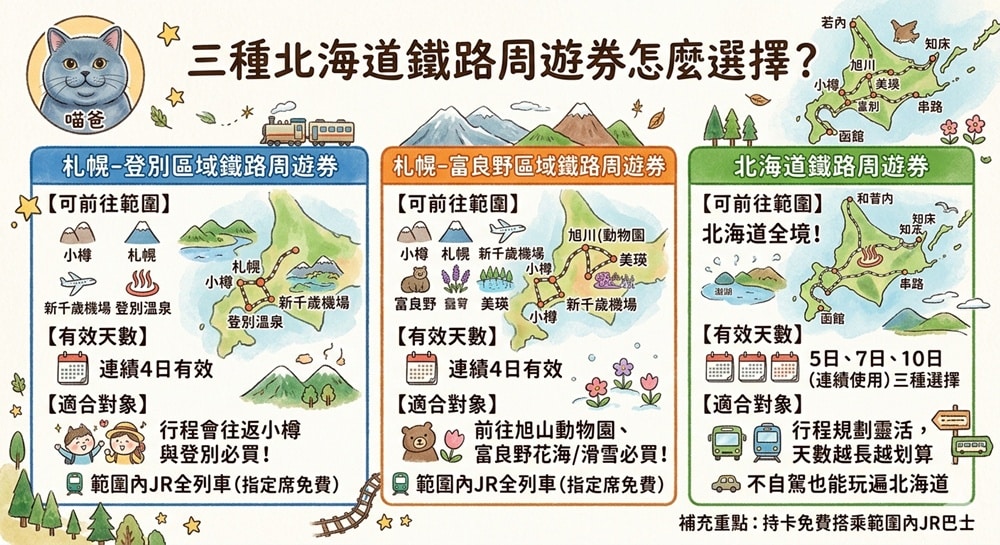
JR Hokkaido Rail Pass: For Those Planning a Multi-Day Hokkaido Trip
If your Hokkaido itinerary takes in JR destinations such as Asahikawa, Sapporo and Furano, the “JR Hokkaido Rail Pass” is better value. The 5-day pass is about ¥22,000 if bought in advance and about ¥23,000 at a station (only 5-, 7- and 10-day passes are offered, and only to travelers with foreign passports), with unlimited rides on JR local, rapid and some limited express trains (Shinkansen not included).
With the pass you can ride JR to Biei or Asahikawa Station, then transfer by bus or taxi to and from the Blue Pond and Shirahige Falls, saving on long-distance fares. We suggest working out the fare on the JR website or with a travel agency before you go. If you only travel around Biei, the pass may not pay off, and buying tickets directly or joining a day tour will be cheaper.
Winter Illumination Shuttles and Night Charter Cars: A Season-Only Add-On
The Shirogane Blue Pond winter illumination (October 22, 2026 to April 21, 2027, lit every night until 21:00) draws visitors. Because the last bus from Shirogane to Biei Station leaves at 18:02, there is no bus after the show, so a “night charter” or a travel agency’s “illumination shuttle car” is a practical choice. Through a local taxi company, or by searching “Shirogane Blue Pond illumination transfer” on KKday, the cost is about ¥10,000–15,000 (split among 2–4 people), including round-trip transfers and waiting on site, sparing you a walk on dark mountain roads. Some lodgings in Biei and Asahikawa offer paid shuttles or will call a taxi for you; ask at the front desk about partner arrangements before check-in, which are usually cheaper and more reliable than hailing a car on the street, and avoid the difficulty of calling a car on snowy stretches.
Where to Stay Near the 2026 Shirogane Blue Pond and Shirahige Falls: Lodging Areas for Side Trips
Biei, Shirogane Onsen and Asahikawa: Three Lodging Bases for Side Trips
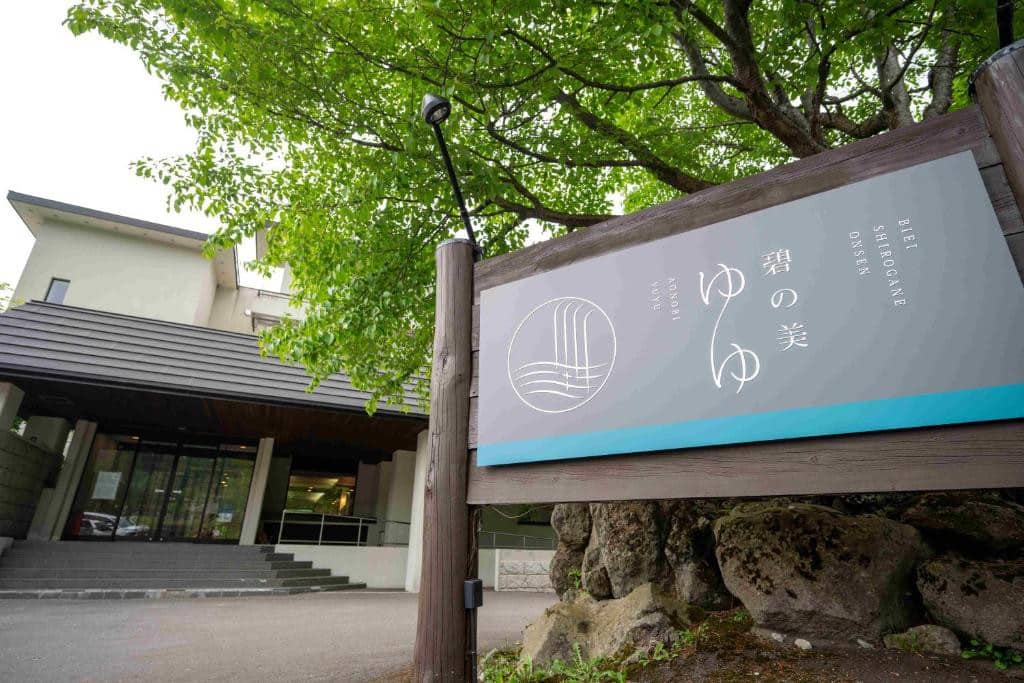
If you want to fully experience the illumination and the light at dawn and dusk, stay directly at a hot spring inn in the Shirogane Onsen area, such as “Hekinomi Yuyu” (formerly Yumoto Shirogane Onsen Hotel), where you can soak to warm up right after the illumination, and the next morning get the first shots of the Blue Pond without the crowds. If you prefer the conveniences of central Biei, choose a small inn or guesthouse around Biei Station, with the station, shopping and dining all handy.
If you plan to link Asahiyama Zoo or arrange a multi-day Hokkaido trip, you could also use downtown Asahikawa as a lodging base, with a fuller transport network and more hotel choices, then drive or take a bus to Biei the next day; this is more flexible and suits travelers who want to fit in several sights in northern Hokkaido.
FAQ
Q: What are the 2026 Blue Pond and Shirahige Falls illumination times?
The Blue Pond and the Birke Forest are lit from October 22, 2026 to April 21, 2027: 17:00–21:00 in October, November and January, 16:30–21:00 in December, 17:30–21:00 in February, 18:00–21:00 in March and 18:30–21:00 in April. Shirahige Falls is a permanent illumination, lit year-round from sunset until 21:00.
Q: Does the Shirogane Blue Pond parking lot charge a fee?
Yes: from July 1, 2026 it is ¥1,000 per visit for a regular car and ¥300 for a motorcycle. For Shirahige Falls you can park at the free Shirogane Tourist Center public parking lot, and from August 2026 the former Shirogane Park Hill Valley ski area parking lot is also open for free parking; both are within walking distance of the viewing bridge.
Q: Is it too dangerous to visit the Blue Pond and Shirahige Falls in winter?
The paths ice over and get slippery, so wear non-slip snow boots and warm clothing; if driving you must have snow tires and drive slowly. It is safe, but be careful with the cold and snow.
Q: How long should I spend at the Shirogane Blue Pond? How long for the Blue Pond and Shirahige Falls together?
We suggest setting aside 1 to 1.5 hours for both: about 30–40 minutes for photos along the Blue Pond’s lakeside path, and about 20–30 minutes at Shirahige Falls viewing and photographing from the bridge, plus the roughly 2.5 km drive between the two. For the winter illumination, the Blue Pond’s lights run on a cycle of about 15 minutes, so stay for at least one cycle; if you want to take photos at leisure, or add a stroll in the Birke Forest or a soak in Shirogane Onsen, stretch it to 2 to 3 hours for a more relaxed visit.
Q: What season is best for photographing the Shirogane Blue Pond?
The blue is most vivid from late May to early July, while winter from November to March offers snow scenes and night illumination; the two look completely different, each with its own charm.
Q: How do I get to Shirahige Falls? Can I visit the Blue Pond and Shirahige Falls without a car?
Yes: take Dohoku Bus route 39 or 42 and get off at “Shirogane Blue Pond Entrance” or “Shirogane Onsen” stop, or join a day-tour bus from Sapporo or Asahikawa.
Q: How much does it cost to enter the Blue Pond and Shirahige Falls?
Both are free to enter; only the Blue Pond parking lot charges a fee (¥1,000 per visit), payable at the advance-payment machine before the exit; transport and rail pass costs are extra.