
2026 Noboribetsu Jigokudani Guide: Transport, Oyunuma Natural Foot Bath and Gokurakudori Shopping Street: The Awe and Healing of Hokkaido’s Onsen Department Store
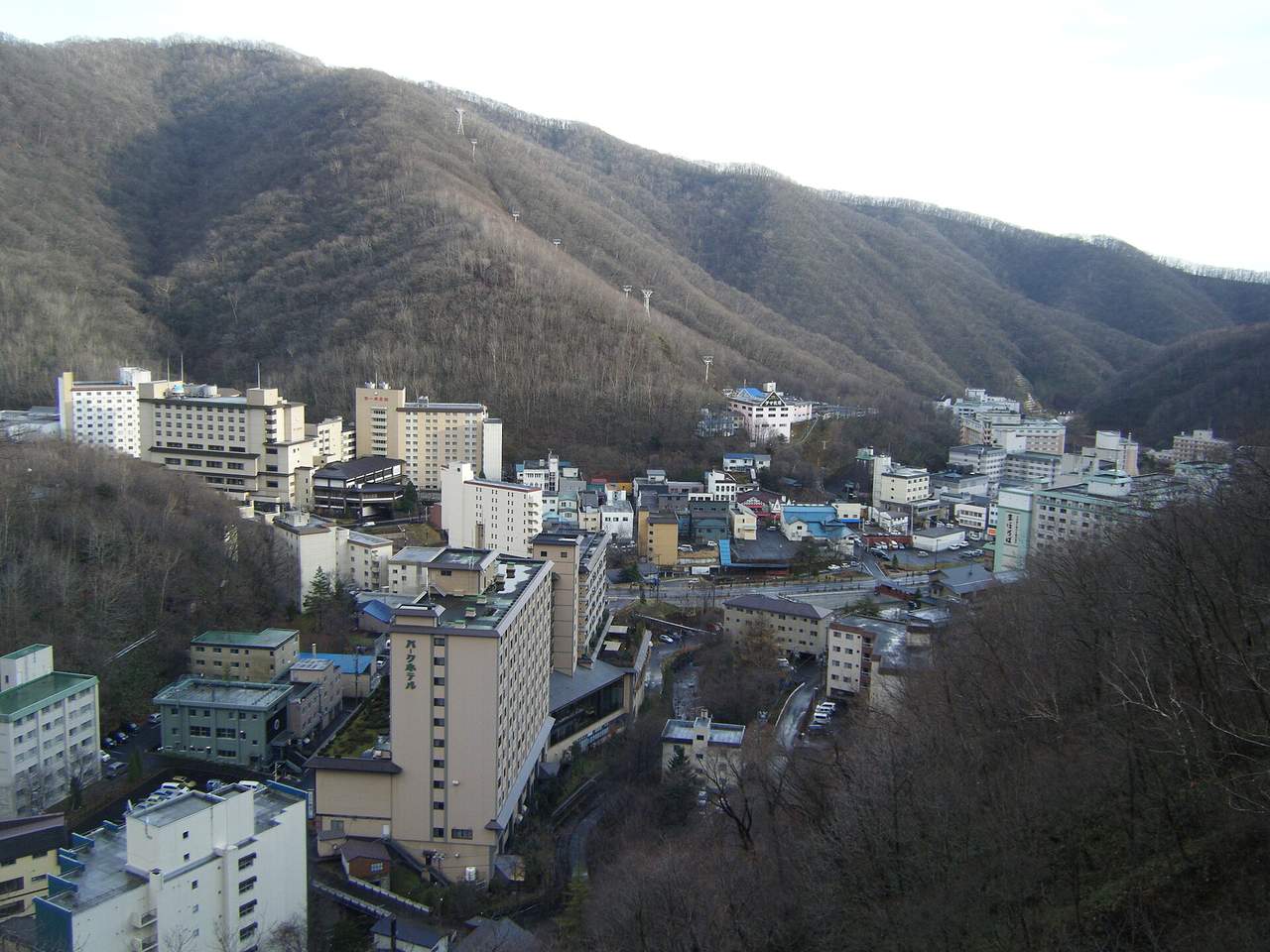
Noboribetsu Onsen sits in southwestern Hokkaido and is known as an “onsen department store” with 10 high-quality spring types. Jigokudani (Hell Valley), Oyunuma Pond and Gokurakudori shopping street are all linked on foot, so you can see the highlights in half a day, making it a good fit for a day trip or a two-day, one-night stay on a self-guided Hokkaido trip.
Noboribetsu Jigokudani: A Volcanic Wonder Wreathed in Sulfur
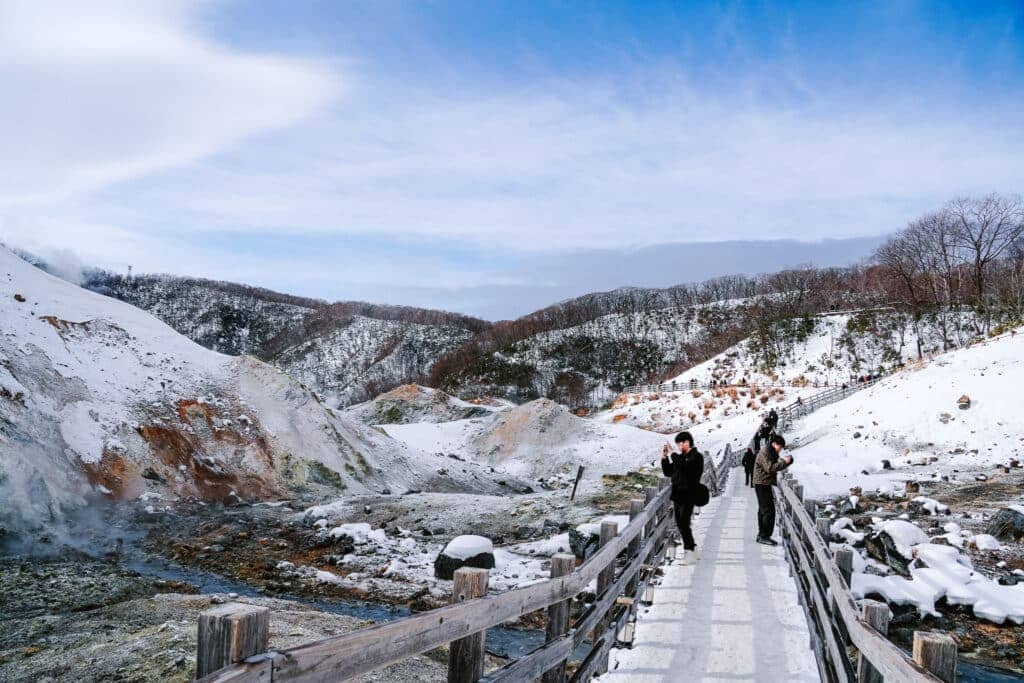
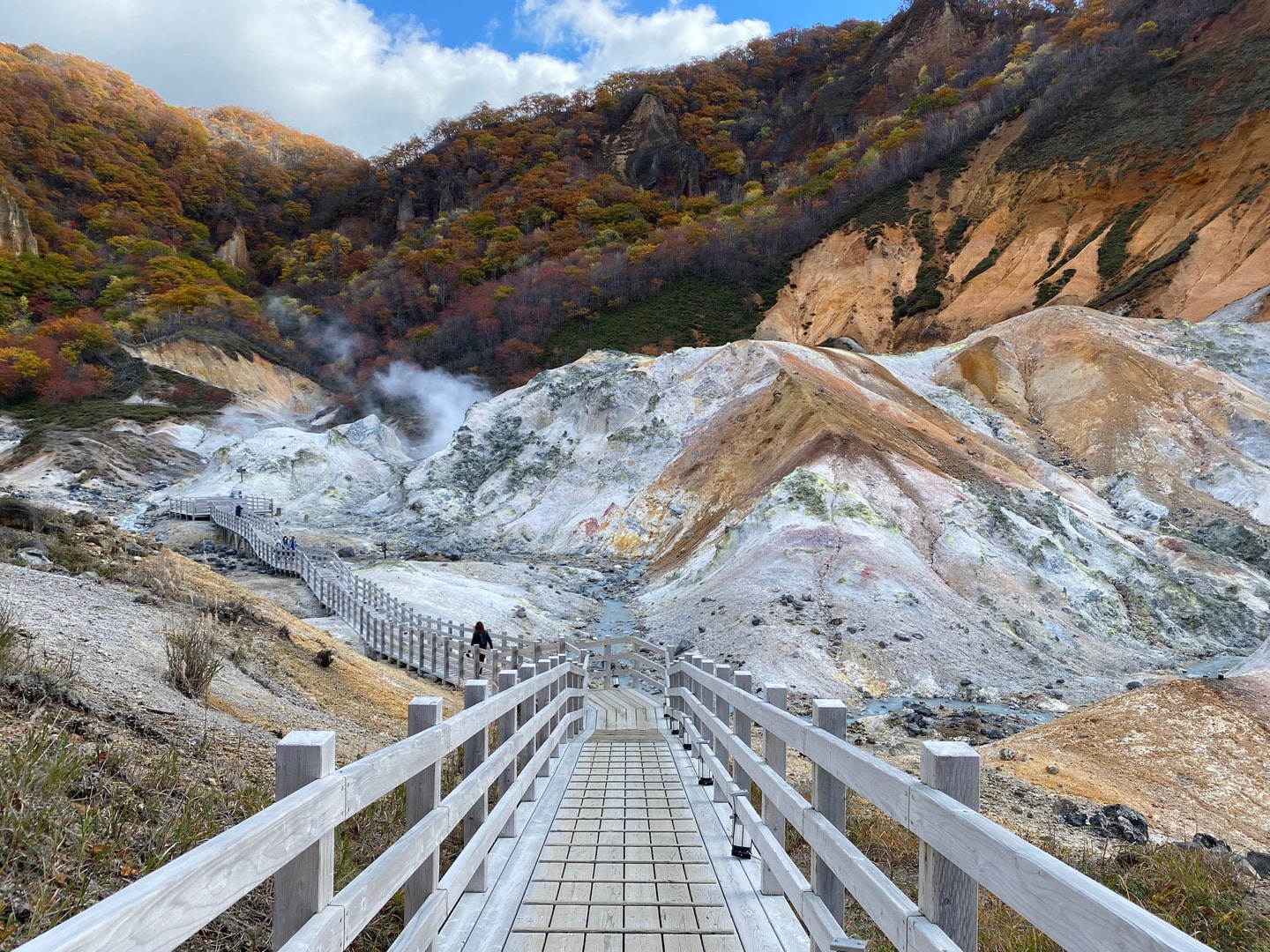
Noboribetsu Jigokudani is a huge explosion crater left by a volcanic eruption about ten thousand years ago. White steam and scalding spring water rise from the ground all year, and a strong smell of sulfur fills the air. It is the most striking first stop of any Noboribetsu trip, and it is completely free to enter.


Oyunuma and the Natural Foot Bath: A Hidden Hot Spring in the Forest
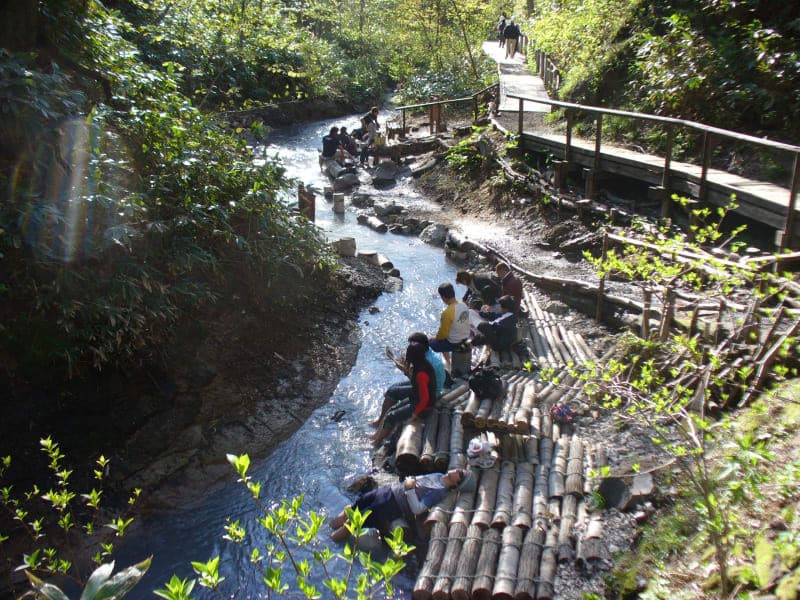
Keep climbing the trail and you reach Oyunuma, a pond about 1 km around whose surface can reach 40 to 50 degrees. From there you can walk down to the natural foot bath fed by the Oyunuma River, where you soak your feet while breathing in the forest air. It is Noboribetsu’s most popular free way to unwind.
Gokurakudori: The Shopping and Dining Heart of the Onsen Town
Gokurakudori, only a little over 200 meters long, packs in souvenir shops, drugstores and 100-yen shops, plus Enma-do Hall (check on-site announcements for the times of its face-changing mechanical show). It is the best place to stock up and buy gifts along your walk, but note that shops generally close early.
Gokurakudori Opening Hours and the Enma-do Face-Changing Show
Gokurakudori runs through the center of Noboribetsu Onsen town, about 200 to 300 meters long, and is the main street for stocking up and buying souvenirs before or after Jigokudani. Enma-do Hall on the street houses a statue of King Enma about 6 meters tall and stages a timed face-changing mechanical show, about 7 times a day; check on-site announcements for the actual times. Most shops close around 5 to 6 p.m., so it is best to arrive in the daytime or before evening and then plan your walk around Jigokudani and Oyunuma.
How to Get to Noboribetsu Jigokudani? A Complete Guide to Transport and Fares from Sapporo and New Chitose Airport to Noboribetsu Onsen
There are three main ways to reach Noboribetsu Onsen: train with a transfer, a direct bus, and self-driving in a rental car. The routes below are compared by fare and travel time so you can choose what suits your plans.
| Mode of transport | Fare (one way) | Travel time |
|---|---|---|
| JR Limited Express Hokuto/Suzuran + Donan Bus | about ¥4,780 + ¥350 | about 85-90 minutes |
| Donan Bus “Express Noboribetsu Onsen” (direct from Sapporo) | about ¥3,200 | about 100 minutes |
| Donan Bus “Express Hayabusa” (direct from New Chitose Airport) | about ¥1,700 | about 70 minutes |
| Rental car (Do-o Expressway) | Depends on the rental plan | about 60-90 minutes |
From Sapporo: JR Limited Express with a Transfer to the Donan Bus
From Sapporo Station, take the JR Limited Express Hokuto or Suzuran to JR Noboribetsu Station, about 70 minutes. The fare varies with seat type and season, so check the JR Hokkaido official site. After arriving, transfer to a Donan Bus for about 15 minutes to reach Noboribetsu Onsen town, for a fare of about ¥330. This is the classic and most punctual route.

Driving: Jigokudani Parking Lot and Oyunuma Parking Lot
If you drive, the “Jigokudani Parking Lot” run by the managing body (Noboribetsu branch of the Nature Park Foundation) is right next to Jigokudani, and it takes only about 3 to 5 minutes to walk from the lot to the Jigokudani observation deck. Fees are ¥200 for motorcycles, ¥500 for regular cars, ¥1,000 for minibuses and ¥2,000 for large buses. On the same day you can park once each at the Jigokudani and Oyunuma lots without paying again; passenger cars 5 meters or longer are charged at the minibus rate.
- Charging hours: fees apply from about 8:00 to 17:00 every day (to 17:30 in summer), open all year; outside charging hours the lots stay open at night and in the early morning and are free.
- Oyunuma Parking Lot: vehicle width is limited to 2 meters, so large vehicles can only use the Jigokudani lot; it is closed in winter (about late November to late April) because the road is shut.
- Parking overnight: if you leave before 10:30 a.m. the next day, the previous day’s fee still applies; after that you pay again (¥500 for a regular car).
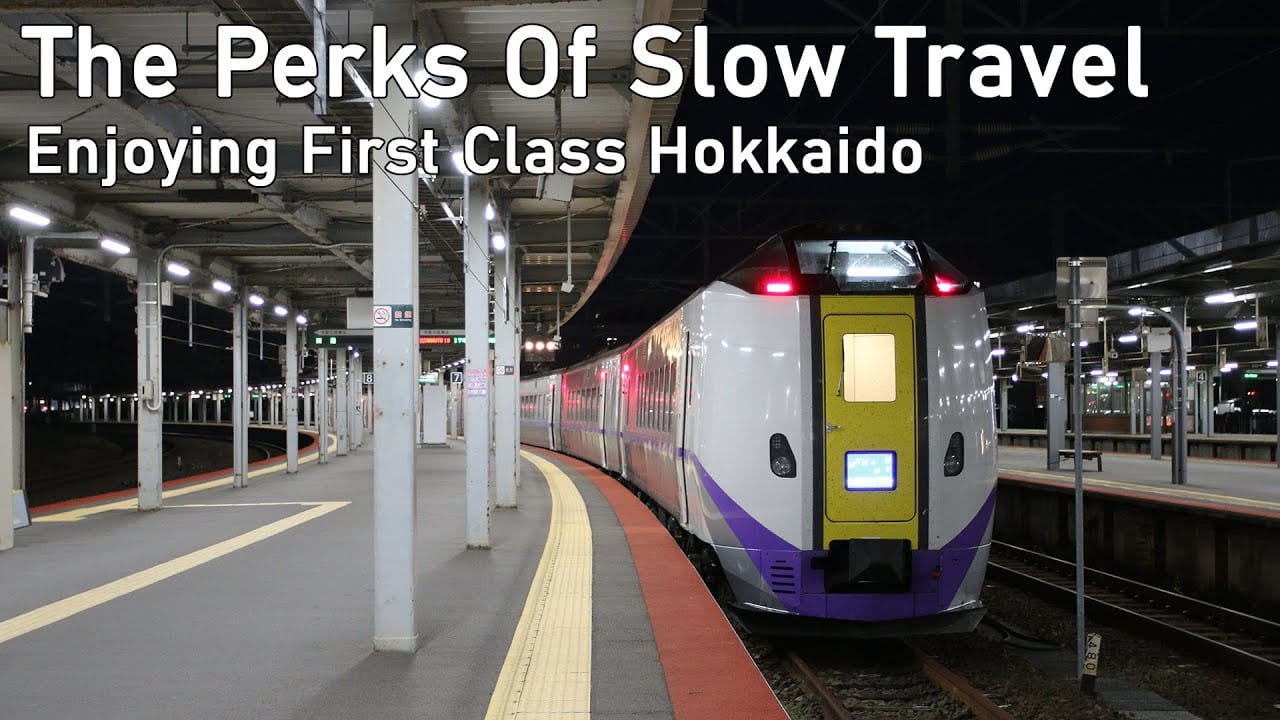

Noboribetsu Bear Park Tickets: Up-Close Brown Bear Experiences
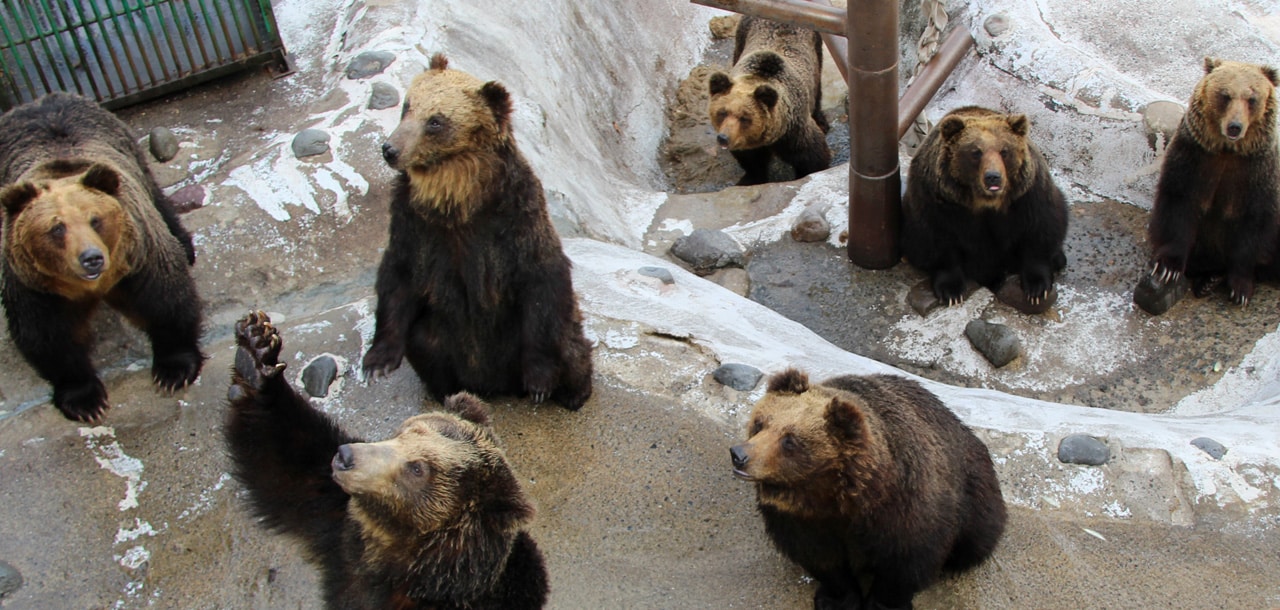
Noboribetsu Bear Park tickets include the round-trip ropeway. Check the Bear Park’s official site (bearpark.jp) for current prices; buying online in advance usually earns a discount and saves you queuing at the ticket window, which suits a half-day family outing.
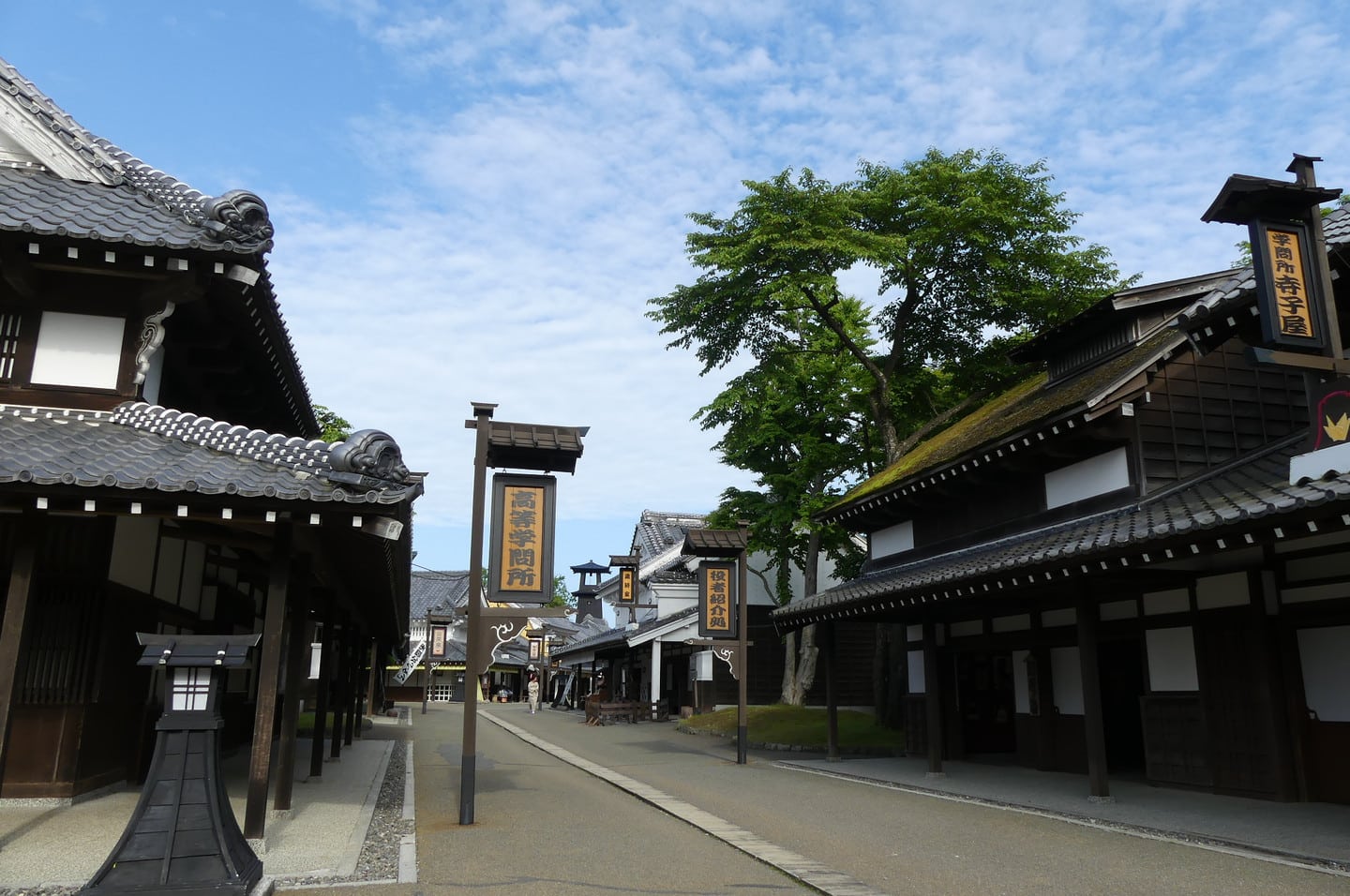
Noboribetsu Date Jidaimura Tickets: An Edo-Period Theme Park
Noboribetsu Date Jidaimura (Edo Wonderland) tickets for junior high school students and older are about ¥3,300, and you can add paid experiences such as the ninja theater. Booking online saves queuing at the gate, which suits an extended half-day or full-day outing.

Noboribetsu Marine Park Nixe Tickets: Penguin and Dolphin Shows
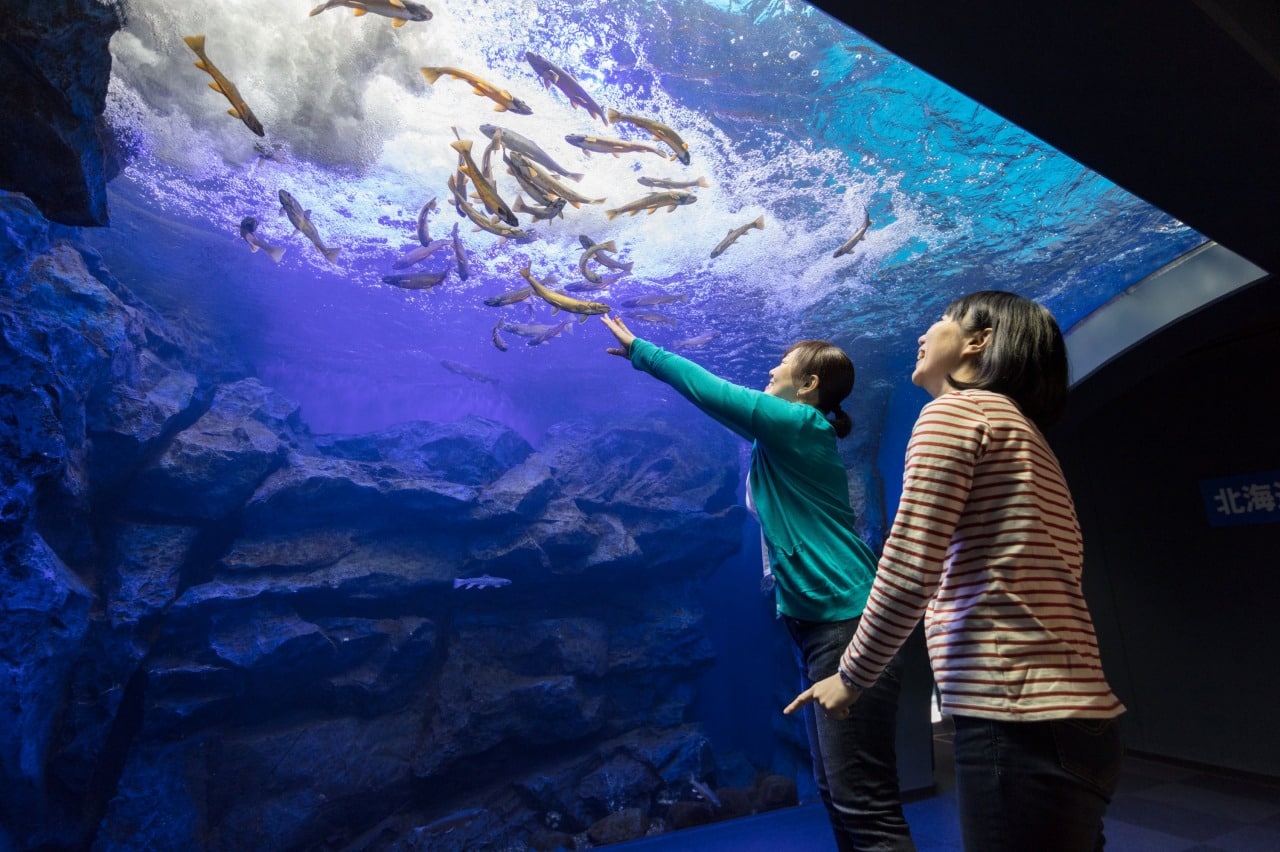
Noboribetsu Marine Park Nixe’s 2026 admission is ¥3,200 for adults and ¥1,600 for ages 4 to elementary school. The official site is nixe-aqua.com, and booking online lets you avoid peak-season crowds. It is especially recommended to combine it with the winter-only penguin snow parade.

Noboribetsu Onsen Day-Use Bath Passes: Soak Without Staying Overnight
If you do not plan to stay overnight, you can buy a day-use bath pass from one of the big onsen ryokan and soak on a same-day round trip. Hours are mostly 11:00 to 16:00, and large ryokan such as Dai-ichi Takimotokan offer them; booking online in advance secures your spot.
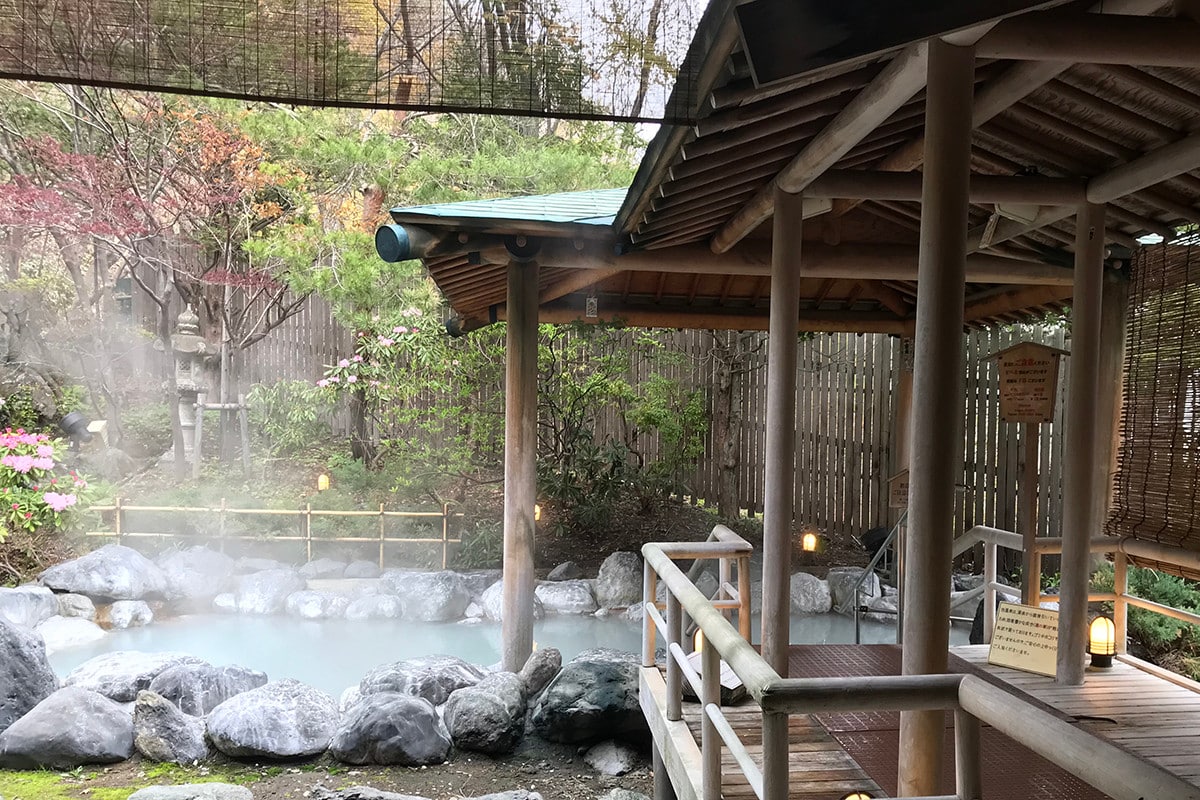


2026 Noboribetsu Jigokudani Guide: Transport, Oyunuma Natural Foot Bath and Gokurakudori Shopping Street. Where to Stay Nearby? Accommodation Tips
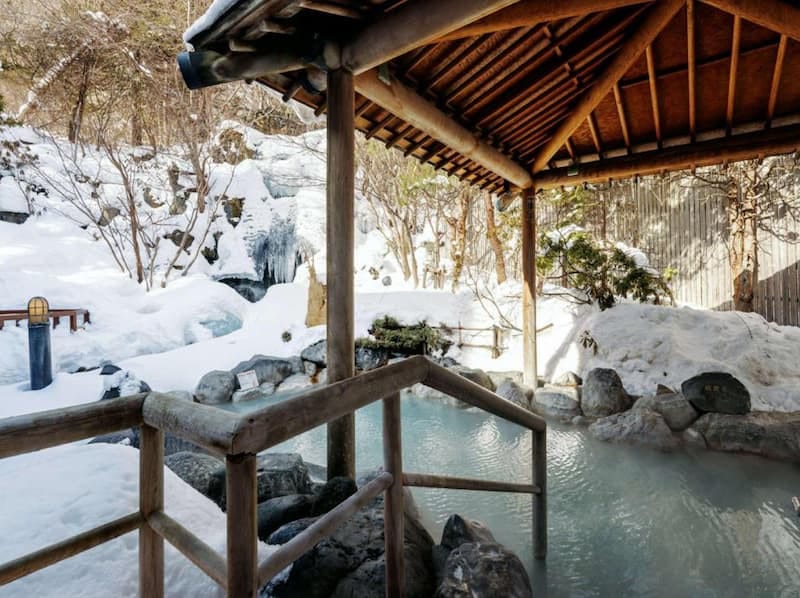
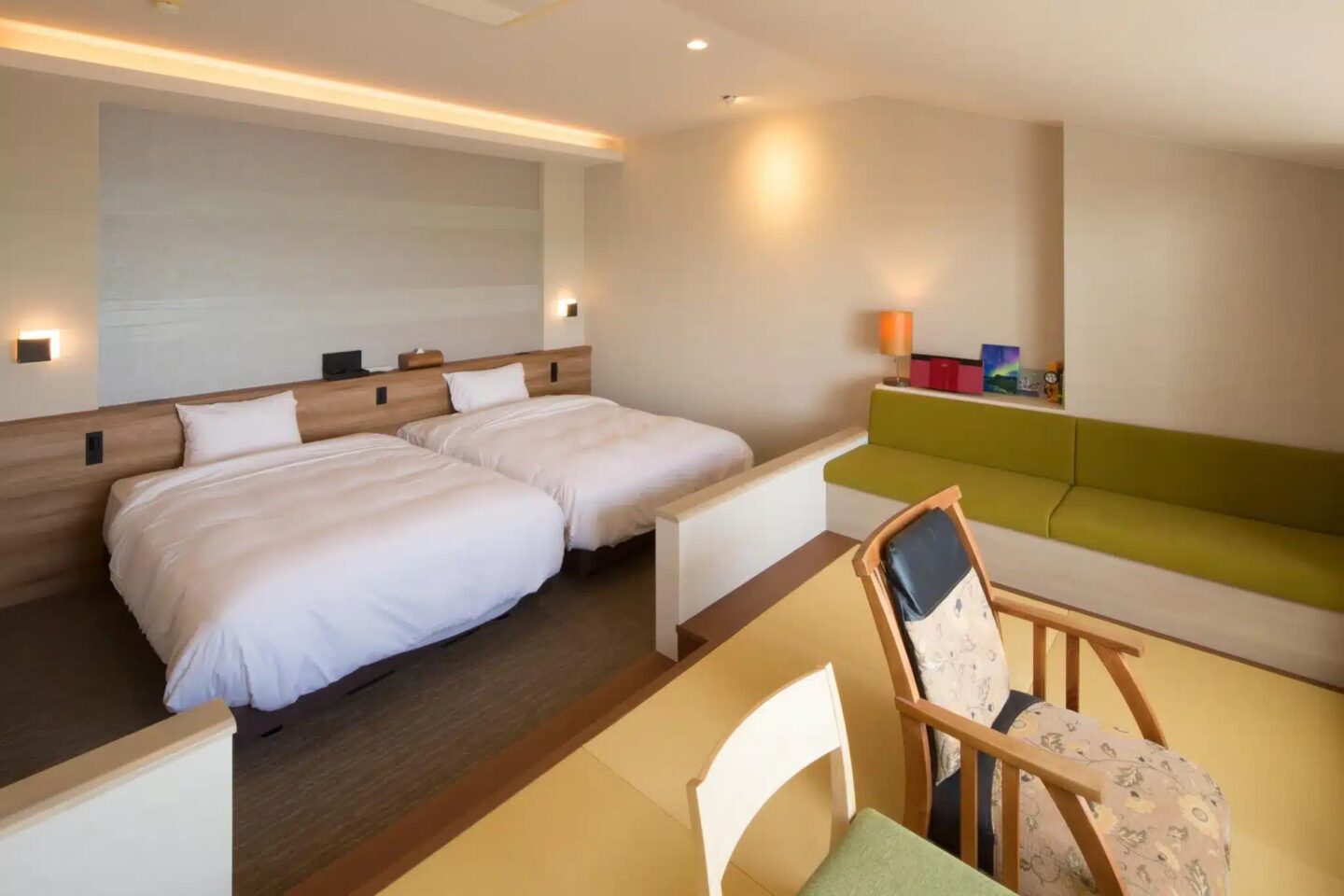

Noboribetsu Onsen Town: Onsen Ryokan with Dinner and Breakfast Are the Most Convenient
Noboribetsu Onsen town is a top-tier ryokan district in Japan, with places such as Dai-ichi Takimotokan, Noboribetsu Grand Hotel, Noboribetsu Onsen Hotel Mahoroba and Ryotei Hanayura, all close to Jigokudani and the shopping street. Choose a “one night, two meals” or half-board plan so you can have dinner and breakfast in the ryokan and avoid the town’s limited dining choices. Most ryokan have large public baths where you can try the nine spring types of Noboribetsu in one stay. A two-day, one-night trip works well with a ryokan stay, while a day trip can use a day-use bath plan. This article covers Jigokudani, Oyunuma, the natural foot bath and Gokurakudori; a separate article compares ryokan prices and room types in detail.
FAQ
Q: How much does Noboribetsu Jigokudani cost to enter?
Noboribetsu Jigokudani is free and open 24 hours a day all year. You can walk around freely without buying a ticket, making it the best-value must-see spot in the Noboribetsu Onsen area.
Q: How much is parking at Noboribetsu Jigokudani?
The Jigokudani lot charges ¥500 per entry for regular cars (¥200 for motorcycles), and on the same day you can park once each at the Jigokudani and Oyunuma lots. Fees apply from about 8:00 to 17:00 every day (to 17:30 in summer), and the lots are free at night and in the early morning. The Oyunuma lot is closed in winter (about late November to late April).
Q: How long does it take to walk from Jigokudani to the natural foot bath?
The usual route goes from the Jigokudani trail to Oyunuma and Okunoyu, then down to the foot bath. The whole walk takes about 30 minutes to 1.5 hours; if you are short on time, driving between the points saves time.
Q: What time does Gokurakudori close?
Most shops on Gokurakudori close around 5 to 6 p.m., and the street is only about 200 to 300 meters long, so it is best to arrive in the daytime or before evening to shop.
Q: What should I watch out for at the Oyunuma River natural foot bath?
The bottom of the foot bath is slippery from natural silt and moss, so walk carefully. No towels are provided on site, so bring your own towel and a plastic bag for wet socks and shoes.
Q: When is the best season to visit Noboribetsu Onsen?
Any season works. From December to March you can enjoy snowy views of Jigokudani; the Oni Fire Path night illumination runs all year from sunset to 21:30, and when the paths are slippery you will need snow boots or non-slip shoe grips.
Q: Is the sulfur smell at Noboribetsu Jigokudani strong?
The sulfur smell is quite strong and easily lingers on clothes and hair, so wear a jacket that does not absorb odors easily, and air your clothes out as soon as you leave.