
Niseko Ski Resort Complete Guide: All Four Resorts of Hokkaido’s Powder Snow Mecca
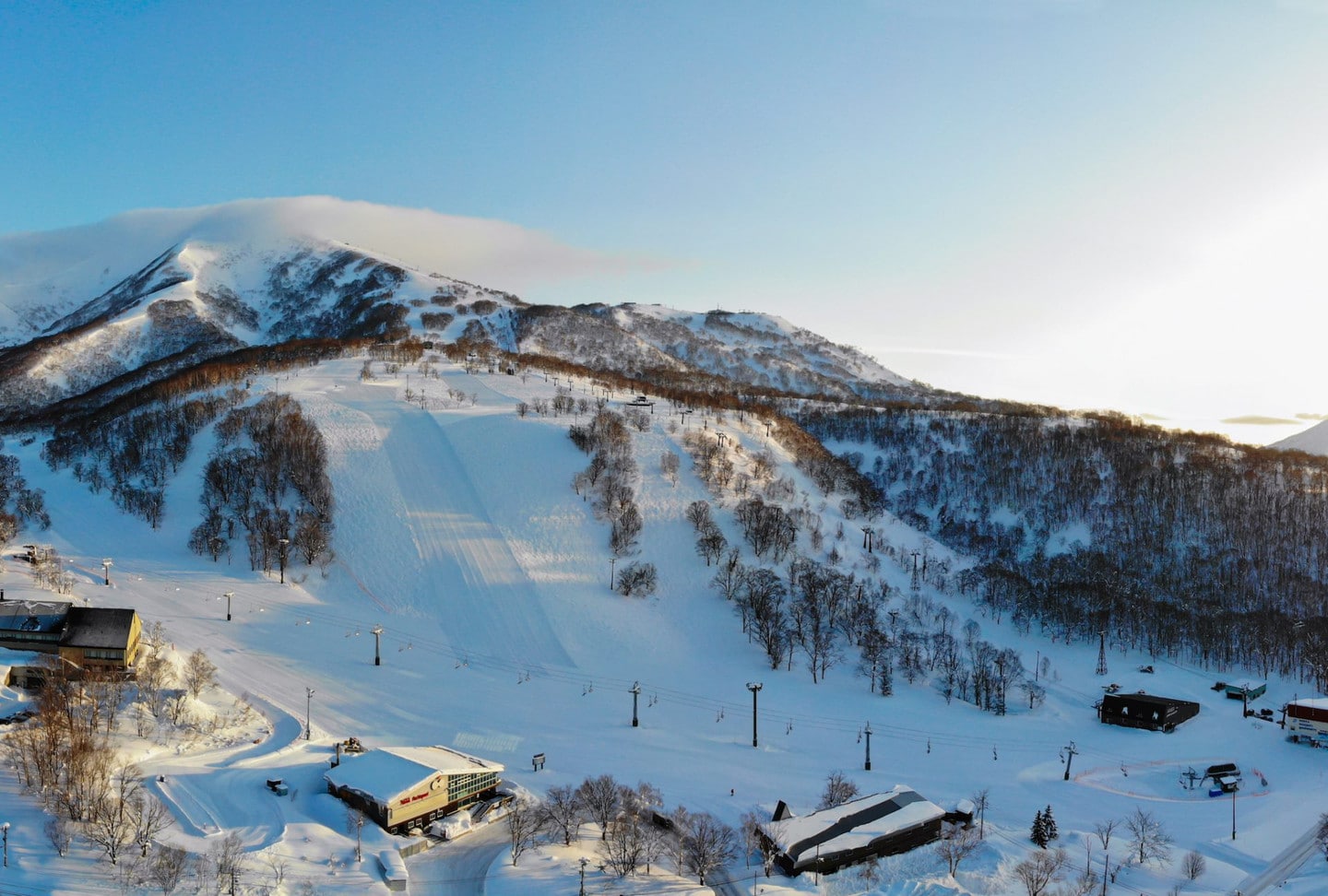
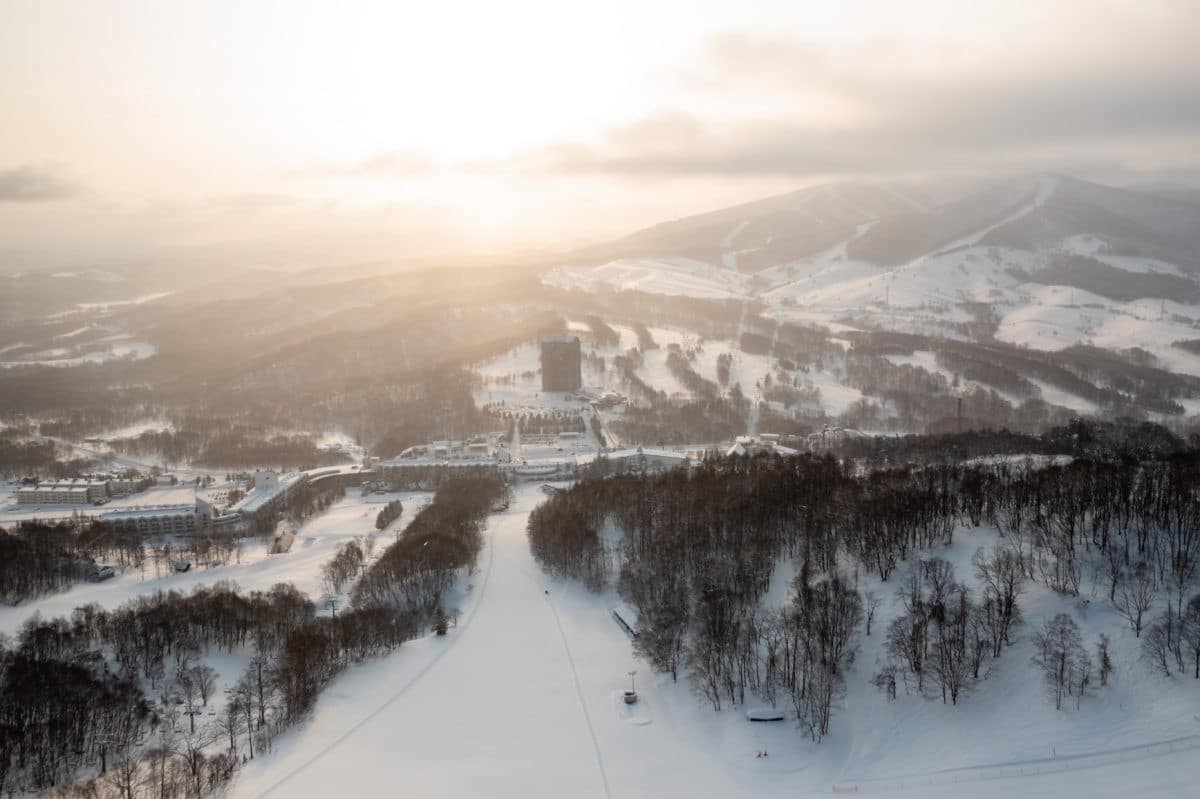
Niseko is in Kutchan Town and Niseko Town in Hokkaido, and is the Niseko United ski alliance made up of Hirafu, Hanazono, Niseko Village and Annupuri. Famous for world-class “champagne powder,” it has slopes to suit skiers of every level and families with children.
What Is Niseko United? The Four-Resort Alliance Explained
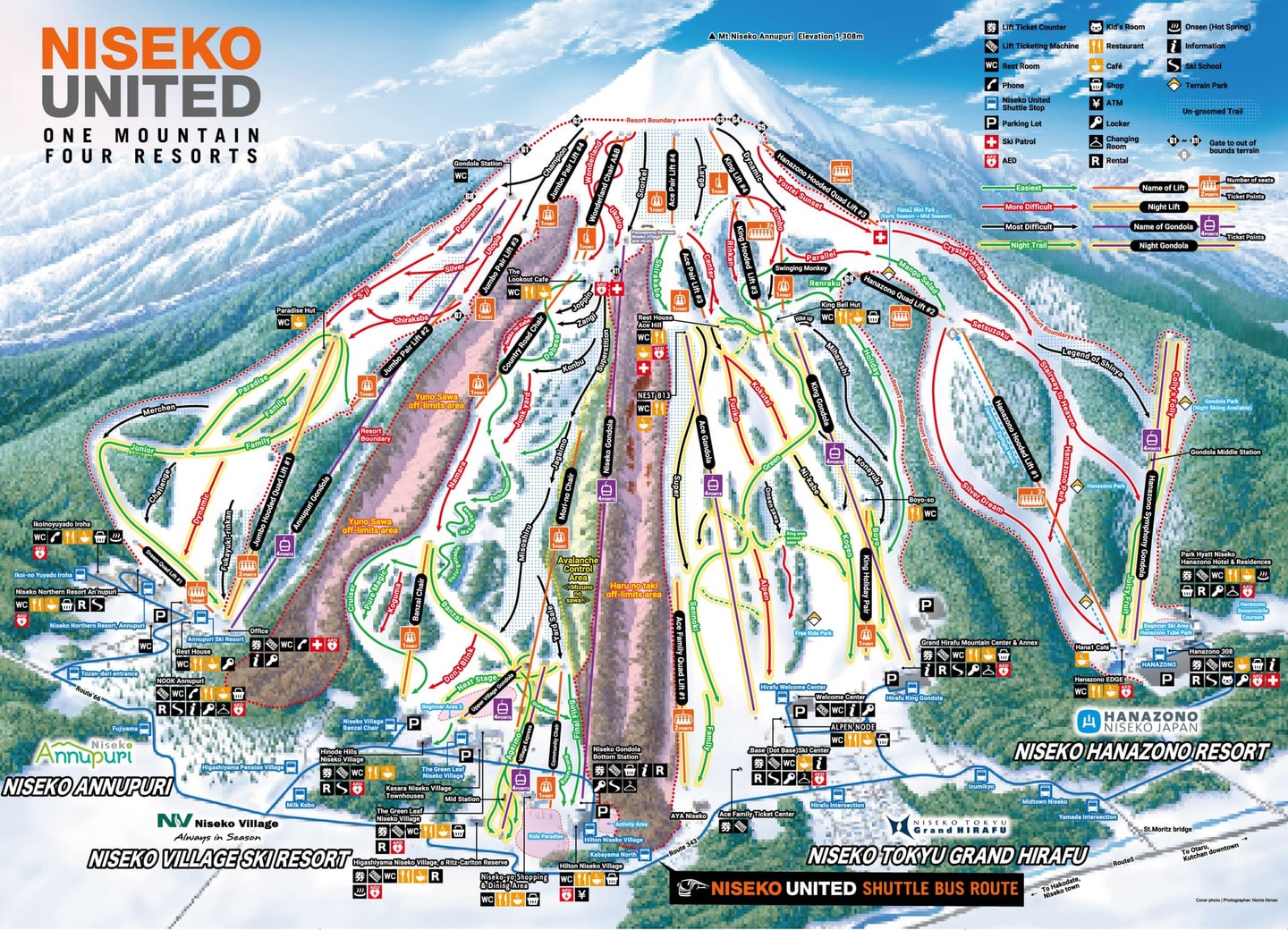
Niseko United is made up of four independently operated resorts, Hirafu, Hanazono, Niseko Village and Annupuri, whose summits are connected. You can ski between areas via the lifts or ride the free shuttle buses back and forth. Lift tickets use contactless IC cards, so one All Mountain Pass lets you enjoy the entire mountain.
Niseko has long attracted large numbers of Australian, European and North American visitors, and English-language service is well developed. In recent years more skiers from China, Hong Kong and Macau have come, and Chinese-language signage and Chinese-speaking instructors are increasingly common, making it very friendly to first-time ski travelers in Japan.
Best Ski Season and Snowfall in Niseko
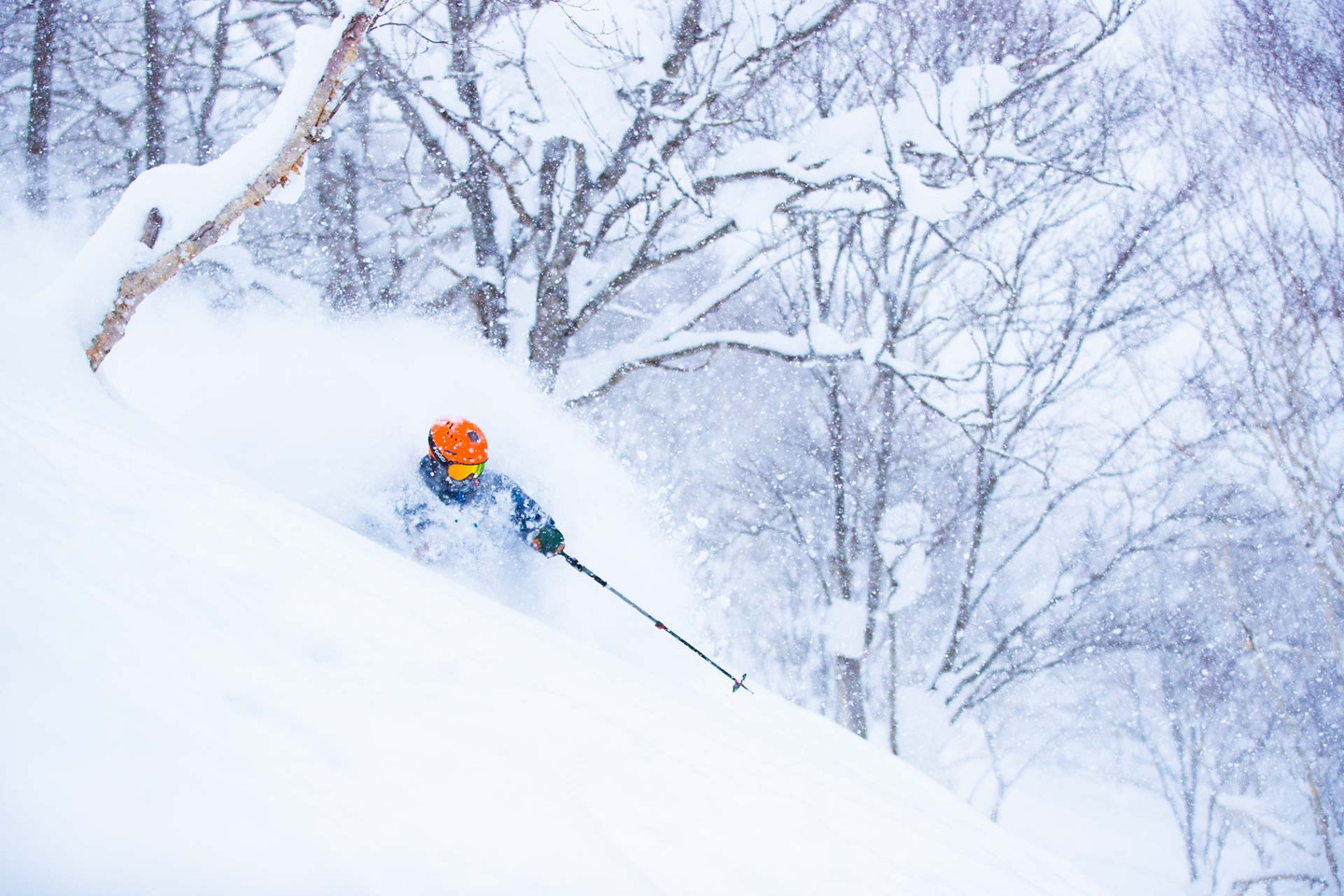
The Niseko season generally opens in late November (scheduled for November 28 in 2026-27). Closing dates differ by resort, falling roughly between mid-April and early May. Mid-December to February is the recognized “powder season,” with annual snowfall of about 14 to 15 meters, among the densest snowfall in the world and one of the places the term “Japow” comes from. Late March to early May is spring skiing season, with warmer temperatures and more sunny days. Lift tickets and lodging often get noticeable off-peak discounts, which suits travelers on a budget or those who do not want crowds.
2026-27 Season Opening: All Four Resorts Open Together on November 28
According to the official Niseko United announcement, all four resorts are scheduled to open together on November 28 for the 2026-27 season (subject to change depending on snow conditions), and the All Mountain Pass is valid from November 28, 2026 to April 4, 2027. Niseko Village is scheduled to operate until May 5, 2027. Closing dates and night skiing hours at the other resorts differ, so check the official website before you go.
What Kind of Skier Is Niseko For?
Niseko caters to skiers of every level: beginners and families can choose Annupuri with its gentle slopes; intermediate skiers will like Niseko Village with its long, varied runs; travelers who want nightlife and night skiing should start with Hirafu; and advanced skiers and park fans love Hanazono. If you plan 3 or more days and buy the All Mountain Pass, you can fully experience what each of the four resorts has to offer.
How to Get to the Niseko Ski Resorts: Complete Guide to Transport and Costs
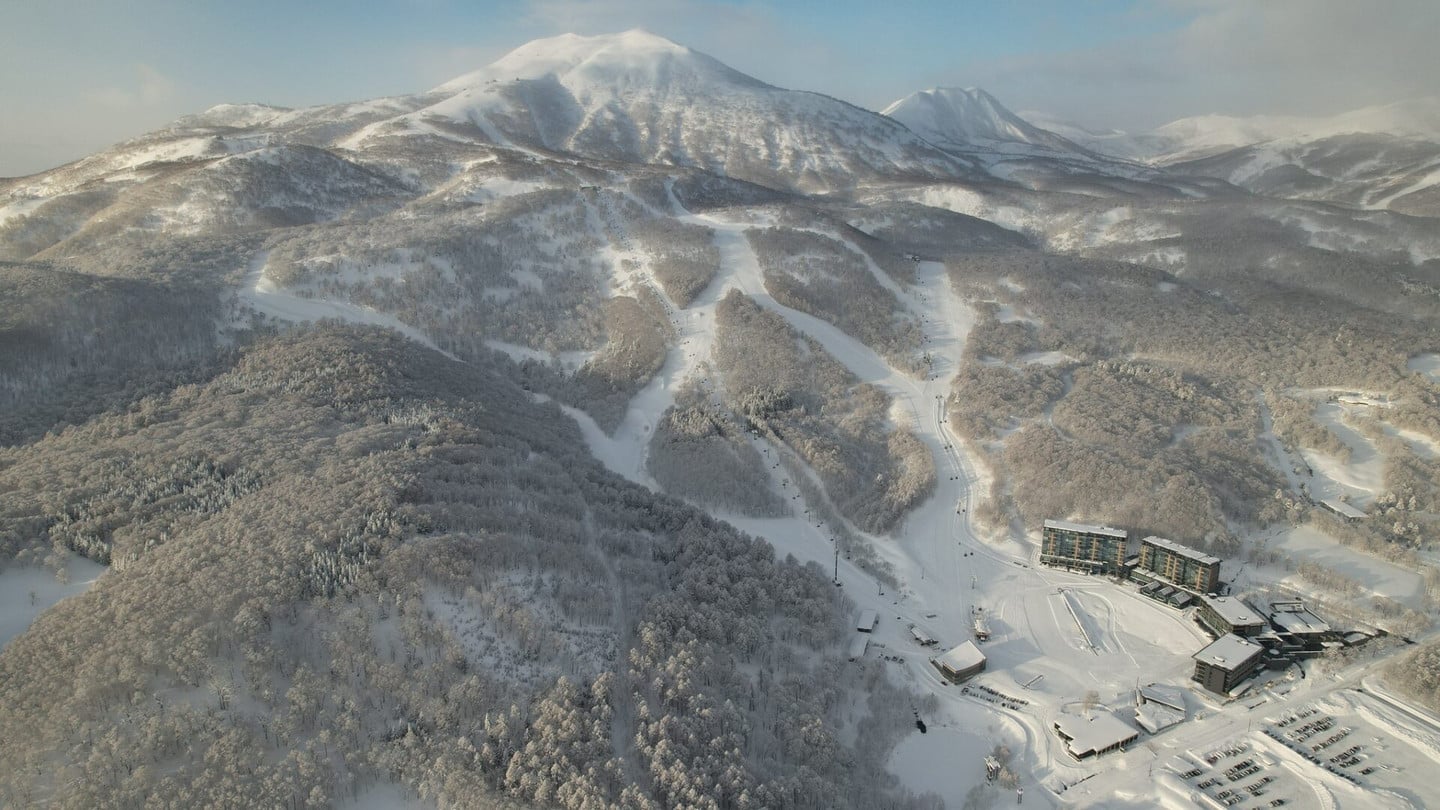
Niseko is on the border of Kutchan Town and Niseko Town in Hokkaido. Most travelers set out from New Chitose Airport or central Sapporo, and the main destinations are the resort areas of Hirafu and Niseko Village. Because winter roads are snowy, travel times are often 30% to 1 hour longer than in summer, so allow a buffer when planning.
Ski Shuttle Bus: The Easiest Way from New Chitose Airport Directly to the Resorts
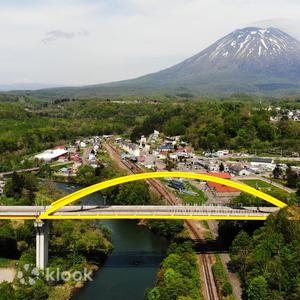
In winter, operators such as Hokkaido Resort Liner and Hokkaido Chuo Bus run seasonal direct services from New Chitose Airport to Niseko. The ride takes about 2.5 to 3.5 hours, and the one-way adult fare is about ¥5,000-6,000 depending on the operator, drop-off point and road conditions. Most departures stop directly at the Hirafu Welcome Centre or at the door of major hotels, with ample space for luggage and ski gear, making it the friendliest choice for first-time visitors with large ski bags. These services are strictly reservation-only and fill up very early in peak season, so book on the official website as soon as your flights are confirmed. Delays in snowstorms are normal, so leave plenty of buffer on the return trip.
&札幌接駁巴士-Klook.jpg)

JR Rail: Transfer at Otaru to Kutchan Station
From Sapporo Station, take the Hakodate Main Line and transfer at Otaru to Kutchan Station. The fastest takes about 2 hours 10 minutes and a typical trip 2.5 to 3 hours, with a one-way adult fare of about ¥2,240. Kutchan Station is the main gateway to the Hirafu area; from there you can transfer to a route bus to the Hirafu resort (about ¥380) or a hotel shuttle. If your destination is on the Annupuri or Niseko Village side, you can continue west about 17 minutes to Niseko Station. Note that trains are quite infrequent, so check the timetable first; there is also a station named Hirafu Station, but it is remote with no bus or taxi connections, so do not get off there by mistake.
Rental Car Self-Drive: Maximum Freedom, but Don’t Underestimate Winter Snow Risks
The rental counters at New Chitose Airport are clustered together and pickup and return are easy, which suits travelers who want to link nearby sights such as Lake Toya and Otaru. Winter cars from Hokkaido rental companies are all fitted with snow tires (studless), while 4WD models depend on the model and company, so confirm when booking. Prices vary enormously by model and season; on comparison sites winter prices start at around ¥4,000, but popular models in peak season can reach over ¥10,000, so book early and compare. However, Niseko often has snowstorms and icy roads in winter, and visibility can drop to zero in an instant. If you have no snow driving experience, we strongly recommend taking the shuttle bus instead.
Chartered Car / Taxi: The Most Comfortable Door-to-Door Option for Groups
A chartered car from the airport directly to the resorts takes about 2.5 to 3 hours, and you can choose the time and be picked up door to door, with no need to fit a schedule or change vehicles on the way, which is especially useful for families with elders, small children or lots of luggage. According to rates published by operators in recent years, a small car (about 2 to 3 people) costs about ¥23,000-55,000 one way, with larger cars seating six or more costing more, and prices fluctuate with the season. Split among four to six people, the actual per-person cost is often not far from the shuttle bus, while comfort is clearly better. Capacity is limited for this kind of service, so book at least 1 to 2 weeks ahead, and earlier in peak season.


Niseko Ski Complete Guide: The Four Resorts and Must-Experience Highlights
Grand Hirafu: Niseko’s Largest Resort, King of Convenience and Night Skiing
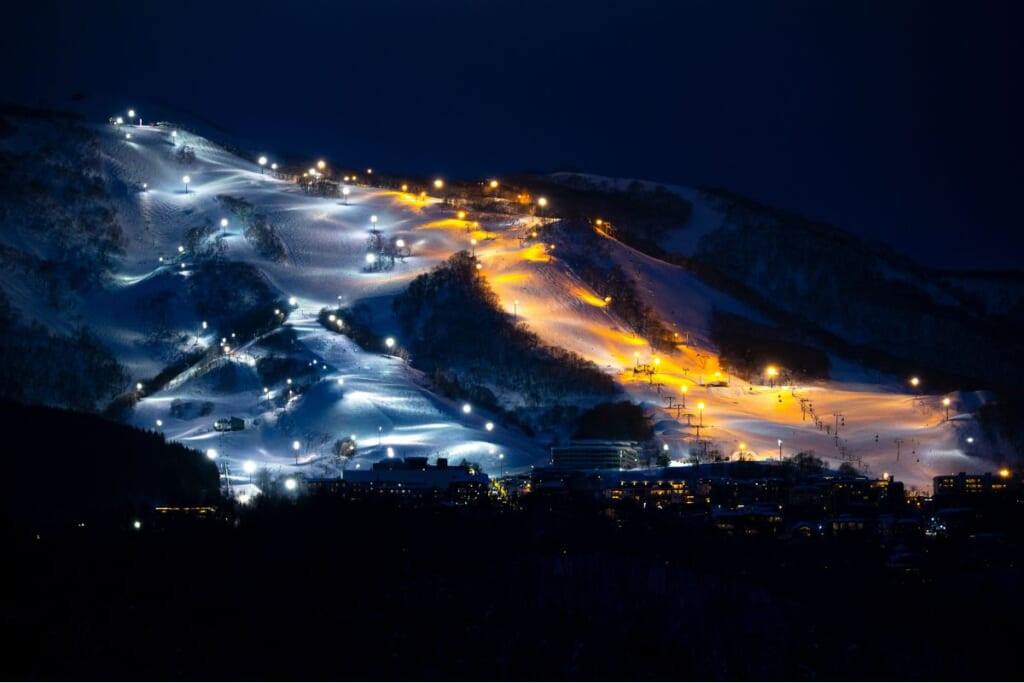
Hirafu is Niseko’s largest and earliest-developed resort, with a well-developed lift and trail system. Restaurants, bars and rental shops line the Upper and Lower Hirafu areas, making it the liveliest hub, and it has one of the largest night skiing areas in Hokkaido, suiting travelers who want to shop and have a drink after skiing.
The trails range from beginner family courses to the Hanazono tree-run area. Weekends are crowded, so beginners should practice in the morning. There is a wide choice of ski schools and rental shops, suiting first-time visitors to Niseko.

Hanazono: Powder Heaven and a Rising Base for Park Riders
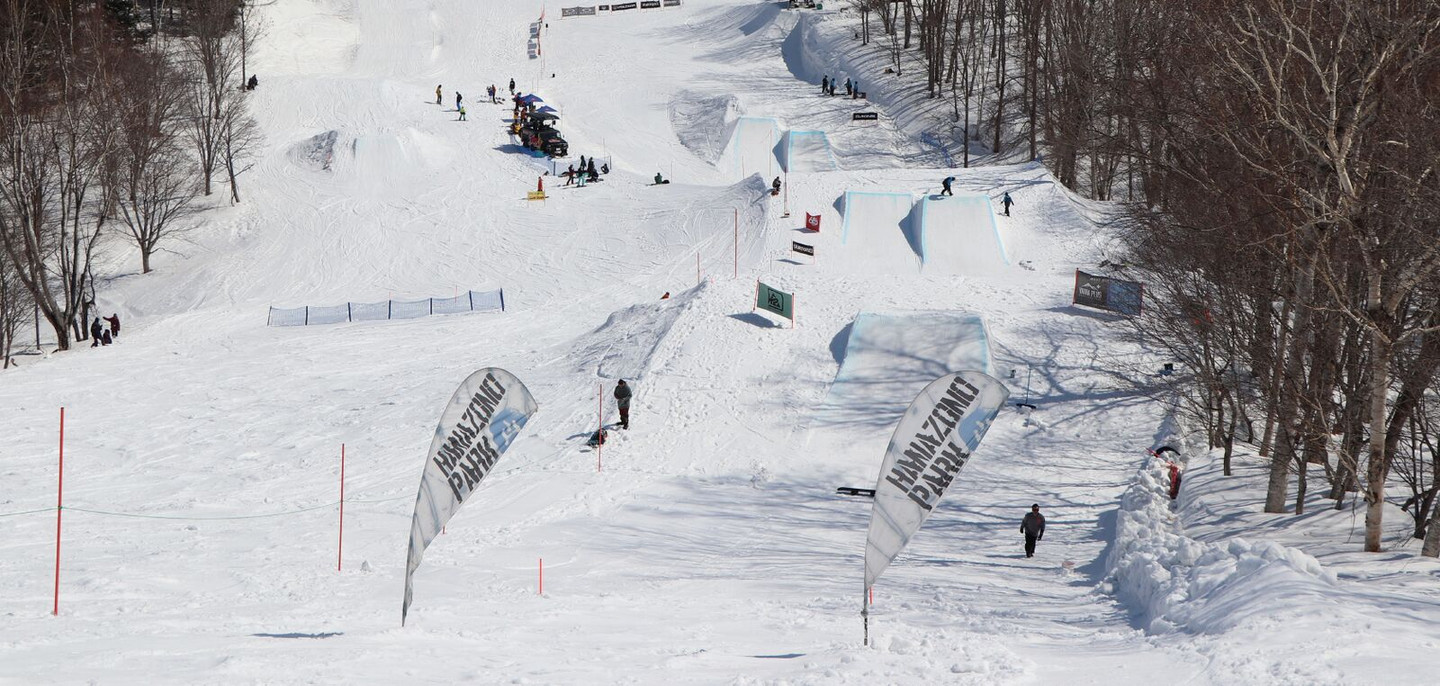
Hanazono faces north, away from the sun, so it holds snow extremely well and is recognized as Niseko’s powder heaven; its famous ungroomed tree runs draw many advanced skiers and backcountry fans. The resort has a professional-level terrain park with a full set of boxes and jumps, the first-choice base for park riders.
In recent years Hanazono’s lifts and facilities have been continually updated, and with top hotels such as Park Hyatt Niseko Hanazono moving in, the atmosphere is fresh and modern. Besides skiing it offers snow activities such as snowmobiling and has a night skiing area, suiting travelers who want to combine a vacation with thrills.
Niseko Village: The Most Trails and a Ski-in/Ski-out Resort Atmosphere
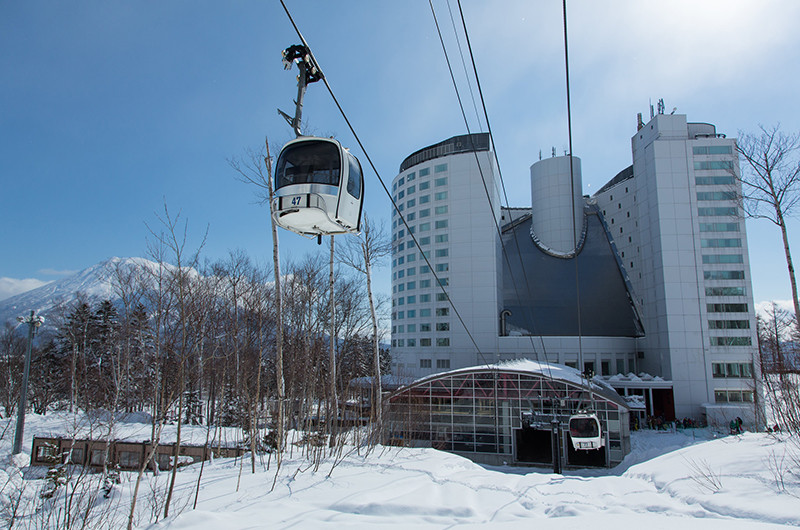
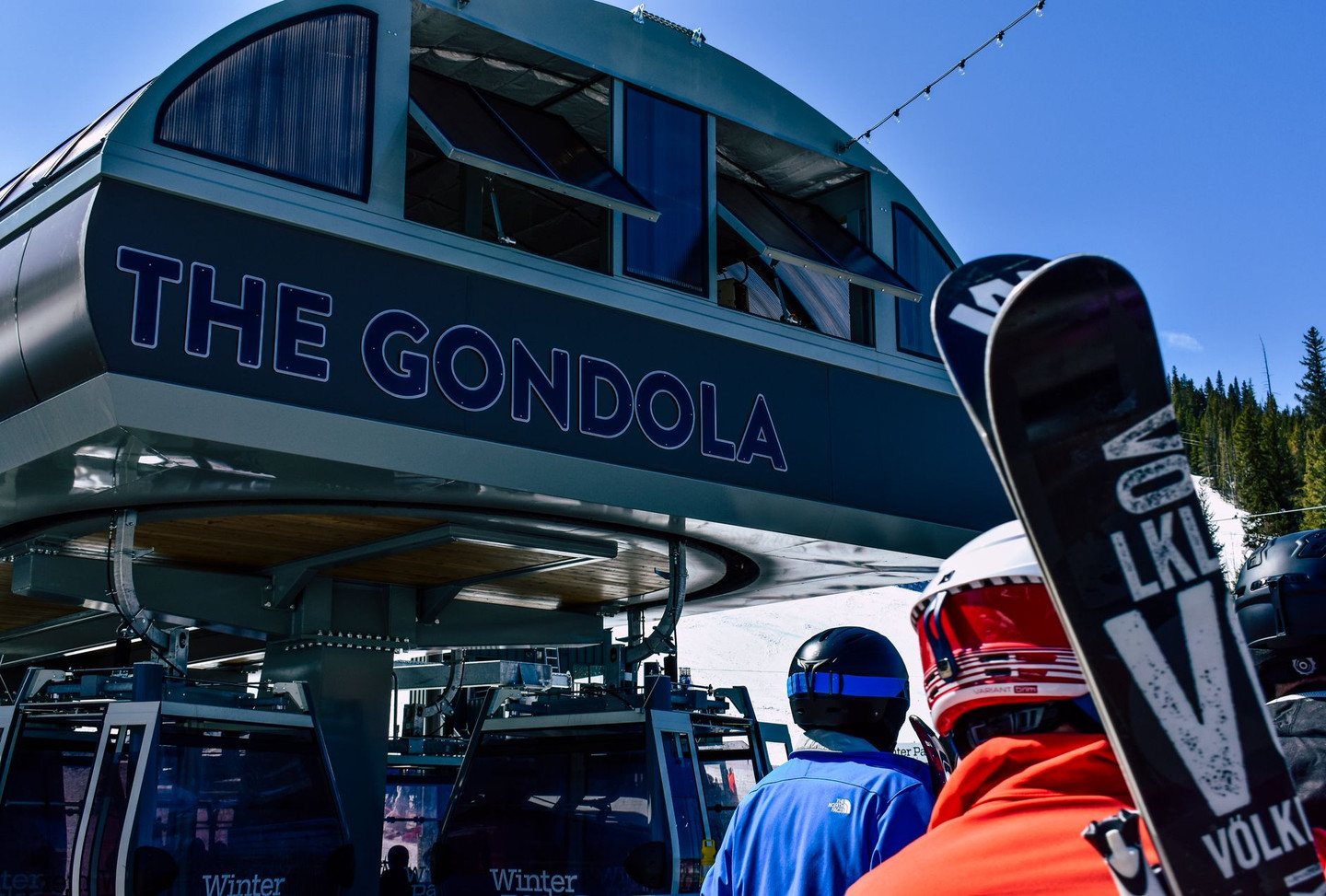
Niseko Village has the Hilton hotel as its core landmark and an enclosed gondola (Niseko Gondola), while the other lifts are mostly open chairs, so be ready with windproof and warm clothing in strong wind and low temperatures. Trail length and variety are the richest of the four resorts, from long gentle slopes to highly difficult steeps, suiting intermediate and advanced skiers who want long runs and varied routes. Hotels connect directly to the lift stations, so you can ski right outside the door and return straight to your room, a classic ski-in/ski-out resort experience. Room rates are on the high side, suiting travelers with ample budgets who value convenience and a resort feel.
Annupuri: The Quiet Resort Preferred by Beginners and Families
Annupuri has gentle, open slopes, and its lifts and trail design are very friendly to beginners. Crowds are noticeably smaller than at Hirafu and Niseko Village, making it an ideal choice for families teaching children to ski. It also keeps more of a traditional Japanese hot spring town atmosphere, with a relaxed pace that suits travelers who enjoy “slow skiing.”
There are several hot spring facilities near Annupuri, where you can walk to a bath after skiing to relax, and with relatively quiet lodging, it suits families who do not seek nightlife and just want to focus on practicing and resting.
Niseko Rules and Backcountry Safety Notes
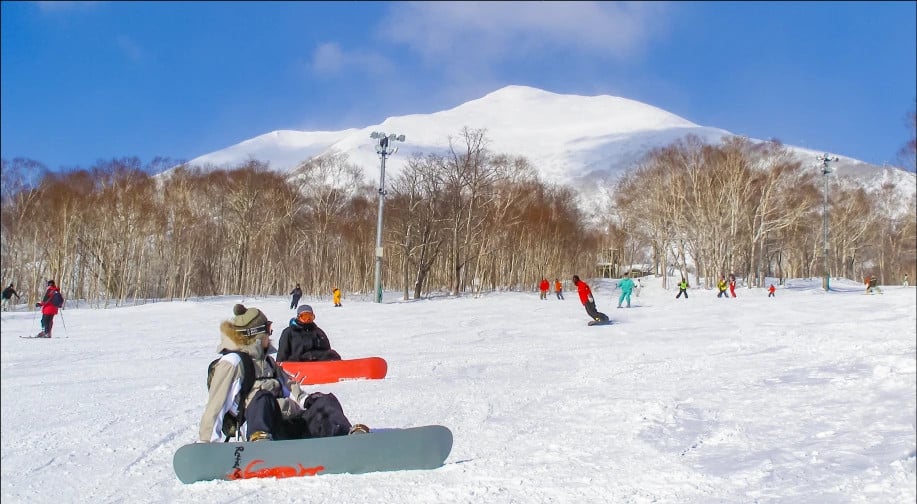
Niseko is known for its legally open backcountry (off-piste) areas. The resorts have clearly marked “Gates” for access, collectively known as the Niseko Rules, and skiers must enter and exit backcountry areas through the designated gates.
Backcountry areas are not groomed or patrolled. Under the Niseko Rules, you must carry an avalanche transceiver (beacon), shovel and probe before entering a gate, and go with a licensed guide. Never enter closed areas on your own.
Soul Salvation After Skiing: Recommended Niseko Hot Springs
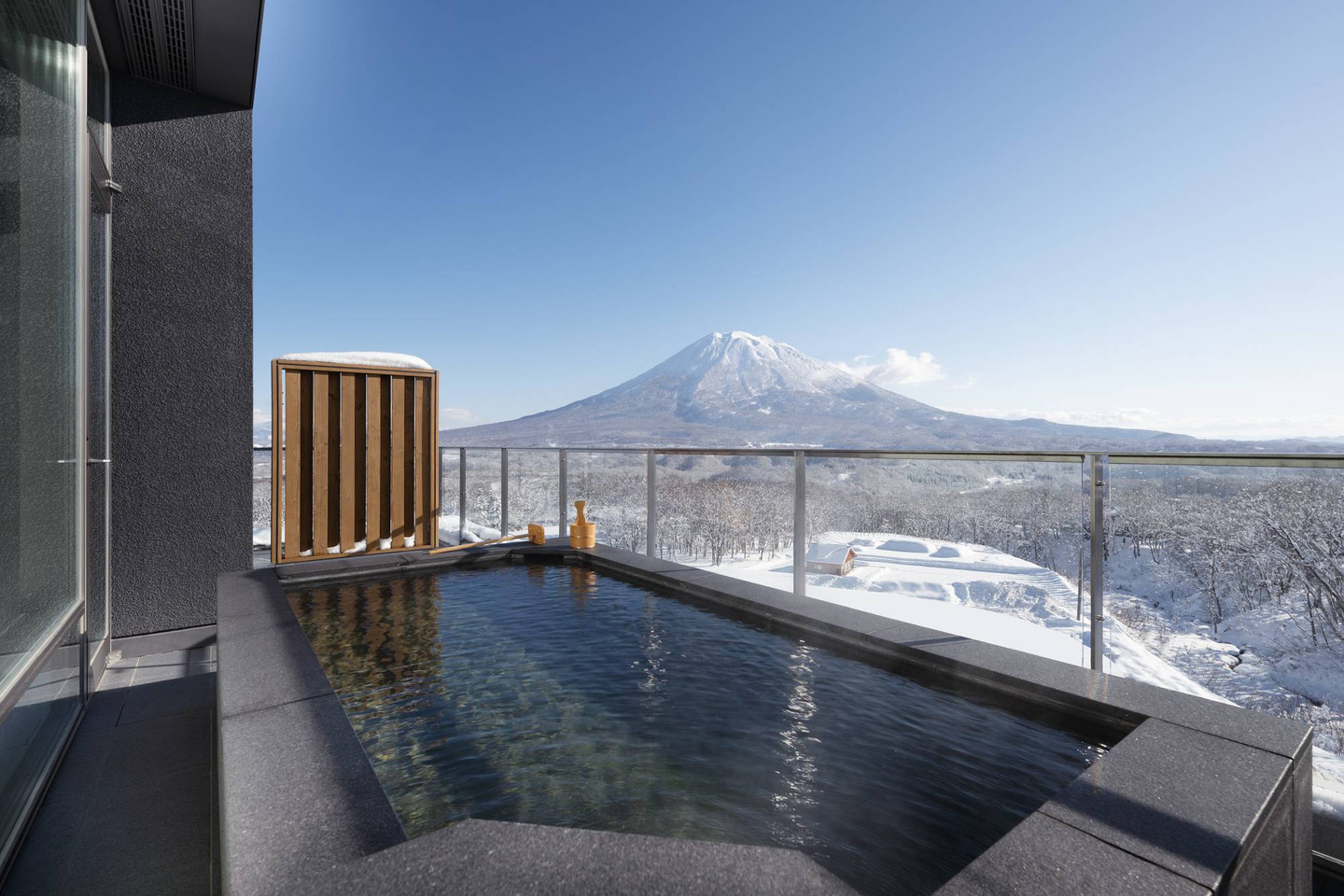
Soaking in a hot spring after skiing is a classic Niseko routine, and Yuki-Chichibu, Goshiki Onsen, Kanro-no-Mori and Hirafutei are all very highly rated. Hirafutei and Kanro-no-Mori have distant views of snow-covered Mt. Yotei; Yuki-Chichibu in Rankoshi Town and Goshiki Onsen at 750 meters above sea level face the Niseko mountain range including Nitonupuri and Iwaonupuri, with strong spring water and a strong secret-hot-spring atmosphere.
Hotels such as the Hilton Niseko Village also have open-air baths facing Mt. Yotei, so you can enjoy them without going out, an essential way to ease sore muscles after skiing.
Ski Lessons in Niseko: Chinese-Speaking Instructors and Course Options
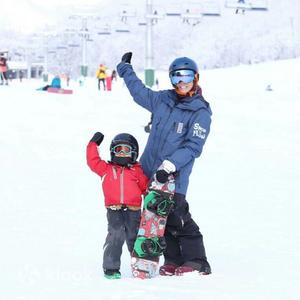
The ski lesson market in Niseko is mature, and ski schools such as Pinnacle Snowsports offer Chinese-speaking instructors, covering beginner introductions, off-piste backcountry and carving advanced lessons, so even travelers who have never skied can sign up with confidence.
For children’s lessons, Hanazono offers “Niseko Hanazono Shield,” which uses Trek Track GPS so parents can see their child’s location during the lesson through an app. There is also the high-end customized Diamond X Pro one-on-one instruction, meeting the needs of families with different budgets and requirements.

-Klook.jpg)
Local Niseko Food: Soup Curry, Jingisukan Grilled Lamb and Ramen
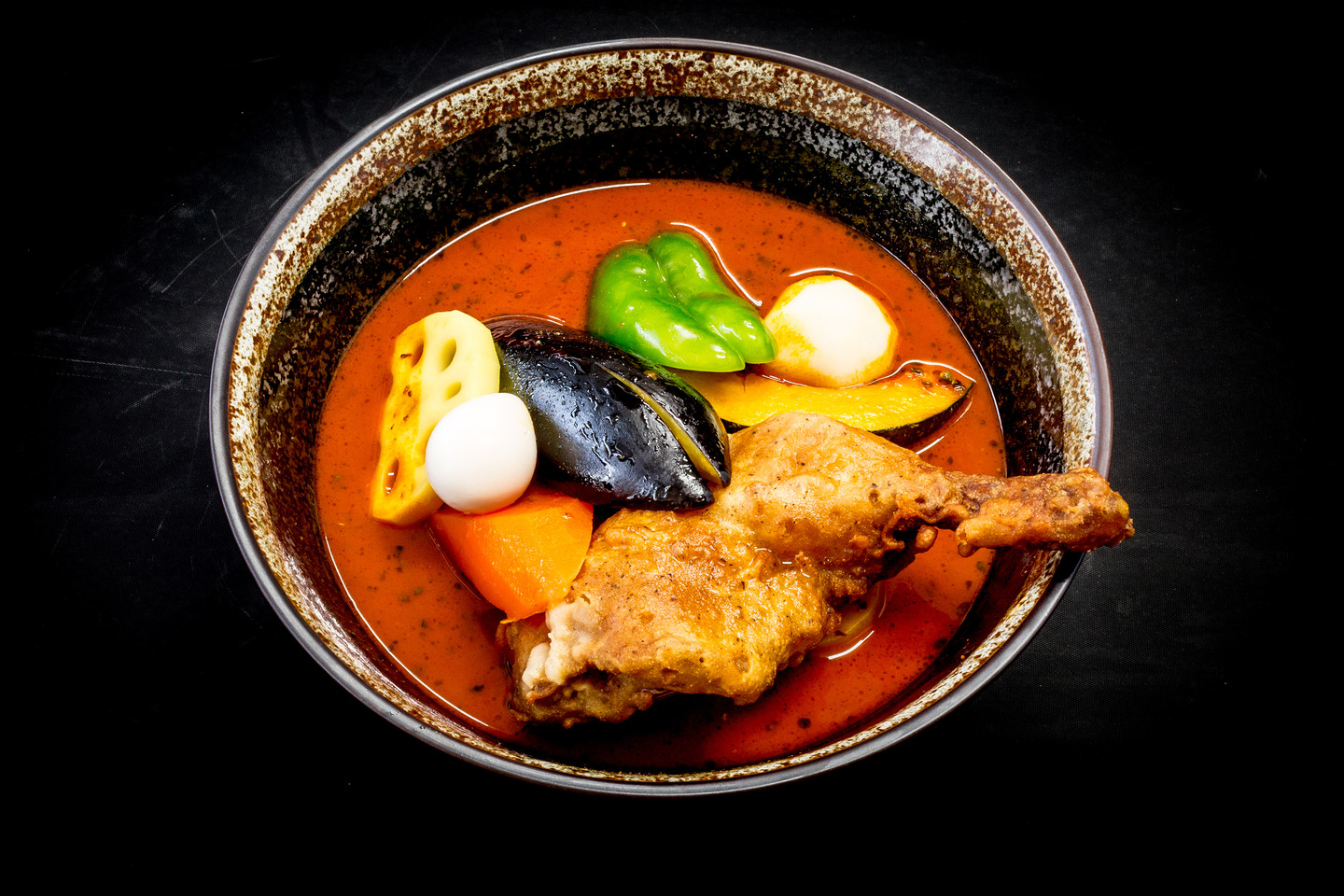
Niseko has a rich choice of food. For soup curry, try Tsubara Tsubara in Hirafu; for Jingisukan grilled lamb, a classic Hokkaido dish, go to Niseko Sanroku Jingisukan on the slope in Hirafu; and for ramen there are popular shops such as AFURI ramen + dumpling Yuki Niseko in Setsu Niseko.
Seafood lovers can go to Ezo Seafoods Fresh to buy oysters and seafood (now takeout/retail only, with no dining in), and dairy fans should not miss Takahashi Farm Milk Kobo;
Mt. Yotei Hike: The Summer Challenge of “Ezo Fuji”
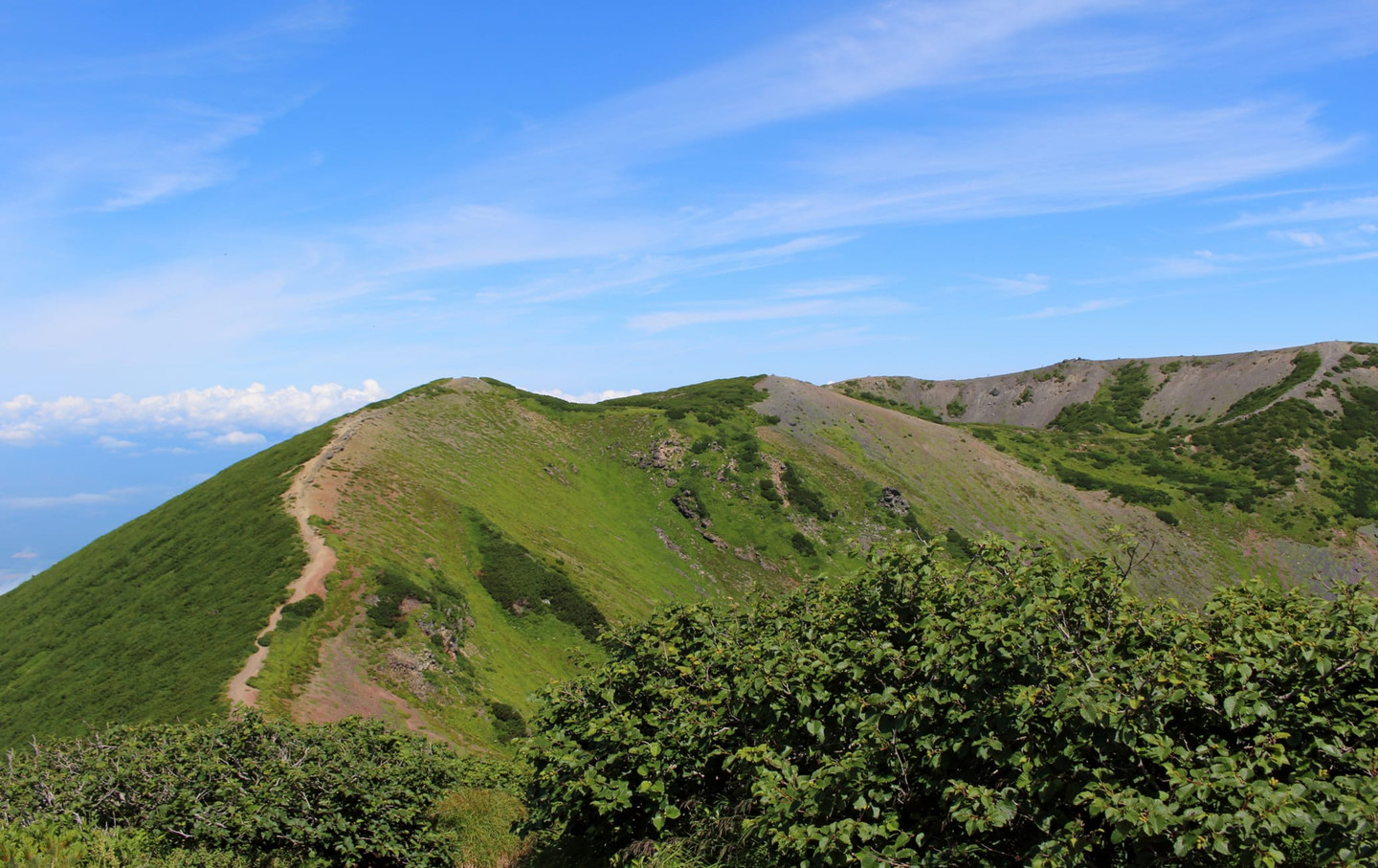
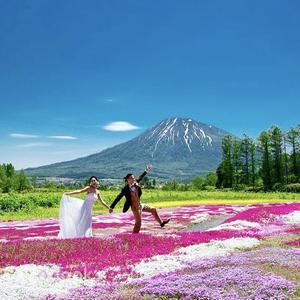
Mt. Yotei is nicknamed “Ezo Fuji” for its resemblance to Mt. Fuji. It opens on the third Sunday of June, and late June to October is the prime climbing season. Along the way you see alpine plants and crater terrain. A round trip takes about 9 to 10 hours with an elevation gain of over 1,500 meters, an intermediate-to-advanced route requiring good fitness and experience.
Mountain weather is changeable, so bring a windproof and waterproof jacket and set out early. On clear days the summit overlooks the Kutchan basin, the Shiribetsu River valley and the Niseko mountain range, and you can see as far as the Sea of Japan, a signature summer nature experience in Niseko.
Shinsen-numa Hike: Quiet Reflections in an Alpine Wetland
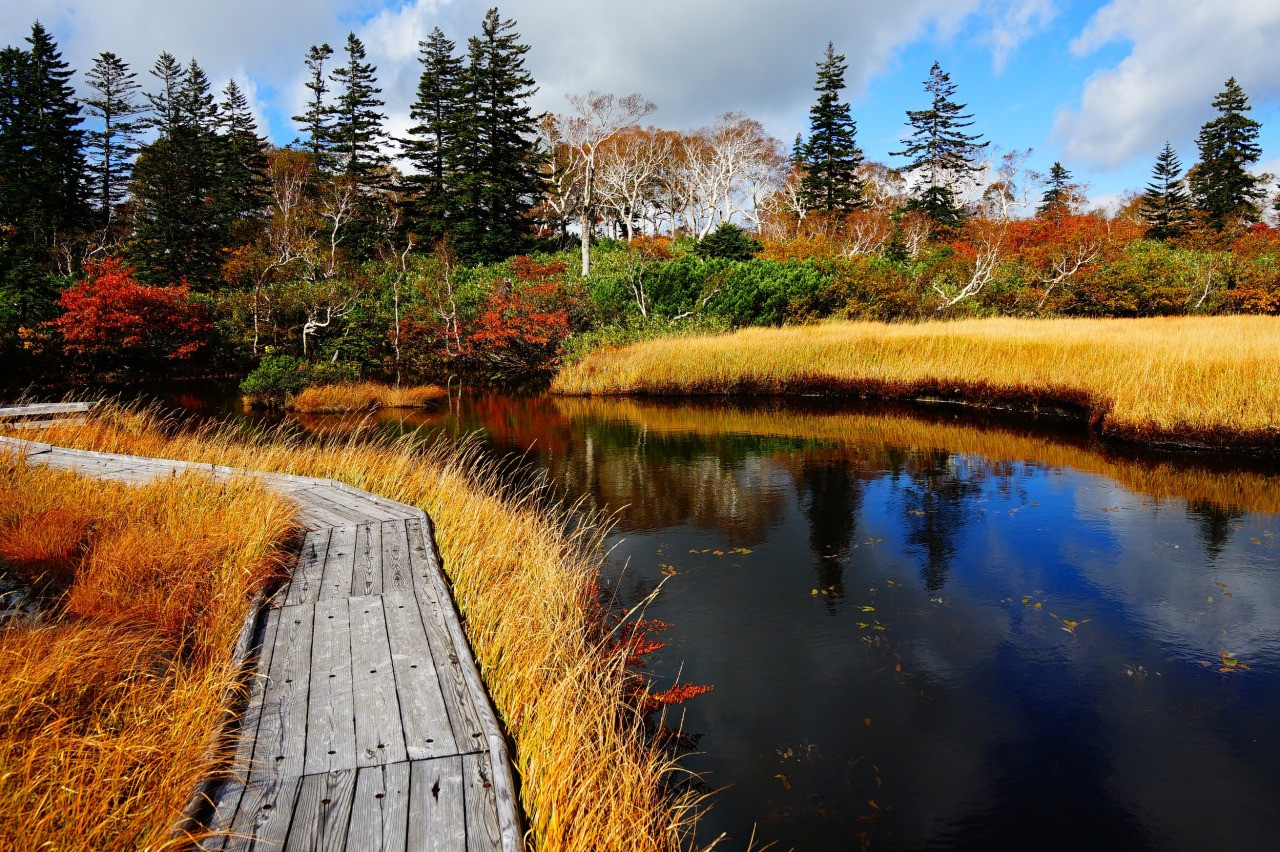
Shinsen-numa is a highland marsh in the Niseko mountain range, where well-built elevated boardwalks let ordinary travelers stroll easily through it. Along the way you can see wetland plants, small ponds and occasional signs of wildlife.
The water is calm as a mirror, and on clear, windless days it clearly reflects the surrounding mountains and the sky, a favorite hidden spot of photography fans. The hiking trail can be completed in about 1 hour, suitable for families with children and elders.
Shiribetsu River Rafting: Thrilling Rafting on Spring Snowmelt
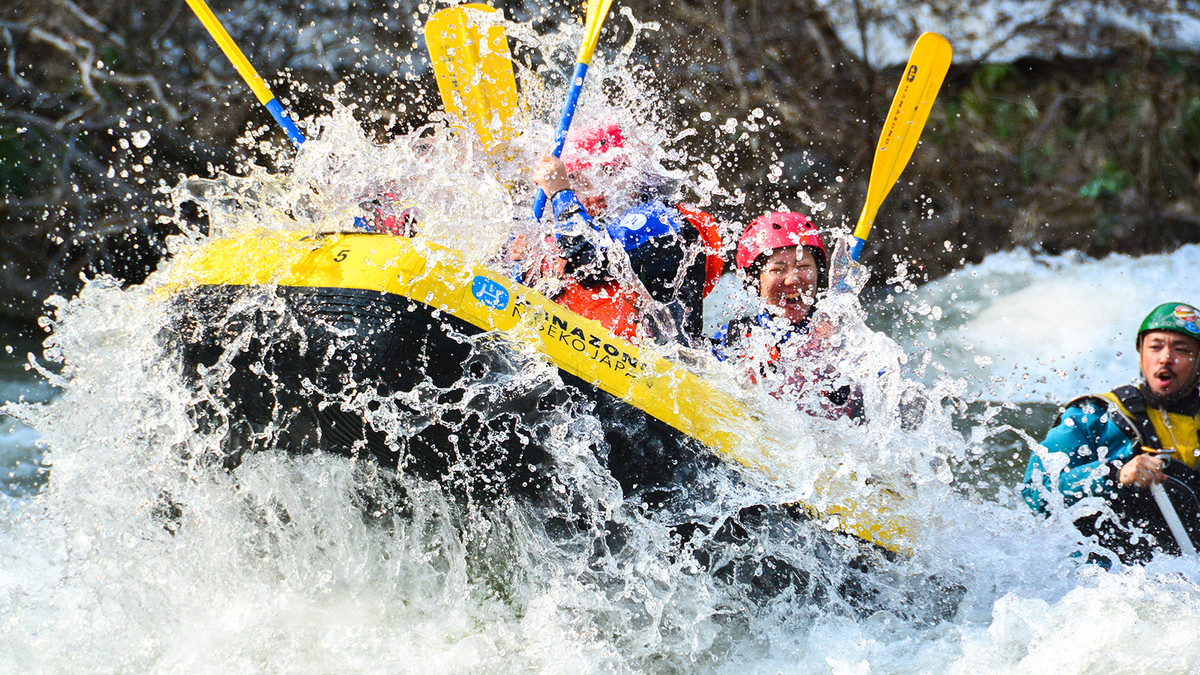
The Shiribetsu River is a famous rafting river in the Niseko area. In spring (April to May) snowmelt greatly increases the water volume and makes the current rapid, so rafting is full of thrills, and it has recently been one of the spring and summer activities widely discussed on social media; in summer the water level is steadier, which suits the whole family enjoying clear-stream rafting.
Most rafting tours provide full gear rental and instructor guidance, take about 2 to 3 hours in total, and require no previous rafting experience, an excellent way to keep up outdoor activity after the ski season ends.
Snowshoeing and Snowmobiling: Winter Forest Adventures
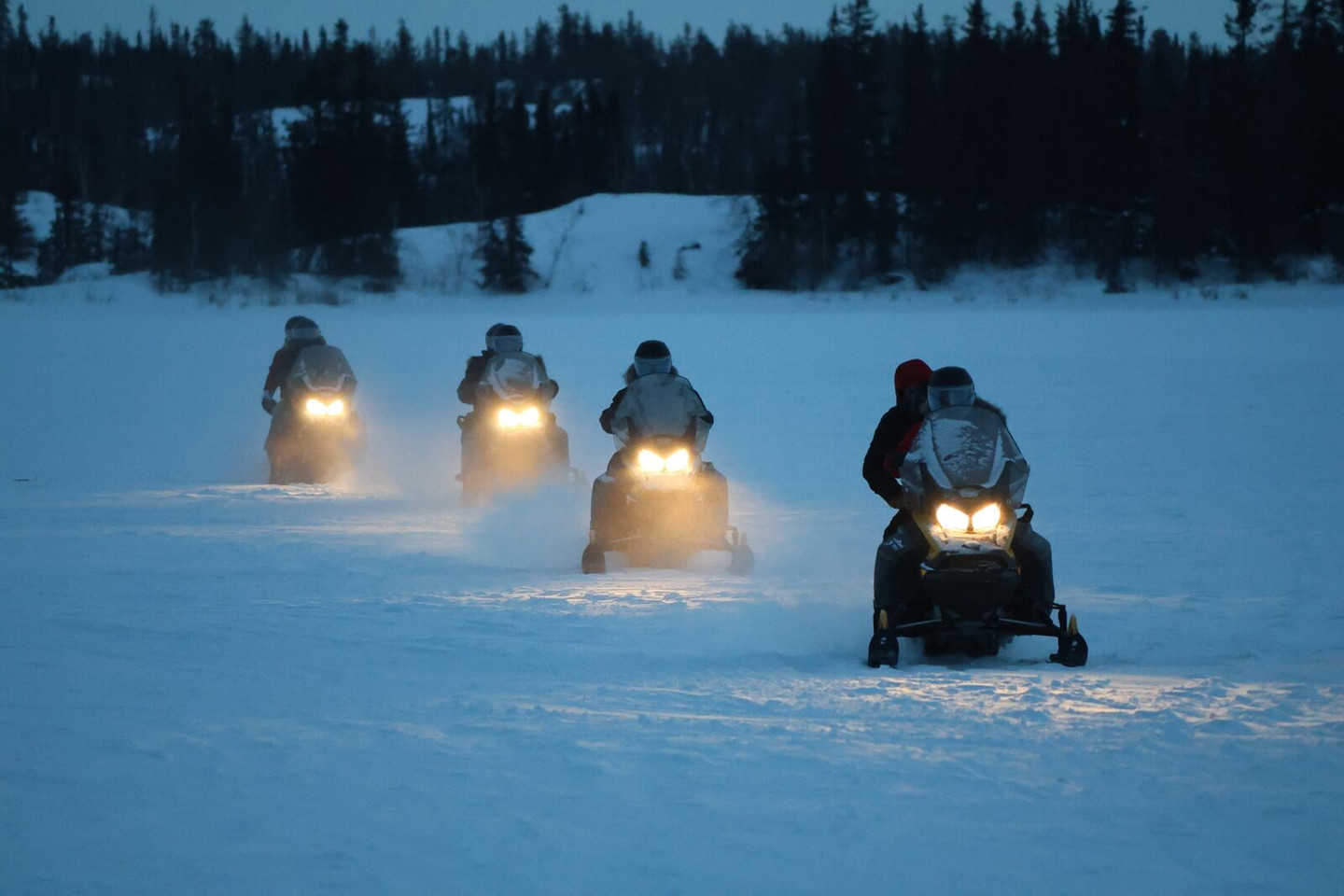
Besides skiing, Niseko offers snowshoeing tours that take travelers deep into forest hideaways that ordinary ski runs cannot reach, to enjoy snow-covered conifer forest scenery, suiting travelers who want to slow down and feel the quiet of a snow country.
Travelers who like thrills can choose a snowmobile experience. Most tours depart from around Hanazono and offer routes of different difficulty and two-person shared riding, a popular choice for adding variety to your trip between ski days.
How Much Does Skiing in Niseko Cost? Complete Guide to Lift Tickets and Gear Rental
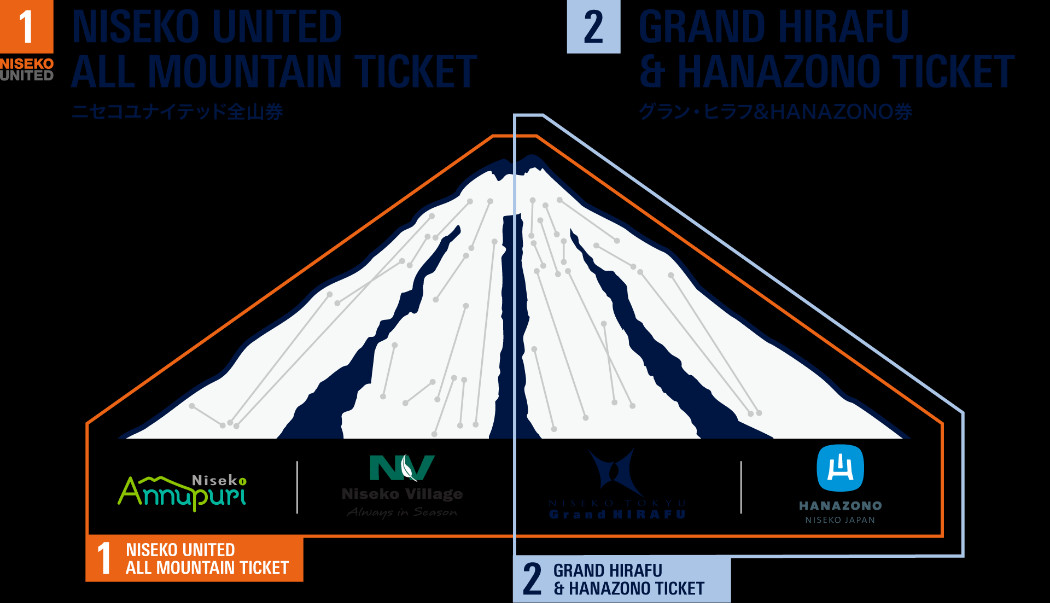
Niseko United All Mountain Pass: The Golden Key to All Four Resorts
The All Mountain Pass can be used freely across the four resorts of Hirafu, Hanazono, Niseko Village and Annupuri, with free rides on the shuttle buses between resorts. It is the best value for skiers staying 3 days or more who want to cover the whole mountain.
You can buy the All Mountain Pass online on the official Niseko United website (niseko.ne.jp); Early Season tickets are not available for online purchase. Tickets use a contactless IC card, which can be reloaded repeatedly, so on a return visit you simply add value.
Day Tickets, Half-Day Tickets and Night Tickets: Choose Flexibly by Itinerary
If you only plan a single resort or a half-day, you can choose a day ticket, half-day ticket or night skiing ticket, priced lower than the All Mountain Pass, suiting short trips or travelers who only want to experience a specific resort.
2026-27 season All Mountain Pass: Early Season (November 28 to December 11) adult 1-day ticket ¥8,800; Regular Season (December 12 to 23 and March 1 to 22) ¥12,600; Spring Season (March 23 to April 4) ¥8,800. See the official website for other dates.
Ikon Pass and Mountain Collective: How to Use International Ski Passes
Ski enthusiasts who hold an Ikon Pass or Mountain Collective Pass can redeem a certain number of days of Niseko lift tickets with their international pass. It suits experienced skiers who often ski in North America and Europe and already hold such a season pass, saving the cost of buying tickets again.
Before redeeming, check the season’s list of partner resorts and the maximum number of usable days, and complete the redemption registration early on the official website or at the resort counter, to avoid time-consuming lines on site in peak season.
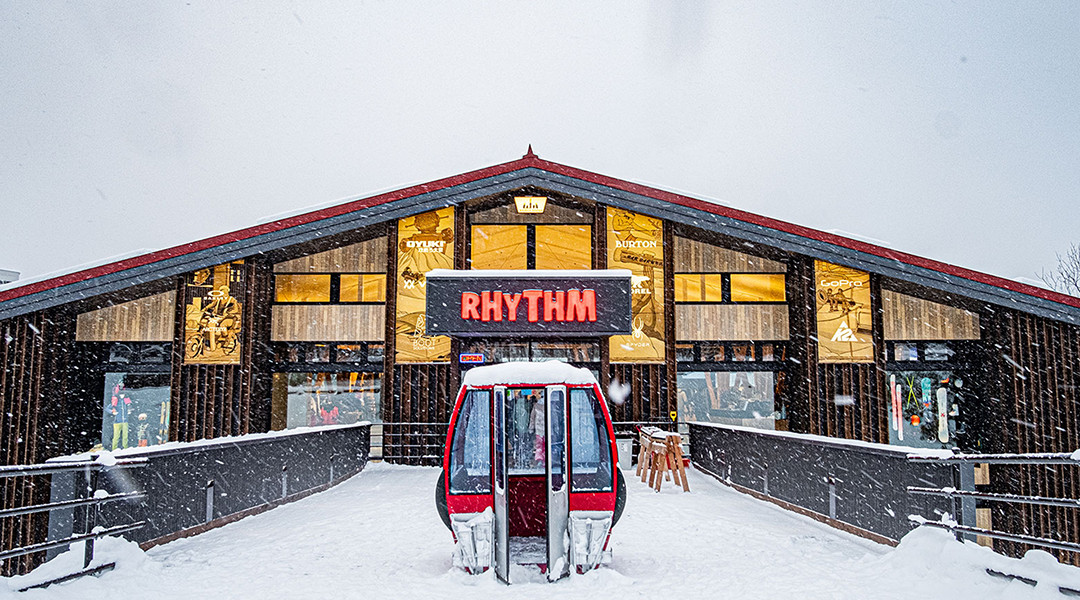
Ski Gear Rental and Equipment Prep: Choosing Between Rhythm Japan and Niseko Sports
For clothing, we suggest a three-layer system of a moisture-wicking base layer, an insulating mid layer and a waterproof outer layer, plus accessories such as gloves, a beanie and goggles. Large gear such as skis, boots and poles can be rented locally, so you do not need to bring your own.
Rhythm Japan, Niseko Sports and Burton stores are all consistently well-reviewed rental shops, with the most choice around Hirafu. Beginners are advised to rent all-mountain skis with soft-flex boots, which are easier to handle. For avalanche gear (backpack, beacon), it is safer to rent everything from the backcountry guide company.
Where to Stay Near Niseko Ski Resorts? Accommodation Suggestions by Resort

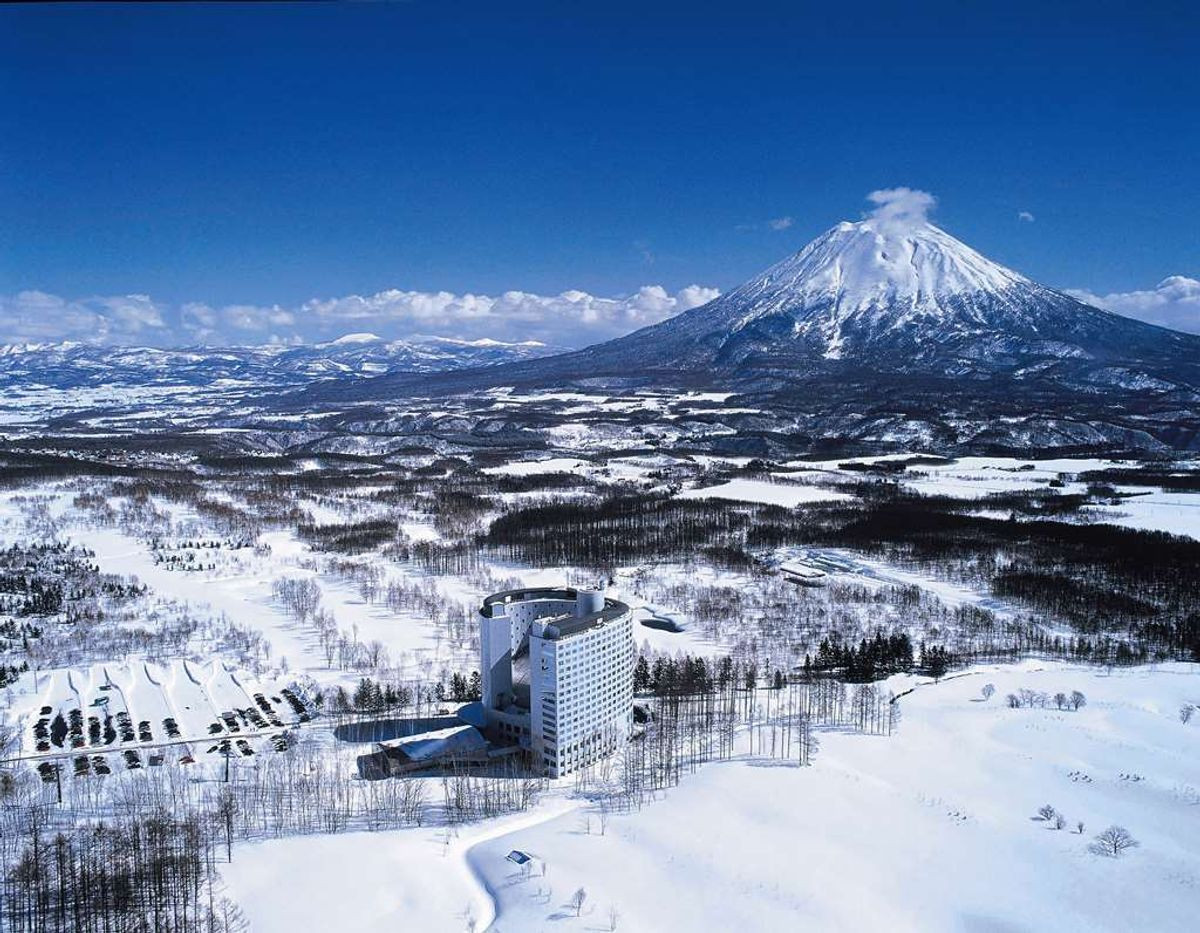
How to Choose Niseko Accommodation: A Quick Guide by Resort Area
Hirafu has dense restaurants and bars, and the newly completed boutique residence MOWA Niseko suits nightlife travelers; Hanazono, represented by Park Hyatt Niseko Hanazono, is ski-in/ski-out with rooms facing Mt. Yotei or Mt. Annupuri, aimed at the high end.
Niseko Village is led by the Hilton, with gondola and open-air baths facing Mt. Yotei; Annupuri is mainly mid-size hotels, suiting families and elders. Those on a budget can choose hostels and cabins, but peak season requires booking early.
Niseko Ski FAQ
Q: When is the best time to ski in Niseko?
Mid-December to February is powder season with the heaviest snowfall; late March to early May is spring skiing season, with stable weather and cheaper tickets and lodging.
Q: How much do Niseko lift tickets cost?
The All Mountain Pass is priced by number of days. For the 2026-27 season, the adult 1-day ticket is ¥8,800 in Early Season and ¥12,600 in Regular Season.
Q: How long and how much is it from New Chitose Airport to Niseko?
The ski shuttle bus takes about 2.5 to 3.5 hours at about ¥5,000-6,000 one way; JR with a transfer at Otaru to Kutchan Station takes about 2 hours 10 minutes to 3 hours at about ¥2,240 one way.
Q: Which of Niseko’s four resorts is best for beginners?
Annupuri has gentle slopes and smaller crowds, and is the most recommended resort for beginners and families.
Q: What gear do I need to prepare for skiing in Niseko?
You need a waterproof jacket, an insulating mid layer, gloves and goggles; skis and boots can be rented directly at local rental shops.
Q: Are there Chinese-speaking instructors in Niseko?
Yes, ski schools such as Pinnacle Snowsports offer Chinese-speaking instructors, covering beginner to advanced off-piste lessons.
Q: Is backcountry skiing in Niseko safe? What should I watch for?
You must enter and exit backcountry areas through the designated Gates, wear avalanche gear and go with a licensed guide. Never enter closed areas on your own.
Niseko Ski Resort Complete Guide: All Four Resorts of Hokkaido’s Powder Snow Mecca
Niseko is in Kutchan Town and Niseko Town in Hokkaido, and is the Niseko United ski alliance made up of Hirafu, Hanazono, Niseko Village and Annupuri. Famous for world-class “champagne powder,” it has slopes to suit skiers of every level and families with children.
What Is Niseko United? The Four-Resort Alliance Explained
Niseko United is made up of four independently operated resorts, Hirafu, Hanazono, Niseko Village and Annupuri, whose summits are connected. You can ski between areas via the lifts or ride the free shuttle buses back and forth. Lift tickets use contactless IC cards, so one All Mountain Pass lets you enjoy the entire mountain.
Niseko has long attracted large numbers of Australian, European and North American visitors, and English-language service is well developed. In recent years more skiers from China, Hong Kong and Macau have come, and Chinese-language signage and Chinese-speaking instructors are increasingly common, making it very friendly to first-time ski travelers in Japan.
Best Ski Season and Snowfall in Niseko
The Niseko season generally opens in late November (scheduled for November 28 in 2026-27). Closing dates differ by resort, falling roughly between mid-April and early May. Mid-December to February is the recognized “powder season,” with annual snowfall of about 14 to 15 meters, among the densest snowfall in the world and one of the places the term “Japow” comes from. Late March to early May is spring skiing season, with warmer temperatures and more sunny days. Lift tickets and lodging often get noticeable off-peak discounts, which suits travelers on a budget or those who do not want crowds.
2026-27 Season Opening: All Four Resorts Open Together on November 28
According to the official Niseko United announcement, all four resorts are scheduled to open together on November 28 for the 2026-27 season (subject to change depending on snow conditions), and the All Mountain Pass is valid from November 28, 2026 to April 4, 2027. Niseko Village is scheduled to operate until May 5, 2027. Closing dates and night skiing hours at the other resorts differ, so check the official website before you go.
What Kind of Skier Is Niseko For?
Niseko caters to skiers of every level: beginners and families can choose Annupuri with its gentle slopes; intermediate skiers will like Niseko Village with its long, varied runs; travelers who want nightlife and night skiing should start with Hirafu; and advanced skiers and park fans love Hanazono. If you plan 3 or more days and buy the All Mountain Pass, you can fully experience what each of the four resorts has to offer.
How to Get to the Niseko Ski Resorts: Complete Guide to Transport and Costs
Niseko is on the border of Kutchan Town and Niseko Town in Hokkaido. Most travelers set out from New Chitose Airport or central Sapporo, and the main destinations are the resort areas of Hirafu and Niseko Village. Because winter roads are snowy, travel times are often 30% to 1 hour longer than in summer, so allow a buffer when planning.
Ski Shuttle Bus: The Easiest Way from New Chitose Airport Directly to the Resorts
In winter, operators such as Hokkaido Resort Liner and Hokkaido Chuo Bus run seasonal direct services from New Chitose Airport to Niseko. The ride takes about 2.5 to 3.5 hours, and the one-way adult fare is about ¥5,000-6,000 depending on the operator, drop-off point and road conditions. Most departures stop directly at the Hirafu Welcome Centre or at the door of major hotels, with ample space for luggage and ski gear, making it the friendliest choice for first-time visitors with large ski bags. These services are strictly reservation-only and fill up very early in peak season, so book on the official website as soon as your flights are confirmed. Delays in snowstorms are normal, so leave plenty of buffer on the return trip.
JR Rail: Transfer at Otaru to Kutchan Station
From Sapporo Station, take the Hakodate Main Line and transfer at Otaru to Kutchan Station. The fastest takes about 2 hours 10 minutes and a typical trip 2.5 to 3 hours, with a one-way adult fare of about ¥2,240. Kutchan Station is the main gateway to the Hirafu area; from there you can transfer to a route bus to the Hirafu resort (about ¥380) or a hotel shuttle. If your destination is on the Annupuri or Niseko Village side, you can continue west about 17 minutes to Niseko Station. Note that trains are quite infrequent, so check the timetable first; there is also a station named Hirafu Station, but it is remote with no bus or taxi connections, so do not get off there by mistake.
Rental Car Self-Drive: Maximum Freedom, but Don’t Underestimate Winter Snow Risks
The rental counters at New Chitose Airport are clustered together and pickup and return are easy, which suits travelers who want to link nearby sights such as Lake Toya and Otaru. Winter cars from Hokkaido rental companies are all fitted with snow tires (studless), while 4WD models depend on the model and company, so confirm when booking. Prices vary enormously by model and season; on comparison sites winter prices start at around ¥4,000, but popular models in peak season can reach over ¥10,000, so book early and compare. However, Niseko often has snowstorms and icy roads in winter, and visibility can drop to zero in an instant. If you have no snow driving experience, we strongly recommend taking the shuttle bus instead.
Chartered Car / Taxi: The Most Comfortable Door-to-Door Option for Groups
A chartered car from the airport directly to the resorts takes about 2.5 to 3 hours, and you can choose the time and be picked up door to door, with no need to fit a schedule or change vehicles on the way, which is especially useful for families with elders, small children or lots of luggage. According to rates published by operators in recent years, a small car (about 2 to 3 people) costs about ¥23,000-55,000 one way, with larger cars seating six or more costing more, and prices fluctuate with the season. Split among four to six people, the actual per-person cost is often not far from the shuttle bus, while comfort is clearly better. Capacity is limited for this kind of service, so book at least 1 to 2 weeks ahead, and earlier in peak season.
Niseko Ski Complete Guide: The Four Resorts and Must-Experience Highlights
Grand Hirafu: Niseko’s Largest Resort, King of Convenience and Night Skiing
Hirafu is Niseko’s largest and earliest-developed resort, with a well-developed lift and trail system. Restaurants, bars and rental shops line the Upper and Lower Hirafu areas, making it the liveliest hub, and it has one of the largest night skiing areas in Hokkaido, suiting travelers who want to shop and have a drink after skiing.
The trails range from beginner family courses to the Hanazono tree-run area. Weekends are crowded, so beginners should practice in the morning. There is a wide choice of ski schools and rental shops, suiting first-time visitors to Niseko.
Hanazono: Powder Heaven and a Rising Base for Park Riders
Hanazono faces north, away from the sun, so it holds snow extremely well and is recognized as Niseko’s powder heaven; its famous ungroomed tree runs draw many advanced skiers and backcountry fans. The resort has a professional-level terrain park with a full set of boxes and jumps, the first-choice base for park riders.
In recent years Hanazono’s lifts and facilities have been continually updated, and with top hotels such as Park Hyatt Niseko Hanazono moving in, the atmosphere is fresh and modern. Besides skiing it offers snow activities such as snowmobiling and has a night skiing area, suiting travelers who want to combine a vacation with thrills.
Niseko Village: The Most Trails and a Ski-in/Ski-out Resort Atmosphere
Niseko Village has the Hilton hotel as its core landmark and an enclosed gondola (Niseko Gondola), while the other lifts are mostly open chairs, so be ready with windproof and warm clothing in strong wind and low temperatures. Trail length and variety are the richest of the four resorts, from long gentle slopes to highly difficult steeps, suiting intermediate and advanced skiers who want long runs and varied routes. Hotels connect directly to the lift stations, so you can ski right outside the door and return straight to your room, a classic ski-in/ski-out resort experience. Room rates are on the high side, suiting travelers with ample budgets who value convenience and a resort feel.
Annupuri: The Quiet Resort Preferred by Beginners and Families
Annupuri has gentle, open slopes, and its lifts and trail design are very friendly to beginners. Crowds are noticeably smaller than at Hirafu and Niseko Village, making it an ideal choice for families teaching children to ski. It also keeps more of a traditional Japanese hot spring town atmosphere, with a relaxed pace that suits travelers who enjoy “slow skiing.”
There are several hot spring facilities near Annupuri, where you can walk to a bath after skiing to relax, and with relatively quiet lodging, it suits families who do not seek nightlife and just want to focus on practicing and resting.
Niseko Rules and Backcountry Safety Notes
Niseko is known for its legally open backcountry (off-piste) areas. The resorts have clearly marked “Gates” for access, collectively known as the Niseko Rules, and skiers must enter and exit backcountry areas through the designated gates.
Backcountry areas are not groomed or patrolled. Under the Niseko Rules, you must carry an avalanche transceiver (beacon), shovel and probe before entering a gate, and go with a licensed guide. Never enter closed areas on your own.
Soul Salvation After Skiing: Recommended Niseko Hot Springs
Soaking in a hot spring after skiing is a classic Niseko routine, and Yuki-Chichibu, Goshiki Onsen, Kanro-no-Mori and Hirafutei are all very highly rated. Hirafutei and Kanro-no-Mori have distant views of snow-covered Mt. Yotei; Yuki-Chichibu in Rankoshi Town and Goshiki Onsen at 750 meters above sea level face the Niseko mountain range including Nitonupuri and Iwaonupuri, with strong spring water and a strong secret-hot-spring atmosphere.
Hotels such as the Hilton Niseko Village also have open-air baths facing Mt. Yotei, so you can enjoy them without going out, an essential way to ease sore muscles after skiing.
Ski Lessons in Niseko: Chinese-Speaking Instructors and Course Options
The ski lesson market in Niseko is mature, and ski schools such as Pinnacle Snowsports offer Chinese-speaking instructors, covering beginner introductions, off-piste backcountry and carving advanced lessons, so even travelers who have never skied can sign up with confidence.
For children’s lessons, Hanazono offers “Niseko Hanazono Shield,” which uses Trek Track GPS so parents can see their child’s location during the lesson through an app. There is also the high-end customized Diamond X Pro one-on-one instruction, meeting the needs of families with different budgets and requirements.
Local Niseko Food: Soup Curry, Jingisukan Grilled Lamb and Ramen
Niseko has a rich choice of food. For soup curry, try Tsubara Tsubara in Hirafu; for Jingisukan grilled lamb, a classic Hokkaido dish, go to Niseko Sanroku Jingisukan on the slope in Hirafu; and for ramen there are popular shops such as AFURI ramen + dumpling Yuki Niseko in Setsu Niseko.
Seafood lovers can go to Ezo Seafoods Fresh to buy oysters and seafood (now takeout/retail only, with no dining in), and dairy fans should not miss Takahashi Farm Milk Kobo;
Mt. Yotei Hike: The Summer Challenge of “Ezo Fuji”
Mt. Yotei is nicknamed “Ezo Fuji” for its resemblance to Mt. Fuji. It opens on the third Sunday of June, and late June to October is the prime climbing season. Along the way you see alpine plants and crater terrain. A round trip takes about 9 to 10 hours with an elevation gain of over 1,500 meters, an intermediate-to-advanced route requiring good fitness and experience.
Mountain weather is changeable, so bring a windproof and waterproof jacket and set out early. On clear days the summit overlooks the Kutchan basin, the Shiribetsu River valley and the Niseko mountain range, and you can see as far as the Sea of Japan, a signature summer nature experience in Niseko.
Shinsen-numa Hike: Quiet Reflections in an Alpine Wetland
Shinsen-numa is a highland marsh in the Niseko mountain range, where well-built elevated boardwalks let ordinary travelers stroll easily through it. Along the way you can see wetland plants, small ponds and occasional signs of wildlife.
The water is calm as a mirror, and on clear, windless days it clearly reflects the surrounding mountains and the sky, a favorite hidden spot of photography fans. The hiking trail can be completed in about 1 hour, suitable for families with children and elders.
Shiribetsu River Rafting: Thrilling Rafting on Spring Snowmelt
The Shiribetsu River is a famous rafting river in the Niseko area. In spring (April to May) snowmelt greatly increases the water volume and makes the current rapid, so rafting is full of thrills, and it has recently been one of the spring and summer activities widely discussed on social media; in summer the water level is steadier, which suits the whole family enjoying clear-stream rafting.
Most rafting tours provide full gear rental and instructor guidance, take about 2 to 3 hours in total, and require no previous rafting experience, an excellent way to keep up outdoor activity after the ski season ends.
Snowshoeing and Snowmobiling: Winter Forest Adventures
Besides skiing, Niseko offers snowshoeing tours that take travelers deep into forest hideaways that ordinary ski runs cannot reach, to enjoy snow-covered conifer forest scenery, suiting travelers who want to slow down and feel the quiet of a snow country.
Travelers who like thrills can choose a snowmobile experience. Most tours depart from around Hanazono and offer routes of different difficulty and two-person shared riding, a popular choice for adding variety to your trip between ski days.
How Much Does Skiing in Niseko Cost? Complete Guide to Lift Tickets and Gear Rental
Niseko United All Mountain Pass: The Golden Key to All Four Resorts
The All Mountain Pass can be used freely across the four resorts of Hirafu, Hanazono, Niseko Village and Annupuri, with free rides on the shuttle buses between resorts. It is the best value for skiers staying 3 days or more who want to cover the whole mountain.
You can buy the All Mountain Pass online on the official Niseko United website (niseko.ne.jp); Early Season tickets are not available for online purchase. Tickets use a contactless IC card, which can be reloaded repeatedly, so on a return visit you simply add value.
Day Tickets, Half-Day Tickets and Night Tickets: Choose Flexibly by Itinerary
If you only plan a single resort or a half-day, you can choose a day ticket, half-day ticket or night skiing ticket, priced lower than the All Mountain Pass, suiting short trips or travelers who only want to experience a specific resort.
2026-27 season All Mountain Pass: Early Season (November 28 to December 11) adult 1-day ticket ¥8,800; Regular Season (December 12 to 23 and March 1 to 22) ¥12,600; Spring Season (March 23 to April 4) ¥8,800. See the official website for other dates.
Ikon Pass and Mountain Collective: How to Use International Ski Passes
Ski enthusiasts who hold an Ikon Pass or Mountain Collective Pass can redeem a certain number of days of Niseko lift tickets with their international pass. It suits experienced skiers who often ski in North America and Europe and already hold such a season pass, saving the cost of buying tickets again.
Before redeeming, check the season’s list of partner resorts and the maximum number of usable days, and complete the redemption registration early on the official website or at the resort counter, to avoid time-consuming lines on site in peak season.
Ski Gear Rental and Equipment Prep: Choosing Between Rhythm Japan and Niseko Sports
For clothing, we suggest a three-layer system of a moisture-wicking base layer, an insulating mid layer and a waterproof outer layer, plus accessories such as gloves, a beanie and goggles. Large gear such as skis, boots and poles can be rented locally, so you do not need to bring your own.
Rhythm Japan, Niseko Sports and Burton stores are all consistently well-reviewed rental shops, with the most choice around Hirafu. Beginners are advised to rent all-mountain skis with soft-flex boots, which are easier to handle. For avalanche gear (backpack, beacon), it is safer to rent everything from the backcountry guide company.
Where to Stay Near Niseko Ski Resorts? Accommodation Suggestions by Resort
How to Choose Niseko Accommodation: A Quick Guide by Resort Area
Hirafu has dense restaurants and bars, and the newly completed boutique residence MOWA Niseko suits nightlife travelers; Hanazono, represented by Park Hyatt Niseko Hanazono, is ski-in/ski-out with rooms facing Mt. Yotei or Mt. Annupuri, aimed at the high end.
Niseko Village is led by the Hilton, with gondola and open-air baths facing Mt. Yotei; Annupuri is mainly mid-size hotels, suiting families and elders. Those on a budget can choose hostels and cabins, but peak season requires booking early.
Niseko Ski FAQ
Q: When is the best time to ski in Niseko?
Mid-December to February is powder season with the heaviest snowfall; late March to early May is spring skiing season, with stable weather and cheaper tickets and lodging.
Q: How much do Niseko lift tickets cost?
The All Mountain Pass is priced by number of days. For the 2026-27 season, the adult 1-day ticket is ¥8,800 in Early Season and ¥12,600 in Regular Season.
Q: How long and how much is it from New Chitose Airport to Niseko?
The ski shuttle bus takes about 2.5 to 3.5 hours at about ¥5,000-6,000 one way; JR with a transfer at Otaru to Kutchan Station takes about 2 hours 10 minutes to 3 hours at about ¥2,240 one way.
Q: Which of Niseko’s four resorts is best for beginners?
Annupuri has gentle slopes and smaller crowds, and is the most recommended resort for beginners and families.
Q: What gear do I need to prepare for skiing in Niseko?
You need a waterproof jacket, an insulating mid layer, gloves and goggles; skis and boots can be rented directly at local rental shops.
Q: Are there Chinese-speaking instructors in Niseko?
Yes, ski schools such as Pinnacle Snowsports offer Chinese-speaking instructors, covering beginner to advanced off-piste lessons.
Q: Is backcountry skiing in Niseko safe? What should I watch for?
You must enter and exit backcountry areas through the designated Gates, wear avalanche gear and go with a licensed guide. Never enter closed areas on your own.