
Rusutsu Ski Resort Complete Guide: Hokkaido’s Largest Single Ski Resort Explained
Rusutsu is the largest single ski resort in Hokkaido, with dry, light snow that suits everyone from beginners to experts traveling as a family, and well-developed transport and lodging.
Hokkaido’s Largest Single Ski Resort: 37 Runs Across Three Mountains
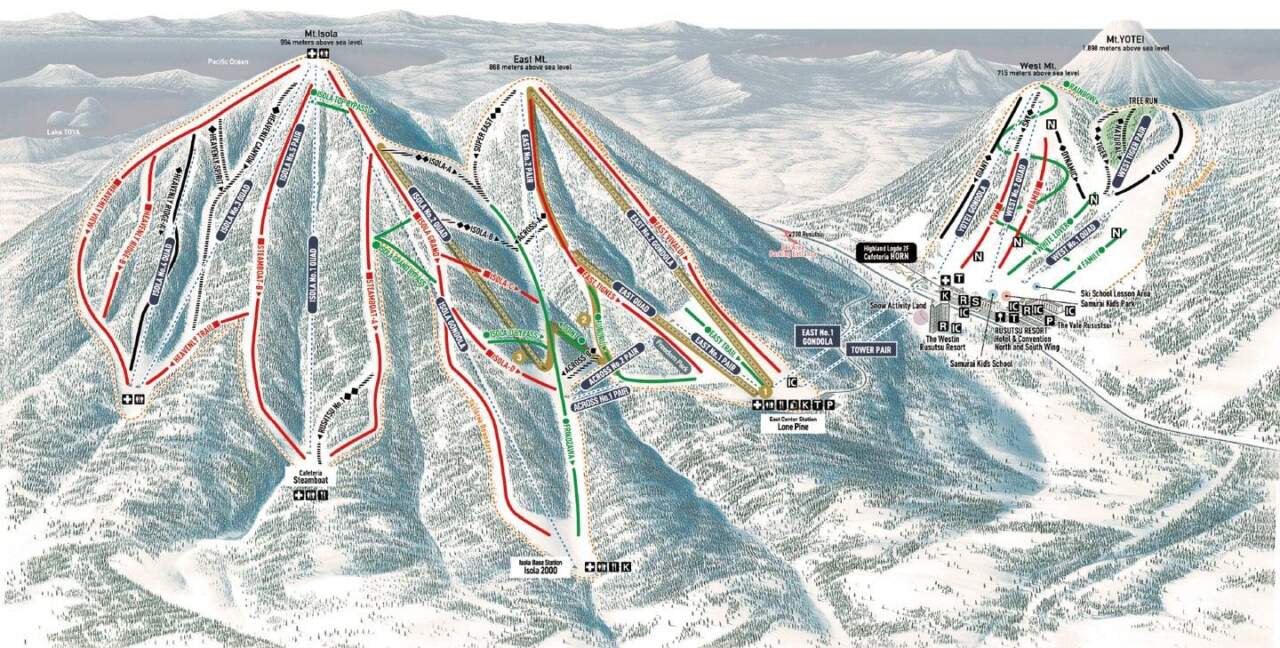
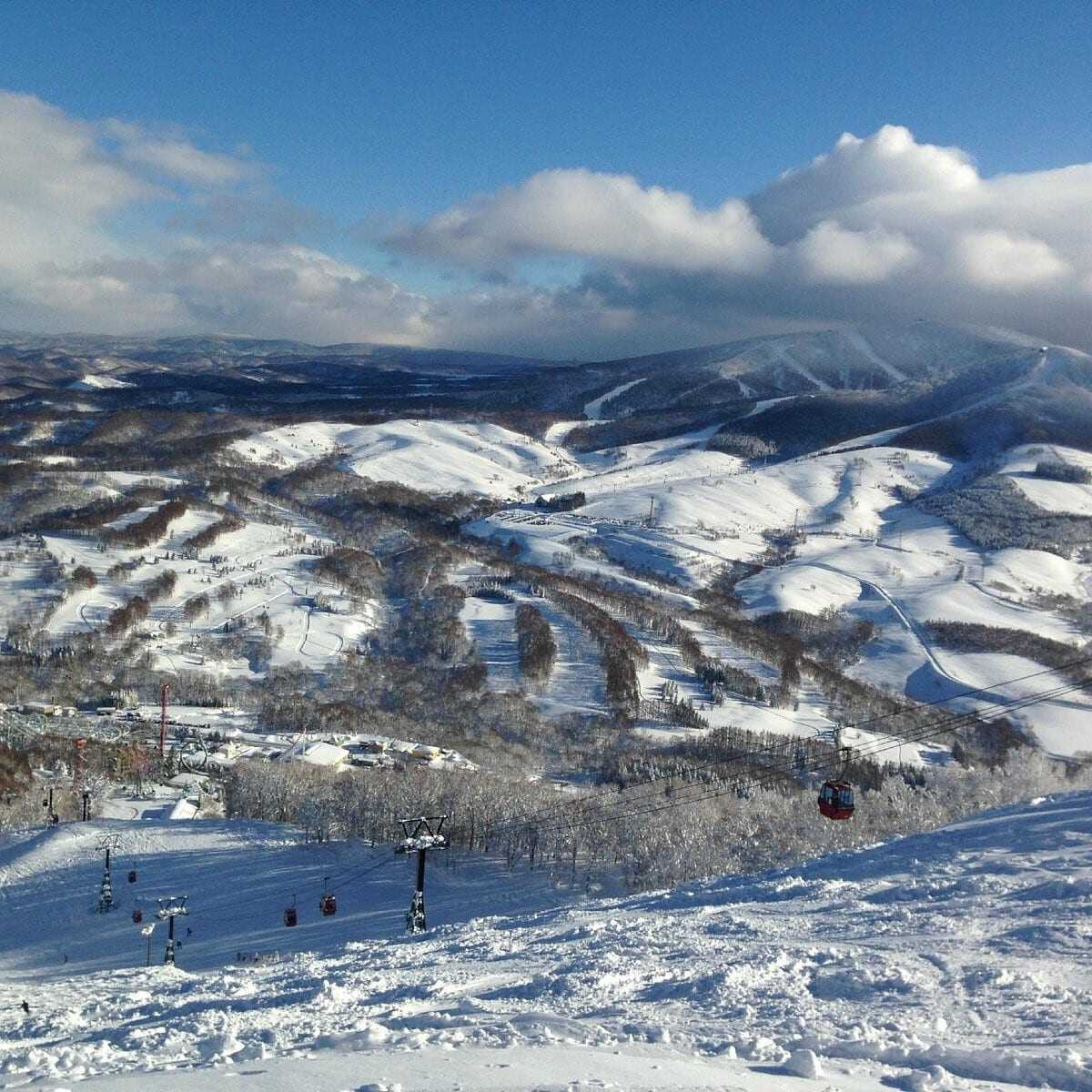
Rusutsu is made up of three mountains, West Mountain, East Mountain and Mt. Isola, with 37 runs totaling 42 km, making it Hokkaido’s largest single ski resort and one of the few where you can experience a variety of terrain without linking separate areas. The three mountains are connected by gondolas and chairlifts that are included with an all-mountain ticket, so skiers can switch freely between mountains according to their level with no extra tickets or shuttle transfers, and the flow is very smooth.
Compared with the Niseko area, which is made up of several linked resorts, Rusutsu is a single operated resort, so lift routes, run numbering and the rescue system are all planned together. That makes it easier to get to grips with for first-time Hokkaido skiers, and it is the first choice many instructors and bloggers recommend for a first Hokkaido ski trip.
Rupow Dry Powder and Six Wins as Japan’s Best Ski Resort
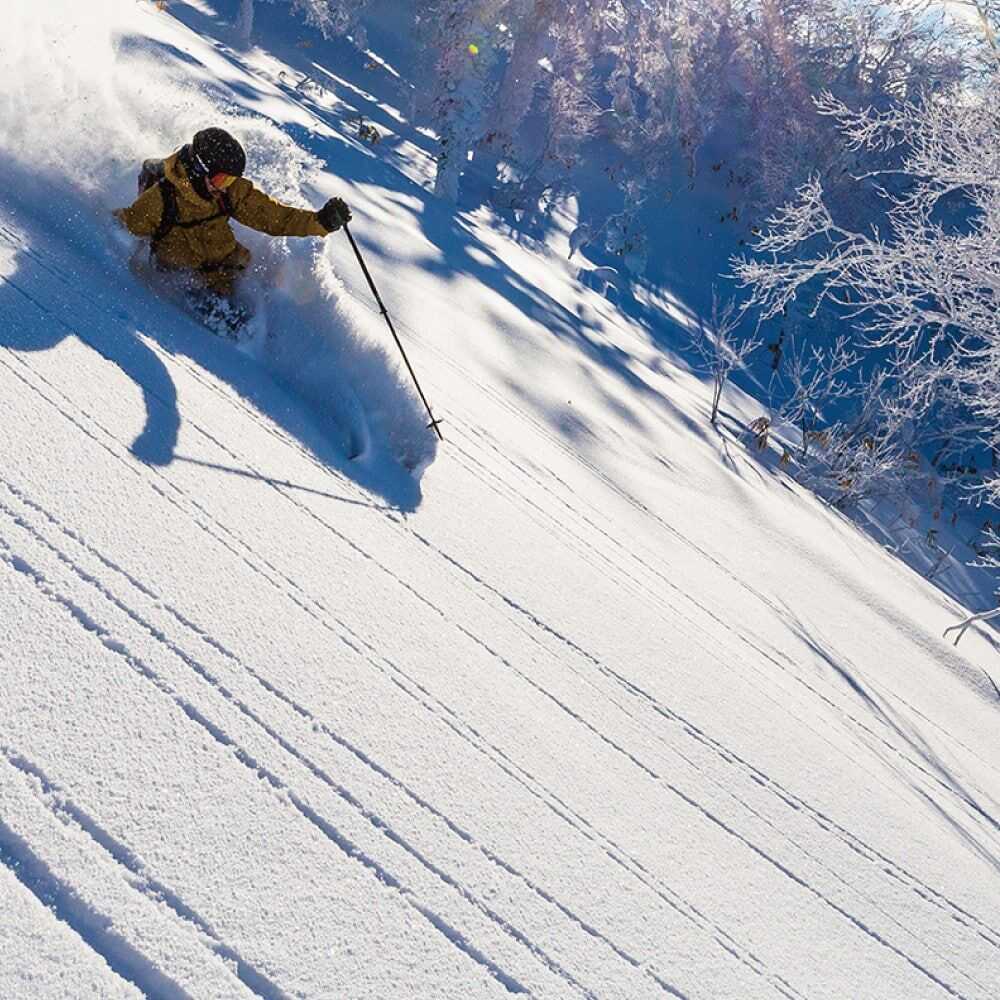
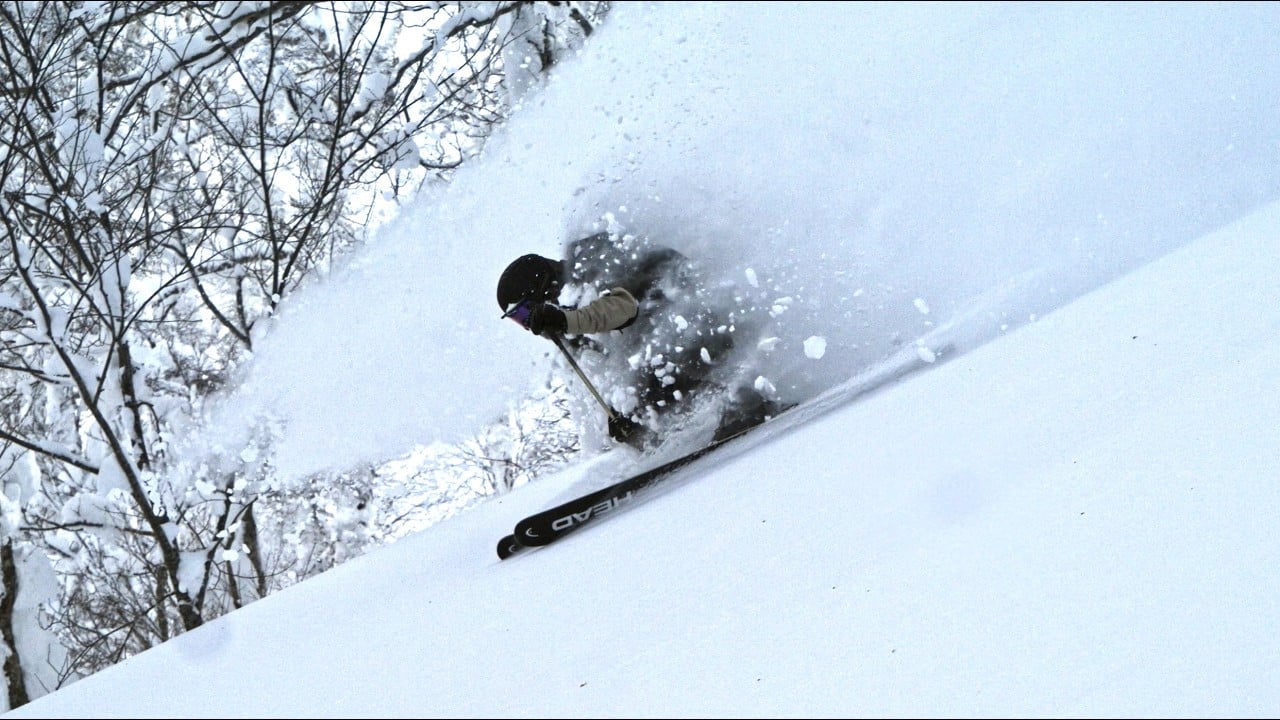
Rusutsu’s signature selling point is its powder nicknamed “Rupow,” a dry, light snow with almost no resistance underfoot, so even beginners can feel a light, floating sensation, a snow experience unique to Rusutsu. Rusutsu receives an average of about 14 meters of snow a year, and with its sheltered terrain and visitors more spread out than at Niseko, you can often ski untouched powder in the trees.
For this reason Rusutsu has won the World Ski Awards “Japan’s Best Ski Resort” six times, one of the few Hokkaido resorts to be recognized year after year by an international ski resort awards body. This record has drawn more and more European, American and Asian skiers to make the trip in recent years, and in peak season lift lines are noticeably shorter than at Niseko.
Who Should Come to Rusutsu? Planning Suggestions for a Ski Holiday
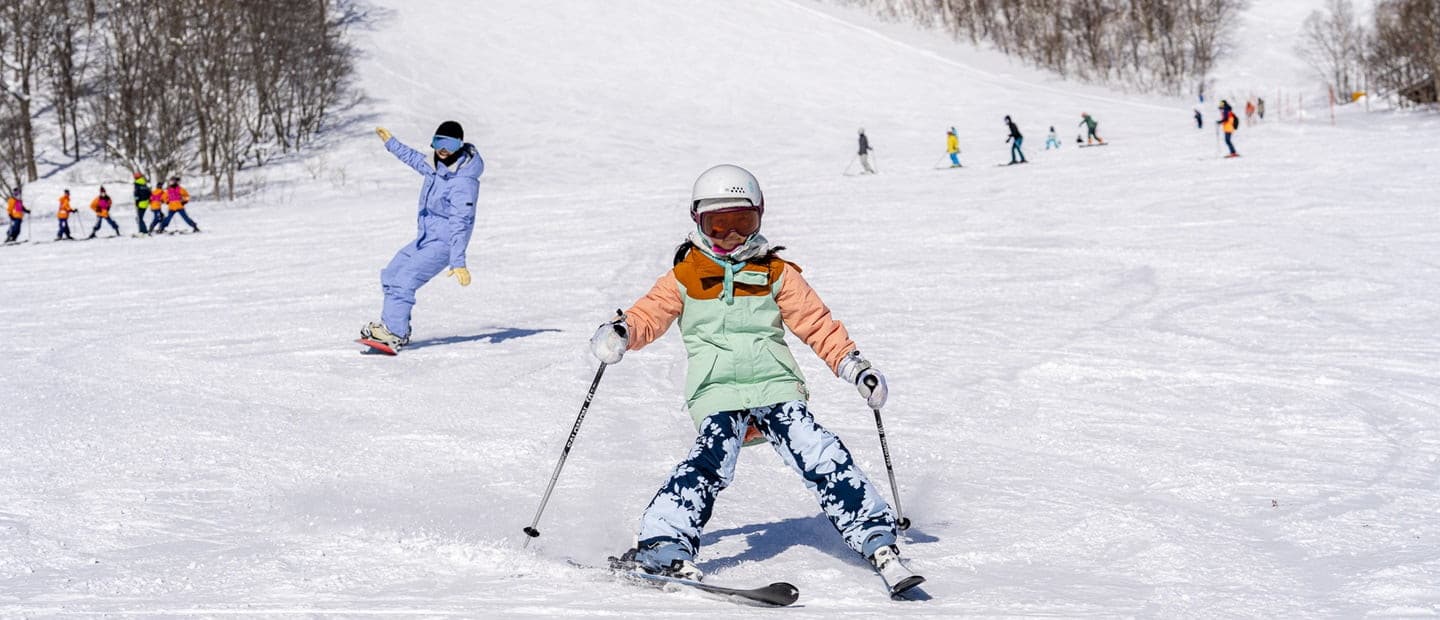
Rusutsu is especially good for families and ski beginners, because West Mountain’s runs are gentle and have magic carpets and a children’s snow playground, and the resort’s North and South wings sit right beside the slopes, so you can drop your bags and step straight onto the snow with no commute. Intermediate and advanced skiers can head straight to East Mountain and Mt. Isola for red and black runs and tree-skiing powder zones, meeting the needs of players of every level in one resort.
We suggest planning at least 3 days and 2 nights to fully cover the three mountains and the surrounding food and hot spring facilities. If you stay in Niseko, you can use the “Rusutsu Powder Day Trip” shuttle bus for a same-day round trip to Rusutsu; there is no service in the reverse direction (from Rusutsu to Niseko).
How to Get to Rusutsu Ski Resort: A Complete Guide to Transport and Costs
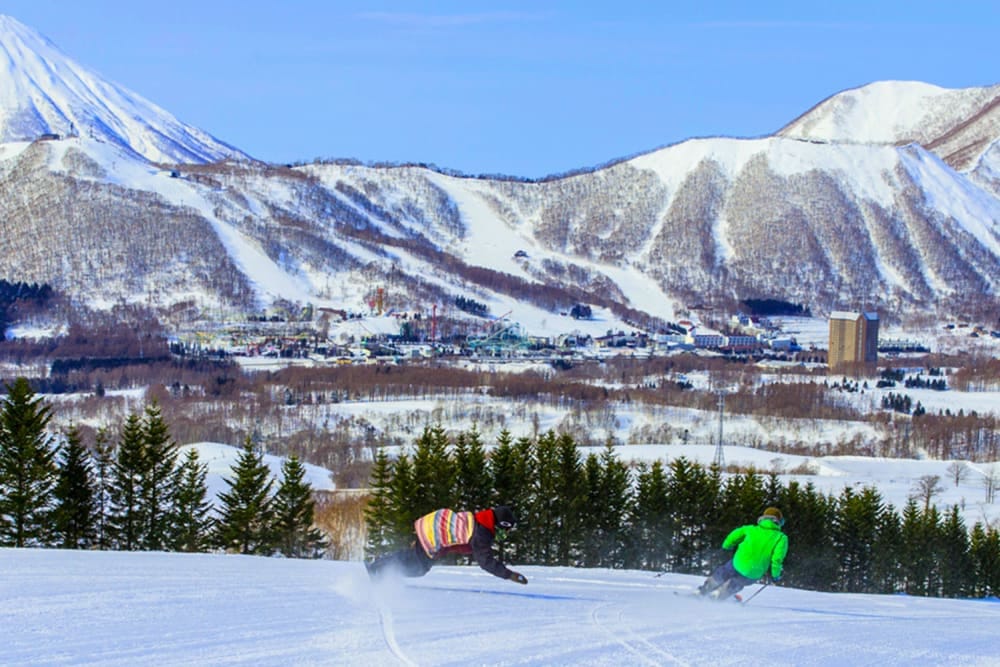
The most common way to reach Rusutsu is by shuttle bus, about 1.5 to 2 hours from Sapporo or New Chitose Airport. Beginners are advised not to drive in winter.
From Sapporo: The Free “Rusutsu Go” Shuttle Bus
Rusutsu offers a free “Rusutsu Go” shuttle bus between central Sapporo and the resort. The boarding point is the Rusutsu Sapporo Office near Sapporo Station (Kamori Building No. 3, check in at the 1st-floor counter). The service is available only to guests of Rusutsu’s own hotels or to day-trip skiers, and you must reserve on the official website before 15:00 the day before you ride, or you cannot board. The resort says it adds departures according to the number of reservations, so it won’t sell out, but we still suggest reserving early.
The ride takes about 2 hours and passes scenic stretches such as Nakayama Pass, where on clear days you can look out over the surrounding snowy mountains. It is one of the key ways to visit Rusutsu on a budget.
From New Chitose Airport: The BIGRUNS Bus and the Resort Liner
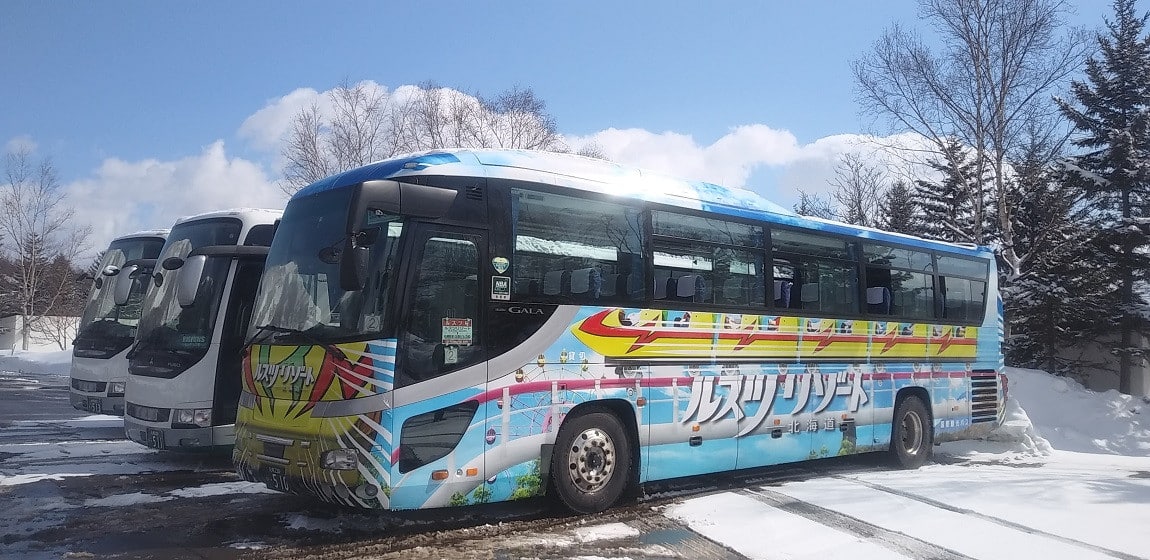
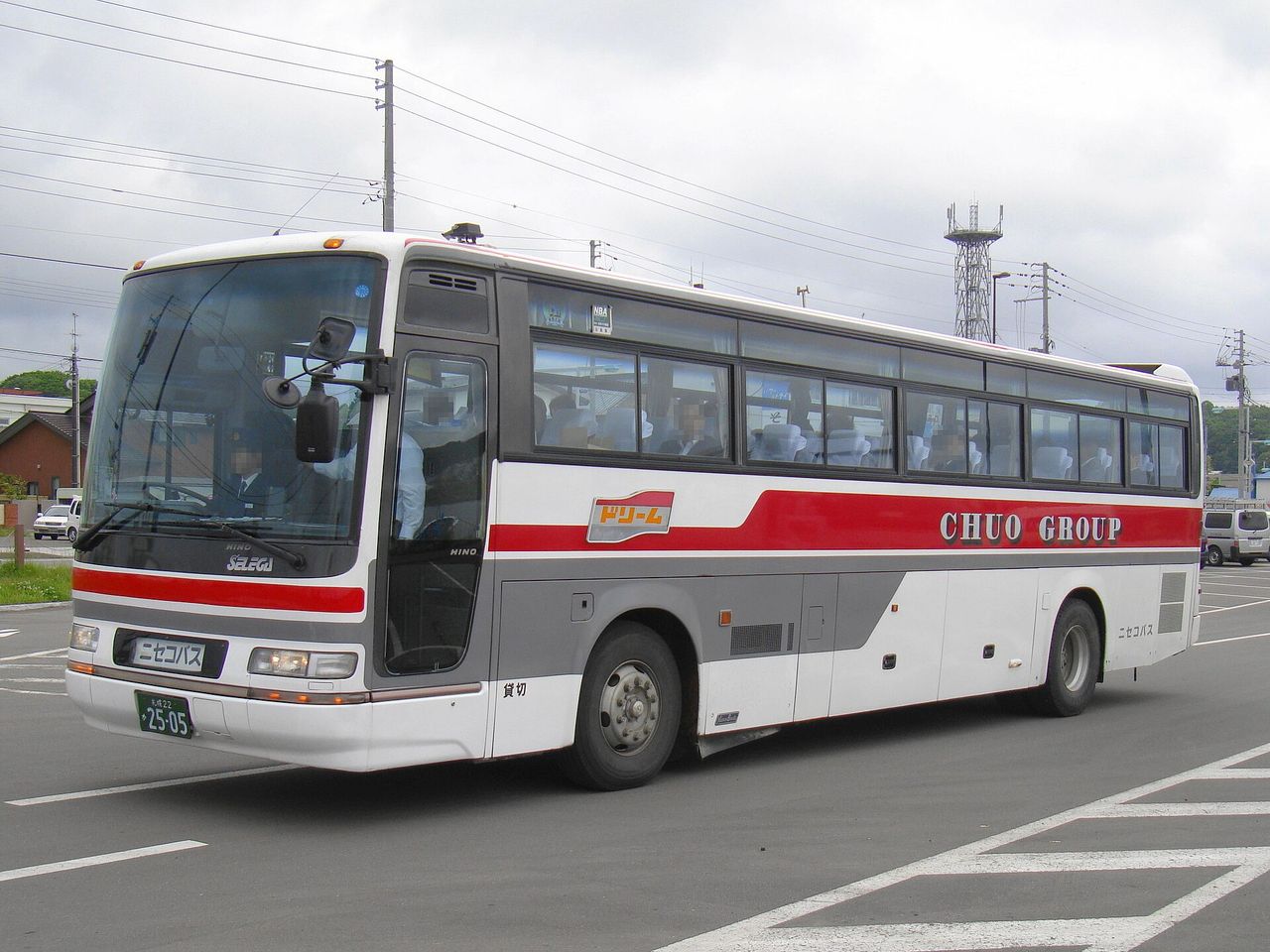
From New Chitose Airport you can take the paid “BIGRUNS” direct bus, which takes about 120 minutes and stops at the resort’s three hotels (Resort Hotel, Westin and The Vale). Luggage can be checked straight through with no transfer en route, which suits guests not staying at Rusutsu’s own hotels. There is also the “Hokkaido Resort Liner” resort bus, with more departures, running directly from the airport or from several hotels in central Sapporo. Both need to be booked online in advance on the official website or platforms such as KKday, and in peak season they often sell out early.


Rusutsu to and from Niseko / Niseko Village: Cross-Area Shuttle Bus
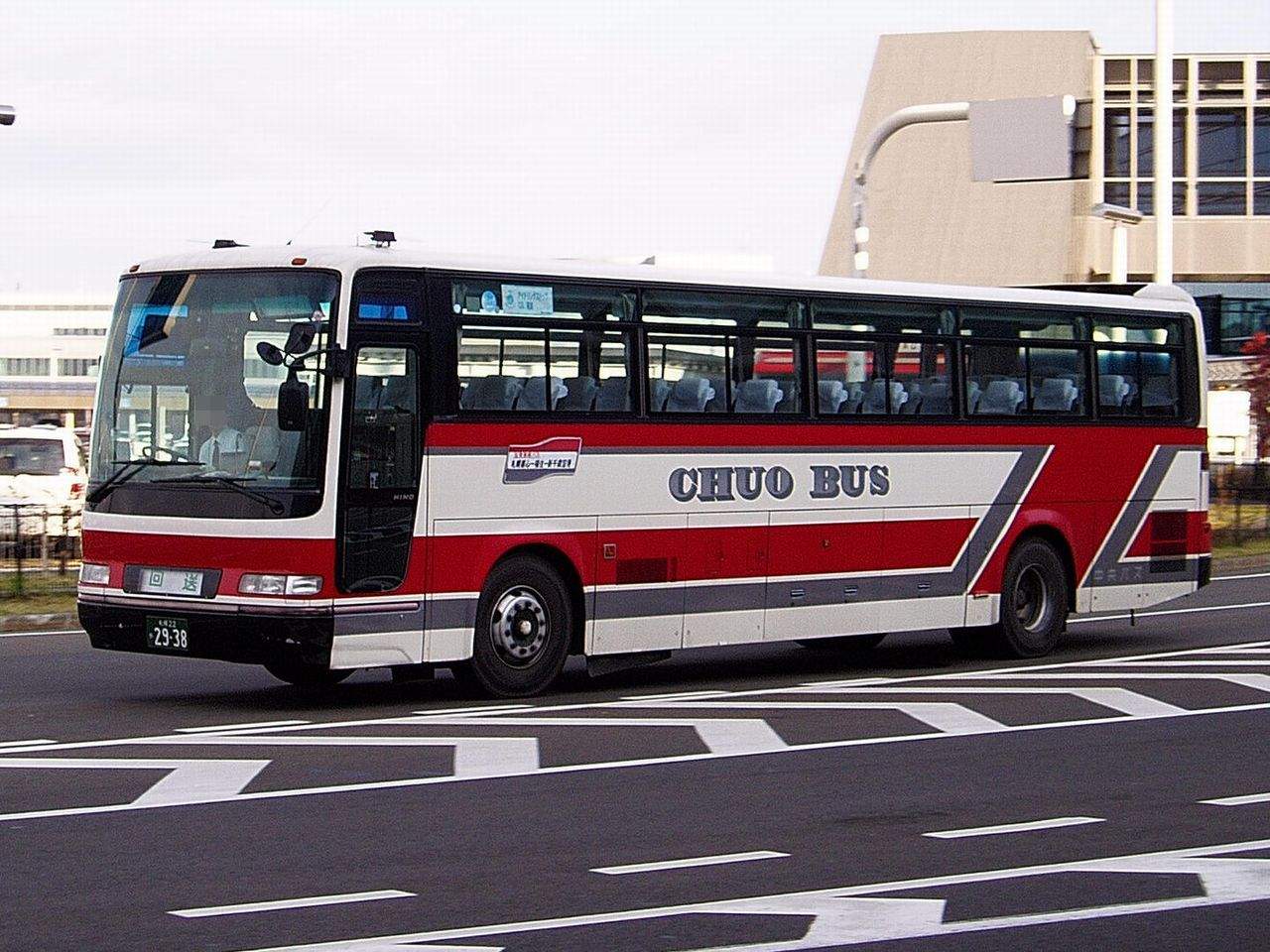
The paid “Rusutsu Powder Day Trip” shuttle between Rusutsu and Niseko is a one-way service departing from Niseko for a same-day round trip to Rusutsu (departing Hirafu Welcome Center at 08:30 and returning from Rusutsu East Mountain at 16:30). Guests staying in Rusutsu cannot use it to go to Niseko. The fare is about ¥9,000 (round trip, lift ticket extra), it operates from about early January to the end of February, and the ride takes about 45 minutes. Departures on this route are limited and often sell out early in peak season, so we suggest booking a seat on the official website or a travel platform at least a week ahead and confirming the return time to avoid missing the last bus.
Driving to Rusutsu: Route and Precautions
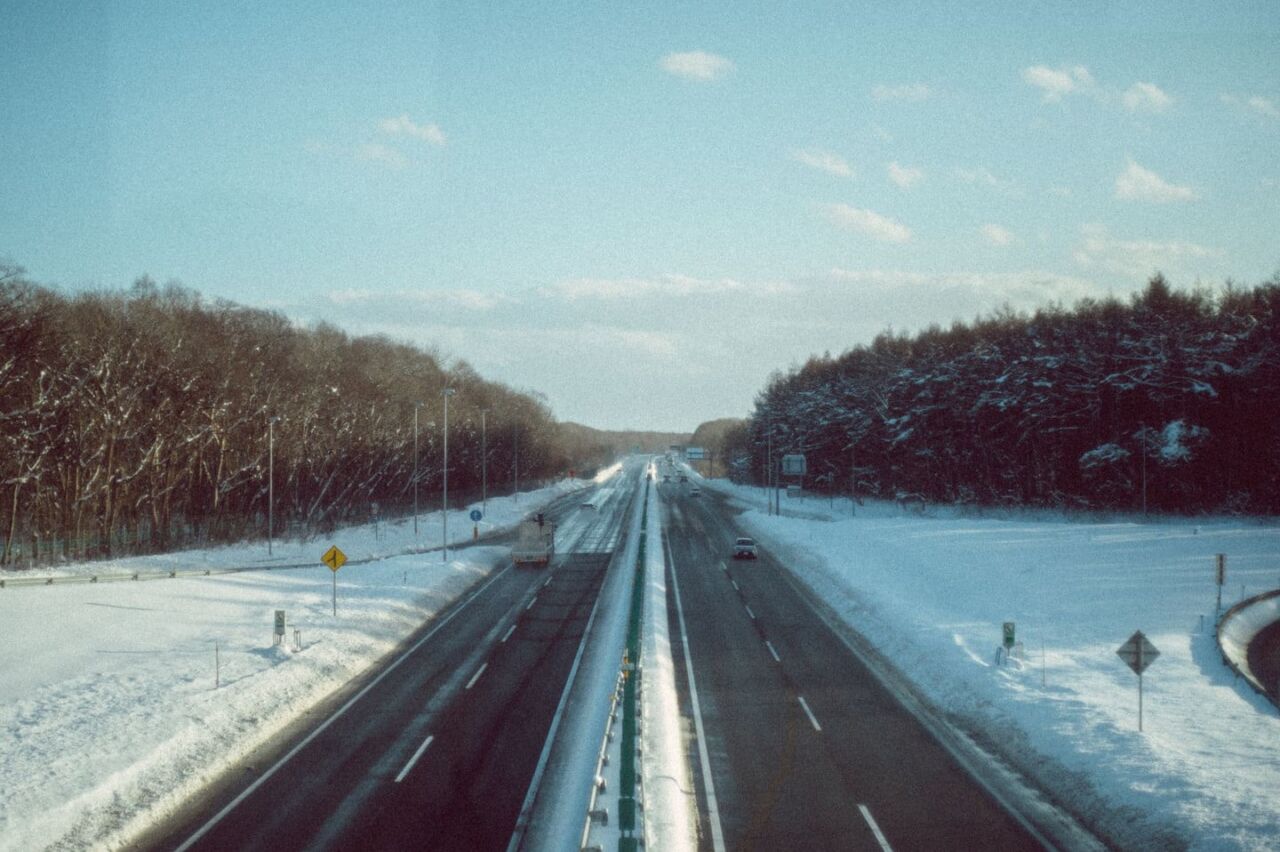
Drivers can go from New Chitose Airport via the Do-o Expressway and then local roads to Rusutsu, taking about 1.5 to 2 hours, and the resort has a large free parking lot. However, Hokkaido’s winter road conditions are mostly frozen, packed-snow surfaces, and the mountain roads around Rusutsu have many curves, so we strongly advise against driving without snow-driving experience. When renting a car, be sure to add snow tires and check the insurance coverage, and in poor weather choose the shuttle bus first.


Rusutsu Ski Resort Overview: Must-Ski Runs and Experiences Across the Three Mountains
Rusutsu is divided into three areas by level, West Mountain, East Mountain and Mt. Isola. The following covers the runs and the nearby dining and facilities one by one.
West Mountain: The First Choice for Beginners and Families
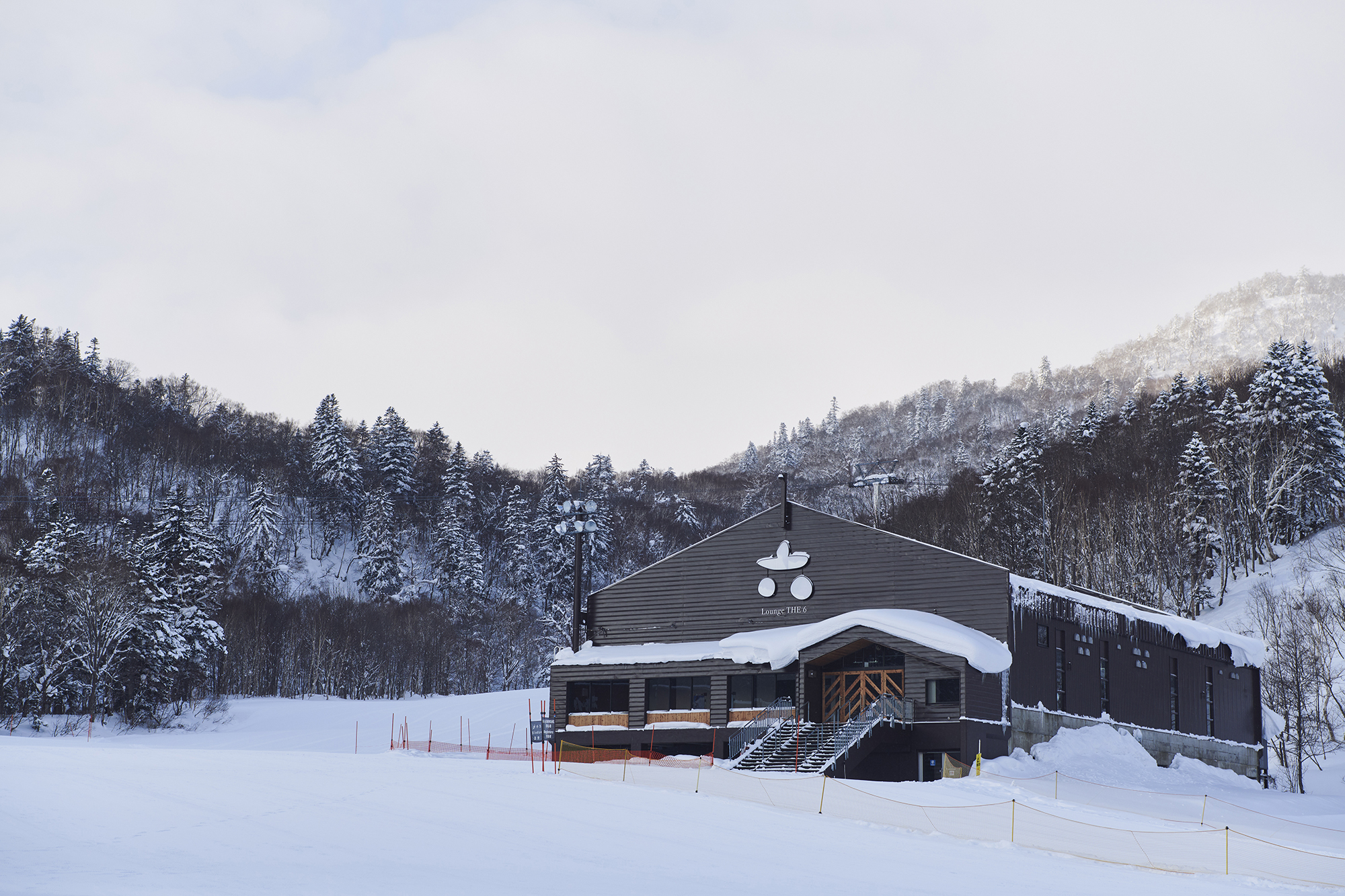
West Mountain is where the resort’s North and South wings sit directly. The slopes are gentle and wide, with magic carpet conveyors and the Samurai children’s snow theme park, which suits travelers with kids or first-time skiers very well. West Mountain is also Rusutsu’s main night-skiing area, generally open until 20:00 and in some months until 21:00, so you can practice the basics by day and keep skiing at night, making very good use of your time.
With little variation in terrain and wide views, West Mountain is also the “last line of defense” when bad weather or strong winds close the East Mountain or Isola lifts. Ski instructors and rental counters are concentrated here too, so it is the area we suggest confirming first when planning.

East Mountain: A Practice Paradise for Intermediates and Speed Lovers
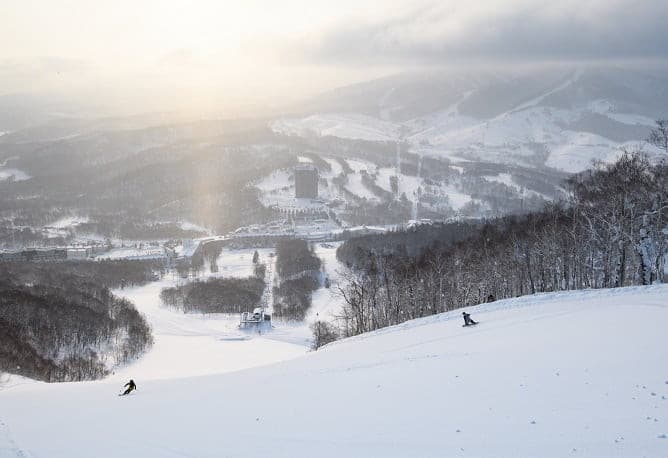
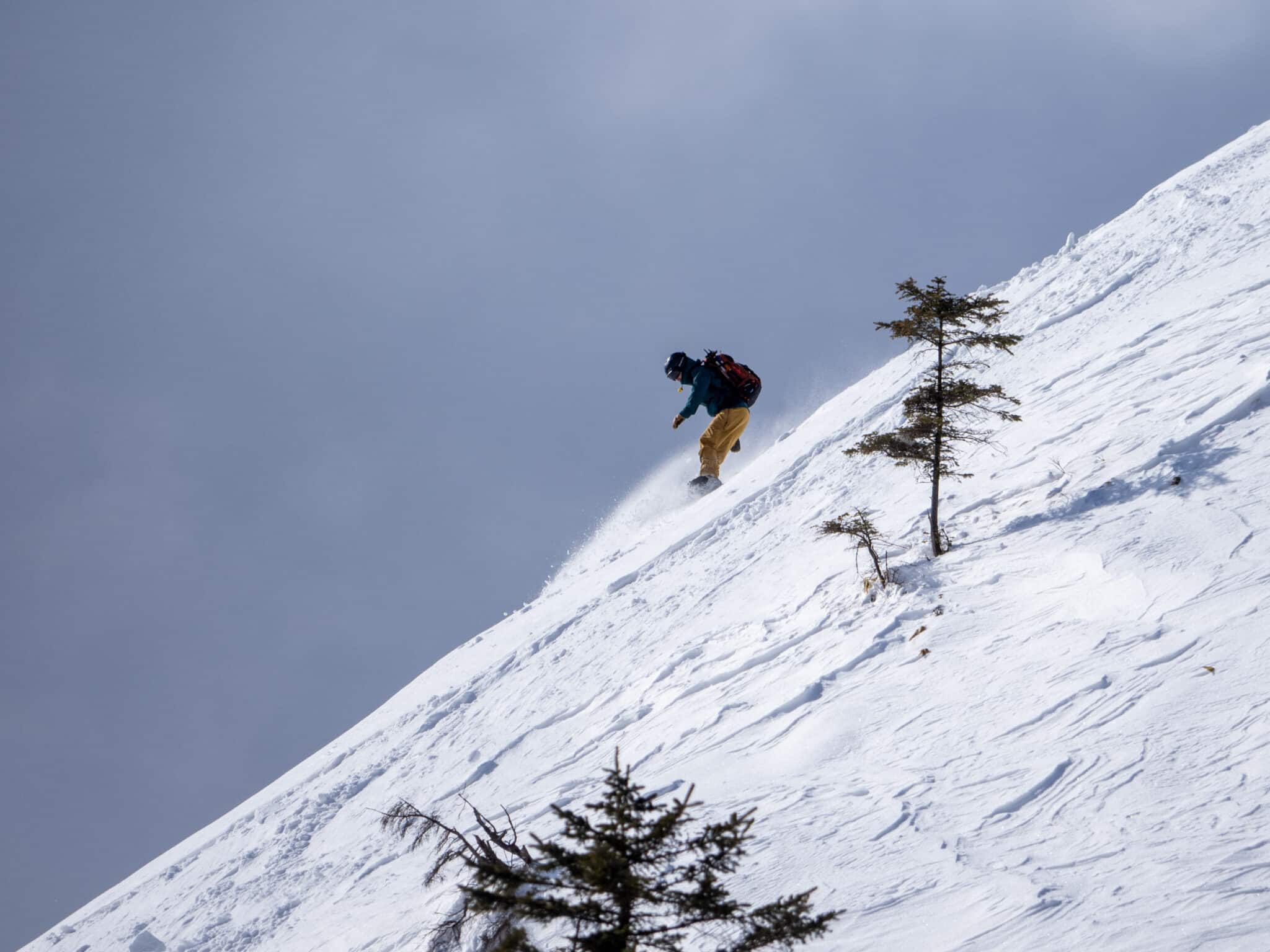
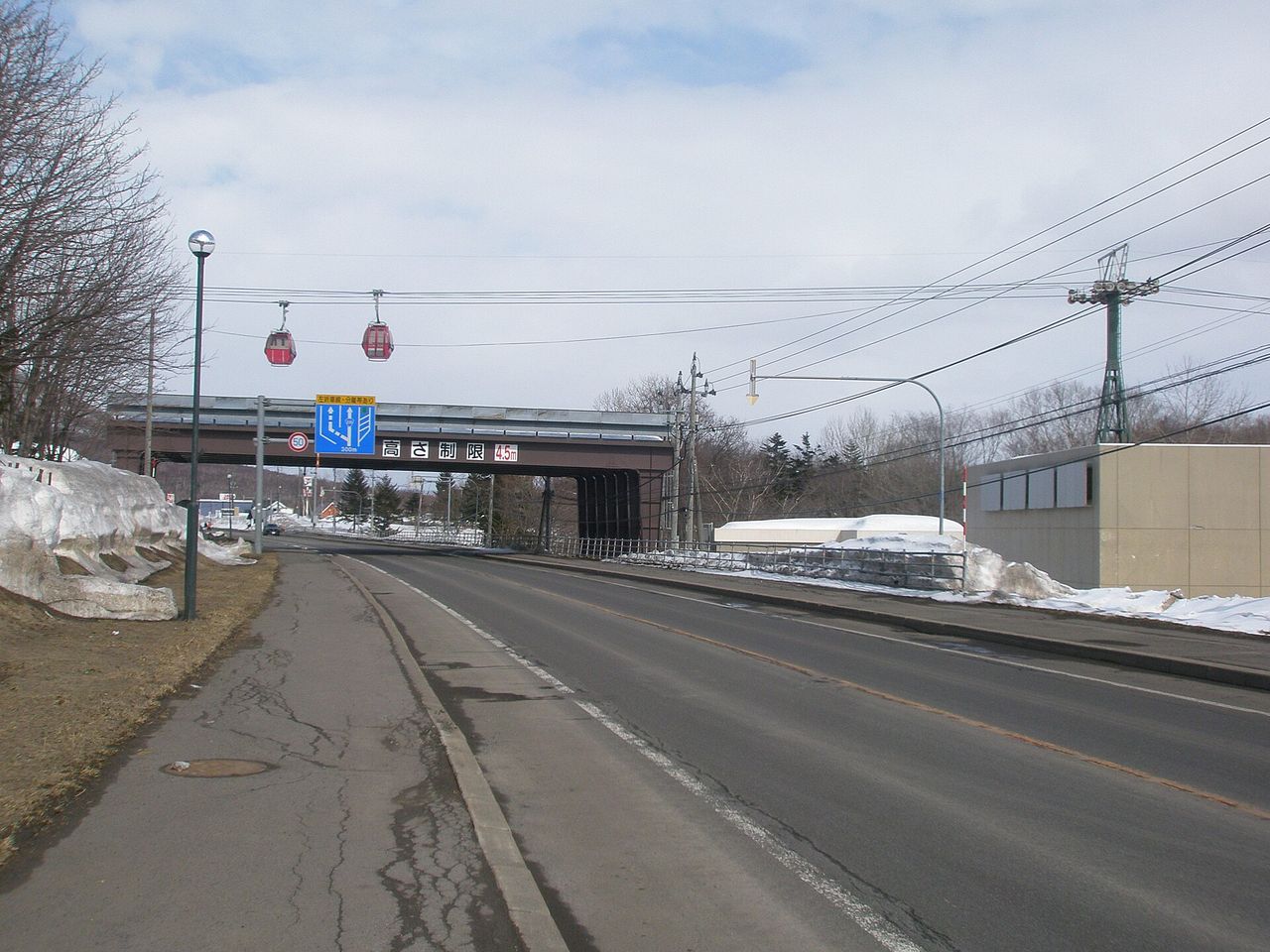
East Mountain is known for its many long, straight red runs. The runs are wide with little change in gradient and rarely have sudden diagonal turns, ideal for intermediates who can already turn on their own to practice groomed-snow carving and speed. East and West Mountain are linked by a gondola crossing the national highway (a lift ticket is required), so you can switch mountains directly without going down and around, and the flow is very smooth.
The East Mountain base area was renovated for the 2025/2026 season, and both the Lone Pine restaurant and the RUPOW BASE ski shop look brand new. When you are tired you can resupply gear or eat right at the base, without having to return to the main resort building.
Mt. Isola: A Paradise of Intermediate-to-Advanced Powder and Tree Skiing
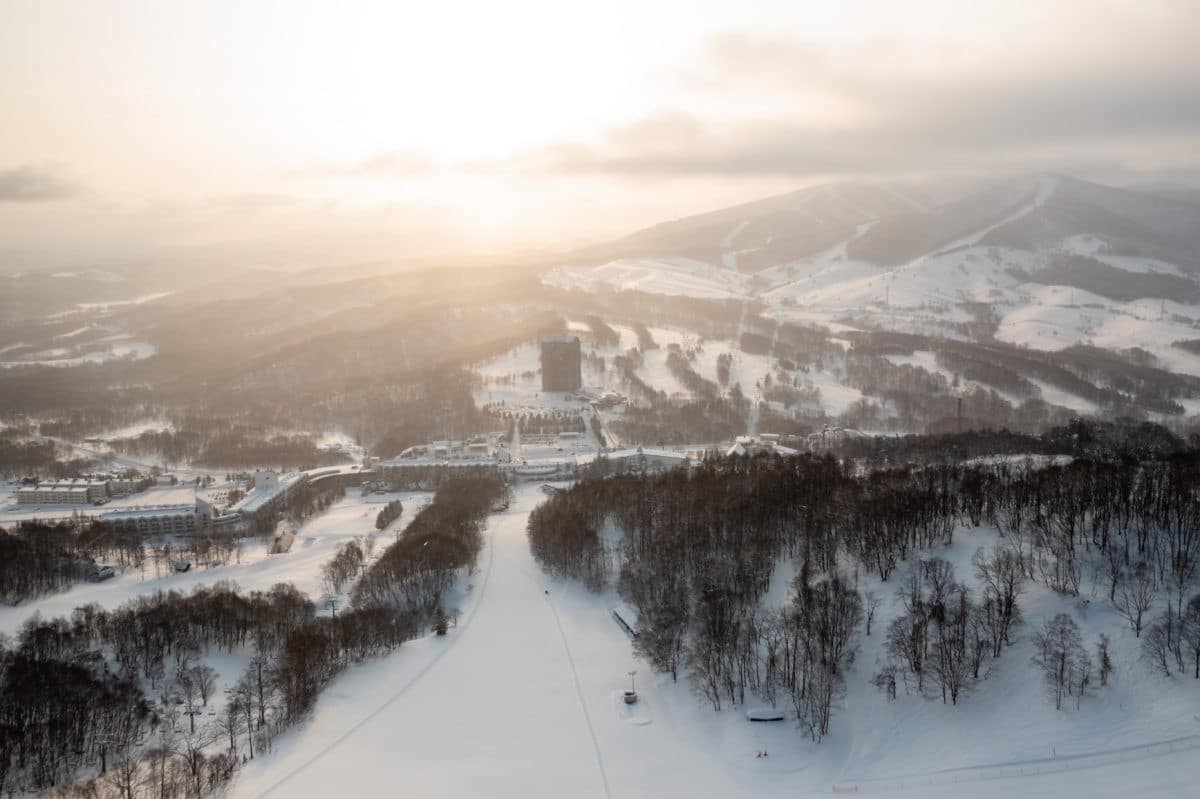
Mt. Isola is the heart of Rusutsu, with the longest runs and the best snow, mostly red and black runs. Official instructors generally advise beginners to practice on West or East Mountain and take on Isola once they can control their speed. It has a large amount of legally open tree-run terrain and ungroomed black runs, and intermediate and advanced skiers can easily find their own powder line among the trees.
On clear days, the Isola summit gondola gives views of both Mt. Yotei (the Ezo Fuji) and Lake Toya, one of Rusutsu’s classic photo moments. Note that the summit is windy in the evening and the gondola may close early in strong winds, so in the afternoon be sure to leave time to get down.
West Mountain Green Runs and the Samurai Kids Park: Safe Skiing Even from Zero Experience
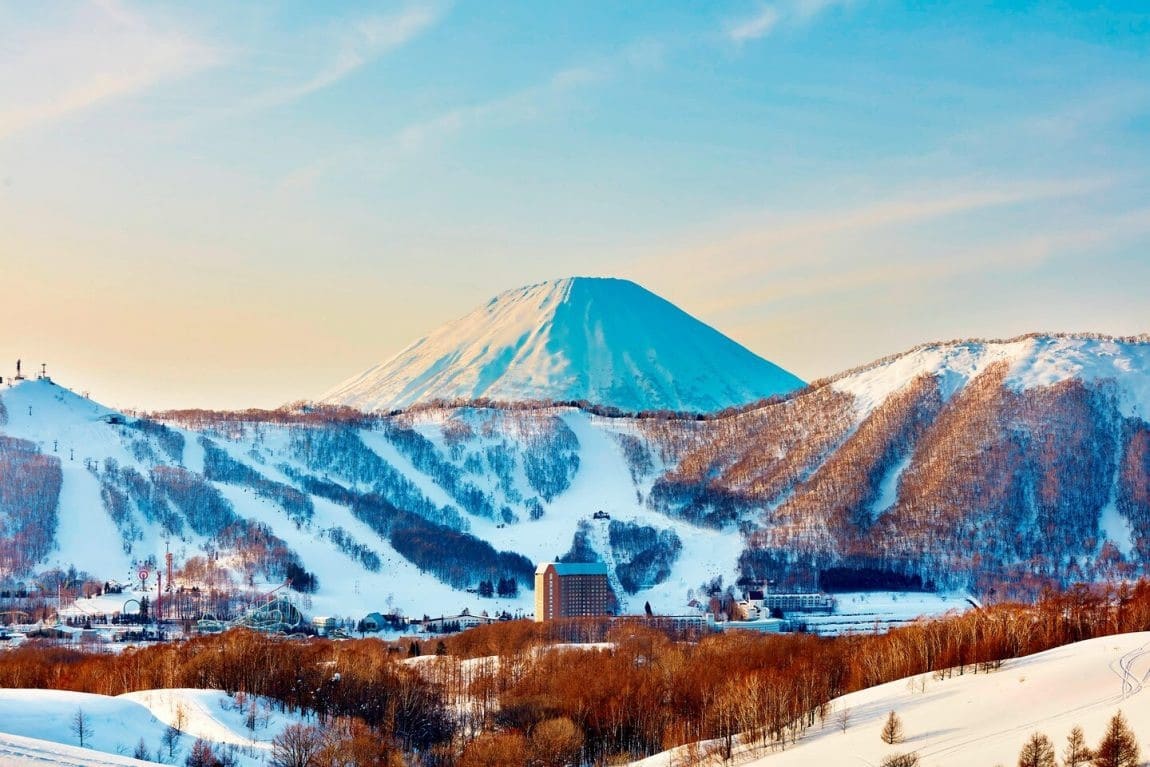
West Mountain’s green runs are wide and gentle with almost no sudden sideways changes, ideal for travelers with no skiing experience to practice braking and turning starting from the magic carpet, and widely known as Rusutsu’s “beginner practice paradise.” The powder and low-tree areas right beside the runs are also a good place for a first taste of off-piste terrain, with low difficulty yet the fun of powder.
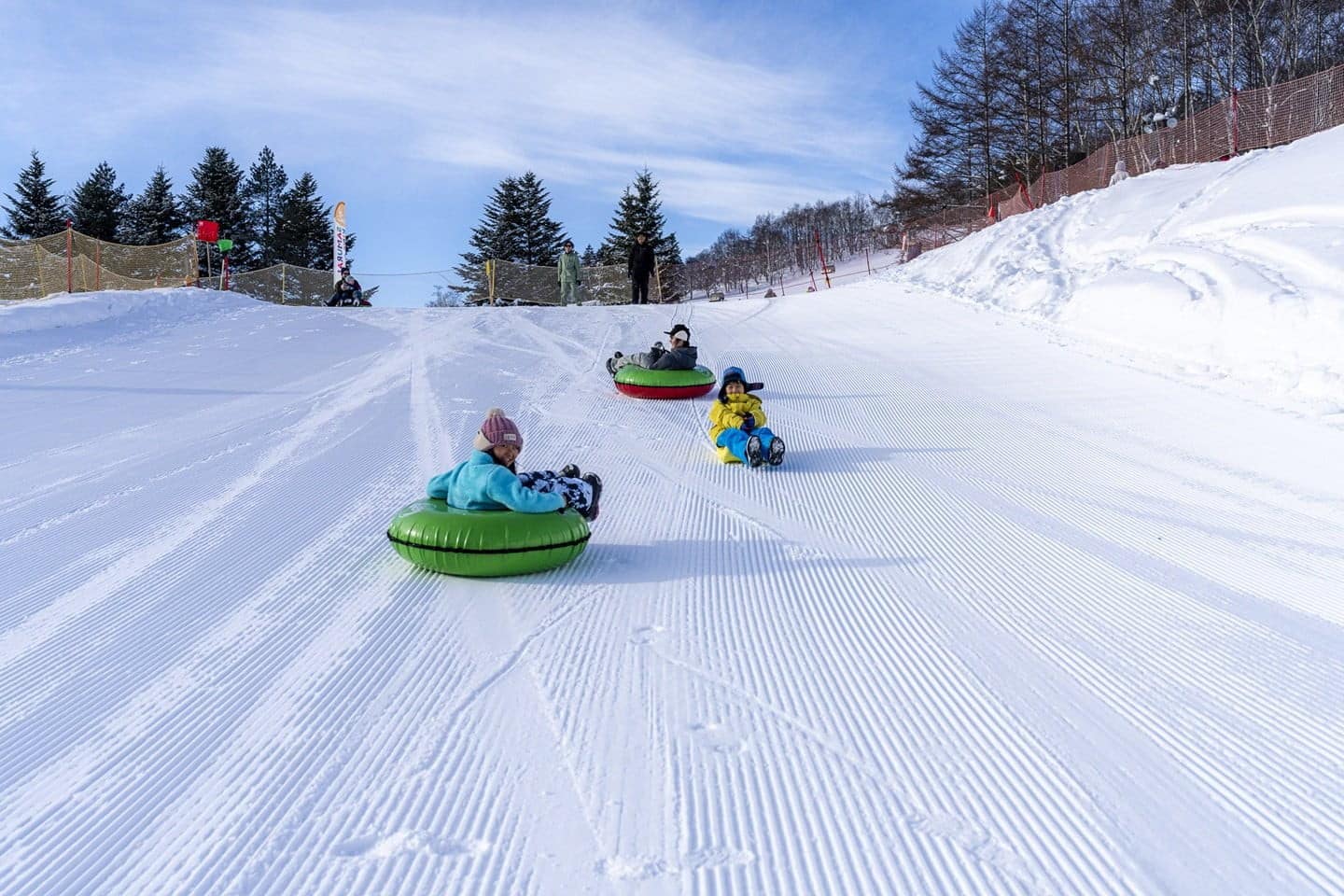
The Samurai children’s snow theme park sits at the foot of West Mountain, with snow slides, sleds and other facilities that let small children who can’t ski yet have a great time in the snow. Parents can take turns playing in the snow with the kids and skiing up the mountain, a very practical base for families planning an itinerary.
East Mountain Super East: Rusutsu’s Steepest Expert Run
Super East is Rusutsu’s steepest run, with an average gradient of 32 degrees and a maximum of about 40 degrees, about 500 meters long. The surface is ungroomed and forms large moguls easily, making it an expert route, and we suggest taking it on only with steady speed control on black runs and mogul experience. Paired with East Mountain’s Across No. 2 double lift, you can get quickly back to the start to repeat laps, which is very efficient.
Intermediate skiers who want long cruising runs can choose other East Mountain red runs instead.
Isola Black Runs and Tree Runs: A Powder Hideaway for Advanced Skiers
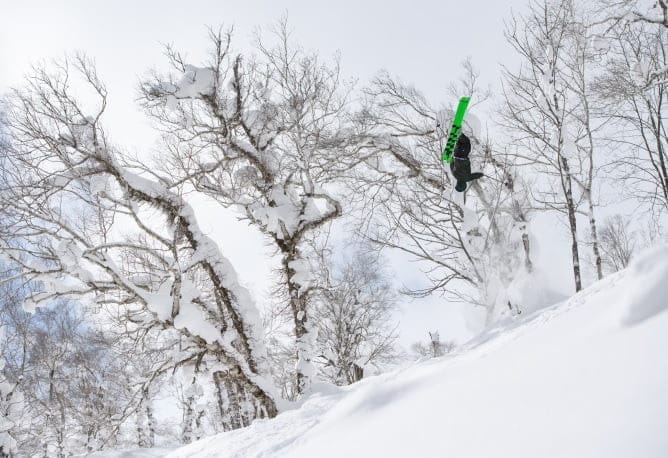
Isola’s black runs are mostly ungroomed, and with large legally open tree-run areas they are widely regarded by advanced and expert skiers as the heart of Rusutsu. Because the slopes are wide, the red and black runs here are actually easier to handle than runs of the same grade at other resorts, but we still recommend skiing in pairs deep in the trees and watching the run boundary signs at all times so you don’t get lost or stuck in deep snow.
Clear early mornings are the golden time to chase powder. With visitors more spread out than at Niseko, you can often ski untouched powder that fell the night before, which is the main reason many ski bloggers push Rusutsu.
Steamboat: The Signature Omurice Restaurant at the Foot of Mt. Isola
Steamboat is in the Mt. Isola area and is one of the most popular restaurants on the mountain at Rusutsu. Its signature omurice, which the resort lists as its most popular slope-side dish (“Torotoro Egg Omurice”), pairs rich cheese with a fluffy egg wrap and is a popular choice for refueling after skiing. The restaurant also serves yakiniku rice bowls, fried chicken and ramen to suit different tastes.
We suggest avoiding the noon peak from 12:00 to 13:00 and eating a little later after the morning runs, which saves a lot of queuing time. Window seats let you enjoy the snow views while you eat.

Horn Cafeteria: A Popular Spot for Ginger Pork Set Meals on West Mountain
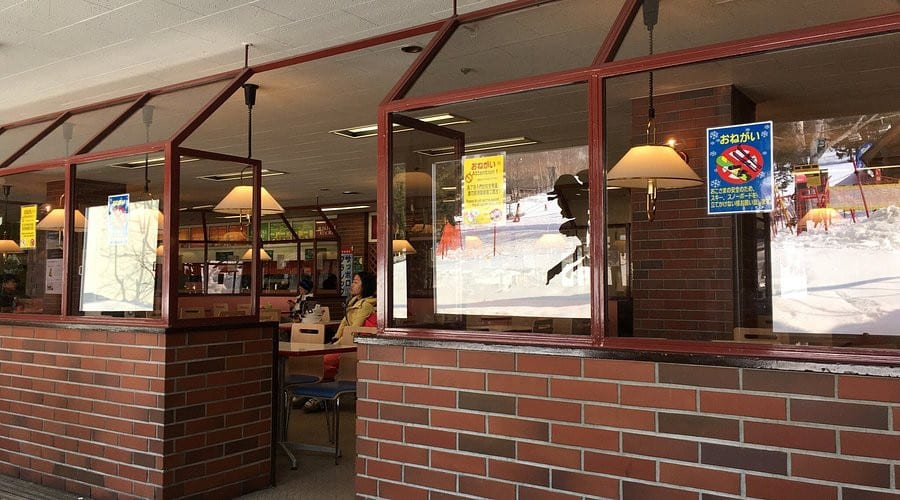
Horn Cafeteria is in the West Mountain base area and is the on-mountain casual restaurant most often used by families and beginners. Its signature ginger pork set meal is generous and reasonably priced, a practical way to refuel quickly after skiing. The seating is spacious, convenient for families with ski gear and children.
Because it is close to the rental center and magic carpet area, Horn Cafeteria is busy at the lunch peak. We suggest eating early around 11:30 or avoiding the 12:30 peak for a more relaxed meal.
Oktoberfest: All-You-Can-Eat Buffet and Crab Dishes
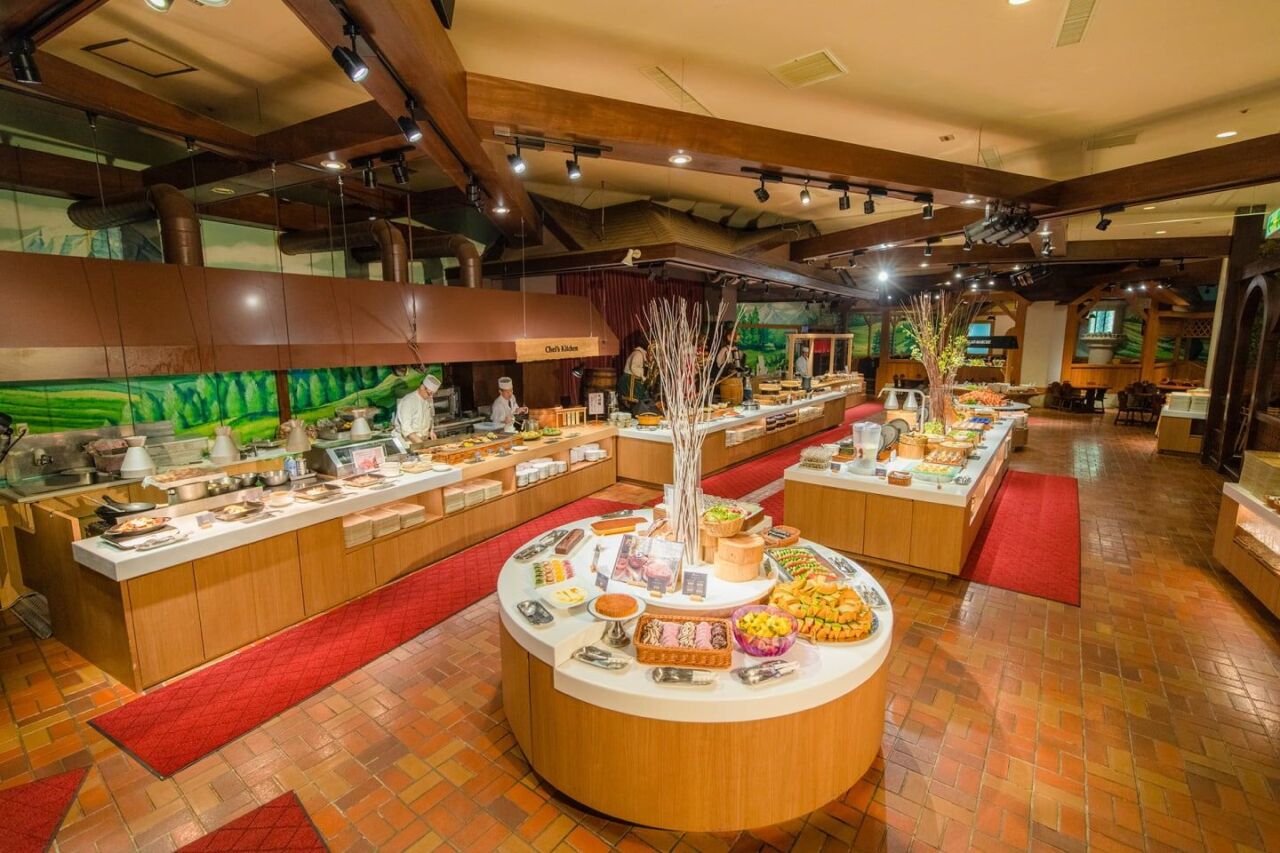
Oktoberfest is the signature buffet restaurant in Rusutsu Resort’s main building, featuring all-you-can-eat crab dishes along with Hokkaido seafood, grilled meats and international cuisine. It is the big dinner that many travelers set aside a night for when planning a Rusutsu stay. The resort has more than 20 restaurants, and Oktoberfest is among the most popular and talked-about.
Social media has also recently buzzed about the resort’s athlete-themed collaboration dishes, such as the “Hamu Katsu Curry” that combines curry rice with fried pork cutlet, and the Mt. Yotei-shaped croissant and colorful sparkling drinks exclusive to the summit cafe. These are the latest food topics that traditional guides rarely mention, so travelers who like to try new things can watch the resort website and social media for limited-time menus.
Kazahana, Setsukatei and Umeya: Local Japanese Dining in the Resort
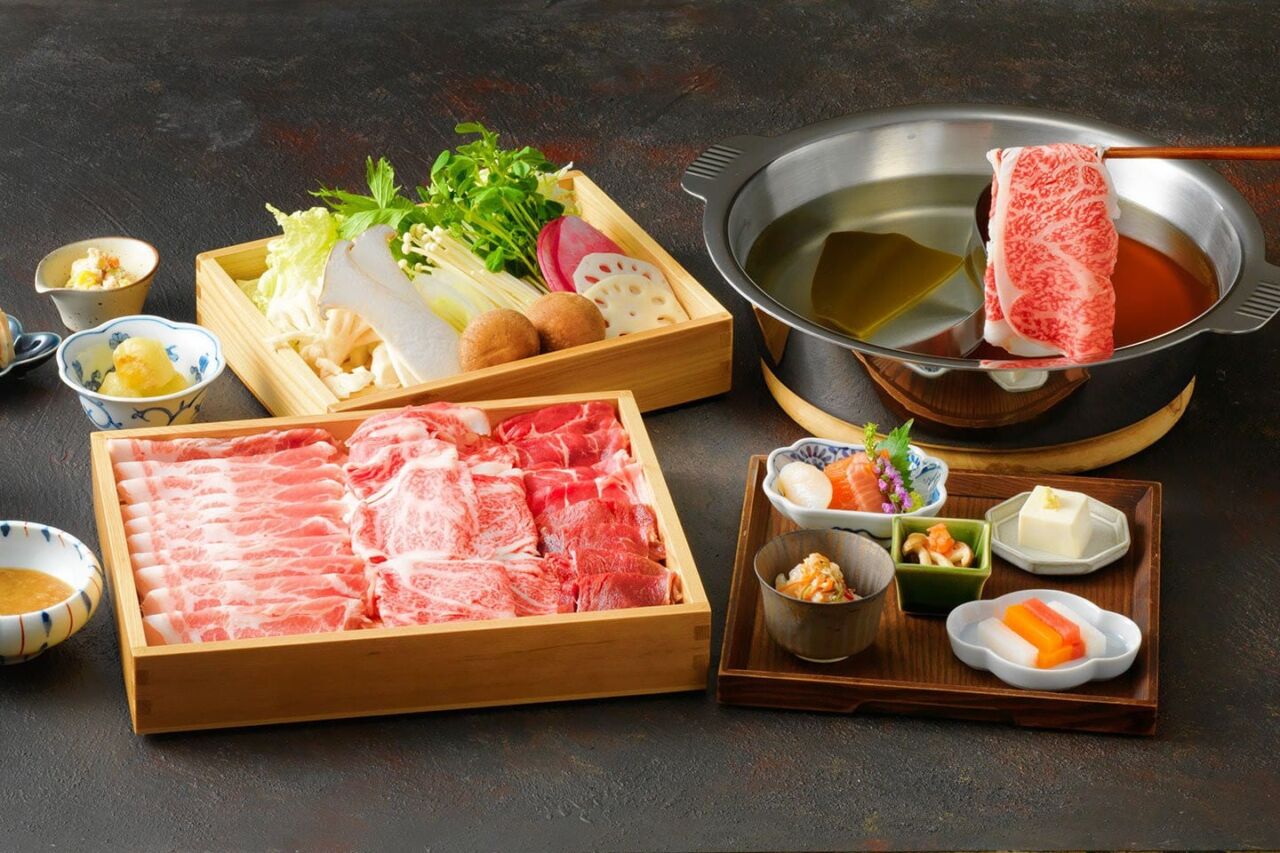
Travelers who like authentic Japanese food can choose the resort’s Japanese restaurant “Kazahana,” featuring seasonal Hokkaido ingredients and refined presentation, suited to those who want a relaxed dinner after skiing. “Sushi Kappo Setsukatei” focuses on fresh nigiri sushi and seafood bowls, the first choice for travelers who love raw seafood.
If you want a hot bowl of ramen to warm up, the resort’s ramen can be enjoyed at Horn, Lone Pine, Country House and the Westin’s B Noodle Bar. It suits a quick fill-up between runs before heading back up the mountain and is one of the better-value options in the resort.
Snow Hut BBQ and Lone Pine: Winter Experiences Unique to Rusutsu
Snow Hut BBQ is a winter-only dining experience unique to Rusutsu, where you can enjoy Yotei lamb Genghis Khan barbecue from the resort’s own Rusutsu Farm inside a snow hut. It is offered only at midday (three seatings at 11:30 / 13:00 / 14:30), prices follow the official website, and seats usually need to be reserved in advance on the resort website or at the counter, as seats are hard to get in peak season.
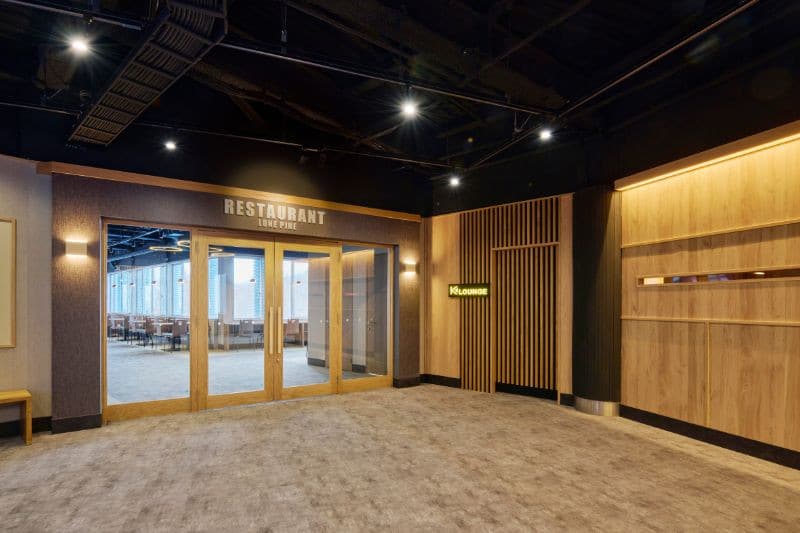
East Mountain’s Lone Pine restaurant was renovated for the 2025/2026 season, serving light meals, ideal for a quick midday meal between runs without returning to the main building. After the renovation the seating is roomier and dining more comfortable than before.
Hot Springs and Indoor Amusements: Resort Facilities Beyond Skiing
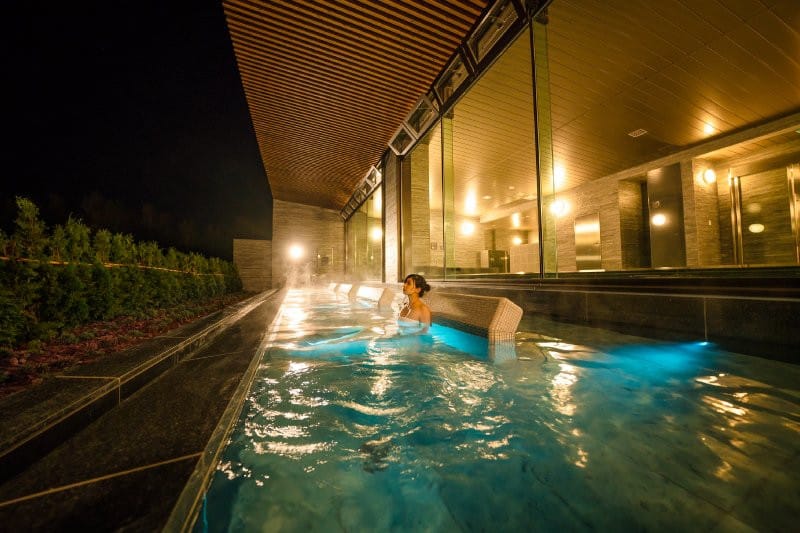
Rusutsu Resort has three major hot spring and bathing facilities, where you can warm up before skiing or ease sore muscles afterward. The outdoor open-air bath lets you enjoy snow views while you soak, the most soothing way to end a day on the slopes.
The North and South wings also have an indoor double-decker carousel and an indoor shopping street, so even when a snowstorm closes the lifts, the whole family can play indoors with no worry about the trip being canceled, an important reason Rusutsu suits families better than other ski resorts.
Non-Ski Snow Activities: Snowmobiles, Dog Sledding and Snow Rafting
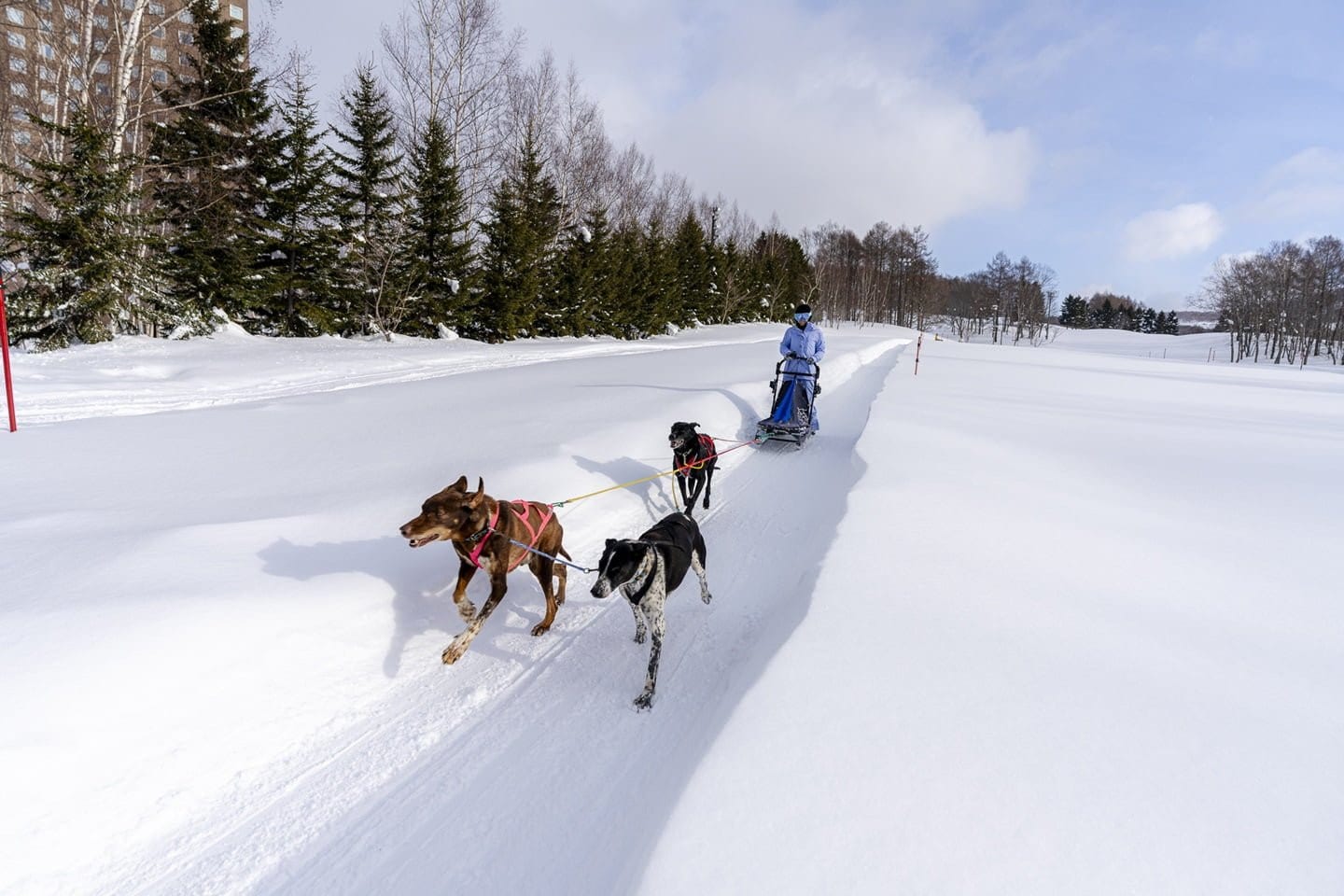
For travelers who don’t want to ski all day, Rusutsu also offers a rich selection of non-ski snow activities, including thrilling snowmobiles, soothing dog sledding, snow rafting, ice fishing, and an adrenaline-pumping snow drifting driving experience. Some activities are reservation-only and must be booked before 17:00 the day before. For details see the Rusutsu official website (rusutsu.com).
How to Choose Tickets and Lessons at Rusutsu: Lift Tickets, Instruction and Rentals
Hokkaido’s Rusutsu Resort has three mountains, 37 runs and 18 lifts, a ski destination where everyone from kids to adults can have a great time. The following covers lift tickets, ski lessons, gear rental and night skiing so you can choose by level, number of days and budget.
All-Mountain Lift Ticket: A Free-Roaming Pass for Three Mountains
Rusutsu’s lift ticket is an “all-mountain” design: one ticket lets you enjoy East Mountain, Mt. Isola and West Mountain with no add-on area tickets. According to the Rusutsu official website (rusutsu.com), the 2026/27 season adult one-day ticket (ages 19 to 64) is ¥16,700 at the window and ¥13,200 online, so buying online in advance is cheaper than at the window.
Lift tickets are available by duration, from half-day and one-day to two-day and multi-day tickets.
Rusutsu Child and Youth Lift Ticket Prices
Families should note that children aged 3 and under ride free, children aged 4 to 12 pay ¥8,300 at the window and ¥6,400 online, and teens aged 13 to 18 pay ¥12,500 at the window and ¥9,800 online. Window and online prices differ, so compare and pre-purchase on the official website before you go.
Rusutsu Ski School Lessons: Dedicated Instructors from Zero Experience to Advanced
The Rusutsu Resort Ski & Snowboard School offers English-speaking and Japanese-speaking instructors and even some Chinese-speaking instructors, suited to complete beginners on snowboard or skis. Group lesson times and fees follow the official website. The content covers basic stance, braking and turning, and instructors group students by ability so beginners don’t fall behind because of a big gap in level.
Rusutsu Private Lessons and the Kids Snow School
If you want faster progress, you can also pay extra for private one-on-one lessons. Private lesson fees follow the official website, suited to skiers who want a customized pace. For booking, see the Rusutsu official website (rusutsu.com).
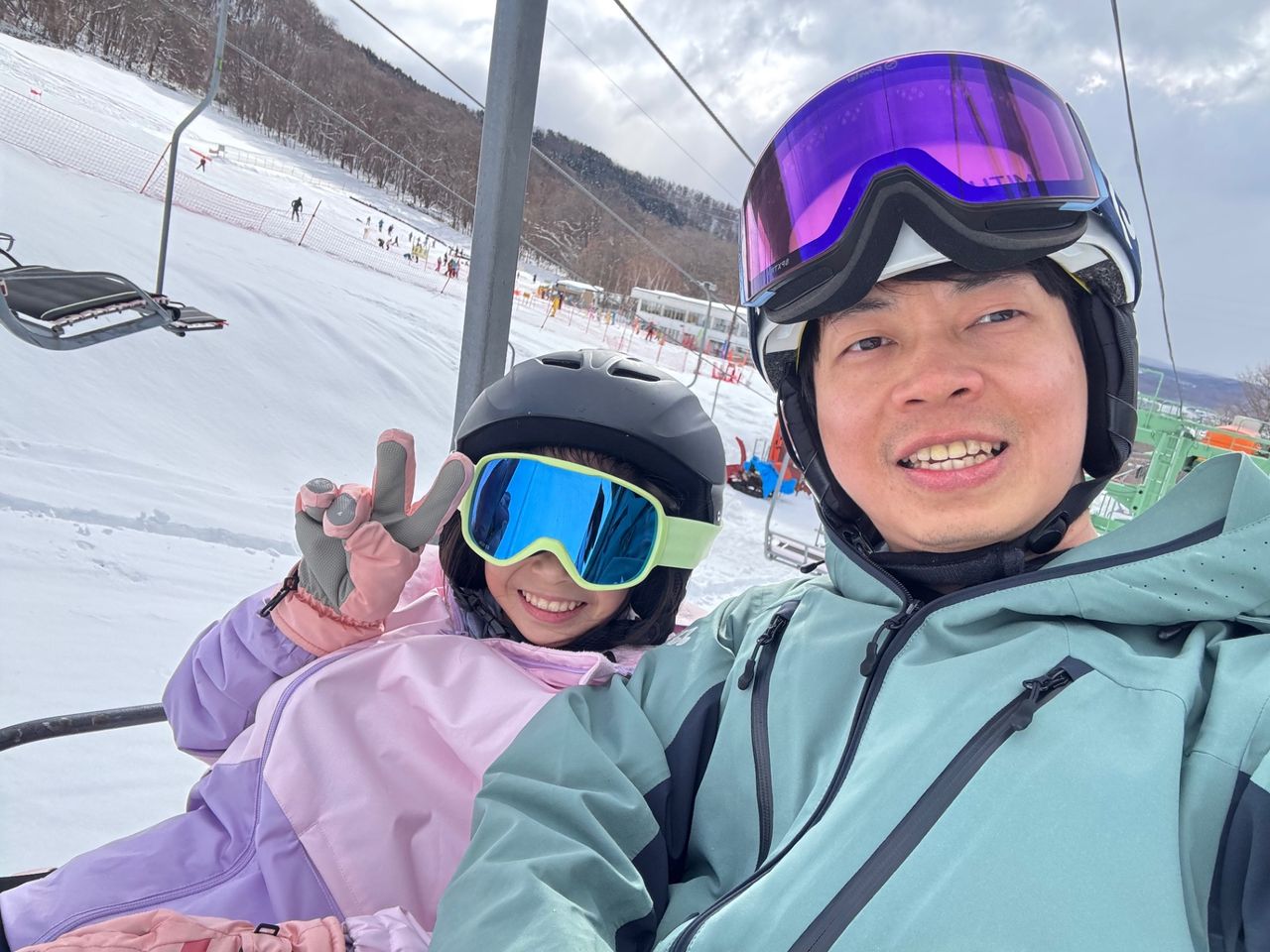
For families, Rusutsu also has a dedicated Kids Ski School, where instructors use games to get children familiar with the snow and practice on gentle slopes within a safe area, so parents can confidently leave their children with the professional team and take on other runs themselves.
Gear Rental: Snowboards, Boots and Full Outfits All in One Place
The Rental Shop in Rusutsu Resort offers full rentals from entry-level to advanced skis, snowboards, boots, helmets and ski jackets and pants. An adult ski set starts at about ¥9,700 per day, with jackets and helmets extra, and actual prices follow the official website.
You can also check rental plans in advance on KKday or Klook, which saves time filling in forms and choosing sizes on site. Content and prices follow each platform’s page.
Peak season (late December to February) is busy for rentals, so for special sizes such as large children or large adult sizes, we suggest confirming stock in advance.
Night Skiing Packages: A Romantic Add-On Beyond Daytime Lessons
Some Rusutsu runs open for night skiing in certain seasons, from 16:00 to 20:00 (last lift 19:45), with prices following the official website. The lights on the slopes at night create a special atmosphere, and with fewer people than in the daytime, it suits couples or ski fans who want to avoid queues.
Because only a few runs open for night skiing and temperatures drop noticeably, we suggest checking that week’s night-skiing routes and the weather forecast in advance and renting warm gloves and hand warmers for both safety and quality of experience. If you plan to ski again the next day, also watch your energy so that too much night skiing doesn’t affect the next day.
Where to Stay Near Rusutsu: Suggested Lodging

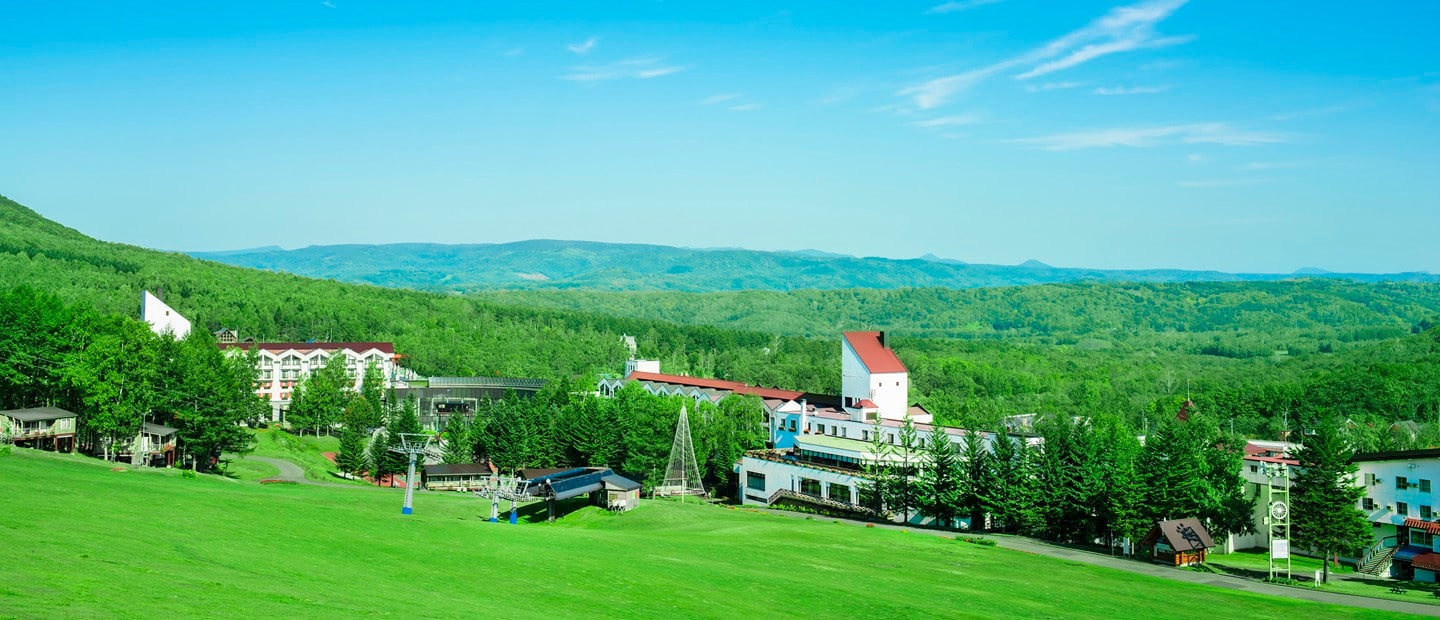
Rusutsu’s Three Resort-Run Hotels: Ski-in/Ski-out Is Most Convenient
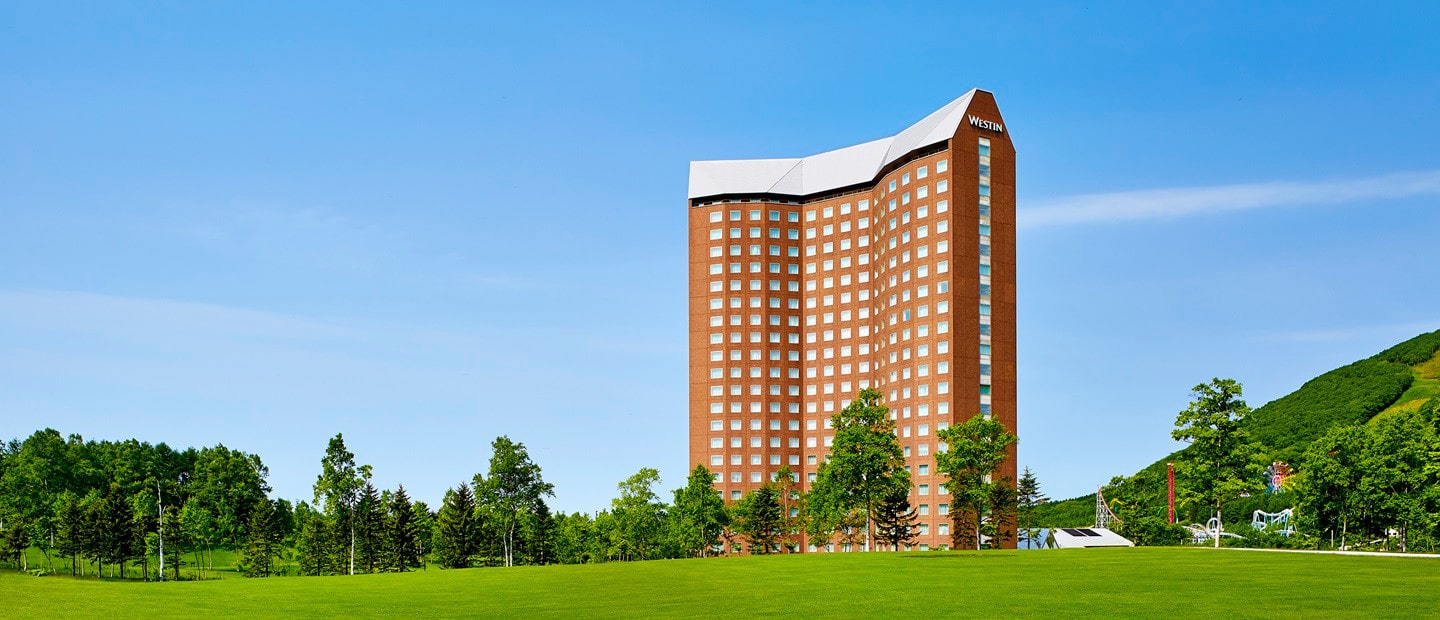
Rusutsu has only three resort-run hotels: Rusutsu Resort Hotel & Convention (split into North and South wings, the best equipped, with direct access to the indoor shopping street and hot springs), The Westin Rusutsu Resort (high-ceilinged multi-level suites, reached by a monorail train to the main building and the slopes), and The Vale Rusutsu (the newest luxury apartment-style lodging with high-end kitchens, suited to families or large groups staying long term). All three hotels are ski-in/ski-out, so you step straight onto the snow with no extra shuttle.
Rusutsu Lodging Booking Timeline and Accommodation Guide
For peak periods such as New Year and Lunar New Year, plan your lodging early and watch the winter lodging deals announced on the Rusutsu official website (rusutsu.com). To compare room rates, room types and transport details more fully, see the dedicated lodging guide for Rusutsu Resort.
FAQ
Q: How much are lift tickets at Rusutsu?
The 2026/27 season uses time-and-day ticketing, and point tickets are still sold (¥800 per point, deducting 1 to 3 points depending on the lift type). For multi-day trips the 25-hour lift ticket is the best value, and Epic Pass holders can redeem 5 consecutive days of tickets.
Q: What is the easiest way to get to Rusutsu?
From New Chitose Airport or Sapporo, the BIGRUNS bus or the Rusutsu Go shuttle bus is the easiest, taking about 1.5 to 2 hours. Beginners are advised not to drive in winter.
Q: What are Rusutsu’s opening hours? How late is night skiing?
Regular hours are 9 a.m. to 4 p.m. (extended to 17:00 at the start of the season and on March 31), and there is no night skiing in the early season. Night skiing runs from about mid-December to the end of March, usually until 20:00 on West Mountain and until 21:00 in some months.
Q: When is the best season to ski at Rusutsu?
The 2026/27 operating period is December 19, 2026 to March 31, 2027, with early January to late February having the most stable snowfall and the driest snow, widely regarded as the best window of the season.
Q: Is Rusutsu suitable for beginners?
Very much so. West Mountain’s runs are gentle, with magic carpets and a kids park, and Chinese-language instruction is available, so beginners can confidently start from zero.
Q: Which is better, Rusutsu or Niseko? How do I get between them?
Rusutsu has smaller crowds, better powder and a simpler layout, while Niseko has a livelier town and nightlife. There is a paid shuttle bus between the two (departing from Niseko only), taking about 45 minutes.
Q: Does Rusutsu accept the Epic Pass?
Yes. With an Epic Pass or Epic Local Pass you can redeem 5 consecutive days of lift tickets directly at the resort ticket office, with no need to buy separately.