
2026 Asahikawa Kitasaito Garden Guide: A Free Urban Oasis Right at the Station
Asahikawa Kitasaito Garden connects directly to the south exit of JR Asahikawa Station, only a 3 to 5 minute walk away, with free admission, making it a rare “station is the attraction” urban garden in Hokkaido and a good fit for a layover or a half-day in the city. According to Asahikawa City, the garden grounds can be entered at any time, while the management building, the Garden Center, is open 9:00-18:00 (until 17:00 from November to April) and closed on Mondays.
The garden’s official name is Asahikawa Kitasaito Garden (あさひかわ北彩都ガーデン), managed by the Asahikawa Parks and Greenery Association. It covers about 12 hectares, stretching from the south side of Asahikawa Station to the banks of the Chuubetsu River. In Chinese-language sources it is often called “Kitasaito Park” or “Asahikawa Kitasaito Park,” which refer to the same place.
Free Admission and a Direct Link to the Station: A Rare Urban Oasis
Kitasaito Garden’s biggest selling point is “zero cost, zero distance.” From the south exit of JR Asahikawa Station, you step onto a flat, barrier-free path that leads right into the garden, with no extra transport needed, which is quite rare among Hokkaido’s nature-focused attractions. The garden is open all year with no admission fee, so it fits easily into a trip whether you have a gap between trains or plan a dedicated half-day.
The grounds extend about 500 meters east along the Chuubetsu River, with views of the Daisetsuzan mountain range in the distance, combining majestic natural scenery with the convenience of the city. It is an important place for locals’ daily walks, jogging and family activities, and visitors and residents share the same green space.
Award-Winning Design and the Yukariori Motif: A Garden Interpretation of Hokkaido Craft
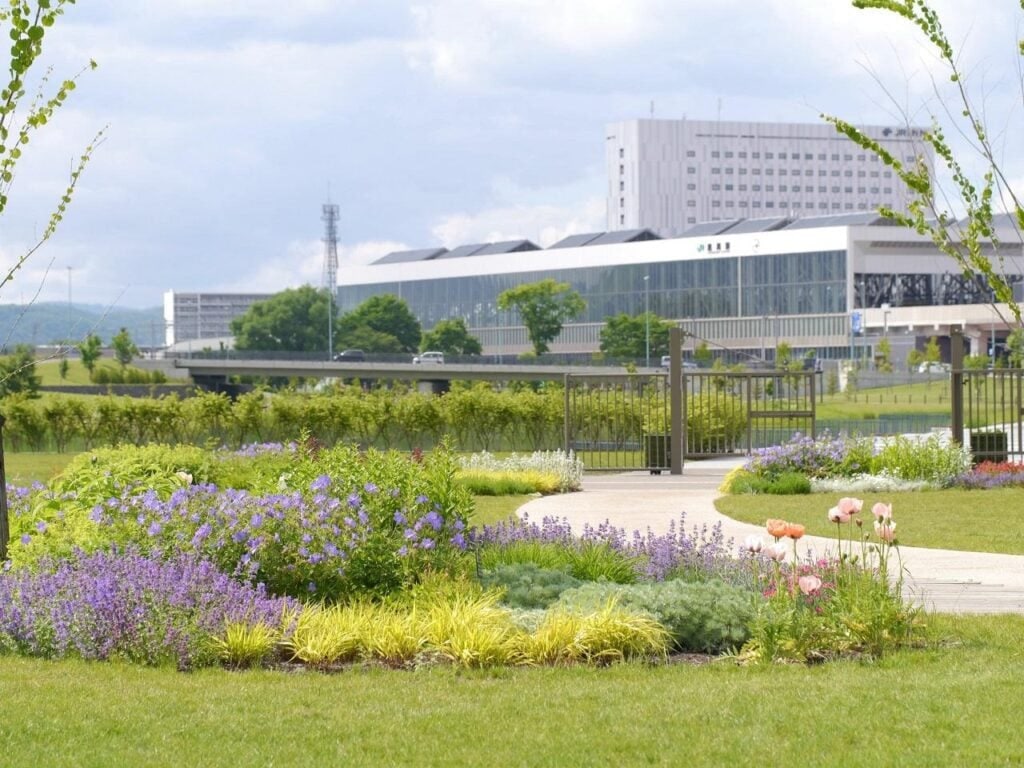
In 2017, Kitasaito Garden won the top prize in the “Culture and Urban Landscape” category of the IFLA Asia-Pacific Landscape Architecture Awards. The overall plan takes inspiration from the vivid colors of Asahikawa’s traditional dyeing and weaving craft, Yukariori, using layers of flower color and the flow of the paths to recreate the visual rhythm of a textile.
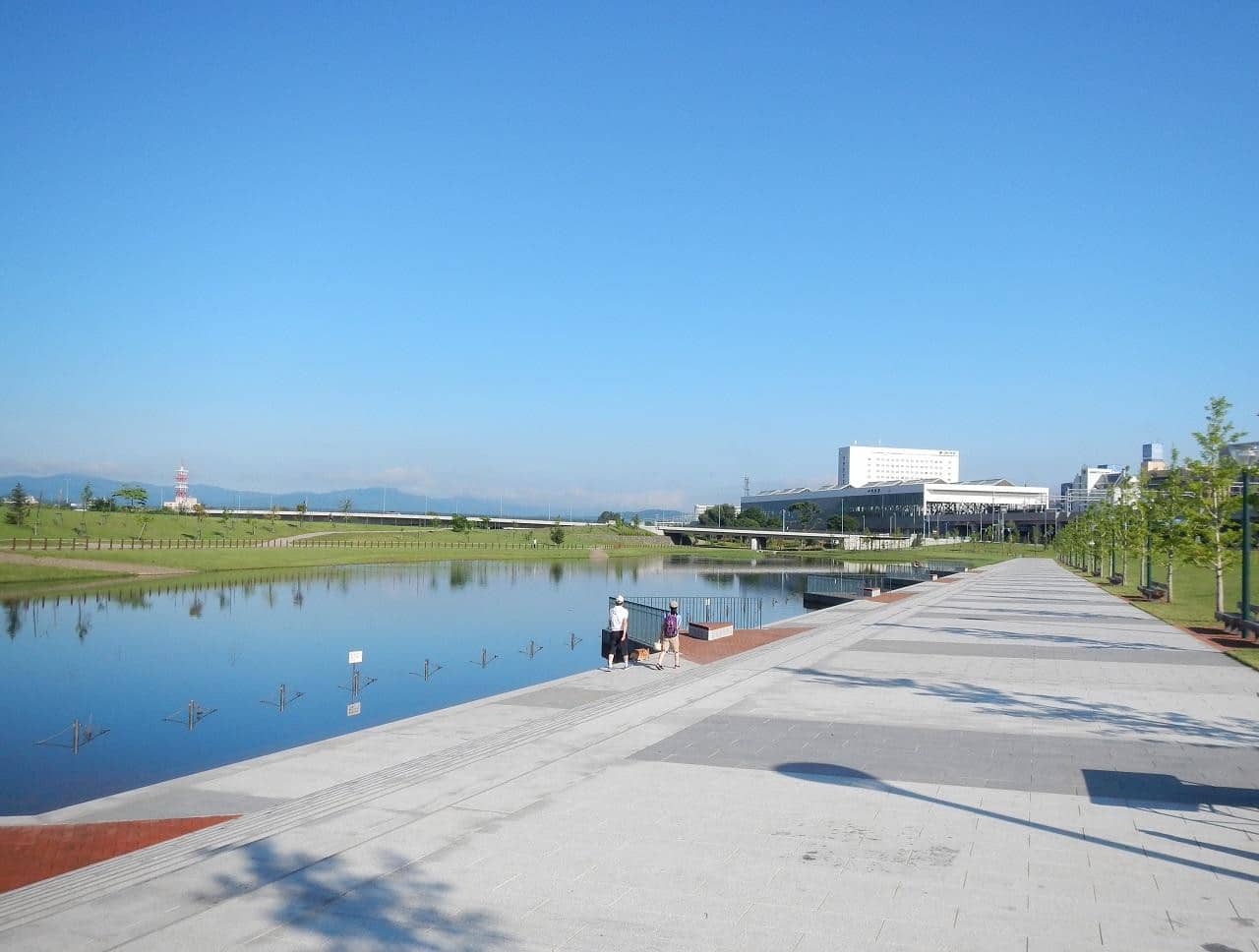
The reflection in Kagami-ike pond at dusk is a scene that photography fans aim for.
Nature’s Feast in Every Season: From Tulips to a Sea of Winter Lights
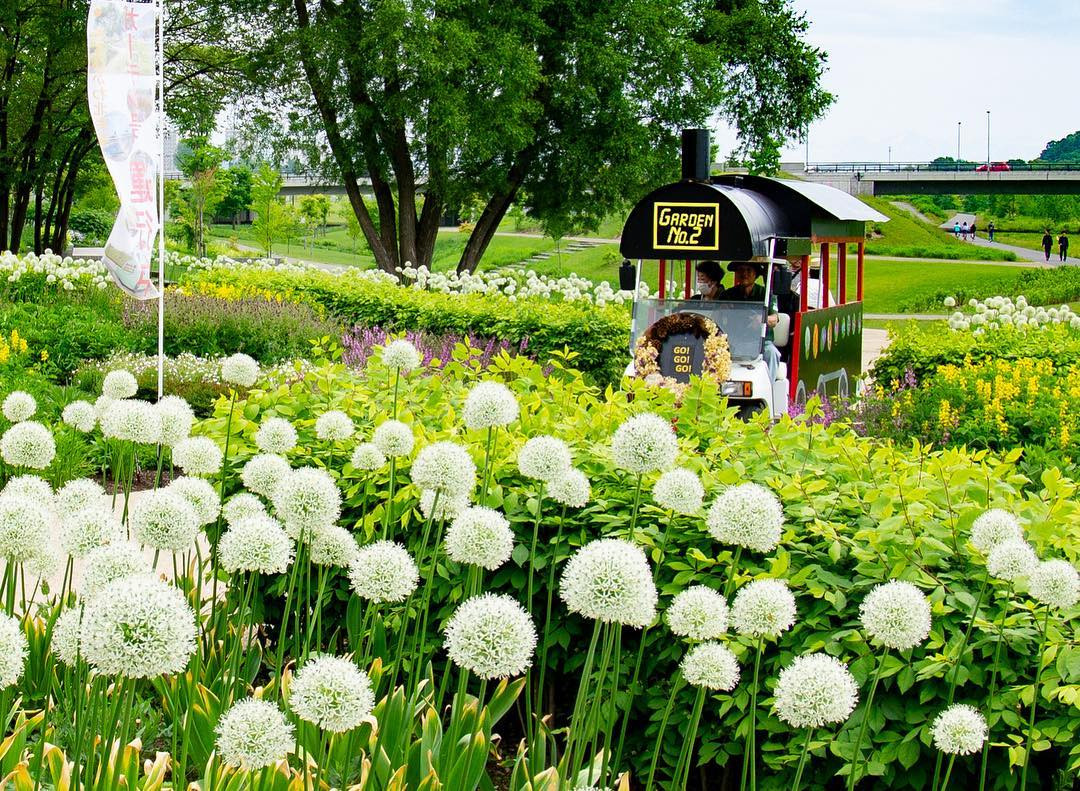
The garden grows about 300 kinds of flowering plants, roughly 80,000 flowers, trees and perennials in all. From daffodils and tulips in early spring to sunflowers and lavender-type herbs in summer, then chrysanthemums and distant autumn colors, and snow scenes and illumination events in winter, each season has a different theme, so repeat visits never feel monotonous.
For travelers planning an independent trip around Asahikawa, Hokkaido, Kitasaito Garden can serve as a stopover linking sights such as Asahiyama Zoo and Asahikawa Ramen Village. Whether it is an afternoon stroll on the day you arrive or the last stop before leaving Asahikawa, it fits smoothly into your itinerary.
How to Get to Asahikawa Kitasaito Garden in 2026: Transport and Parking Fees at a Glance
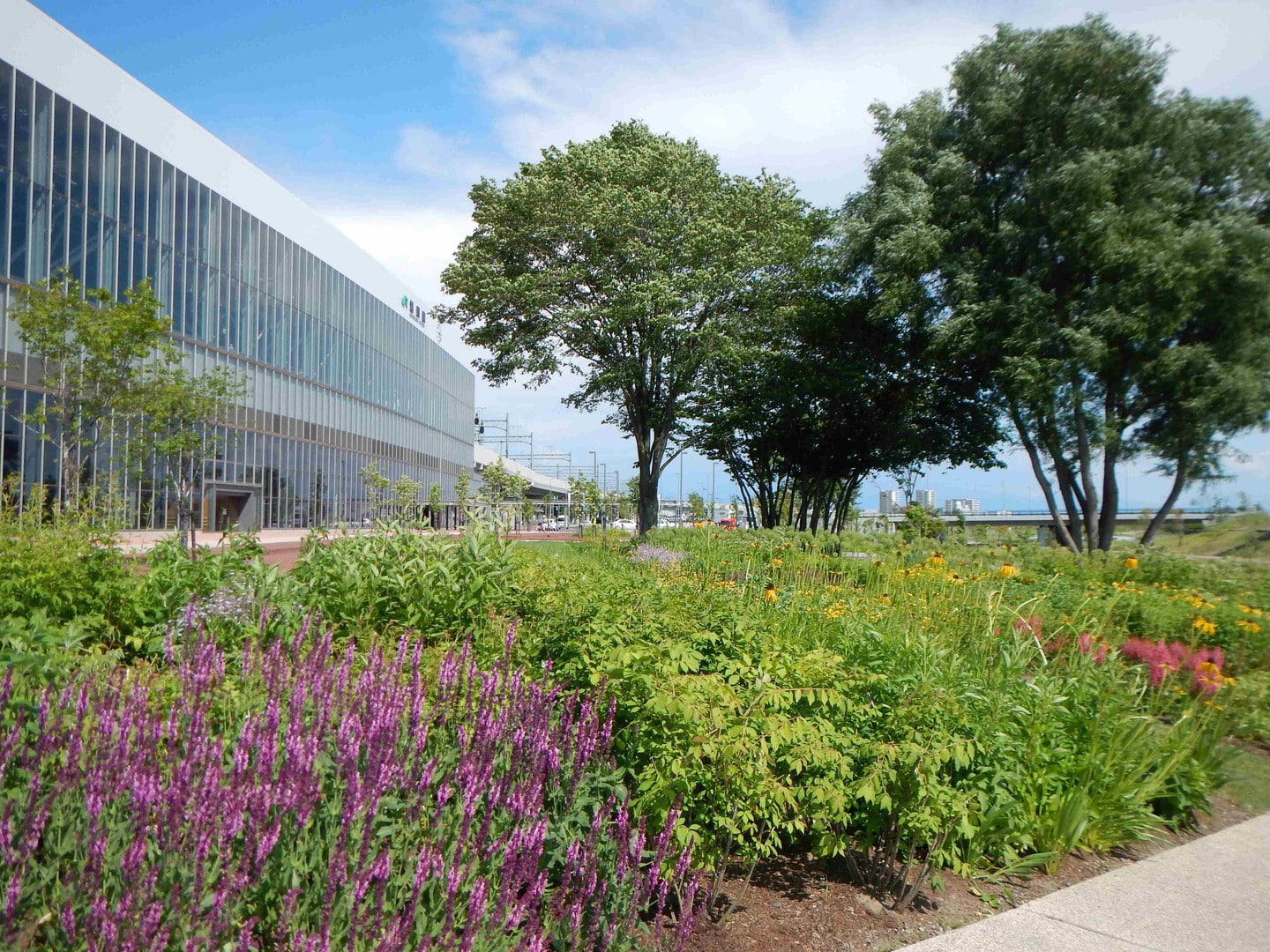
From the south exit of JR Asahikawa Station you reach the garden entrance directly, making it a sight in the city that requires no long walk.
How to Get to Asahikawa Kitasaito Garden: Transport at a Glance
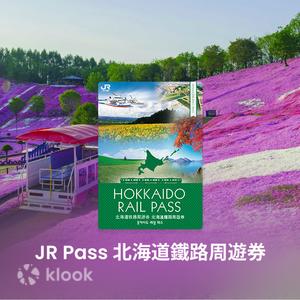
Walking from JR Asahikawa Station: About 3-5 minutes along the barrier-free path from the south exit. This is the most recommended way, with no transfers needed.City bus: Take a bus from Asahikawa Airport or the city to Asahikawa Station; routes and fares are as announced by the bus operator.Driving: The Garden Center has a free parking lot for 53 cars, but it is open only during the center’s opening hours (locked after closing and over the New Year period). You can also use the paid parking lot at the station forecourt (88 spaces); in peak season, arrive early.Hokkaido JR Pass: If you plan to take the Limited Express “Kamui” or “Lilac” from Sapporo or elsewhere to Asahikawa (about 1.5 hours), the Hokkaido JR Pass covers the ride directly, suiting travelers planning a multi-day tour of Hokkaido.




What Are the Must-See Sights at Asahikawa Kitasaito Garden in 2026? Garden Zones and Nearby Attractions
Below, in order of importance, are the three core zones in the garden and the must-visit sights nearby.
AUNE Plaza: The Yukariori Colors of the Welcoming Entrance
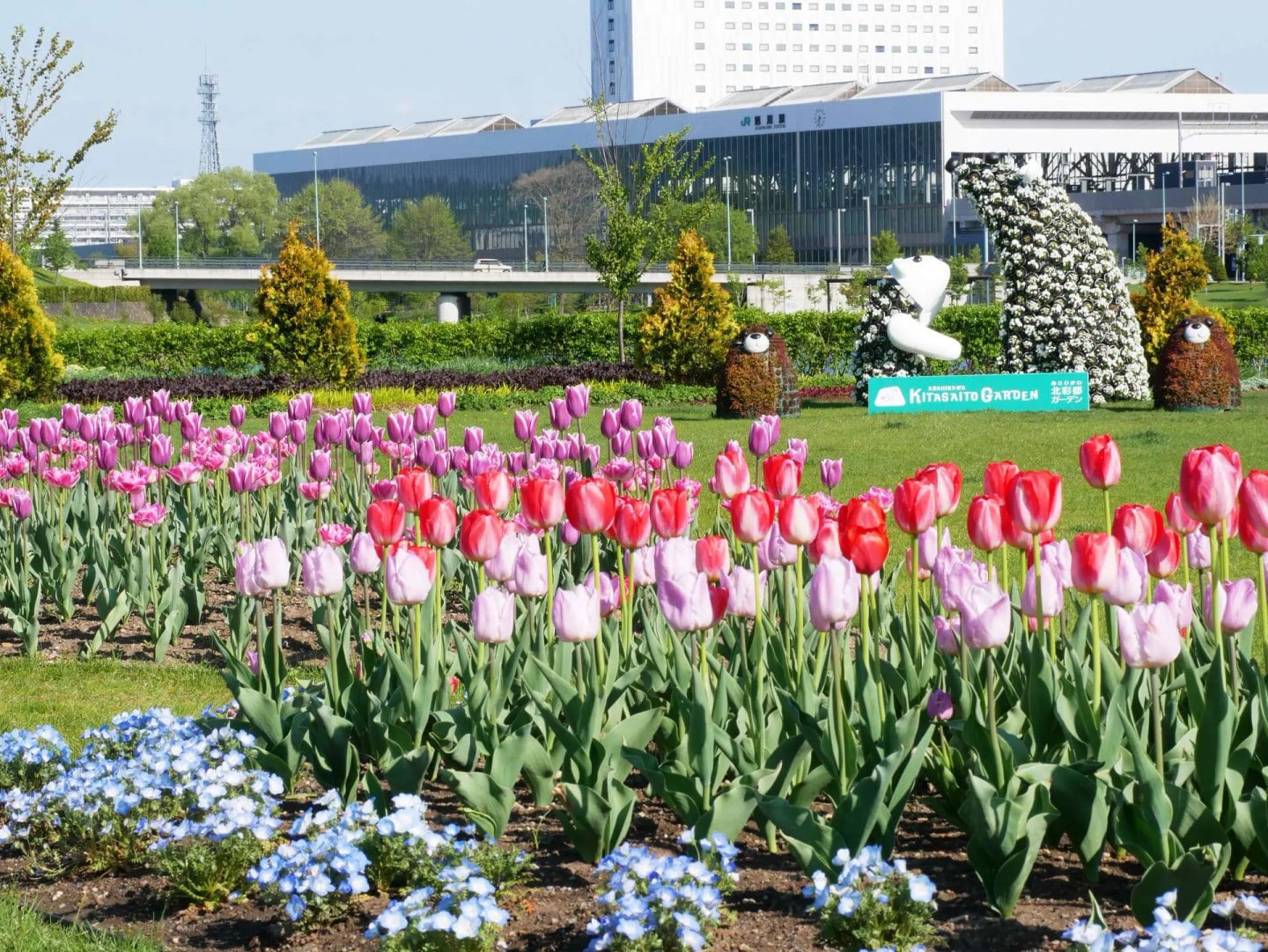
AUNE Plaza (アウネの広場) is right next to the south exit of JR Asahikawa Station. It is the first area you see after entering the garden and the face of the whole garden. The plaza takes its design inspiration from the colorful hues of Asahikawa’s traditional craft Yukariori, with many perennials and daffodils planted alongside open lawns and paths, creating a first impression like a welcoming plaza.
It is also a frequent venue for summer markets and local events, and is open all year with no admission fee. We suggest starting your garden stroll here as the first stop on arriving in Asahikawa, and taking a souvenir photo with the station building as the backdrop.

Kagami-ike Promenade: A Stunning Waterscape Reflecting the Sky and Sunset
The Kagami-ike Promenade (鏡池プロムナード) is the walking path linking AUNE Plaza and the Shinjin Forest. The “Kagami-ike” pond at its center is as calm as a mirror and fully reflects the sky, white clouds and sunset, the garden’s acknowledged best photo spot.
We suggest coming on a windless early morning or before the “blue hour” at dusk, when the water is calmest and the light softest. Shooting against the light lets you use the mirror reflection to create a symmetrical composition with a compressed sense of space, a viewpoint photography fans should not miss.
Shinjin Forest: The Herb Garden and the Kitasaito Garden Shop
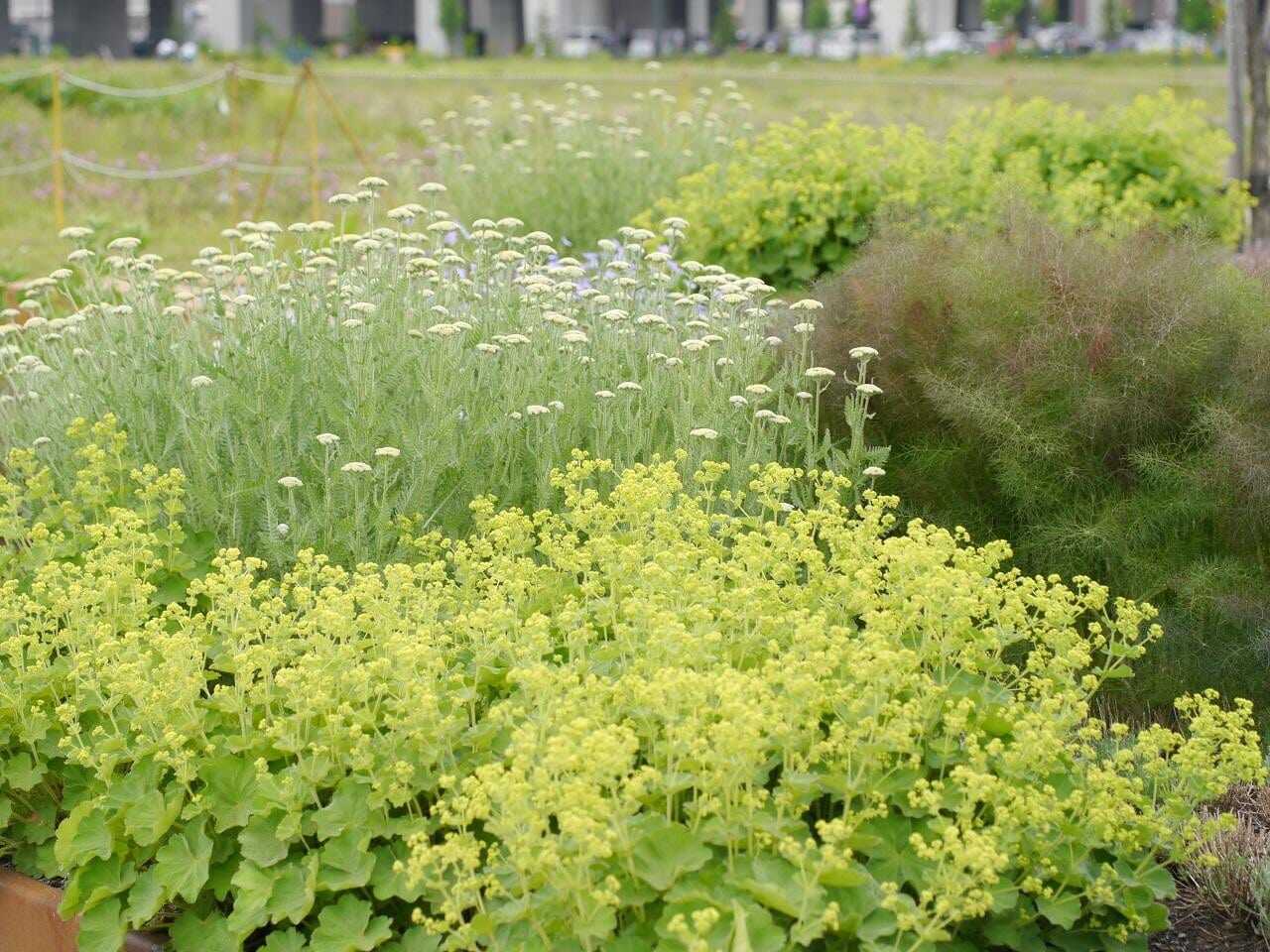
The Shinjin Forest has an herb garden, a vegetable garden and an ecological island, with rich layers of greenery that give the feel of a miniature forest as you stroll. The “Kitasaito Garden Center” in the zone is the garden’s only place to shop and rest.
The Garden Center offers light snacks such as soft serve ice cream, which is sold seasonally, a place to rest and recharge after touring the garden.
Kitasaito Bridge: A Viewpoint Overlooking the Whole Garden
Kitasaito Bridge spans the grounds and is the best spot for overlooking the whole garden, the Chuubetsu River and the grand scenery of the Daisetsuzan range in the distance. Many visitors make a point of walking onto the bridge to photograph the garden panorama.
In spring and summer you can look out from the bridge over layers of color in the tulip and sunflower fields, while in autumn you can see in the distance the Daisetsuzan peaks with lingering snow and red leaves woven together. We suggest coming near the end of your garden stroll as a visual summary of the whole trip.
Hyoten Bridge: The Bridge East of Asahikawa Station Crossing the Chuubetsu River
Hyoten Bridge is east of JR Asahikawa Station and crosses the Chuubetsu River. Crossing it toward Kagura, you come to the “Foreign Tree Species Sample Forest,” the setting of Ayako Miura’s novel “Freezing Point” (Hyoten).
The garden is on the right bank of the Chuubetsu River and can be entered on foot from the south exit of Asahikawa Station; walking on to the area around Hyoten Bridge lets you combine the riverside scenery with a garden stroll.
Kitasaito Garden in Winter: Snow Scenes and Illumination
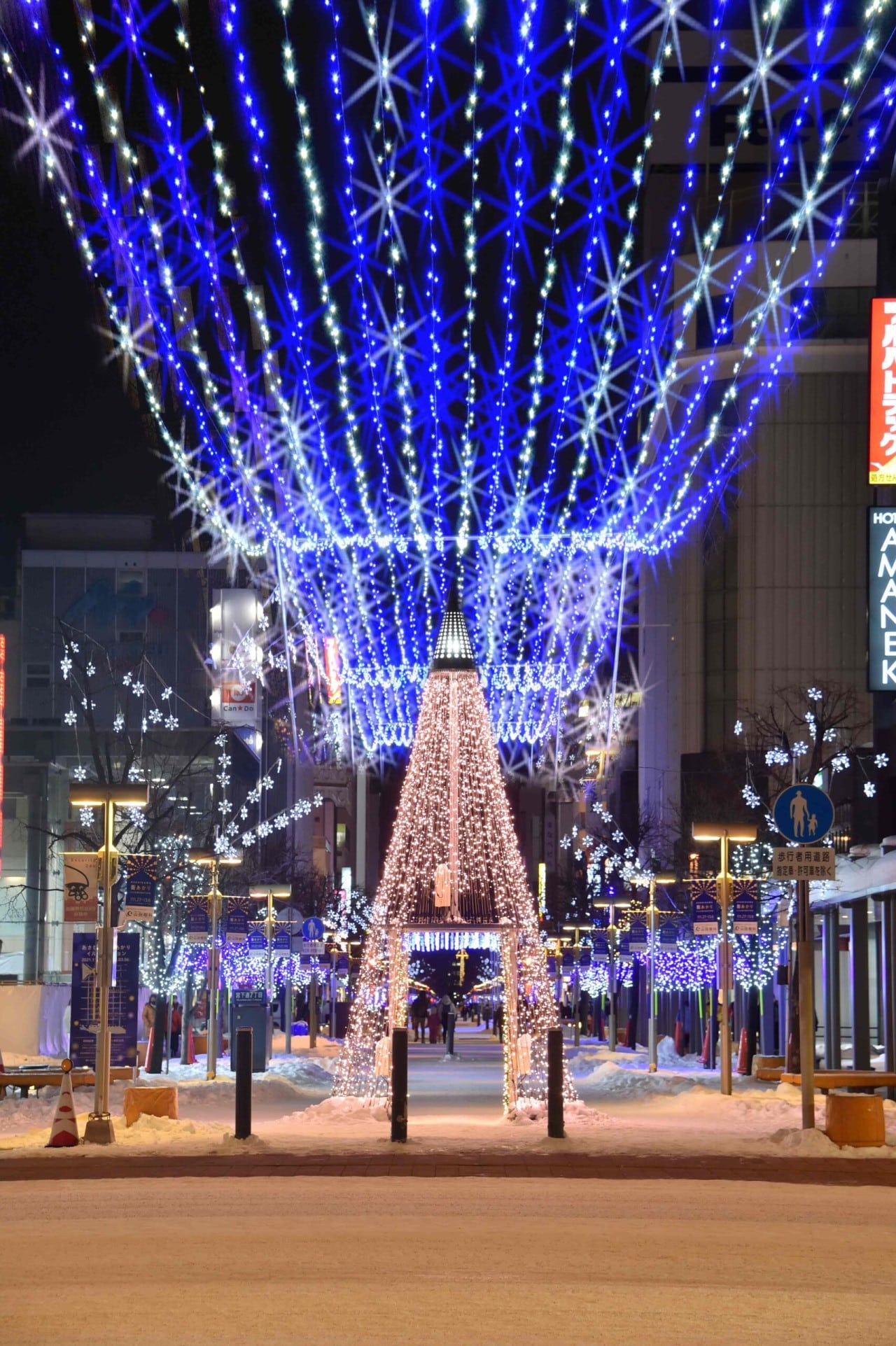
In winter (November to April) the grounds can still be entered for a walk, and the Garden Center is open until 17:00. The garden holds illumination and snow-scene displays in winter; for actual dates and details, please check the garden’s official website and social media announcements.
Paths are slippery when snow and ice build up, so we suggest wearing non-slip shoes and taking your time. The Garden Center is closed every Monday and from December 30 to January 4.
Asahiyama Zoo: Japan’s Popular Zoo Known for “Behavioral Exhibits”
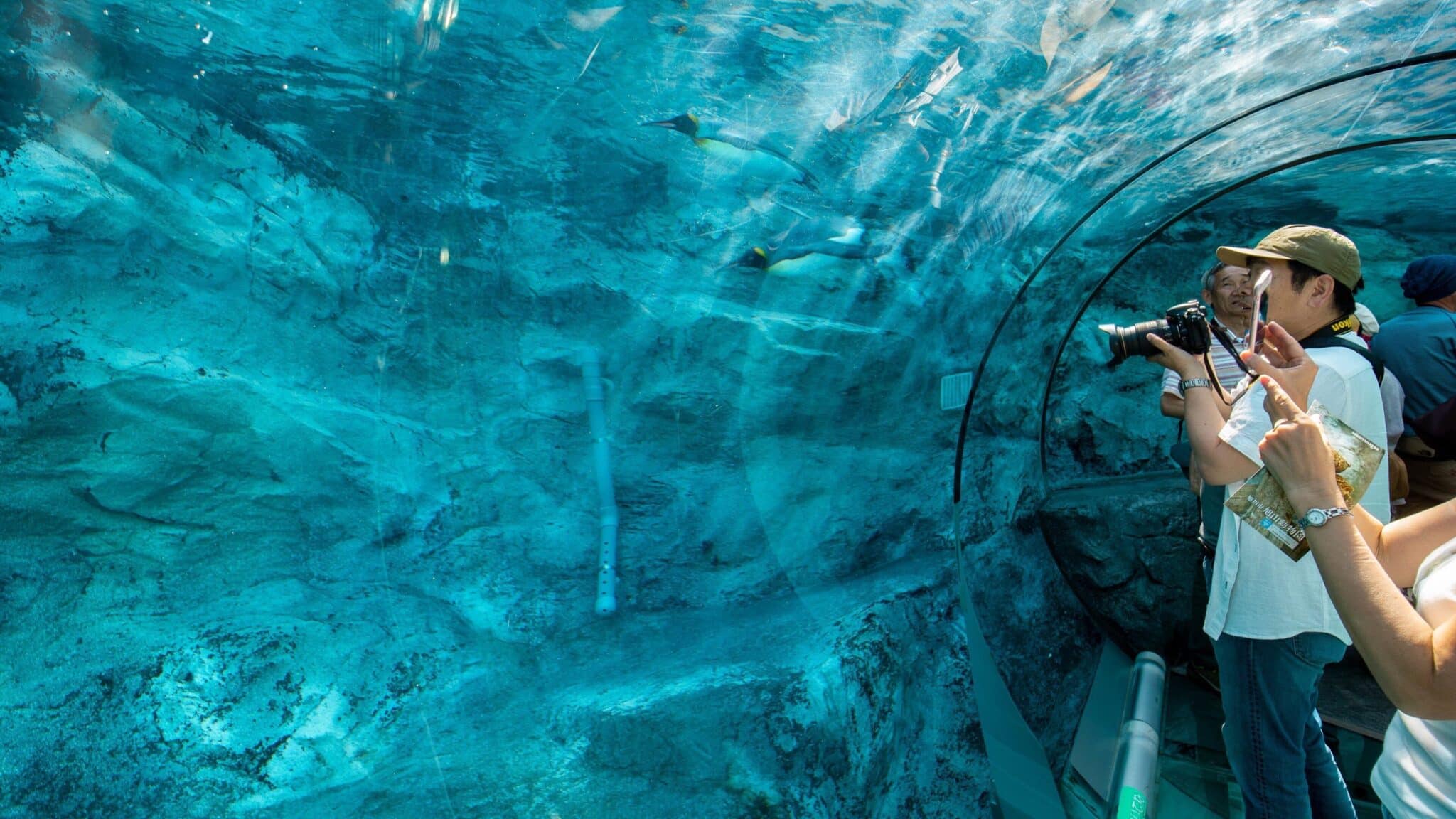
Asahiyama Zoo is Asahikawa’s most iconic tourist landmark, known for breaking with tradition through its “behavioral exhibits,” which let visitors observe animals’ natural behavior up close, such as penguins swimming underwater and polar bears diving. The zoo has closure periods, so check the official opening calendar before you go. We suggest entering before 10 a.m. to avoid the crowds and catch the animals at their most active.
From JR Asahikawa Station you can take a bus bound for “Asahiyama Zoo” directly, a ride of about 40 minutes, a perfect complement to Kitasaito Garden on a day trip around Asahikawa.

![[Official Sales] Asahiyama Zoo Tickets (Asahikawa, Hokkaido)](https://travel.williamlion.tw/wp-content/uploads/sites/7/2026/08/image-621.jpg)
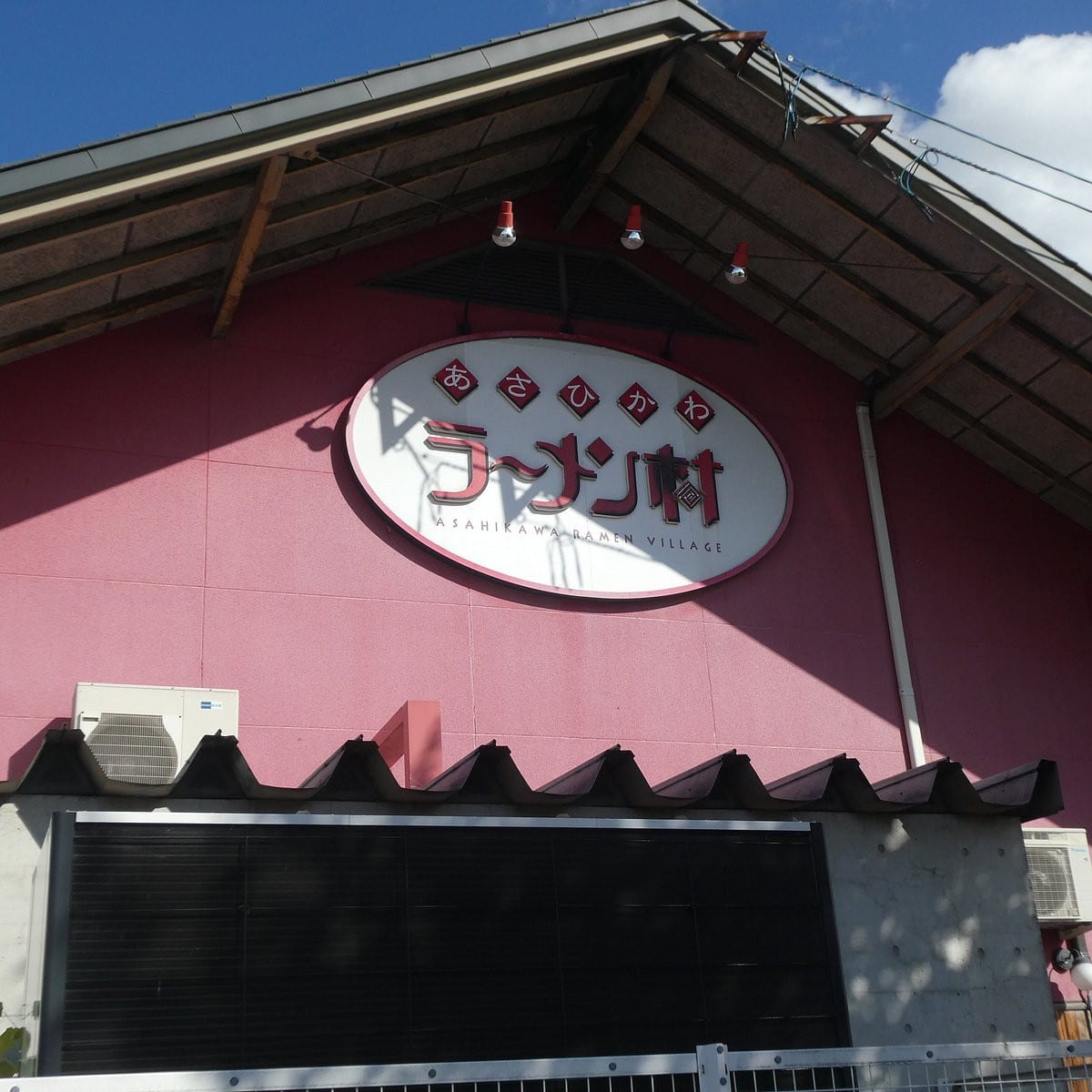
Asahikawa Ramen Village: Eight Popular Ramen Shops Under One Roof
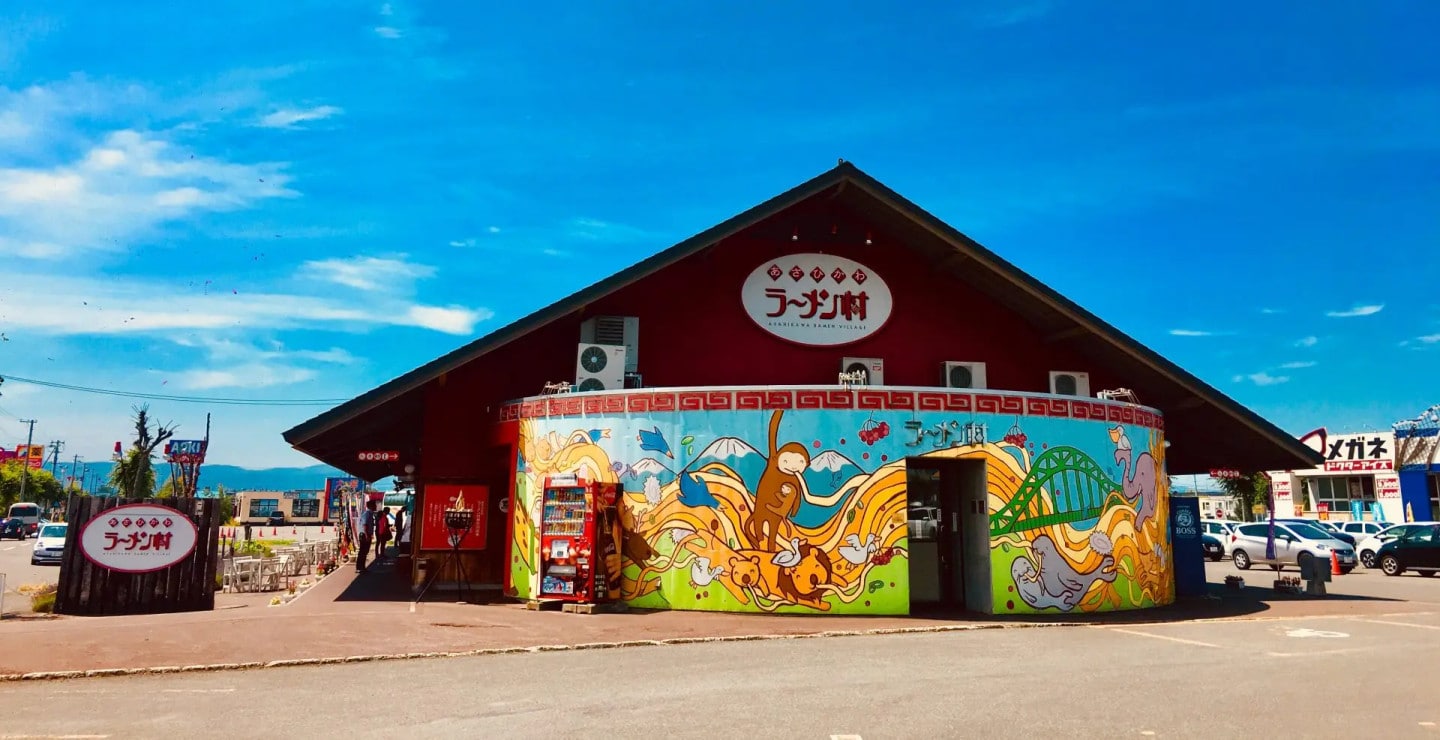
Asahikawa Ramen Village brings together several of Asahikawa’s signature ramen shops, such as Baikohken, Santouka and Hachiya. Visitors can taste the signature ramen of different shops in one venue, saving time searching for them separately, a must-visit for food-loving travelers in Asahikawa.
Inside there is also a small “Ramen Shrine,” where worshiping is said to bring good luck in love and relationships, which is great fun. We suggest avoiding the noon lunch rush to avoid a long wait in line.
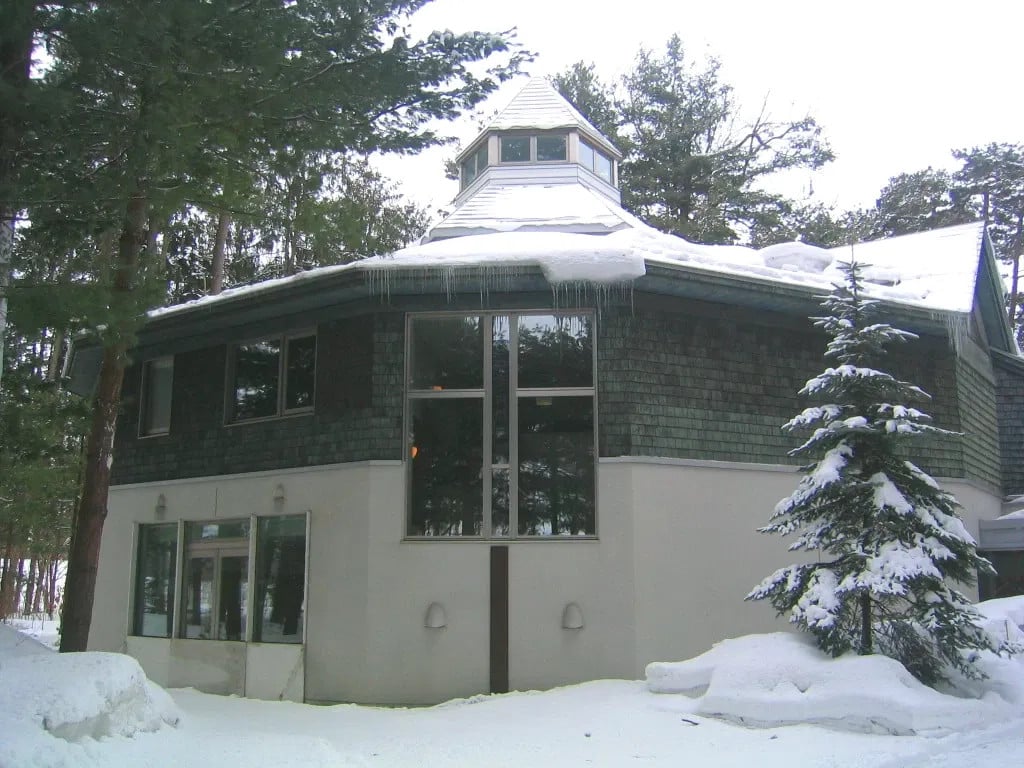
Ayako Miura Literature Museum: Asahikawa Memories in Japanese Letters
The Ayako Miura Literature Museum commemorates the famous writer Ayako Miura, a native of Asahikawa. It displays her manuscripts, letters and life story, and the exhibits help you understand how she used Asahikawa’s climate and landscape as a backdrop to write well-loved works such as “Freezing Point.”
The building itself uses a lot of wood and natural light, creating a quiet and pleasant environment, and there are walking paths outside as well. It suits travelers who love literature or want to slow down and get to know Asahikawa better, with a visit of about an hour.
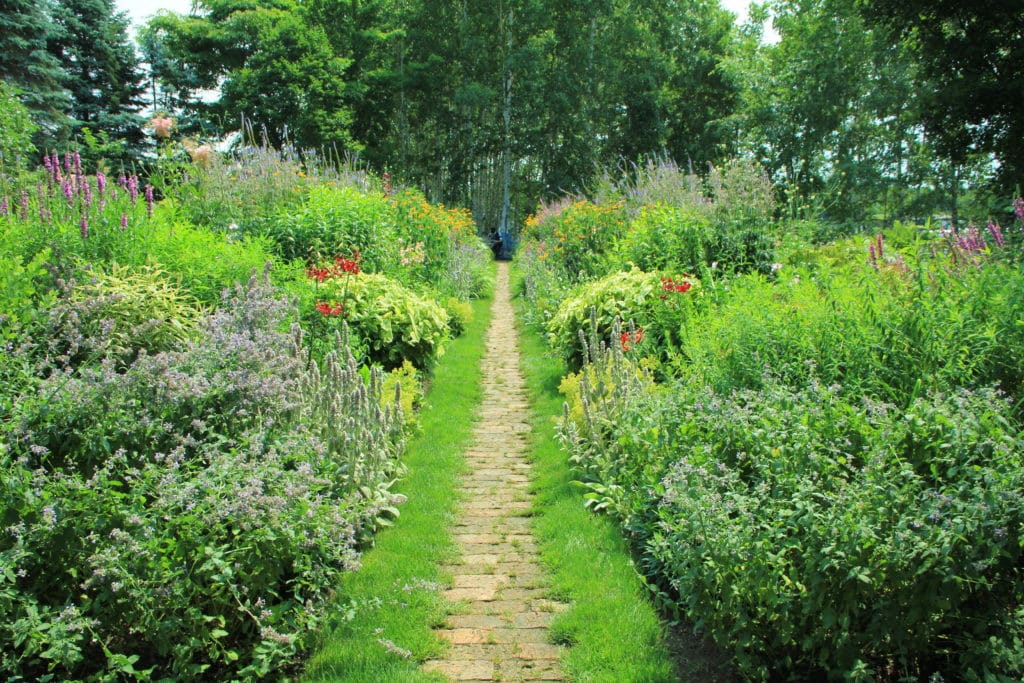
Uenofarm: A Private Farm Garden Known as a “Dramatic Garden”
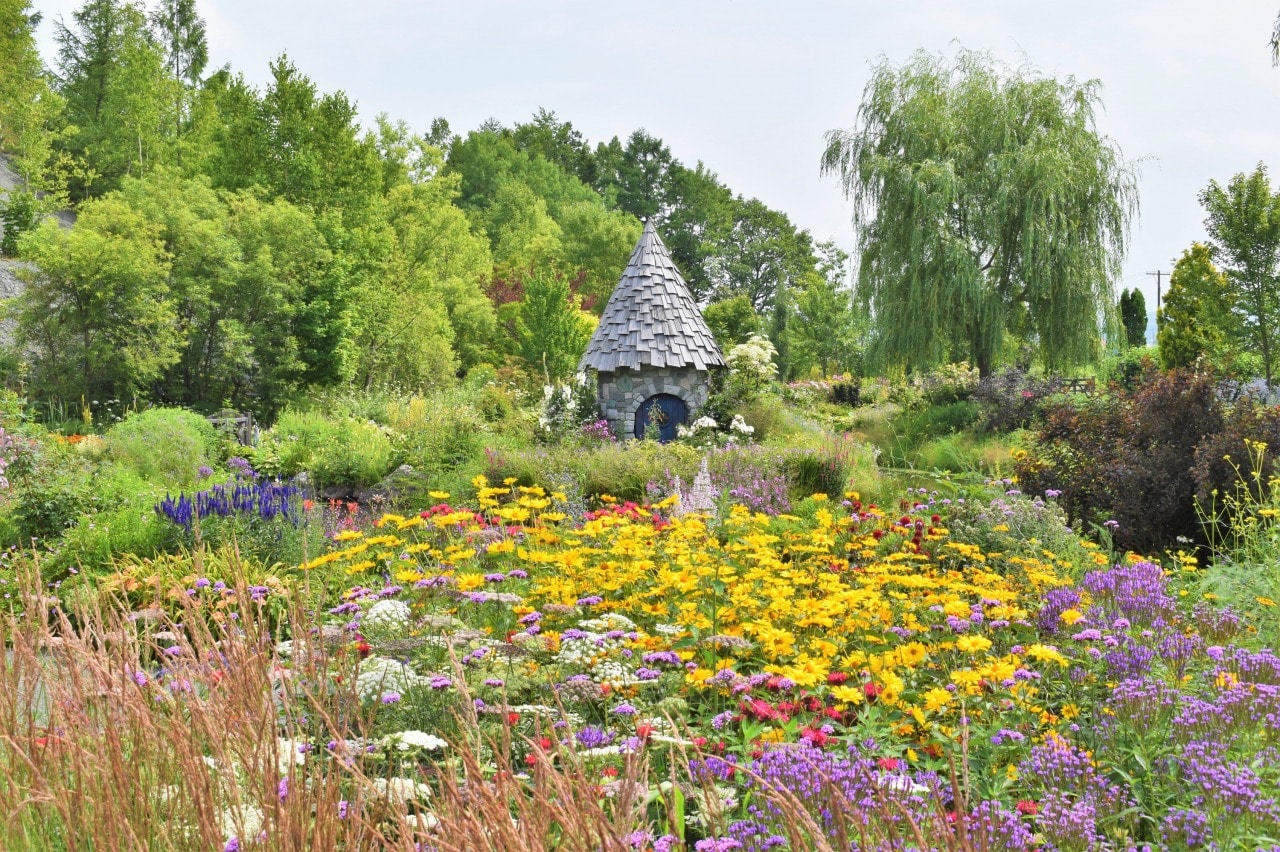
Uenofarm is a well-known private garden in Hokkaido, famous for its naturalistic flower design that changes with the seasons and known as a “dramatic garden.” Its winding paths and richly layered flowers make an interesting contrast with Kitasaito Garden’s tidy urban green space, and it suits travelers who love gardening and photography with a half-day visit.
Admission is ¥1,200 for adults, ¥500 for junior high school students, and free for elementary school students and younger. The 2026 open period is April 17 to October 18, with hours of 10:00-17:00, closed in winter.
Asahikawa Science Center: An Interactive Science Museum for Families
The Asahikawa Science Center has many interactive exhibits, including experiences such as “Moon Jump,” which simulates lunar gravity, and holds woodworking classes from time to time, a great place for families to pass a rainy or hot day in Asahikawa.
It is open 9:30-17:00 (last entry 16:30) and closed on Mondays. Admission fees are changing from October 1, 2026, so please check the Asahikawa Science Center’s official website for fees. The exhibits are easy to understand, so even foreign visitors who do not speak Japanese can easily grasp the science through the interactive devices.

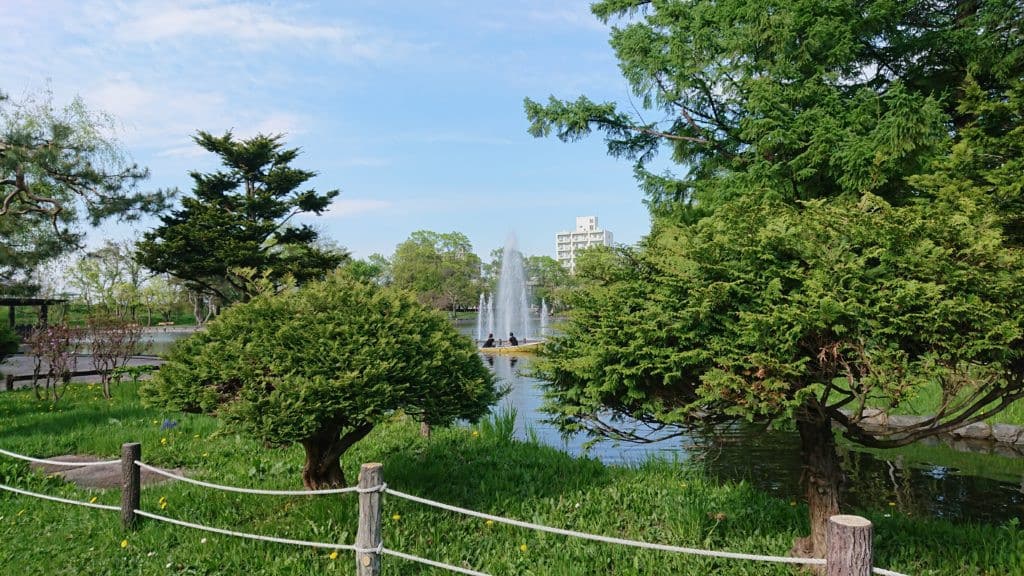
Tokiwa Park: The Everyday Green Retreat of Asahikawa Residents
Tokiwa Park is a long-established public park in Asahikawa with a pond, paths and large lawns, with a different look in each season, and the scenery in autumn leaf season is especially charming. It is a popular spot for locals to stroll and picnic on weekends.
The park is open all year and free to enter, near cultural facilities such as the Asahikawa Civic Hall and the Hokkaido Asahikawa Museum of Art, and suits a half-day spent feeling the local pace of Asahikawa life, strolling slowly without rushing.
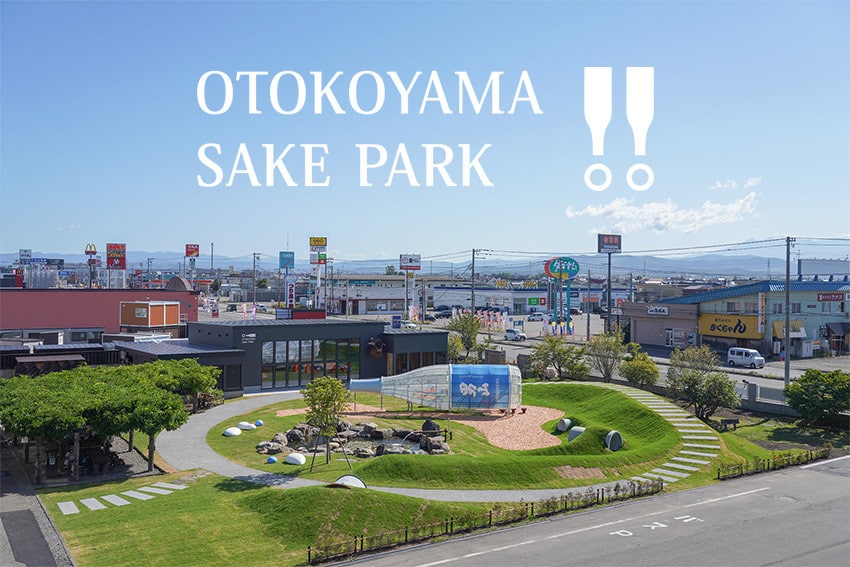
Otokoyama Brewery: Sake Brewed with Daisetsuzan Underground Water
Otokoyama Brewery is a long-established sake brewery in Asahikawa that brews well-known sake brands such as “Kokushi Musou” using underground water from Daisetsuzan. Admission to the museum is free, and the first floor has a free tasting and sales area where you can learn about the sake-brewing process and sample several kinds of sake on the spot.
The brewery also sells limited-edition sake and goods, suiting travelers who love sake culture or want to pick out souvenirs. Some exhibit areas have explanations in Chinese and English, making it easy for foreign visitors to understand the brewing process and history.
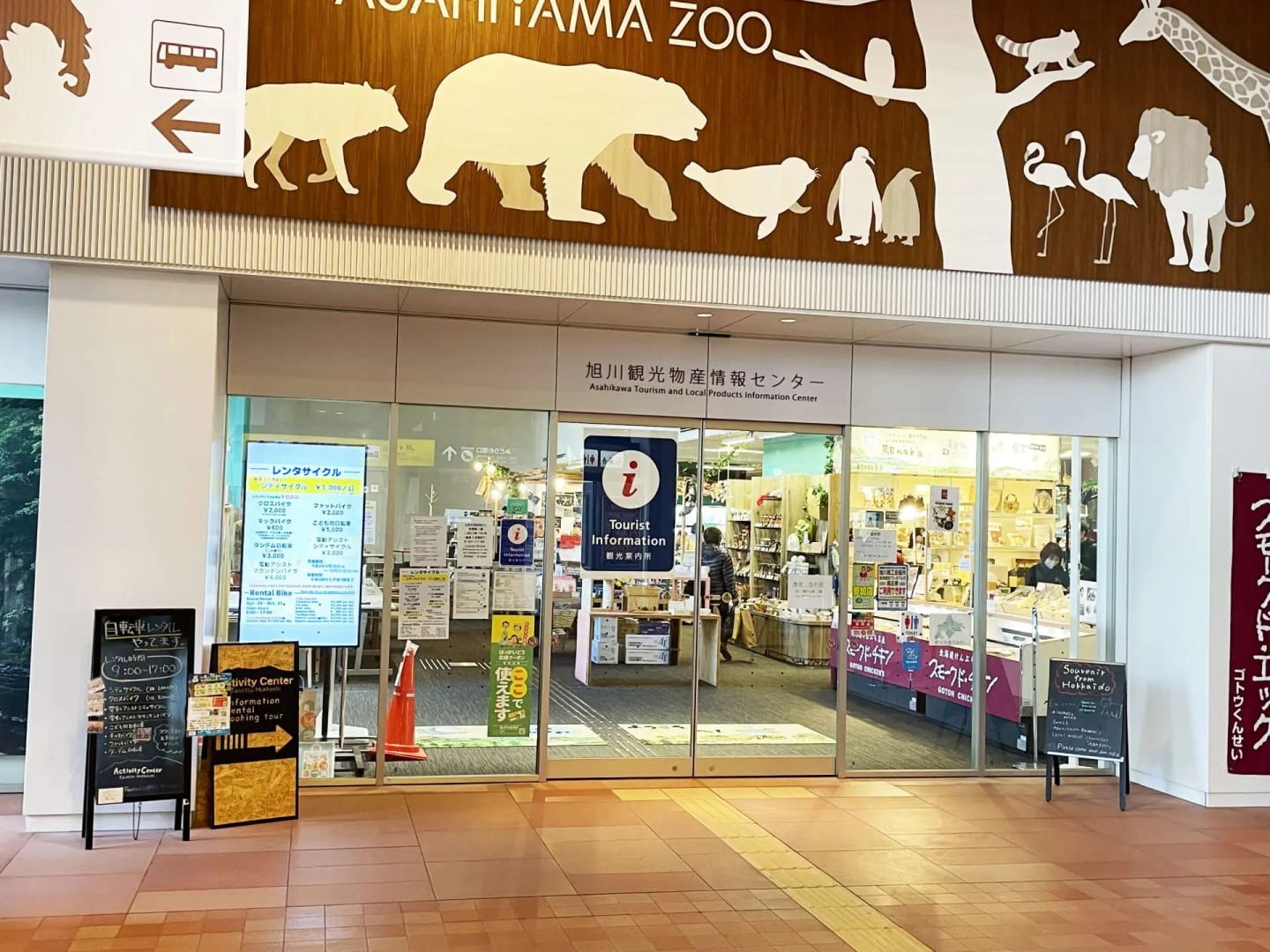
Asahikawa Tourism and Local Products Information Center: Local Souvenirs Inside the Station
The Asahikawa Tourism and Local Products Information Center is in the East Concourse of JR Asahikawa Station (8-3-1 Miyashita-dori, Asahikawa). Besides tourist information, it has a sales area for local products of the Doboku region called “Eki Naka” (9:00-19:00) and a dining area.
It is inside the station, so you can stop by after strolling Kitasaito Garden to pick out souvenirs.
How Much Does It Cost Around Asahikawa Kitasaito Garden in 2026? Admission and Nearby Tour Recommendations
Kitasaito Garden itself is completely free, the best-value stroll next to Asahikawa Station. But if you want a more complete trip, we suggest pairing it with a few popular paid activities nearby, including Asahiyama Zoo combo tickets, an Asahikawa ramen tour and a day trip extending to Furano and Biei. The items below summarize the costs and contents of each, to help you set a budget.
Kitasaito Garden: A Free City Oasis Directly Linked to Asahikawa Station
Kitasaito Garden is free to enter and open all year, next to the south exit of JR Asahikawa Station, under a 5-minute walk away, and is the first stop on an independent Asahikawa trip. The garden has flowers, waterways and lawns: tulips, lavender and sunflowers in spring and summer, red maples and silvergrass in autumn, and a snowy walking path in winter, each season with its own look.
The grounds can be entered at any time, suiting a stop on the day you arrive or during a layover. Walking the main paths takes about 30 minutes to 1 hour, and you can allow longer for photos and picnics.
We suggest making this the starting point of your itinerary and pairing it with paid activities, making a day in Asahikawa richer and the budget easier to manage.
Asahiyama Zoo Tickets + Shuttle Combo: Hokkaido’s Most Popular Zoo
Admission to Asahiyama Zoo is ¥1,000 for adults (varies by open period), and combo tickets that include a shuttle are also available on KKday and Klook for comparison. Summer hours are 9:30-17:15 (last entry 16:00) and winter hours about 10:30-15:30. Don’t miss the Penguin House, Polar Bear House and Kisotengai-kan.
We suggest pairing it with Kitasaito Garden on the same day: flowers in the morning and the zoo shuttle in the afternoon, for a compact and smooth itinerary.
Asahikawa Ramen Village Food Tour: Eat Your Way Through 8 Local Famous Shops
Asahikawa Ramen Village is on the outskirts of the Nagayama area, about a 20-minute drive from JR Asahikawa Station. It brings together 8 well-known local ramen shops, open about 11:00-20:00 (varies by shop), with free entry. Santouka, Baikohken, Aoba and other signature Asahikawa ramen are recommended, a good food finale after strolling Kitasaito Garden.
Furano and Biei Day Trip: A Journey Through Flower Fields and Hills from Asahikawa
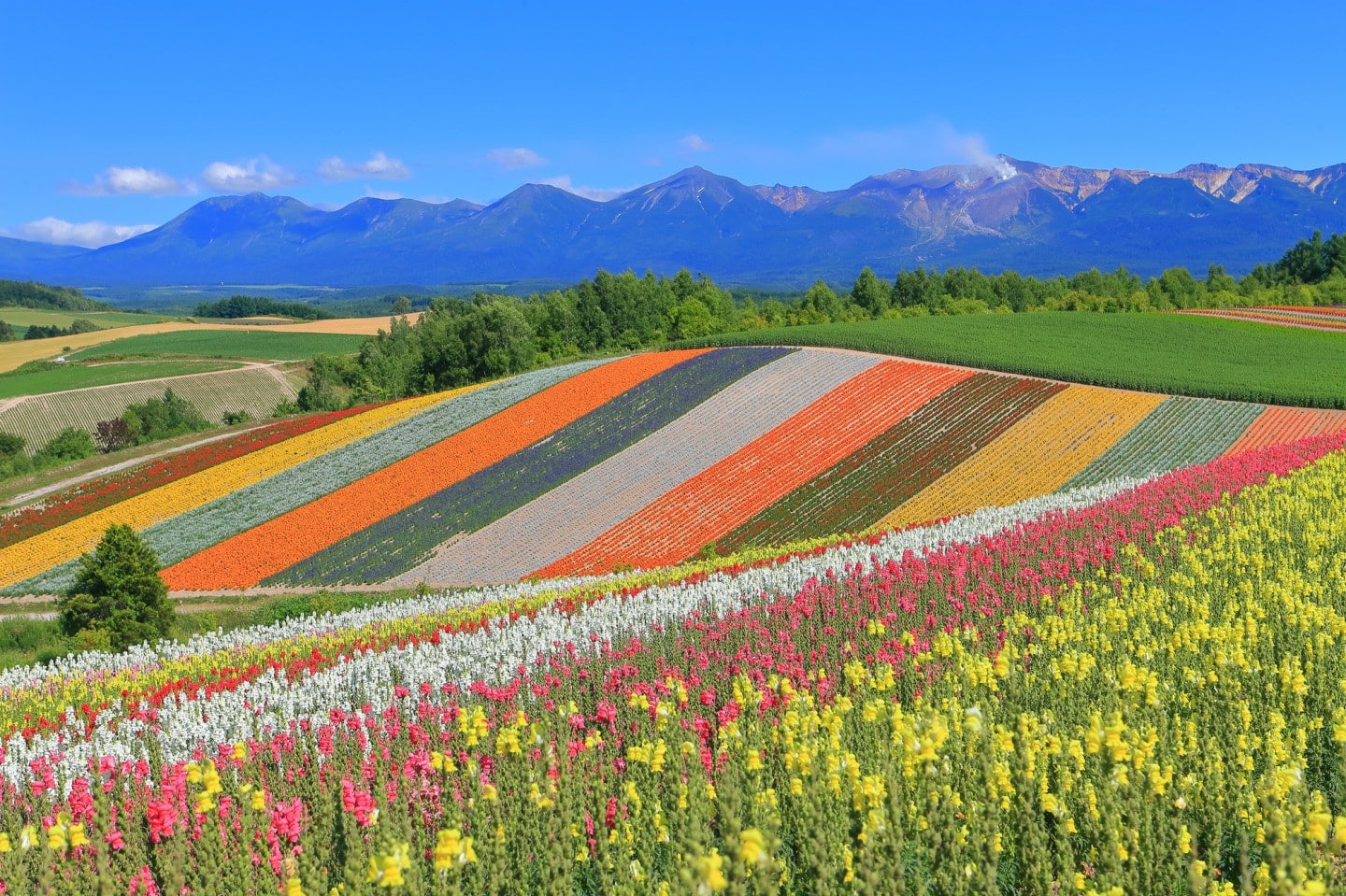
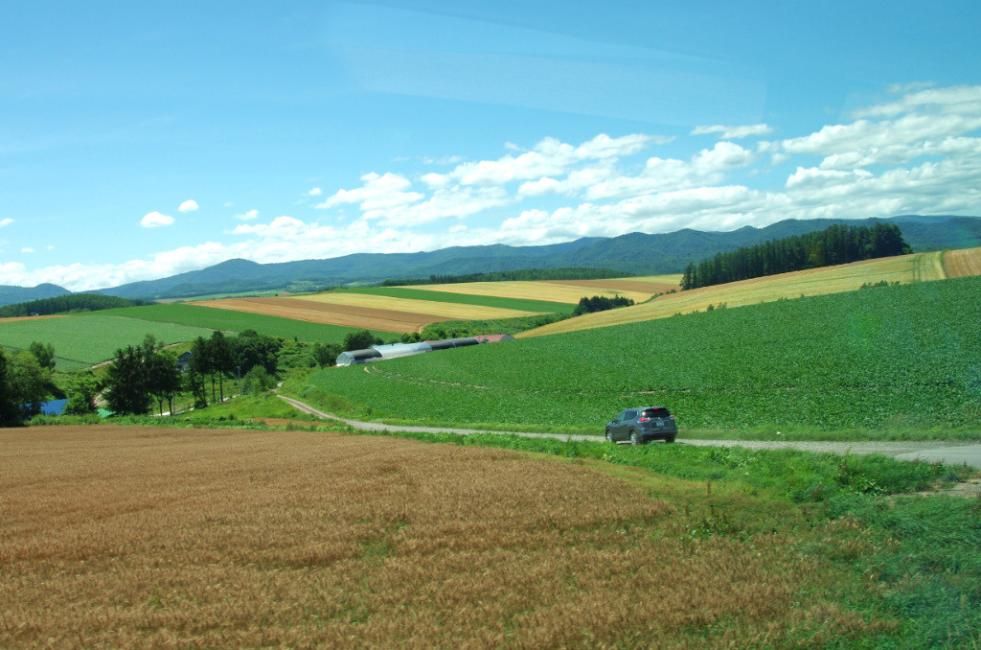
If you want to extend from Asahikawa to the flower fields and hills of Biei and Furano, you can compare the “Furano Biei Day Trip” on KKday or Klook; contents, prices and whether admission is included follow each tour’s description.
Common stops on these tours include Farm Tomita, the Blue Pond and Shikisai-no-Oka. They usually take a full day and suit travelers without a rental car.
In peak season (June to August, the lavender bloom), spots are tight, so book as soon as your dates are set.
We suggest arranging this on a separate day from Kitasaito Garden and Asahiyama Zoo, for a less rushed trip.
Where to Stay Near Asahikawa Kitasaito Garden in 2026? Nearby Accommodation Suggestions

Because the garden connects directly to JR Asahikawa Station, staying near the station is the most convenient.
Staying by Asahikawa Station: Walk Straight to the Garden and Ramen Village
Staying overnight near Asahikawa Station is the most time-saving way to visit Kitasaito Garden, since the next morning you can walk straight into the garden to see Kagami-ike pond in the morning light, with no extra transport. Around the station there are business-type hotels such as JR Inn Asahikawa, Hotel WBF Grande Asahikawa and Dormy Inn Asahikawa (with a natural hot spring public bath), suiting all budgets.
Accommodation near the station also gives easy access to sights such as the Asahikawa Tourism and Local Products Information Center; for a fuller comparison of Asahikawa lodging, see our separate Asahikawa accommodation article.
FAQ
Q: How much does it cost to enter Asahikawa Kitasaito Garden?
Completely free. It is open all year with no reservation needed, one of the few free attractions in Asahikawa.
Q: What is the fastest way to get to Asahikawa Kitasaito Garden?
From the south exit of JR Asahikawa Station, walk along the barrier-free path for about 3 to 5 minutes. It is one of the most convenient sights in the city.
Q: What are the opening hours of Asahikawa Kitasaito Garden?
The garden grounds themselves can be entered at any time. The management building, the Garden Center, is open 9:00-18:00 from May to October and 9:00-17:00 from November to April, closed every Monday (the next day if Monday is a national holiday), and closed from December 30 to January 4 for the New Year period.
Q: Which months are best for flowers at Asahikawa Kitasaito Garden?
Tulips and daffodils bloom in April to May, and lavender and sunflowers peak in July to August; the scenery differs in every season.
Q: Is there parking at Asahikawa Kitasaito Garden?
Yes. The Garden Center lot has 53 free spaces, but only during the center’s opening hours; it is locked after closing and over the New Year period. You can also use the paid lot at the station forecourt (88 spaces).
Q: Can I bring pets into Asahikawa Kitasaito Garden?
The garden is an outdoor park. If you bring a pet, please keep it on a leash and clean up after it; check with the garden for detailed rules.
Q: Do I need to apply for commercial photography at Asahikawa Kitasaito Garden?
Personal photos and souvenir photos need no application, but commercial shoots such as wedding photos and advertising require applying to the garden in advance and obtaining permission.