
Asahikawa Ramen Village 2026 Guide: 7 Permanent Ramen Shops, Access and Times to Avoid the Crowds
Asahikawa Ramen Village (Asahikawa Ramen Mura, often misspelled “Asahiyama Ramen Village”) is a ramen-themed complex in Asahikawa that opened in 1996. Seven permanent shops (Aoba, Ittetsuan, Isshin, Tenkin, Santouka, Saijo and Baikohken) let you try them all in one stop. Quick picks: Aoba for the origin of Asahikawa ramen, Baikohken for a safe first bowl, and Santouka for a milder salt-based broth. Admission is free, and half a day is plenty.
- 🕒 Hours: the official site lists 11:00–20:00, but some shops currently close earlier, so check before you go
- 💰 Free entry; a bowl of ramen costs about ¥850–¥1,250
- 🚉 Access: about 7 minutes on foot from JR Minami-Nagayama Station, or about 20 minutes by car from JR Asahikawa Station
- 🚗 Free parking is available, with space for large tour buses
Asahikawa Ramen Village: Legendary Local Shops in One Place
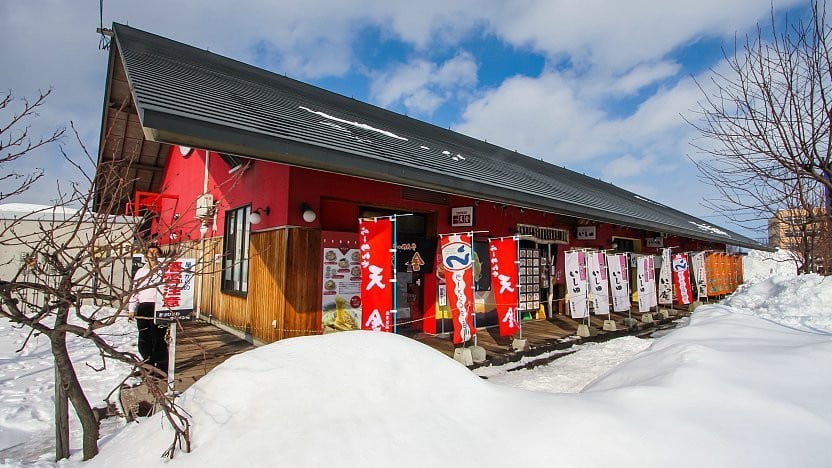
Asahikawa Ramen Village gathers some of the city’s best-known ramen shops so visitors can taste them all without running around town. Since opening in 1996, it has become one of Asahikawa’s signature attractions.
The official website is Asahikawa Ramen Village (ramenmura.com). The complex sits inside the Powers shopping center, with about 220 seats across 8 shops in total. Menus are available in several languages, electronic payments such as PayPay, LINE Pay and Alipay are accepted, and there is a souvenir shop as well.
Each shop has its own broth recipe and noodle-making method. If you want to sample several styles, ask each shop whether they offer a half-size or small bowl.

Ramen Shrine: A Photo Stop While You Wait in Line
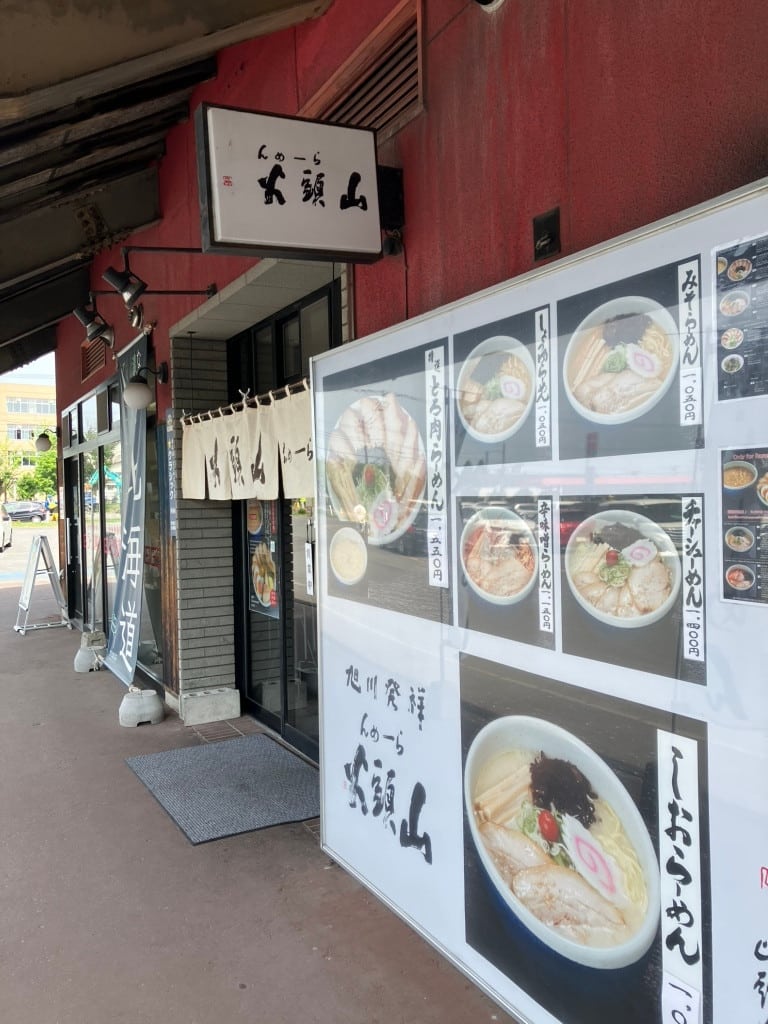
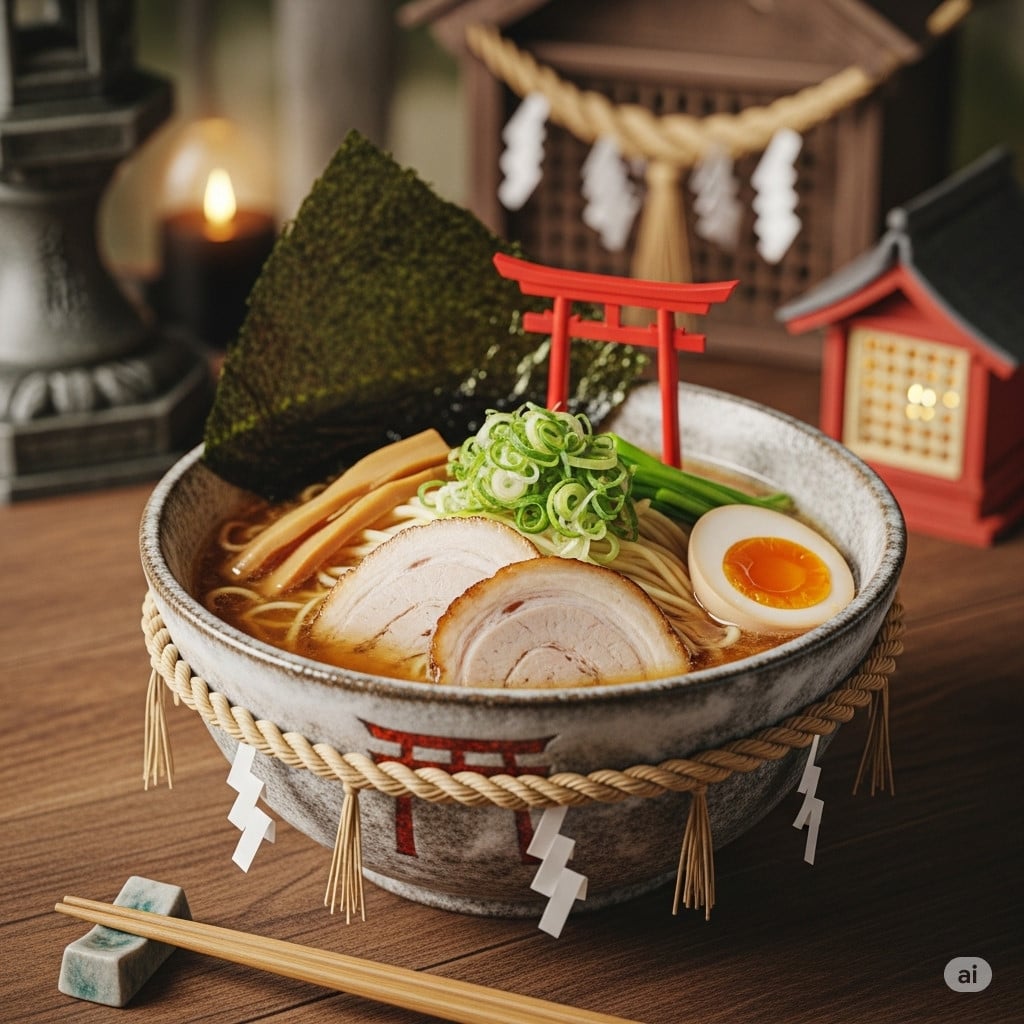
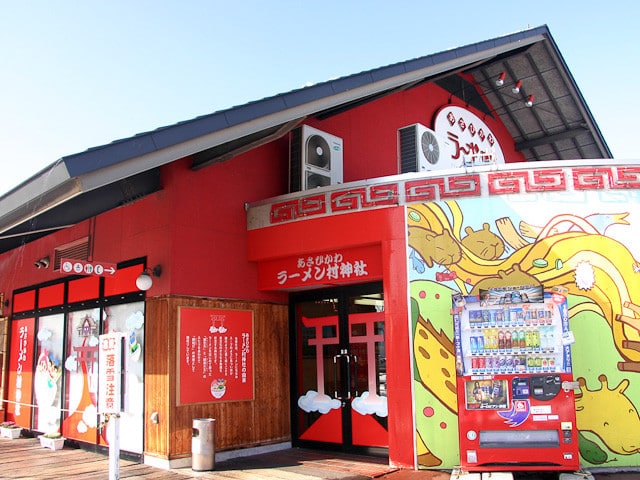
The “Ramen Shrine ⛩️” inside the village is a playful spot made for ramen fans, and many visitors stop here for photos while waiting for a table. Nearby you will also find a bowl-shaped bench and a face-in-hole photo board for extra fun.
This small art installation is one of the village’s hidden highlights. We suggest finding the shrine first and ordering afterward, which makes your ramen pilgrimage feel more complete and gives you better photos.
Limited-Time Guest Shops: Something New Every Visit
Besides the permanent shops, the village occasionally invites popular ramen shops from other regions for limited-time stints. Repeat visitors may get a different flavor each time.
Because the guest-shop schedule changes without a fixed pattern, check the village’s official social media or the on-site notices before you go to see which pop-up shop is in residence that week. You might get to try a flavor available only that month.

Must-Eat Local Food at Asahikawa Ramen Village: The Signature Bowls at a Glance
Below are the permanent shops inside the village, plus a few equally popular long-established shops in central Asahikawa. Each has its own take on broth and noodles.
How to Choose at Asahikawa Ramen Village: Current Shops and Flavors at a Glance
The shops in the village change over time, so the official site’s shop introduction page is the safest reference before you go. According to the Asahikawa Ramen Village website as of September 2026, the permanent shops inside the village are the following 7 (the site says 8 shops in total), plus “Ramen Caravan,” which occasionally invites well-known shops from around Japan for limited-time stints. If you only have room for one or two bowls, choose by taste:
- 🍜 For the origin of Asahikawa ramen: Aoba (青葉), a shop that started as a food stall in 1947 (Showa 22). Its broth combines land and sea ingredients, and the official site stresses that no chemical seasonings are used.
- 🍜 For a Japanese-style fish aroma: Ittetsuan (いってつ庵), which blends several Japanese fish stocks with pork-bone broth. The broth simmers for a full day, and the chashu takes two days to make.
- 🍜 For old-fashioned flavor: Tenkin (天金), which uses no vegetables or fish, only pork bones and chicken carcasses simmered gently for a full two days, served with medium-thick curly noodles.
- 🍜 The safest first bowl: Baikohken (梅光軒), with a pork-bone and chicken-carcass base plus vegetables and seafood umami, served with house-made medium-thin curly noodles. A standard Asahikawa-style shoyu bowl.
- 🍜 For a mild salt broth: Santouka (山頭火), whose philosophy is ramen you never tire of and that goes down easy. It has overseas branches and suits first-timers trying Asahikawa ramen.
- 🍜 For a lighter bowl: Saijo (さいじょう), a clean broth made from whole silkie chickens, served with medium-thin curly noodles made from 100% Hokkaido wheat.
- 🍜 For house-made noodles: Isshin (一心), where the noodles, broth and chashu are all made in-house, and the noodles are made on site every day.
To compare several shops, take advantage of the half-size (hāfu) or mini bowls many shops offer; sharing between two people is also common. Some of the shops described below, such as the main branches or popular shops in central Asahikawa (for example Hachiya Gojo Sogyo-ten), are not inside the village, so keep that in mind when planning your route.
Double-Soup Original: Asahikawa Ramen Aoba
Aoba was founded in 1947 and is regarded as the pioneer of Asahikawa ramen, famous for its “pork bone + seafood” double soup. The pork bones and seafood are simmered separately and then combined, giving the broth a rich, layered flavor, and a thin film of oil on the surface locks in the heat so the soup stays piping hot even in deep winter. The medium-thin curly noodles soak up the broth well, making this a must-try for understanding where Asahikawa ramen began. The main branch is on Nijo-dori 8-chome in central Asahikawa, with another branch inside the Ramen Village.
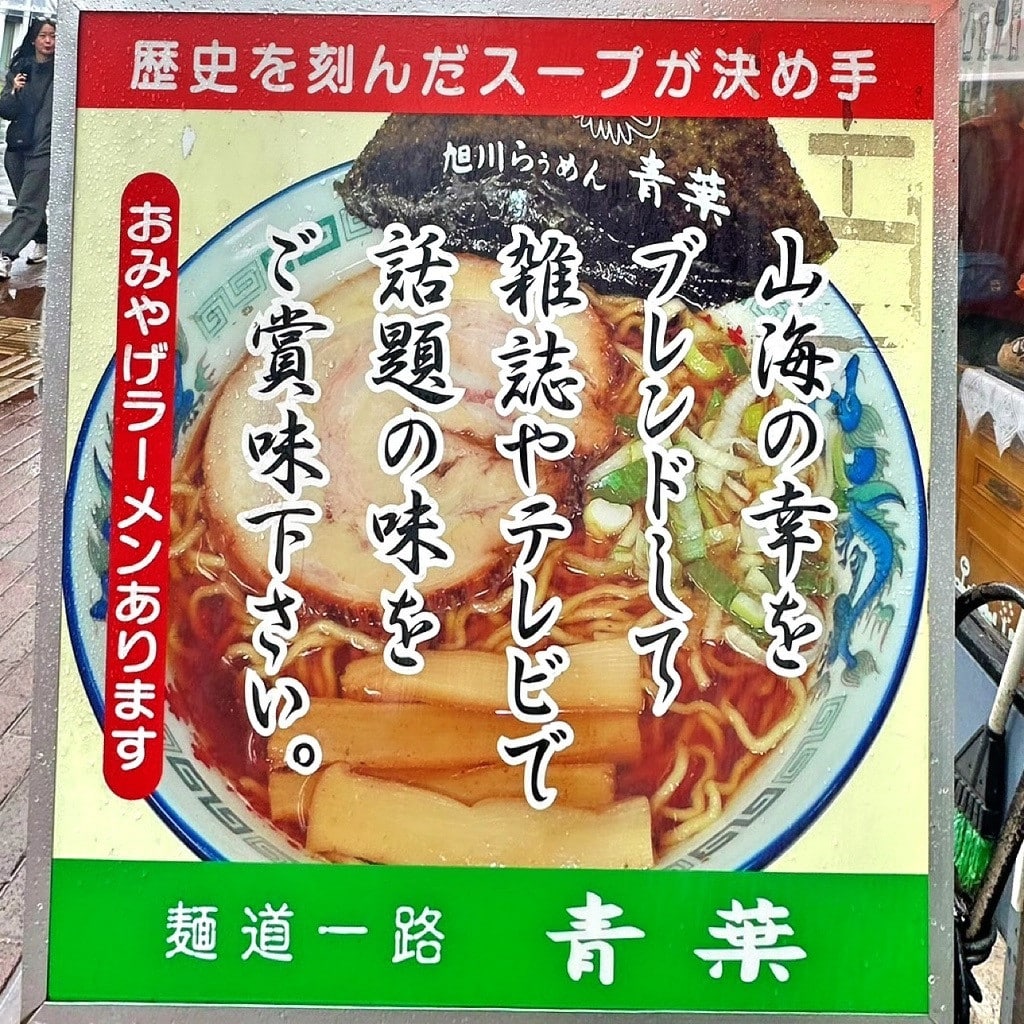
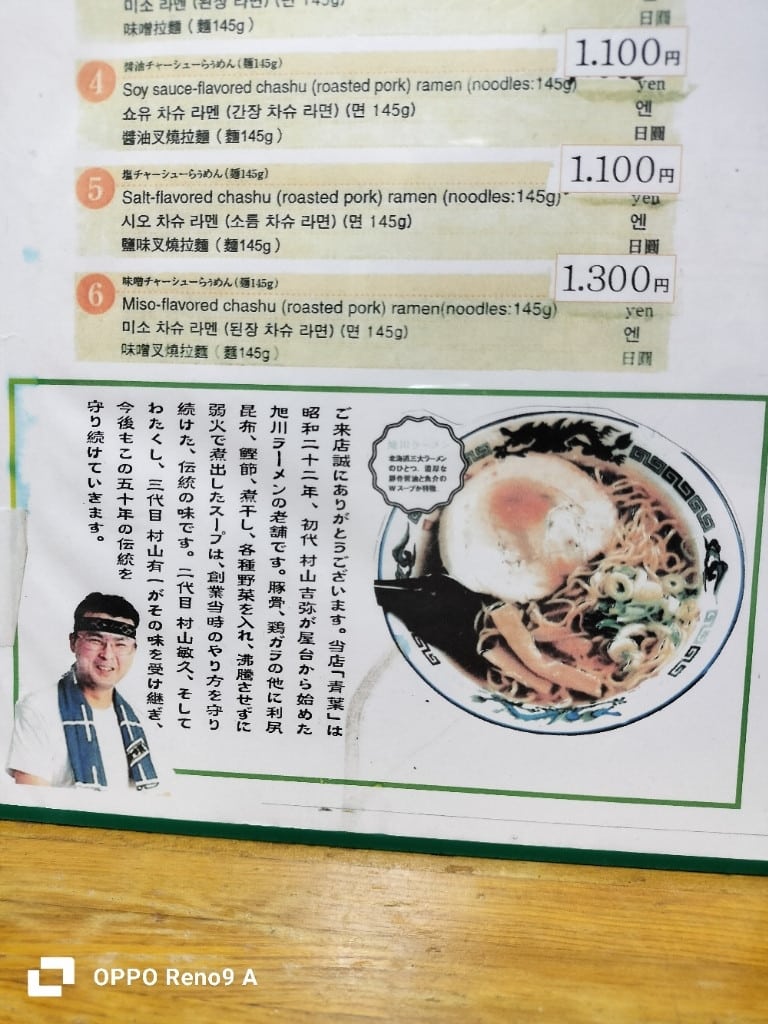
- 🍜 Must-order: original double-soup shoyu ramen
- 💰 Price: about ¥900–¥1,100
- 🚉 Access: 1st floor of the Ramen Village building
Rich Traditional Shoyu: Ramen-ya Tenkin (Ramen Village)
Tenkin is known for a broth simmered for two days. According to the official site, it uses no vegetables or fish, only pork bones and chicken carcasses cooked slowly, for an old-fashioned, hearty, savory flavor.
Paired with medium-thick curly noodles for a firm bite, it is comfort food on a cold day. This is a permanent shop in the village, and we recommend avoiding the midday rush.
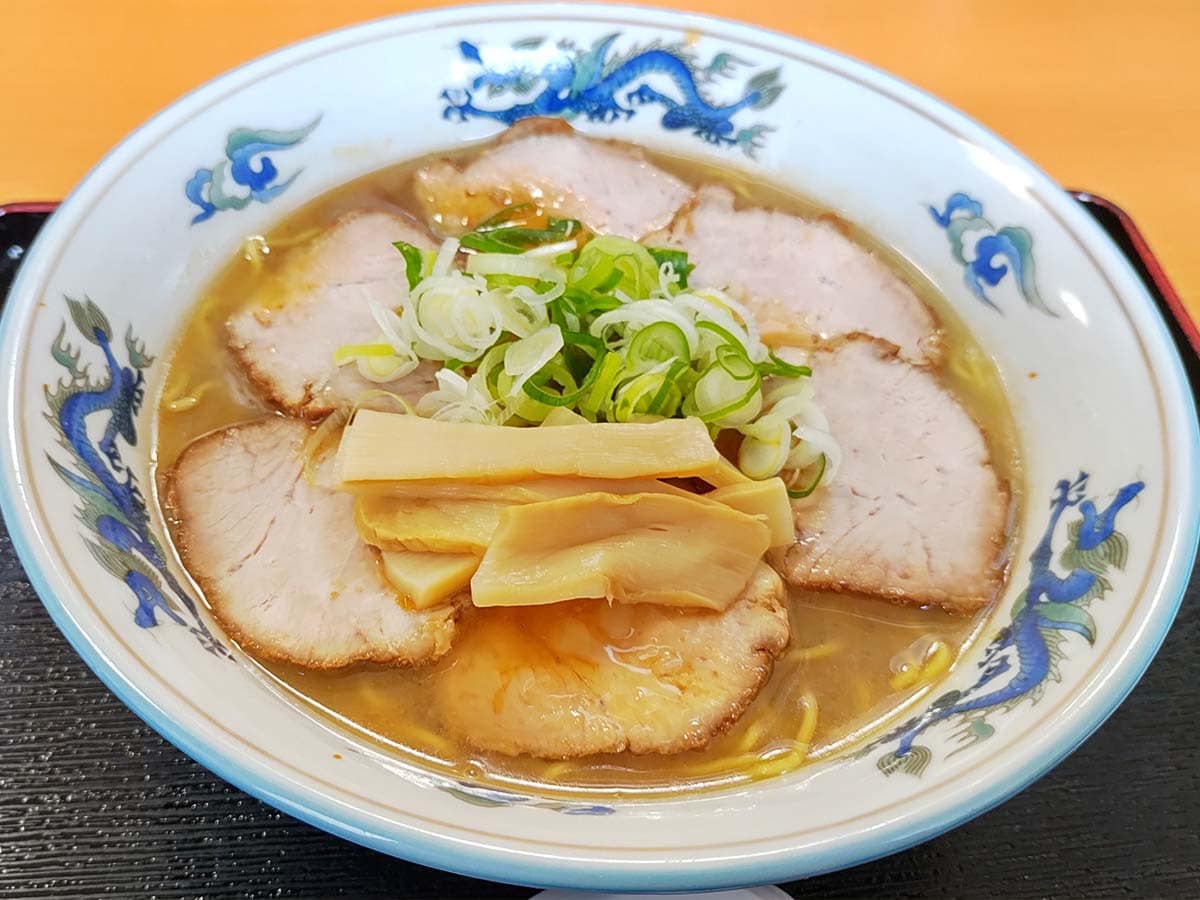
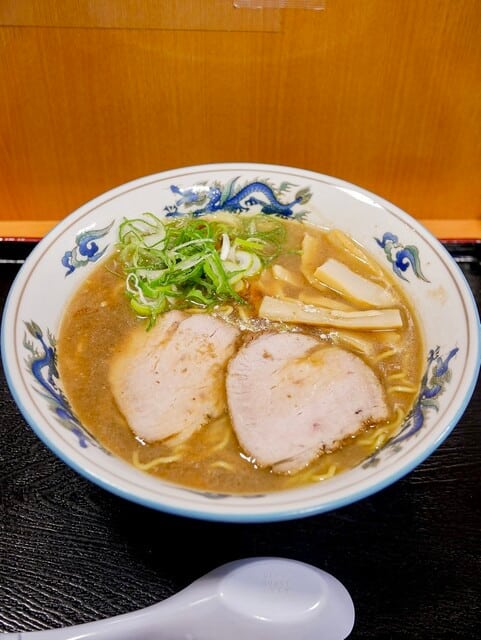
- 🍜 Must-order: special shoyu chashu ramen
- 💰 Price: about ¥950–¥1,150
- 🚉 Access: 1st floor of the Ramen Village building
Warming Ginger Bowl: Shoga Ramen Mizuno
Mizuno is known for ginger ramen, with a broth blended with plenty of ginger juice and grated ginger. It is mellow yet punchy, and a favorite warm-up meal for Asahikawa locals in winter. It is located on Tokiwa-dori and is not inside the Ramen Village.
The base is chicken and pork, boosted with a generous amount of fresh ginger. It is not spicy, but it warms the stomach, so it makes a great order on a winter visit.
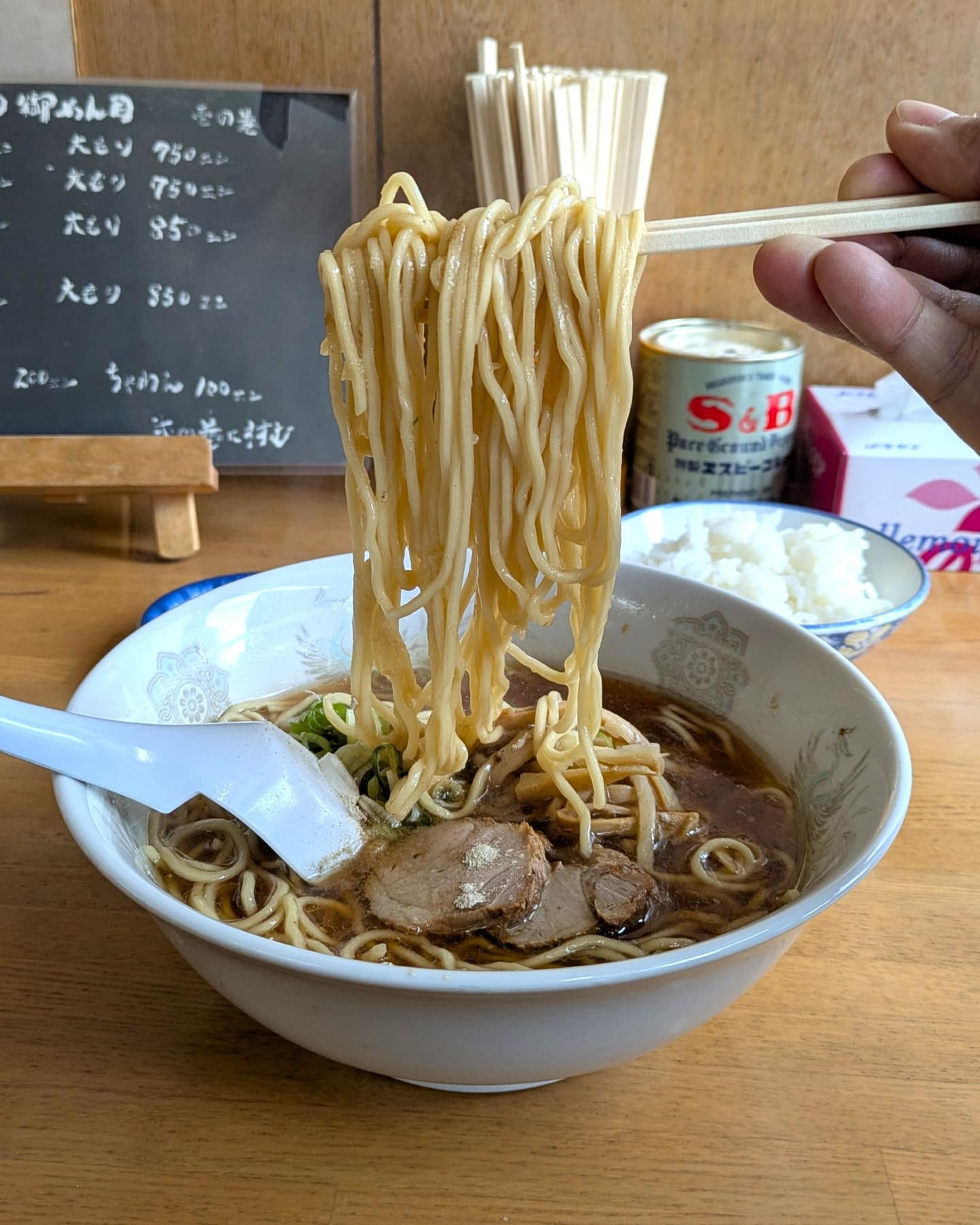
- 🍜 Must-order: signature ginger ramen
- 💰 Price: about ¥850–¥1,050
- 🚉 Access: Tokiwa-dori 2-chome, Asahikawa, about 15 minutes on foot from JR Asahikawa Station
Gojo Founding Shop: Hachiya Gojo Sogyo-ten
Hachiya started in central Asahikawa and is a long-established local ramen name, located in “Asahikawa 5.7 Koji Fureito.” Its pork-bone broth gets extra depth from plenty of dried fish, giving a rich, hearty flavor, and the thick curly noodles soak up the soup best for a very filling bowl. Adding a soft-boiled egg is recommended. Hachiya sticks to the plain recipe from its early days, aiming to recreate the old-style Asahikawa ramen of the Showa era, which makes it an excellent way to experience local flavor.
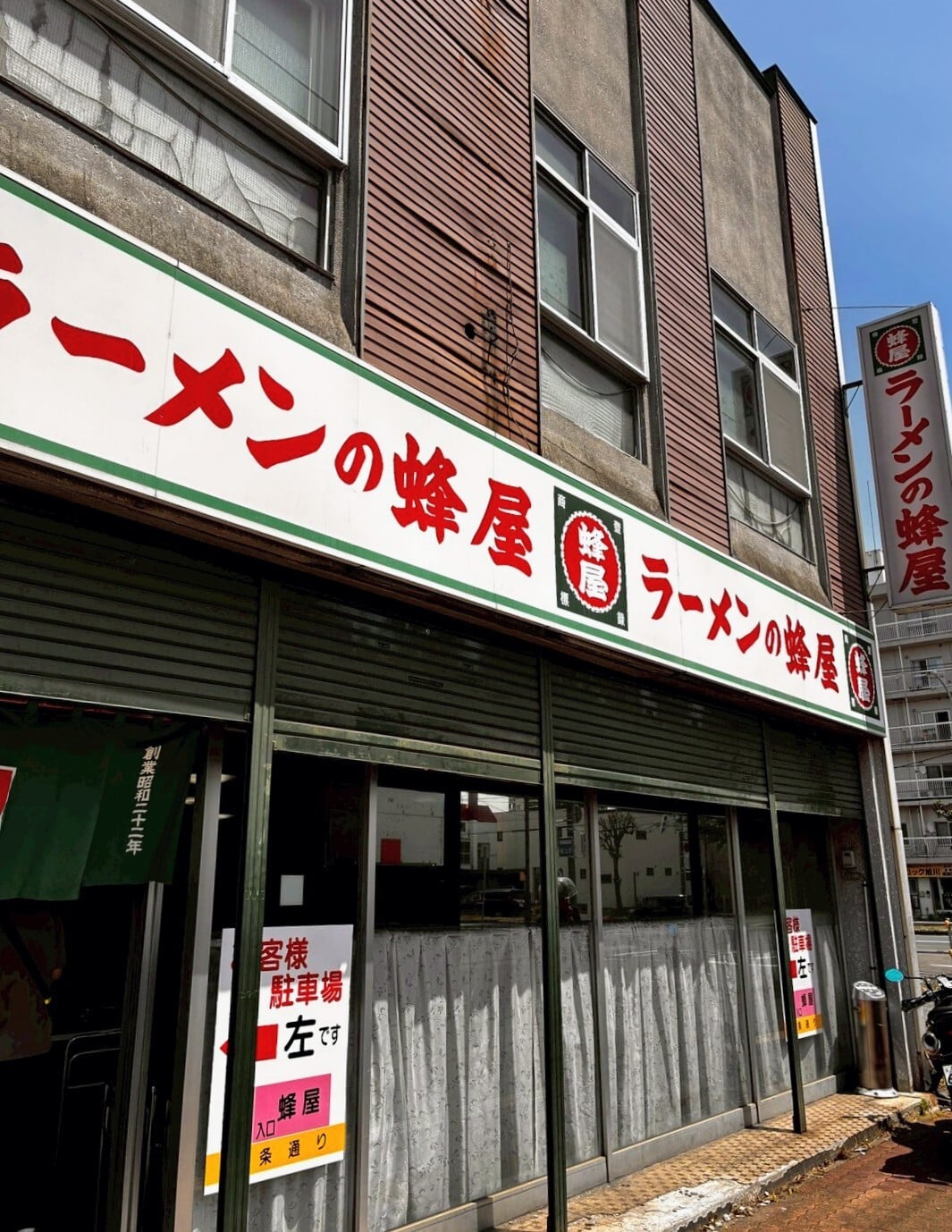
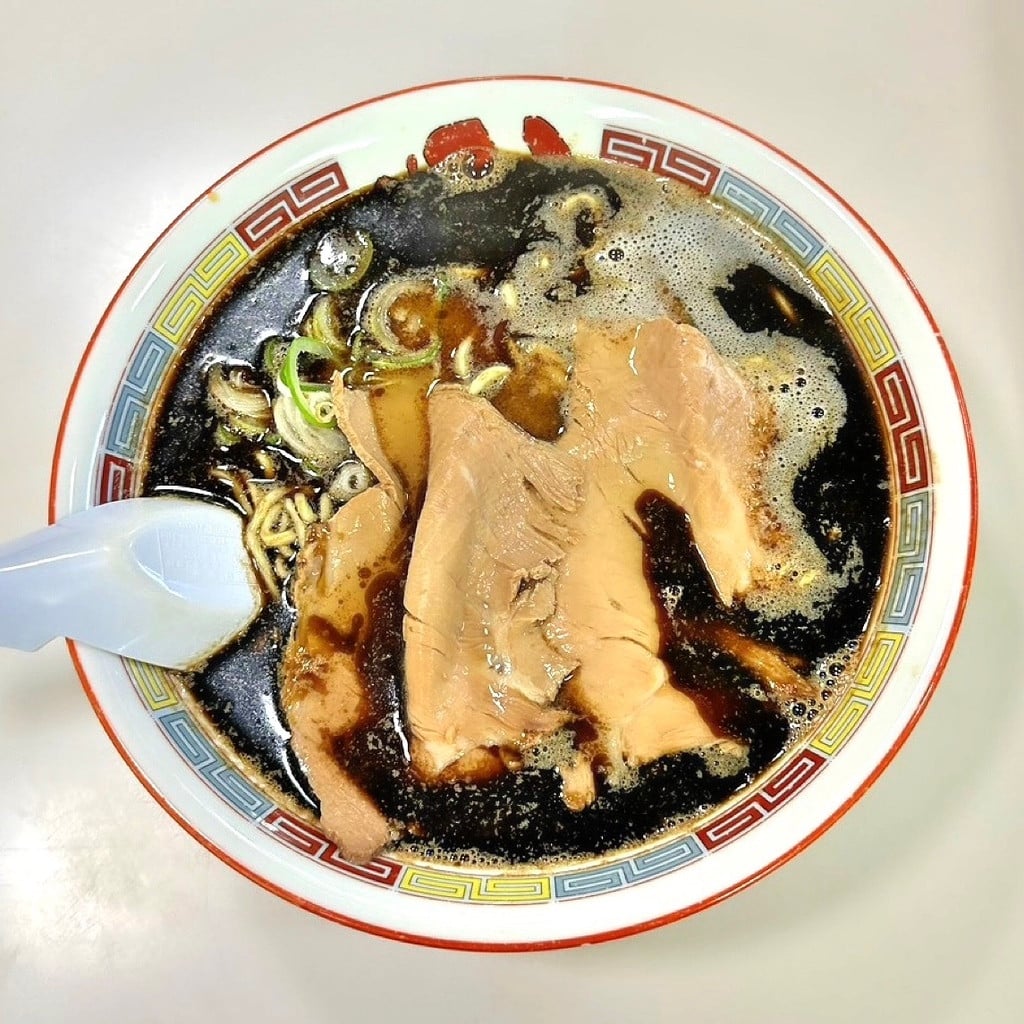
- 🍜 Must-order: Gojo original pork-bone ramen
- 💰 Price: about ¥900–¥1,100
- 🚉 Access: Gojo-dori 7-chome, Asahikawa (not inside the Ramen Village), about 10 minutes on foot from JR Asahikawa Station
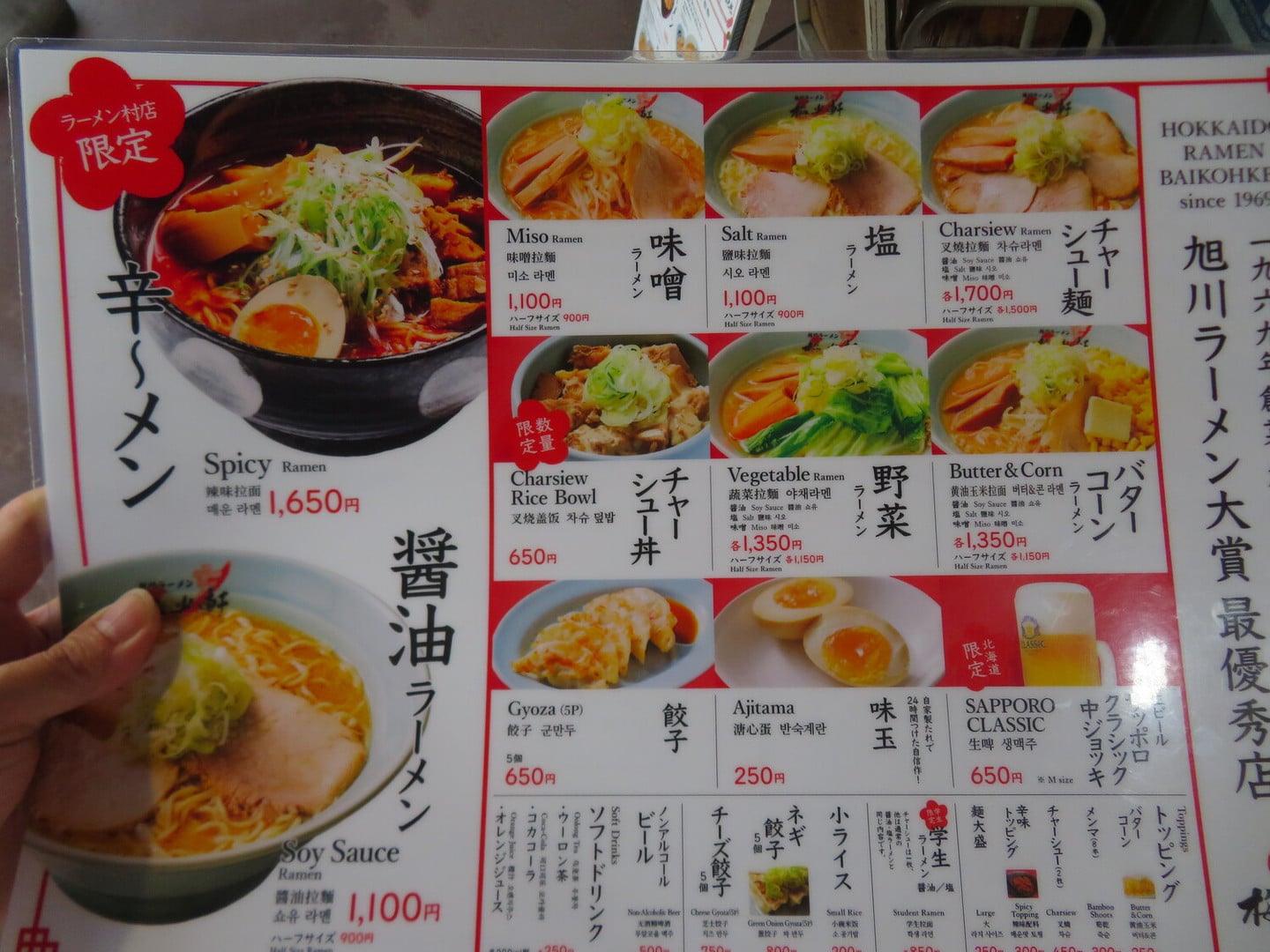
Michelin-Listed: Baikohken
Baikohken’s Asahikawa main shop is on Nijo-dori 8-chome and has been listed in the Michelin Guide Hokkaido; the Ramen Village location is a branch. Try the signature shoyu ramen (with medium-thin curly noodles) and the Hokkaido-exclusive miso butter corn ramen. The soup tastes different before and after the butter melts, so you get two flavors in one bowl.
The noodles use a high-flour, low-water recipe for a firm, chewy texture that keeps you full, well suited to Hokkaido’s cold climate.
- 🍜 Must-order: signature shoyu ramen, miso butter corn ramen
- 💰 Price: about ¥1,000–¥1,250
- 🚉 Access: 1st floor of the Ramen Village building
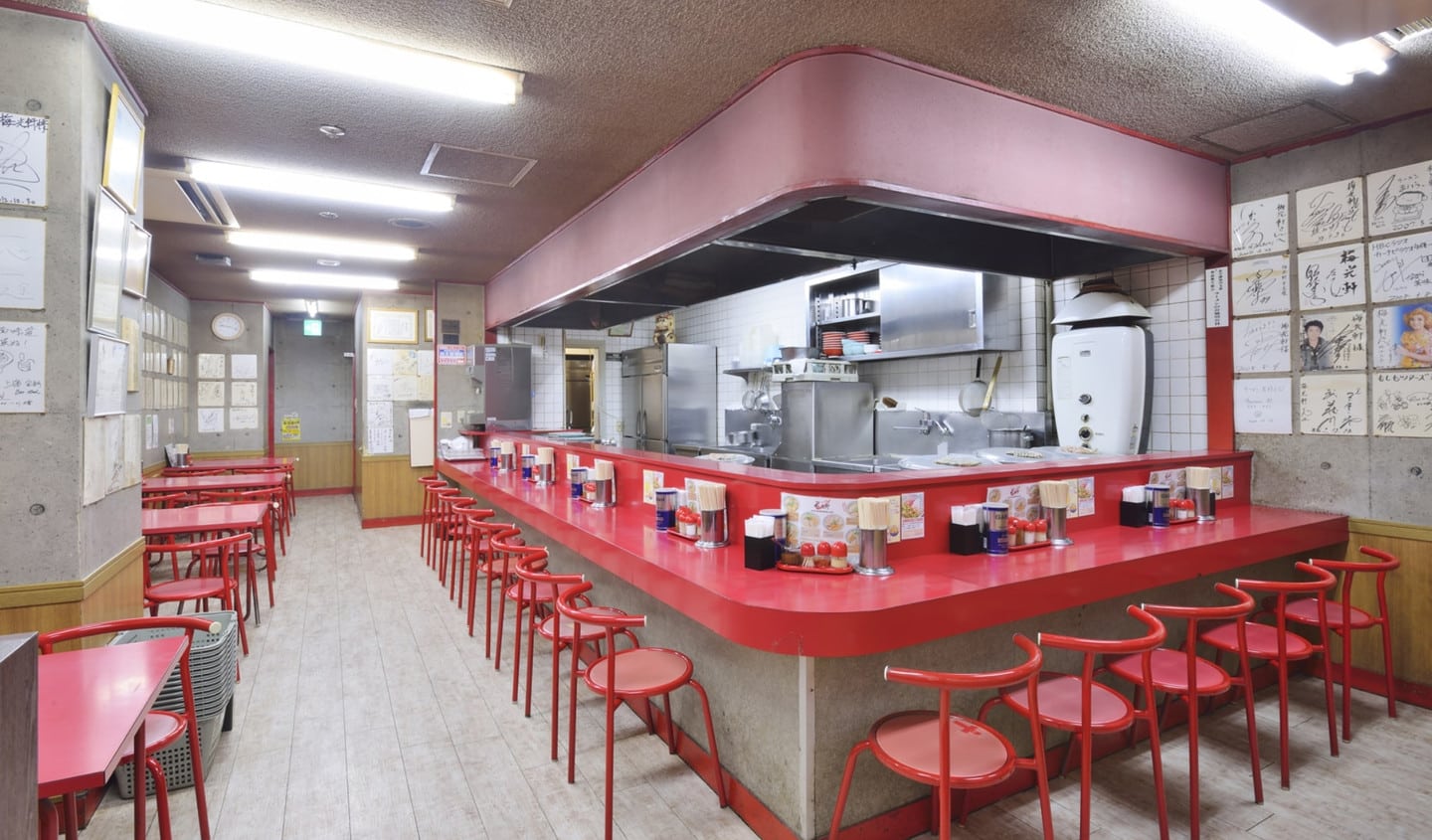
Artisan Tradition: Ittetsuan
Ittetsuan blends several Japanese fish stocks with pork-bone broth, simmered for a full day, while the chashu takes two days to make, giving a Japanese-style fish aroma.
Medium-thick curly noodles soak up the soup, topped with menma and chopped scallions, showing the craftsman’s commitment to “clean and pure” flavor.
🍜 Must-order: shoyu ramen
💰 Price: about ¥900–¥1,100
🚉 Access: 1st floor of the Ramen Village building
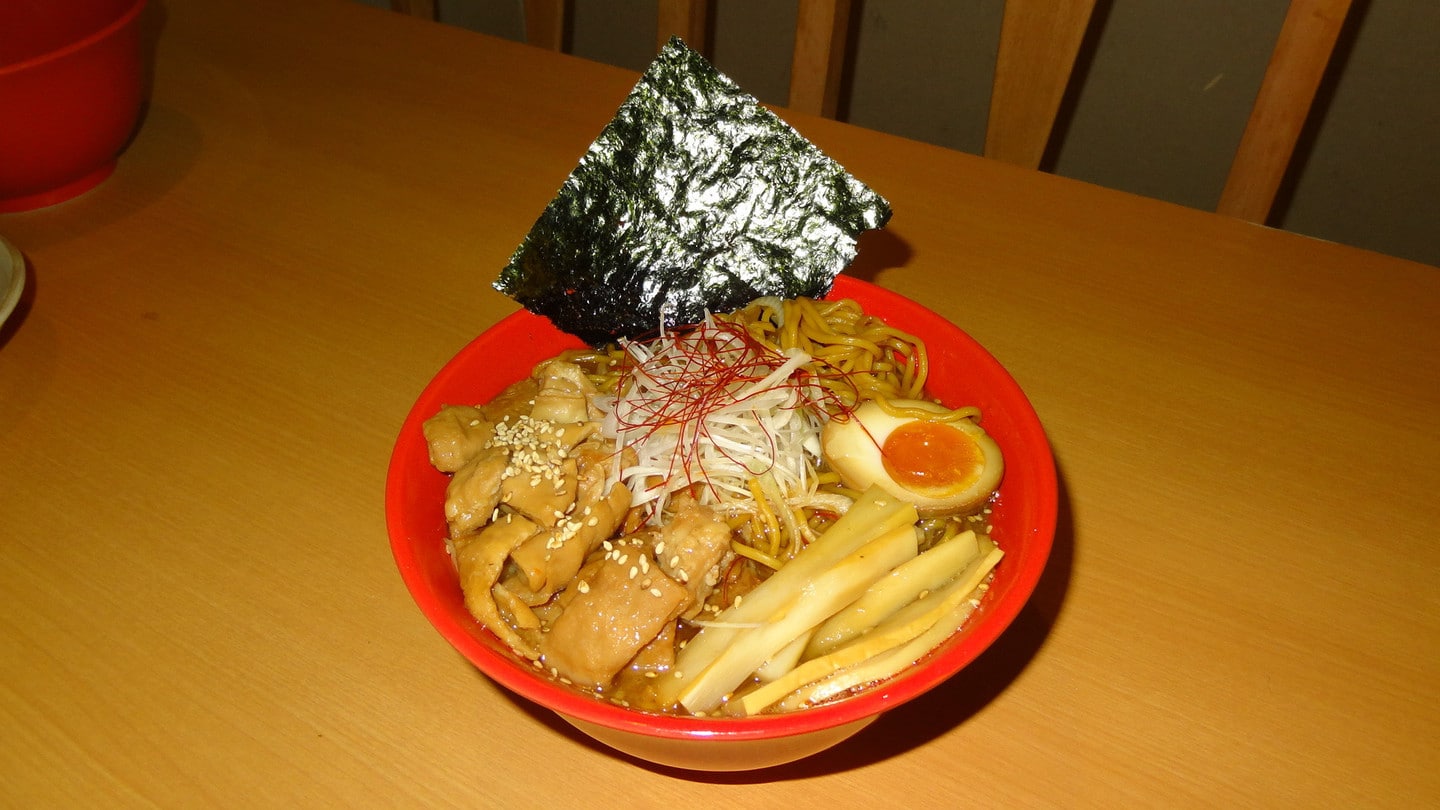
Light Silkie Chicken Broth: Saijo
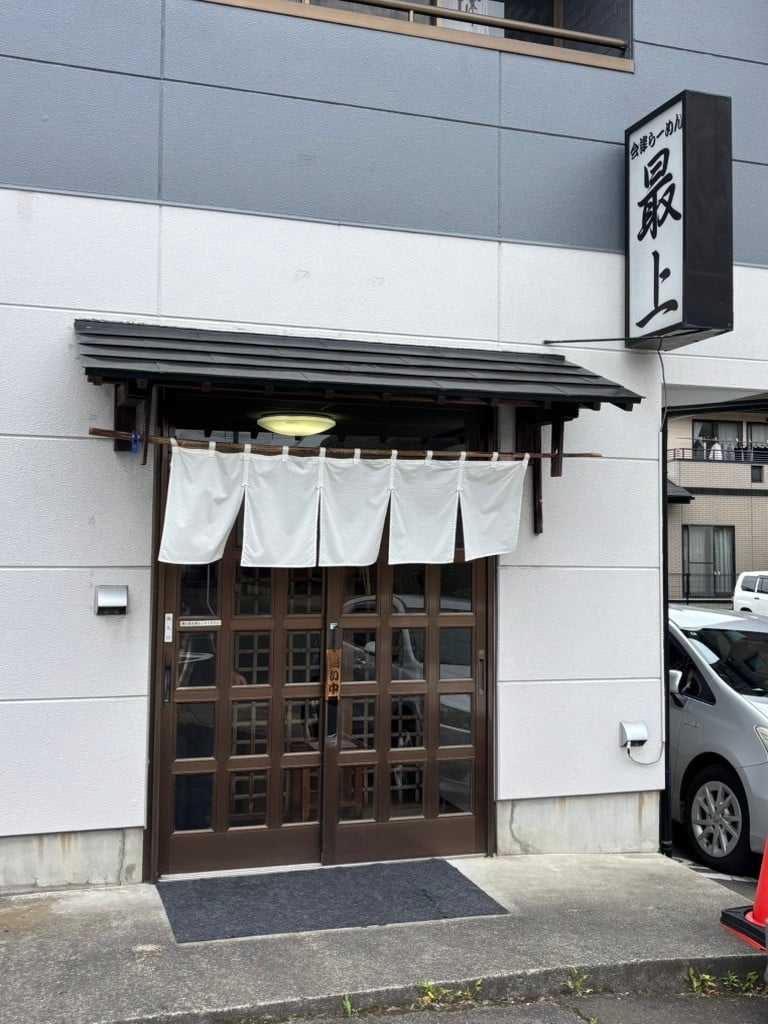
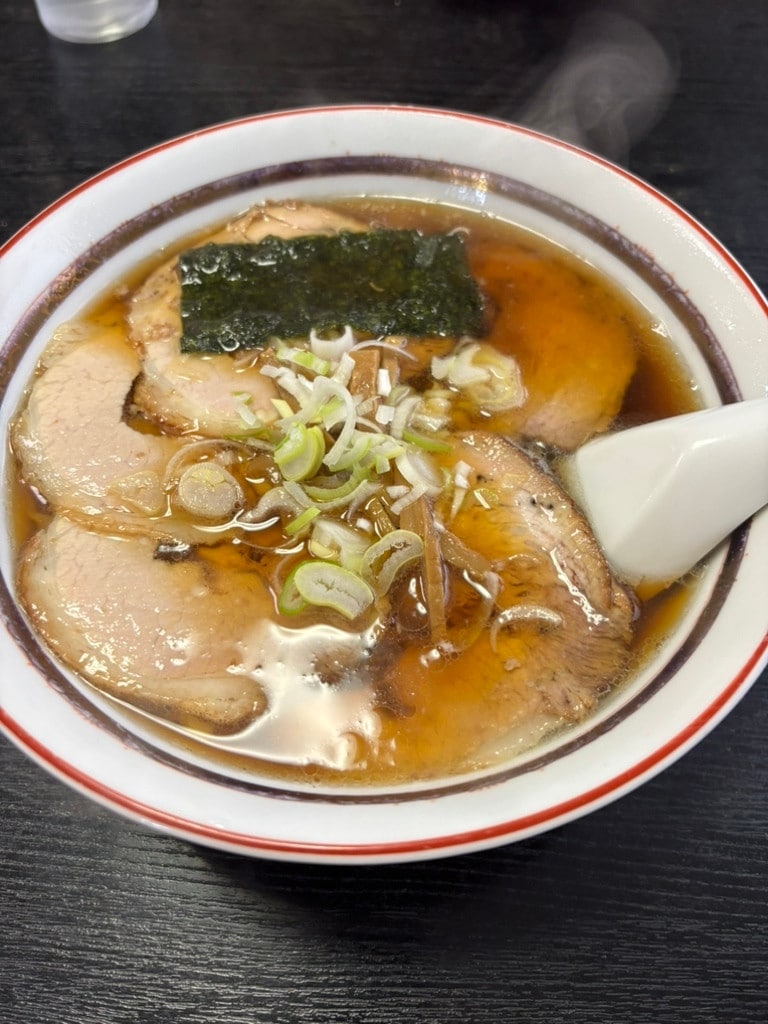
Saijo serves a relatively light shoyu ramen with a broth made from silkie chicken. It is delicate and sweet with less oil, making it one of the few shops in the village that goes for a “light” style. It is a good choice when you are tired of rich pork-bone broth and want to refresh your palate.
The shop simmers whole silkie chickens for its broth, which tastes mellow without being greasy, and the medium-thin curly noodles soak it up just right. It is the best pick if you want to experience “another side of Asahikawa ramen.”
- 🍜 Must-order: silkie chicken shoyu ramen
- 💰 Price: about ¥950–¥1,150
- 🚉 Access: 1st floor of the Ramen Village building
World-Famous Shop: Santouka Asahikawa
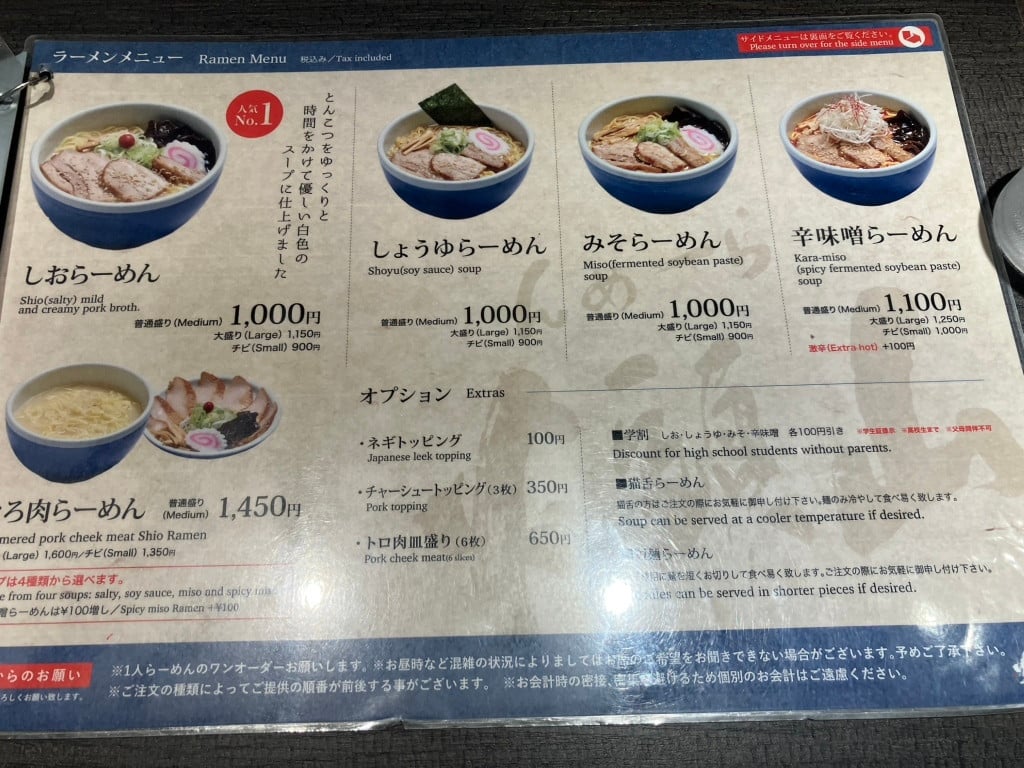
Santouka, which began in Asahikawa, is an internationally known ramen chain. Its signature pork-bone shio ramen has a mellow, rich broth with a savory, lingering sweetness, making it an easy entry point to “Asahikawa ramen.” The broth is made from pork bones simmered for a long time, then balanced with salt for a clean finish. The aromatic seared chashu and noodles that soak up the soup well are the keys to Santouka’s worldwide popularity.
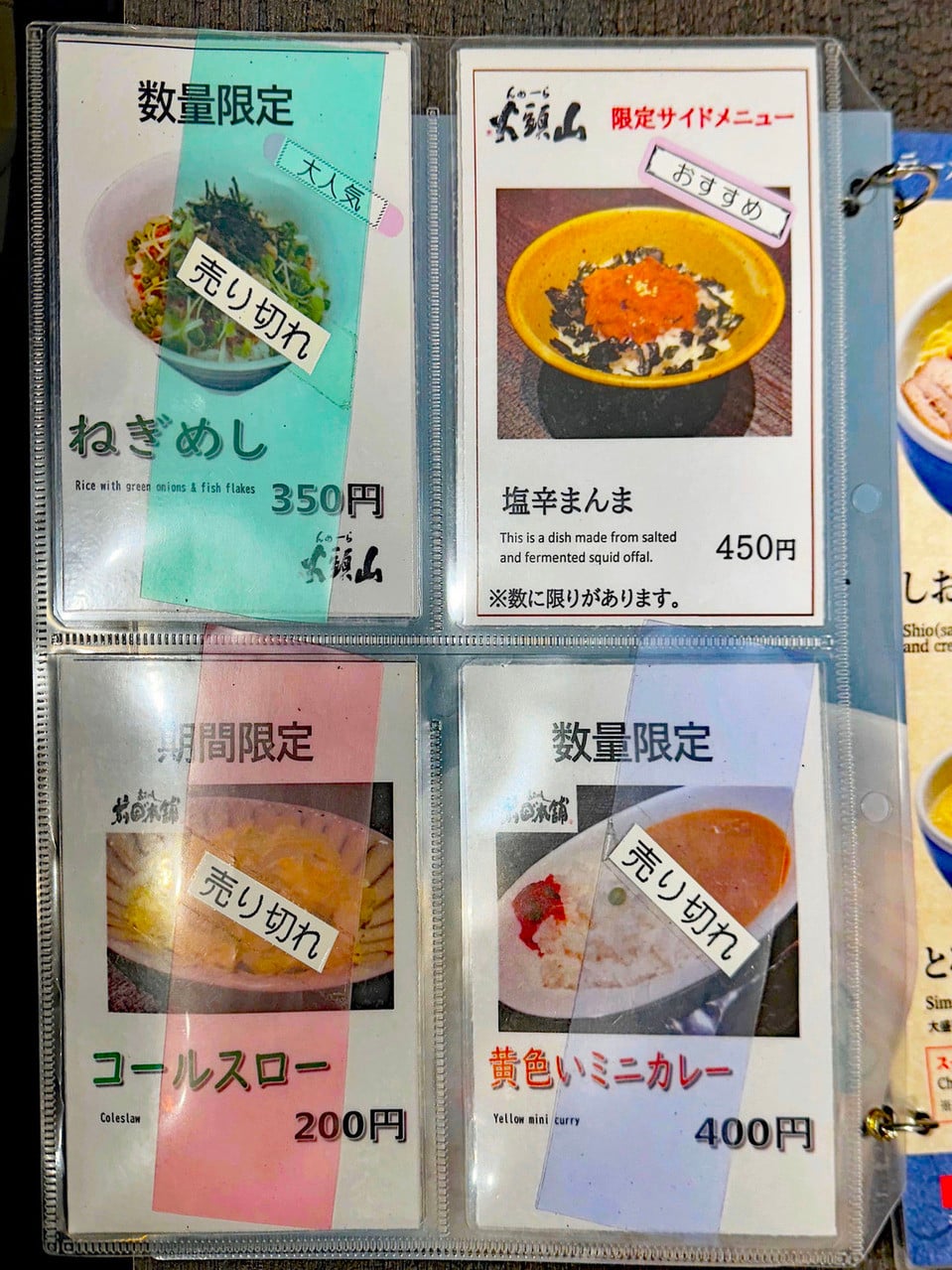
- 🍜 Must-order: signature shio ramen
- 💰 Price: about ¥950–¥1,200
- 🚉 Access: 1st floor of the Ramen Village building
Recommended Restaurants in Central Asahikawa: Ramen Shops Locals and Social Media Rave About
Beyond the Ramen Village, central Asahikawa has plenty of shops with lines that have been getting buzz on social media lately. Here is a must-visit list.
Classic Asahikawa Shoyu: Ramen Horyu
-
Horyu is hailed as “the standard-bearer of Asahikawa ramen,” and its signature shoyu ramen is nicely savory. We recommend adding butter: as it melts and blends into the shoyu broth, the aroma steps up a level, making it the top choice for experiencing the essence of authentic Asahikawa ramen. The broth is simmered from pork bones and paired with firm straight noodles for a solid bite. On a first visit, we suggest ordering the signature shoyu ramen with butter to taste the classic.
-
🍜 Must-order: shoyu ramen with butter topping.
-
💰 Price: about ¥850–¥1,050.
-
🚉 Access: about 15 minutes on foot from JR Asahikawa Station, or take a city bus.
Always a Line: Ramen Mikazuki
Mikazuki is a popular Asahikawa shop known for its hearty broth and springy noodles. It is a local favorite for all ages.
Lines are long, so avoid peak meal times or arrive 30 minutes early. The shop is closed on Mondays and closes early once the broth sells out.
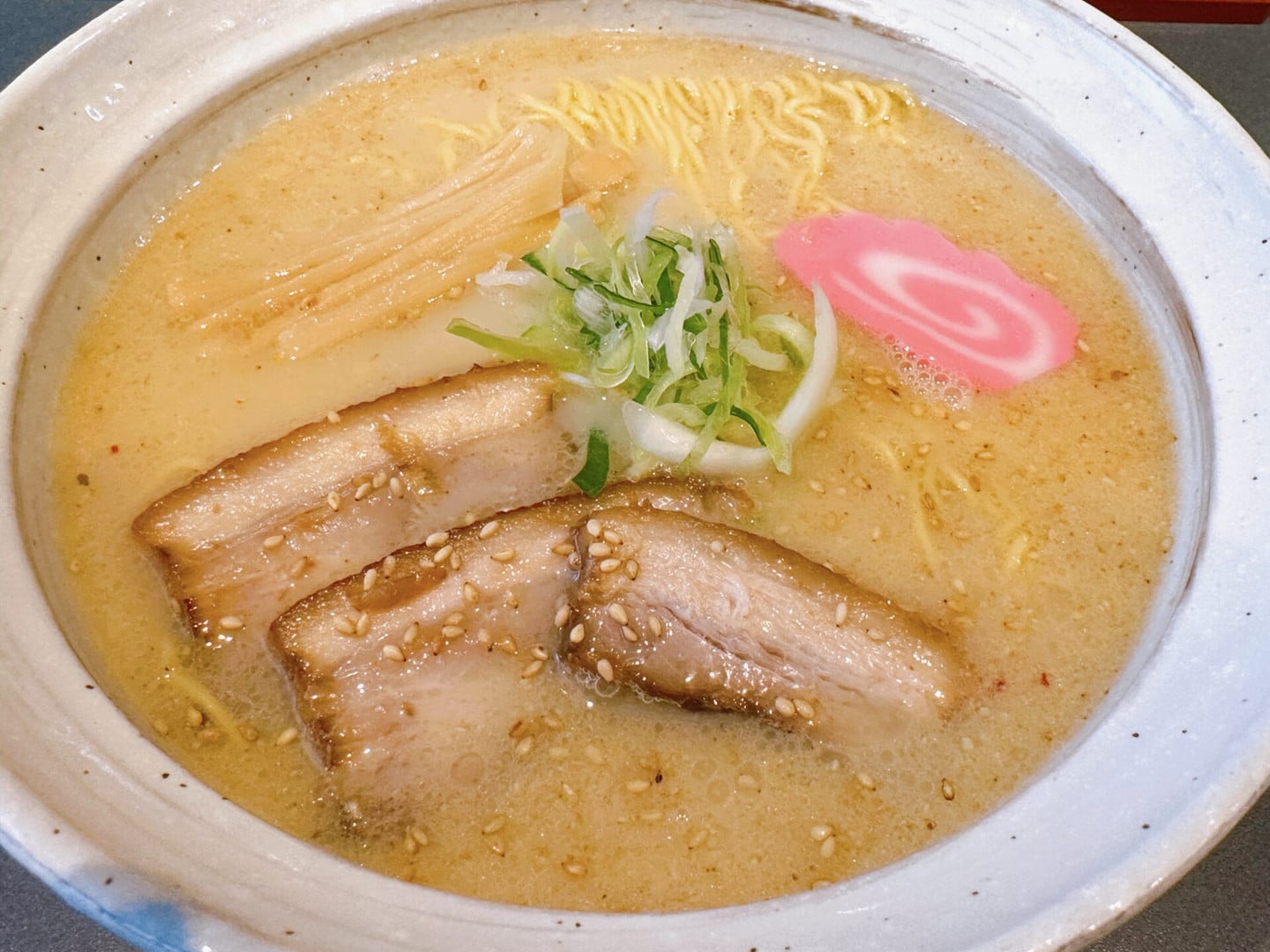
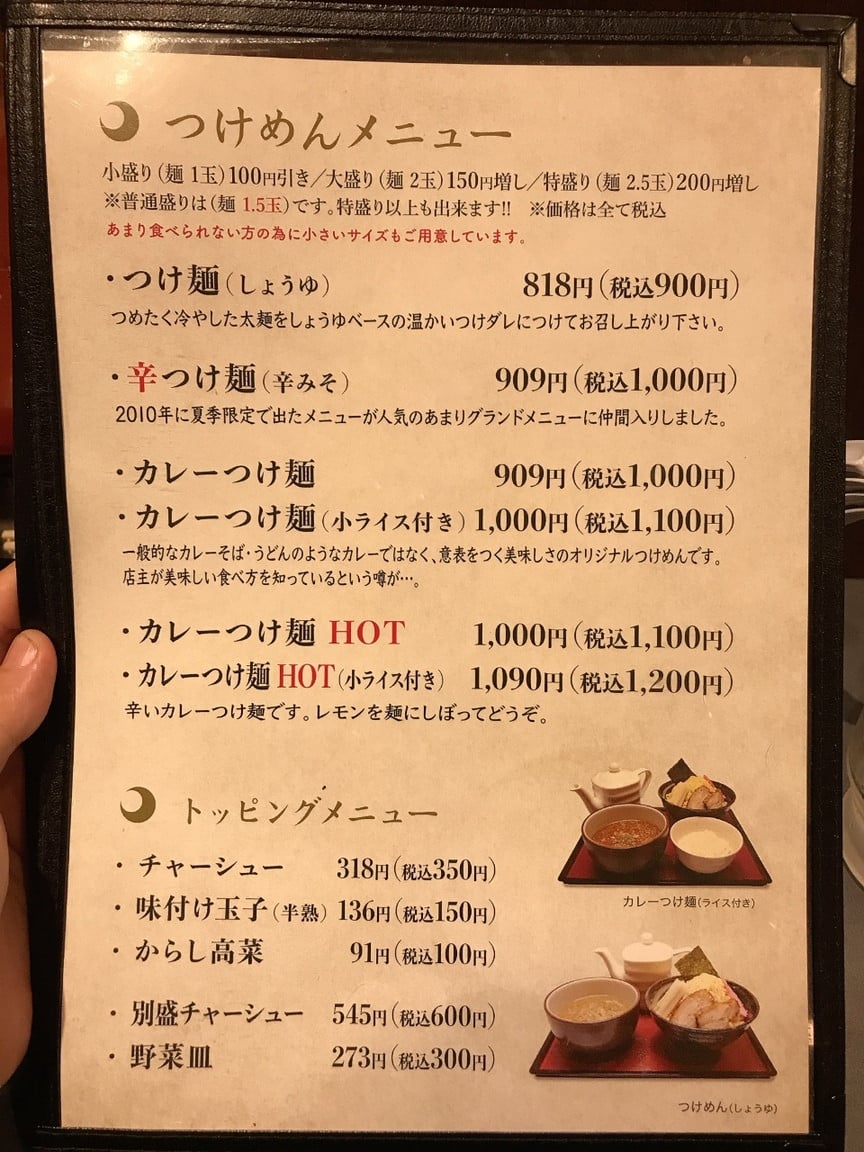
- 🍜 Must-order: signature shoyu ramen
- 💰 Price: about ¥900–¥1,100
- 🚉 Access: about 10 minutes by city bus from JR Asahikawa Station
Order Your Way: Ramen Zeze Hihi
Zeze Hihi is known for its shio ramen and its freedom to customize your bowl to suit your mood that day. The shop’s relaxed, tasty recommendations are loved by regulars. The shio broth is light and flavorful, topped with plenty of chopped scallions, a good choice if you want to avoid rich pork-bone broth. On a first visit, ask the staff for a recommendation, which often turns out to be a pleasant surprise.
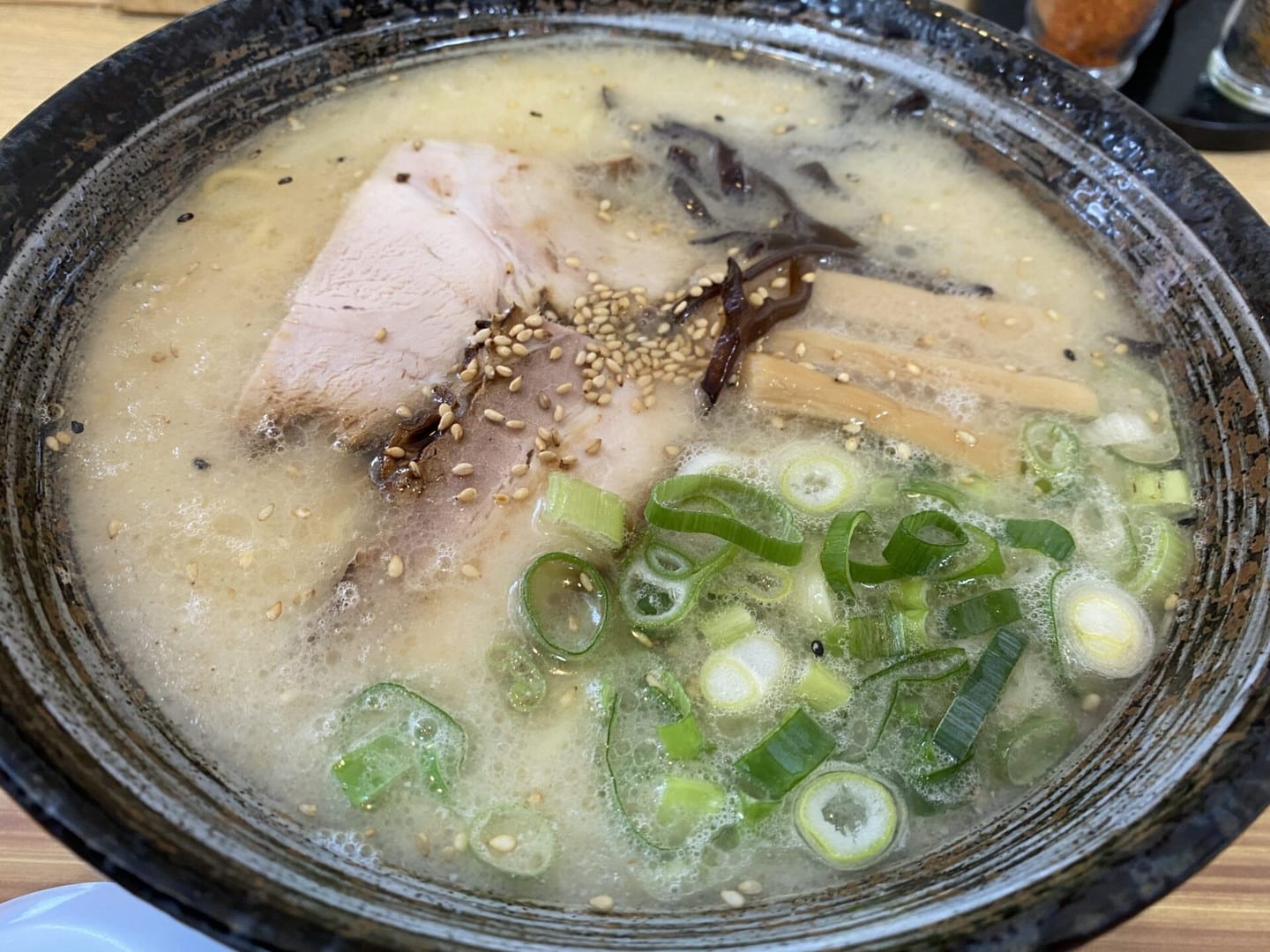
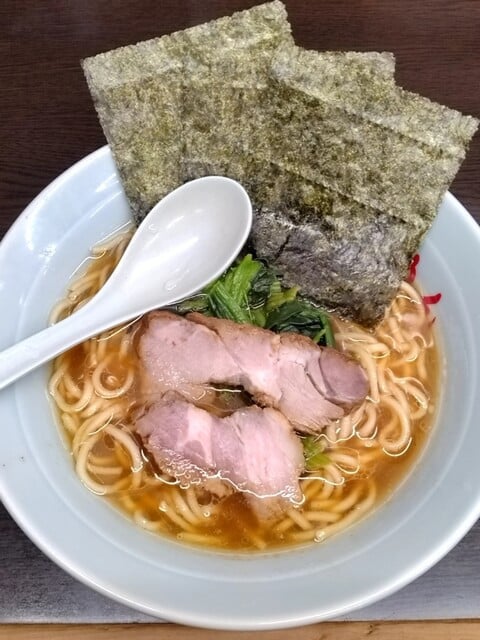
- 🍜 Must-order: shio ramen with extra scallions (large)
- 💰 Price: about ¥900–¥1,100
- 🚉 Access: about 12 minutes by city bus from JR Asahikawa Station
Summer-Only Iced Broth: Ramen Tomiichi
- 🍜 Must-order: the summer-only cold bonito shoyu ramen, with ice cubes made from bonito stock floating in a bonito broth, served with pickled plum and lemon for a tangy, refreshing, one-of-a-kind chill. Very shareable on social media.
- 💰 Price: about ¥950–¥1,150
- 🚉 Access: about 15 minutes by city bus from JR Asahikawa Station
Another Take on Tenkin: Ramen Tenkin Omachi Main Shop
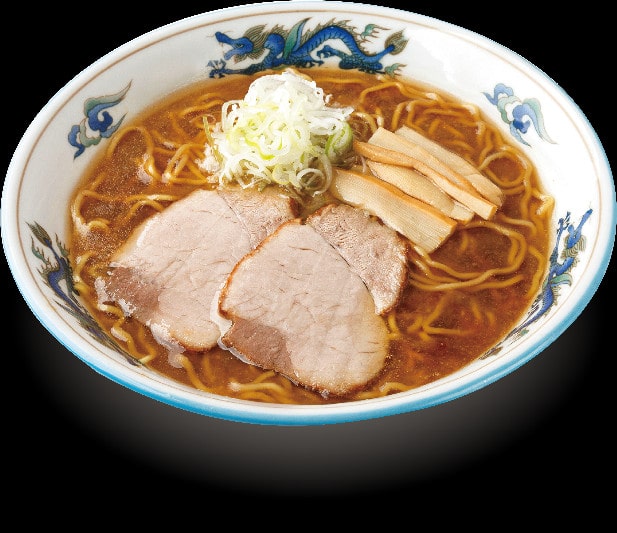
Tenkin Omachi Main Shop is the original shop, independent of the branches. The broth is just as carefully simmered, and it sits in a side street of central Asahikawa with an everyday local feel. Office workers often drop by on their lunch break, so we recommend it for visitors who want a “not-for-tourists” taste.
The main shop also serves a pork-bone base made at its own factory and seasoned with aged shoyu, with a savory, fermented depth. If you like rich flavors, it is worth a stop.
🍜 Must-order: aged shoyu ramen
💰 Price: about ¥950–¥1,150
🚉 Access: about 12 minutes on foot from JR Asahikawa Station
Where to Eat in Asahikawa: Sushi, Shinko-yaki, Genghis Khan and Salted Offal, Not Just Ramen
Ramen is the must-eat headliner in Asahikawa, but Hokkaido’s second-largest city hides plenty more that locals know well. From the fresh seafood of conveyor-belt sushi and Asahikawa’s own regional dish “shinko-yaki,” to the lamb lover’s pilgrimage of Genghis Khan grilled meat and the salted offal you only find in late-night izakaya, each one adds depth to your Asahikawa trip. Below are six well-regarded local spots covering sushi, regional snacks, yakiniku and soba. When planning, try to stagger your meals away from your Ramen Village time and save some stomach space for these hidden gems.
Conveyor-Belt Sushi: Nemuro Hanamaru Asahikawa
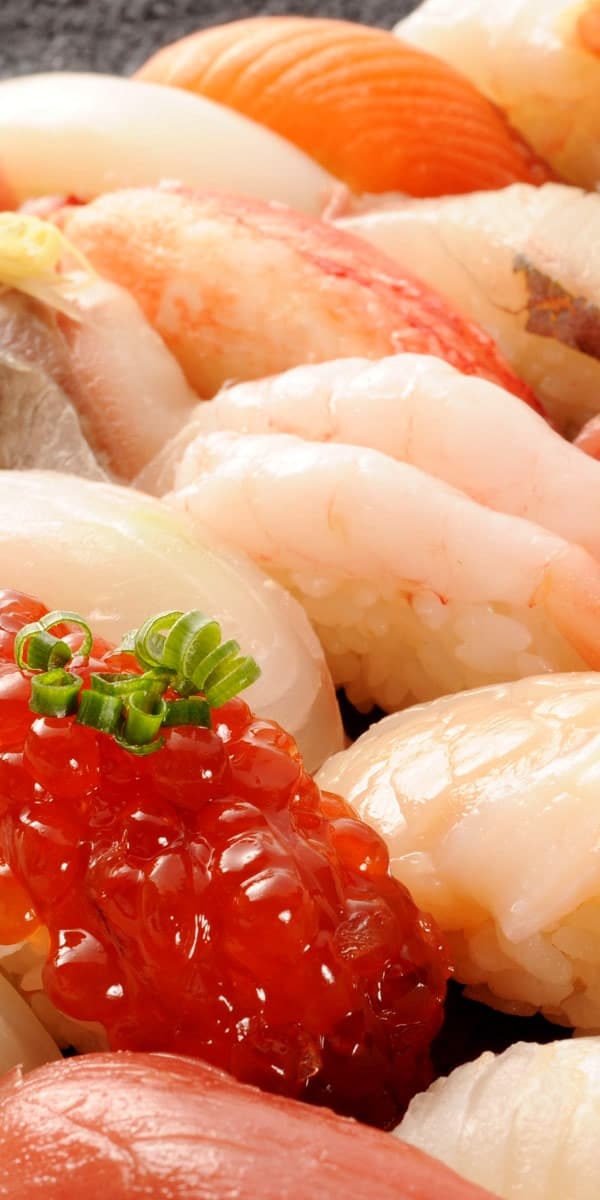
- 🍣 Nemuro Hanamaru Asahikawa, originally from Nemuro, is now inside Feel Asahikawa, directly connected to JR Asahikawa Station. Fresh Hokkaido fish is delivered daily, and the hairy crab gunkan, sea bream and fresh sea urchin nigiri are the signatures. The fluffy vinegared rice pairs perfectly with the fatty, rich fish.
- 💰 Price: about ¥2,000–¥3,500 per person.
- 🚉 Access: directly connected to JR Asahikawa Station, about 2 minutes on foot from the exit.
Asahikawa Regional Dish: Shinko-yaki (Grilled Young Chicken) at Ginneko
“Shinko-yaki” is a regional specialty unique to Asahikawa: half a young chicken with the wing attached, grilled plain. It was born in Asahikawa after the war, and one plate lets you taste the thigh, breast, tenderloin and other cuts together. “Ginneko” is inside “5-7 Koji Fureito” on Gojo-dori 7-chome in Asahikawa, open roughly 13:00–22:00 and closed on Mondays, with shinko-yaki at about ¥2,000. It is one of Asahikawa’s long-established shinko-yaki shops.
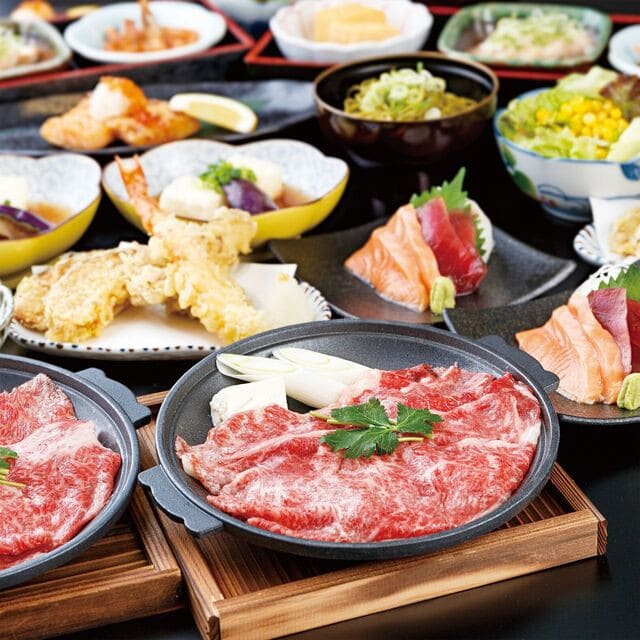
- 🍽️ Must-order: shinko-yaki (half young chicken)
- 💰 Price: shinko-yaki about ¥2,000
- 🚉 Access: about 10 minutes on foot from JR Asahikawa Station
Genghis Khan Grilled Lamb: Daikokuya Main Shop
- 🥩 Must-order: the special miso-marinated lamb Genghis Khan set, with tender meat and no gamey smell. It is grilled together with cabbage and onions on a domed grill pan for a rich aroma.
- 💰 Price: about ¥2,500–¥4,000 per person.
- 🚉 Access: about 10 minutes on foot from JR Asahikawa Station; opens around 16:00.
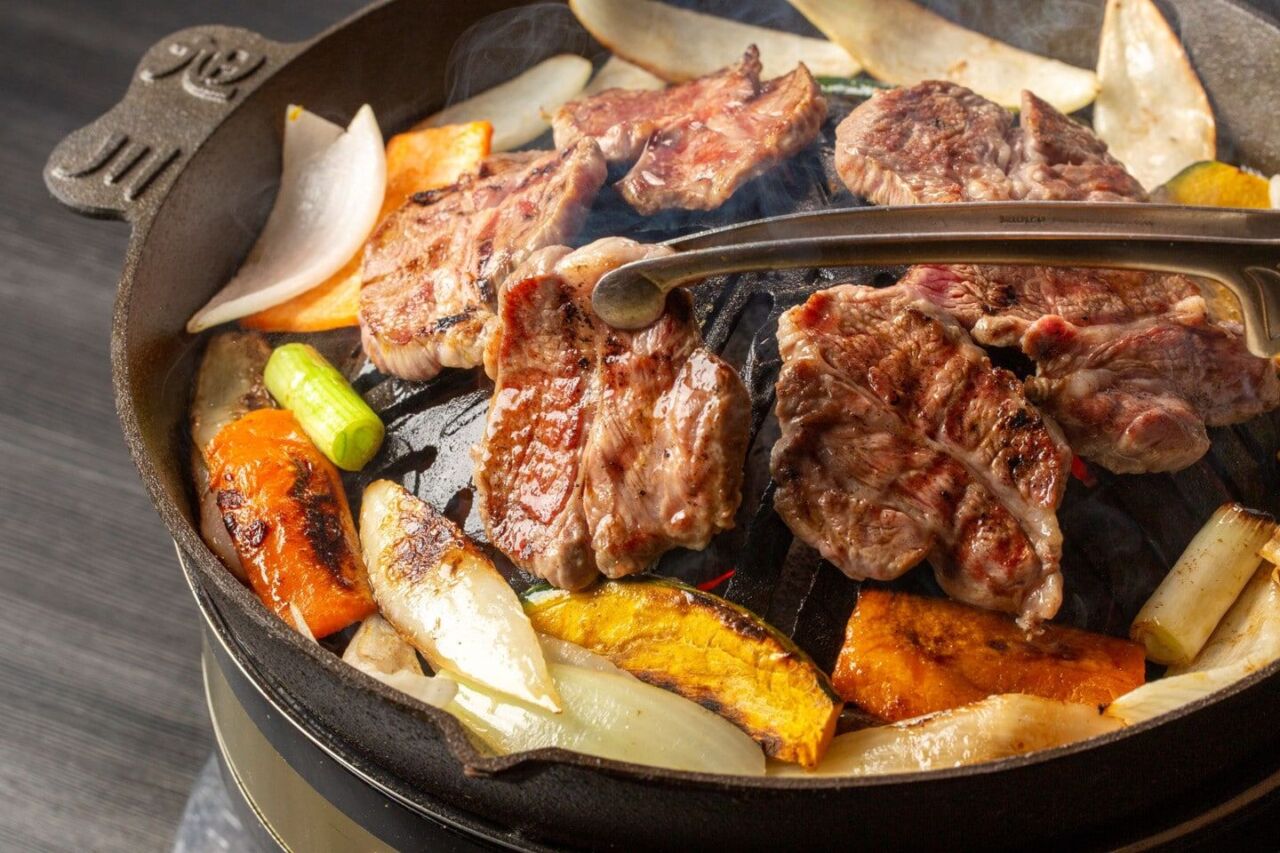
Salted Offal Yakiniku: Yakiniku Horumon Dojo Riki
“Yakiniku Horumon Dojo Riki” is a popular late-night yakiniku izakaya in Asahikawa that specializes in fresh pork and beef offal. Its signature “shio horumon” uses same-day-butchered small intestine, beef tongue, heart tubes and more, seasoned only with salt and pepper and grilled directly over charcoal to lock in sweetness, with a springy bite and no gamey taste.
The atmosphere is lively and perfect for an after-work drink, with draft beer, sake and shochu on the menu. It draws many office workers for group meals, offering a taste of authentic Asahikawa nightlife and izakaya culture.
Must-order: shio horumon platter, salt-grilled beef tongue.
Price: about ¥2,000–¥3,000 per person.
Access: 8 minutes on foot from JR Asahikawa Station, tucked in a side street off Kaimono Koen-dori.
Seafood Bowls: Kita no Fuji
Kita no Fuji is a popular seafood-bowl specialty shop next to Asahikawa Station, featuring its “Hokkai Don,” piled over white rice with in-season salmon roe, sea urchin, scallops and an assortment of sashimi, delivered directly, a feast for both the eyes and the palate. Besides the signature bowls, it also serves grilled fish set meals and miso soup. The shop is bright, and lines often form at midday, so avoid the 12:00 peak.
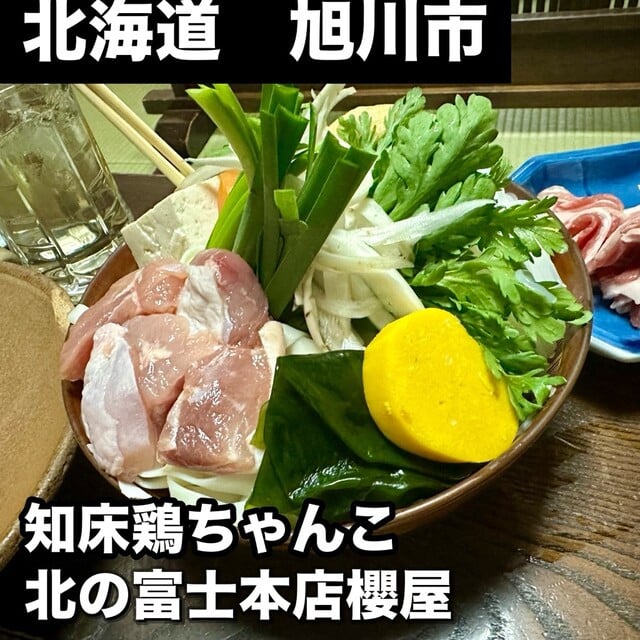
- 🍚 Must-order: Hokkai Don (assorted seafood rice bowl)
- 💰 Price: about ¥1,800–¥3,000 per person
- 🚉 Access: about 5 minutes on foot from JR Asahikawa Station
Handmade Soba: Teuchi Soba Tairaku
If you want a change from ramen and grilled meat, “Tairaku” is a long-established handmade soba shop that Asahikawa locals recommend. The shop grinds its buckwheat flour fresh every day and rolls the noodles by hand, producing soba with a grain aroma and a smooth, chewy texture, served with a bonito-stock dipping sauce that is light and refreshing.
It is served hot or cold: in summer, try the dipping-style “seiro soba,” and in winter a steaming bowl of duck nanban soba. The space is clean and tidy, a great choice when you are tired of ramen.
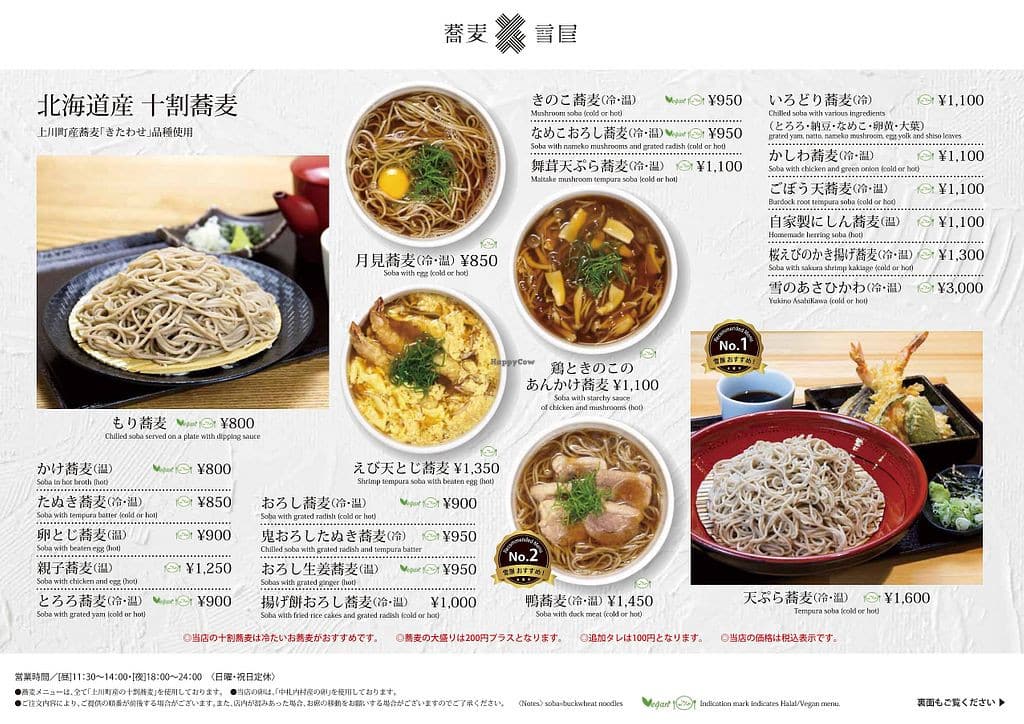
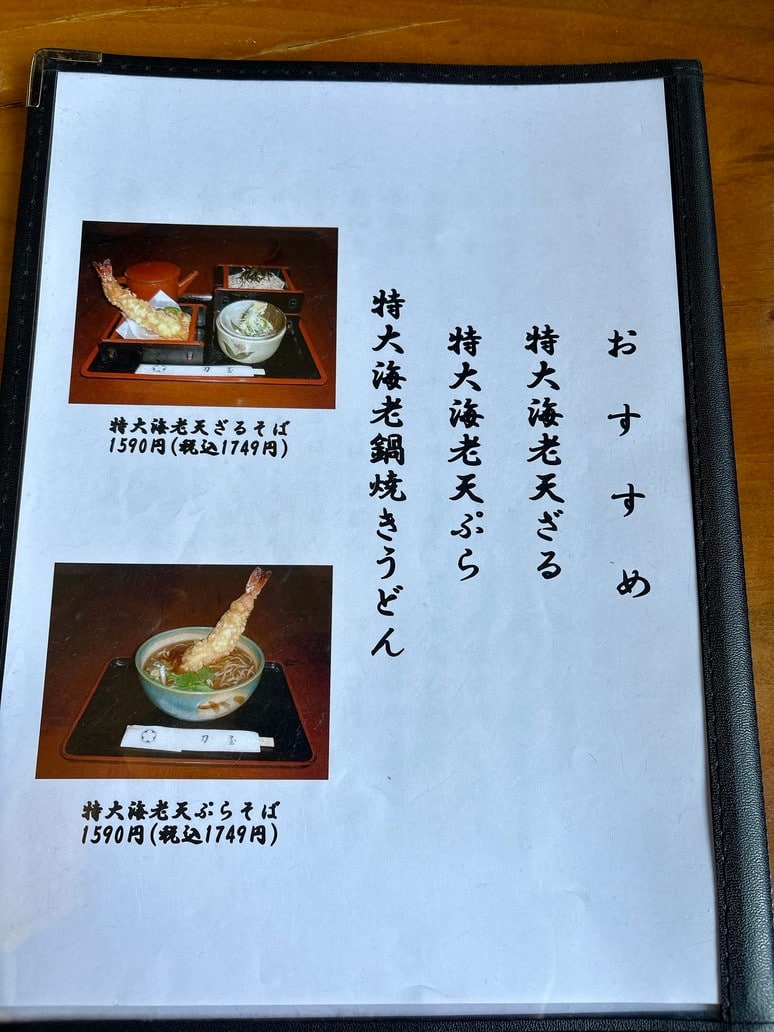
- 🍜 Must-order: duck nanban soba
- 💰 Price: about ¥1,000–¥1,800 per person
- 🚉 Access: 12 minutes on foot from JR Asahikawa Station, near Tokiwa Park
How to Get to Asahikawa Ramen Village: Access, Opening Hours and Times to Avoid
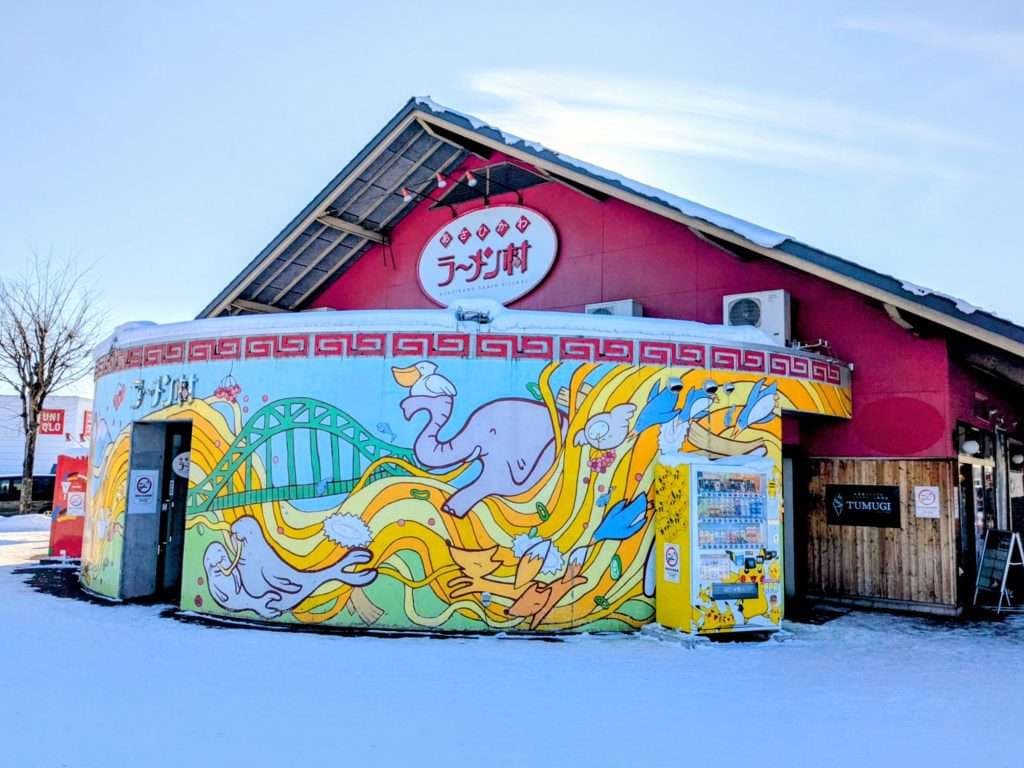
The Ramen Village is on the outskirts of Asahikawa. Getting there is not complicated, and with the key points below you can plan your trip easily.
Getting There: Driving, Train and Bus Compared
The Ramen Village’s full address is 119-48 Nagayama 11-jo 4-chome, Asahikawa, Hokkaido 079-8421, in one corner of the Powers shopping center. It is a little way from the city center, so choose whichever route suits you best.
| Transport | Cost | Travel time |
|---|---|---|
| Car (free parking next door, with space for large tour buses) | Depends on rental cost | About 20 minutes (from JR Asahikawa Station) |
| Train (JR Sekihoku Main Line to Minami-Nagayama Station, then about 7 minutes on foot) | About ¥320 (one way, JR Asahikawa Station to Minami-Nagayama Station) | About 10 minutes plus about 7 minutes on foot |
| Bus (Dohoku Bus from JR Asahikawa Station) | About ¥300–¥400 | About 15–20 minutes |
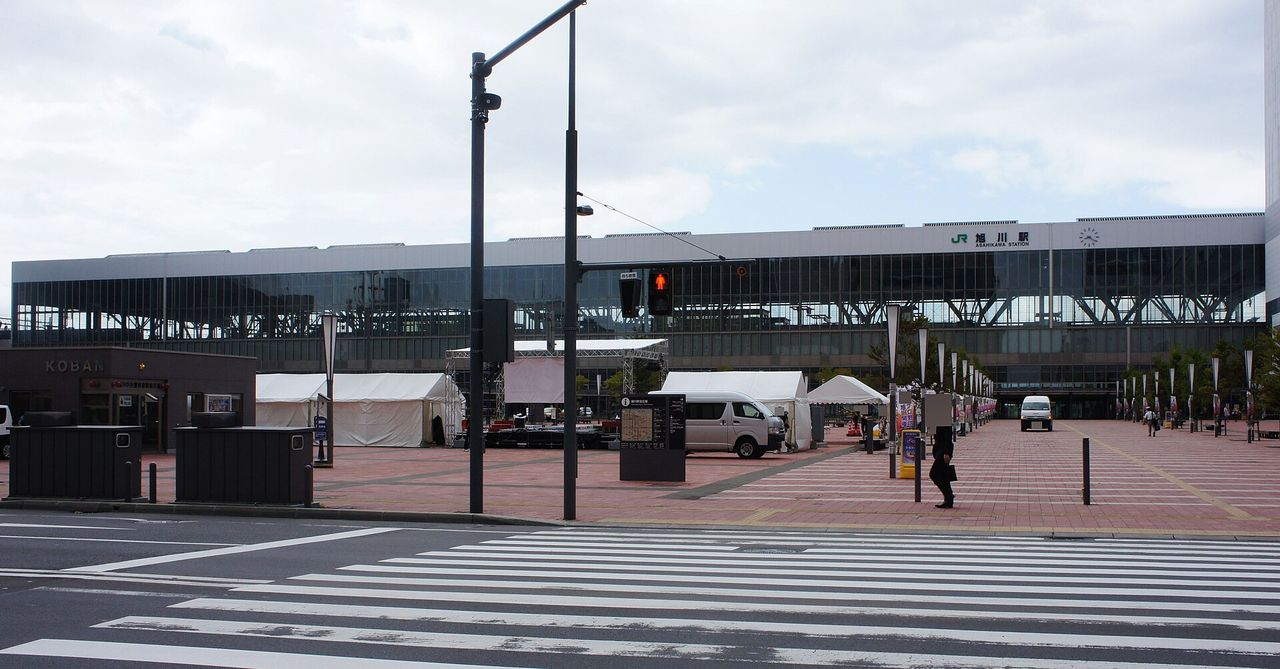
Asahikawa Ramen Village Opening Hours: 11:00–20:00, When Is the Best Time to Go?
The official site lists opening hours of 11:00–20:00 and notes that shops are currently running shortened hours, so check each shop for its actual closing time.
Closing days differ from shop to shop, and hours may change during long holiday weekends, so check each shop’s notice for the day before you visit.
Tour-bus groups often flood in from 12:00 to 13:30 and at dinnertime, lengthening the wait. We recommend arriving right at the 11:00 opening or in the quieter window around 15:00, and allowing 1–1.5 hours for your meal so you can enjoy the ramen without rushing.
Village Highlights: Ramen Shrine and Limited-Time Shops
Besides the permanent shops, the complex has the “Ramen Shrine,” a bowl-shaped bench and a face-in-hole photo board, so you can snap photos without leaving the grounds. They are great for a stroll while you wait in line.
There is also a souvenir shop selling packaged ramen sets from the shops in the village. If you love a flavor, you can take it home and cook it yourself, making it a good souvenir for gifts or for yourself.
Nearby Spots and Convenience: Uniqlo, GU, ABC-Mart
The Ramen Village is close to everyday brand stores such as Uniqlo, GU and ABC-Mart, so you can shop on the way, which makes this a very convenient area for tourists. After a bowl of ramen you do not have to travel far, as a few steps take you to more shopping, and it fits well into a combined half-day itinerary.
If you have time, you could plan a day as “morning at Asahiyama Zoo, lunch at the Ramen Village for a warming bowl, afternoon at the Otokoyama Sake Brewery Museum or the Heiwa-dori shopping street downtown,” linking Asahikawa’s best sights and food in one route.
Asahikawa Ramen Village Reviews: Honest Feedback and Is It Worth Visiting?
Looking at reviews of Asahikawa Ramen Village on Japanese travel review platforms such as Tripadvisor and 4travel, the praise mostly centers on being able to compare shops all in one place when you cannot decide which Asahikawa ramen to eat, the half-size bowls that let you try several shops (tabe-kurabe), and the free, spacious parking that saves time compared with running around to the main shops downtown. The complaints are mostly about long lines outside many shops when tour-bus groups arrive at lunchtime, and some people feel the village versions leave less of an impression than the main shops downtown.
All things considered, Asahikawa Ramen Village suits travelers who drive, who are adding Asahiyama Zoo, or who have limited time and want to compare several broths at once. If you are staying near Asahikawa Station and are a ramen fan who only wants to visit one particular shop, going straight to its downtown main shop will feel more local. The official site lists hours of 11:00–20:00 and free admission, but some shops are still running shortened hours, so we recommend checking before heading there in the evening.
Tips for Avoiding the Crowds: How to Skip the Lines
Asahikawa Ramen Village is a popular tourist spot, with especially large tour-bus groups during summer vacation, winter vacation and long holiday weekends. We recommend avoiding the mealtime peaks around the top of the hour and prioritizing weekday visits, which can greatly cut your waiting time.
It is also a good idea to check each shop’s closing-day or temporary-closure notice in advance, as some popular shops occasionally close early when ingredients sell out. Going in the morning improves your chances of getting into the shop you want.
Contact Information and Practical Tips
The Asahikawa Ramen Village service line is 0166-48-2153. For group reservations or event inquiries you can call to confirm directly. Most shops in the village accept cash and some electronic payments, but we still recommend carrying some cash just in case.
Winter temperatures in Hokkaido are extremely low, so dress warmly. The complex is heated, but the waiting areas are mostly outdoors or semi-open, and wearing non-slip footwear helps you avoid slipping on snowy ground.
Let’s Eat! A Complete Wrap-Up of the Asahikawa Ramen Village Food Trip
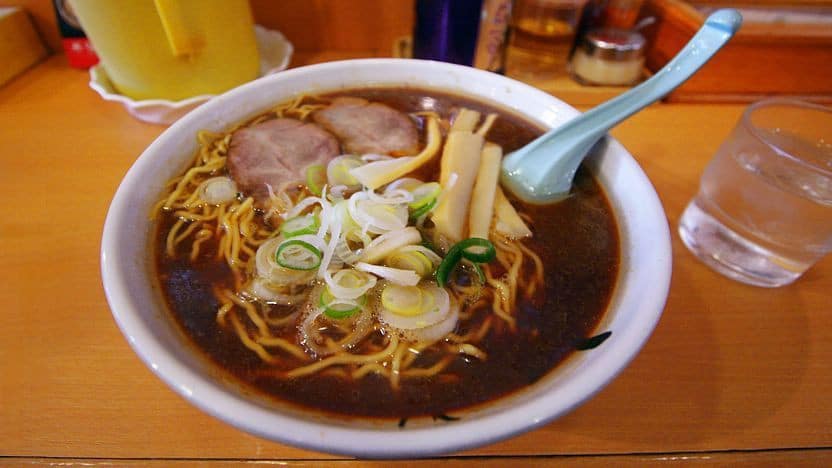
Asahikawa Ramen Village distills the ramen soul of the whole city into a handful of long-established shops. From Aoba, founded in 1947, to Isshin, which makes its noodles in-house every day, every bowl carries a craftsman’s dedication, making it a stop worth putting on your Hokkaido itinerary.
If time allows, we suggest combining the Ramen Village, the downtown shops Horyu and Mikazuki, plus sushi, Genghis Khan and salted offal into a two- to three-day Asahikawa mini-trip, enjoying them at different times of day. That way you avoid the peak lines and take in more of Asahikawa’s food map. Whether it is your first visit or a return trip, the aroma of this city’s ramen is always worth another bowl.


Frequently Asked Questions (FAQ)
Q: Do I need a ticket for Asahikawa Ramen Village?
No. Admission to Asahikawa Ramen Village is free, and you only pay for what you order. A bowl of ramen costs about ¥850–¥1,250.
Q: What is the easiest way to get to Asahikawa Ramen Village?
Driving saves the most time, with free parking next door and about 20 minutes from JR Asahikawa Station. If you do not drive, take the JR line to Minami-Nagayama Station and walk about 7 minutes.
Q: What are the opening hours of Asahikawa Ramen Village, and when is the best time to visit?
Shops generally open around 11 a.m. and close around 8 p.m. We recommend avoiding 12:00–13:30 and the dinner rush, and going at the 11:00 opening or the quieter 15:00 window for the shortest wait.
Q: What is the best season to visit Asahikawa Ramen Village?
Winter best shows off the heat-trapping oil layer of the double soup, while summer pairs well with a day trip to Asahiyama Zoo. Each season has its own charm and both are worth a visit.
Q: Which shops at Asahikawa Ramen Village are the must-eats?
The top picks at Asahikawa Ramen Village are the four flagship shops Aoba, Tenkin, Baikohken and Santouka. If you want a change, choose Ittetsuan for its Japanese-style fish broth. Shoga Ramen Mizuno is downtown, not inside the village.
Q: What else is there to do near Asahikawa Ramen Village?
Uniqlo, GU, ABC-Mart and other stores are right outside, so after your ramen you can shop on the way, which suits a combined half-day itinerary.
Q: Is there a phone number for Asahikawa Ramen Village?
Yes. The service line is 0166-48-2153, and you can call directly to confirm details for group reservations or event inquiries.