

Obihiro Food Guide: A City That Turns Local Produce Straight Into Famous Dishes
Obihiro’s food logic is simple: whatever the Tokachi Plain grows and raises is what you eat here. Abundant wheat, azuki beans, dairy and pork turned directly into butadon and two major sweets brands, with almost no detour in between.
The Obihiro Food Map: Most of It Within Reach of One Station
The best thing about Obihiro is that its most representative shops cluster around JR Obihiro Station. The original butadon shop, Rokkatei’s founding main store and Ryugetsu’s Odori Main Store are all within roughly 400 meters of each other, and you can walk to all of them in under ten minutes (Ryugetsu Odori Main Store is about ten minutes from the station; the others are closer). Even a half-day layover covers the core of Obihiro’s food scene. Only the suburban queue-worthy shop and the yatai villages that open in the evening need extra travel, and both are still within walking or short-ride distance in the city, which makes Obihiro the most friendly corner of Tokachi for travelers without a car.
Butadon Is Obihiro’s Specialty, Not “Tokachi-don”
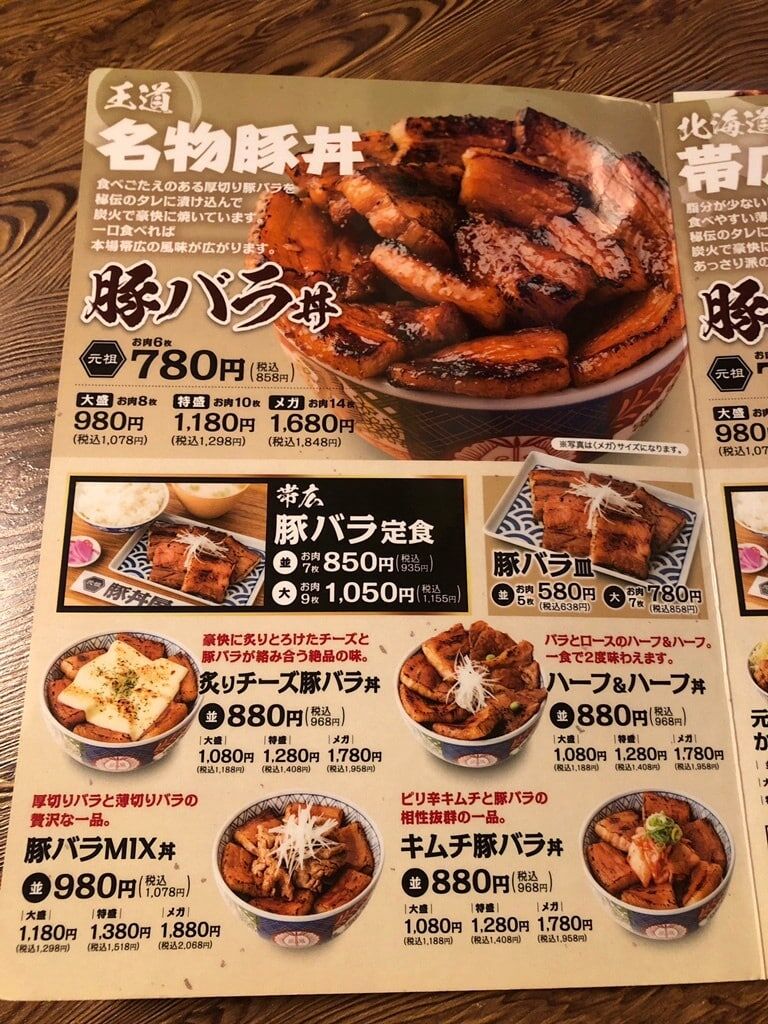
Let’s get the name straight: Obihiro’s signature dish is butadon, a pork rice bowl, and there is no dish called Tokachi-don. To make butadon, thick slices of pork are grilled over charcoal, brushed with a sweet-savory sauce based on soy sauce and sugar, and laid directly over white rice.
It was born in Obihiro in the early Showa era, when pig farming was taking off in Tokachi and some shops turned the locally available pork into an affordable rice bowl, which became the dish we know today. That is why nearly every sign you see in Obihiro reads 豚丼 or ぶた丼 (both are the same dish).
Why the Sweets Are So Strong: Azuki and Dairy Are Right Next Door
Tokachi is a major Japanese producer of azuki beans and dairy, which are the core ingredients of Japanese and Western confections alike. It is no coincidence that Rokkatei and Ryugetsu, Hokkaido’s two most representative sweets brands, both originated in Tokachi.
For travelers, the biggest value lies in “main-store exclusives”: some items have such a short shelf life that you can only eat them at the main store in Obihiro, and you cannot get them once you leave the city. That is why Obihiro is worth a dedicated dessert stop, rather than just buying a box at the airport.
What Will This Guide Tell You?
This guide has four parts: eight must-try local foods, five butadon and local restaurants, five yatai villages and sweets main stores to visit, and practical reminders on dining etiquette and timing. Information for every shop is subject to the shop’s announcements on the day.
One thing to note up front: many of Obihiro’s famous shops are cash only, some have strict in-store rules, and some close early once they sell out. These details are covered in the tips section later, and are worth reading before you go.
What to Eat in Obihiro and Tokachi? 8 Signature Items, From Butadon to Sweets
It is far more efficient to settle what to eat before choosing shops. The following eight items are the most representative of Obihiro and Tokachi.
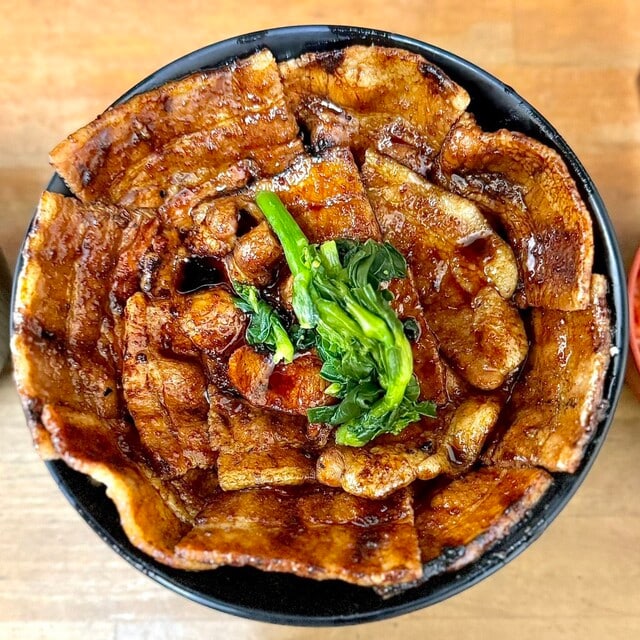
Butadon: The City’s Calling Card of Thick Pork With Sweet-Savory Sauce
The absolute star of Obihiro. Thick-cut pork is grilled over charcoal and brushed with a sweet-savory sauce made from soy sauce and sugar; the aroma hits first, and then the meat is laid neatly over a whole bowl of white rice. The sauce seeps into the rice, and it is the real soul of this dish.
Shops differ greatly in cut, thickness and sauce sweetness: some use pork loin for a hearty style, while others let customers choose among loin, belly or tenderloin. For your first time, we suggest ordering the basic version to experience the original before comparing. At most shops the price depends on the number of slices of meat, so check before ordering.
Indian Curry: The Soul Food Obihiro People Grow Up On
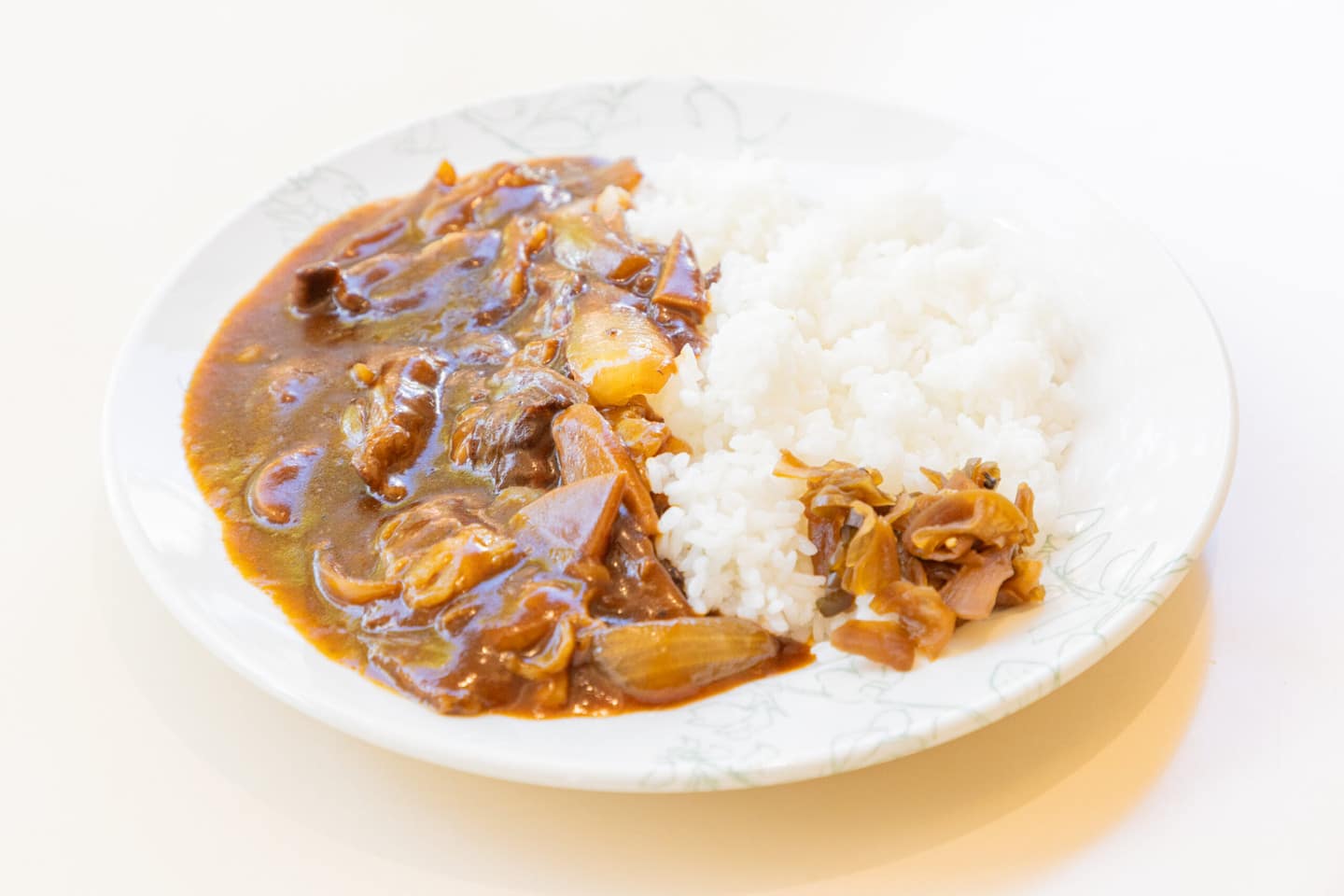
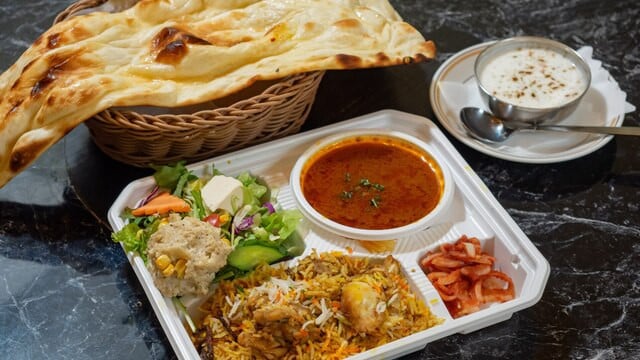
In central Obihiro there is a local curry chain named “Indian” (インデアン), run by the local Fujimori Shokai. It is a true everyday canteen for Obihiro locals and sells about 2.5 million servings a year. Its flavor follows the thick Japanese curry style, prices are very friendly, and many locals eat there several times a week.
The menu usually lets you choose the type of sauce and the spice level, with common toppings such as fried pork cutlet and vegetables. It is not a tourist-oriented famous shop; it is so everyday that it keeps showing up on locals’ recommendation lists. For an unpretentious taste of Obihiro, this is the fastest shortcut.
Chuka Chirashi: A Rice Bowl You Only See Around Here
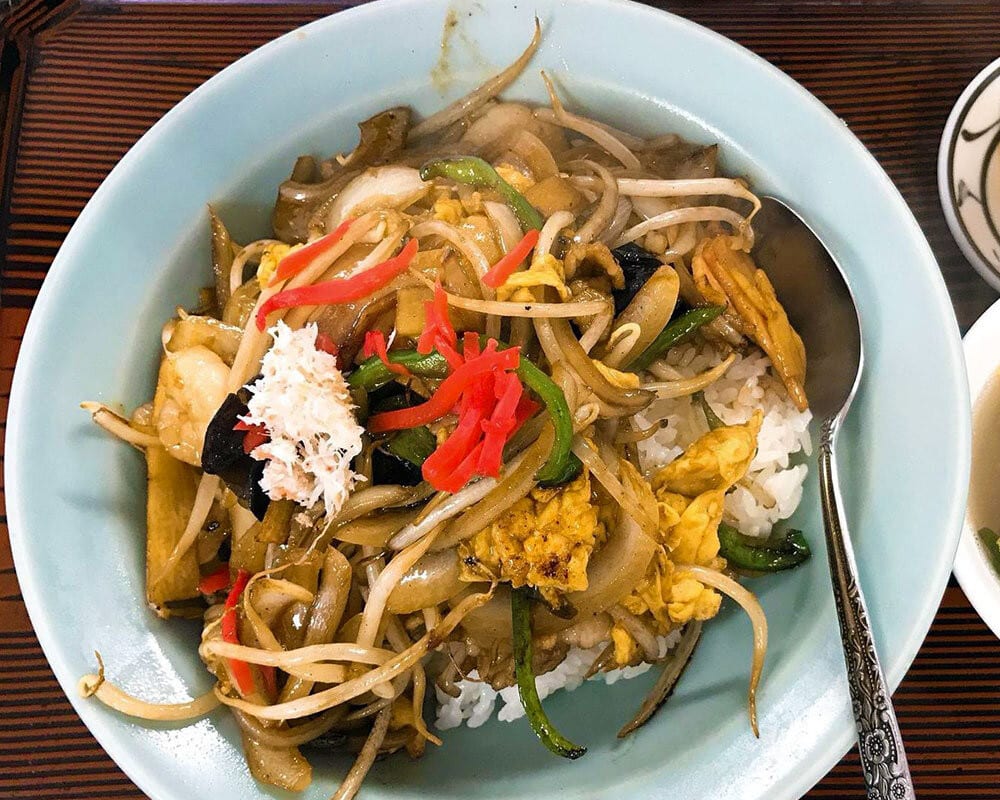
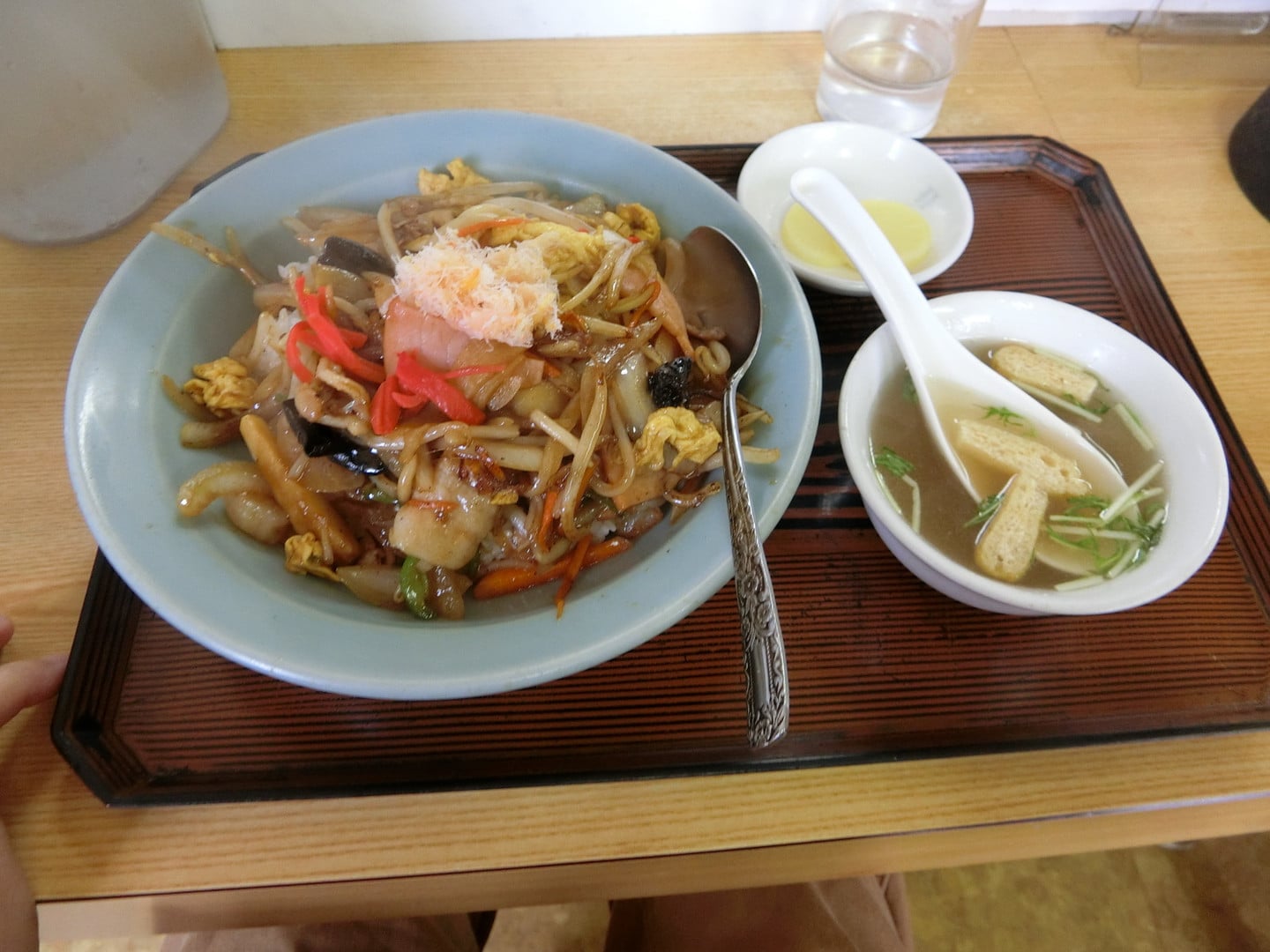
Around Obihiro there is a dish rarely seen elsewhere, written in Japanese as 中華ちらし (chuka chirashi): Chinese-style stir-fried ingredients served over white rice, something between a rice bowl and fried rice, and a staple at local Chinese restaurants. It was born in 1967 as a staff meal at the Kappo Shochiku in the city, and its creator, Naohiko Ikeda, later opened Ajifuku and became known as “Mr. Chuka Chirashi.”
Toppings and seasoning vary widely between shops; some lean toward rich sauce, others are lighter. Because it is less famous than butadon, it makes a good choice when you want something different. Not every shop has it, so try it when you see it on a menu.
Tokachi Azuki and Wagashi: The Base Ingredient of the Sweets
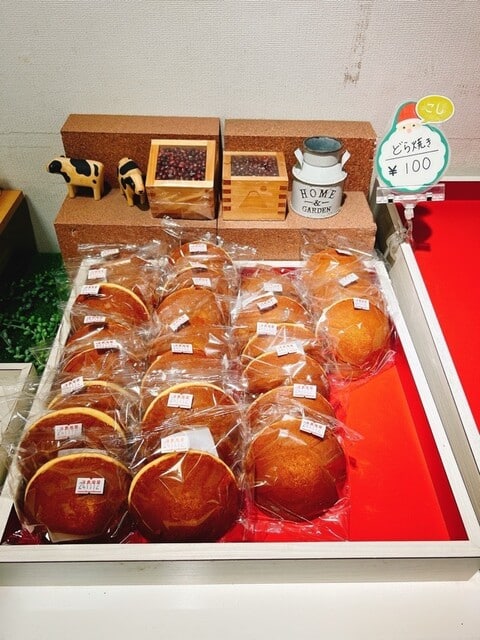
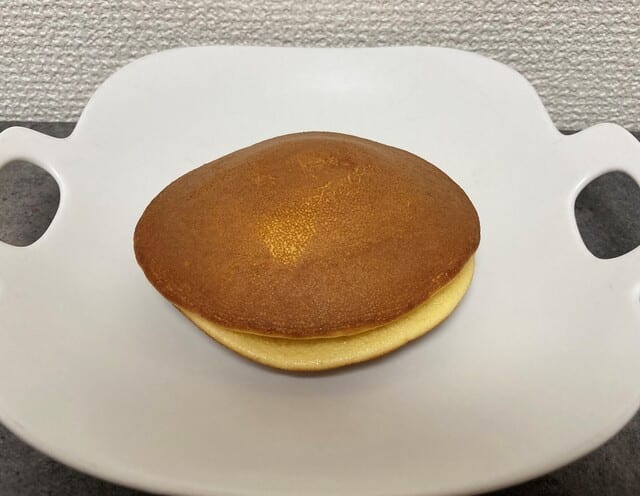
Tokachi is a major azuki-growing region in Japan, among the top in both quality and volume, which is the root of why Tokachi’s wagashi are so strong. The local monaka, yokan and daifuku all use beans grown on the region’s own land.
Rokkatei also offers a traditional item in monaka form, “Hitotsu-nabe” (ひとつ鍋), one of the brand’s early signature sweets. To understand the source of Tokachi sweets, starting with azuki products is the most direct route.
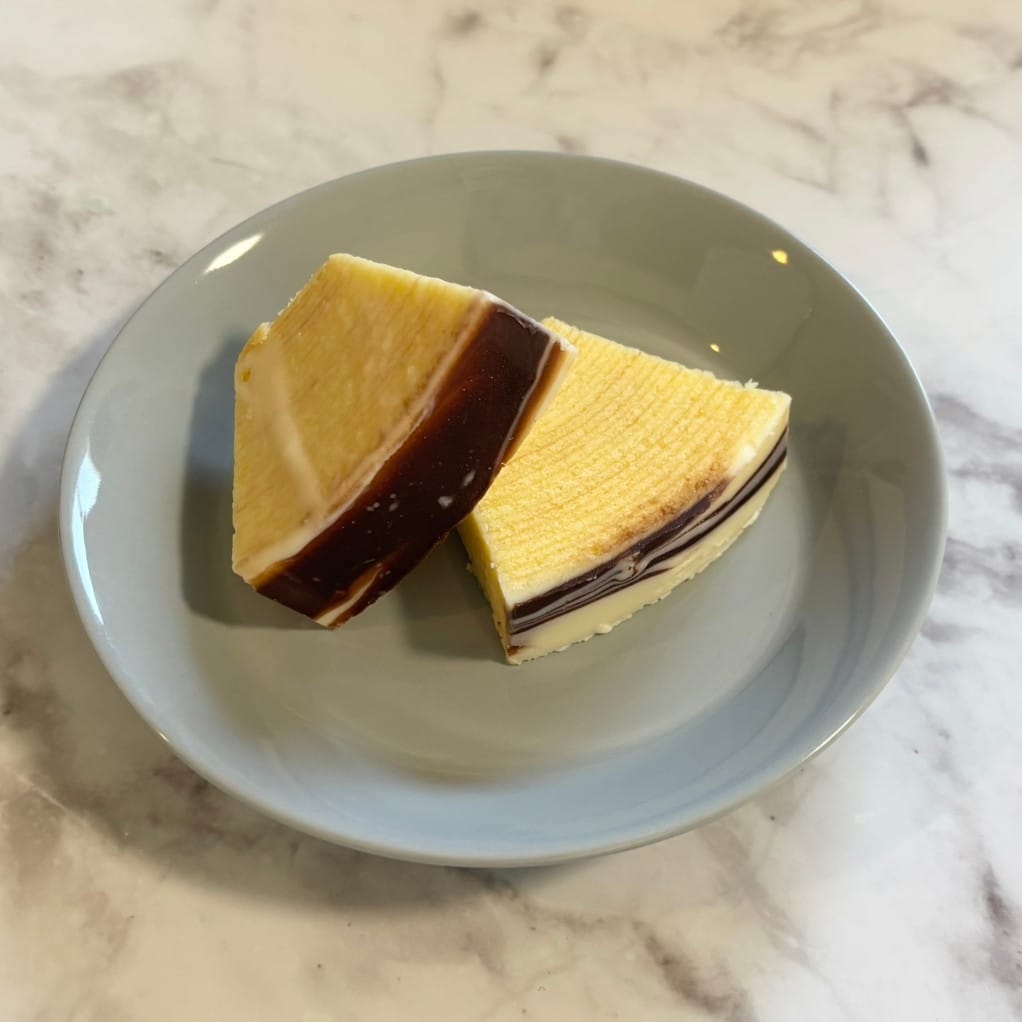
Sanporoku Baumkuchen: The Signature That Imitates Birch Bark
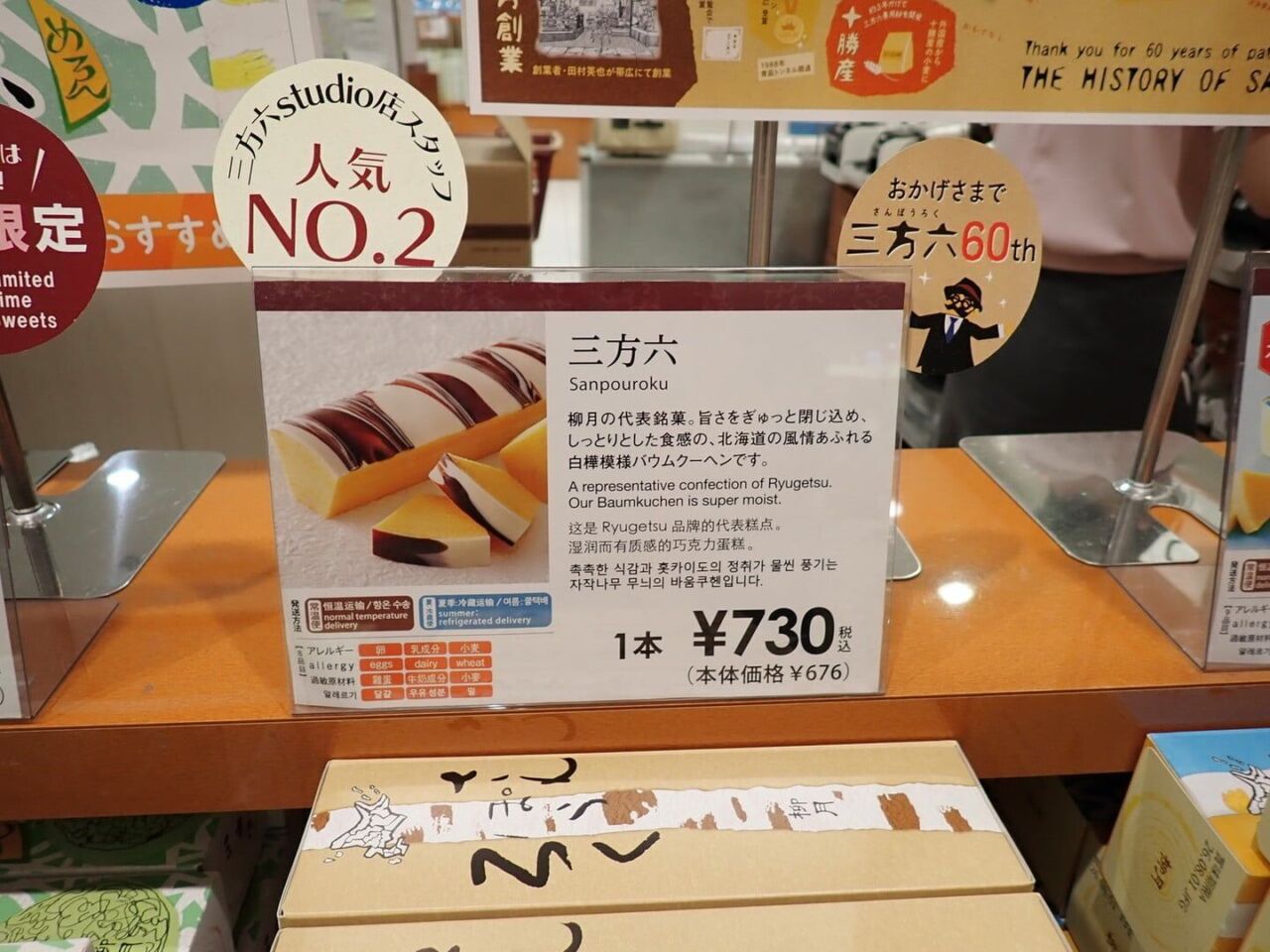
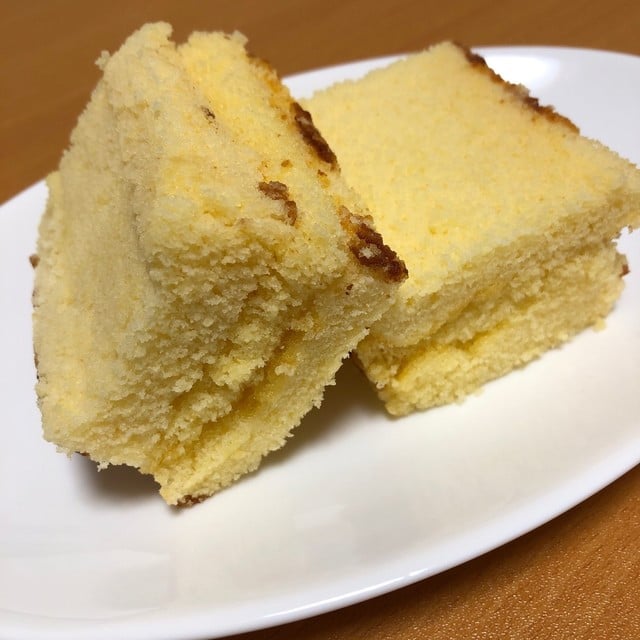
Ryugetsu’s flagship item has an outer layer of dark and white chocolate that mimics Hokkaido birch bark, a cross-section of stacked baumkuchen rings, and a moist, dense cake. The name comes from an old way of measuring firewood: a log with three sides of six sun each (about 18 cm), and the whole shape echoes Hokkaido’s forests.
The main store usually has small cut-slice versions, so you can eat a piece on the spot without carrying a whole loaf. It is one of the standard answers for Obihiro souvenirs, keeps at room temperature and is easy to carry. Actual product specs and shelf life are subject to the shop’s announcements.
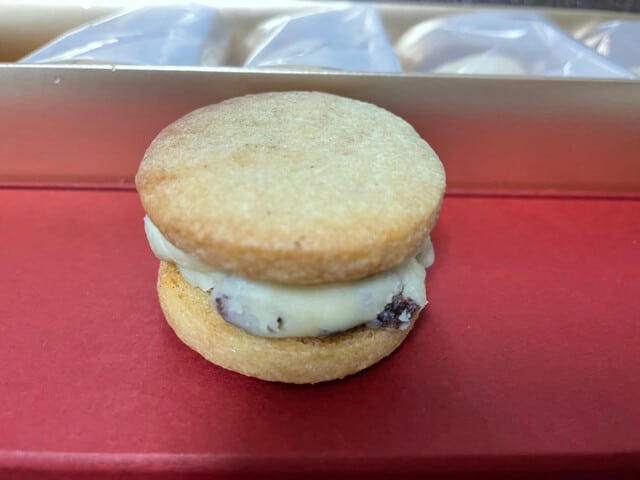
Rum Raisin Butter Sandwich: Rokkatei’s Most Famous Item
Rokkatei’s best-known product has two cookies sandwiching a white chocolate cream filling mixed with rum-soaked raisins, with sweetness and rum aroma well balanced, and many people consider it the number one Hokkaido souvenir.
At the Obihiro main store, besides the room-temperature version, there is a limited ice cream sandwich edition that serves the same combination frozen, with a completely different texture, and it is sold only at a few flagship stores. When you visit the Obihiro main store, we suggest trying both. Items actually sold depend on the shop’s situation on the day.
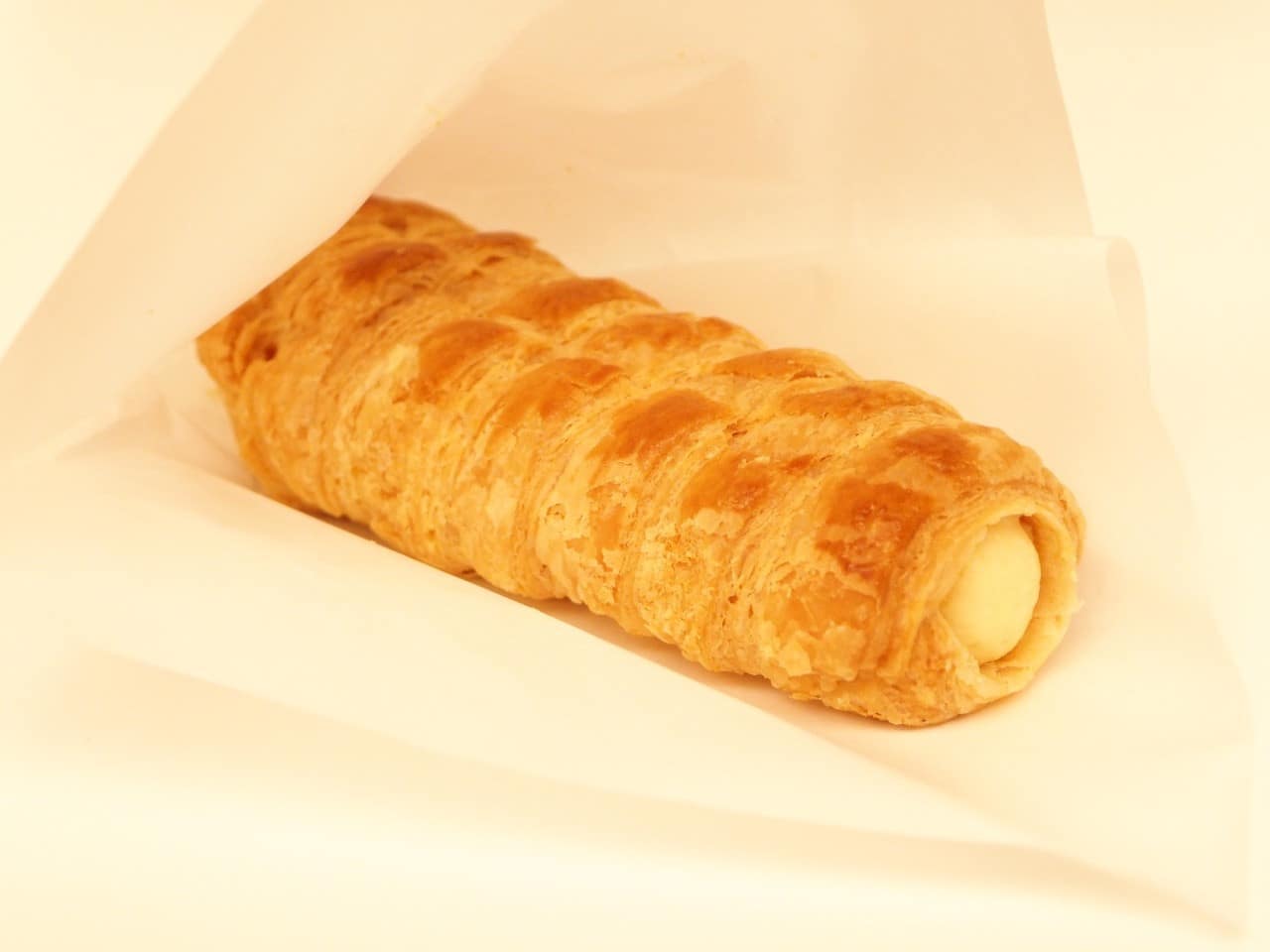
Sakusaku Pie: A Main-Store Exclusive With a Three-Hour Shelf Life
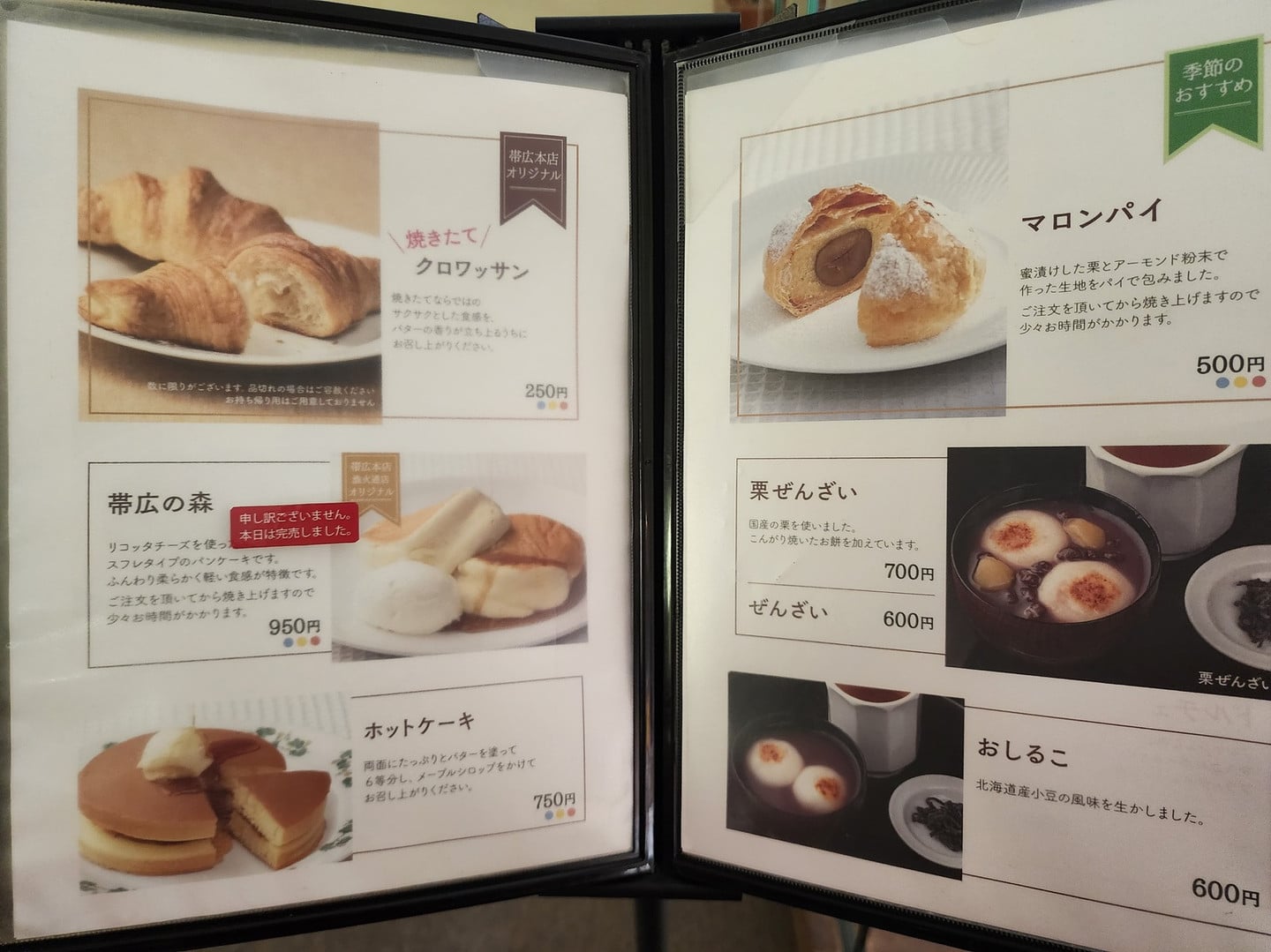
Rokkatei Obihiro Main Store’s most famous exclusive is a freshly made pastry roll filled with chilled custard. Because the standard for crispness of the shell is extremely high, the best-before window widely cited by media is only three hours (Rokkatei’s own website does not state this), and in practice it is made to order and sold only at directly run stores around Obihiro.
Biting into a freshly made one produces a distinct crunch, and that moment is the reason this dessert exists. Because it is made to order, serving times and quantities are affected by the day’s conditions, so we recommend going early and eating it right away in the shop’s eat-in area.
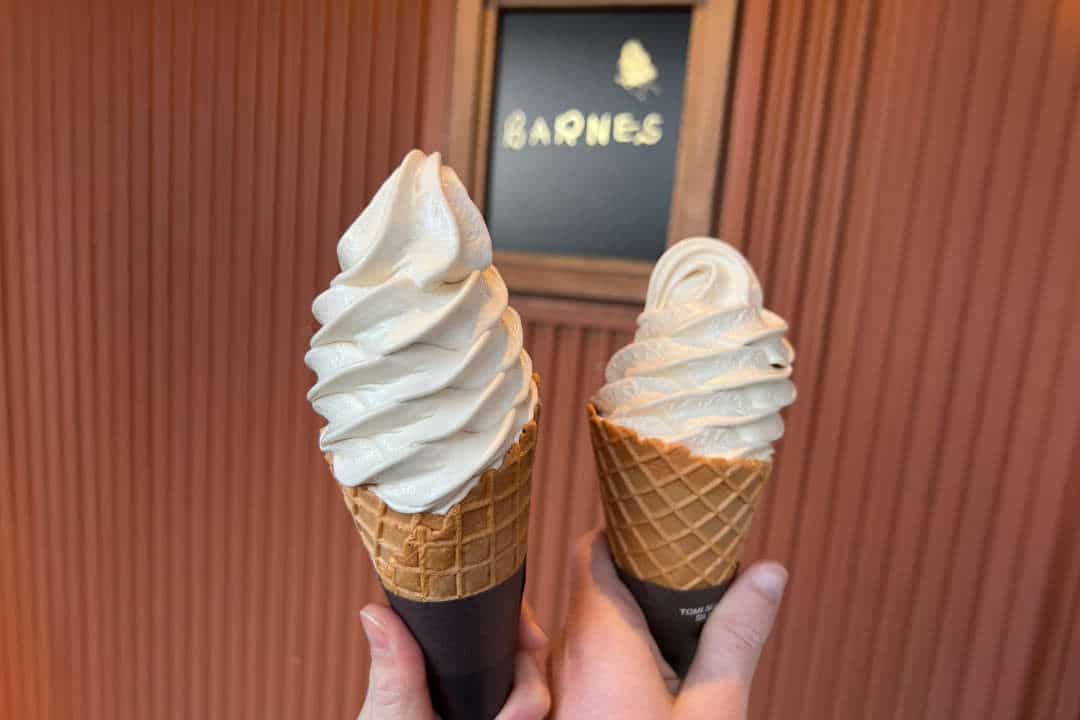
Tokachi Cheese and Dairy: From Milk to Ice Cream
Tokachi’s dairy industry ranks among the top in Japan, and around Obihiro there are many small cheese workshops and dairy brands, producing camembert, white-mold cheese and fresh cheese of very high quality that often win awards in domestic and international competitions.
For travelers, the easiest things to get are Tokachi milk, yogurt and soft serve, available everywhere. Farms in Nakasatsunai Village also sell products known for their fresh-milk caramels. Note that most dairy products need refrigeration and have a short shelf life, so check how to store them before long trips.
Best Obihiro Butadon Shops: 5 From the Original to Local Queue Favorites
Obihiro has several butadon shops of clearly distinct rank, each with a different style. The five below are arranged by character. You do not need to eat at them all; picking two to compare is already very rewarding.
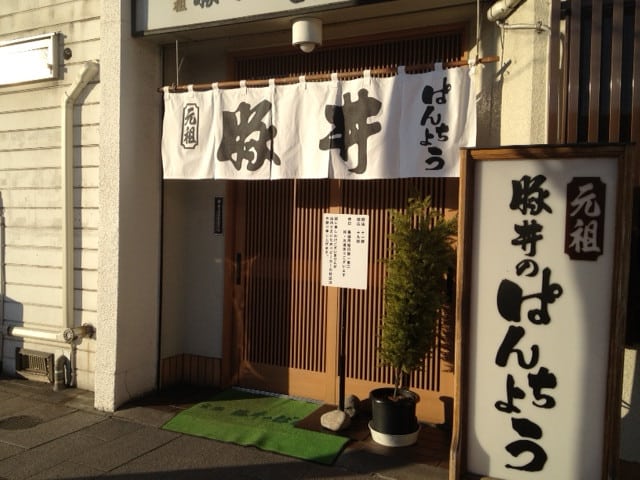
Ganso Butadon no Pancho: The Birthplace Shop, Founded in 1933
Right across from JR Obihiro Station, this is the acknowledged birthplace of butadon, founded in 1933 (Showa 8). It is generally said the first owner took the method of unadon (eel rice bowl) and swapped in locally available pork. The shop is filled with a rich charcoal aroma, uses thick pork loin that is firm without being dry, and its sauce takes a relatively pure sweet-savory approach.
The menu has four tiers, Matsu, Take, Ume and Hana (松、竹、梅、華), which differ only in the number of meat slices; if you want to be full, order Ume or Hana directly. Note that this shop is cash only (the Obihiro Tourism Association states cards are not accepted), and there is a no-photography notice at the entrance, so check before taking pictures. Hours are 11:00-19:00, closed Mondays and the first and third Tuesday of each month, subject to the shop’s announcements.

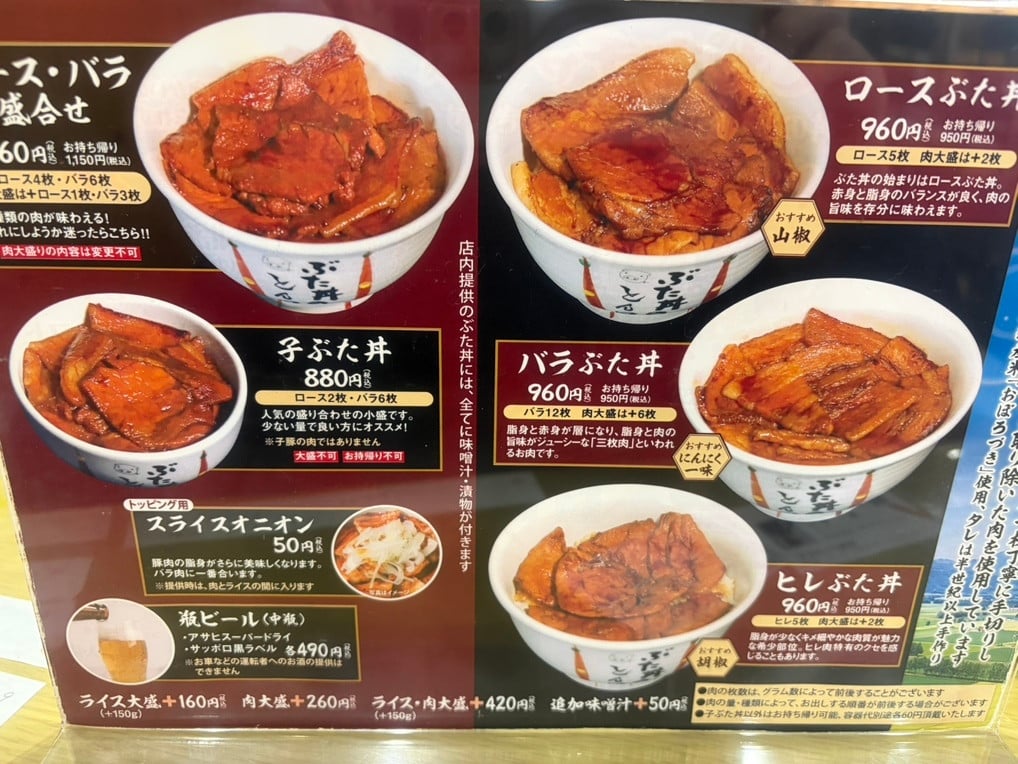
Butadon no Tonda: A Queue Favorite Where You Choose Your Cut
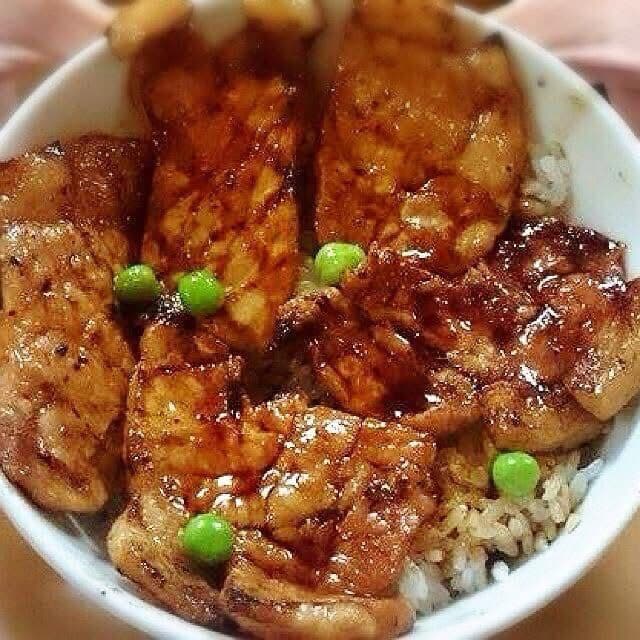
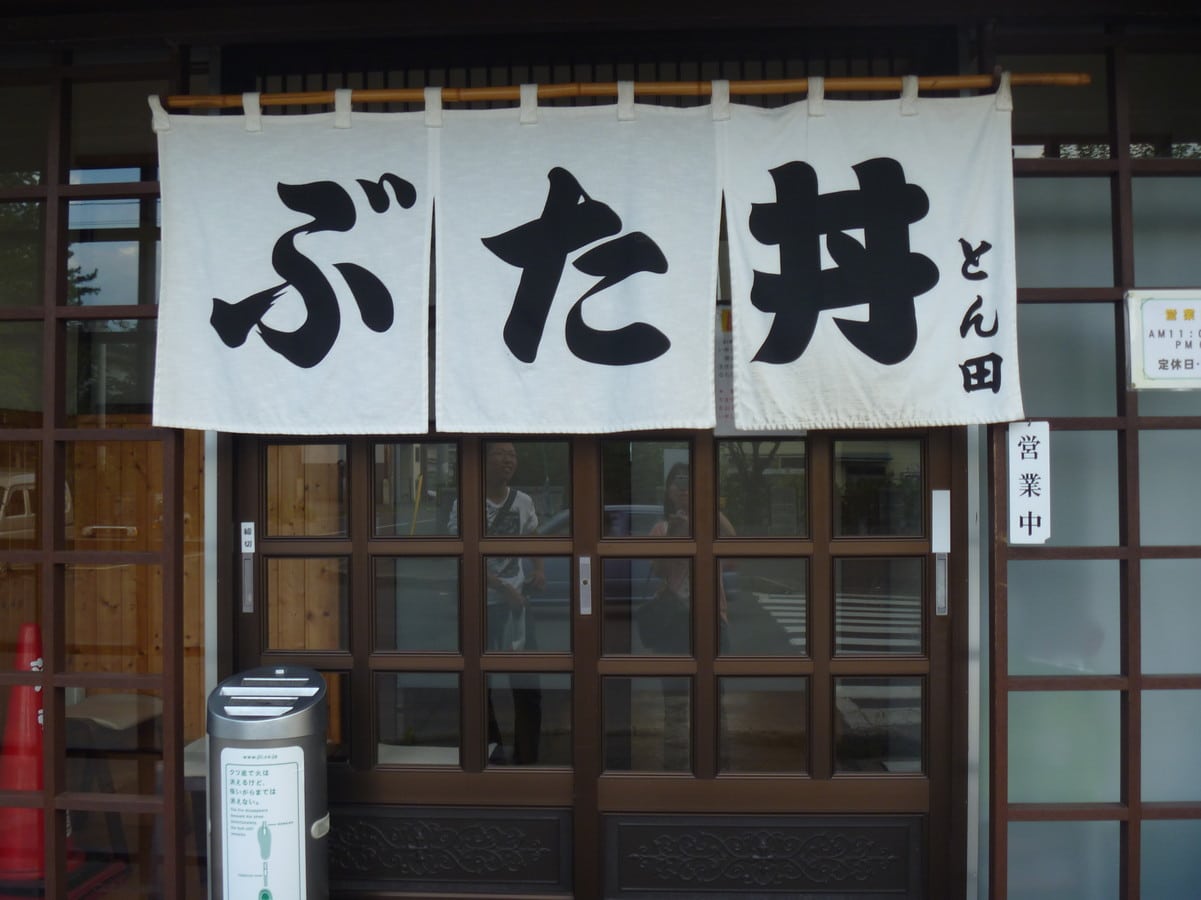
To locals, this is the huge queue shop that rivals the original. Its biggest feature is that you choose the cut of pork yourself: loin (ロース), belly (バラ) and tenderloin (ヒレ) each have their fans, so one shop offers three completely different textures, along with a mixed platter of all three (盛合せ).
The most recommended is the belly version, with its fat seared until the surface is slightly crisp, rich without being greasy. Note that the shop is some distance from the city center: about 8 minutes by car or taxi from JR Obihiro Station (about 25 to 30 minutes on foot). It has 21 parking spaces, and the lunchtime queue can be considerable. Hours are 11:00 to 18:00 (last order), until sold out, closed only for the year-end and New Year holidays, cash only. Subject to the shop’s announcements.
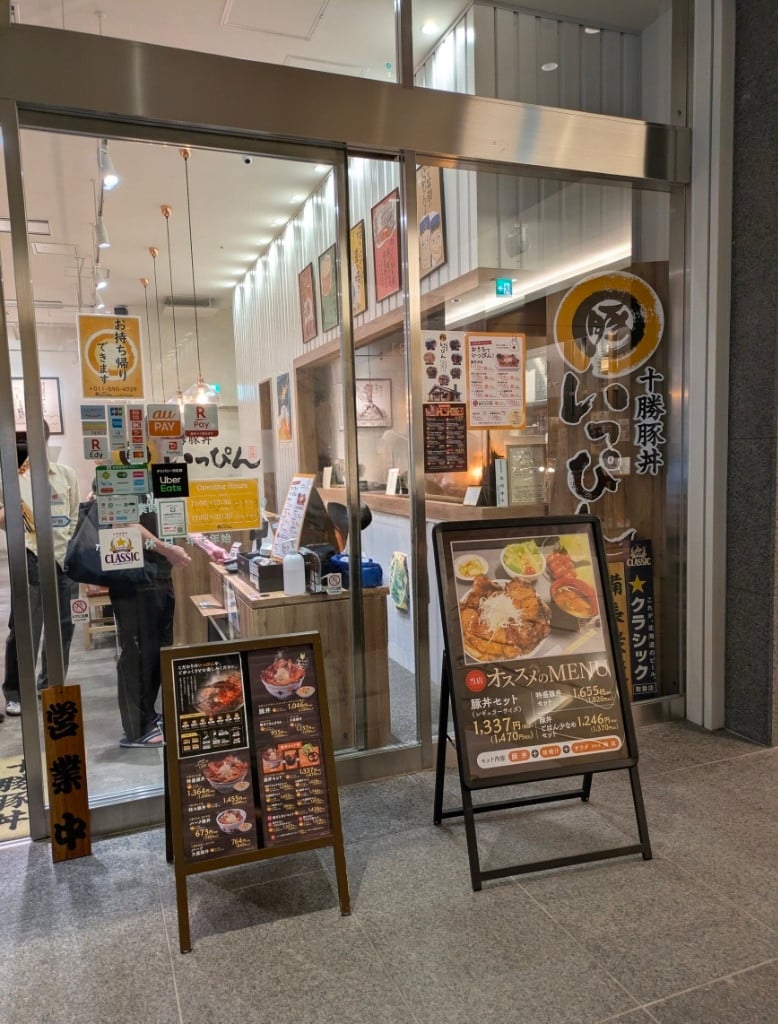
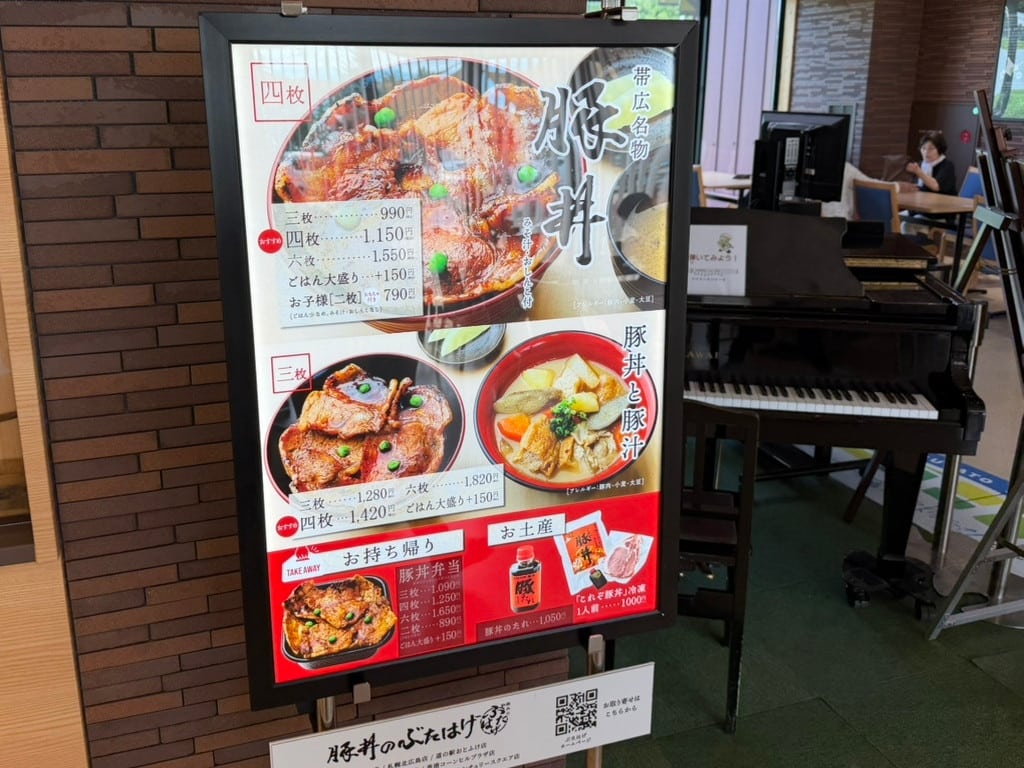
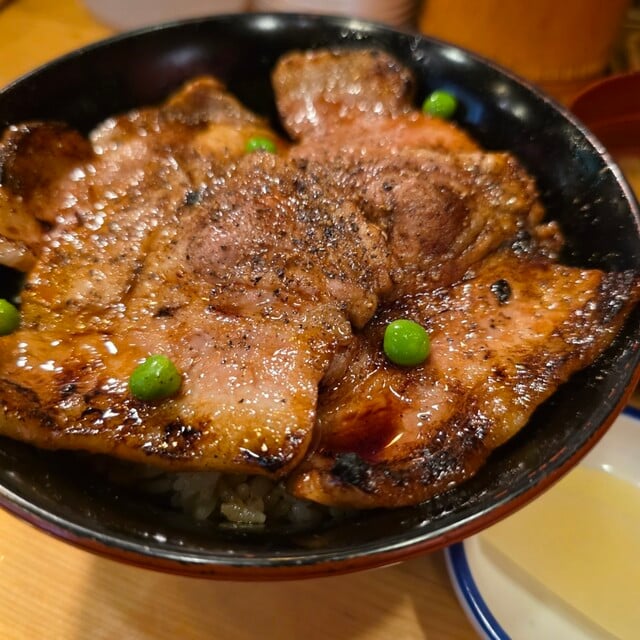
Butadon no Butahage: A Convenient Option Inside the Station
Located inside Esta Obihiro West Building at JR Obihiro Station, this is the most conveniently located butadon option in all of Obihiro; you can eat it without even leaving the station. It is in fact a butadon specialty shop opened by Hageten Honten and run by the same family. It is known for quick grilling over high-heat charcoal, giving a pronounced smoky aroma, and the pepper fragrance in the sauce is its signature.
For travelers changing trains, or those who want a bowl before even dropping their luggage, this is the most practical answer. Because it is inside a station mall, hours are relatively regular, but there are still queues at peak mealtimes. Actual hours and menu are subject to the shop’s announcements on the day.
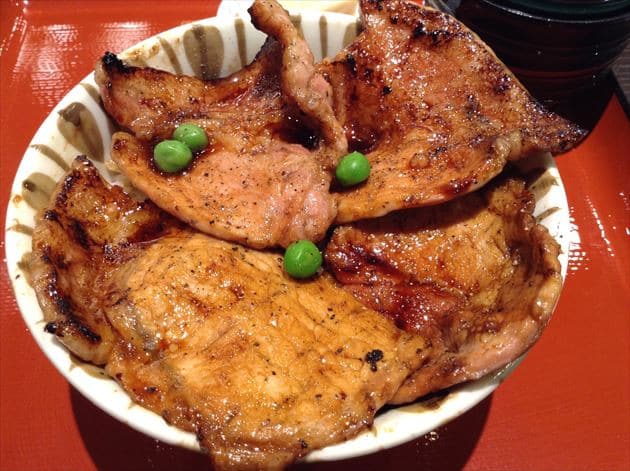
Obihiro Hageten Honten: A Long-Established Tempura and Rice Bowl Shop
A long-established tempura shop founded in 1934 (Showa 9) that also serves butadon, so you can have both in one place. The first owner, Shorokuro Yano, was one of the people who spread the dish in the early days of butadon and created the shop’s own butadon sauce, as a popularizer rather than the inventor. The sauce looks thick but tastes salty with a touch of sweetness, and with firm slices of meat the rice portion is quite substantial.
The interior is closer to a proper restaurant than a typical rice-bowl specialty shop, suitable for taking elders or for anyone who wants to sit down and eat slowly. If someone in your group does not eat butadon, the menu here is also more flexible. Actual hours, menu and closing days are subject to the shop’s announcements.
Obihiro Butadon Recommendation: Birthplace Shop or a Choose-Your-Cut Shop for a First Visit
If it is your first time in Obihiro and you want butadon, choose one of two depending on your needs: for the birthplace-shop atmosphere, pick Ganso Butadon no Pancho, about a 2-minute walk from the north exit of JR Obihiro Station, open 11:00 to 19:00, closed Mondays and the first and third Tuesday of each month; to choose loin, belly or tenderloin yourself, pick Tonda at Higashi 10-jo Minami 17-chome, open 11:00 to 18:00, with a parking lot behind the shop. Both need queue time around noon, and hours are subject to the shop’s announcements on the day.
Indian (Indian Curry): The Locals’ Everyday Canteen
This is not a butadon shop, but it holds a high place in the hearts of Obihiro people. The local curry chain named “Indian” (インデアン) is run by Fujimori Shokai Co., Ltd., opened its first shop in 1968, and now has eleven shops in Tokachi and two in Kushiro; the branch next to the station is officially named Indian Esta Obihiro (インデアン エスタ帯広店). Prices are cheap, portions are generous, and it is the locals’ everyday choice.
You can choose the sauce type and spice level, and it pairs well with fried pork cutlet or vegetables. It is often full at mealtimes but turns tables fast, and if you have eaten butadon two days in a row and want a change, this is a safe alternative. Actual hours and menu are subject to each branch’s announcements.
Obihiro Yatai Villages and Sweets Main Stores: 5 Stops for Evening and Afternoon
Butadon and sweets by day, and yatai villages by night. The five spots below fill both the afternoon and the evening in central Obihiro.
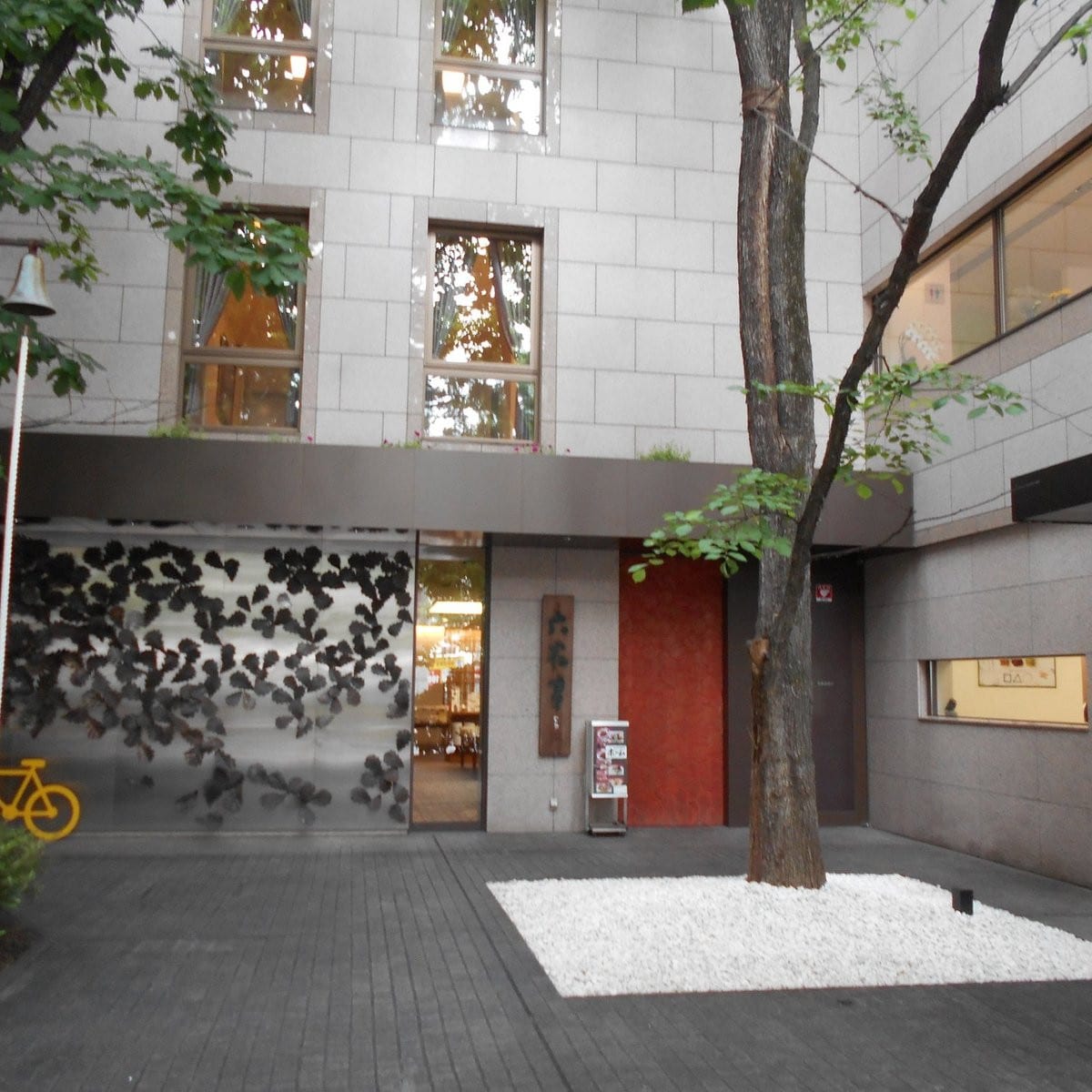
Rokkatei Obihiro Main Store: The Main-Store Exclusives Are the Point
Rokkatei’s founding main store is in central Obihiro, within walking distance of the station. Many people think you come here just to buy souvenirs, but the real value lies in the main-store exclusives and made-to-order items, such as the sakusaku pie with its three-hour best-before window and the ice cream sandwich only available at flagship stores.
The first-floor shop is open 9:00-18:00 and the second-floor tearoom 10:30-17:00 (last order 16:30; from November 1, the shop changes to 10:00-18:00 and the tearoom to 11:00-16:30, last order 16:00), closed Wednesdays, and you can sit down and eat the made-to-order sweets on the spot. Actual products and serving times are subject to the shop’s announcements on the day.
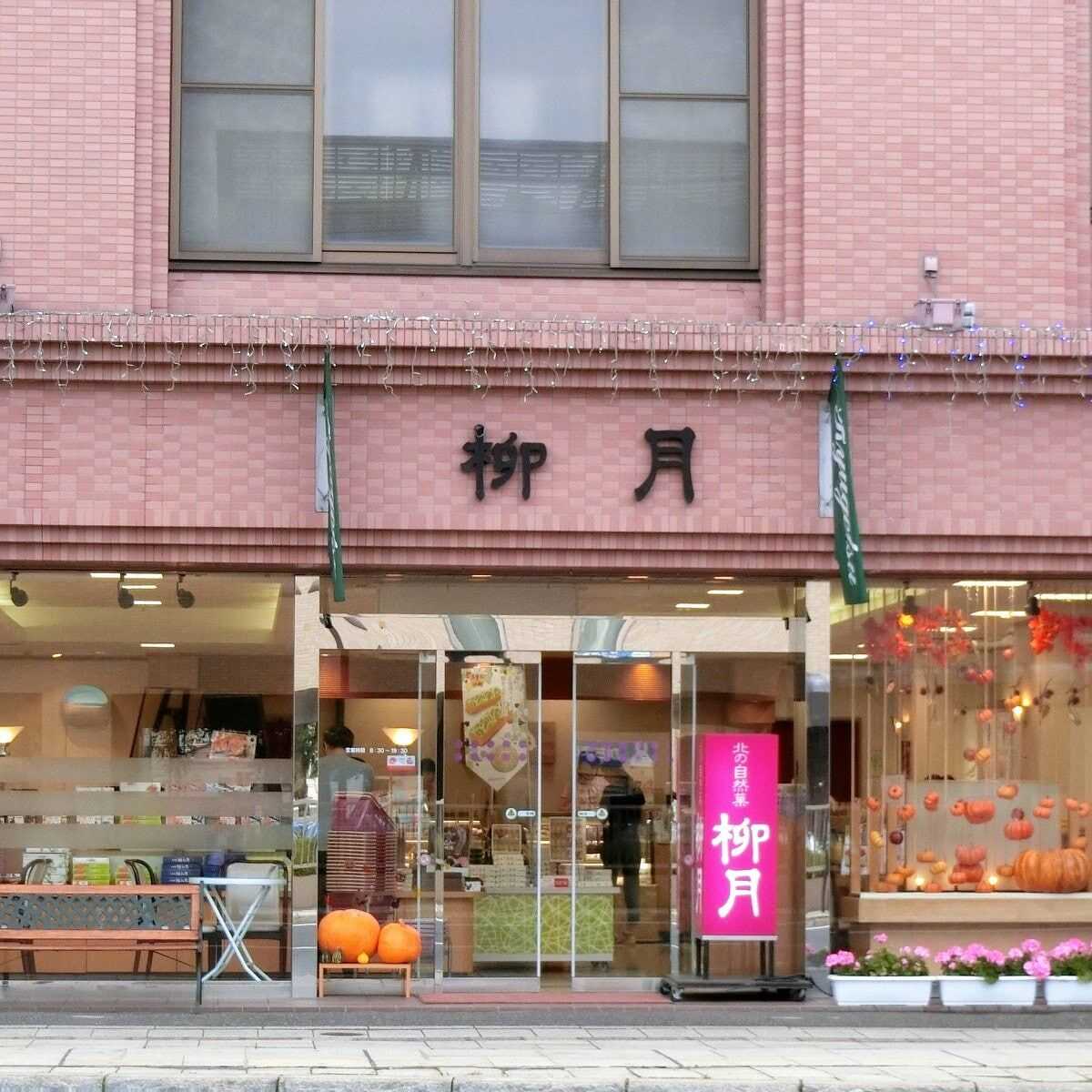
Ryugetsu Odori Main Store: Home Base of Sanporoku and the Azuki Butter Sandwich
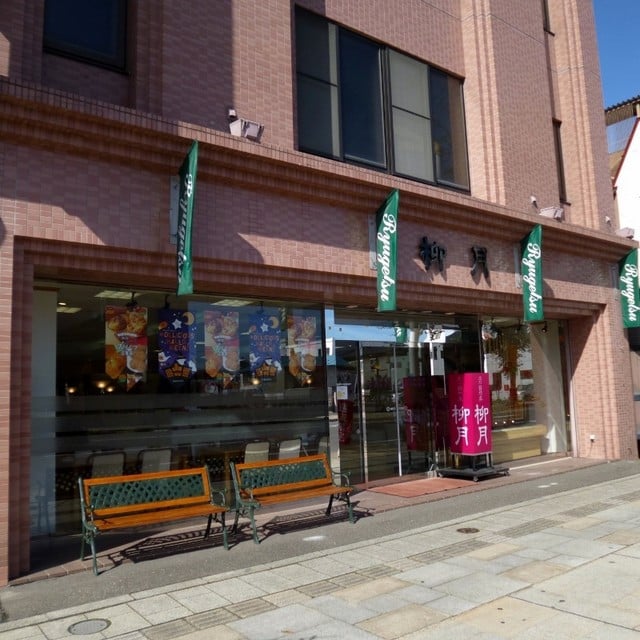
Ryugetsu Odori Main Store is at Odori Minami 8-chome, about a 10-minute walk from Obihiro Station and close to the Rokkatei main store, so you can fit both into the same walk. Its signature is the birch-bark-patterned Sanporoku baumkuchen, and the main store carries small cut-slice versions. Also recommended is the “Anbatasan” (あんバタサン), made with Tokachi azuki, fermented butter filling and a sprinkle of Okhotsk sea salt, a salty-sweet combination that has been a popular item in recent years. The shop also has new items such as Basque-style cheesecake, with actual supply subject to the shop’s announcements on the day.
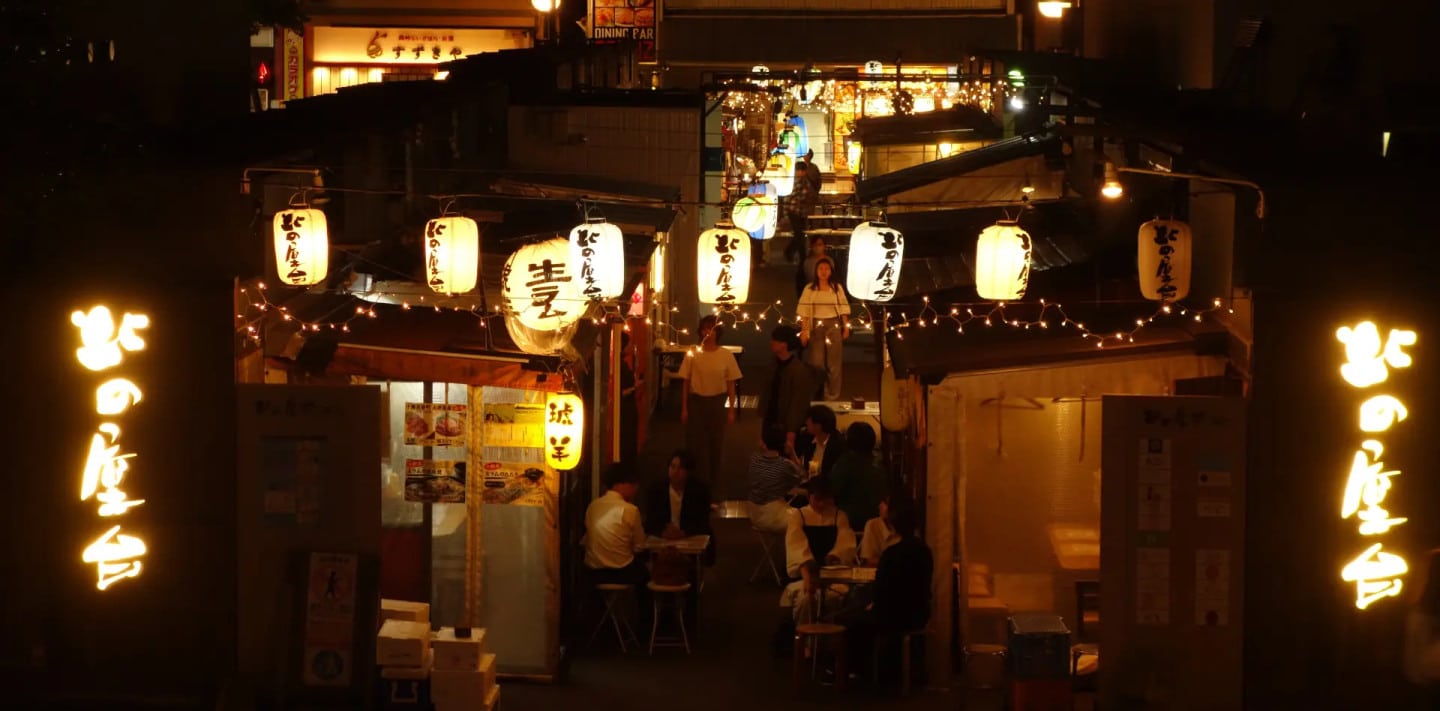
Kita no Yatai: The First Stop of Obihiro’s Night
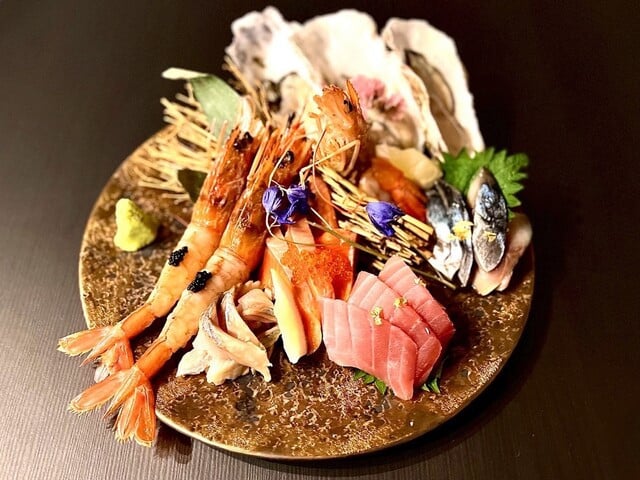
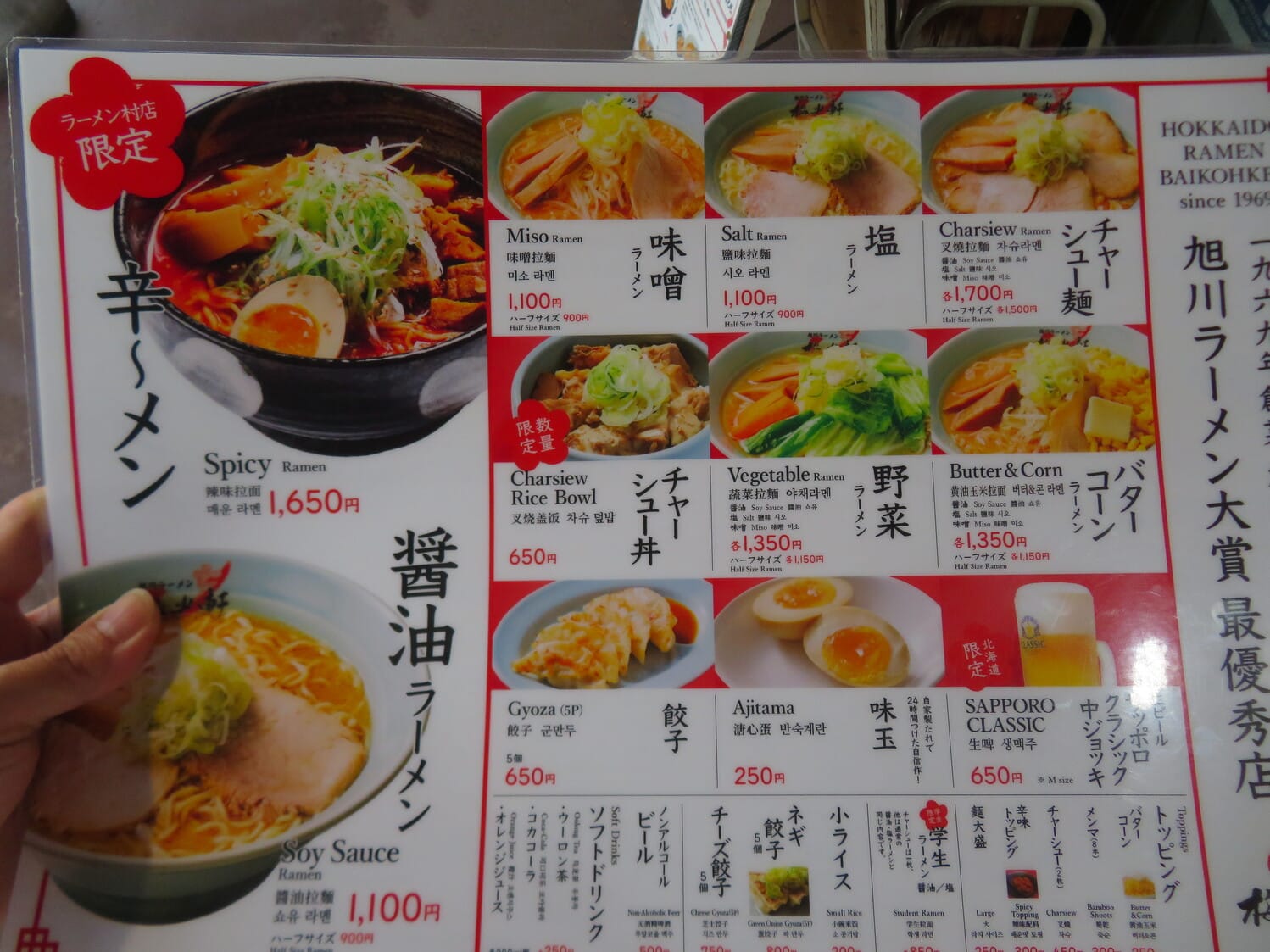
A yatai village in central Obihiro that opened in 2001 and is made up of twenty small shops with very few seats, so customers sit close to the owners. Most shops open at 17:00 and run until late, making it the core of Obihiro’s nightlife and the easiest place to chat with locals.
The shop types are diverse, from izakaya and yakitori to ramen and Western-style dishes, at affordable to mid-range prices. Popular shops are often full, so we suggest heading in at opening or walking a loop first to find a free seat. Hours and closing days vary by shop, so go by the notices on site.
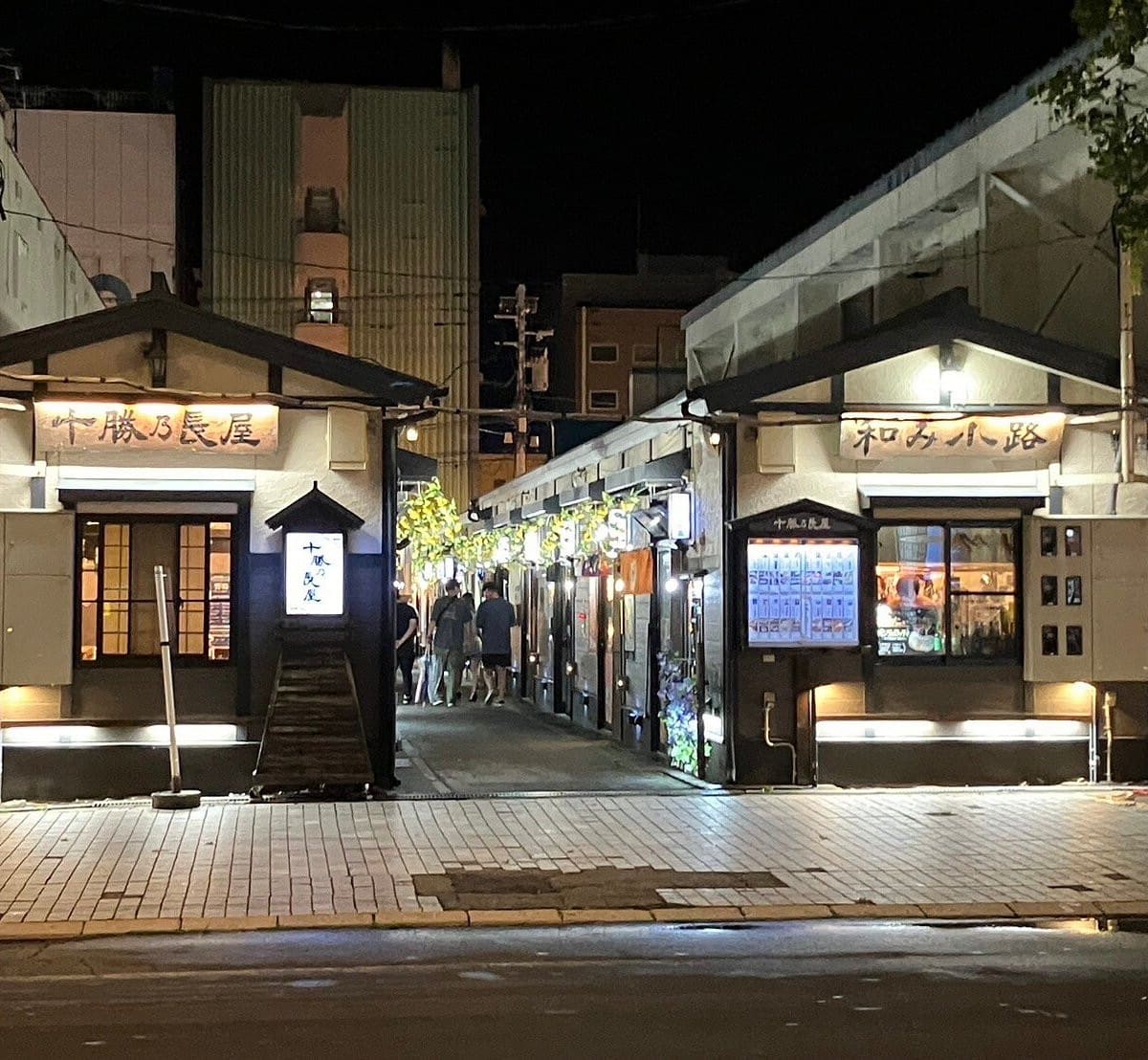
Tokachi no Nagaya: Another Yatai Village With a Different Style
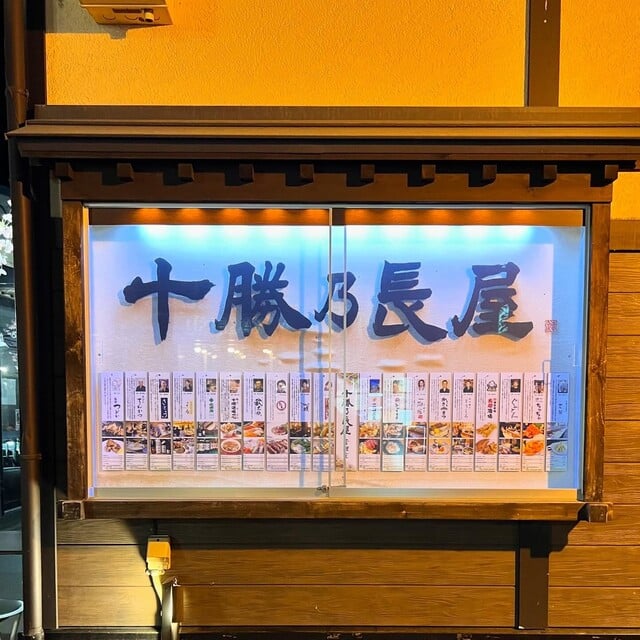
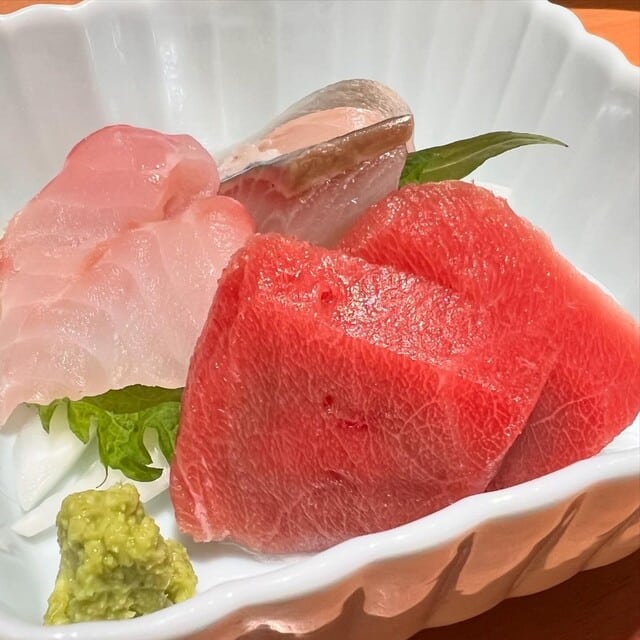
Another yatai cluster in central Obihiro, at Nishi 1-jo Minami 10-chome, with about twenty shops lined along an alley styled after Kyoto’s Gion. It also has counter-style seating, and hours and closing days vary by shop.
The two yatai villages are not far apart, so you can visit one shop at each in a single night and enjoy the different atmospheres. Because every shop has very few seats, a large group is harder to arrange; two to four people is the most comfortable size.
Obihiro Station Food Area and Souvenir Shops: The Fix When You’re Short on Time
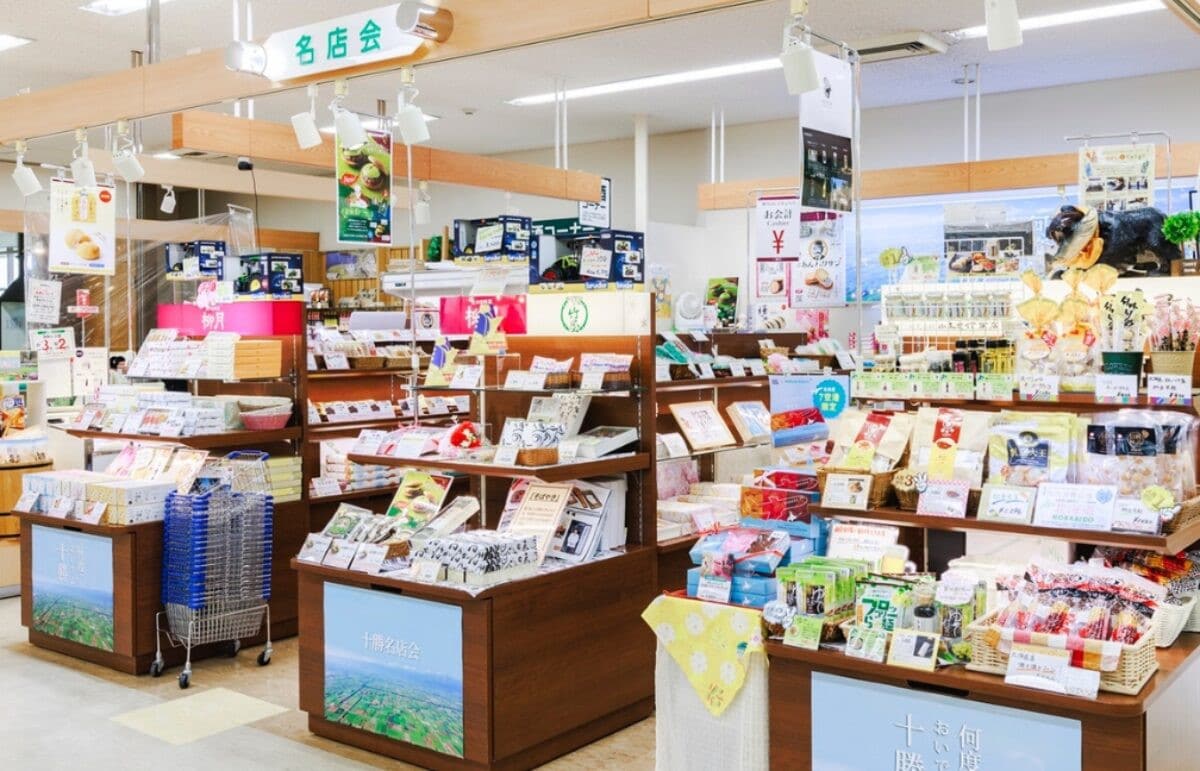
JR Obihiro Station is itself a small hub of food and souvenirs. The most conspicuous dining in the station is butadon, while the souvenir shops carry a fairly complete range of products from Obihiro and across Hokkaido, and Rokkatei and Ryugetsu room-temperature items are both available here.
For those only changing trains in Obihiro, or hurrying for a train on the last day, this lets you handle both a proper meal and souvenirs in one go. The downside is that you cannot buy the made-to-order main-store exclusives, which still require a trip to the main stores. Actual hours and products are subject to each shop’s announcements.
Obihiro Food Tips: Cash, Queues and Timing
Many of Obihiro’s famous shops have rules that catch you out if you do not know them. Please read the five points below first.
Cash Only: Not Every Shop Takes Cards Here
Among Obihiro’s long-established famous shops, some accept only cash, including the butadon birthplace shop Pancho and the queue favorite Tonda (both state cash only). Small shops in yatai villages may also be cash only, though there is no uniform rule.
The fix is simple: on your first day in Obihiro, withdraw cash at an ATM at the station or a convenience store and allow a few thousand yen per person per day. Do not assume you can use credit cards or electronic payment, especially at small shops. Actual payment methods are subject to each shop’s announcements.
In-Store Rules: Photos and Phone Calls May Be Stopped
The butadon birthplace shop Pancho has a no-photography notice at the entrance, and accounts differ on how far it goes in practice, so checking the notice before entering is the safest. This is not to be difficult, but to maintain the dining quality inside.
Other long-established shops often have similar unspoken rules. Look at the notices on the wall before entering, and follow any prohibitions you see. If you want to photograph the exterior, take it outside before going in. These rules change by shop, so go by the notices on site.
Queues and Timing: Avoid 12:00 to 13:00
Butadon famous shops in Obihiro have considerable queues at the noon peak, especially the suburban queue shop where you choose your cut. To save time, the most effective approach is to shift your meal earlier or later.
In practice, arriving before 11:30 or after 13:30 makes a huge difference in waiting time. Some shops also close early once ingredients sell out, so “later” sometimes does not work. We suggest putting the shop you most want to try first in your schedule.
Eat Sweets on the Spot: The Three-Hour Shelf Life Is No Joke
The made-to-order sakusaku pie at the Rokkatei main store has a widely cited best-before window of only three hours, and the ice cream sandwich melts as soon as you leave the shop. The right way to eat these items is to sit in the shop and finish them, not carry them away.
Room-temperature souvenirs do not have this problem, and can be saved for the last day and bought all at once at Obihiro Station. For dairy products and items that need refrigeration, mind how you store them and check before a long trip. Actual shelf life is as marked on the product.
Yatai Seating Logic: Walk a Loop First, Then Decide
Each shop in a yatai village has only a few seats, and pushing straight in may leave you with no place to sit. A more efficient approach is to walk the whole row first to see which shops still have seats and whether the menus suit you, then go back and pick one to sit down in.
Also, dining pace at yatai tends to be quick, and it is normal for the next group to take your seat once you finish eating and drinking, so it is not suited to long stays and chats. If you want to try two shops, hopping between two in one night is actually the standard way to do it here. Each shop’s operating status is subject to the notices on site.
Obihiro Food Experiences and Tour Recommendations
Besides finding shops on your own, Obihiro and Tokachi also have many food experiences you can book. The five below are the ones most often added to itineraries, and all prices are subject to each operator’s announcements on the day.
Obihiro Downtown Food Walking Tour: The Main Route in Half a Day
A walking tour of the city planned by a local operator that strings together butadon famous shops, sweets main stores and yatai villages into one route, filling in background stories along the way. For first-timers who do not want to research on their own, it is very convenient.
The tour usually requires advance booking and has a minimum number of participants. Content changes with the season and shop operating conditions, and actual prices and meeting arrangements are subject to the operator’s announcements for the year.
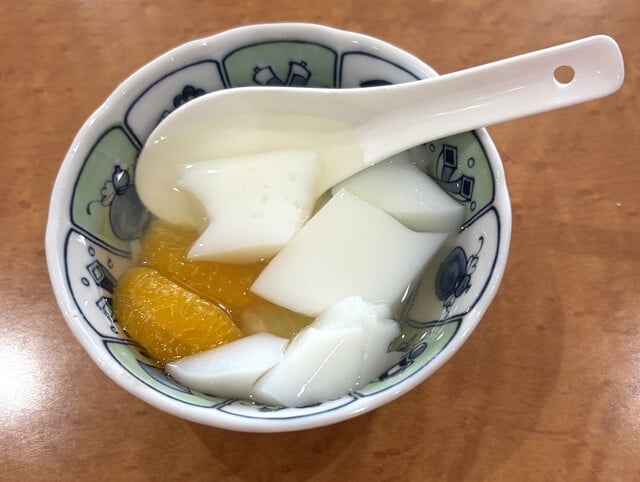


Tokachi Cheese-Making Experience: Turn Milk Into a Finished Product
Ranches and workshops around Tokachi offer hands-on cheese or butter making, starting from fresh milk through to the finished product in about one to two hours, and you can take the result with you. This is the most direct way to understand Tokachi’s dairy industry.
Most experiences need advance booking, and peak-season weekends fill up easily. Some venues are in the suburbs and require driving. The finished products may need refrigeration, so if you have long travel ahead, check how to store them. Actual content and prices are subject to each operator’s announcements.
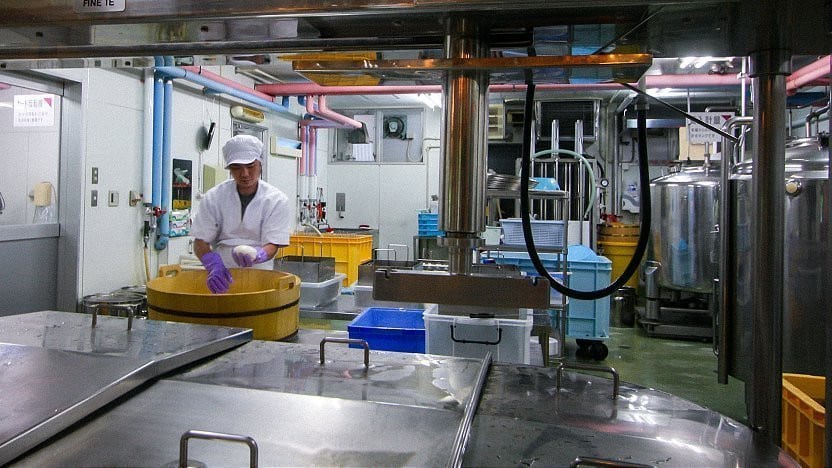
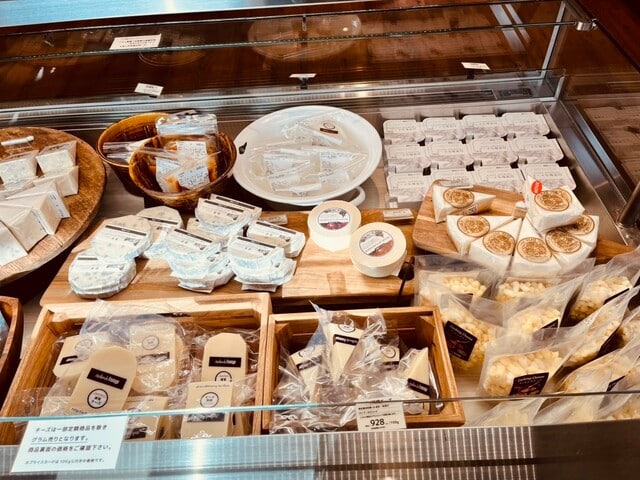
Obihiro Yatai Village Tour: Hopping Between Two Shops in One Night
Some local tours take travelers around the yatai villages, with someone who knows the ropes taking you into shops, ordering and chatting with the owners, which helps a lot if you do not speak Japanese but want to experience yatai culture.
Because yatai seating is extremely limited, such tours usually have a very low cap on group size and need early booking. Closing days and hours vary by shop, and the actual arrangements are adjusted by the operator and on-site conditions.
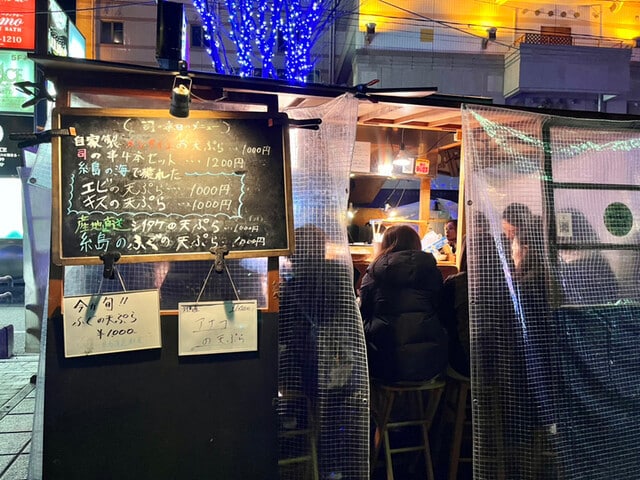
Tokachi Sweets Workshop Visits: Places You Can Only Reach by Car
Tokachi has several sweets-related facilities in the suburbs that you can only reach by car, with workshops, shops and large gardens on the grounds, suited to spending a relaxed half day. Such facilities usually have items sold only on site.
Opening periods are seasonal, and in winter they may adjust hours or close. They are hard to reach without a car, so we suggest pairing them with a rental car itinerary. Actual hours, products and prices are subject to each operator’s announcements for the year.
Obihiro Station Souvenir Shopping: The Final-Day Wrap-Up
If time is limited, the most efficient approach is to do all your souvenir shopping at JR Obihiro Station. The shops in the station cover Rokkatei, Ryugetsu and products from across Tokachi, with a fairly complete room-temperature range.
Note that refrigerated dairy products and made-to-order sweets are not suited to long trips, so check storage and expiry before buying. In peak season and holidays popular items may sell out. Actual products and hours are subject to each shop’s announcements.
Itadakimasu! Walk Through the Flavors of Obihiro in One Day
Obihiro’s food map is actually very easy to grasp: a bowl of butadon at noon, two sweets main stores in the afternoon and a yatai village at night make a complete day. And all three clusters are around JR Obihiro Station, so it works even without a rental car.
If you only have half a day, focus on the butadon birthplace shop right across from the station and the two sweets main stores within about a ten-minute walk, eat the limited made-to-order sweets on the spot and save room-temperature souvenirs for the station. If you have a full day, add the suburban queue shop where you choose your cut and a yatai village at night for a much more complete experience.
Three final reminders: bring enough cash, avoid the noon peak, and respect each shop’s rules. The reason Obihiro’s famous shops have lasted so long is these seemingly troublesome principles. Ready? Let’s go.

Where to Stay Nearby
Obihiro’s most representative butadon, Rokkatei and Ryugetsu main stores are all around JR Obihiro Station, so to keep your food itinerary relaxed, you can stay near Obihiro Station. Kita no Yatai is about a 5-minute walk from the station, and after visiting the yatai villages in the evening you can head straight back to your room.

Obihiro Food FAQ
Q: Are Obihiro’s butadon and Tokachi-don the same thing?
Obihiro’s specialty is called butadon (豚丼), a pork rice bowl, and there is no dish called Tokachi-don. To make butadon, thick pork is grilled over charcoal, brushed with a sweet-savory sauce and laid over white rice. Most signs you see in Obihiro read 豚丼 or ぶた丼; both mean the same thing, so there is no need to be confused.
Q: How long is the wait at butadon shops?
The queue at noon peak is considerable, especially at the suburban shop where you choose your cut of pork. To save time, we suggest going before 11:30 or after 13:30, when the wait differs a lot. Note that some shops close early once ingredients sell out, so it is safer to put the shop you most want to try first in your itinerary.
Q: Can I pay by card at these shops?
Not always. Some long-established famous shops in Obihiro take only cash, including the best-known butadon birthplace shop, and many small shops in yatai villages and local butcher shops are cash only too. We suggest withdrawing cash at an ATM at the station or a convenience store on your arrival day, allowing a few thousand yen per person per day, and not assuming you can pay by card or electronic payment.
Q: Can I take Rokkatei’s sakusaku pie home with me?
No. It is a made-to-order item with a best-before window of only three hours as widely cited by media, so the right way to eat it is on the spot in the eat-in area of the Obihiro main store. If you want to take something home, buy room-temperature souvenir items such as the rum raisin butter sandwich instead, which are also available at the shops in Obihiro Station.
Q: Are the Rokkatei and Ryugetsu main stores far apart?
Not at all. The Rokkatei Obihiro Main Store and Ryugetsu Odori Main Store are both within walking distance of JR Obihiro Station, and together with the butadon birthplace shop across from the station, all three fall within about 400 meters and a ten-minute walk. This is also the most convenient thing about an Obihiro food itinerary: you can cover the core in half a day.
Q: What should I eat for dinner?
We recommend a yatai village. Central Obihiro has two yatai clusters, Kita no Yatai and Tokachi no Nagaya, made up of rows of small shops with only a few seats each, offering izakaya, yakitori, ramen and Western-style dishes. Because seats are few, we suggest walking the whole row first to see which shop has a free seat, and two to four people is the most comfortable size. Hours vary by shop, so go by the notices on site.
