
Kyoto Eikando Autumn Leaves Guide 2026: The Full Appeal of the “Temple of Maples”
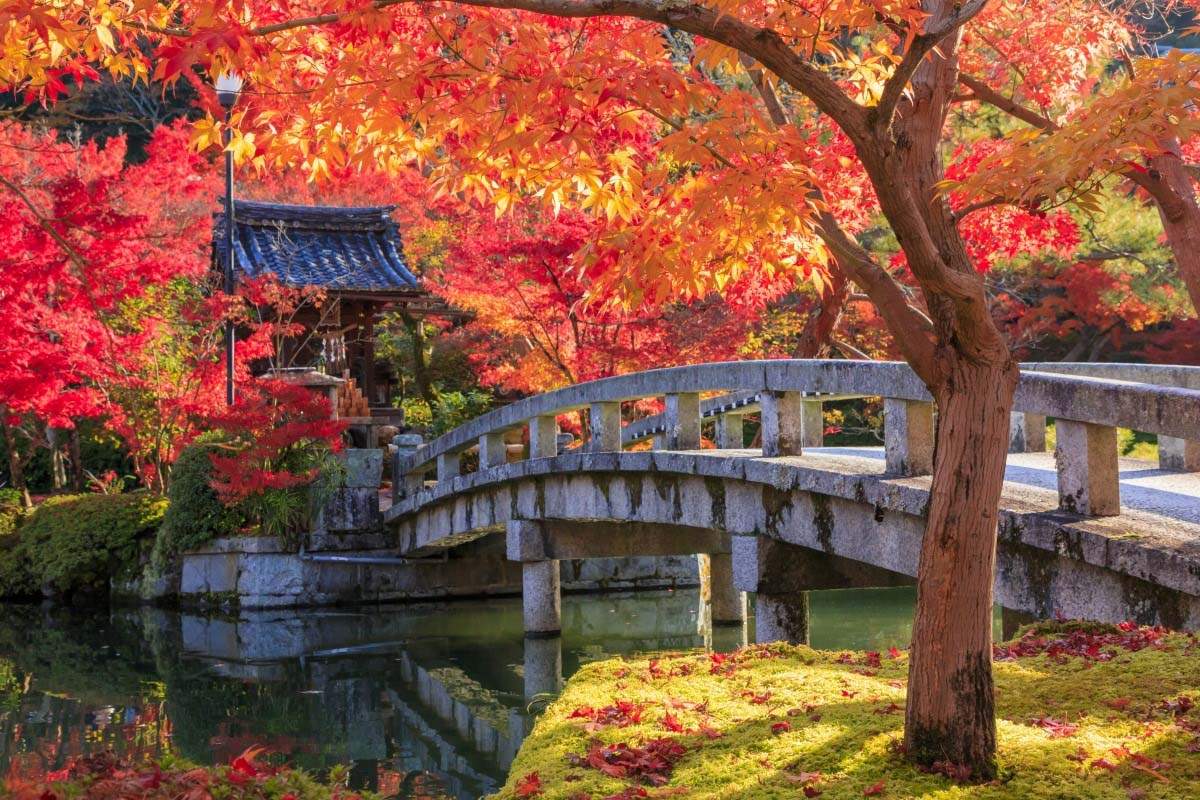
Eikando (Zenrin-ji) sits in Kyoto’s Sakyo Ward between Nanzen-ji and the Philosopher’s Path. Its roughly 3,000 maple trees create some of Kyoto’s grandest autumn color. The 2026 peak is expected from late November to early December, but check conditions on the day.
What Is Eikando? The Temple and What Makes It Special
Eikando’s formal name is Seishu Raigozan Muryoju-in Zenrin-ji, the head temple of the Seizan Zenrin-ji branch of Jodo Buddhism. Founded in 853, it has more than 1,170 years of history. Its main image, the “Mikaeri Amida” (Amida Looking Back), is unusual: the head is turned slightly toward the left rear instead of facing forward like most Buddha statues, which makes Eikando especially memorable.
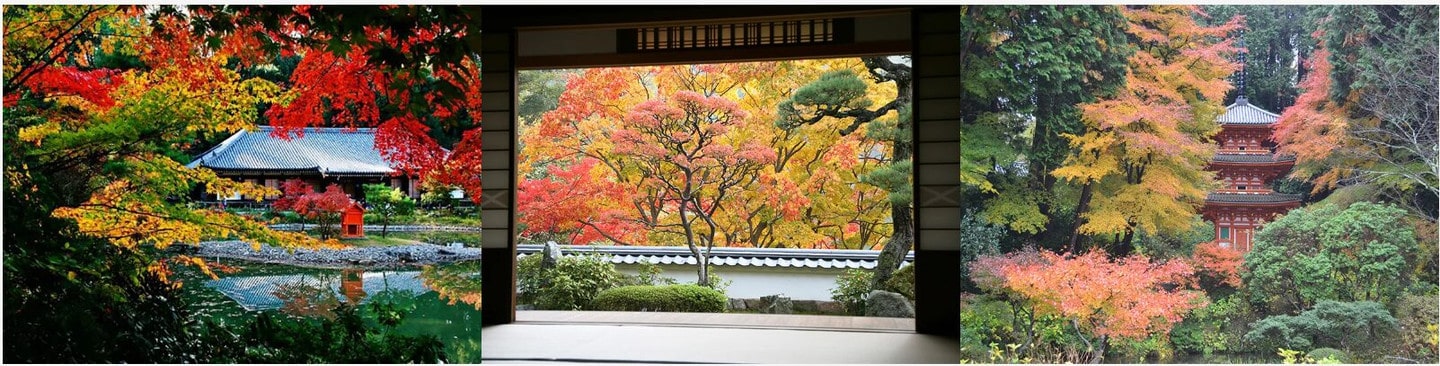
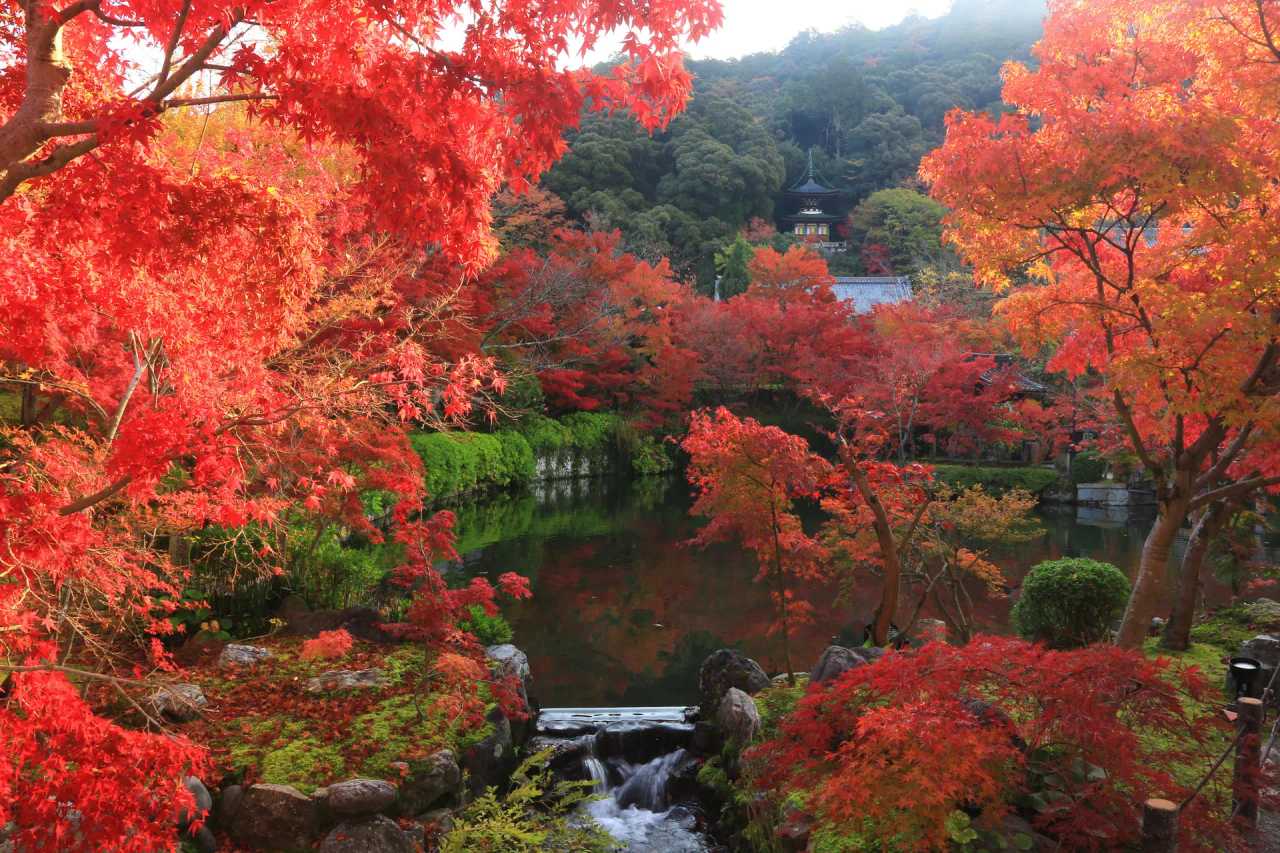
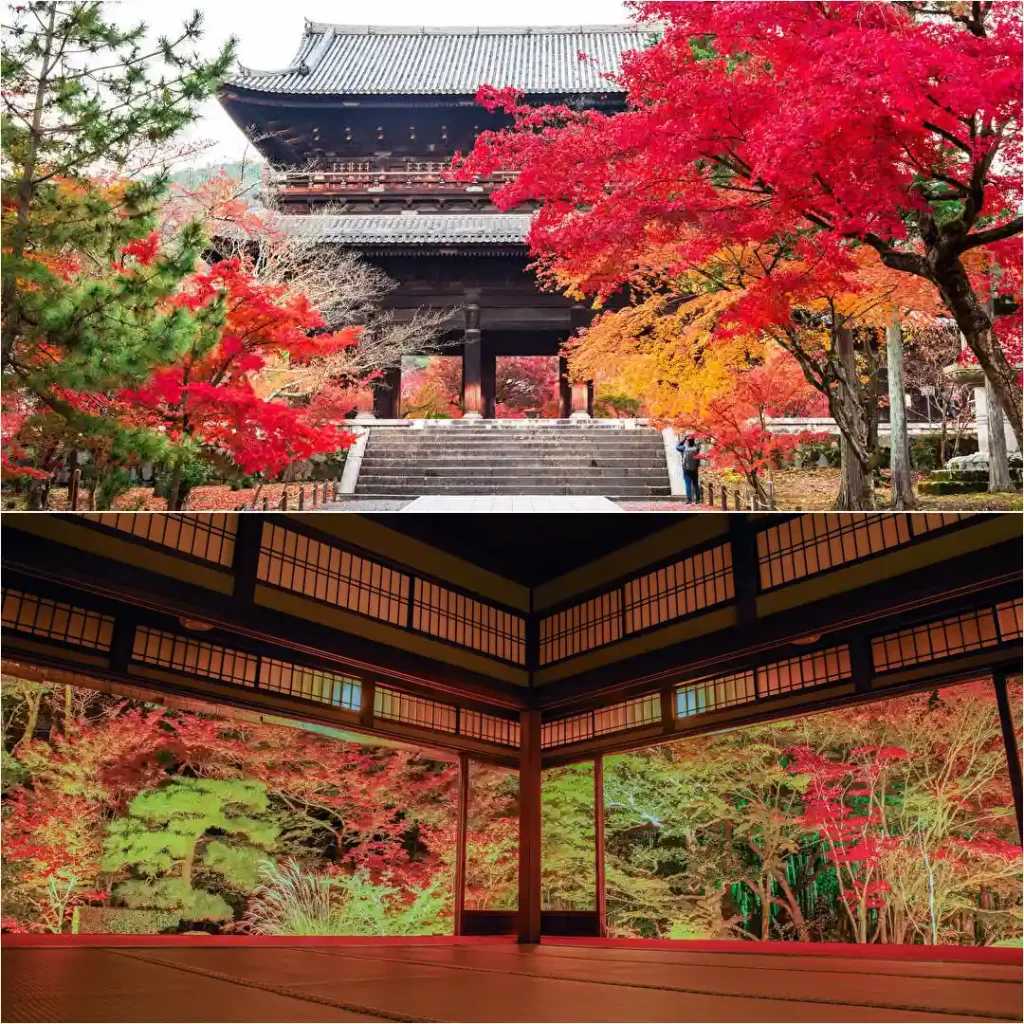
Eikando is nicknamed the “Temple of Maples.” Beyond the sheer number of trees, the Hojo Pond, the Tahoto pagoda and the Garyu-ro corridor all combine with the red leaves to form a richly layered scene. Day and night illumination feel completely different, making it one of Kyoto’s must-visit autumn spots.
2026 Peak Color Forecast and Best Time to Visit
Based on past years, the leaves around Nanzen-ji and Eikando usually reach their peak from mid to late November. For real-time updates, check foliage sites such as Weathernews and tenki.jp. To avoid crowds, aim for late November to early December, when the maples are still red but visitor numbers are much lower than at the peak.
Weathernews’ second forecast (October 1): maple leaves in Kyoto city around December 11, ginkgo around November 27. For Eikando, go by actual conditions on site.
Who Should Visit Eikando? Itinerary Suggestions
Eikando suits every kind of traveler, whether you are a first-time independent visitor to Kyoto or a seasoned repeat visitor who wants to explore the Higashiyama area in depth. The grounds are fairly compact, so the main hall, gardens and Tahoto pagoda can be covered in 1 to 1.5 hours. It pairs well with nearby Nanzen-ji, the Philosopher’s Path and Ginkaku-ji for a half-day or full-day Higashiyama foliage route.
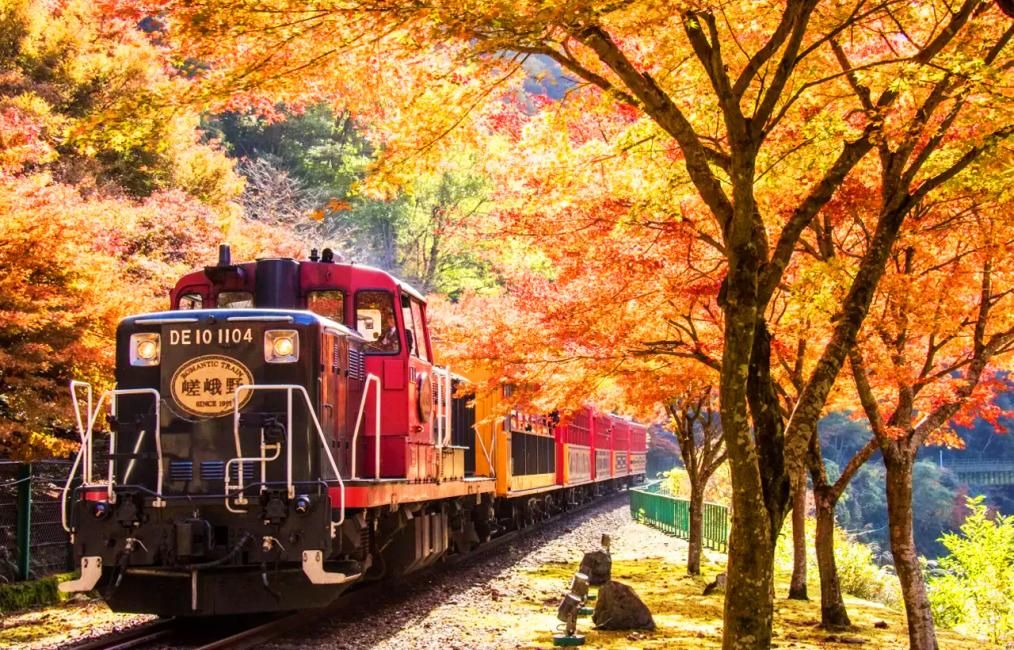

How to Get to Kyoto’s Eikando: Transport Options and Costs
How do you get to Eikando? The subway is the most reliable option. Buses run frequently but get stuck in traffic during foliage season, so choose flexibly based on your plans.
Eikando Access at a Glance: Subway, Bus and Taxi Compared
| Transport | Fare | Travel time |
|---|---|---|
| Subway Karasuma Line to Tozai Line (Kyoto Station → Karasuma Oike → Keage) | about ¥260 | about 15-20 min + 15 min walk |
| City Bus No. 5 (Nanzenji-Eikando-michi stop) | ¥230 | about 30-40 min + 3-5 min walk |
| City Bus No. 93/204 (Higashitennocho stop) | ¥230 | about 35 min + 8 min walk |
| Taxi (direct from Kyoto Station) | about ¥1,800-2,600 | about 20-30 min |
IC cards (ICOCA, Suica) work on both the subway and city buses, and city buses charge a flat ¥230. In peak foliage season, take the subway first to avoid the bus sections that tend to run late. From Kyoto Station or Keihan Sanjo Station, take the City Bus No. 5 line to the “Nanzenji-Eikando-michi” stop and walk about 3 minutes; if you take the Tozai Line to Keage Station, the walk is about 15 minutes. From Osaka, take the JR to Kyoto Station and transfer. Parking near Eikando is limited, and the official announcement states that private cars and tour buses are barred from entering during the temple treasures exhibition and illumination period, so please always use public transportation.
Must-See Spots at Kyoto’s Eikando: Highlights and Nearby Sights
Eikando Main Hall and Amida-do: The Legend of the Looking-Back Amida
Eikando’s main image, the “Mikaeri Amida,” is the temple’s most representative treasure and is enshrined in the Amida-do. According to tradition, early on the morning of February 15, 1082, as the monk Eikan was walking in circumambulation around the altar, the statue suddenly stepped down from its lotus pedestal, looked back at Eikan, who had fallen behind, and said, “Eikan, you are slow.” The statue has kept its head turned toward the left rear ever since, making it one of the rare “looking-back Buddha” figures in Japanese Buddhist history.
The current Amida-do was built in 1607 (Keicho 12) and relocated from the Mandala-do of Shitenno-ji in Osaka. Its pillars and painted ceiling still retain the splendor of the Momoyama period. You must remove your shoes to enter, and photography is not allowed inside. Allow 15-20 minutes to appreciate the statue and architectural details quietly. In autumn, when red leaves frame the view through the corridor windows, the hall feels even more solemn.
Eikando’s address is 48 Eikando-cho, Sakyo-ku, Kyoto, and its official website is eikando.or.jp. Goshuin (temple stamps) are available at the office beside the Mieido hall, though there may be a queue in peak foliage season.
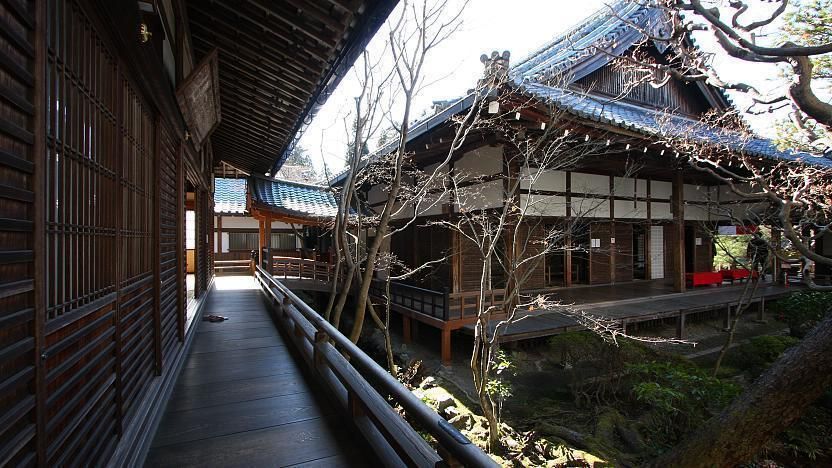

Tahoto Pagoda: Climb Up for a View of Kyoto and the Red Hills
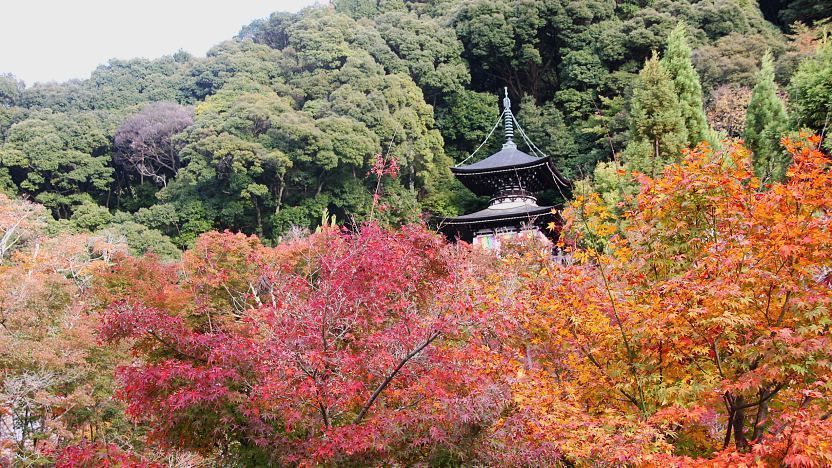
The Tahoto pagoda was built in 1928 (Showa 3) at the highest point of Eikando, about a 5-10 minute climb up stone steps. From there you can look down on the Hojo Pond and the red hillside, and on clear days see Kyoto Tower and the Higashiyama peaks in the distance. It is a must-photograph angle.
The steps are steep and narrow in places. When it is crowded in peak season, slow down, let others pass and avoid lingering for photos. Go early in the morning or on a weekday morning, when the light is better for group photos.
A round trip takes about 20-30 minutes. Combine it with the main hall and the pond to enjoy a three-level route from low to high.
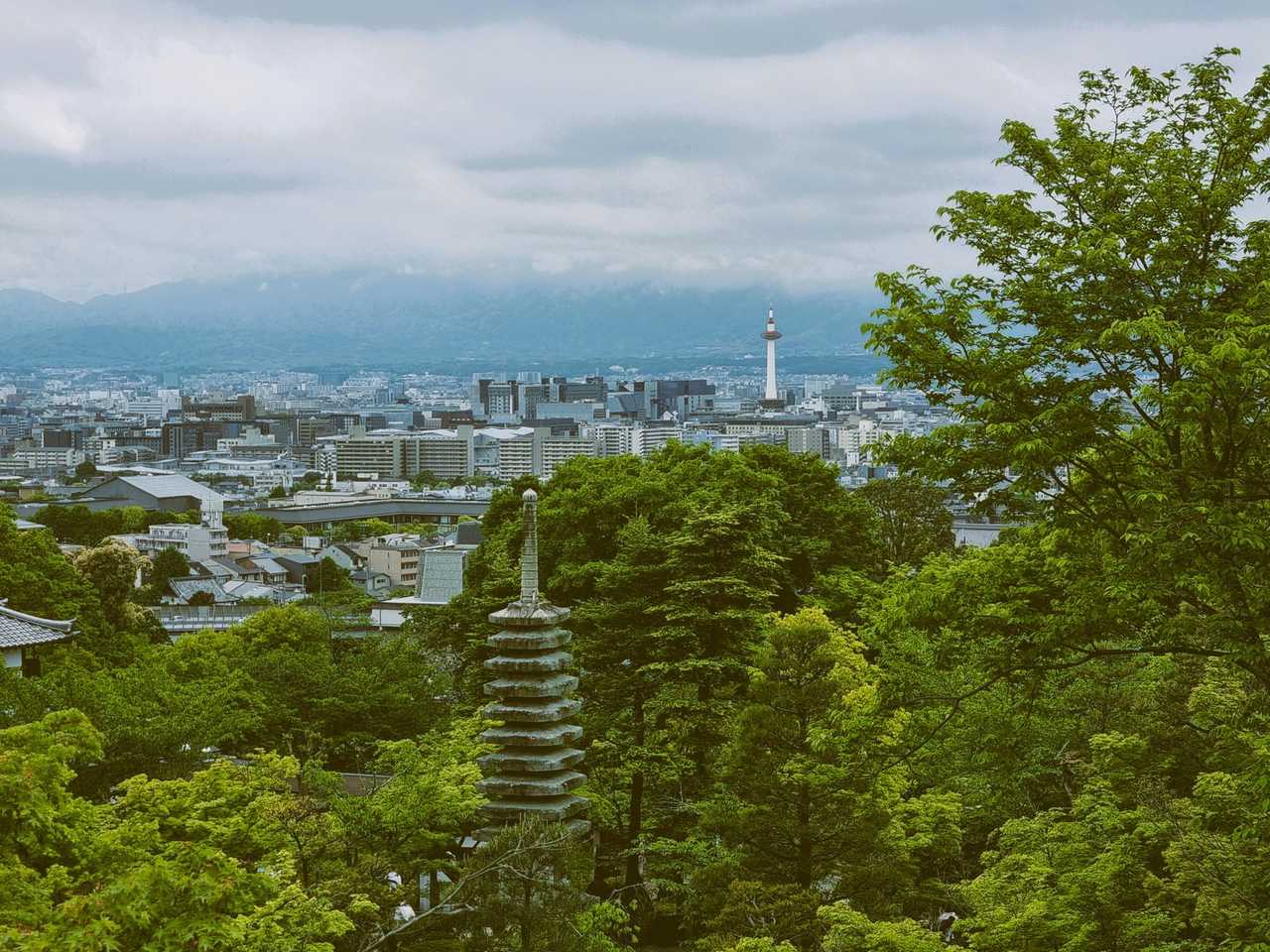
Hojo Pond: Water Reflections and the Classic View from Gokuraku Bridge
The Hojo Pond is Eikando’s most poetic foliage spot. Maples at the water’s edge are mirrored on the surface, and on a windless morning the water almost duplicates the buildings and red leaves on the opposite shore, one of Kyoto’s signature autumn scenes.
Gokuraku Bridge, spanning the pond, is the best photo spot. Stand in the middle and look toward the Amida-do to capture red leaves, old architecture and reflections together. The bridge is narrow and visitors often linger in peak season, so move along once you have your shot and avoid using tripods or selfie sticks that take up space.
During the night illumination, lights cast on the Hojo Pond create a dreamlike atmosphere, and it is a must-shoot spot on a night foliage visit.
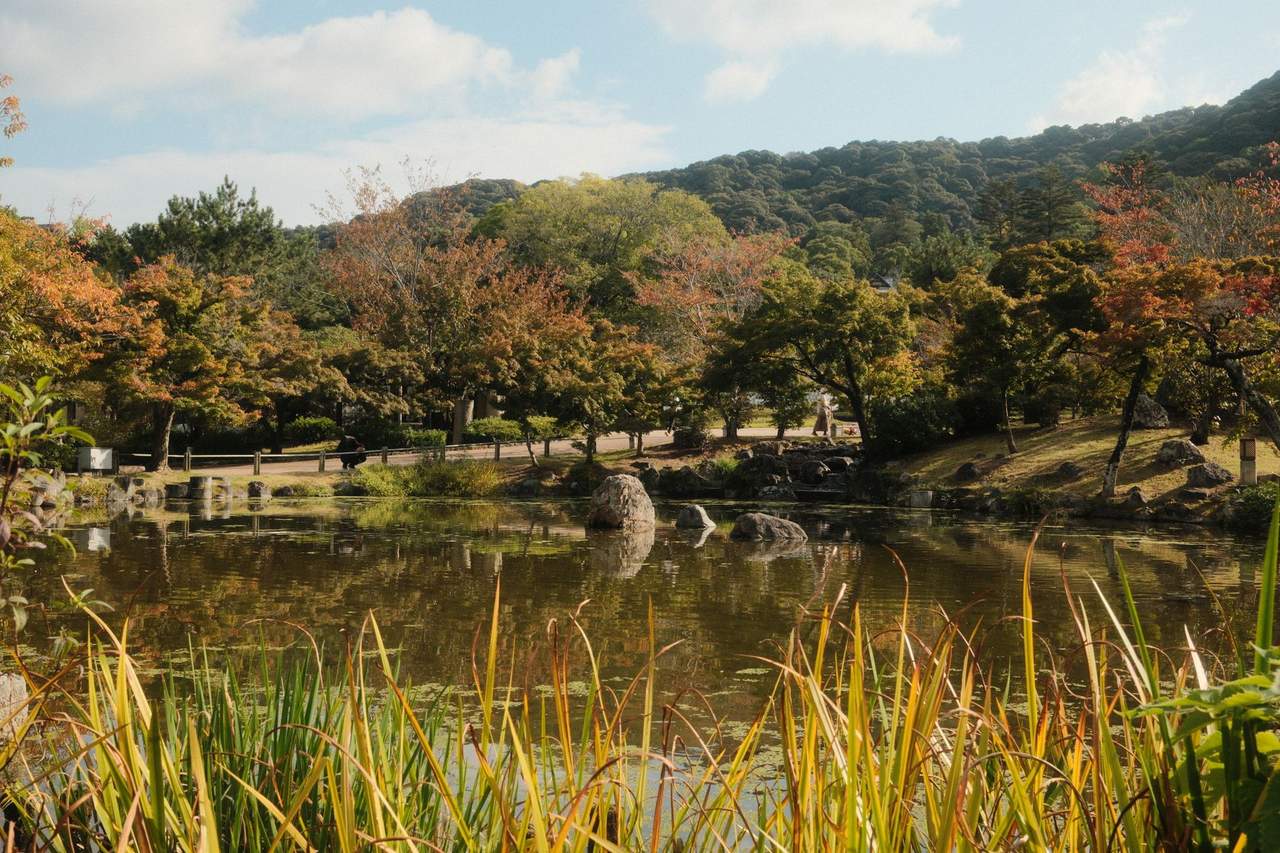
Garyu-ro: The Wooden Corridor Connecting the Halls
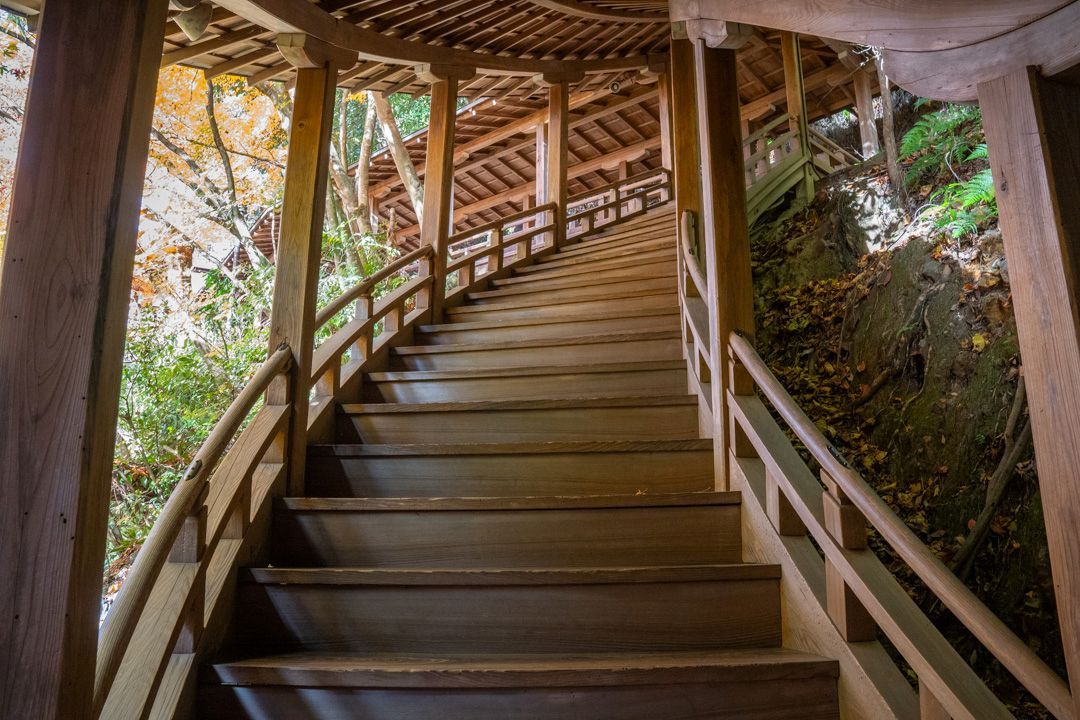
The Garyu-ro, or “Reclining Dragon Corridor,” is a wooden covered walkway linking Eikando’s halls. It is named for the way it rises and falls with the hillside like a coiled dragon. It is roofed all the way, so you can move comfortably even in the rain.
The wooden corridor and the red maples outside the windows complement each other, and the views of the leaves through the gaps between pillars are among the most enduring corners of the temple. Walking the whole length takes about 10 minutes. There are changes in elevation and the wooden floor can be slippery, so wear non-slip shoes in foliage season.
Because it is dim and the passage is narrow, avoid the peak crowd in the first half hour after the night opening. Daytime or the later part of the illumination period makes passage smoother.
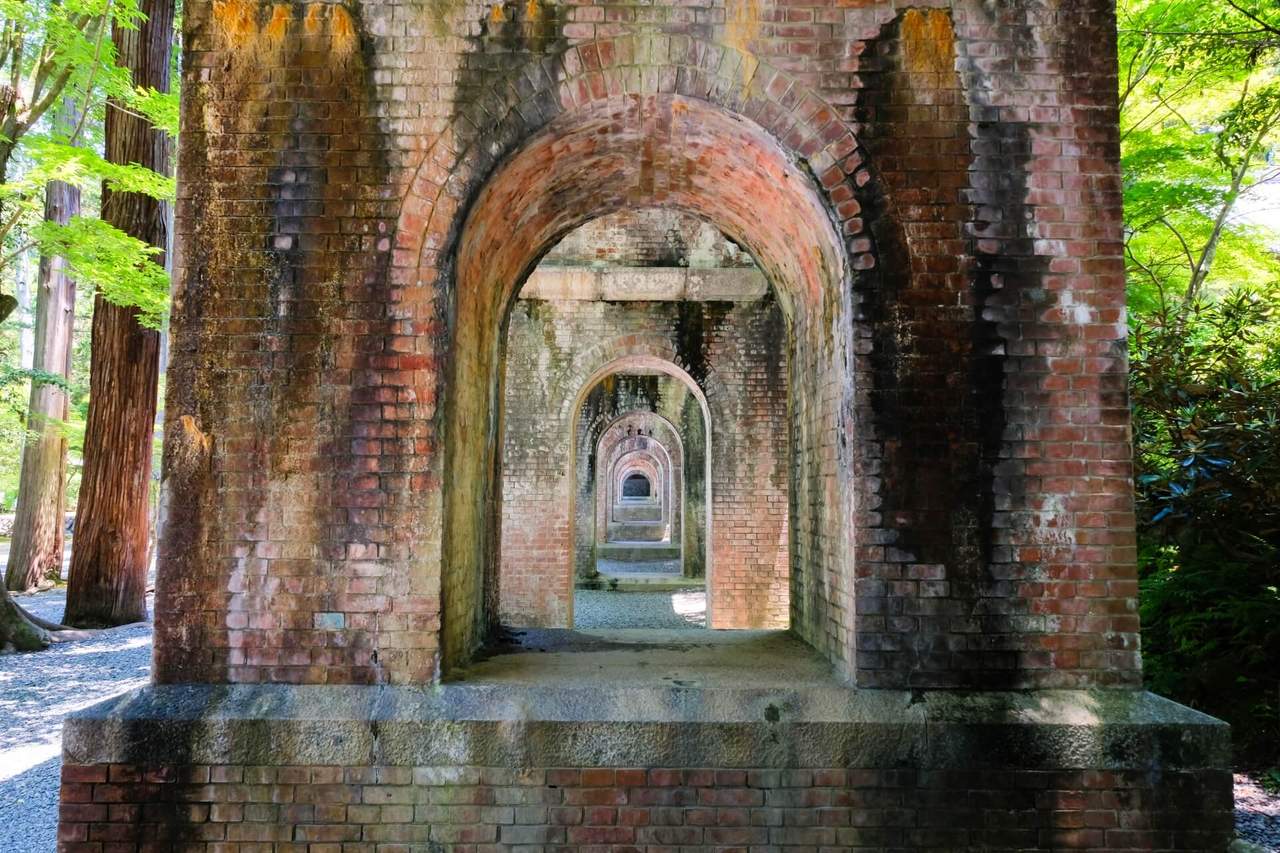
Nanzen-ji: Zen Foliage at the Suirokaku Aqueduct and Hojo Garden
Nanzen-ji is about a 10-minute walk from Eikando and is often the link in a half-day Okazaki or Higashiyama itinerary. The red-brick Suirokaku aqueduct, built in the Meiji era, is part of the Lake Biwa Canal, and in autumn red maples hang over both sides of its arches, blending old and new. It is free to visit.
The Hojo garden requires a separate ticket; its dry landscape garden paired with maples has a quiet Zen feel. For a fee you can climb the Sanmon gate tower for a view of the Higashiyama hills.
We recommend pairing Nanzen-ji with Eikando, linking the Suirokaku, Hojo garden and Eikando in about 2-2.5 hours, a high-value Higashiyama foliage route.
-Klook.jpg)

Philosopher’s Path: A Stroll Linking Ginkaku-ji and Nanzen-ji
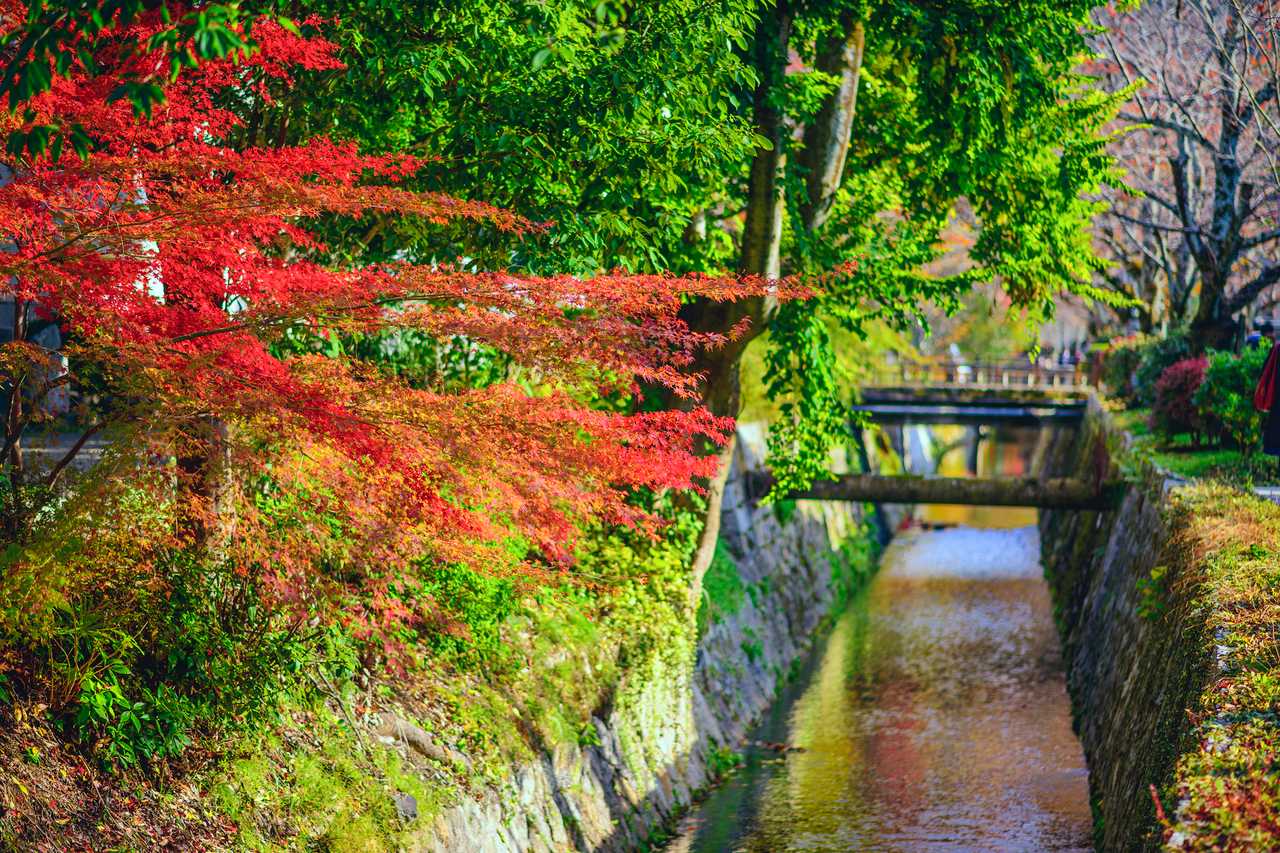
The Philosopher’s Path is about 2 km long and runs along a branch of the Lake Biwa Canal. It is named after the philosopher Nishida Kitaro, who often walked here in thought, and it is the most pleasant walking route linking Ginkaku-ji with Nanzen-ji and Eikando. Hundreds of Somei-Yoshino cherry and maple trees line the way, and in autumn red leaves meet flowing water. It is free to enter at all times.
It takes about 10 minutes to walk from Eikando to the southern entrance. Continuing north to Ginkaku-ji takes about 25-35 minutes in total, the most natural link for a one-day Higashiyama foliage plan.
Walk on a weekday morning or near dusk, when it is calmer than on weekend afternoons. Several cafés and dessert shops along the way are good for a short rest.
Ginkaku-ji: Jisho-ji’s Dry Gardens and a Glimpse of Higashiyama Culture
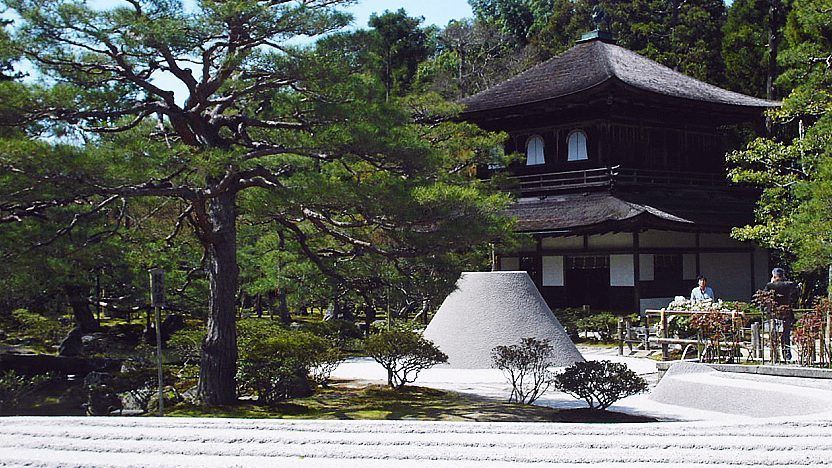
Ginkaku-ji’s formal name is Jisho-ji. It was a villa built by Ashikaga Yoshimasa in imitation of Kinkaku-ji and embodies the wabi-sabi aesthetics of Higashiyama culture. The Silver Sand Sea, the Moon-Viewing Platform and the moss garden with maples create a calm atmosphere.
It takes about 25-35 minutes to walk here from Eikando via the Philosopher’s Path. Opening hours are 8:30-17:00 (9:00-16:30 from December to February), and admission is ¥500 for adults. A one-way route lets you look down over the garden and the city.
The grounds are small, so allow 40 minutes to 1 hour in peak season and avoid the weekend morning tour-group rush.
![[Kyoto World Heritage] Half-Day Tour of Kyoto's Three Great Sights: Kinkaku-ji, Ginkaku-ji and Kiyomizu-dera](https://res.klook.com/images/w_300,h_300,c_fill,q_75/w_80,x_15,y_15,g_south_west,l_Klook_water_br_trans_yhcmh3/activities/ttannf3g0c2girlcchyk/【京都世界文化遺產】京都三大名所金閣寺&銀閣寺&清水寺半日遊-Klook.jpg)
Kitano Tenmangu: The God of Learning and the Hidden Foliage of Odoi
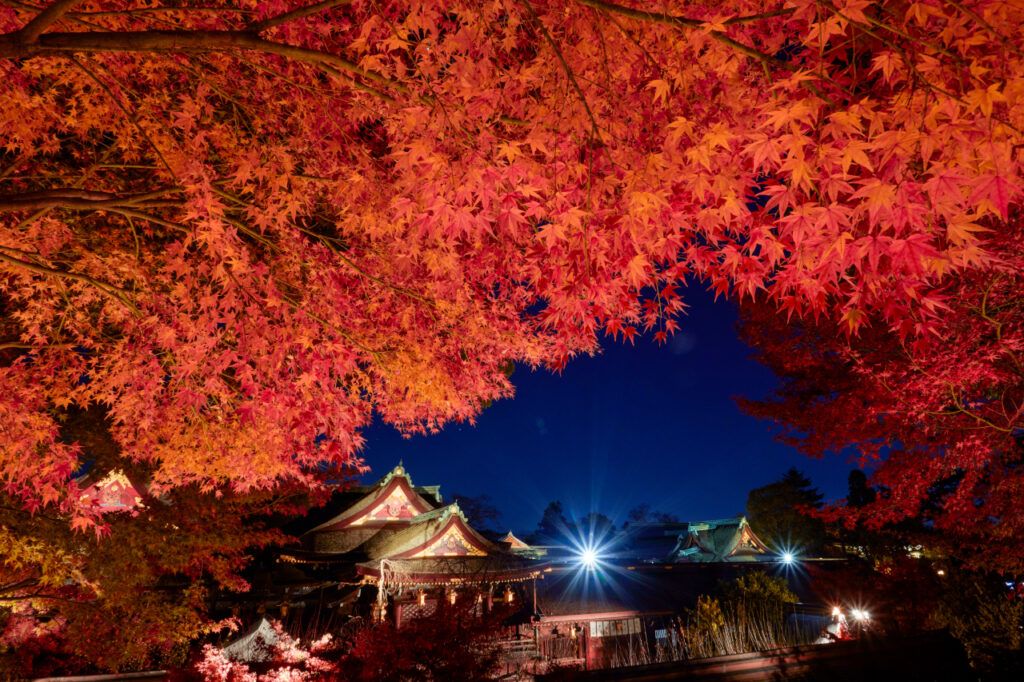
Kitano Tenmangu enshrines Sugawara no Michizane, the god of learning, and is one of the head Tenmangu shrines in Japan. It is also an important autumn foliage spot in Kyoto. It is far from Eikando, so it suits a separate day in central Kyoto. Worship at the main shrine is free, and amulets and goshuin are available at the office.
The historic Odoi Momiji-en garden within the grounds has about 350 maple trees planted along both banks of the Kamiya River. In 2026 it is open from October 31 to December 6, with an admission of ¥1,500 (including tea and a sweet). The vermilion Uguisu Bridge in the garden sets off the valley foliage, a ravine-style foliage landscape quite different from Eikando.
Kiyomizu-dera: Comparing Its Night Opening with Eikando’s Schedule
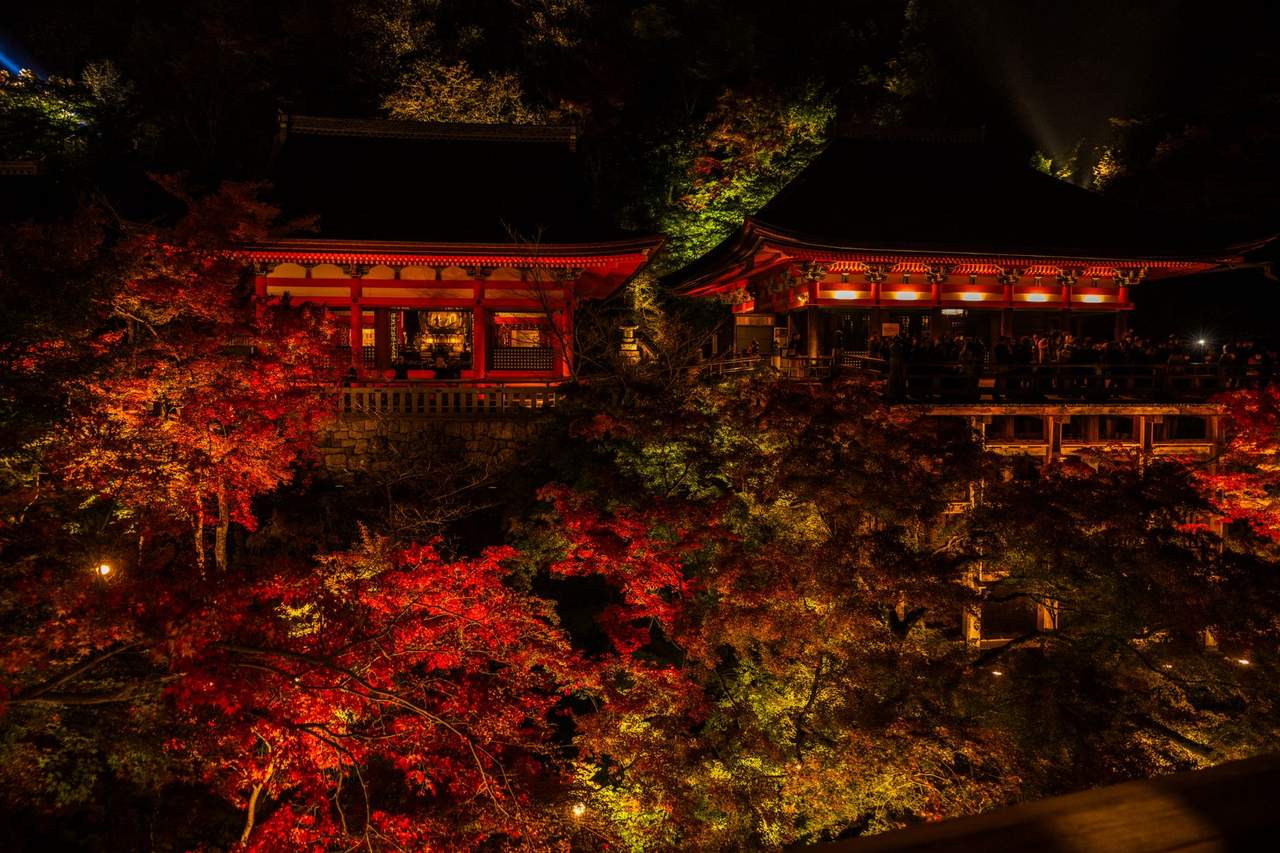
Kiyomizu-dera is Kyoto’s most iconic wooden-stage temple. Its 2026 autumn special night opening runs from November 21 to November 30 (last admission 21:00). Ticket prices follow the official announcement and are sold on site, unlike Eikando’s changeover system, which requires separate day and night tickets.
Because the two temples are far apart, you cannot visit both on the same evening. Based on the peak forecast, we suggest visiting them on two separate days: Eikando fits the northern Higashiyama route with Nanzen-ji and the Philosopher’s Path, while Kiyomizu-dera pairs with Ninenzaka, Sannenzaka and Kodai-ji on the southern Higashiyama route.
Night crowds at Kiyomizu-dera are also huge, so enter an hour after opening or an hour before closing.
-Klook.jpg)
Tofuku-ji: Tsutenkyo Bridge Foliage as a Daytime Counterpart
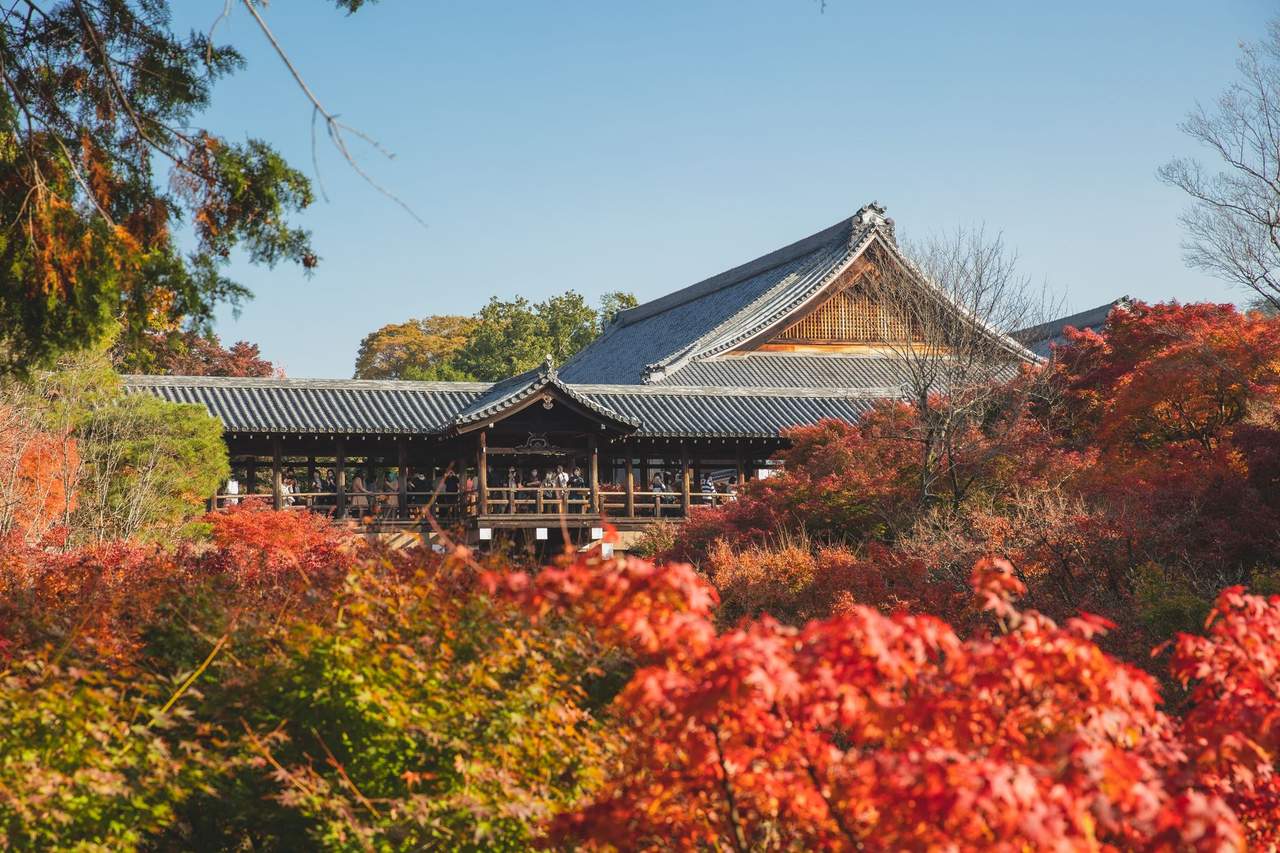
Tofuku-ji is famous for the Tsutenkyo bridge, which overlooks about 2,000 maples in the Sengyokukan valley, and is one of Kyoto’s most densely foliaged spots. Night openings are not held on a fixed basis, so watch the official announcement for 2026.
Eikando’s night foliage is sold by on-site queue, with a lower entry barrier but a wait. If you can only manage one night, prioritize Eikando or Kiyomizu-dera and leave Tofuku-ji for a daytime visit.
It is open from about 8:30 to 16:00 during the day. Tickets for Tsutenkyo and Kaisando are ¥1,000, so arrive early to avoid crowds. The Honbo garden costs an extra ¥600 (from November 1, 2026).
Kodai-ji and Entoku-in: A Night Foliage Option Without a Clear-Out
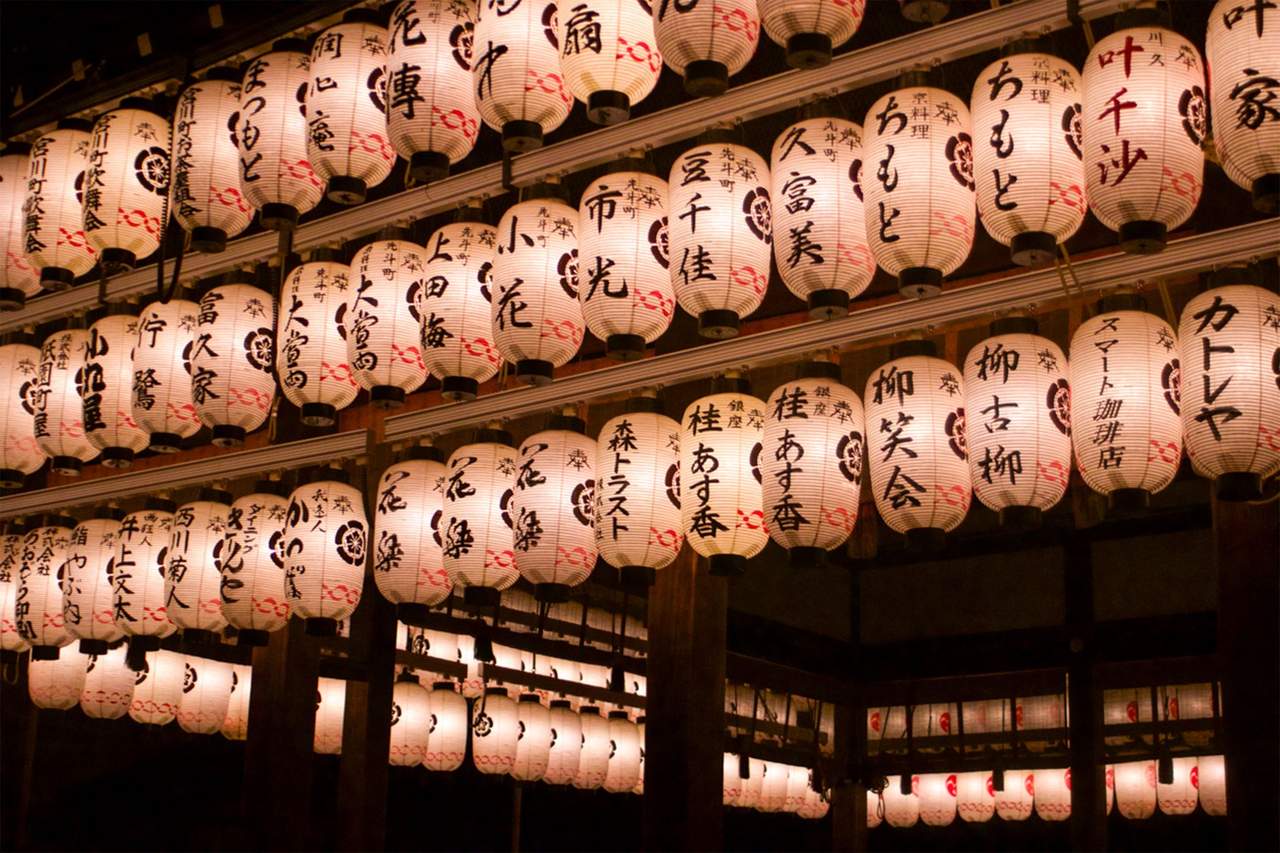
Kodai-ji and its sub-temple Entoku-in are rare among Kyoto’s night foliage spots in not clearing visitors out. If you buy a ticket in the afternoon, you can stay until closing to see the illumination, with no need to leave midway and re-queue as at Eikando. The grounds are known for the reflections in the Garyu Pond and the light projections in front of the Hojo hall. The 2026 autumn special night opening runs from October 23 to December 13, longer than at most temples. The two are about a 1-minute walk apart, and a combined ticket covers both (Kodai-ji ¥800, two-temple combined ticket ¥1,200, subject to official announcement). It is about a 15-minute walk from Keihan Gion-Shijo Station and pairs well with a Kiyomizu-dera foliage evening, so you can relax without counting queue time.
How Much Does Foliage at Eikando Cost? Tickets and Reservations
Eikando Night Special Opening Tickets 2026: Illumination Dates and Purchase Notes
The 2026 Eikando night special opening (illumination) runs from November 20 to December 6. Last admission is 20:30 (reception opens 17:30) and the gates close at 21:00. Admission is ¥1,000 for junior high school students and above, mainly purchased by queuing on site. Daytime visitors must leave by 17:00, and must queue again to buy a night ticket, so allow about 2 hours in total.
There is often a long queue at the 17:30 opening. Entering after 19:30-20:00 helps avoid the peak. The last entry is about 30 minutes before closing, and tripods and selfie sticks are not allowed in the grounds.
Eikando Daytime Tickets and the Autumn Temple Treasures Exhibition 2026
Daytime admission at Eikando is divided into a regular period and the Autumn Temple Treasures Exhibition period, with different prices. The 2026 exhibition runs from November 11 to December 6, with reception 9:00-16:00 and gates closing at 17:00. During this period admission is ¥1,500 for adults, ¥1,000 for university and vocational students, and ¥800 for junior and senior high school students. In the regular period, adults pay ¥1,000, university and vocational students ¥800, junior and senior high school students ¥600 and elementary school students ¥200, with the same reception hours. All tickets are sold on site only, with no online reservations. A weekday morning is best for the fewest crowds.
Combining the Daytime Exhibition and Night Illumination: The Changeover System
If you want to experience both the daytime temple treasures exhibition and the night illumination, remember that they run on a changeover (clear-out) system and need separate tickets. A daytime ticket does not let you stay on for the night foliage. We suggest entering in the afternoon to see the exhibition and gardens, finishing your visit by 16:00, then resting outside the temple after leaving at 17:00.
Then, depending on the night queue, line up again around 17:00-17:15 for the night tickets to go on sale, so the two sessions connect smoothly without an extra trip. In case of rain or an on-site announcement of changes, always follow the notice at the entrance that day.
Transport Passes: IC Cards and the Kyoto Bus and Subway One-Day Pass
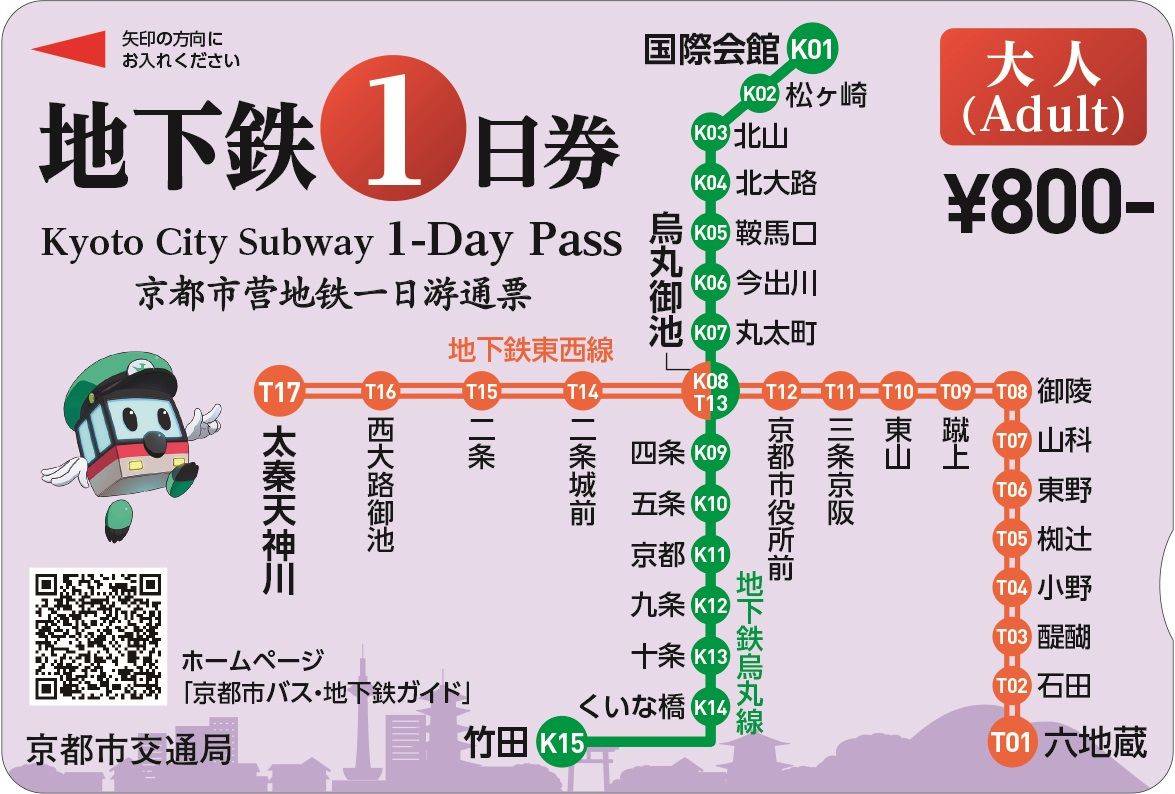
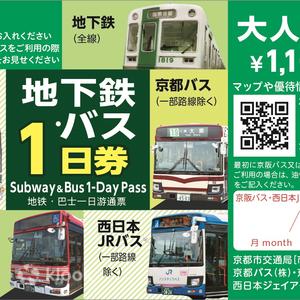
To get to Eikando, use an IC card such as ICOCA or Suica to tap on the subway and city buses directly. Buses charge a flat ¥230 per ride, and the subway is priced by distance. If you will also visit Kiyomizu-dera, Kinkaku-ji and other sights that day, consider the Kyoto City Bus and Subway One-Day Pass (about ¥1,100), which pays for itself with 3 or more rides in a day.
The Kansai Wide Area Pass or Kansai regional rail passes suit itineraries that cover multiple cities such as Osaka and Nara. In peak foliage season, we still recommend taking the subway to Keage Station to avoid the bus sections that tend to run late.
Higashiyama Half-Day Foliage Tour: Visiting Nanzen-ji and Eikando
If you would rather not plan your own route, you can also choose a half-day Kyoto Higashiyama foliage tour or a private charter. Most link the Nanzen-ji Suirokaku, Eikando, the Philosopher’s Path and Ginkaku-ji in one trip, saving the time spent looking up bus transfers and walking routes.
Some tours also add a night foliage session at Kiyomizu-dera or Kodai-ji, which suits travelers with limited days who want to collect Higashiyama’s signature foliage spots in one go. Check the meeting point and whether admission fees for each site are included before booking.
Where to Stay Near Kyoto’s Eikando: Hotel Suggestions
Keage and Okazaki: Hotels Within Walking Distance of Eikando
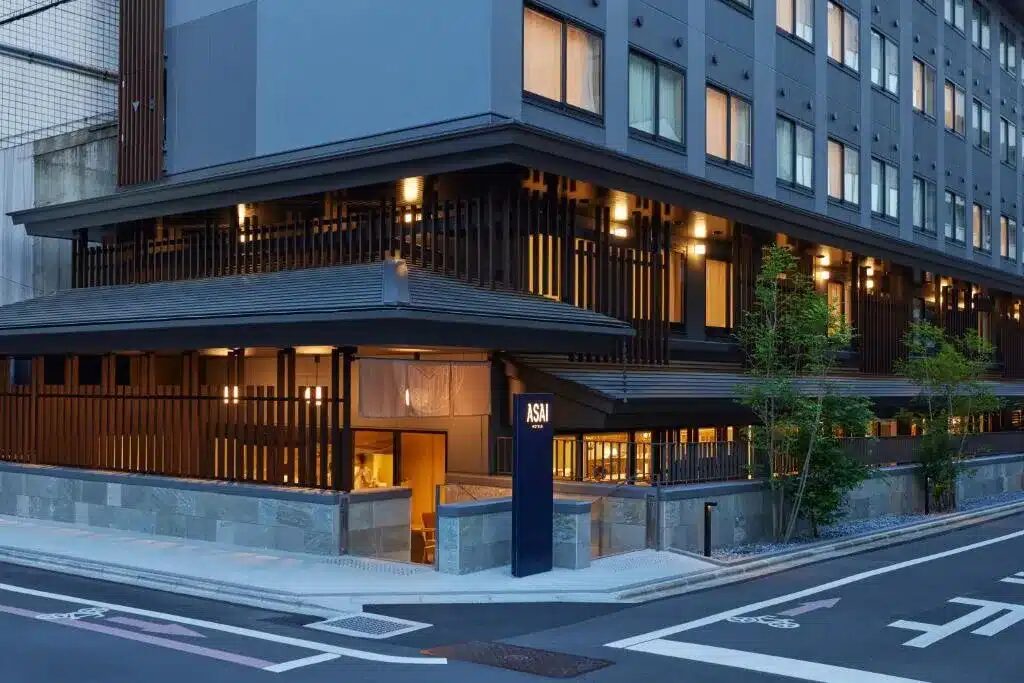
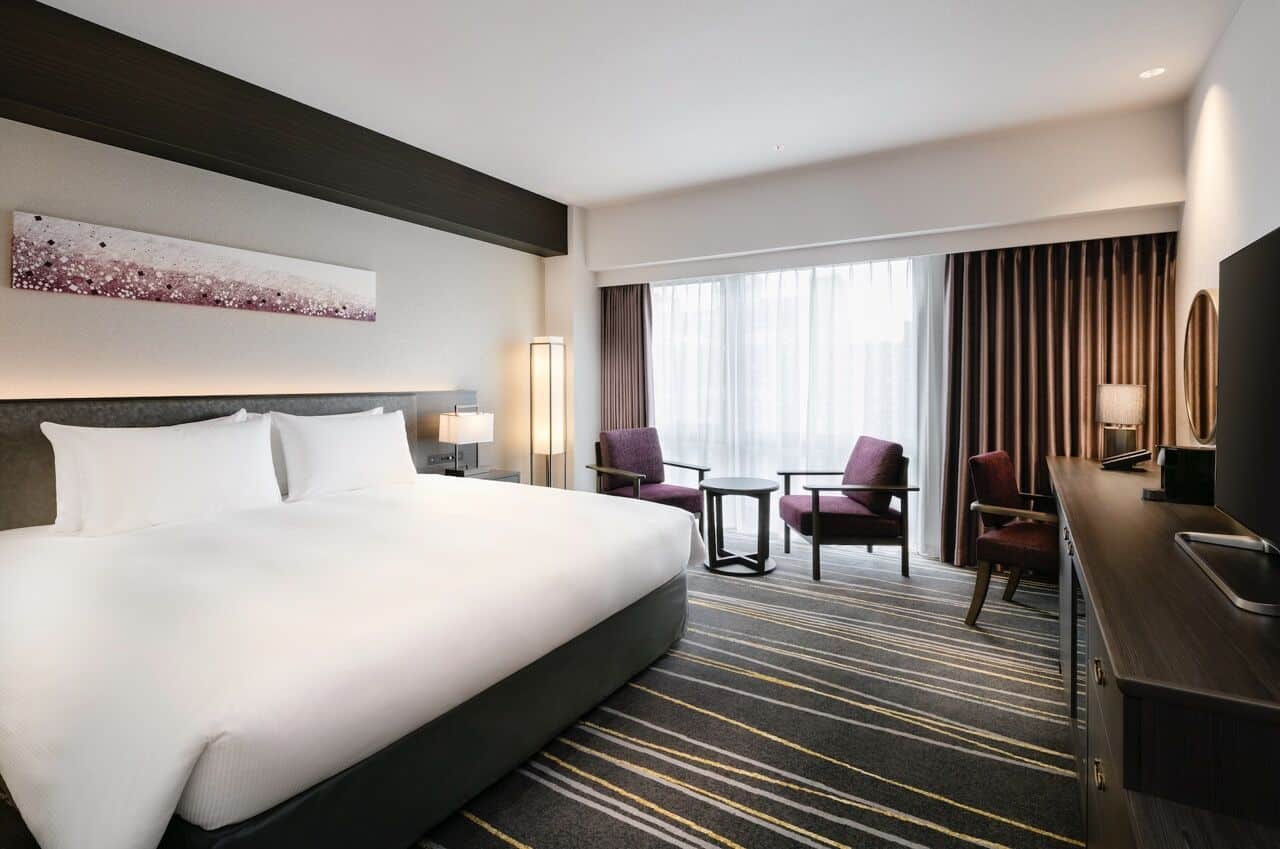
If you want to avoid the foliage-season commuter rush and reach Eikando first thing in the morning, the Keage Station and Okazaki Park area is the most direct base. It is only about a 15-minute walk from Keage Station to Eikando, passing the well-known cherry blossom spot Keage Incline along the way. This area mostly has small inns and guesthouses converted from Kyoto machiya townhouses. There are fewer rooms than around Kyoto Station, so book 2-3 months ahead in peak foliage season.
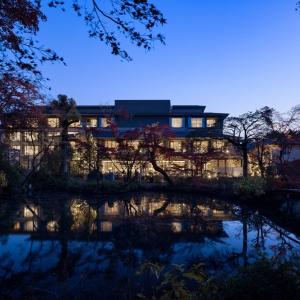
Sanjo Keihan and Gion-Shijo: A Base for Reaching Higashiyama Sights
There are more hotel choices around Keihan’s Sanjo and Gion-Shijo stations. From Sanjo Keihan Station, the Tozai Line reaches Keage Station in two stops, and you then walk to Eikando. It is also convenient for linking the southern Higashiyama sights around Kiyomizu-dera and Kodai-ji. The area sits right next to the Kamo River and Pontocho’s dining street, suiting travelers who want to dine out at night without dragging luggage far. Room rates typically fall between those near Kyoto Station and purely residential areas.
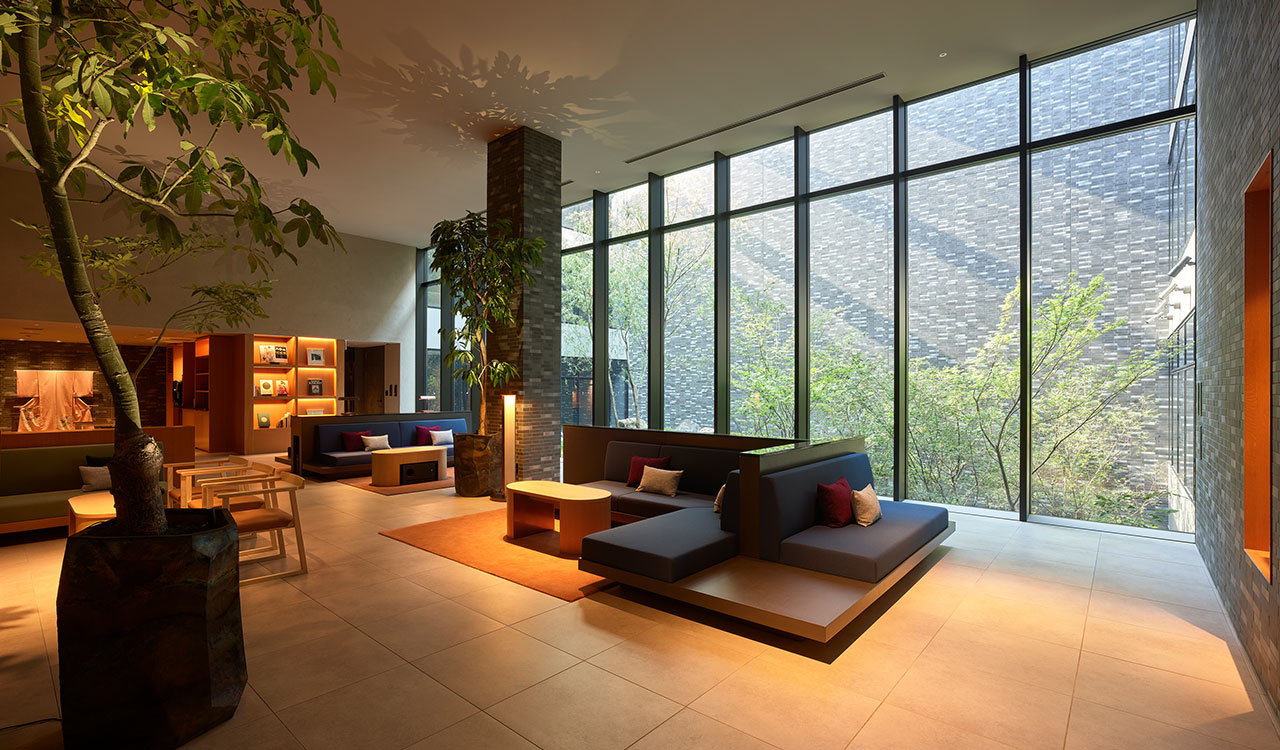





Around Kyoto Station: A Base Linking the Airport Bus and Sights
The area around Kyoto Station has the most convenient transport. From the station, take the Karasuma Line to the Tozai Line to Keage Station, then walk about 15 minutes to Eikando. It is also the transfer hub for other foliage spots such as Arashiyama and Fushimi Inari, and it connects directly to the Limousine Bus to and from Kansai Airport. This area has the most hotels and the widest price range, from business hotels to chain hotels, suiting travelers whose itinerary spans several parts of Kyoto and who do not want to change lodging every day.
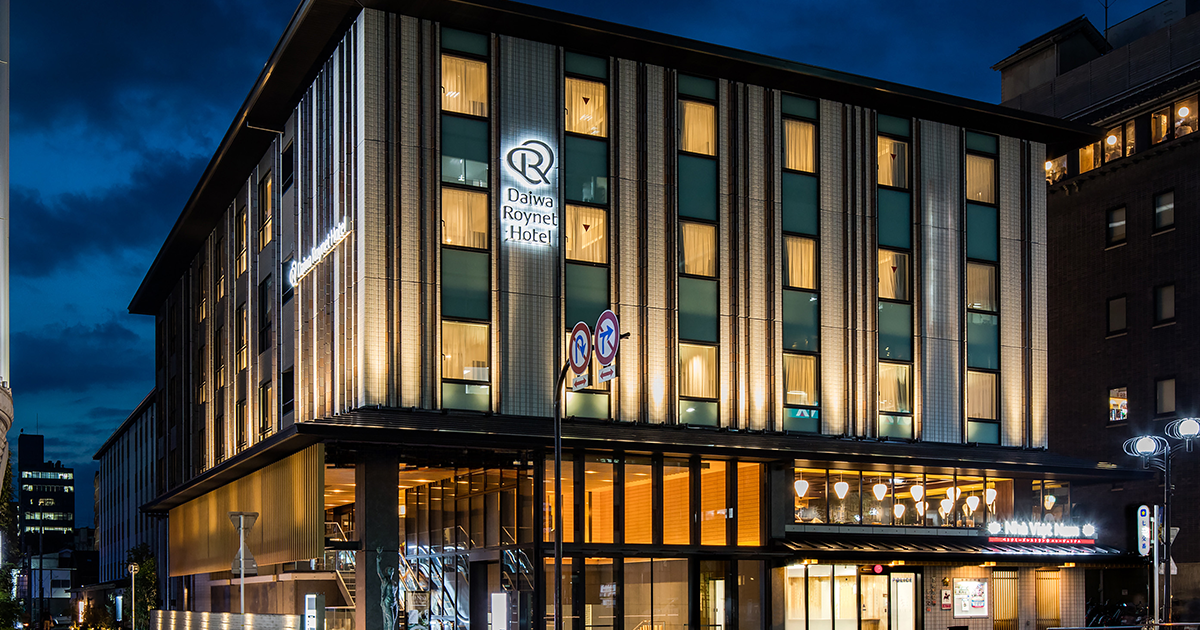
Around Okazaki Park: For Travelers Who Want an “Okazaki-Only” Route
If you only plan to focus on Eikando and Nanzen-ji and do not want to rush to other sights, consider staying around Okazaki Park, right next to Kyoto City Zoo, the National Museum of Modern Art, Kyoto and Heian Shrine. You can enjoy a relaxed Okazaki-only route in the daytime, then walk to Eikando in the evening to queue for the night foliage. This saves travel time, and you benefit from the shortest trip back after the 21:00 closing.

FAQ
Q: Do I need a reservation for Eikando’s night foliage?
No. Eikando’s night special opening is mainly sold by on-site queue. In 2026 the illumination runs from November 20 to December 6, with reception from 17:30 to 20:30 and gates closing at 21:00.
Q: How much is the Eikando night foliage ticket?
The 2026 night special opening costs ¥1,000 for junior high school students and above. The daytime Autumn Temple Treasures Exhibition costs ¥1,500 for adults, ¥1,000 for university and vocational students and ¥800 for junior and senior high school students. The two must be purchased separately.
Q: Can I use a daytime ticket for the night session?
No. Eikando’s daytime temple treasures exhibition and night illumination run on a changeover system. Everyone leaves at 17:00 and must queue again, and you need to buy tickets separately to enter.
Q: Is Eikando’s night foliage crowded? What time should I enter?
It is very crowded, and long queues are common at the 17:30 opening. Reception runs until 20:30, and we recommend entering in the second half after 19:30-20:00, when the queue is noticeably shorter.
Q: When is the best time to see foliage at Eikando?
Based on past years, the best time to visit Eikando is mid to late November, with calmer crowds from late November to early December. In 2026 the temple treasures exhibition runs from November 11 to December 6, so you can plan around that.
Q: Is Eikando worth visiting in summer?
Yes. In early summer (May-June), the fresh greenery and green maples in the grounds are refreshing, and there are far fewer visitors than in autumn foliage season, which suits travelers who prefer a quiet atmosphere.
Q: What is the fastest way to get to Eikando?
From Kyoto Station, take the Karasuma Line to the Tozai Line to Keage Station. It is the fastest and most reliable option, taking about 15-20 minutes plus a 15-minute walk, and avoids foliage-season bus congestion.
Q: Might the on-site tickets change at short notice?
Yes. During the foliage season, ticket prices and reception times may change. Follow the notice at the entrance that day, and check the year’s temple treasures exhibition and illumination information on the official website (eikando.or.jp).