
JR TOKYO Wide Pass: The Essential Ticket for Exploring Greater Tokyo
The JR TOKYO Wide Pass is a great-value transport pass designed for foreign visitors, giving you unlimited rides on JR trains, Shinkansen and some private railways in the designated area for three days, so you can easily explore Tokyo and its wide surroundings. The pass not only cuts transport costs significantly but also lets you plan flexibly, making it the best choice for discovering the Kanto region.
With this pass you can reach popular destinations such as Mt. Fuji, Karuizawa, Nikko and Izu, and enjoy Japan’s varied nature and culture. Whether you want to ski, soak in hot springs, see autumn leaves or sightsee, the JR TOKYO Wide Pass makes your trip smoother and more affordable, an indispensable tool for exploring the Kanto region in depth.
What the JR TOKYO Wide Pass Is and Its Advantages
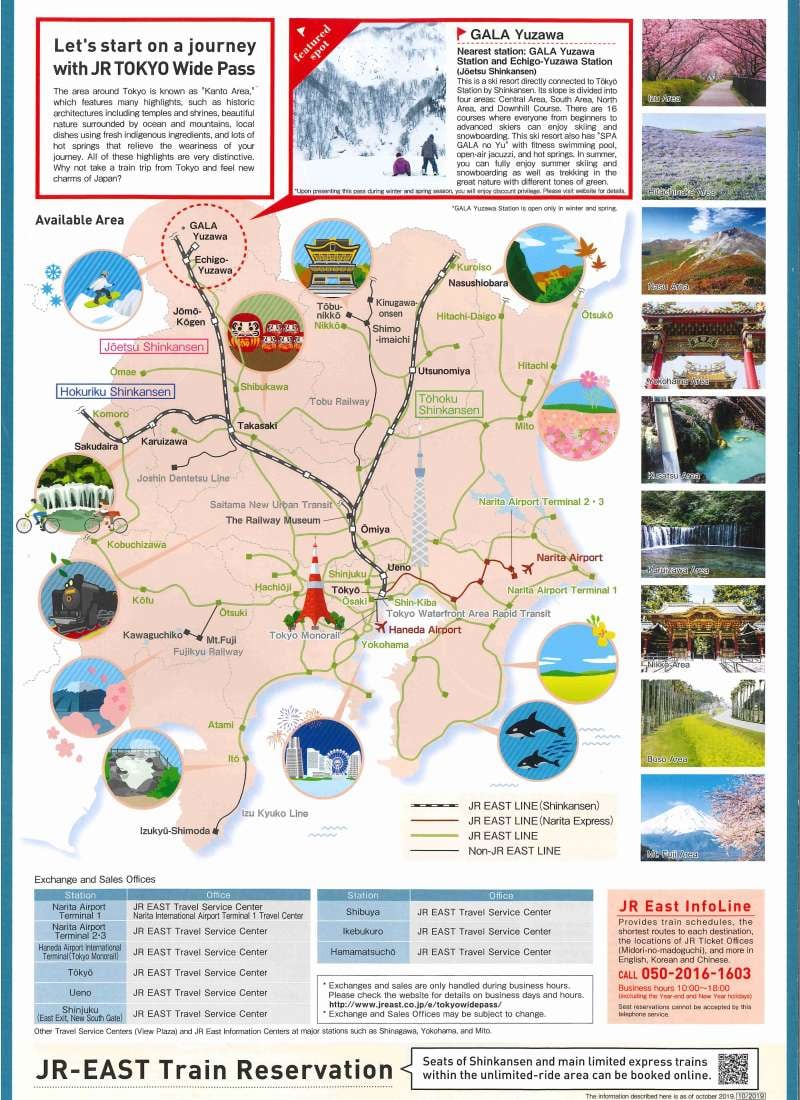
The JR TOKYO Wide Pass is a transport pass designed for foreign tourists. For three consecutive days it gives unlimited rides on JR East trains in the designated area, including Shinkansen, limited express trains and local trains.
Its biggest advantage is that for a fixed price you can visit popular spots around Tokyo such as Mt. Fuji, Karuizawa and Nikko, saving a lot compared with buying single tickets. The pass covers not only JR East lines but also some private railways, such as the Fujikyuko Line and the Izukyu Line, which gives you more flexibility when planning.
2026 Latest Prices and Who Can Use It
From March 14, 2026, the adult price of the JR TOKYO Wide Pass has been changed to ¥16,000 (previously ¥15,000), and the child price is ¥8,000 (previously ¥7,500). The pass can only be bought and used by foreign visitors holding a non-Japanese passport who entered Japan on a temporary visitor status.
You must show your passport at purchase to prove eligibility. Even with the price change, it is still clearly cost-effective compared with buying separate Shinkansen or limited express tickets, especially for travelers planning long trips across several areas.
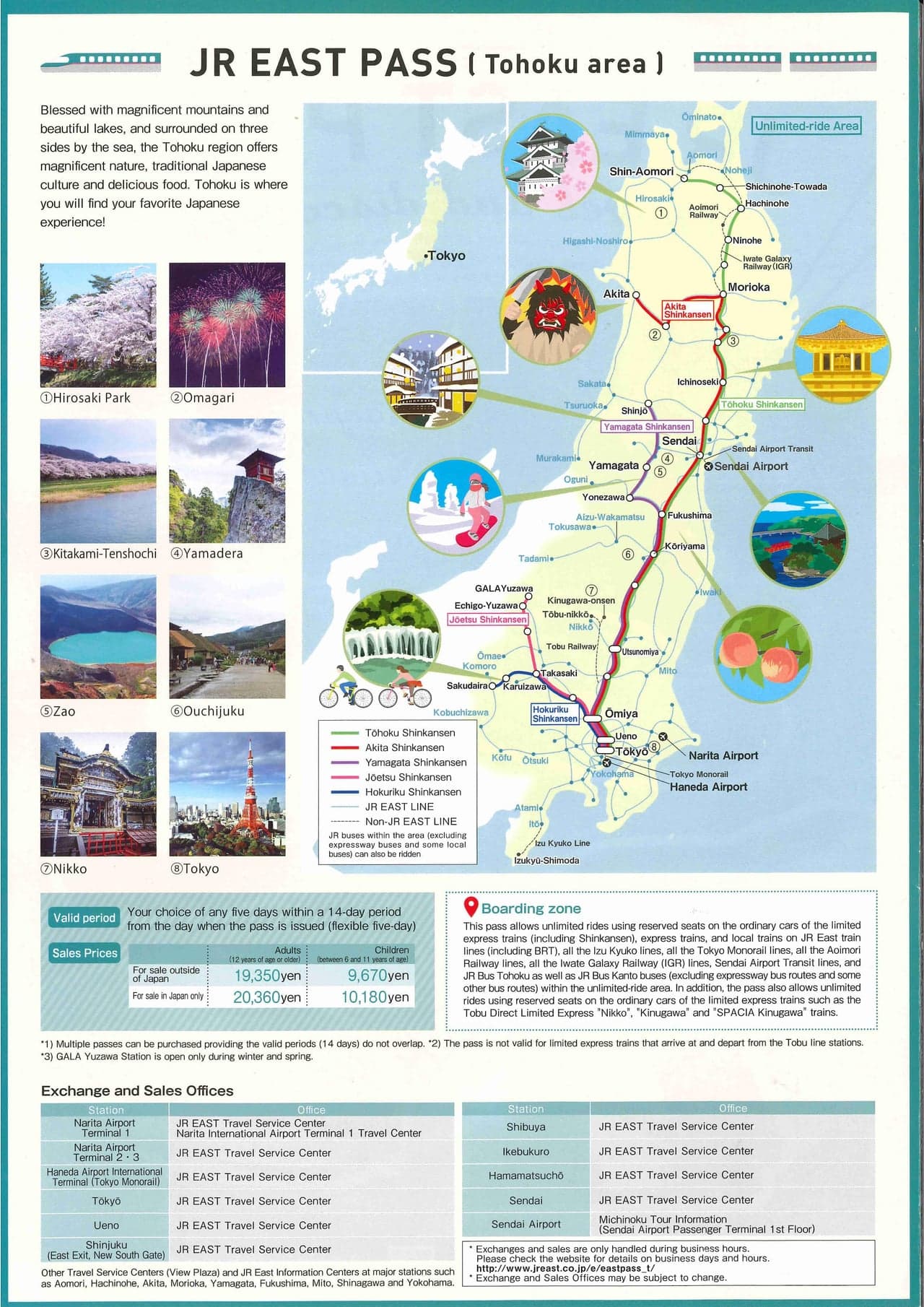
JR EAST PASS: 5-Day and 10-Day All-Line Passes From March 2026
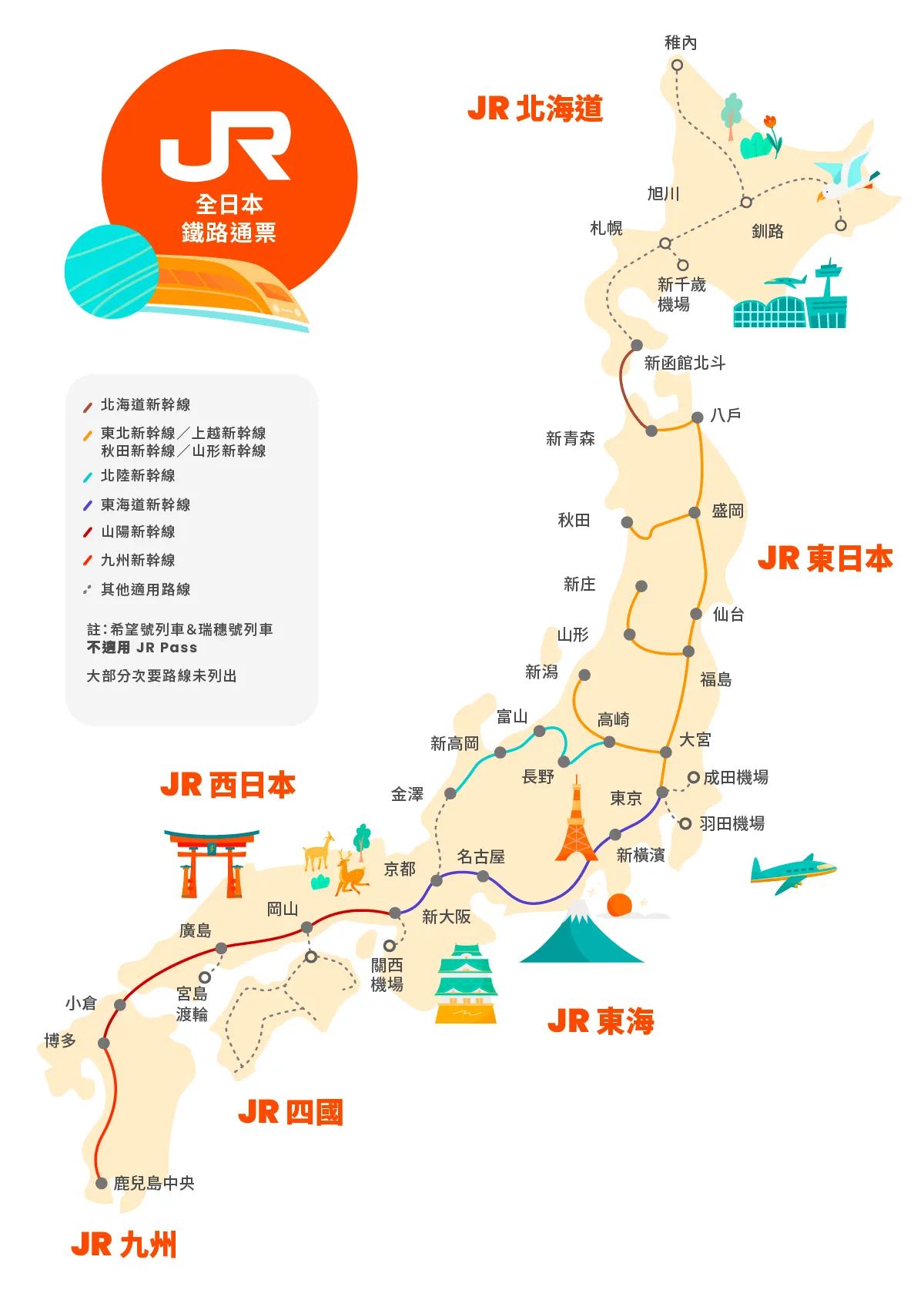
From March 14, 2026, JR East adds the “JR EAST PASS,” covering all of eastern Japan. The 5-day pass is ¥35,000 (child ¥17,500) and the 10-day pass is ¥50,000 (child ¥25,000). It can be used by travelers holding a non-Japanese passport and covers all JR East lines (including BRT) and the Tokyo Monorail. If your trip stays within the Kanto area near Tokyo, the 3-day Tokyo Wide Pass is simpler.
Validity Period and How to Use the Pass
The JR TOKYO Wide Pass is valid for three consecutive days. For example, if you start using it on Monday, you can use it until the last train on Wednesday. You can choose the start date freely, and it does not have to be the day you buy it.
It is very easy to use: just insert the pass into the automatic ticket gate to enter and exit stations. To ride a reserved-seat train, first get a seat reservation ticket at a JR ticket office or ticket machine, then ride with both the pass and the reserved-seat ticket. Even for non-reserved seats, arrive at the platform early to make sure you get a seat.
Getting Around
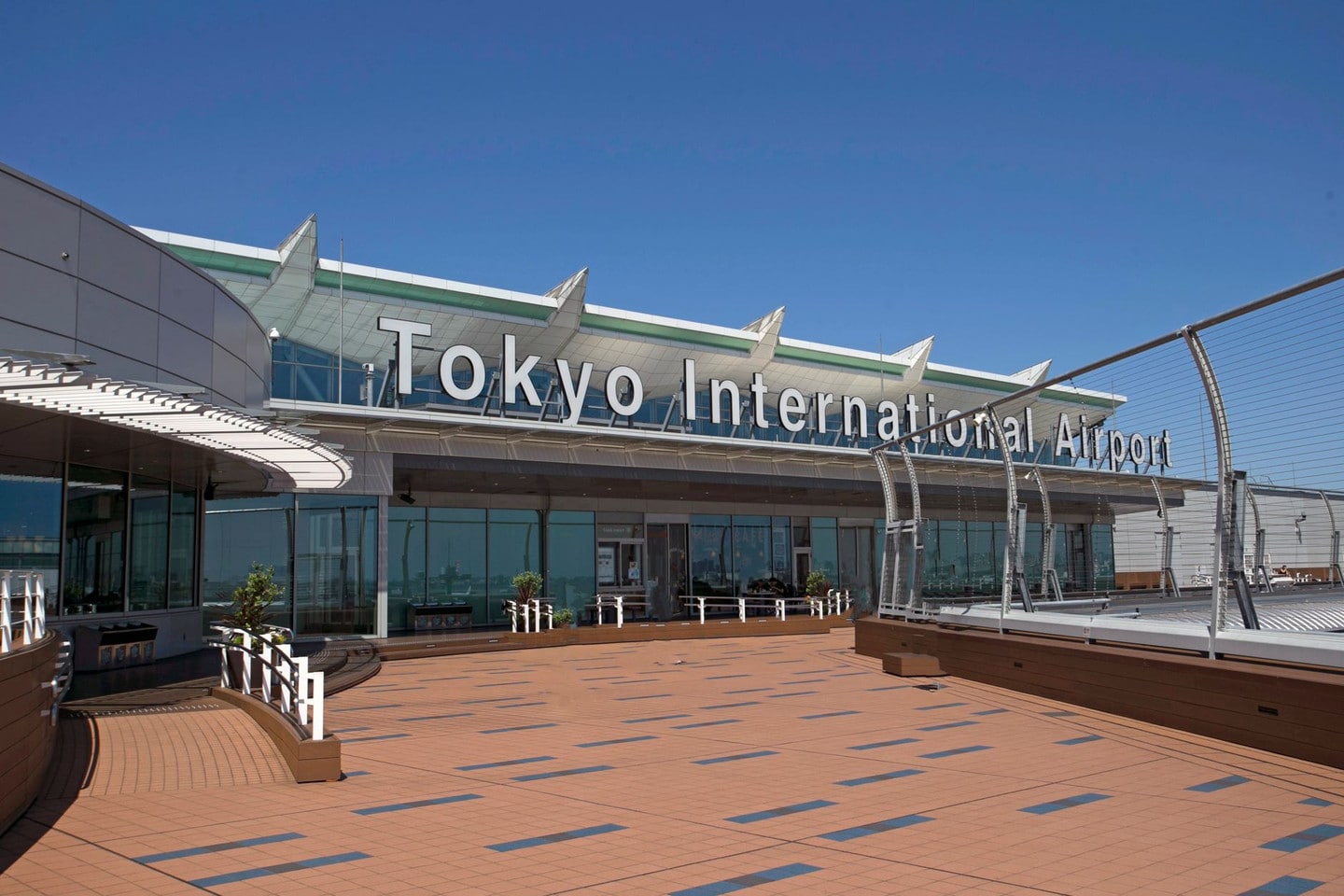
You can exchange and activate the JR TOKYO Wide Pass at several major JR stations in central Tokyo, which is very convenient. If you hold an exchange voucher (e-voucher) from platforms such as Klook or KKday, or a QR code from JR East’s online reservation system, you can go straight to Tokyo Station, Shinjuku Station, Shibuya Station, Ikebukuro Station, Ueno Station, Yokohama Station, or Narita or Haneda Airport and exchange it for a physical pass at a “JR EAST Travel Service Center.”
These stations are all linked to the rest of Tokyo by the dense Yamanote Line, subway and private railway network. Even if your hotel is near Shinjuku, Shibuya, Ikebukuro or Tokyo Station, you can usually reach an exchange counter on foot or in one or two stops, with no need to go out of your way. We suggest exchanging the pass the day before you set out, once your start date is fixed (you choose the first day of use when you exchange), so on the first day you can go straight through the ticket gate with the card and avoid queuing on the platform, saving valuable time.
Bring your passport and proof of your temporary visitor status when you exchange. At the same counter you can also reserve seats on trains such as the Fuji Excursion and Narita Express N’EX, taking care of your transport arrangements in one go. JR conventional lines within the pass area, such as the Yamanote Line and Keihin-Tohoku Line in central Tokyo, can also be ridden freely, so moving around the city and transferring to suburban sights are equally easy.


JR TOKYO Wide Pass: Buying and Seat Reservation Guide
There are several convenient ways to buy the JR TOKYO Wide Pass, including booking online and buying at designated stations in Japan. Choosing the right way to buy makes your trip smoother. Knowing how to reserve seats correctly is also key to a comfortable journey, especially on popular trains such as the “Fuji Excursion” or the Shinkansen.
Booking online usually saves you queuing time on site and sometimes comes with extra deals, while buying in person lets you ask staff directly and solve problems right away. Either way, plan ahead, especially in peak travel seasons, to make sure you get your pass and the seats you want.
Booking Online: Klook, KKday and JR East’s Online Reservation System
Booking online is one of the most recommended ways to buy the JR TOKYO Wide Pass. You can pre-purchase on travel platforms such as Klook and KKday or on JR East’s online reservation system. Purchases through these platforms usually come with an exchange voucher, which you swap for a physical pass at a designated location after arriving in Japan.
Online booking is quick and convenient, lets you arrange your itinerary ahead of time and spares you the hassle of queuing on site. Some platforms also offer exclusive deals or bundles that make your trip better value. Note that buying child tickets online may have special rules, so check in advance.

Buying in Japan: JR Ticket Offices and Ticket Machines
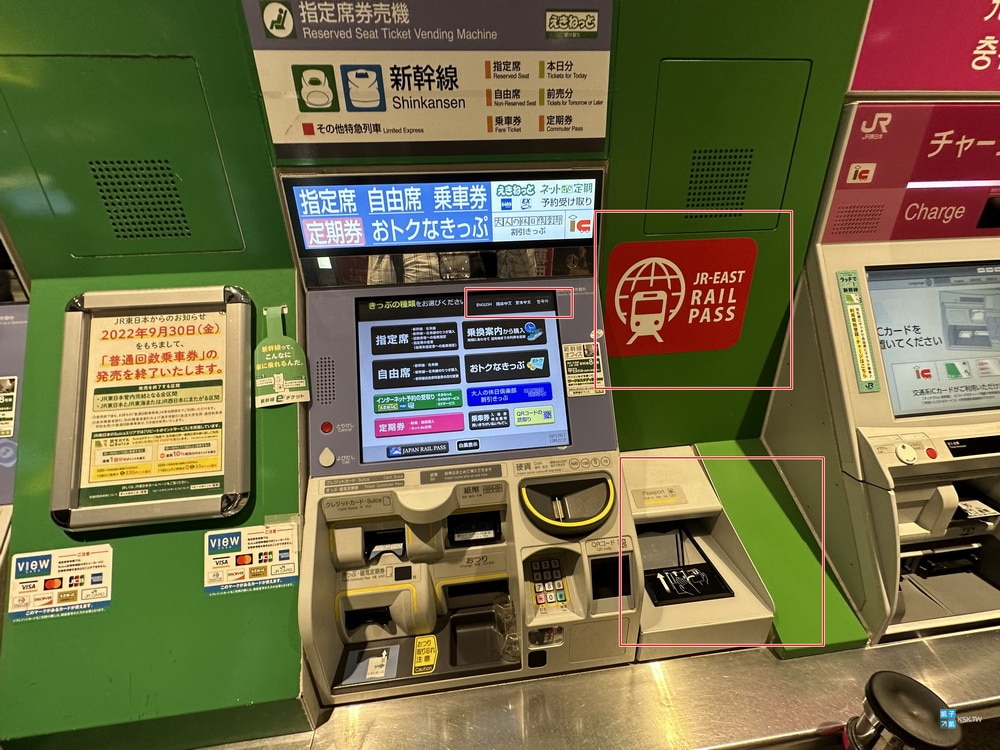
If you prefer to buy after arriving in Japan, you can buy the pass at JR East ticket points such as the JR EAST Travel Service Center, where staff will help you and can reserve seats at the same time. From April 2026, some of the new ticket machines also support getting the pass by scanning your passport.
The ticket machines have multilingual interfaces and are easy to use, suiting travelers who like self-service. Be sure to bring your passport, because it is needed to confirm your status as a foreign visitor when you buy. Avoid peak hours to skip the queue.
Seat Reservations: The Key to a Comfortable Trip
For reserved seats on the Shinkansen and limited express trains within the JR TOKYO Wide Pass area (such as Narita Express N’EX, Fuji Excursion and Odoriko), you must reserve in advance. You can reserve at a JR ticket office or ticket machine and receive a reserved-seat ticket.
On popular routes such as the “Fuji Excursion” to Kawaguchiko, seats are in high demand, so reserve as early as possible once your plans are set. Without a reservation, even with the pass you can only ride non-reserved cars, and may have to stand when the train is full. Some trains, such as the “Fuji Excursion,” have no non-reserved seats at all, so reserve ahead.
Buying and Using Child Tickets: What to Know
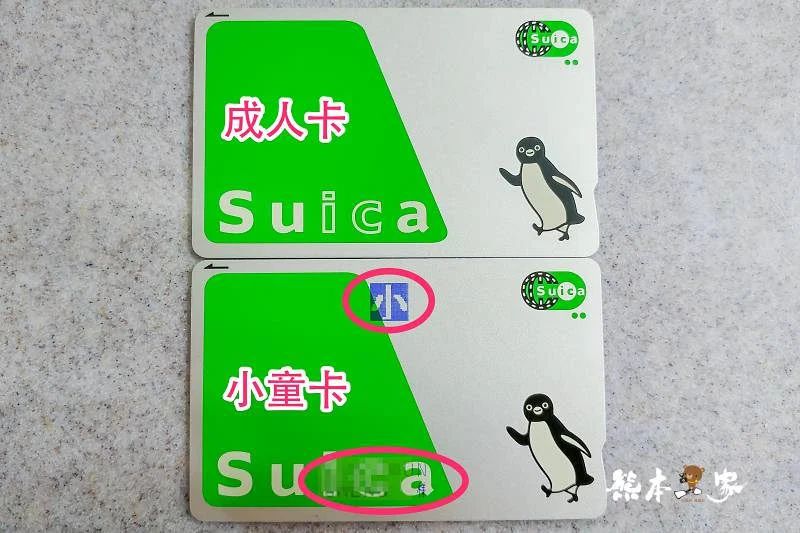
Child tickets are for children aged 6 to 11 and cost half the adult price (¥8,000). How to book child tickets online varies by platform, so check the booking page, or you can get them at a JR EAST Travel Service Center in Japan.
Children under 6 can travel free, but if a young child needs their own seat or a reserved seat, a child ticket must be bought. Be sure to bring the child’s passport for inspection when buying and using child tickets.
JR TOKYO Wide Pass: Coverage and Attractions
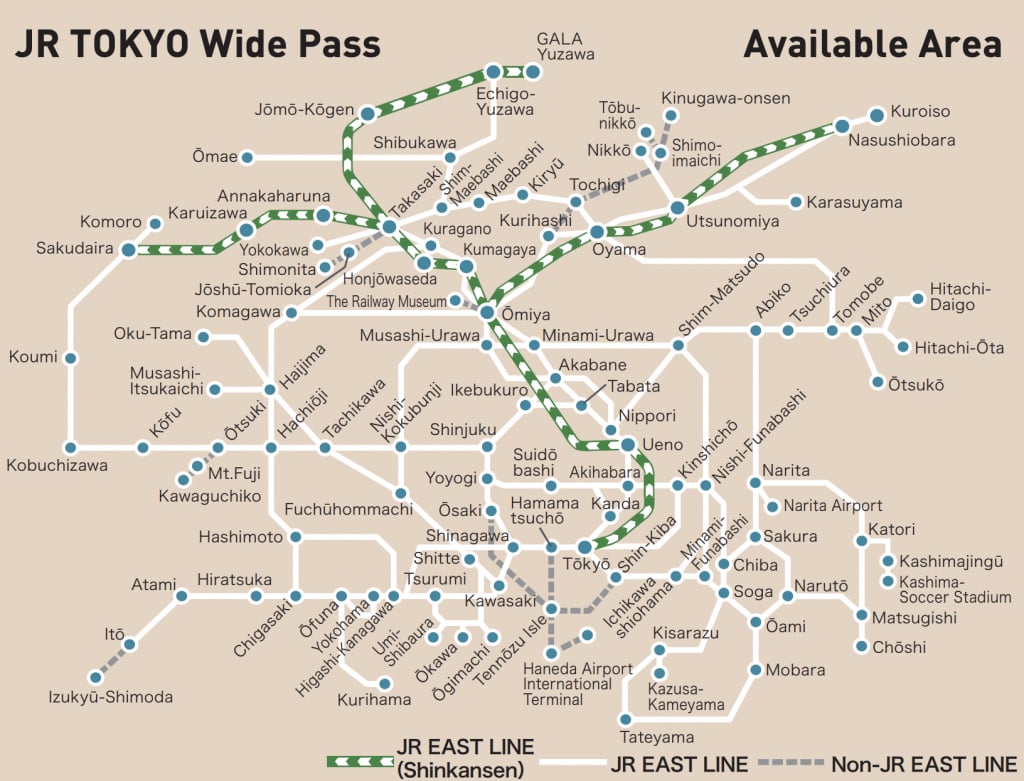
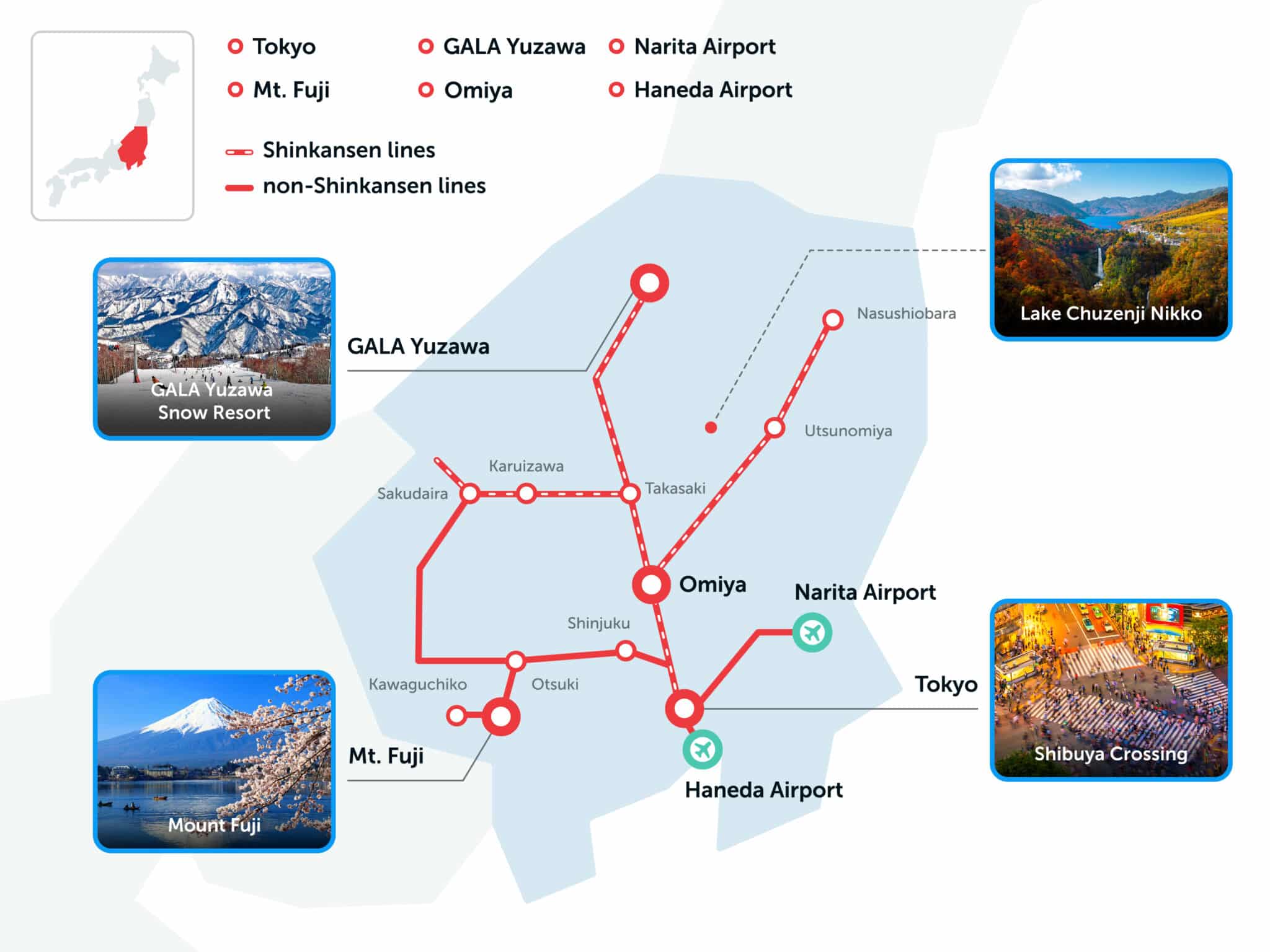
The appeal of the JR TOKYO Wide Pass lies in its wide coverage, which includes popular tourist areas in Tokyo and several surrounding prefectures. From the magnificent views of Mt. Fuji to the historic sites of Nikko, from stylish Karuizawa to the hot spring resort of Izu, this pass takes you there easily to experience the many faces of the Kanto region.
Knowing which lines and stations the pass covers is the basis for planning your trip. Used well, the pass not only saves a good amount on transport but also links several classic sights together for a rich and memorable trip to Japan.
Main Covered Lines and Train Types
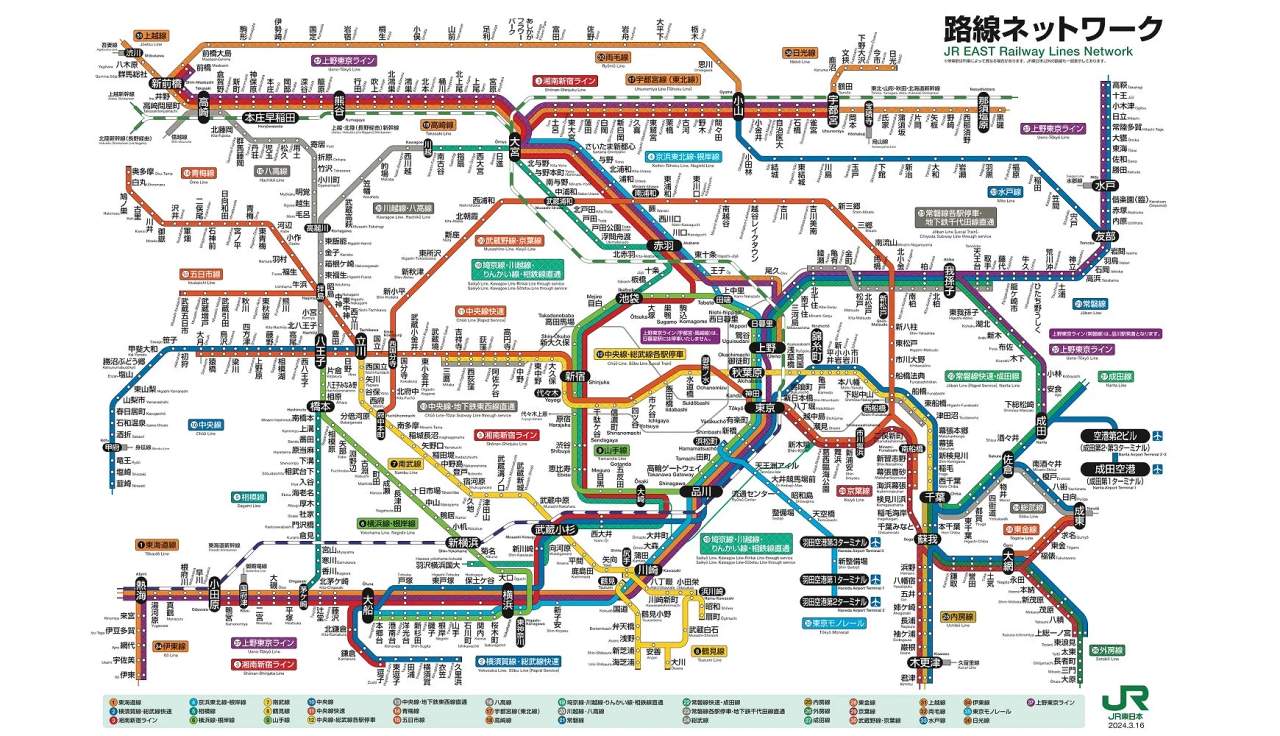
The JR TOKYO Wide Pass can be used on all JR East lines, including the Shinkansen (Tohoku, Joetsu and Hokuriku Shinkansen), limited express trains (such as Narita Express N’EX, Fuji Excursion, Odoriko and Kusatsu-Shima) and local trains.
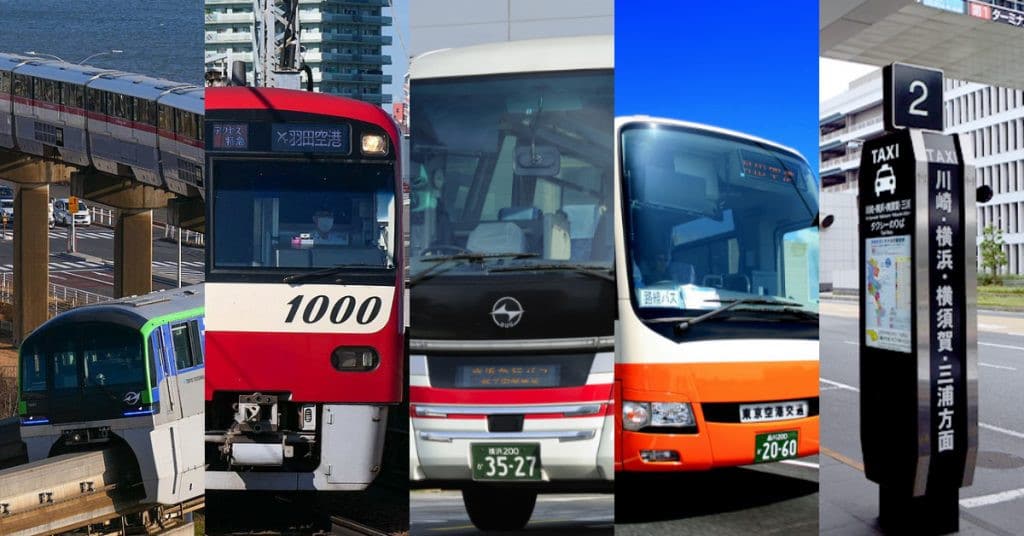
It also covers private railways such as the Fujikyuko Line, the Izukyu Line, Tobu Railway toward Nikko and Kinugawa, the Tokyo Monorail and the Tokyo Waterfront Area Rapid Transit (Rinkai Line). Official information is available on the JR East official website (jreast.co.jp).
Mt. Fuji and Kawaguchiko: Magnificent Nature, Lake and Mountain Views
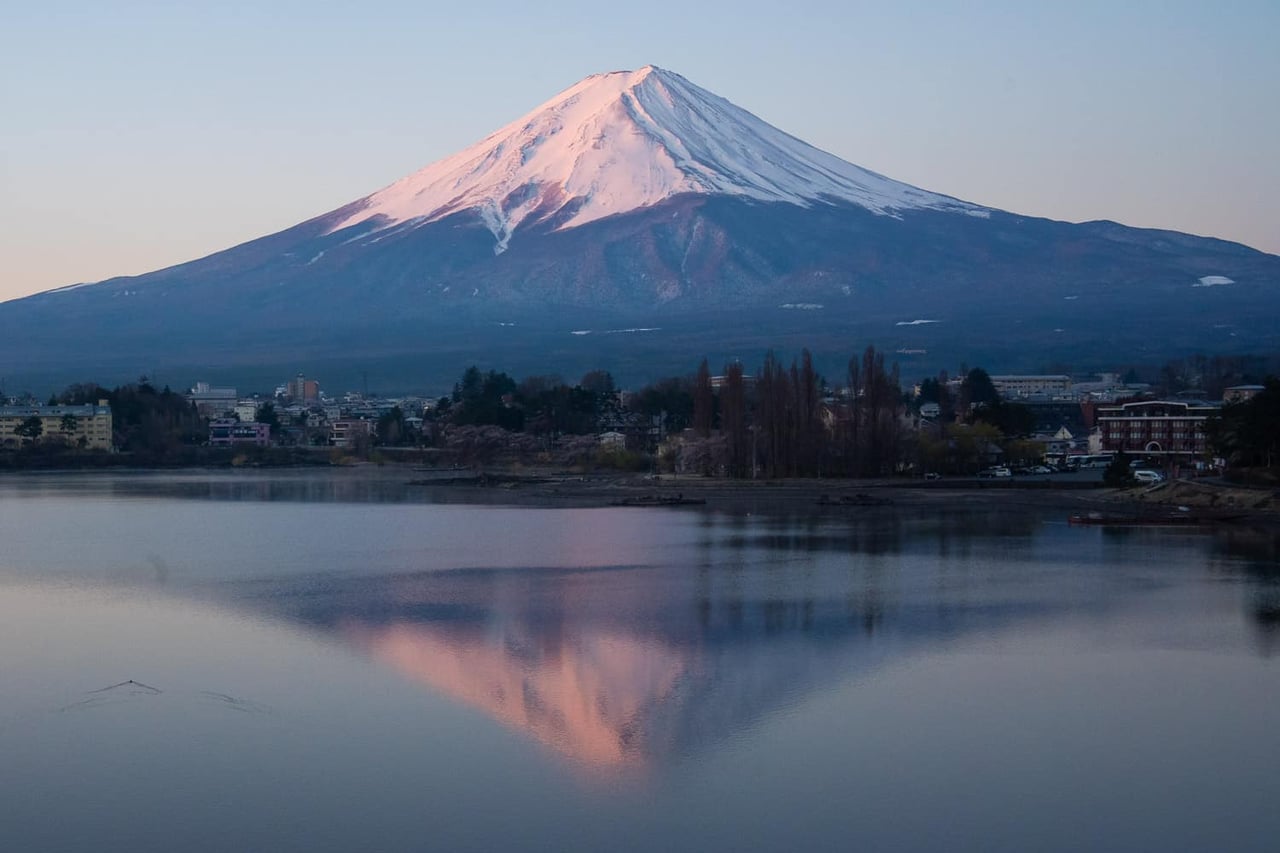

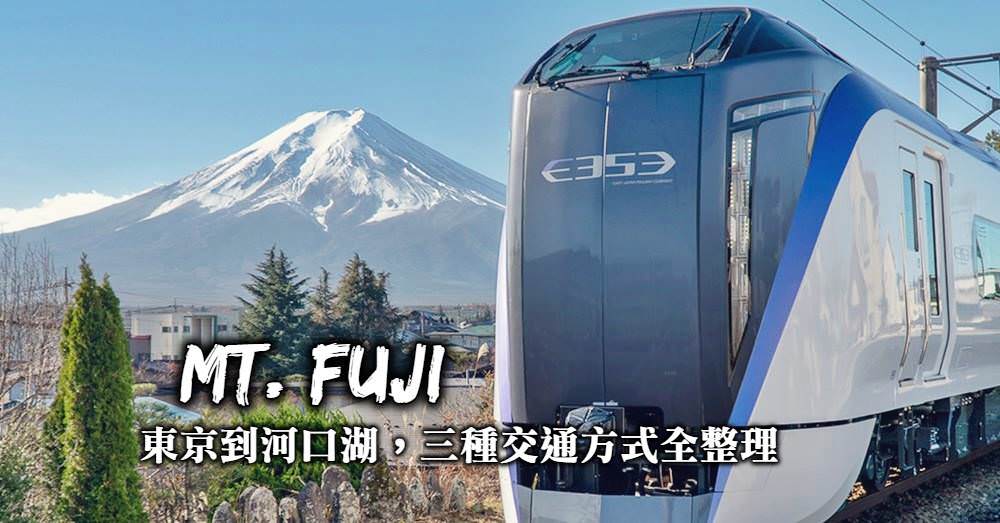
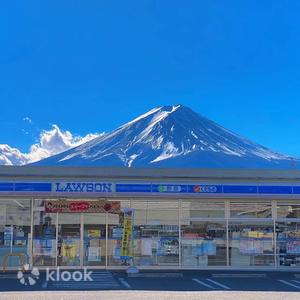
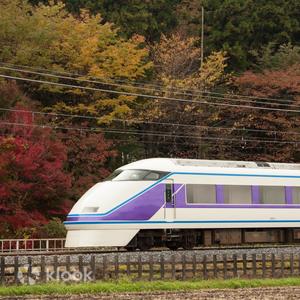
Mt. Fuji and Kawaguchiko are among the most popular spots near Tokyo. With the JR TOKYO Wide Pass, you can ride the “Fuji Excursion” limited express straight to Kawaguchiko Station, with no hassle of transfers. At Kawaguchiko you can enjoy the magnificent reflection of Mt. Fuji, ride the Tenjozan Park ropeway for views from above, or visit the Kawaguchiko Music Forest Museum.
Nearby are Oshino Hakkai, Arakurayama Sengen Park and other spots where you can capture Mt. Fuji from different angles. The pass is valid on the whole Fujikyuko Line, so getting around the Kawaguchiko area is also easy.
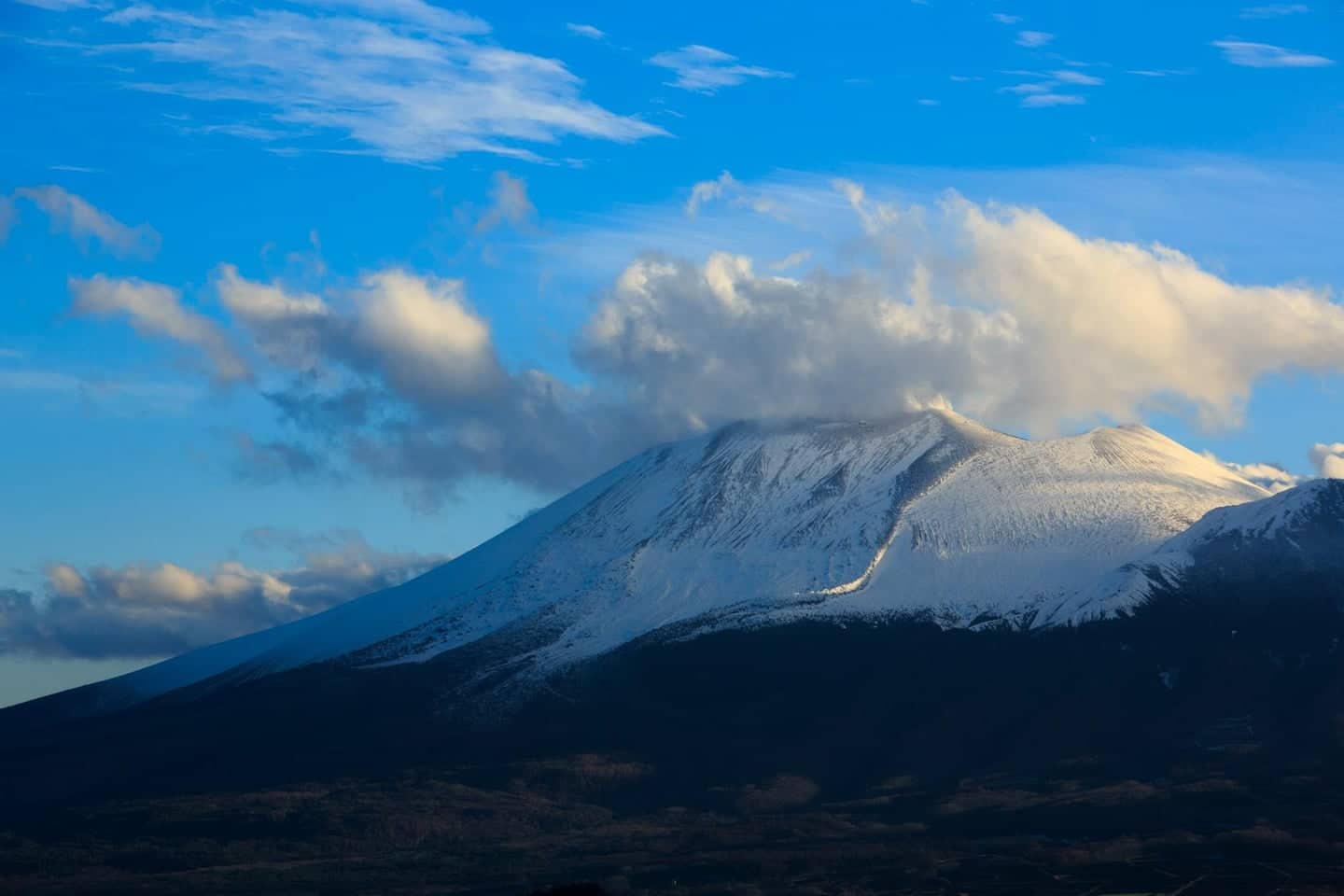
Karuizawa: A Summer Retreat and Stylish Town
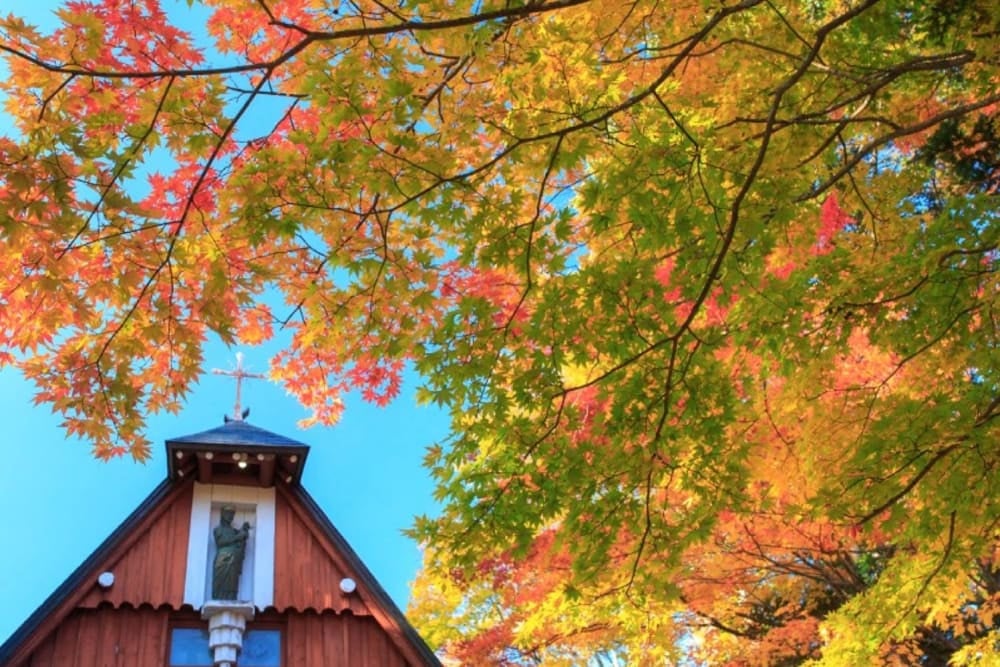
Karuizawa is a famous summer retreat in Japan, known for its beautiful nature, European-style architecture and stylish shopping outlets. It takes a little over an hour by Hokuriku Shinkansen from Tokyo, ideal for a day trip or a two-day trip.
In Karuizawa you can stroll the Kyu-Karuizawa Ginza shopping street, visit the Stone Church and the Kogen Church, cycle along tree-lined paths, or enjoy shopping at the Karuizawa Prince Shopping Plaza. The pass covers the Shinkansen section, so you can easily reach this charming resort town.
Nikko and Kinugawa Onsen: World Heritage and Hot Spring Healing
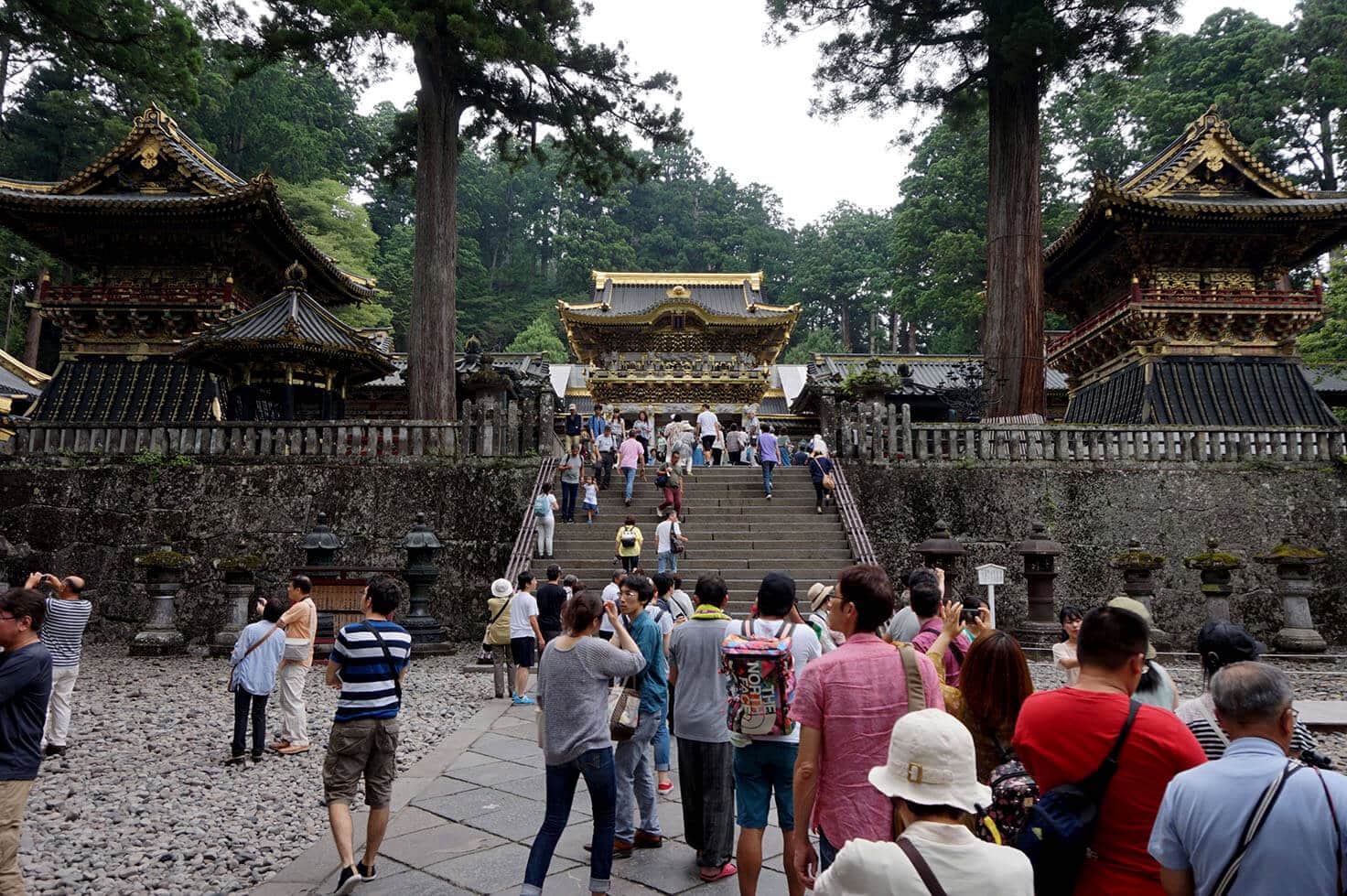
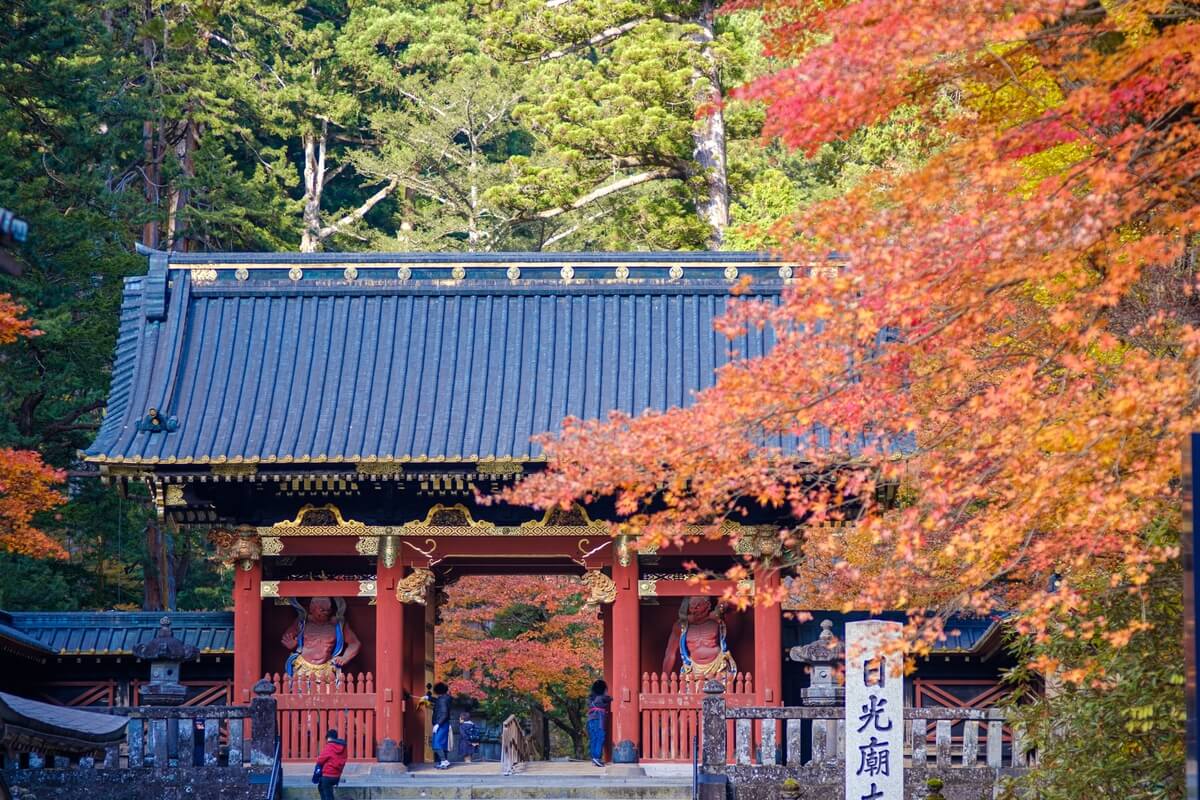
Nikko has the World Heritage-listed “Two Shrines and One Temple” (Nikko Toshogu, Nikko Futarasan Shrine and Nikko-zan Rinnoji), an excellent place to experience Japanese history and culture. You can take the limited express trains that run through between JR and Tobu Railway to Nikko, and the pass covers this part of the trip.
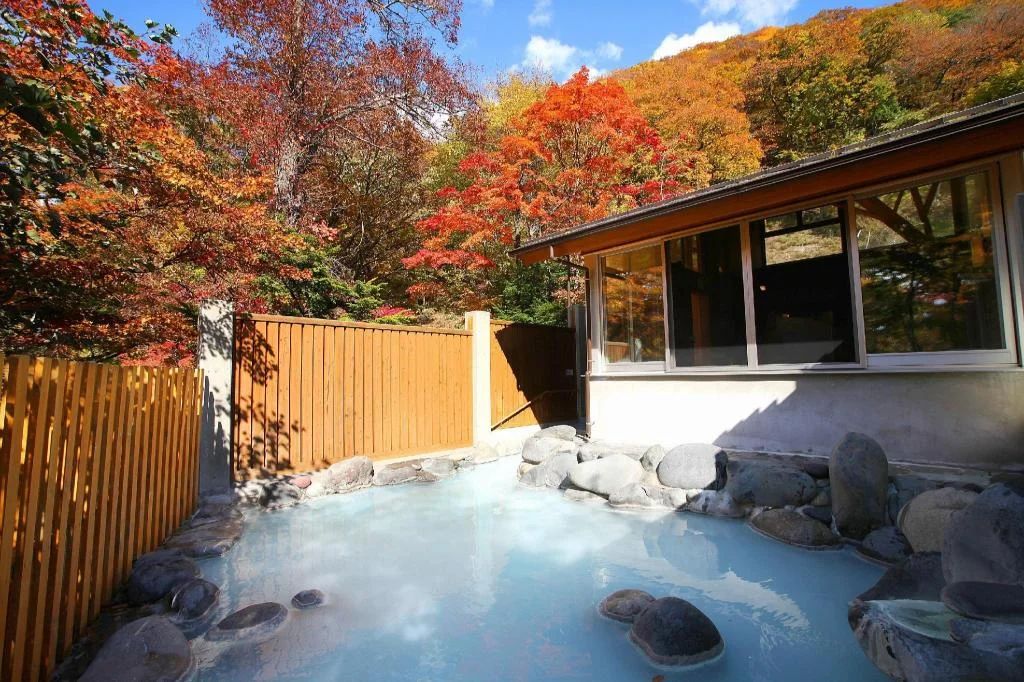
In Nikko, besides the historic sites, you can enjoy natural beauty such as Lake Chuzenji and Kegon Falls. If you want a hot spring, nearby Kinugawa Onsen is also a good choice. The pass lets you enjoy both history and culture and natural healing in one trip.
GALA Yuzawa: A Winter Ski Paradise

For travelers visiting Japan in winter, the GALA Yuzawa ski resort is a must. The Joetsu Shinkansen runs from Tokyo directly to GALA Yuzawa Station, and the ski resort is right outside the station, which makes access extremely convenient. The JR TOKYO Wide Pass covers this Shinkansen section.
GALA Yuzawa offers a variety of ski runs and also has the “SPA Gala no Yu” hot spring facility, so you can fully relax after skiing. During the snow season, showing the pass gets you discounts on lift tickets, ski equipment rental and hot spring entry, a paradise for winter sports fans.
Izu Peninsula: Coastal Scenery and Hot Spring Resorts
![[November-December Departures Only] Izu Peninsula Autumn Leaves Day Trip | Shuzenji Onsen Town, Tokko-no-Yu Foot Bath, Odawara Fishing Port, Atami Shopping Street | From Tokyo](https://travel.williamlion.tw/wp-content/uploads/sites/7/2026/04/image-13.jpg)
The Izu Peninsula is known for its beautiful coastline, abundant hot springs and fresh seafood. You can take the “Odoriko” limited express along the Izukyu Line to hot spring resorts such as Atami, Ito and Shimoda.
In Izu you can enjoy seaside hot springs, taste fresh seafood and visit sights such as the Jogasaki Coast suspension bridge. The pass covers the whole Izukyu Line, so you can easily explore this peninsula with its southern-island feel.
熱海陽光海濱線城崎海岸伊東馬琳小鎮一日遊-Klook.jpg)
JR TOKYO Wide Pass: Break-Even Analysis and Itinerary Ideas
The value of the JR TOKYO Wide Pass lies in its high break-even rate, especially for travelers planning to visit several destinations around Tokyo. By working out actual transport costs, you can clearly see how the pass saves a lot of money on your trip. Linking popular sights together to get the most from the pass is the key to smart travel.
This section analyzes in depth how the pass pays for itself and offers several selected itineraries to help you easily build a Kanto trip that is both economical and rich. Whether you prefer natural scenery, history and culture, or shopping and food, you can find a perfect itinerary.
Break-Even Calculation: When Is It Best to Buy?
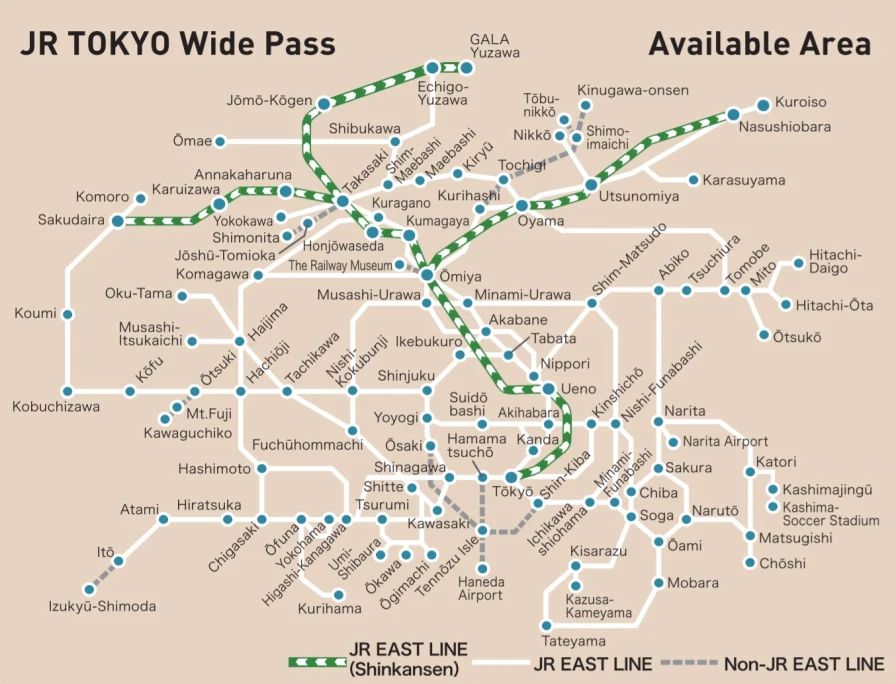
The JR TOKYO Wide Pass costs ¥16,000. If you plan to go to, say, “Tokyo to GALA Yuzawa,” a one-way Shinkansen ticket is about ¥7,000, so ¥14,000 round trip.
Add another day trip on the “Fuji Excursion” limited express to Kawaguchiko, about ¥4,000 one way and ¥8,000 round trip, and the total already reaches ¥22,000. In this case, buying the pass saves ¥6,000.
Classic Itinerary 1: Mt. Fuji and Kawaguchiko plus Karuizawa
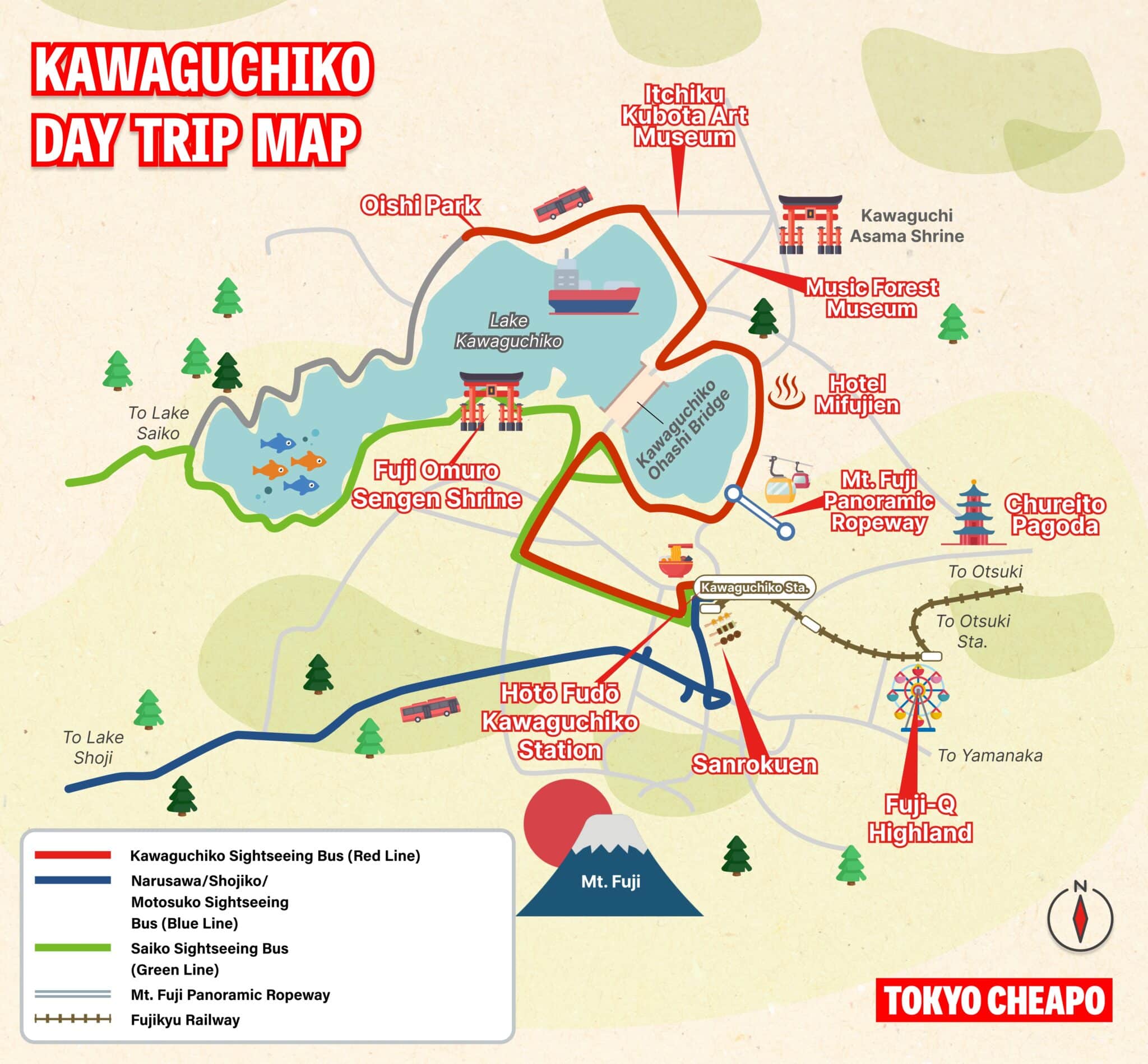
Day 1: Take the “Fuji Excursion” limited express from Tokyo directly to Kawaguchiko, enjoy the views of Mt. Fuji, and visit sights around Kawaguchiko (Tenjozan Park ropeway, Kawaguchiko Music Forest).
Day 2: In the morning keep exploring around Kawaguchiko (such as Oshino Hakkai and Arakurayama Sengen Park). In the afternoon take a train back to Tokyo, transfer to the Hokuriku Shinkansen for Karuizawa, and stay overnight in Karuizawa.
Day 3: Enjoy a relaxed day in Karuizawa, stroll Kyu-Karuizawa Ginza, visit the Stone Church, and take the Shinkansen back to Tokyo in the evening. This itinerary makes full use of the Fujikyuko Line and the Hokuriku Shinkansen covered by the pass.
Classic Itinerary 2: Nikko World Heritage and Kinugawa Onsen
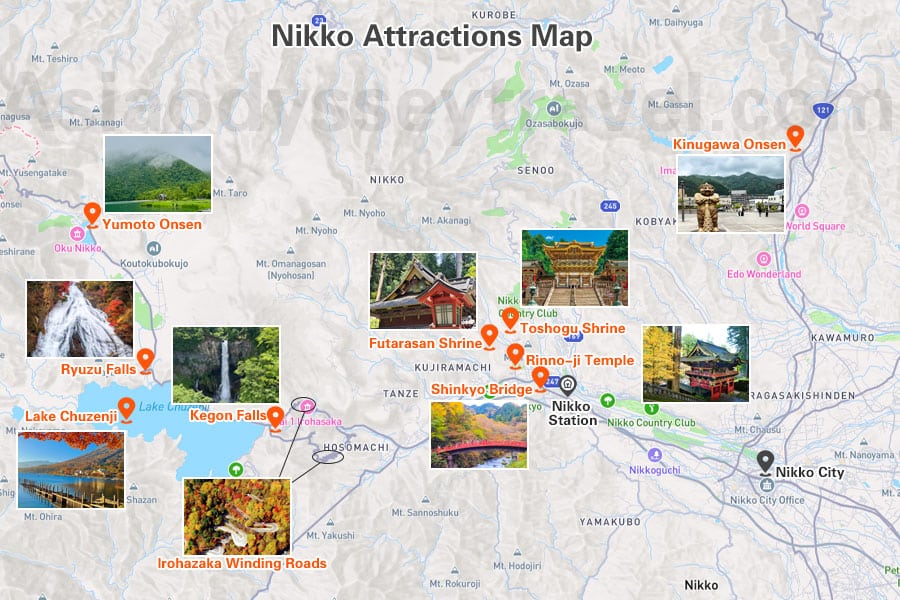
Day 1: Take the limited express that runs through between JR and Tobu Railway from Tokyo to Nikko, and visit the World Heritage “Two Shrines and One Temple” (Nikko Toshogu, Nikko Futarasan Shrine and Nikko-zan Rinnoji).
Day 2: In the morning keep exploring Nikko’s natural scenery (Lake Chuzenji and Kegon Falls), then in the afternoon head to Kinugawa Onsen and enjoy the healing atmosphere of a hot spring inn.
Day 3: Stroll around Kinugawa Onsen or take a Kinugawa river cruise, then take the limited express back to Tokyo in the afternoon. This itinerary perfectly combines history and culture with a hot spring experience.
Classic Itinerary 3: Izu Coastal Scenery and Atami Hot Spring Resort
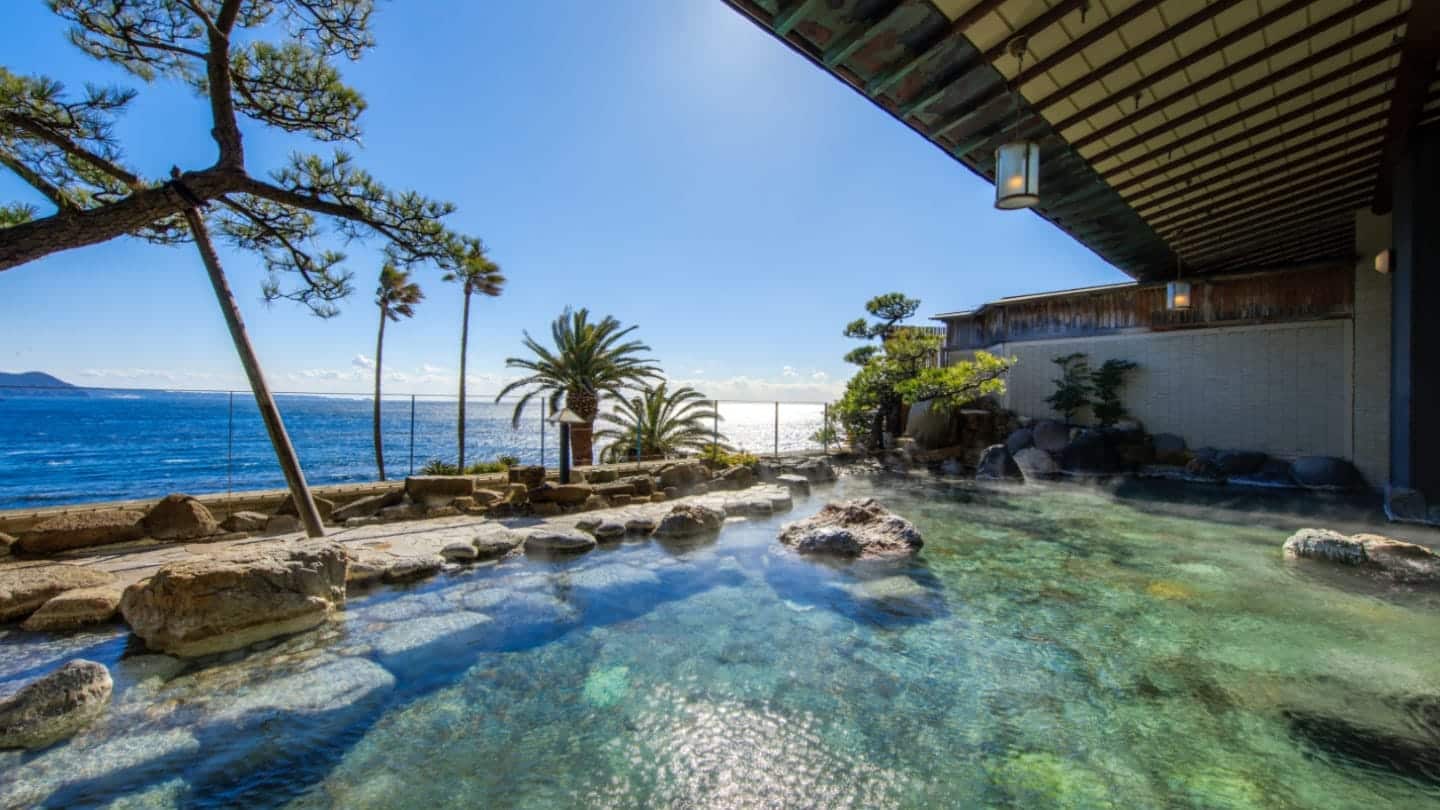
Day 1: Take the “Odoriko” limited express from Tokyo to Atami and check in at a hot spring inn. In the afternoon sightsee in Atami, visit Atami Castle and Atami Plum Garden, and enjoy a seaside hot spring.
Day 2: Go along the Izukyu Line to Ito or Shimoda, enjoy coastal scenery such as the Jogasaki Coast suspension bridge and the Mt. Omuro ropeway, and taste fresh seafood.
Day 3: Spend a relaxed morning in Izu or visit nearby Izu Kogen, then take the limited express back to Tokyo in the afternoon. This itinerary suits travelers who love sea views and hot springs.
More Practical Tips: Make the Most of Pass Deals
Besides saving on transport costs, the JR TOKYO Wide Pass may offer extra partner deals. For example, showing the pass at the GALA Yuzawa ski resort can get you discounts on lift tickets, ski equipment rental and more.
Some attractions or facilities may also offer admission discounts to pass holders. When planning, watch the JR East official website or each attraction’s information to see whether partner deals apply, which further improves the value of the pass.
JR TOKYO Wide Pass: Food Recommendations Along the Way
When exploring the Kanto area around Tokyo, tasting local specialties is as essential as the scenery and history. The area covered by the JR TOKYO Wide Pass has a rich variety of local cuisine, from refined Western food in Karuizawa to the country cooking of Kawaguchiko and the traditional sweets of Nikko, with a delightful treat for your taste buds at every stop.
This section picks a few distinctive restaurants along the pass routes so you can eat well on your trip and feel the unique food culture of each part of Japan. Whether it is a proper meal or afternoon tea, you can find something to satisfy you.
Soba: Kawakamian Karuizawa Main Shop
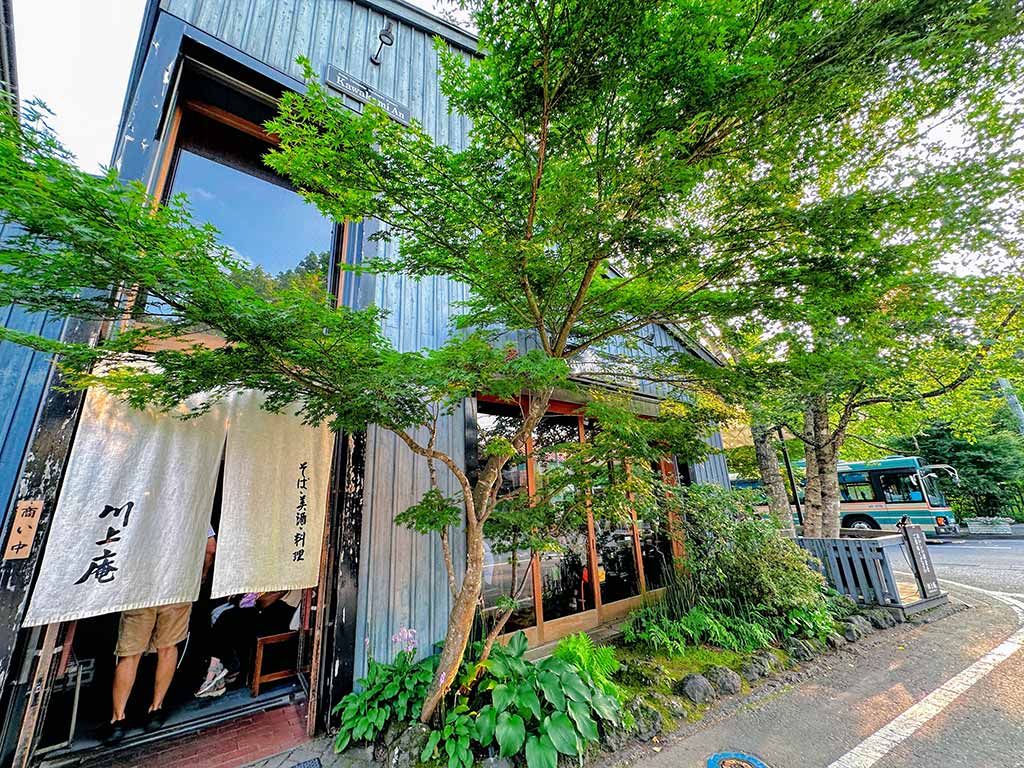
In Karuizawa you must not miss the famous local soba. Kawakamian Karuizawa Main Shop is known for handmade soba made from buckwheat flour ground fresh every day, with many hot and cold choices. It is about a 20-minute walk from JR Karuizawa Station, open about 10:00 to 22:00, with no closing days.
The restaurant is elegant and has outdoor seating. Besides soba, it serves tempura and duck dishes, and suits lunch or dinner. Opening hours may change by season.
Hoto Noodles: Hoto Fudo Kawaguchiko Ekimae Branch (ほうとう不動 河口湖駅前店)
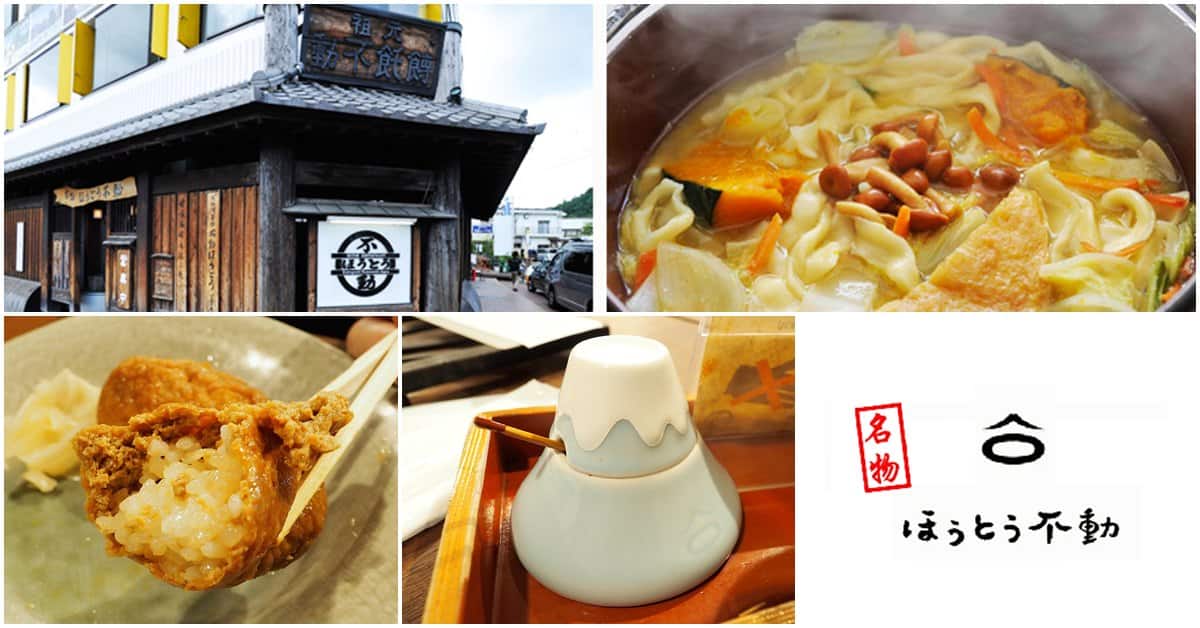
The signature country dish of the Mt. Fuji and Kawaguchiko area is “hoto” (ほうとう) noodles. Hoto Fudo’s hoto is simmered with pumpkin, vegetables and wide flat noodles in a rich broth, a warming dish for cold weather. The Kawaguchiko Ekimae Branch is about a 1-minute walk from Kawaguchiko Station and is open 11:00 to 19:00.
The interior is folk-craft style with a strong scent of wood, and seating includes tables and tatami seats. The official website is houtou-fudou.jp.
Traditional Western Food: Nikko Kanaya Hotel Main Dining Room
The Nikko Kanaya Hotel’s main dining room is on the 2nd floor of the main building and serves French cuisine handed down at Kanaya Hotel. Signature dishes include “trout sauté Kanaya style” (虹鱒のソテー金谷風) and the “Taisho croquette” (大正コロッケット). Lunch is 11:30 to 14:30 and dinner 18:00 to 20:00 (both last order times), and reservations can be made by phone or on the official website.
Kanaya Hotel is itself a historic building with an elegant dining setting. The official website is kanayahotel.co.jp. Check reservation availability before you go.
Onsen Manju: Around Kusatsu Onsen’s Yubatake
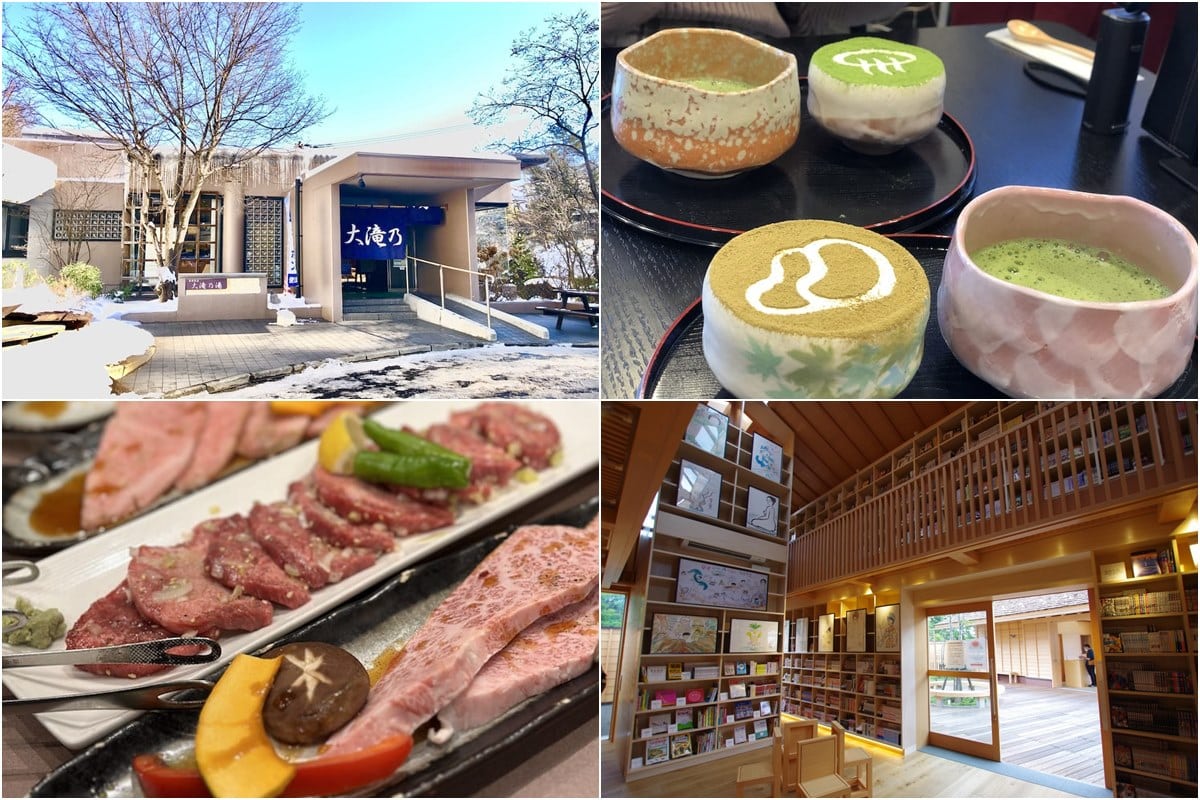
Kusatsu Onsen is not directly within the JR TOKYO Wide Pass area, but many travelers combine it with a Karuizawa or GALA Yuzawa trip. In Kusatsu Onsen, be sure to try a hot “onsen manju.” Many shops around the Yubatake sell them freshly made, sweet and soft.
Onsen manju are steamed with hot spring water and have a fluffy skin, usually filled with red bean paste, the perfect snack to refuel after a soak. You can enjoy them as you stroll and feel the relaxed atmosphere of the hot spring town.
Seafood Bowls: Atami Ginza Osakana Shokudo (熱海銀座おさかな食堂)
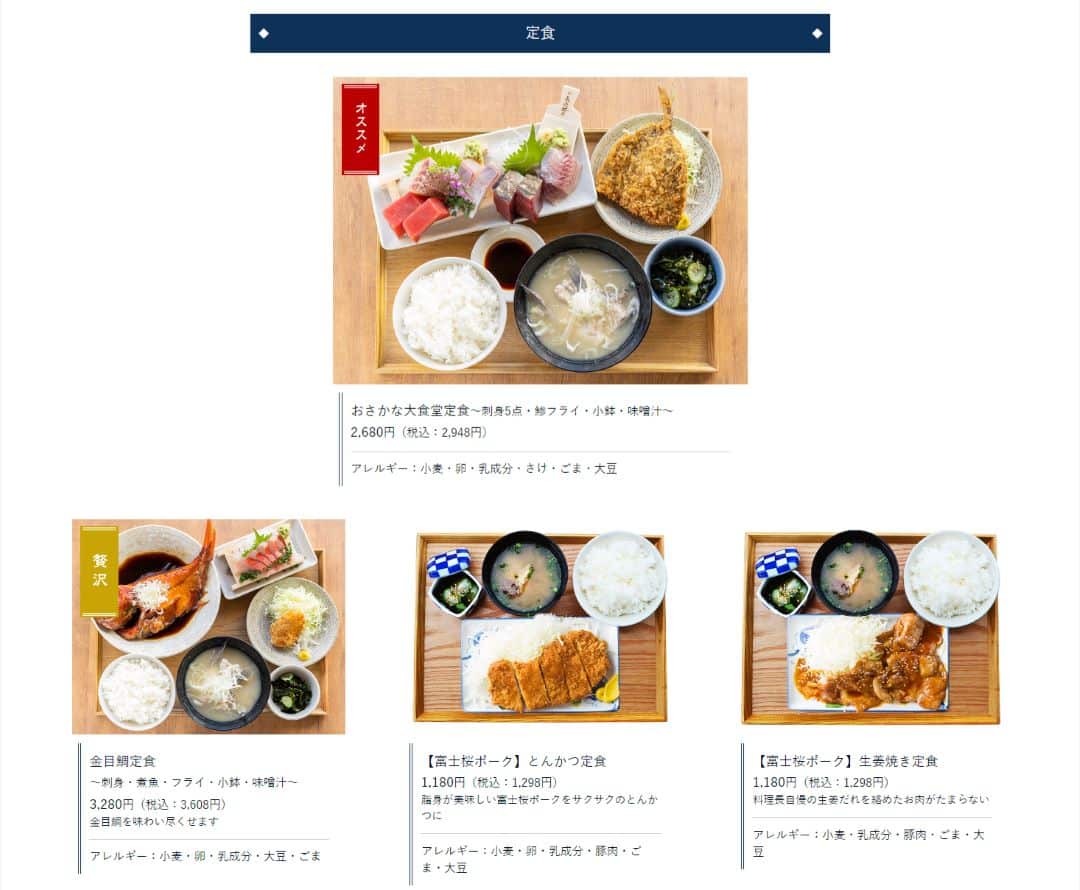
Atami on the Izu Peninsula is known for fresh seafood. Atami Ginza Osakana Shokudo is in the Atami Ginza shopping street (8-8 Ginza-cho) and is open for lunch 11:00 to 15:00, serving dishes such as kaisendon (seafood rice bowls), a choice for seafood lovers.
In the evening it runs as a sake bar, open 17:00 to 21:00. Its closing days vary, most often Wednesdays, so check before you go.
Where to Stay
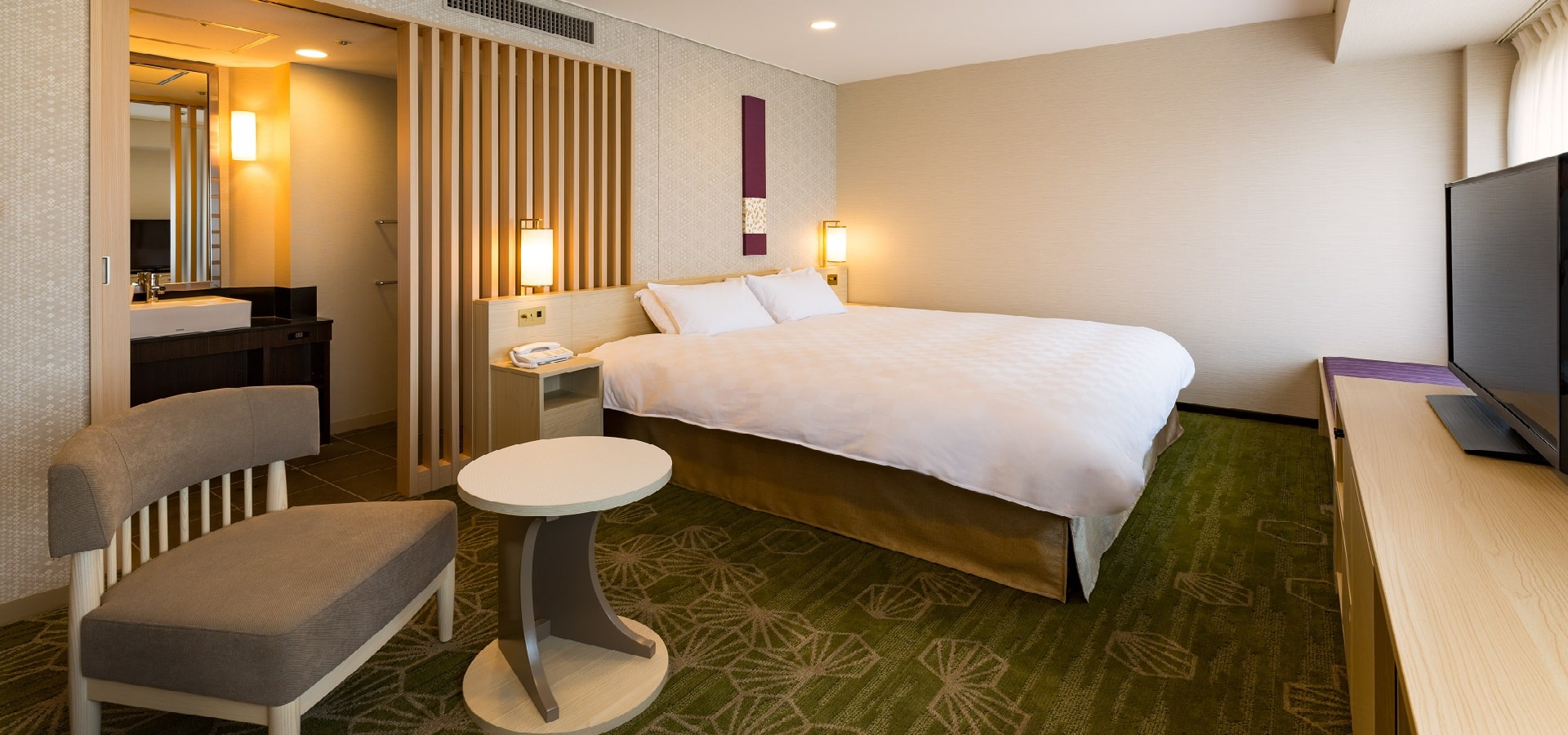
The JR TOKYO Wide Pass can be exchanged at the JR EAST Travel Service Centers at Tokyo, Shinjuku, Shibuya, Ikebukuro and Ueno stations, and the limited expresses to Nikko and Kinugawa also depart from Shinjuku. Staying near Shinjuku or Tokyo Station means you don’t need to go out of your way to exchange the pass or to start your trip.