
Must-See Attractions in Nishijin: A Guide to the Area’s Highlights
Nishijin Textile Center: Discover Kyoto’s Traditional Weaving Culture
The Nishijin Textile Center showcases Kyoto’s signature high-end textile craft. Inside, you can view exhibits, learn about Nishijin-ori, try on a kimono and try hand weaving, and also buy Nishijin products, making it the best starting point for understanding Kyoto’s artisan culture. It is on the south side of Imadegawa along Horikawa-dori; take a city bus and get off at the Horikawa Imadegawa stop.
Kitano Tenmangu: The God of Learning and a Famous Plum Blossom Spot
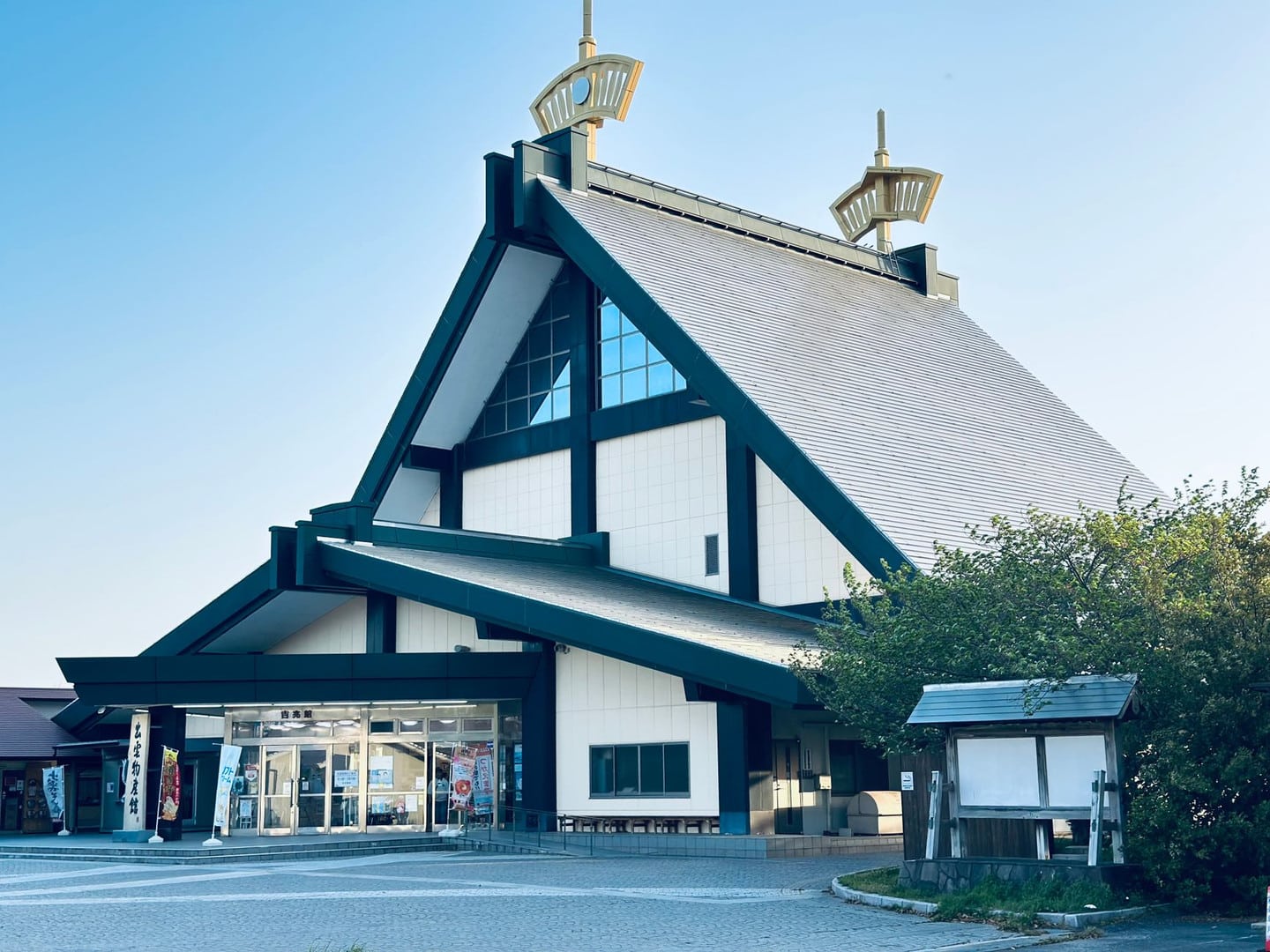
Kitano Tenmangu is the head shrine of about 12,000 Tenjin shrines across Japan and enshrines Sugawara no Michizane, the god of learning. Its main hall, rebuilt in 1607, is a National Treasure. The grounds have a plum garden in spring and a maple garden in autumn, and when the plum blossoms bloom in February and March they draw big crowds of worshippers. The Tenjin-ichi flea market held on the 25th of each month is a great place to hunt for treasures.
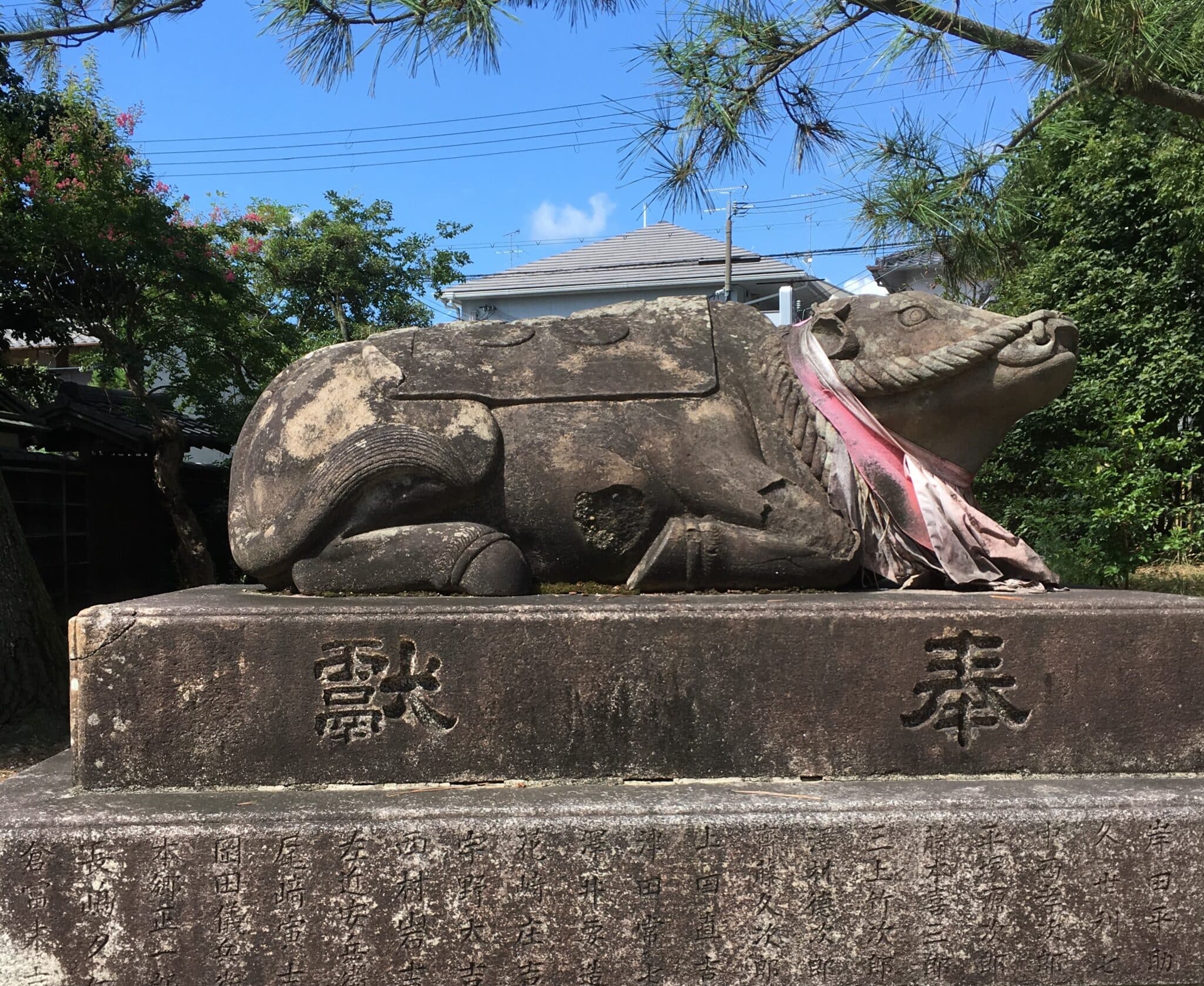
Seimei Shrine: The Legendary Home of Abe no Seimei
The shrine enshrines Abe no Seimei, an onmyoji (yin-yang master) of the Heian period. Its pentagram emblem is a popular photo spot, and the grounds have a mysterious, quiet atmosphere. The shrine is known for prayers to ward off misfortune, and the charms sold at the amulet office include a cherry blossom omamori at about ¥1,600 to ¥1,800 and a peach-pattern crystal bracelet charm at about ¥4,000 to ¥4,500. Only omamori received on the grounds come with the shrine’s formal prayers.
Kyoto Gyoen: A Vast Green Space in the City Center
Just east of Nishijin, this large park offers rich scenery in every season. It is free to enter and keeps historic buildings and trees more than a hundred years old. The nearest stations are Imadegawa Station and Marutamachi Station on the subway. In the Edo period this was a district lined with more than 140 residences of imperial family branches and court nobles; today it is an everyday spot for Kyoto residents to stroll and jog, and a pleasant place for visitors to wander at leisure.
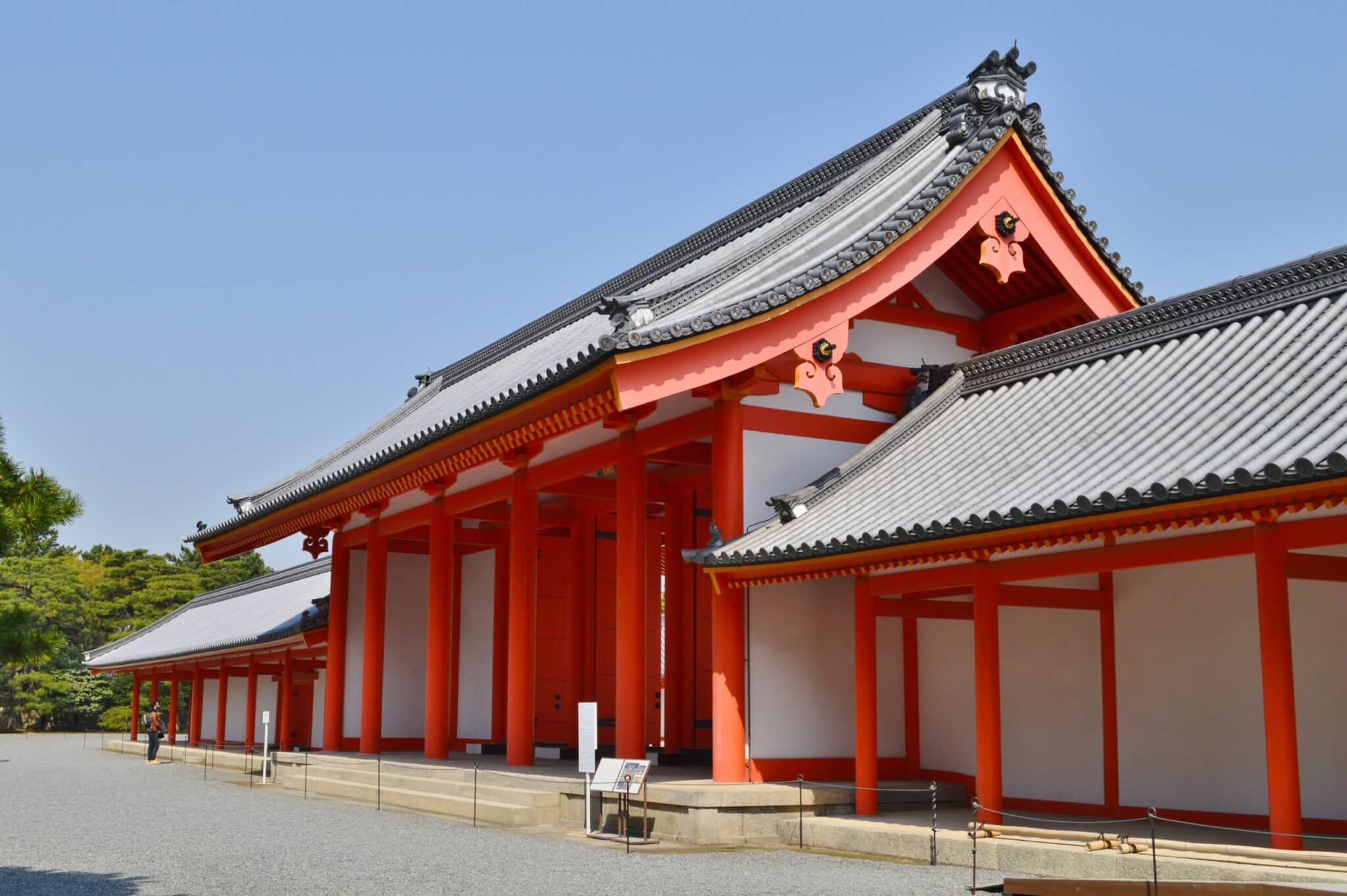
Machiya Streets Around Seimei Shrine: The Atmosphere of Old Kyoto
The Nishijin area preserves many traditional machiya townhouses, where narrow alleys, lattice windows and weaving workshops intermingle, suiting travelers who like to explore in depth and feel local life. The name “Nishijin” comes from the Western Army camp set up here during the Onin War (1467 to 1477); after the war, weavers returned to Kyoto one by one and restarted textile production in this area.
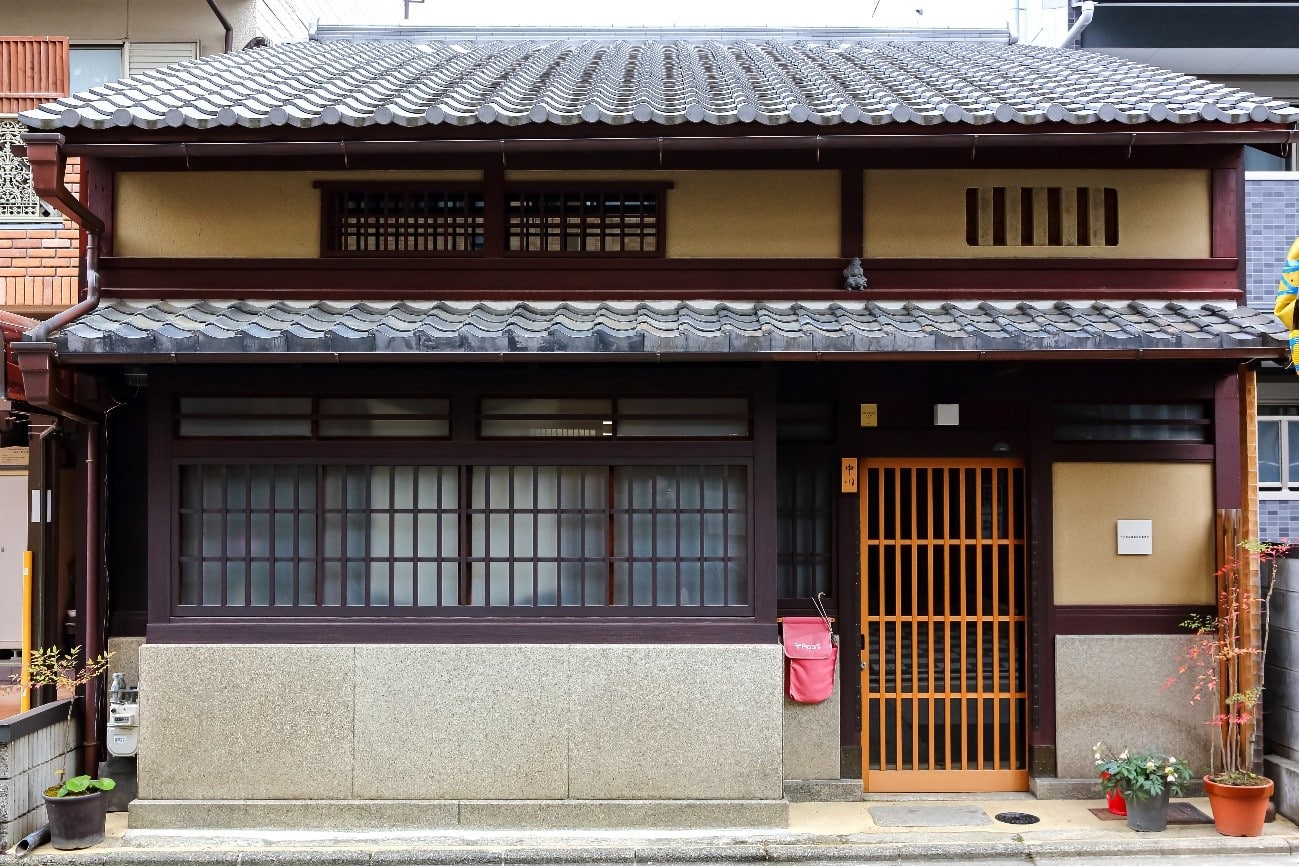
Where Is Nishijin? Area Boundaries and Attraction Layout
Nishijin is not an official administrative district name. It generally refers to the traditional textile-producing area bounded by Marutamachi-dori to the south, Kamigamo to the north, Karasuma-dori to the east and Nishioji-dori to the west, spanning Kyoto’s Kamigyo Ward and Kita Ward. The Nishijin Textile Center, Seimei Shrine and Kitano Tenmangu are all within or around this area, so you can use these places as bases for a walk when planning a self-guided Nishijin trip.
Where to Stay in Nishijin: A Quick Guide to Selected Hotels
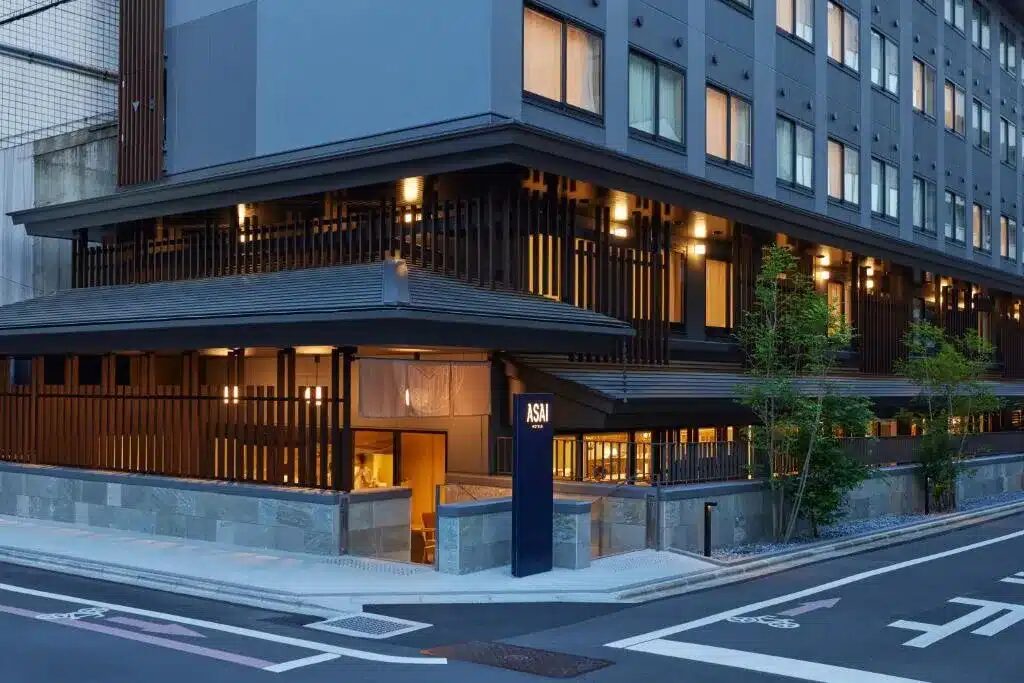
Star-Rated Hotels: Mid-to-Upscale Picks Combining Comfort and Service
Hyatt Place Kyoto is near Marutamachi Station on the Karasuma Subway Line, only a few minutes by vehicle from the Kyoto Imperial Palace and Nishijin. Rooms are modern and minimalist, and the hotel has a fitness room and a bar. The official site does not publish rack rates, so please check a booking platform. It suits travelers who value brand service quality.
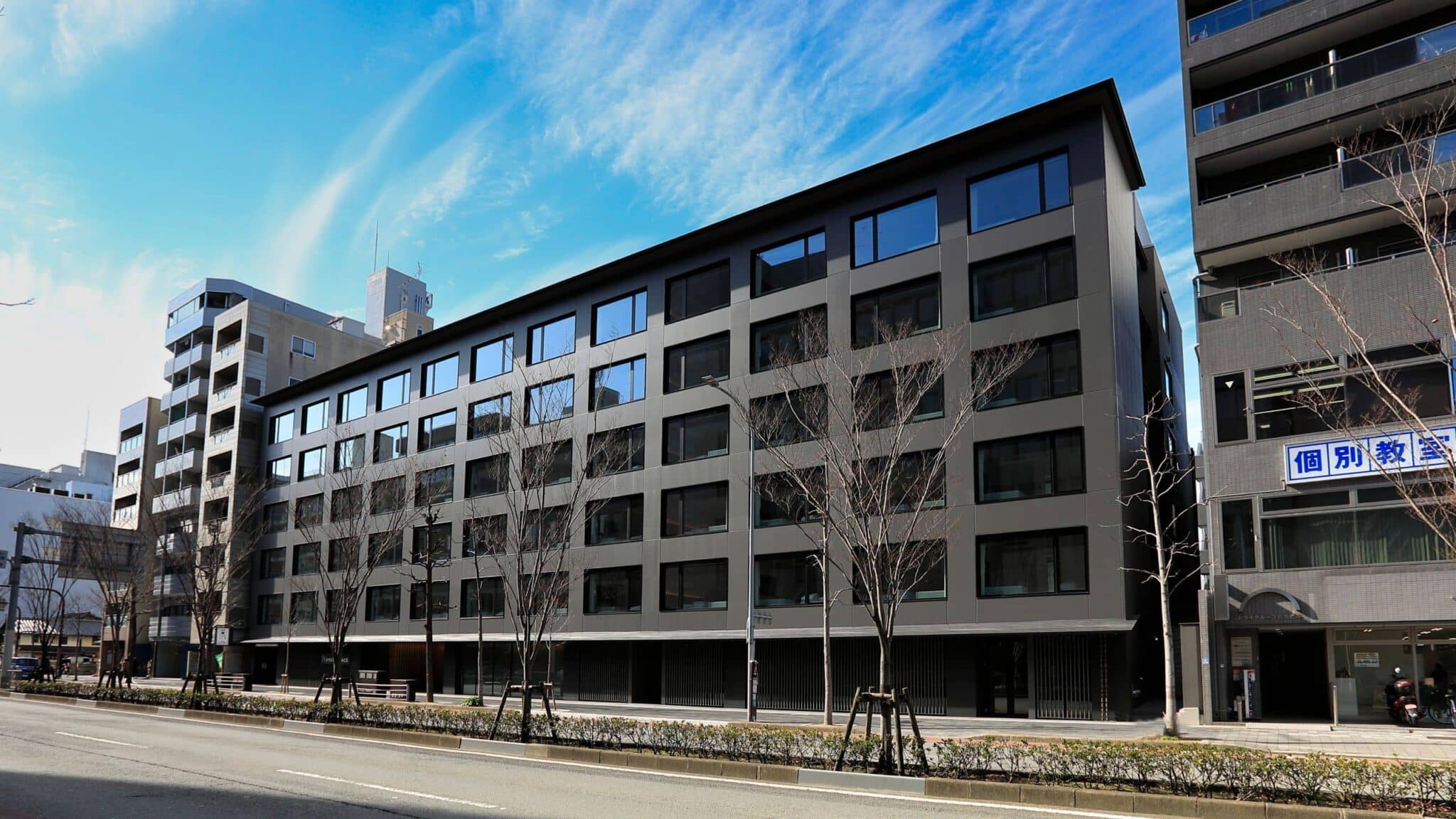


Hyatt Place Kyoto
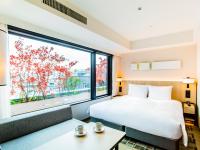
Hyatt Place Kyoto offers air-conditioned rooms with a private bathroom and modern amenities, and rooms have a tea and coffee maker, a desk and free WiFi. The hotel serves a buffet breakfast, and its restaurant offers Japanese and European cuisine with an attached bar. On site are a fitness center, a garden and a lounge. The hotel is in the city center, a 4-minute walk from the Kyoto International Manga Museum, about 1.3 km from Nijo Castle and about 47 km from Itami Airport, and it provides private check-in/check-out, a 24-hour front desk and round-the-clock security.

 Book on Booking.com›
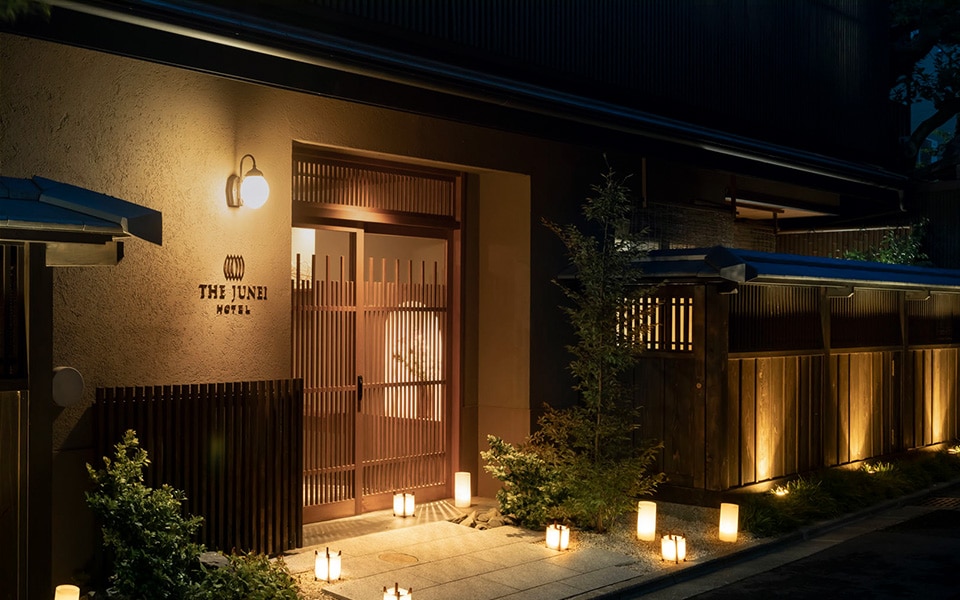
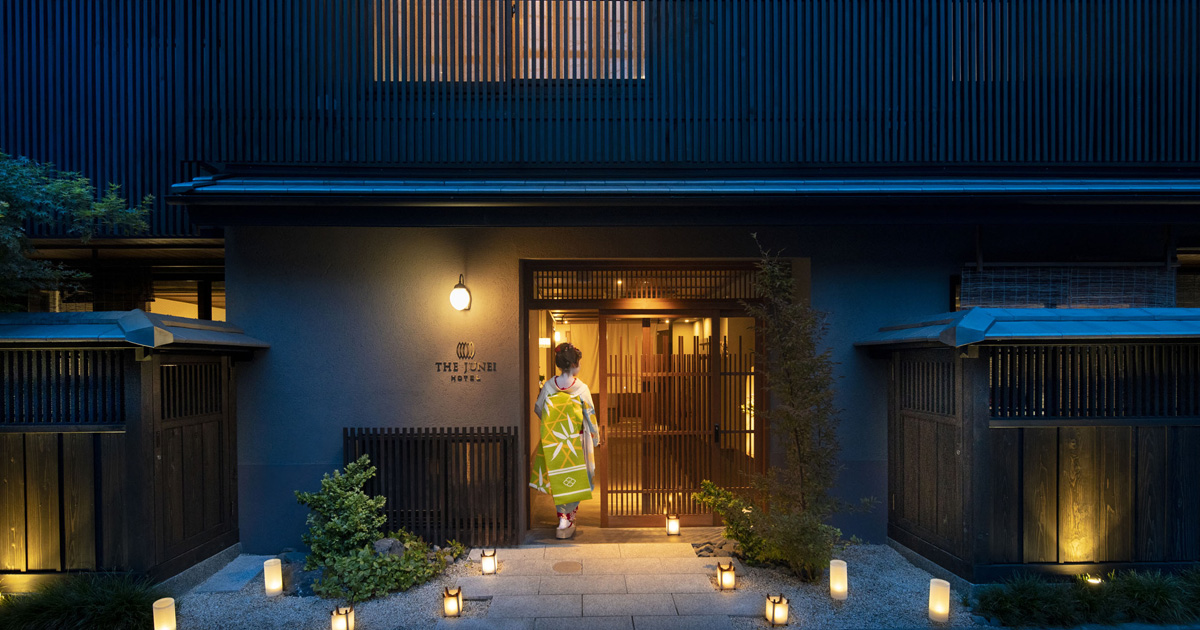
THE JUNEI HOTEL Kyoto Imperial Palace West is just west of the Kyoto Imperial Palace, and you can walk into the Nishijin district. Rooms blend in elements of Kyoto machiya design. The official site does not publish rack rates, so please check a booking platform. It suits travelers who like a quiet atmosphere.
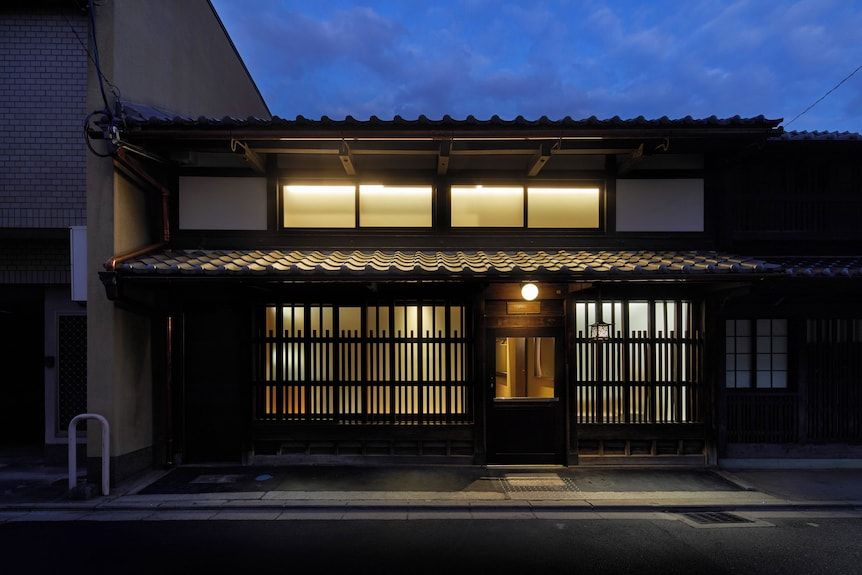
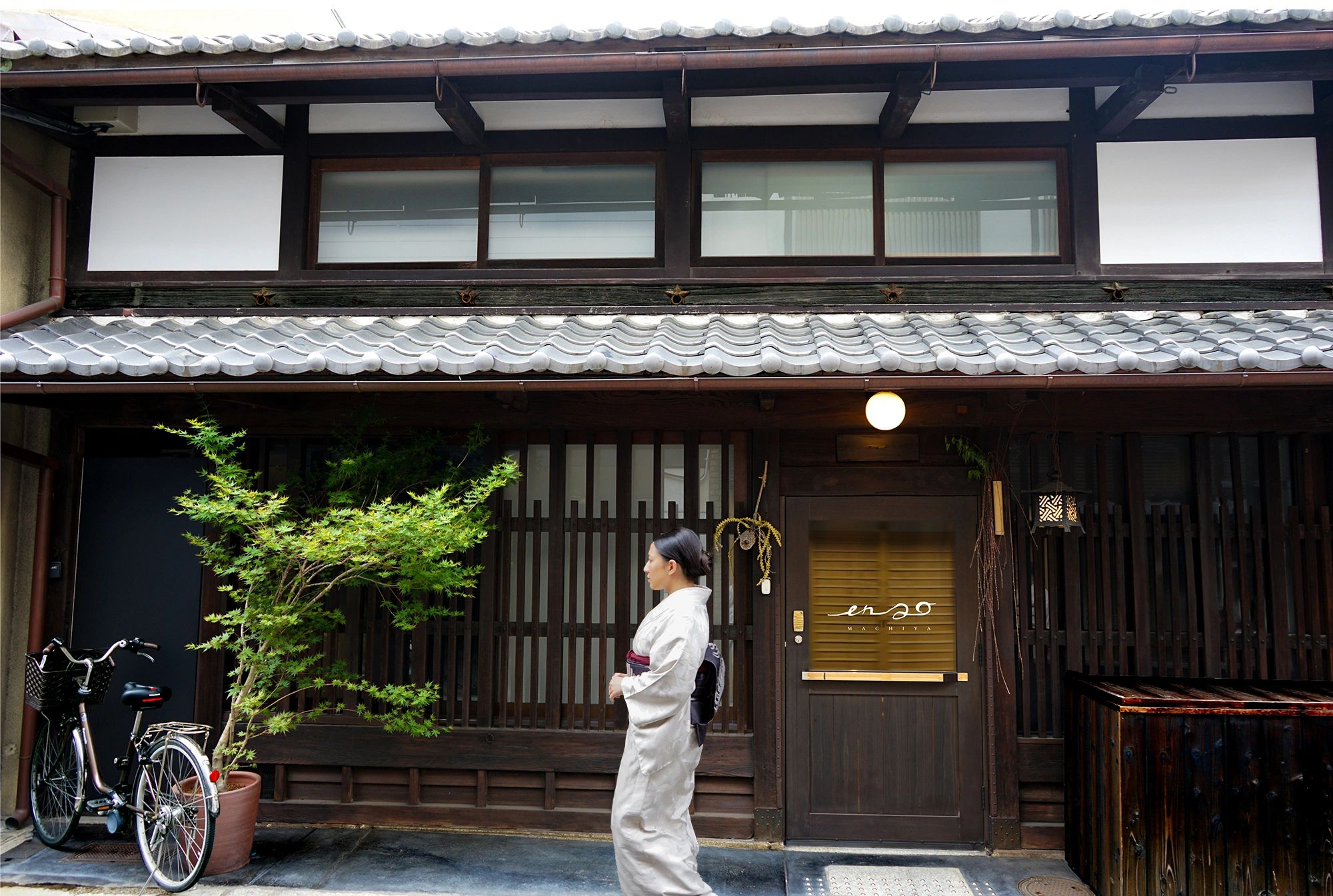
Enso Machiya is a carefully renovated Nishijin machiya with 171 years of history. The whole building has only 5 guest rooms, with an emphasis on privacy and artisan craft aesthetics, and comes with a hinoki cypress bathtub and custom bedding. It is a top choice for experiencing Kyoto’s traditional architectural beauty together with modern luxury service. The official site does not publish rack rates, so please check a booking platform.
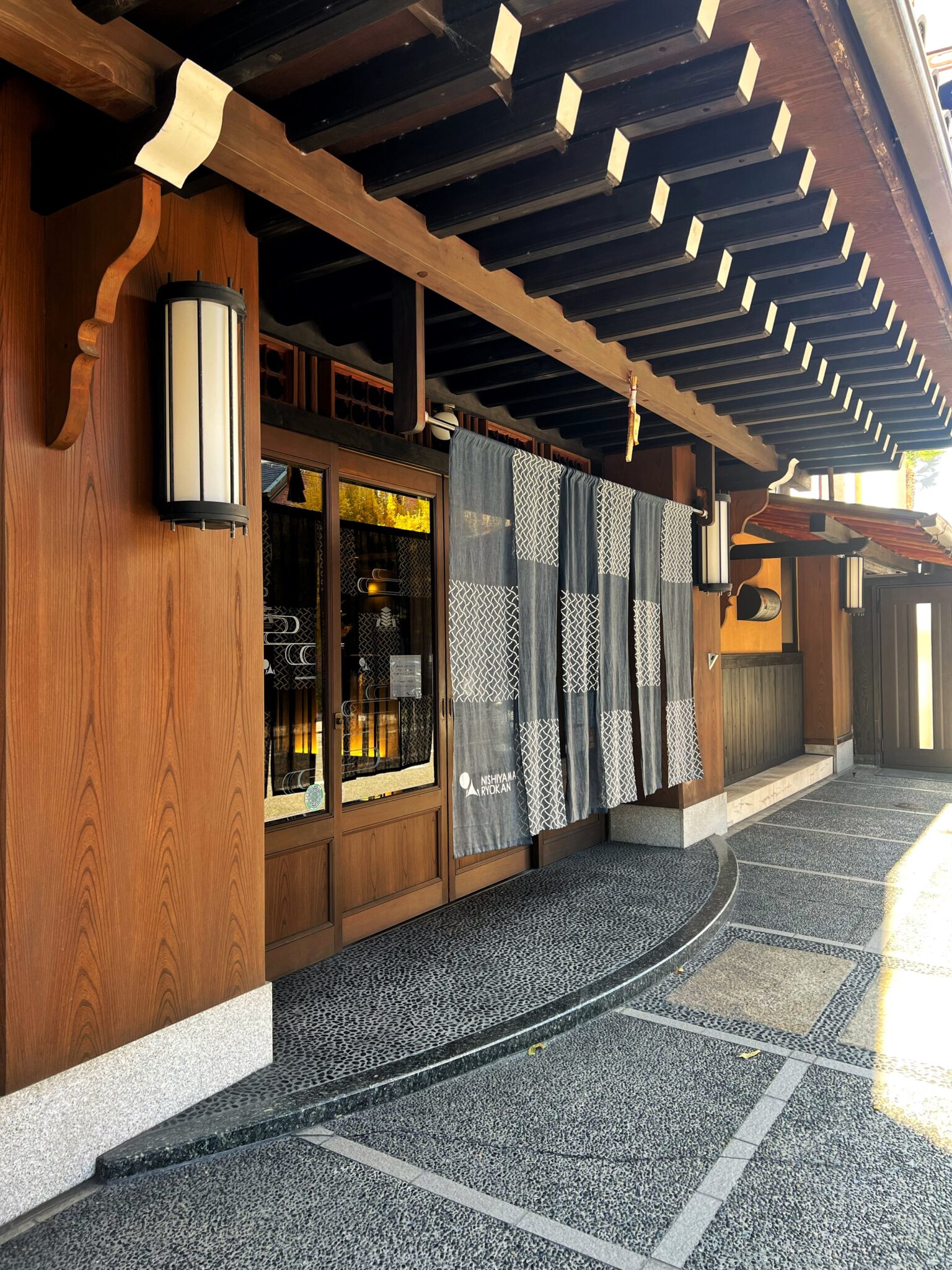
Nishiyama Ryokan (西山旅館) was founded in 1953 and is a long-established traditional inn in Kyoto. It offers cultural classes such as tea ceremony and koto (Japanese zither), its tatami rooms keep a classic atmosphere, and the service is attentive and considerate, making it the first choice for experiencing Kyoto hospitality in depth. The official site does not publish rack rates, so please check a booking platform.
Business Hotels and Converted Machiya: Local Atmosphere with Convenience
Rinn Shiki Juraku is converted from a hundred-year-old Kyoto machiya, keeping its traditional wooden layout and adding modern bathroom facilities. It is about a 10-minute walk from Imadegawa Station. The official site does not publish rack rates, so please check a booking platform. It suits travelers who want to experience the atmosphere of a traditional home.
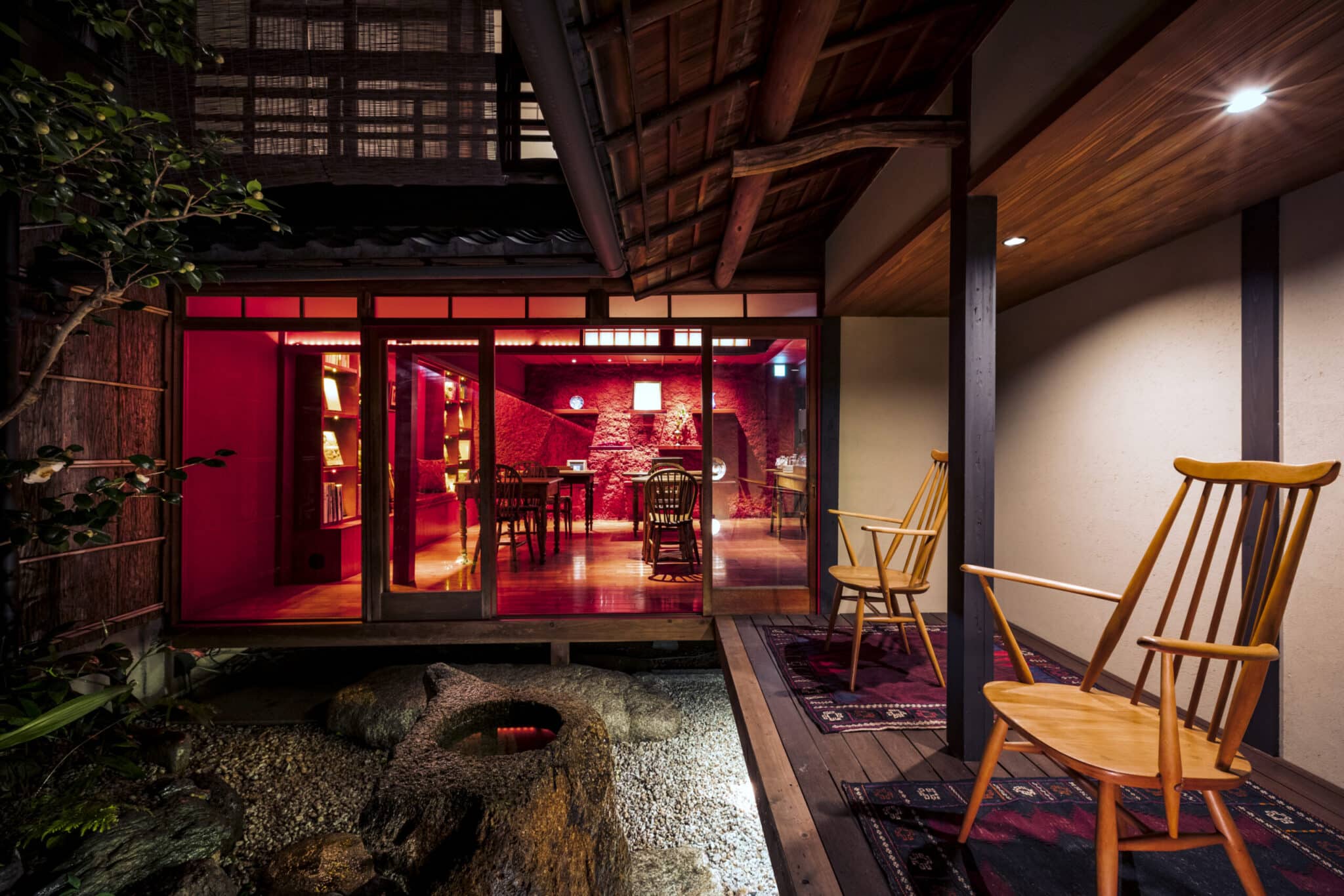
Kyoto Nishijin Guest House (京都西陣の宿) offers a choice of Japanese-style and Western-style rooms and is near the Nishijin Textile Center, so you can explore the surrounding weaving workshops on foot. The official site does not publish rack rates, so please check a booking platform. Transport and daily conveniences are well balanced.
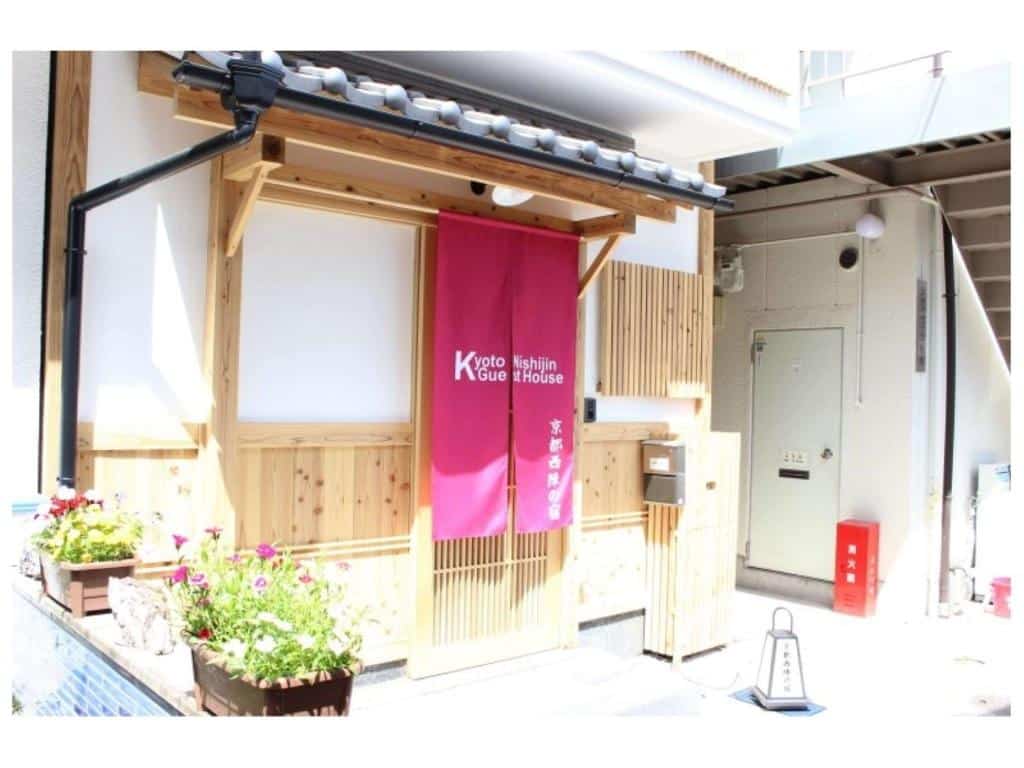
Nishijin Itsutsuji Hotel Kyoto is a modern four-star hotel with simple, comfortable rooms, near Shiramine Shrine and Seimei Shrine, with a lounge and luggage storage service. It suits travelers who value location and cleanliness. The official site does not publish rack rates, so please check a booking platform.
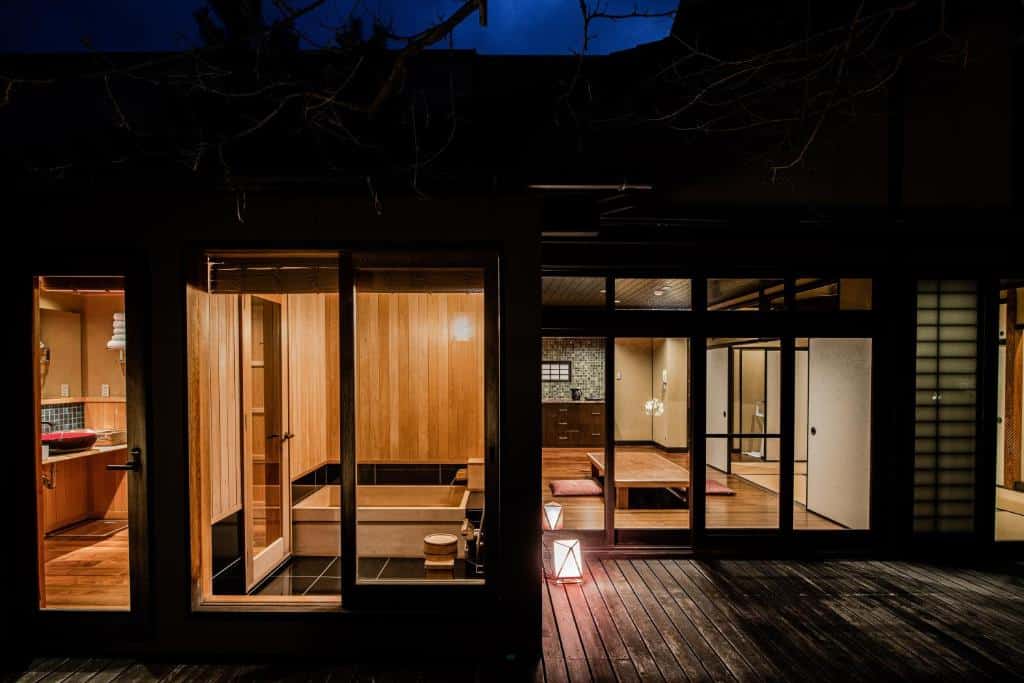
Miro Hotel Imadegawa Kyoto is near Imadegawa Station, with wood-toned minimalist rooms, close to Goo Shrine and the Kyoto Imperial Palace, in a quiet neighborhood with good daily conveniences. It suits travelers on a mid-range budget who value comfort of stay. The official site does not publish rack rates, so please check a booking platform.

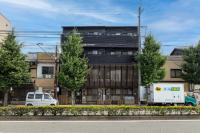
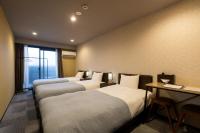
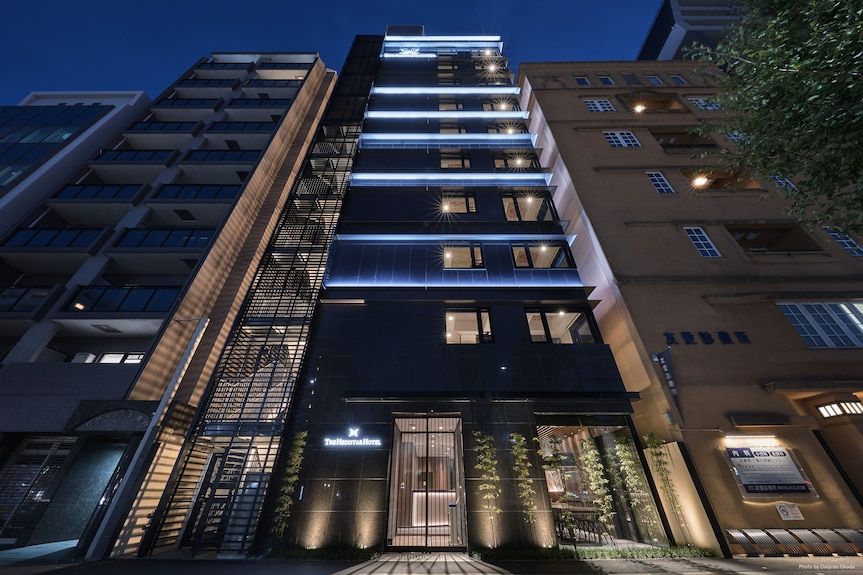
The Hedistar Hotel Kyoto Nijo is near Nijo Castle and the Horikawa-dori shopping street. Rooms are simple and bright, with free Wi-Fi and basic toiletries, a mid-priced choice that is convenient for getting to both Nishijin and Nijo Castle. The official site does not publish rack rates, so please check a booking platform.
Hostels and Machiya Guesthouses: Budget Picks for an In-Depth Stay
Tateitoan (たて糸庵) is a guesthouse converted from a hundred-year-old machiya built in the Meiji era, in the heart of Nishijin. It is about a 14-minute walk from Imadegawa Station, or a 6-minute walk from the Horikawa Imadegawa city bus stop. The official site does not publish rack rates, so please check a booking platform. It suits backpackers and long-stay travelers.
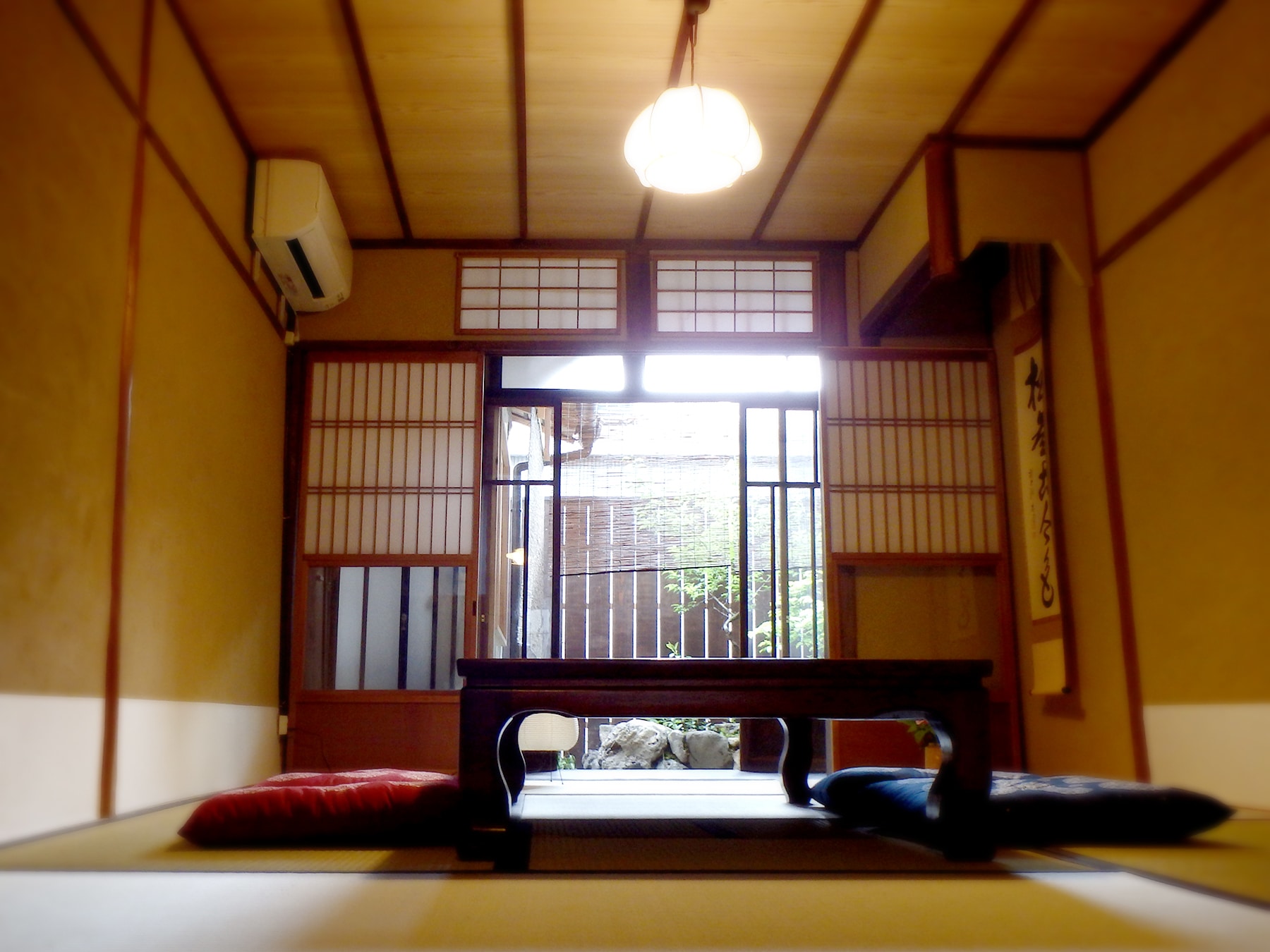
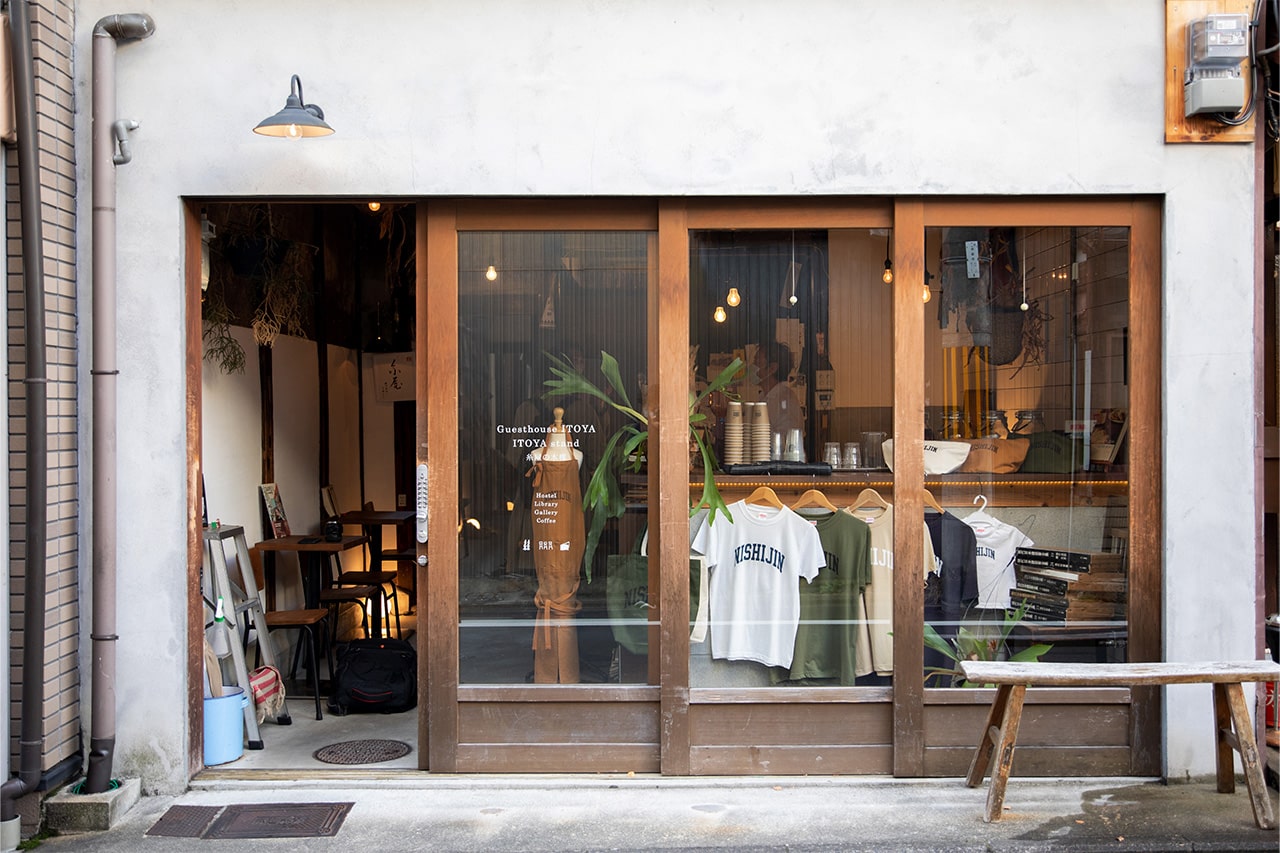
Guesthouse Itoya Kyoto (ゲストハウス糸屋) is converted from a Kyoto machiya about 90 years old, keeping its traditional lattice windows and tsubo-niwa (small courtyard garden). It offers simple, comfortable Japanese-style rooms and is near Kitano Tenmangu and Funaoka Onsen, suiting backpackers who love old-house atmosphere. The official site does not publish rack rates, so please check a booking platform.
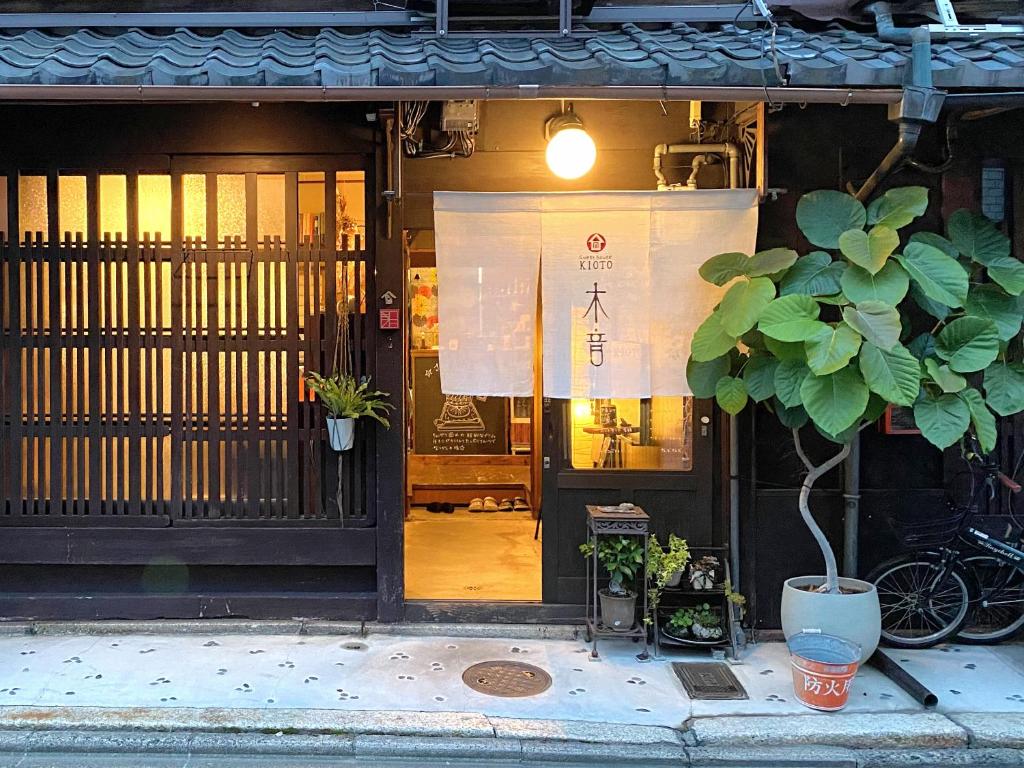
Guest House Kioto is a hostel converted from a traditional Kyoto machiya, offering dormitory rooms and a simple Japanese-style breakfast. You can walk to Kitano Tenmangu, making it a budget choice for experiencing the pace of life in old Kyoto. The official site does not publish rack rates, so please check a booking platform.
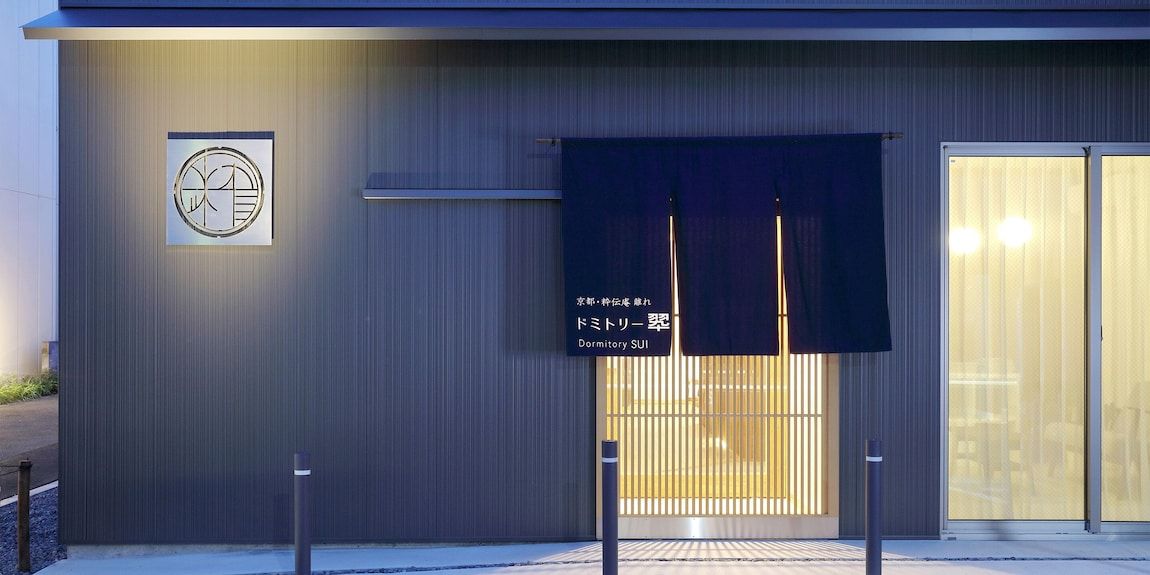
Sui Kyoto Dormitory is an extension of a local Nishijin cultural salon, with soft wooden interiors. Its capsule pods have a personal desk and reading light, and it also offers simple private rooms, suiting solo or business travelers who value design quality. The official site does not publish rack rates, so please check a booking platform.
There are also several whole-house machiya guesthouses around Nishijin, about a 3-minute walk from Exit 3 of Imadegawa Station, suiting small families or groups who want to share the cost of accommodation.
Specialty Themed Hotels in Nishijin
Family Whole-House Pick: Kyo no Ondokoro Nishijin Villa (京の温所 西陣別邸)
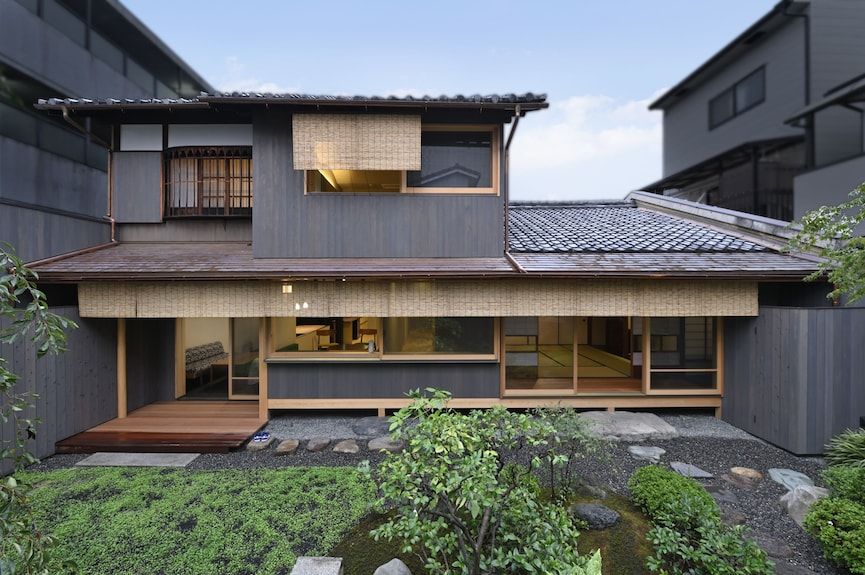
Kyo no Ondokoro Nishijin Villa (京の温所 西陣別邸) was designed by architect Yoshifumi Nakamura and Akira Minagawa of Mina Perhonen. It is a whole-house Kyoto machiya that sleeps up to 8, with spacious, elegant interiors that suit families or groups renting the whole house for an exclusive Kyoto living experience. It is rented as a whole building, and the official site does not publish rack rates, so please check a booking platform.
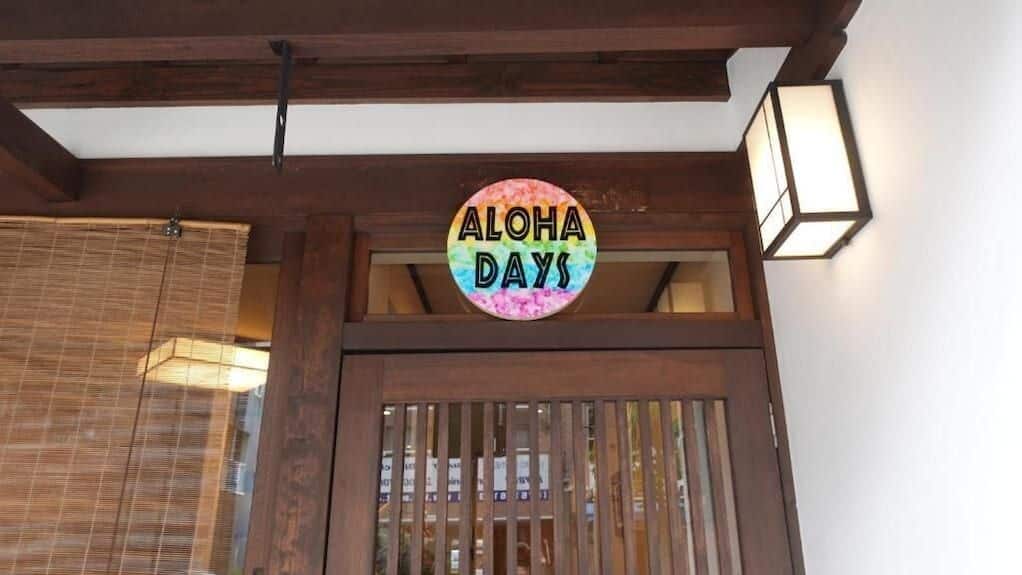
Themed Guesthouse Pick: Alohadays Kyoto
Alohadays Kyoto is converted from a hundred-year-old machiya, with a Hawaiian-style cafe on the ground floor and two room types suited to families or groups. Exotic flair blends neatly with old Kyoto architecture, making it a rare themed stay in Nishijin. The official site does not publish rack rates, so please check a booking platform.
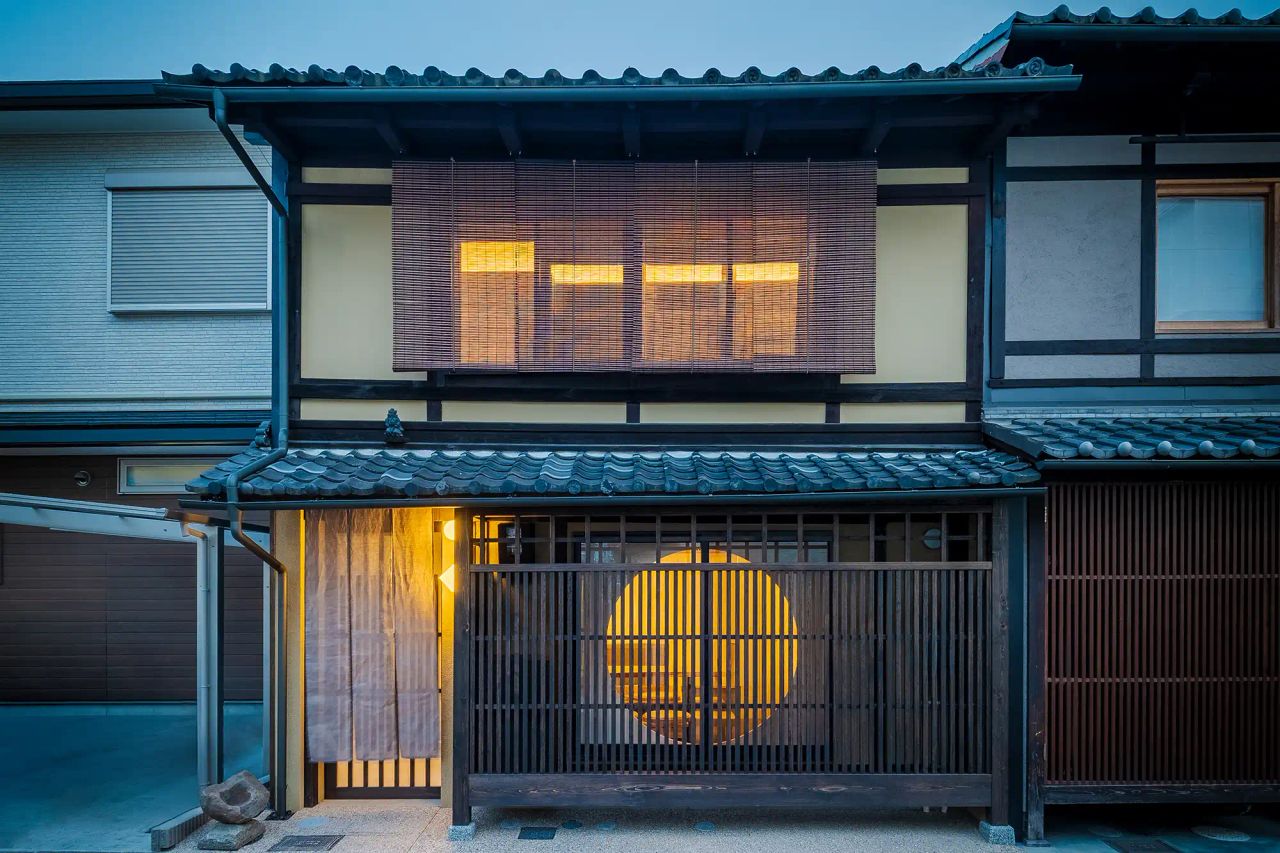
Apartment-Style Machiya Pick: Machiya Residence Inn Kyoto (町家レジデンスイン京都)
Machiya Residence Inn Kyoto (町家レジデンスイン京都) is an apartment-style lodging brand made up of 66 separate machiya in Kyoto. Each building keeps its traditional machiya exterior and is equipped with a modern kitchen and laundry facilities, suiting long-stay travelers and families who want independent living facilities. The official site does not publish rack rates, so please check a booking platform.
FAQ
Is Nishijin a good place to stay for first-time independent travelers to Kyoto?
Yes. Nishijin is near the Kyoto Imperial Palace and the Karasuma Subway Line, so transfers to Kyoto Station and Shijo-Kawaramachi are quite convenient, and it is away from the tourist crowds, so the lodging environment is relatively quiet.
Are there convenience stores and restaurants around Nishijin?
Around Imadegawa Station and Horikawa Imadegawa there are convenience stores, traditional Kyoto cuisine restaurants and cafes. Daily conveniences are not as lively as in Kawaramachi, but basic needs can be met.
What should I watch for when staying at a machiya guesthouse?
Machiya are mostly old wooden houses with steep stairs and weaker soundproofing, and in some areas you must remove your shoes to enter, so we suggest not bringing a suitcase that is too large or heavy.
Is it easy to get from Nishijin to Kyoto Station?
The Karasuma Subway Line from Imadegawa Station to Kyoto Station takes about 15 minutes with no transfers, and on arrival you can change to JR and Kintetsu lines for Osaka and Nara.
What is the room rate range for Nishijin stays?
Rates vary widely by room type, brand and stay dates. Overall, star-rated hotels are the highest, business hotels and machiya are in the middle, and hostels and guesthouses are the lowest. Please enter your dates on a booking platform to check actual prices.