
Kyoto Imperial Palace Guide 2026: Shishinden, Oikeniwa Garden and Must-See Imperial Architecture
The Kyoto Imperial Palace was the residence of successive emperors until the capital moved to Tokyo in the Meiji era. It stands inside Kyoto Gyoen National Garden and is now open to the public free of charge, making it the first choice for experiencing the architectural beauty of Japan’s imperial family.
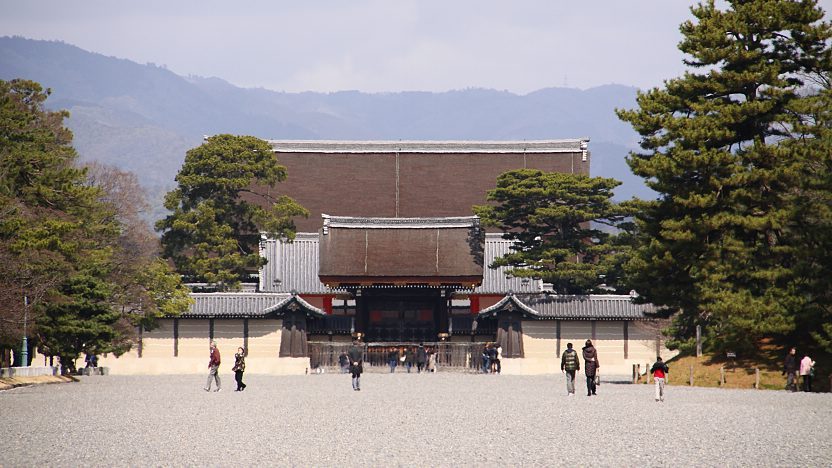
Kyoto Imperial Palace (Shishinden and Seiryoden)
The Kyoto Imperial Palace was once the center of Japanese politics and imperial life. Most of the surviving buildings were rebuilt in 1855 following Heian-period precedent, showcasing the court architecture craft of hinoki-bark (hiwadabuki) roofs and plain-wood construction.
Within the grounds, Shishinden is the core, joined by Seiryoden, the Oikeniwa garden and other sights, fully presenting a thousand years of imperial culture. Visits are free with no reservation needed all year, making it the best-value cultural spot in central Kyoto.


Seiryoden
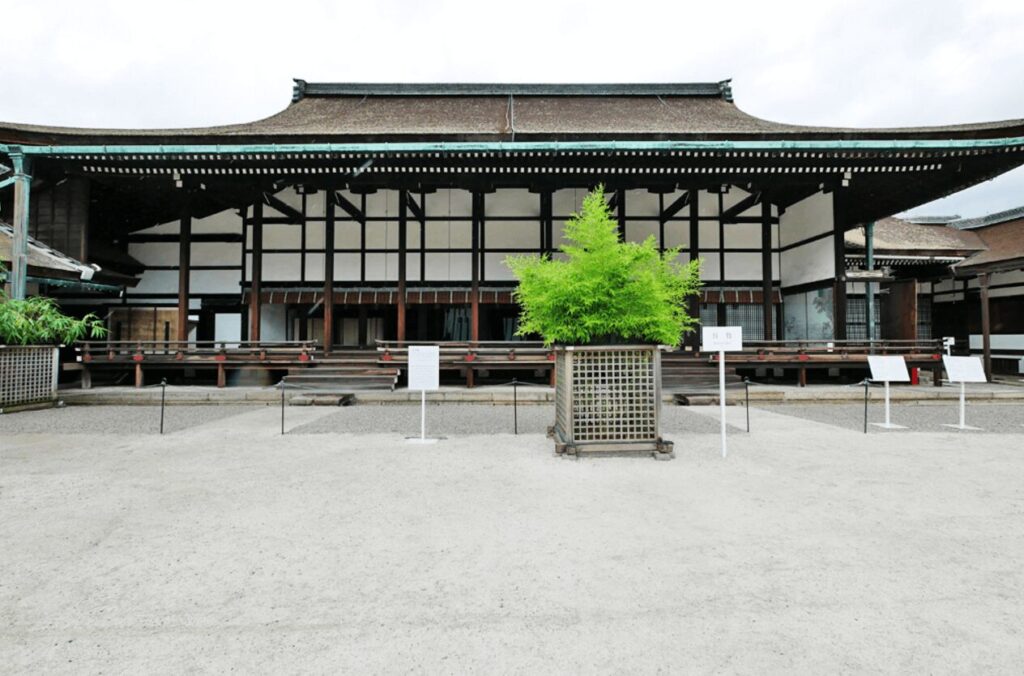
Seiryoden stands northwest of Shishinden and was the emperor’s daily residence before the Gotsune Goten was built. It is in the shinden-zukuri style of aristocratic residences, with a lower floor suited to everyday living.
Like Shishinden, the surviving building was rebuilt in 1855 following ancient precedent. On a regular visit you view the building’s lines and hinoki-bark roof from outside, and the interior is closed to visitors.
Oniwa (Inner Garden)
The Oniwa is another garden beside Seiryoden. It is small but skillfully laid out, and from the outside you can enjoy its various landscape features and the seasonal changes in its plantings.
Few visitors come here, which suits a quiet stroll and a feel for court life and the fine craft of garden making. On a regular visit you look in from the outside, so slow down and study the garden stones and plant arrangement.
Mikuruma-yose (Carriage Porch)
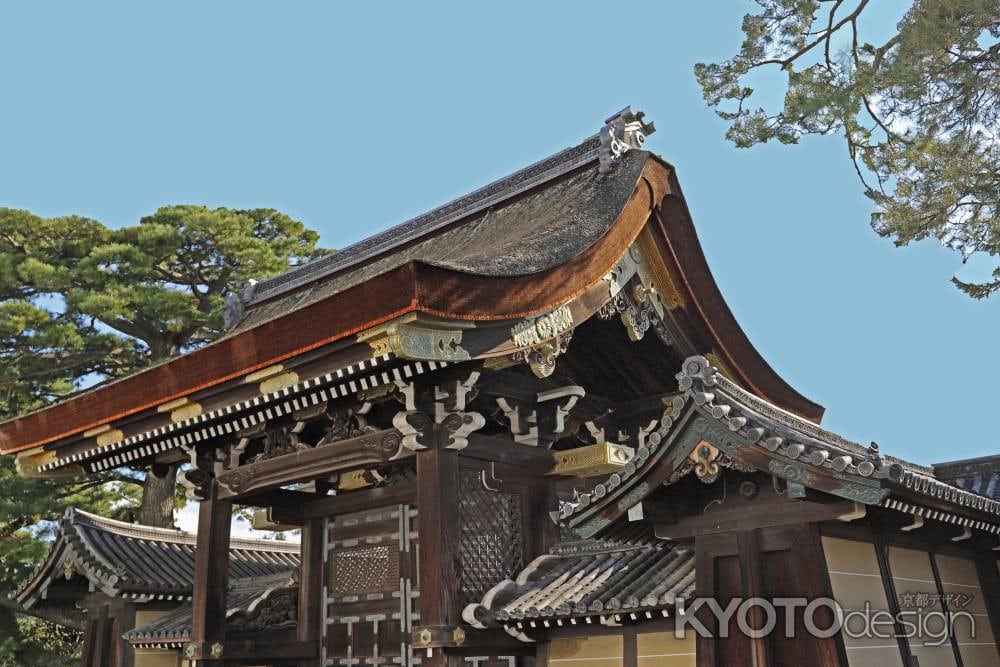
The Mikuruma-yose was the formal entrance used by imperial family members and high-ranking nobles when meeting the emperor, with an elegant curved “kara-hafu” roof.
The Mikuruma-yose was the formal entrance used only by court nobles permitted to ascend into the hall. The curved lines of its kara-hafu roof are a detail worth slowing down for on a regular visit. The interior is closed, and it can only be viewed from outside.
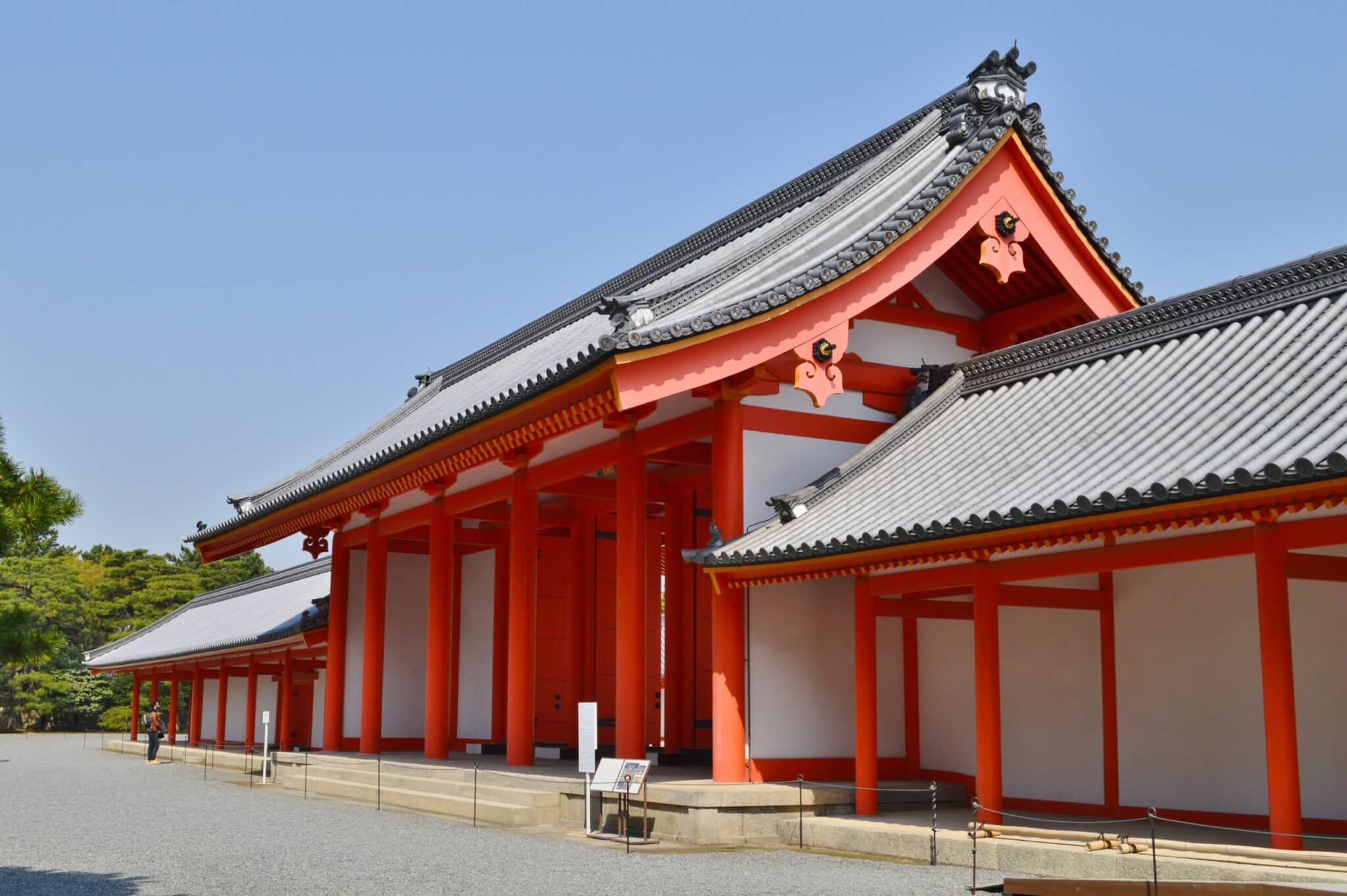
Shomeimon and Gishunmon Gates
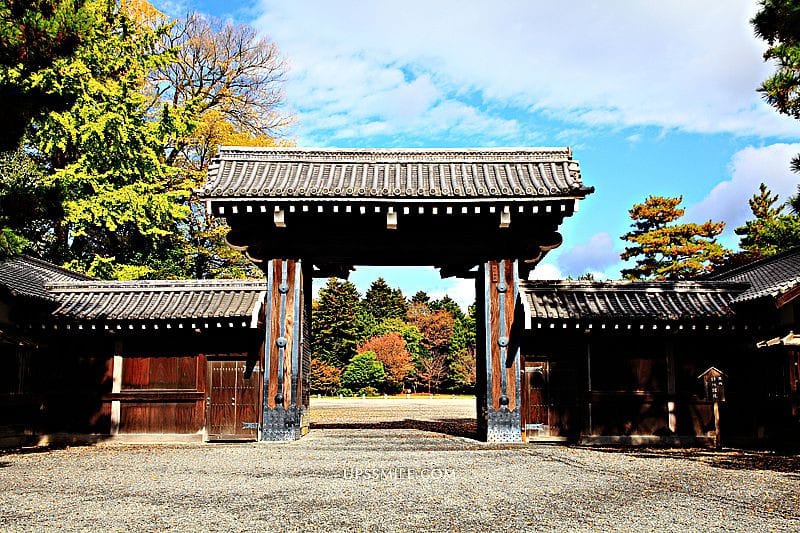
Shomeimon is the main gate of Shishinden, a ceremonial and solemn entrance. The visitor route usually leaves the palace grounds near Gishunmon.
Shomeimon encloses the South Garden in front of Shishinden, where a cherry tree (Sakon no Sakura) and a mandarin orange tree (Ukon no Tachibana) are planted. Both gates are traditional wooden structures and good spots for photographing the palace’s architectural lines. Slow down and study the proportions of the eaves and the row of pillars.
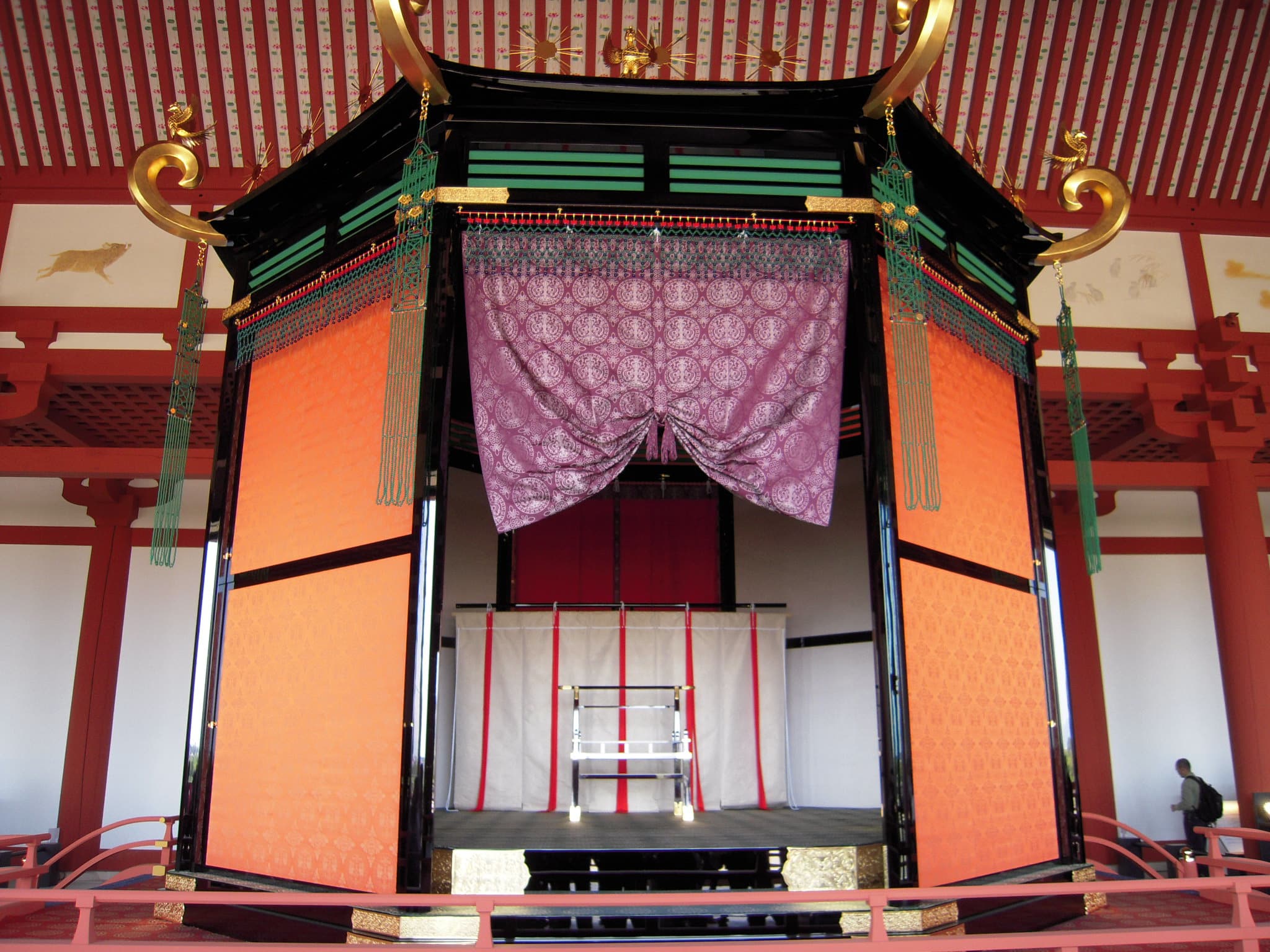
Takamikura (Imperial Throne)
The Takamikura is the throne used at an emperor’s enthronement, solemn and magnificent in form, displayed only inside Shishinden, a symbol of the authority and continuity of Japan’s imperial family.
According to the Imperial Household Agency, the existing Takamikura was newly made in 1915 for the enthronement of Emperor Taisho and is normally kept at the center of the main chamber of Shishinden. For the enthronements of both the Heisei and Reiwa emperors, this Takamikura was moved from the Kyoto Imperial Palace to the Imperial Palace in Tokyo for use. It is not a replica, which lets visitors better feel the historical continuity of imperial culture.
Kyoto Gyoen National Garden
Kyoto Gyoen is a vast park surrounding the Kyoto Imperial Palace, with a total area of about 92 hectares, of which about 65 hectares is the “National Garden” managed by the Ministry of the Environment. It was once the site of clustered court noble residences and is now open free of charge and accessible 24 hours a day.
The park is lush with trees and beautiful in every season, an everyday place for Kyoto residents to walk and picnic, and also the route that connects the palace’s various sights.
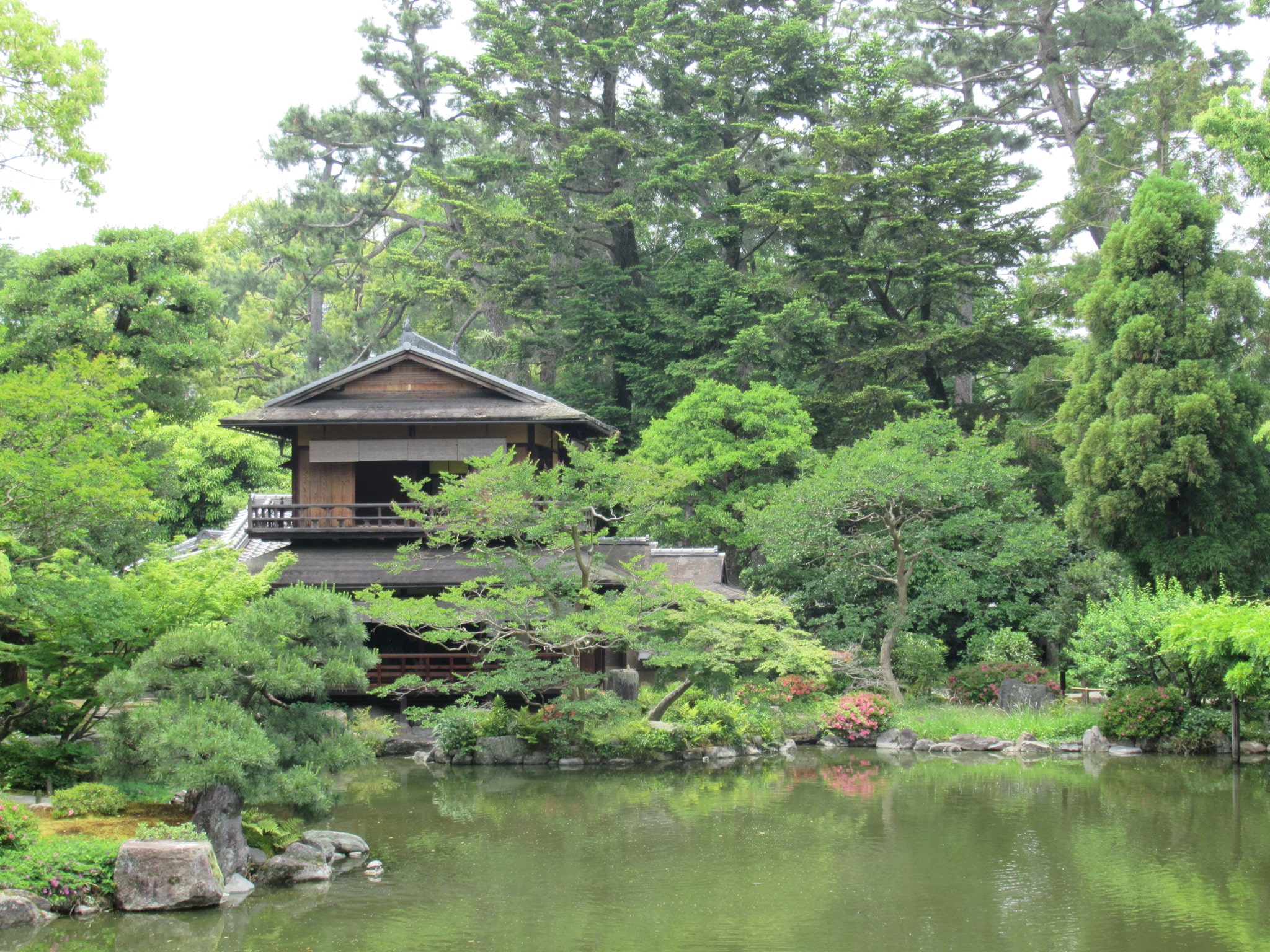
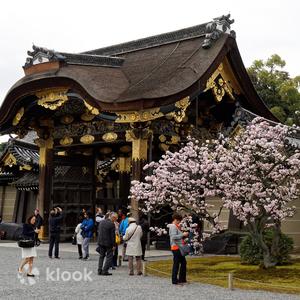
Shugakuin Imperial Villa
Shugakuin Imperial Villa lies in the northeast suburbs of Kyoto. It is a mountain villa and garden built by Retired Emperor Gomizunoo, known for its sweeping borrowed view of Mt. Hiei.
Visits must be reserved in advance through the Imperial Household Agency. Admission is free and a visit takes about 1 hour 20 minutes. The grounds cover 54.6 hectares, and it suits half a day for an in-depth look at imperial landscape garden design.
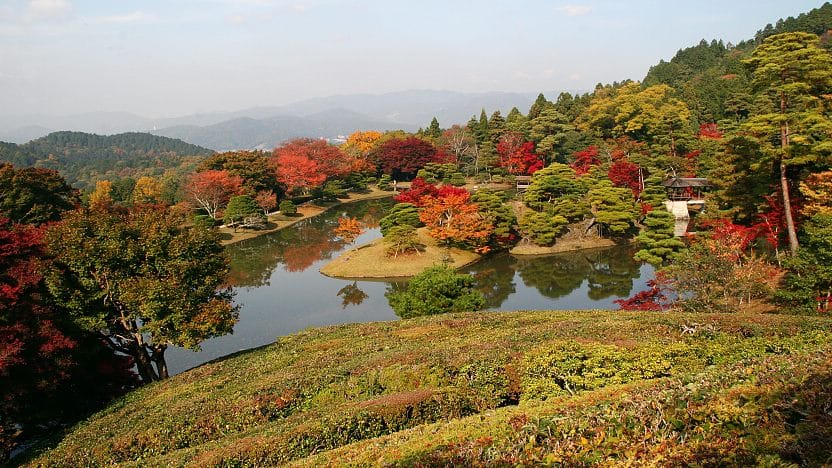
Katsura Imperial Villa
Katsura Imperial Villa lies in the western suburbs of Kyoto. It is a masterpiece of Japanese garden architecture, blending tea ceremony aesthetics with stroll-garden design, and is praised as the finest achievement of Japanese gardens.
Visits are also by reservation (apply to the Imperial Household Agency’s Kyoto office). The guided tour takes about 1 hour, and admission is ¥1,000 for ages 18 and over. The refined proportions of its buildings and garden are often listed as a must-visit teaching example for architecture students.
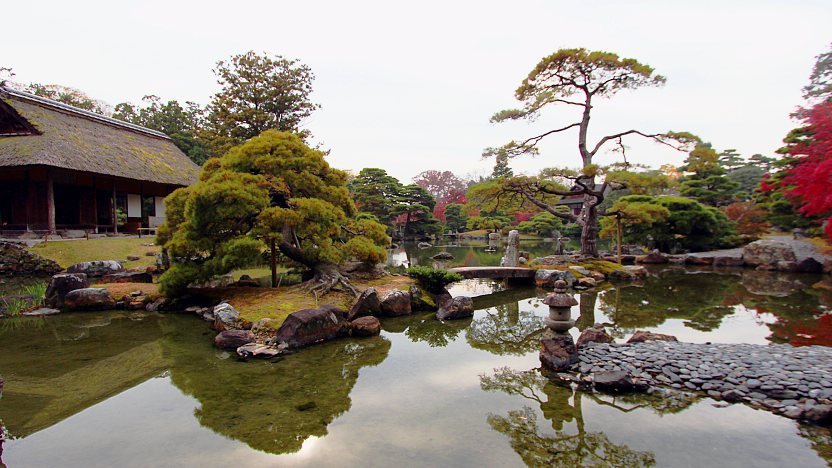
How to Get to the Kyoto Imperial Palace: A Complete Guide to Transport and Fares
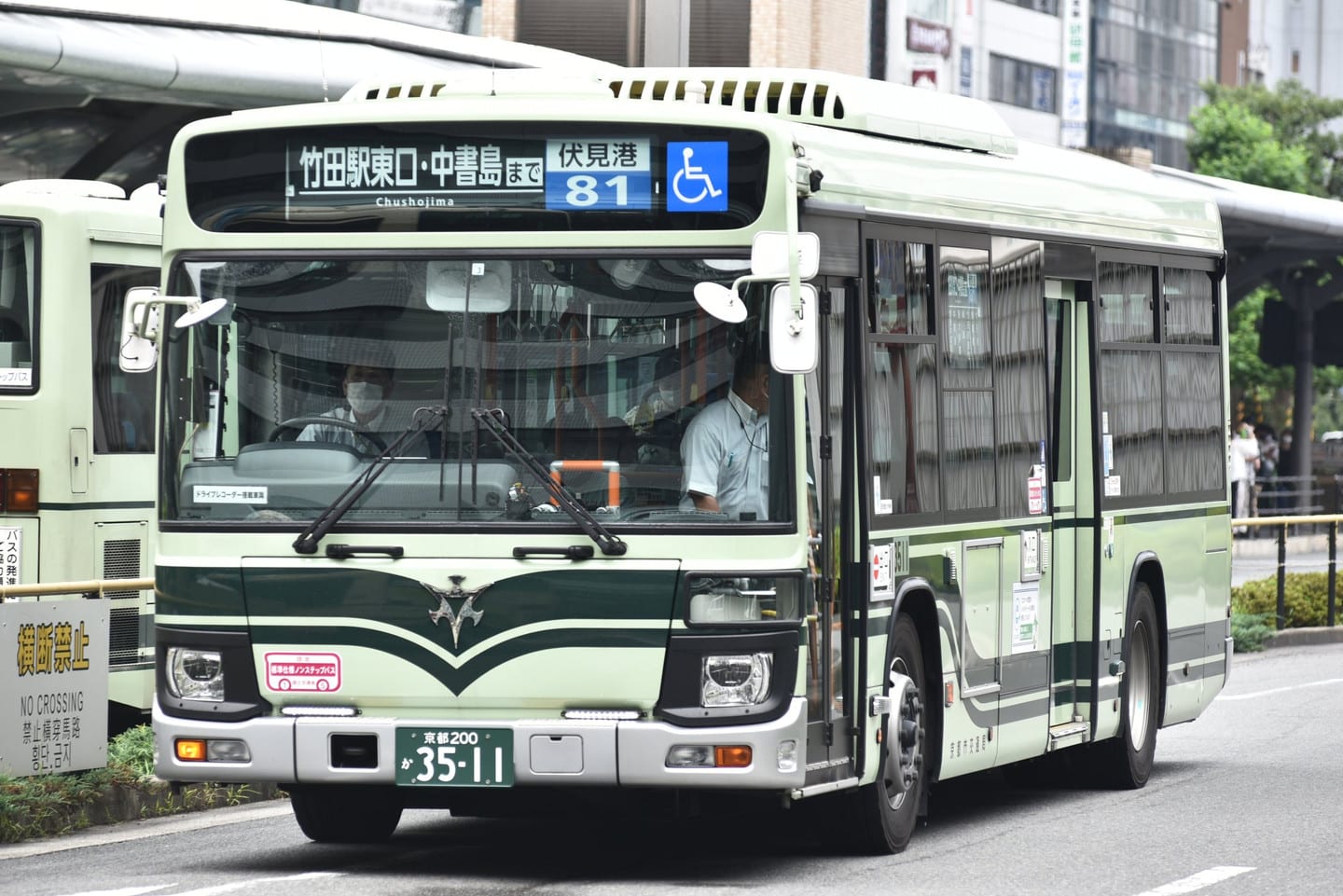
The Kyoto Imperial Palace is close to Imadegawa Station on the Karasuma Line subway. It is about a 5-minute walk from the station exit to the Imadegawa Gate of Kyoto Gyoen, the fastest way to get there. You can also take a city bus to the Karasuma Imadegawa stop and walk about 5 minutes to the plaza in front of Kenreimon Gate. Both subway and bus services are frequent, making access very convenient.
Kyoto Imperial Palace Guide 2026: What Are the Must-See Shishinden, Oikeniwa Garden and Imperial Architecture Sights? Highlights by Area
The Kyoto Imperial Palace (Kyoto Gosho) was the residence of Japan’s emperors from the move of the capital in the Heian period until the capital moved to Tokyo at the Meiji Restoration, and until then it was the center of Japanese politics and imperial culture. The whole Kyoto Gyoen area covers 92 hectares (about 65 hectares of it the National Garden managed by the Ministry of the Environment). Besides the Imperial Palace itself, it contains building complexes such as Sento Imperial Palace and Omiya Imperial Palace. The Kyoto Imperial Palace itself can be visited without applying in advance (Sento Imperial Palace requires prior application), an unmissable stop for a deep feel of Kyoto’s thousand years of imperial culture. Below are eight must-see highlights inside and outside the palace, covering the key points of a visit and practical information.
Shishinden
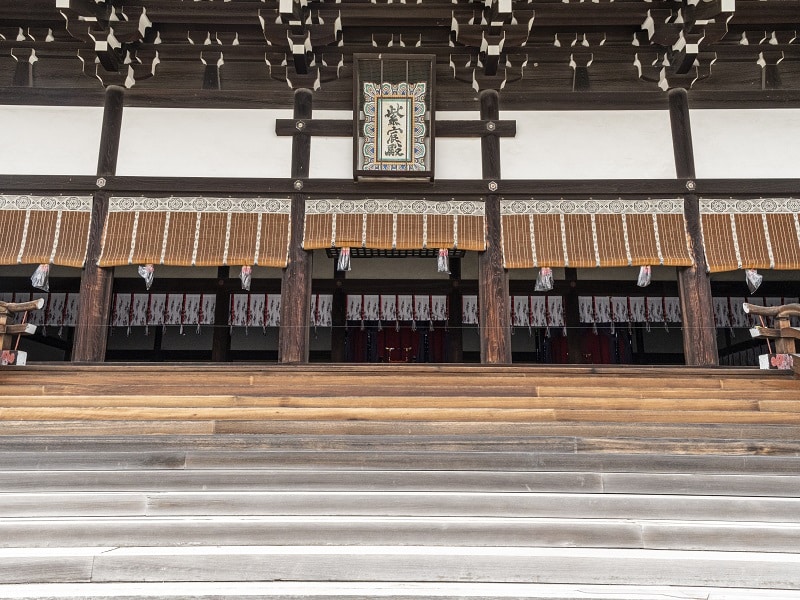
Shishinden is the most important main hall in the Kyoto Imperial Palace and has been the place for emperors’ enthronement ceremonies and major rites since the Heian period. It is built in the shinden-zukuri style with a hinoki-bark roof. The white-sand South Garden in front of the hall is planted with a cherry tree (Sakon no Sakura) and a mandarin orange tree (Ukon no Tachibana), and inside the hall are the emperor’s throne, the Takamikura, and the empress’s throne, the Michodai.
Visitors cannot enter the hall on a regular visit, but you can stand in front of Shomeimon Gate and view the whole facade across the South Garden. The Imperial Household Agency staff’s free guided tour (Chinese-language sessions daily at 10:00 and 14:00) lasts about 50 minutes and needs no reservation. Just gather at the visitors’ rest area before it starts.
After the special autumn opening from October 8 to 12, 2026, Shishinden will undergo construction for about 9 years (until around 2034). During that time it will be covered by a protective structure (suyane), and its exterior cannot be fully viewed.
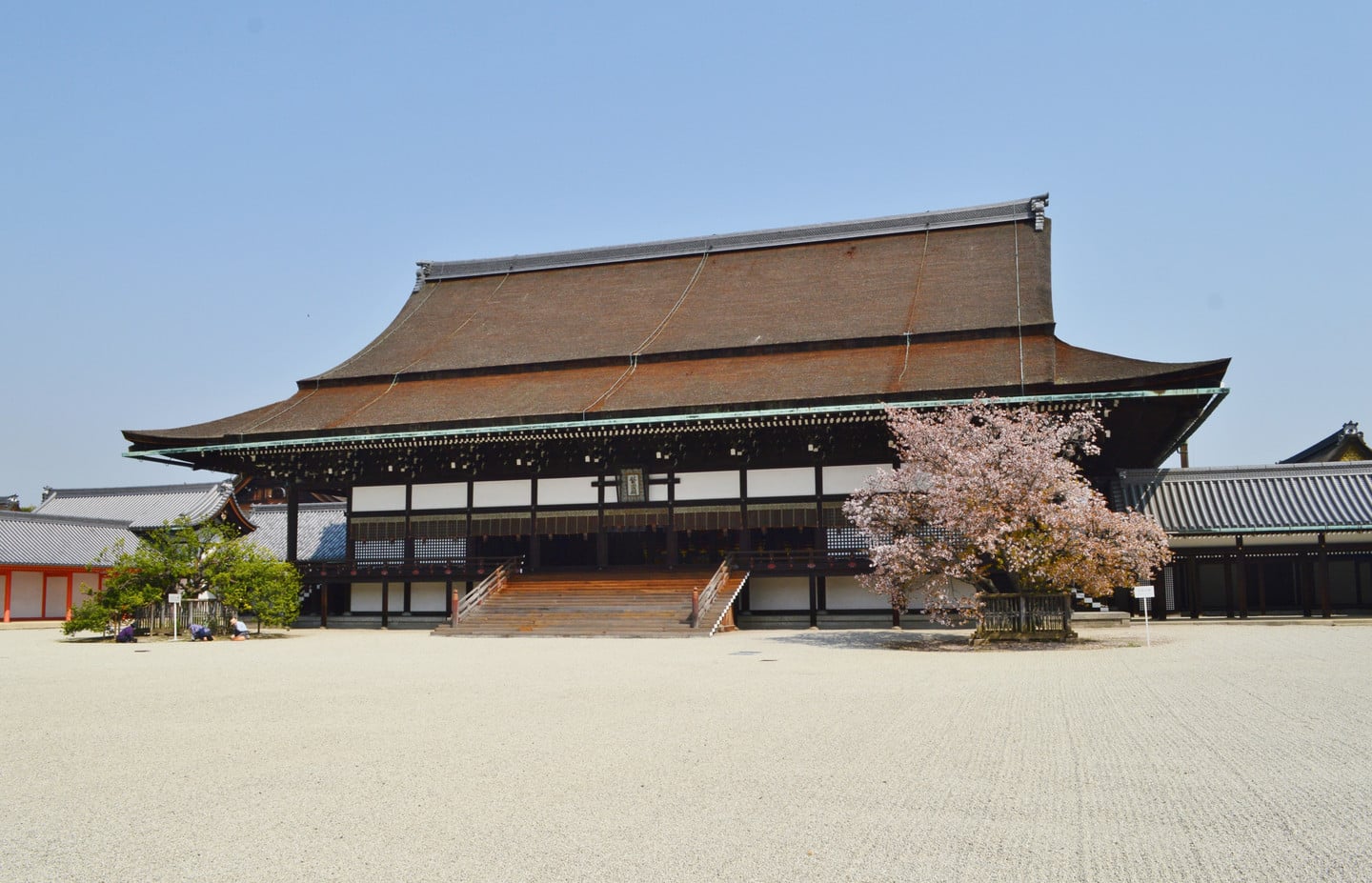
Large-Scale Shishinden Renovation: Covered by a Protective Roof After the Autumn 2026 Special Opening
The Imperial Household Agency’s Kyoto office has announced that after the special autumn opening from October 8 to 12, 2026, Shishinden will begin a large-scale renovation lasting about 9 years in 3 phases, including replacing the hinoki-bark roof and seismic reinforcement, expected to continue until around 2034, with the building covered by a protective structure (suyane) during construction. The special autumn opening is free and requires no advance application. It is open from 9:00 to 15:20 (last exit 16:00), with gagaku, kangen and kemari performances scheduled.
Oikeniwa Garden
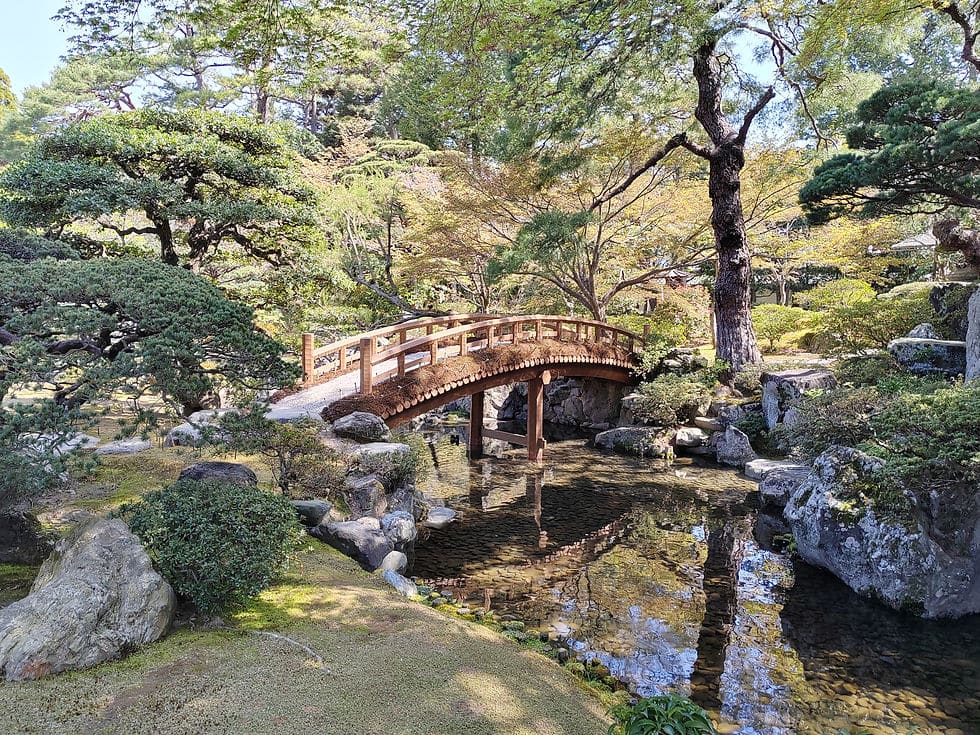
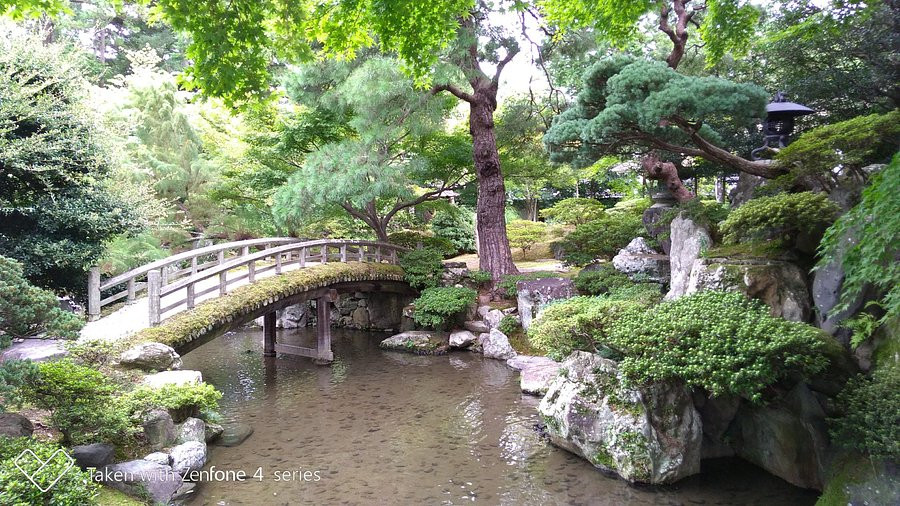
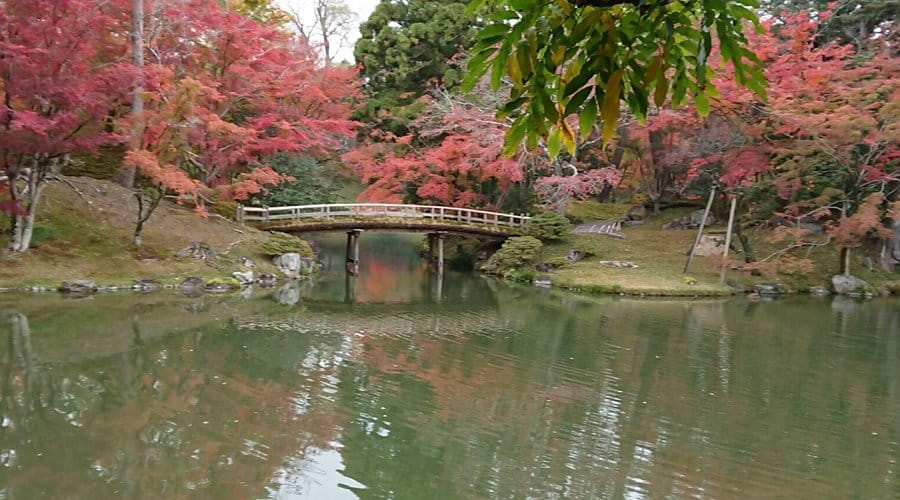
The Oikeniwa is the most representative pond-and-stroll garden in the Kyoto Imperial Palace. Centered on clear pond water, its banks are built up with Kamogawa stones and planted with a mix of pines and maples, with a different look in every season. Autumn leaves reflected on the water are especially praised by photographers. The garden centers on the large pond and has stepping stones and an arched bridge. Note that this Oikeniwa is the garden inside the Kyoto Imperial Palace, a different place from Oike-dori in the city and the area around Karasuma Oike Station on the subway, so do not mix them up when checking routes. Allow 30-40 minutes and stroll along the circuit path. The best viewing seasons are cherry blossoms in spring (late March to early April) and autumn leaves (mid-November to early December). The garden is open free of charge all year.
Seishomon Gate
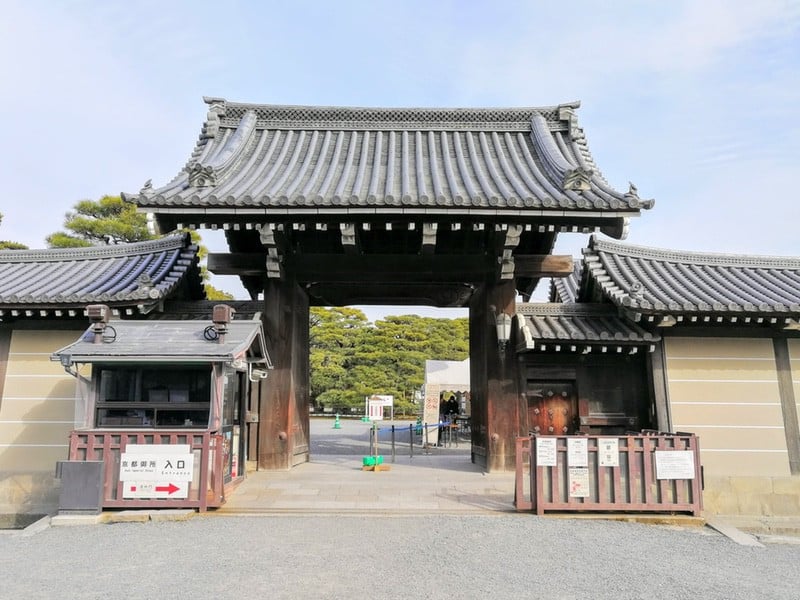
Seishomon Gate is the main visitor entrance to the Kyoto Imperial Palace, on the west side of the garden. Entry is free and no ticket is needed, and the Imperial Household Agency also provides a free visitor audio guide app (including Chinese) that you can download in advance. This gate is the entrance for regular visits and has a plain style.
There is a baggage check at the entrance, so arrive 15 minutes early. There are restrooms and a water fountain by the gate.
According to the Imperial Household Agency’s notice, entry hours are 9:00-16:20 from April to August (last exit 17:00), 9:00-15:50 in September and March (last exit 16:30), and 9:00-15:20 from October to February (last exit 16:00). The palace is closed every Monday (the next day if Monday is a holiday), from December 28 to January 4, and on days with imperial events.
Kenreimon Gate
Kenreimon Gate is the main gate of the Kyoto Imperial Palace, on the central axis on the south side. It opens only when the emperor, empress or state-guest-level figures visit and stays shut on ordinary days, making it the palace’s most symbolic gate. Its vermilion doors against white walls and black tiles make a sharp, solemn contrast. You cannot enter or exit through it, but the plaza in front of Kenreimon still offers a view of the whole palace complex, and it shows even more of the old capital’s charm when snow falls in winter.
Allow 10-15 minutes for photos. The plaza is open free all year, and 8-9 a.m. has soft light and is the best time to photograph the gate’s details.
Gotsune Goten
The Gotsune Goten is the largest building in the palace, made up of 15 rooms in the shoin-zukuri style, and was the emperor’s daily living quarters, a more lived-in space than Shishinden.
It was built separately as the emperor’s residence during the reconstruction period in the late 16th century, and its shoin-zukuri style contrasts with the shinden-zukuri Shishinden and Seiryoden.
Allow about 20 minutes and view it from the outer corridor. The interior of the Gotsune Goten is open only during specific periods (once each in spring and autumn; see the Kyoto Imperial Palace official website for details). At other times you can only view it from the outer corridor, and visiting is free.
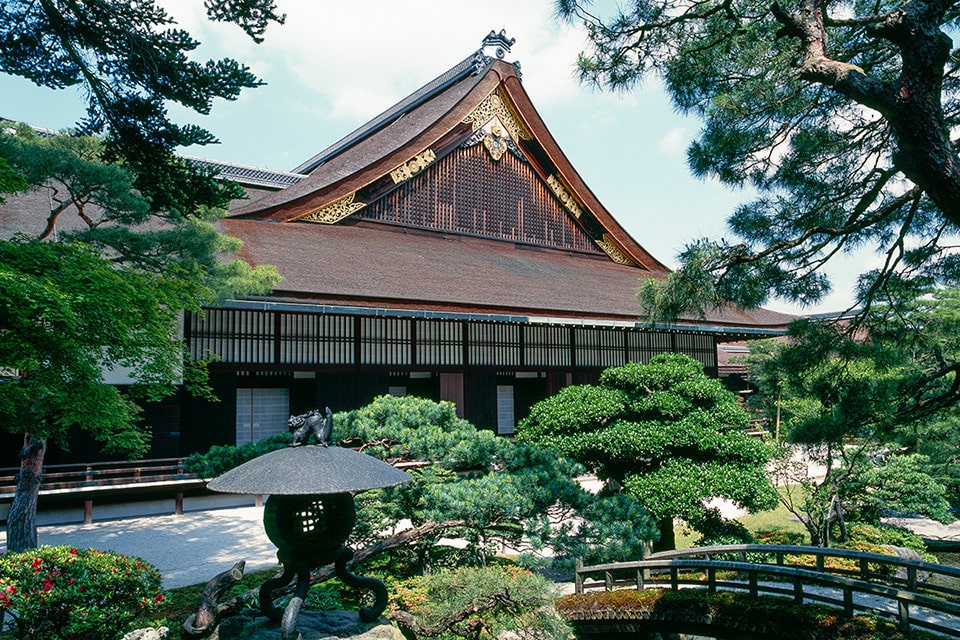
Sento Imperial Palace
Sento Imperial Palace, once the residence of retired emperors, stands on the southeast side of Kyoto Gyoen. Although the garden has been rebuilt, it retains the essence of the pond-and-stroll garden designed by Kobori Enshu in the early Edo period and is a representative example of Kyoto garden aesthetics. The garden has north and south ponds. The north pond excels in rock arrangement, while the south pond is laid with more than 110,000 pebbles, showing the height of Edo-period garden craft. You can see the north pond, the south pond and Seikatei teahouse.
Visits are by reservation. Apply on the Imperial Household Agency Kyoto office’s official website. Visitors must be 18 or older, with 5 sessions a day of about 50 people each, a guided tour of about 50 minutes, and free admission. Bring your passport when checking in.
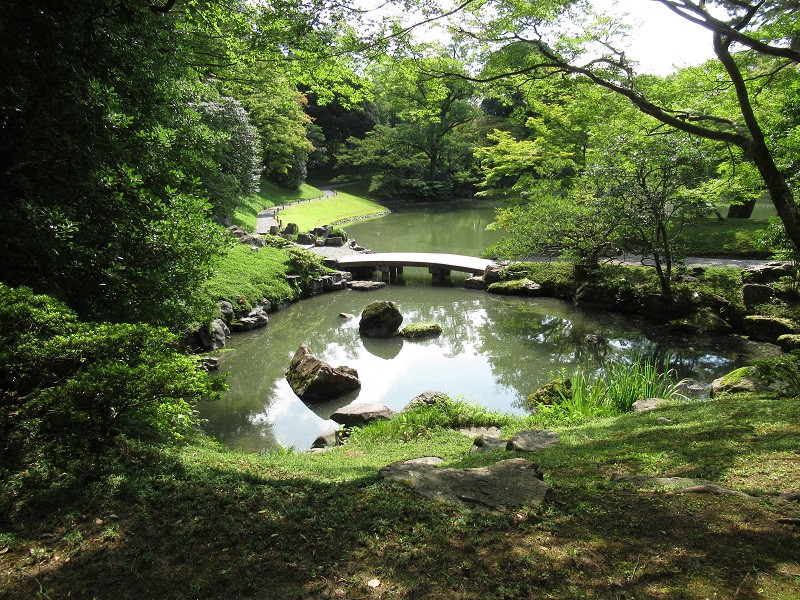
Shimogamo Shrine
Shimogamo Shrine (Kamo-mioya Shrine) is about 2 kilometers northeast of the Kyoto Imperial Palace, surrounded by the primeval Tadasu no Mori forest, and is one of Kyoto’s oldest shrines, where you can feel the atmosphere of prayer by Heian-period imperial nobles. The main hall is a National Treasure and enshrines Kamotakeru-tsunumi-no-Mikoto and Tamayori-hime-no-Mikoto. Mitarashi Pond hosts the summer “Mitarashi Festival (Ashitsuke Shinji),” held from July 18 to 30 in 2026.
Allow 1 to 1.5 hours. Admission to the grounds is free, and it is open from 6:30 to 17:00. A stroll along the Tadasu no Mori approach is also a must.
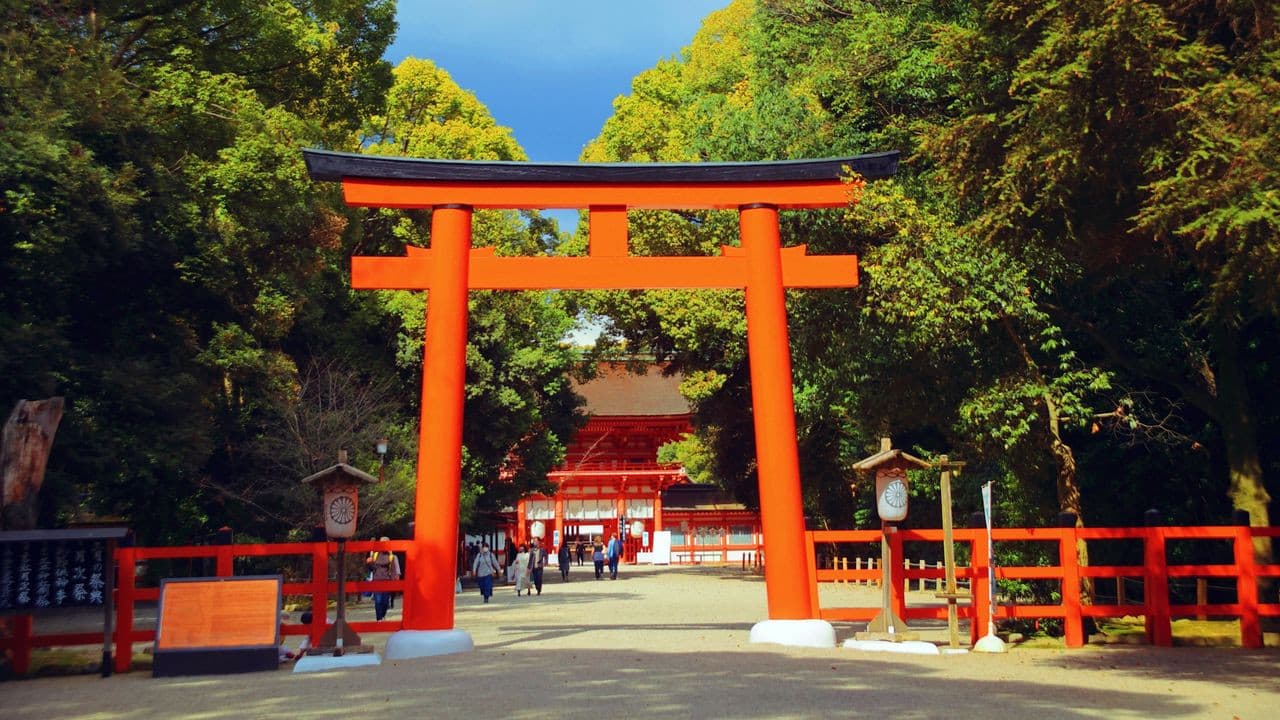
![[Kyoto Day Trip] Daitoku-ji Soken-in, Kamigamo Shrine, Shimogamo Shrine, Barley Rice and Yam Set Meal](https://travel.williamlion.tw/wp-content/uploads/sites/7/2026/07/image-1793.jpg)

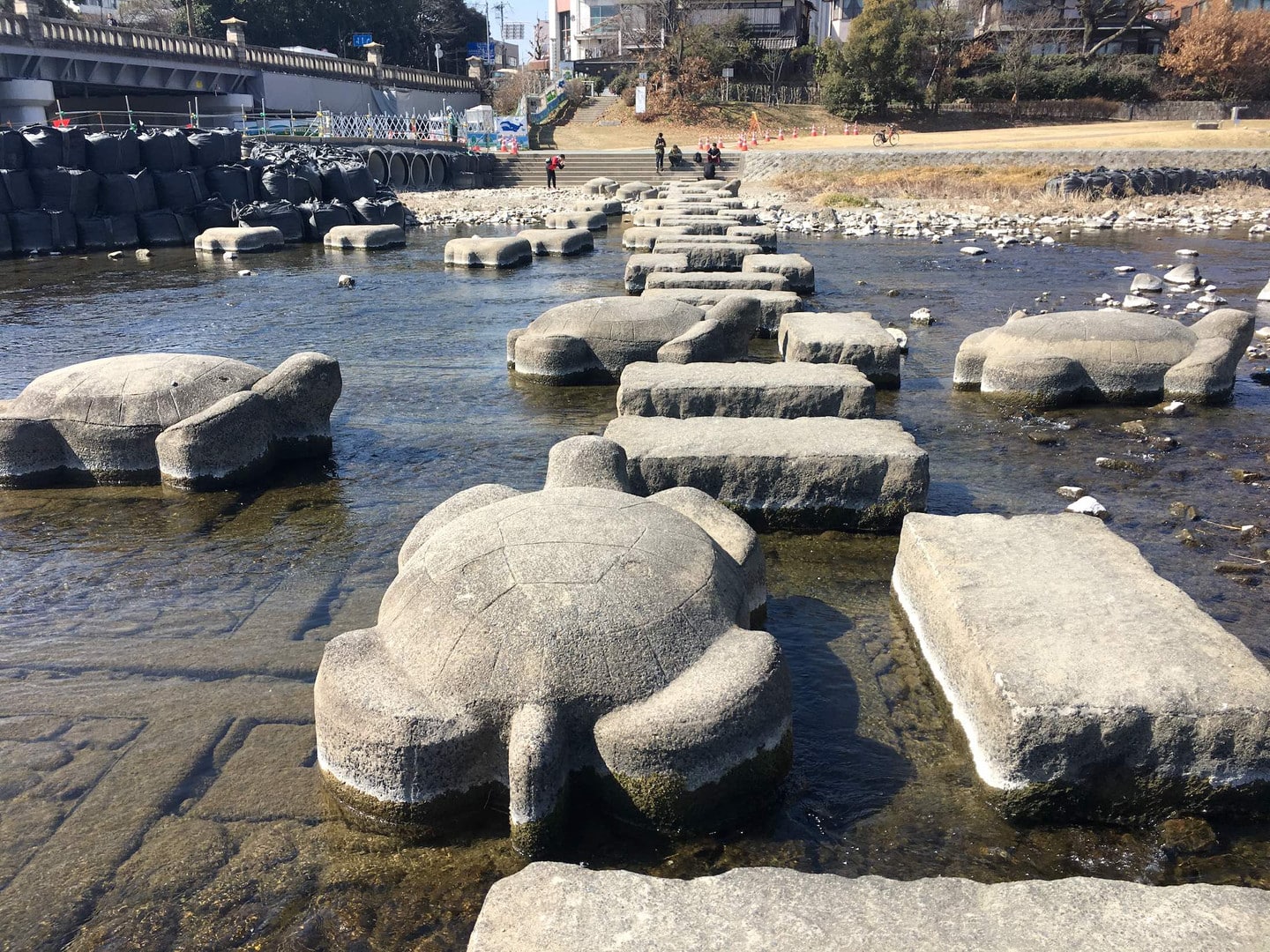
Kyoto Gyoen South Plaza and Exhibition Hall
The South Plaza of Kyoto Gyoen is the visitors’ gathering and rest area, with the Kyoto Gyoen Management Office and the nature exhibition hall Kan’in-no-miya Residence Ruins nearby. The hall displays Gyoen’s wildlife and plants free of charge and suits families wanting to learn about its natural and cultural character. The Kan’in-no-miya Residence Ruins are the remains of an Edo-period imperial family residence, with a rest space where you can take a break after visiting the palace.
Allow 30 minutes. It is open from 9:00 to 16:30 (closing time adjusted by season), free all year, and closed Mondays. It is a sight you can fit in along with your palace visit.
Tickets and Guided Tours Around the Kyoto Imperial Palace
The Kyoto Imperial Palace itself is free to enter, but the nearby Sento Imperial Palace, Shugakuin Imperial Villa and Katsura Imperial Villa all require reserved guided tours, and a chartered-car tour can save more time.
Sento Imperial Palace Reserved Guided Tour
Sento Imperial Palace is visited on a free guided tour by the Imperial Household Agency, limited to ages 18 and over and requiring advance application on the Imperial Household Agency Kyoto office’s website, with 5 sessions a day of about 50 people each and a full tour of about 50 minutes. Bring a passport or other ID when checking in, and first confirm the application period and available dates announced on the website. Once your application is accepted, check in on time for your assigned session.
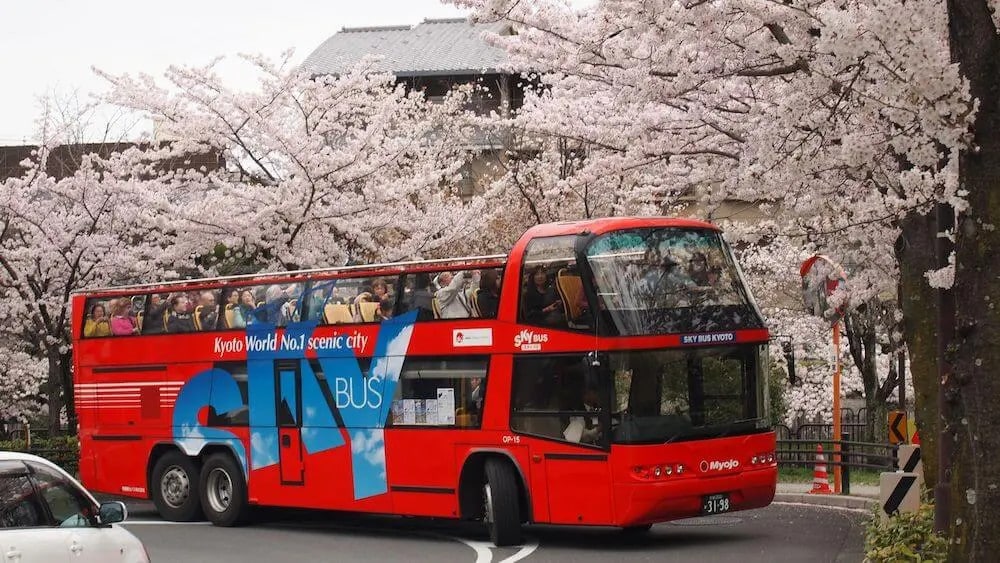
Kyoto One-Day City Sightseeing Bus Tour
A one-day tour can link the area around the Kyoto Imperial Palace with popular landmarks such as Kinkaku-ji and Kiyomizu-dera, suitable for travelers short on time. The Kyoto Imperial Palace is closed on Mondays, and the last entry time is between 15:20 and 16:20 depending on the season, so before booking, check whether your departure day is a closed day and whether the tour includes time at the palace. You can also take the Karasuma Line subway to Imadegawa Station to reach the palace.
Where to Stay Nearby
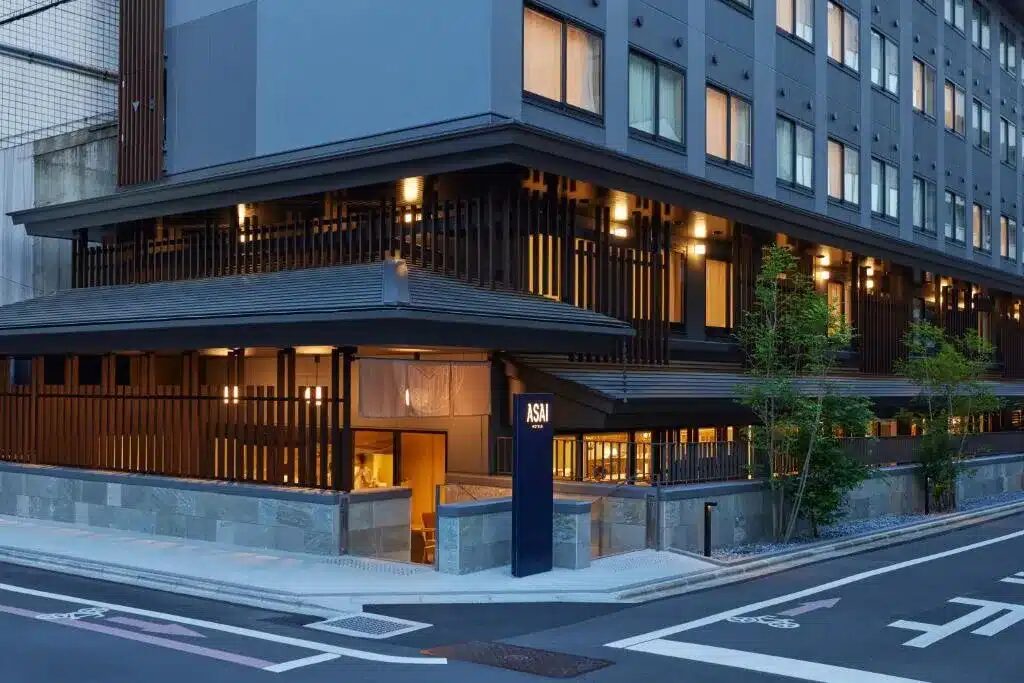
The Kyoto Imperial Palace is in central Kyoto. If you stay around Karasuma Oike or Shijo Karasuma along the Karasuma Line subway, Imadegawa Station is only about 2 stops away, and it is also easy to get to Kyoto Station and other city sights. To compare hotels in central Kyoto, see our Kyoto Kawaramachi, Gion and Kyoto Station accommodation guides on this site.

Kyoto Imperial Palace FAQ
Q: How much is admission to the Kyoto Imperial Palace?
The Kyoto Imperial Palace is free to enter with no advance reservation. You only need to pass the baggage check at Seishomon Gate. Visiting hours start at 9:00, and last entry differs by season.
Q: Do I need a reservation for the Kyoto Imperial Palace?
The Kyoto Imperial Palace itself can be visited freely without a reservation, but Sento Imperial Palace, Shugakuin Imperial Villa and Katsura Imperial Villa all require applying in advance to the Imperial Household Agency for a guided tour.
Q: What time does the Kyoto Imperial Palace open, and when is the best time to visit?
Entry starts at 9:00, with last entry at 16:20 from April to August, 15:50 in September and March, and 15:20 from October to February. It is closed on Mondays. We recommend going in the morning.
Q: Which station is closest to the Kyoto Imperial Palace?
Take the Karasuma Line subway to Imadegawa Station and walk about 5 minutes to the Imadegawa Gate of Kyoto Gyoen, then follow the signs to Seishomon Gate, the palace entrance.
Q: When is the best season for cherry blossoms and autumn leaves at the Kyoto Imperial Palace?
For cherry blossoms, late March to mid-April is recommended, with the weeping cherry at the Konoe Residence Ruins blooming earliest. For autumn leaves, mid-November to early December.
Q: What is prohibited when visiting the Kyoto Imperial Palace?
You cannot enter the halls and can only view them from a distance. Tripods and selfie sticks are banned throughout the grounds, as are smoking, eating and drinking, and you must follow the route instructions.
Q: When are the Kyoto Imperial Palace’s closed days?
The Kyoto Imperial Palace is closed every Monday (the next day if a holiday) and during the New Year period. Check the Imperial Household Agency website before you go to confirm that month’s closing calendar.