
Gion: A Shopping Map From Hanamikoji to Kawaramachi
Gion is Kyoto’s most iconic traditional district, covering Yasaka Shrine, Hanamikoji and Gion Shirakawa, and sits next to the Kawaramachi and Shijo-dori shopping areas. With easy access, it suits a half-day to full-day itinerary.
Yasaka Shrine: The Spiritual Landmark and Center of Gion Worship
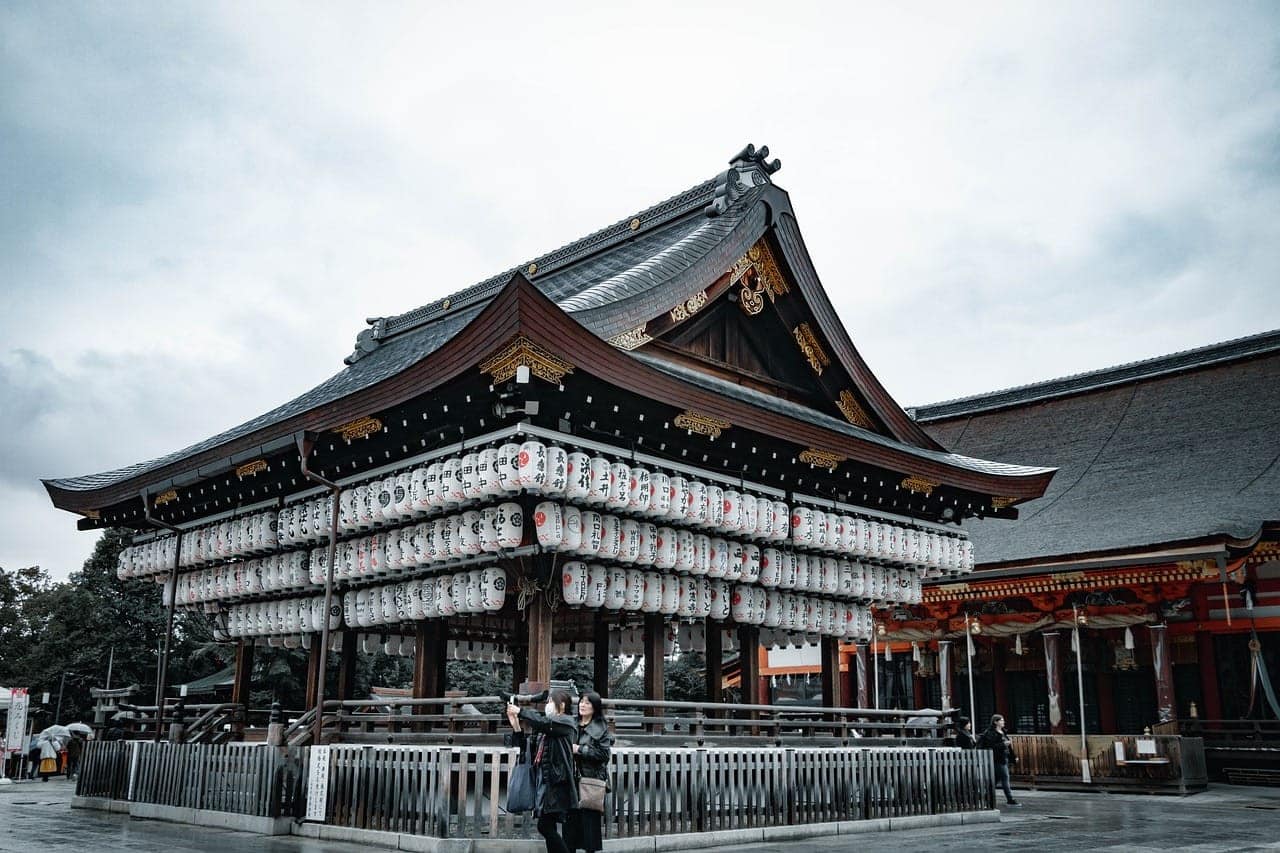
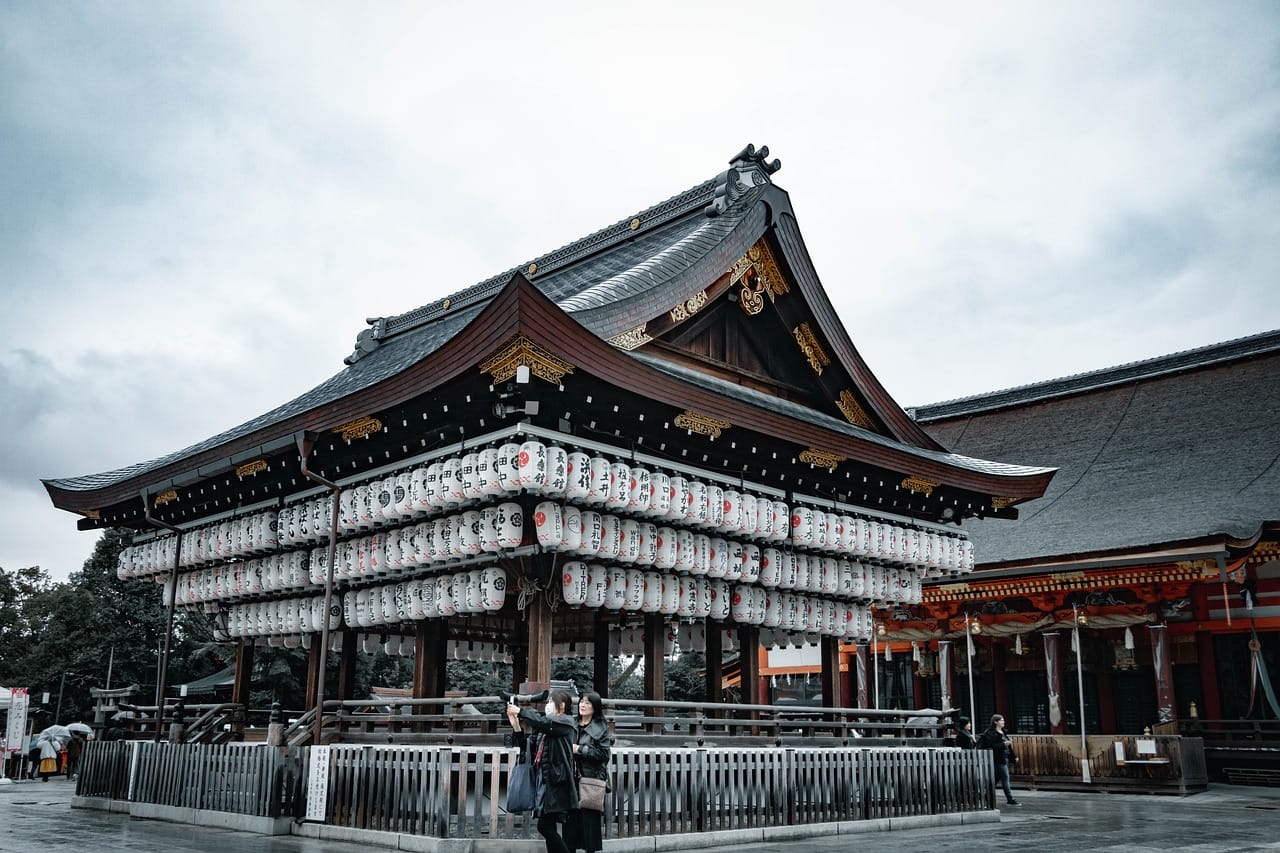
Yasaka Shrine, also known as “Gion-sha,” gave Gion its name and enshrines Susanoo no Mikoto; the Gion Festival every July is centered here. The vermilion tower gate and the dance stage are popular photo landmarks. Visiting the grounds is free and open 24 hours (see the Yasaka Shrine website, yasaka-jinja.or.jp), and mornings are less crowded, making it a good starting point for a shopping outing.
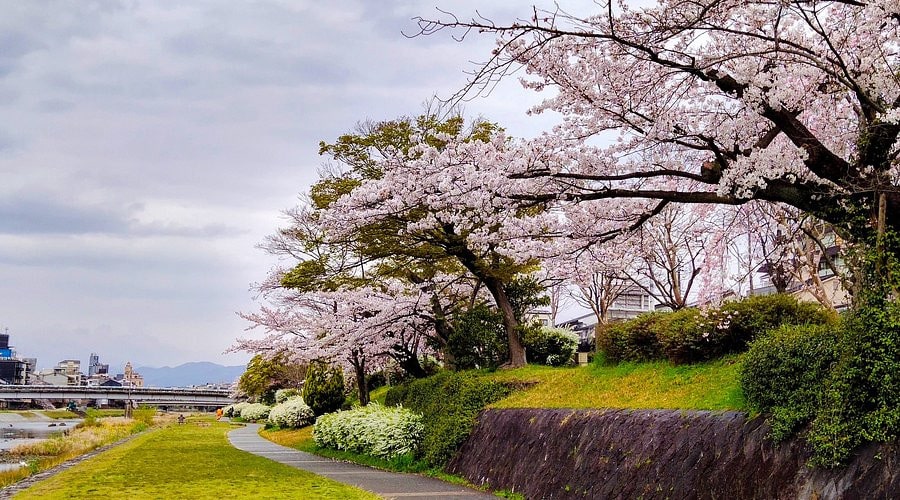
Behind the shrine it connects to Maruyama Park, which is lively during cherry blossom season in spring and with its night illuminations. The amulet office offers many kinds of omamori and goshuin, among which the “Beauty Water” omamori is popular with women visitors and makes a unique Kyoto souvenir.
![[Classic Kyoto In-Depth Tour] Kinkaku-ji & Kiyomizu-dera & Ninenzaka & Gion/Hanamikoji & Yasaka Shrine & Fushimi Inari Taisha Slow-Travel Day Tour (Departing From Osaka/Kyoto)](https://res.klook.com/images/w_300,h_300,c_fill,q_75/w_80,x_15,y_15,g_south_west,l_Klook_water_br_trans_yhcmh3/activities/spqfe6yhv087ha5pj8vr/【京都經典深度遊】金閣寺清水寺二年坂祗園·花見小路八坂神社伏見稻荷大社深度慢旅行一日遊(大阪京都出發)-Klook.jpg)

Hanamikoji: The Machiya Old Street Running North-South Through Gion
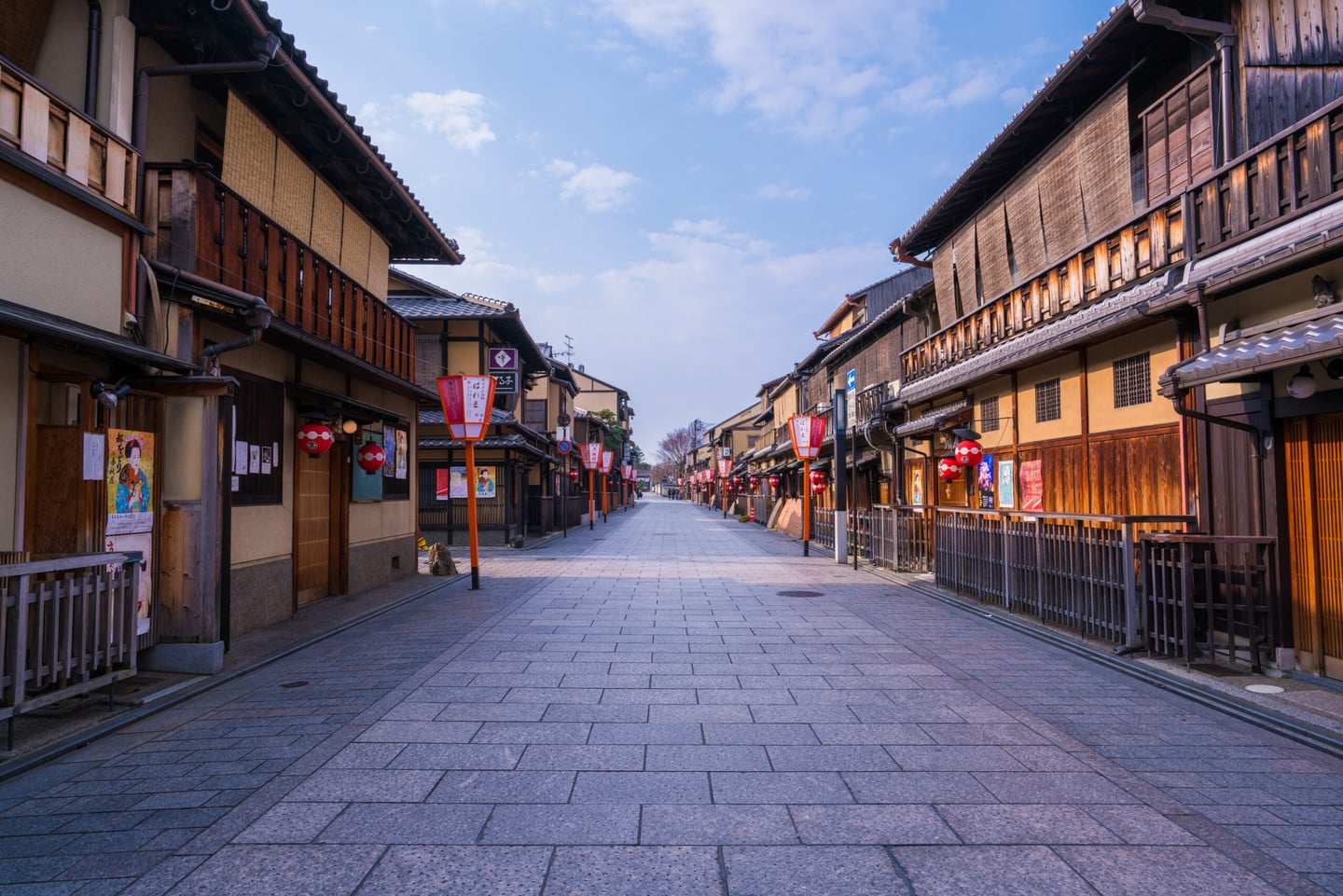
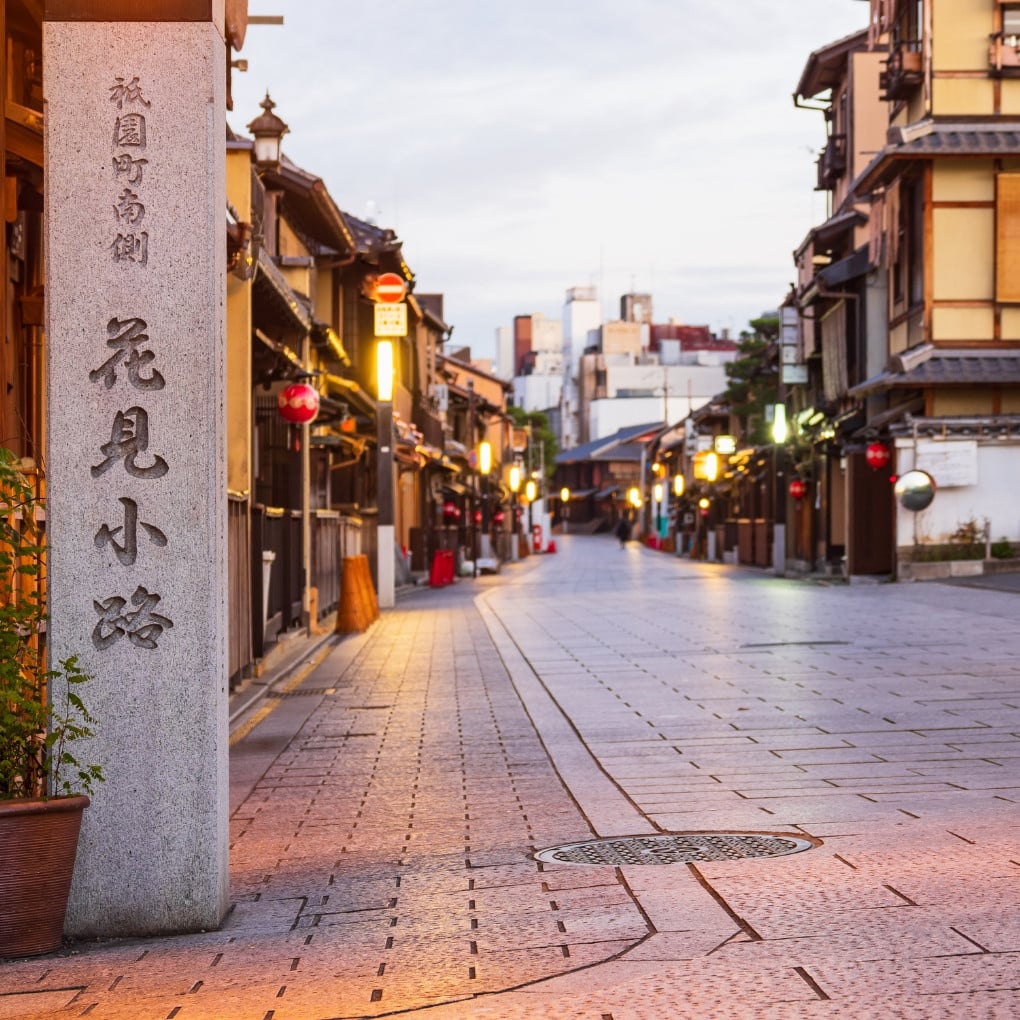
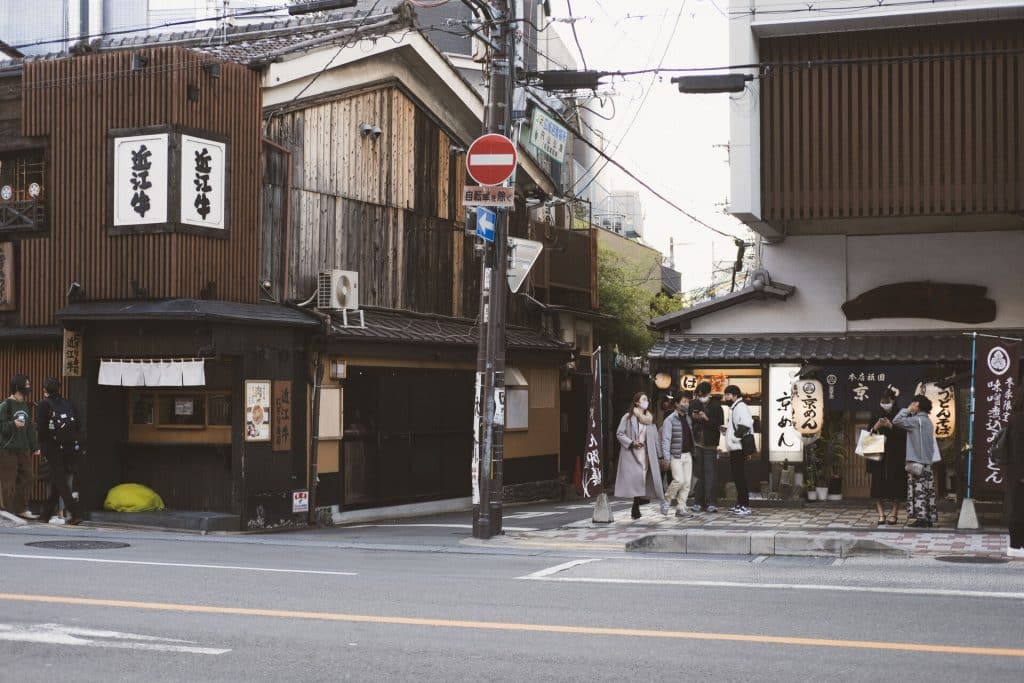
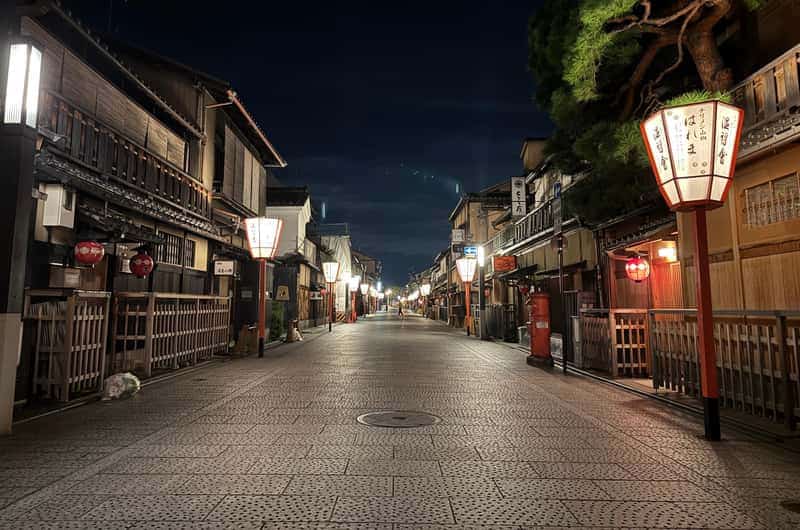
Hanamikoji is the main north-south thoroughfare from Sanjo-dori to Kennin-ji, lined on both sides with traditional teahouses and machiya buildings, and it is the first stop for foreign tourists visiting Gion. Stone-paved paths and lattice-windowed machiya set the scene, and at dusk you may occasionally catch a maiko or geiko hurrying to a banquet.
Because of overtourism, photography is banned in some private alleys, so visitors must respect local rules. The street is home to several high-end ryotei and souvenir shops, ideal for an evening stroll to take in Kyoto’s night atmosphere.

Gion Shirakawa: A Romantic Walk Lined With Willows
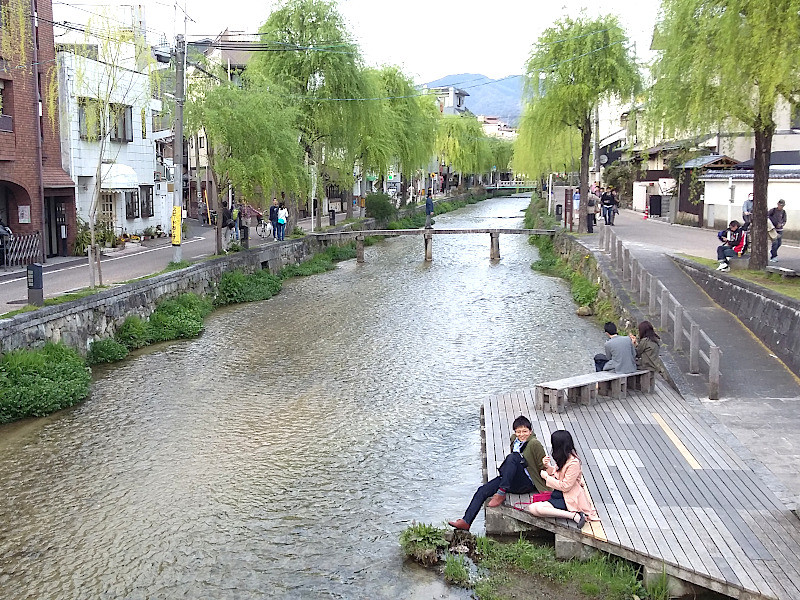
Along the stone path where the Shirakawa stream flows through Gion Shirakawa, weeping willows and traditional teahouses combine into one of Kyoto’s most poetic scenes. It is especially romantic when the lanterns are lit at night, and a favorite spot for photographers and couples.
In spring the cherry blossoms are reflected in the Shirakawa like a painting, and in autumn the red maples add to the charm. Nearby Tatsumi Daimyojin is a popular photo spot, and we suggest avoiding weekend afternoon crowds and visiting on a weekday evening for the quietest Gion atmosphere.
Kawaramachi: Kyoto’s Liveliest Shopping District for Young People
Kawaramachi is where Kyoto’s younger generation shops, with department stores, fashion and chain restaurants around the Shijo-Kawaramachi intersection. It is the best area to extend your shopping after a stroll through Gion, and everything is linked on foot.
Large shopping complexes such as OPA and mina Kyoto offer a choice of many brands, and together with many budget eateries and cafes they suit an afternoon-to-evening shopping and dining plan, with very convenient access.
Shijo-dori: The Shopping Boulevard Gathering Department Stores and Famous Shops
Shijo-dori is the most concentrated shopping stretch in central Kyoto, running from Karasuma Station all the way to Keihan Gion-Shijo Station, linking department stores such as Takashimaya and Daimaru and many drugstores along the way, and it is the main thoroughfare every first-time visitor to Kyoto should walk.
The street is wide and easy to walk, with shops on both sides covering souvenirs, drugstores, fashion and famous sweets shops, a good route to extend your shopping after a stroll through Gion, and we especially recommend visiting in the evening and having dinner along the way.
Shinkyogoku Shopping Street: A Budget Souvenir Paradise
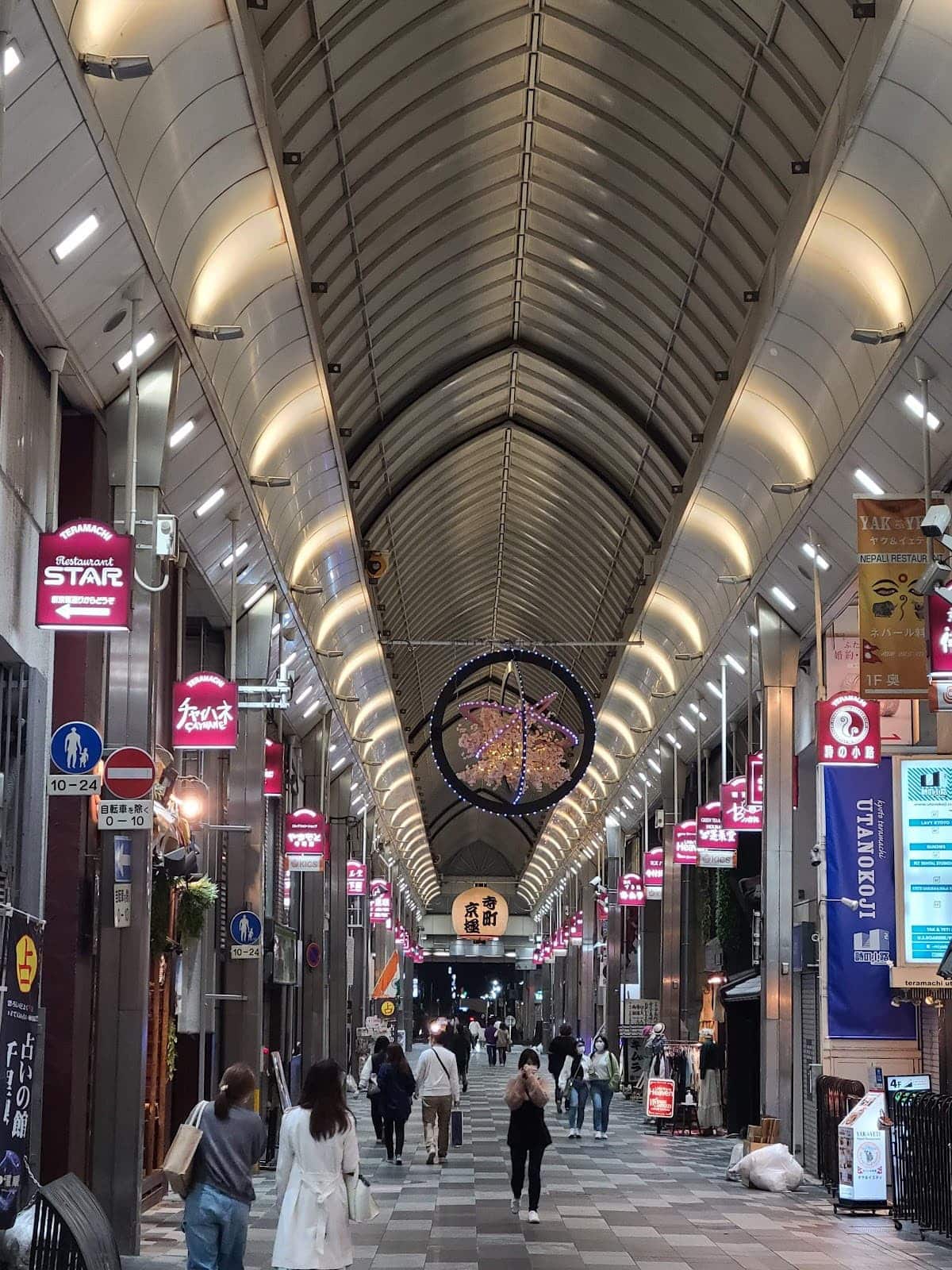
Shinkyogoku Shopping Street is a covered north-south arcade gathering drugstores, souvenirs, anime merchandise and budget clothing shops, with friendly prices and no weather worries, the first choice for buying Kyoto-exclusive souvenirs.
The street is about 500 meters long and takes about 10 minutes to walk, running parallel to Teramachi Kyogoku Shopping Street, and we suggest planning both streets together and trying street snacks such as crepes and dango along the way.
Teramachi Kyogoku Shopping Street: Long-Established Shops and Stationery and Sundries Street
Teramachi Kyogoku Shopping Street is adjacent to Shinkyogoku, with a calmer atmosphere, home to many centuries-old shops such as the incense shop Kyukyodo and stationery stores, a good place to look for quality sundries and traditional crafts.
Along the street there are also many budget restaurants and cafes, good for a rest when you get tired of shopping, and the overall pace is more relaxed than Shinkyogoku, suiting travelers who like to browse slowly.
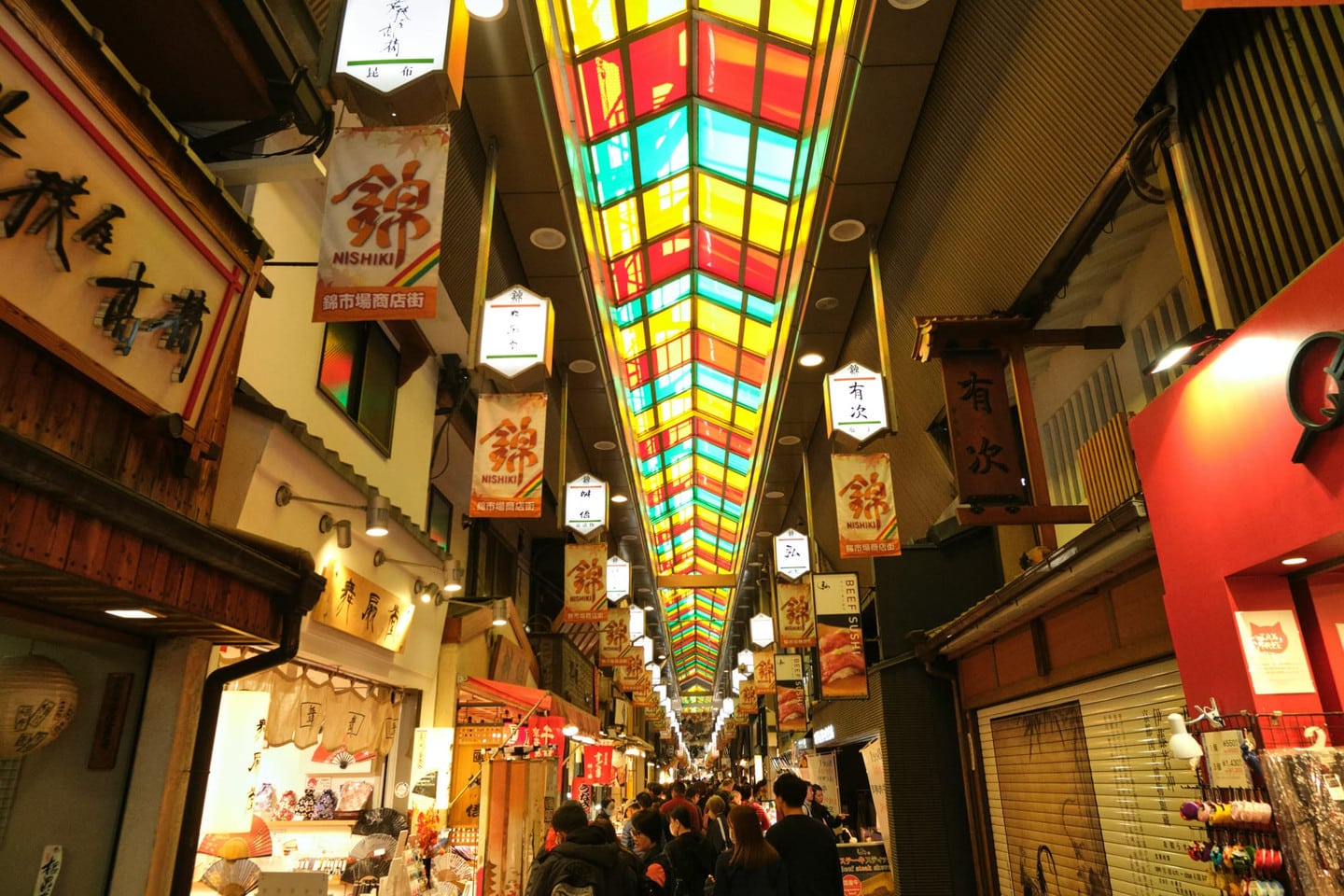
Nishiki Market: Kyoto’s Kitchen and a Sampling Paradise
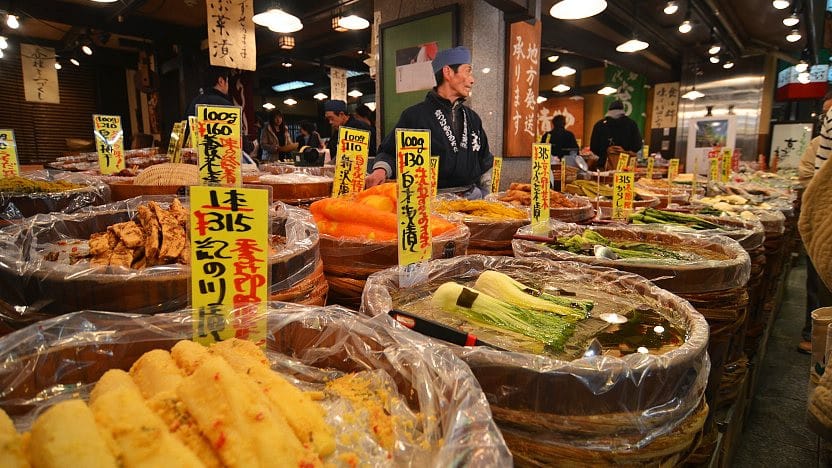
Nishiki Market is about 400 meters long and gathers more than 100 shops selling fresh seafood, Kyoto pickles, yuba products and all kinds of prepared snacks, known as “Kyoto’s Kitchen,” the best place to experience Kyoto’s food culture.
Many shops offer small samples to eat as you go, but be sure to eat within the area the shop designates, to avoid inconveniencing others by eating while walking. Most hours are 9 a.m. to 6 p.m., and we suggest visiting before noon for more choices.
Takashimaya Kyoto: The Flagship of a Long-Established Kansai Department Store
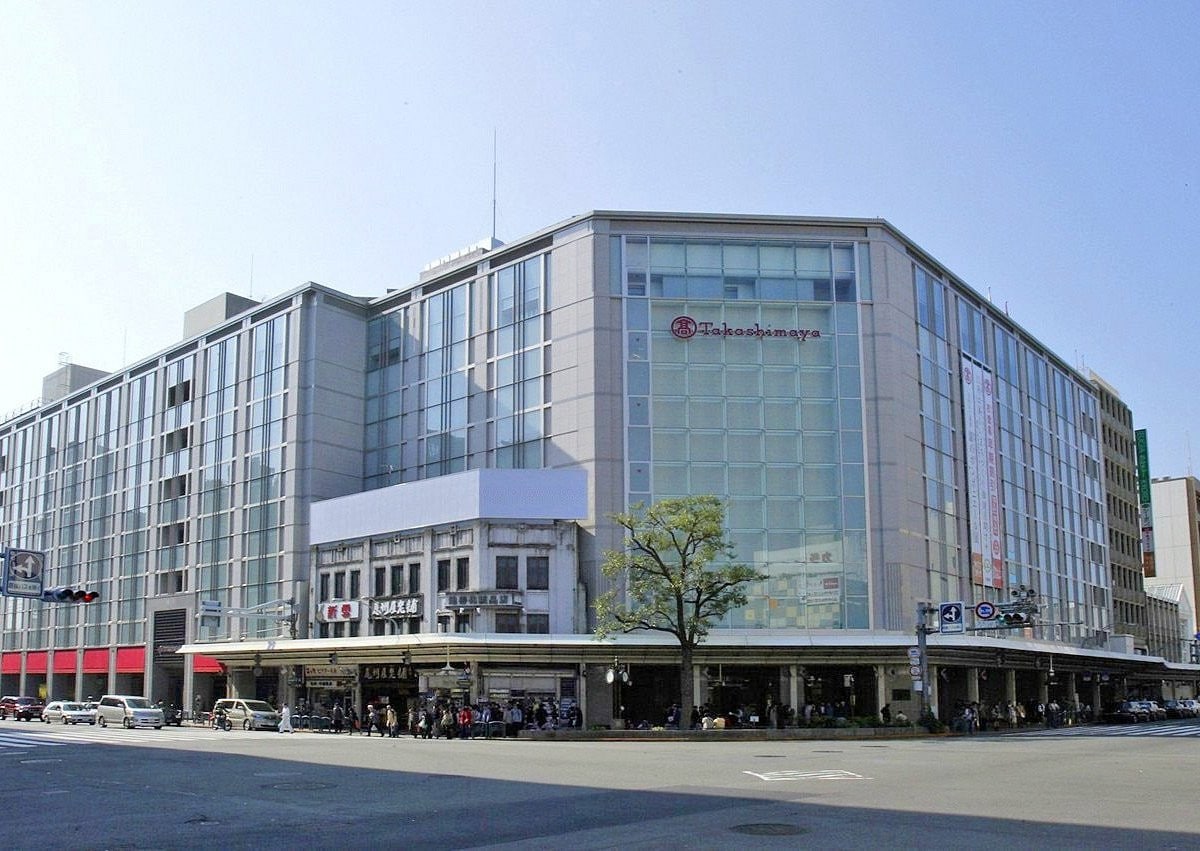
Takashimaya Kyoto is at the Shijo-Kawaramachi intersection and is one of the oldest department stores in the Kansai region. Its floors cover international luxury brands, kimono and sundries and a basement food hall, and the service counter offers tax refund and luggage storage services with Chinese-language support.
The basement food hall sells many Kyoto-exclusive sweets and bento, and in summer the rooftop hosts a beer garden, a good place to experience Kyoto’s summer atmosphere between shopping.
Daimaru Kyoto: The Fiercely Competitive Basement Food Hall
Daimaru Kyoto is famous for its B1 food hall, gathering many long-established Kyoto sweets and prepared-food stalls, with discounts often offered near closing time, the best time to stock up on souvenirs and pick up bargains.
Upstairs it covers fashion, sundries and cosmetics counters, and the tax refund counter is on a higher floor; foreign visitors who spend above the minimum can enjoy duty-free benefits, and we suggest keeping your receipts and paying together at one time.

Isetan Kyoto: A Shopping Landmark Directly Connected to Kyoto Station
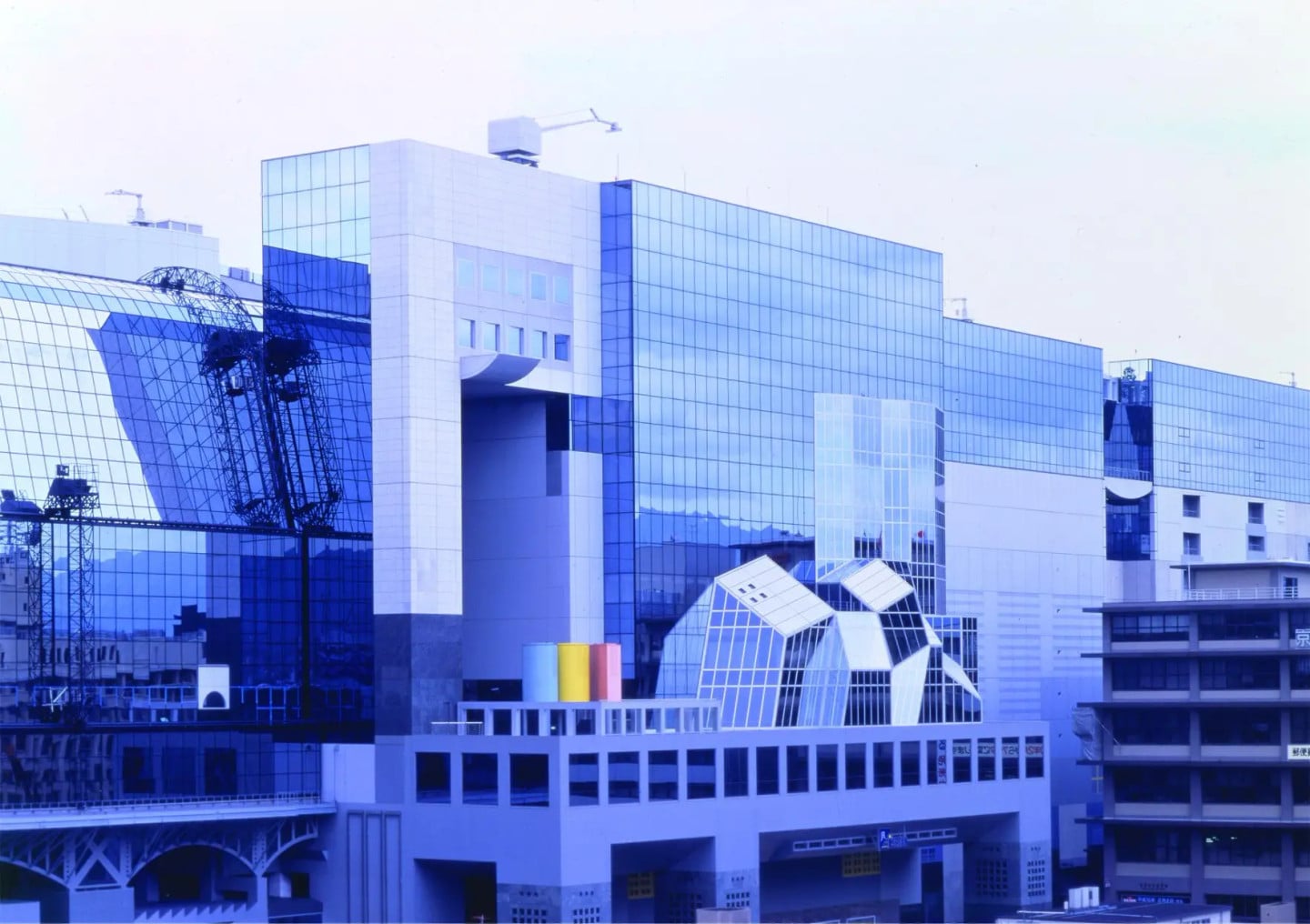
Isetan Kyoto connects directly to JR Kyoto Station and is a shopping stop you pass at the start and end of your trip. Its floors are stylish and modern, with well-known dining floors such as Ramen Koji, and it suits shopping on the day you arrive in or leave Kyoto.
Inside, the department store links with the Porta underground mall and The Cube, forming a huge underground shopping network where you can shop comfortably even on a rainy day, the most recommended shopping choice around the transport hub.
Kyoto Station Porta: An Underground Shopping Street Beside the Transport Hub
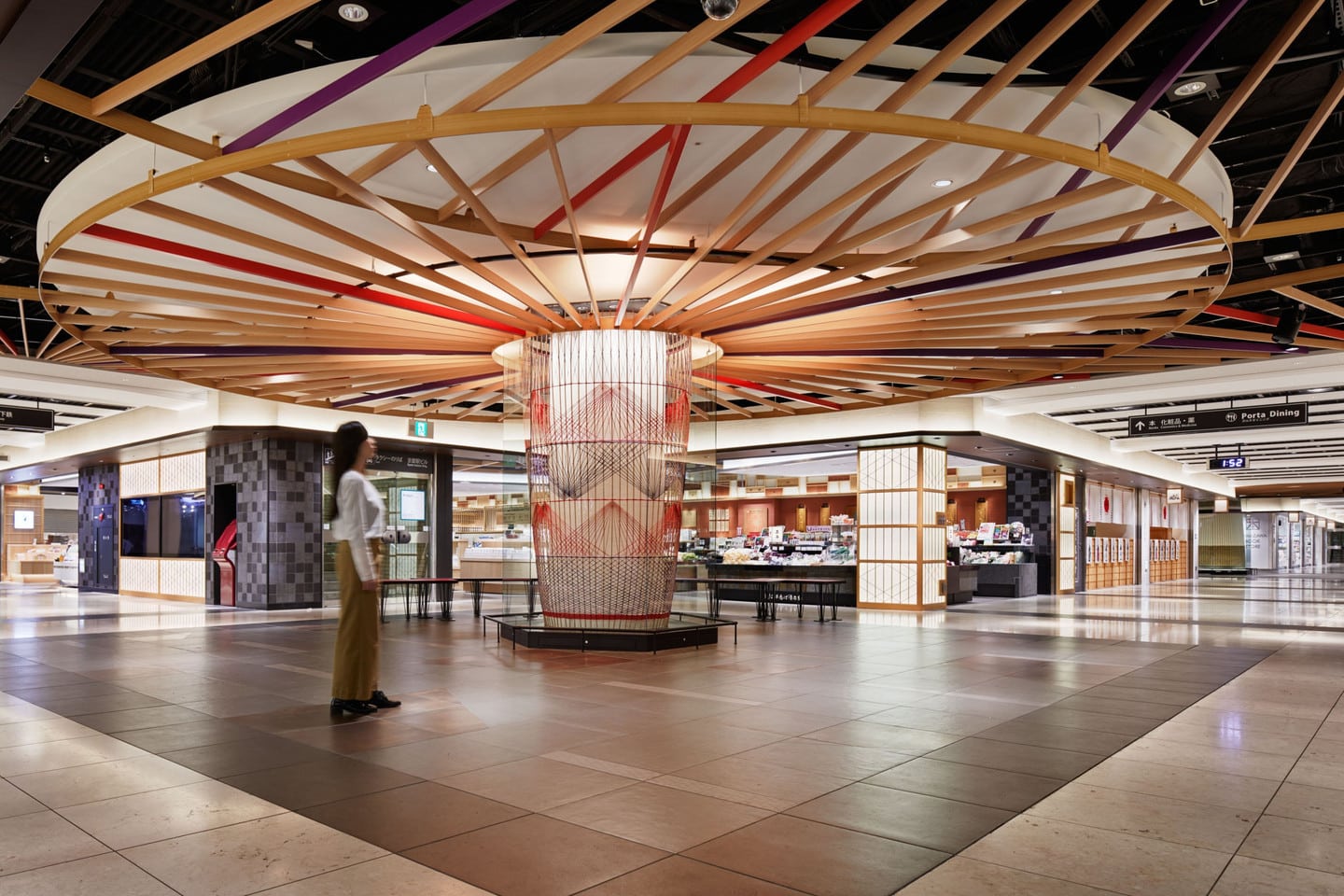
Porta is a large shopping street beneath Kyoto Station, gathering more than 180 shops covering clothing, sundries, beauty and dining, suited to quickly picking up souvenirs in spare moments before or after a train ride.
Hours are mostly 10 a.m. to 9 p.m., and the layout connects directly to every exit of Kyoto Station, so you can browse easily even dragging a suitcase, an ideal finishing stop for the last day of your trip.
How to Get to Gion? A Complete Guide to Transport and Costs
The most convenient way to reach Gion is by train to Keihan Gion-Shijo Station or Hankyu Kawaramachi Station, both within walking distance of Hanamikoji and Yasaka Shrine.
How to Get to Gion: Transport Options at a Glance
🚃 Keihan Main Line Gion-Shijo Station: Hanamikoji is right outside the station; from Osaka Yodoyabashi it takes about 53 minutes for ¥490, arriving directly at Gion.
🚋 Hankyu Kyoto Line Kawaramachi Station: From Osaka Umeda it takes about 45 minutes for ¥410, with a direct connection to Takashimaya inside the station, good for sightseeing Gion after shopping.
🚌 Kyoto City Bus routes 206 / 100: Direct from Kyoto Station to Kiyomizu-dera and Gion, with a flat fare of ¥230 (Subway & Bus 1-Day Pass ¥1,100), and prone to crowding at peak times.
🚕 Taxi and Randen: By taxi from Kyoto Station takes about 10 minutes for ¥1,500; from Arashiyama, take the Randen and transfer to Hankyu to Kawaramachi in about 30 minutes.

Gion Highlights and Experiences Explained in Depth
Besides the shopping districts and department stores, Gion has many cultural sights and distinctive shops around it worth experiencing in depth.
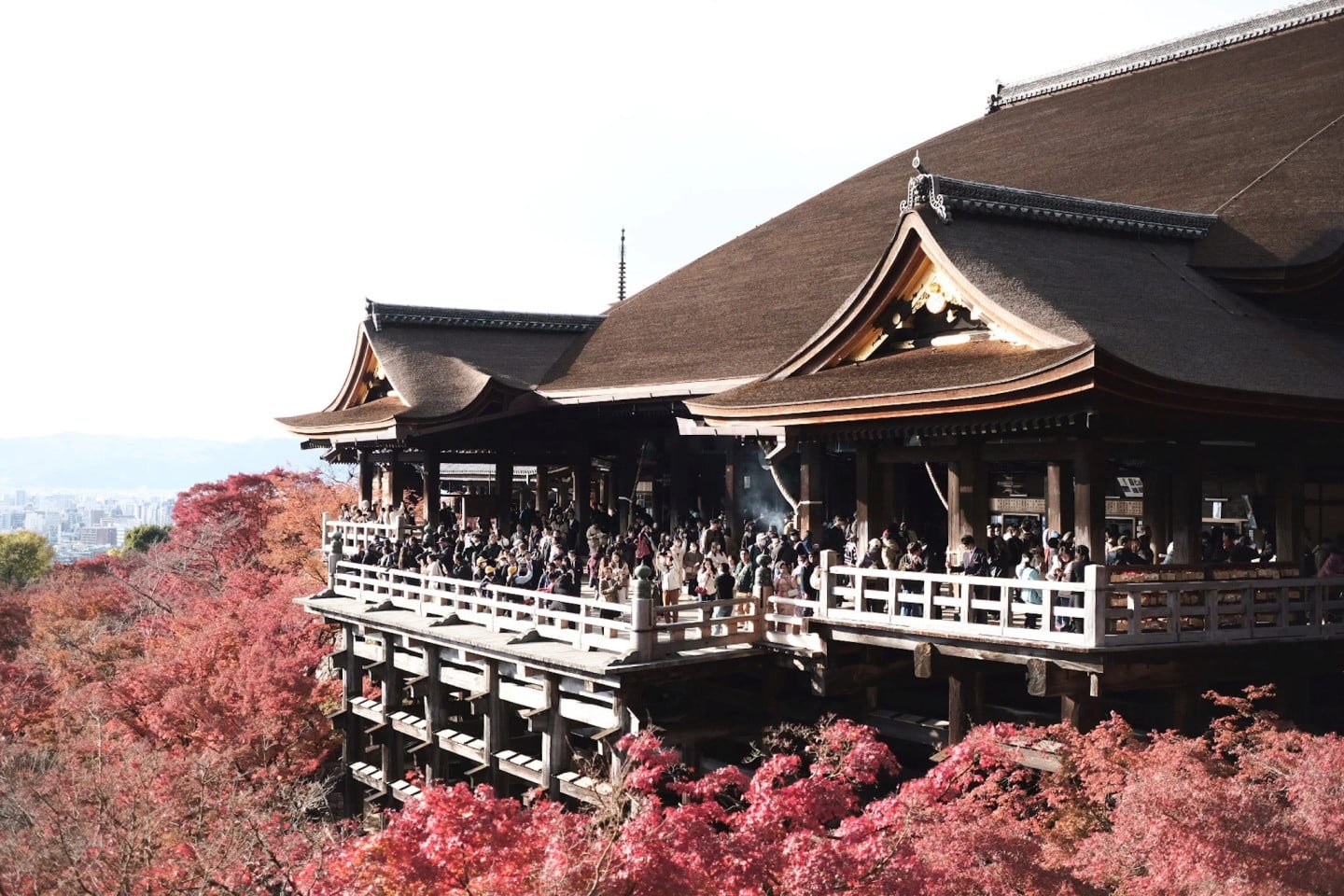
Kiyomizu-dera: Kyoto’s Oldest Wooden Stage
Kiyomizu-dera is known for its “Kiyomizu Stage,” a wooden cantilevered stage built without a single nail that overlooks the Kyoto cityscape. It is a World Heritage Site and a must-visit Kyoto landmark, enshrining the Thousand-Armed Kannon, with many kinds of omamori and goshuin.
A visit takes about 1 to 1.5 hours, with admission for adults ¥500 (the current price after the April 2024 increase, and also ¥500 during the autumn foliage season), and opening hours from 6 a.m. to 6 p.m.; during cherry blossom season in spring and autumn foliage season, hours extend into the evening for night illuminations. We suggest visiting early in the morning to avoid crowds; for the latest information see the Kiyomizu-dera website (kiyomizudera.or.jp).

Kodai-ji: A Memorial Temple Built by Toyotomi Hideyoshi’s Principal Wife
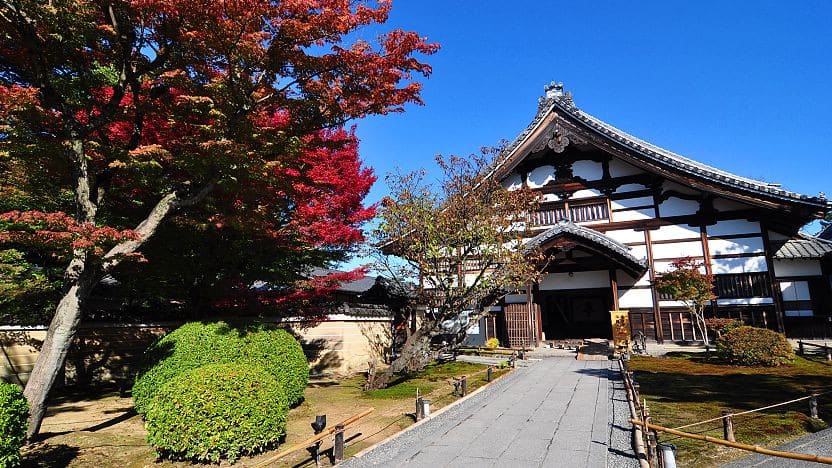
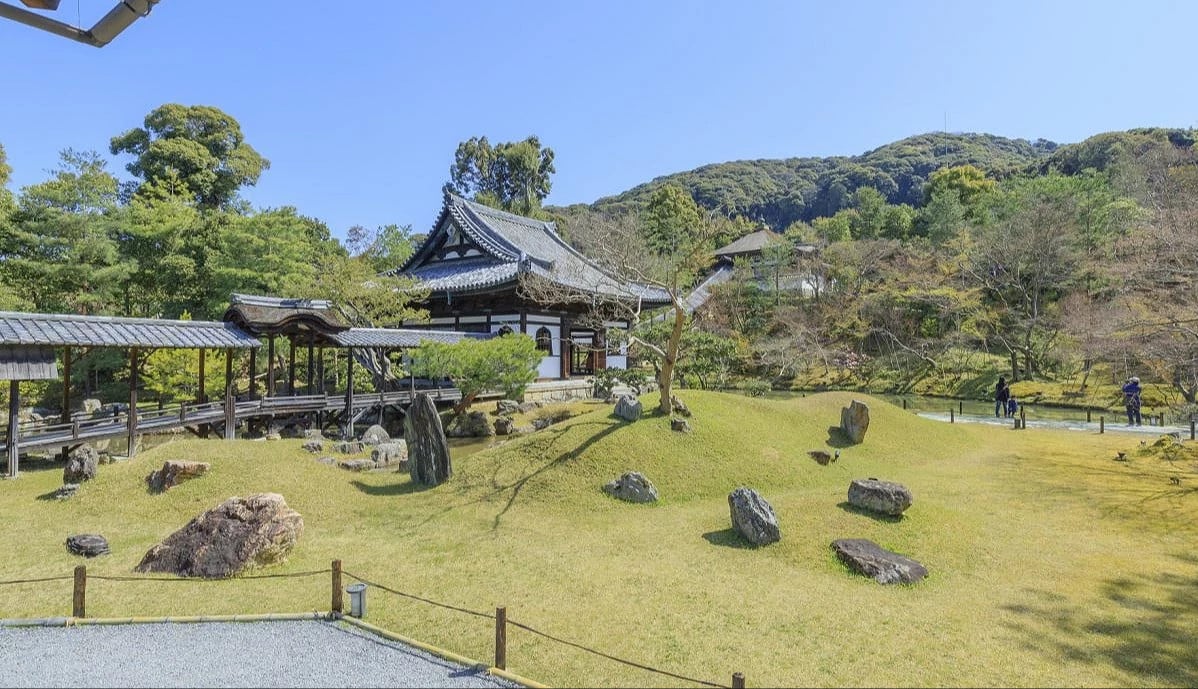
Kodai-ji was built by Kita-no-Mandokoro, Toyotomi Hideyoshi’s principal wife, in memory of her husband. Its garden was designed by Kobori Enshu, and the dry landscape and pond-strolling garden complement each other, making it one of the representative works of Kyoto’s Zen aesthetic.
The night illumination of autumn foliage is the biggest highlight. Admission is ¥800 for adults (¥400 for junior and senior high students), and hours are 9:00 to 17:30, extended to 21:30 during the special night openings. We suggest pairing it with nearby Hanamikoji; please follow Kodai-ji’s website (kodaiji.com) announcements for the special night viewing.
Kennin-ji: Kyoto’s Oldest Zen Temple
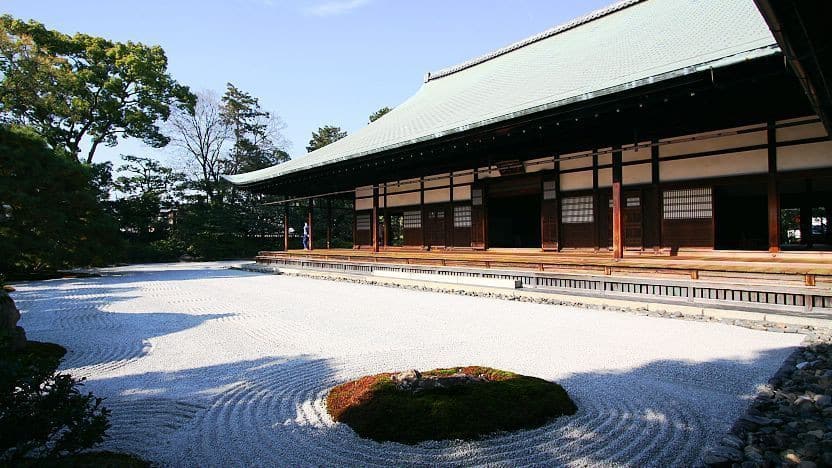
Kennin-ji was founded in 1202 and is Kyoto’s oldest Zen temple. On its grounds are a replica screen of Tawaraya Sotatsu’s “Wind God and Thunder God” and the twin-dragon painting on the ceiling, and the garden “Choon-tei” is peaceful and elegant, suiting travelers who love Zen culture.
Admission is ¥800 for adults (¥500 for junior and senior high students), open 10:00 to 17:00 (last entry 16:30). It sits at the south end of Hanamikoji, so after visiting you can go straight on to a Hanamikoji stroll, taking about 40 minutes in all; please follow the announcements on Kennin-ji’s website (kenninji.jp) for visiting hours and prices.
Kamogawa: A Romantic Riverside With Summer Evening Noryo-yuka
The Kamogawa is an important river running through central Kyoto, and its riverside path is an everyday scene for locals walking and jogging. In summer, from May to September, restaurants along the bank set up open-air “noryo-yuka” seating where you can enjoy the river view while dining.
From Gion it is about a 10-minute walk to the Kamogawa, and at dusk couples and street performers often gather on the embankment, a free spot for feeling Kyoto’s local atmosphere, open all year with no admission needed.
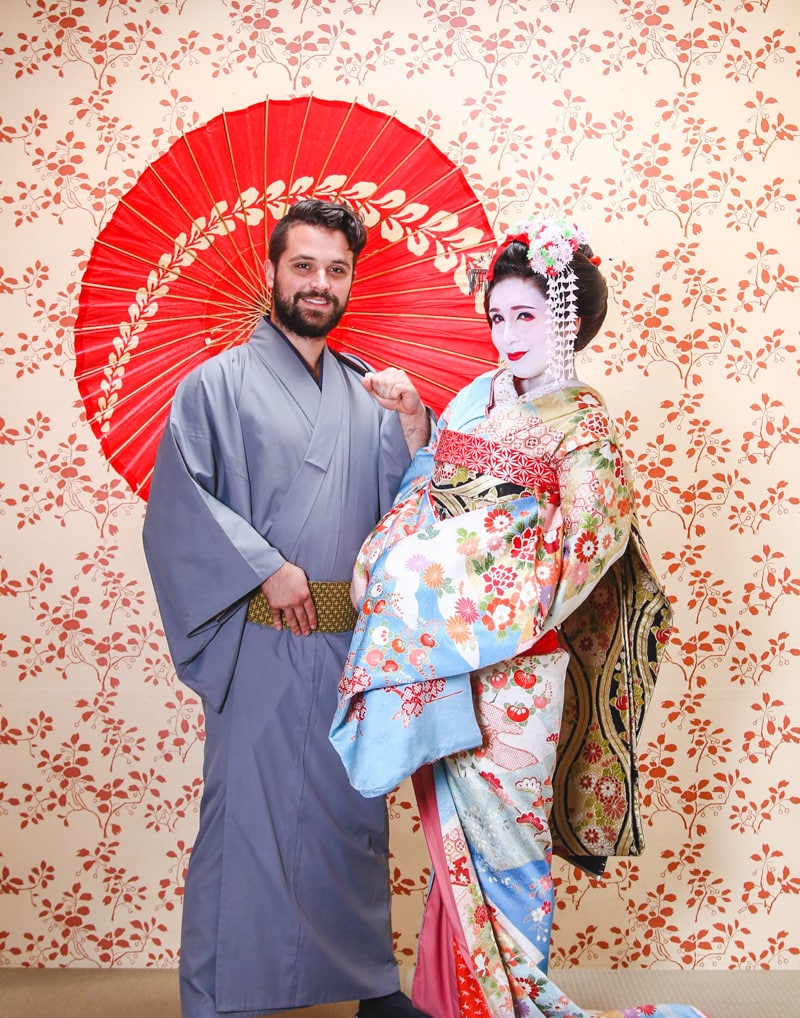
Maiko Makeover Experience: A Dreamy Day as a Kyoto Geisha
Several photo studios in Gion offer maiko makeover experiences, including professional hair and makeup, kimono dressing and street photo service, with fees of about ¥8,000 to ¥25,000 depending on the plan and the number of shots, and advance online reservations are required.
The whole experience takes about 2 to 3 hours, and after the transformation you can choose to take photos in the streets of Gion or in the studio, one of the most popular activities for deeply experiencing traditional Kyoto culture.
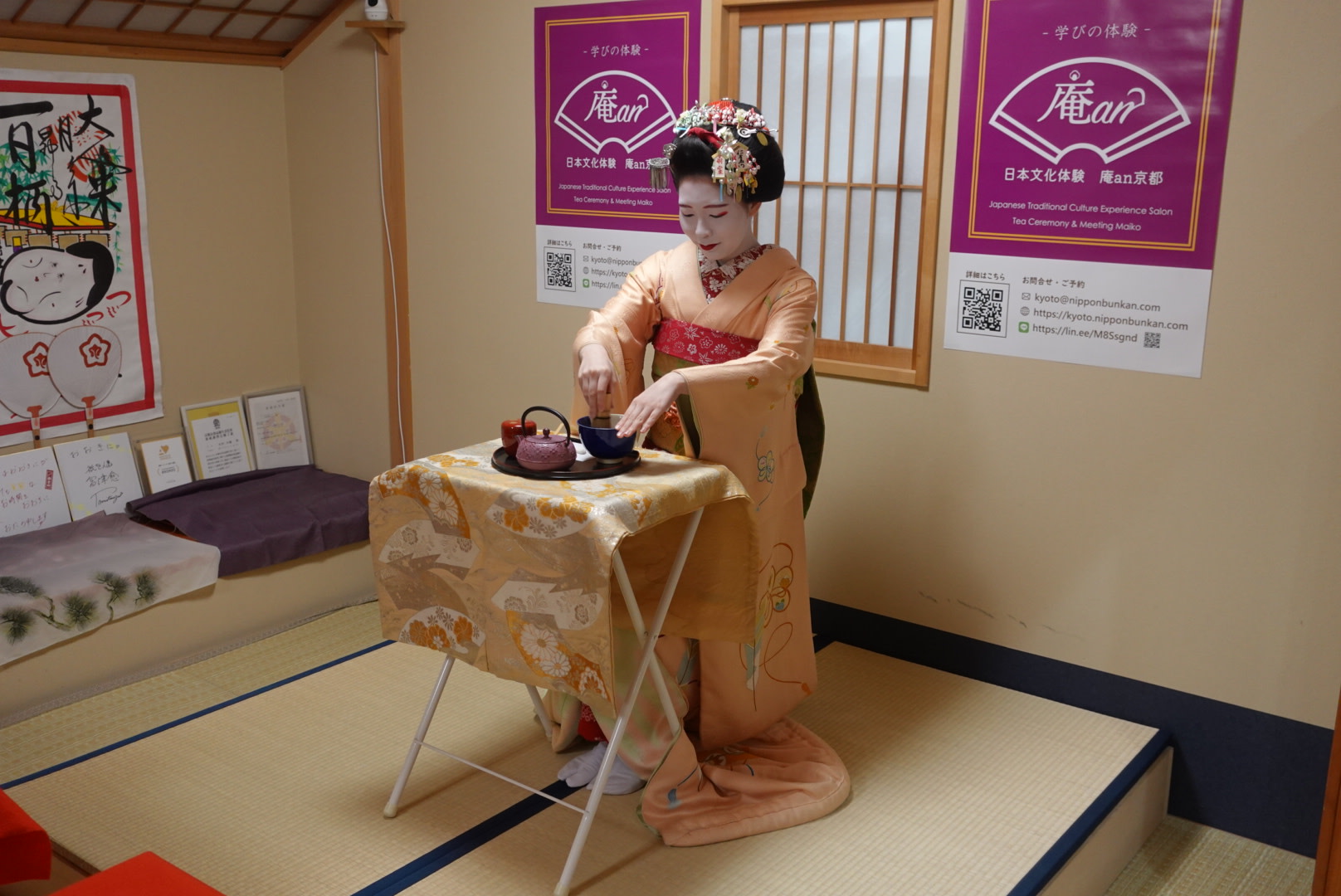
Teahouse Ozashiki Experience: A Glimpse Into Gion’s Mysterious Social Culture
Traditional teahouse culture is known for “Ichigen-san Okotowari” (no first-time customers), once limited to members by reservation, but travel agencies now offer ozashiki experiences open to the public, where you can watch a maiko perform traditional games such as “Konpira Fune Fune.”
The fee is about ¥15,000 per person and up, including a meal and the performance, and advance booking through a travel agency is required, the most direct way to understand Gion’s social culture, and we suggest joining during the dinner hours.
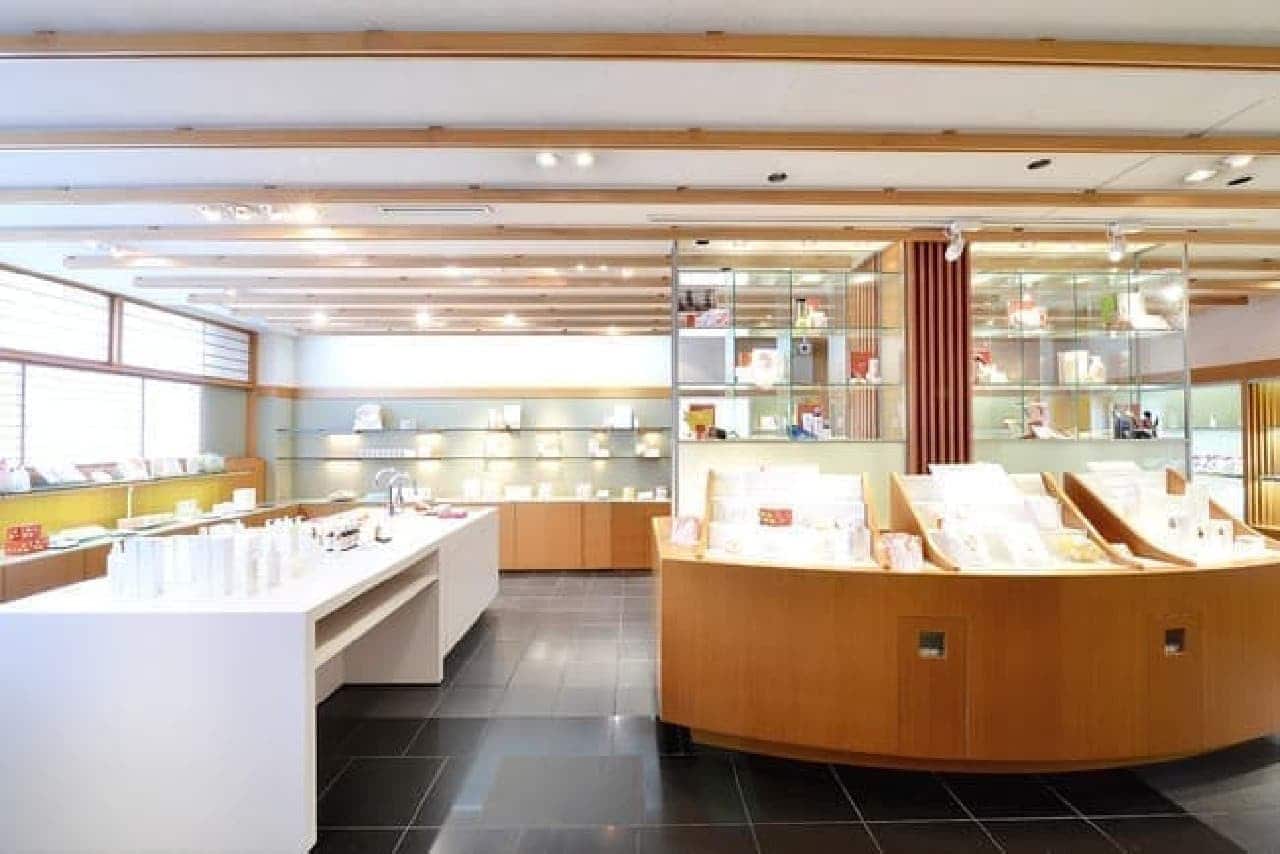
YOJIYA: A Century-Old Beauty Shop Famous for Oil-Blotting Papers
YOJIYA was founded in 1904 and is known worldwide for its signature oil-blotting papers. The female silhouette on its sign has become synonymous with Kyoto beauty souvenirs, and the Hanamikoji shop also has a cafe where you can rest briefly.
A pack of oil-blotting papers starts at about ¥900, and there are also hand creams, cleansing oils and other items. The main Gion shop is open about 10:30 to 18:30 (until 19:00 on weekends), a classic Kyoto souvenir first choice for both gifts and personal use.
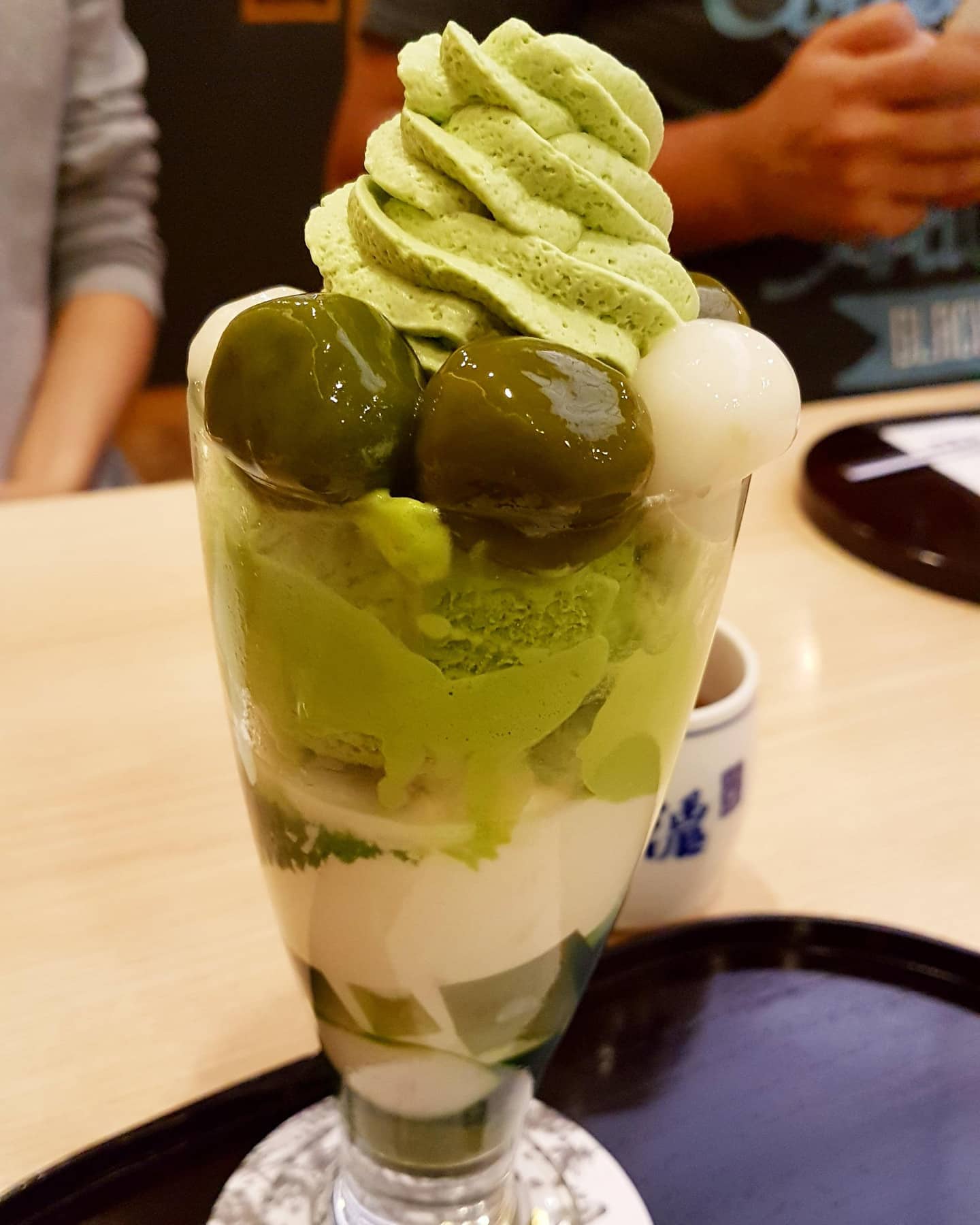
Gion Tsujiri: A Pilgrimage Site for Uji Matcha Desserts
Gion Tsujiri was founded in 1860 and is a representative brand of Uji tea specialty shops. Its signature “Special Tsujiri Parfait” stacks layers of matcha ice cream, shiratama and red bean, and its rich tea aroma is loved by matcha fans.
Parfaits start at about ¥1,500, and at mealtimes you often need to queue 30 minutes or more. It also sells souvenirs such as matcha powder and tea sweets gift sets, with opening hours following the official website, a must-visit famous dessert shop on Hanamikoji.
- 🍵 Must-order: Special Tsujiri Parfait
- 💰 Price: from about ¥1,500
- 🚉 Access: about 3 minutes’ walk from Keihan Gion-Shijo Station (next to Hanamikoji)
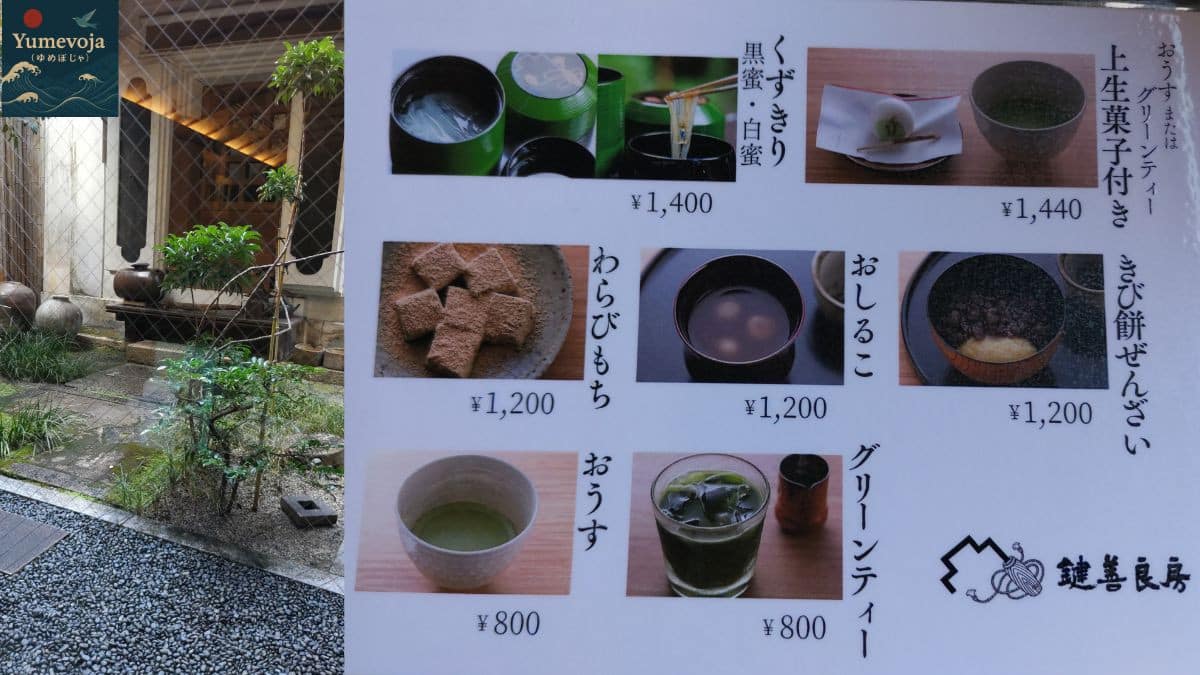
Kagizen Yoshifusa: A Famous Shop for Kuzukiri and Traditional Kyoto Sweets
Kagizen Yoshifusa was founded in the mid-Edo period, and its signature “kuzukiri” is handmade from Yoshino kudzu starch and eaten dipped in brown sugar syrup, with a chewy, smooth texture, a must-visit old shop for experiencing Kyoto’s traditional wagashi culture.
A serving of kuzukiri is about ¥1,000, and the shop also displays wagashi and confectionery vessels in the ZENBI gallery. It is open until 18:00 and closed Mondays (next day if a holiday), and we suggest avoiding the lunch peak to get a seat more easily.
- 🍡 Must-order: Kuzukiri
- 💰 Price: about ¥1,000
- 🚉 Access: about 5 minutes’ walk from Keihan Gion-Shijo Station
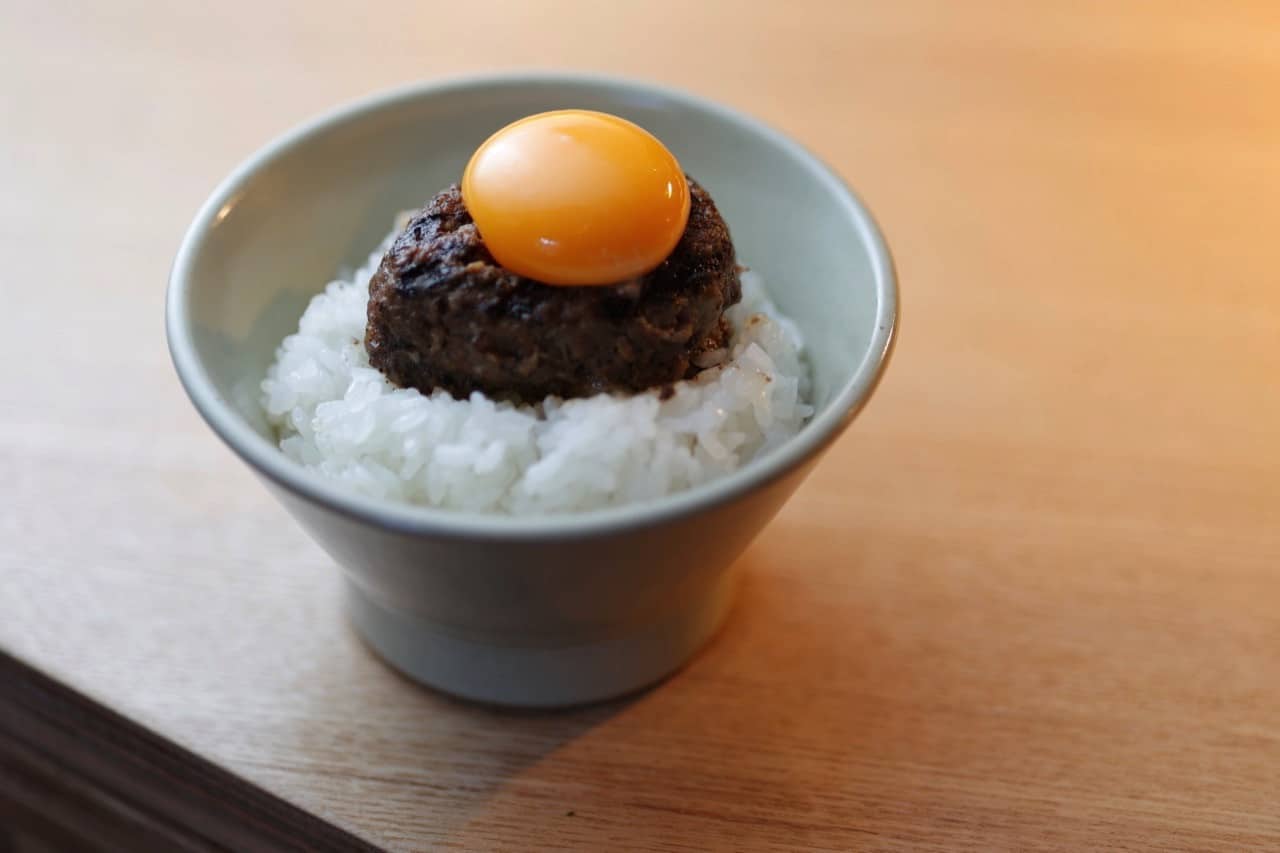
Hikiniku to Kome: A Queue-Worthy Hamburger Steak Set
Hikiniku to Kome is known for its freshly charcoal-grilled hamburger steak set, juicy, crisp outside and tender inside, with reservations very much in demand, one of the hardest tables to book in Kyoto in recent years.
Set prices start at about ¥1,700. We suggest securing a seat in advance through the official reservation system, and please check before you go whether walk-in waiting is accepted that day; a meal takes about 30 to 40 minutes.
- 🍔 Must-order: Freshly charcoal-grilled hamburger steak set
- 💰 Price: from about ¥1,700
- 🚉 Access: about 5-8 minutes’ walk from Keihan Gion-Shijo Station / Hankyu Kawaramachi Station
Kyoto Katsugyu Gion Yasaka: A Popular Chain for Crispy Beef Cutlet Bowls
Kyoto Katsugyu is known for its beef cutlets (gyu-katsu) with a crispy coating and a tender pink center, recommended with the special wasabi soy sauce. The Gion Yasaka branch is near Yasaka Shrine, a good place for a break while sightseeing.
A beef cutlet bowl set starts at about ¥1,280, with a meal taking about 20-30 minutes. Hours are 10:30-22:00, and there is often a queue at lunch and dinner, good for a meal between sights.
- 🥩 Recommended: Beef cutlet bowl (gyu-katsu don)
- 💰 Price: from about ¥1,280
- 🚉 Access: near Yasaka Shrine, about 2 minutes’ walk
Opening Hours of Gion’s Main Sights and Shops at a Glance
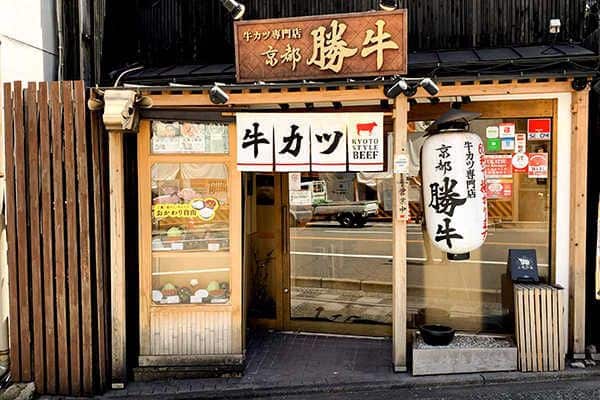
The opening hours mentioned in this article are summarized as follows, and actual hours follow each official website: Yasaka Shrine grounds are open 24 hours; Kiyomizu-dera about 6:00 to 18:00; Kodai-ji 9:00 to 17:30, with the autumn 2026 special night viewing running October 23 to December 13; Kennin-ji 10:00 to 17:00, last entry 16:30. For shops, Kyoto Katsugyu Gion Yasaka is 10:30 to 22:00, YOJIYA main Gion shop 10:30 to 18:30, and Kagizen Yoshifusa is open until 18:00 and closed Mondays. Hanamikoji-dori is passable all day.
Souvenir Shopping: A Guide to Kyoto Pickles, Kyoto Sweets and Sundries
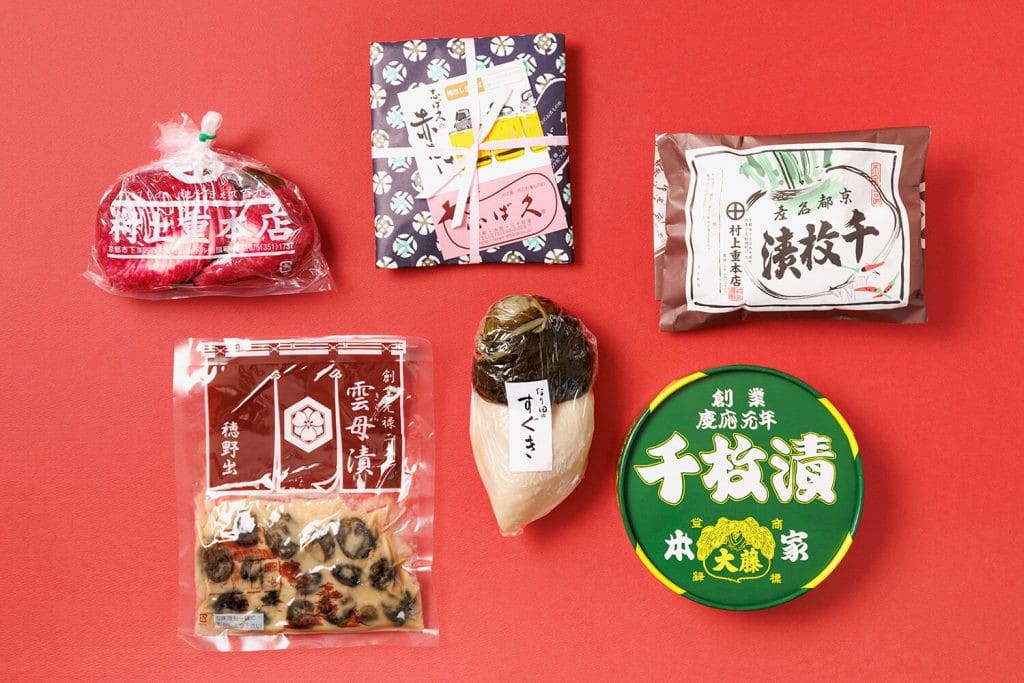
Gion and the surrounding shopping streets are the best places to buy souvenirs. Kyoto pickles can be bought at Nishiki Market in vacuum-packed styles that are easy to carry, while for Kyoto sweets we recommend the gift boxes from Kagizen Yoshifusa or Gion Tsujiri, priced at about ¥1,000 to ¥3,000.
Beauty and skincare products can be bought in one go at YOJIYA or drugstores, while for sundries you can browse select shops such as SOU SOU or AYANOKOJI to find Kyoto-style tenugui hand towels, folding fans and small ceramics, the first choice for gifts.
How Much Does Gion Cost? Tickets and Recommended Experiences
Gion is not just a place for strolling and sightseeing; if you want to deeply experience Kyoto’s artisan culture and traditional experiences, adding one or two paid activities makes your trip richer. Below are four of the most popular, good-value experiences and ticket options, with prices from about ¥1,500 to ¥8,000, suited to pairing with a Hanamikoji and Yasaka Shrine outing. Booking in advance through KKday or Klook also saves queuing time on site, and there are often Chinese-language audio guides or instructors, which is very friendly for first-time visitors.
Yasaka Koshindo + Hanamikoji Kimono Experience: Capture the Most Classic Gion Street Photos
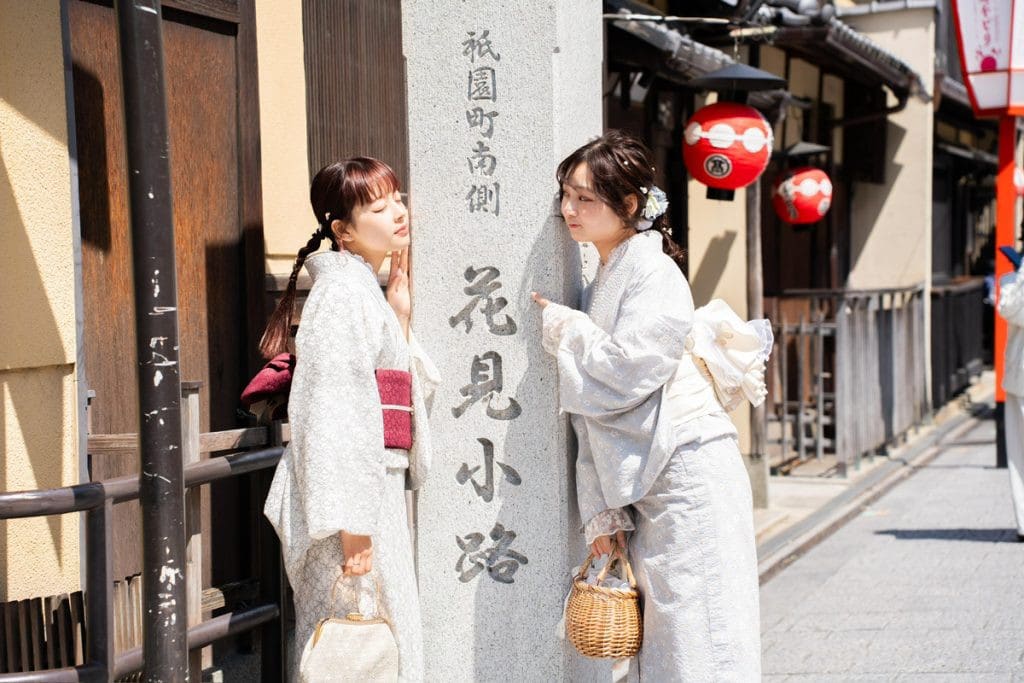
A popular Gion experience, with kimono rental shops mostly around Hanamikoji and Higashioji-dori (such as Okamoto Orimono and Yume Kyoto). Prices are about ¥3,500-6,000, including kimono, obi, hair ornaments and a simple hairstyle, and some plans add a handbag and geta sandals.
The experience takes about half a day (6 hours) or a full day (8 hours or more), enough to stroll Yasaka Koshindo, Ninenzaka and Sannenzaka and Yasaka Shrine and take photos with Kyoto flavor. Most shops offer free luggage storage, Chinese-speaking staff and dedicated dressing help, with no need to bring your own accessories.
We suggest booking a day ahead through KKday or Klook, especially in cherry blossom season and autumn foliage season (March-April, November), when you often need to book several days ahead. Booking on site for dressing means a wait of 30 minutes to 1 hour.
Kyoto Artisan Culture Experience: Kiyomizu-yaki Painting or Nishijin Weaving Craft Classes
Around Gion and on the road from Kiyomizu-dera toward Ninenzaka there are several artisan workshops open to visitors for traditional crafts. The most popular are the “Kiyomizu-yaki painting” experience and making small “Nishijin-ori” fabric items, priced at about ¥2,000 to ¥4,000 and taking about 60 to 90 minutes, and you can take the finished piece with you or have the shop ship it home abroad.
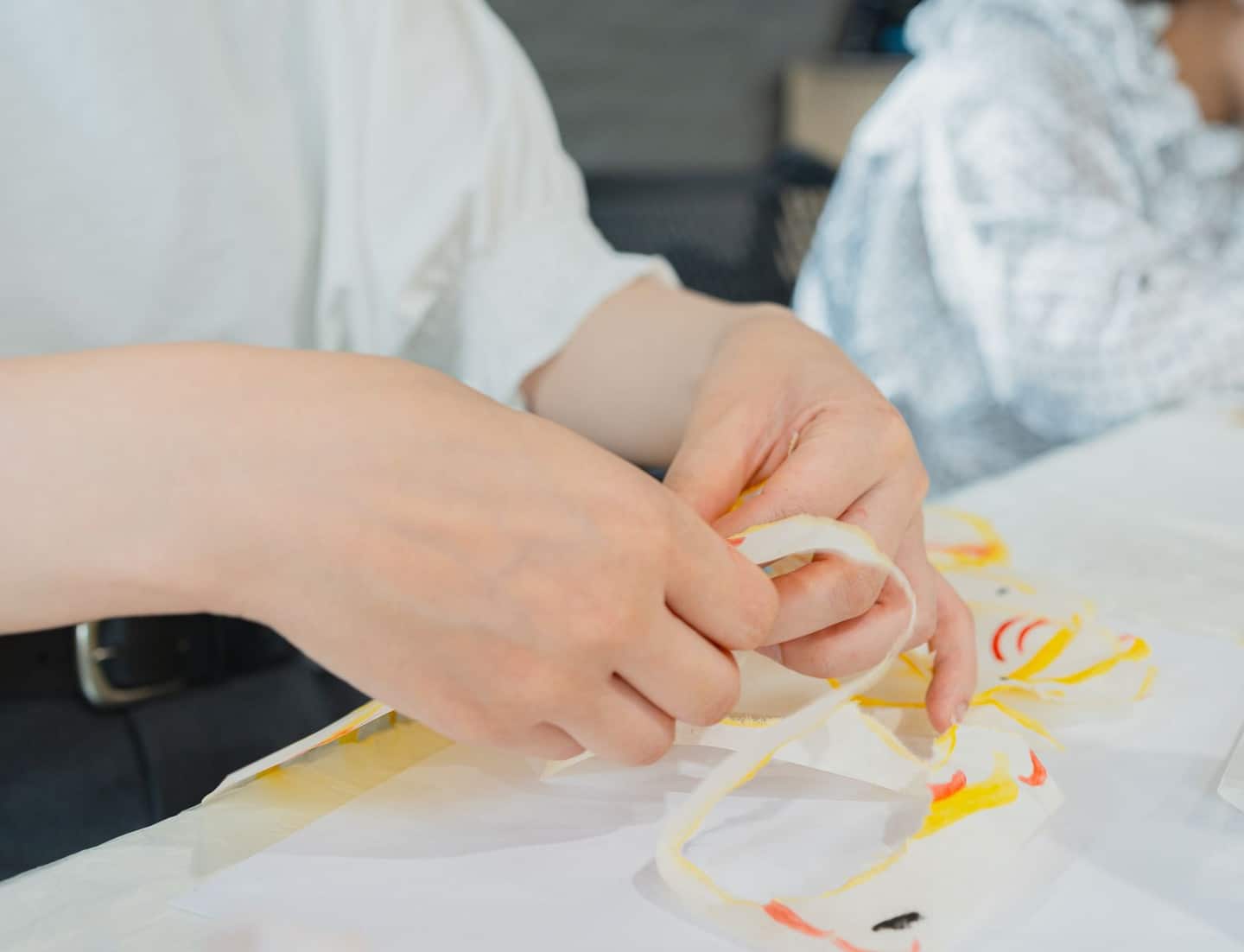
In the Kiyomizu-yaki painting experience, an artisan first demonstrates basic coloring techniques, and visitors can freely paint designs on a plain white cup or plate, which is then kiln-fired, usually taking 2-4 weeks before pickup or shipping. The Nishijin weaving class focuses on experiencing a traditional loom and making a small coaster or omamori pouch, suitable for families or couples.
Most of these experiences need no Japanese, and workshops have simple English or illustrated instructions, good for scheduling in the middle of a Hanamikoji stroll as a rest and a deeper cultural experience.
Gion Night Geisha Culture Tour: A Glimpse of Hanamachi Tradition and Teahouse Culture
To learn more about Gion’s hanamachi culture, you can join a “Gion Geisha Culture Tour.” The tour takes about 90 minutes to 2 hours and costs ¥4,000 to ¥8,000. The guide takes you to spots such as Shirakawa Minami-dori, Tatsumi Bridge and Ichiriki Teahouse, and explains the training of geiko and maiko and teahouse culture.
Higher-tier plans (¥6,000 to ¥8,000) may include a maiko traditional dance performance or a tea ceremony experience, so please confirm in advance whether drinks and refreshments are included. Tours mostly depart between 17:00 and 19:00, when you are more likely to encounter a maiko in the alleys.
Tour places are limited, and some tours prohibit photographing a maiko’s face. We suggest reading the notes beforehand and booking early on Klook or KKday.
Kennin-ji and Maruyama Park Combo: A Deep Stroll Combining Zen Gardens and Four-Season Scenery
To feel Gion’s tranquility, visit Kennin-ji (admission about ¥800) and Maruyama Park (free). Some combo tickets pair nearby museums or gardens, at about ¥1,800-2,200, suitable for a half-day outing.
Kennin-ji is an old Kyoto Zen temple where you can see a replica screen of Tawaraya Sotatsu’s Wind God and Thunder God and the dry landscape garden “Choon-tei.” Hours are 10:00-17:00 (last entry 16:30). Maruyama Park is famous for its giant weeping cherry tree, especially beautiful with its spring night illumination.
We suggest scheduling this after shopping, moving from Hanamikoji to the gardens and stopping at Yasaka Shrine on the way, linking everything into a one-day Gion stroll.
Where to Stay Nearby
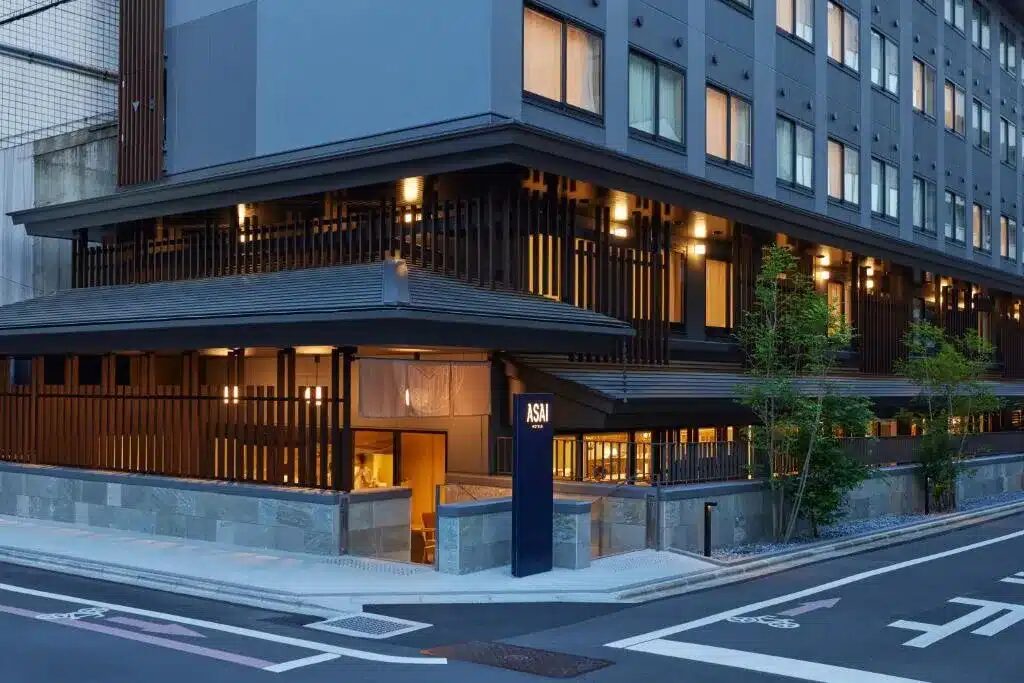
Gion lies between Keihan Gion-Shijo Station and Hankyu Kawaramachi Station, within walking distance of Hanamikoji and Yasaka Shrine. Travelers who want to enjoy Gion both morning and evening can choose to stay in Gion, Shijo-Kawaramachi or the Kyoto Kawaramachi area, and the Kyoto City Bus or subway also makes it easy to reach Kiyomizu-dera and Nishiki Market.

FAQ
Q: How much budget should I prepare for shopping in Gion?
It depends on your shopping habits. Including souvenirs, desserts and admission fees, a half-day outing costs about ¥5,000 to ¥10,000, and heavy shopping needs extra planning.
Q: How long does it take to get from Kyoto Station to Gion?
By city bus route 100 or 206 it takes about 15 to 20 minutes for ¥230; by train via Keihan or Hankyu plus a walk, it takes about 20 minutes.
Q: What are the opening hours of Gion’s shopping streets?
Most shops are open from 10 a.m. to 8 p.m., department stores usually until 8 p.m., and restaurants generally until 21:00 to 22:00.
Q: What season is best for shopping in Gion?
Cherry blossoms in March-April and autumn foliage in November are the most popular but crowded; for a relaxed shopping trip, we suggest weekdays in May, June or September.
Q: Are there taboos on photographing maiko or geiko in Gion?
Entering and photographing in private alleys is prohibited, and you must not photograph a maiko up close or touch her without consent; violators may be fined, so be sure to keep a proper distance.
Q: Can I eat while walking in Nishiki Market?
Most shops ask you to eat in the designated area at the shop front and prohibit eating while walking, which causes crowding. We suggest standing beside the stall and finishing quickly.
Q: Which department stores near Gion offer tax refunds?
Takashimaya, Daimaru and Isetan Kyoto all have tax-free counters, available for same-day, same-store purchases of ¥5,000 or more (before tax), with your passport required; from November 1, 2026, you will pay the tax-inclusive price first and receive the refund after leaving the country.