
2026 Kyoto Okazaki Guide: Canal Boat Rides, the Twin Art Museums and the Zoo, All in One Trip Through Art, Animals and the Cherry Blossom Waterway
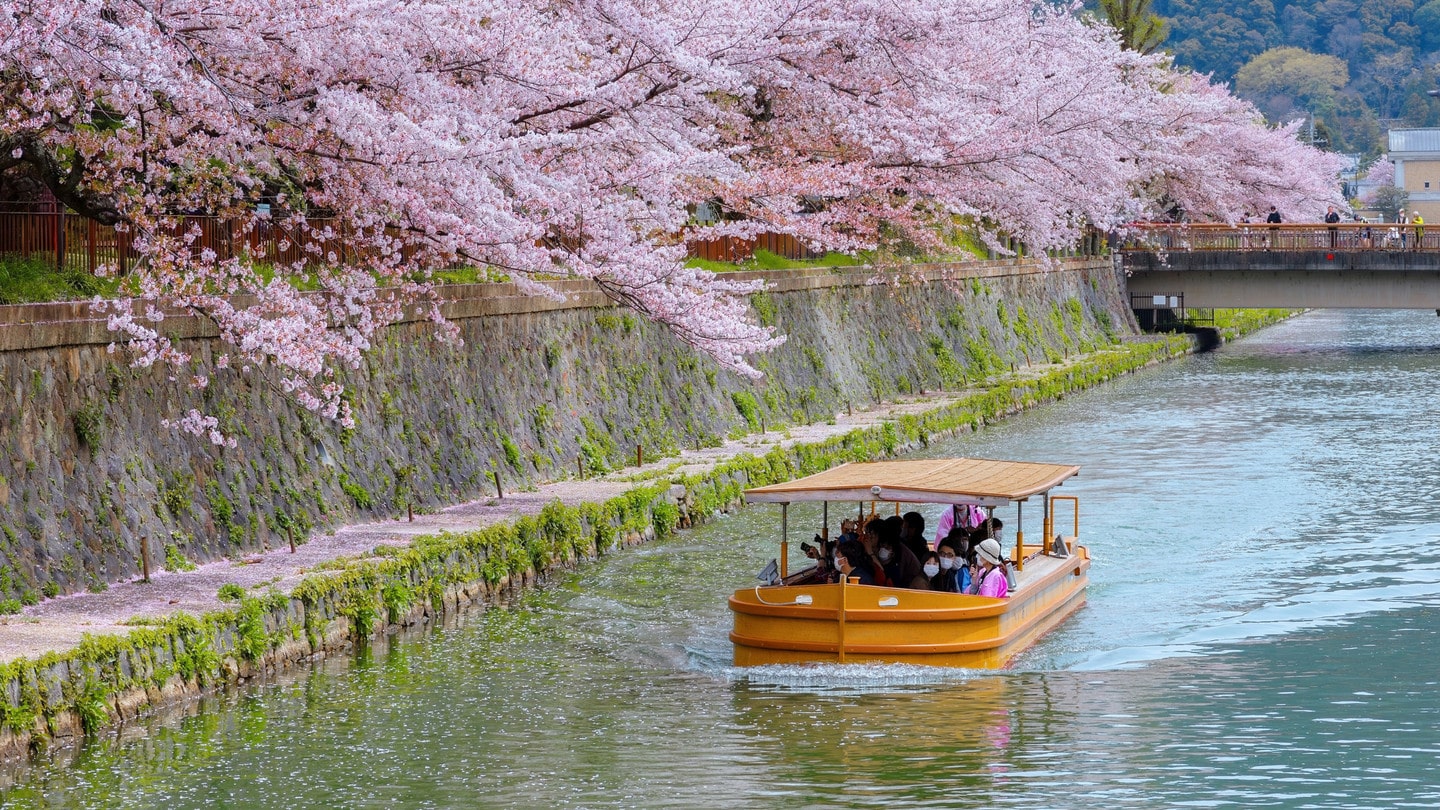
Okazaki in Kyoto lies around Heian Jingu Shrine and brings together the Okazaki canal boat, the twin art museums and the zoo, making it a top spot that combines art, family outings and cherry blossom viewing.
Okazaki Canal Boat: A Waterborne Journey Through a Cherry Blossom Tunnel
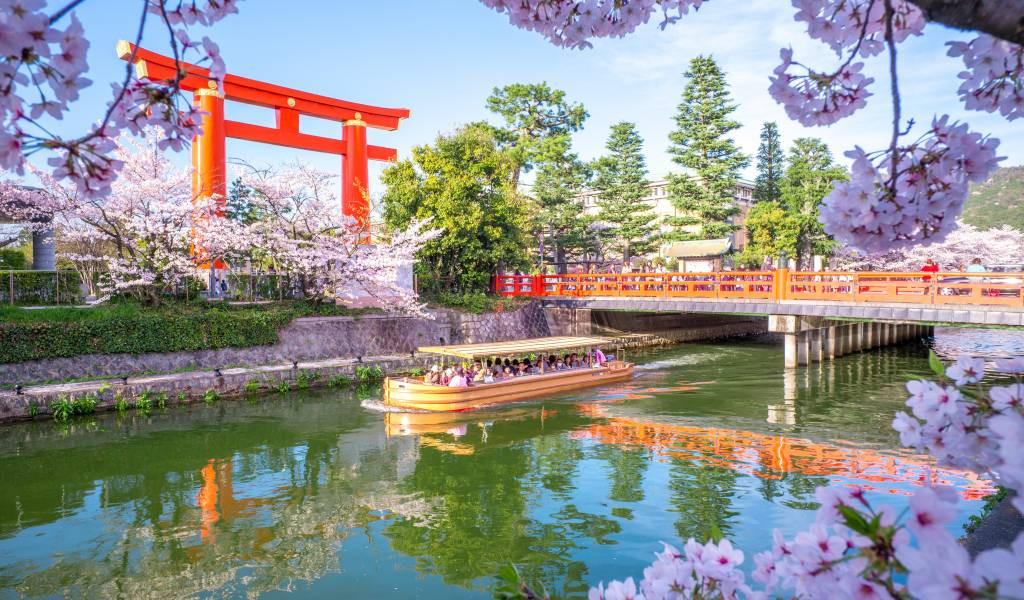
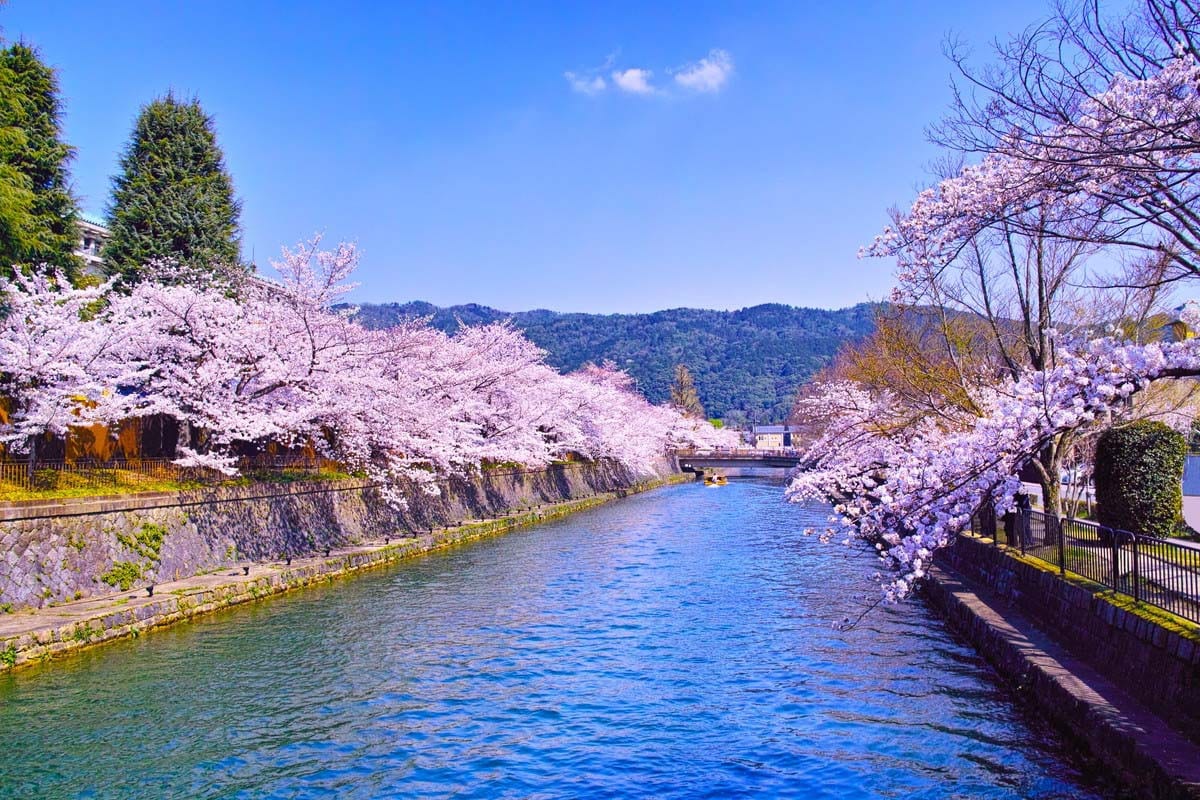
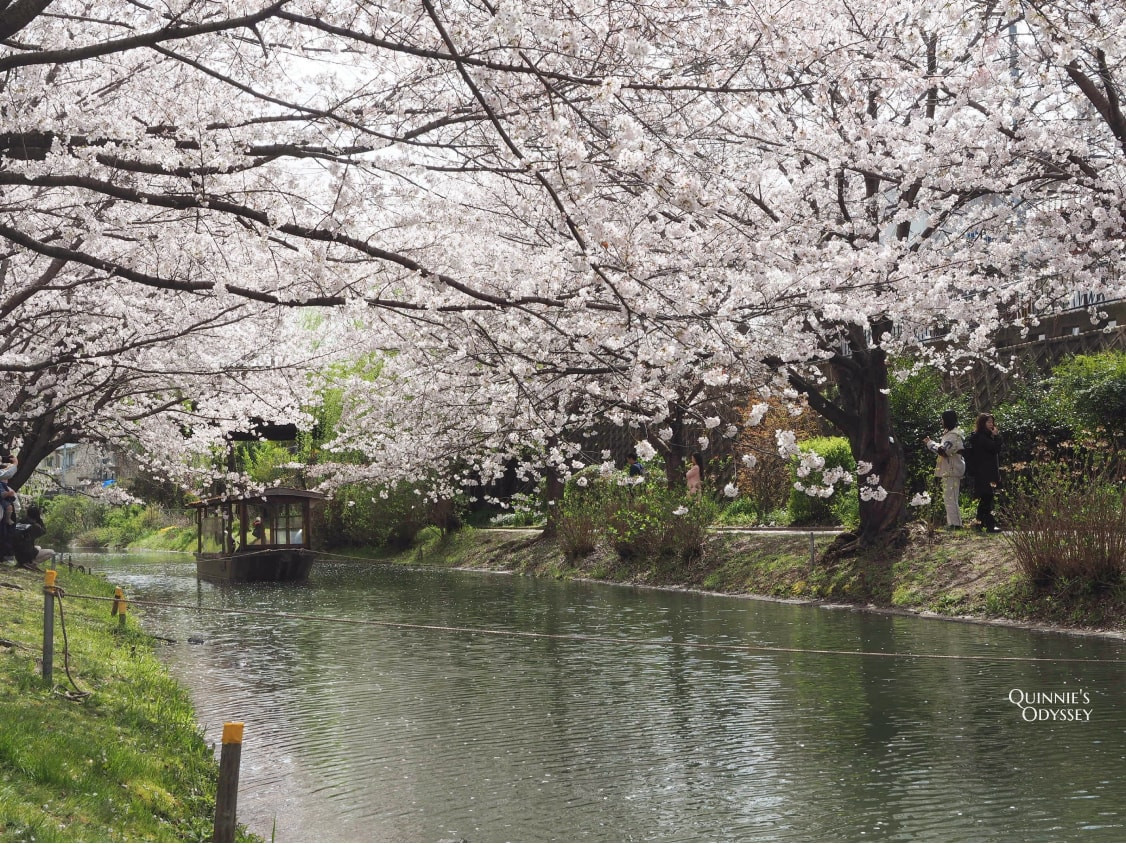
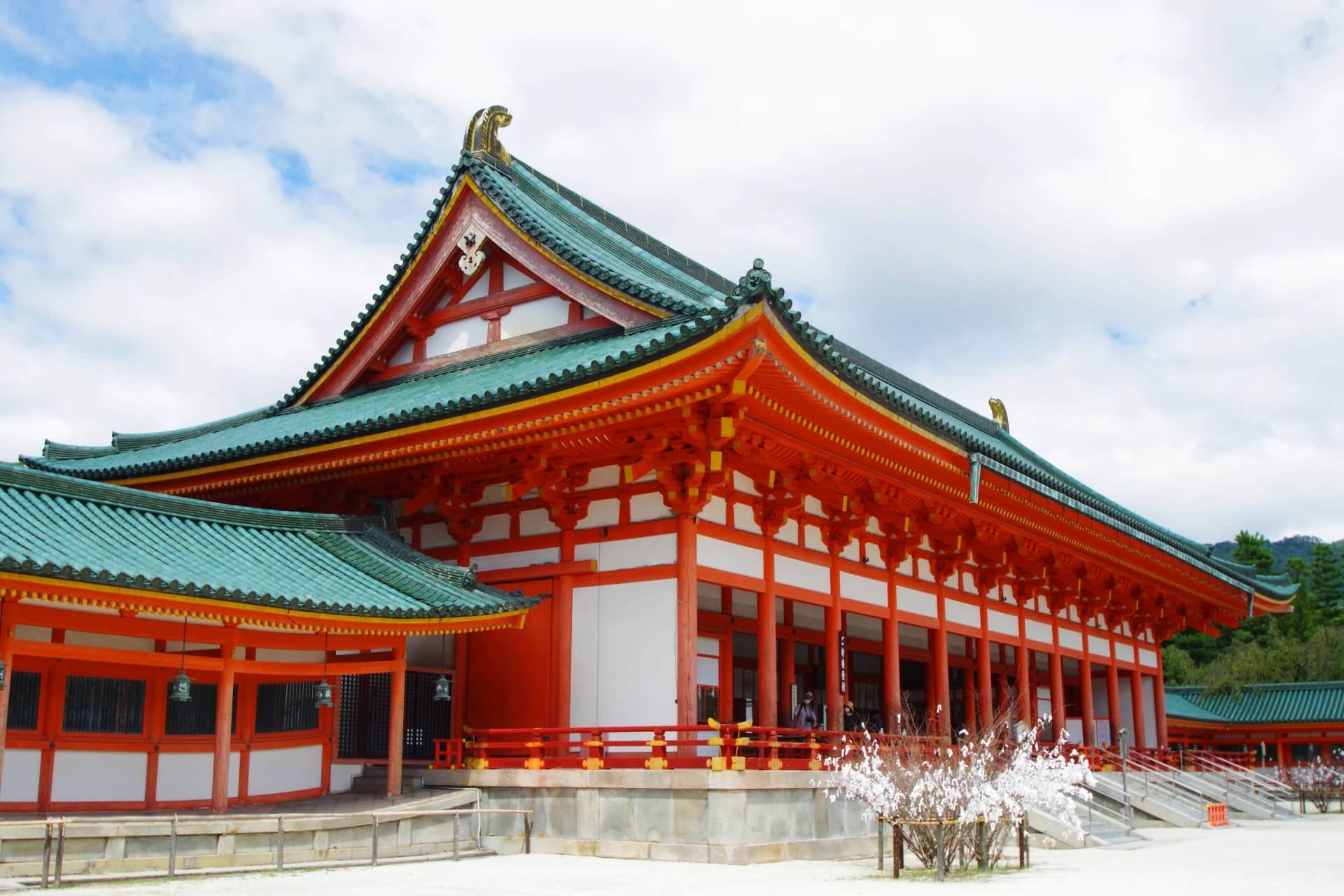
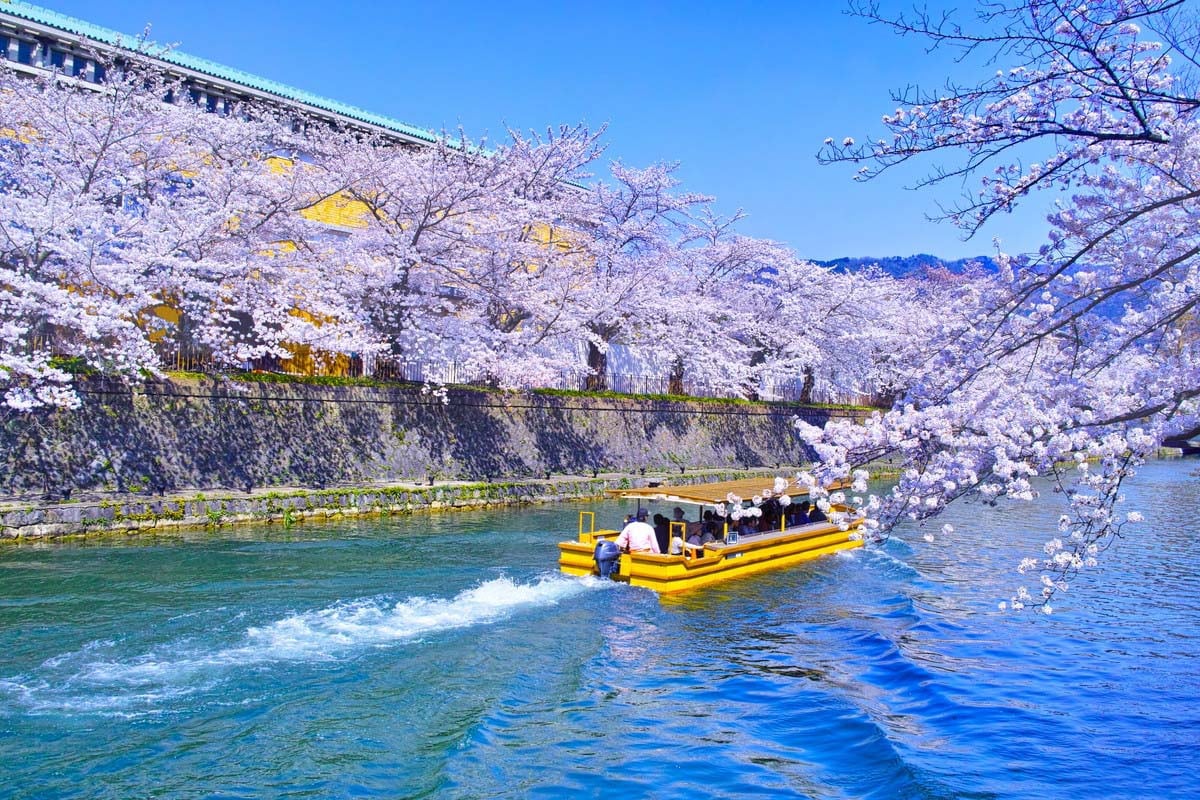
The Okazaki canal boat is the area’s signature experience: you ride a replica jikkoku-bune (ten-koku boat) along the Okazaki section of the Lake Biwa Canal, mainly on the spring-only “Okazaki Sakura Corridor Jikkoku-bune Cruise.” Cherry trees bloom on both banks, and looking up you can see the vermilion torii of Heian Jingu, a romantic spring waterscape in Kyoto. The trip takes about 25 minutes and covers 3 km round trip. Because it is seasonal and very popular, plan early and book online so you don’t miss out. The canal also carries historical significance for Kyoto’s modernization in the Meiji era.

Okazaki Sakura Corridor Jikkoku-bune Cruise: The Hugely Popular Spring-Only Sailings
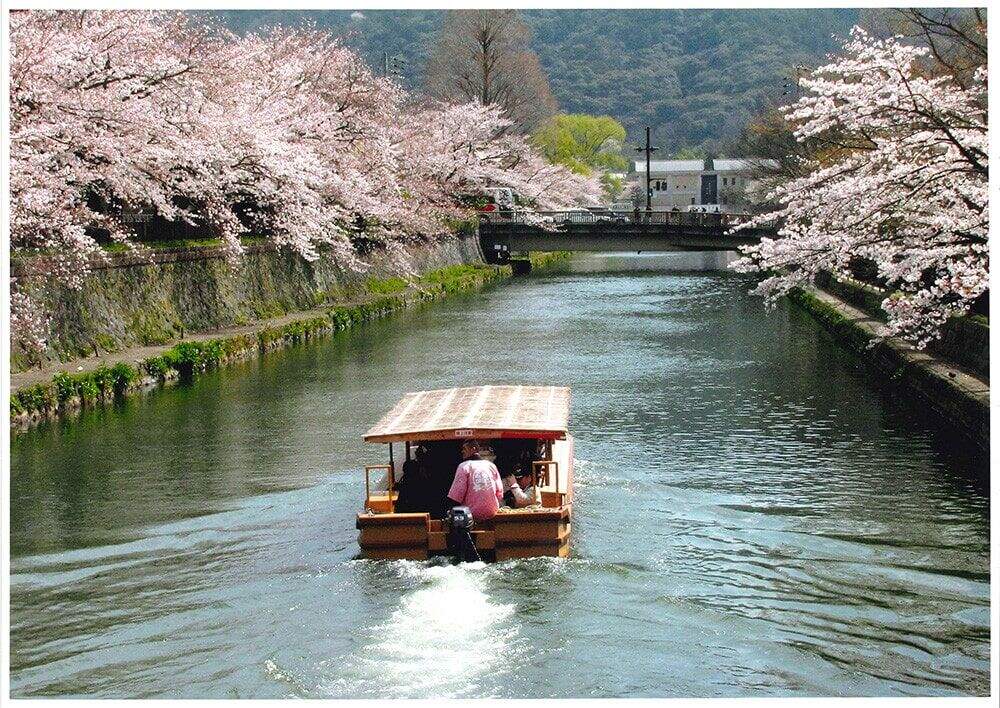
The Okazaki Sakura Corridor Jikkoku-bune Cruise usually runs from late March to mid-April each year and is the most popular sailing of the Okazaki canal boat. The boats are modeled on the jikkoku-bune that carried rice in the Edo period, and their low hulls let passengers get close to the water to enjoy the cherry blossoms and the canal scenery.
Because it is open only in spring, and the views along the way are irreplaceable, tickets often sell out within moments of reservations opening each year. We strongly recommend going to the official website on the first day of booking in late February to grab tickets, since walk-up queues at the site almost never get you a seat.
Kyoto City Zoo: Japan’s Second-Oldest Zoo
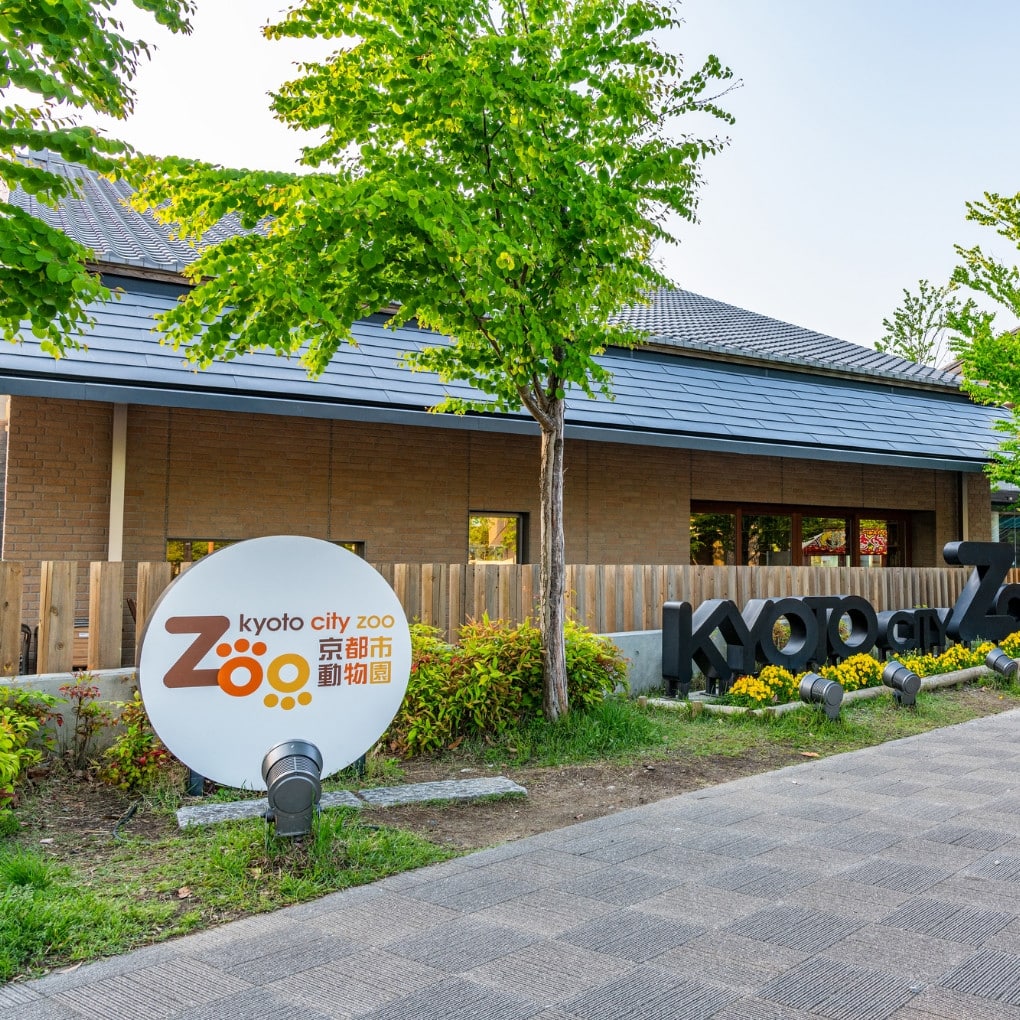
Kyoto City Zoo opened in 1903 (Meiji 36), making it the second-oldest zoo in Japan; it was built to commemorate the wedding of the future Emperor Taisho. Located in the Okazaki area, where the canal flows, it also shows how closely the district is tied to the canal’s history.
In recent years the zoo has actively promoted “conservation of species” and renovated its layout, with a wooden walkway that lets you view giraffes up close from a height, as well as a Ferris wheel and a small train, ideal for a leisurely afternoon with young children or older family members.
The Twin Art Museums: Kyoto City KYOCERA Museum of Art and the National Museum of Modern Art, Kyoto
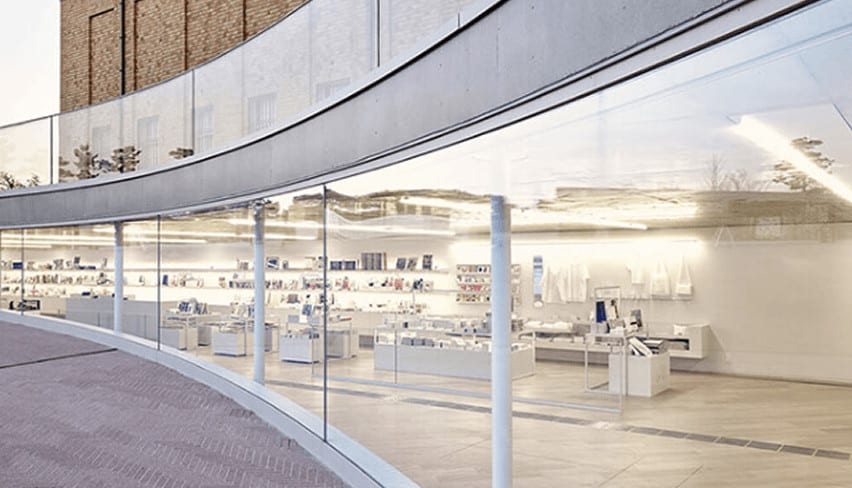
The “twin art museums” are the Kyoto City KYOCERA Museum of Art (京都市京セラ美術館) and the National Museum of Modern Art, Kyoto, facing each other across the approach to Heian Jingu. Both are deeply tied to the Lake Biwa Canal: the hydroelectric power and cargo transport the canal brought helped Okazaki grow into a center of culture and the arts in the Meiji era.
The KYOCERA Museum is the oldest surviving public art museum building in Japan, renovated by architect Jun Aoki to blend Japanese and Western aesthetics, while the National Museum of Modern Art shows Kyoto crafts and modern and contemporary painting in modern lines. The two are only a few minutes apart on foot, ideal for a half-day art tour.
Okazaki Park: The Green Heart That Links All the Sights
Okazaki Park is the geographic and activity core of the whole Okazaki area; Heian Jingu, the two major art museums, the zoo and the canal boat landing are all arranged around it. The wide lawns also host large food events such as the Kyoto Niku Matsuri (Kyoto Meat Festival) each autumn.
The park is open year-round with free admission, a very good midway rest stop for a day trip. Bring a picnic mat for a break here, then head to each sight in turn, the most efficient way to plan an Okazaki itinerary.
Lake Biwa Canal Museum: A Free Introduction to the Canal’s History
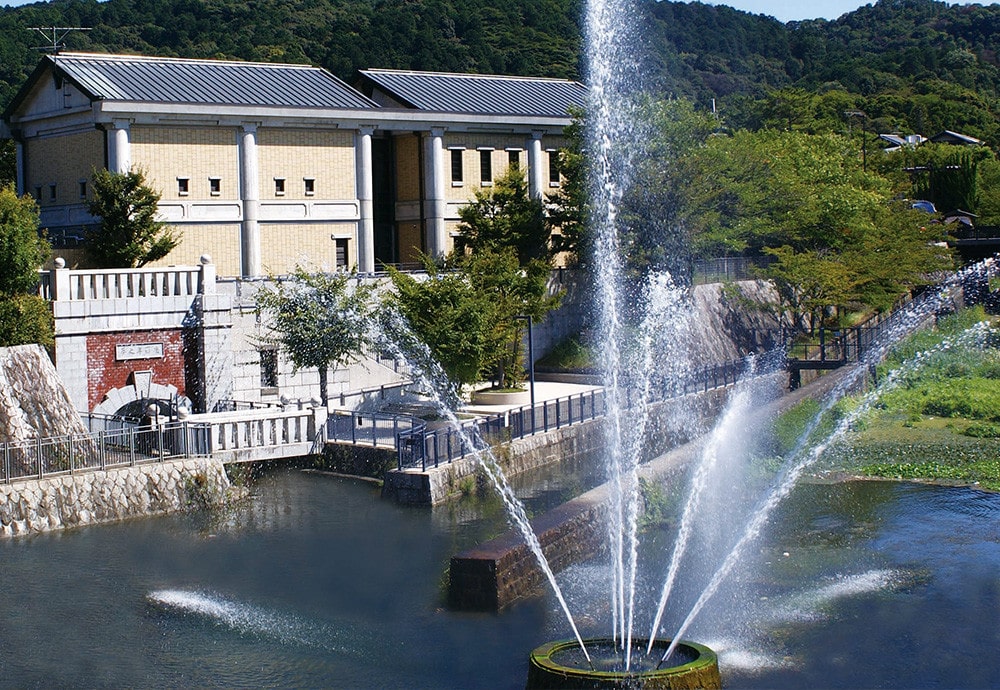
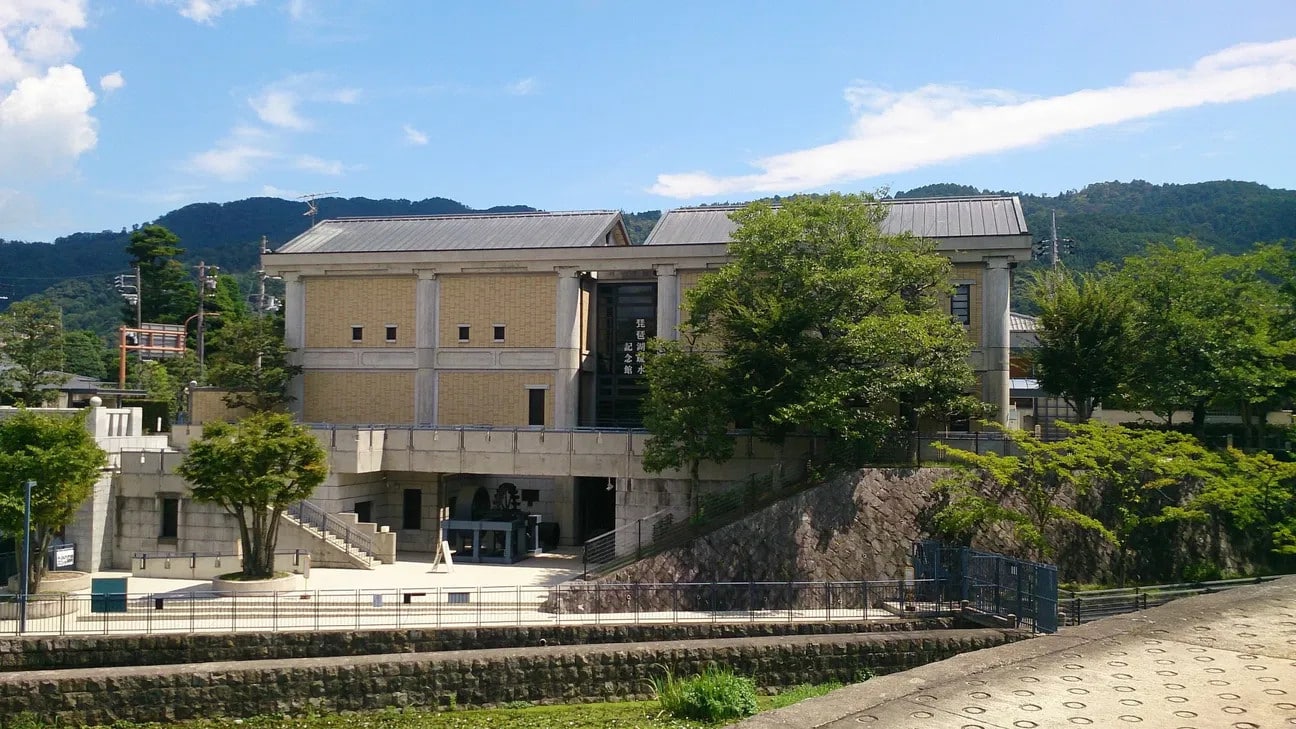
The Lake Biwa Canal Museum sits right next to the jikkoku-bune landing and is completely free to enter. It documents in detail how the Meiji government mobilized the whole country to bring Lake Biwa’s water to Kyoto, a great feat of water engineering, and is the best starting point for understanding the history behind the Okazaki canal boat.
The area outside the museum is also an excellent viewpoint for photographing the canal and boats meeting. Before boarding, we suggest spending about 30 minutes inside, which makes the boat ride more meaningful. Closed every Monday.
Nanzen-ji: Where the Suirokaku Aqueduct Meets the Zen of an Ancient Temple
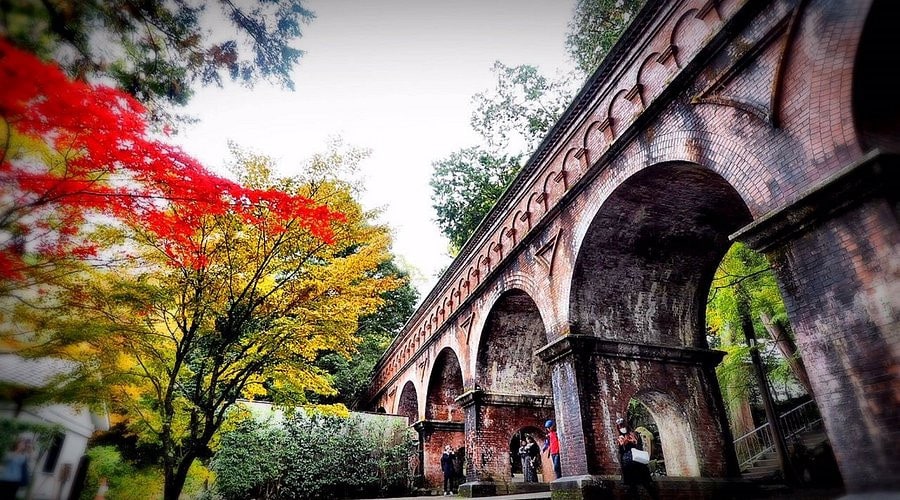
Nanzen-ji is the head temple of the Nanzen-ji branch of the Rinzai school in Kyoto. The famous red-brick Suirokaku aqueduct on its grounds is part of the Lake Biwa Canal, and classic Zen temple architecture stands alongside a Meiji-era Western-style brick arch bridge, creating a landscape unique to Okazaki that blends two eras. It is also a popular filming location for anime.
At the temple you can buy omamori charms and goshuin (temple seals), and the dry-landscape garden “Tora no Ko Watashi” (Tiger Cubs Crossing) at the Hojo is a must-see. Allow 40 to 60 minutes to appreciate the quiet atmosphere of this thousand-year-old temple.

Keage Incline: A Romantic Cherry Blossom Path on Abandoned Rails
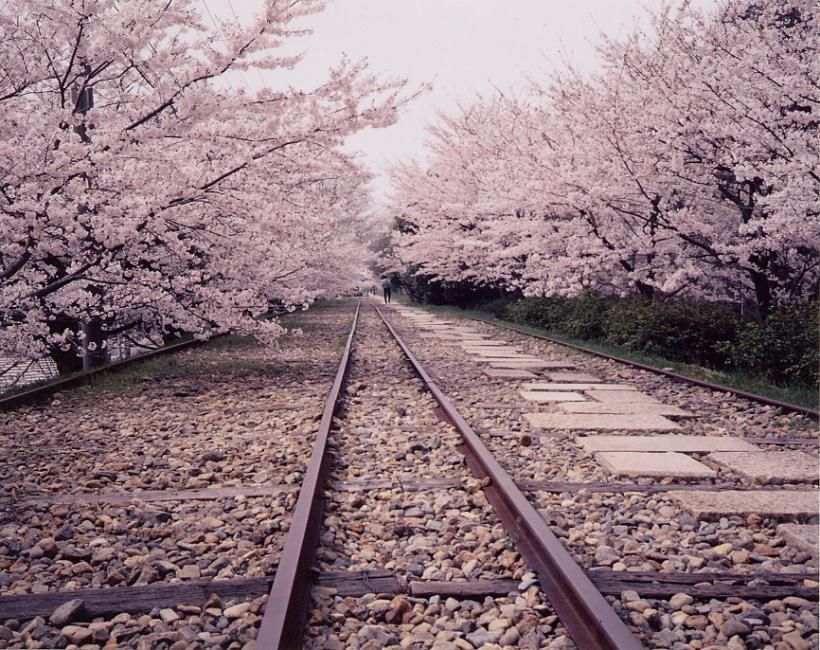
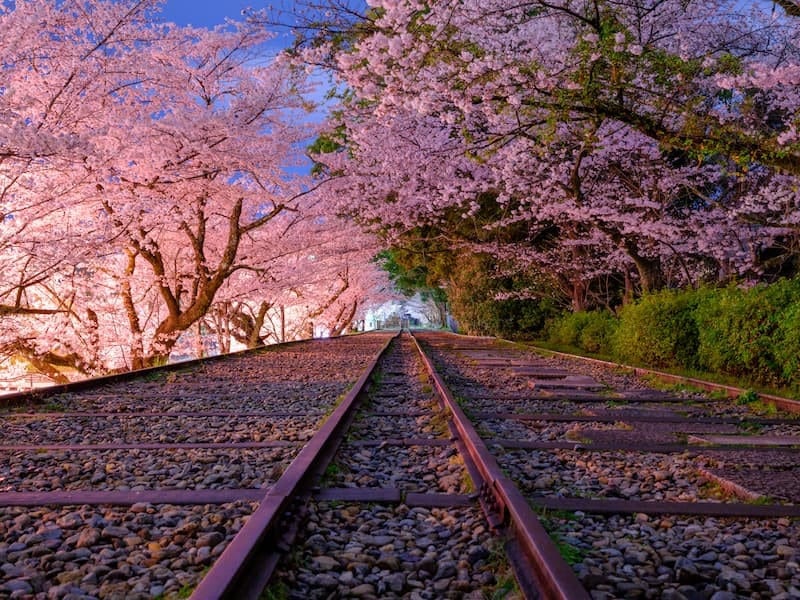
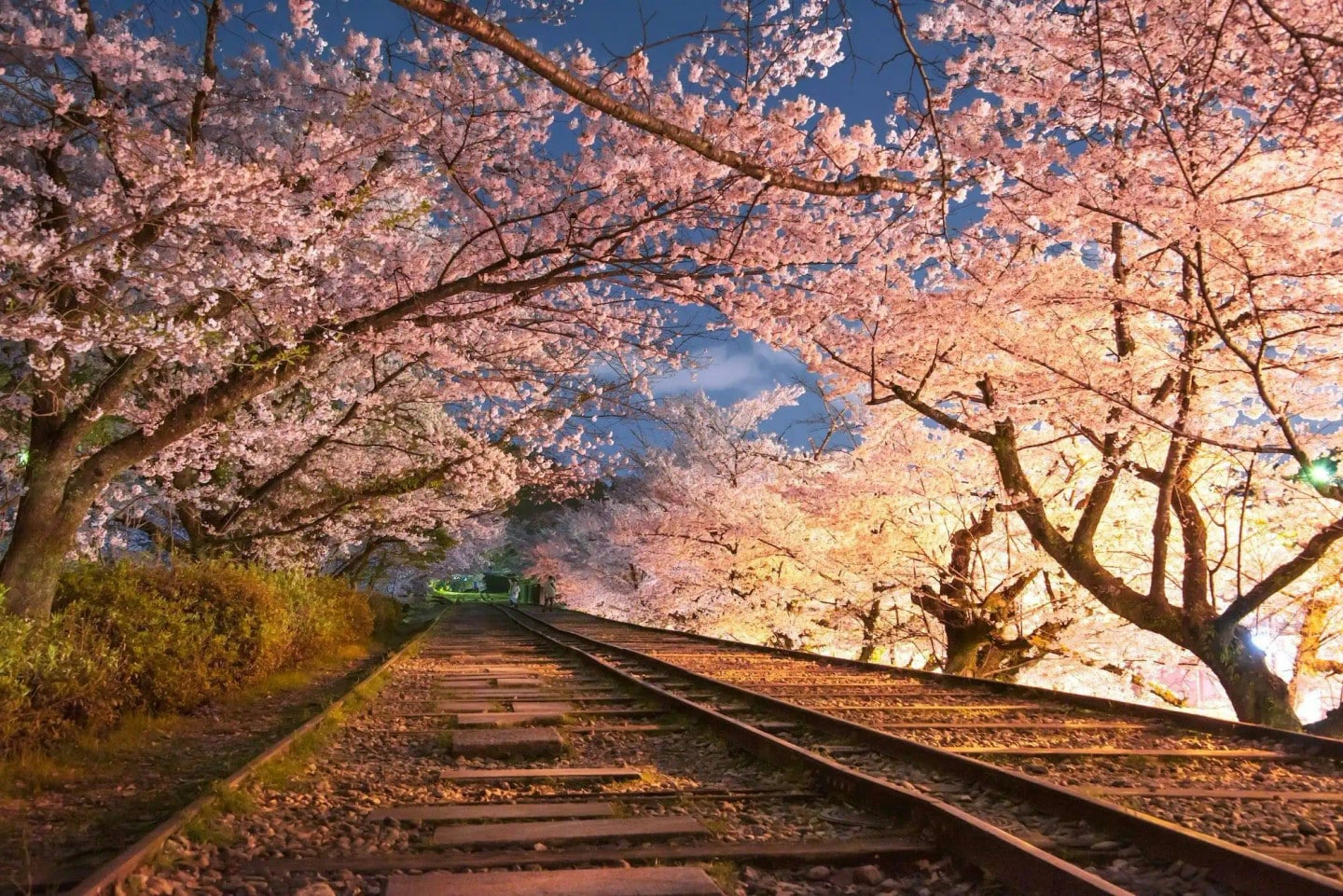
The Keage Incline was a Meiji-era track facility for hauling boats over the change in elevation, and today cherry trees hang over the rails, making it one of the most popular free spots near Okazaki for cherry blossom viewing and photos, complementing the canal boat to form a complete waterway-history route.
The roughly 582-meter rail walkway is open year-round with no admission fee, and when the cherry blossoms are in full bloom it draws many photography fans. Visit early in the morning to avoid the crowds and enjoy the quietest scene.
![[Kyoto Spring Sakura Trip] Daigo-ji, Uji Byodo-in and Keage Incline | Private Car Day Tour](https://travel.williamlion.tw/wp-content/uploads/sites/7/2026/07/image-1830.jpg)
How to Get to the 2026 Kyoto Okazaki Guide: Canal Boat Rides, the Twin Art Museums and the Zoo? A Complete Guide to Transport and Costs
Okazaki is in Sakyo Ward, Kyoto, near subway and city bus stops, so getting there is very convenient. Take the Kyoto Municipal Subway Tozai Line to Keage Station, and the Lake Biwa Canal Museum is about a 7-minute walk from the exit, with the zoo also within walking distance. You can also take city bus No. 5, 32 or 86 to the Dobutsuen-mae (Zoo) stop or the Okazaki Koen Bijutsukan/Heian Jingu-mae stop, which drop you right at the gate.
What Are the Must-See Sights in the 2026 Kyoto Okazaki Guide: Canal Boat Rides, the Twin Art Museums and the Zoo? A Complete Guide to Highlights and Experiences
Okazaki’s highlights cover boat rides on the water, art exhibitions, animal watching and historic architecture.
The Okazaki Jikkoku-bune Boat Experience: Cherry Blossoms from Water Level
Once aboard the Okazaki jikkoku-bune, the low hull puts you almost level with the water, with Somei-Yoshino cherry trees in full bloom hanging close on both banks. Along the way you pass the National Museum of Modern Art, Kyoto, the Kyoto City Museum of Art and the huge vermilion torii of Heian Jingu, a unique vantage point no other Kyoto cherry blossom viewing can replace.
The trip takes about 25 minutes and covers 3 km round trip. Fares are about ¥2,000 for adults, about ¥1,000 for children and about ¥500 for toddlers aged 3 and over. Reserve early on the official website (handled by the Kyoto Prefecture Travel Agency Cooperative; online purchases carry an extra ¥110 handling fee) and arrive early at the boarding point.
Okazaki Canal Boat Landing and Route: Round Trip from Nanzen-ji Funadamari to Ebisugawa Dam
The Okazaki jikkoku-bune boards at Okazaki Nanzen-ji Funadamari, in front of the Lake Biwa Canal Museum, and the route runs round trip to Ebisugawa Dam, about 3 km and about 25 minutes in total, with no getting on or off along the way. The 2026 operating period is March 20 to April 15, with a boat every 15 minutes between 9:30 and 16:30, and after disembarking you can walk straight to the canal museum and Nanzen-ji.
Keage Incline Photo Spot: A Sea of Blossoms on Meiji-Era Railway Ruins
The Keage Incline is the remains of a Meiji-era track used to haul boats over a change in terrain. Cherry trees now line both sides of the rails, and in spring the track is carpeted in pink-and-white petals, one of the free photo spots most often shared on social media in Kyoto.
It is open year-round with no admission fee. Go early in the morning when there are fewer visitors to shoot empty scenes of rails woven with cherry blossoms; in the evening, backlighting gives a different romantic mood.
Lake Biwa Canal Museum Exhibition Hall: A Century of Meiji Water Engineering
The canal museum’s exhibition hall displays many historical documents, models and images showing in detail how the Meiji government mobilized engineering talent across the country to bring Lake Biwa’s water to Kyoto, spurring hydroelectric power and shipping and laying the foundation for Okazaki to become a cultural center.
Admission is completely free. Open 9:00 to 17:00 (last entry 16:30), closed Mondays (the next weekday if Monday is a holiday). It makes a good pre-trip orientation before boarding the boat; the official website is biwakososui-museum.jp.
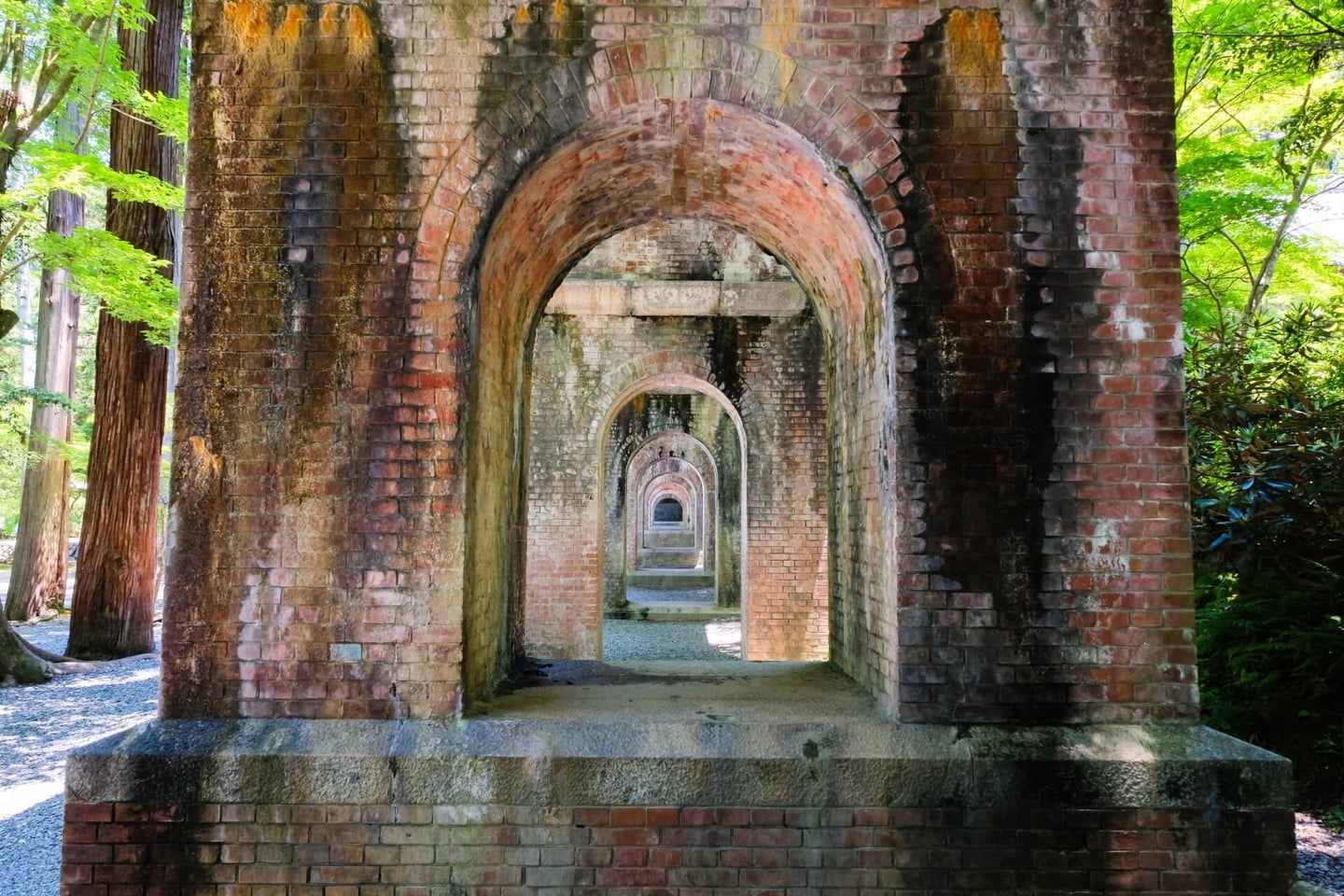
Nanzen-ji Suirokaku: Where a Red-Brick Arch Bridge Meets an Ancient Temple
The Suirokaku on the grounds of Nanzen-ji is a section of the Lake Biwa Canal, an aqueduct bridge built of red brick in the form of a Roman-style arch, creating a scene that contrasts sharply with the surrounding traditional Zen temple buildings yet coexists in harmony, one of Kyoto’s most representative blends of Japanese and Western styles.
The Suirokaku is open year-round and free to visit, while the Hojo garden and the Sanmon gate require a separate admission ticket; for amounts and opening hours see the Nanzen-ji website, nanzenji.or.jp. Omamori charms and goshuin are available on the grounds. Allow 40 to 60 minutes; the scenery is especially moving in the autumn foliage season.
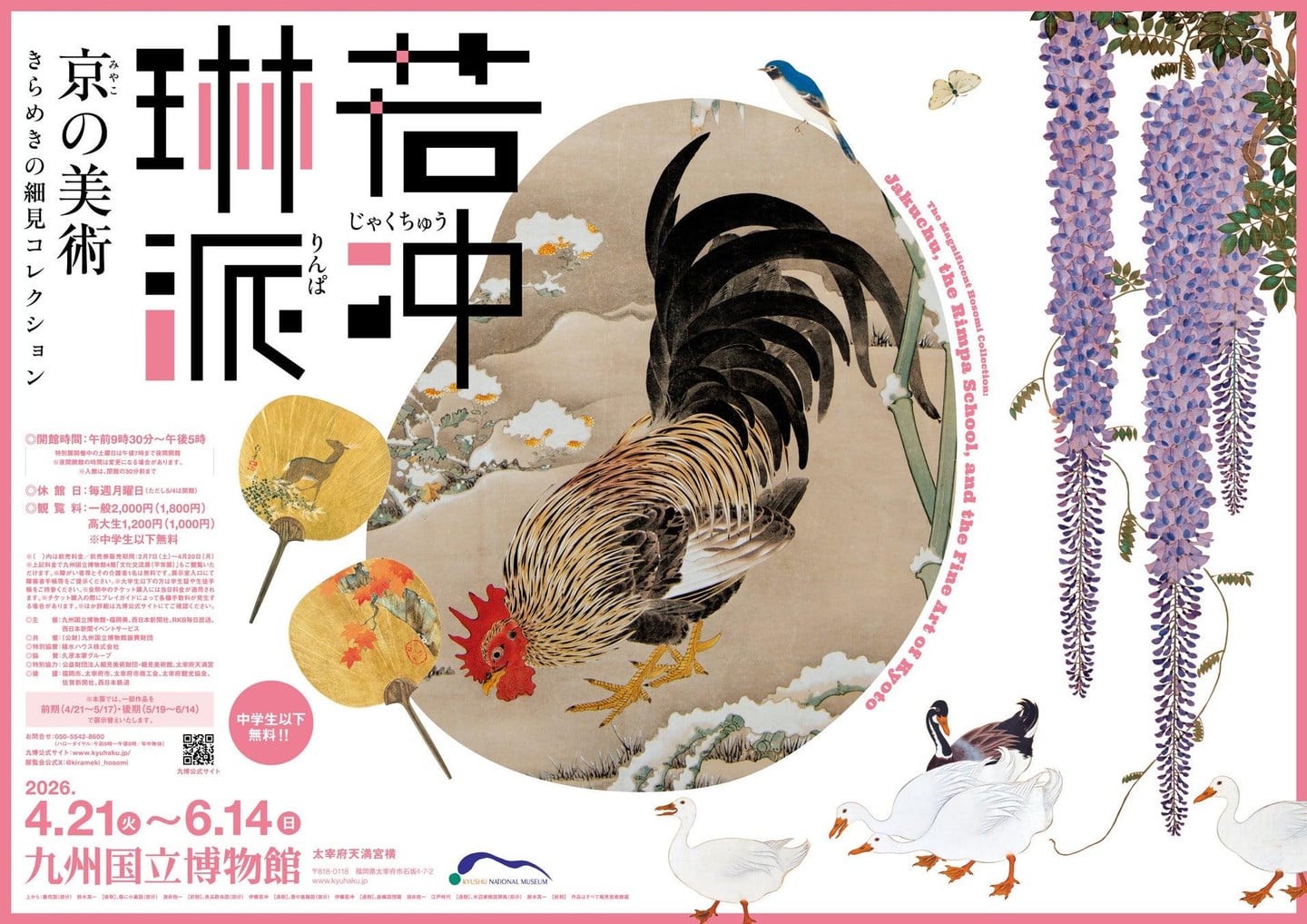
Hosomi Museum Jakuchu Exhibition: Edo-Period Fantasy Paintings from a Private Collection
The Hosomi Museum is close to the Okazaki area and is known for its collection of works by the Edo-period painter Ito Jakuchu; its collection is famed for Ito Jakuchu and Rinpa works, with delicate, ornate and imaginative bird-and-flower paintings as highlights. Exhibits vary by schedule.
Consider adding the Hosomi Museum as an extension of your Okazaki art tour. It is open 10:00 to 18:00 (last entry 17:30) and closed Mondays (the next day if Monday is a holiday); check the exhibition schedule on the official website before you go.
ROHM Theatre Kyoto (ロームシアター京都): A Performing Arts Landmark in Okazaki Park
ROHM Theatre Kyoto is in Okazaki Park. It was formerly Kyoto Kaikan, which opened in 1960, and reopened after renovation in 2016 as the largest performing arts center in Kyoto Prefecture. The main hall seats 2,005, with a South Hall (サウスホール, 716 seats) and a North Hall (ノースホール, about 200 seats), and often hosts music, dance and theater. The building was designed by Kunio Maekawa, and its exposed-concrete exterior echoes the surrounding buildings. Even if you are not seeing a show, you can use the public plaza “ROHM Square” (ローム・スクエア) and the cafe. It is about a 10-minute walk from Exit 1 of Higashiyama Station on the subway Tozai Line.
Kyoto Niku Matsuri at Okazaki Park: The Annual Autumn Food Festival
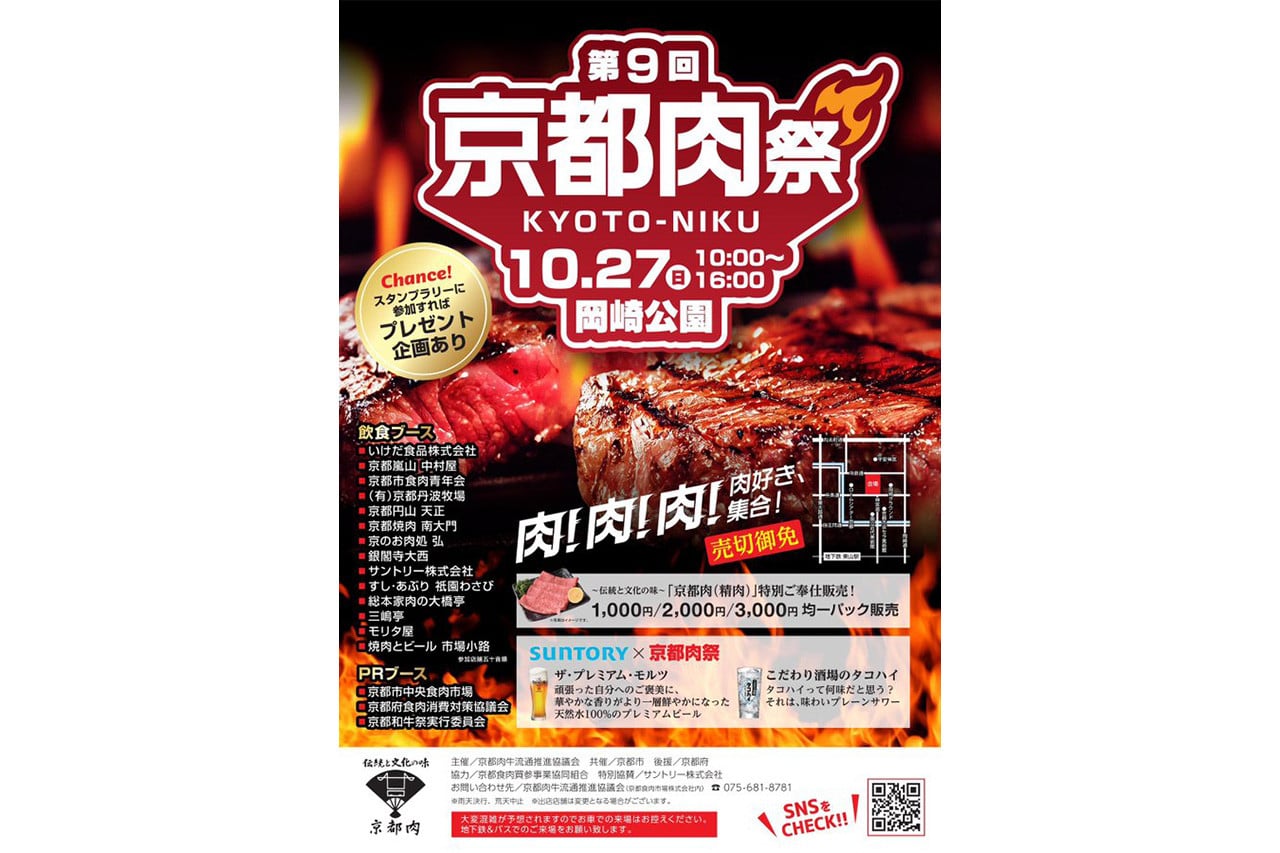
Okazaki Park holds the “Kyoto Niku Matsuri” every autumn, bringing together stalls of top-quality wagyu and meat dishes from Kyoto and the surrounding area. It reached its 10th edition in 2025 and is a very popular seasonal event with locals, giving Okazaki another reason to visit beyond cherry blossom viewing.
The event is usually held in late October with seating areas on site for eating on the spot. Arrive early to avoid queues; the event often overlaps with special exhibitions at the art museums, so it suits a day combining art and food.
How Much Does the 2026 Kyoto Okazaki Guide: Canal Boat Rides, the Twin Art Museums and the Zoo Cost? Tickets and Tour Recommendations
Here are the experiences and tickets in the Okazaki area you can book in advance; plan early according to the season.
Okazaki Sakura Corridor Jikkoku-bune Tickets: The Must-Grab Spring-Only Experience
The jikkoku-bune ticket is the hottest experience in Okazaki, covering a canal trip of about 25 minutes with views of cherry blossoms and the Heian Jingu torii along the way. Adult tickets are ¥2,000, elementary school students ¥1,000 and toddlers aged 3 and over ¥500. Online advance sales for 2026 start at 10:00 on February 25, with an extra ¥110 handling fee for online purchases; book on the first day reservations open.

Kyoto City Zoo Admission: The Top Choice for Families
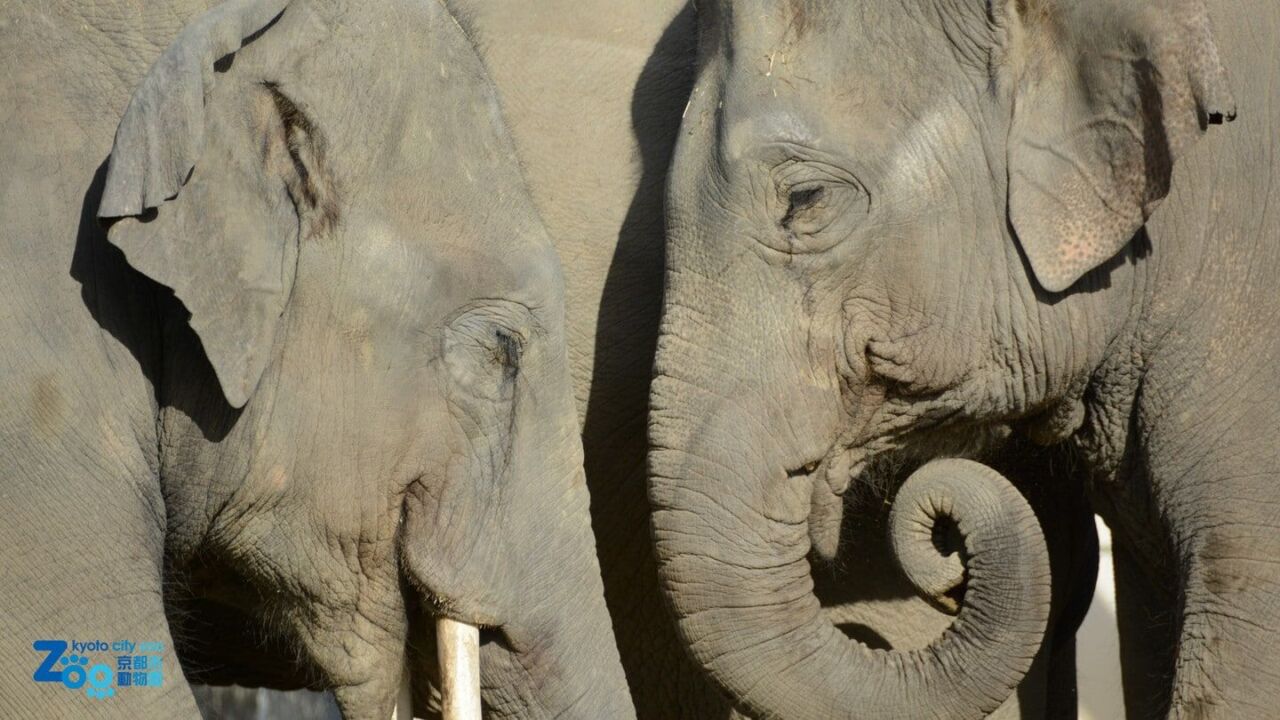
Kyoto City Zoo admission is ¥750 for adults, free for junior high school students and under, with an annual pass for ¥2,200. The zoo has a Ferris wheel and a small train and suits a half-day to full-day family outing; opening hours are 9:00 to 17:00 from March to November and 9:00 to 16:30 from December to February, closed Mondays.
Joint Visit to the Twin Art Museums: An In-Depth Itinerary for Art Lovers
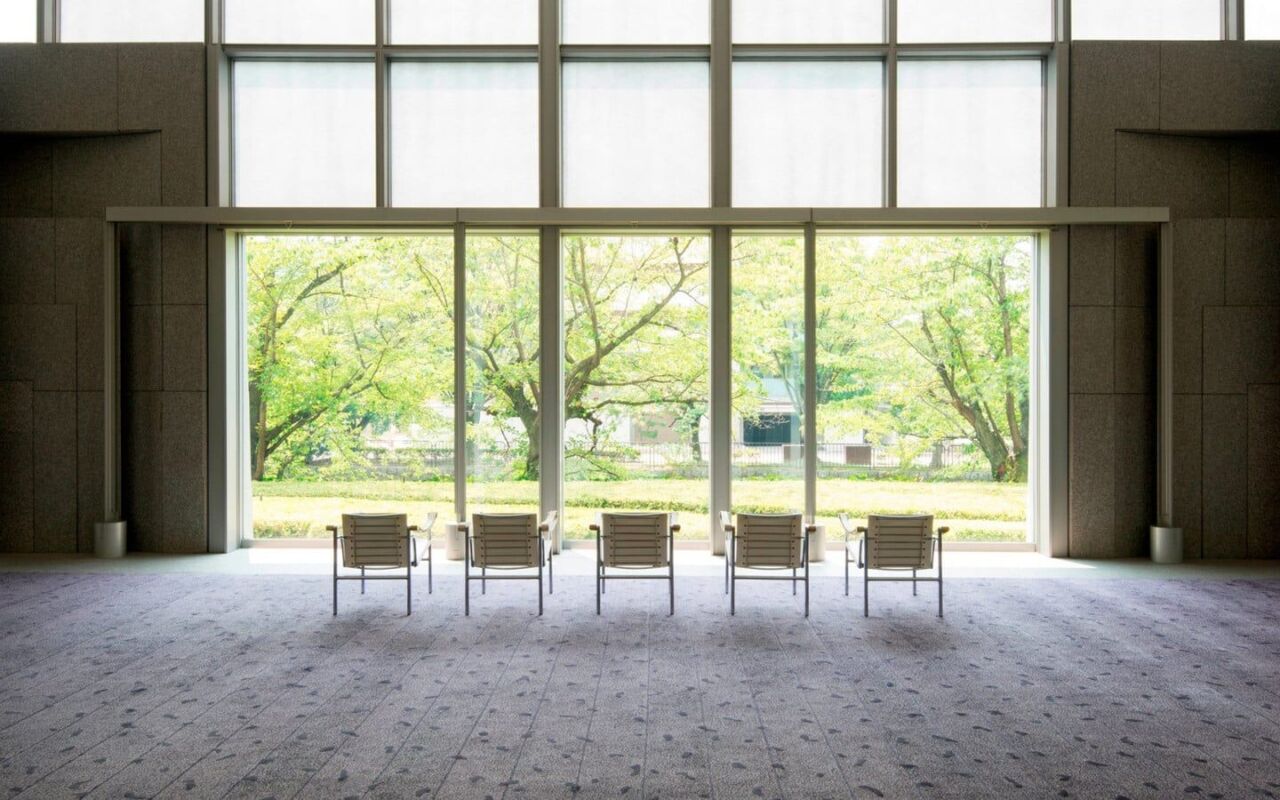
Admission to the Kyoto City KYOCERA Museum of Art and the National Museum of Modern Art, Kyoto varies by exhibition, and whether any discounts apply is as announced on each museum’s official website. The two are only a few minutes apart on foot, suited to half a day; check the special exhibition schedule first, then take in the thread of modern and contemporary Kyoto art, and confirm each museum’s closed days before you go.
Lake Biwa Canal Boat (Otsu-Keage): An In-Depth Historical Cruise
Unlike the Okazaki jikkoku-bune, the Lake Biwa Canal boat connecting Otsu in Shiga with Keage and Yamashina in Kyoto is a historical waterway cruise run in spring and autumn that passes through Meiji-era canal tunnels. The 2026 autumn operating period is October 2 to December 6, by advance reservation only; schedules and fares vary by route, so please check the official website biwakososui.kyoto.travel.
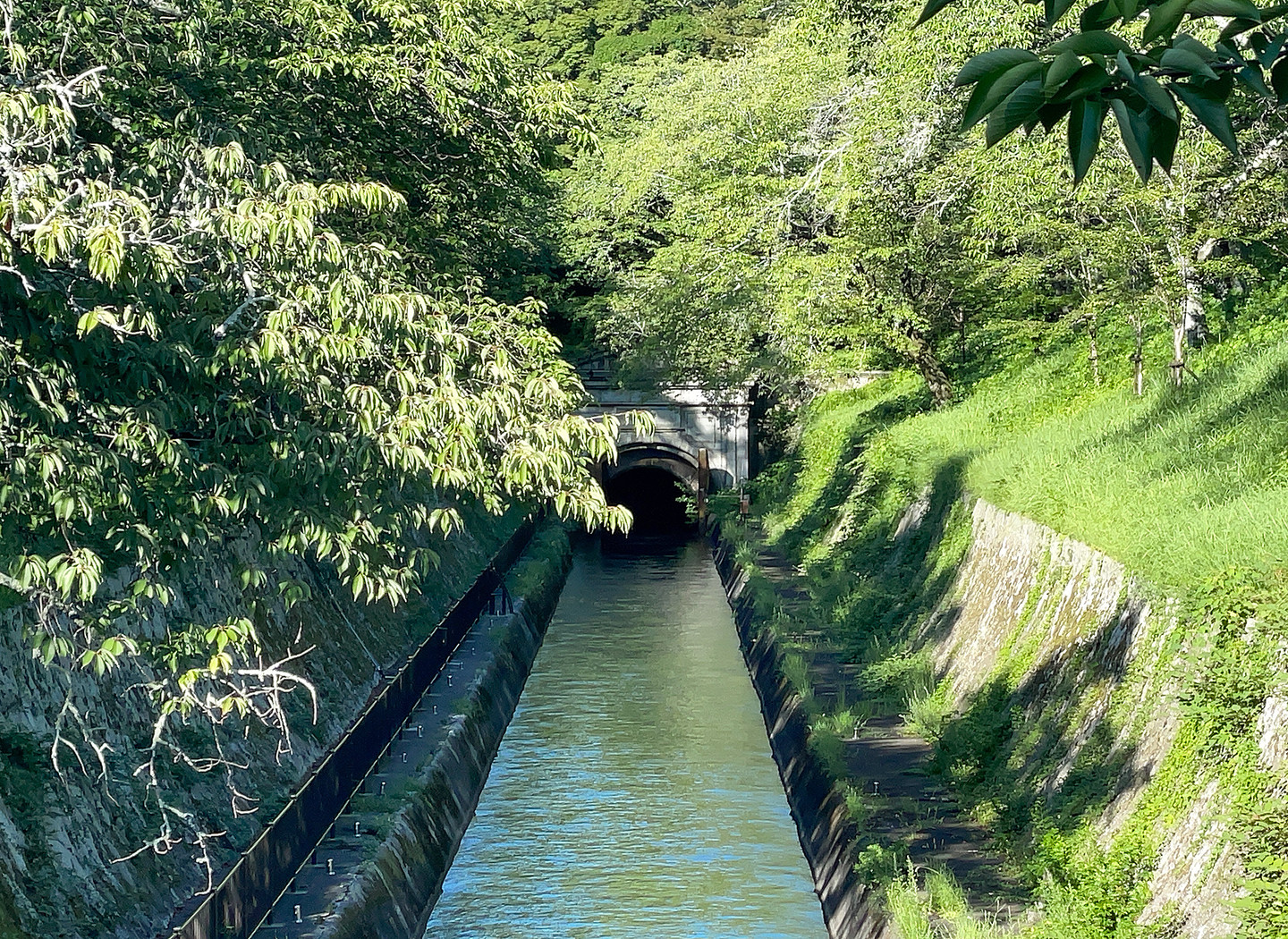
Okazaki Art and Food Day Tour: Linking the Museums and Local Restaurants
A guided tour combining the twin art museums, the Hosomi Museum and nearby restaurants, suited to travelers who want a deep experience of Okazaki’s art and food culture. Itinerary, timing and price vary by operator, so check the product page before ordering to see whether admission tickets are included; the Hosomi Museum is open 10:00 to 18:00 and closed Mondays.
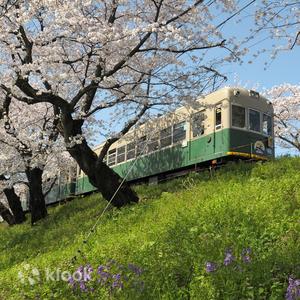
Where to Stay Nearby
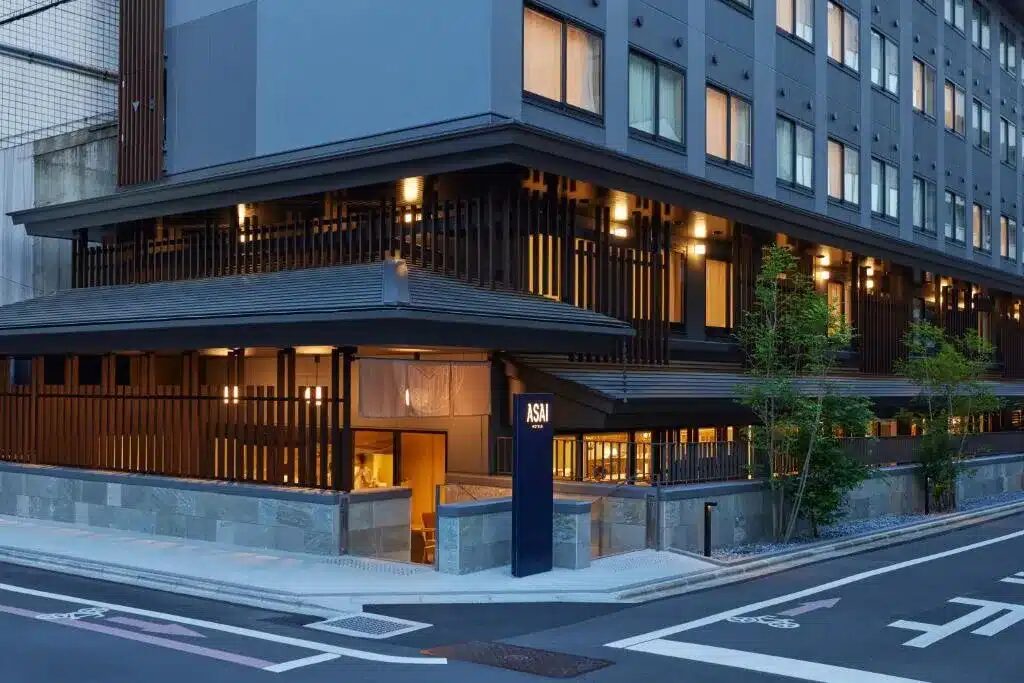
Okazaki is mainly museums, the zoo and parks, so most lodging is in nearby Gion, Kawaramachi and the Kyoto City Hall area. The Kyoto Municipal Subway Tozai Line connects Keage, Higashiyama, Sanjo Keihan and Kyoto Shiyakusho-mae, making it easy to reach Okazaki’s sights from these areas; spend the day on the canal and museums, then return to Kawaramachi or Gion for dinner.

FAQ
Q: How much are tickets for the Okazaki canal boat (jikkoku-bune)?
About ¥2,000 for adults, about ¥1,000 for children and about ¥500 for toddlers aged 3 and over. Reserve early on the official website (handled by the Kyoto Prefecture Travel Agency Cooperative).
Q: When do reservations open for the Okazaki Sakura Corridor Jikkoku-bune Cruise?
Reservations usually open in late February each year. Because it is so popular, online advance sales for 2026 start February 25; book on the first day to avoid missing out.
Q: What are the admission price and opening hours of Kyoto City Zoo?
Adult admission is ¥750, free for junior high school students and under. Open 9:00 to 17:00 from March to November and until 16:30 from December to February; closed every Monday (the next weekday if it falls on a holiday).
Q: What is the easiest way to get to the Okazaki area?
Take the subway Tozai Line to Keage Station and walk 7 minutes, or take city bus No. 5, 32 or 86 to the Bijutsukan-mae or Dobutsuen-mae stop for the fastest route.
Q: When is the best time for cherry blossoms in Okazaki?
The cherry blossoms usually bloom from late March to mid-April. Go on a weekday early morning, when crowds are smaller and the soft light is good for photos.
Q: What do the twin art museums exhibit?
The KYOCERA Museum of Art focuses on special exhibitions and its permanent collection, while the National Museum of Modern Art focuses on Kyoto crafts and modern and contemporary painting.
Q: Is Okazaki recommended for autumn leaves?
Yes. The autumn colors at Nanzen-ji’s Suirokaku and along the canal are beautiful, and there are fewer visitors than in the spring cherry blossom season, so the experience is more relaxed.