
Kyoto Karasuma Guide 2026: Refined Restaurants and Kappo Cuisine in the Business District, with Reservation Tips
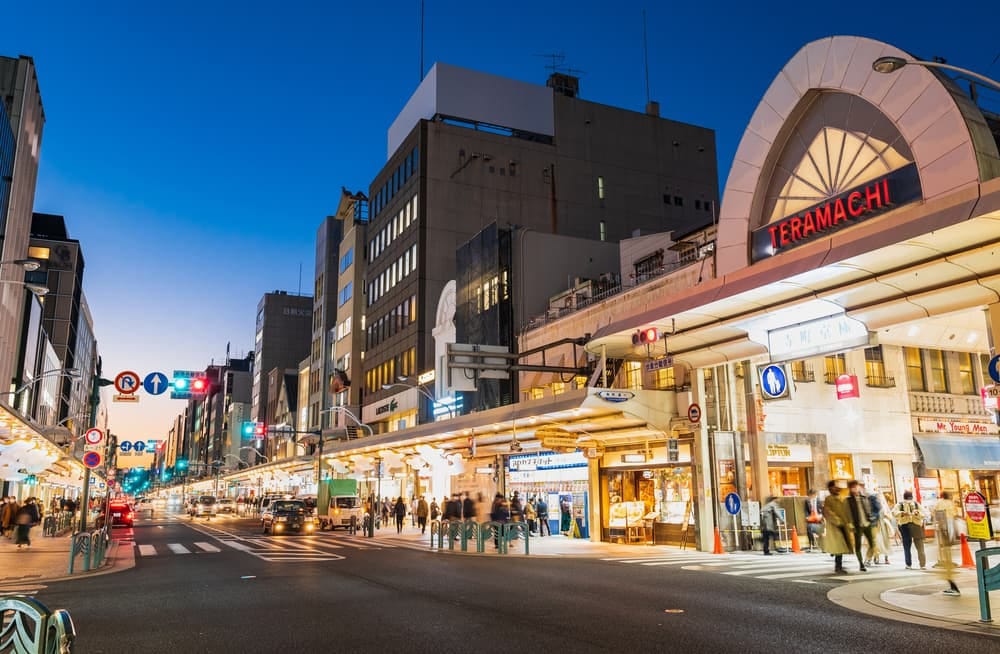
Karasuma is Kyoto’s most important business district, home to wagyu kappo, machiya izakaya and Michelin-level restaurants, the best place for business entertaining and food exploration.
2026 Dining Trends in Kyoto’s Karasuma Area
In 2026 Karasuma’s dining scene blends old and new. The Michelin Bib Gourmand long-timer “Ippin Hashicho” (逸品 はし長) serves lunch from ¥3,000, and the popular standing bar “Yami” has opened a second branch, “Yami Futatsume” (やみー ふたつめ), beside the Nishiki-koji-side entrance of Daimaru Kyoto. Karasuma has become one of Kyoto’s areas with the highest density of quality dining, with a wide choice for business entertaining, from kappo cuisine to creative French.
What Sets the Business District’s Refined Restaurants Apart
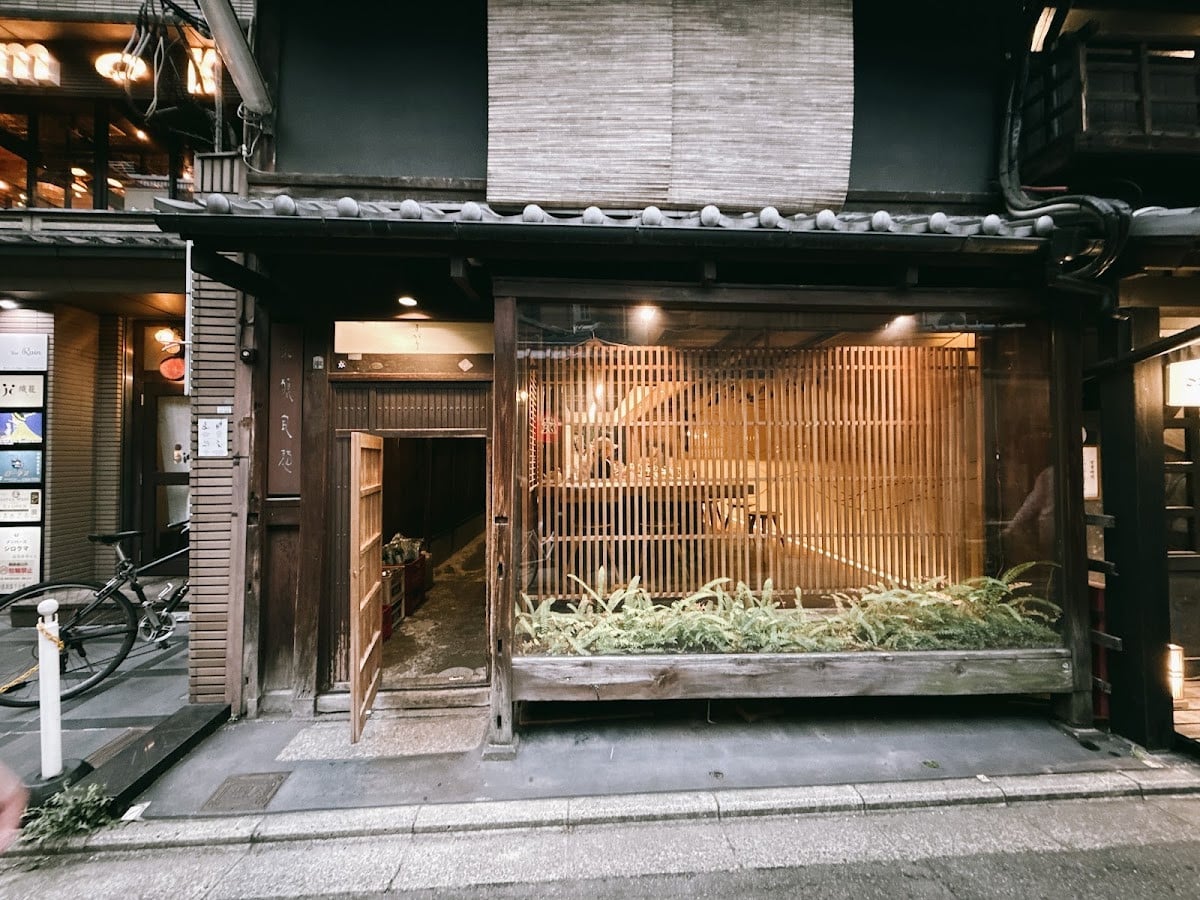
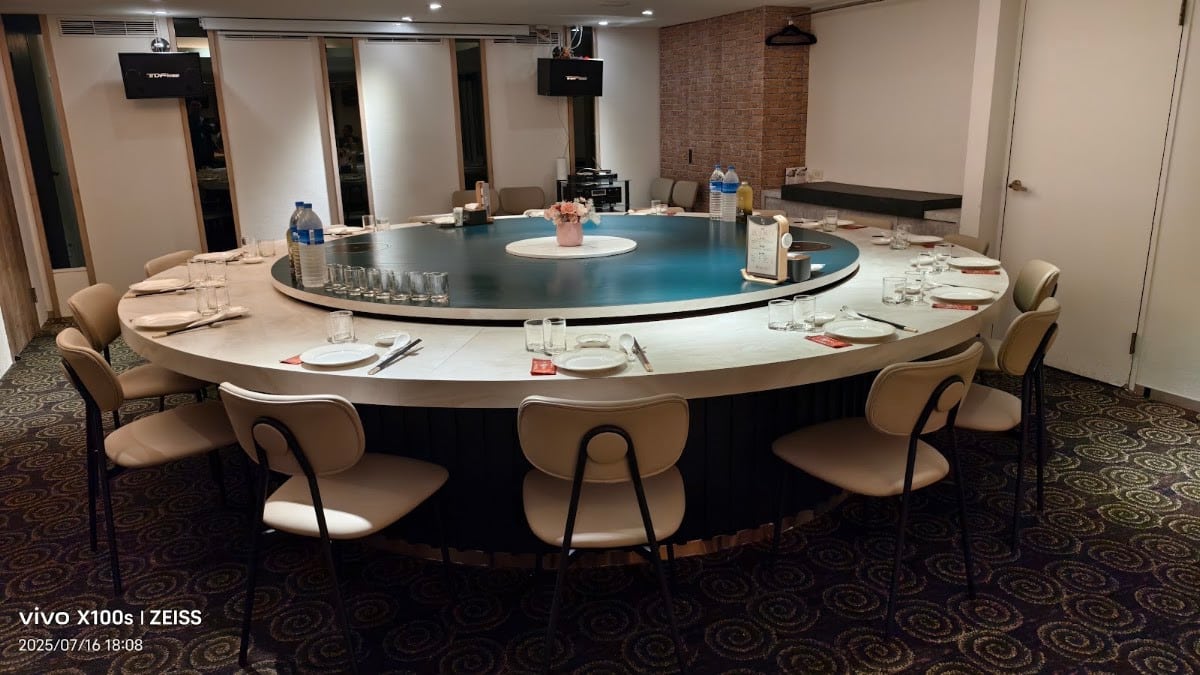
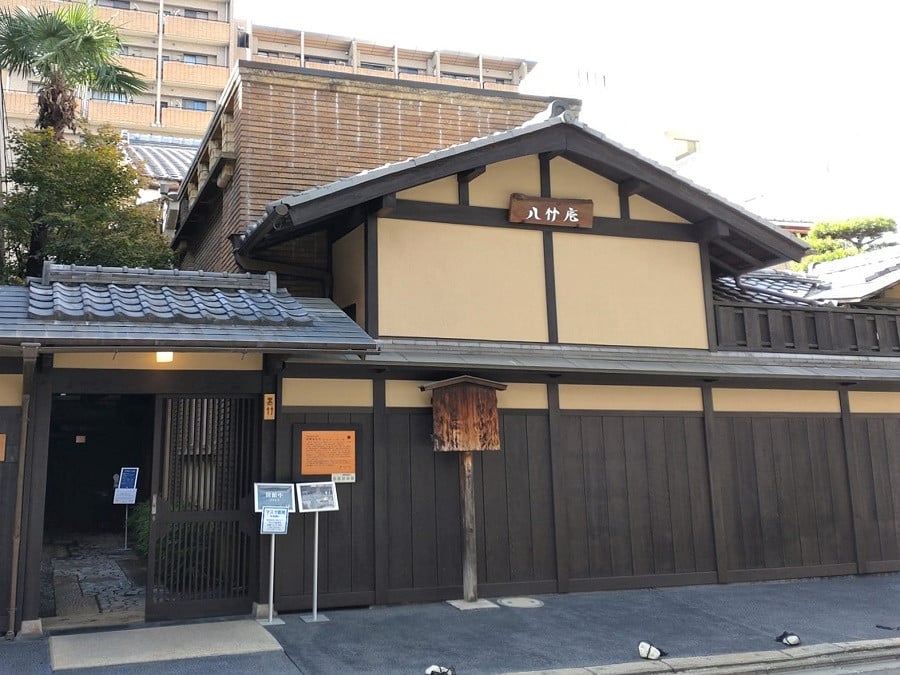
Restaurants in the Karasuma business district are generally private and well equipped with private rooms, ideal for business talks, contract-signing dinners or internal gatherings. Many are converted Kyoto machiya that keep the calm atmosphere of traditional wooden buildings while adding modern design language, creating understated but high-quality dining spaces.
In addition, Karasuma’s business restaurants mostly operate by reservation only and arrange private rooms to suit the party size and occasion, from small rooms for 2 people to large banquet halls for 20 or more, making this one of the few areas in Kyoto that combines “business efficiency” with a “sense of dining ceremony.”
Kappo Recommendations: Karasuma Business Entertaining and Michelin-Level Restaurants
From a Michelin Bib Gourmand pick to a contemporary kappo with a 10-meter chef’s counter, Karasuma’s kappo restaurants suit business entertaining and formal dinners best.
Dashi Shabu-Shabu: Hyoto Shijo Karasuma
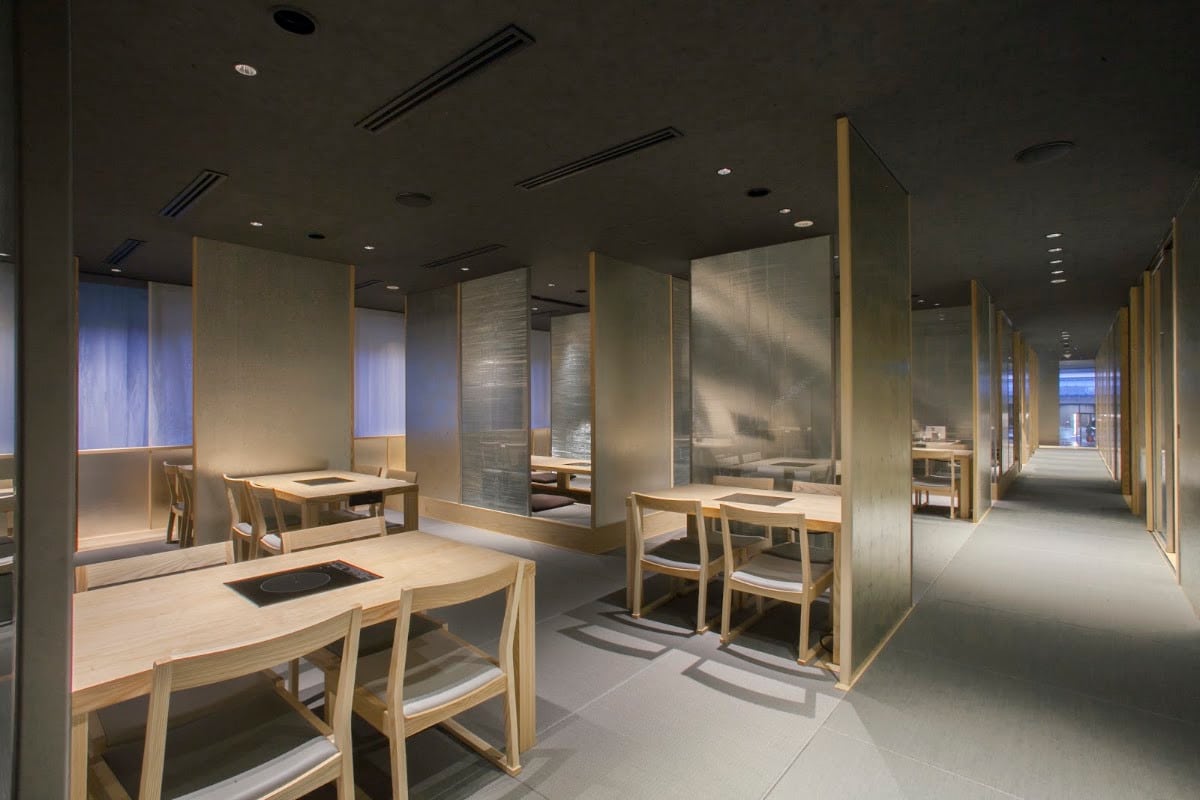
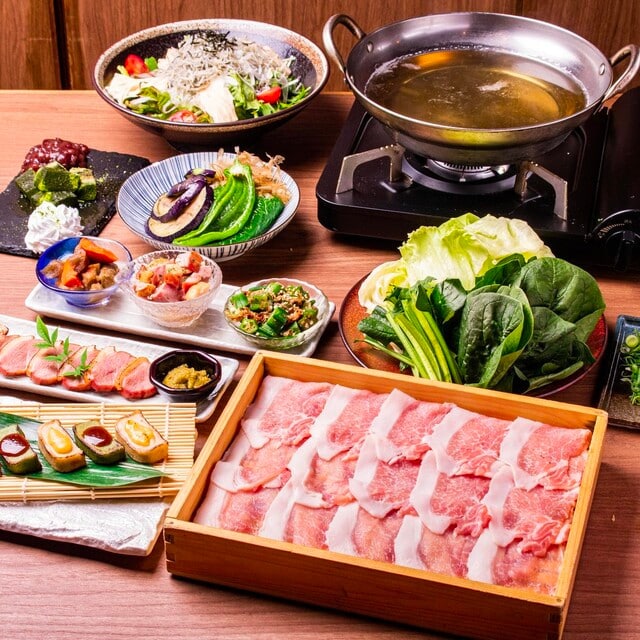
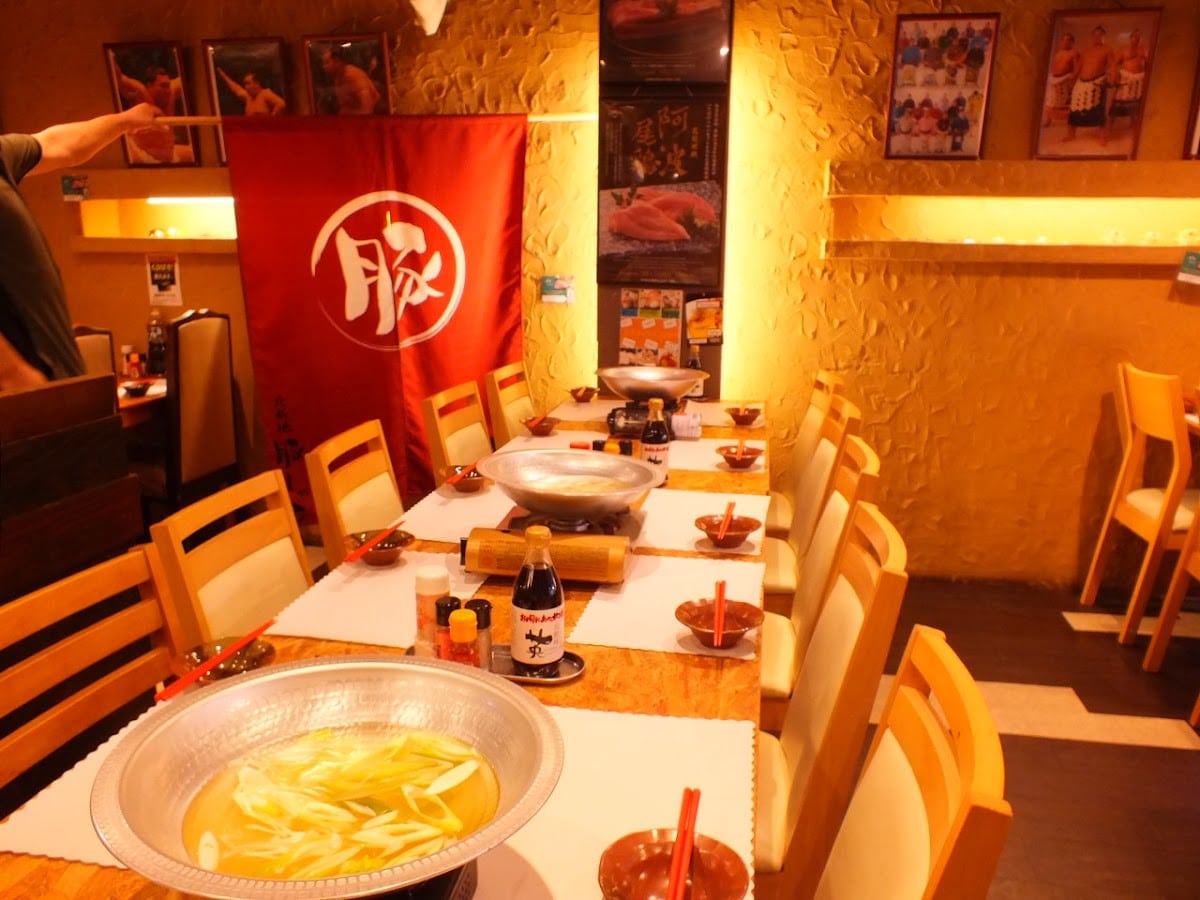
Hyoto is known for Kyoto’s specialty “dashi shabu-shabu” (出汁しゃぶ), using an artisan-simmered kombu broth as the pot base. Thin slices of Omi beef and Kobe beef swirled in it melt in the mouth, with a sweetness far beyond plain-water shabu-shabu, making it a signature choice for Kyoto business dinners. Private rooms are provided free of charge, and staff in kimono serve at the table, in a space that blends modern and traditional Japanese style.
Besides wagyu, the seasonal hamo (pike conger) shabu-shabu is also very popular, and in summer it is often hard to get a seat. Hours are 11:30-14:00 and 17:30-23:00 (weekend lunch extended to 15:00). The address is Meirin Building 1F, 550-1 Yamabushiyama-cho, Nakagyo-ku, Kyoto, with prices from ¥10,000, suitable for formal business dinners and entertaining important clients.

Creative Kappo: MASHIRO (真白)
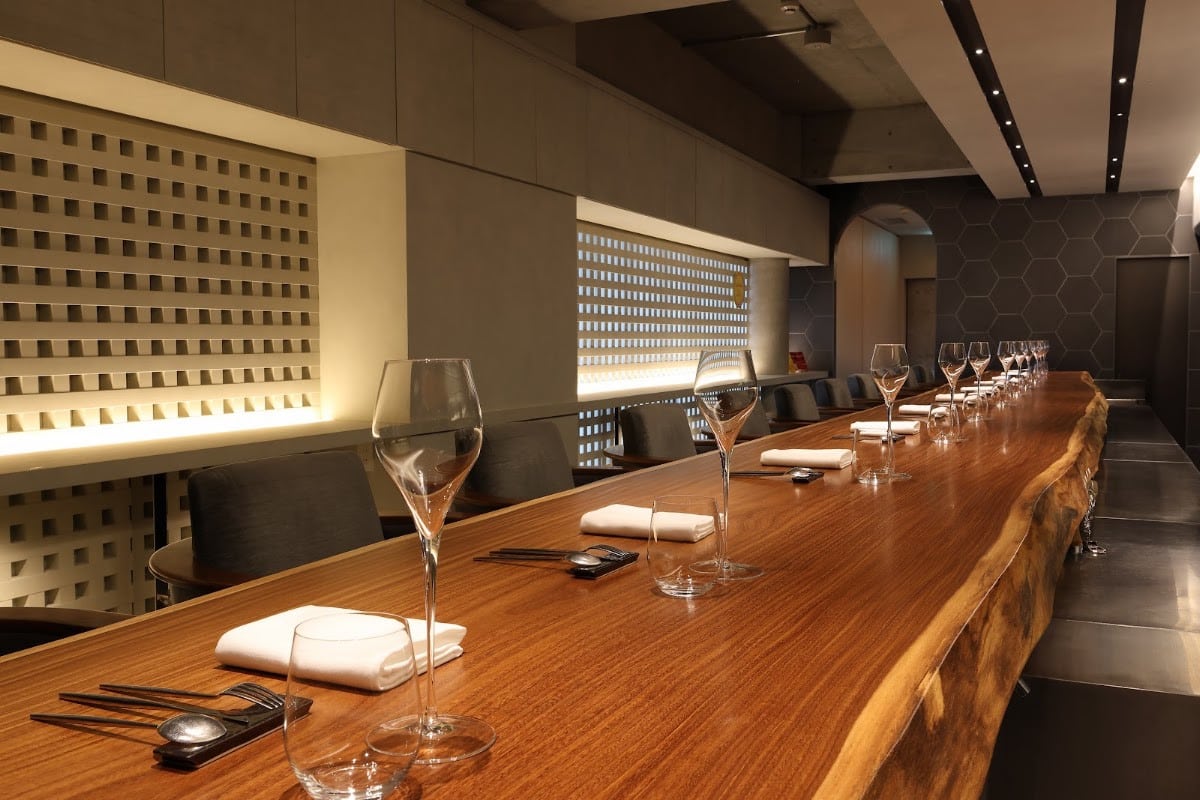
MASHIRO is an upscale creative kappo in Karasuma, known for its 10-meter chef’s counter, with a quiet atmosphere suited to business or special occasions. The chef uses fermentation and aging on top-grade seafood and wagyu delivered fresh daily, expressing the seasonality of Kyoto cuisine. The menu is omakase-style, and the chef personally explains the ingredients and the logic of the cooking. Lunch and dinner only, by reservation only. Address: OHG Kyoto Rokkaku Building 2F, 234 Donomae-cho, Nakagyo-ku, Kyoto. Prices from ¥10,000.
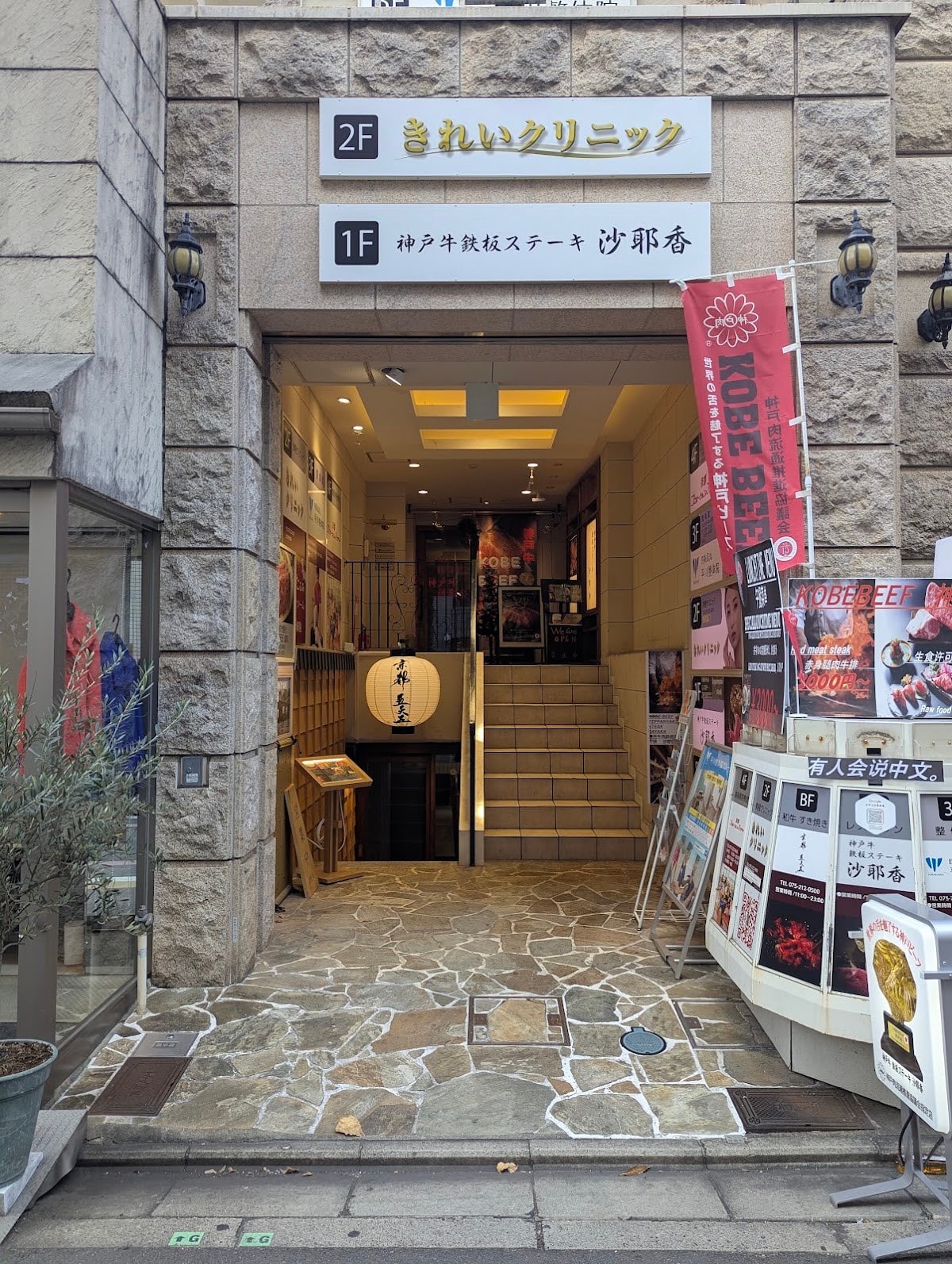
Premium Wagyu Sukiyaki: Wagyu Sukiyaki Kyoto Gotenma Karasuma (和牛すき焼き 京都五天五 烏丸)
Gotenma specializes in premium Kobe beef and black wagyu sukiyaki, in Japanese-modern private rooms and counter seating where the chef cooks at the table and the fat’s aroma fills the air. The sauce balances sweet and salty, and a tasting of several wagyu cuts is available, suited to business entertaining or anniversaries. Open 11:00-23:00, at ST Building B1F, 605 Nishiuoya-cho, Nakagyo-ku, Kyoto, near Karasuma and Shijo stations.
Michelin Bib Gourmand Lunch: Ippin Hashicho (逸品 はし長)
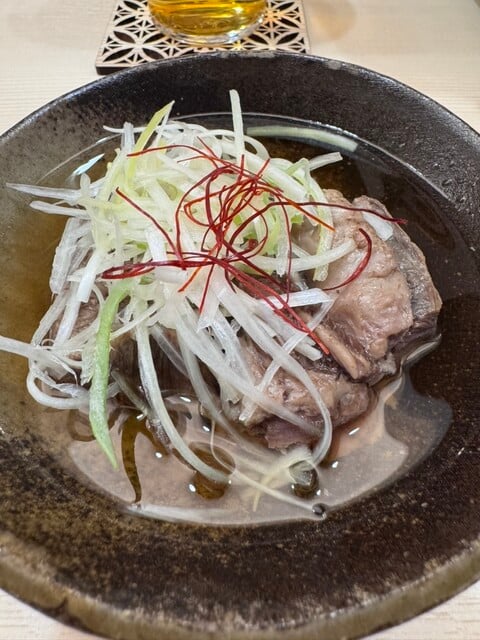
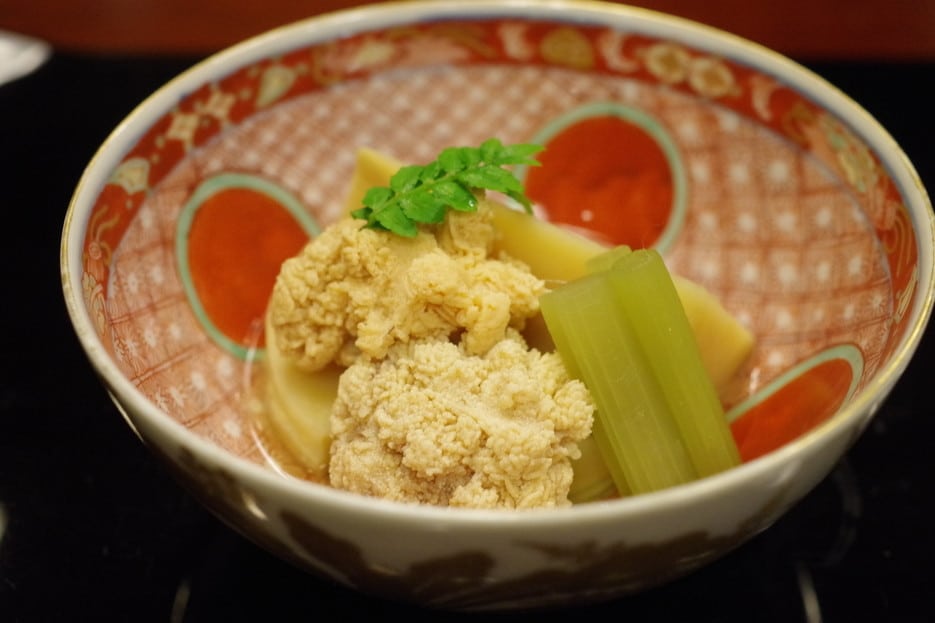
“Ippin Hashicho,” near Shijo-Karasuma, has been named a Michelin Bib Gourmand pick and offers kaiseki-style lunch sets from ¥3,000 (tax included), made with seasonal ingredients and including appetizer, sashimi and main dish. The presentation is delicate, portions are moderate and value is high, popular with local office workers and business people. It is extremely popular and often has a line at weekday lunch, so a phone or online reservation is recommended.
Kyo-Machiya French Kappo: ryu no hige (龍のひげ)
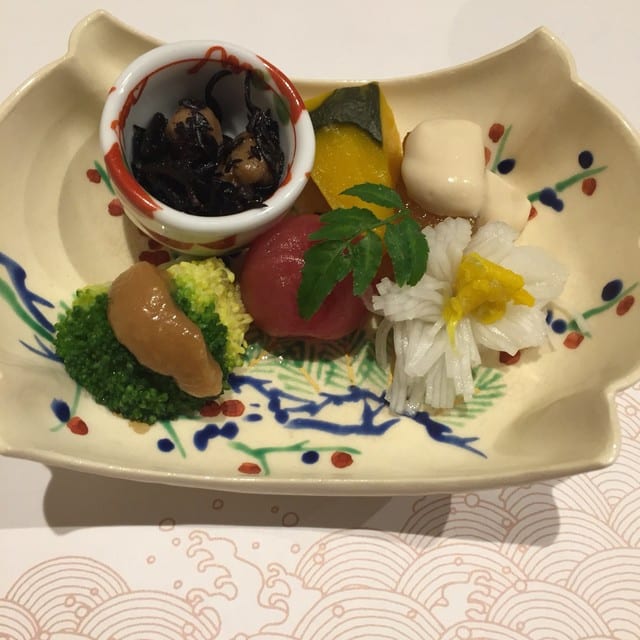
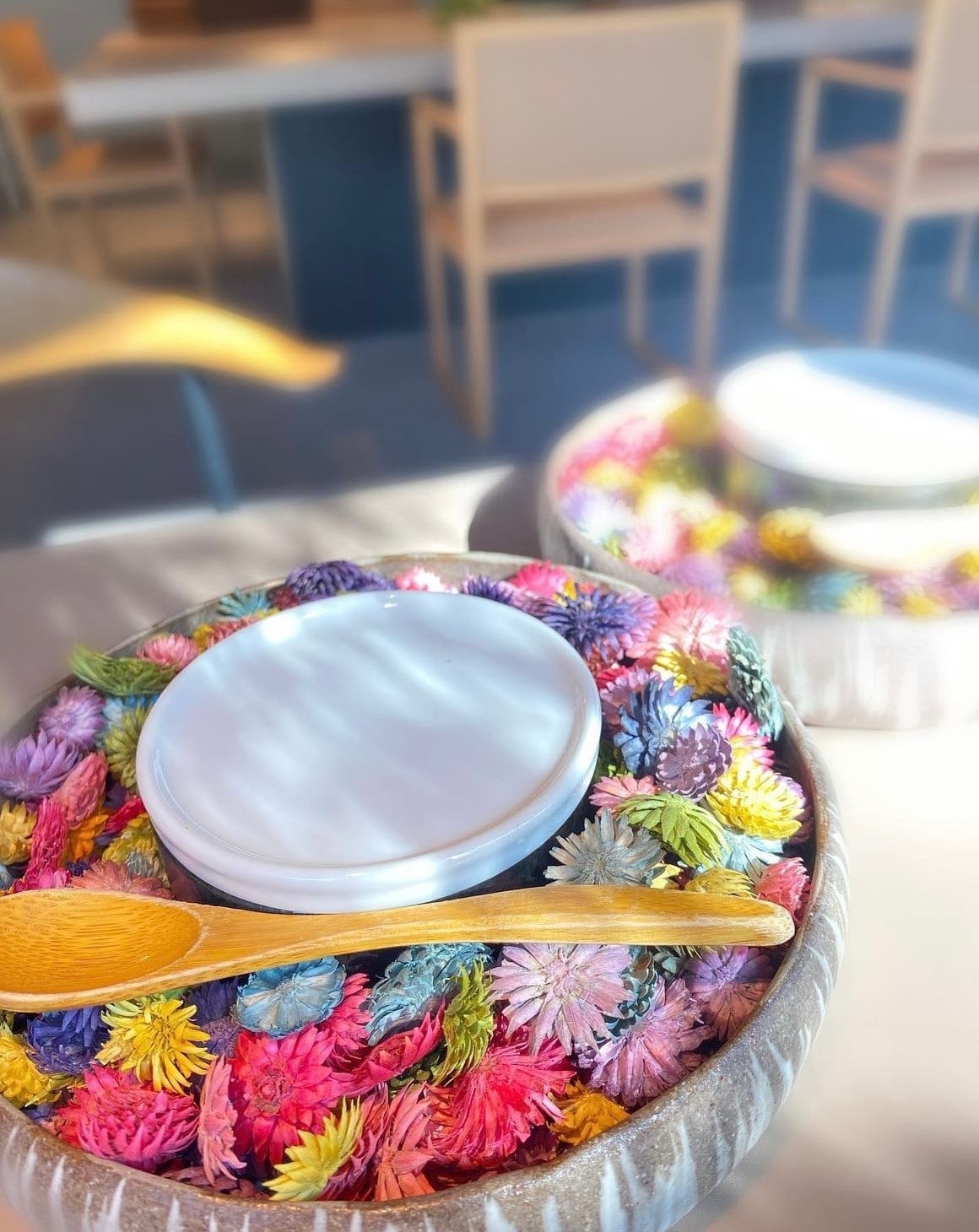
Ryu no hige (龍のひげ) is a Japanese-style French restaurant blending French creativity, on the first floor of a hotel with a calm atmosphere. Its specialty is a creative course on the theme “A Tour of Kyoto’s Famous Places,” served in a box like a suitcase, with each dish carrying a Kyoto image, a real conversation piece. It suits business entertaining, as the meal itself helps conversation. It focuses on creative lunch, open 11:30-15:00, reservation required. Address: Daiwa Roynet Hotel Kyoto Shijo Karasuma 1F, 678 Daiseidokoro-cho, Shimogyo-ku, Kyoto.
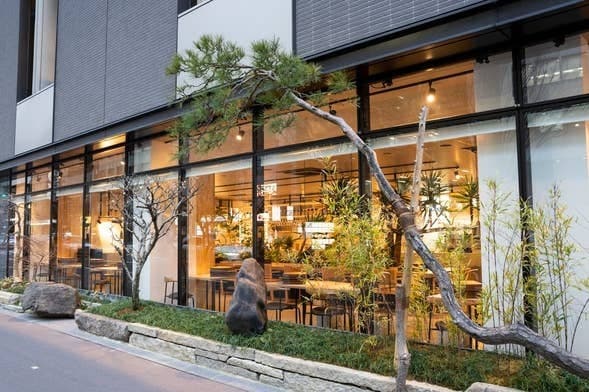
Machiya Izakaya Kappo: Yasai to Sakana en (野菜と魚 en)
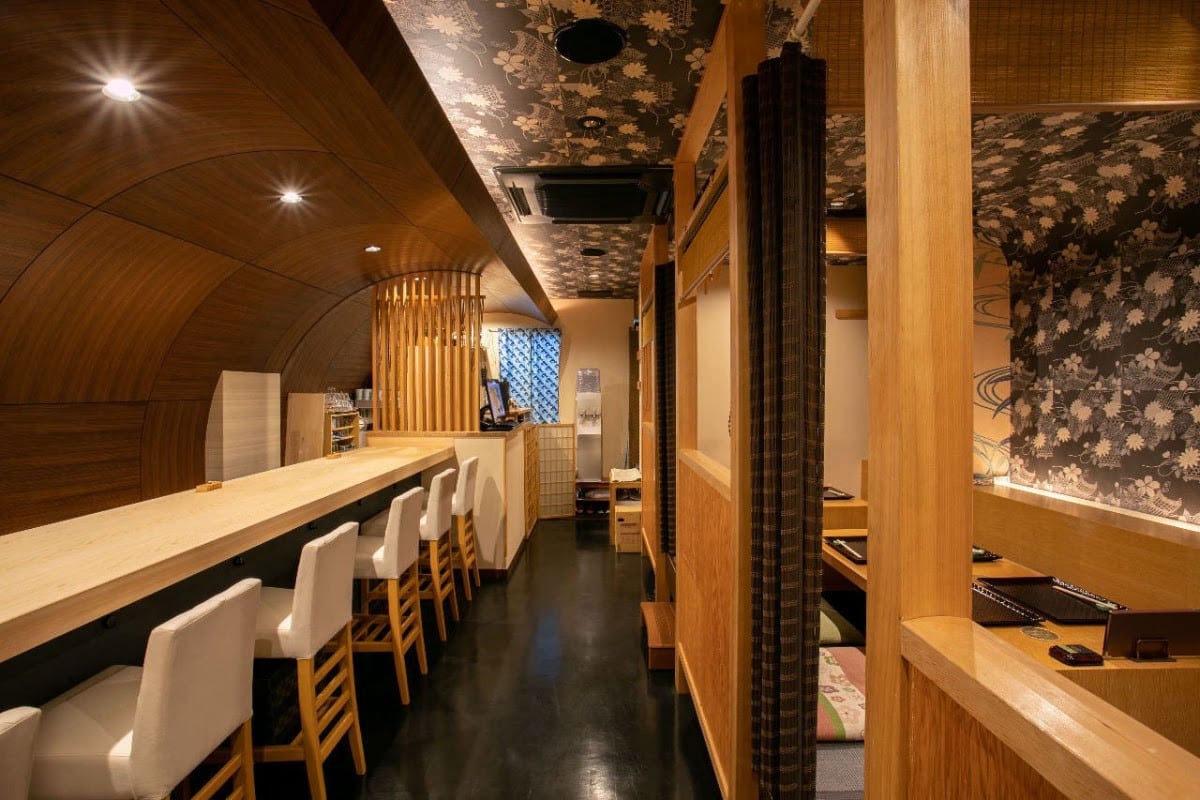
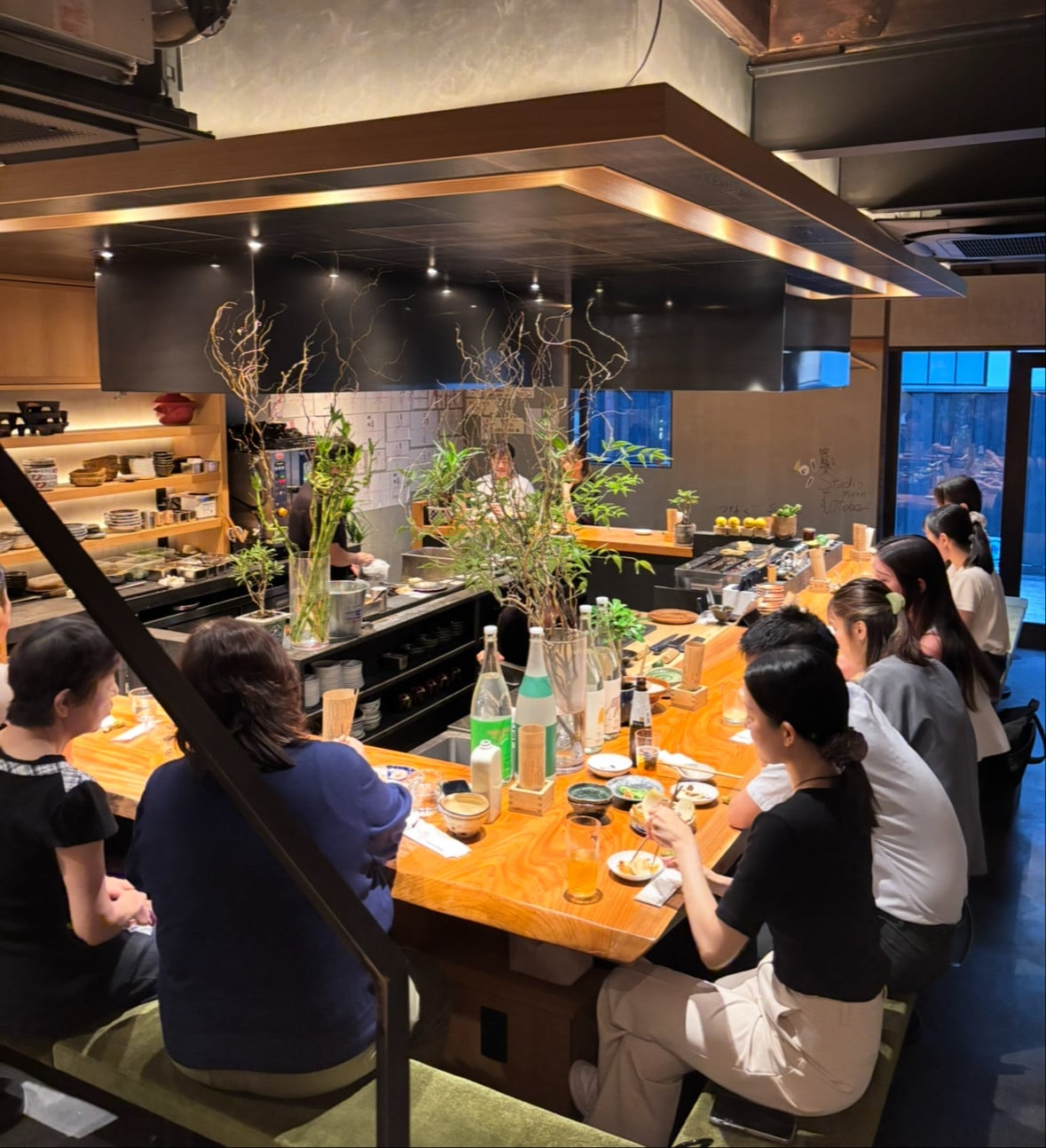
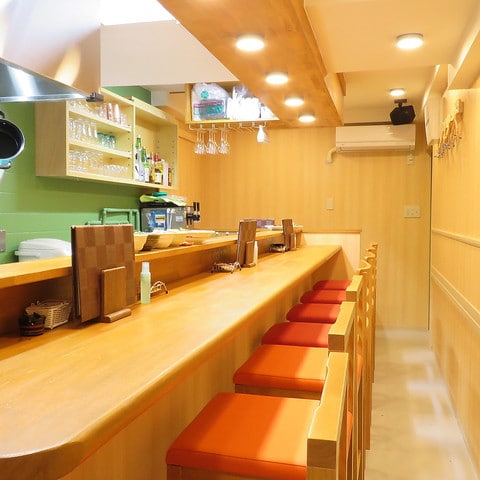
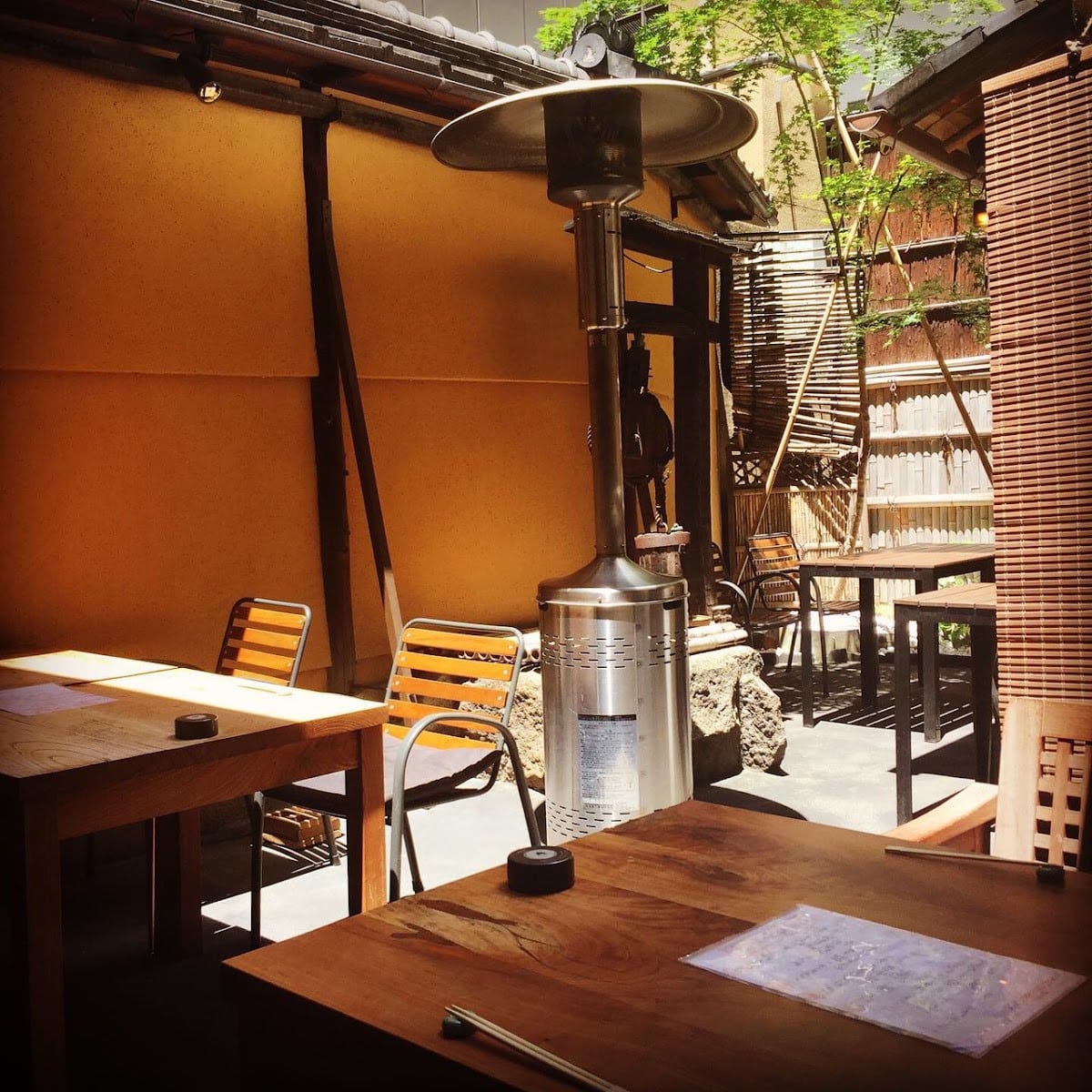
Yasai to Sakana en (野菜と魚 en) is a converted 80-year-old machiya, with a fine U-shaped wooden counter on the first floor and seating for groups on the second, focusing on refined Kyoto vegetables and fresh seafood in a calm, atmospheric setting.
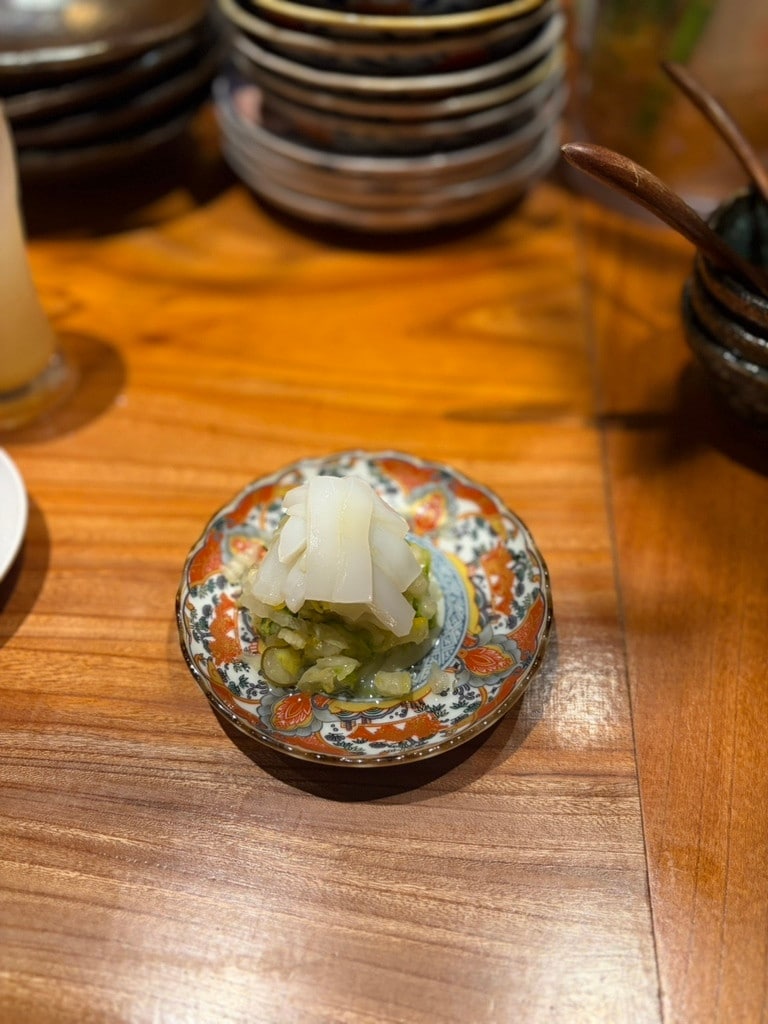
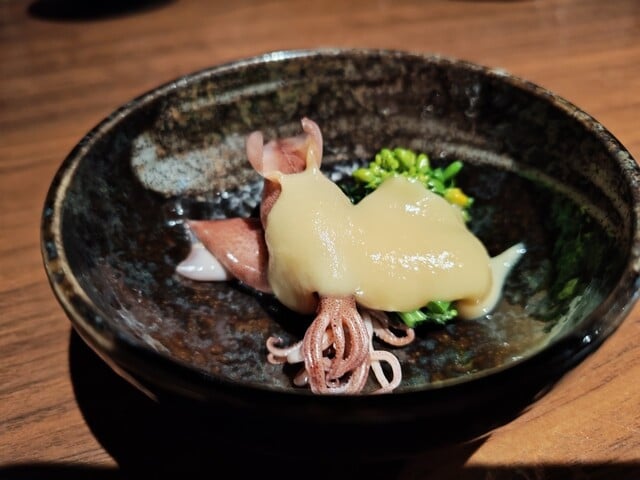
The menu changes daily with seasonal ingredients, pairing the sweetness of Kyoto vegetables and the freshness of seafood with natural-style sake, suited to casual business drinks or after-work gatherings with business partners. Hours are 16:30-22:30 (closed Wednesdays). The address is 153-10 Nagahara-cho, Ayanokoji Yanagibaba-sagaru, Shimogyo-ku, Kyoto, with prices of ¥3,000-7,000.
Budget Tempura Lunch: Yonefuku Shijo Karasuma
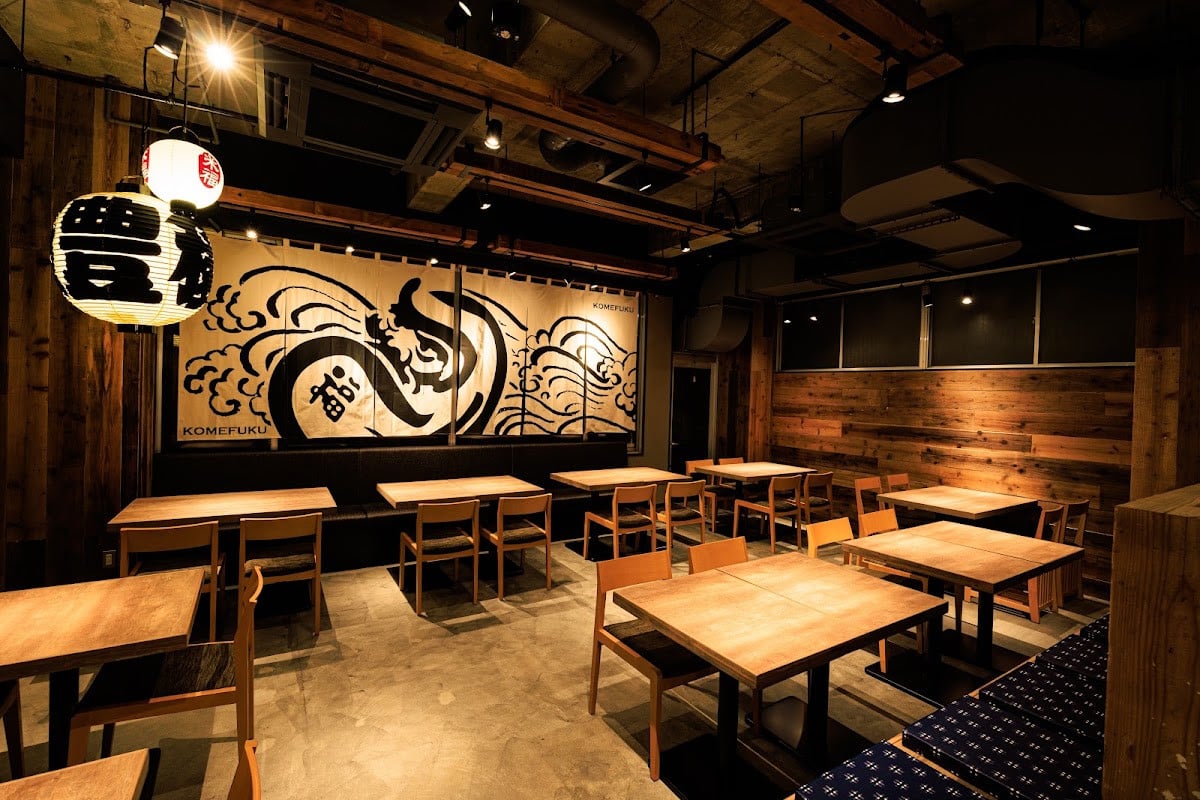
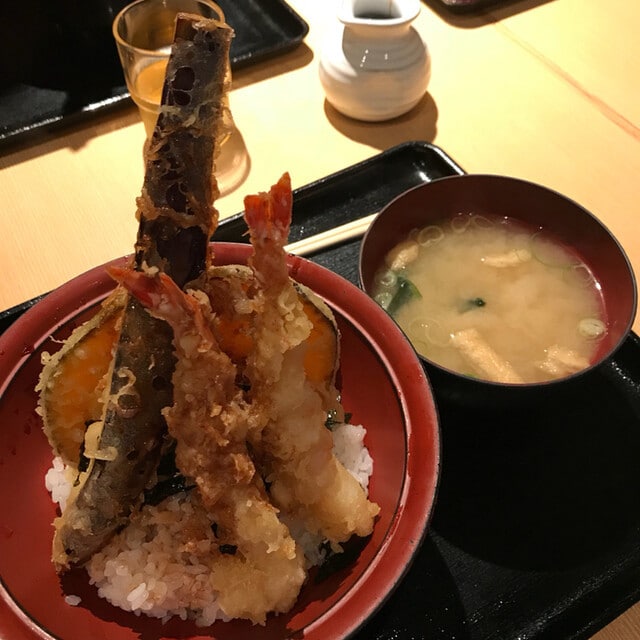
The “Yonefuku Tendon” (米福天丼, ¥890) at Tempura Sushi Kaisen Yonefuku Shijo Karasuma (天ぷら寿司海鮮 米福 四条烏丸店) went viral on social media. It comes with fried shrimp, chicken, an onsen egg, eggplant and pumpkin, plus tonjiru, for excellent value that Karasuma business lunch crowds love. Ingredients are fresh the same day and fried to order, with a crisp batter and house dipping sauce, in a bright, simple dining room with fast turnover, suited to the lunch break. The shop is near Shijo-Karasuma and Daimaru department store, within walking distance.
Creative Gyoza Specialty: Moto Gyoza (モトイギョーザ)
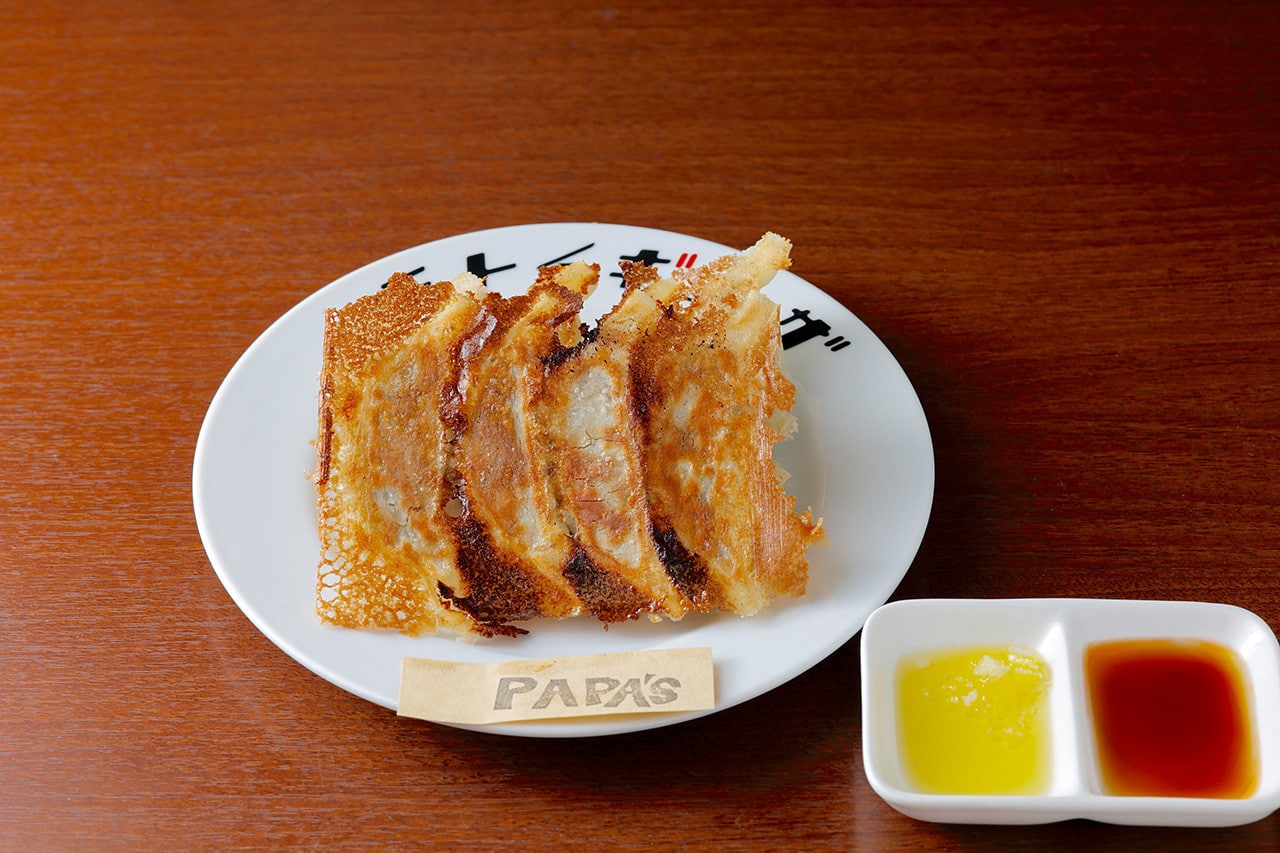
Moto Gyoza (モトイギョーザ) is run by a Michelin chef and is a gyoza specialty shop that has recently been talked about on social media. It breaks from convention, presenting thin-skinned, juicy gyoza with refined technique, combining a relaxed izakaya mood with the chef’s finesse. The pan-fried gyoza have a crisp skin and generous filling and pair well with the house dipping sauce and Kyoto local beer or sake. It suits after-work drinks and is also a great choice for visitors to experience Karasuma’s new style of izakaya culture.
Budget Kaiseki / Kappo: Craftsman Cooking for Around ¥3,000
The Karasuma area offers midday kappo options at around ¥3,000. The Michelin Bib Gourmand “Ippin Hashicho” has a lunch set from ¥3,000, good for an easy taste of authentic kappo. “Hyoto Shijo Karasuma,” which also focuses on lunch sets, lets you try the artisan-simmered kombu broth shabu-shabu at midday; please check lunch menus and prices with the restaurant.
Compared with formal dinners that start at ¥10,000 and up, budget midday kappo is a practical way to experience Karasuma’s kappo culture while keeping to a budget. Go at midday and book early.
What to Eat Near Karasuma? A Guide to Quality Lunch and Business Dinner Restaurants
From lunch sets for around ¥1,000 to artisan handmade soba, these restaurants are the best choices for Karasuma business lunches and casual gatherings.
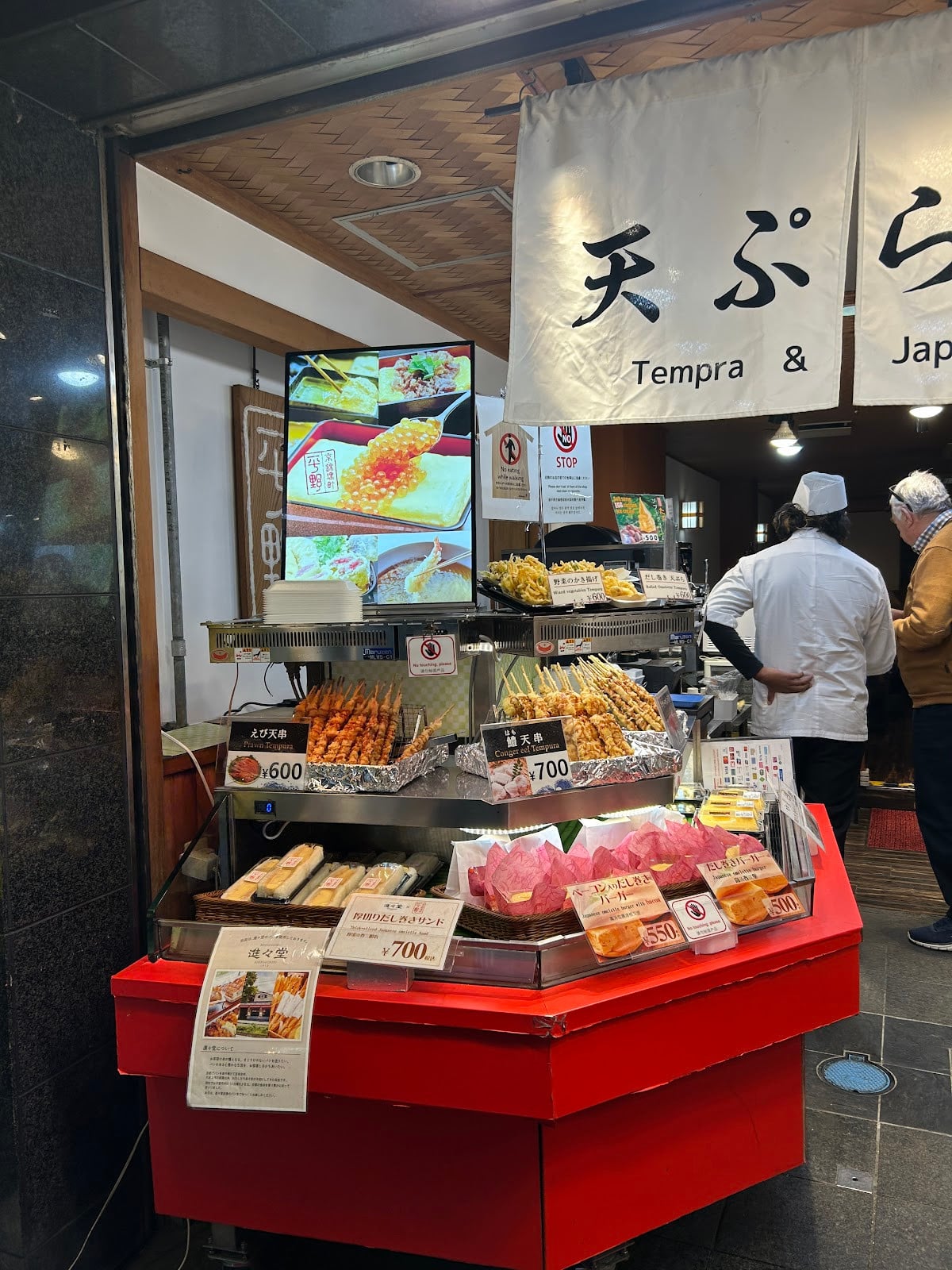
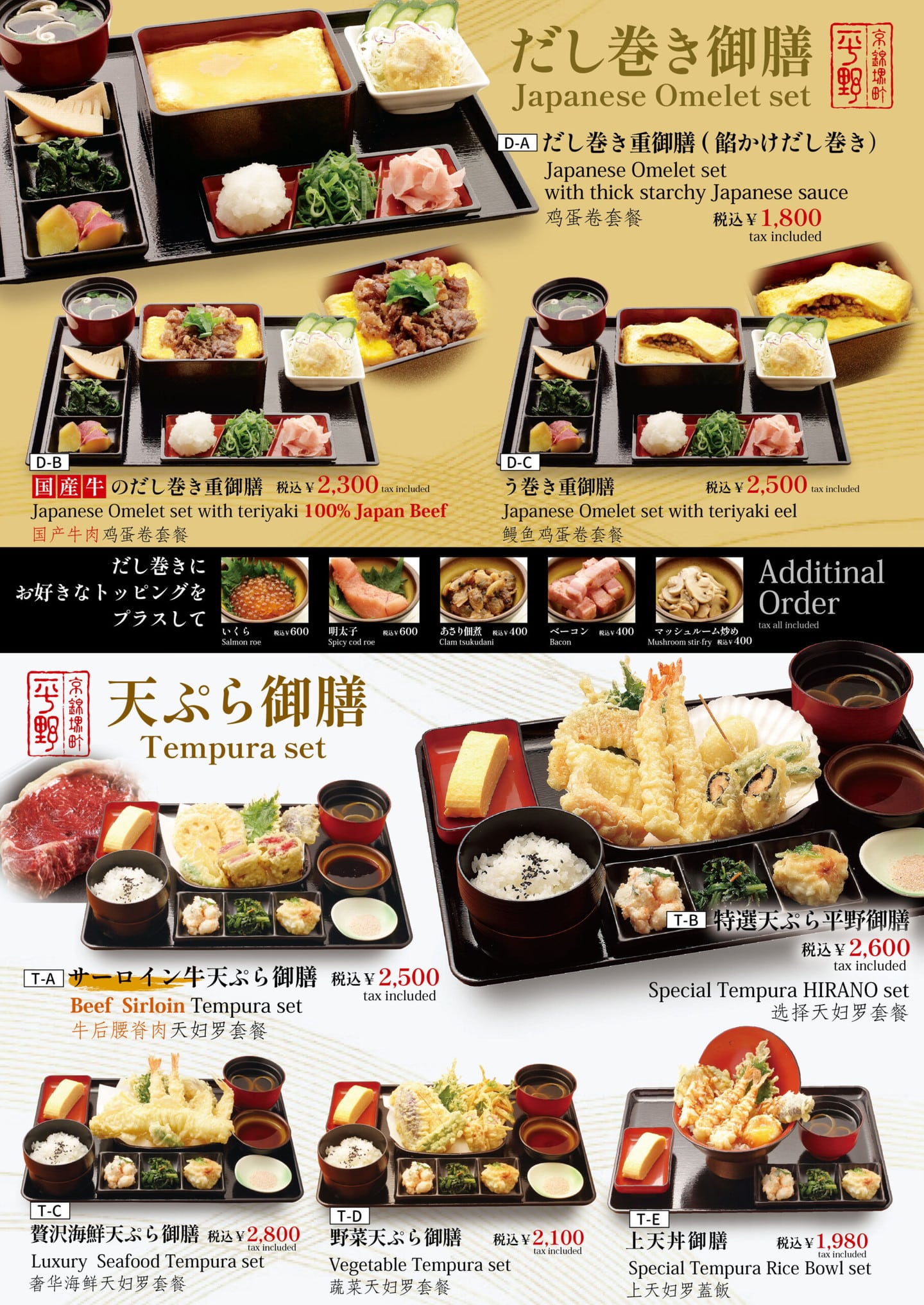
Nishi Hirano (錦平野): A Leading Premium Tempura Set
Nishi Hirano (錦平野) is known for its refined tempura sets, with a signature combination of dashi-maki tamago and tempura, with a thin, crisp batter that is not greasy. The shop is simple and bright with fast turnover, suited to business lunches or small office get-togethers. Sets cost around ¥1,000, with excellent value. It is near the Shijo-Karasuma office district and often has a line at weekday noon, so avoid the 12:00 peak or arrive 15 minutes early to queue.
Kyoto Ayanokoji Mangetsu no Hana (京都綾小路 滿月之花): A Relaxed Kyo-Machiya Choice
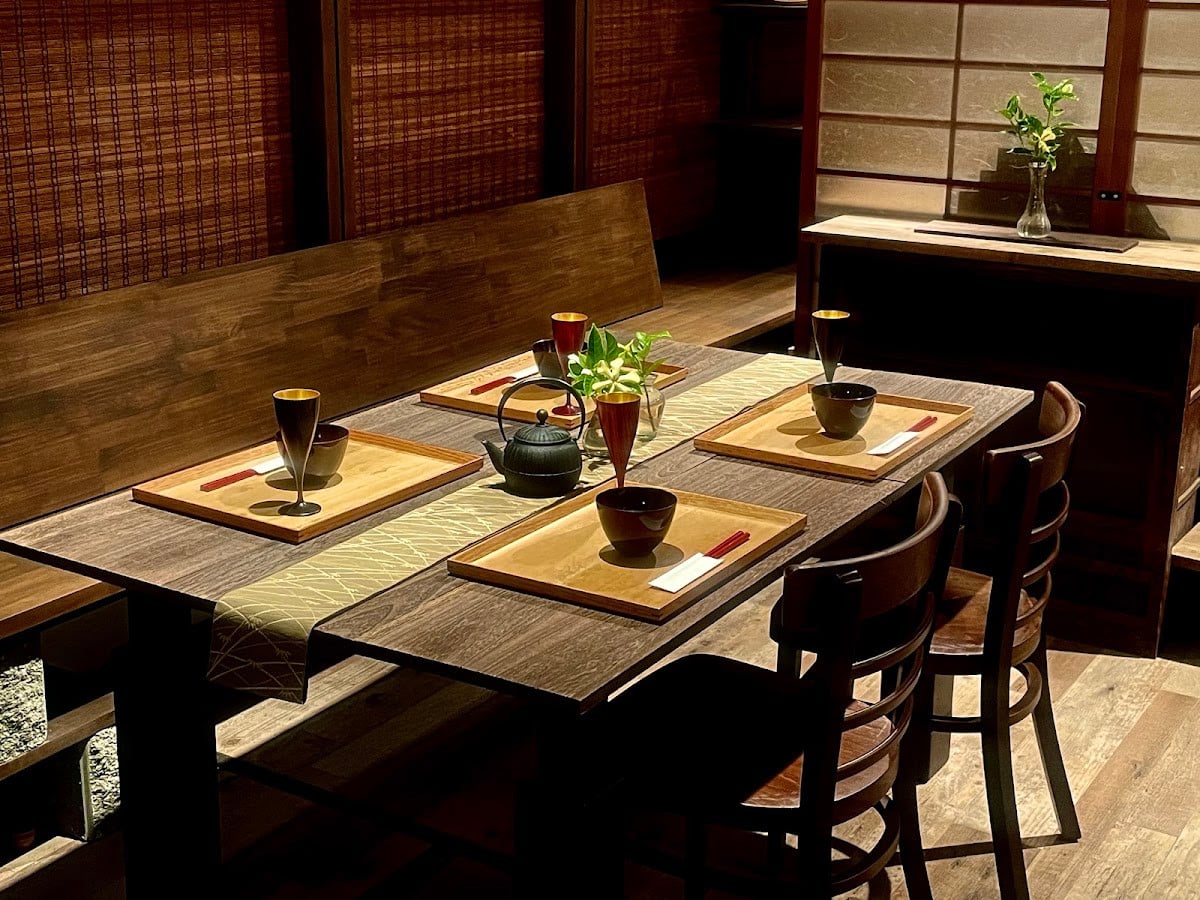
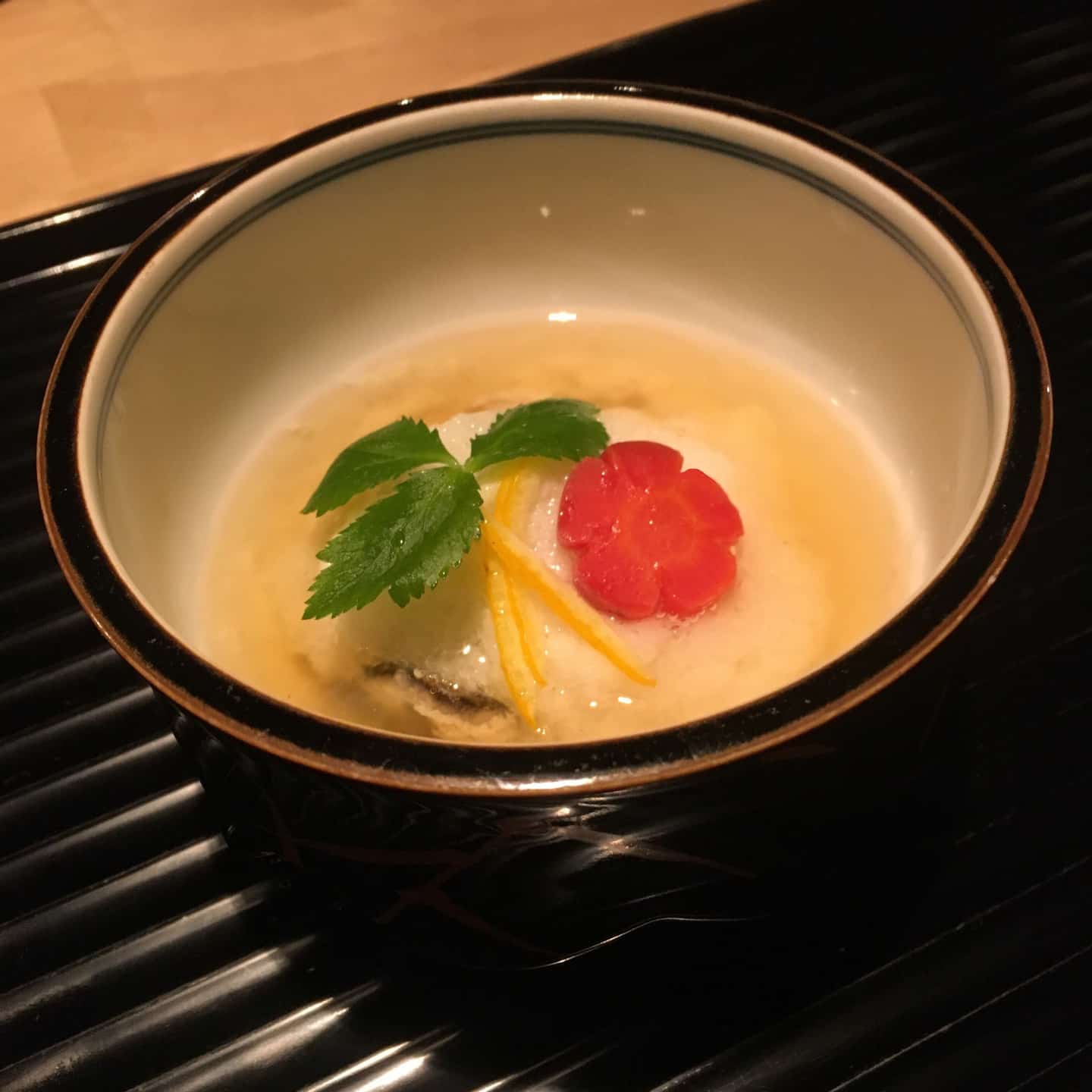
This Kyo-machiya restaurant offers an easy way to enjoy Kyoto flavors. Lunch sets cost about ¥2,000 or less, and dinner serves kaiseki, suited to a daytime business lunch or a formal evening. The restaurant preserves the traditional wooden layout and garden views, with an elegant, calm dining atmosphere.
The menu is based on Kyoto home cooking with seasonal ingredients, in moderate portions and careful presentation, suited to feeling authentic Kyoto atmosphere. The location is convenient, about 10 minutes on foot from Karasuma Station.
Kyoto Pork Shabu-Shabu Hanabusa Shijo Karasuma Main Shop (英): Popular Shabu-Shabu with a House-Made Broth
Hanabusa takes pride in its house-made broth, using domestic Japanese pork or Awaodori chicken slices and finishing with its signature “special egg noodles,” with a sweet, savory broth. The interior is warm and has private rooms, suited to business dinners or family gatherings. Sets include several dipping sauces and a vegetable plate that preserve the natural taste of the ingredients. It is popular at dinner, so book ahead; on weekends and long holidays seats are hard to find. It is near Shijo-Karasuma subway station for easy access.
Kyo no Oshokujidokoro Obanzai to Kushiage Mai-ki (京のお食事処 おばんざいと串揚げ まい㐂): Creative Kushiage and Home Cooking
Mai-ki (まい㐂) serves creative kushiage (fried skewers) and Kyoto home cooking (obanzai). Its signature “Angel Shrimp” with a crisp outside and tender inside is the most popular, and there are also Western dishes such as pasta for variety. The atmosphere is relaxed and casual, prices are moderate, and it suits after-work drinks with colleagues, a top choice for an izakaya-style informal business gathering. The menu is rich, and you can order a variety of small dishes and skewer sets by group size, good for sharing.
Bakery Cafe Restaurant Robinson Karasuma: French and Italian Food in a Kyo-Machiya
Robinson Karasuma is set in a Kyo-machiya building and serves French and Italian cooking that incorporates Kyoto vegetables. Its unlimited house-made bread is a highlight, and desserts can be customized with a personal message, suited to birthdays or business dinners marking an occasion.
The interior combines traditional wooden structure with modern minimalist decor, an elegant, warm atmosphere suited to afternoon tea or dinner for out-of-town clients, where Kyoto and European cuisine meet; it is a rare multi-purpose dining space in the Karasuma area.
Soba Bar Seishuan (清修庵): A Convenient Multi-Purpose Izakaya
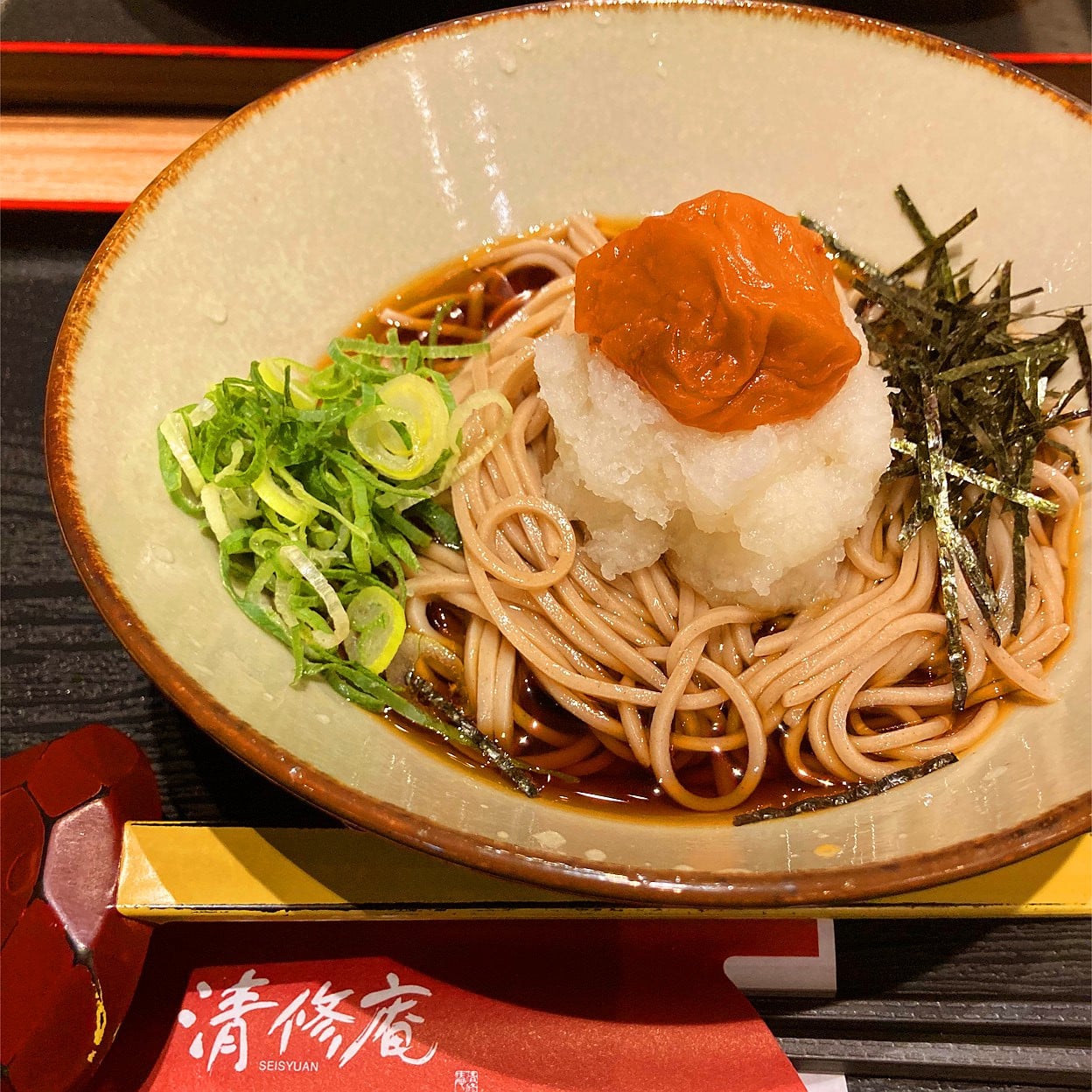
Seishuan (清修庵) serves soba, udon and all-day sets (such as tempura and karaage), plus yakitori skewers and many kinds of sake, flexible for either a casual drink or a party, in an extremely convenient location.
The soba is hand-cut by artisans with a springy, chewy texture, and the special dipping sauce adds layers of flavor. The space is flexible, suited from a get-together of 2 to business dinners of 10 or more, and it is one of the few izakaya-type restaurants in the Karasuma area serving all day.
Mikurisan (みくり桑): Ultimate Fried Fish, Crisp Outside and Tender Inside
Mikurisan (みくり桑) is known for creative Japanese cooking and fried dishes. Its signature “Ultimate Raw Aji Fry” has a crisp coating and an inside that keeps a sashimi-like tenderness, the must-order dish that shows the chef’s precision with ingredients.
The menu blends creative Japanese cooking and traditional fried dishes, suited to adventurous business clients, with a relaxed mood and no drop in quality. The space is small but refined, good for small business dinners of 4 to 6; book ahead to avoid missing out.
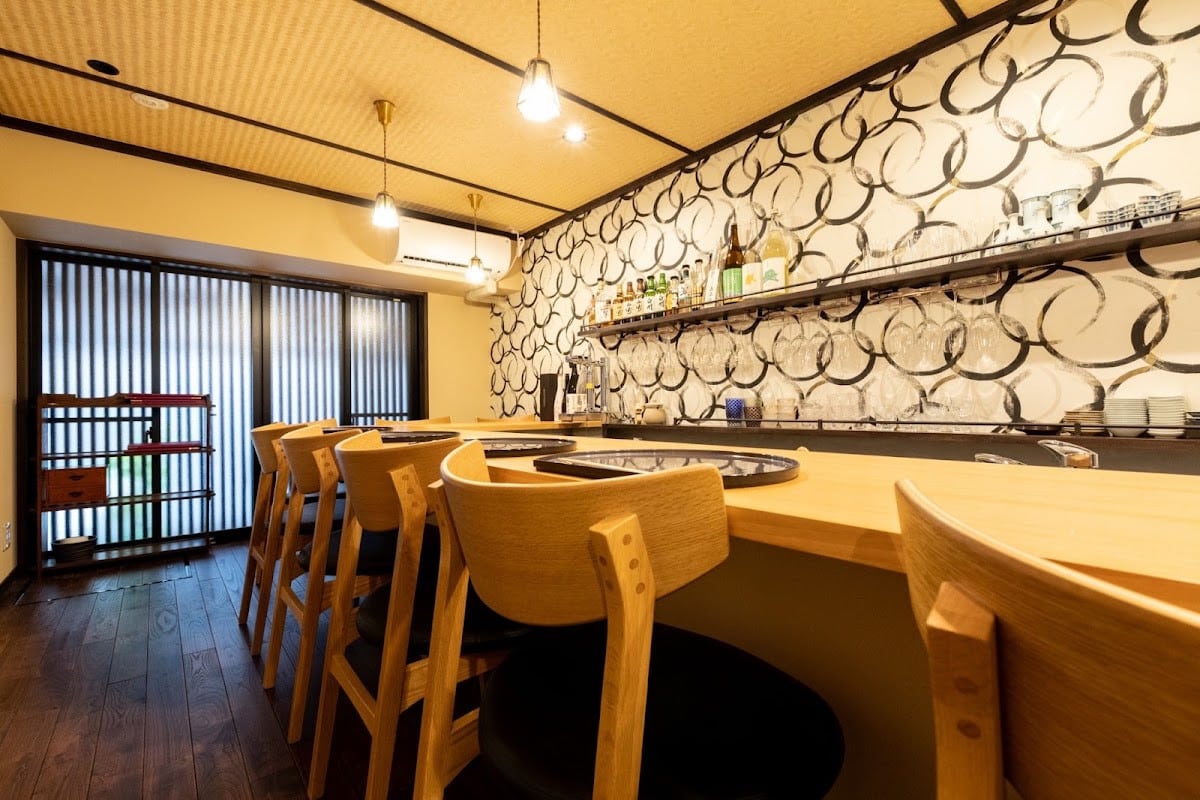
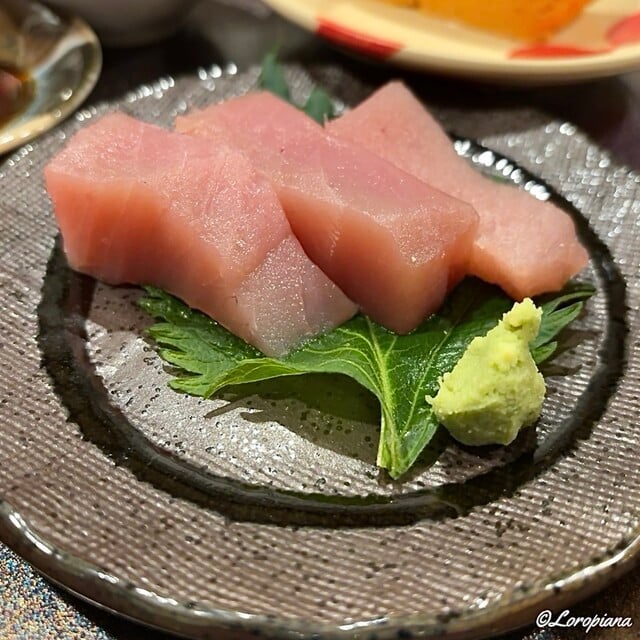
Italian Restaurant ricetta8.7: An Italian Feast of Seasonal Ingredients
ricetta8.7 focuses on Italian set menus of seasonal ingredients, with combinations that change by season, from antipasto and pasta to the main course, showing the chef’s insistence on freshness and careful control of heat.
The interior is elegant yet relaxed, suited to business lunches or small evening dinners. Set prices are mid-to-high but worth it. Because it emphasizes seasonal ingredients, the menu changes every month, suiting foodies and business clients who like to try new dishes.
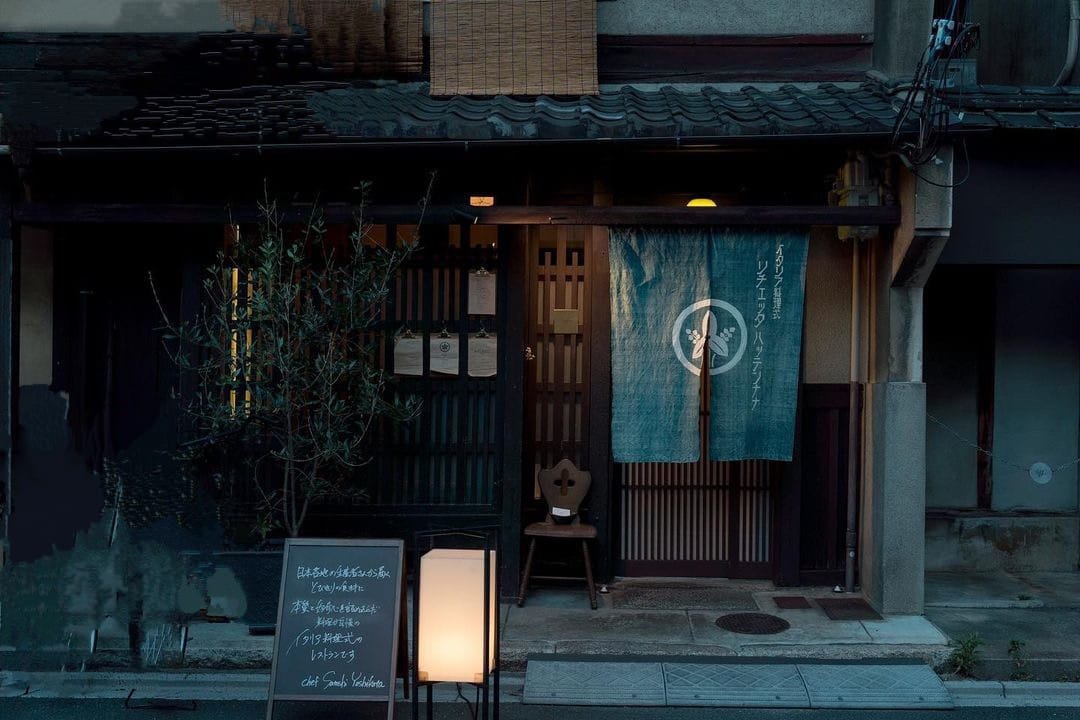
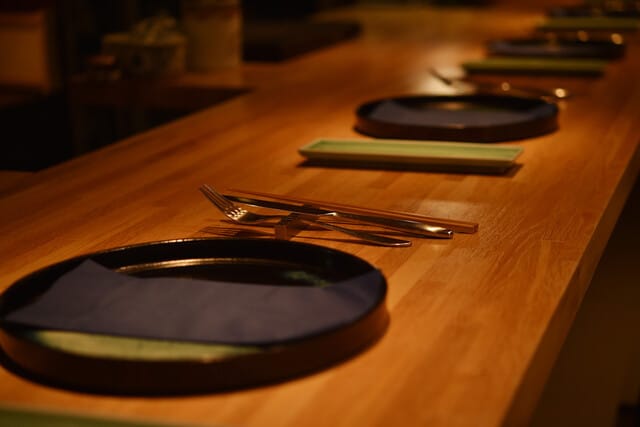
Ikkakuju Shijo Shinmachi (一角十 四條新町店): Artisan-Style Okonomiyaki
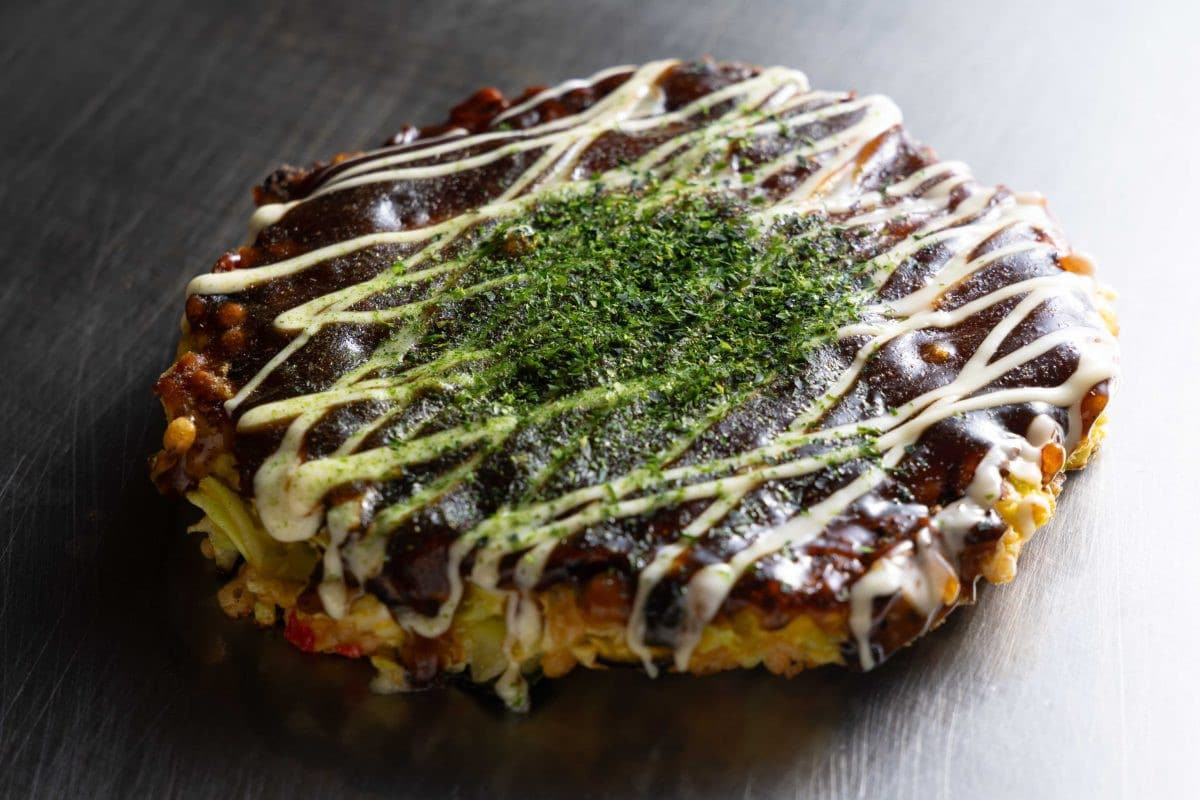
Ikkakuju (一角十) makes okonomiyaki with a proprietary cabbage-drying technique that makes the batter softer and moister, the shop’s signature feature. It uses seasonal ingredients with many topping combinations, and the filling can be customized to taste.
The dining mood is relaxed and casual, and the aroma and sizzle of food cooked on the griddle add to the fun, suited to after-work drinks or family gatherings. Prices are affordable, and it is one of the few teppan-style options in the Karasuma area.
Manzara-tei Sanjo Takakura (まんざら亭 三條高倉): A Kyoto Beef Teppanyaki Feast
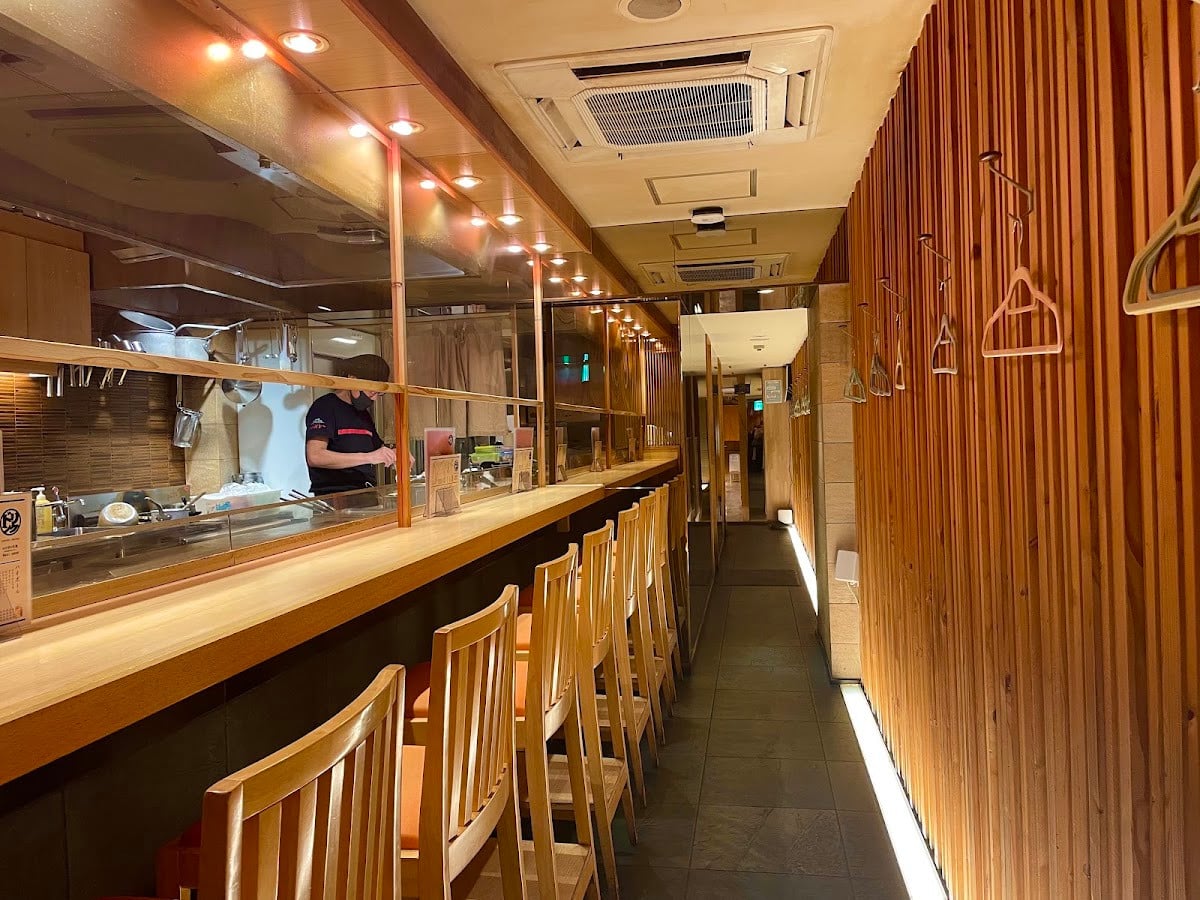
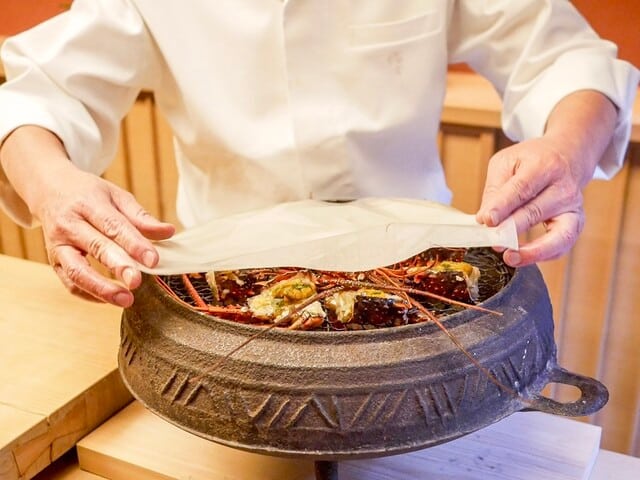
Manzara-tei (まんざら亭) focuses on teppanyaki, using local ingredients such as Kyoto beef, Tamba pork and Kyo-akajidori chicken, with Kyoto home cooking and organic wine, a choice for business entertaining that delights both the eye and the palate.
The chef cooks on the griddle in front of guests, with tender, juicy meat and house-made sauces that add layers of flavor. The space has counter seats and private rooms, suited to small business dinners or special occasions, and is about 5 minutes on foot from Karasuma-Oike Station.
Tempura Tenshin Kyoto Shinpukan (天ぷら 天寅 京都新風館店): Creative Tempura Rice Bowls
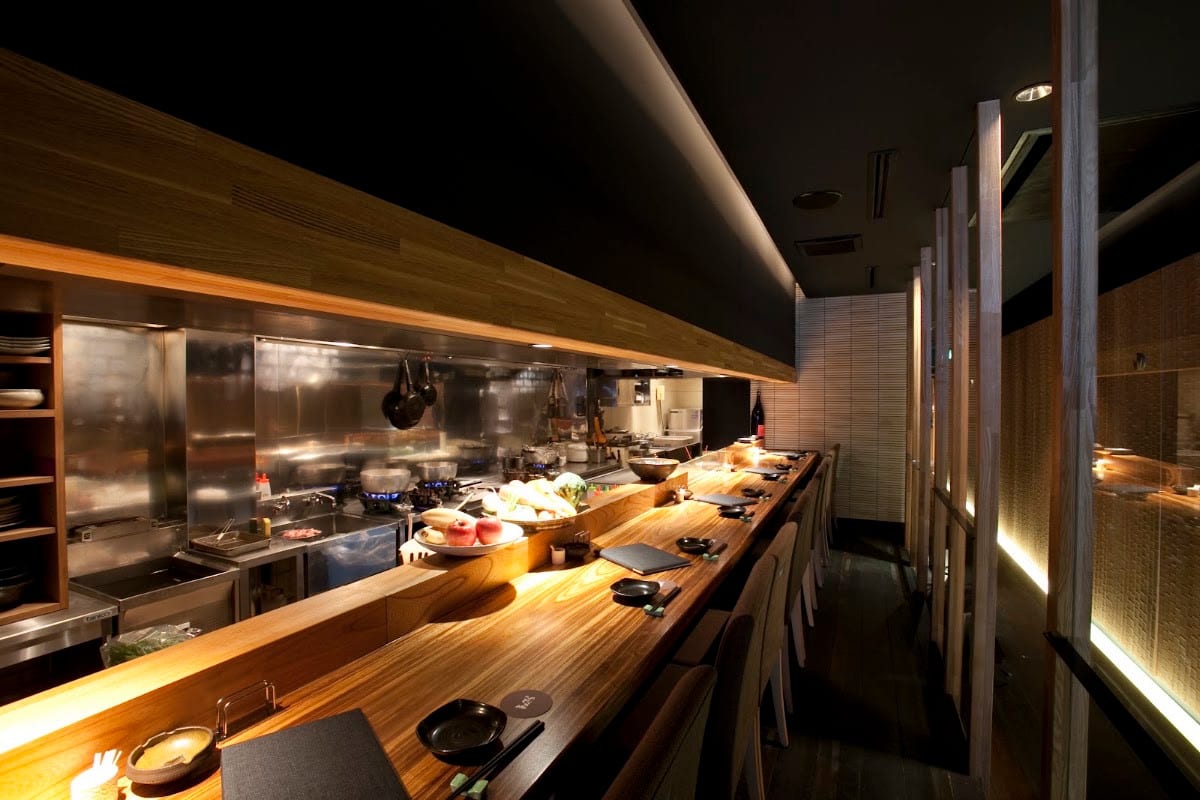
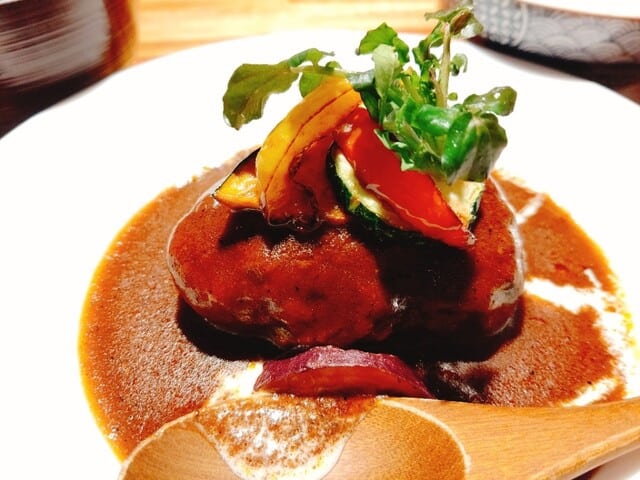
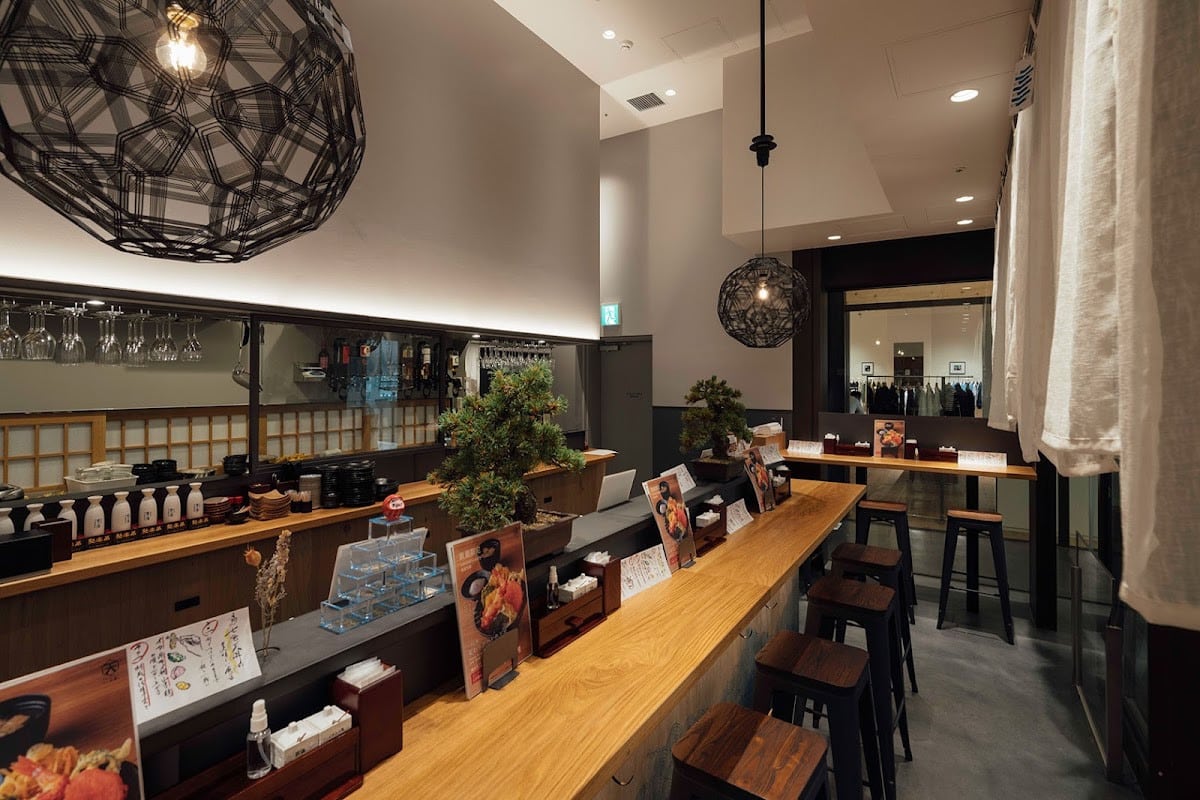
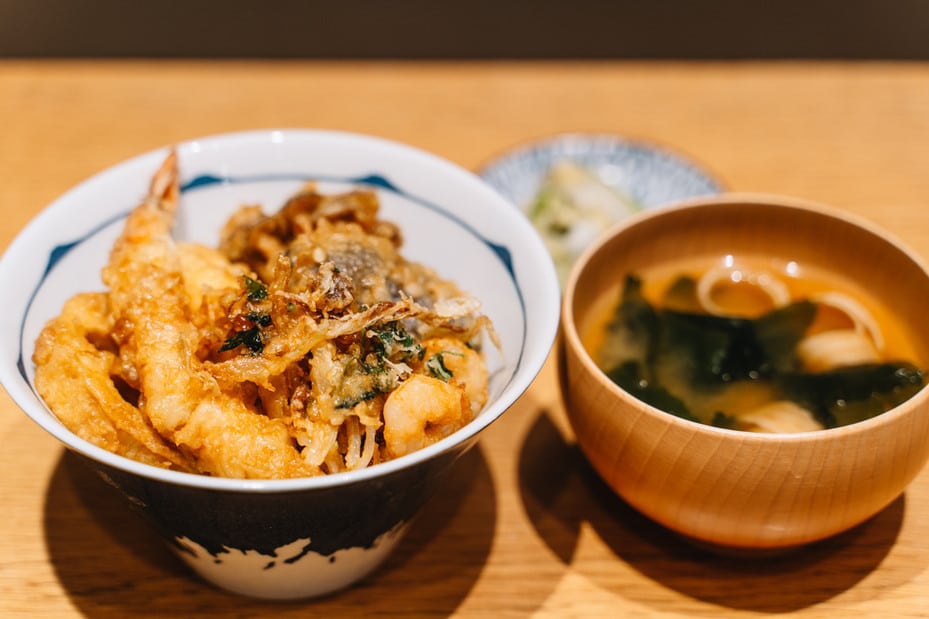
Tenshin (天寅) is inside Kyoto Shinpukan and offers creative tempura. Signatures include “sea bream dashi-simmered daikon tempura” and “truffle-salt lobster tempura,” combining traditional tempura with modern creative techniques, strong in both looks and flavor.
It also serves tempura rice bowl sets, good for a quick solo business lunch. Because it is inside the Shinpukan mall, you can shop after your meal, a one-stop choice combining shopping and food, with easy access near Karasuma-Oike Station.
Nishiki Tenmangu (錦天満宮): A Market Guardian Shrine for Academic Success and Business Prosperity
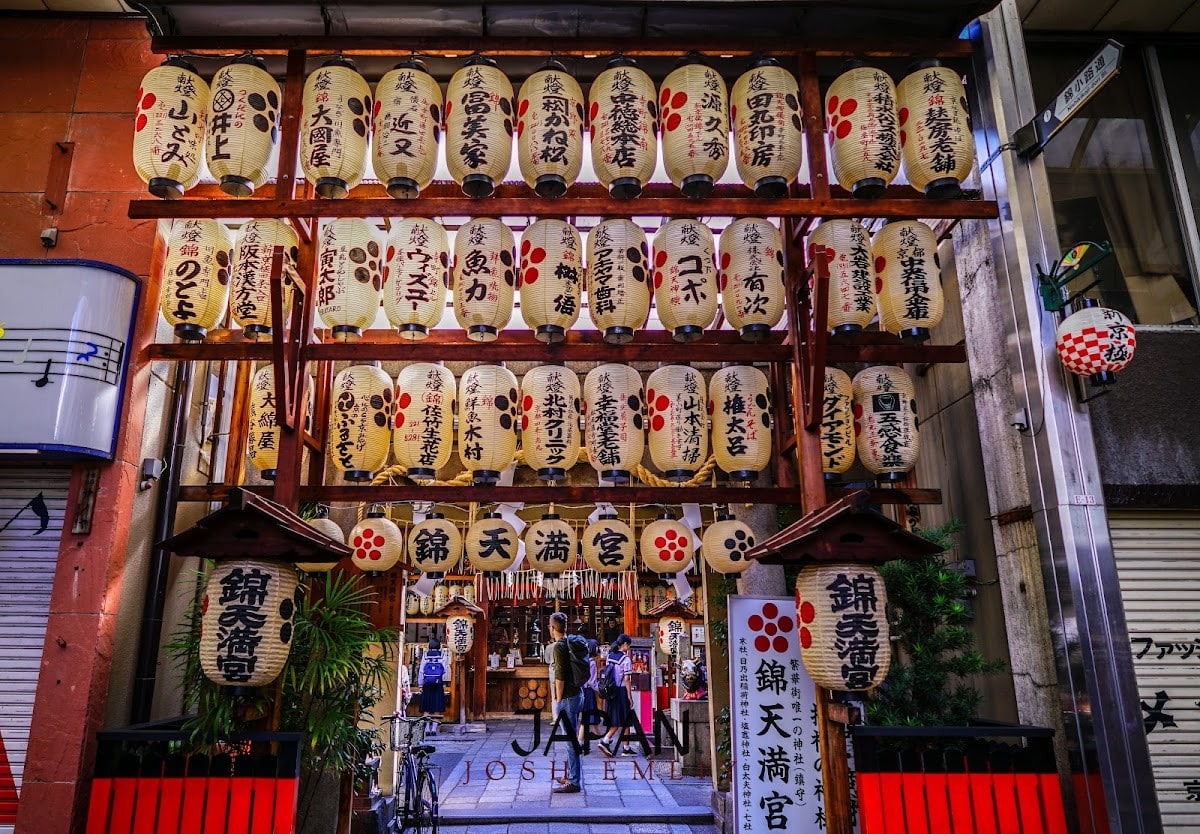
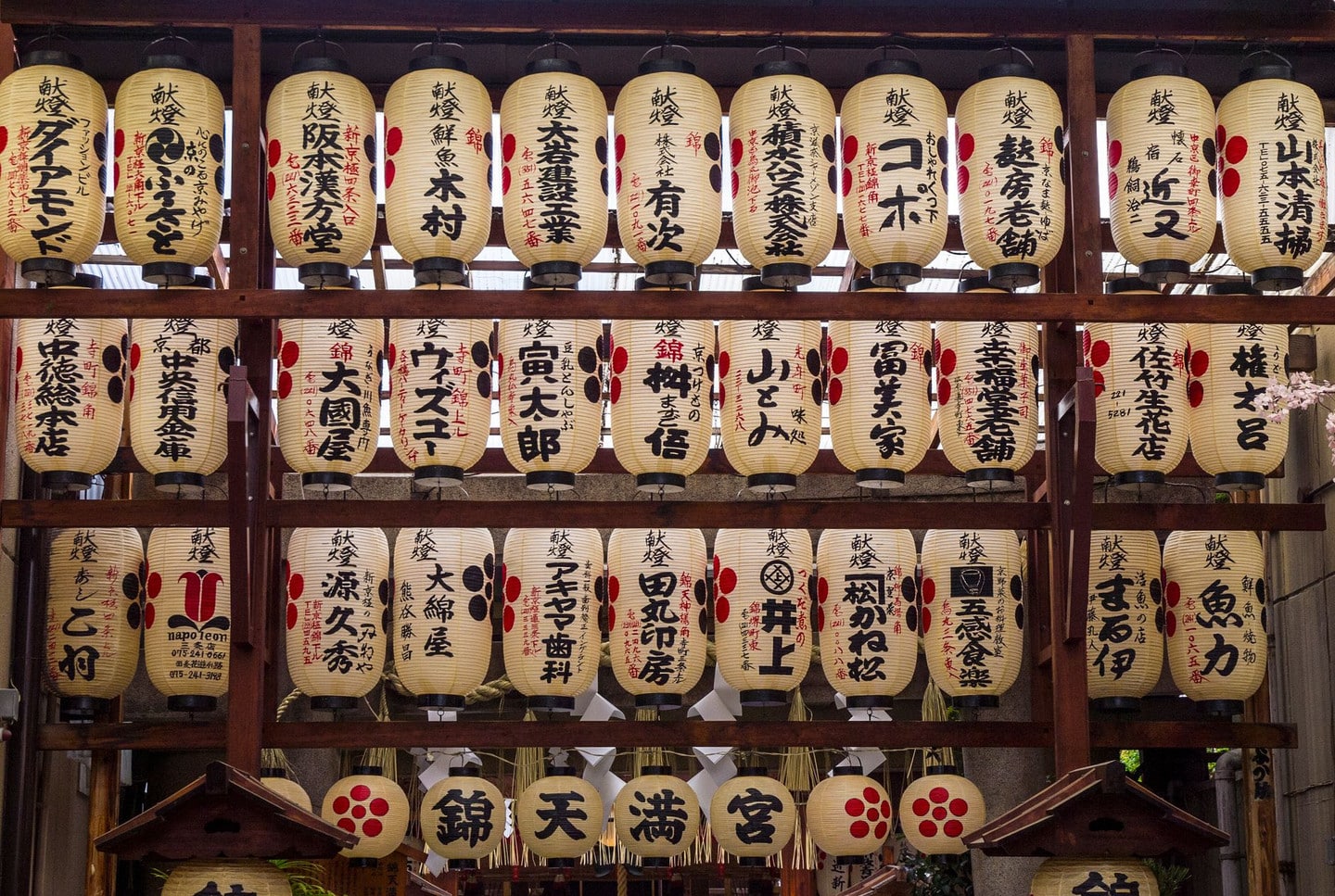
Nishiki Tenmangu (錦天満宮) stands at the entrance of Nishiki Market and enshrines Sugawara no Michizane, the god of learning. It is one of the few Kyoto shrines “hidden in a market,” with a torii gate built right into the walls of the buildings on both sides, a unique city scene. Many business people come to pray for prosperity, and omamori charms and goshuin are available. Small but busy, it is a convenient stop after Nishiki Market; plan 15 to 20 minutes. Admission is free and it is open all year, the best intermediate stop between faith and market food.
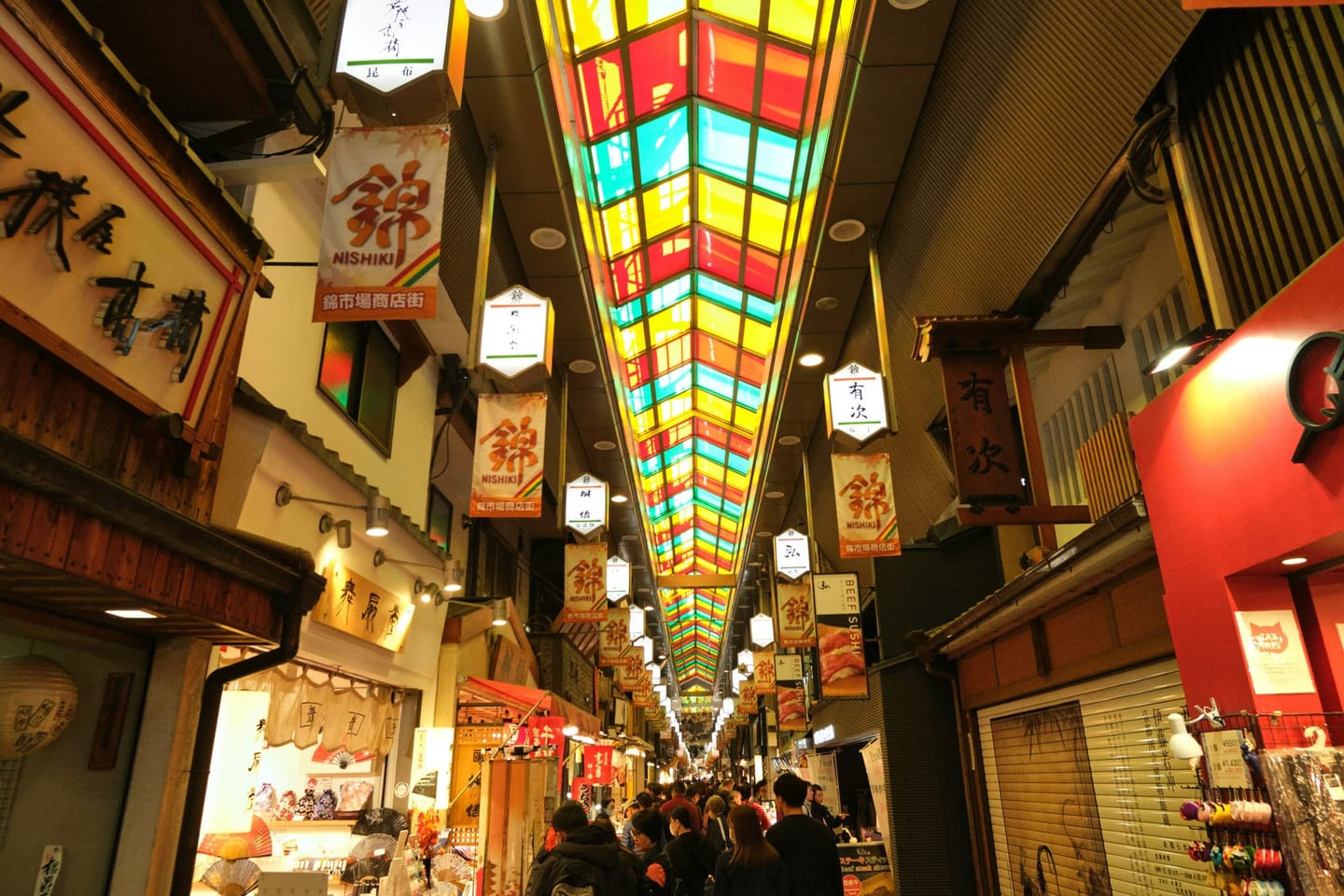
What to Eat Around Nishiki Market and Shinpukan? Street Food and 2026 New Openings
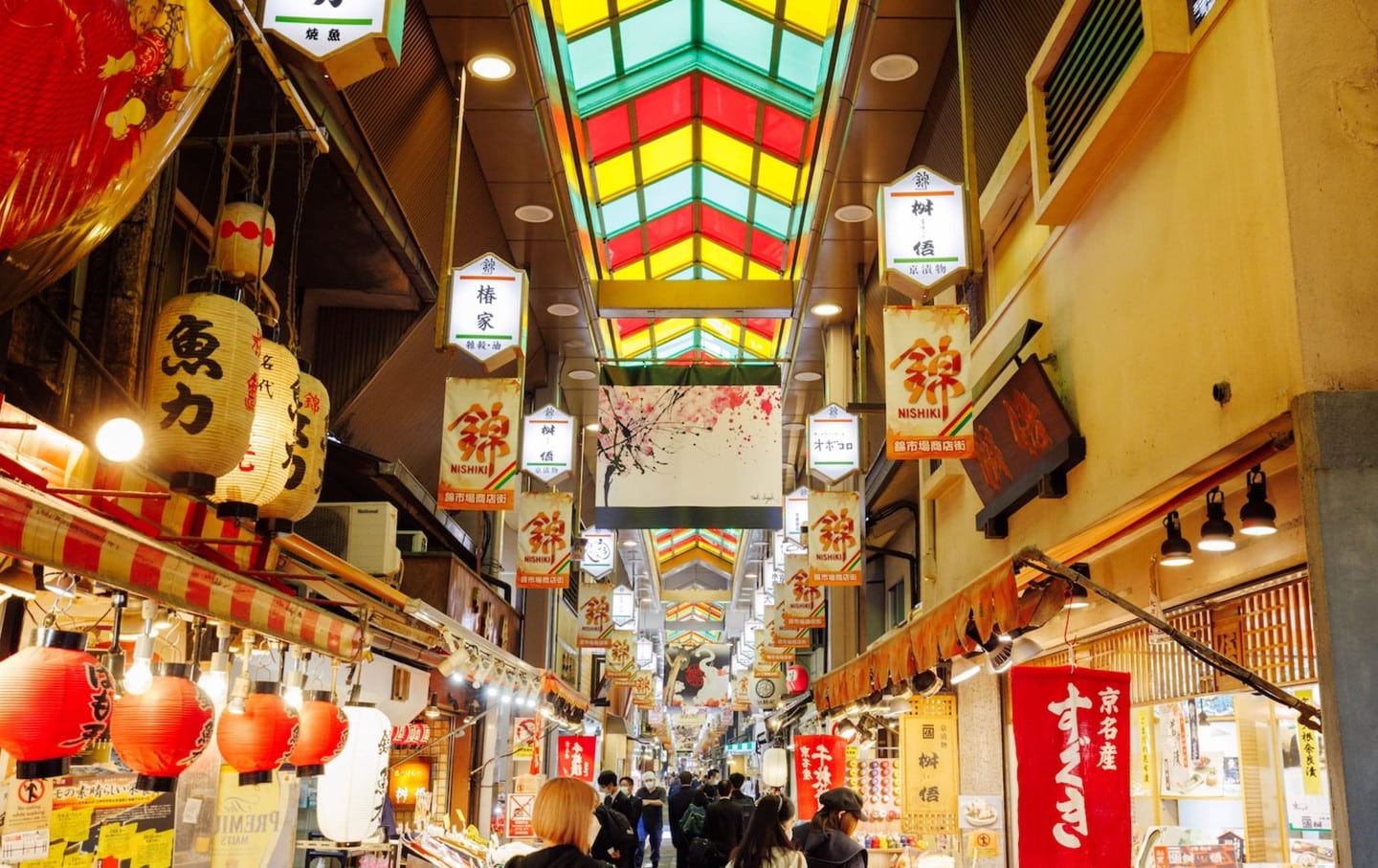
Nishiki Market and Shinpukan are the liveliest street-food clusters around Karasuma and a hot spot for new openings in 2026.

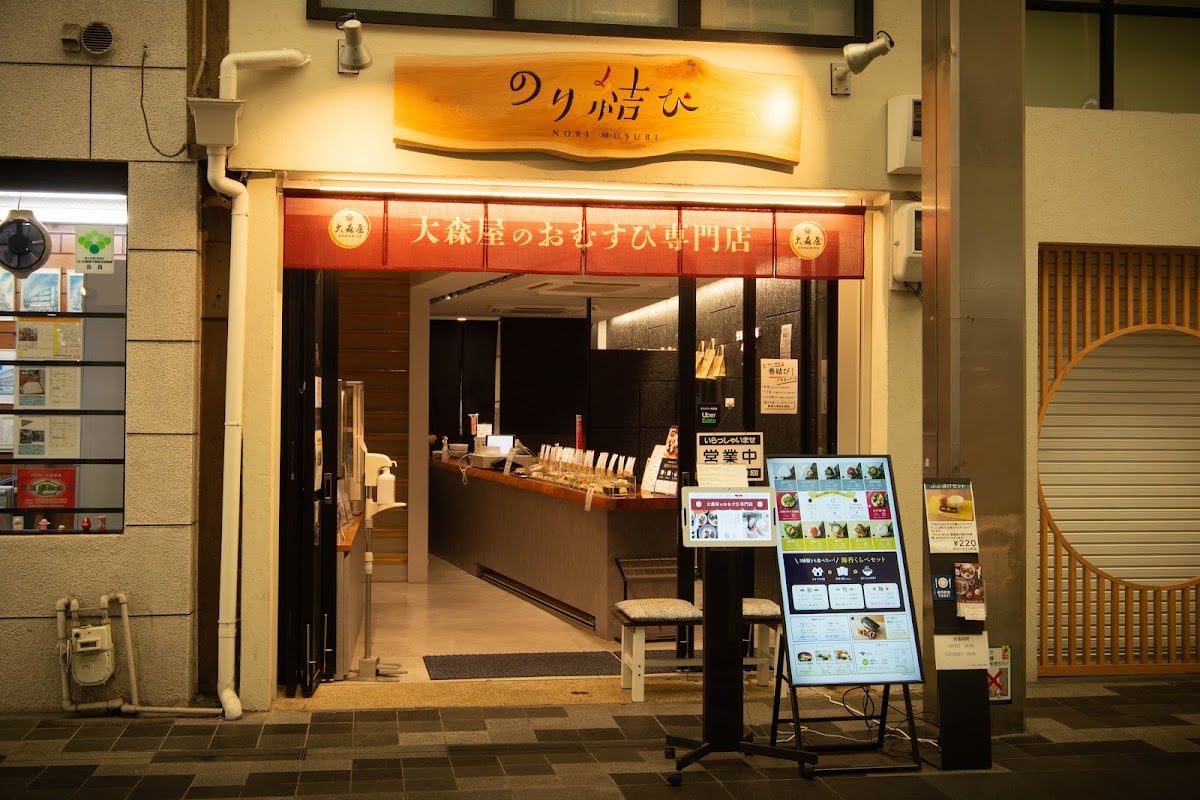
Nori Musubi (海苔結): Artisan Handmade Onigiri Shop
Nori Musubi Kyoto Teramachi Shop (海苔結 京都寺町店) offers 12 flavors of handmade onigiri daily, wrapped to order, with warm, soft rice that is not sticky. The “salted salmon roe” onigiri pairs distinct salmon roe with perfectly salted rice, a convenient quick bite while visiting Nishiki Market. The shop carefully selects local Kyoto rice and fillings; each onigiri costs about ¥300-500 and can be paired with miso soup or tea for a simple lunch. Near the Nishiki Market entrance, it is a great place to refuel.
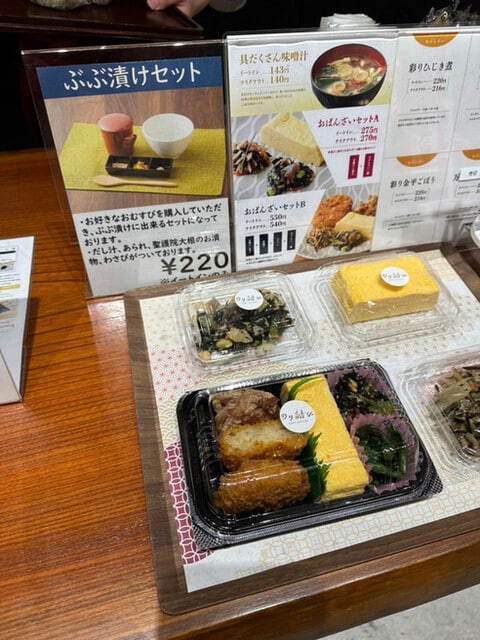
Kyoto Yakiniku Nandaimon (京都焼肉南大門): Korean Banchan and Gimbap Rolls
Kyoto Yakiniku Nandaimon Korean Banchan & Gimbap (京都焼肉南大門 韓式小菜&金包) features authentic Korean gimbap rolls. Signatures include beef kimchi rolls and crab salad rolls, and there are mini roll assortments for sharing. The shop also sells various Korean side dishes whose tangy, spicy flavors make good appetizers before a yakiniku meal.
Prices are affordable and portions generous, a rare Korean street-food option around Nishiki Market and also good as a takeaway souvenir. The shop is bright and tidy, suited to a quick meal or takeaway to eat while walking, and is popular with young visitors and local students.
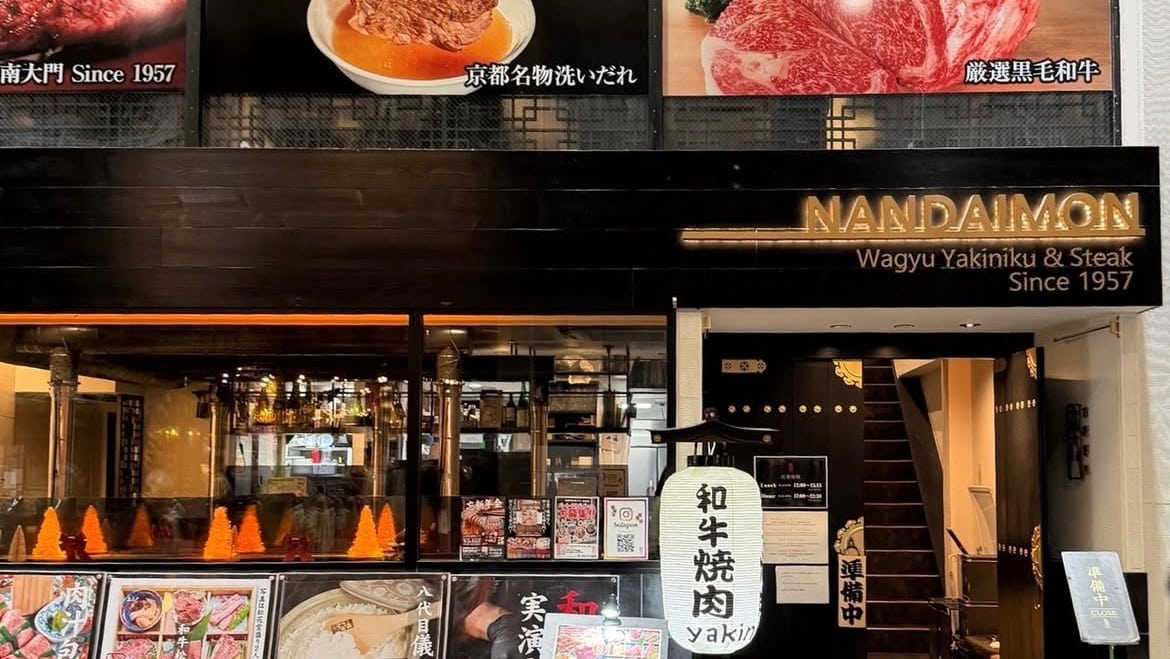
Kyoto Steak Nandaimon (京都ステーキ南大門): Wagyu Sushi and Rice Bowls
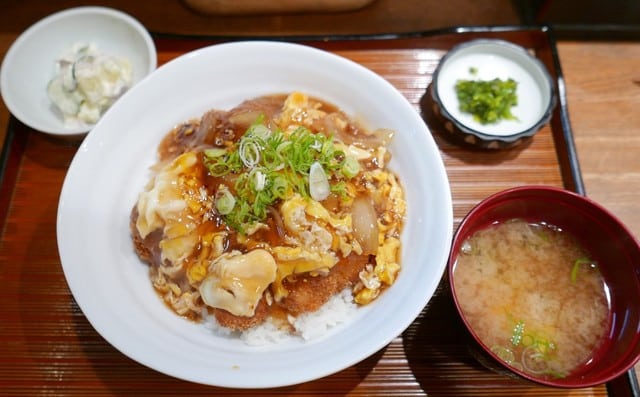
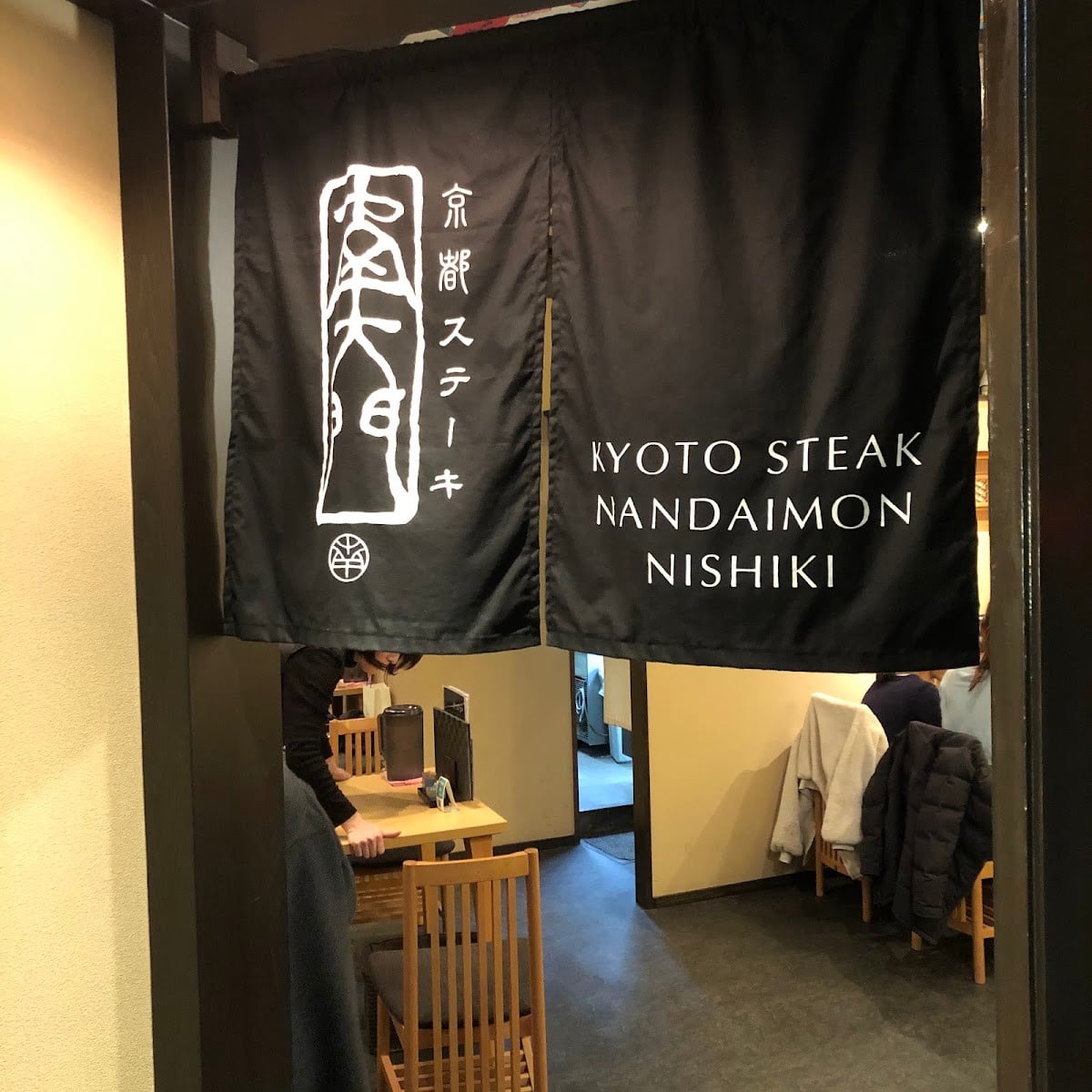
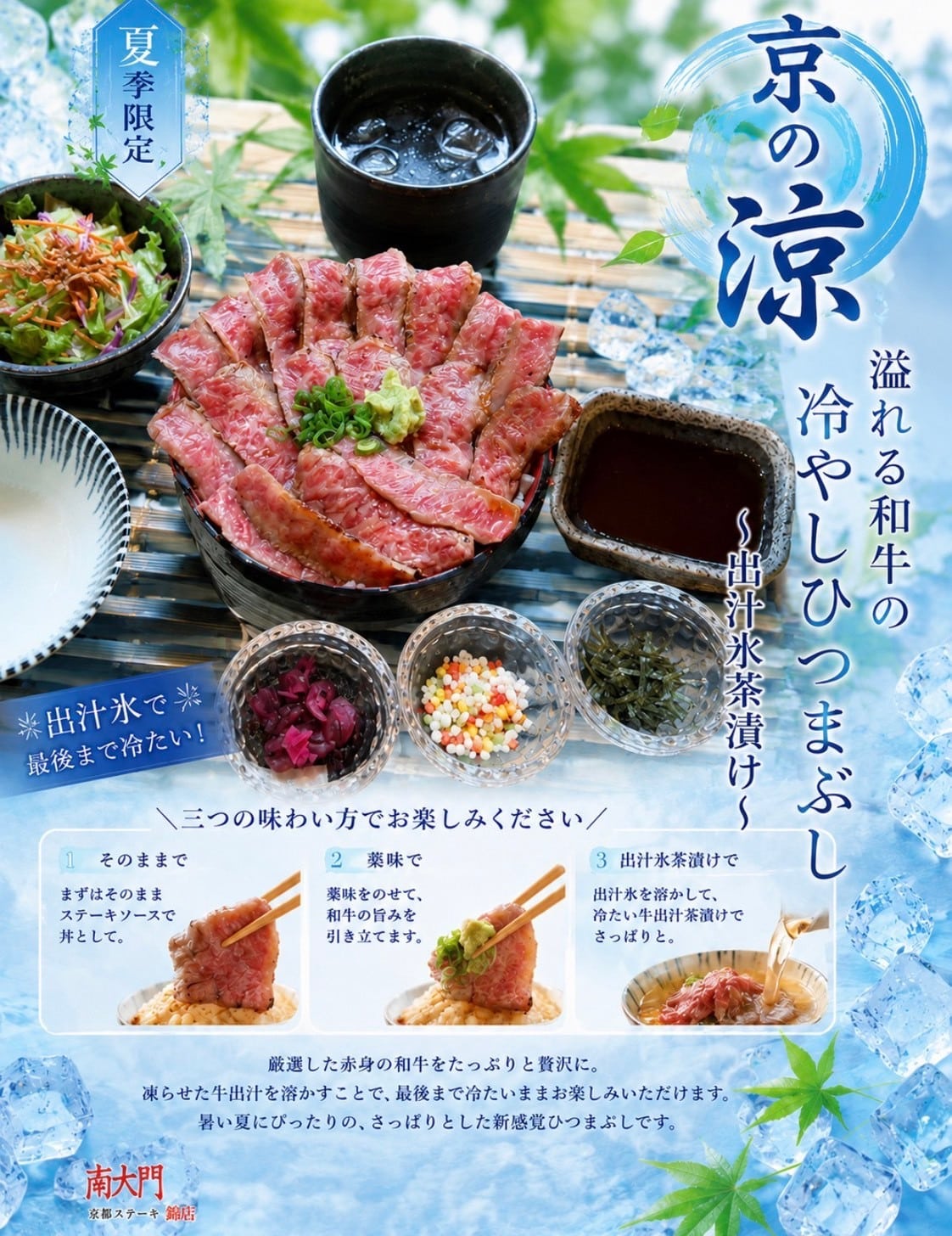
Kyoto Steak Nandaimon Nishiki Shop (京都ステーキ南大門 錦店) focuses on a creative mix of wagyu steak and sushi. Its signature “seared wagyu don” is topped with slices of seared wagyu and a special sauce, tender and juicy, one of the most popular standing-eat dishes around Nishiki Market. The shop has an open kitchen where you can watch artisans sear the wagyu up close, with a wonderful aroma. Prices are moderate, good for travelers on a budget who want to taste wagyu, and a famous shop worth lining up for while visiting Nishiki Market.
Manzara-tei NISHIKI (萬皿亭 NISHIKI): Charcoal Grill and Limited Handmade Soba
Manzaratei NISHIKI (萬皿亭 NISHIKI) offers charcoal-grilled dishes and a variety of small plates. The limited “handmade soba” requires advance reservation; the noodles are firm and chewy, with a rich dipping sauce for strong flavor, the shop’s hidden signature.
Its charcoal-grill series uses binchotan charcoal over slow heat to lock in the natural taste of the ingredients, suited to travelers who like authentic Japanese charcoal grilling. The space blends traditional and modern design, in an alley near Nishiki Market, with a calm mood good for a drink.
Kamo Tokidoki Uma (鴨ときどき馬): A Newly Opened Duck and Horse Meat Specialty
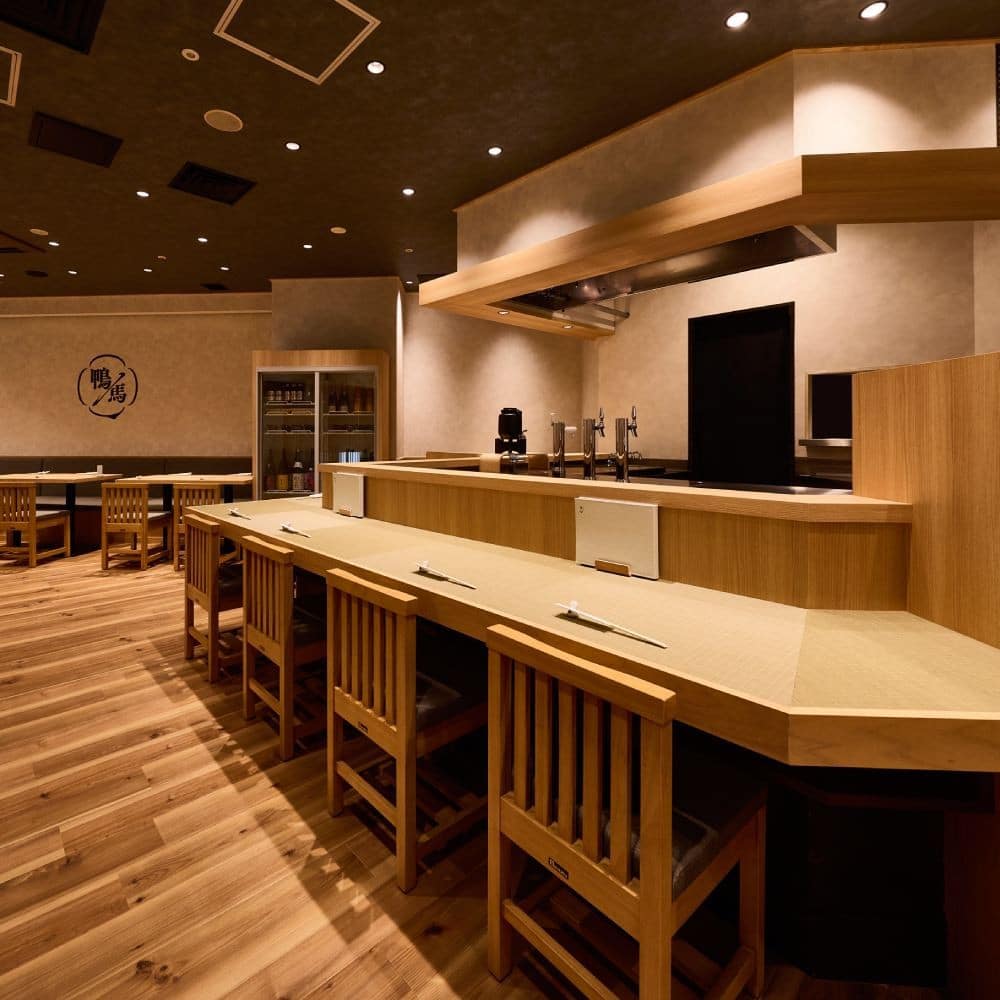
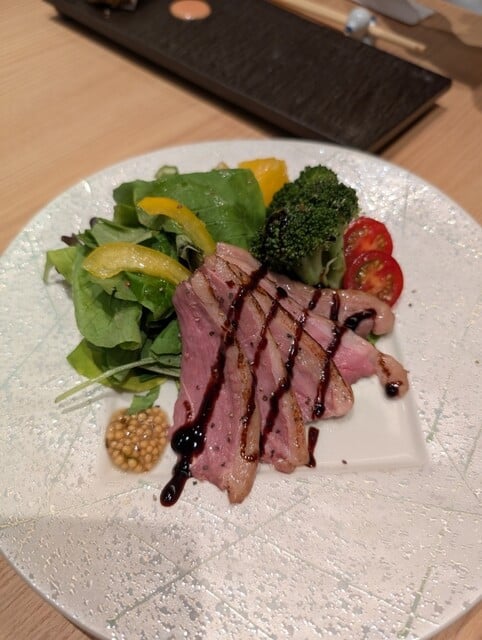
“Kamo Tokidoki Uma Shijo Karasuma Main Shop” (鴨ときどき馬 四条烏丸本店), which opened in 2026, is a talked-about new place focusing on rare duck and horse meat dishes, with a platter that lets you taste both unusual ingredients at once. The menu includes horse meat sashimi and seared duck, uncommon dishes. Because the ingredients are rare, it quickly set off discussion on social media and draws food lovers who make a special trip. The mood is relaxed and stylish, good for dinner with friends; check Instagram for the latest business information.
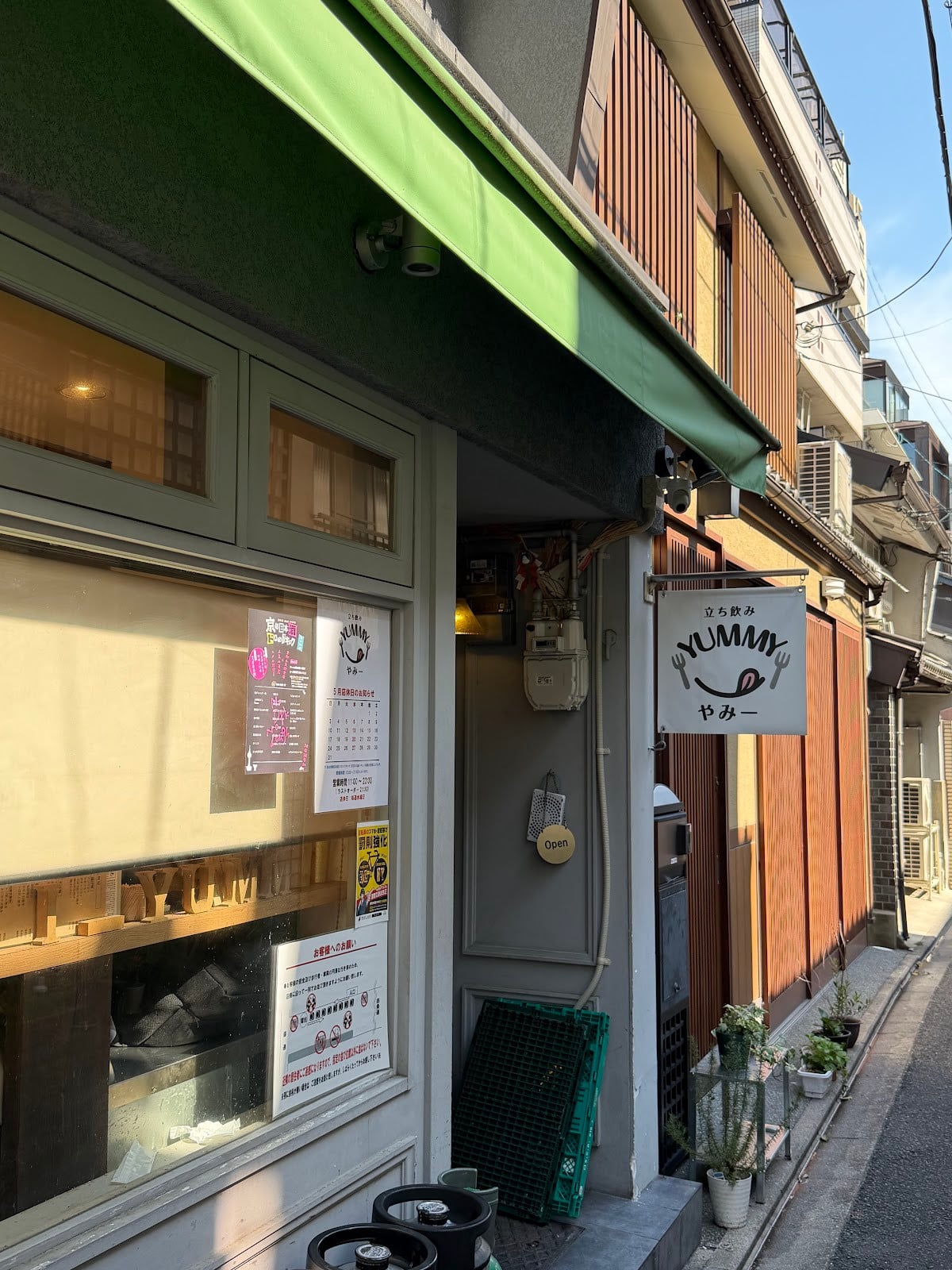
Yami Futatsume (やみー ふたつめ): The Popular Standing Bar’s Second Branch
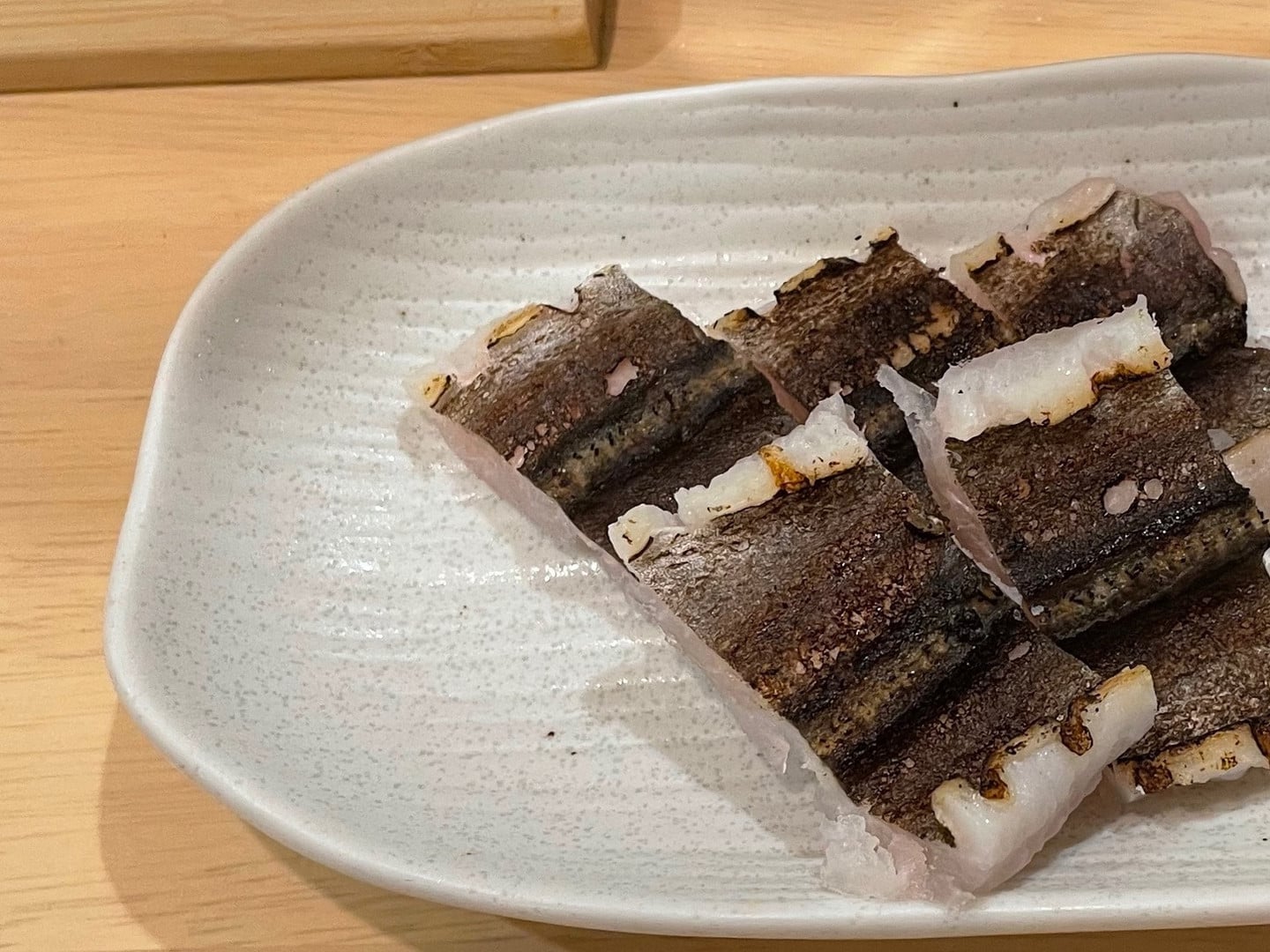
“Yami Futatsume” (やみー ふたつめ) is the second branch of the popular Shijo-Karasuma standing bar “Yami,” in an alley beside the Nishiki-koji-side entrance of Daimaru Kyoto. It carries on the relaxed standing-drinks culture of the first shop, a social spot for quick after-work drinks. It offers a range of snacks plus sake and shochu at affordable prices in a lively mood, a great place to experience local office-worker after-work culture. Its hidden location has become a talking point among food lovers, suited to travelers who like to seek out hidden eats.
Toripaitan Soba Jun (鶏白湯そば 純): A Second Branch of Rich Chicken Paitan Ramen
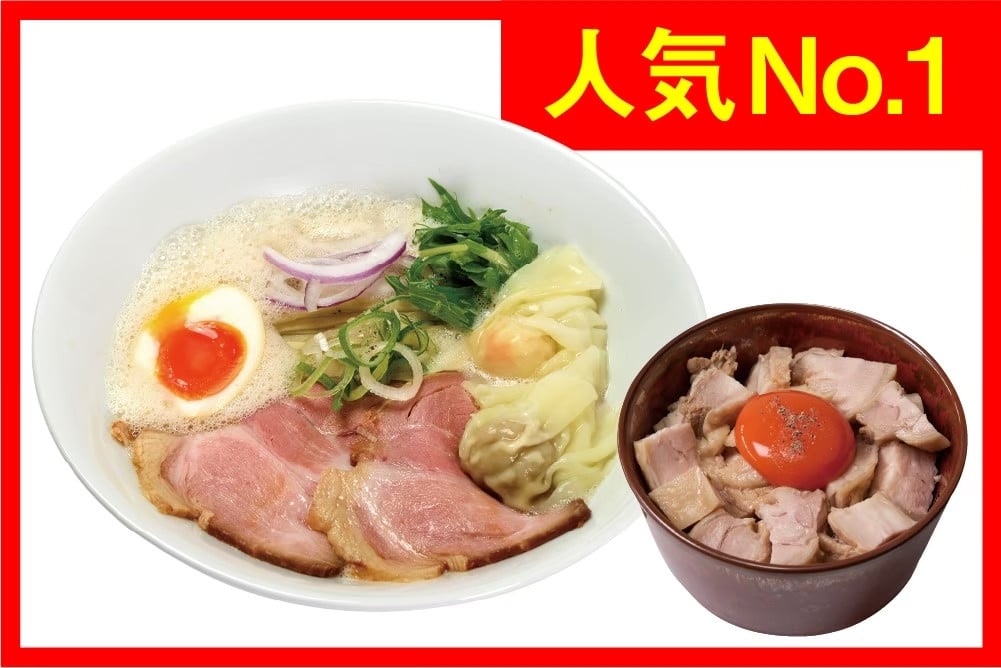
Kyoto Toripaitan Soba Jun Shijo Karasuma (京都 鶏白湯そば 純 四条烏丸店) is the second branch of the ramen shop “Jun” in Shijo-Karasuma. The broth is based on long-simmered chicken paitan, rich and fragrant, with several ajitsuke combinations that let guests adjust to their own signature flavor. The house-made noodles soak up the broth well, and with chashu and a soft-boiled egg the layers deepen. The flavor-change idea is new and fun and quickly built a reputation, making it one of the most watched new ramen shops in the Karasuma area recently.
MAISON ∋ PARLOUR: A Seasonal Fruit Dessert Salon
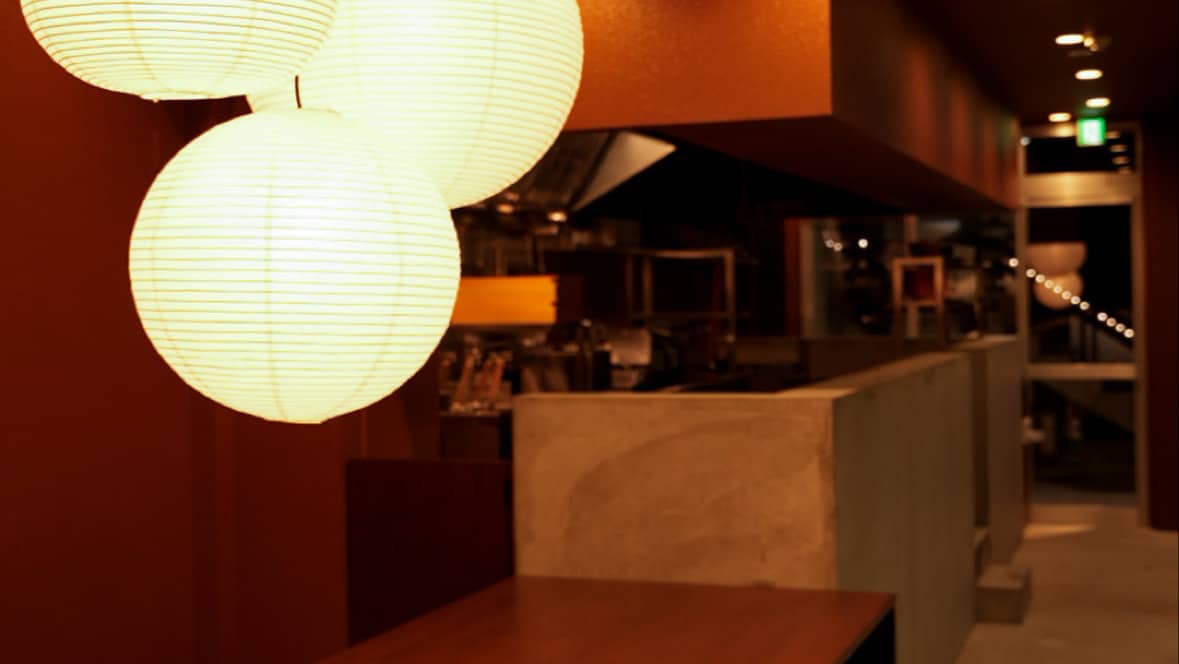
MAISON ∋ PARLOUR opened in Karasuma-Oike in February 2025 and focuses on refined desserts (デセール) made with seasonal fruit, and its menu also offers light dishes for lunch or afternoon tea, a rare fruit dessert specialty in the Karasuma area. The space is bright and elegant, with desserts plated like art, loved by female customers and dessert fans. The menu changes with the seasons, and limited flavors such as spring strawberry and summer peach are worth a special visit.
What to Know Before a Karasuma Food Trip: Dining Etiquette and Reservation Tips
Knowing when to reserve, dining etiquette and how to get around is the key to making the most of the Karasuma food scene.
Be Sure to Reserve Kappo and Kaiseki Restaurants in Advance
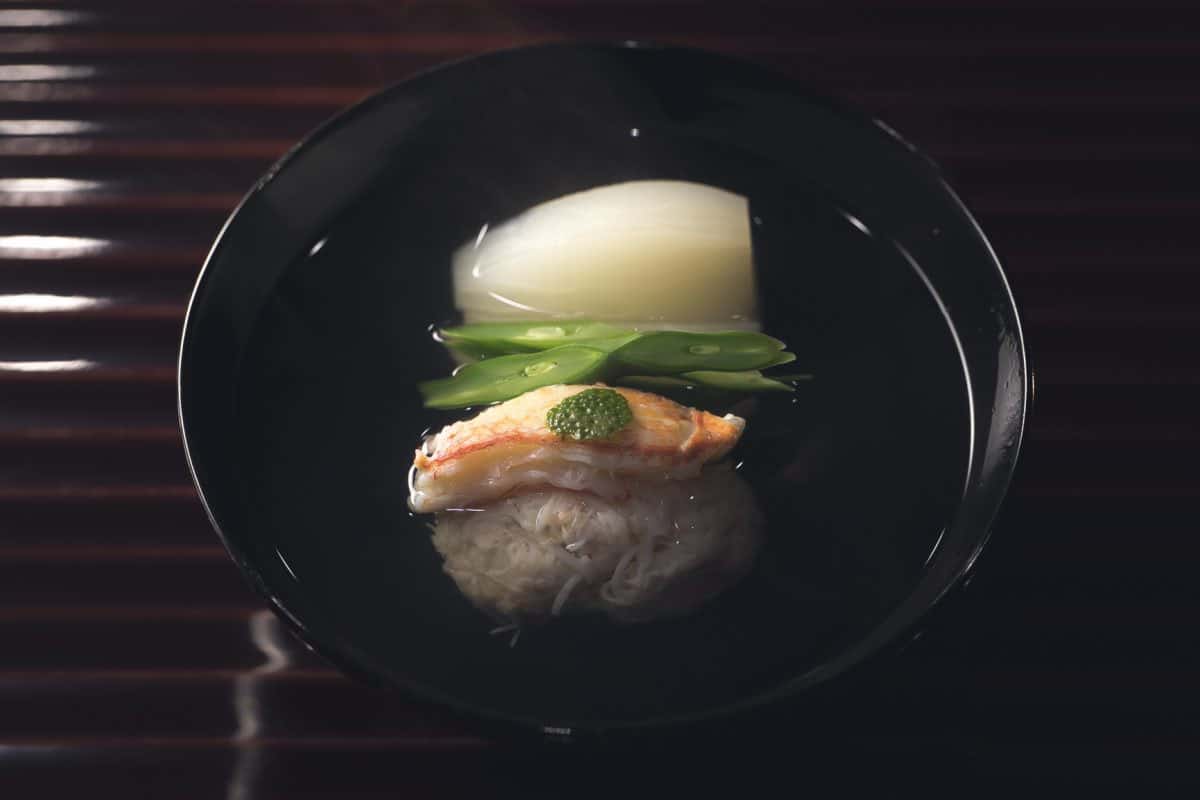
Most kappo and kaiseki restaurants in Karasuma operate by reservation only. For upscale places such as MASHIRO and Hyoto, reserve by phone or on the official website at least 2 to 4 weeks ahead, and for popular times even more than a month ahead, to avoid turning up to a full house.
When reserving, tell the restaurant about food allergies, party size and the business purpose (for example whether you need a private room). Restaurants will usually adjust seating to your needs, making business entertaining go more smoothly.
Beat the Lines by Knowing the Peak Hours
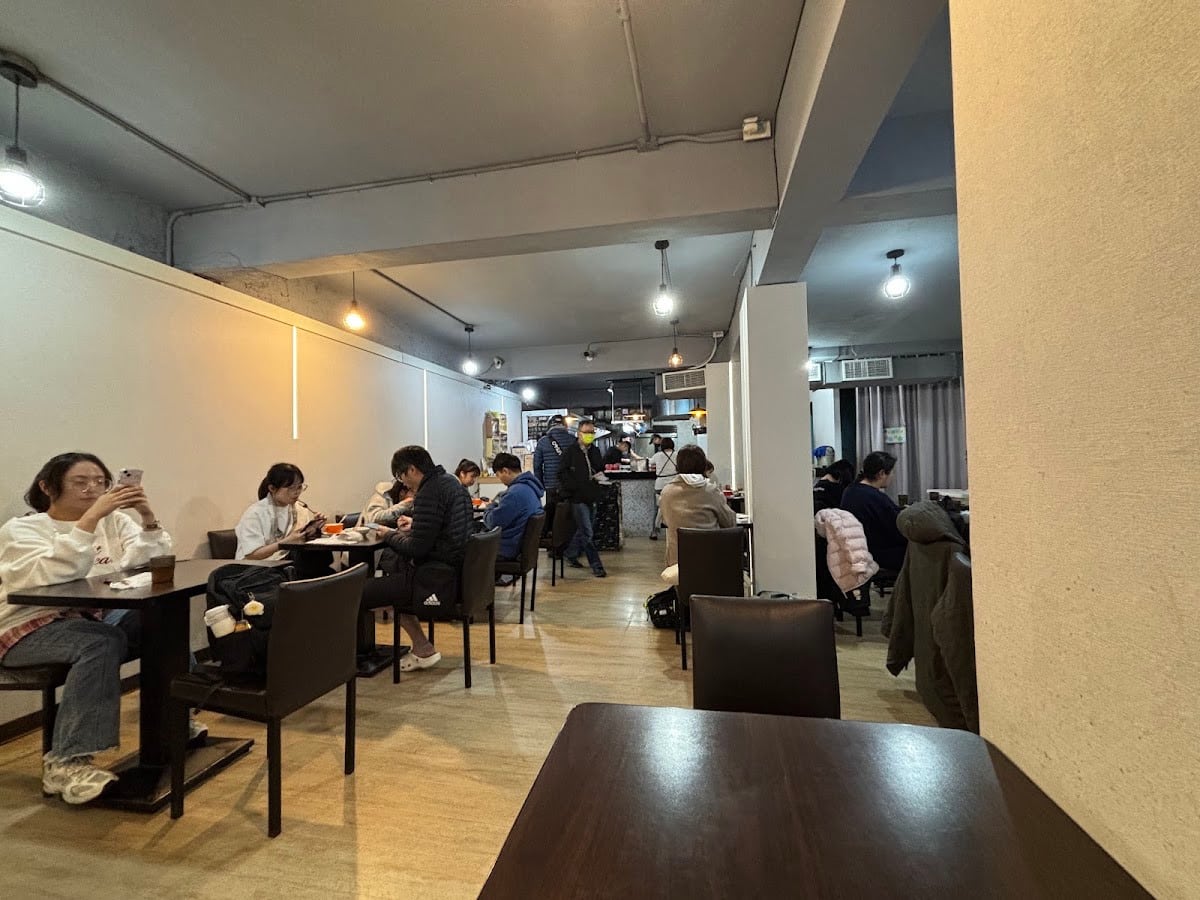
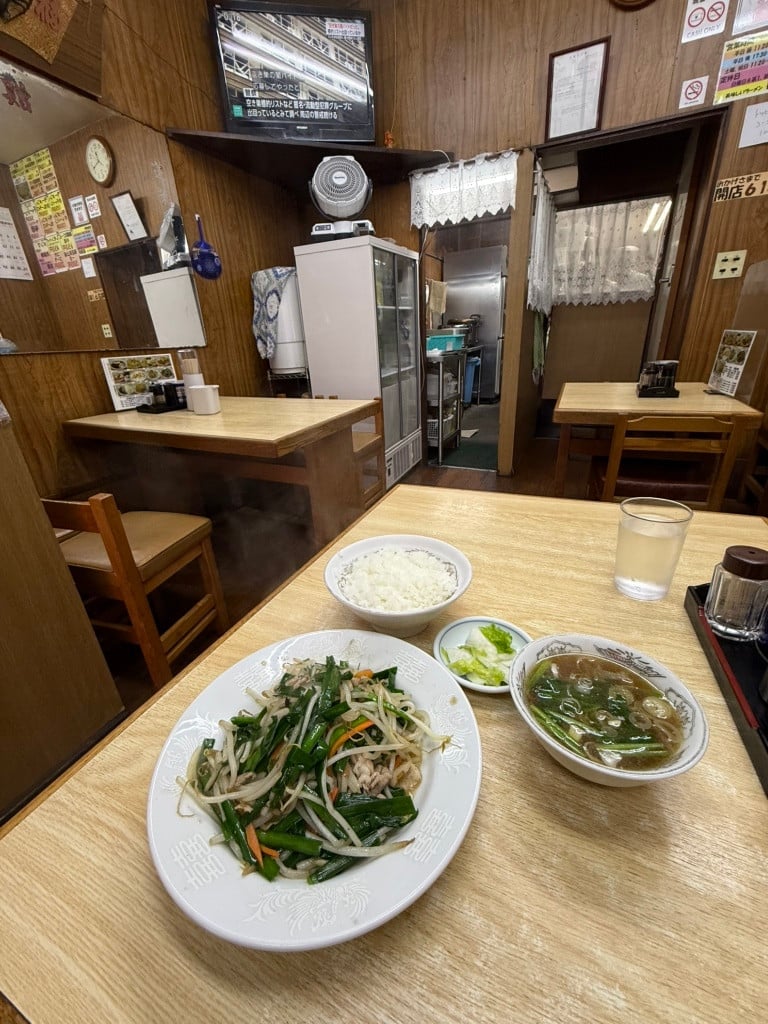
The Karasuma business lunch peak is 12:00-13:00, and popular lunch spots such as Yonefuku and Ippin Hashicho often have lines. Arrive before 11:30 or eat after 13:30 to greatly cut the wait.
For dinner, avoid the prime time of 18:00-20:00 on Fridays and Saturdays. For business dinners, choose a weekday evening, where reservations are more likely to be accepted and the dining room is relatively quiet.
Know the Nearby Stations and Walking Routes
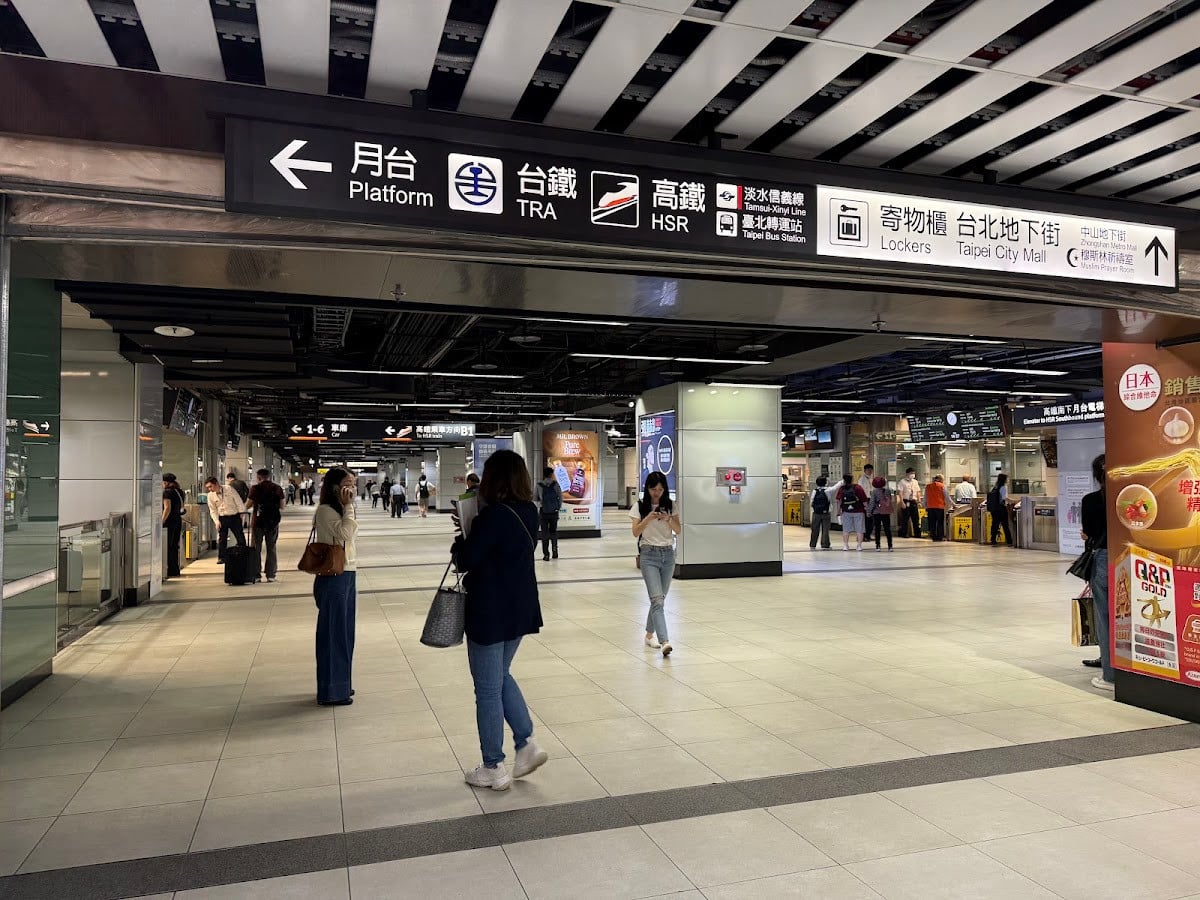
The Karasuma food area centers on Shijo Station on the Karasuma subway line and Karasuma Station on the Hankyu Kyoto Line (the two stations are connected underground), with transfers taking only a few minutes. Most restaurants are within a 10-minute walk of the stations, making it ideal for hopping between several stops.
To reach Nishiki Market or Shinpukan, it is about 8 to 10 minutes on foot from Karasuma Station. Use the underground passages, especially in hot summers or rain, to avoid sun and rain, a handy tip for planning a food route.
Dining Etiquette and Business Entertaining Pointers
At a kappo or kaiseki restaurant, eat to the rhythm of the chef’s courses and do not rush the serving speed, which is basic respect for the artisan’s craft. For business entertaining, the host should take the seat of honor first and proactively check the guest’s dietary restrictions and preferences.
In addition, most upscale restaurants include a service charge, so no extra tip is needed. If you use a private room, tell the restaurant your budget range in advance; the restaurant can usually help plan a suitable set menu and avoid overspending on the day.
Karasuma Food Tours and Experiences: Kappo Cooking Classes and Food Walks
As Kyoto’s business and financial core, Karasuma sees suited office workers moving between tall buildings by day, while at night its alleys hide quiet but particular kappo and small restaurants. For first-time visitors who want to understand Kyoto’s food culture in depth, instead of picking spots by feel, a professional guide or cooking class lets you talk with artisans and try things hands-on, so you truly grasp the spirit of kappo. Below are three types of experiences you can search and book on Klook and KKday, covering kappo cooking classes, sake tasting and night izakaya hopping, to suit different tastes and schedules.
Kyoto Japanese Cooking Class: A Kappo Cooking Experience
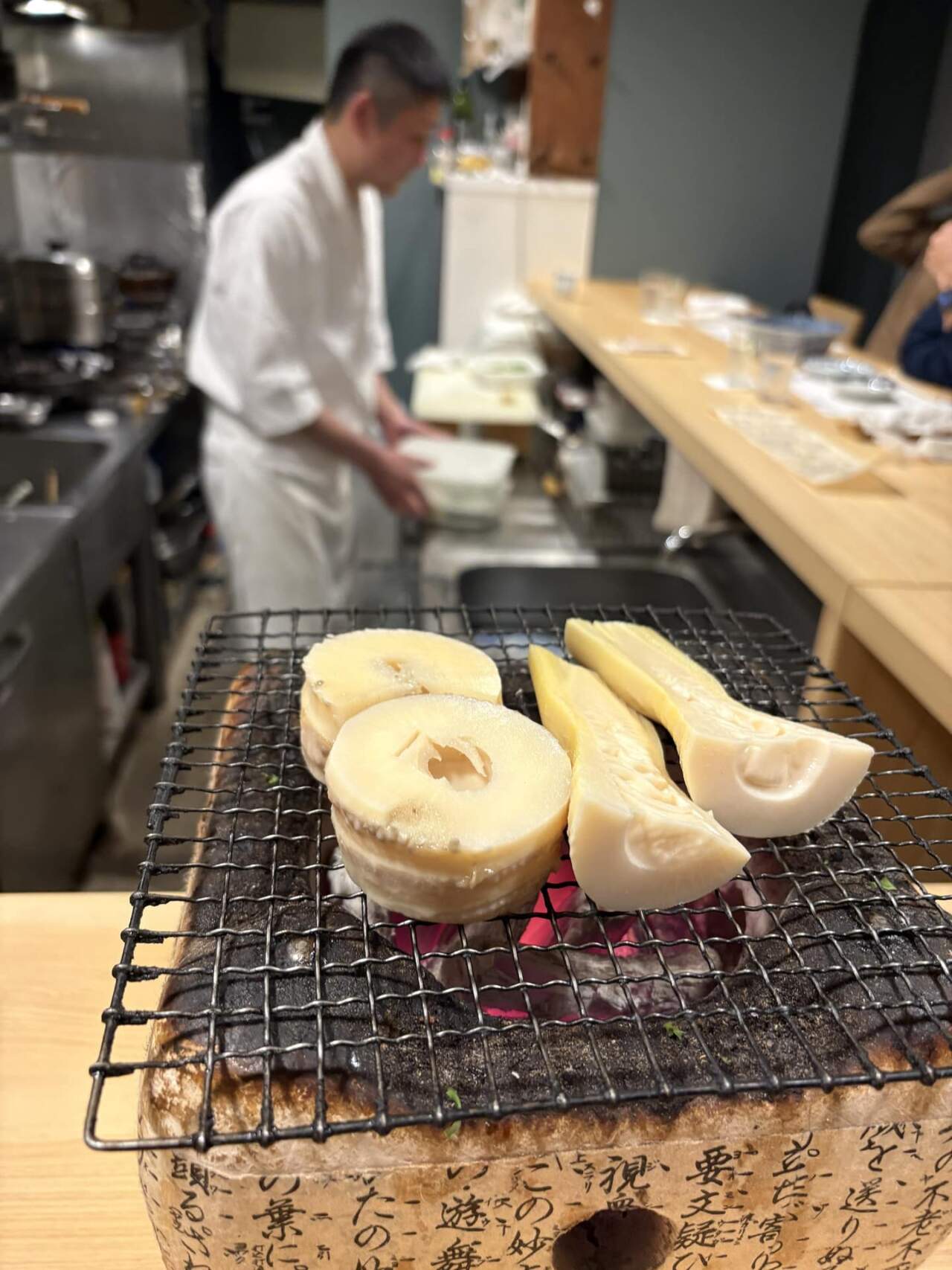
Kyoto has cooking classes themed on Japanese food, and most include simmering dashi and cooking with seasonal ingredients. Sessions, prices and language support vary by product page, so please check before booking.
Search Klook and KKday for “Kyoto kappo cooking class” to compare classes, and when choosing, note the meeting place, whether Chinese or English interpretation is included and the cancellation rules.
We recommend booking through KKday or Klook. Seats are limited in peak seasons (November autumn leaves, April cherry blossoms), so book one month ahead.

Kyoto Sake Tasting Tour: Fushimi Breweries and Tastings
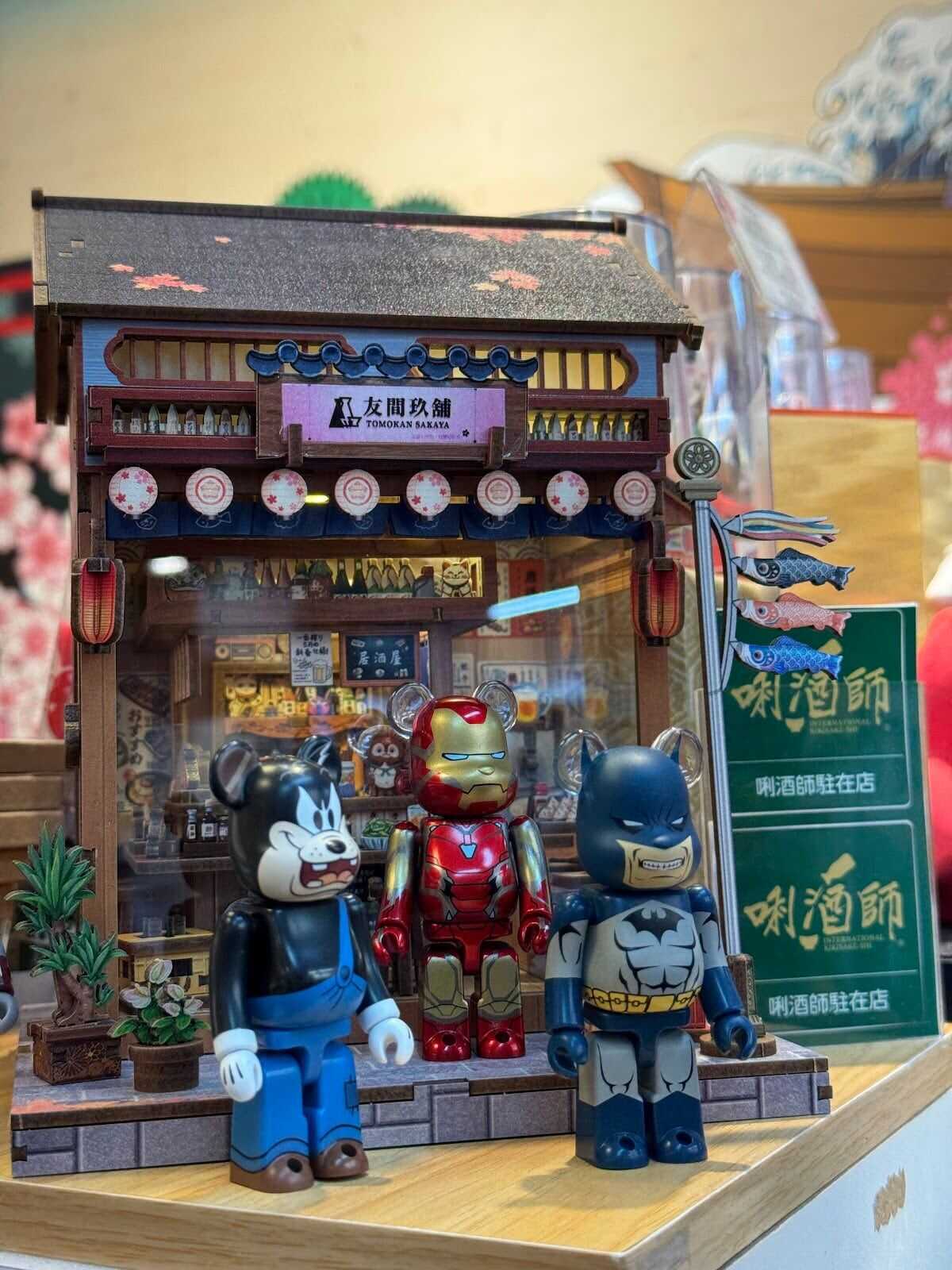
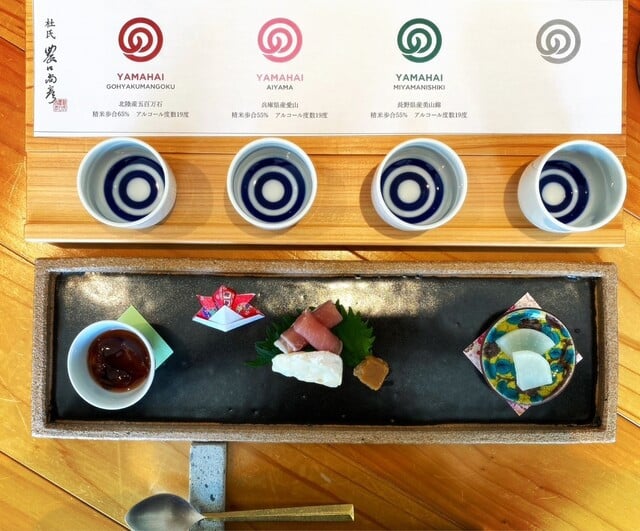
Sake tasting tours mostly combine the Fushimi brewery district or specialty sake shops in the city. Content, timing and price vary by product page, so check before booking whether transport and the number of tastings are included.
Fushimi in Kyoto is known for brewing with soft water and is a district sake lovers often visit, with tours mostly centered on tastings and explanations.
Good for travelers who want to taste first and then choose souvenirs; after buying, check the rules on carrying alcohol when entering your home country.
Kyoto Izakaya Hopping: A Night of Bar-Hopping Dining
Night izakaya hopping tours are mostly led by local guides who take you to several small places in one evening. Content, price and whether food and drinks are included vary by product, and you can compare by searching Klook and KKday for “Kyoto izakaya hopping.” Weekdays are recommended for fewer crowds; check the meeting place and cancellation rules before booking.
Let’s Eat! A 2026 Food Tour of the Karasuma Business District
Karasuma’s food map spans Michelin kappo, machiya izakaya and street food, with ideal choices for business entertaining or solo exploration. Travelers who like fugu and eel may also note the chain Genpin (玄品), whose Karasuma branch offers banquet sets with fugu, eel and crab, another choice for business entertaining.
Food Tour Summary: A Complete Experience from Kappo to Street Food
The Karasuma district gathers Kyoto’s food culture, from Hyoto’s dashi shabu-shabu and MASHIRO’s contemporary kappo to artisan onigiri at Nishiki Market and the 2026 newcomers Kamo Tokidoki Uma and Yami Futatsume, showing the charm of century-old tradition and innovation side by side.
Itinerary tips: for business entertaining choose a kappo or kaiseki restaurant (reservation required); for casual gatherings choose a machiya izakaya or standing bar. Combine Nishiki Market and Shinpukan street food for a full taste of authentic Karasuma business-district food in 2026.
Where to Stay Nearby
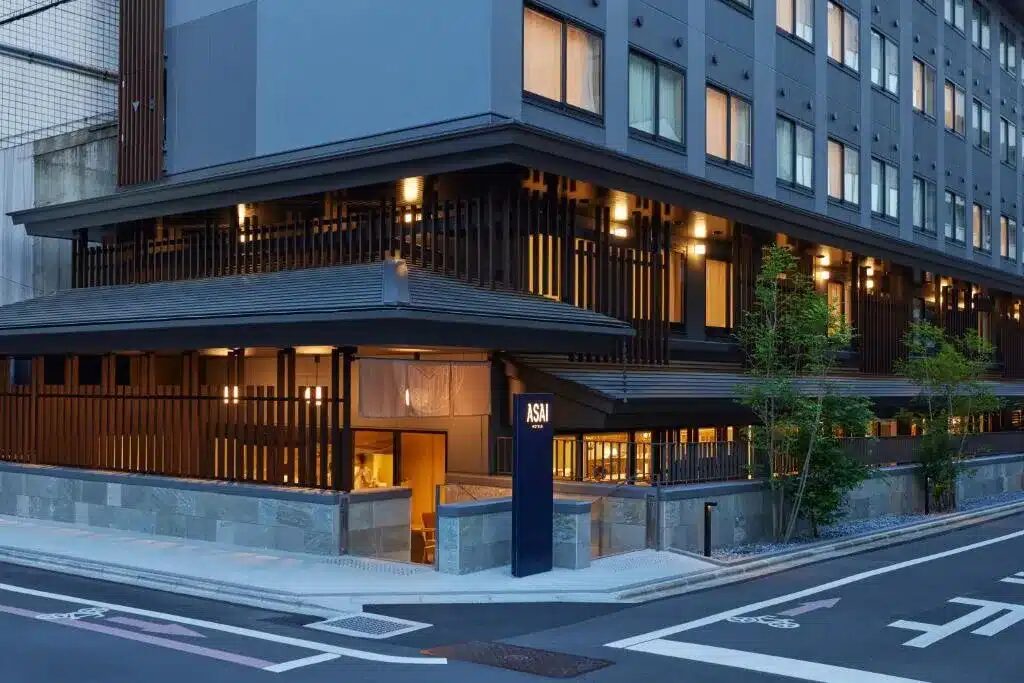
The Shijo-Karasuma area has Shijo Station on the Karasuma subway line and Karasuma Station on the Hankyu Kyoto Line, connected underground, and the subway goes directly to Kyoto Station, with Kawaramachi and Nishiki Market within walking distance. If you want kappo lunch and evening drinks on the same day, staying in Shijo-Karasuma saves the most travel time.

Frequently Asked Questions (FAQ)
Q: How much does a Karasuma business lunch cost?
You can enjoy tempura or a Japanese set meal for around ¥1,000 or less, such as the ¥890 Yonefuku Tendon; kaiseki-style kappo lunch starts from about ¥3,000, and business dinners are mostly ¥10,000 and up.
Q: How do I get to the Karasuma food area? What is the nearest station?
Take the Karasuma subway line to “Shijo Station” or the Hankyu Kyoto Line to “Karasuma Station” (the two are connected underground). Most restaurants are within a 10-minute walk, so access is very convenient.
Q: How far in advance should I reserve a kappo restaurant?
We recommend reserving kappo and kaiseki restaurants at least 2 to 4 weeks ahead, and for popular places such as MASHIRO and Hyoto in peak season even more than a month ahead, to avoid missing out.
Q: What is the best season for Karasuma food?
Spring (March-April) brings bamboo shoots and mountain vegetables, summer (June-August) is the hamo season, autumn (October-November) brings matsutake and chestnuts, and winter (December-February) is the best time for crab and fugu. Each season has its own highlights.
Q: What etiquette should I keep in mind at business dinners?
Eat to the chef’s pace and do not rush. Service charges are mostly included so no extra tip is needed, and for private-room dining tell the restaurant your budget in advance so it can plan the set menu.
Q: Are there rules about eating while walking in Nishiki Market?
Some shops ask that you finish eating in front of the stall before moving on. Eating while walking is discouraged because it clogs the passage, so ask the shop before buying whether it has a seating area.
Q: How is dashi shabu-shabu different from ordinary shabu-shabu?
Dashi shabu-shabu (出汁しゃぶ) uses artisan-simmered kombu broth in place of a plain-water pot, so the broth itself has layers of umami, making swirled wagyu slices sweeter and smoother. It is a way of eating shabu-shabu unique to Kyoto.